The Real Money Was Never Just The Paycheck
Hollywood stars have collected enormous salaries for decades, but some discovered an even better way to build wealth: getting a piece of the movies themselves. From outright ownership and production stakes to lucrative box-office percentages, these arrangements transformed ordinary acting contracts into extraordinary fortunes. And some of the biggest winners barely needed an upfront salary.
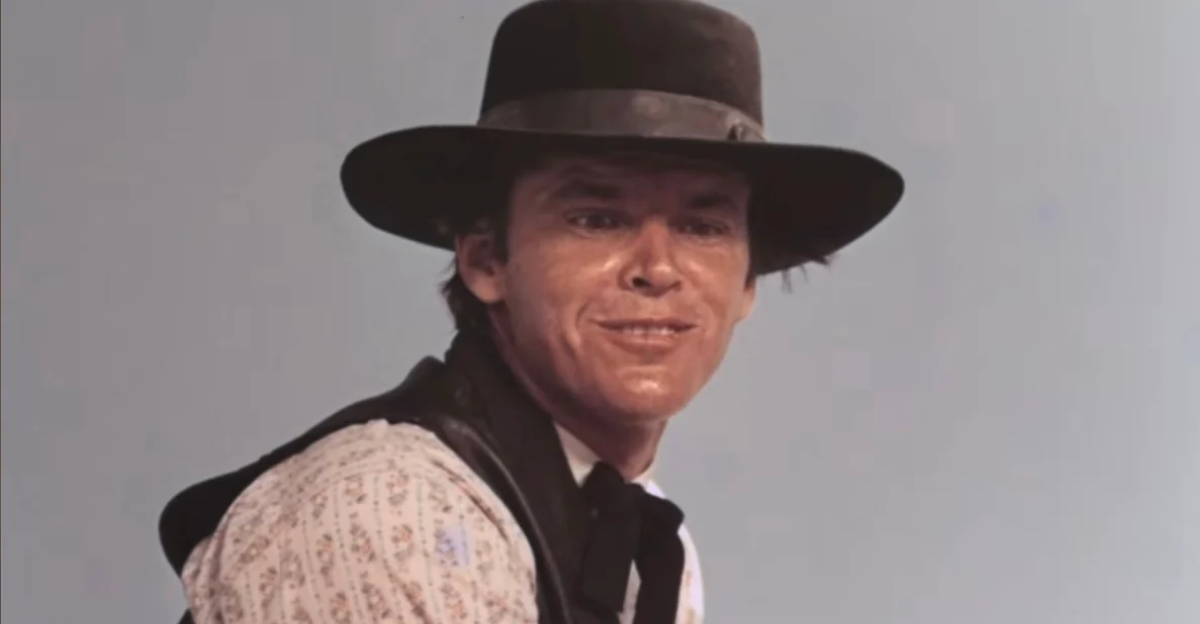 Jack H. Harris Enterprises, Inc., Wikimedia Commons
Charlie Chaplin—The Gold Rush
Charlie Chaplin was thinking about ownership long before modern Hollywood stars caught on. His company produced The Gold Rush in 1925, and he helped establish United Artists to secure greater independence. Rights to his films remain valuable assets managed through Chaplin family companies.
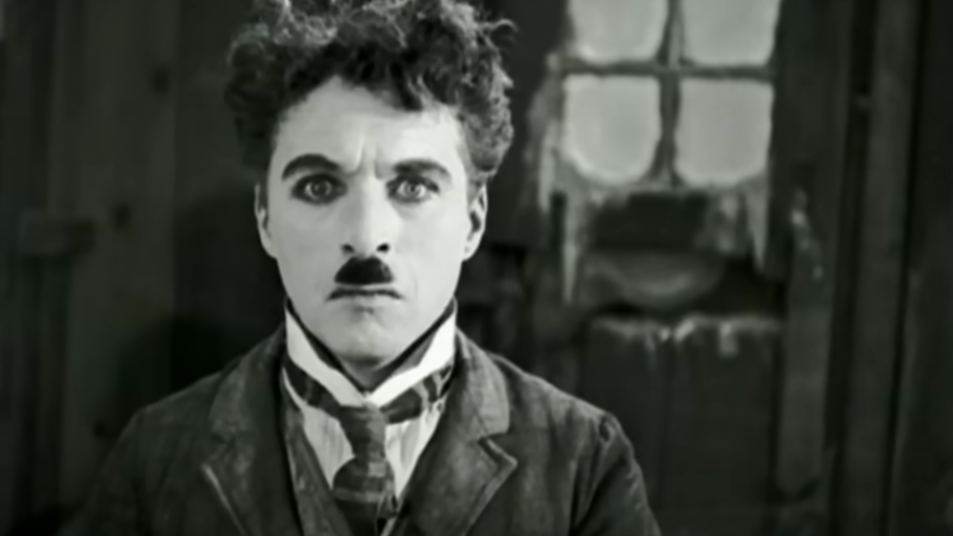 Screenshot from The Gold Rush, United Artists (1925)
James Stewart—Winchester '73
James Stewart helped revolutionize Hollywood contracts with Winchester '73 in 1950. Rather than accepting his customary salary, he negotiated a percentage of the movie's earnings. The Western succeeded, reportedly bringing Stewart approximately $500,000, an extraordinary payday for that era.
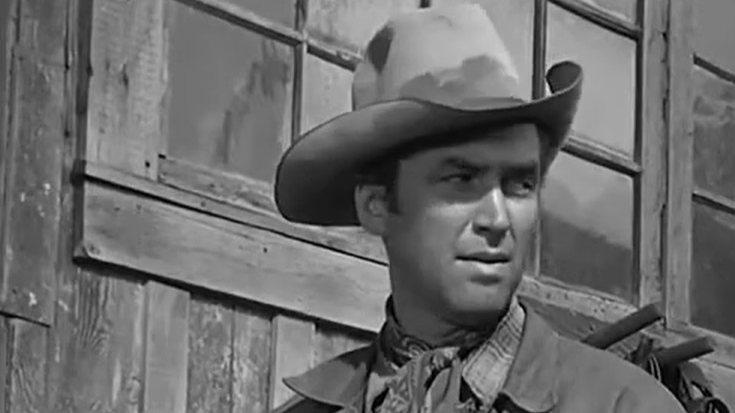 Screenshot from Winchester '73, Universal (1950)
Cary Grant—Operation Petticoat
Cary Grant was more than a handsome leading man. For the 1959 comedy Operation Petticoat, he negotiated an arrangement giving him 75% of the profits. Contemporary reporting valued the film's profits at $7 million by 1962, demonstrating the remarkable potential of his deal.
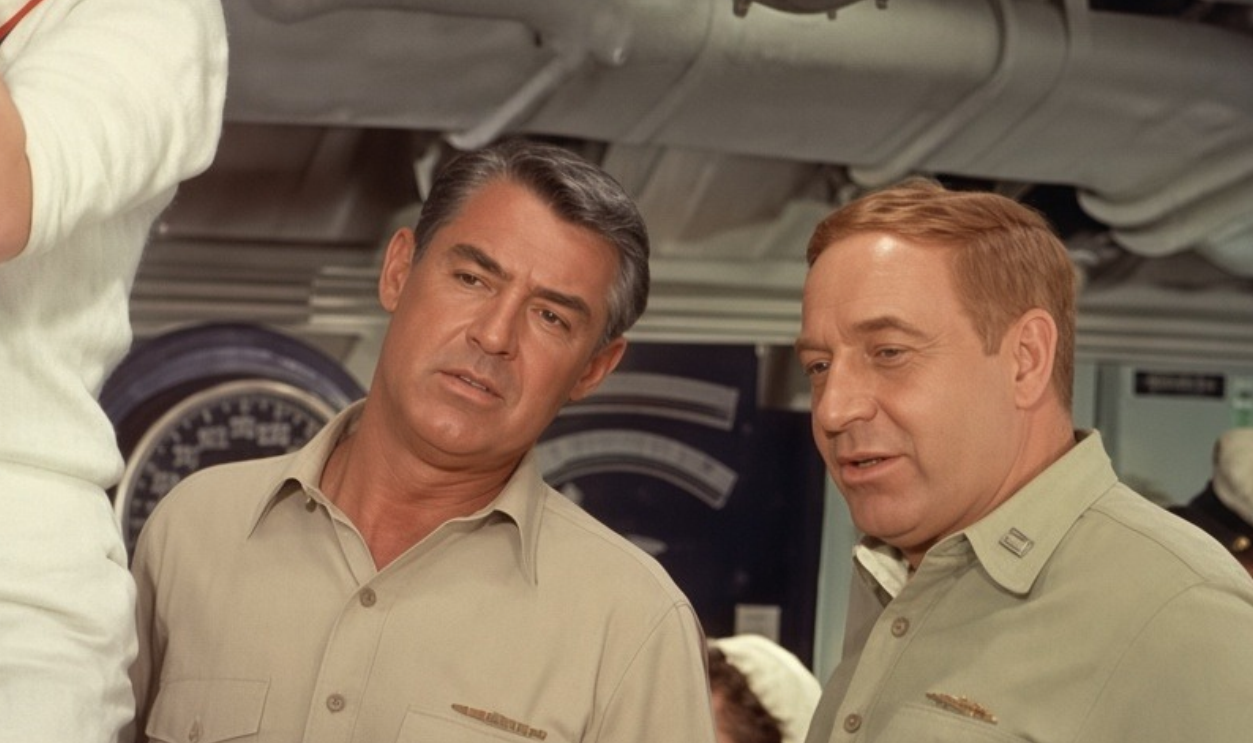 trailer screenshot (Universal Pictures), Wikimedia Commons, Modified
William Holden—The Bridge On The River Kwai
William Holden negotiated 10% of the gross revenue from The Bridge on the River Kwai. By 1959, his share was reportedly worth between $2 million and $3 million. One complication? His contract restricted annual payments to $50,000, stretching his earnings across decades.
 Screenshot from The Bridge on the River Kwai, Columbia Pictures (1957)
Elizabeth Taylor—Cleopatra
Elizabeth Taylor famously secured $1 million upfront and 10% of the gross from Cleopatra. Production delays also triggered substantial additional payments. By the time the famously expensive 1963 epic was completed, her total compensation had reached approximately $7 million.
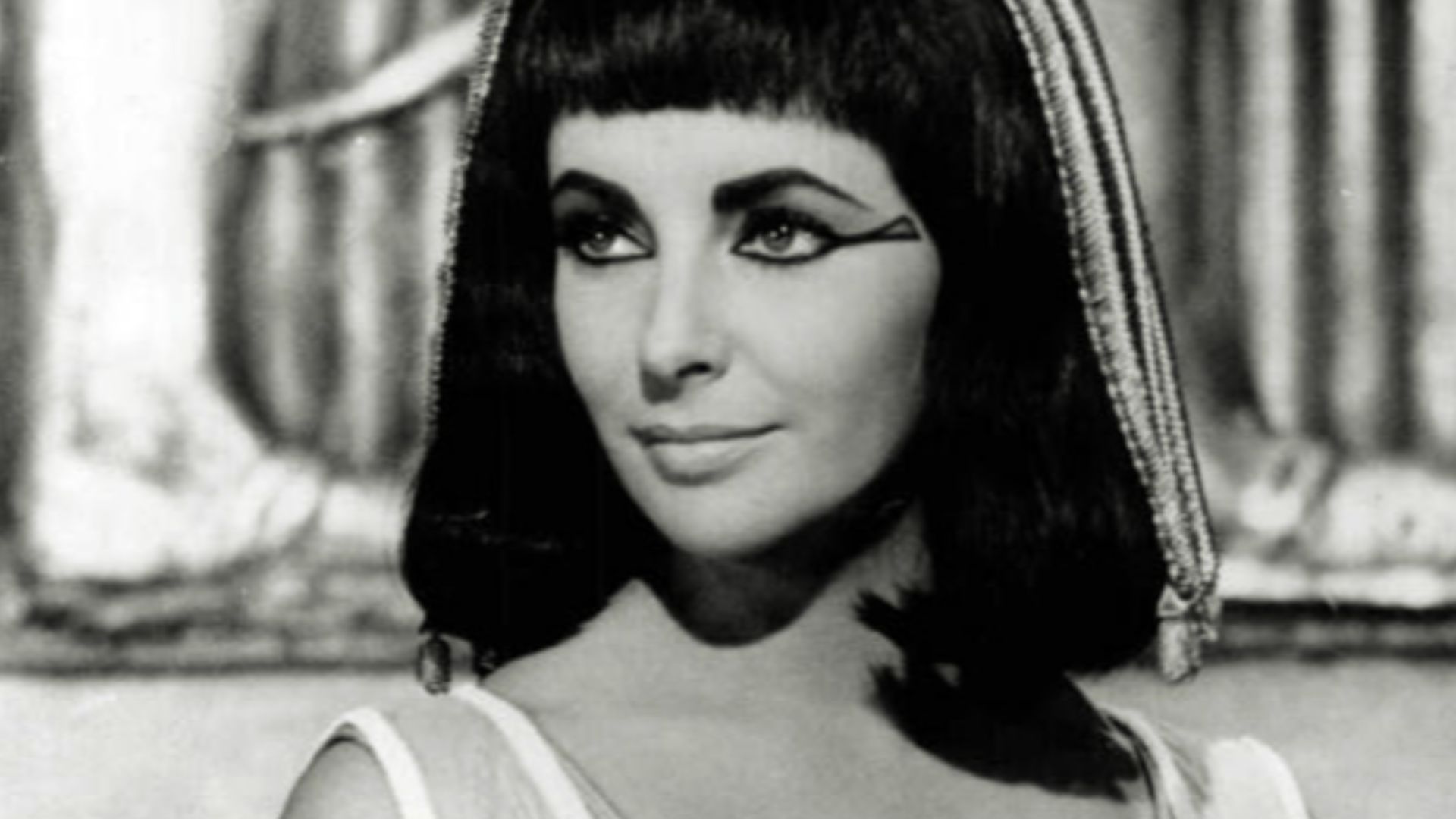 Renamed user 995577823Xyn, Wikimedia Commons
Warren Beatty—Bonnie And Clyde
Warren Beatty didn't simply star in Bonnie and Clyde. He helped develop the project and secured a 40% ownership stake. That arrangement reportedly earned him several million dollars by 1971, giving him extraordinary financial rewards alongside significant creative influence.
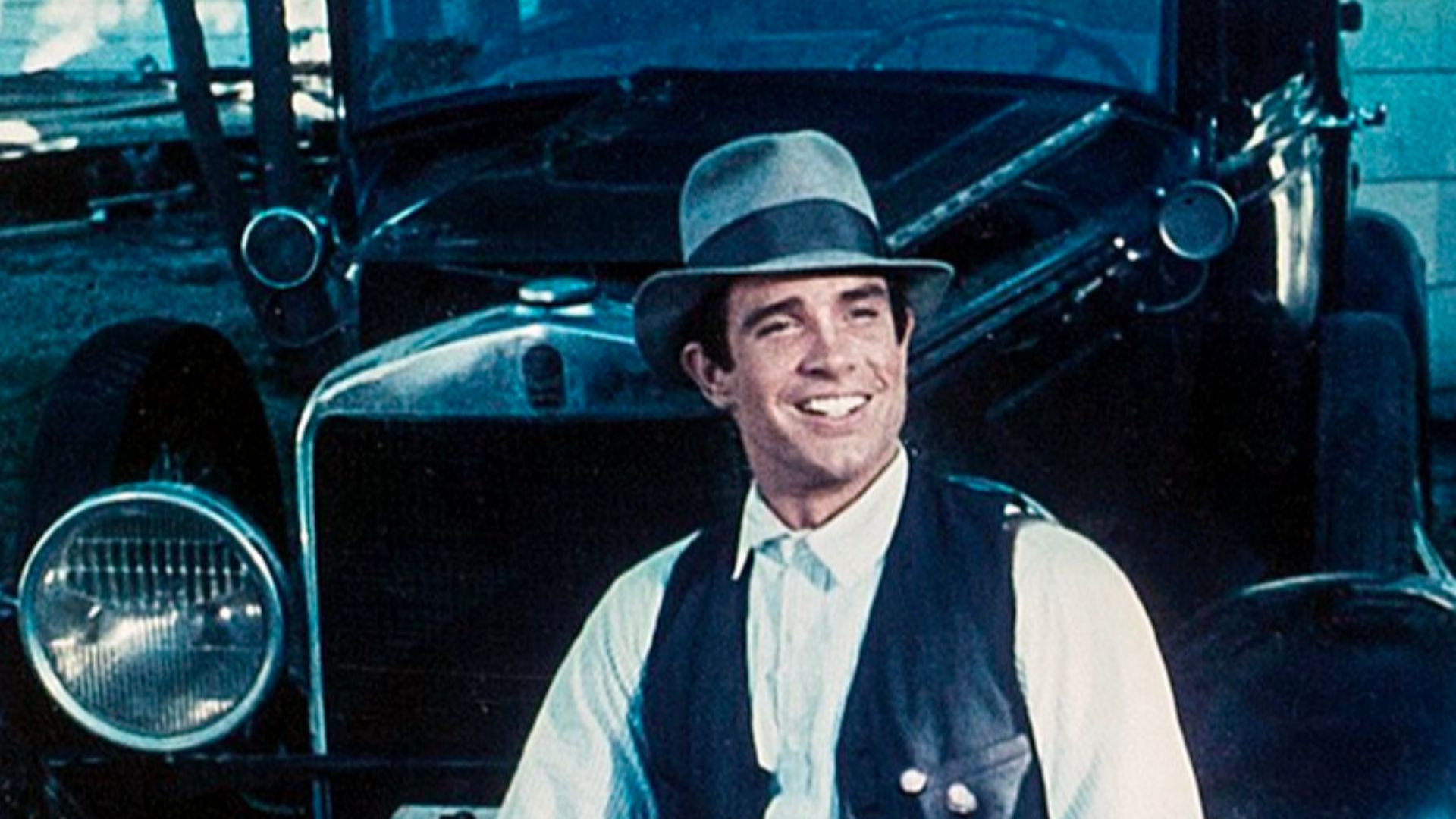 Distributed by Warner Bros.-Seven Arts., Wikimedia Commons
Steve McQueen—The Getaway
Steve McQueen joined other major stars in establishing First Artists, a company designed to give performers greater control over their pictures. His 1972 thriller The Getaway was produced through the venture, allowing McQueen to participate in the business beyond acting compensation.
 Screenshot from The Getaway, Warner Bros. (1972)
Barbra Streisand—A Star Is Born
Barbra Streisand took remarkable control of the 1976 remake of A Star Is Born. Produced through First Artists, the film gave her substantial creative authority and a reported 25% share of net profits instead of conventional acting and producing salaries.
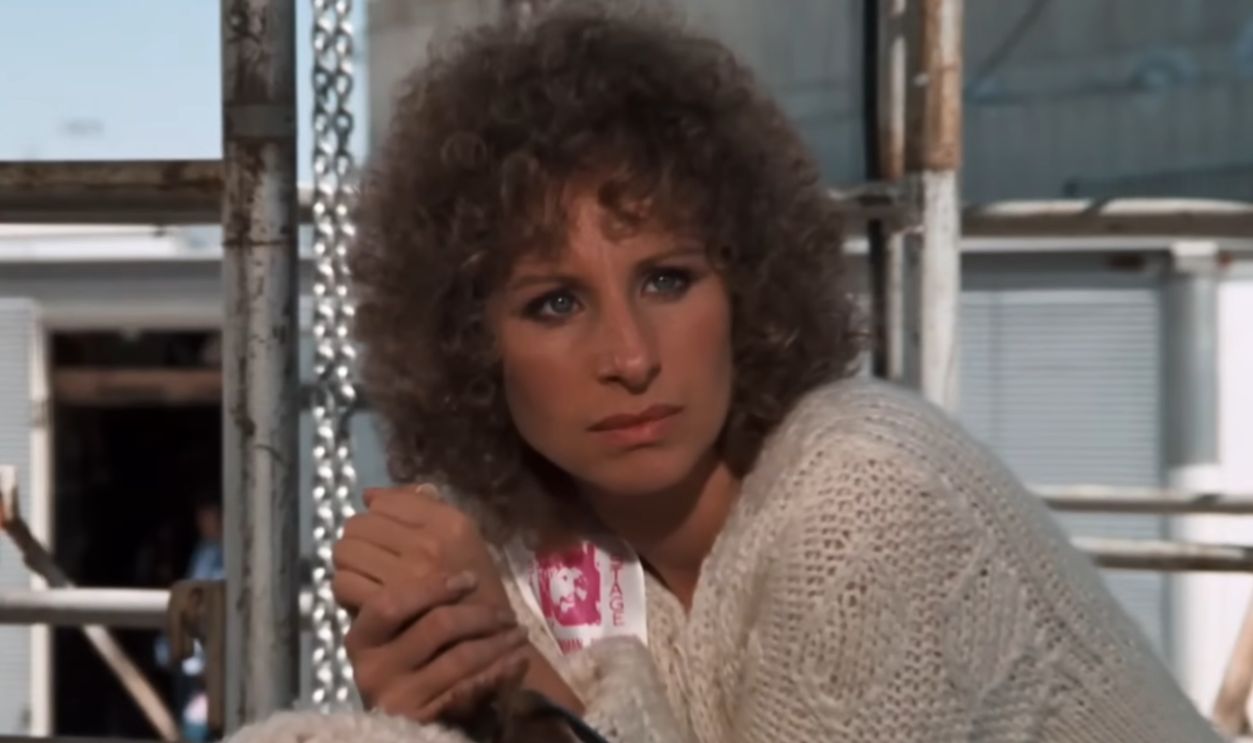 Screenshot from A Star Is Born, Warner Bros. Pictures (1976)
Clint Eastwood—Unforgiven
Clint Eastwood's production company, Malpaso, became central to his career. He optioned the screenplay for Unforgiven, then starred, directed, and produced the 1992 Western. His arrangement demonstrated how a performer could control a project rather than merely collect an acting fee.
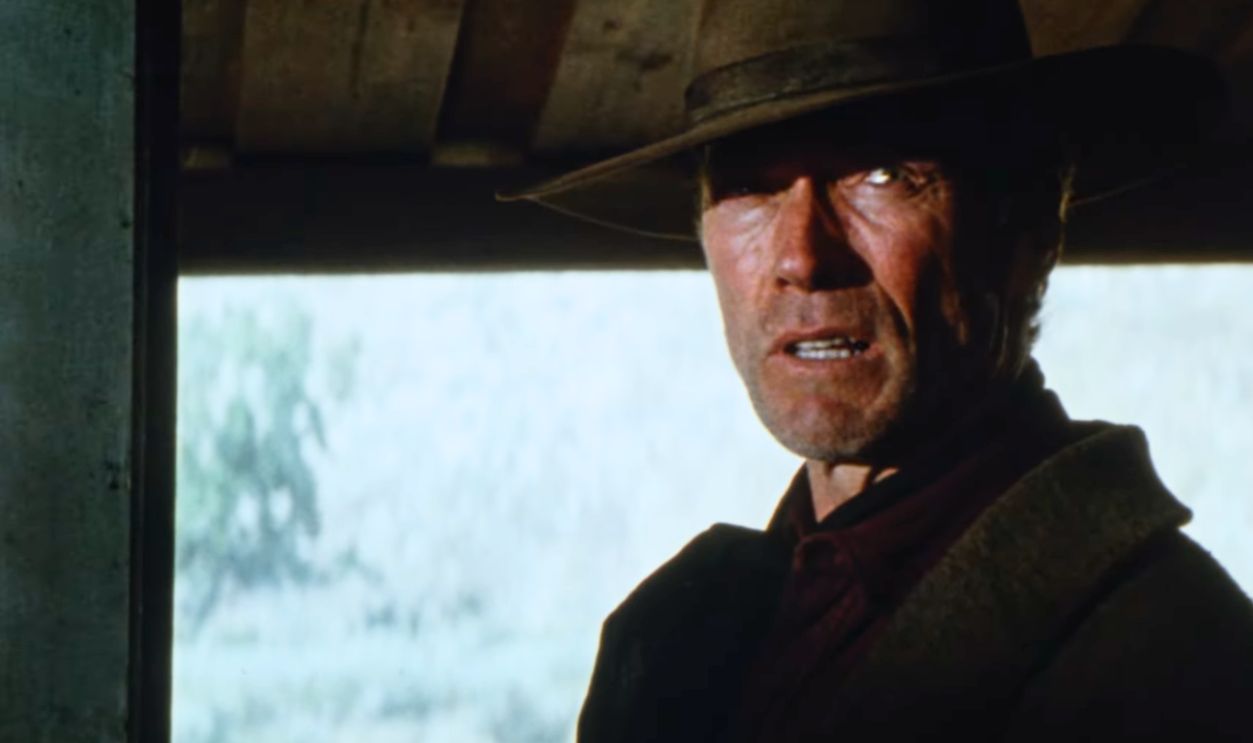 Screenshot from Unforgiven, Warner Bros. Pictures (1992)
Kevin Costner—Dances With Wolves
Kevin Costner took an enormous financial risk with Dances With Wolves. He invested approximately $3 million of his own money when production costs climbed. The 1990 film became a major success, reportedly earning him more than $40 million in profits.
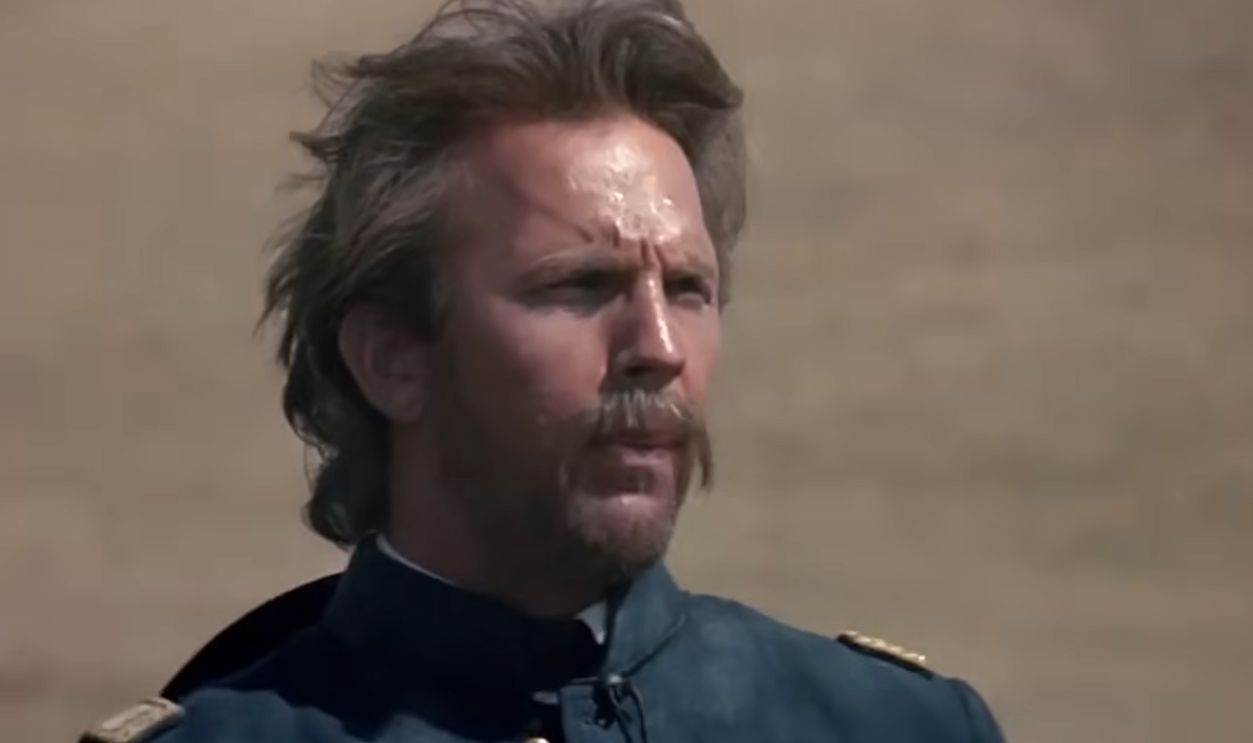 Screenshot from Dances With Wolves, Orion Pictures (1990)
Mel Gibson—The Passion Of The Christ
Mel Gibson personally financed The Passion of the Christ through his production company, Icon. With approximately $30 million invested in production, he retained an unusually large financial interest. Contemporary estimates projected a personal windfall of $300 million to $400 million.
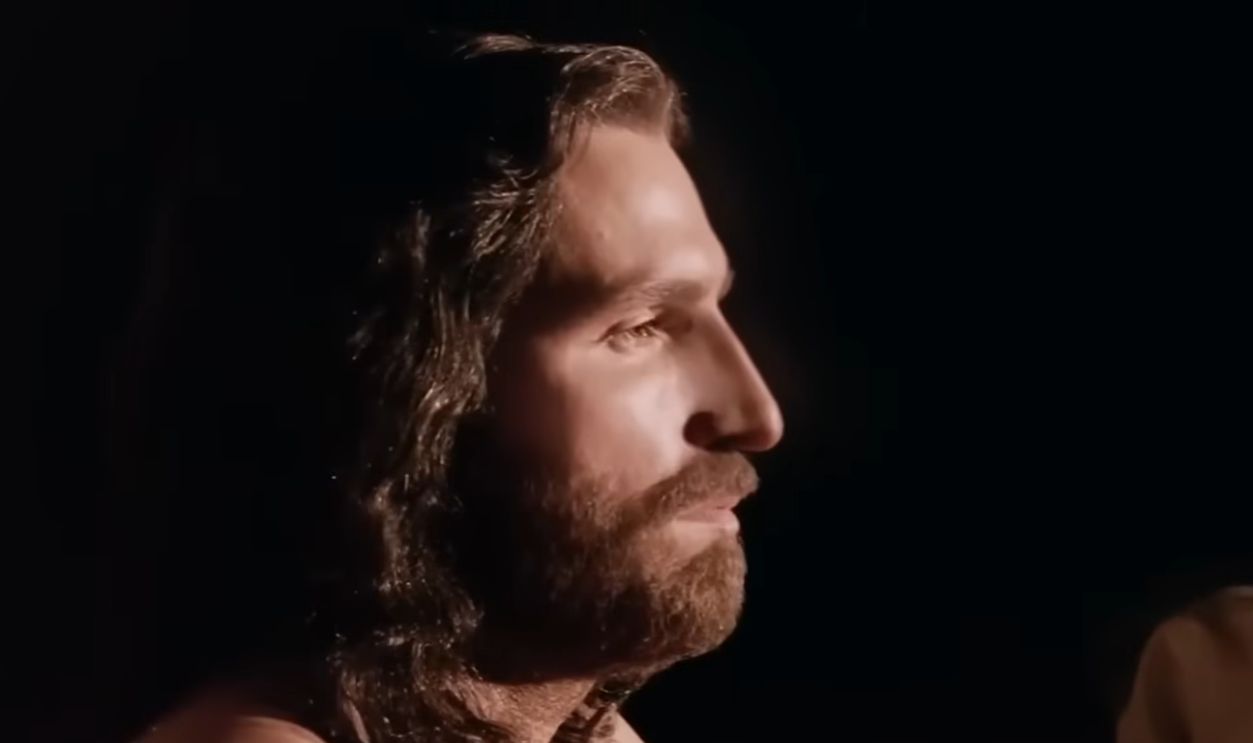 Screenshot from The Passion of the Christ, Icon Productions (2004)
Tyler Perry—The Madea Movies
Tyler Perry built his entertainment empire around retaining ownership of his creations. Rather than surrendering his intellectual property, he kept control of his film and television library. The Madea franchise alone has generated more than $660 million in theatrical revenue.
 Screenshot from Madea Destination Wedding, Netflix (2025)
Arnold Schwarzenegger—Twins
Arnold Schwarzenegger, Danny DeVito, and director Ivan Reitman made an unusual decision for Twins. They accepted no conventional upfront salaries, choosing revenue participation instead. Schwarzenegger received 17.5% of the film's rentals, turning the comedy's success into a remarkably lucrative arrangement.
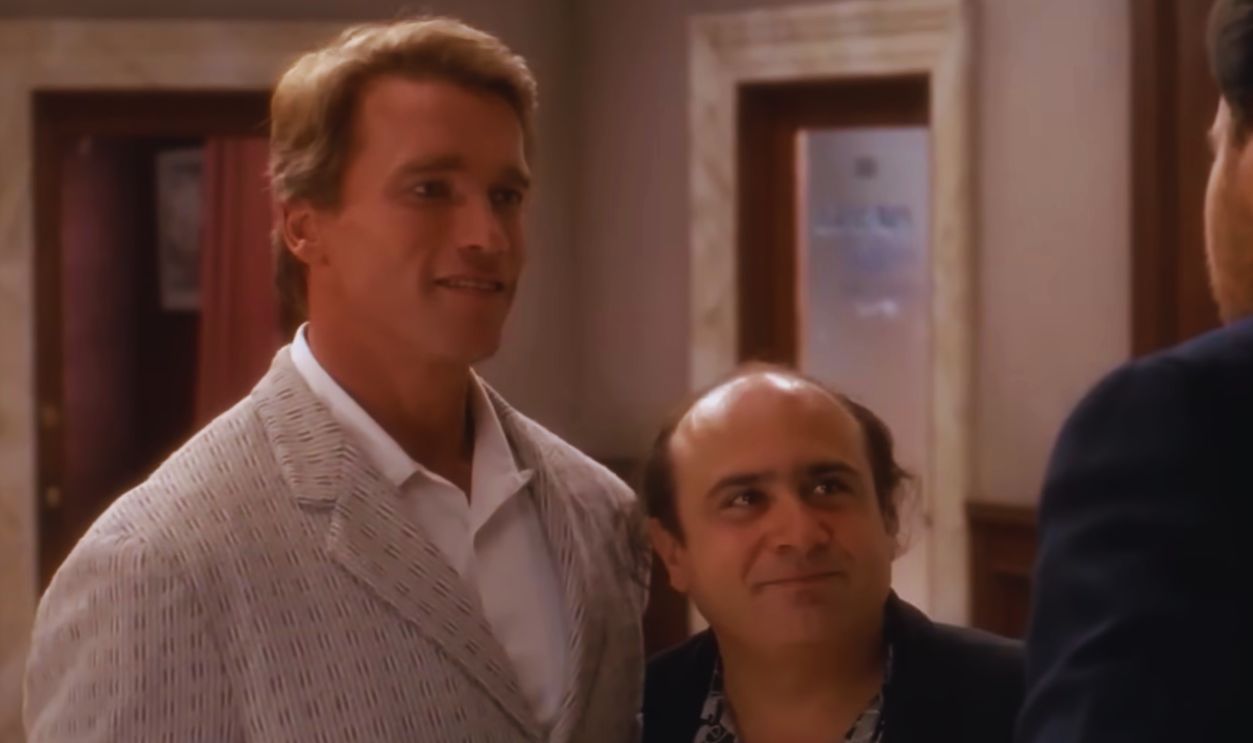 Screenshot from Twins, Universal Pictures (1988)
Tom Cruise—Mission: Impossible
Tom Cruise understood the financial potential of Mission: Impossible from the beginning. For the 1996 original, he reportedly received no upfront acting payment but secured approximately 15% of first-dollar gross, plus a share of producing revenue.
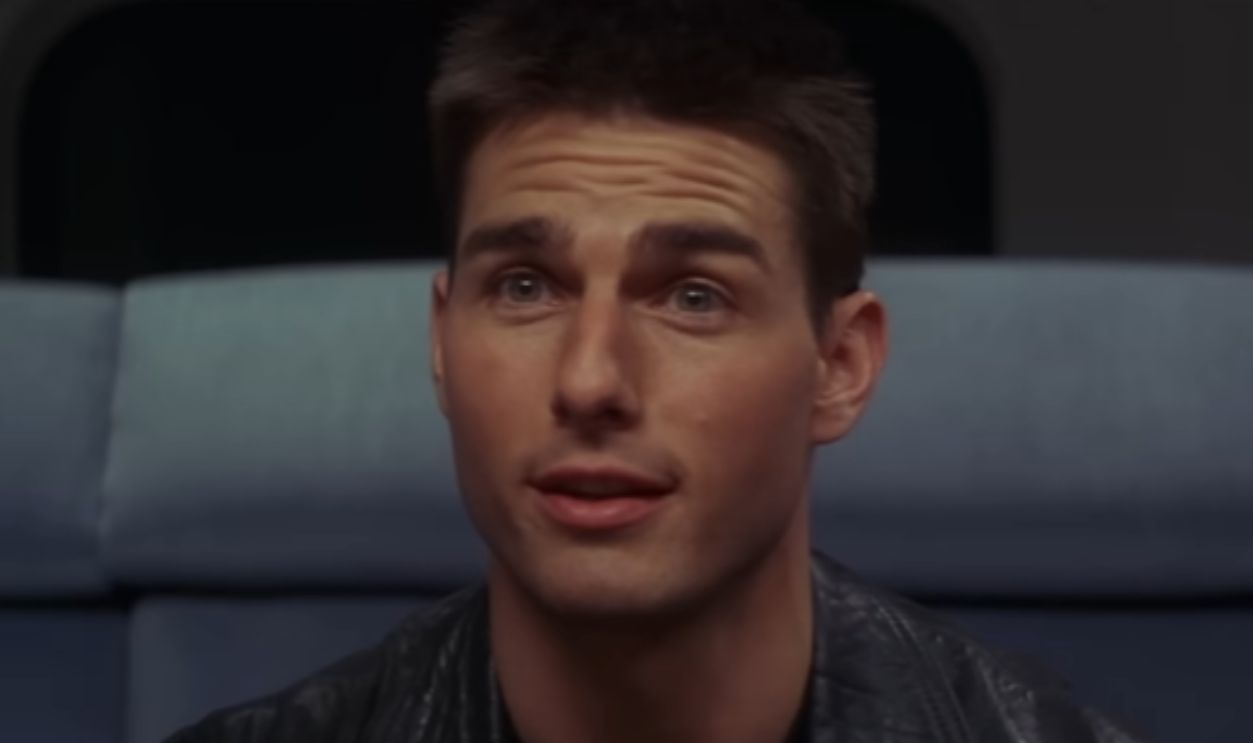 Screenshot from Mission: Impossible, Paramount Pictures (1996)
Tom Hanks—Forrest Gump
Tom Hanks deferred much of his original compensation for Forrest Gump in exchange for first-dollar participation. The 1994 blockbuster became extraordinarily successful, and contemporary reports estimated his eventual compensation at $30 million to $40 million, far beyond his original fee.
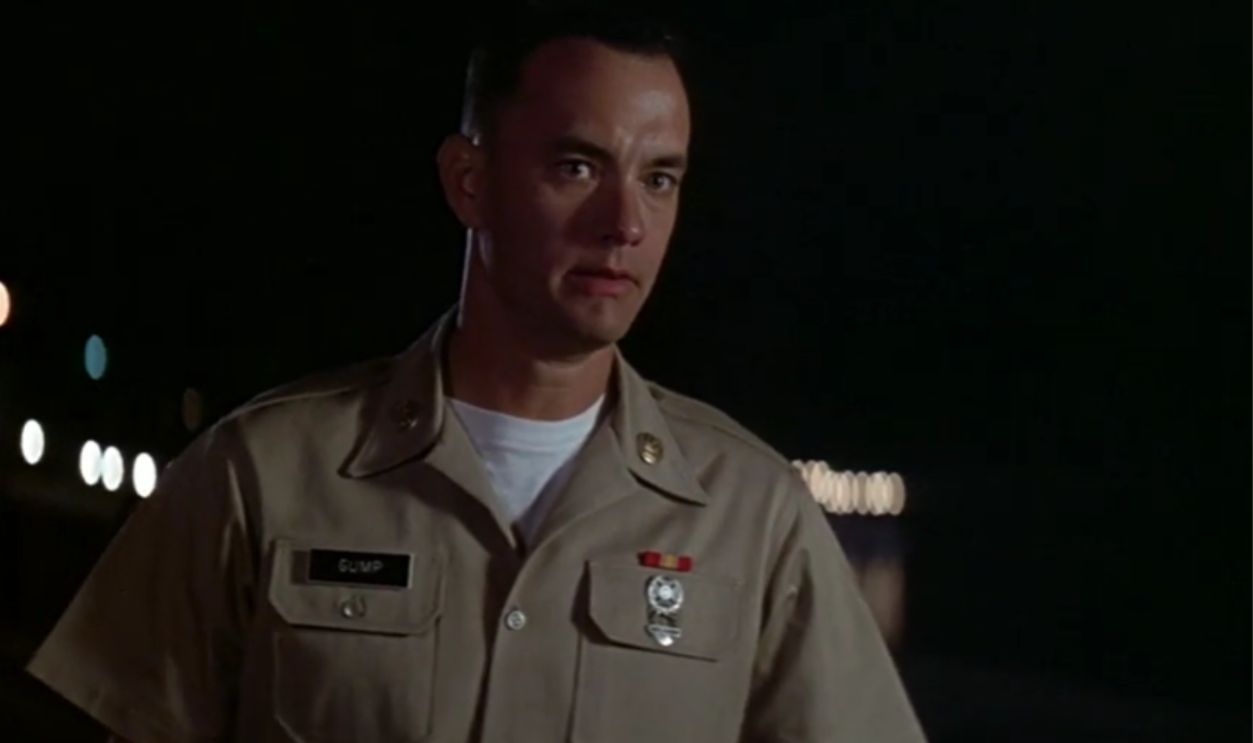 Screenshot from Forrest Gump, Paramount Pictures (1994)
Jack Nicholson—Batman
Jack Nicholson negotiated an astonishing arrangement to play the Joker in 1989's Batman. His contract included substantial participation in movie revenue and merchandise. Contemporary reports estimated his total compensation at approximately $60 million, making the villain an extremely profitable character.
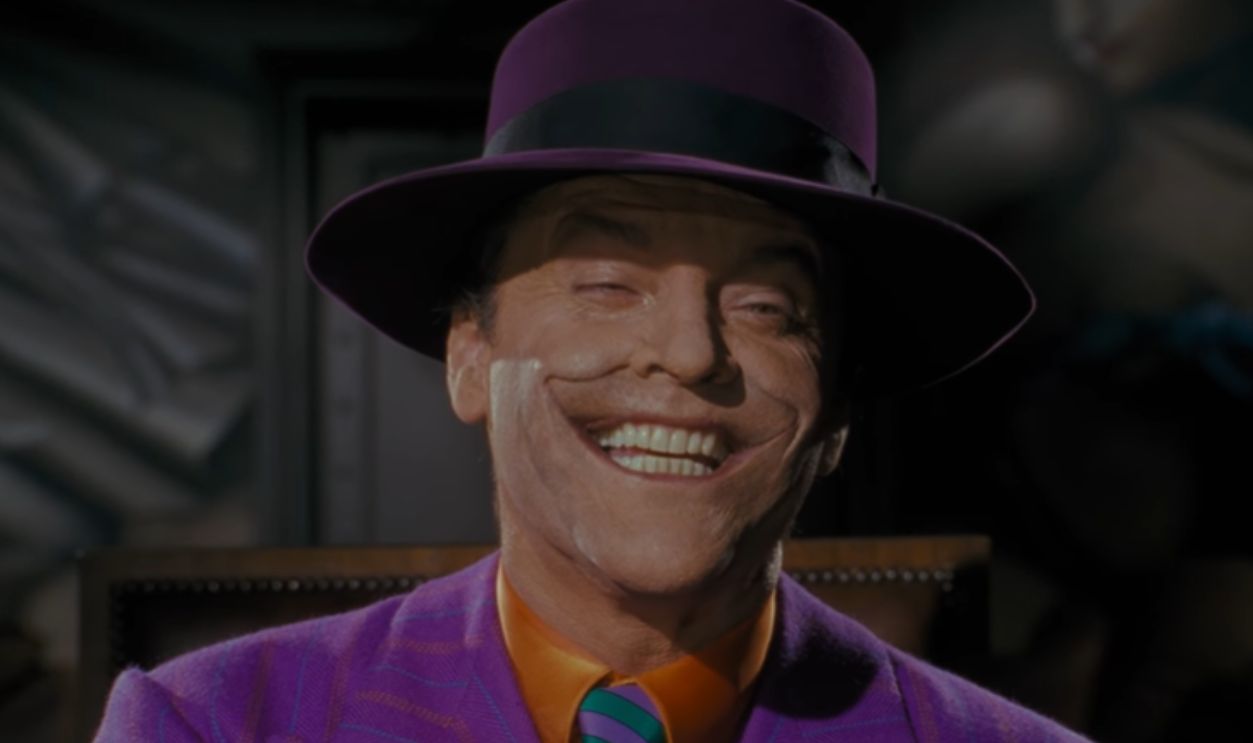 Screenshot from Batman, Warner Bros. (1989)
Bruce Willis—The Sixth Sense
Bruce Willis secured far more than his reported $14 million salary for The Sixth Sense. His agreement included substantial participation in the film's revenue. The surprise 1999 blockbuster reportedly pushed his total compensation beyond $100 million.
 Screenshot from The Sixth Sense, Buena Vista Pictures Distribution (1999)
Keanu Reeves—The Matrix
Keanu Reeves received approximately $10 million upfront for the original Matrix. After its spectacular success, his revenue participation reportedly raised that figure to $35 million. He also negotiated valuable participation for the sequels, although he later shared some of those benefits with crew members.
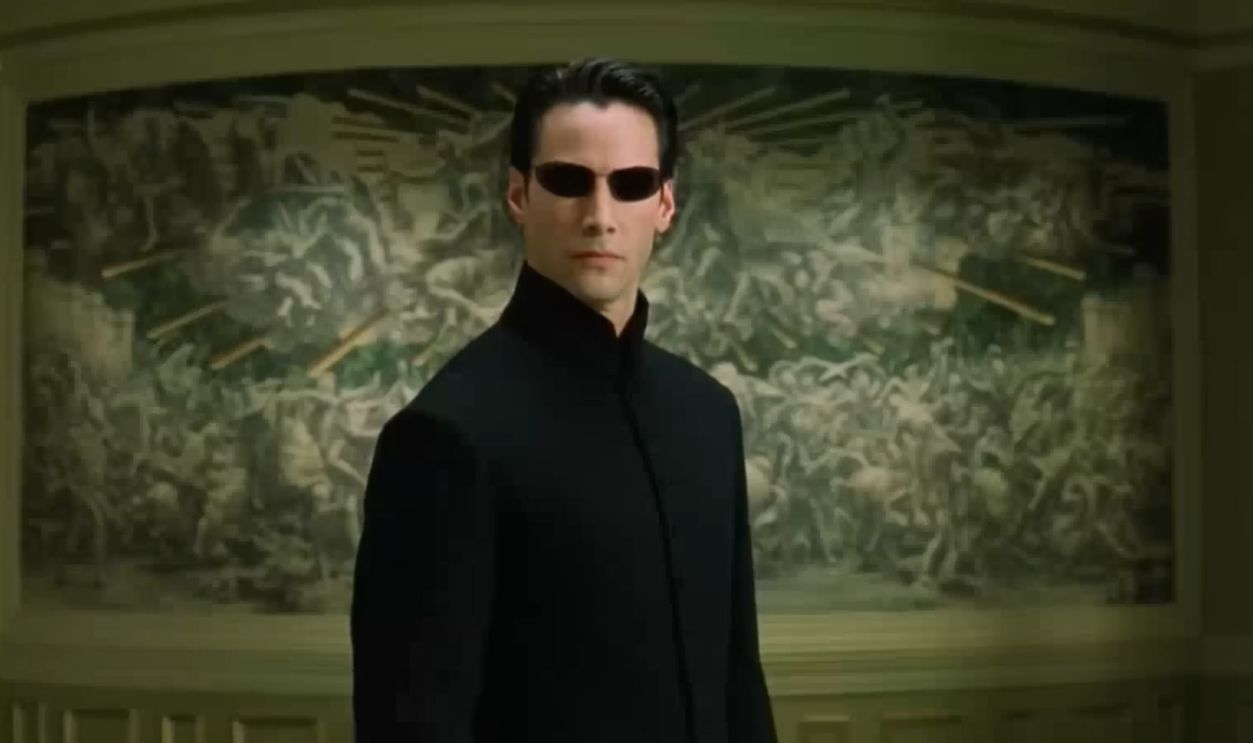 Screenshot from The Matrix, Warner Bros. Pictures (1999)
Harrison Ford—Indiana Jones And The Kingdom Of The Crystal Skull
Harrison Ford secured a remarkable profit-sharing arrangement for his 2008 return as Indiana Jones. After Paramount recovered certain expenses, the film's earnings were largely divided among Ford, Steven Spielberg, and George Lucas. Ford reportedly earned approximately $65 million.
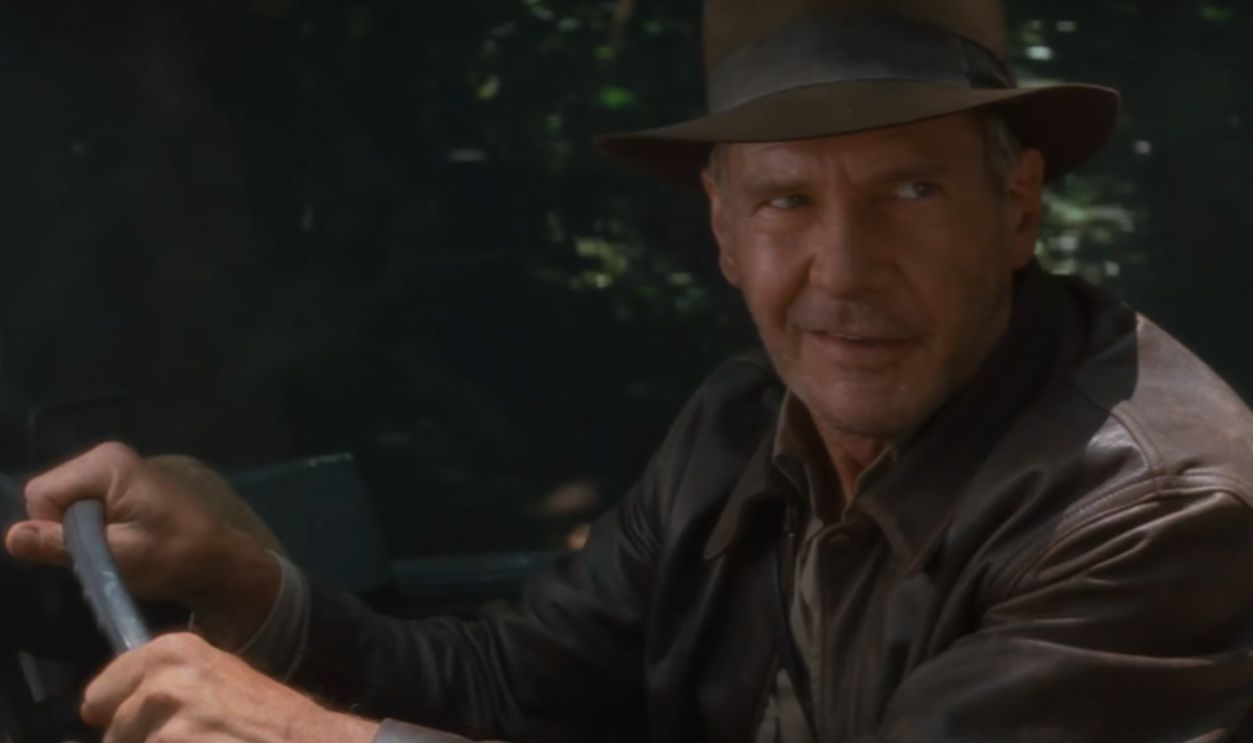 Screenshot from Indiana Jones And The Kingdom Of The Crystal Skull, Paramount Pictures (2008)
Sandra Bullock—Gravity
Sandra Bullock negotiated an impressive deal for Gravity, reportedly collecting $20 million upfront plus 15% of first-dollar gross. The 2013 space thriller became a worldwide hit, and estimates placed her eventual payday at approximately $70 million or more.
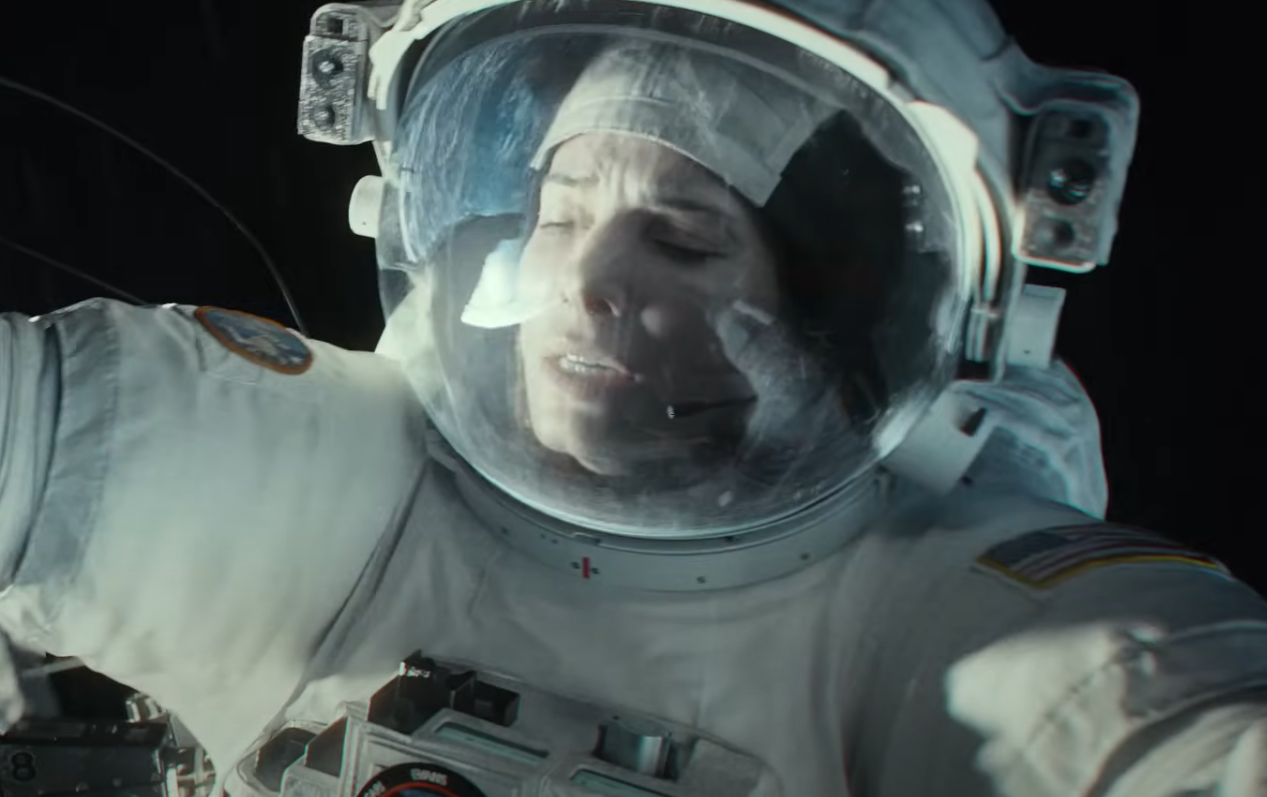 Screenshot from Gravity, Warner Bros. (2013)
Will Smith—Men In Black 3
Will Smith's return for Men in Black 3 delivered one of Hollywood's largest reported single-film paydays. Thanks to substantial participation beyond his guaranteed compensation, the actor reportedly collected around $100 million from the 2012 blockbuster.
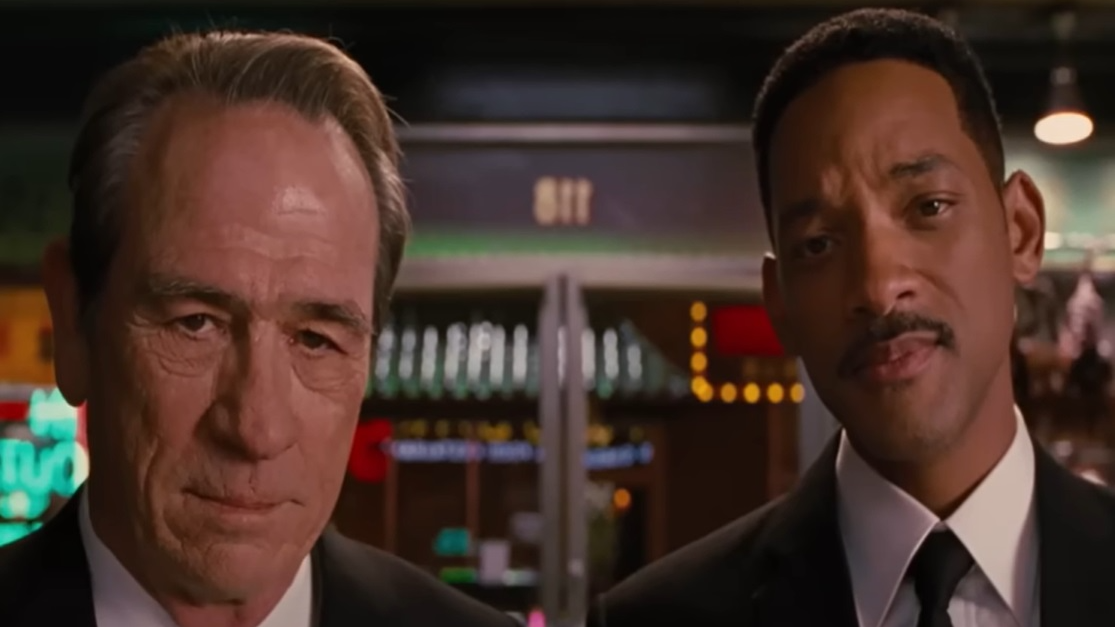 Screenshot from Men in Black 3, Sony Pictures Releasing (2012)
Leonardo DiCaprio—Inception
Leonardo DiCaprio accepted a reduced upfront payment for Christopher Nolan's Inception. Instead, he negotiated valuable first-dollar gross participation. The complicated 2010 thriller became an international hit, with contemporary reporting projecting that DiCaprio would earn at least $50 million.
 Screenshot from Inception, Warner Bros. Pictures (2010)
Robert Downey Jr—The Avengers
Robert Downey Jr negotiated substantial participation following the success of Iron Man. His Marvel arrangement reportedly generated approximately $50 million for 2012's The Avengers and at least $75 million for Infinity War, demonstrating the extraordinary power of franchise-based earnings.
 Screenshot from The Avengers, Walt Disney Studios Motion Pictures (2012)
Ryan Reynolds—Deadpool
Ryan Reynolds earned a relatively modest $2 million upfront for Deadpool. However, his producer role and performance-based compensation changed everything. As the 2016 movie became a global phenomenon, contemporary estimates projected earnings of at least $10 million, potentially considerably more.
 Screenshot from Deadpool, 20th Century Studios (2016)
Margot Robbie—Barbie
Margot Robbie played two major roles in Barbie: leading actress and producer. Through LuckyChap Entertainment, she helped develop the project and negotiated substantial financial participation. Reporting in 2023 estimated her compensation at approximately $50 million, including salary and box-office bonuses.
 Screenshot from Barbie, Warner Bros. Discovery (2023)
Alec Guinness—Star Wars
Alec Guinness negotiated participation in the original Star Wars instead of relying exclusively on his salary. He later recalled receiving approximately 2.25% of George Lucas's royalty arrangement. The movie's success turned that percentage into millions in additional earnings.
 Screenshot from Star Wars: A New Hope, The Walt Disney Company (1977)
You May Also Like:
Famous Actors Who Appeared In Music Videos Before They Were Stars—Did You Spot Them?
Sources: 1, 2, 3, 4, 5, 6, 7, 8, 9, 10, 11, 12, 13, 14, 15, 16, 17, 18, 19, 20, 21, 22, 23, 24, 25