When The Children Finally Started Talking
Hollywood spent decades manufacturing perfect families as carefully as movie stars. Then some of those children grew up, wrote books of their own, and revealed versions of famous parents that audiences had never been allowed to see.
Joan Crawford Had Built An Extraordinary Image
Joan Crawford's career stretched from silent-era Hollywood through an Oscar-winning performance in Mildred Pierce and decades of carefully managed stardom. Magazine photographs also presented her as the glamorous mother of adopted children living an enviable Hollywood life. That family image would eventually become almost as famous as her movies, but for very different reasons.
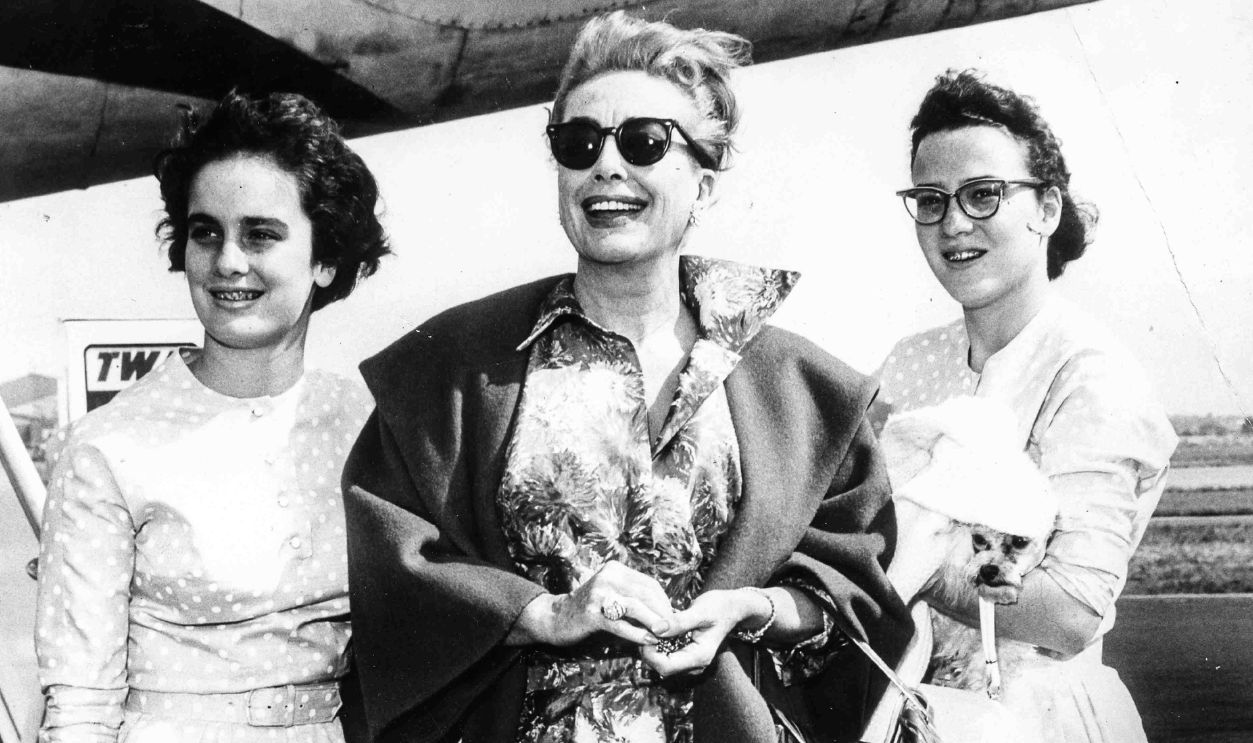 Universal History Archive, Getty Images
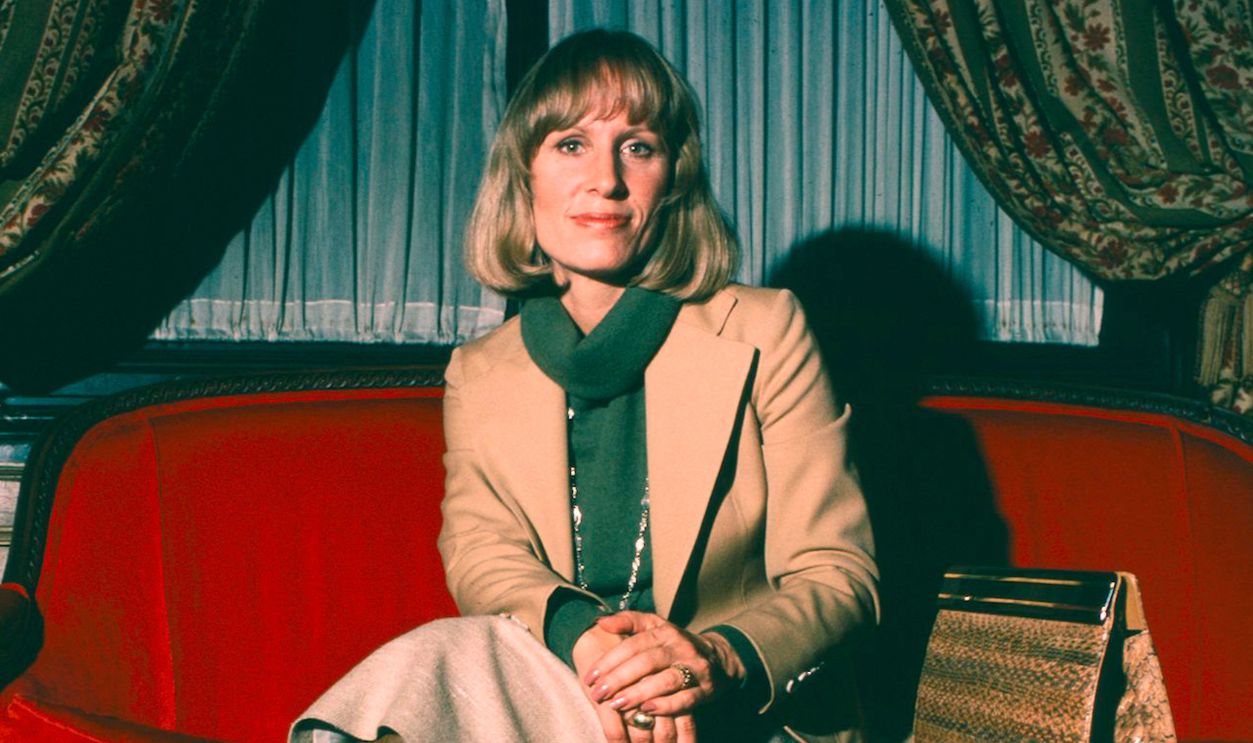
Christina Crawford Blew The Picture Apart
One year after Joan's death, Christina Crawford published Mommie Dearest in 1978. Christina alleged that her mother could be controlling, unpredictable, and physically cruel behind closed doors, presenting the star's carefully cultivated maternal image as a performance. The book became a sensational bestseller and helped establish the modern celebrity-family tell-all.
Joan's Reputation Never Fully Recovered
The book's reach expanded enormously when Mommie Dearest became a 1981 movie starring Faye Dunaway. Some of Joan's friends and associates rejected Christina's portrayal, creating a debate that has continued for decades. Yet even sympathetic later biographies have had to contend with an image of Crawford permanently transformed by her daughter's book.
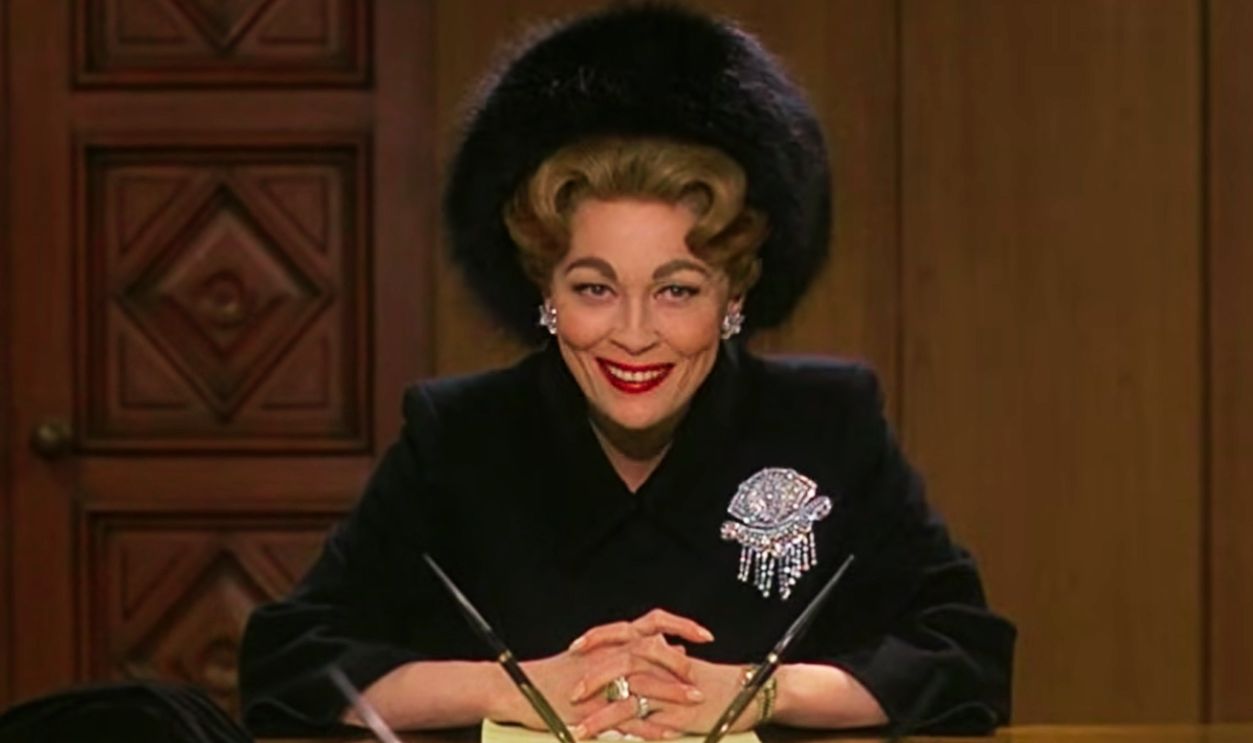 Screenshot from Mommie Dearest, Paramount Pictures (1981)
Bing Crosby Was America's Easygoing Father
Bing Crosby projected warmth almost effortlessly. His relaxed voice, movies, recordings, and family appearances helped establish him as one of America's most reassuring entertainers, and he was even honored as an exemplary Hollywood father. His four older sons had also been used extensively in the family's wholesome publicity.
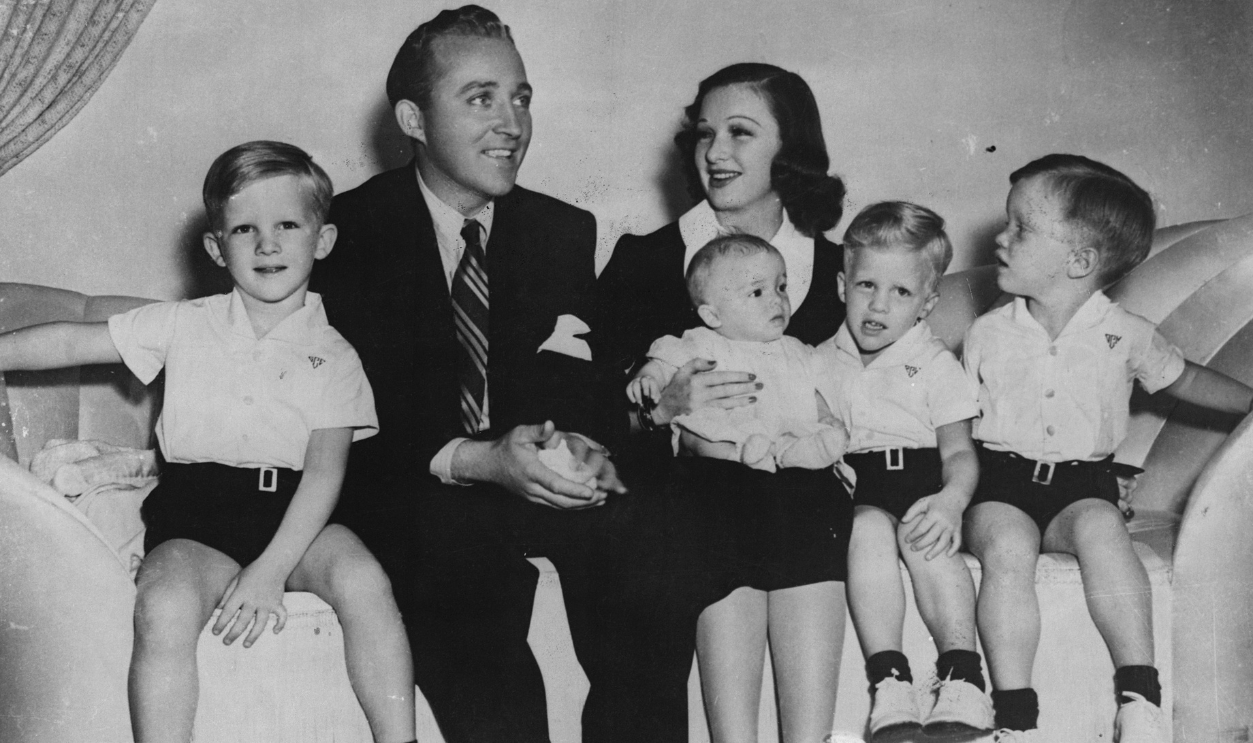
Gary Crosby Revealed A Much Darker Home Life
Gary Crosby radically challenged that image with his 1983 memoir Going My Own Way. He alleged that his father subjected the boys to severe physical punishment and obsessive discipline, particularly when Gary failed to meet expectations about his weight. Brother Lindsay publicly supported the general portrayal, although other relatives disputed parts of Gary's account.

The Crosby Story Became A Family Argument
Philip Crosby strongly rejected Gary's depiction, and later members of Bing's second family defended their father. A later documentary even reported that Gary had supposedly acknowledged exaggerating some details, although Bing himself had never hidden the fact that he disciplined his sons strictly. Whatever the complete truth, Going My Own Way permanently attached a darker family story to Crosby's once-effortless paternal image.
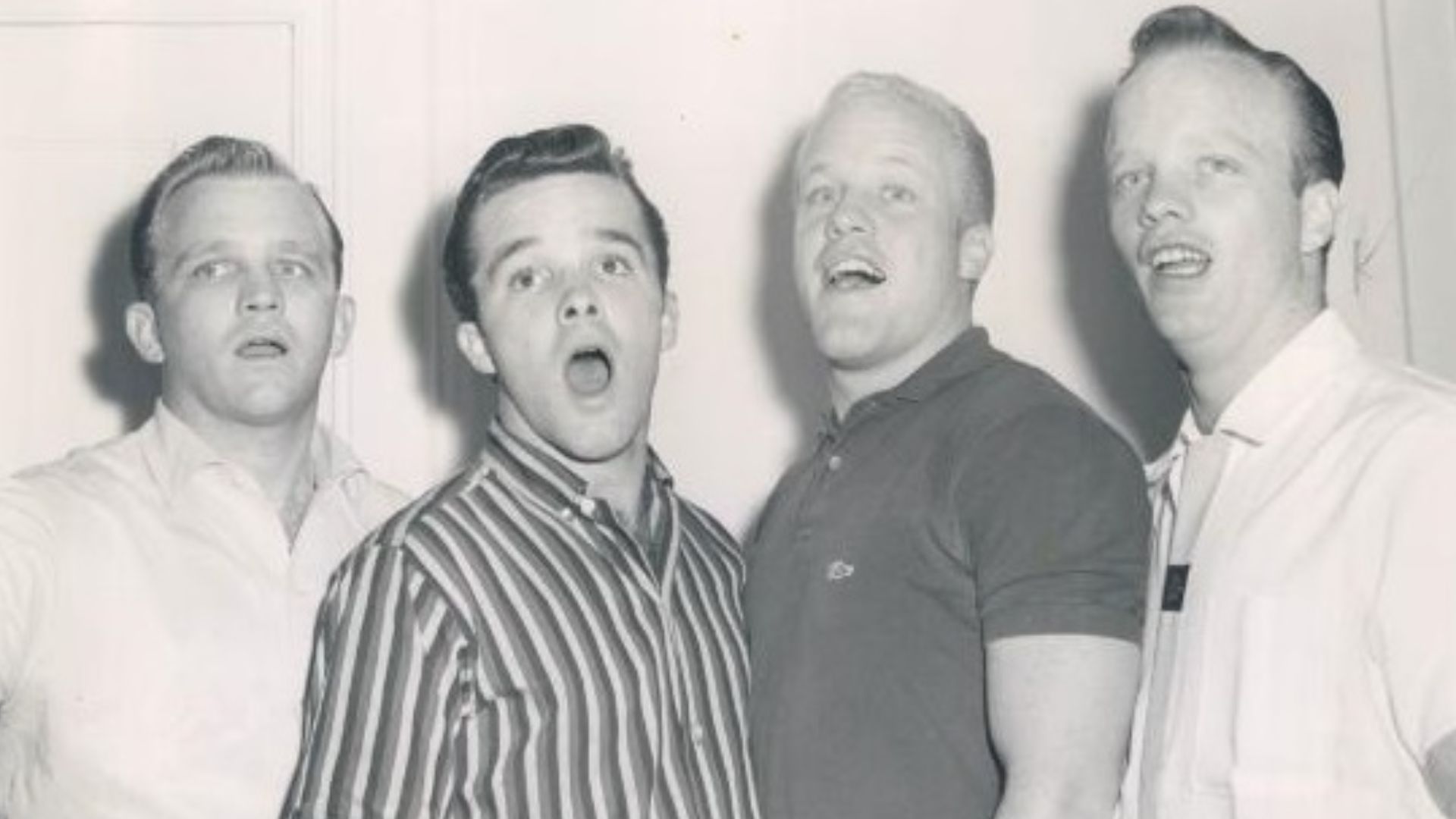 Unknown author, Wikimedia Commons
Bette Davis Had Always Been Formidable
Bette Davis never pretended to be meek, but her toughness was generally understood as part of the larger-than-life personality that made her a screen legend. Her daughter Barbara, usually known as B.D. Hyman, had even appeared publicly alongside her famous mother. Their relationship eventually deteriorated in a way few fans could have anticipated.
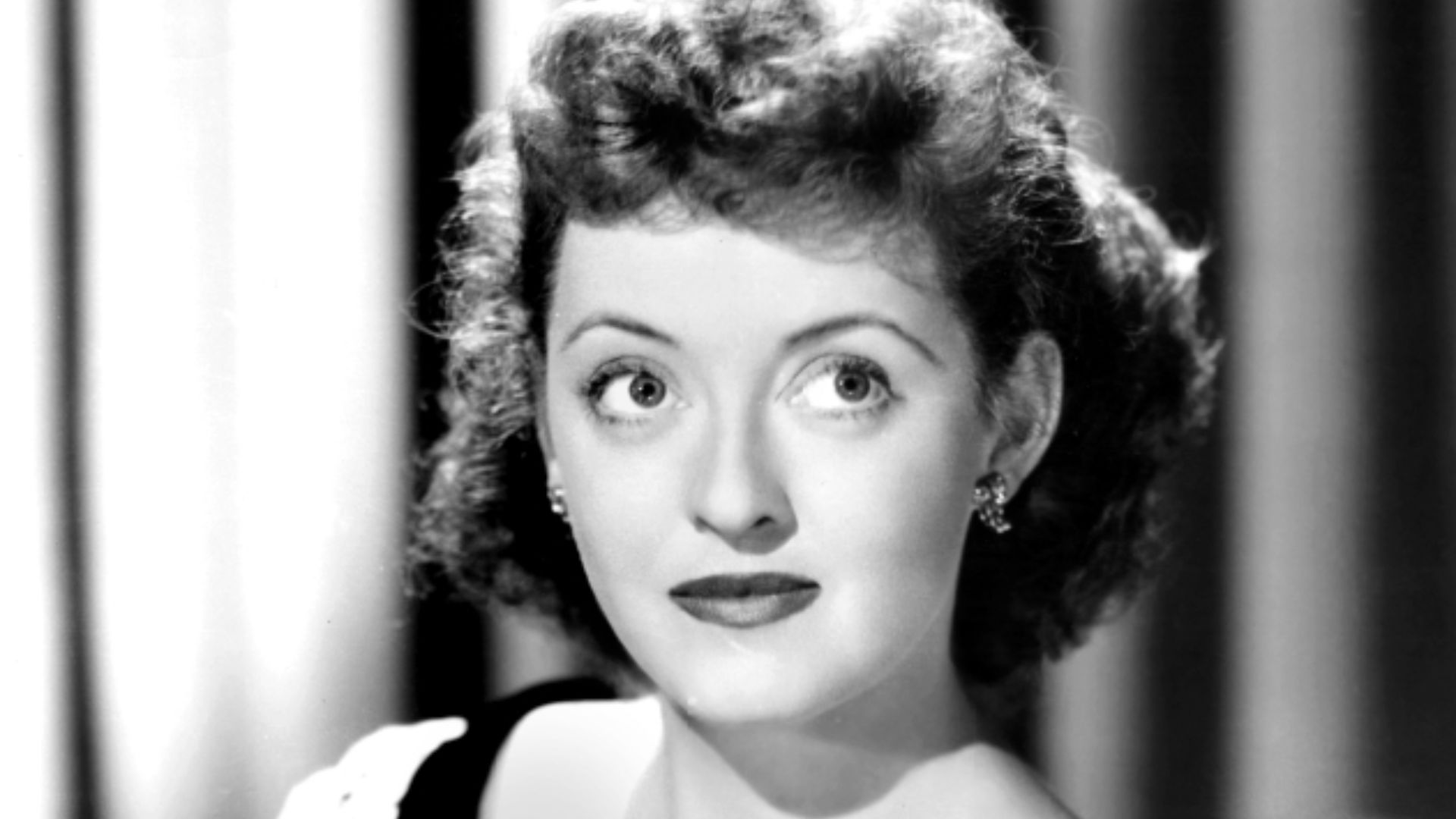 Studio Publicity, Wikimedia Commons
Her Daughter Published My Mother's Keeper
Hyman released My Mother's Keeper in 1985 while Davis was recovering from major health problems. The book portrayed Davis as domineering and emotionally damaging within the family, a description that immediately drew comparisons with Mommie Dearest. Hyman insisted that she was trying to confront issues she believed could not otherwise reach her mother.
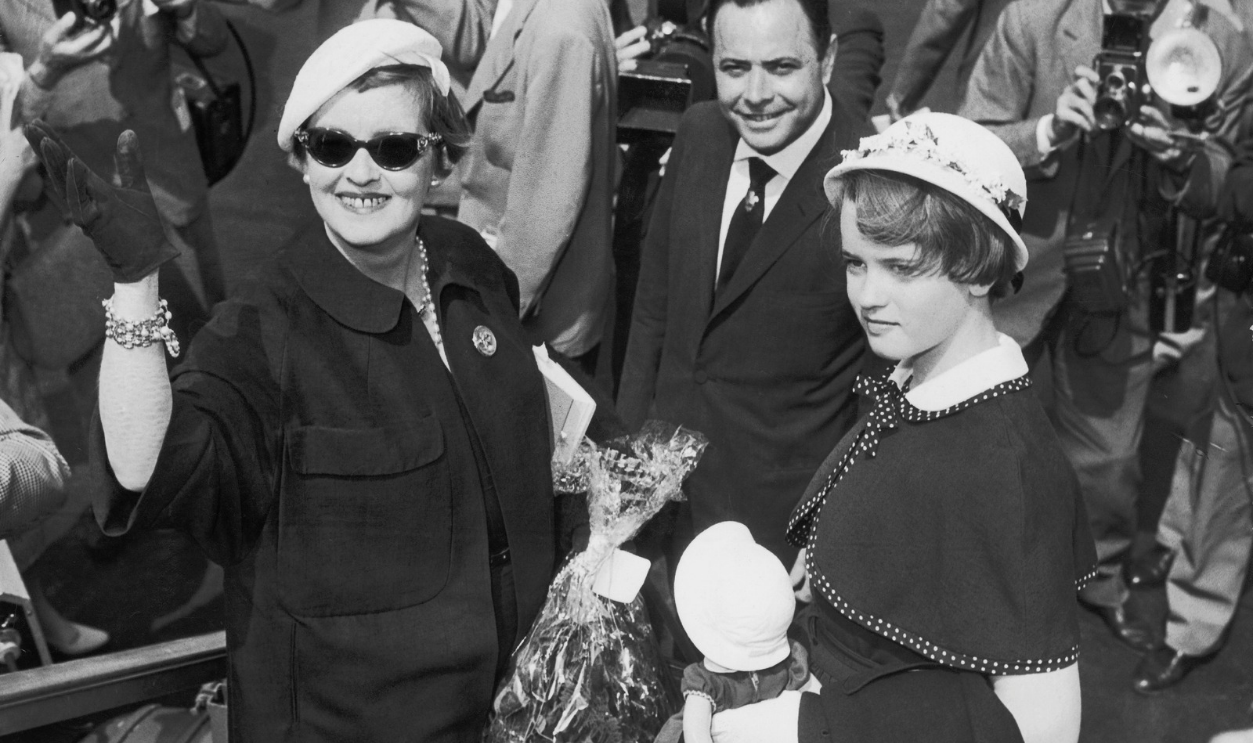
Bette Davis Never Forgave Her
People close to Davis furiously rejected the book, including former husband Gary Merrill, who publicly protested its publication. Davis and Hyman remained estranged, and Davis deliberately omitted her daughter from her will. According to Davis's longtime secretary Kathryn Sermak, the publication devastated the actress and the two never reconciled.
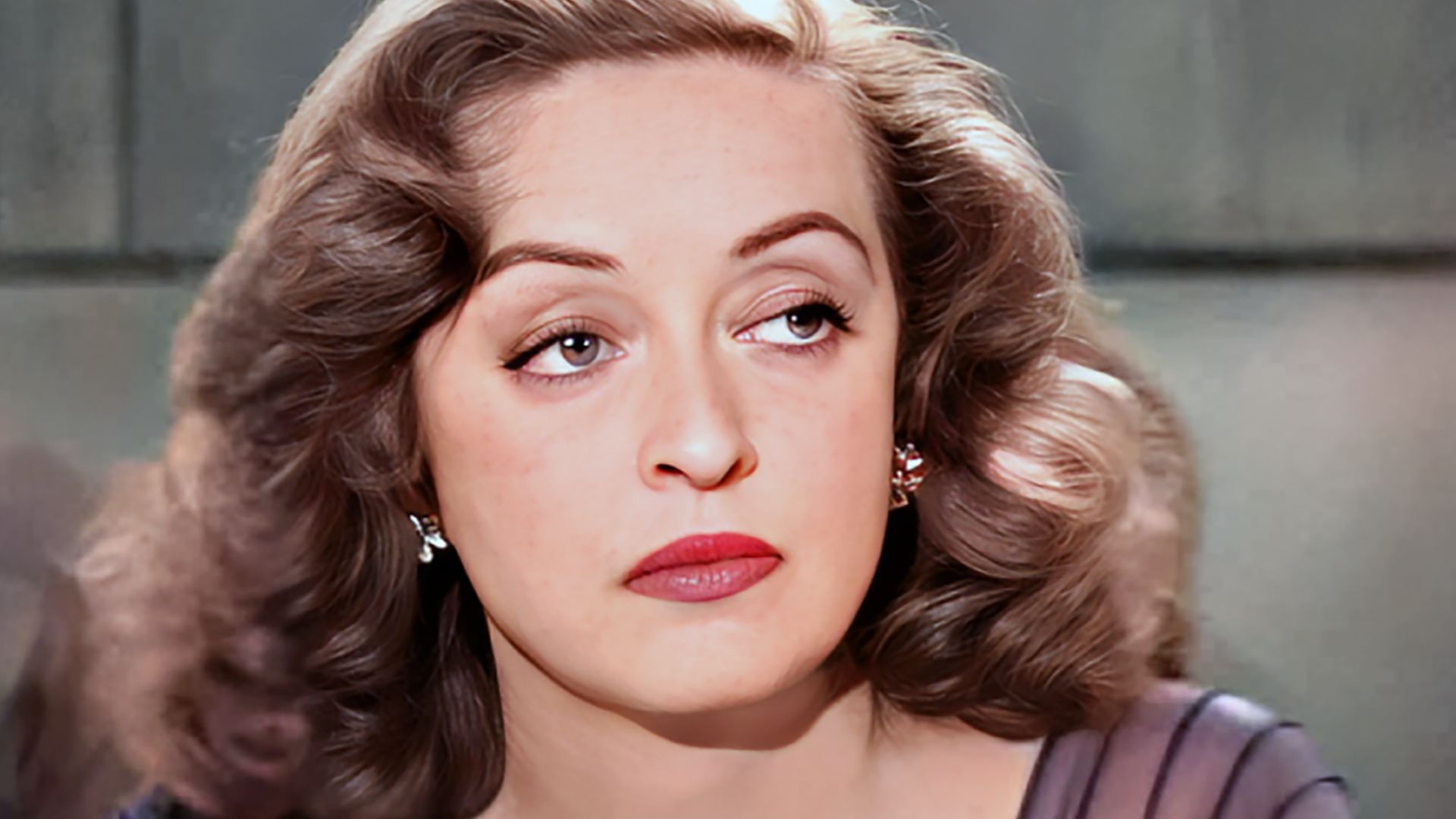 Trailer screenshot, Wikimedia Commons
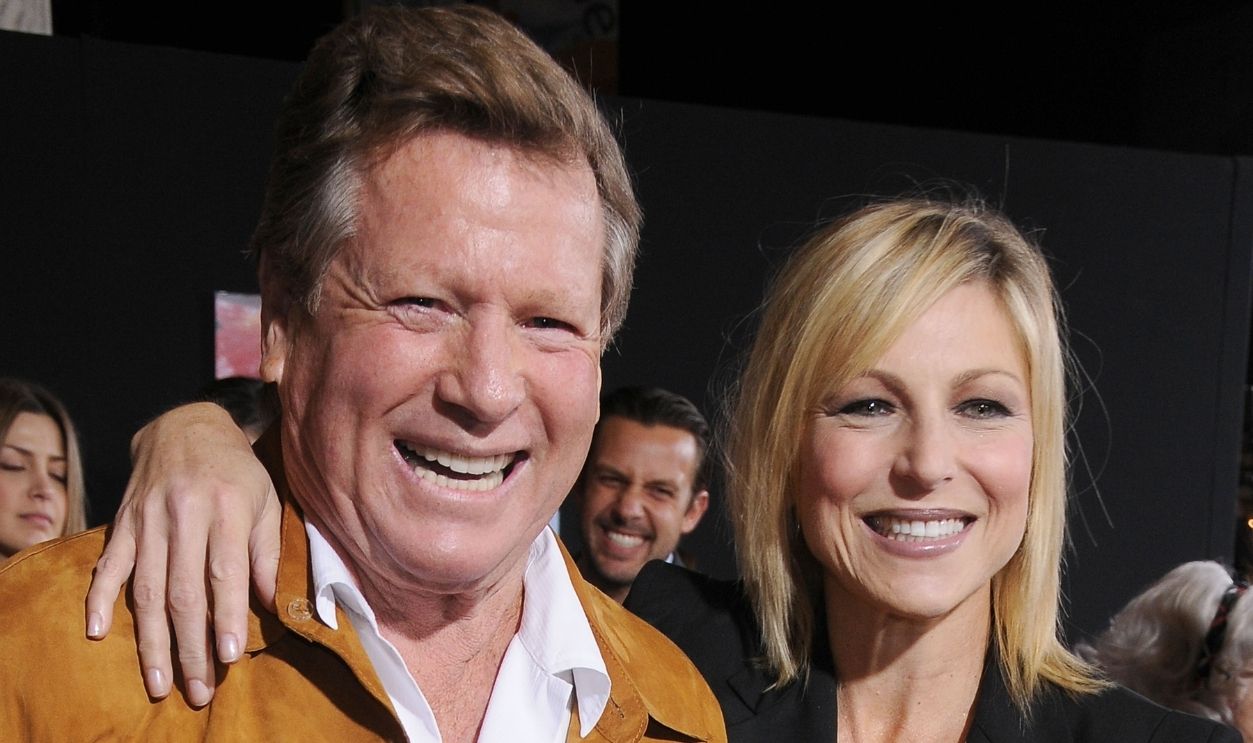
Ryan And Tatum O'Neal Looked Golden Together
Ryan O'Neal and his daughter Tatum created one of Hollywood's most memorable father-daughter pairings in 1973's Paper Moon. Tatum won an Academy Award at only 10, making their shared success look like an extraordinary family triumph. Their private relationship became much more difficult as the years passed.
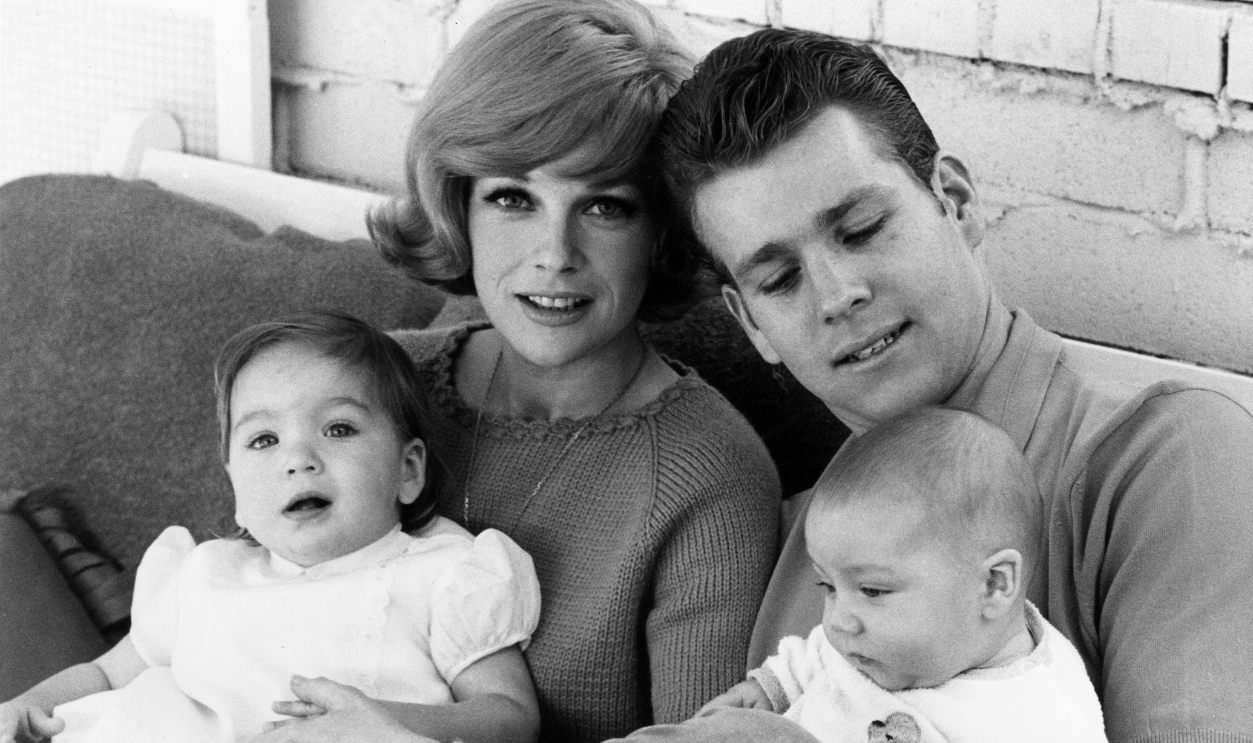 Fotos International, Getty Images
A Paper Life Changed The Story
Tatum's 2004 memoir A Paper Life described a childhood filled with instability and neglect. She wrote about her father's volatile temper and alleged that both parents had been badly equipped to raise children. Instead of preserving Paper Moon as a perfect father-daughter memory, the memoir reframed their Hollywood partnership against a painful home life.

Their Fight Lasted For Years
Ryan and Tatum spent long periods estranged. Tatum eventually wrote a second book, Found, while father and daughter also tried publicly to repair the relationship. They ultimately achieved a degree of reconciliation before Ryan's death in 2023, adding a gentler final chapter to an extraordinarily public family feud.
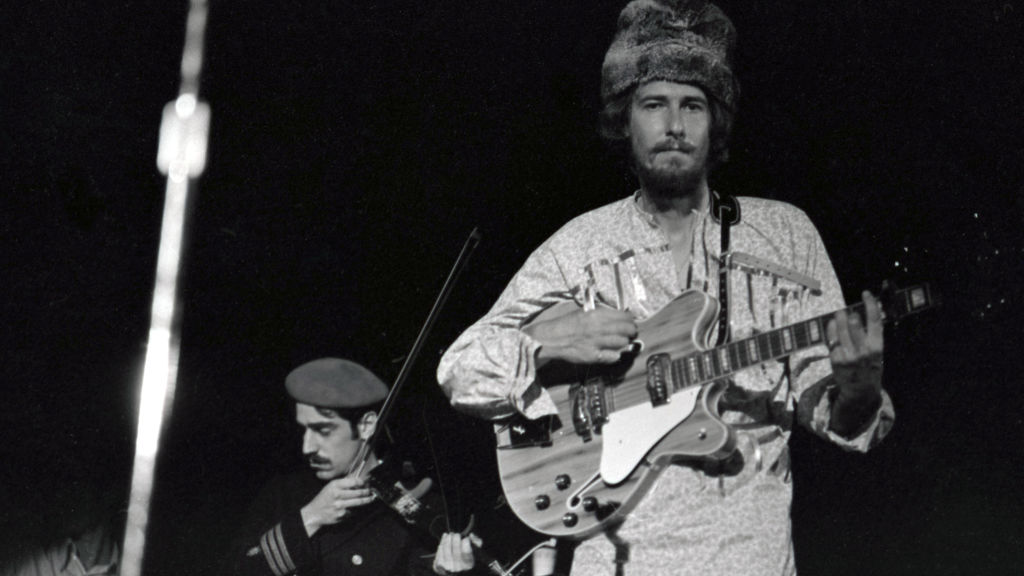
John Phillips Had Been A Counterculture Icon
John Phillips was celebrated as the principal songwriter and leader behind the Mamas & the Papas. Songs associated with the group became inseparable from the idealized sound of 1960s California. His daughter Mackenzie Phillips eventually presented a family reality far removed from that sunny musical legacy.
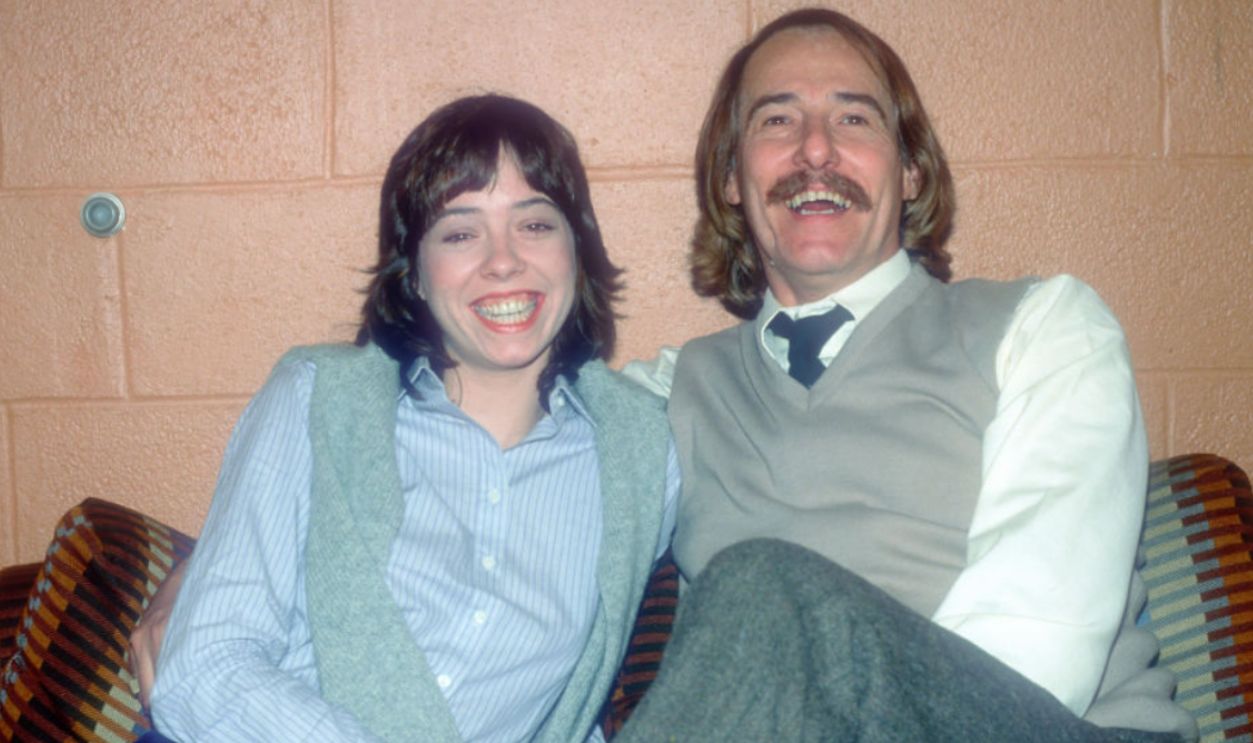
High On Arrival Shattered The Old Story
Mackenzie's 2009 memoir High on Arrival made an explosive allegation about a deeply inappropriate relationship with her father that she said continued for years. The disclosure dominated news coverage surrounding the book. John had died in 2001 and therefore could not respond to his daughter's account himself.
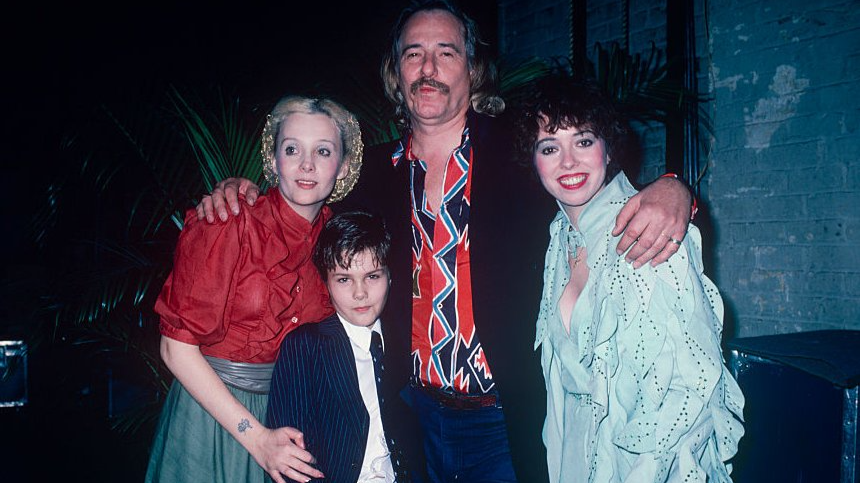
Even The Phillips Family Was Divided
Mackenzie's claims produced a painful split among relatives. Her half-sister Chynna publicly supported Mackenzie's decision to speak, while Michelle Phillips rejected the most serious allegation. Mackenzie later said the backlash strained family relationships, making the memoir not just a reassessment of John's reputation but another major event in the Phillips family's history.
Brooke Hayward Seemed Born Into Paradise
Brooke Hayward's parents looked like the kind of couple Hollywood mythology was designed to produce. Margaret Sullavan was a celebrated stage and screen actress, while Leland Hayward became one of the industry's most powerful agents and producers. Their children grew up surrounded by wealth, famous friends, and extraordinary privilege.

Haywire Revealed The Cost Of It
Brooke's 1977 memoir Haywire looked beyond the glamorous setting and described a family gradually coming apart. The marriage failed, the children experienced serious emotional turmoil, and Margaret's mental health deteriorated before her death in 1960. Critics later praised Brooke for writing about the tragedy without turning the story into simple revenge.
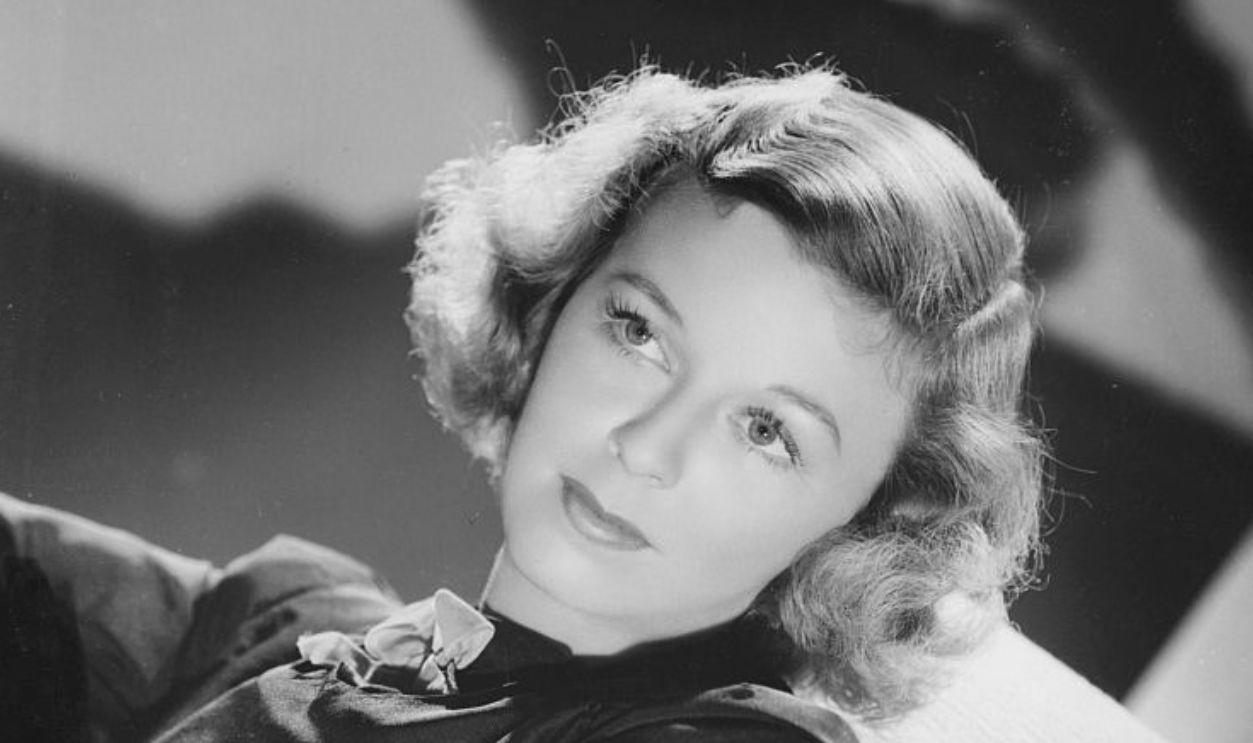 John Springer Collection, Getty Images
Hollywood's Fairy Tale Became A Warning
Haywire became a bestseller and was adapted into a television movie in 1980, with Brooke's brother Bill serving as a producer. The story contrasted extraordinary privilege with divorce, mental-health crises, and devastating family losses. Decades later, the Los Angeles Times still described it as a classic Hollywood memoir precisely because it exposed what glamorous photographs could conceal.
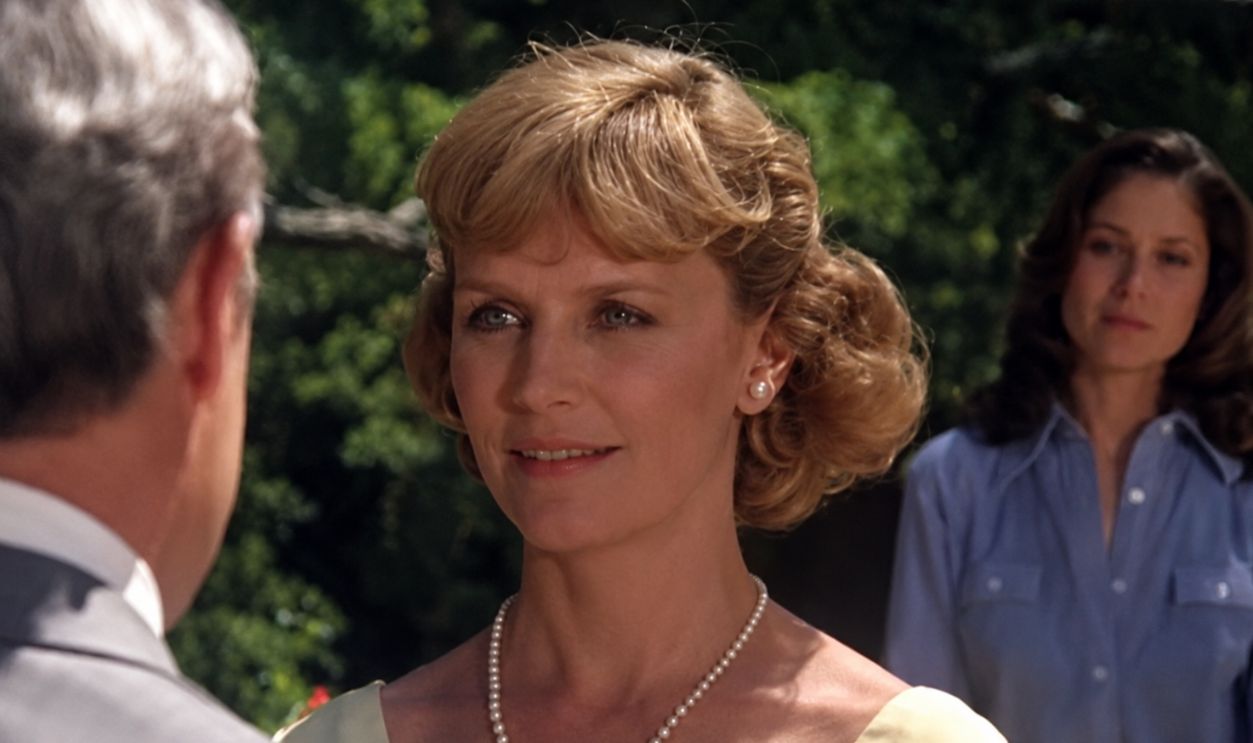 Screenshot from Haywire, Warner Bros. Discovery (1980), Modified
Loretta Young Guarded One Enormous Secret
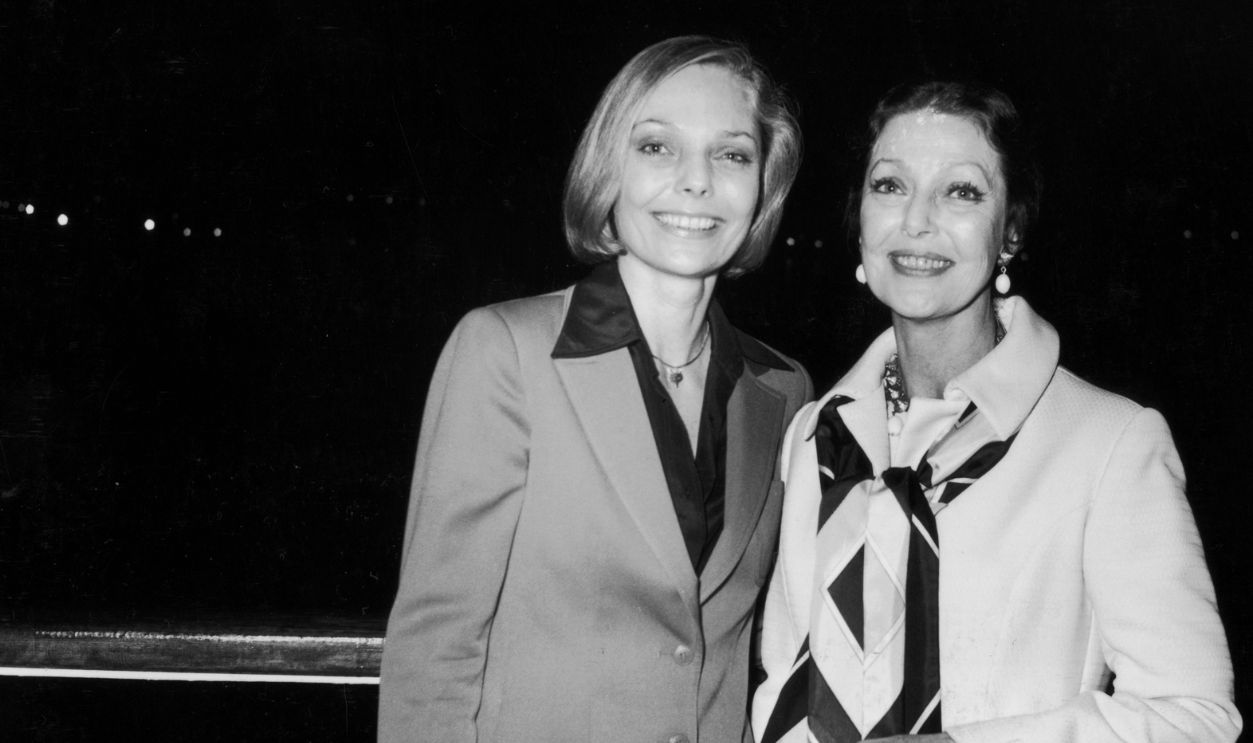
Loretta Young spent decades cultivating an image of elegance and traditional respectability. She became an Oscar winner and later a major television star whose programs reinforced her wholesome public identity. Meanwhile, Hollywood insiders whispered about the true identity of her daughter Judy Lewis.
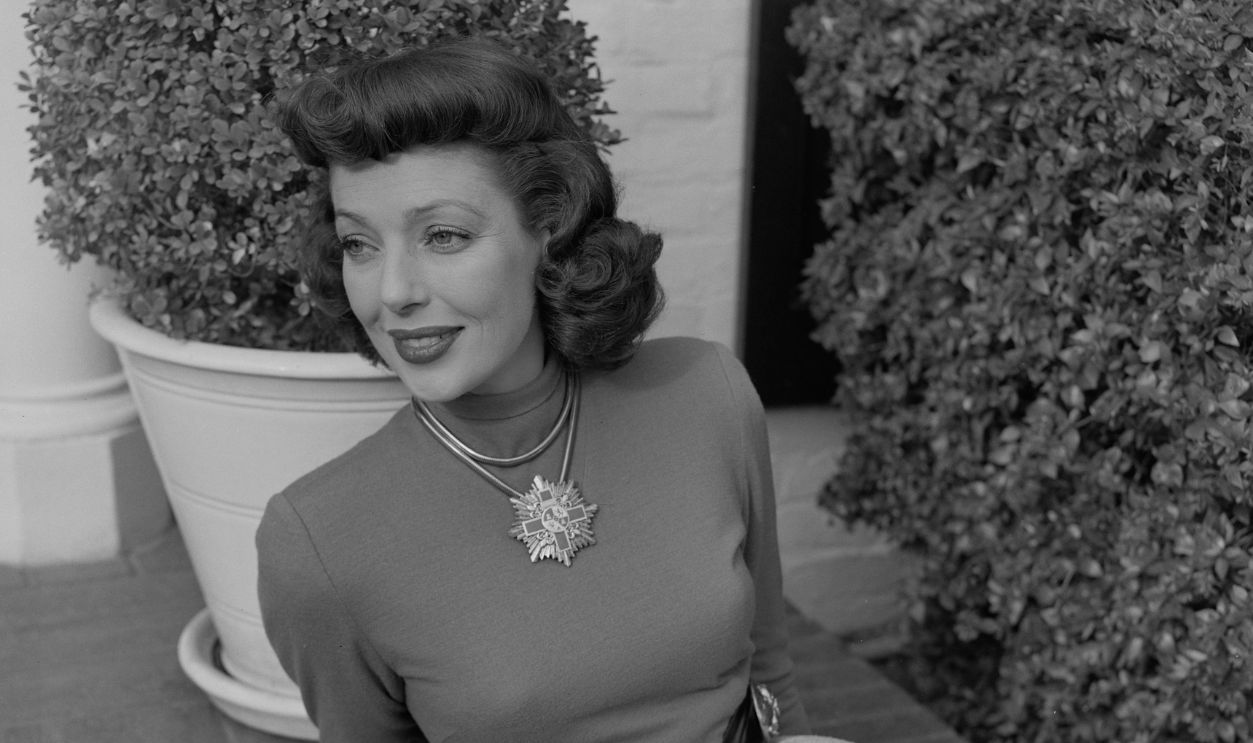
Judy Lewis Said Clark Gable Was Her Father
Lewis had grown up believing she was Young's adopted daughter. In her 1994 memoir Uncommon Knowledge, she wrote that Young was actually her biological mother and that Clark Gable was her father, information many people around Hollywood had apparently known while Judy herself remained unaware. Lewis said the decades of secrecy left her struggling to understand her own identity.
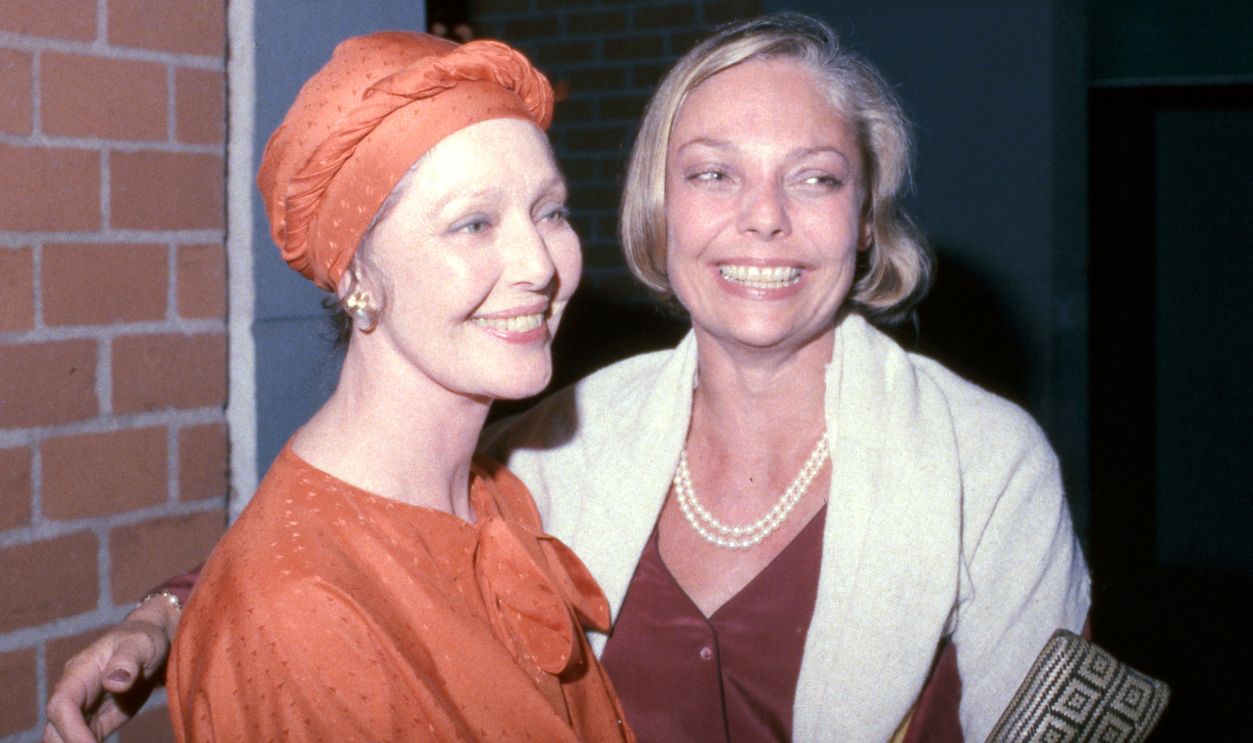
Hollywood's Old Secrecy System Cracked Open
Young publicly declined to confirm her daughter's account during her lifetime, dismissing the story as an old rumor. After Young's death, however, an authorized biography reported that she had privately acknowledged Judy's parentage. Lewis's memoir therefore became an extraordinary look at the lengths old Hollywood could take to protect a star's carefully controlled reputation.
Judy Garland's Children Knew Two Different Stars
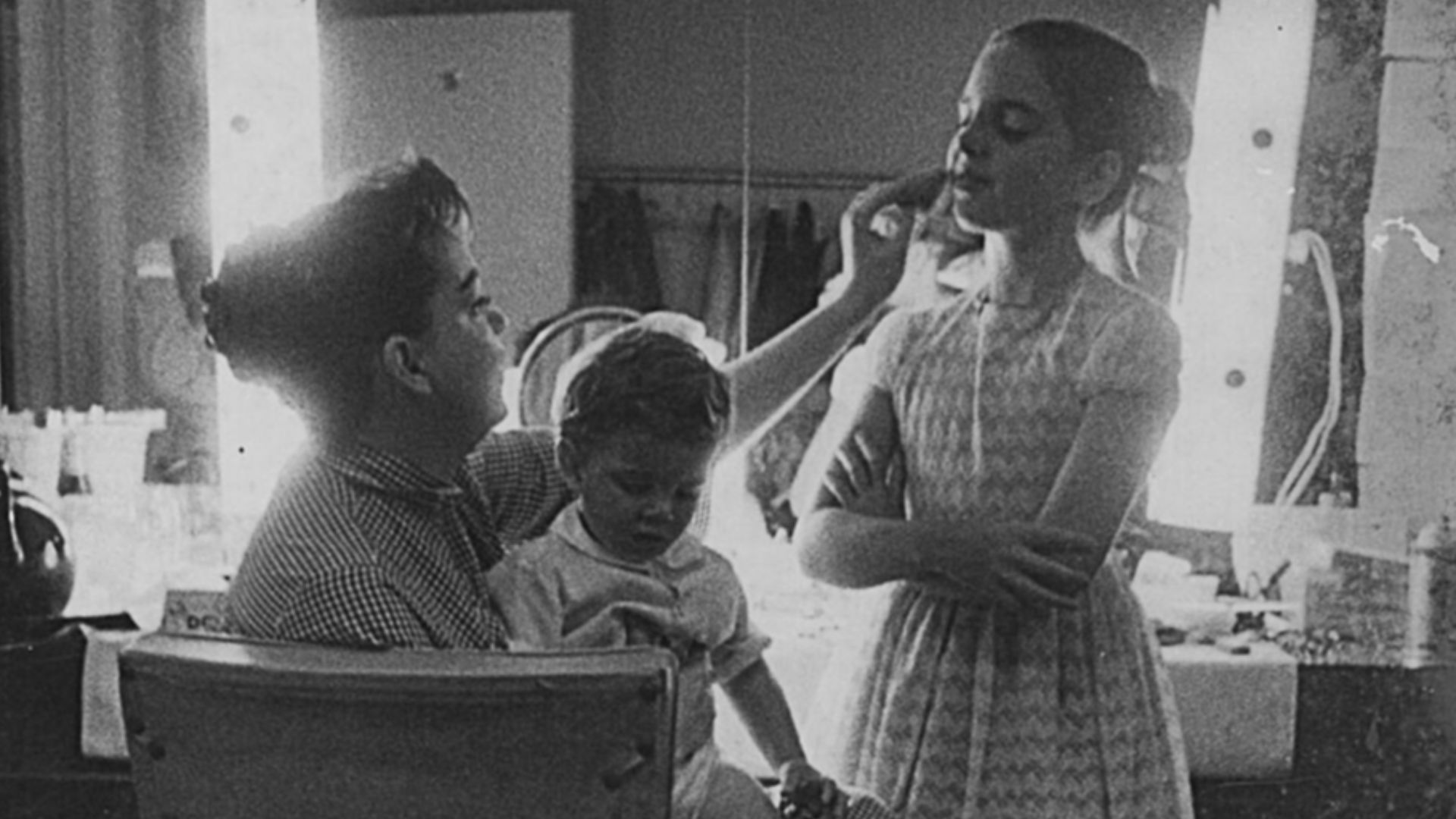
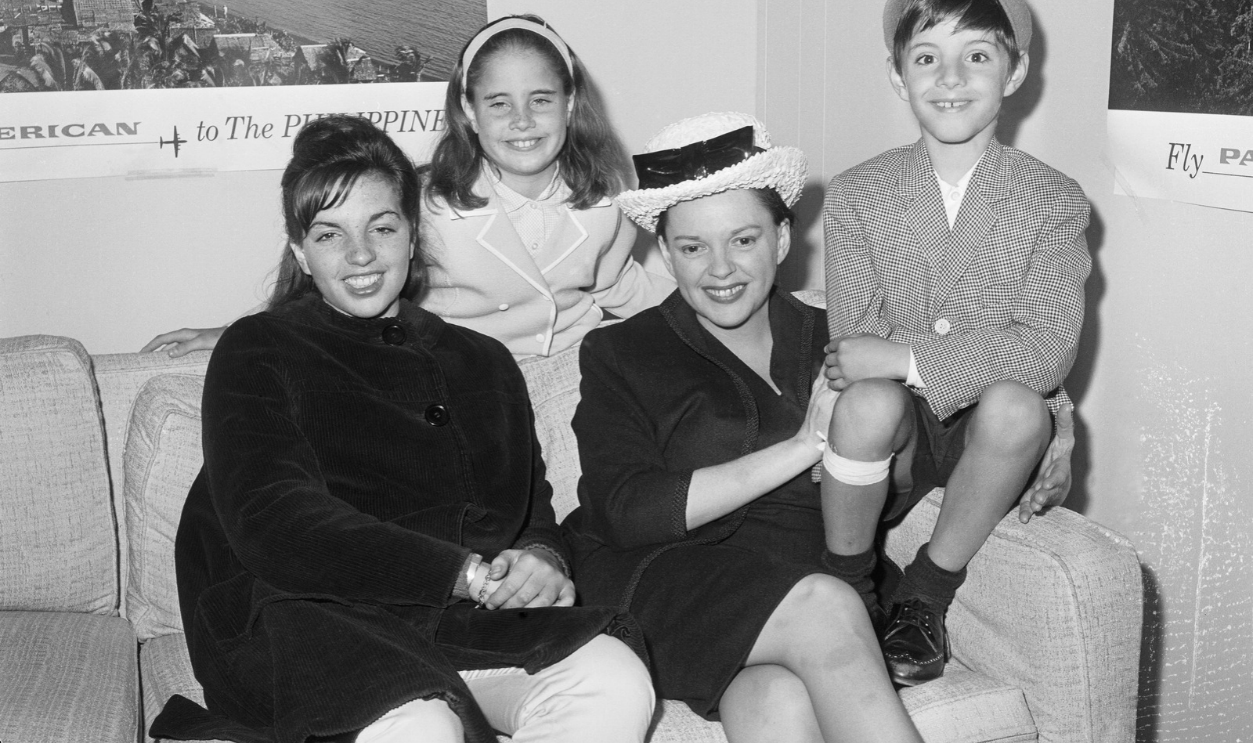
To audiences, Judy Garland was Dorothy Gale, the extraordinary voice from A Star Is Born, and one of Hollywood's most beloved performers. At home, daughter Lorna Luft witnessed the enormous pressures surrounding a star whose emotional and physical health could be fragile. Luft eventually decided to tell that family story herself.
 CBS Television Network., Wikimedia Commons
Me And My Shadows Was Painfully Personal
Luft's 1998 memoir Me and My Shadows described growing up inside an unpredictable household and sometimes becoming a caretaker while she was still young. She wrote candidly about Garland's substance misuse and the people surrounding her mother during difficult periods. Yet Luft deliberately avoided presenting Garland simply as a villain.
 John Bryson, Wikimedia Commons
Lorna Refused To Destroy Her Mother
The memoir later became the acclaimed television production Life With Judy Garland: Me and My Shadows. Luft stressed that she wanted the adaptation to explain what happened to her mother rather than exploit her decline. Her account complicated Garland's legend, but it also humanized a star whom Hollywood had alternately idealized and sensationalized for decades.
Marlene Dietrich Controlled Her Own Legend
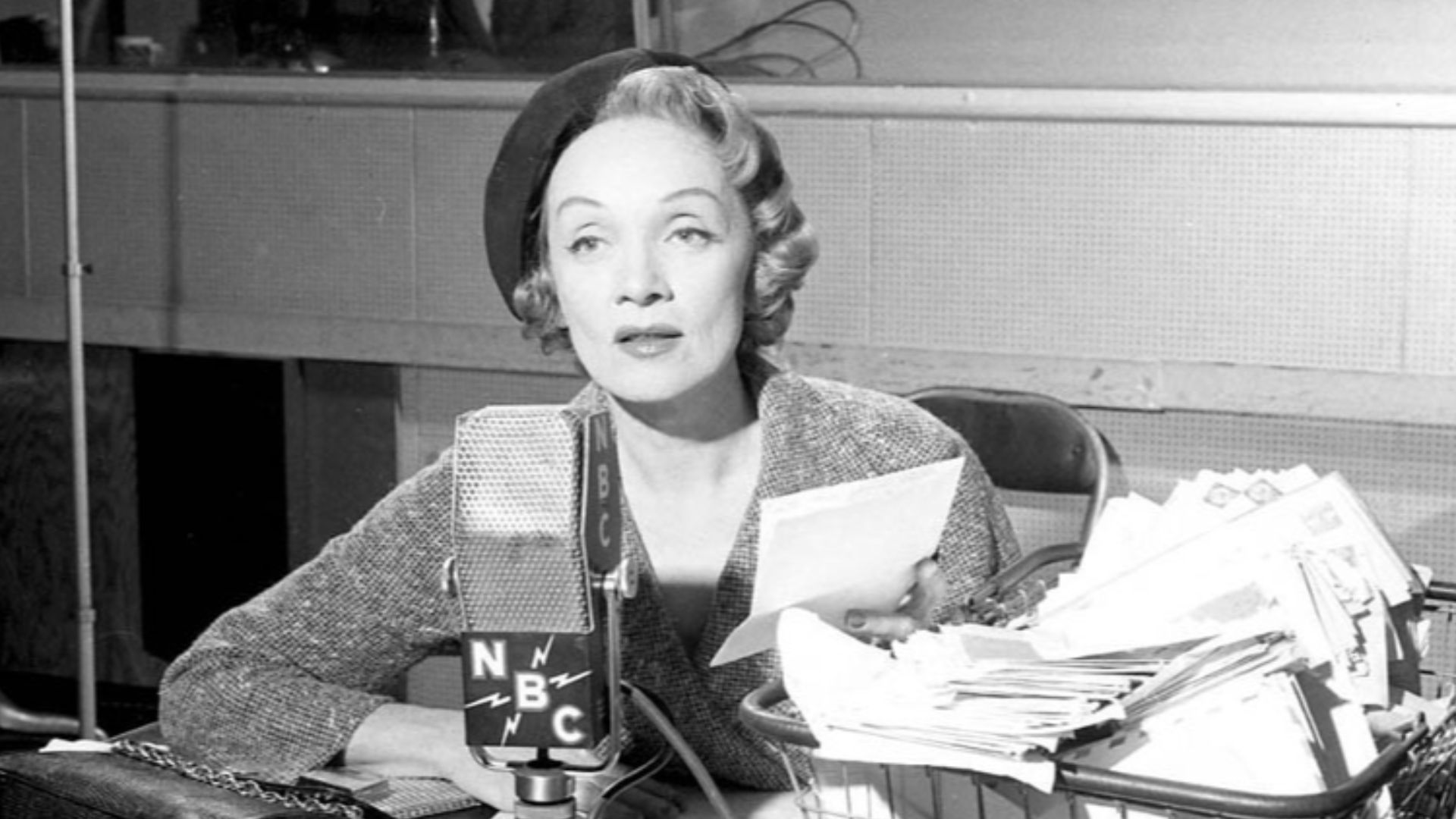
Marlene Dietrich spent most of her career maintaining an almost untouchable image of sophistication and mystery. Even after withdrawing from public life, she guarded the version of herself that audiences were allowed to see. Her only child, Maria Riva, knew an entirely different woman.
Maria Riva Wrote The Book After Marlene Died
Riva's 1993 biography Marlene Dietrich arrived shortly after her mother's death. It was strikingly candid about Dietrich's need for control, her complicated family relationships, and the vast difference between the glamorous public personality and life inside the household. The Los Angeles Times later called the book remarkably candid and described another film biography as drawing heavily from Riva's unsparing portrait.
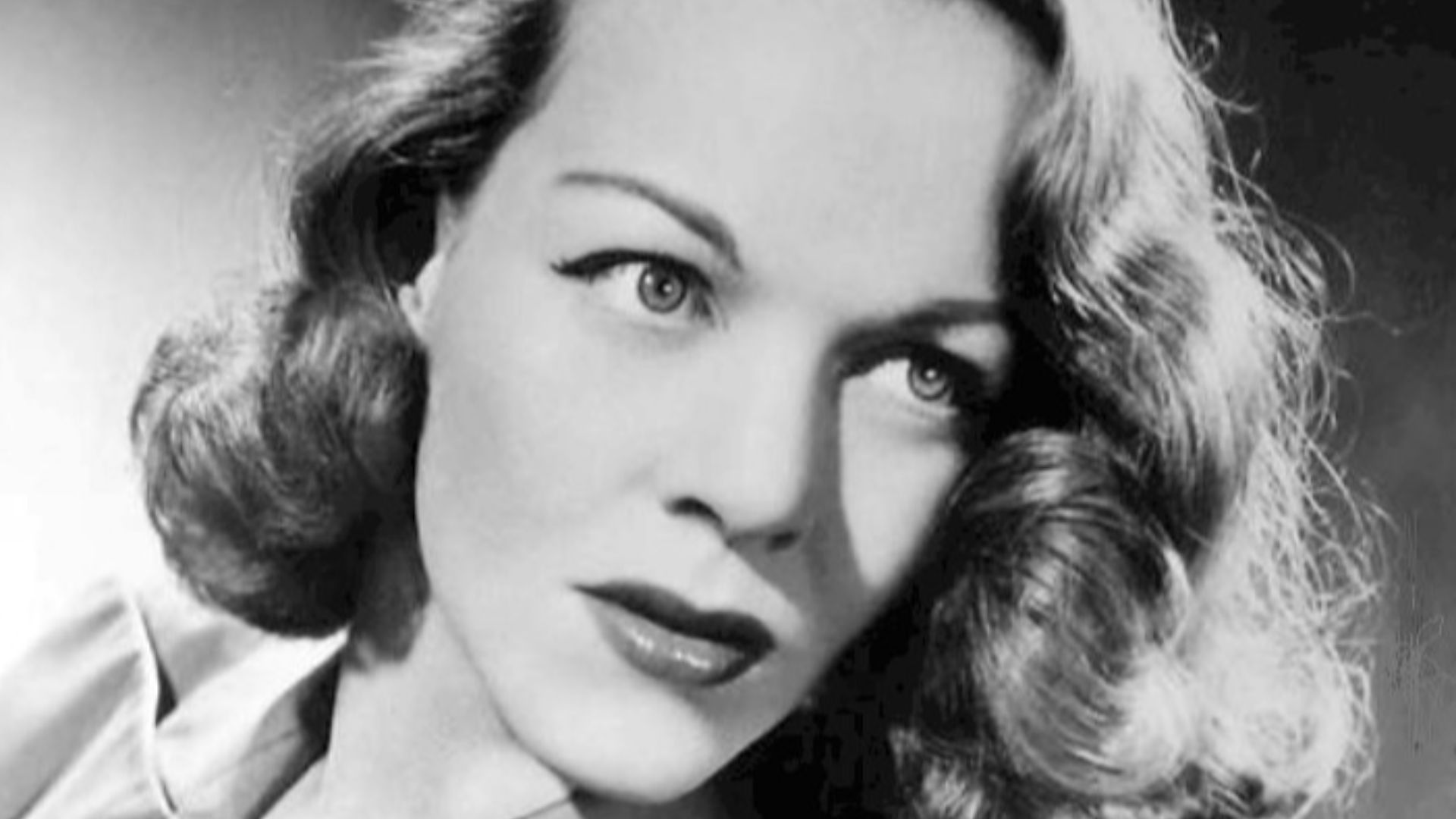 CBS Television, Wikimedia Commons
Respect For The Star Wasn't Respect For The Mother
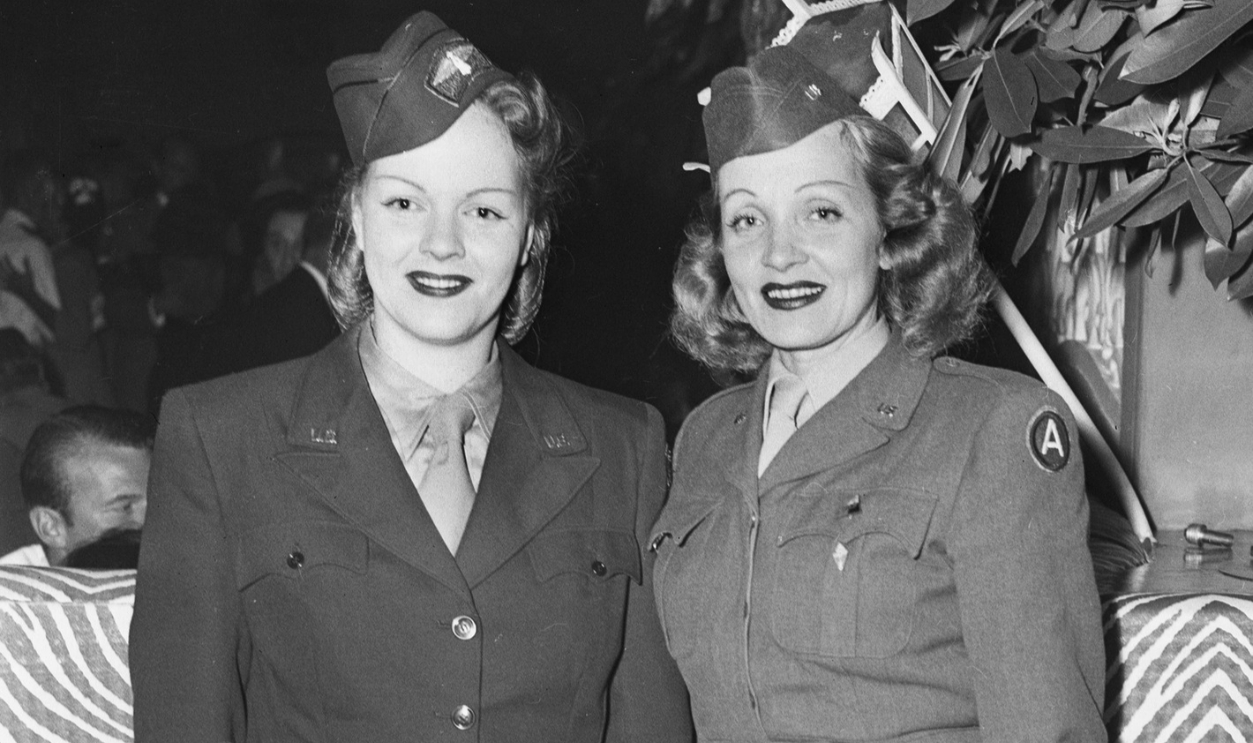
Riva made her feelings unusually clear in a 1994 interview. She said she respected Dietrich enormously as a professional but felt very differently about her as a person. Even so, Riva continued protecting important parts of her mother's legacy, particularly Dietrich's courageous wartime service, making her account far more complicated than a simple attack.
Drew Barrymore Was Born Into Acting Royalty
Drew Barrymore carried one of Hollywood's oldest acting names before she was old enough to understand what that meant. Her father, John Drew Barrymore, belonged to the celebrated Barrymore dynasty. E.T. made Drew internationally famous when she was still a little girl.

Little Girl Lost Was Written When She Was Fifteen
By 1990, Barrymore had already experienced an extraordinarily turbulent childhood and successfully sought legal independence while still a teenager. She documented much of that childhood in Little Girl Lost, published when she was only 15. The book presented child stardom not as an enviable fantasy but as an adult world into which she believed she had been pushed far too early.
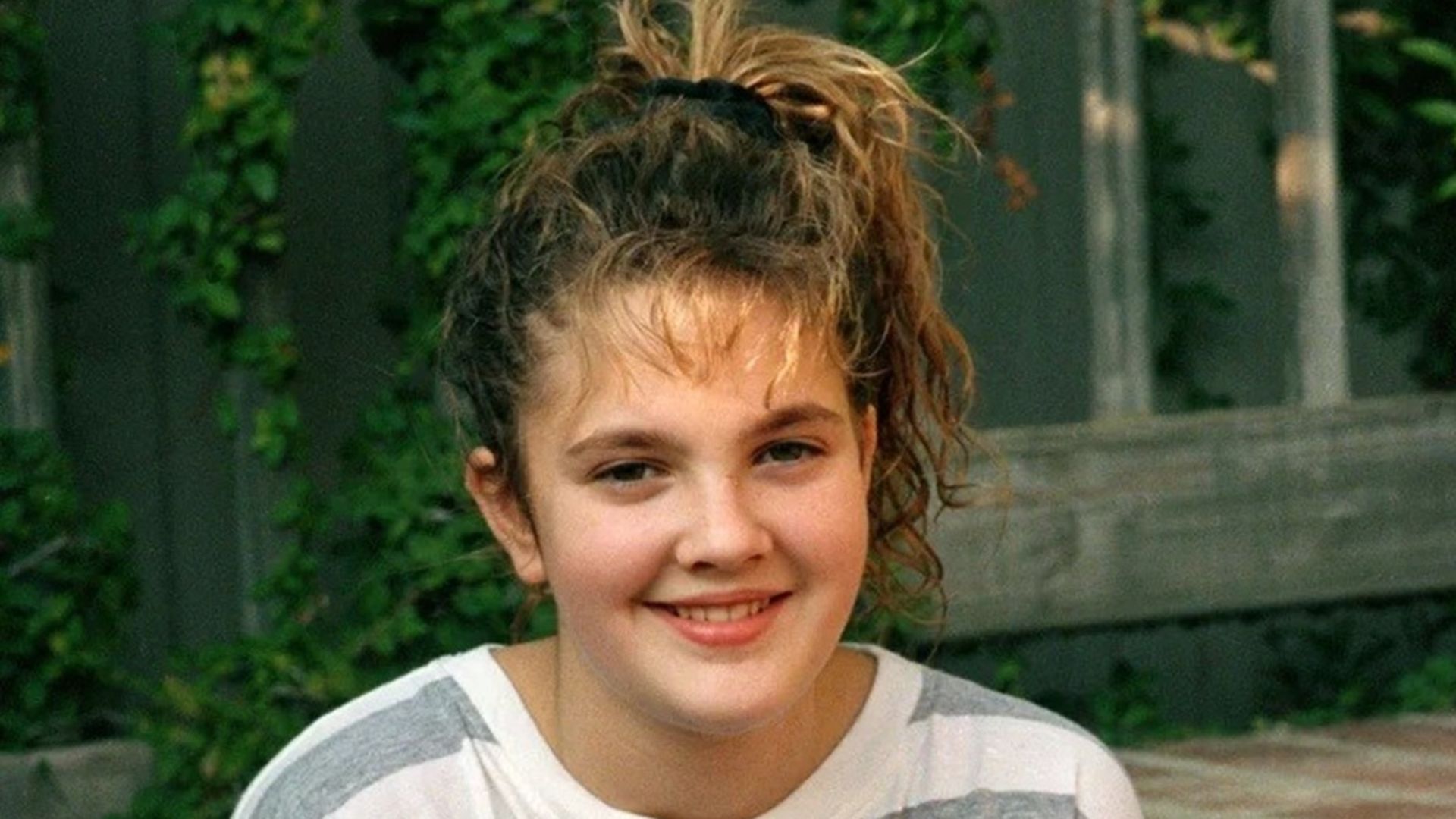 Associated Press, Wikimedia Commons
The Barrymore Name Could No Longer Hide Everything
Later accounts expanded upon the family story Barrymore had begun telling as a teenager. The Los Angeles Times reported her descriptions of an absent and frightening father, adding another difficult chapter to the Barrymore family's complicated history. She eventually reconciled with parts of that history, but Little Girl Lost ensured that the famous Barrymore name would never again represent Hollywood glamour alone.
You May Also Like:
Actors’ Most Memorable Breakout Roles
Movie Stars Who Thought Fame Would Last Forever—Now No One Born After 2000 Has Even Heard Of Them
Movie Stars Who Started With Television
Sources: 1, 2, 3, 4, 5, 6, 7, 8, 9, 10, 11, 12, 13, 14, 15, 16, 17, 18, 19, 20, 21, 22, 23, 24, 25, 26, 27, 28, 29, 30, 31, 32, 33, 34, 35