Grave Robbers Heard An Incredible Rumor
Months after Benny Hill was laid to rest, someone heard a rumor too tempting to ignore. The enormously successful comedian had supposedly gone into his grave wearing or carrying a fortune in gold and jewelry. In October 1992, thieves dug into his grave and broke open his coffin looking for it. What they found made the entire episode even stranger.
The Rumor Wasn't Completely Random
To understand why anyone believed the story, you have to understand just how wealthy Benny Hill had become. For decades, he had been one of Britain's biggest television comedians, and his work eventually became familiar to American viewers as well. Yet the man behind that enormous success lived in a way that often looked nothing like the life of a millionaire. That contradiction probably helped make wild stories about his money sound just believable enough.
Benny Hill Became A Television Institution
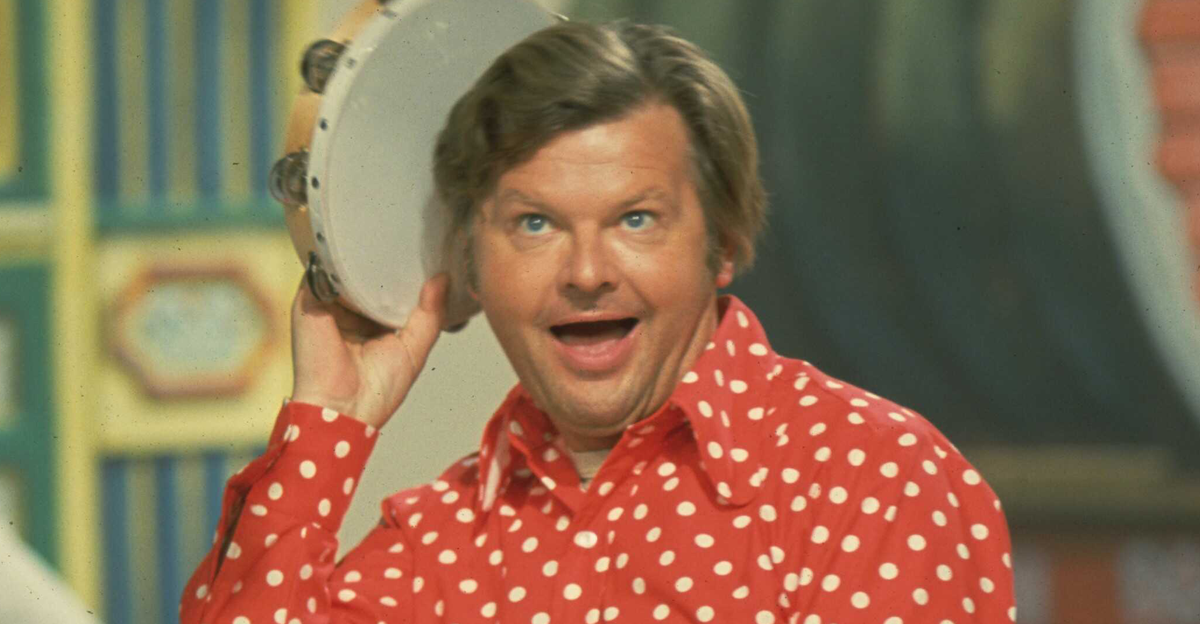
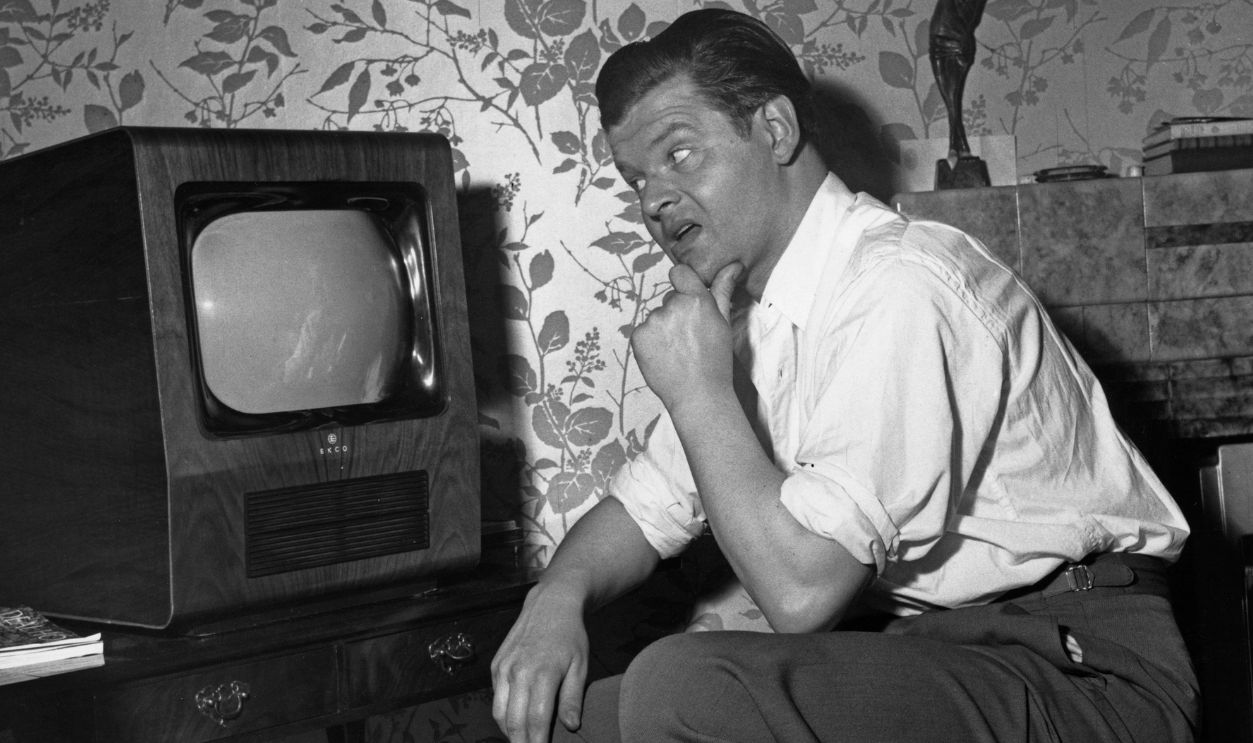
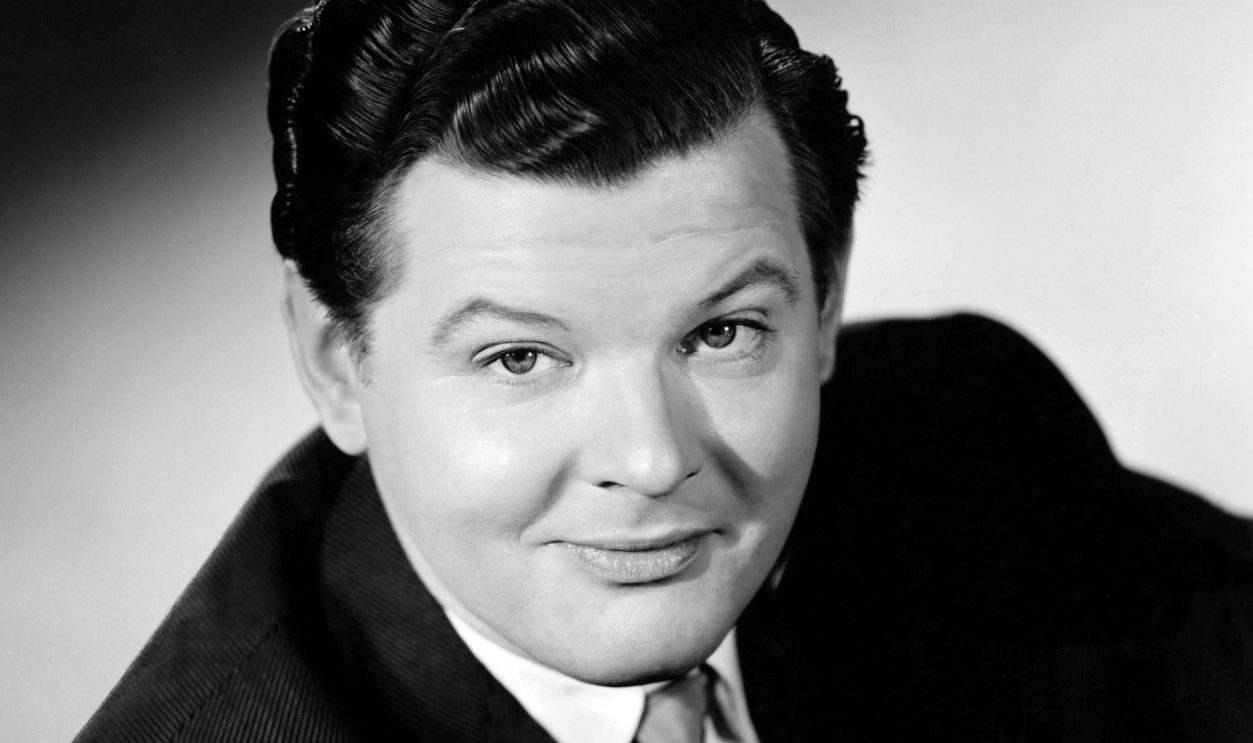
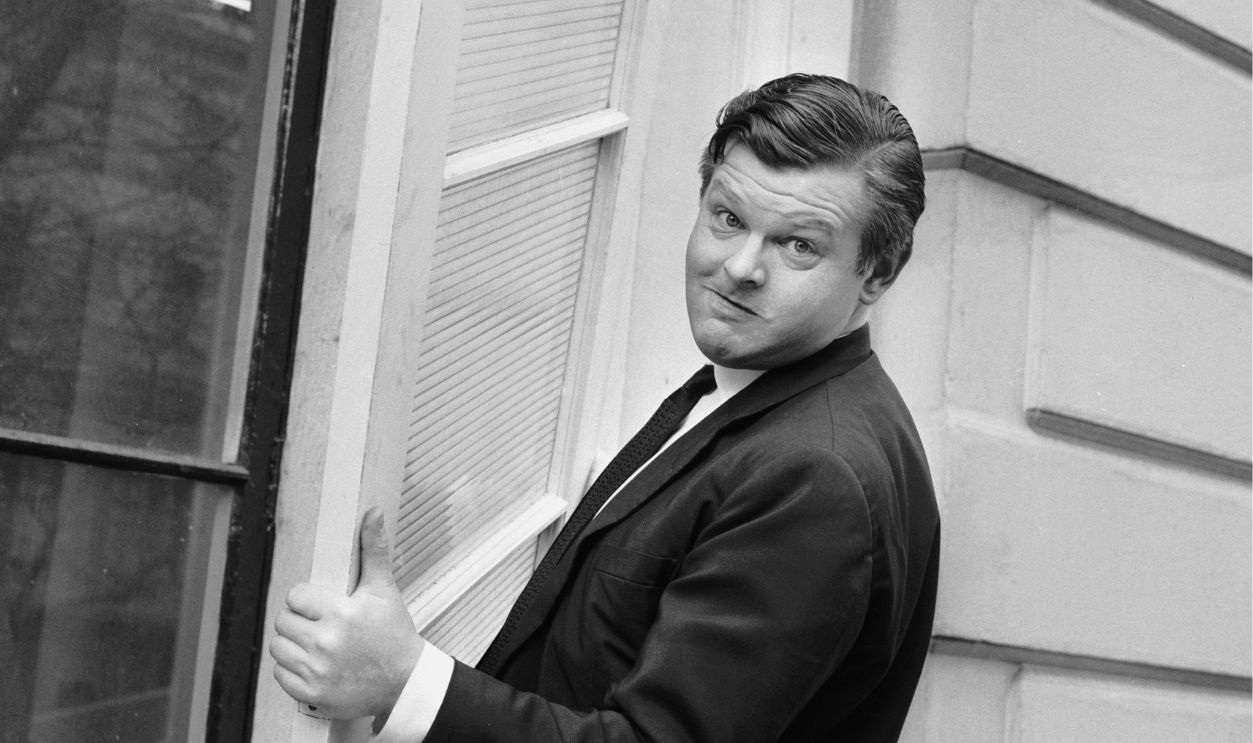
Born Alfred Hawthorne Hill in Southampton in 1924, Hill grew up around entertainment. His father had worked as a circus clown, as had his grandfather, giving the future comedian an unusually direct connection to Britain's old music-hall tradition. Hill eventually found his ideal medium in television, where quick sketches, physical comedy, impressions, and visual jokes suited him perfectly. By the 1950s, his name was already becoming synonymous with British television comedy.
His Show Lasted For Decades
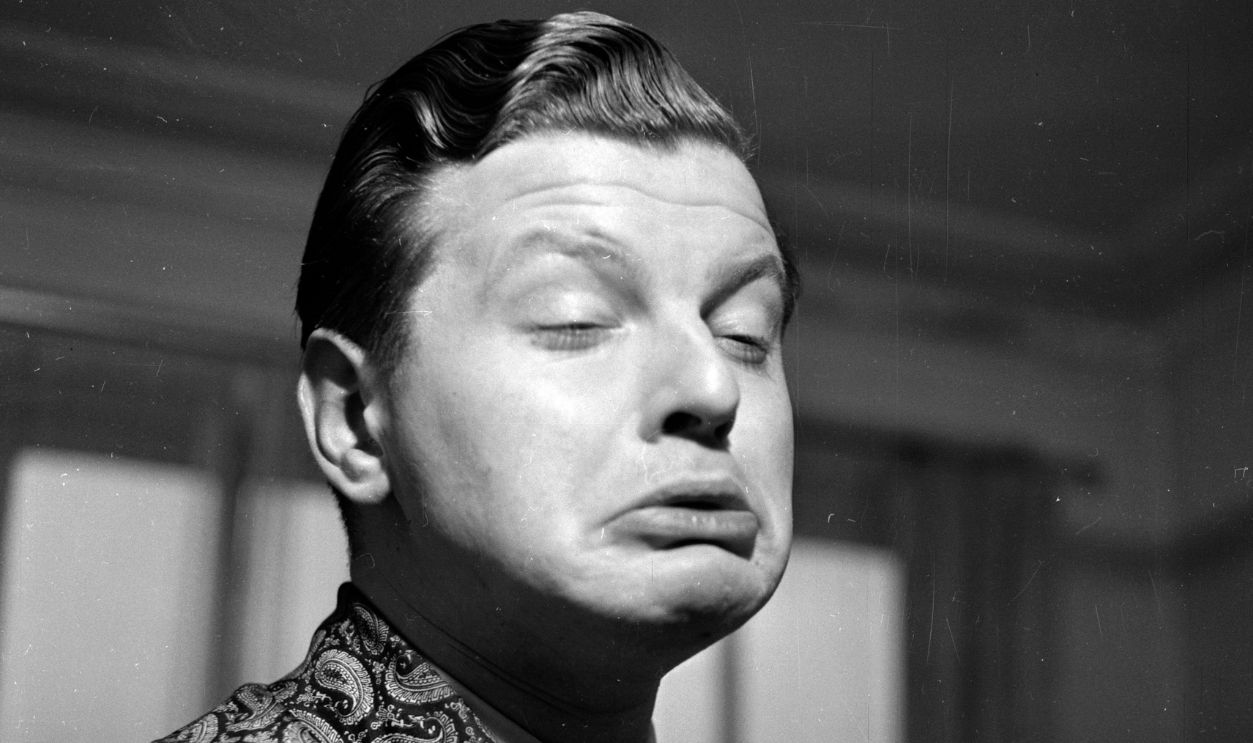
The Benny Hill Show first appeared on the BBC in 1955, with later incarnations continuing on British television for more than three decades. In 1969, Hill moved to Thames Television, where he produced the version of the show that became particularly famous internationally. His formula mixed parody, slapstick, songs, innuendo, and elaborate filmed sketches. The show could be silly and deliberately ridiculous, but its reach was anything but small.
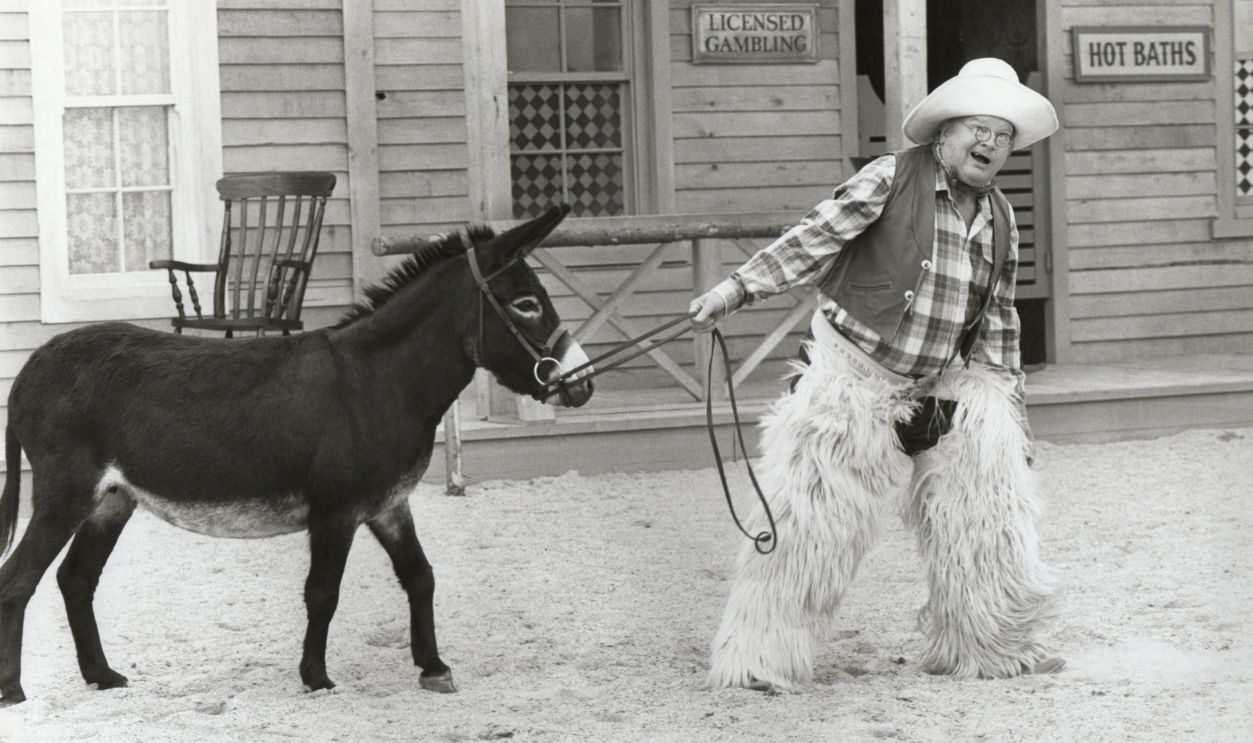
Millions Tuned In
At its peak, Hill's television audience in Britain exceeded 21 million viewers. His program was also exported around the world, helped by comedy that often relied on sight gags rather than dialogue. That made Hill unusually easy to understand across language barriers. By the time American audiences began seeing syndicated episodes regularly in 1979, he was already a major international star.
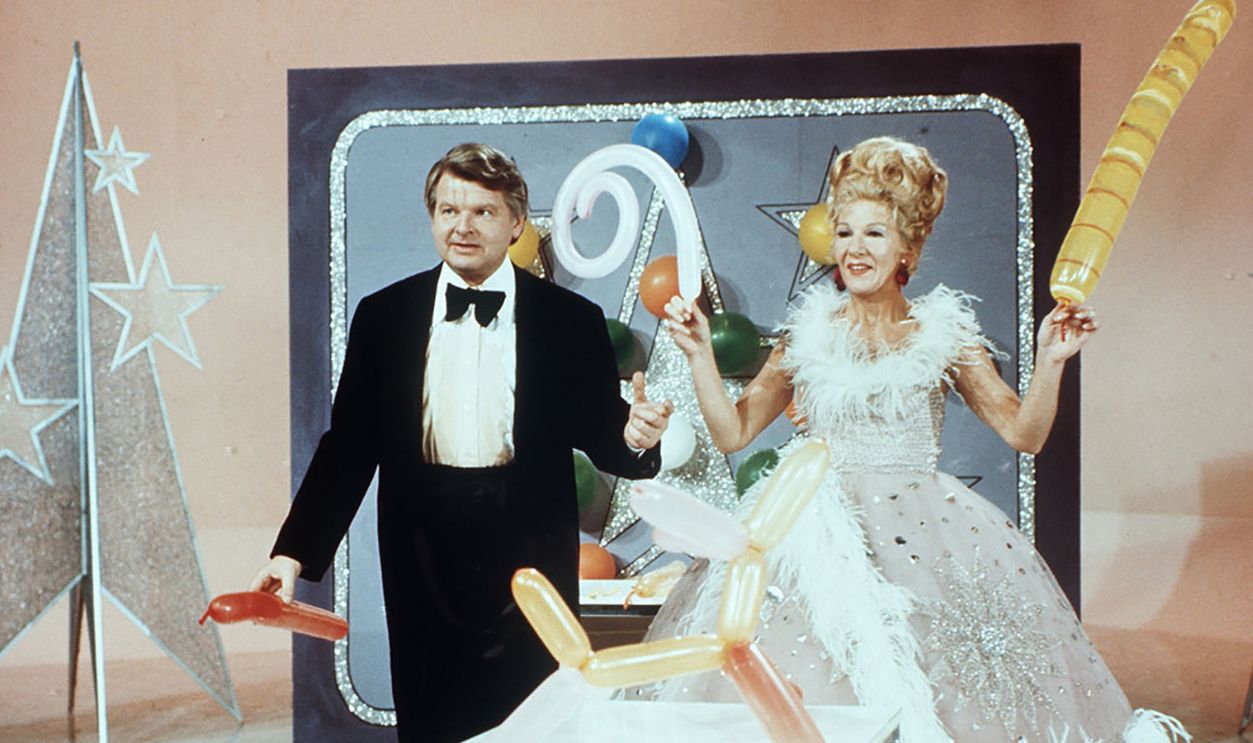
America Got To Know Him Too
The American version of The Benny Hill Show turned his British specials into syndicated half-hour programs. His frantic chase scenes, exaggerated characters, and broad visual comedy made him recognizable even to people who knew little about British television. The Washington Post later described him as having developed a loyal audience in the United States. For a comedian who rarely chased Hollywood celebrity, Hill had somehow become famous on both sides of the Atlantic.
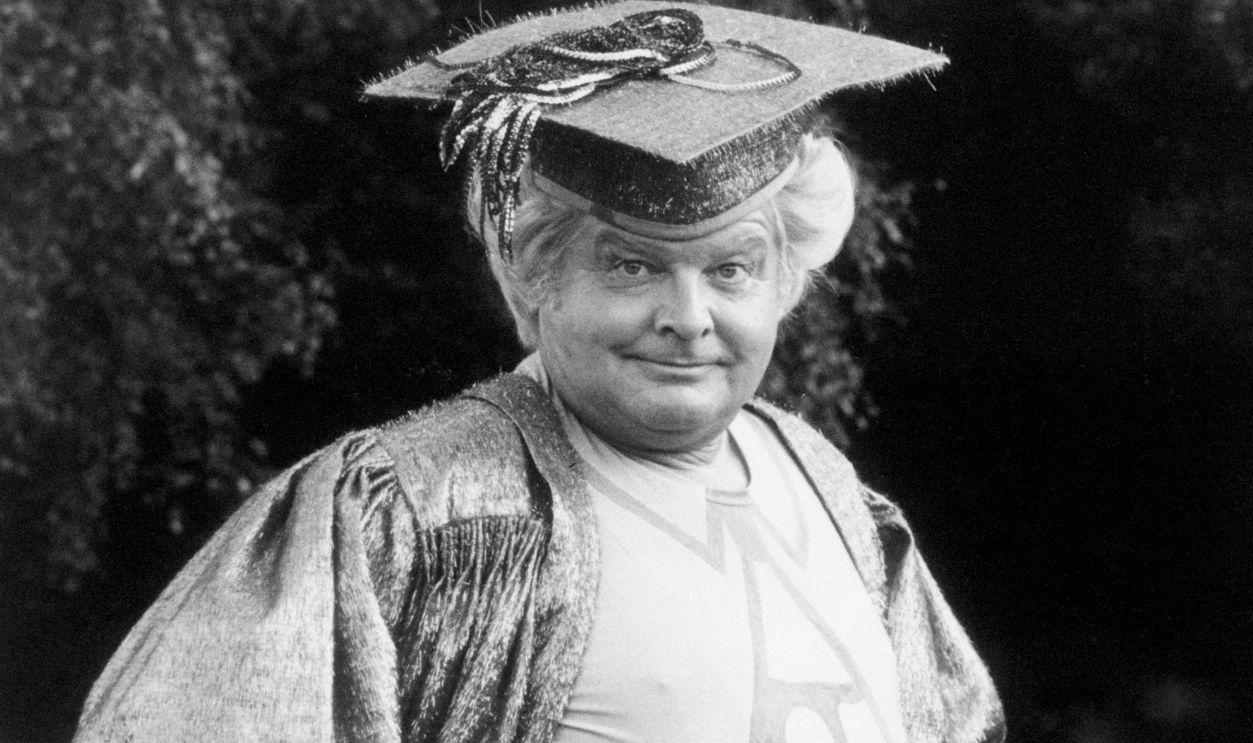
He Had The Awards To Match
Hill's popularity was not simply a matter of ratings. The Benny Hill Show won BAFTA's Light Entertainment award in 1972, while Hill himself won that year's BAFTA for television scriptwriting. He was also nominated for his performance. Whatever later critics thought of his style, British television's establishment had once treated Hill as one of its major comic talents.
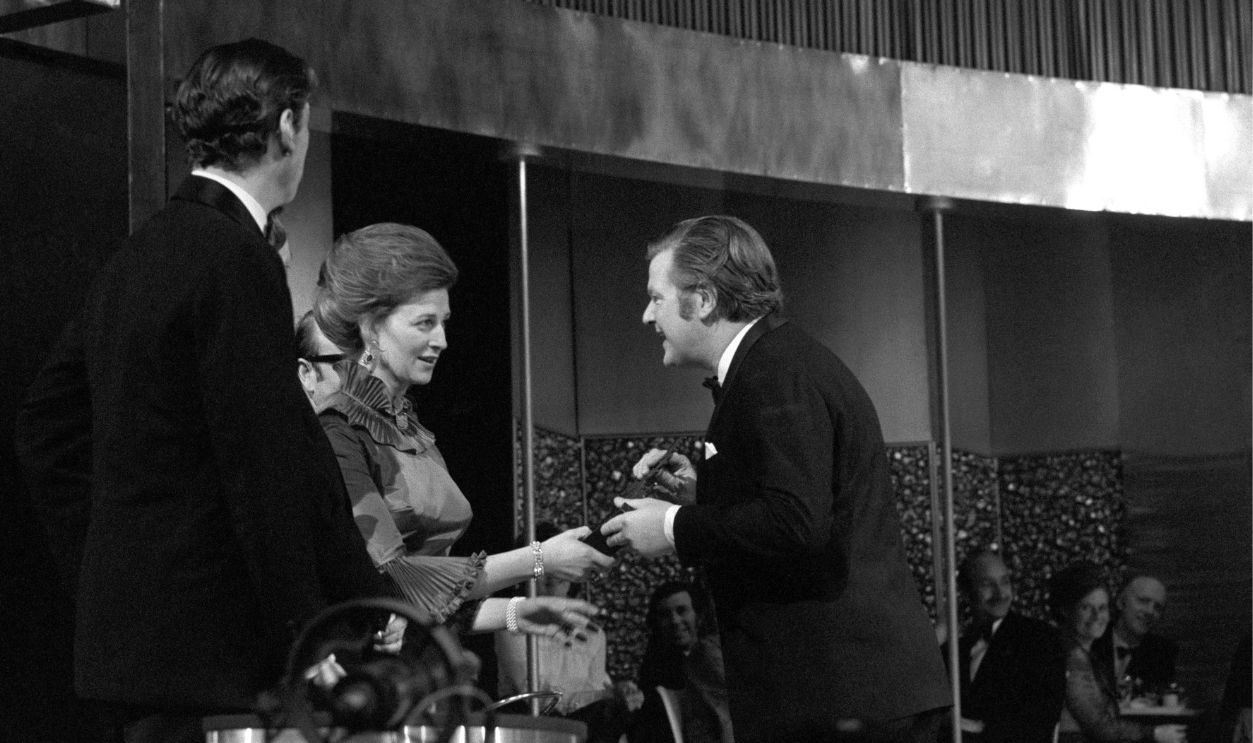
Yet Hill Didn't Live Like A Mogul
The image of a fabulously wealthy television star would normally suggest mansions, expensive cars, and a glamorous social life. Hill was almost the opposite. He became well known for living frugally, renting rather than buying his London home and avoiding the kind of extravagant lifestyle his income could easily have supported. The more money he made, the stranger that contrast became.
He Never Even Owned A Car
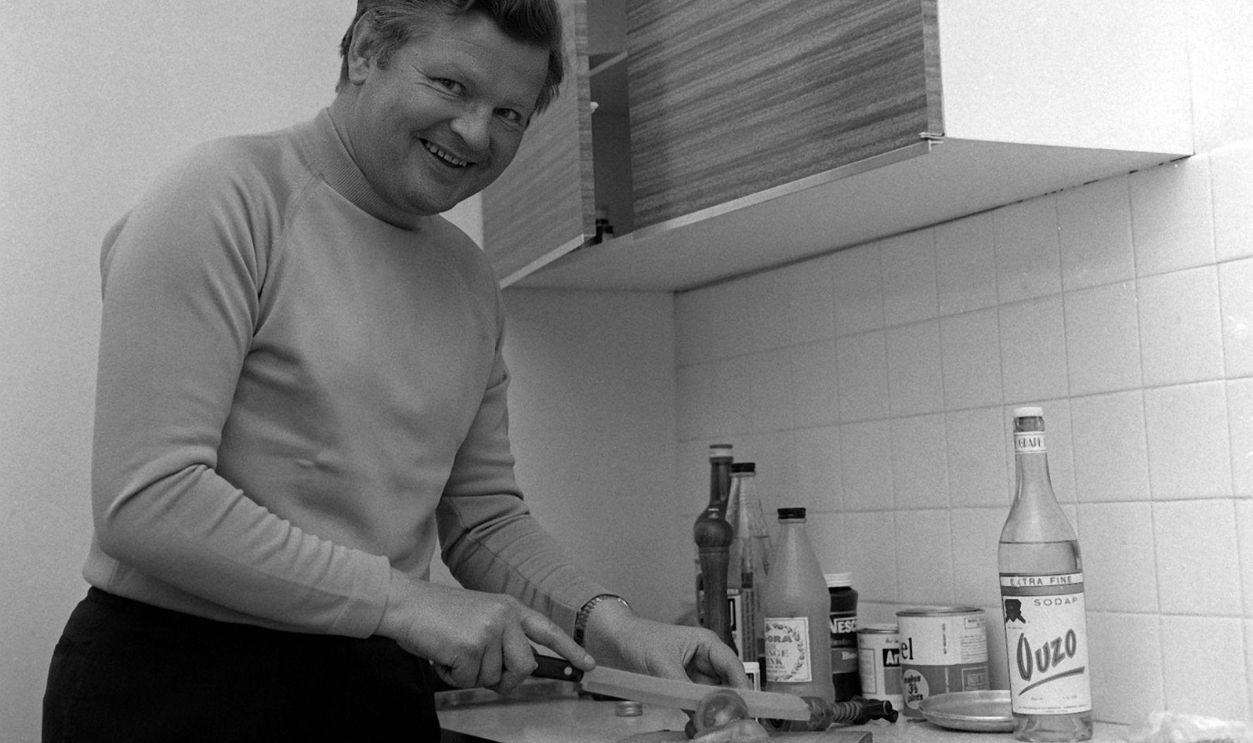
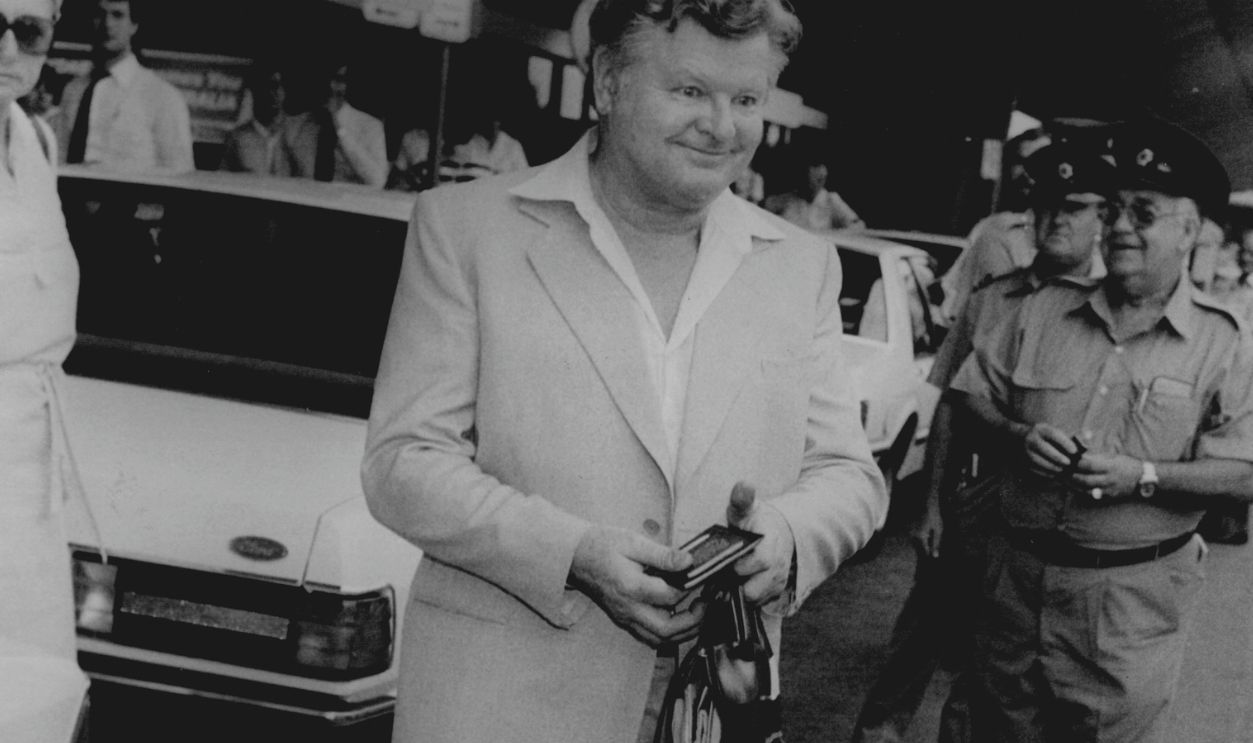
Despite being able to drive, Hill reportedly never owned a car. He often walked long distances rather than spend money on a taxi and was known for repairing old clothes instead of replacing them. He also bought ordinary supermarket food instead of adopting expensive habits. These stories were not about a struggling entertainer saving every penny. They concerned a man who had already accumulated a substantial fortune.
 Fairfax Media Archives, Getty Images, Modified
His Biggest Luxury Was Travel
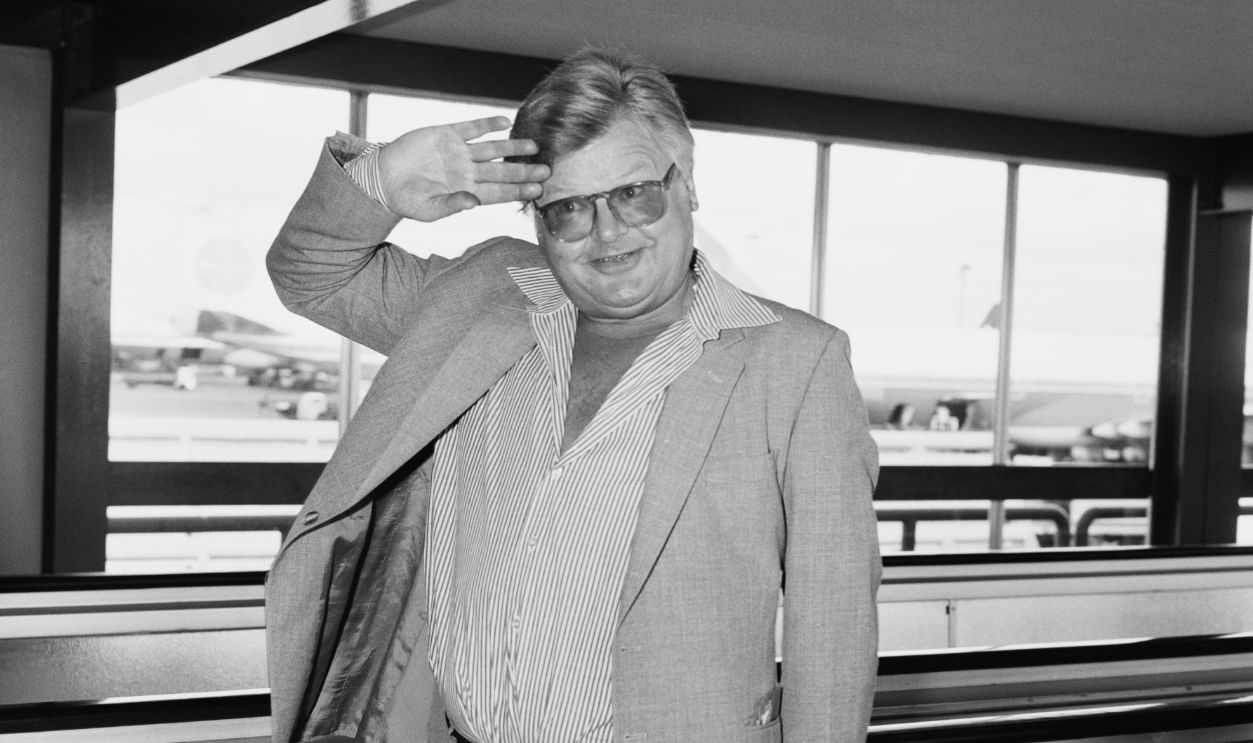
There was one area where Hill loosened the purse strings. He loved traveling, particularly to France, where he enjoyed a level of anonymity that had become difficult to find in Britain. Even then, accounts of his travels describe him staying fairly modestly rather than surrounding himself with luxury. Hill seemed to value being left alone more than looking rich.
Fame And Privacy Made An Odd Mix
Hill's television character was loud, mischievous, and constantly surrounded by people. Away from the cameras, he guarded his privacy closely and never married or had children. The difference between the public Benny Hill and the private man was enormous. That made his finances, friendships, and personal routines unusually mysterious for somebody so famous.
Then Television Changed Around Him
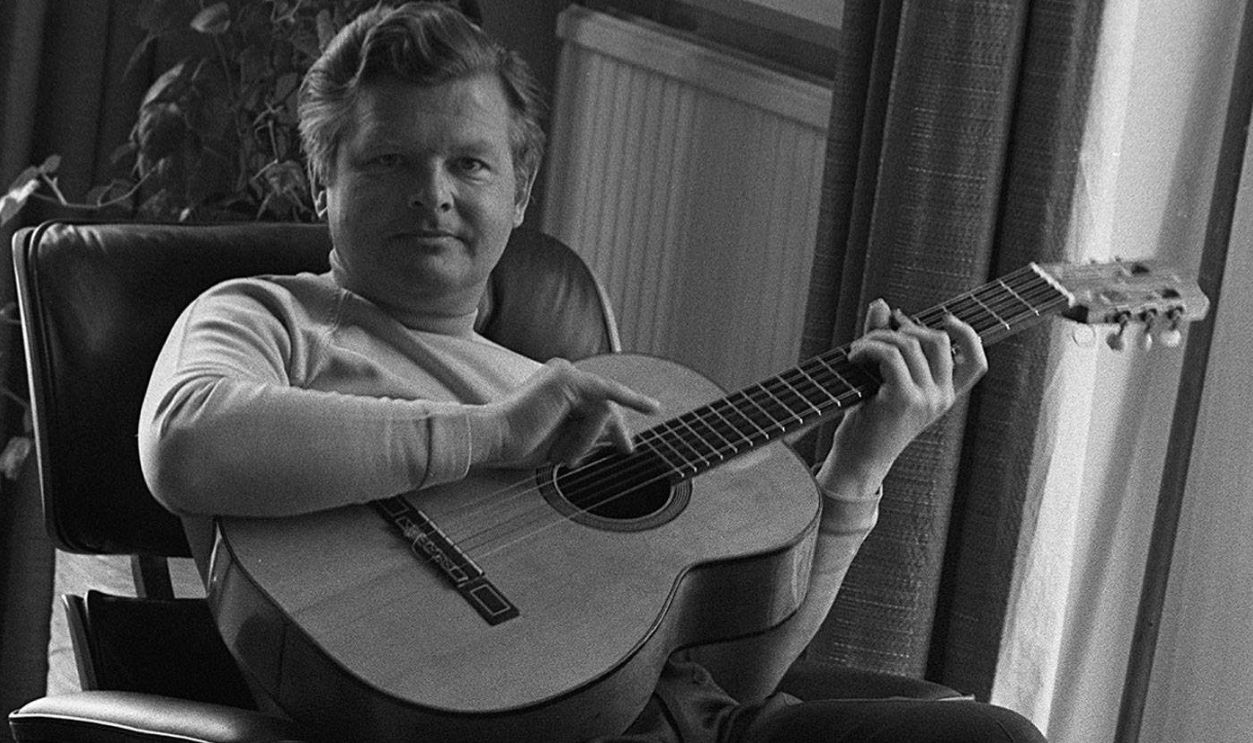
By the late 1980s, British comedy had changed considerably from the world in which Hill had become a superstar. His comedy increasingly attracted criticism for its treatment of women, while younger performers and new styles were taking over television. Thames Television ultimately ended his show in 1989. After decades near the center of British popular culture, Benny Hill was suddenly without his familiar television home.
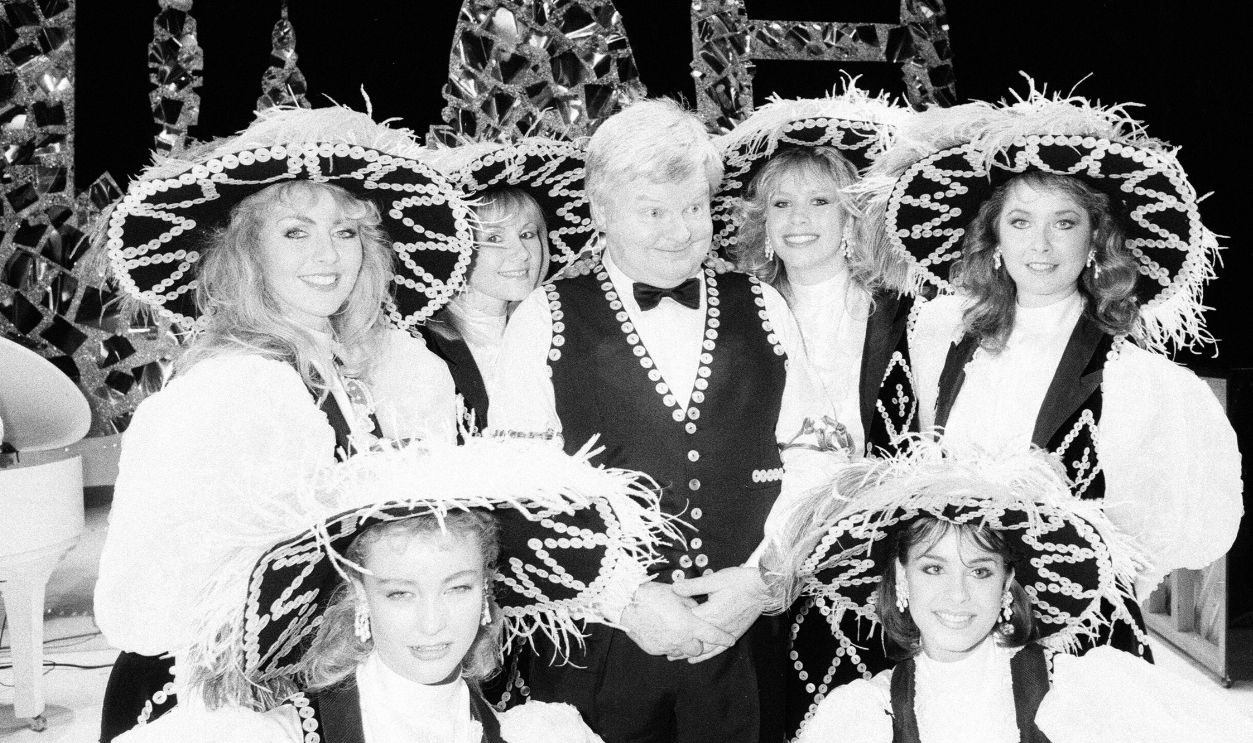
The Cancellation Was Brutal
John Howard Davies, the Thames executive who ended the program, later said he believed the show had simply reached the end of its useful life. Davies felt material that had seemed mischievous when Hill was younger looked different once the comedian was in his 60s. Hill's long-running series consequently disappeared after its 1989 episodes. The abrupt ending gave the final years of his life a much quieter tone.
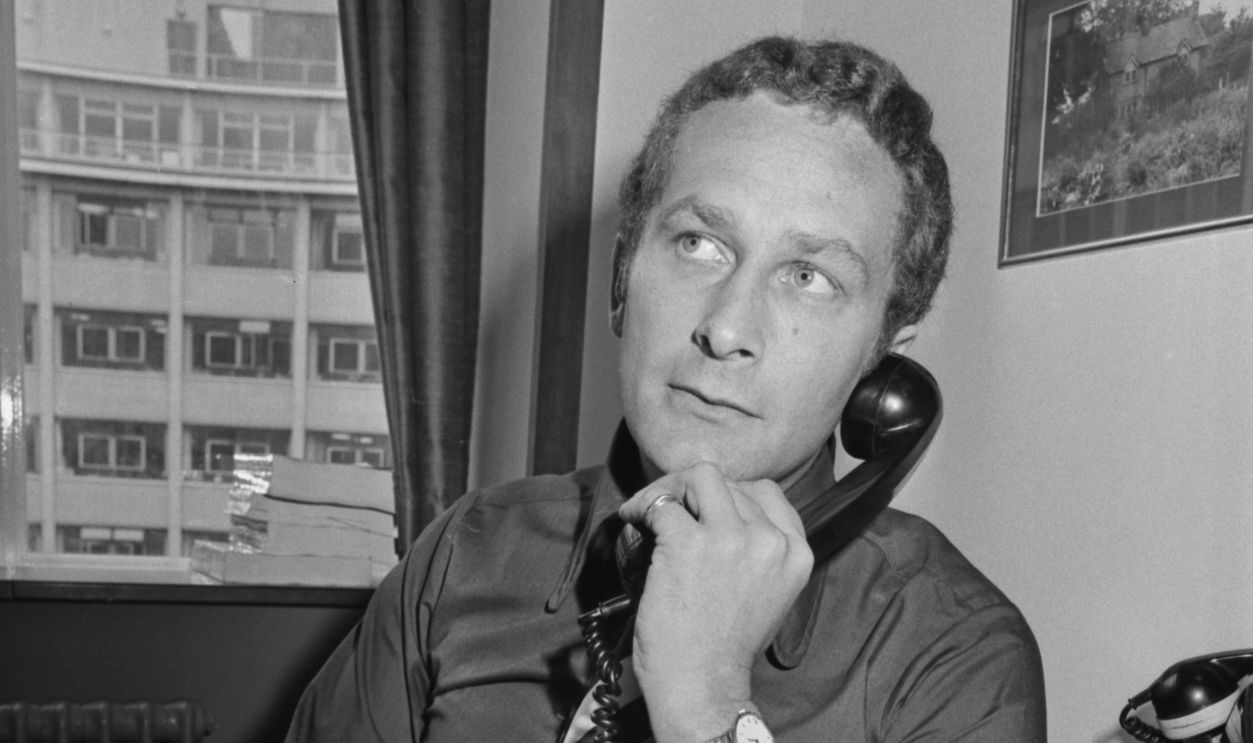
He Wasn't Completely Finished
Hill did attempt to return to television. He made Greetings From New York as part of a proposed international series, although the larger project did not develop into a sustained comeback. Meanwhile, requests for repeats of his older material continued. Hill had lost his regular show, but viewers had not completely forgotten him.
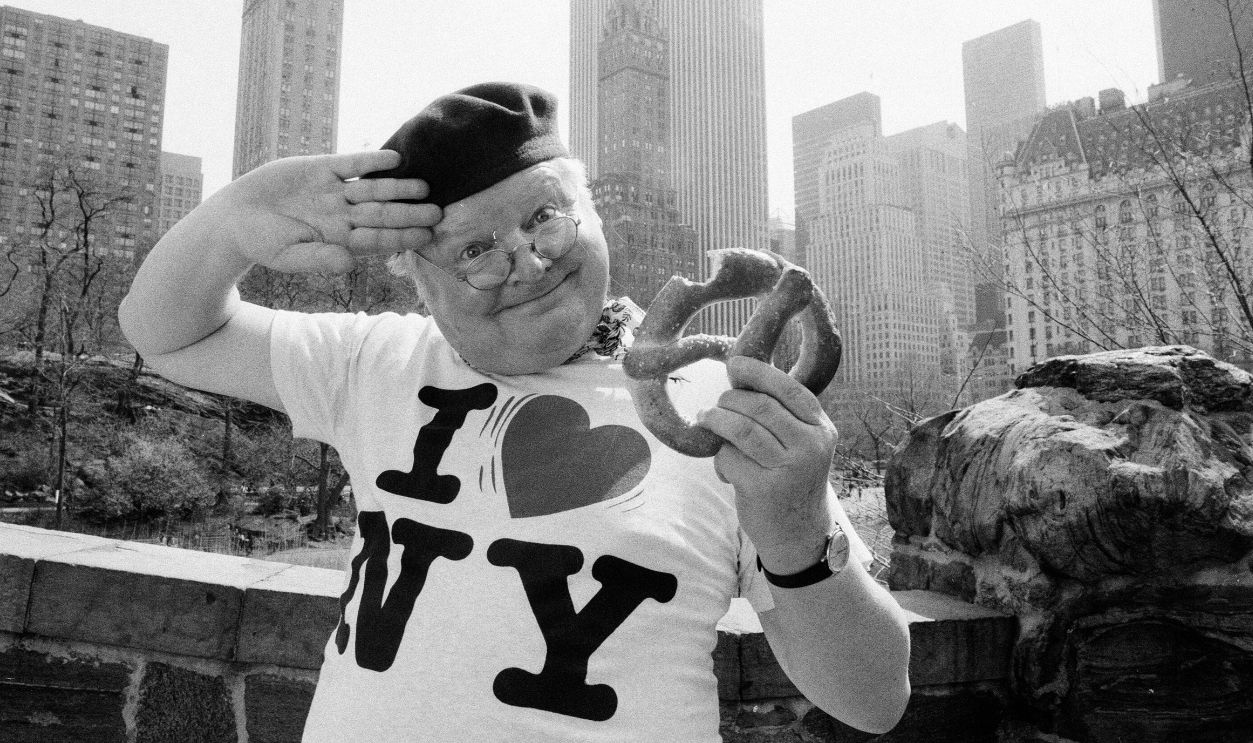
His Health Was Getting Worse
In February 1992, Hill suffered a mild heart attack. Doctors recommended heart bypass surgery, but he declined it. He was subsequently diagnosed with kidney failure and also declined dialysis. Within weeks, the comedian who had spent decades racing around television screens was in seriously deteriorating health.
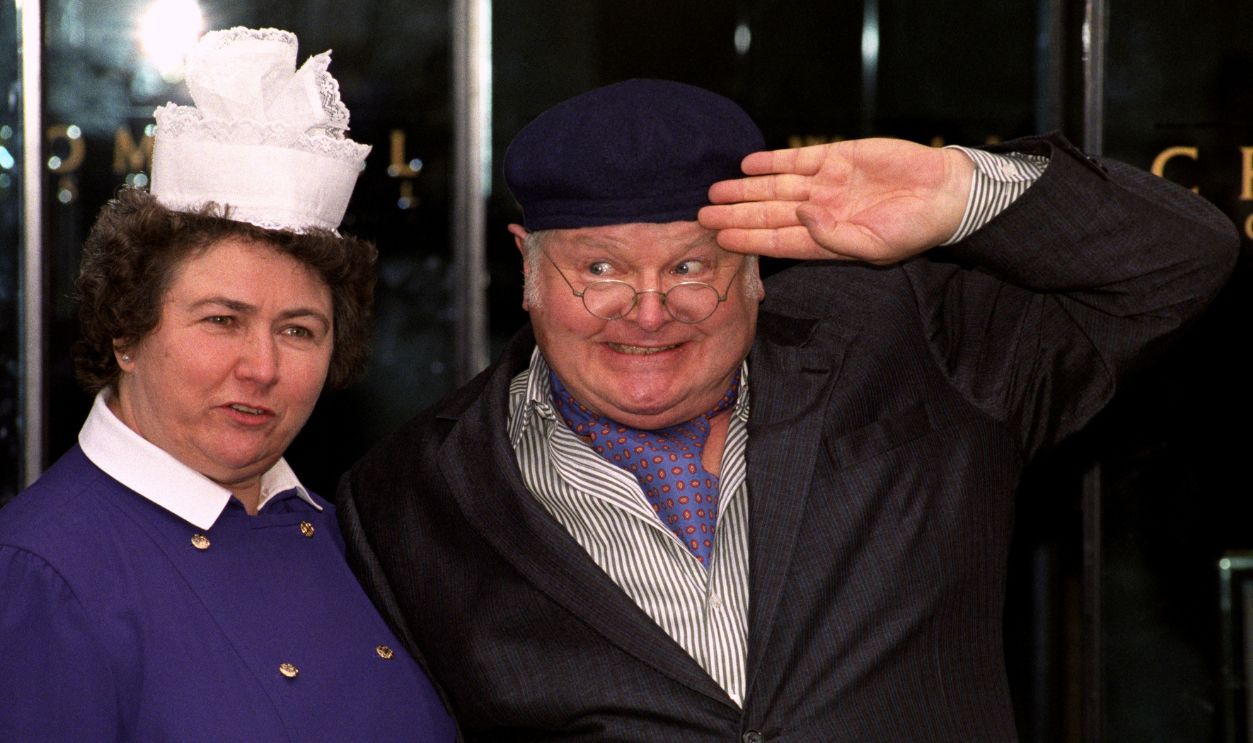 John Stillwell - PA Images, Getty Images
He Died Alone At Home
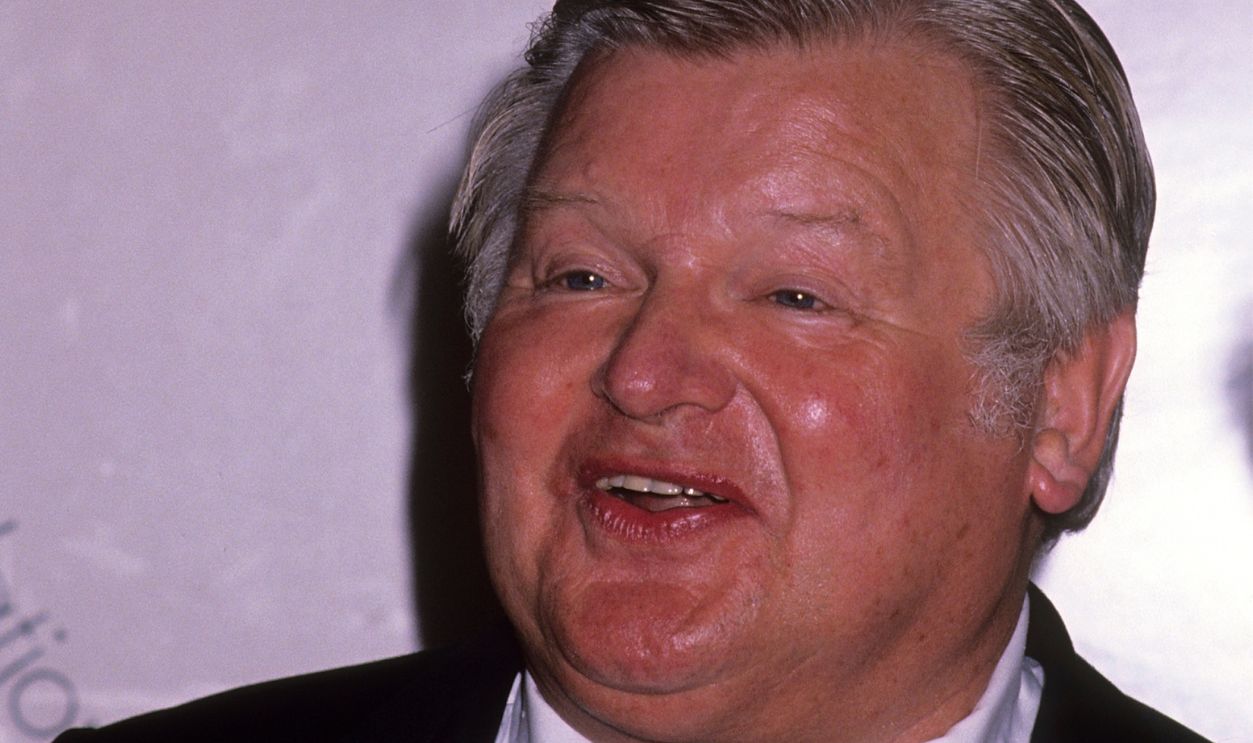
Hill died at his home in Teddington at age 68. Contemporary reporting said he was found in front of his television after concern grew because he had not been seen over the Easter weekend. His recorded cause of death was coronary thrombosis. It was an unusually quiet ending for a performer whose television career had been built on constant movement and noise.
Southampton Became His Final Home
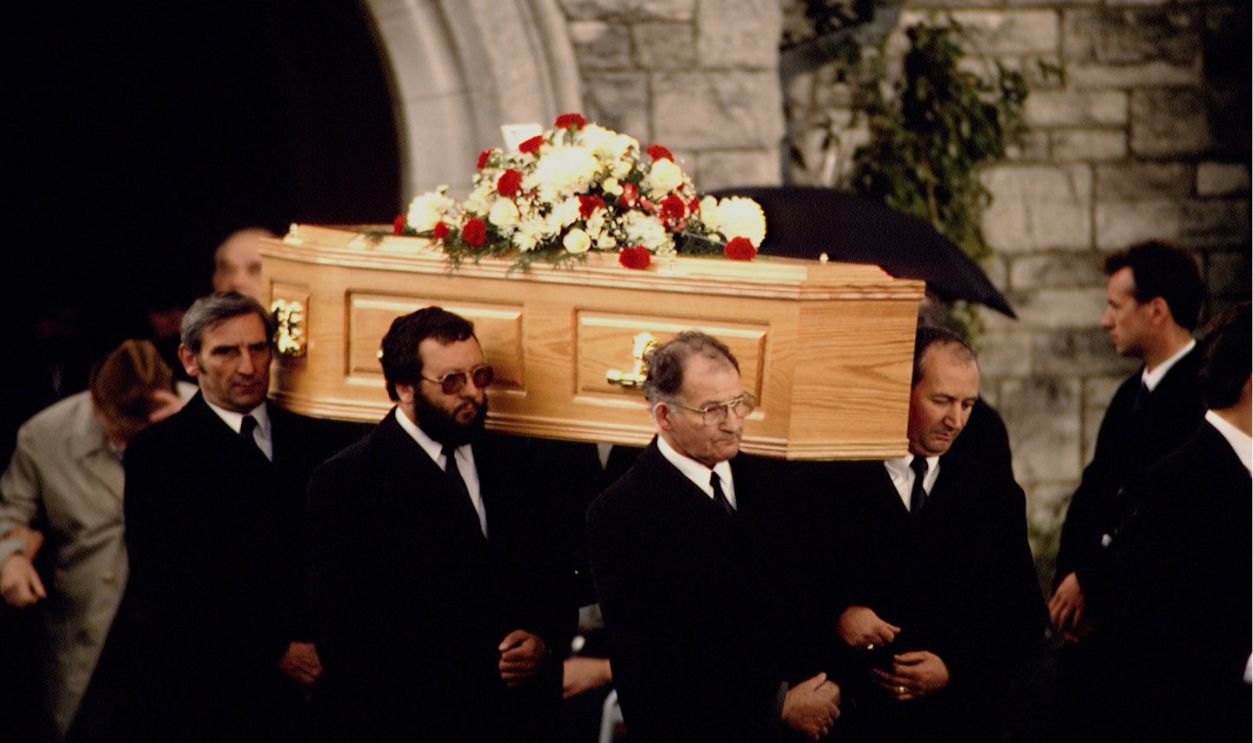
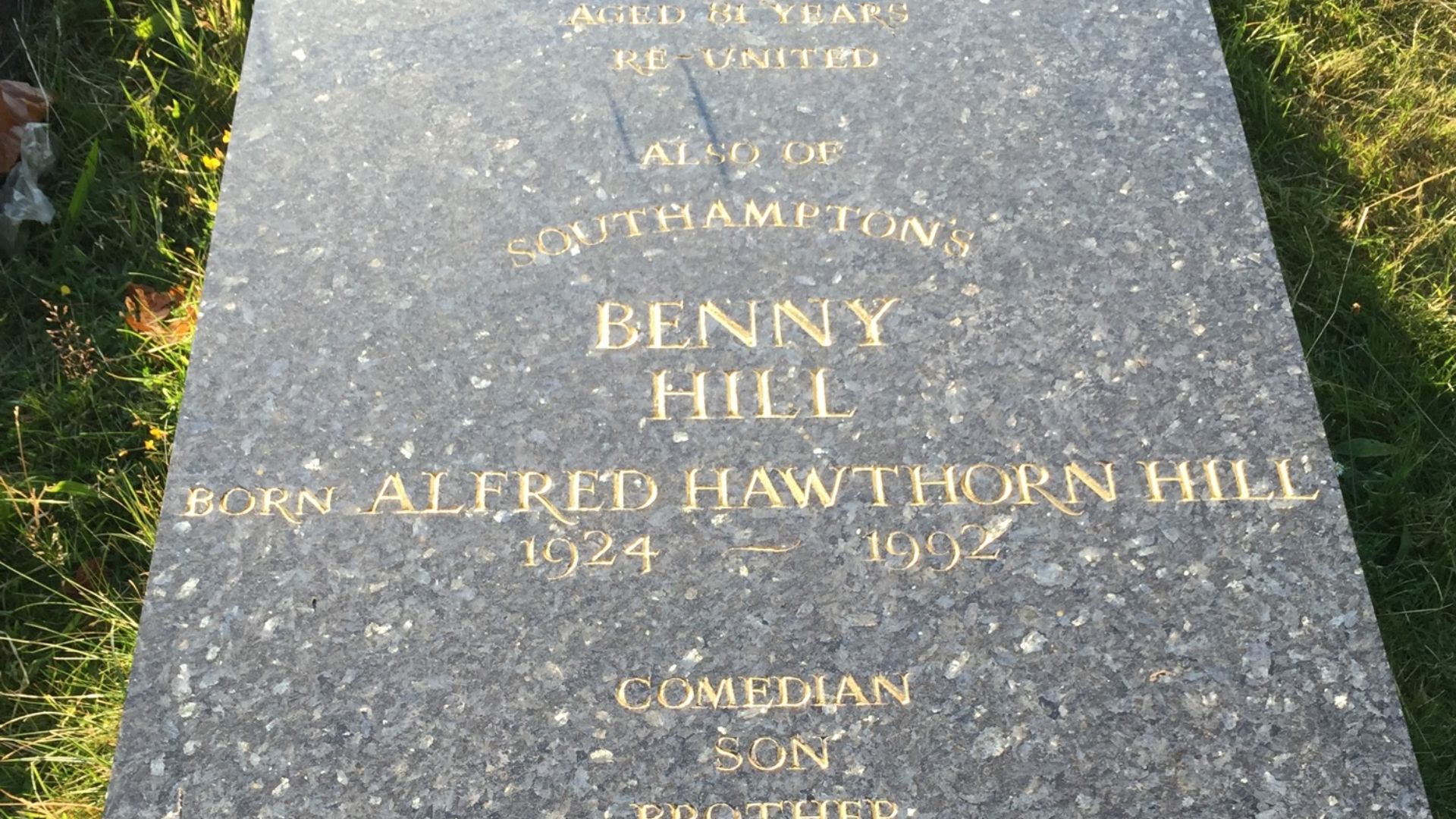
On April 28, 1992, Hill was buried in Southampton, the city where he had been born. Contemporary Los Angeles Times coverage reported that his coffin was placed in a family plot alongside his parents. Friends and mourners gathered as one of Britain's most recognizable comedians was laid to rest. At that point, nobody knew that strangers would soon come digging him back up.
Then His Fortune Became News
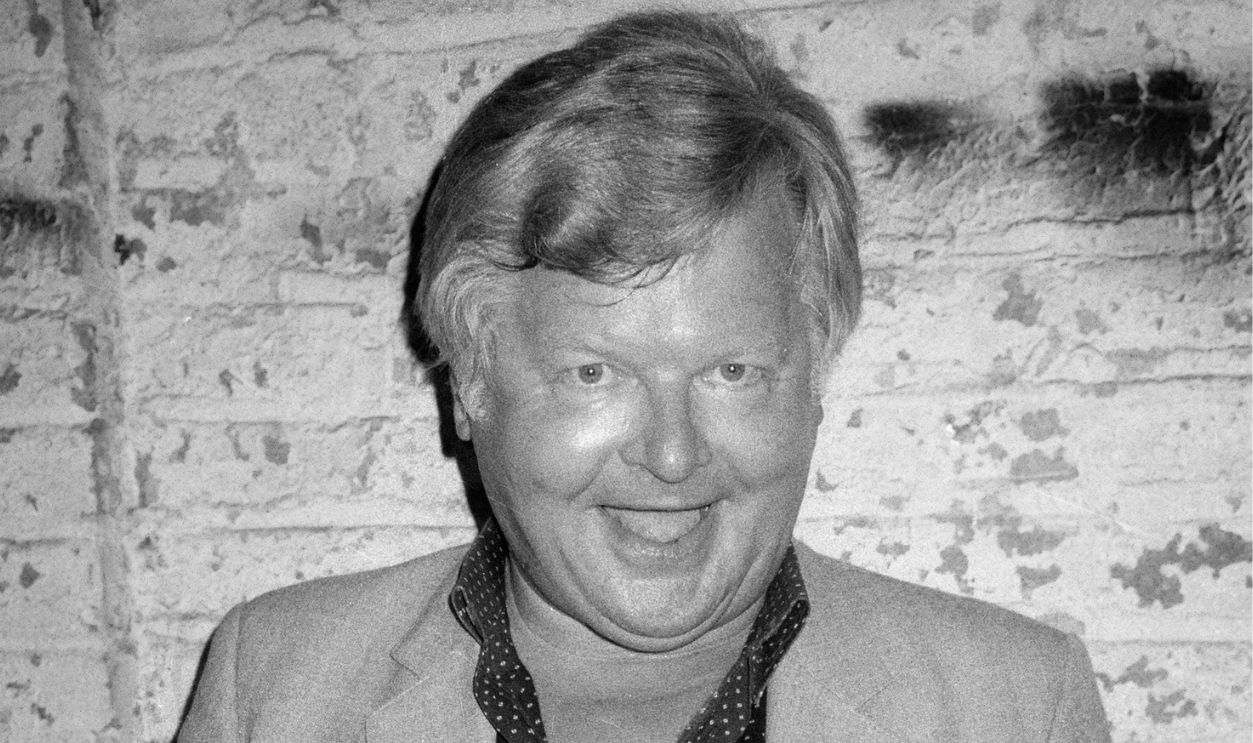
Hill's modest lifestyle had concealed just how much money he accumulated. His estate was eventually valued for probate at more than £7.5 million, a vast sum for the period. The fortune created an unusual problem because the will Hill had written decades earlier named his parents, who had both died before him. Ultimately, his estate passed to seven nieces and nephews.
His Old Will Added To The Mystery
Hill had apparently never properly updated his will to reflect the enormous success that came later in his life. Reports after his passing also described an informal document naming friends and colleagues, although it lacked the legal standing necessary to override the existing estate arrangements. The details reinforced an image of a man who could carefully save millions yet remained remarkably casual about what would happen to them. His money was becoming almost as much a story as his comedy.
 Silver Screen Collection, Getty Images
Rumors Started Swirling
Against that backdrop, a story began circulating that some of Hill's wealth had gone into the ground with him. The rumor claimed that he had been buried with valuable gold or jewelry. There was no solid reason to believe it, but Hill's known wealth made the story tempting. By October, somebody was prepared to test the rumor with a shovel.
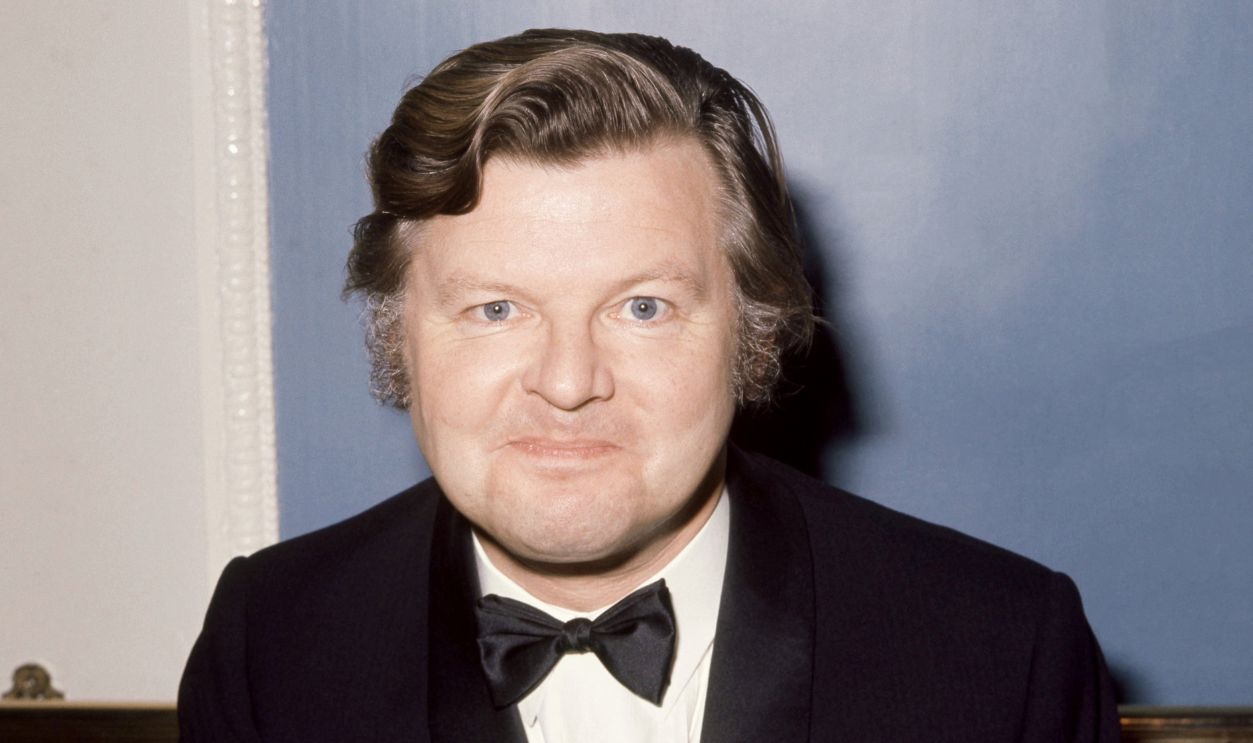
Someone Dug Into His Grave
During the night of October 4, 1992, intruders entered Hollybrook Cemetery in Southampton and dug down into Hill's grave. They reached the coffin and broke into it. By the following morning, a passerby discovered that the grave had been opened. Five months after Hill's funeral, police were suddenly investigating what looked like a grotesque search for buried treasure.
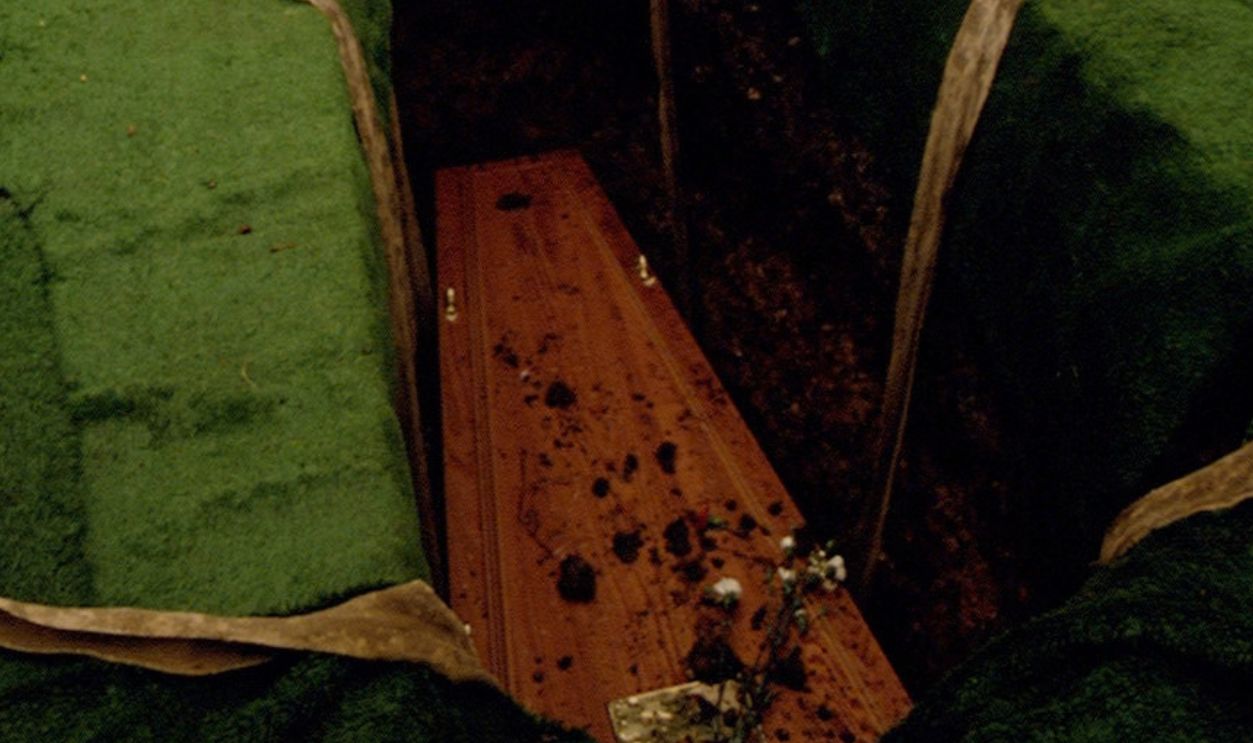
They Actually Opened The Coffin
This was not simply vandalism to a headstone or flowers. Los Angeles Times reporting at the time said a plank from Hill's coffin had been removed. Police believed jewelry was the apparent target because of the rumor that valuables had been buried with him. The intruders had gone all the way from gossip to opening a famous man's coffin.
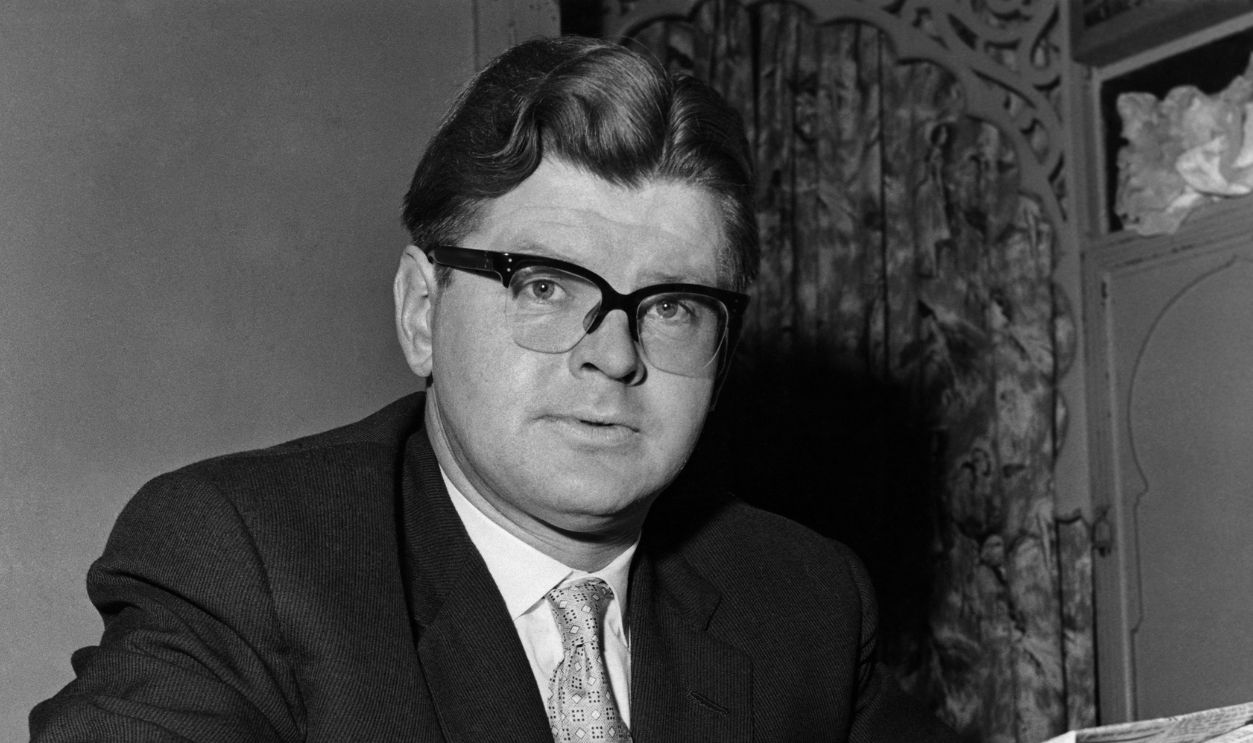
The Body Was Left Alone
There was at least one small mercy in the incident. Contemporary reporting said Hill's body itself had not been disturbed. The people responsible seem to have been interested in valuables, not in desecrating his remains for its own sake. Unfortunately for them, there was apparently no fortune waiting inside.
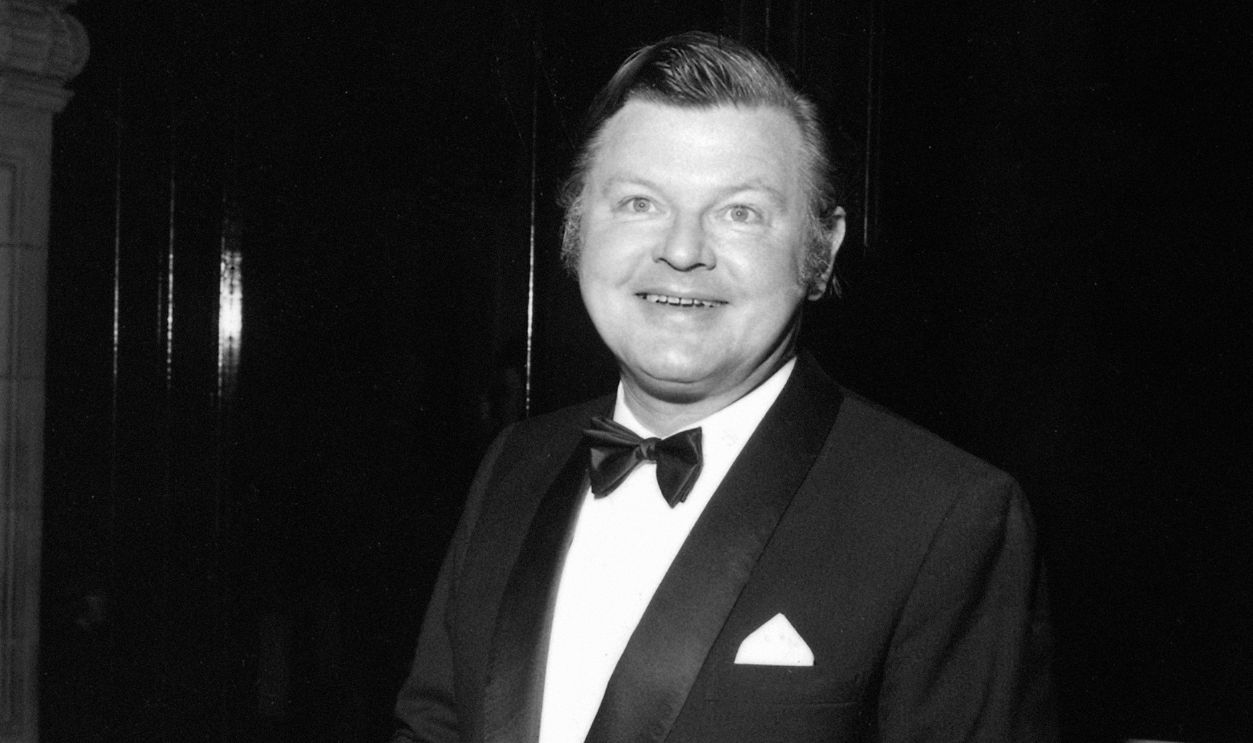
The Treasure Hunt Came Up Empty
Whatever the thieves expected to find, reports of the episode do not describe any great haul of gold or jewelry being taken from Hill's coffin. The central rumor that sent them into the cemetery appears to have been false. Hill had spent much of his life accumulating money while showing remarkably little interest in displaying it. The idea that he would suddenly be buried dripping in treasure was strangely at odds with the way he had actually lived.
Officials Weren't Taking Another Chance
After police examined the scene, the coffin was closed and Hill was buried again. Later accounts say cemetery workers placed a substantial concrete slab over the grave as additional protection against another attempt. The measure was grimly practical. If another rumor about buried treasure surfaced, getting to Benny Hill would now be considerably harder.
 Cplbeaudoin, Wikimedia Commons
The Story Had A Bizarre Irony
The thieves apparently targeted Hill because they imagined that enormous wealth must have followed him into the grave. In reality, his adult life had been famous for the opposite behavior. He walked instead of taking taxis, repaired clothes, avoided flashy possessions, and rented his home despite having millions. Of all the celebrities to imagine being buried with a glittering fortune, Benny Hill was an unusually poor bet.
Benny Hill's Money Was Never The Point
Hill's actual fortune survived him, but it was not hidden in his coffin. His estate went through probate and eventually passed to relatives, while his television work continued circulating around the world. The grave robbers were chasing the most literal possible version of celebrity wealth and came away with nothing. In one final strange chapter, Benny Hill's reputation for having millions proved valuable only to the people who believed a rumor about where he had put them.
You May Also Like:
Bawdy Facts About Benny Hill, Britain’s Most Baffling Comedian