He Had the Career, the Oscar…And a Life Quietly Falling Apart
Gig Young had everything Hollywood was supposed to offer. A steady career, a recognizable face, and eventually an Academy Award. On screen, he played confident, composed men who always seemed in control. But off screen, things were heading in a very different direction—and by the late 70s, it would all come to a sudden and deeply tragic end.
A Star Who Seemed Effortlessly Charming
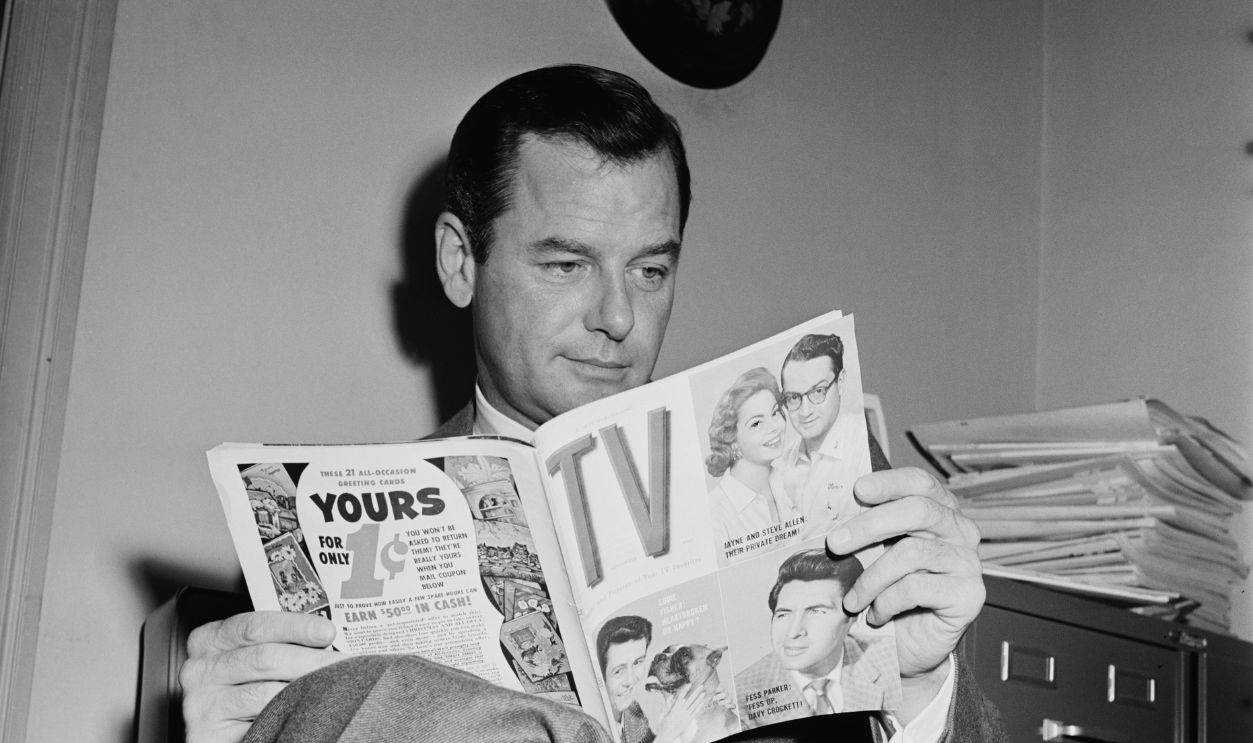
For decades, Gig Young was one of those actors who seemed to glide through Hollywood with effortless style. He had the looks, the voice, and the kind of smooth screen presence that made him a natural fit for films and television alike. But behind that polished image, Young was quietly fighting battles that few people around him truly understood.
A Hollywood Career That Started in the 40s
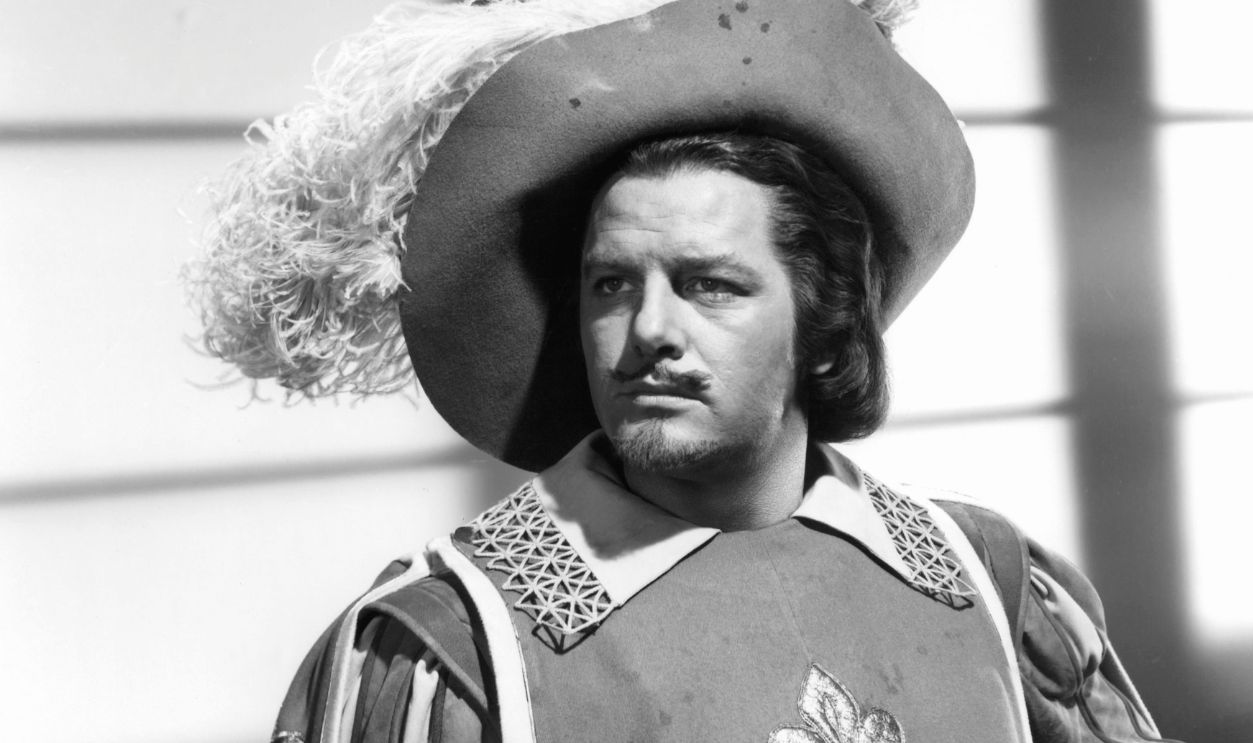
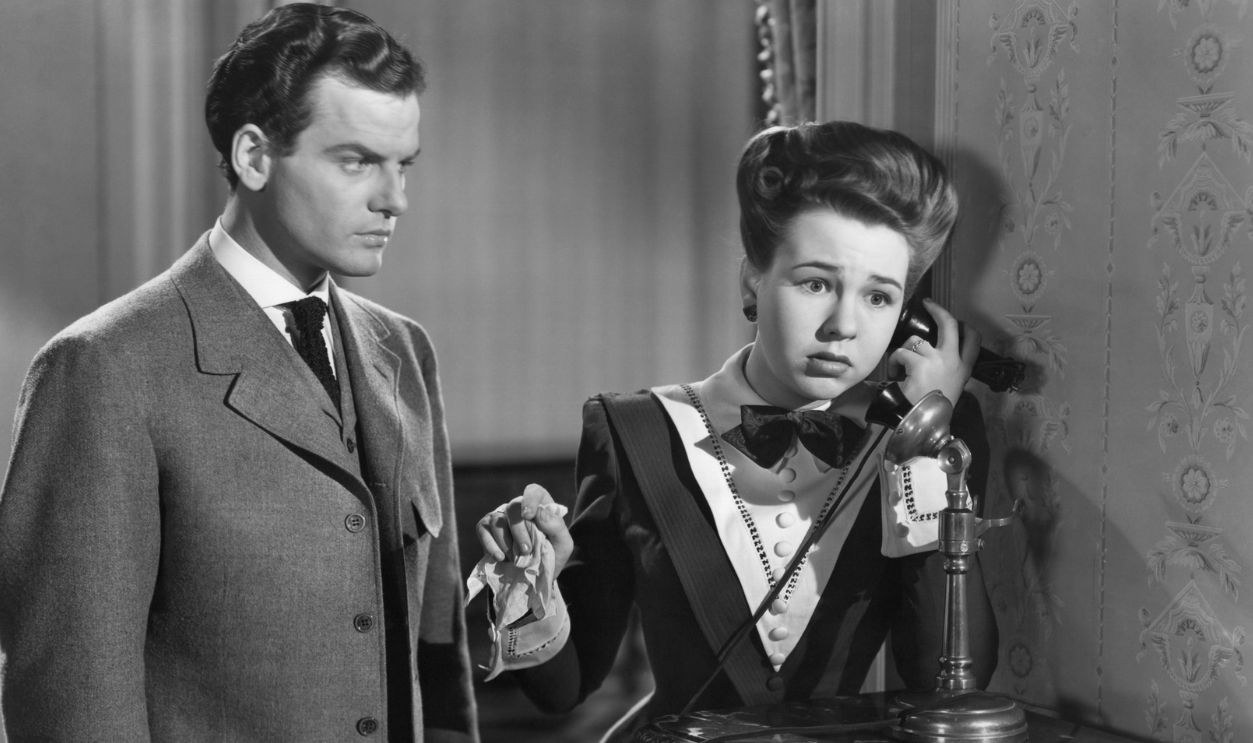
Gig Young—born Byron Elsworth Barr in 1913—began working in Hollywood during the early 40s. Like many actors of the era, he started with smaller roles before gradually building a reputation as a reliable supporting performer. Studios quickly noticed his easygoing charm and ability to fit into almost any kind of role.
Where the Name “Gig Young” Came From
His unusual stage name actually came from a character he played. In the 1942 film The Gay Sisters, Young portrayed a character named Gig Young. Warner Bros. liked the sound of it so much that the studio simply decided to make it his permanent screen name.
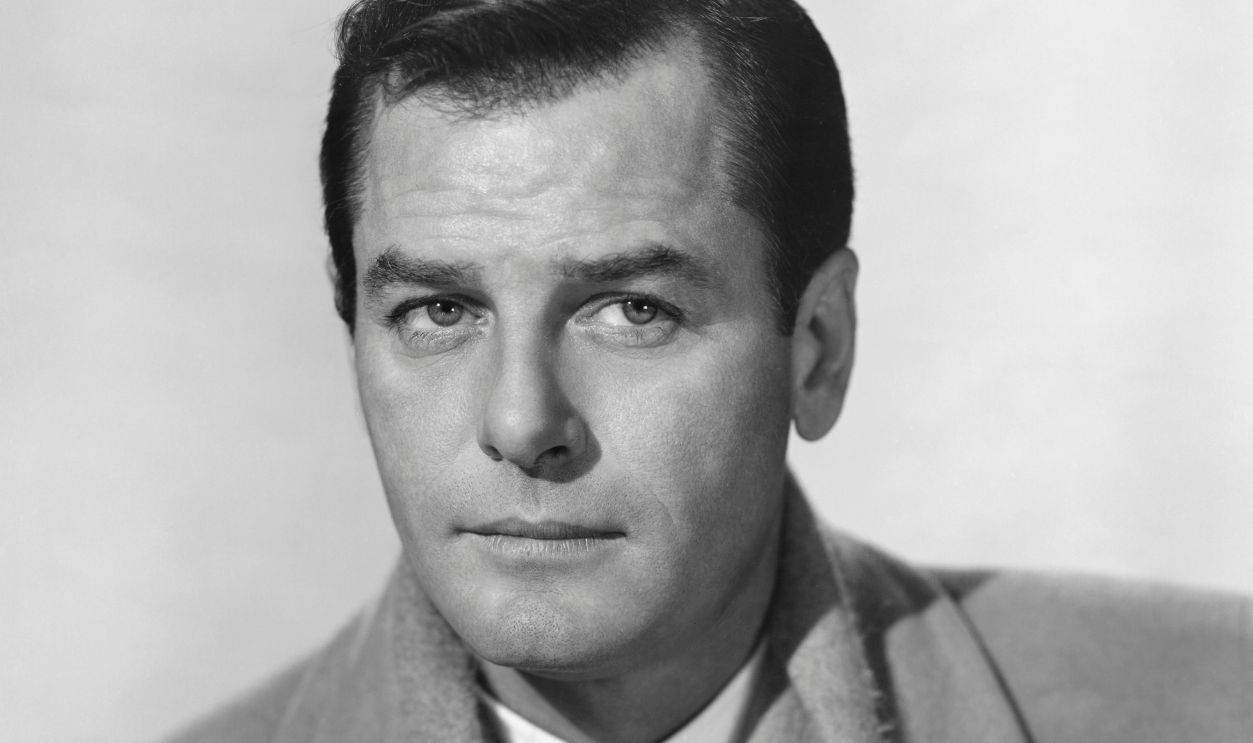 Universal History Archive, Getty Images
Becoming a Familiar Face in Classic Hollywood
Throughout the 40s and 50s, Young became one of Hollywood’s most recognizable supporting actors. He rarely played the main hero, but he was everywhere—appearing in comedies, dramas, and romantic films alongside some of the biggest stars of the era.
The Kind of Actor Directors Loved
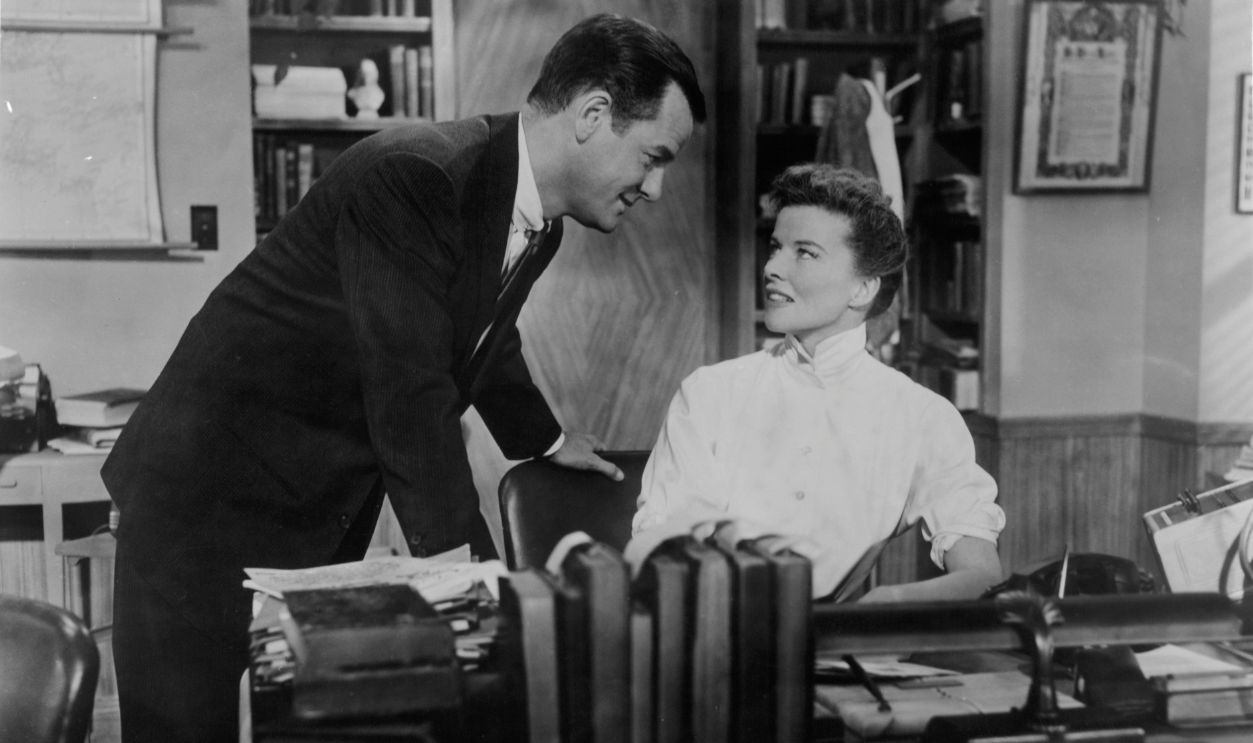
Directors appreciated Young because he could elevate scenes without stealing them. Whether playing a charming friend, a rival, or a fast-talking executive, he brought a natural confidence that helped make films feel more believable.
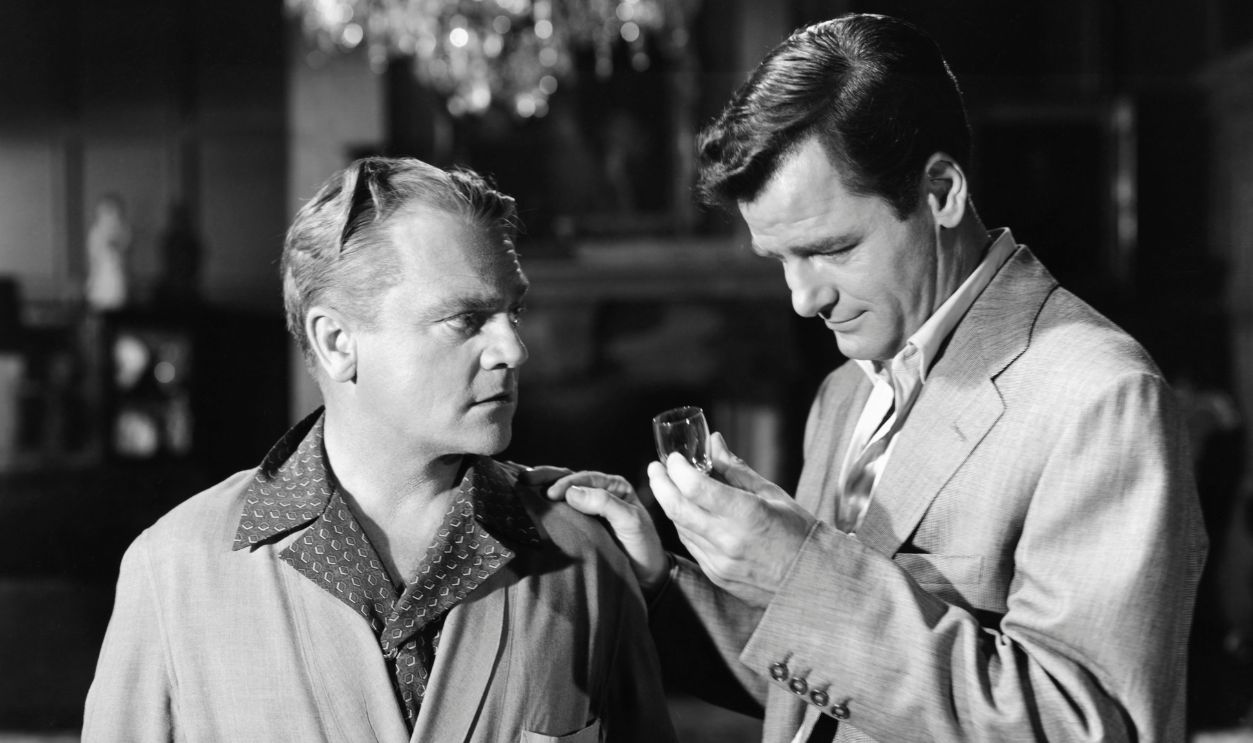 John Springer Collection, Getty Images
A Long List of Film Credits
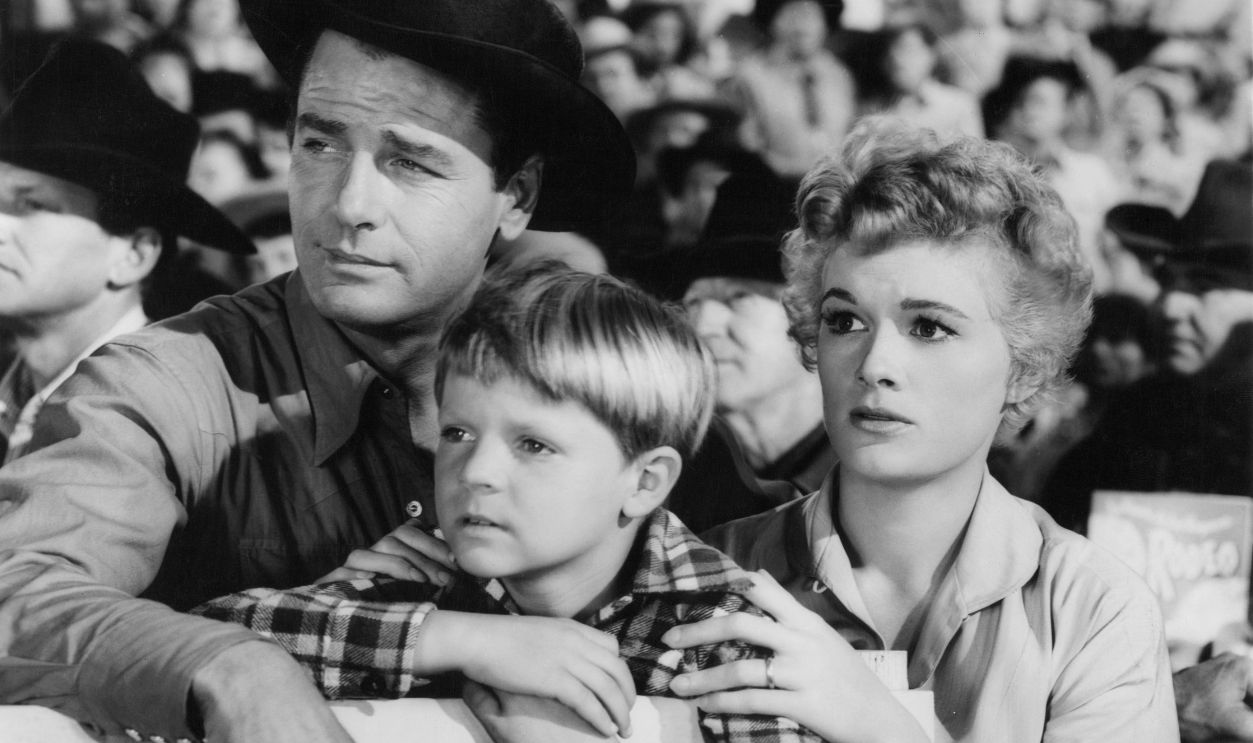
Young appeared in dozens of movies during his career. Some of the most notable include Teacher’s Pet, That Touch of Mink, and Lovers and Other Strangers. He worked steadily for decades, something not every actor from that era could say.
A Breakthrough Performance Arrives
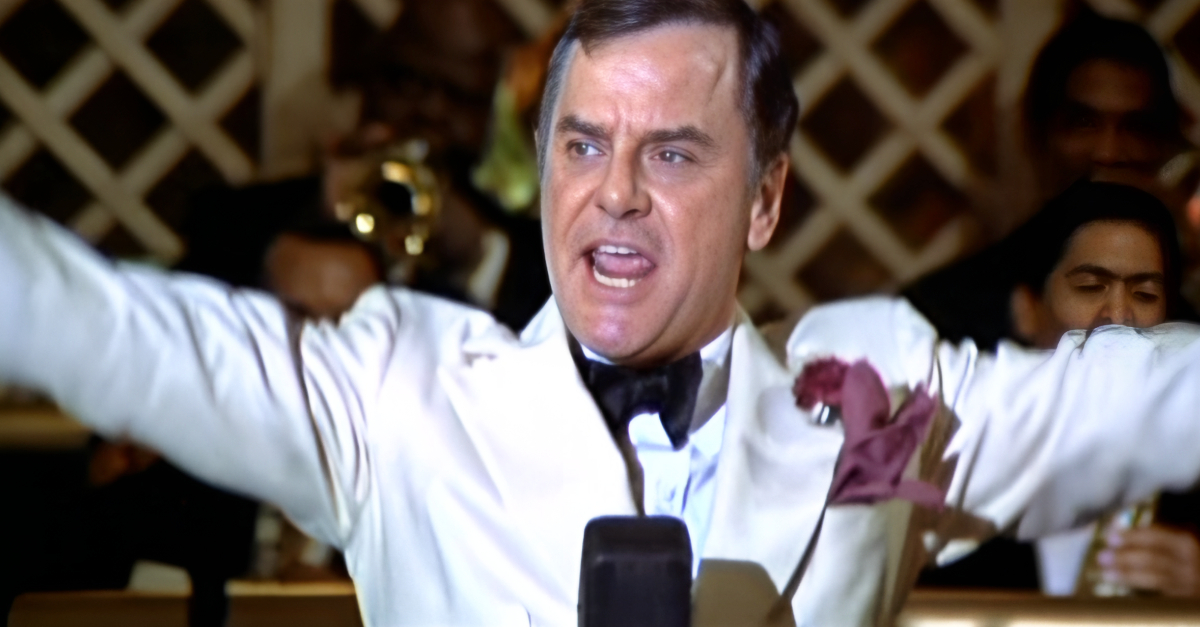
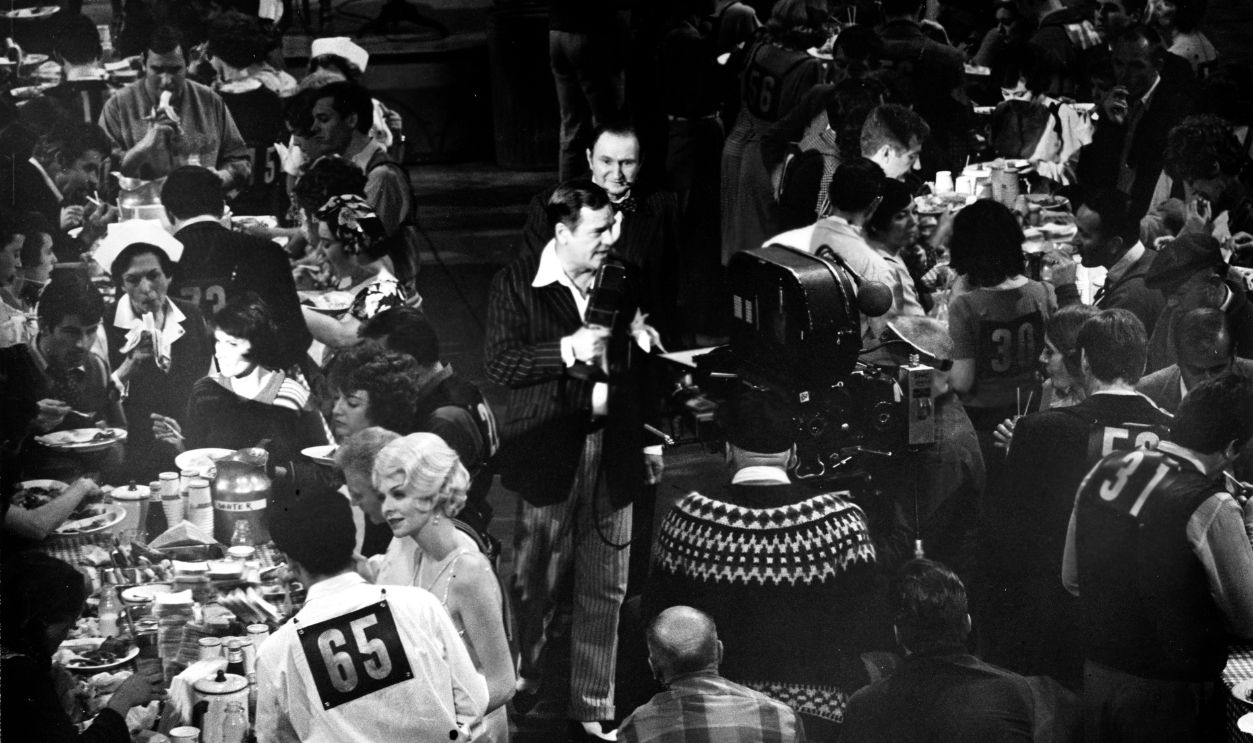
In 1969, Young finally received the role that would define his career. He was cast in the Sydney Pollack film They Shoot Horses, Don’t They?, a bleak drama about desperate contestants in a Depression-era dance marathon.
 Michael Ochs Archives, Getty Images
Winning an Academy Award
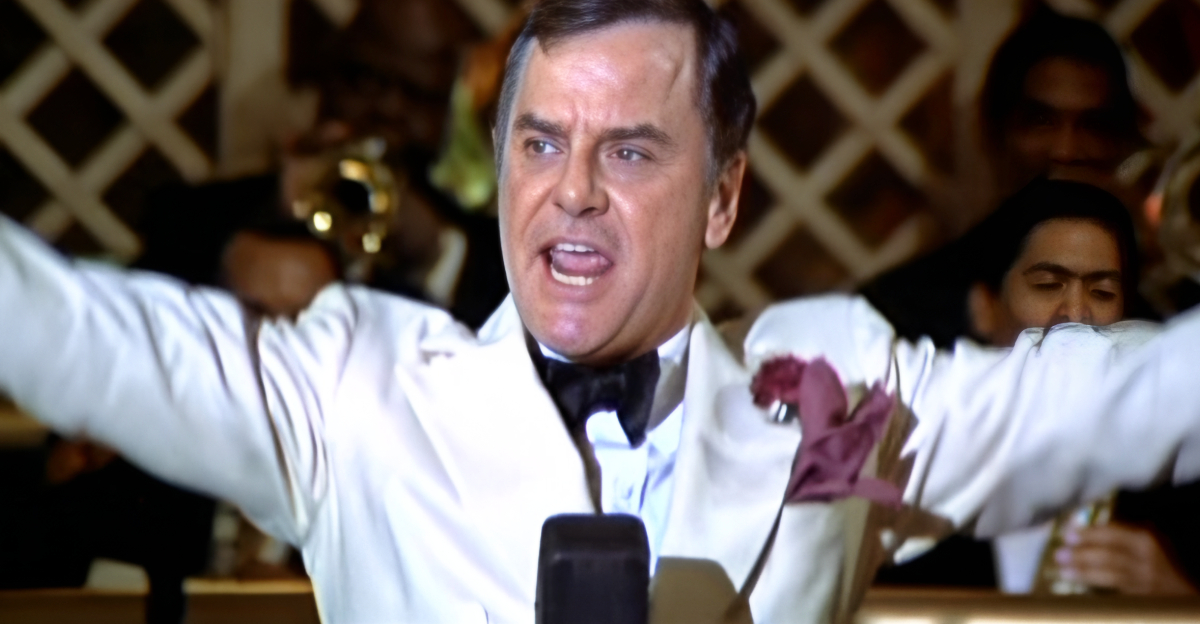
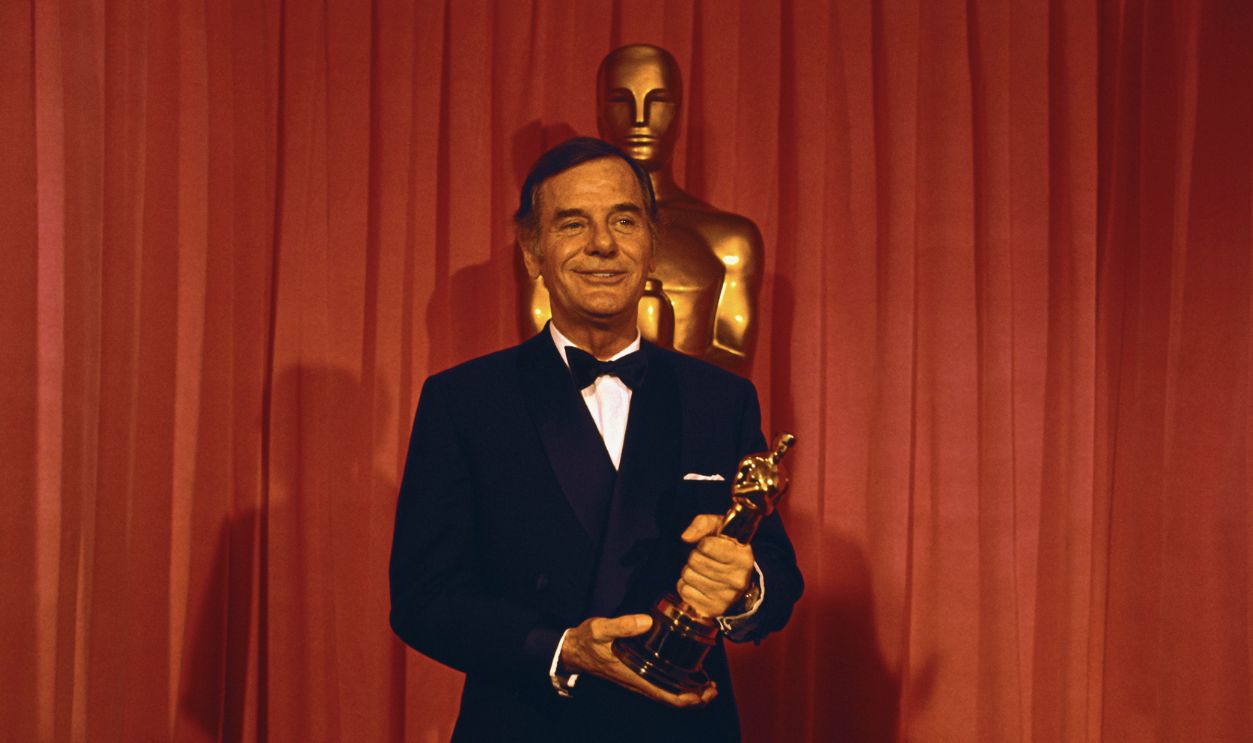
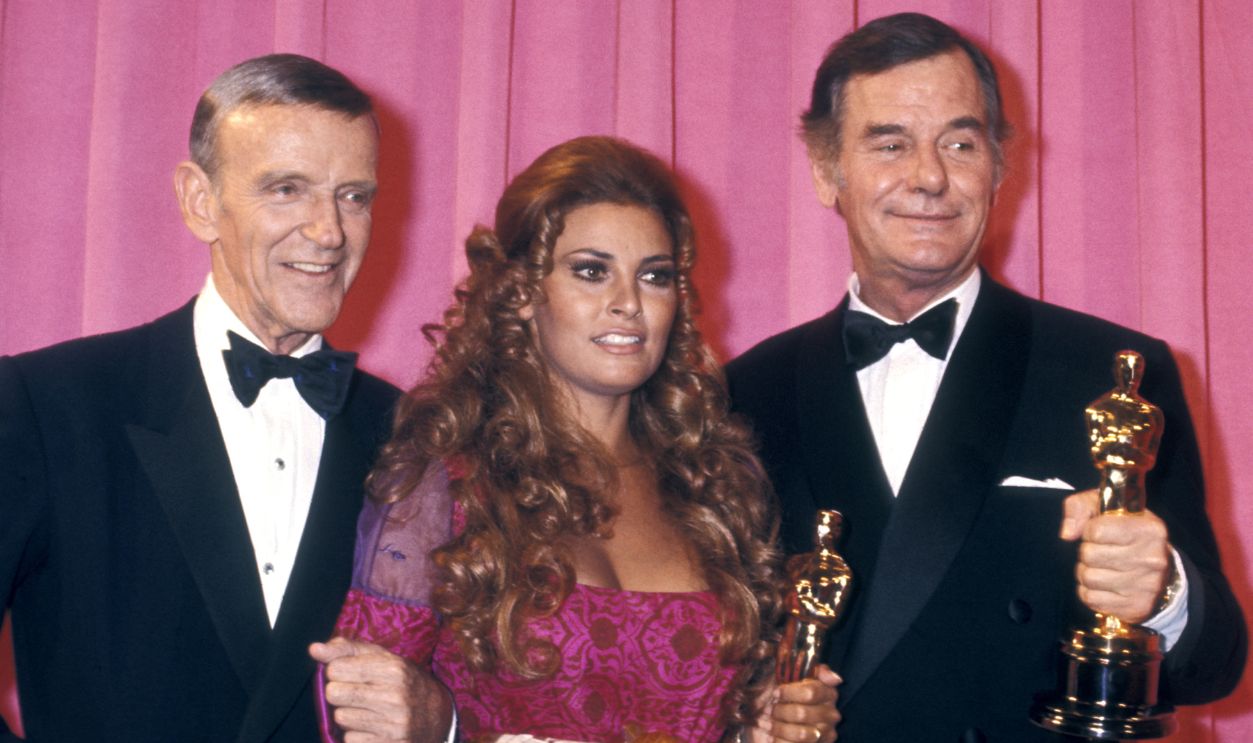
Young’s performance as the cynical emcee Rocky earned him the Academy Award for Best Supporting Actor. It was the kind of recognition that many actors spend their entire careers chasing—and for a moment, it seemed like his career had reached a whole new level.
Fame Didn’t Fix Everything
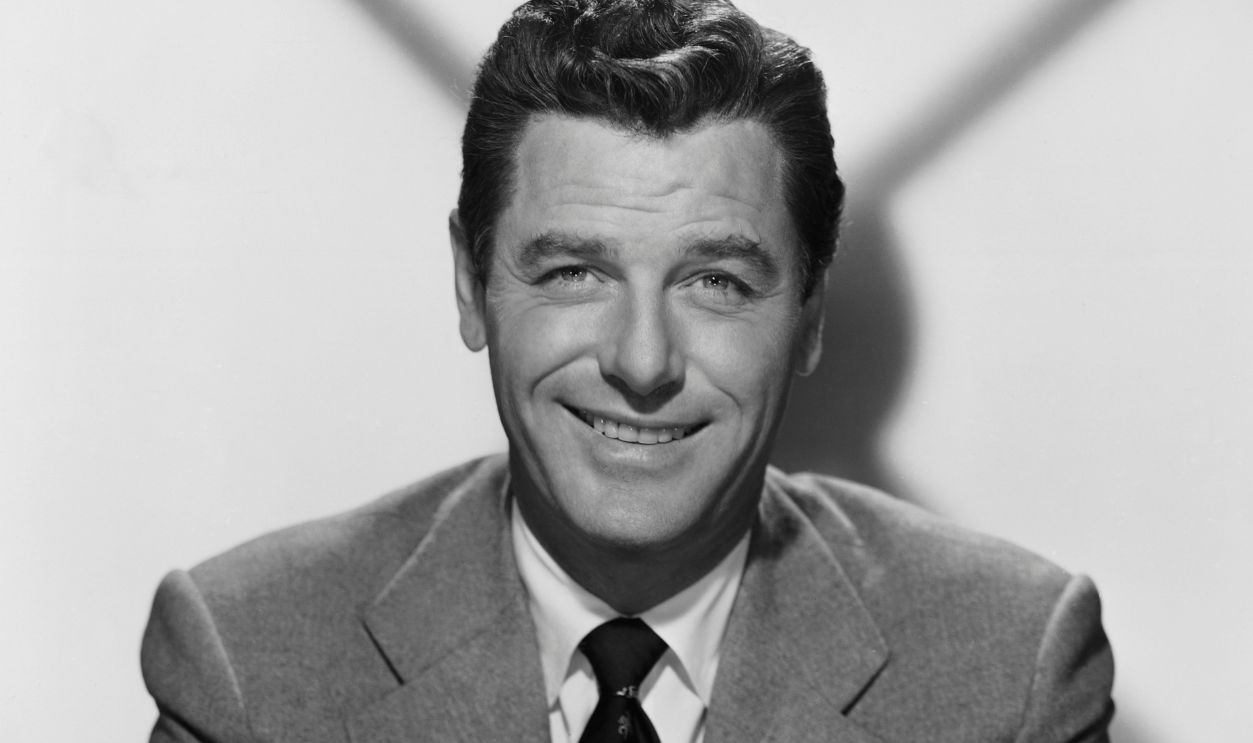
But the Oscar didn’t solve the personal struggles Young had been dealing with for years. Behind the scenes, he had long battled serious alcohol problems, something that had already begun affecting his career and relationships.
 John Springer Collection, Getty Images
Hollywood Starts to Notice
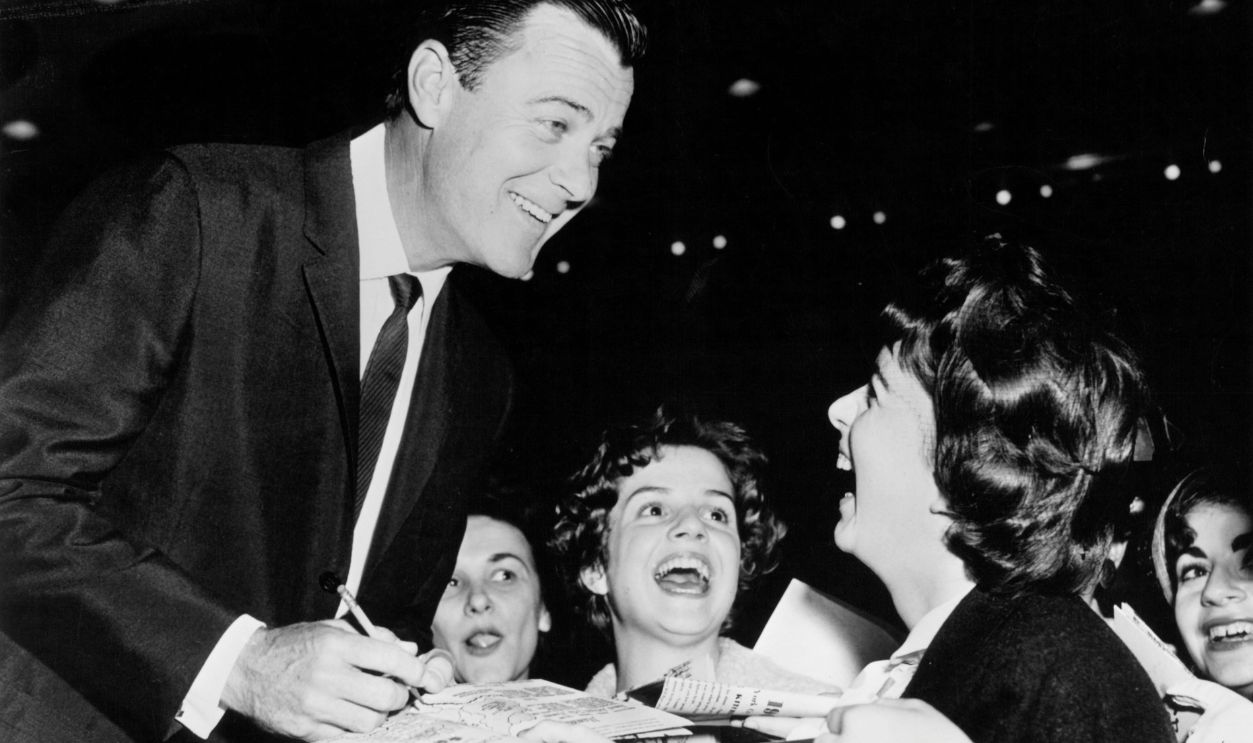
By the early 70s, stories about Young’s drinking were becoming more widely known in Hollywood. While he still found work, the industry had begun to see him as unreliable—a dangerous label for any actor trying to maintain a steady career.
Personal Life Turmoil
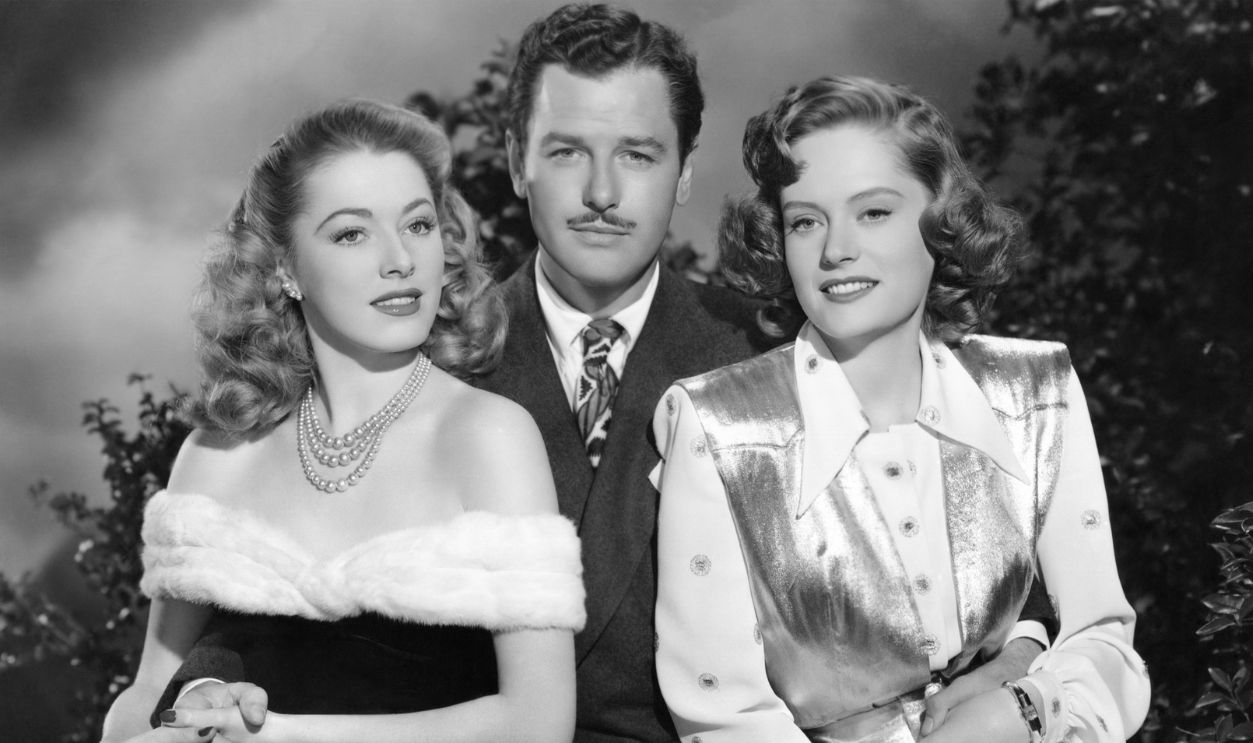
Young’s personal life was just as turbulent. Over the years he married five different times, and many of those relationships ended painfully. Friends later said that his struggles with alcohol often made stability difficult.
 De Carvalho Collection, Getty Images
A Career That Slowly Slipped
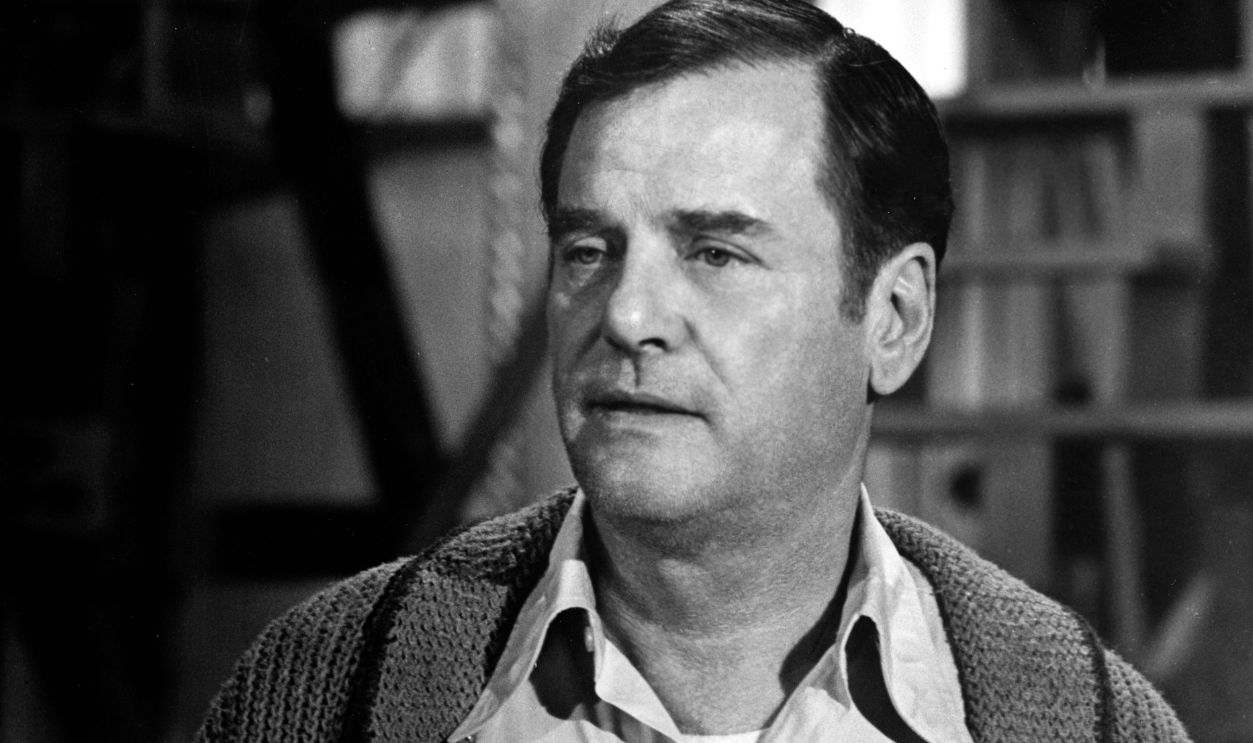
Despite the Oscar win, Young’s film roles began slowing down during the 70s. Hollywood was changing, and younger actors were becoming the focus of studios. For someone already fighting personal battles, the shift made things even harder.
 Michael Ochs Archives, Getty Images
A New Relationship Later in Life
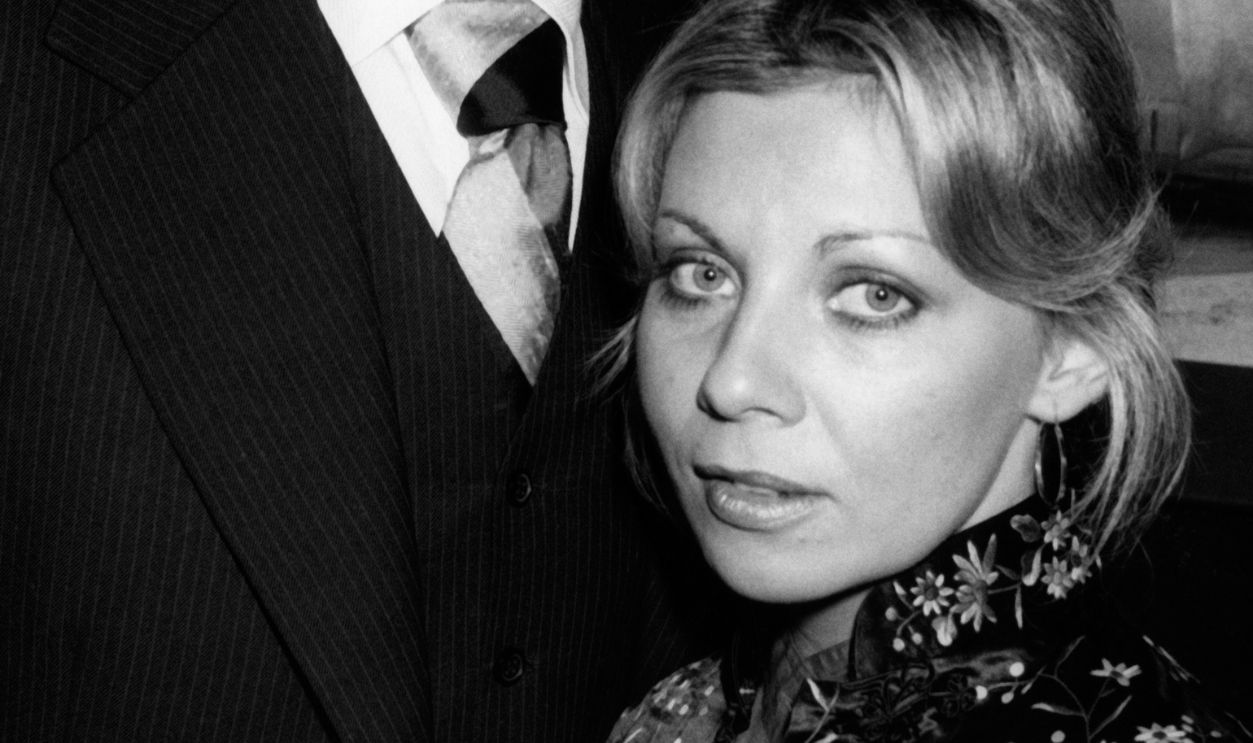
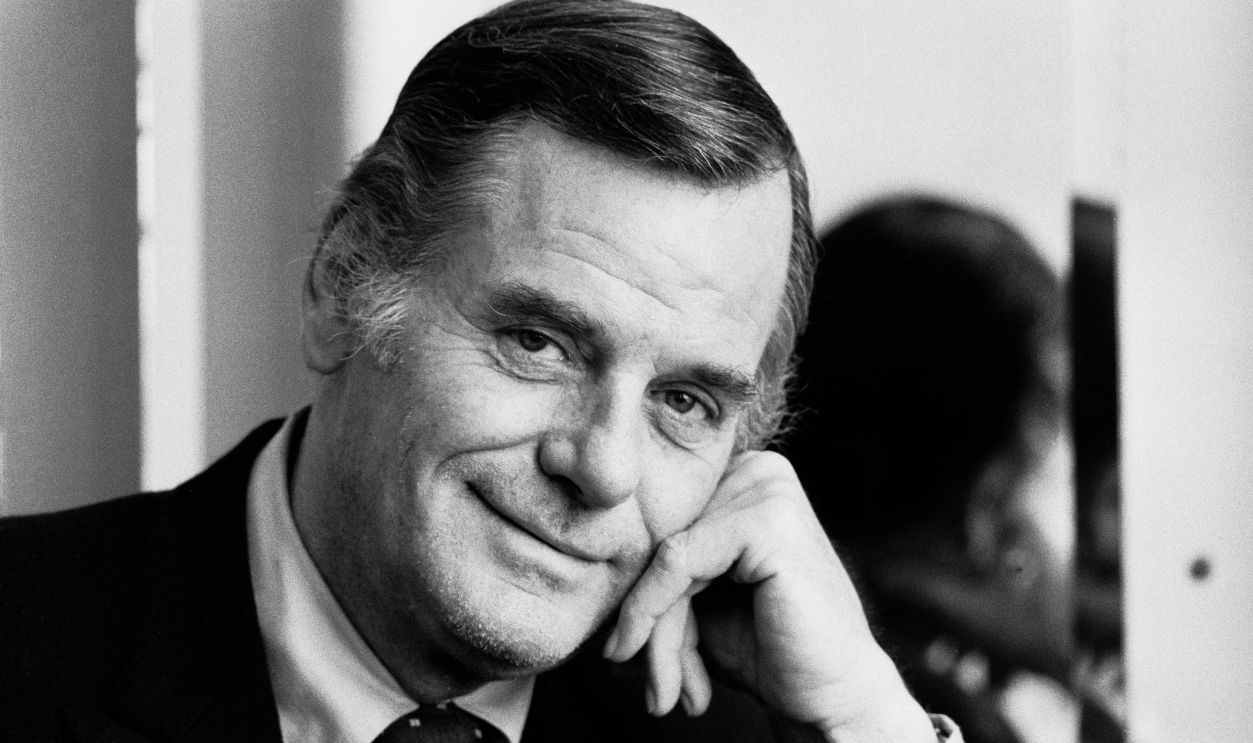
In the late 70s, Young met Kim Schmidt, a 31-year-old German woman he met not long before the wedding. Despite a more than 30-year age gap—Young was 64—the relationship moved quickly. Friends described it as intense and sudden, and within a short time, the two were married in 1978. For Young, it felt like a late-in-life reset.
Hoping for a Fresh Start
Those close to him said Young seemed unusually optimistic after the wedding. His career had slowed, and his personal life had been unstable for years, but this felt different. He appeared to be trying to start over, both personally and professionally. There was a sense that he believed this marriage might finally bring some stability to a life that had long felt unsettled.
 Evening Standard, Getty Images
A Sudden and Shocking Turn
But the sense of a fresh start didn’t last long. Just three weeks after the wedding, something inside the apartment began to unravel. On October 19, 1978, neighbors in the New York City building reported hearing a disturbance coming from inside. Police were called to the scene, unaware they were about to walk into one of Hollywood’s most disturbing real-life endings.

A Tragic Discovery
When authorities entered the apartment, they found a devastating scene. Both Schmidt and Young were found dead. Investigators later determined it was a case of a murder followed by Young taking his own life. The suddenness of it—just weeks after what seemed like a hopeful new beginning—left even those closest to him struggling to understand how things had escalated so quickly.

What May Have Led to That Night
In the years leading up to his death, Young had been struggling more openly with alcohol and personal difficulties. Friends and colleagues had seen the changes—missed opportunities, erratic behavior, and periods of deep isolation. While no single explanation was ever confirmed, many believed a combination of personal pressure, declining career prospects, and long-standing struggles may have contributed to what ultimately happened.
A Story That Shocked Hollywood
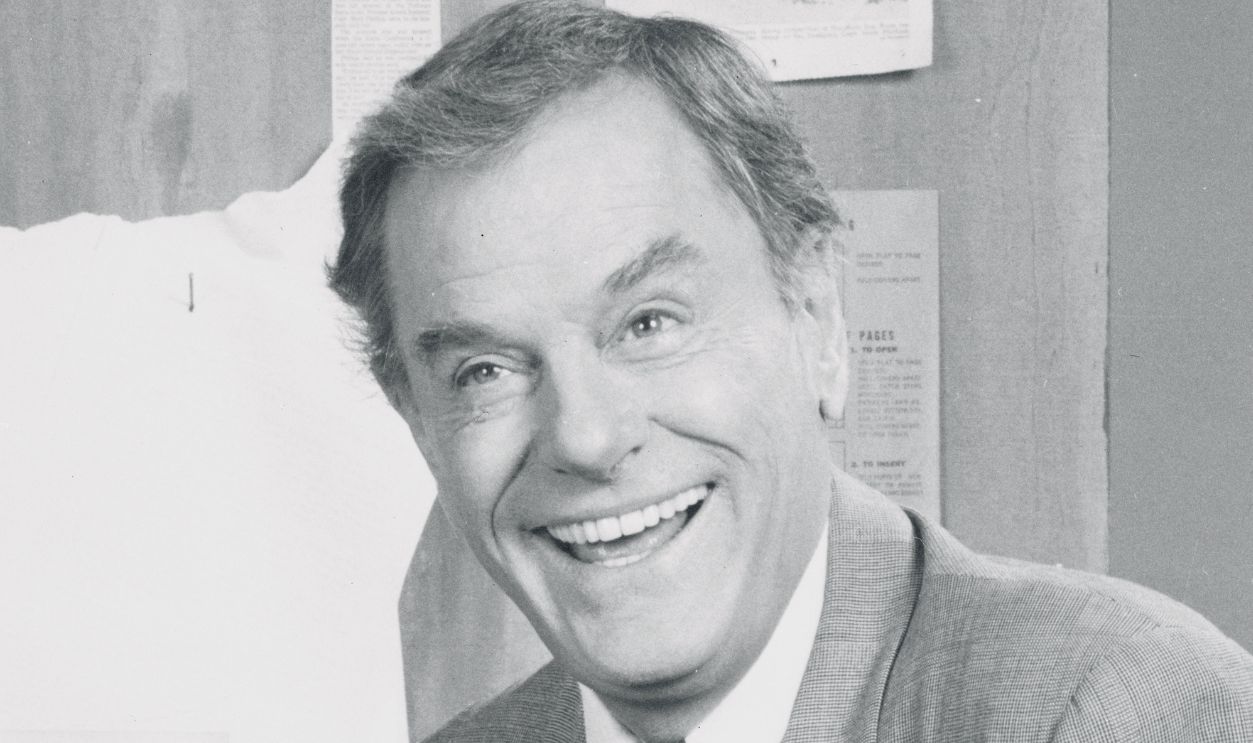
The news stunned the entertainment industry. For many fans and colleagues, Young had always seemed like a sophisticated, charming figure from Hollywood’s golden age. The reality of how his life ended felt almost impossible to process.
A Career That Spanned Four Decades
Lost in the tragedy is the fact that Gig Young had built an impressive career that lasted nearly 40 years. He appeared in over 100 film and television roles during his lifetime.
 De Carvalho Collection, Getty Images
The Oscar-Winning Performance That Endures
Today, when film fans revisit Young’s work, it’s often his performance in They Shoot Horses, Don’t They? that stands out most. His portrayal of the cynical emcee remains one of the most memorable supporting performances of the late 60s.
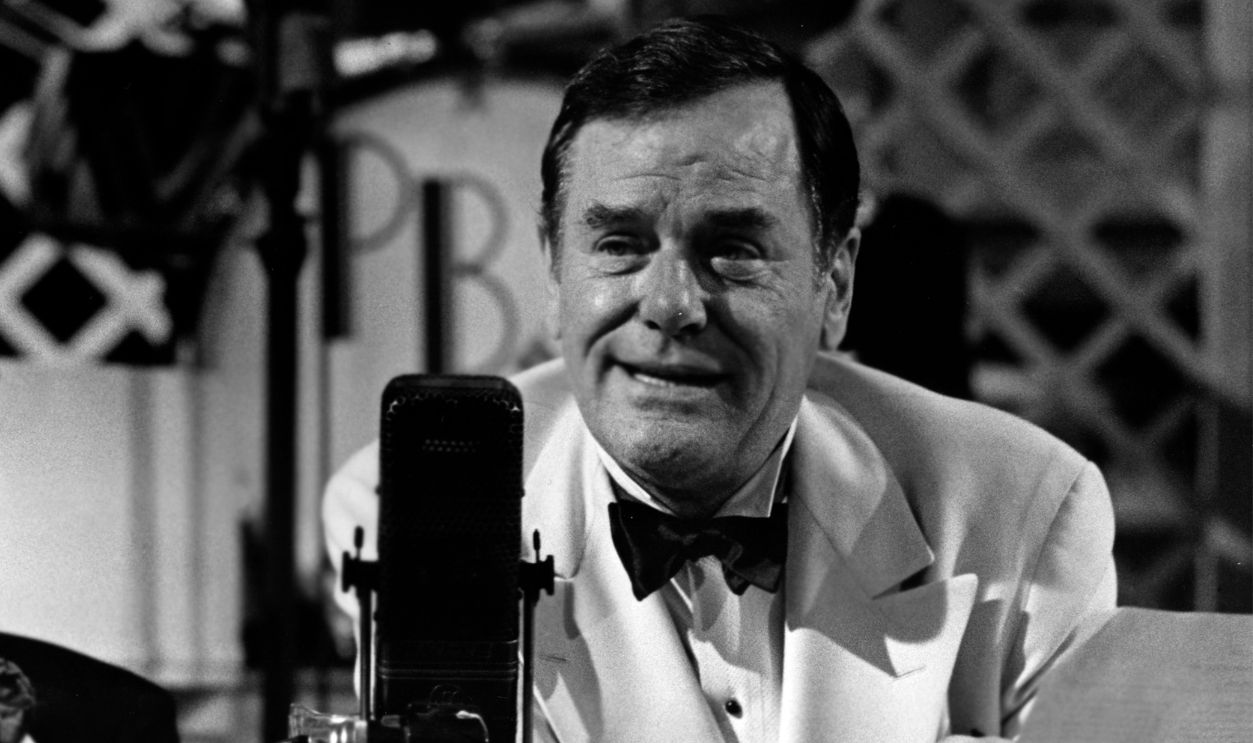 Michael Ochs Archives, Getty Images
Remembering the Talent Behind the Tragedy
Hollywood has seen its share of dark endings, but Gig Young’s story remains one of the most unsettling. A talented actor who once stood on the Oscar stage saw his life end in a deeply tragic way—leaving behind a career that deserved a far different final chapter.
You Might Also Like:
The 30 Greatest Songs Of The 1970s That No One Ever Talks About—How Many Do You Remember?