America’s Favorite Smile
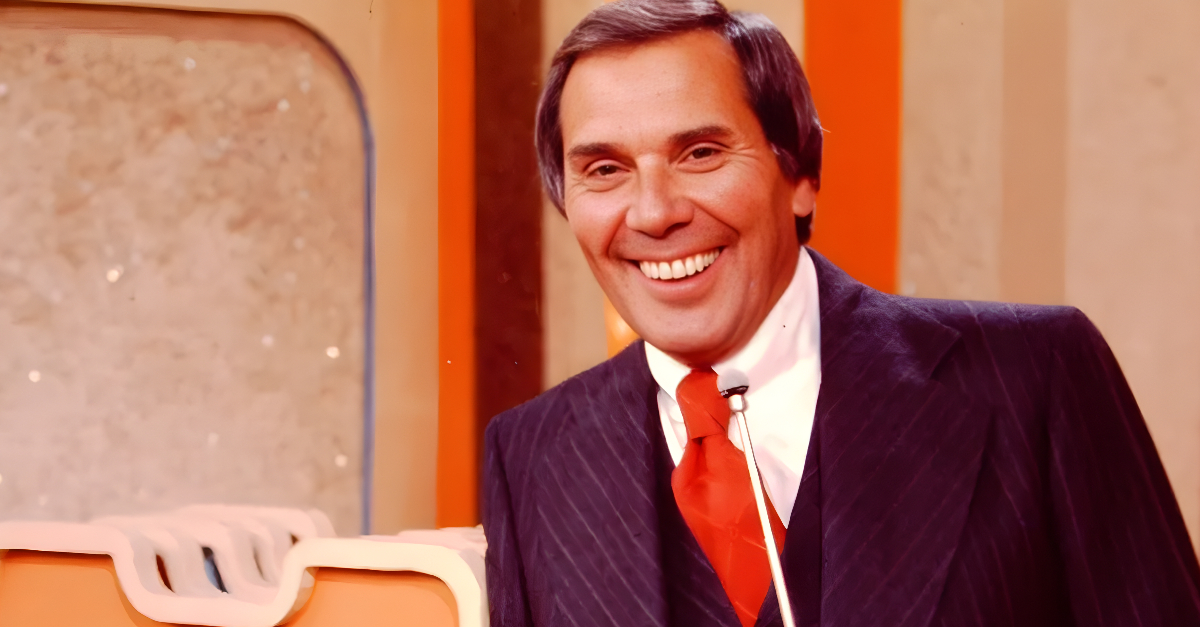
For millions of viewers, Gene Rayburn was television comfort food. Tall, friendly, and quick with a joke, he turned Match Game into a daily ritual. The laughter felt effortless. What most viewers never realized was how much pain existed behind that easy grin.
A Childhood Without Parents
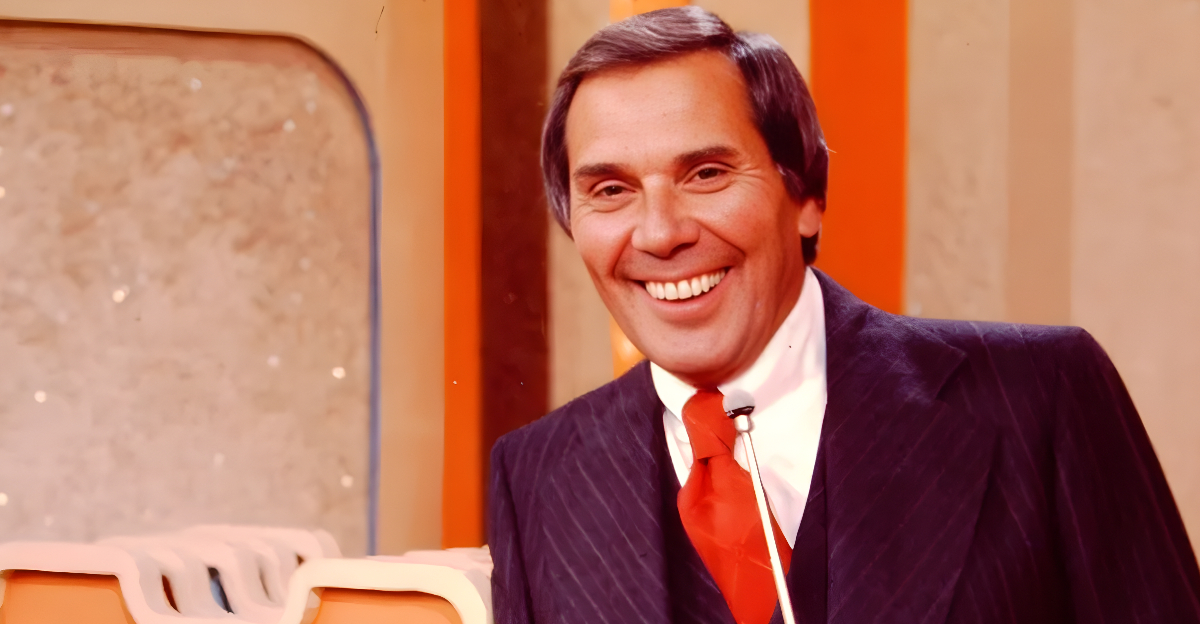
Rayburn’s life began with loss. His father abandoned the family early, and his mother died when he was still an infant. He was raised by relatives, moving between homes, growing up without the kind of stability he’d later project so effortlessly on television.
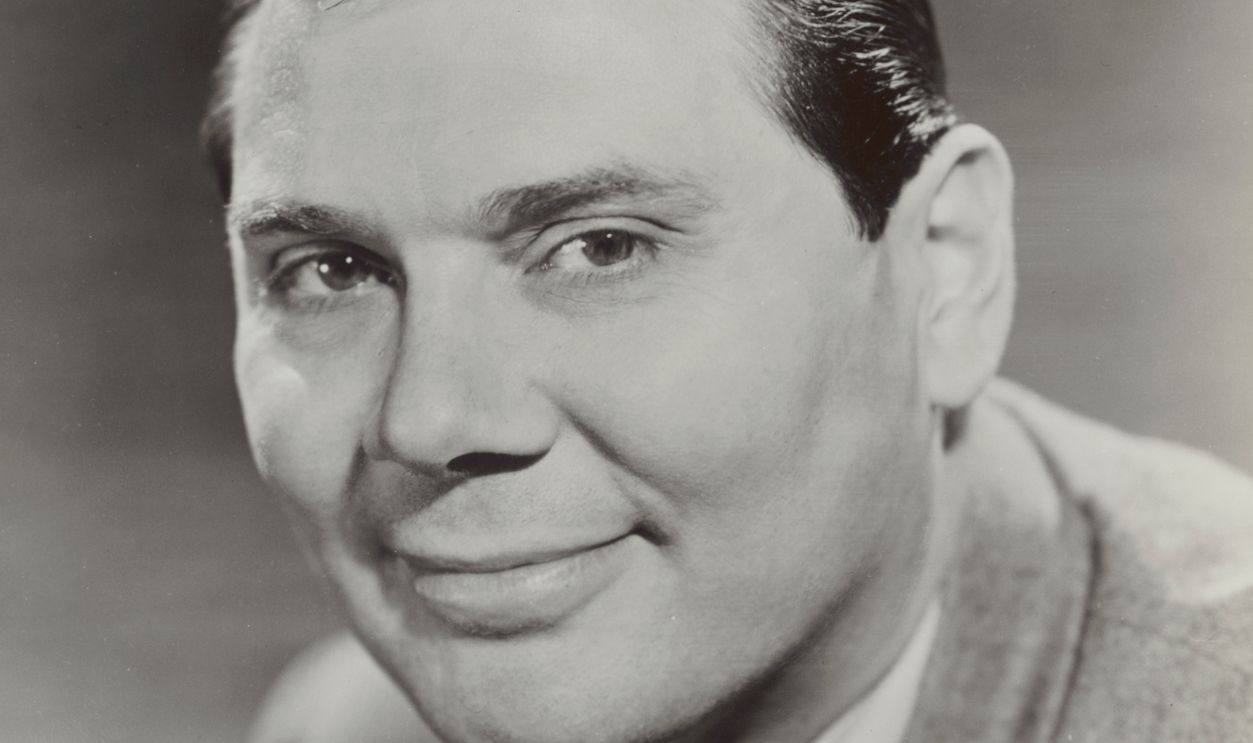 John Springer Collection, Getty Images
Reinventing Himself Early
Born Eugene Peter Jeljenic in 1917, he later changed his name to Gene Rayburn—partly to sound smoother on the radio. Reinvention became a theme. From an early age, he learned how to perform likability, even when life itself felt unreliable.
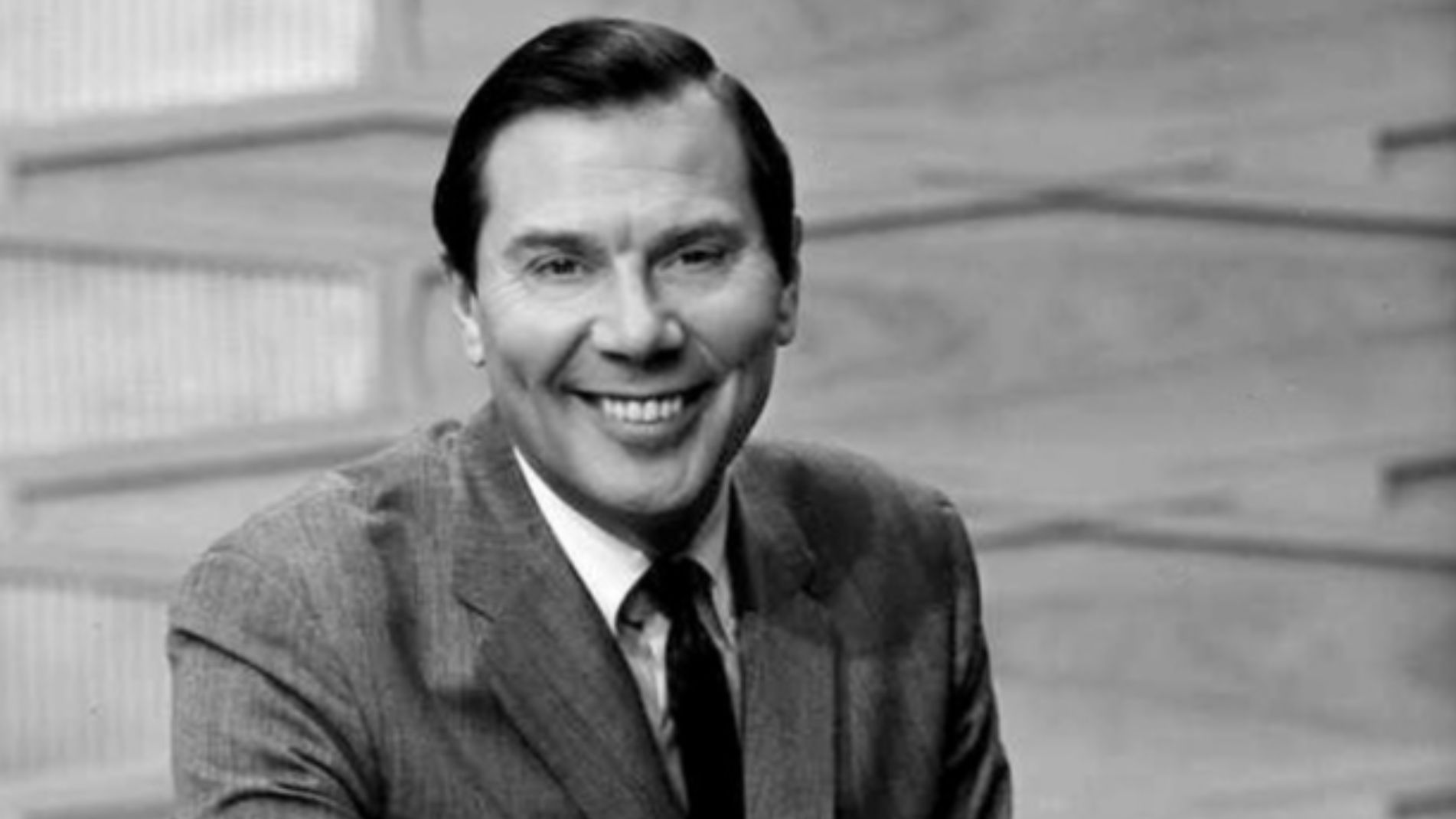
Radio Was His First Lifeline
Before television fame, Rayburn worked in radio throughout the 40s and 50s. It paid the bills, but it wasn’t glamorous. He spent years as a supporting voice, learning timing, pacing, and how to keep an audience engaged without ever being the star.

Always the Supporting Player
Before Match Game, Gene Rayburn spent years as the dependable second name on the call sheet. He co-hosted The Tonight Show in the early 50s, worked alongside bigger personalities, and proved himself capable—but when the spotlight shifted, it rarely landed on him.
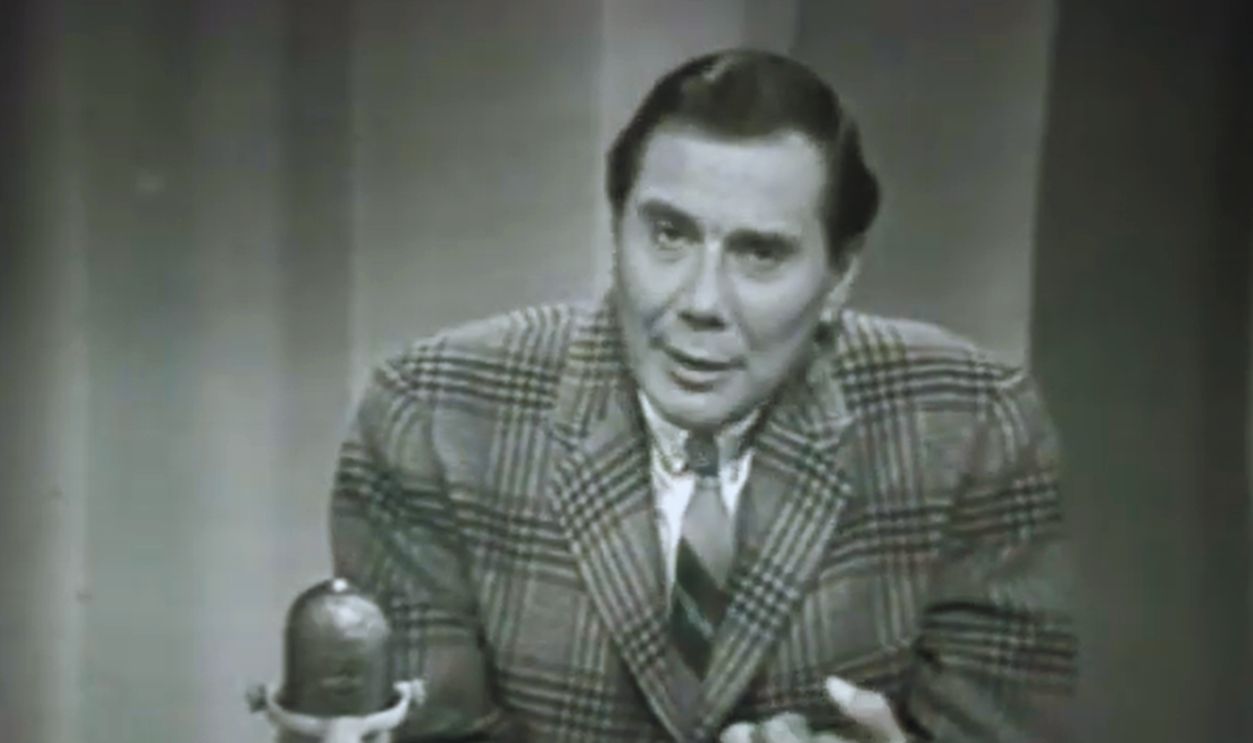 Screenshot from The Tonight Show, NBC (1954-)
Television Kept Starting Over Without Him
Rayburn moved from show to show as early television constantly reinvented itself. Formats changed. Networks reshuffled. Promising gigs ended abruptly. Each time, he adjusted and kept working—but momentum never quite stuck long enough to turn him into a true star.
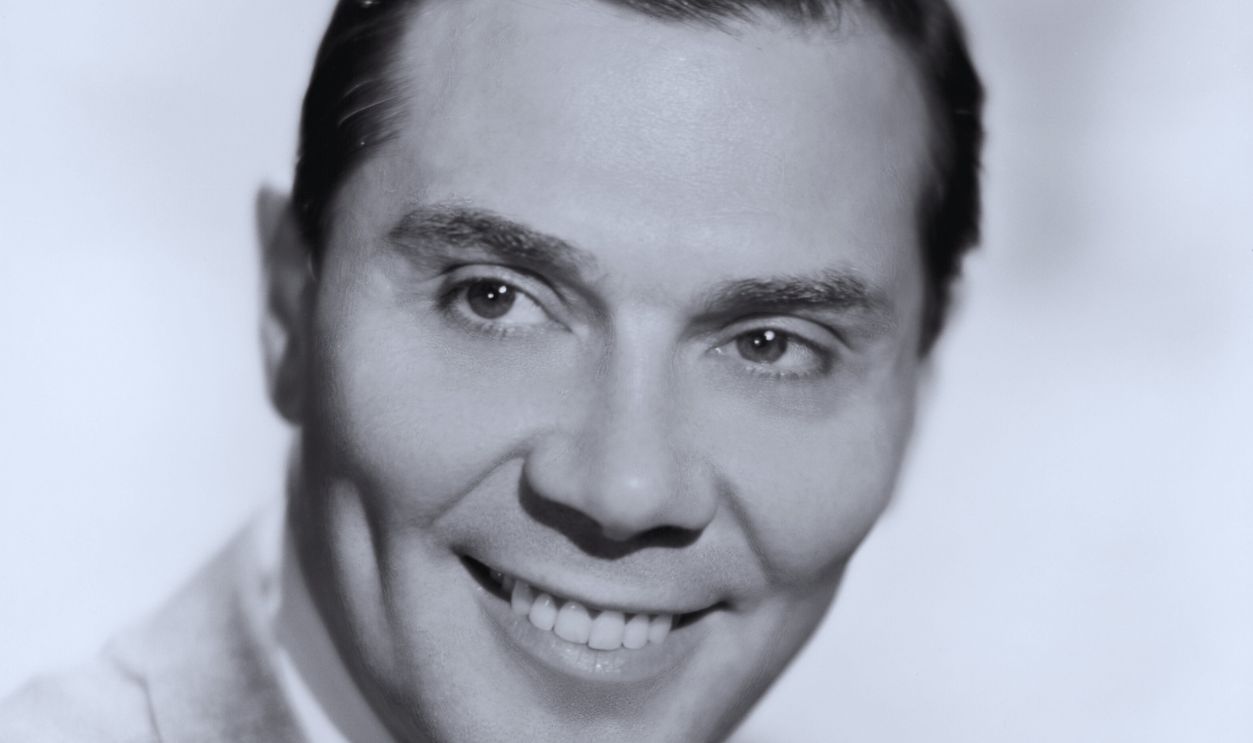 John Springer Collection, Getty Images
Watching Others Pass Him By
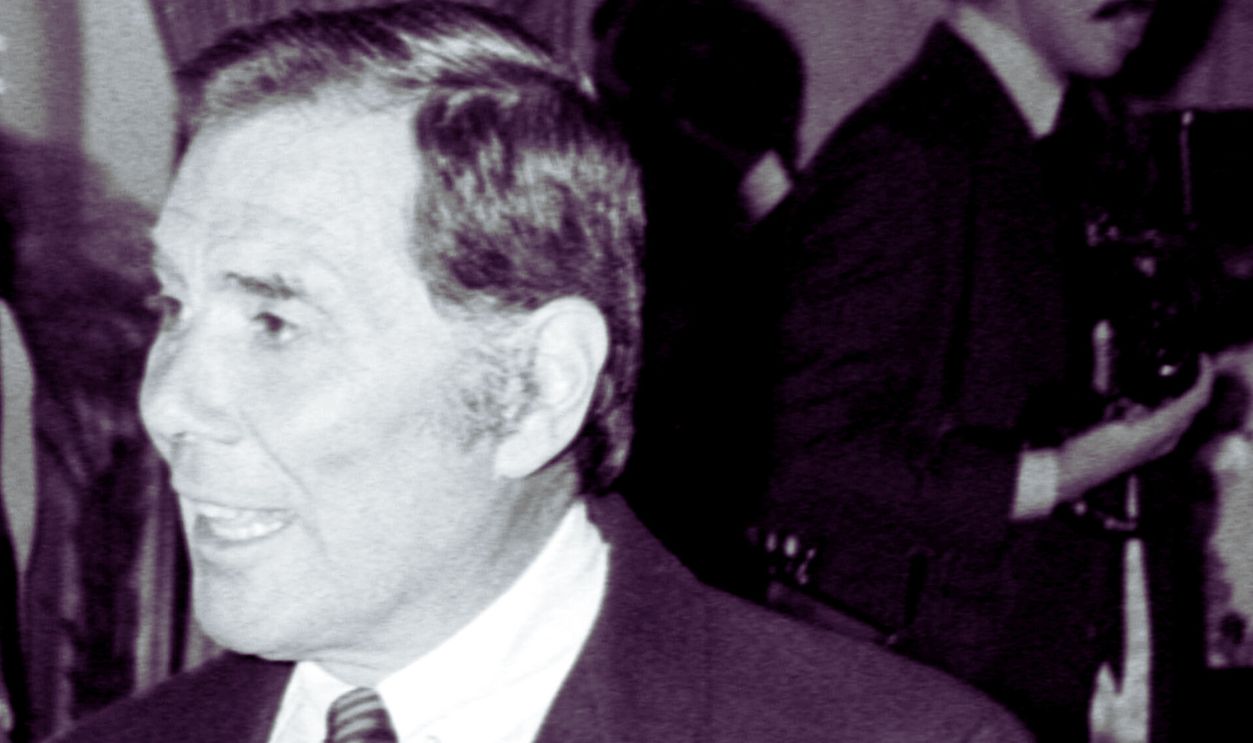
By the early 60s, Rayburn was already in his 40s, an age when television quietly starts looking for younger faces. Flashier hosts emerged. New personalities were groomed as the future. Rayburn, steady and reliable, began to look like a transitional figure.
Almost Walking Away
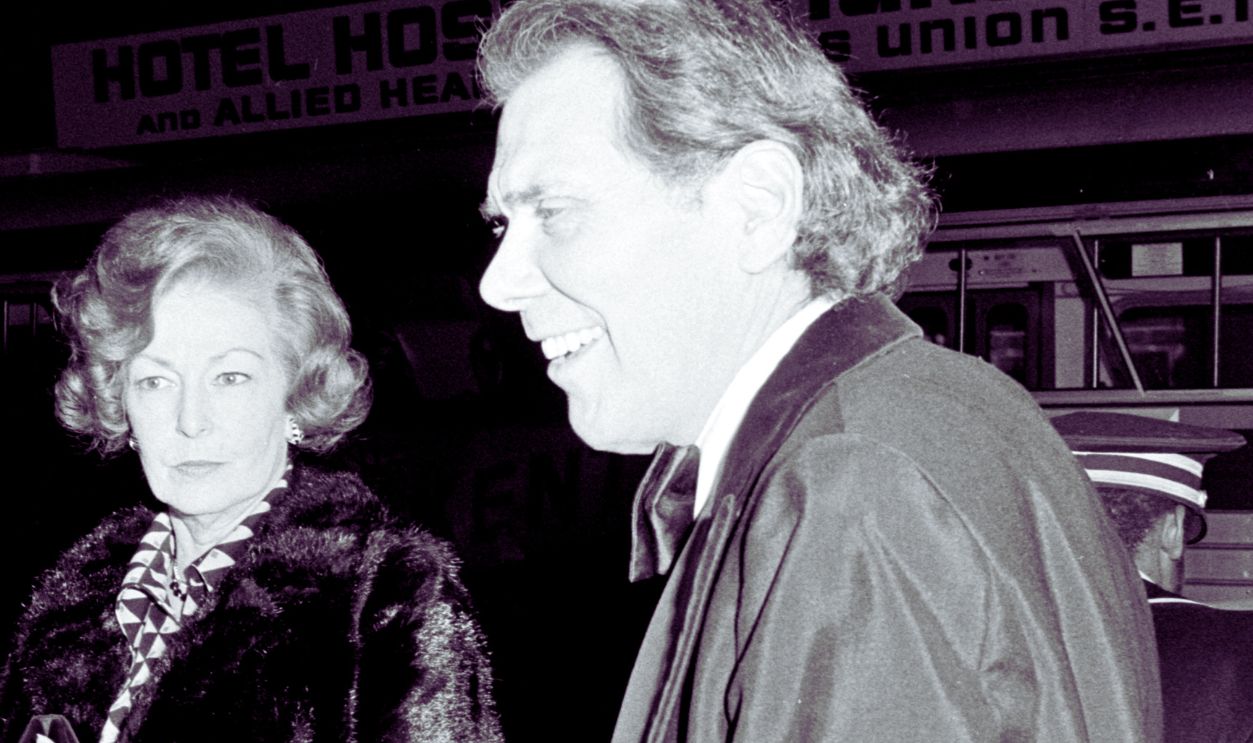
After years of stalled progress and canceled projects, Rayburn seriously considered stepping back into radio full-time. Television success wasn’t guaranteed—and for a while, it seemed entirely possible his biggest opportunity had already come and gone.
Success Came Late
Rayburn didn’t become a household name until his late 40s. Match Game debuted in the 60s, but its defining version came later. For decades, he watched others rise faster, wondering if his moment had already passed.
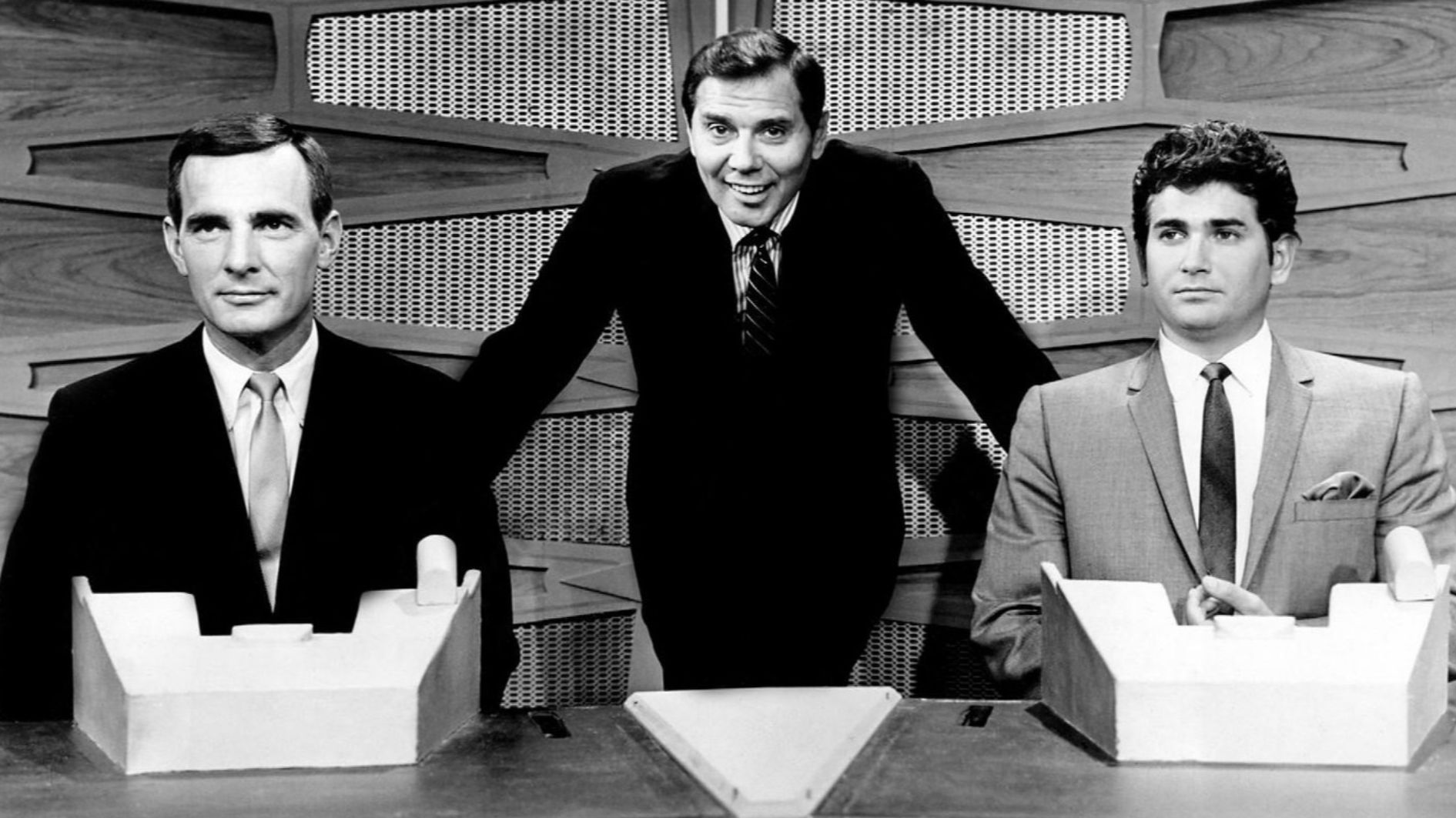 NBC Television, Wikimedia Commons
The Perfect Format Found Him
When Match Game loosened its rules and leaned into humor, Rayburn finally clicked with the format. His pauses, glances, and willingness to let jokes breathe felt spontaneous—but they were shaped by years of restraint.
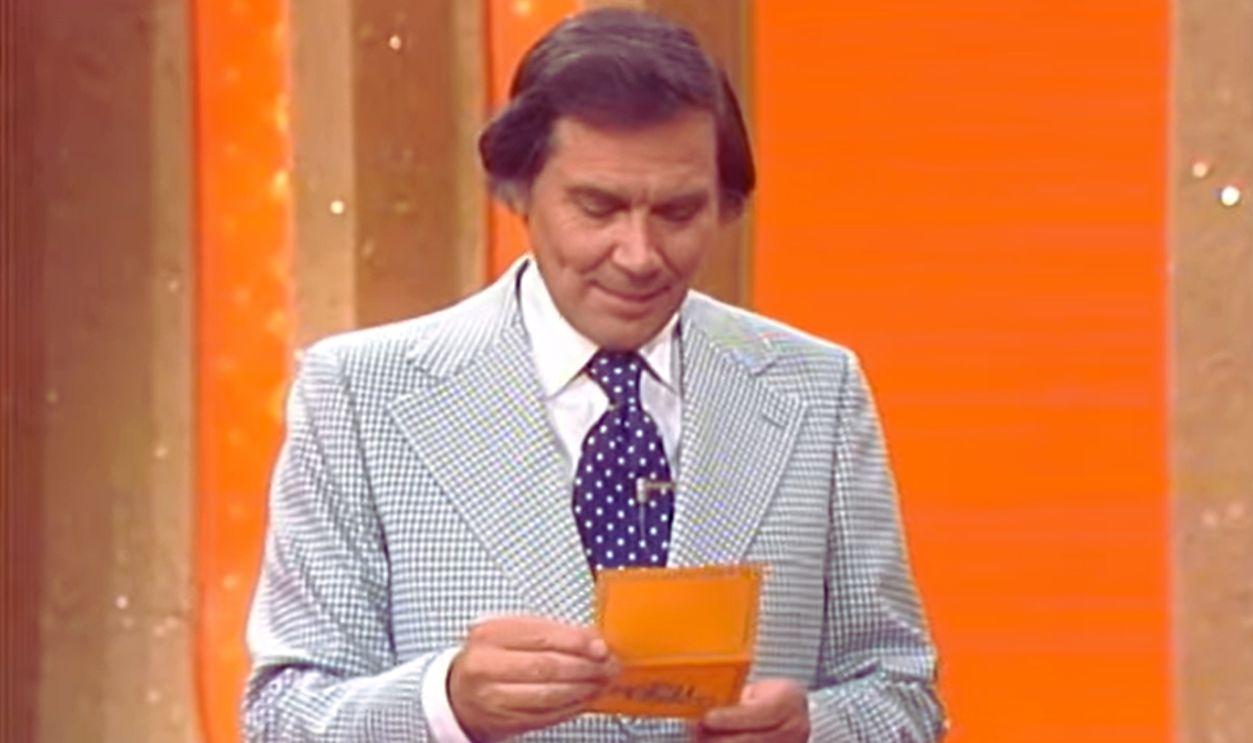 Screenshot from Match Game, NBC (1962–)
Match Game Took Over Daytime TV
By the mid-70s, Match Game wasn’t just a hit—it was the hit. The show routinely ranked as the highest-rated daytime program on television, often outperforming long-running soap operas. Rayburn became one of the most recognizable faces on TV.
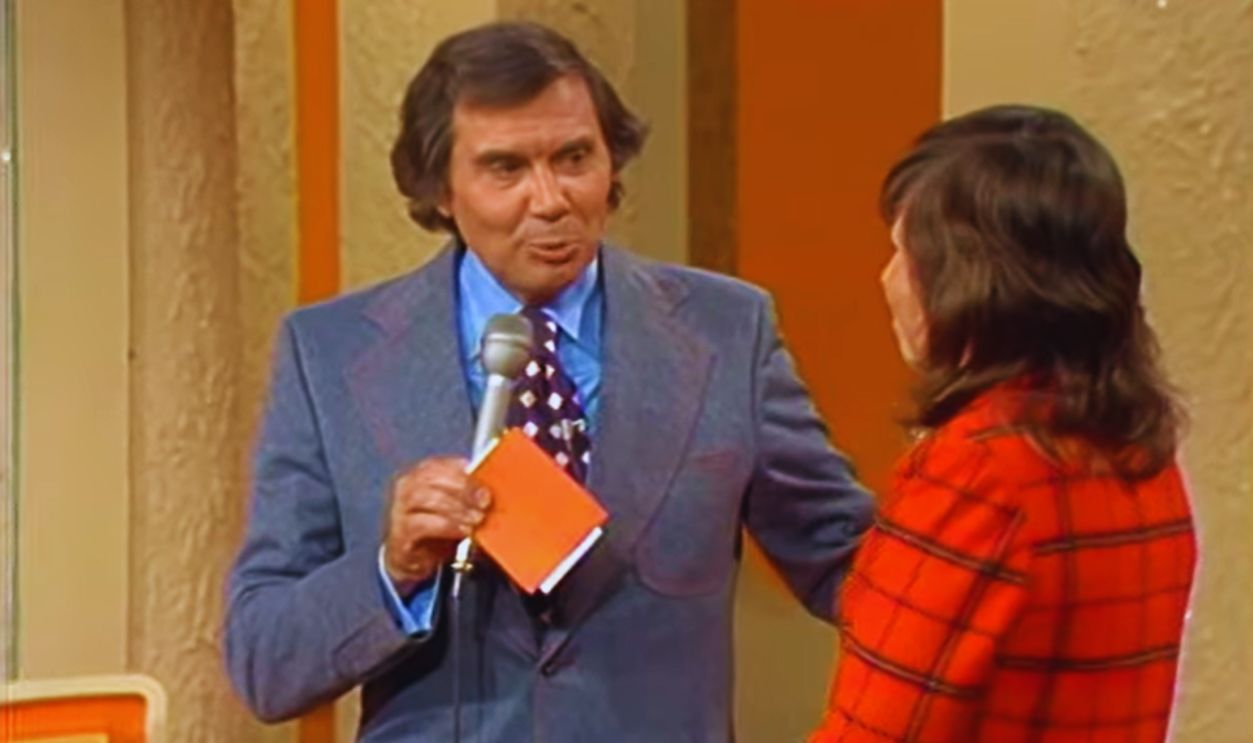 Screenshot from Match Game, NBC (1962–)
Ratings So Big They Reshaped the Genre
At its peak, Match Game regularly pulled double-digit Nielsen ratings—numbers nearly unthinkable for daytime television today. Networks rushed to copy its loose, celebrity-driven format, reshaping game shows for the rest of the decade.
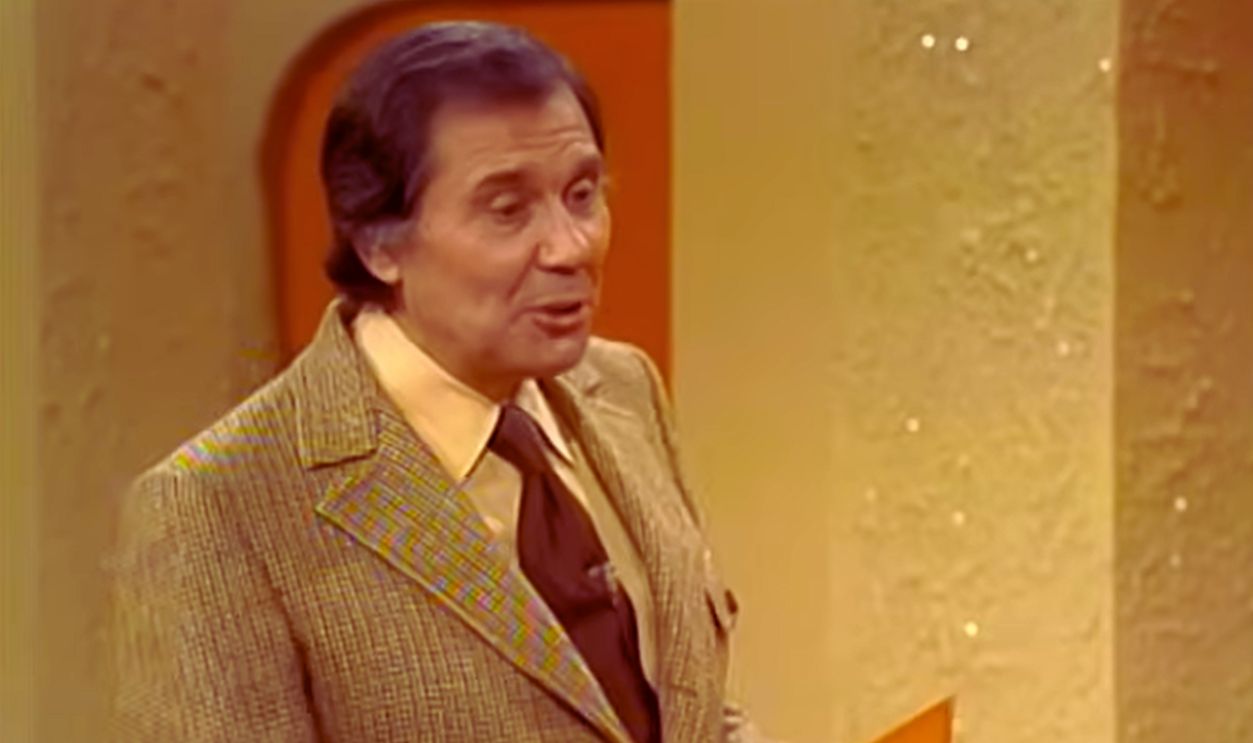 Screenshot from Match Game, NBC (1962–)
The Persona Was Carefully Controlled
On screen, Rayburn was playful but never sloppy. He rarely discussed his private life and avoided controversy. Colleagues often described him as warm but guarded—a man who gave audiences everything except access to himself.
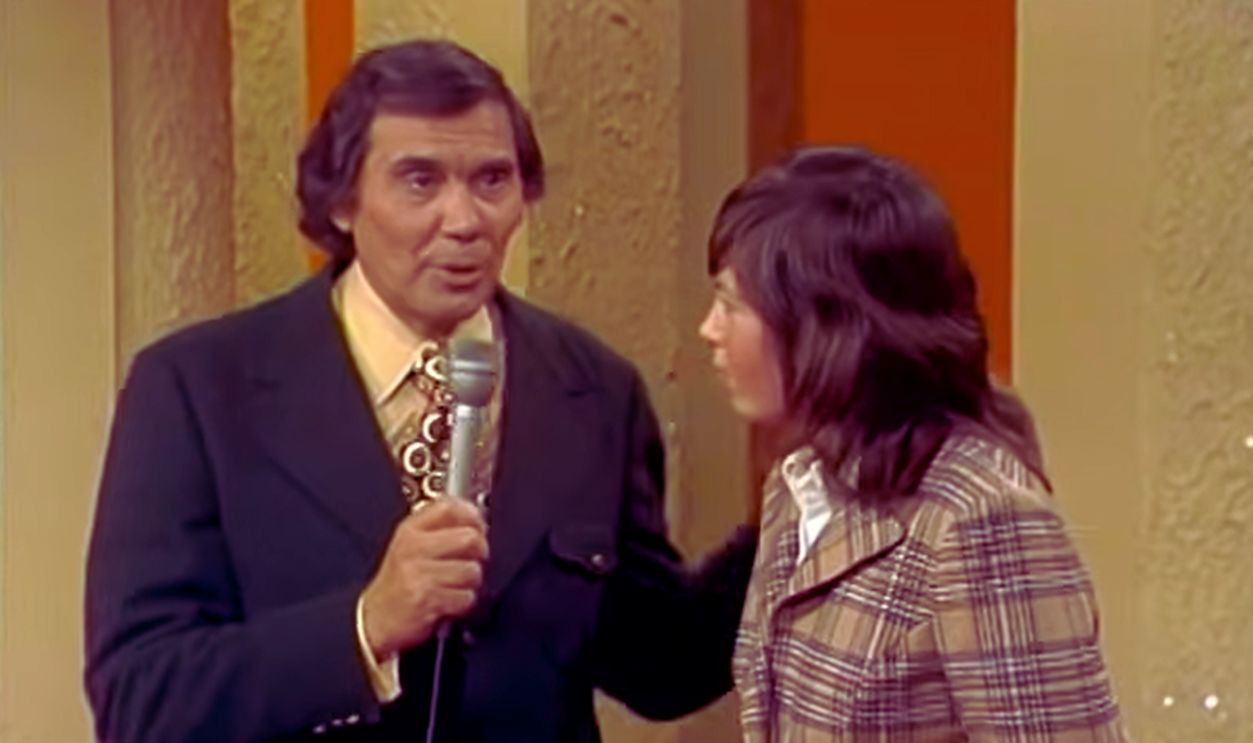 Screenshot from Match Game, NBC (1962–)
Drinking Was Part of the Era—And His Life
Like many TV figures of the time, Rayburn drank heavily during the height of his fame. He later acknowledged struggling with addiction and eventually quit, handling the decision privately and without spectacle.
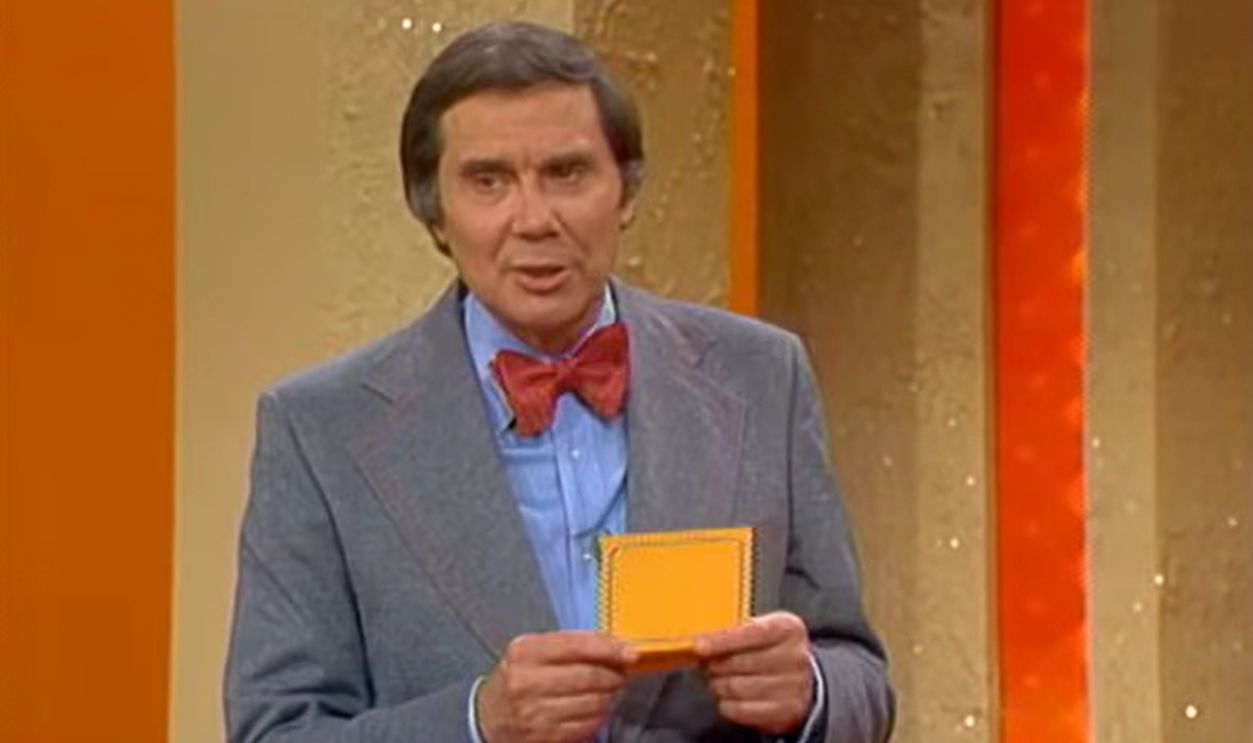 Screenshot from Match Game, NBC (1962–)
Laughter as Armor
Rayburn once joked that if you hesitate long enough, someone else will say something funny. It landed as humor, but it also hinted at something deeper. Silence was dangerous. Jokes filled spaces he didn’t want left open.
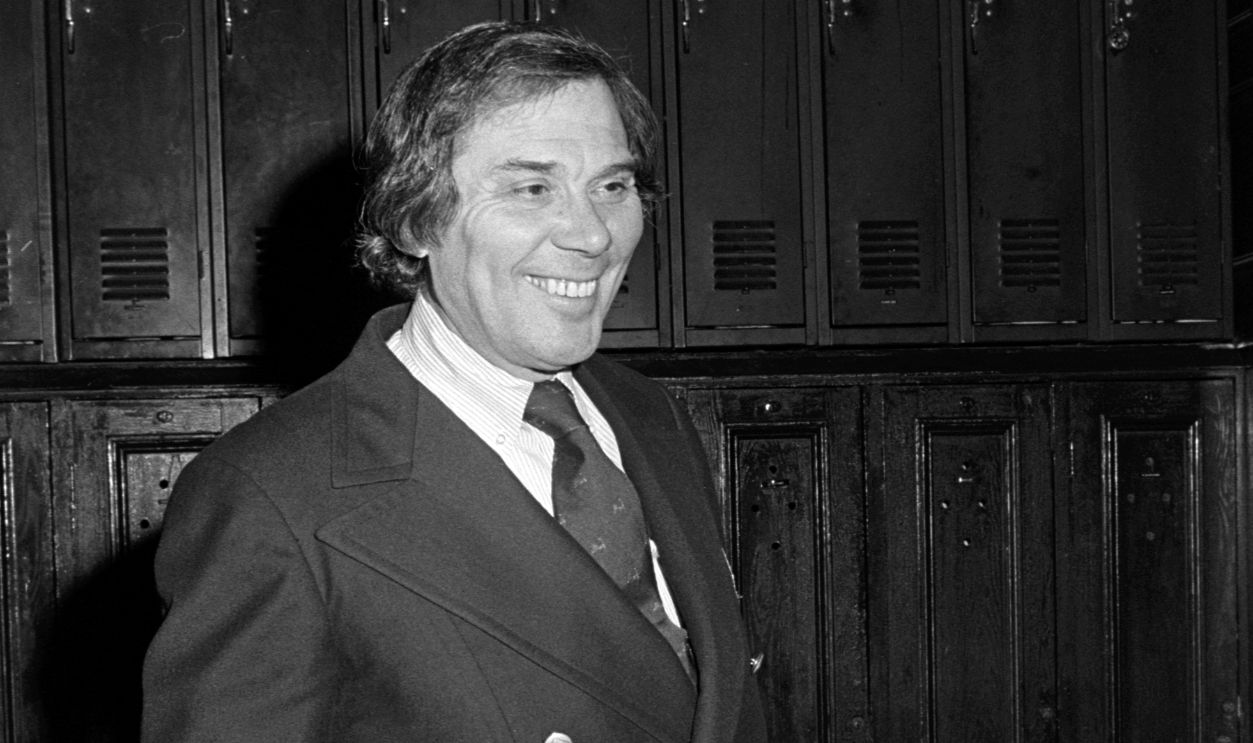
A Marriage That Mattered
His wife, Helen, was the constant in his adult life. Friends noted how deeply he relied on her emotionally. Away from the studio, she was his anchor—perhaps more than anyone realized at the time.
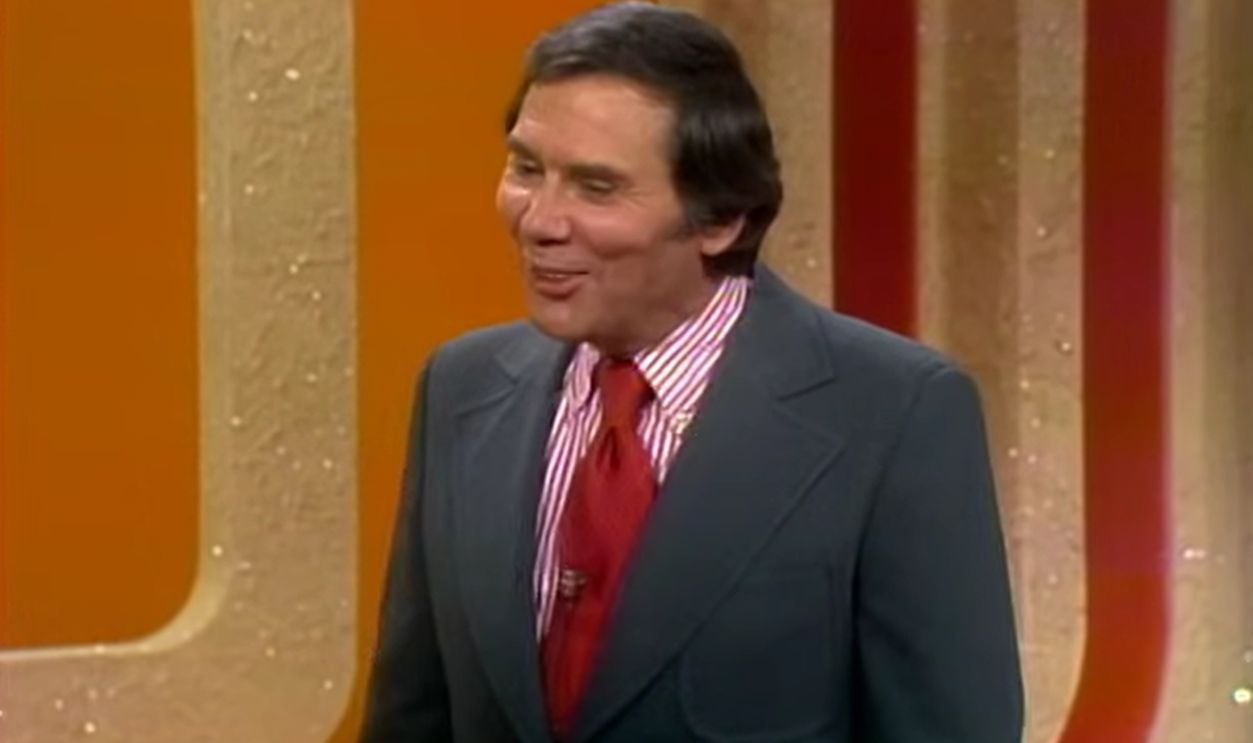 Screenshot from Match Game, NBC (1962–)
Fame Didn’t Equal Fulfillment
Despite Match Game’s massive popularity, Rayburn didn’t chase more stardom. He avoided heavy self-promotion. When the work ended, there was little insulation left behind.
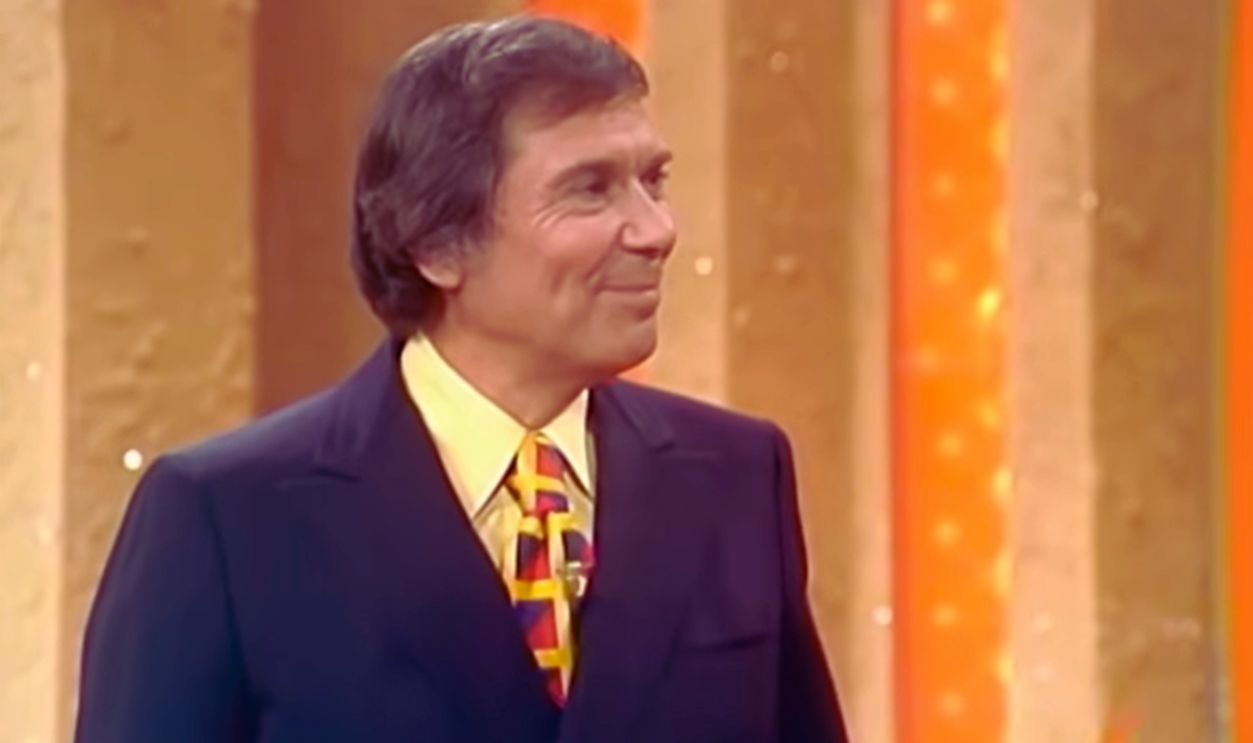 Screenshot from Match Game, NBC (1962–)
When Match Game Ended
When the show finally wrapped, the transition was abrupt. There was no extended farewell. Television moved on quickly. Rayburn, once everywhere, suddenly wasn’t.
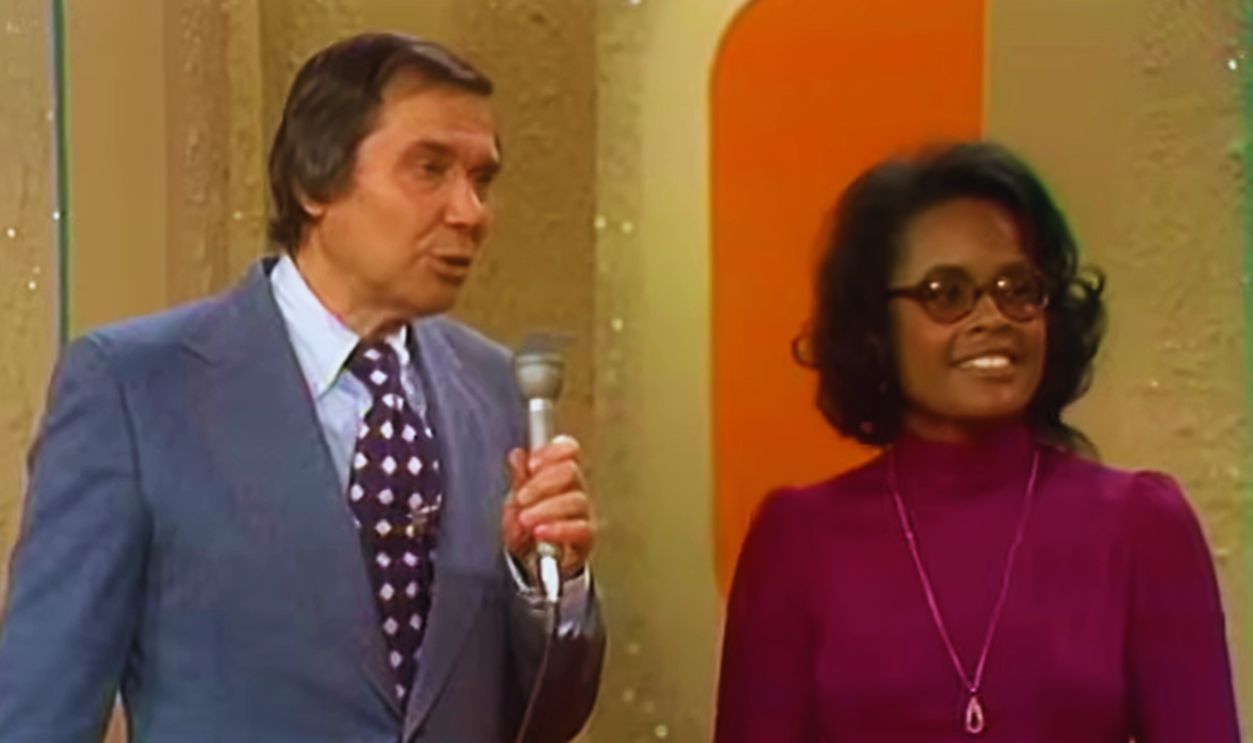 Screenshot from Match Game, NBC (1962–)
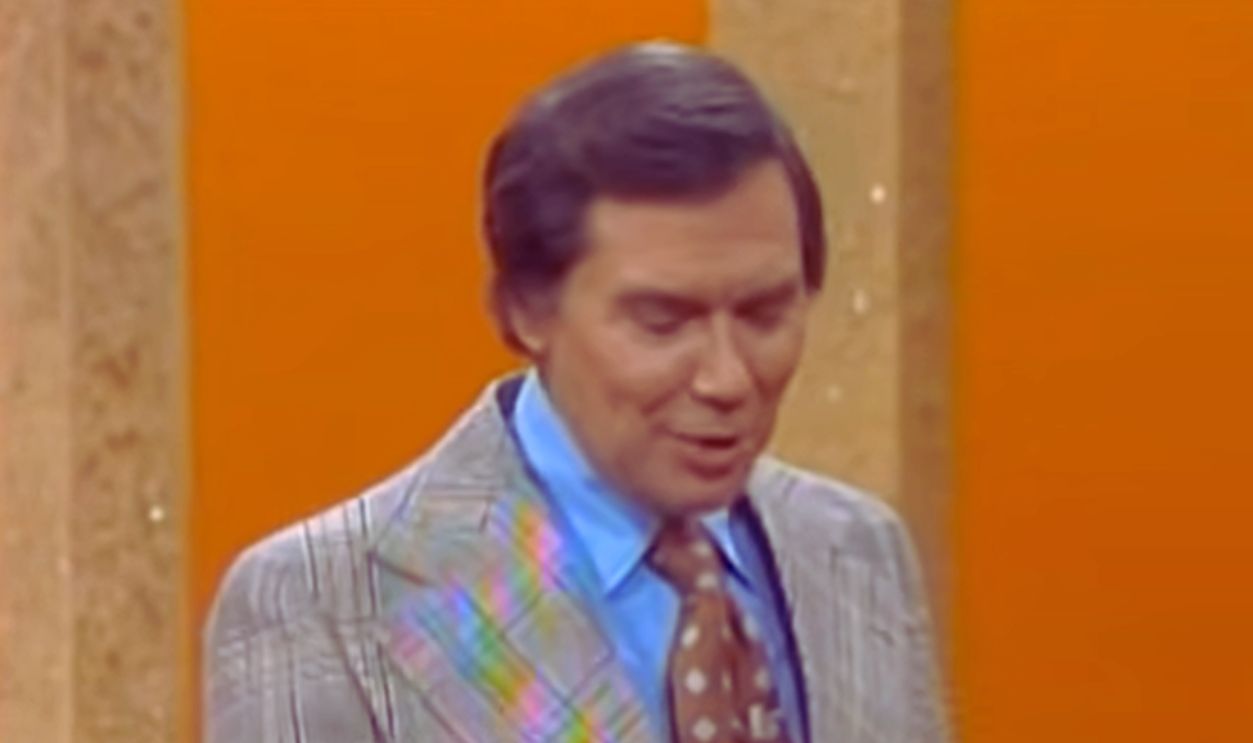
Helen’s Illness Changed Everything
In the 90s, Helen’s health declined significantly. Rayburn withdrew further from public life to care for her. Friends later said this period aged him rapidly, both emotionally and physically.
 Screenshot from Match Game, NBC (1962–)
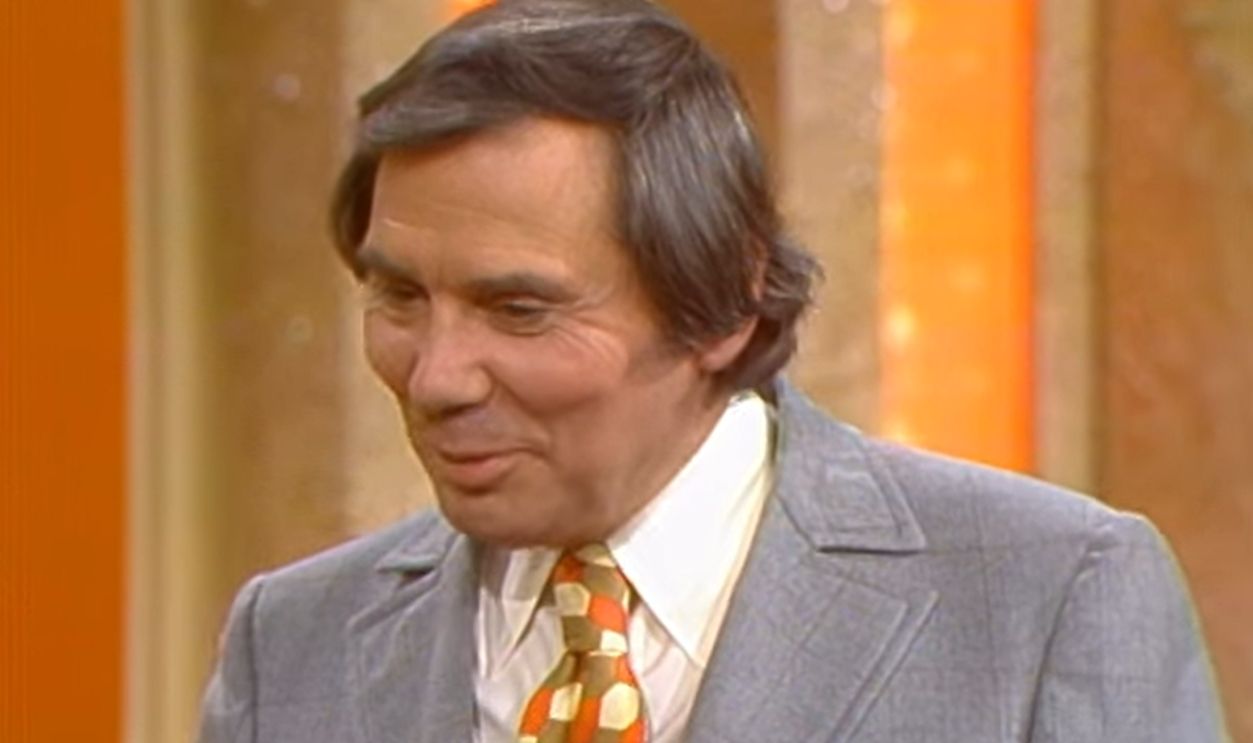
Loss Without Recovery
When Helen died in 1996, something shifted permanently. Rayburn never remarried and rarely appeared publicly. Those close to him said he survived the loss—but never truly recovered from it.
 Screenshot from Match Game, NBC (1962–)
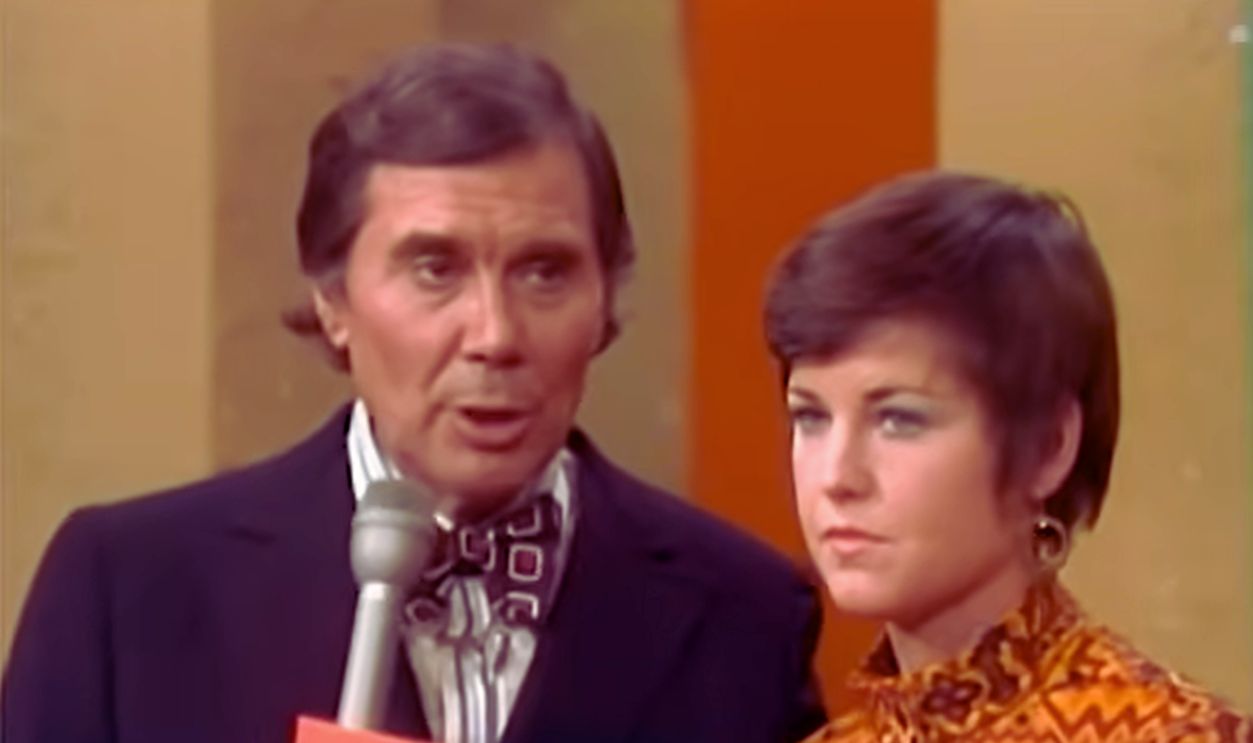
A Quiet Final Chapter
Rayburn spent his final years far from the laughter that once defined him. There were no comeback specials or reunion tours. Just time passing, largely unnoticed.
 Screenshot from Match Game, NBC (1962–)
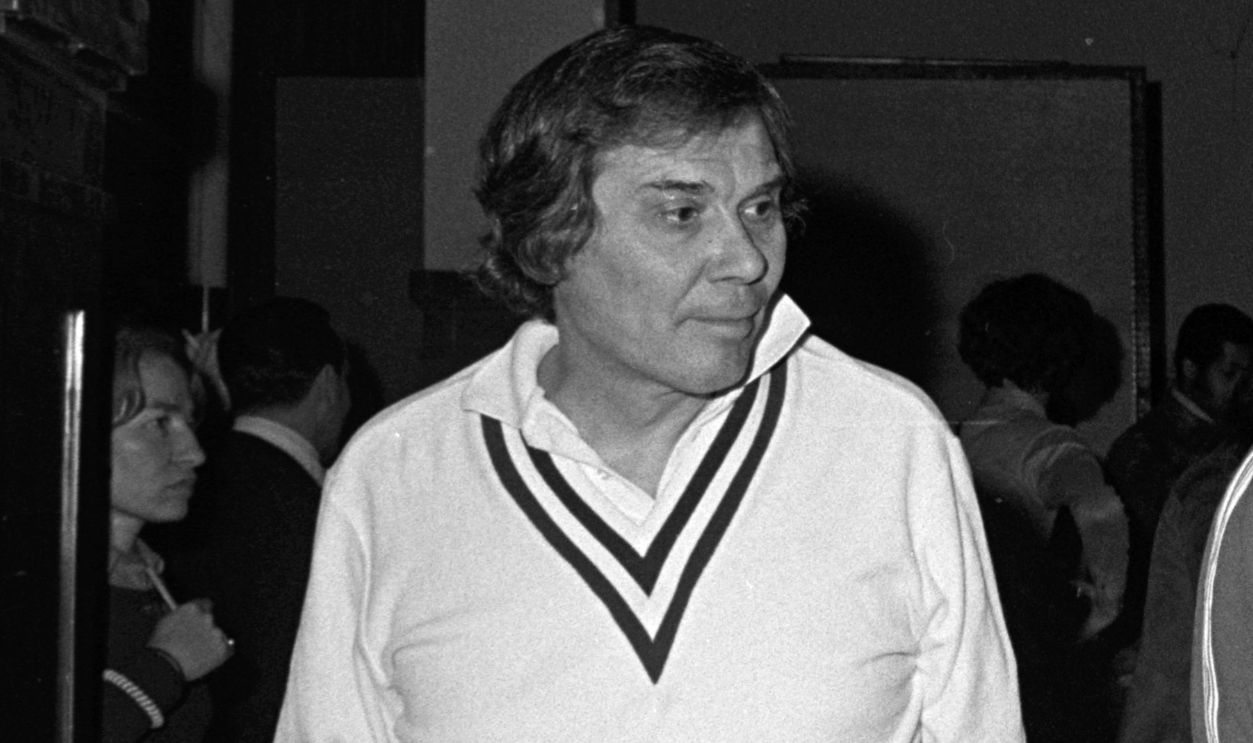
Death Without Headlines
Gene Rayburn died in 1999 at age 81. His passing made news briefly. The man who once dominated daytime television exited with little fanfare.
The Smile That Fooled Everyone
Viewers believed they knew him. That was the illusion he perfected. The jokes worked. The timing landed. But the person underneath remained carefully protected.
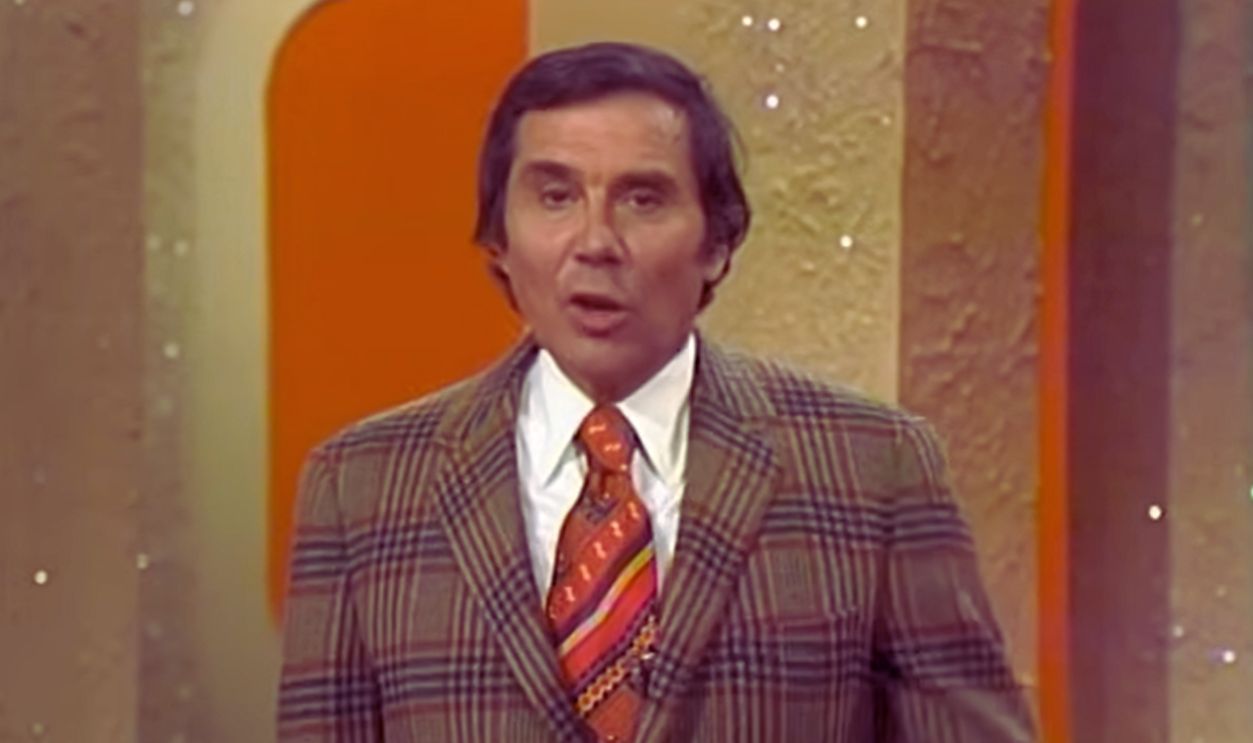 Screenshot from Match Game, NBC (1962–)
Laughter Doesn’t Always Mean Happiness
Gene Rayburn spent nearly 16 years making America laugh. His life is a reminder that performance and peace are not the same thing. Sometimes the brightest smiles are simply the best disguises.
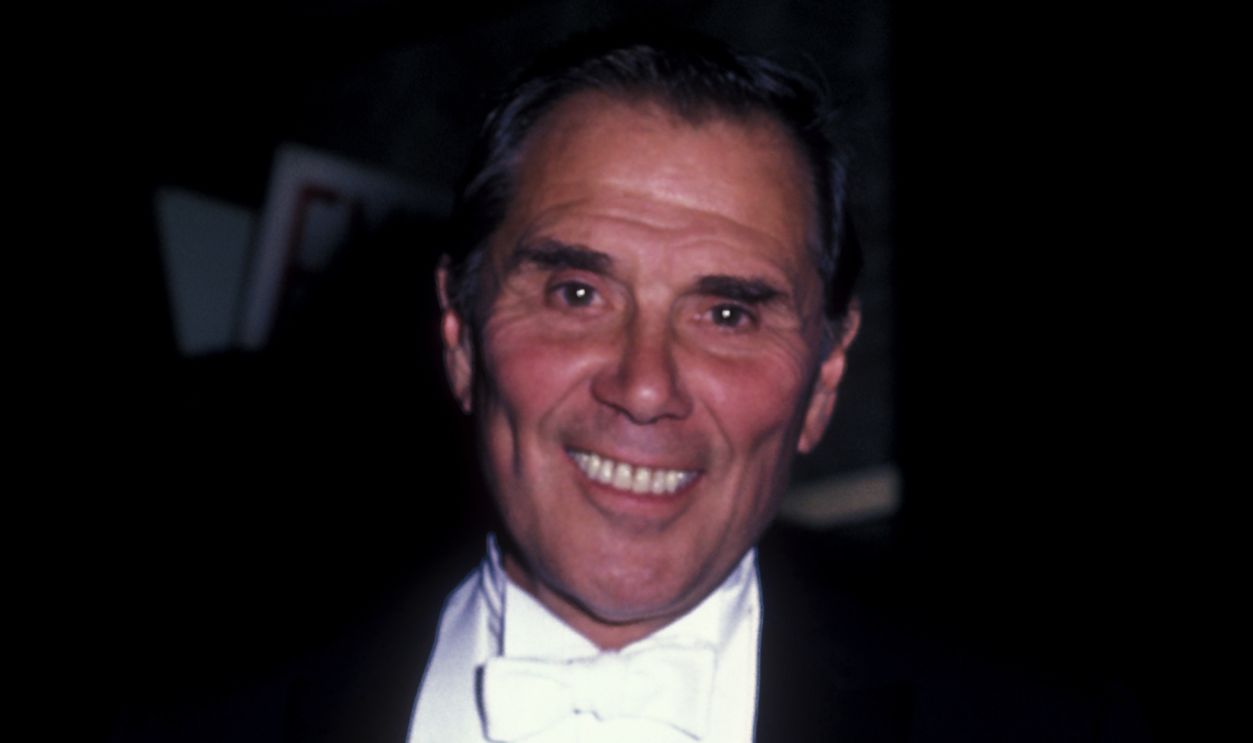 Ron Galella / Contributor, Getty Images
You Might Also Like: