They Were Supposed To Stick To Singing
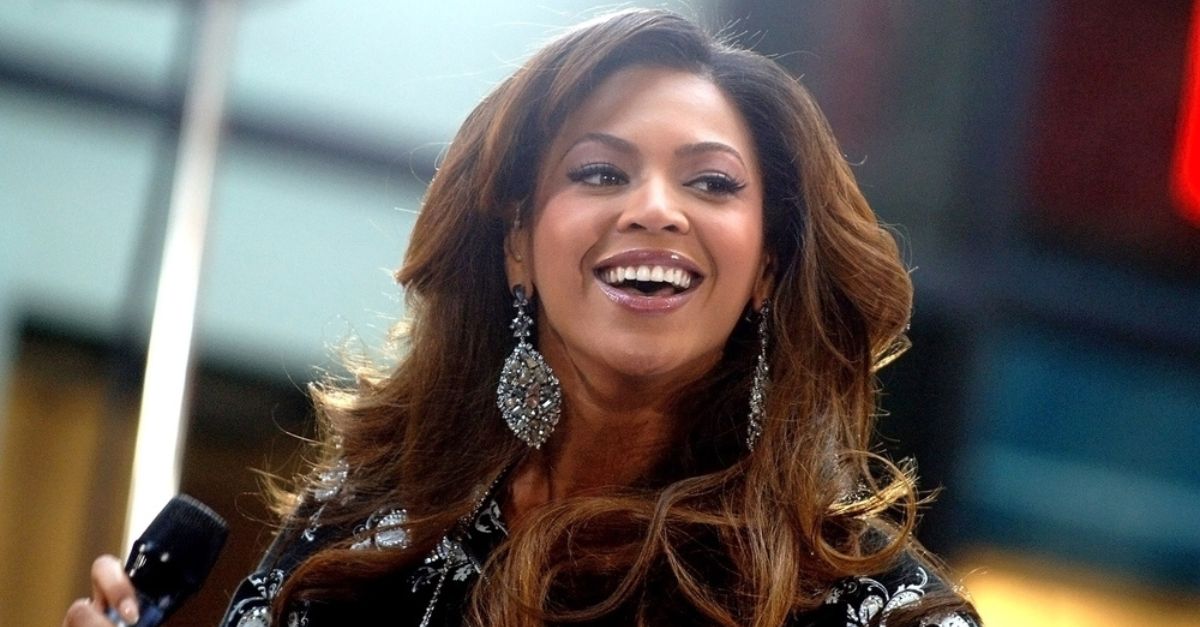
Hollywood has always loved putting famous singers in movies, even when nobody was asking for it. Sometimes the result is little more than an extended cameo with a familiar face, but every so often, a musician steps in front of the camera and reveals a completely different talent. Some became Oscar winners, while others disappeared so convincingly into a character that audiences almost forgot who they were watching. These singers proved that having one spectacular talent did not necessarily mean they had only one.
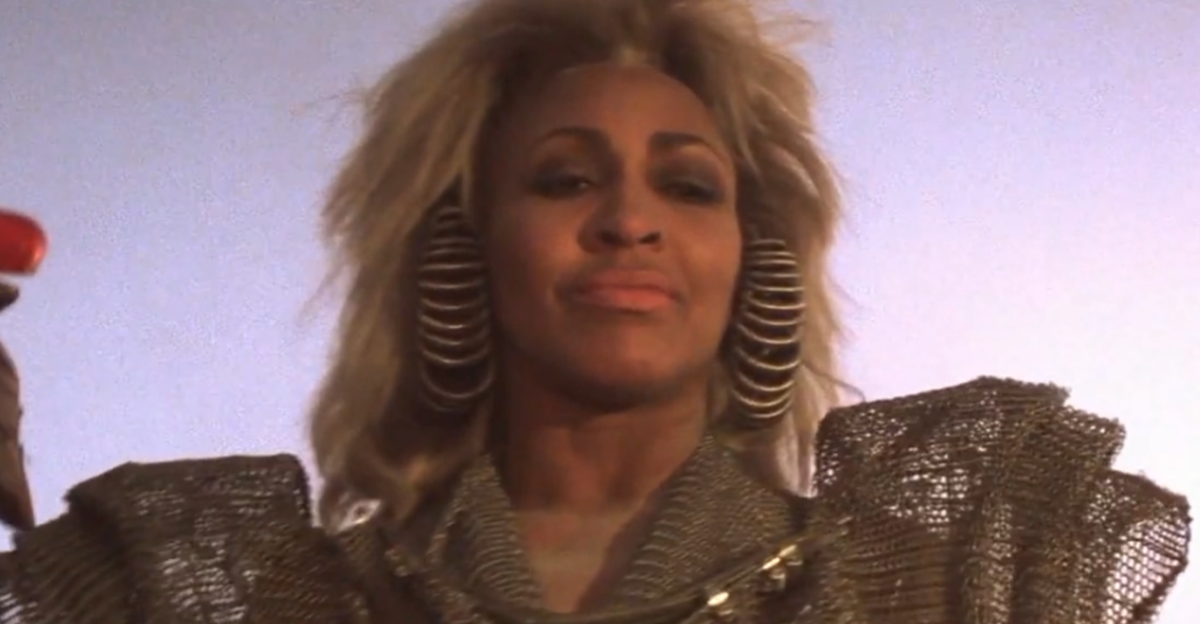
 Warner Bros. Pictures, Mad Max Beyond Thunderdome (1985)
Elvis Presley Had Real Dramatic Potential
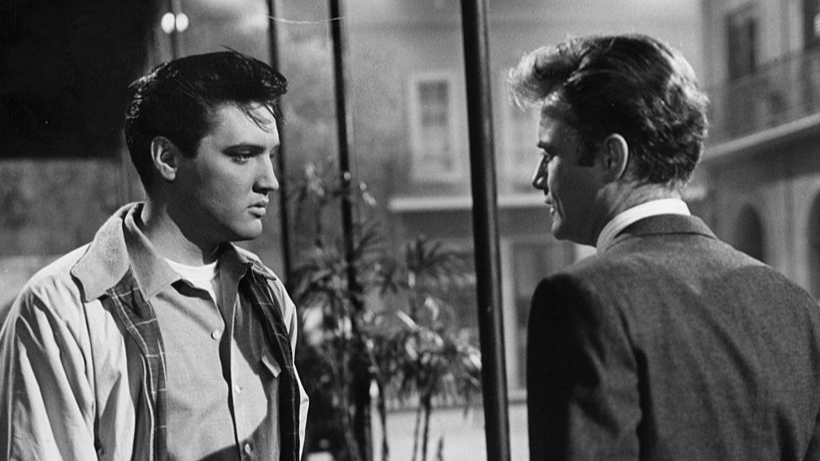
Elvis Presley made so many lightweight musical movies that it is easy to forget how seriously he once took acting. King Creole gave him a darker role as troubled New Orleans teenager Danny Fisher, and even critics who had been skeptical of Presley took notice. Turner Classic Movies describes the film as a showcase for his emerging ability as a serious actor, and Presley himself reportedly considered it his best movie. Unfortunately, Hollywood soon discovered that breezy Elvis musicals were an easier formula to sell.
Frank Sinatra Pulled Off An Incredible Reinvention
By the early 1950s, Frank Sinatra's career had hit a difficult stretch, and his days as a major star hardly seemed guaranteed. Then came From Here to Eternity, in which he played the doomed soldier Angelo Maggio instead of some variation on his famous singing persona. Sinatra won the Academy Award for Best Supporting Actor, helping launch an extraordinary career comeback. Suddenly, nobody could dismiss him as a singer who merely happened to appear in movies.
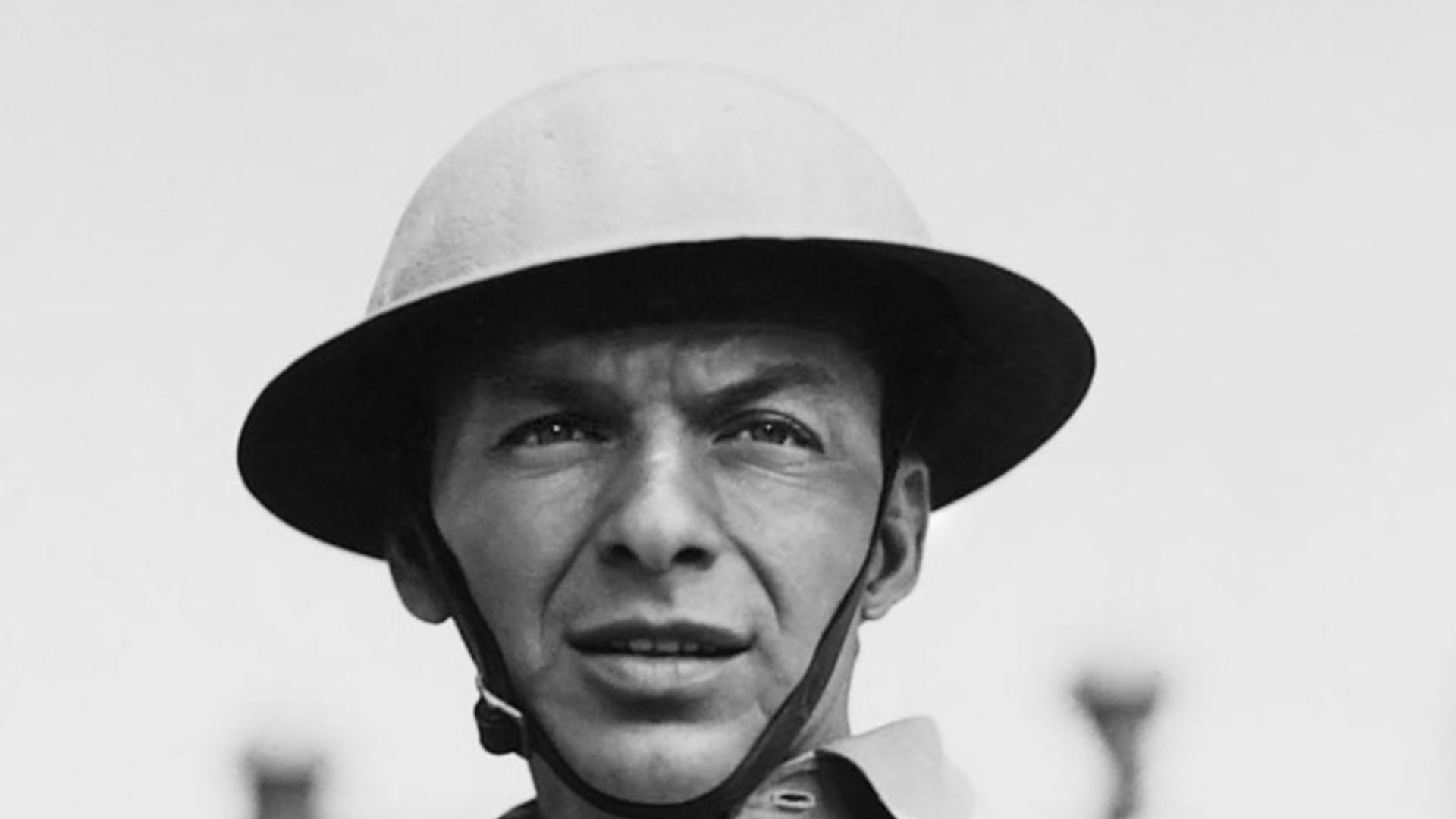 Columbia Pictures, Wikimedia Commons
Barbra Streisand Won On Her First Try
Barbra Streisand had already played Fanny Brice on Broadway, but translating that performance to the screen was no guarantee of movie stardom. Her 1968 film debut in Funny Girl ended any doubts almost immediately. Streisand won the Best Actress Oscar, sharing the award with Katharine Hepburn in one of the rare ties in Academy Awards history. It is hard to imagine a more convincing first trip to Hollywood.
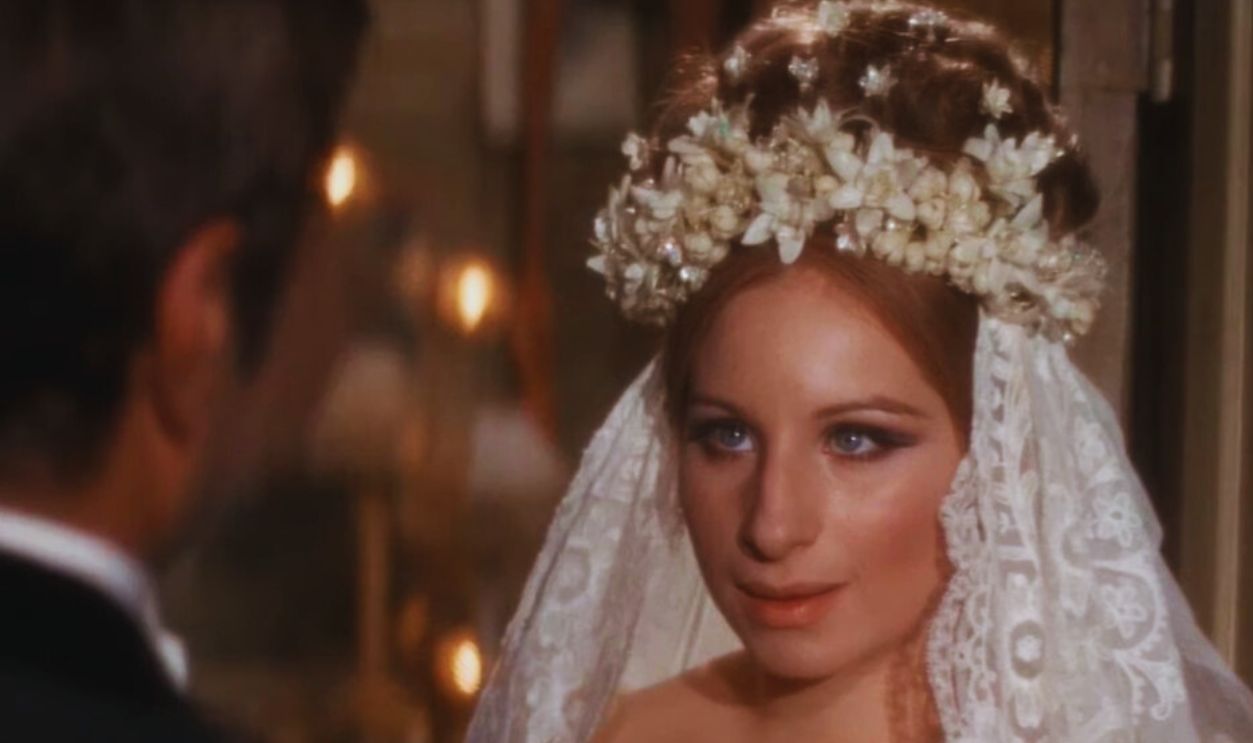 Screenshot from Funny Girl, Columbia Pictures (1968)
Diana Ross Became Billie Holiday
Casting Diana Ross as Billie Holiday in Lady Sings the Blues was a huge gamble. Ross was already one of America's most famous singers, but the 1972 movie marked her feature-film debut and asked her to carry a complicated dramatic role. She responded with a performance that earned a Best Actress Oscar nomination, while the movie collected five nominations overall. The former Supremes star had proved she could command a screen without needing a Motown hit behind her.
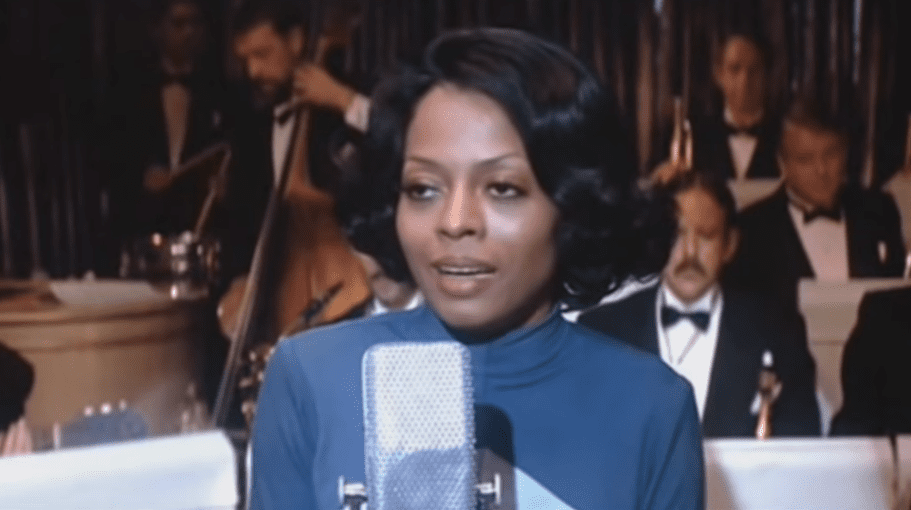 Screenshot from Lady Sings the Blues, Paramount (1972)
Kris Kristofferson Looked Like He Belonged There
Kris Kristofferson already had the weathered face of a movie character, and filmmakers quickly figured out what to do with it. The celebrated songwriter appeared in Pat Garrett and Billy the Kid, Alice Doesn't Live Here Anymore, Lone Star, and many other films. He also starred opposite Barbra Streisand in the 1976 version of A Star Is Born, winning a Golden Globe for the performance. Acting never looked like a celebrity side project for Kristofferson. It became a genuine second career.
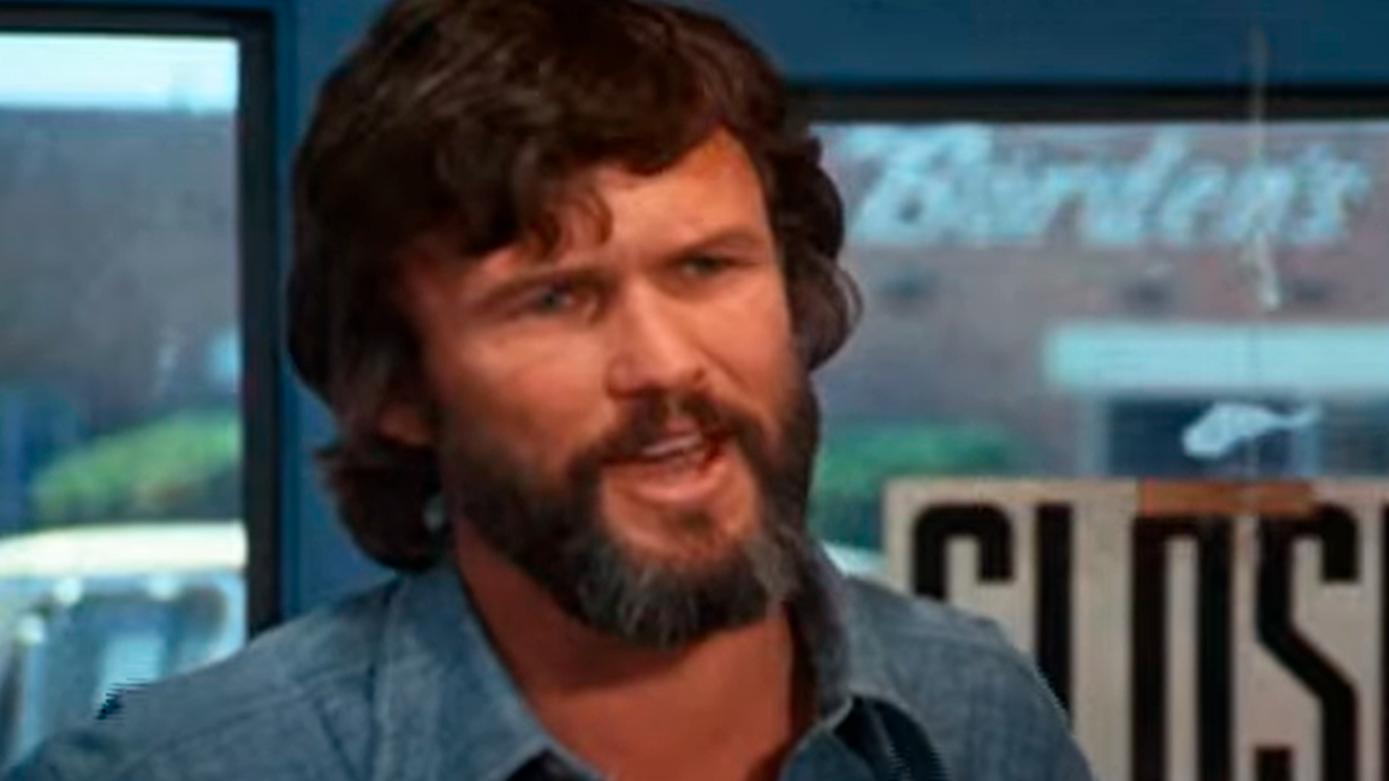 Screenshot of Alice Doesn't Live Here Anymore, Warner Bros. (1974)
Bette Midler Was No Movie-Star Gimmick
Bette Midler's outrageous stage persona might have made Hollywood expect broad comedy. Instead, her first starring film asked her to play a troubled rock singer in the emotionally exhausting 1979 drama The Rose. Midler earned a Best Actress Oscar nomination, immediately proving she could do far more than reproduce her stage act for the cameras. More than a decade later, For the Boys brought her a second Best Actress nomination.
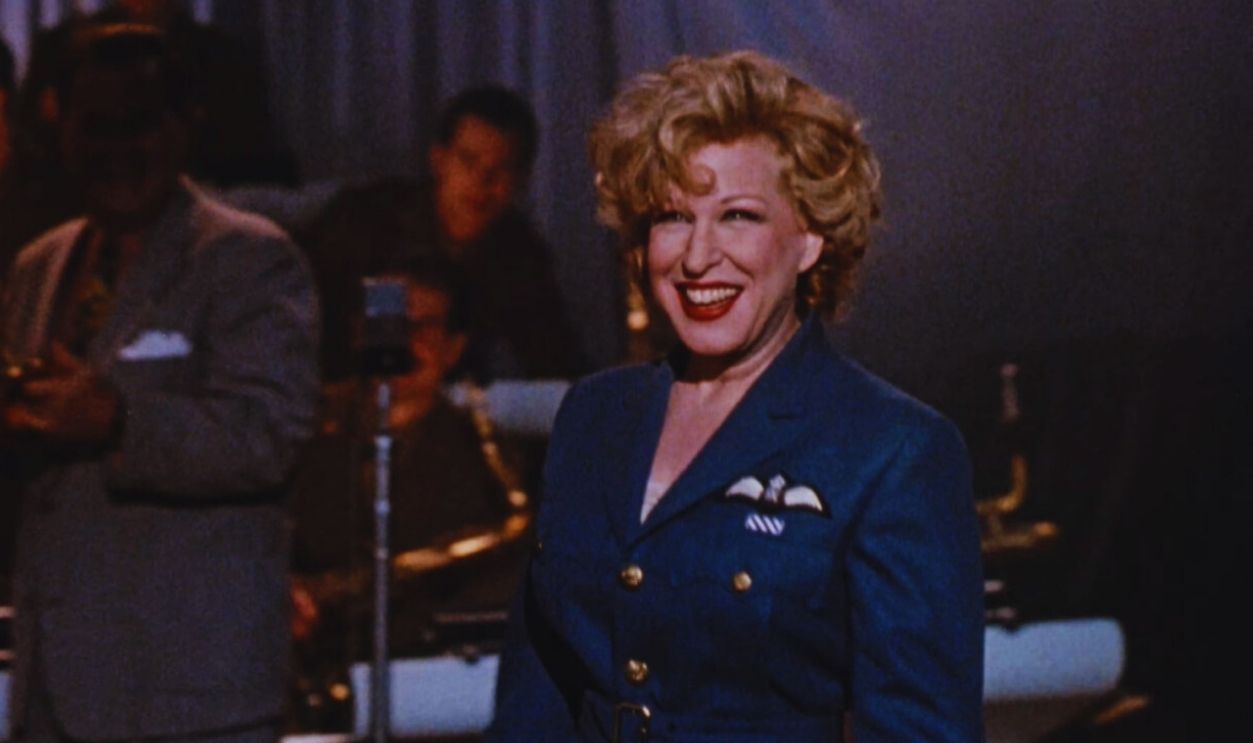 Screenshot from For the Boys, 20th Century Fox (1991)
Dolly Parton Walked Onto A Movie Set And Fit Right In
Dolly Parton had never acted in a feature film when she joined Jane Fonda and Lily Tomlin in 9 to 5. Somehow, she looked completely at home, combining warmth and comic timing without trying to overpower her far more experienced co-stars. The performance brought her Golden Globe nominations for Best Actress in a Musical or Comedy and New Star of the Year. She later proved it was no fluke with movies including The Best Little Whorehouse in Texas and Steel Magnolias.
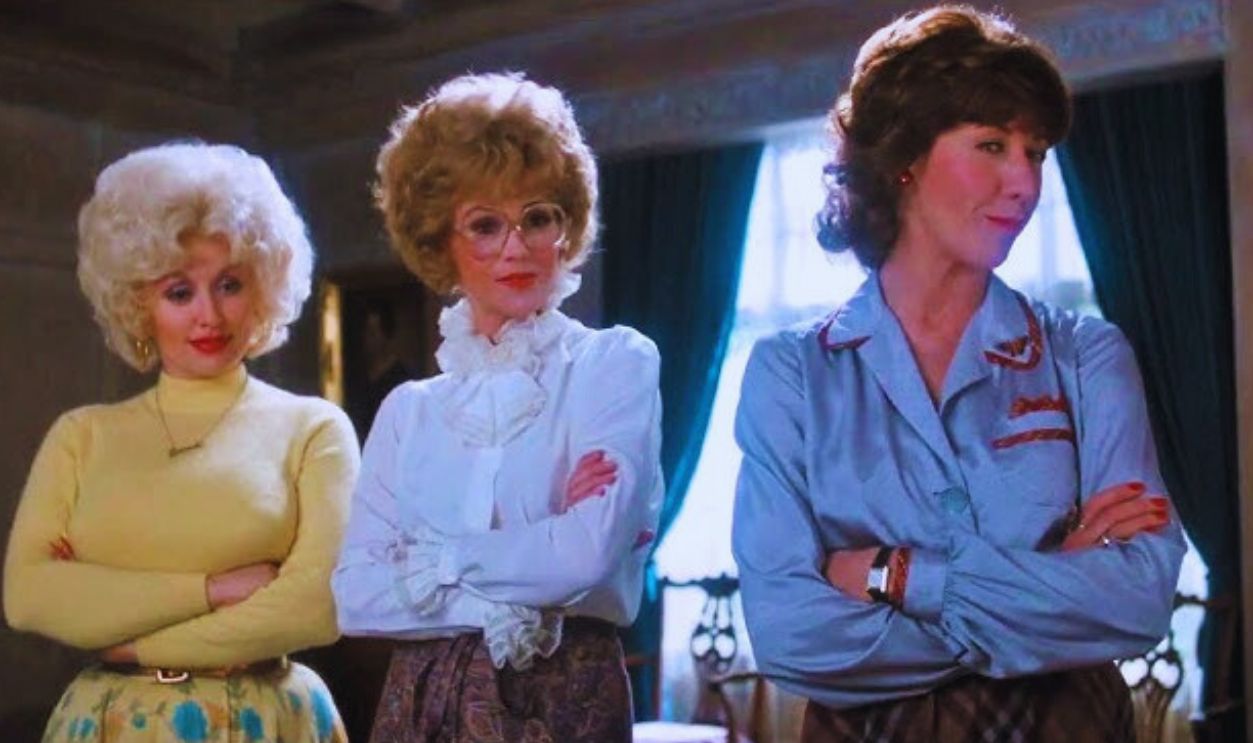 Screenshot from 9 to 5, 20th Century Fox (1980)
Cher Had The Last Laugh
For years, plenty of people still thought of Cher mainly as half of Sonny & Cher, complete with outrageous outfits and wisecracks. Then she began appearing in serious movies alongside actors such as Meryl Streep and Sam Elliott. Silkwood brought Cher an Oscar nomination, Mask gave her another acclaimed dramatic role, and Moonstruck finally won her the Academy Award for Best Actress. By the time she walked onto the Oscar stage, the idea of Cher becoming a serious actress was no longer remotely funny.
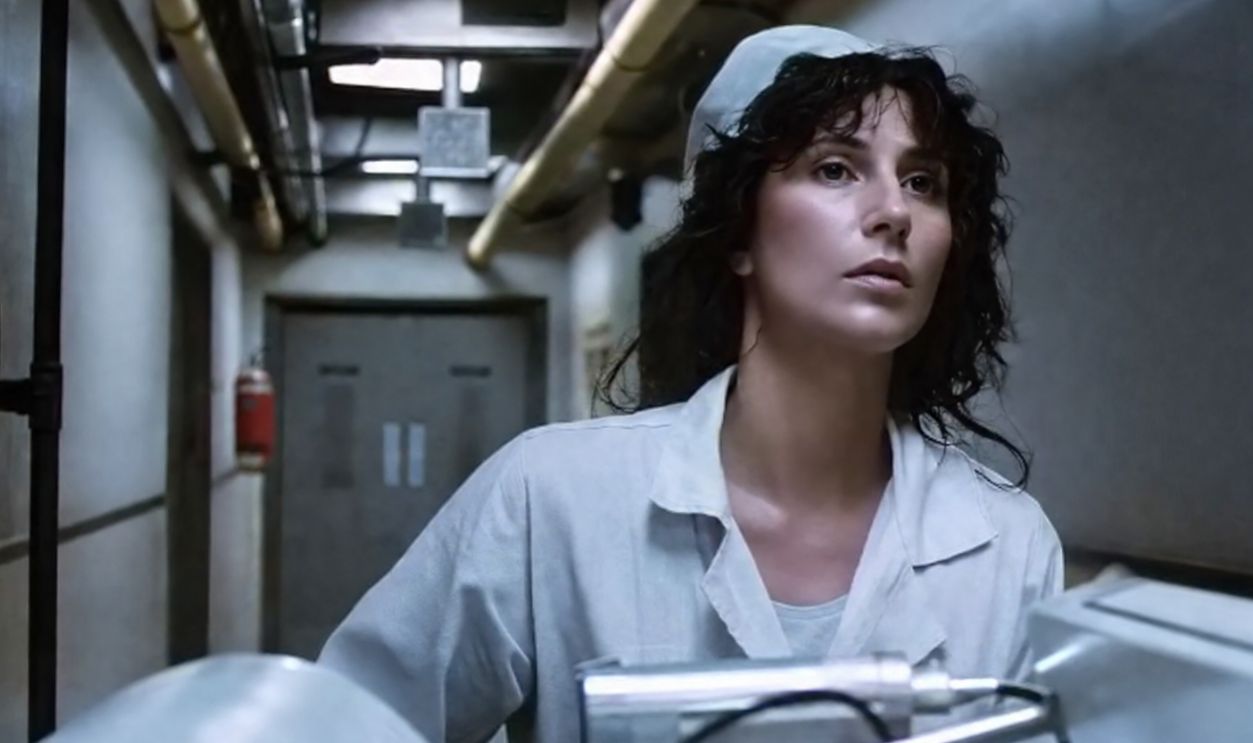 Screenshot from Silkwood, The Walt Disney Company (1983), enhanced
David Bowie Picked The Strangest Roles Possible
David Bowie could have spent his film career playing thinly disguised rock stars. Instead, he played a stranded alien in The Man Who Fell to Earth, Pontius Pilate in The Last Temptation of Christ, Andy Warhol in Basquiat, and Nikola Tesla in The Prestige. Roger Ebert later wrote that Bowie's eerie performance in The Man Who Fell to Earth made him seem born for the role. His acting career was strange, unpredictable, and unmistakably Bowie.
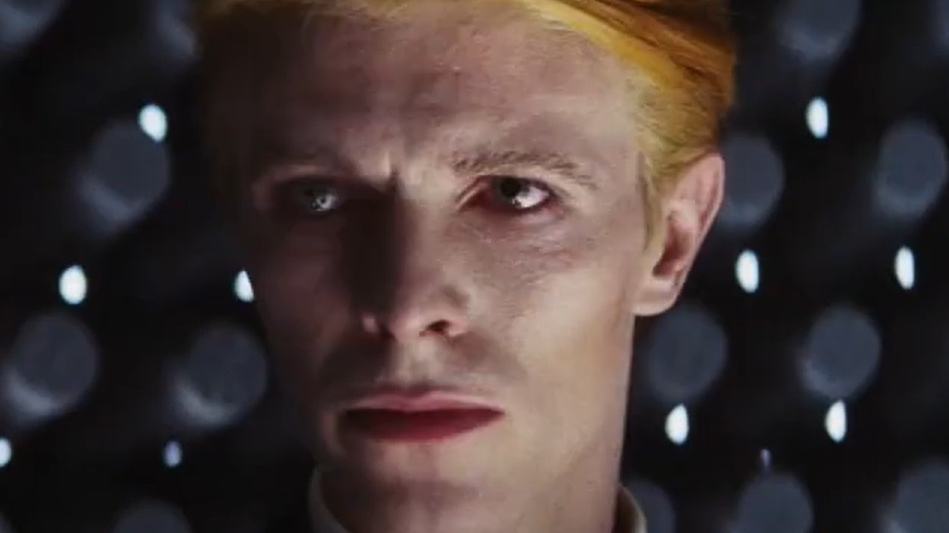 Screenshot from The Man Who Fell to Earth, British Lion Films (1976)
Tina Turner Ruled Bartertown
Tina Turner did not need an Oscar campaign to make Aunty Entity unforgettable. In 1985's Mad Max Beyond Thunderdome, she faced off against Mel Gibson as the commanding ruler of Bartertown, dressed in chain mail and carrying herself like a post-apocalyptic queen. Australia's National Film and Sound Archive has praised the charisma and authority she brought to the character, even noting that one of Aunty's imperious hand gestures was Turner's own idea. Turner made only a handful of major movies, but this one made audiences wish she had done more.
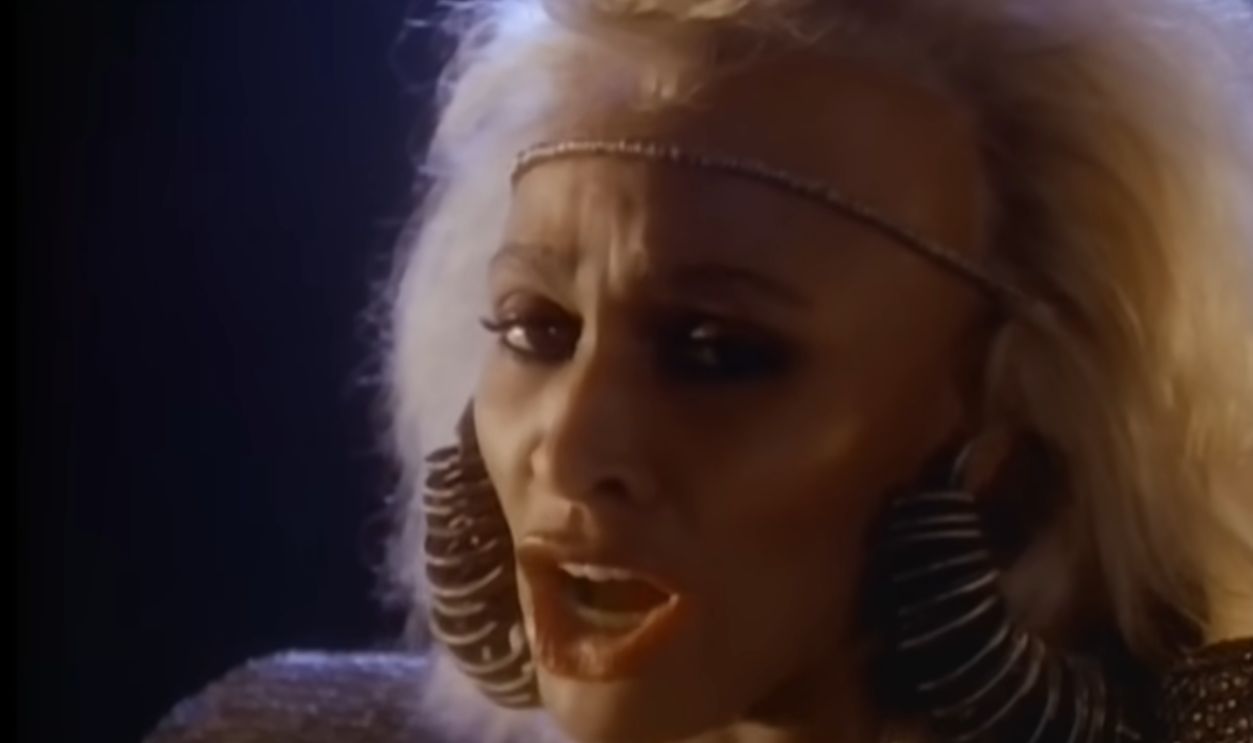 Screenshot from Mad Max Beyond Thunderdome, Warner Bros. (1985)
Willie Nelson Barely Seemed To Be Acting
Willie Nelson did not look or behave much like a conventional Hollywood leading man, which turned out to be exactly the point. Roger Ebert called him a "very engaging actor" after his first starring role in 1980's Honeysuckle Rose. Nelson followed it with the Western Barbarosa and Songwriter, often using his wonderfully understated presence instead of reaching for big dramatic moments. He could create a character while barely seeming to raise his voice.
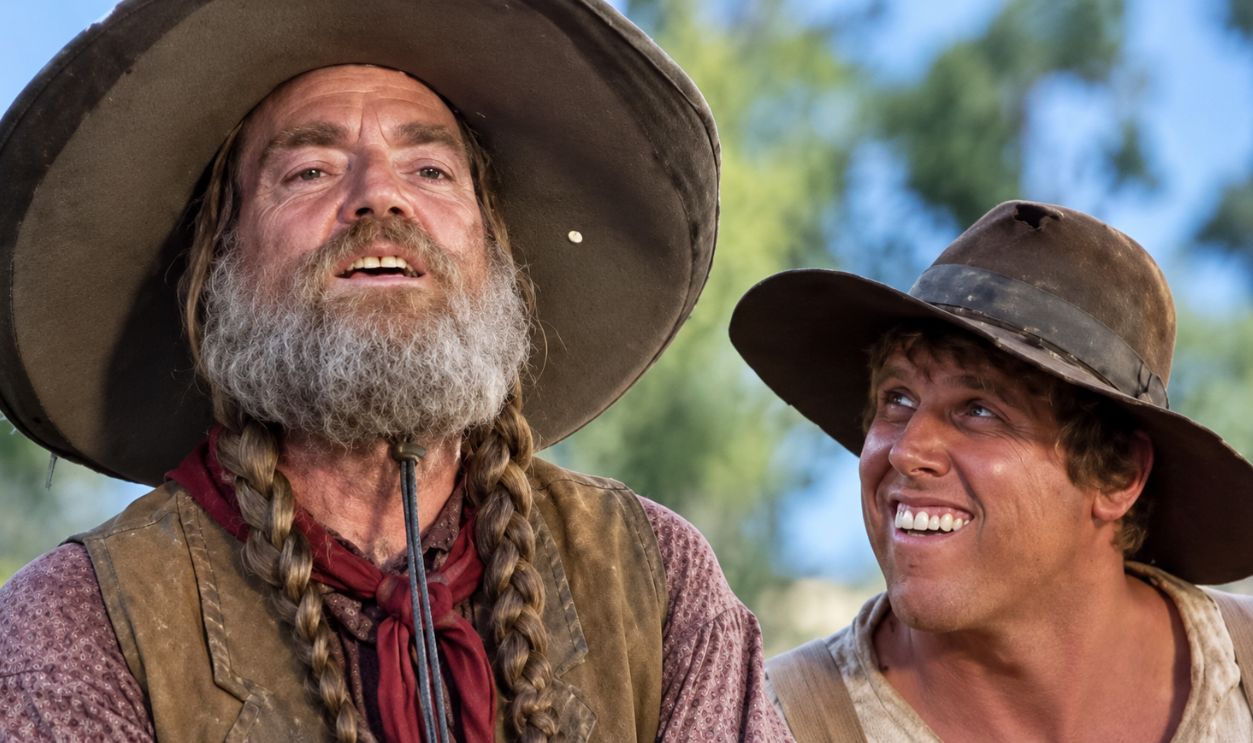 Screenshot from Barbarosa, Universal Pictures (1982), Modified
Levon Helm Was Almost Too Convincing
The Band's Levon Helm had never acted in a movie when he was cast as Loretta Lynn's father in Coal Miner's Daughter. According to Turner Classic Movies, Lynn was so startled by Helm's resemblance to her father in costume that she nearly fainted when she saw him. Sissy Spacek later praised the dignity and grace Helm brought to the performance, saying he seemed to know the character "in his bones." Helm followed it with another memorable turn as Jack Ridley in The Right Stuff, proving his naturalism was no accident.
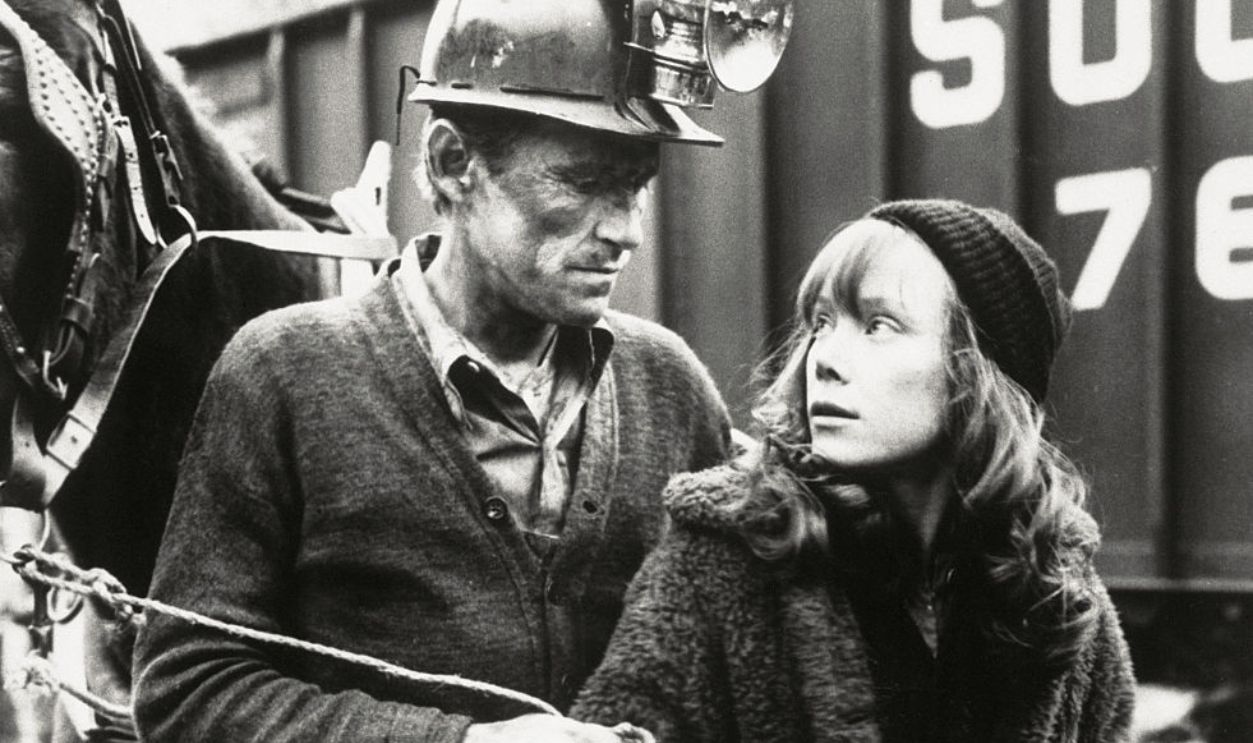
Ice Cube Shocked The Critics
Ice Cube was already one of rap's most confrontational stars when John Singleton cast him as Doughboy in Boyz n the Hood. He had never acted before, and Cube later admitted that his first attempt at reading for the role was terrible. Something clicked. The Los Angeles Times called his finished performance unexpectedly affecting, and the movie launched an acting career that eventually stretched from intense dramas to blockbuster comedies.
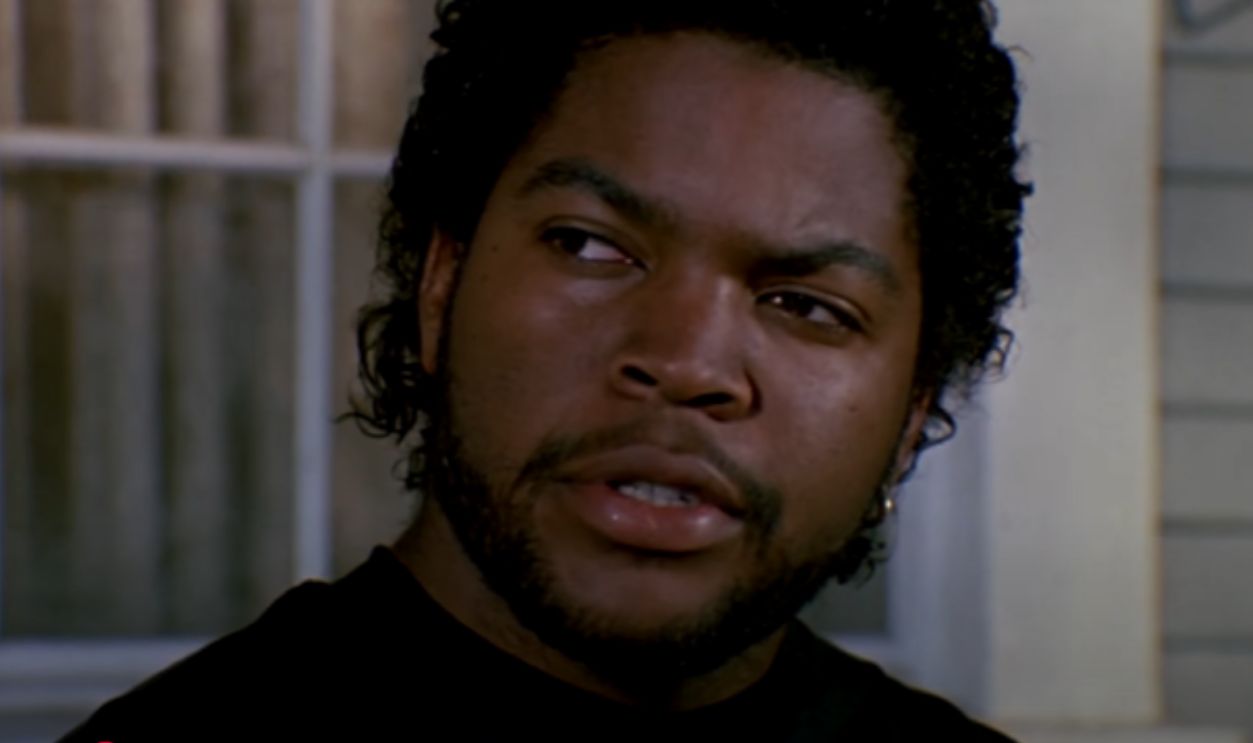 Screenshot from Boyz n the Hood, Columbia Pictures (1991)
Dwight Yoakam Was Genuinely Unpleasant
Dwight Yoakam's country songs could be charming and heartbreaking. There was very little charm, however, in Doyle Hargraves, the bullying boyfriend he played in Sling Blade. Yoakam made the character threatening without turning him into a cartoon, and critics singled him out despite a cast led by Billy Bob Thornton. The performance opened the door to years of character roles, often as men considerably nastier than the guy singing under the cowboy hat.
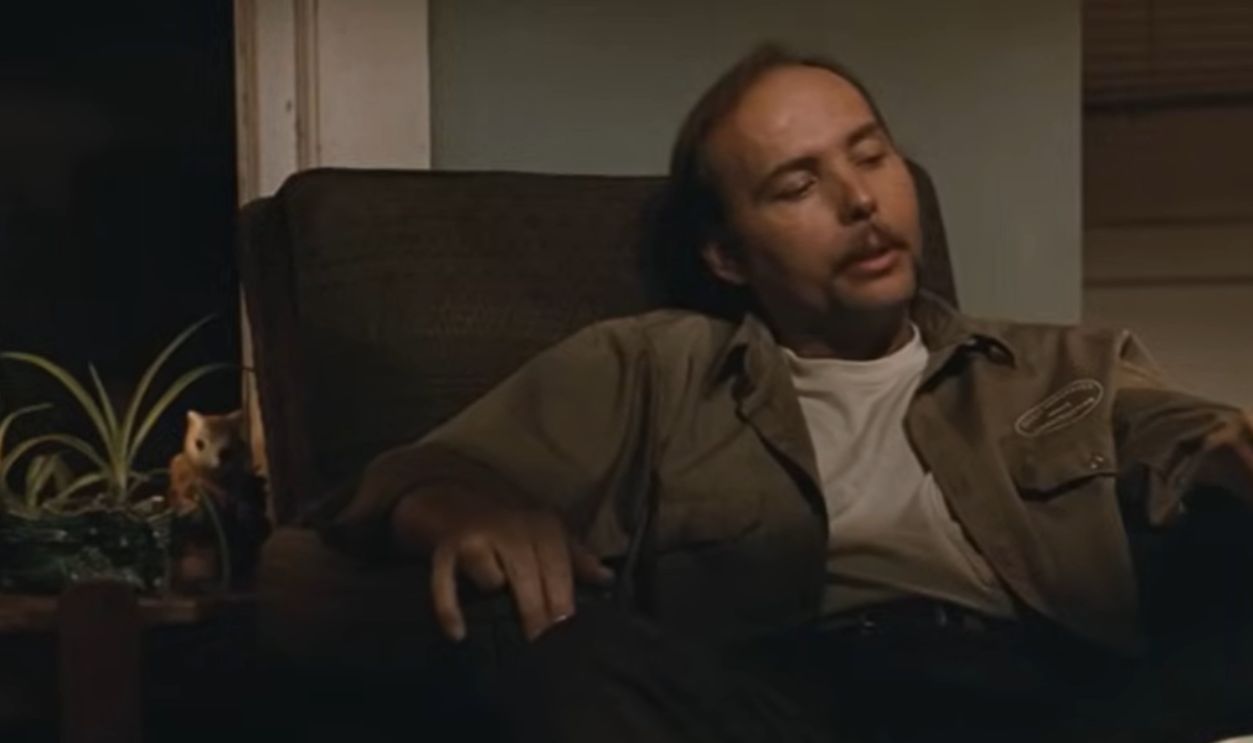 Screenshot from Sling Blade, Miramax Films (1996)
Courtney Love Silenced Plenty Of Skeptics
Few casting choices sounded riskier in the mid-1990s than Courtney Love in a serious Milos Forman drama. Yet her performance as Althea Leasure in The People vs. Larry Flynt became one of the movie's biggest surprises. Love earned a Golden Globe nomination for Best Actress in a Drama and held her own opposite Woody Harrelson. Whatever audiences thought they knew about the unpredictable Hole frontwoman, this was not simply Courtney Love playing herself.
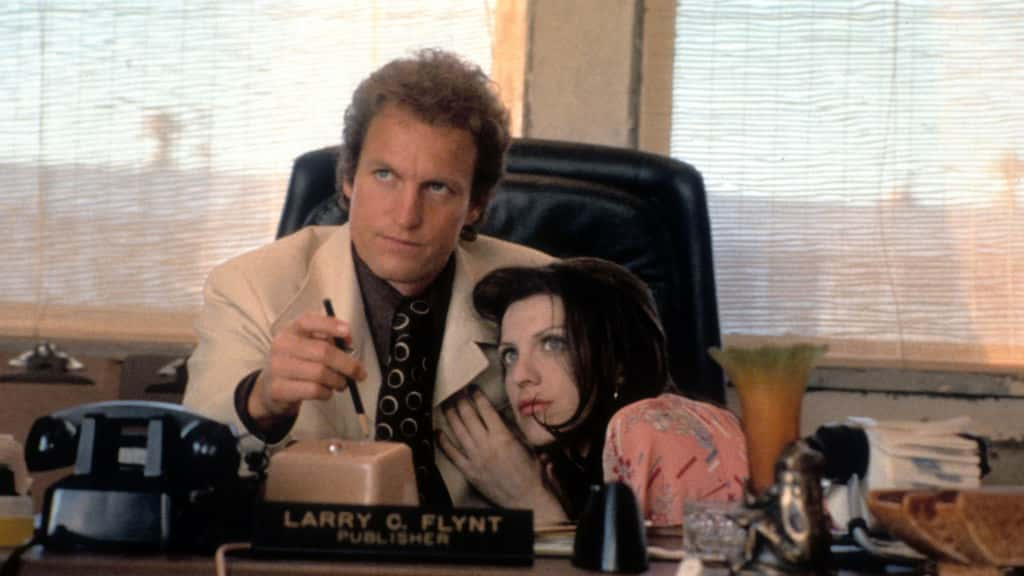 Columbia Pictures, Getty Images
Meat Loaf Was More Than Eddie
Millions of viewers first encountered Meat Loaf onscreen as motorcycle-riding Eddie in The Rocky Horror Picture Show. His later acting career, however, went far beyond one wonderfully over-the-top musical performance. He appeared in dozens of productions and memorably played Robert Paulson in David Fincher's Fight Club, looking completely at home beside Brad Pitt and Edward Norton. The giant voice and theatrical personality were unmistakable, but Meat Loaf could also be a surprisingly effective character actor.
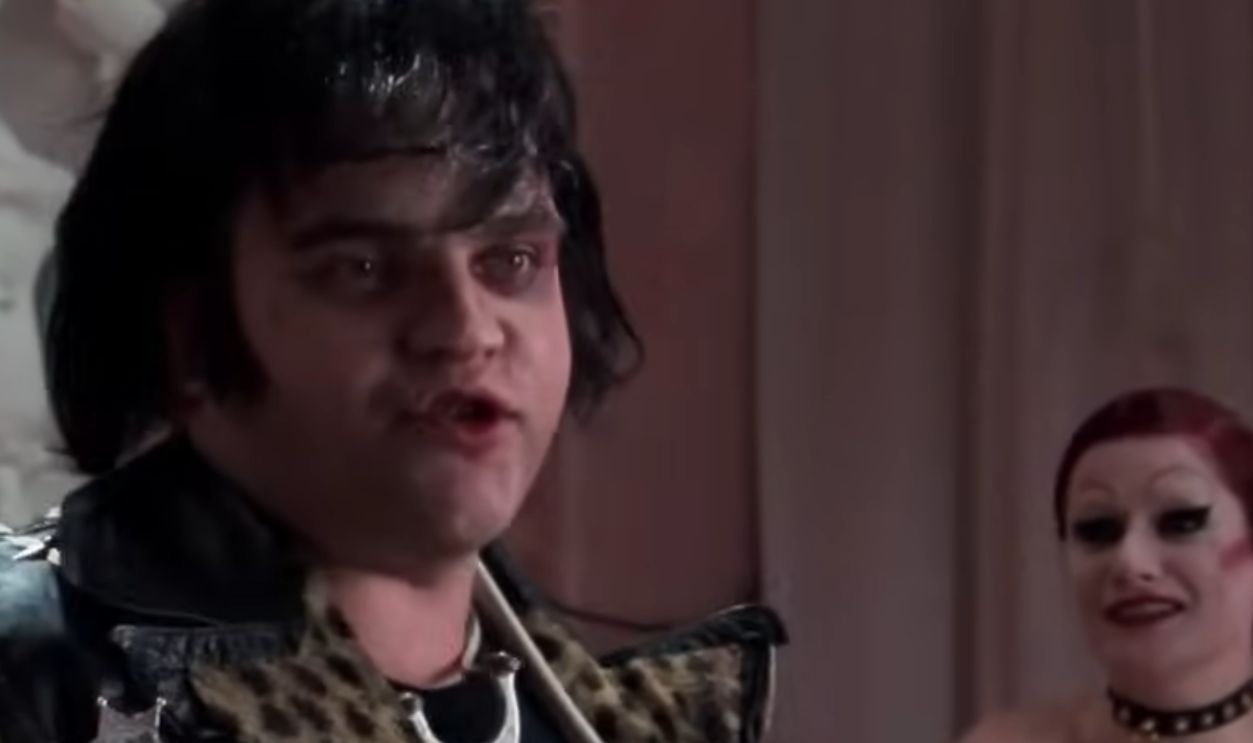 Screenshot from The Rocky Horror Picture Show, 20th Century Fox (1975)
Tim McGraw Was Willing To Be Hated
Tim McGraw's friendly country-star image did not prepare audiences for Friday Night Lights. He played Charles Billingsley, a bitter former football player who pressures his teenage son while remaining trapped by memories of his own glory days. Roger Ebert singled McGraw out as powerful in the role. It was an important choice because McGraw was not asking viewers to like him, and that made the performance considerably more interesting.
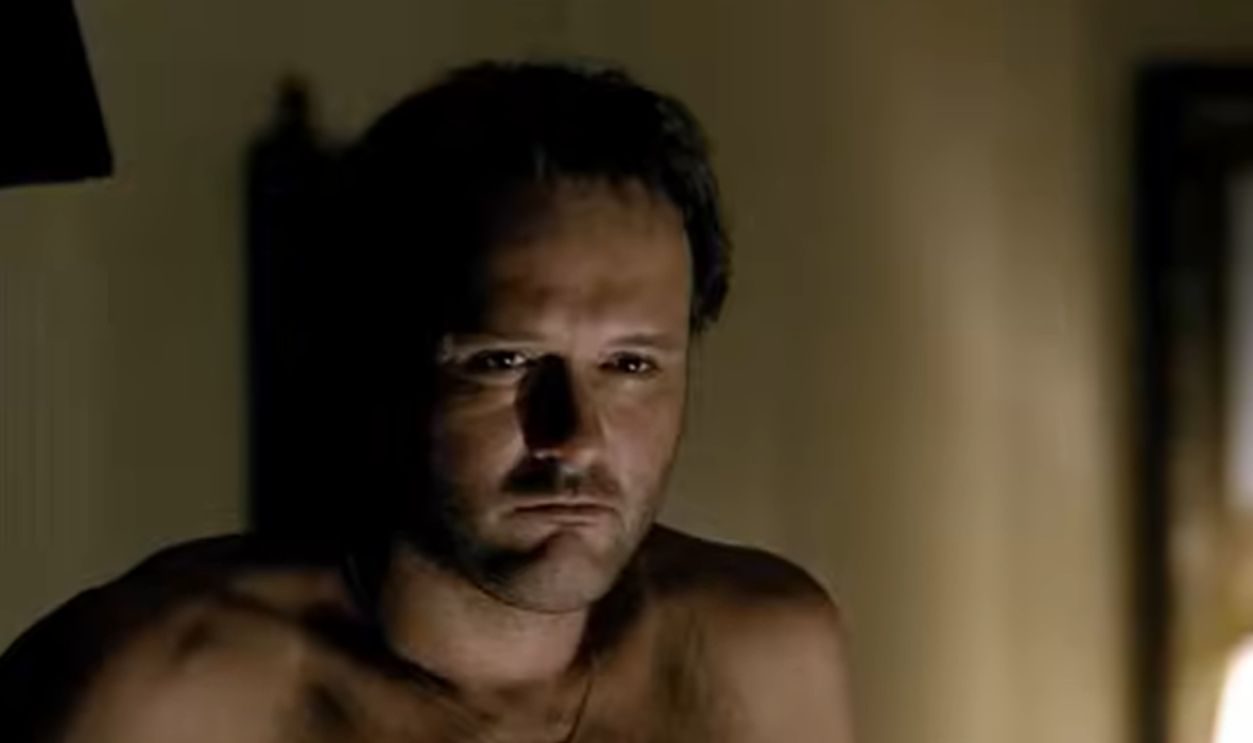 Screenshot from Friday Night Lights, Universal Pictures (2004)
Queen Latifah Became The Real Deal
Queen Latifah had already conquered rap and television before Chicago gave her a major movie showcase. As prison matron Mama Morton, she stood alongside an experienced cast and came away with an Academy Award nomination for Best Supporting Actress. Years later, her portrayal of blues legend Bessie Smith in HBO's Bessie brought an Emmy nomination for acting. By then, describing Latifah simply as a rapper who acted on the side made little sense.
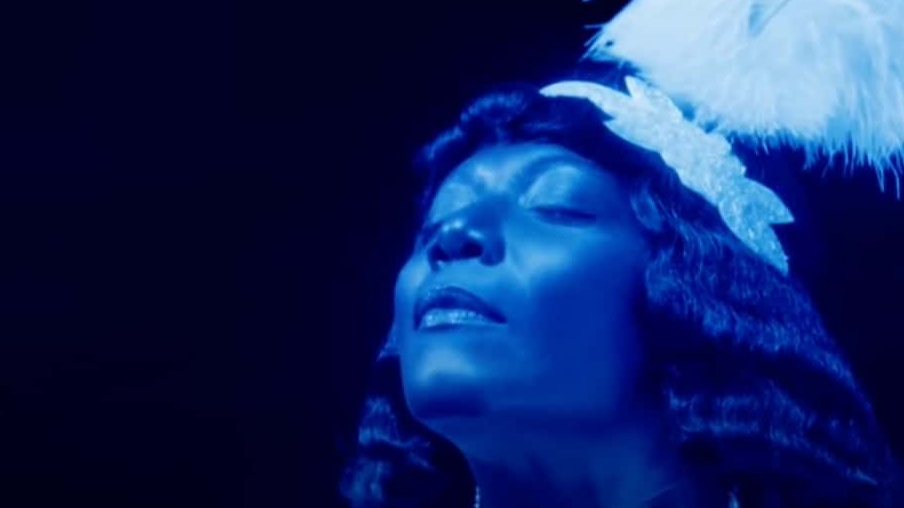 Screenshot from Bessie, HBO (2015)
Will Smith Left The Fresh Prince Behind
Will Smith's move into acting initially looked almost effortless because audiences first knew him as both a rapper and sitcom star. The bigger test came when he began taking roles that demanded serious dramatic weight. Ali brought his first Best Actor Oscar nomination, and The Pursuit of Happyness brought another. Years later, his performance as Richard Williams in King Richard won him the Academy Award for Best Actor, completing one of Hollywood's most dramatic music-to-movies transitions.
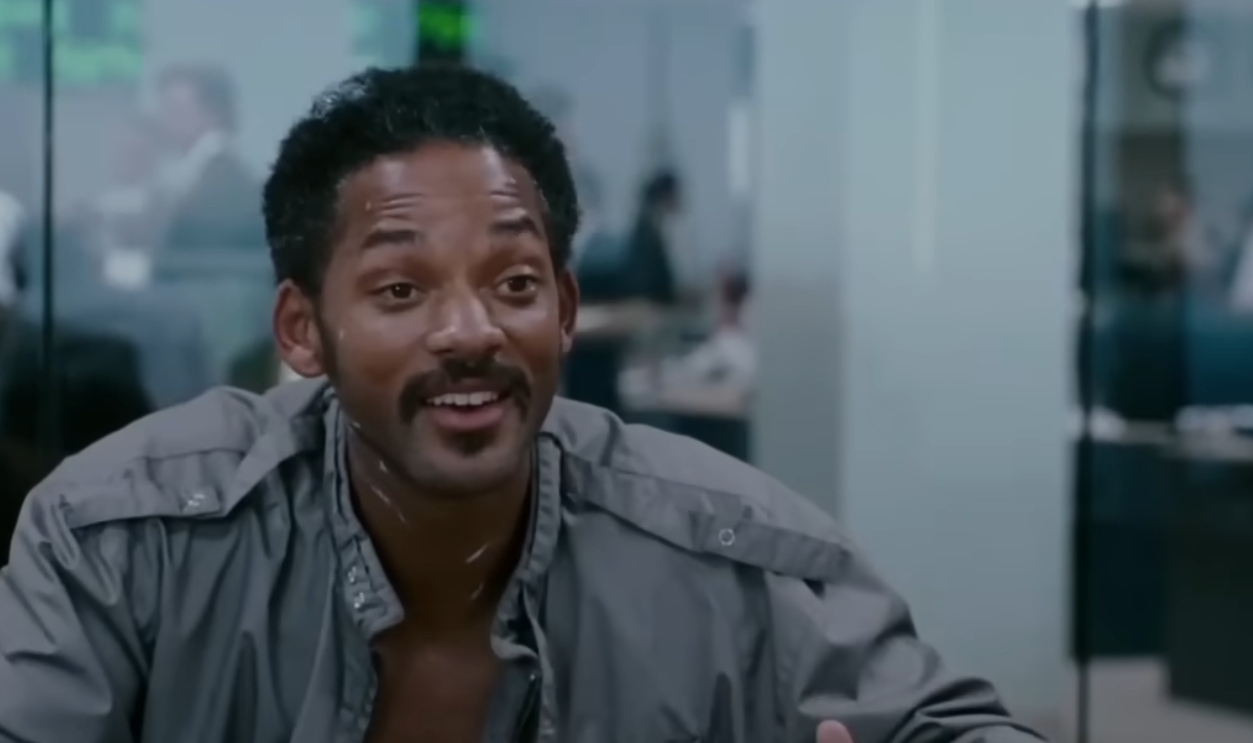 Screenshot from The Pursuit of Happyness, Columbia Pictures (2006)
Mark Wahlberg Somehow Escaped Marky Mark
There was a time when Mark Wahlberg was primarily known as Marky Mark, the shirtless rapper behind "Good Vibrations." His early movie career could easily have disappeared with plenty of other 1990s celebrity experiments. Instead, Boogie Nights forced audiences to reconsider him, with director Paul Thomas Anderson entrusting Wahlberg with the complicated lead role of Dirk Diggler. Less than a decade later, Wahlberg earned a Best Supporting Actor Oscar nomination for The Departed.
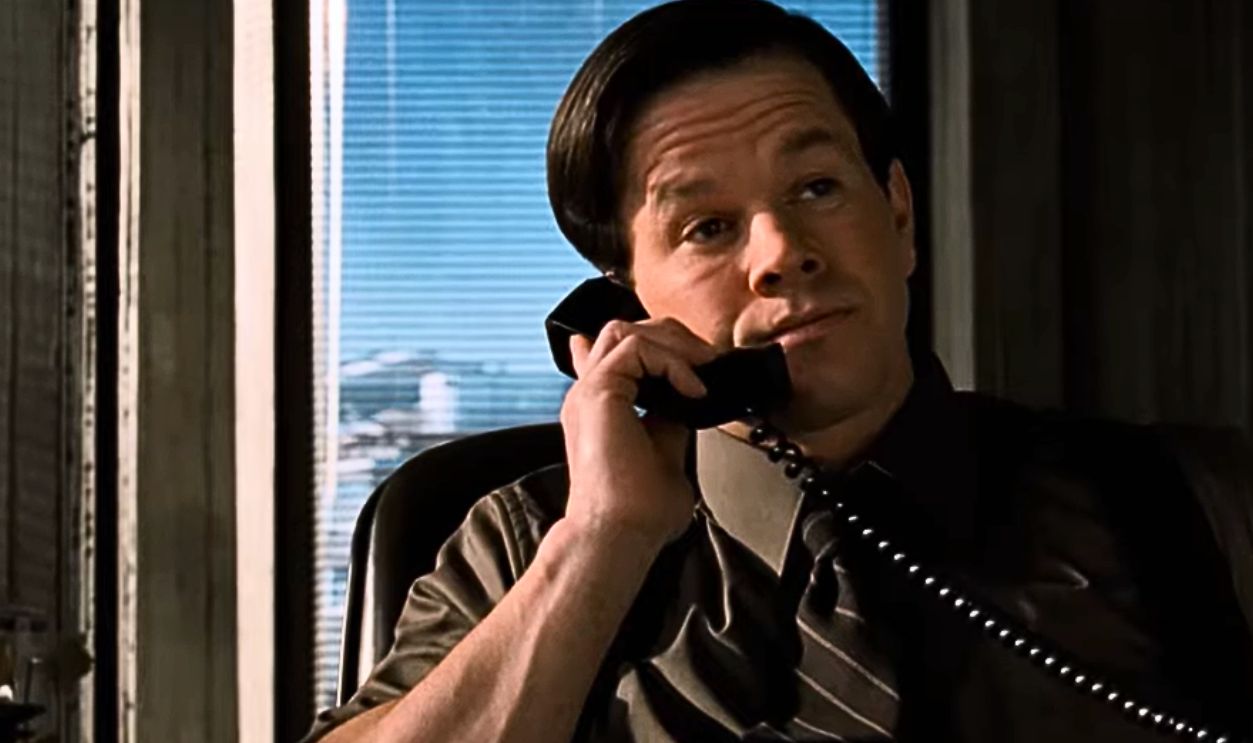 Screenshot from The Departed, Warner Bros. Pictures (2006)
Jennifer Hudson Won An Oscar Immediately
Jennifer Hudson became famous through American Idol, but she had no feature-film acting résumé when she landed the role of Effie White in Dreamgirls. The movie surrounded her with established screen stars including Jamie Foxx and Eddie Murphy, yet Hudson produced its most celebrated performance. She won the Academy Award for Best Supporting Actress. Going from reality-show contestant to Oscar winner in only a few years remains an extraordinary Hollywood debut.
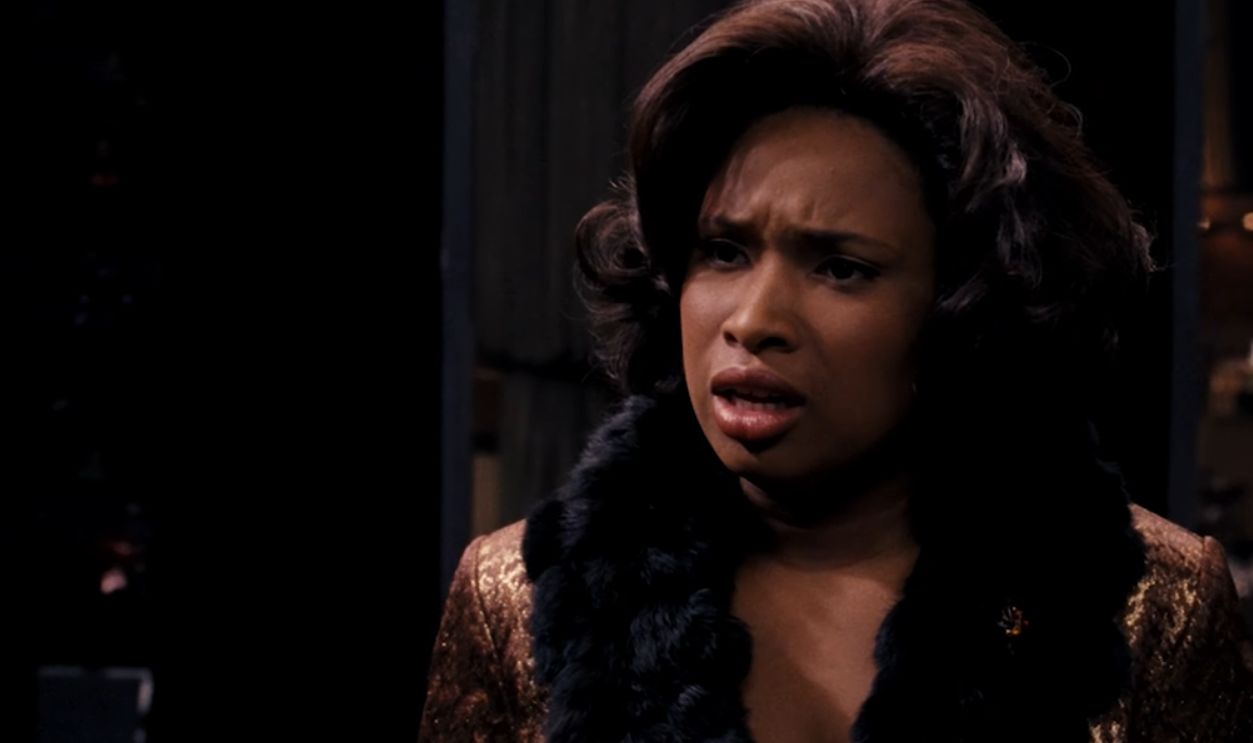 Screenshot from Dreamgirls, DreamWorks Pictures (2006)
Mary J. Blige Made Oscar History
Mary J. Blige spent decades establishing herself as one of R&B's defining voices before Mudbound revealed a very different side of her. Playing Florence Jackson, she gave a quiet, restrained performance far removed from the glamorous image audiences associated with the singer. Blige earned a Best Supporting Actress Oscar nomination while her song "Mighty River" was nominated for Original Song. That made her the first person ever nominated for an acting performance and an original song in the same year.
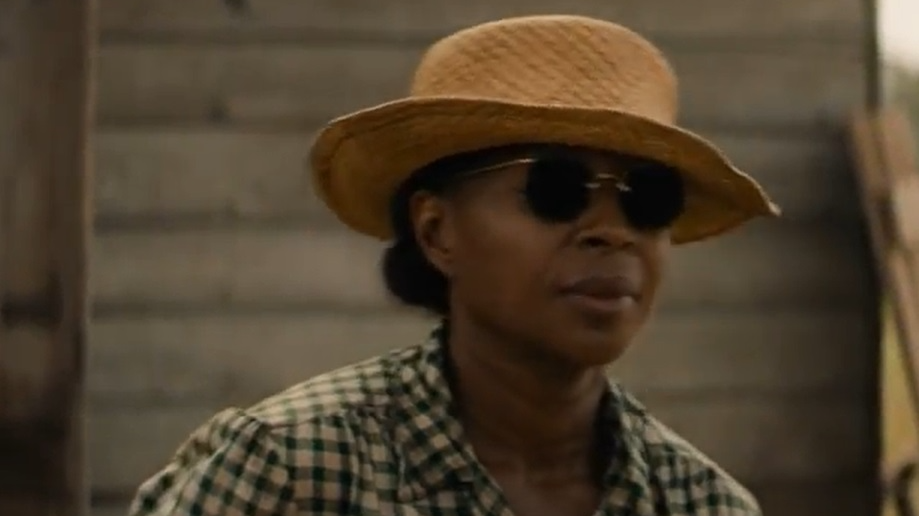 Screenshot from Mudbound, Netflix (2017)
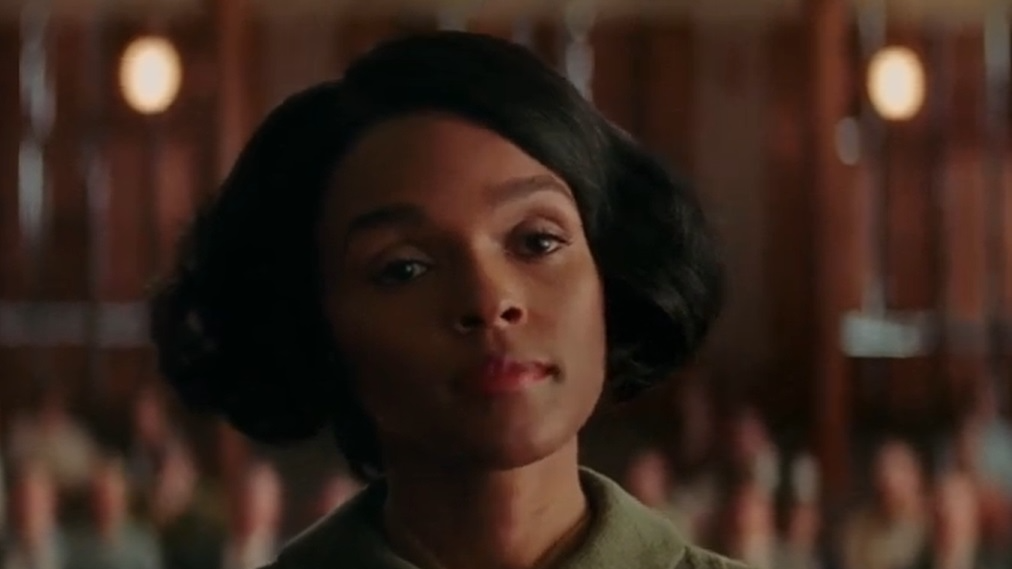
Janelle Monáe Had Quite A First Year
Janelle Monáe did not ease into movies through a string of disposable celebrity cameos. She made her feature acting debut in Moonlight and followed it almost immediately with Hidden Figures, playing two dramatically different women. Critics noticed the range, with RogerEbert.com declaring that the two performances established Monáe as an actress capable of both comedy and drama. Most actors would be thrilled to have two movies that strong anywhere on their résumé, never mind at the very beginning.
 Screenshot from Hidden Figures, Twentieth Century (2016)
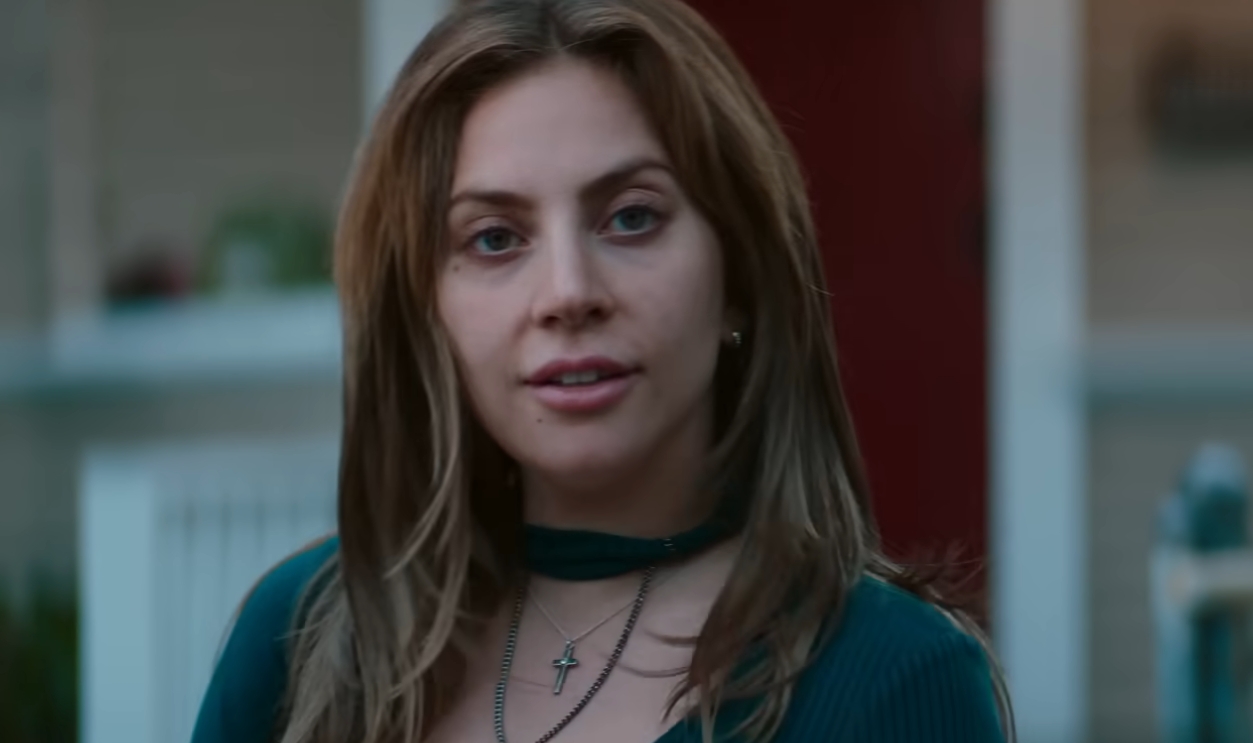
Lady Gaga Made Everyone Forget The Gimmicks
Lady Gaga's elaborate concerts always suggested that she knew how to inhabit a character, but carrying a major drama was another challenge entirely. Then A Star Is Born arrived in 2018. Gaga stripped away much of the theatricality associated with her pop career and earned an Academy Award nomination for Best Actress opposite Bradley Cooper. Anyone who still regarded her as the singer who once wore a meat dress suddenly had to rethink the picture.
 Screenshot from A Star Is Born, Warner Bros. Pictures (2018)
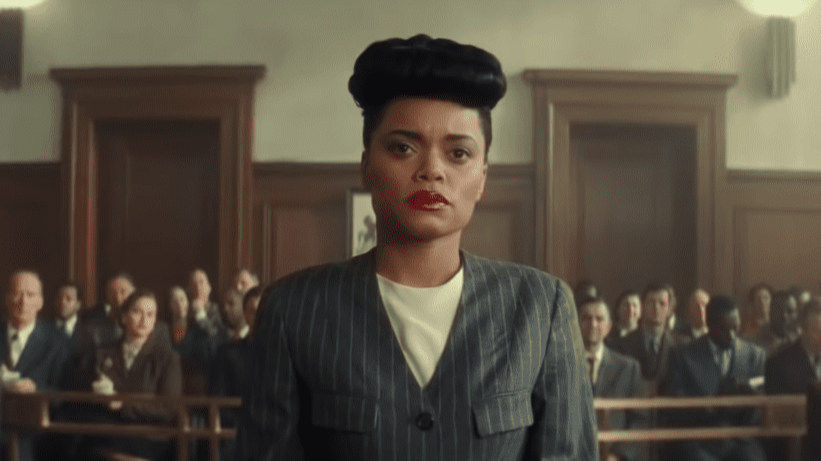
Andra Day Started With An Enormous Challenge
Andra Day did not choose an easy character for her first major film role. She played Billie Holiday in The United States vs. Billie Holiday, taking on one of the most recognizable singers in American history despite having virtually no movie acting experience. Day won the Golden Globe for Best Actress in a Drama and received an Academy Award nomination for Best Actress. Very few performers begin their film careers with stakes that high.
 Screenshot from The United States vs. Billie Holiday, Warner Bros. (2021)
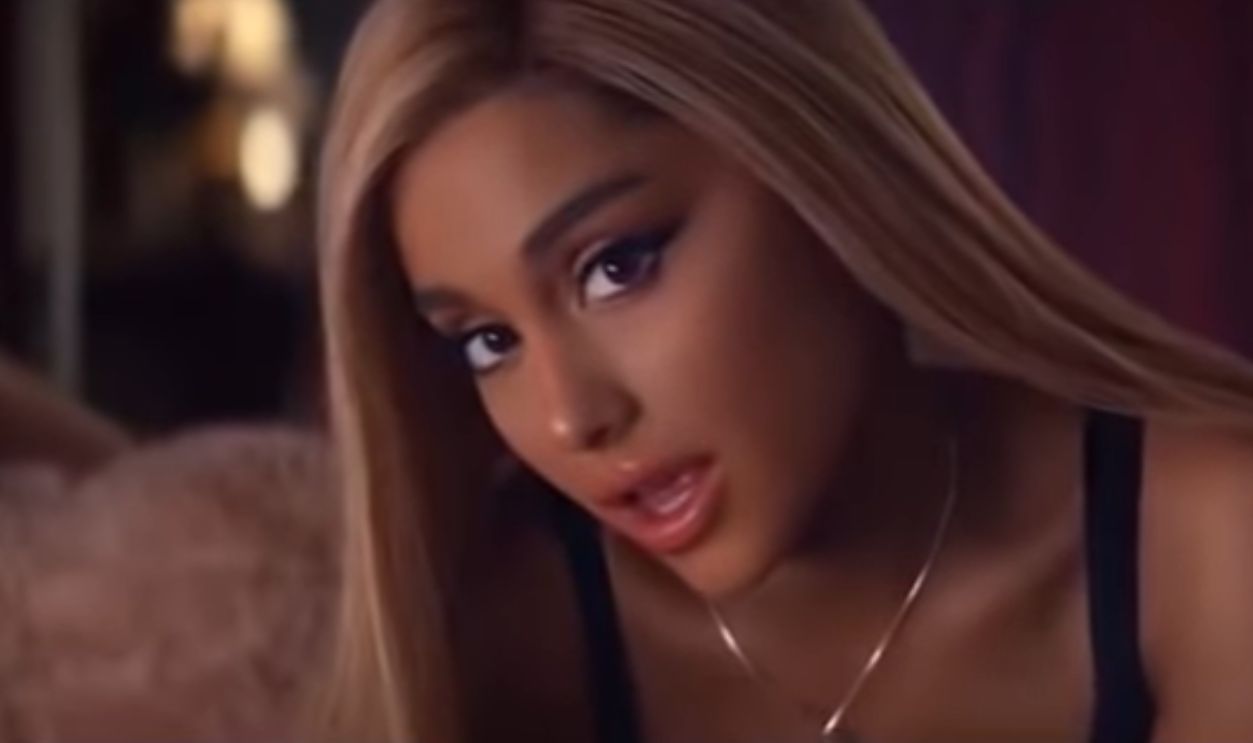
Ariana Grande Went Back To Where She Started
Ariana Grande is the unusual entry on this list because acting actually came before pop superstardom. She appeared on Broadway and then starred on Nickelodeon's Victorious years before hits such as "Problem" and "Thank U, Next" turned her into one of the world's biggest singers. What surprised some moviegoers was how confidently she returned to acting as Glinda in Wicked, earning an Oscar nomination for the first film and Golden Globe nominations for both installments. For audiences who knew only the pop star, her comic timing was particularly hard to miss.
 Screenshot from Thank U, Next, Republic Records (2018)
Some Musicians Really Do Have A Second Act
The best performers on this list did more than survive celebrity stunt casting. Sinatra, Streisand, Cher, Hudson, and others ended up competing for the same awards as actors who had devoted their lives to the screen, while people such as Bowie, Helm, and Yoakam found memorable niches nobody could have predicted from their records. Maybe that should not be completely surprising. Great singers already know how to communicate emotion, but occasionally Hollywood discovers just how powerful that ability can become when the microphone disappears.
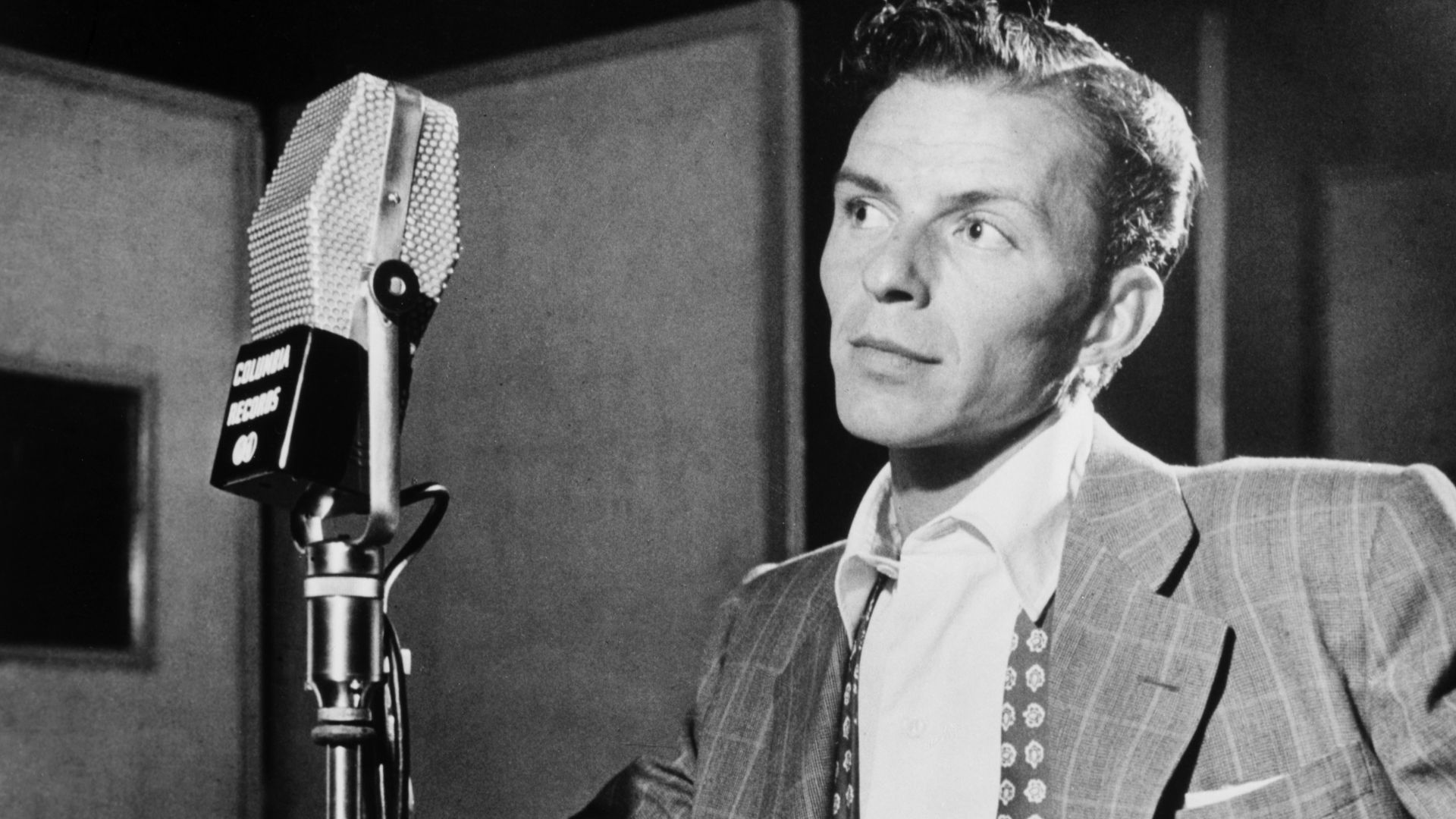 William P. Gottlieb, Wikimedia Commons
You May Also Like:
Mature Actresses Who Can Do Drama, Comedy, And Everything Between
Sources: 1, 2, 3, 4, 5, 6, 7, 8, 9, 10, 11, 12, 13, 14, 15, 16, 17, 18, 19, 20, 21, 22, 23, 24, 25, 26, 27, 28, 29, 30, 31