The Bell Tolled For The Careers Of These Actors
Long before social media, Hollywood had a much scarier version of public exile: the blacklist. From the late 1940s into the 1960s, performers, writers, and directors were pushed out of work over alleged Communist ties, progressive politics, union activity, or refusing to “name names” before HUAC. Hundreds were affected, and careers were stalled, rerouted, or shattered.
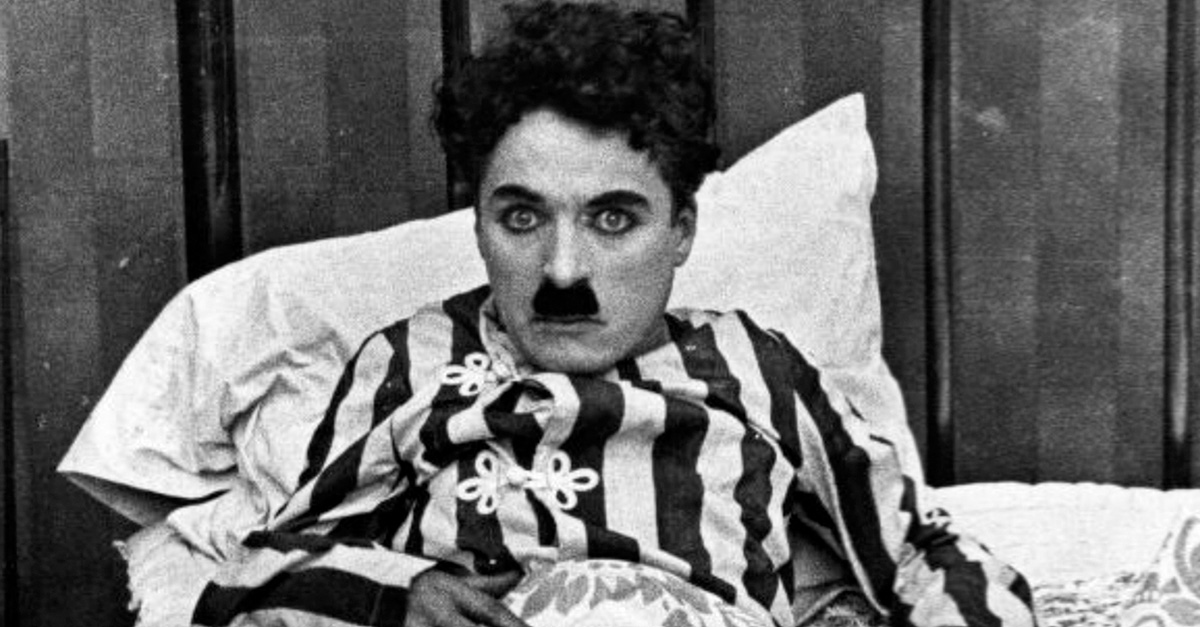
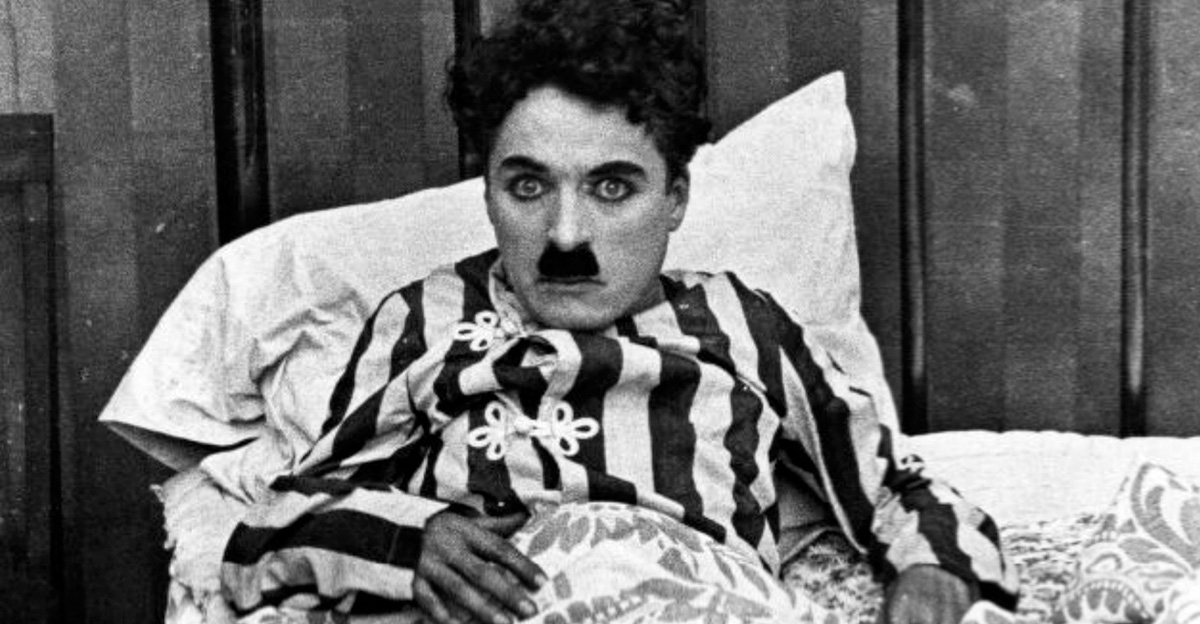 Mutual Film Corporation, Public domain, via Wikimedia Commons
Charlie Chaplin
Charlie Chaplin had been Hollywood royalty since the silent era, but by the Cold War, his politics, scandals, and refusal to become an American citizen made him an easy target. In 1952, while traveling abroad, he was effectively blocked from re-entering the United States. The Little Tramp suddenly became too “dangerous” for Hollywood’s comfort.
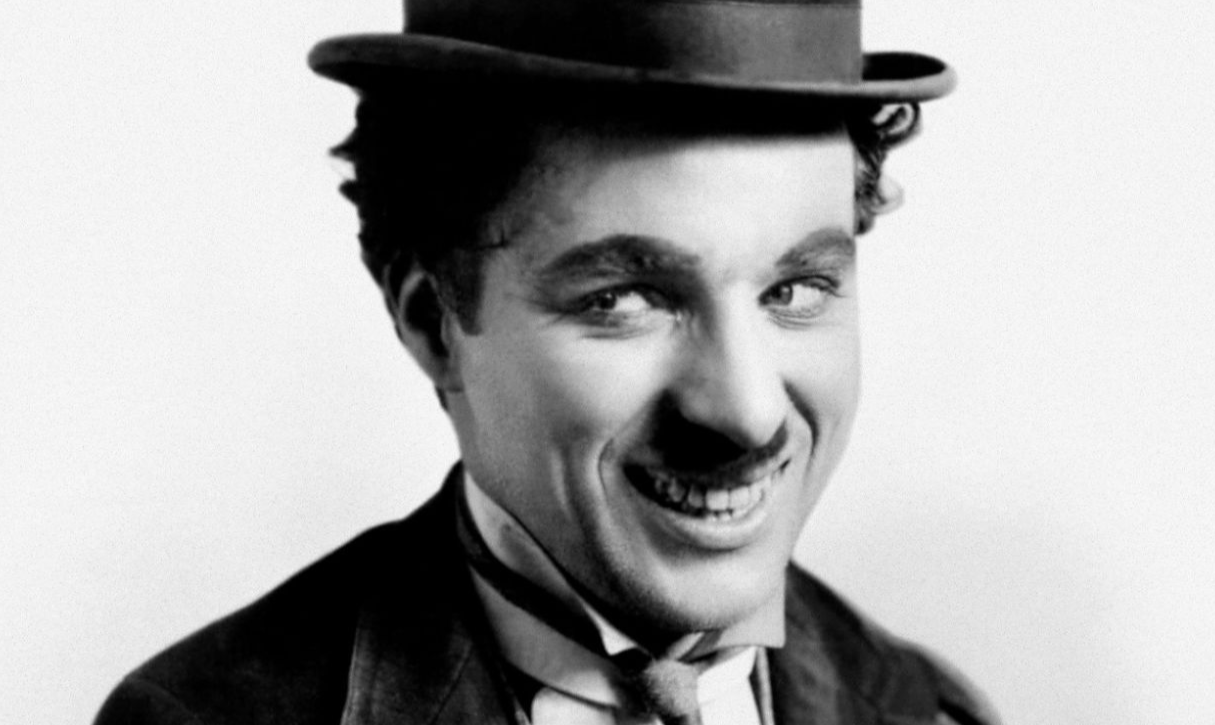 P.D Jankens, Wikimedia Commons
Paul Robeson
Paul Robeson was a towering actor, singer, athlete, and activist, but his outspoken civil rights work and left-wing politics made him a prime target. His passport was revoked, his concerts were canceled, and Hollywood backed away. For a performer with one of the century’s greatest voices, the silence imposed on him was brutal.
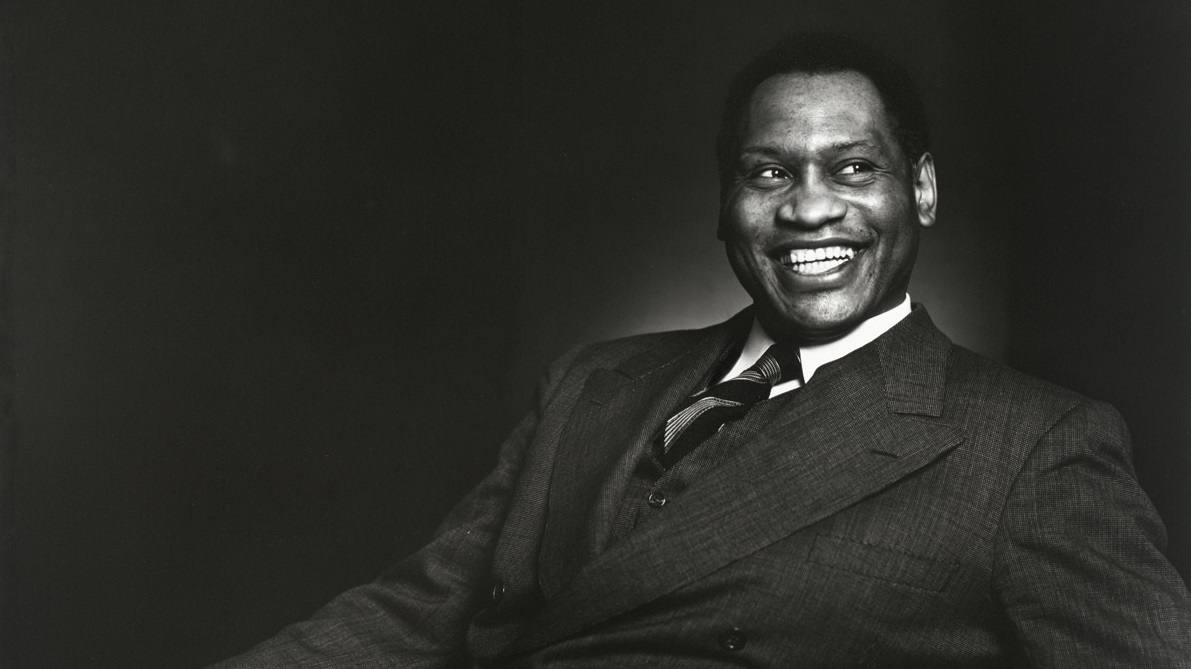 Yousuf Karsh, Wikimedia Commons
John Garfield
John Garfield brought streetwise heat to the screen, but his political associations attracted HUAC attention. He denied being a Communist and refused to name names, which damaged his career badly. His blacklisting is often remembered as one of the era’s great tragedies, especially because he died young, at only 39.
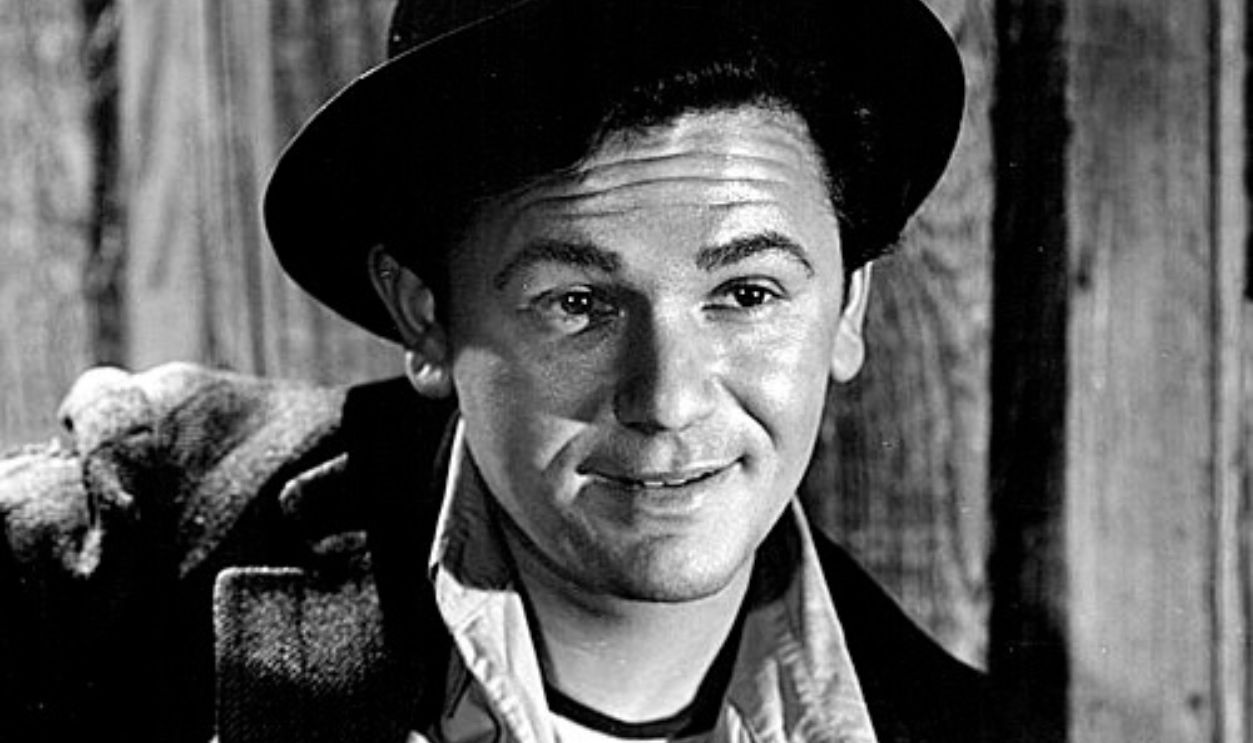 Movie studio, Wikimedia Commons
Canada Lee
Canada Lee was a pioneering Black actor whose activism made him both admired and vulnerable. Known for Body and Soul and Cry, the Beloved Country, he was targeted for civil rights work and alleged Communist sympathies. Like Garfield, he faced crushing professional pressure and died before he could rebuild his career.
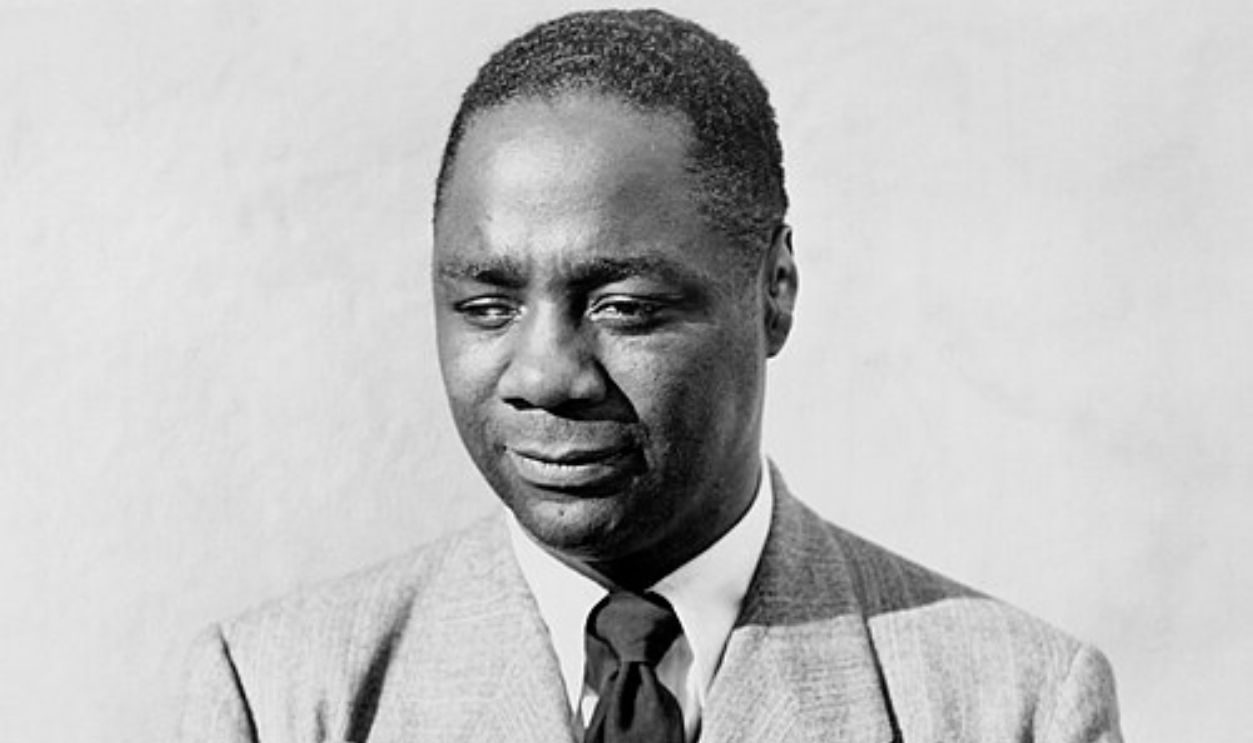 United Artists, Wikimedia Commons
Zero Mostel
Before The Producers and Fiddler on the Roof made him beloved, Zero Mostel was a blacklist casualty. His left-wing associations and refusal to play along with HUAC made him radioactive to producers. Broadway eventually welcomed him back, proving that no committee could permanently bury that much comic electricity.
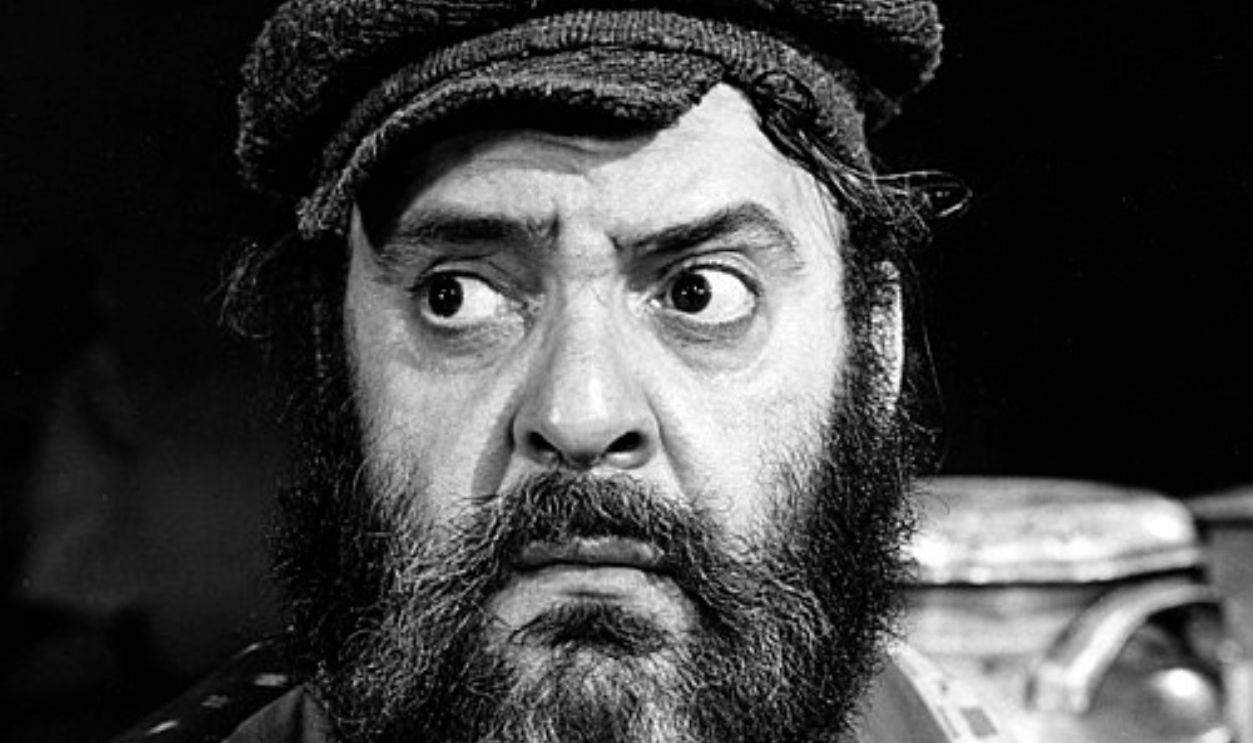 Graphic House, New York, Wikimedia Commons
Kim Hunter
Kim Hunter won an Oscar for A Streetcar Named Desire, then watched opportunities dry up after her name appeared in anti-Communist circles. She later said she never knew exactly why she was targeted. Imagine winning Hollywood’s biggest prize and then getting treated like the phone stopped working.
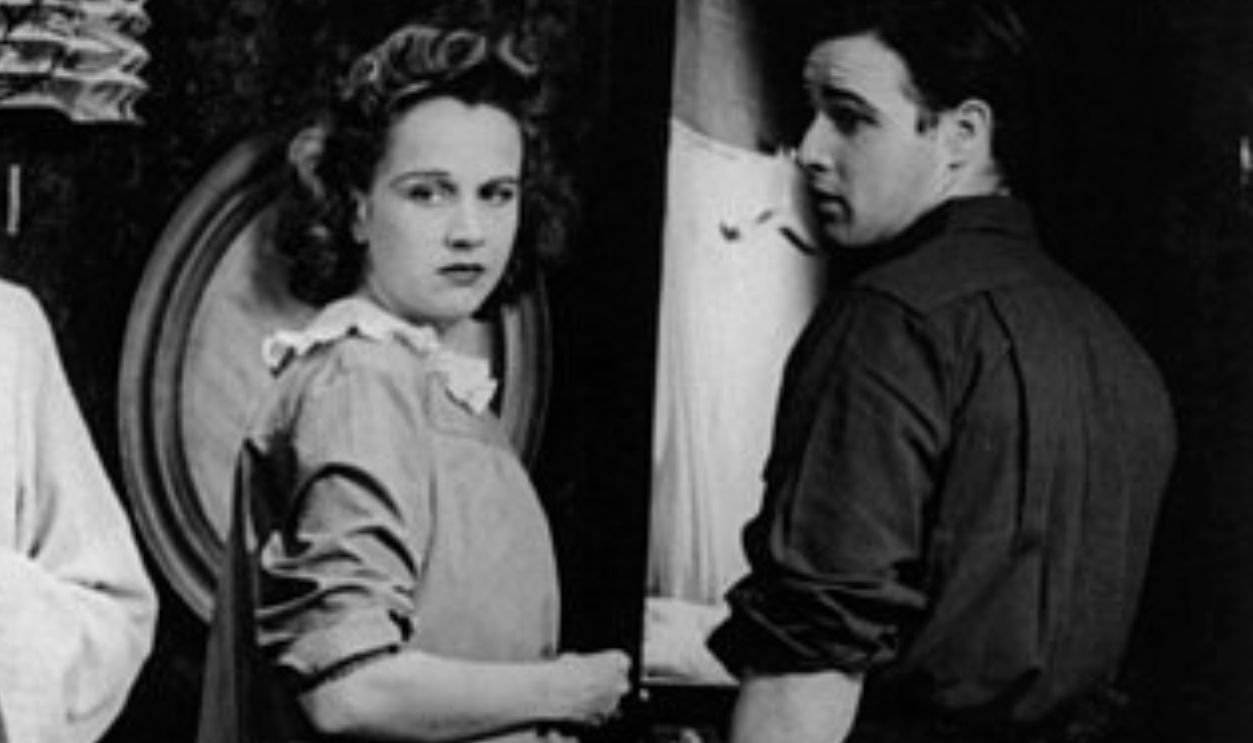 Eileen Darby, Wikimedia Commons
Gale Sondergaard
Gale Sondergaard had Oscar glory early, winning Best Supporting Actress for Anthony Adverse, but her career was derailed by the blacklist. Married to director Herbert Biberman of the Hollywood Ten, she refused to cooperate with HUAC. Hollywood’s response was chilly, and one of its most striking character actresses disappeared from major screens.
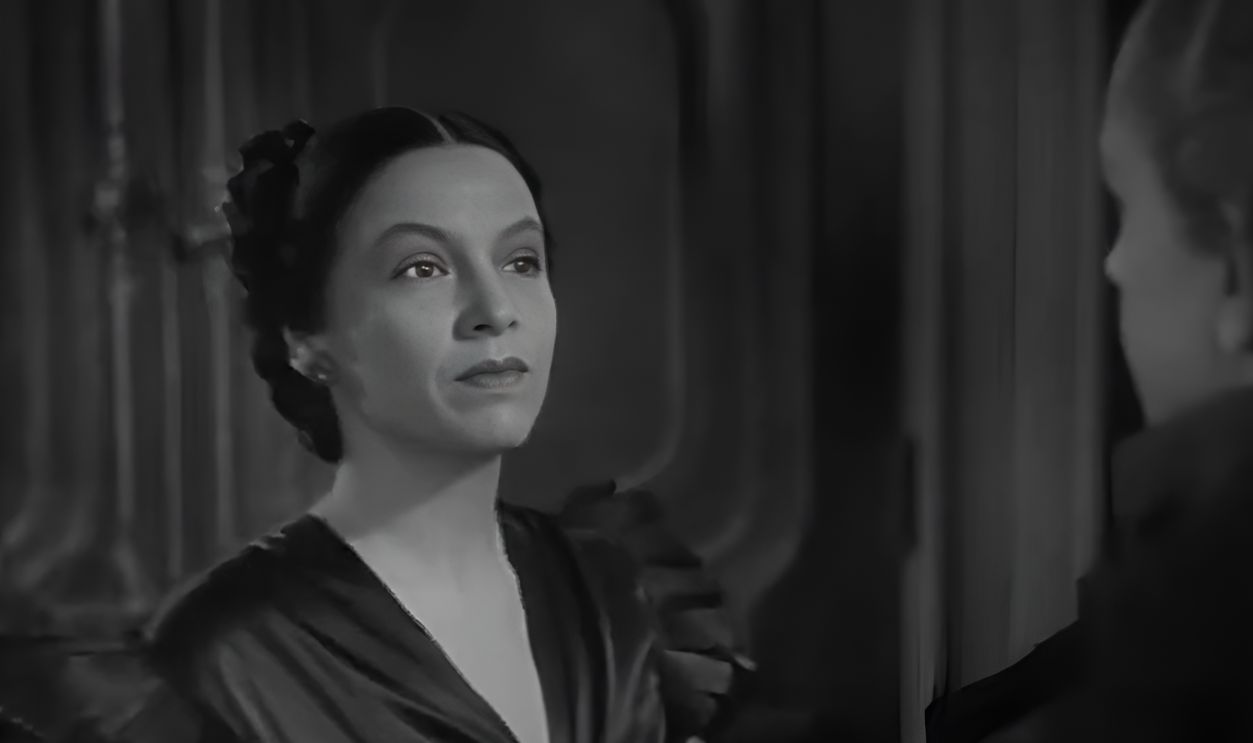 Screenshot from Anthony Adverse, Warner Bros. (1936), Modified
Larry Parks
Larry Parks became famous playing Al Jolson, but HUAC turned his career into a cautionary tale. He begged not to be forced into informing, then reluctantly gave names. It did not save him. Hollywood still pulled away, proving the blacklist could punish people whether they resisted or cracked.
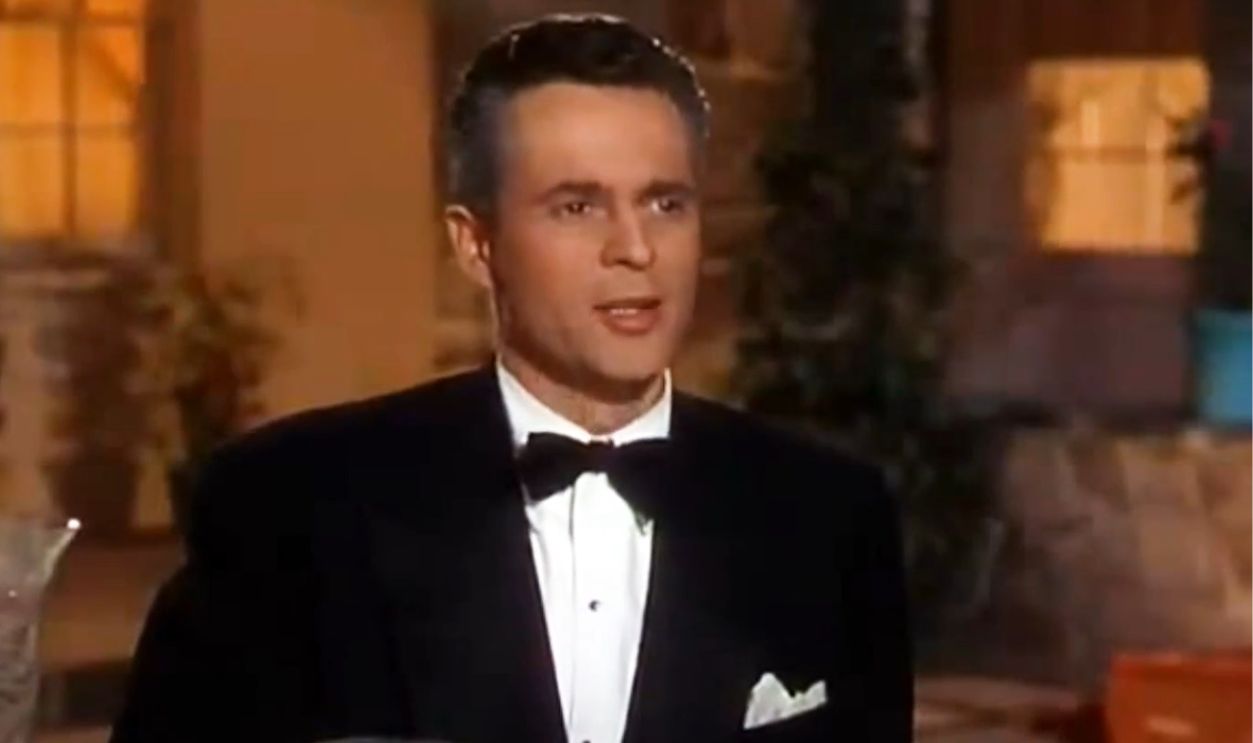 Screenshot from The Jolson Story, Columbia Pictures (1946)
Dorothy Comingore
Dorothy Comingore, best remembered as Susan Alexander in Citizen Kane, became another blacklist casualty. Her refusal to cooperate with anti-Communist investigators, combined with personal struggles and industry hostility, devastated her career. She had helped create one of cinema’s most famous performances, but Hollywood treated her like yesterday’s scandal.
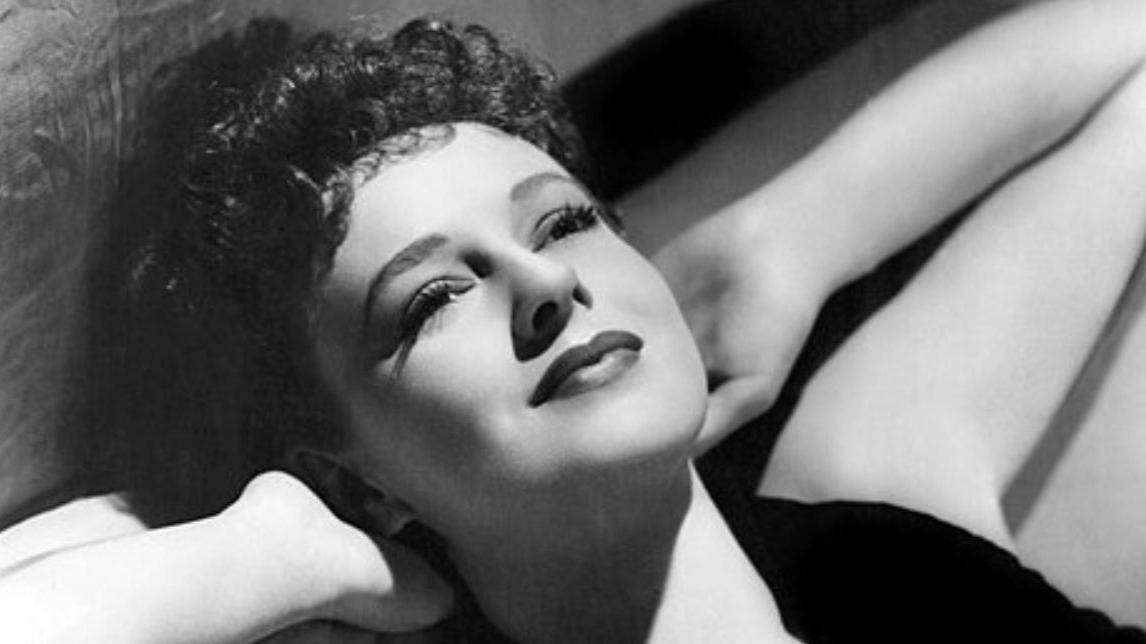 RKO Radio Pictures, Wikimedia Commons
Orson Welles
Orson Welles was not conventionally blacklisted in the same way as some peers, but his progressive politics and FBI attention made him deeply suspect. After Citizen Kane, he was already a studio problem child; Cold War paranoia only made things worse. Hollywood’s boy genius became, inconveniently, a political headache too.
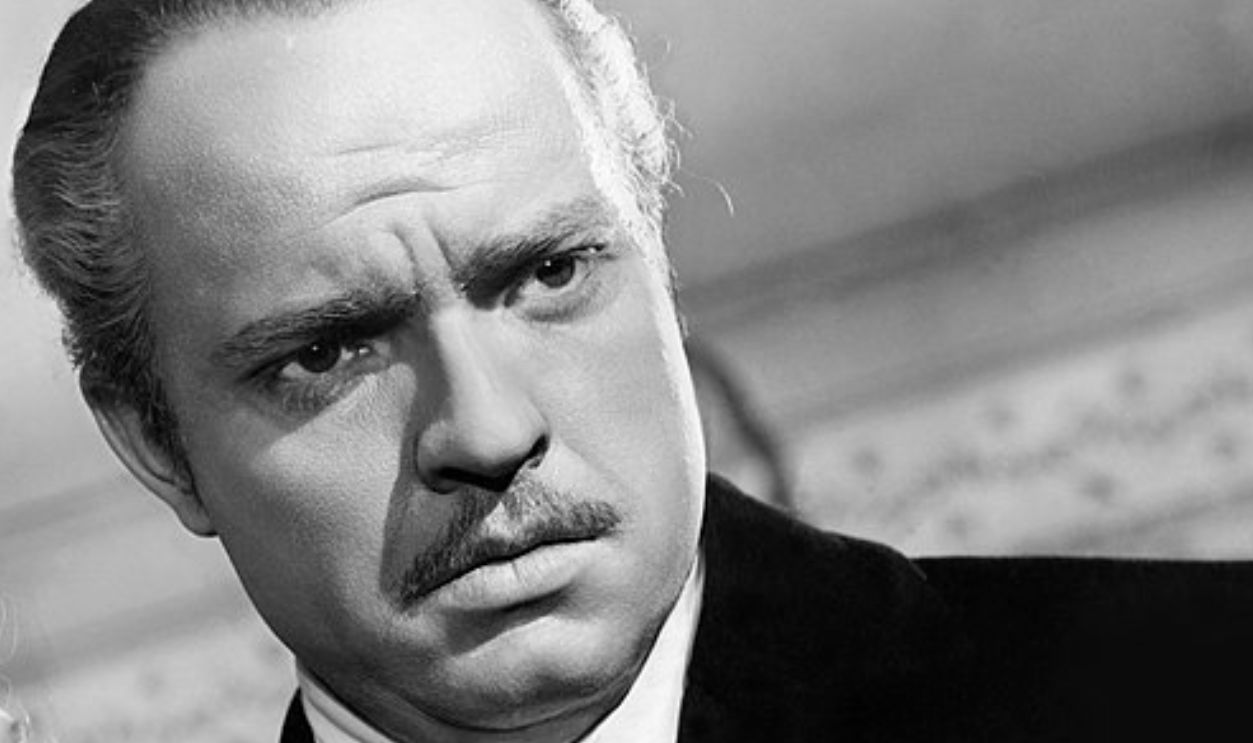 RKO Radio Pictures, Wikimedia Commons
Sam Wanamaker
Sam Wanamaker left the United States after being blacklisted and built a major career in Britain. His alleged left-wing associations made him unwelcome in American entertainment, but exile did not flatten him. Later, he became famous for championing the reconstruction of Shakespeare’s Globe, turning blacklist damage into theatrical immortality.
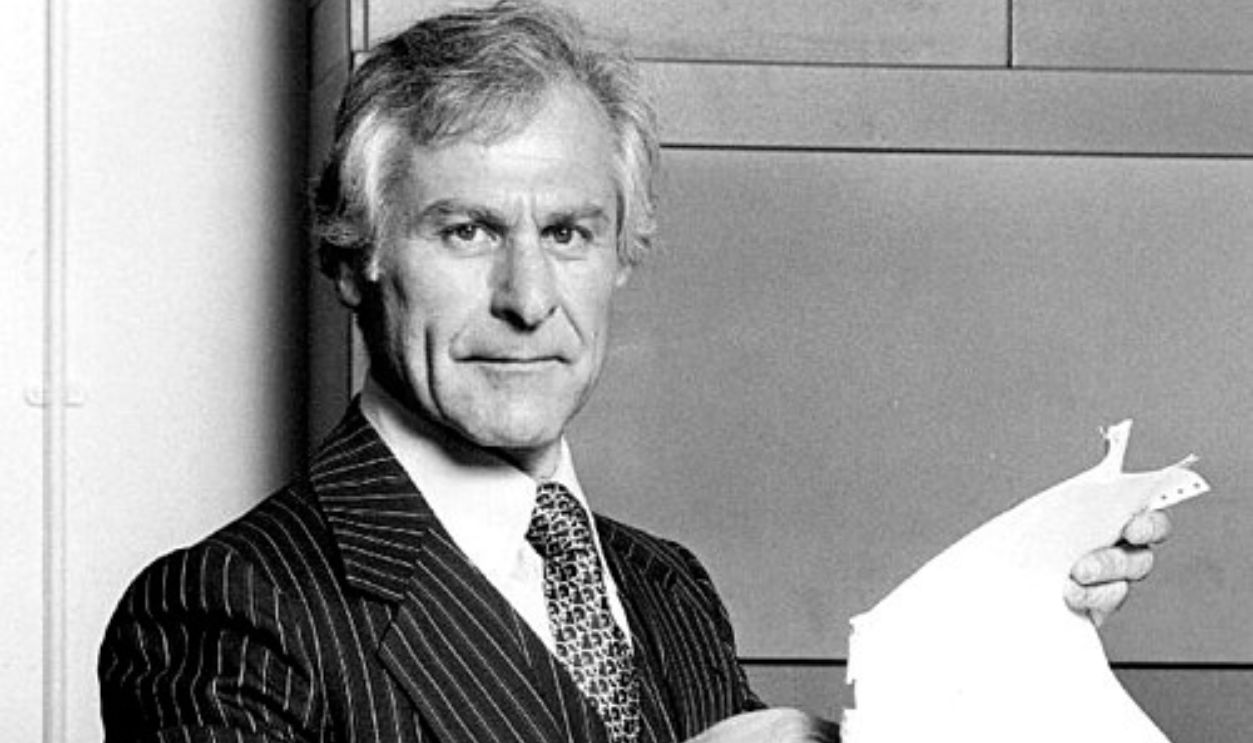
Lionel Stander
Lionel Stander had a gravelly voice and a face made for character parts, but HUAC attention pushed him out of Hollywood for years. He refused to cooperate, and the industry punished him. Later generations knew him from Hart to Hart, but his comeback came after a very long freeze.
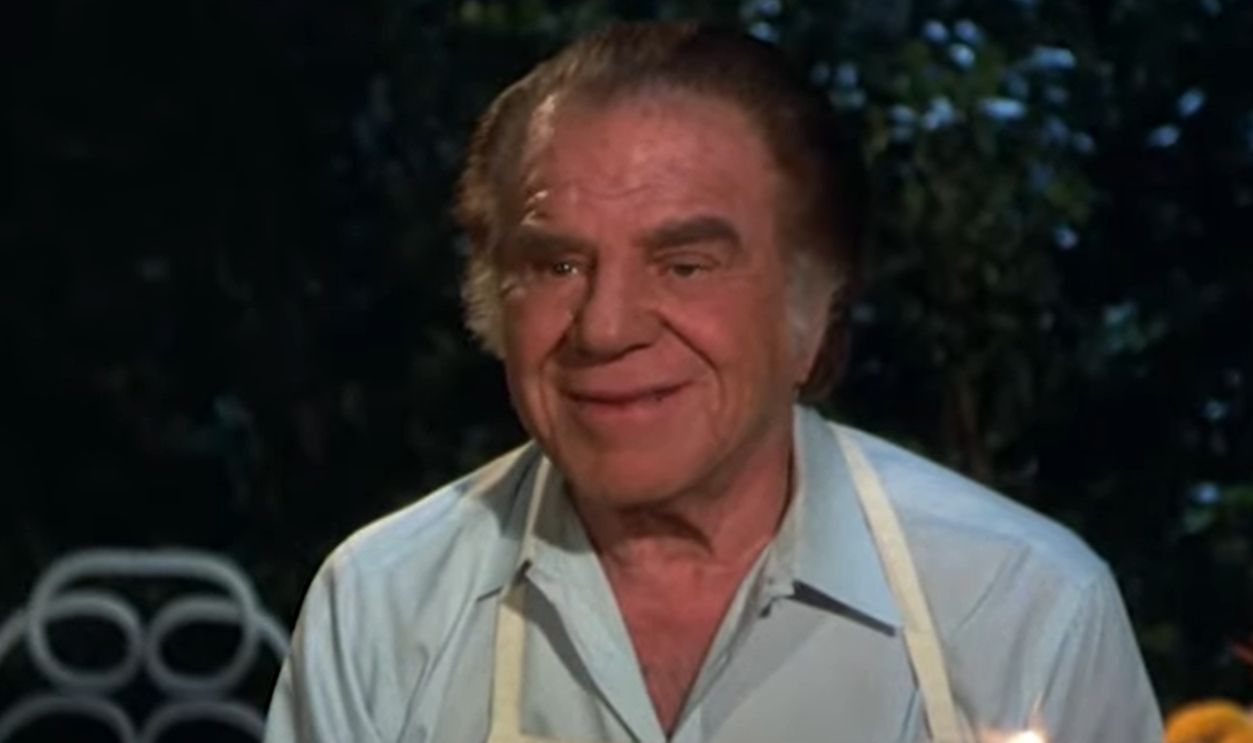 Screenshot from Hart to Hart, ABC (1979–1984)
Will Geer
Will Geer, later adored as Grandpa Walton on The Waltons, was blacklisted for his left-wing activism and associations. Rather than vanish, he leaned into theater and founded the Theatricum Botanicum in California. Hollywood tried to shut one door, so Geer built a stage under the trees.
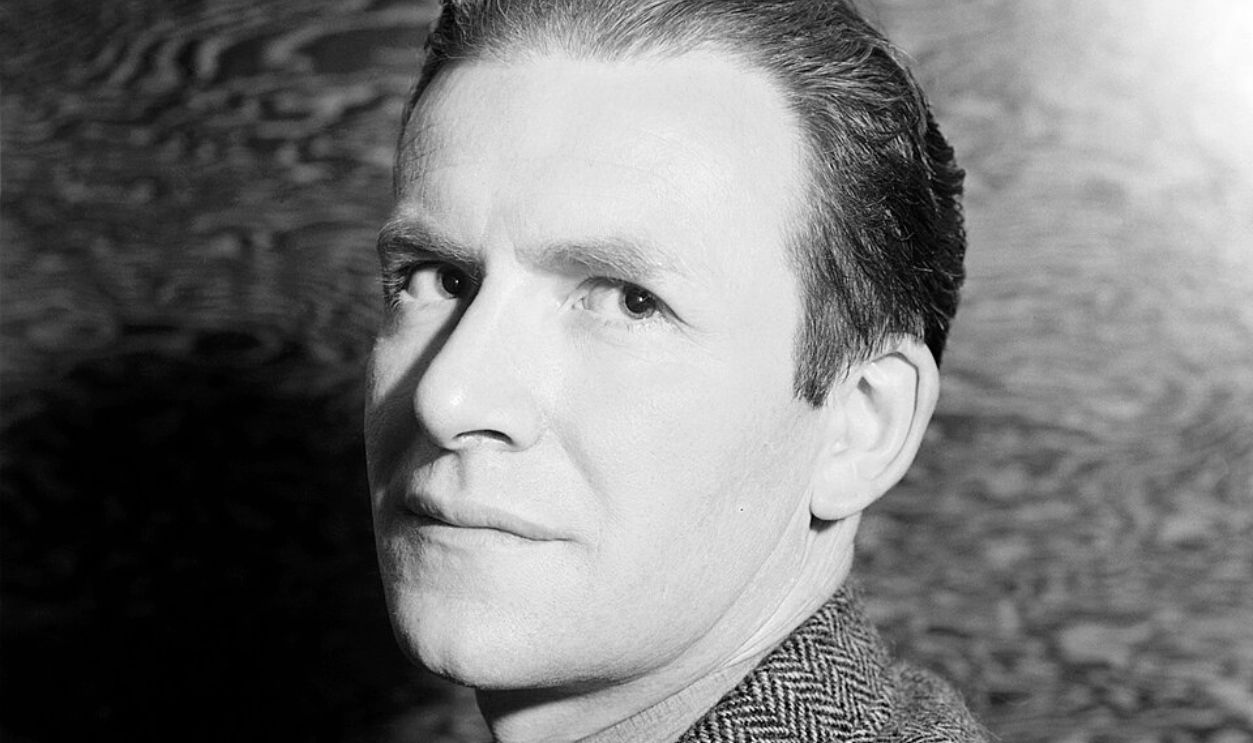 Federal Theatre Project, Wikimedia Commons
Morris Carnovsky
Morris Carnovsky was a respected stage and screen actor whose career was hit after he was named in Red Channels. Instead of being judged on talent, he was judged by politics. Like many blacklistees, he found more freedom in theater than in Hollywood’s nervous, studio-controlled ecosystem.
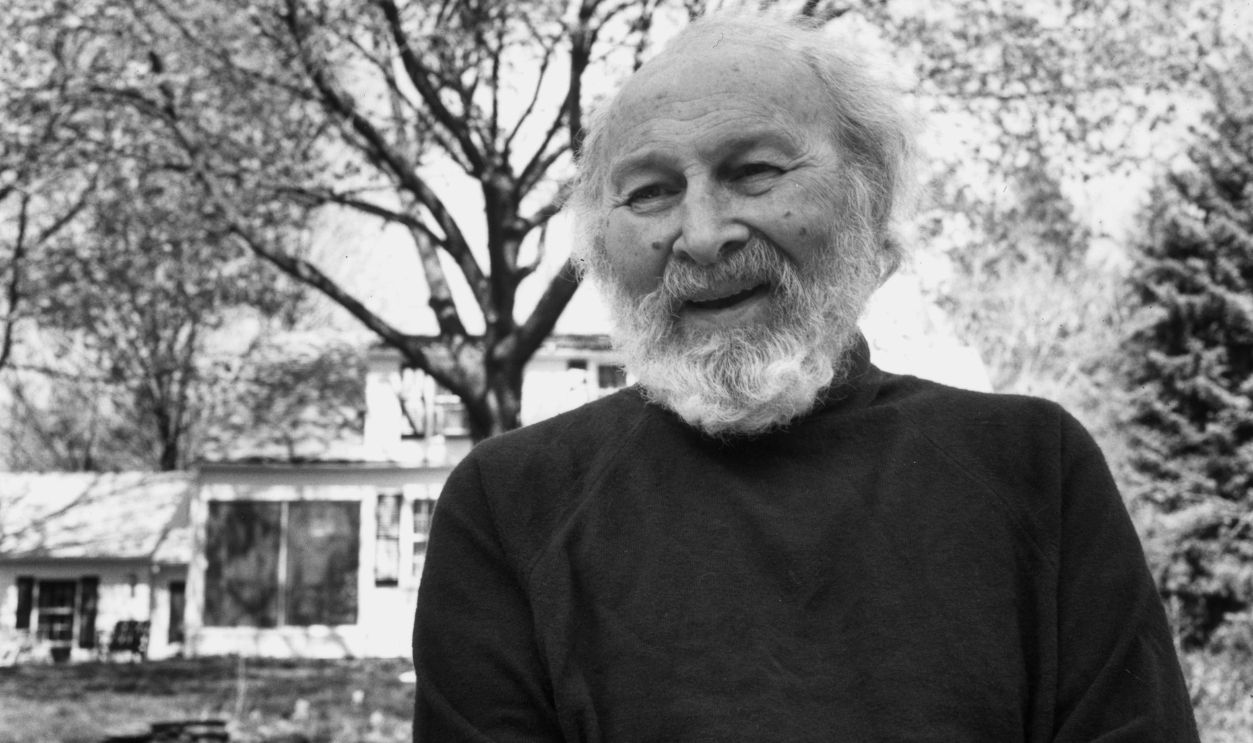
Jeff Corey
Jeff Corey was a familiar screen presence until the blacklist interrupted his acting career. Rather than disappear, he became one of Hollywood’s great acting teachers, coaching future stars while waiting for the industry to regain its courage. His second act proved that blacklisted artists often kept shaping Hollywood from the shadows.
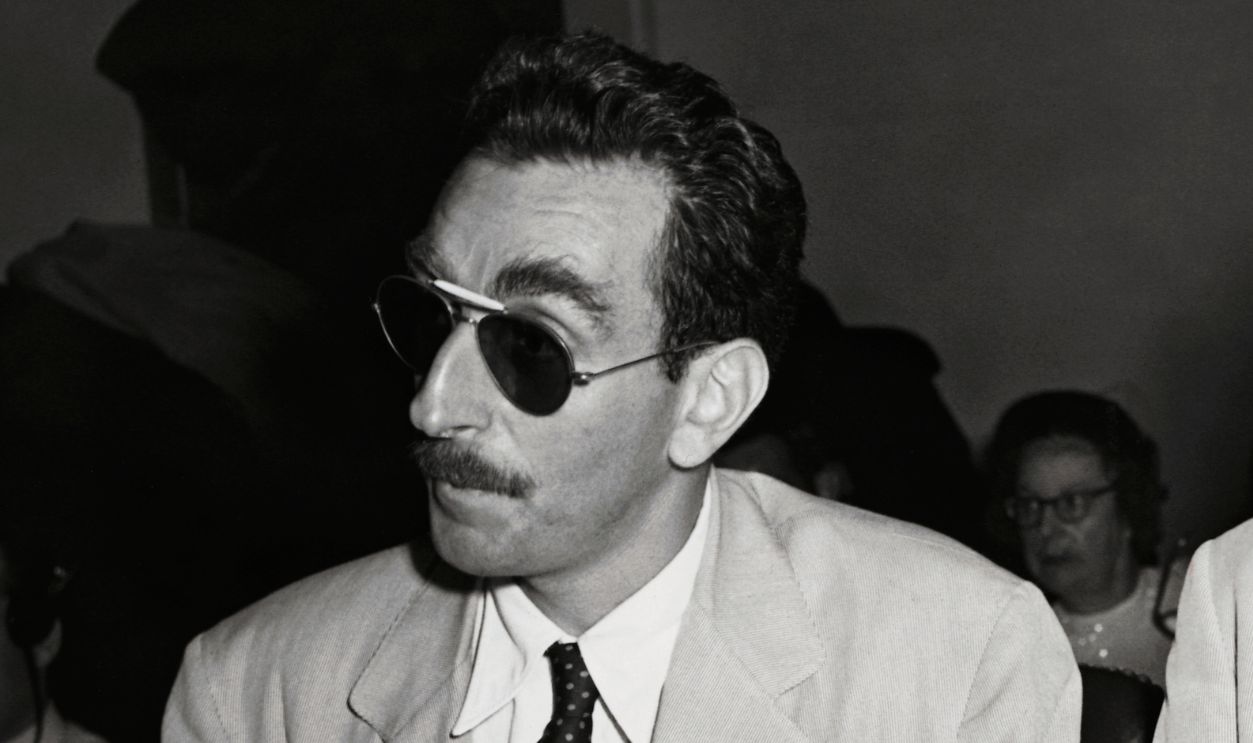 Bettmann / Contributor, Getty Images
Howard Da Silva
Howard Da Silva had a strong screen career before being blacklisted over alleged Communist ties. He was pushed out of movies and television, but theater kept him alive professionally. Years later, he returned to screen work, showing that the blacklist could delay a career—but not always destroy the talent behind it.
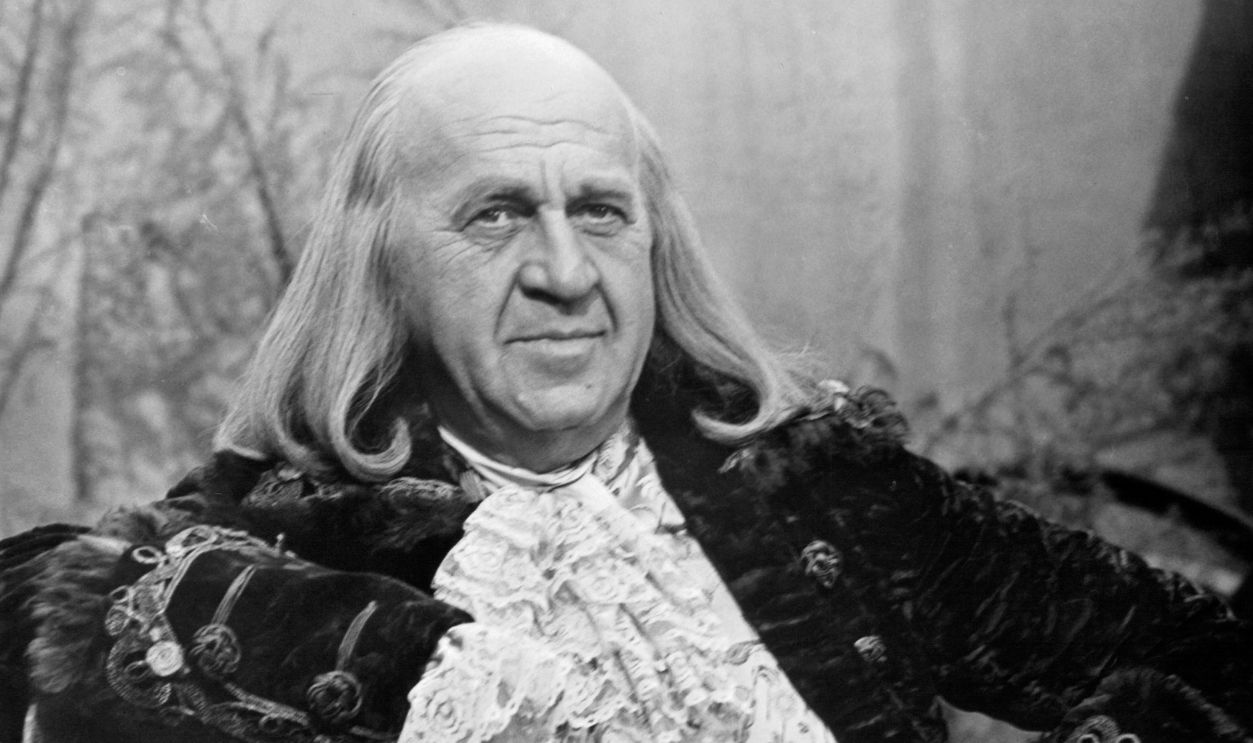 Michael Ochs Archives, Getty Images
Karen Morley
Karen Morley had been an MGM actress in films like Scarface and Our Daily Bread, but her politics made her vulnerable. She refused to cooperate with HUAC and was blacklisted. Instead of chasing forgiveness from the studios, she became politically active, a choice Hollywood rarely rewarded in that era.
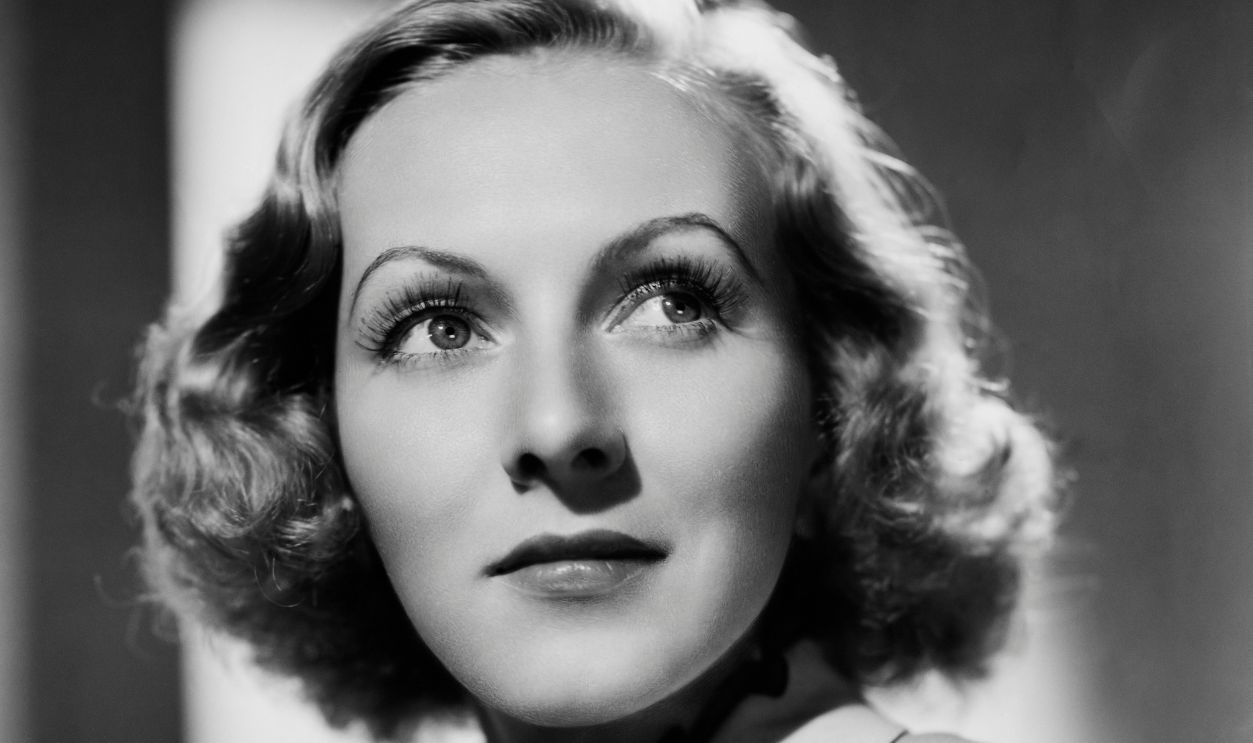 John Springer Collection, Getty Images
John Randolph
John Randolph was blacklisted for refusing to answer HUAC’s questions and spent years away from mainstream screen work. Eventually, he returned in films like Serpico and Prizzi’s Honor. His career is a reminder that Hollywood memory can be short, but blacklisted actors often had painfully long waits.
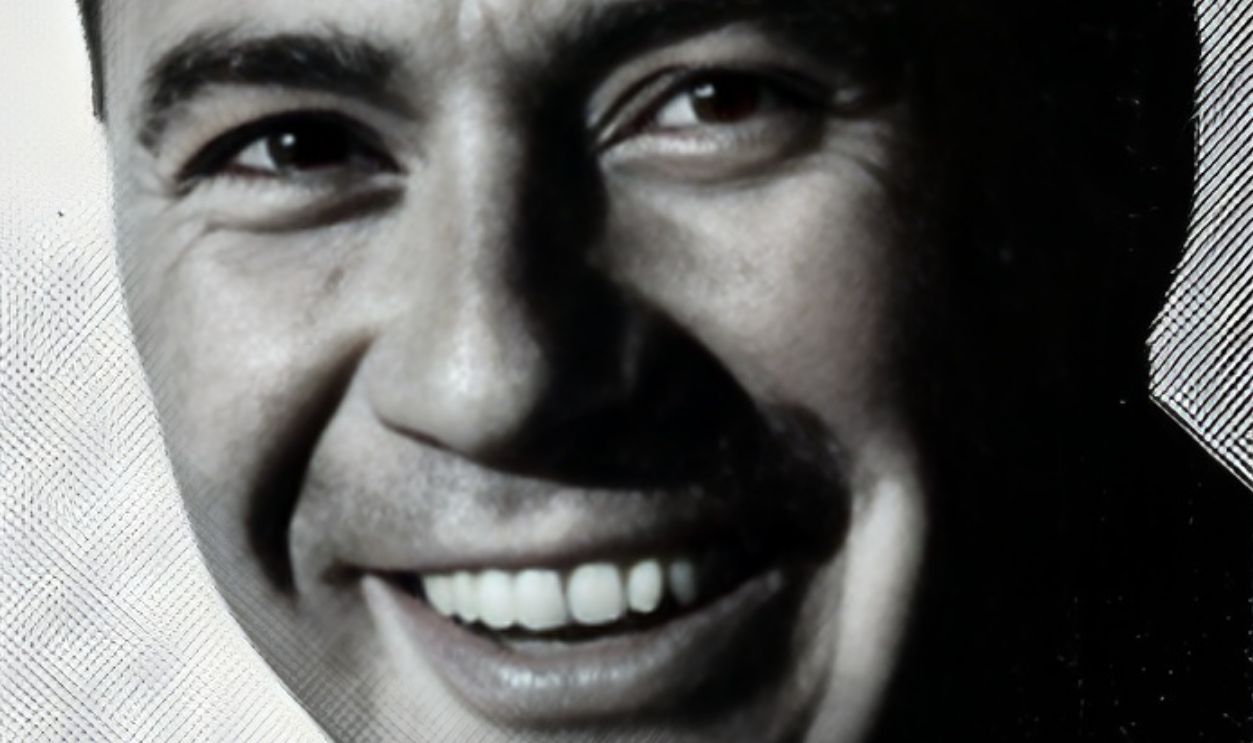 Publicity Photo, Wikimedia Commons, Modified
Madeline Lee Gilford
Madeline Lee Gilford, an actor and activist, was blacklisted alongside her husband, Jack Gilford. The couple became symbols of blacklist endurance: talented, principled, and inconvenient to the times. They survived through stage work and persistence, proving that Hollywood’s cold shoulder was no match for performers with actual backbone.
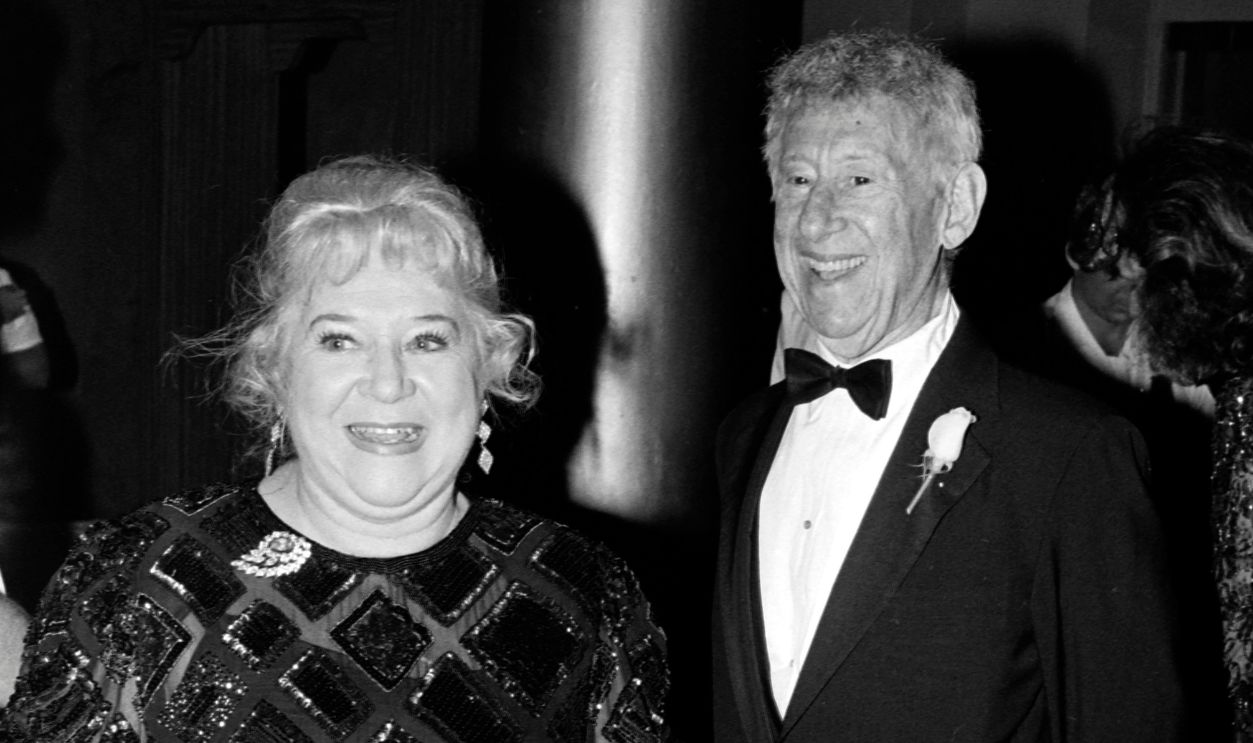
Jack Gilford
Jack Gilford’s warm, rubber-faced comic style later made him a favorite in movies and commercials, but the blacklist cost him years. Accused because of left-wing affiliations, he struggled to find work. His eventual comeback gave audiences the pleasure of discovering what Hollywood had foolishly kept offscreen.
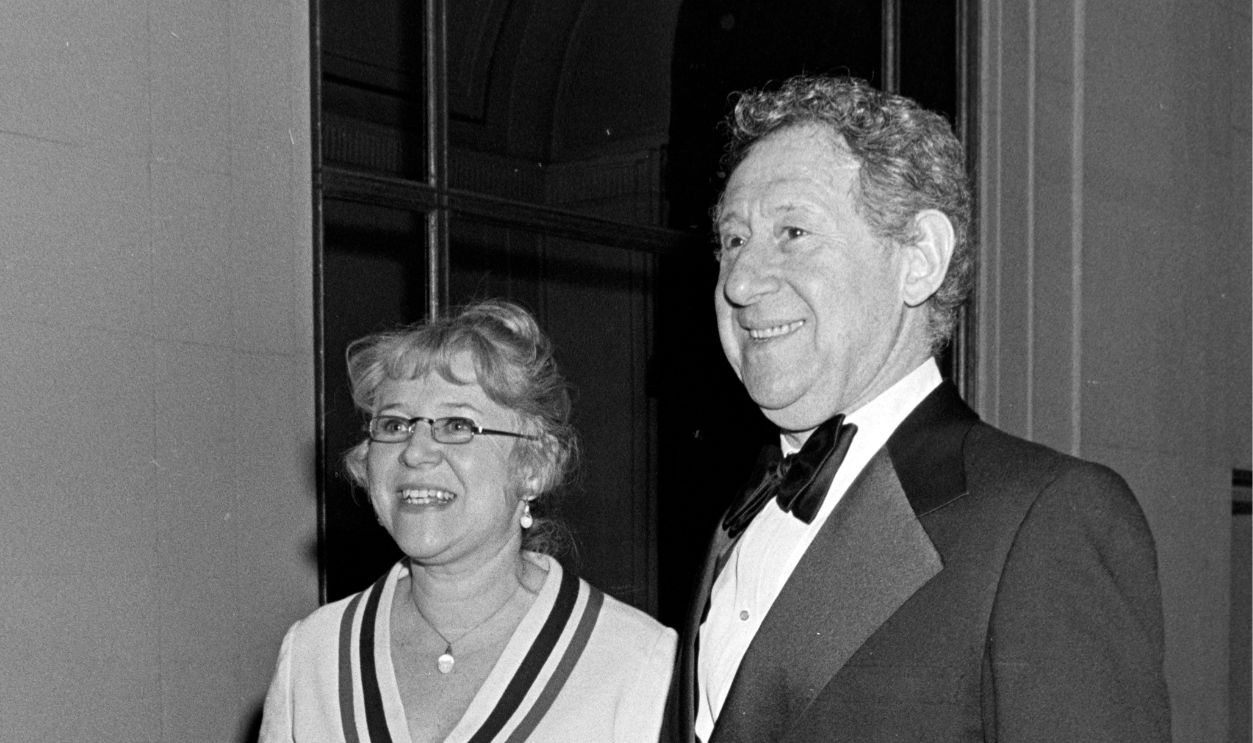 Fairchild Archive, Getty Images
J. Edward Bromberg
J. Edward Bromberg was a gifted character actor whose career collapsed under blacklist pressure. Named as suspicious and hounded during the Red Scare, he struggled to work and died in the early 1950s. His fate became one of the era’s saddest examples of political fear invading the casting office.
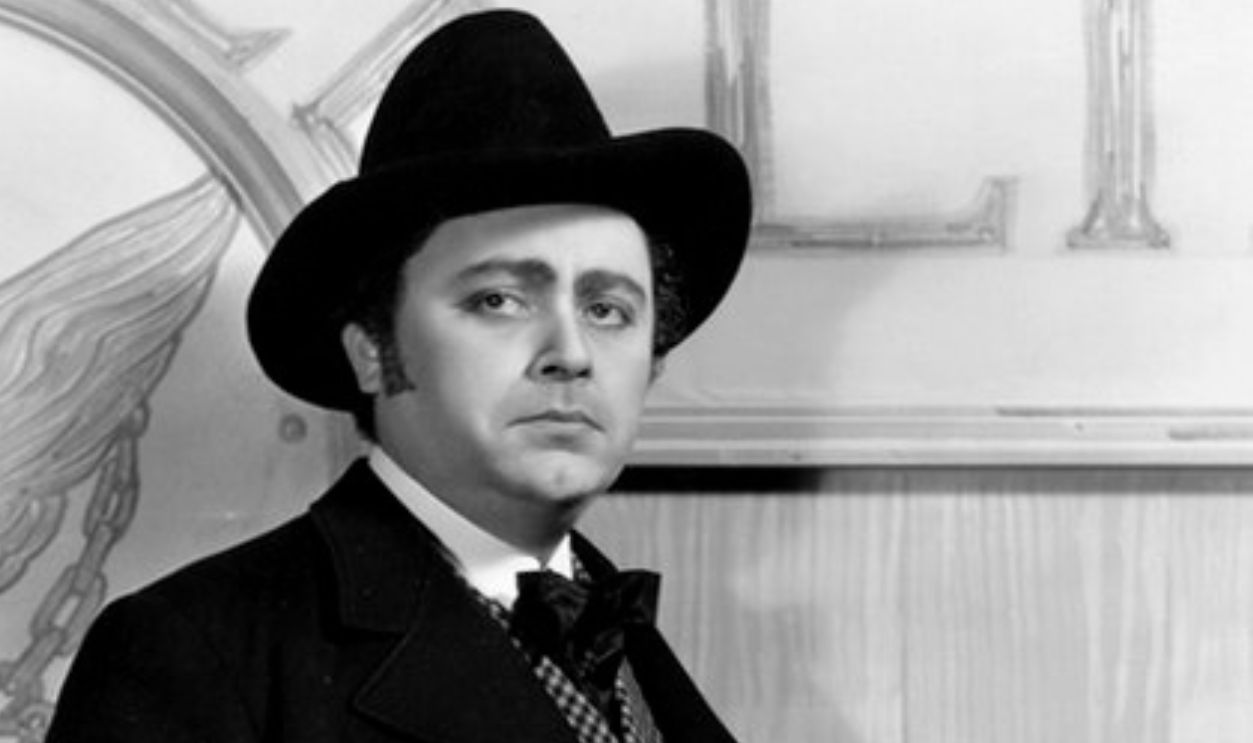 Photograph by Vandamm Studio, Wikimedia Commons
Phoebe Brand
Phoebe Brand, a stage and screen performer, was blacklisted for her political associations and left-wing activism. Like many targeted actors, she had roots in socially conscious theater, which suddenly became suspicious instead of admirable. Hollywood may have turned away, but Brand remained connected to progressive performance and artistic communities.
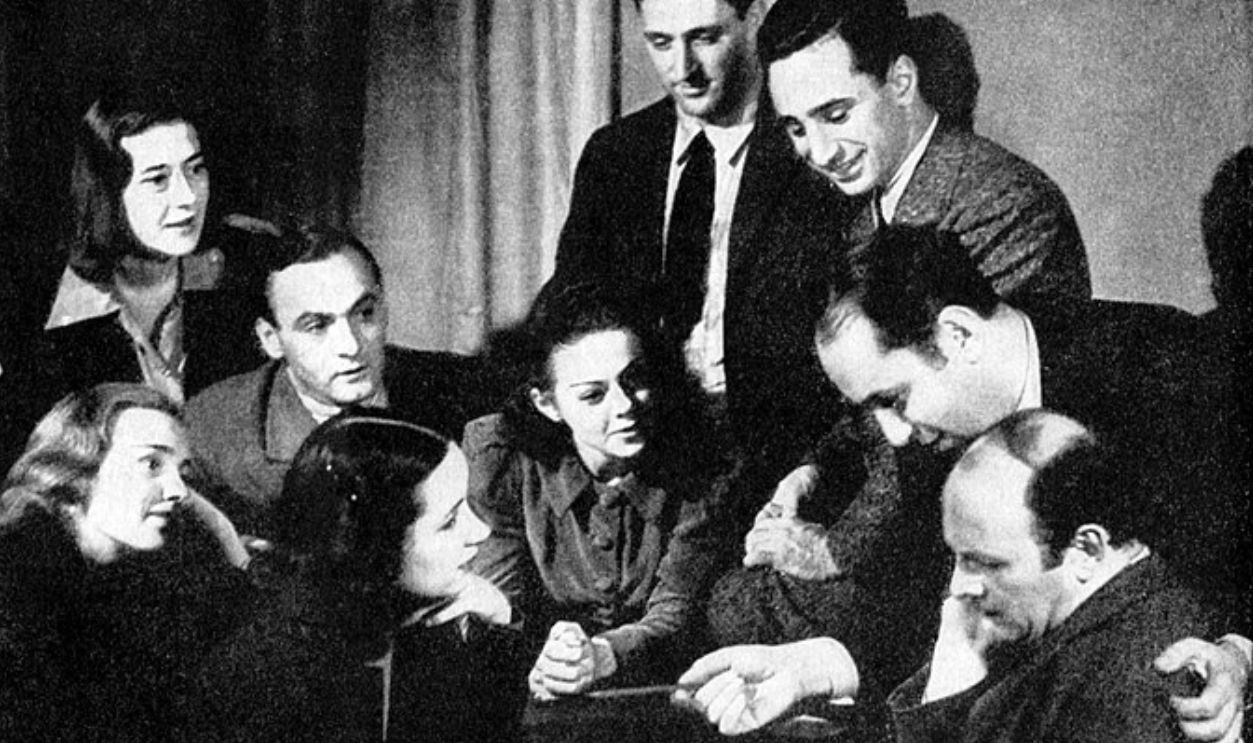 Theatre Magazine Company; photograph by Alfredo Valente, Wikimedia Commons
Hilda Simms
Hilda Simms, celebrated for her stage work in Anna Lucasta, was another performer whose career was damaged by blacklist-era suspicion. As a Black actress in mid-century Hollywood, she already faced limited opportunities; political targeting narrowed the path even more. Her story shows how the blacklist compounded existing industry barriers.
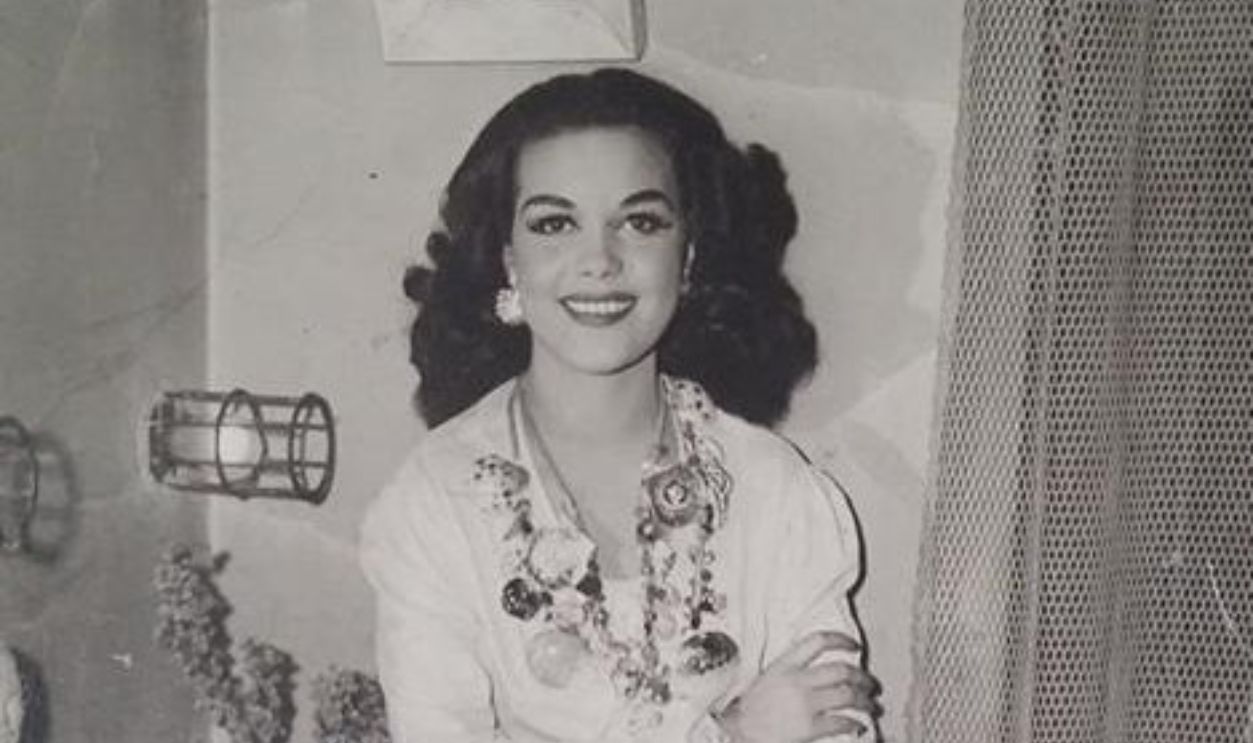 Lydia Moses, CC BY-SA 4.0, Wikimedia Commons
The Final Fade-Out
Hollywood eventually moved past the blacklist, but not before it stole prime years from brilliant performers and reshaped careers in ways no apology could fully repair. The irony? Many of these actors are now remembered as principled, courageous, and wildly talented. The “canceled” stars of old Hollywood often ended up looking far better than the system that canceled them.
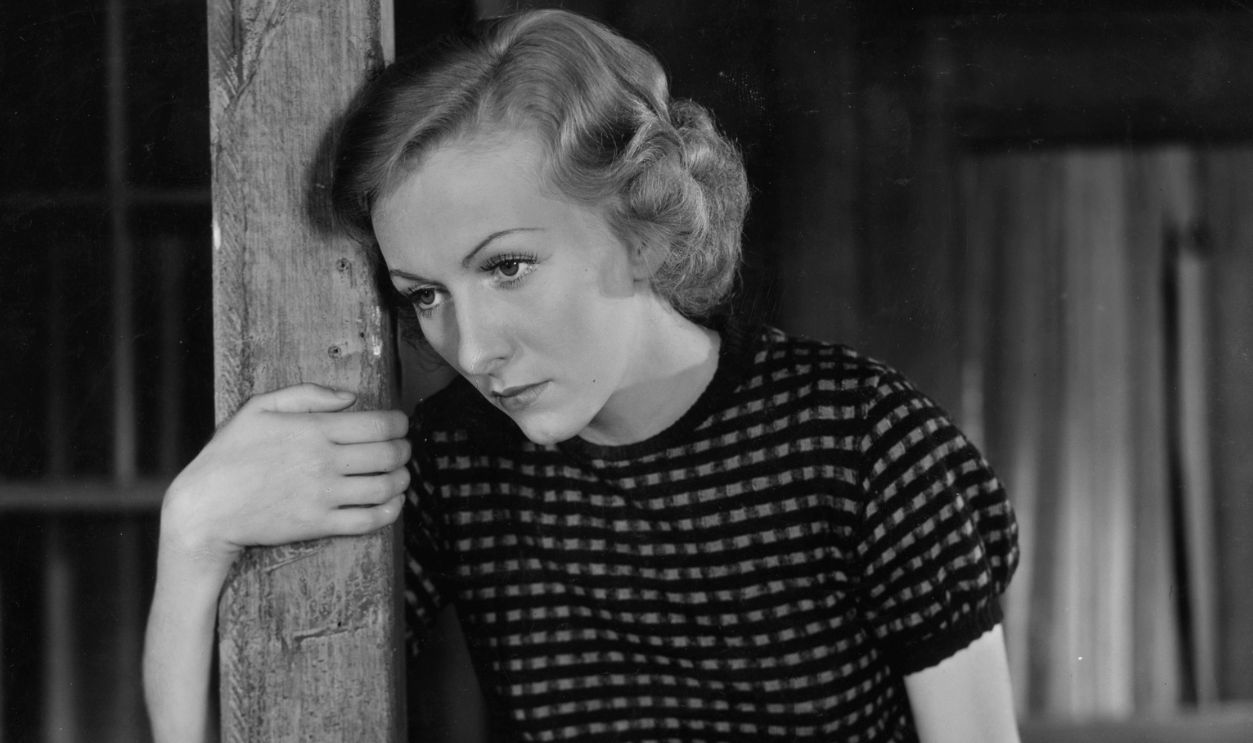 General Photographic Agency, Getty Images
You May Also Like:
Led Zeppelin’s explosive drummer was a wild man with a very dark side.
Forgotten Shows From The Golden Age Of Television
The Best And Worst Movie From Every Major Franchise—According To Critics And Audiences