An Old Familiar Face
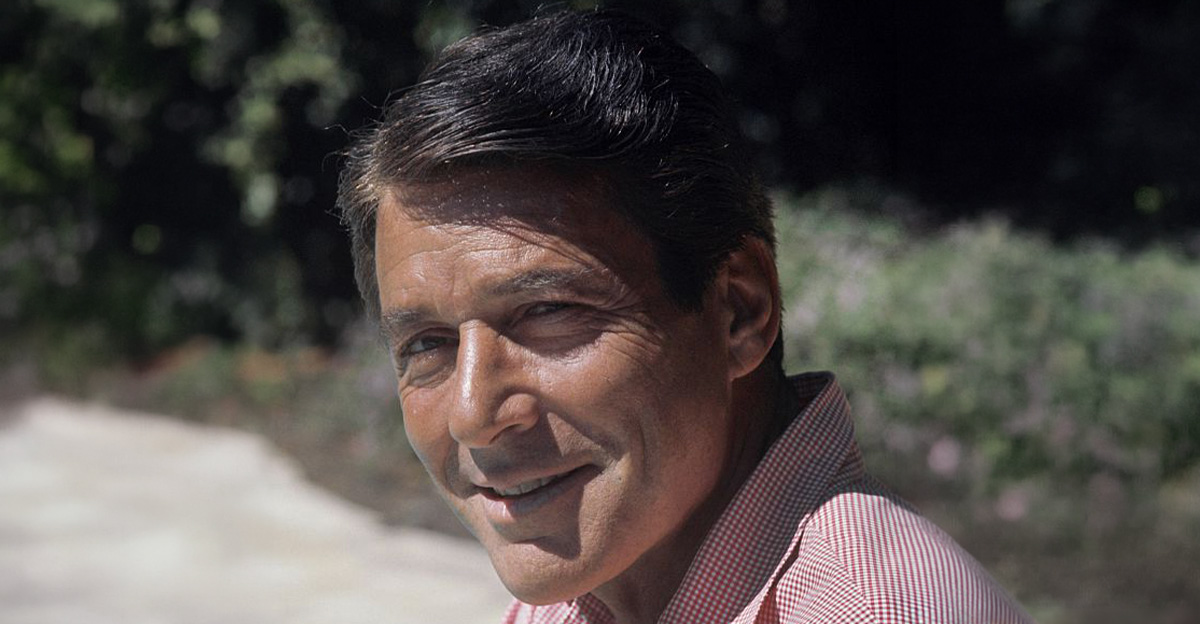
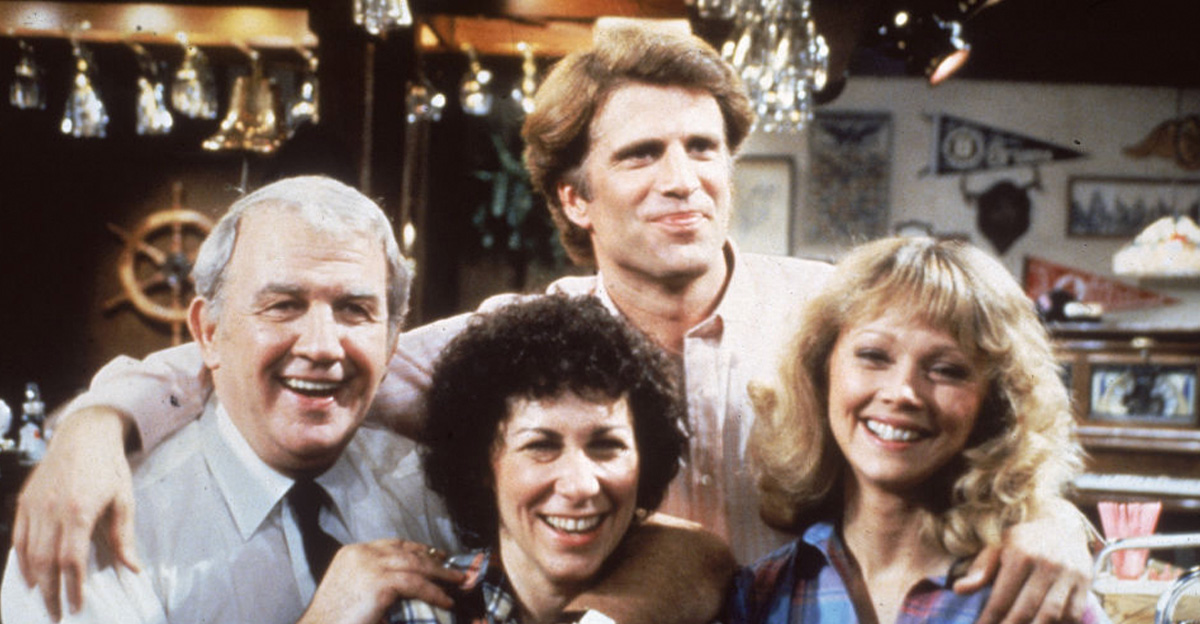
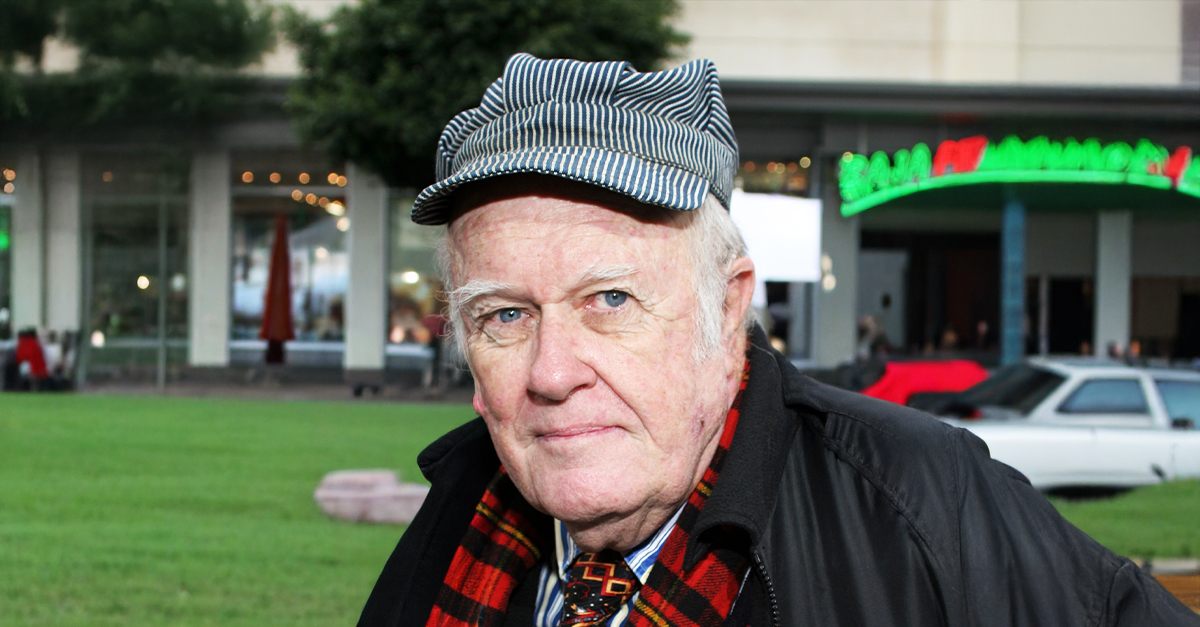
For decades, M. Emmet Walsh built one of the most respected careers in Hollywood without ever becoming a conventional leading man. With his rumpled face, weary voice, and remarkable range, Walsh became the actor directors trusted to make scenes feel authentic. From stage and television work to films like Blood Simple and Blade Runner, Walsh quietly became one of cinema’s greatest character actors.
A Vermont Childhood
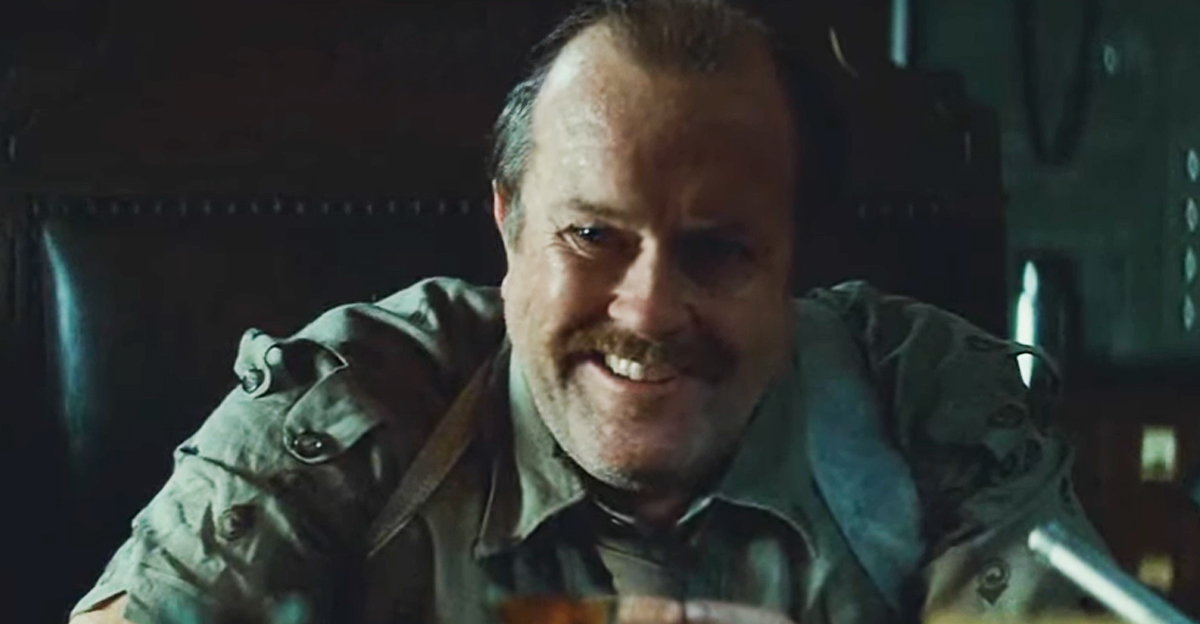
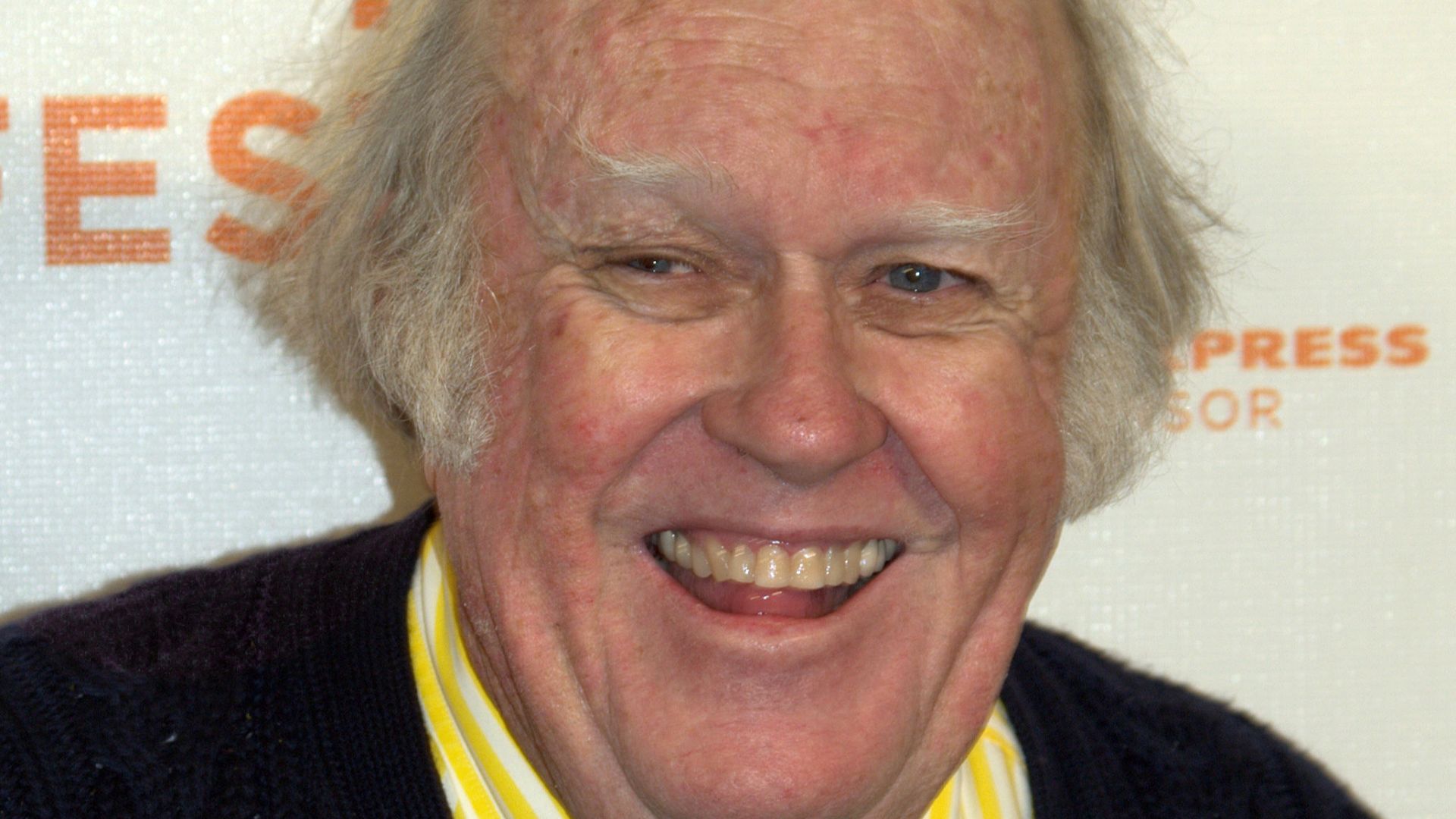
M. Emmet Walsh was born Michael Emmet Walsh in Ogdensburg, New York, in 1935, but he grew up in rural Vermont. According to later tributes, his upbringing shaped the grounded, plainspoken quality he carried into many performances. His father worked as a customs agent, while Walsh developed an early appreciation for storytelling and performance. An operation at the age of five left Walsh deaf in his left ear.
 David Shankbone, Wikimedia Commons
Discovering Acting At Clarkson University
Walsh attended Clarkson University, where he became increasingly involved in theater productions. Acting soon offered him a creative outlet and a sense of direction. Although he did not initially look like a future movie star, Walsh’s professors and peers recognized his unusual ability to command attention onstage.
Training In New York
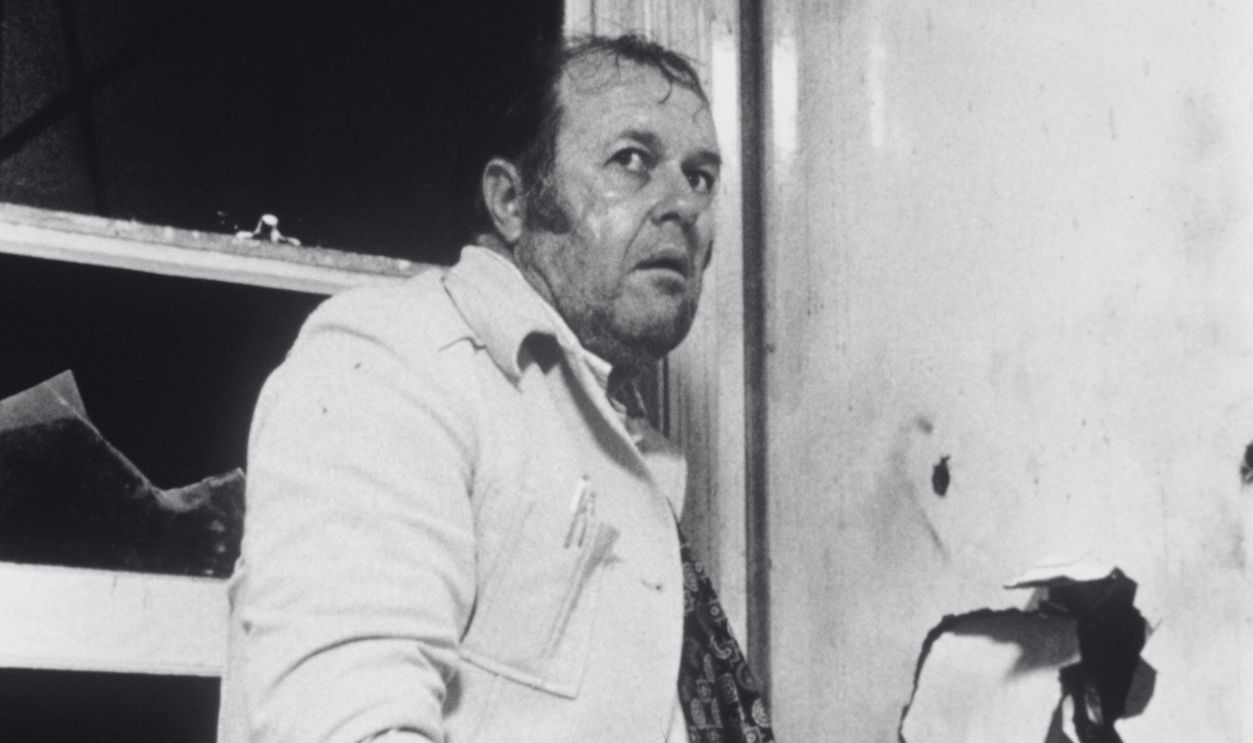
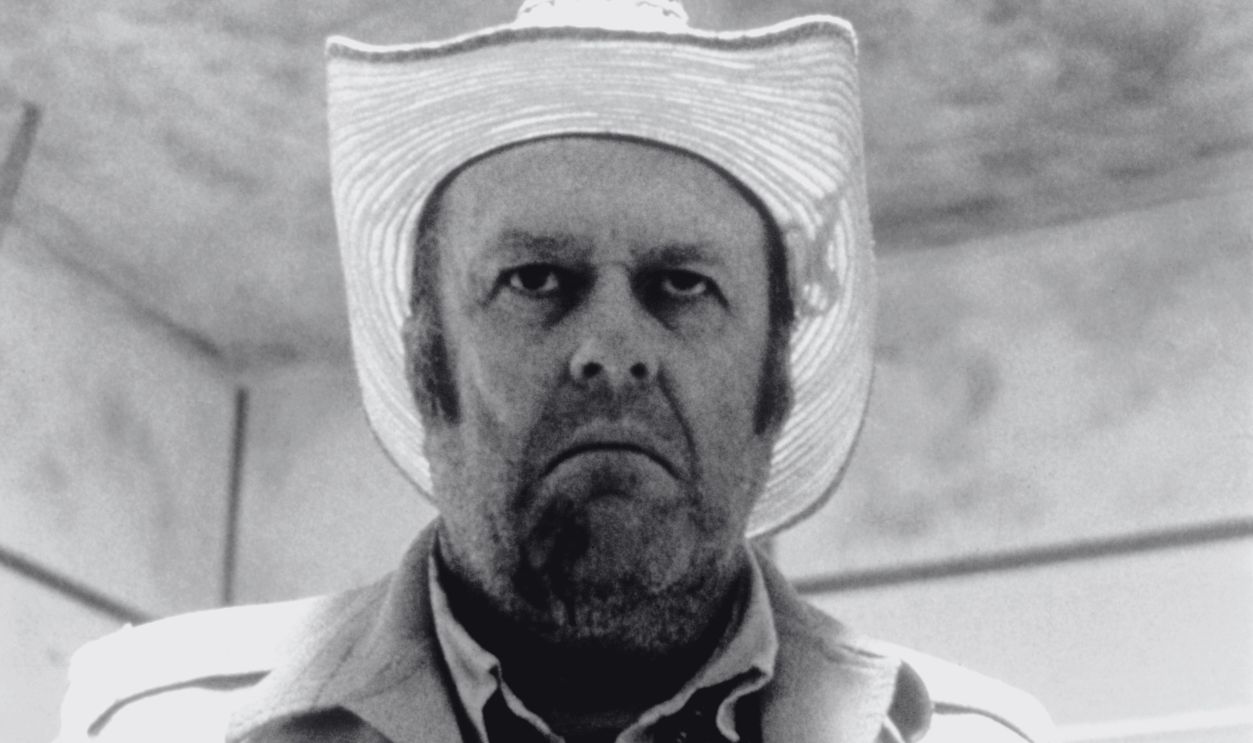
After college, Walsh moved to New York and studied acting professionally. The city exposed him to serious theater artists and helped sharpen his instincts as a performer. During this period, Walsh worked steadily while learning how to inhabit ordinary, flawed, and highly believable characters with remarkable precision.
 Sunset Boulevard, Getty Images
Early Struggles In Theater
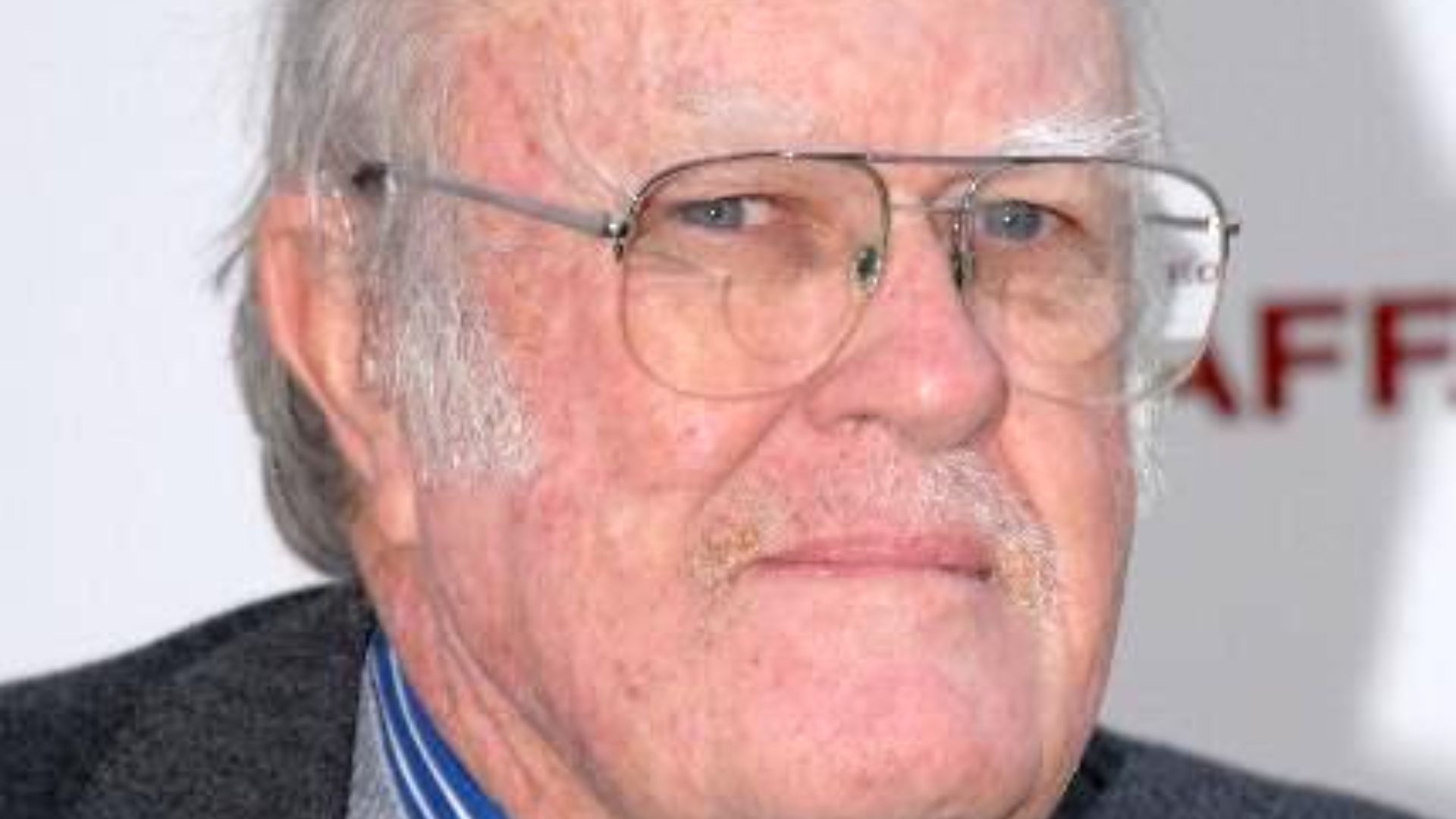
Like many aspiring actors of the era, Walsh spent years taking small roles and struggling financially. He built experience through regional productions and stage work while slowly earning a reputation for reliability. Directors valued his professionalism and versatility long before Hollywood audiences learned his name.
 lukeford.net, Wikimedia Commons
Sharing The Stage With Pacino
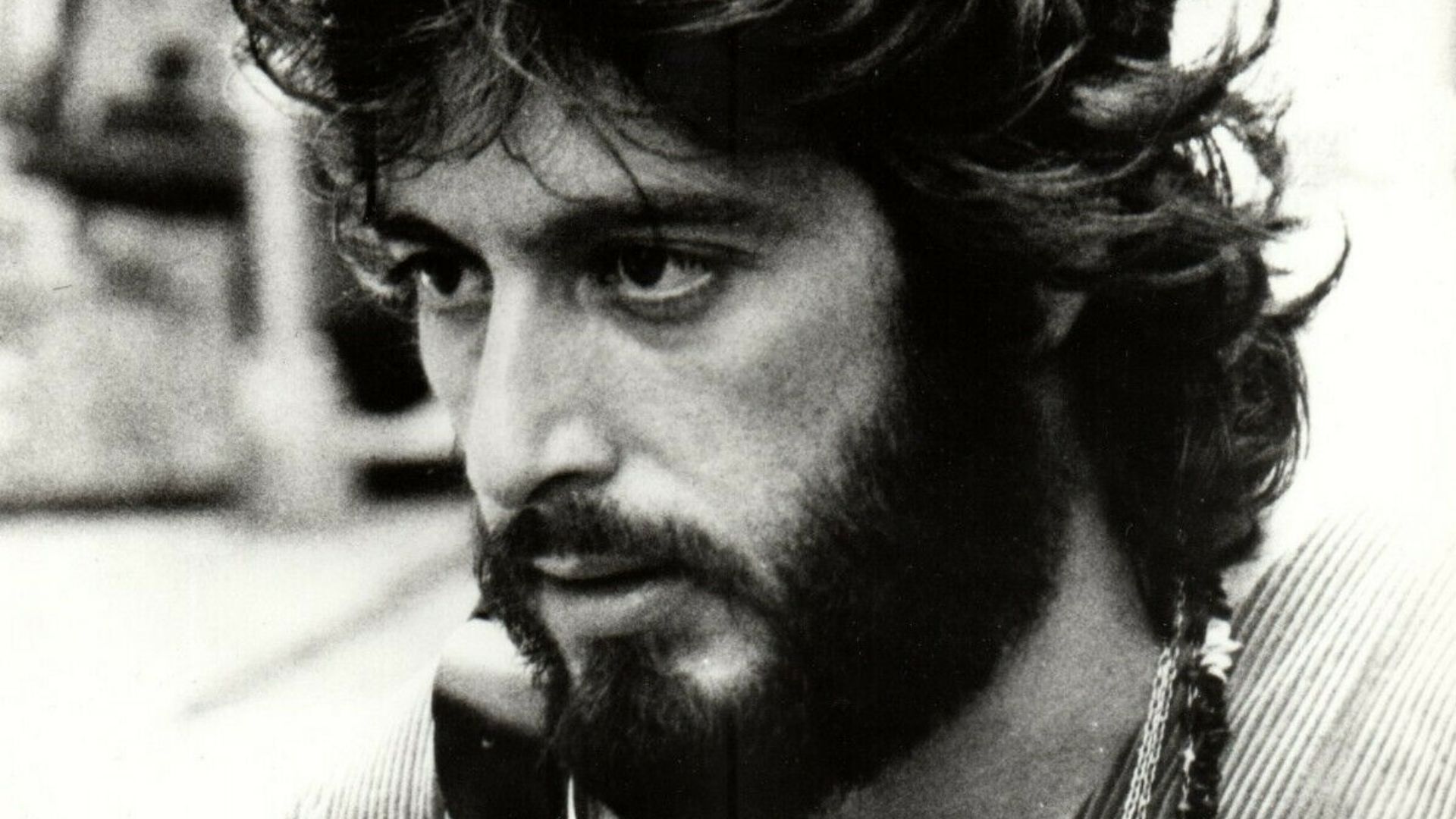
One major turning point came when Walsh appeared opposite a young Al Pacino in the Broadway production of Does a Tiger Wear a Necktie? The production became notable for Pacino’s breakout performance, but it also gave Walsh valuable exposure within New York’s growing acting community and strengthened his theatrical reputation.
 Paramount Pictures, Wikimedia Commons
Transitioning Into Film And Television
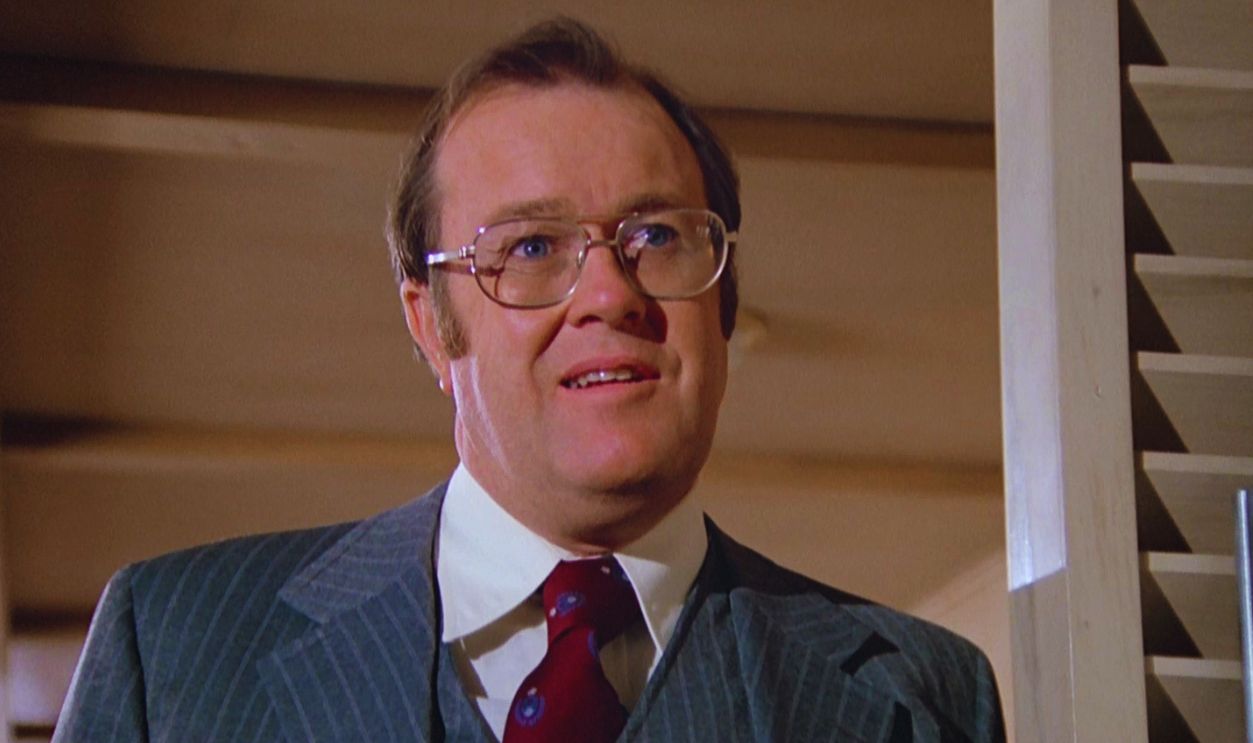
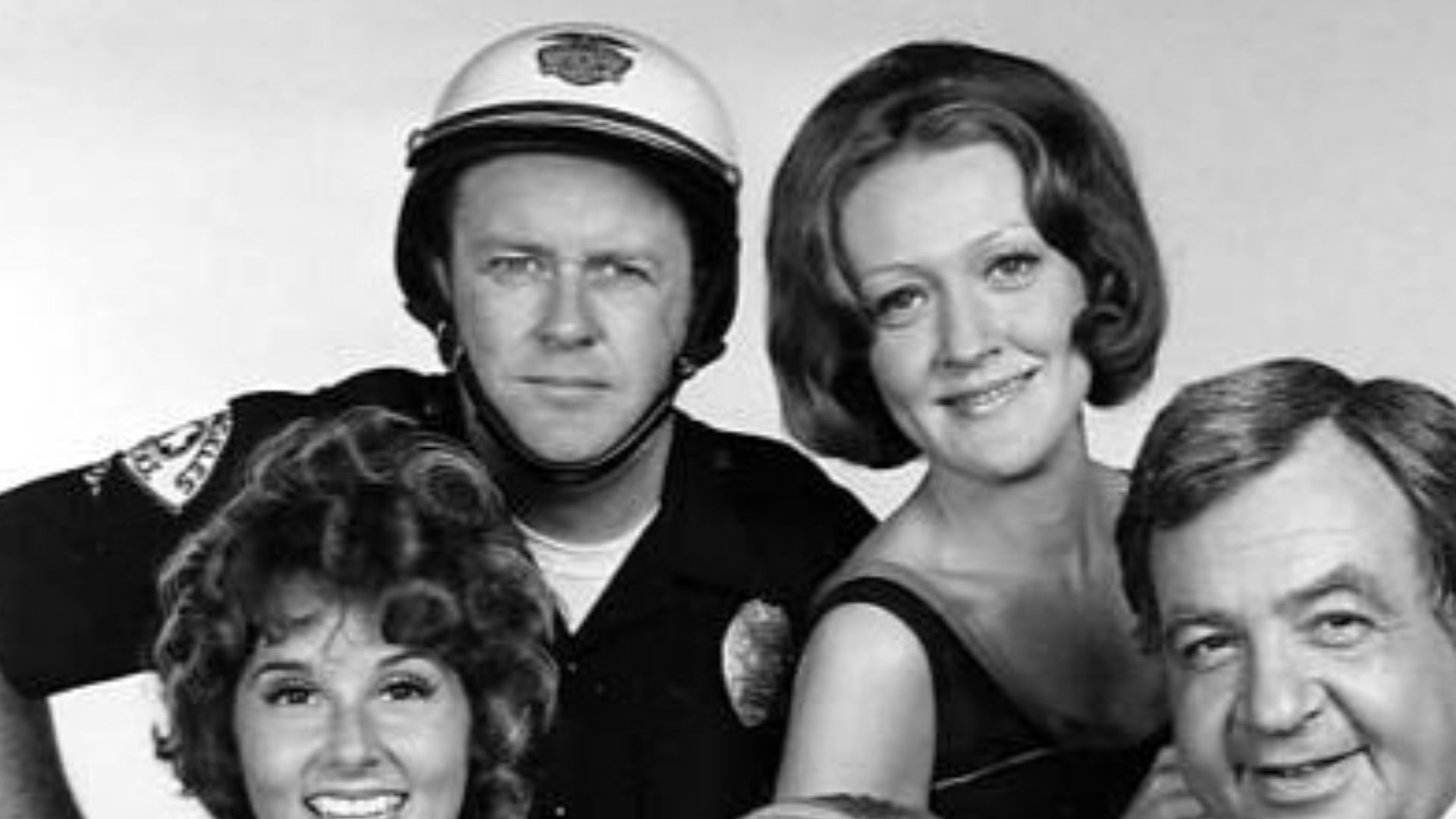
By the late 1960s and early 1970s, Walsh was regularly landing television and movie work. He appeared as a guest star in shows like All in the Family, Bonanza, The Rockford Files, The Bob Newhart Show, and many others. His distinctive face and natural delivery quickly made him recognizable to casting directors throughout Hollywood.
A Reliable Character Actor
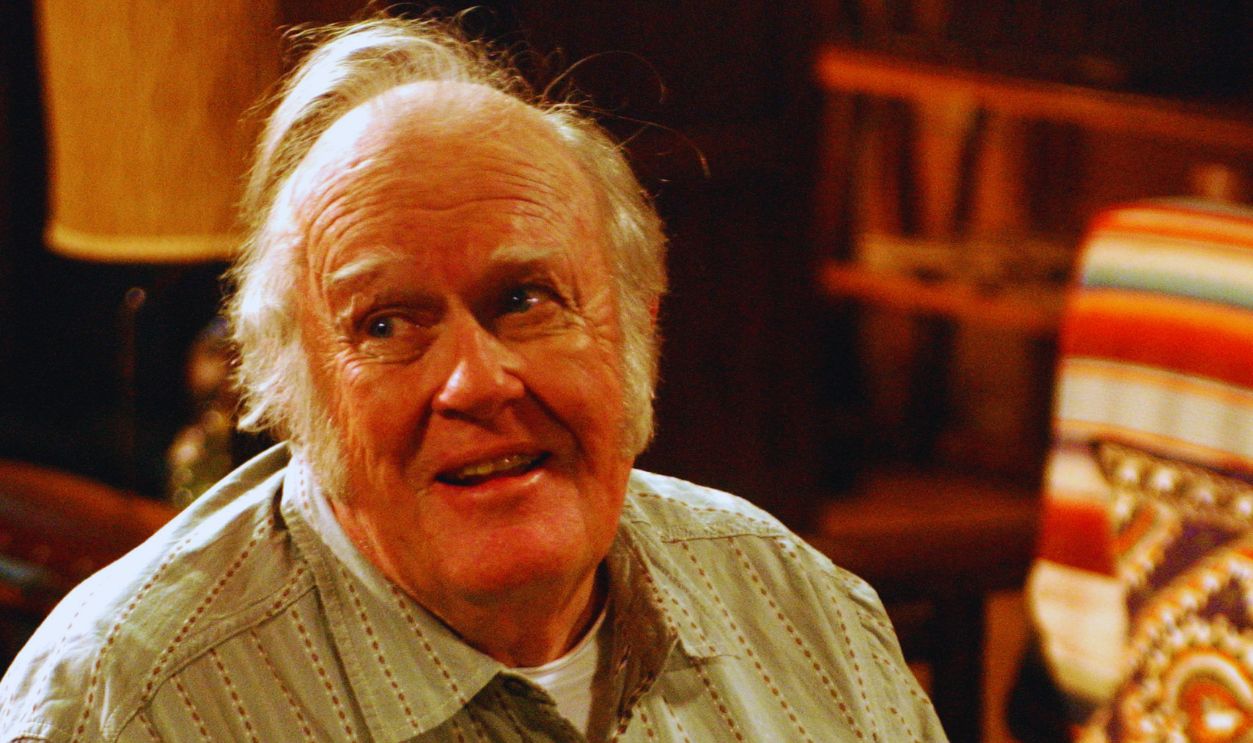
Walsh steadily built momentum during the 1970s as filmmakers discovered how effectively he elevated scenes. Critics and fellow actors admired his realism. He rarely played glamorous figures, but audiences increasingly trusted him whenever he appeared onscreen in gritty dramas or offbeat comedies.
A Reputation For Authenticity
One quality repeatedly highlighted in tributes was Walsh’s ability to make characters feel lived-in and genuine. Roger Ebert later praised the “magic” Walsh brought to supporting performances. Directors valued him because he could instantly suggest an entire backstory through gestures, pauses, and understated emotional reactions.
 CBS Television, Wikimedia Commons
Little Big Man
In Little Big Man (1970), Walsh played Corporal Ross, a hard-edged cavalry soldier caught up in the film’s cynical portrayal of the American frontier. Though not a leading role, Walsh brought believable toughness and weary realism to the revisionist Western starring Dustin Hoffman.
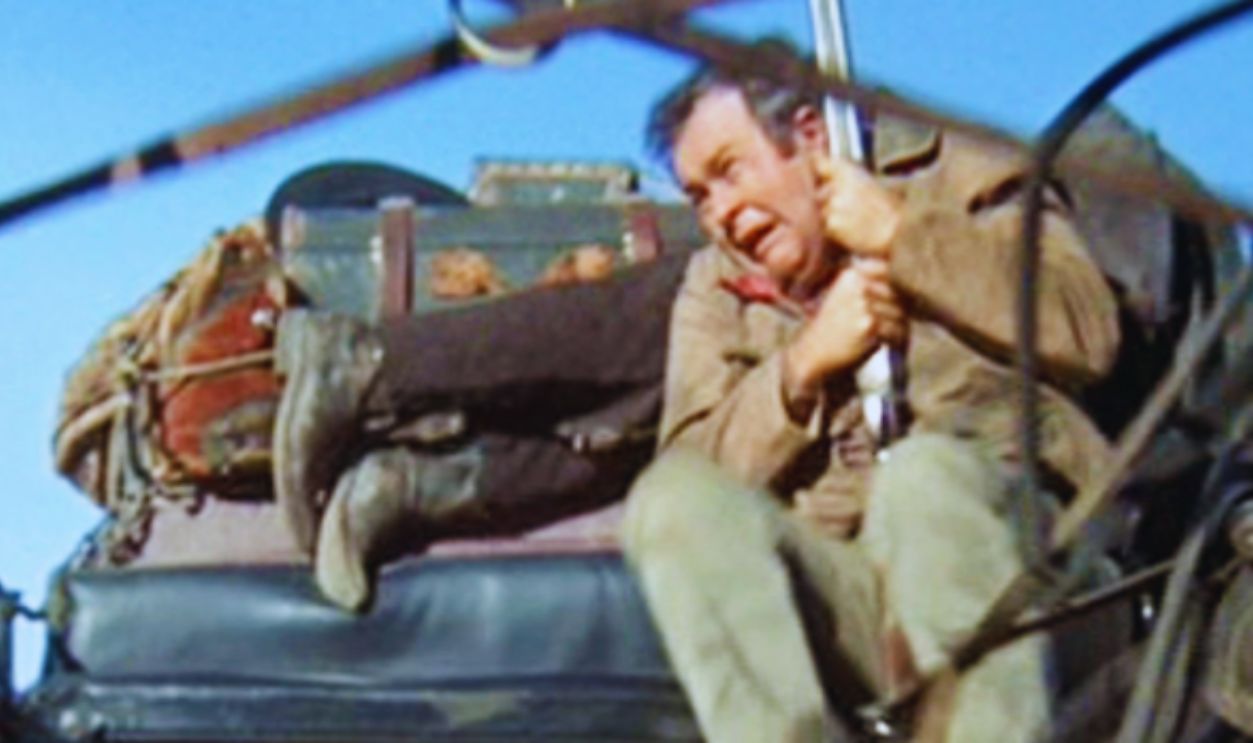 Screenshot from Little Big Man, Stockbridge-Hiller Productions / Cinema Center Films (1970)
The Jerk
In The Jerk (1979), Walsh played a crazy man who repeatedly tries to kill Steve Martin’s clueless Navin Johnson. The absurd role showcased Walsh’s remarkable comic timing, as he delivered outrageous humor with the same dead-serious intensity that defined his dramatic performances.
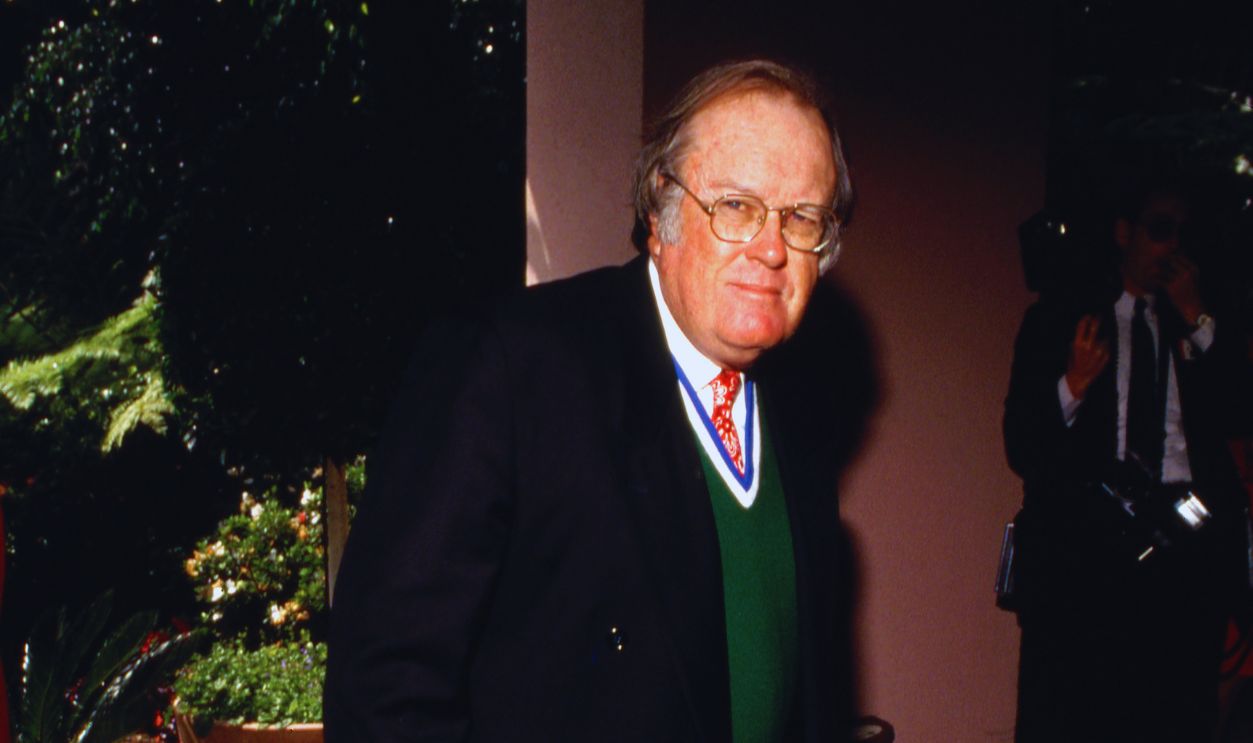
Straight Time
In Straight Time (1978), Walsh played Earl Frank, a suspicious and intimidating parole officer overseeing Dustin Hoffman’s recently released ex-convict. Walsh’s performance added constant tension to the gritty crime drama, helping create the film’s atmosphere of paranoia, frustration, and emotional exhaustion.
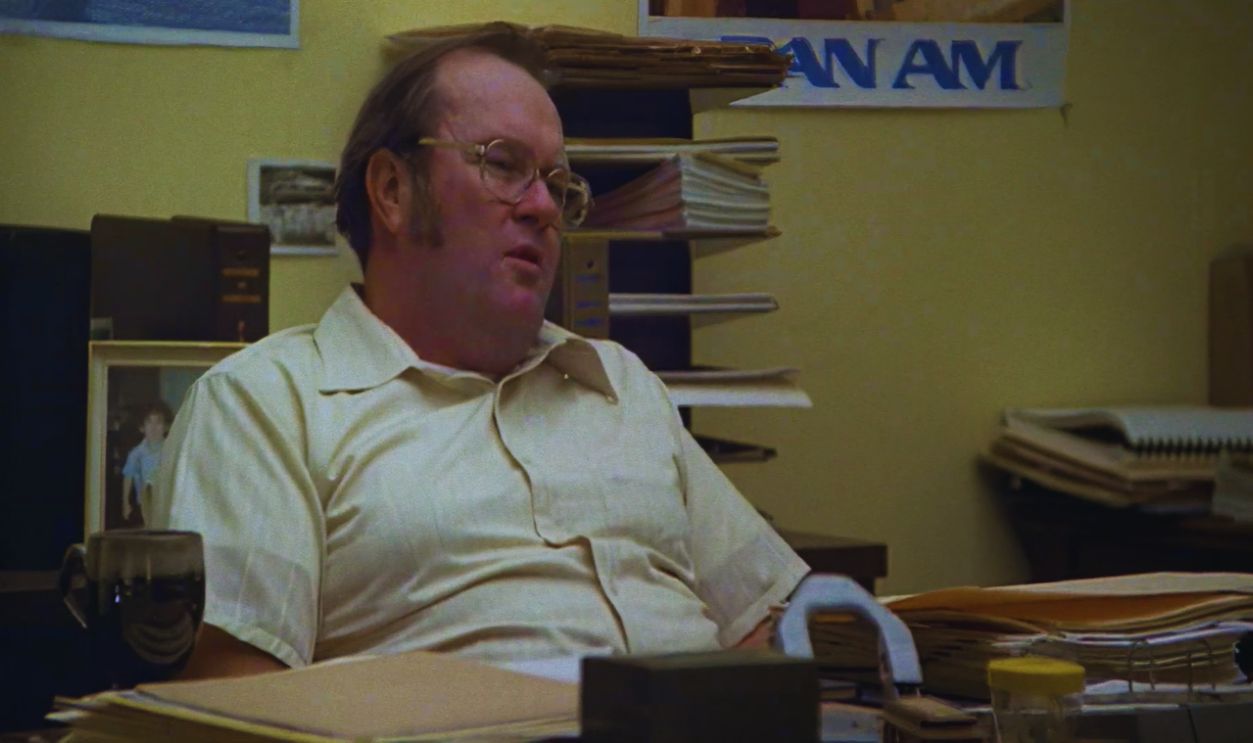 Screenshot from Straight Time, First Artists / Warner Bros. Pictures (1978)
Brubaker
In Brubaker (1980), Walsh played prison official C.P. Hardin, one of the corrupt administrators inside the brutal penitentiary overseen by Robert Redford’s reform-minded warden. Walsh excelled at portraying compromised authority figures, and his performance reinforced the film’s themes of institutional corruption and moral decay.
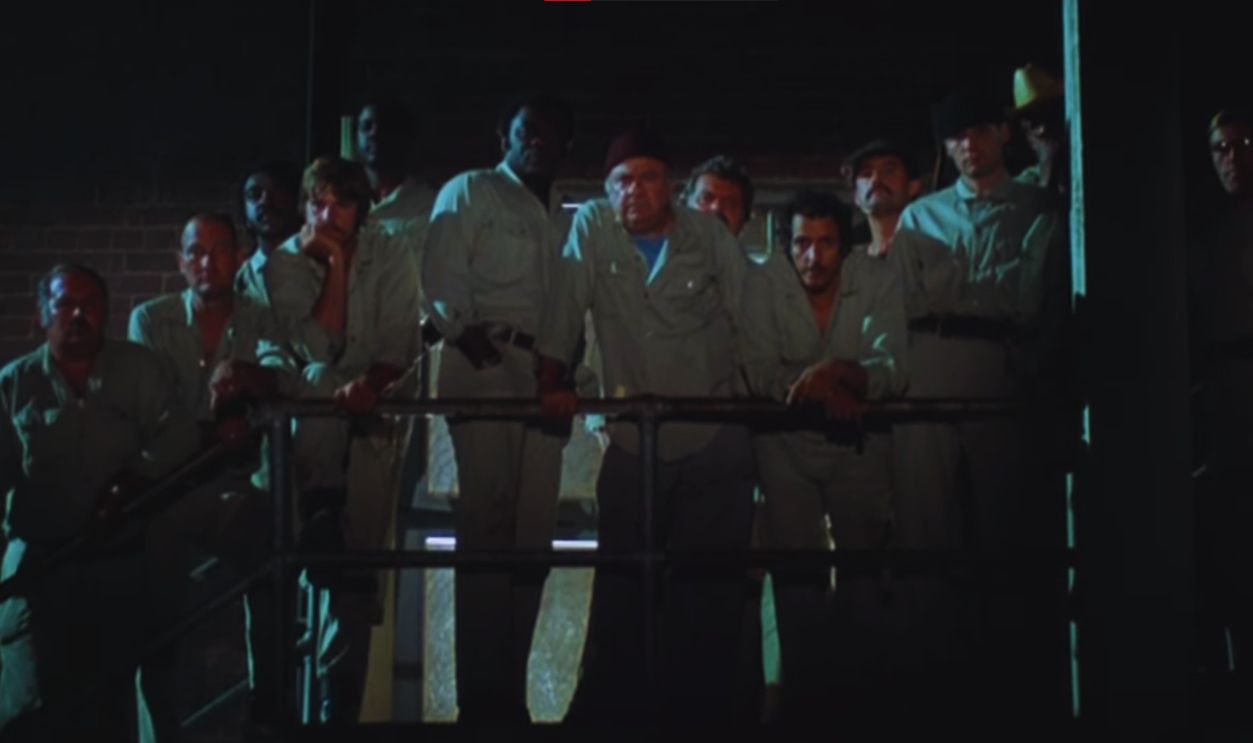 Screenshot from Brubaker, Solar Productions / 20th Century Fox (1980)
Ordinary People
In Ordinary People (1980), Walsh played swim coach Salan, a compassionate mentor figure who quietly supports Timothy Hutton’s emotionally struggling teenager. Though the role was relatively small, Walsh contributed warmth and emotional grounding to the Academy Award-winning family drama directed by Robert Redford.
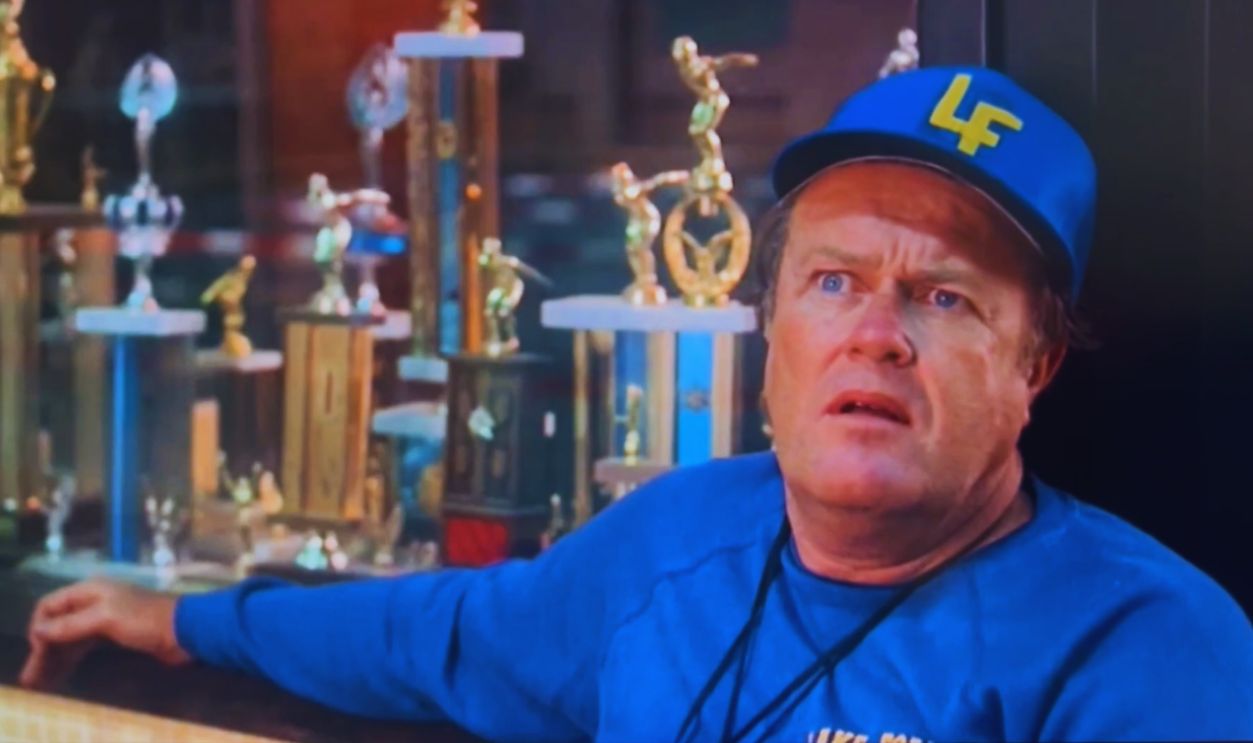 Screenshot from Ordinary People, Paramount Pictures (1980)
Blade Runner
One of Walsh’s most enduring performances came in Blade Runner (1982). Playing police captain Harry Bryant opposite Harrison Ford, Walsh brought menace, cynicism, and exhaustion to the dystopian sci-fi classic. His gruff delivery and constant pressure on Deckard helped establish the film’s bleak atmosphere.
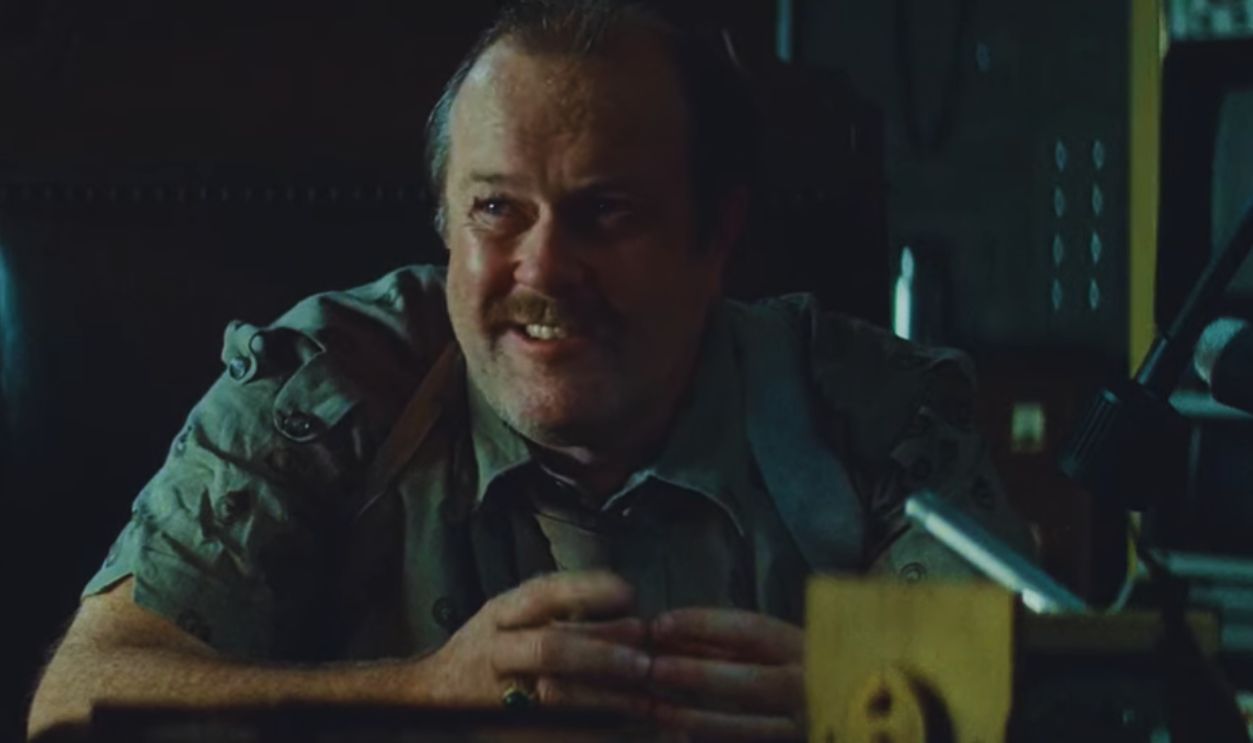 Screenshot from Blade Runner, Warner Bros. (1982)
Silkwood
In Silkwood (1983), Walsh played Earl Lapin, a union representative connected to Karen Silkwood’s growing concerns about safety violations at a nuclear facility. Acting alongside Meryl Streep, Walsh contributed to the film’s realism and tension through another grounded performance rooted in working-class reality.
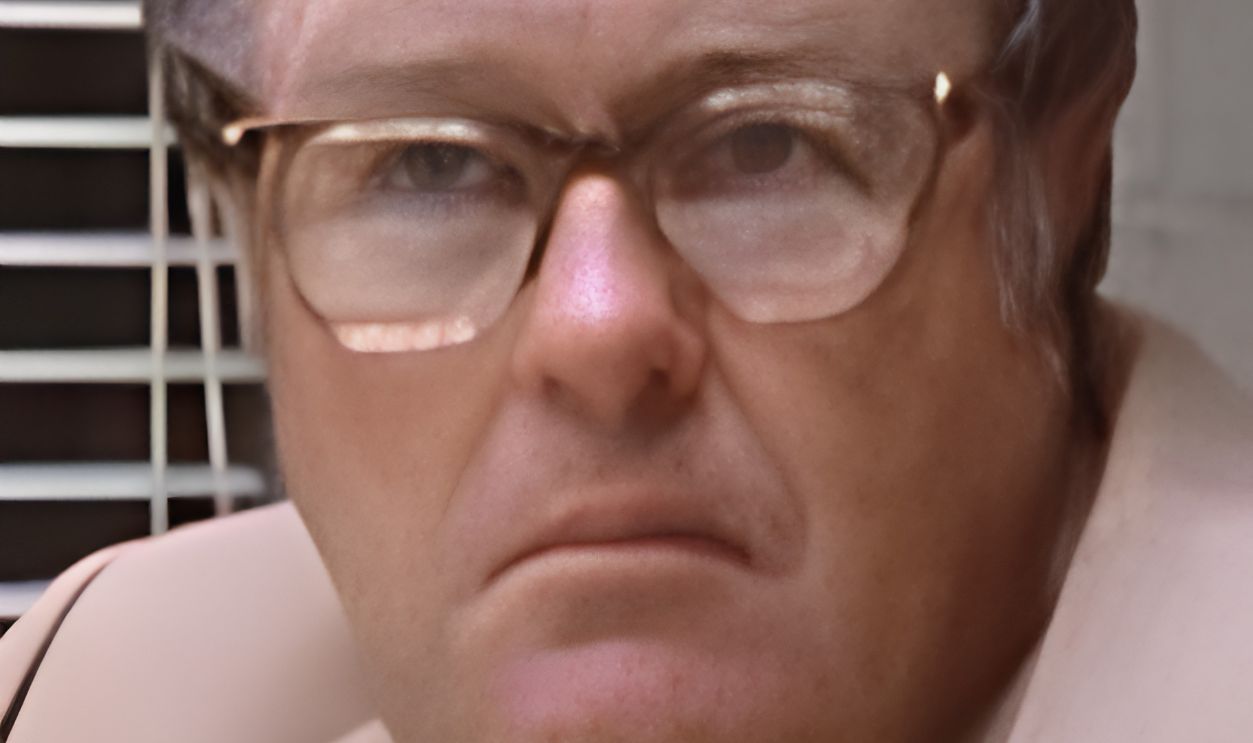 Screenshot from Silkwood, ABC Motion Pictures (1983)
Blood Simple
Walsh’s career reached a major peak with Blood Simple (1984), the debut feature from Joel and Ethan Coen. Playing scheming private investigator Loren Visser, Walsh delivered one of the defining performances of his career, blending greed, manipulation, dark humor, and unpredictability into an unforgettable villain.
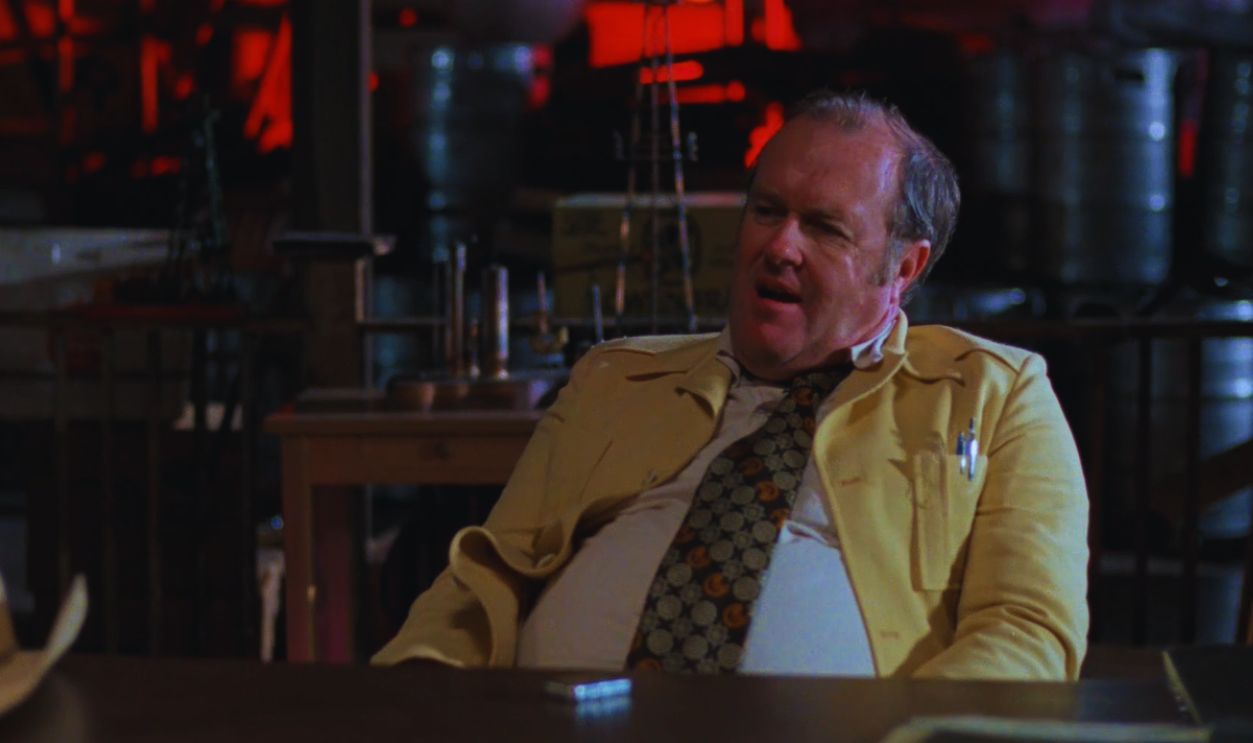 Screenshot from Blood Simple, Circle Films (1984)
Raising Arizona
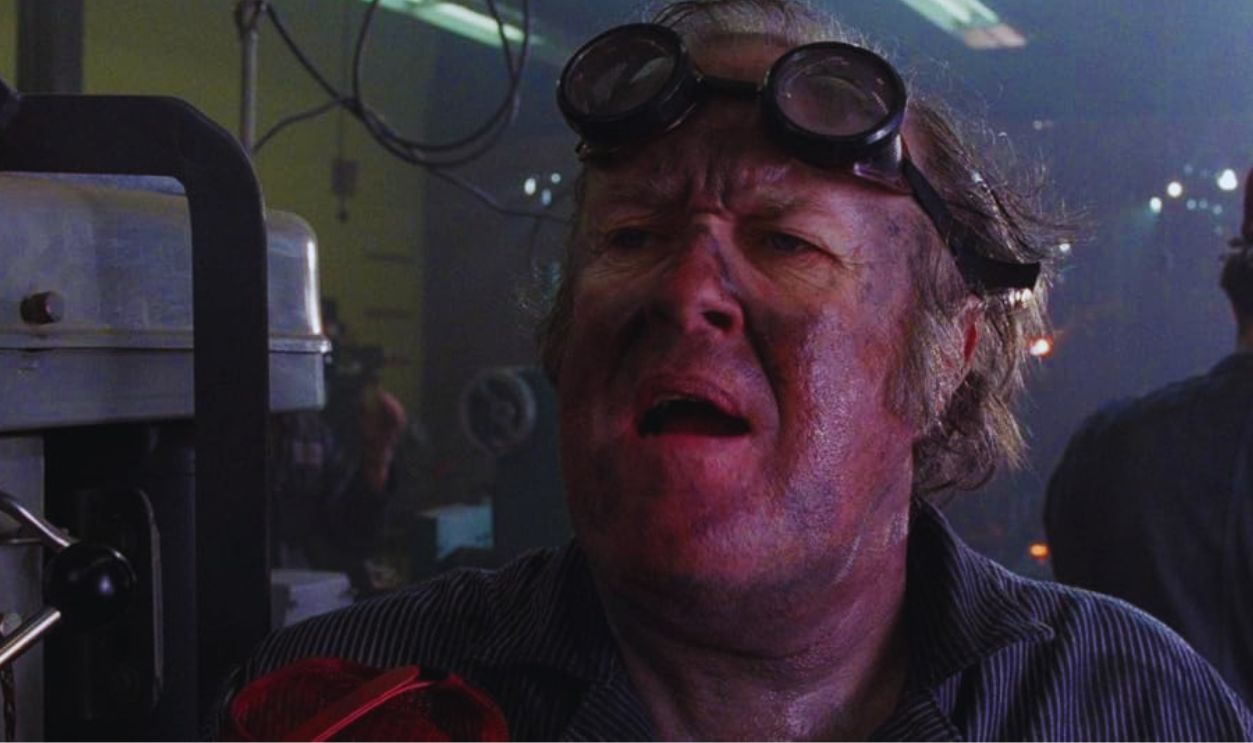
In Raising Arizona (1987), Walsh played Nicholas Cage’s frustrated boss Bill Parker, whose exasperation added to the film’s escalating chaos and absurd humor. Reuniting with the Coen brothers allowed Walsh to further demonstrate his remarkable comic timing and talent for eccentric supporting characters.
 Screenshot from Raising Arizona, 20th Century Fox (1987)
Fletch
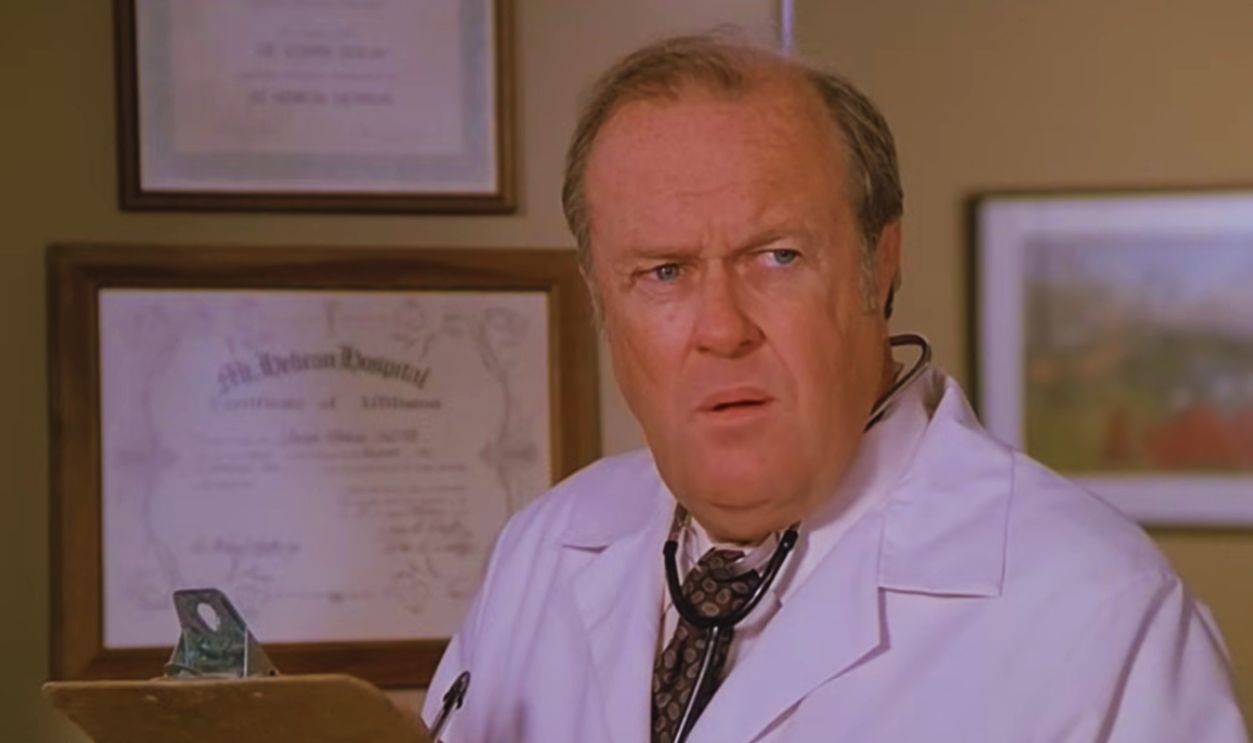
In Fletch (1985), Walsh played Dr. Joseph Dolan, the outwardly respectable physician secretly involved in the film’s criminal conspiracy. Opposite Chevy Chase, Walsh balanced comedy with quiet menace, portraying a character who appeared ordinary on the surface while hiding corruption and desperation underneath.
 Screenshot from Fletch, Universal Pictures (1985)
Criticizing Hollywood Vanity
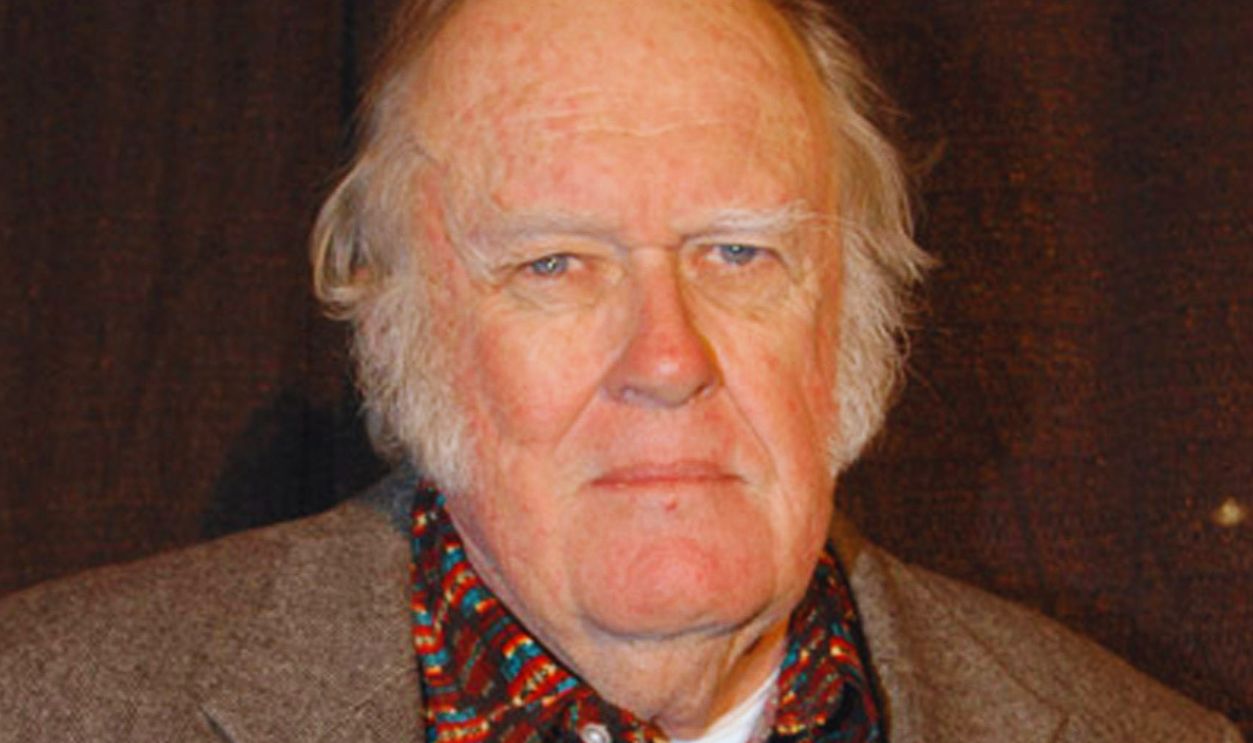
Walsh became respected for his honesty about acting and fame. According to tributes after his death, he never viewed himself as a traditional celebrity. Instead, he focused on craftsmanship and professionalism. Fellow actors admired his work ethic and his willingness to disappear completely into supporting characters.
Memorable TV Appearances
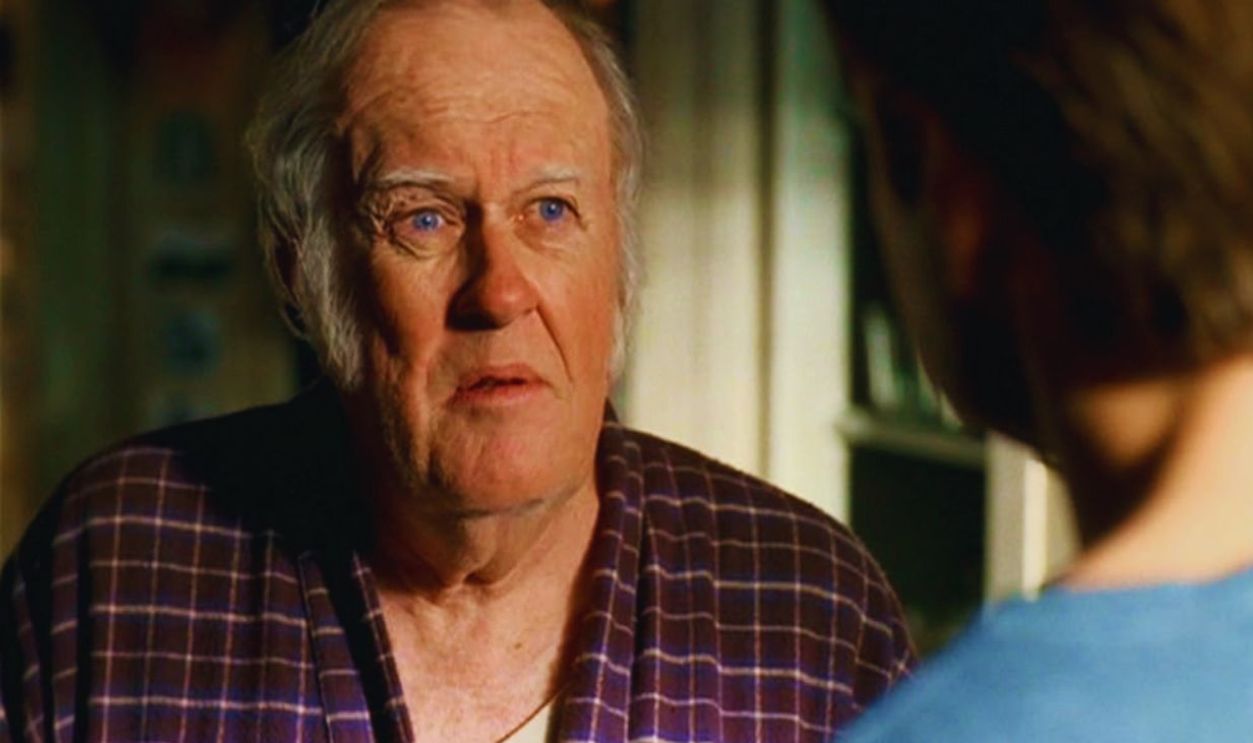
Beyond movies, Walsh appeared in many television productions throughout his long career. His credits included shows such as Starsky & Hutch, The X-Files, and Home Improvement. These performances reinforced his reputation as a versatile actor capable of fitting naturally into nearly any genre.
 Screenshot from The X-Files, 20th Century Fox (1993–2018)
Continuing To Work Into Later Life
Unlike many actors from his generation, Walsh continued acting steadily well into his later years. Younger filmmakers admired his legendary status and sought opportunities to work with him. Even late in life, he retained the same gruff charisma and understated authenticity that had defined his best performances.
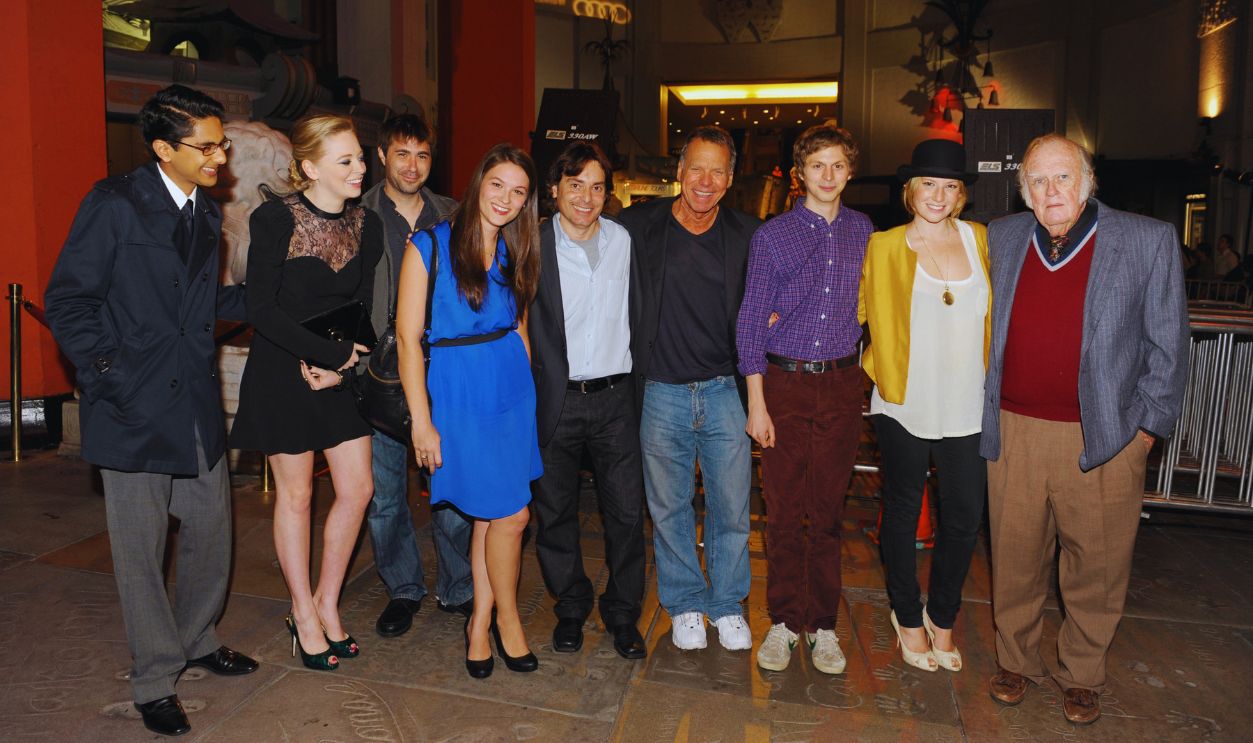
Becoming A Cult Favorite
Over time, Walsh evolved from respected character actor into genuine cult favorite. Film lovers increasingly celebrated his ability to steal scenes with limited screen time. Critics often pointed to him as proof that supporting actors could become just as memorable and beloved as the stars above the title.
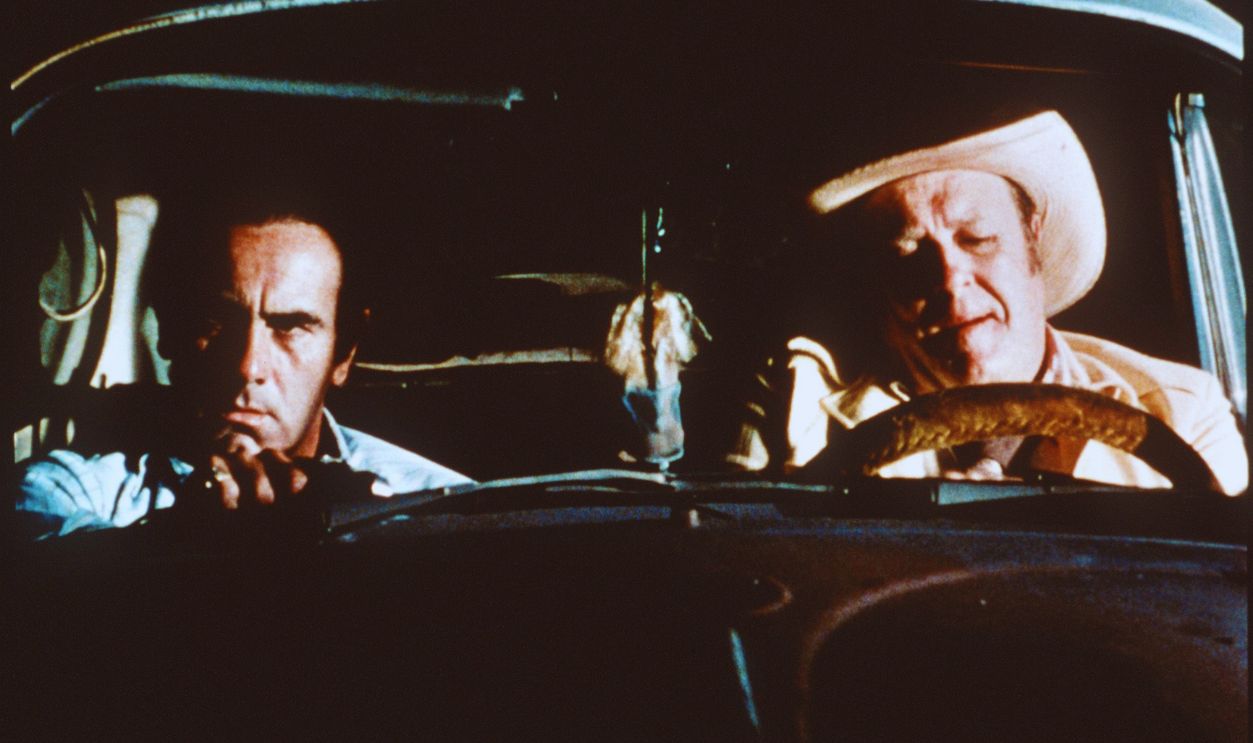
Admired By Fellow Filmmakers
Many directors openly praised Walsh after his death. Roger Ebert’s tribute emphasized the almost magical realism Walsh brought to performances. Filmmakers appreciated his ability to instantly enrich a production without demanding attention, while audiences valued the humanity and unpredictability he brought to countless roles.
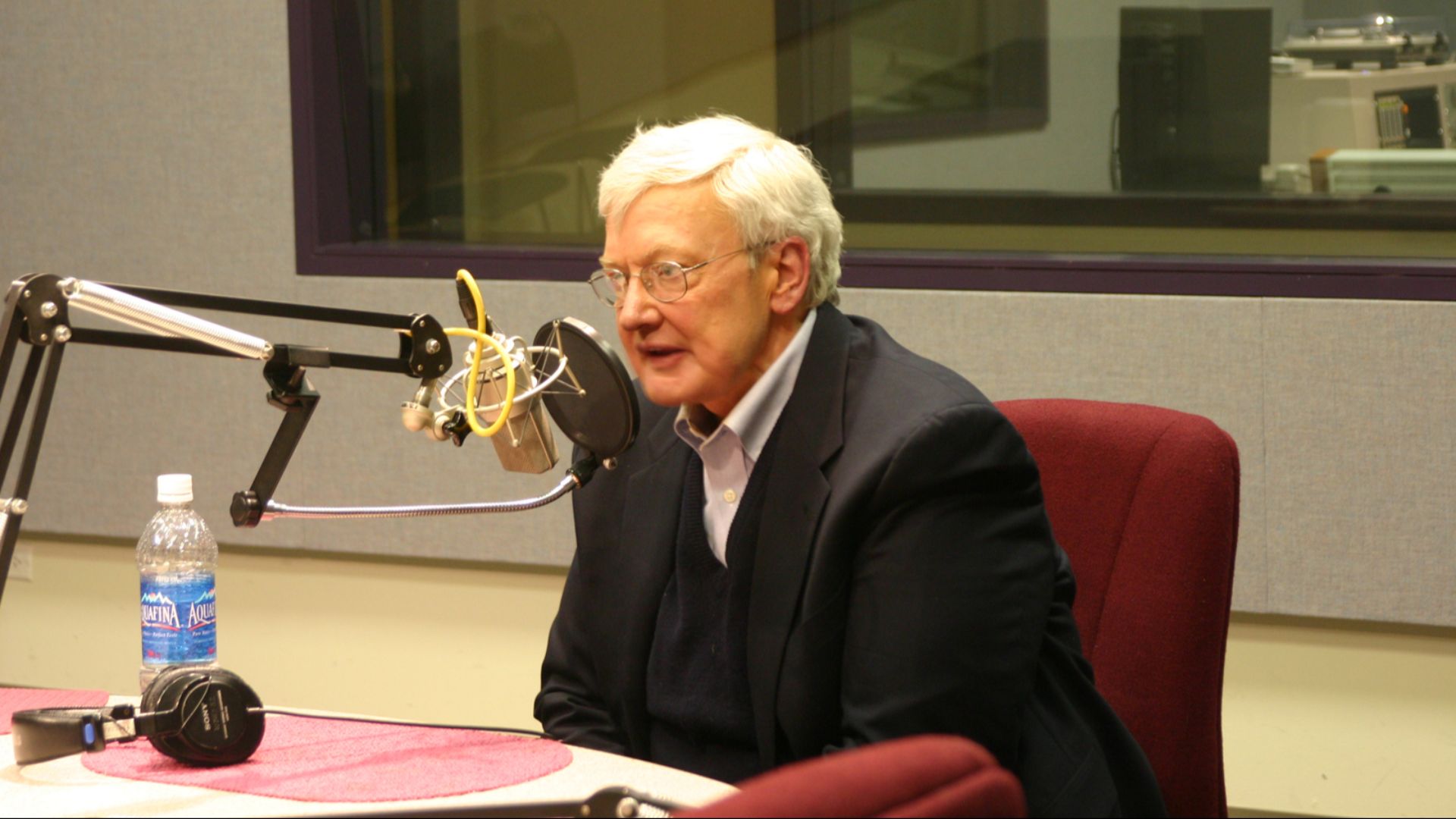 Sound Opinions, Wikimedia Commons
His Final Roles
Walsh continued to appear in film and TV projects well into his eighties. Among his later notable roles were appearances in Knives Out (2019) and The Righteous Gemstones (2019-2024). Even as Hollywood changed around him, Walsh stayed connected to the working-actor tradition that had marked his career from the start. His last role was in the Mario Van Peebles-directed Western Outlaw Posse in 2024.
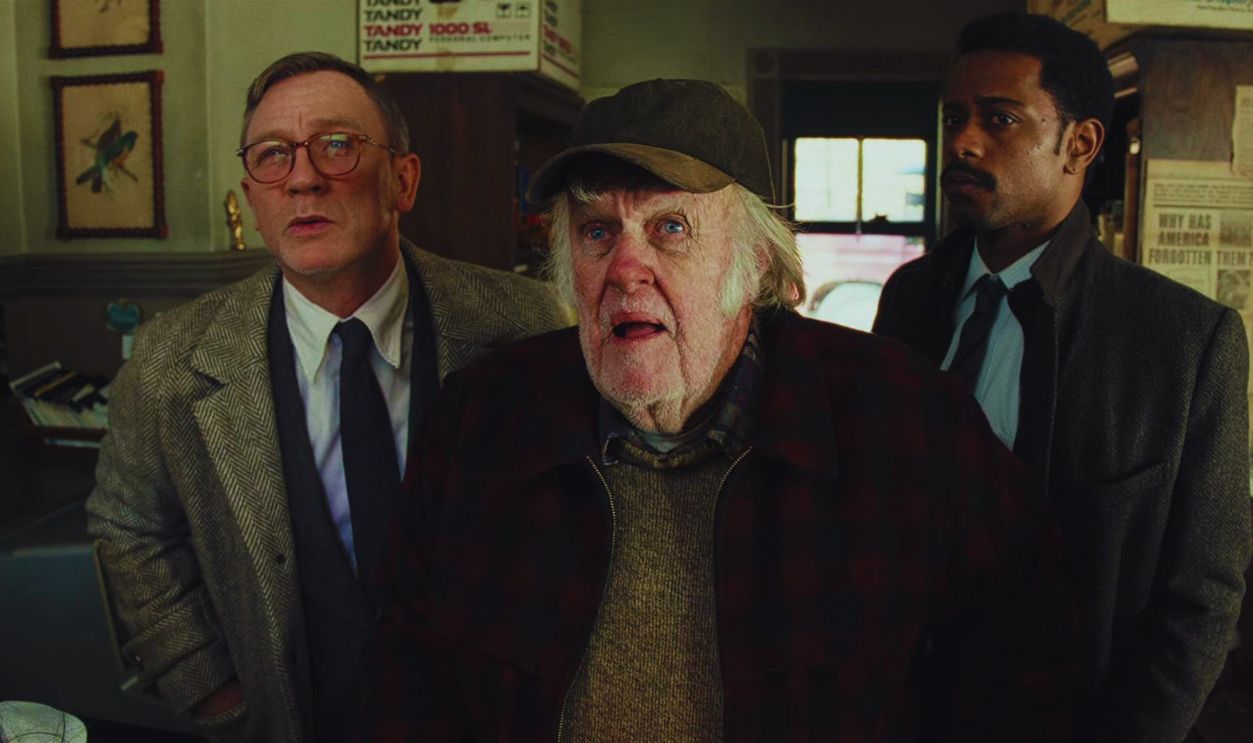 Screenshot from Knives Out, Lionsgate (2019)
Death And Tributes
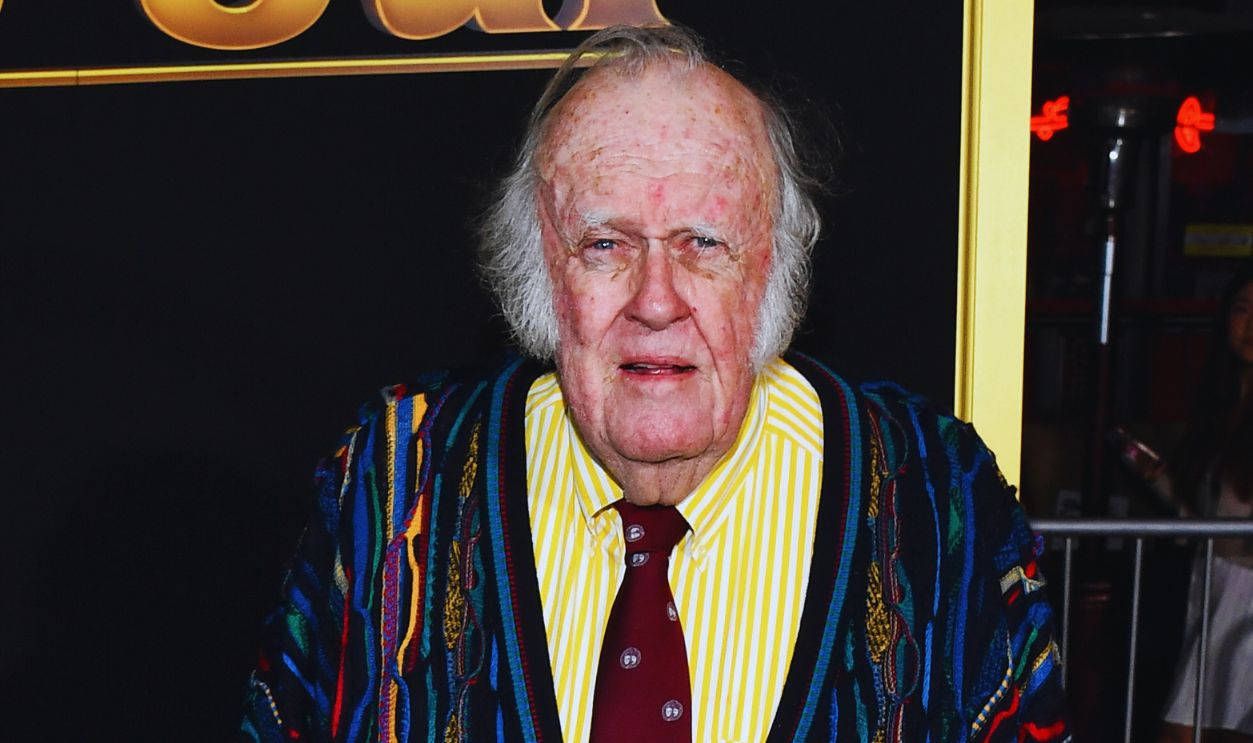
M. Emmet Walsh died in 2024 at the age of 88. Tributes quickly poured in from actors, critics, and filmmakers who celebrated his enormous contribution to American cinema. Though rarely a leading man, Walsh left behind one of the richest and most respected bodies of supporting work in Hollywood history.
Legend Built One Scene At A Time
Across decades of films and television appearances, M. Emmet Walsh built an amazing roll call of unforgettable character work. Watch—or re-watch—any of the movies we’ve listed above and see a master at work.
You May Also Like:
Best Picture Winners You've Probably Never Heard Of