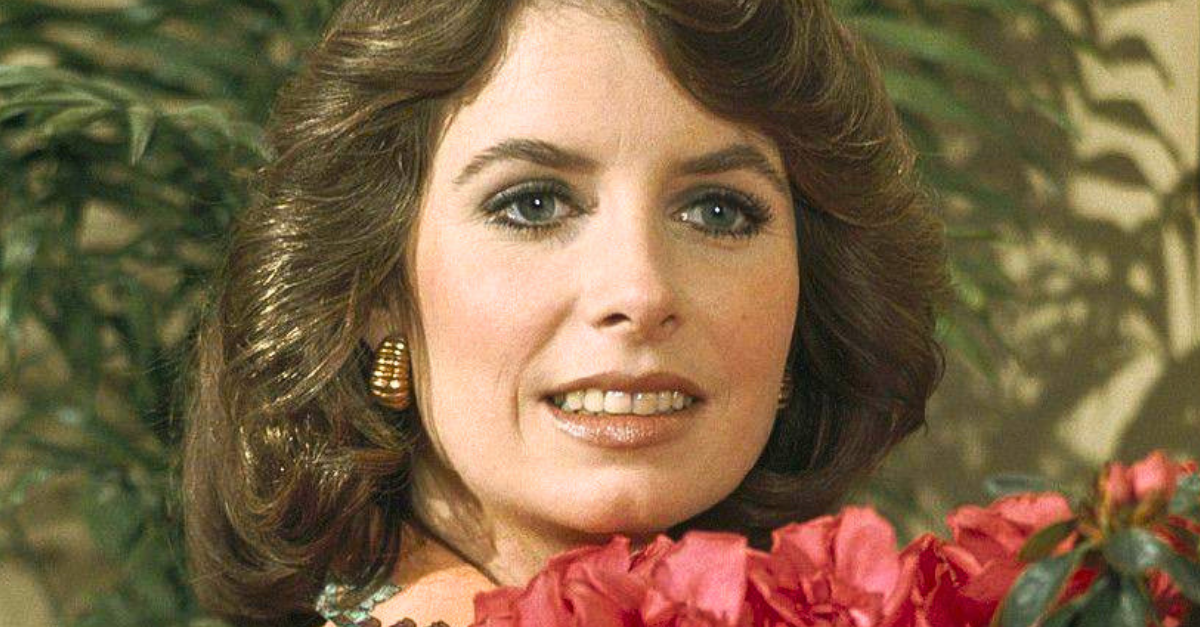
She Arrived During A Major Transition.
Elizabeth Baur joined Ironside after its original female lead departed, stepping into an established ensemble built around Raymond Burr’s commanding title character. As Officer Fran Belding, she brought younger, more openly emotional energy to the crime drama without simply trying to recreate the character she replaced.
She Entered A Series That Already Had A Formula
Ironside had been running for four seasons when Baur joined the cast in 1971. The NBC drama followed former San Francisco Chief of Detectives Robert T. Ironside, who continued solving crimes as a police consultant after being paralyzed by a sniper’s bullet. Raymond Burr’s gruff authority, combined with a small investigative team, had already made the show familiar to viewers. Baur therefore had to find room inside a structure that was working long before she arrived.
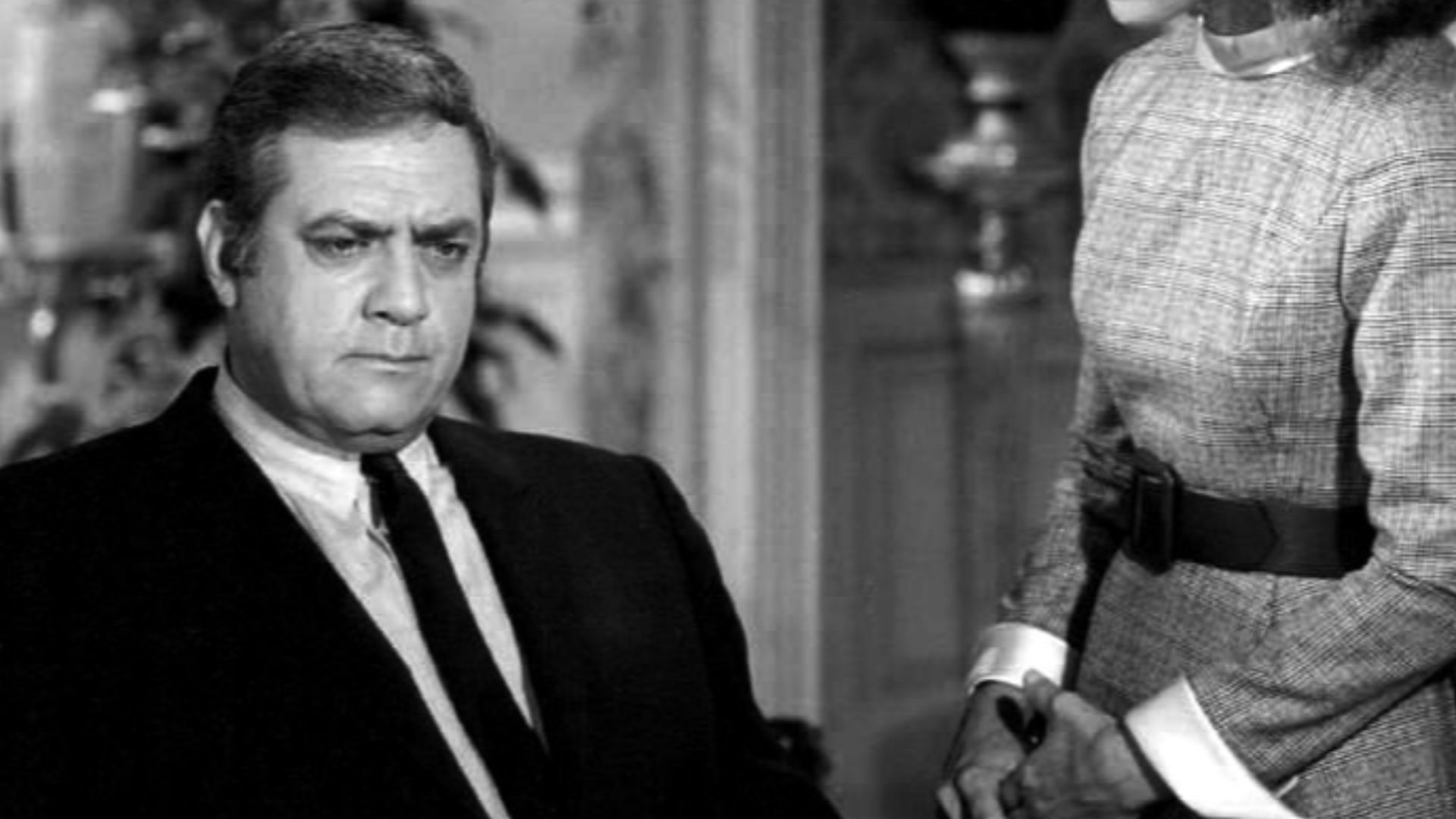 NBC Uploaded by We hope at en.wikipedia, Wikimedia Commons
Barbara Anderson Left A Noticeable Opening
Barbara Anderson had played Officer Eve Whitfield during the first four seasons. When she left amid a contract dispute, the series lost both its principal female investigator and an important part of the original ensemble. Producers chose not to recast Eve under another name and pretend nothing had changed. Instead, they introduced Fran Belding as a new officer with her own history and temperament.
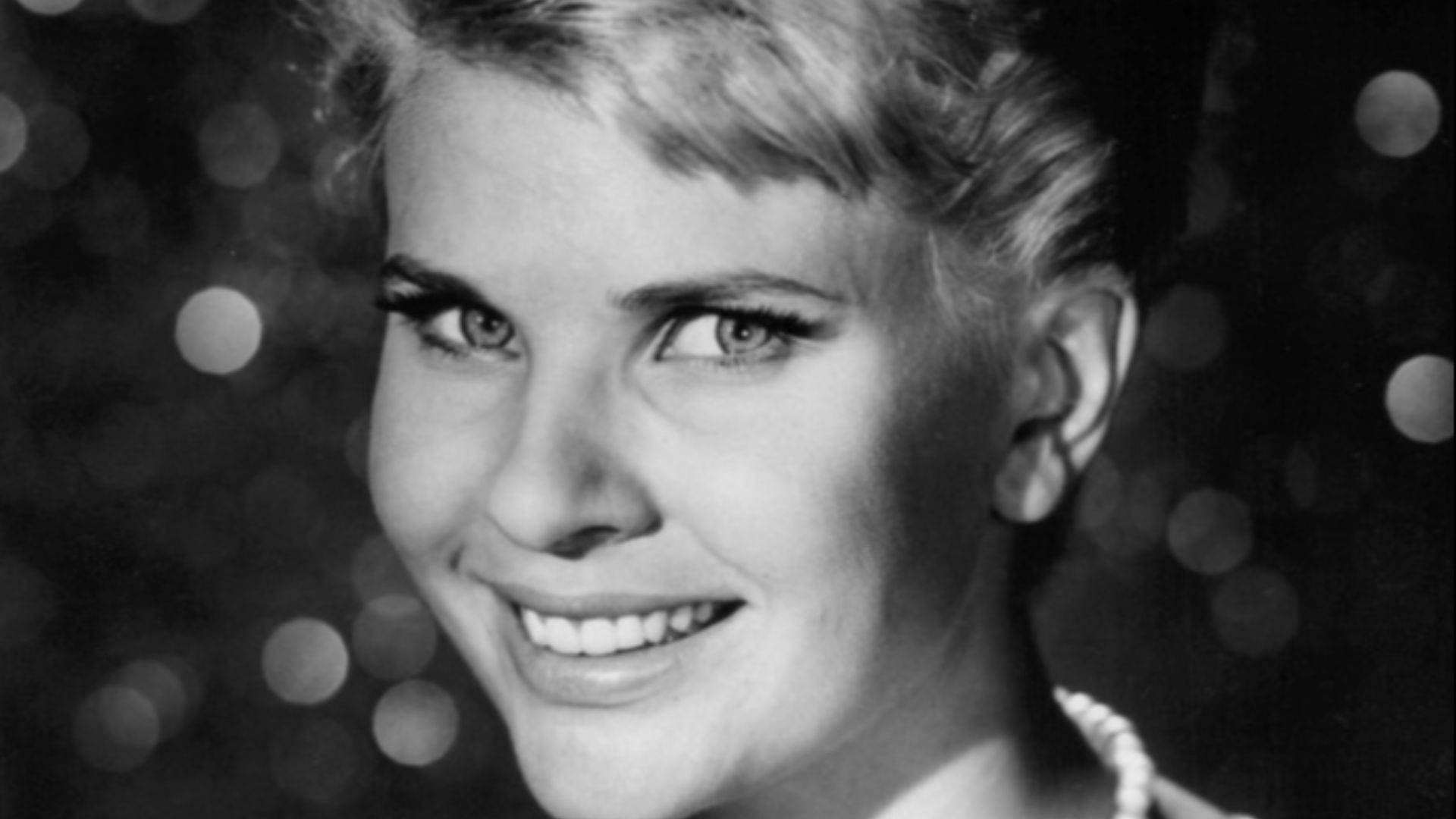 NBC Television, Wikimedia Commons
Baur Had To Win The Role Against Heavy Competition
Baur later said that approximately 100 performers were considered for the part. The field was narrowed through readings and screen tests before producers selected her. Joining a successful network drama under those circumstances carried unusual pressure because audiences would naturally compare her with Anderson. The lengthy search suggests that producers understood how important the replacement would be.
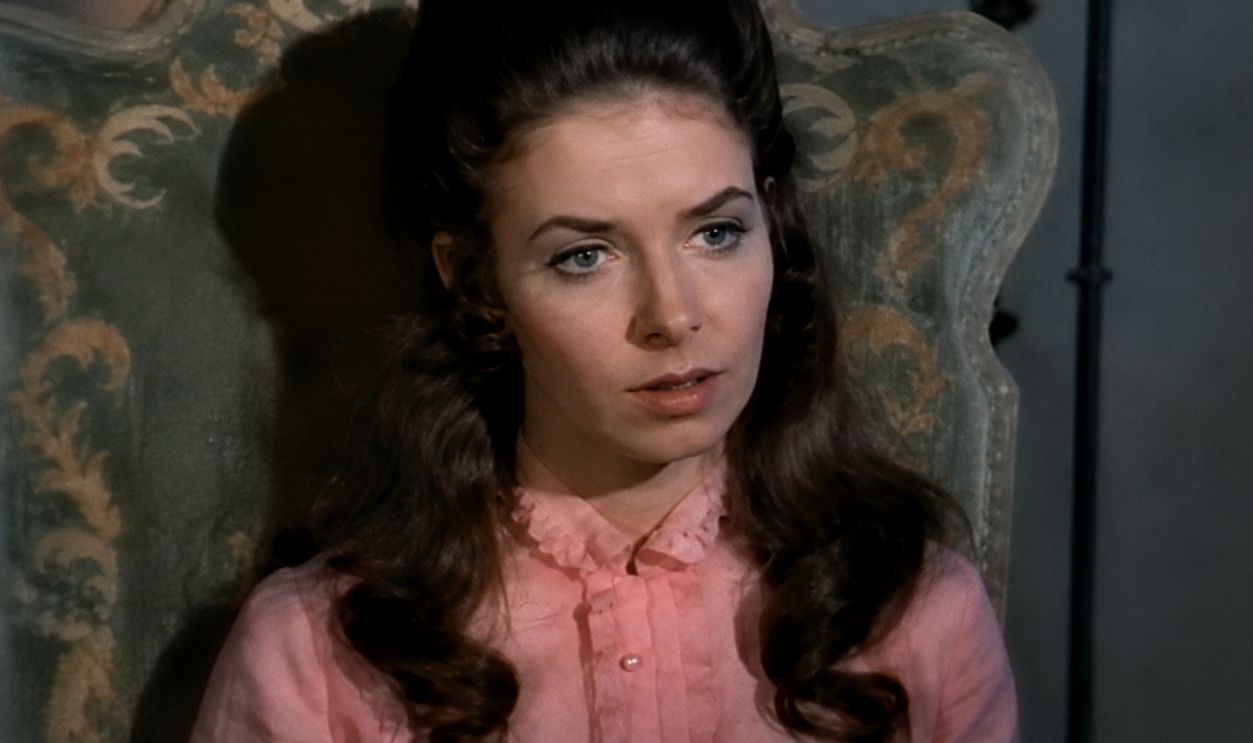 Screenshot from Lancer, The Walt Disney Company (1968-1970), enhanced
She Was Still Early In Her Career
Baur had only begun working professionally a few years before joining Ironside. She started as a contract player at 20th Century Fox, appeared in the 1968 film The Boston Strangler, and then moved into television work at Universal. Her résumé was growing, but she did not arrive with Burr’s decades of experience or the security of a long-established star. The contrast gave Fran a naturally younger presence inside the team.
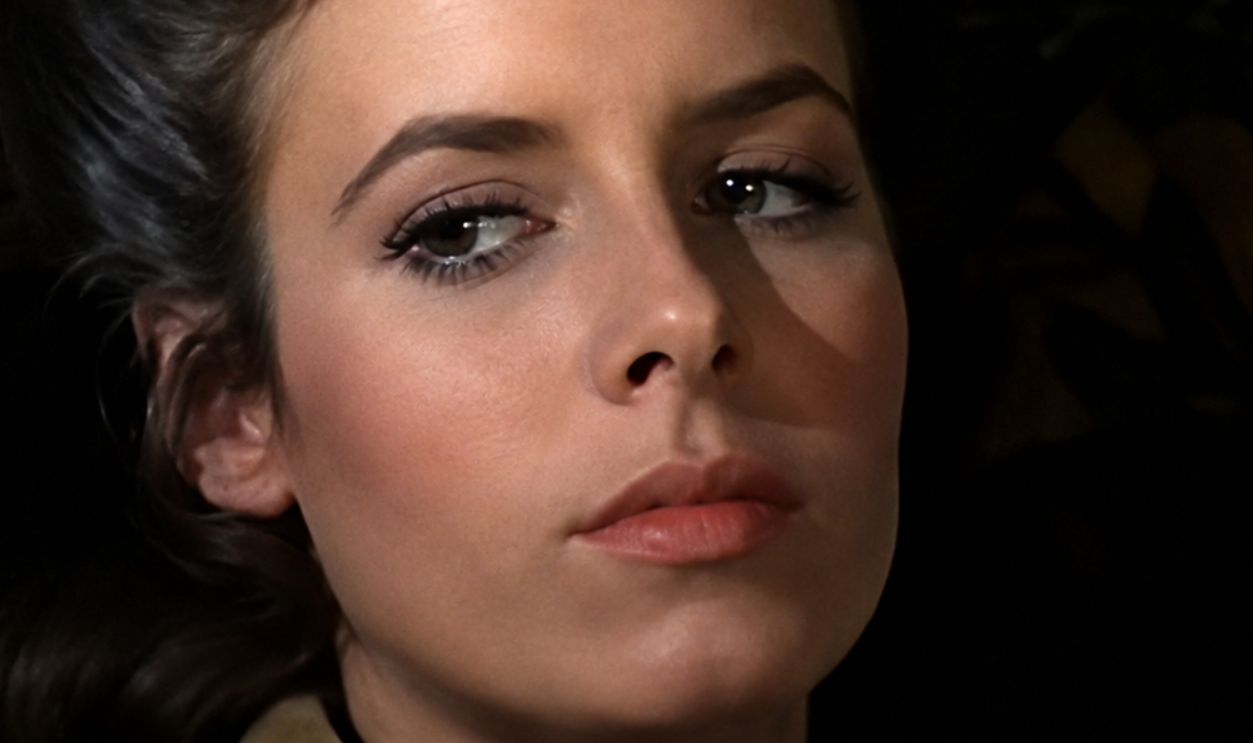 Screenshot from Lancer, The Walt Disney Company (1968-1970), enhanced
Hollywood Was Part Of Her Family Background
Baur was born and raised in Los Angeles and came from a family with deep California roots. Her father worked as a casting director at 20th Century Fox, although biographical accounts indicate that he was not enthusiastic about her entering the profession. She nevertheless left college for an acting-training program at the studio. Her route into Hollywood therefore combined family familiarity with a need to establish her independence.
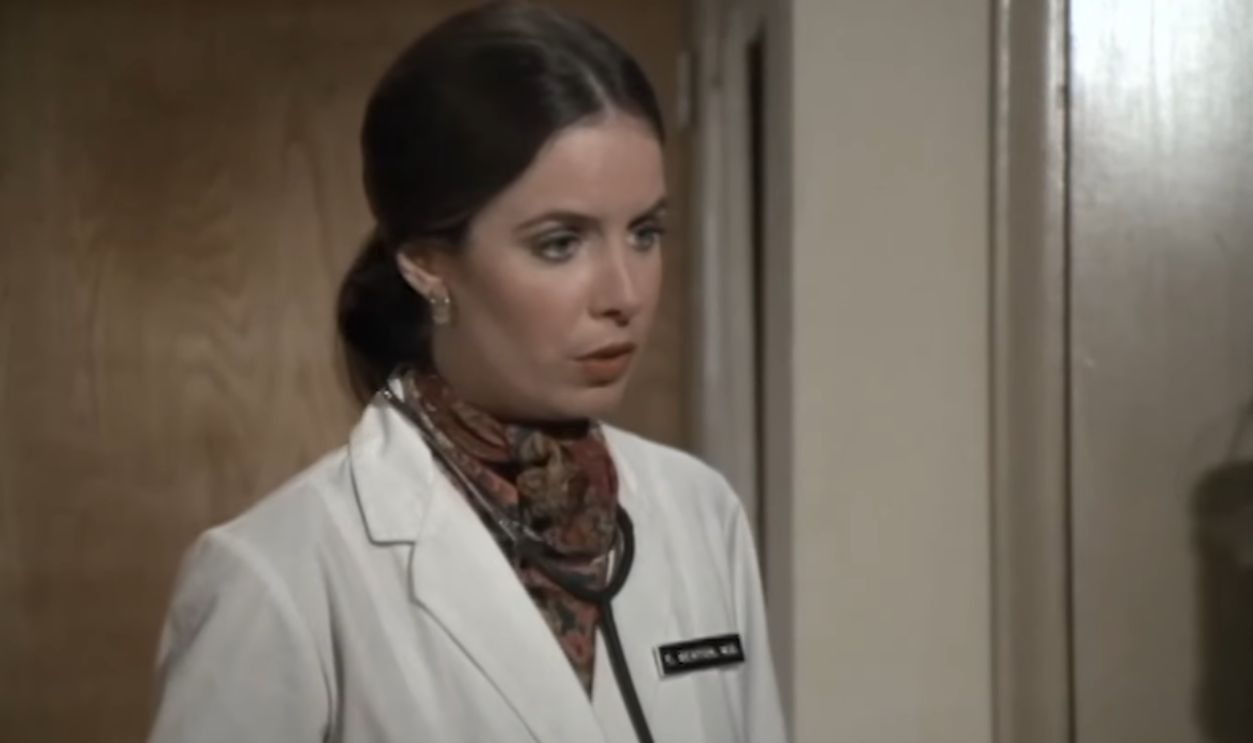 Screenshot from S.W.A.T., Sony Pictures Entertainment (1975-1976)
Lancer Gave Her A First Regular Role
Before Ironside, Baur played Teresa O’Brien on the CBS Western Lancer. The series ran from 1968 to 1970 and cast her as the ward of rancher Murdoch Lancer. Teresa brought a youthful female perspective into a household otherwise dominated by strong male characters. That experience helped prepare Baur to enter another ensemble led by older, forceful men.
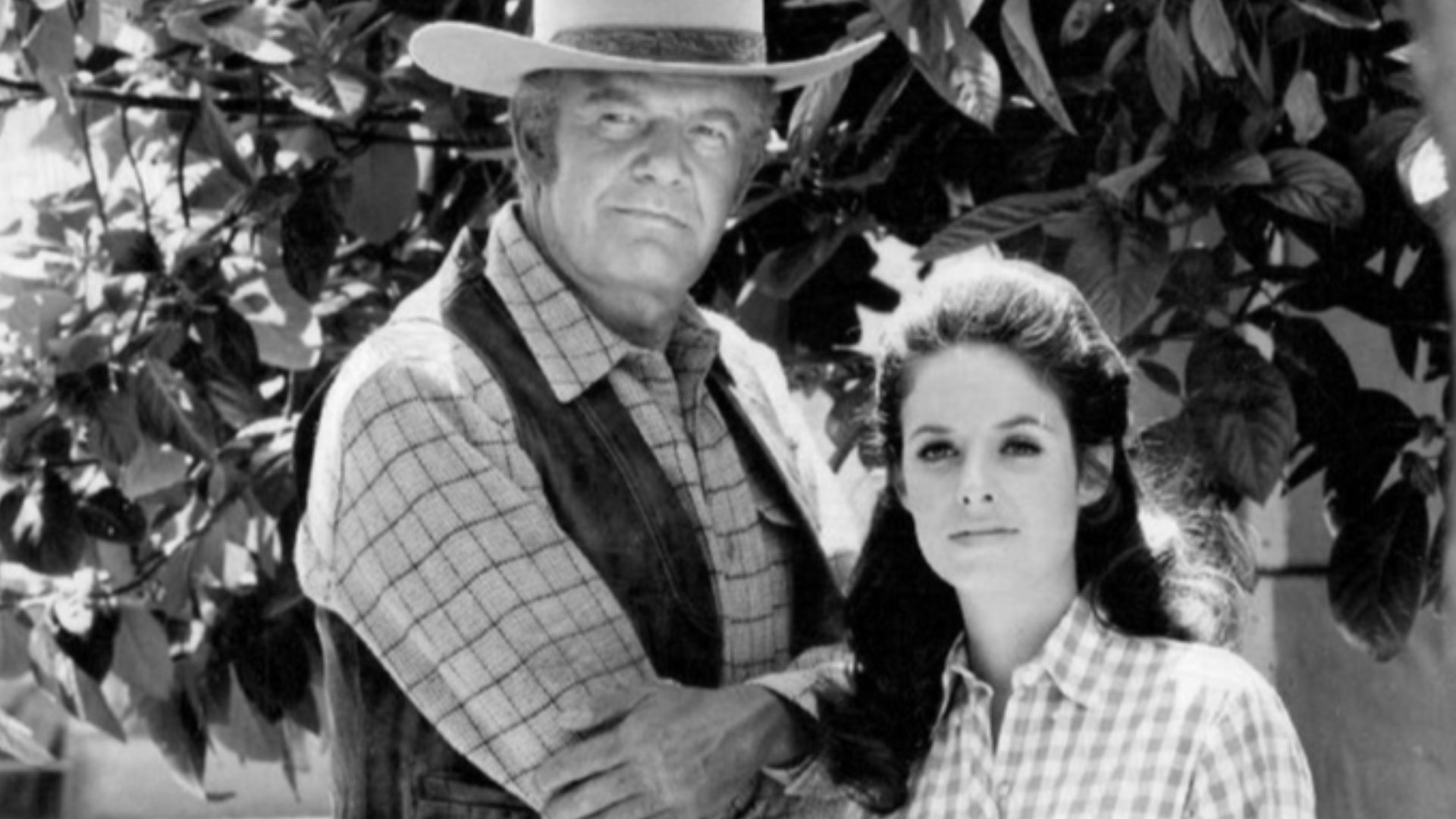 CBS Television, Wikimedia Commons
Fran Was Not Simply Eve With A New Name
Eve Whitfield had been part of Ironside’s team from the original television movie. Fran entered after the group’s relationships and working habits were already firmly established. That difference allowed Baur to play someone who still had to prove herself within the unit. Her arrival created a slight sense of adjustment that would have been impossible if the series had treated her as an exact duplicate.
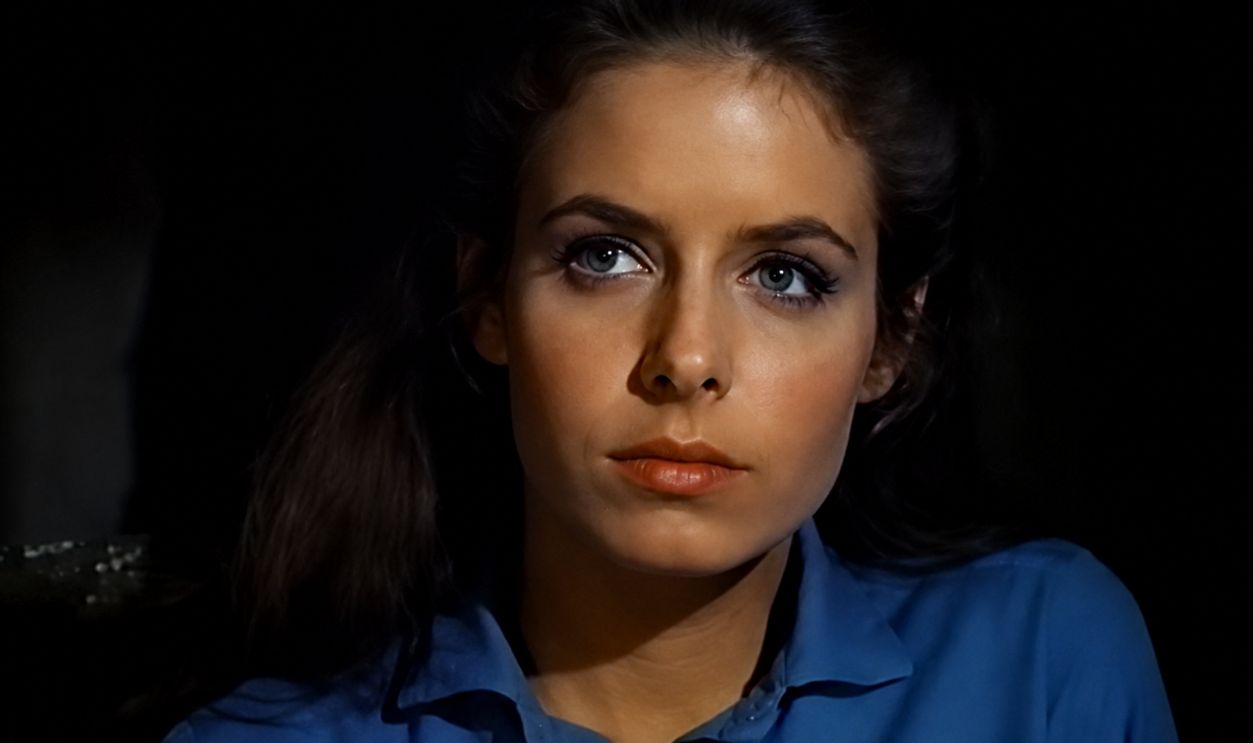 Screenshot from Lancer, The Walt Disney Company (1968-1970), enhanced
She Brought More Youthful Impulsiveness
Fran often seemed more emotionally immediate than the highly controlled Ironside. Baur could show concern, frustration, curiosity, or personal investment before the chief had finished calmly assessing the evidence. That difference did not make Fran less professional. It gave the investigative scenes another rhythm by placing youthful instinct beside Ironside’s seasoned judgment.
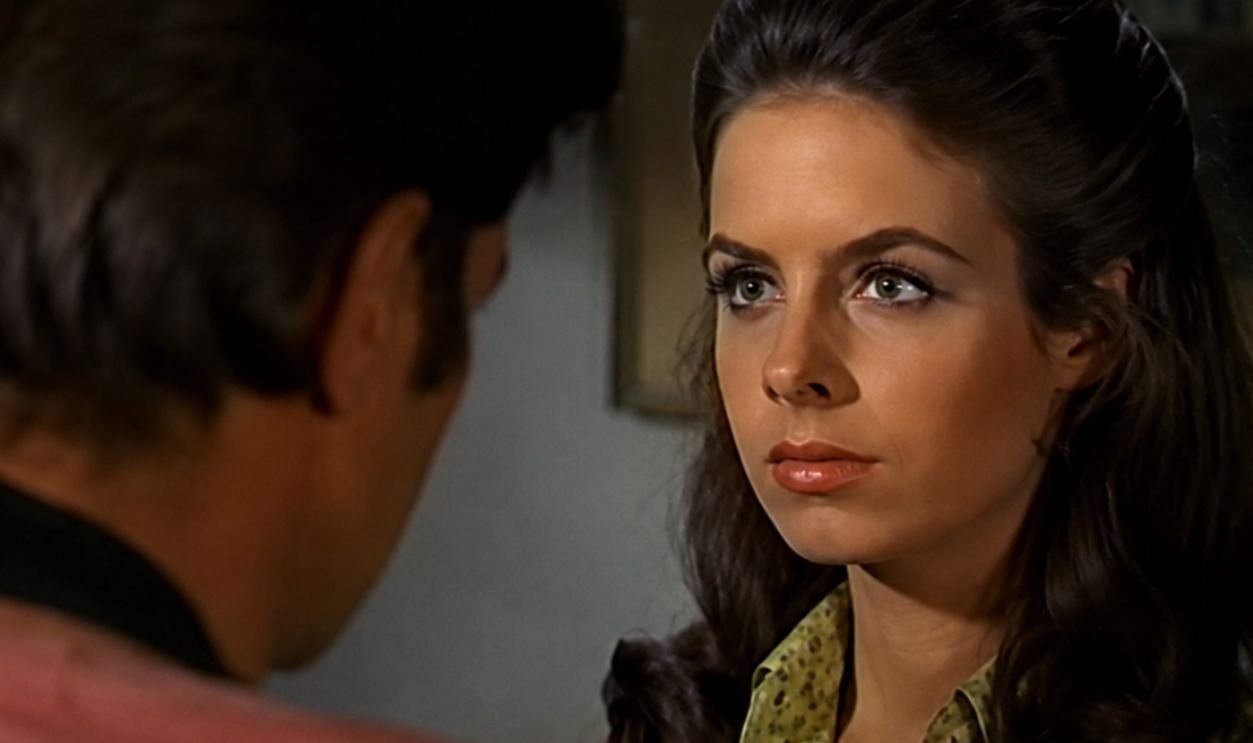 Screenshot from Lancer, The Walt Disney Company (1968-1970), enhanced
Raymond Burr Remained The Center Of Gravity
Burr’s Robert Ironside was still the undisputed leader of the series. He had been a police officer for more than 20 years before the injury that placed him in a wheelchair, and he ran his team through intelligence, persistence, and a famously gruff manner. Baur did not try to compete with that authority through volume. She made Fran effective by reacting honestly to it and gradually earning space beside it.
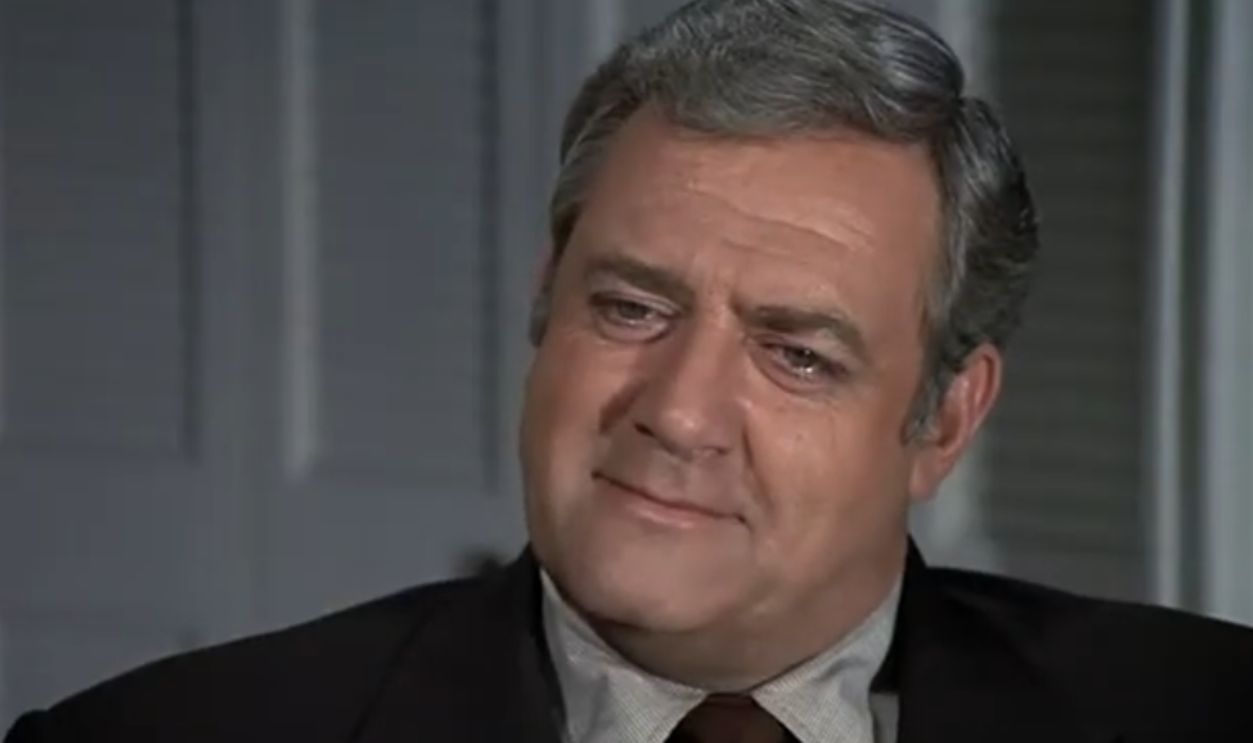 Screenshot from Ironside, NBCUniversal (1967-1975)
Fran Made Ironside Seem More Paternal
Ironside could be severe with every member of his team, but Fran’s relative youth brought out a more visibly protective side. Their exchanges sometimes carried the tension of a demanding mentor testing a promising younger officer. Burr could remain intimidating while still suggesting that Ironside cared deeply about whether Fran succeeded. Baur’s openness helped expose warmth that the chief rarely expressed directly.
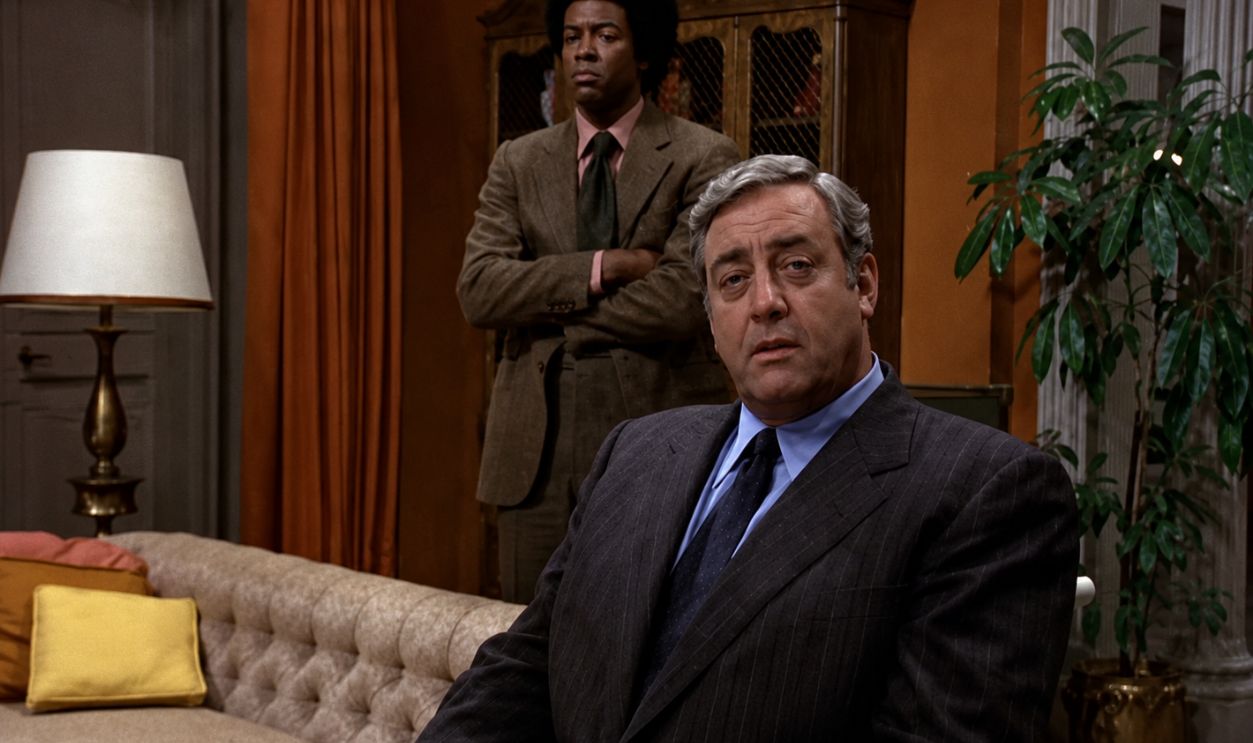 Screenshot from Ironside, NBCUniversal (1967-1975), enhanced
Dear Fran Gave Her An Early Showcase
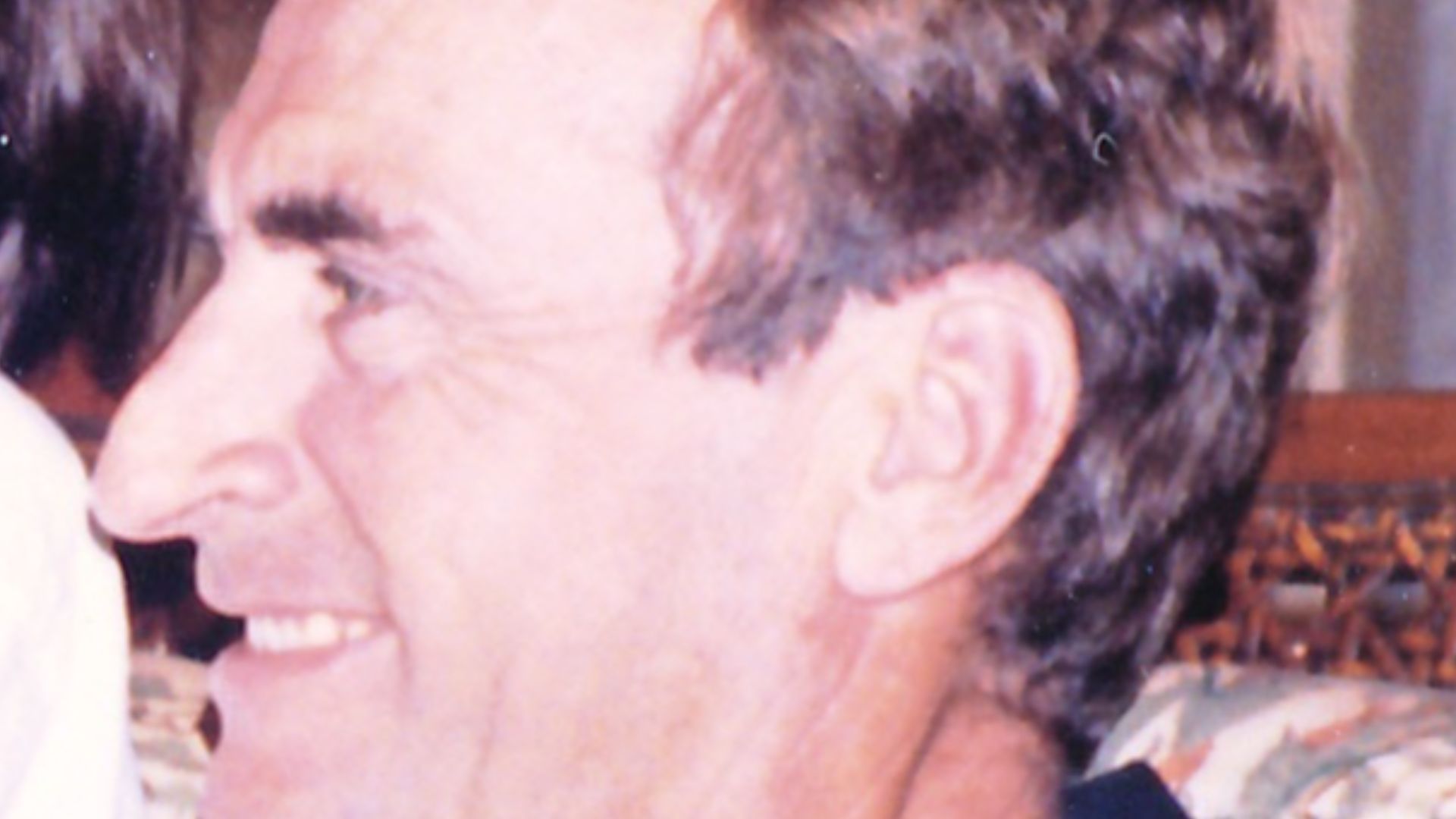
“Dear Fran...” aired on November 9, 1971, only weeks into Baur’s first season. The episode placed her name directly in the title and featured Fran within a case involving harassment and escalating danger. It signaled that the new officer would receive stories built around her rather than remaining decorative support. The episode also surrounded Baur with experienced guest actors, including M. Emmet Walsh and James B. Sikking.
 Anne Sikking, Wikimedia Commons
She Could Carry Personal Jeopardy
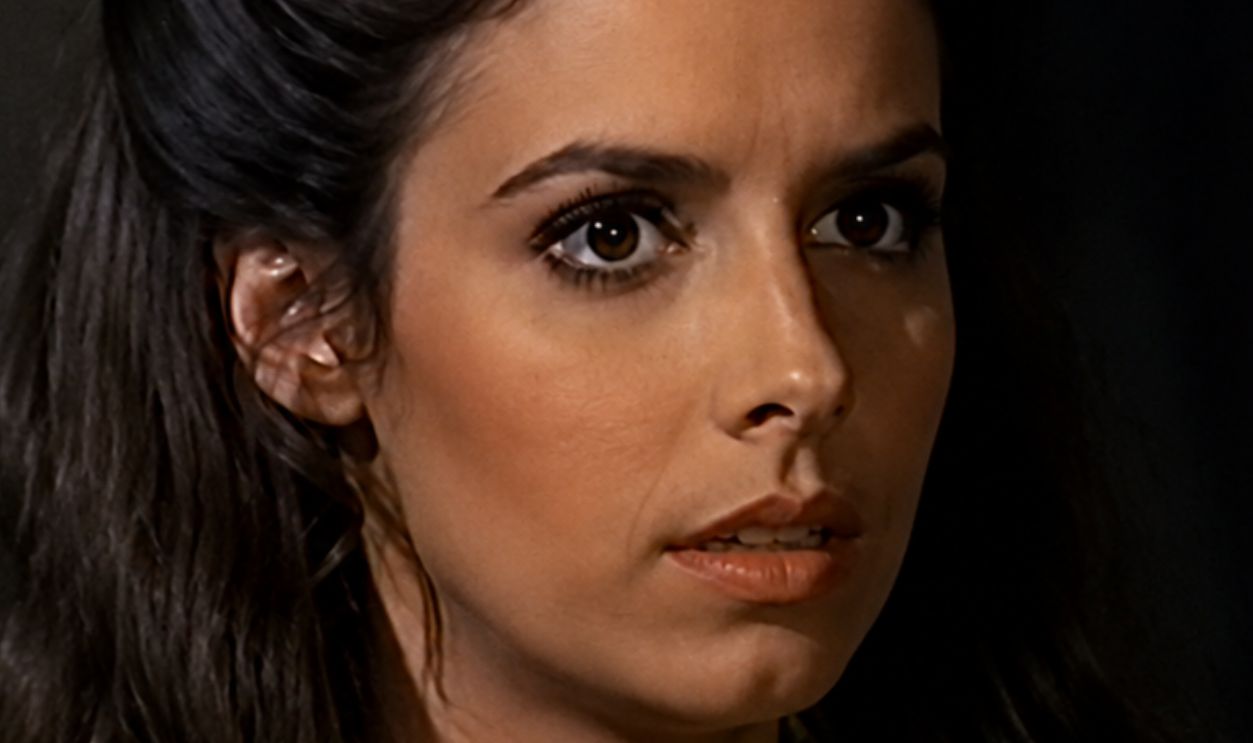
Crime dramas often used female officers mainly to interview witnesses or provide emotional concern from the sidelines. Fran was instead placed in situations where the danger became personal and she had to participate directly in solving it. Baur’s vulnerability did not erase the character’s competence. It made the risks feel immediate while preserving Fran’s place as a working officer.
 Screenshot from Lancer, The Walt Disney Company (1968-1970), enhanced
Her Normality Was Harder Than It Looked
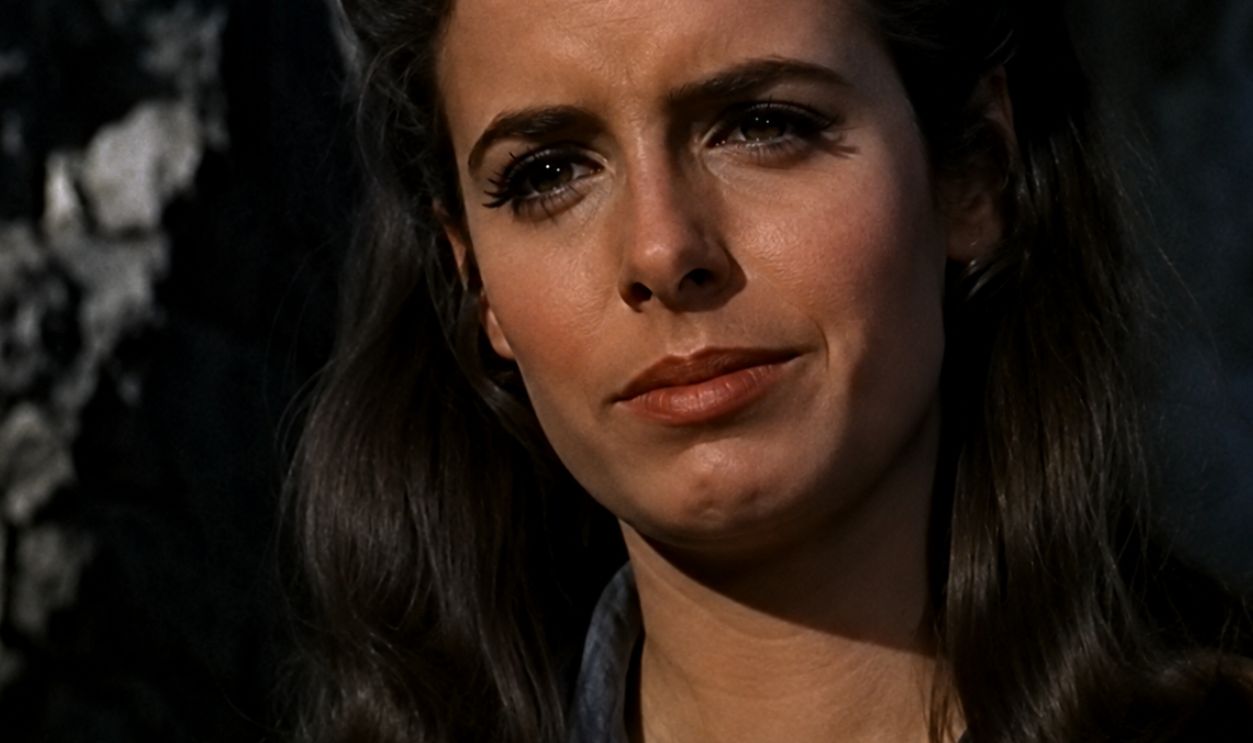
Baur once described Fran as the hardest part she had played because the character was so straight and normal. That observation reveals the challenge beneath an apparently simple performance. Fran had no exaggerated accent, eccentric profession, or obvious comic gimmick to make her memorable. Baur had to build interest through small reactions, professional behavior, and relationships with the continuing cast.
 Screenshot from Lancer, The Walt Disney Company (1968-1970), enhanced
She Changed The Team’s Emotional Balance
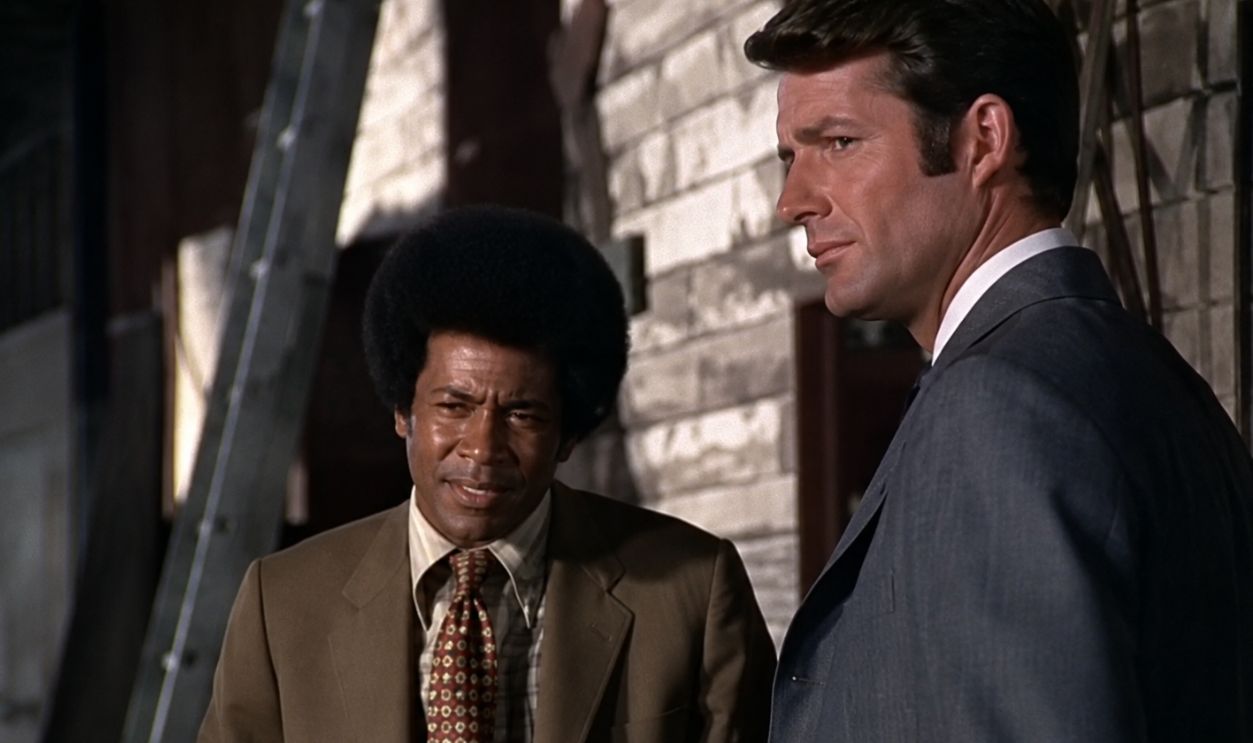
Ed Brown and Mark Sanger already had well-established relationships with Ironside. Fran’s arrival disrupted that settled male rhythm and introduced a new personality who did not share all their history. Her presence could make the team feel less like a closed circle. That gave later episodes opportunities to revisit how loyalty and trust developed inside the group.
 Screenshot from Ironside, NBCUniversal (1967-1975), enhanced
Don Galloway Supplied Steady Professionalism
Don Galloway’s Ed Brown had worked with Ironside since the pilot. He brought conventional police experience and a more restrained temperament to the team. Fran could therefore learn from both Ironside’s formidable instincts and Ed’s practical daily professionalism. Baur’s scenes with Galloway helped position Fran as a colleague rather than merely the chief’s young assistant.
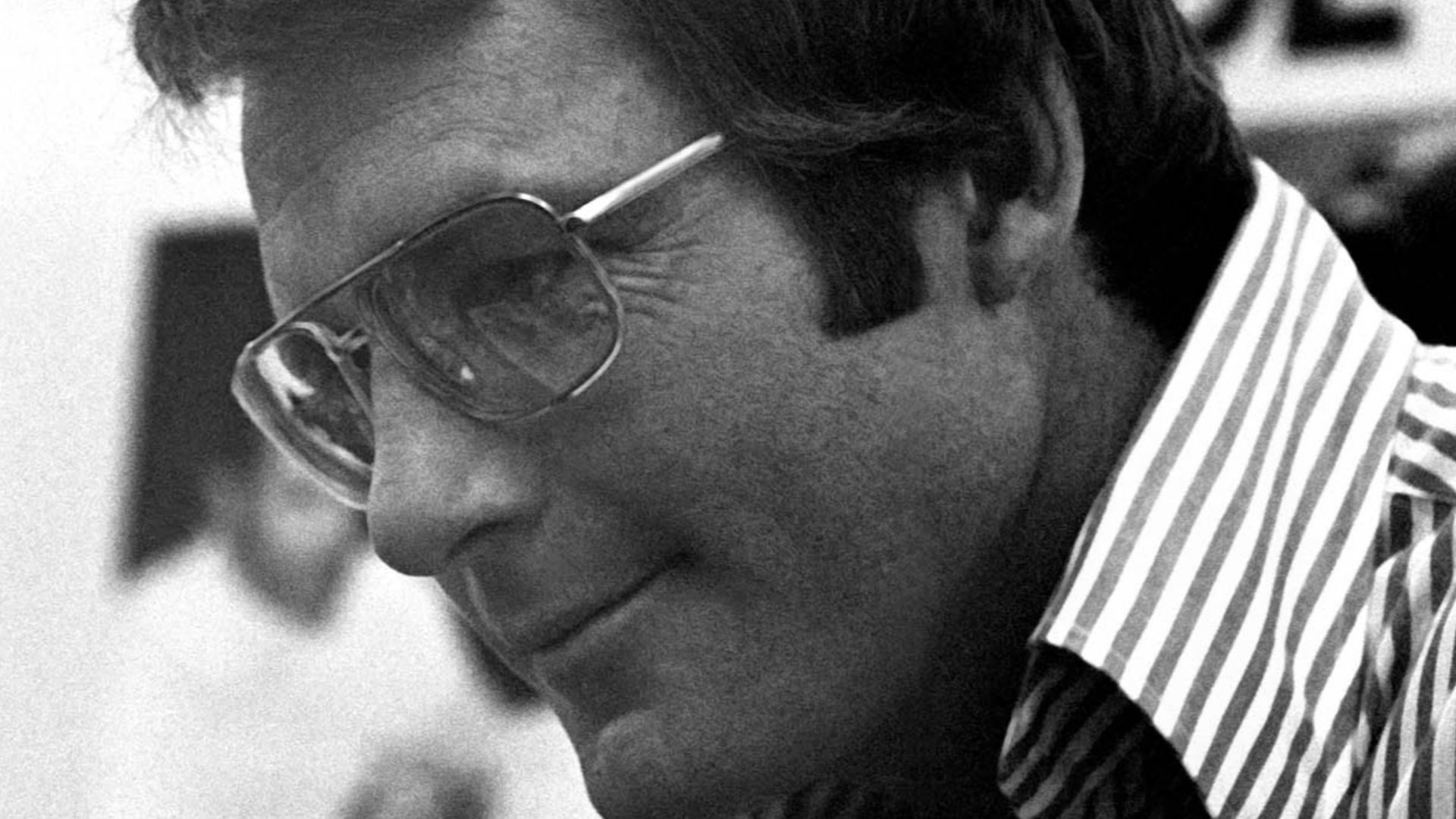
Don Mitchell Added Another Kind Of Perspective
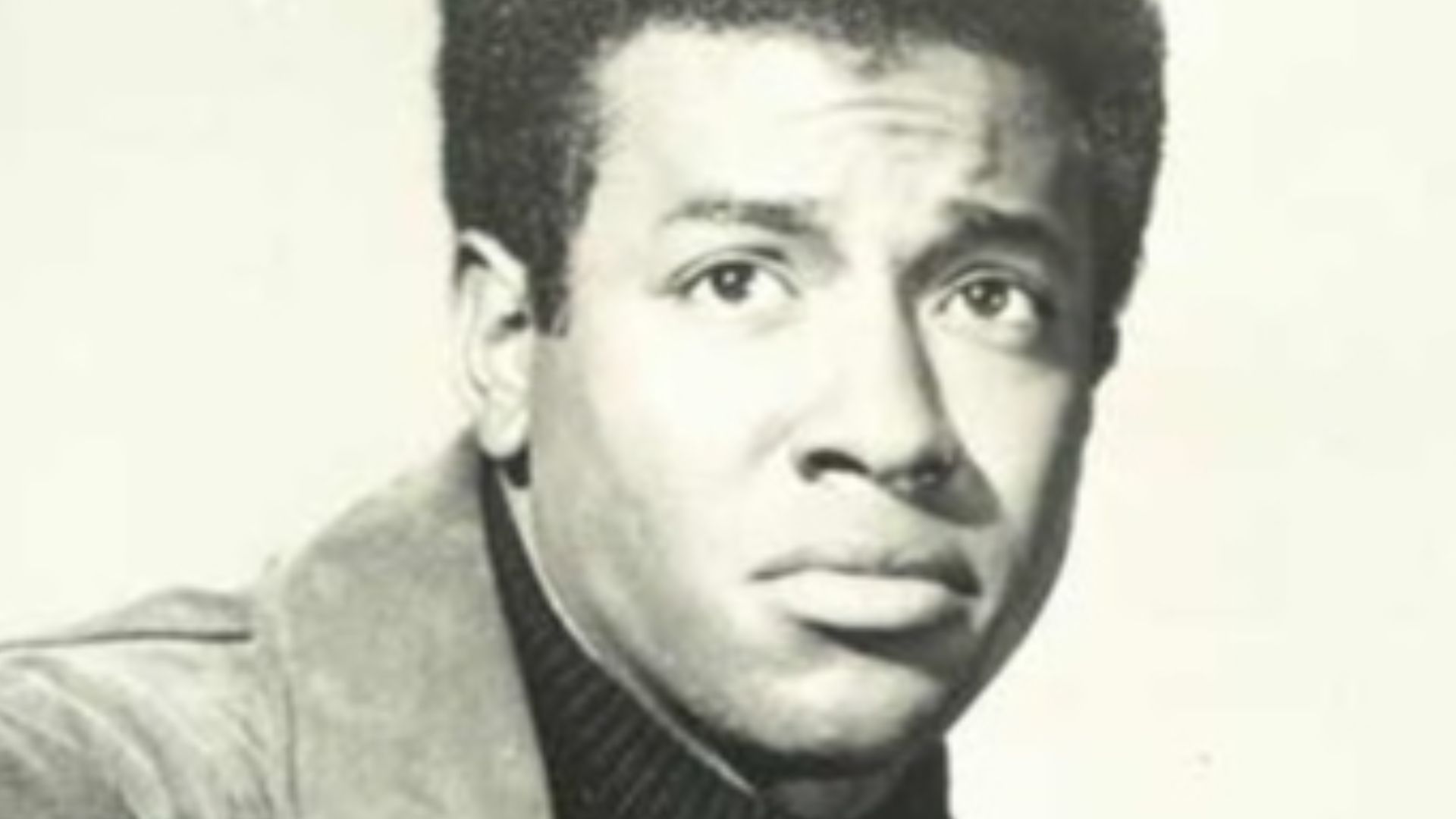
Don Mitchell played Mark Sanger, a former delinquent who became Ironside’s assistant and later pursued both police work and legal education. Mark’s unusual path gave the team a perspective beyond traditional law enforcement. Fran’s more conventional entry into policing contrasted with his personal history. Their presence together made the group feel broader than a standard collection of detectives.
 Unknown author, Wikimedia Commons
The Ensemble Reflected Different Routes Into Service
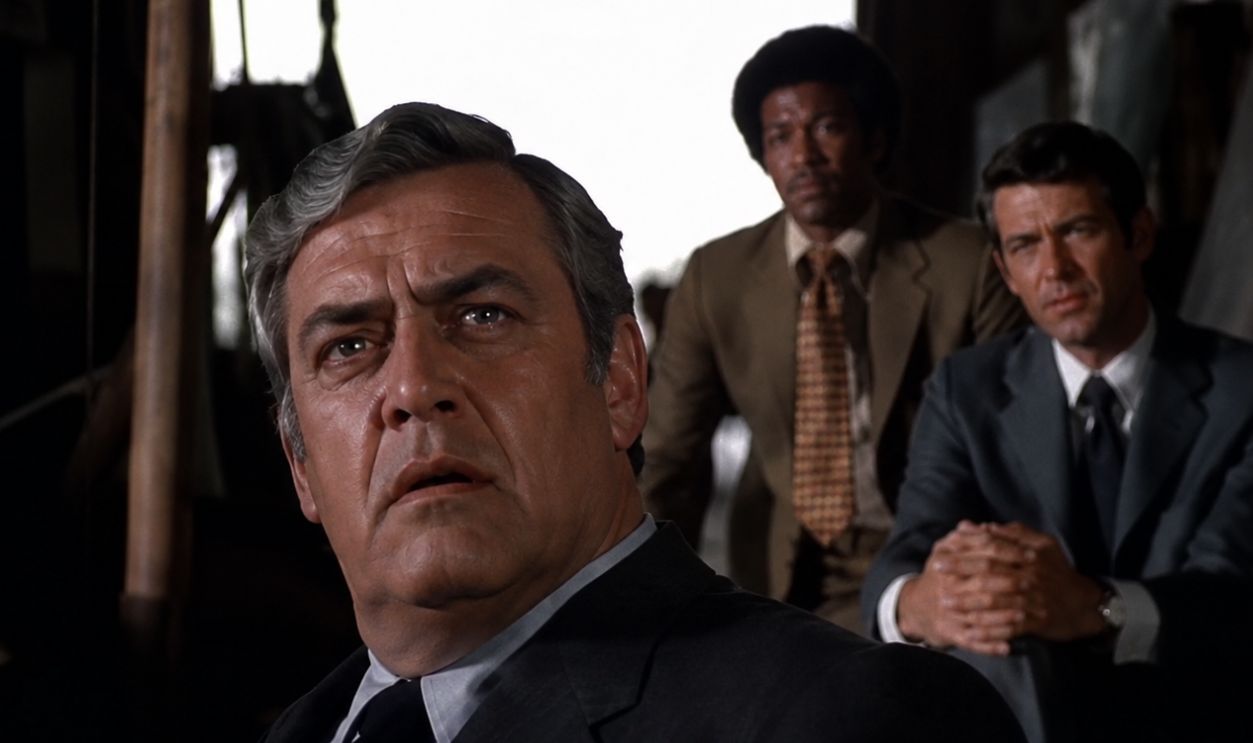
Ironside had led the police department, Ed was an experienced detective, Mark entered through a complicated personal relationship with the chief, and Fran arrived as a younger officer. Those backgrounds allowed the show to present public service as something people approached from different directions. Baur’s character completed that pattern. She represented someone still building confidence inside a team filled with established personalities.
 Screenshot from Ironside, NBCUniversal (1967-1975), enhanced
Fran Entered During Television’s Changing View Of Policewomen
By the early 1970s, crime dramas were beginning to make greater use of women as working investigators rather than secretaries or endangered relatives. Fran carried a badge and participated in active cases, even if the scripts still reflected the limitations of the era. Baur’s regular presence helped normalize the idea that a young woman belonged inside a serious investigative unit. Her role arrived before female-led police dramas became more common later in the decade.
 Krakenimages.com, Shutterstock
She Added Warmth Without Softening The Cases
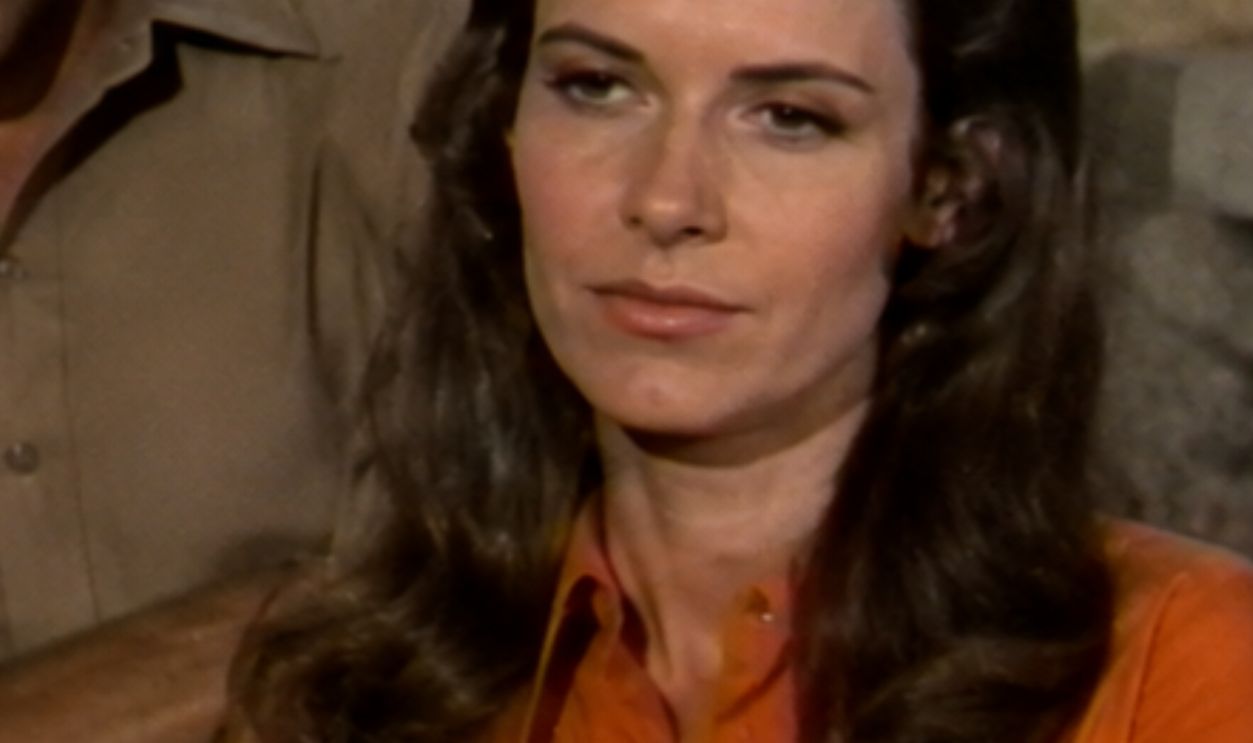
Baur’s expressive style brought emotional warmth to stories built around murder, violence, and institutional pressure. Fran could connect quickly with witnesses or victims while the other investigators concentrated on procedure. That compassion did not turn the series into a gentler program. It gave viewers another way into cases that might otherwise have felt cold or mechanical.
 Screenshot from Lancer, The Walt Disney Company (1968-1970), enhanced
The Show Still Expected Her To Handle Action
Fran’s work was not confined to office conversations. Across Baur’s run, the character participated in field investigations and dangerous situations as part of Ironside’s unit. The role required her to move comfortably between emotional scenes, police procedure, and suspense. That versatility helped explain why she remained through the rest of the original series.
 LightField Studios, Shutterstock
Her Arrival Coincided With A Mature Series
By 1971, Ironside had already received substantial Emmy recognition and developed a clear visual and dramatic identity. The program ultimately earned 15 Emmy nominations and two wins. Baur was not joining a show still searching for its tone. Her task was to refresh an established production without making it feel like a different series.
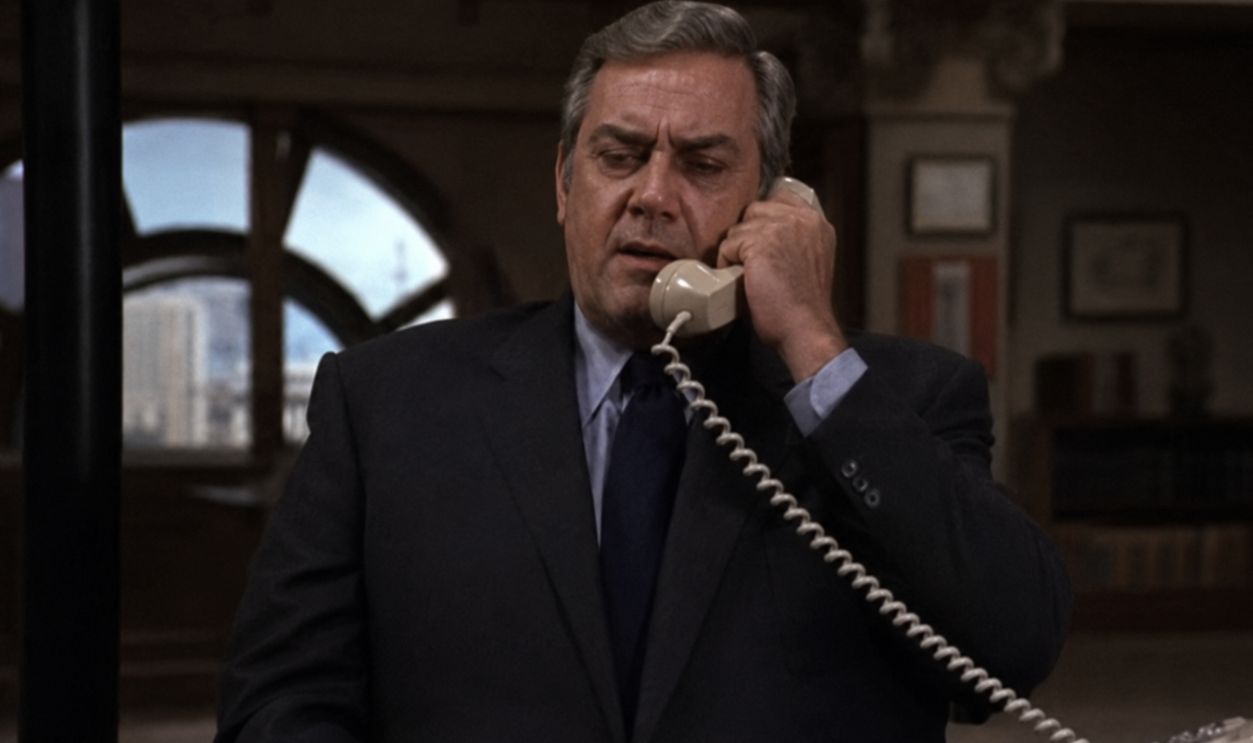 Screenshot from Ironside, NBCUniversal (1967-1975), enhanced
She Helped The Series Continue For Four More Years
Baur played Fran from 1971 until Ironside ended in 1975. Her tenure lasted as long as Anderson’s original run, giving each actress four seasons as the team’s principal female officer. That balance is often overlooked because viewers tend to associate the earliest cast with a program’s identity. Baur was not a brief replacement because she became part of nearly half the series’ history.
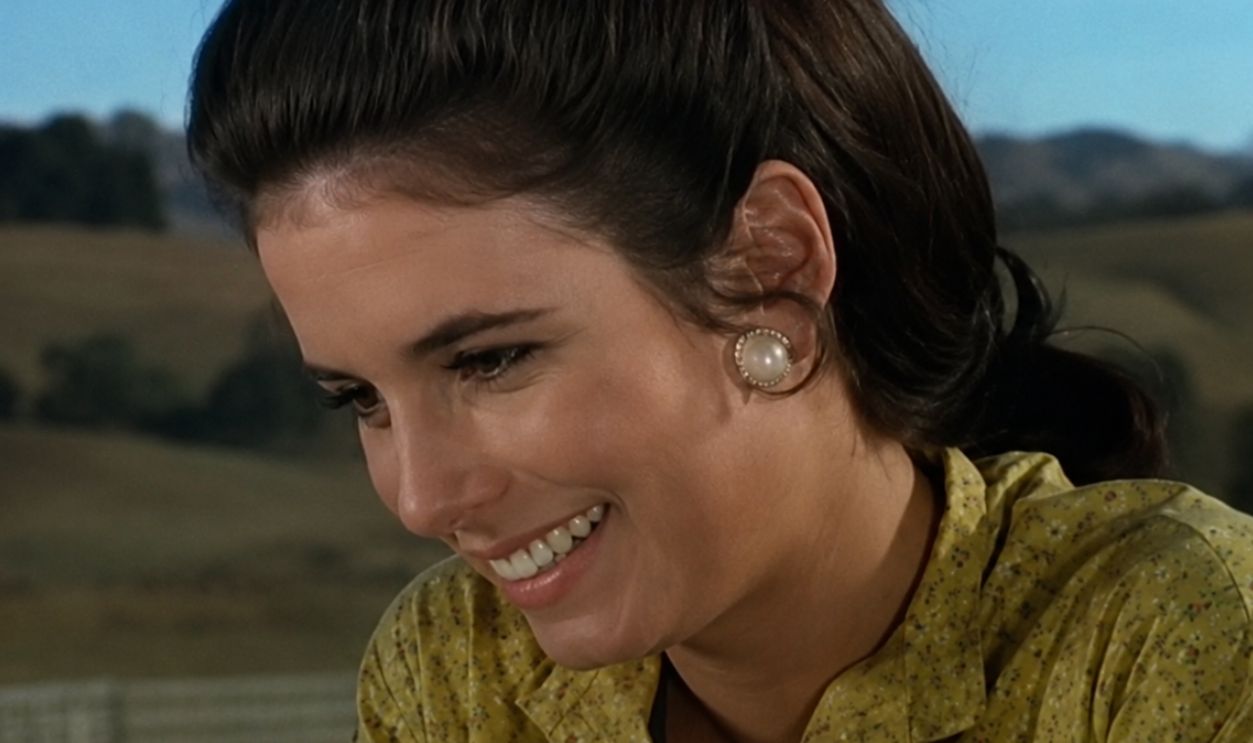 Screenshot from Lancer, The Walt Disney Company (1968-1970), enhanced
The Later Years Needed Fresh Relationships
Long-running procedurals risk becoming repetitive once every central relationship has been thoroughly explored. Fran allowed writers to create new tensions, mentorships, personal dangers, and emotional connections without dismantling the core format. Baur’s newness gave Ironside someone whose reactions were not already predictable. Her character refreshed the ensemble from within rather than forcing a dramatic reinvention.
 cottonbro studio, Pexels, modified
She Crossed Into Another NBC Medical Drama
Baur appeared as Fran Belding in an episode of The Bold Ones: The New Doctors. The crossover placed the officer outside the regular Ironside environment while preserving her identity as part of NBC’s larger dramatic world. It also demonstrated that the character was recognizable enough to travel into another series. Fran had become more than an anonymous replacement by that point.
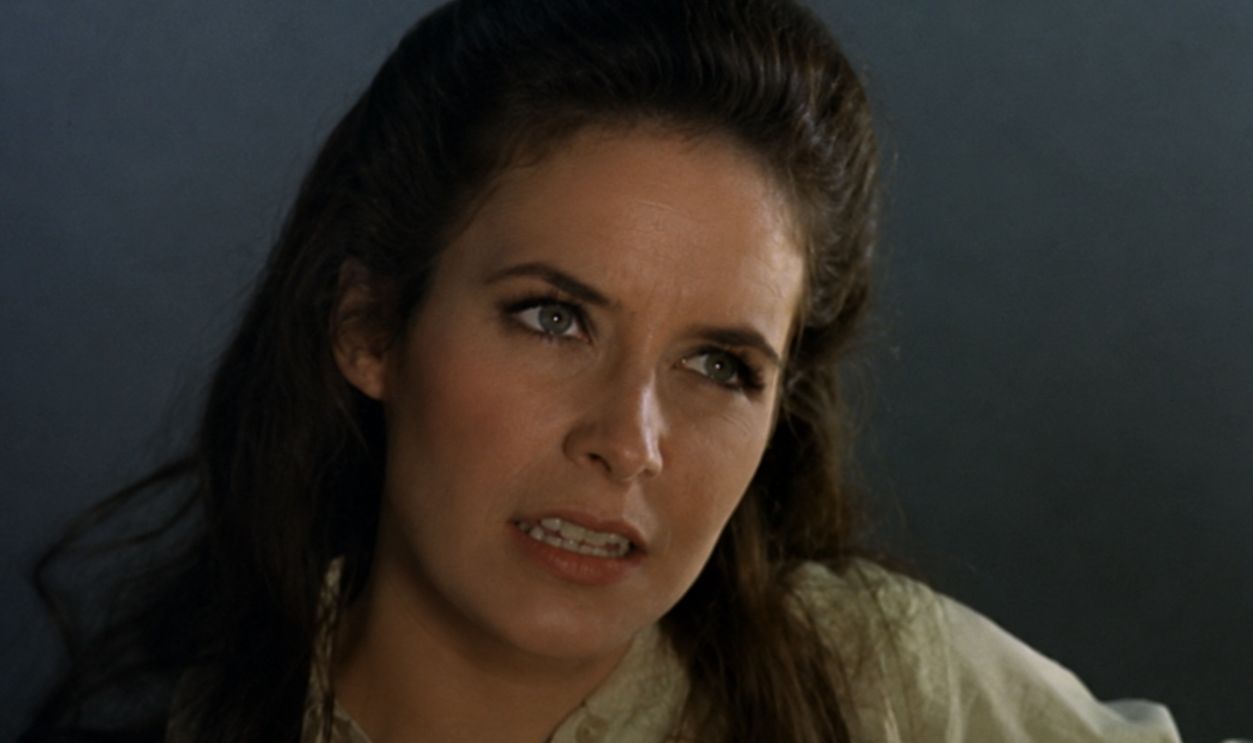 Screenshot from Lancer, The Walt Disney Company (1968-1970), enhanced
Baur Continued Working After The Series
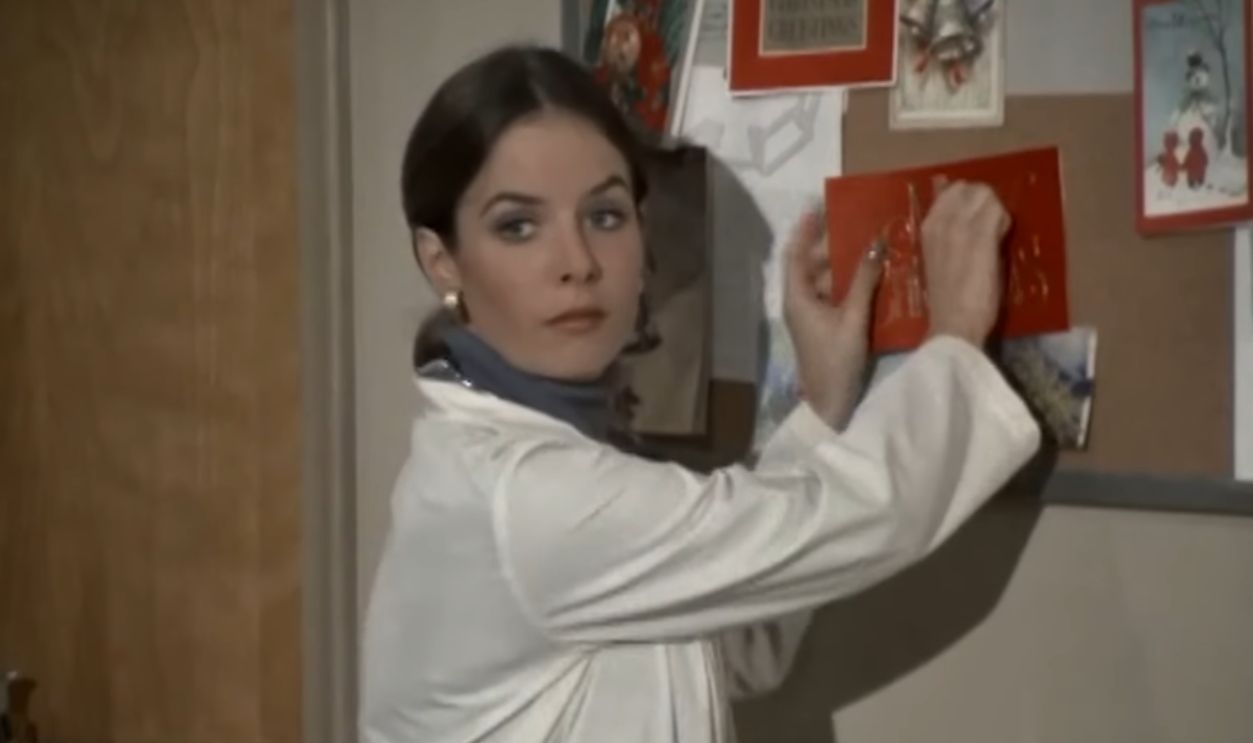
After Ironside, Baur appeared on programs including Police Woman, Fantasy Island, S.W.A.T., and Remington Steele. These roles kept her connected to crime, adventure, and network drama without producing another long-running character of equal prominence. She eventually stepped away from the industry to raise her daughter. That decision made Fran Belding the central television role of her career.
 Screenshot from S.W.A.T., Sony Pictures Entertainment (1975-1976)
The Reunion Finally Joined Both Eras
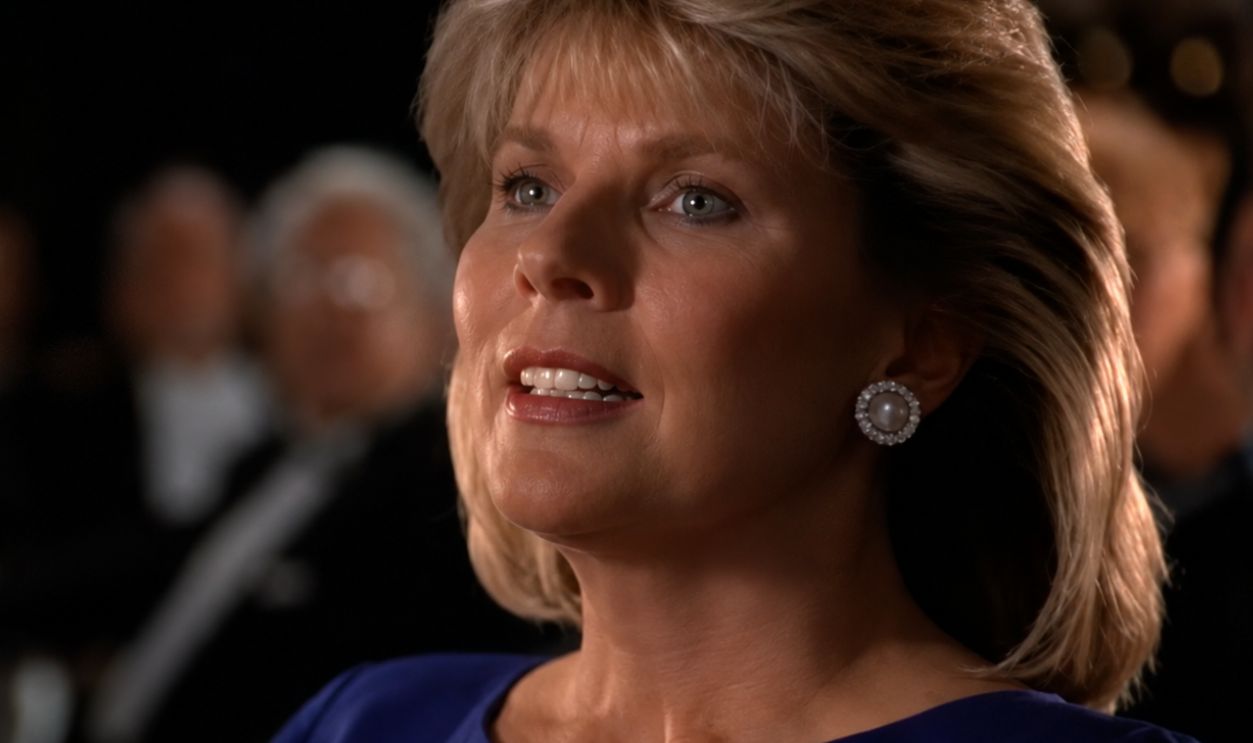
Baur returned as Fran in the 1993 television movie The Return of Ironside. Raymond Burr, Don Galloway, and Don Mitchell also reprised their roles, while Barbara Anderson appeared as Eve. The reunion therefore brought the original and later female members of Ironside’s team into the same production. It was Baur’s final credited screen performance and a fitting acknowledgment that both eras belonged to the show’s history.
 Screenshot from The Return of Ironside, NBCUniversal (1993), enhanced
She Chose A Life Beyond The Industry
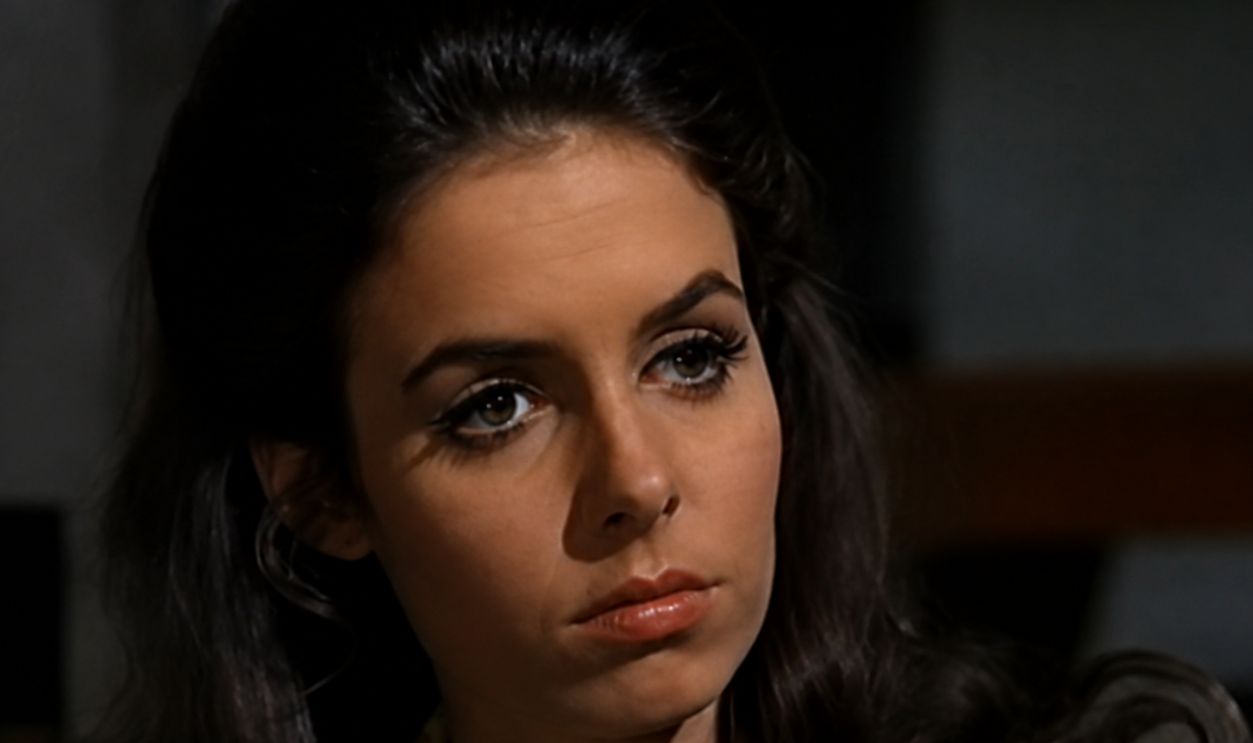
Baur left regular acting after marrying and becoming a mother. Her obituary remembered her not only as an actress but also as a wife, mother, friend, and gracious presence in the lives of those around her. The quieter life after television meant she did not spend decades aggressively promoting her old series. Her work survived largely through reruns and the affection of viewers who remembered Fran.
 Screenshot from Lancer, The Walt Disney Company (1968-1970), enhanced
Fran Belding Quietly Became Essential
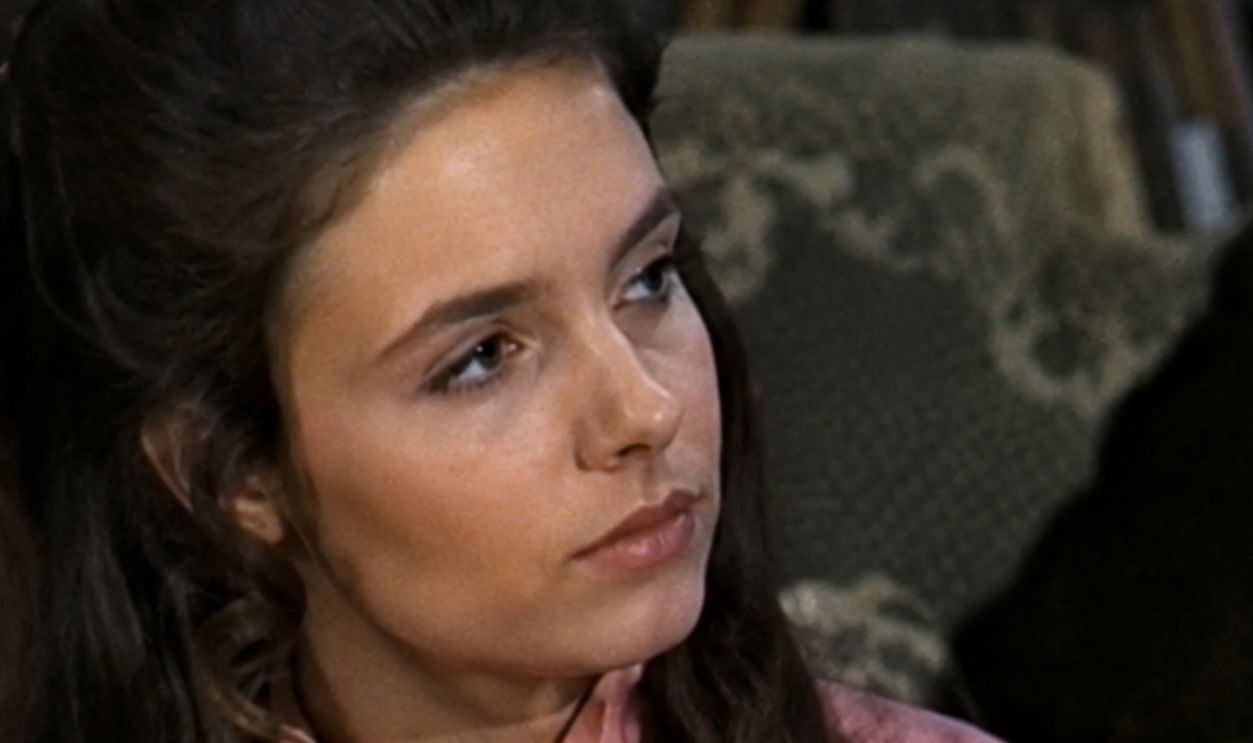
Baur never had the advantage of introducing the series or helping establish its original formula. She entered after viewers had formed attachments and then remained long enough to become part of the show’s lasting identity. Fran gave Ironside greater youth, vulnerability, and emotional movement while respecting the authority at its center. Elizabeth Baur proved that a late addition could change an established drama without breaking what audiences already loved.
 Screenshot from Lancer, The Walt Disney Company (1968-1970), enhanced
You May Also Like:
Once-Popular 1980s Crime Dramas That No One Would Recognize Today—How Many Did You Watch?
Incredible International TV Shows You Need To Add To Your Watchlist