Hollywood Royalty With A Complicated Last Act
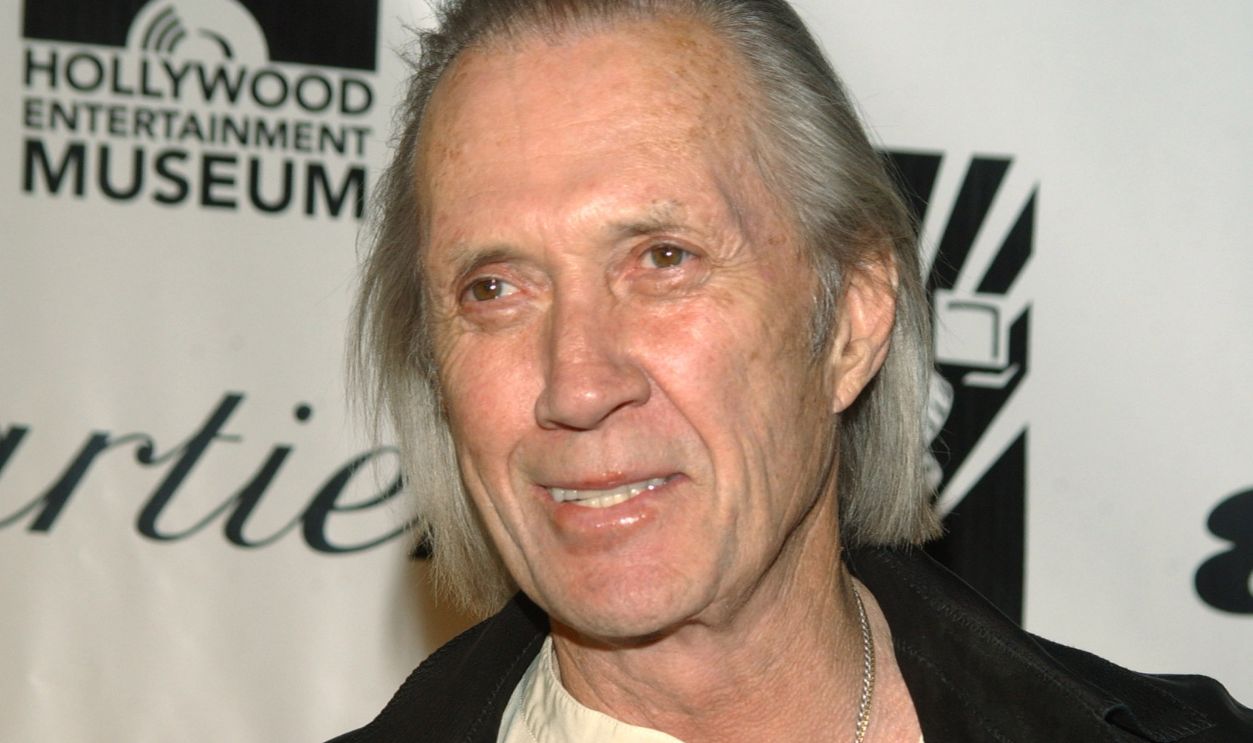
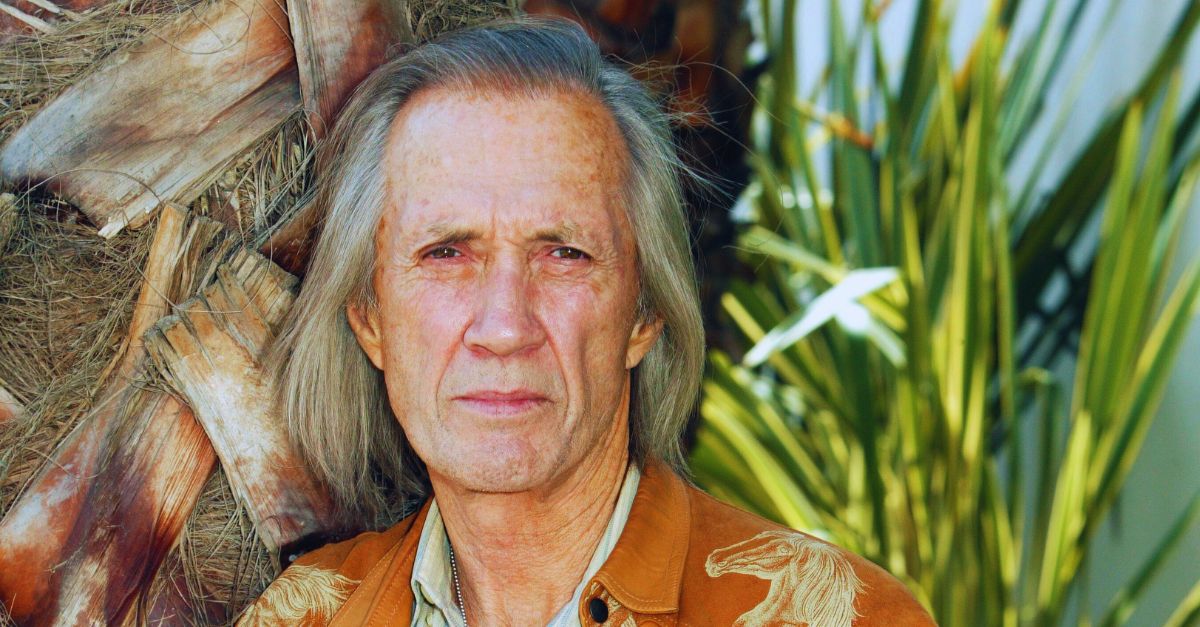
Part of one of Hollywood’s best-known acting families, David Carradine spent decades building a career that was never boring. He could be a TV monk, a Broadway performer, or a grindhouse villain, sometimes in the same year. Then his death in 2009 turned into a global headline that raised questions nobody in the family wanted to answer.
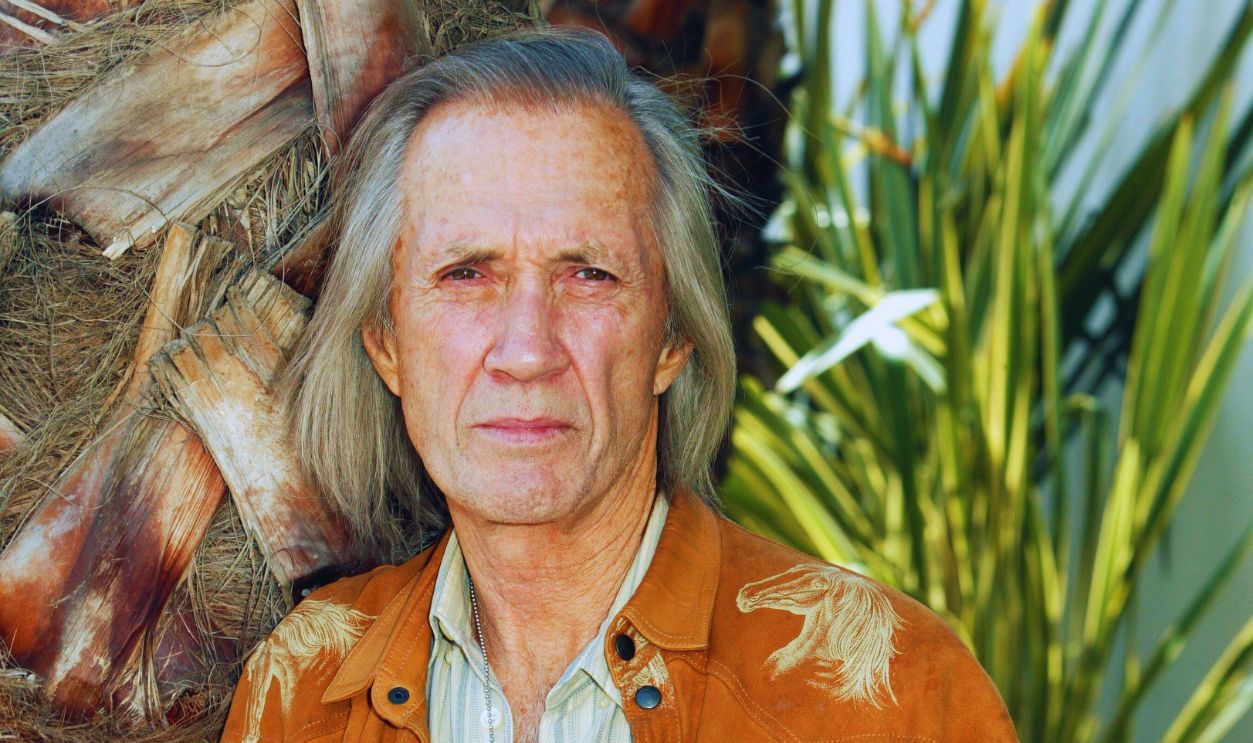 Stephane Cardinale - Corbis, Getty Images
The Carradine Name Already Meant Something
David Carradine was the son of actor John Carradine, a prolific character actor known for classic films and horror favorites. His half-brothers Keith and Robert also became actors, as did his nieces Ever Carradine and Martha Plimpton, making the Carradines a multi-generation Hollywood fixture. That legacy opened doors, but it also came with nonstop comparisons. David spent much of his career trying to be more than “another Carradine.”
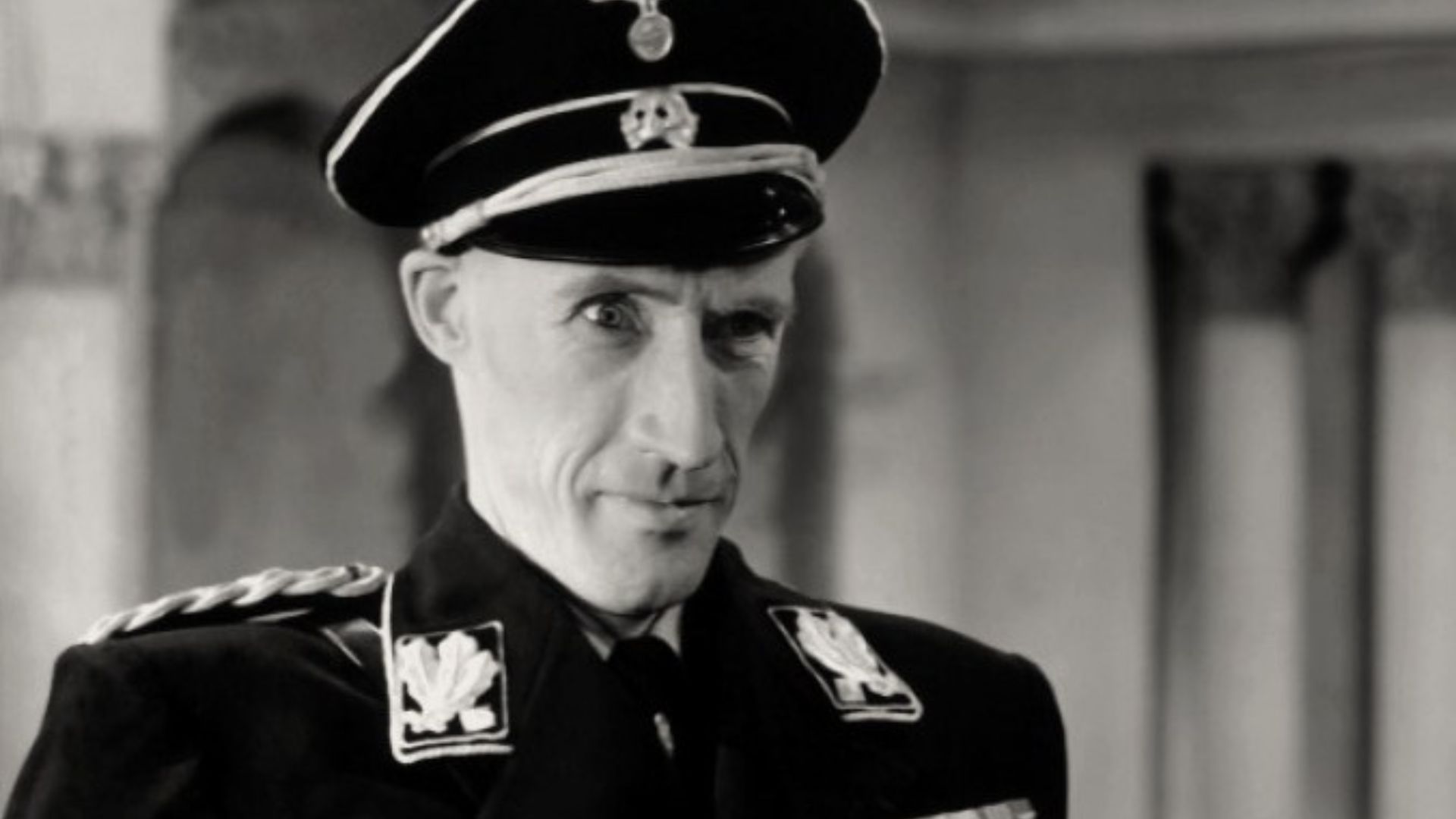 unknown (PRC/MGM), Wikimedia Commons
Growing Up Around Stages, Sets, And Spotlight Drama
David was born in 1936, and show business was part of the household rhythm. John Carradine’s career was huge, but his personal life was complicated. Both he and David's mother got divorced and married multiple times, and David later described a turbulent and unstable childhood. The family image may have looked glamorous from the outside, but it felt messy up close.
From Music To Acting, He Took The Long Way In
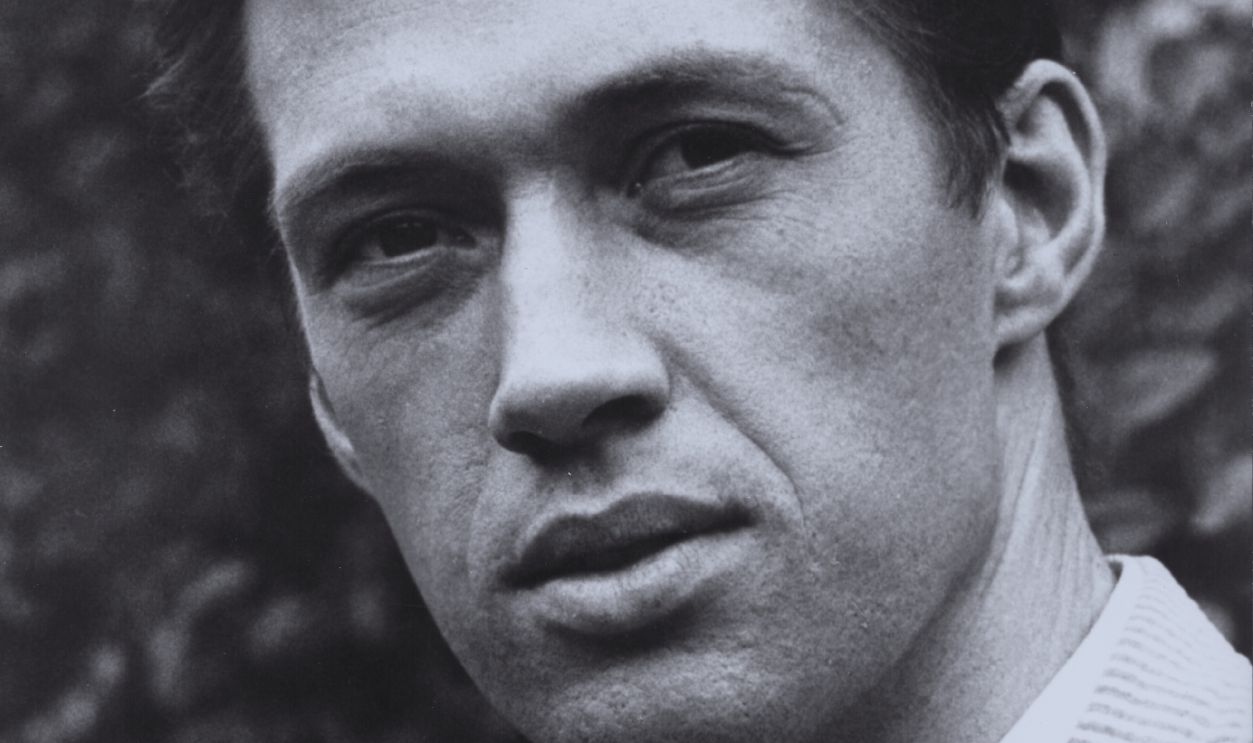
Before he became famous on screen, Carradine studied theater and music theory in college. He tried to dodge the draft, but failed, and was inducted into the Army in 1960, where he eventually established a theater company at Fort Eustis. A couple years later later, in part because of his famous name, he landed his first part in a Broadway play.
Carradine was 31 and off to a good start, but it would be nearly a decade before he became a household name.
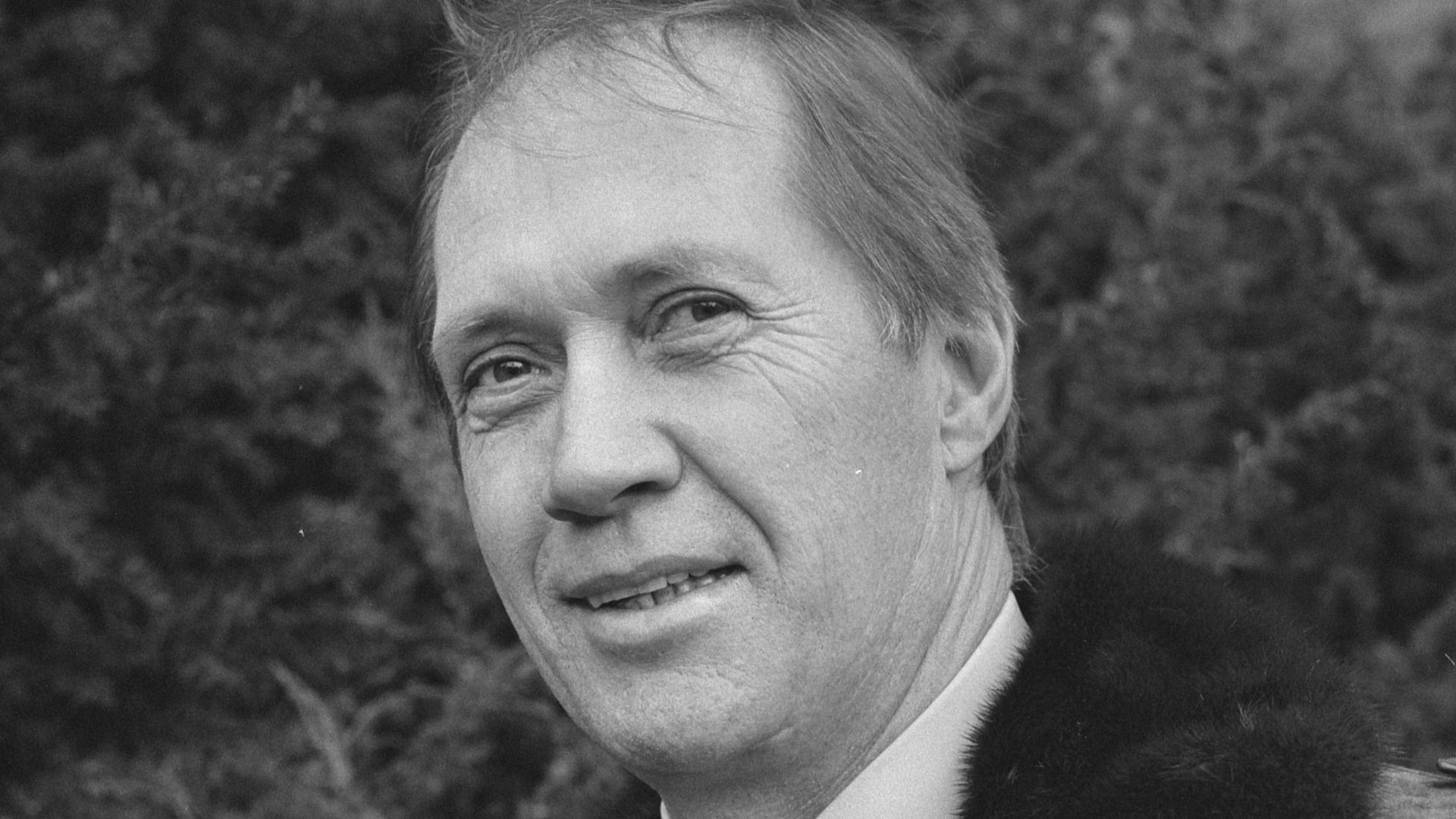 Gerrits, Roland / Anefo, Wikimedia Commons
Early Roles That Hint At What Was Coming
In the 1960s, Carradine popped up in TV and film, including a starring role in the TV series Shane, which only ran for 17 episodes. Beyond his famous name, casting directors began to notice his calm intensity. He just needed the right role to really break through.
In the early 70s, he found that role—even if he wasn't exactly "perfect for the part."
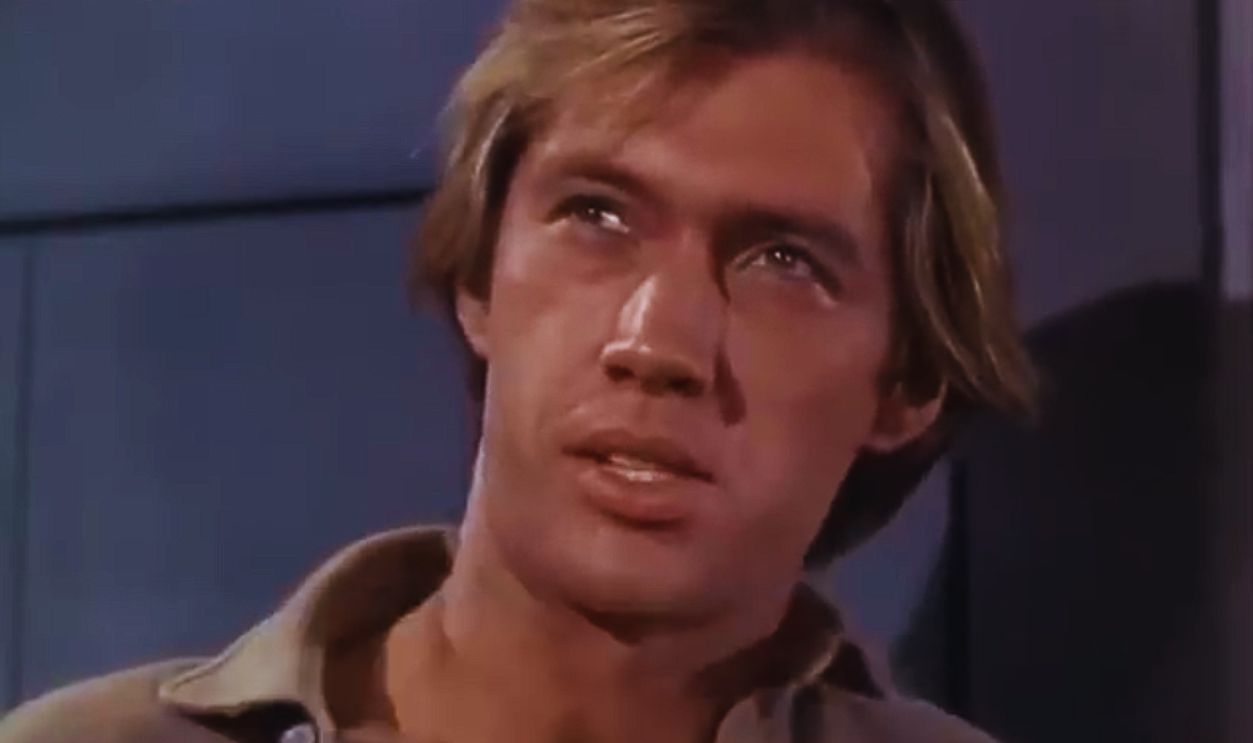 Screenshot from Shane, ABC (1966)
The Break That Changed Everything: Kung Fu
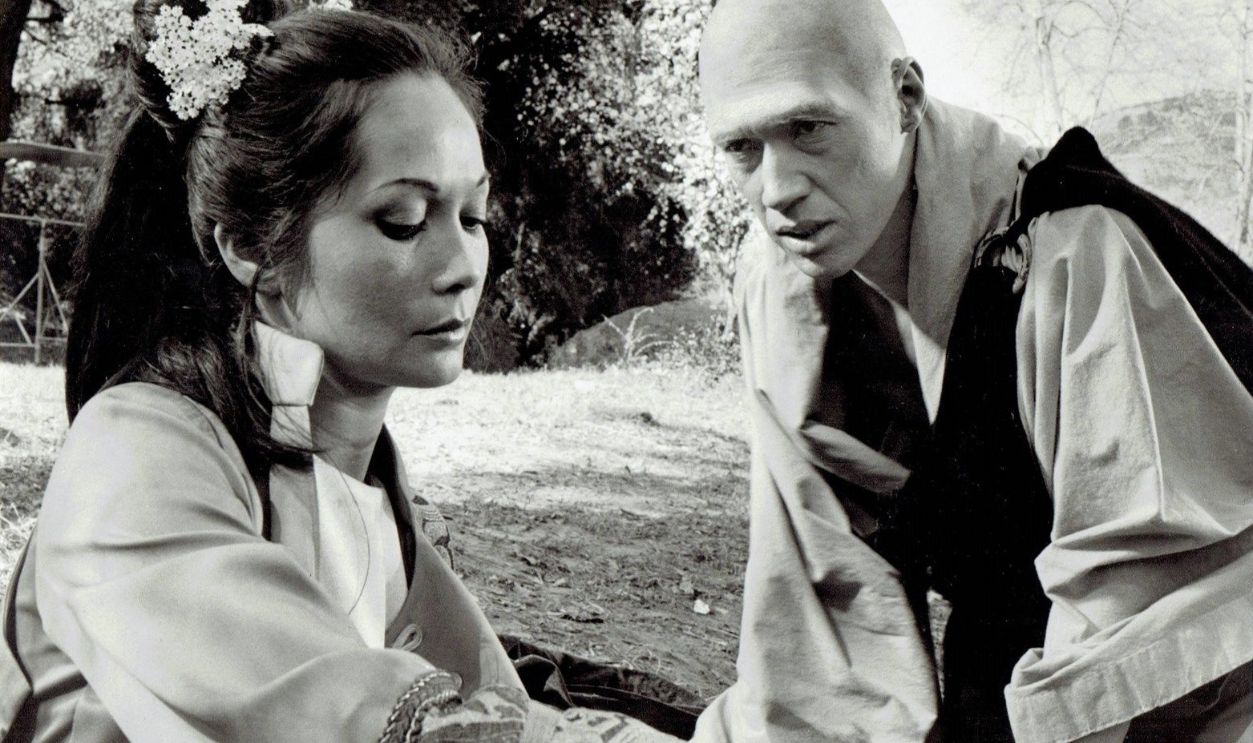
In 1972, Carradine became a household name in Kung Fu as Kwai Chang Caine, the orphaned son of an American man and a Chinese woman. The show’s mix of western grit and martial arts philosophy was a magnet for viewers. Carradine’s quiet style made Caine feel different from other TV heroes of the era, even if the makeup to make him look half-Chinese was...a choice.
The role doesn't exactly age well, but nonetheless Carradine's fame came fast, and it did not slow down for a long time.
 ABC Television, Wikimedia Commons
The Role That Still Sparks Debate
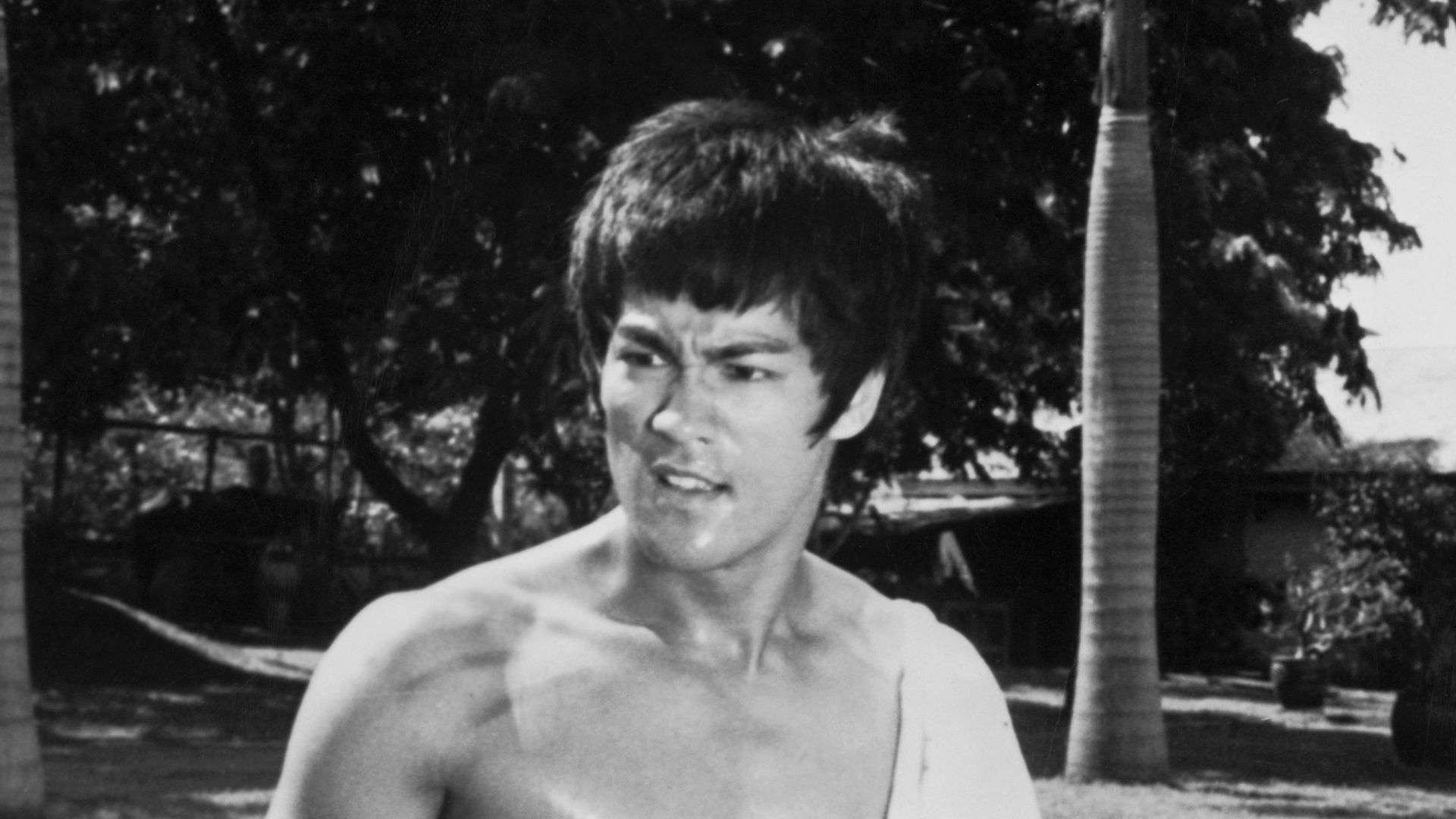
Beyond Carradine's casting, Kung Fu carried a controversy that never really went away. According to Bruce Lee's wife, the martial arts star was the one who came up with the idea for the show. He even worked with Warner Bros. to develop the project, before the studio took his ideas and made Kung Fu with a white actor.
Carradine was not the person making network casting decisions, but he became the face of the outcome.
 National General Pictures, Wikimedia Commons
He Leaned Into The “Outsider” Energy
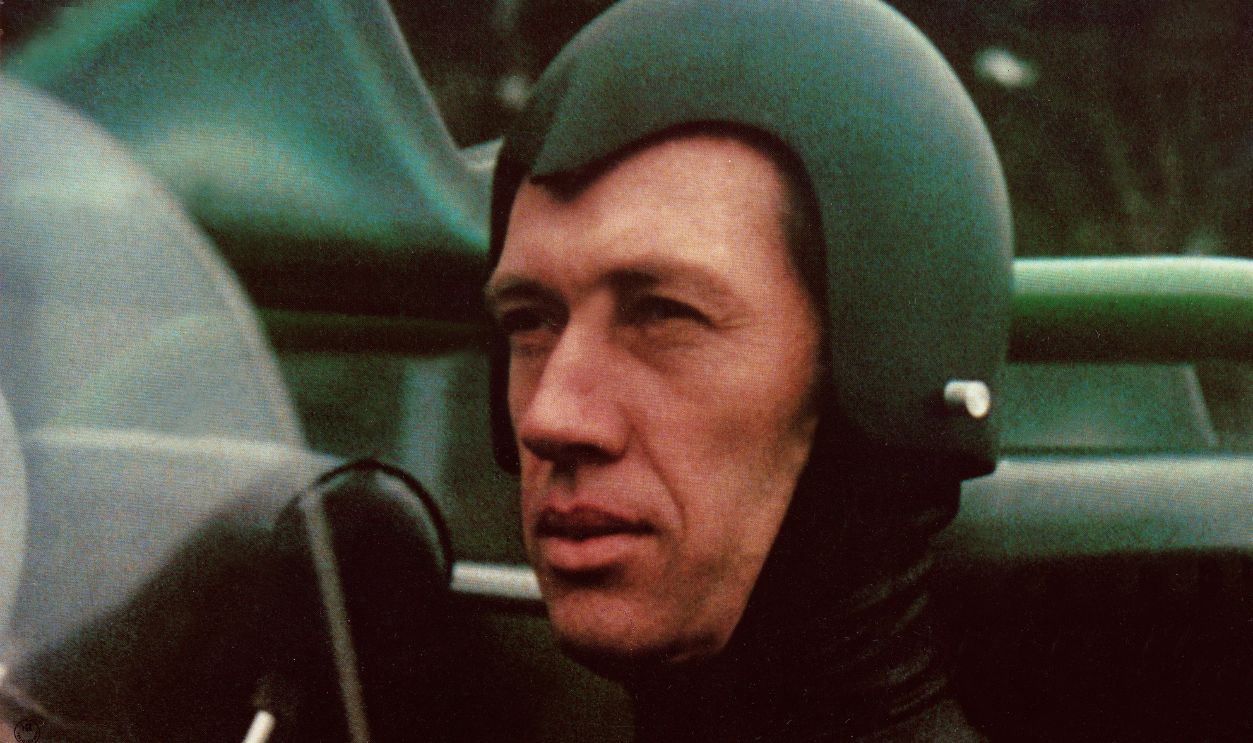
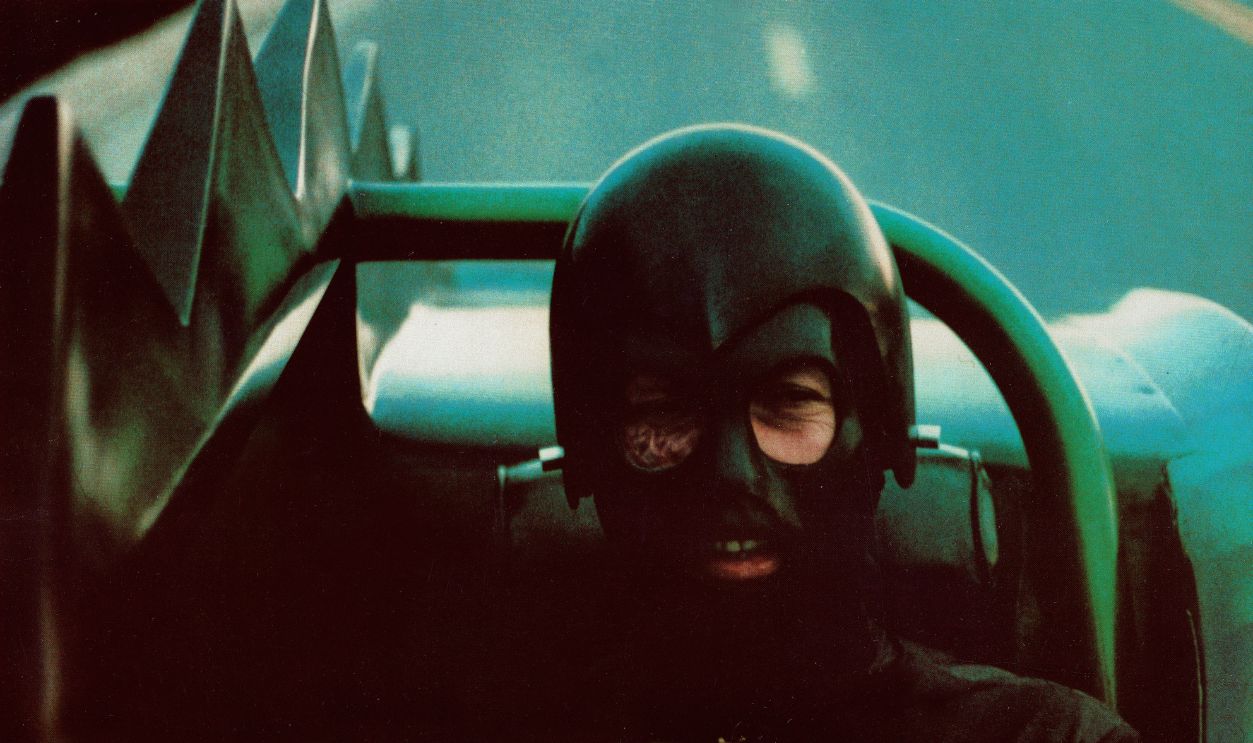
After Kung Fu, Carradine refused to stay in one lane. He acted in everything, from expensive studio films to low-budget Roger Corman movies, often playing strange or morally slippery characters. Notably he appeared as Frankenstein in Death Race 2000, which turned into a cult favorite—and since he received 10% of the profits, made him a boatload of money.
His career started to look like a map of every corner of entertainment.
Fame Did Not Mean Stability
Carradine's personal life brought plenty of headlines, including multiple marriages. Carradine also spoke publicly about struggles with alcohol at different points in his life. Work kept coming, but so did stories about chaos behind the scenes. Carradine's public image was complicated from the beginning, and that would never change.
The Hardest Working Man In Hollywood
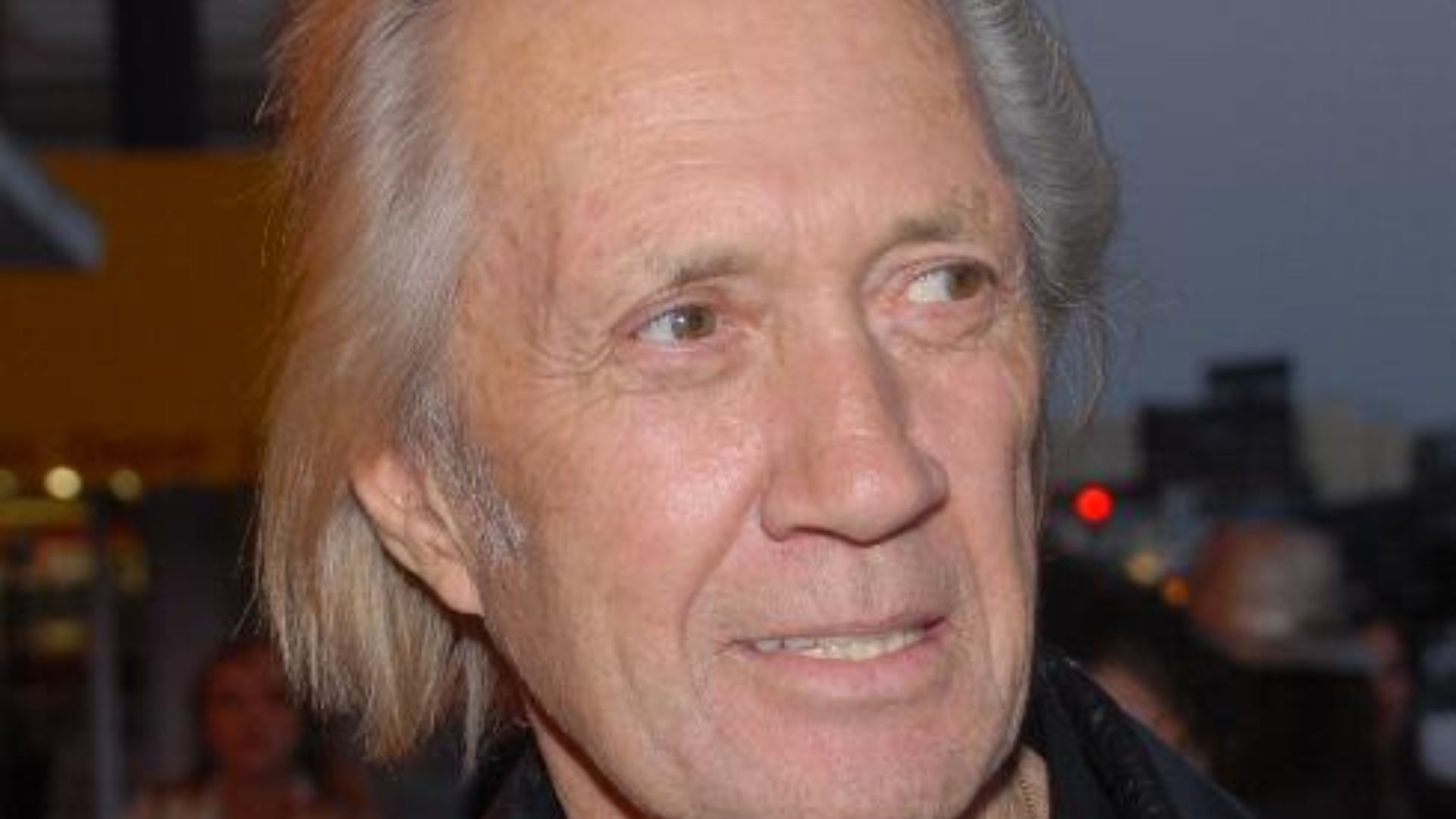
Though he never became an A-list star, Carradine may have just been the hardest working man in show-business. Leaning into his success in Death Race 2000, Carradine started appearing in more and more low-budget movies. His pace reached its peak in 1989-90, when he appeared in 19 movies in an 18-month stretch.
Then Quentin Tarantino Called
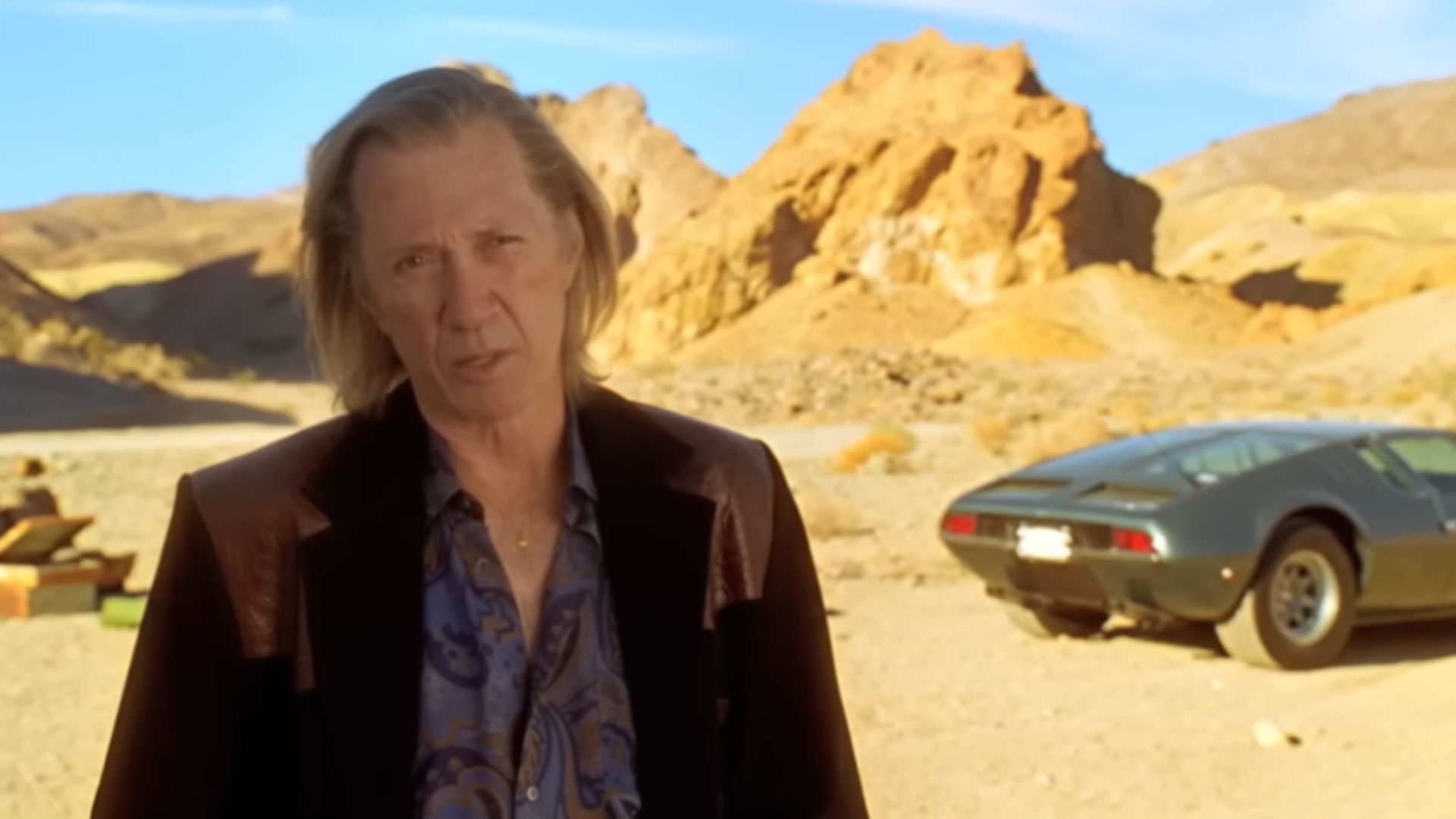
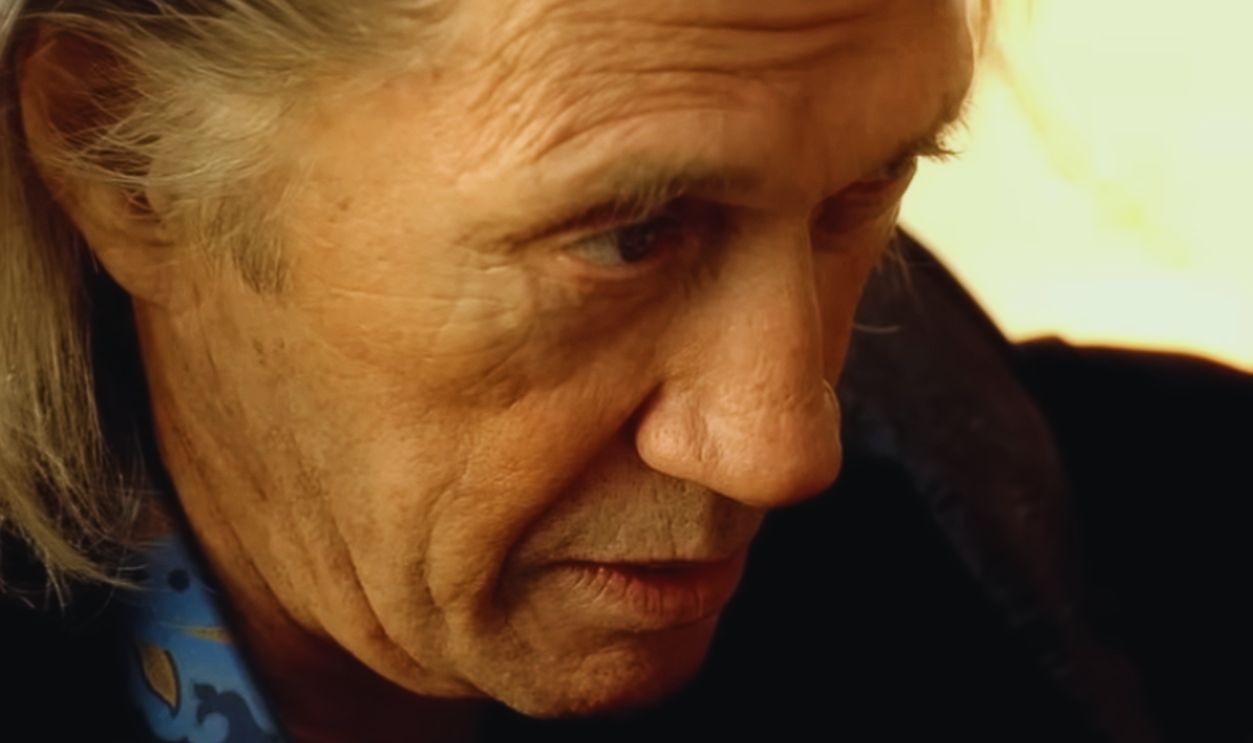
By 2003, David Carradine was something of a has-been—until Quentin Tarantino cast him as the titular Bill in Kill Bill: Vol. 1 and 2. It was a major career comeback, and it introduced him to a new generation that did not grow up on Kung Fu.
As Bill, Carradine was charming, cruel, and weirdly calm. It felt like a career summary wrapped into one character.
 Screenshot from Kill Bill: Volume 2, Miramax Films (2004)
The Comeback Came With New Attention
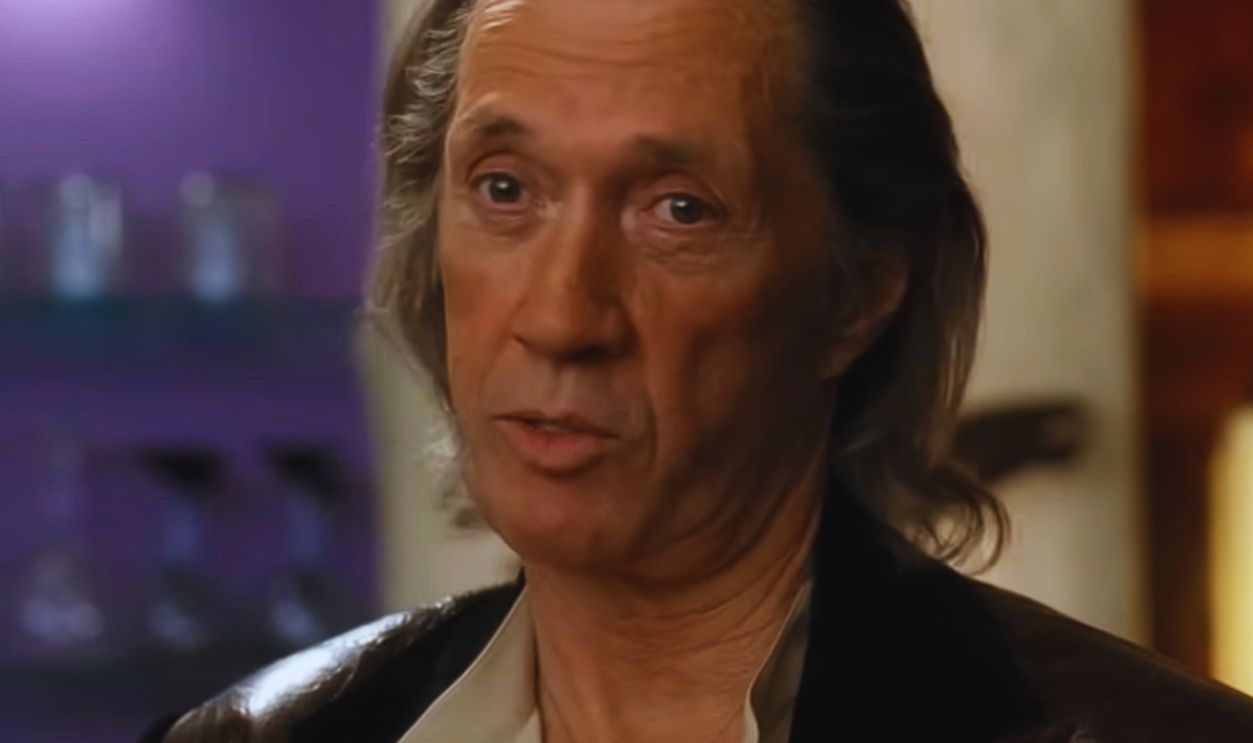
After Kill Bill, Carradine’s name was back in the conversation in a serious way. Interviews started framing him as a legend who had finally gotten his big cinematic moment. More projects followed, including indie films and new TV appearances. But the renewed spotlight also meant that any misstep would travel faster.
 Screenshot from Kill Bill: Volume 2, Miramax Films (2004)
A Final Work Trip To Bangkok
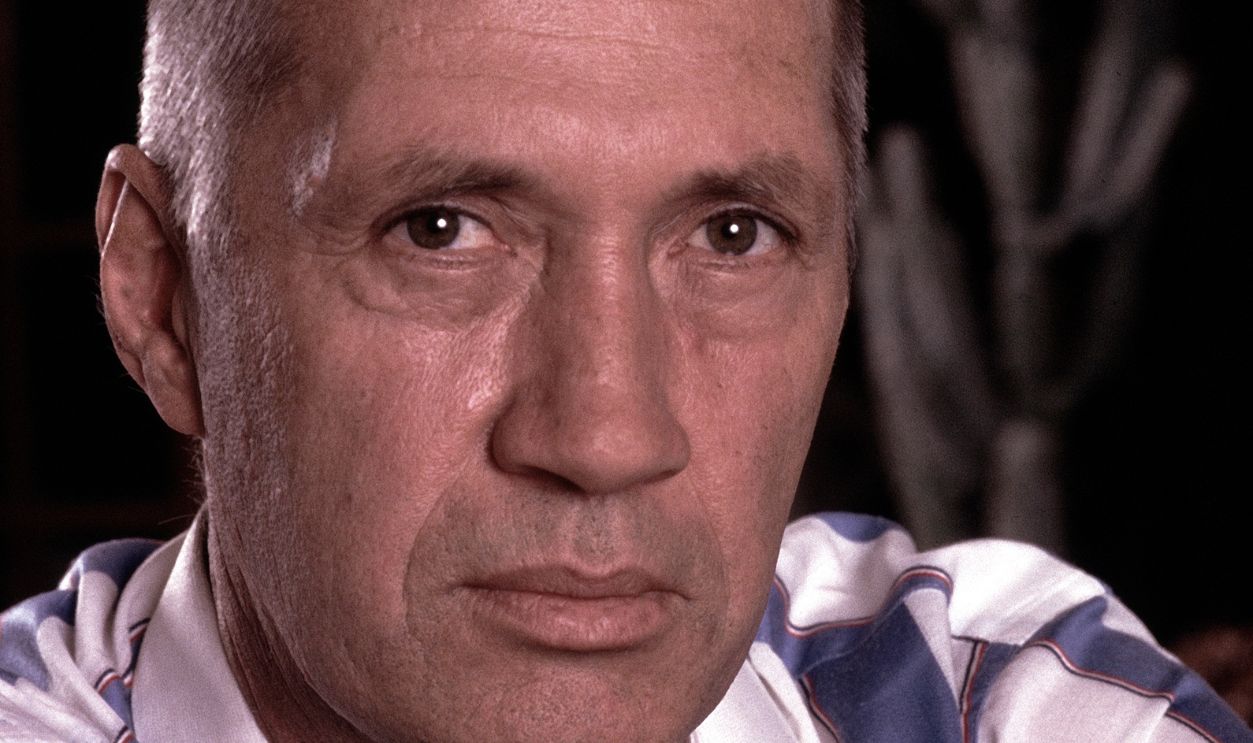
In 2009, Carradine traveled to Bangkok, Thailand, for a film project. He was staying at the Swissôtel Nai Lert Park Hotel, where on June 4, after he didn't show up to set, his body was found in his hotel room. Within hours, the story went global and started changing in real time.
The First Reports Were Confusing
Early coverage included conflicting details about what investigators believed happened. Thai police initially described the death as a suicide, then new information emerged that pointed away from that conclusion. Media outlets chased different angles at once. The uncertainty became part of the story.
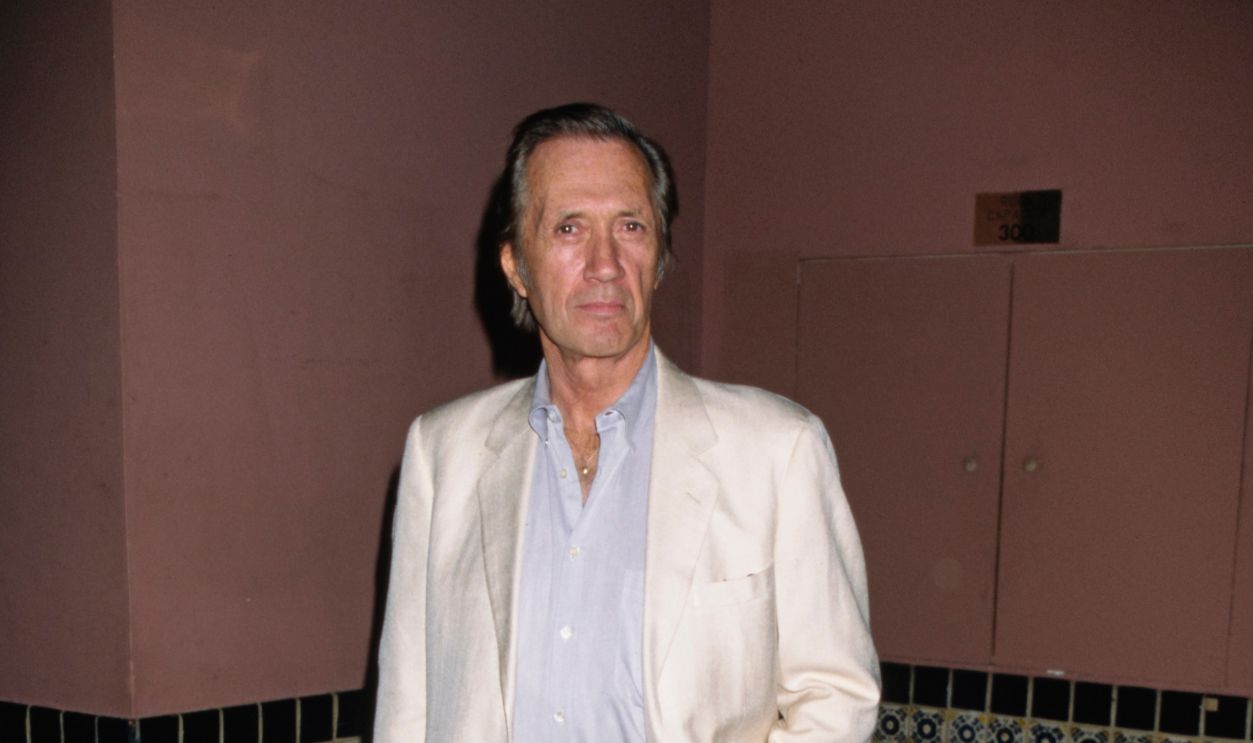
The Family’s Immediate Pushback
His family called for further investigation and raised concerns about the circumstances. After the initial report, his widow said she did not believe he took his own life and refused to rule out foul play. Relatives also pointed to missing items and other odd details reported in the Thai press.
But the more questions they raised, the more the story refused to settle.
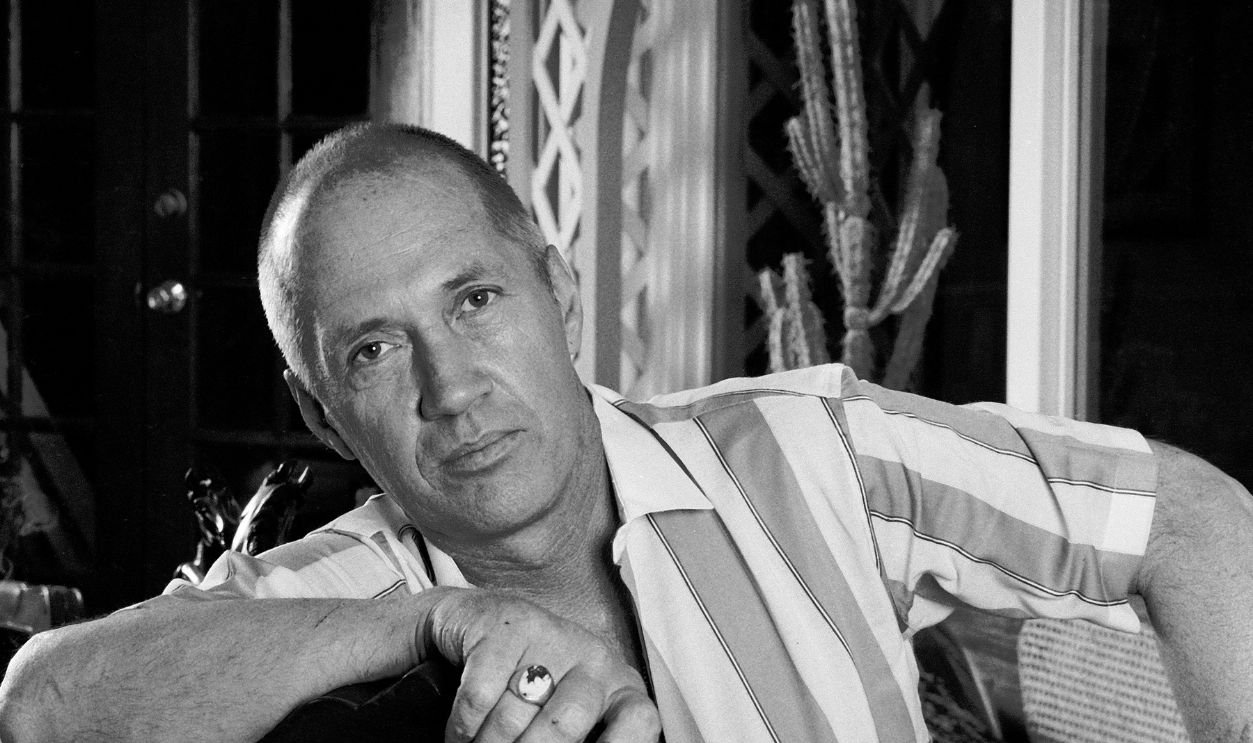
What Investigators Said They Found
Thai authorities stated Carradine was found nude, and that he appeared to have died by hanging. Reports also noted he was found with cords tied around his neck and a private area on his body. Those details fueled speculation almost immediately. The most sensitive part was that the scene suggested an intimate context.
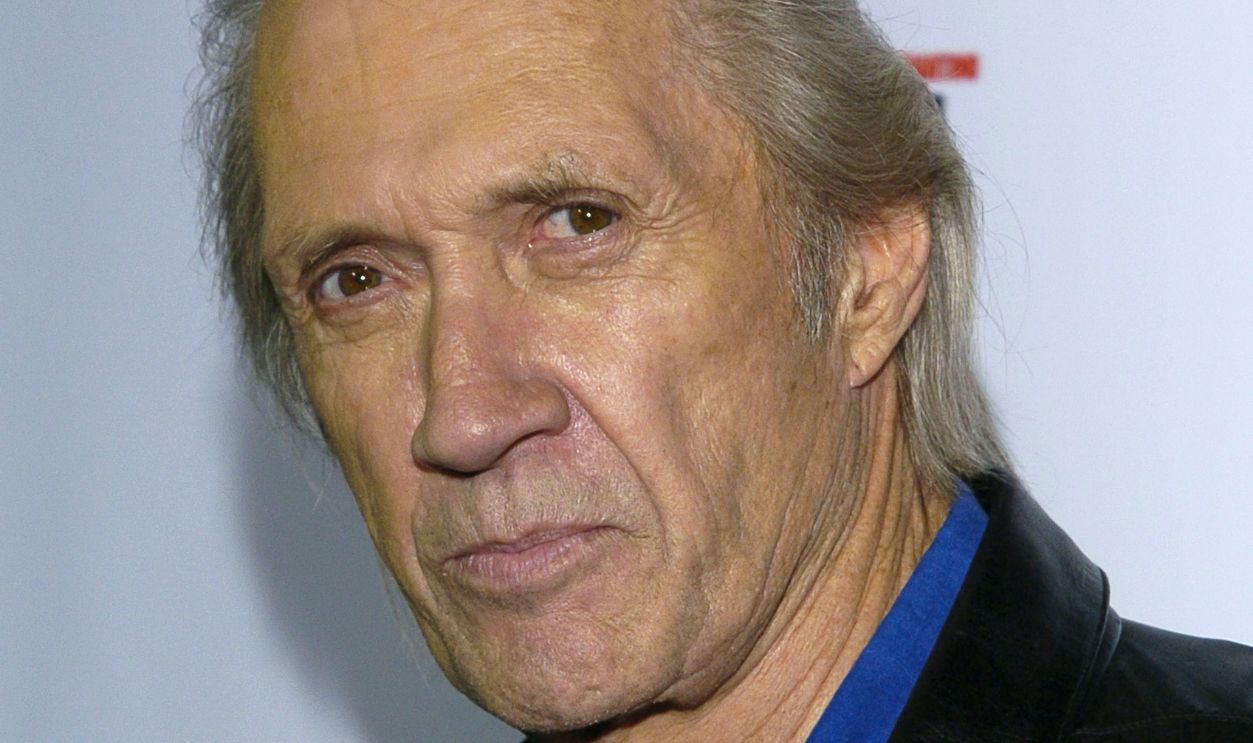
The Autopsy Finding That Shifted The Narrative
The forensic pathologist who examined him in Thailand said the death was consistent with accidental asphyxiation during intimate activities. Carradine’s family, dissatisfied with the Thai authorities, especially after a photo of Carradine appeared in the Thai press, contacted the FBI to perform an independent autopsy to confirm foul play was not involved.
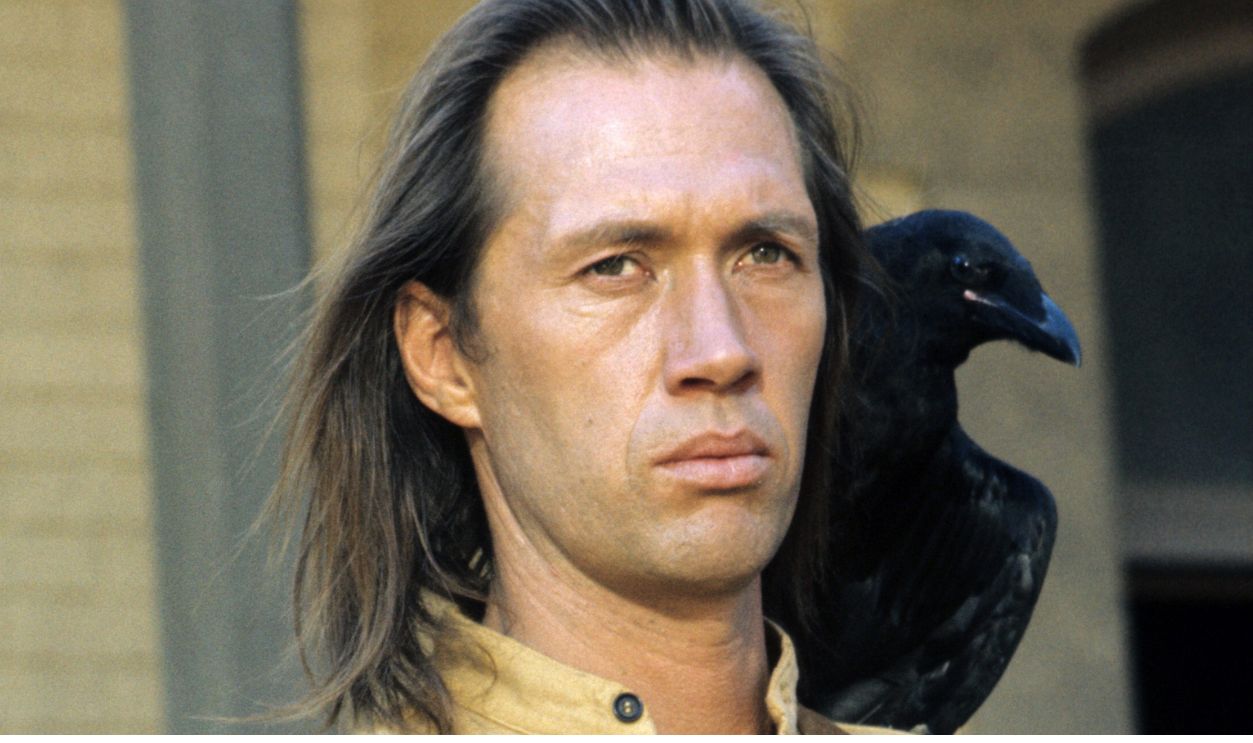 picture alliance, Getty Images
A Second Autopsy In The United States
After his body was returned to the U.S., the second autopsy was conducted. Reports from that process did not completely erase the uncertainty. The Los Angeles County coroner ultimately ruled the death an accident due to asphyxia. Still, the grim details were already everywhere, and they stuck.
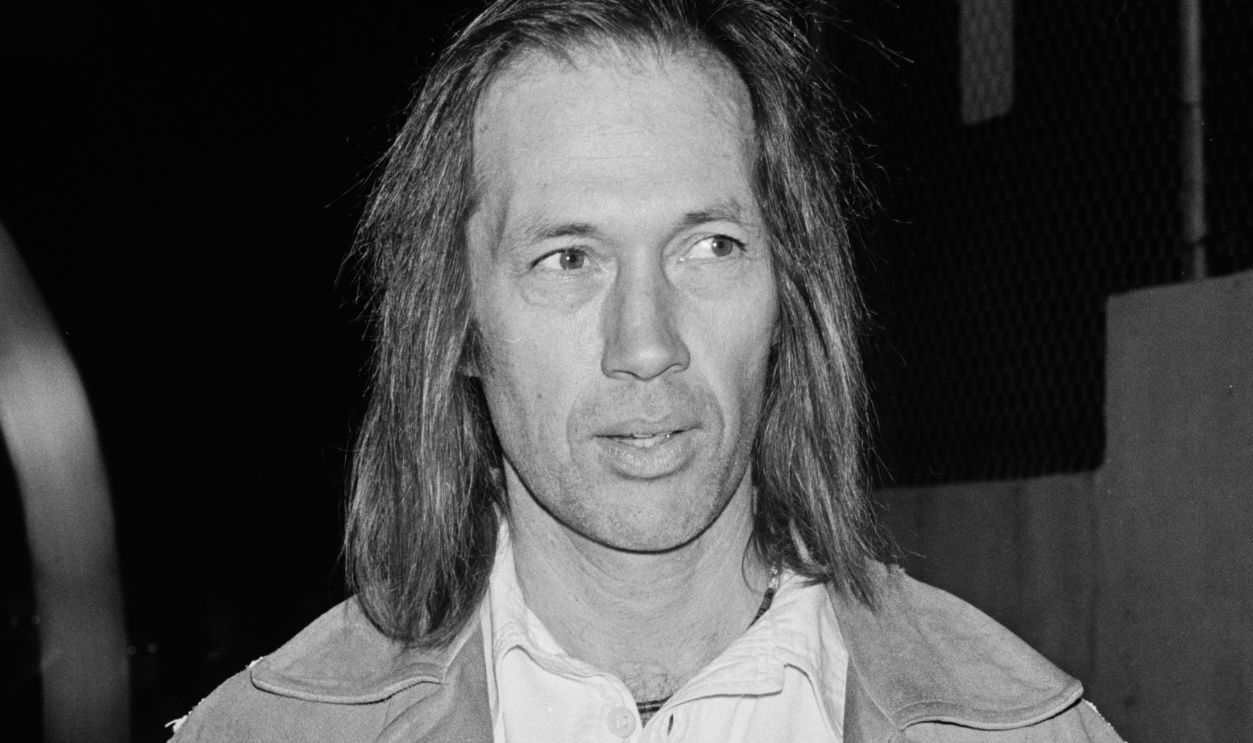 Michael Ochs Archives, Getty images
Why The Story Left “Disturbing Questions”
The unsettling part was not only how he died, but how quickly the story turned into public spectacle. Conflicting early statements created room for rumors that never fully died. The family’s skepticism kept the door open to alternative theories. For many fans, it became impossible to separate the actor from the headlines.
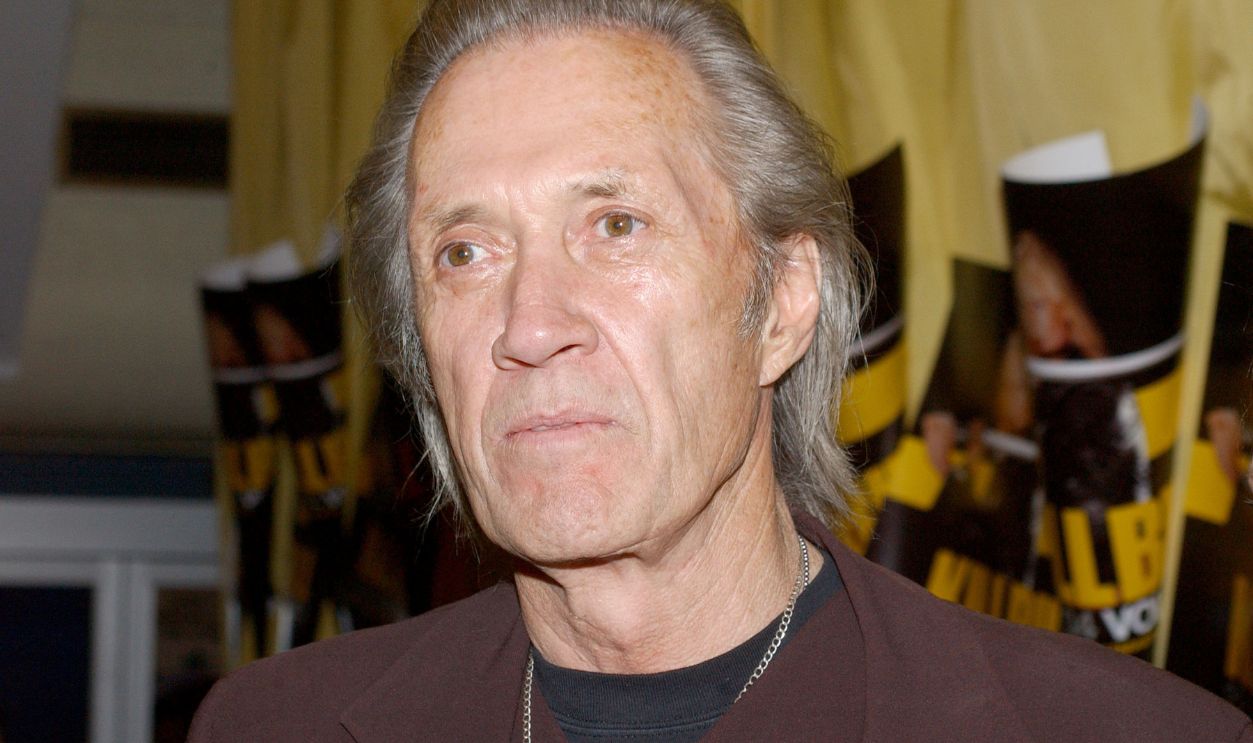
When Private Details Become A Public Punchline
Carradine’s death was treated by some corners of the media like a lurid curiosity. The coverage often focused on the most graphic, scintillating details instead of basic verified facts. That tone shaped how the public remembered him. It was a brutal way for a decades-long career to be summarized.
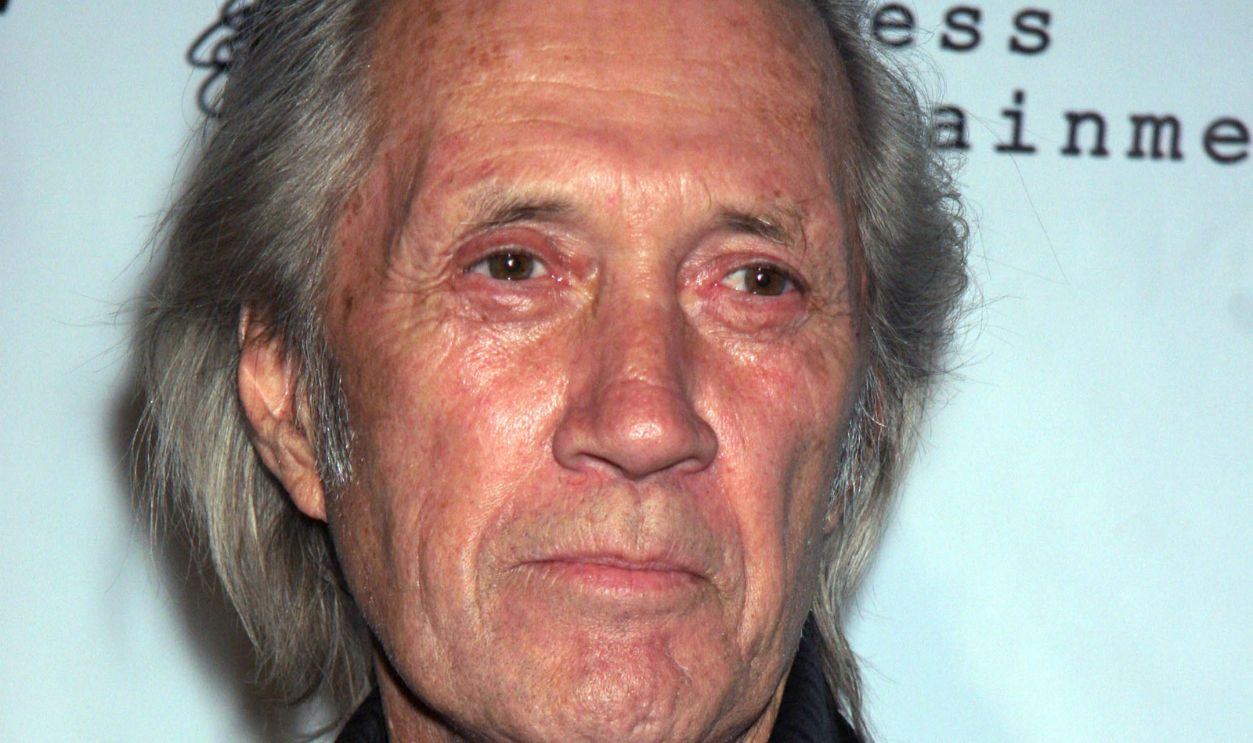
The Legacy Problem Nobody Planned For
When people talk about Carradine now, the conversation often starts with Kill Bill and ends with Bangkok. That is a narrow frame for someone who worked for more than 40 years. His best performances still hold up, but the story of his end still tends to overshadow them. Carradine is sadly another reminder that an actor's final headline can rewrite their whole narrative.
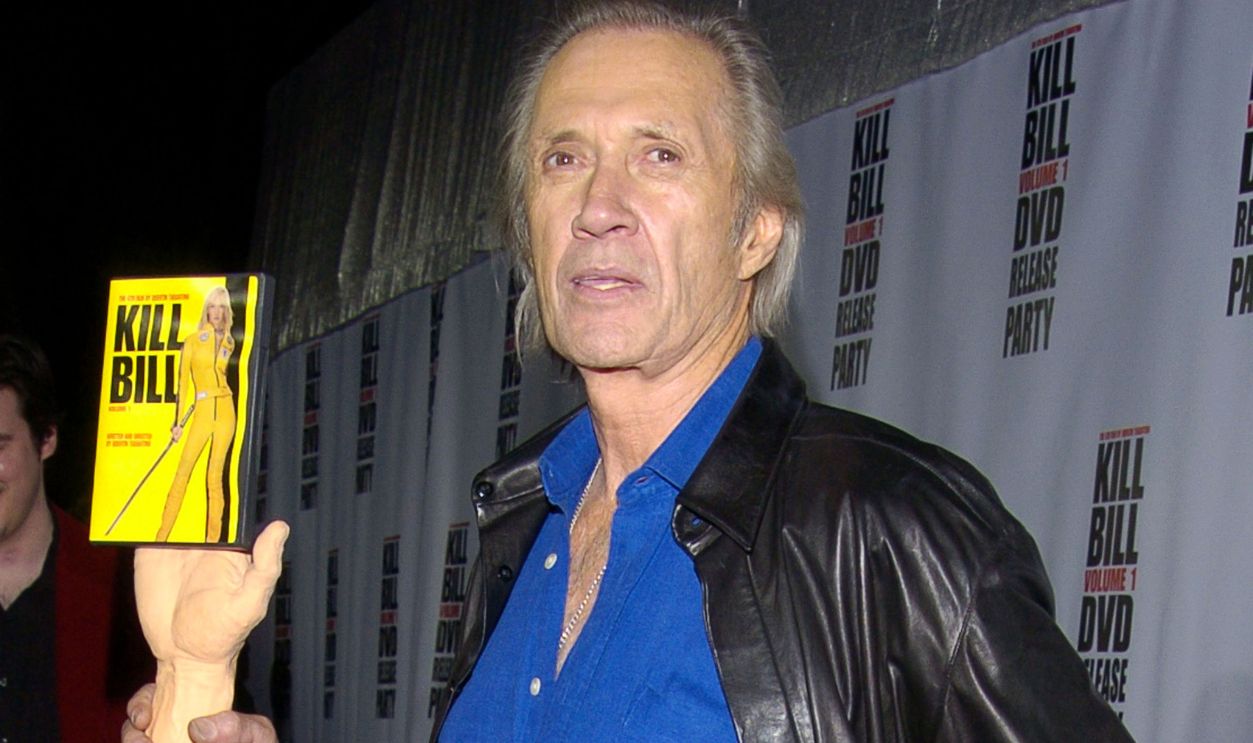
What Kung Fu Still Means In 2026
Kung Fu remains Carradine's signature TV work. Even if it would never be made today, it still has fans who love its tone and themes. At the same time, most modern modern viewers can't ignore the Bruce Lee/white-man-playing-Chinese of it all.
In either case, Carradine’s performance is central to the series, for better and worse. That push and pull is part of his cultural footprint.
 ABC Television, Wikimedia Commons
The Tarantino Era Keeps Him In The Mix
Luckily for Carradine, he still has Kill Bill, and remains important to entire generations who never saw Kung Fu. His performance is still talked about with real respect, and it remains the clearest argument for his talent. Tarantino really did a good job with that one casting decision.
 Screenshot from Kill Bill: Volume 2, Miramax Films (2004)
The Career Was Bigger Than The Scandal
Carradine acted in hundreds of TV shows and movies across multiple decades and genres. He was never only one thing, and he never stayed in one place for long. That restlessness was part of his brand before “brand” was even a word people used. The tragedy is that many people only know the story of his final chapter.