The Reluctant King Of Television
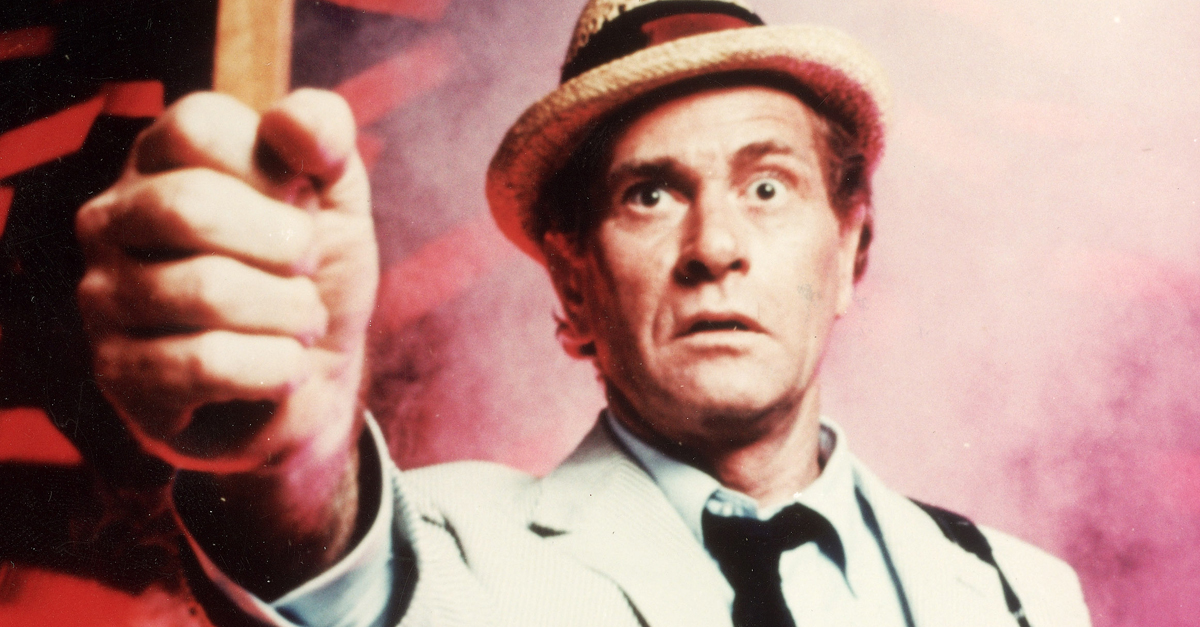
Darren McGavin became one of the most recognizable faces of classic television without ever fully embracing the medium. He starred in six different TV series across four decades and developed a reputation as a magnetic, hard-working performer.
Behind the scenes, though, McGavin often described television production as exhausting, frustrating, and creatively limiting.
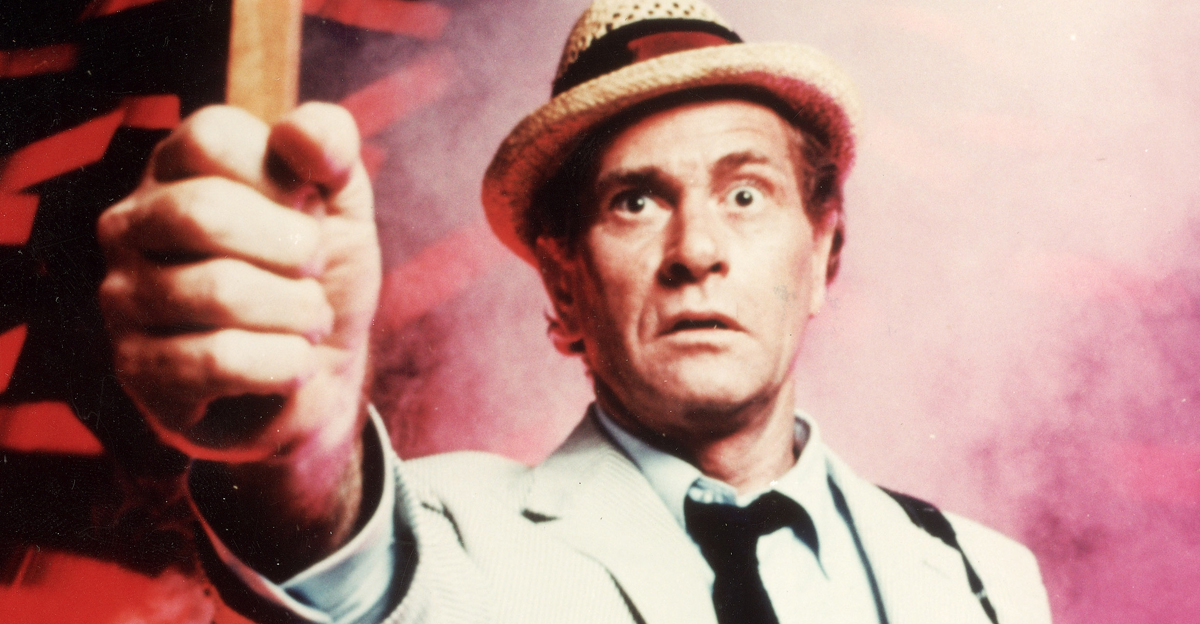 Universal Studios/Courtesy of Getty Images
Broadway Dreams And Hollywood Detours
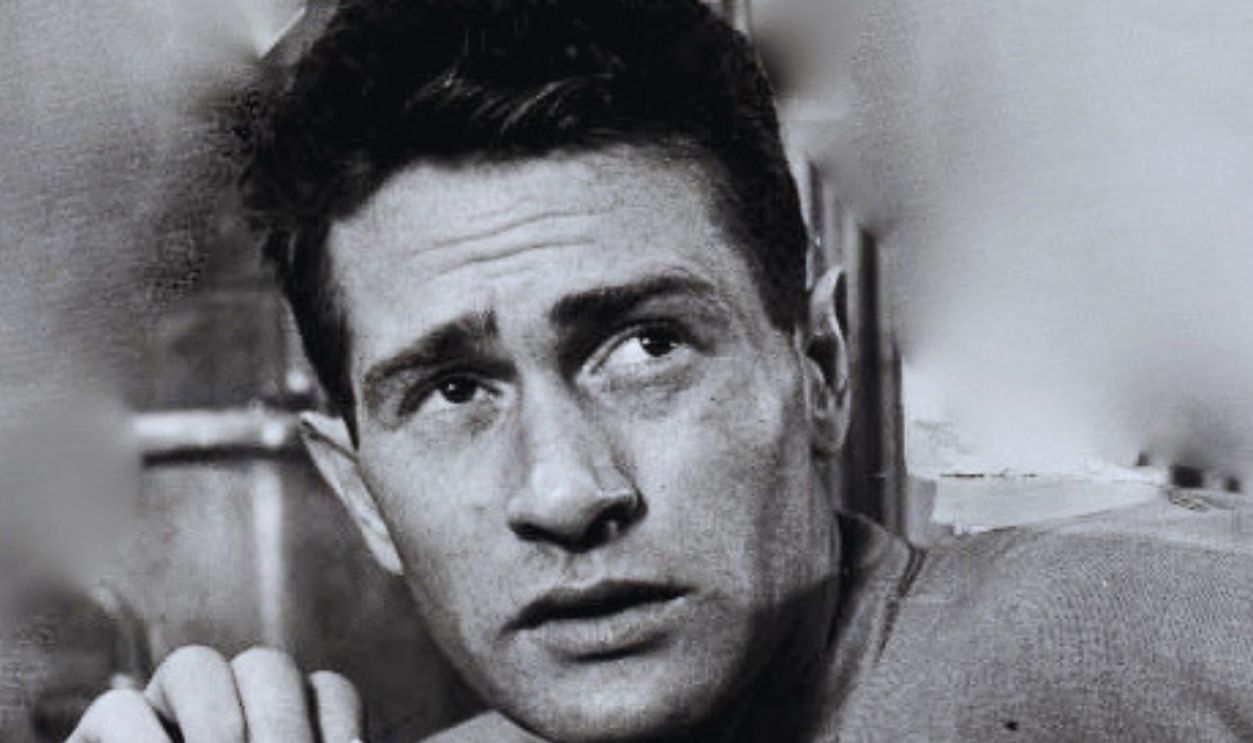
Before television made him famous, McGavin wanted to build a serious acting career on the stage. He studied in New York under famed acting teacher Sanford Meisner and appeared in productions of Death of a Salesman and The Rainmaker. Those early years gave him a strong theatrical foundation that would later clash with the rushed pace of TV production.
 Eileen Darby, Wikimedia Commons
Television Found Its Perfect Tough Guy
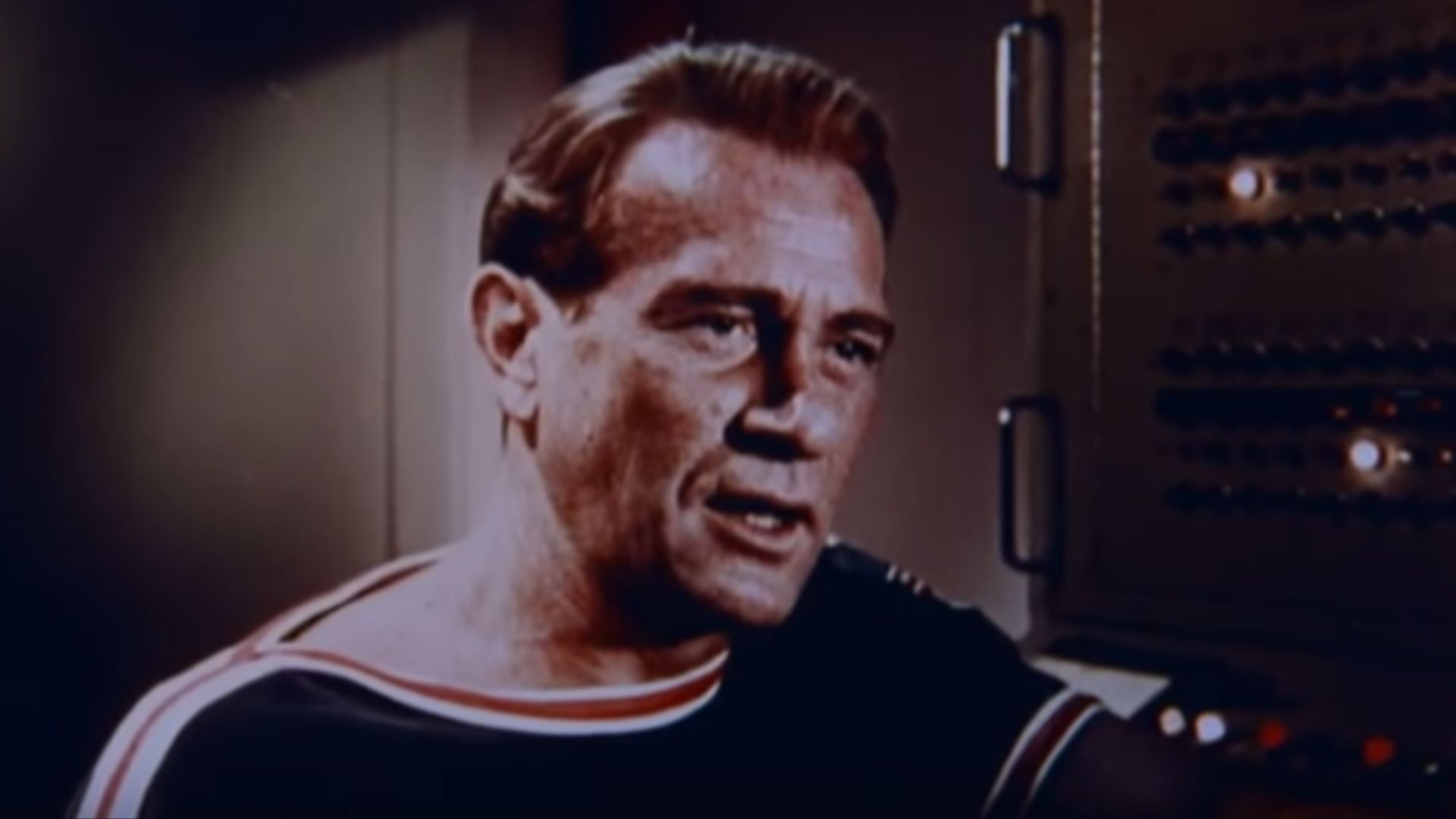
Darren McGavin had a face and voice that fit perfectly into 1950s television drama. Producers loved his sharp delivery and world-weary attitude. Audiences quickly connected with his ability to play stubborn, sarcastic, and deeply human characters.
Crime Photographer Kept Him Busy
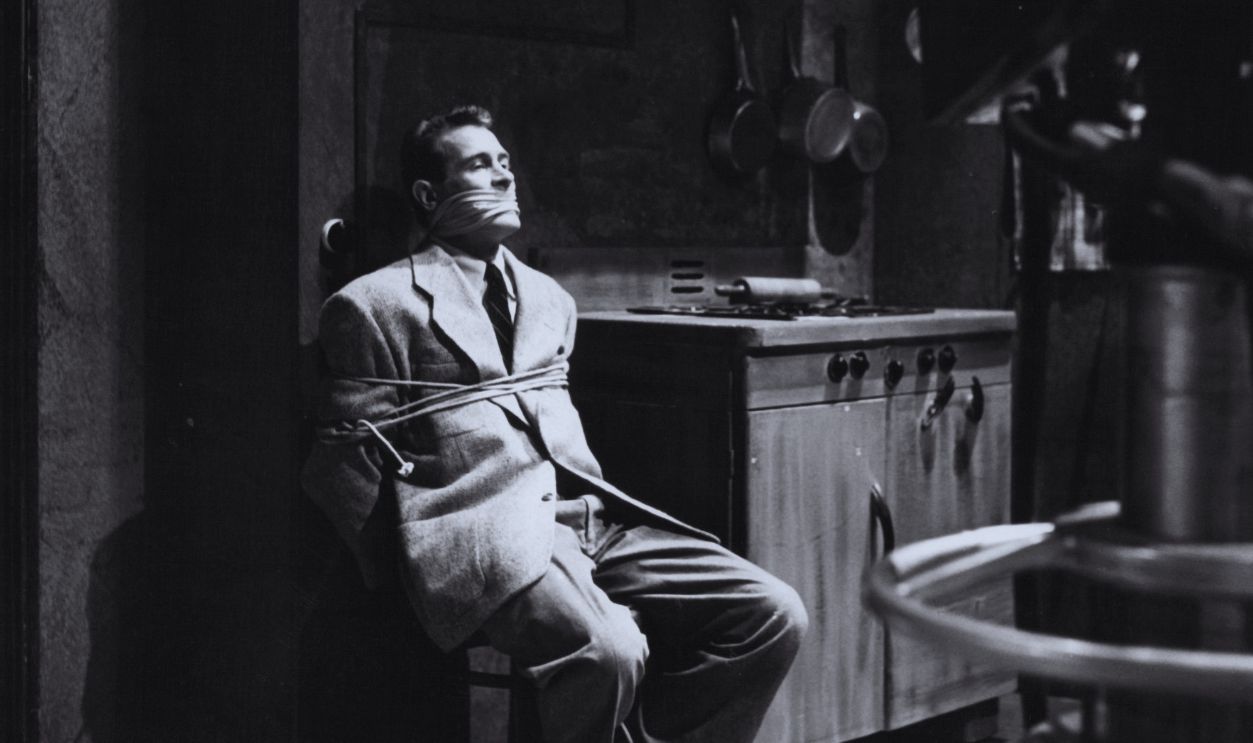
In the early 50s, Casey, Crime Photographer added a detective role to McGavin's growing résumé. He took over the lead role from Richard Carlyle. This early work made him a familiar face in American homes, even as he privately questioned the quality of much of the material. However, his breakout role was still yet to come.
Mike Hammer Made Him A Star
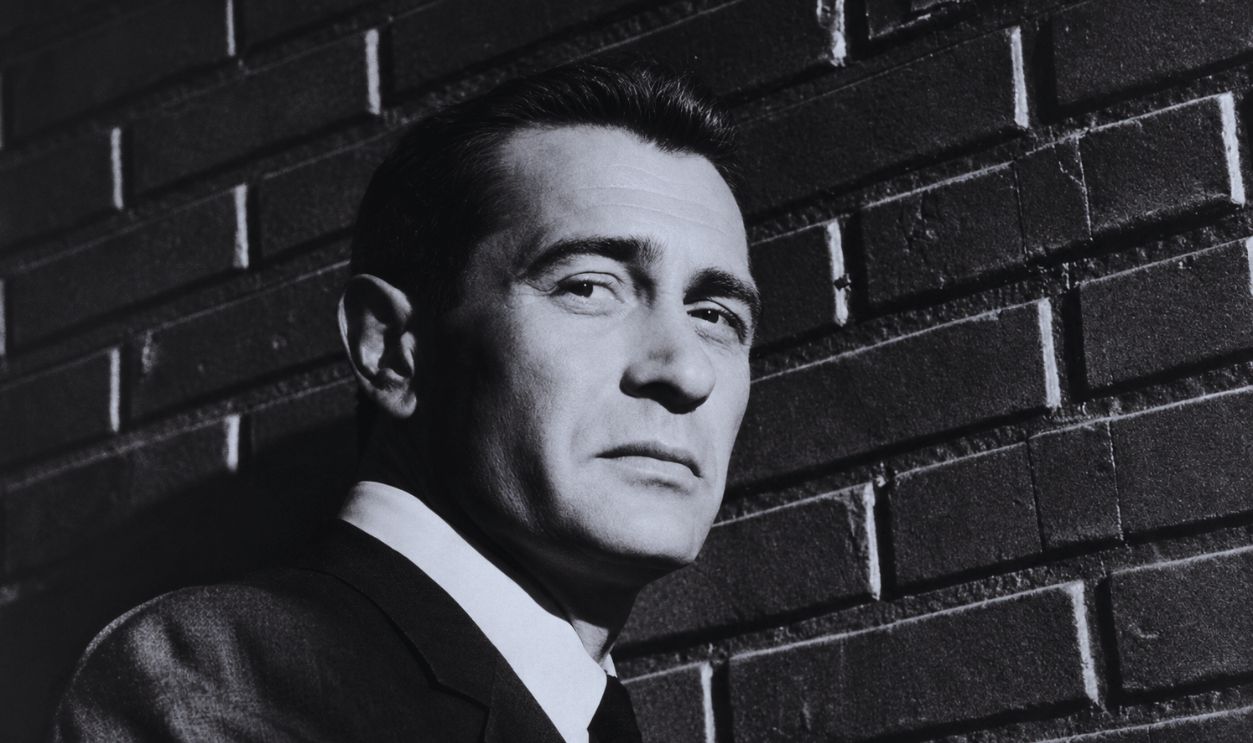
McGavin’s first major television breakthrough came with Mickey Spillane’s Mike Hammer in 1957. He played the hard-boiled detective with swagger and dry humor, helping the series become a hit during television’s noir era. The role established him as one of TV’s definitive tough guys.
 Unknown; MCA, Wikimedia Commons
Success Came With A Price
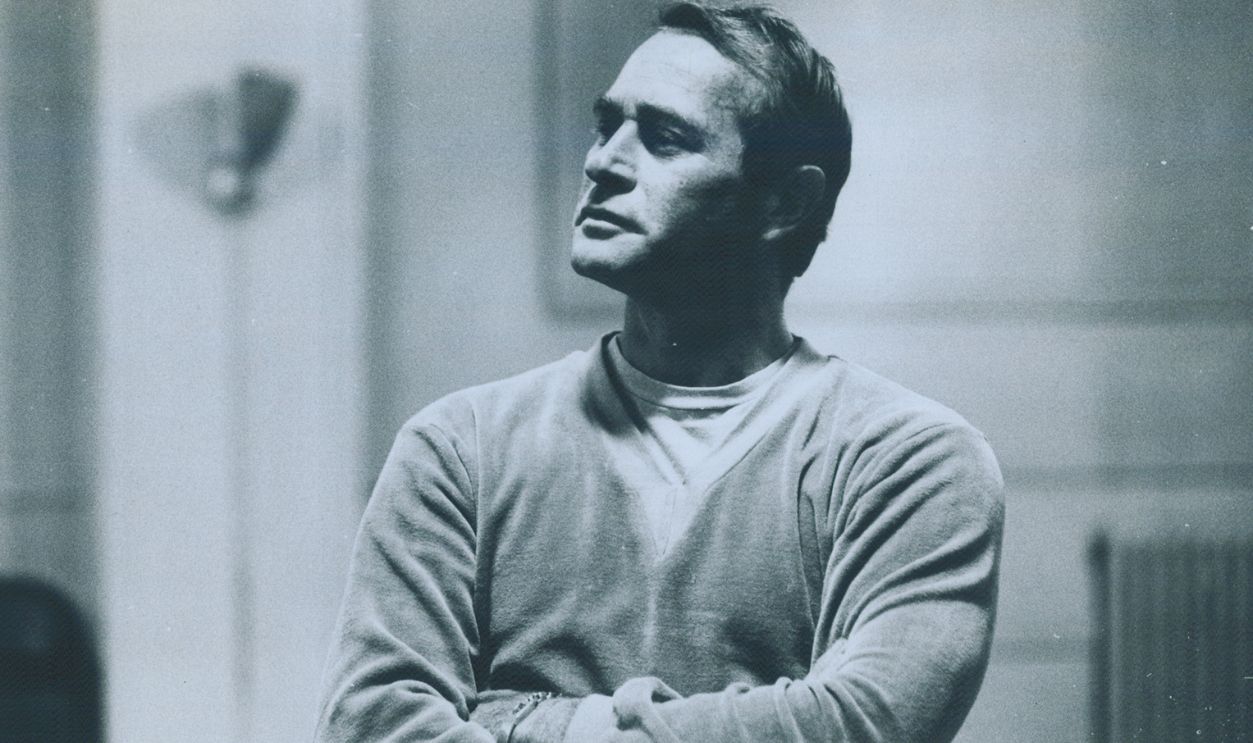
Even while his popularity grew, McGavin openly criticized the television industry. In interviews, he compared the relentless production schedules to factory work rather than creative acting. He believed television often moved too quickly for thoughtful storytelling.
Riverboat Brought More Tension
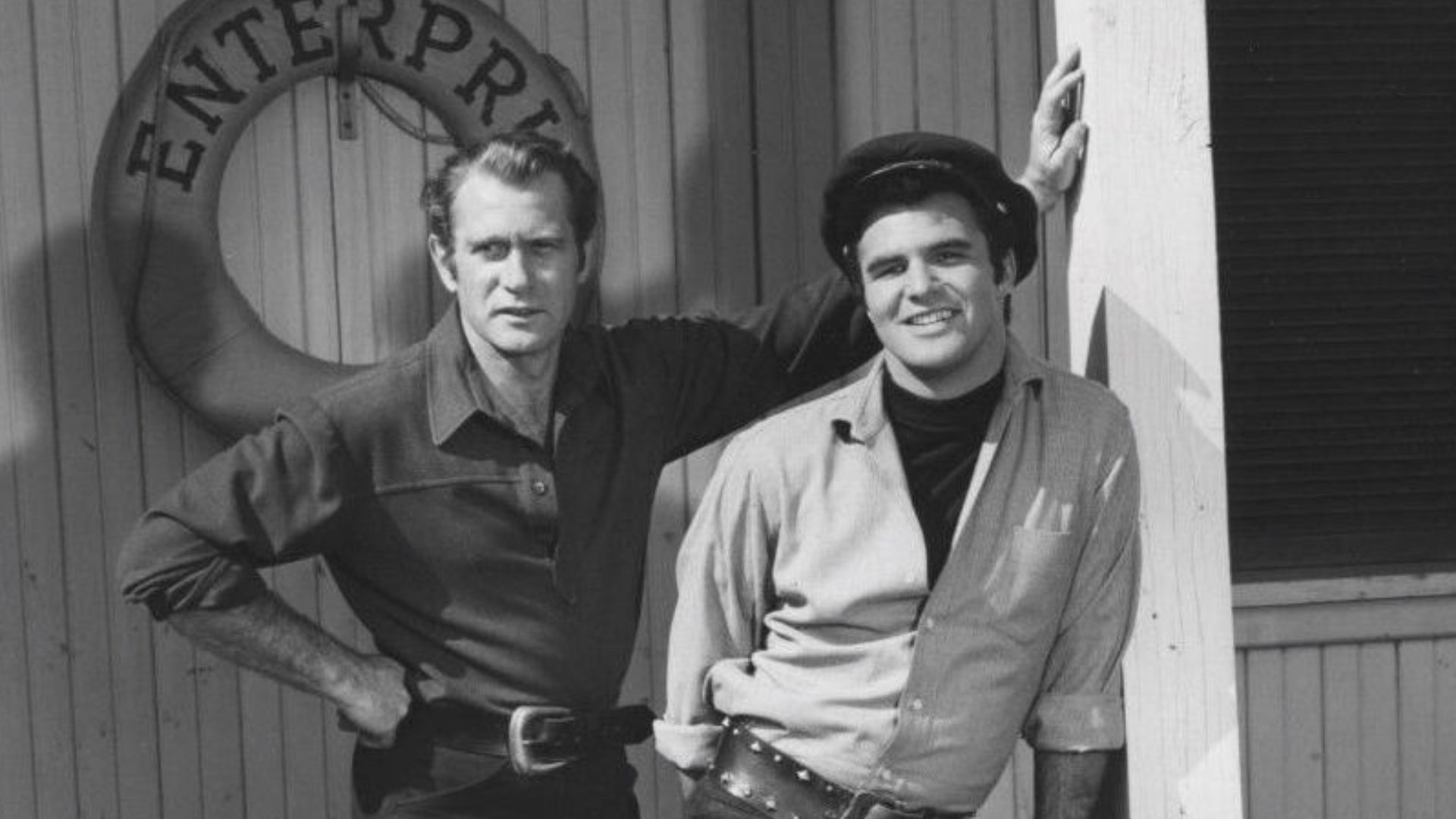
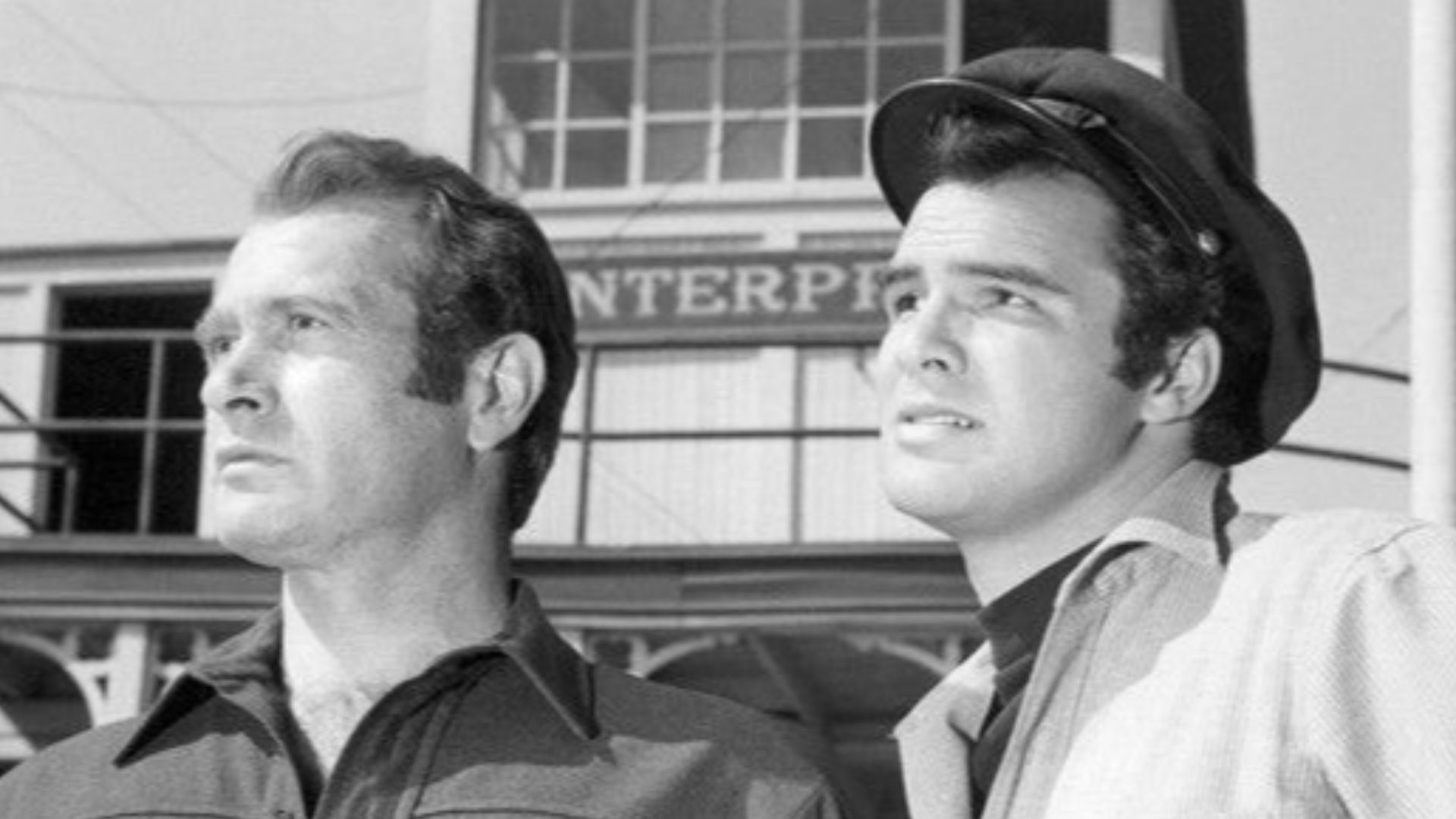
McGavin followed Mike Hammer with the Western adventure series Riverboat” The show paired him with a young Burt Reynolds, and the production reportedly became tense behind the scenes. Reynolds later admitted the two men clashed during filming.
 Unknown authorUnknown author, Wikimedia Commons
He Never Learned To Play Politics
Unlike many television stars, McGavin rarely softened his opinions for studio executives. He openly criticized scripts, producers, and network decisions when he thought the work suffered. That honesty earned him respect from some colleagues and frustration from others.
 Unknown authorUnknown author, Wikimedia Commons
Television Became His Day Job
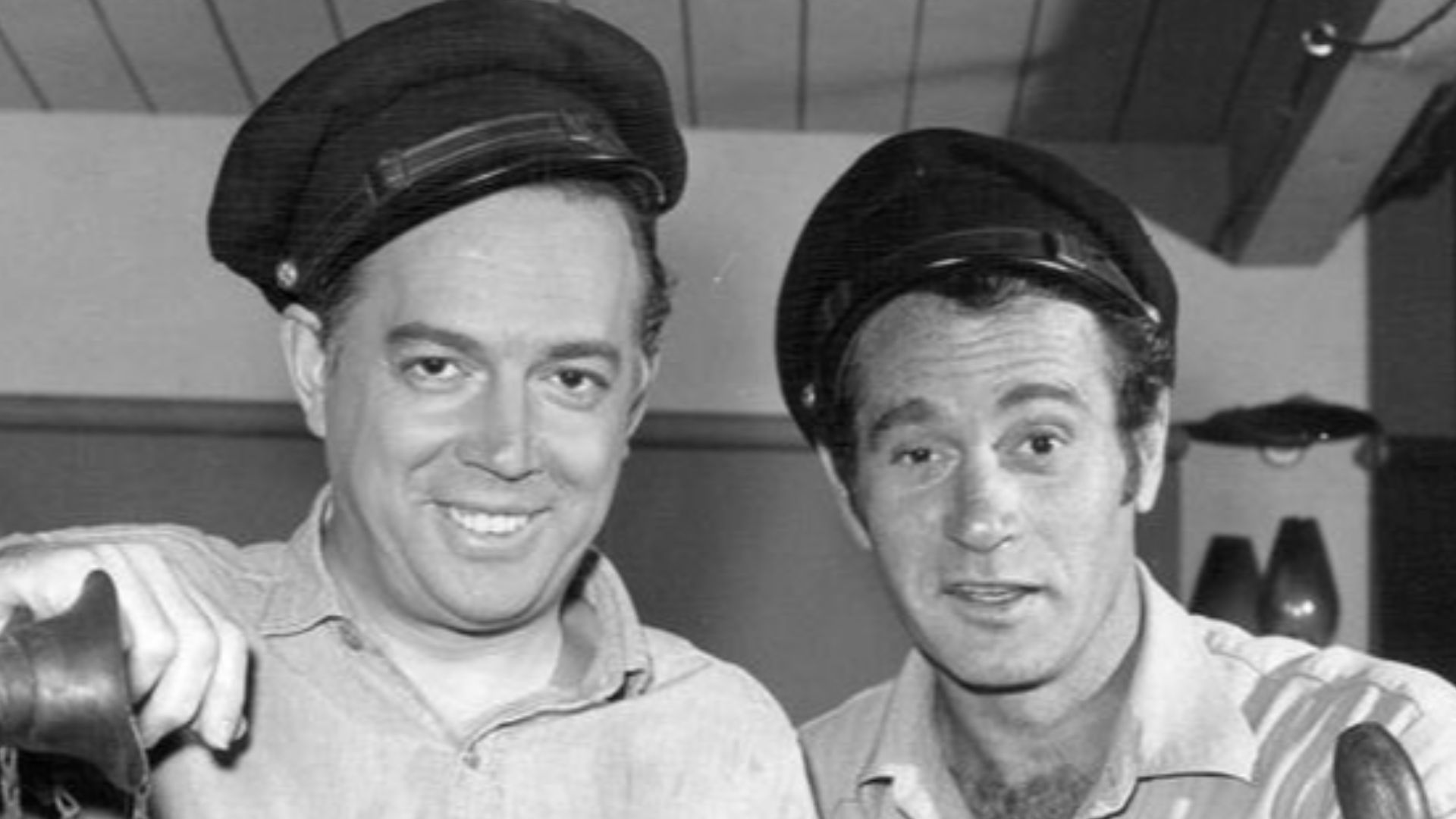
McGavin often saw television as practical employment instead of artistic fulfillment. He supported his family through constant acting work and accepted projects that kept him financially stable. The downside was an endless production cycle that left little time for rest or creative experimentation.
 NBC Television- an extremely faint
The Outsider Fit Him Perfectly
In 1968, McGavin starred in The Outsider, another detective drama that suited his cynical charm. He played private investigator David Ross with equal parts humor and irritation. The role reflected the personality traits audiences had come to expect from him.
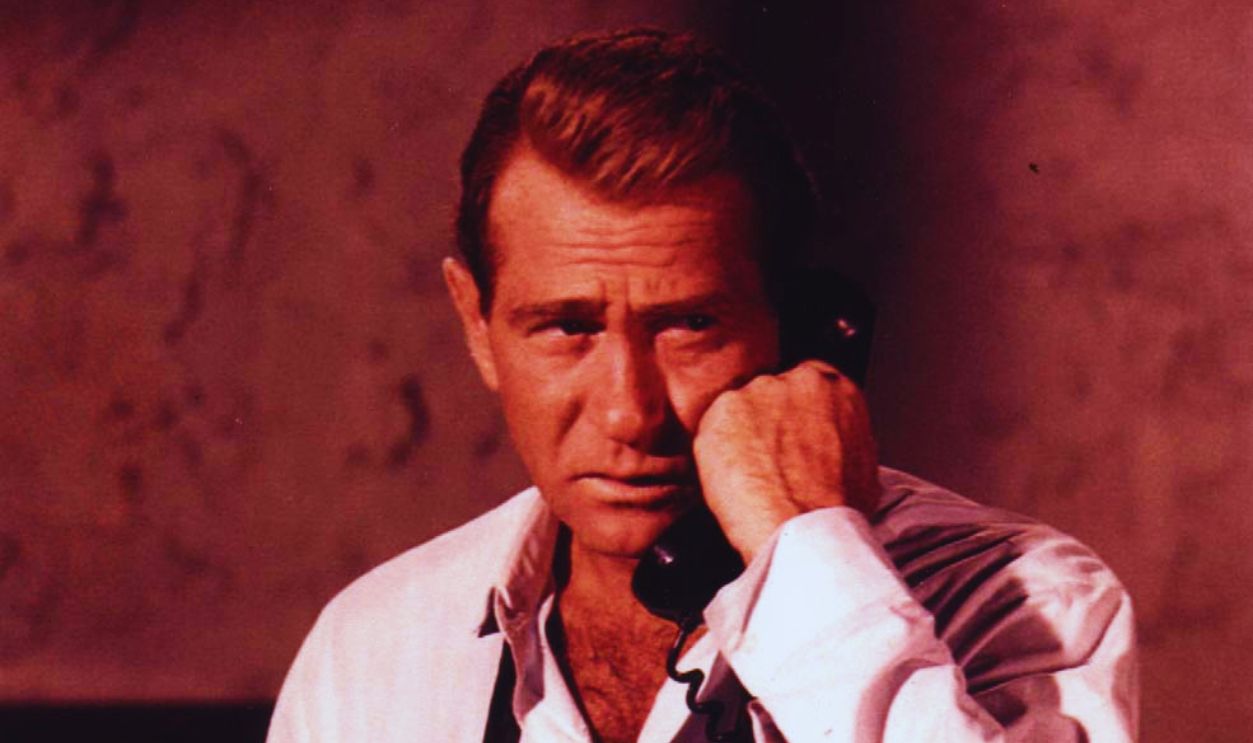 Screenshot from The Outsider, Universal Television (1967)
He Could Never Escape Detective Roles
Television repeatedly cast McGavin as investigators, reporters, or cynical authority figures. Producers trusted him to carry stories filled with tension and sarcasm. While the roles brought him success, they also trapped him within a narrow television identity.
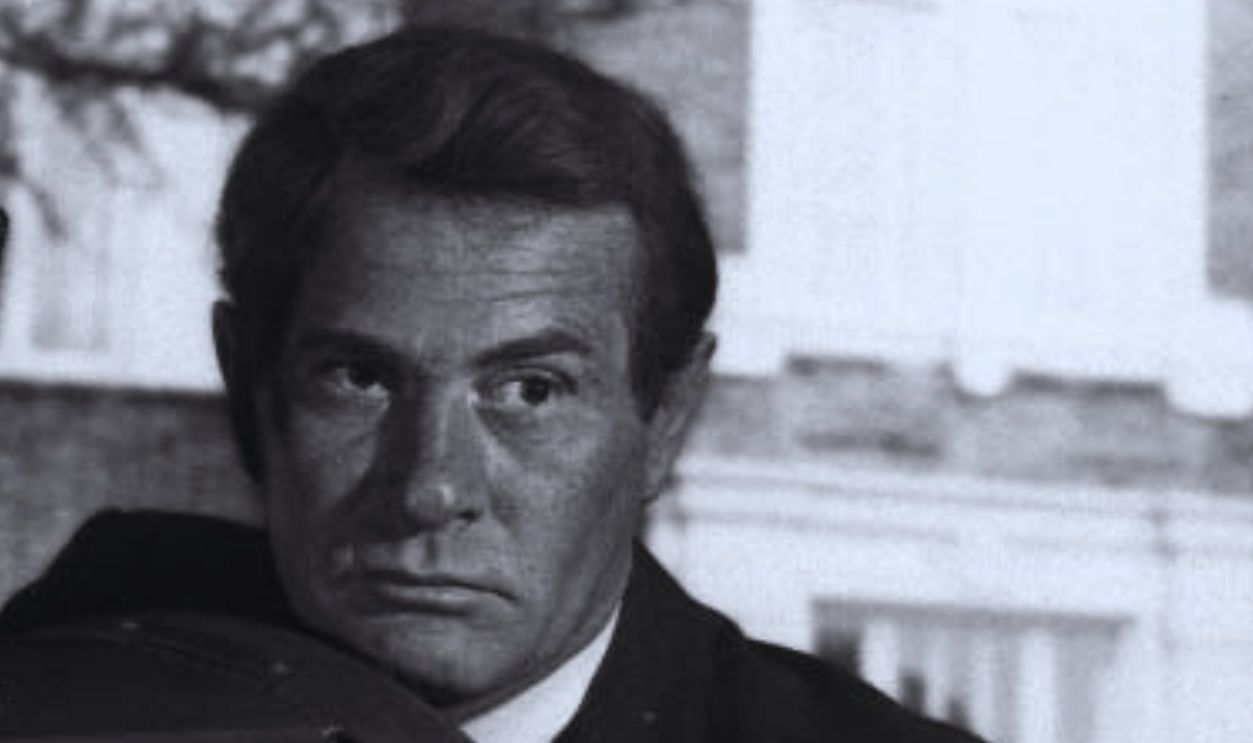 Screenshot from The Outsider, Universal Television (1967)
Kolchak Changed Everything
Everything shifted when McGavin starred in the TV movie The Night Stalker in 1972. He played reporter Carl Kolchak, a scrappy journalist investigating supernatural murders in Las Vegas. The movie became a massive ratings success and introduced one of television’s most influential cult characters.
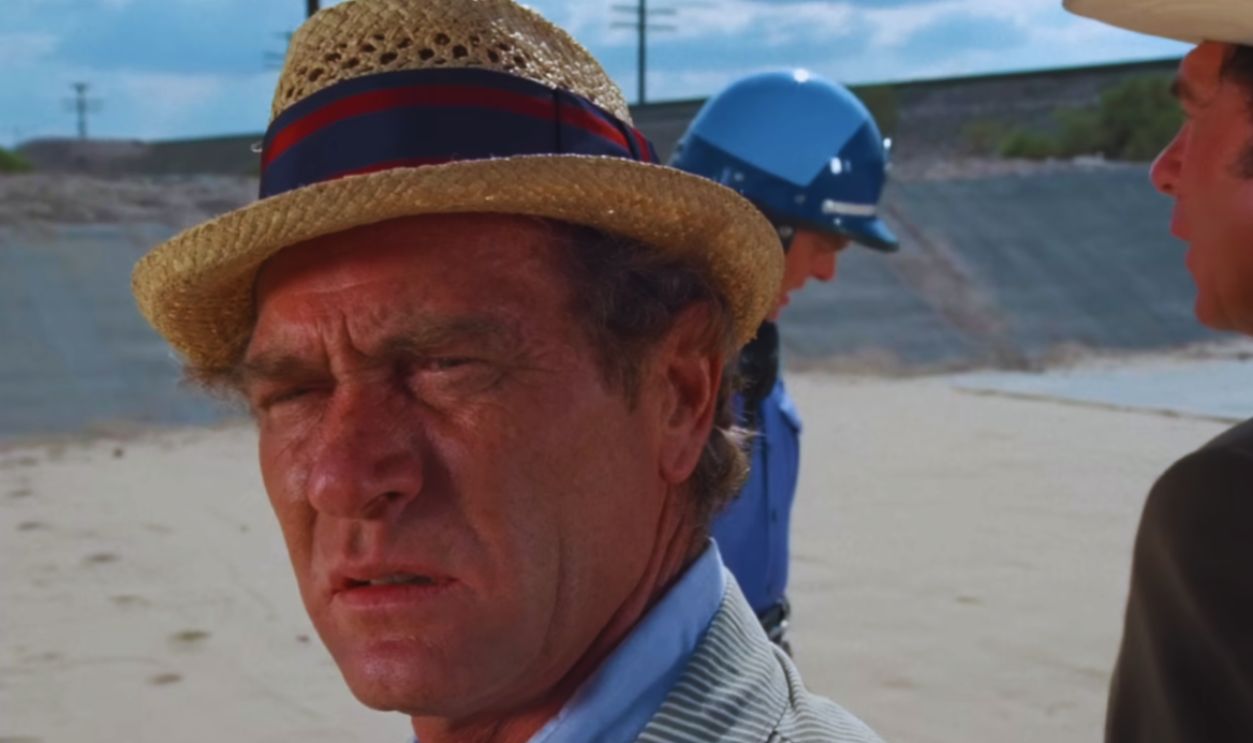 Screenshot from The Night Stalker, ABC Circle Films (1972)
The Sequel Became Another Hit
A sequel, The Night Strangler followed in 1973 and proved audiences still wanted more Kolchak. McGavin’s performance balanced horror, comedy, and fast-talking newsroom energy. Television executives immediately recognized franchise potential.
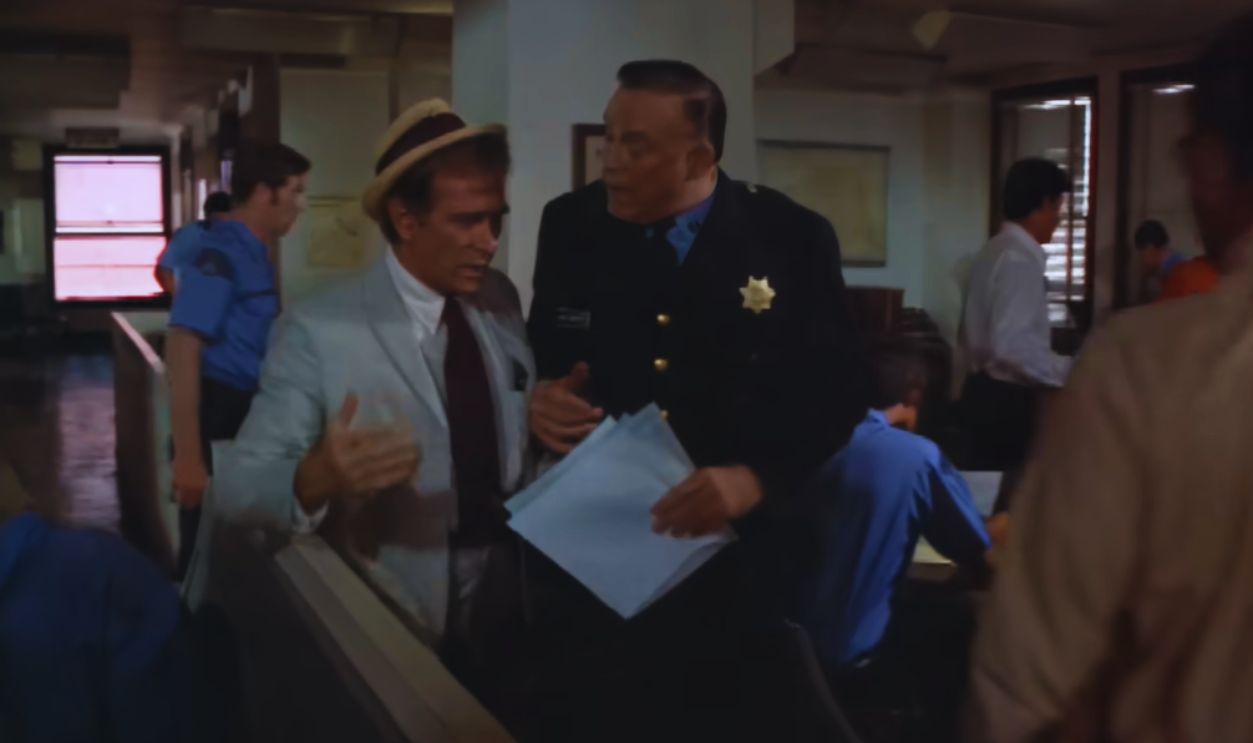 Screenshot from The Night Strangler, ABC Circle Films (1973)
McGavin Wanted Creative Control
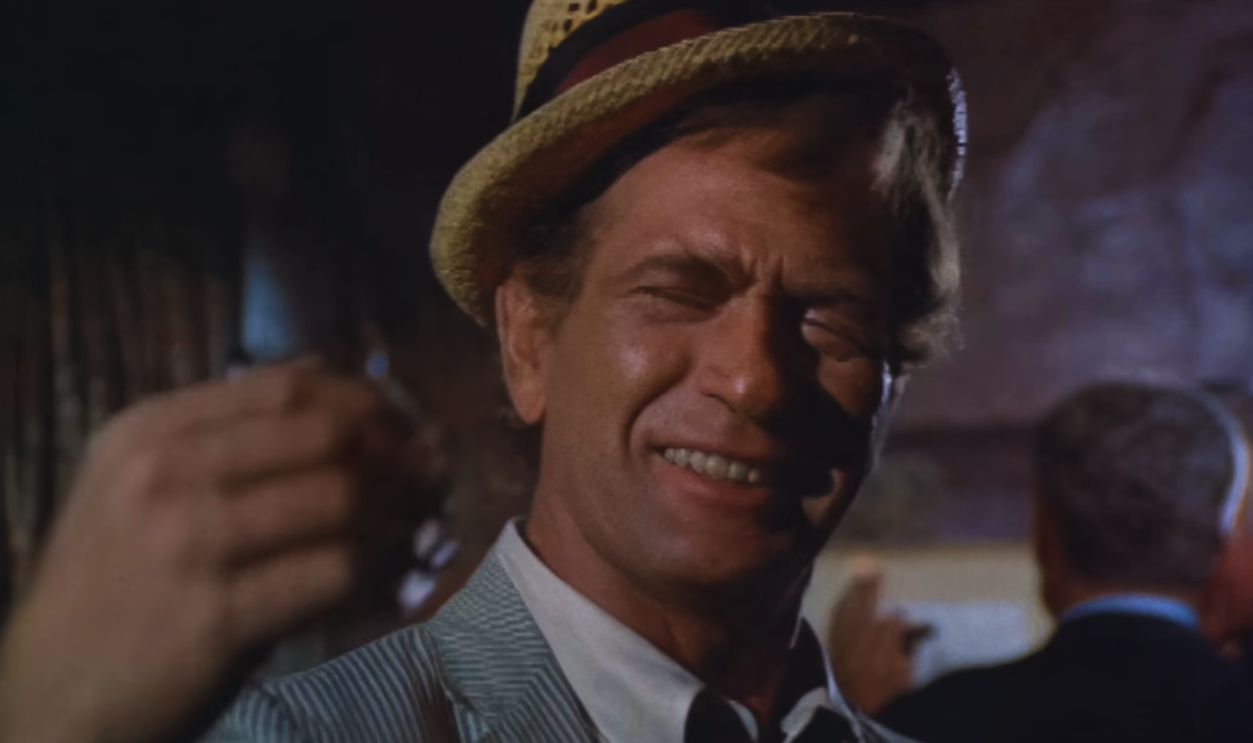
McGavin agreed to continue playing Kolchak only after pushing for more involvement behind the scenes. According to interviews and production histories, he wanted partial ownership and producing authority on the series adaptation. He believed creative control could protect the character from becoming repetitive.
 Screenshot from The Night Strangler, ABC Circle Films (1973)
The Grind Quickly Wore Him Down
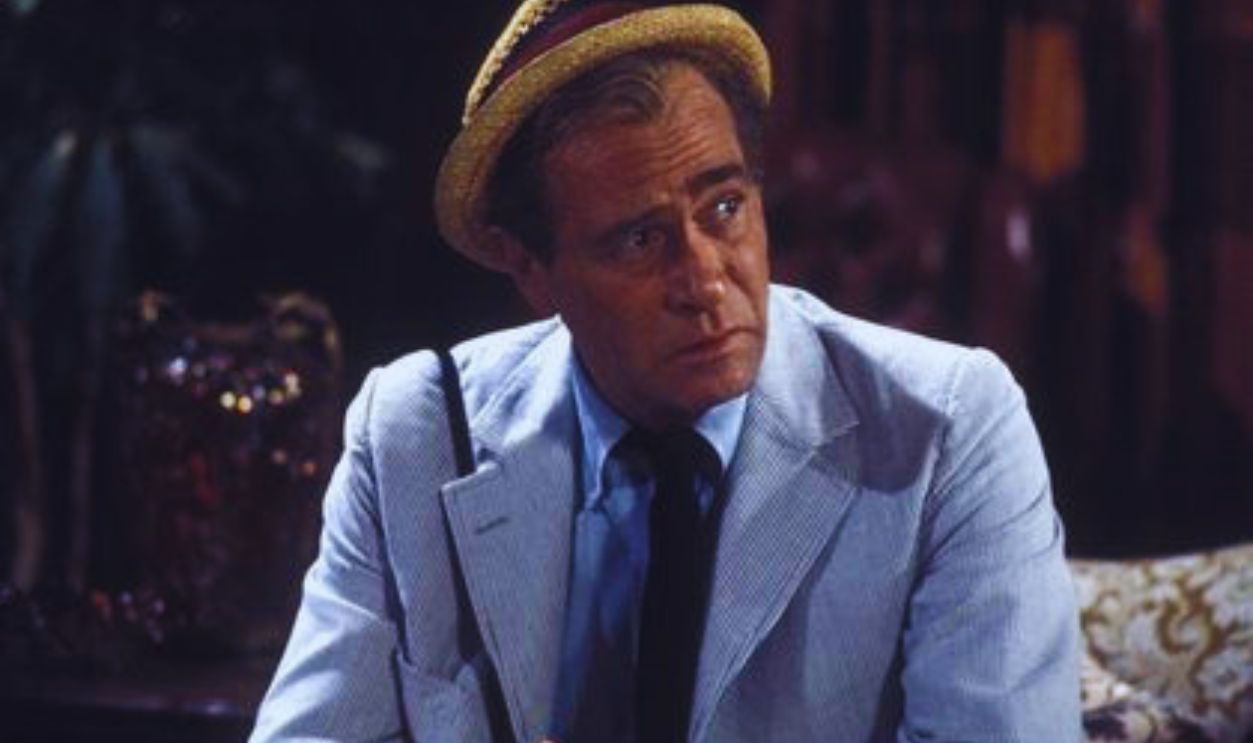
Once Kolchak: The Night Stalker entered weekly production, McGavin’s enthusiasm faded fast. Scripts arrived late, shooting schedules stretched overnight, and he reportedly rewrote material himself. The actor later complained that the quality declined as production pressures increased.
 Screenshot from Kolchak: The Night Stalker, Francy Productions / Universal Television (1974)
The Monster Of The Week Formula Frustrated Him
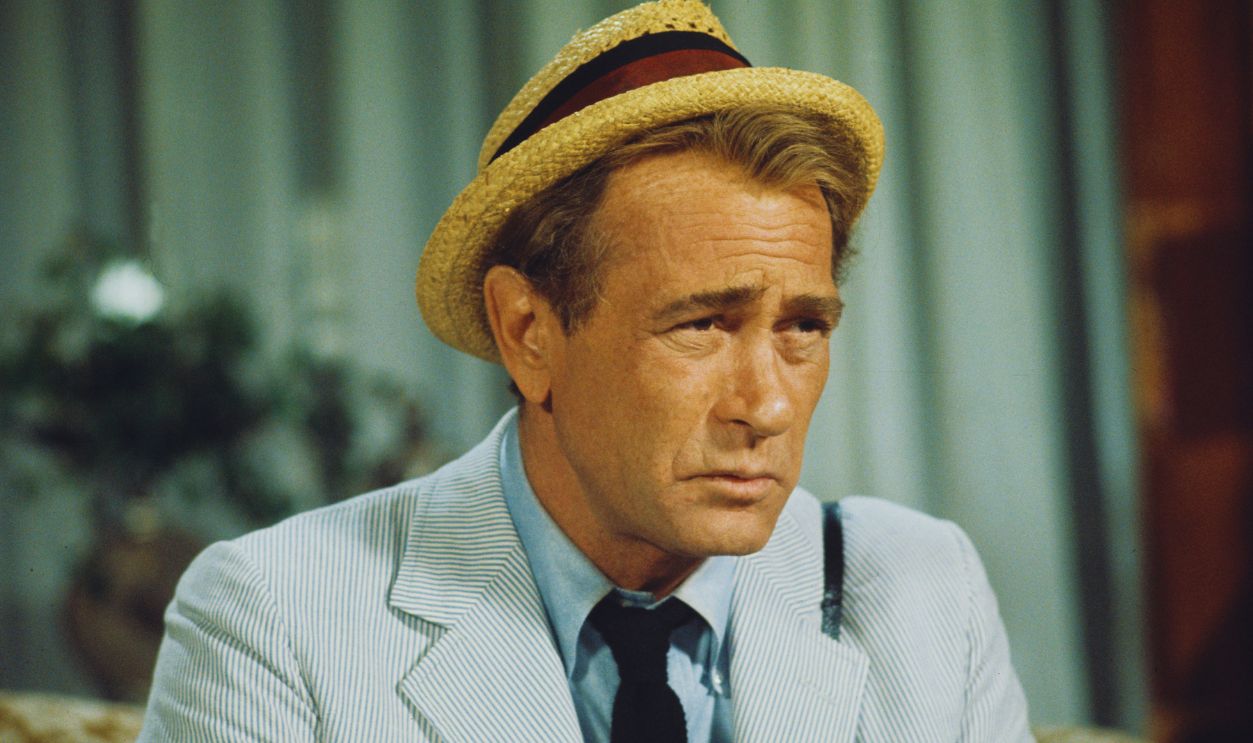
Darren McGavin disliked how the series leaned heavily into repetitive supernatural stories. He worried the show was becoming formulaic instead of suspenseful. Those frustrations became increasingly public during the show’s single season.
 Screenshot from Kolchak: The Night Stalker, Francy Productions / Universal Television (1974)
He Was Doing More Than Acting
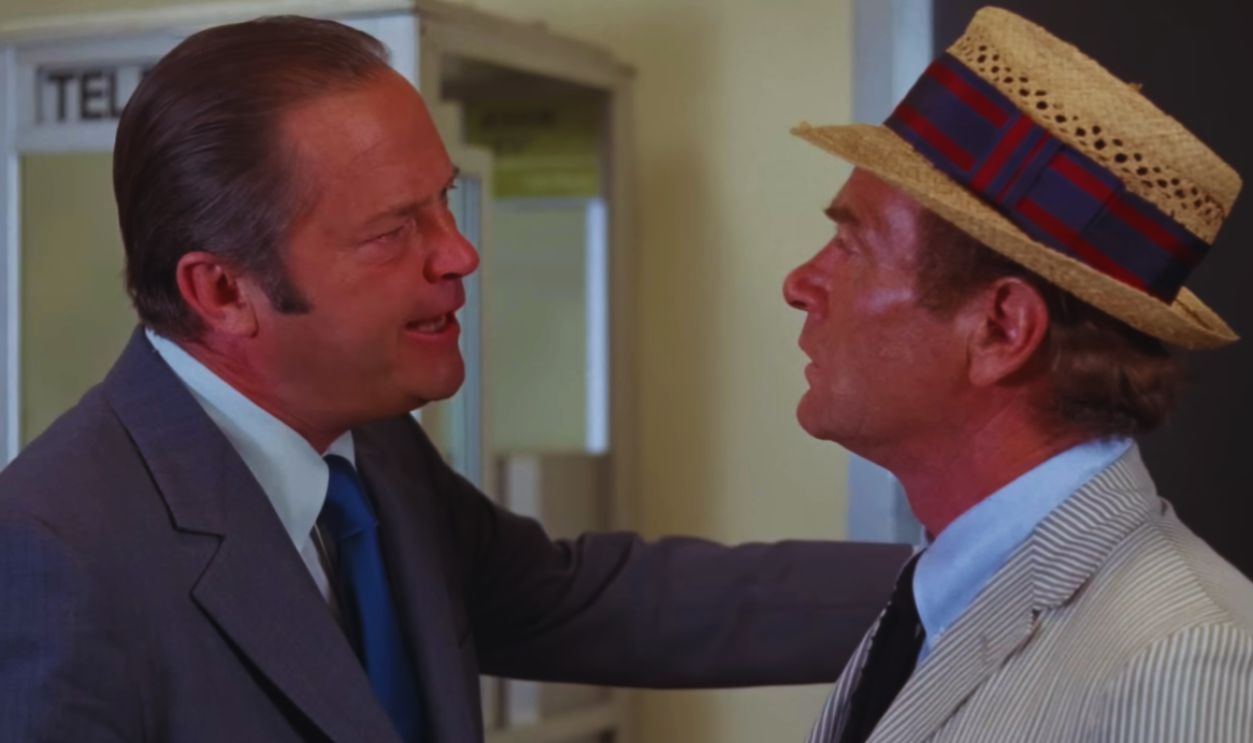
Several accounts from the production describe McGavin unofficially helping shape scripts and story structure. He reportedly worked long hours both on camera and behind it, and ended up taking an executive producer credit. The added responsibility left him exhausted by the end of the series.
 Screenshot from The Night Stalker, ABC Circle Films (1972)
The Network Did Not See Eye To Eye With Him
McGavin frequently clashed with studio executives at Universal over creative decisions. He believed producers failed to maintain the quality established by the original TV movies. His blunt criticism made him difficult to manage but also revealed how deeply he cared about the work.
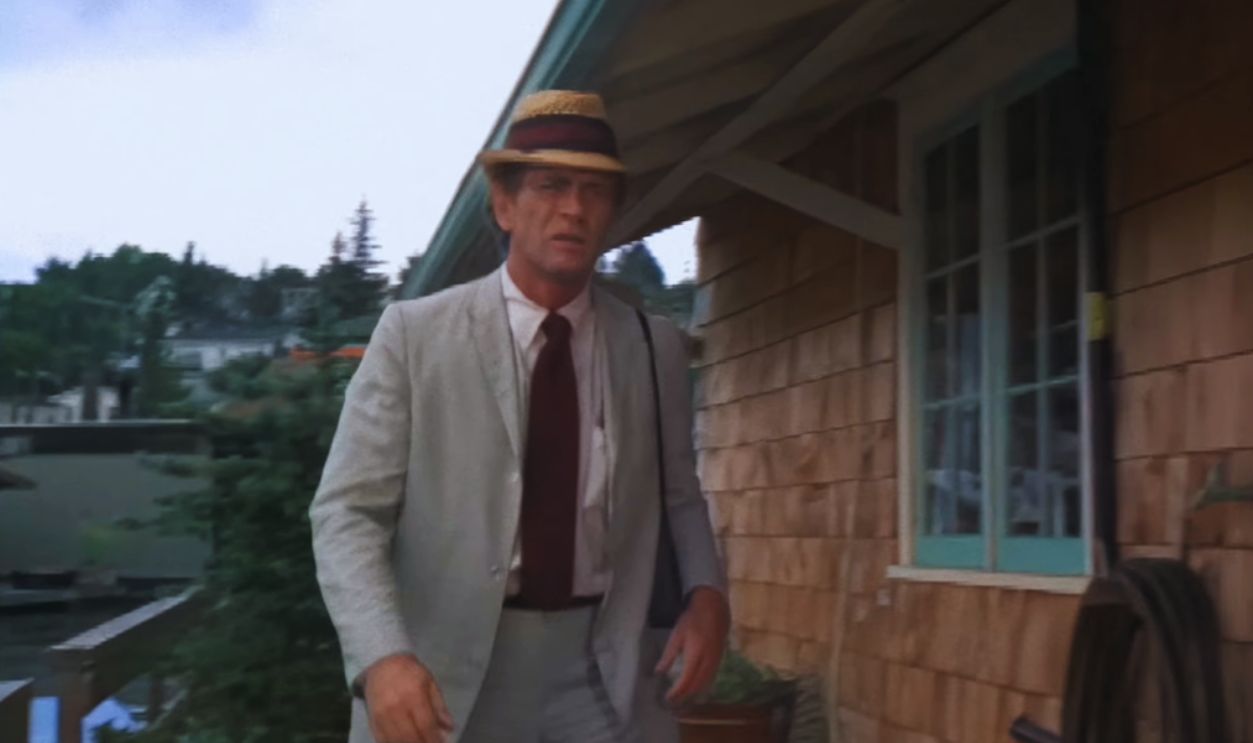 Screenshot from The Night Strangler, ABC Circle Films (1973)
Kolchak Became A Cult Legend Anyway
Despite behind-the-scenes conflict, Kolchak: The Night Stalker became hugely influential. The series later inspired creators behind supernatural television hits including The X-Files. Creator Chris Carter has openly credited Kolchak as a major influence.
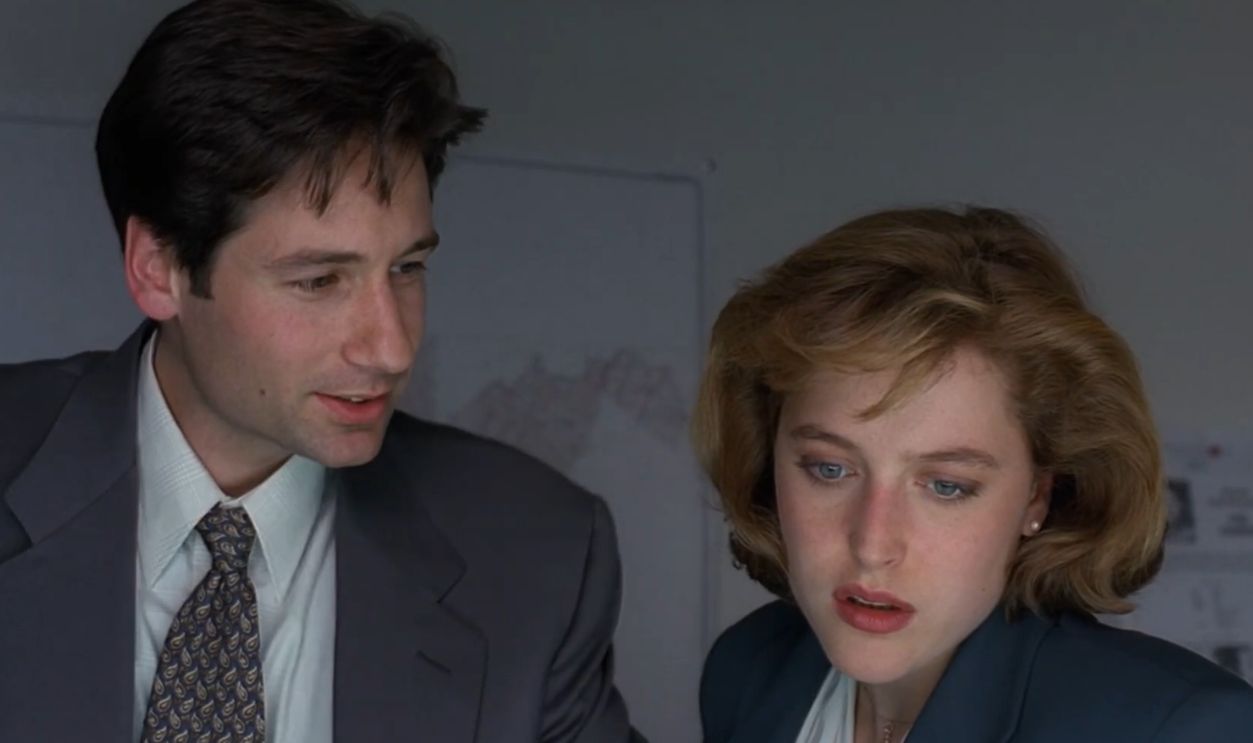 Screenshot from The X-Files, Fox Broadcasting Company (1993–2018)
The Irony Was Impossible To Ignore
The role Darren McGavin struggled with the most eventually became the role audiences loved most. Carl Kolchak turned into a cult television icon whose popularity survived long after the original series ended. McGavin himself later returned to the character several times despite his frustrations.
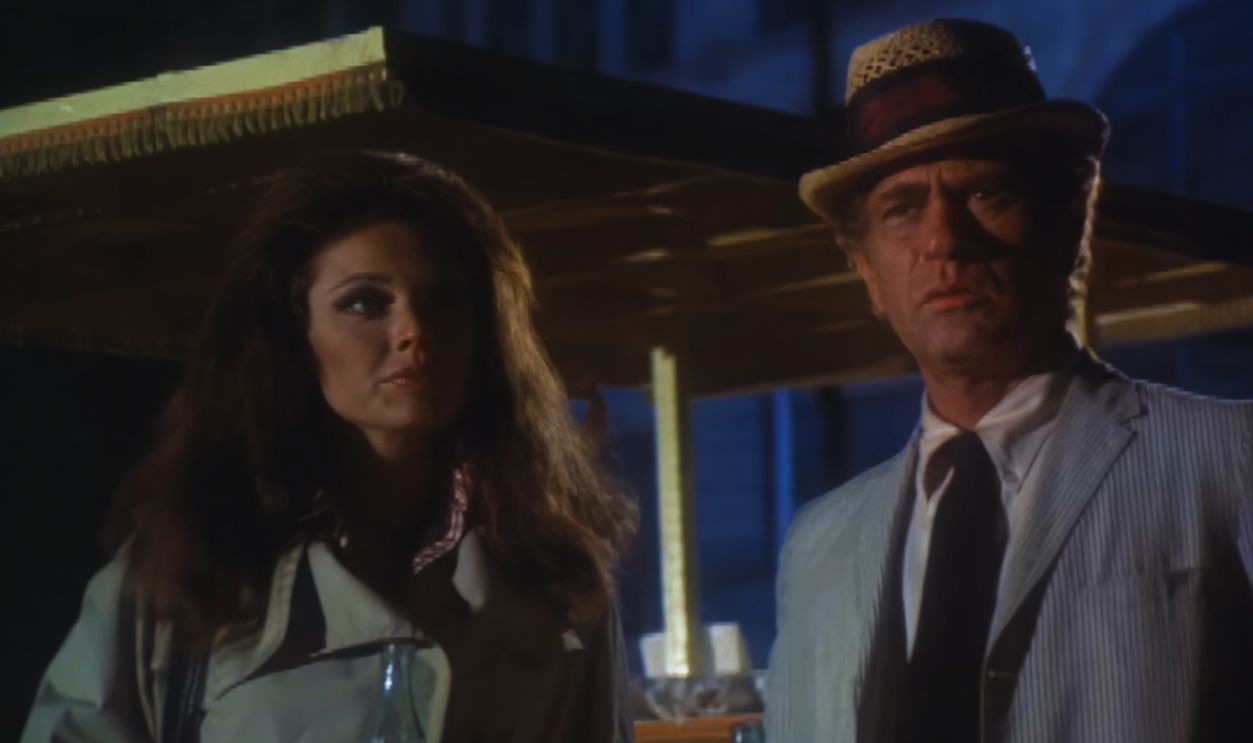 Screenshot from The Night Strangler, ABC Circle Films (1973)
He Still Delivered Great Performances
No matter how unhappy he felt with production conditions, McGavin rarely gave a weak performance. His energy, timing, and natural charisma carried even uneven material. Viewers often had no idea how frustrated he was behind the scenes.
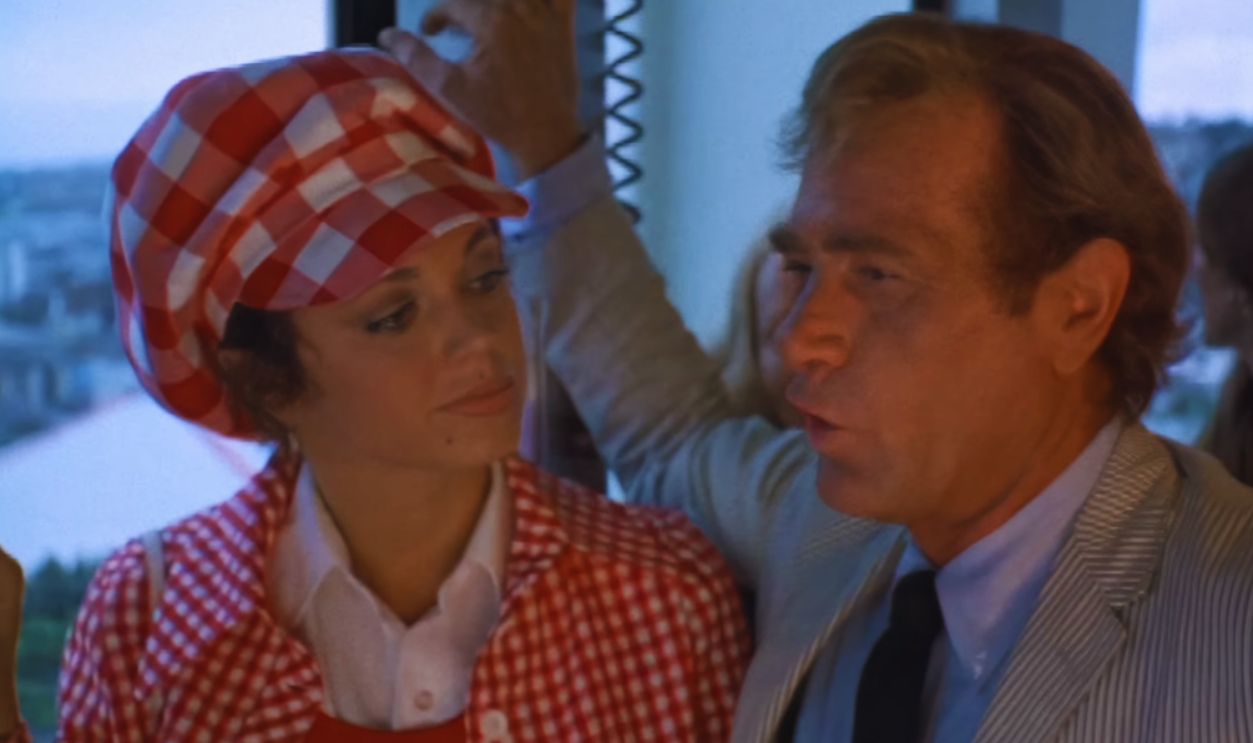 Screenshot from The Night Strangler, ABC Circle Films (1973)
A Christmas Story Introduced Him To A New Generation
In 1983, McGavin reached another audience with his role as The Old Man in A Christmas Story. His performance as Ralphie’s grumpy but lovable father became one of the movie’s defining elements. The role softened his image after decades of playing cynical investigators.
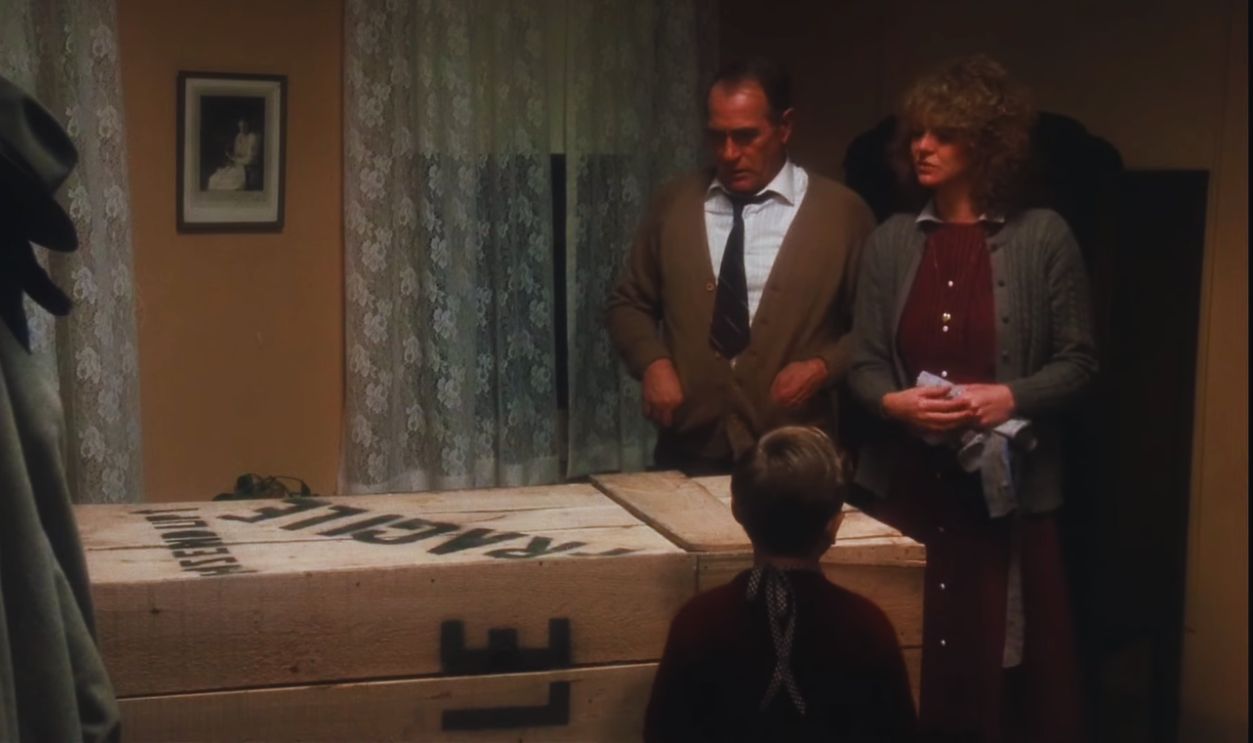 Screenshot from A Christmas Story, Metro-Goldwyn-Mayer (1983)
He Went Back To The "Small" Screen
The same year, McGavin starred in Small & Frye—once again playing an investigator. However, this was a Disney series, and as such, was more lighthearted than his normal fare. He played a detective whose partner had acquired the ability to shrink or grow spontaneously, hence the title. The series only lasted one season of six episodes.
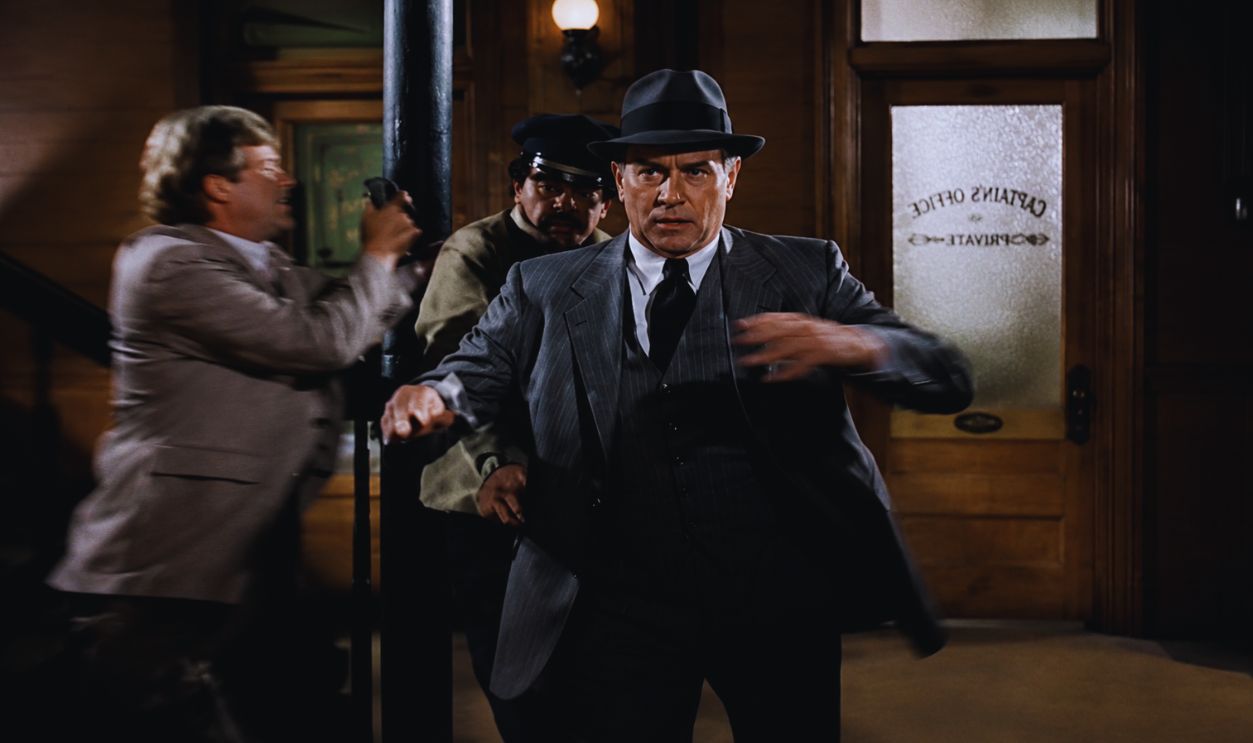 Screenshot from Small & Frye, Walt Disney Productions (1983)
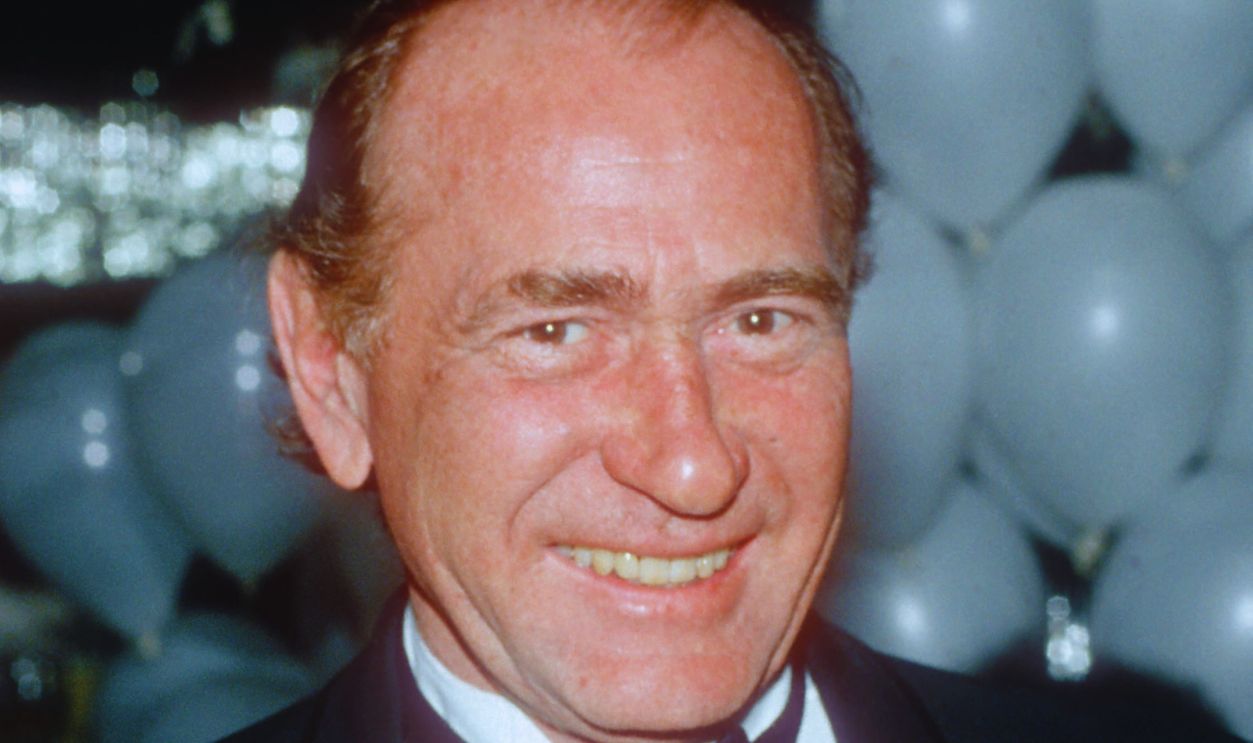
Television Finally Began To Respect Him
As the years passed, critics increasingly recognized McGavin’s range and influence. What once looked like routine television work started receiving greater appreciation from historians and fans. He was a welcome guest star on dozens of shows. His performances aged remarkably well because of their natural realism.
The Writing Got Better
Though it wasn't a starring role, some of McGavin's more fulfilling TV work came towards the end of his career. On Murphy Brown, he played the titular character's father in five episodes over the course of the series. This role earned him a nomination for Primetime Emmy Award for Outstanding Guest Actor in a Comedy Series.
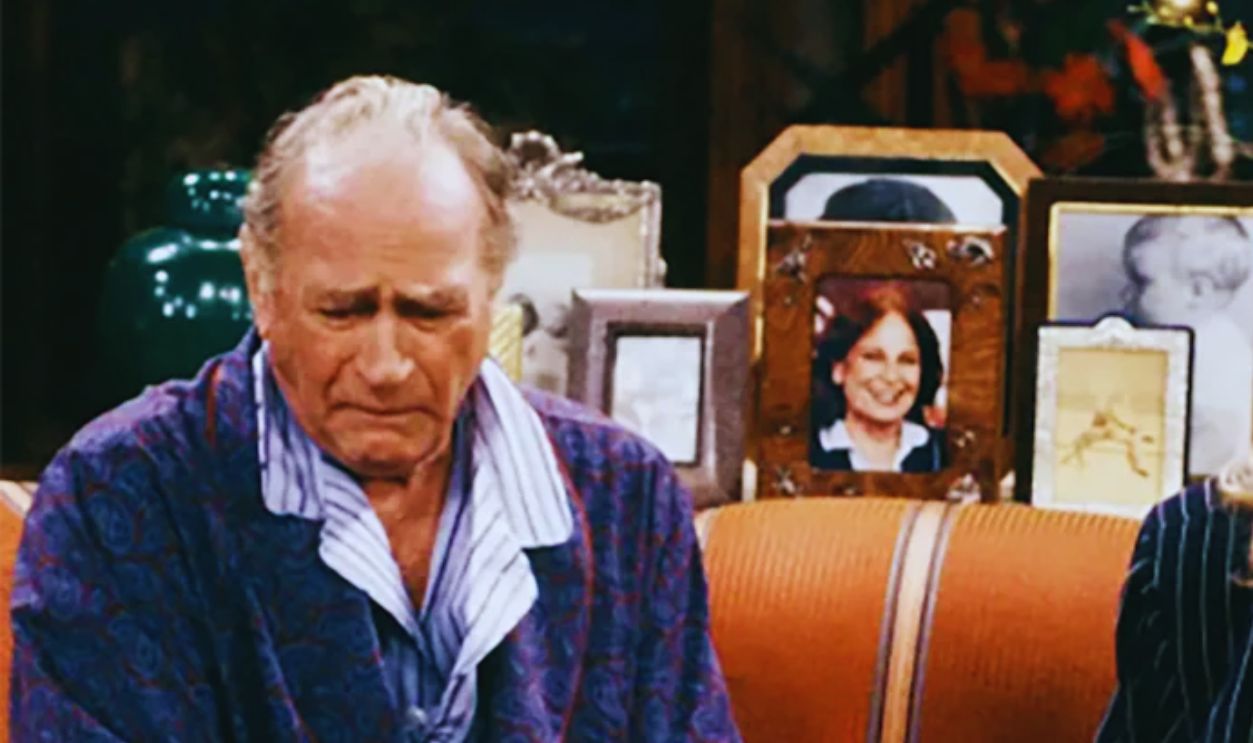 Screenshot from Murphy Brown, CBS (1988–2018)
He Never Became A Typical TV Celebrity
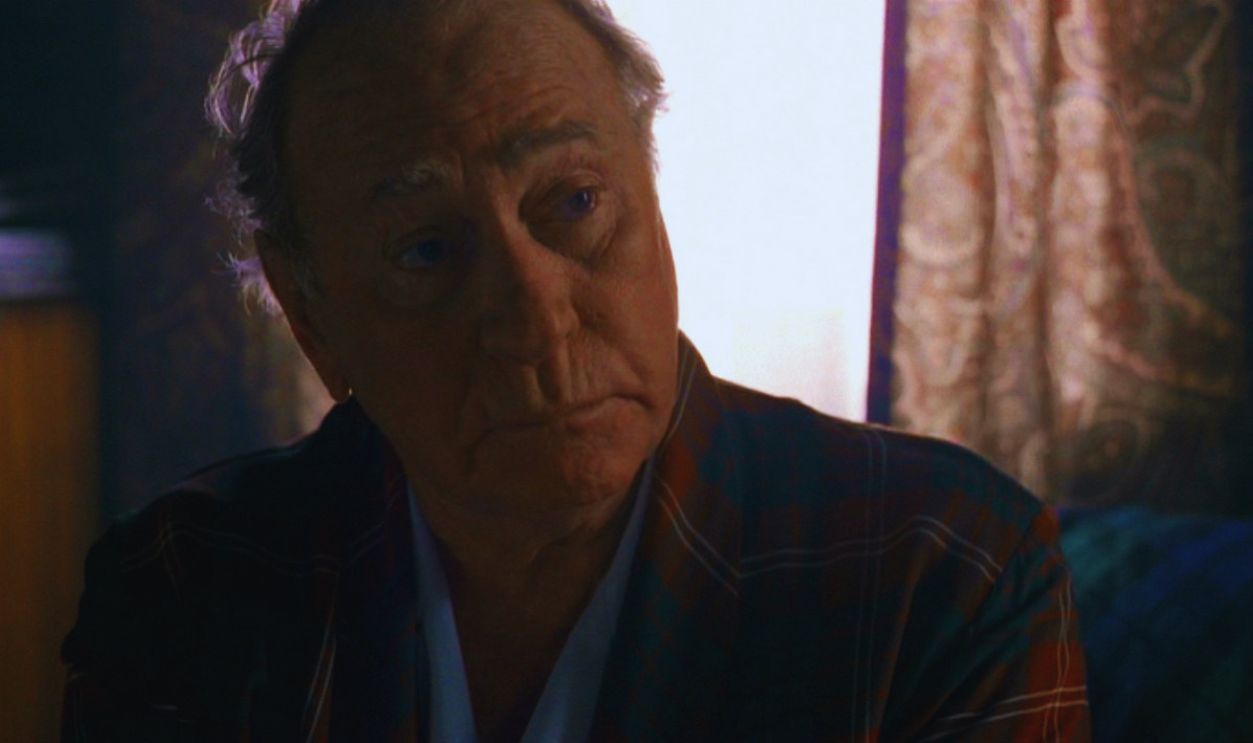
In the late 90s, on Kolchak superfan Chris Carter's The X-Files, McGavin appeared as Arthur Dales. His character was known for being the creator of X-Files within the FBI. McGavin avoided the polished celebrity image many television stars embraced. He rarely sounded grateful for network politics or Hollywood publicity culture. That stubborn authenticity became part of his appeal.
 Screenshot from The X-Files, 20th Television (1993-2018)
The King Who Never Loved The Crown
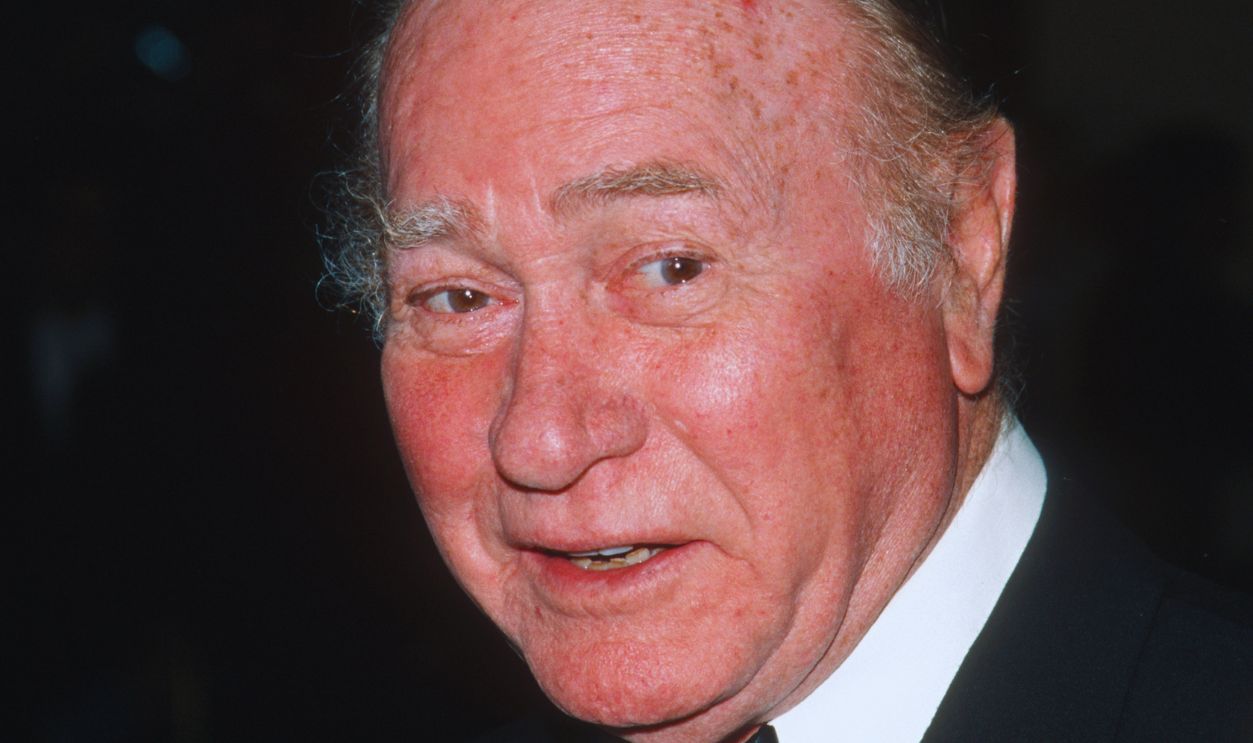
McGavin’s relationship with television remained deeply complicated throughout his life. He became one of the defining stars of the medium while constantly criticizing its limitations. Few actors embodied classic television so perfectly while resisting it so fiercely.
 Ron Galella, Ltd., Getty Images
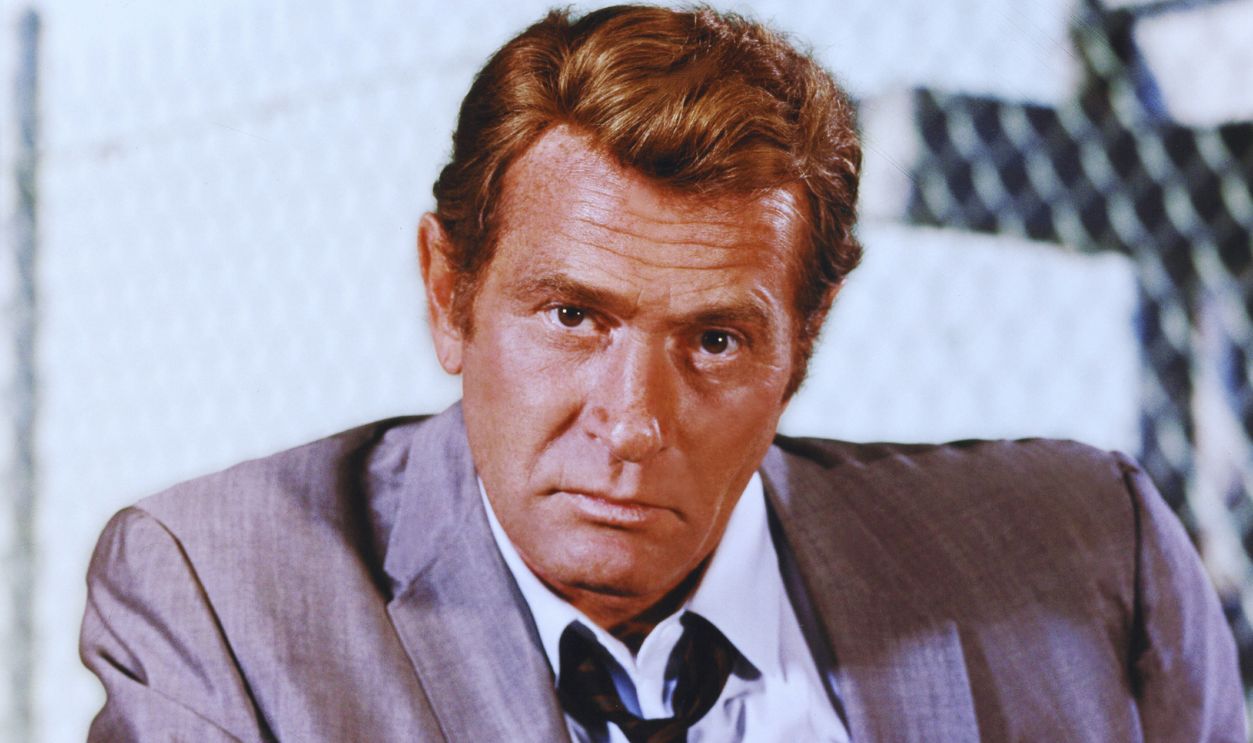
Darren McGavin Left Television Better Than He Found It
By the time of his death in 2006, McGavin had earned lasting respect from actors, writers, and television fans alike. His performances influenced generations of detective and supernatural storytelling. Even if he hated the grind, Darren McGavin helped define the golden age of television.
 Silver Screen Collection, Getty Images
You May Also Like:
TV Flops From The 70s That People Actually Loved
The Legendary Comedy Career Of Phil Silvers