A Face You Couldn’t Escape
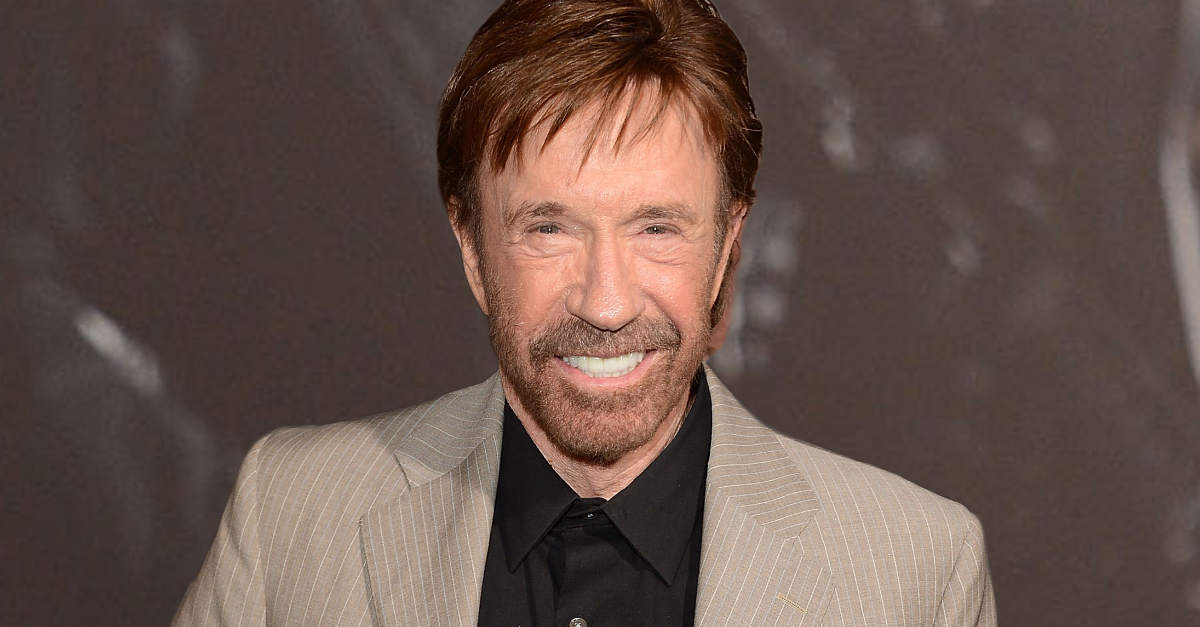
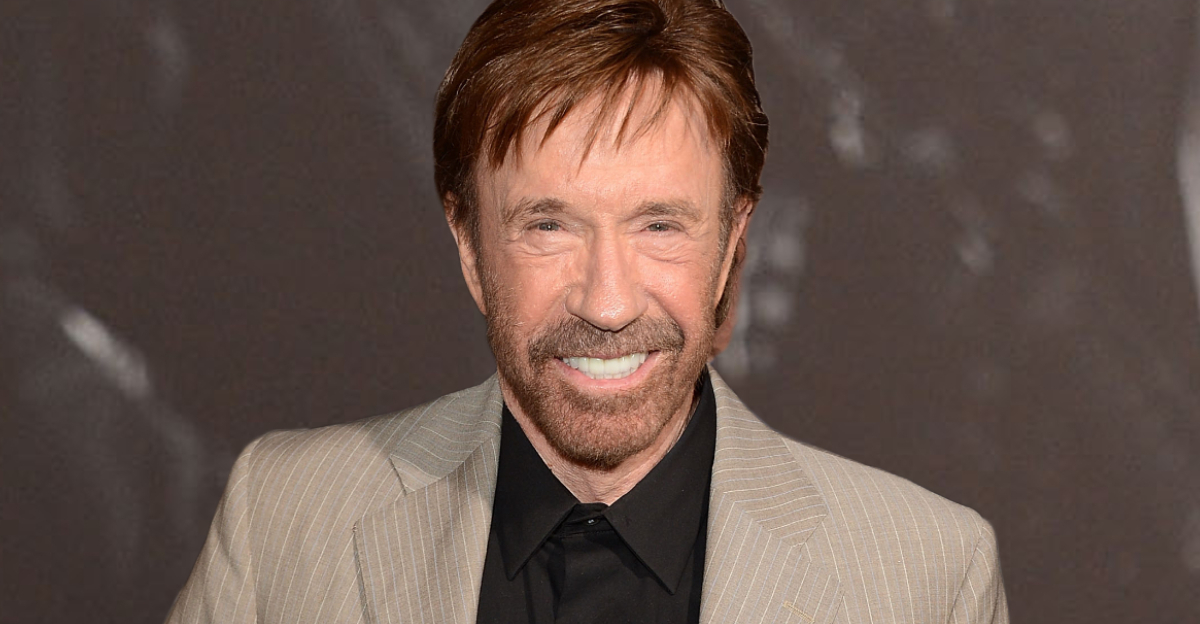
For a stretch in the 80s and 90s, Chuck Norris was everywhere. He built a long run as an action star in the 80s, then became a weekly TV fixture in the 90s with Walker, Texas Ranger. But by the 2000s, he had largely disappeared from the spotlight—a decision he made to focus on things that mattered a whole lot more than fame and celebrity.
Before the Fame, There Was Real Struggle
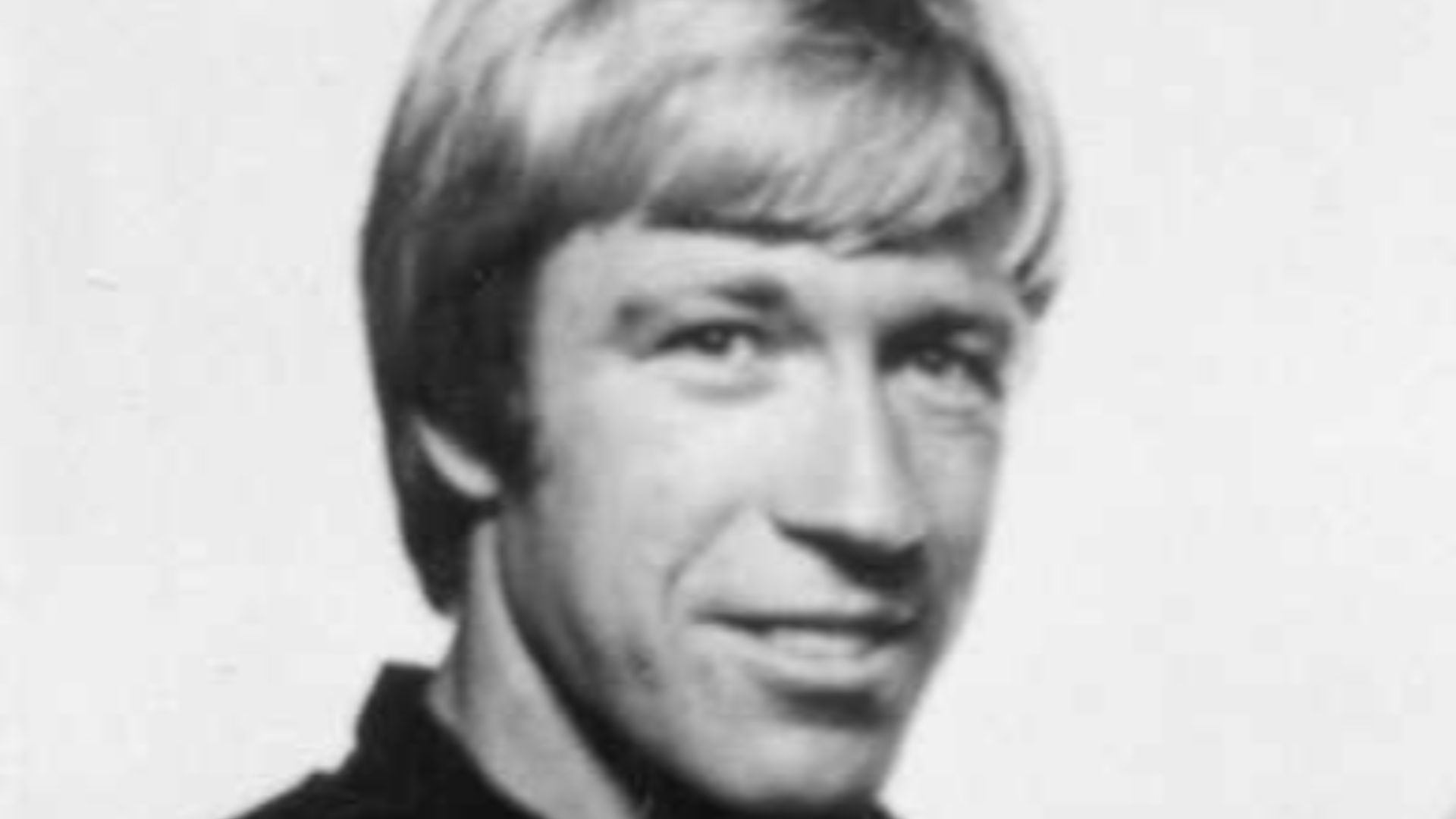
Norris was born in 1940 in Oklahoma and grew up in a working-class family. His father struggled with alcoholism and left when he was young, leaving his mother to raise three boys on her own. Norris later said he was shy, not athletic, and lacked confidence as a kid.
He Didn’t Look Like a Typical Star
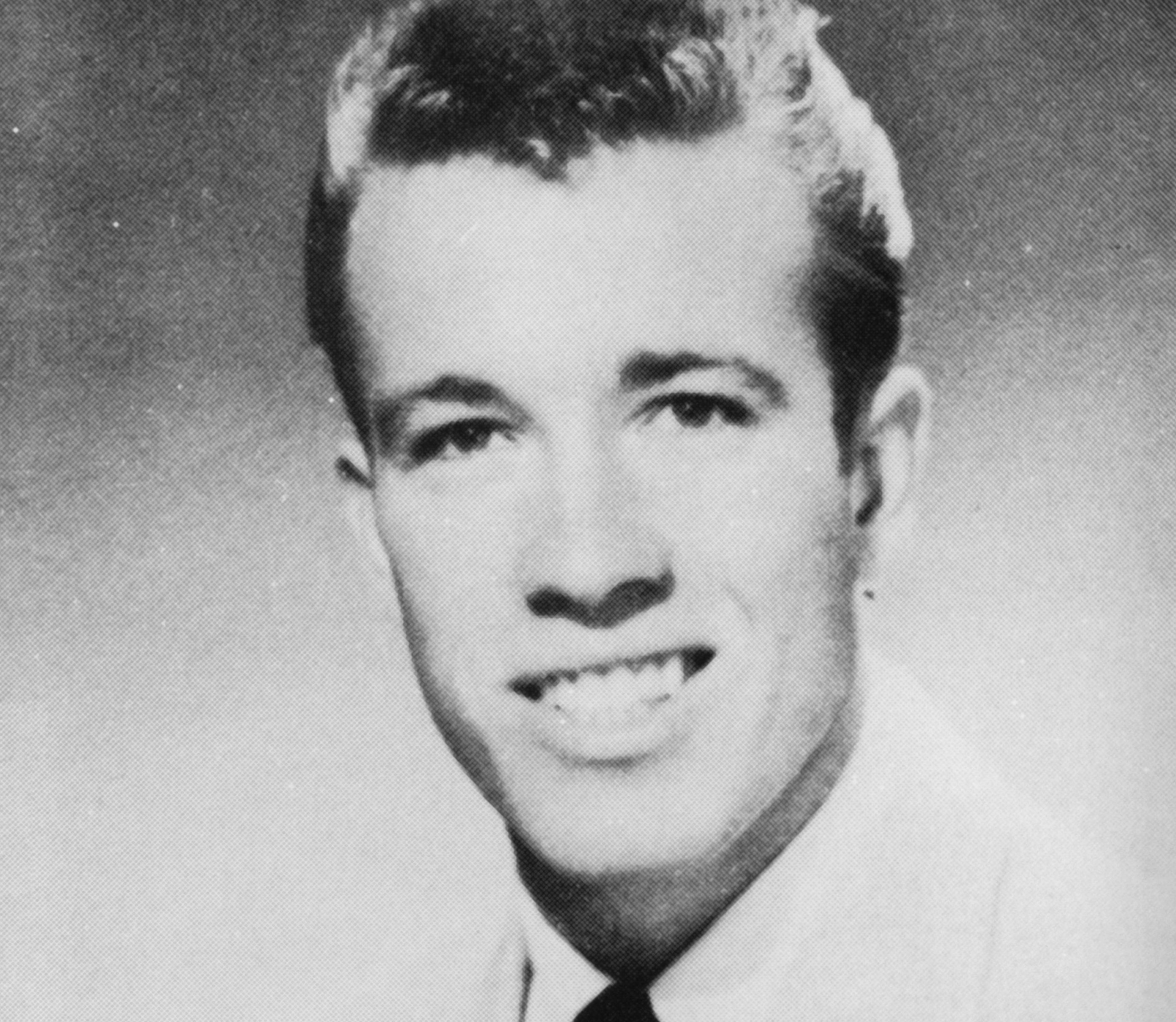
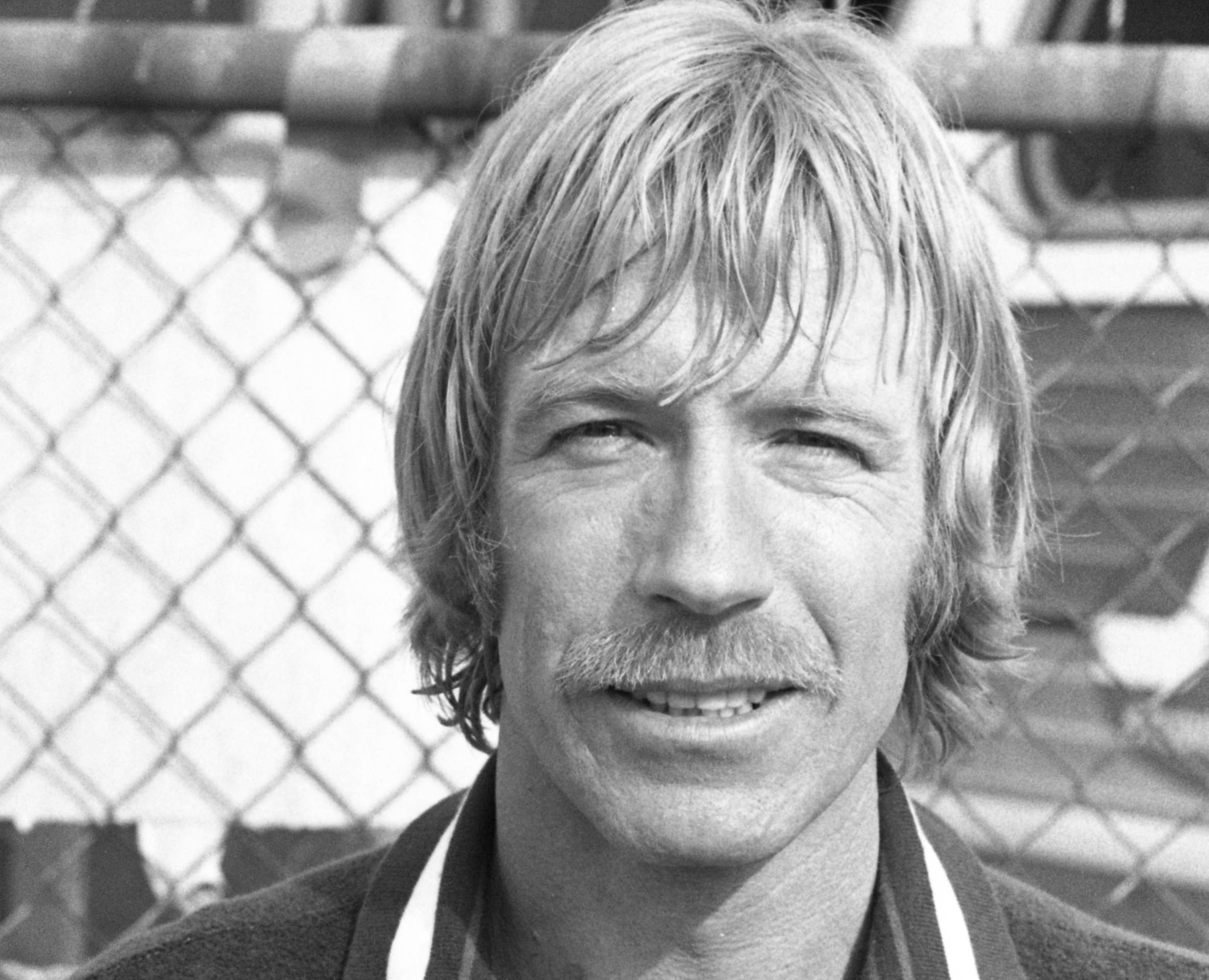
When he moved into acting in his 30s, Norris didn’t fit the usual Hollywood mold. He wasn’t classically trained and didn’t have that polished studio look. Compared to other action stars, he came across more grounded—and that ended up working in his favor.
 Donaldson Collection, Getty Images
Martial Arts Came First
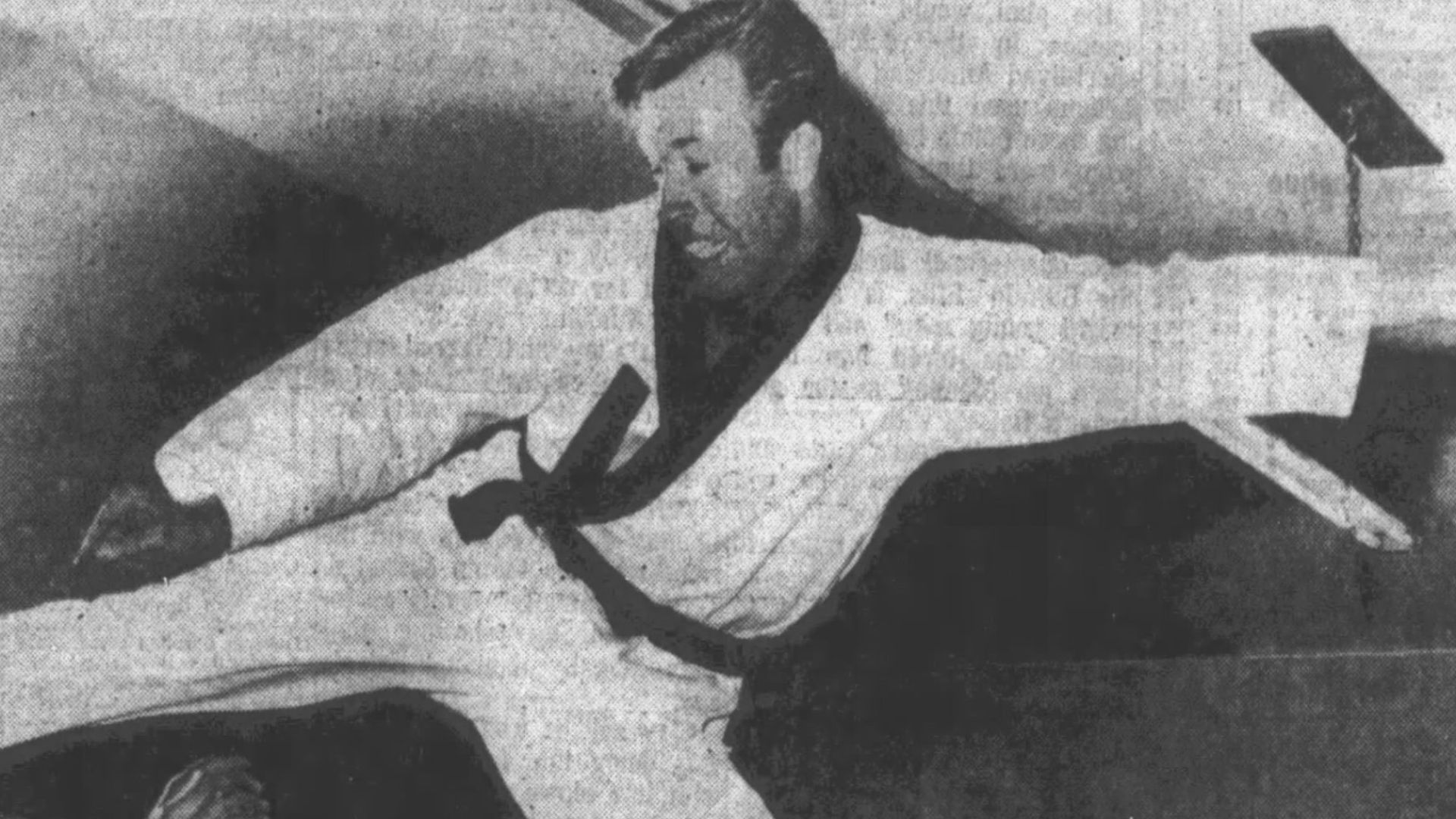
Before Hollywood, Norris had already built a real reputation in martial arts. He was a six-time undefeated World Professional Middleweight Karate champion and later founded his own system, Chun Kuk Do. He also ran karate schools and trained celebrities like Steve McQueen.
 Daily Breeze/ Jack Wyman, Wikimedia Commons
The Bruce Lee Connection
In 1972, Norris appeared in Way of the Dragon, fighting Bruce Lee in the Colosseum. That scene became one of the most famous fight sequences ever filmed—and it helped introduce him to a global audience almost overnight.
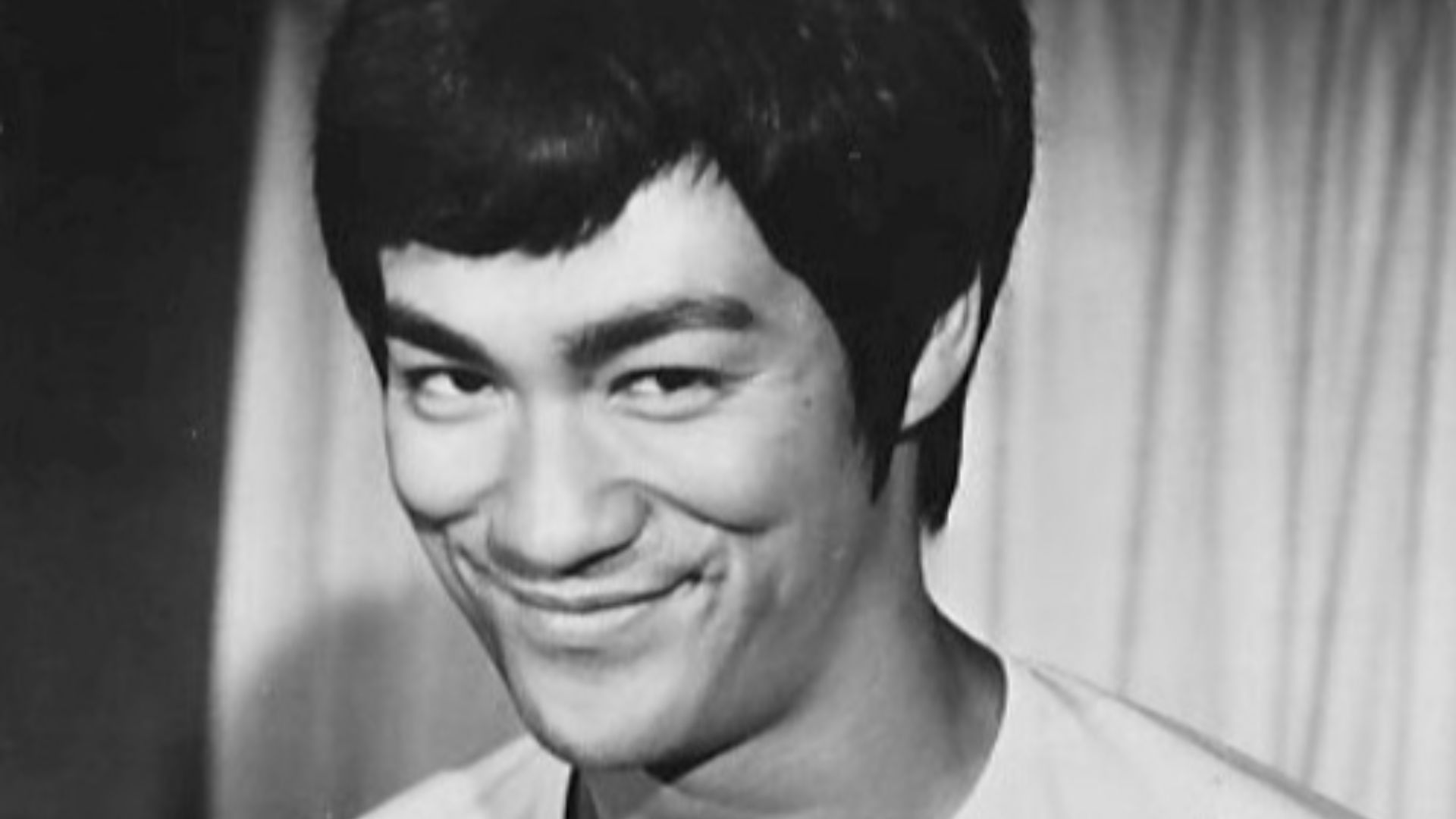 National General Pictures, Wikimedia Commons
Building an Action Career the Hard Way
His acting career didn’t explode right away. Through the 70s, he worked steadily but without a major breakout. It took years of smaller roles before studios started trusting him as a lead.
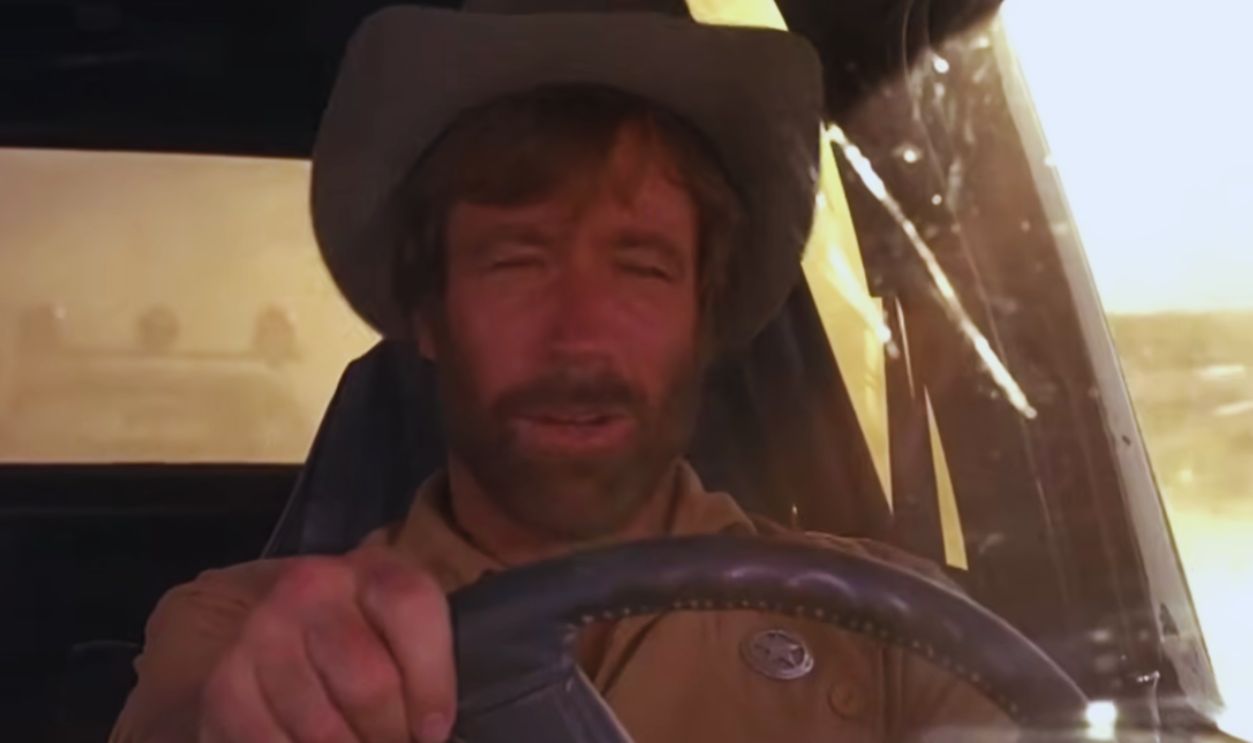 Screenshot from Lone Wolf McQuade, Orion Pictures (1983)
The Breakthrough Years
That changed in the early 80s. Films like Lone Wolf McQuade (1983), Missing in Action (1984), and The Delta Force (1986) made him a reliable action headliner. He wasn’t flashy—but audiences showed up.
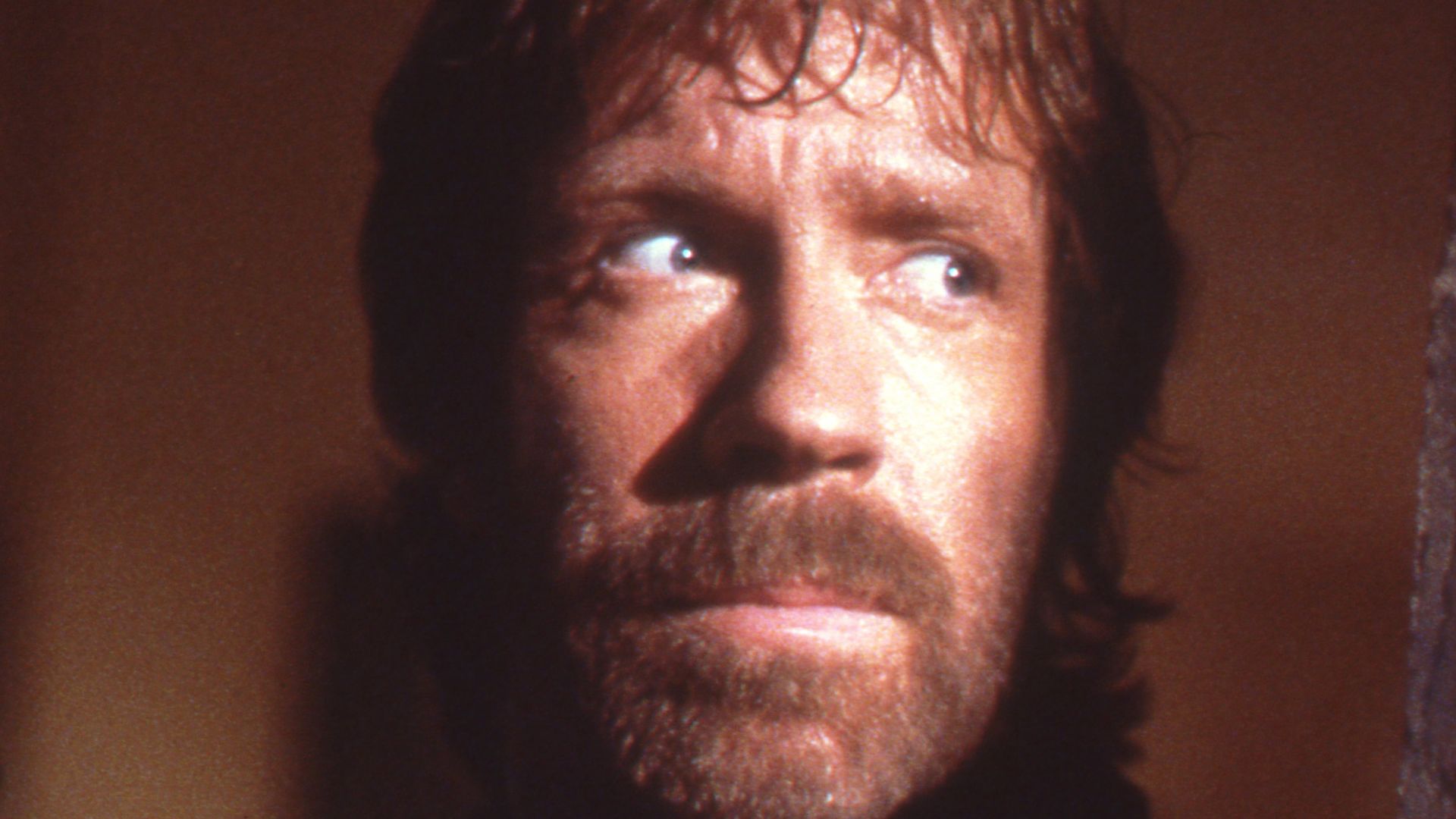 Yoni S.Hamenahem, Wikimedia Commons
A Different Kind of Tough Guy
What made Norris stand out was the tone of his characters. He wasn’t just there for action—his roles leaned heavily on discipline, control, and doing the right thing. That gave his movies a slightly different feel than others at the time.
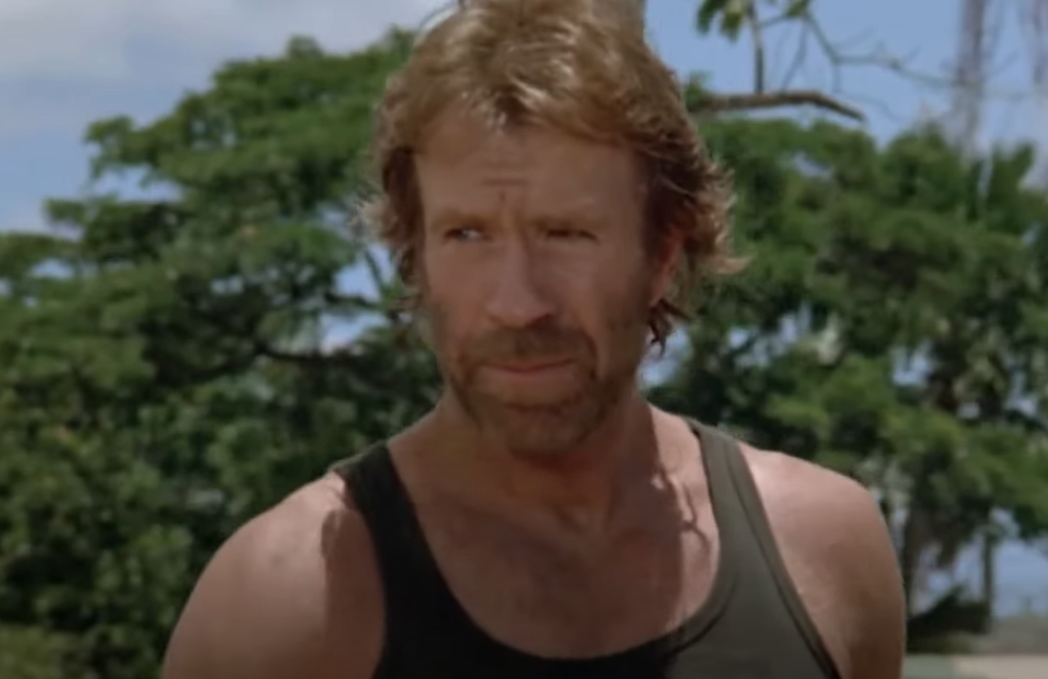 Cannon Films, Delta Force 2: The Colombian Connection (1990)
He Became a Household Name
By the late 80s, Norris was one of the most recognizable action stars in the country. Between theaters, cable, and home video, his name carried real weight—even with people who didn’t follow the genre closely.
Then Came “Walker, Texas Ranger”
In 1993, he transitioned to television with Walker, Texas Ranger. The show ran from 1993 to 2001 and produced more than 200 episodes, making him a weekly presence in millions of homes.
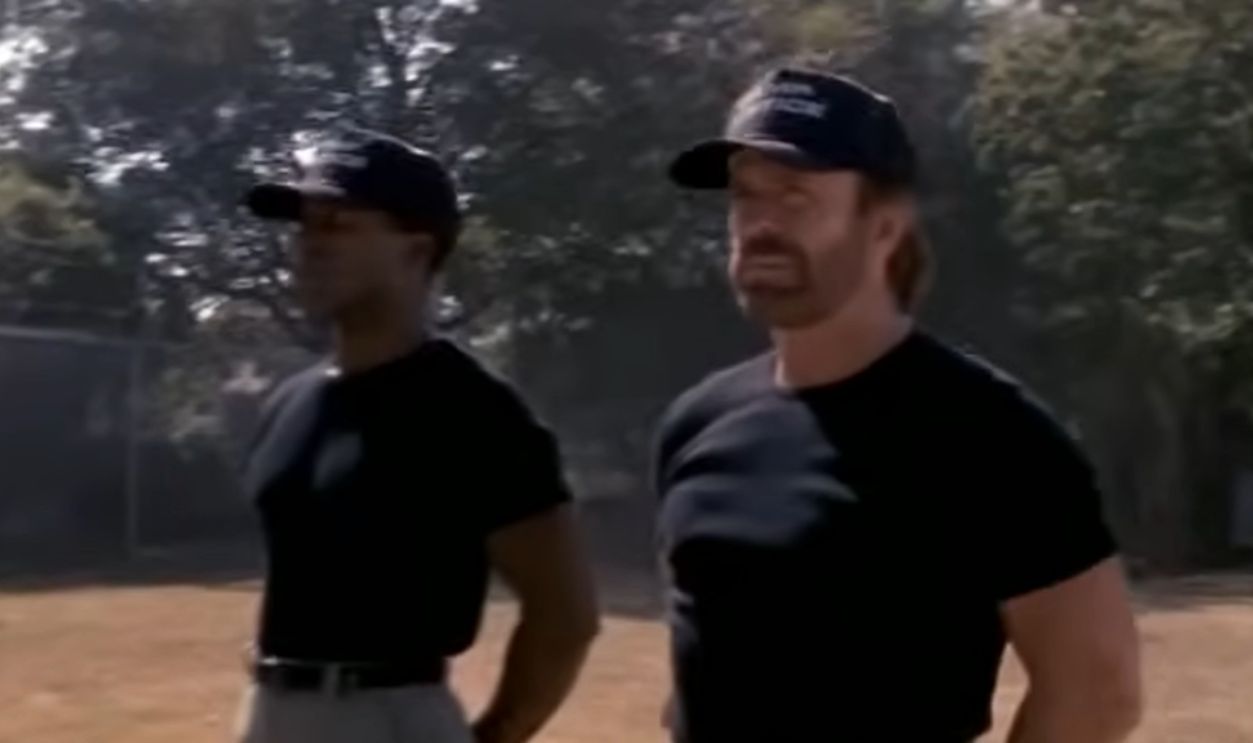 Screenshot from Walker, Texas Ranger, CBS (1993 – 2001)
He Was More Than Just the Star
Norris also served as an executive producer on the show, which meant he had real influence over its tone and direction. It wasn’t just about action—he pushed for stories centered around justice, community, and responsibility.
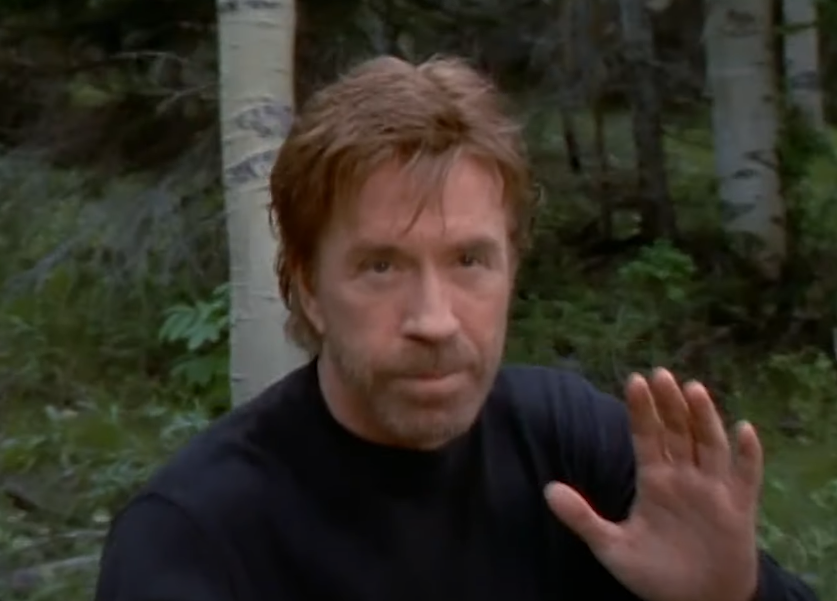 CBS, Walker, Texas Ranger (1993–2001)
A Very Specific Image
The show kept a clean, family-friendly tone. There was little profanity, violence was relatively restrained, and episodes often ended with a clear moral takeaway. That consistency helped it appeal to a wide audience.
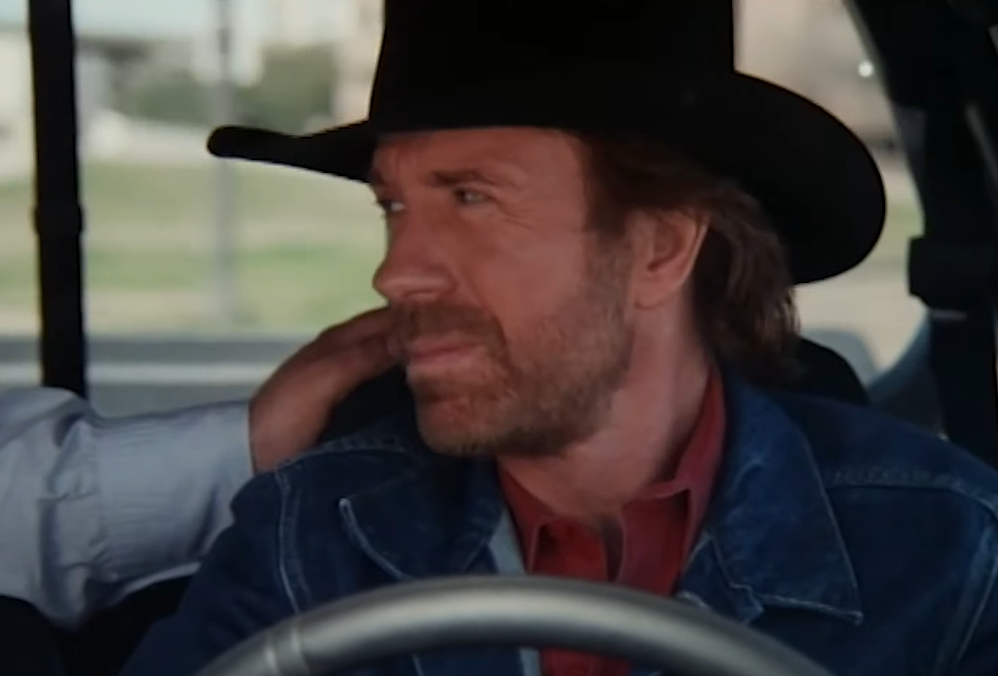 CBS, Walker, Texas Ranger (TV Series 1993–2001)
The Fame Stayed Strong Into the Late 90s
Even as his film career slowed, Walker, Texas Ranger kept him highly visible. The show ran for years, and reruns extended that presence well beyond its original run.
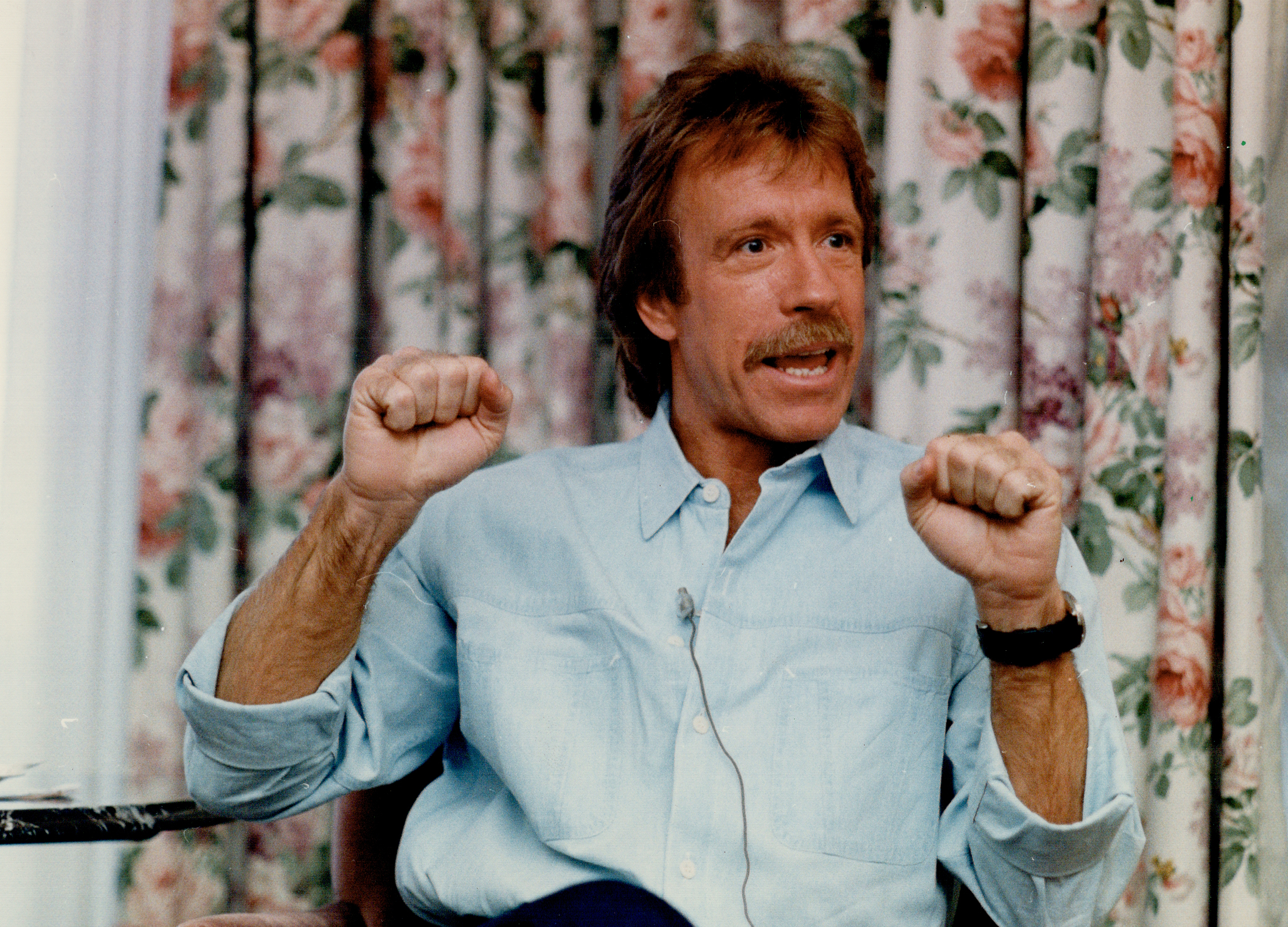
And Then… Things Quietly Changed
After Walker, Texas Ranger ended in 2001, Norris didn’t jump into another major project. His appearances became less frequent, and the constant visibility he had for years started to fade. There wasn’t a scandal or big career collapse—this was a deliberate step back.
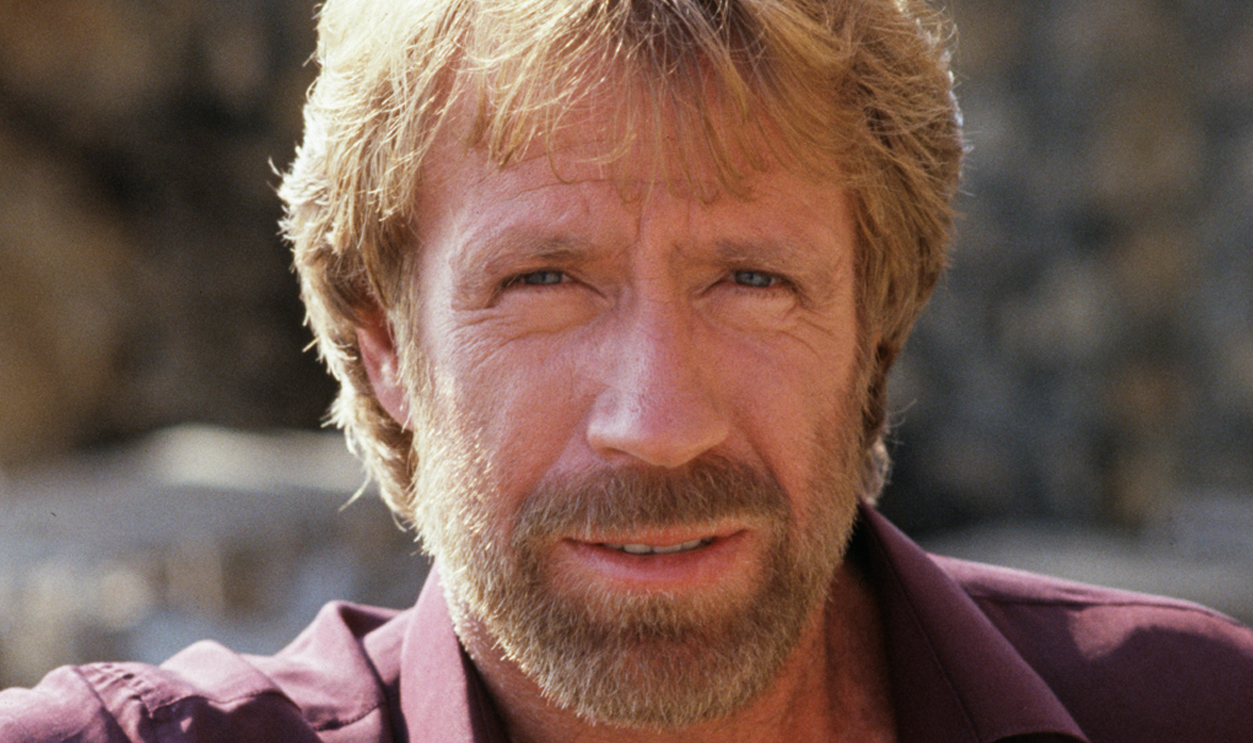 frederic meylan/Sygma via Getty Images
Family Became the Priority
The biggest reason for that shift was his family. In 2017, Norris and his wife Gena went public with her serious health issues after she underwent multiple MRI scans. He later said he had stepped away from his career because his focus had become taking care of her full-time.
 Staff Sgt. Tony Foster, Wikimedia Commons
Her Health Crisis Took Over Everything
At the time, Norris said he believed Gena was “dying” after complications he linked to MRI contrast agents. The couple filed a lawsuit, and he made it clear that acting and public life were no longer priorities—his time was being spent at home, helping her recover.
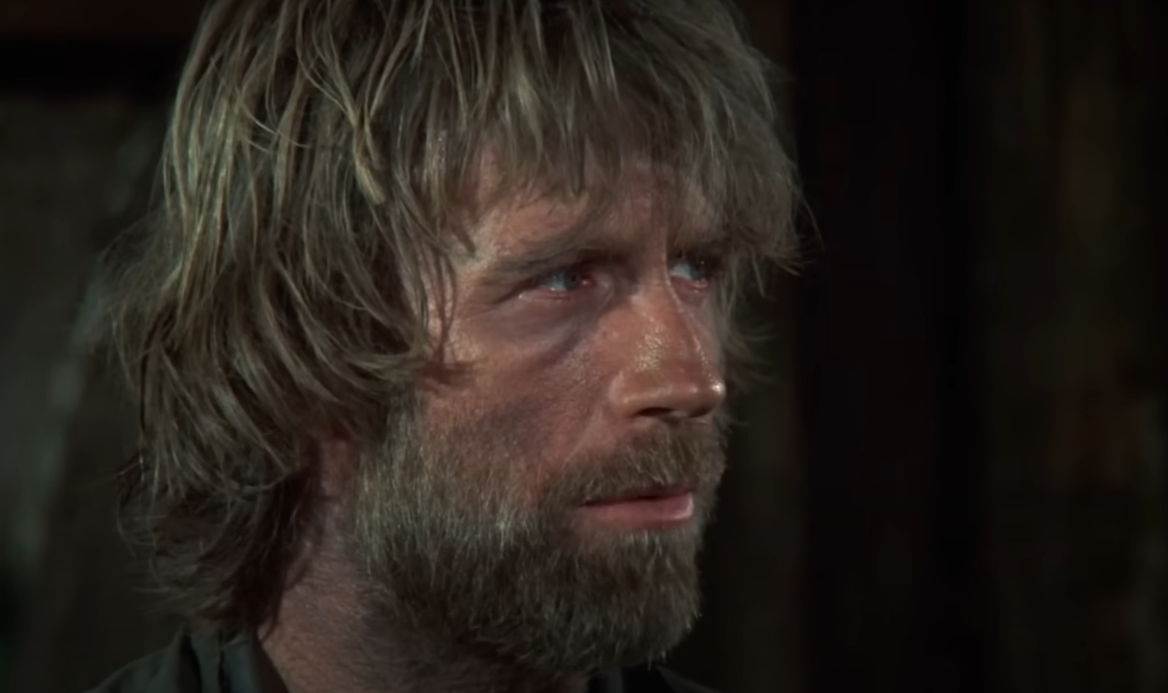 The Cannon Group, Missing in Action 2: The Beginning (1985)
A Life That Looked Very Different
Instead of film sets and press tours, his life became much more private. He made fewer public appearances, stayed out of the Hollywood cycle, and focused more on his personal life.
 Houston Chronicle, Getty Images
The Internet Gave Him a Second Life
At the same time, the internet gave him a completely different kind of fame. The “Chuck Norris facts” meme turned him into a larger-than-life figure again—this time for a whole new generation.
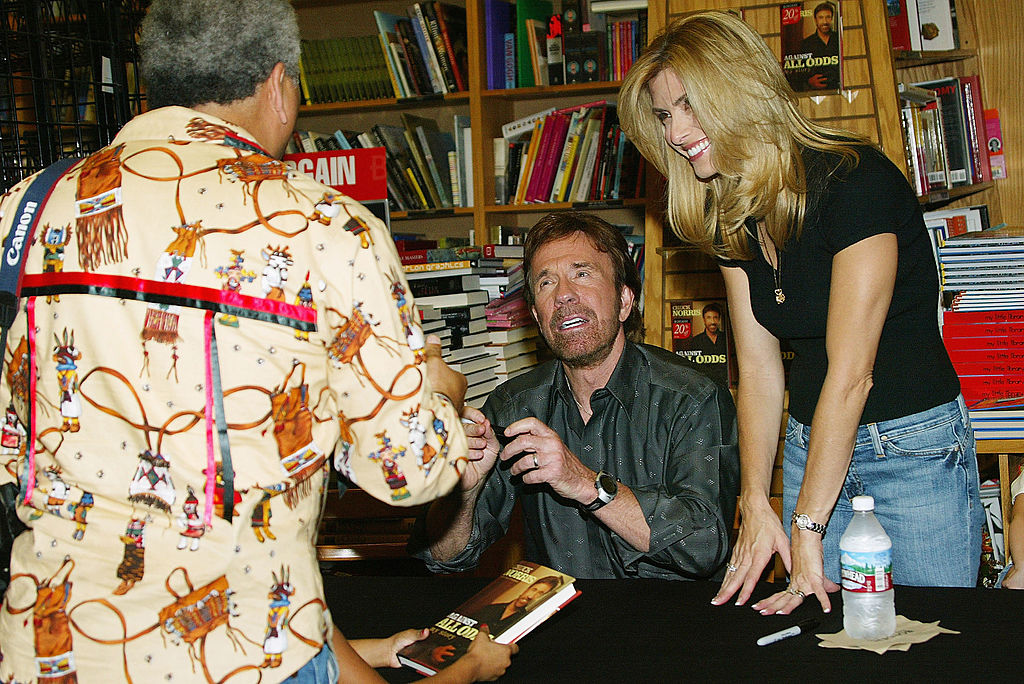 Frederick M. Brown, Getty Images
A Reputation That Never Really Faded
Even without new movies or shows, his name stayed recognizable. Between reruns, internet culture, and his earlier work, Norris remained part of the conversation across multiple generations.

He Didn’t Try to Come Back
Unlike many actors from his era, Norris didn’t chase a big comeback. His later appearances were limited and selective, which suggests he was comfortable with where his career had already taken him.
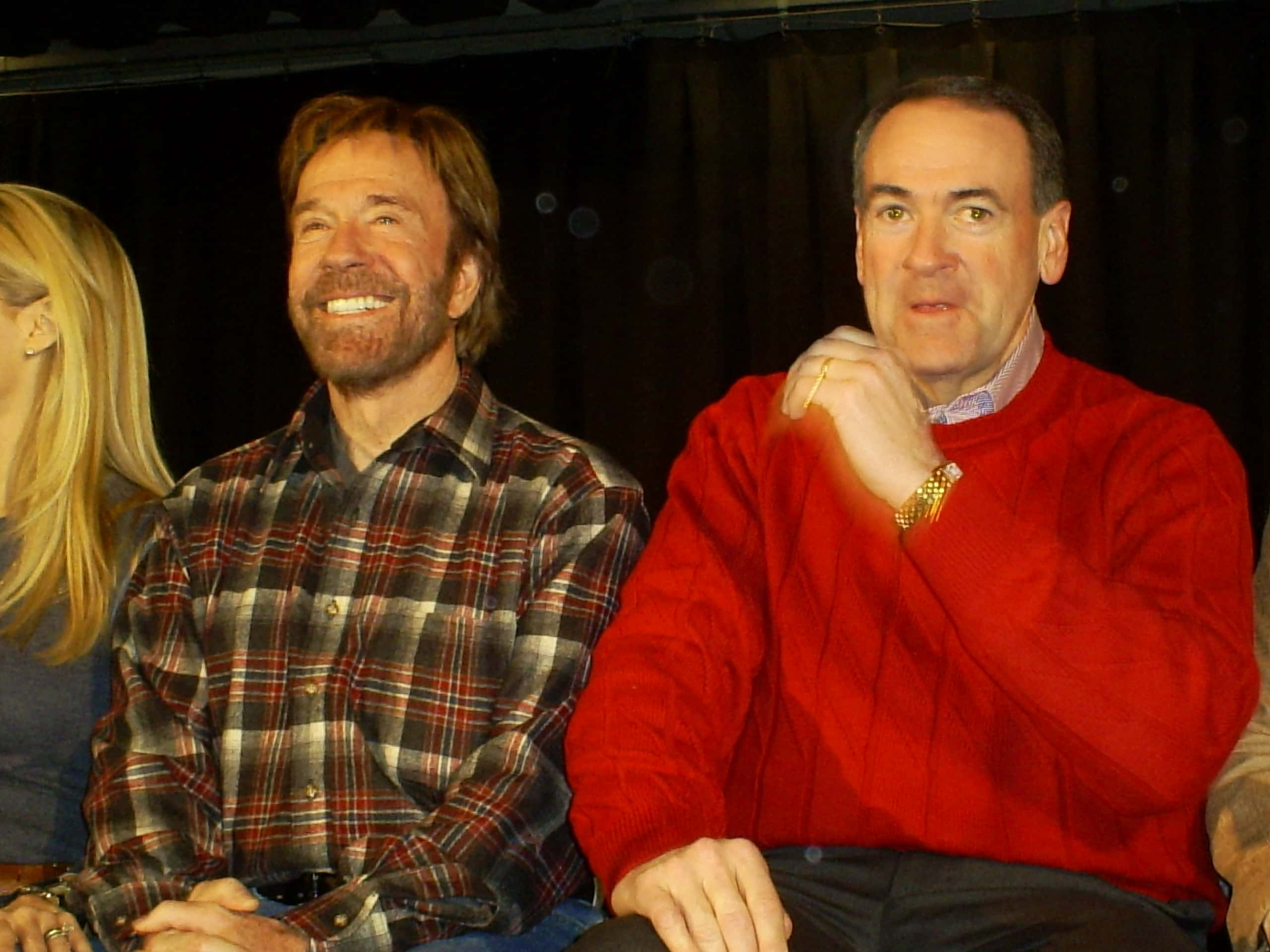 Craig Michaud, CC BY 3.0, Wikimedia Commons
The News That Changed Everything
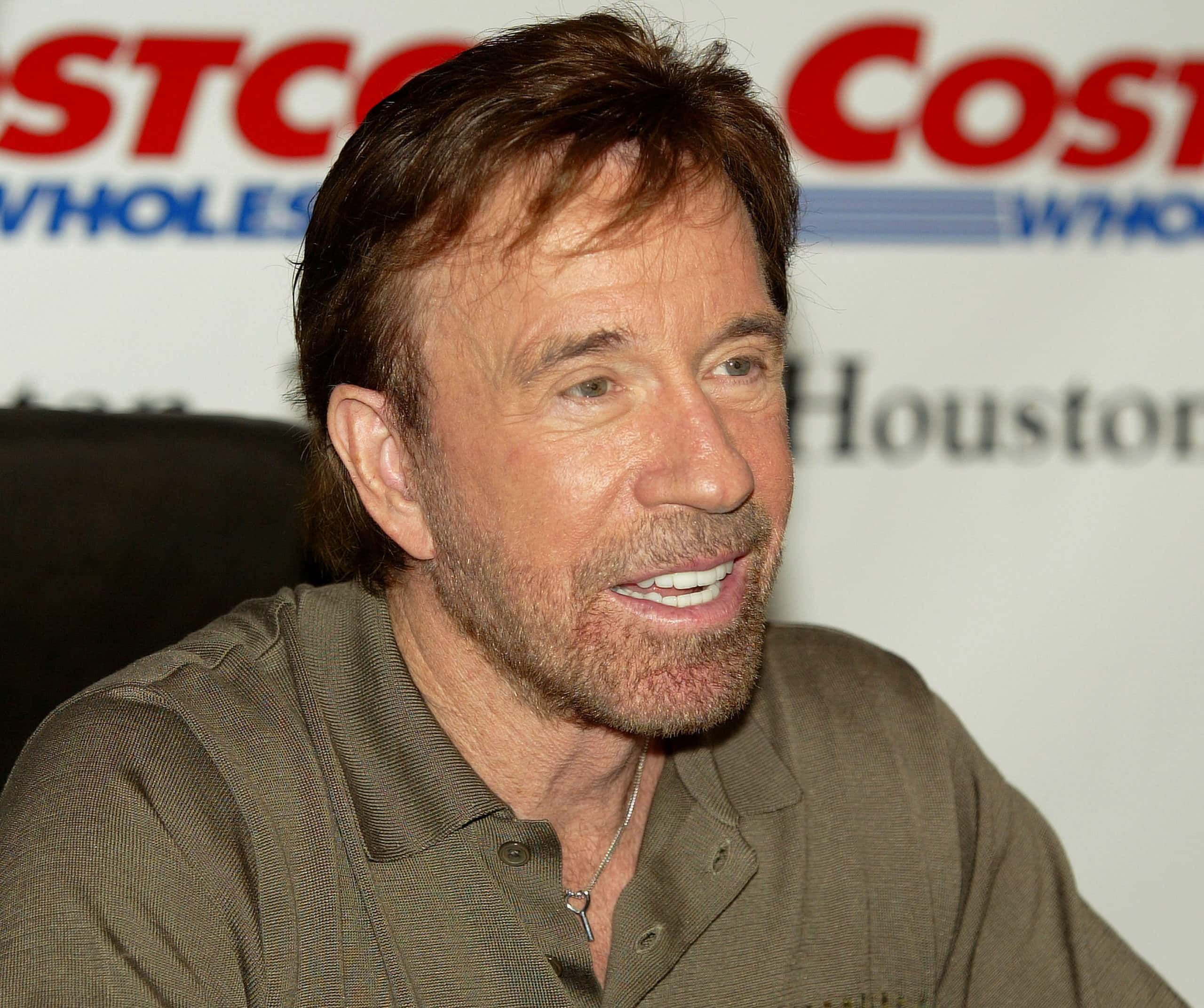
On March 20, 2026, major outlets reported that Chuck Norris had died at 86 after his family announced that he had passed away peacefully on March 19, surrounded by loved ones.
It Makes That Disappearance Hit Differently
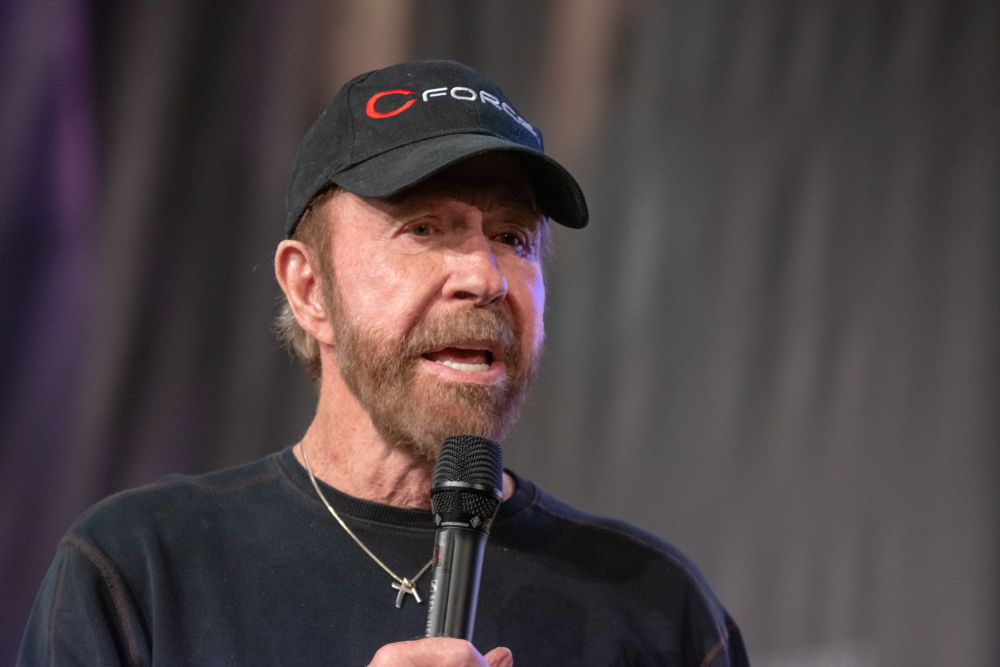
Looking back, that step away from the spotlight doesn’t feel temporary. It feels like the final phase of a career that had already done everything it needed to do.
A Legacy That Never Needed a Comeback
Norris went from martial arts champion to action star to TV icon—and then somehow became an internet legend on top of that. Most careers don’t even hit one of those. He had all of them—and then chose to walk away.
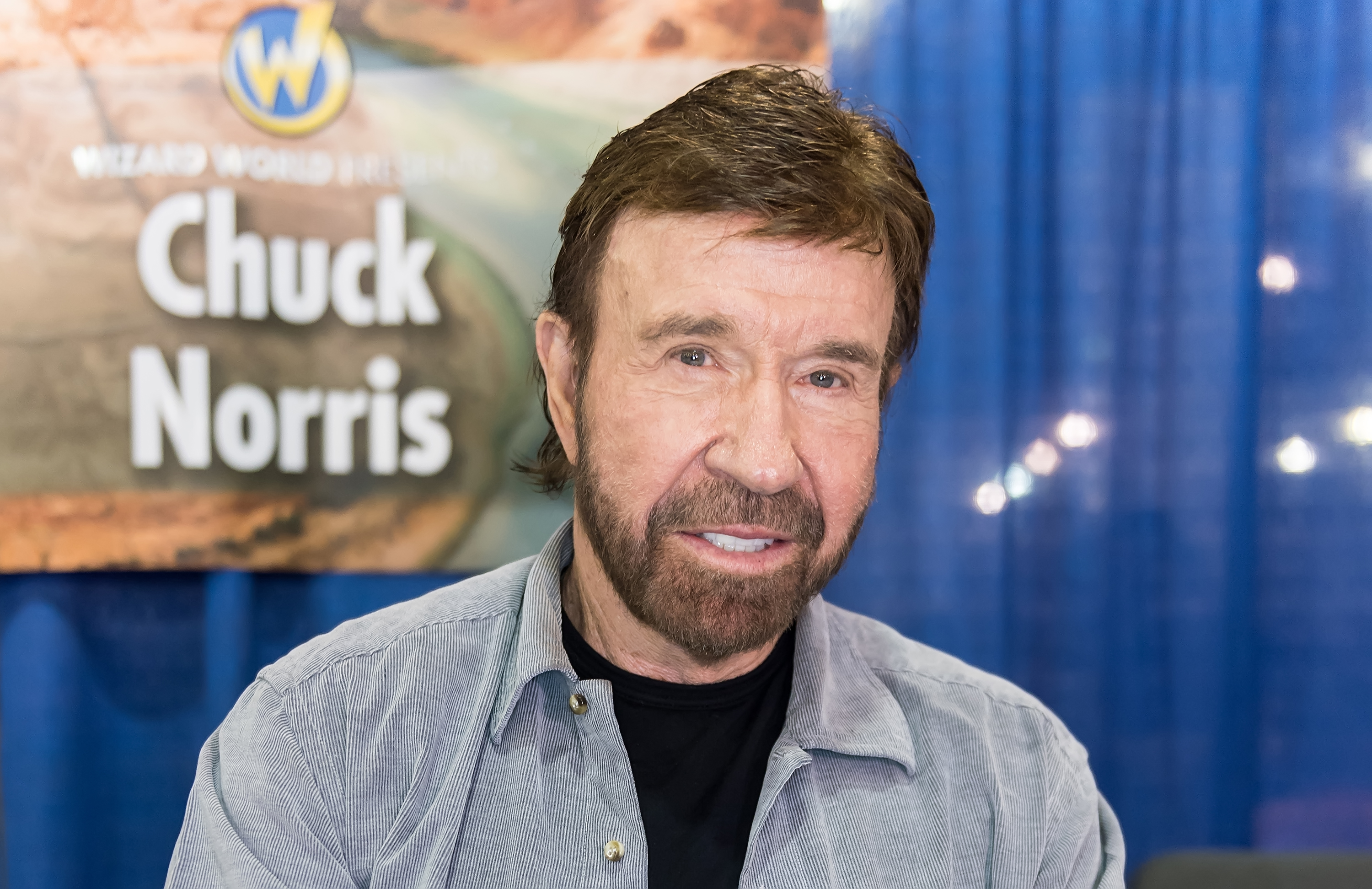 Gilbert Carrasquillo, Getty Images
You Might Also Like:
Country Music’s Ultimate Power Couple Has The Best Love Story
Movies That Captured Nostalgia Without Feeling Fake