

The News Everyone Else Wanted To Celebrate
Christina Applegate had spent years telling people what it was like to live with multiple sclerosis. Then a doctor told her she didn’t have it. People around her were happy. Applegate wasn’t.

She Thought She Already Had An Answer
Applegate publicly revealed her MS diagnosis in 2021. Since then, she had spoken openly about pain, difficulty walking, and losing the ability to do everyday things.
Then She Returned With A Very Different Story
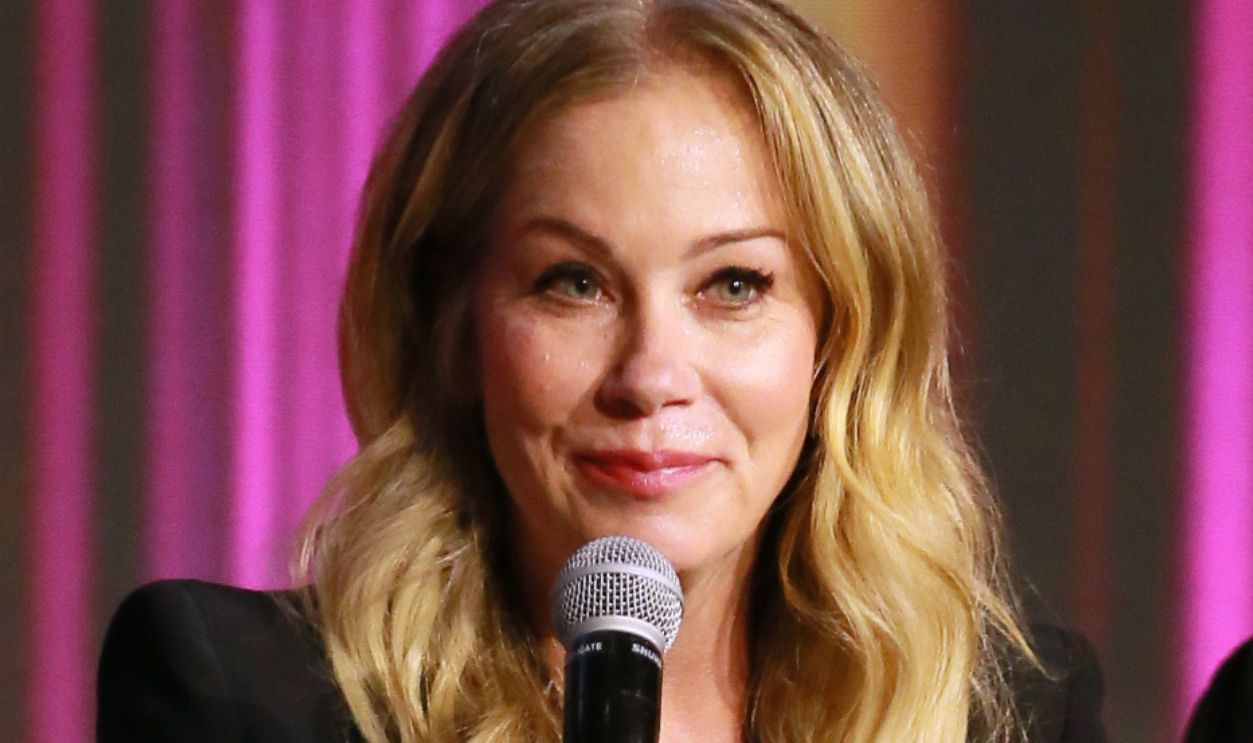
On October 20, 2026, Applegate returned to “MeSsy,” the podcast she cohosts with Jamie-Lynn Sigler, and shared an unexpected update. Her doctor had reconsidered her diagnosis. At 54, after years of believing she had MS, Applegate said she had been told that diagnosis was wrong.

Her Doctor Started With Congratulations
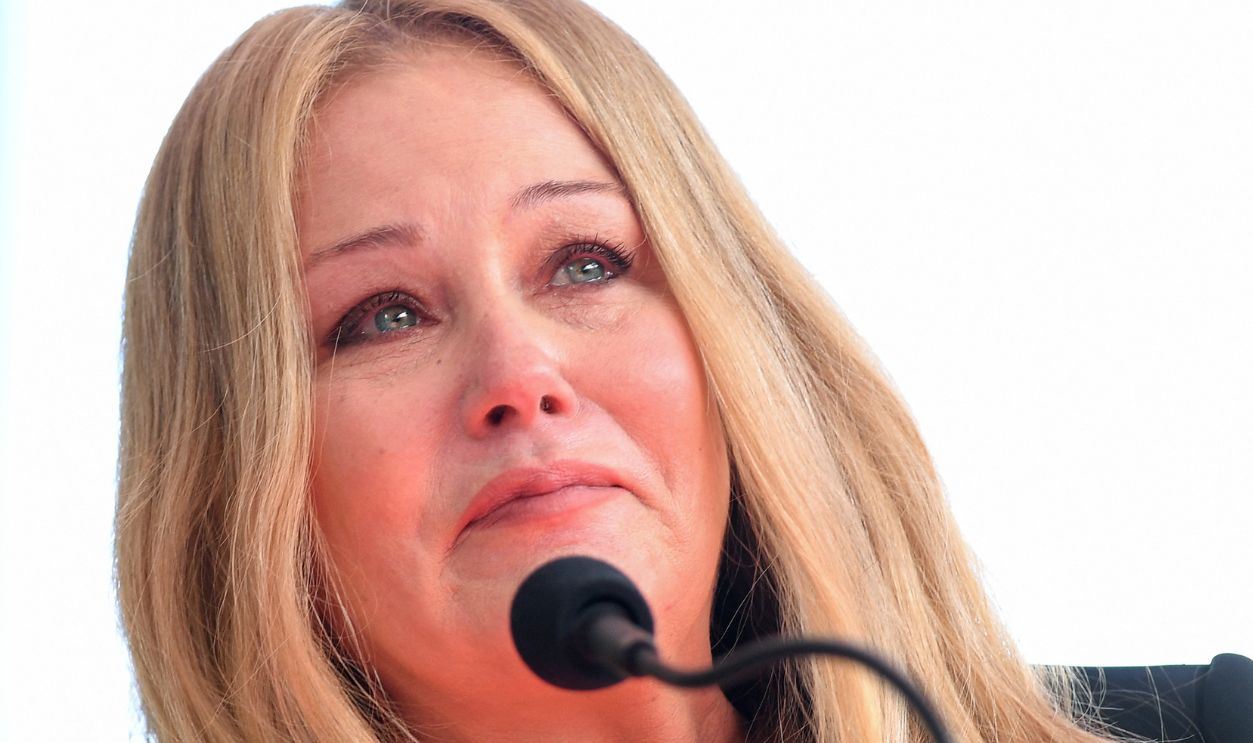
Applegate recalled her doctor congratulating her before explaining that she didn’t have MS. But the news didn’t produce the reaction people around her apparently expected. “I was, like, not happy at all. Everybody else was so happy,” she told Sigler.

She Hadn’t Suddenly Gotten Better
“You don’t get misdiagnosed and then all of a sudden, I’m better,” Applegate explained. She said some aspects of her health had actually become worse. The doctor may have changed the explanation for her symptoms, but Applegate still had to live with those symptoms every single day.
 BG045/Bauer-Griffin, Getty Images
Even Getting Into The Doctor’s Office Is Difficult
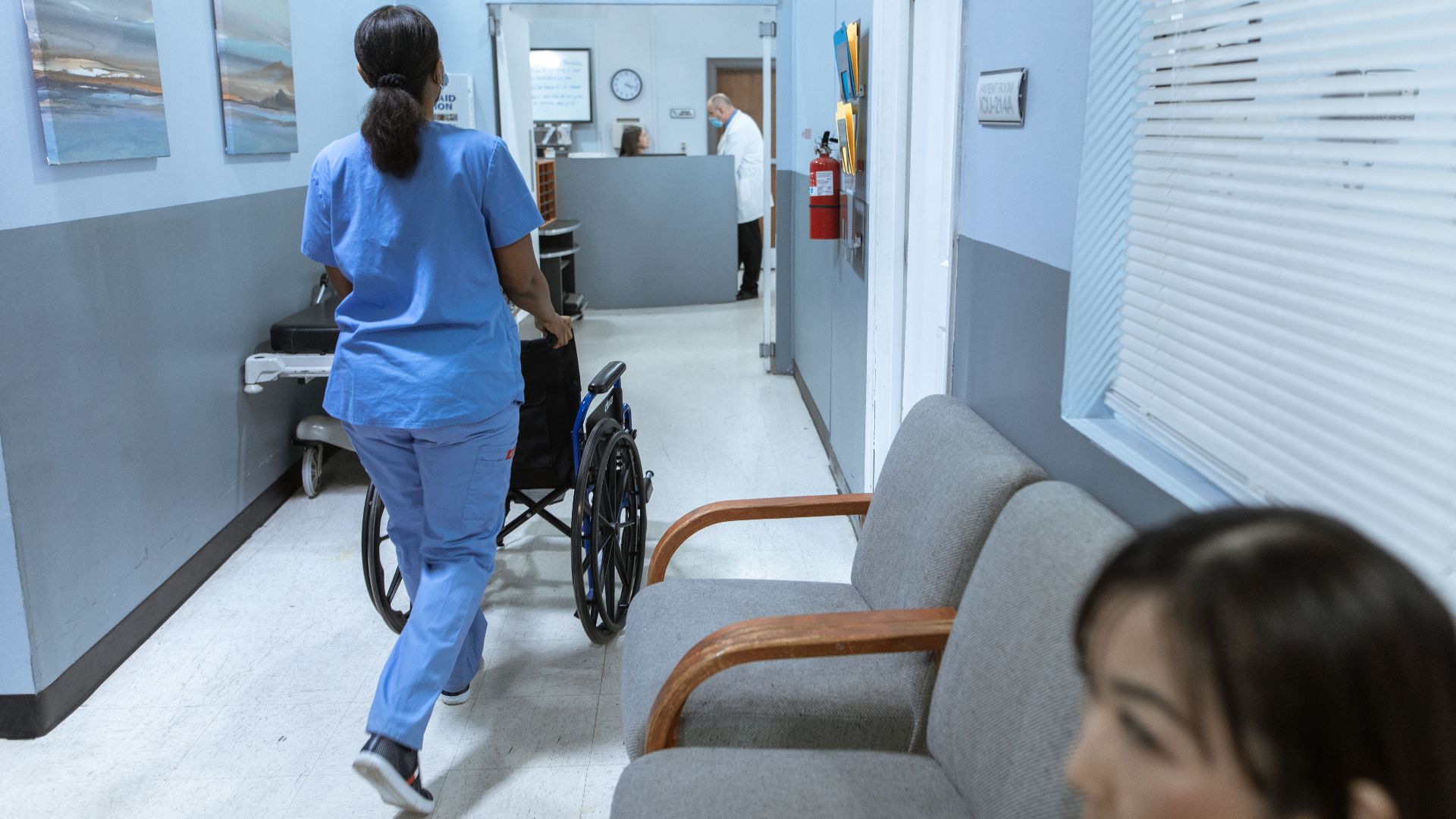
Applegate said she still needs a wheelchair when attending medical appointments because she cannot walk from the car to the examination room. That short distance remains a serious obstacle. Being told she didn’t have MS hadn’t made it any easier for her to get there.
Getting Out Of Bed Still Hurts
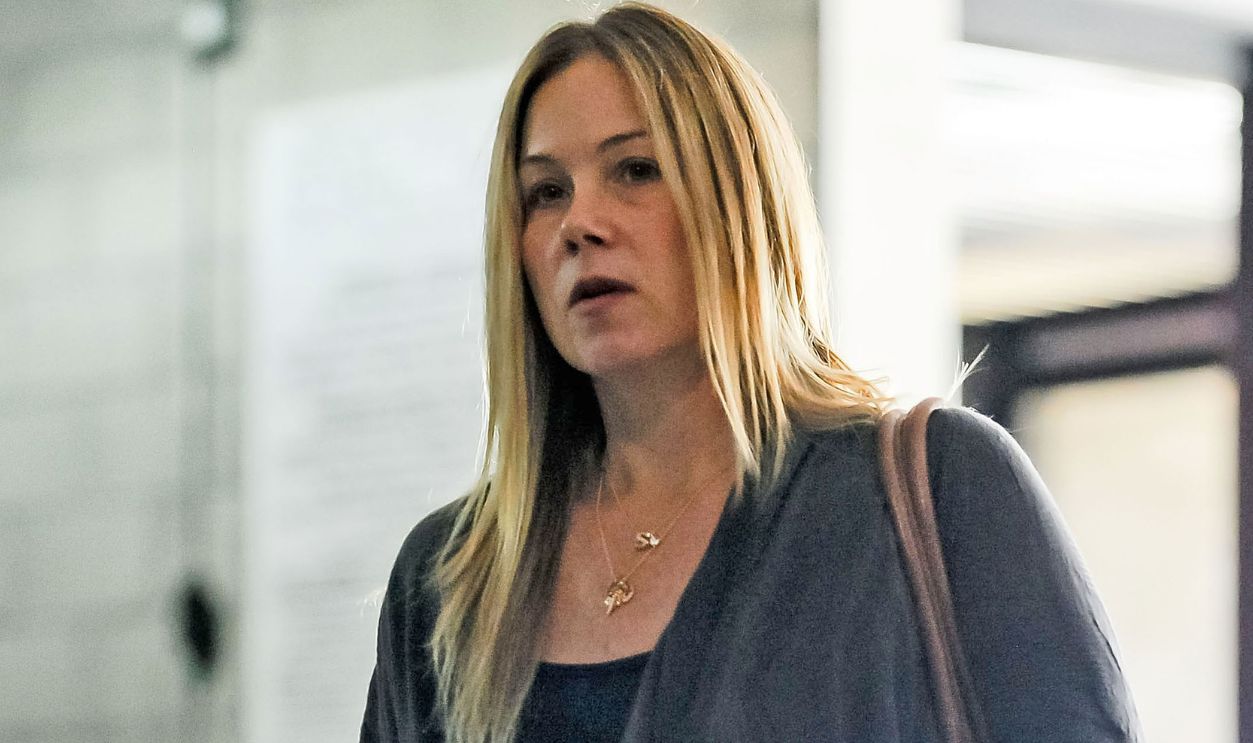
She also described pain when getting out of bed or standing up, along with spending a great deal of time sleeping. Whatever name eventually goes on her medical chart, those problems remain. She was still dealing with them while other people celebrated the new information.
She Was Thinking About Everything She Had Lost
During the emotional conversation, Applegate discussed depression and losing her ability to work as she once had. She described how dramatically her life had been interrupted. Correcting the diagnosis couldn’t give her those years back, and it hadn’t restored the abilities she was still struggling without.

The Original Diagnosis Followed Plenty Of Testing
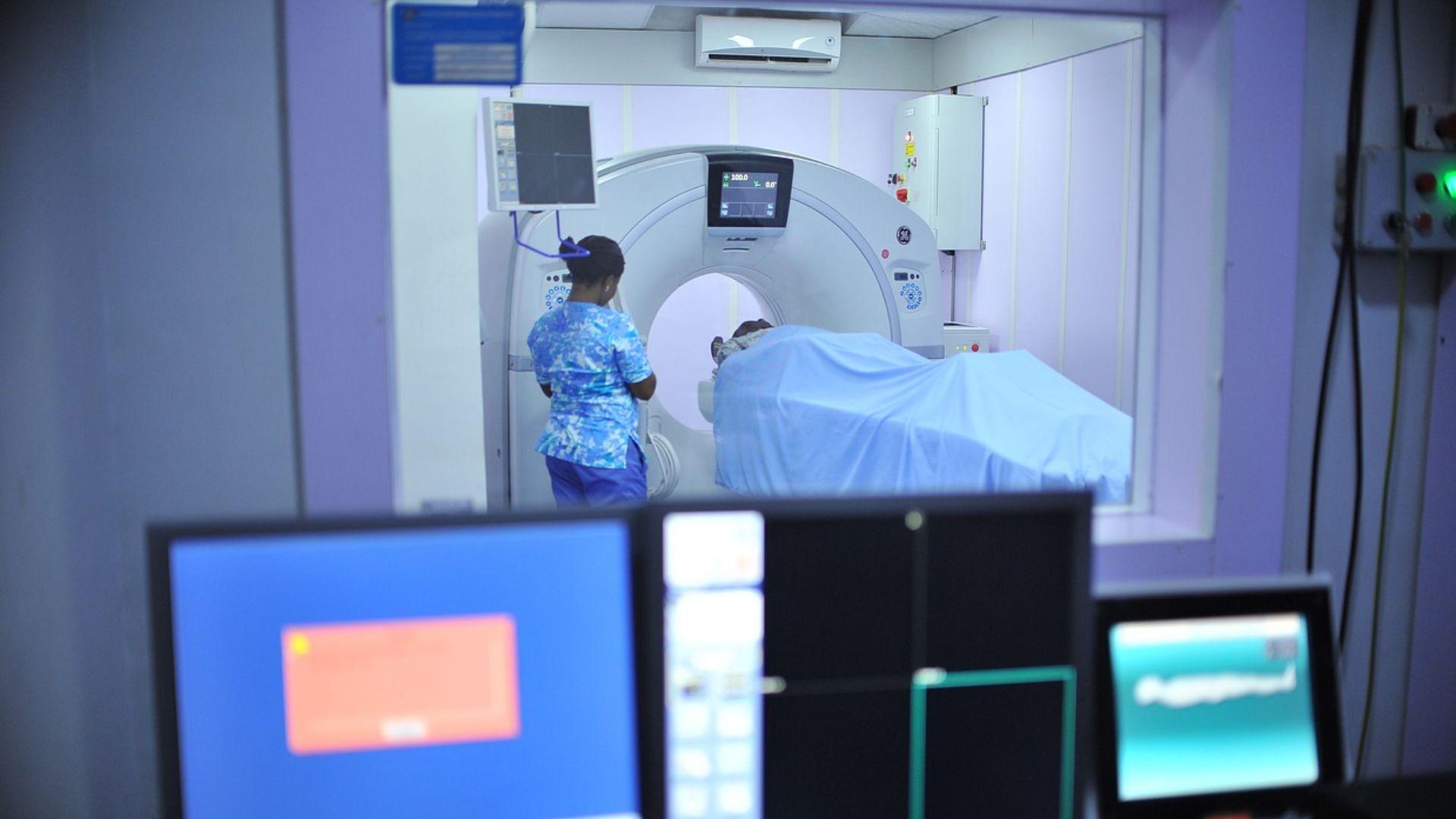
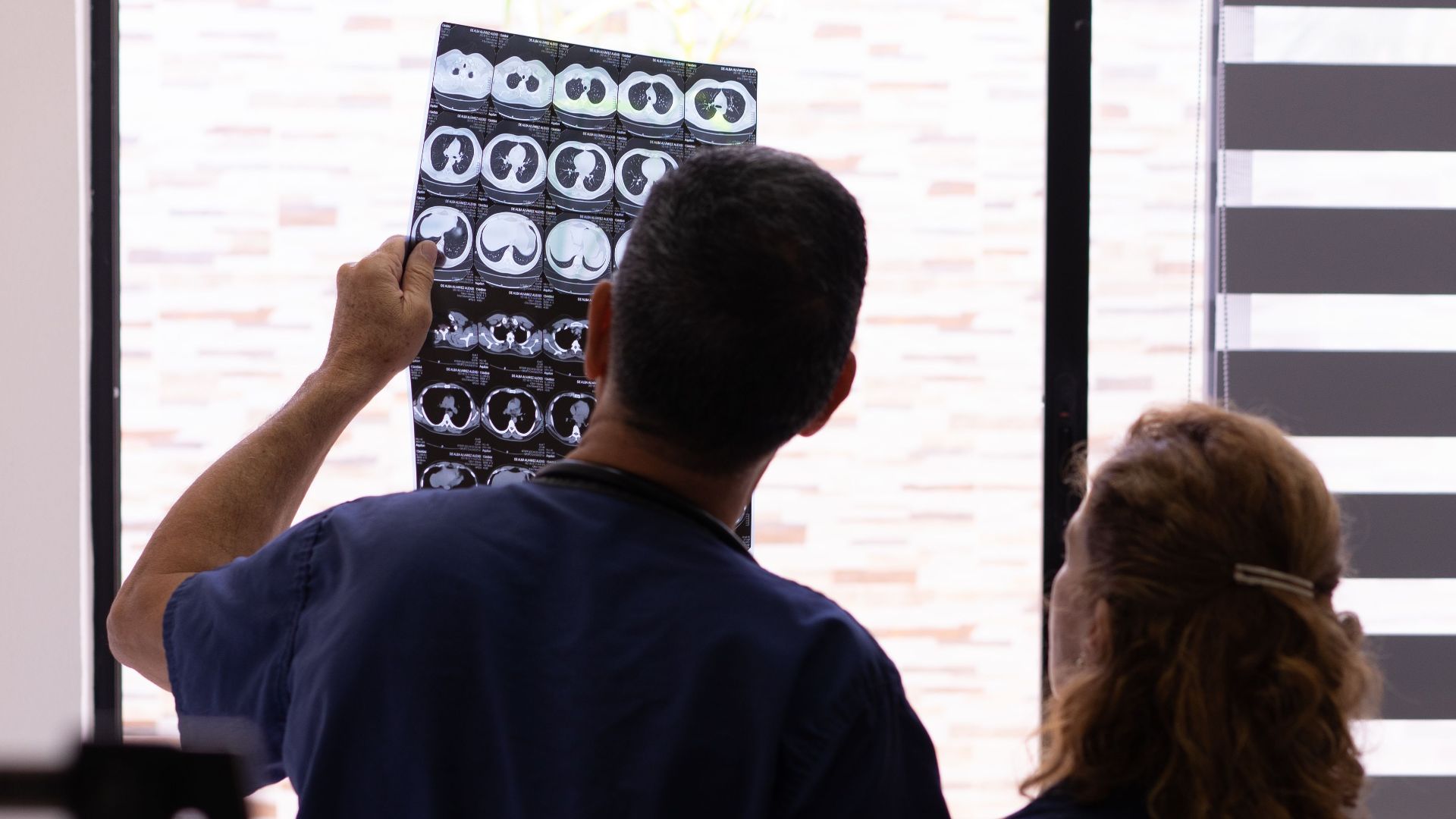
This hadn’t been a diagnosis Applegate picked up after describing a few symptoms at a quick appointment. According to her account, doctors performed nerve testing, brain and spinal MRIs, and a spinal tap before concluding she had MS. She had gone through a substantial medical investigation.
Then A Doctor Showed Her The Brain Lesions
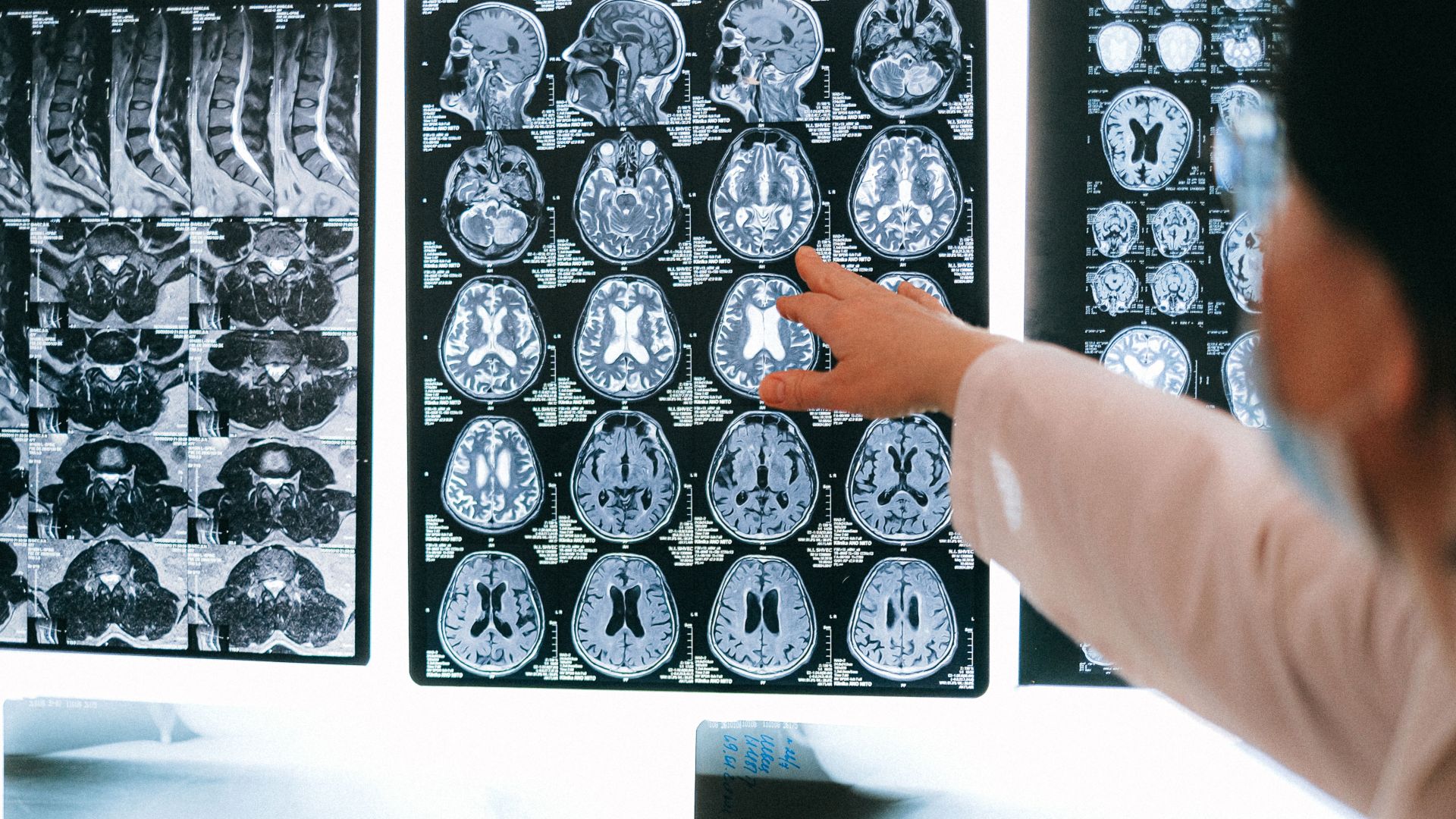
Applegate recalled being shown almost 40 lesions on her brain when she received the diagnosis. Combined with her worsening symptoms and other test results, that gave her reason to believe doctors had found the answer. For years afterward, she understood her health problems through that diagnosis.
A Change In Treatment Raised Questions
Applegate said her doctor paused an infusion treatment and monitored her B cells, a type of immune cell. When the results didn’t change as expected, her medical team began reassessing the diagnosis. Something about the picture wasn’t fitting, and they decided to take another look.

Newer Testing Helped Change The Picture
Applegate said newer testing contributed to the revised conclusion. On the podcast, neurologist Dr. Marwa Kaisey discussed MRI techniques that examine features within brain lesions. She suggested those findings might help explain the reassessment, although she wasn’t presenting a confirmed account of Applegate’s individual scan results.
Brain Lesions Don’t Automatically Mean MS
As Kaisey explained, diagnosing MS involves putting several pieces together. Doctors consider symptoms, medical history, examinations, imaging, and other test results. Different conditions can produce similar symptoms or MRI abnormalities. Even evidence that initially seems convincing can require another look as more information becomes available.
Other Patients Have Been Through This
A 2019 study involving patients referred to two specialist centers found that nearly one in five people arriving with an established MS diagnosis had been misdiagnosed. That isn’t a rate for every MS patient everywhere. But Applegate’s experience is something specialists have encountered before.

She Had Shared The Story Publicly
Applegate had discussed her health through interviews, her podcast, and her memoir, You With the Sad Eyes. People had listened because she was willing to describe difficult parts of everyday life. Now she had to explain that the diagnosis behind those conversations had been overturned.

Having A Name Had Meant Something
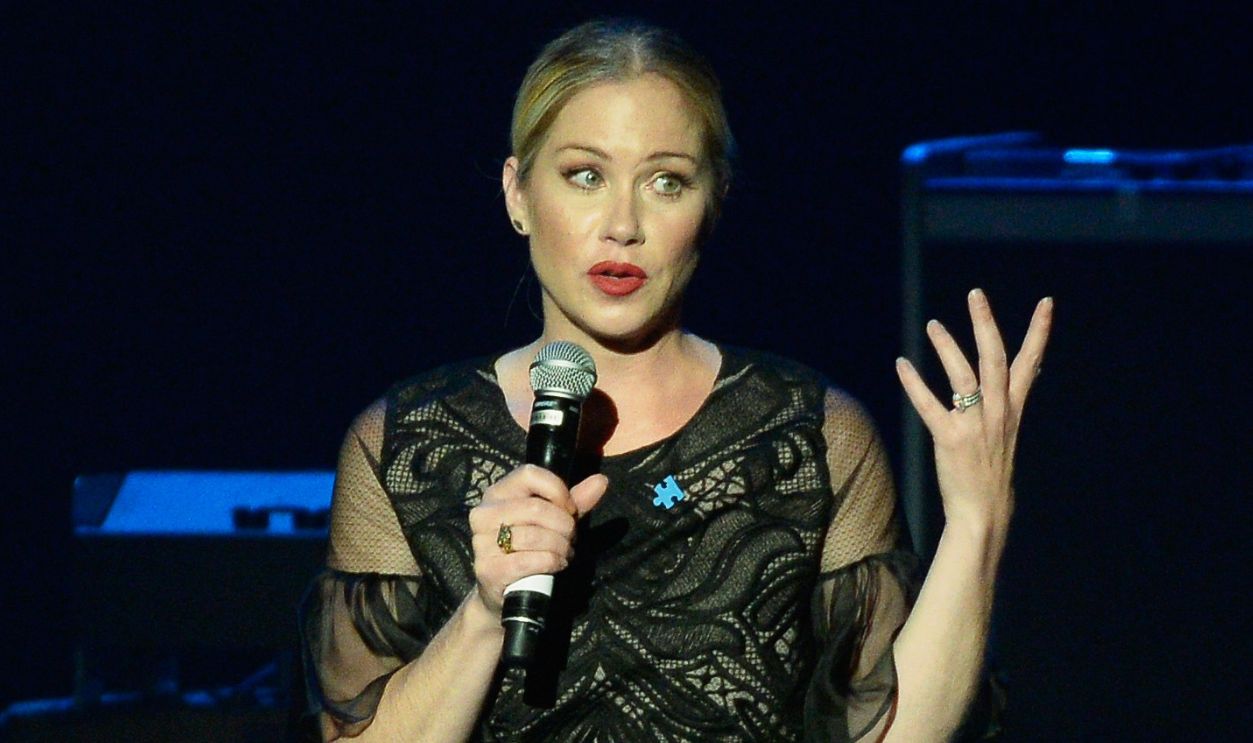
“I guess I felt comfort in having a name,” Applegate said. That helps explain why losing the diagnosis was so unsettling. It had given her a way to understand her limitations and connect with others. Now she was still struggling, with a major question reopened.
 Kevork Djansezian, Getty Images
She Even Felt She Had Let People Down
Applegate admitted feeling that she had disappointed people in the MS community. She and Sigler had become prominent voices discussing the condition, and that connection mattered to her. The changed diagnosis left her questioning her place among people whose experiences had become so familiar to her.
Sigler Made It Clear She Still Belonged
Sigler reassured Applegate that she and the community would continue supporting her through the search for answers. Their bodies could be going through similar struggles even if their diagnoses were different. Applegate didn’t need a particular medical label to keep the friendship and support she already had.

She Is Still Working On What She Can
Applegate said she was doing physical therapy three times a week while preparing for further investigation. Her health problems hadn’t disappeared, and she was continuing to address them. But finding the underlying cause meant beginning another round of questions without knowing where those questions would lead.

Finding The Right Specialist Is Another Problem
“How many specialists am I going to find for something I don’t even know what I’m looking for?” Applegate asked. It’s a practical problem as well as an emotional one. She knows how she feels. Figuring out who can explain it is another matter entirely.

She Did Share One Possible Starting Point
Applegate said her doctor was beginning with blood tests to check for rheumatoid arthritis. That was part of the investigation, rather than an announcement that she had another condition. At the time of the conversation, she still hadn’t shared a replacement diagnosis explaining her ongoing symptoms.
 User:Phoenix119, Wikimedia Commons
A Different Answer Could Bring Different Options
Kaisey offered a reason for hope: identifying the actual cause could lead to treatments better suited to Applegate’s condition. That possibility matters. But Applegate still has to get through the appointments, testing, and uncertainty before anyone can tell her what those options might be.

The Podcast Will Continue
Applegate and Sigler said they planned to continue “MeSsy,” including conversations with doctors and other guests. The revised diagnosis changes Applegate’s medical story, but it doesn’t erase the experiences she has shared. Plenty of listeners will recognize the frustration of feeling unwell while still searching for an explanation.

She Still Needs An Answer
That’s why the congratulations didn’t feel like a victory. Applegate is still in pain, still struggling to walk, and still waiting to understand what is happening. Being told she didn’t have MS answered one question. But it left her with another one.
 Gage Skidmore, Wikimedia Commons
You Might Also Like:
How Typecasting Nearly Ruined Henry Winkler’s Career After “The Fonz”
Beloved TV Stars Who Had Completely Bizarre Jobs Before They Were Famous