Doing More With Less
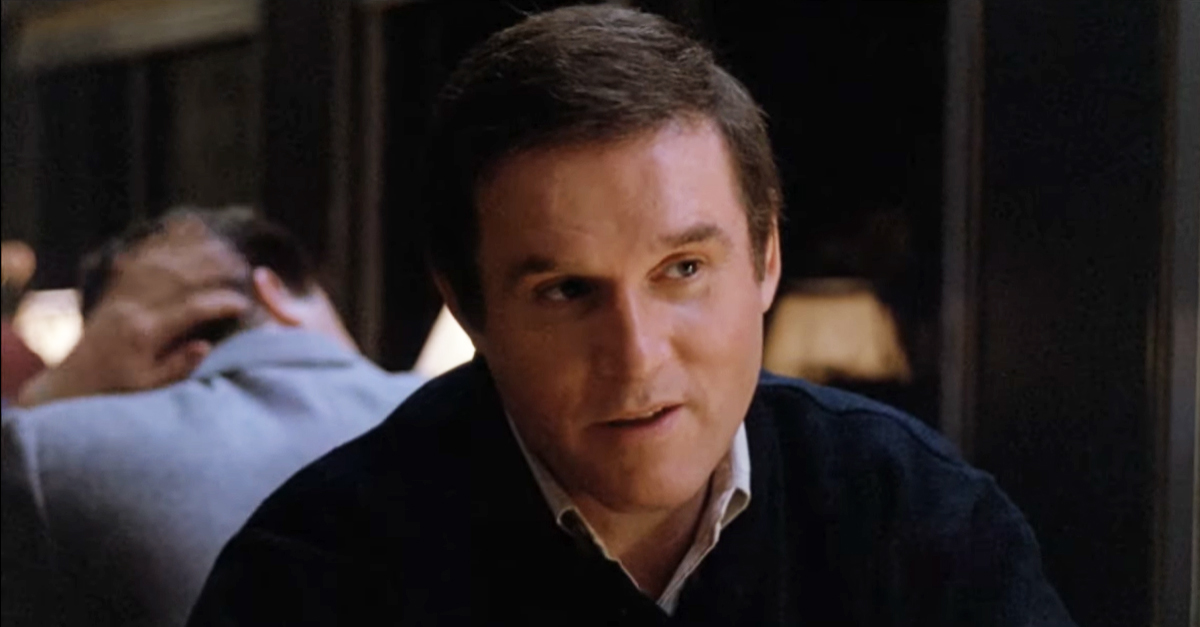
Charles Grodin was never the loudest man in the room, but when he said something it usually made an impression. It was a key element of the style that allowed Grodin to move easily between comedy and drama, stage, film, television, and writing, for over 50 years. Grodin’s path unfolded through determined training and taking on unexpected and eccentric roles.
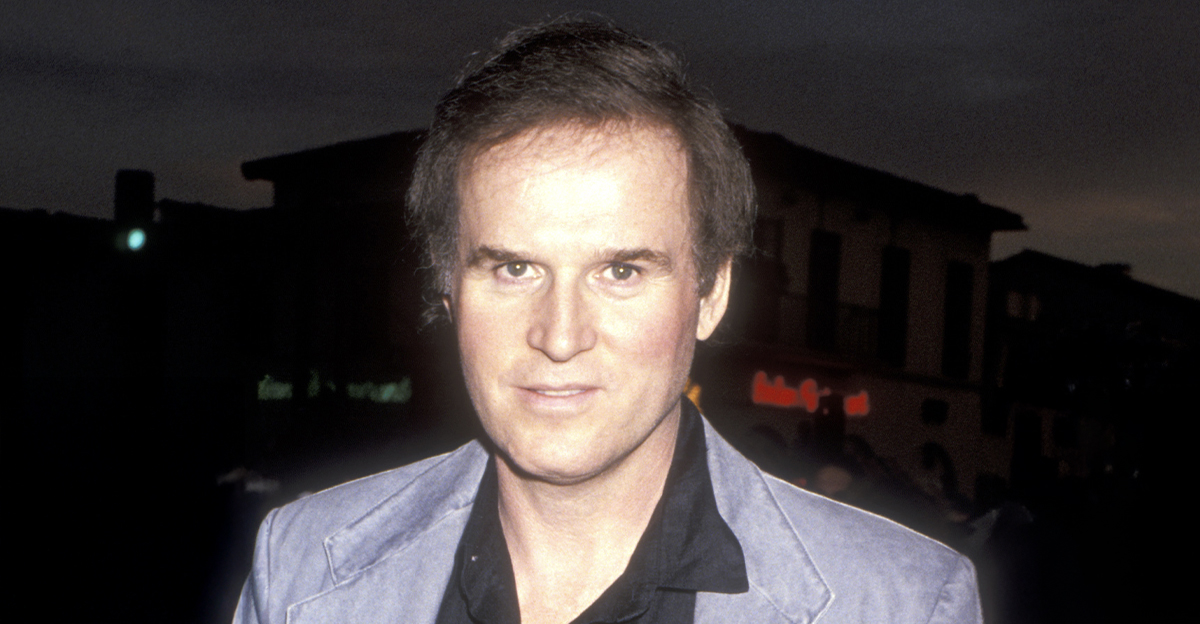 Ron Galella Collection via Getty Images
Growing Up With Acting In Mind
Born in Pittsburgh in 1935, Grodin took an interest in acting early. Unlike many other performers who found success through comedy clubs or improvisation, he pursued formal training. Studying at HB Studio in New York under Uta Hagen, he forged a relaxed, deliberate style that led him toward the New York theater world before film or TV ever came into the picture.
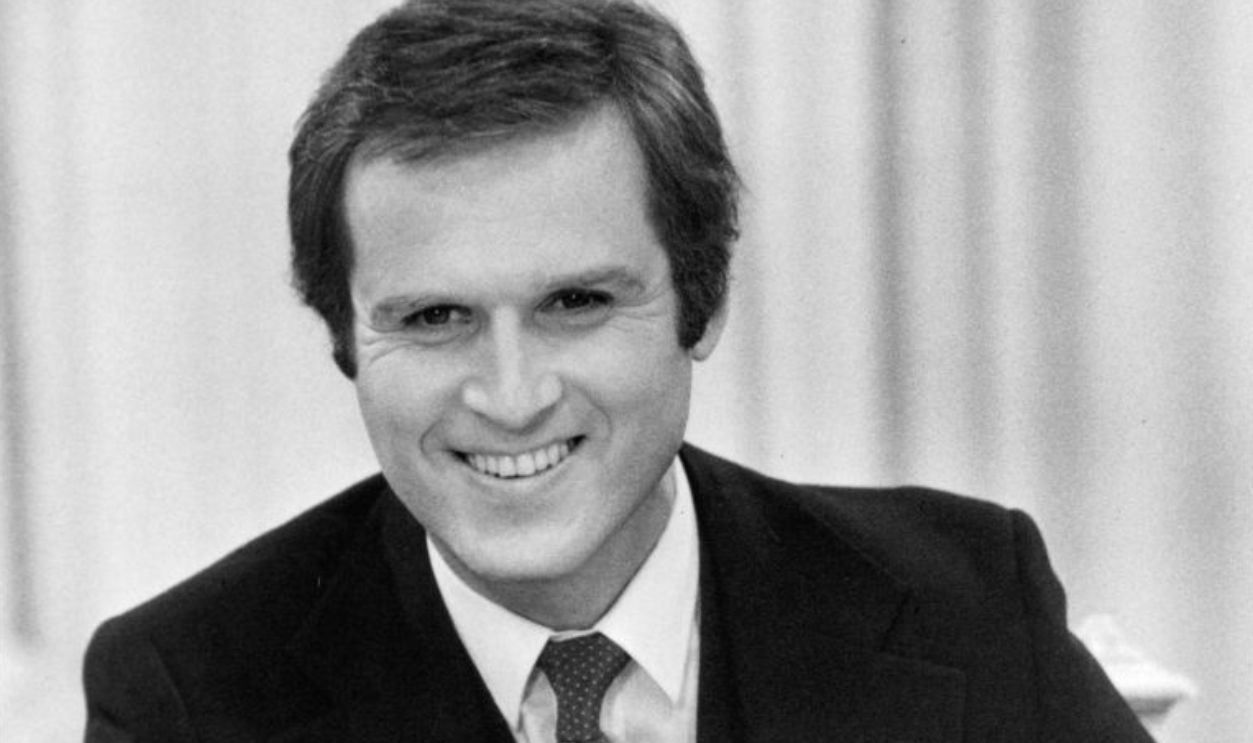 Michael Ochs Archives, Getty Images
Method Acting With Lee Strasberg
Grodin studied method acting under Lee Strasberg. Though Grodin later became known for his comic performances, this training explains his restraint and serious attitude toward what he was doing. Method acting study gave him tools, most importantly dramatic range, which he would use all through his career.
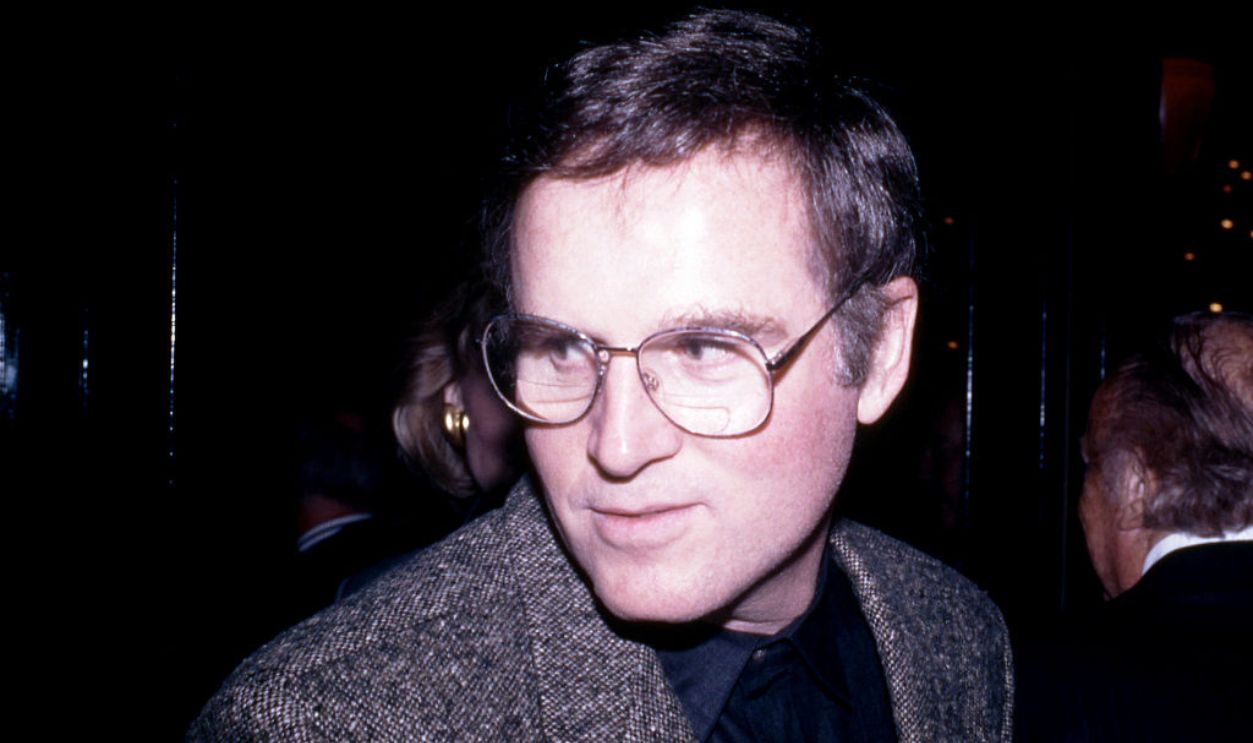
Childhood Film Credit Without Recognition
At just 19, Grodin appeared in an uncredited role as a ballroom dancer in 20,000 Leagues Under the Sea in 1954. The brief appearance went unnoticed at the time, but it marked his earliest screen work. Grodin’s real career momentum, however, wouldn’t come from Hollywood but from the stage.
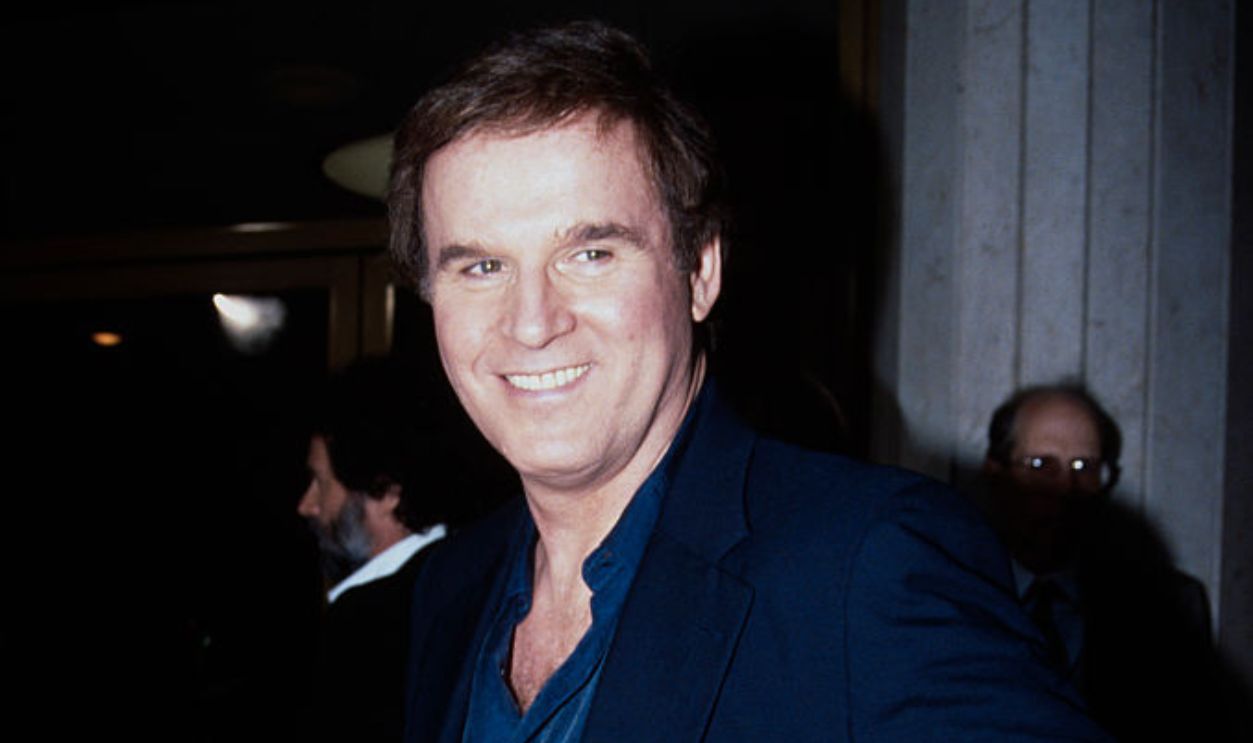
Broadway Debut Opposite Anthony Quinn
In 1962, Grodin made his Broadway debut in the romantic comedy Tchin-Tchin as a supporting actor working with Anthony Quinn and Margaret Leighton. Theater sharpened his control over pacing and audience attention. His ambitions were getting more expansive as his theater experience deepened.
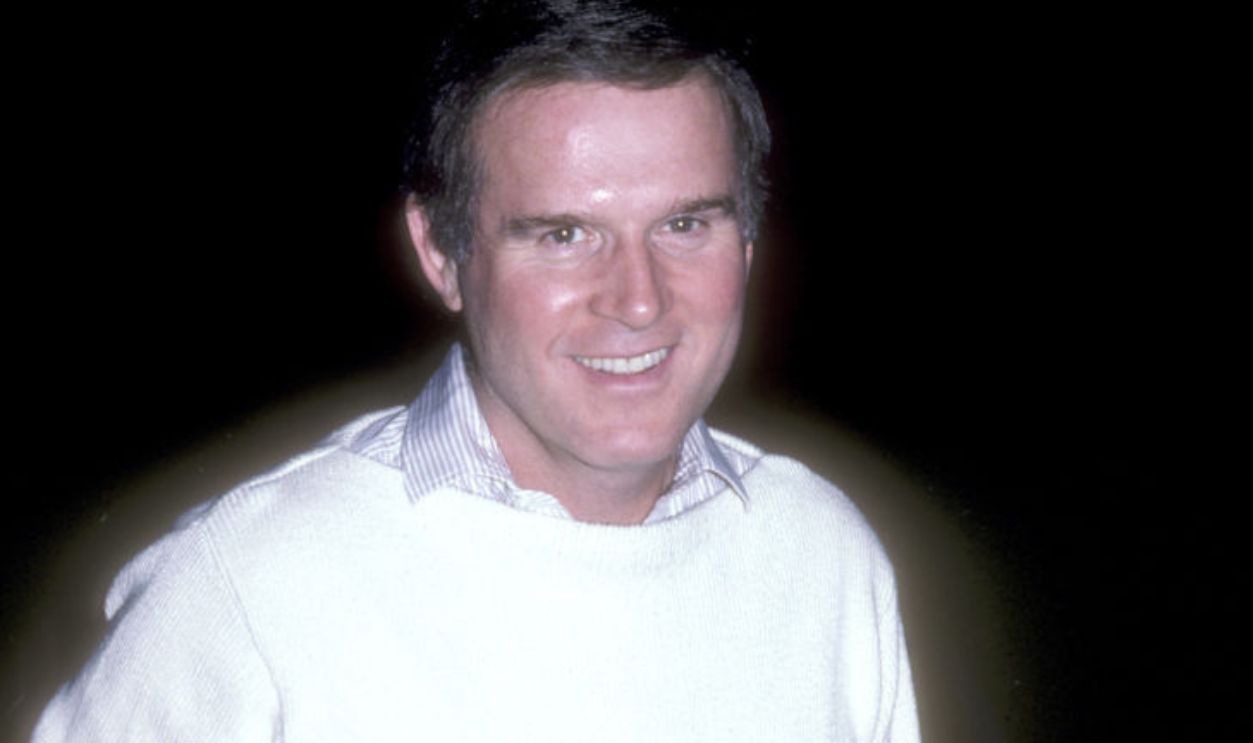 Ron Galella, Ltd., Getty Images
Writer And Director
In 1964, Grodin co-wrote and directed the play Hooray! It's a Glorious Day...and All That. Though the play only enjoyed a single-season run off-Broadway, the experience pushed Grodin to start exploring more serious dramatic roles, including his next major film opportunity.
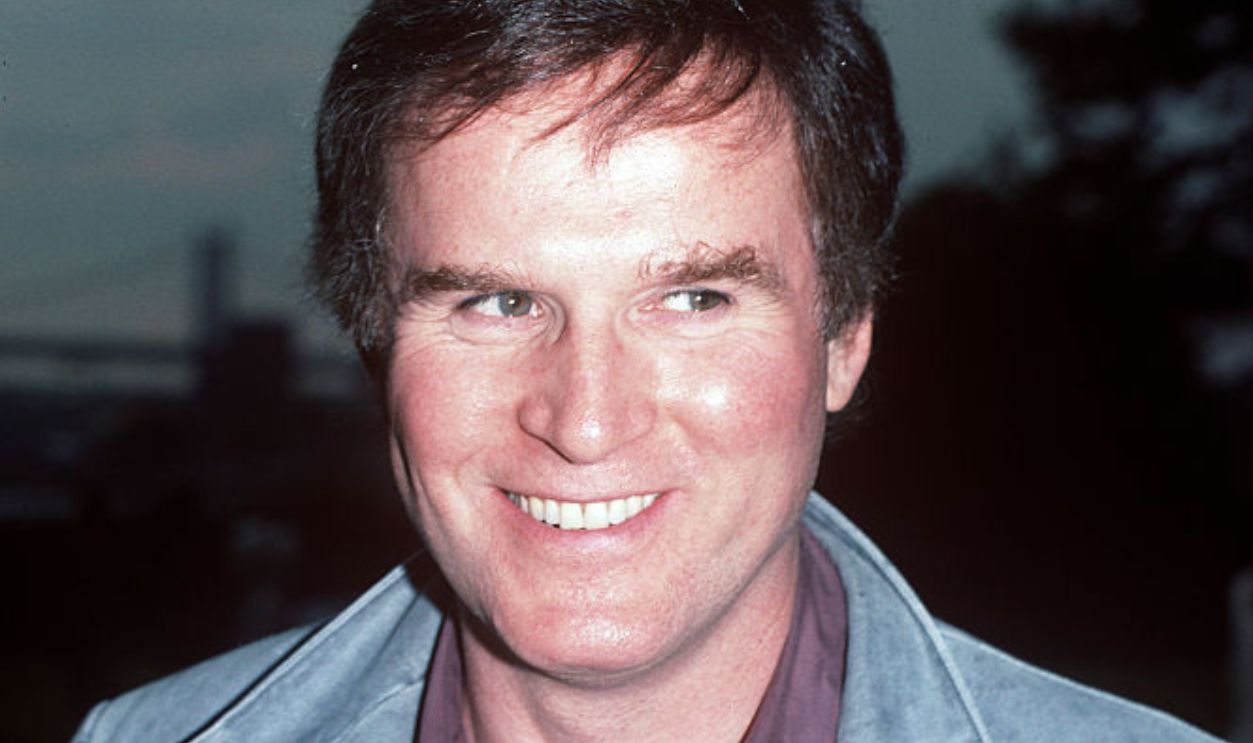
Playing Dr Hill In Rosemary’s Baby
Grodin appeared as Dr. Hill in Rosemary’s Baby (1968), directed by Roman Polanski. His understated performance worked well for the film’s tense psychological narrative. Grodin raised some eyebrows on set when he argued with Polanski about his directing choices. But the role demonstrated his ability to heighten discomfort by staying calm, which would help him win more central roles soon after.
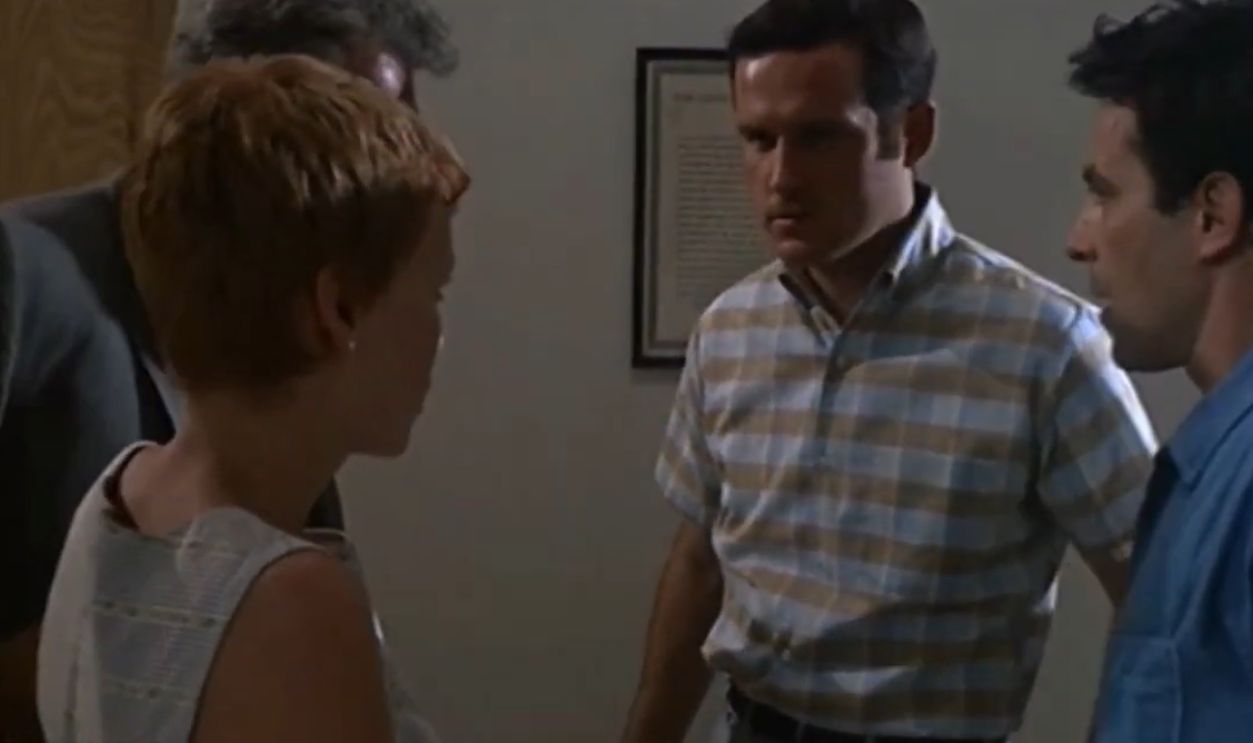 Screenshot from Rosemary’s Baby, Paramount Pictures (1968)
Turning Down The Graduate
Around this period, Grodin famously turned down the starring role in The Graduate (1967), allegedly because director Lawrence Turman didn’t offer him enough money. The choice cost him a potential career acceleration, but it was really only a matter of time before Grodin broke through somewhere.
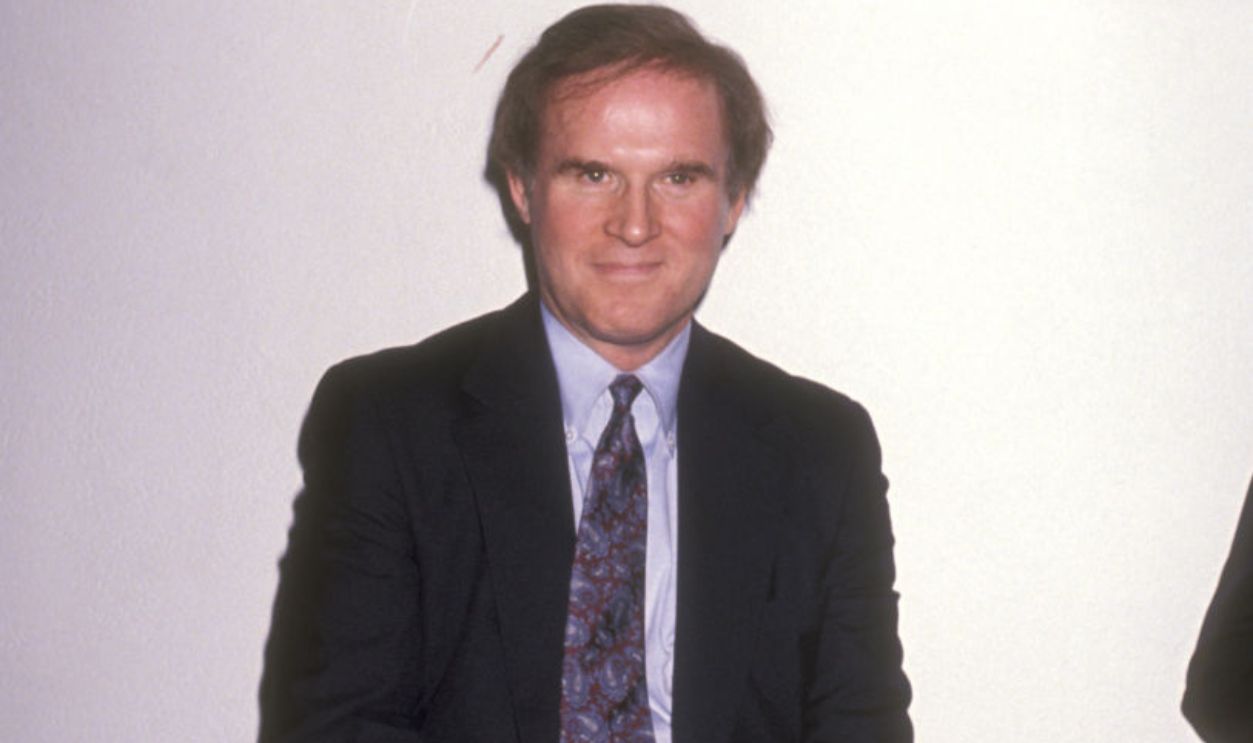 Ron Galella, Ltd., Getty Images
Breakthrough In The Heartbreak Kid
Grodin’s big break arrived with The Heartbreak Kid (1972), directed by Elaine May and co-starring Cybill Shepherd. Playing a deeply flawed newlywed who realizes he is marrying the wrong woman, Grodin put his deadpan delivery style to use for the first time in this film. It was a comedic style that he would make his trademark as the decade went on.
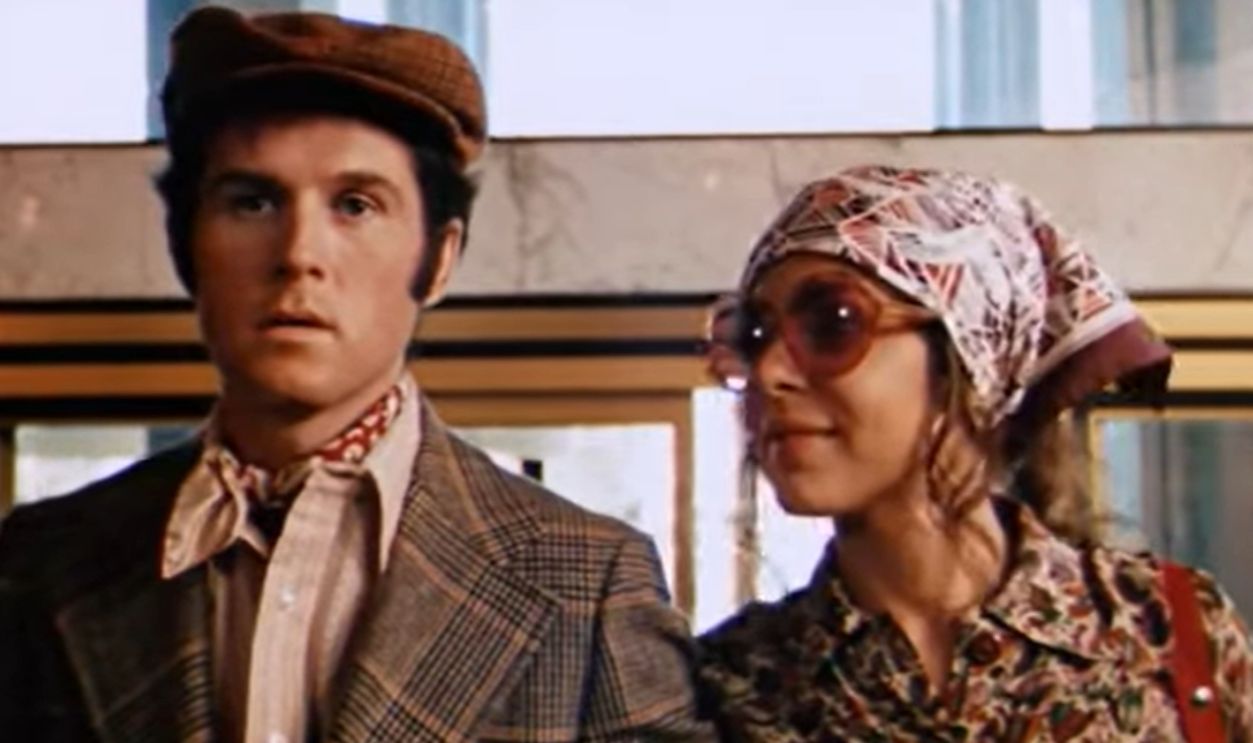 Screenshot from The Heartbreak Kid, 20th Century Fox (1972)
Frequent Guest On Johnny Carson
Grodin became a recurring guest on The Tonight Show with Johnny Carson, where his dry, confrontational on-air act confused many viewers. Some mistook the routine for genuine hostility rather than performance. The misunderstanding itself became part of the joke, reinforcing Grodin’s commitment to deadpan control.
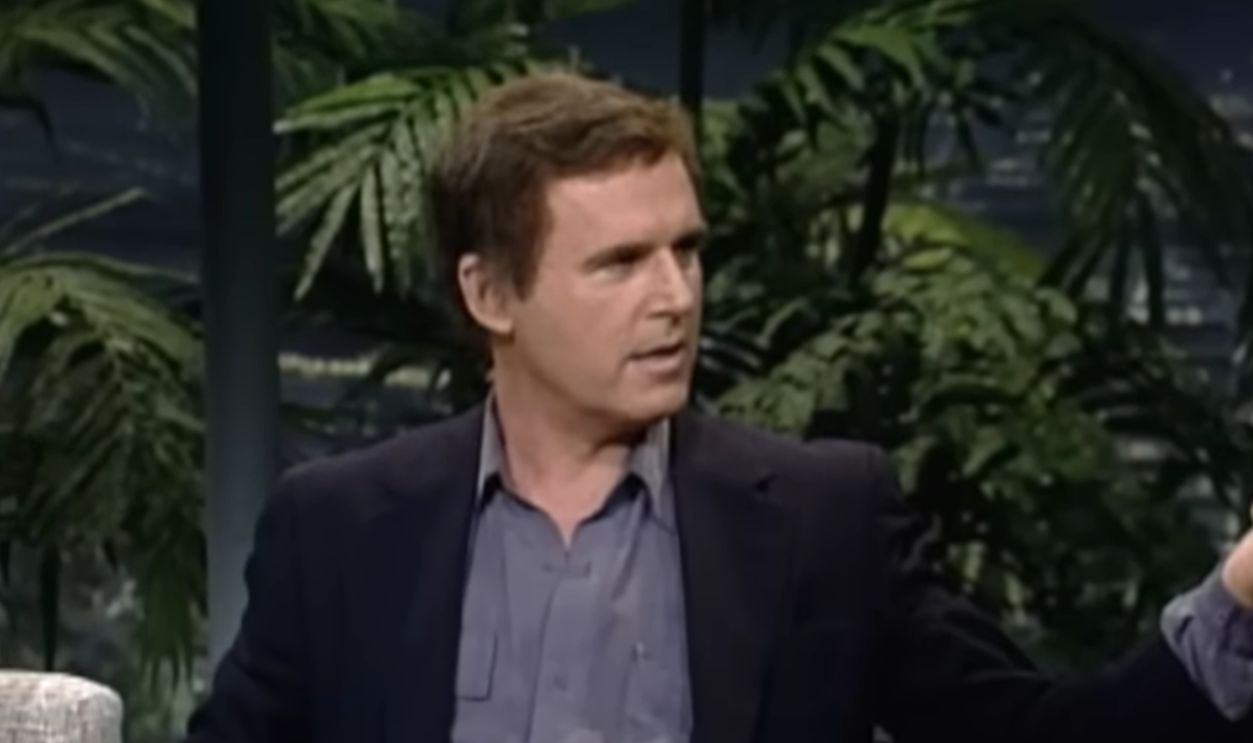 Screenshot from The Tonight Show, NBC (1954 –)
Taking The Same Act To Saturday Night Live
Grodin later hosted Saturday Night Live in 1977, bringing his deliberately combative persona with him. Missing his rehearsal, he pretended to not understand why the live audience was there, making for a chaotic show. It didn’t go over great with everyone, but it was one of the more memorable guest hosting spots on the show in that era.
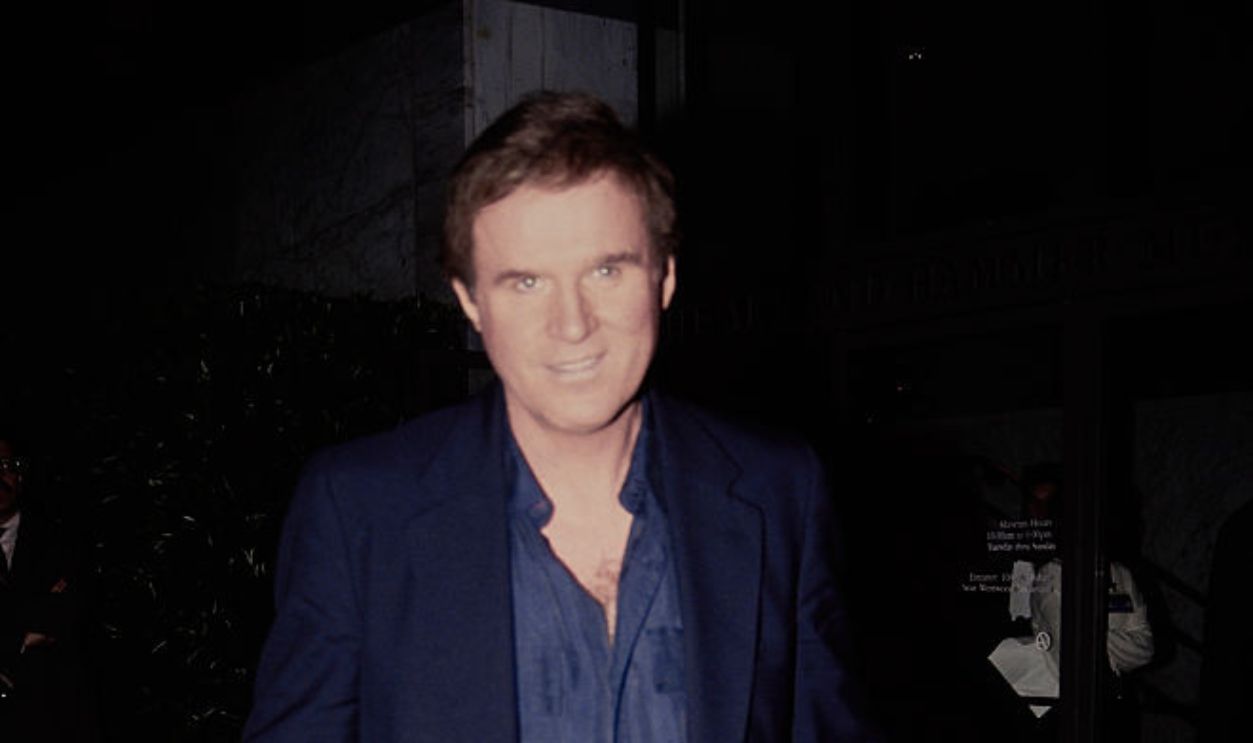
Winning An Emmy In 1978
In 1978, Grodin won a Primetime Emmy Award for Outstanding Writing for a Variety Special for his work in musical sketch comedy The Paul Simon Special. The recognition affirmed his effectiveness at all aspects of performance, including his formidable skills as a writer.
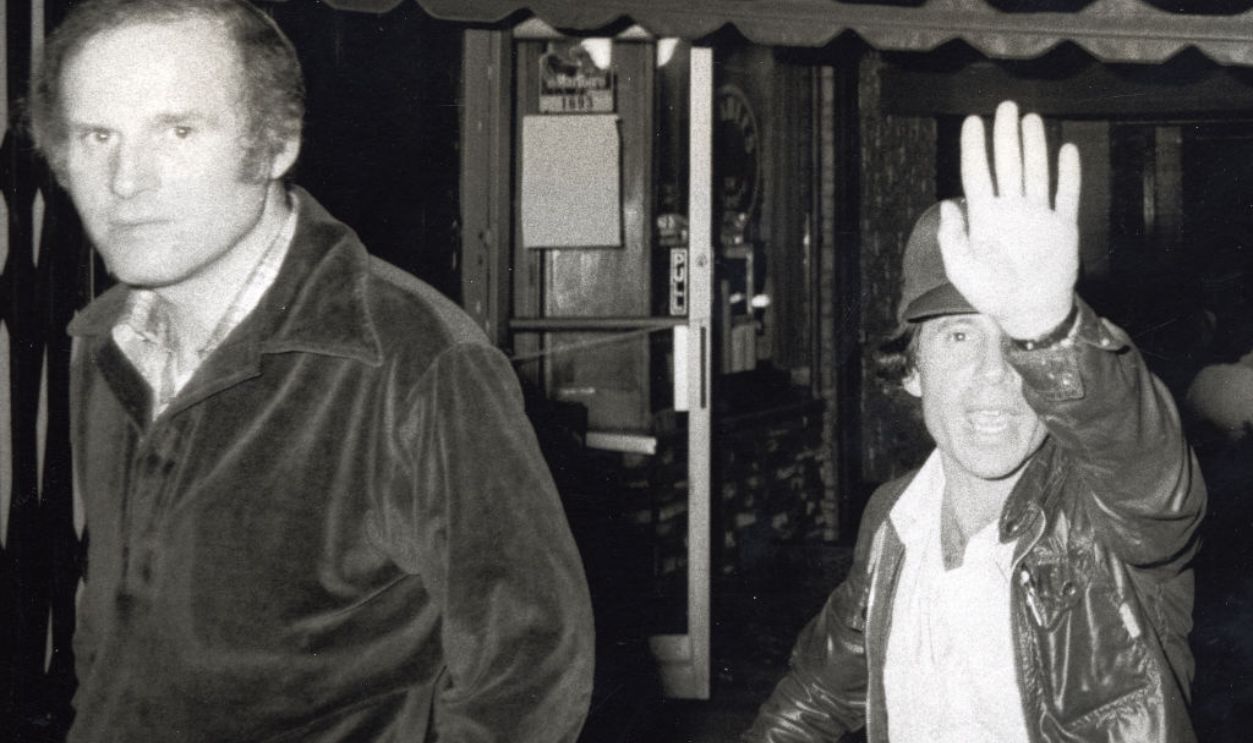
New Decade, New Roles
During the early 1980s, Grodin had steady work in projects that leaned into his restrained comic persona. He appeared opposite Chevy Chase and Goldie Hawn in Seems Like Old Times (1980), where his uptight district attorney character fit squarely within his increasingly recognizable screen persona. He also co-starred with Kermit the Frog and Miss Piggy in The Great Muppet Caper (1981), playing a jewel thief mistaken for a gentleman.
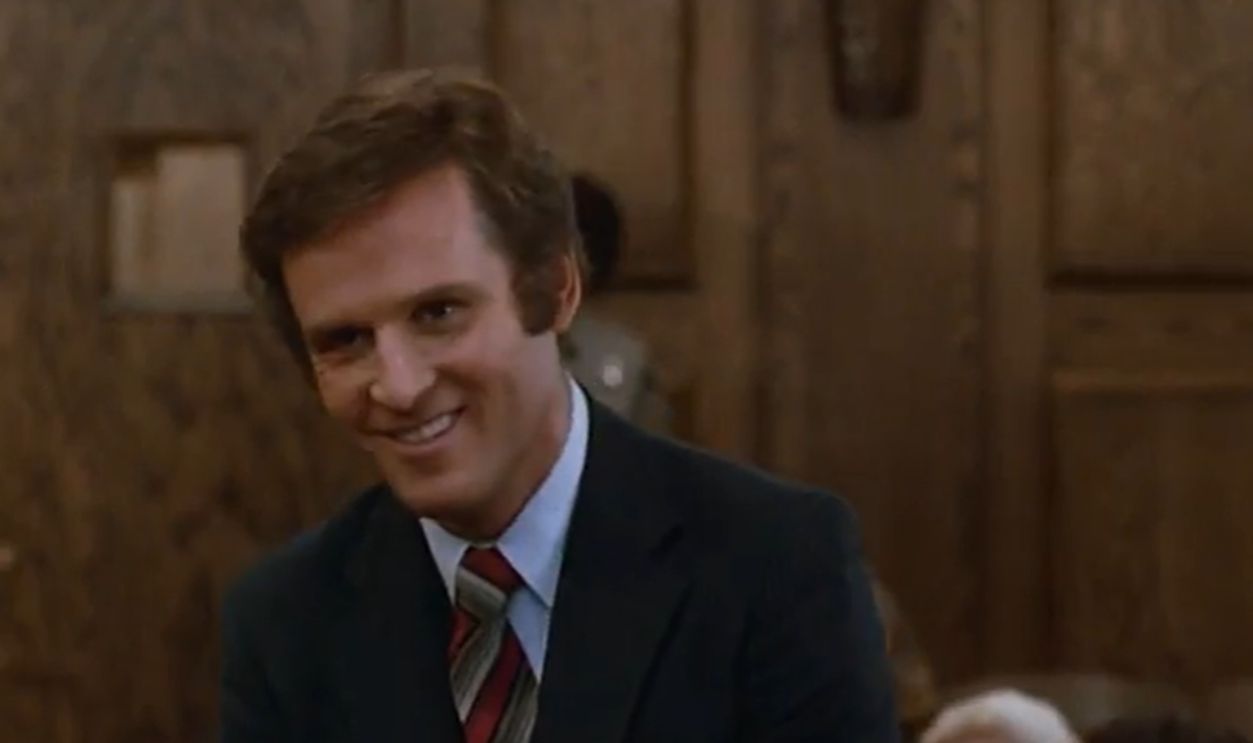 Screenshot from Seems Like Old Times, Columbia Pictures (1980)
Reinventing Himself In Midnight Run
Grodin delivered one of his most celebrated performances as The Duke in Midnight Run (1988), opposite Robert De Niro. His immovable calm was the perfect counterweight to De Niro’s volatility, making the comedy work by his unstoppable ability to get under De Niro’s skin. Speaking of which, Grodin had lasting bruising after the filming was done, due to his character spending most of the film in handcuffs.
Becoming A Father Figure In Beethoven
In the 1990s, Grodin reached family audiences as the beleaguered father in Beethoven (1992) and Beethoven’s 2nd (1993). The role relied on exasperation more than his usual humorous style. His deadpan reactions elevated simple gags, introducing a new generation to his eccentric comedic style.
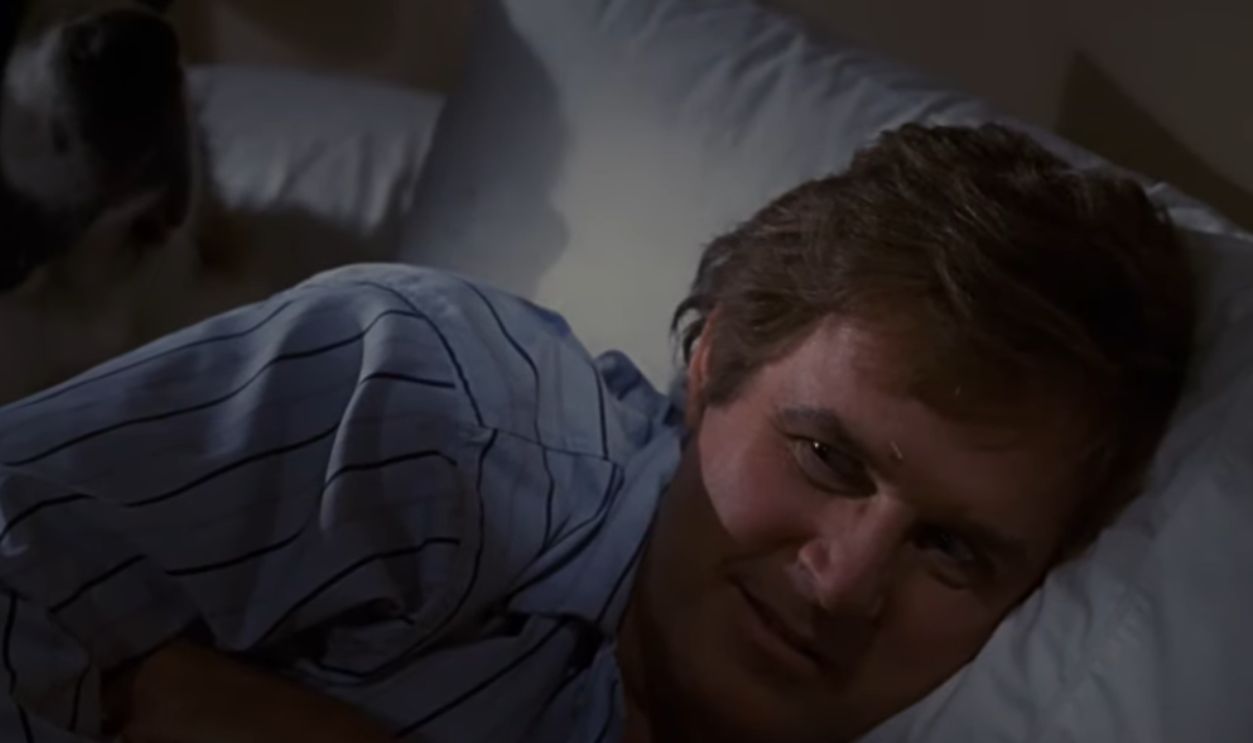 Screenshot from Beethoven, Universal Pictures (1992)
Recognition From The Comedy World
Grodin received the American Comedy Award for Funniest Supporting Actor in a Motion Picture in 1994 for his role in Dave. A movie about a Secret Service double for the President who winds up having to step into the real job, the film was a critical success and further confirmation that Grodin was still at the peak of his abilities.
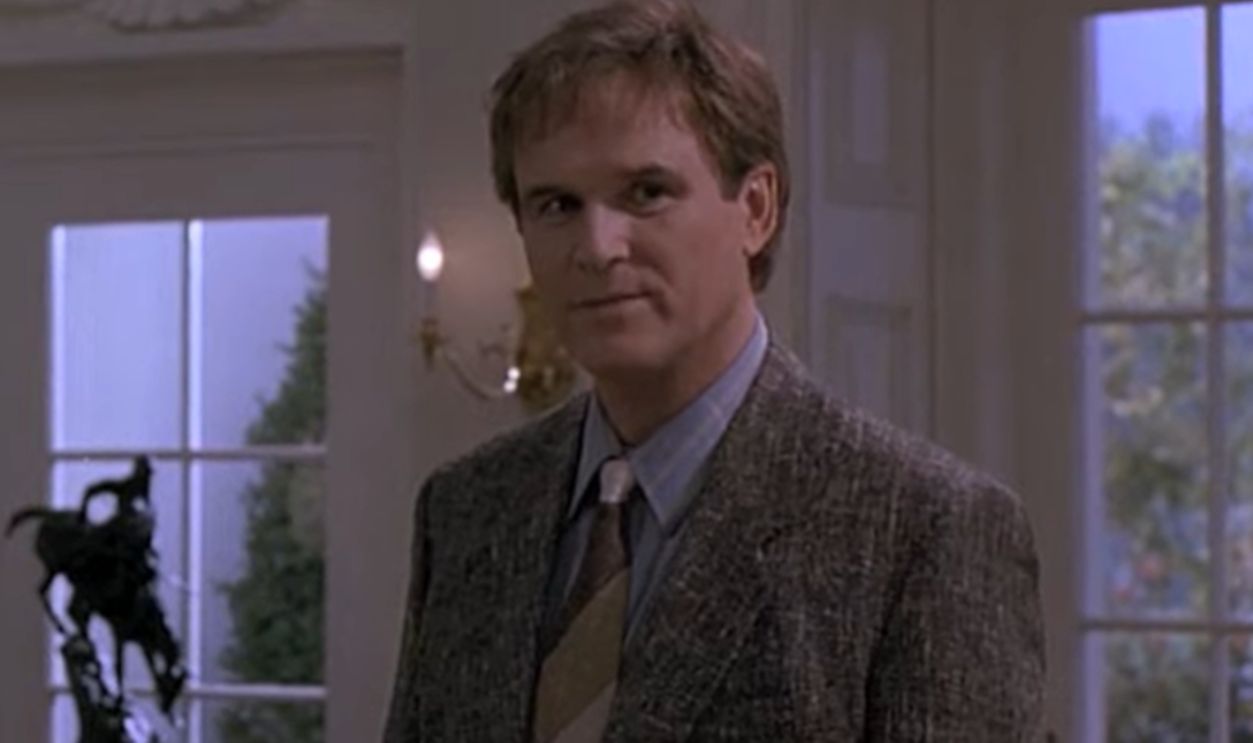 Screenshot from Dave, Warner Bros.(1993)
Expanding Into Writing
Alongside acting, Grodin developed a writing career that included three plays, essays, and eight books. The most accessible of these might have been the memoir, It Would Be So Nice If You Weren't Here: My Journey Through Show Business (1989).
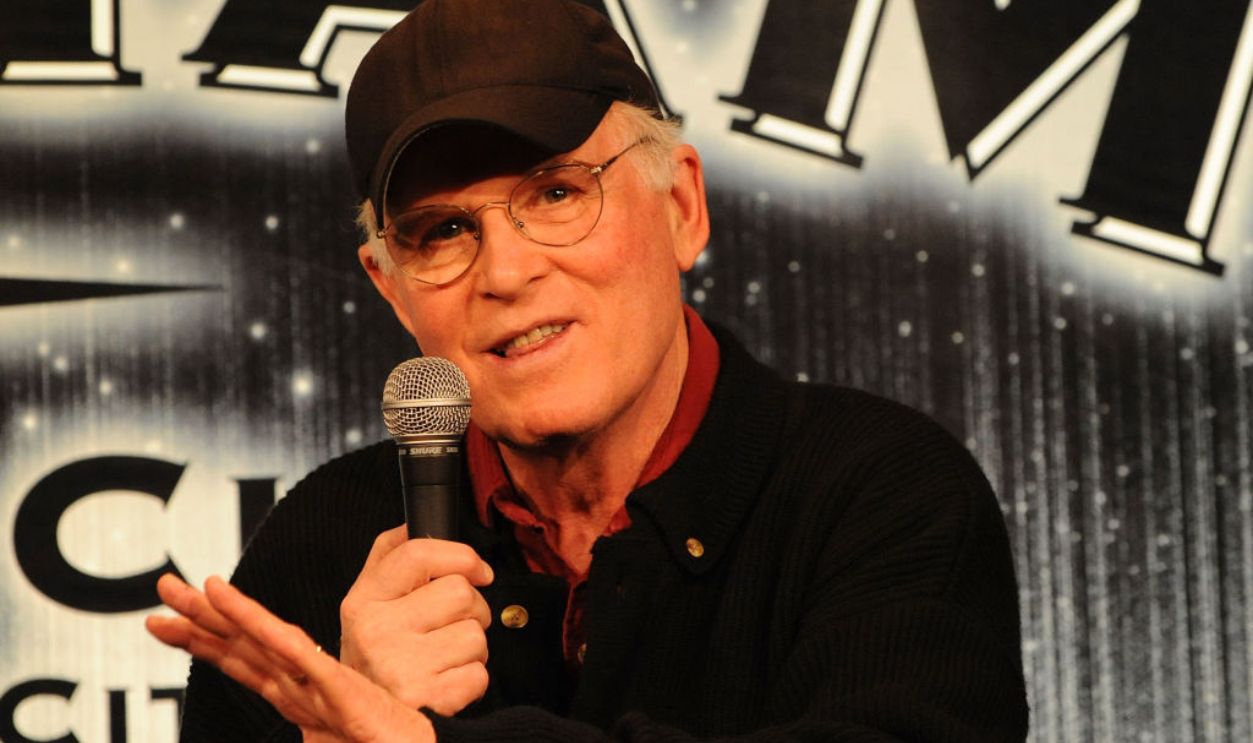
Hosting His Own Talk Show
From 1995 to 1999, Grodin hosted The Charles Grodin Show, running four years on CNBC and MSNBC. The format matched his conversational style, favoring controlled debate and curiosity over the sensationalism and polarization that was emerging in the television environment of the 90s. Grodin’s hosting reinforced his reputation as a thoughtful observer of the national scene, though it wasn’t nearly as funny as his movies.
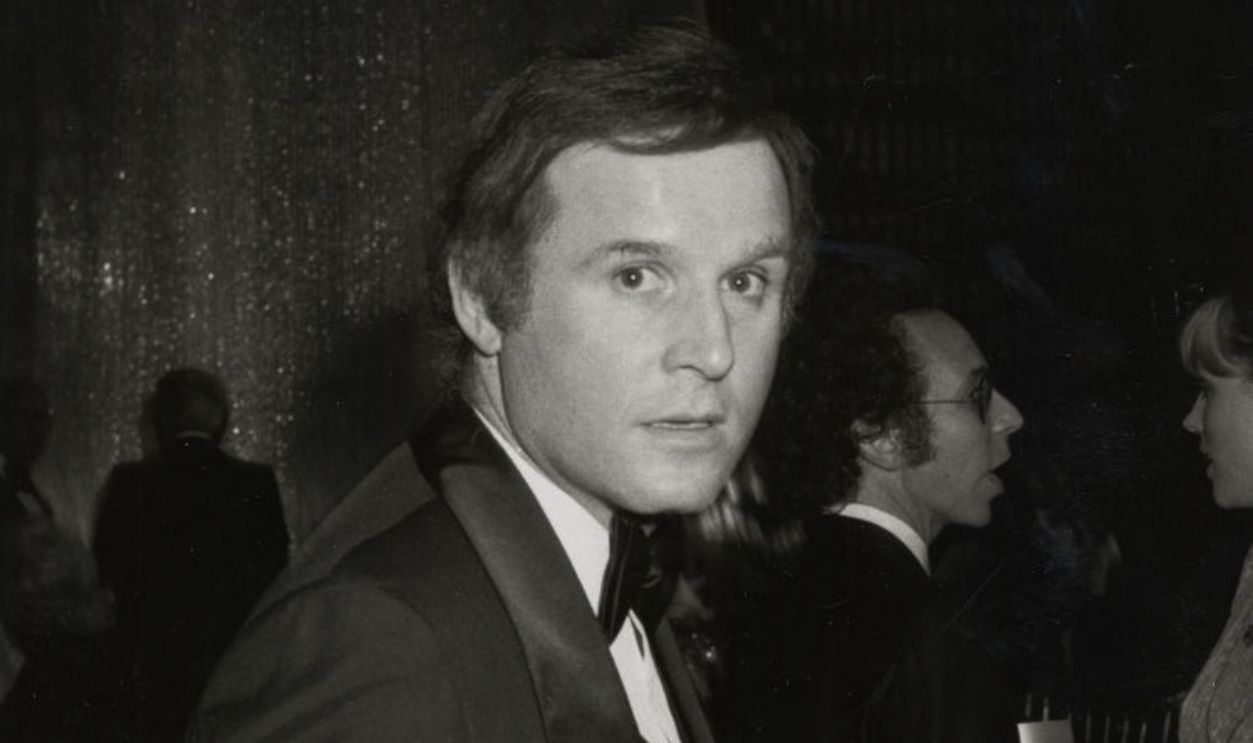
Entering Political Commentary
In the early 2000s, Grodin became a political commentator on 60 Minutes, focusing on civil liberties and justice issues. The role revealed a serious advocacy side grounded in reason rather than rhetoric, extending his public identity beyond entertainment.
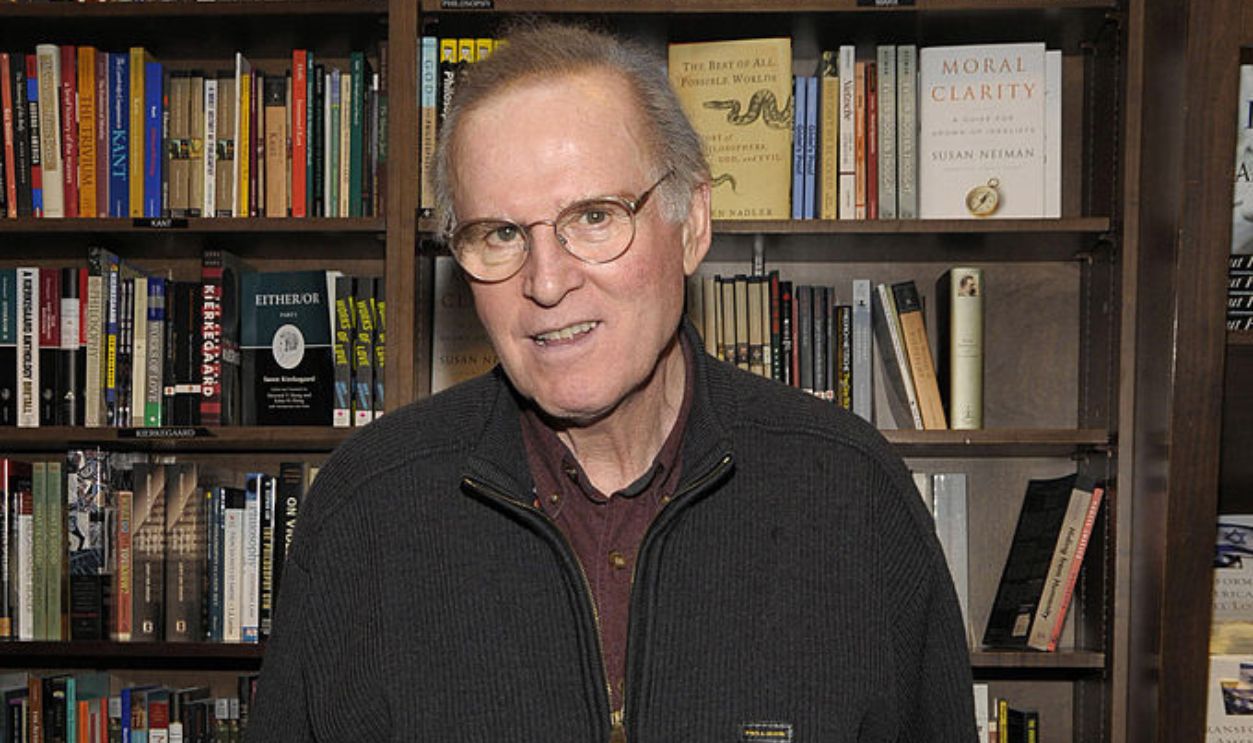 Eugene Gologursky, Getty Images
Receiving The William Kunstler Award
In 2006, Grodin received the William Kunstler Award for Racial Justice, honoring his sustained advocacy work. The recognition reflected years of commentary and activism that had unfolded quietly alongside his entertainment career.
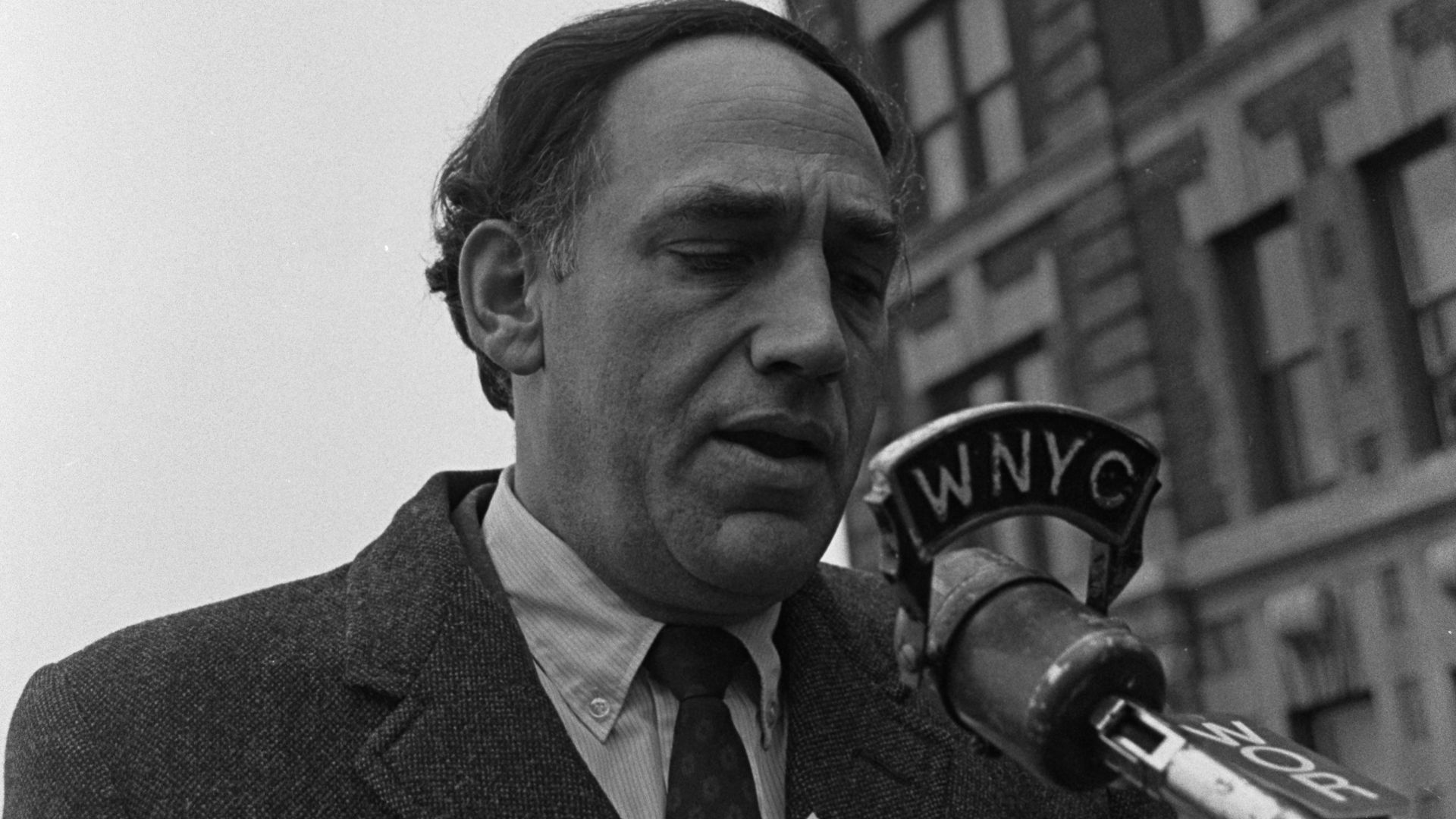 Bill Andrews for The Worker, Wikimedia Commons
Slowing His Acting Output
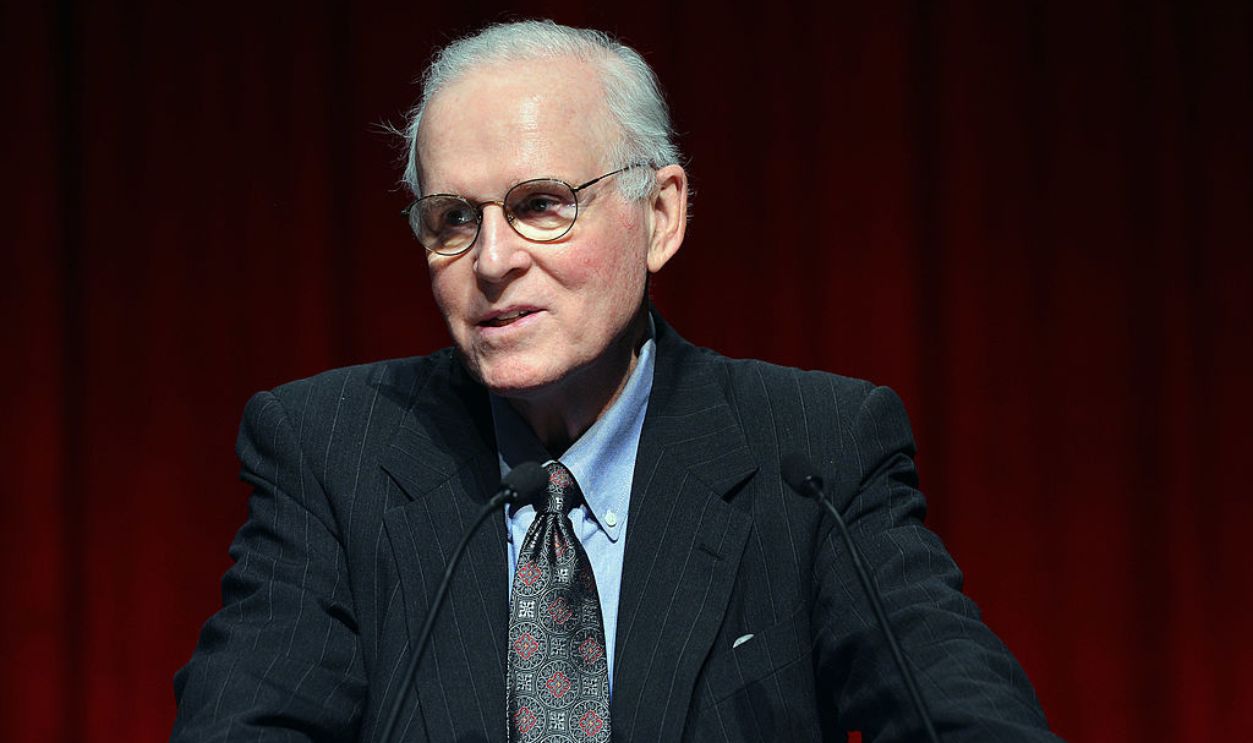
In later years, Grodin reduced his screen appearances, choosing projects selectively. His public presence shifted toward interviews and commentary rather than performance. The restraint that defined his acting increasingly defined his career management as well.
Final Years And Passing
Charles Grodin died in 2021 at age 86. His death followed years of decreased public visibility but active intellectual engagement. The timeline of his life reveals deliberate choices rather than career drift, shaped consistently by restraint and control.
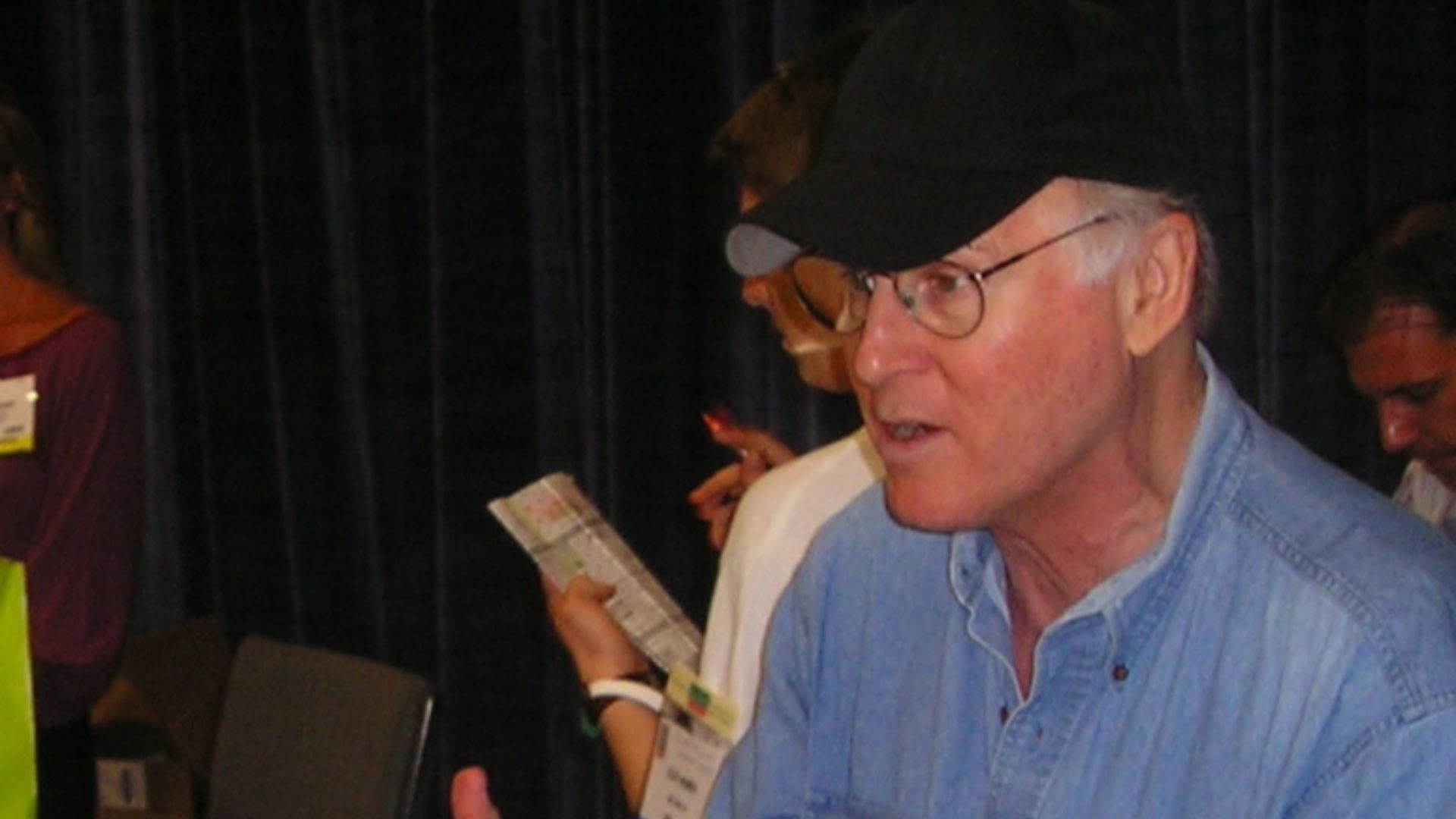 Terryballard, Wikimedia Commons
A Career Driven By Versatility
Charles Grodin’s career followed a clear pattern: training, selectivity, and trust in understatement. From stage to film to television and writing, each phase built logically on the last. The consistency of his choices, and the personal eccentricity he added to those roles define the record he left behind, and the memories audiences still have of Charles Grodin.
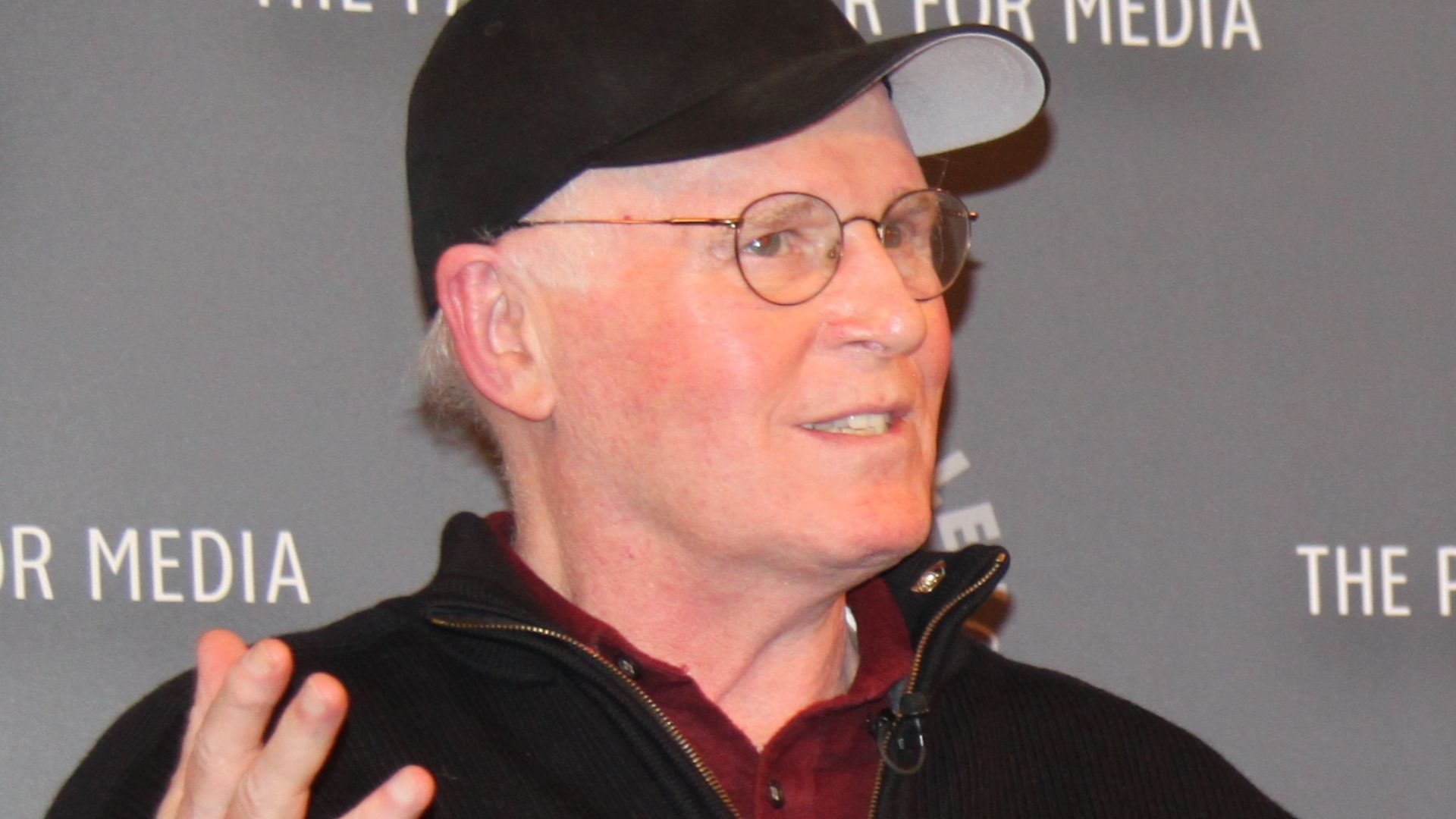 Adam Schartoff, Wikimedia Commons
You May Also Like:
Deadpan Facts About Buster Keaton, The Great Stone Face
Revealing Facts About Lon Chaney, The Man Of A Thousand Faces