A Different Kind Of Story
Heath Ledger’s legacy is often tied to iconic roles and a tragic ending. But there’s another side—one centered around fatherhood, loyalty, and the quiet way people showed up for him and his daughter when it mattered most.

He Was Already A Rising Star
Before everything changed, Ledger had built a serious career. From 10 Things I Hate About You to Brokeback Mountain, he moved quickly from teen roles to complex characters, earning critical respect and proving he was more than just a leading man.
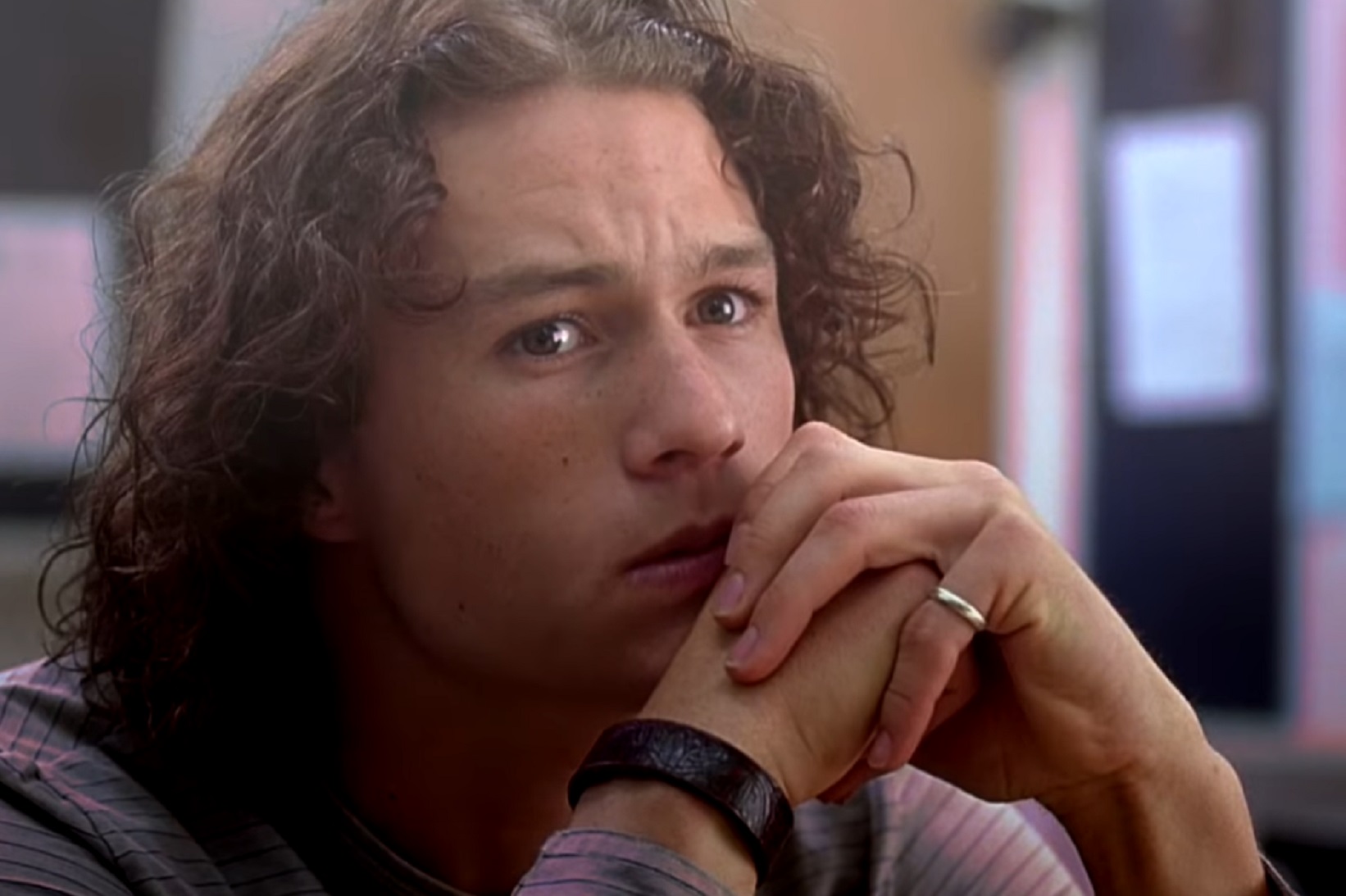 Screenshot from 10 Things I Hate About You, Touchstone Pictures (1999)
Then His Life Shifted
When his daughter Matilda was born in 2005, something clearly changed. Friends later said he became more grounded and less interested in the Hollywood lifestyle, focusing instead on a quieter, more meaningful day-to-day life.
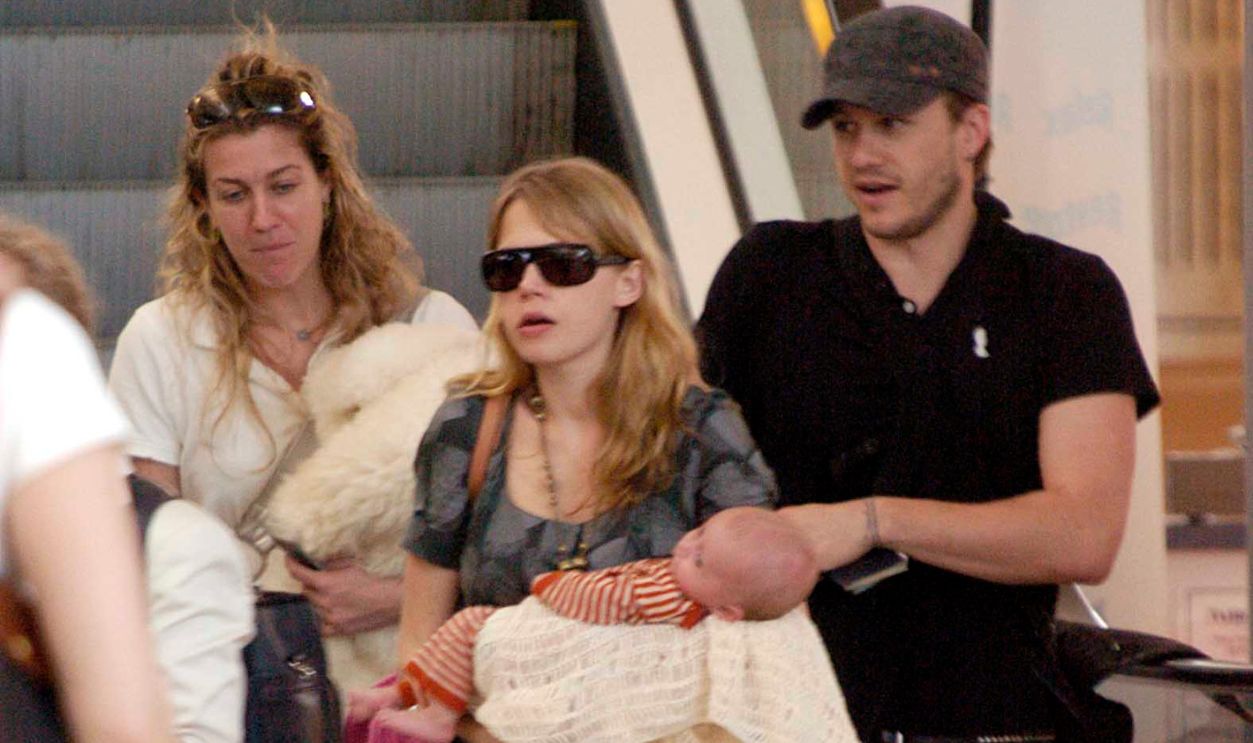 Photonews International Inc., Getty Images
Fatherhood Came First
Ledger centered his life around Matilda. He spent as much time with her as possible, often choosing to stay close to home rather than travel unnecessarily. People close to him described a hands-on, deeply present father.
He Said It Himself
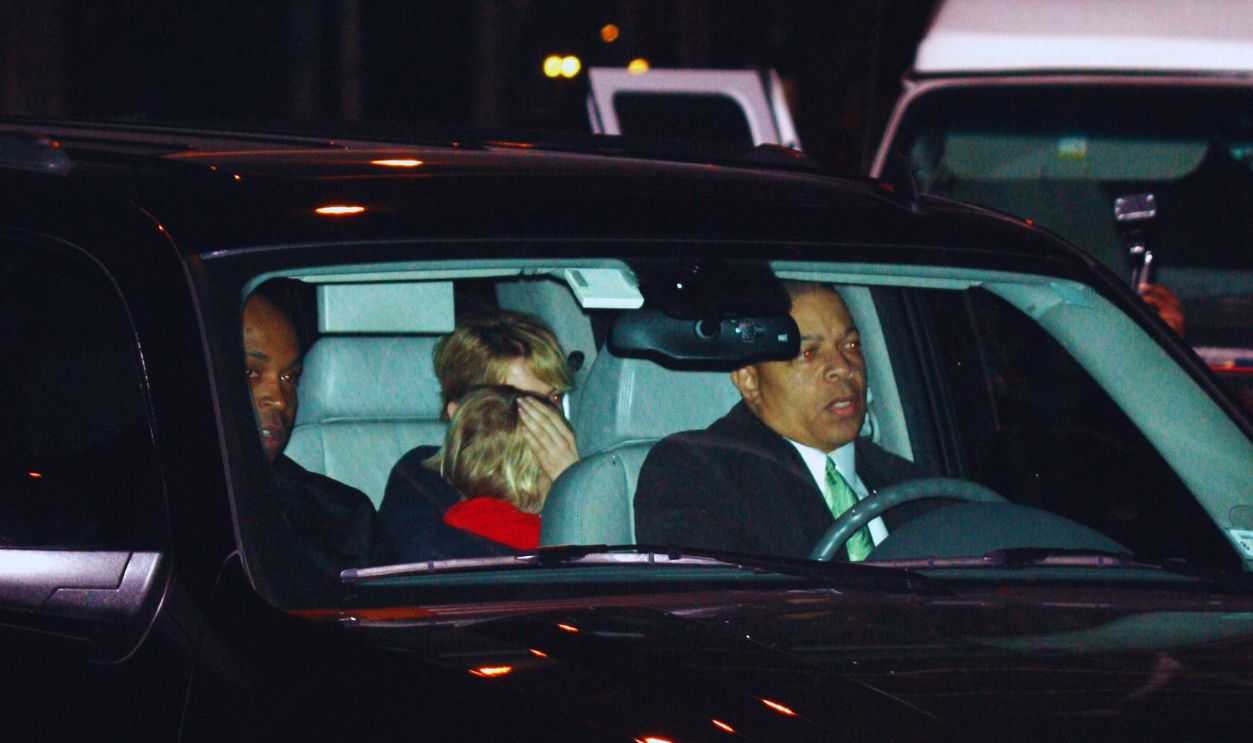
In one interview, Ledger put it simply: “My daughter is the greatest thing that ever happened to me.” It wasn’t a throwaway line—those who knew him said that mindset shaped nearly every decision he made afterward.

Work Still Mattered—But Differently
He didn’t stop pushing himself creatively, but there was balance now. He became more selective, drawn to projects that challenged him artistically while still allowing him to stay connected to his life as a father.

“The Dark Knight” Changed Everything
His performance as the Joker in The Dark Knight was transformative. Director Christopher Nolan said, “Heath’s Joker is going to be talked about as one of the great performances in cinema,” and that prediction quickly became reality.
 Screenshot from The Dark Knight, Warner Bros. Pictures (2008)
He Didn’t Get To See The Impact
The film became a global success, but Ledger never saw the full reaction. That reality adds weight to the recognition that followed, including awards and the lasting influence of his performance.
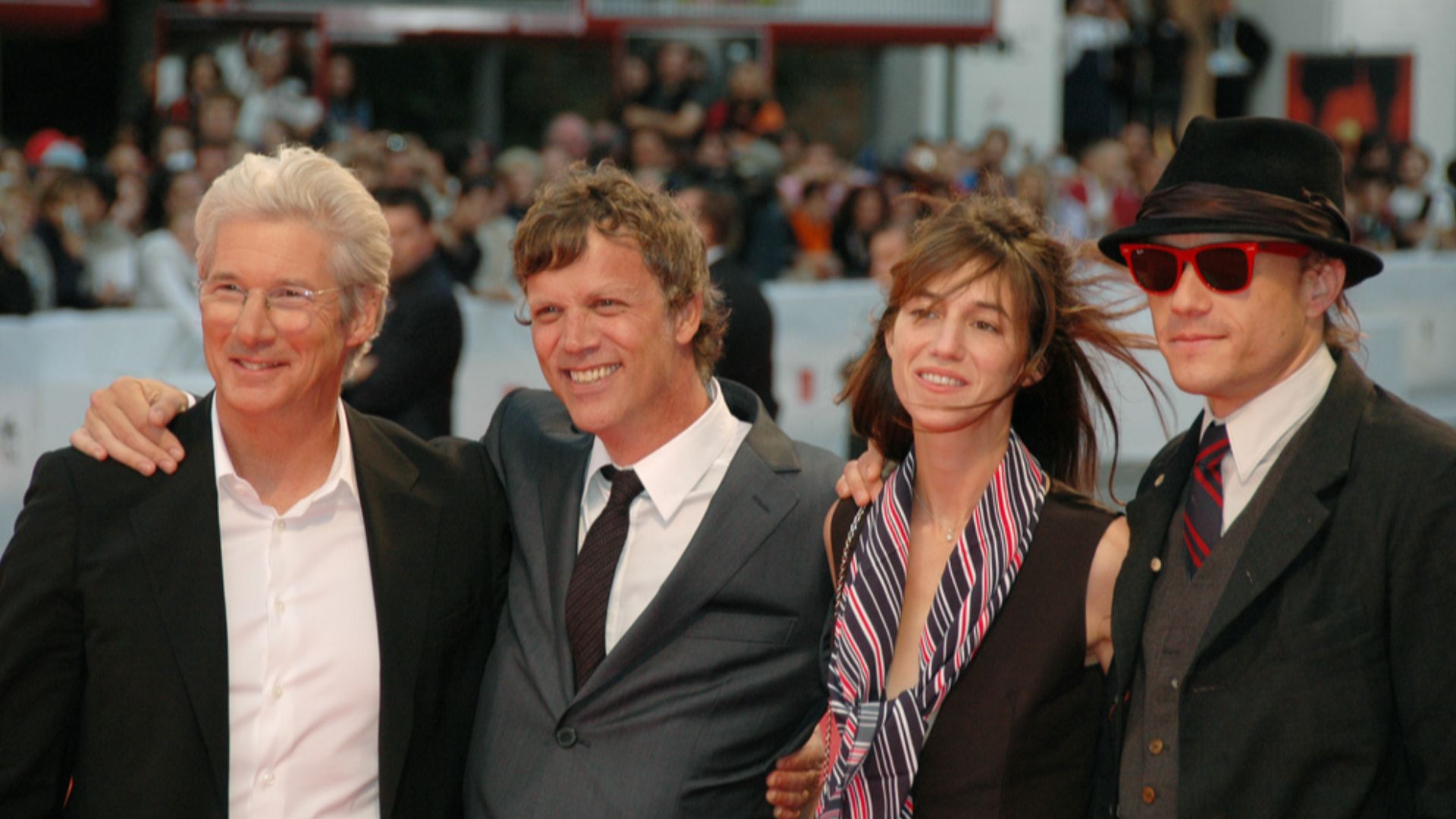 Mireille Ampilhac, Wikimedia Commons
He Was Working With Terry Gilliam
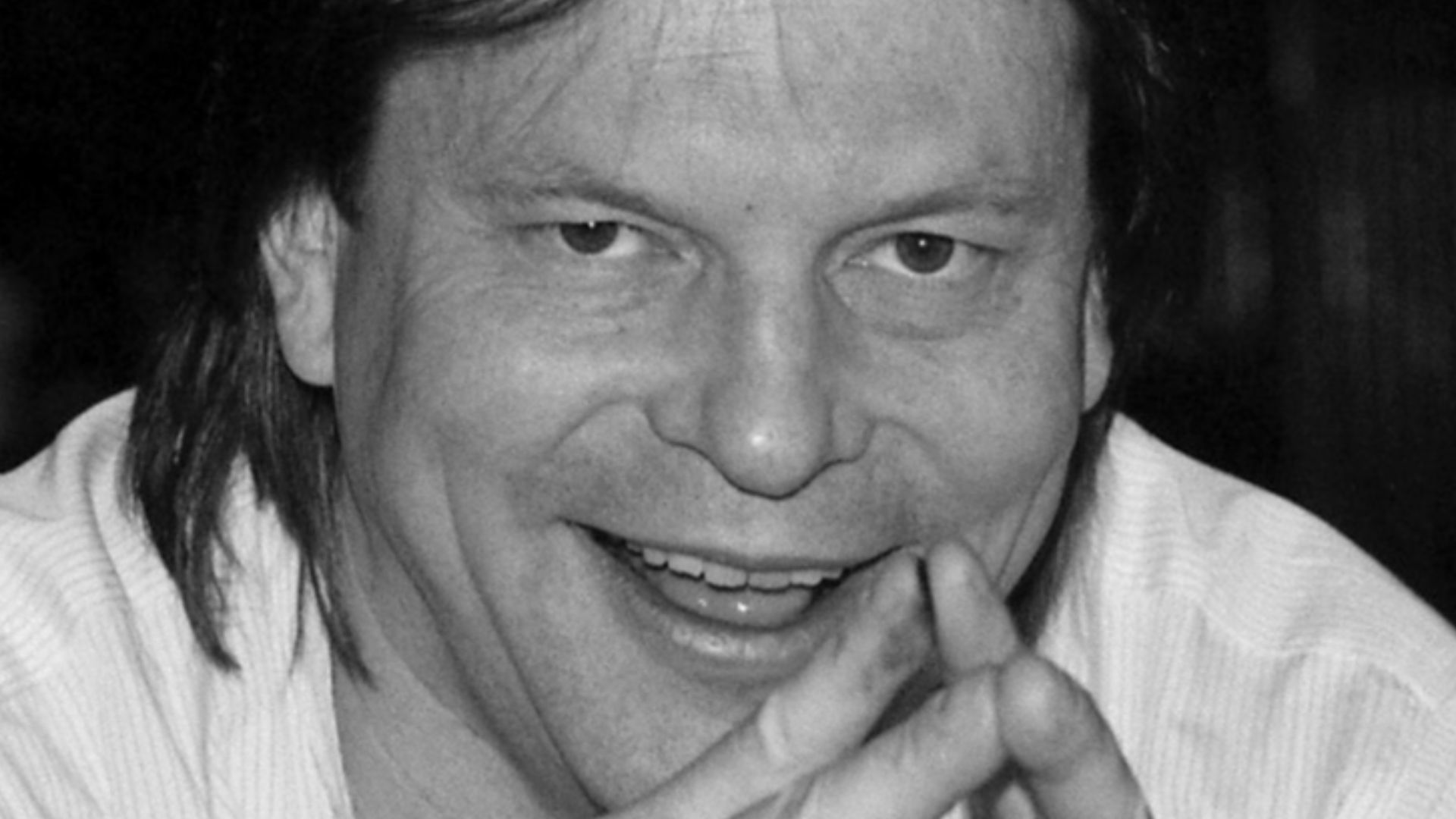
At the same time, Ledger was filming The Imaginarium of Doctor Parnassus with director Terry Gilliam. Gilliam later described him as “incredibly generous,” highlighting how invested he was in the film and their shared creative vision.
Production Suddenly Stopped
After Ledger’s passing in 2008, the film was left unfinished. Because his character was central to the story, many assumed the project simply couldn’t continue.
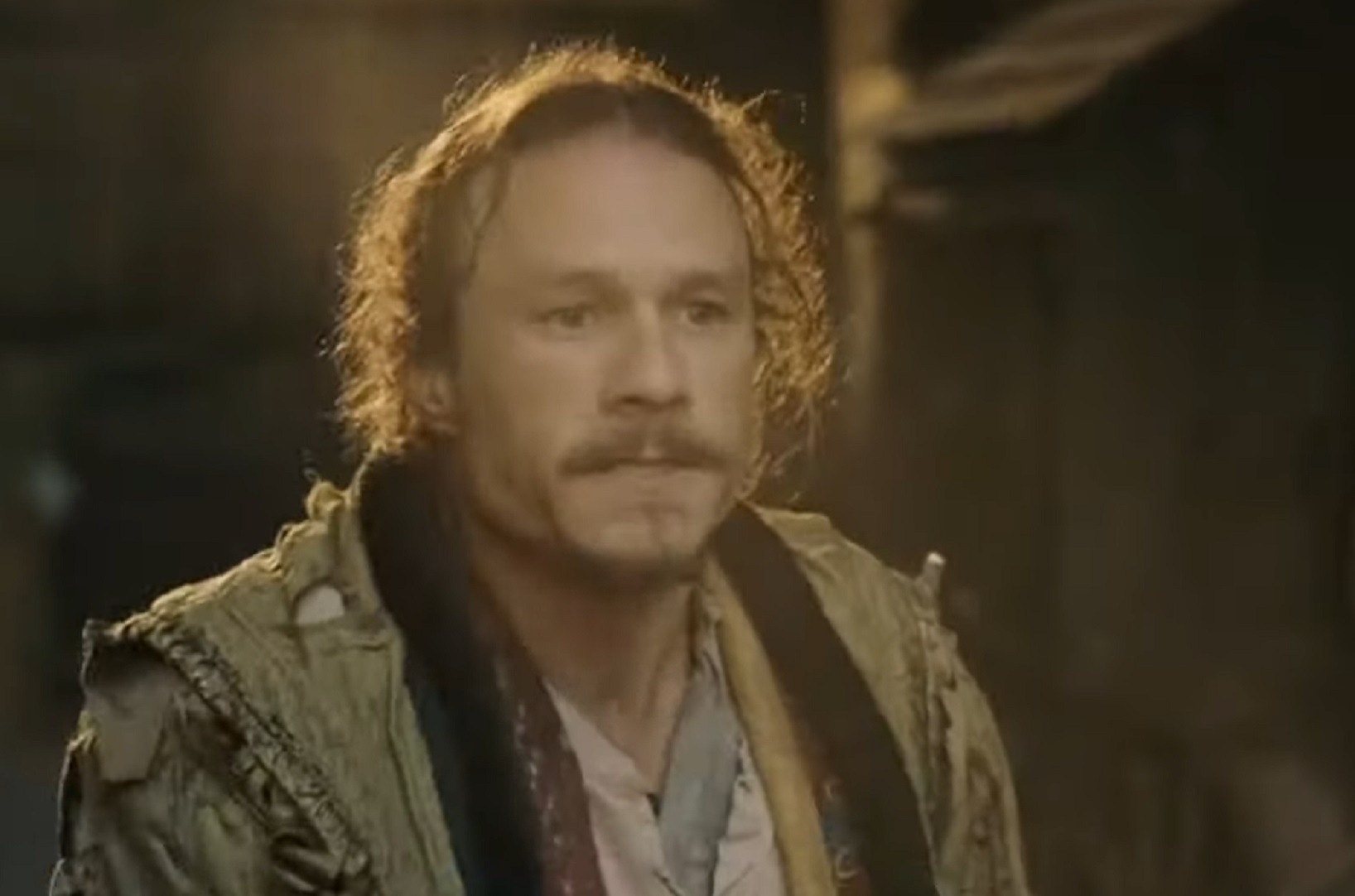 Screenshot from The Imaginarium of Doctor Parnassus, Telefilm Canada (2009)
Terry Gilliam Refused To Let It End
Gilliam chose to move forward. He said, “Heath was the heart of the film,” and believed finishing it was the only way to properly honor what Ledger had already created.
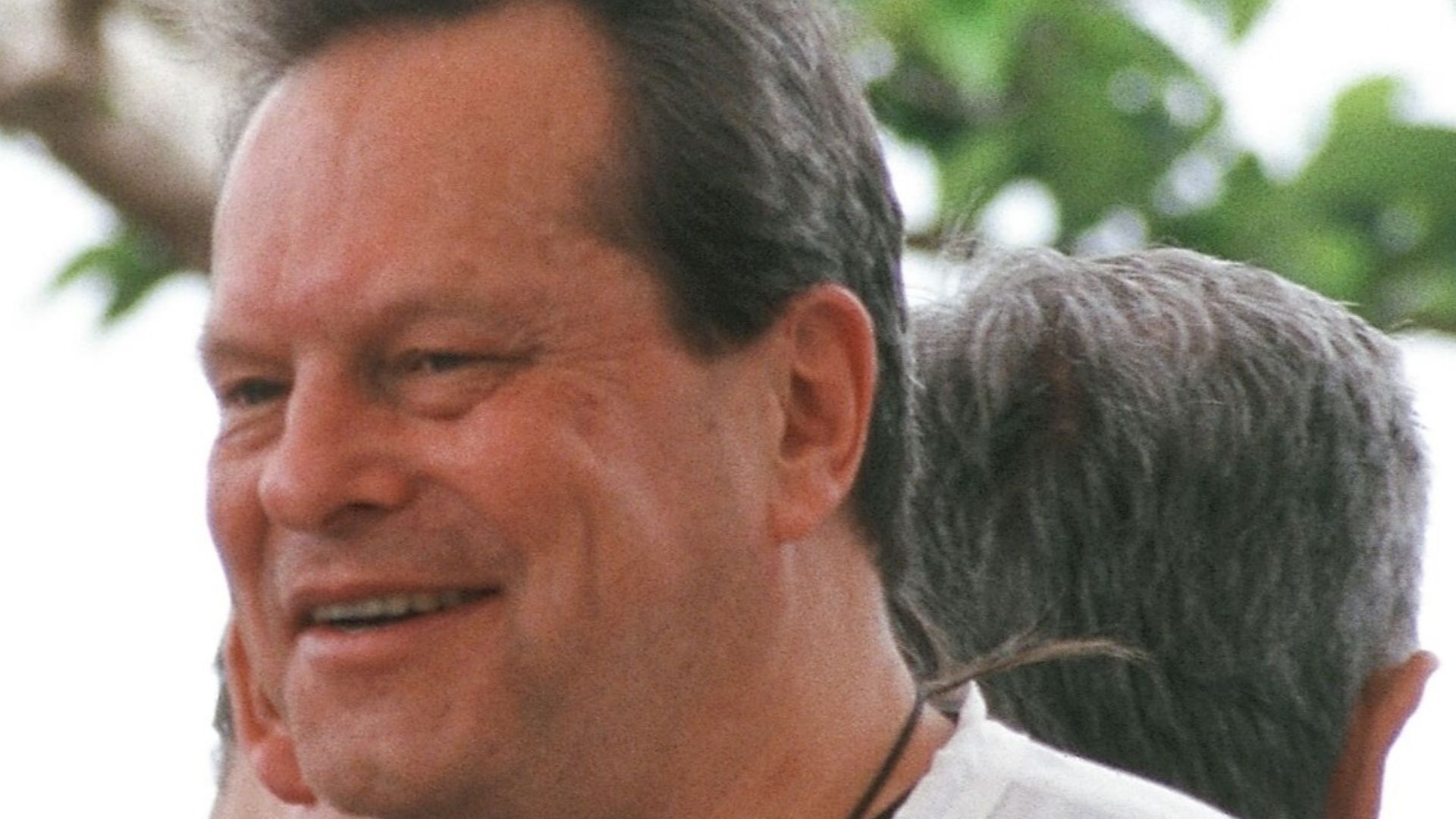
The Story Made A Solution Possible
In the film, Ledger’s character travels through a magical mirror where reality shifts—so Gilliam reworked the story to allow the character to physically change appearance. That opened the door for Johnny Depp, Jude Law, and Colin Farrell to step in as different versions of the same role.
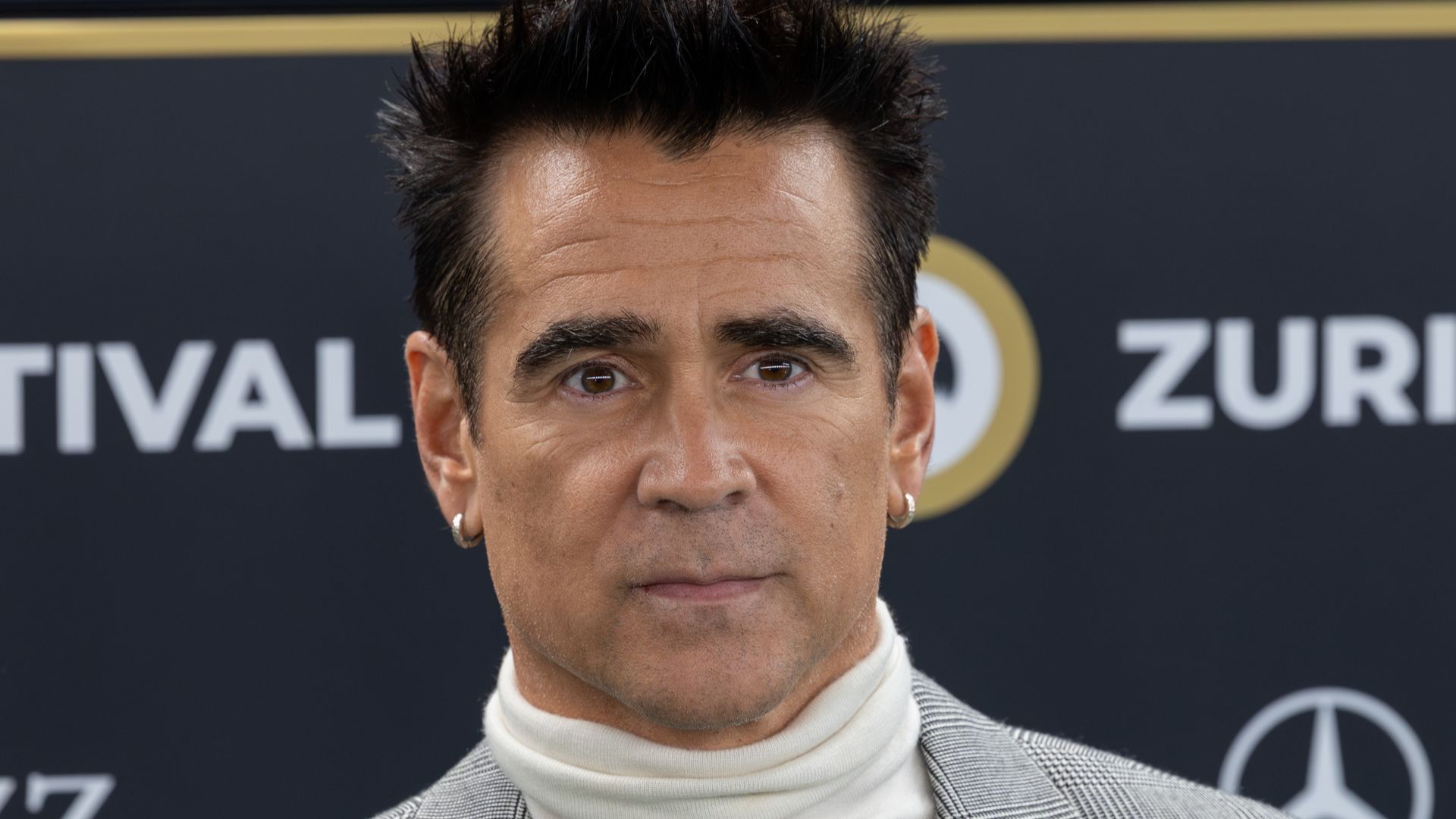
Why Those Actors Worked
They weren’t random choices. Gilliam needed actors who could match Ledger’s energy and handle the surreal tone. Depp brought eccentricity, Law added polish, and Farrell leaned darker—together, they reflected a character shifting identities.
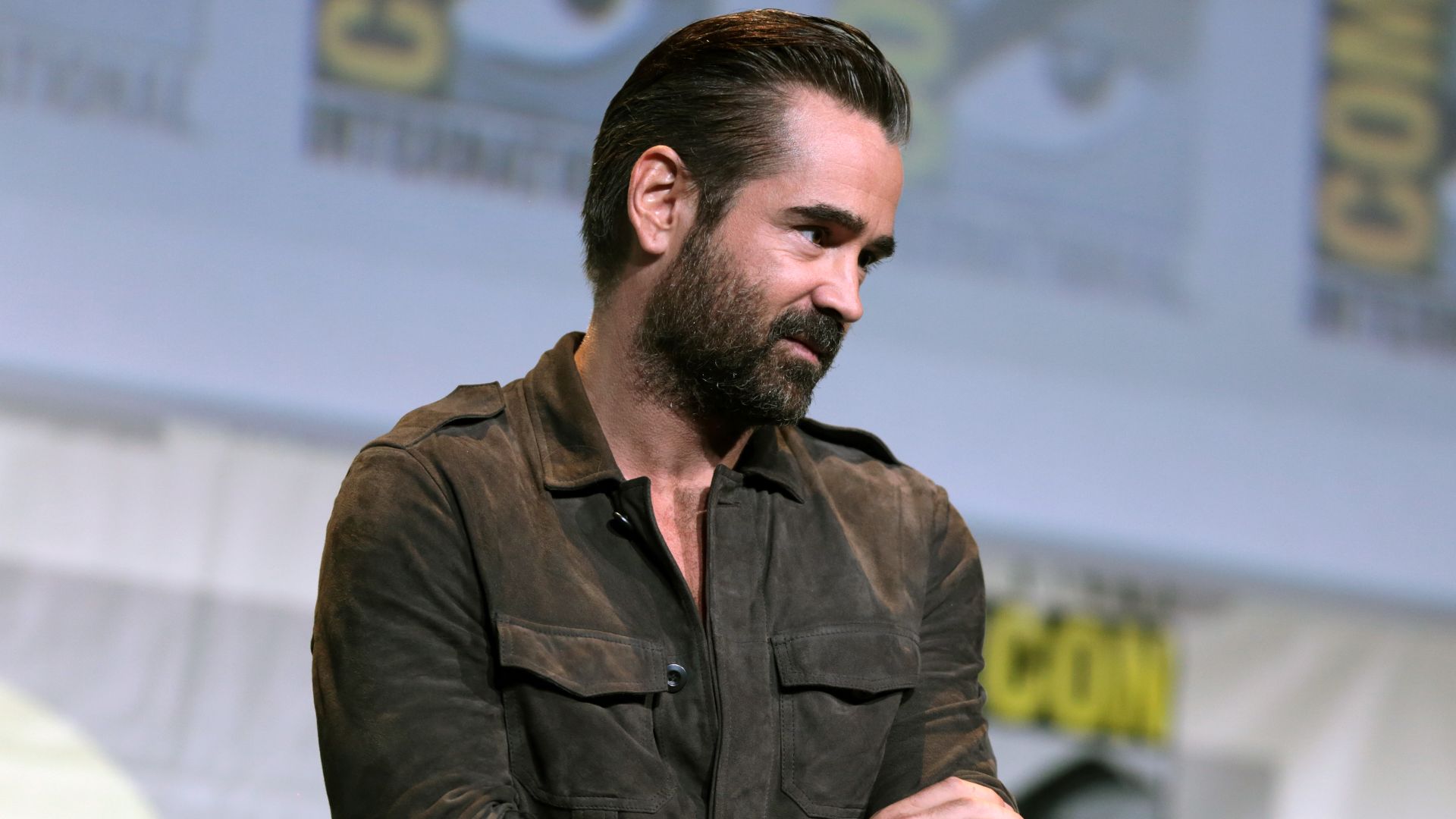 Gage Skidmore from Peoria, AZ, United States of America, Wikimedia Commons
It Solved A Bigger Problem
No single actor could replace Ledger without it feeling forced or disrespectful. Splitting the role avoided direct comparison and allowed his original performance to remain the foundation of the film.
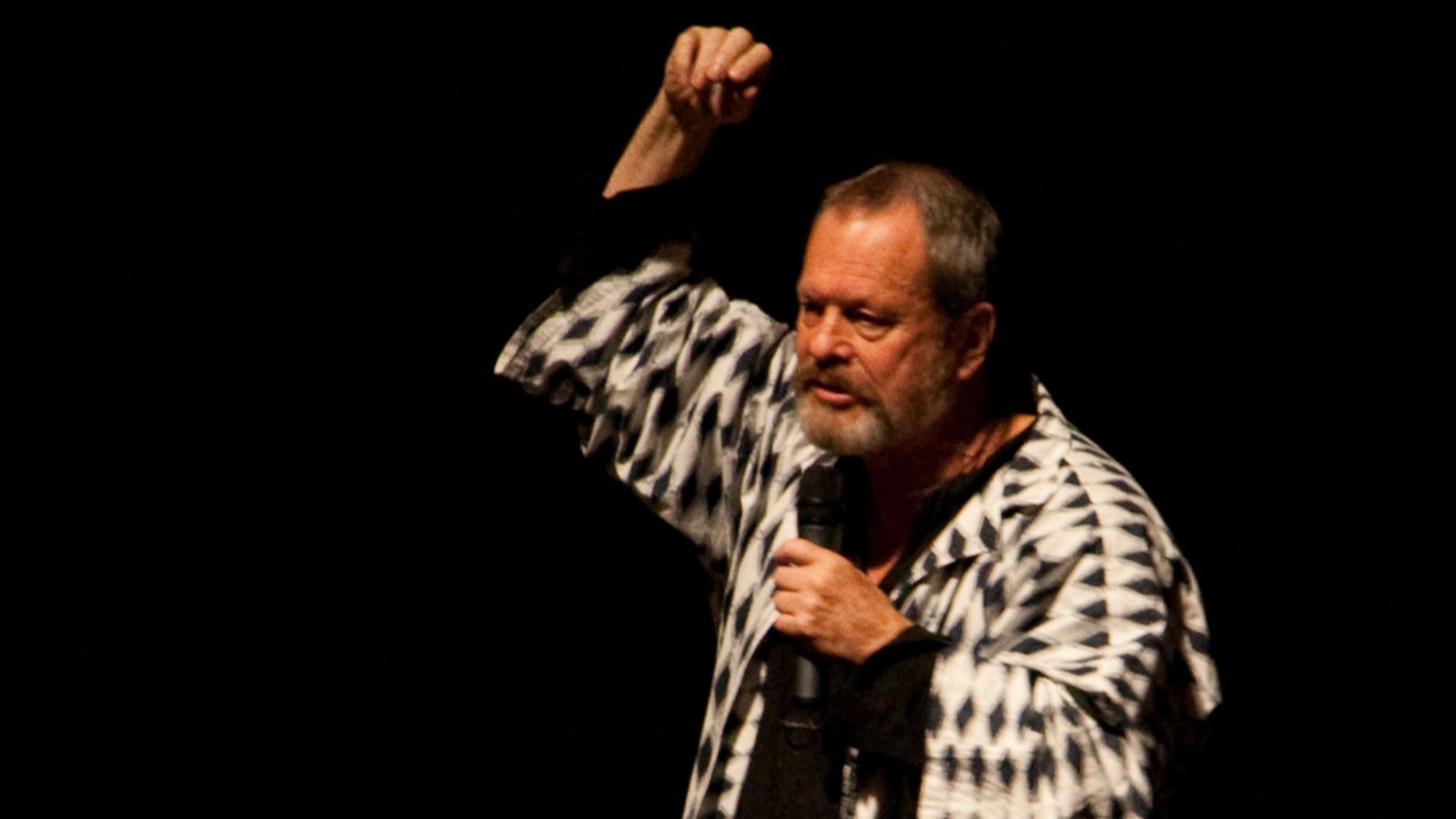 Colin Knowles, Wikimedia Commons
Then They Made Another Decision
The three actors didn’t just help complete the film—they gave up their salaries and directed that money to Ledger’s daughter, Matilda. As Colin Farrell later said, “It was a no-brainer.”
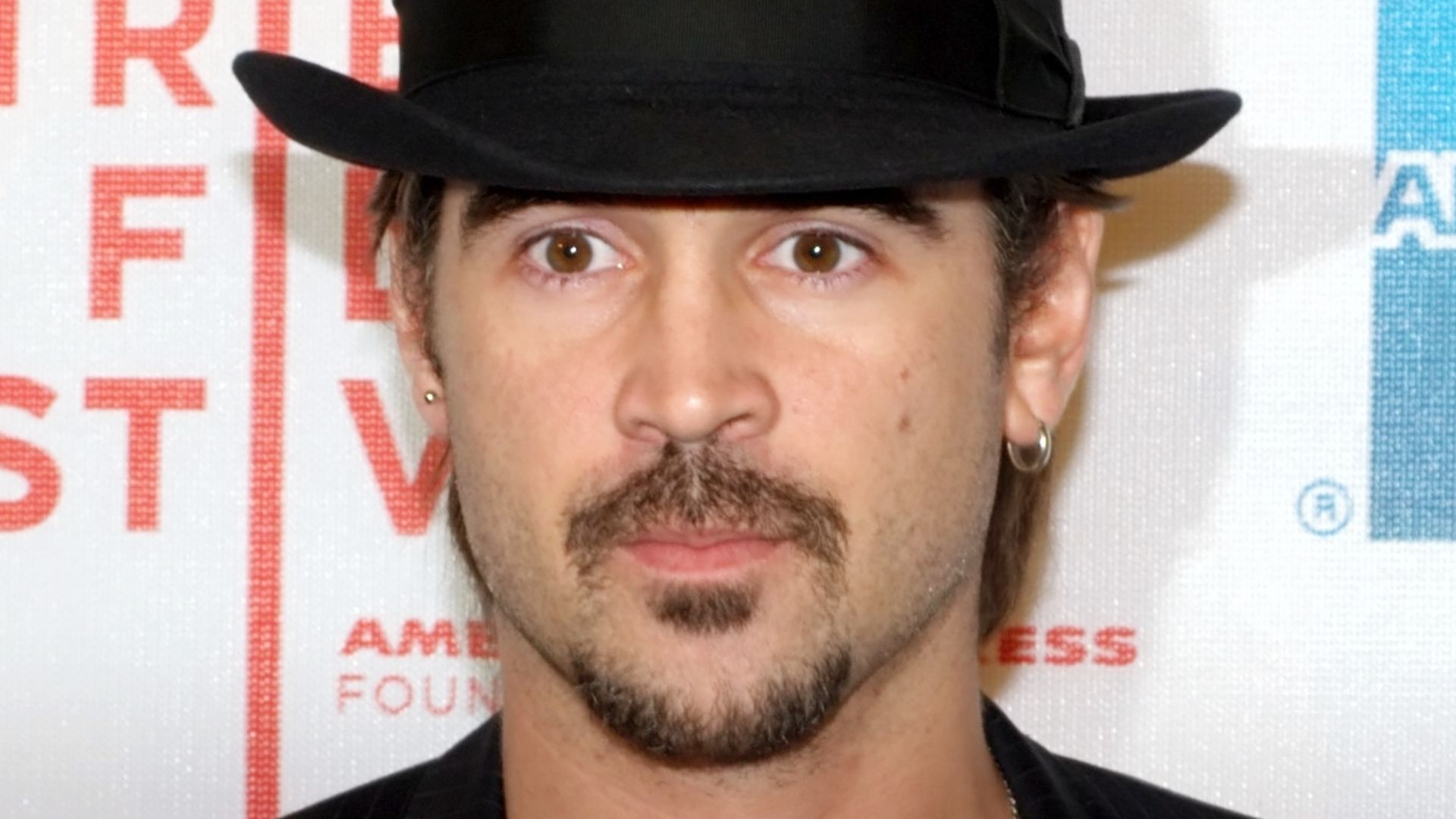 David Shankbone, Wikimedia Commons
The Timing Made It Matter Even More
At the time, Ledger’s will had not yet been updated after Matilda was born. His family later ensured everything went to her, but in that moment, the actors’ decision carried immediate and real significance.
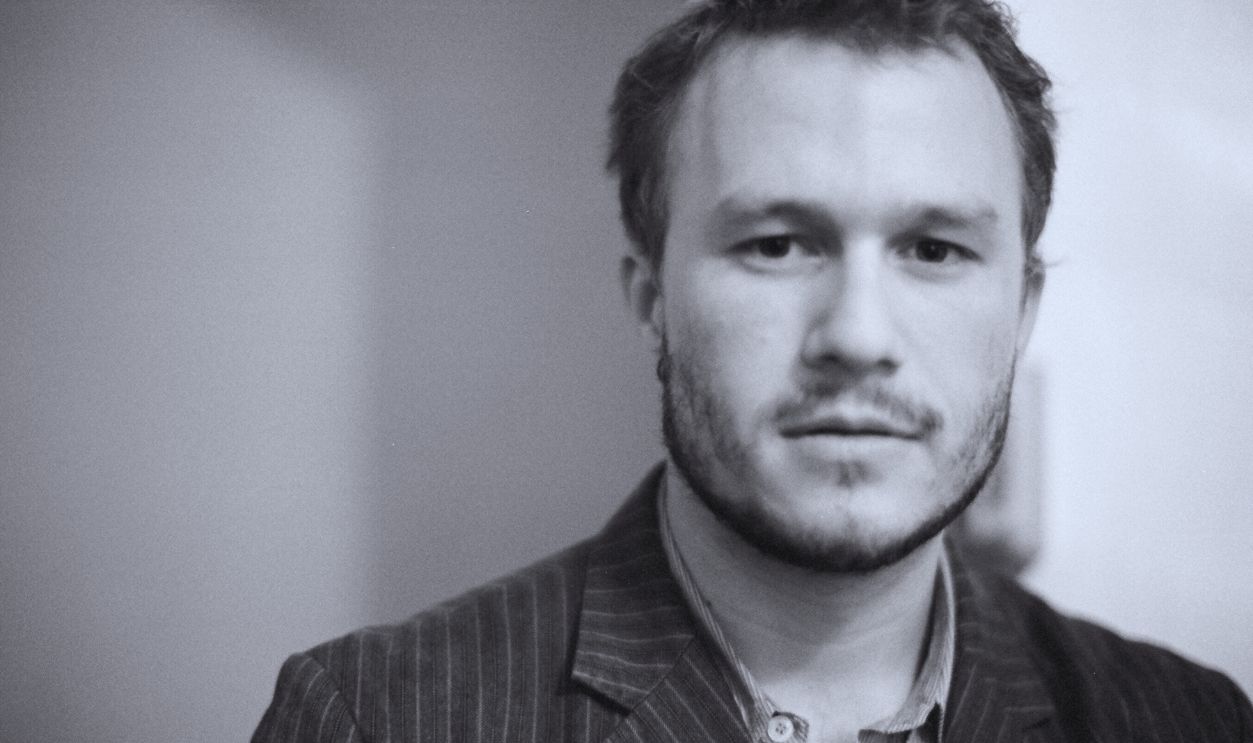
It Was Quiet—And Unusual
There was no major announcement. In an industry where deals are everything, three major actors stepping in—and giving up their pay—was incredibly rare. As Terry Gilliam put it, “It was extraordinary… these people just stepped forward.”
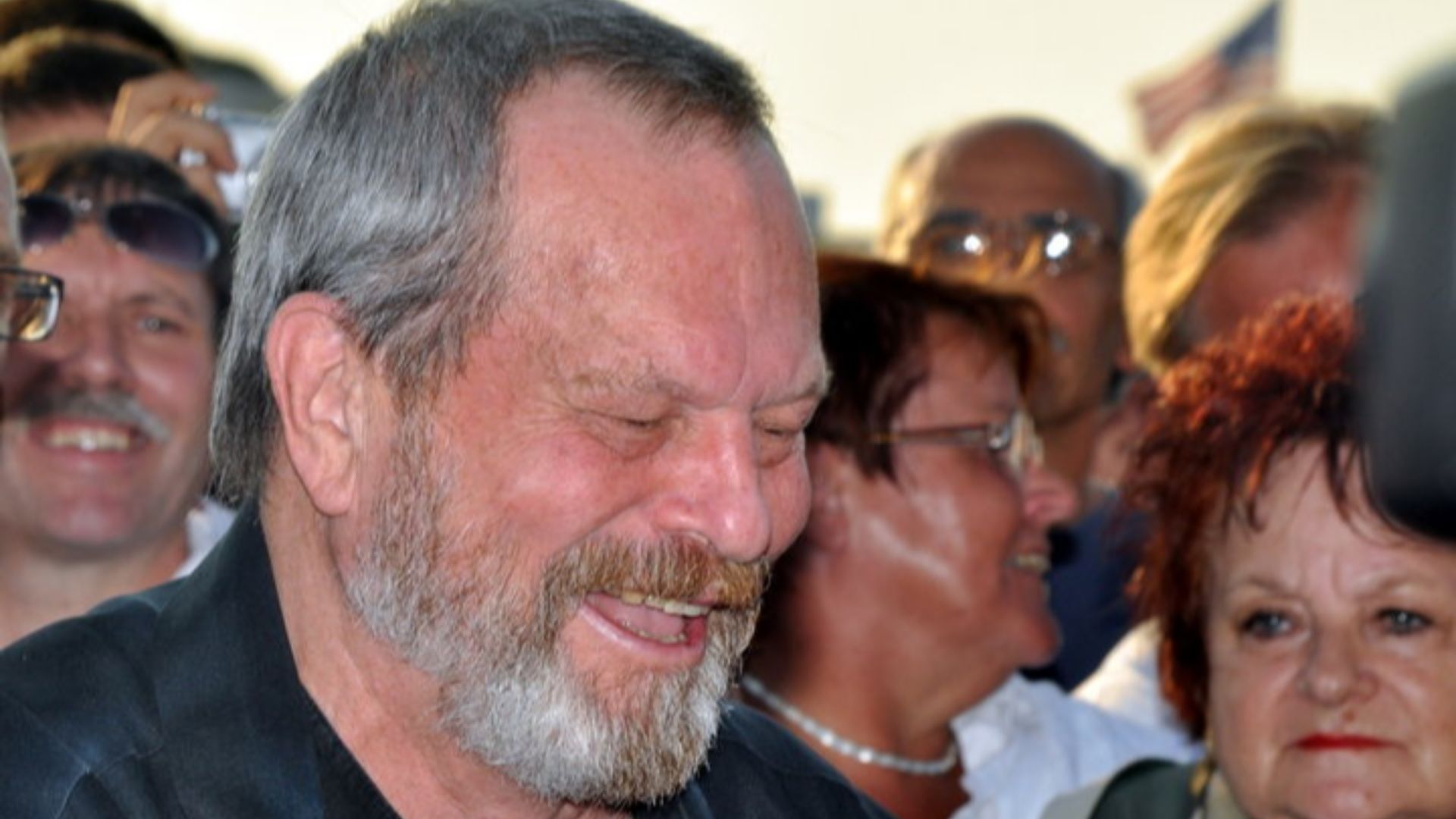 Georges Biard, Wikimedia Commons
The Impact Was Personal
Their decision directly connected Ledger’s final film to his daughter. It ensured that the project he left unfinished would still support the person he cared about most.
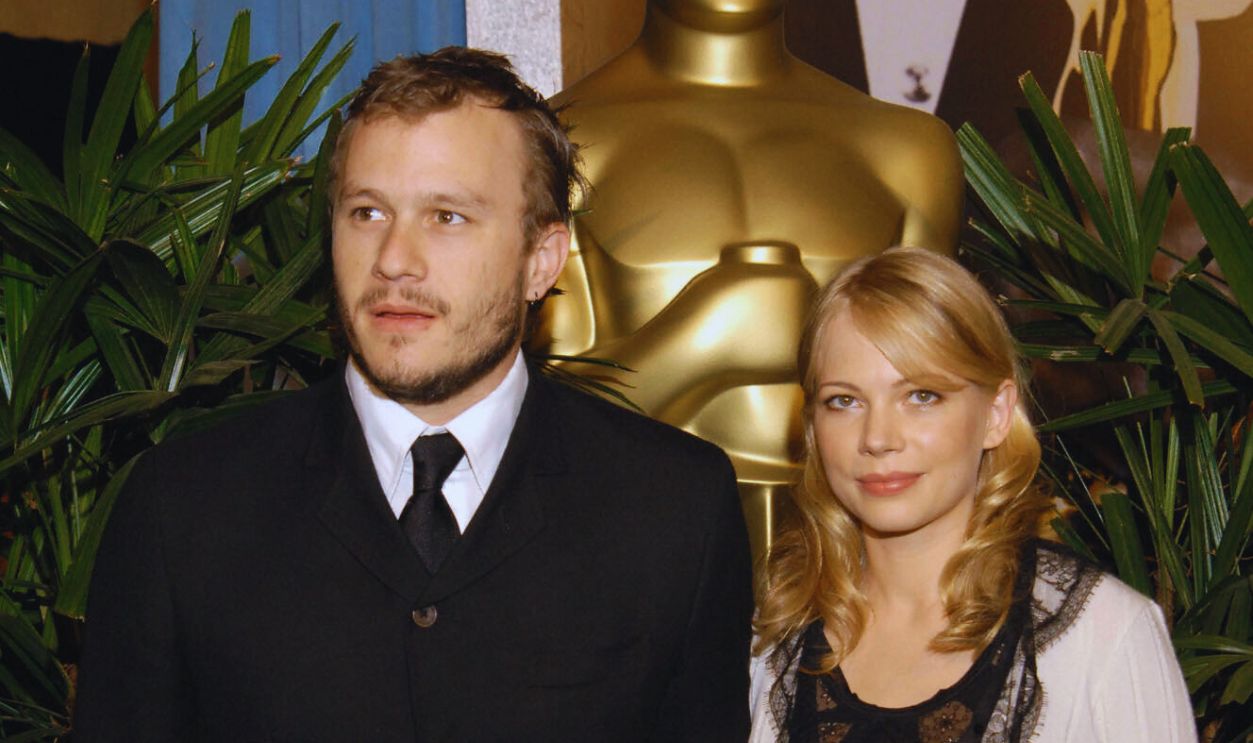
His Family Kept Things Grounded
After his passing, Ledger’s family and Michelle Williams focused on protecting Matilda’s privacy. There were no public disputes or drawn-out legal fights—just a consistent effort to keep her life stable and out of the spotlight as much as possible.
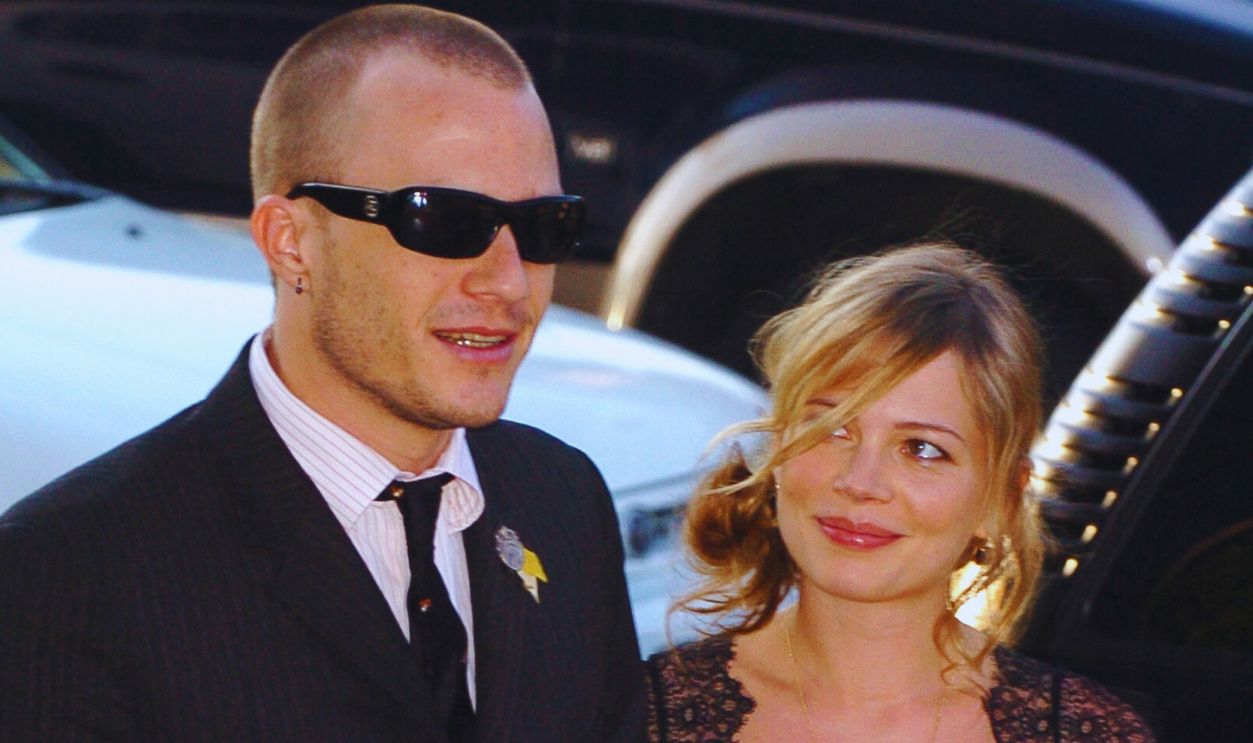
His Oscar Became A Tribute
When Ledger posthumously won the Academy Award for The Dark Knight, his family accepted it on his behalf. The moment felt less like celebration and more like recognition—an emotional acknowledgment of both his work and everything that followed.
 BDS2006 (talk), Wikimedia Commons
The Industry Showed Up
Co-stars and directors consistently described him as generous and collaborative. Many pointed to specific moments—helping shape scenes, supporting other actors, or staying fully engaged—showing that his impact went well beyond just his performances.
 Everett Collection, Shutterstock
His Creative Side Ran Deep
Beyond acting, Ledger directed music videos and explored photography, often working behind the camera when he could. He wasn’t focused on one lane—he was constantly experimenting and looking for new ways to express ideas creatively.
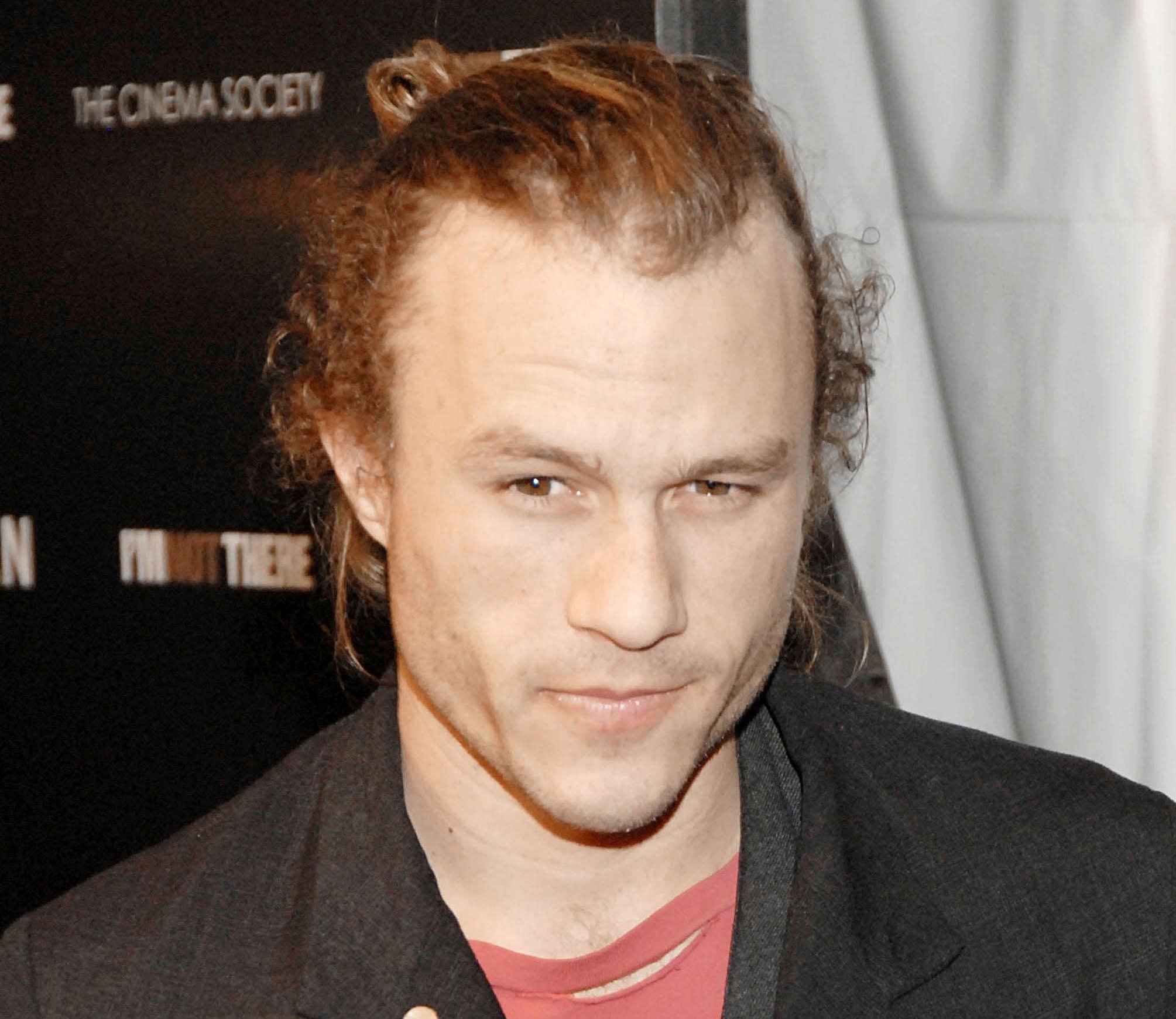 Everett Collection, Shutterstock
It All Comes Back To Matilda
At the center of everything is his daughter. From the decision to finish the film to where the money went, the choices made after his passing consistently pointed back to her and the life he clearly valued most.
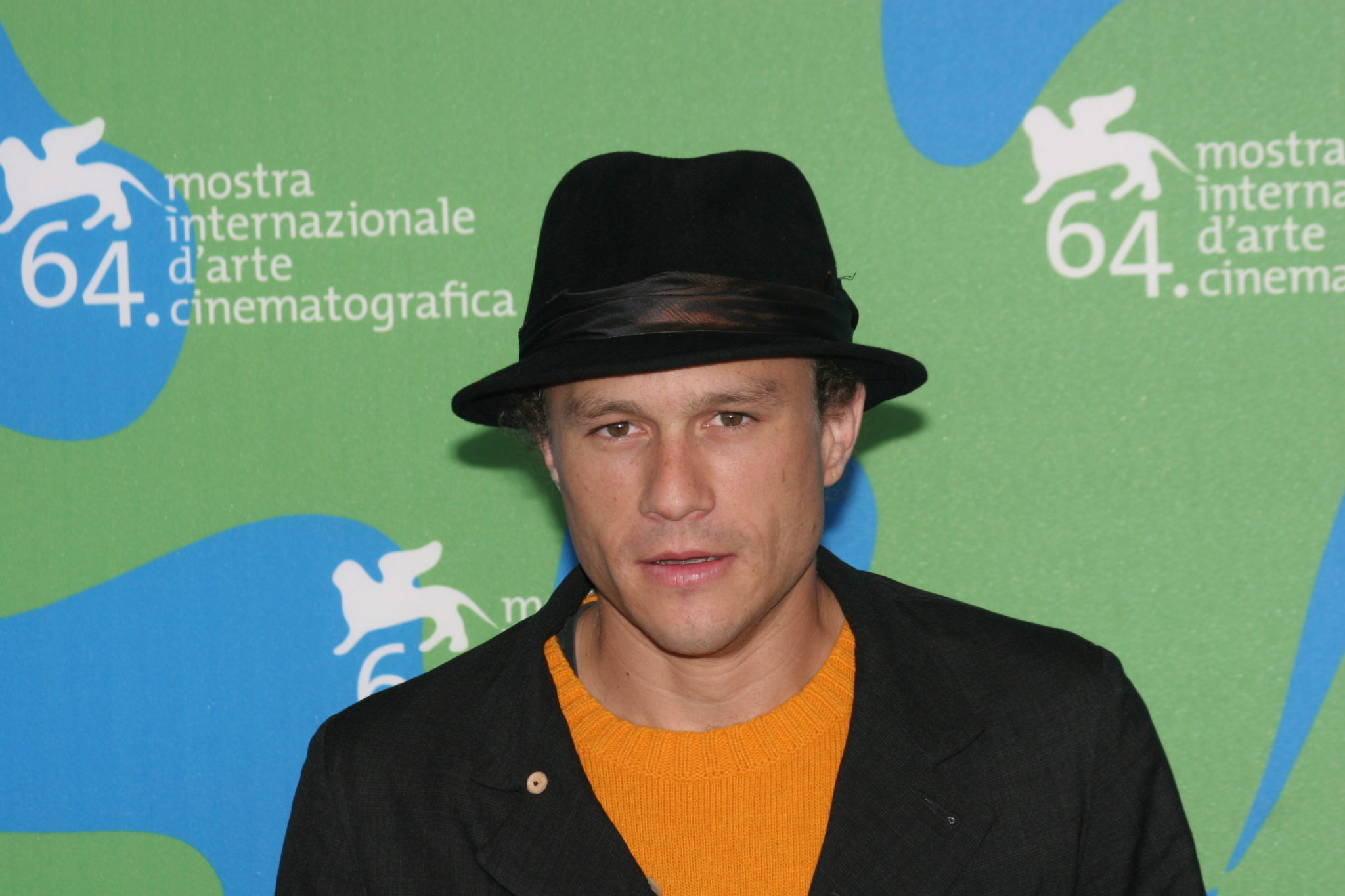 Denis Makarenko , Shutterstock
Why People Still Talk About It
The story resonates because it feels grounded. There were no big public gestures or dramatic announcements—just a series of quiet decisions that reflected respect, loyalty, and a clear sense of what mattered.
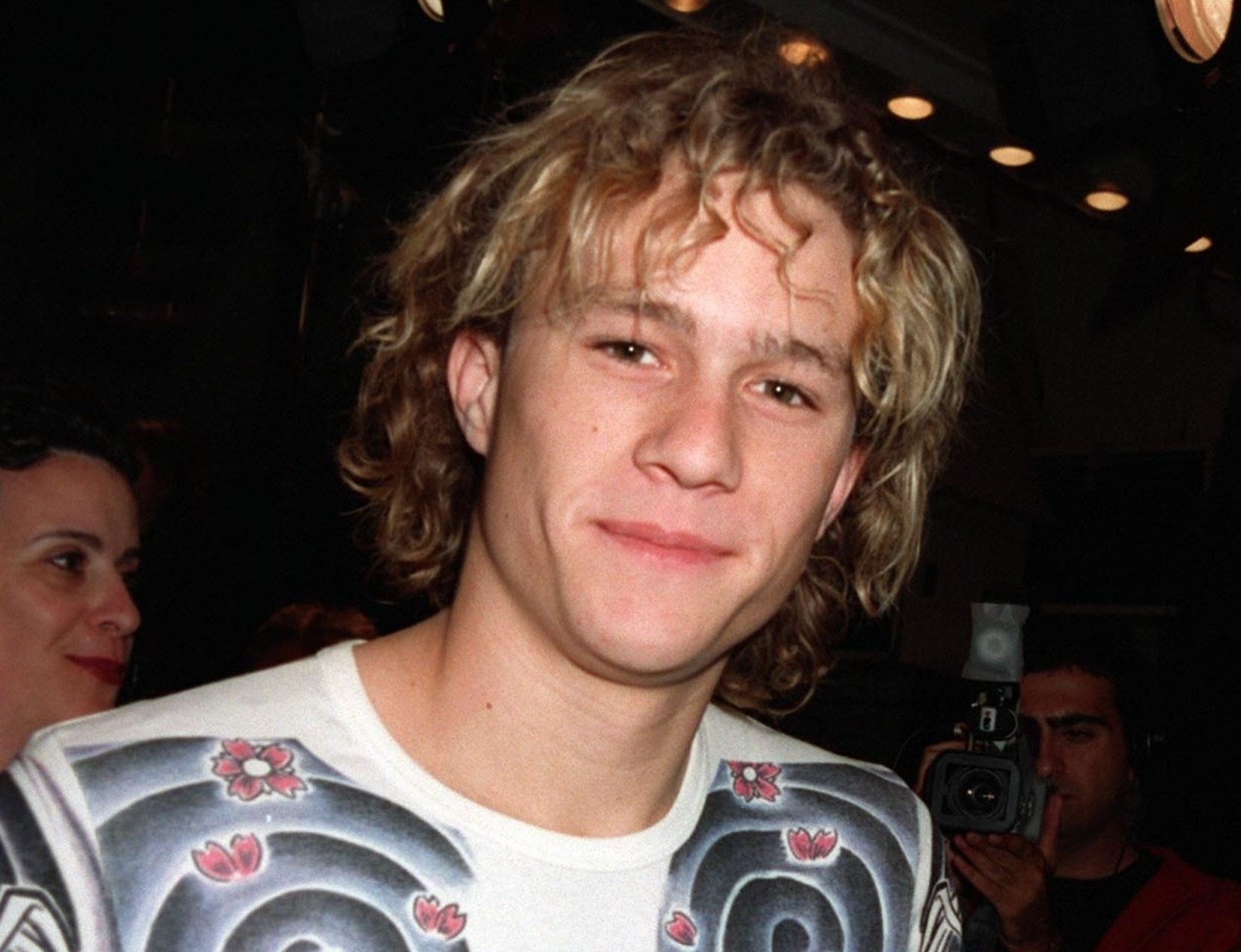 Featureflash Photo Agency , Shutterstock
A Legacy That Feels Personal
Heath Ledger left behind unforgettable performances. But the way people showed up for his daughter—and for his final film—adds something deeper, turning his story into something that feels personal rather than distant.
You Might Also Like:
Think You Remember The Top Movies Of 1975? Let’s See!
Thought-Provoking George Carlin Trivia (And Some Of His Funniest Jokes)