The Makeup Came Off.
Butch Patrick played television’s most lovable young werewolf for only two seasons, yet Eddie Munster followed him through acting roles, addiction, recovery, fan conventions, monster cars, and unexpected reunions. What began as a childhood job became a lifelong identity that Patrick eventually learned to embrace.
He Started Working Before Most Children Had Homework
Patrick began acting professionally at about seven years old after a talent agent noticed him. Commercials led to film and television appearances, giving him several years of experience before The Munsters entered his life. He was already accustomed to auditions, sets, and adult production schedules when he joined the sitcom. That experience helped him handle a role requiring makeup, costumes, physical comedy, and long filming days.
 CBS Television Network., Wikimedia Commons
Eddie Was Not His First Television Character
Before becoming a Munster, Patrick appeared in series and movies including General Hospital, The Real McCoys, and The Two Little Bears. His early résumé made him more experienced than the average child auditioning for one major role. Producers were not simply casting a cute face because they needed someone capable of working consistently inside a weekly series. Eddie Munster became his breakthrough, but it did not come from nowhere.
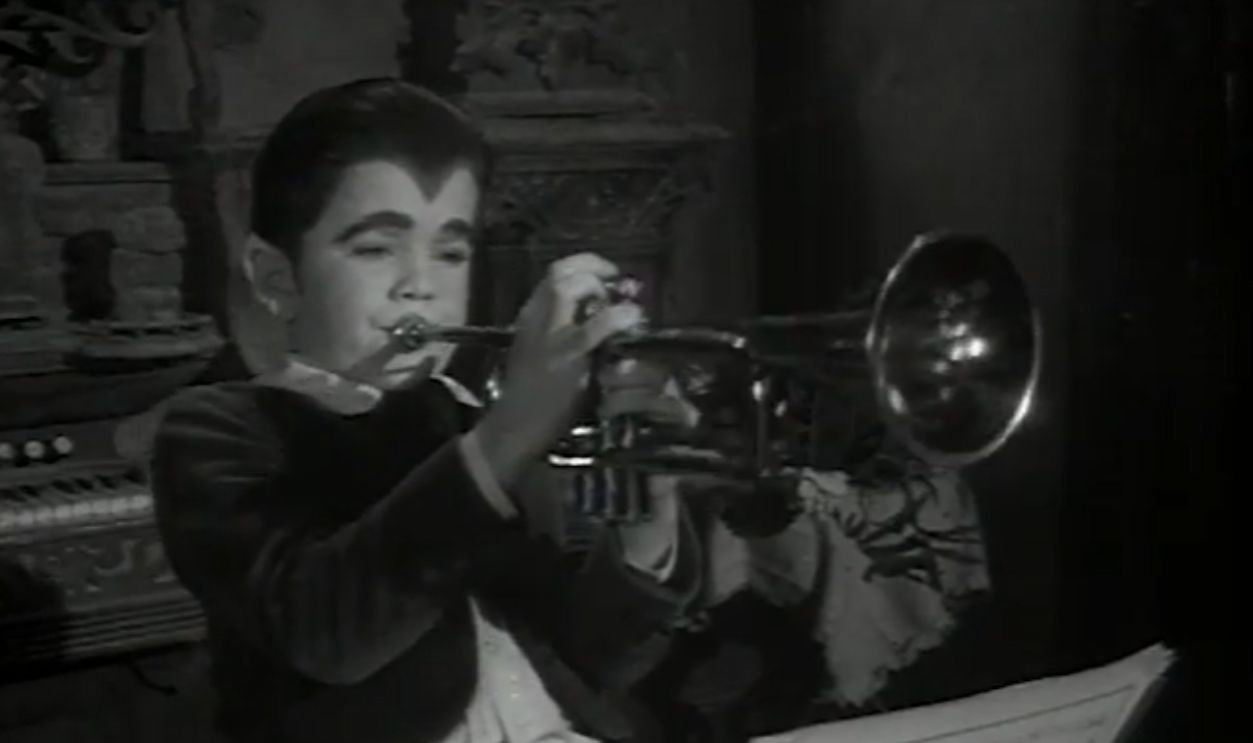 Screenshot from The Munsters, CBS (1964)
Another Boy Played Eddie First
Happy Derman portrayed Eddie in the original unaired presentation for The Munsters. When the series was reworked, producers searched again and ultimately selected Patrick from a large field of young actors. Patrick later recalled that his naturally prominent canine teeth may have helped him look right for the miniature werewolf. The recasting permanently connected his face to the Munster family.
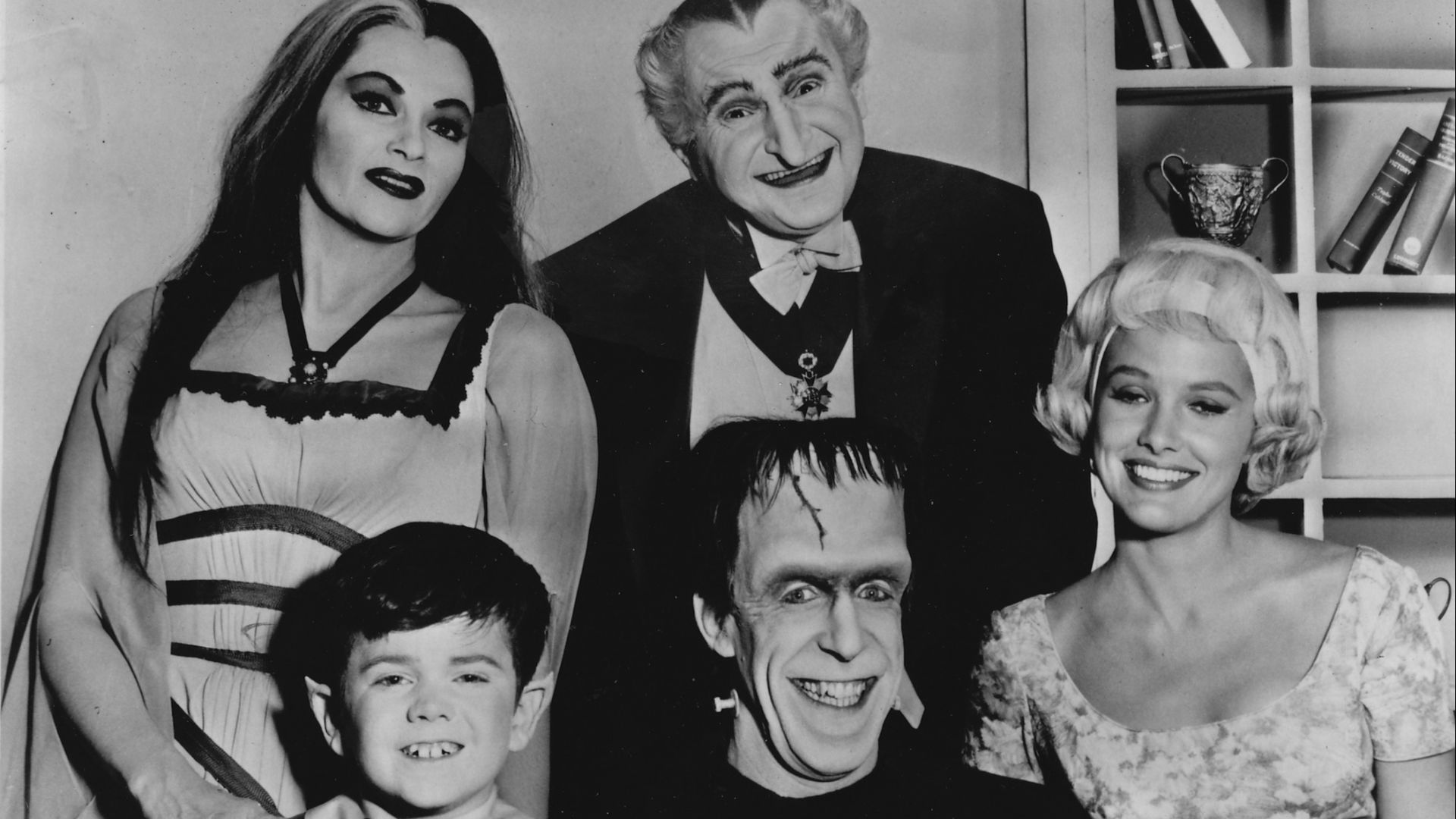 CBS Television Network., Wikimedia Commons
His Size Worked Beside Fred Gwynne
Patrick was noticeably smaller than many of the other boys considered for the role. That difference created a funny visual contrast with Fred Gwynne, whose Herman Munster towered over nearly everyone. Eddie could look tiny beside his enormous father without appearing timid. The size difference helped sell them as an affectionate monster version of the classic sitcom father and son.
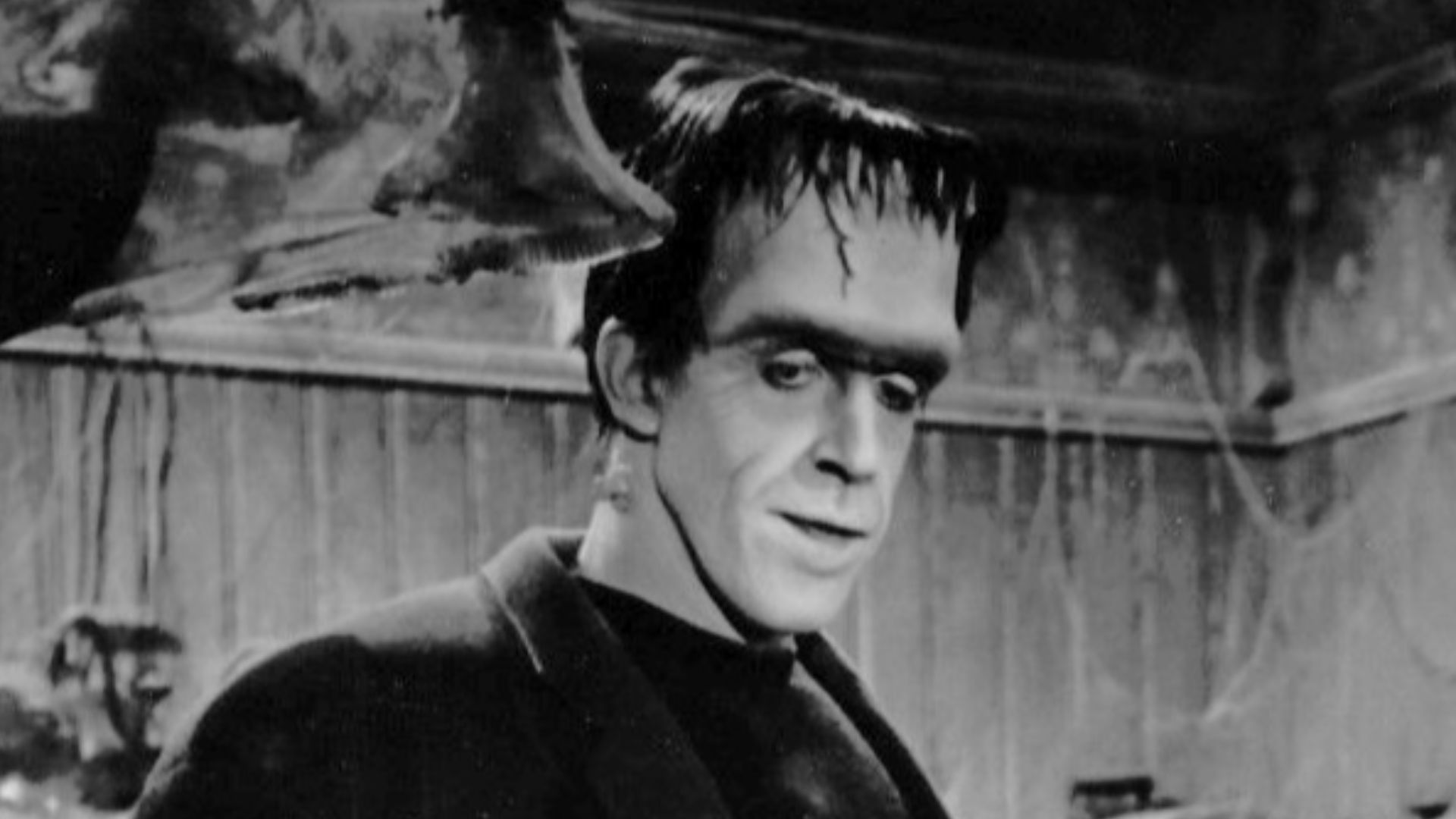 CBS Television, Wikimedia Commons
The Makeup Created An Instant Icon
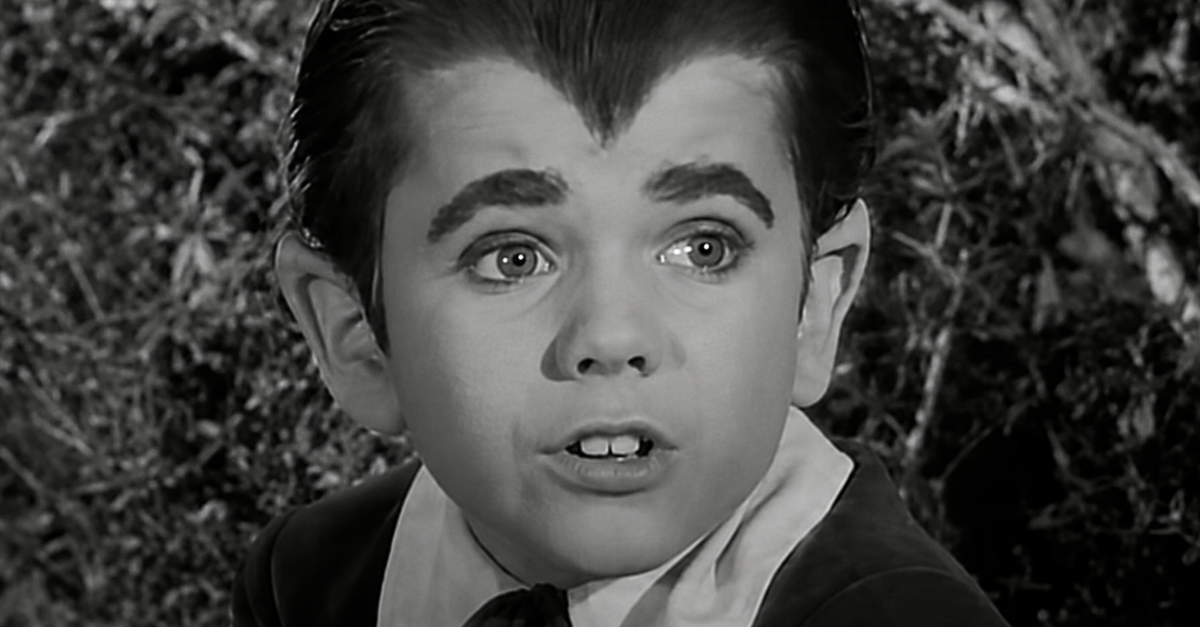
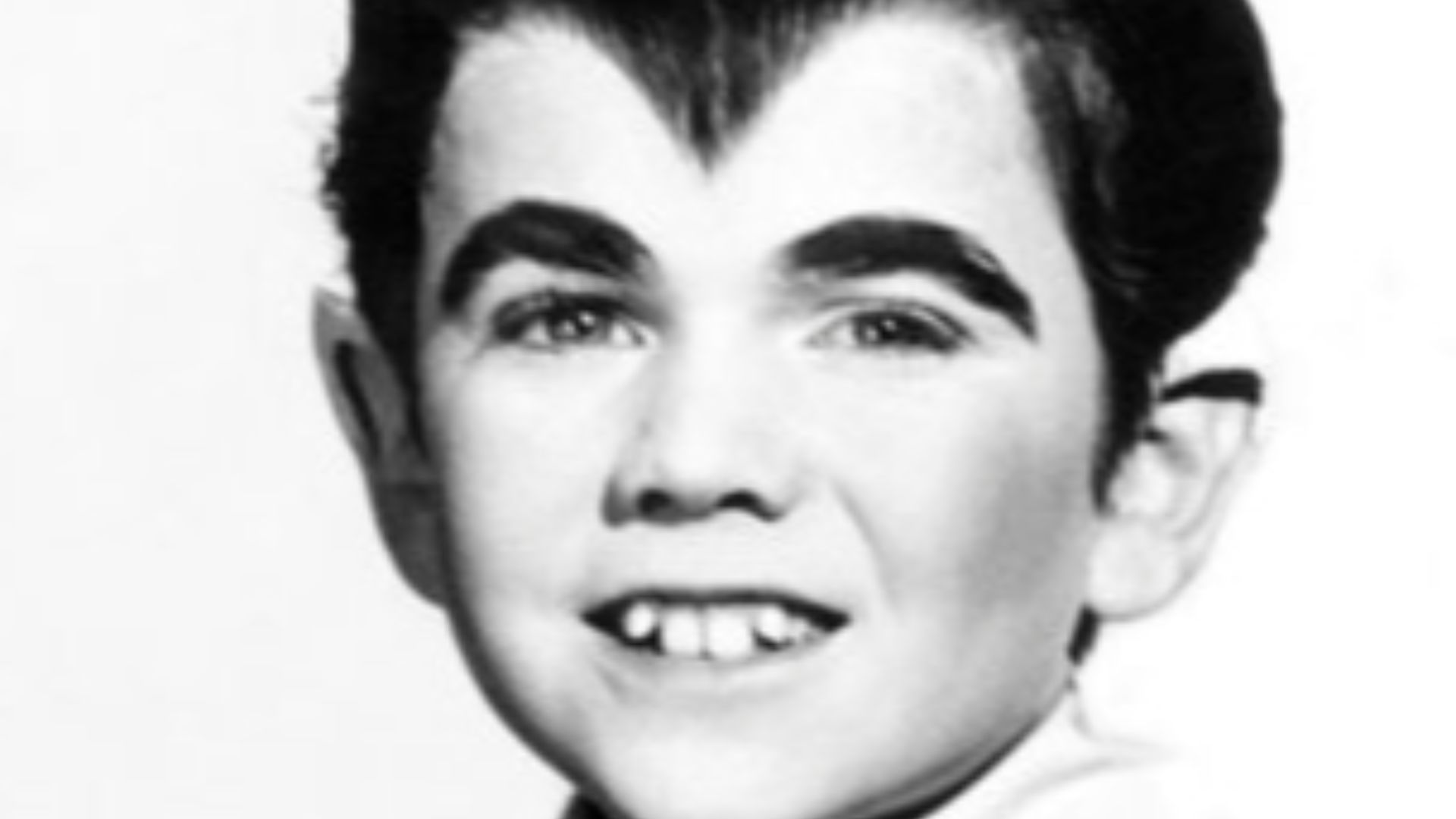
Eddie wore a pointed widow’s peak, furry facial makeup, prominent ears, and a small formal suit. The design made him look like a child-sized werewolf while preserving enough of Patrick’s face for his reactions to remain readable. He was strange enough to belong at 1313 Mockingbird Lane but cute enough to reassure younger viewers. The look became so recognizable that Patrick could never completely leave it behind.
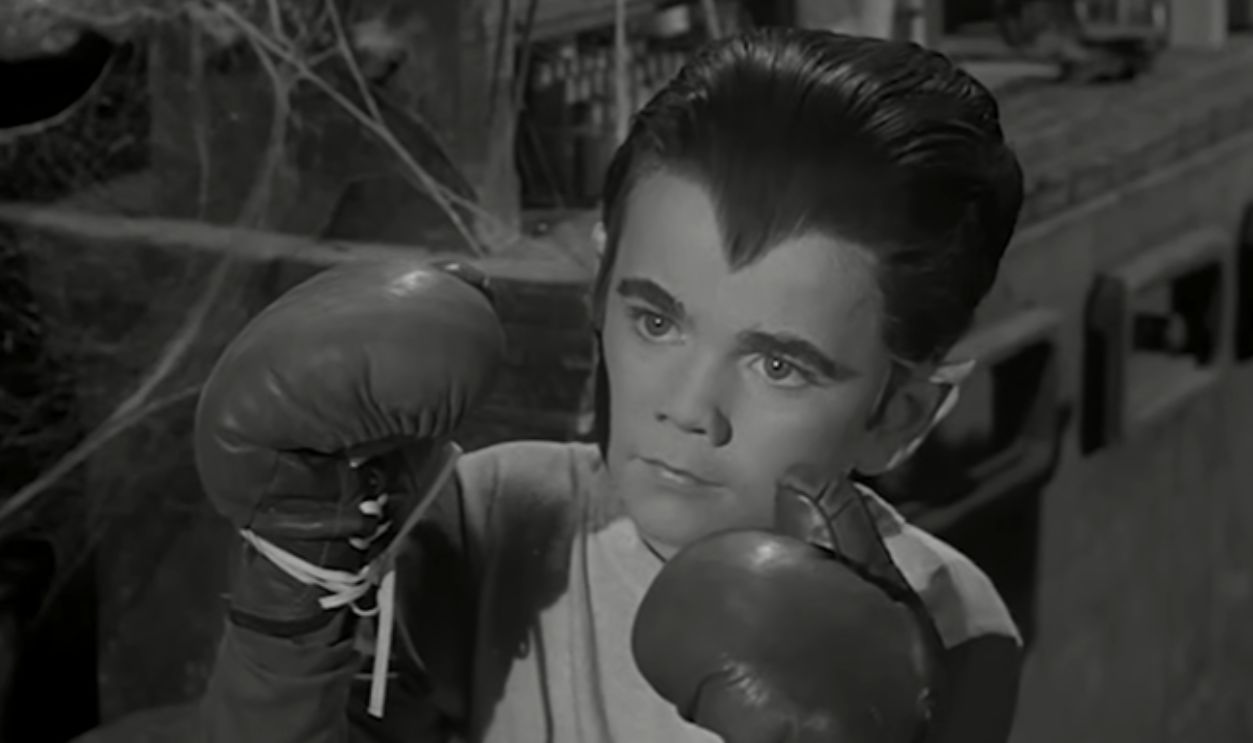 Screenshot from The Munsters, CBS (1964)
The Munsters Treated Monsters Like Neighbors
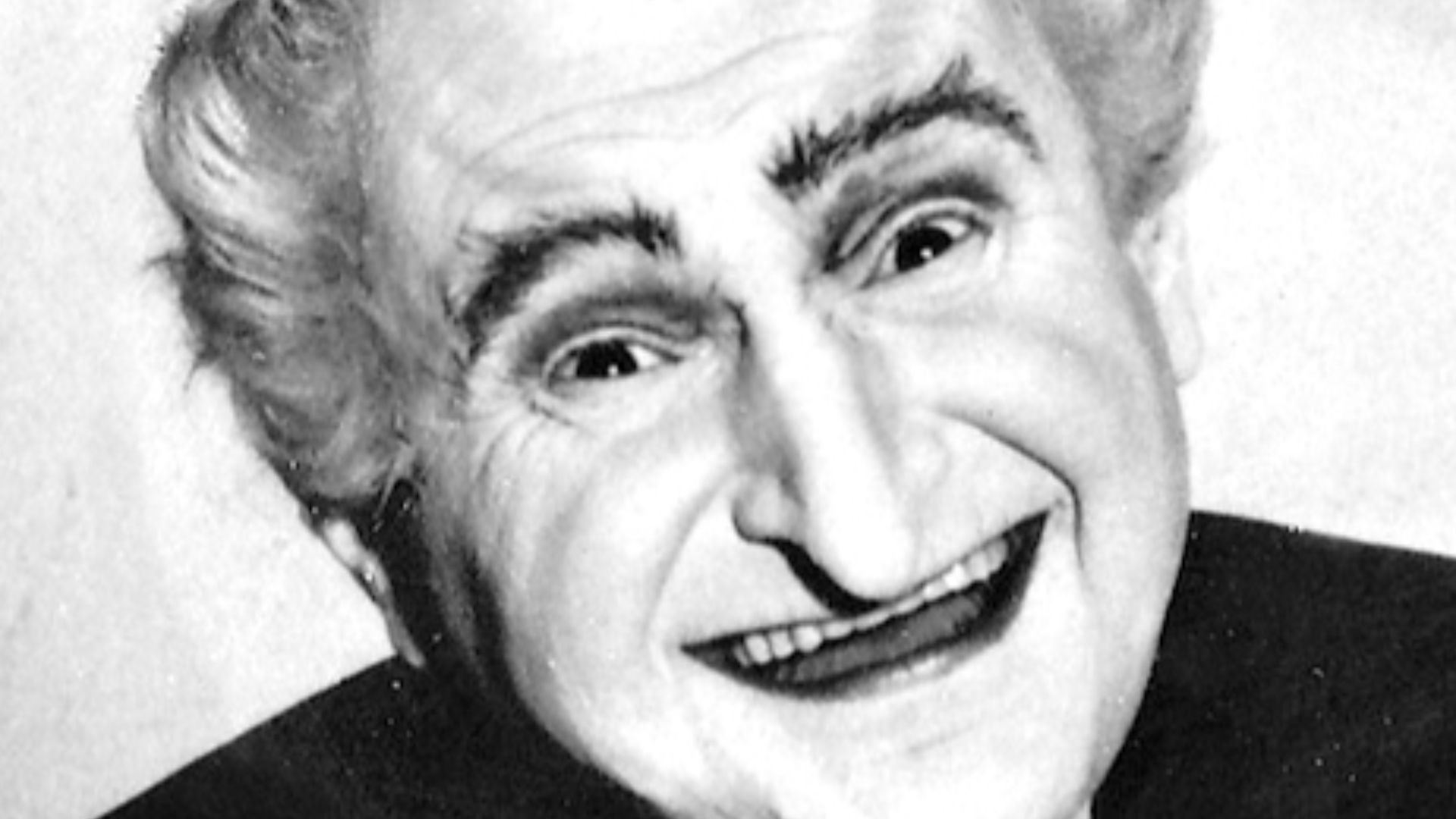
The sitcom placed versions of Frankenstein’s monster, vampires, and a werewolf inside an affectionate suburban family. Herman worked, Lily managed the household, Grandpa caused trouble, and Eddie attended school like an ordinary boy. The joke was that the Munsters considered themselves normal while finding conventional people unusual. Patrick’s matter-of-fact performance was essential because Eddie never seemed surprised by his own family.
 CBS Television Network., Wikimedia Commons
Eddie Was More Than A Costume
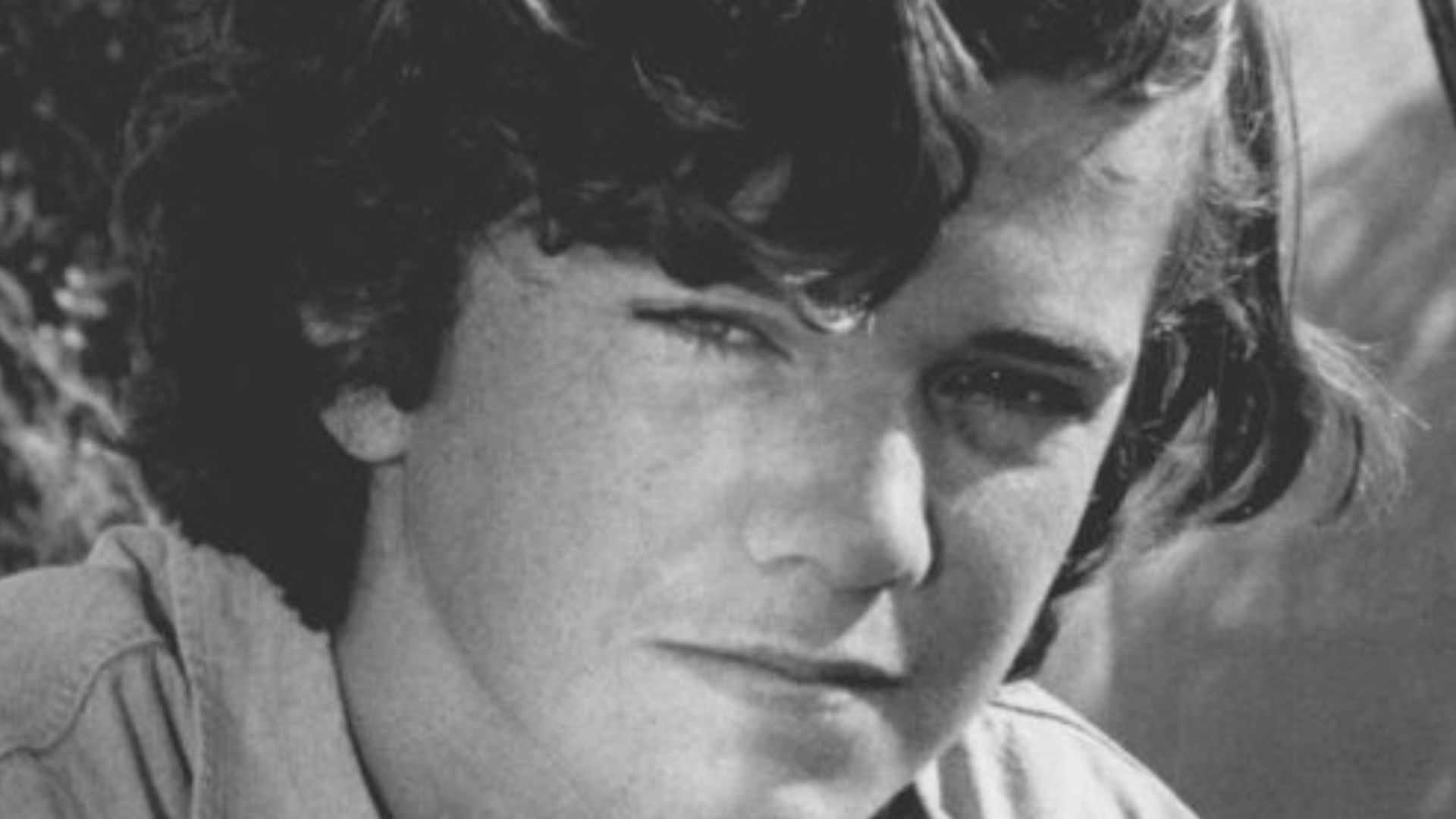
Eddie loved baseball, television, pets, and the approval of his parents. He could be mischievous, embarrassed, frightened, or proud without behaving like a miniature horror villain. Patrick played those emotions directly, allowing children to recognize themselves beneath the monster makeup. Eddie became memorable because he was an ordinary boy living inside an extraordinary visual joke.
 CBS television., Wikimedia Commons
Fred Gwynne Made The Set Feel Safe
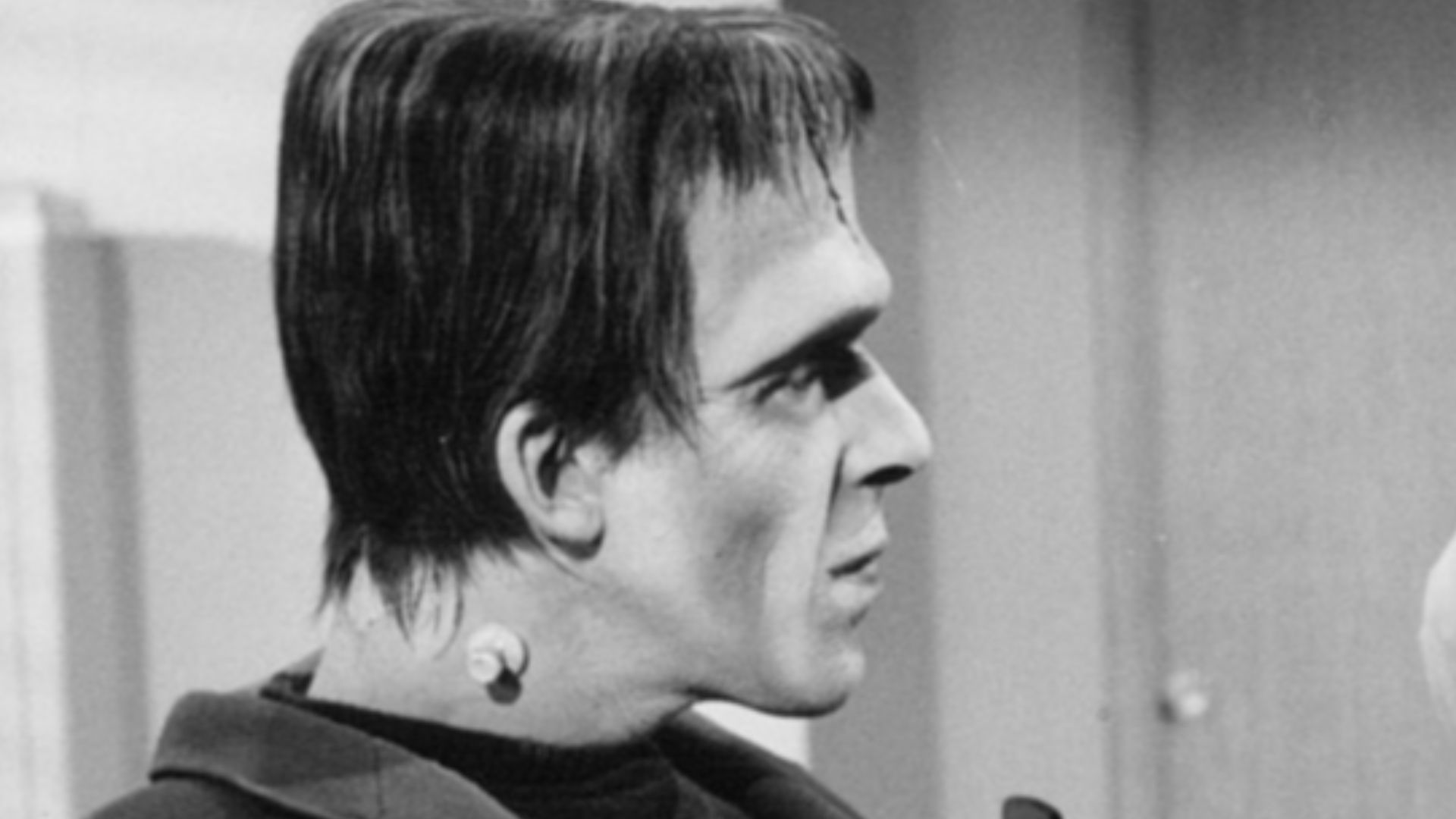
Patrick spent much of the series working beside Gwynne, whose makeup and height made Herman look intimidating. Behind that appearance, Gwynne was an experienced actor who helped establish the family warmth at the heart of the show. Patrick later spoke fondly of his castmates and the unusual production they created together. The believable bond between Eddie and Herman helped prevent the show from becoming a collection of costumes without emotional weight.
 CBS Television, Wikimedia Commons
Yvonne De Carlo Completed The Family Illusion
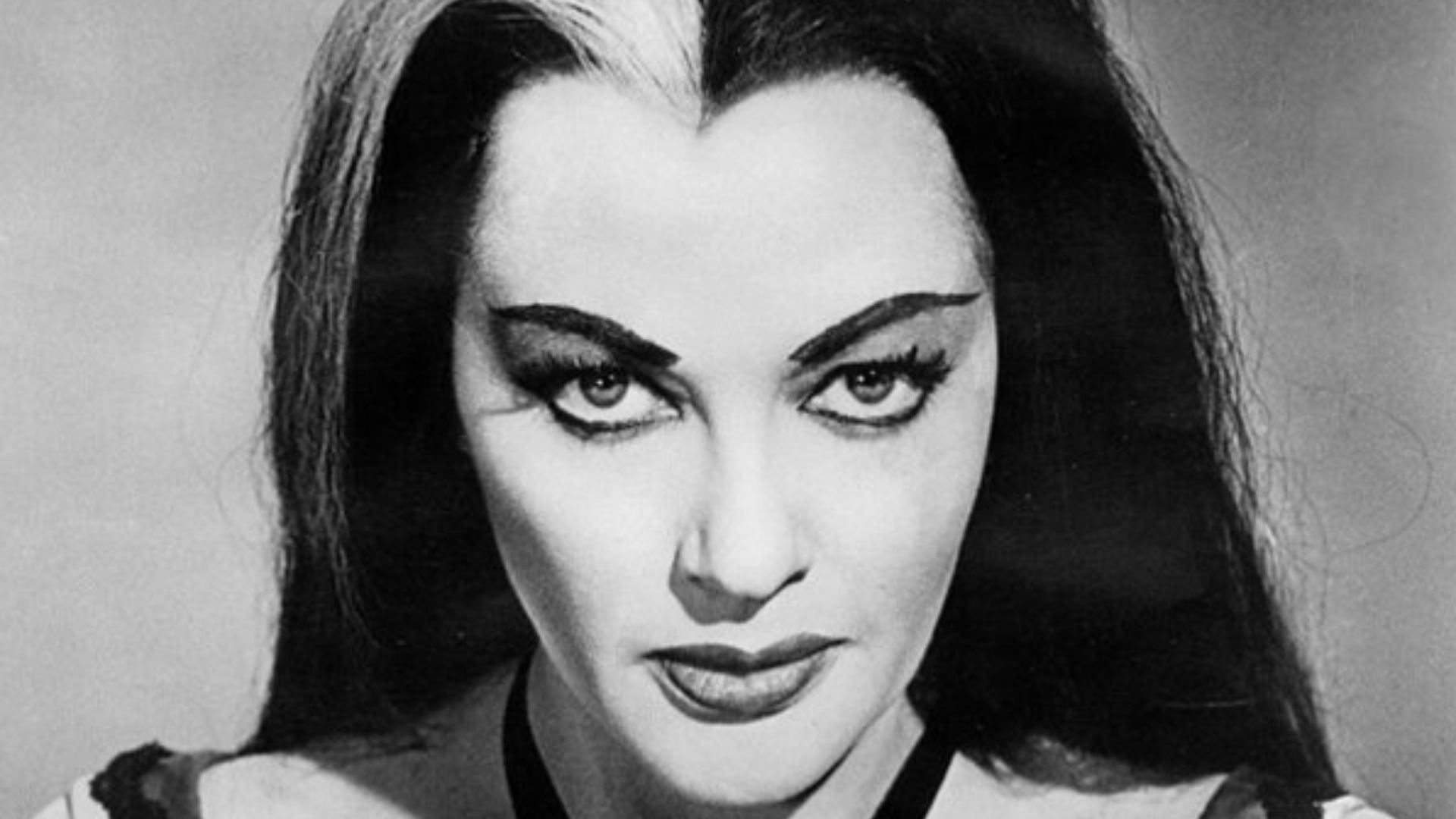
Yvonne De Carlo entered the series with decades of film experience and played Lily as a calm, elegant mother. Her sincerity made Eddie’s home life feel stable even when the household was filled with bats, coffins, and laboratory experiments. Patrick’s scenes with her benefited from the authority of a performer who treated the sitcom seriously. Lily and Eddie looked supernatural, but their relationship remained recognizable as mother and son.
 CBS Television, Wikimedia Commons
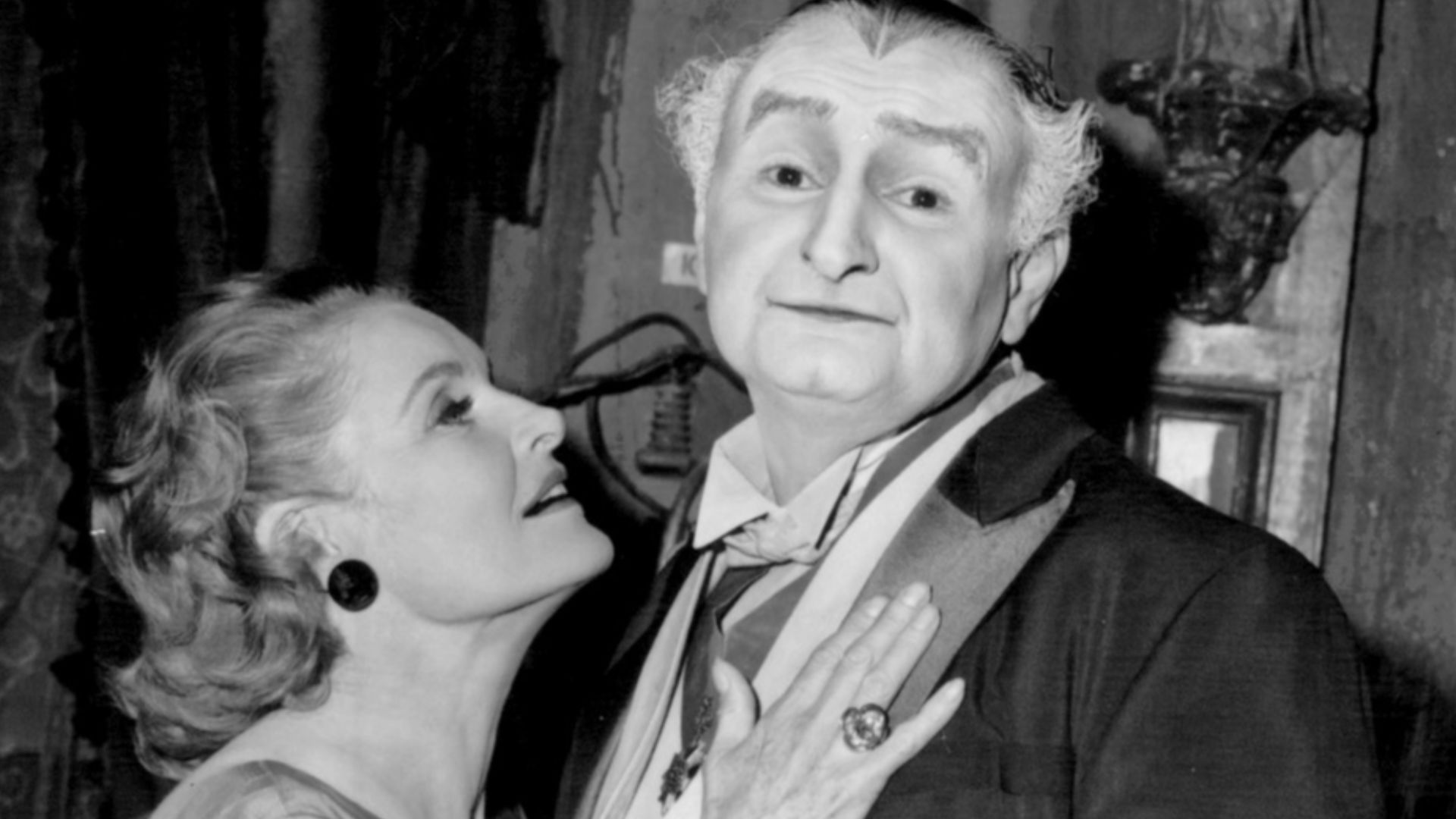
Al Lewis Encouraged The Mischief
Grandpa Munster gave Eddie access to inventions, strange advice, and schemes that sensible adults might have discouraged. Al Lewis’s expansive performance created a natural comic partnership with the younger actor. Eddie could watch Grandpa’s latest plan with fascination while remaining just cautious enough to anticipate disaster. Their scenes strengthened the idea that the Munsters were an affectionate multigenerational family.
 CBS Television, Wikimedia Commons
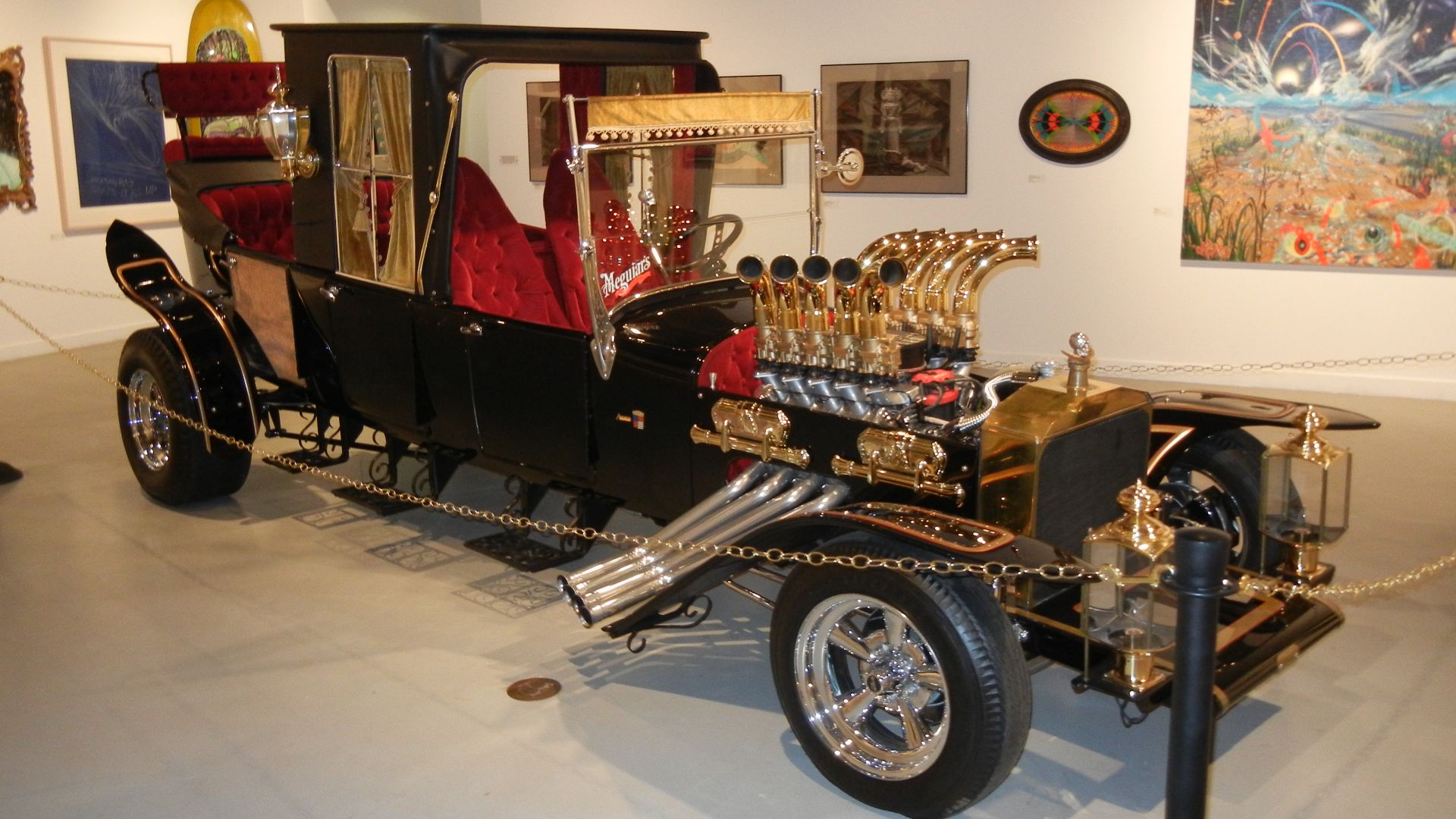
The Munster Koach Became His Favorite Perk
Patrick has said that episodes featuring the Munster Koach were especially exciting because he loved the vehicle and filming it brought the cast outdoors. Most of the series was produced on a dark soundstage, while car scenes offered a welcome change of environment. Eddie’s elevated seat also gave Patrick a memorable view during filming. Decades later, his enthusiasm for the Munster vehicles became a major part of his connection with fans.
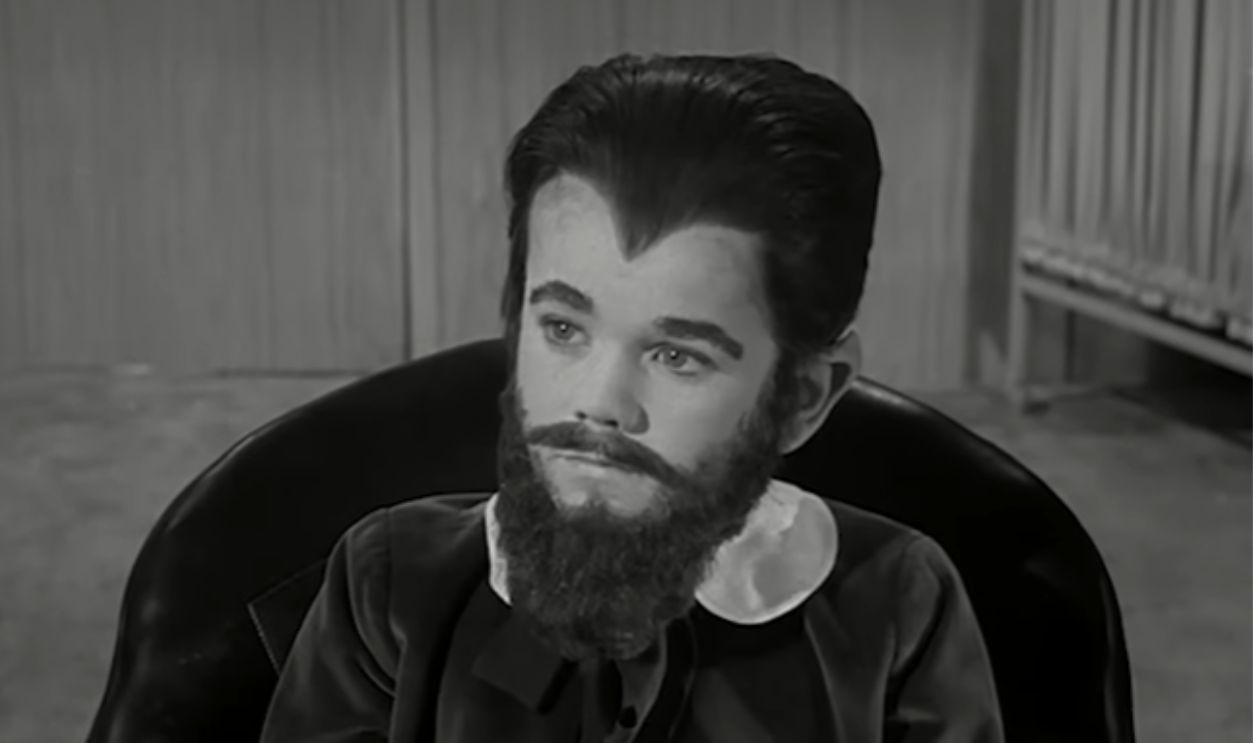
Two Seasons Were Enough
The Munsters aired on CBS from 1964 to 1966 and produced 70 episodes. Its original run was brief compared with many classic sitcoms, yet the family’s appearance made the show unusually easy to market and remember. Patrick played Eddie throughout both seasons after replacing the actor from the original presentation. The program ended while he was still young enough to have most of his childhood ahead of him.
 Screenshot from The Munsters, CBS (1964)
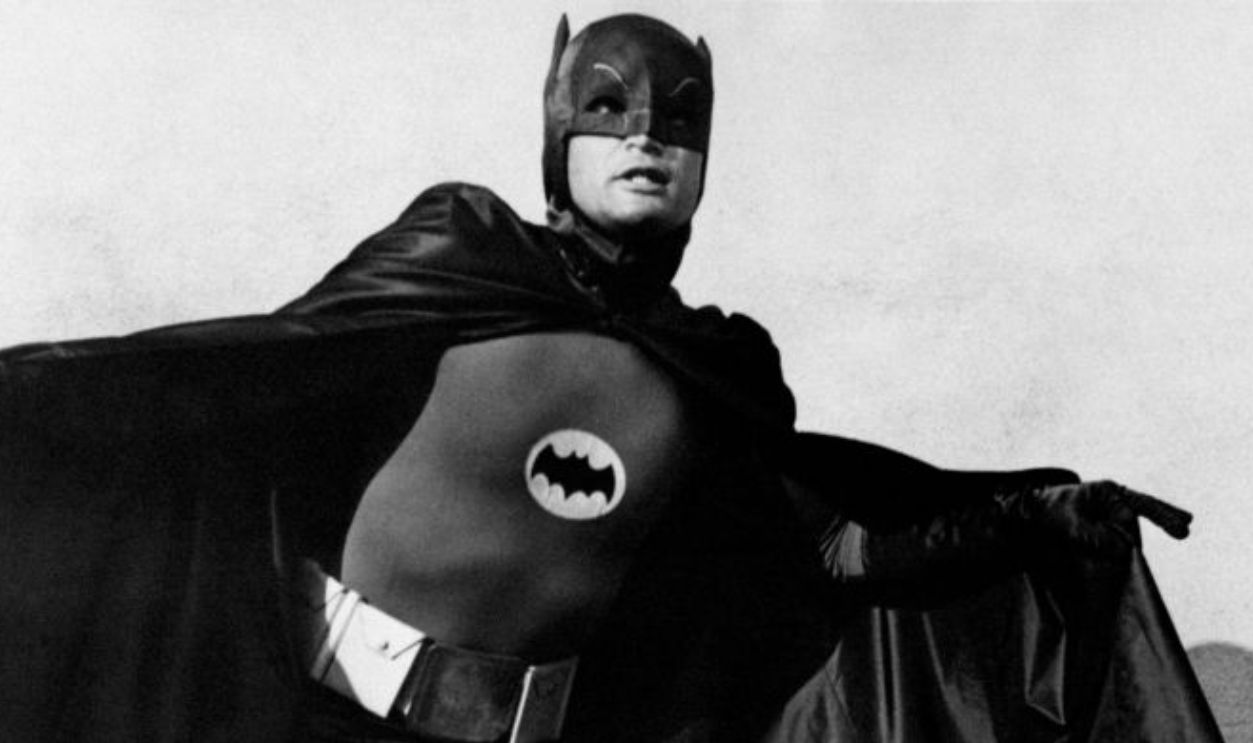
Batman Helped Push The Family Aside
Patrick later connected the show’s declining ratings with the arrival of ABC’s bright, fast-moving Batman. The superhero series became a major television event and competed for the same young viewers attracted to the Munsters’ comic-book energy. CBS canceled The Munsters after its second season. The family disappeared from first-run television just as Patrick was becoming permanently associated with Eddie.
 Mondadori Portfolio, Getty Images
The Movie Gave Eddie One More Adventure
Patrick reprised the role in the 1966 feature Munster, Go Home!. The film moved the family into a larger story and presented the characters in color after two black-and-white television seasons. Eddie’s familiar makeup and personality survived the transition to the big screen. The movie became the first major sign that The Munsters might continue beyond its canceled series.
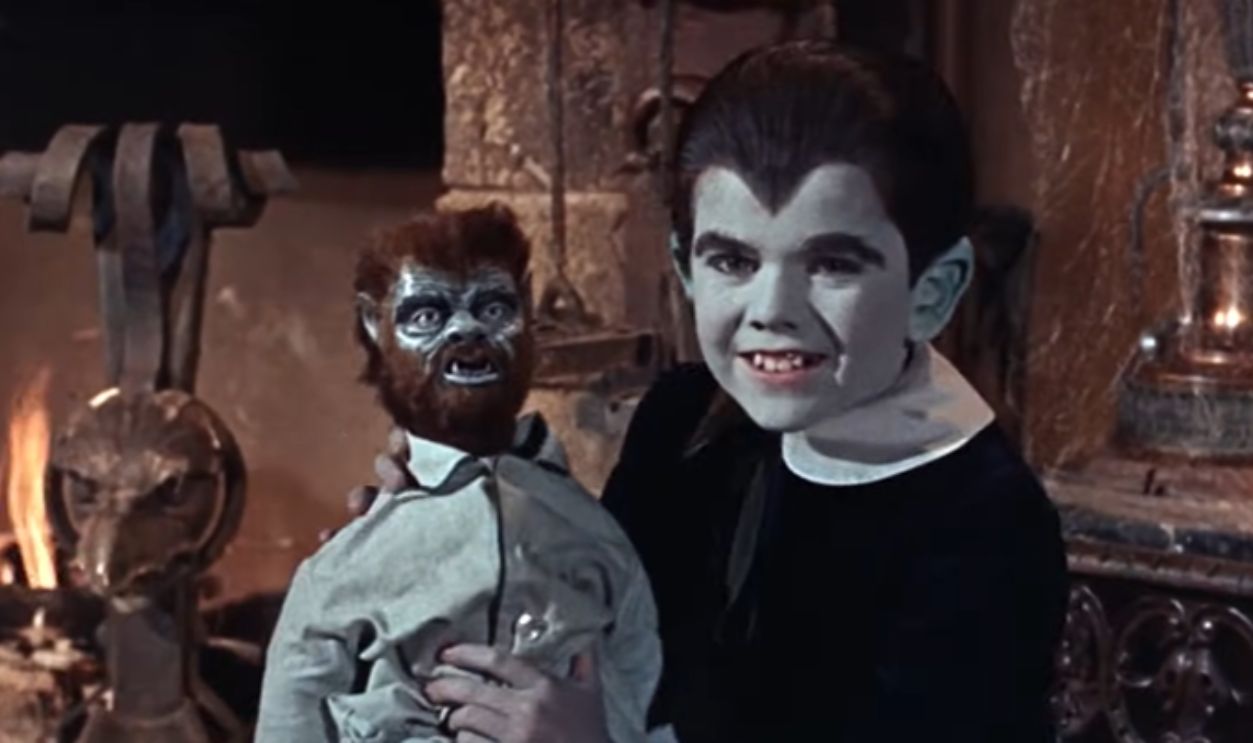 Screenshot from Munster, Go Home!, Universal Pictures (1966)
He Kept Acting After Mockingbird Lane
Patrick continued appearing in television after the sitcom ended. His credits included I Dream of Jeannie, The Monkees, Gunsmoke, Daniel Boone, and a recurring role on My Three Sons. Those parts proved that he could still work without Eddie’s pointed hairline and formal suit. None of them, however, erased the character that viewers recognized immediately.
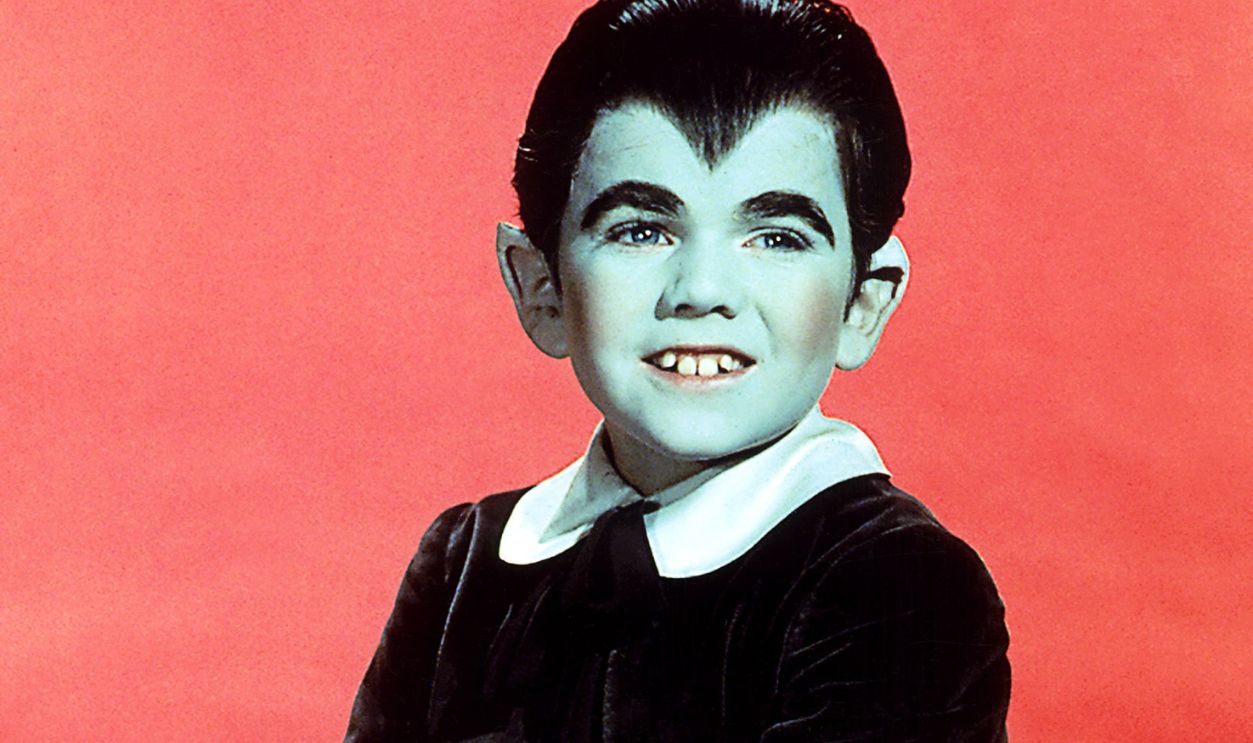 Silver Screen Collection, Getty Images
The Phantom Tollbooth Gave Him Another Lead
Patrick played Milo in the live-action and animated adaptation of The Phantom Tollbooth. The production was filmed in the late 1960s but did not reach theaters until 1970. Milo allowed him to lead another fantasy story without repeating Eddie Munster. The delayed release limited its ability to create a completely new public identity for him.
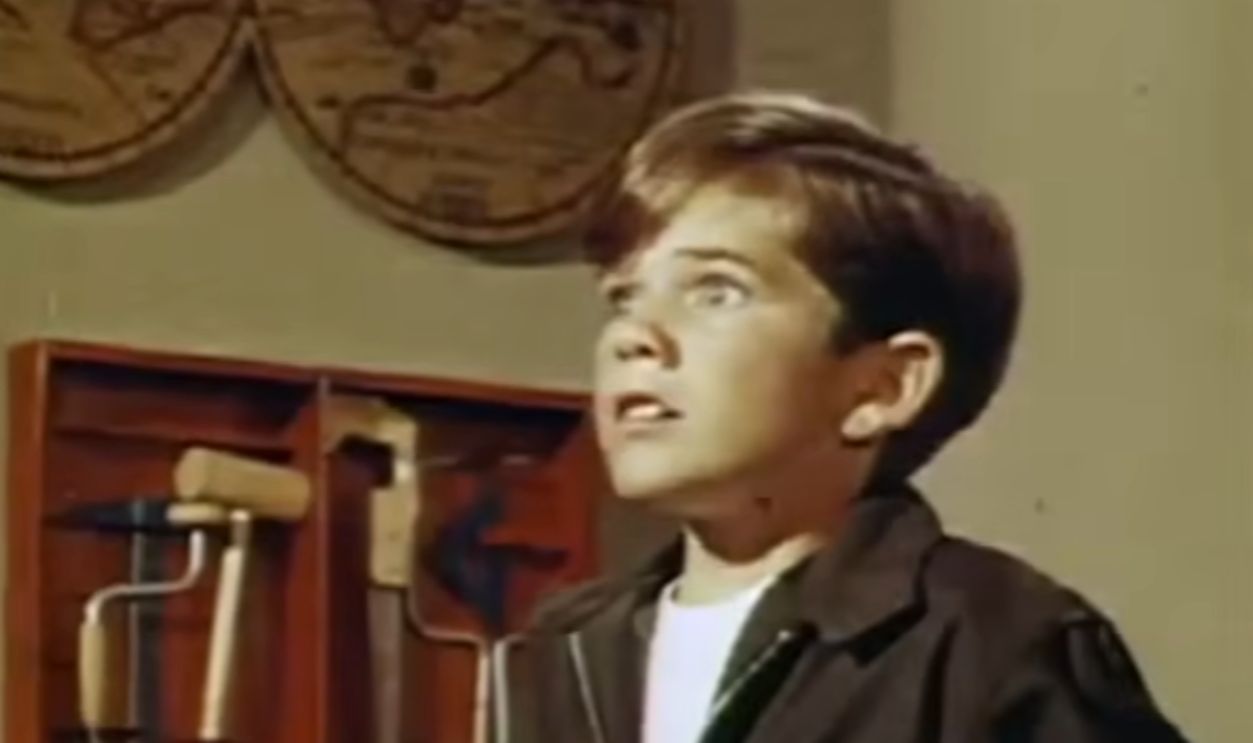 Screenshot from The Phantom Tollbooth, MGM (1970)
Lidsville Returned Him To Fantasy
In 1971, Patrick starred as Mark in Lidsville, created by Sid and Marty Krofft. The series followed a boy transported into a surreal land inhabited by living hats and featured Charles Nelson Reilly and Billie Hayes. Once again, Patrick became the ordinary young hero navigating an extravagant fantasy world. The show extended his career but also kept him connected to the kind of strange children’s entertainment audiences already associated with Eddie.
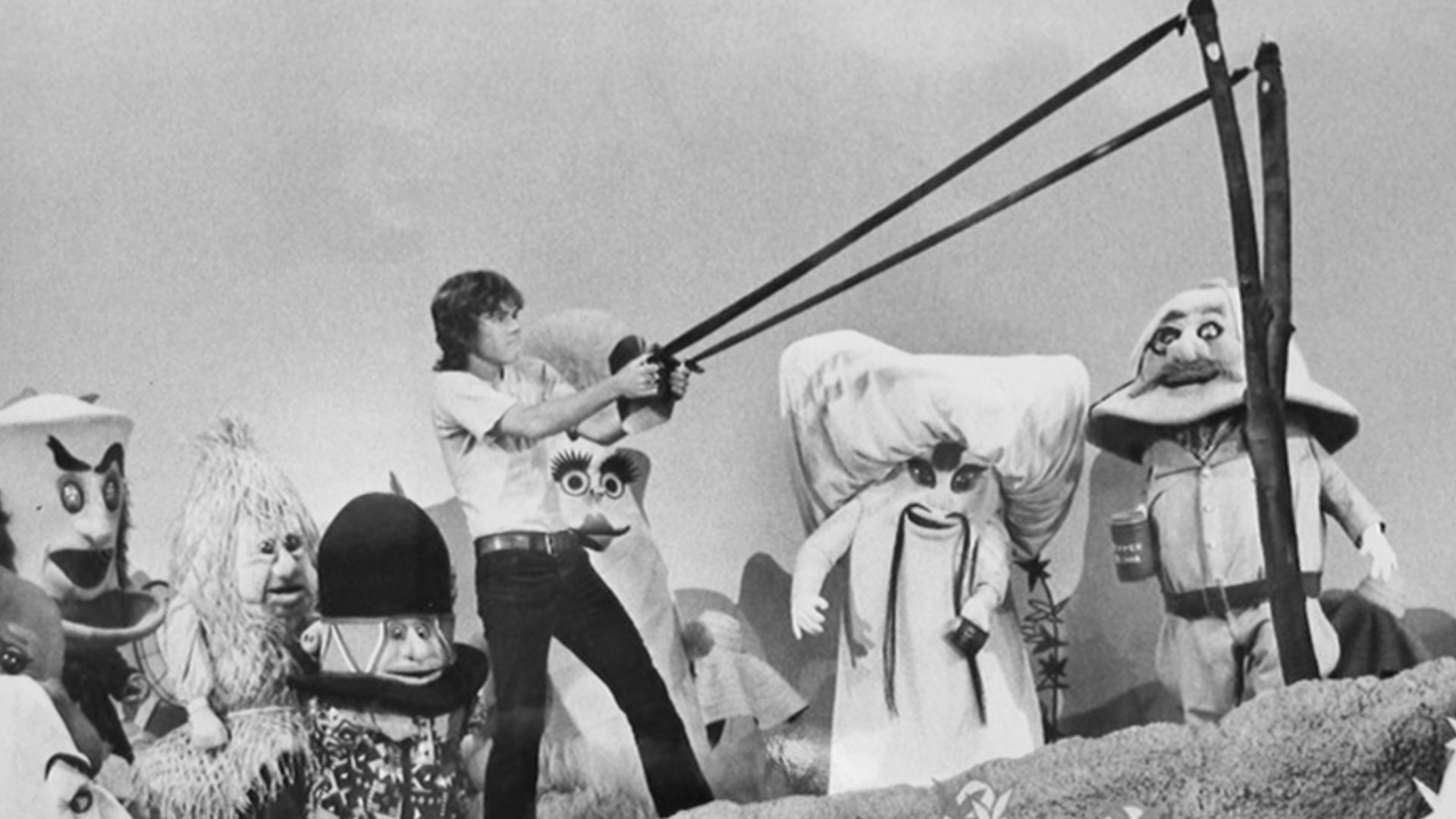 ABC television., Wikimedia Commons
He Eventually Walked Away From Acting
Patrick left regular acting in 1975 and went to work for his father. The decision moved him away from auditions and production schedules after spending much of his childhood and adolescence in entertainment. He also developed musical interests and learned to play bass. Leaving Hollywood did not end his public identity because reruns were keeping Eddie visible without him.
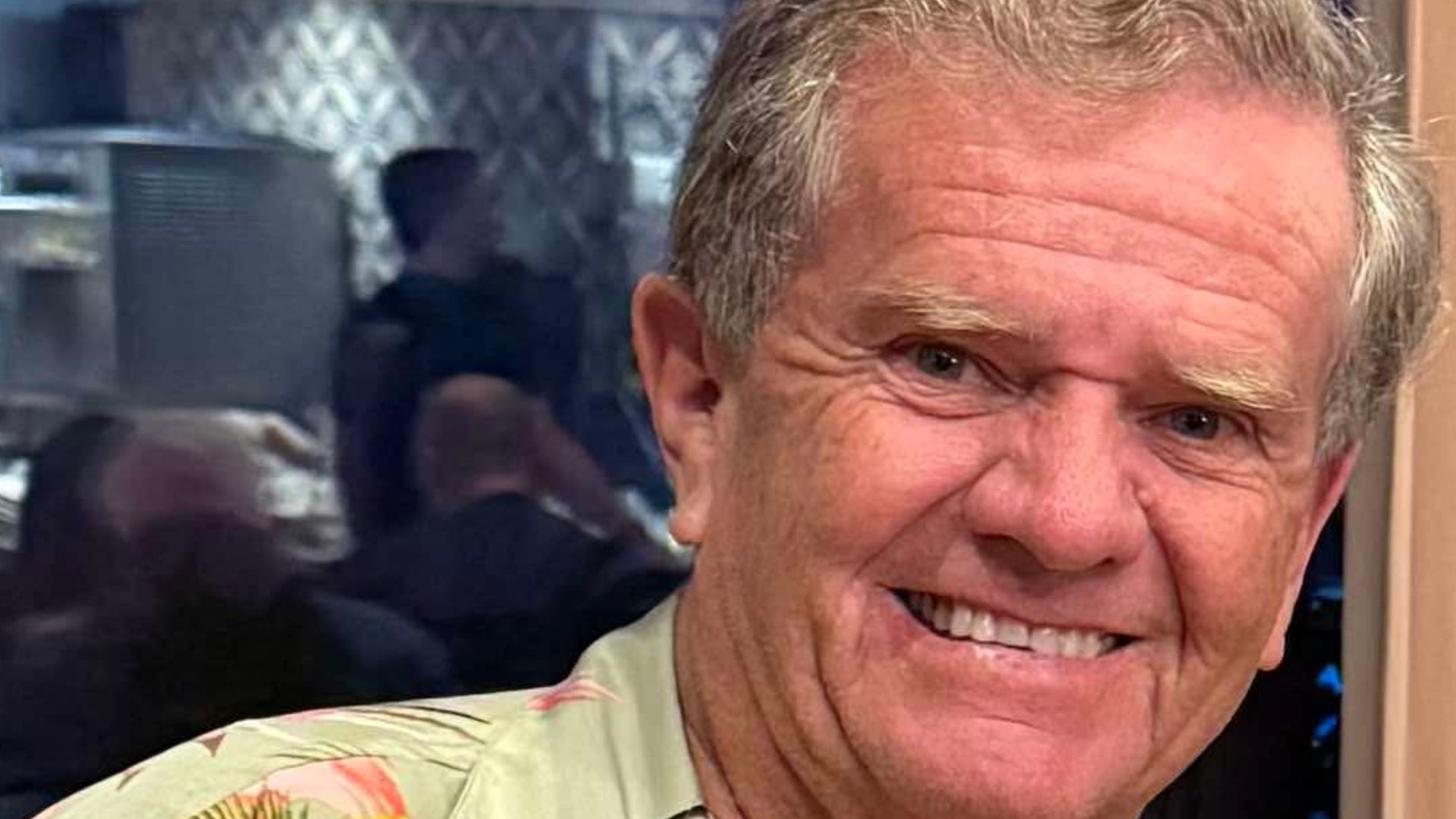
Reruns Created A Second Childhood For Eddie
Although the original series had lasted only two seasons, syndication repeatedly introduced it to new viewers. Children discovered Eddie years or even decades after Patrick had stopped playing him. The actor could grow older, change careers, and leave Hollywood, while his 11-year-old television image remained frozen on screens. That separation between the adult and his endlessly young character created the strange afterlife of his fame.
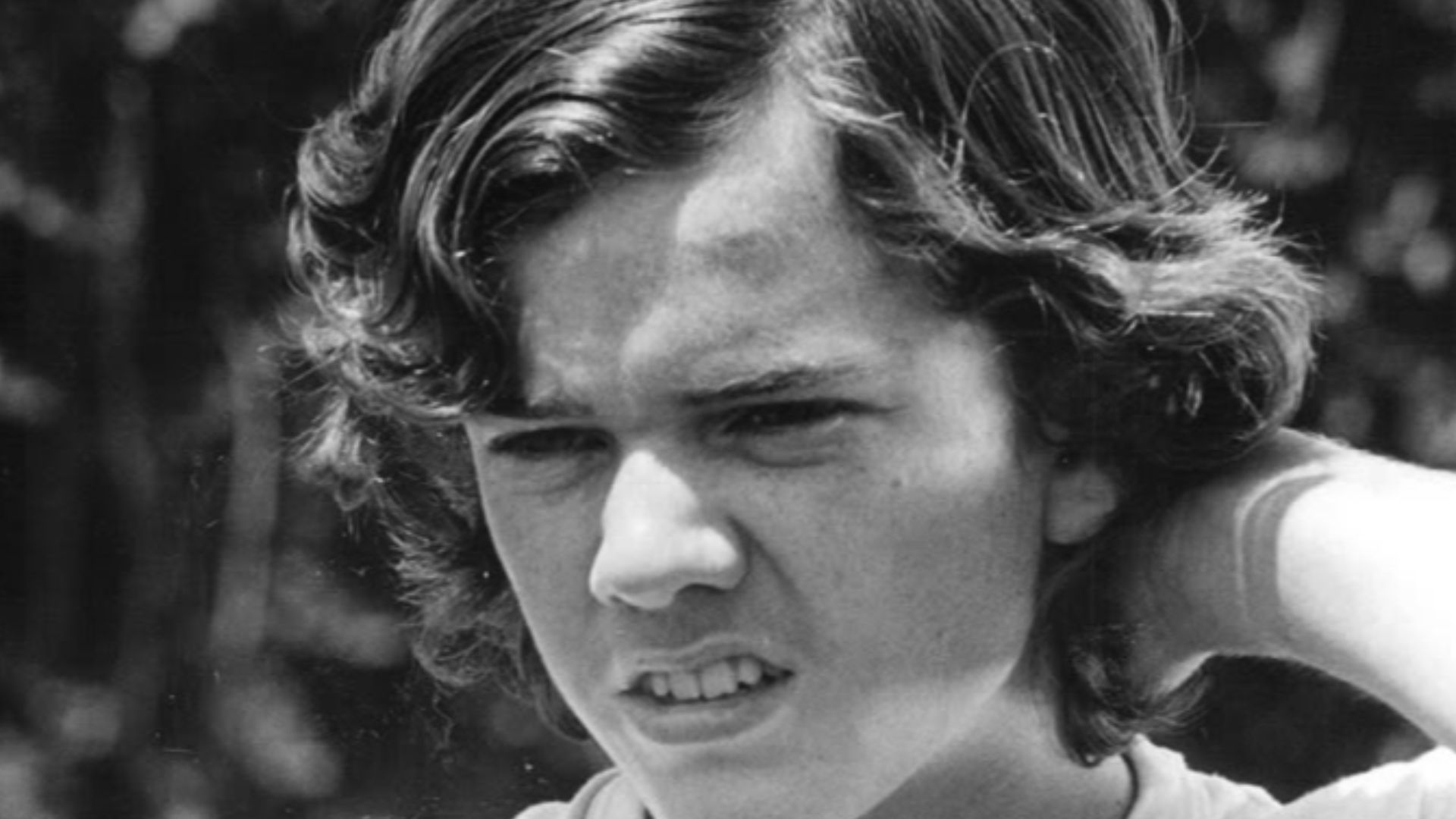
Fans Treated Him Like An Old Friend
Patrick has described meeting viewers who regarded the Munsters as an imaginary family they had visited after school. Others told him they had wanted Eddie as a best friend, and some displayed permanent tattoos inspired by the character. Those reactions showed that the series had become emotionally important in ways its young cast could not have predicted. Patrick was not merely meeting people who remembered a show because he was meeting adults carrying pieces of their childhood.
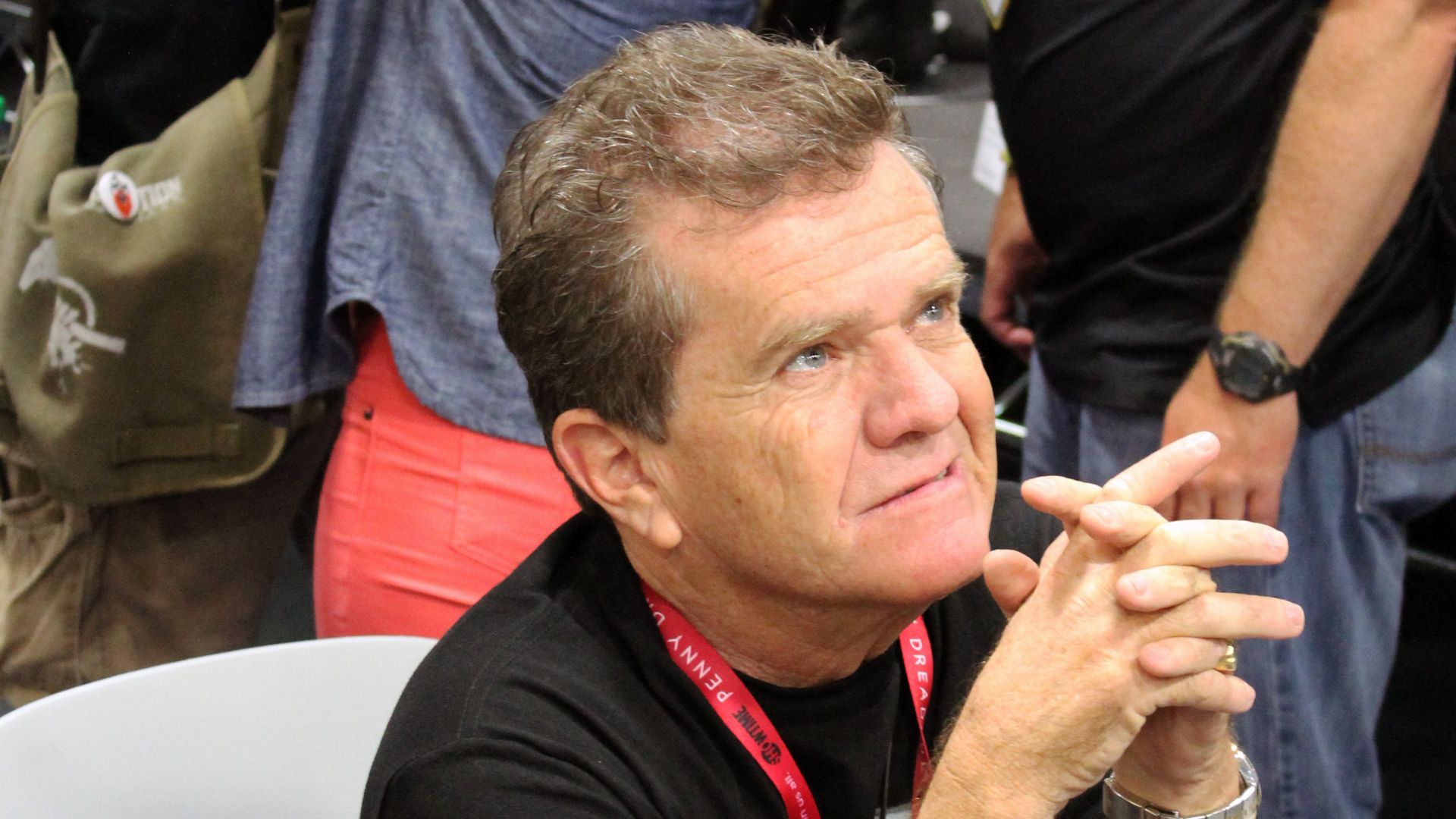 Nehrams2020, Wikimedia Commons
Music Let Him Joke About His Past
In the 1980s, Patrick recorded “Whatever Happened to Eddie?” with a group called Eddie and the Monsters. The song played with his television identity rather than pretending the role had never existed. He later released another novelty track connected to Halloween. Music became one way to control the joke and turn typecasting into something playful.
 Screenshot from Whatever Happened to Eddie?, Rocshire Records (1983)
Cameos Turned Typecasting Into A Career
Patrick eventually returned for appearances that acknowledged his former-child-star status. He appeared in projects including Here Come the Munsters, Dickie Roberts: Former Child Star, and a commercial that imagined a grown Eddie. These roles did not ask audiences to forget his past because recognition was the entire point. The work transformed a casting limitation into a durable specialty.
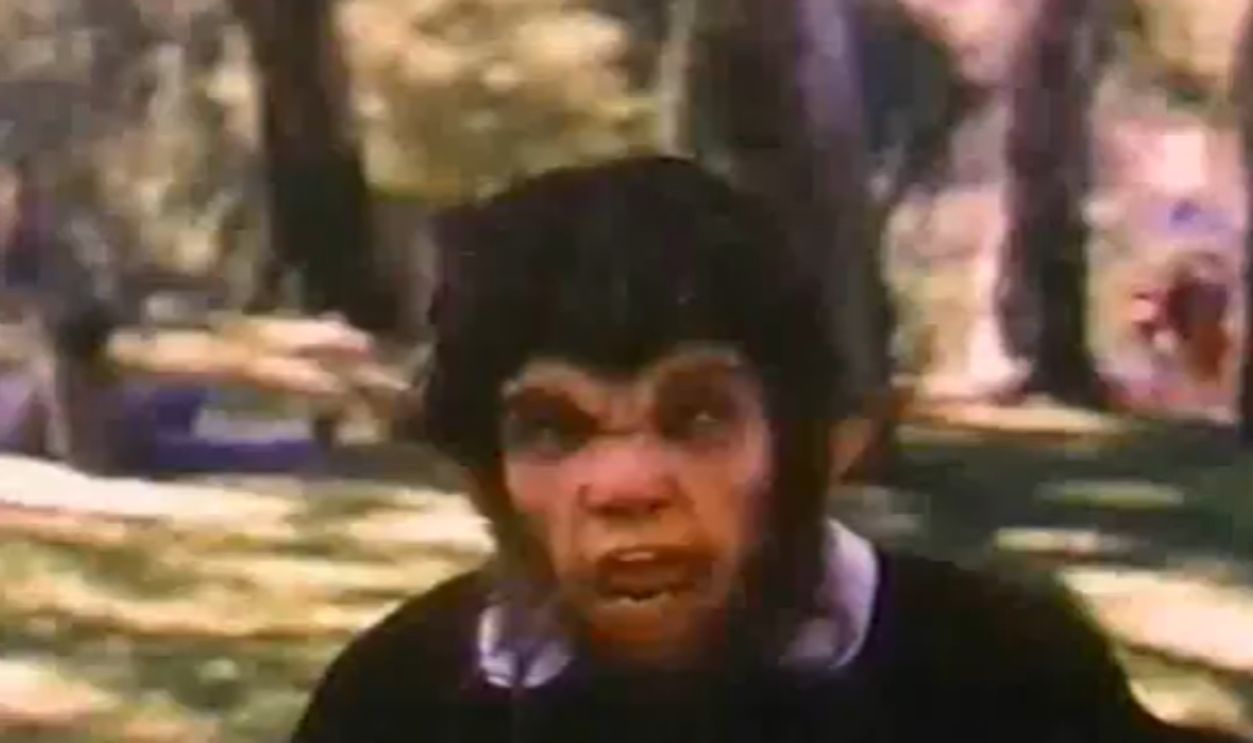 Screenshot from Here Come The Munsters, Fox Network (1995)
The Monster Cars Became A Traveling Legacy
Patrick acquired replicas and memorabilia connected to the Munster Koach and Drag-U-La. He began bringing the vehicles to conventions, car shows, and public appearances, where they drew attention even before fans knew who had arrived with them. Patrick joked that unloading a Munster Koach in an empty parking lot could attract a crowd. The cars gave his nostalgia work a spectacular physical centerpiece.
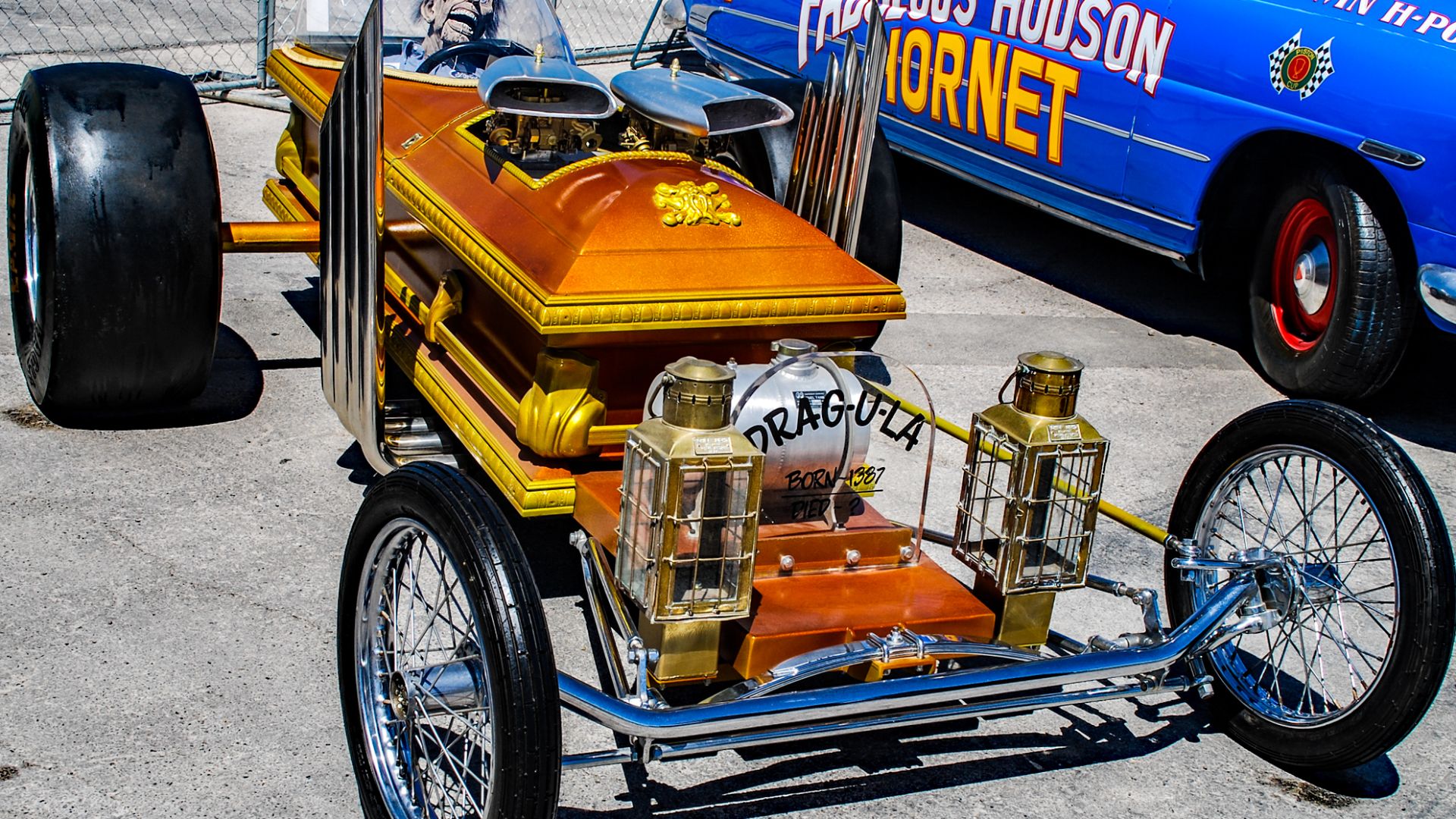 Tomás Del Coro from Fabulous Las Vegas, Nevada, USA, Wikimedia Commons
Addiction Complicated The Nostalgia
Patrick has spoken openly about decades of alcohol and drug use after his childhood fame. He described partying as a way to feel accepted, even as repeated attempts to change failed to become lasting commitments. The cheerful child preserved in reruns existed beside an adult life that was becoming increasingly difficult. His story complicated the comforting assumption that cult fame automatically produces an easy or glamorous adulthood.
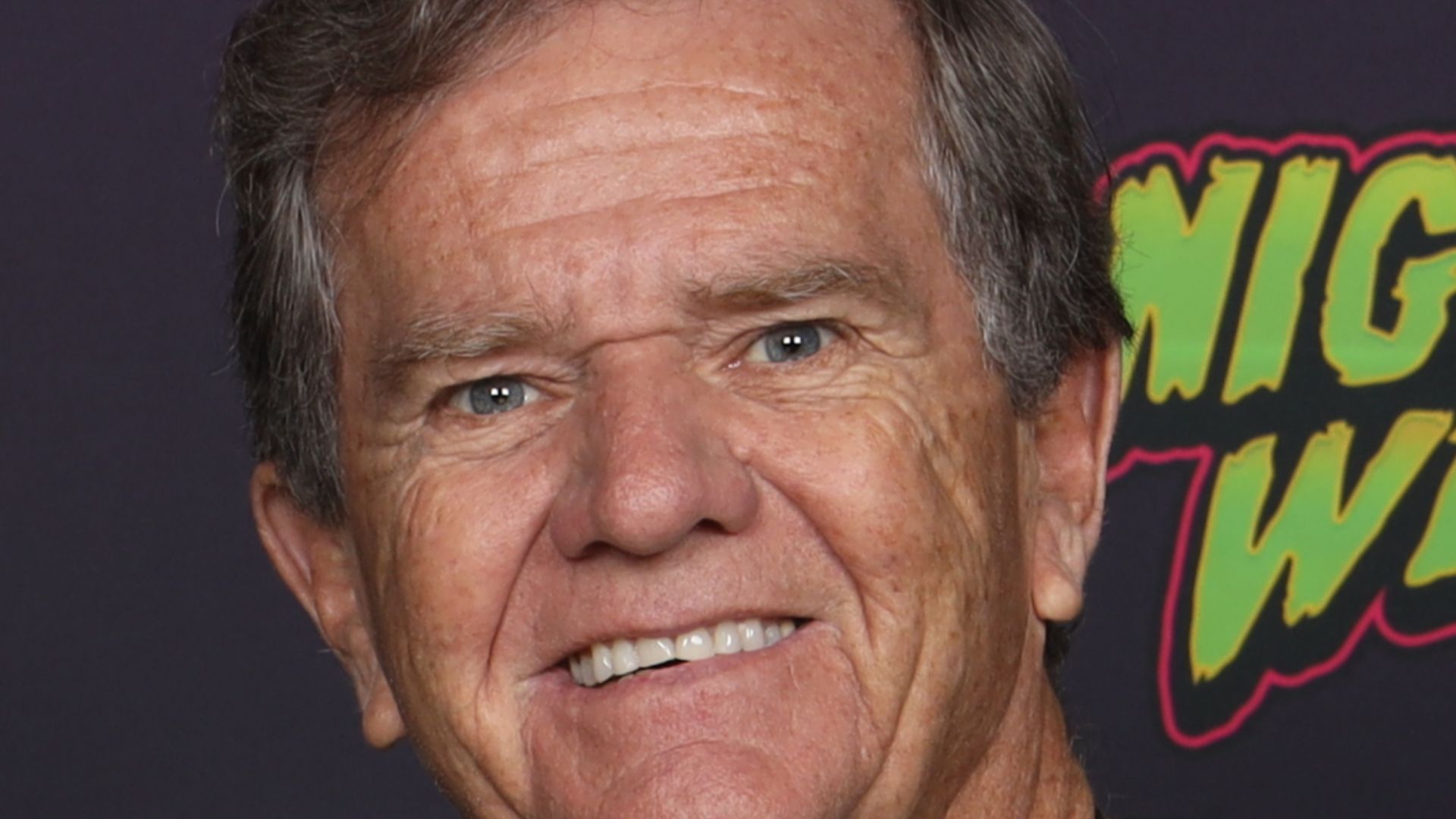 Super Festivals from Ft. Lauderdale, USA, Wikimedia Commons
Sobriety Changed The Direction Of His Life
Patrick entered rehabilitation in 2010 and committed himself to sobriety. He later said that his life improved quickly and that helping other people became part of maintaining his own recovery. Instead of presenting sobriety as a loss of fun, he described gaining friendships, stability, and purpose. The change allowed him to approach his unusual legacy with greater control.
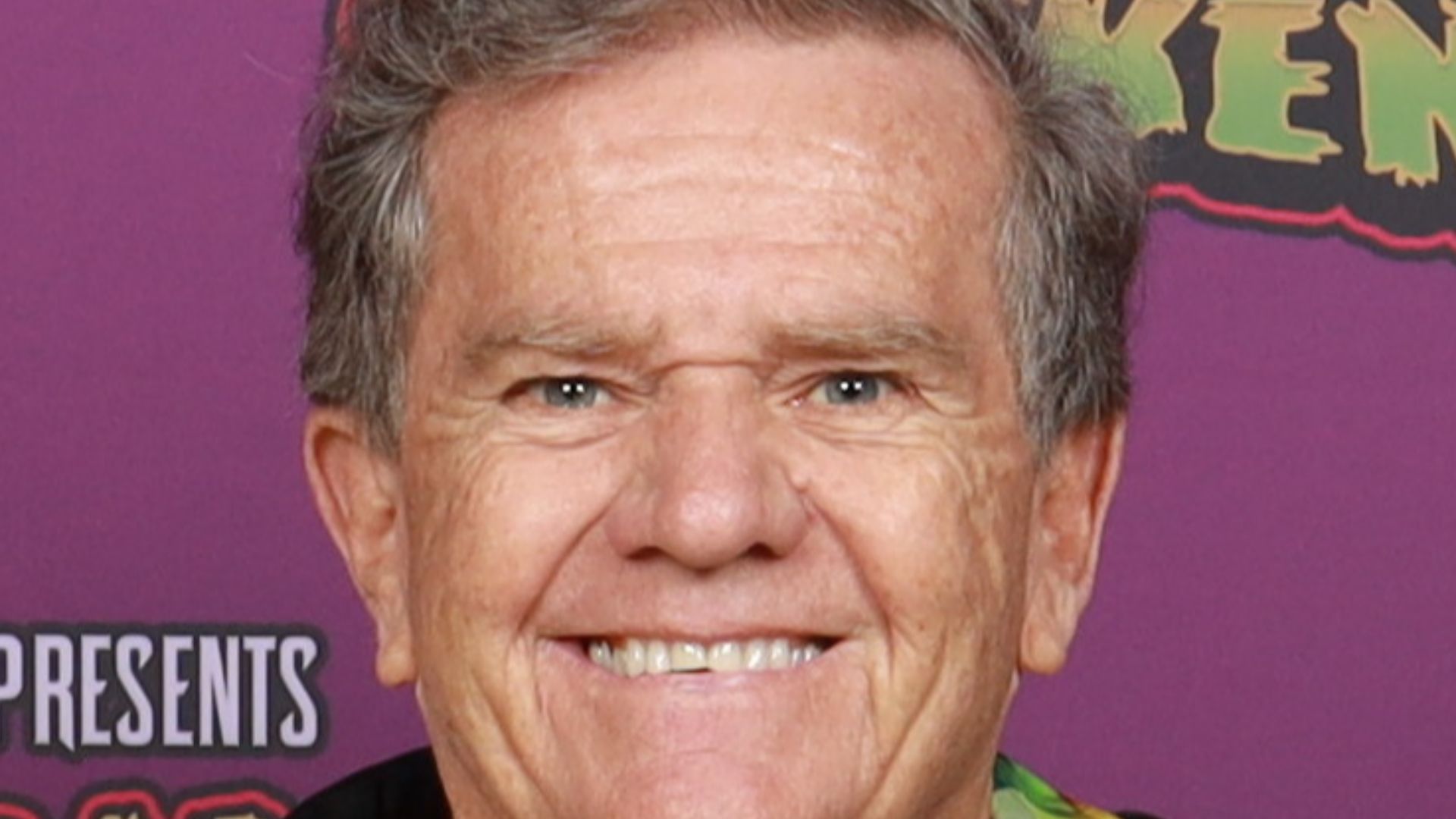 Super Festivals from Ft. Lauderdale, USA, Wikimedia Commons
Cancer Arrived During His Recovery
Only months into sobriety, Patrick learned that he had prostate cancer. He received treatment and later reported a clean bill of health. The timing forced him to confront another major crisis just as he was rebuilding his life. His recovery from both illness and addiction added a more serious dimension to the cheerful convention appearances that followed.

Rob Zombie Brought Him Back Into The Family
Patrick joined Rob Zombie’s 2022 film version of The Munsters as the voice of the Tin Can Man. The robot had originated as one of Eddie’s creations in the old series, making the casting an affectionate reference to Patrick’s history. He was not asked to recreate Eddie as an older man. Instead, the cameo placed him inside a new interpretation while acknowledging the child who helped make the property famous.
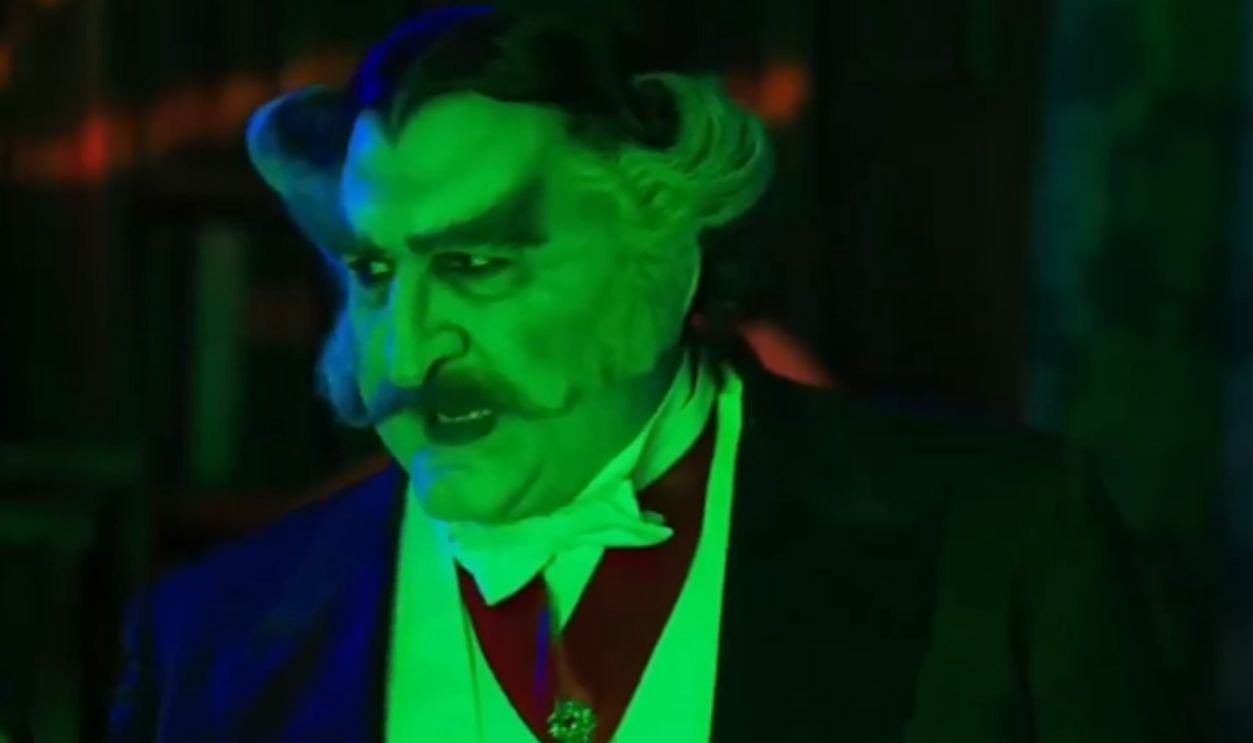 Screenshot from Rob Zombie's The Munsters, Universal Pictures Home Entertainment (2022)
He Finally Learned To Own Eddie Munster
Patrick continues appearing at conventions and events connected to The Munsters, sometimes alongside surviving cast members such as Pat Priest. The attention that once threatened to confine him now provides a direct connection to generations of viewers. He has built work, friendships, and advocacy around a role filmed when he was a child. Eddie Munster never stopped following Butch Patrick, but eventually Patrick decided where they would go together.
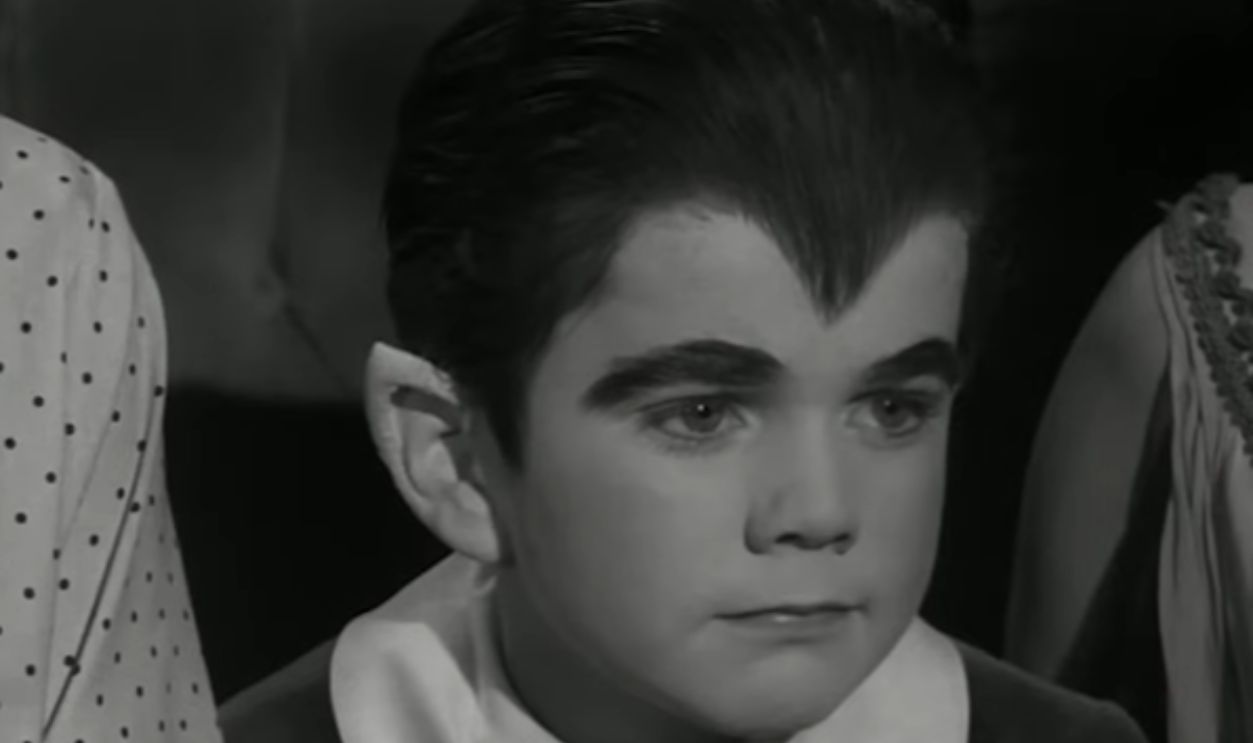 Screenshot from The Munsters, CBS (1964)
You May Also Like:
Actors Who Completely Disappeared After A Hit Movie
Celebrities Who Only Got Famous After They Died