He Was On Top Of The World...And Then Things Turned
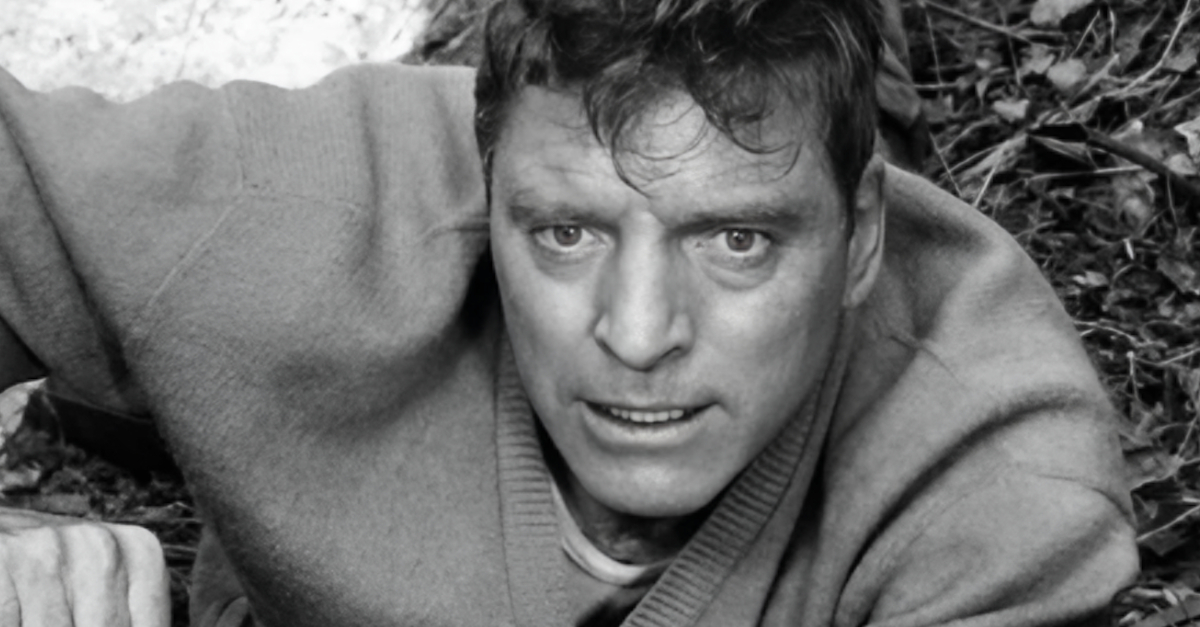
By the late 40s and early 50s, Burt Lancaster was one of the biggest movie stars in the world. The hits, the money, the fame. He had it all. But behind the scenes, Hollywood was starting to push back hard—and Lancaster made a move no one saw coming.
He Didn’t Come Up The Usual Way
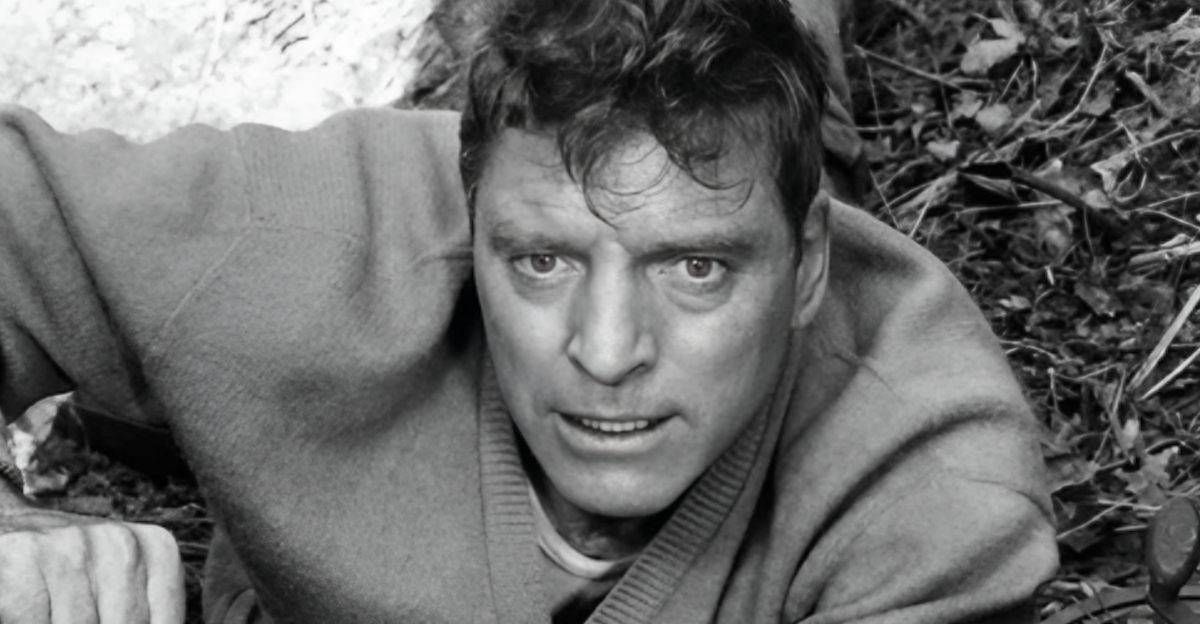
Before Hollywood, Lancaster was a circus acrobat. That background gave him physical confidence and independence most actors didn’t have. He wasn’t shaped by the studio system early on, which helps explain why he resisted it once he became one of its biggest stars.
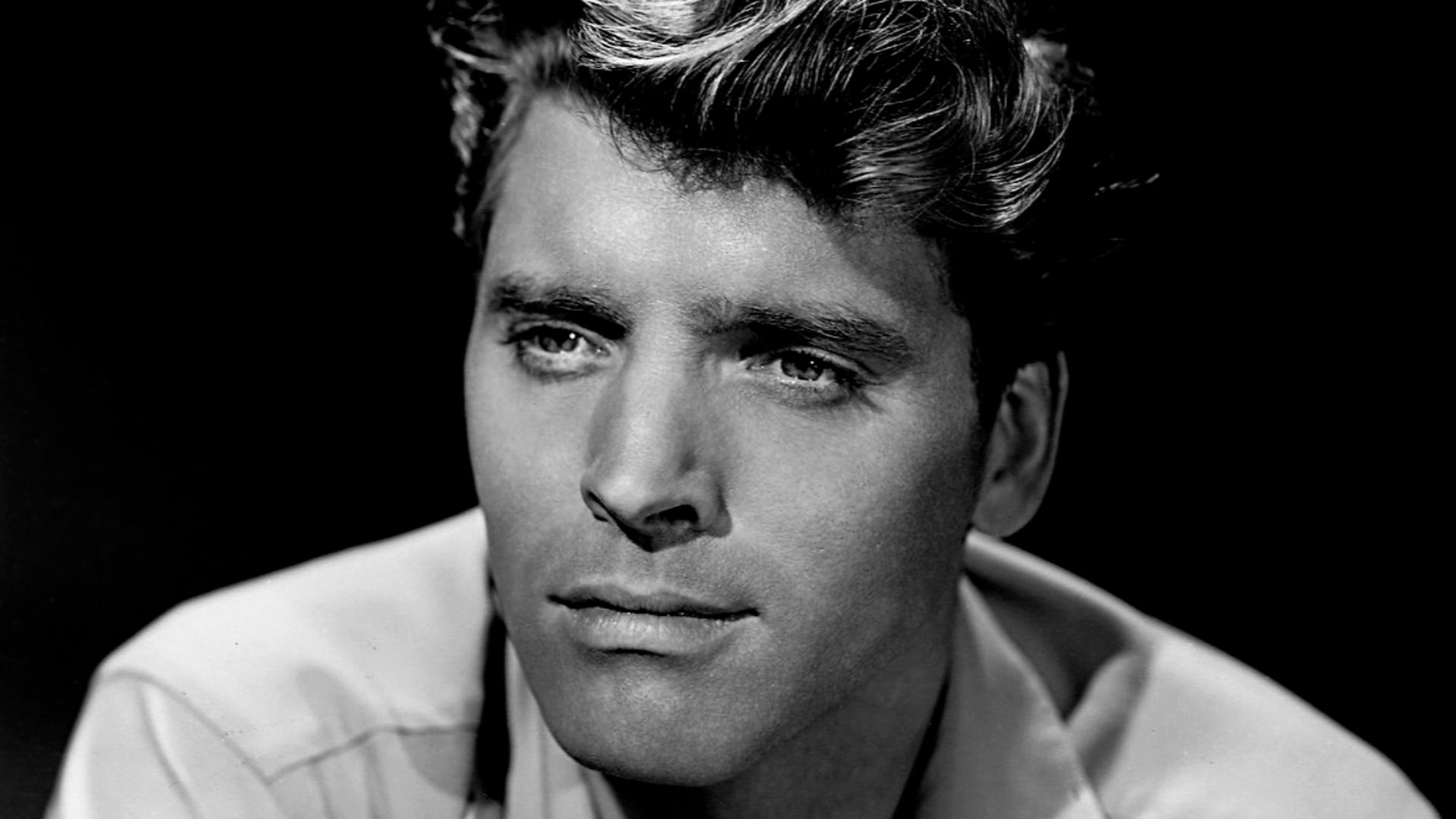 Hal Wallis Productions, Wikimedia Commons
His Breakout Came Fast
His debut in The Killers (1946) didn’t just work—it exploded. Lancaster became a star almost instantly, skipping the slow climb most actors faced. Hollywood saw leading-man potential right away, and he quickly became one of the most in-demand actors of the era.
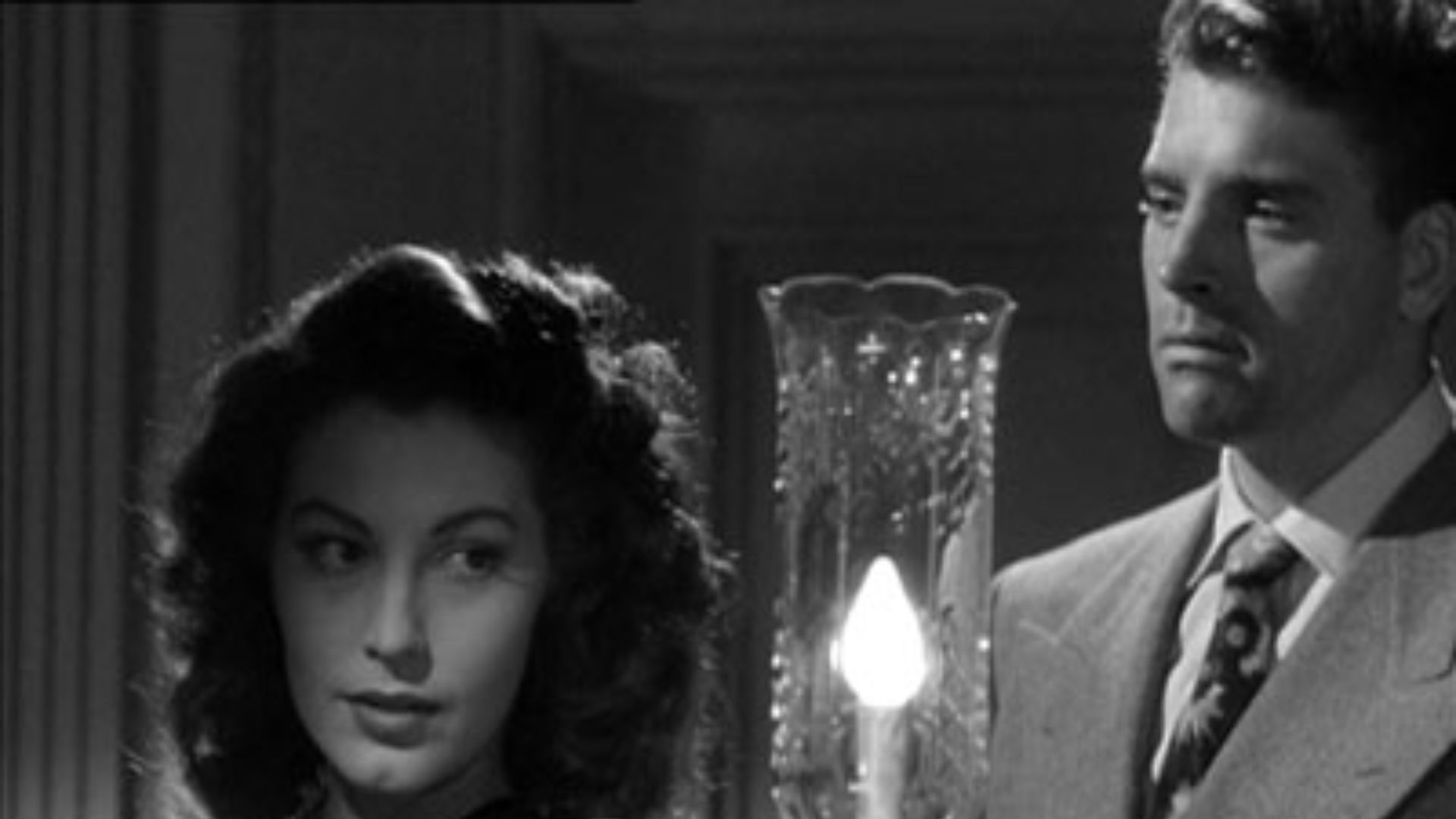 Trailer screenshot, Wikimedia Commons
He Avoided The Trap Early
Even at the start, Lancaster resisted long-term studio contracts. While most actors signed years of control away, he kept his options open, thus giving him leverage that would later become a major advantage when he decided to push back.
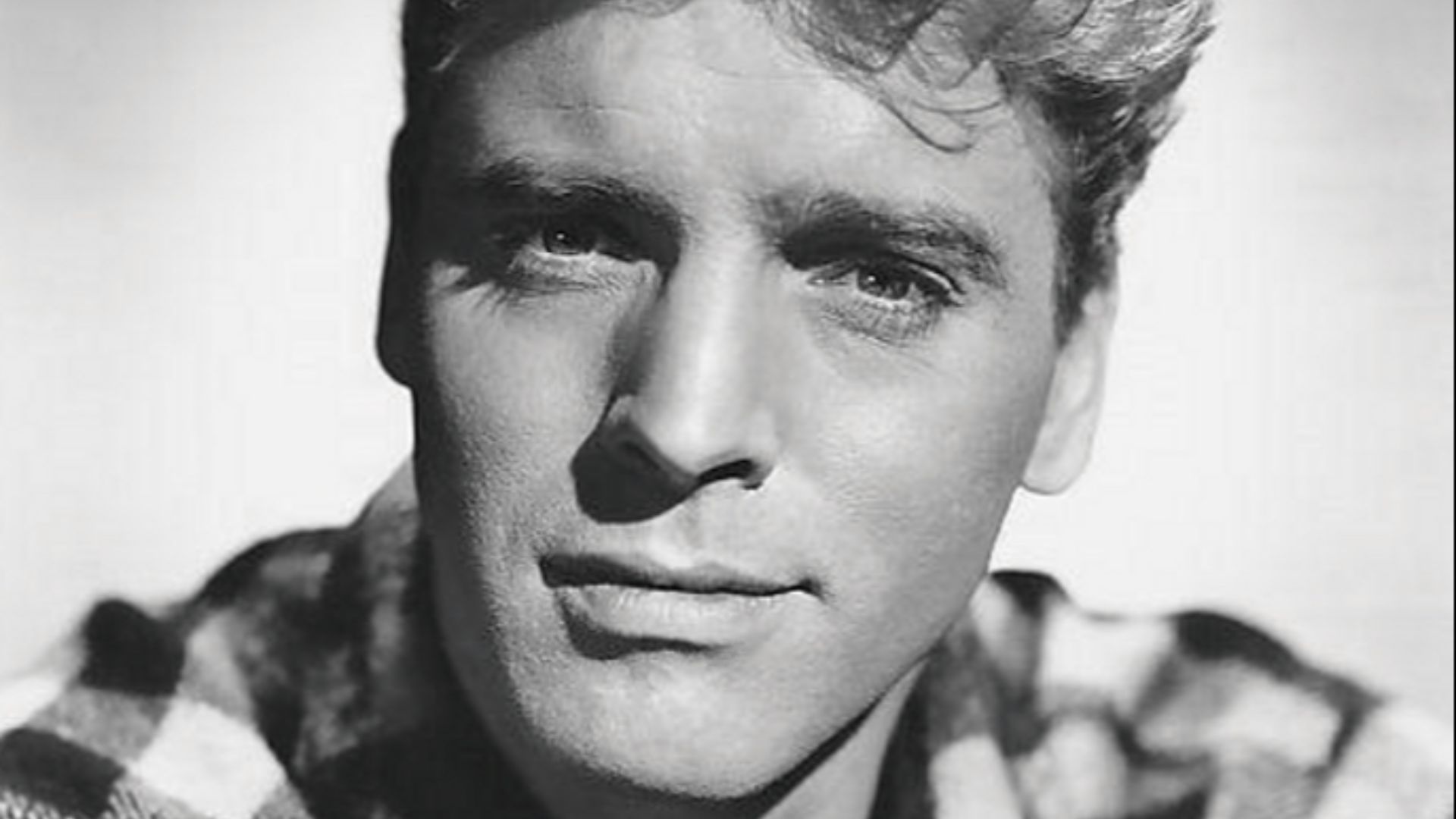 Whitey Schafer, Wikimedia Commons
The Studio System Expected Control
Studios didn’t just produce films, they controlled careers. Contracts were strict, roles were assigned, and stepping out of line could get you labeled difficult. As Lancaster later said, “The studio system was designed to keep actors in line.”
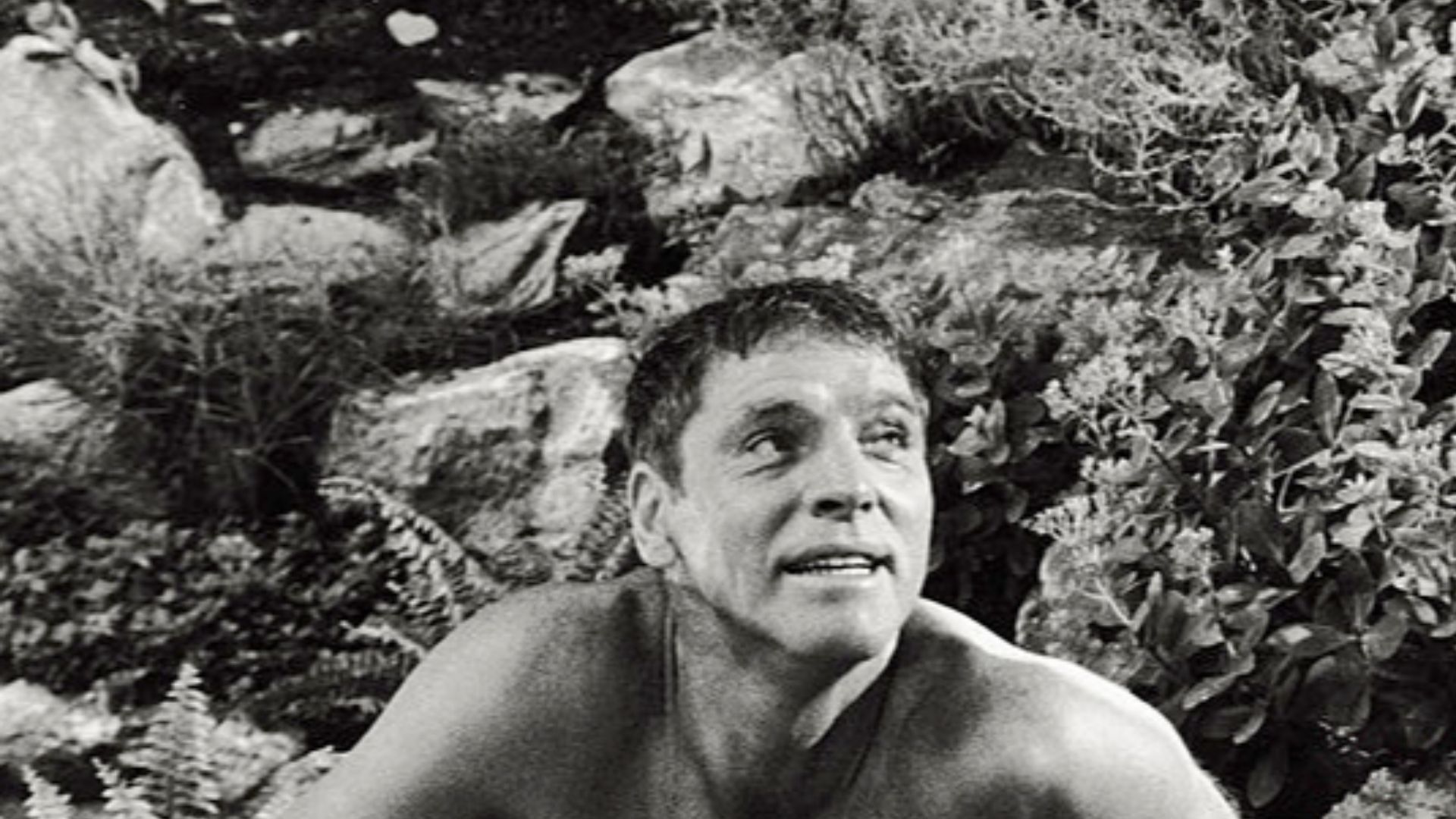 Unknown (Mondadori Publishers), Wikimedia Commons
Lancaster Didn’t Like Being Managed
Even early on, Lancaster pushed back. He wanted better scripts and more say in his roles. “I don’t like being told what to do,” he said. That attitude wasn’t common, and it didn’t exactly make studios comfortable.
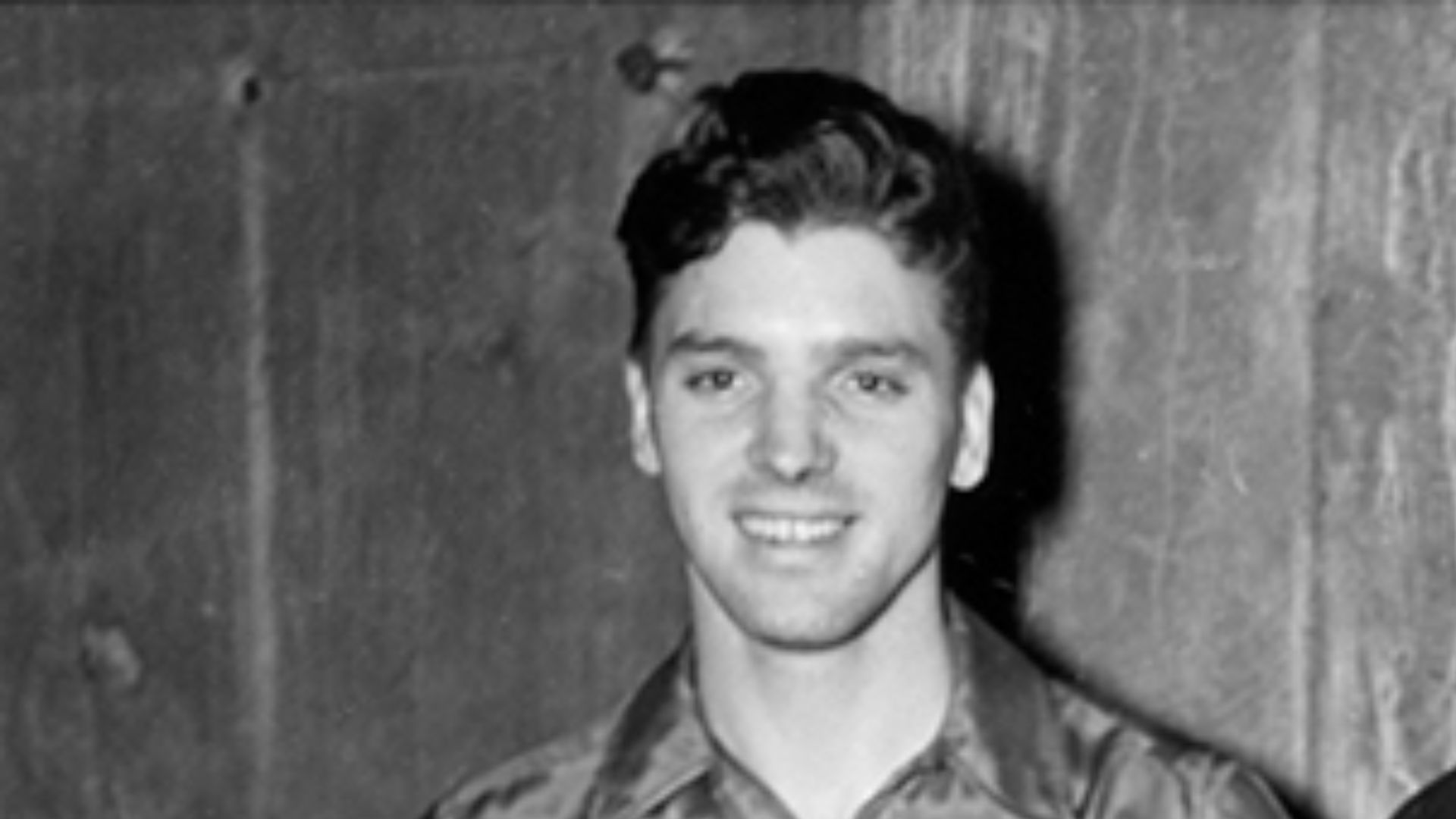 Federal Theatre Project, Wikimedia Commons
His Career Hit Another Level
From Here to Eternity (1953) was a massive success and won Best Picture. It cemented Lancaster as one of the biggest stars in the world–making what he did next even riskier, because he had everything to lose.
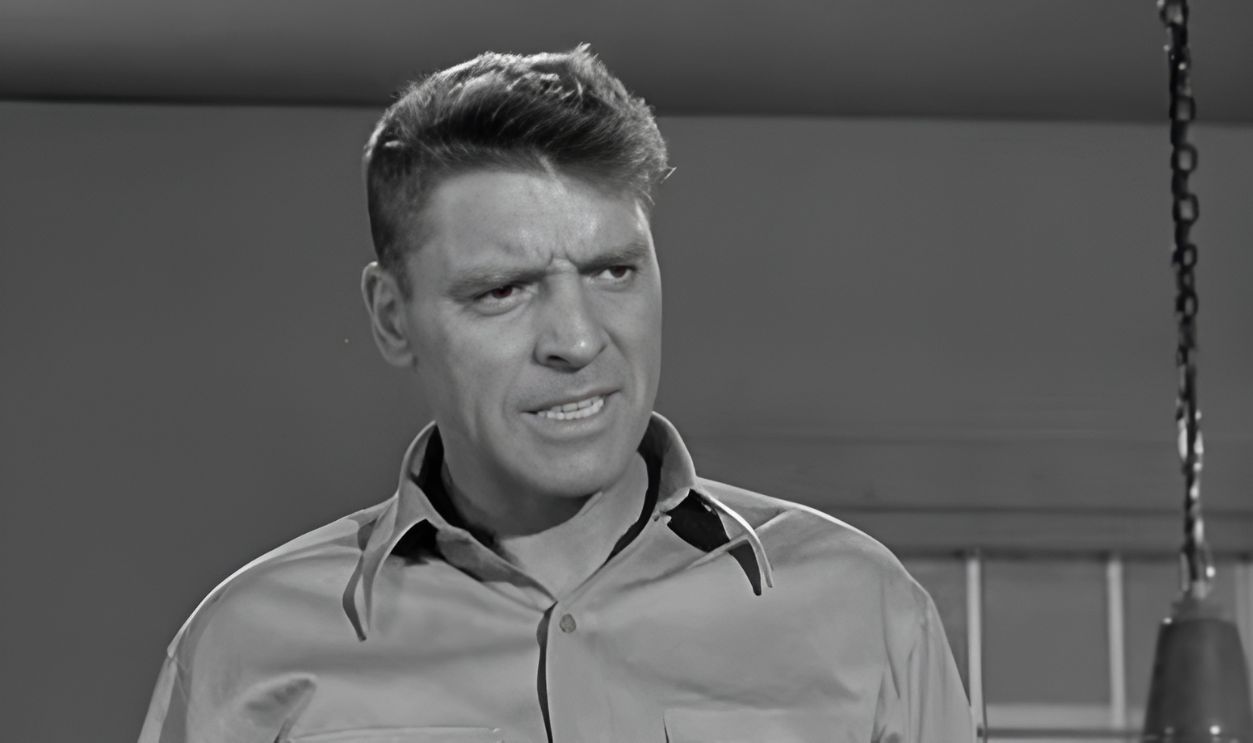 Screenshot From Here to Eternity, Columbia Pictures (1953)
Then He Made A Move No One Expected
Instead of quietly negotiating, Lancaster took a much bigger step. He didn’t just push back—he started building a way around the system entirely, something very few stars had seriously attempted at the time.
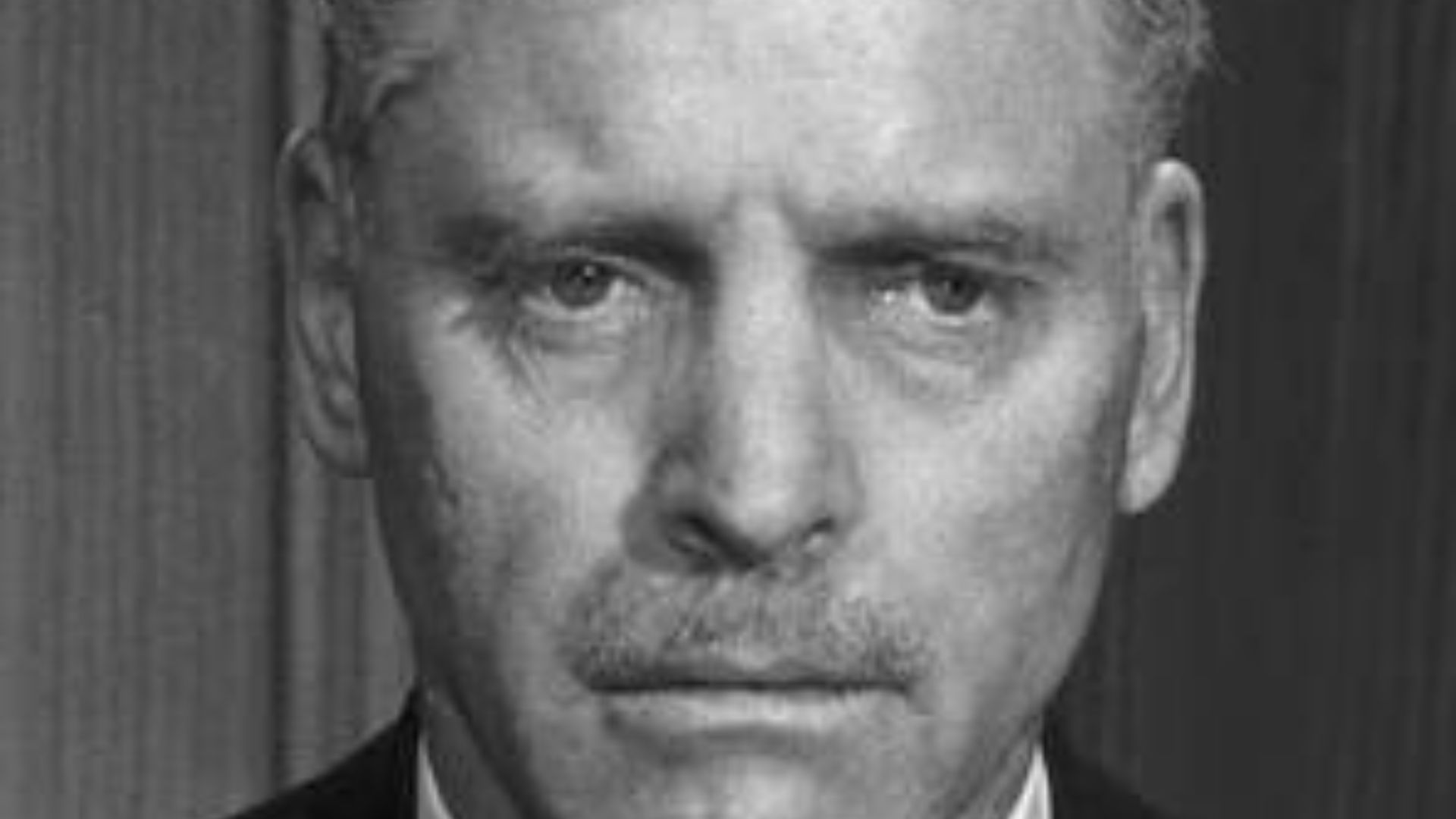 Roxlom Films/United Artists, Wikimedia Commons
He Formed His Own Production Company
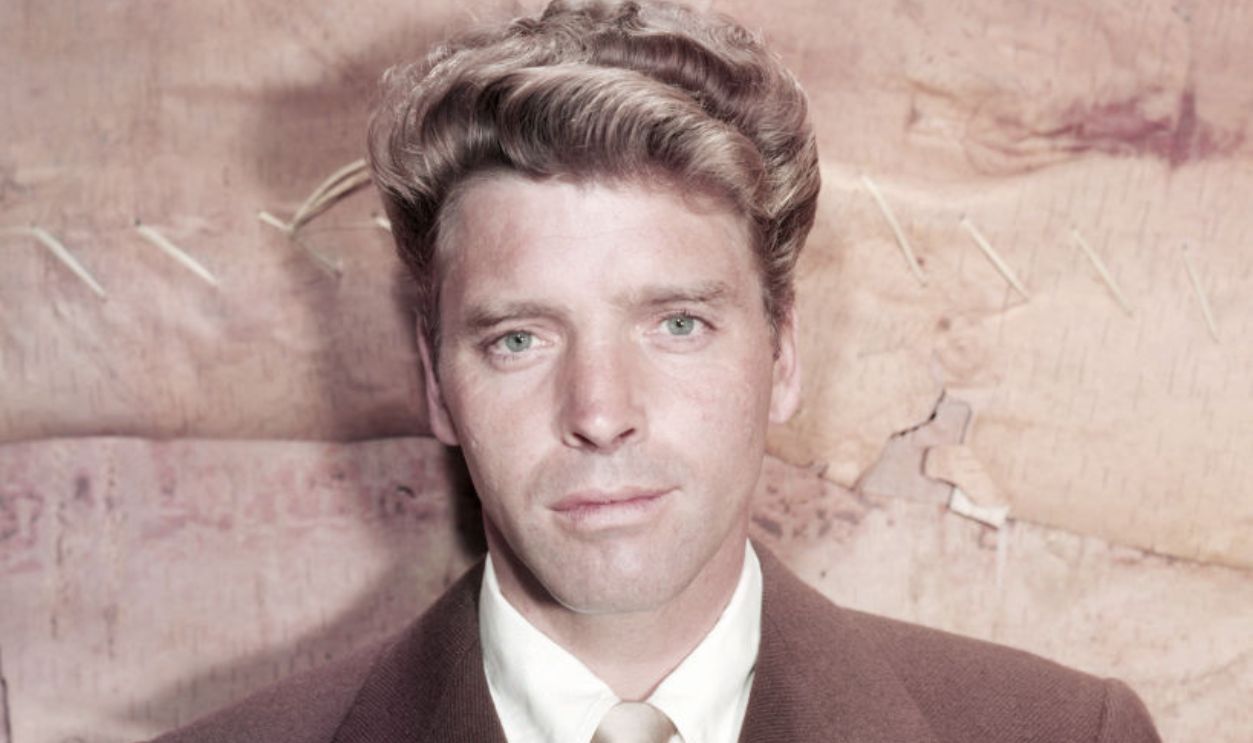
In 1948, he co-founded Hecht-Hill-Lancaster. This wasn’t a vanity move—it was a power shift. “If you want something done right, you have to do it yourself,” he said. He was now choosing projects and controlling his career directly.
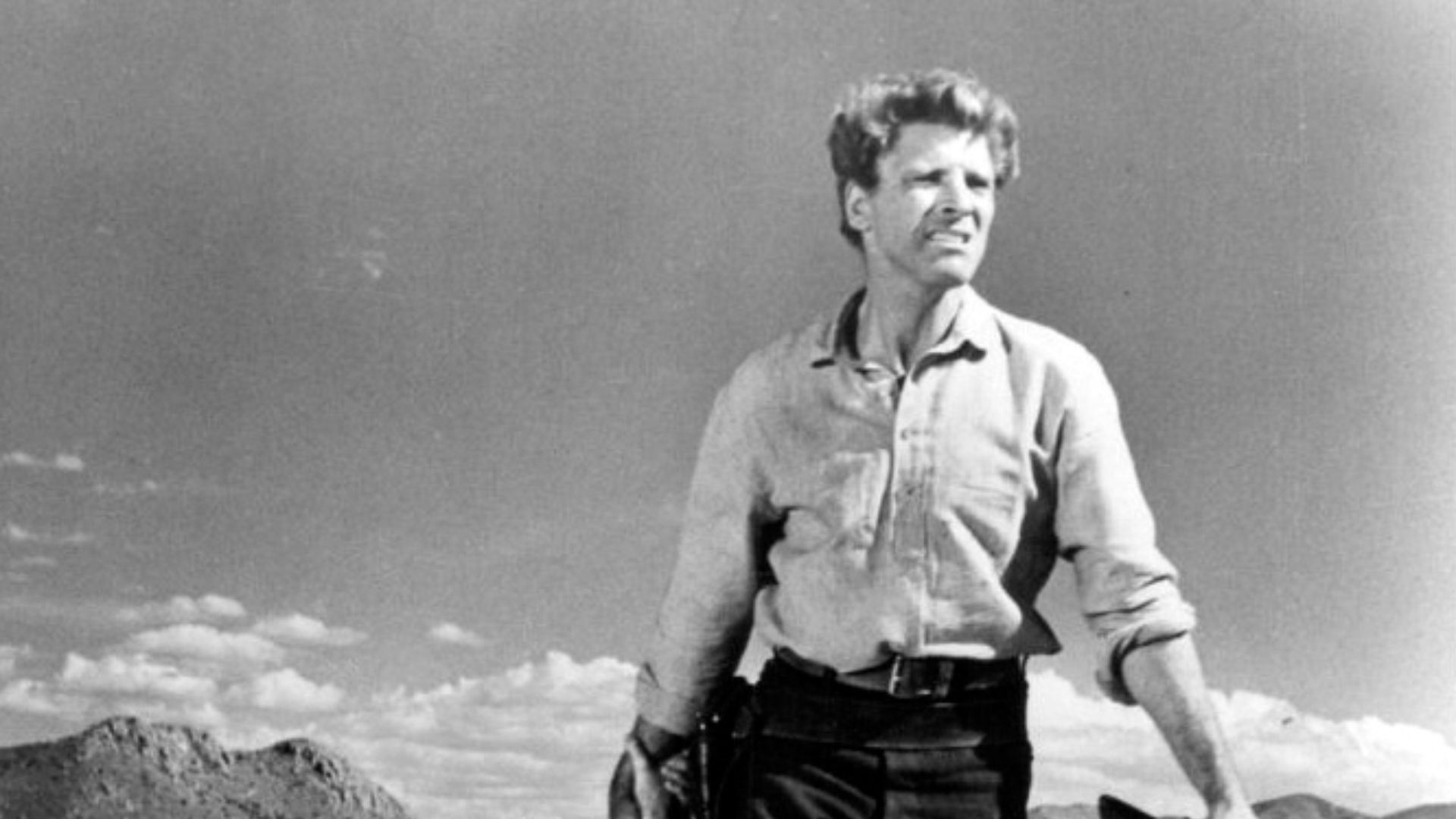
This Wasn’t Normal For A Star
At the time, actors were employees, not decision-makers. Lancaster’s move was rare—especially at his level. While others like Kirk Douglas would follow similar paths, Lancaster was among the first top-tier stars to make independence work long-term.
 Silver Screen Collection, Getty Images
It Gave Him Real Financial Power
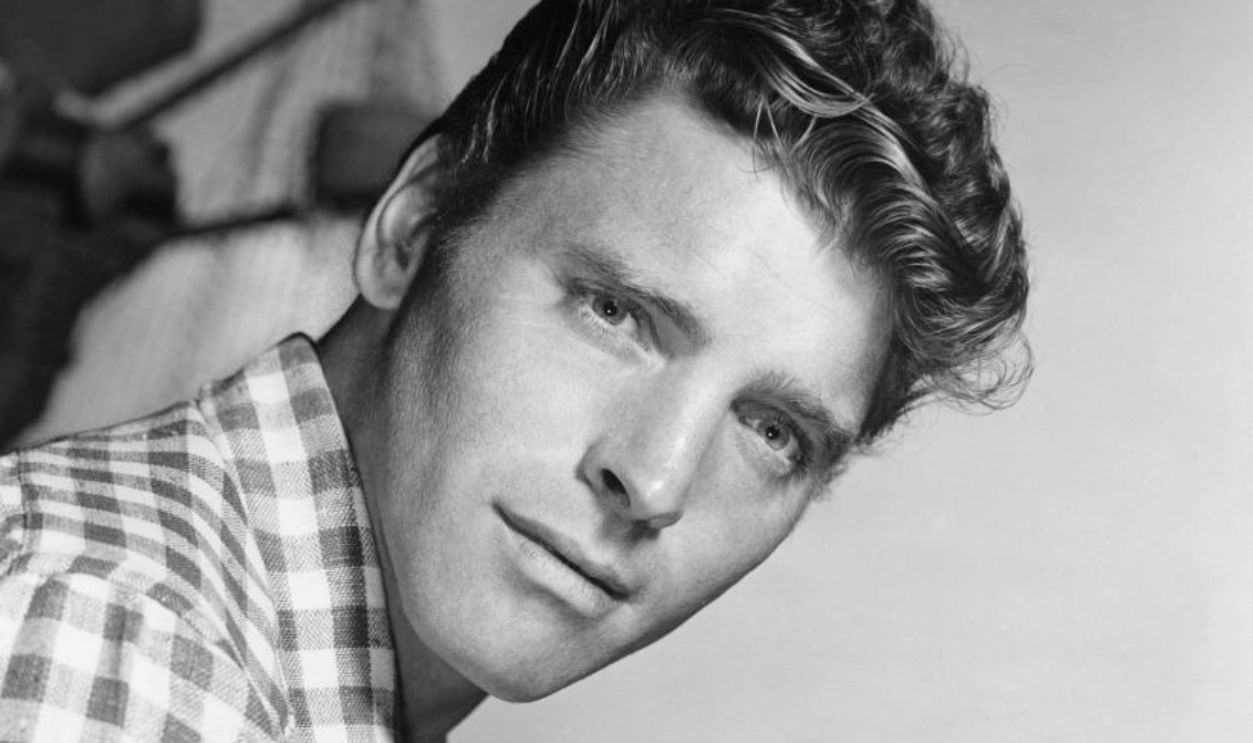
Lancaster didn’t just gain creative control—he changed how he got paid. Instead of a fixed salary, he negotiated profit participation. That meant if a film succeeded, he benefited directly—something that wasn’t standard for actors at the time.
 Silver Screen Collection, Getty Images
And The Risks Were Real
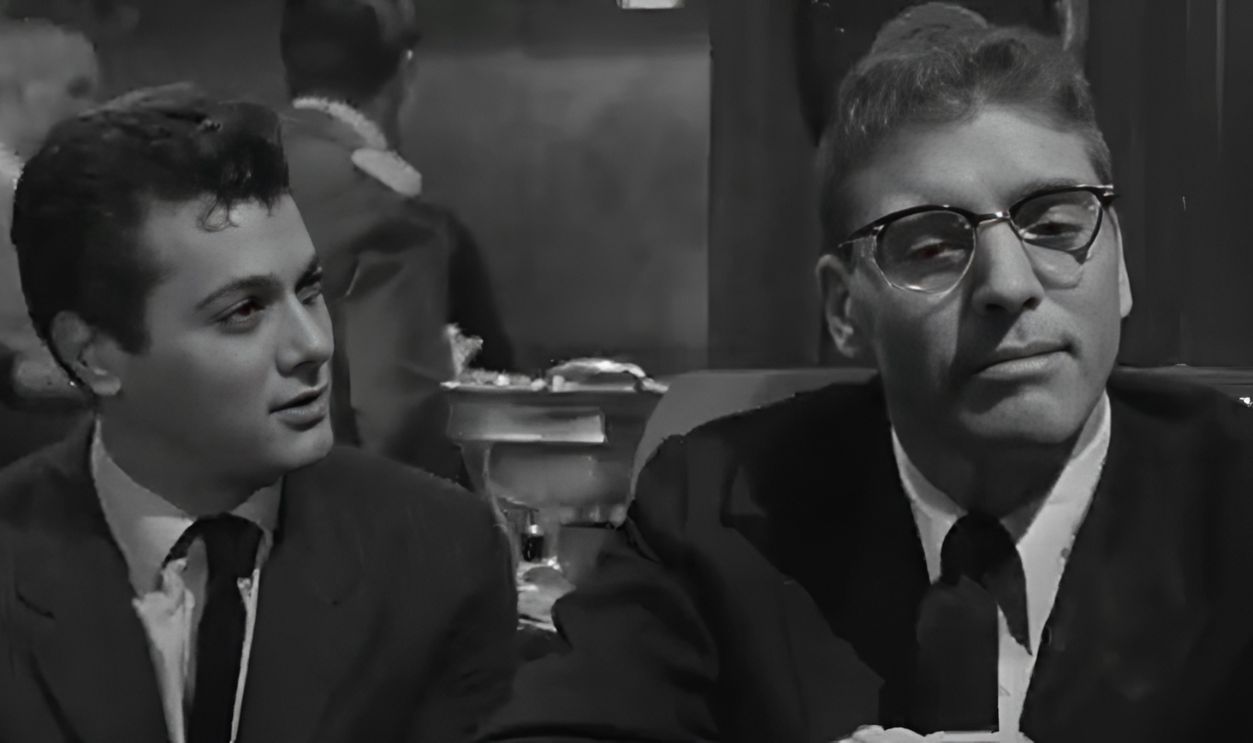
If these films failed, Lancaster wouldn’t just lose prestige, he’d lose money. “You have to take risks,” he said. Not all of them worked either: Sweet Smell of Success is now a classic, but it failed at the box office at first.
 Screenshot from Sweet Smell of Success, United Artists (1957)
Hollywood Could Push Back
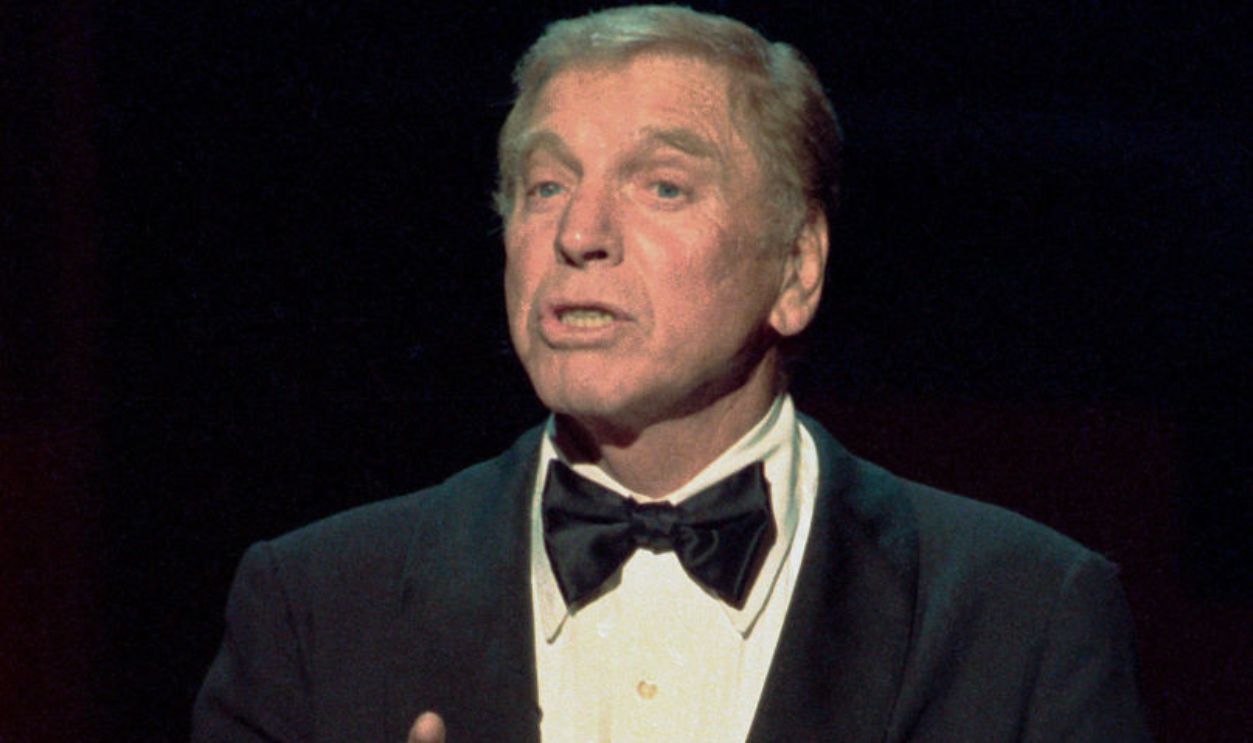
Actors who resisted the system risked losing roles or being quietly shut out. Lancaster’s independence wasn’t just bold, it put him at odds with studios that were used to having total control over careers.
But The Films Started Hitting
Then came Marty (1955). It didn’t just succeed, it won the Academy Award for Best Picture. That was a major moment. An actor-run production company had just beaten the traditional studio system at its own game.
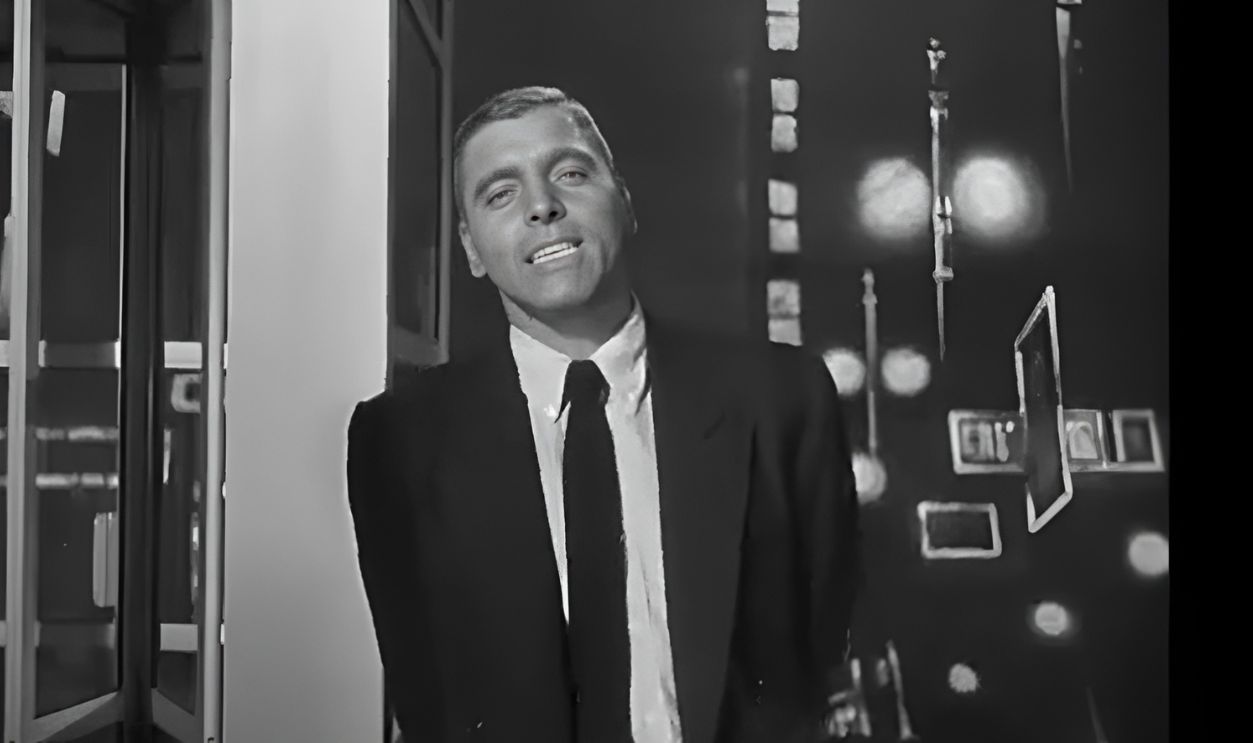 Screenshot from Marty, United Artists (1955)
He Wasn’t Just Chasing Fame
Lancaster wasn’t interested in safe roles. “I don’t want to play parts that mean nothing,” he said. His projects leaned toward more serious, complex stories that stood out from the usual studio formulas.
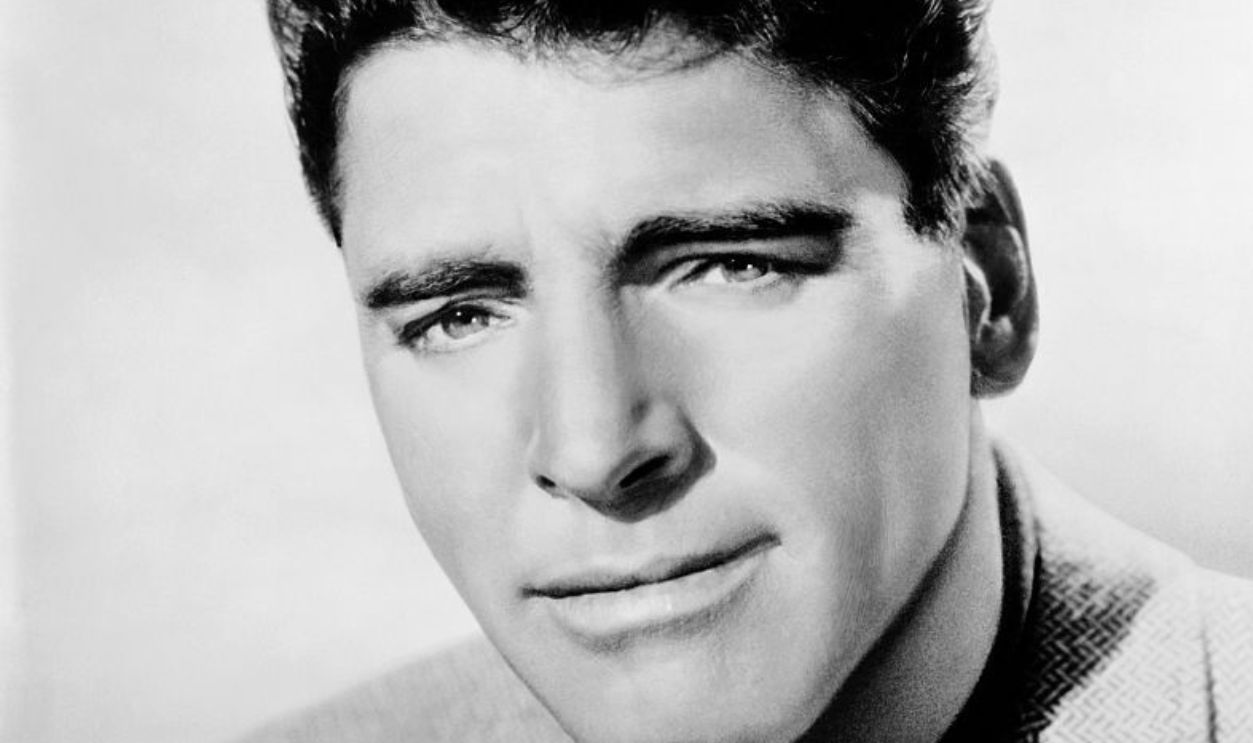 John Springer Collection, Getty Images
He Took On More Challenging Material
Films like Elmer Gantry (1960), which earned him an Oscar, pushed into controversial territory. He also backed films like The Young Savages (1961), tackling racism—subjects studios often avoided at the time.
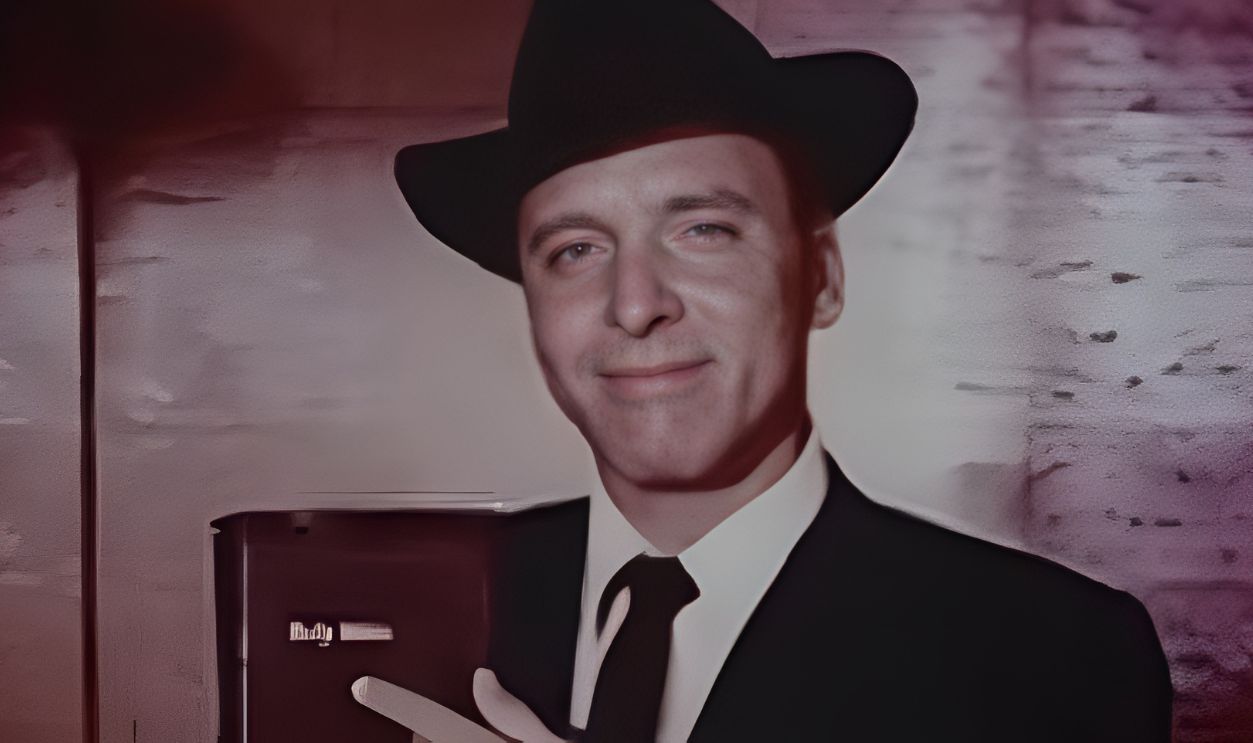 Screenshot from Elmer Gantry, United Artists (1960)
His Reputation Changed
He wasn’t just a leading man anymore. Lancaster became known as someone who made decisions and took risks. That independence also got him labeled “difficult” in some circles, a common tag for actors who didn’t fall in line.
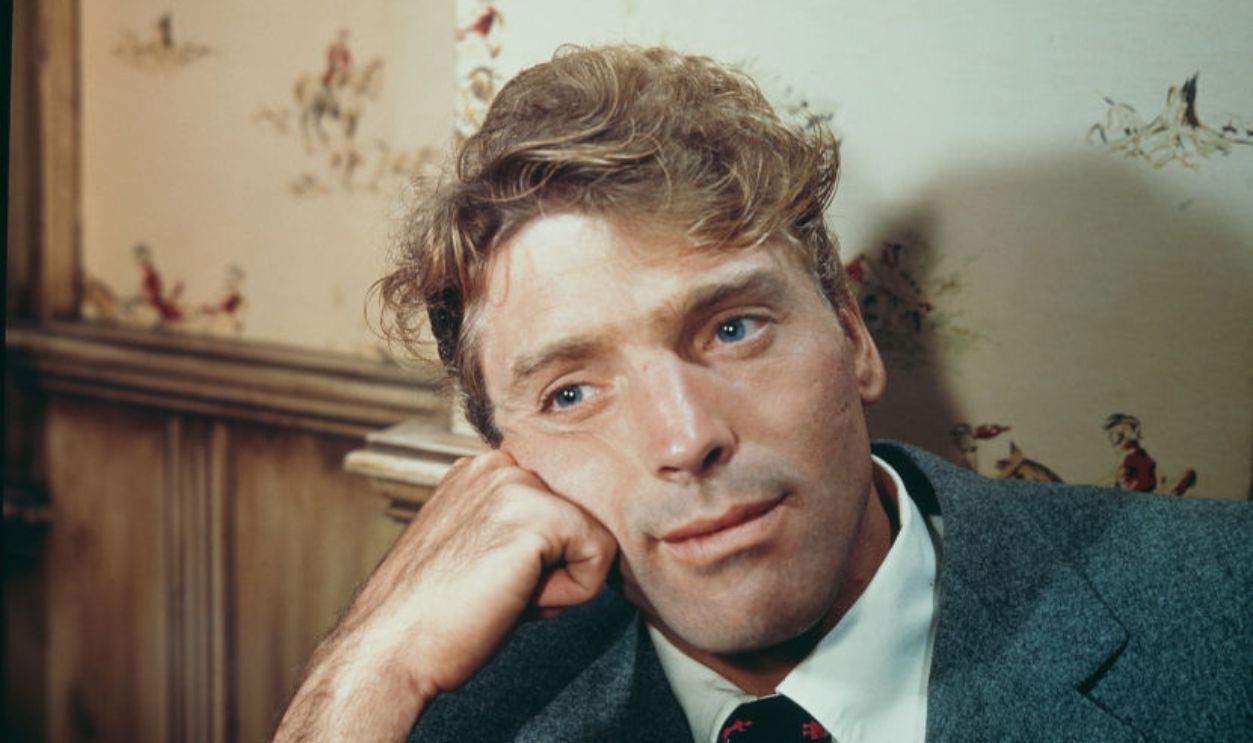
Others Started Paying Attention
Over time, more actors began pushing for control: producing films and negotiating better deals. Lancaster didn’t start the movement alone, but he proved it could actually work at the highest level.
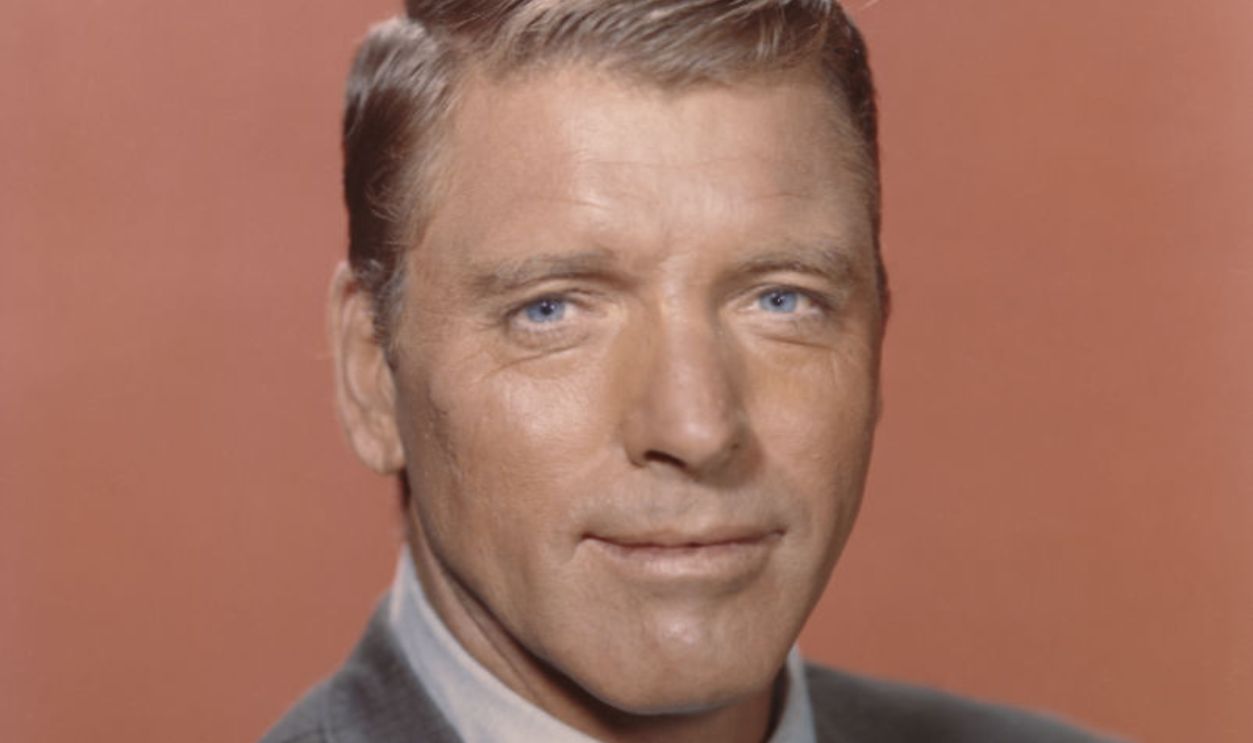
He Helped Change The System
Lancaster’s approach helped open the door to the actor-producer model that later became common. What once looked risky started to look smart—and eventually became part of how Hollywood operated.
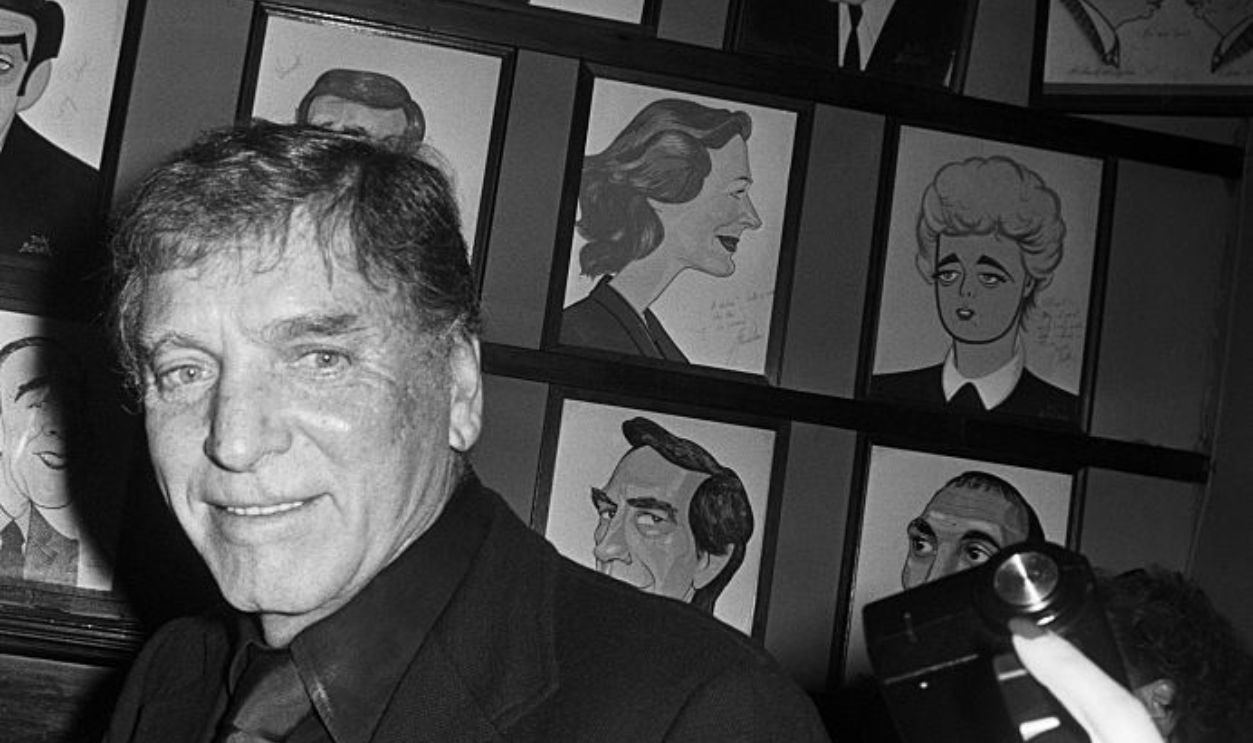
It Wasn’t Just About Control
For Lancaster, it wasn’t only about power. It was about making better films. His choices reflected a desire to work on projects with meaning, even if they carried more risk than typical studio productions.
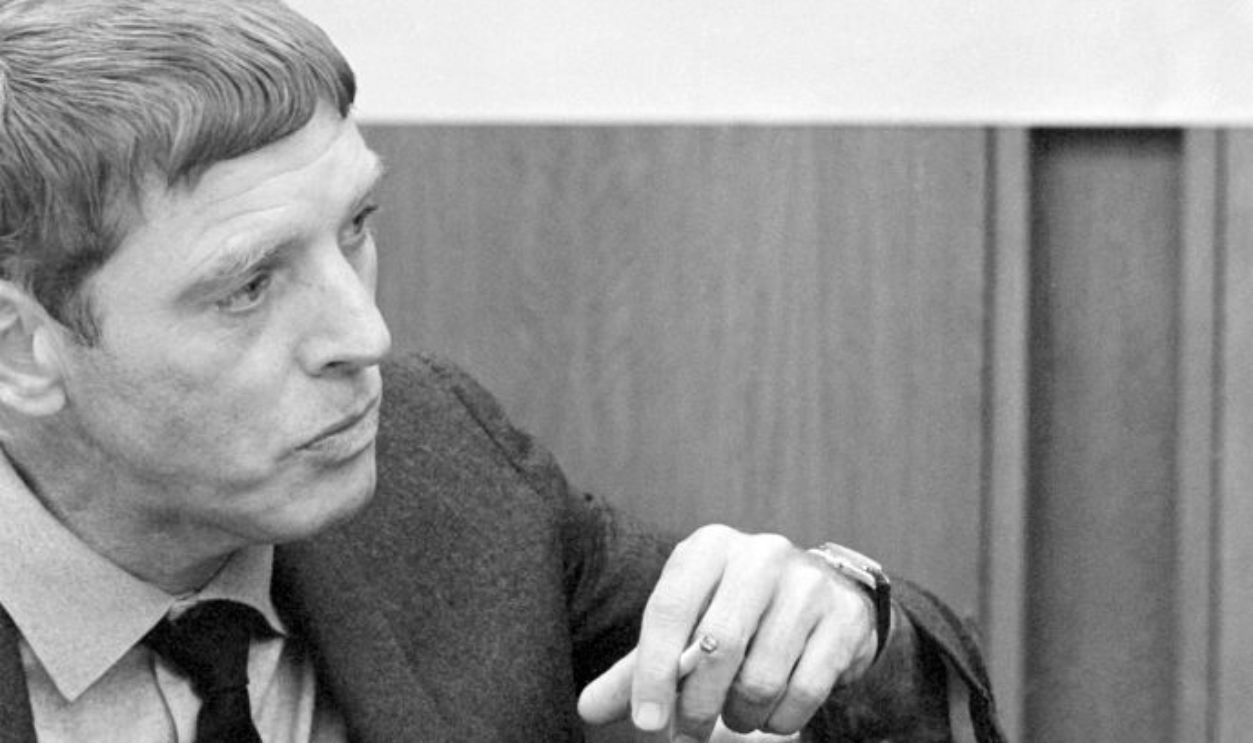
He Also Spoke Out Off Screen
Lancaster wasn’t quiet about his views either. He supported civil rights causes and took public political positions—something many major stars avoided at the time, adding another layer to his independence.
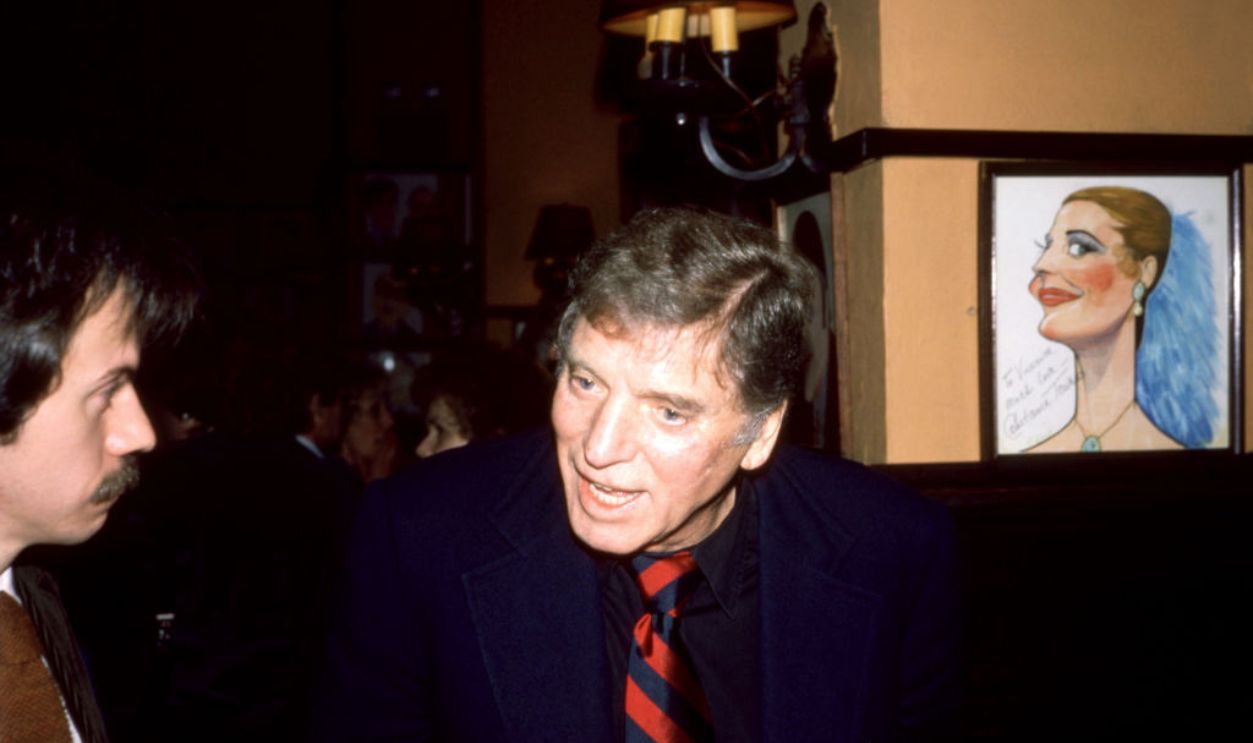
And He Never Really Went Back
Once he gained that independence, Lancaster didn’t return to being fully controlled by studios. He stayed involved behind the scenes as a producer and decision-maker, continuing to choose projects carefully and maintain a level of control that most actors of his era never reached.
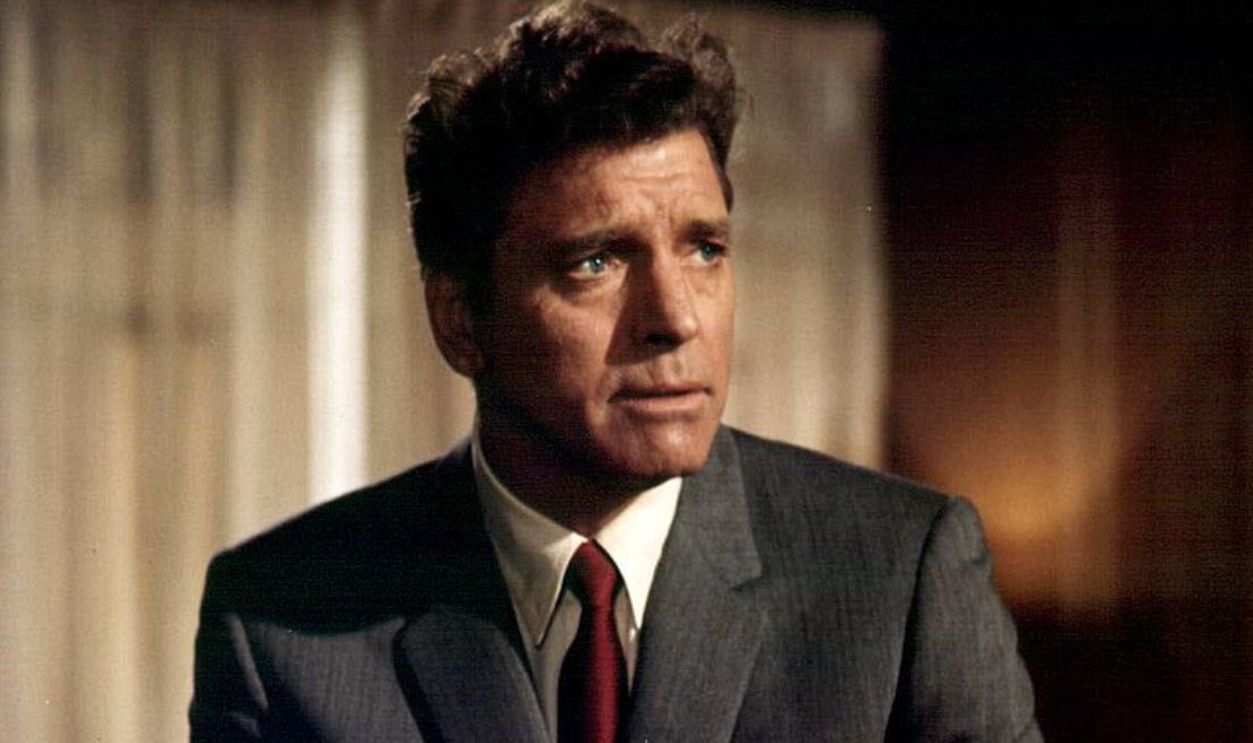
Looking Back, It Was A Turning Point
What seemed like a gamble ended up redefining what a movie star could be. Lancaster showed that actors didn’t have to stay within the system—they could reshape their place inside it and still succeed at the highest level in Hollywood.
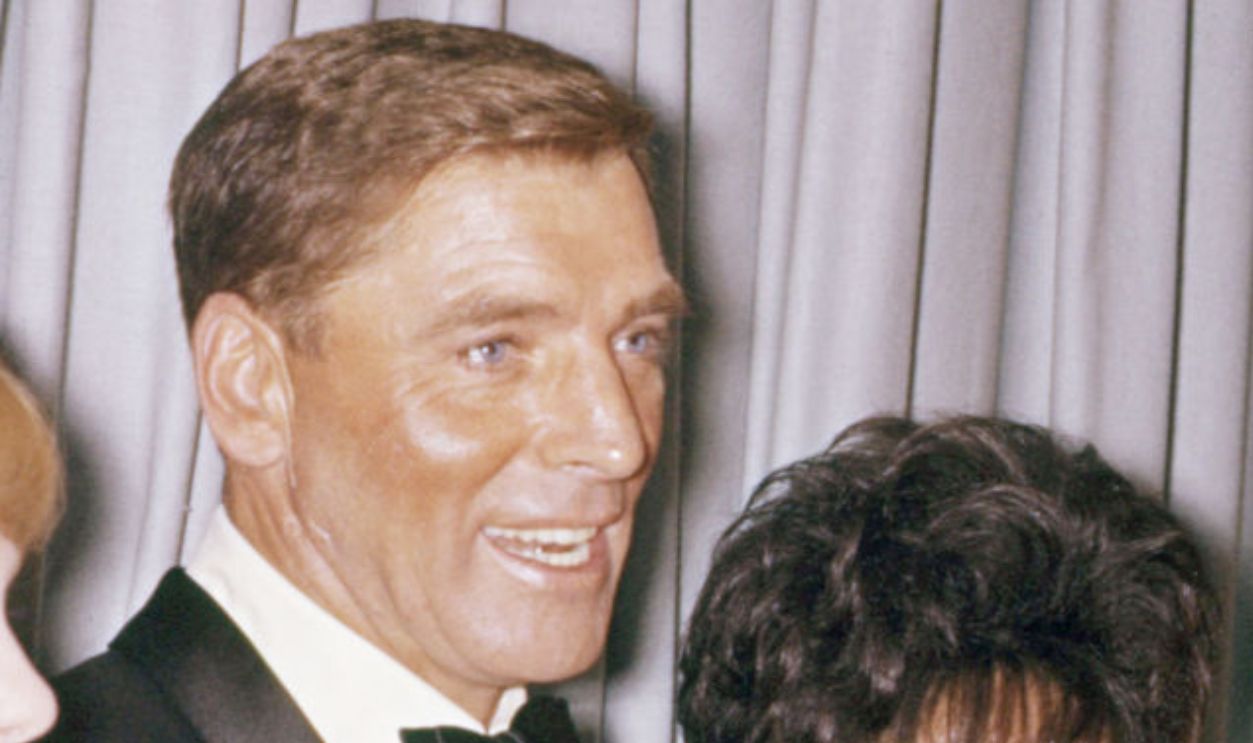 Silver Screen Collection, Getty Images
The One Thing Stars Weren’t Supposed To Do
At a time when most actors followed the rules, Lancaster stepped outside them. He didn’t just resist control, he replaced it with his own system, taking on both the risk and the reward in a way few major stars had attempted before.
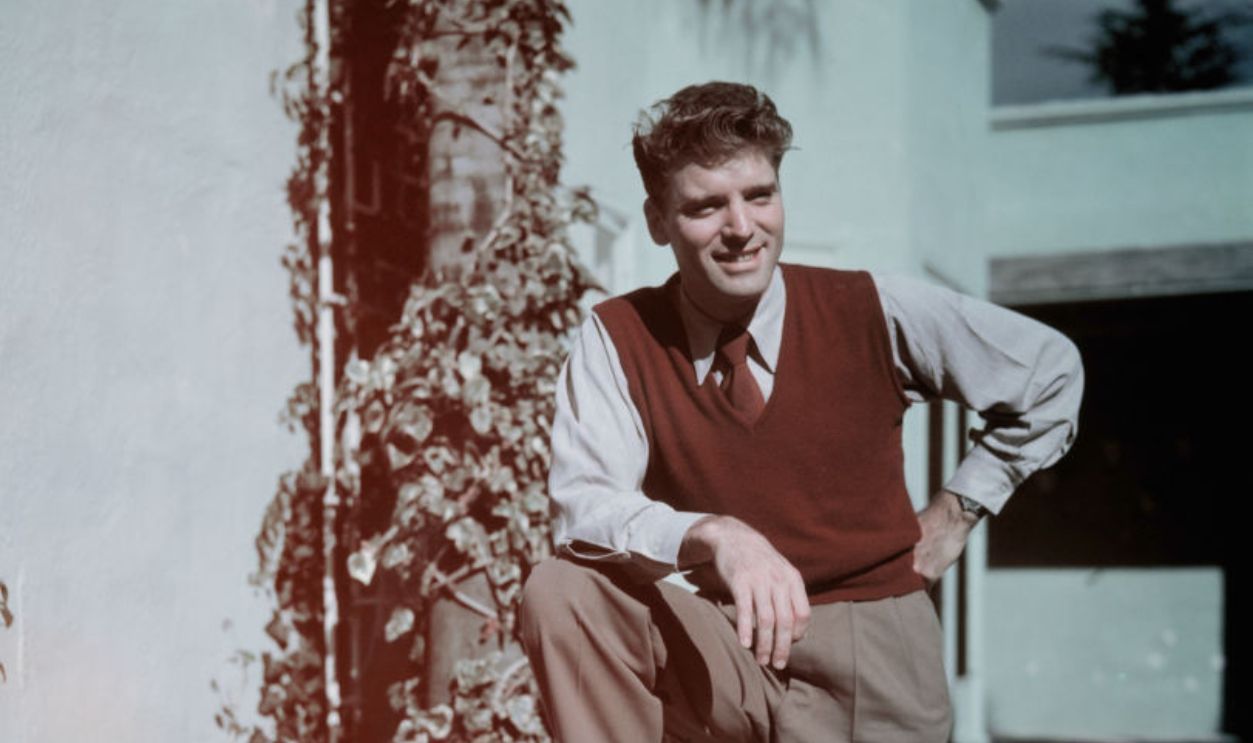
And That’s Why He Still Stands Out
Plenty of stars were bigger. Plenty were more famous. But very few took this kind of risk at that moment, and made it work long-term. That willingness to challenge the system is what separates Lancaster from so many others of his era.
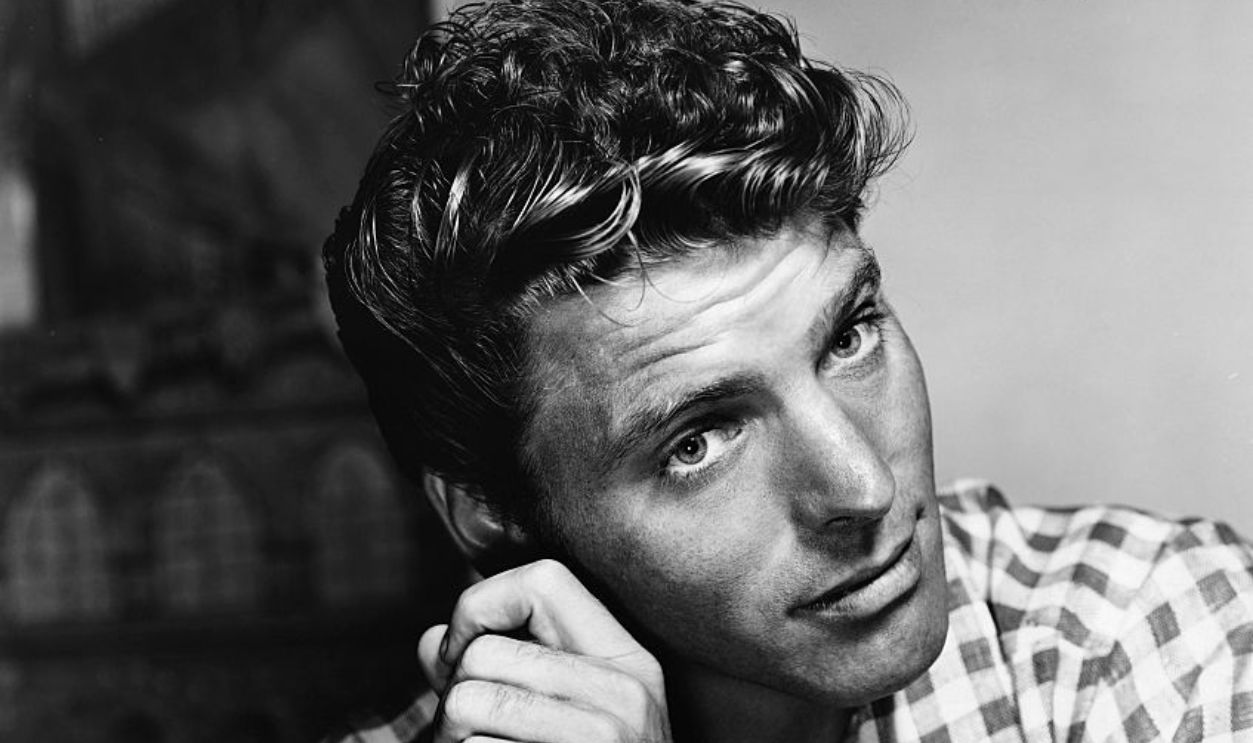 John Springer Collection, Getty Images
You Might Also Like:
The smartest things celebrities have ever done—according to the celebrities themselves
Robert Duvall: The Life Of An Iconic Hollywood Veteran
The Rat Pack Never Had A Sixth Member—But If They Did, It Would’ve Been Her