America’s Dad Had A Wild Side
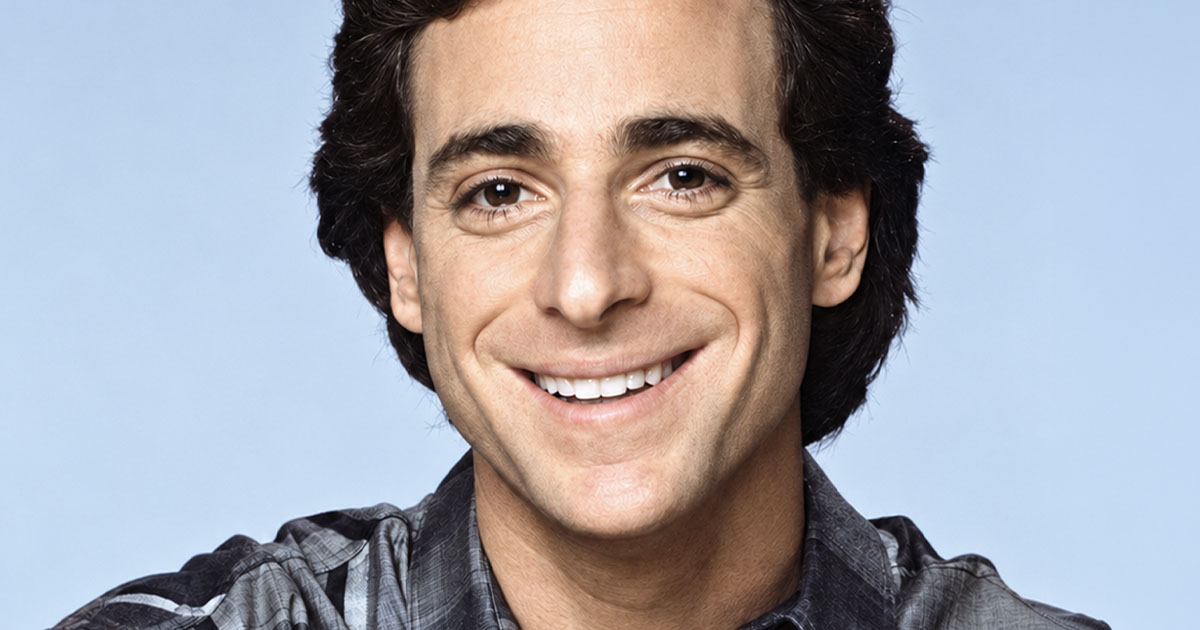
Bob Saget spent eight seasons playing one of television’s gentlest fathers, offering hugs, advice, and frequent lectures about household cleanliness. Yet when the cameras stopped rolling, he transformed into a fearless comedian whose adults-only material could make Danny Tanner drop his feather duster in horror.
He Grew Up In Philadelphia
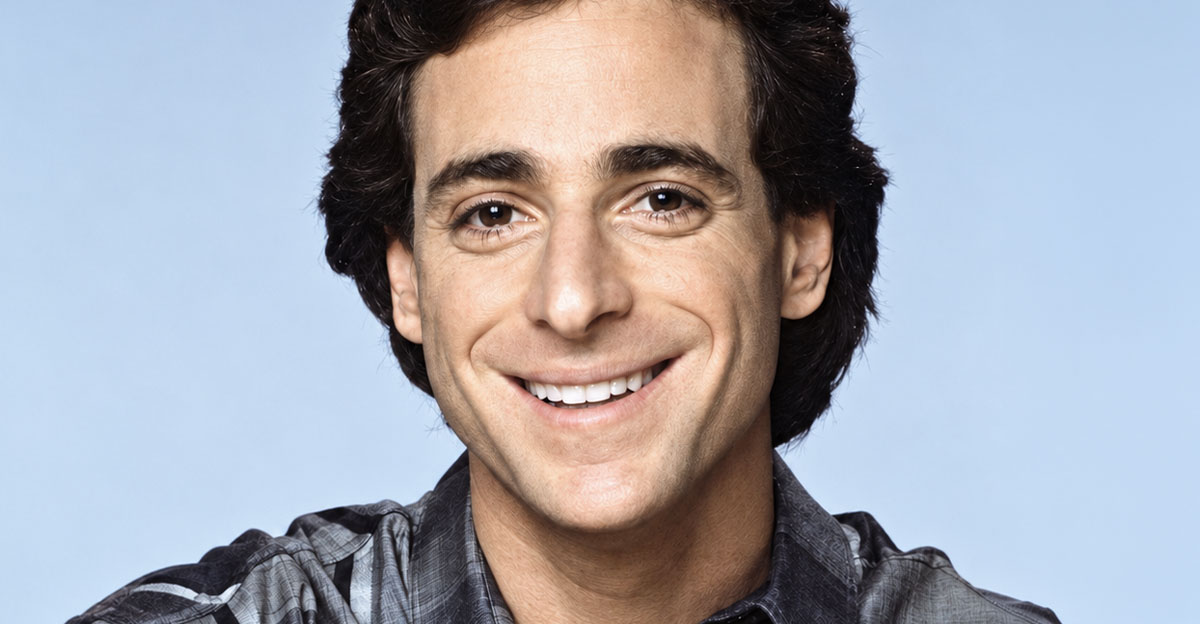
Robert Lane Saget was born in Philadelphia, Pennsylvania, on May 17, 1956. His father worked as a supermarket executive, while his mother was a hospital administrator. Humor became an important language inside the family, especially when life gave them subjects that were otherwise difficult to discuss.
 Michael Ochs Archives, Getty Images
Comedy Helped His Family Survive
Saget’s family endured several painful losses, including the deaths of siblings and other relatives. He later explained that his father used irreverent humor to face tragedy, teaching Bob that laughter did not minimize suffering. Sometimes, it was simply how people survived long enough to keep moving.
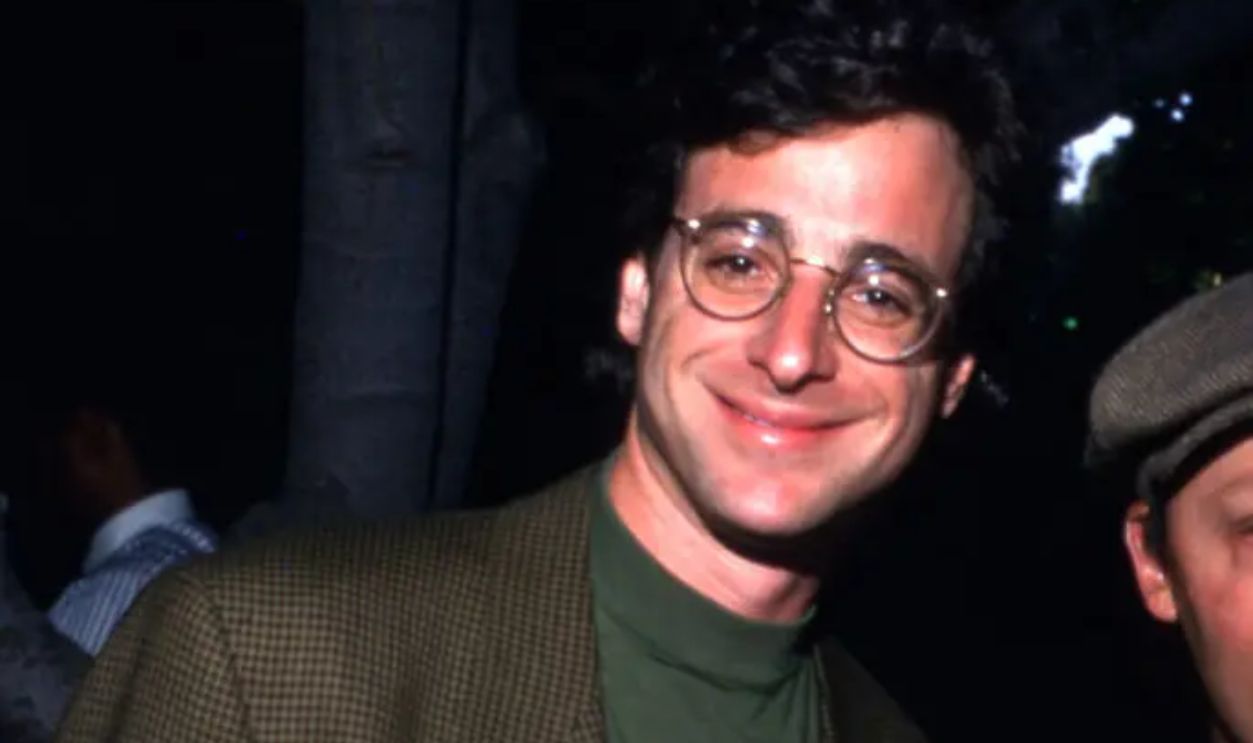
He Initially Imagined A Different Future
As a teenager, Saget reportedly considered becoming a doctor. A teacher recognized his creative instincts and encouraged him to explore filmmaking instead. It was excellent advice for everyone involved—particularly the imaginary patients who might have received medical instructions delivered as a ten-minute comedy routine.
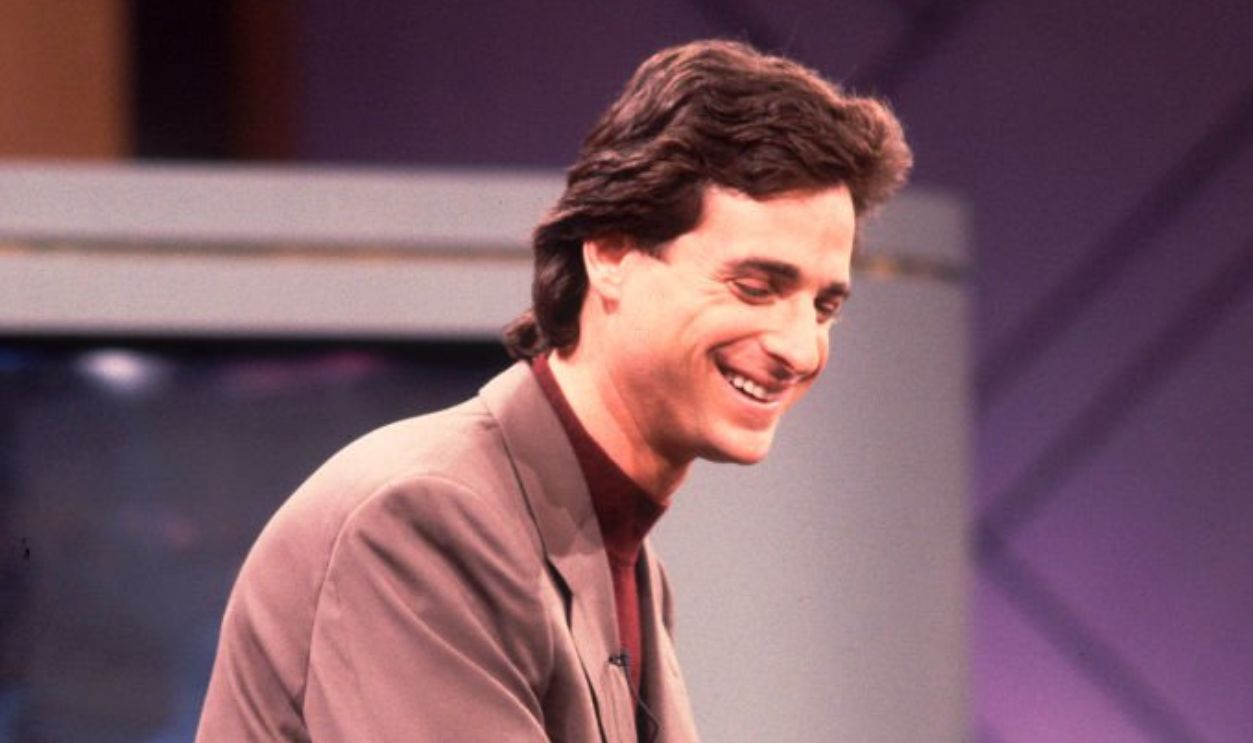
Temple University Changed His Direction
Saget studied film at Temple University, graduating in 1978. While there, he made Through Adam’s Eyes, a documentary about his nephew’s reconstructive facial surgery. The deeply personal project received recognition at the Student Academy Awards and demonstrated a sensitivity audiences would later recognize beneath his comedy.
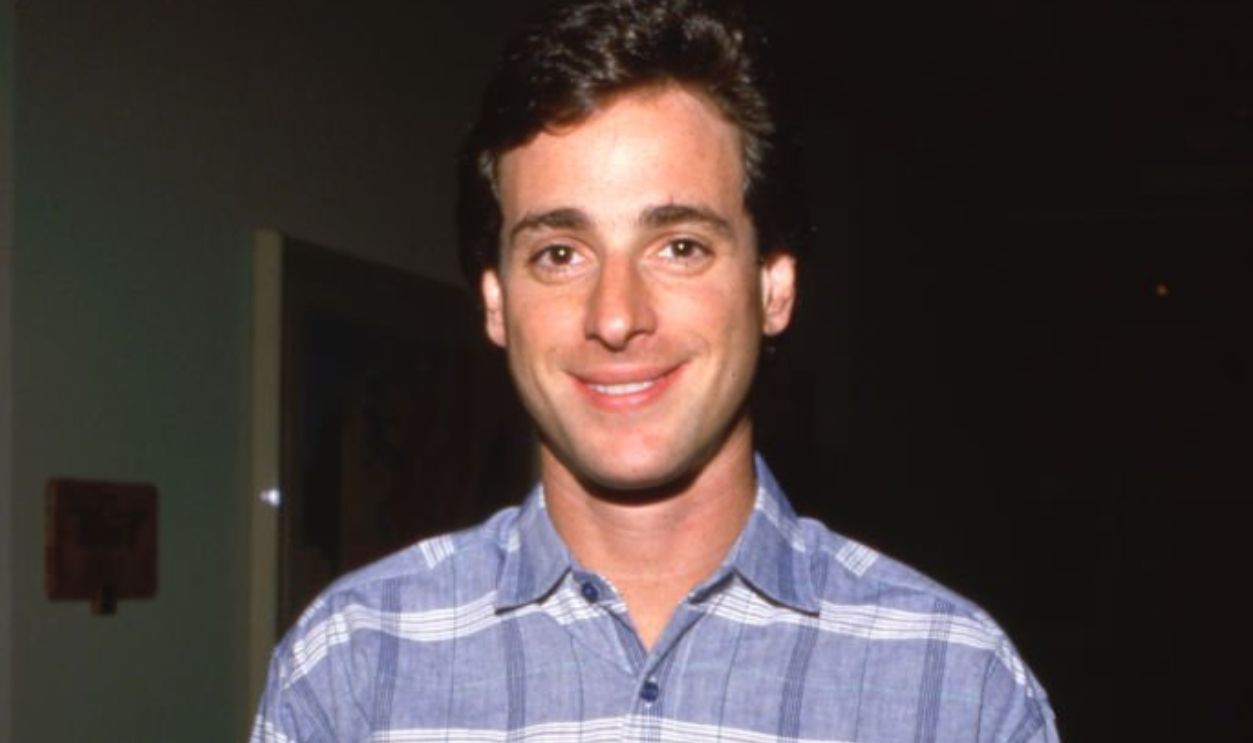
He Headed West With A Camera And Jokes
After college, Saget moved toward a career in entertainment, eventually building his reputation in Los Angeles comedy clubs. He played small venues, worked on his material, and learned how to hold the attention of audiences who had absolutely no reason to be patient with an unknown performer.
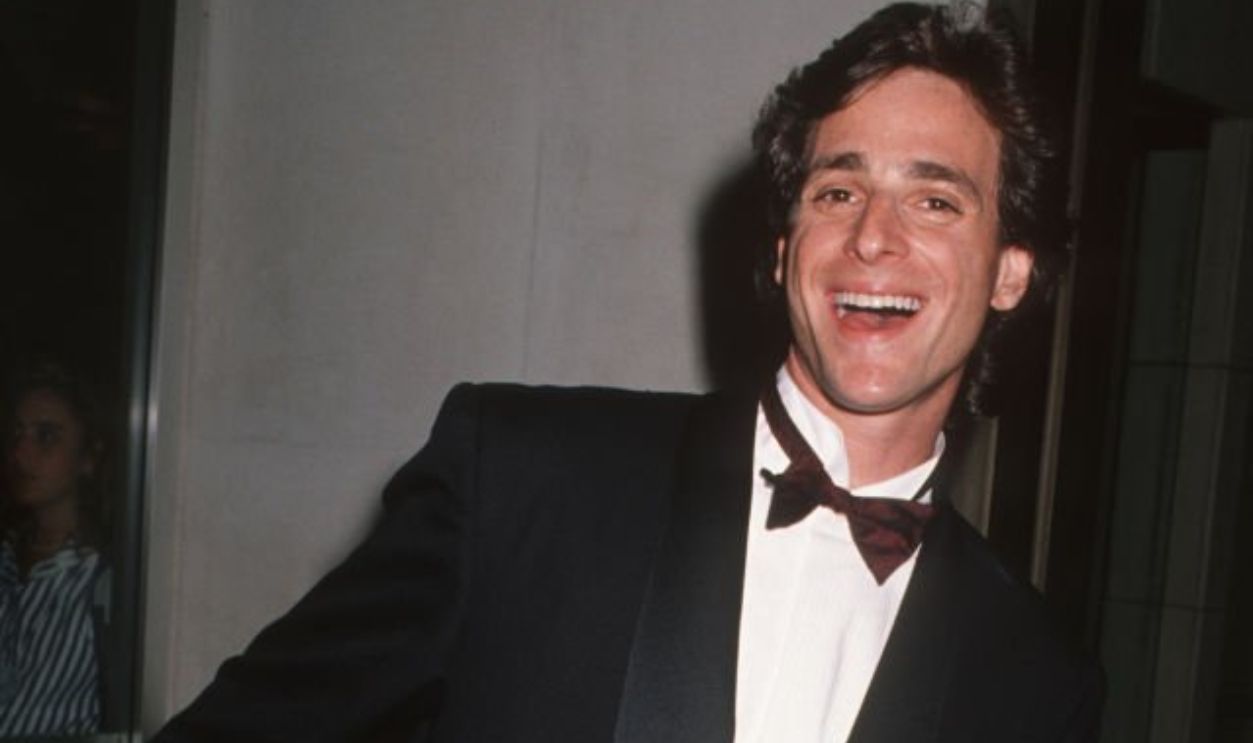 Ron Galella, Ltd., Getty Images
His Comedy Was Never Particularly Wholesome
Saget’s stand-up material was frequently raunchy, dark, and deliberately inappropriate. He enjoyed taking an innocent premise and following it into the most uncomfortable place imaginable. Long before he became television’s cleanest father, he was already perfecting jokes Danny Tanner would have interrupted with a concerned family meeting.
Television Slowly Began To Notice Him
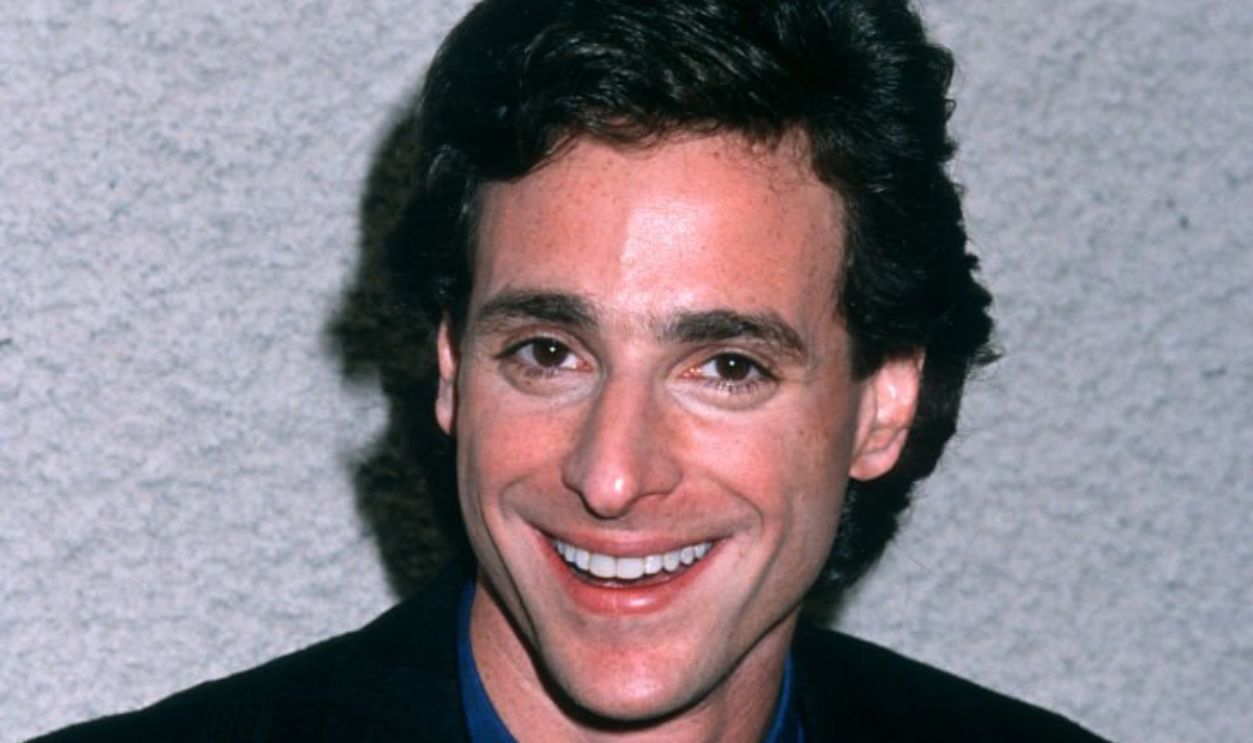
Saget earned appearances on comedy programs and worked behind the scenes on television projects. He also crossed paths with writer and producer Jeff Franklin while working around the sitcom Bosom Buddies. Franklin remembered the young comedian’s unusual combination of warmth, quickness, and barely controlled mischief.
Jeff Franklin Saw More Than A Dirty Comic
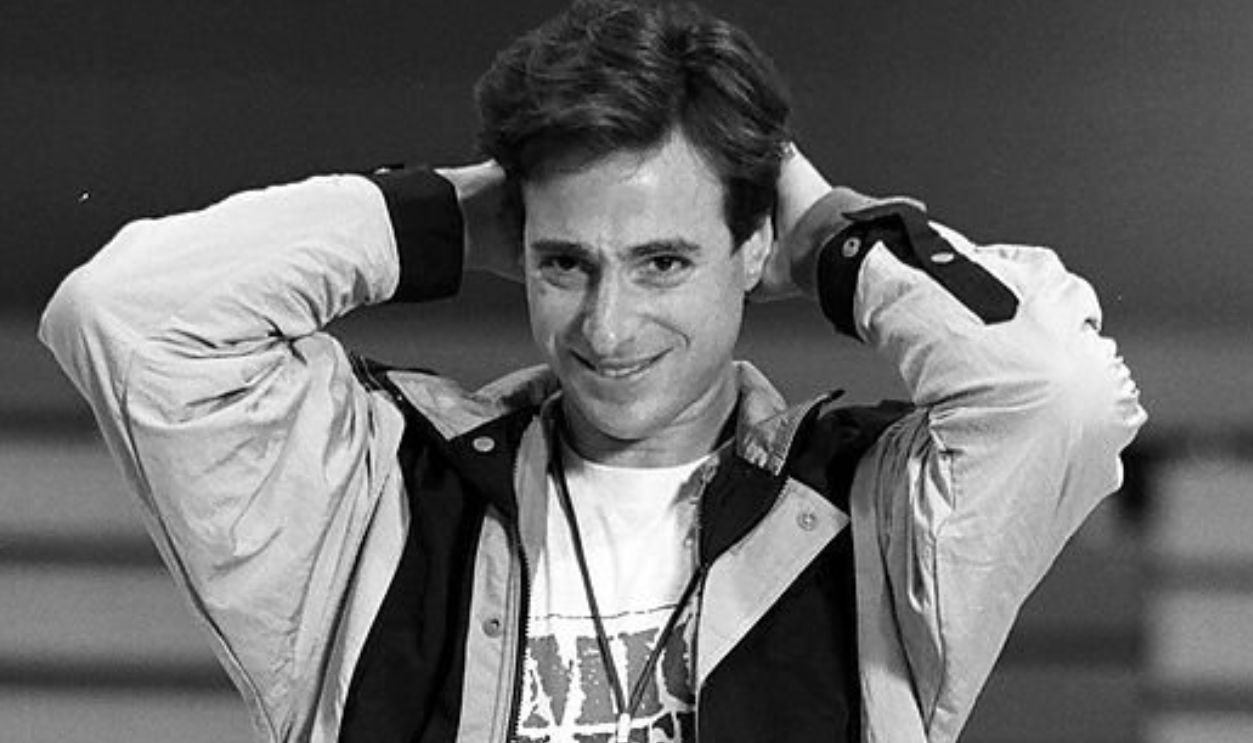
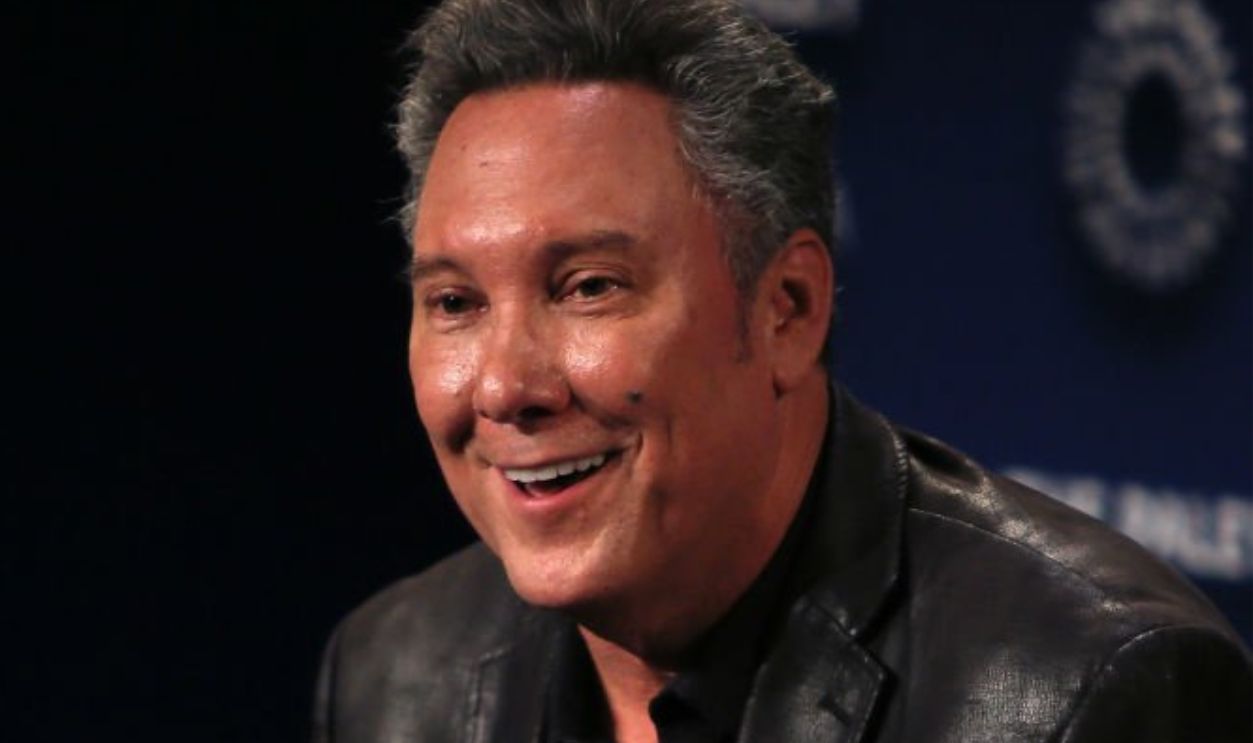
When Franklin developed a new family sitcom, he believed Saget could play its central father. The choice may have seemed surprising to anyone familiar with Saget’s nightclub act, but Franklin understood something important: underneath the outrageous material was a naturally affectionate man whom audiences could trust.
 David Livingston, Getty Images
Full House Needed A Father
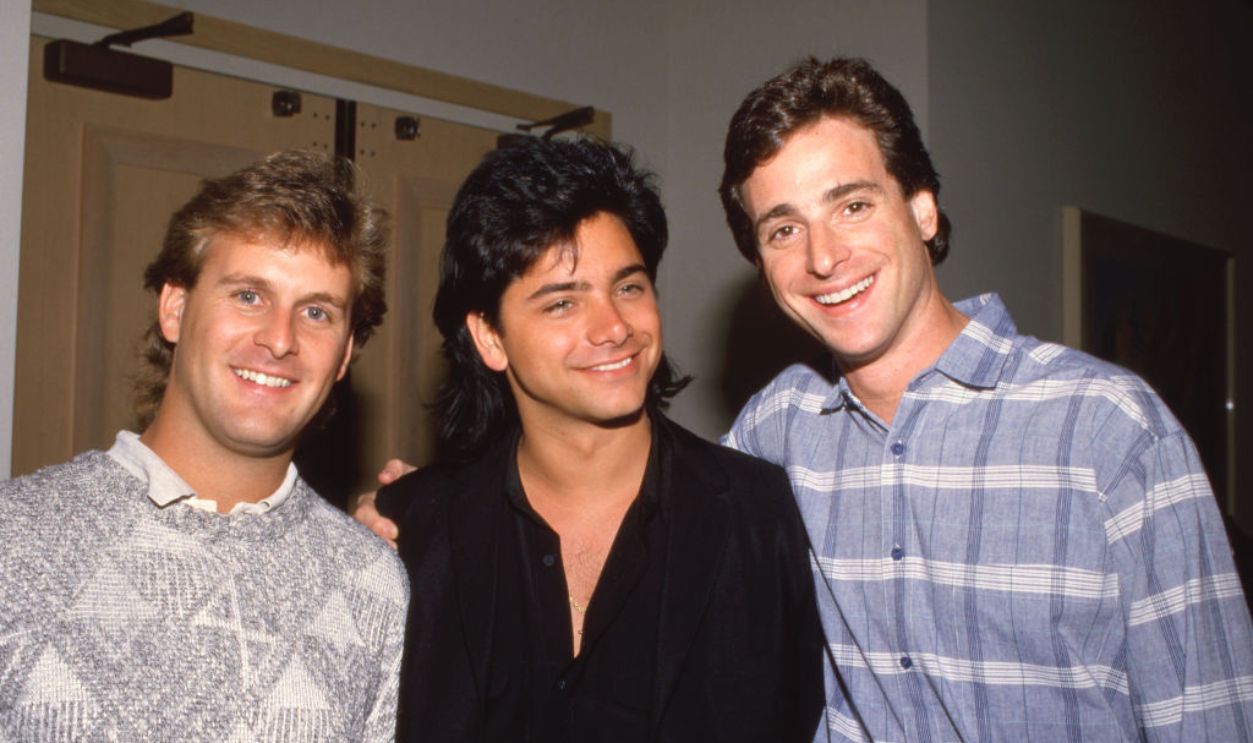
The proposed series followed Danny Tanner, a recently widowed broadcaster raising three daughters in San Francisco. Danny’s brother-in-law Jesse and best friend Joey moved into the house to help. The arrangement created an unconventional family held together by grief, loyalty, and an astonishing shortage of available bedrooms.
There Was One Serious Problem
Saget was Franklin’s preferred choice, but he was already under contract to CBS’s struggling morning series The Morning Program. He appeared as a roving reporter, conducting comic interviews and delivering humorous segments. Because he was unavailable, Full House had to begin without him.
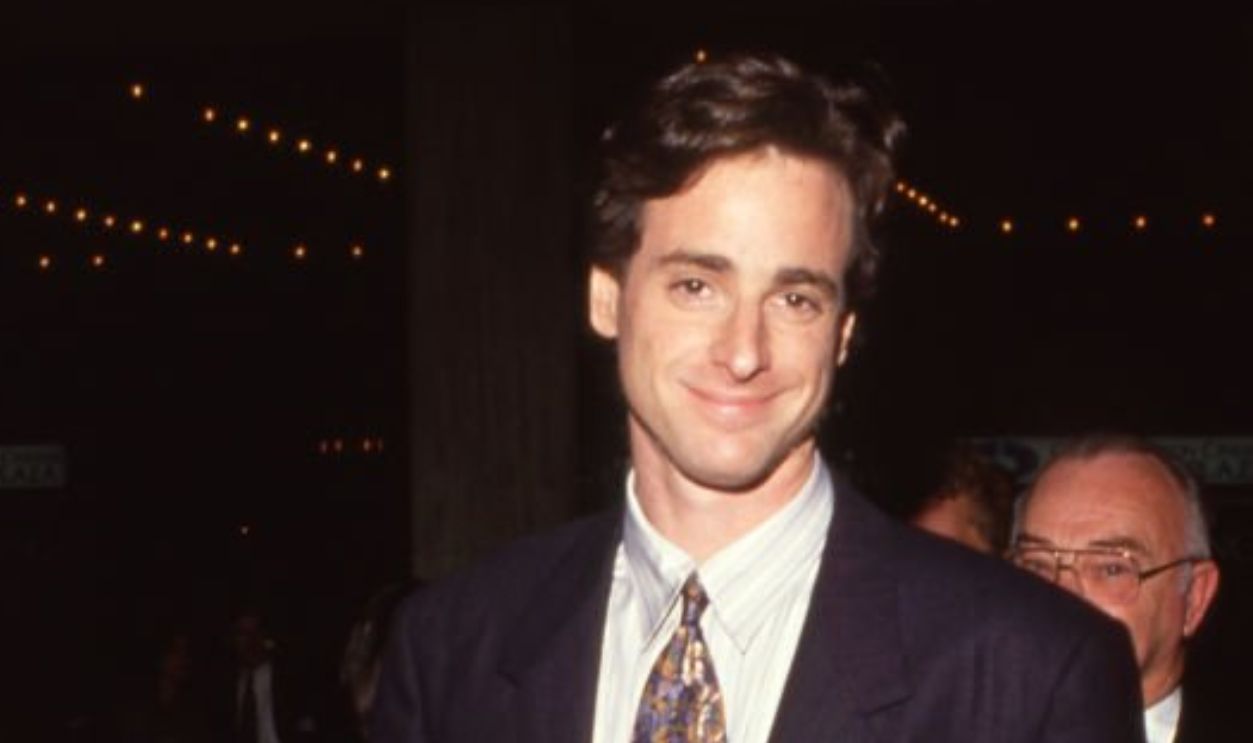
Another Actor Filmed The Pilot
Actor John Posey was cast as Danny Tanner and filmed the original Full House pilot. Posey expected to continue if ABC ordered the series. The footage existed, the role was his, and the Tanner family had apparently found its father—until television delivered a particularly uncomfortable surprise.
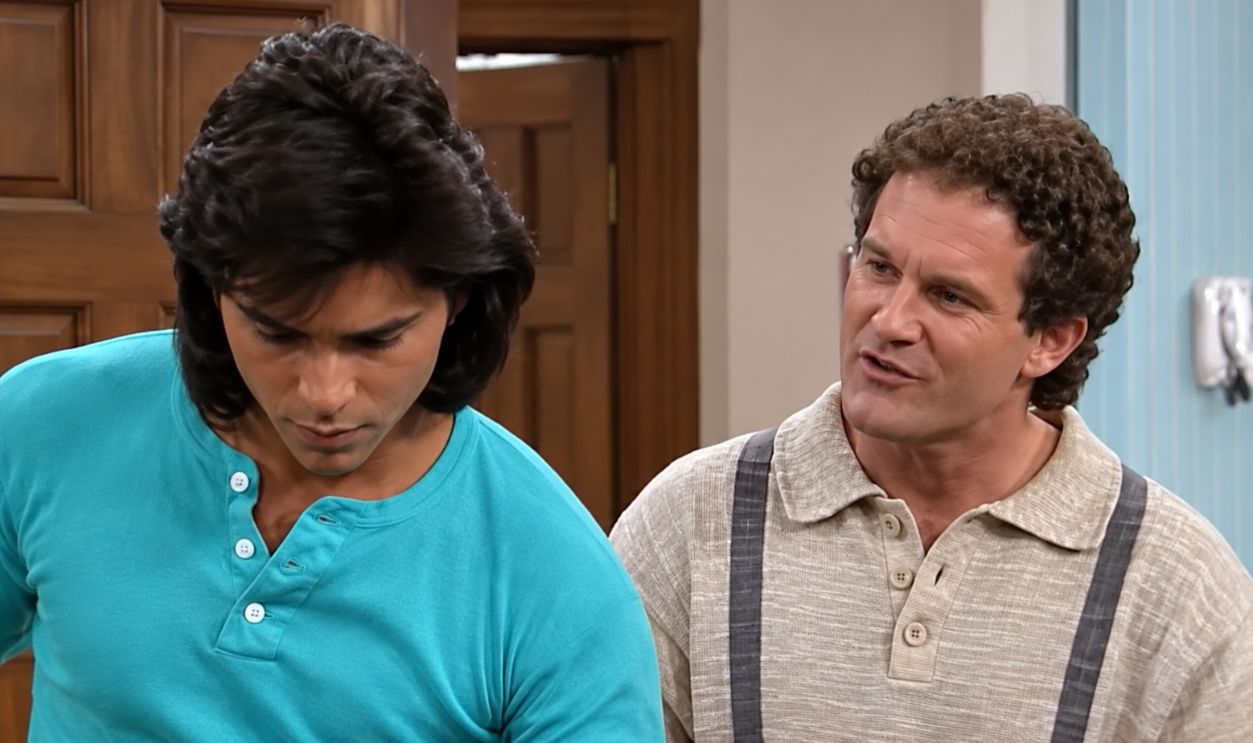 Screenshot from Full House, Warner Bros. (1987-1995), Enhanced
Then Saget Lost His Morning Job
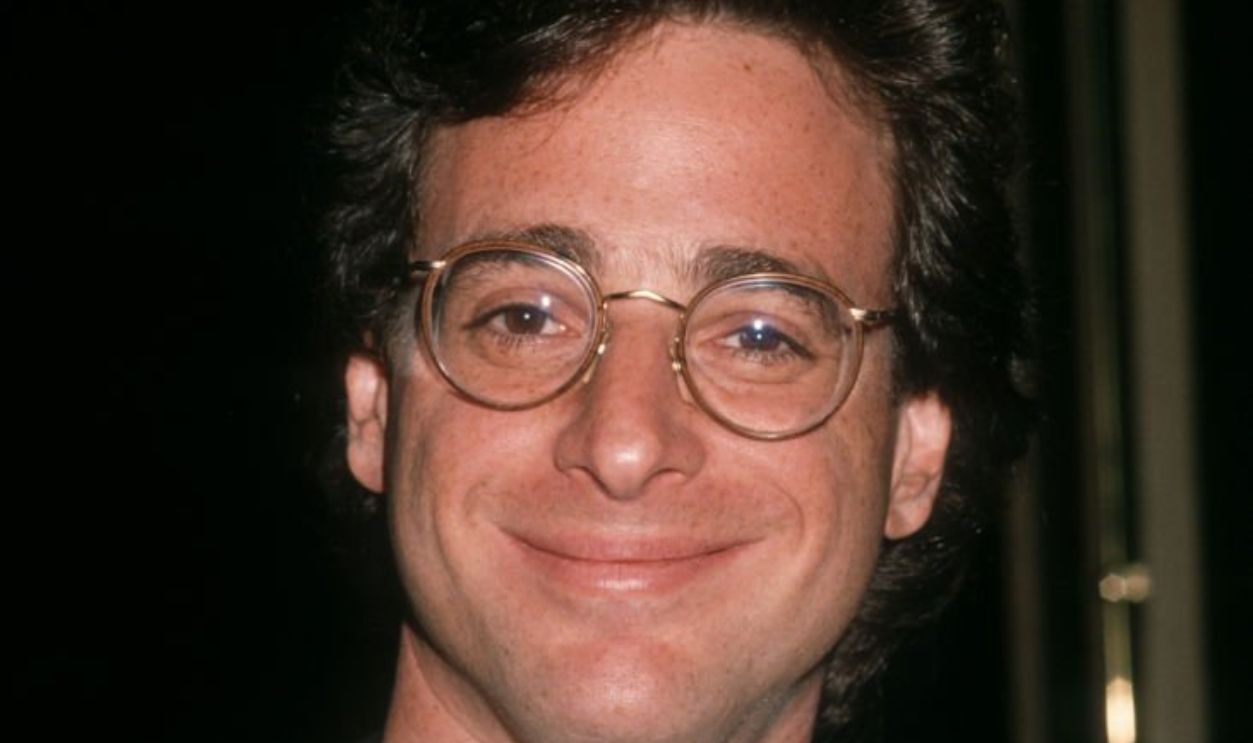
During a live segment, Saget made a wordplay joke about a “Type A” personality and “A-ness.” Spoken aloud, it sounded suspiciously like an anatomical reference that morning television was not prepared to hear over breakfast. CBS soon dismissed him, suddenly making Franklin’s first choice available.
 Ron Galella, Ltd., Getty Images
His Failure Became His Breakthrough
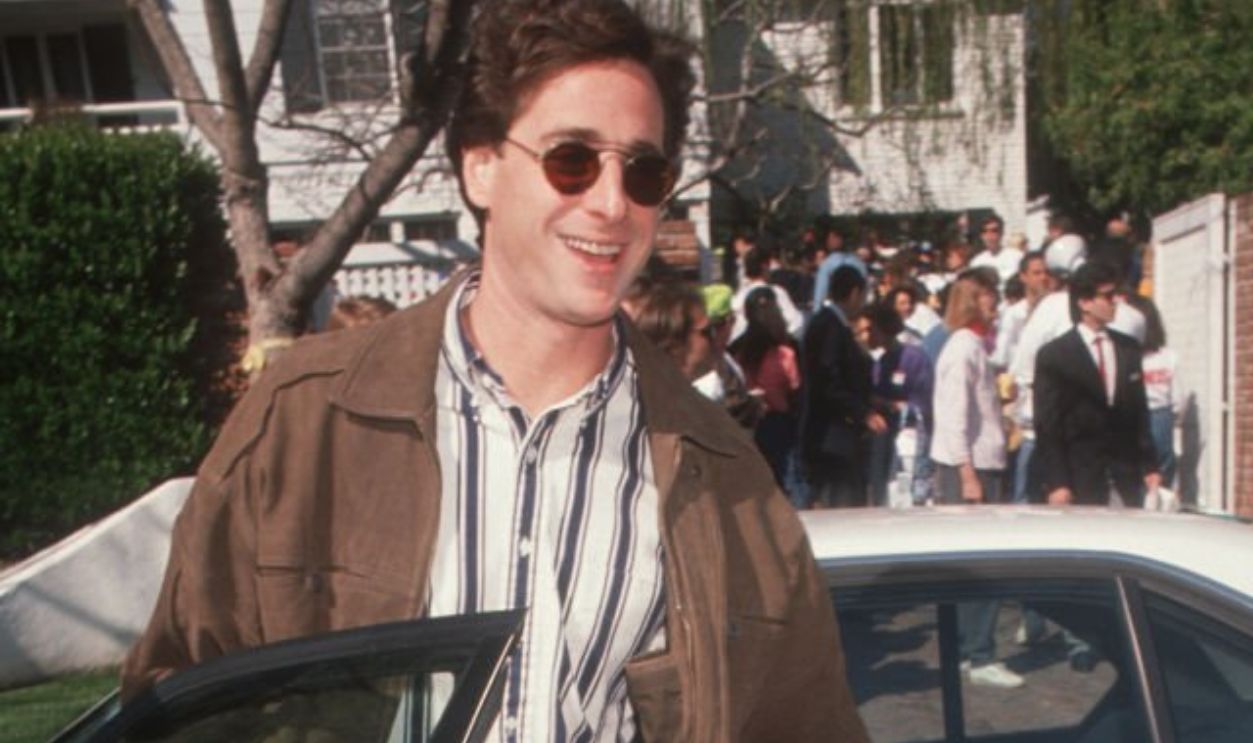
Losing a network job would normally represent a career emergency. For Saget, it opened the door to the role that would define his public life. Franklin reportedly joked that Saget should have made the troublesome remark weeks earlier, before the original pilot had been completed.
 Ron Galella, Ltd., Getty Images
ABC Made A Painful Decision
Once Saget became available, the producers replaced Posey and filmed the pilot again. Saget later expressed sympathy for the actor whose opportunity he had unexpectedly inherited. It was an awkward beginning to one of television’s most beloved sitcoms—but entertainment history is rarely as tidy as Danny Tanner’s kitchen.
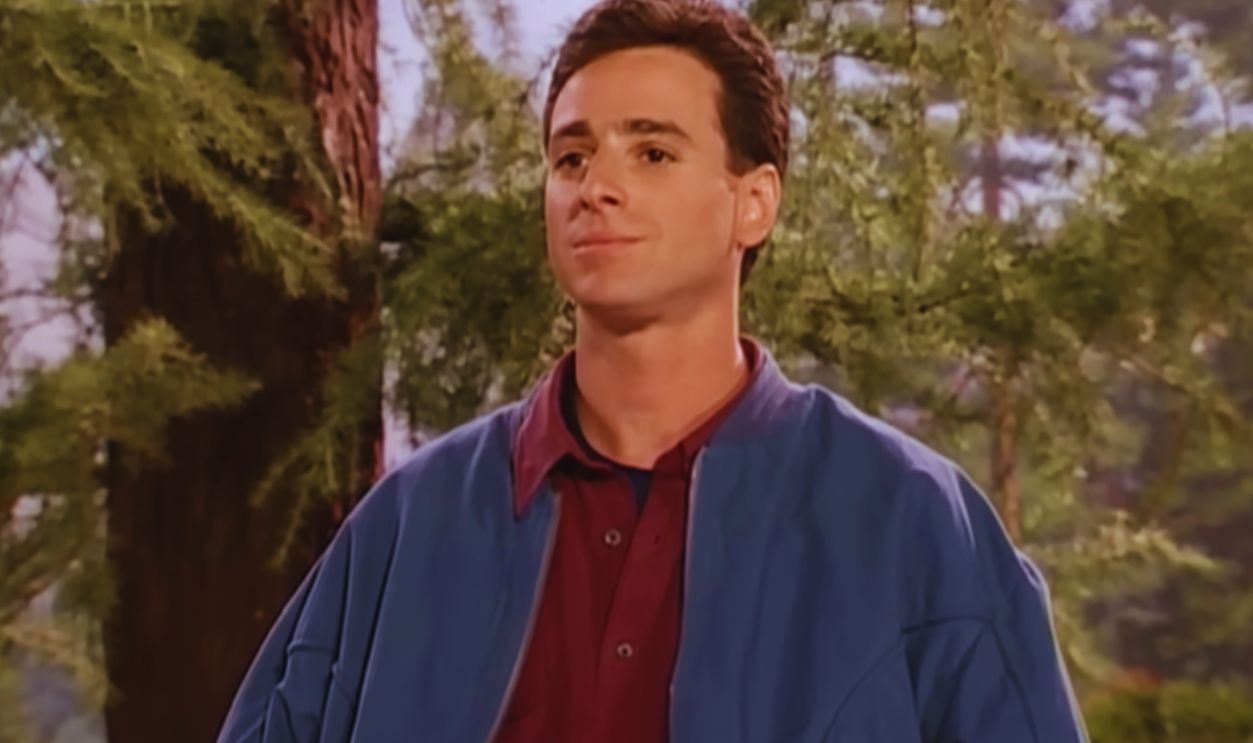 Screenshot from Full House, Warner Bros. (1987-1995)
Danny Tanner Finally Arrived
Full House premiered on ABC on September 22, 1987. Saget’s Danny was responsible, sentimental, and determined to protect daughters D.J., Stephanie, and Michelle after their mother’s death. The show rarely lingered on tragedy, but that loss quietly explained Danny’s devotion to keeping everyone close.
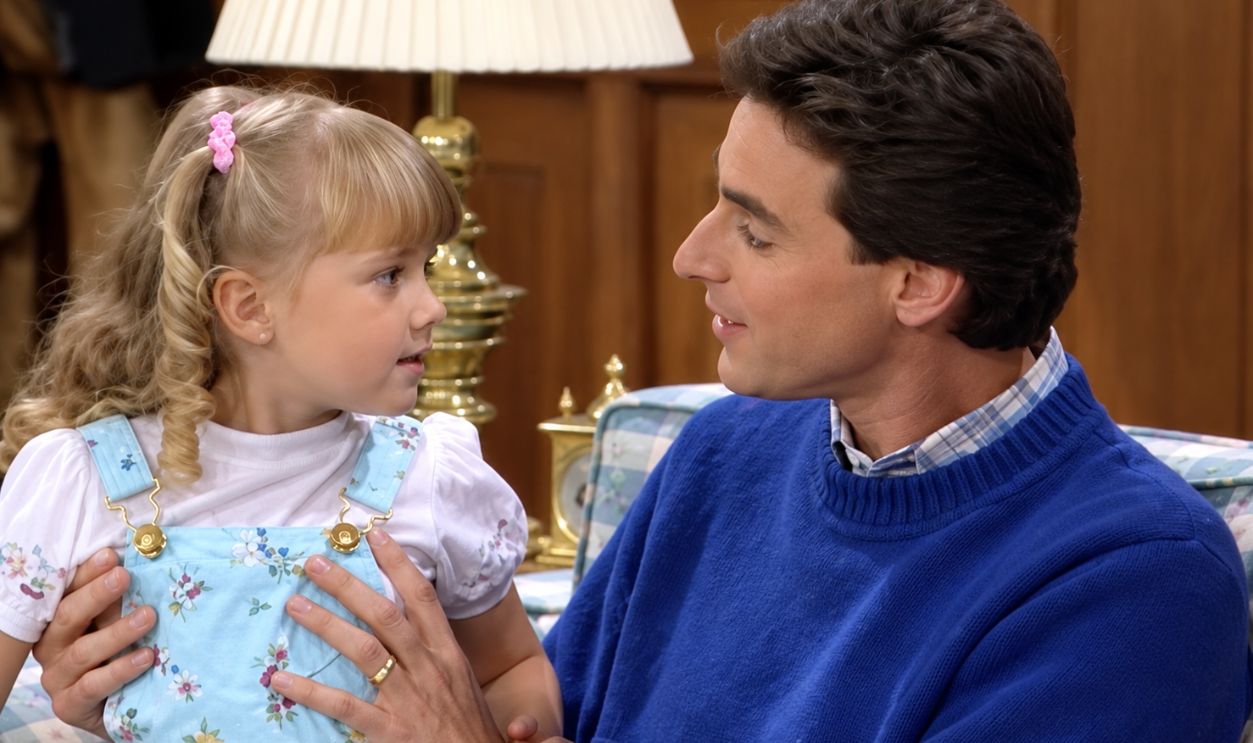 Screenshot from Full House, Warner Bros. (1987-1995), Enhanced
Saget Helped Shape The Character
Saget reportedly imagined Danny as a version of Felix Unger, the famously fastidious character from The Odd Couple. Cleaning consequently became one of Danny’s defining obsessions. He vacuumed, disinfected, dusted, and reorganized with an enthusiasm normally reserved for major sporting events.
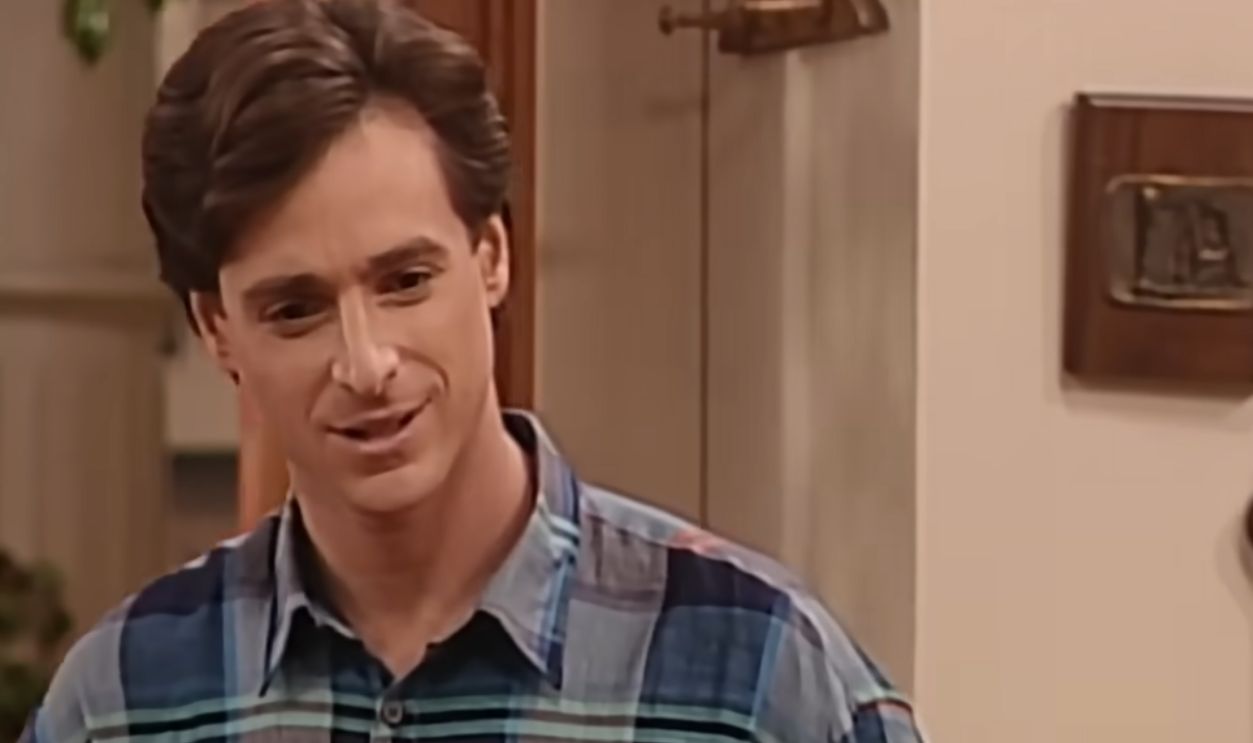 Screenshot from Full House, Warner Bros. (1987-1995)
The Neat Freak Became A Running Joke
Danny did not merely clean the house; he appeared emotionally fulfilled by cleaning the cleaning supplies. His obsession gave Saget a dependable source of physical comedy and helped distinguish Danny from the relaxed men surrounding him. Jesse had the motorcycle, Joey had impressions, and Danny had upholstery attachments.
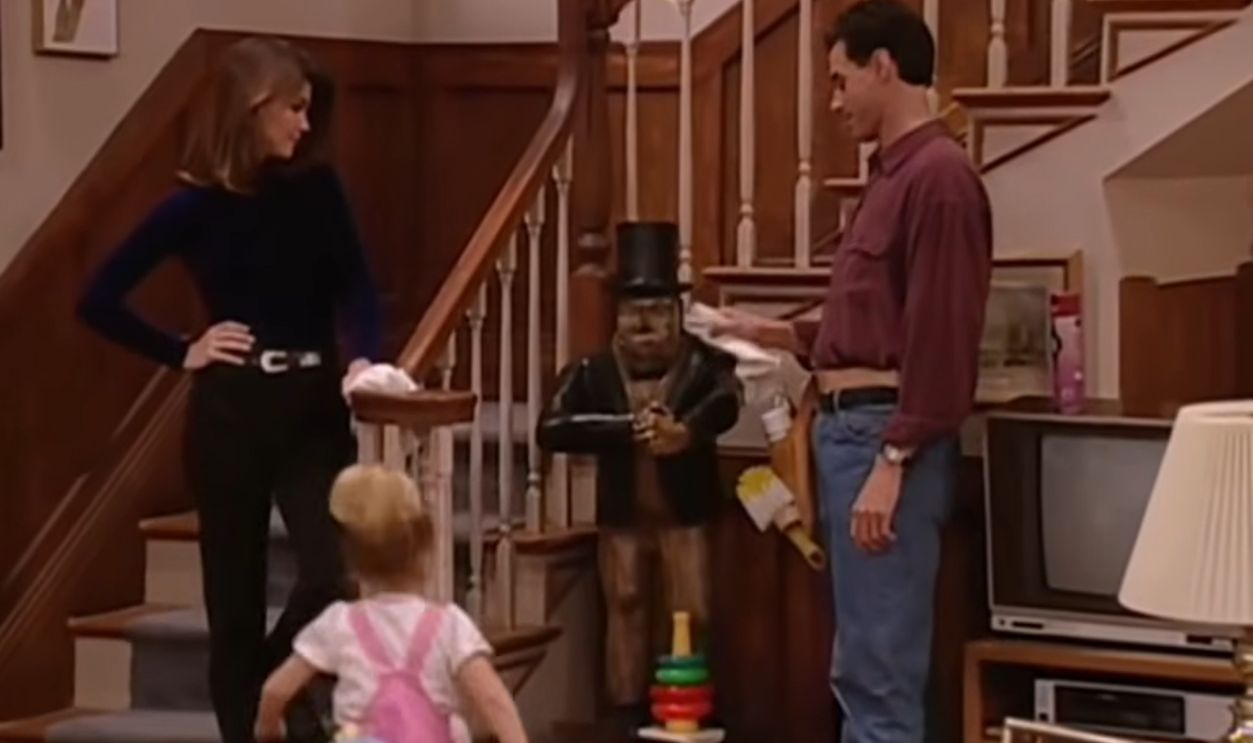 Screenshot from Full House, Warner Bros. (1987-1995)
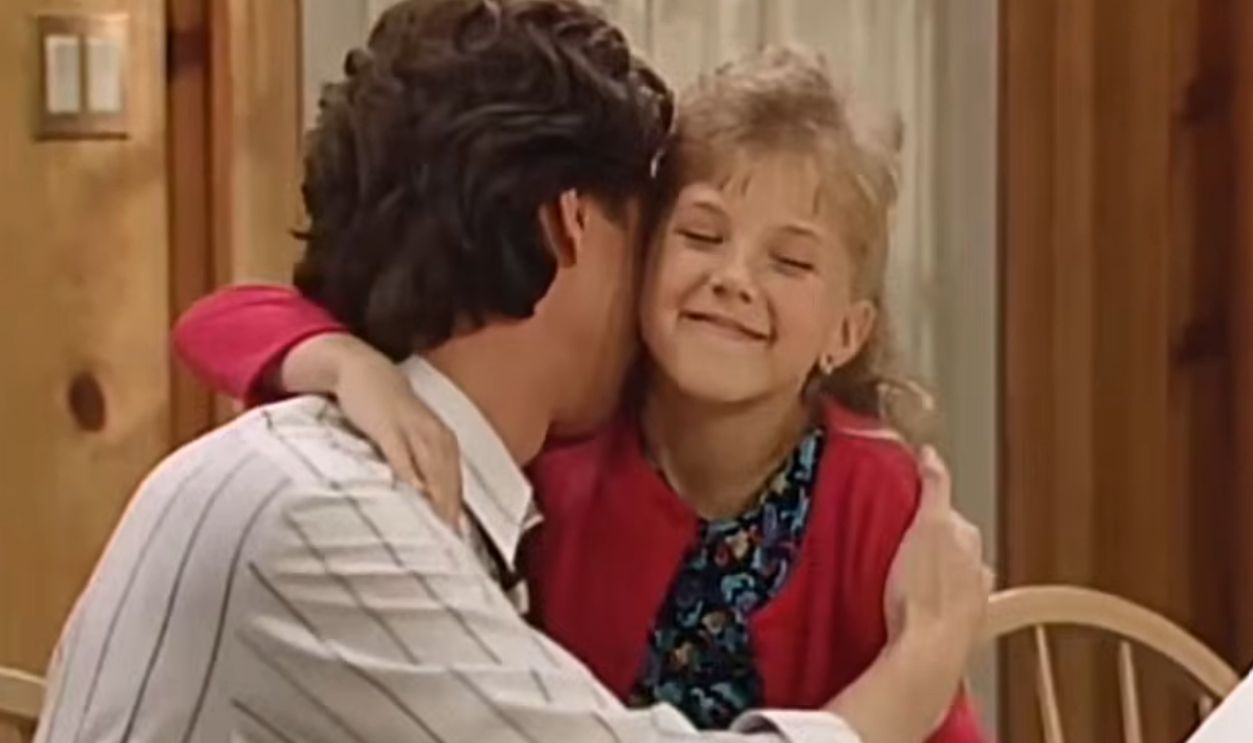
The Hugs Came From Bob Himself
Saget also wanted Danny to be openly affectionate because physical warmth mattered in his own family. Danny hugged his daughters, his friends, and nearly anyone experiencing a difficult afternoon. The embraces became such a familiar part of Full House that viewers could often sense one approaching before the background music began.
 Screenshot from Full House, Warner Bros. (1987-1995)
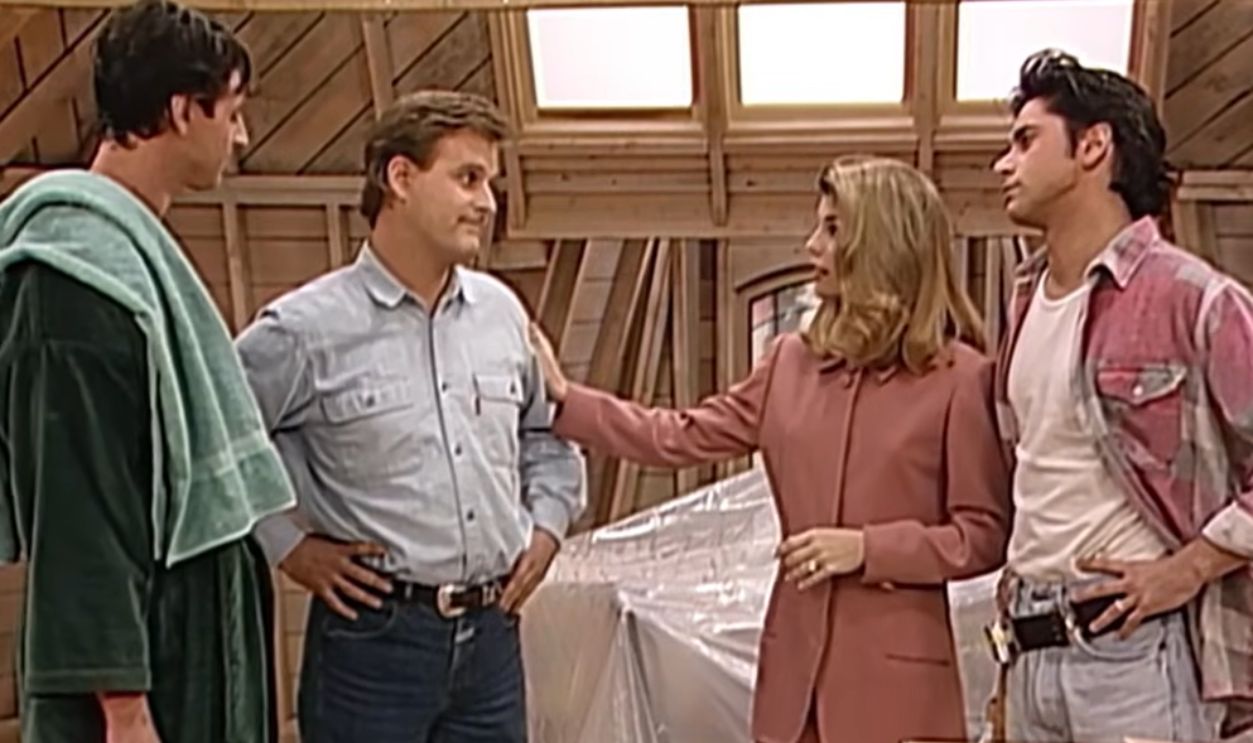
Three Men Redefined A Television Family
Danny, Jesse, and Joey shared childcare, cooking, emotional support, and household responsibilities. The arrangement quietly challenged the idea that nurturing belonged exclusively to mothers. Beneath the exaggerated misunderstandings and catchphrases, Full House presented three men unashamed to care for children and one another.
 Screenshot from Full House, Warner Bros. (1987-1995)
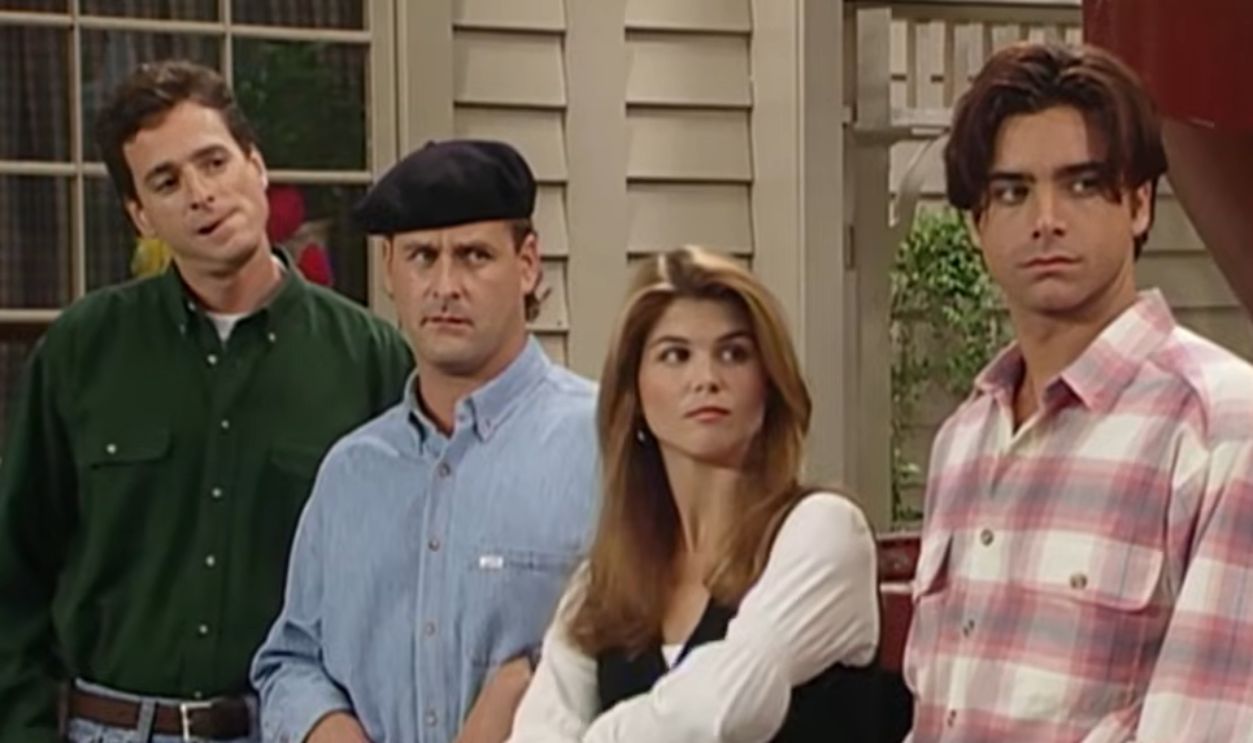
John Stamos Completed The Trio
John Stamos played Jesse Katsopolis, Danny’s cool, Elvis-loving brother-in-law. Jesse’s leather jackets and carefully maintained hair contrasted perfectly with Danny’s sweaters and cleaning supplies. Their different styles gave the show tension without undermining the genuine affection between the characters.
 Screenshot from Full House, Warner Bros. (1987-1995)
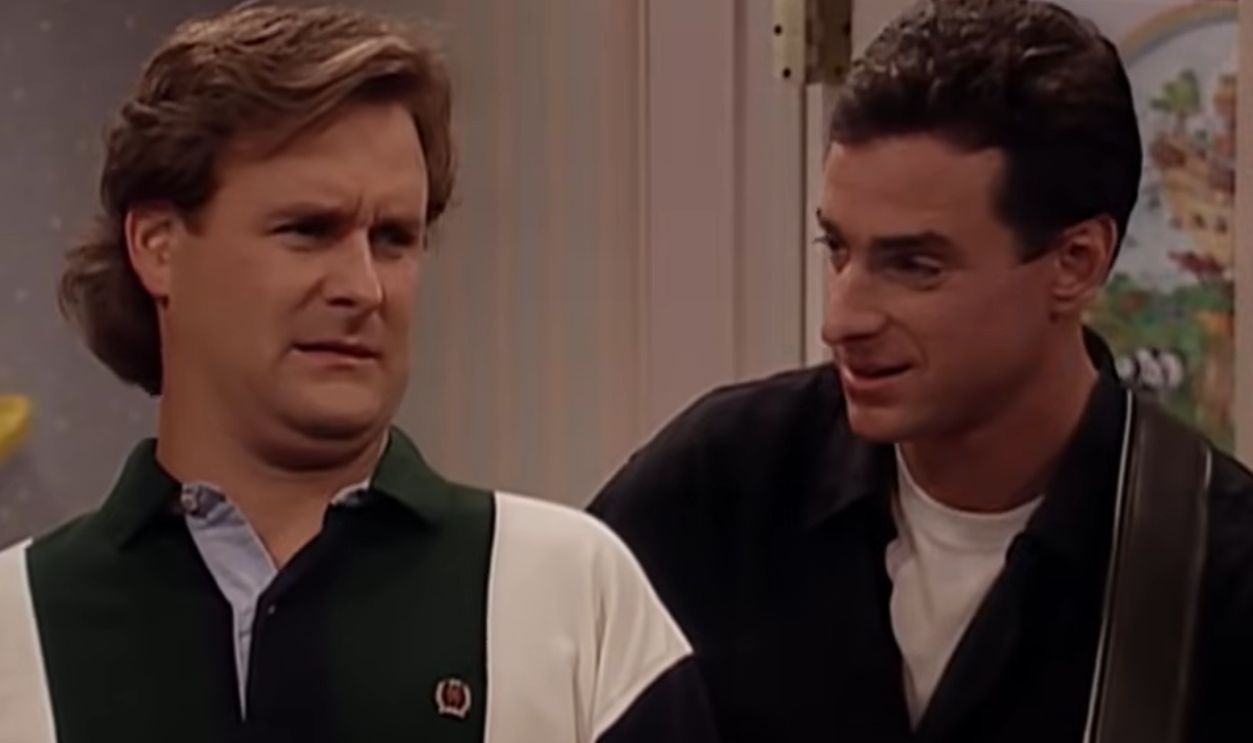
Dave Coulier Brought Out Bob’s Mischief
Dave Coulier played comedian Joey Gladstone, Danny’s longtime friend and the household’s resident impressionist. Coulier and Saget had known each other through comedy, and their shared instinct for absurdity often emerged between takes. Whenever the two started competing for laughs, the schedule apparently became more of a suggestion.
 Screenshot from Full House, Warner Bros. (1987-1995)
The Children Sometimes Became The Professionals
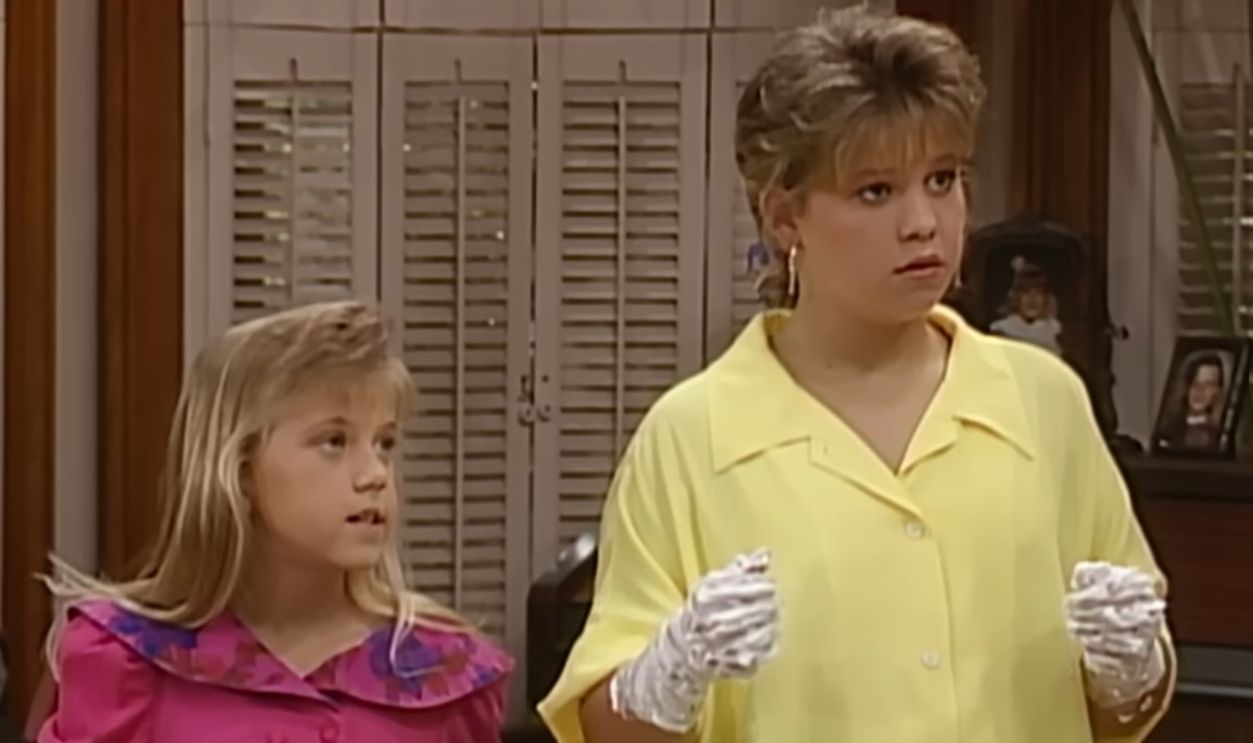
Jodie Sweetin and Andrea Barber later remembered Saget and Coulier trying to make one another laugh while filming. Scenes could drift far from the script as the adults improvised. Ironically, the younger actors occasionally became the responsible people waiting for their television father to regain control.
 Screenshot from Full House, Warner Bros. (1987-1995)
He Protected The Young Cast
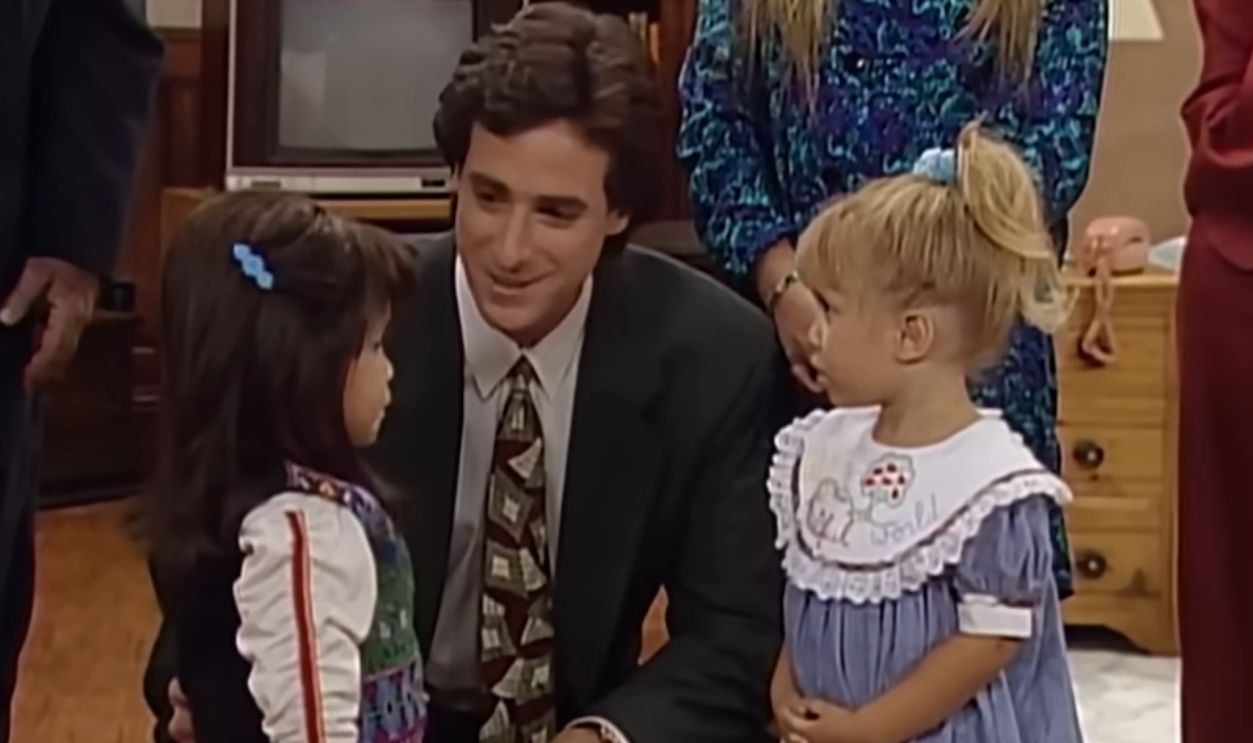
Saget’s humor could be outrageous around fellow comedians, but his relationships with the young actresses were deeply affectionate. Candace Cameron Bure, Jodie Sweetin, and the Olsen twins grew up around him. Over time, the distinction between their television family and their real friendships became increasingly difficult to separate.
 Screenshot from Full House, Warner Bros. (1987-1995)
He Was Raising Daughters Offscreen Too
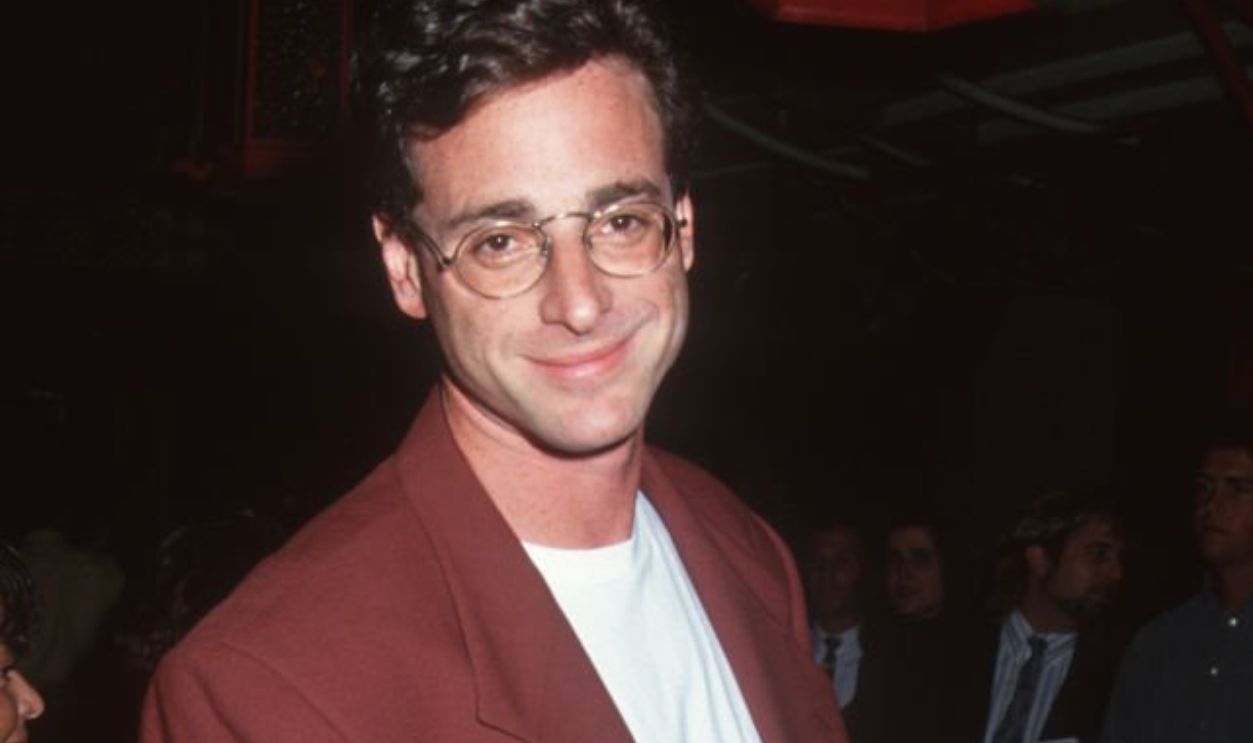
Saget was also the father of three daughters: Aubrey, Lara, and Jennifer. His experience at home gave Danny Tanner’s protectiveness an emotional foundation. The speeches may have been scripted, but his instinct to listen, comfort, worry, and embarrass his children was thoroughly authentic.
 Ron Galella, Ltd., Getty Images
The Show Took Time To Find Its Audience
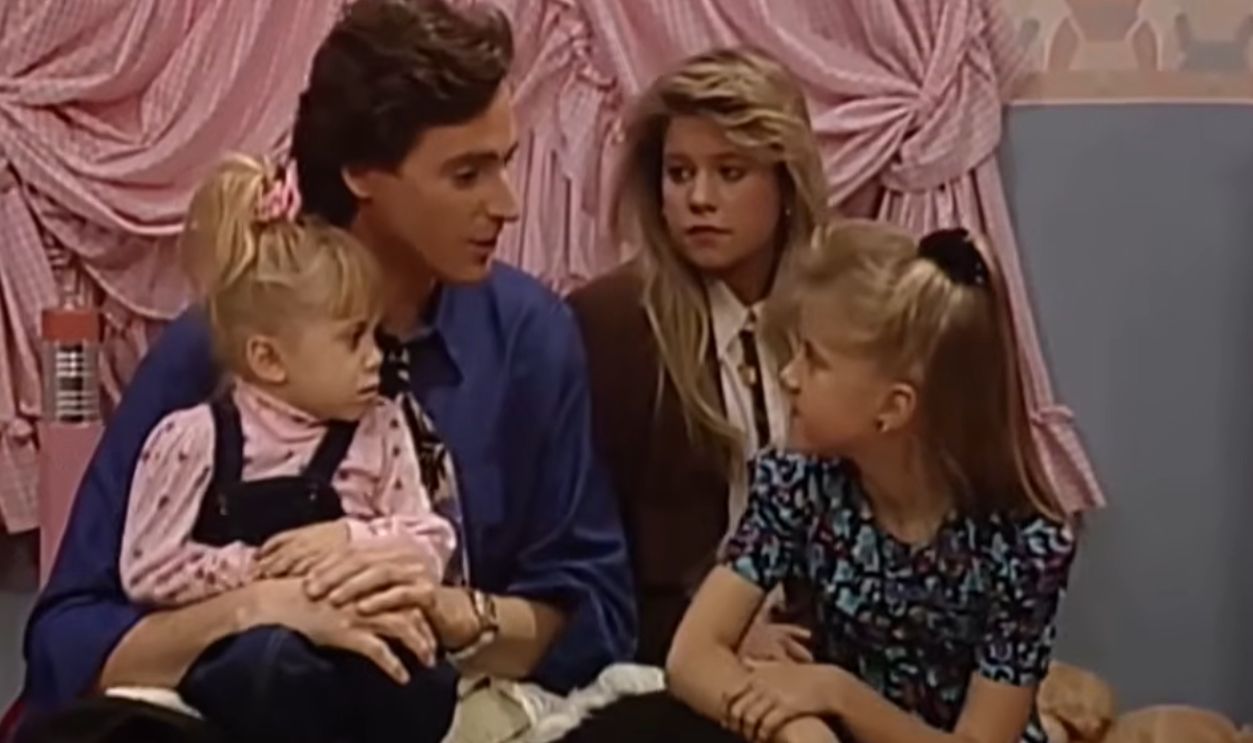
Full House was not immediately treated as sophisticated television, and critics rarely confused it with cutting-edge drama. Families, however, embraced its warmth and dependability. Viewers returned because the Tanner household offered something reassuring: whatever happened before the commercial break, nobody would face it alone.
 Screenshot from Full House, Warner Bros. (1987-1995)
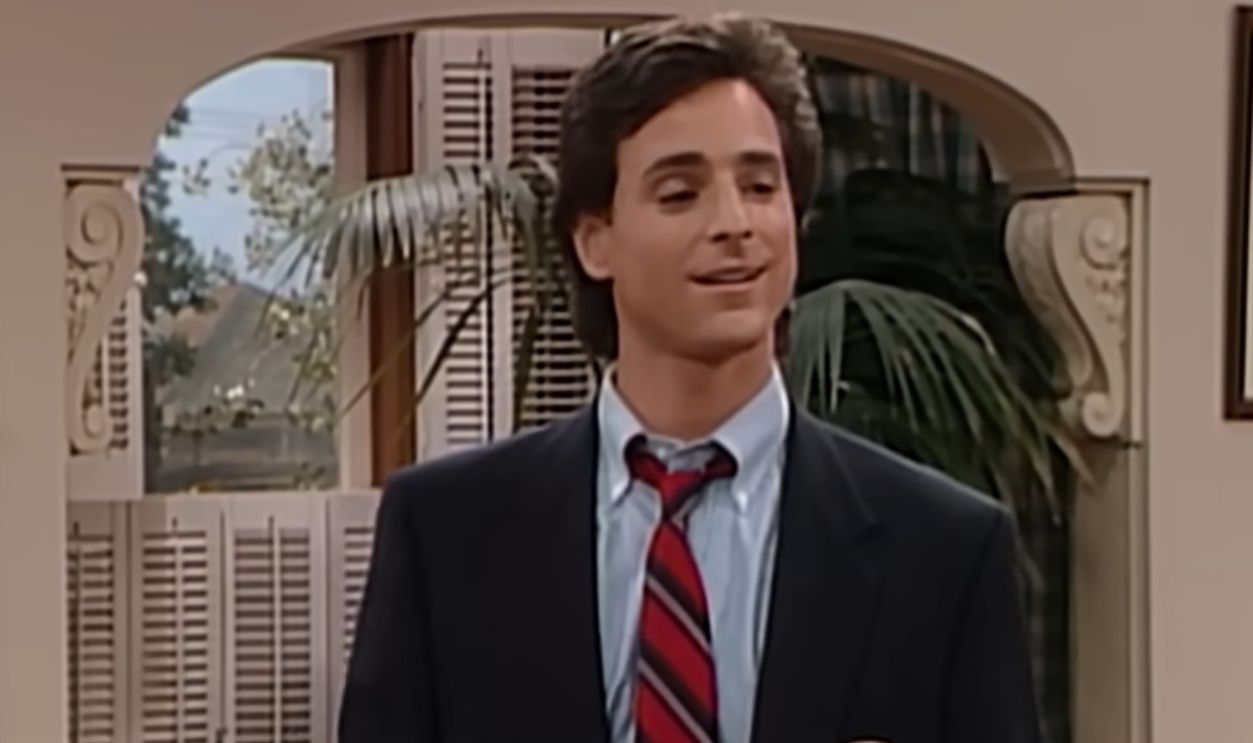
Danny Always Had One More Speech
Nearly every crisis eventually brought the family together for a sincere conversation. Danny would lower his voice, explain the lesson, and remind his daughters that he loved them. The formula became predictable—but predictability was part of the comfort millions of viewers wanted from him.
 Screenshot from Full House, Warner Bros. (1987-1995)
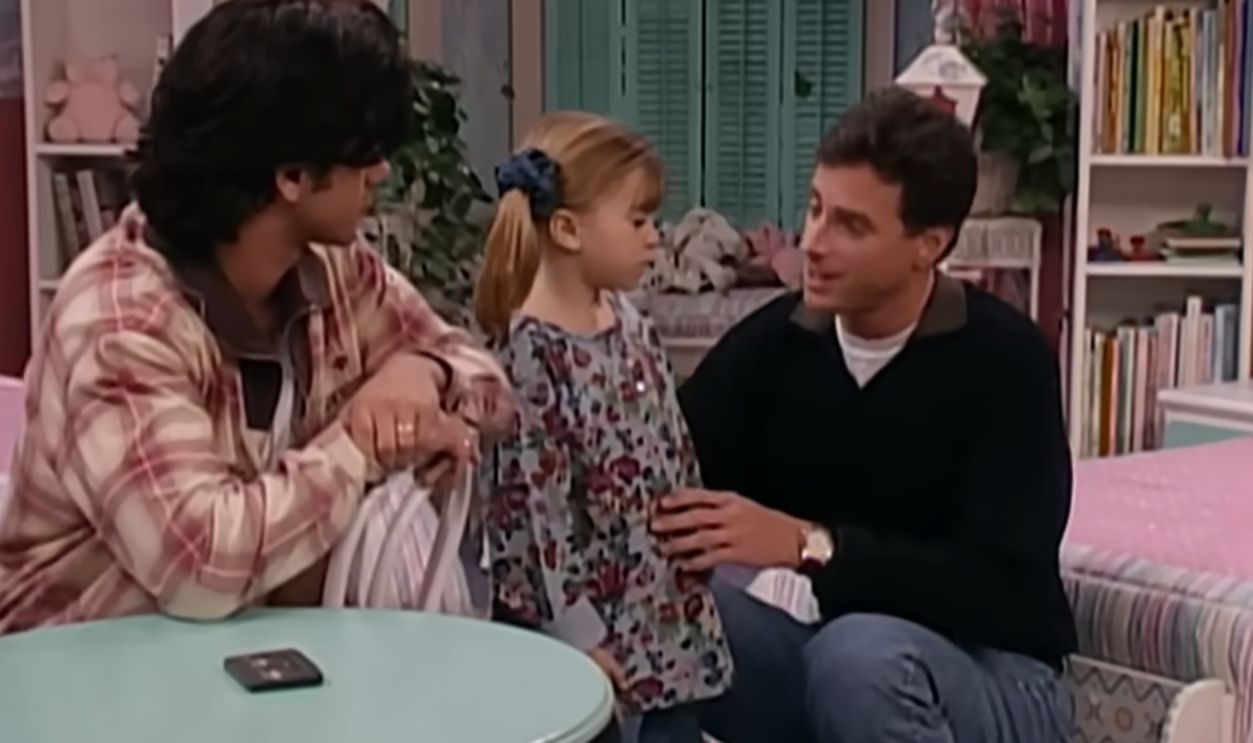
He Became America’s Favorite Dad
As Full House grew in popularity, Saget became one of television’s most recognizable fathers. Viewers later approached him to say that Danny had represented the parent they wished they had. Those encounters meant far more to Saget than the character’s famously spotless countertops.
 Screenshot from Full House, Warner Bros. (1987-1995)
Then Home Videos Made Him Even More Wholesome
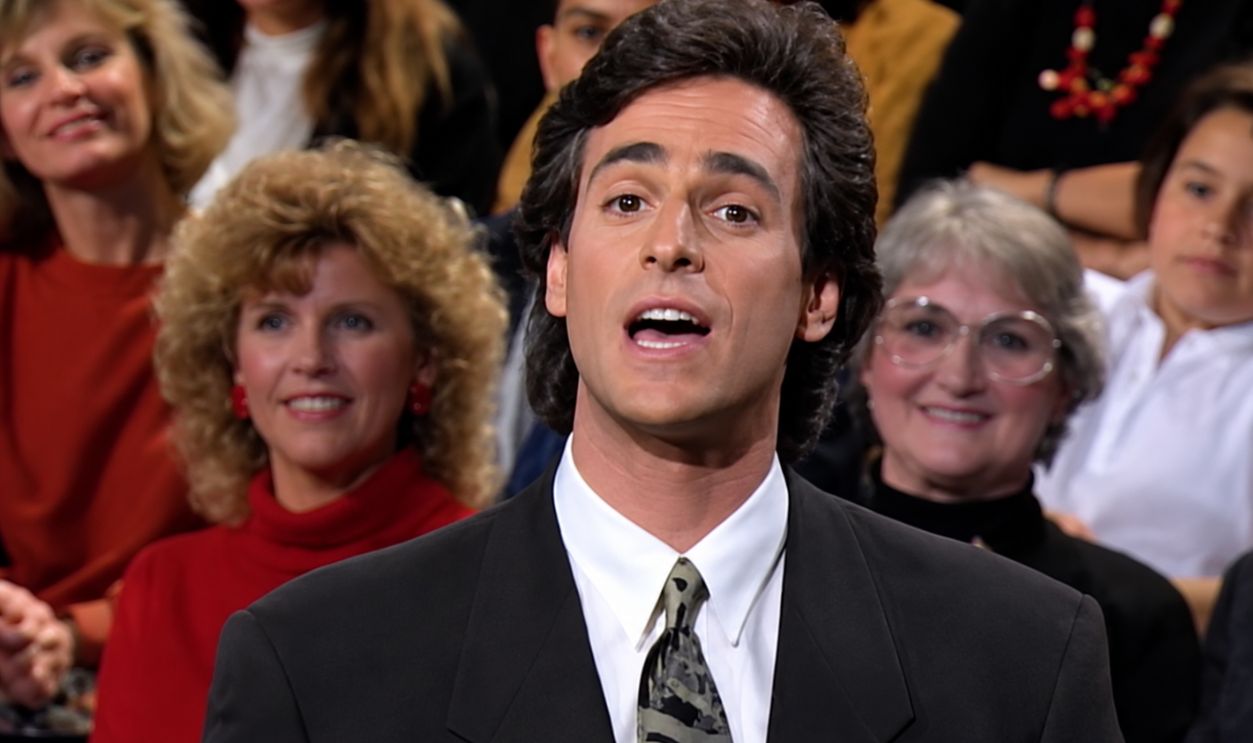
In 1989, Saget began hosting America’s Funniest Home Videos. Each week, he introduced clips of children falling into birthday cakes, adults losing arguments with trampolines, and pets demonstrating better comic timing than their owners. The job strengthened his reputation as safe, cheerful family entertainment.
 Screenshot from America’s Funniest Home Videos, ABC (1990-Present)
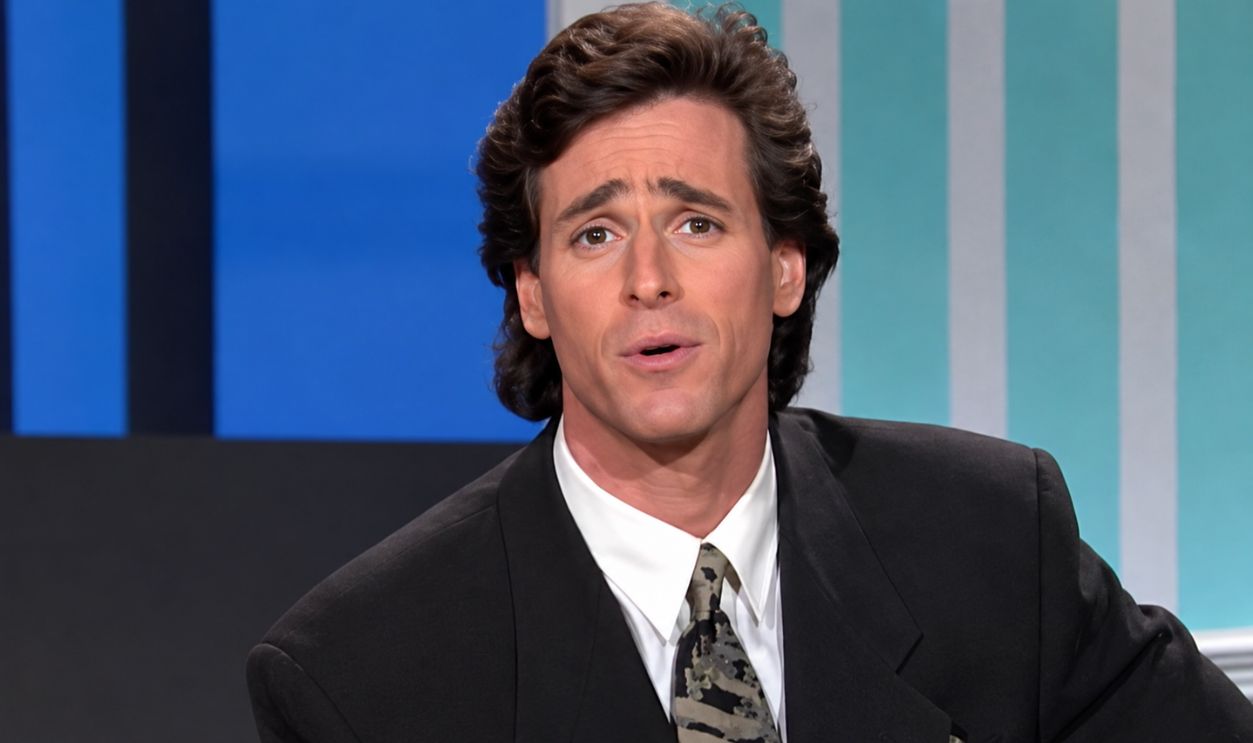
His Voice-Overs Became Part Of The Fun
Saget did not simply introduce the footage. He supplied silly voices, mock conversations, and elaborate setups for mishaps that often required very little explanation. A person falling off a water ski was already funny, but Saget approached the clip as though it needed a complete theatrical backstory.
 Screenshot from America’s Funniest Home Videos, ABC (1990-Present)
He Was Working Two Enormous Jobs
For much of the early 1990s, Saget filmed Full House while also hosting America’s Funniest Home Videos. One program presented him as America’s most caring father, while the other made him the friendly witness to America’s least graceful moments. Together, they made his wholesome image nearly impossible to escape.
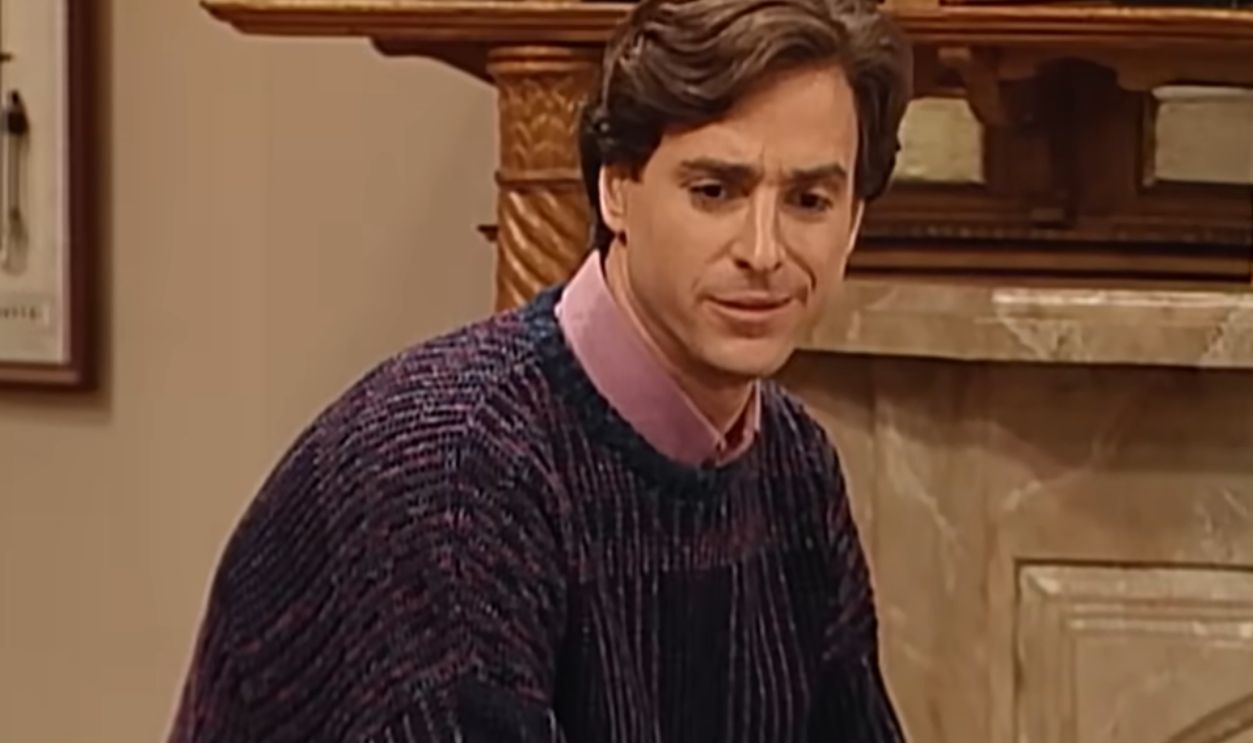 Screenshot from Full House, Warner Bros. (1987-1995),
Audiences Had No Idea What His Stand-Up Was Like
Viewers who discovered Saget through family television were often stunned to encounter his nightclub material. His stand-up contained profanity, adult humor, and intentionally tasteless stories. The contrast became one of comedy’s strangest reveals: Danny Tanner had apparently been waiting years to say everything ABC would never allow.
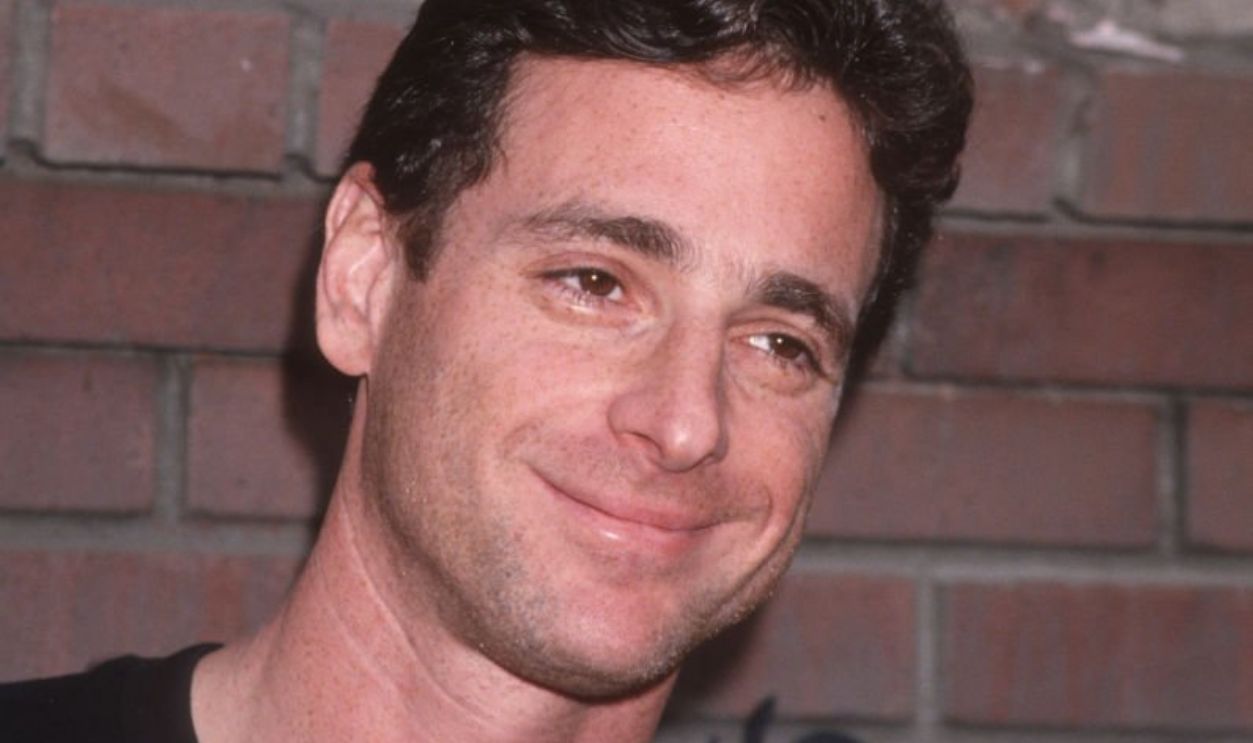 Ron Galella, Ltd., Getty Images
He Never Considered The Personas Opposites
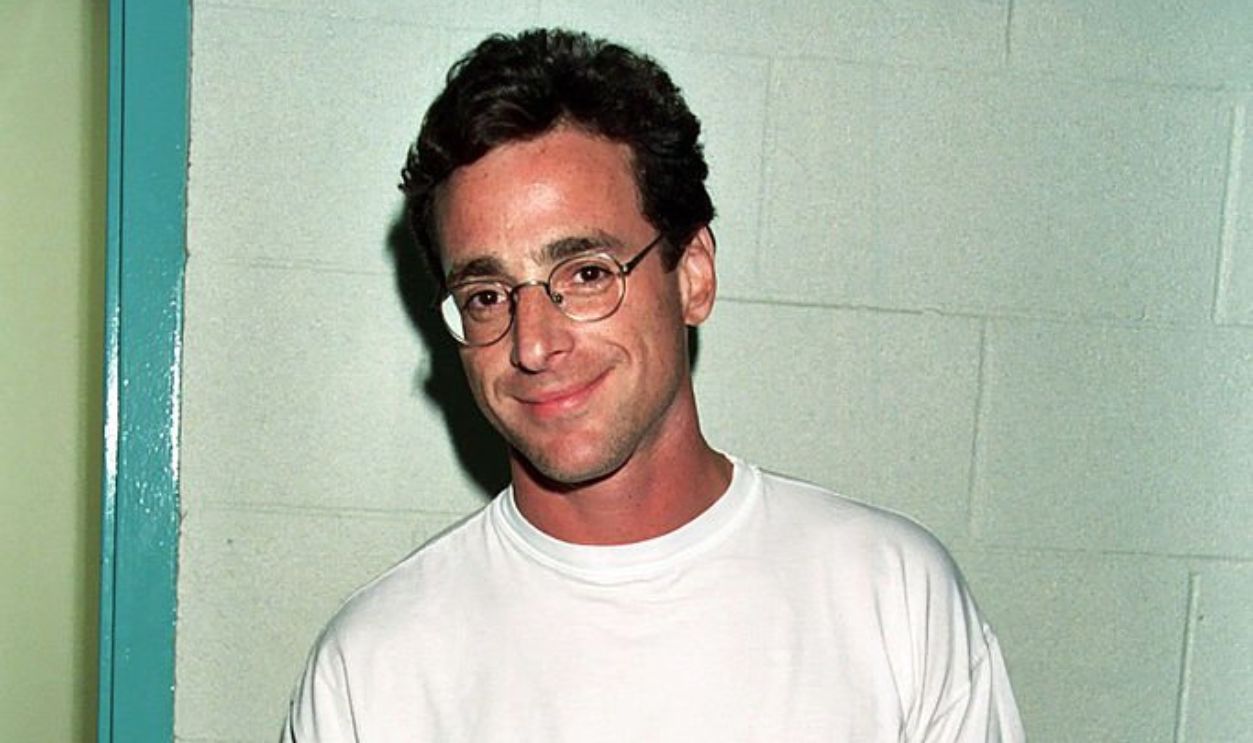
Saget did not view his family television work as false or his adult comedy as the only authentic version of himself. Both emerged from the same personality. He could be compassionate, sentimental, mischievous, and spectacularly inappropriate—sometimes within a single conversation.
Full House Came To An End
ABC canceled Full House in 1995 after eight seasons. Saget left America’s Funniest Home Videos two years later. By then, Danny Tanner was permanently attached to him, and Saget understood that escaping the association would be impossible. Instead, he gradually made the contradiction part of his act.
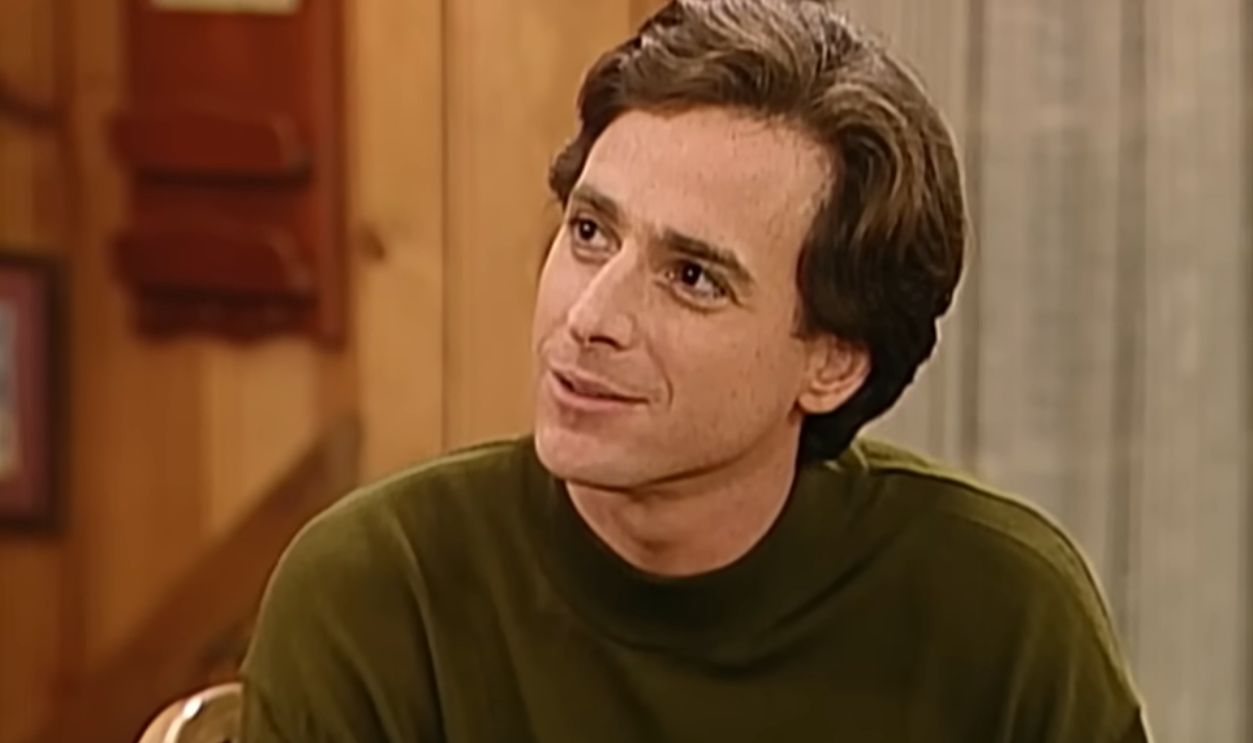 Screenshot from Full House, Warner Bros. (1987-1995)
He Revealed Just How Far He Could Go
Saget delivered an infamously graphic version of the legendary comedians’ joke in the 2005 documentary The Aristocrats. The performance shocked viewers who knew him only as Danny. For Saget, the extremity was about testing comic freedom—and perhaps watching America’s image of its favorite dad explode in real time.
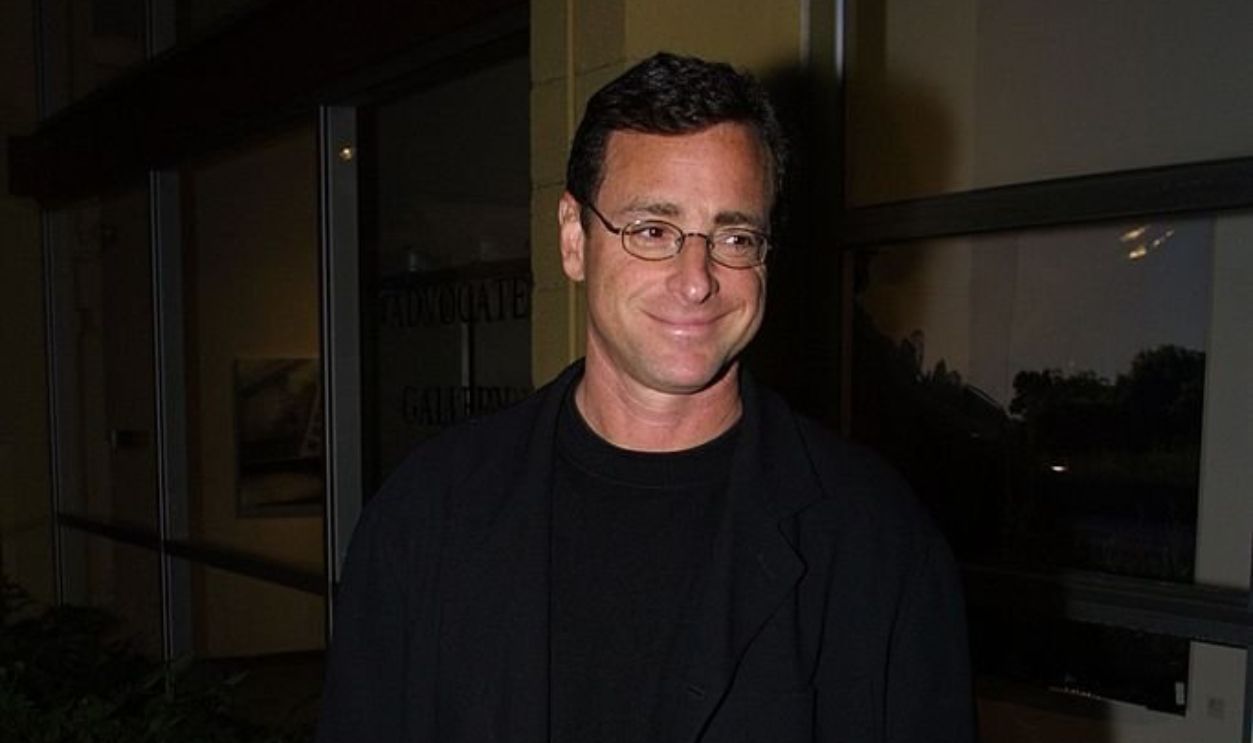
He Became A Cult-Movie Director
Saget directed the 1998 comedy Dirty Work, starring Norm Macdonald and Artie Lange. The movie was not a major theatrical success, but it developed an enthusiastic following. Its gleefully juvenile spirit was much closer to Saget’s comedy-club sensibility than anything happening inside the Tanner home.
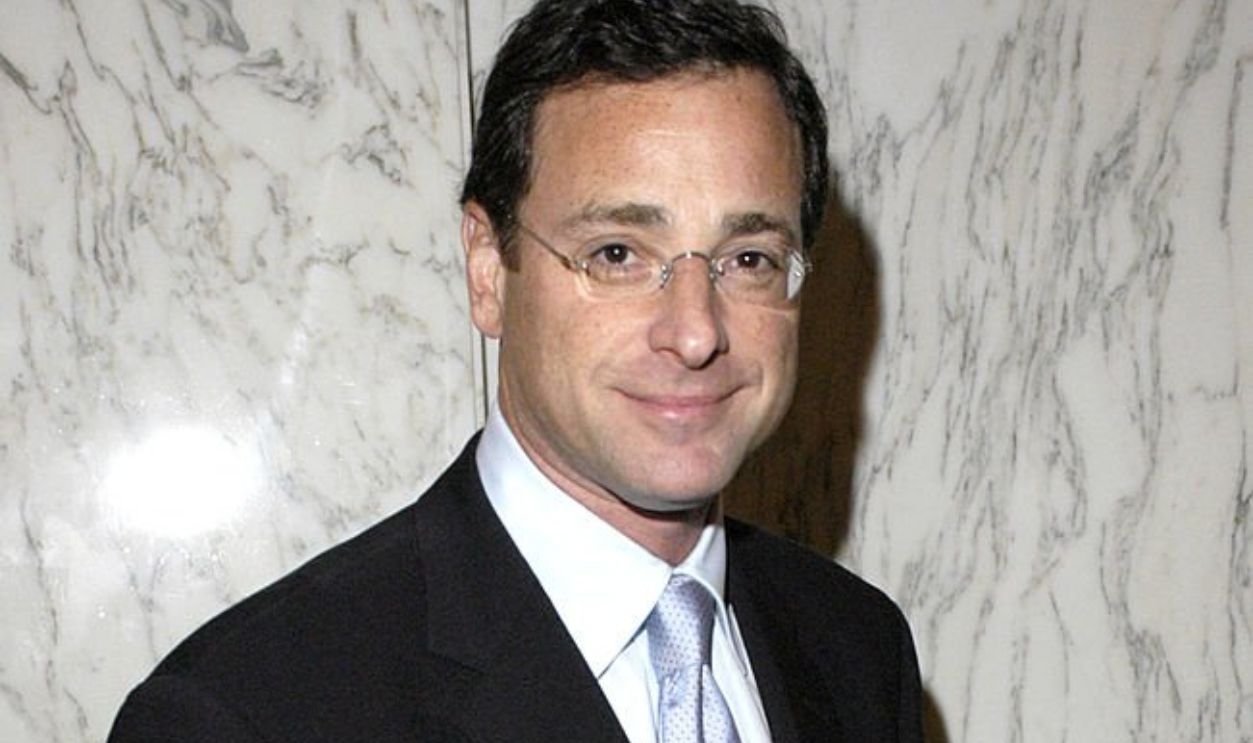
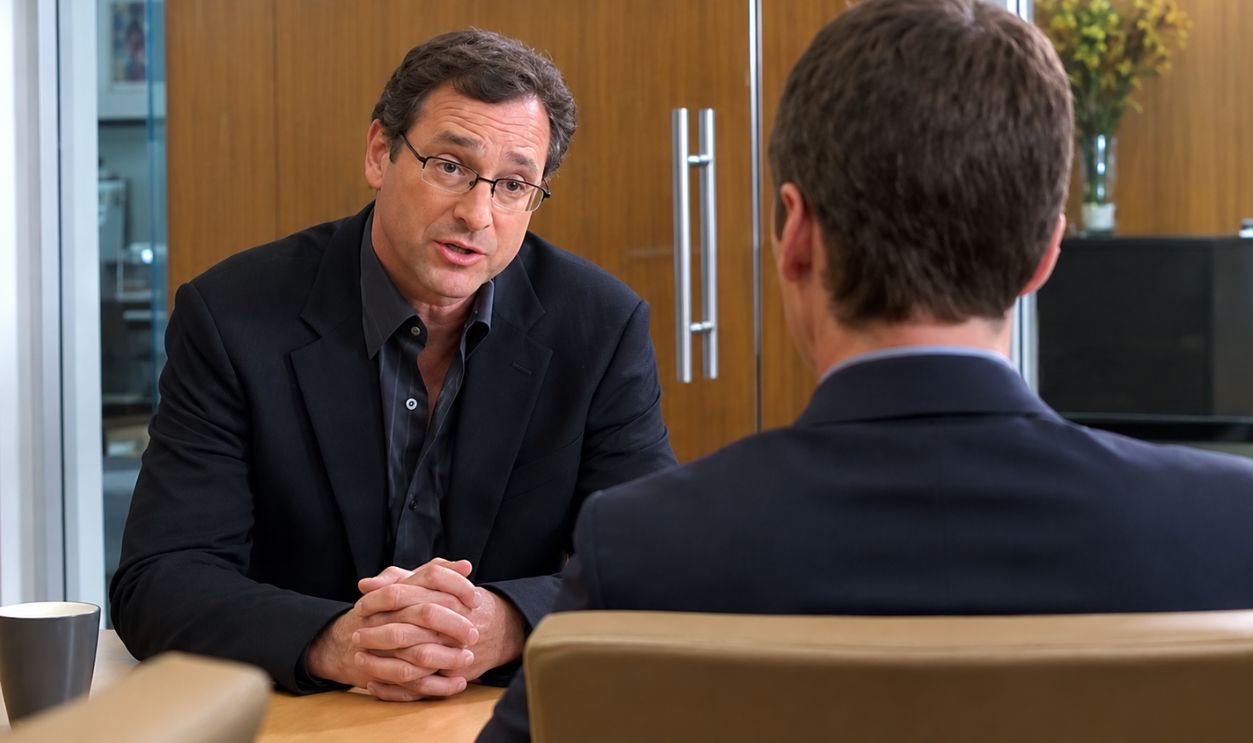
He Had Fun Destroying His Own Image
On Entourage, Saget played an exaggerated fictional version of himself who was abrasive, vulgar, and wonderfully unconcerned with protecting Danny Tanner’s reputation. The joke worked because audiences knew the wholesome image so well. Saget appeared delighted whenever he could drag it through something disreputable.
 Screenshot from Entourage, HBO (2004-2011)
His Voice Found Another Famous Family
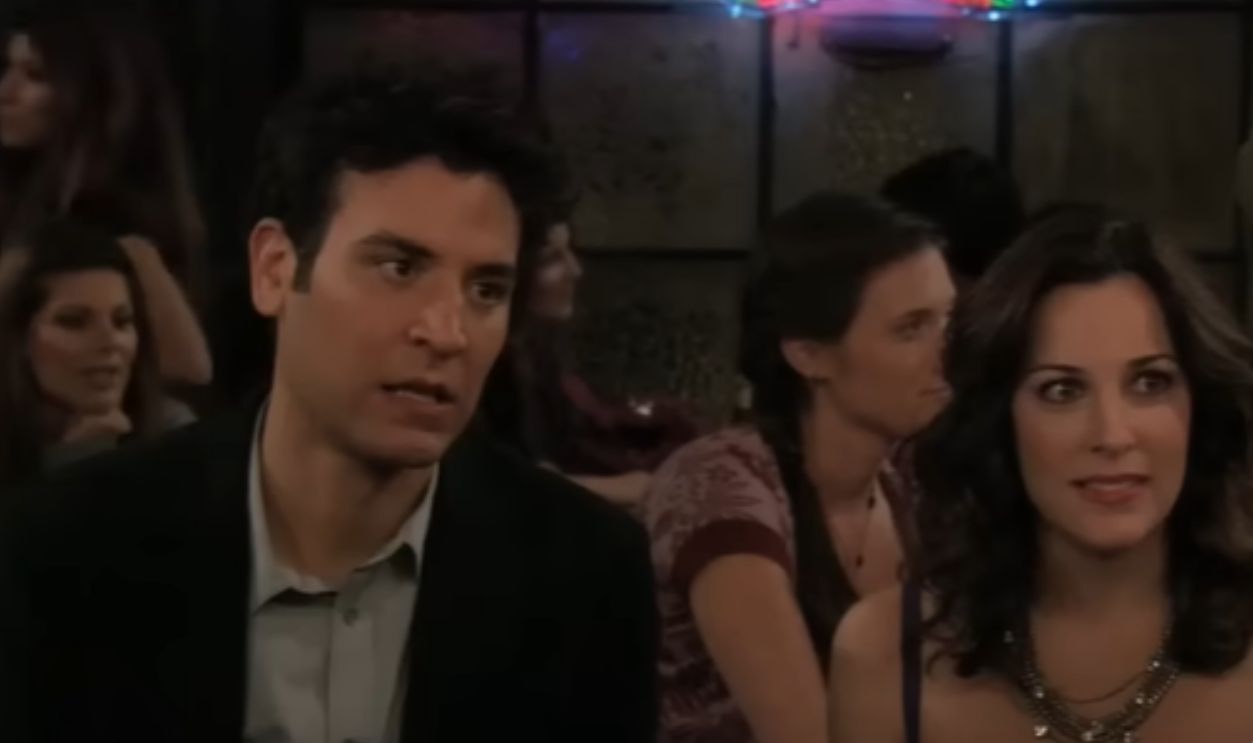
From 2005 through 2014, Saget narrated How I Met Your Mother as the older voice of Ted Mosby. The role again positioned him as a father telling his children an extraordinarily long story. Fortunately, Danny Tanner had already given him extensive experience turning family conversations into multi-season events.
 Screenshot from How I Met Your Mother, CBS (2005–2014)
A Personal Loss Gave Him A Mission
Saget’s sister Gay died in 1994 at age 47 after battling scleroderma, a rare autoimmune disease. Her experience inspired him to direct the 1996 television movie For Hope. He also spent decades supporting research, raising awareness, and helping families affected by the disease.
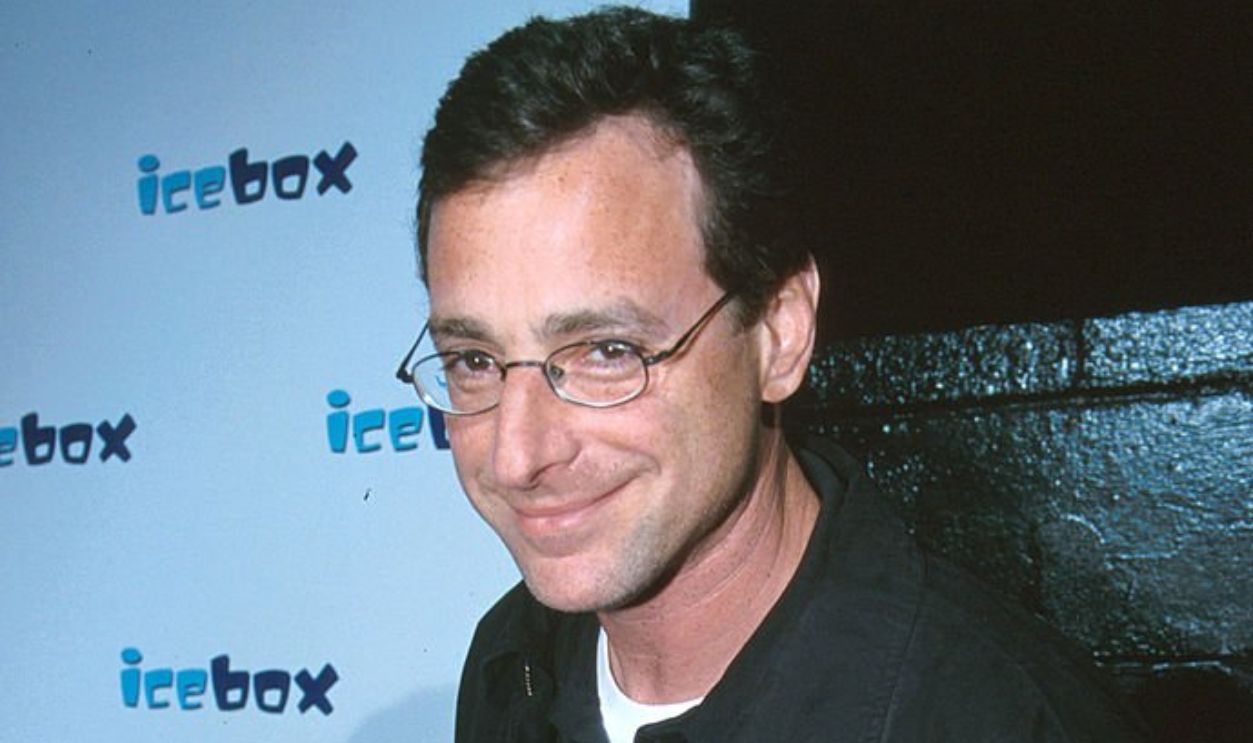
His Kindness Was Not A Television Invention
Friends consistently described Saget as emotionally open, generous, and quick to check on anyone experiencing trouble. Comedian Penn Jillette observed that even Saget’s most shocking jokes came from someone audiences recognized as gentle. The language could be filthy; the man delivering it rarely felt cruel.
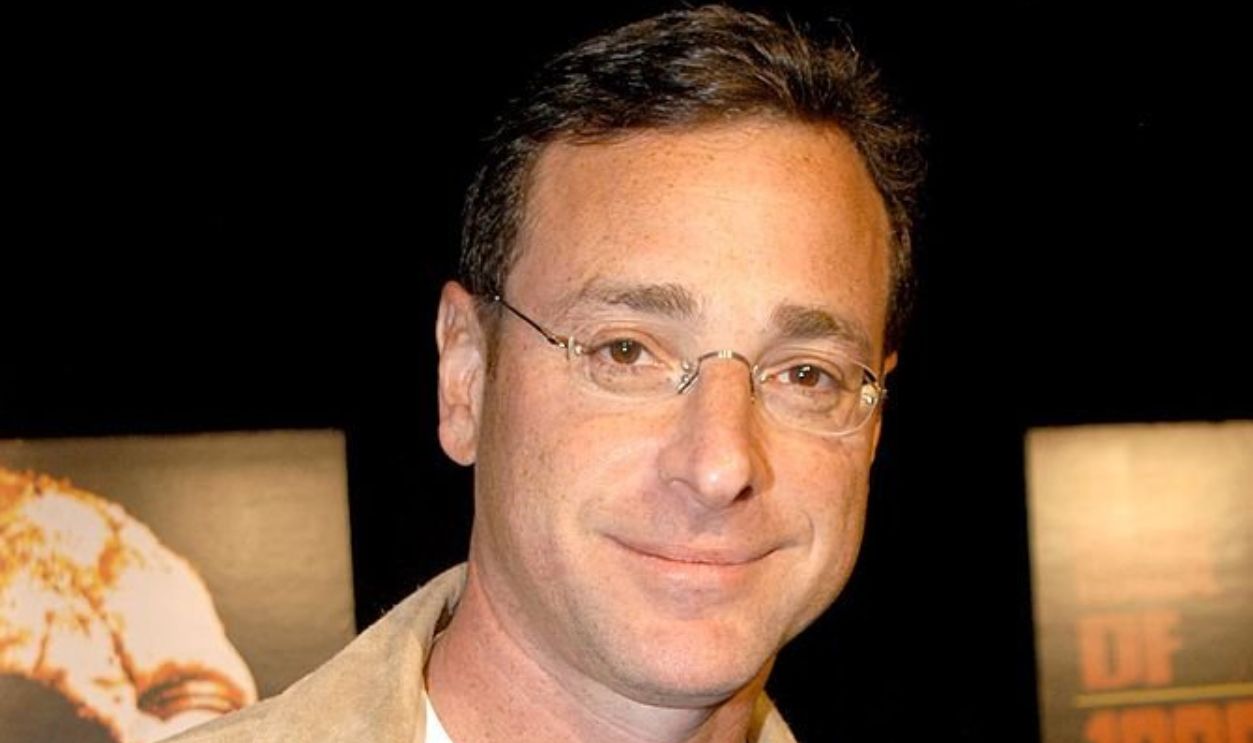
He Returned To The Tanner Family
Saget reprised Danny Tanner on Netflix’s Fuller House, which premiered in 2016. The revival allowed the original cast to reunite while a new generation handled the household chaos. Danny remained sentimental and concerned with cleanliness, proving that some habits survive children, grandchildren, and streaming television.
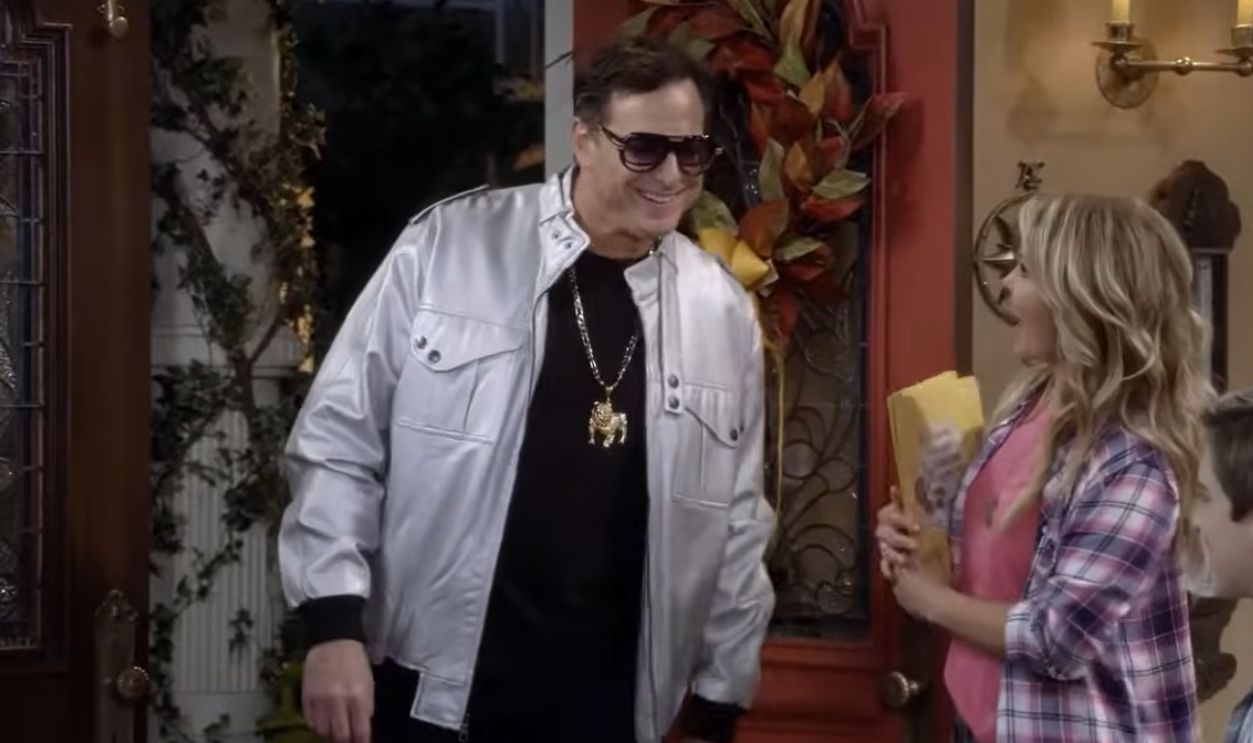 Screenshot from Fuller House, Netflix (2016-2020)
The Cast Had Become A Real Family
The affection among the Full House performers continued long after filming ended. Saget regularly supported his former castmates, celebrated their milestones, and reminded them that he loved them. To the actresses who had played his daughters, he remained far more than a former sitcom colleague.
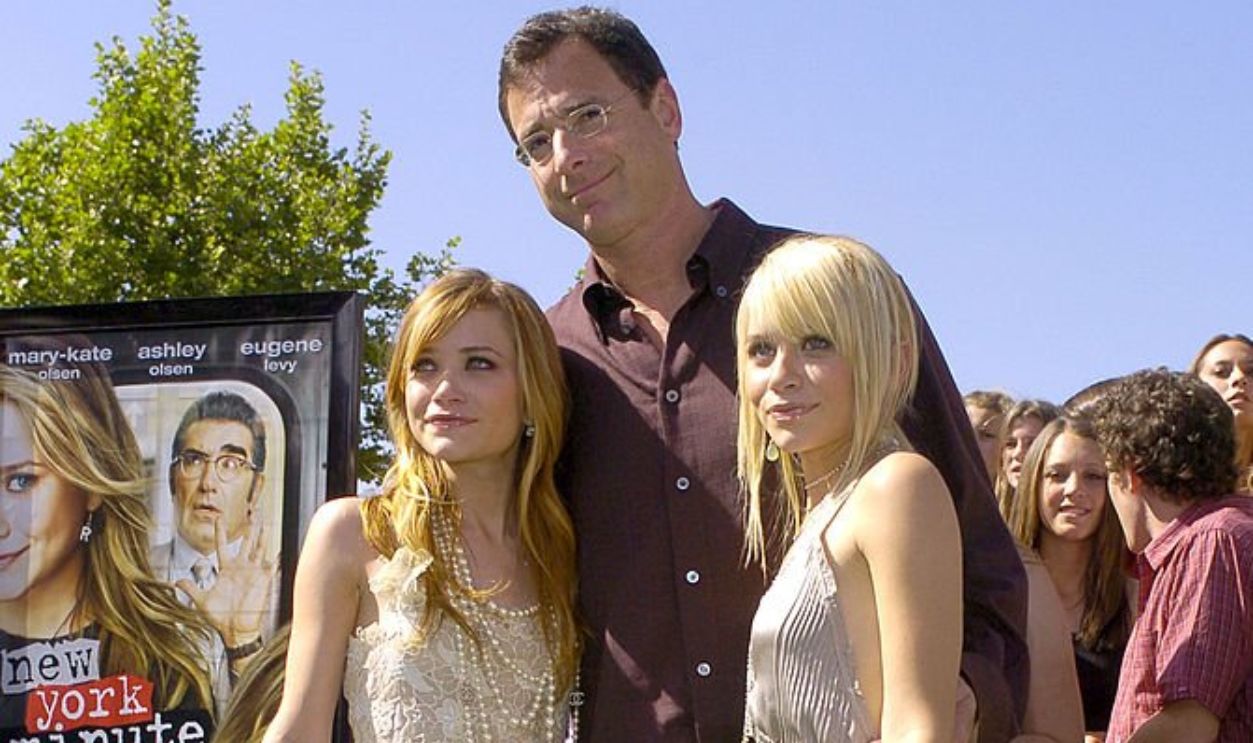
His Final Years Brought Him Back To Stand-Up
Saget continued touring, hosting a podcast, and performing comedy into his sixties. Stand-up remained the place where he felt most creatively free. Decades after television turned him into America’s dad, he could still walk onstage and cheerfully ruin that reputation before the first drink arrived.
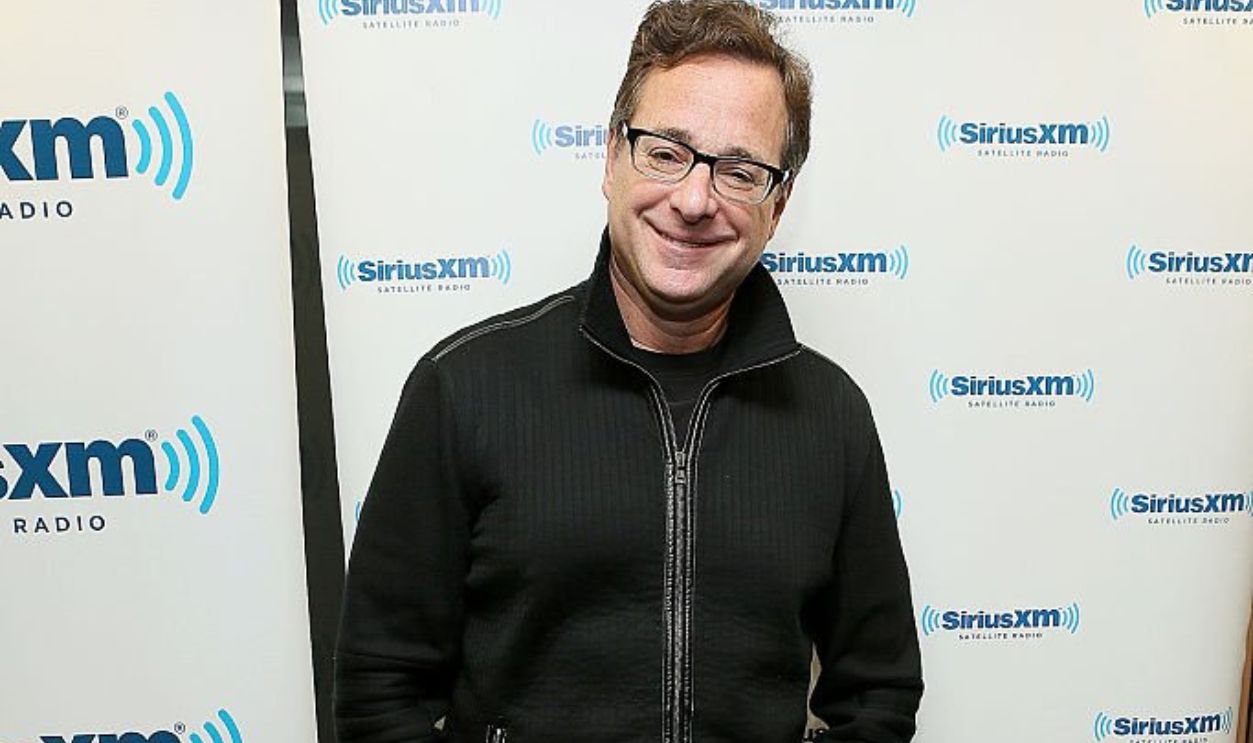
His Death Came Without Warning
Bob Saget died on January 9, 2022, at age 65 after performing in Florida the previous evening. The Orange County medical examiner determined that he had suffered accidental blunt head trauma, most likely from an unwitnessed fall. No illicit substances or toxins were found.
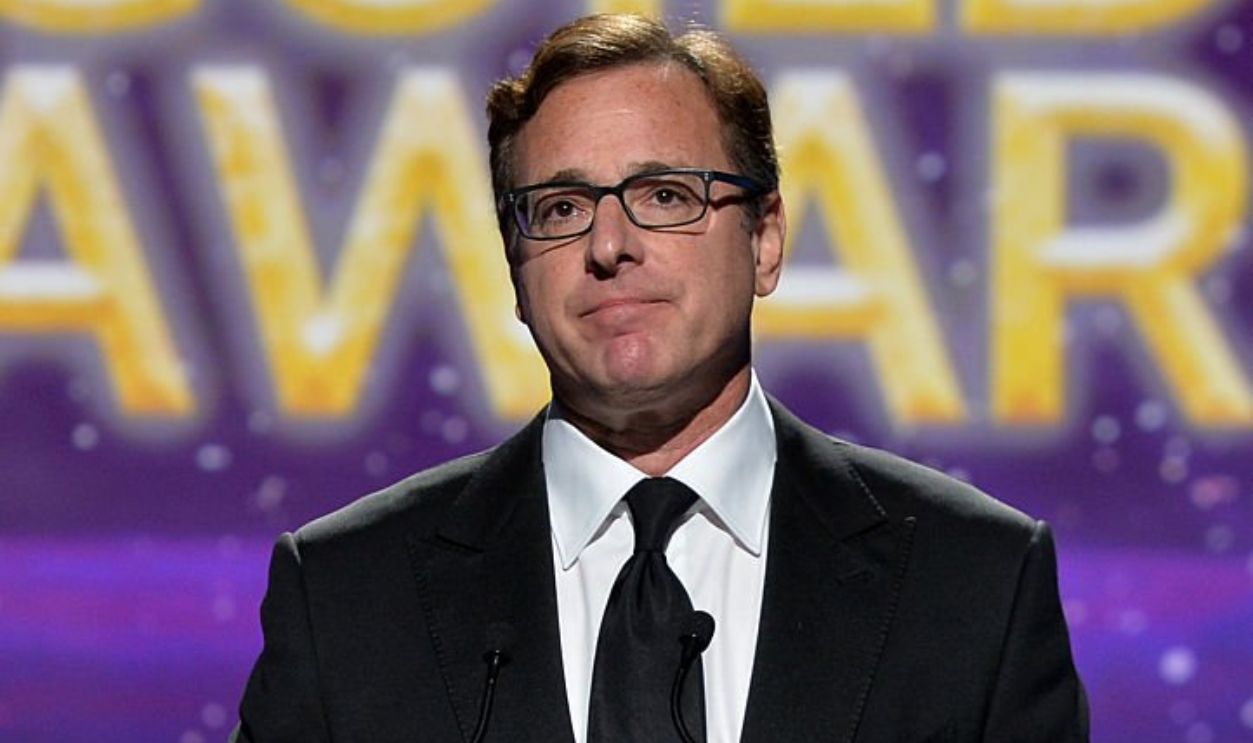 Alberto E. Rodriguez, Getty Images
His Television Family Mourned Their Father
The Full House cast described themselves as a family grieving one of their own. They remembered a man who made them laugh, loved without embarrassment, and gave extraordinary hugs. Their tributes revealed that the qualities audiences admired in Danny Tanner had always belonged to Bob as well.
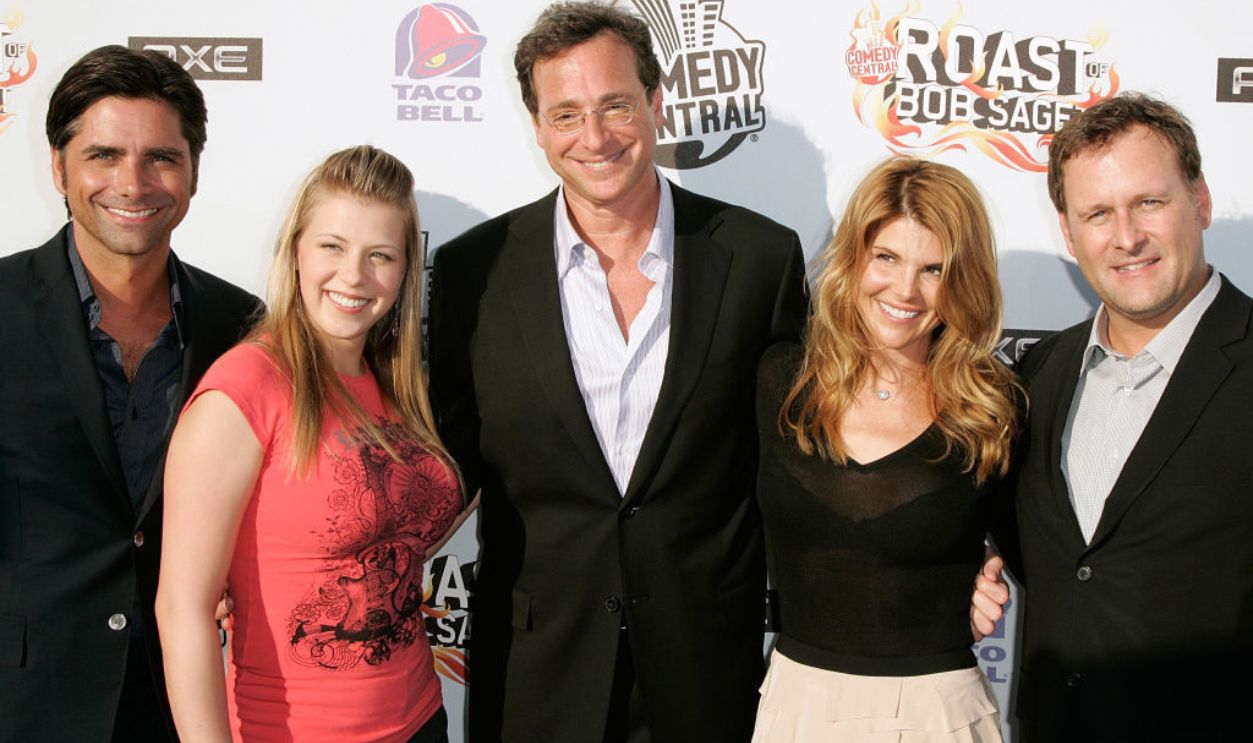
Bob Saget Was Both Men All Along
Bob Saget’s career appeared to contain an impossible contradiction: an edgy comedian became America’s favorite television father. Yet the roles were never truly opposites. The outrageous jokes came from his determination to confront life honestly, while Danny’s warmth came from the compassion underneath them.
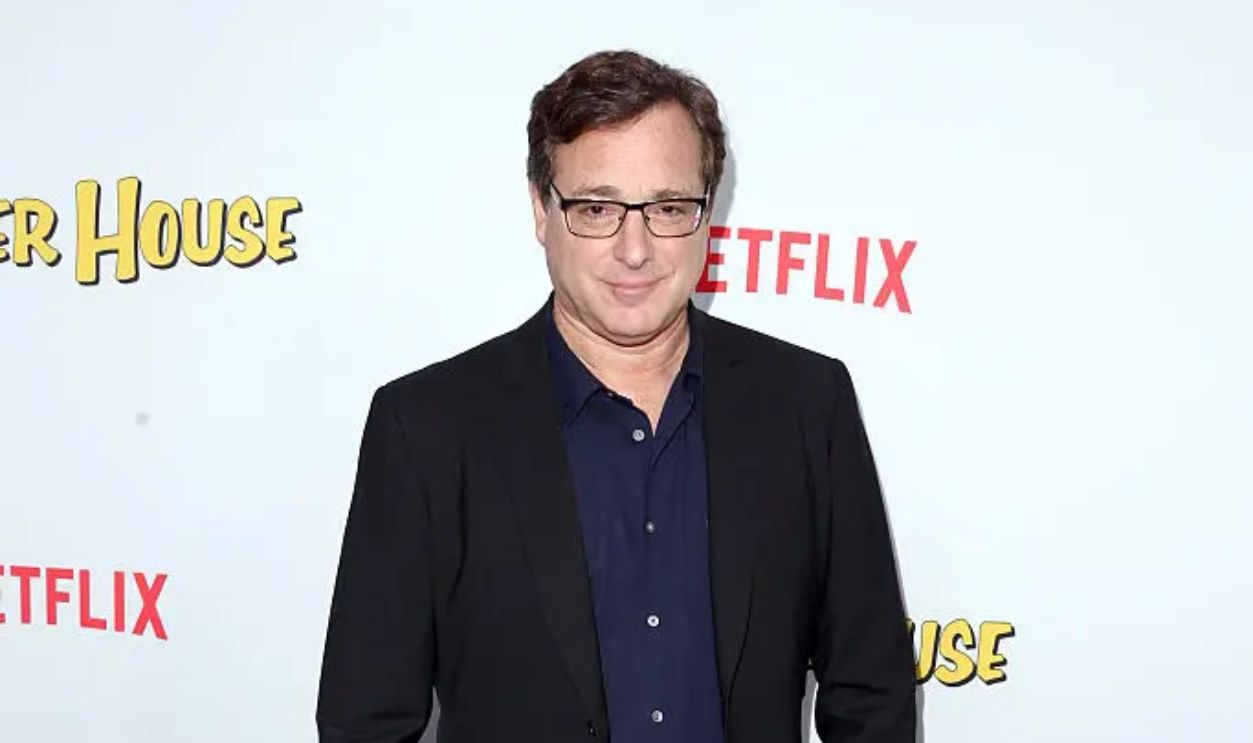 Frederick M. Brown, Getty Images
His Legacy Lives On
He made families laugh, gave comedians permission to cross boundaries, and helped generations feel that a patient father was waiting with one more hug. Danny Tanner may have made Bob Saget famous—but Bob’s humor, generosity, and enormous heart made him unforgettable.
You May Also Like: