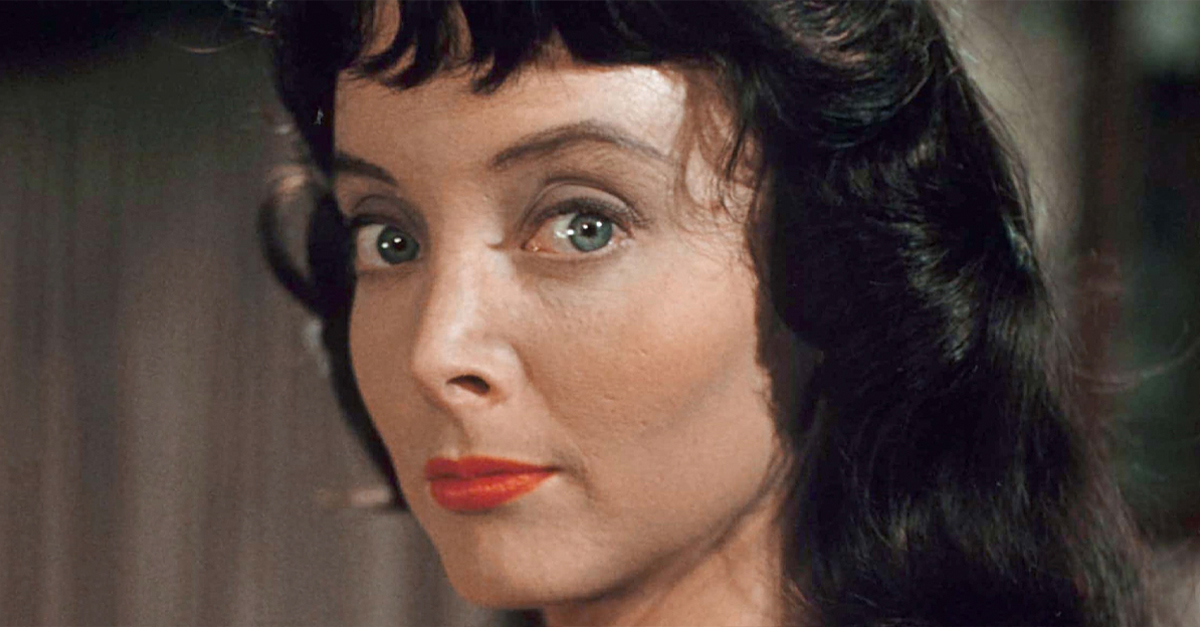
A Final Role With A Hidden Battle
Carolyn Jones had already earned her place in television history as Morticia Addams, but her final role came under devastating circumstances. While playing political matriarch Myrna Clegg on the CBS soap opera Capitol, Jones was privately fighting a personal battle, trying to keep working as her body betrayed her.
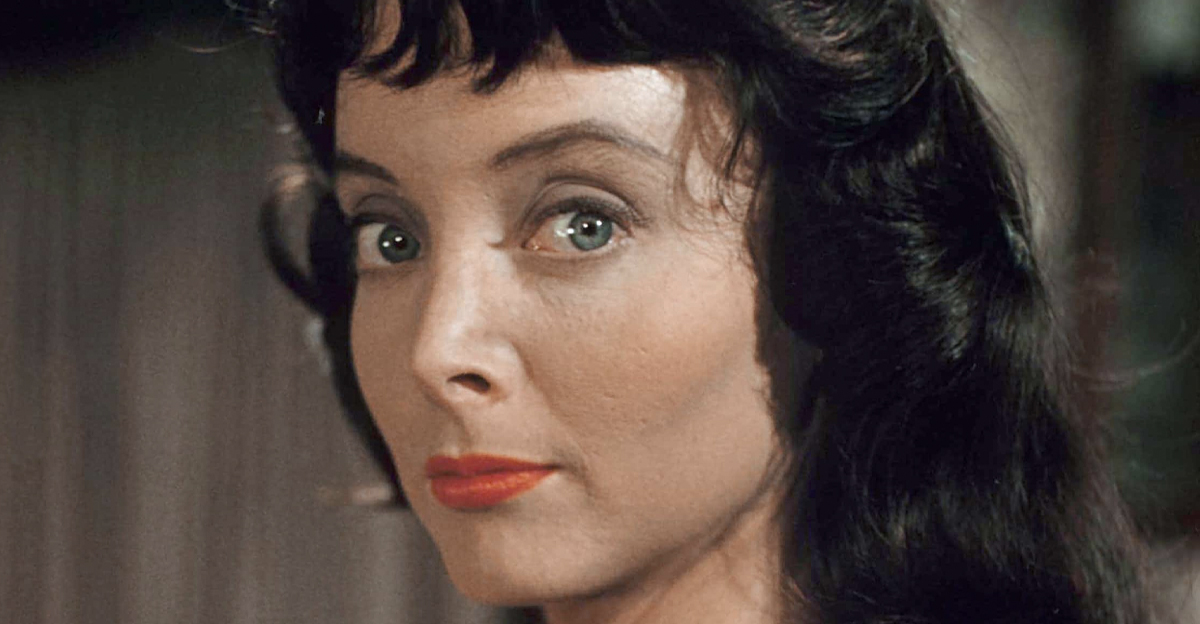 Donaldson Collection, Getty Images
Carolyn Jones Was More Than Morticia Addams
To many viewers, Carolyn Jones will always be Morticia Addams, the elegant, deadpan mother from The Addams Family. But her career stretched far beyond that iconic role. She had worked in film, television, comedy, drama, and even earned an Academy Award nomination before becoming a gothic sitcom legend.
 NBC Television, Wikimedia Commons
Her Childhood Was Marked By Illness
Jones was born Carolyn Sue Jones in Amarillo, Texas, in 1930. As a child, she suffered from severe asthma that often kept her from normal activities. When she could not go out, she reportedly escaped into Hollywood fan magazines, imagining a future far from sickness and isolation.

Hollywood Became Her Escape
After studying at the Pasadena Playhouse, Jones began building a career in Hollywood. Her striking features (those eyes), sharp presence, and unusual intensity helped her stand out. She was not a conventional starlet. She had an edge that made even small roles feel memorable.
 NBC Television, Wikimedia Commons
She Earned Serious Recognition Early
In 1957, Jones appeared in The Bachelor Party, earning an Academy Award nomination for Best Supporting Actress. The recognition proved she had dramatic credibility long before television comedy made her famous. Hollywood saw that she could do much more than simply look distinctive.

Morticia Made Her Immortal
When The Addams Family premiered in 1964, Jones became unforgettable as Morticia Addams. With her pale poise, dry humor, and strange warmth, she turned a macabre sitcom mother into one of television’s most beloved characters. The role followed her for the rest of her life, but it wasn't the end of her story.
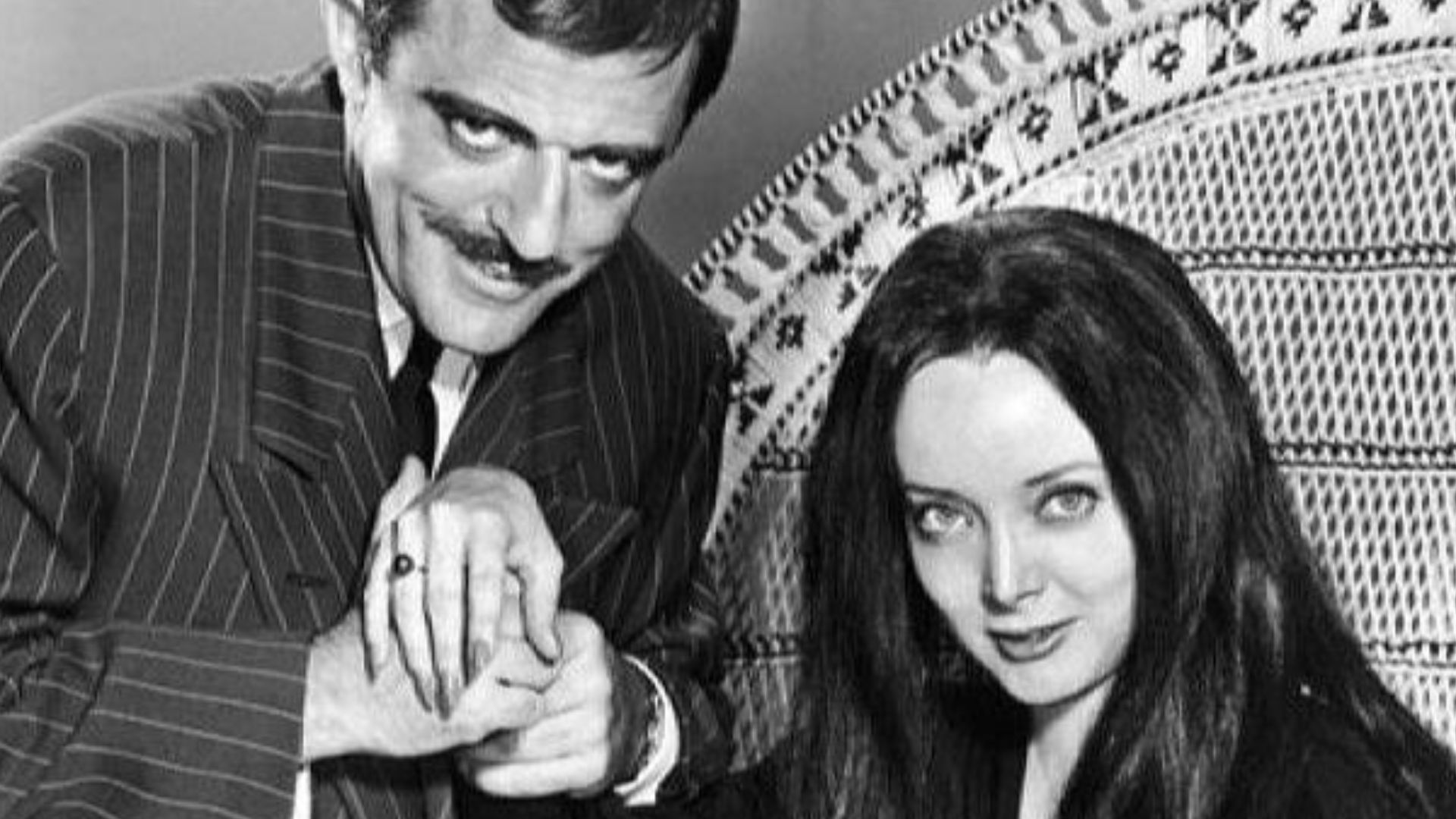 ABC Television, Wikimedia Commons
The Role Was A Blessing And A Cage
Morticia brought Jones lasting fame, but it also became difficult to escape. Audiences associated her so strongly with the character that later roles sometimes struggled to compete. Like many television icons, she became both celebrated and trapped by the part that made her famous.
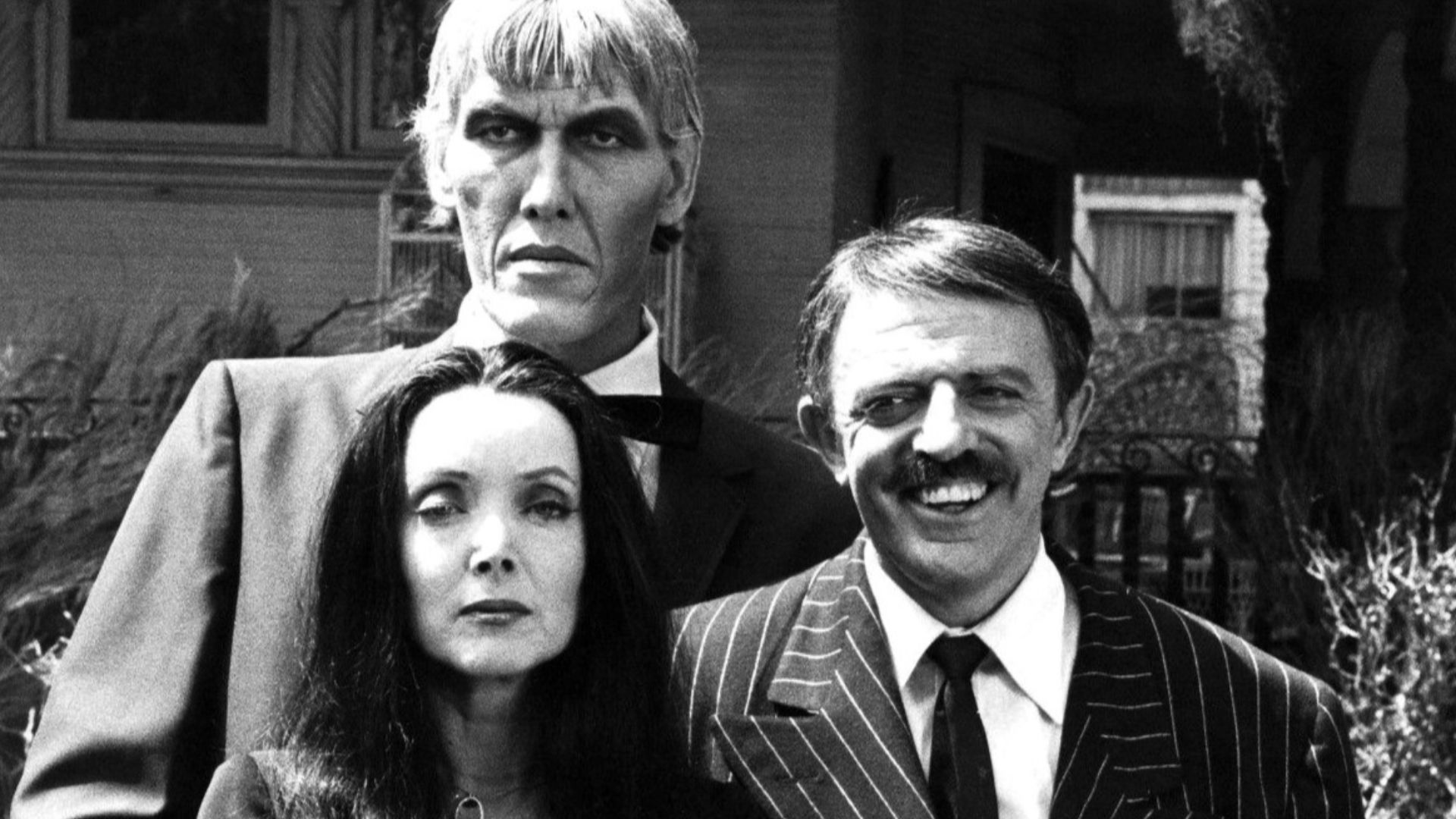 NBC Television, Wikimedia Commons
She Kept Working After The Addams Family
After the sitcom ended, Jones continued appearing in television and film. She guest-starred on shows such as Batman, appeared in Roots, and took on a variety of roles that showed her range. Still, finding parts as memorable as Morticia was never easy.
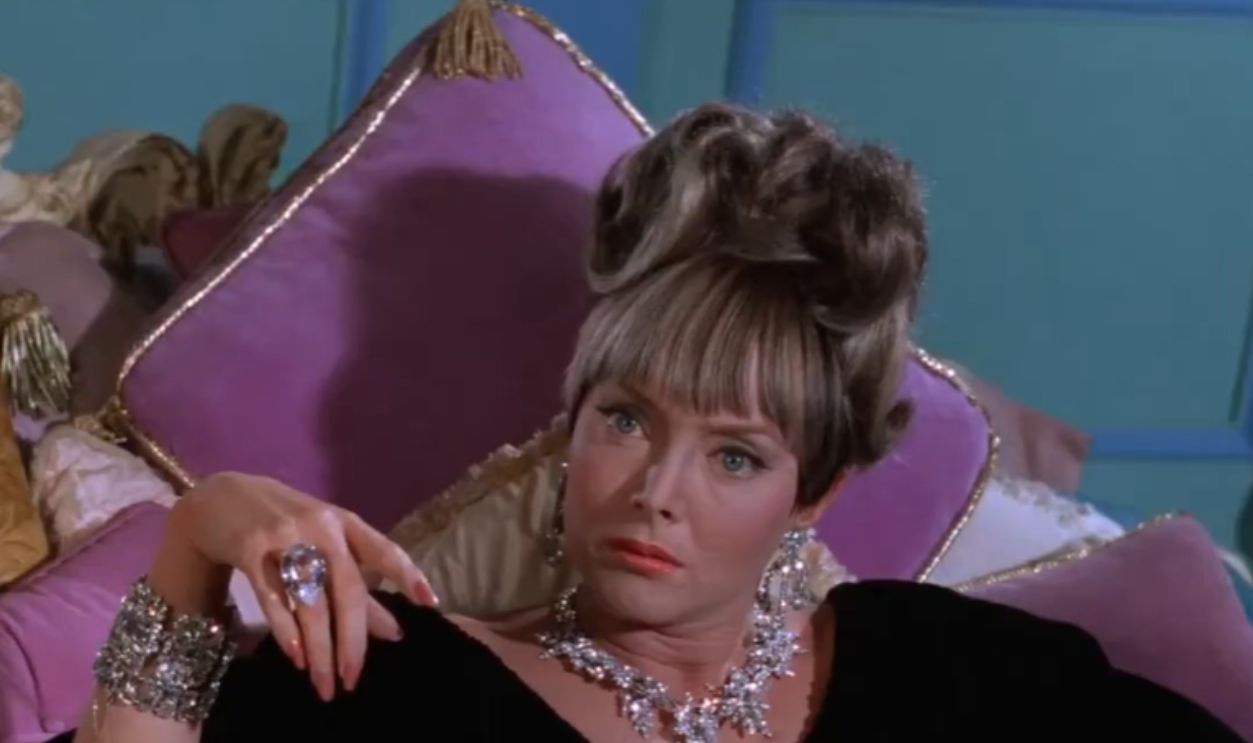 Screenshot from Batman, The Walt Disney Company (1966-1968)
Capitol Offered A New Beginning
In the early 1980s, Jones joined the CBS daytime soap opera Capitol. The show revolved around political power, family rivalry, and Washington intrigue. For Jones, the role of Myrna Clegg offered a chance to command the screen again in a very different kind of television world.
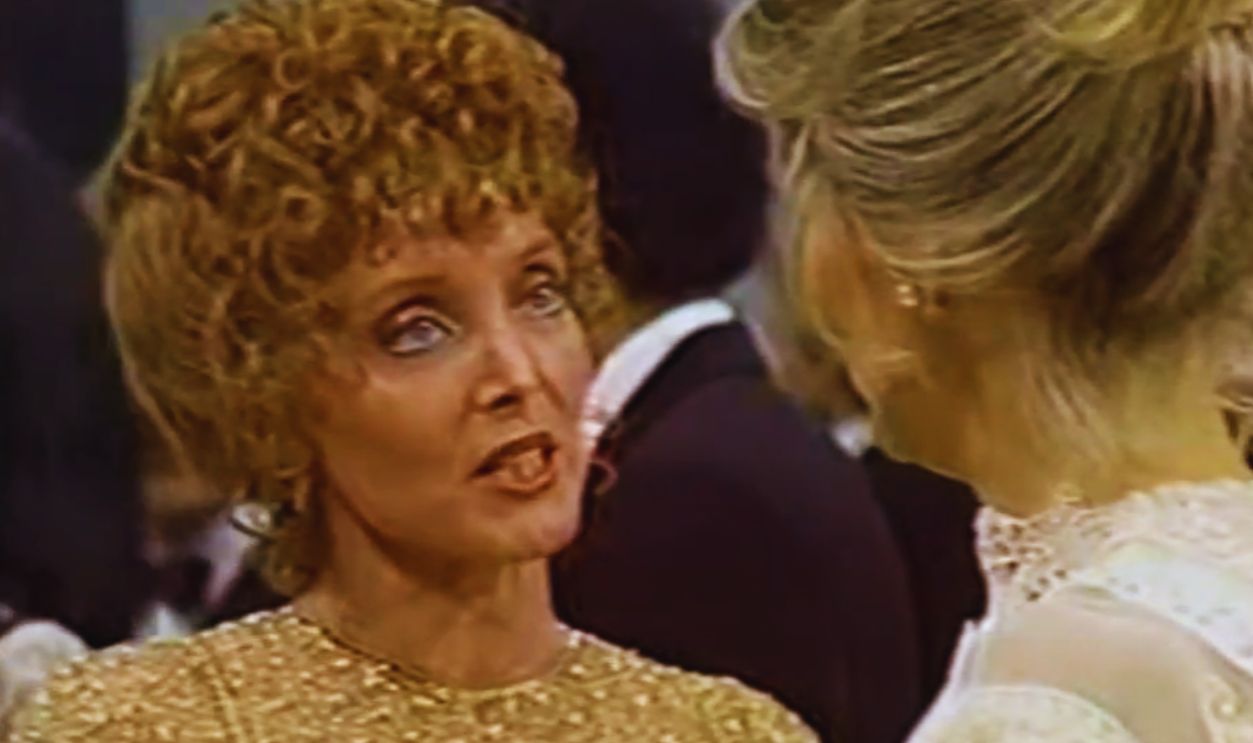 Screenshot from Capitol, Paramount Global (1982-1987)
Myrna Clegg Was A Perfectly Sharp Role
Myrna Clegg was a powerful political matriarch, exactly the kind of character Jones could make fascinating. She brought authority, glamor, and bite to the role. After years of being remembered mainly for Morticia, Capitol gave her a new woman to inhabit. Little did she know, though, tragedy lurked on the horizon.
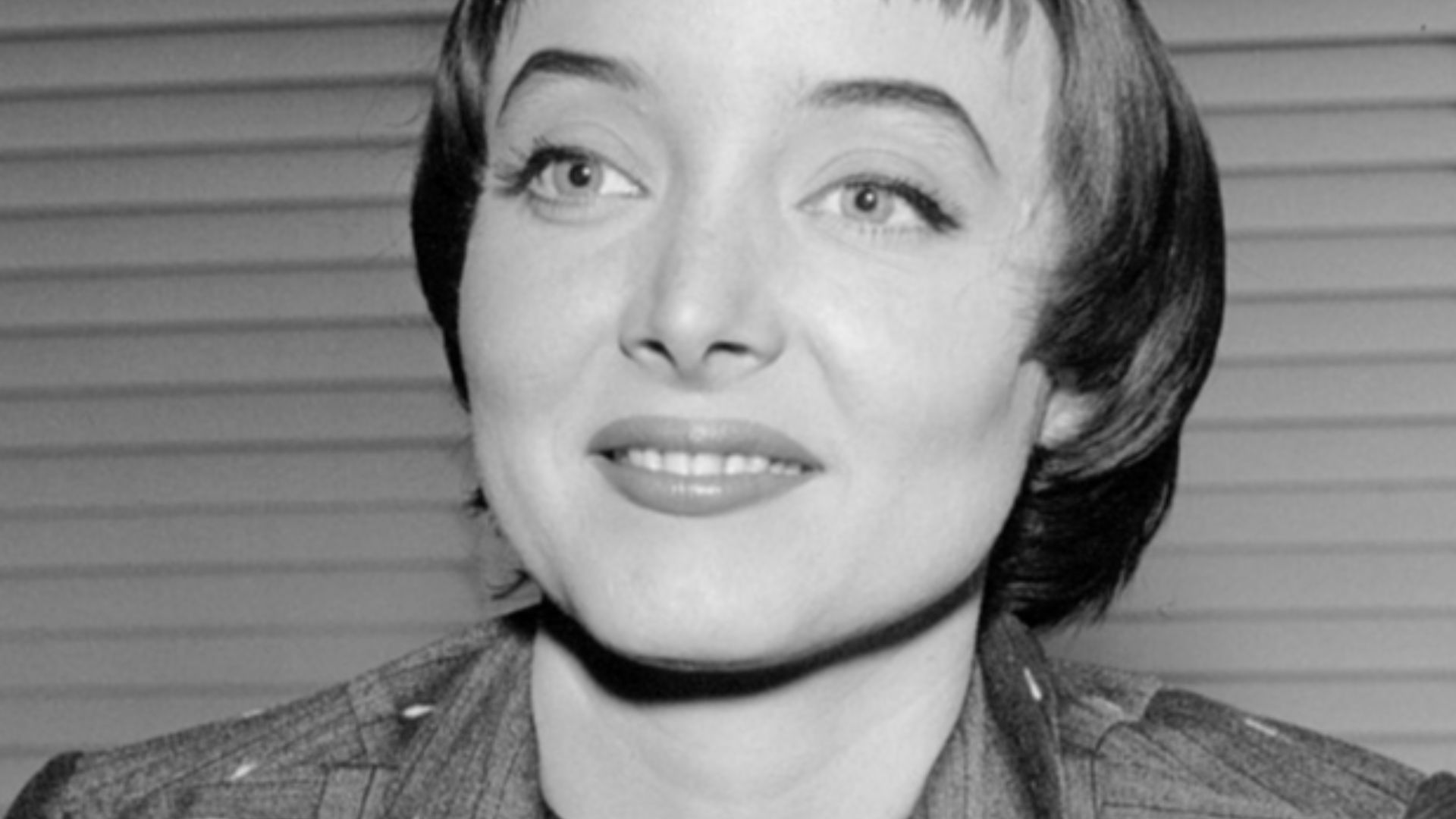 CBS Television, Wikimedia Commons
Then Cancer Changed Everything
Shortly after Capitol began, Jones was diagnosed with colon cancer. The timing was cruel. Just as she had found a strong new television role, she was forced into a private medical crisis that would grow more serious with terrifying speed.
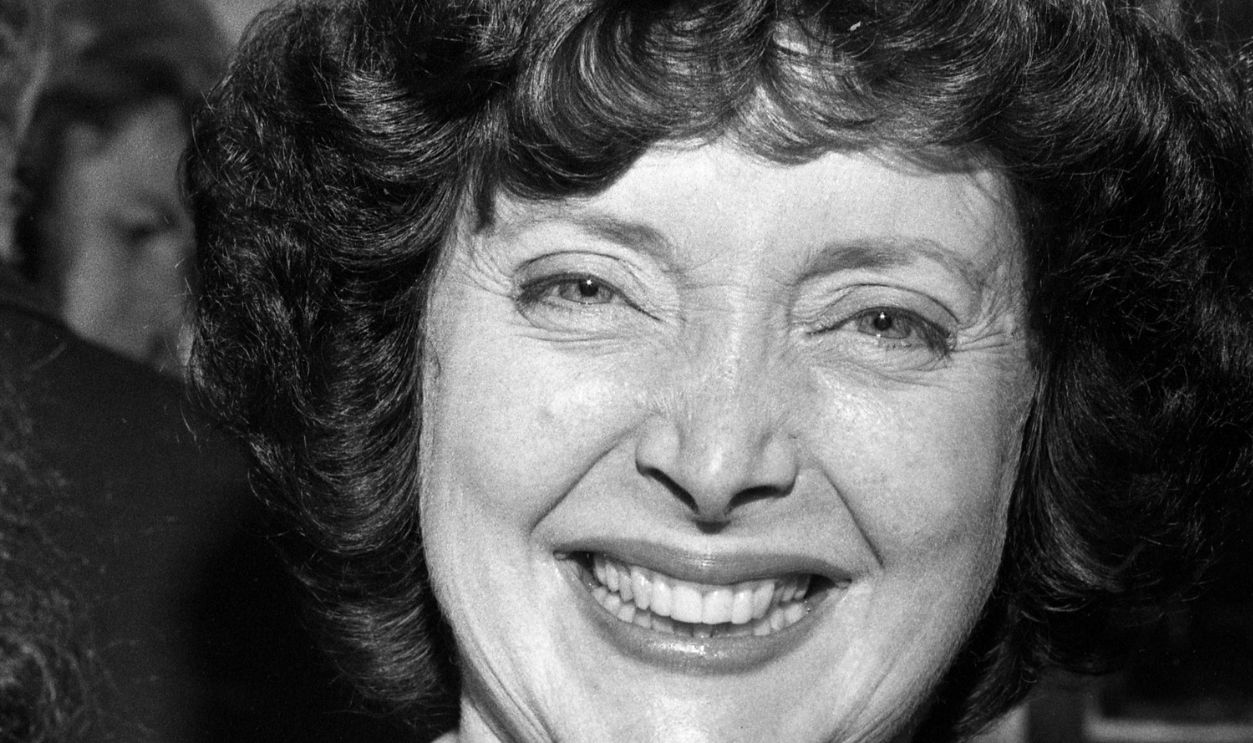
She Tried To Keep The Truth Private
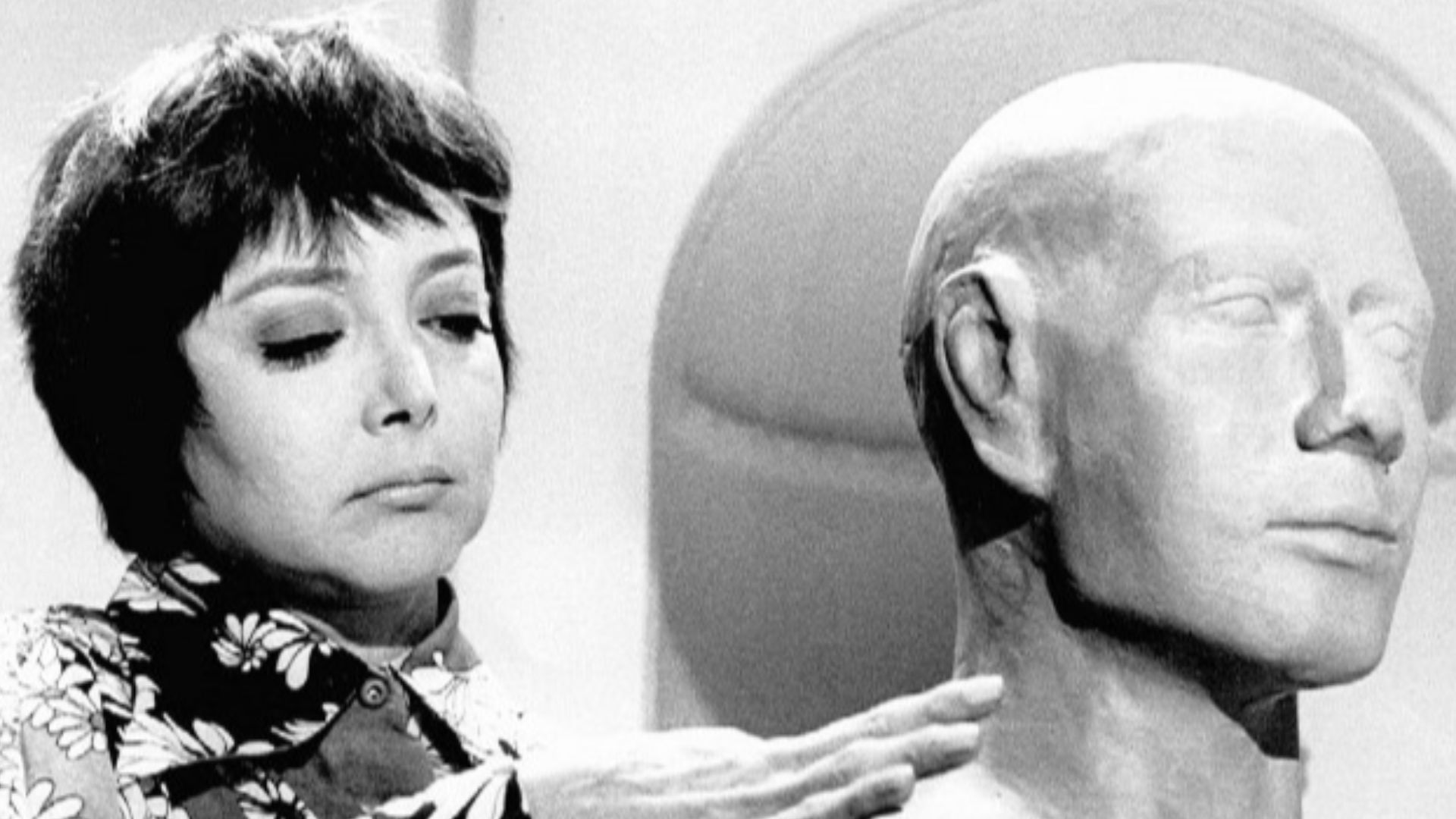
Jones reportedly continued working while telling colleagues she was being treated for ulcers. That secrecy reflected both her pride and the pressures actors often faced. She did not want illness to become the story, and she did not want her final opportunity taken away from her.
 ABC Television, Wikimedia Commons
The Cancer Spread Quickly
The disease eventually spread to her liver and stomach. As her condition worsened, work became increasingly painful and difficult. Behind the polished world of daytime drama, Jones was fighting a brutal illness while trying to remain the commanding actress audiences expected.
 unknown (ABC), Wikimedia Commons
She Filmed Some Scenes In A Wheelchair
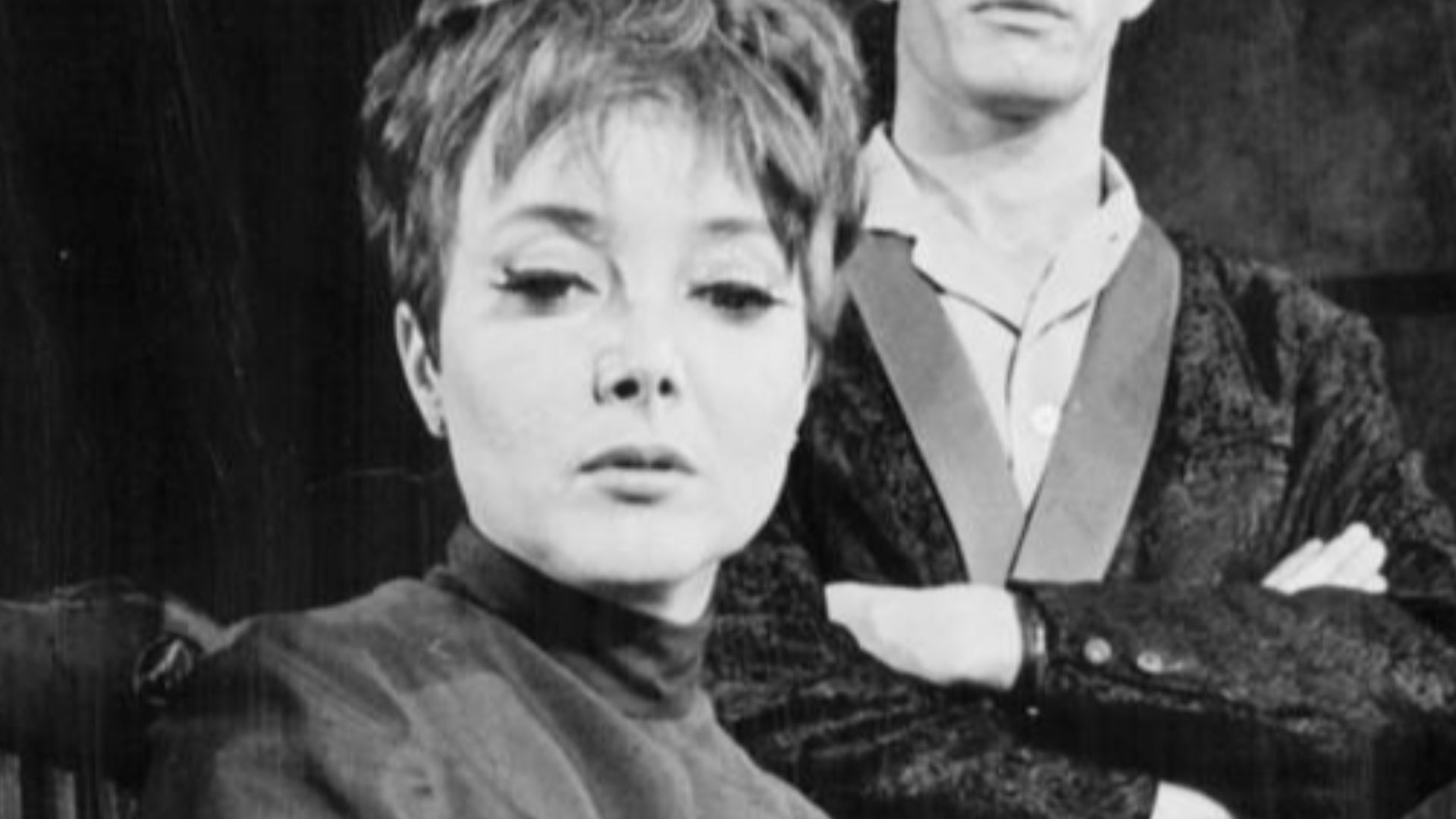
As the illness advanced, Jones played many of her scenes in a wheelchair. The production had to work around her declining health, but she continued appearing on screen. Her determination turned Capitol into more than just another acting job. It became an act of endurance.
 Photographer-Friedman-Abeles, New York, Wikimedia Commons
She Finished The First Season Despite The Pain
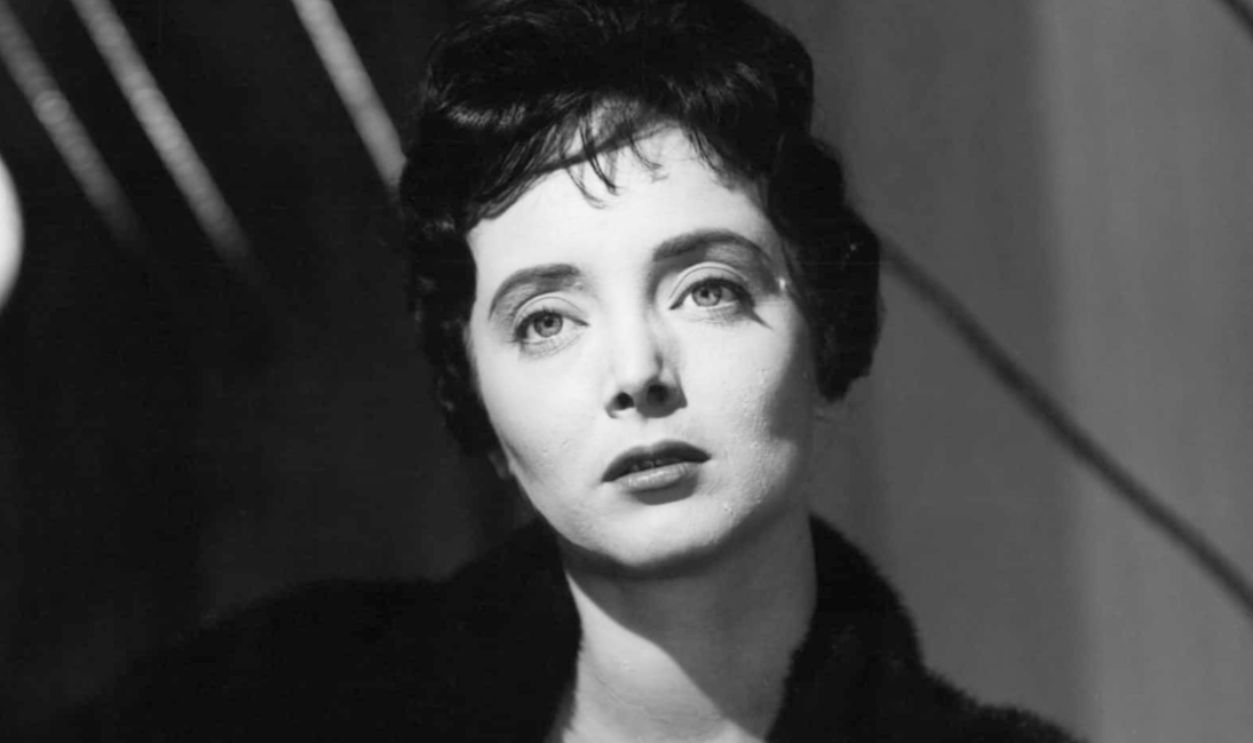
Even while suffering, Jones completed the first season of Capitol. That fact alone reveals how committed she remained to her work. She was not simply holding onto fame. She was trying to keep her identity as an actress while cancer stole more and more from her.
Her Absences Became Impossible To Hide
As Jones’s illness progressed, she could not always appear on the show. Actress Marla Adams reportedly filled in for her during occasional absences. For viewers, the change may have seemed like a soap-opera casting adjustment. Behind the scenes, it reflected a heartbreaking reality.
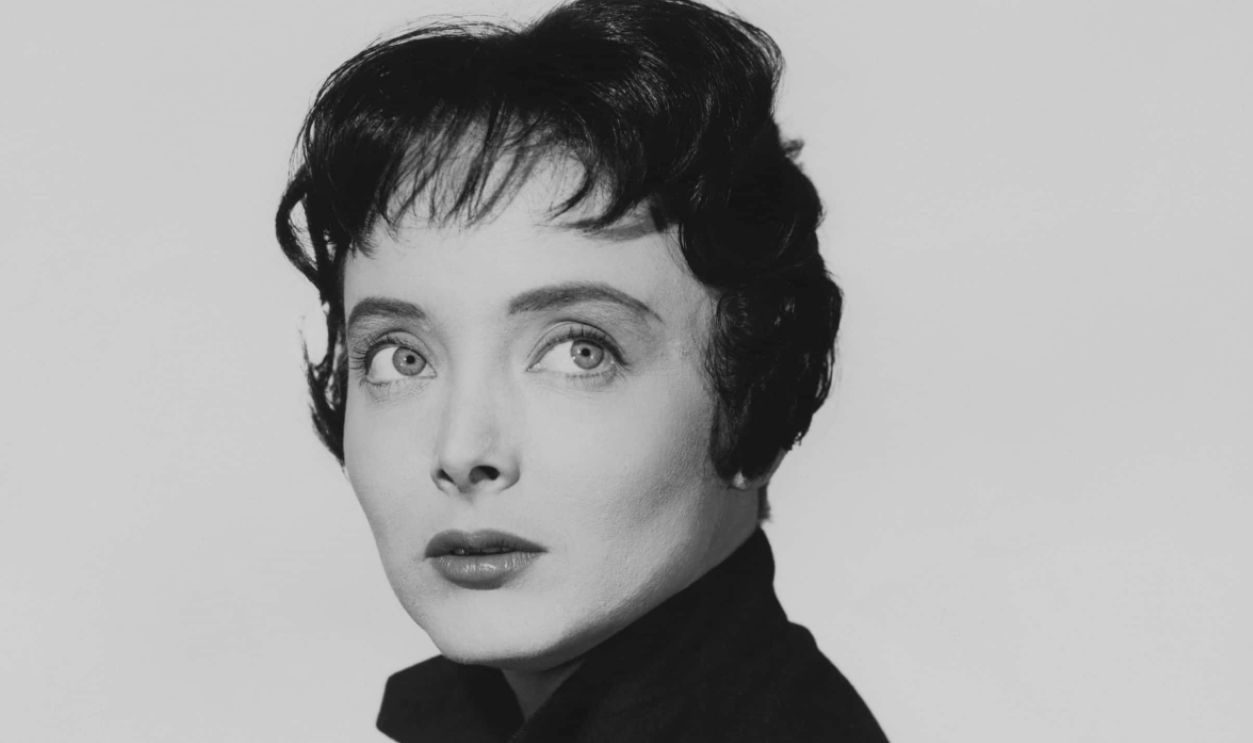 Universal History Archive, Getty Images
The Set Saw Her Courage Up Close
Those working around Jones saw a performer who refused to surrender easily. She arrived when she could, performed when she was able, and held onto the dignity that had defined so much of her career. Her final months were not glamorous, but they were deeply brave.
 John Springer Collection, Getty Images
Her Final Performance Carried Extra Weight
Watching Jones on Capitol now gives the role a haunting quality. Myrna Clegg was written as powerful and commanding, but the actress behind her was facing the worst fight of her life. That contrast makes the performance feel even more poignant.
 Universal History Archive, Getty Images
She Was Still Only In Her Early Fifties
One of the saddest parts of Jones’s story is how young she was. She had already lived several Hollywood lifetimes, from Oscar-nominated film actress to sitcom icon to soap-opera matriarch. Yet at 53, she should still have had years of roles ahead of her.
 Silver Screen Collection, Getty Images
She Died In 1983
Carolyn Jones died on August 3, 1983, in West Hollywood, California. Her passing came only a short time after her final appearances on Capitol. For fans who knew her mainly as Morticia Addams, the news was a painful reminder that even television immortals are heartbreakingly human.
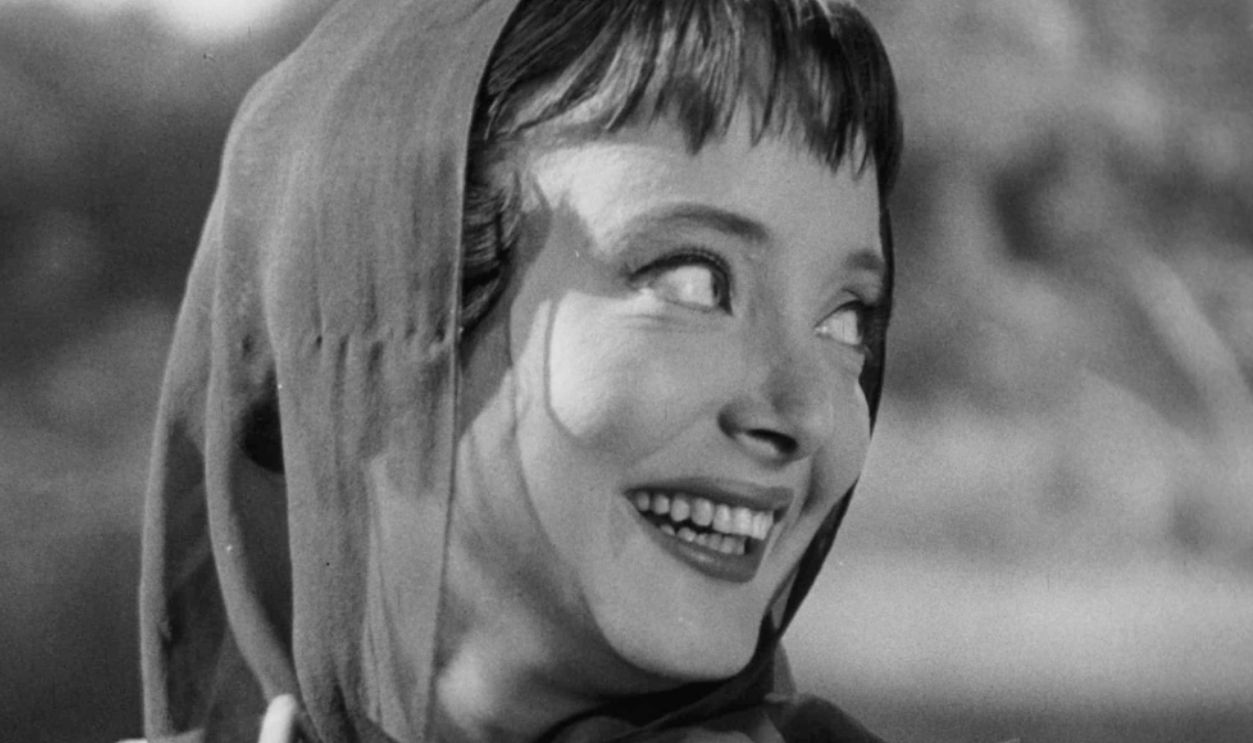
Her Legacy Became Larger Than One Role
Jones’s fame will always be tied to Morticia, but her career deserves to be remembered more broadly. She was an Oscar-nominated actress, a distinctive screen presence, and a performer who kept working through pain. Her final role showed not just talent, but extraordinary resilience.
 ABC Television, Wikimedia Commons
Carolyn Jones’s Final Chapter Still Hurts
Behind the scenes of Capitol, Carolyn Jones was battling cancer while trying to preserve the one thing illness had not yet taken from her: her work. She had spent her life becoming unforgettable on screen, and even as her health failed, she fought to remain an actress until the bitter end.
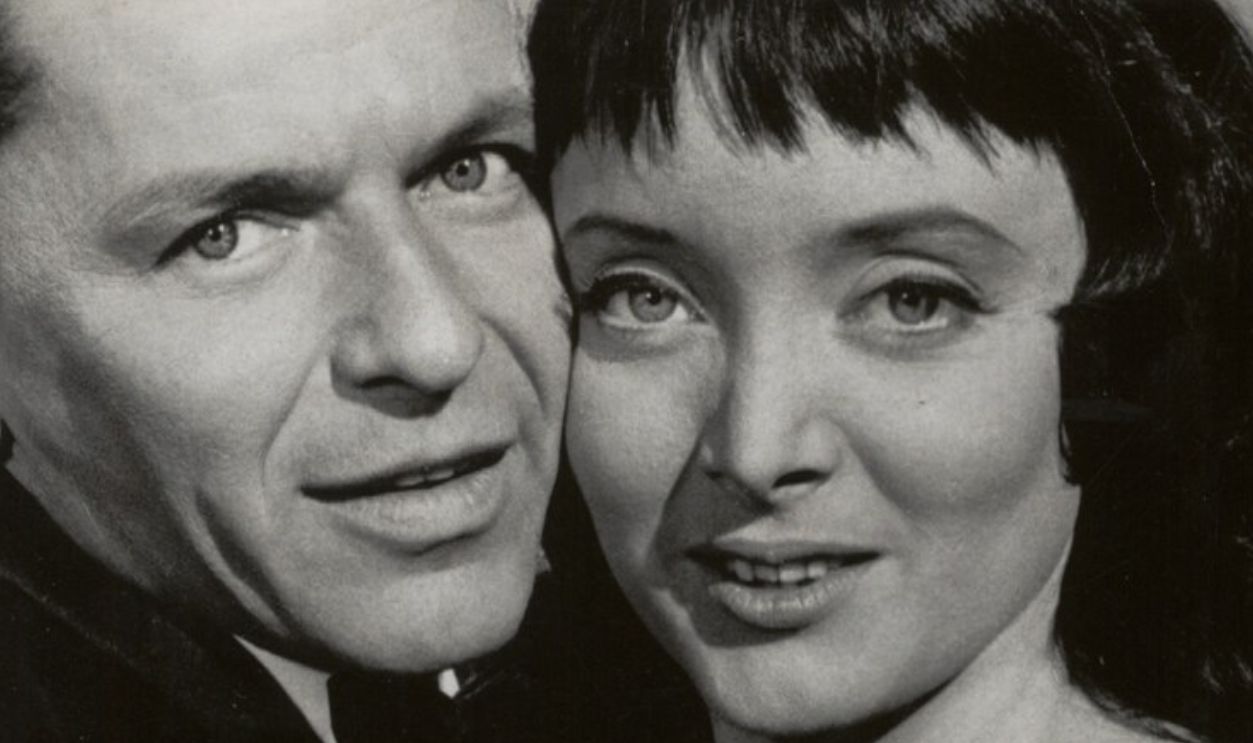 Brazilian National Archives, Wikimedia Commons
You May Also Like:
Classic Actors Whose Children Became Celebrities Themselves
Actors Who Reinvented Themselves After Hollywood Wrote Them Off
Famous Child Stars From The 1960s—Where Do You Remember Them From?