When Game Shows Ruled Every Living Room
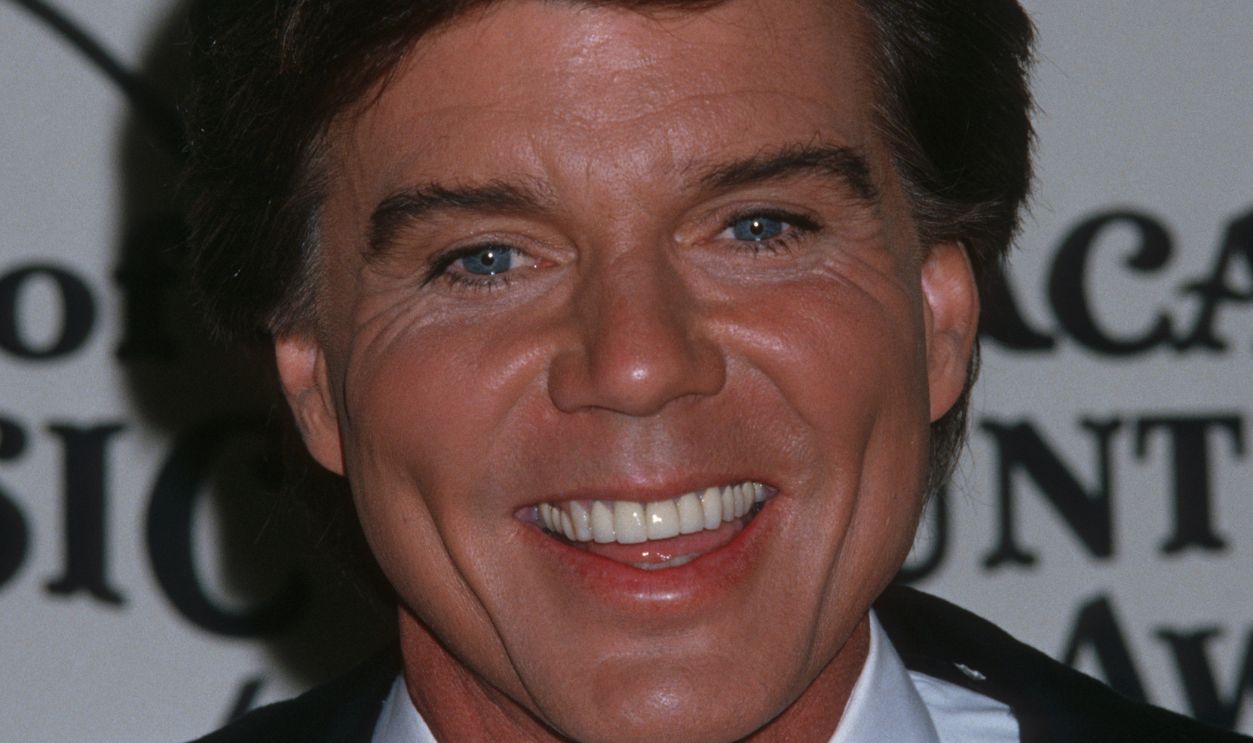
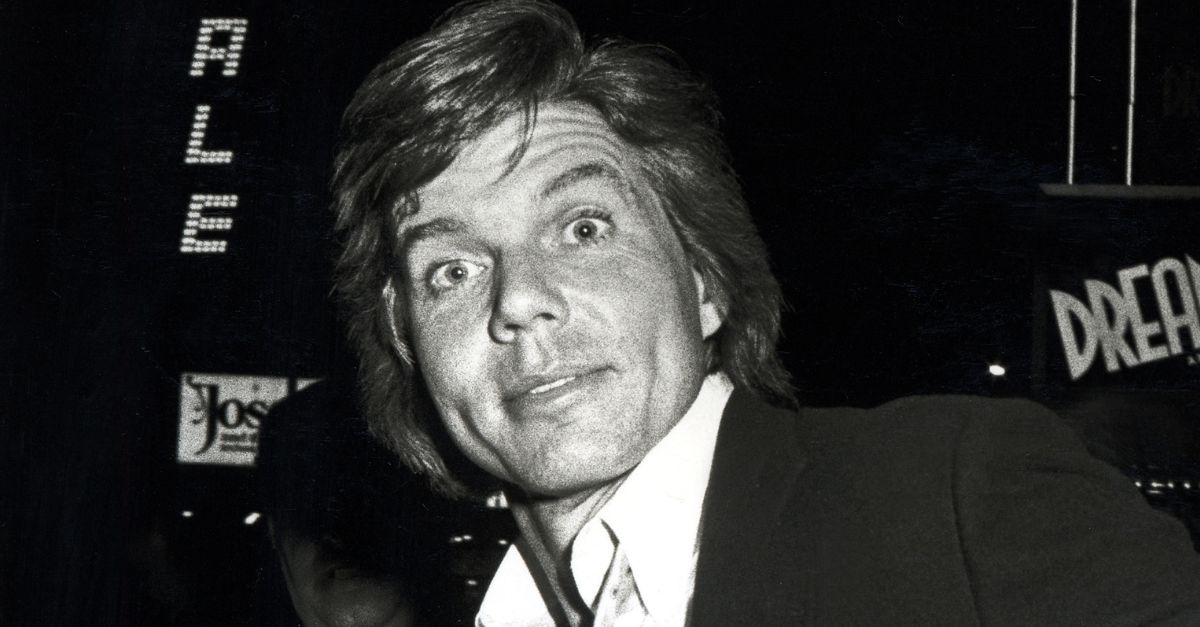
In the 1980s, game shows were TV gold, and John Davidson was one of their brightest stars. But while audiences saw charm and success, few knew the personal tragedies that compounded the pressures of constant fame.
From Stage Star To Game Show Favorite
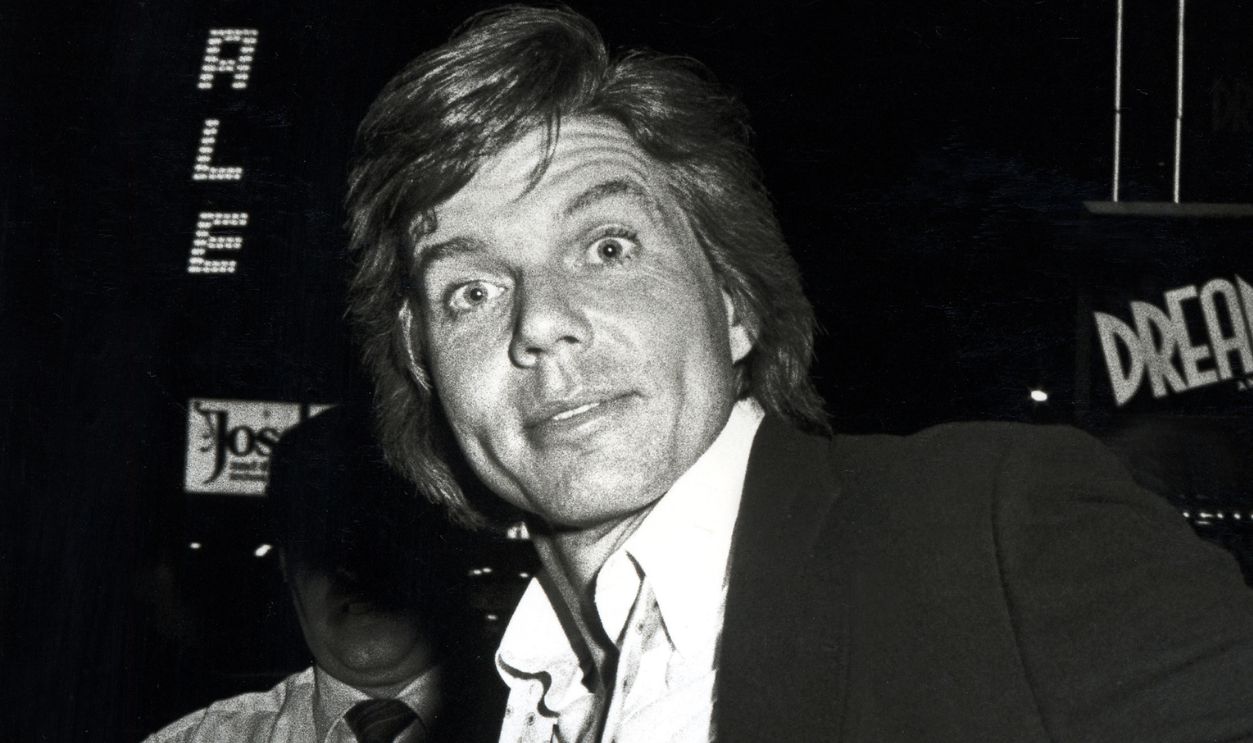
In the era of iconic hosts like Bob Barker and Alex Trebek, game show personalities became stars. John Davidson took a different path. He began as a singer and actor, building charm on stage before stepping into the spotlight as a trusted television host.
Grief That Stayed Private
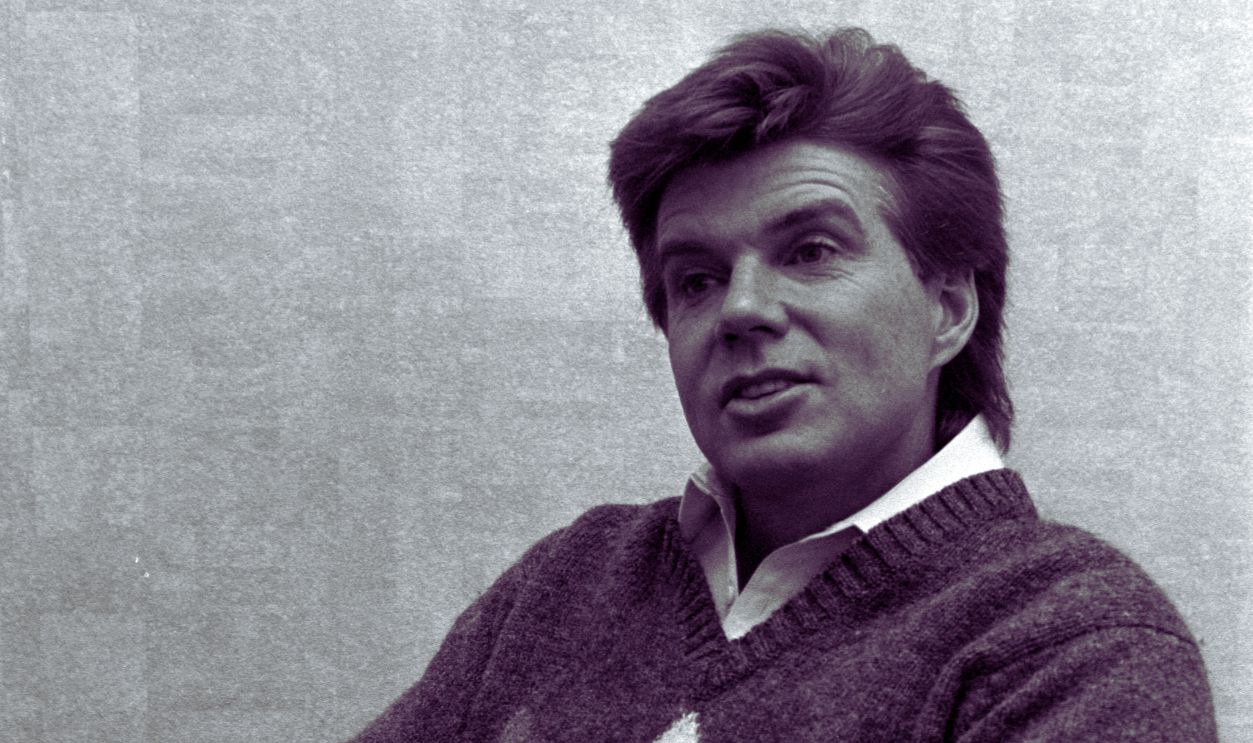
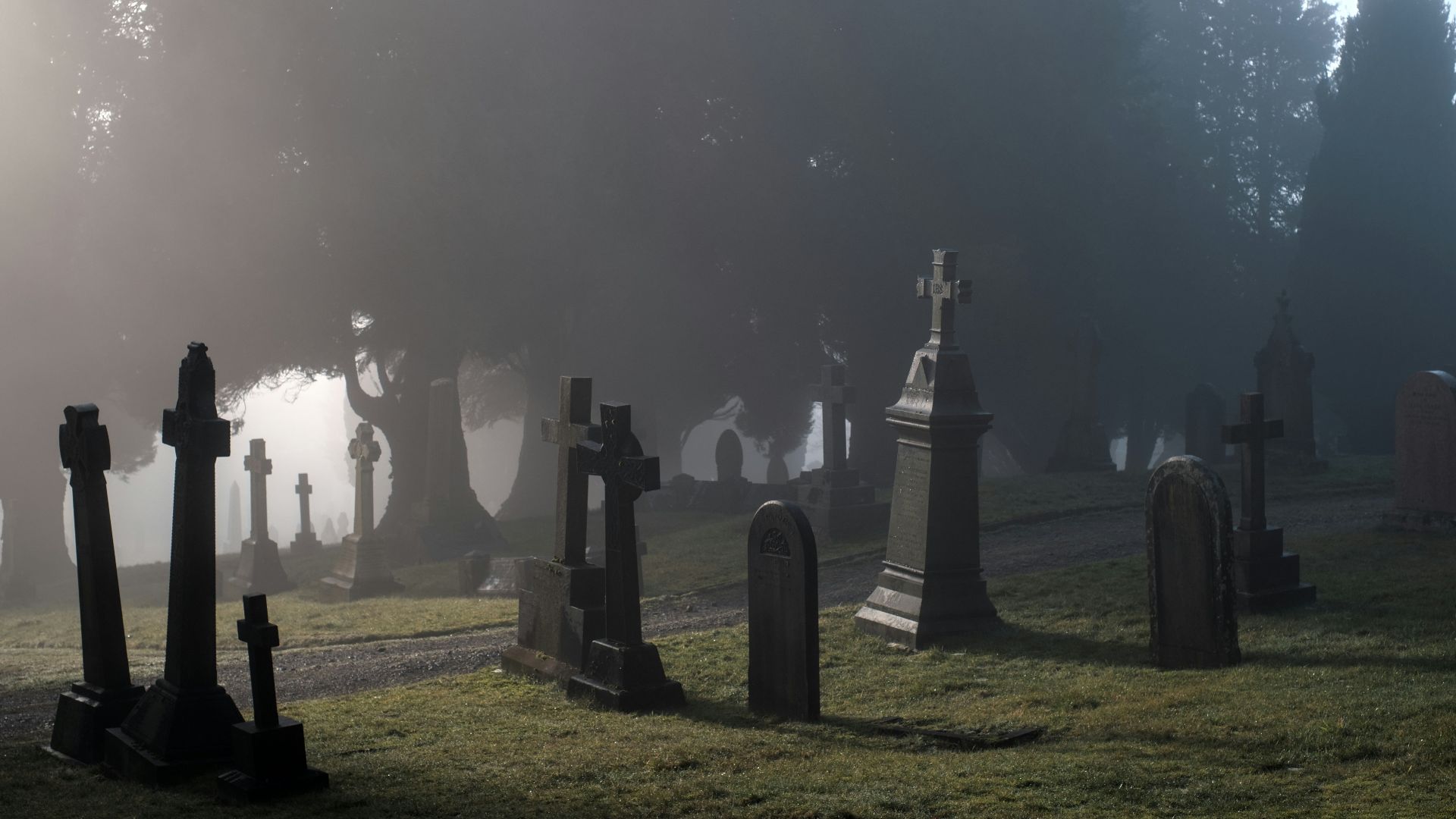
Davidson’s younger brother, Porter, died by suicide in the late 1960s, when John was in his mid-20s. The loss devastated him, but he kept it largely private at the time. Though the world eventually knew him as a cheerful host, that early loss remained a quiet, lifelong weight.
The Fire That Tested His Resolve
Additionally, in 1977, a deadly fire broke out just before Davidson was set to perform at a Kentucky nightclub. The disaster claimed 165 lives, which included his music director and several band members. Though he made it out safely, the experience stayed with him for years.
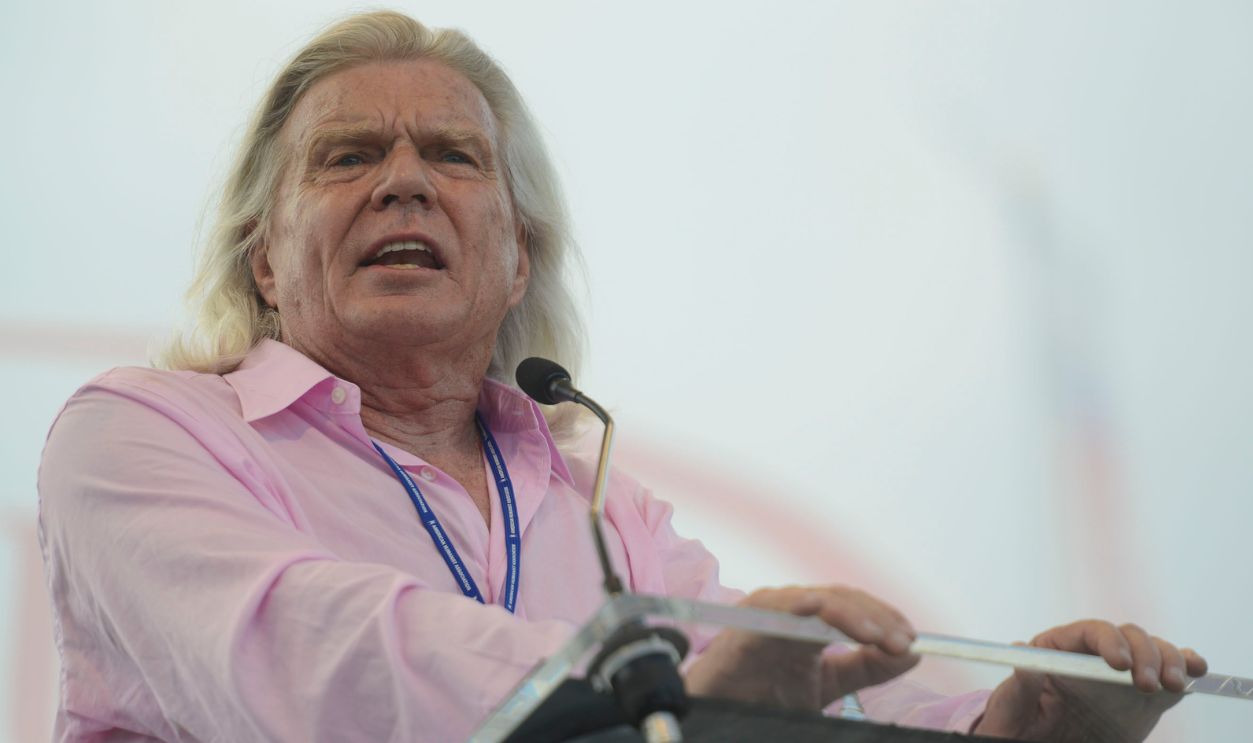 Riccardo S. Savi, Getty Images
That Smile Wasn’t Just For Showbiz
After the tragedy, Davidson continued performing, carrying private grief into public spaces. His warmth on screen felt genuine because it was. Through The John Davidson Show, he connected with viewers using calm humor and a presence that felt safe.
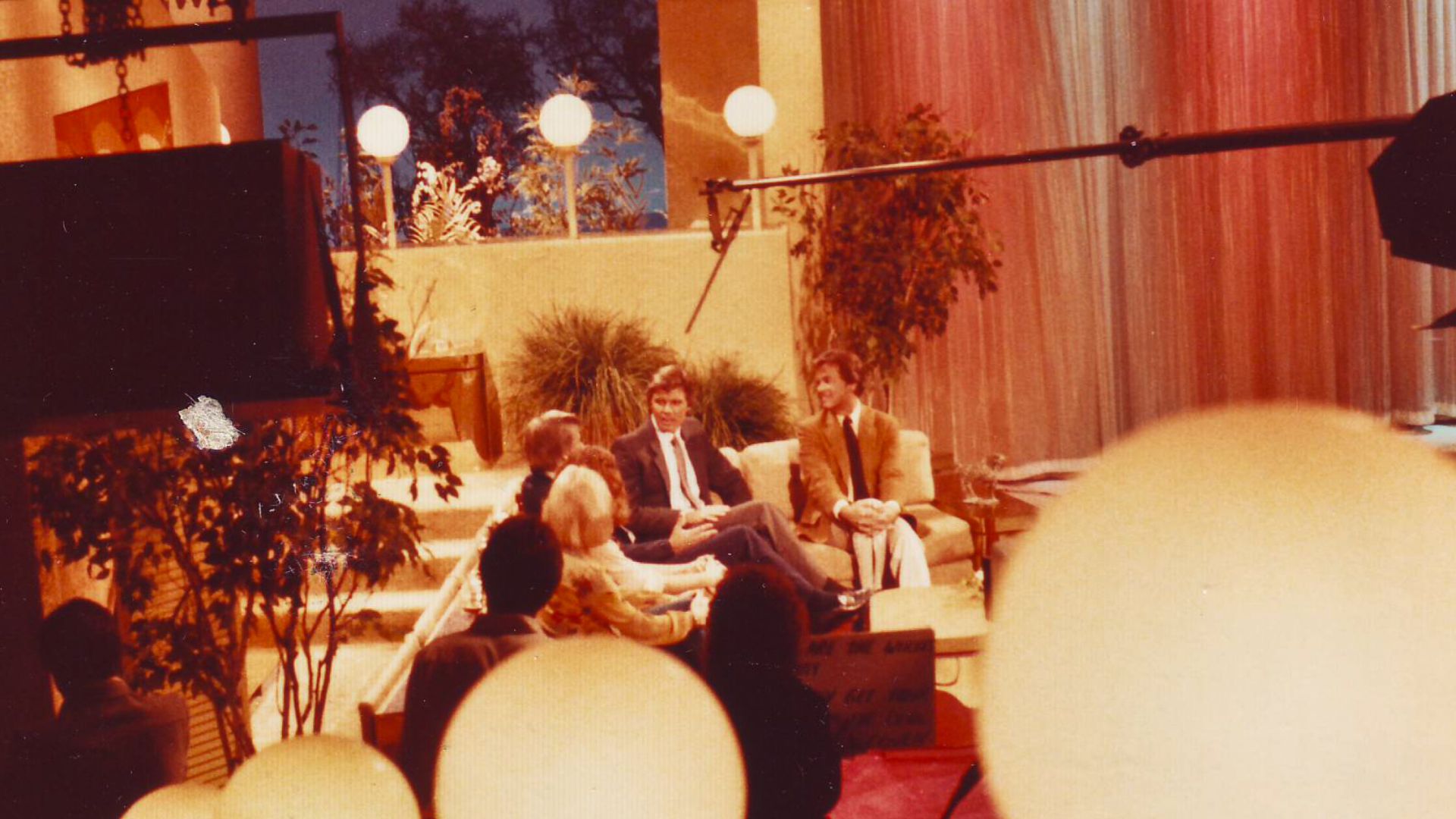 Louise Palanker, Wikimedia Commons
That’s Incredible Took Him To Another Level
In 1980, Davidson co-hosted That’s Incredible!, a show featuring stunts, odd talents, and real-life marvels. It was part of the “reality” wave before reality TV was a thing. The show pulled in over 20 million viewers weekly and made Davidson a household name.
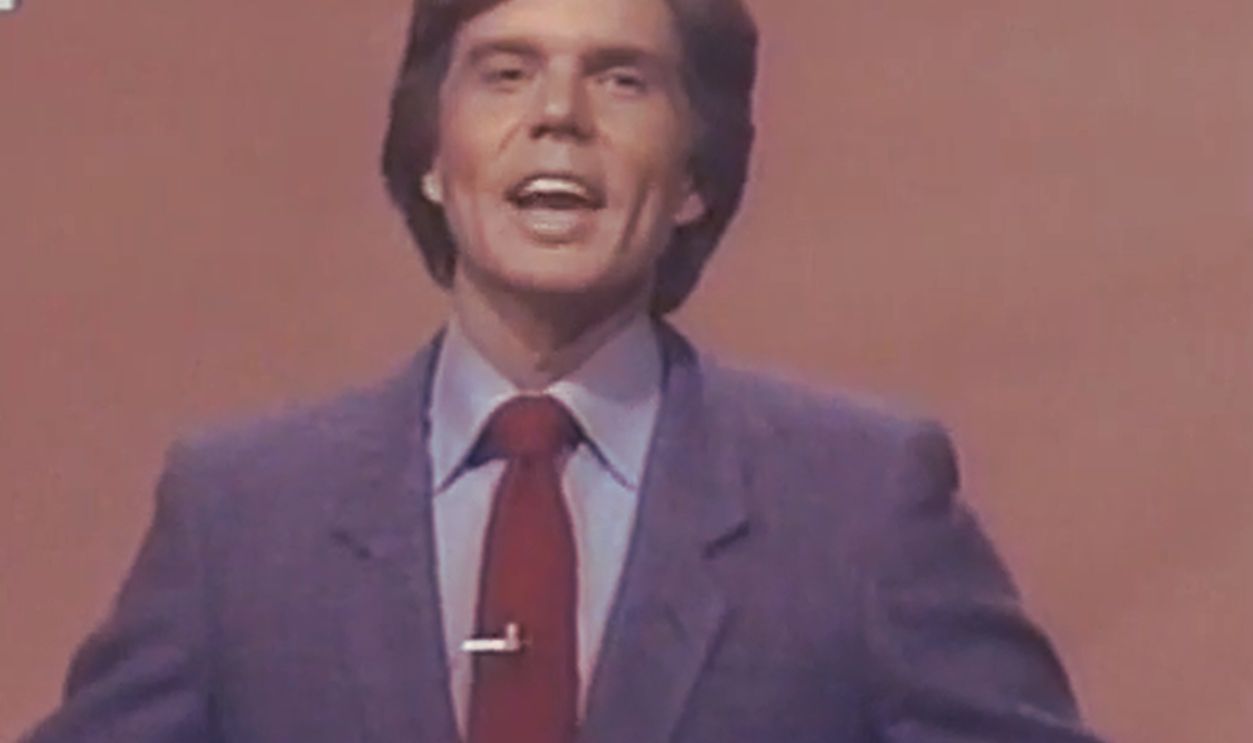 Screenshot from That’s Incredible, ABC (1980–1984)
Hollywood Squares Gave Him The Spotlight
When Hollywood Squares got a late-80s reboot, Davidson stepped in as host. The game mixed trivia with celebrity humor, and his smooth delivery kept it moving. It wasn’t just a comeback for the show. It was Davidson’s moment to shine in prime time.
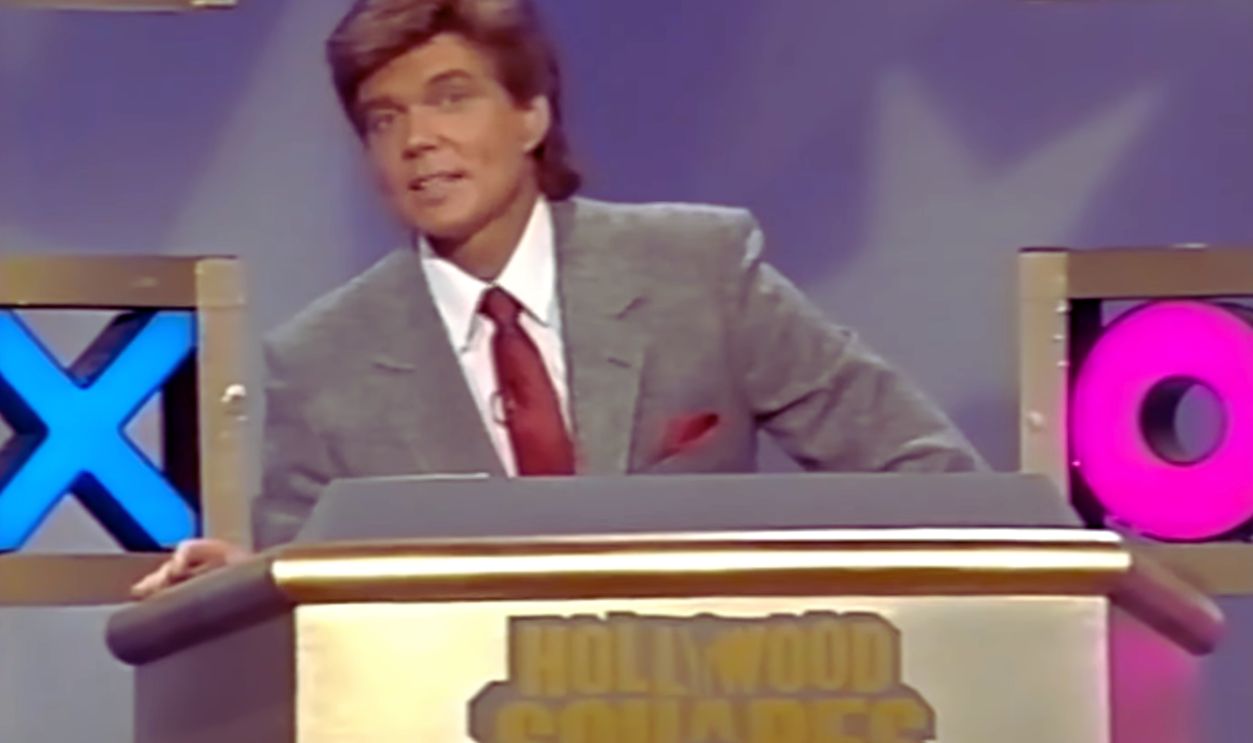 Screenshot from Hollywood Squares, NBC (1966–)
Audiences Loved His Polished Personality
Viewers trusted Davidson. His charm felt genuine, and his humor never crossed the line. He had the rare ability to appeal to both kids and adults. In a sea of flashy hosts, he stood out for being calm and always in control.
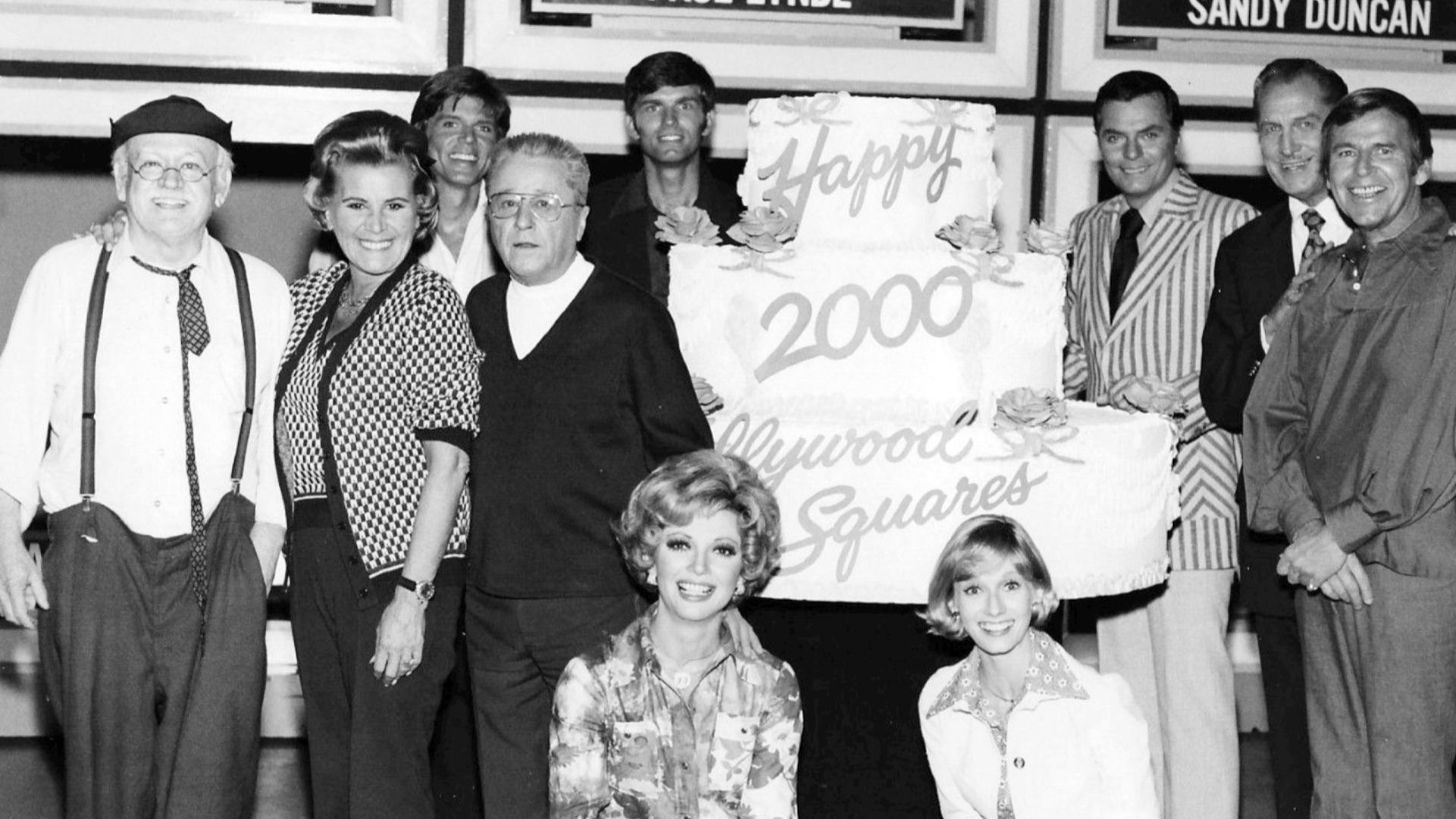 NBC Television, Wikimedia Commons
The Perfect Smile Hid The Real Strain
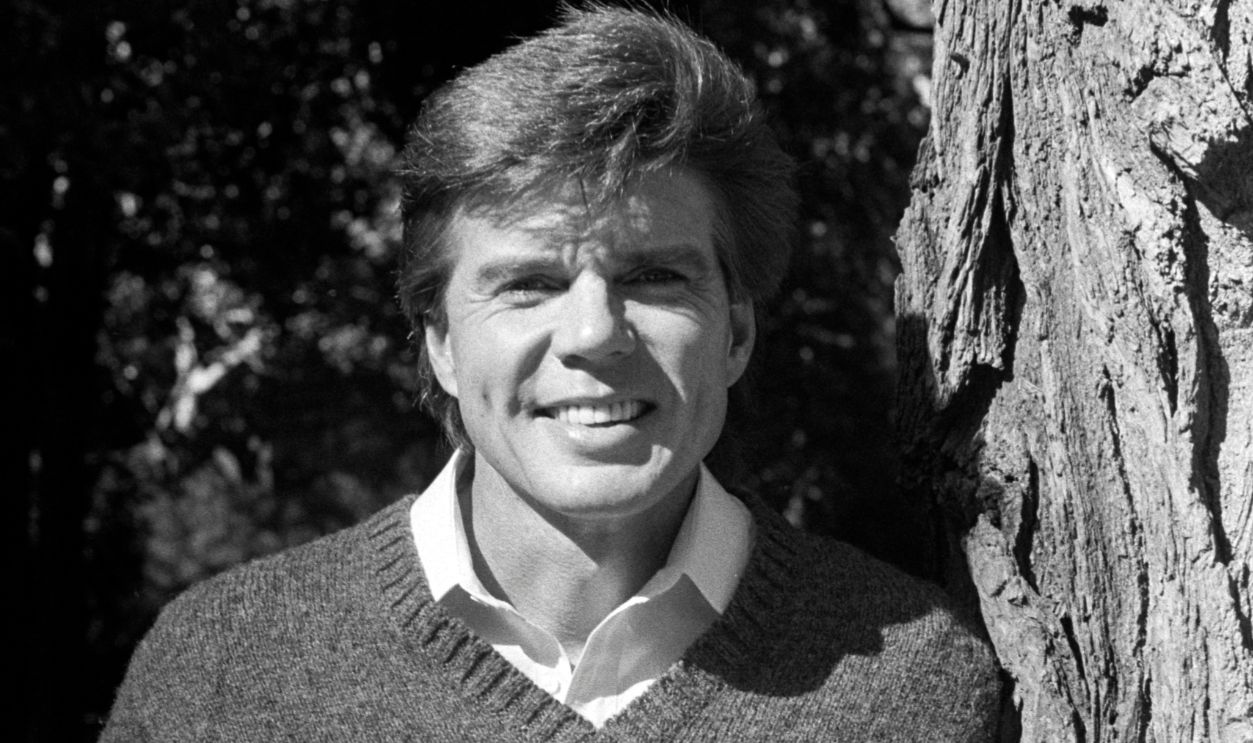
TV made it look easy, but Davidson worked nonstop to keep that smile. Hosting wasn’t just reading cue cards. It meant rehearsals, appearances, interviews, and constant energy. Behind the scenes, the pressure to always be “on” was exhausting and quietly overwhelming.
Being The Nice Guy Came At A Cost
Davidson was known for being approachable and kind, so the industry expected him to never slip. That public image demanded constant cheer, even amid private grief from family losses, making it hard to process his own vulnerabilities.
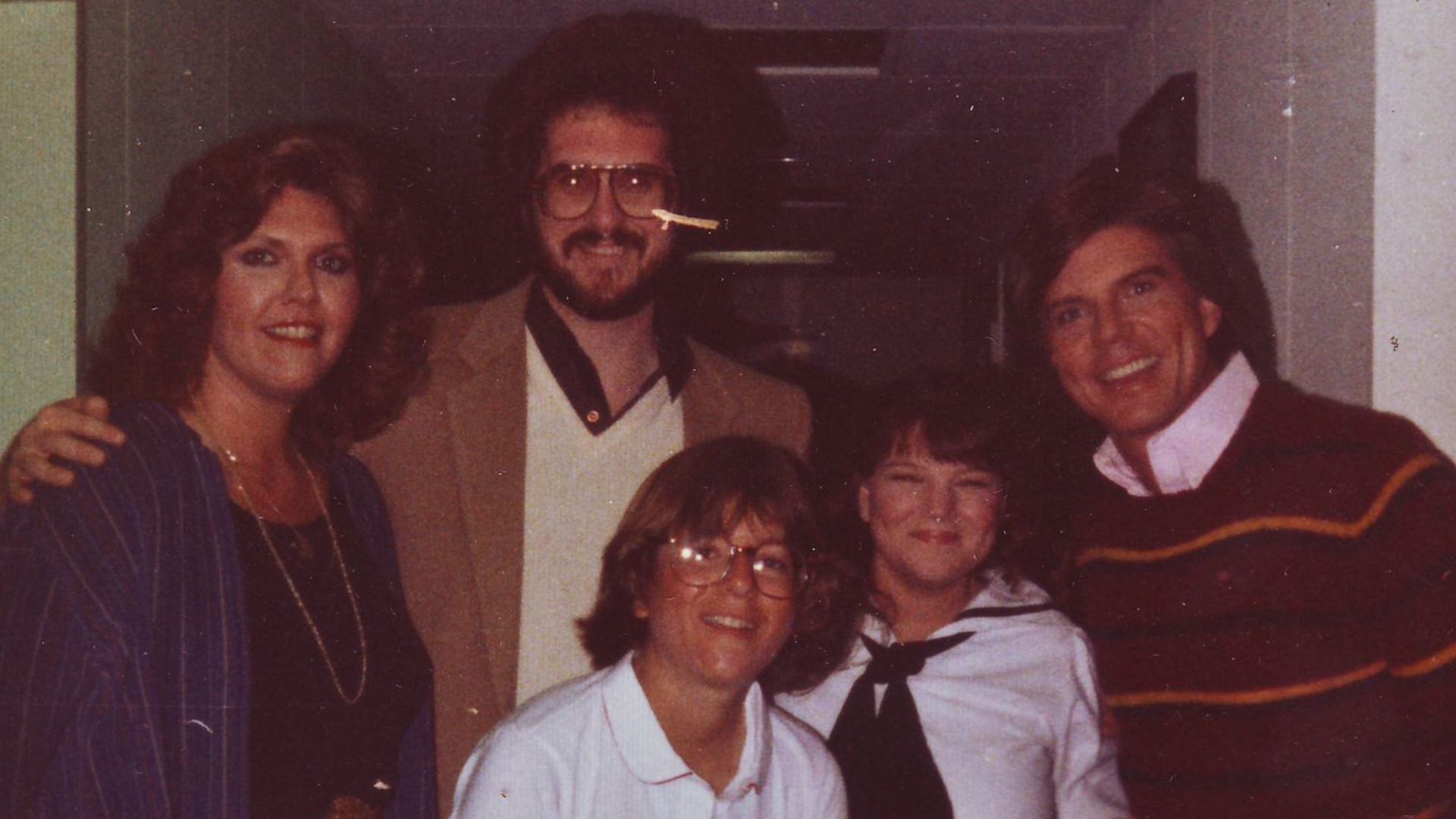 Louise Palanker, Wikimedia Commons
Reinvention Was The Name Of The Game
Television changed quickly in the late 1980s. What worked one season faded the next. Davidson had to constantly adjust, taking guest spots, hosting short-lived specials, and staying visible. Staying relevant wasn’t about talent alone. It took strategy and endless reinvention.
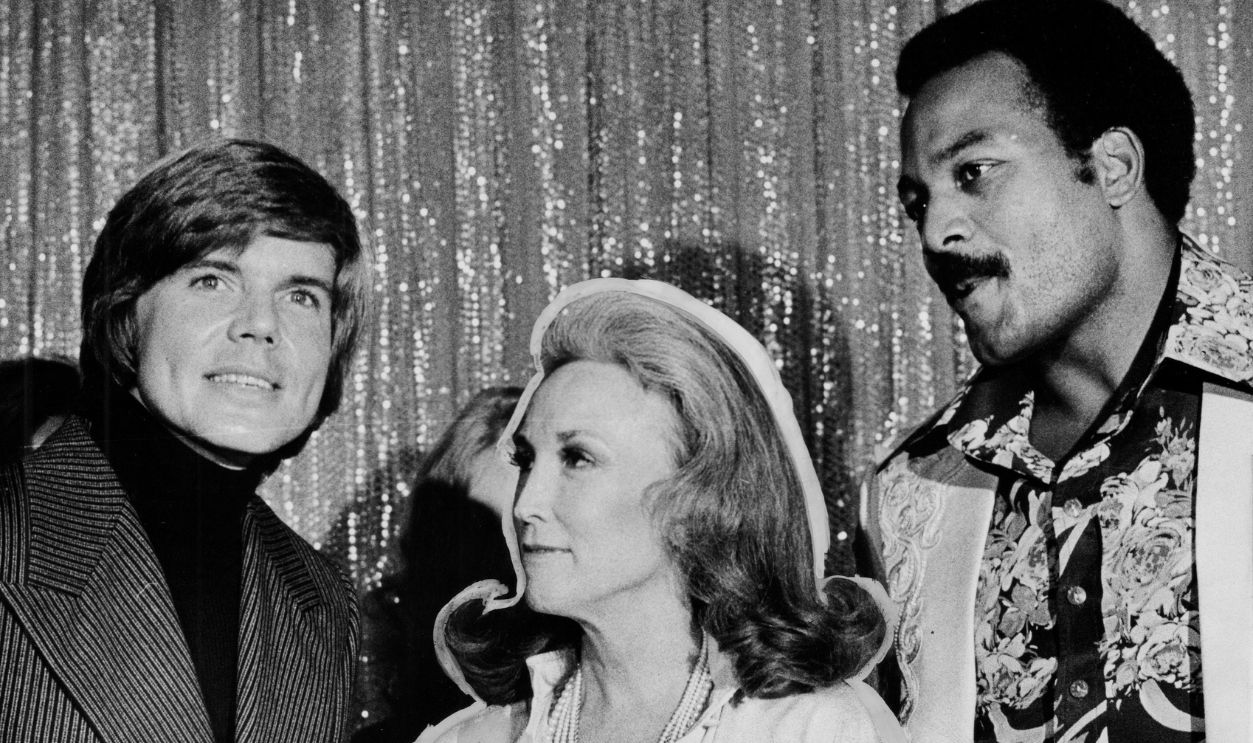
Smiles Don’t Shield You From Burnout
The pressure to perform eventually caught up to him. Though he kept pushing forward, his energy was draining. In interviews, he reflected on how relentless schedules strained his home life, making even beloved work feel taxing at times.
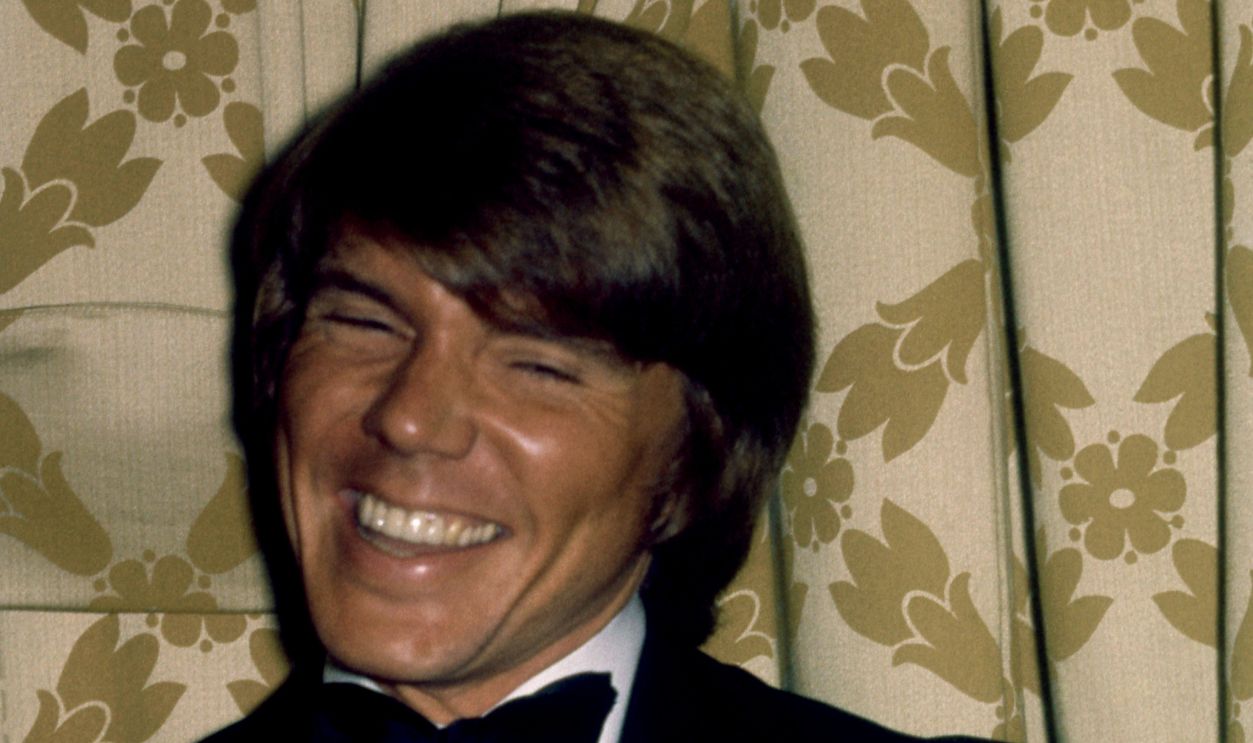
Life At Home Wasn’t Always Picture Perfect
Davidson was married with kids during the height of his fame. However, fame demands time, and time was what his family didn’t always get. Touring, shooting schedules, and nonstop public appearances often pulled him away from the people who mattered most.
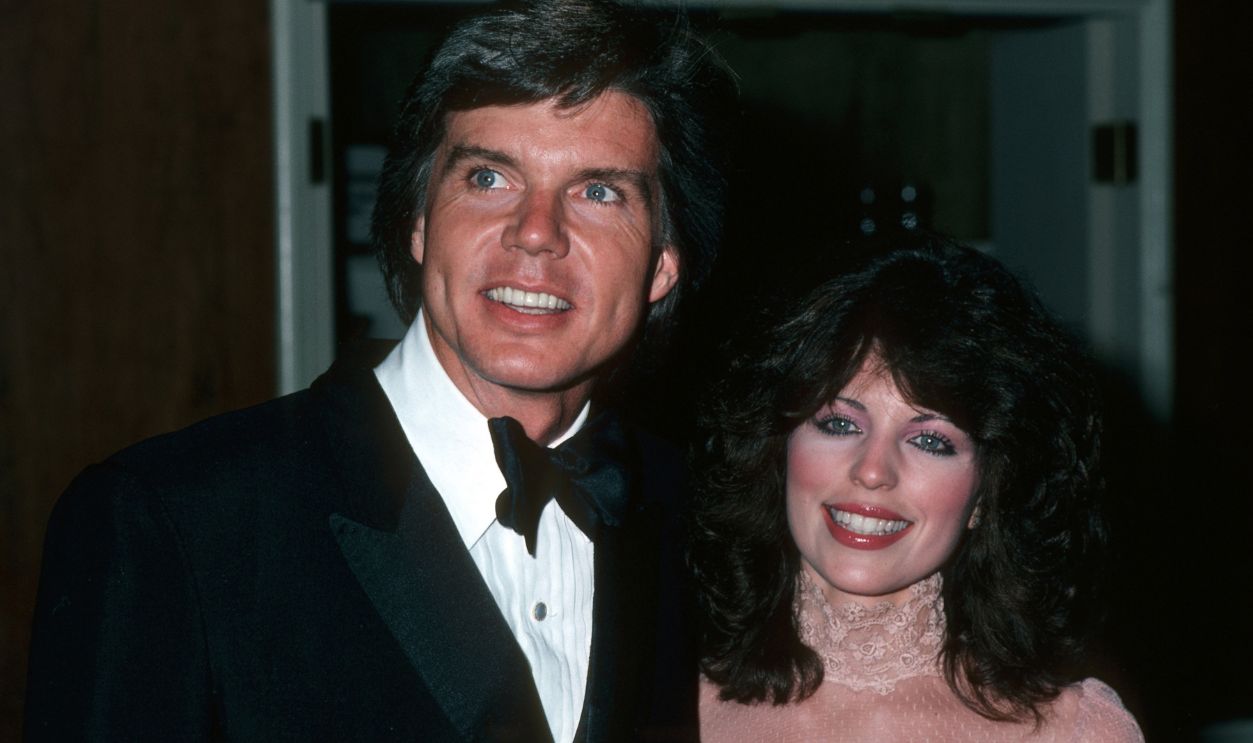
Success Couldn’t Quiet The Strain At Home
Though he reached millions through television, his personal life told a different story. As his marriage began to fall apart, he found himself questioning what happiness really meant. The applause was loud, yet it could not replace the connection he was losing at home.
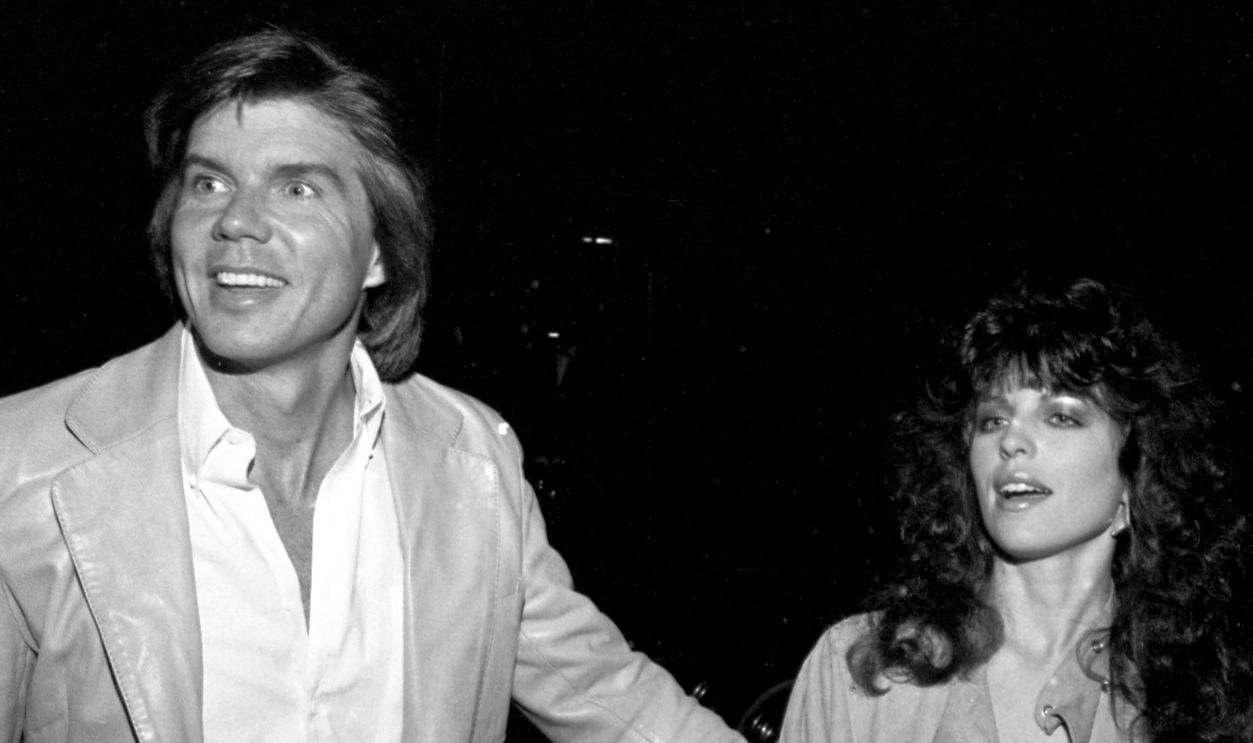
The End Of Hollywood Squares Hit Hard
When Hollywood Squares was canceled in 1989, Davidson lost more than a job. It ended a routine that gave him purpose and public connection. The quiet afterward wasn’t freeing. It felt like being cut off from the world he worked so hard to join.
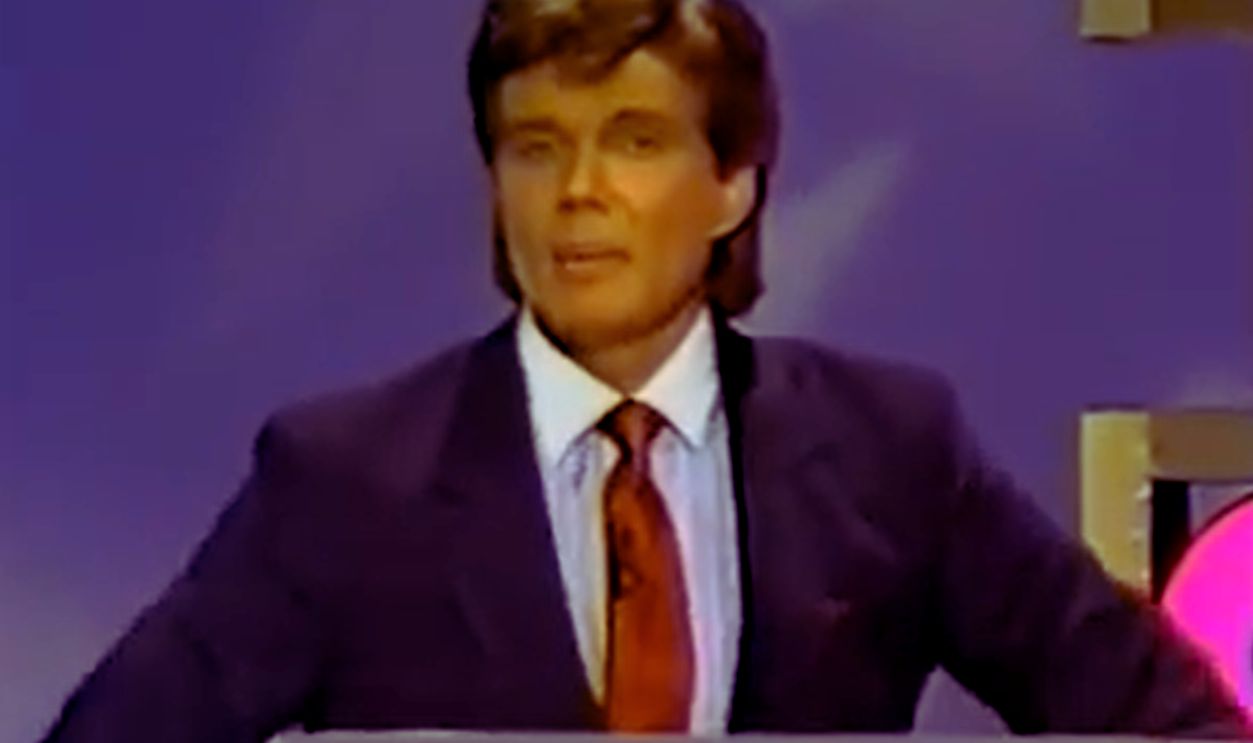 Screenshot from Hollywood Squares, NBC (1966–)
Searching For Purpose In Smaller Roles
After his TV peak, Davidson took on smaller projects. He did regional theater, cruise ship concerts, and speaking events. Some saw it as a step down, though for him, it was a way to stay creative while figuring out what came next.
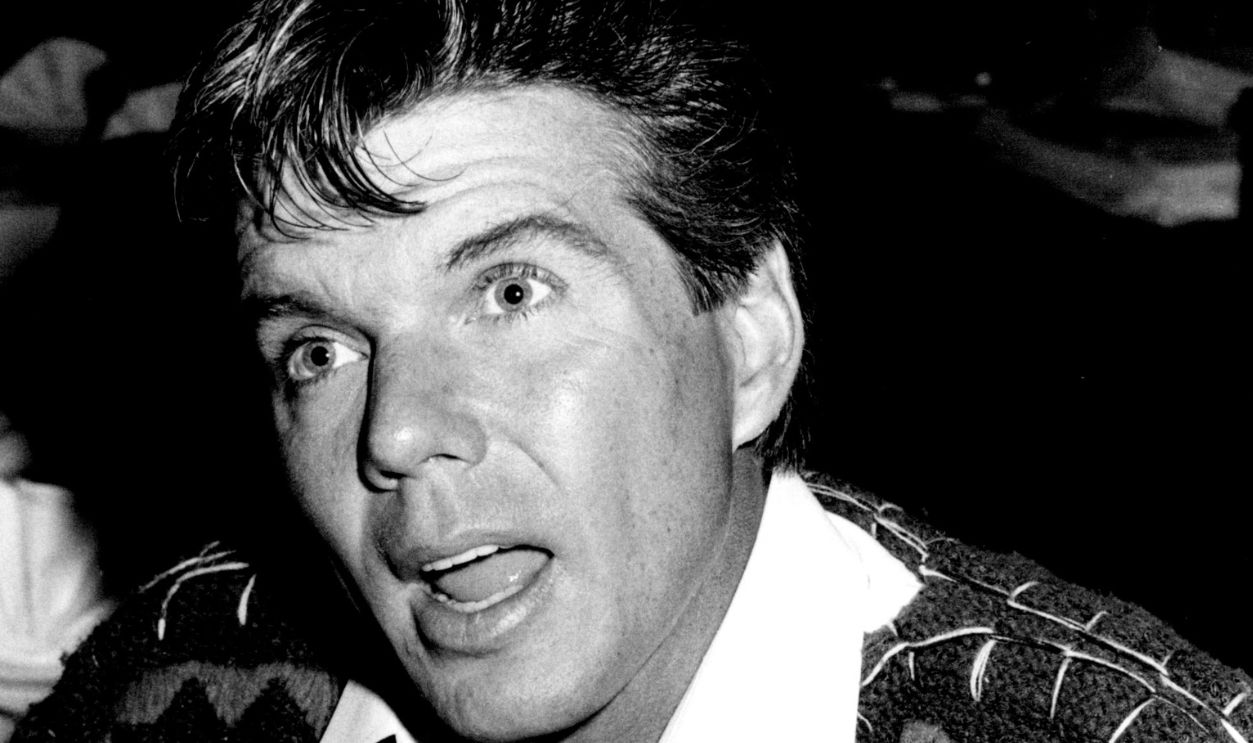 Fairfax Media Archives, Getty Images
Learning Who He Was Without Applause
When the cameras stopped rolling, Davidson faced a difficult shift. Without constant attention, he had to rediscover what truly fulfilled him. He turned back to music and performed in smaller settings, creating a slower, more meaningful rhythm built on personal connection and creative freedom.
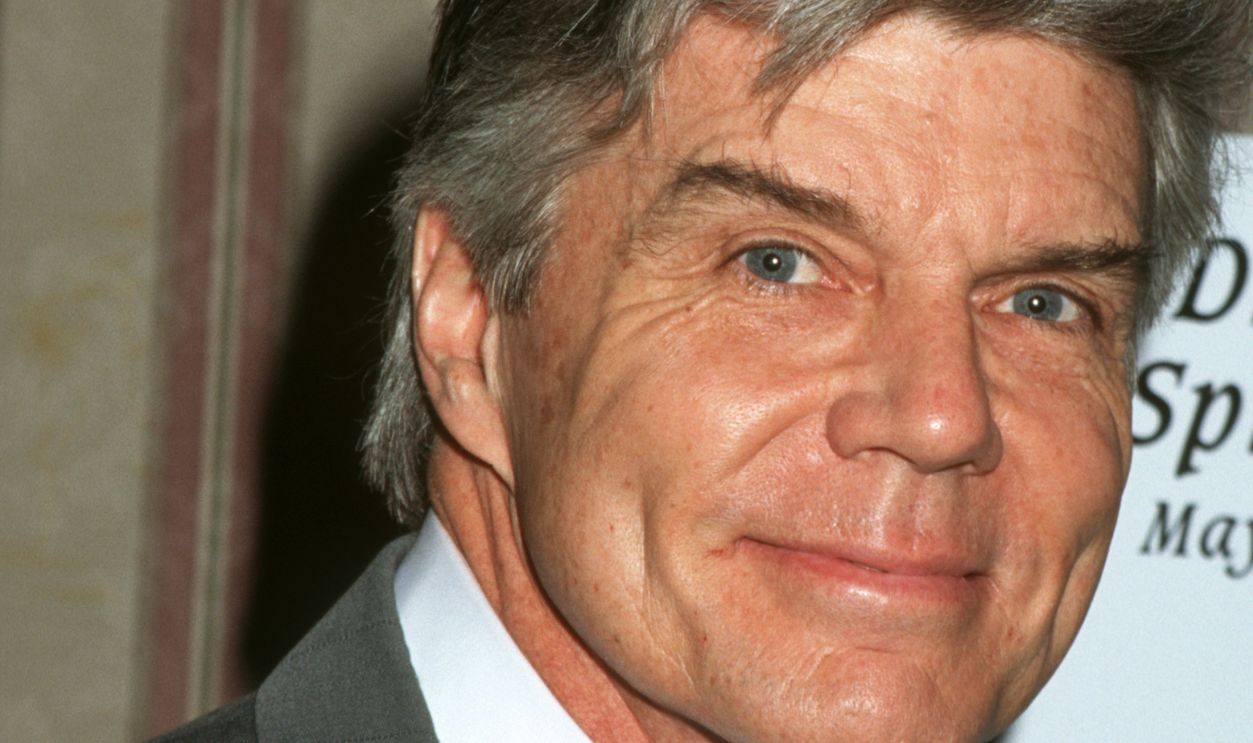 Ron Galella, Ltd., Getty Images
Music Helped Him Find His Voice Again
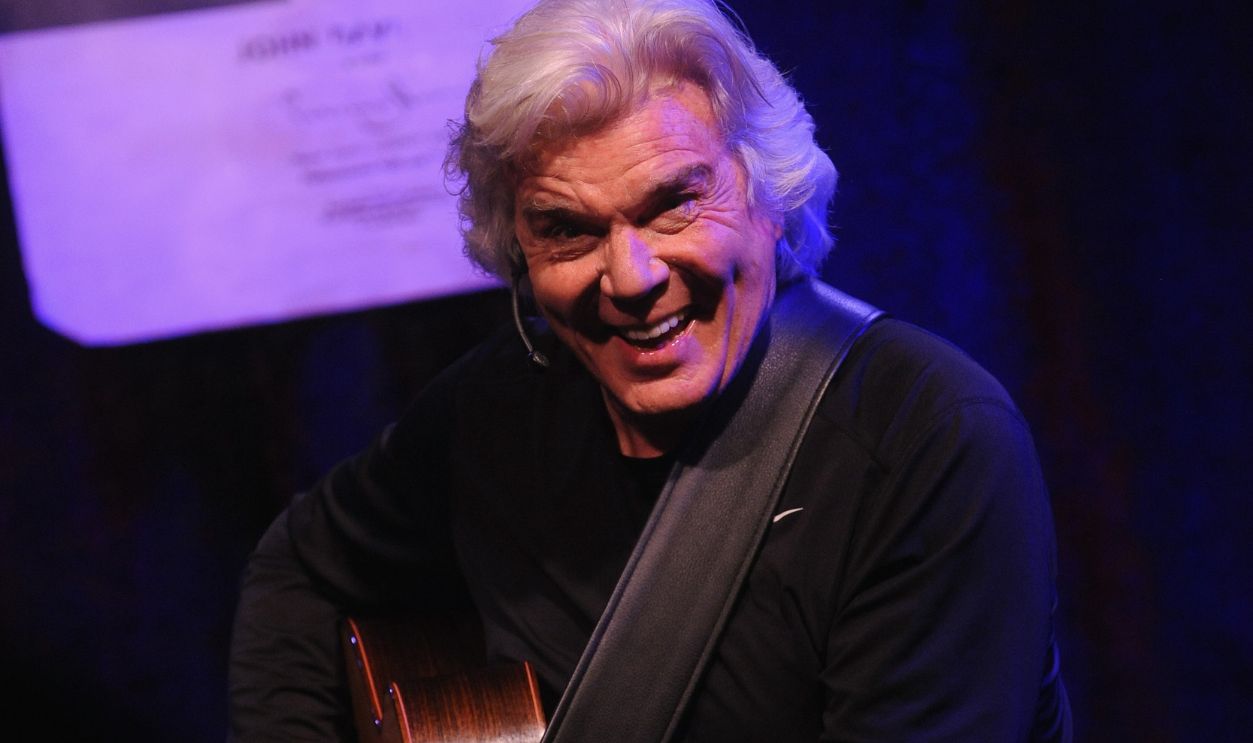
During this time, returning to his musical roots gave Davidson something steady. He began performing solo shows again, this time on his terms, and music became an outlet. It allowed him to speak his truth without having to play a character.
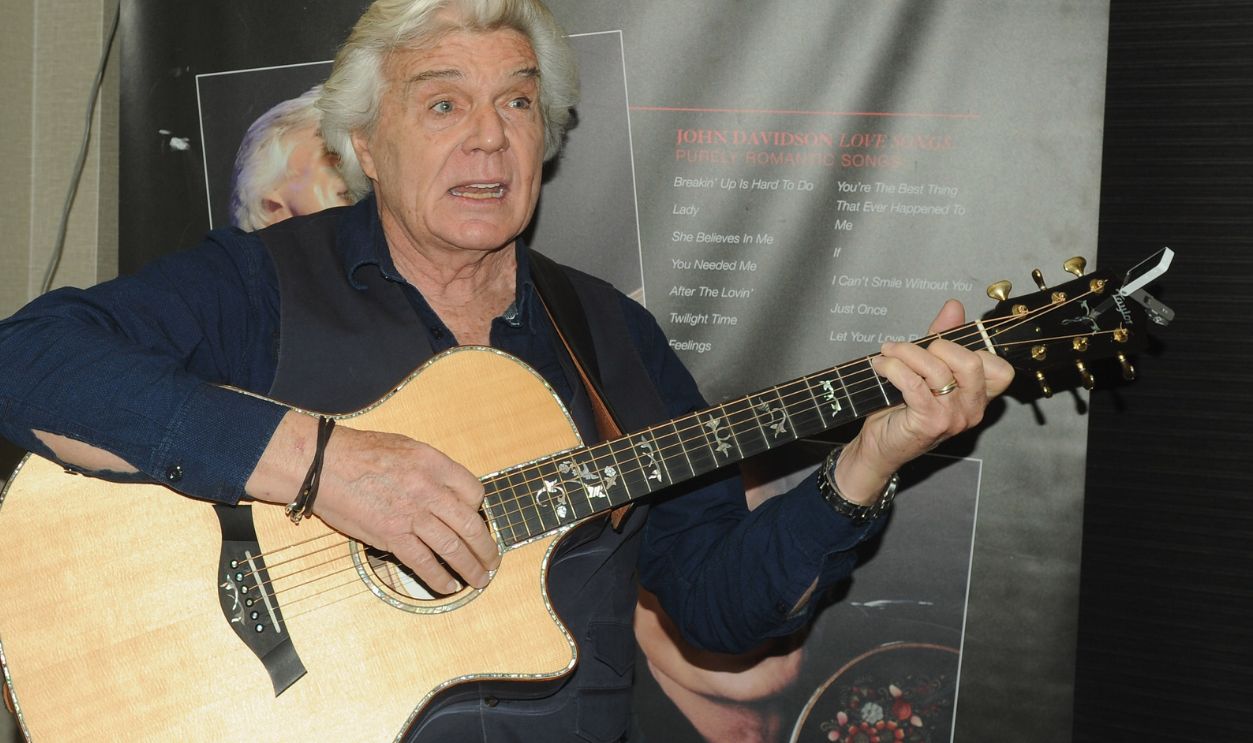
Trading Spotlights For A Simpler Life
Eventually, Davidson left the race for mainstream fame. He settled into a quieter rhythm, performing in smaller venues and running a theater in New Hampshire. The crowds were smaller; however, the joy was deeper. For the first time, he felt at peace.
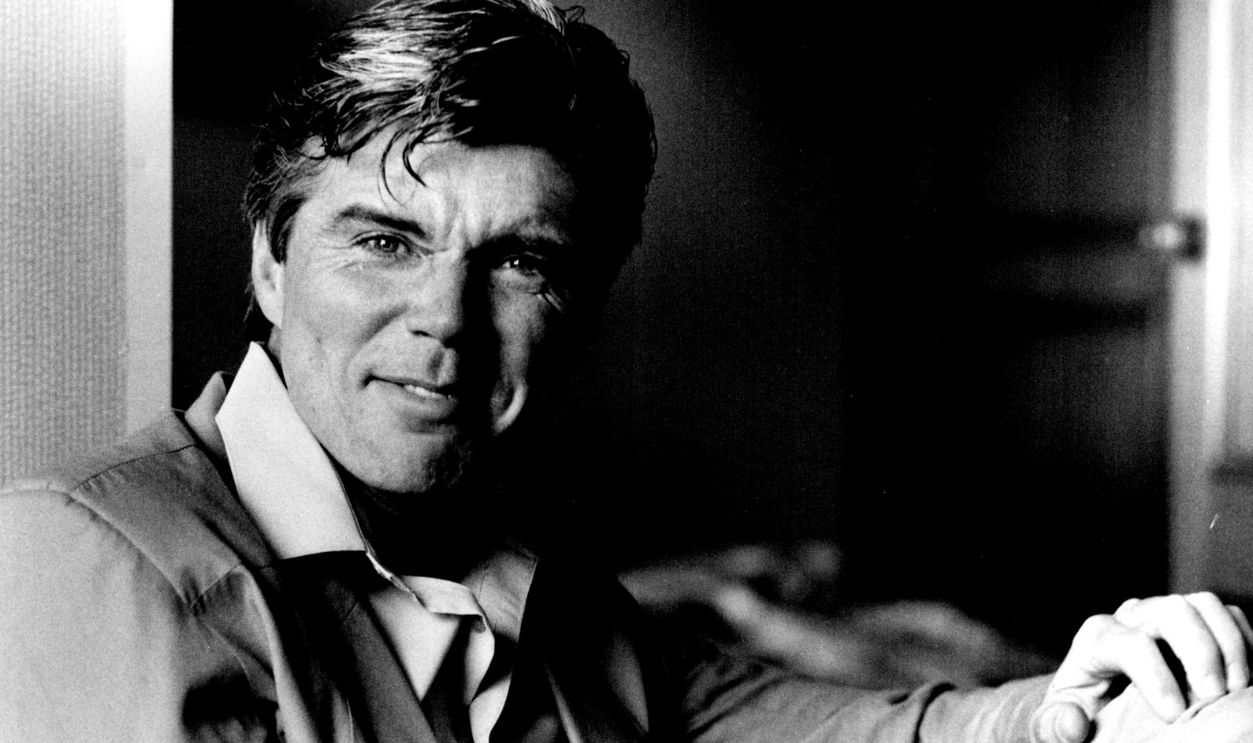 Fairfax Media Archives, Getty Images
Letting Therapy Help Unpack The Past
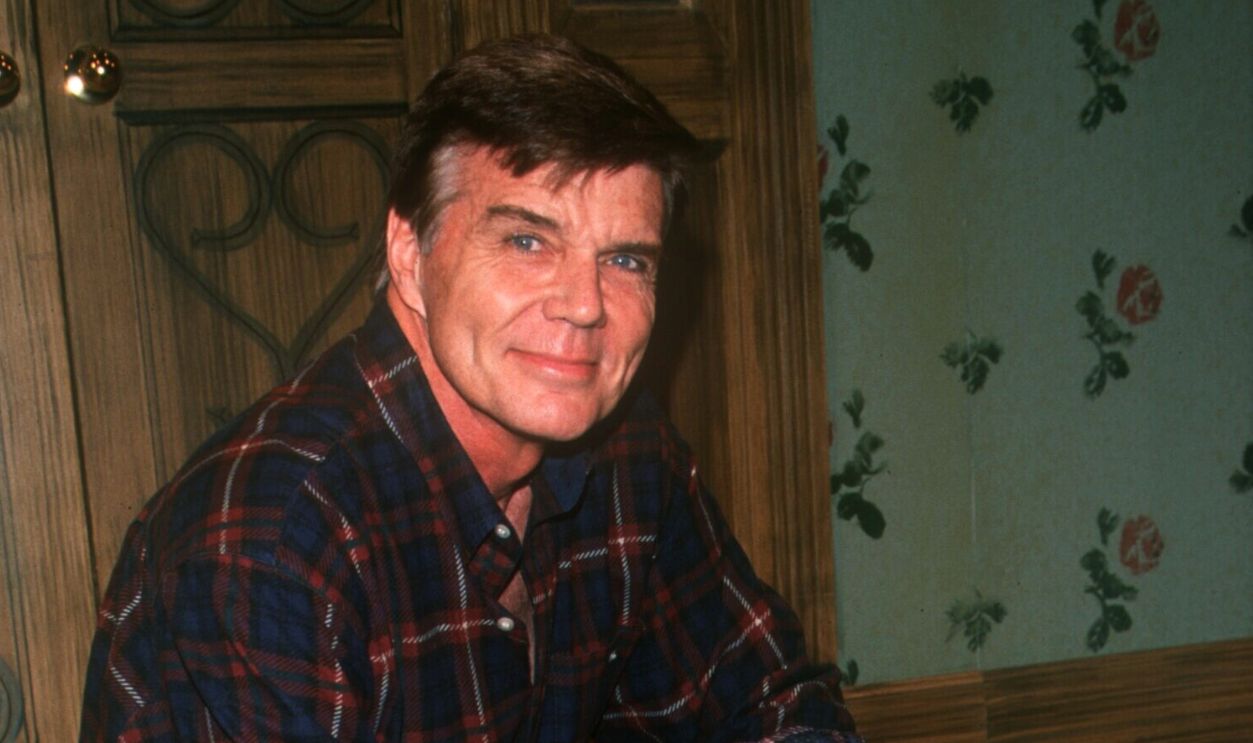
Davidson has spoken about the value of self-reflection and getting real with himself. Self-reflection helped him understand how fame shaped his thinking and relationships. It wasn’t about fixing a broken man. It was about learning to live without needing constant approval.
Owning A Theater Was His Fresh Start
In 2021, John Davidson opened Club Sandwich, a small theater in Sandwich, New Hampshire, where he managed operations and performed regularly. The space offered a personal connection with audiences that television never could by creating a rhythm that felt peaceful and genuinely fulfilling.
Fame Taught Him What Truly Mattered
Davidson spent years chasing applause, thinking it would bring lasting happiness. Over time, he began to value quieter moments instead. His smile today comes from genuine joy. Performing still matters to him, but now it brings peace instead of pressure.
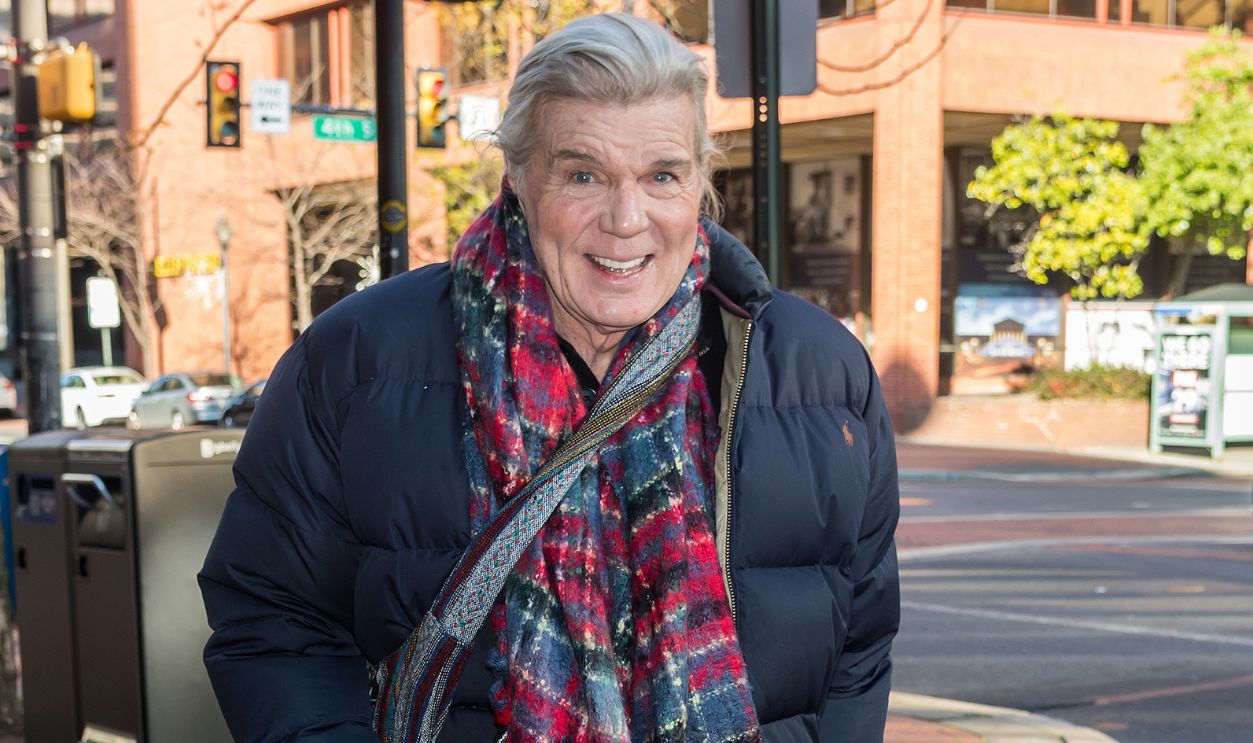 Gilbert Carrasquillo, Getty Images
Sharing His Story Without Holding Back
In interviews, Davidson has spoken candidly about the emotional toll of fame. He has discussed the pressures of fame, including strains on family and processing grief from personal tragedies. By sharing his story, John hopes to encourage others to prioritize mental health and speak honestly about personal struggles.
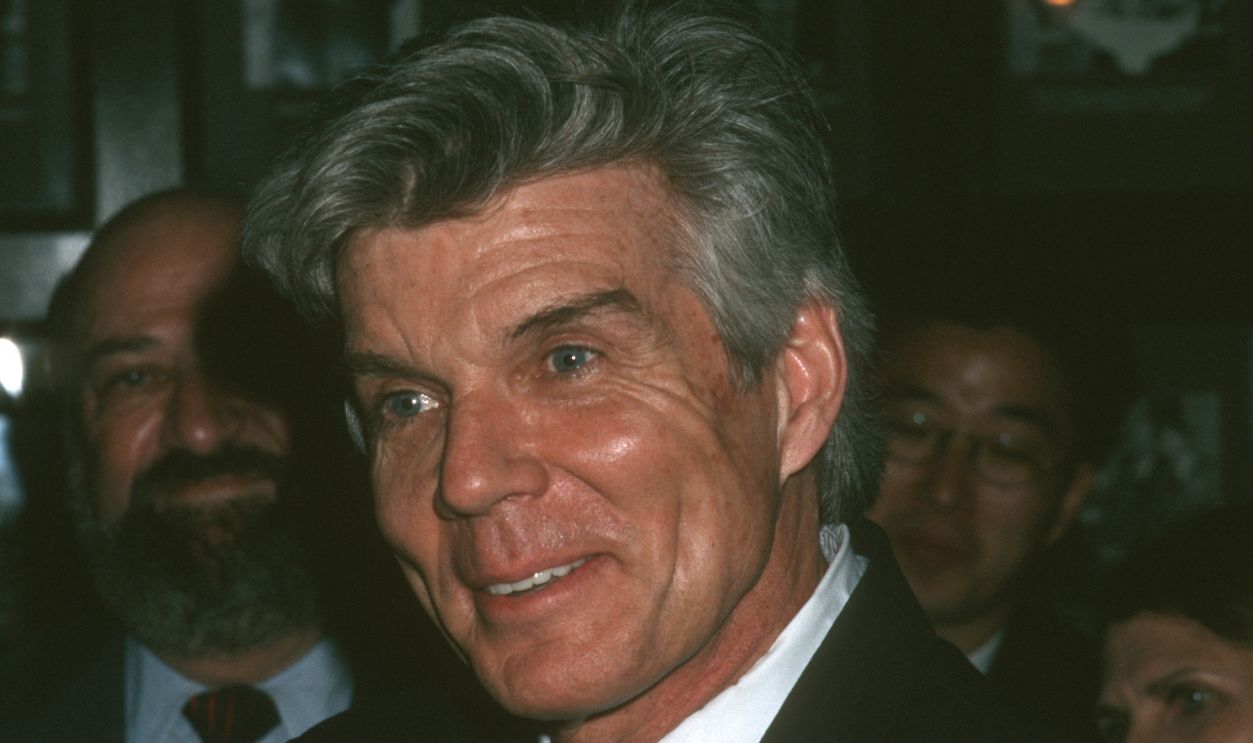
Remembering The Man Not Just The Host
Many still picture Davidson behind a podium, smiling for the cameras. Today, he hopes to be seen as more than a host. He is a devoted artist who faced the pressures of fame and struggles of personal tragedies and eventually found a life that felt genuinely his own.
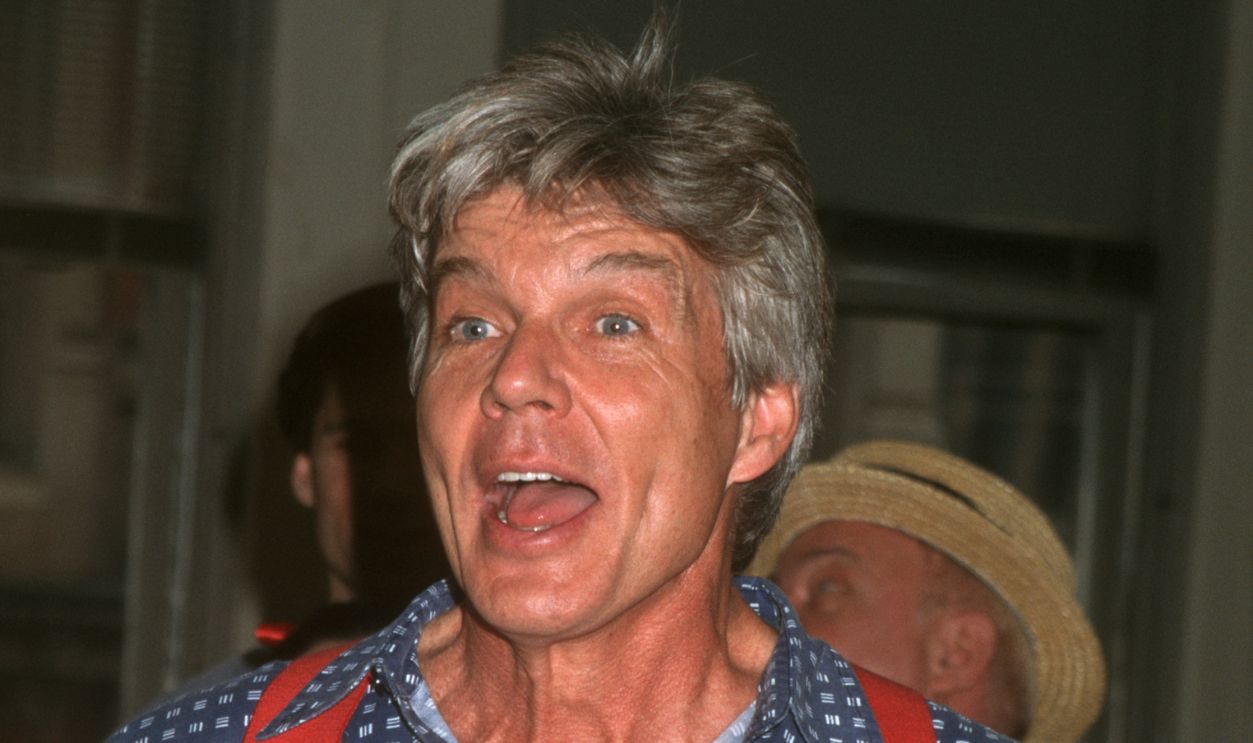 Ron Galella, Ltd., Getty Images
Behind The Lights Was A Life Worth Watching
John Davidson’s real story didn’t happen on TV. It happened in the quiet spaces in between. Though fame gave him a platform, struggle gave him depth. And in learning to step out of the spotlight, he finally discovered where he truly shines.