A Character Built To Stand Still
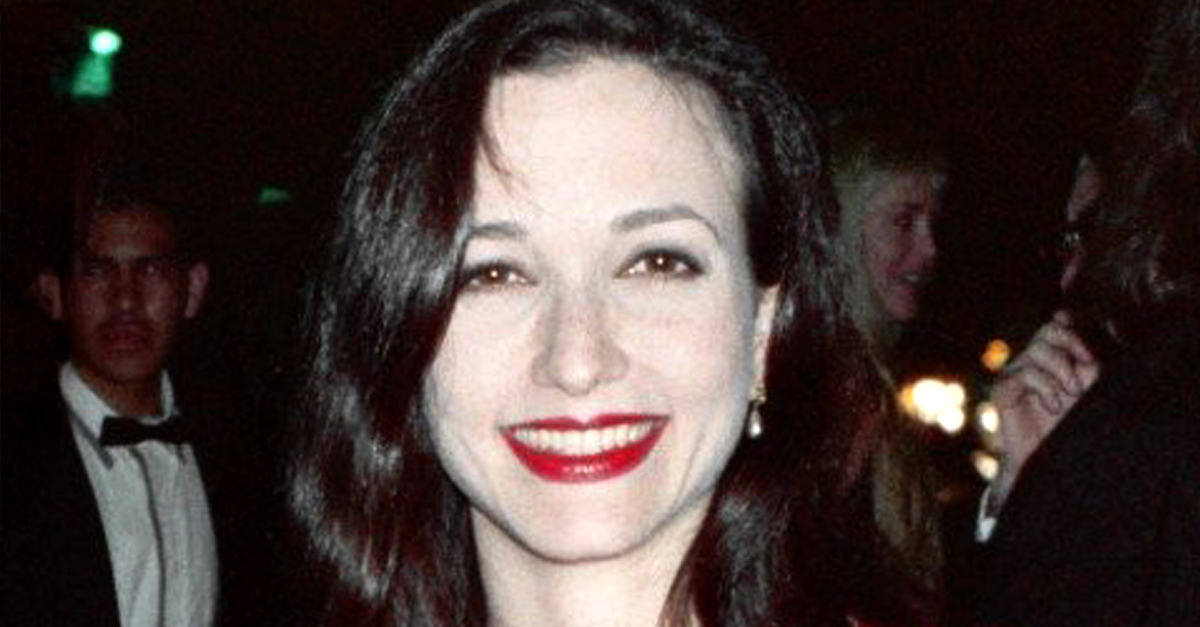
Bebe Neuwirth made Lilith Sternin memorable by doing almost the opposite of ordinary sitcom acting. Her rigid posture, controlled delivery, and refusal to chase laughs made the character instantly distinctive. What began as a tiny guest role eventually became one of the defining performances of her television career.
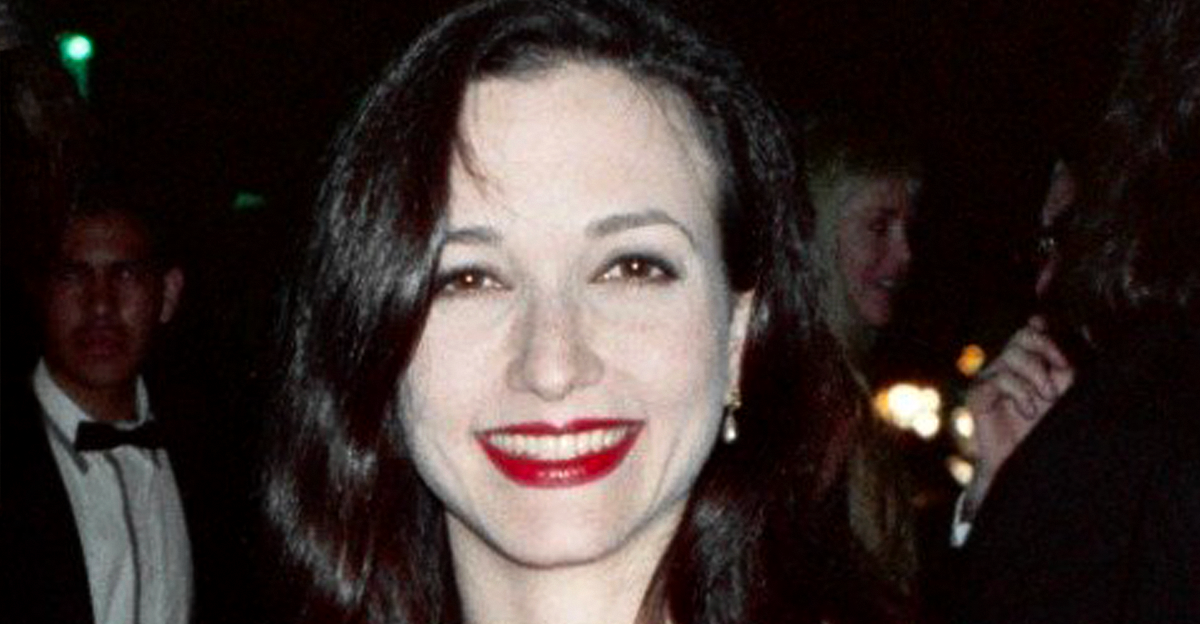
Before Lilith, Neuwirth Was A Dancer
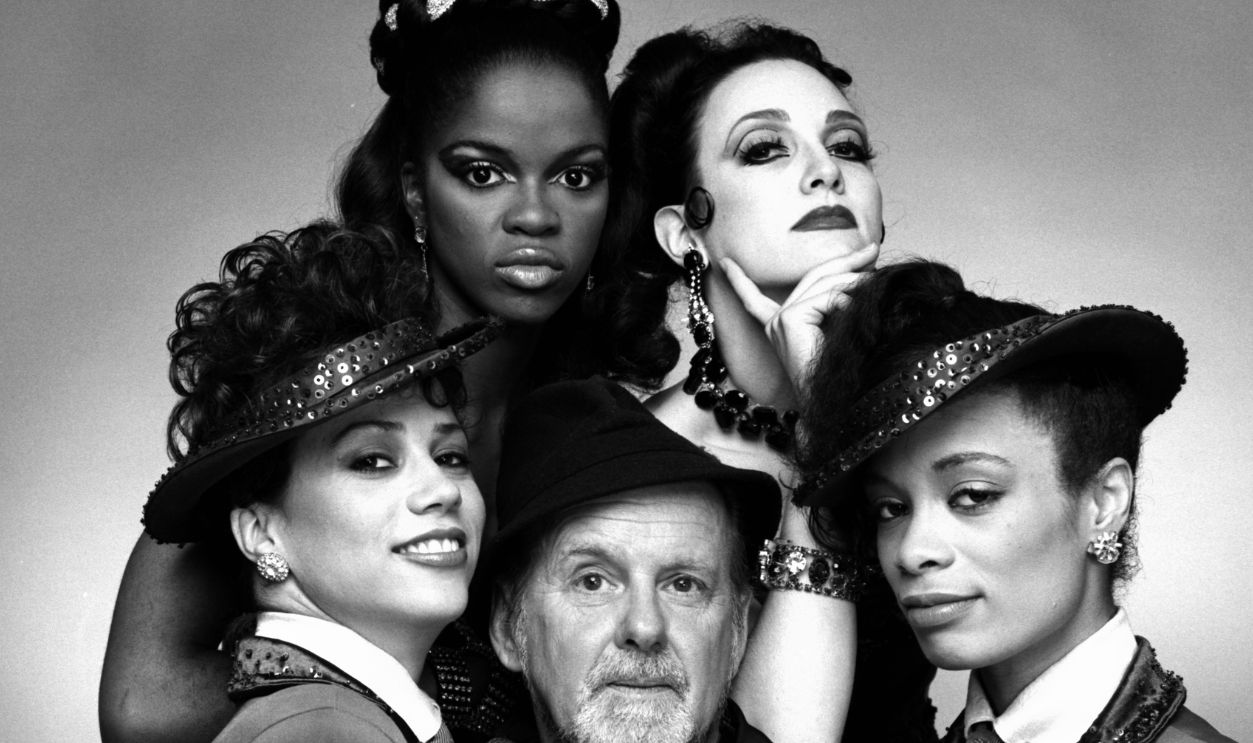
Neuwirth came to acting through dance, not television comedy. She trained in ballet, attended Juilliard, and built an early stage career that included A Chorus Line. That physical training later gave her an unusually precise way of creating characters from posture, movement, and external detail.
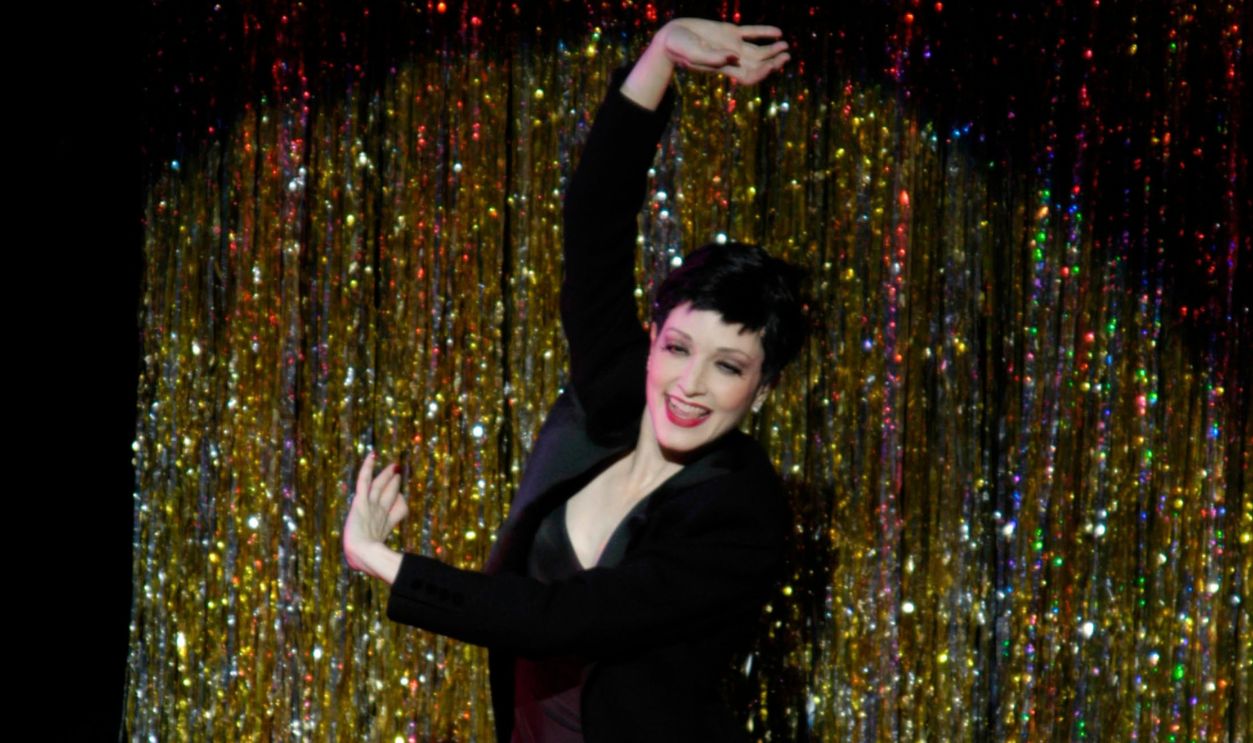 Patrick McMullan, Getty Images
Television Was Almost A Side Trip
In the mid-1980s, Neuwirth was in Los Angeles waiting to get her Tony for the Broadway revival of Sweet Charity. She had never worked in television and decided to see whether she could pick up a job. That casual experiment led directly to Cheers and Dr. Lilith Sternin.
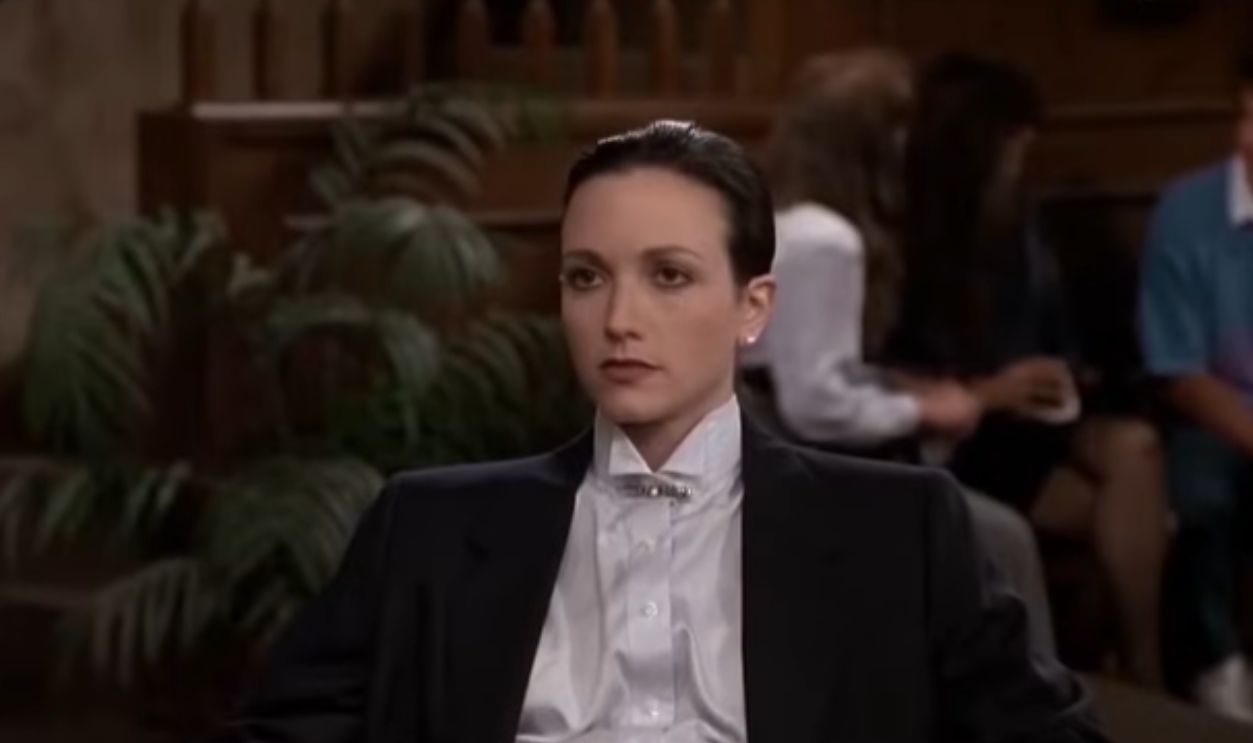 Screenshot from Cheers, CBS Television Distribution (1982-1993)
She Thought She Was Wrong For Lilith
The audition description did not sound like the roles Neuwirth usually played. Lilith was described as dry, rigid, analytical, intellectual, and humorless, with tightly controlled hair and an older appearance. Neuwirth later recalled thinking she was not right for the part at all.
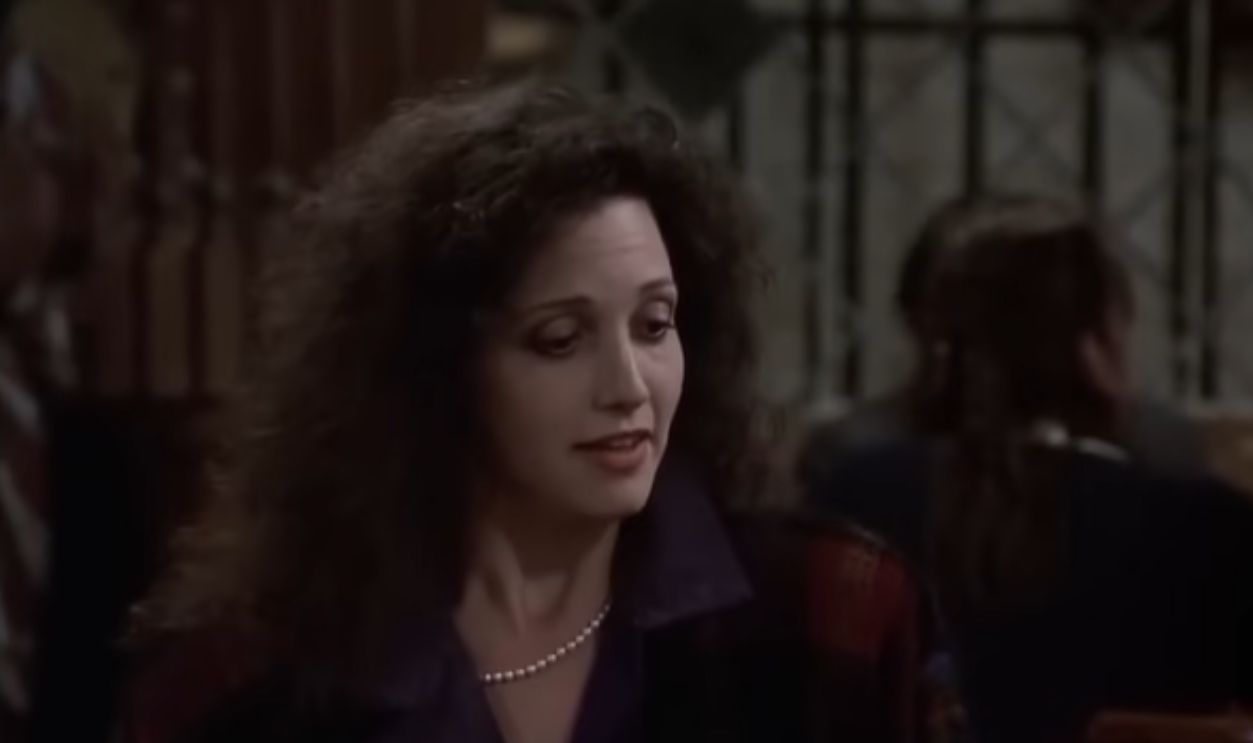 Screenshot from Cheers, CBS Television Distribution (1982-1993)
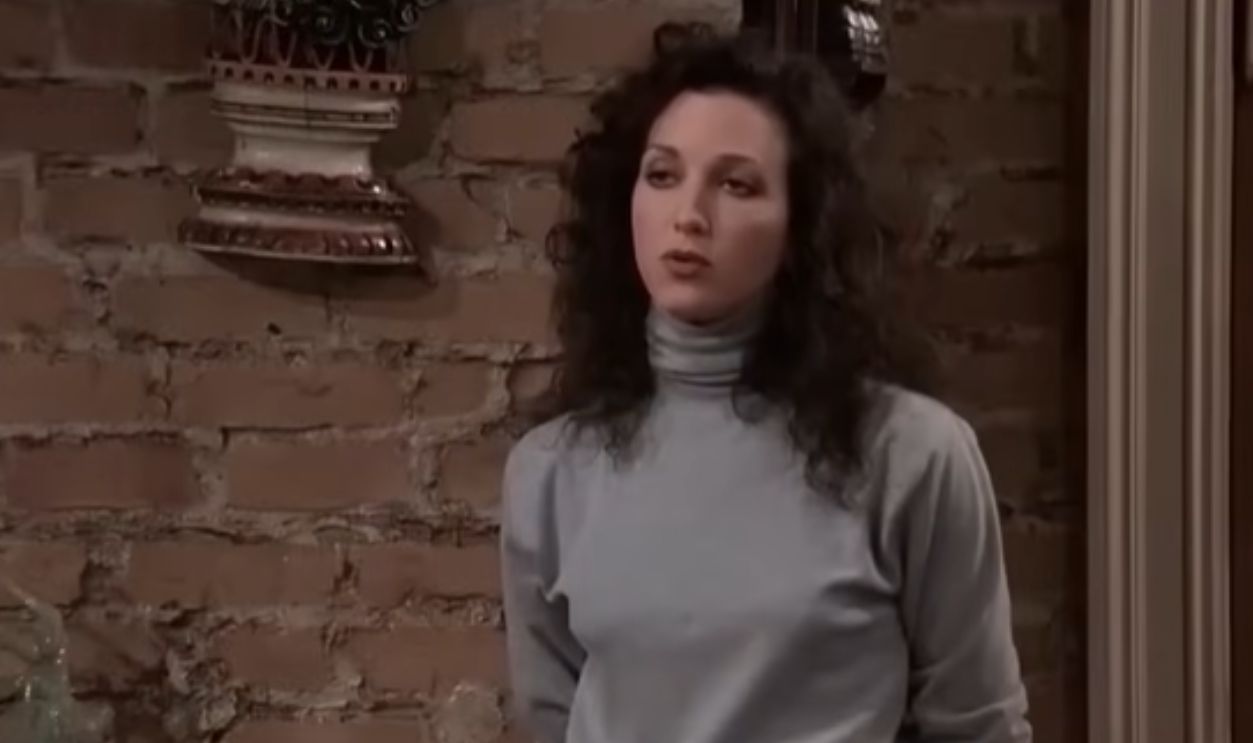
Then The Character Suddenly Clicked
Neuwirth struggled with the material until a particular version of Lilith occurred to her and made her laugh. The breakthrough was simple but powerful. She realized there was something inherently funny about a person who appeared to possess almost no sense of humor.
 Screenshot from Cheers, CBS Television Distribution (1982-1993)
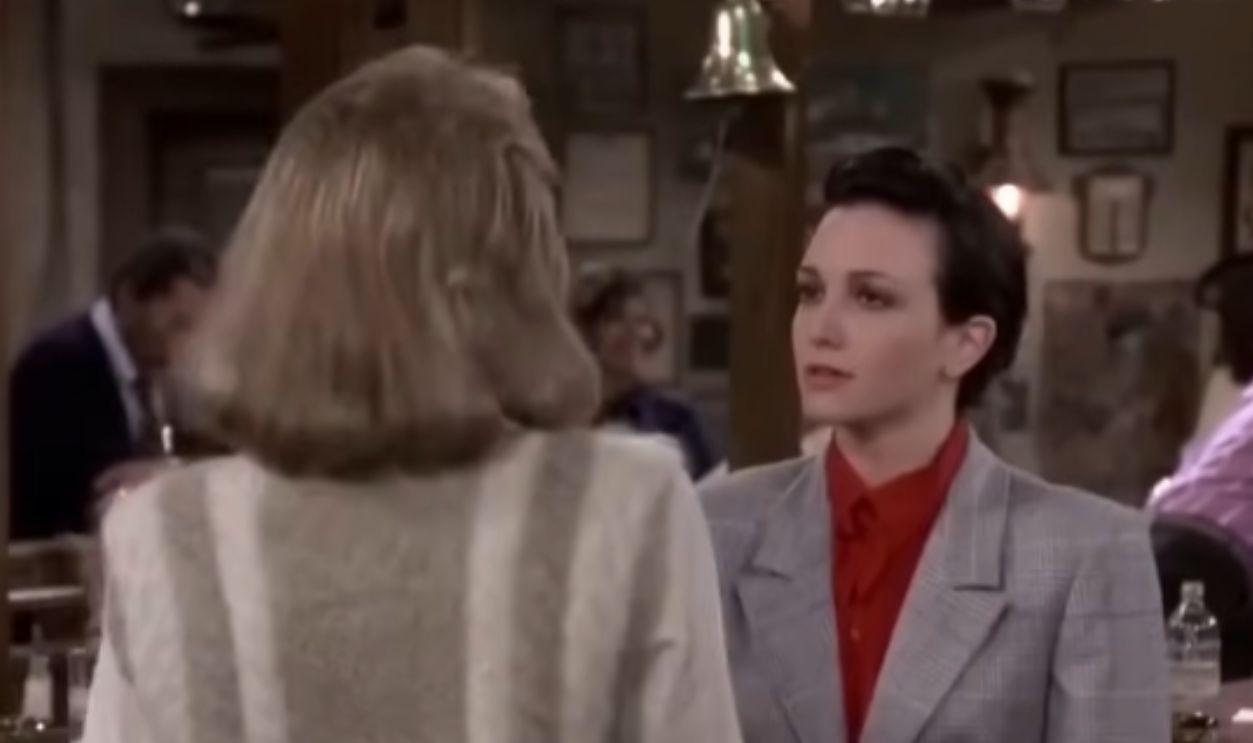
One Scene Was Supposed To Be Enough
Lilith was initially a one-shot assignment, with Neuwirth appearing in a single scene during one episode of Cheers. Neuwirth later said she was surprised the character became iconic because the job had started so small. No long-term television plan existed when she first walked onto the set.
 Screenshot from Cheers, CBS Television Distribution (1982-1993)
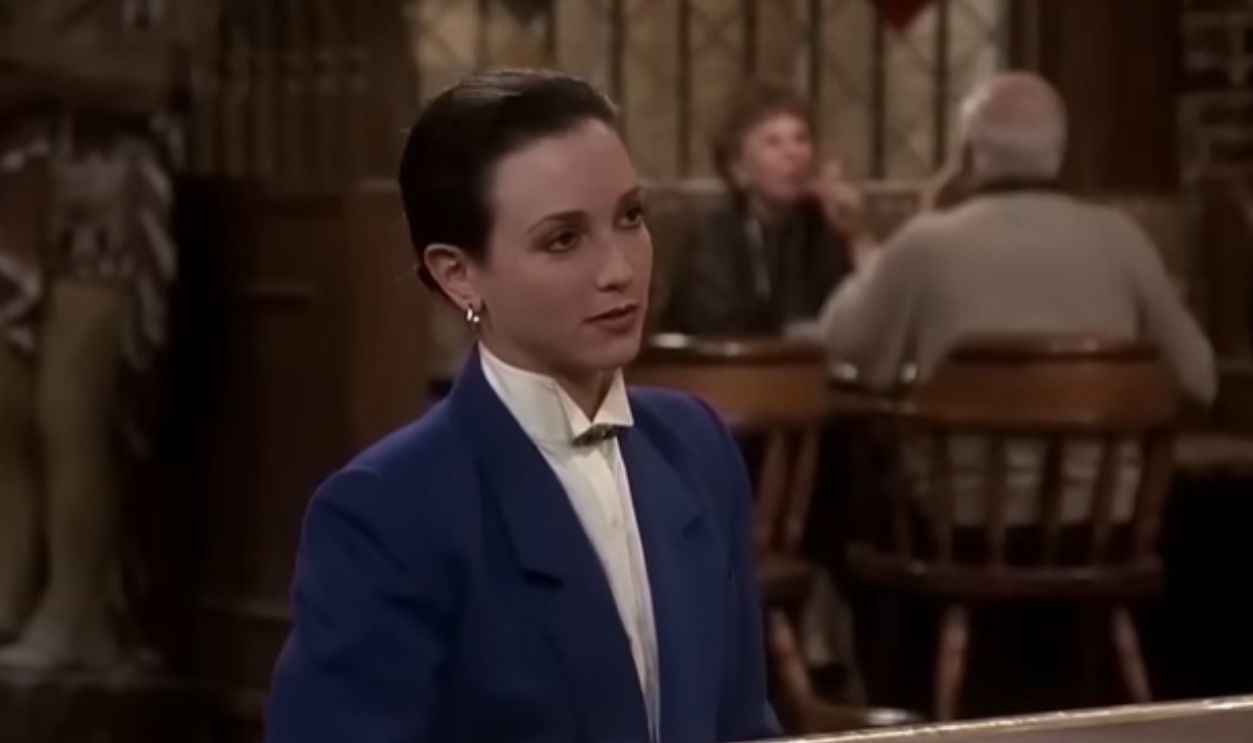
Cheers Kept Calling Her Back
The supposed one-off did not stay that way. Producers invited Neuwirth back the following season, then asked her to return again as Lilith developed into a recurring presence. Eventually, the show offered her a part-time arrangement that would make the character a much larger part of Cheers.
 Screenshot from Cheers, CBS Television Distribution (1982-1993)
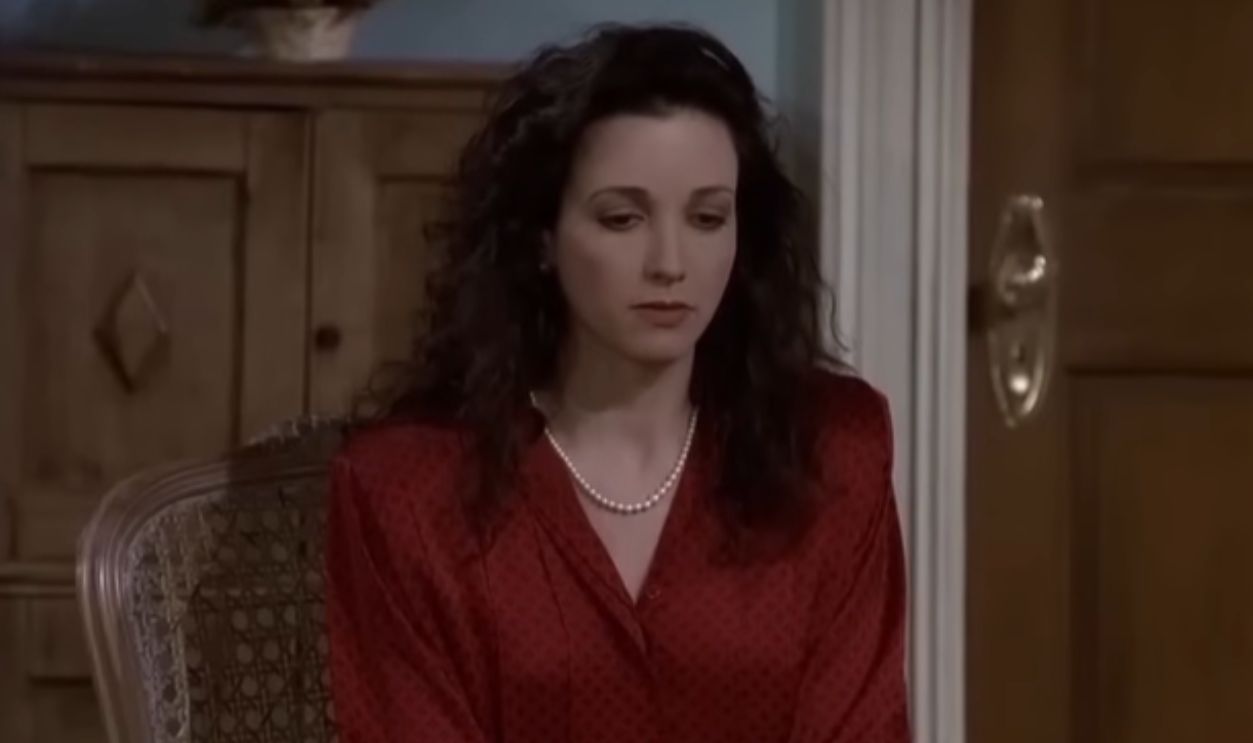
She Was Still Committed To Broadway
Accepting more Cheers episodes was not an automatic decision for Neuwirth. An episode or two was one thing, but when offered a regular spot, Neuwirth initially resisted the idea of relocating her career toward television. She later said she deliberated for a long time before deciding the opportunity was worth taking.
 Screenshot from Cheers, CBS Television Distribution (1982-1993)
For A While, She Did Both
Neuwirth did not immediately abandon New York theater when Cheers expanded her role. She later recalled that during her first two seasons on the sitcom, she was still performing in Sweet Charity and commuting. Her television breakthrough was happening alongside the stage career she considered home.
Lilith And Frasier Became A Perfect Collision
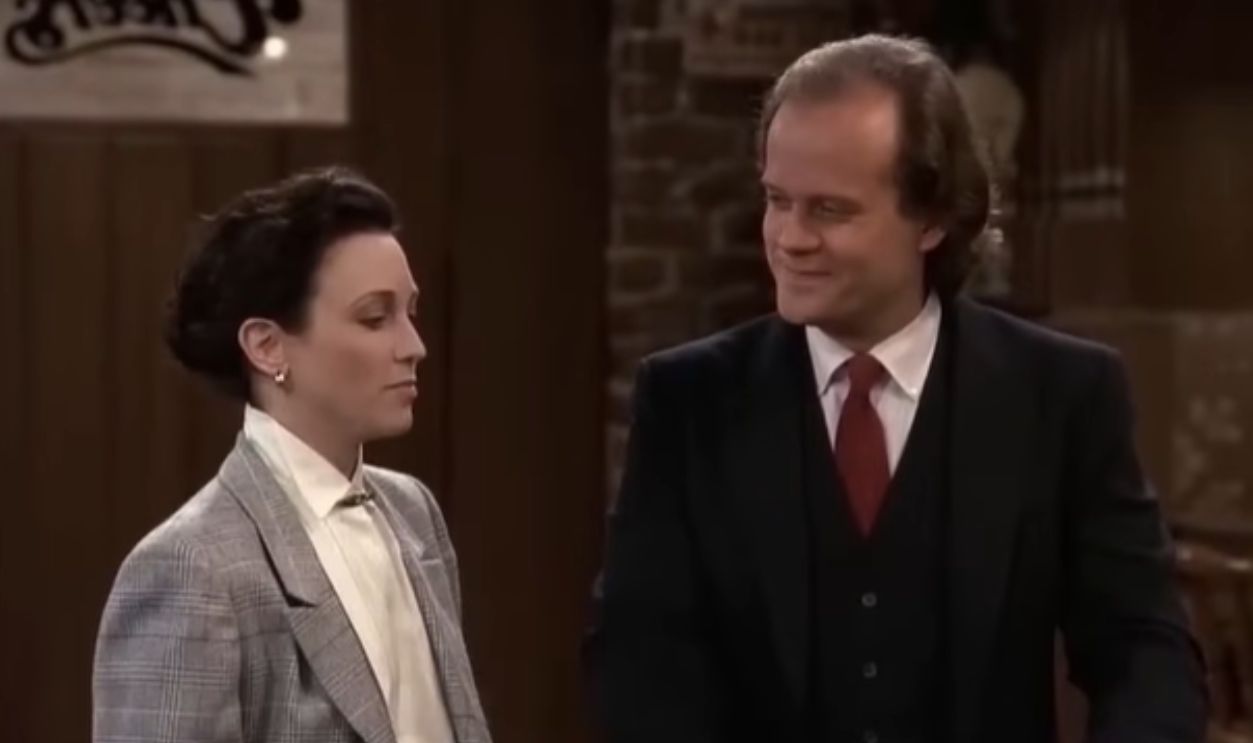
Cheers paired Lilith with Kelsey Grammer’s Frasier Crane, another highly educated psychiatrist with strong opinions and an impressive ego. Their relationship grew from hostility into romance, marriage, and parenthood. The comedy came from watching two cerebral people become completely irrational around each other.
 Screenshot from Cheers, CBS Television Distribution (1982-1993)
The Performance Was All About Control
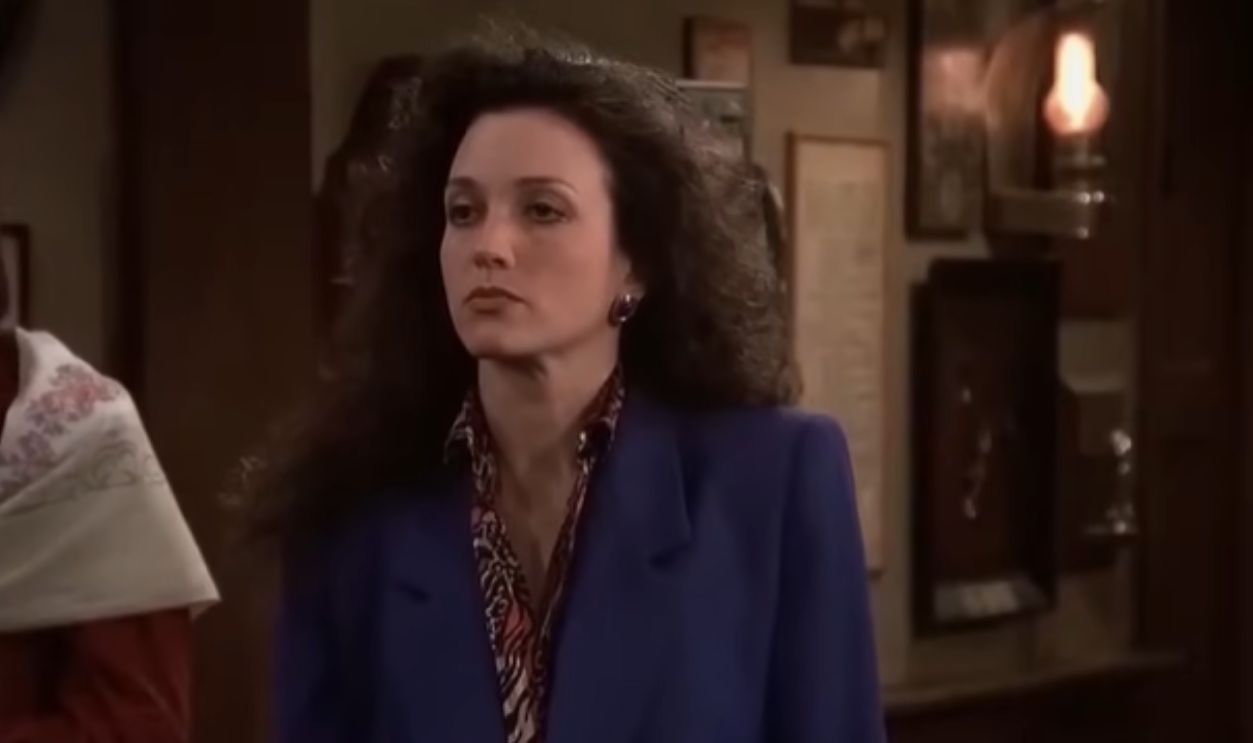
Neuwirth’s approach fit Lilith because control was visible in nearly everything the character did. Her voice, posture, and measured reactions were a beautiful comic contrast with the louder personalities around the Cheers bar. A tiny change in expression could register because the baseline was so deliberately restrained.
 Screenshot from Cheers, CBS Television Distribution (1982-1993)
Her Dance Training Quietly Helped
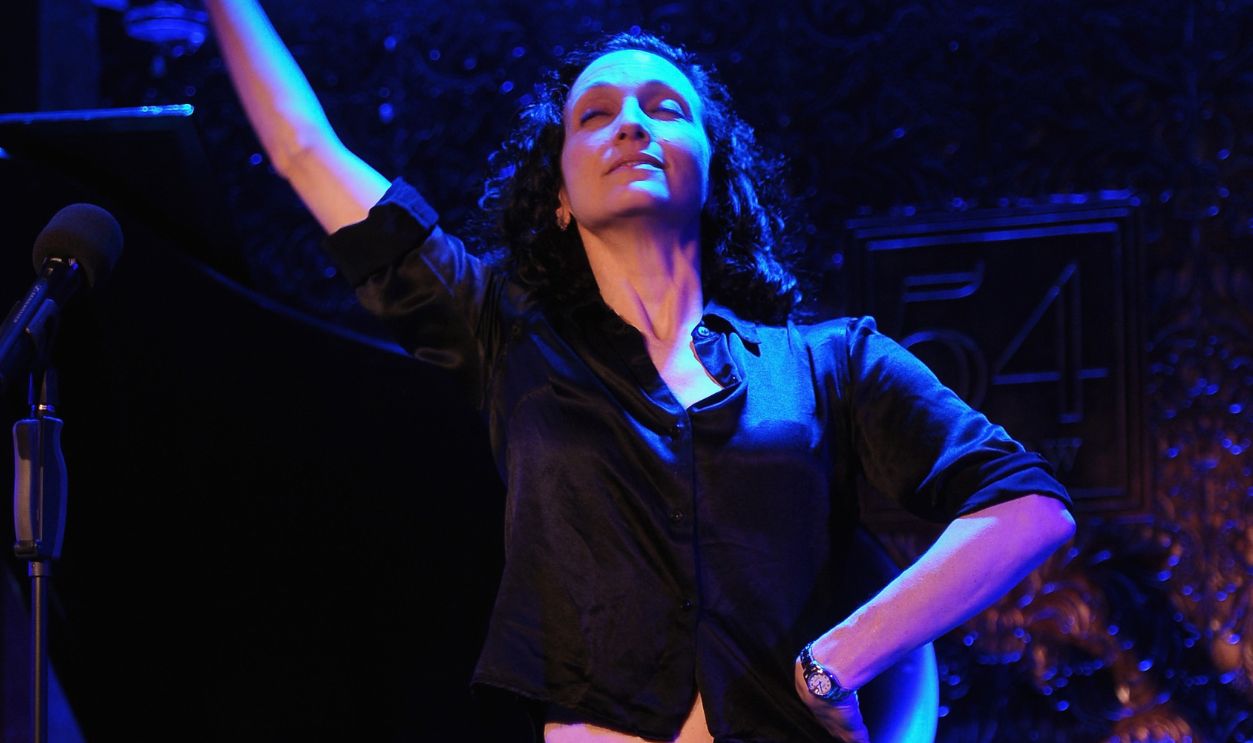
Neuwirth has said she often works from the outside in as an actor. Knowing how a character walks, stands, and moves helps her understand who that person is. That method suited Lilith especially well, because so much of the character’s identity was communicated before she even delivered a line.
 Michael Loccisano, Getty Images
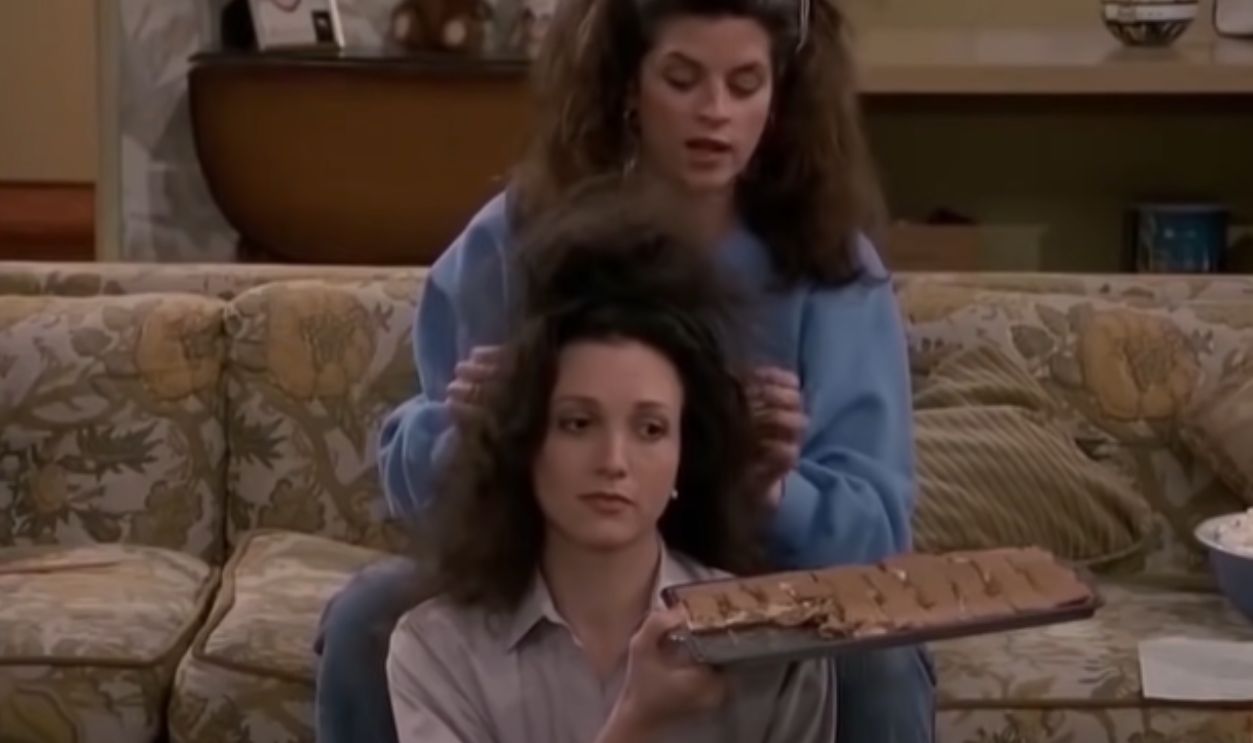
Lilith Was Never Simply Emotionless
The joke often depended on Lilith appearing cool and analytical, but Cheers also gave Neuwirth opportunities to show warmth. She remembered pregnancy stories, musical moments, and a scene in which Lilith sang tenderly to her baby. Those shifts helped keep the character from becoming a single-note caricature.
 Screenshot from Cheers, CBS Television Distribution (1982-1993)
Marriage Expanded The Character
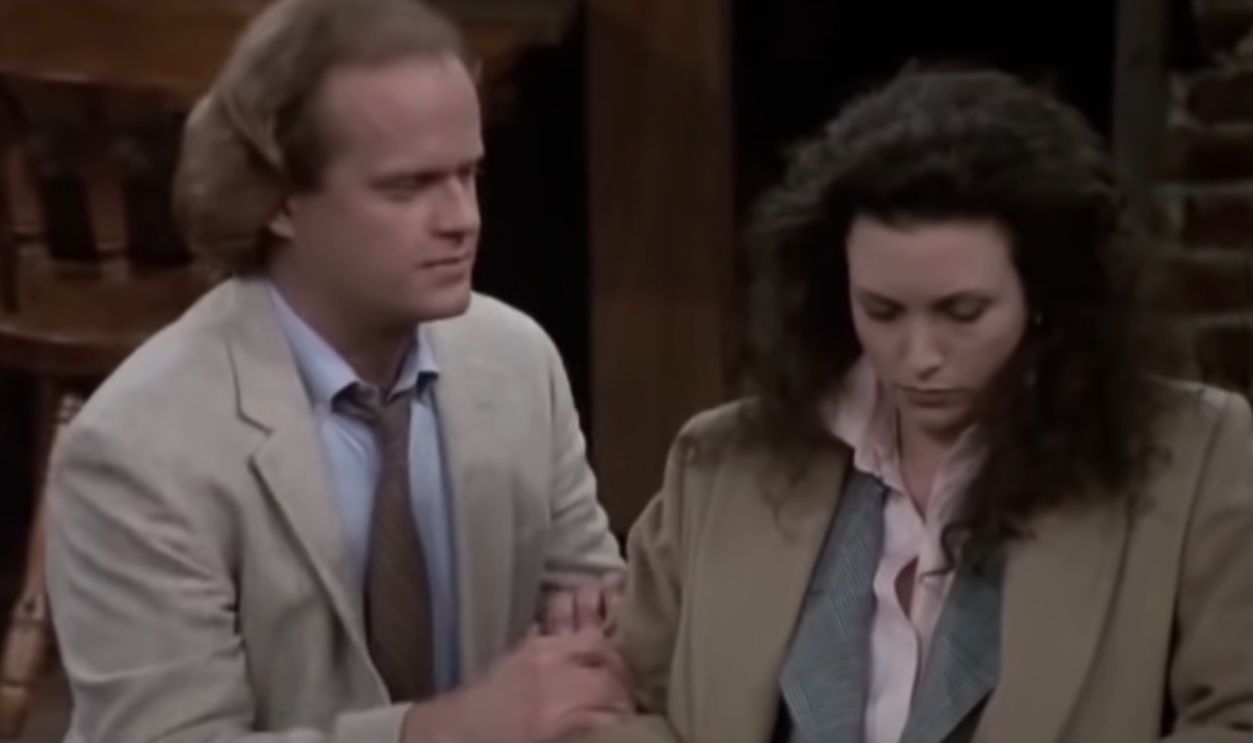
As Lilith’s relationship with Frasier deepened, she became more than an occasional intellectual foil. The two characters married and had a son, Frederick, giving Cheers stories about careers, marriage, parenting, and their formidable personalities. Their domestic life created new ways for Lilith’s personality to collide with chaos.
 Screenshot from Cheers, CBS Television Distribution (1982-1993)
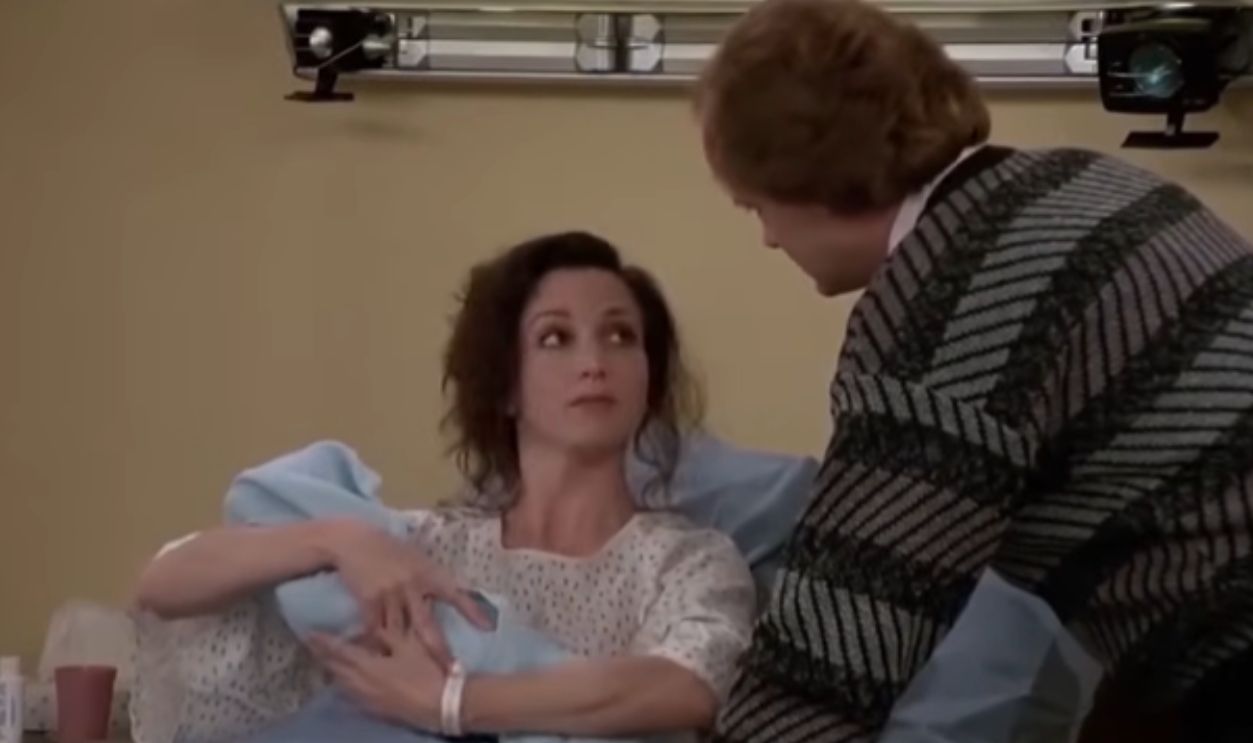
Even Motherhood Kept Her Deadpan Edge
Neuwirth remembered that Cheers found comedy in letting Lilith approach pregnancy and motherhood with the same formidable seriousness she brought to everything else. Yet the writers also allowed softer moments to emerge. That balance gave Neuwirth room to protect the deadpan without making Lilith emotionally hollow.
 Screenshot from Cheers, CBS Television Distribution (1982-1993)
The Bar Could Never Quite Intimidate Her
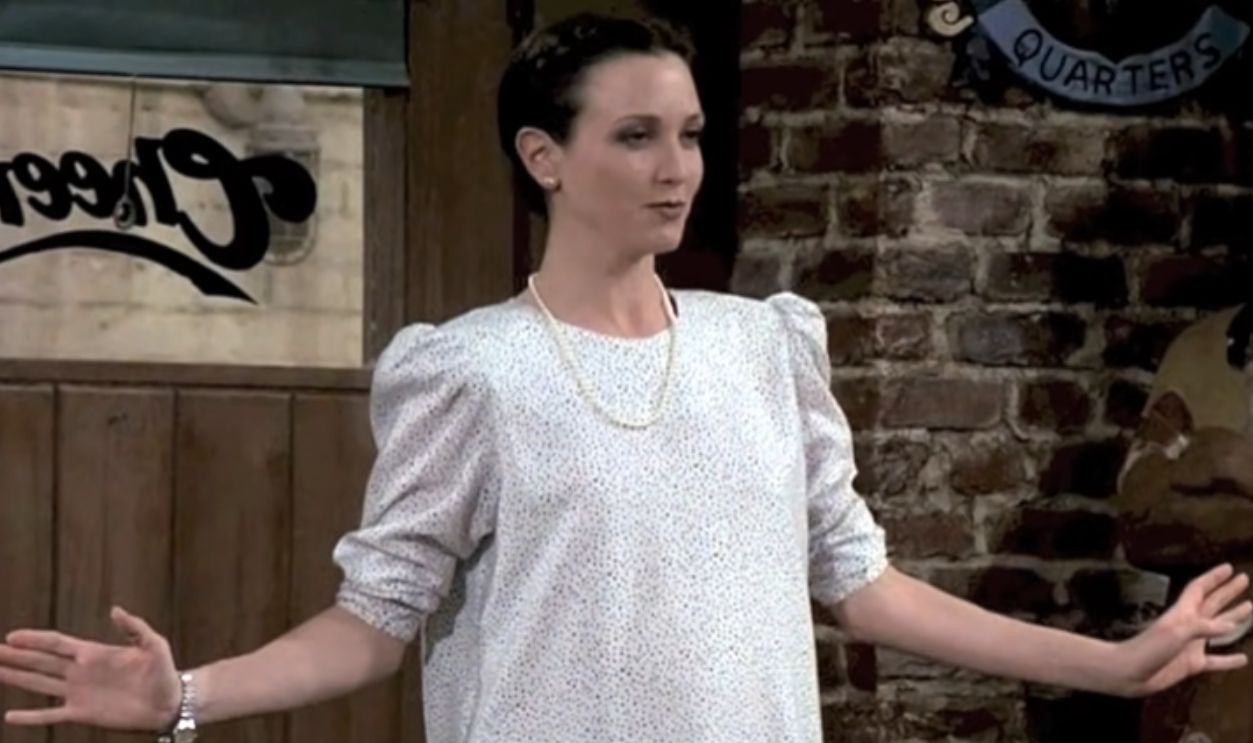
Lilith entered a setting filled with people who teased one another relentlessly, and her chilly formality made her an obvious target. Still, the character rarely seemed powerless. Her intelligence, directness, and ability to answer back made the contrast with the bar regulars part of the fun.
 Screenshot from Cheers, CBS Television Distribution (1982-1993)
Two Emmys Made The Impact Official
The Television Academy awarded Neuwirth consecutive Emmys for Outstanding Supporting Actress in a Comedy Series for Cheers in 1990 and 1991. Those wins came after a role that had started as a single guest scene. Lilith had moved from experiment to award-winning television fixture.
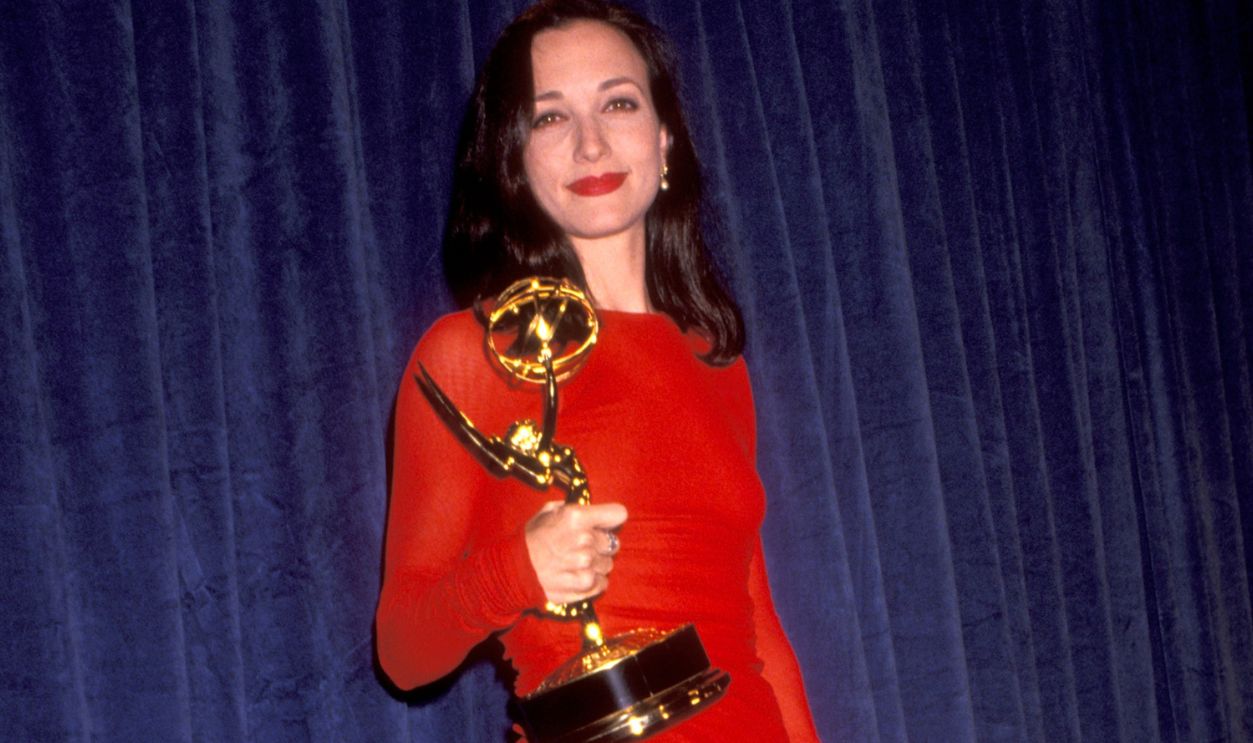
Neuwirth Never Expected Icon Status
Years later, Neuwirth admitted that Lilith’s cultural staying power surprised her. She did not question whether the character deserved affection, but she remembered how modestly the part began. The distance between that tiny assignment and Lilith’s eventual fame remained remarkable even to the actor who created her.

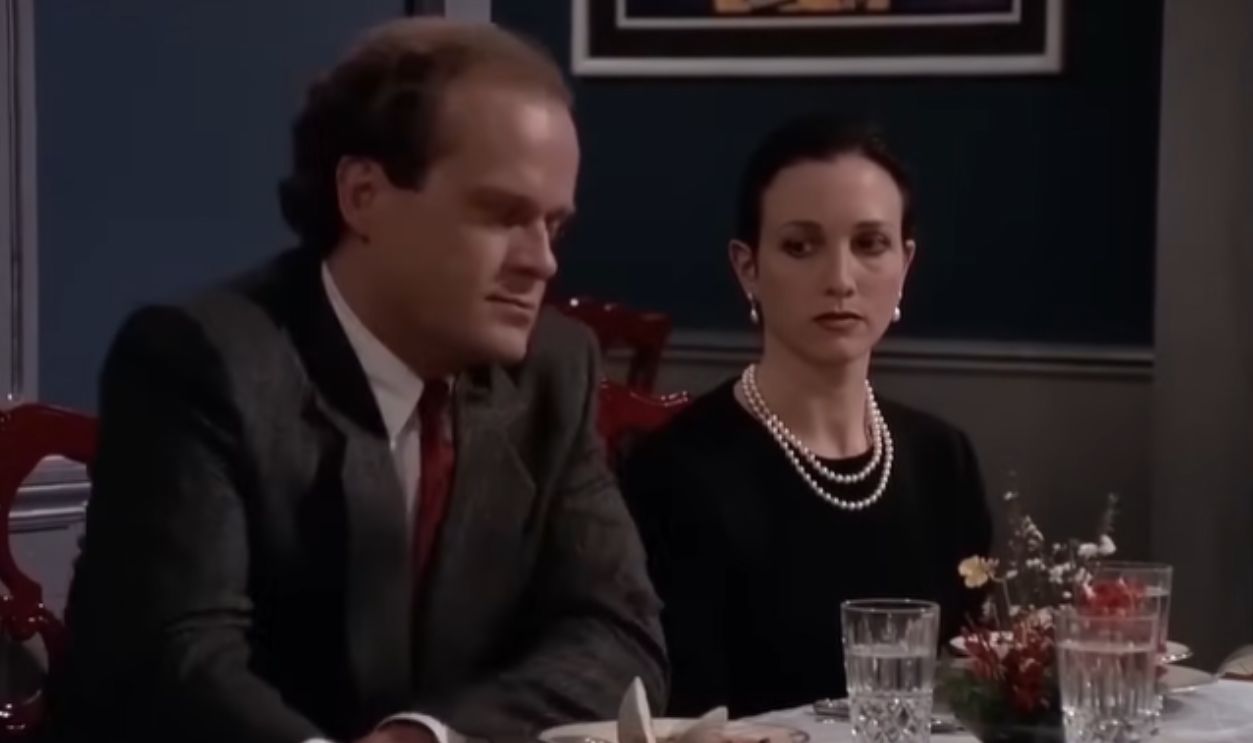
Women Responded To Lilith’s Honesty
Neuwirth has said women particularly liked Lilith because of her honesty and because she refused to tolerate nonsense from her husband. That observation points to something underneath the chilly jokes. Lilith could be severe, but she was rarely timid or uncertain about expressing what she believed.
 Screenshot from Cheers, CBS Television Distribution (1982-1993)
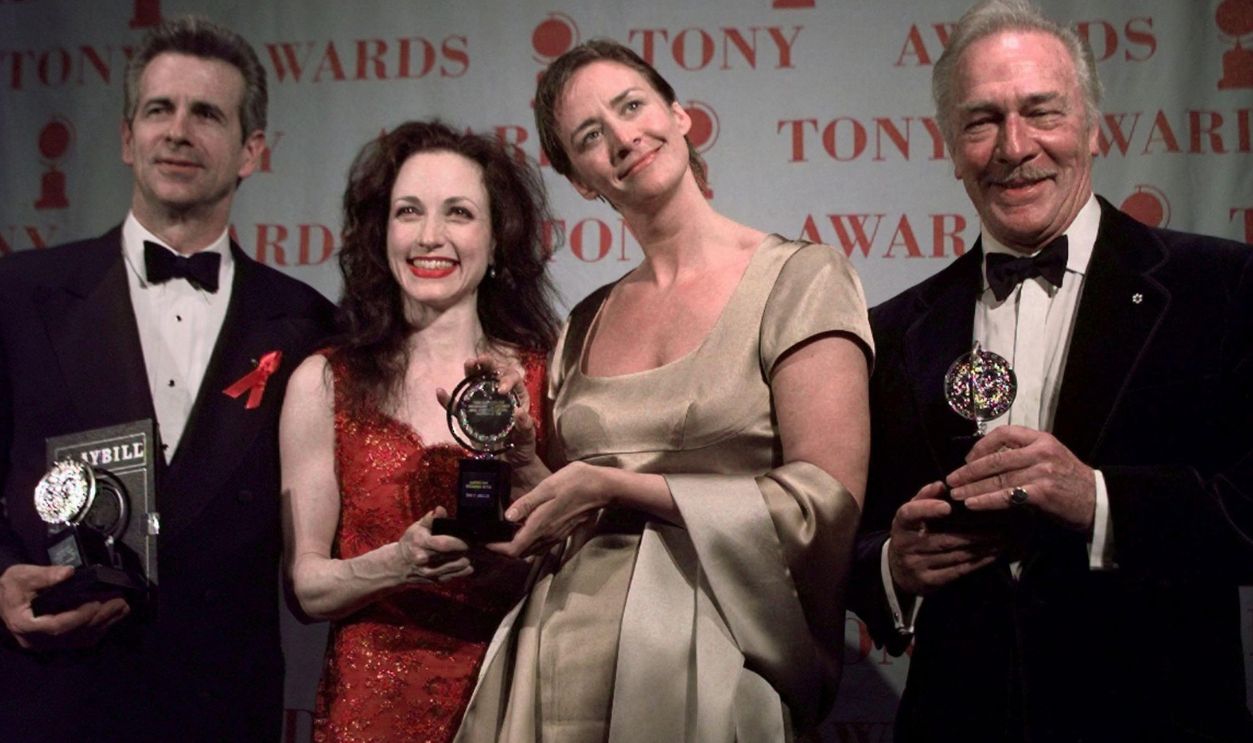
Broadway Never Stopped Pulling Her Back
Even at the height of her television recognition, Neuwirth continued to identify strongly with the stage. Her Broadway career brought Tony Awards for Sweet Charity and Chicago, while television made Lilith famous. She has repeatedly described live theater as the place where she feels most at home.
 TIMOTHY A. CLARY, Getty Images
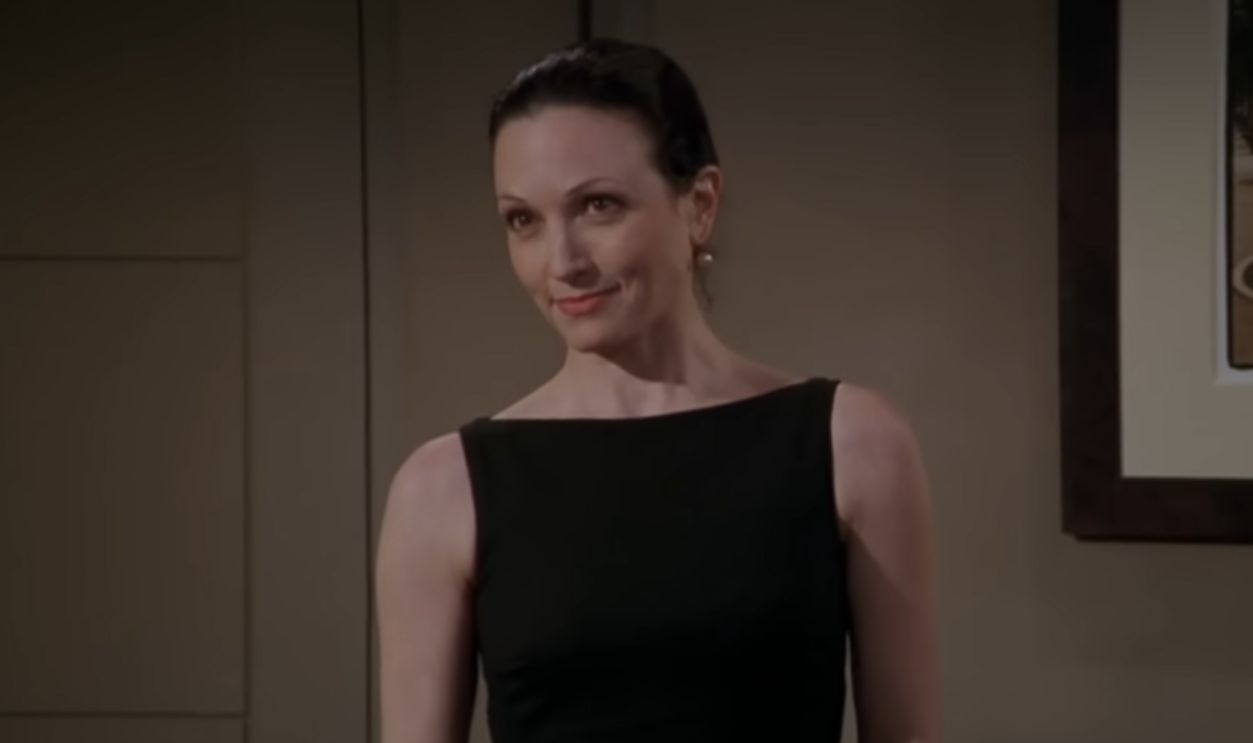
She Chose Theater Over Full-Time Frasier
When Cheers ended, Neuwirth had the option to continue Lilith as a regular on the spin-off Frasier. She declined in favor of returning to Broadway for Damn Yankees. Instead of becoming part of the weekly cast, Lilith would return only when the story called for her.
 Screenshot from Frasier, CBS Television Distribution (1993-2004)
That Made Every Frasier Return An Event
Keeping Lilith offscreen most of the time turned out to be creatively useful. Frasier co-creator David Lee later said her appearances felt special and promotable, while a full-time role might have shifted too much attention toward stories about Frasier’s ex-wife and their son. Scarcity preserved the character’s impact.
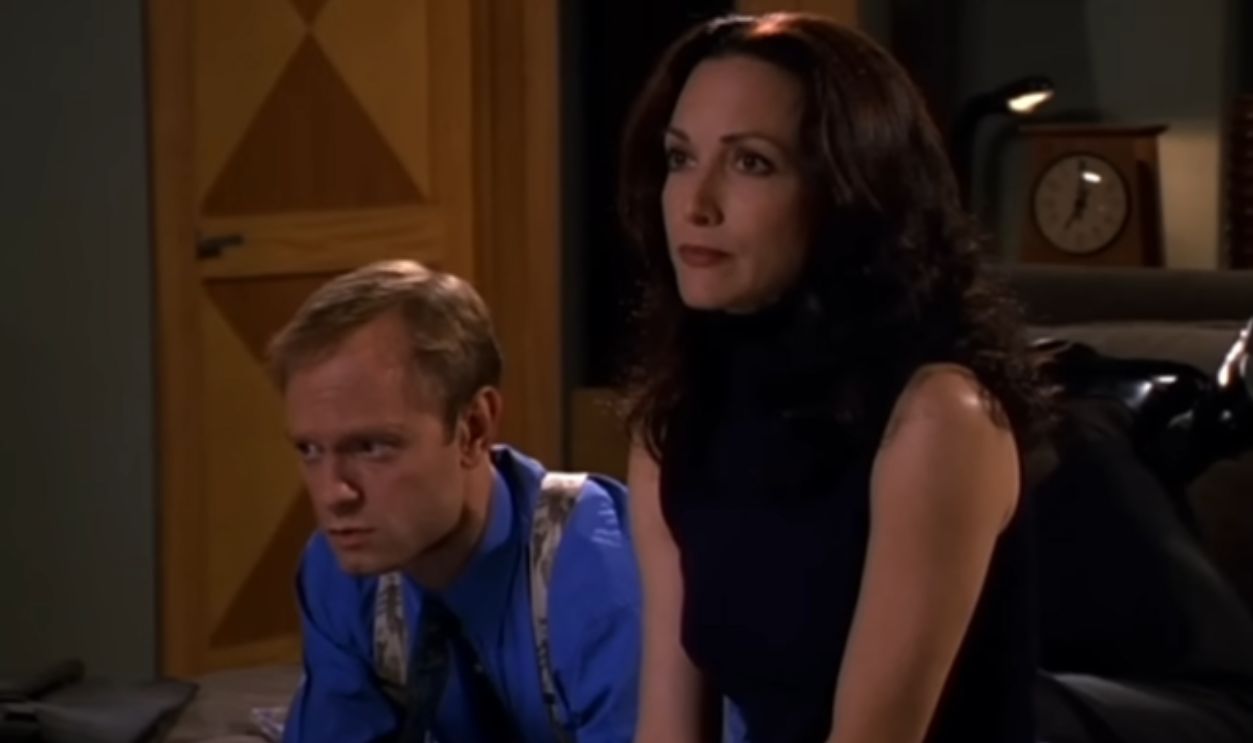 Screenshot from Frasier, CBS Television Distribution (1993-2004)
The Guest Role Earned Another Emmy Nomination
Lilith’s reduced schedule on Frasier did not lessen Neuwirth’s visibility. The Television Academy nominated her for Outstanding Guest Actress in a Comedy Series in 1995 for playing Lilith on the spin-off. The character could arrive briefly, disrupt Frasier’s world, and leave without losing her comic force.
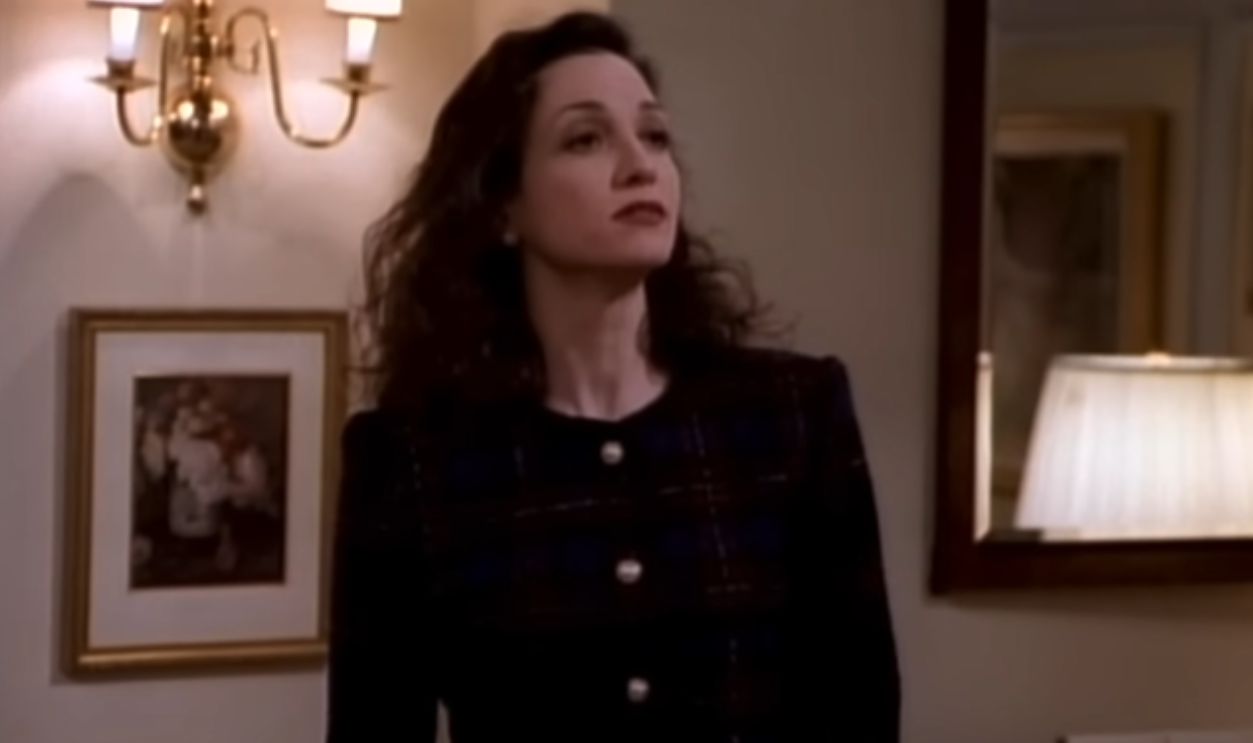 Screenshot from Frasier, CBS Television Distribution (1993-2004)
Returning To Frasier Felt Familiar And Strange
Neuwirth later described guest-starring on Frasier as feeling partly like coming home and partly like being a visitor. The series used the same Paramount stage associated with the characters’ earlier history. She also praised the cast and writers for making those returns feel welcoming and creatively rewarding.
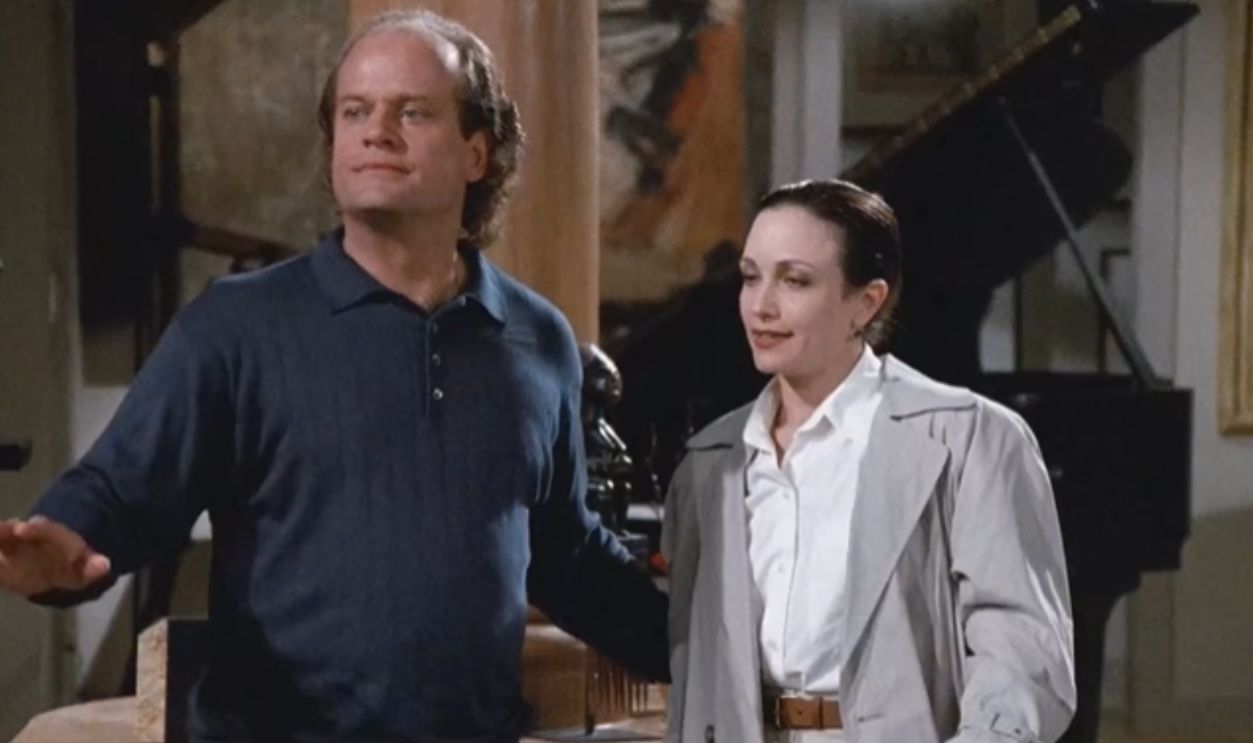 Screenshot from Frasier, CBS Television Distribution (1993-2004)
Decades Later, Lilith Still Worked
In 2023, Neuwirth returned as Lilith in the revived Frasier series, once again opposite Kelsey Grammer. The episode centered on the divorced parents converging around their adult son Freddy’s birthday. The setup immediately revived the old combination of competition, affection, irritation, and intellectual one-upmanship.
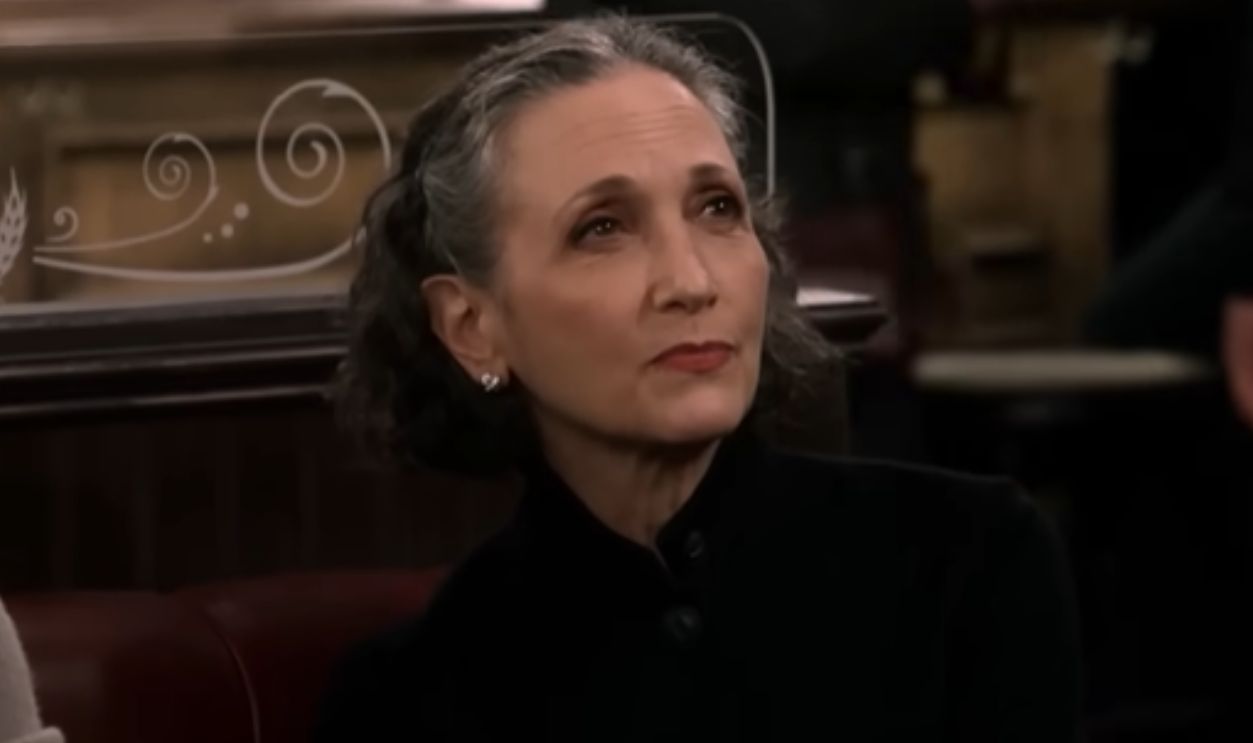 Screenshot from Frasier, Paramount+ (2023-2024)
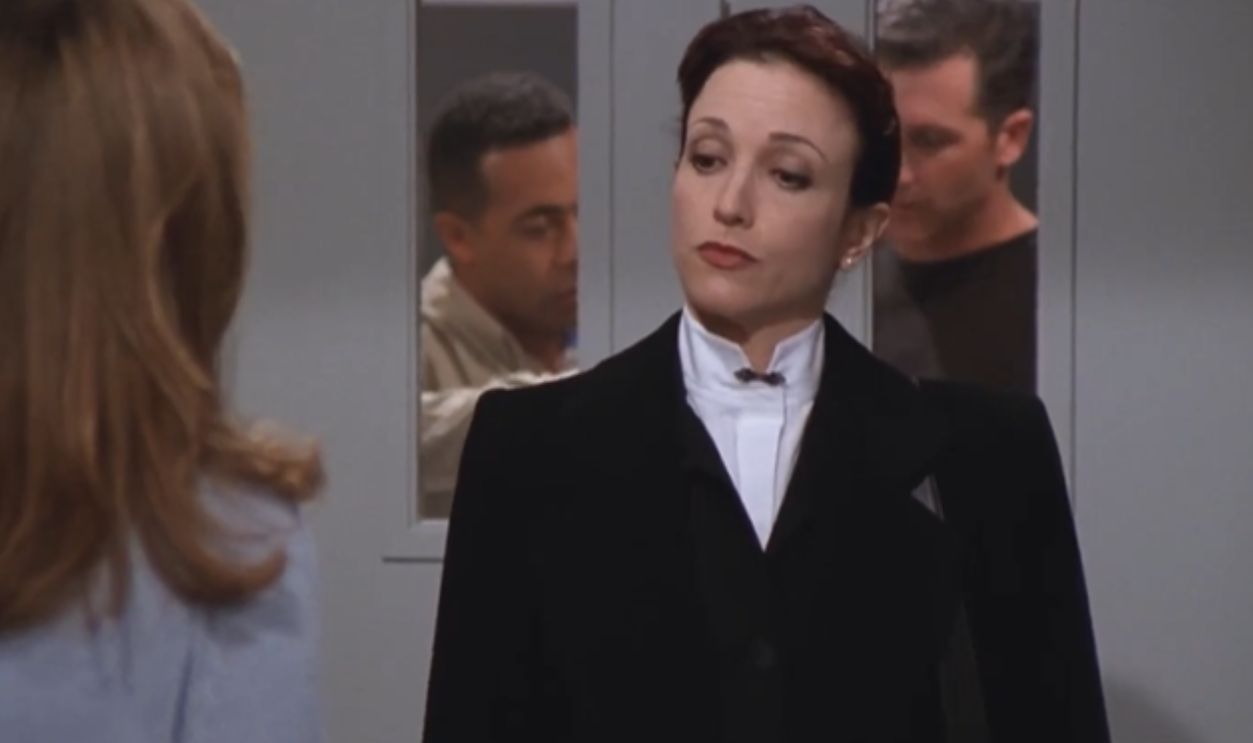
The Writers Refused To Soften Her
Revival showrunner Joe Cristalli said the new series could have portrayed Frasier and Lilith as calmer with age, but deliberately chose not to. Their exchanges remained combative, specific, and sharply written. The return depended on the same verbal precision that had made Neuwirth and Grammer such effective partners decades earlier.
 Screenshot from Frasier, CBS Television Distribution (1993-2004)
Lilith Outgrew The Ice-Queen Label
Lilith was often framed as chilly, severe, and intimidating, but Neuwirth’s performance gradually revealed more than the stereotype promised. The character could be funny, romantic, maternal, vulnerable, and painfully direct without abandoning her composure. That range is a major reason the deadpan remained memorable instead of becoming mechanical.
 Insomniacpuppy (WTCA)., Wikimedia Commons
Her Stillness Became Her Signature
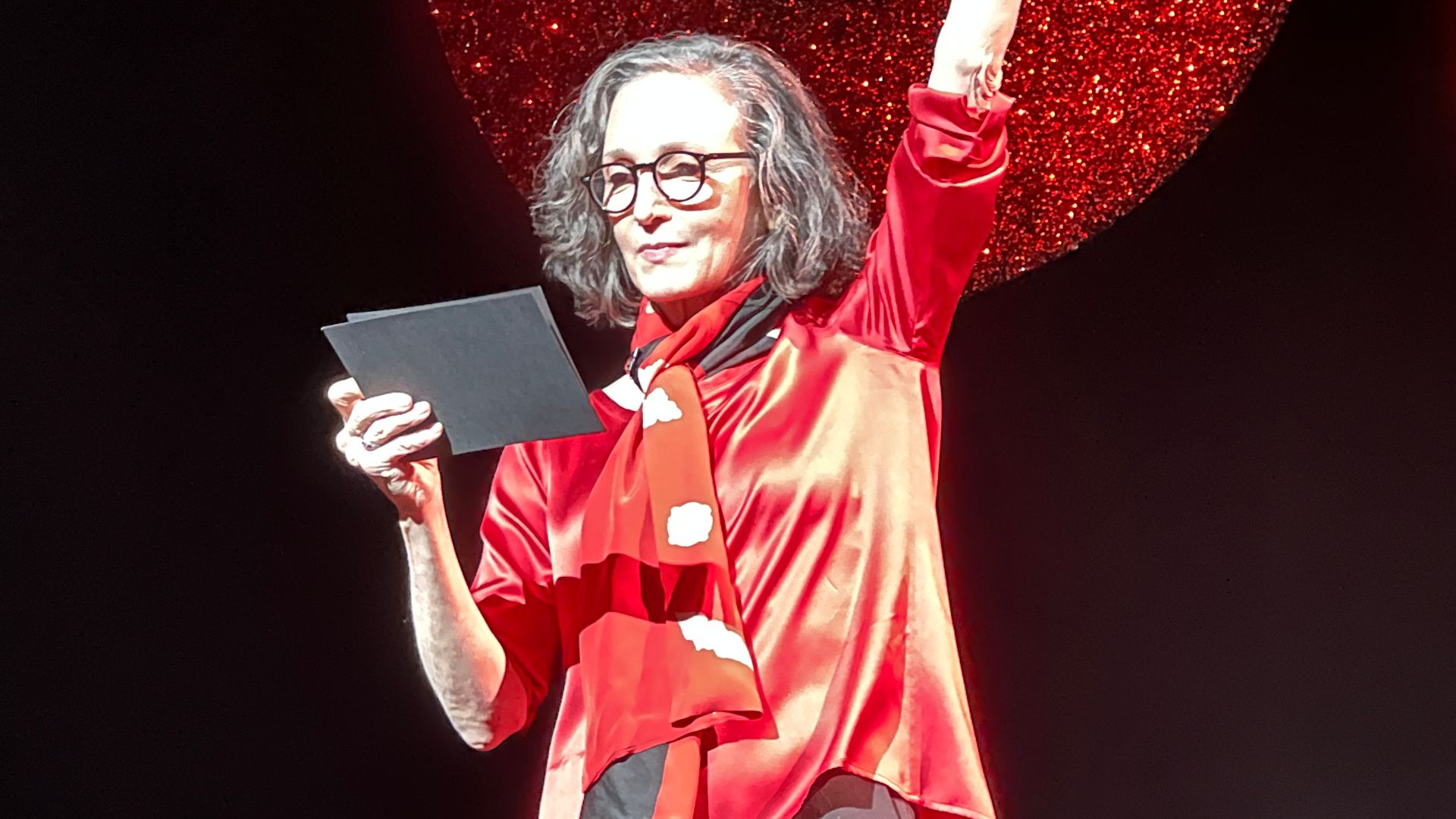
Bebe Neuwirth’s achievement with Lilith Stern wasn't simply delivering dry lines in a flat voice. She built a character whose visible restraint made every glance, pause, and rare emotional break hit hard. Across Cheers, Frasier, and a return decades later, Lilith endured because Neuwirth knew exactly how little she needed to do.
 David Shankbone from USA, Wikimedia Commons