Ann Wedgeworth Deserved More.
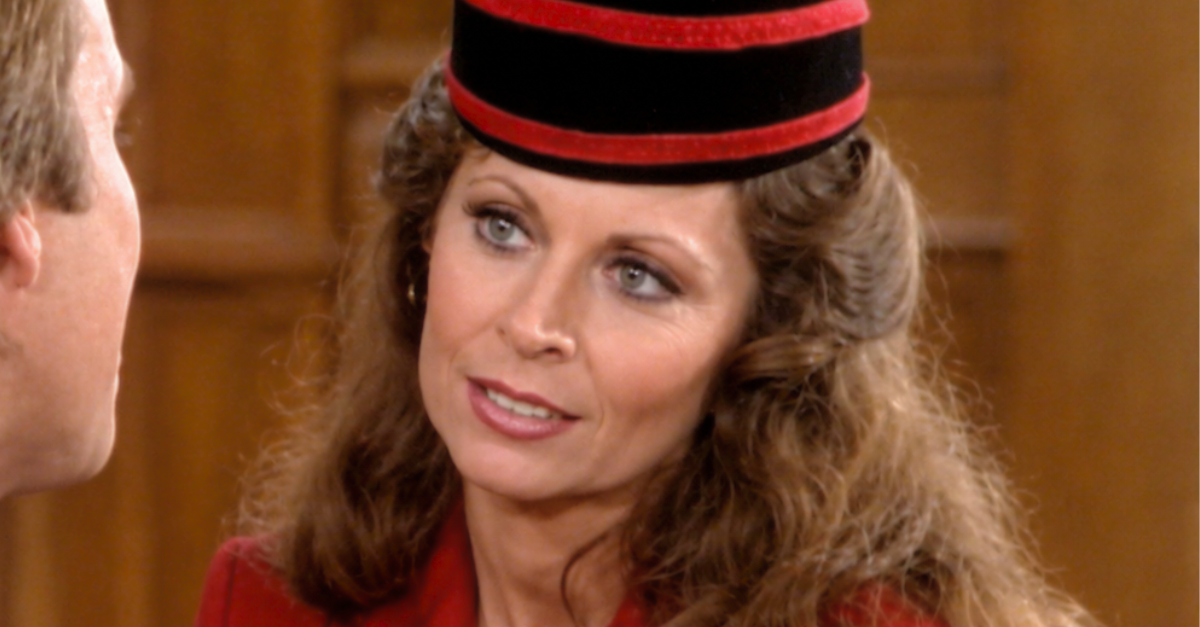
By the time Three’s Company hired her, she had spent two decades building a formidable stage and screen résumé and had already won a Tony Award. Yet the sitcom handed this accomplished performer a narrow supporting character, then quietly removed her after only nine episodes.
Her Story Started In Texas
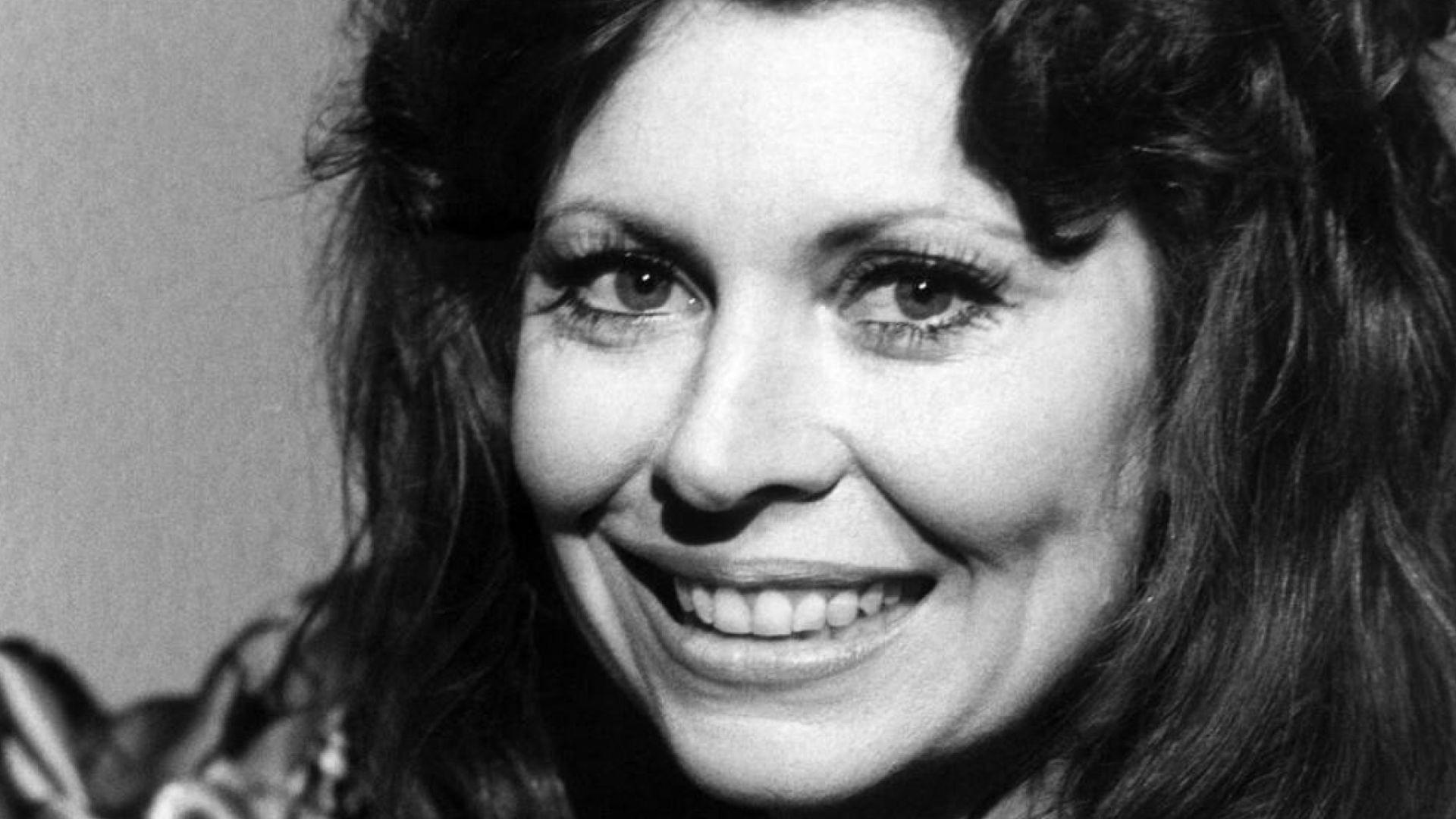
Elizabeth Ann Wedgeworth was born in Abilene, Texas, in January 1934. Her father, Cortus Wedgeworth, worked as a school superintendent, while her mother died when Ann was only two years old. After growing up in Texas, Wedgeworth pursued higher education and became involved with theater before heading for New York.
New York Became Her Classroom
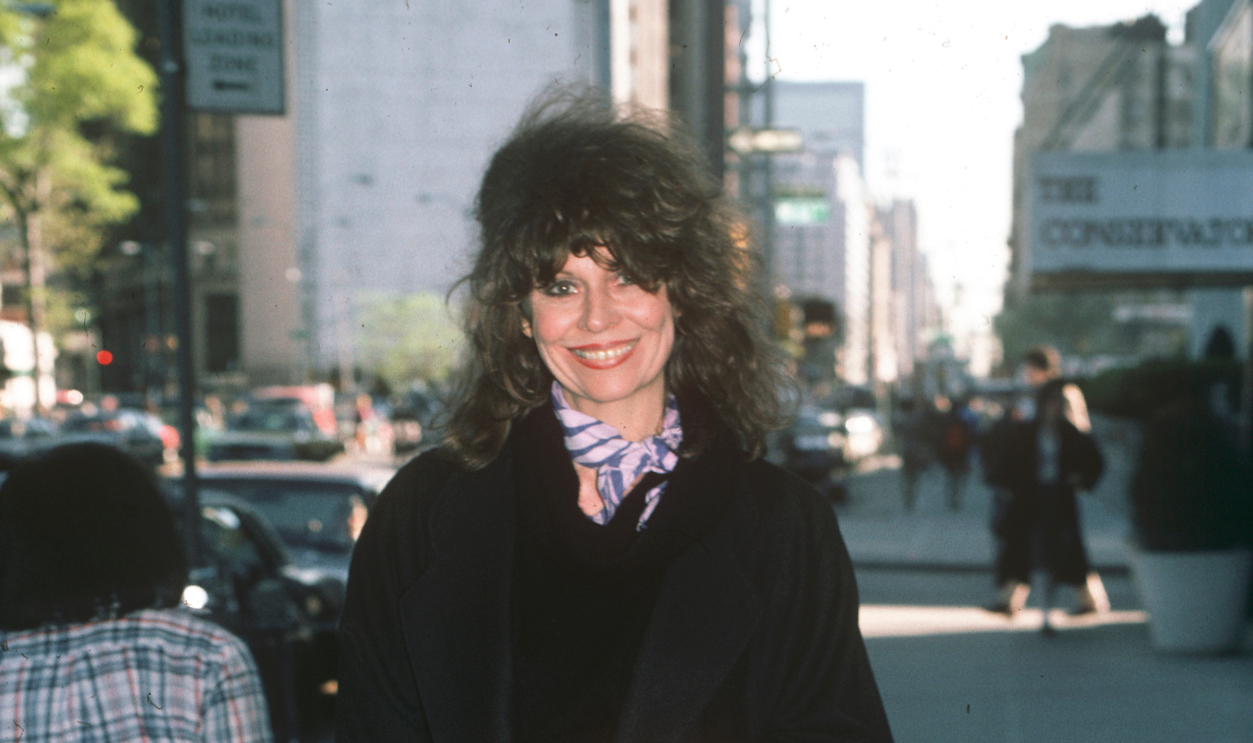
Wedgeworth moved east determined to become a serious actress rather than simply chase quick television fame. She studied with celebrated acting teacher Sanford Meisner and became associated with the Actors Studio. That training helped establish the disciplined theatrical foundation that would distinguish much of her later work.
Broadway Opened Its Doors
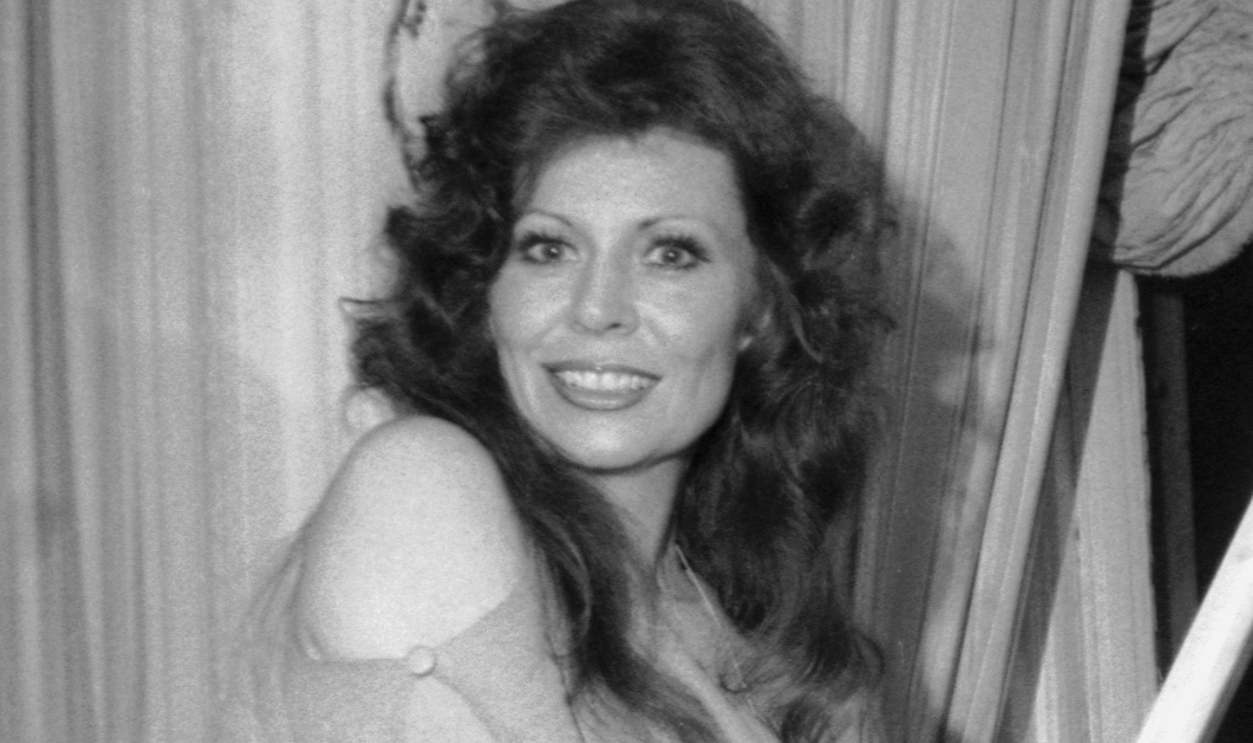
Her Broadway debut came in the 1958 comedy Make a Million. Wedgeworth played Julie Martin, beginning a Broadway career that stretched across several notable productions. She had entered professional theater years before most television viewers would ever learn her name.
Tennessee Williams Came Next
Wedgeworth subsequently worked on Tennessee Williams's Period of Adjustment, initially as an understudy. Her growing stage résumé also included James Baldwin's Blues for Mister Charlie and Saul Bellow's The Last Analysis. These were substantial theatrical surroundings for an actress who was still establishing herself.
Daytime Television Made Her Familiar
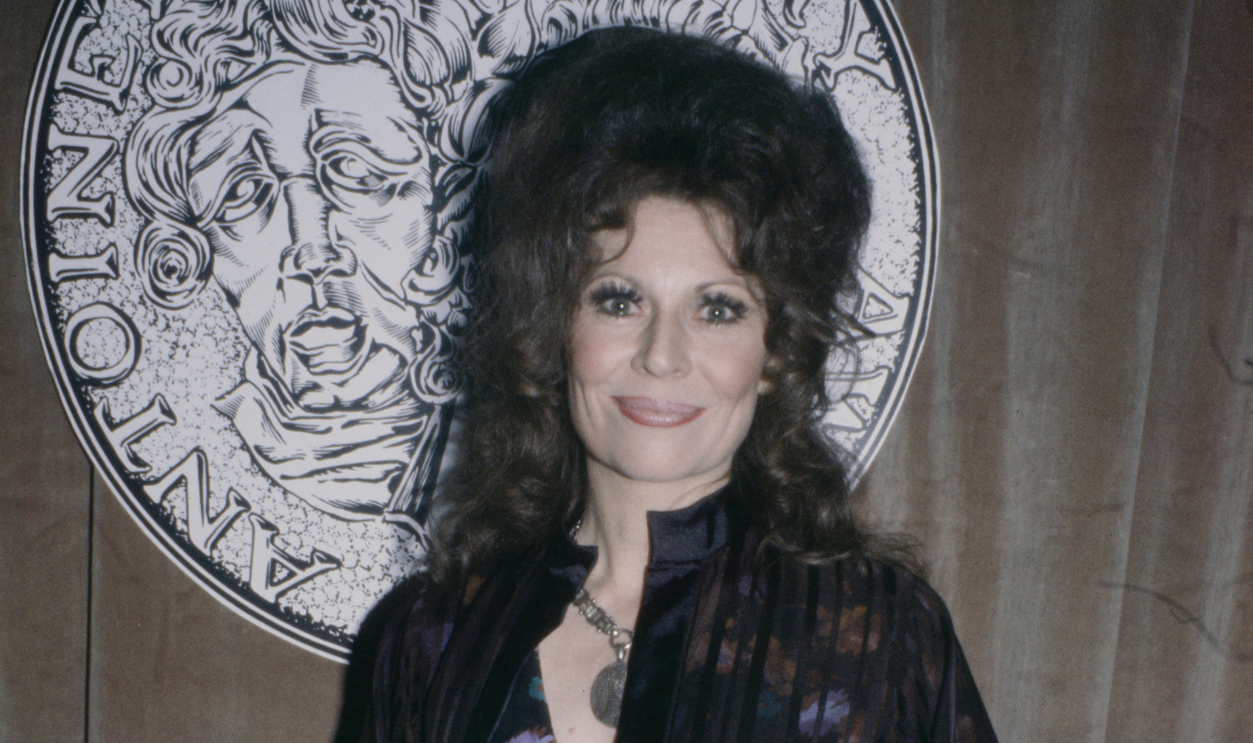
Television began giving Wedgeworth more regular work during the 1960s. She appeared on The Edge of Night, then spent several years playing Lahoma Vane Lucas across Another World and its spinoff Somerset. Those continuing roles allowed her to develop characters over a much longer span than a single guest appearance could offer.
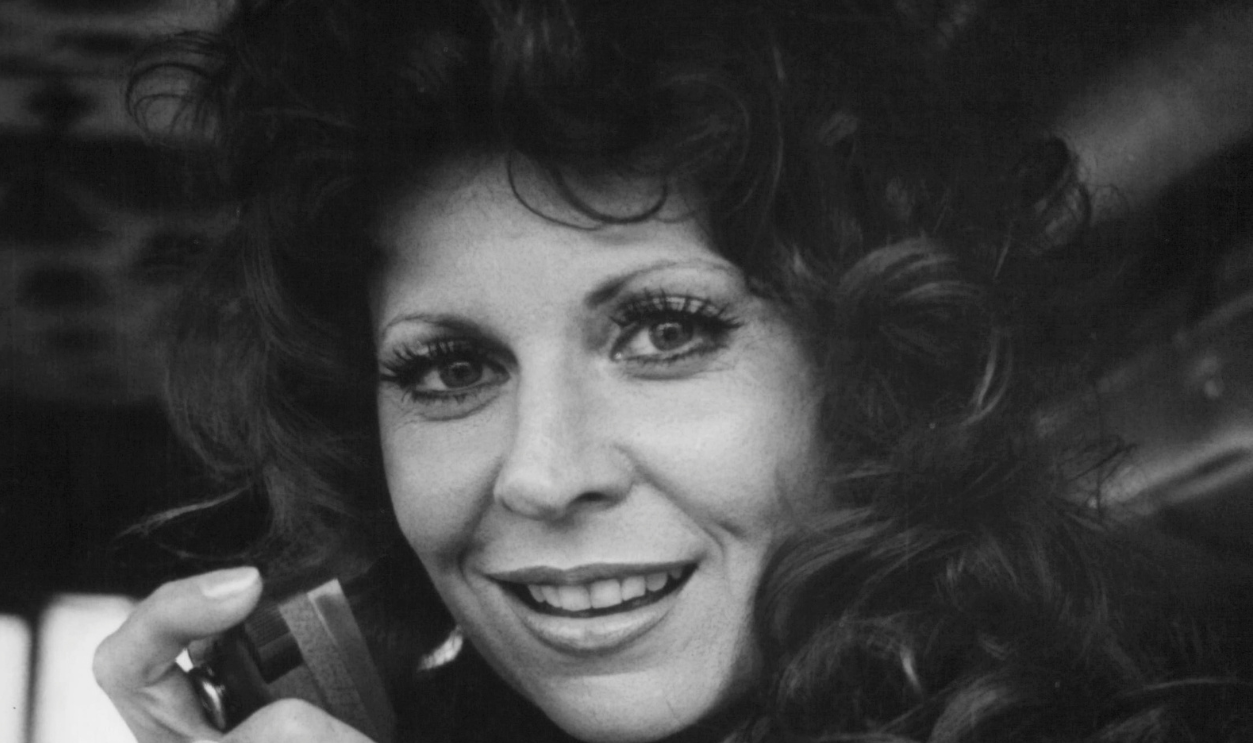 Michael Ochs Archives, Getty Images
Movies Soon Came Calling
Wedgeworth made her feature film debut in the 1965 drama Andy. By the early 1970s, her movie career had become considerably more interesting. She was moving into films featuring some of the era's most respected performers.
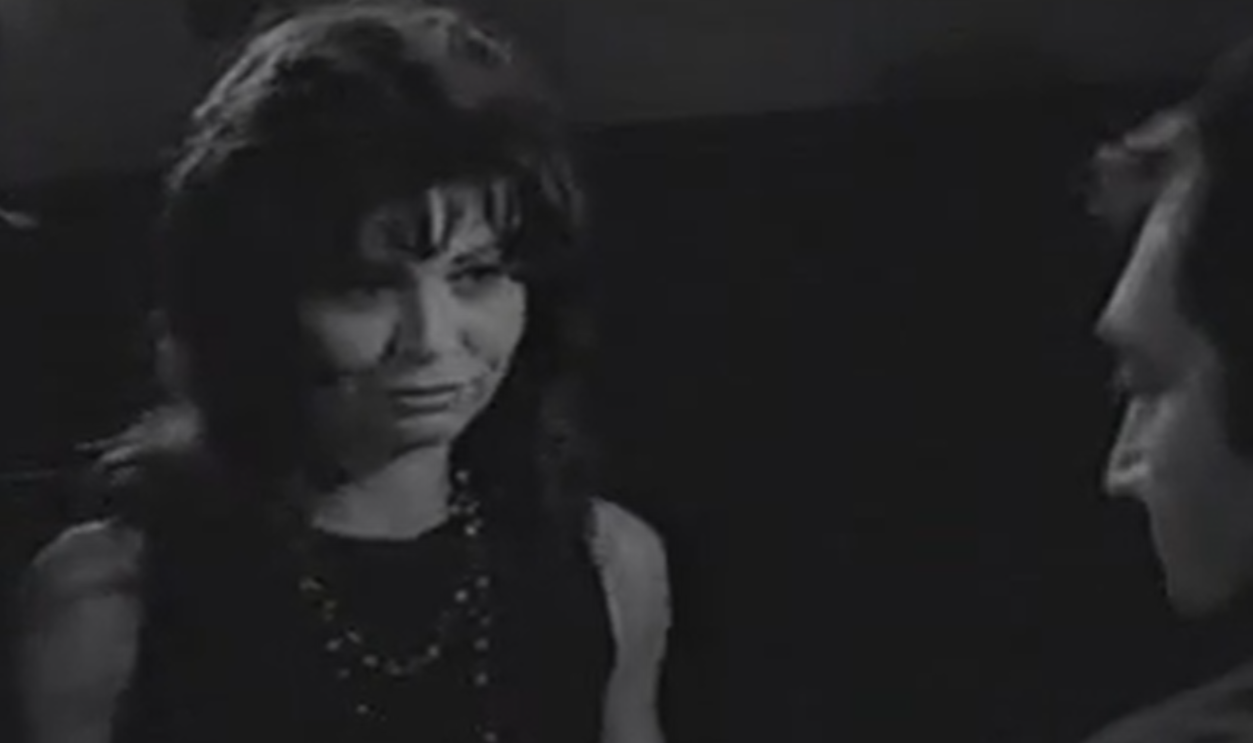 Screenshot from Andy, Universal Pictures (1965)
Scarecrow Put Her Beside Giants
In 1973, Wedgeworth appeared in Scarecrow, starring Gene Hackman and Al Pacino. The film gave her a supporting place inside a character-driven drama led by two actors who were becoming major forces in American cinema. It was another indication that Wedgeworth could comfortably hold the screen alongside formidable talent.
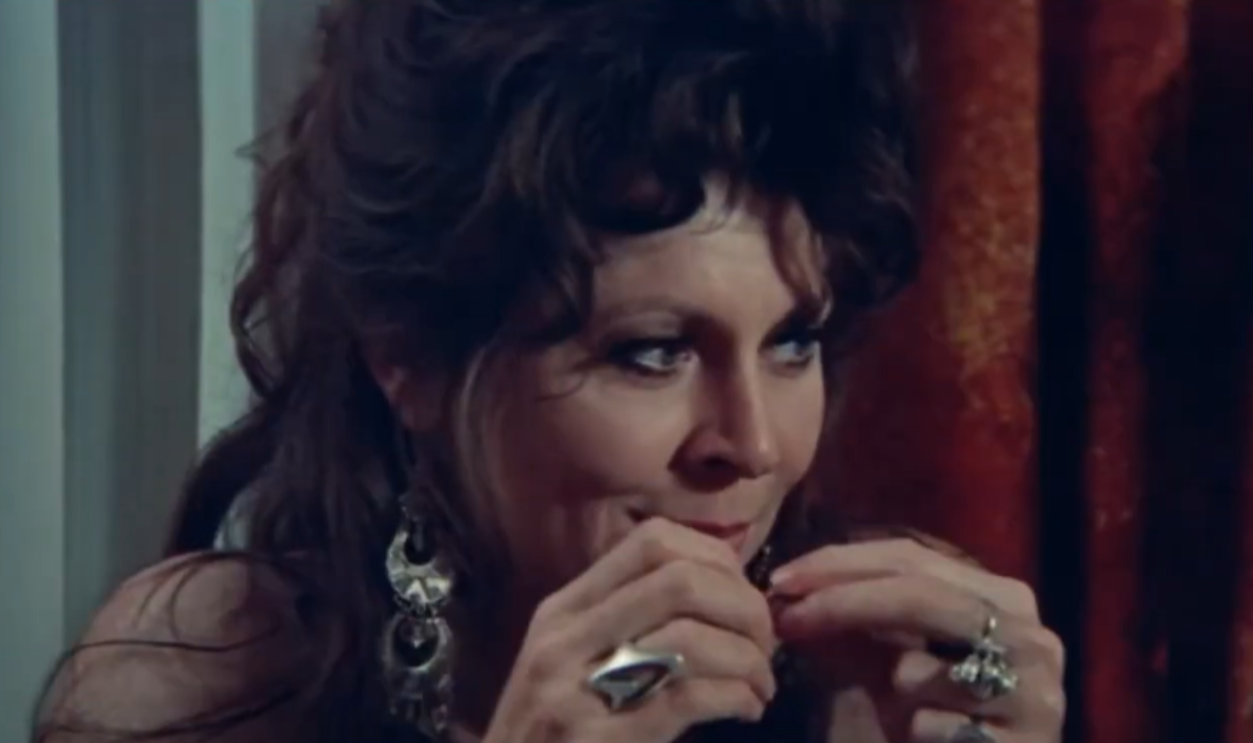 Screenshot from Scarecrow, Warner Bros. (1973)
She Had Another Major Film That Same Year
Wedgeworth also appeared in 1973's Bang the Drum Slowly. The baseball drama starred Michael Moriarty and a young Robert De Niro. Having two prominent film credits in the same year broadened Wedgeworth's career considerably beyond daytime television and Broadway.
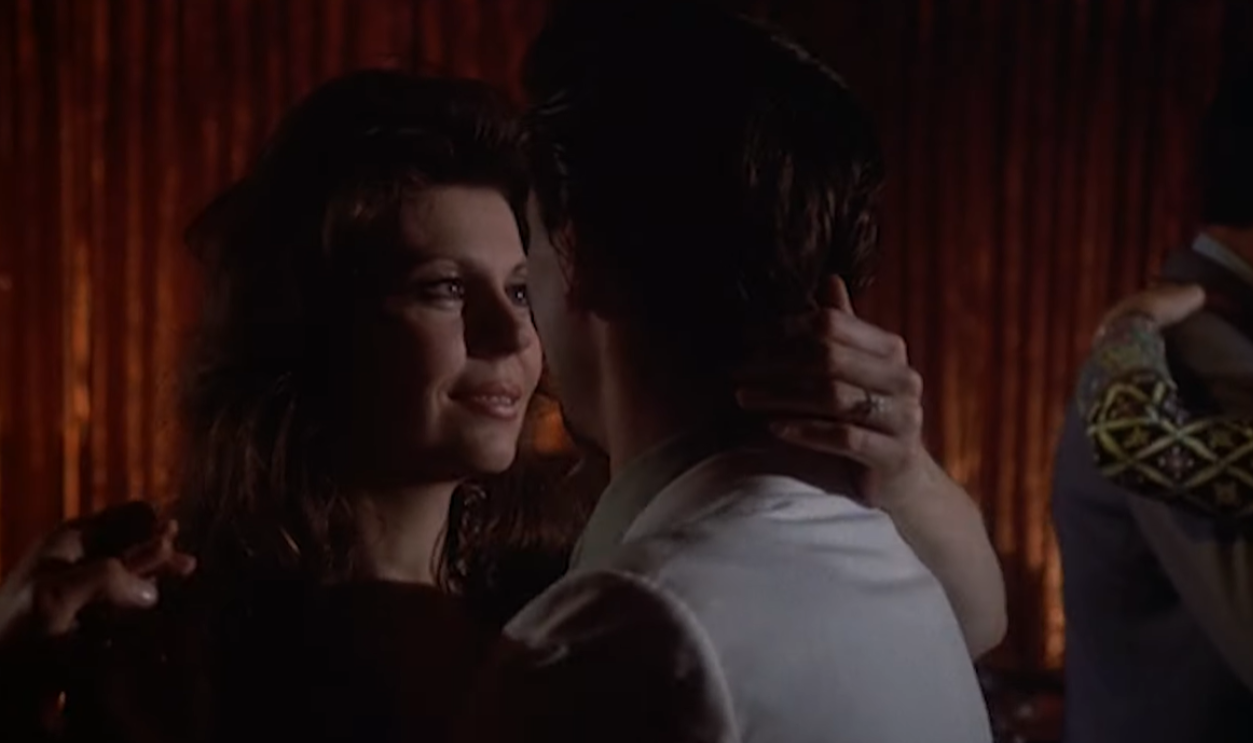 Screenshot from Bang the Drum Slowly, Paramount Pictures (1973)
She Could Make Supporting Roles Matter
That became one of Wedgeworth's defining professional strengths. She was rarely positioned as the obvious centerpiece, yet filmmakers repeatedly trusted her with characters who needed to register quickly. Her later career would be filled with exactly those kinds of memorable ensemble performances.
Thieves Worked Twice For Her
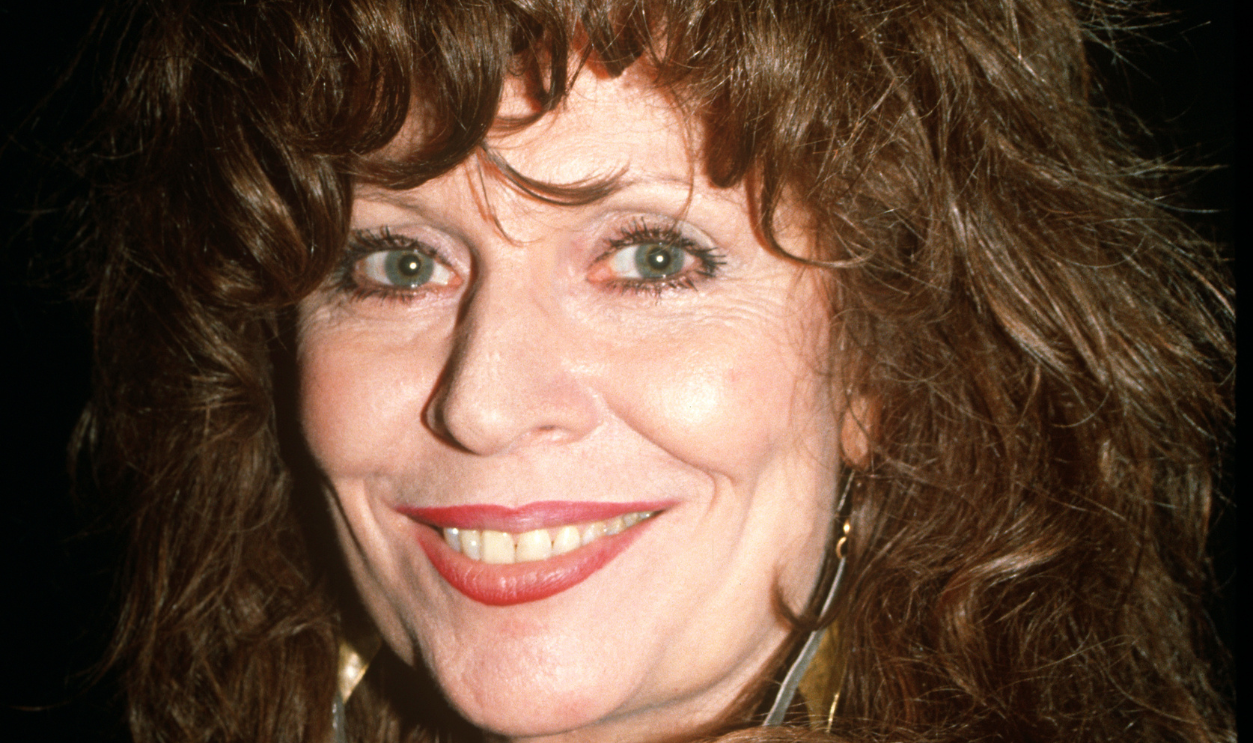
Wedgeworth joined the Broadway production of Herb Gardner's Thieves in 1974. She later appeared in the 1977 film adaptation, bringing her connection with the material onto the big screen. Even when the film itself divided critics, Wedgeworth's performance attracted particularly favorable attention.
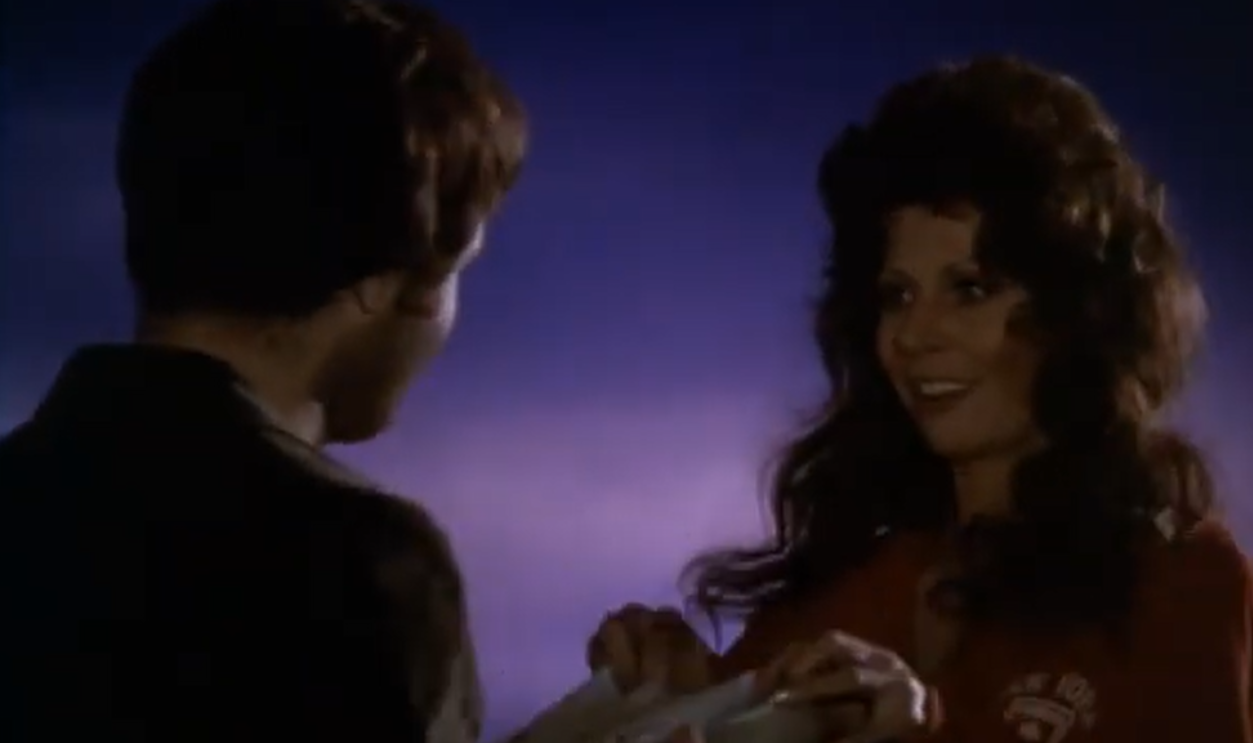 Screenshot from Thieves, Paramount Pictures (1977)
Citizens Band Brought Major Recognition
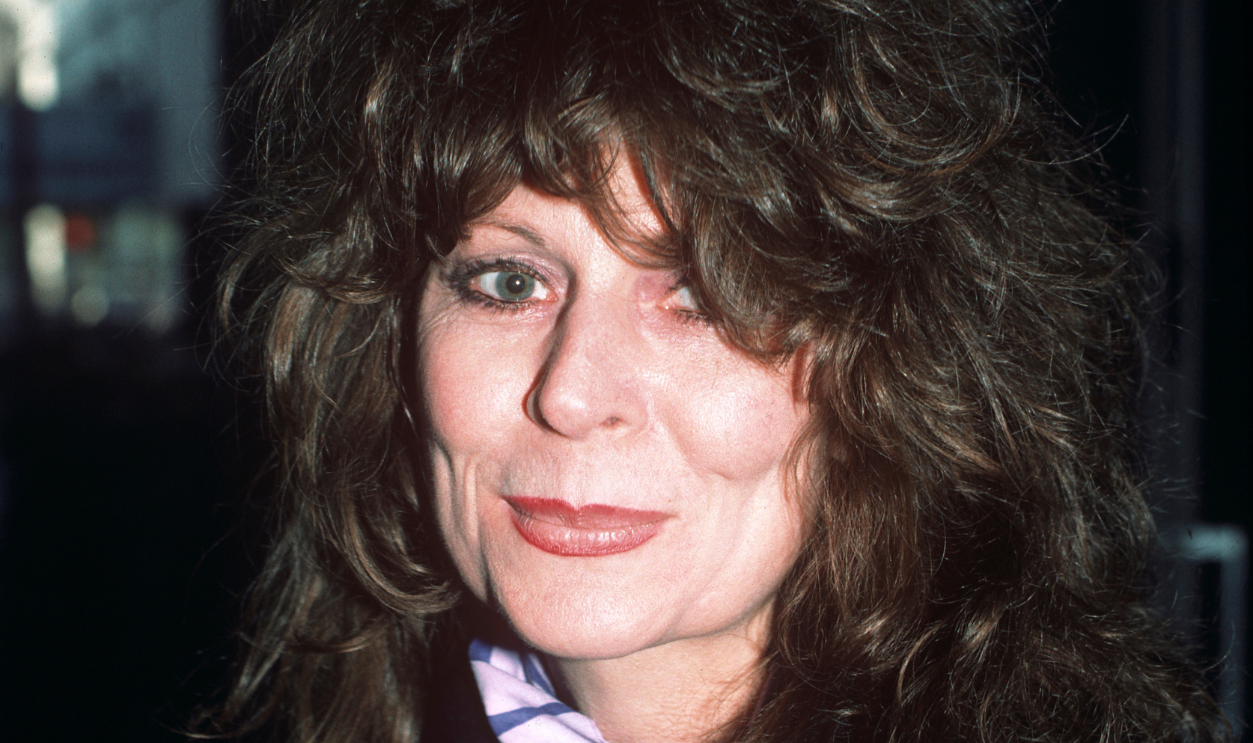
Her 1977 film Citizens Band, later also known as Handle with Care, gave Wedgeworth another standout supporting part. She played Dallas Angel in Jonathan Demme's ensemble comedy. The National Society of Film Critics recognized her performance with its supporting actress honor, making 1977 an especially important year for her career.
Then Neil Simon Changed Everything
Wedgeworth joined the original Broadway production of Neil Simon's Chapter Two in late 1977. She played Faye Medwick, the witty friend of the play's female lead. The performance gave Wedgeworth an opportunity to combine the comic instincts and dramatic sensitivity she had spent years developing.
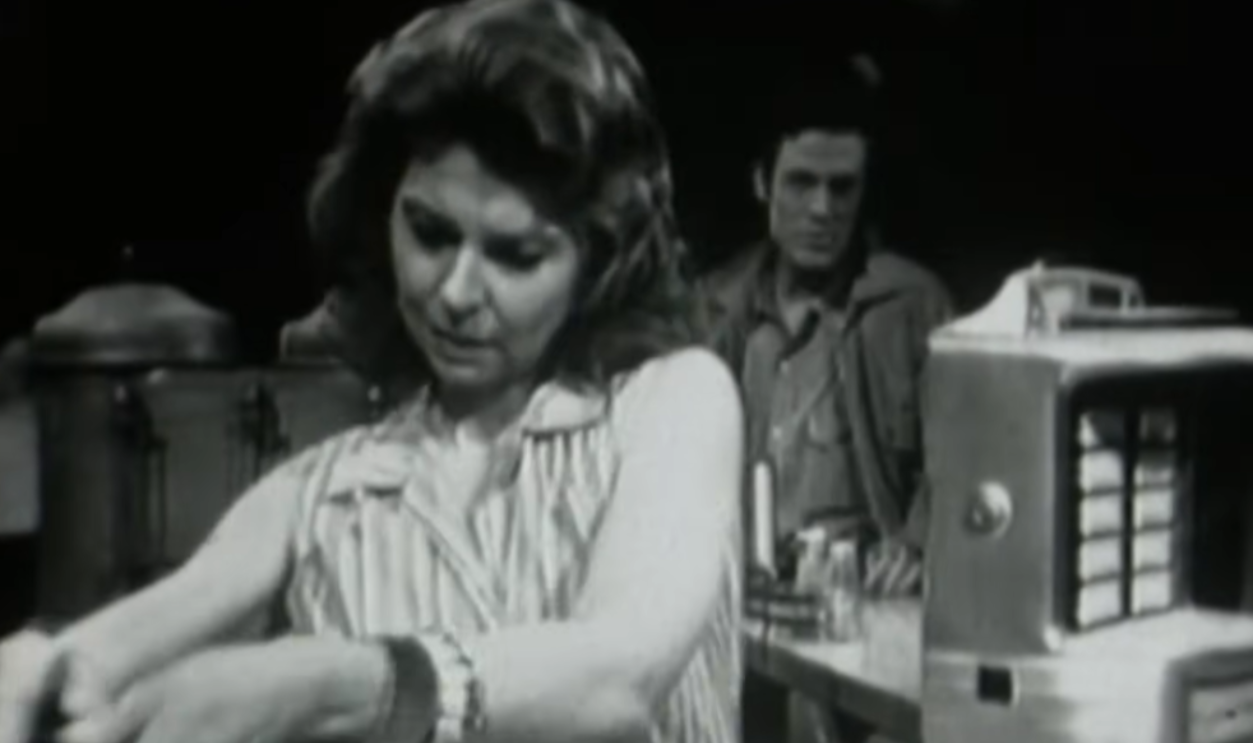 Screenshot from Chapter Two, Broadway production (1977–1979)
Critics Saw Something Special
Her work in Chapter Two attracted remarkable praise. The Texas State Historical Association preserves a contemporary Newsweek assessment comparing elements of Wedgeworth's performance to several legendary entertainers. Whatever supporting status the character technically carried, reviewers clearly believed Wedgeworth was doing unusually distinctive work.
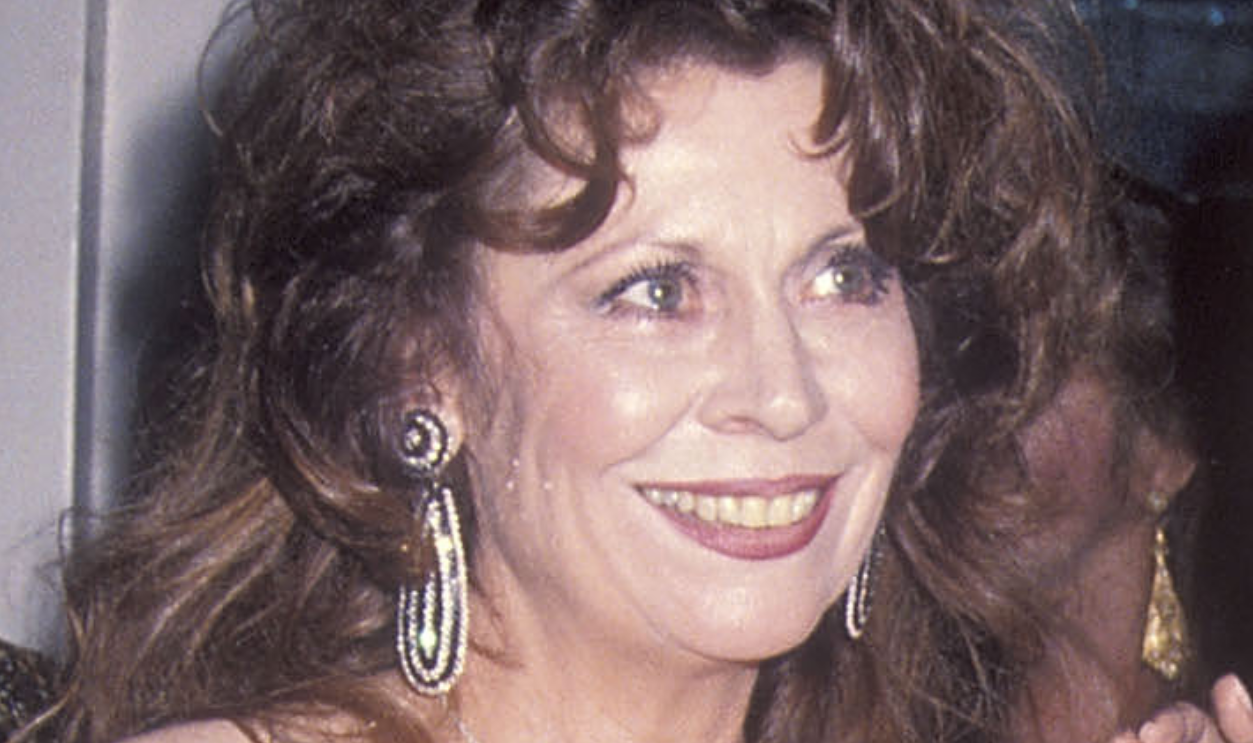
Broadway Gave Her Its Biggest Prize
Wedgeworth won the 1978 Tony Award for Best Featured Actress in a Play for Chapter Two. The official Broadway database confirms both her original role and the victory. Suddenly, the longtime character actress had one of American theater's most prestigious honors attached to her name.
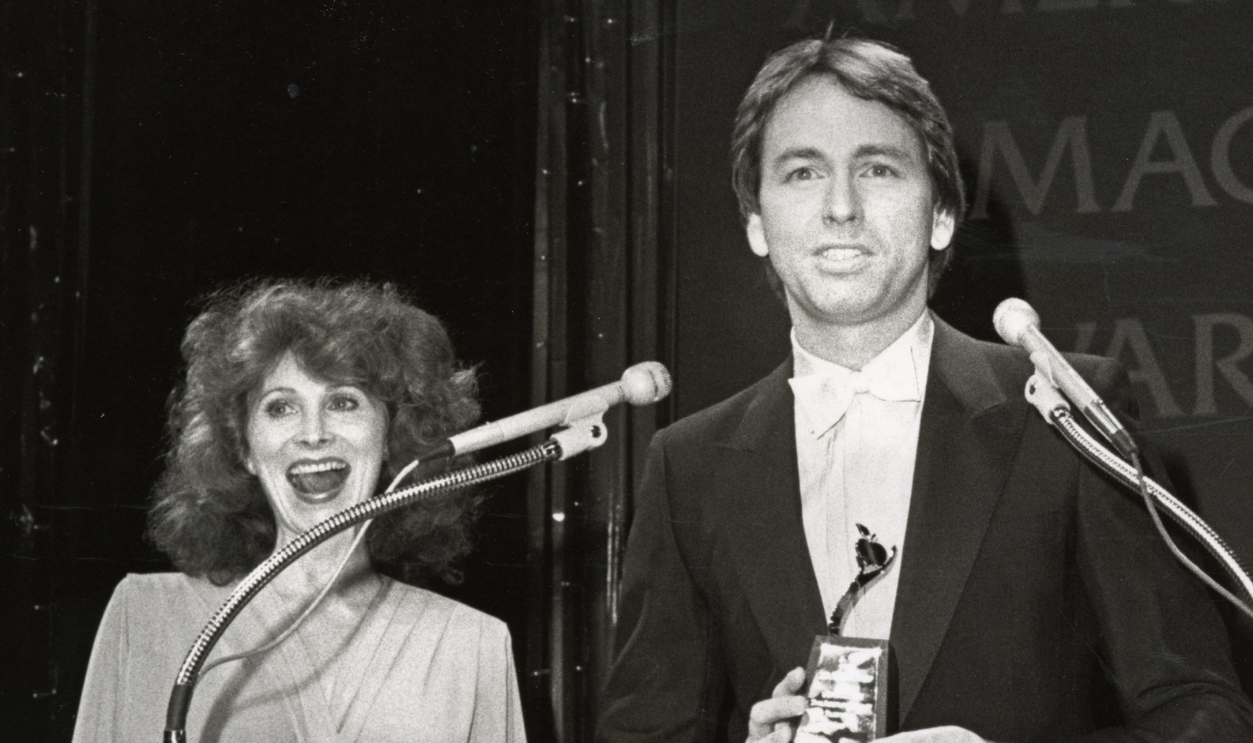
Hollywood Still Delivered A Disappointment
The Broadway triumph did not guarantee that Wedgeworth would keep the role when Chapter Two became a movie. Valerie Harper was cast as Faye in the 1979 film adaptation instead. The Washington Post later described losing the part as a major disappointment for Wedgeworth.
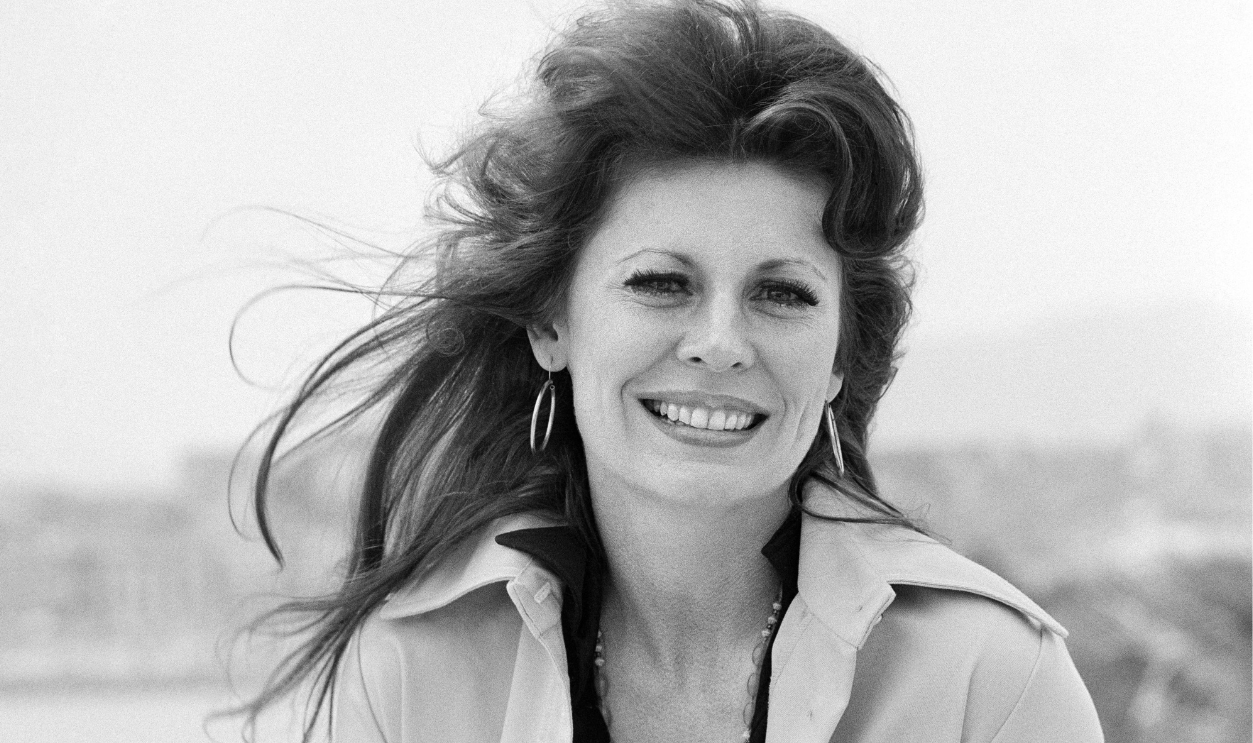
Then Three's Company Came Along
Later in 1979, Wedgeworth joined one of television's biggest comedies, Three's Company. She played Lana Shields, a recently divorced neighbor who became fixated on getting Jack Tripper's attention. On paper, joining a successful network sitcom immediately after winning a Tony could have opened an entirely new chapter.
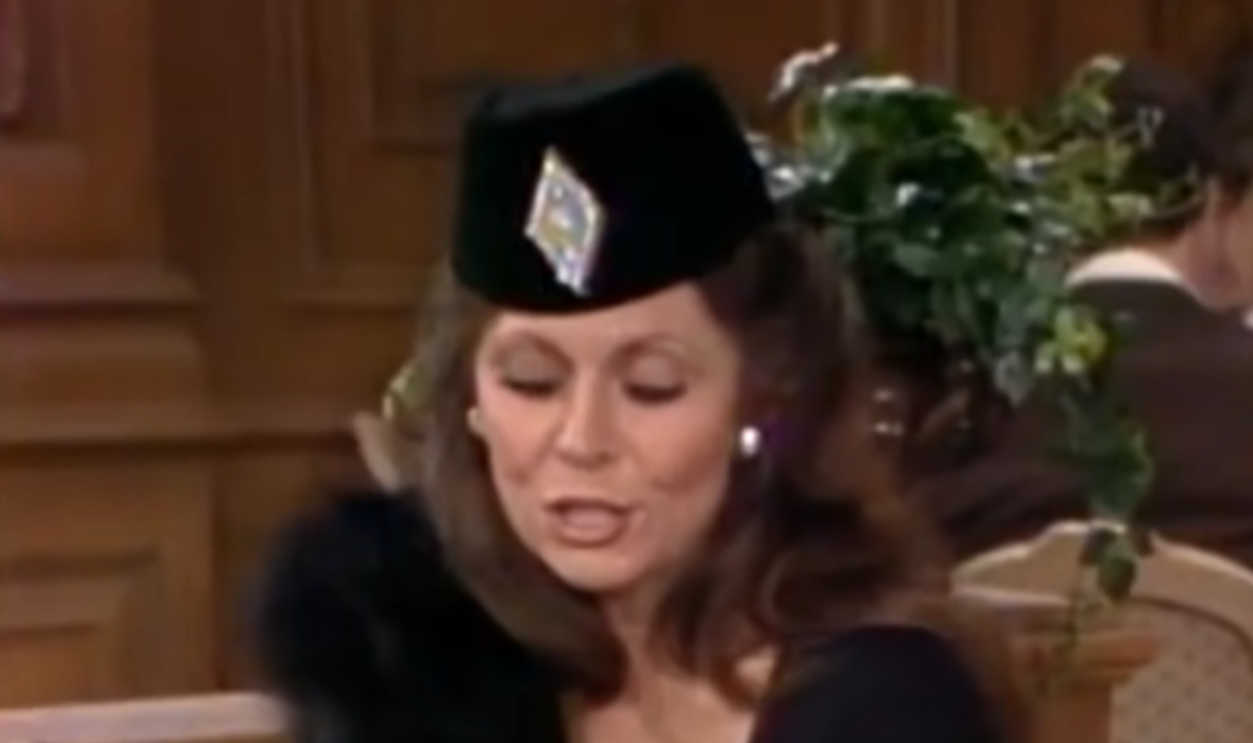 Screenshot from Three's Company, ABC (1977–1984)
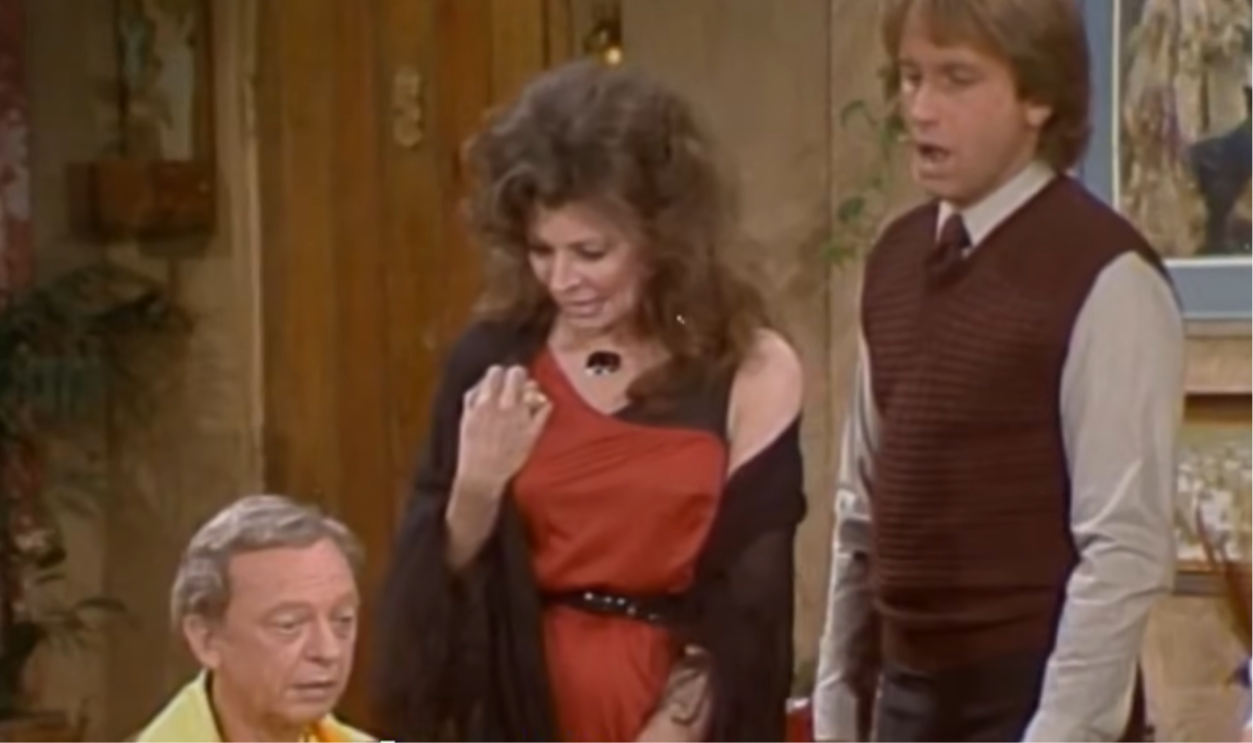
Lana Wasn't Much Of A Character
The difficulty was that Lana was built largely around one recurring joke. She pursued Jack, Jack tried to escape her attention, and landlord Ralph Furley complicated matters by seeking Lana's attention himself. Compared with the complicated women Wedgeworth had played onstage and in films, the role gave her relatively little room to grow.
 Screenshot from Three's Company, ABC (1977–1984)
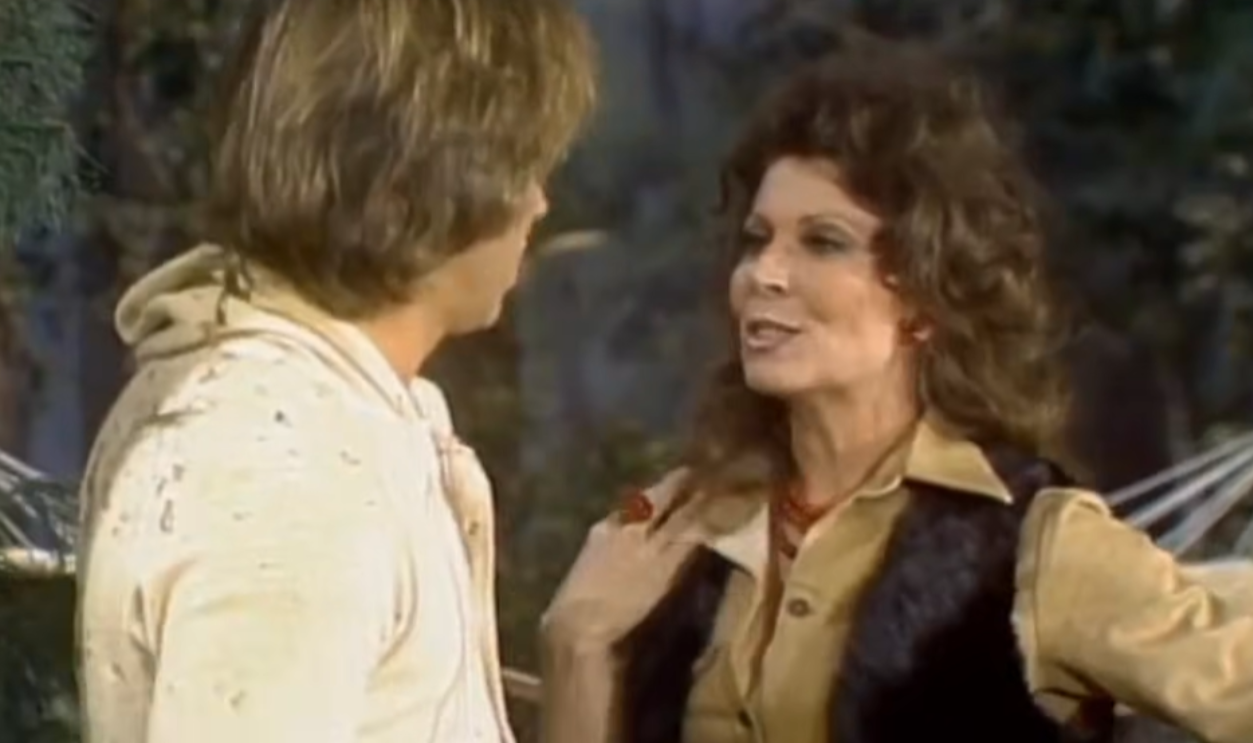
Her Résumé Made The Mismatch Obvious
The contrast was striking. Three's Company had hired an actress who had worked on Broadway for two decades, appeared opposite Gene Hackman, Al Pacino, and Robert De Niro, earned national critics' recognition, and won a Tony. Yet Lana was primarily a recurring comic device rather than a fully developed member of the ensemble.
 Screenshot from Three's Company, ABC (1977–1984)
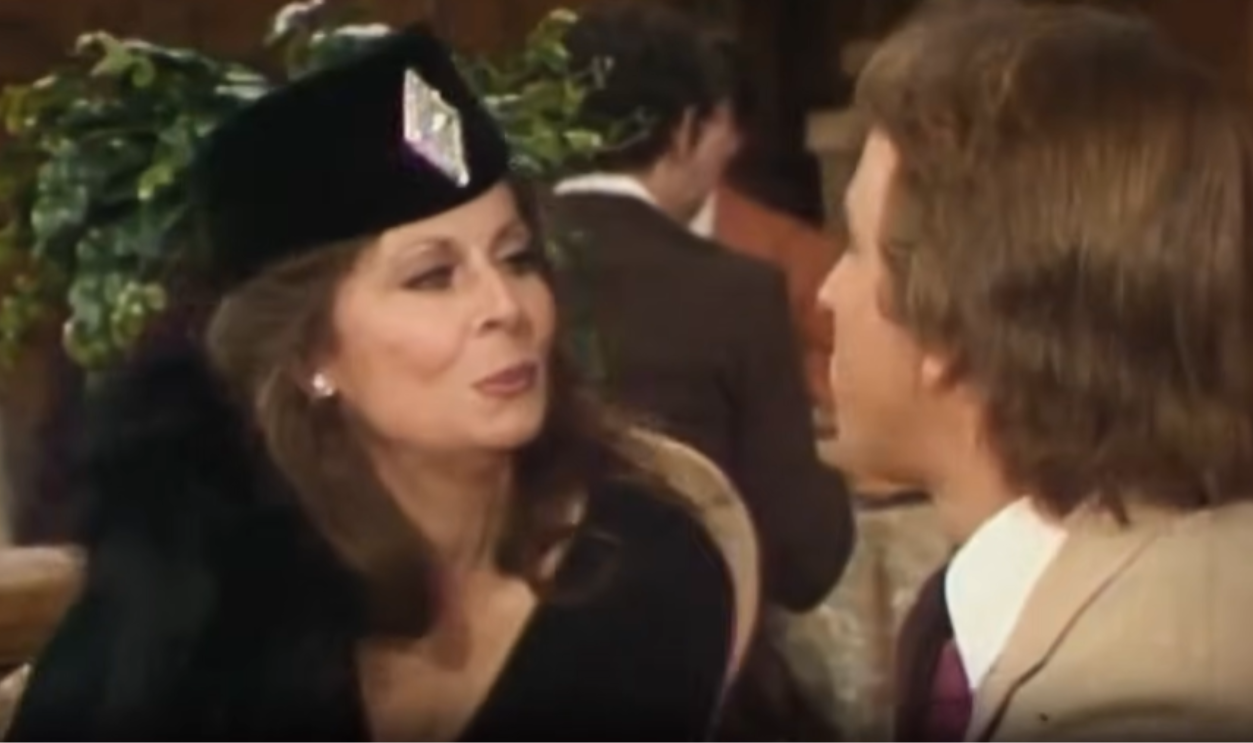
The Role Barely Lasted
Wedgeworth appeared in only nine episodes of Three's Company. That made Lana's stay remarkably brief compared with the show's long overall run. The character disappeared before the writers had much opportunity to deepen her or change the repetitive setup.
 Screenshot from Three's Company, ABC (1977–1984)
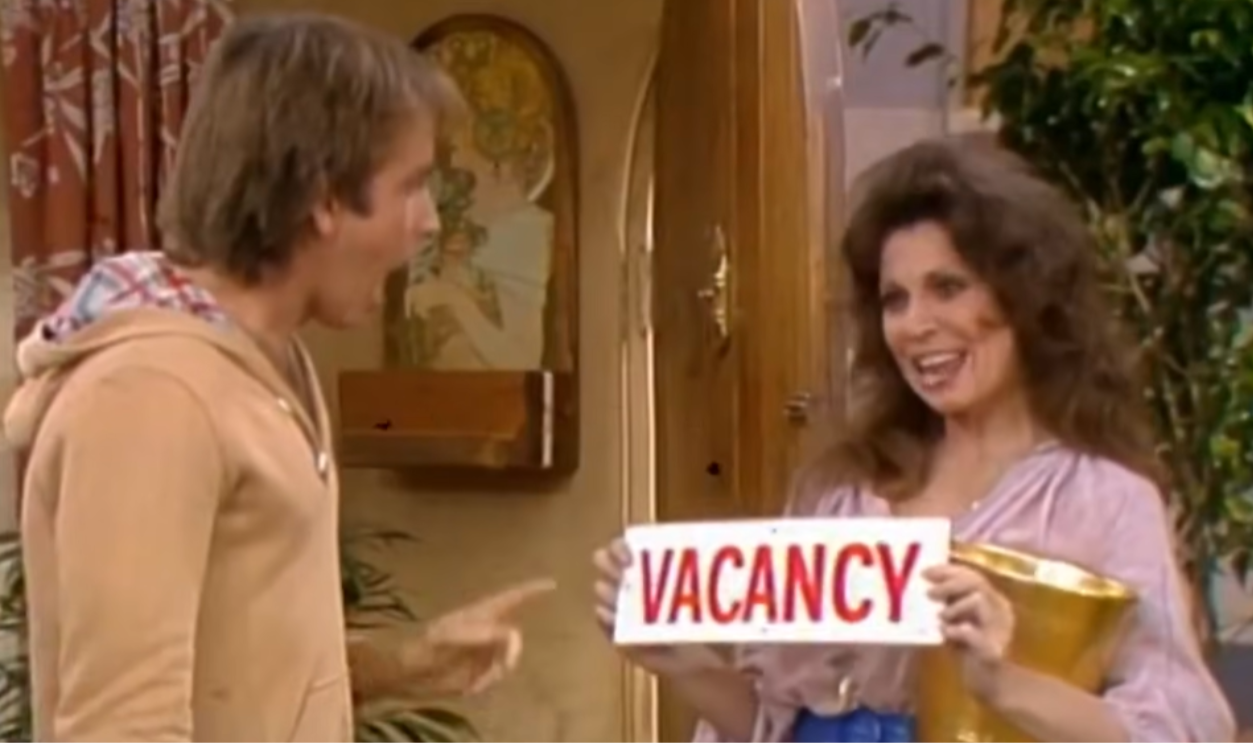
The Ending Came Without Warning
Wedgeworth later said she had not been prepared for her departure. Speaking to People in 1980, she recalled receiving no warning or explanation before the role ended. For an actress who had just achieved one of Broadway's biggest honors, the abrupt treatment was understandably jarring.
 Screenshot from Three's Company, ABC (1977–1984)
Even John Ritter Was Surprised
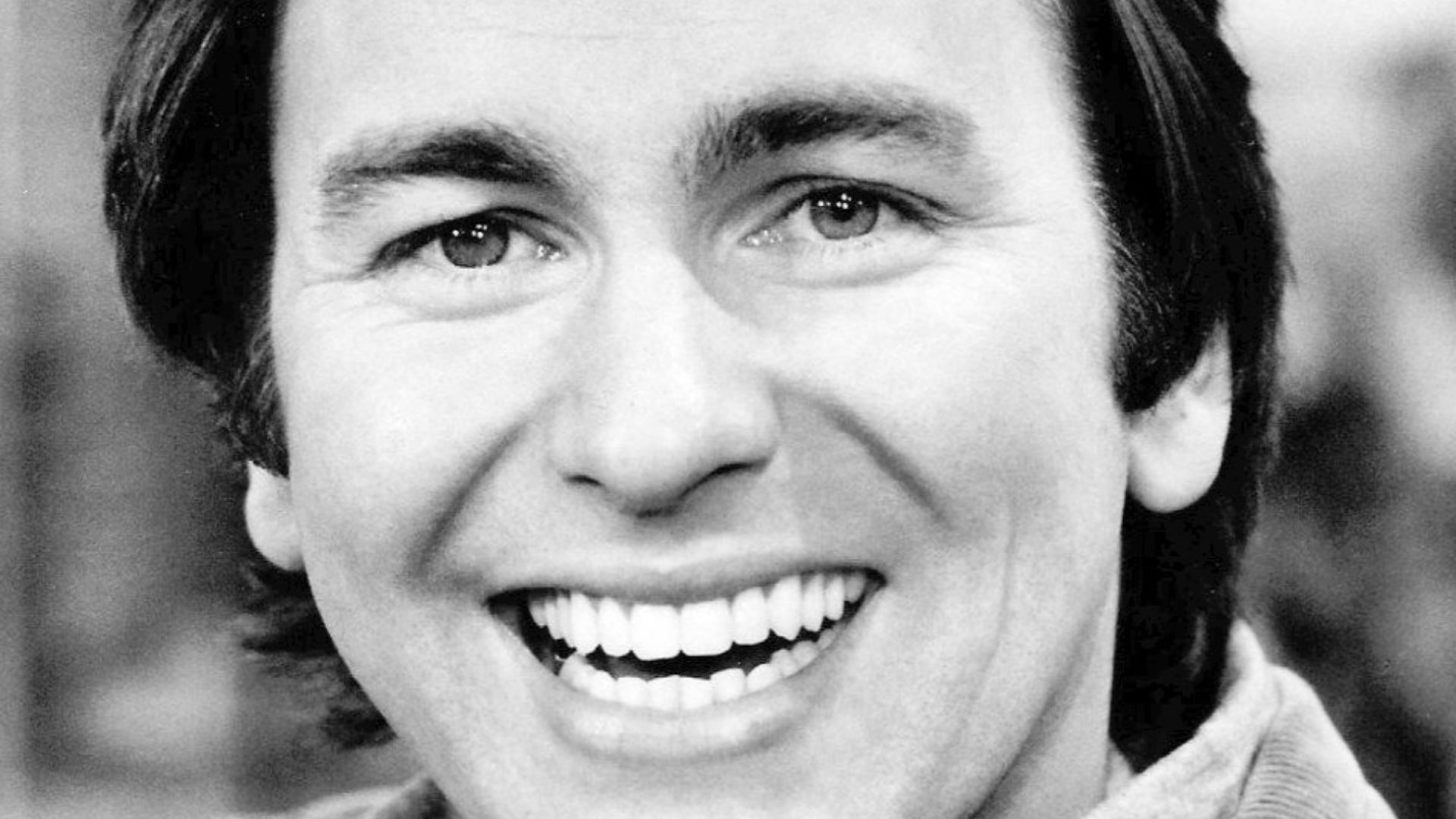
Wedgeworth's account made the episode even stranger. She said John Ritter seemed shocked when she went to say goodbye because he apparently had not been told about her departure either. Joyce DeWitt, Wedgeworth recalled, did reach out to her afterward.
 ABC Television, Wikimedia Commons
Three's Company Didn't Define Her
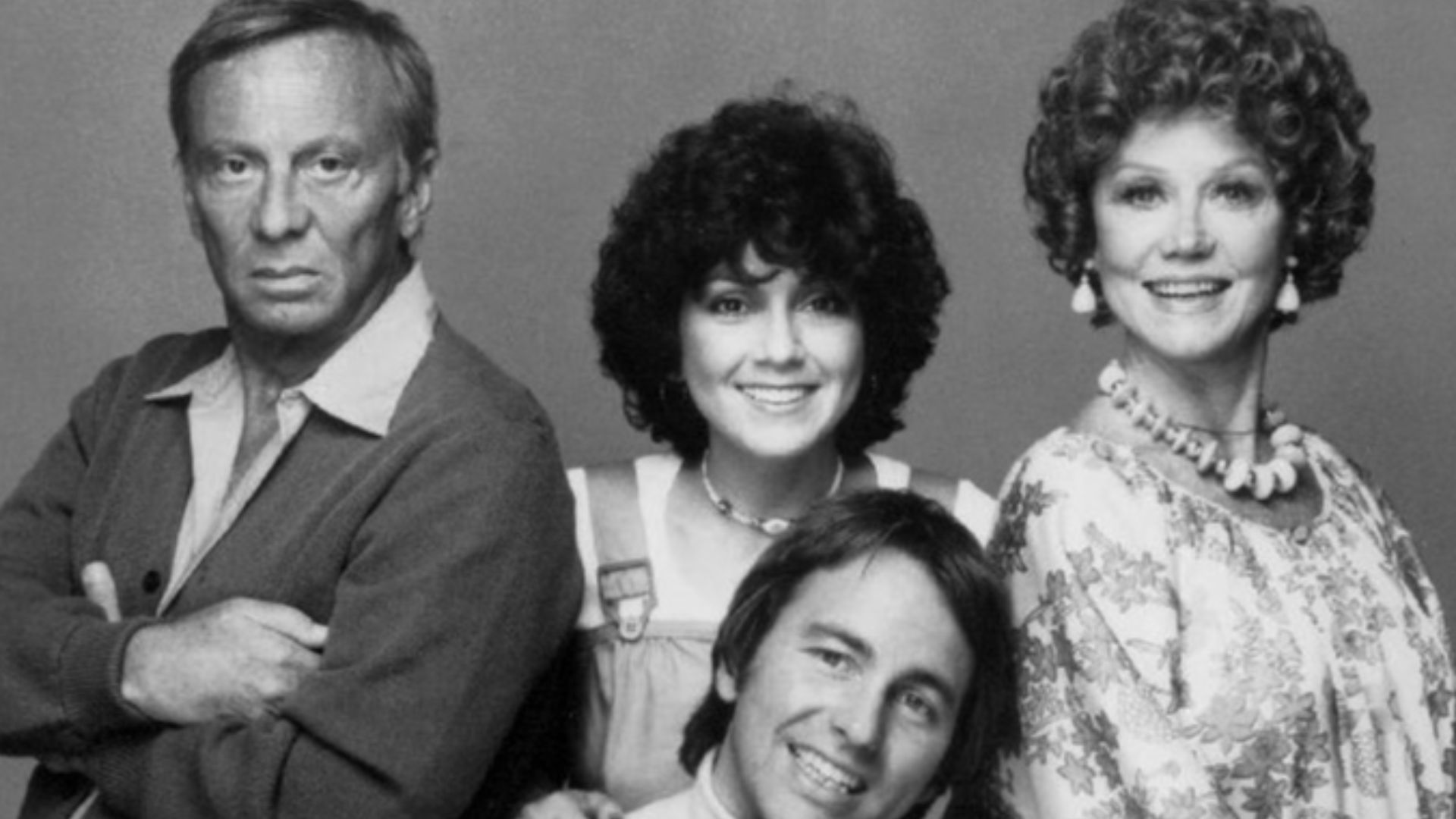
Fortunately, nine sitcom episodes represented only a tiny portion of Wedgeworth's career. She continued moving between theater, film, and television throughout the 1980s. The very range of what came afterward makes Lana Shields look more like an odd detour than a defining role.
 ABC Television, Wikimedia Commons
Filthy Rich Let Her Try Again
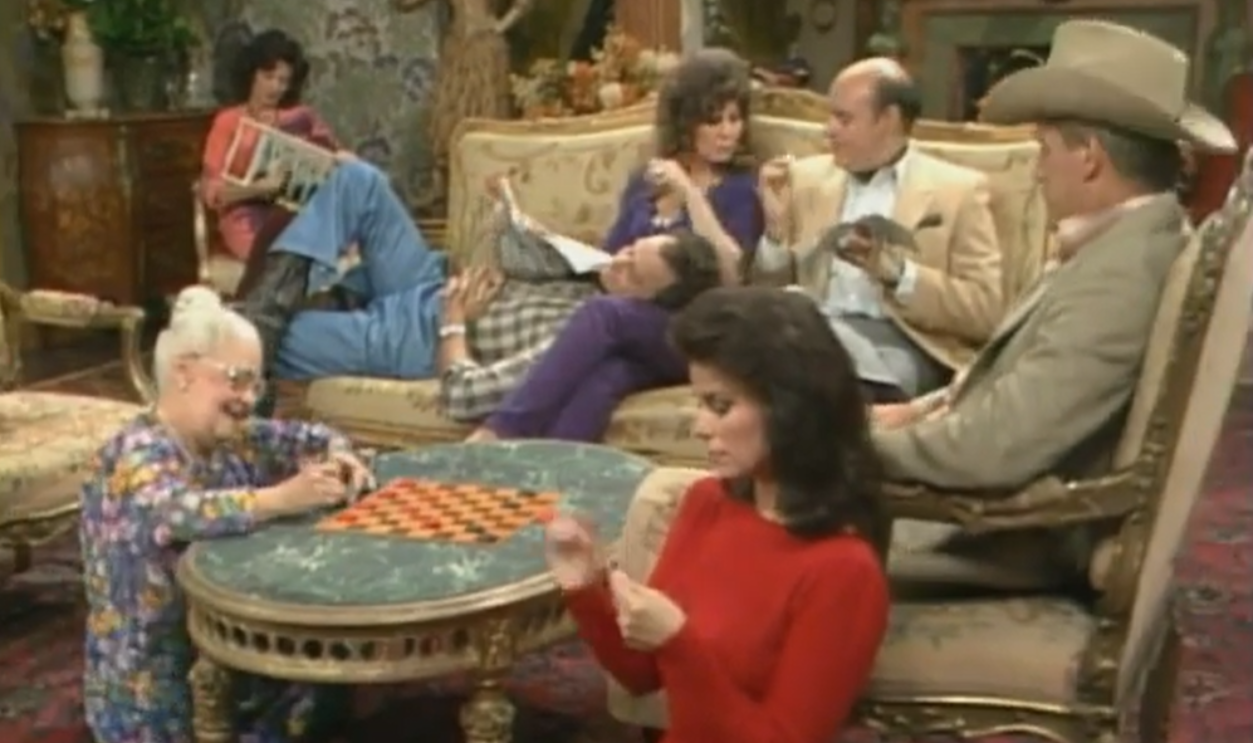
Wedgeworth returned to network comedy with Filthy Rich, which ran on CBS during the early 1980s. She played Bootsie Westchester in the ensemble created by Linda Bloodworth-Thomason. Although the series was short-lived, the connection with Bloodworth-Thomason would eventually prove important to Wedgeworth's career.
 Screenshot from Filthy Rich, Columbia Pictures Television (1982–1983)
Sweet Dreams Showed Her Dramatic Strength
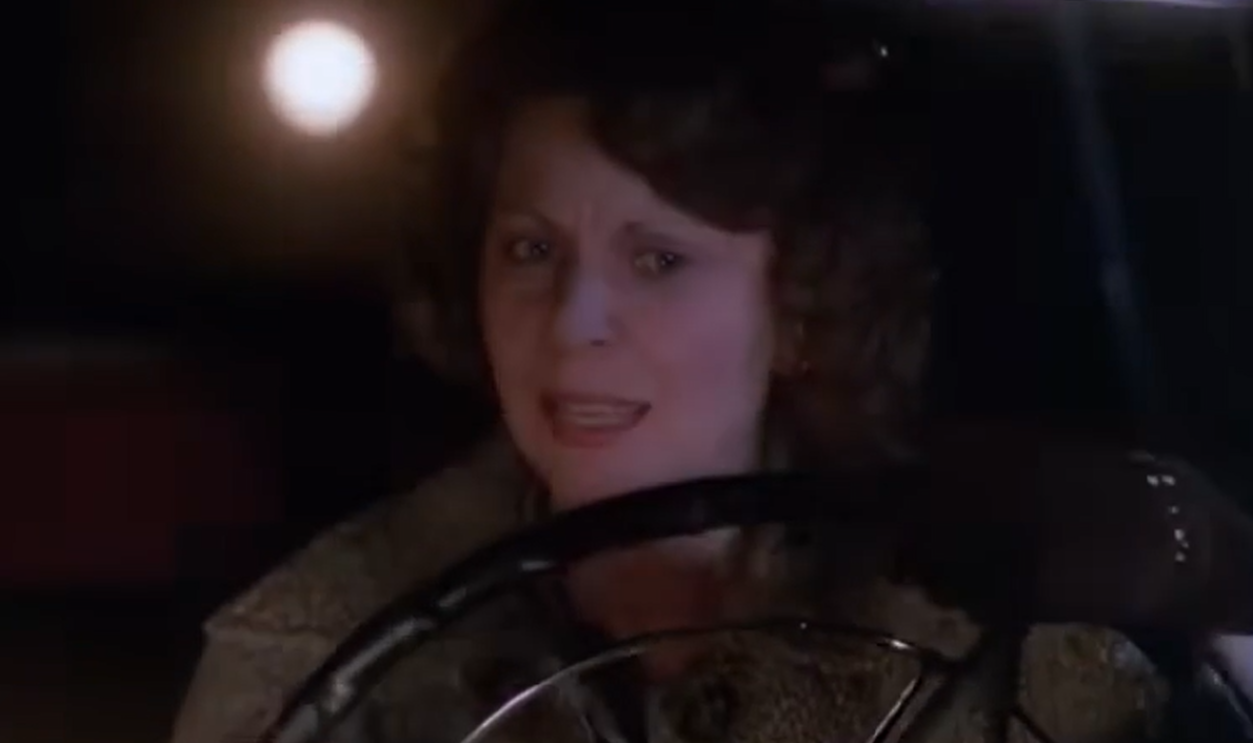
In 1985, Wedgeworth played Hilda Hensley, the mother of Patsy Cline, in Sweet Dreams. Jessica Lange starred as Cline, while Ed Harris played Charlie Dick. The performance brought Wedgeworth further recognition from the National Society of Film Critics and showed again how effective she could be in grounded supporting roles.
 Screenshot from Sweet Dreams, TriStar Pictures (1985)
The Stage Still Wanted Her
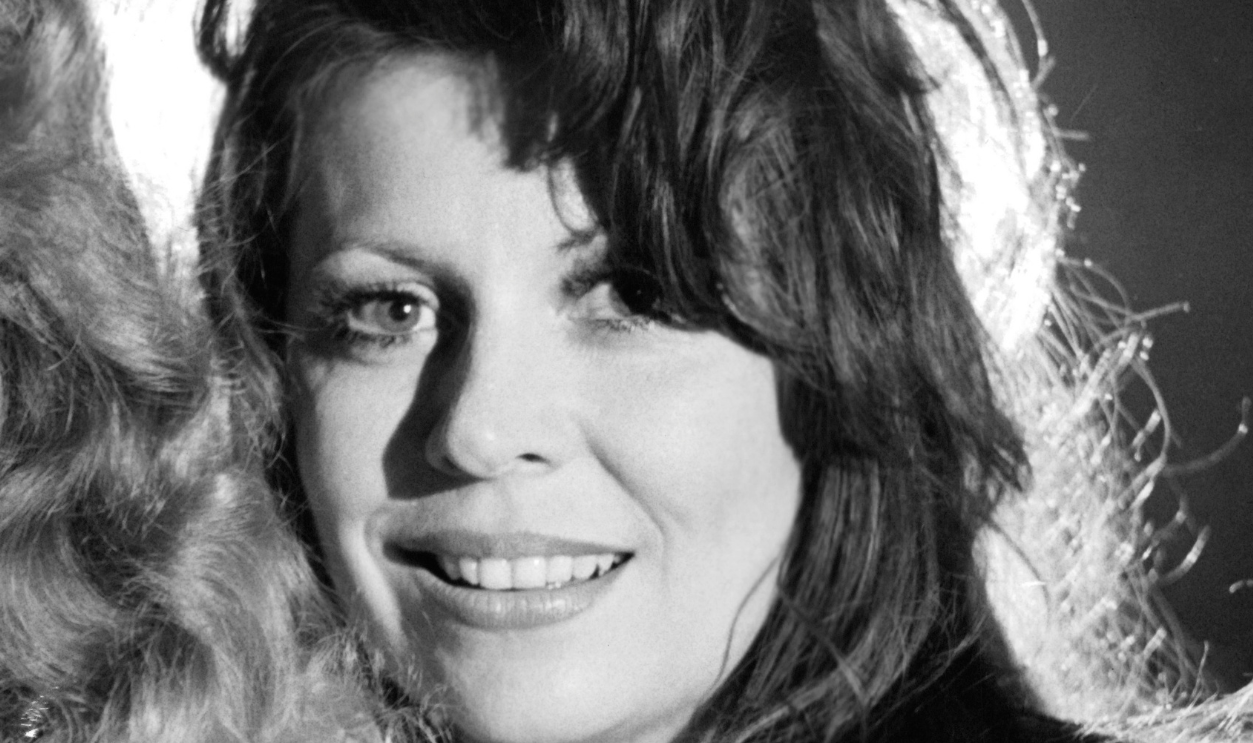
Wedgeworth never abandoned serious theater. In 1985, she joined the original Off-Broadway production of Sam Shepard's A Lie of the Mind, appearing in a formidable ensemble that included Geraldine Page, Harvey Keitel, Amanda Plummer, and Aidan Quinn. Her performance earned a 1986 Drama Desk nomination for Outstanding Featured Actress in a Play.
 Michael Ochs Archives, Getty Images
Steel Magnolias Added Another Classic
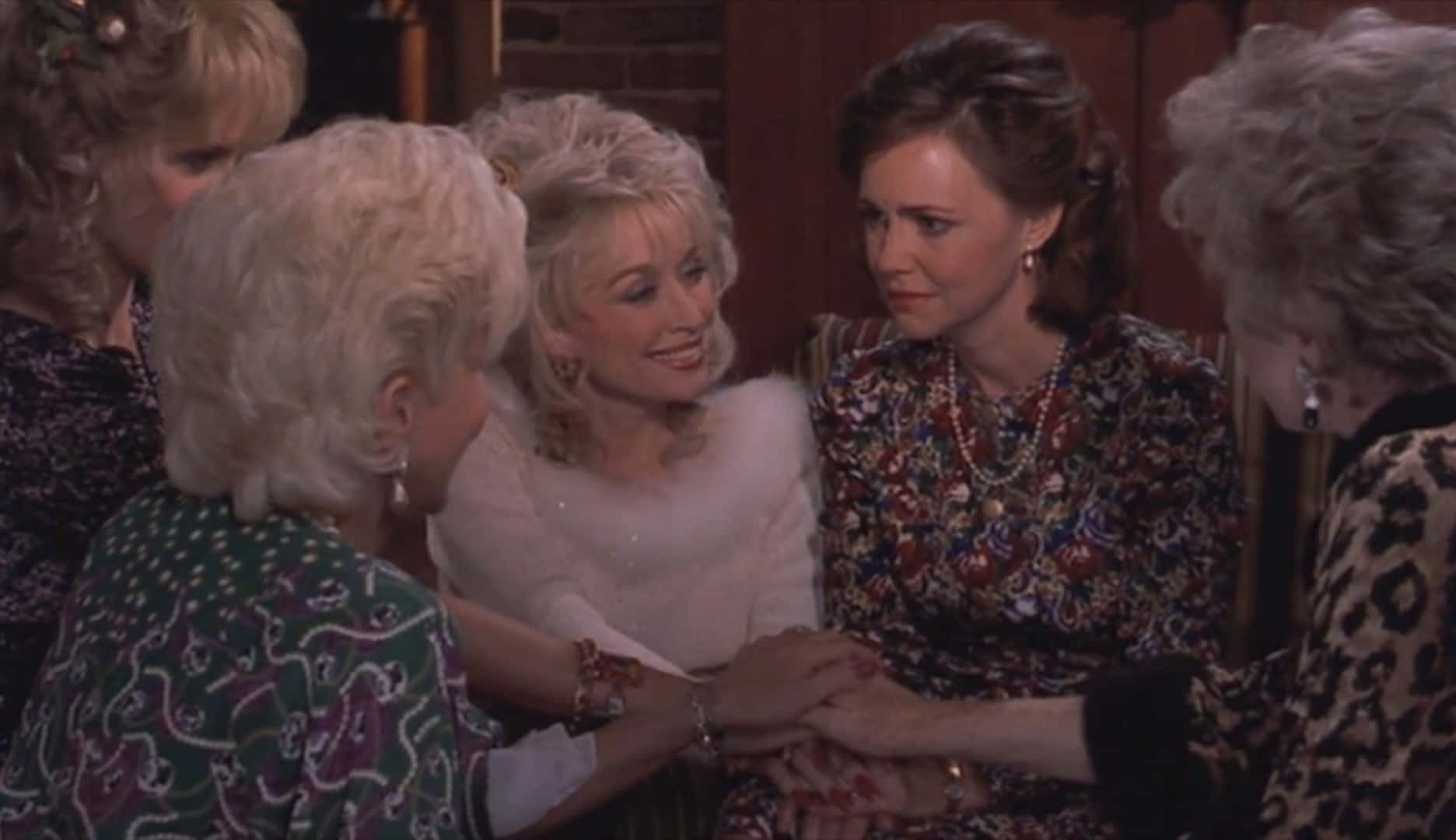
Wedgeworth appeared as Aunt Fern in the 1989 film Steel Magnolias. The ensemble also included Sally Field, Dolly Parton, Shirley MacLaine, Olympia Dukakis, Daryl Hannah, and Julia Roberts. Once again, Wedgeworth was working as a supporting player inside a cast packed with formidable personalities.
 Screenshot from Steel Magnolias, TriStar Pictures (1989)
Even Roseanne Found Room For Her
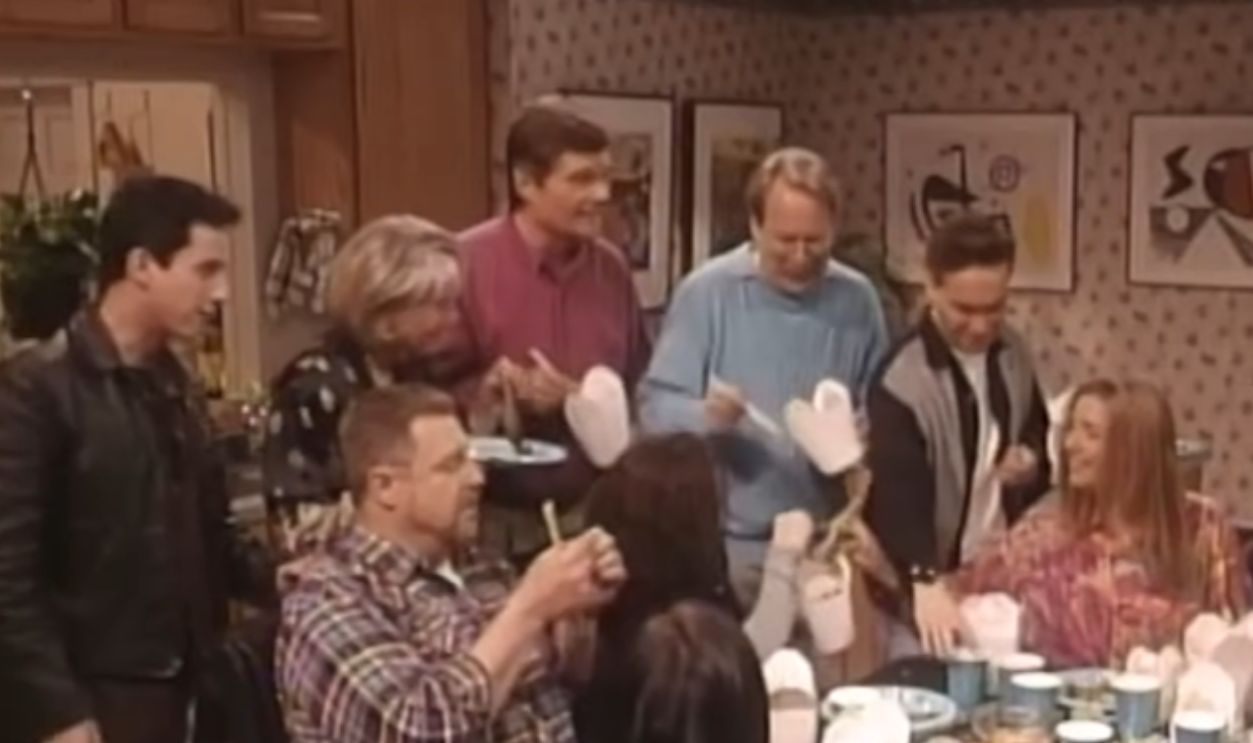
Television continued calling as well. Wedgeworth appeared as Audrey Conner, Dan Conner's mother, during the second season of Roseanne. It was another example of how readily she could step into an established ensemble and immediately feel as though she belonged there.
 Screenshot from Roseanne, ABC (1988–1997)
Evening Shade Finally Used Her Properly
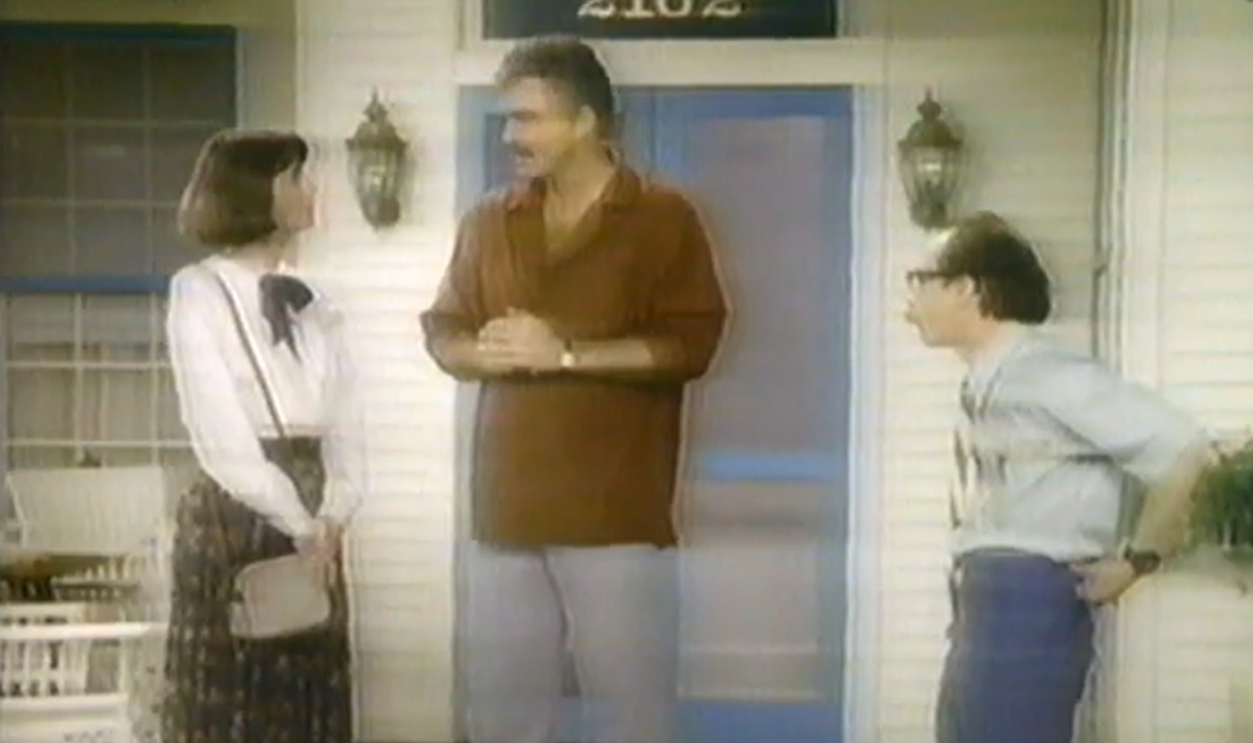
In 1990, Wedgeworth joined Evening Shade, created by Linda Bloodworth-Thomason. She played Merleen Elldridge, wife of Charles Durning's small-town doctor, alongside a cast that included Burt Reynolds, Ossie Davis, Hal Holbrook, Marilu Henner, and Michael Jeter. Unlike Lana Shields, Merleen became a genuine long-term member of the show's community.
 Screenshot from Evening Shade, CBS (1990–1994)
This Time She Got To Stay
Evening Shade ran for four seasons from 1990 through 1994. Wedgeworth remained part of the ensemble throughout the series, with television databases crediting her across 99 episodes. The contrast with her nine-episode Three's Company experience could hardly have been sharper.
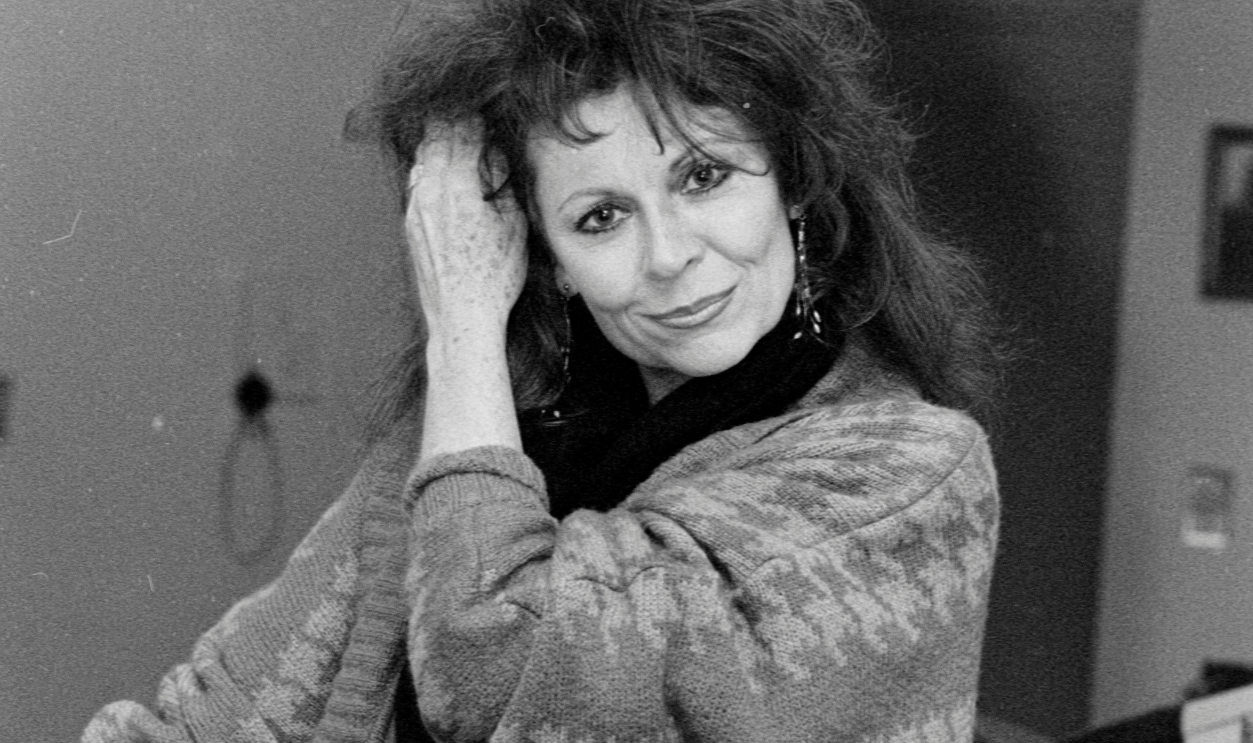
Her Later Films Kept Showing Her Range
Wedgeworth continued appearing in distinctive films during the 1990s. She worked with Renée Zellweger in both Love and a .45 and The Whole Wide World, playing the mother of writer Robert E. Howard in the latter. A Los Angeles Times review specifically praised Wedgeworth's work in The Whole Wide World, another reminder of how much she could accomplish with a supporting character.
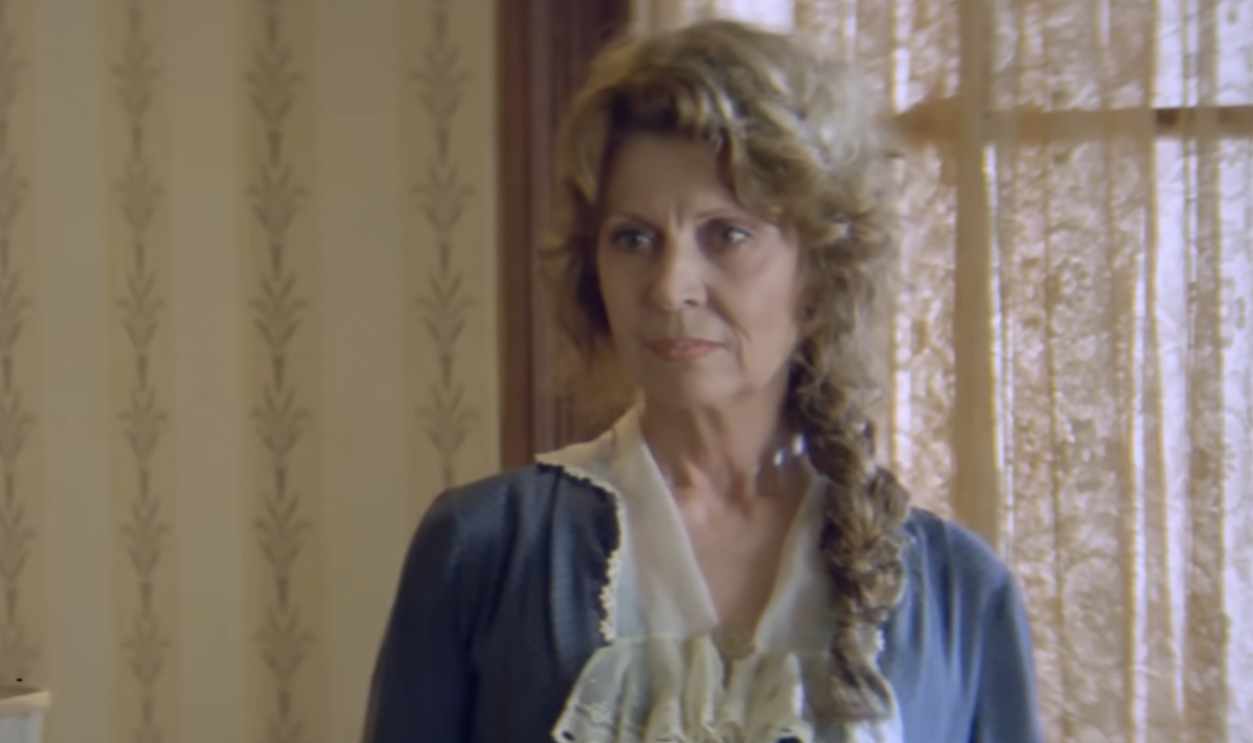 Screenshot from The Whole Wide World, Sony Pictures Classics (1996)
She Worked Almost To The End Of Her Career
Her final film role came in The Hawk Is Dying, the 2006 drama starring Paul Giamatti, Michelle Williams, and Michael Pitt. Afterward, Wedgeworth largely withdrew from public view. She had spent nearly half a century moving among Broadway, television, independent films, studio pictures, comedy, and drama.
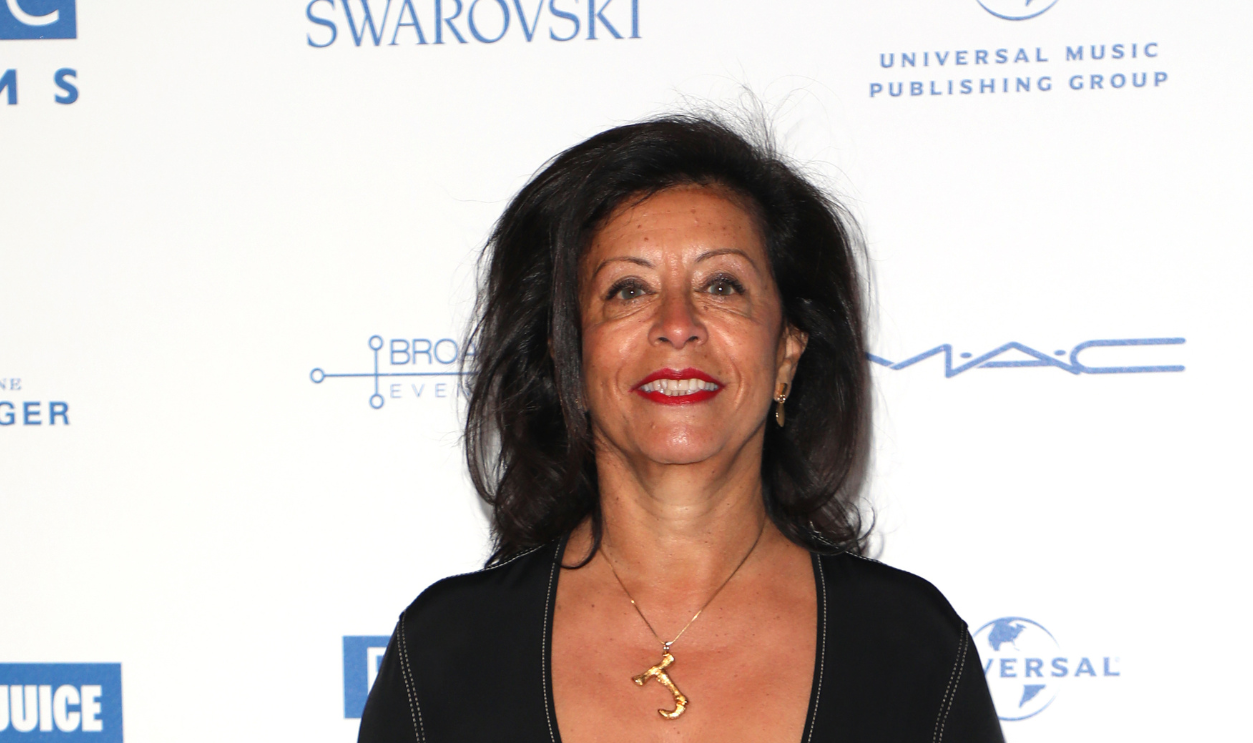
Nine Episodes Could Never Contain Her
Ann Wedgeworth died in November 2017 at age 83, leaving behind a career far richer than her brief stay at Jack Tripper's apartment complex suggests. She was a Tony winner, an acclaimed stage performer, a respected character actress, and a dependable member of some memorable ensembles. Three's Company may remain one of her most recognizable credits, but the rest of her résumé makes the real story obvious: Lana Shields was simply too small a showcase for Ann Wedgeworth.
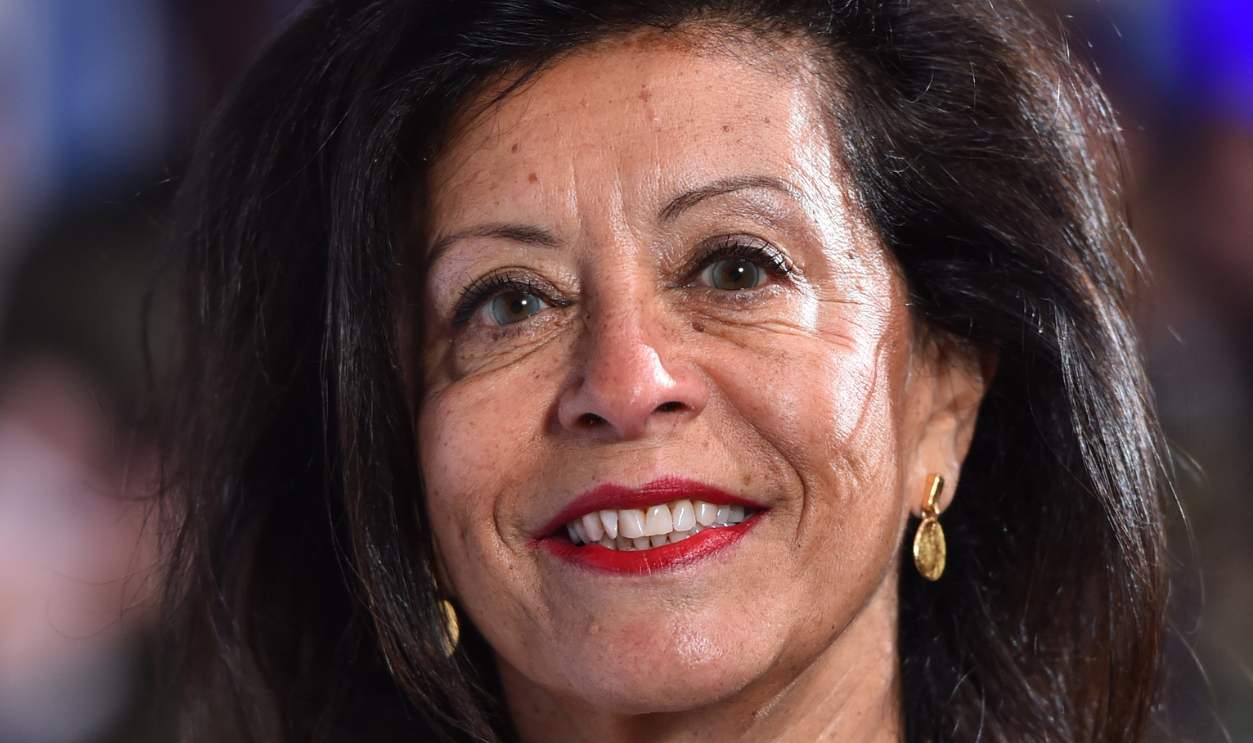 Matt Crossick - PA Images, Getty Images
You May Also Like:
Facts About Classic TV Shows That Will Make You Nostalgic
Actors Who Were Fired In The Middle Of Filming
Does Anyone Remember These Television Shows? Anyone?
Sources: 1, 2, 3, 4, 5, 6, 7, 8, 9, 10, 11, 12, 13, 14, 15, 16, 17, 18, 19