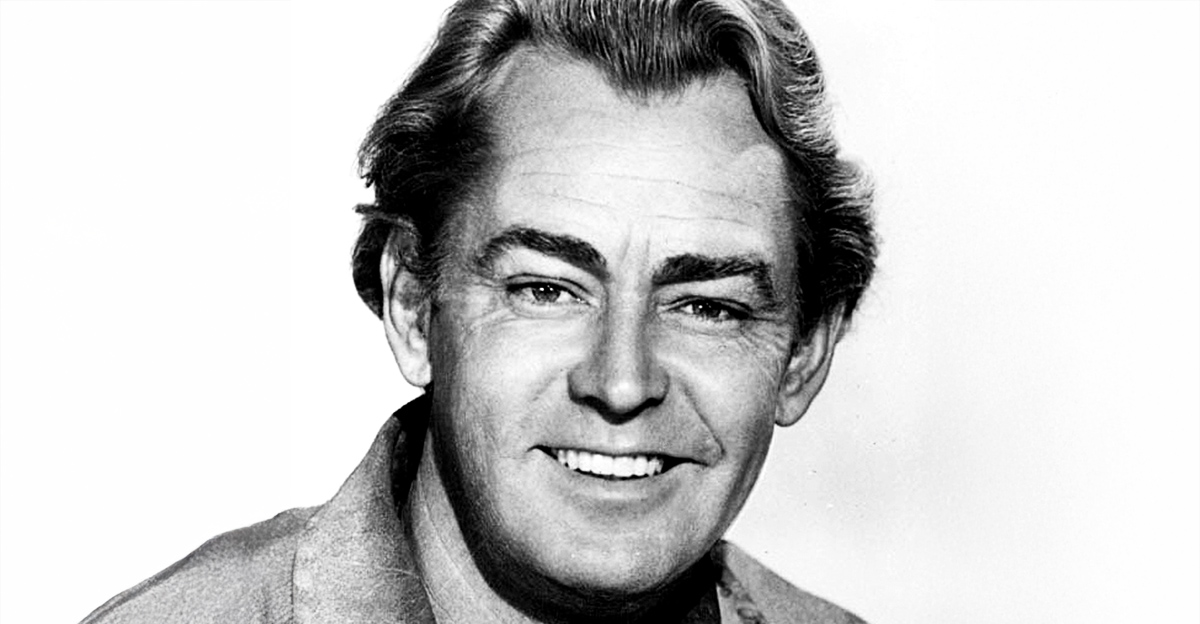
Hollywood's Unlikely Hero
Alan Ladd was one of Hollywood's biggest box office attractions, a handsome, soft-spoken leading man whose performances in film noir and Westerns made him a household name. His starring role in Shane (1953) secured his place in movie history. But even as the film became a classic, Ladd's career was approaching a turning point from which it would never fully recover.
 Public domain, Wikimedia Commons
A Difficult Beginning
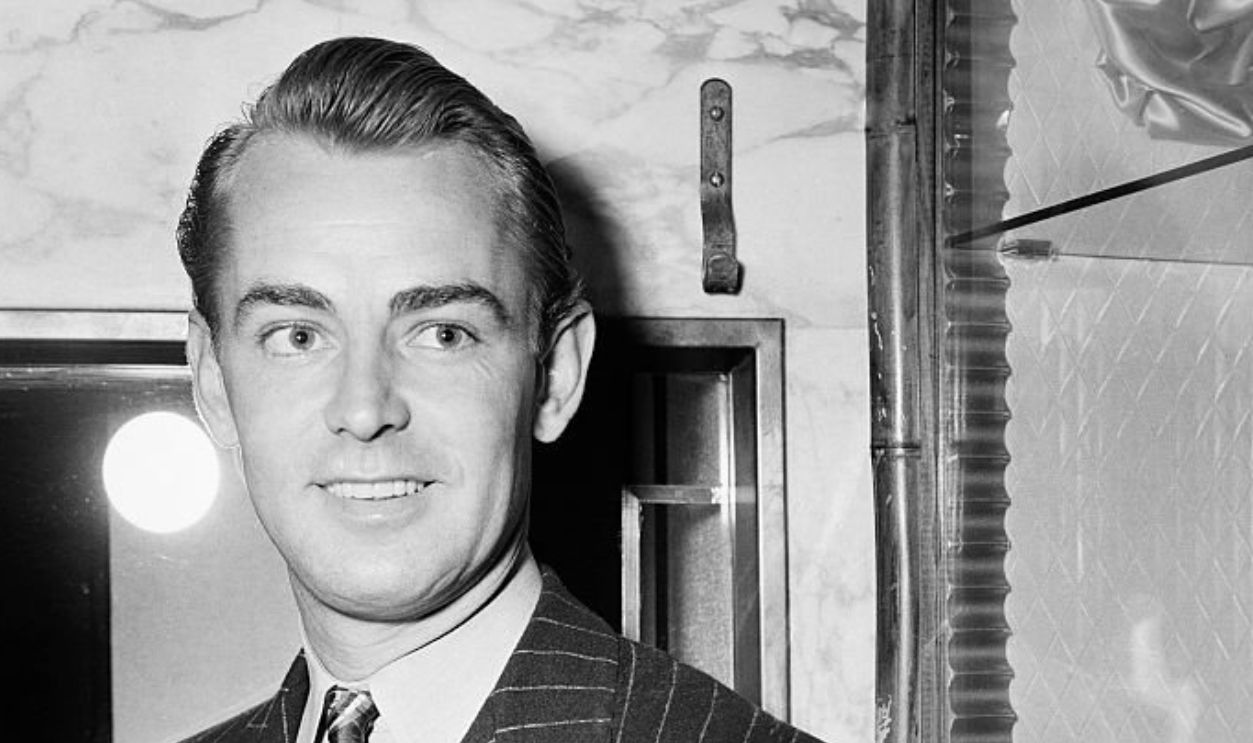
Alan Walbridge Ladd was born on September 3, 1913, in Hot Springs, Arkansas. His father died when Alan was four, leaving his mother, Ina, struggling financially. She eventually remarried, and the family moved to California. Their circumstances remained difficult, and Ladd grew up with little of the security or comfort he would later portray on screen.
 Michael Ochs Archives, Getty Images
He Nearly Drowned
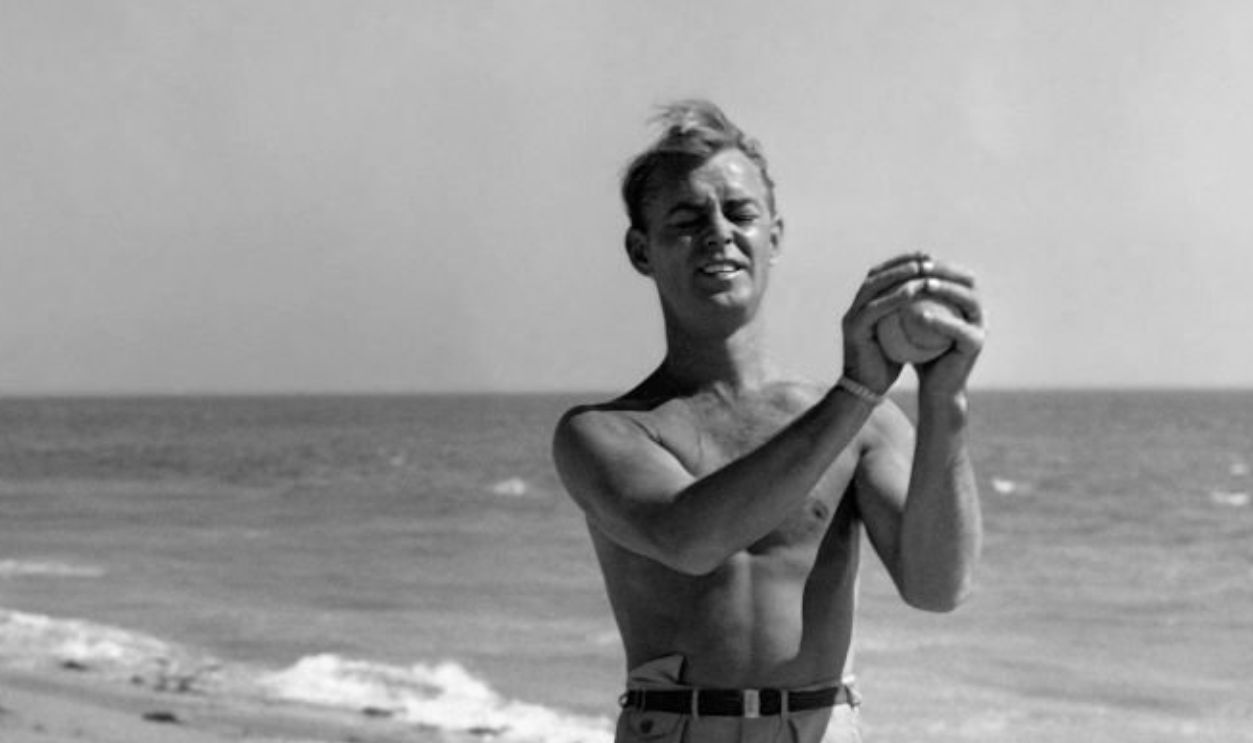
Alan Ladd reportedly nearly drowned as a young child, one of several frightening experiences during his difficult upbringing. Despite being undersized and frequently struggling with his health, he became an accomplished swimmer and diver during his school years. He even trained seriously in athletics before eventually turning his attention toward acting.
His First Marriage
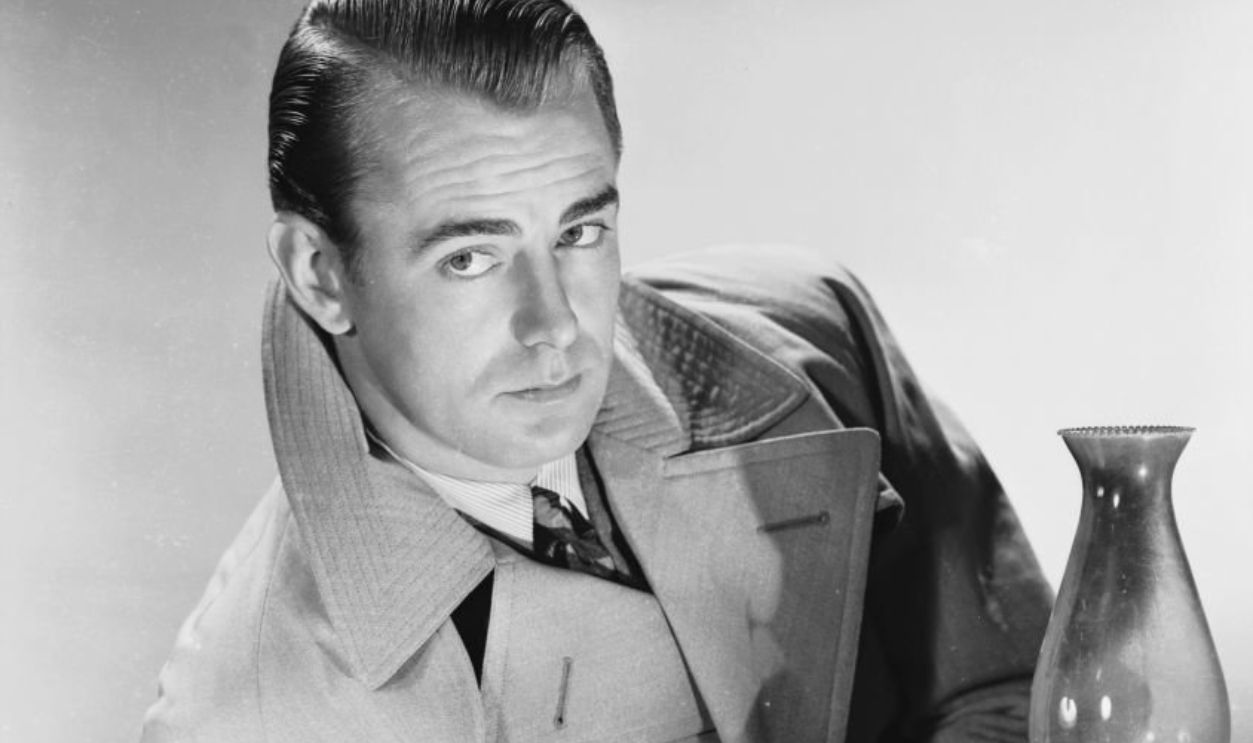
In October 1936, Ladd married his high school sweetheart, Marjorie Jane “Midge” Harrold, while he was still struggling to establish himself in Hollywood. Their son, Alan Ladd Jr., was born in October 1937. The marriage went through several financially difficult years, but the couple divorced in 1941, shortly before Ladd achieved his breakthrough as a movie star.
 John Kobal Foundation, Getty Images
His Mother Died Tragically
Ladd's early life was marked by another devastating loss. In 1937, his mother took her own life. By then, Ladd was already married to his first wife, Marjorie Jane Harrold, and struggling to establish himself professionally. The tragedy occurred during a period when he was still searching for a stable career and had little reason to expect future stardom.
Hollywood Didn't Want Him
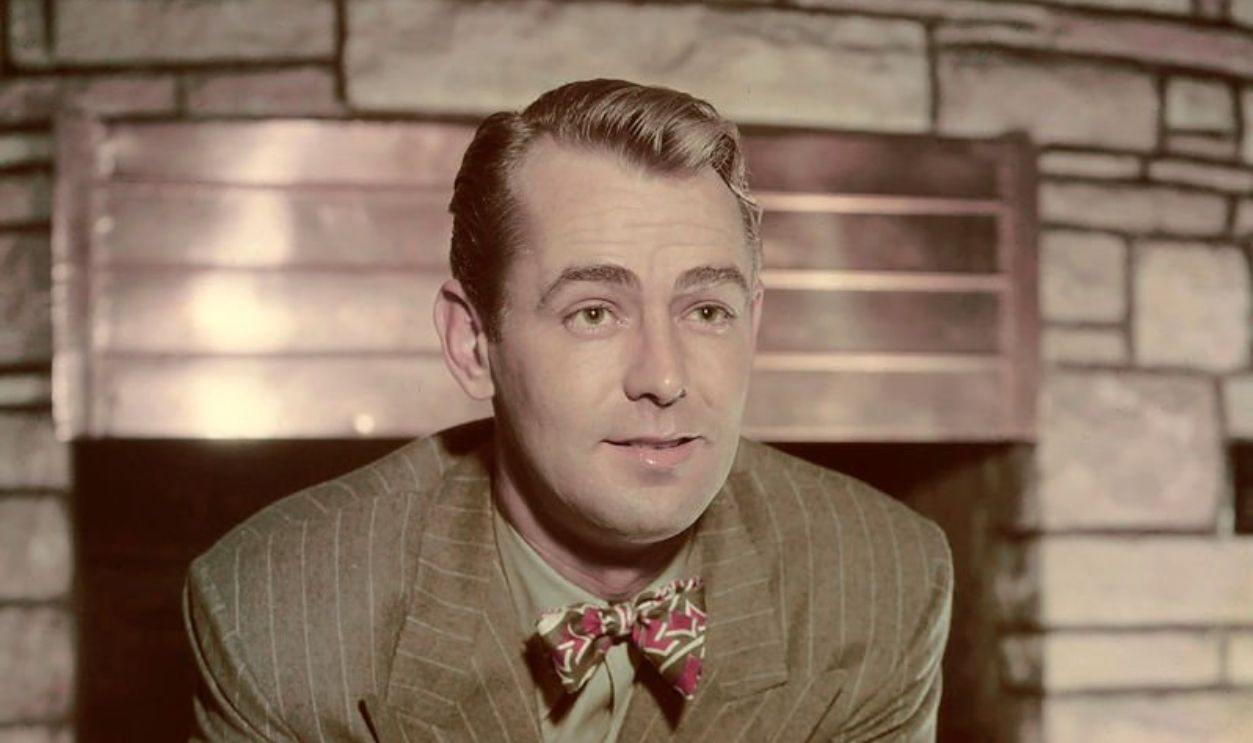
Ladd initially pursued acting through radio, small theatrical productions, and occasional film appearances. He worked various jobs, including as a studio grip, while attempting to break into the industry. His height, usually reported at approximately five feet six inches, was considered a disadvantage in an era when leading men were expected to be physically imposing.
He Finally Found An Ally
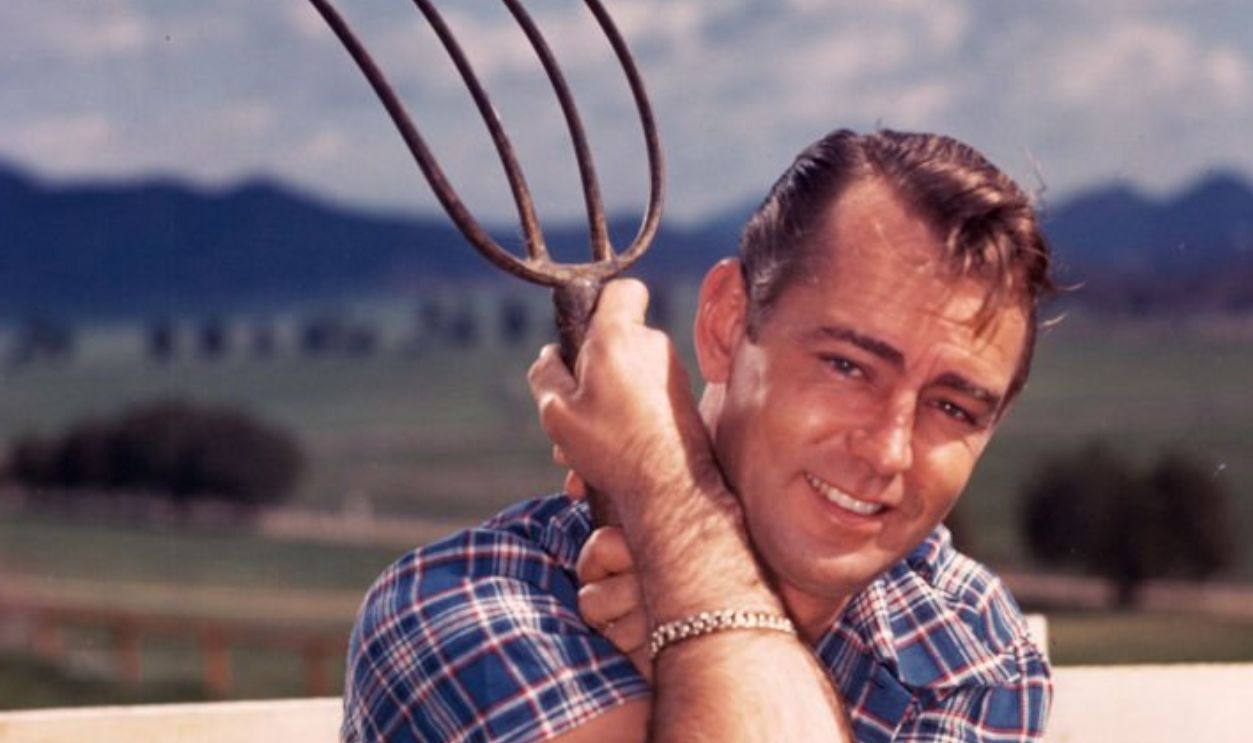
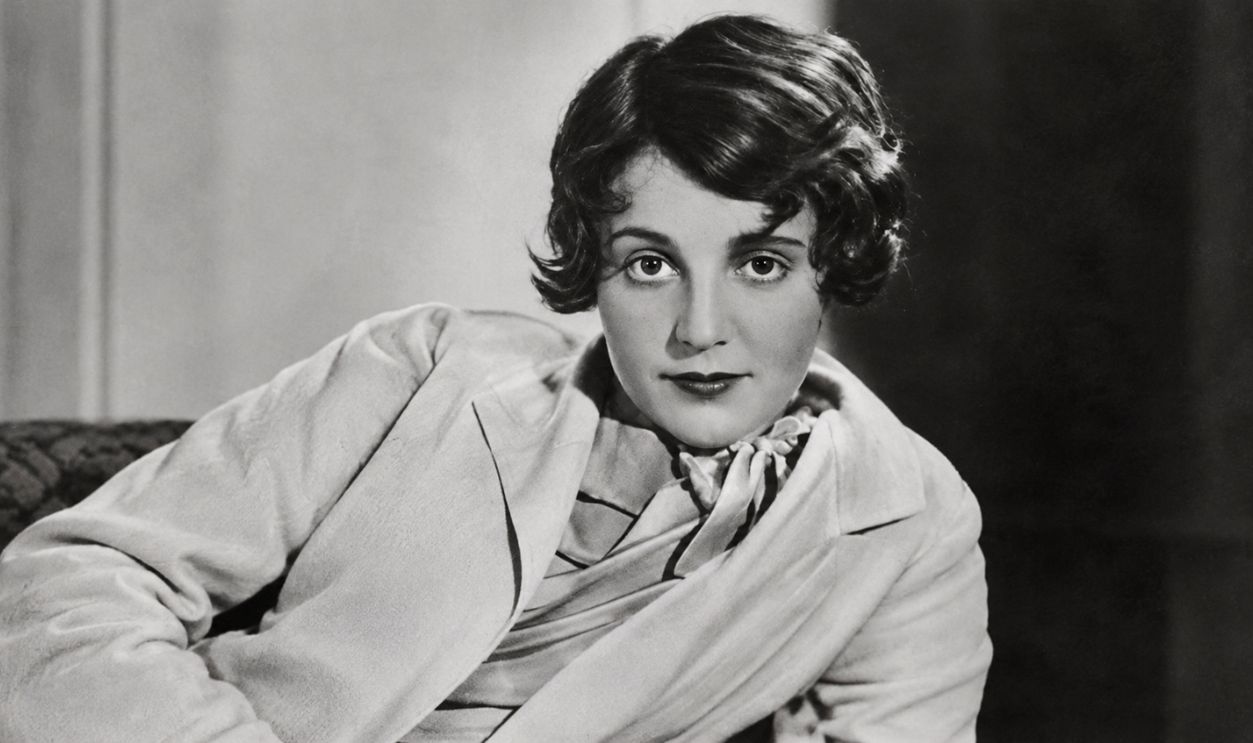
His fortunes changed when talent agent Sue Carol heard him performing on radio and recognized his potential. Carol helped secure auditions and promoted him to casting directors who had previously overlooked him. The two developed a close professional relationship that eventually became romantic. They married in 1942, and Carol remained an important influence throughout his career.
 Modern Screen Magazine, Wikimedia Commons, Enhanced
His Agent Became His Wife
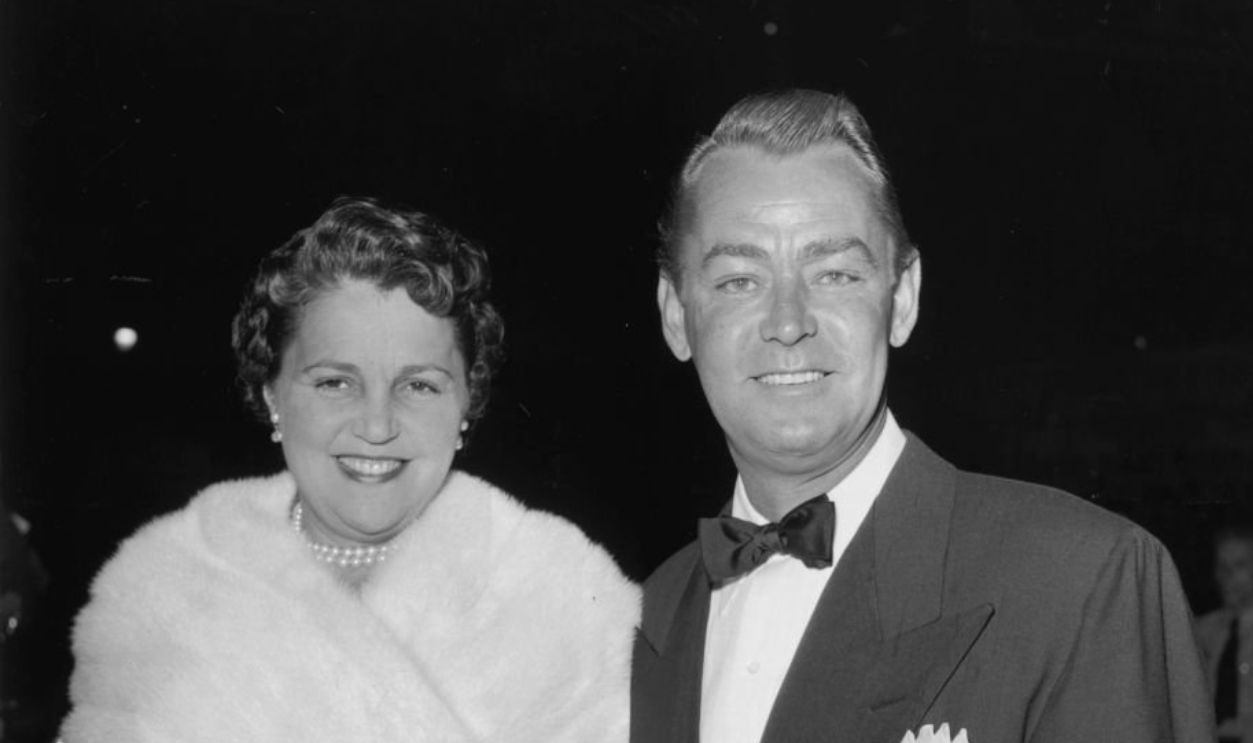
Sue Carol was more than the talent agent who recognized Ladd's potential. A former actress herself, she became his romantic partner as his career gathered momentum. They married in Mexico in March 1942, around the time of his breakthrough in the film This Gun for Hire (1942). Carol continued managing his career, helping him navigate Hollywood's publicity machinery and negotiate opportunities that might otherwise have passed him by.
His Breakthrough Changed Everything
Ladd's breakthrough came with Paramount's This Gun for Hire (1942), directed by Frank Tuttle. Playing the cold, troubled hit man Philip Raven, he appeared opposite Veronica Lake, Robert Preston, and Laird Cregar. Although initially billed below more established performers, Ladd stole much of the attention. His restrained intensity made him an overnight sensation.
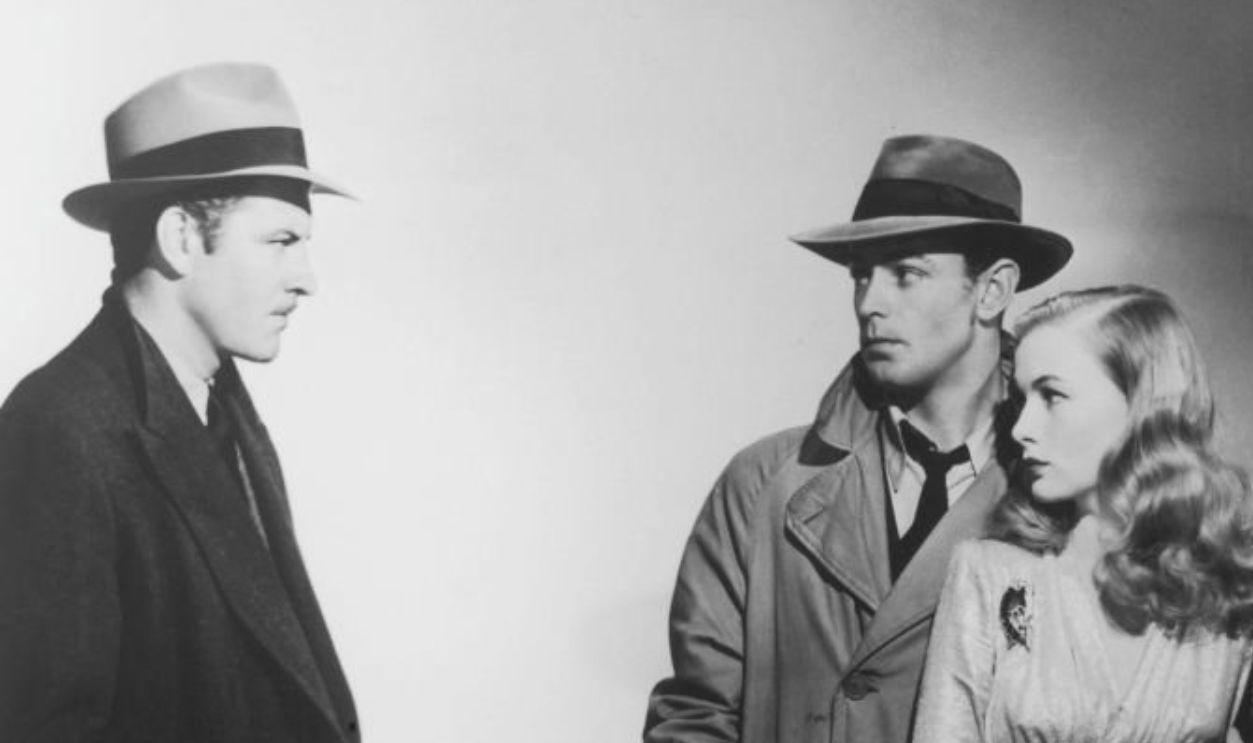 Paramount Pictures, Getty Images
Veronica Lake Was Perfect
Ladd's pairing with Veronica Lake became one of Hollywood's most successful screen combinations. Both were relatively short, making them visually well matched, and their cool, understated performances complemented one another. Their chemistry was especially effective in film noir, where emotional restraint and moral ambiguity were essential ingredients. Audiences quickly embraced them as a romantic and dramatic team.
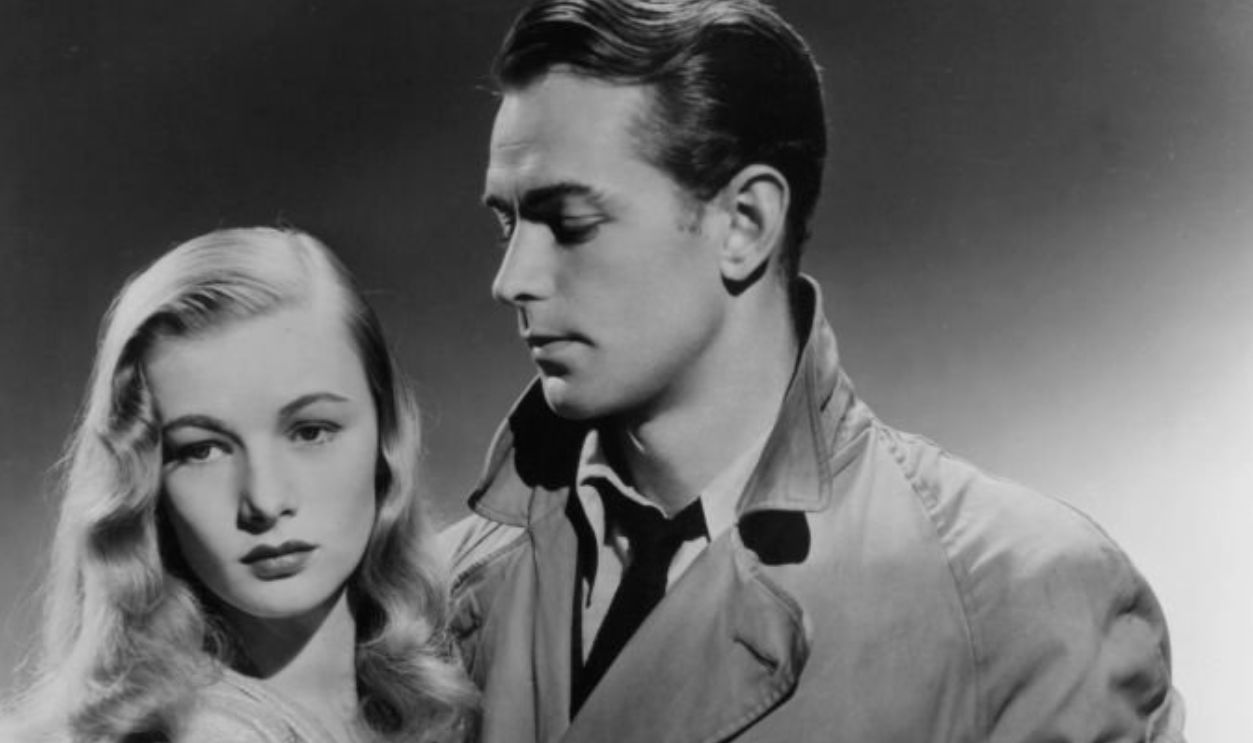
A Strong Follow-Up
Later in 1942, Ladd starred in The Glass Key (1942), directed by Stuart Heisler and adapted from Dashiell Hammett's novel. Reunited with Lake, he played Ed Beaumont, a political operator caught in a dangerous web of corruption. Brian Donlevy and Bonita Granville co-starred. The film confirmed that Ladd's success in This Gun for Hire (1942) was no accident.
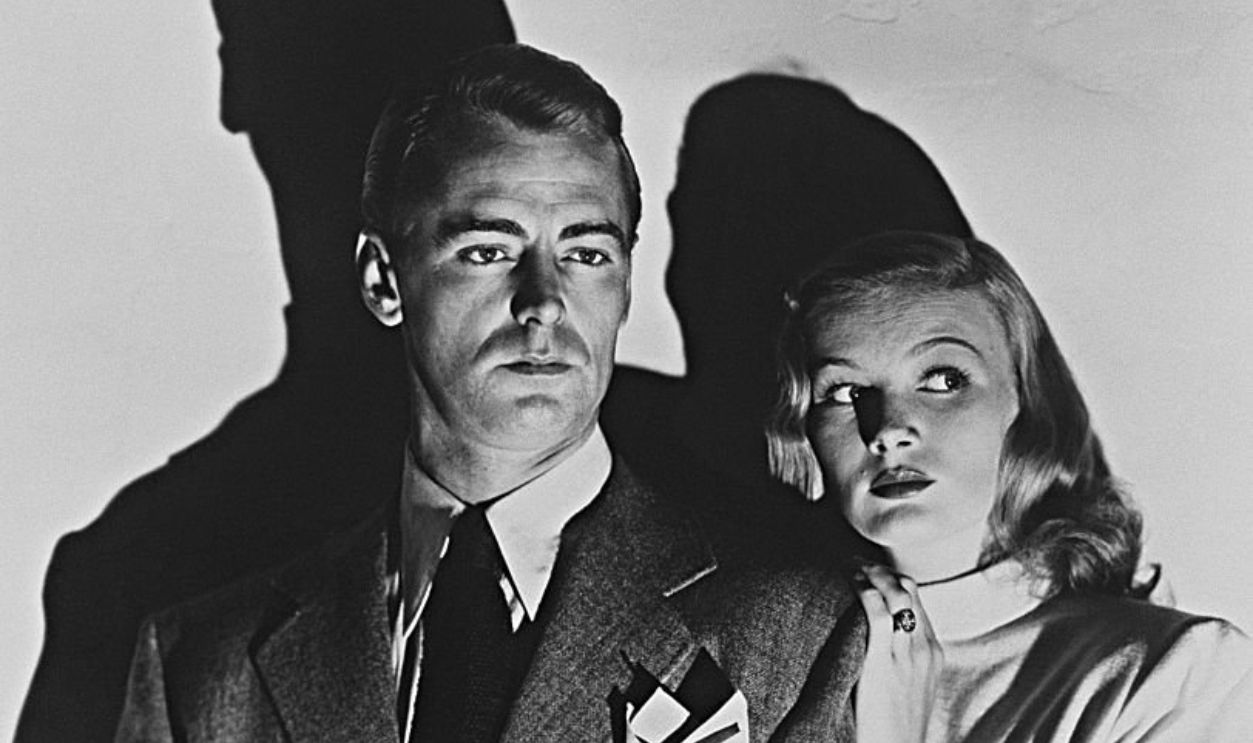 Sunset Boulevard, Getty Images
Another Hit Followed
Ladd's popularity continued with Lucky Jordan (1942), directed by Frank Tuttle. He portrayed a cynical New York mobster whose experiences in the army gradually change his outlook. Helen Walker co-starred. The film offered audiences another variation on his familiar tough-guy persona, while its wartime setting reflected America's growing involvement in World War II.
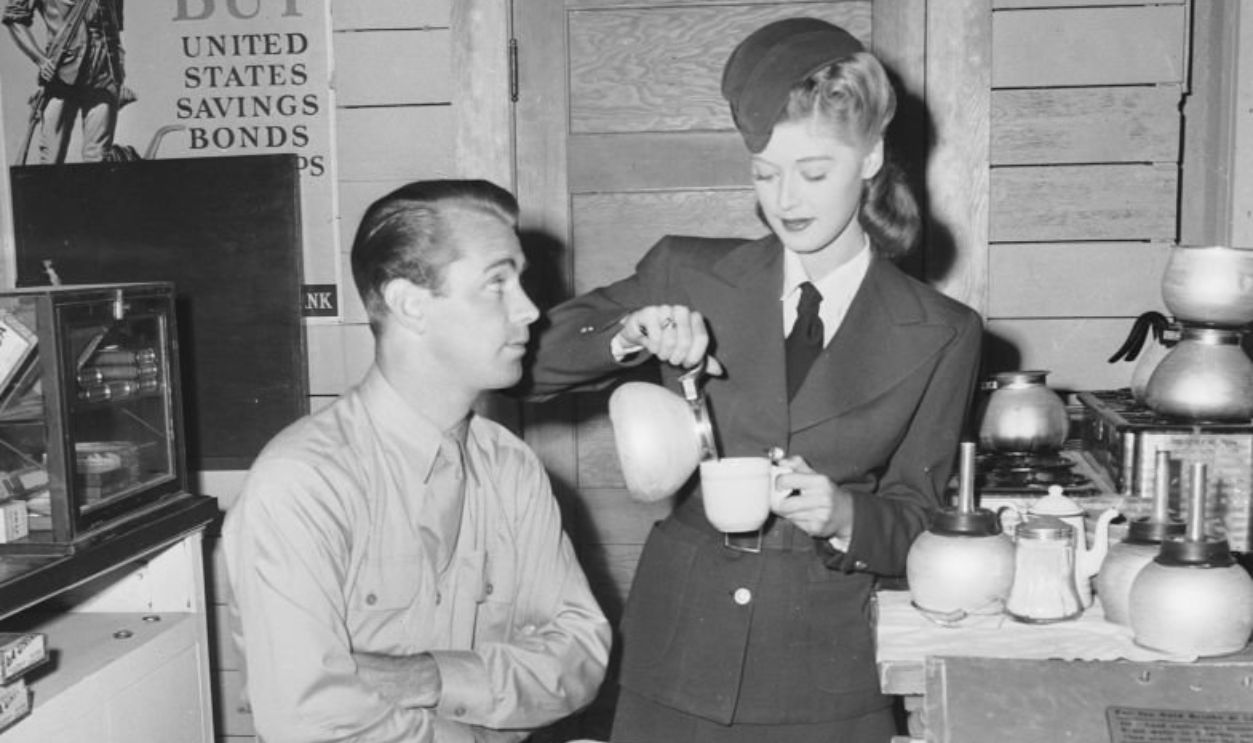 John Kobal Foundation, Getty Images
Military Service Interrupted Stardom
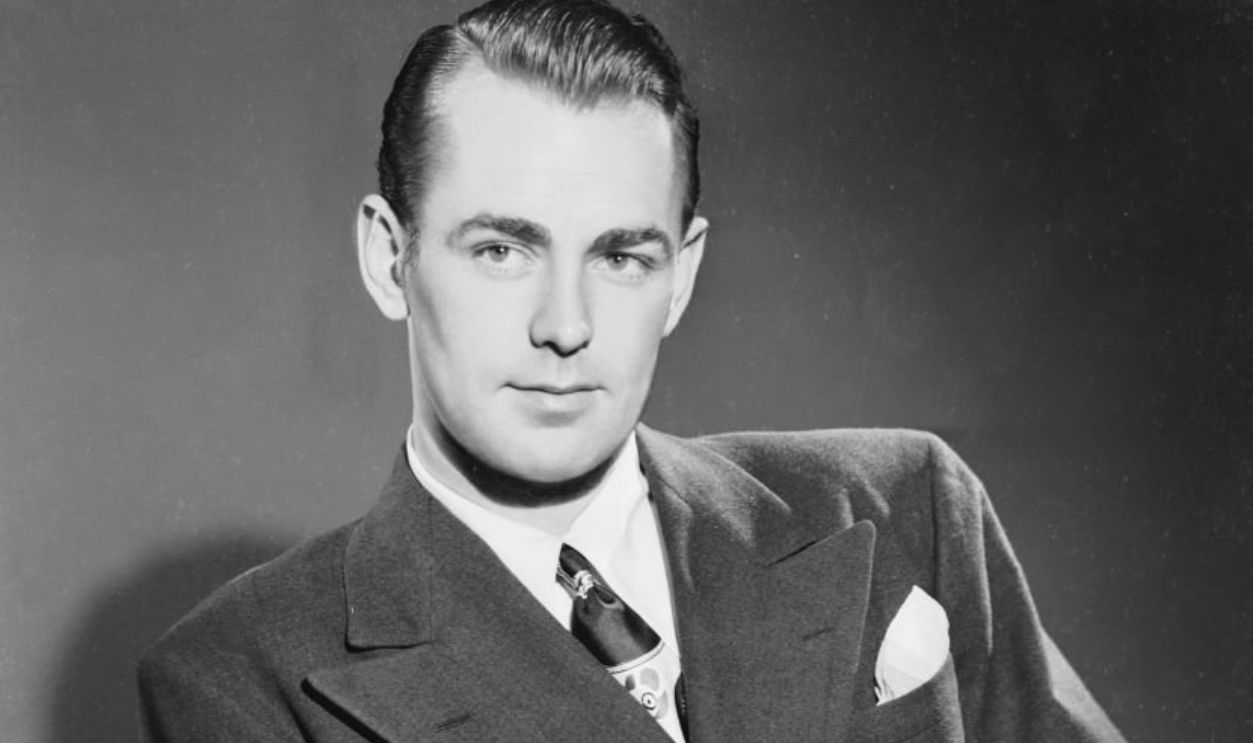
In January 1943, Ladd entered the United States Army Air Forces, temporarily interrupting his rapidly rising Hollywood career. He underwent training and performed duties that included work connected with military films. However, recurring health problems, particularly stomach ailments, limited his service. He received an honorable medical discharge in November 1943 and soon returned to Hollywood, where his popularity remained strong.
 John Kobal Foundation, Getty Images
He Returned A Bigger Star
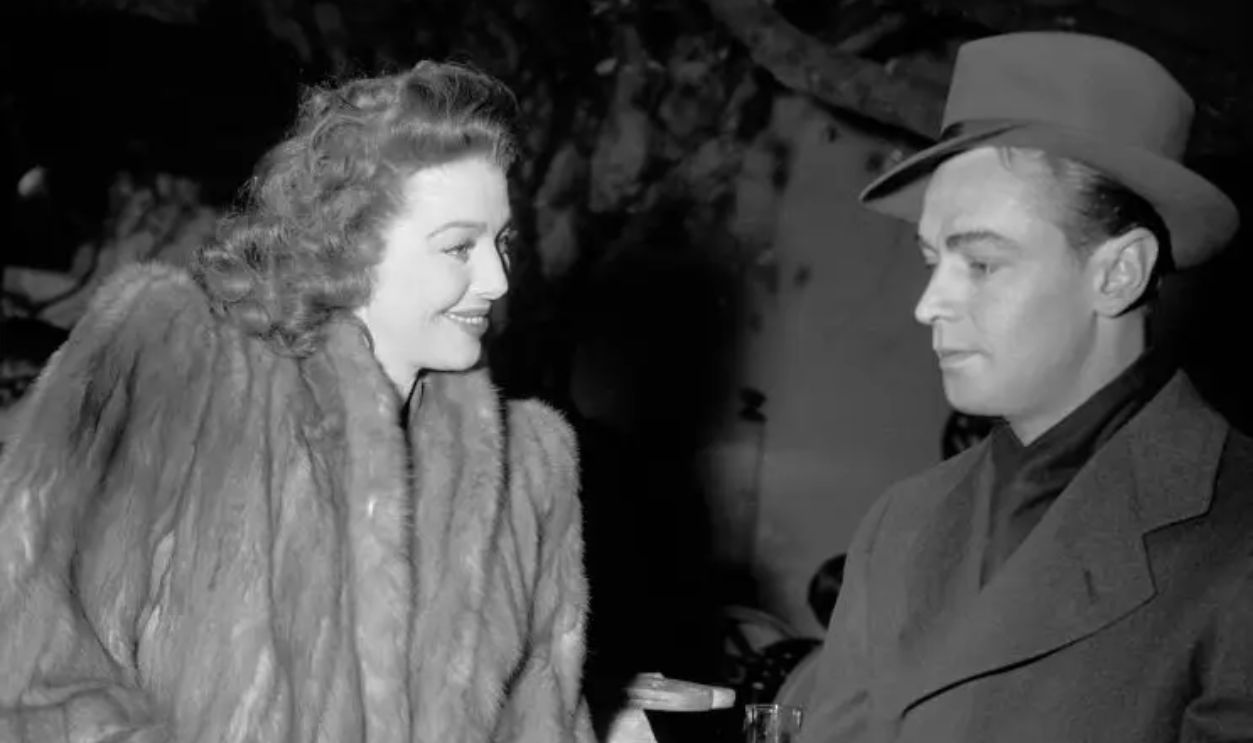
After his discharge, Ladd resumed his career with And Now Tomorrow (1944), a romantic drama directed by Irving Pichel and co-starring Loretta Young. Playing a doctor who treats a wealthy woman suffering from deafness, he demonstrated that he could handle sympathetic romantic roles as well as hard-boiled criminals. His popularity was now firmly established.
 John Kobal Foundation, Getty Images
A Family Behind The Fame
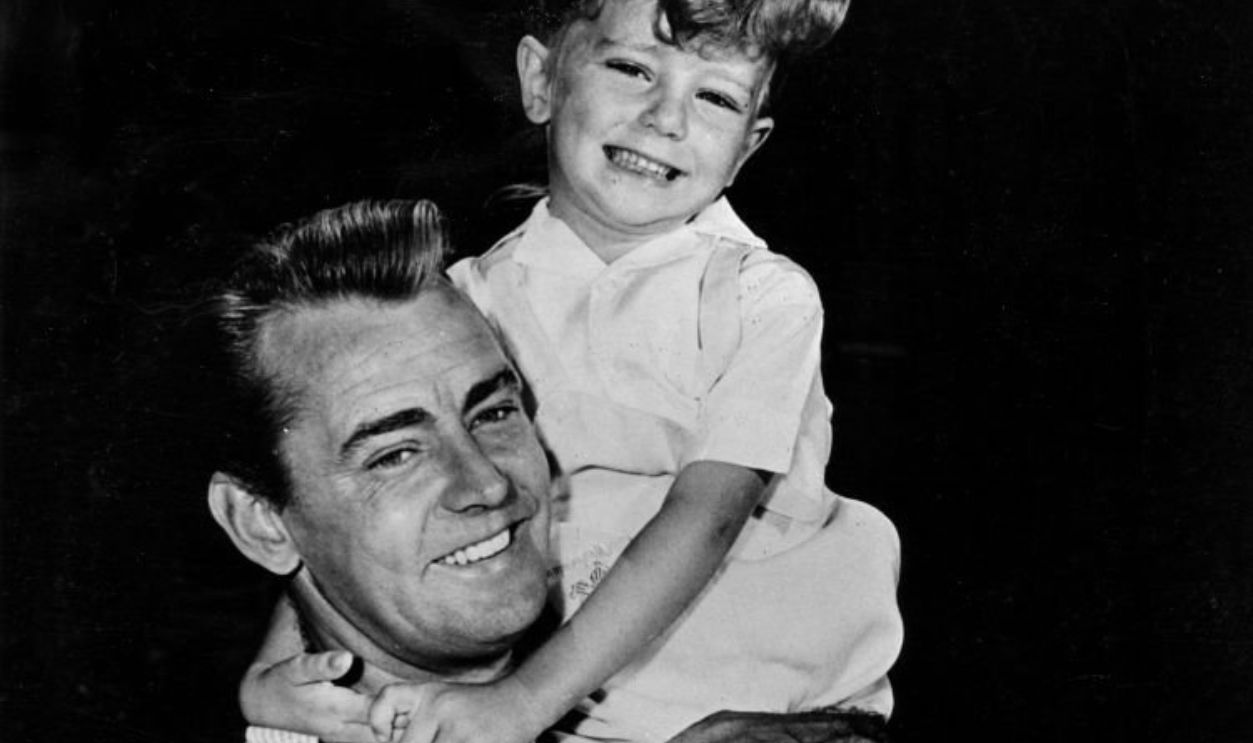
Ladd and Sue Carol welcomed daughter Alana in 1943 and son David in 1947. Their household also included Carol's daughter from an earlier marriage, Carol Lee, while Alan Ladd Jr. remained part of the extended family. Carol balanced her responsibilities as a mother with her continuing role as Ladd's manager, making their marriage an unusually close personal and professional partnership.
He Became A Racing Fixer
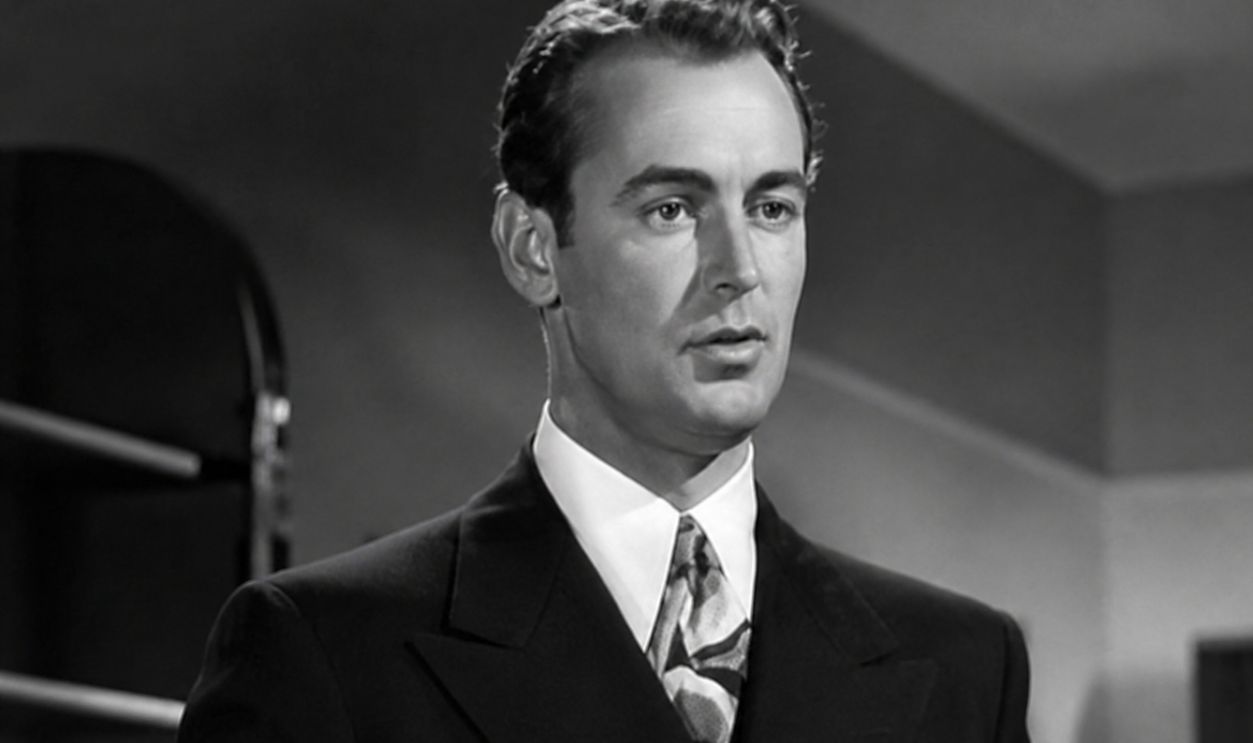
In Salty O'Rourke (1945), directed by Raoul Walsh, Ladd portrayed a gambler who becomes involved in horse racing and a complicated romance. Gail Russell and William Demarest co-starred, while Stanley Clements played a young jockey. The picture gave Ladd another opportunity to play a morally ambiguous character, a specialty that had helped establish his reputation.
 Screenshot from Salty O'Rourke, Paramount Pictures (1945), Enhanced
Chandler Gave Him A Classic
One of Ladd's finest films arrived with The Blue Dahlia (1946), written by Raymond Chandler and directed by George Marshall. Reunited with Veronica Lake, Ladd played a returning serviceman suspected of murdering his unfaithful wife. William Bendix and Howard Da Silva co-starred. Chandler received an Academy Award nomination for his screenplay, and the film became an enduring example of classic film noir.
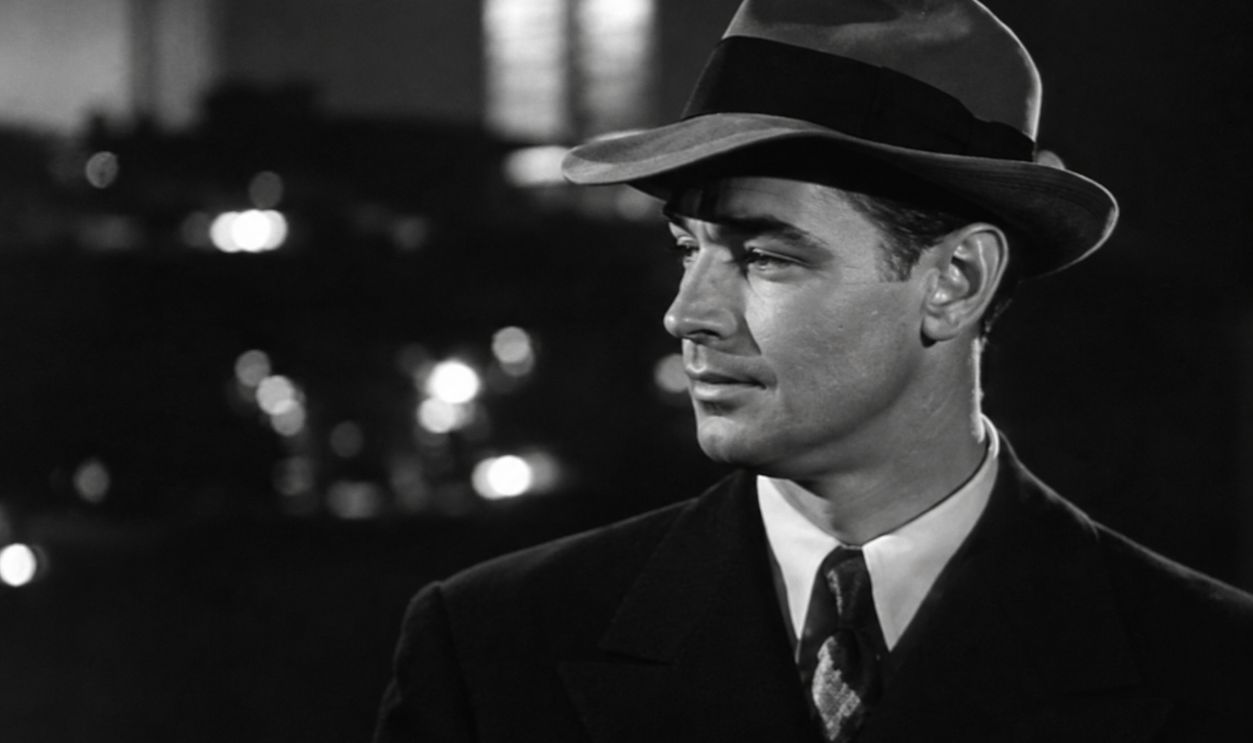 Screenshot from The Blue Dahlia, Paramount Pictures (1946), Enhanced
He Ruled The Box Office
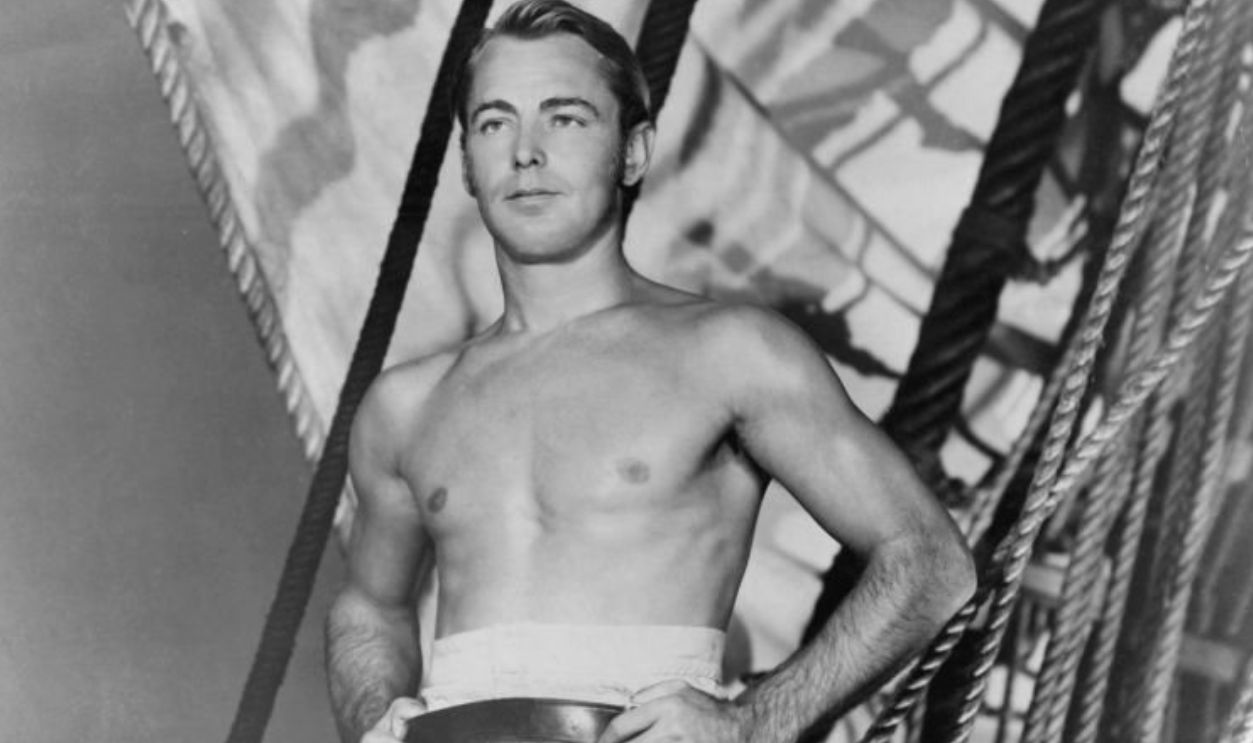
By the middle of the 1940s, Ladd was among Hollywood's most reliable box office attractions. His adventure film Two Years Before the Mast (1946), directed by John Farrow and co-starring Brian Donlevy and William Bendix, demonstrated his appeal outside noir dramas. His quiet delivery, blond good looks, and understated toughness made him especially popular with audiences.
His Height Became A Problem
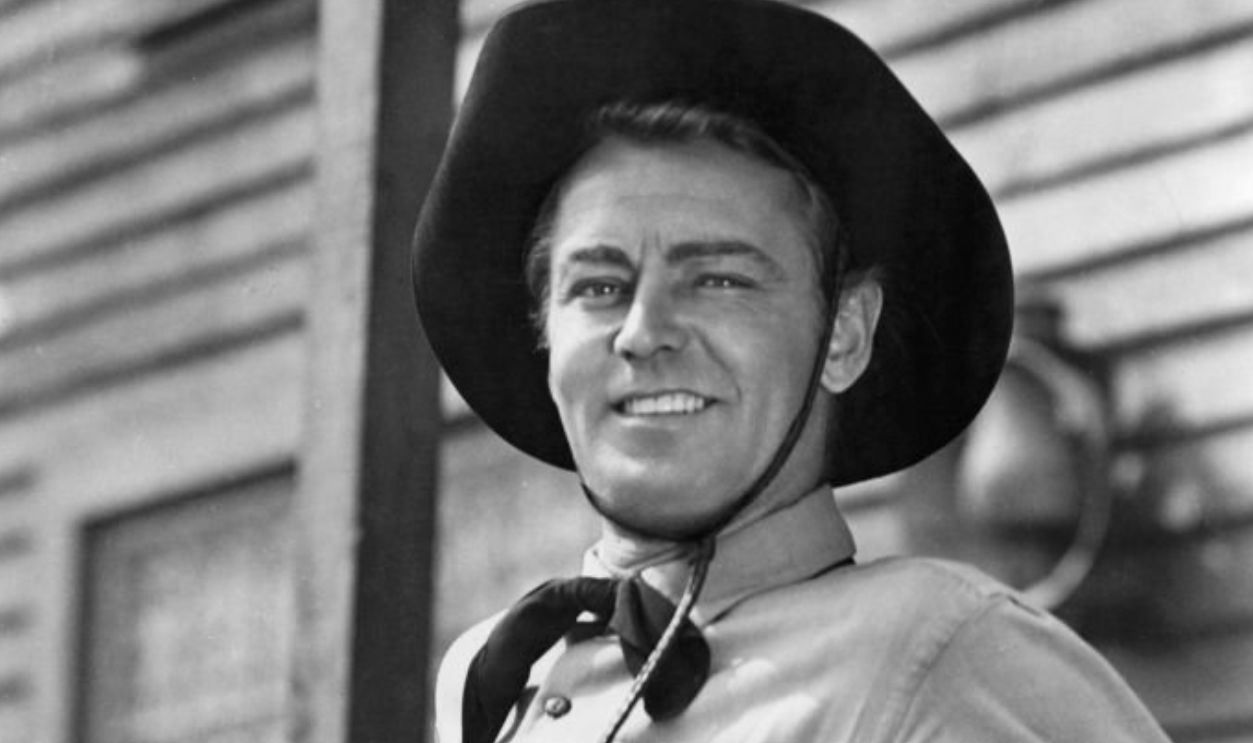
Ladd's relatively short stature remained a persistent source of anxiety. Hollywood employed camera angles, carefully arranged blocking, and occasionally platforms to minimize height differences between him and taller performers. Although such techniques were hardly unusual, Ladd became particularly sensitive about the subject. His insecurity contrasted sharply with the effortless confidence he projected on screen.
 Michael Ochs Archives, Getty Images
He Tried Westerns
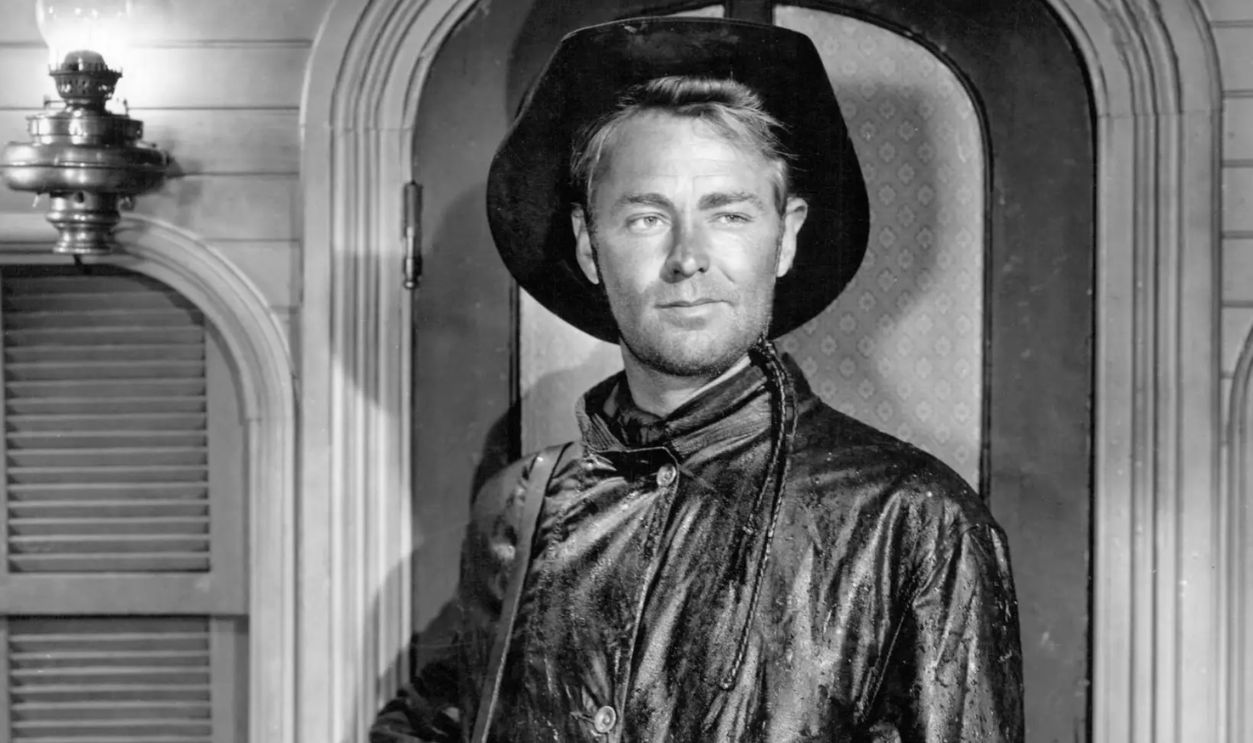
Ladd's career took another important turn with Whispering Smith (1948), directed by Leslie Fenton. Playing a railroad detective, he appeared alongside Robert Preston, Brenda Marshall, and Donald Crisp. The film established his credentials as a Western leading man, opening the door to the genre that would eventually provide his most famous performance.
 Silver Screen Collection, Getty Images
He Played Jay Gatsby
In The Great Gatsby (1949), directed by Elliott Nugent, Ladd portrayed F. Scott Fitzgerald's mysterious millionaire opposite Betty Field, Macdonald Carey, and Shelley Winters. The casting was an interesting departure from his usual tough-guy roles. Although the adaptation received mixed reactions, it demonstrated his willingness to tackle more psychologically complicated characters.
He Became Jim Bowie
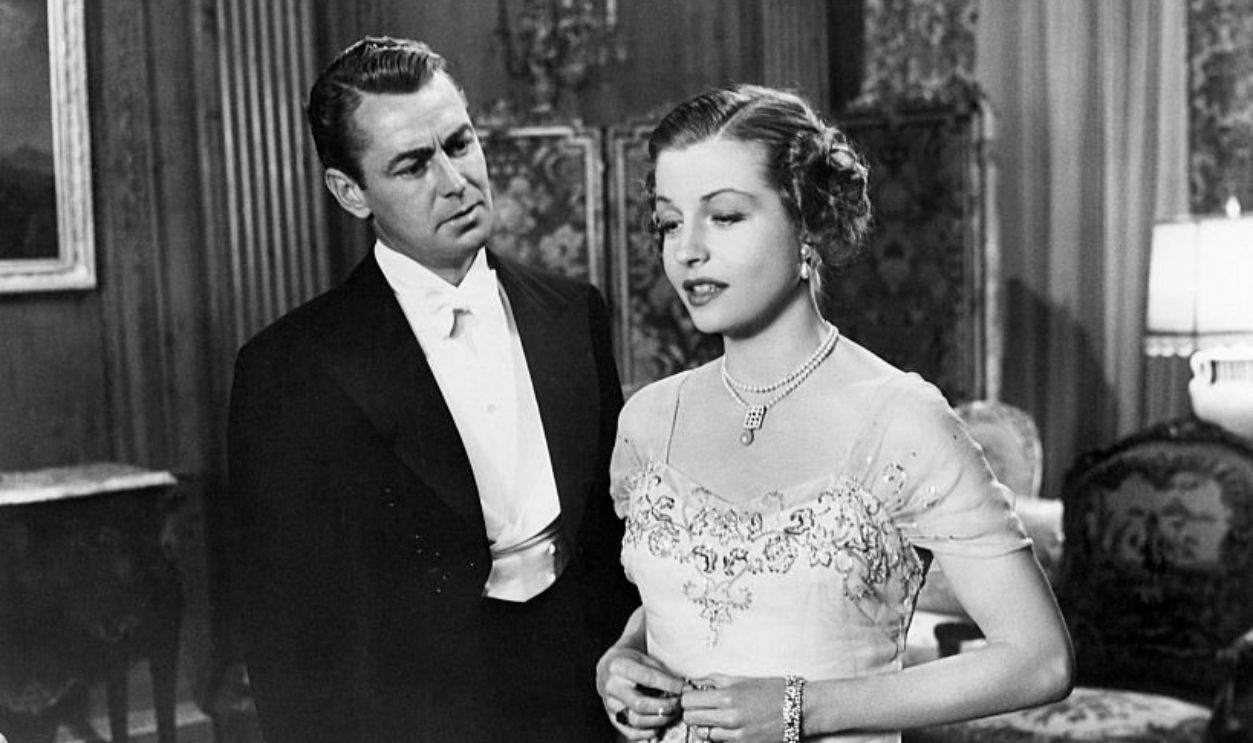
As the 1950s began, Ladd remained busy with films such as Branded (1950) and Appointment with Danger (1951). He then played legendary frontiersman Jim Bowie in The Iron Mistress (1952), directed by Gordon Douglas and co-starring Virginia Mayo. The colorful adventure emphasized his growing association with historical action heroes and Western-style characters.
A Legendary Role Beckoned
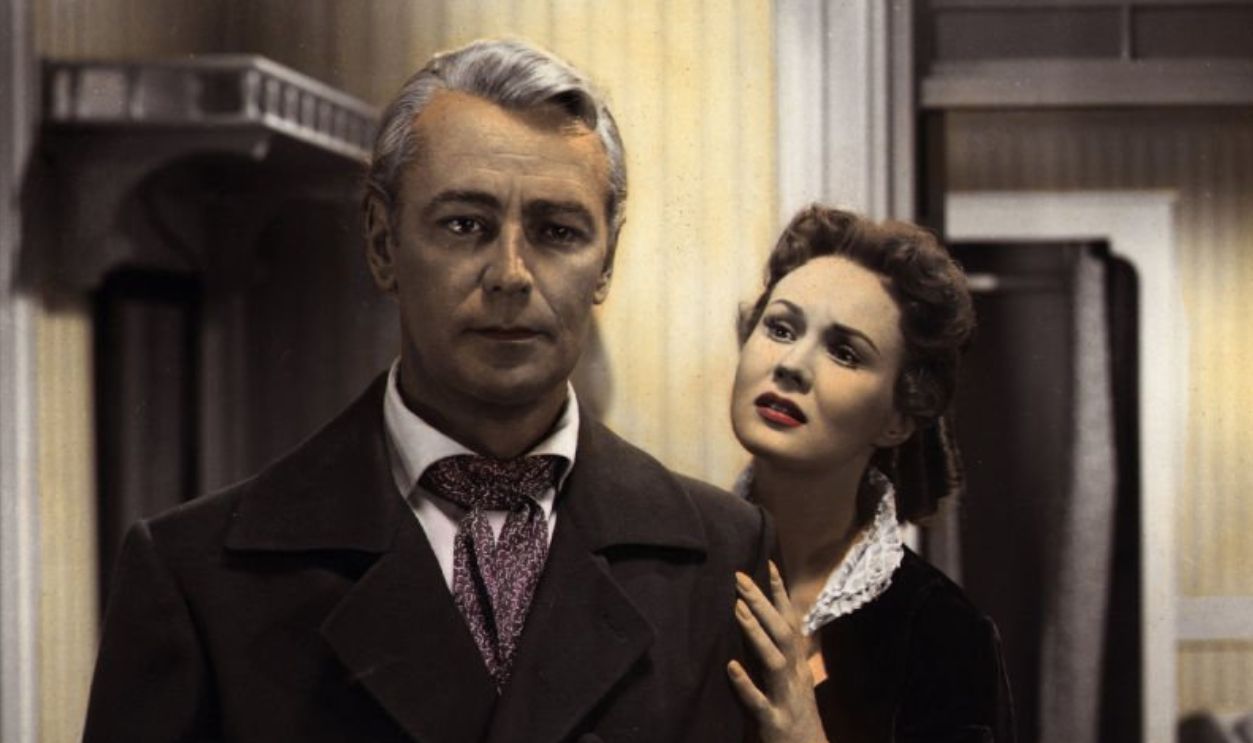
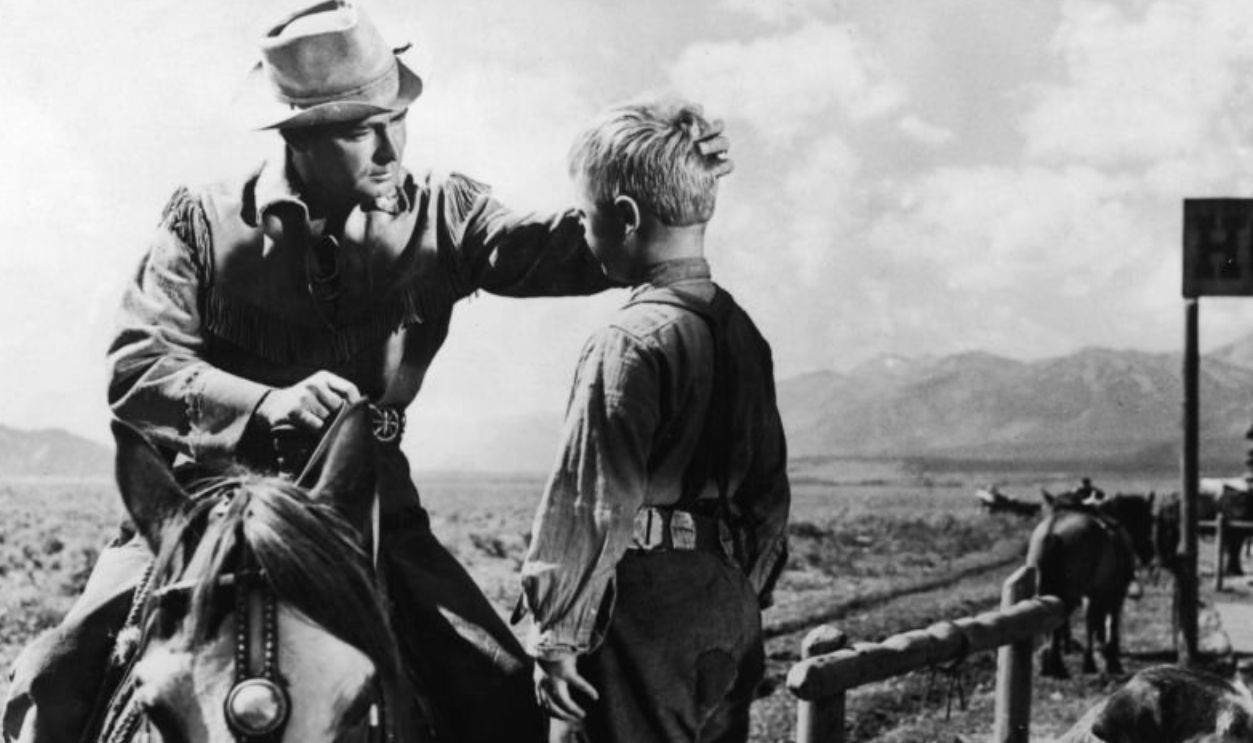
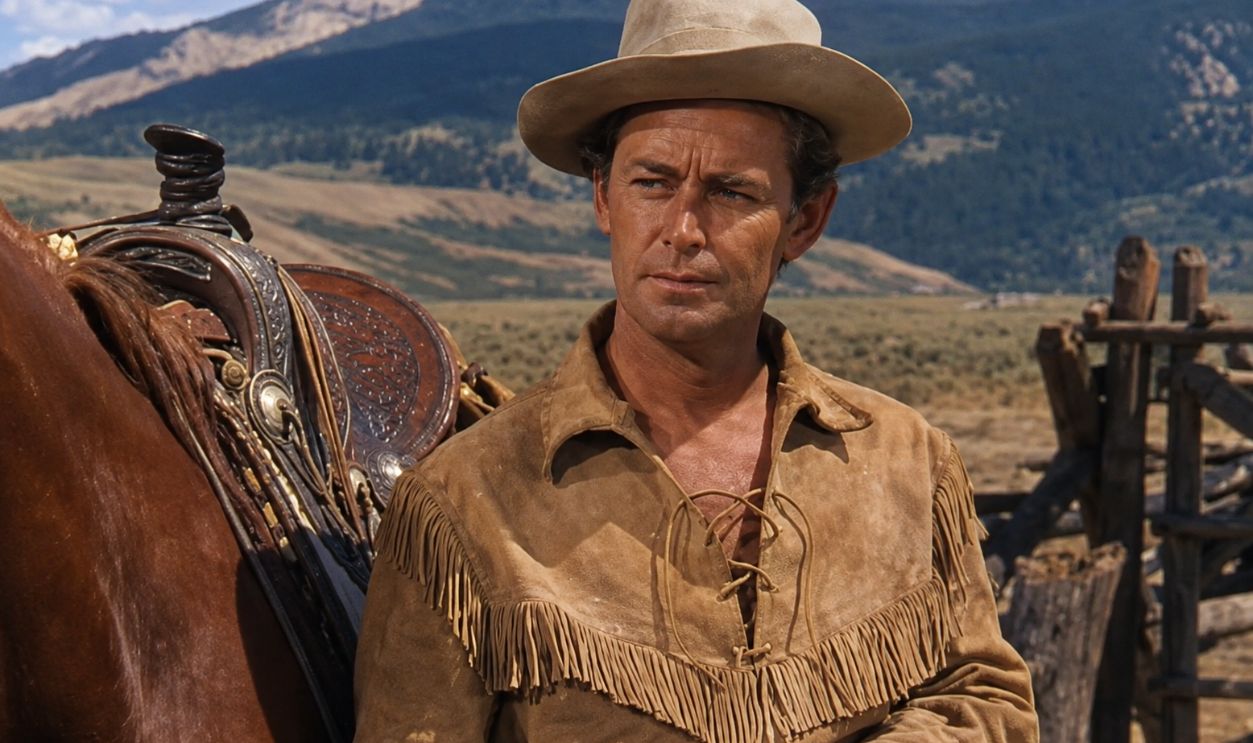
Director George Stevens cast Ladd as the mysterious gunfighter in Shane (1953), adapted from Jack Schaefer's novel. The supporting cast included Jean Arthur, Van Heflin, Brandon deWilde, and Jack Palance. Filmed against the spectacular mountains of Wyoming, the story followed a wandering gunman who becomes involved in a bitter conflict between homesteaders and cattlemen.
 Paramount Pictures, Getty Images
Shane Became His Masterpiece
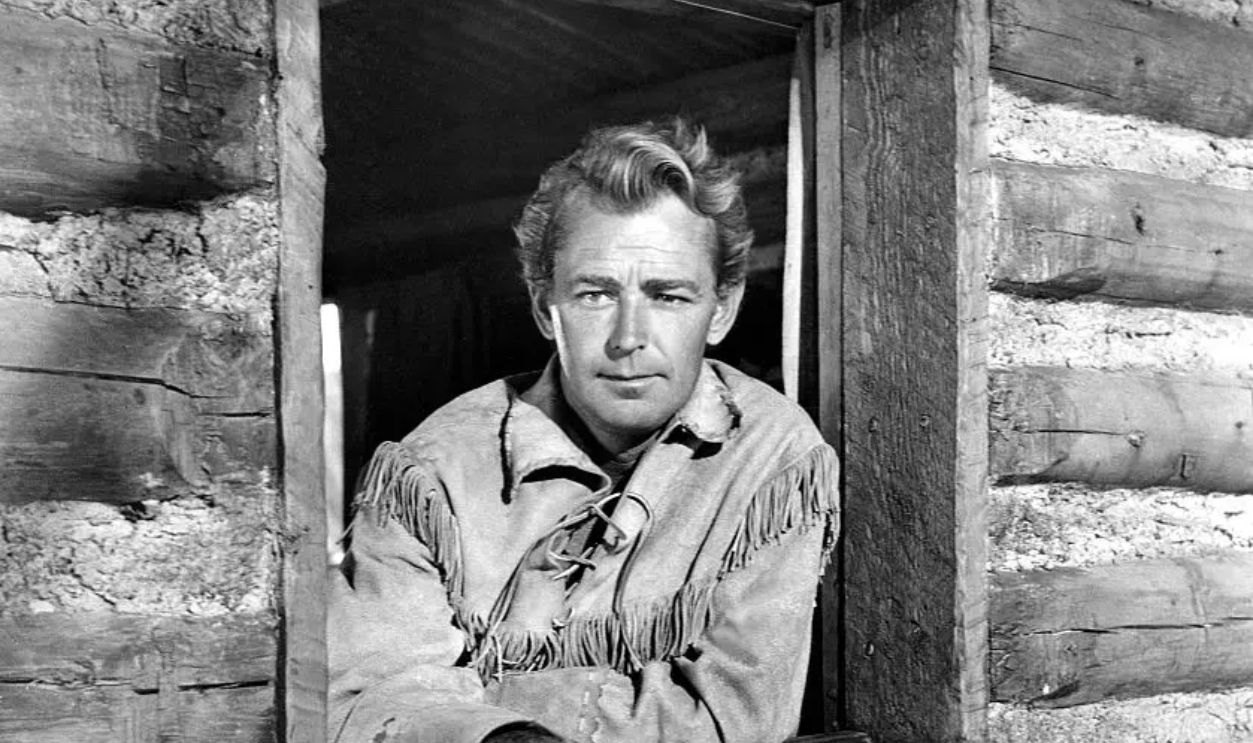
Released in 1953, Shane (1953) became an enormous critical and commercial success. Ladd's restrained performance perfectly suited a character whose murky past remained largely unspoken. The film received six Academy Award nominations and won for its cinematography. Although Ladd himself wasn't nominated, his portrayal became inseparable from the movie's enduring reputation.
 Sunset Boulevard, Getty Images
He Was Still Working
Following Shane (1953), Ladd continued appearing in adventure films, including The Black Knight (1954) and Drum Beat (1954). He also established his own production company, Jaguar Productions, hoping to gain greater control over his career. But despite his ongoing popularity, his films increasingly struggled to match the artistic and commercial impact of his earlier successes.
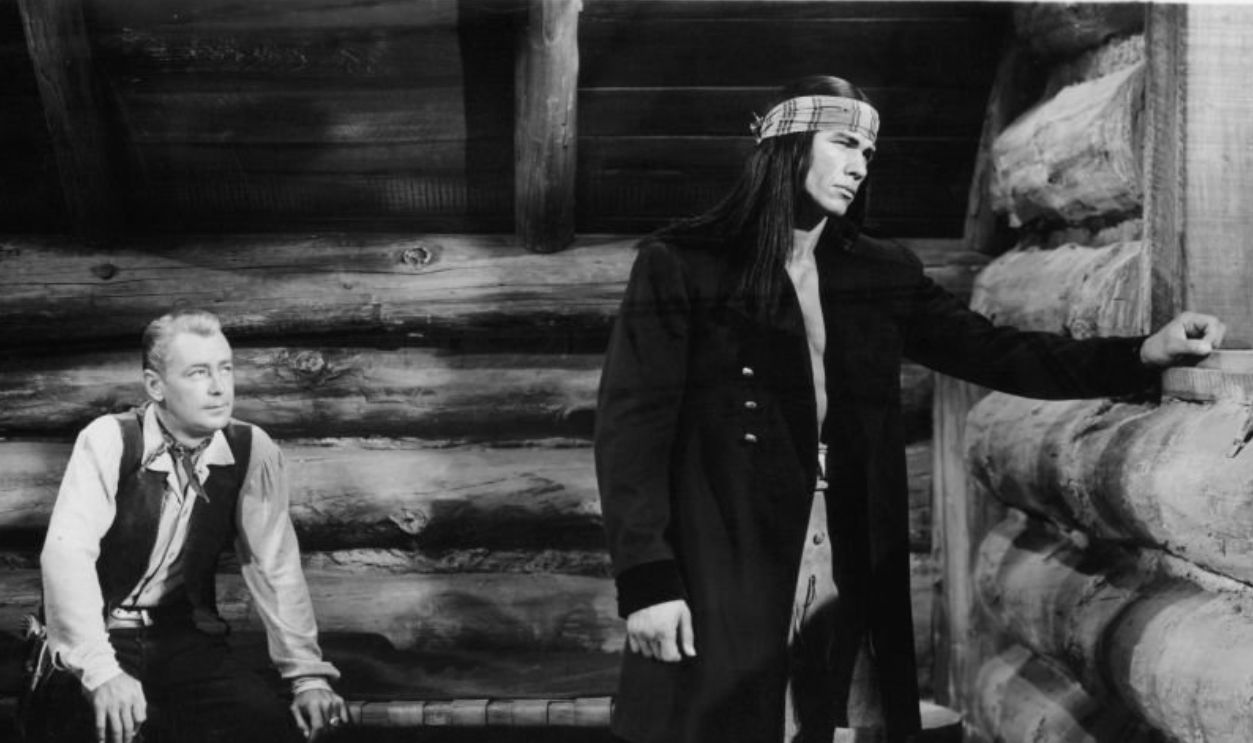
His Romance With June Allyson
While filming The McConnell Story (1955), Ladd developed a close romantic attachment to his co-star June Allyson, who was married to actor and producer Dick Powell. Allyson later acknowledged their relationship in her autobiography, describing an emotional romance rather than a physical affair. She also revealed that Ladd temporarily left his wife, Sue Carol, during the episode. Ultimately, Allyson reconciled with Powell, while Ladd returned to his marriage with Carol.
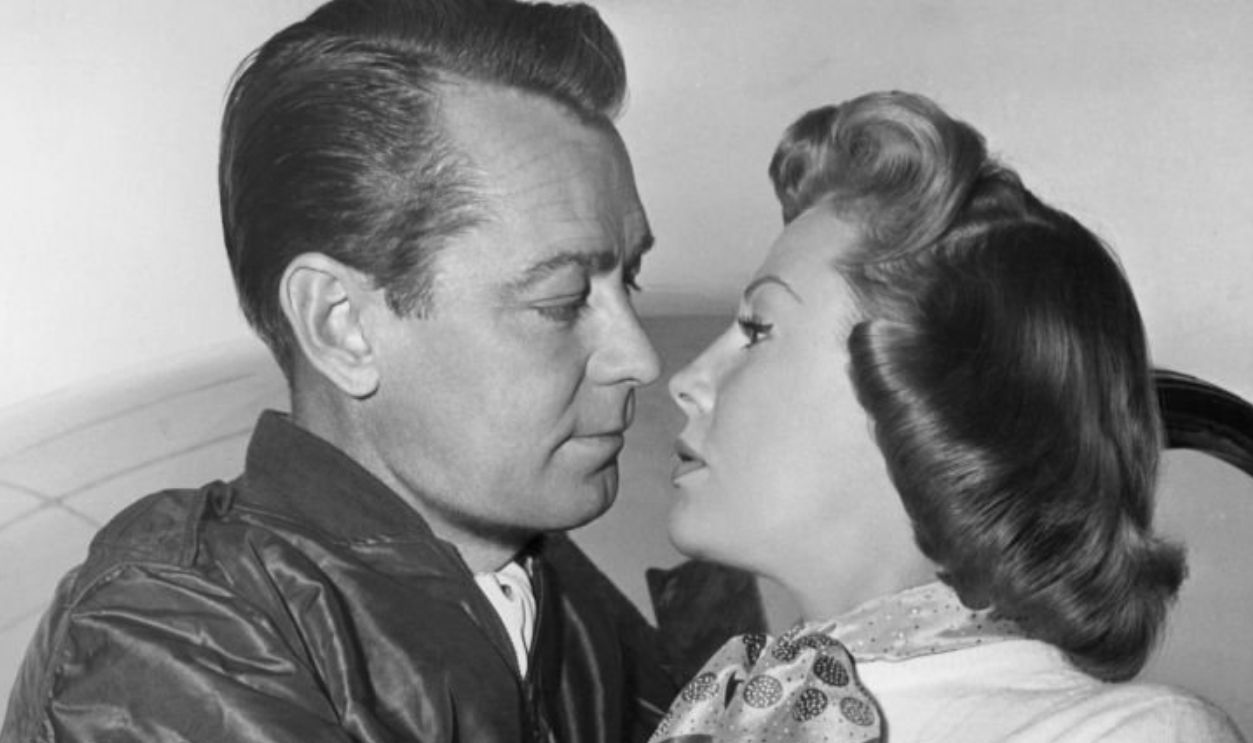 Michael Ochs Archives, Getty Images
His Popularity Began To Fade
By the late 1950s, Ladd's career was losing momentum. He appeared opposite Sophia Loren in Boy on a Dolphin (1957), directed by Jean Negulesco, and starred alongside his young son David in The Proud Rebel (1958), directed by Michael Curtiz. Although these films demonstrated his continued versatility, neither restored the extraordinary popularity he had enjoyed during the previous decade.
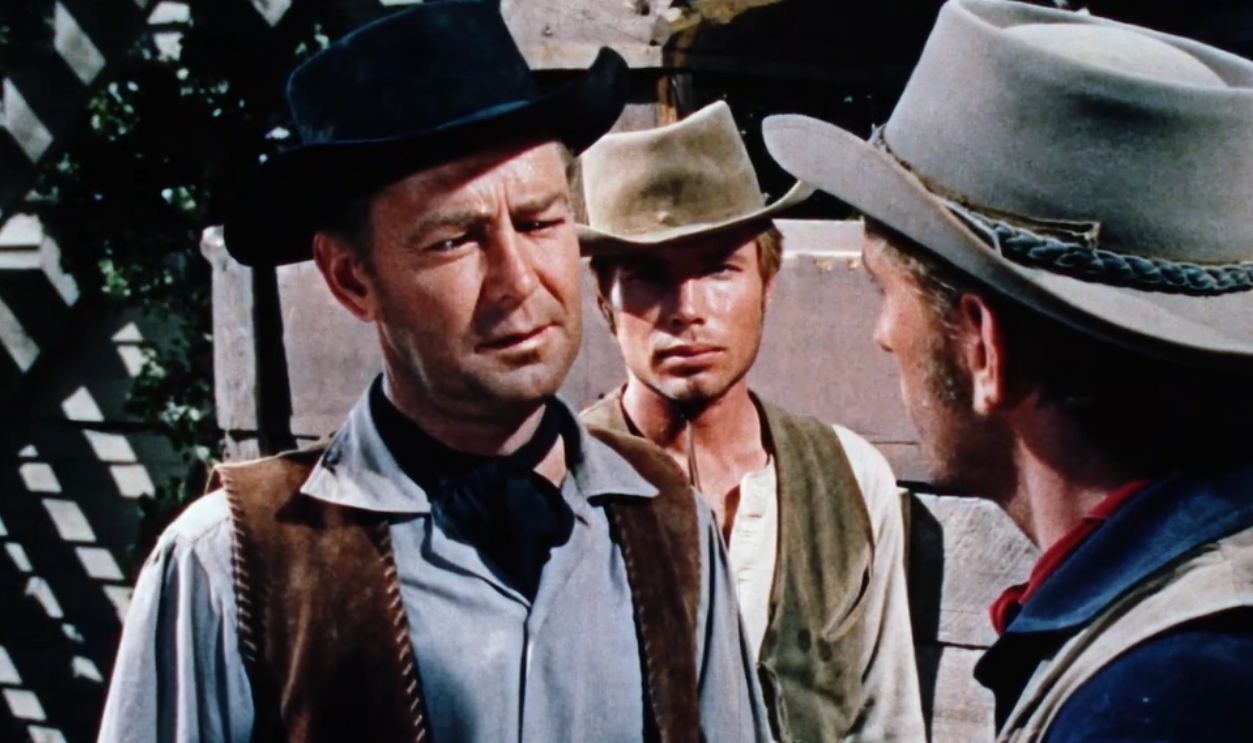 Screenshot from The Proud Rebel, Buena Vista Film Distribution Co., Inc. (1958)
His Troubles Became Serious
Ladd's personal difficulties increasingly affected his professional life. He struggled with drinking, depression, and persistent insecurity about his appearance and career. His later films, including All the Young Men (1960), opposite Sidney Poitier, and 13 West Street (1962), failed to reverse his declining fortunes. The once-dominant leading man was finding fewer opportunities to recapture his earlier success.
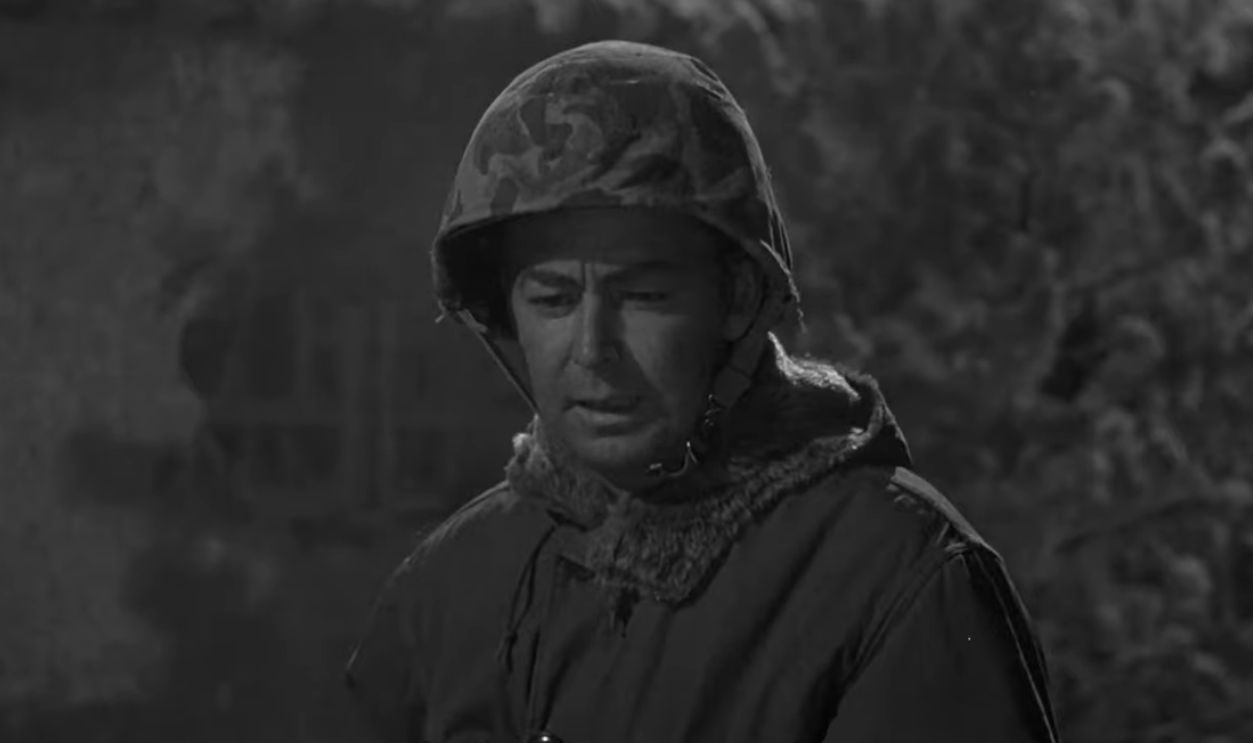 Screenshot from All the Young Men, Columbia Pictures (1960)
A Frightening Incident
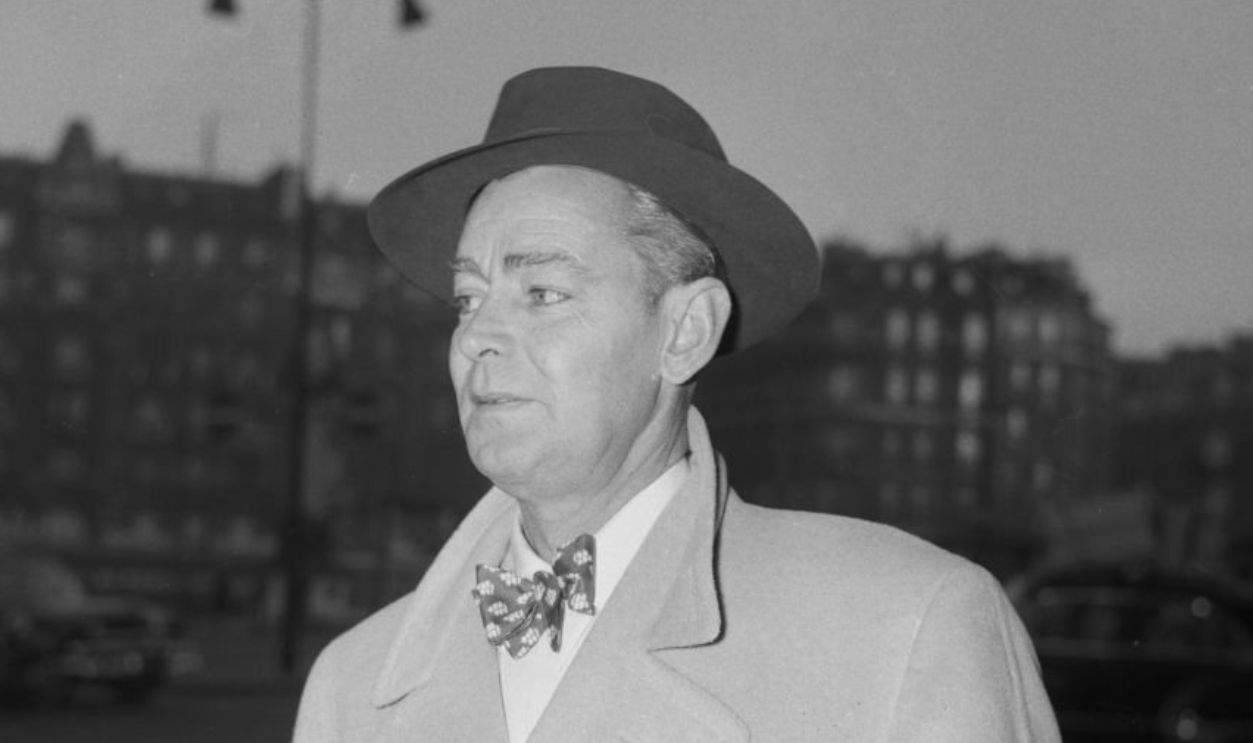
In November 1962, Ladd was hospitalized after suffering a gunshot wound at his California home. Authorities treated the incident as accidental, although reports raised questions about the circumstances. He survived, but the incident intensified concern about his physical and emotional well-being. Less than two years later, tragedy struck again. On January 29, 1964, Ladd died at his Palm Springs home, aged just 50. His death was ruled accidental, caused by the combined effects of the substances he'd been taking.
Shane Made Him Immortal
Ladd's final film, The Carpetbaggers (1964), was released after his death. Directed by Edward Dmytryk and starring George Peppard and Carroll Baker, it featured Ladd as aging cowboy actor Nevada Smith, a poignant final role for the former superstar. Yet his greatest legacy remained Shane (1953). For generations of moviegoers, particularly Baby Boomers who encountered the Western during childhood through theaters and television broadcasts, Ladd embodied the quiet, principled hero who rides into town, confronts evil, and disappears into the mountains. His final departure in Shane (1953) remains one of cinema's most unforgettable images.
 Screenshot from Shane, Paramount Pictures (1953), Enhanced
You May Also Like:
Icy Facts About Veronica Lake, The Peek-A-Boo Girl