Finding The Perfect Role
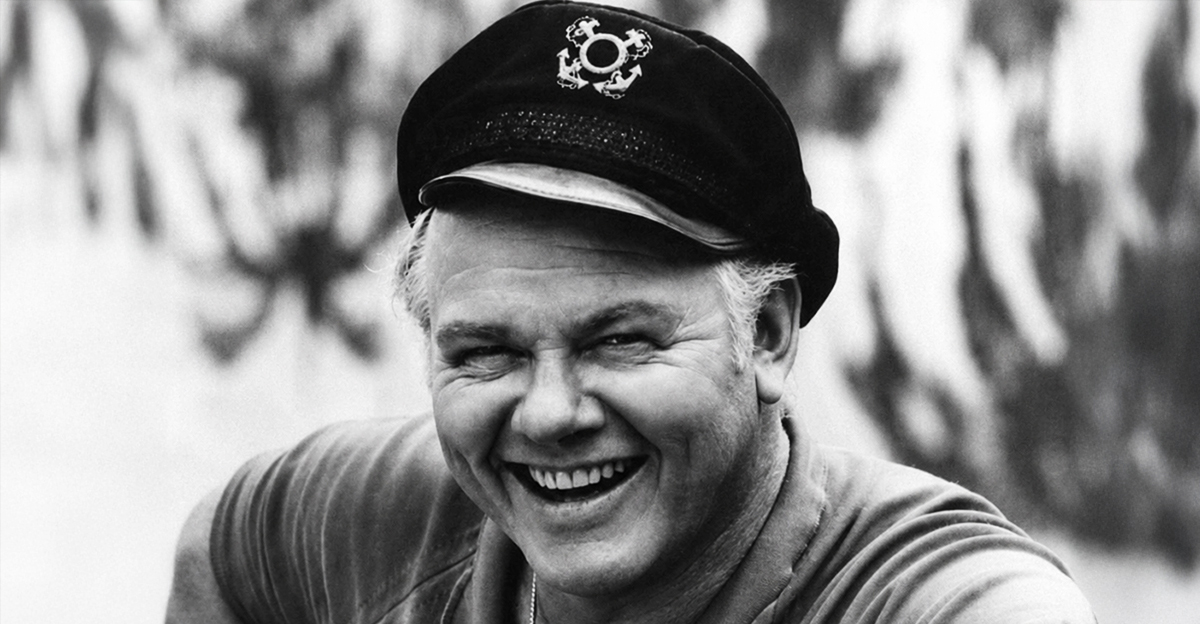
Many actors spend their careers trying to avoid being remembered for just one character. Alan Hale Jr. took the opposite approach. Although he enjoyed a long career in films and television, he embraced the Skipper from Gilligan's Island with genuine affection, delighting generations of fans while finally stepping out from the shadow of his famous father.
 Public Domain, Wikimedia Commons
Hollywood Was In His Blood
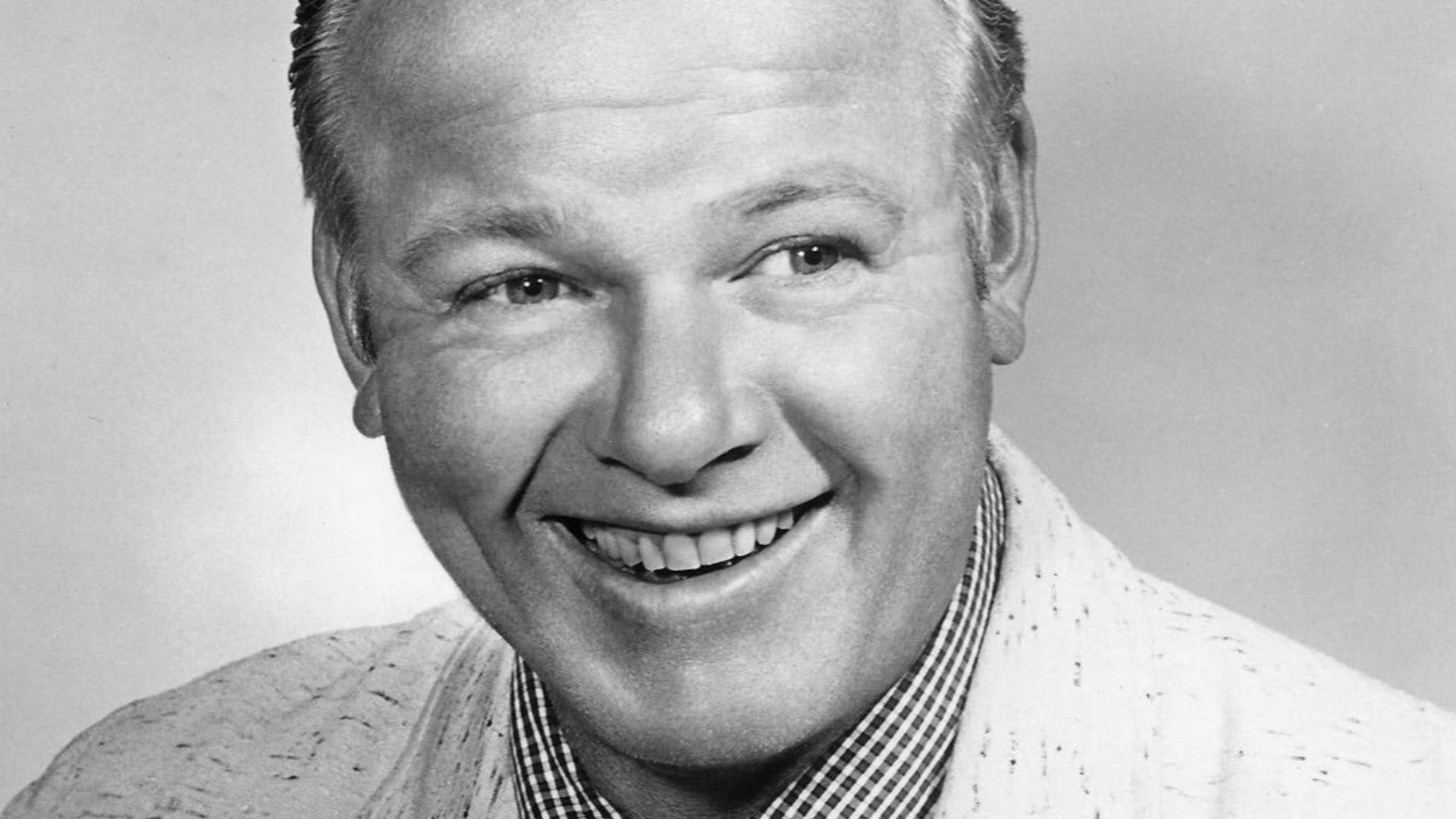
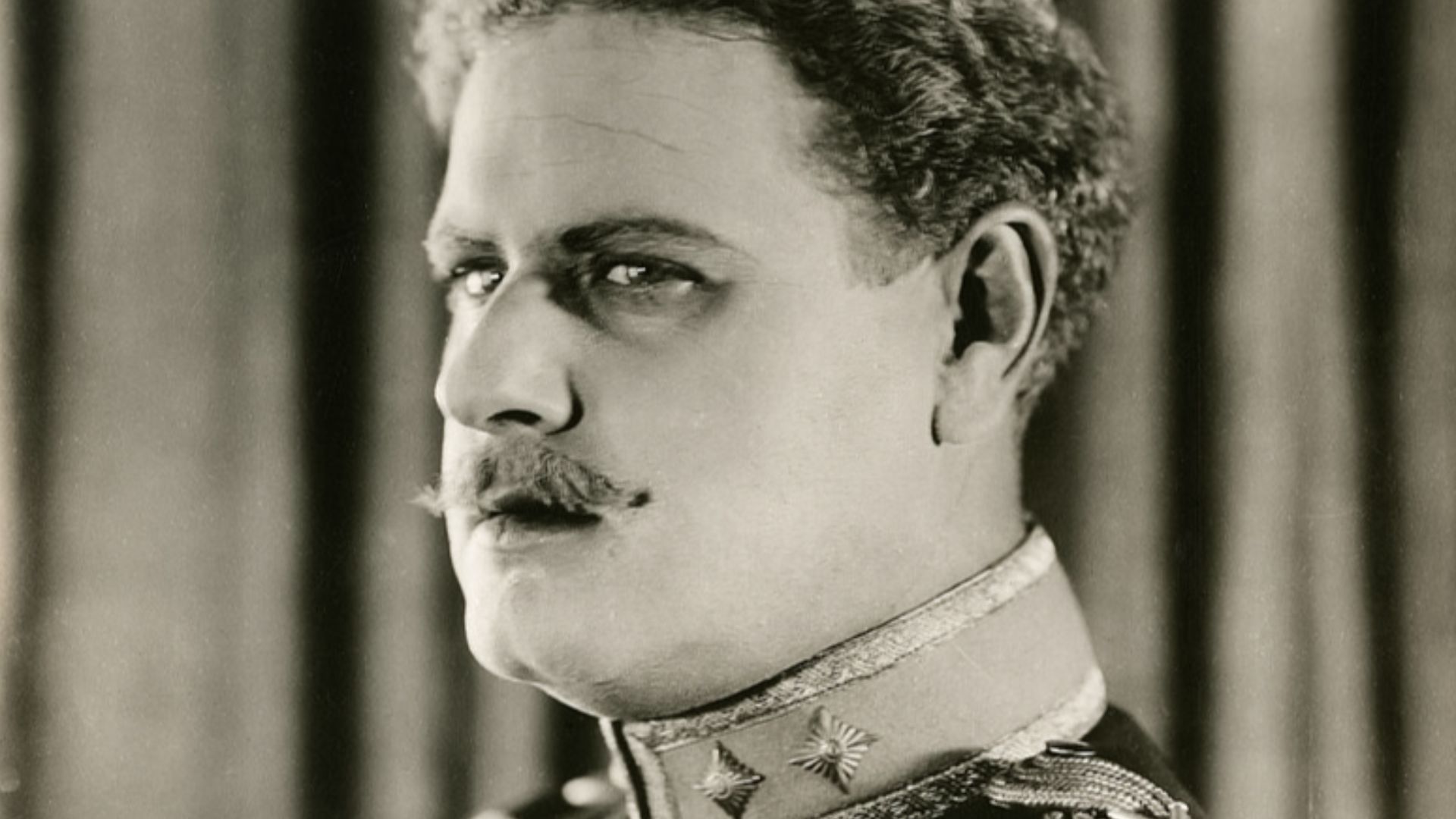
Alan Hale Jr. was born Alan Hale MacKahan on March 8, 1921, in Los Angeles, California. Acting ran in the family. His father, Alan Hale Sr., was one of Hollywood's busiest and most recognizable character actors, while his mother, Gretchen Hartman, enjoyed a successful silent film career of her own.
 Warner Bros. Studio, Wikimedia Commons
Growing Up In A Famous Household
Growing up around movie sets gave Alan an early appreciation for filmmaking, but it also created enormous expectations. His father appeared in hundreds of films alongside many of Hollywood's biggest stars, leaving the younger Hale determined to prove he could succeed on his own merits.
 Unknown author, Wikimedia Commons
Learning The Craft
Alan began appearing in films while still young, taking small roles during the late 1930s. Blessed with an imposing six-foot-two frame, an easy smile, and natural warmth, he steadily built experience playing athletes, soldiers, cowboys, and dependable supporting characters across many genres.
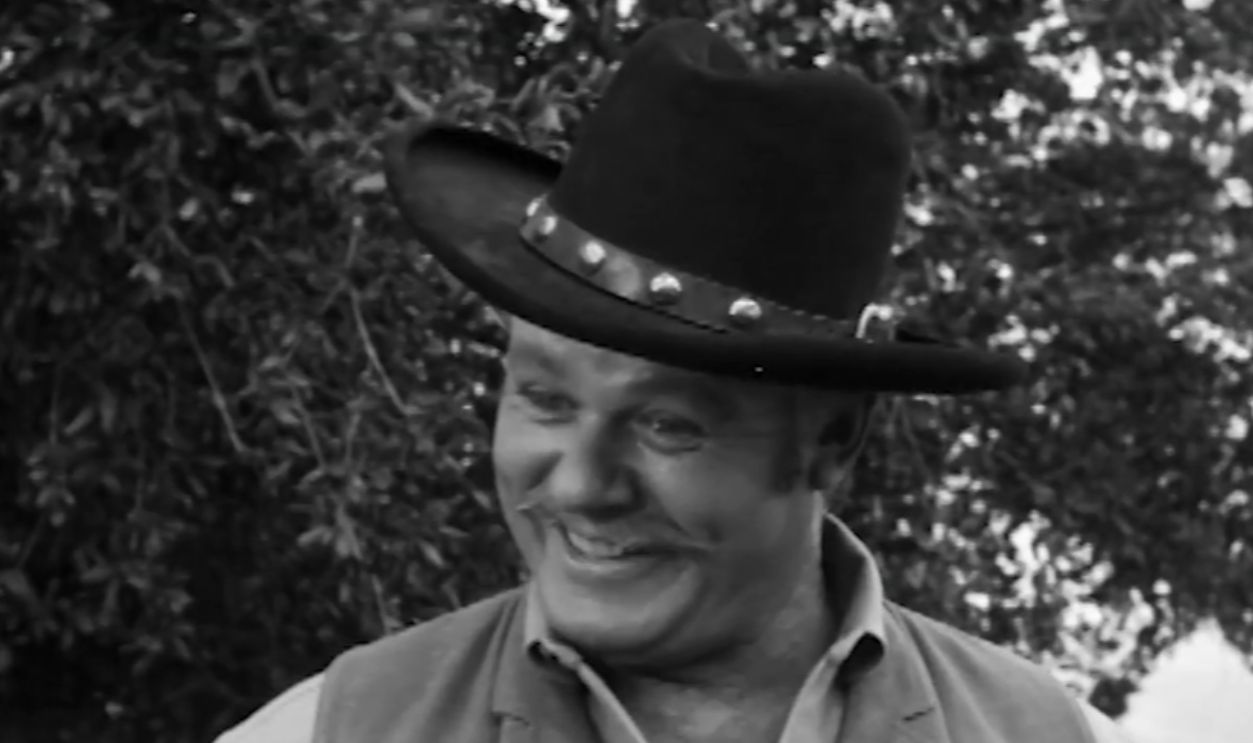 Screenshot from Bat Masterson, Amazon MGM Studios (1958-1961)
Serving During World War II
When World War II erupted, Hale contributed to the war effort by appearing in military training films designed to educate and prepare American servicemen. Like many actors of his generation, he used his Hollywood experience to support the nation's wartime needs before returning to commercial filmmaking.
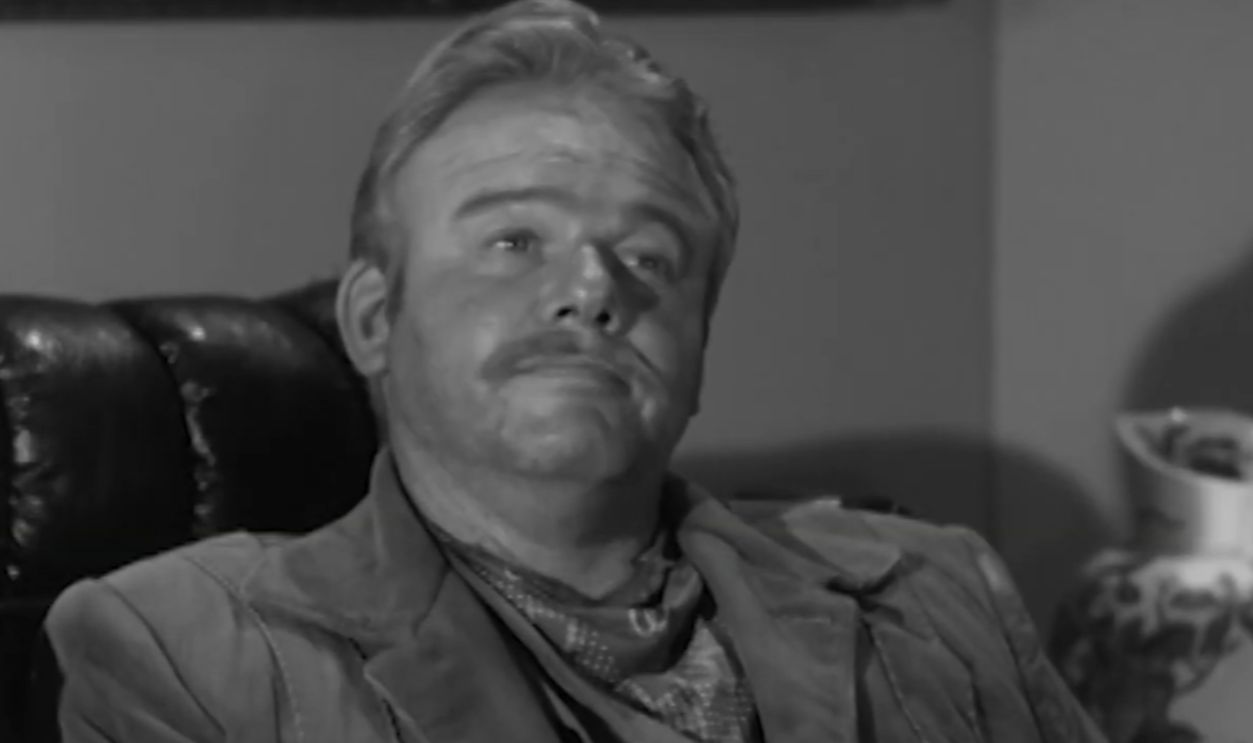 Screenshot from Wanted: Dead or Alive, StudioCanal (1958-1961)
Answering His Country's Call
Hale also enlisted in the United States Coast Guard during World War II. His military service interrupted his acting career but reflected the patriotic commitment shared by many Hollywood performers of the era, who placed national service ahead of their professional ambitions.
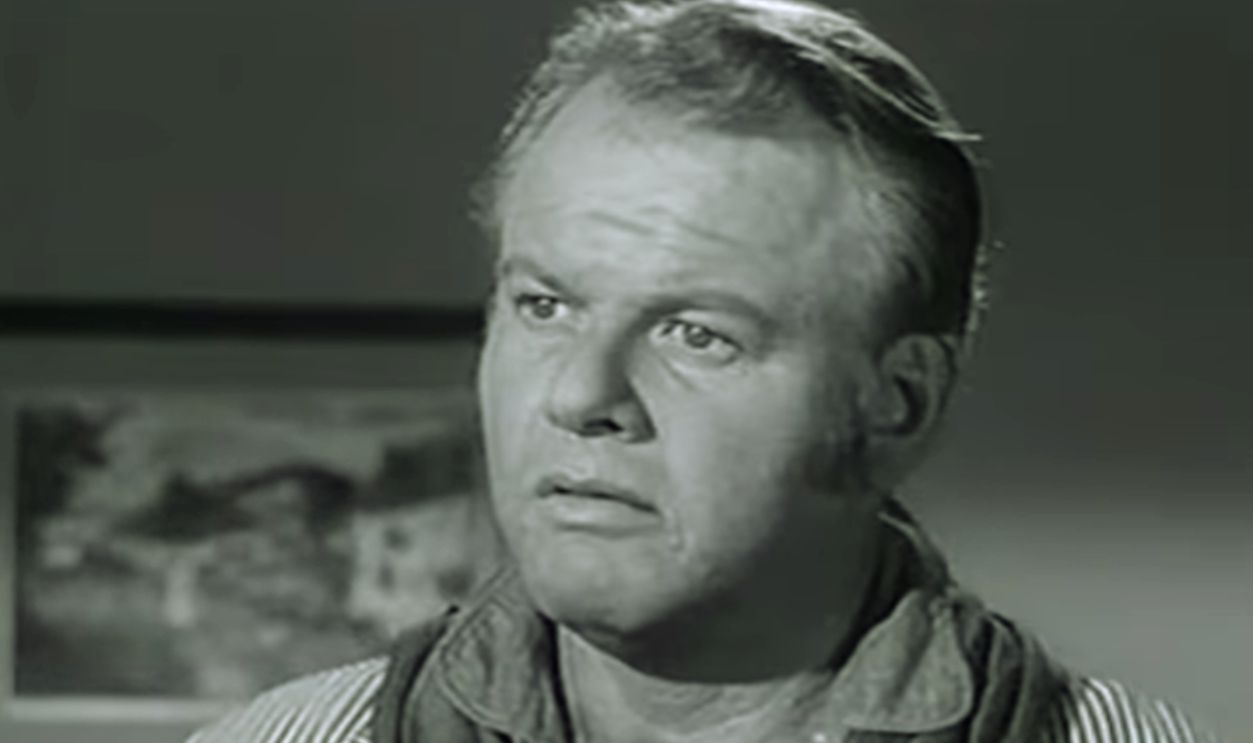 Screenshot from Casey Jones, Sony Pictures Entertainment (1957-1958)
A Lifetime Partnership
In 1943, Alan married Naomi Ingram. Their marriage lasted for nearly five decades until his death and produced four children. Friends frequently remarked that Hale's devotion to his family matched the dependable, good-natured personality audiences would later come to associate with the Skipper.
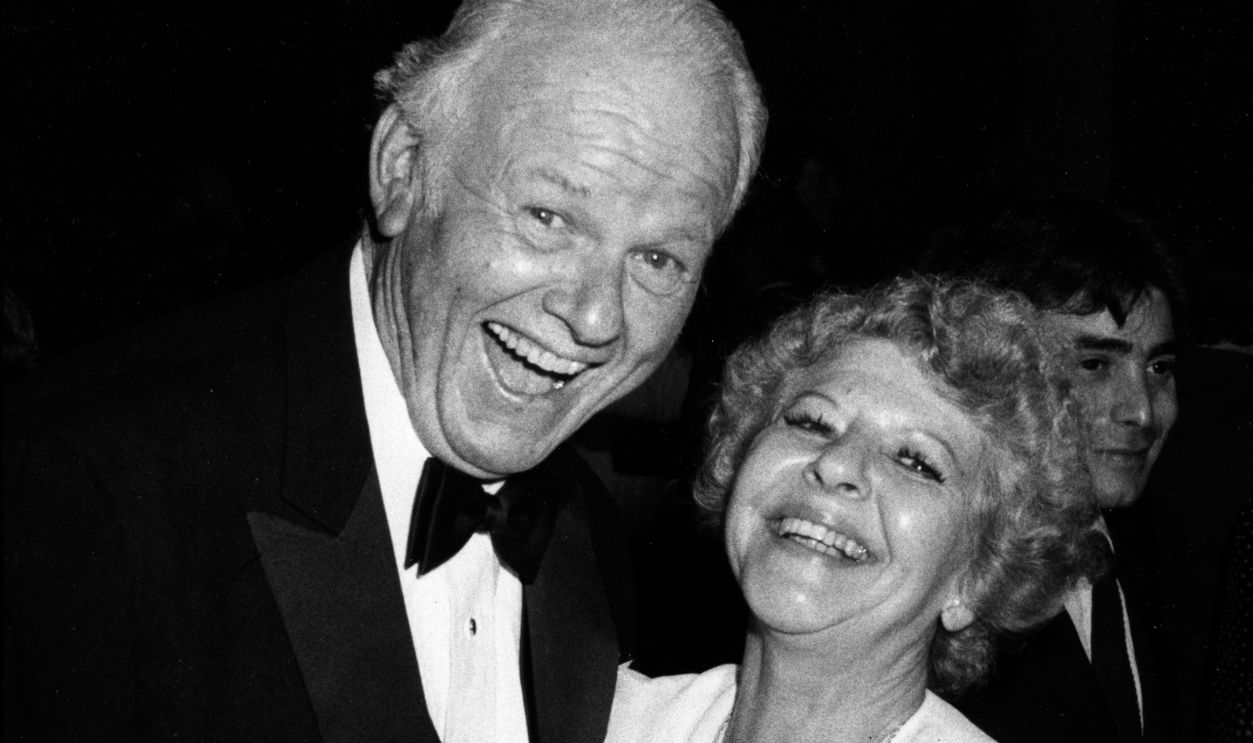
A Holiday Film Favorite
One of Hale's earliest memorable postwar roles came in It Happened On Fifth Avenue (1947). The warm-hearted holiday comedy, starring Don DeFore, Ann Harding, Victor Moore, and Charles Ruggles, became a critical success and has since earned recognition as one of the classic Christmas films of Hollywood's Golden Age.
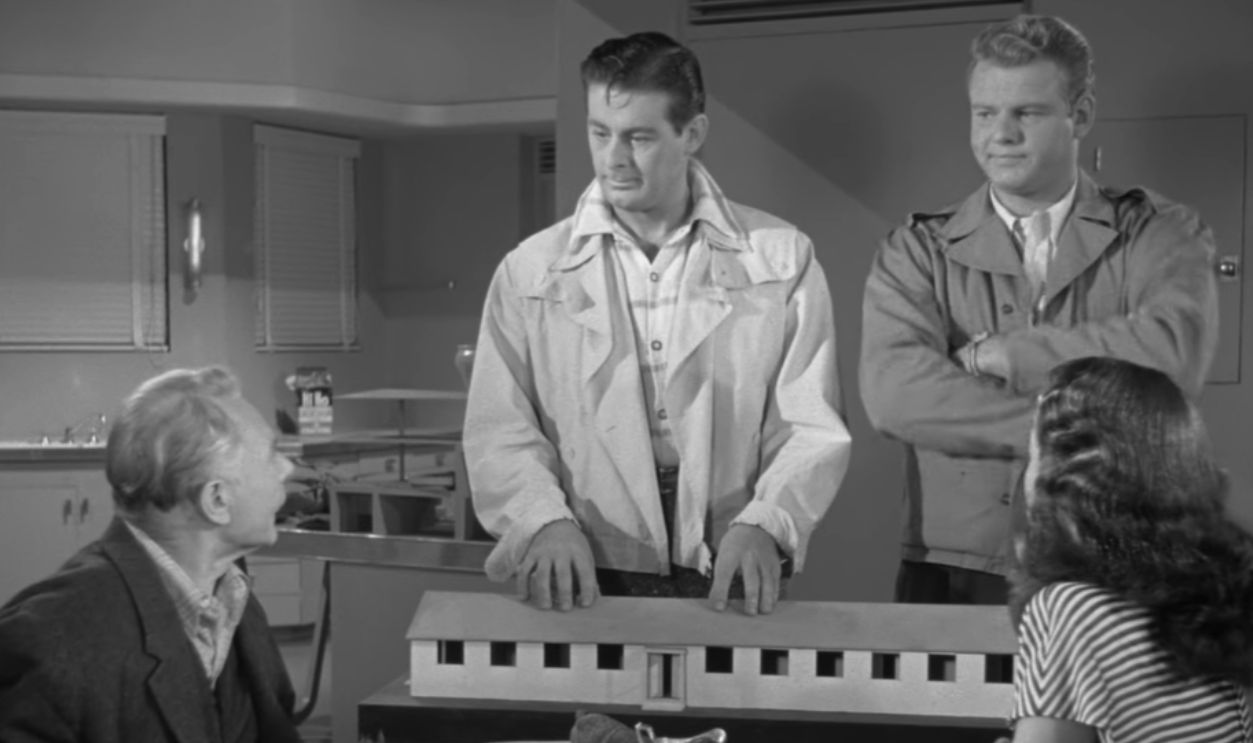 Screenshot from It Happened on Fifth Avenue, Warner Bros. Discovery (1947)
Sharing The Screen With James Cagney
Hale appeared alongside James Cagney, Virginia Mayo, Doris Day, and Gordon MacRae in The West Point Story (1950). The popular musical comedy blended Broadway entertainment with military tradition, exposing Hale to another major studio production featuring several of the era's biggest stars.
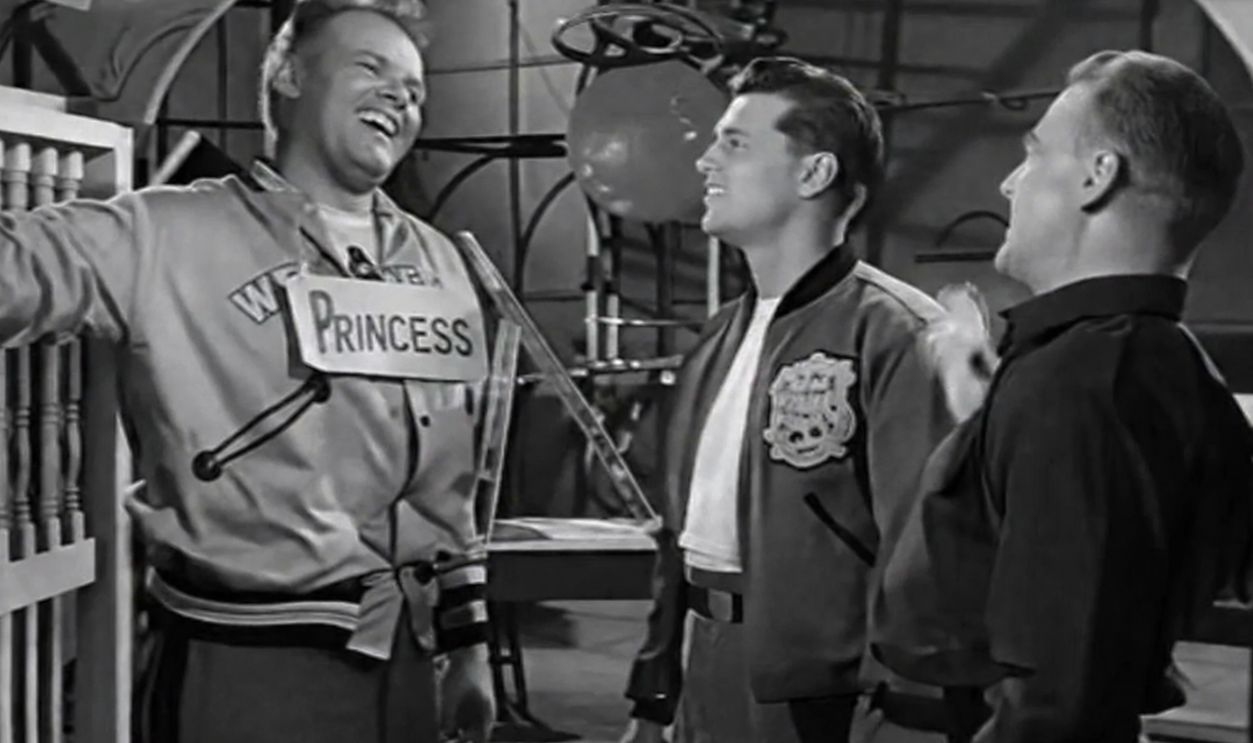 Screenshot from The West Point Story, Warner Bros. Discovery (1950), enhanced
A Comedy With Judy Canova
In Honeychile (1951), Hale supported popular comedienne Judy Canova in a lively rural comedy. Although modest in scale, the film showcased Hale's growing reputation as a reliable supporting actor capable of contributing warmth and humor to virtually any production.
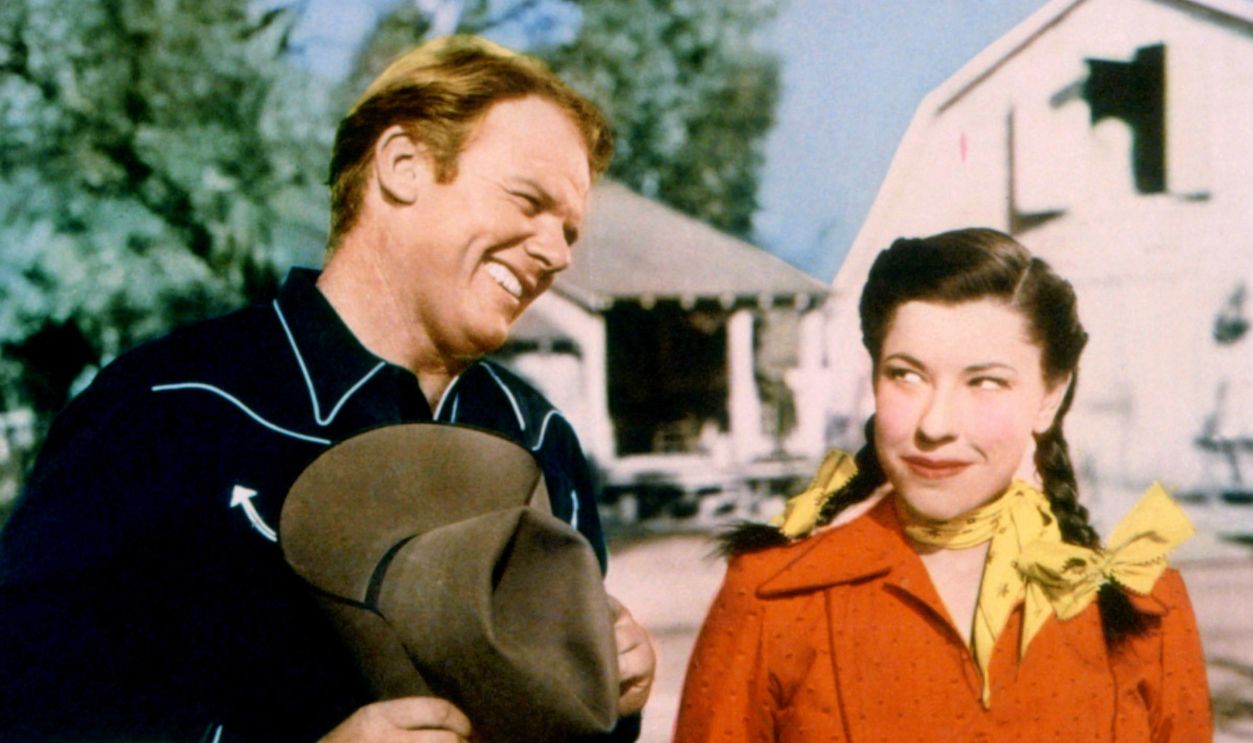
Standing Beside Kirk Douglas
One of Hale's most notable early Western roles came in The Big Trees (1952), starring Kirk Douglas, Eve Miller, and Patrice Wymore. Set amid California's towering redwood forests, the successful adventure gave Hale another opportunity to demonstrate his natural presence in rugged frontier settings.
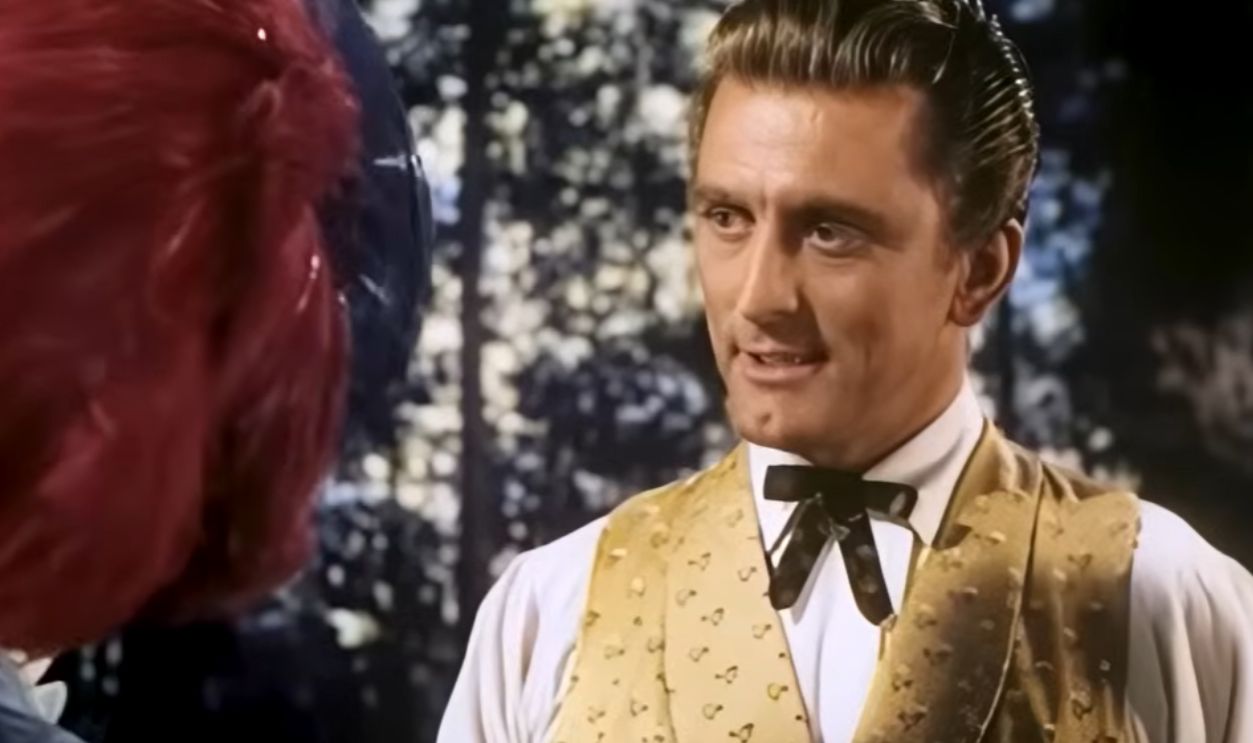 Screenshot from The Big Trees, Warner Bros. Discovery (1952)
Riding With Audie Murphy
Television soon became another important part of Hale's career. In Destry (1954), adapted from the famous Western story, he appeared alongside Audie Murphy, helping bring the legendary frontier tale to television audiences during the medium's rapidly expanding popularity.
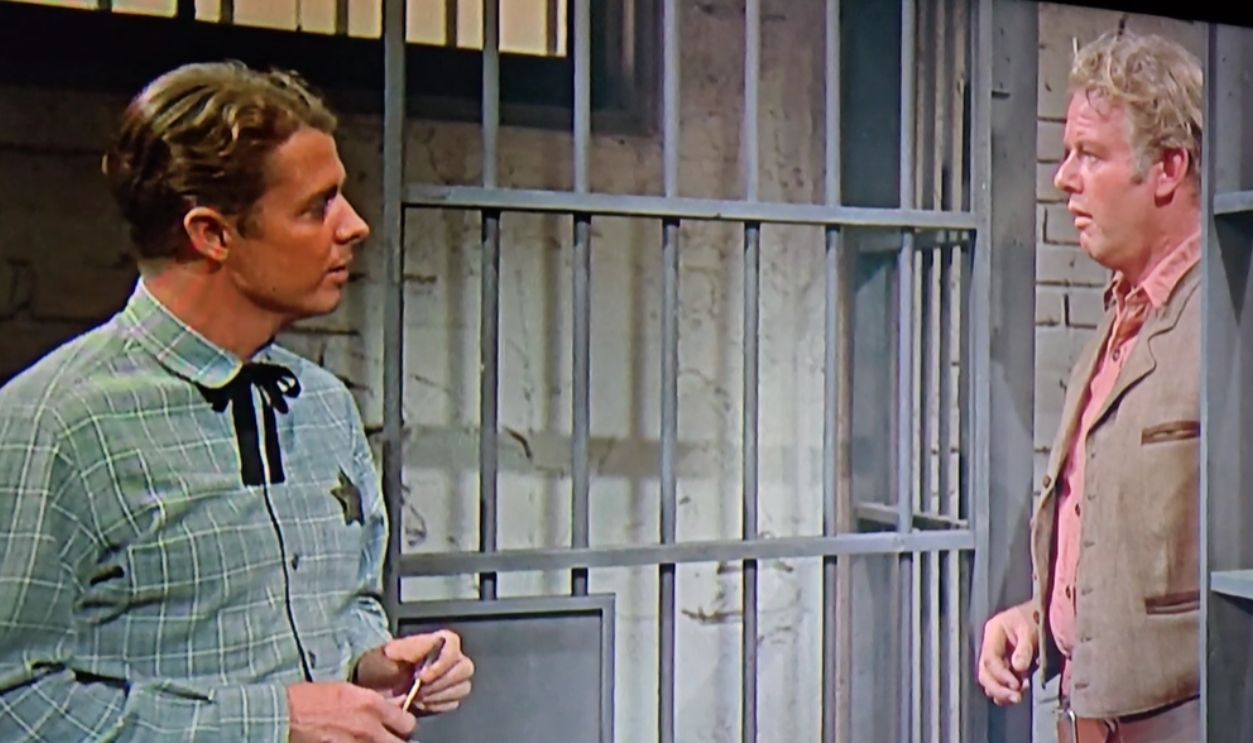 Screenshot from Destry, NBCUniversal (1954)
Joining Ray Milland
Hale continued building an impressive résumé of Westerns with A Man Alone (1955), starring Ray Milland, Mary Murphy, and Ward Bond. The film's tale of an innocent gunfighter pursued by suspicion further strengthened Hale's reputation as a dependable face in frontier adventures.
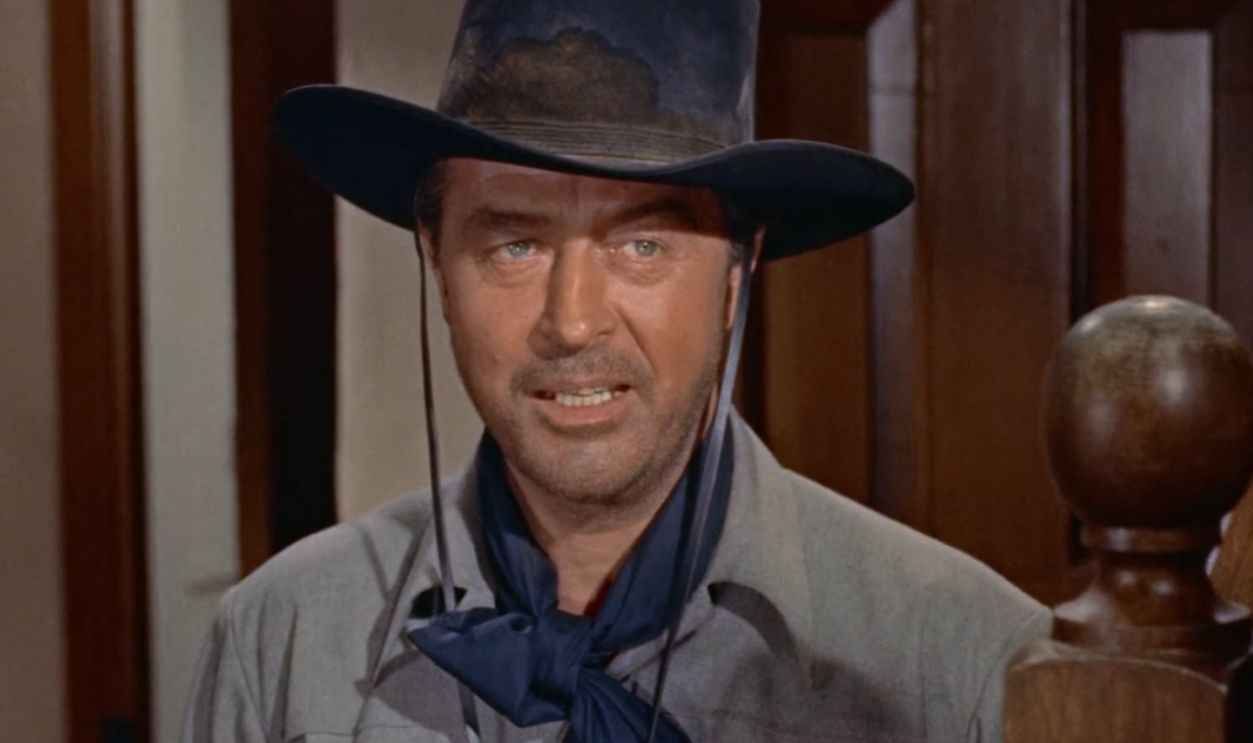 Screenshot from A Man Alone, Paramount Global (1955)
Comedy On The Frontier
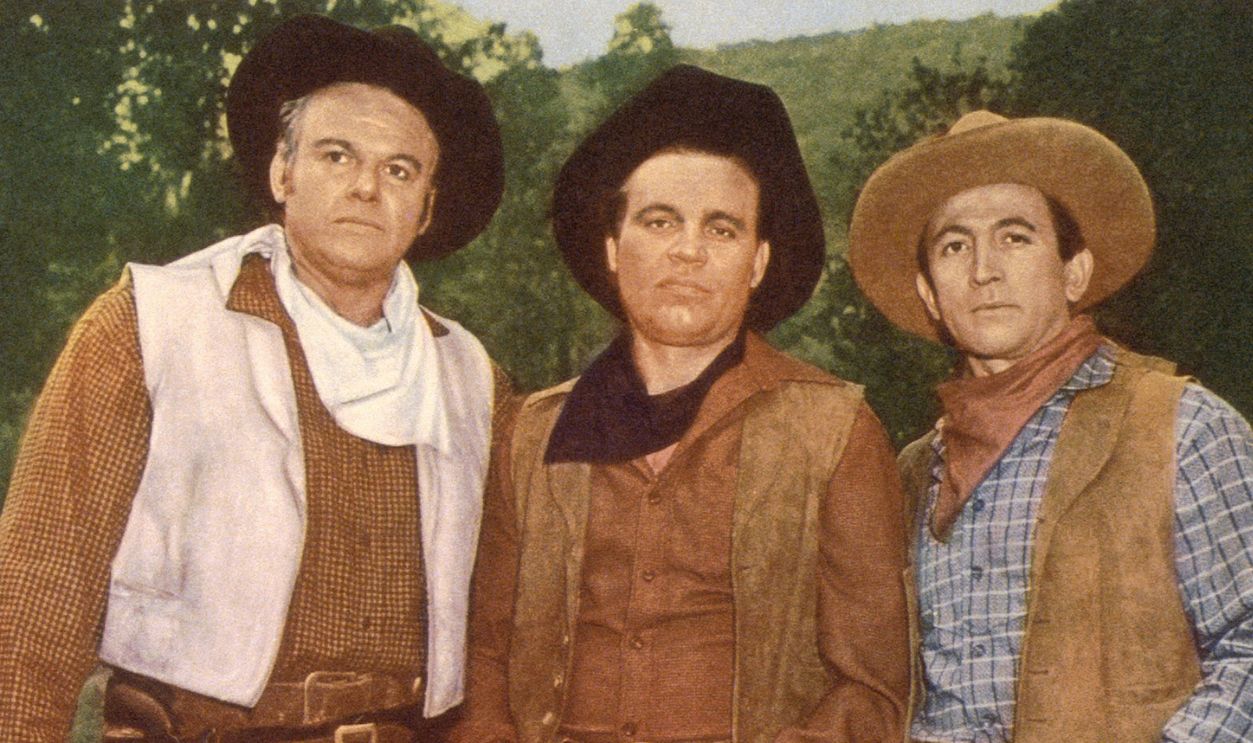
In The Three Outlaws (1956), Hale demonstrated the easygoing humor that would later define his most famous role. The Western comedy allowed him to balance physical presence with comic timing, qualities that producers increasingly recognized as among his greatest professional strengths.
Becoming One Of Television's Busiest Faces
By the late 1950s, Alan Hale Jr. had become one of Hollywood's most dependable character actors. Whether appearing in Westerns, comedies, adventures, or dramas, he earned the respect of directors for his professionalism, versatility, and unfailingly cheerful attitude both on and off the set.
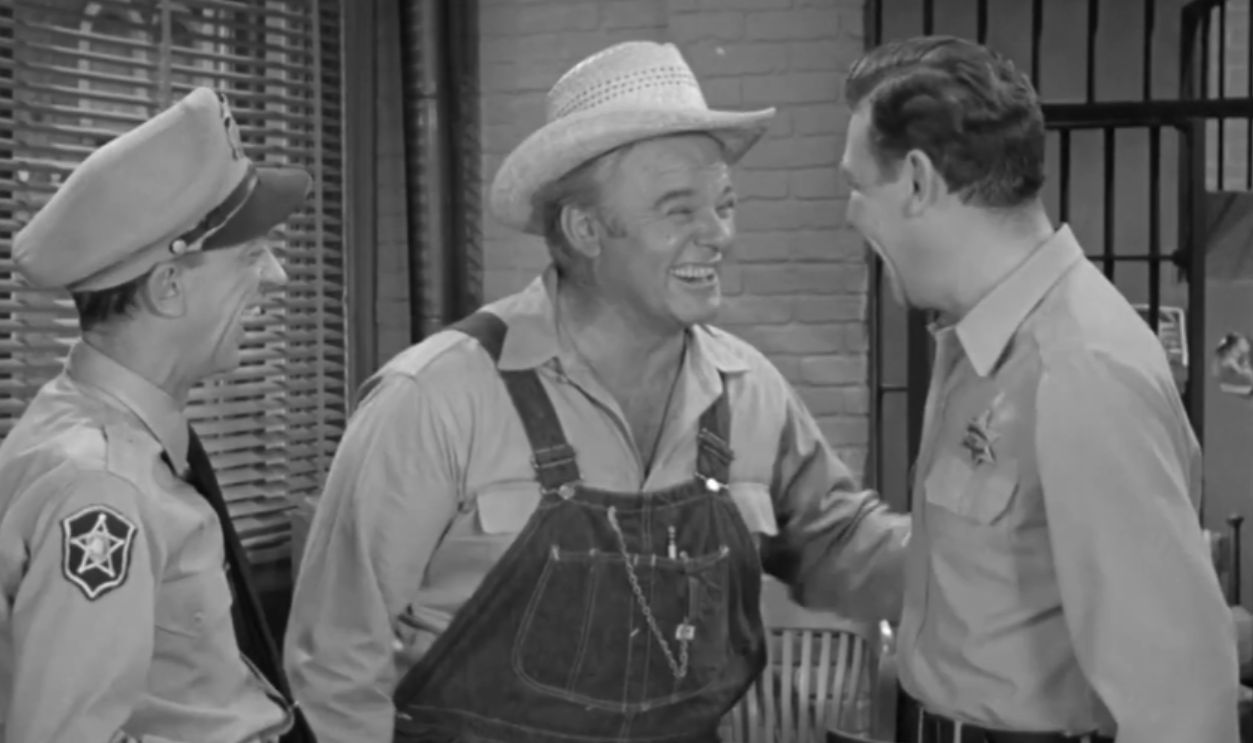 Screenshot from The Andy Griffith Show, Paramount Global (1960-1968)
Revisiting Jesse James
Hale continued his run of Westerns with The True Story Of Jesse James (1957), starring Robert Wagner and Jeffrey Hunter. Although the film offered a fresh interpretation of the famous outlaw's life, it also gave Hale another opportunity to demonstrate the authenticity and ruggedness that had become his trademark.
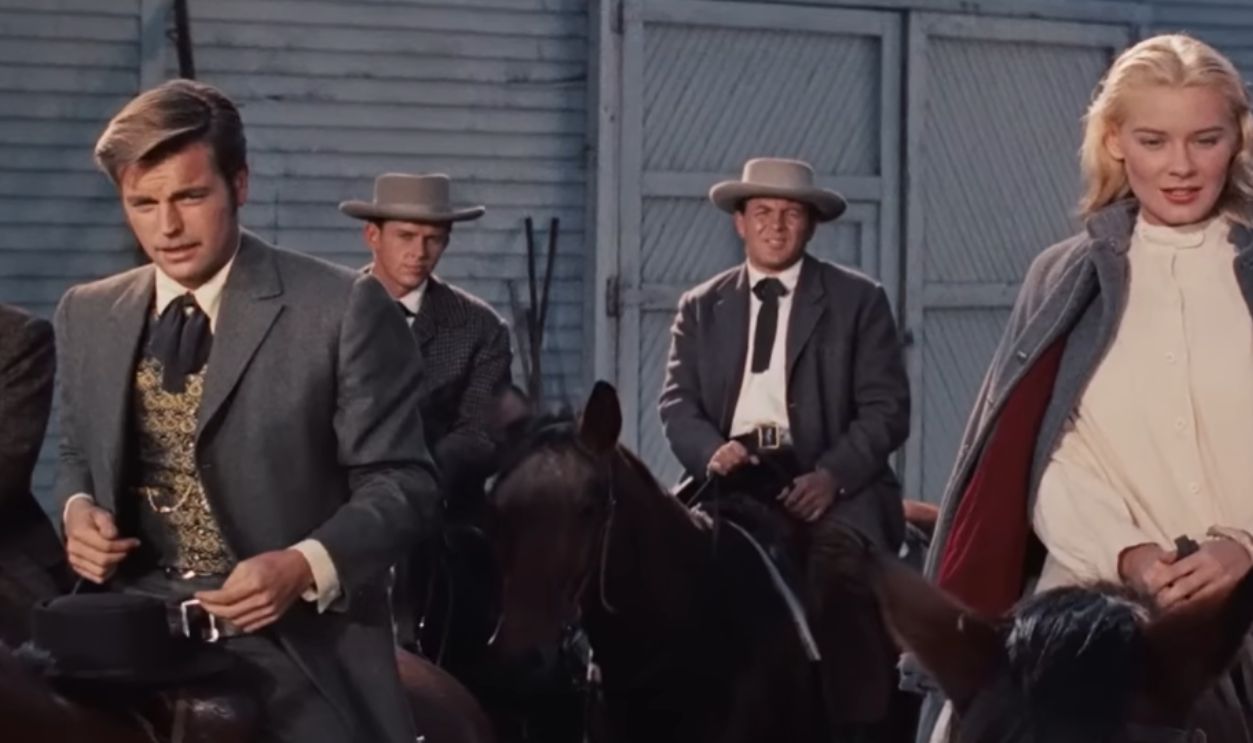 Screenshot from The True Story Of Jesse James, The Walt Disney Company (1957)
One More Frontier Adventure
In The Long Rope (1961), Hale appeared alongside Hugh Marlowe, Alan Ladd's son David Ladd, and Robert Middleton. The Western explored justice and revenge in a small frontier town, adding another solid credit to Hale's already extensive résumé of horse operas.
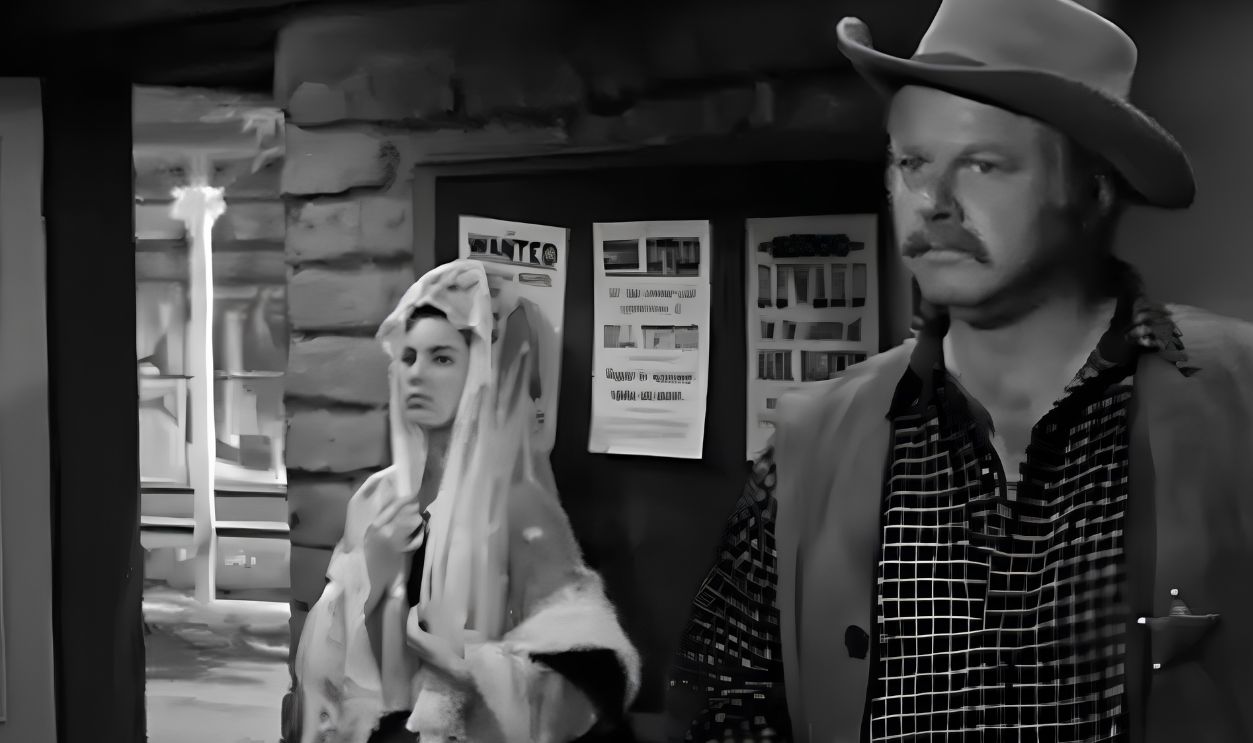 Screenshot from The Long Rope, The Walt Disney Company (1961)
Everywhere On Television
Throughout the late 1950s and early 1960s, Hale became one of television's busiest character actors. He appeared in series including Wagon Train, Maverick, The Rifleman, Rawhide, Bonanza, The Virginian, Perry Mason, The Lucy Show, and dozens of other popular programs.
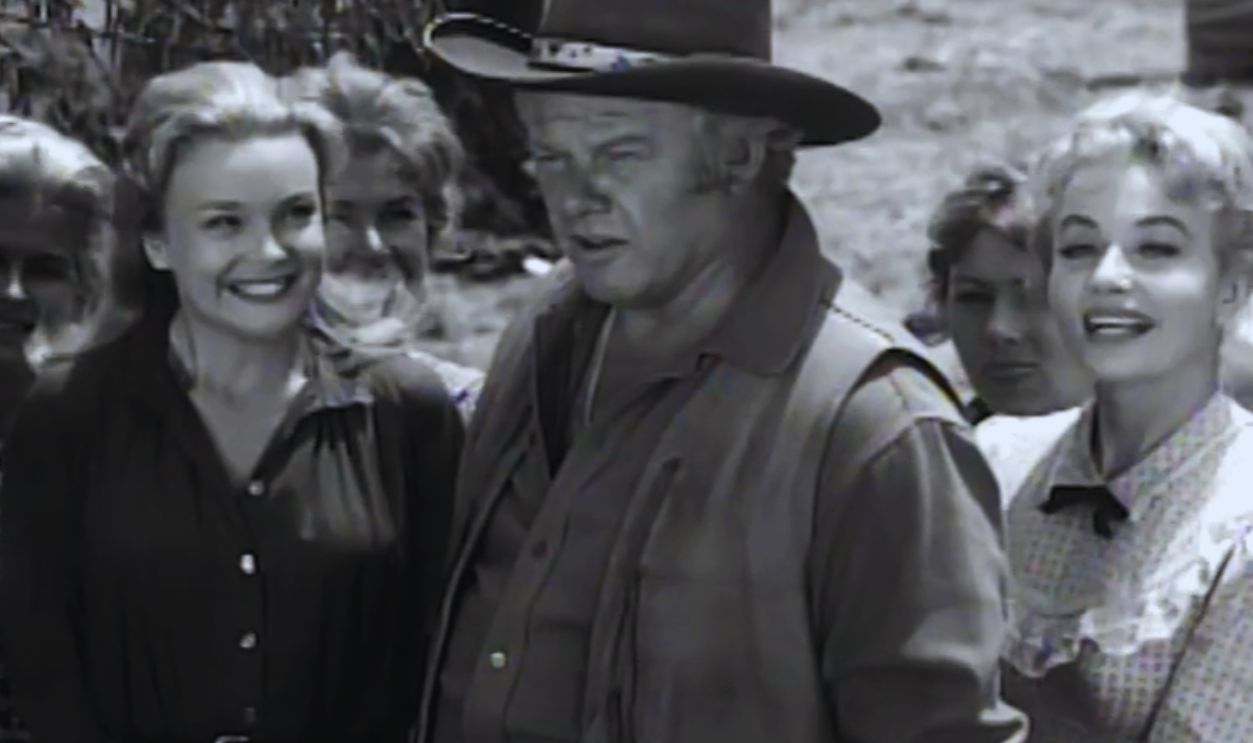 Screenshot from Rawhide, Paramount Global (1959-1965)
Beating Out Carroll O'Connor
When Sherwood Schwartz cast Gilligan's Island, Alan Hale Jr. reportedly beat out Carroll O'Connor for the role of the Skipper. Producers recognized that Hale possessed exactly the combination of warmth, authority, comic timing, and physical presence needed to make the character believable and lovable.
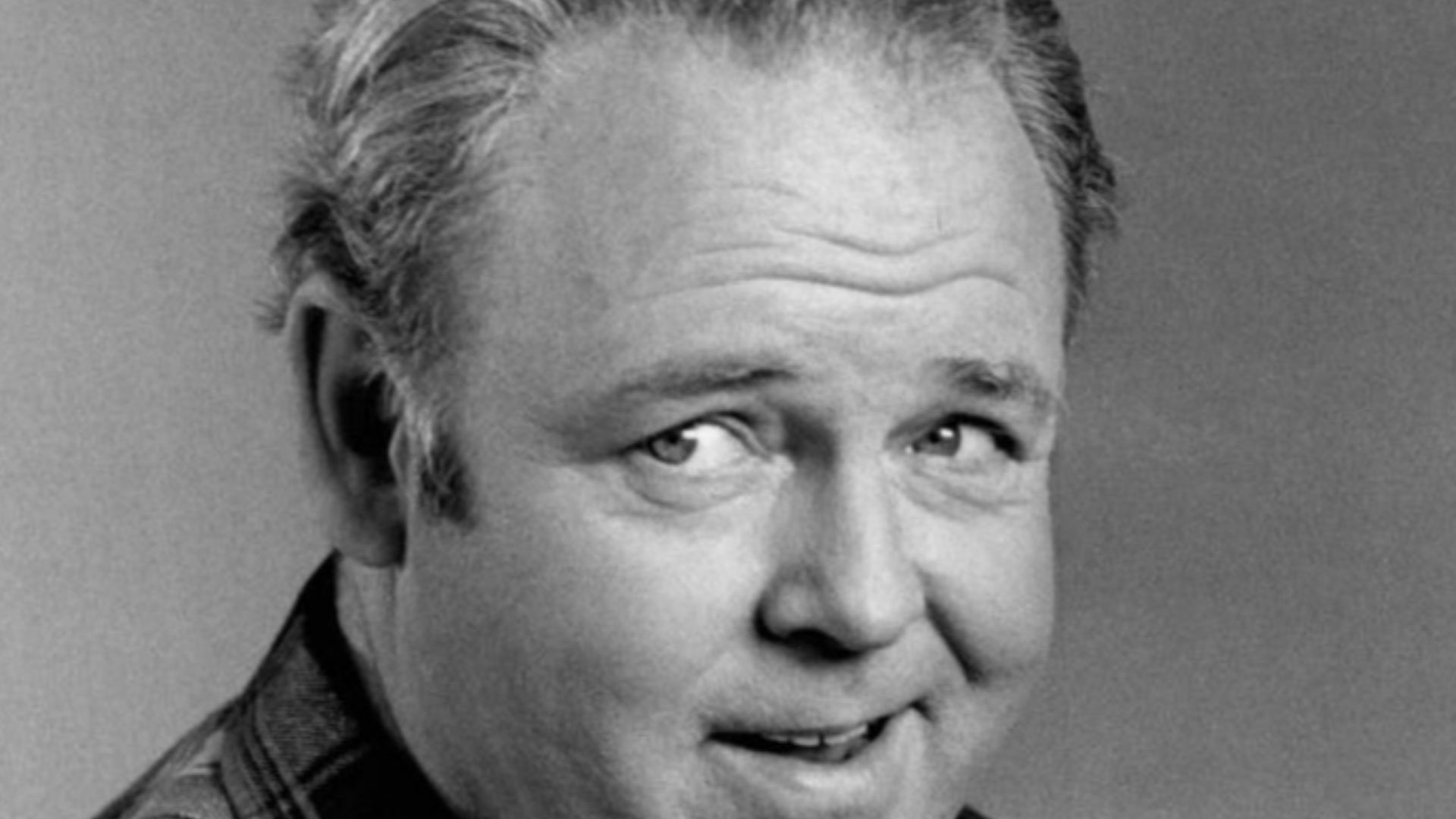 CBS Television, Wikimedia Commons
The Heart Of The Island
As Captain Jonas Grumby, better known simply as the Skipper, Hale created far more than a blustering authority figure. He balanced frustration with kindness, loyalty, optimism, and genuine affection for his fellow castaways, making the Skipper the emotional anchor of the series.
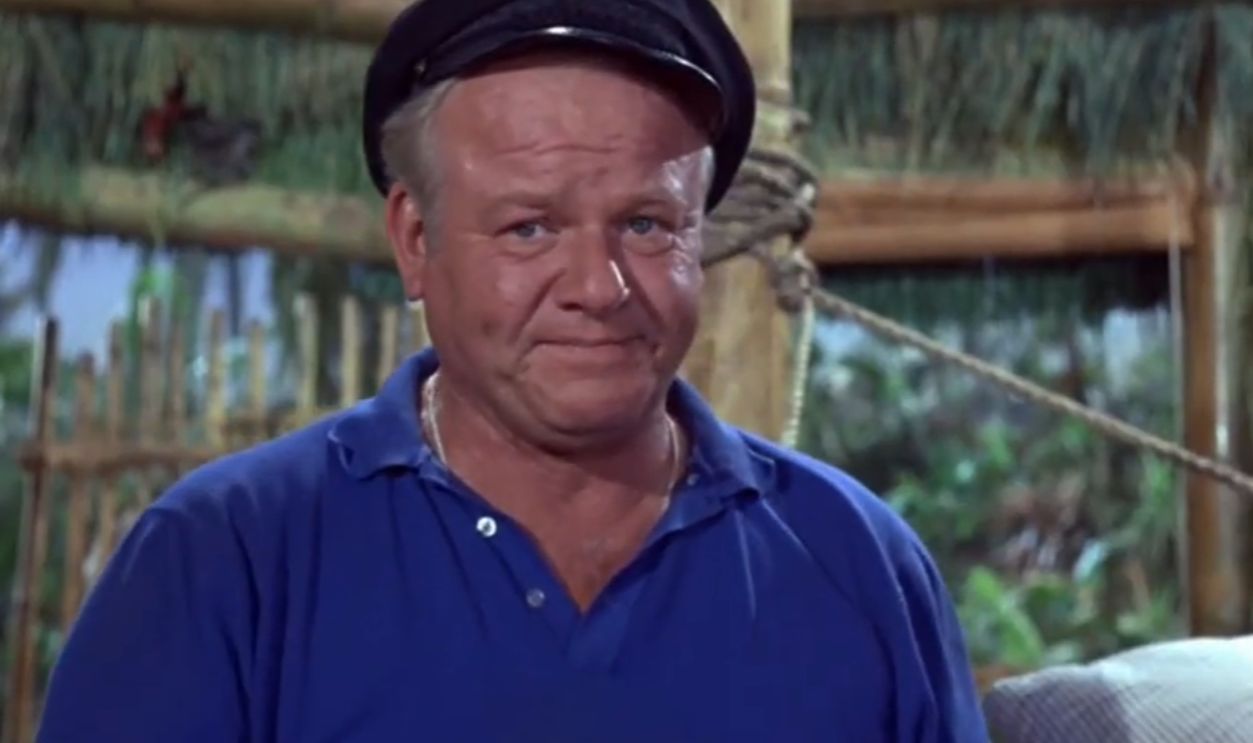 Screenshot from Gilligan's Island, Warner Bros. Discovery (1964-1967)
Creating A Television Classic
Premiering in 1964, Gilligan's Island struggled in the ratings during its original network run but found extraordinary success in syndication. Hale's chemistry with Bob Denver and the rest of the cast helped transform the simple premise into one of television's most enduring situation comedies.
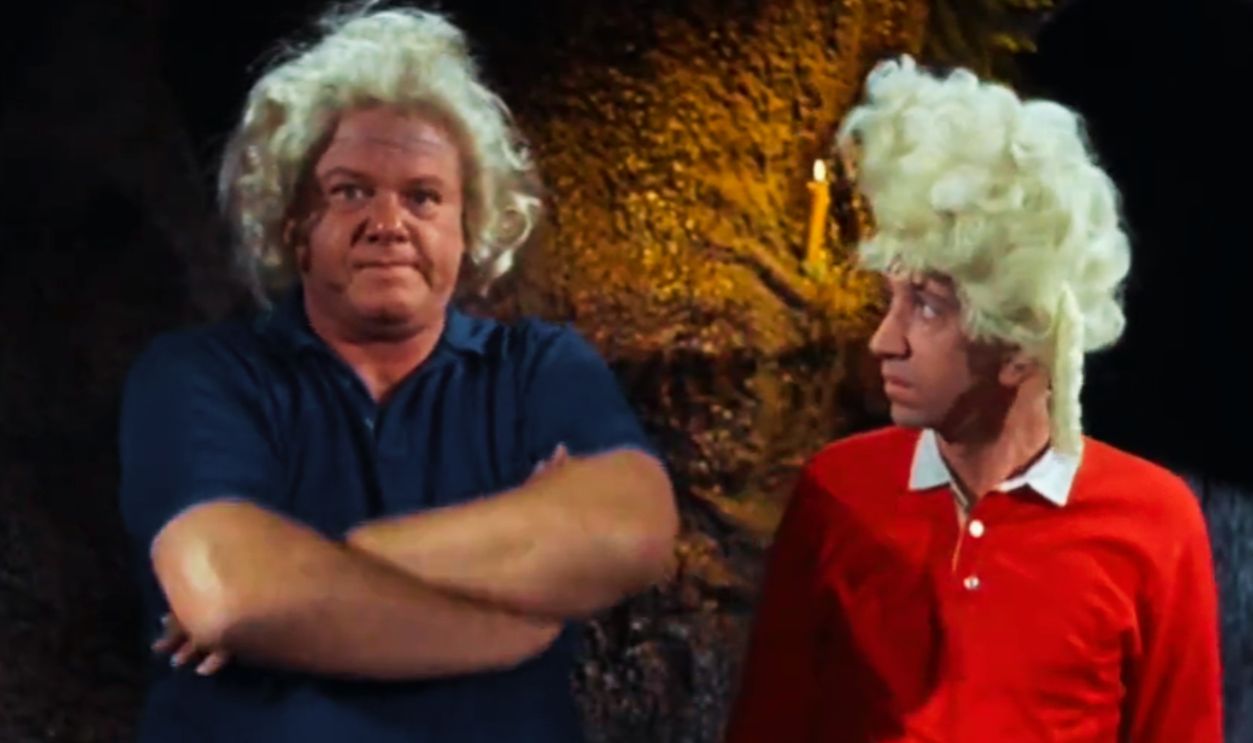 Screenshot from Gilligan's Island, Warner Bros. Discovery (1964-1967)
Happy To Be The Skipper
Unlike many actors who spent years trying to escape their signature roles, Hale openly embraced the Skipper. He rarely expressed frustration about typecasting, believing the character had brought happiness to millions of viewers and gratitude to his own life and career.
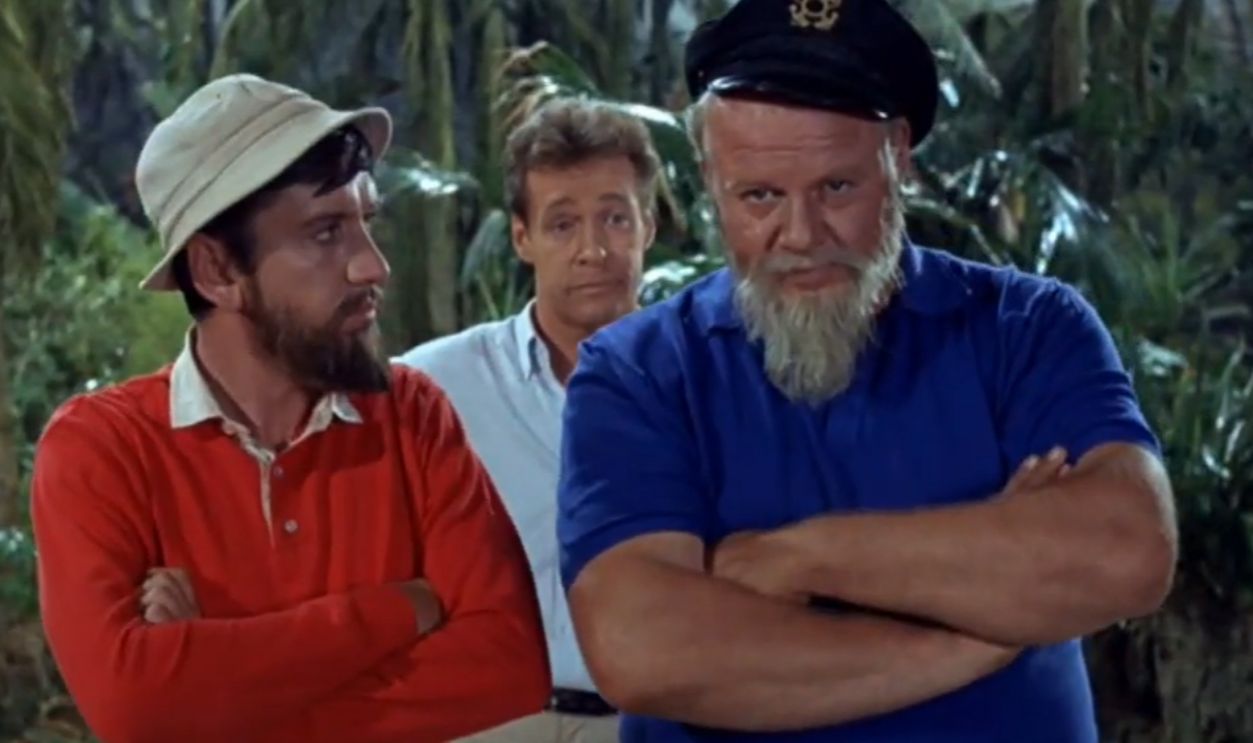 Screenshot from Gilligan's Island, Warner Bros. Discovery (1964-1967)
Returning To Westerns
Even while Gilligan's Island made him a household name, Hale continued accepting Western roles. Among the most notable was Hang 'Em High (1968), starring Clint Eastwood. Sharing the screen with Eastwood demonstrated that Hale remained a respected supporting actor beyond his television fame.
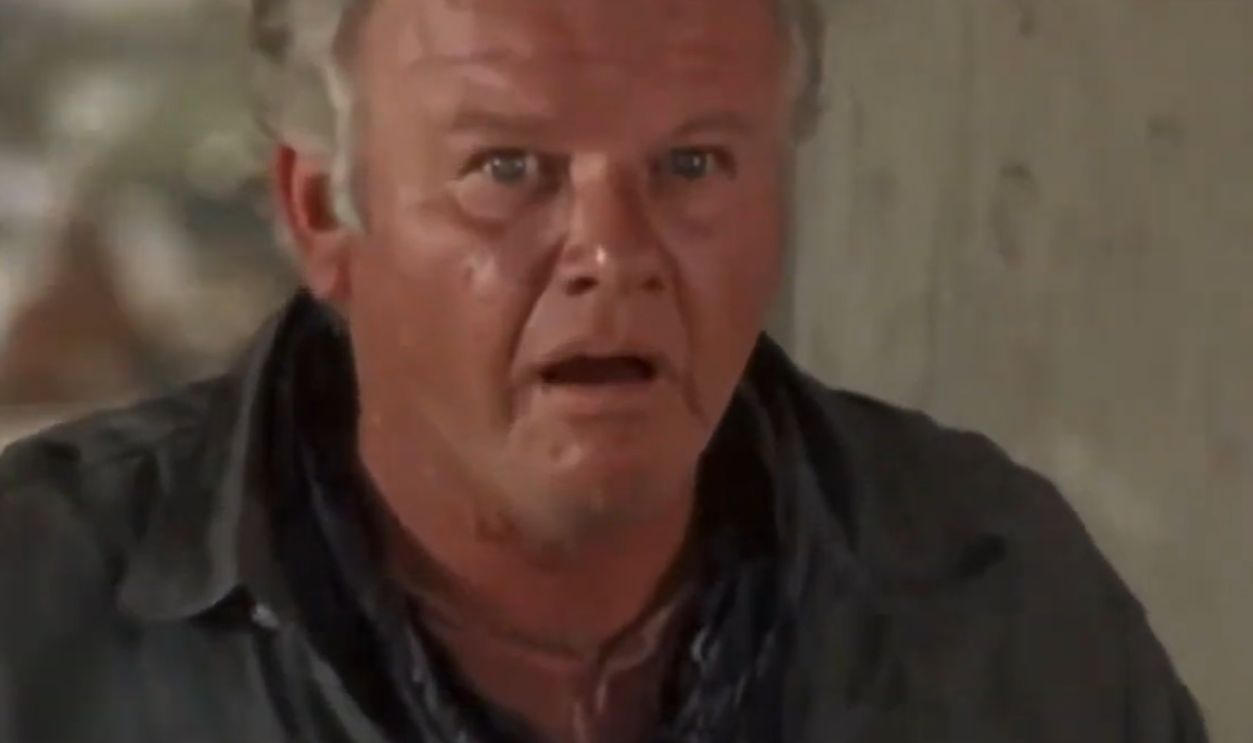 Screenshot from Hang 'Em High, Amazon MGM Studios (1968)
Keeping Busy In The 1970s
After Gilligan's Island, Hale continued working steadily in television and film. He appeared in reunion movies featuring the castaways while also guest starring in numerous television series, proving that audiences welcomed him in roles beyond the Skipper without ever forgetting the beloved captain.
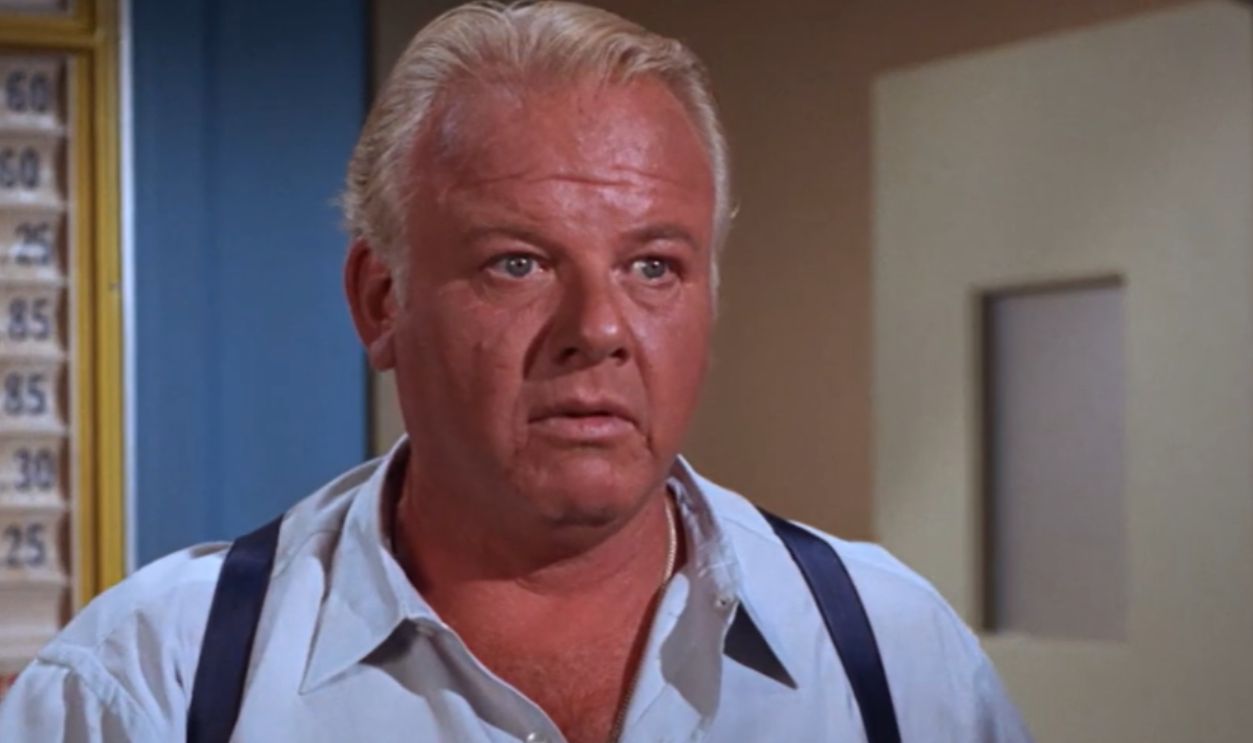 Screenshot from Batman, Warner Bros. Discovery (1966-1968)
Bringing The Skipper To Animation
Hale happily returned to his signature role by providing the Skipper's voice for the animated series Gilligan's Planet. Reuniting much of the original cast, the cartoon introduced the familiar characters to a new generation of young viewers during the early 1980s.
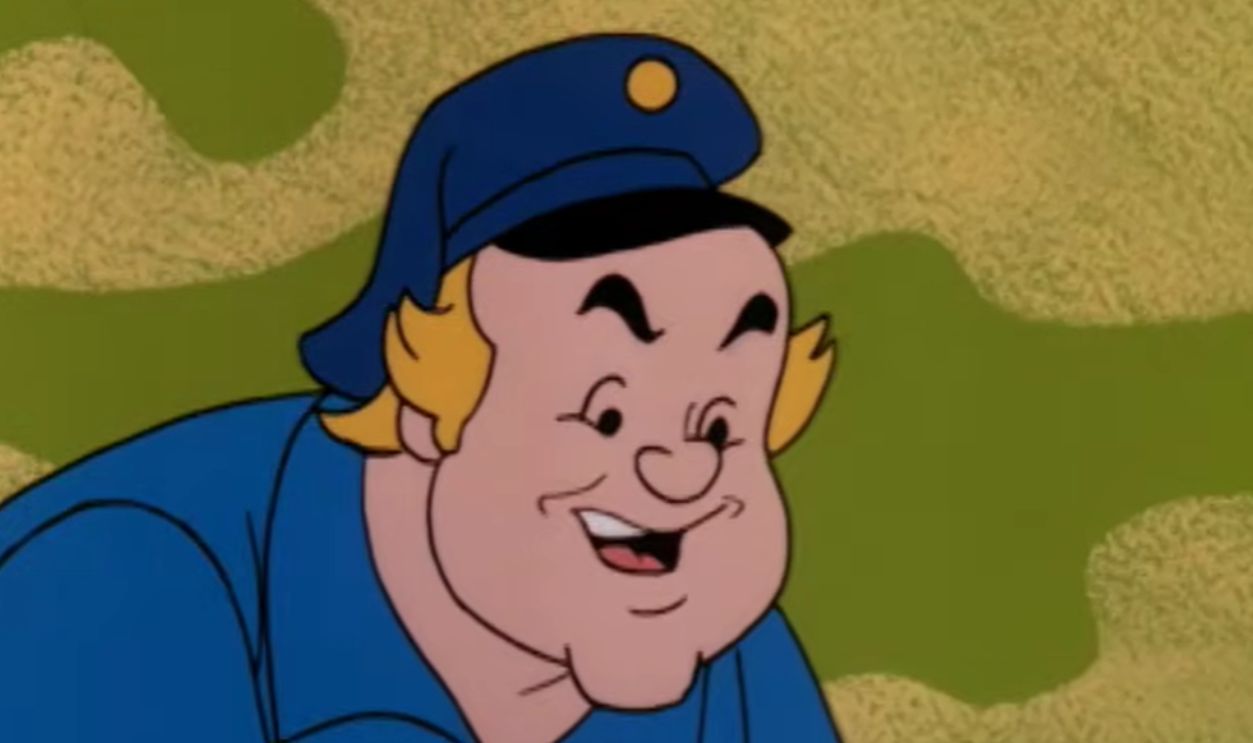 Screenshot from Gilligan's Planet, Warner Bros. Discovery (1982-1983)
A Favorite On Talk Shows
Hale became a frequent guest on television talk and variety programs, including appearances with hosts such as Merv Griffin, Mike Douglas, and other popular entertainers. His booming laugh, storytelling ability, and easygoing personality made him an enjoyable guest who was always willing to entertain audiences with tales about the making of Gilligan's Island.
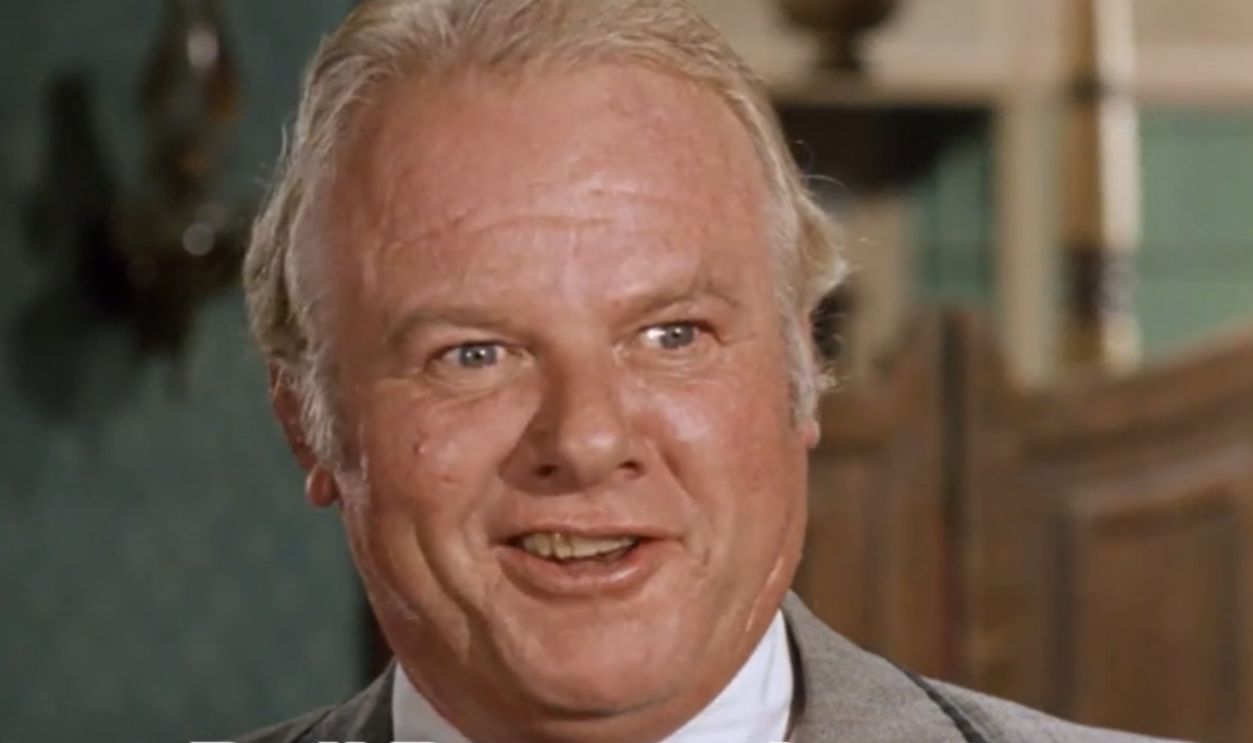 Screenshot from Gunsmoke, Paramount Global (1955-1975)
Serving Seafood As The Skipper
Hale opened Alan Hale's Lobster Barrel restaurant in Los Angeles, where he often greeted diners personally while wearing the Skipper's familiar captain's hat. Fans loved meeting him because he never seemed embarrassed by the role, happily posing for photographs and chatting with customers.
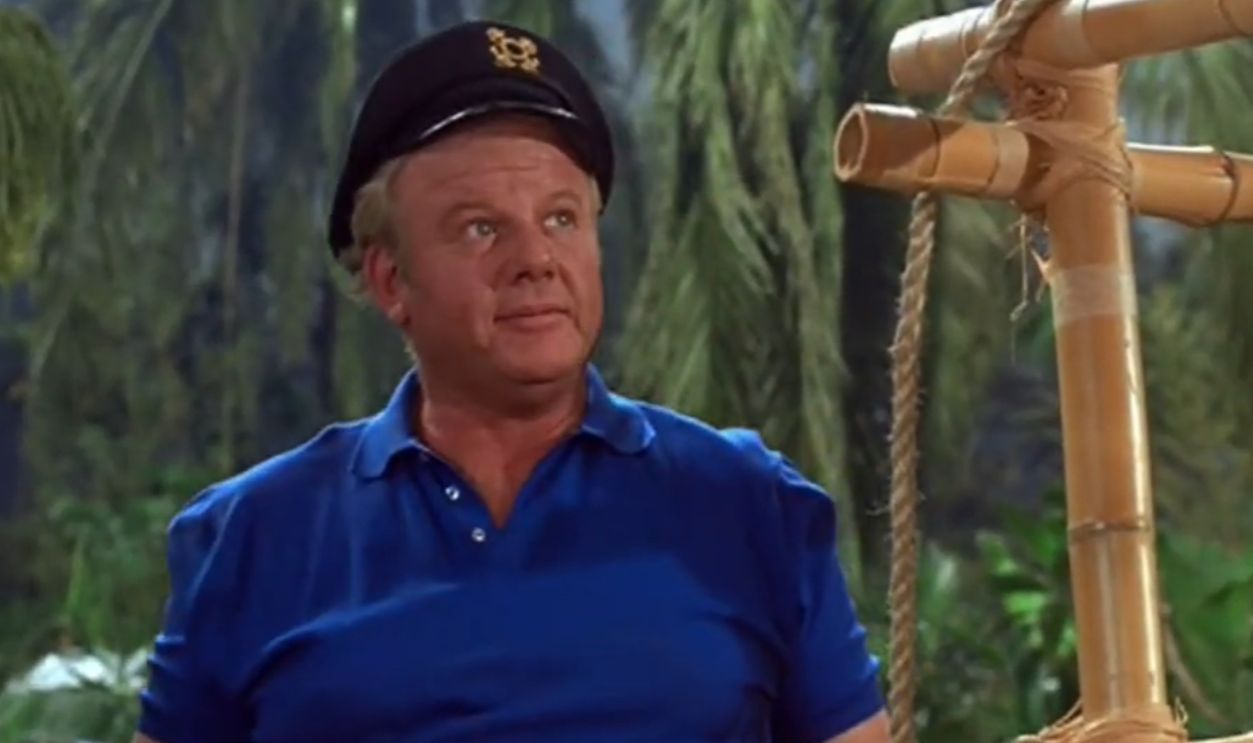 Screenshot from Gilligan's Island, Warner Bros. Discovery (1964-1967)
Finally Out Of His Father's Shadow
For years, Alan Hale Jr. had quietly measured himself against the remarkable career of Alan Hale Sr. Ironically, it was the Skipper who finally allowed him to establish an equally lasting legacy. He was no longer simply "Alan Hale's son." He had become an American television icon in his own right.
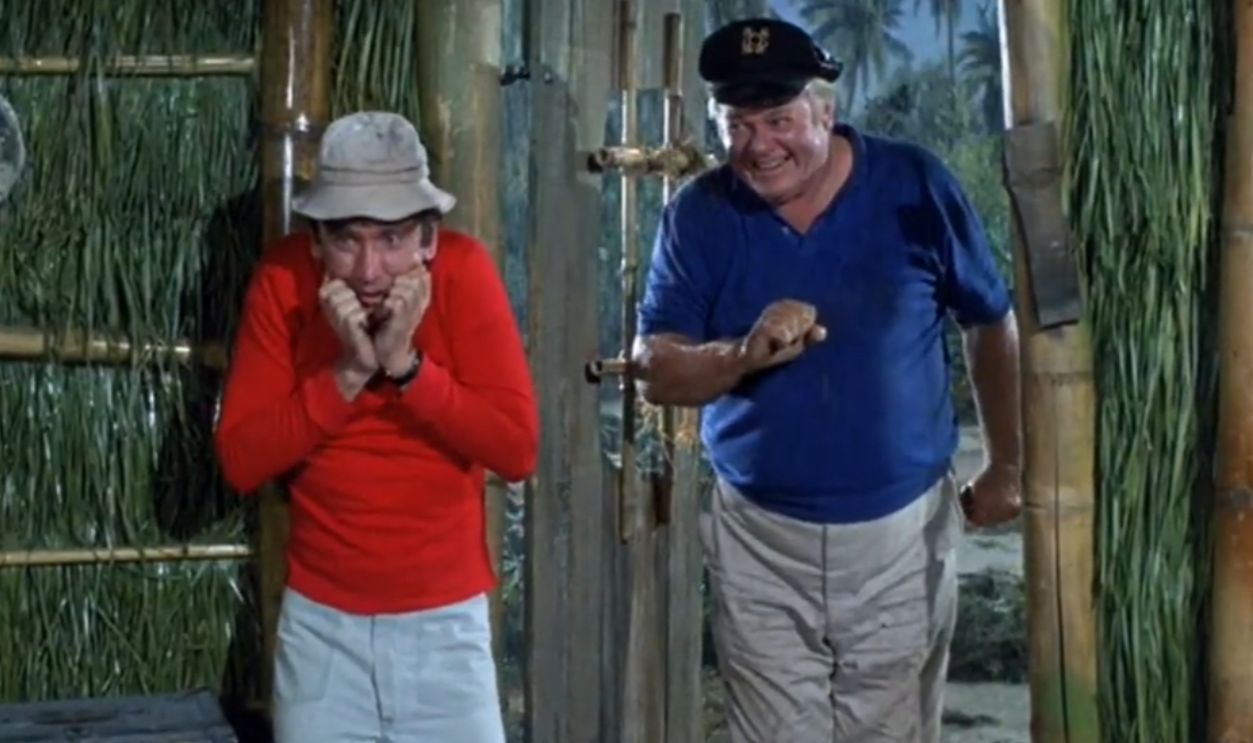 Screenshot from Gilligan's Island, Warner Bros. Discovery (1964-1967)
A Lasting Legacy
Alan Hale Jr. died on January 2, 1990, at the age of 68 following complications from thymus cancer. Remembered for his generosity, booming laugh, and infectious optimism, he left behind one of television's most beloved characters. Decades later, the Skipper remains as warmly admired as ever, and Hale's cheerful embrace of the role continues to distinguish him from many of his contemporaries.
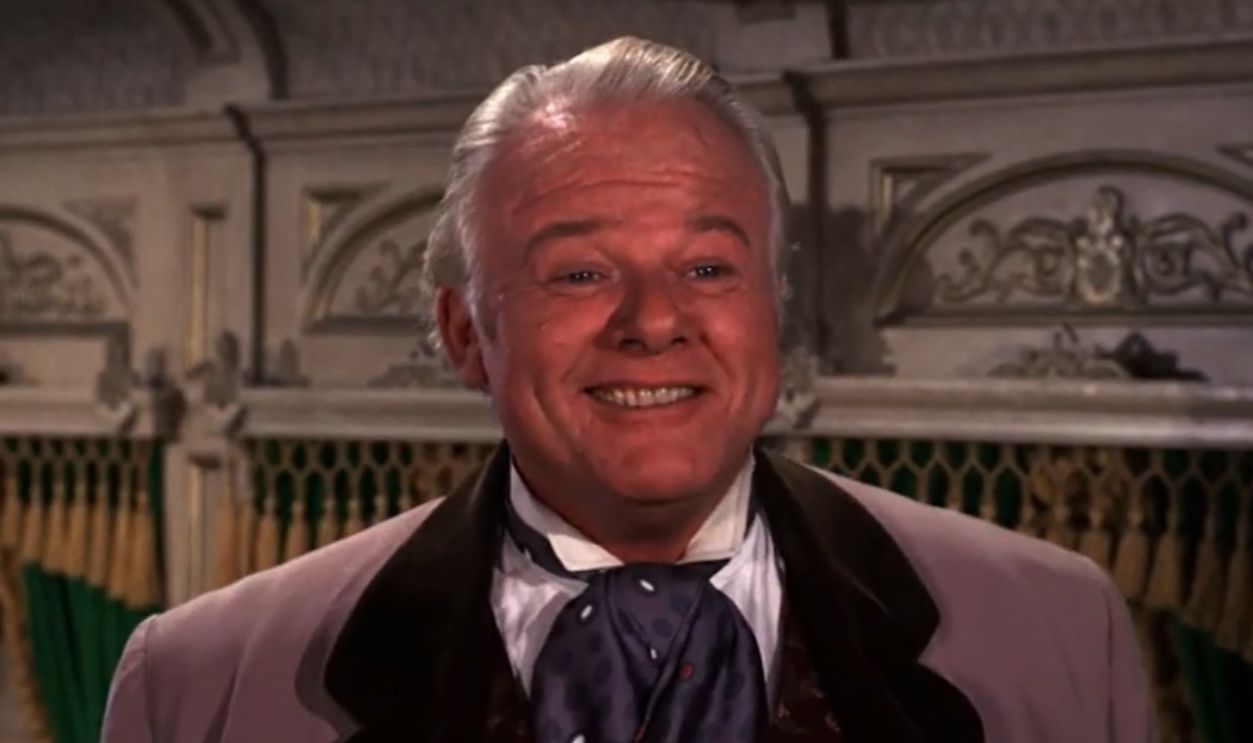 Screenshot from The Wild Wild West, Paramount Global (1965-1969)
You May Also Like:
Sizzling Facts About Tina Louise, The “World's Most Beautiful Redhead”
What happened to Dawn Wells after playing Mary Ann on Gilligan's Island?
Wacky Facts About Bob Denver, The Lovable Goofball Who Became A TV Legend