The Dream Role Came With A Catch
Every struggling actor wants the part that changes everything. Sometimes it does exactly that, only to become the one role casting directors, fans, and even the actor themselves can never quite move past.
Adam West Became Batman Overnight
Adam West had spent years taking guest roles and supporting parts before Batman turned him into a household name in 1966. The campy series became a phenomenon, and West suddenly found himself inseparable from Bruce Wayne and the cape. When the show ended, he discovered that Hollywood had trouble imagining him as anyone else.
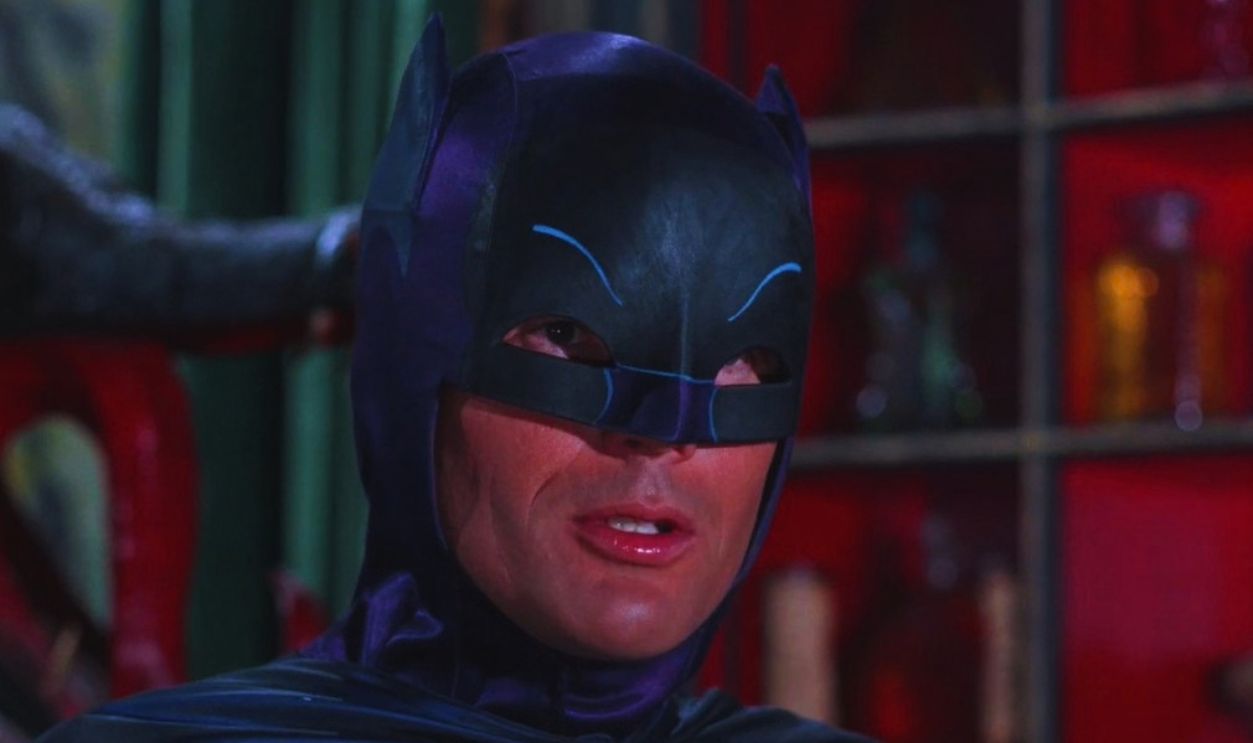 Screenshot from Batman, ABC (1966–1968)
Batman Shut Doors For Years
West later said the typecasting created a bleak stretch in his career. He came close to other leading roles, only to have producers worry audiences would see Batman instead of the new character. Decades later he made peace with the role, but only after years of fighting against the identity that had made him famous.
 Gage Skidmore, Wikimedia Commons
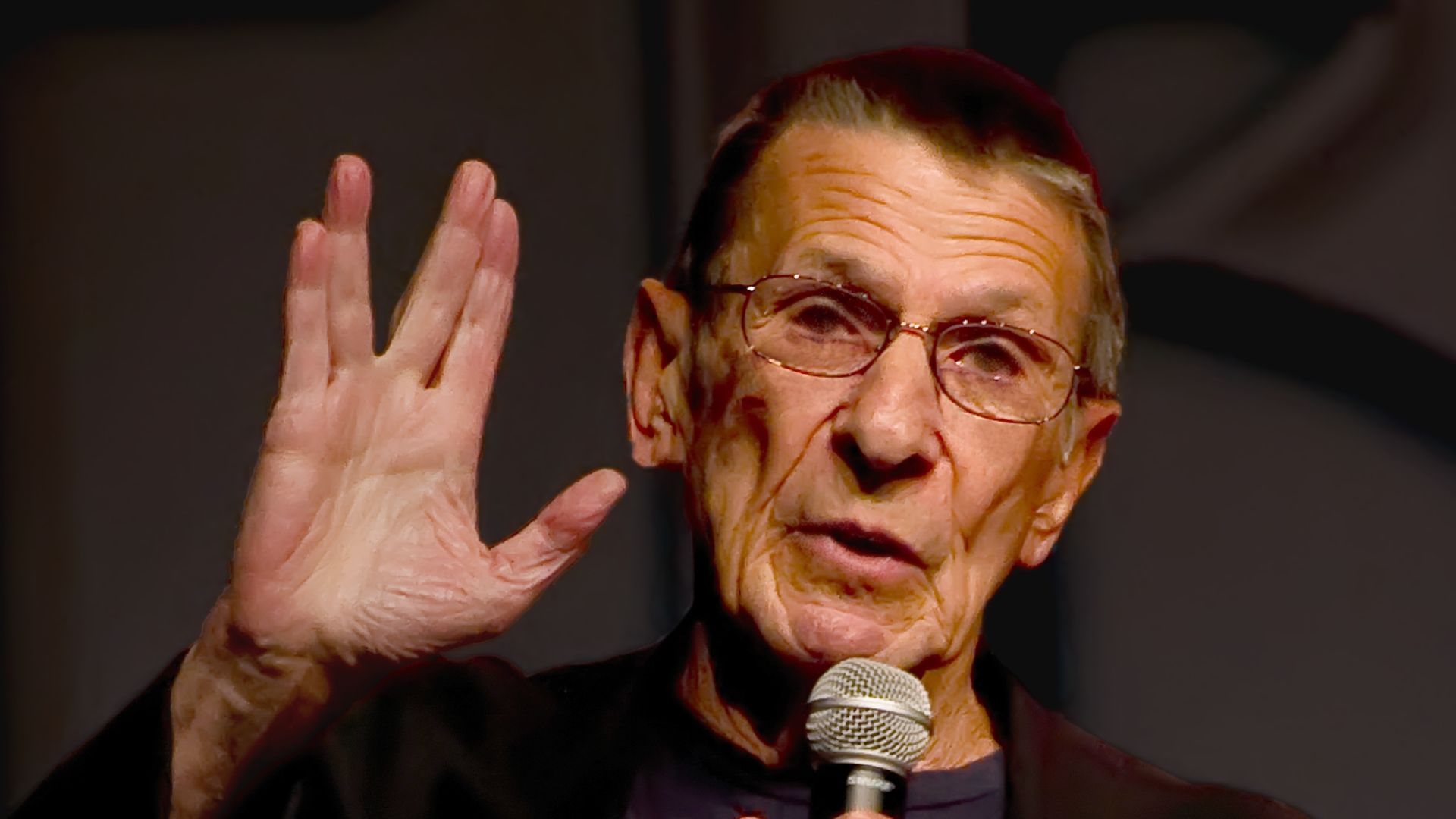
Leonard Nimoy Couldn't Separate Himself From Spock
Leonard Nimoy saw Spock as an acting challenge when Gene Roddenberry offered him the role on Star Trek. The character became so beloved that audiences began treating Nimoy and Spock as almost interchangeable. His 1975 memoir title, I Am Not Spock, was widely interpreted as an attempt to escape the role, even though Nimoy later said that was not what he had meant.
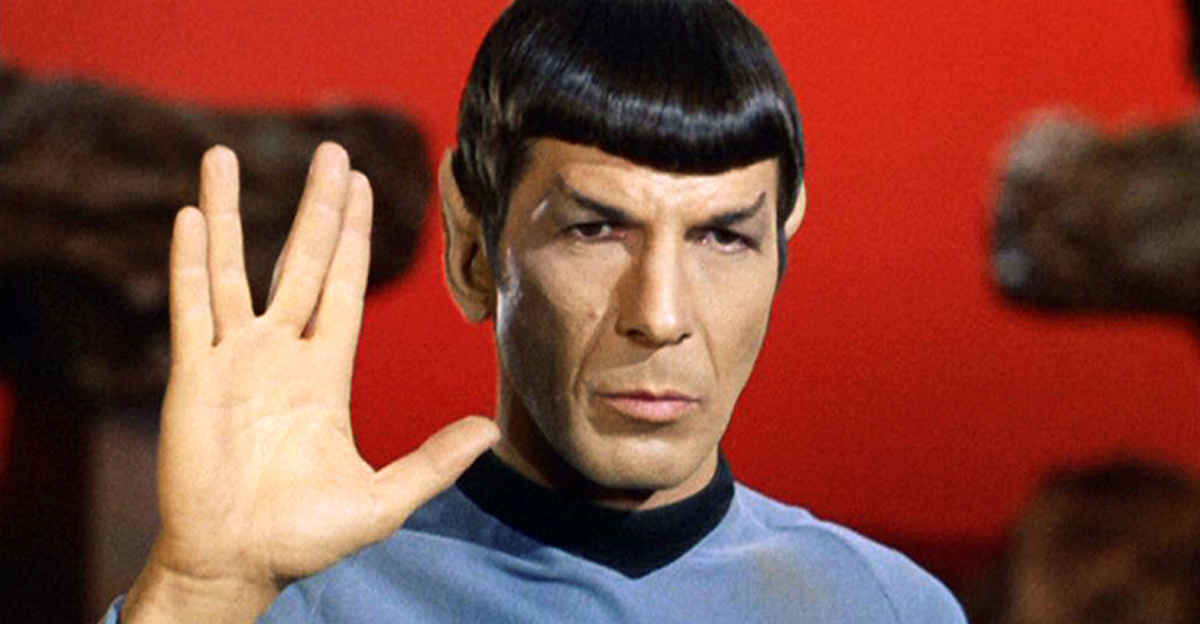 Screenshot from Star Trek, Paramount Television (1967)
Nimoy Eventually Stopped Fighting It
The misunderstanding followed him for years and became part of the mythology around his career. By 1995, Nimoy titled another memoir I Am Spock, openly embracing the character that had once threatened to swallow his identity. Few actors have documented their reconciliation with a famous role quite so literally.
 Beth Madison
derivative work: Lämpel, Wikimedia Commons
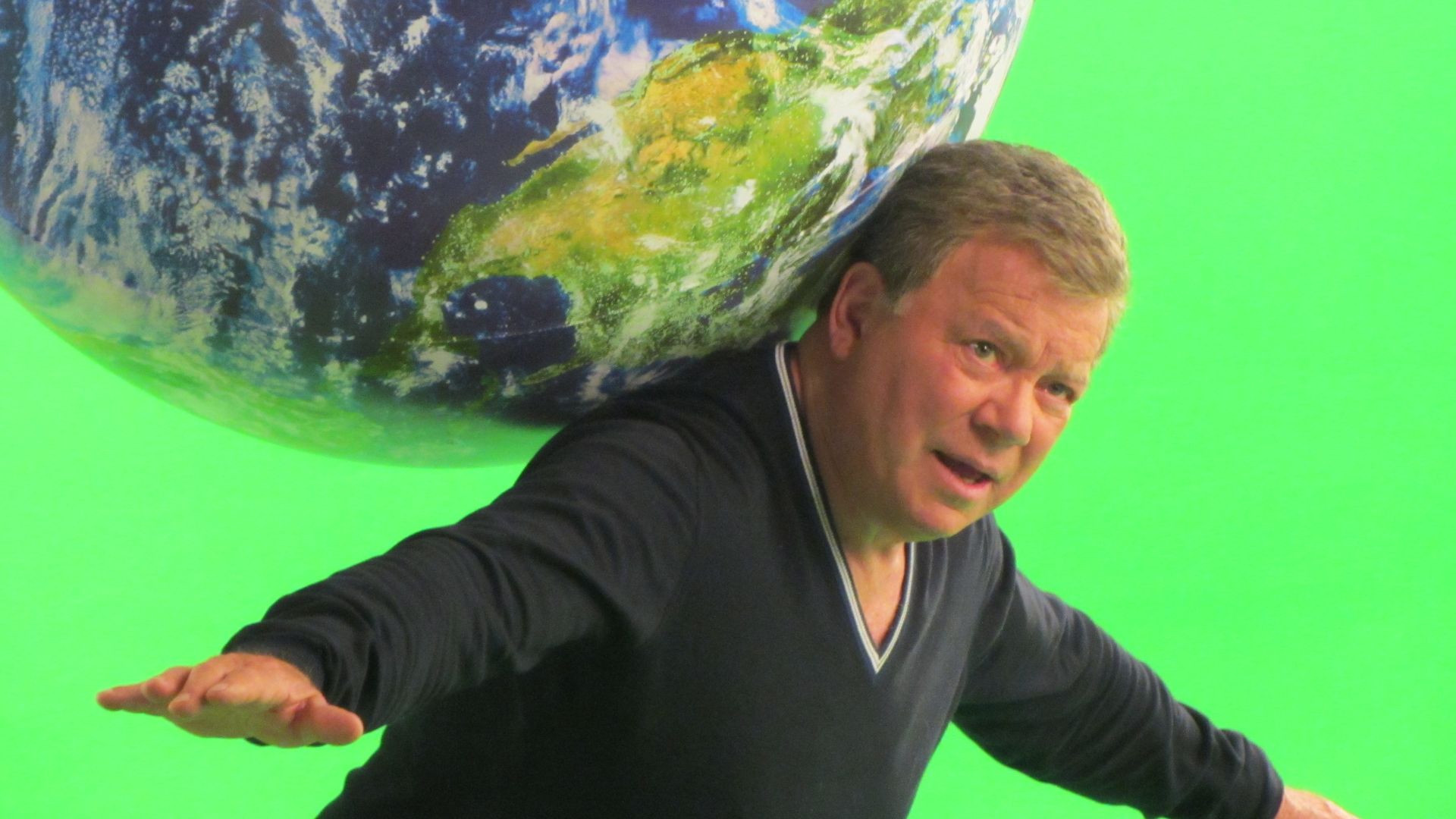
William Shatner Watched Star Trek Collapse Around Him
Captain Kirk gave William Shatner international recognition, but Star Trek was canceled after only three seasons. Shatner later described a difficult period afterward when his career and personal life both deteriorated and regular work became harder to find. The role that made him famous did not initially provide the security anyone would have expected.
 Screenshot from Star Trek: The Original Series, NBC (1966–1969)
Shatner Eventually Turned The Problem Into A Career
Syndication transformed Star Trek into a phenomenon long after cancellation. Rather than spend his life resisting Kirk, Shatner gradually learned to parody his own grand public image and make it part of his appeal. What had once looked like a dead end eventually became the engine of an unusually long second act.
 Bob Bekian from Thousand Oaks Ca., USA, Wikimedia Commons
Sean Connery Refused To Be Only James Bond
Sean Connery's career exploded when Dr. No made him the first movie James Bond in 1962. The success continued through a run of increasingly enormous films, but Connery understood quickly that the role could trap him. Even while making Bond pictures, he deliberately pursued unrelated work with directors such as Alfred Hitchcock to prove he could do something else.
 Screenshot from Dr. No, United Artists (1962)
Bond Became The Role He Couldn't Escape
Connery eventually left the series because he was weary of the attention and the overwhelming association with 007. He returned twice, first for Diamonds Are Forever and later for Never Say Never Again, showing just how difficult it was to sever the connection completely. He ultimately built a major post-Bond career, but it took years to prove James Bond had not consumed the actor playing him.
 Larry Ellis Collection, Getty Images
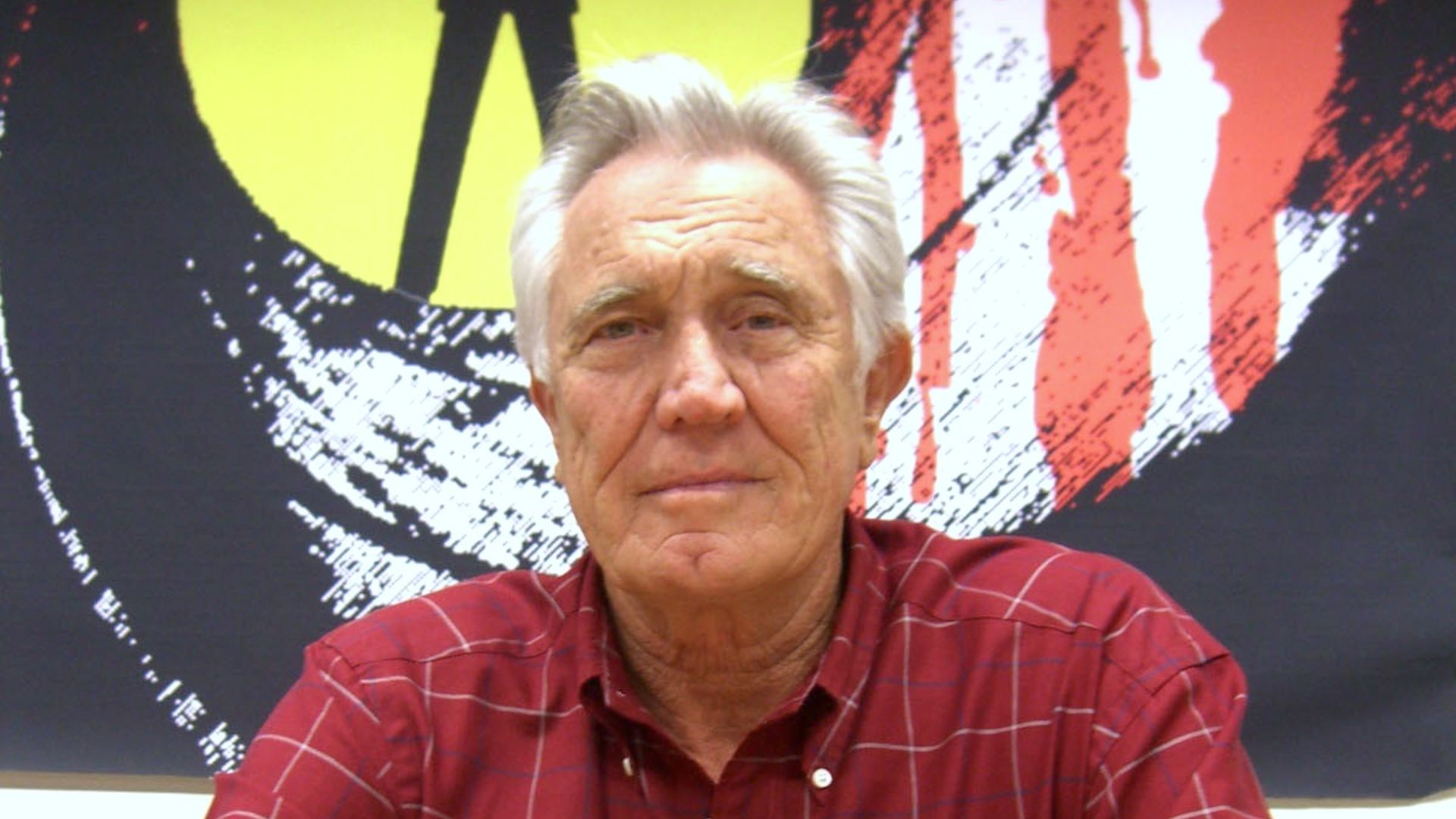
George Lazenby Walked Away From Bond
George Lazenby achieved an almost impossible breakthrough when he was chosen to replace Sean Connery as James Bond despite having very limited acting experience. On Her Majesty's Secret Service should have launched a long franchise career. Instead, Lazenby decided that Bond no longer fit the changing culture and declined to continue.
 Comet Photo AG (Zürich), Wikimedia Commons
Lazenby Said He Regretted The Decision
Years later, Lazenby said walking away damaged his career and claimed he was portrayed within the industry as difficult. He believed the fallout prevented other opportunities from developing and acknowledged that he eventually regretted making only one Bond film. The opportunity of a lifetime lasted exactly one movie.
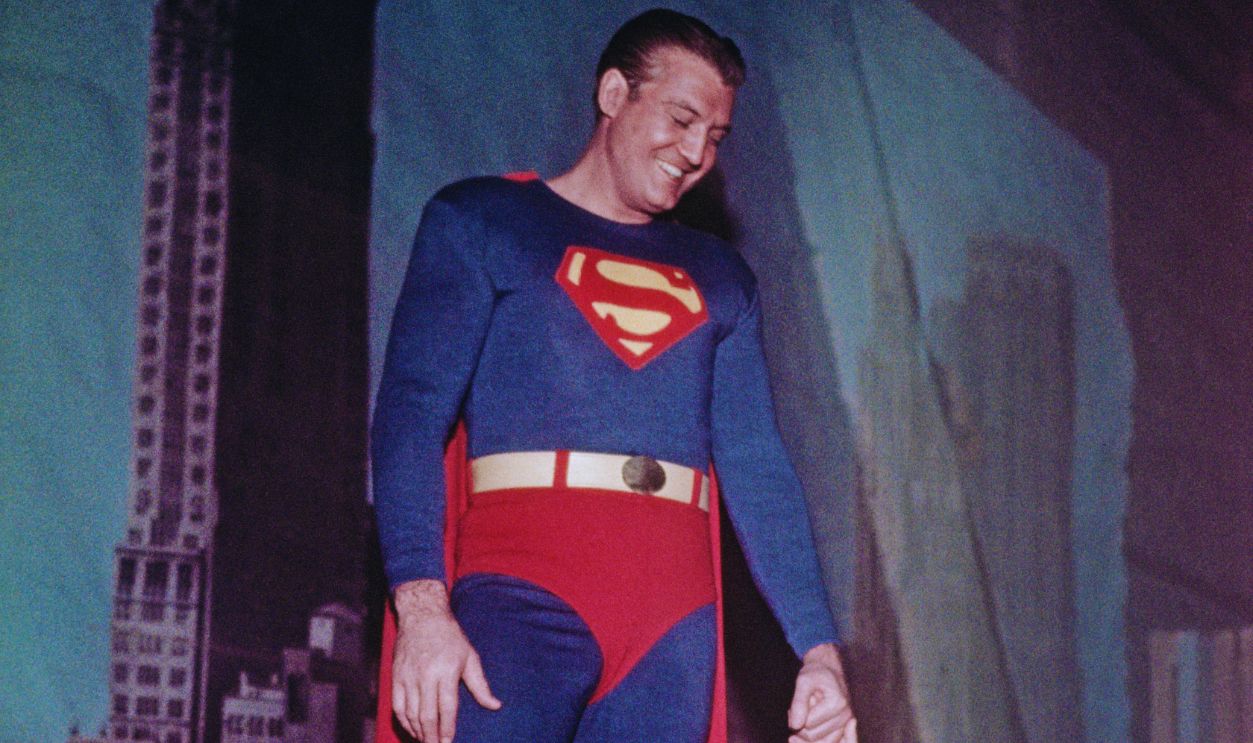
George Reeves Became Superman And Couldn't Get Away
George Reeves had already accumulated a long list of screen credits before Adventures of Superman turned him into a television hero. The series was enormously popular with children, and Reeves became permanently identified with the character. That recognition came with a professional cost.
 Silver Screen Collection, Getty Images
Superman Became A Career Cage
Friends later recalled Reeves complaining that producers no longer saw him as a serious actor. Jack Larson said Reeves wanted adult audiences to appreciate him rather than simply being recognized by children as Superman. His 1959 death was officially ruled self-inflicted, although questions about the circumstances have persisted, so the exact connection between his career frustration and his death should not be overstated.

Jack Larson Couldn't Stop Being Jimmy Olsen
Jack Larson joined Adventures of Superman as eager young reporter Jimmy Olsen. The part made him recognizable enough that his bow tie eventually entered the Smithsonian. Larson later said the very success of the character destroyed his ability to find substantial acting work afterward.
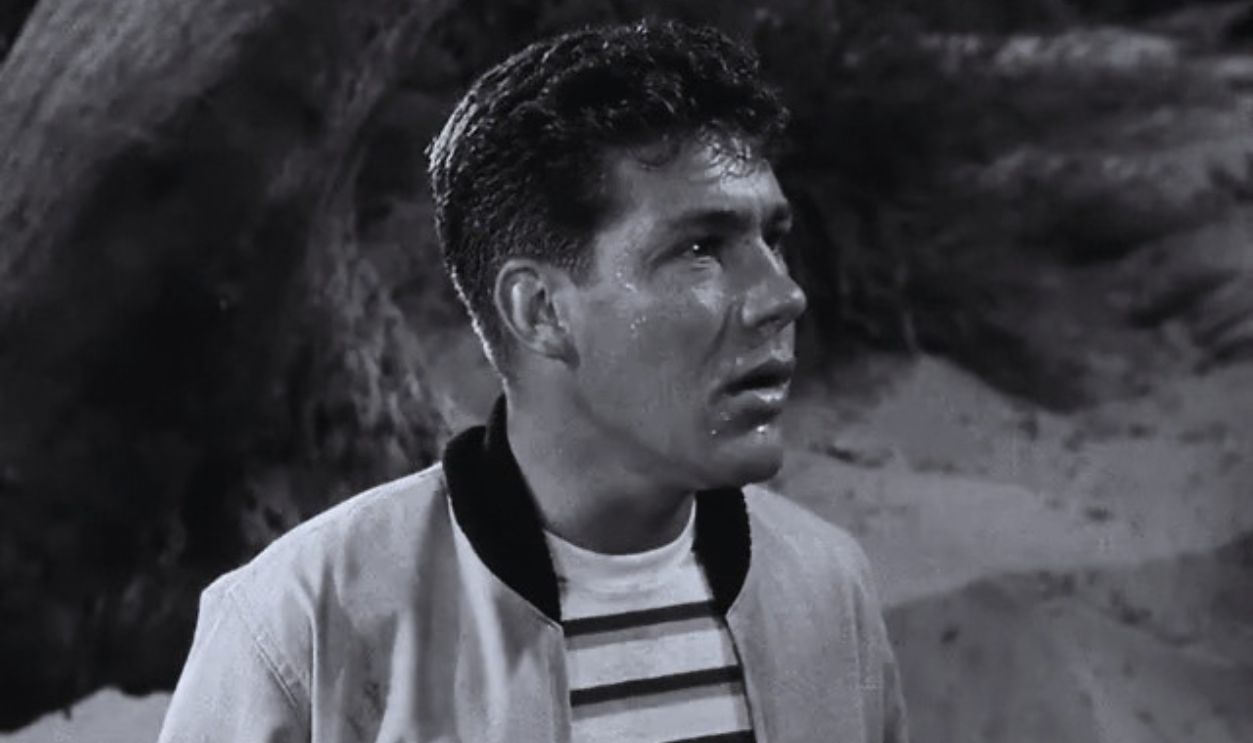 Screenshot from Adventures of Superman, Warner Bros. Television Distribution (1952–1958)
Larson Quit Acting Instead
Larson remembered being bitter about typecasting and said producers simply did not want Jimmy Olsen appearing in unrelated movies. He eventually gave up acting almost entirely and focused on writing and producing. One of television's most familiar supporting characters had effectively driven the actor who played him out of the profession.
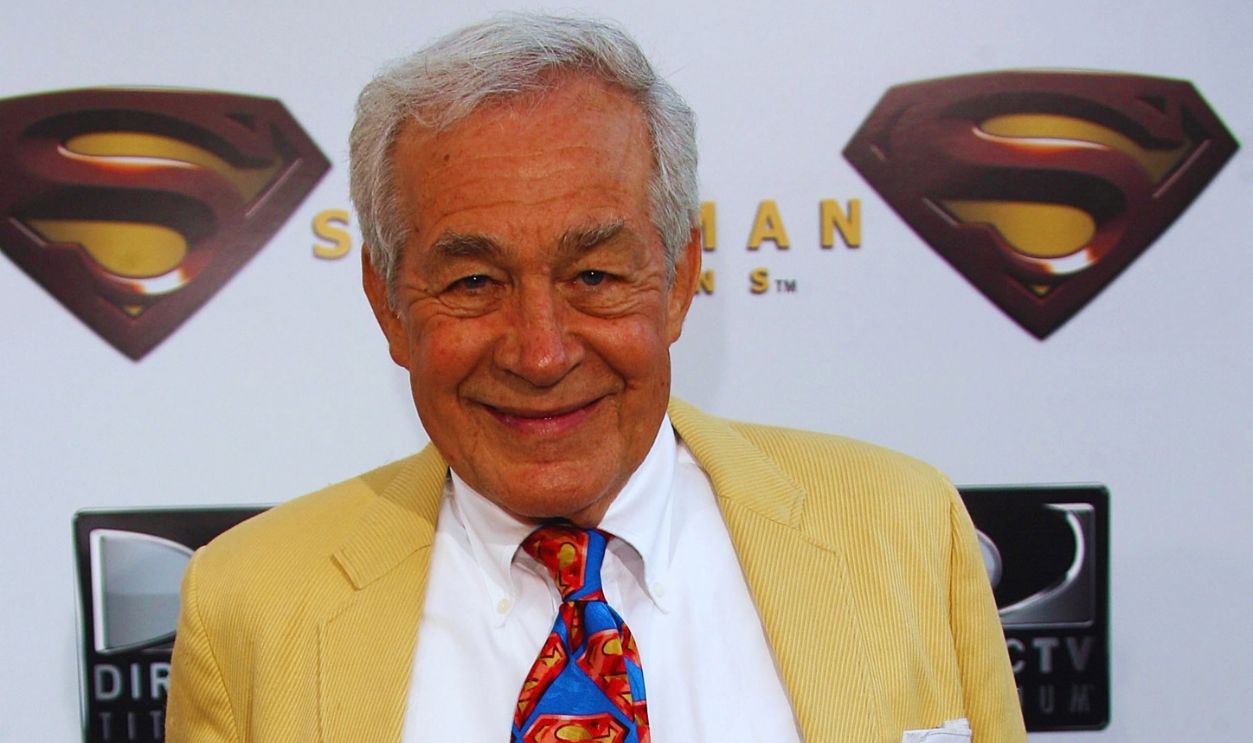 Frederick M. Brown, Getty Images
Christopher Reeve Became The Perfect Superman
Christopher Reeve was still relatively unknown when he landed the role of Superman in Richard Donner's 1978 movie. His combination of sincerity, humor, and physical presence became the standard against which later versions were judged. That extraordinary success also made it difficult for audiences to see him without the cape.
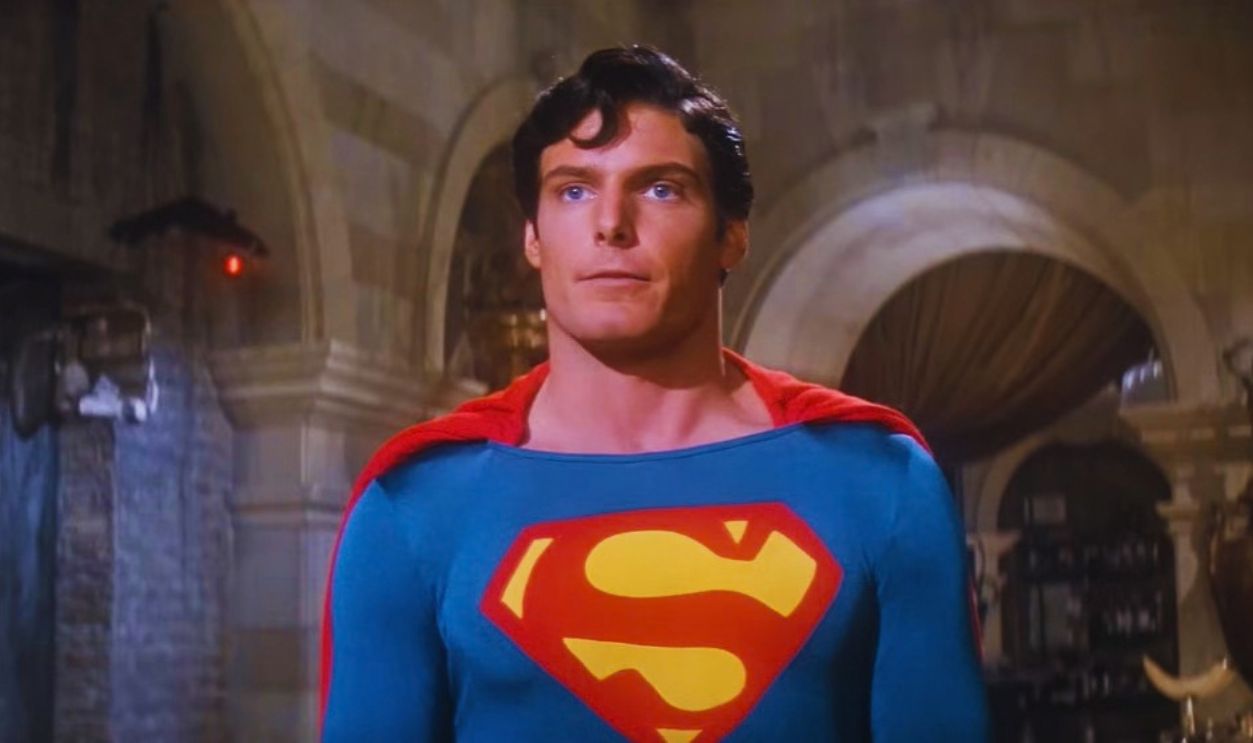 Screenshot from Superman, Warner Bros. (1978)
Reeve Had To Prove He Was More Than The Suit
Reeve deliberately searched for different work, including Somewhere in Time, Deathtrap, and stage performances. The association with Superman remained so strong that even decades later, filmmakers casting the character were trying to reproduce some part of what Reeve had created. He escaped the role creatively, but never culturally.
 Frank Micelotta Archive, Getty Images
Mark Hamill Learned What Typecasting Really Meant
Luke Skywalker turned Mark Hamill from a young television actor into the face of one of history's biggest movie franchises. After the original Star Wars trilogy, Hamill expected opportunities to expand. Instead, directors often struggled to imagine him as anyone except Luke.
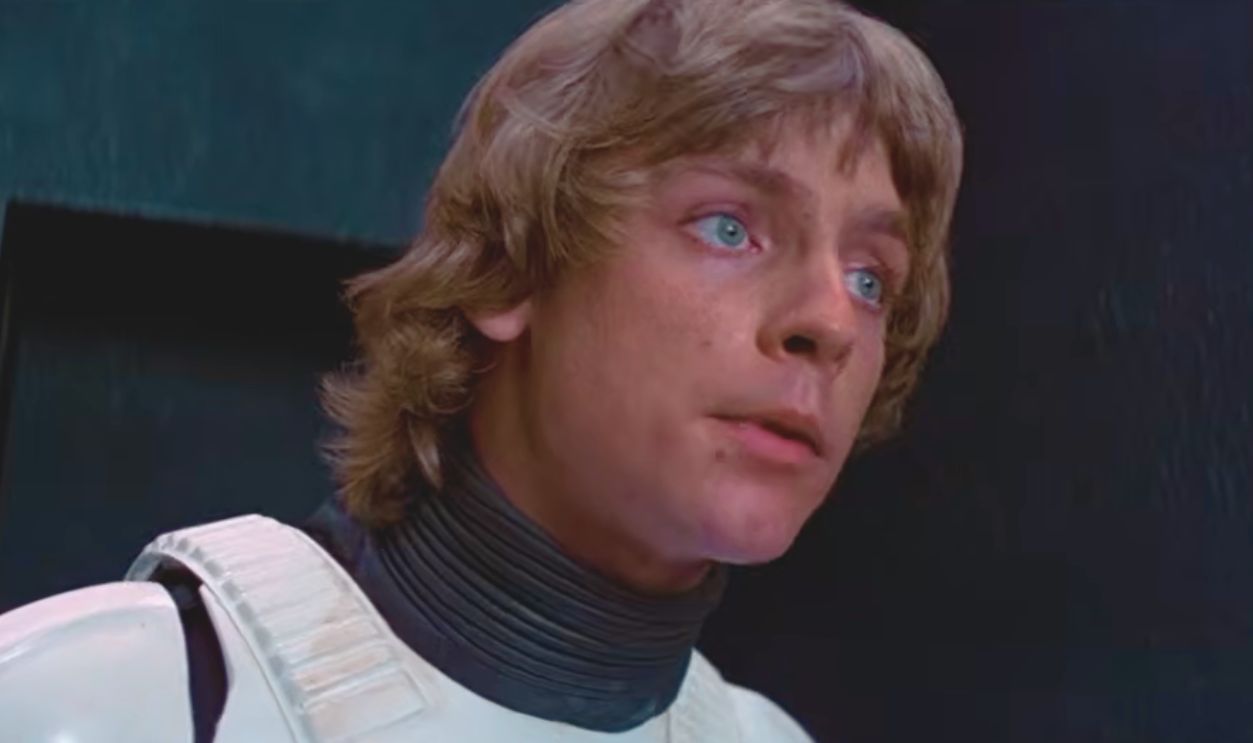 Screenshot from Star Wars, Twentieth Century-Fox Film Corp. (1977)
Mozart Was Apparently Too Much Of A Stretch
Hamill has recalled approaching Miloš Forman about playing Mozart in Amadeus after performing the role onstage. According to Hamill, Forman rejected the idea because audiences would not believe Luke Skywalker as Mozart. Hamill eventually built an exceptional voice-acting career, but the incident became a perfect illustration of the trap his breakthrough had created.
 Screenshot from Star Wars: The Last Jedi, Walt Disney Studios Motion Pictures (2017)
Carrie Fisher Said Leia Stole Her Identity
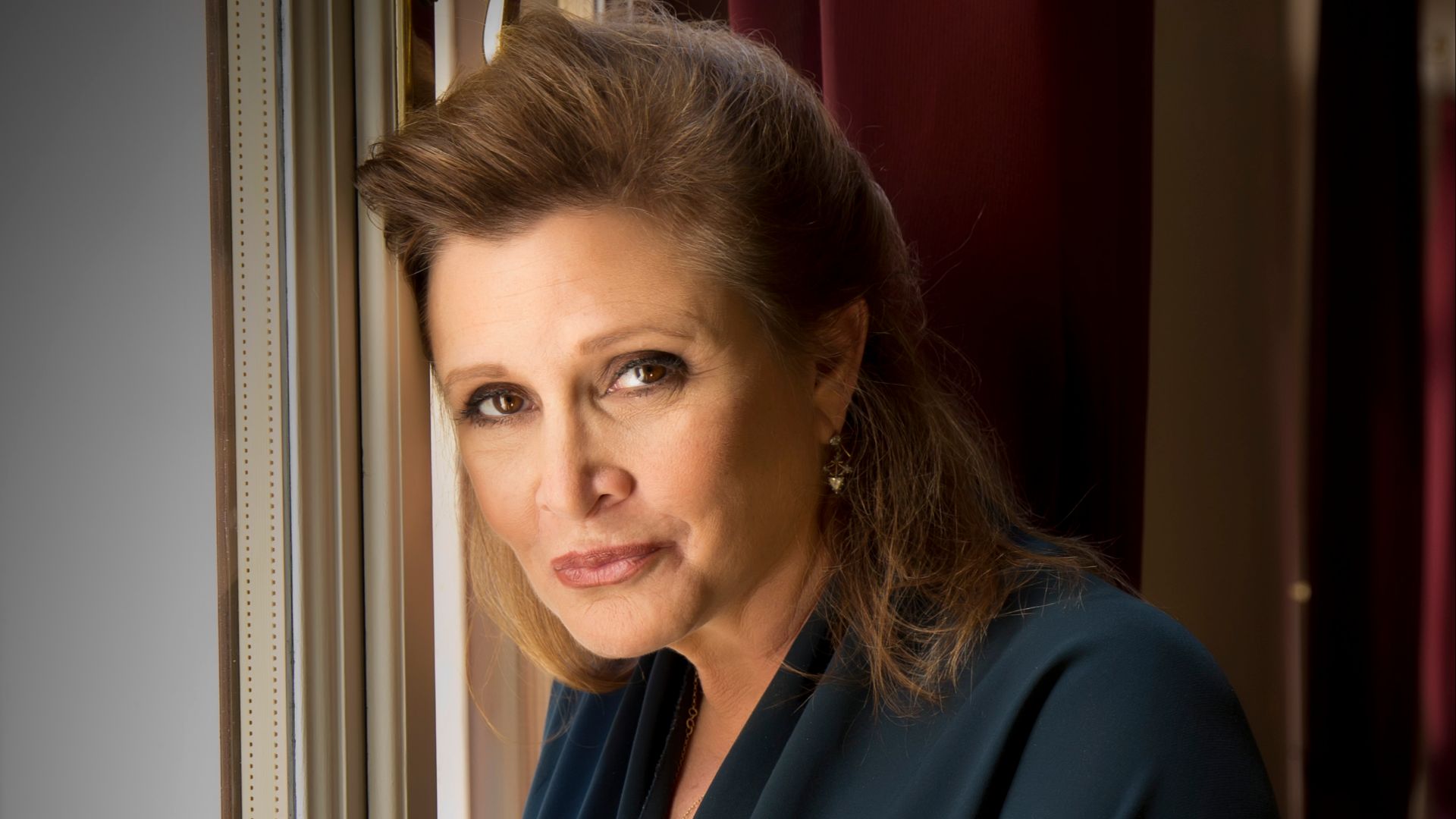
Princess Leia made Carrie Fisher globally famous at 19. The character's hairstyle, costumes, and image became permanent pieces of pop culture, reproduced on merchandise for decades. Fisher later joked that she had essentially signed away her likeness without understanding how valuable it would become.
 Screenshot from Star Wars, Twentieth Century-Fox (1977)
People Never Stopped Calling Her Princess
Fisher said strangers continued calling her "Princess" in public long after the original trilogy ended. She compared the experience to being a branded character whose identity belonged partly to a massive corporation and partly to the audience. Fisher ultimately turned that frustration into brilliant comedy and writing, but Leia remained attached to her for life.
 Riccardo Ghilardi photographer, Wikimedia Commons
Linda Blair Couldn't Escape The Exorcist
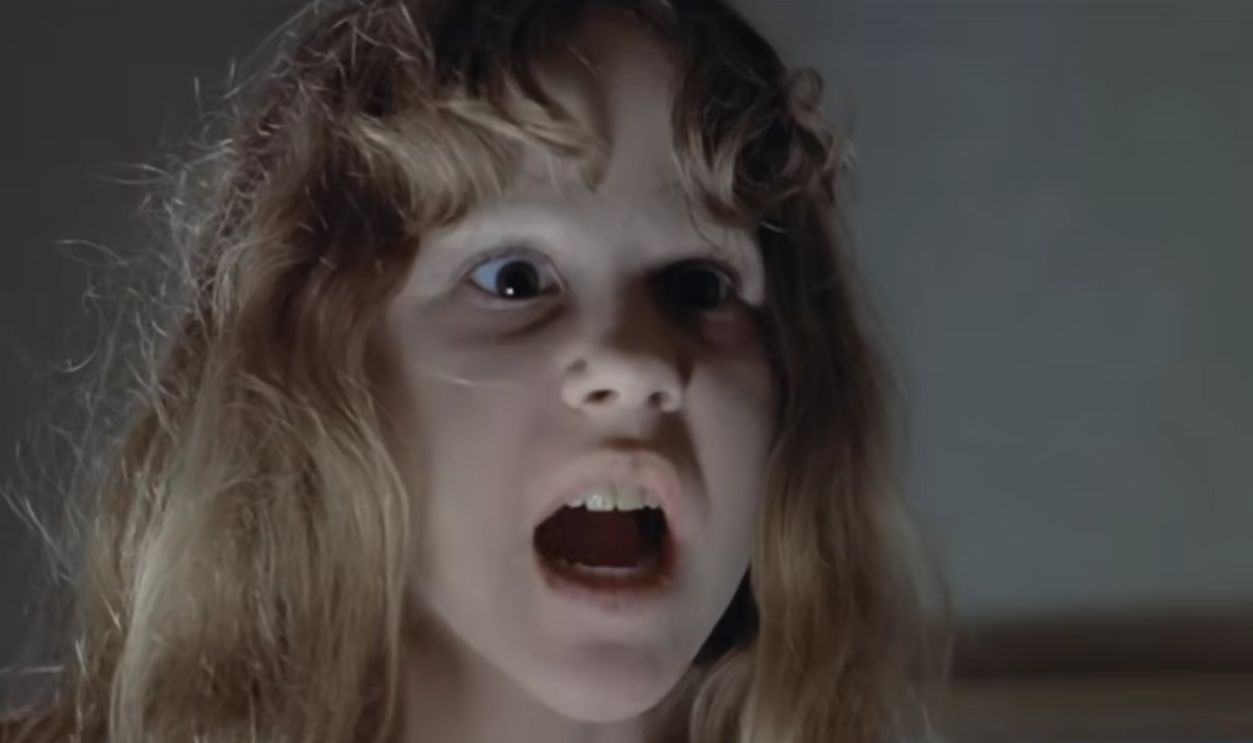
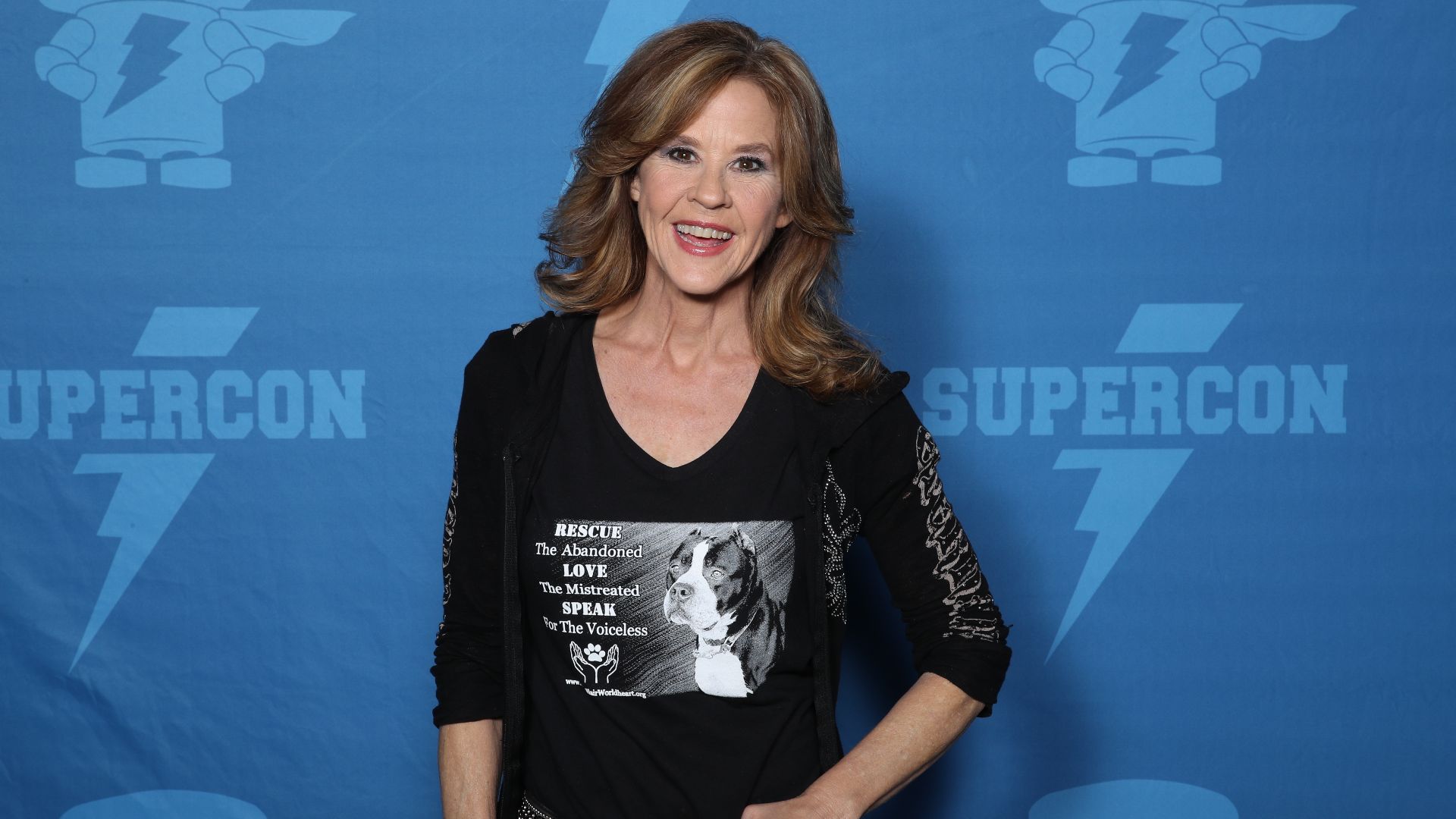
Linda Blair was only a teenager when The Exorcist turned her into one of the most famous young actors in the world. She earned an Academy Award nomination, but the disturbing character became almost impossible to leave behind. Later roles repeatedly returned her to horror or troubled-young-woman territory.
 Screenshot from The Exorcist, Warner Bros.
Blair Wanted The Image Off Her Back
By 1990, Blair openly said she hoped the spoof Repossessed might finally let her put the Exorcist image behind her. She had spent years trying to demonstrate that she could play something else. The movie that established her career had also sharply narrowed what filmmakers expected from her.
 Super Festivals from Ft. Lauderdale, USA, Wikimedia Commons
Anthony Perkins Became Norman Bates Forever
Anthony Perkins had already earned an Oscar nomination and built a promising career as a sensitive leading man before Alfred Hitchcock cast him in Psycho. Norman Bates became one of cinema's defining characters almost immediately. Perkins later acknowledged that the role changed the kinds of parts Hollywood was willing to offer him.
 Screenshot from Psycho, Paramount Pictures
Psycho Followed Him For Thirty Years
Perkins spent years working in Europe partly because American filmmakers had difficulty seeing past Norman Bates. Eventually, he returned to the character for multiple sequels and even directed Psycho III. What began as a daring career move ultimately became the role to which Hollywood kept sending him back.
 Rob Croes for Anefo, Wikimedia Commons
Malcolm McDowell Became Alex Forever
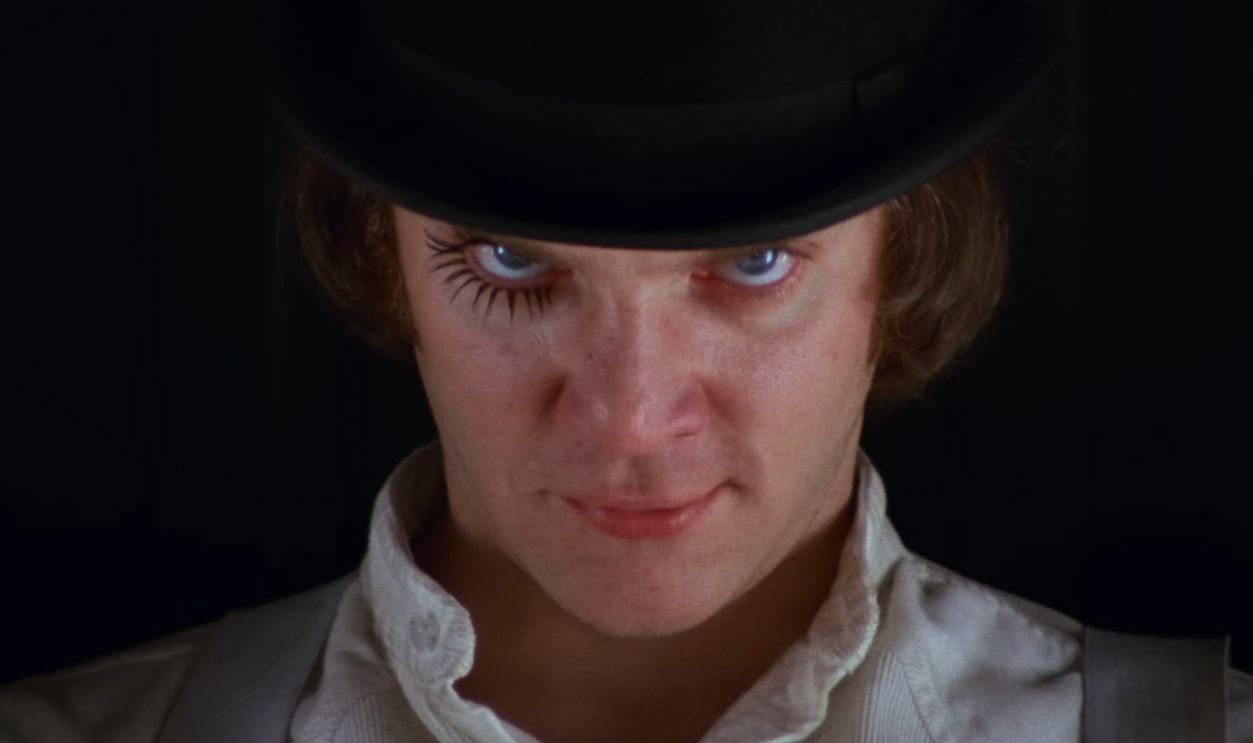
Malcolm McDowell was still a rising British actor when Stanley Kubrick chose him to play Alex in A Clockwork Orange. The performance was fearless and instantly iconic. It also associated McDowell so strongly with menace and rebellion that darker roles began following him for decades.
 Screenshot from A Clockwork Orange, Warner Bros. (1971)
Kubrick's Film Never Really Let Him Go
McDowell has continued working prolifically and speaks proudly about the film, but Alex remains the performance interviewers return to again and again. The physically grueling production also left vivid memories, including injuries during the famous treatment sequence. More than half a century later, it is still the role that sits at the center of his public identity.
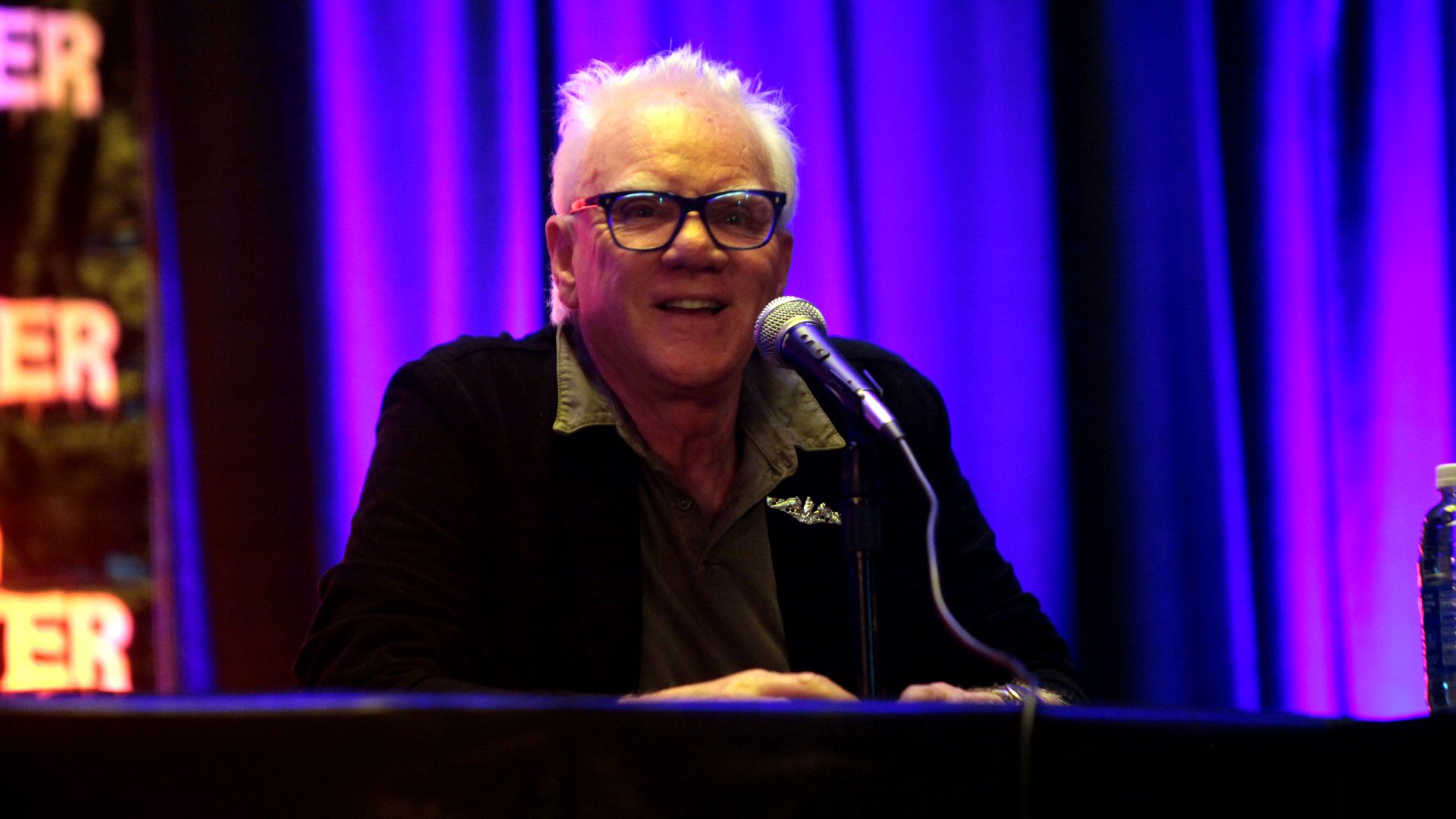 Gage Skidmore from Surprise, AZ, United States of America, Wikimedia Commons
Tippi Hedren's Break Became A Battle
Tippi Hedren was a model when Alfred Hitchcock spotted her and turned her into the star of The Birds. It should have been the beginning of a major Hollywood career. Instead, Hedren later said her professional relationship with Hitchcock became increasingly controlling and hostile.
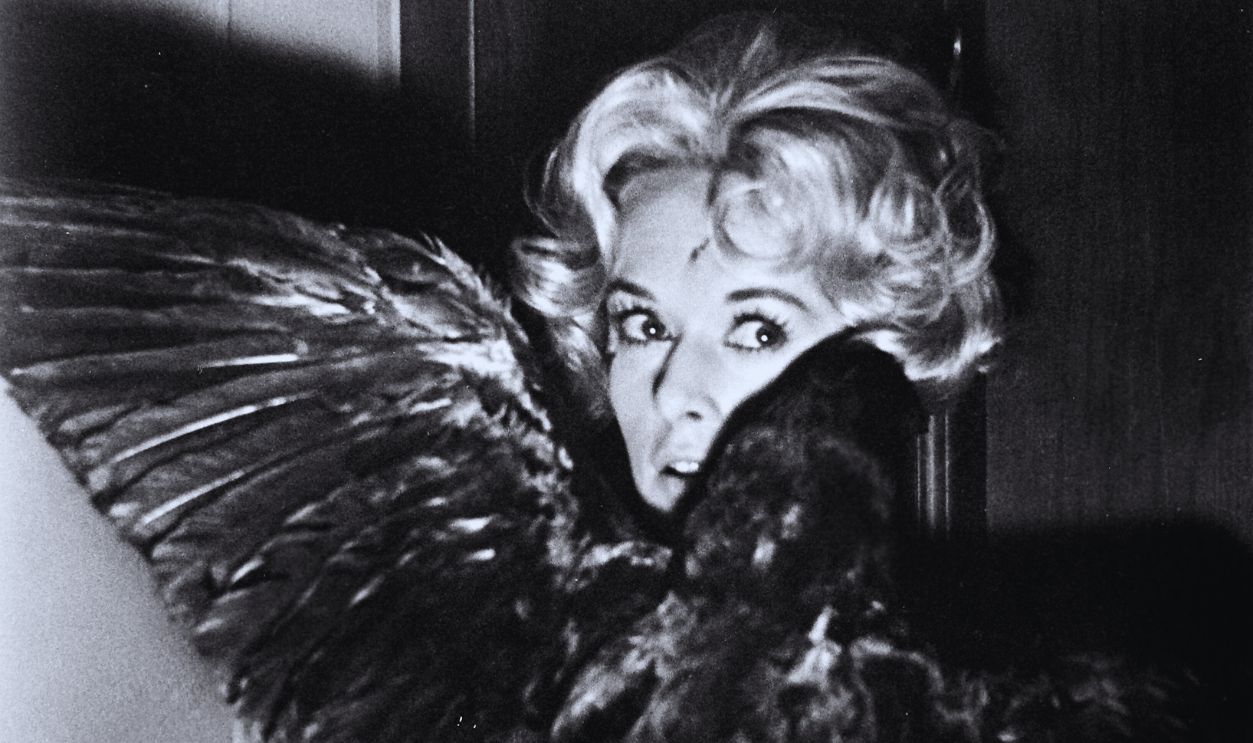 ullstein bild Dtl., Getty Images
Hedren Said Hitchcock Held Her Career Back
Hedren alleged that after she rejected his unwanted attention, Hitchcock refused to release her from her contract and blocked other opportunities. She said the situation effectively stalled the career he had helped create. Her enormous breakthrough therefore became inseparable from the person she later blamed for limiting what came next.
 Sunset Boulevard, Getty Images
Henry Winkler Couldn't Stop Being The Fonz
Arthur Fonzarelli was originally supposed to be a supporting character on Happy Days. Henry Winkler's performance became so popular that producers briefly considered rebuilding the show around Fonzie. Tens of thousands of fan letters arrived, but the success created a difficult problem once the series ended.
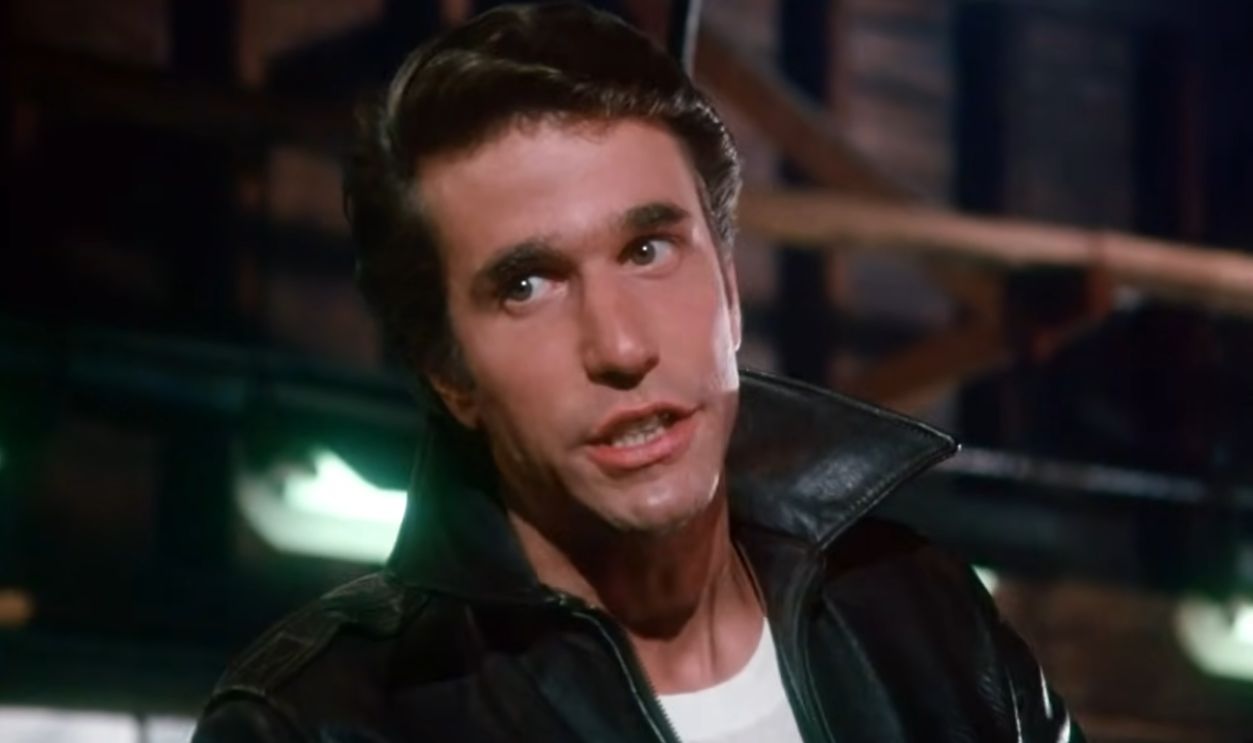 Screenshot from Happy Days, ABC (1974–1984)
Hollywood Only Wanted Fonzie
Winkler has said he became completely typecast after Happy Days. For years he struggled to regain momentum as an actor and increasingly worked as a producer and director instead. He eventually found major later roles in Arrested Development and Barry, but escaping Fonzie took decades.
 Paula R. Lively from Zanesville, Wikimedia Commons
Ralph Macchio Became The Karate Kid For Life
Ralph Macchio's career seemed unstoppable after The Karate Kid became a massive success in 1984. Sequels followed quickly, and Macchio knew he had entered Hollywood's highly desirable group of young actors. Then the opportunities slowed with alarming speed.
 Screenshot from The Karate Kid, Columbia Pictures (1984)
Macchio Watched Himself Fall Off The List
Macchio has described feeling himself slip down Hollywood's casting list and then disappear from it. He worked occasionally, including in My Cousin Vinny, but Daniel LaRusso remained the identity audiences recognized most. Decades later, Cobra Kai finally turned the old typecasting problem into his comeback.
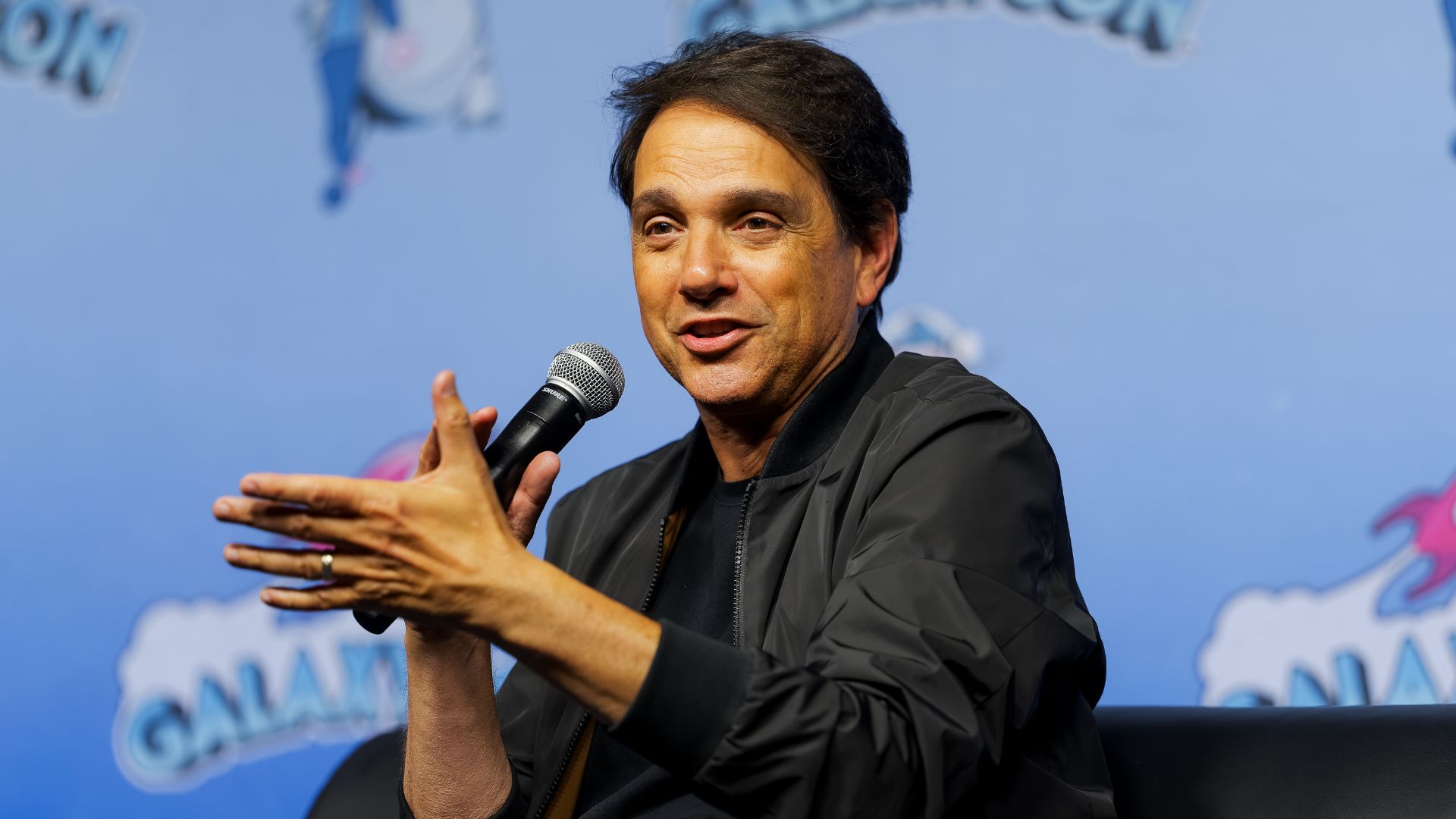 John Manard, Wikimedia Commons
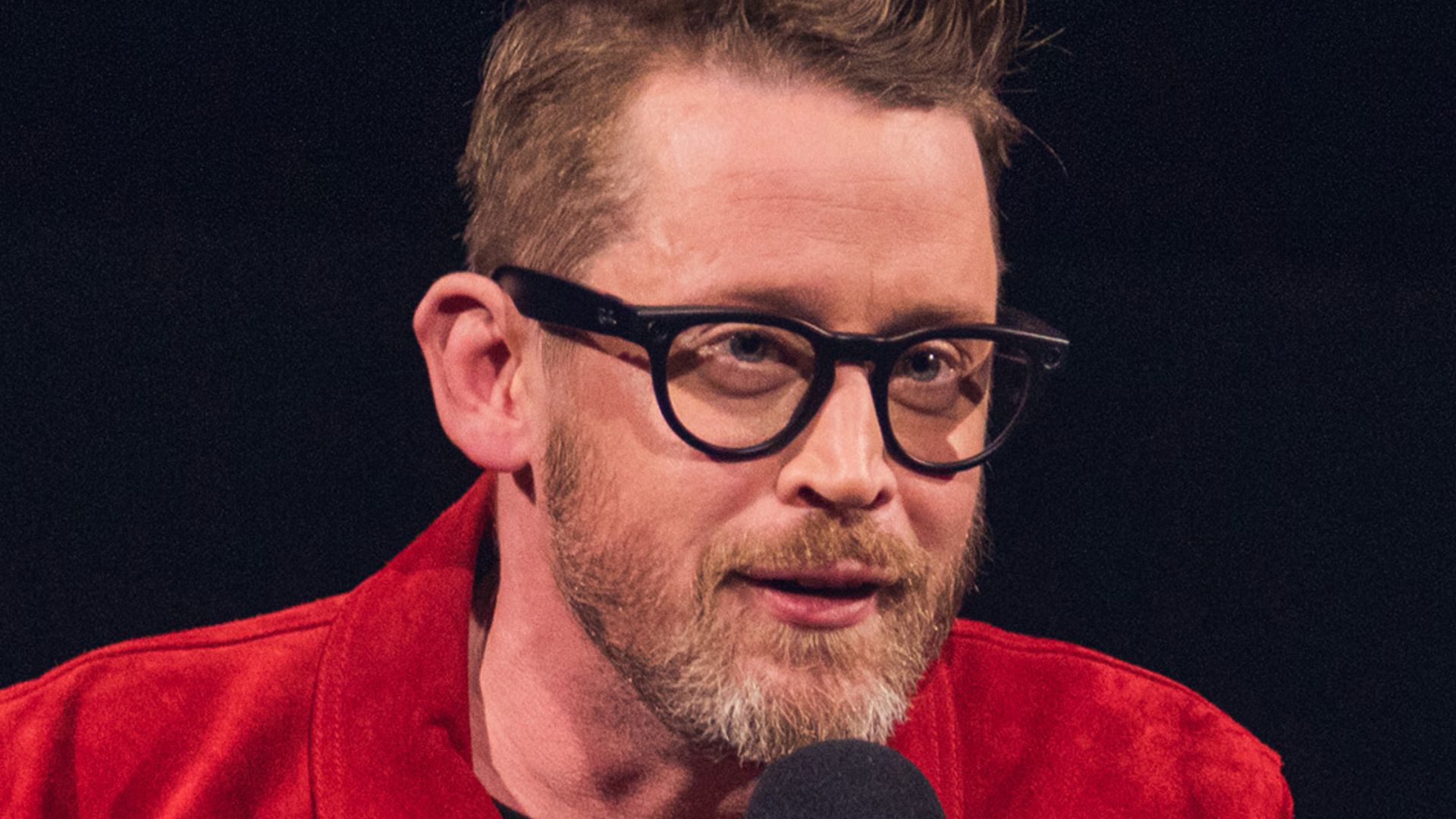
Macaulay Culkin Became Too Famous To Be A Kid
Home Alone made Macaulay Culkin one of the biggest child stars in film history. What looked from the outside like every young actor's fantasy quickly became an overwhelming level of celebrity. Culkin later described being unable to move through ordinary life without strangers watching him.
 Screenshot from Home Alone, 20th Century Fox (1990)
Culkin Wanted Out Before His Teens Were Over
He has said he wanted to stop working while still very young. By his mid-teens, his parents were involved in a highly publicized battle over custody and control of his earnings, and Culkin withdrew from mainstream movie stardom. The face Hollywood had turned into a global brand became something he spent years trying to reclaim as his own.
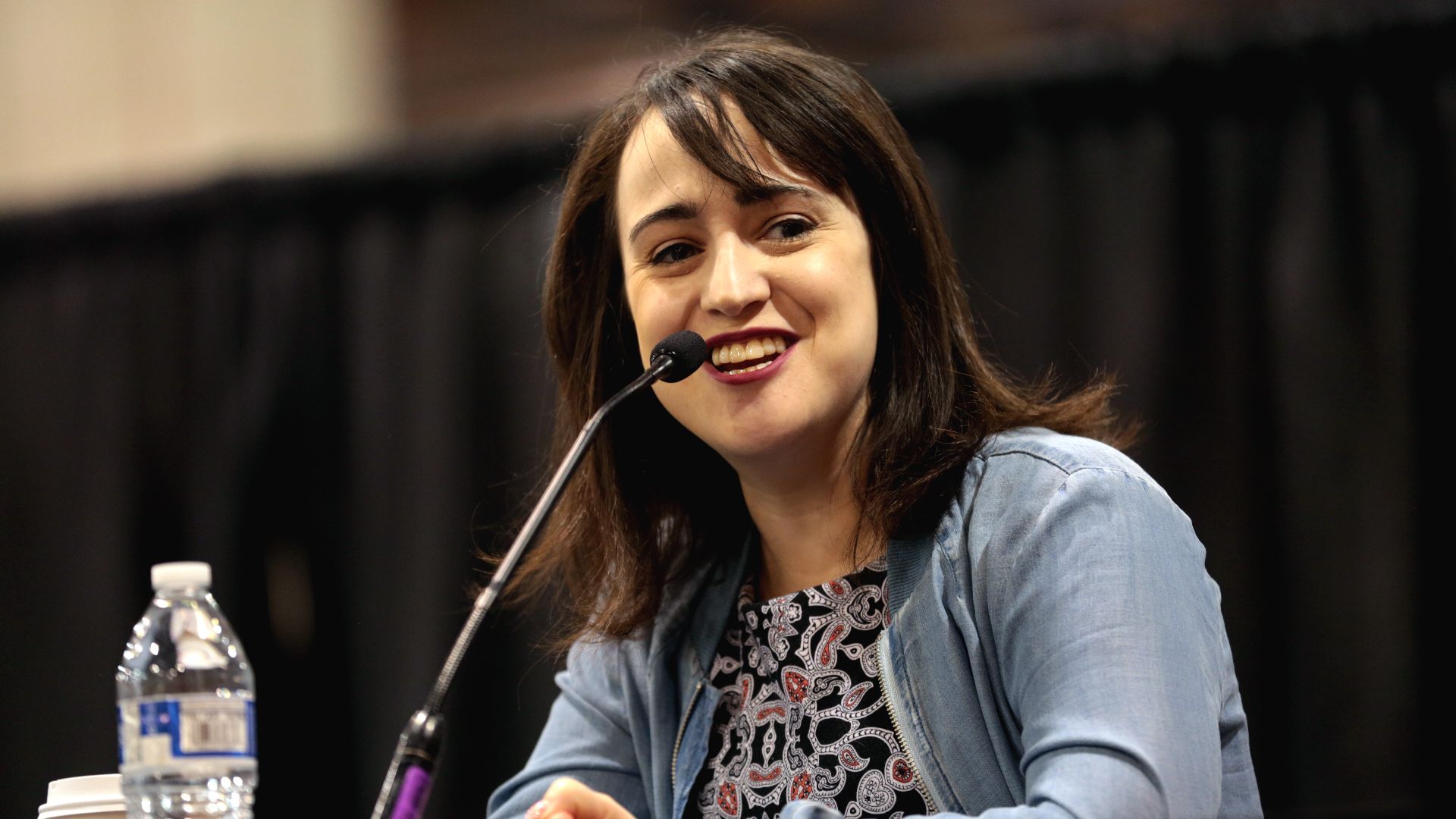
Mara Wilson Could Never Live Up To Matilda
Mara Wilson was nine when Matilda made her famous. Fans expected the real child to resemble the brilliant, kind, almost superhuman girl she played onscreen. Wilson later said meeting those expectations became an impossible burden.
 Screenshot from Matilda, Sony Pictures Releasing (1996)
Fame Followed Her Off The Set
Wilson has spoken candidly about feeling watched, judged, and measured against the characters audiences loved. As she grew older, Hollywood's interest in her changed, leaving her with complicated feelings about appearance and self-worth. She eventually stepped away from mainstream screen acting and found a new creative life as a writer.
 Gage Skidmore from Peoria, AZ, United States of America, Wikimedia Commons
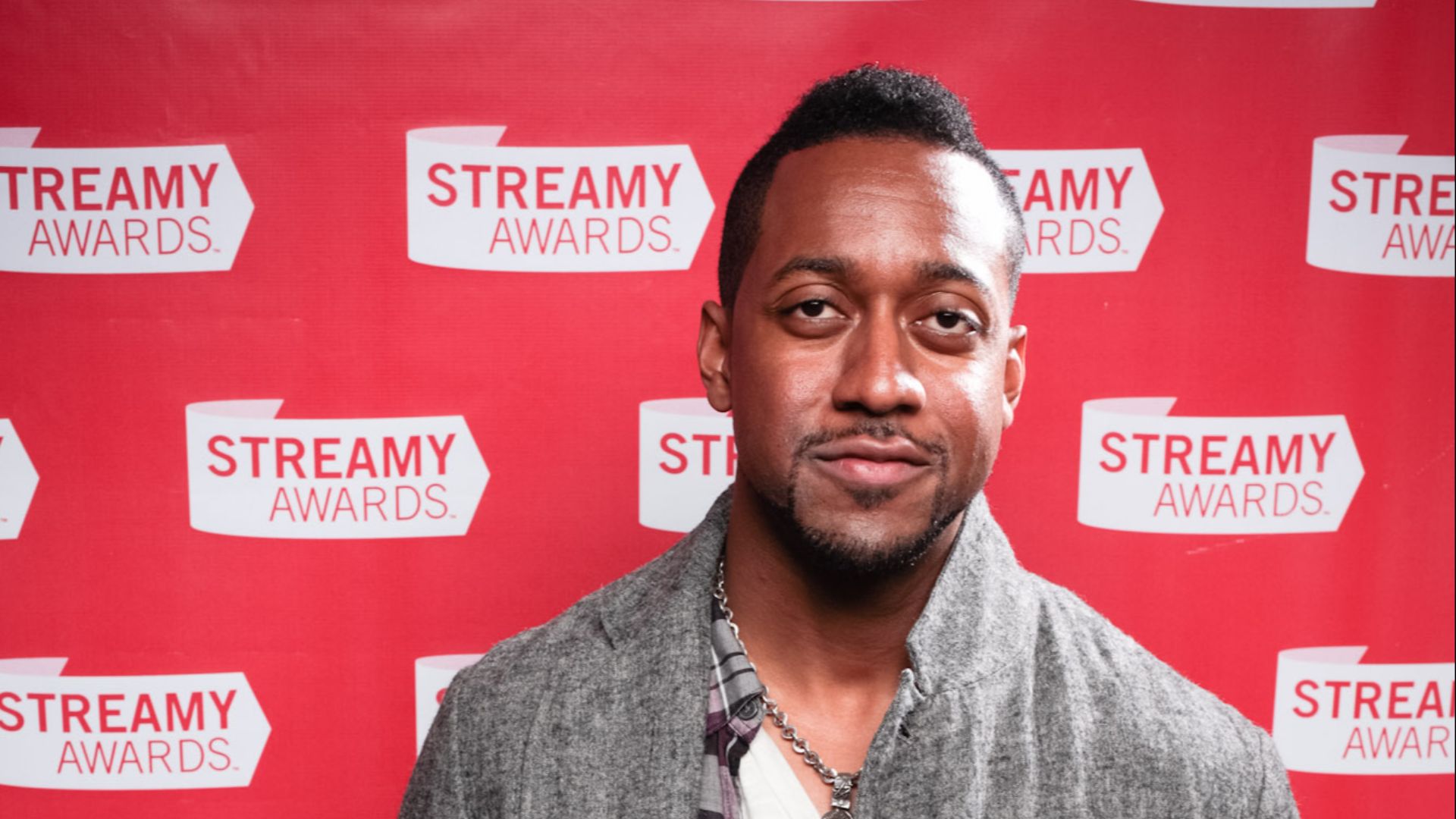
Jaleel White Became Urkel Instead Of Jaleel
Steve Urkel was meant to be a one-episode guest character on Family Matters. Jaleel White's performance became so popular that Urkel effectively took over the series. White was still a teenager when one exaggerated television character became his permanent calling card.
 Screenshot from Family Matters, Warner Bros. Television Distribution (1989–1997)
Urkel Became Impossible To Forget
White publicly dismissed worries about typecasting while Family Matters was still running and has resisted portraying himself as a victim of the role. Still, the character followed him so completely that almost every discussion of his later work began with Urkel. The big break did not destroy his career, but it became the filter through which the rest of it was viewed.
 The Bui Brothers, Wikimedia Commons
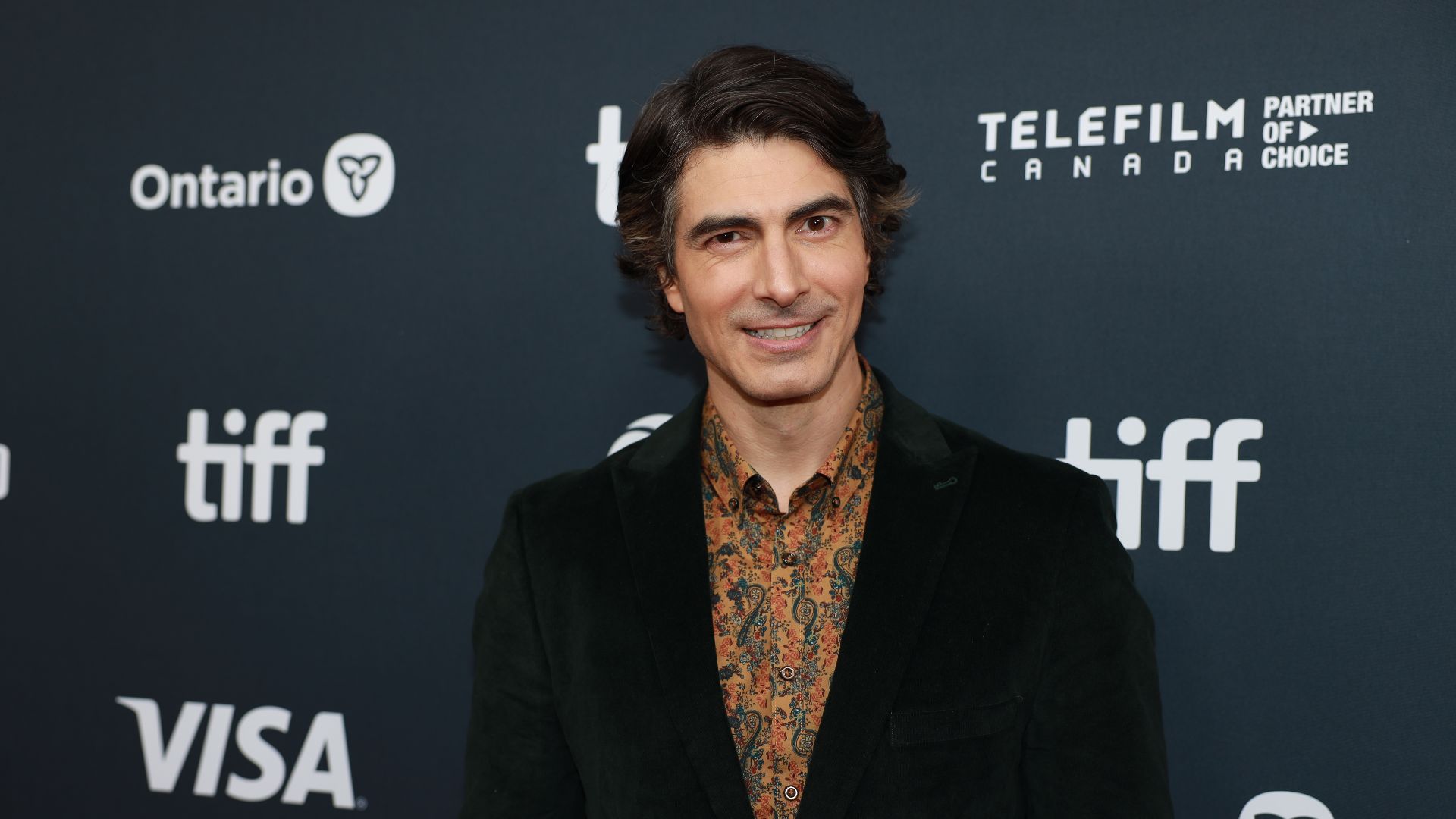
Brandon Routh Thought Superman Was The Beginning
Brandon Routh was a little-known actor when Bryan Singer selected him from thousands of candidates for Superman Returns. Warner Bros. initially envisioned further films, and Routh understandably expected the role to launch a huge franchise career. The sequel never happened.
 Screenshot from Superman Returns, Warner Bros. Pictures (2006)
Routh Had To Rebuild After The Cape
Routh later said he moved on after spending years waiting for another Superman film. He rejected the idea that the role itself had haunted him, but acknowledged that people in the industry stereotyped the movie and that much of his subsequent work struggled to gain visibility. The dream role delivered fame without the career trajectory he had expected.
 Kevin Payravi, Wikimedia Commons
Ahmed Best Got The Biggest Role Of His Life
Ahmed Best landed his first major screen role when George Lucas cast him as Jar Jar Binks in Star Wars: Episode I - The Phantom Menace. The motion-capture performance placed Best inside the most anticipated film event of its era. Then the character became a target for extraordinary public hostility.
 Screenshot from Star Wars: Episode I - The Phantom Menace, 20th Century Fox (1999)
The Backlash Nearly Broke Him
Best later said the abuse became so intense that he considered ending his life. Years afterward, a younger generation of Star Wars fans began welcoming him at conventions and reassessing the prequel films. The role finally brought affection, but only after the actor had endured a level of hostility nobody could reasonably have anticipated when he was cast.

Hayden Christensen Became Darth Vader's Past
Hayden Christensen received the enormous task of playing Anakin Skywalker in the Star Wars prequels. The movies made him globally recognizable, but they also brought years of harsh criticism. When the trilogy ended, Christensen gradually stepped away from Hollywood's center.
 Screenshot from Star Wars: Episode III - Revenge of the Sith, 20th Century Fox (2005)
Christensen Needed Distance From Star Wars
Christensen later said he did not consciously quit acting, but he enjoyed life on his Canadian farm enough to accept the career consequences of spending less time in Hollywood. For years he also avoided fan conventions. His eventual return as Anakin and Darth Vader allowed him to experience a warmer reception from fans who had grown up with the prequels.
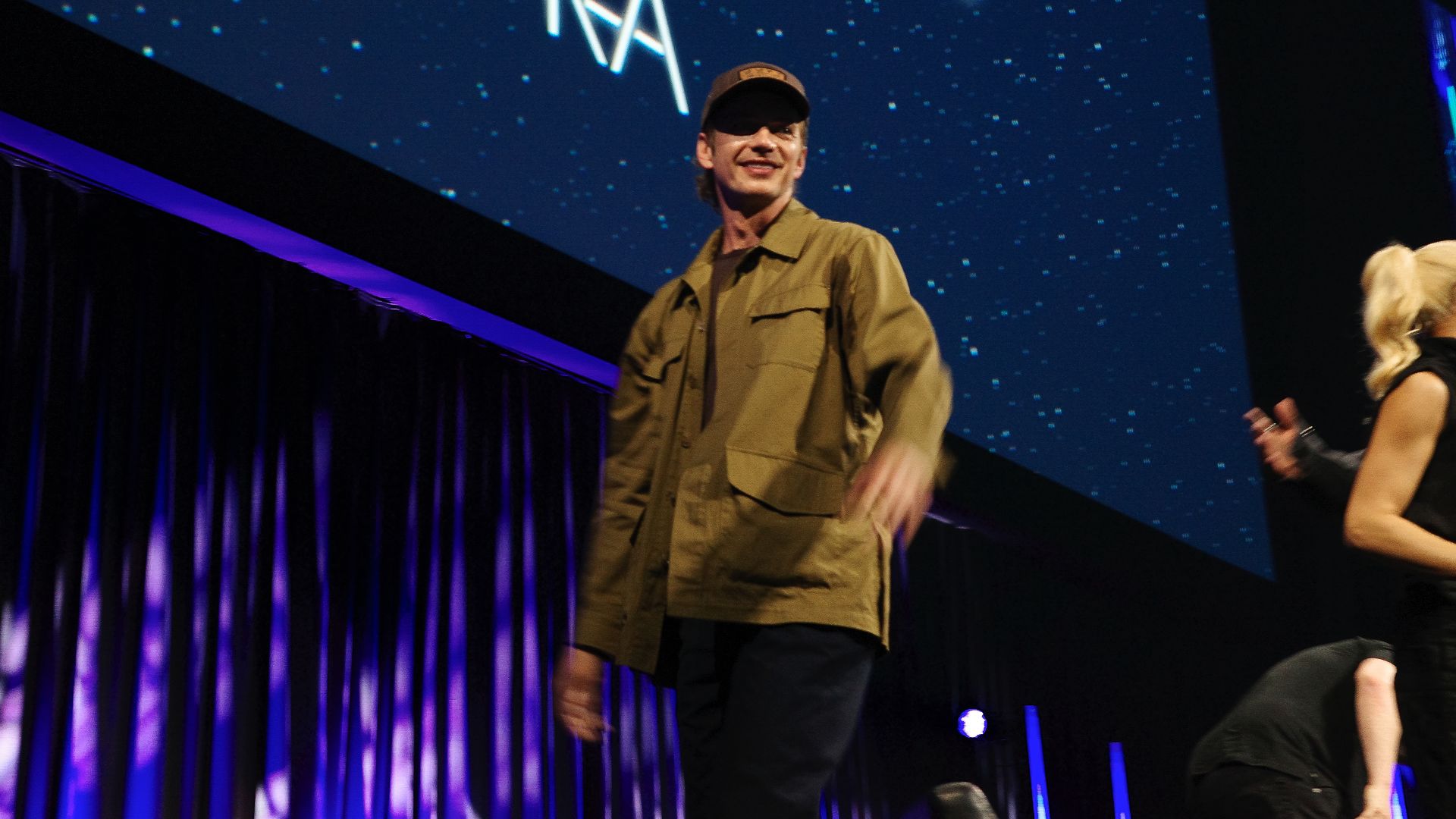 Sara Komatsu, Wikimedia Commons
Jake Lloyd Was A Child Inside A Cultural Storm
Jake Lloyd was only eight when he was cast as young Anakin Skywalker in The Phantom Menace. The film became one of the most intensely anticipated releases in movie history. When portions of the audience reacted negatively, some of that frustration was directed at the child actor himself.
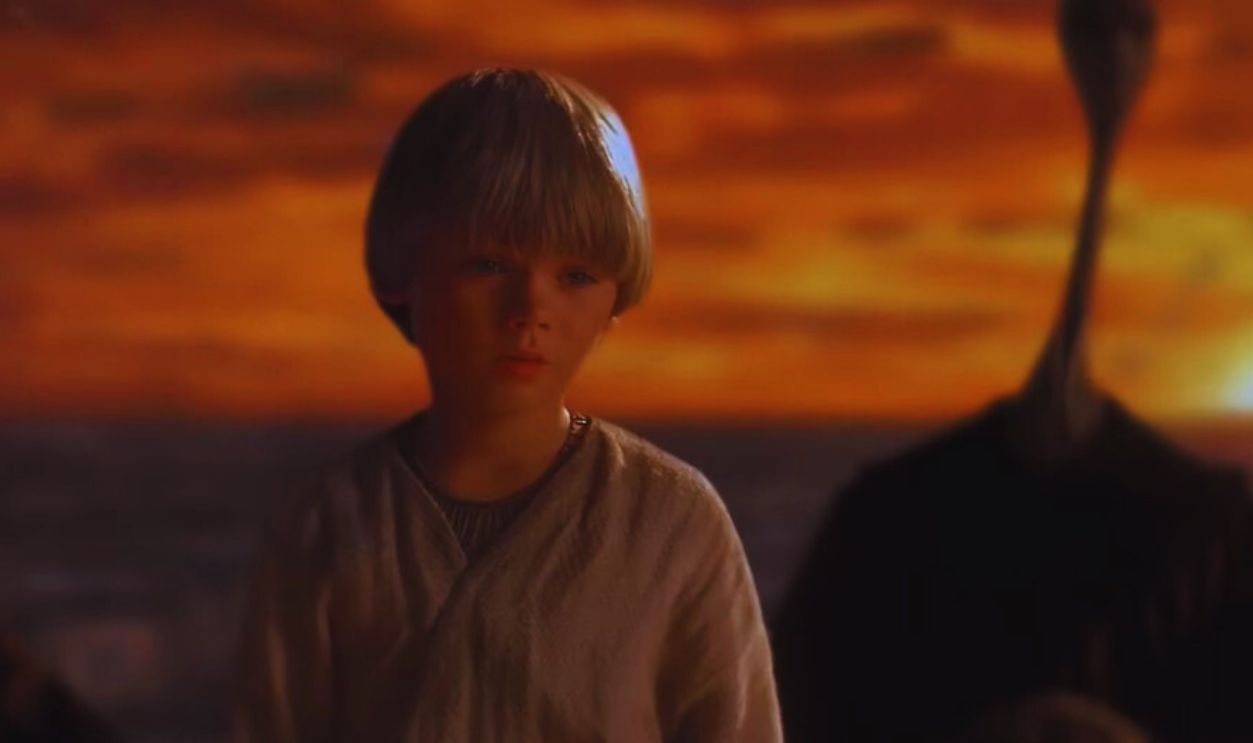 20th Century Fox, Star Wars: Episode I – The Phantom Menace (1999)
School Became Miserable After Star Wars
Lloyd later said classmates mocked him and repeatedly imitated lightsaber noises around him. He largely left acting while still young and became one of the clearest examples of how enormous franchise attention can overwhelm a child performer. What should have been an unimaginable professional breakthrough became something he spent years distancing himself from.
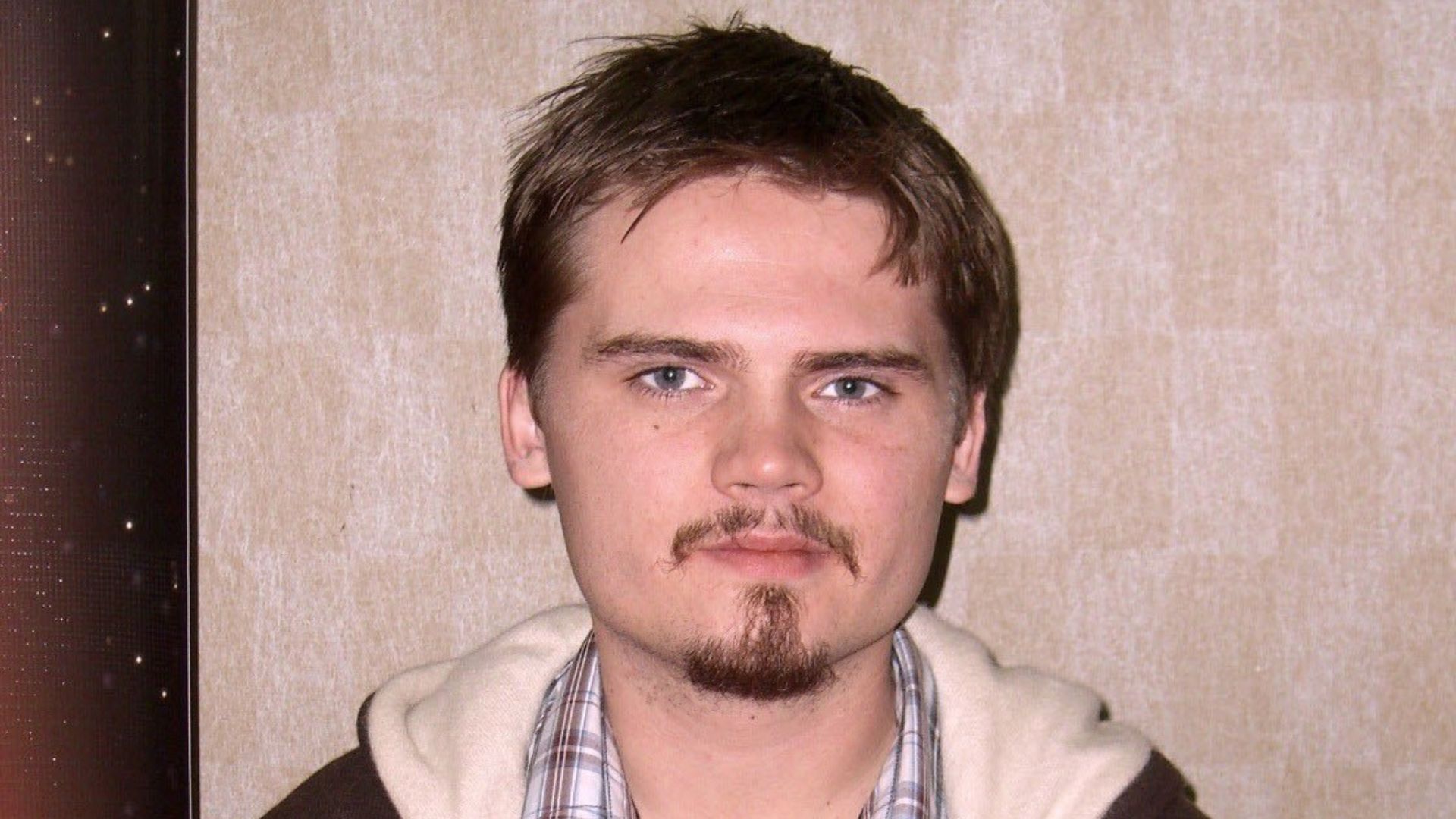 Nightscream, Wikimedia Commons
Robert Pattinson Wasn't Prepared For Twilight
Robert Pattinson went from relative obscurity to worldwide fame after Twilight. The intensity was extreme enough that he sometimes changed cars and clothes in attempts to avoid photographers and crowds. Pattinson later admitted that the attention did not fit comfortably with his naturally private personality.
 Screenshot from Twilight, Summit Entertainment (2008)
Pattinson Ran Toward The Strangest Roles He Could Find
After Twilight, Pattinson deliberately gravitated toward unusual filmmakers and difficult characters rather than conventional star vehicles. Films such as Good Time and The Lighthouse gradually changed the conversation around his abilities. He eventually escaped Edward Cullen professionally, but only after spending years rebuilding an identity that one franchise had overwhelmed.
 Screenshot from The Lighthouse, A24 (2019)
Kristen Stewart Shut Down Under Twilight Fame
Kristen Stewart was already a working actor before Twilight, but Bella Swan made her one of the most scrutinized young stars on Earth. She later said becoming extremely famous at 17 disrupted the ordinary process of figuring out who she was. The public conversation around her life became so intense that she responded by becoming increasingly guarded.
 Screenshot from Twilight, Summit Entertainment (2008)
Stewart Had To Learn How To Live Publicly
Stewart said she eventually realized that shutting down was keeping her from living fully. Her post-Twilight choices moved toward independent films and filmmakers who allowed her to rebuild a less manufactured screen identity. Like Pattinson, she ultimately turned a crushing level of franchise fame into a more adventurous career.
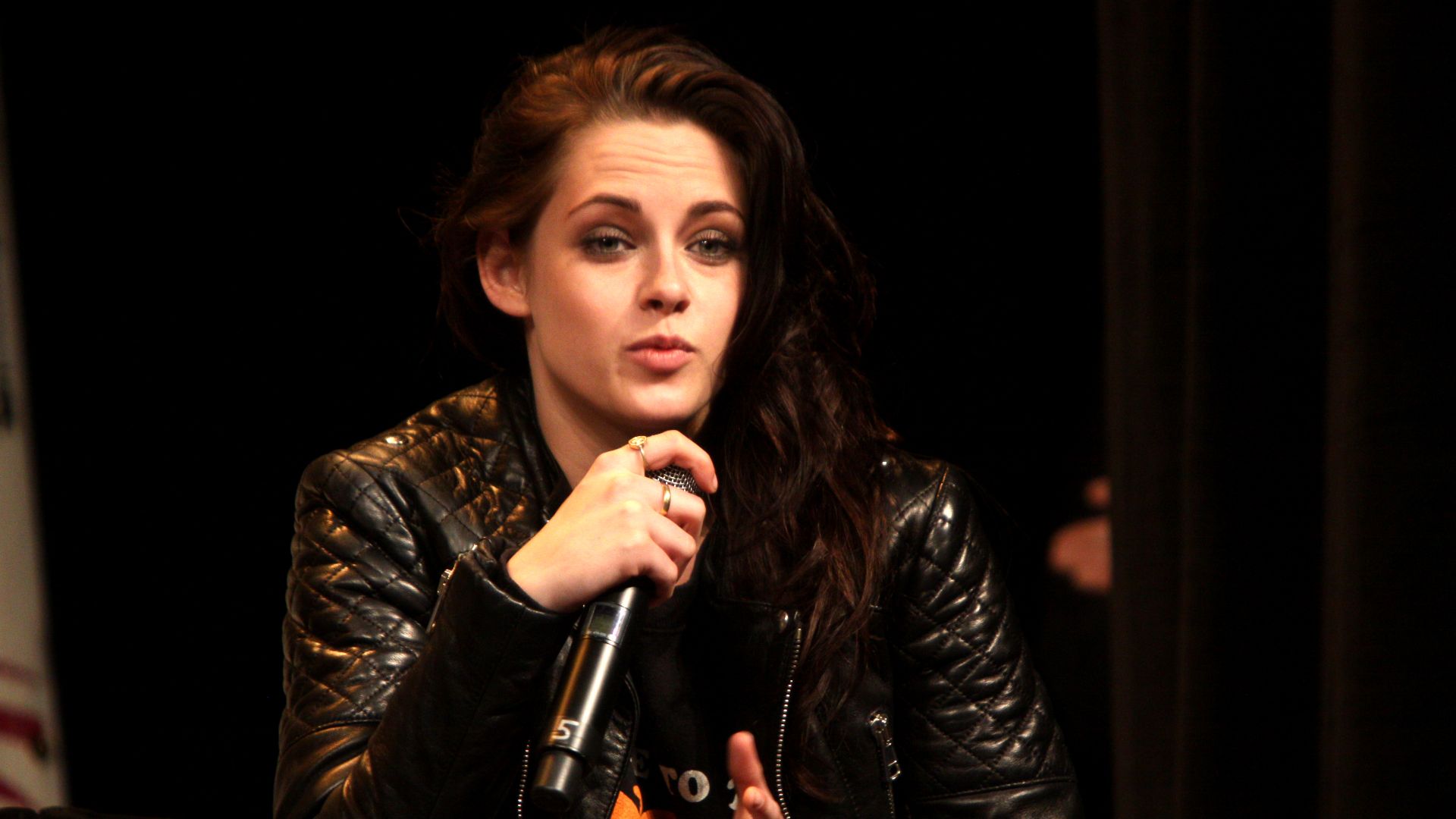 Gage Skidmore from Peoria, AZ, United States of America, Wikimedia Commons
Daniel Radcliffe Feared Harry Potter Had Ended His Career
Daniel Radcliffe cried with excitement when he won the role of Harry Potter at age 11. Ten years later, the same part had consumed half his life and created an obvious question about whether audiences would ever accept him as anyone else. Radcliffe openly admitted being nervous that the best part of his career might already be behind him.
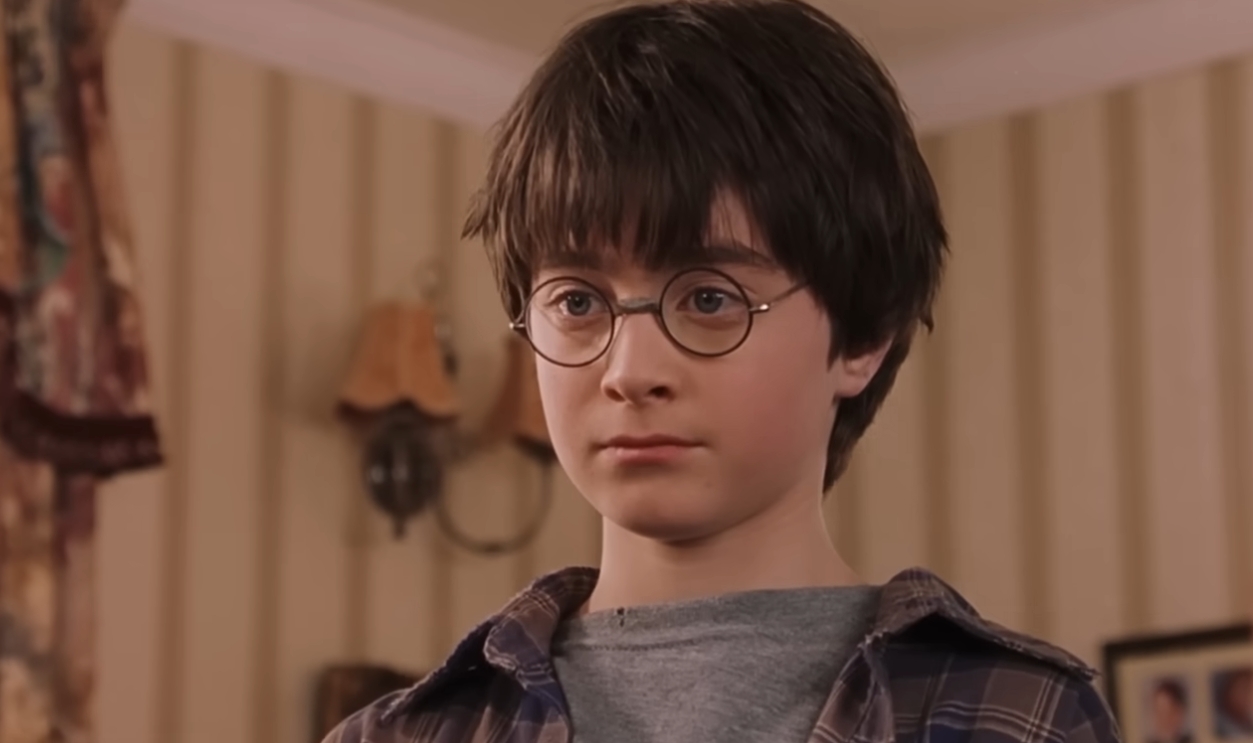 Screenshot from Harry Potter and the Philosopher’s Stone, Warner Bros. (2001)
Radcliffe Had To Prove He Was An Actor Again
He attacked the problem through stage work and deliberately unconventional films. Radcliffe has denied choosing bizarre roles purely to distance himself from Potter, but he also acknowledged that separating himself from the character would require work. Harry remains part of his identity, yet his willingness to take strange risks prevented the role from becoming a cage.
 Gage Skidmore from Peoria, AZ, United States of America, Wikimedia Commons
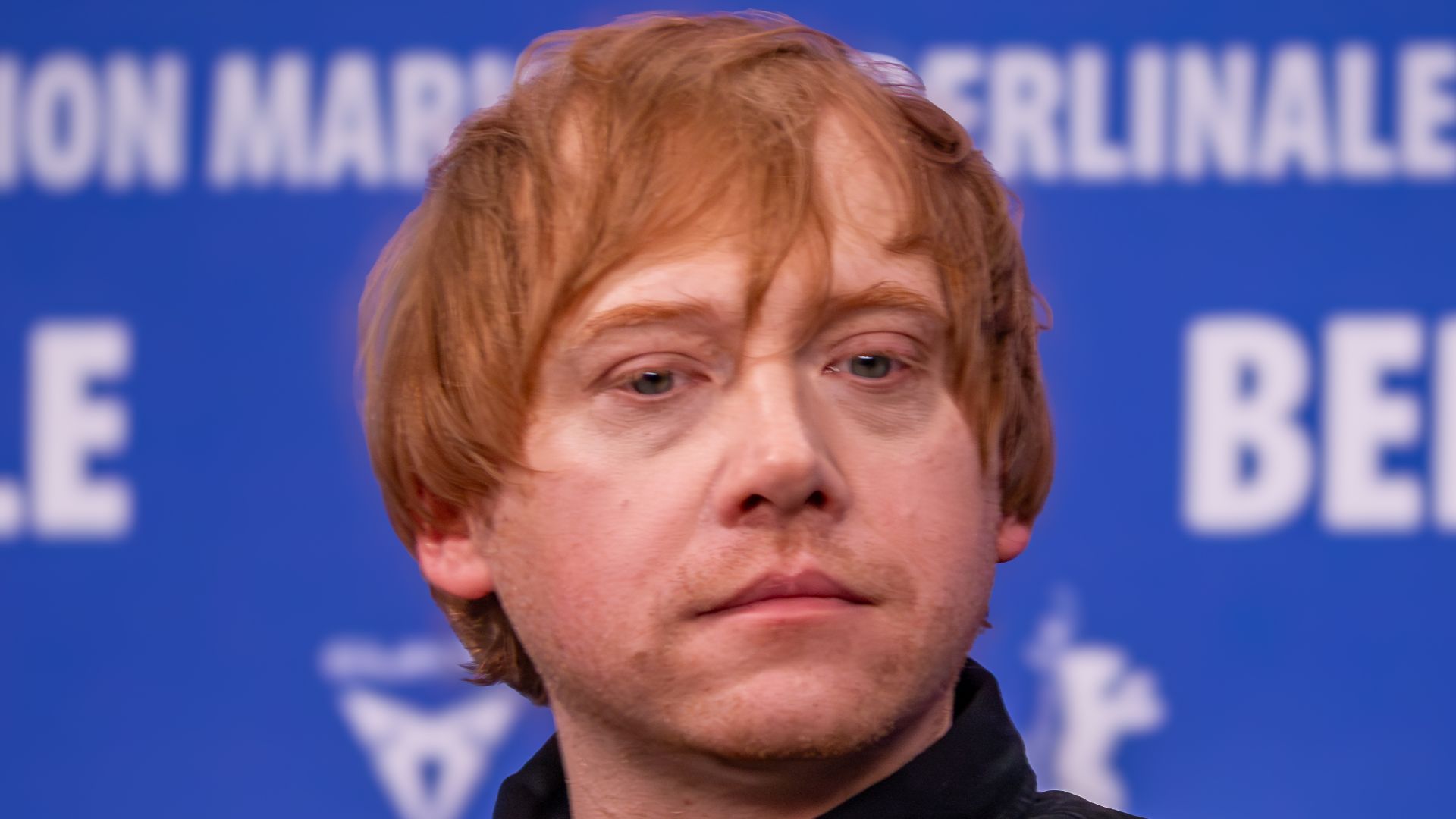
Rupert Grint Knew Ron Would Never Leave
Rupert Grint grew up onscreen as Ron Weasley across eight Harry Potter movies. As the series approached its end, he admitted feeling excited by the possibility of freedom from the production schedule. He also understood that Ron would follow him indefinitely.
 Warner Bros. Pictures, Harry Potter and the Goblet of Fire (2005)
Grint Called It Something He'd Always Live With
Grint openly worried about typecasting and joked that he would always be recognized as the red-haired kid from Harry Potter. He eventually moved into stage work, television, and darker roles rather than immediately chasing another blockbuster franchise. The distance helped, although the Wizarding World association never disappeared.
 User:Celestinesucess, Wikimedia Commons
Wil Wheaton Became The Target For Wesley Crusher
Wil Wheaton joined Star Trek: The Next Generation as teenage prodigy Wesley Crusher. The role should have been a dream for a young science-fiction fan and gave Wheaton enormous visibility. Instead, a particularly vocal group of fans turned its dislike of the character toward the actor.
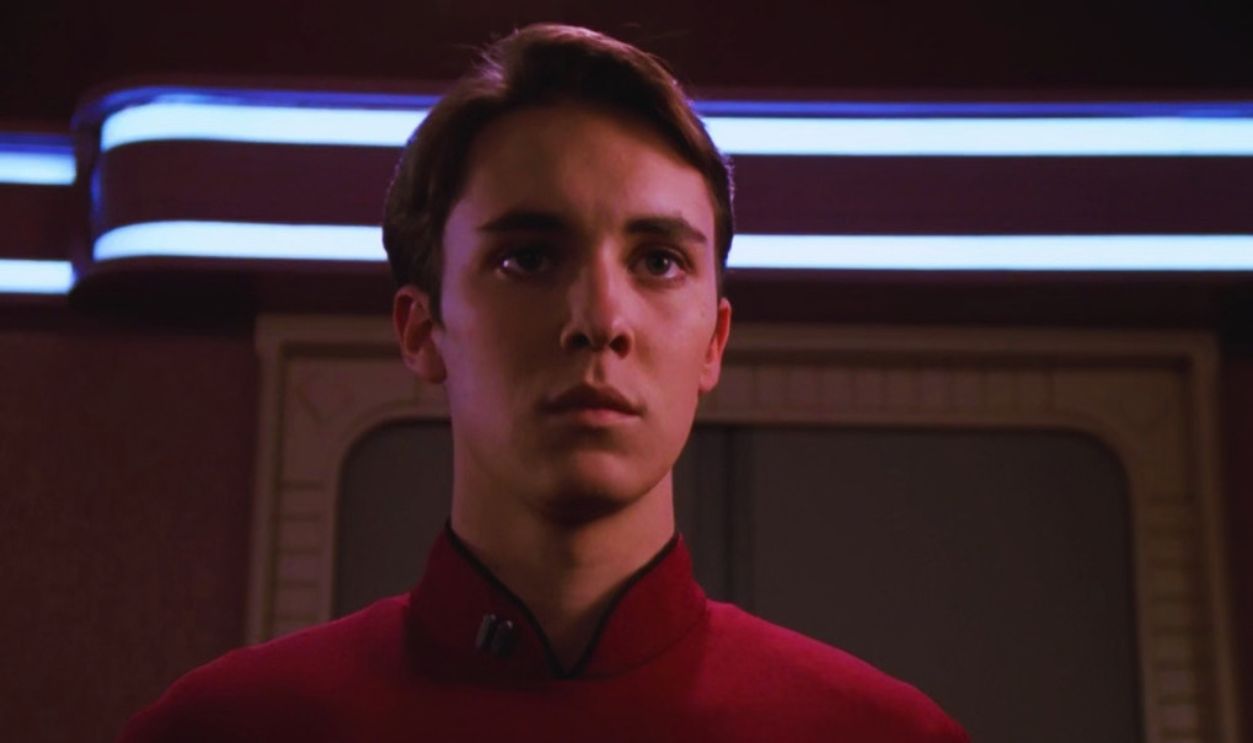 Screenshot from Star Trek: The Next Generation, Paramount Domestic Television (1987–1994)
Wheaton Was Blamed For A Character He Didn't Write
Wheaton later described receiving vitriolic criticism from viewers who disliked how often Wesley solved problems adults could not. He eventually stepped away from the series and spent years rebuilding his relationship with both acting and fandom. In adulthood, he became a major voice in geek culture, effectively reclaiming the audience that once made his early fame so difficult.
 Gage Skidmore from Peoria, AZ, United States of America, Wikimedia Commons
Jennifer Grey Got The Movie She Felt Was Made For Her
Jennifer Grey believed Dirty Dancing fit her perfectly, and audiences agreed. The film transformed her into a star almost overnight. Then her career momentum collided with events offscreen that changed both her life and the way Hollywood saw her.
 Screenshot from Dirty Dancing, Vestron Pictures (1987)
Grey Became Unrecognizable At The Worst Possible Time
A serious car crash shortly before the movie's release left Grey with injuries that troubled her for years. Later cosmetic surgery changed her appearance so dramatically that she said even acquaintances failed to recognize her, undermining one of the most basic advantages of movie stardom. The film made her face famous just before that same face stopped opening doors.
 Bryan Berlin, Wikimedia Commons
Elizabeth Berkley Thought Showgirls Would Set Her Free
Elizabeth Berkley wanted to make the leap from Saved by the Bell into serious adult movie work. Showgirls offered exactly the kind of high-profile starring opportunity that could have rewritten her public image overnight. Instead, the movie became one of the decade's most notorious critical failures.
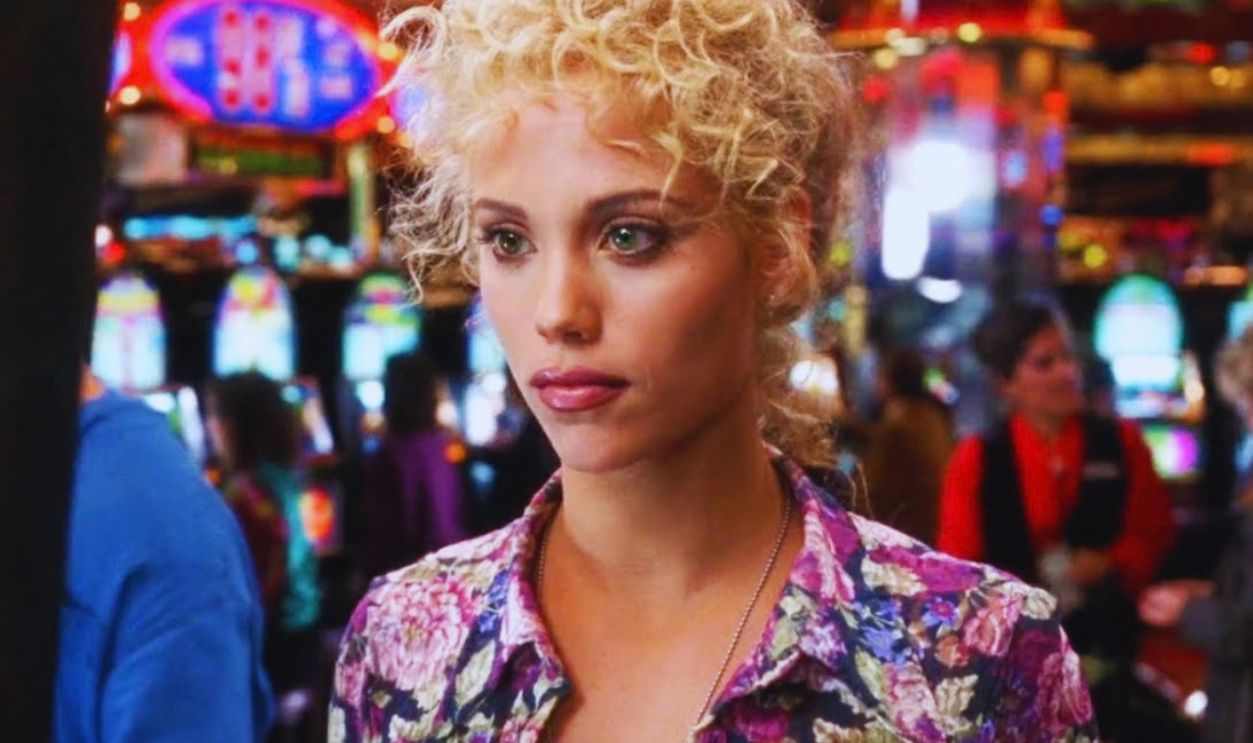 Screenshot from Showgirls, United Artists (1995)
Berkley Said Hollywood Locked Her Out
Berkley later said she was not even allowed to audition for many projects for roughly two years afterward. She described the isolation and backlash as painful, while the film gradually developed a cult following long after the initial damage had been done. A role designed to prove she had grown beyond television nearly pushed her out of acting altogether.
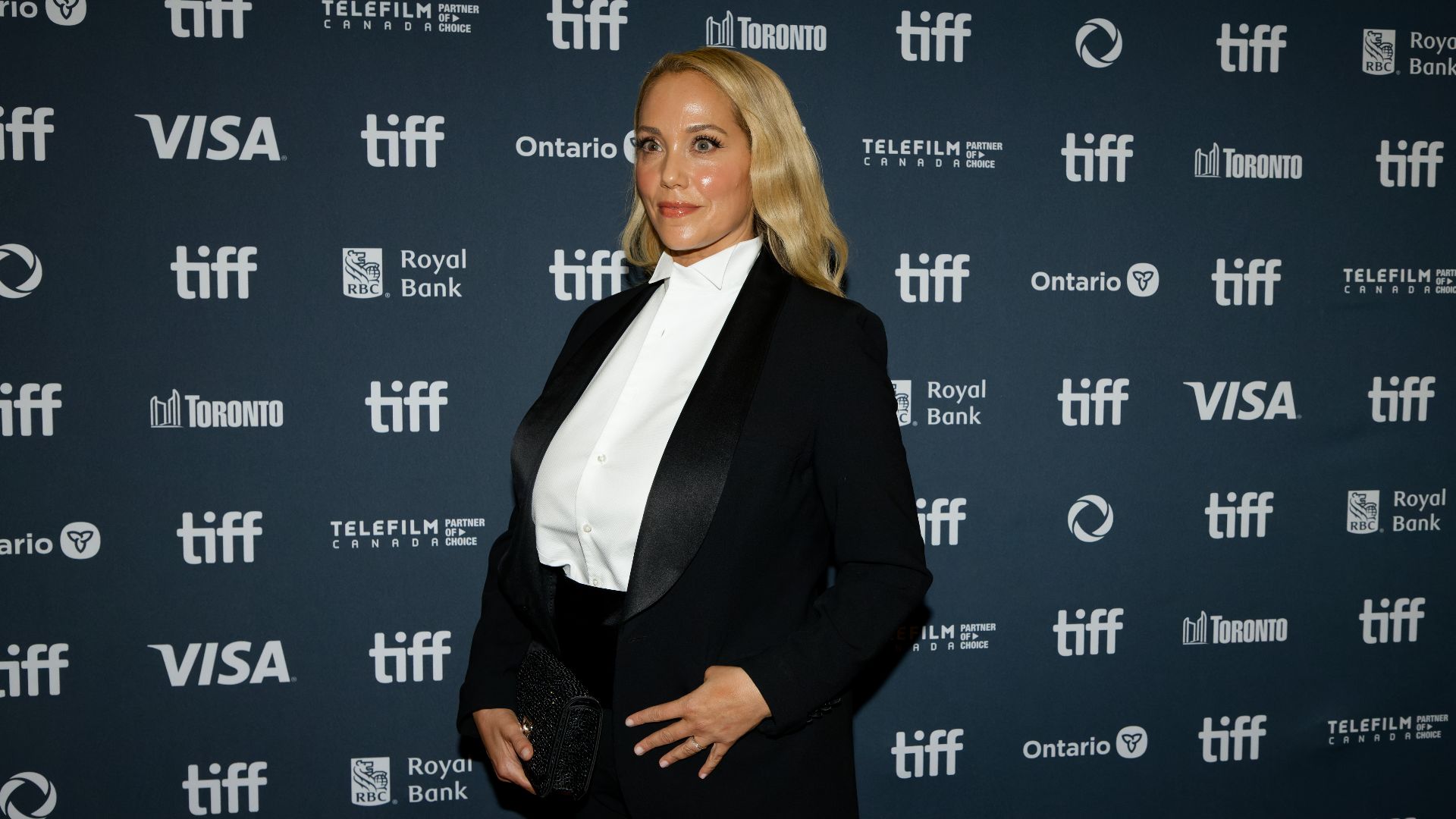 Kevin Payravi, Wikimedia Commons
You May Also Like:
Actors’ Most Memorable Breakout Roles
Movie Stars Who Thought Fame Would Last Forever—Now No One Born After 2000 Has Even Heard Of Them
Movie Stars Who Started With Television
Sources: 1, 2, 3, 4, 5, 6, 7, 8, 9, 10, 11, 12, 13, 14, 15, 16, 17, 18, 19, 20, 21, 22, 23, 24, 25, 26, 27, 28, 29, 30, 31, 32, 33, 34, 35, 36, 37, 38, 39, 40, 41, 42, 43, 44, 45, 46