More Complicated Than Hollywood Admitted
Fame turned Jayne Mansfield into a symbol, but symbols rarely tell the whole story. Education and strategy shaped her career, but behind the seemingly clueless blonde, there was ambition that helped her cement her name in Hollywood.
 Silver Screen Collection, Getty images
Before Hollywood, Jayne Mansfield Was A Classically Trained Musician
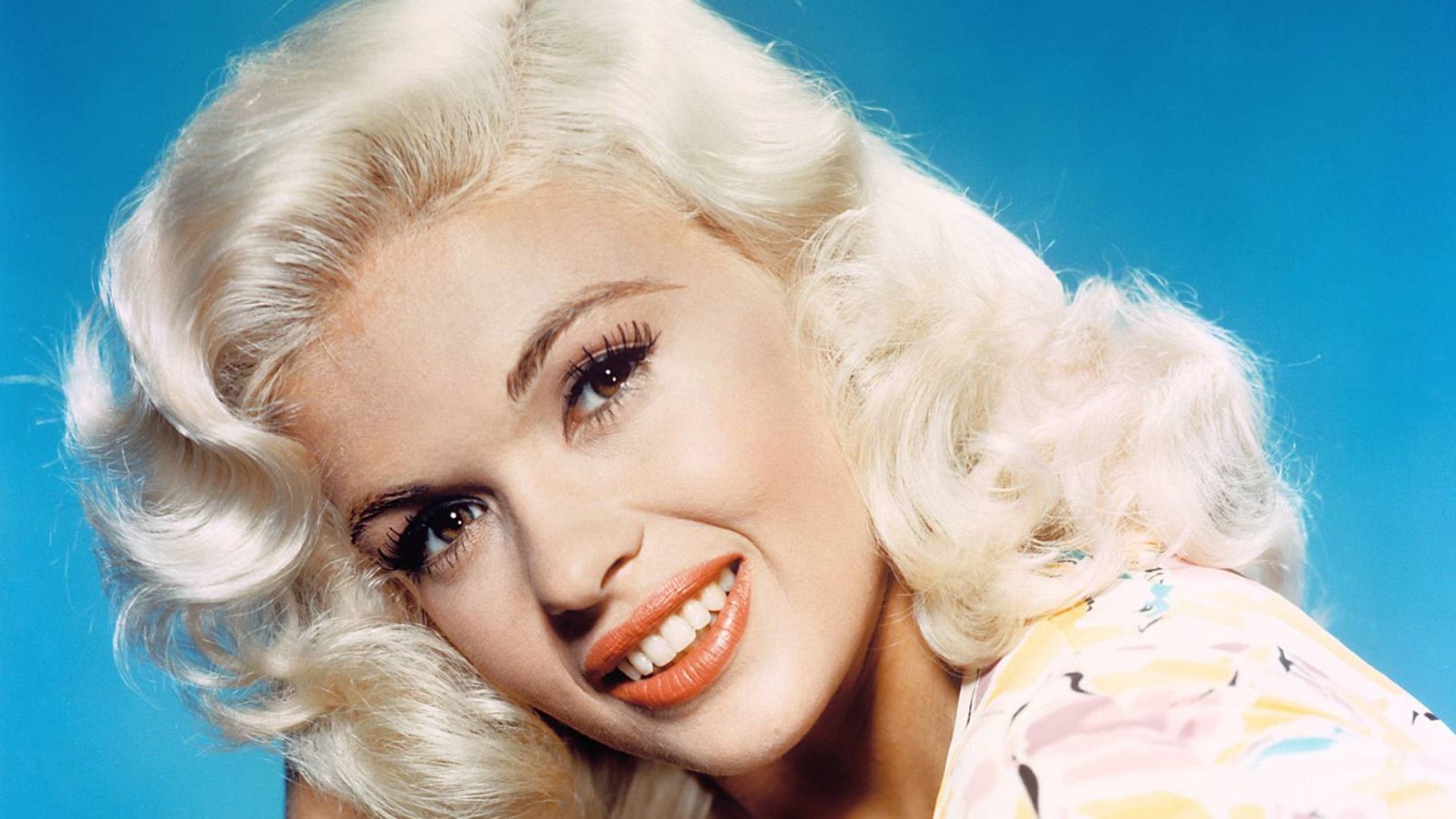
Music played a central role in Jayne Mansfield’s life before fame. She studied piano and violin for years and could perform confidently. That training strengthened her sense of rhythm and discipline, qualities that later enhanced her musical film appearances and live performances.
 Likely 20th Century Fox, Wikimedia Commons
She Was A Serious University Drama Student
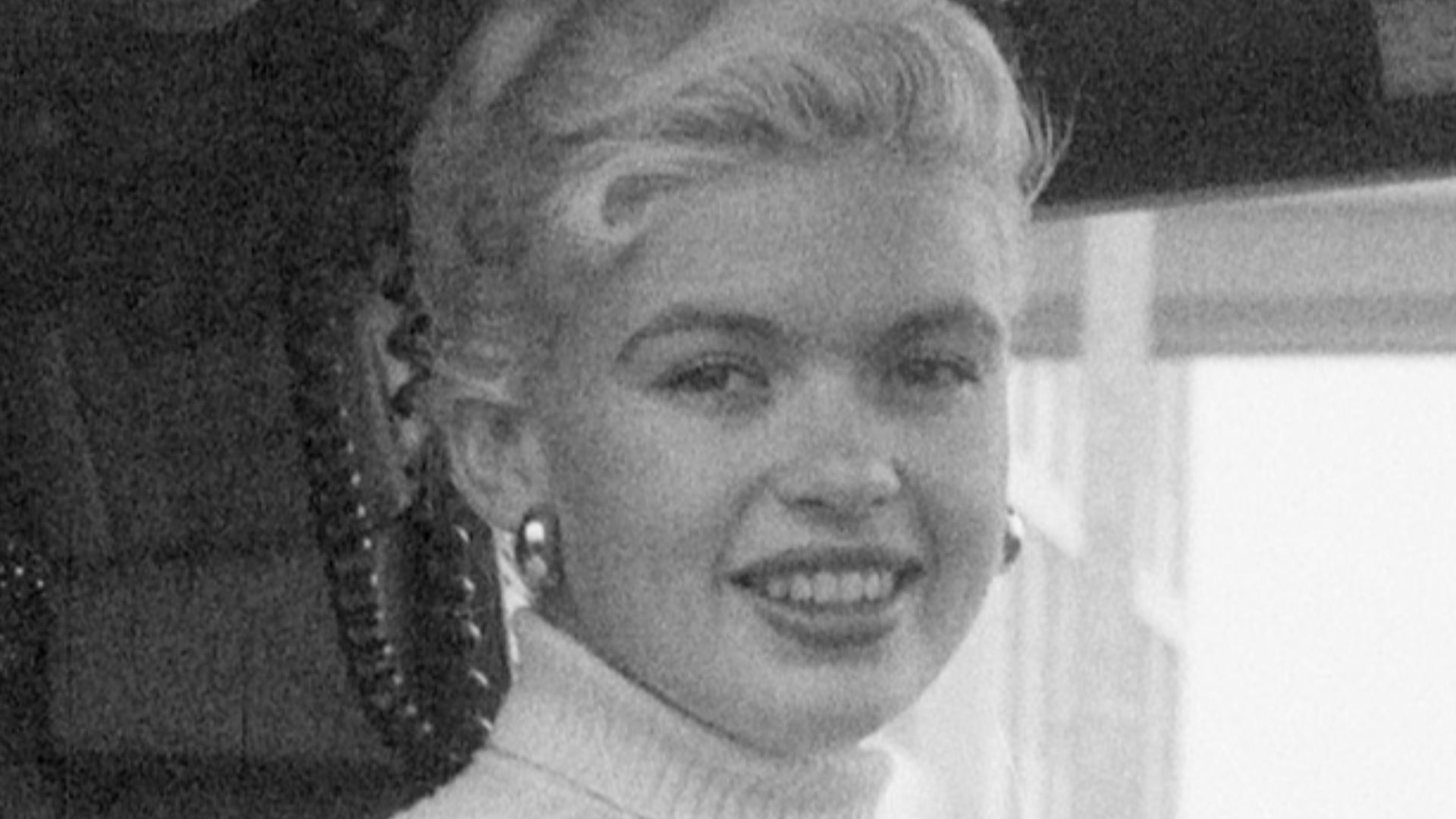
Unlike many starlets of her era, Jayne Mansfield completed formal higher education. She earned a drama degree from the University of Texas at Austin to balance academic study with stage work. This foundation shaped her professional mindset, even when Hollywood offered roles that failed to reflect her preparation.
 Daan Noske / Anefo, Wikimedia Commons
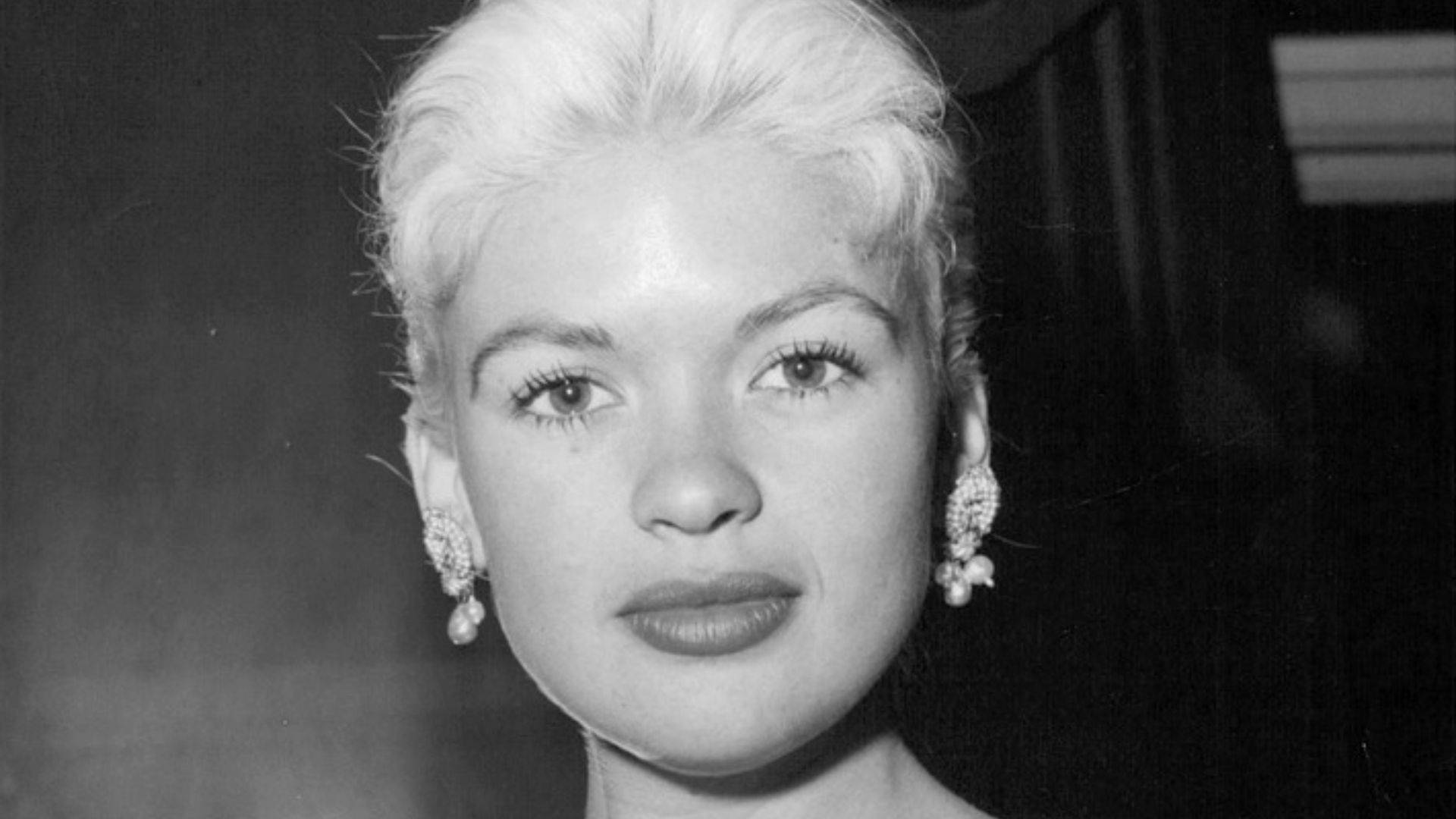
She Changed Her Name
Born Vera Jayne Palmer, she adopted the name Jayne Mansfield as she pursued a professional acting career. The change helped her stand out and sounded more glamorous to studio executives. Like many performers of her era, she understood how a carefully chosen name could shape first impressions.
 John Kjellstrom, Wikimedia Commons
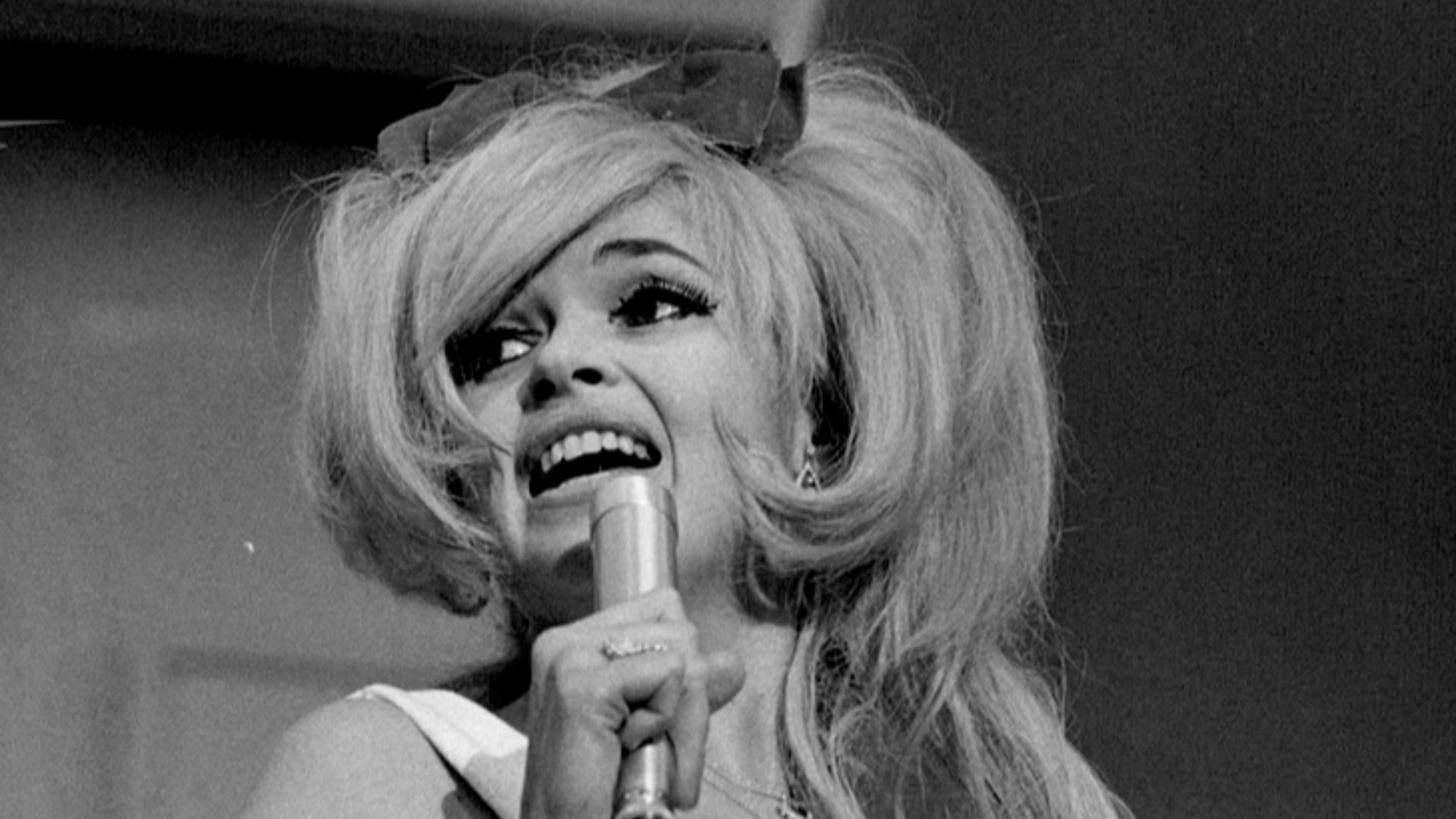
The Blonde Who Spoke Four Languages Fluently
Hollywood promoted Mansfield as a naive blonde, but interviews revealed a perceptive thinker. She spoke French, German, Italian, and Spanish well enough to conduct interviews abroad. Studios rarely highlighted this ability, since intellectual range conflicted with the simplified image the industry preferred to promote during the 1950s.
 Lennart Nygren, Wikimedia Commons
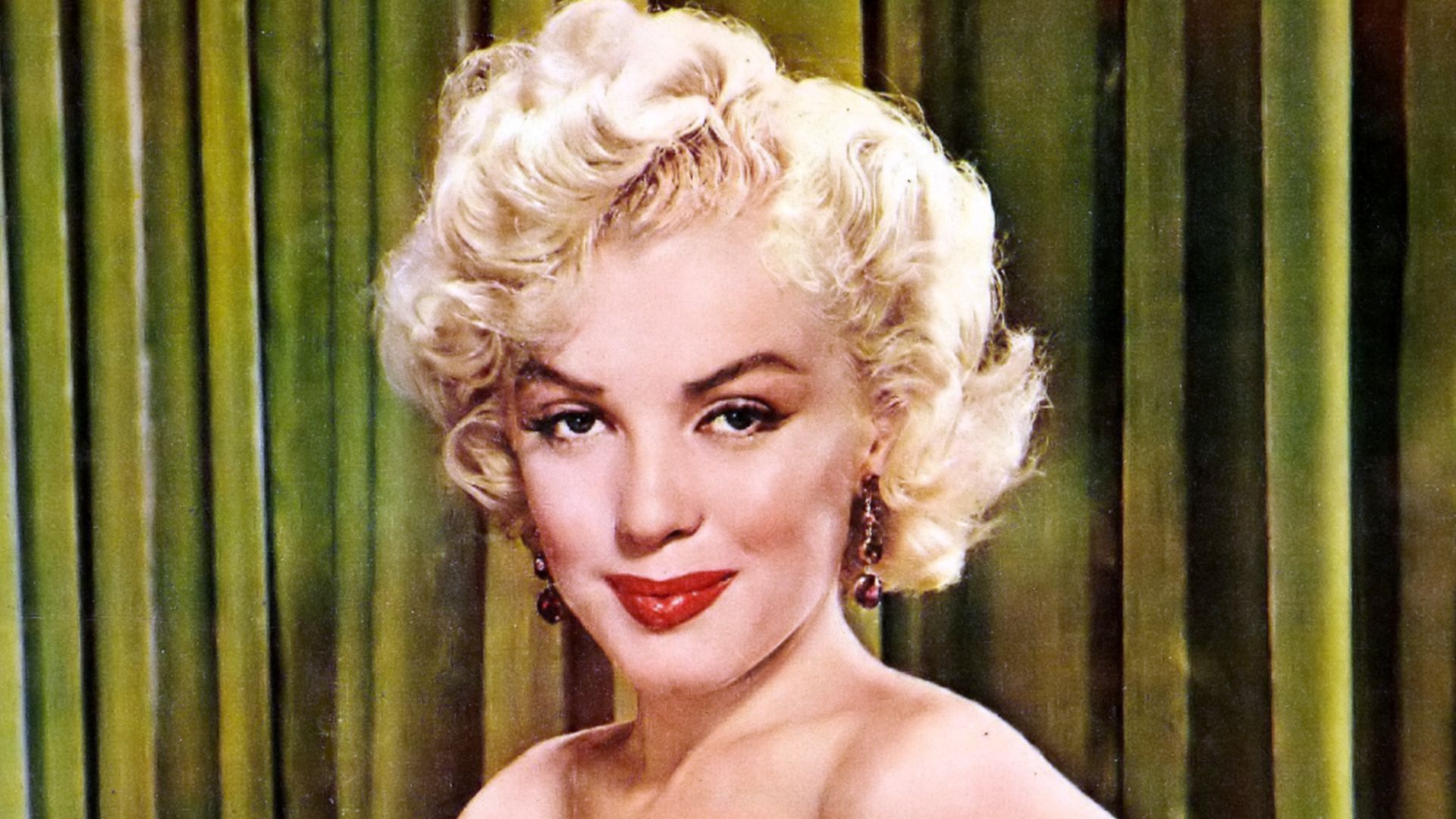
Studios Marketed Her As Marilyn Monroe’s Replacement
In the 1950s, studios hedged against uncertainty by developing alternatives to established stars. Fox positioned Mansfield as a potential successor during Marilyn Monroe’s contract disputes. The comparison generated publicity, though Mansfield’s comedic instincts and career trajectory ultimately differed within the rigid studio system.
 New York Sunday News, Wikimedia Commons
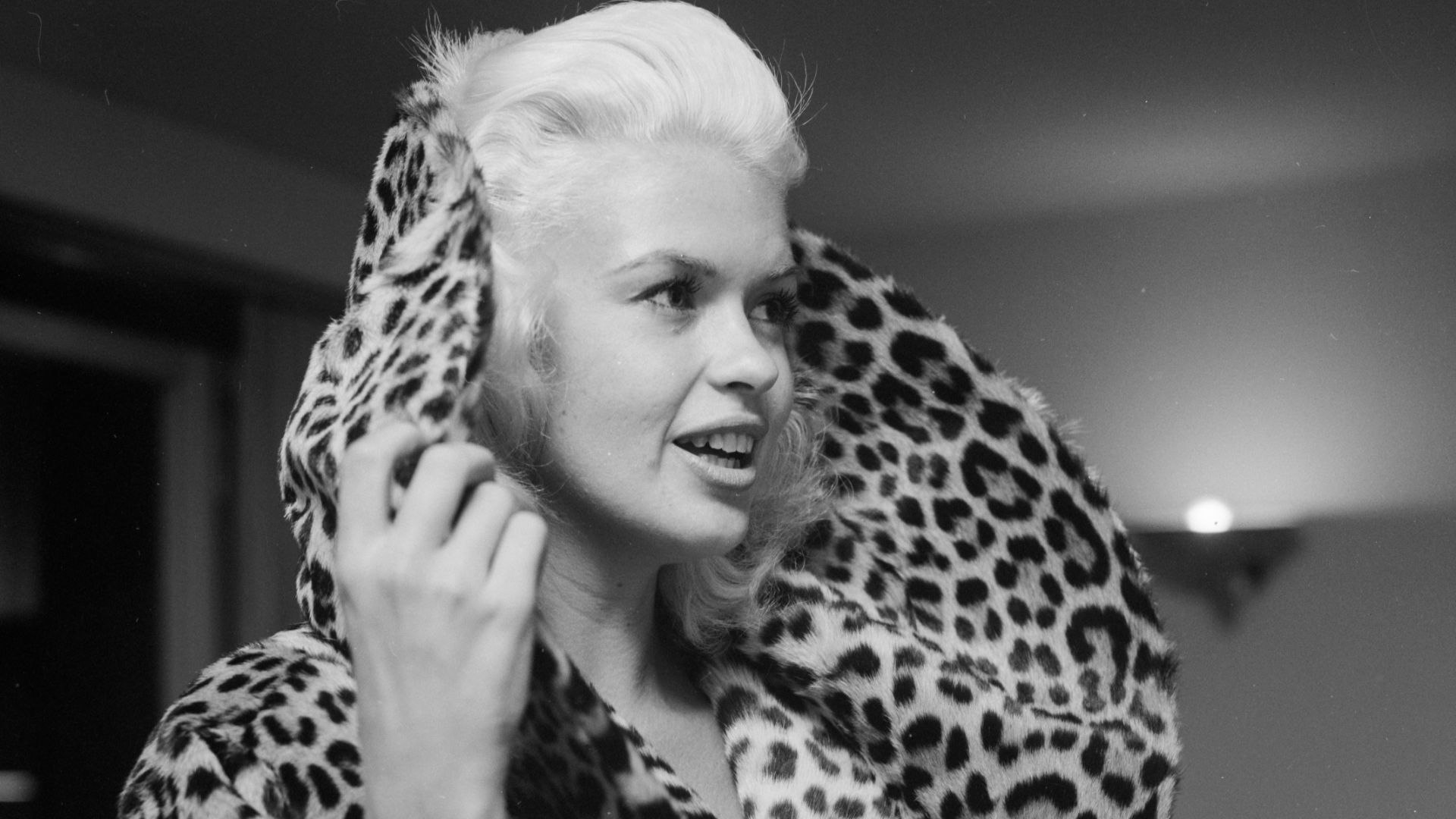
Her Publicity Stunts Were More Calculated Than They Looked
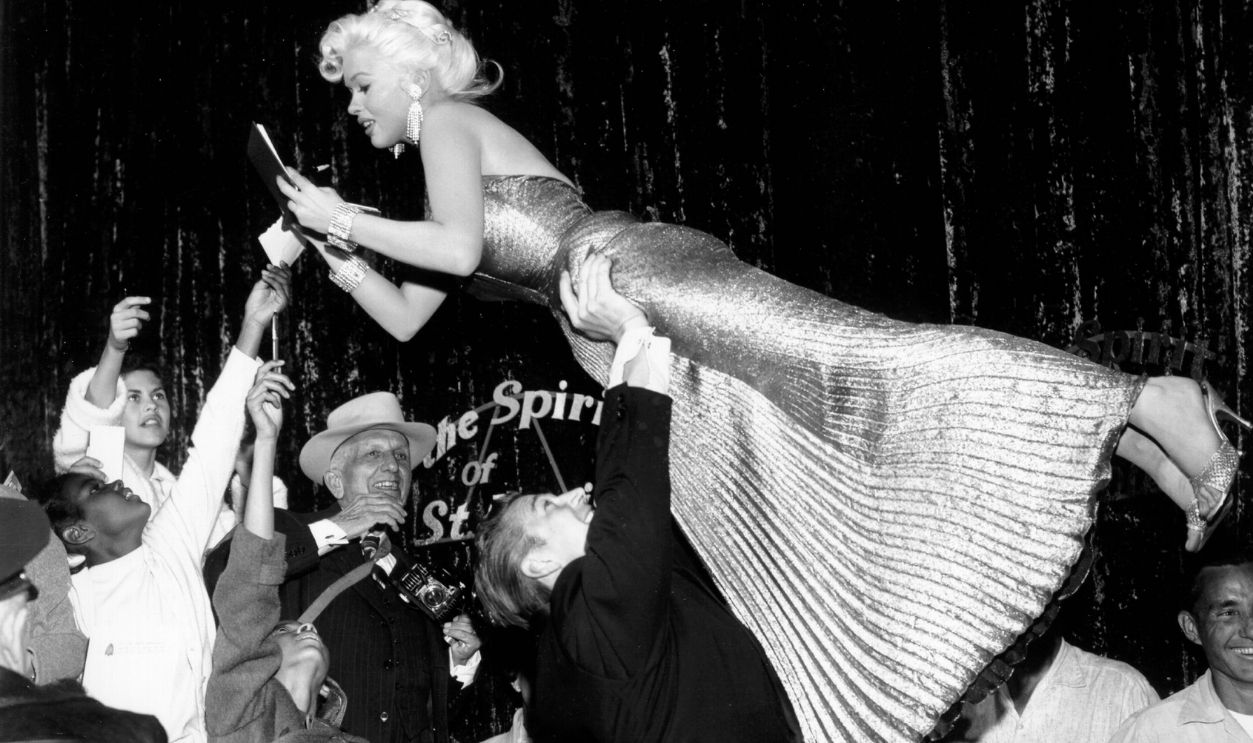
Mansfield carefully planned many of the stunts that made headlines. Appearances and photo opportunities were rarely spontaneous. She understood publicity as currency in a competitive industry and used spectacle strategically to remain visible when film roles slowed.
 Comet Photo AG (Zürich), Wikimedia Commons
She Understood Paparazzi Culture Before It Had A Name
The American actress recognized photographers as partners in exposure. She welcomed cameras, staged moments, and controlled access when possible. This awareness helped her dominate columns and magazines before paparazzi culture became fully defined in American popular culture.
 Michael Ochs Archives, Getty images
The Roles She Wanted Were Rarely The Roles She Got
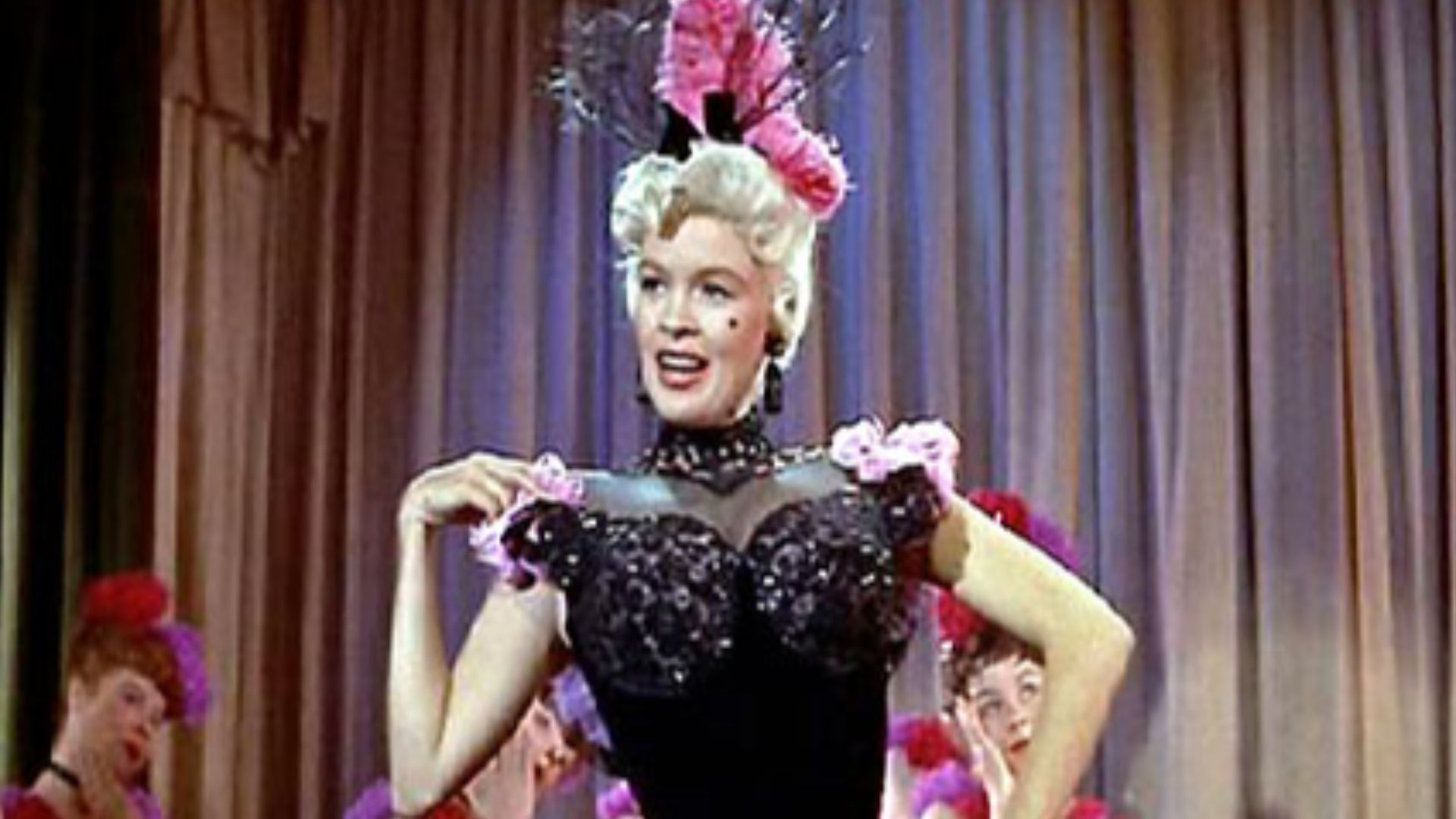
Despite her fame, Mansfield sought dramatic and varied parts that challenged her abilities. Studios instead repeated exaggerated stunner roles they believed audiences expected. This mismatch limited her range onscreen and deepened her frustration.
 20th Century Fox, Wikimedia Commons
Broadway Came Before The Big Screen
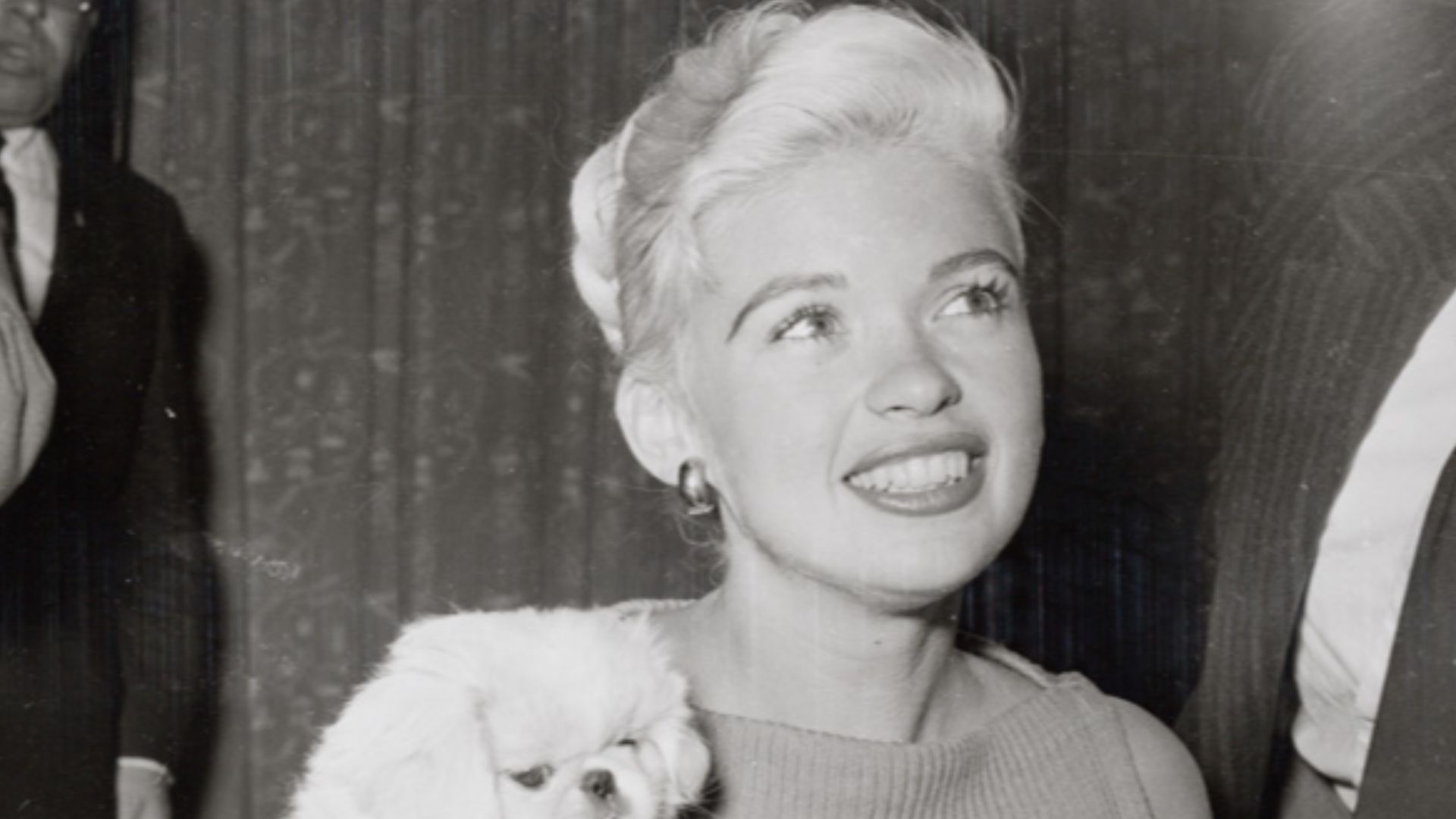
Before becoming a movie star, Mansfield proved herself on stage. She appeared in Broadway productions that showcased timing and presence beyond screen glamour. Theater work demanded consistency and skill, which highlighted her professionalism. It countered assumptions that her success relied on appearance.
When Hollywood Interest Faded, She Took Her Fame Overseas
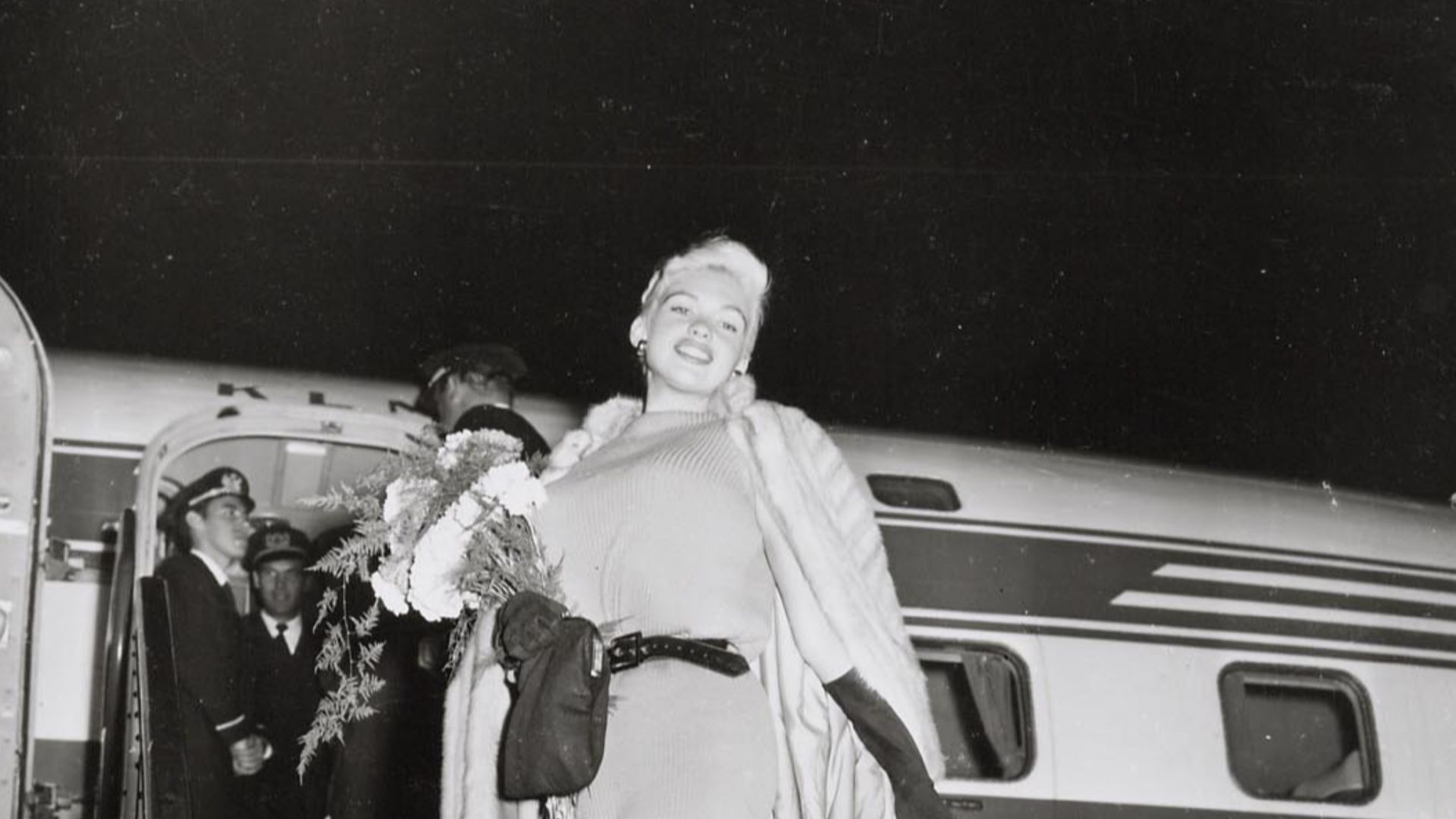
As American studios offered fewer opportunities, Mansfield pursued international audiences. She traveled extensively and embraced European productions. This move kept her working and expanded her global recognition, even as many US actors hesitated to leave Hollywood’s shrinking spotlight.
She Turned Music And Humor Into A Celebrity Brand
Beyond acting, Mansfield used recorded music and playful performances to extend her visibility. Novelty songs and appearances blended charm with self-awareness. This approach diversified her career and hinted at branding strategies later perfected by entertainers who controlled facets of their public image.
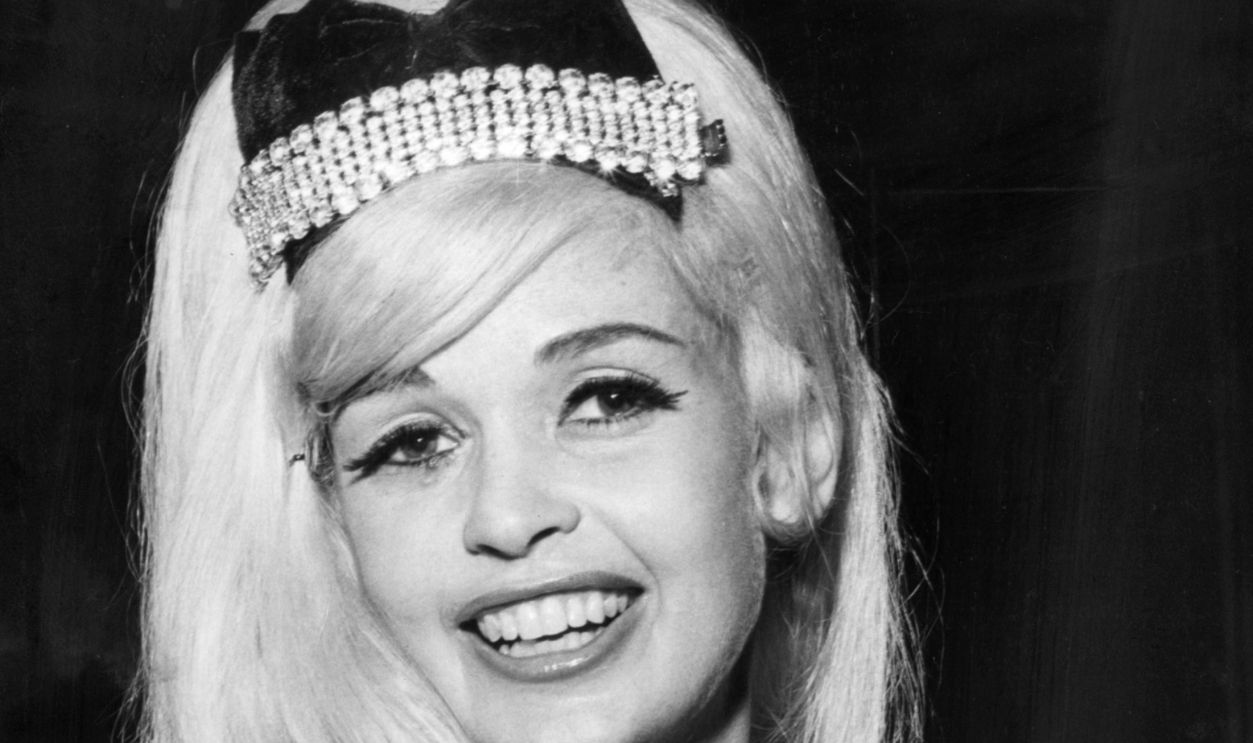
A Pink Mansion Became Part Of Her Public Image
Jayne Mansfield transformed her Los Angeles home into a spectacle the press couldn’t ignore. Painted entirely pink, the mansion attracted photographers and visitors. It functioned as both a residence and a branding tool, polishing her image while ensuring constant media attention during a competitive period.
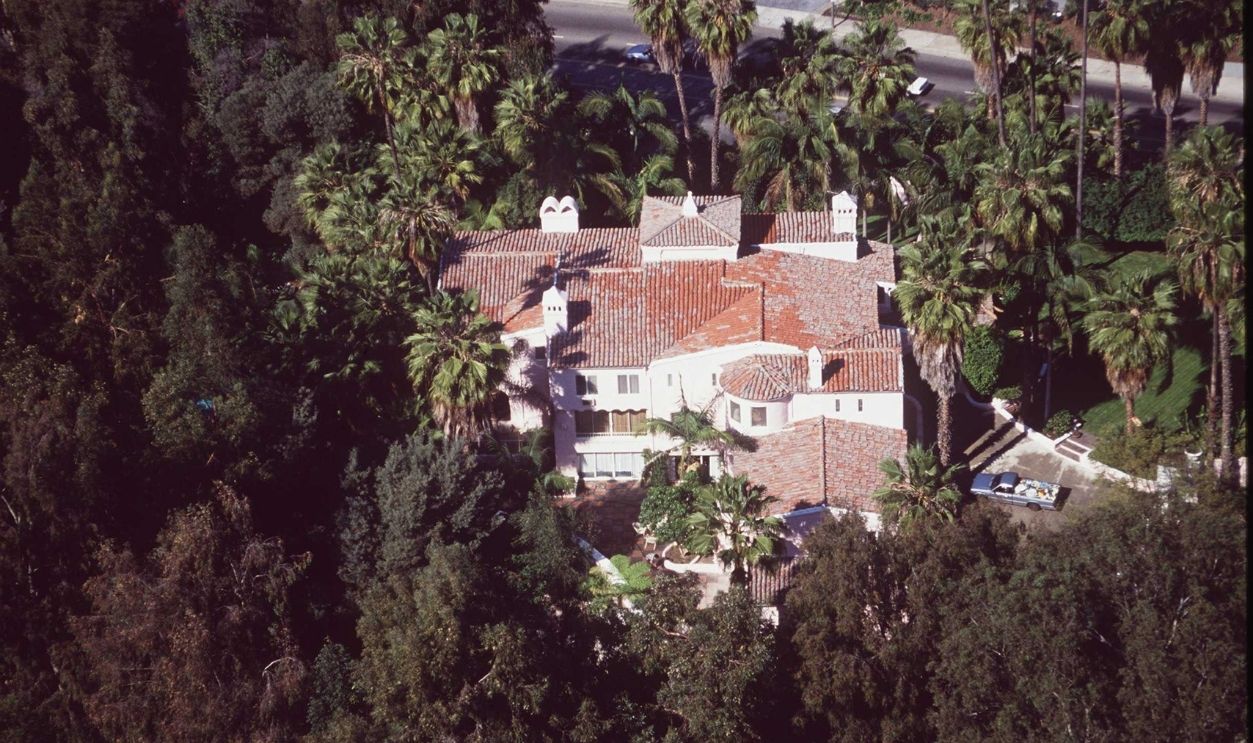
It Was A Persona, Not Just A Home
Every detail supported the exaggerated persona that audiences recognized. By turning her private space into a public symbol, she blurred boundaries between personal life and performance, an approach that later celebrities would adopt deliberately.
Television Helped Turn Her Into A Household Name
Mansfield appeared frequently on early television programs and reached audiences beyond movie theaters. Talk shows and variety appearances allowed her to display humor and warmth directly. This exposure broadened her appeal and demonstrated how television was reshaping celebrity access during the late 1950s and early 1960s.
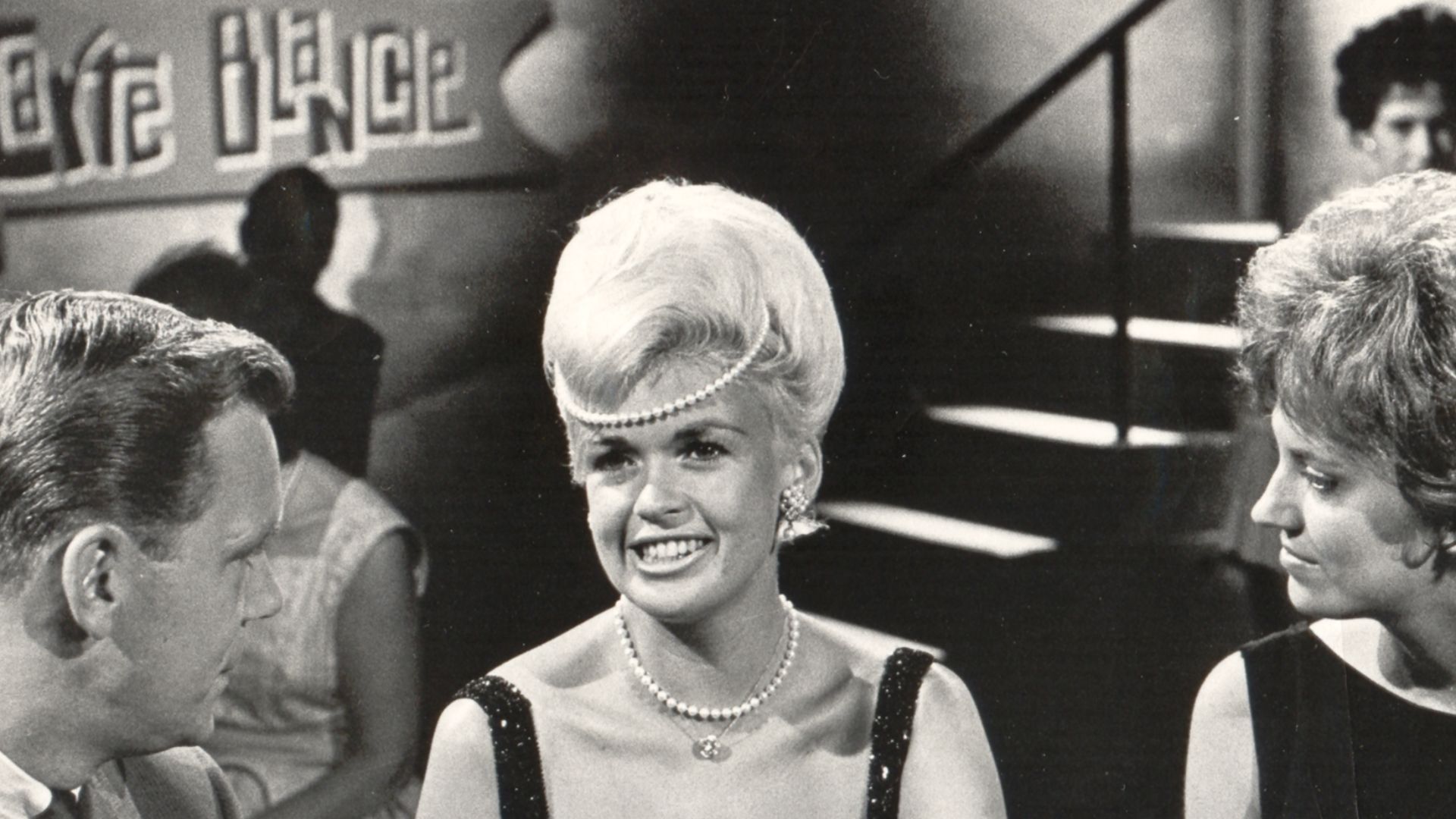
She Used Humor To Expose The Illusion Of Stardom
In interviews, Mansfield often leaned into self-awareness rather than denial. She joked about her image, acknowledging its artificial nature. This approach subtly challenged Hollywood’s manufactured glamour and allowed her to communicate intelligence and agency beneath the carefully constructed exterior.
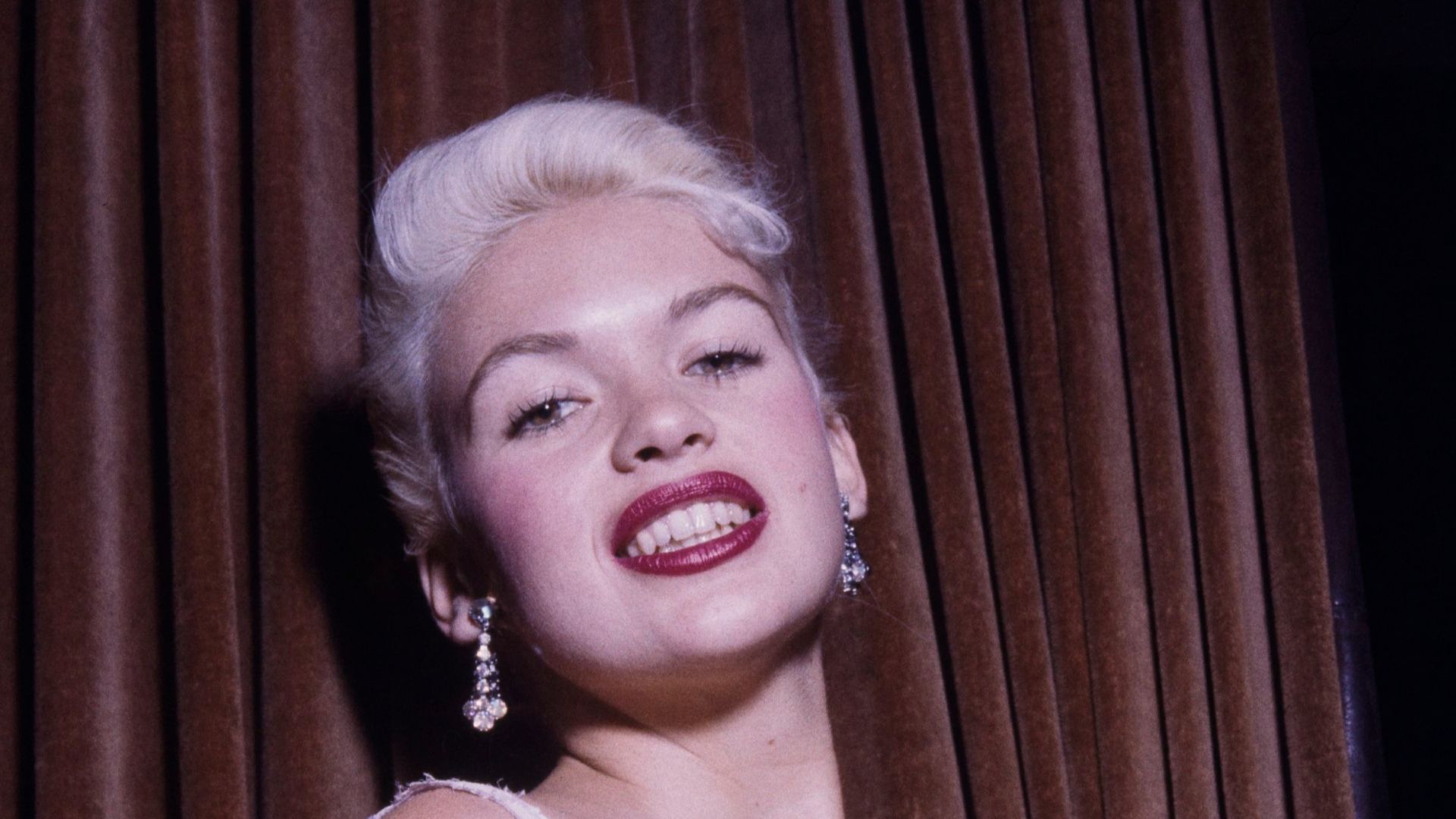 ETH-Bibliothek Zurich, Bildarchiv / Fotograf: Comet Photo AG (Zurich), Wikimedia Commons
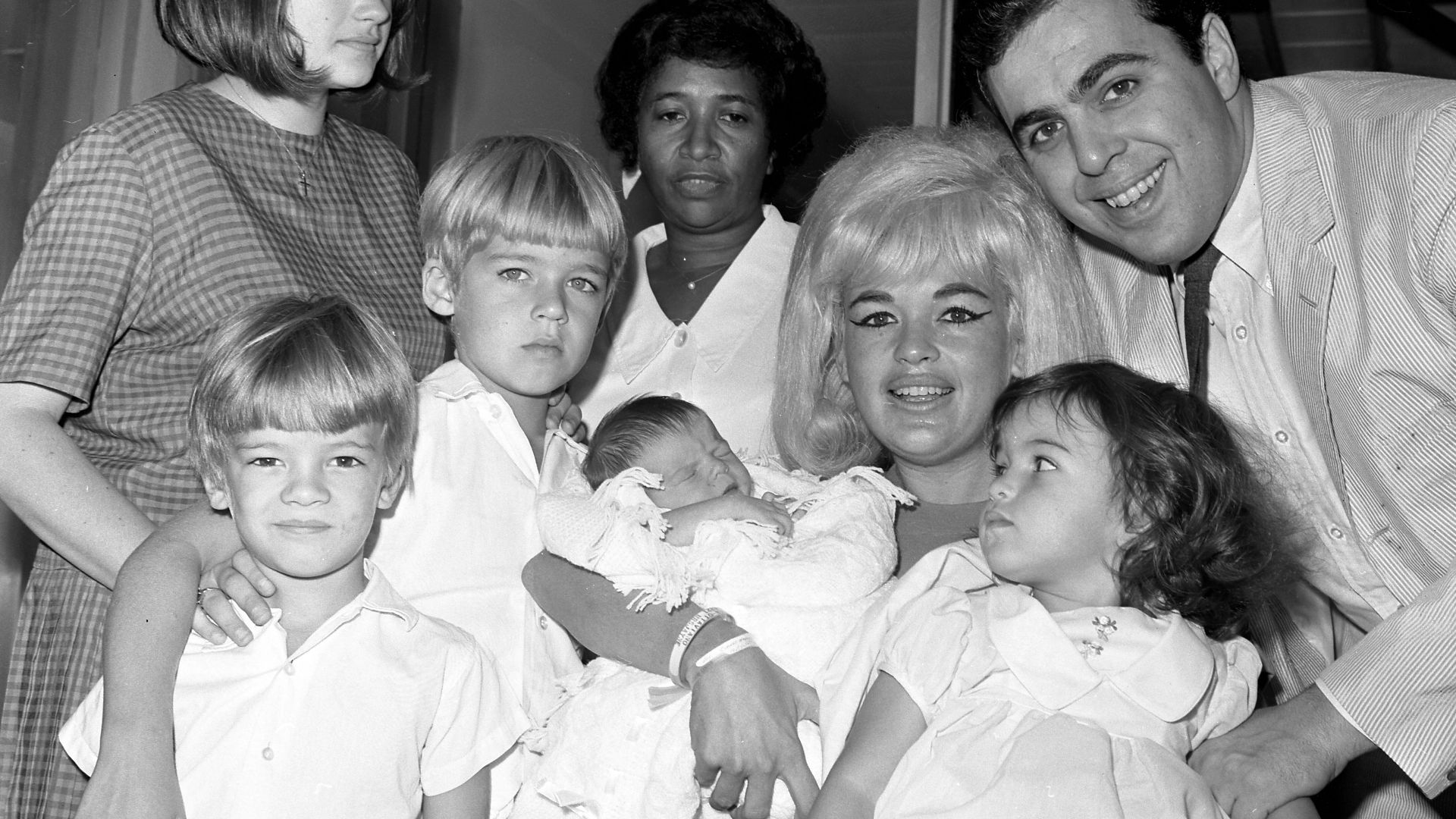
Bringing Her Children Into The Spotlight Was A Radical Move
At a time when studios guarded stars’s private lives, Mansfield openly shared motherhood with the public. Photographs and appearances featuring her children humanized her image. This openness foreshadowed modern celebrity parenting.
 Los Angeles Times, Wikimedia Commons
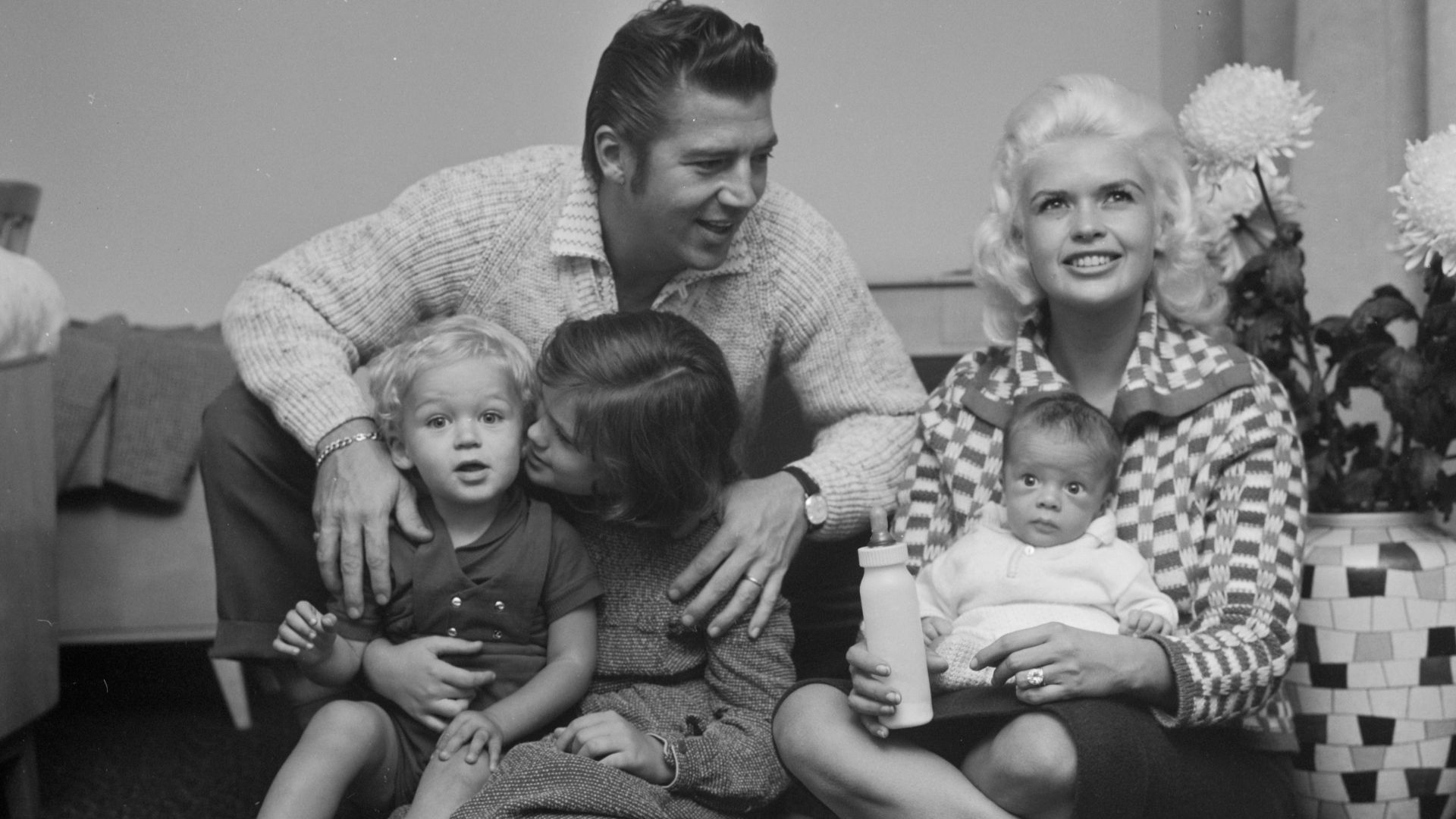
How Mariska Hargitay Reframed Her Mother’s Legacy
Mariska Hargitay later offered a more nuanced view of her mother by emphasizing intellect and ambition. Through interviews, she helped separate fact from myth. Her perspective encouraged audiences to reconsider Mansfield beyond stereotypes shaped by publicity and incomplete media portrayals.
 Comet Photo AG (Zurich), Wikimedia Commons
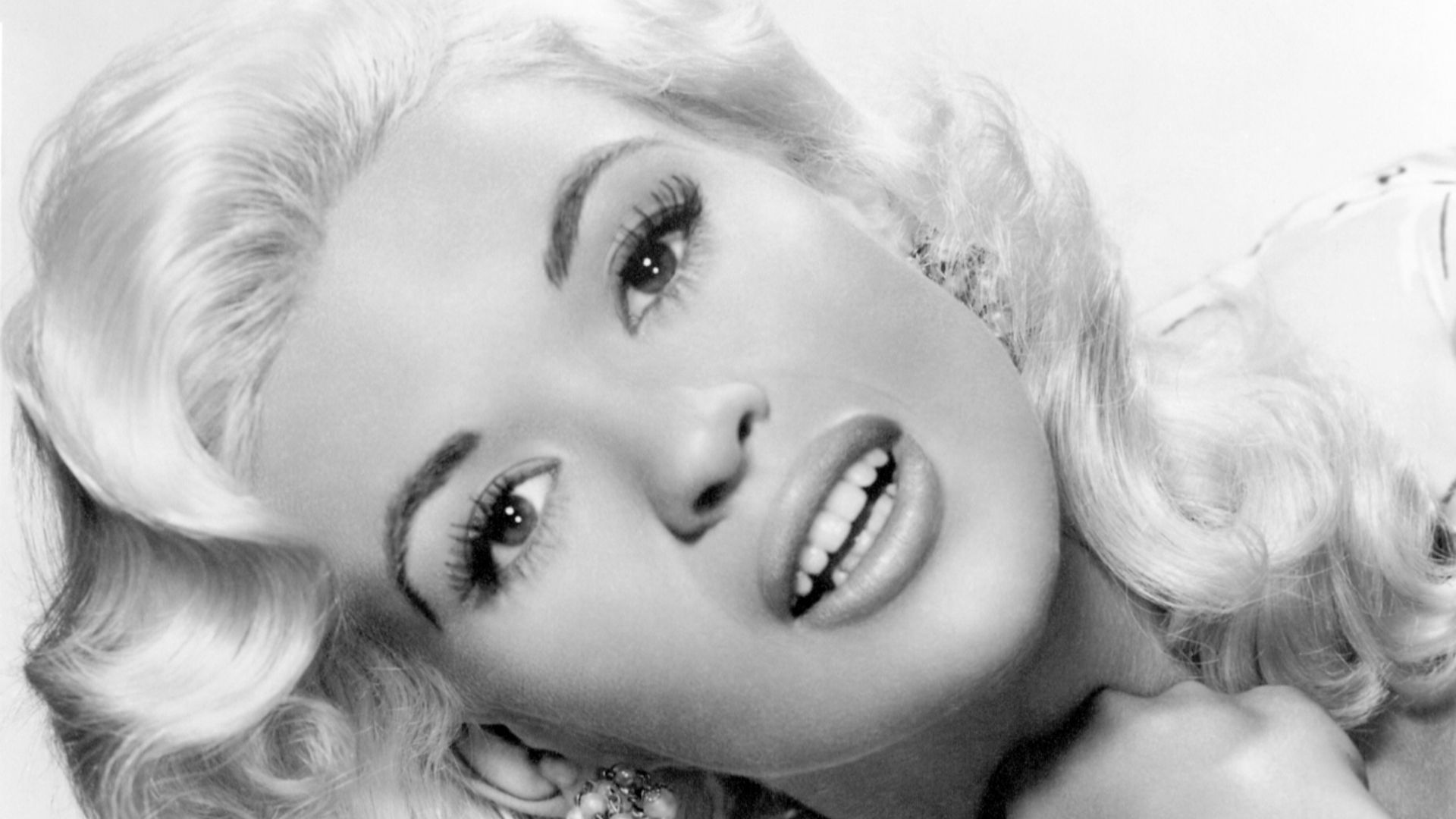
Hollywood Had No Plan For Her As She Got Older
As Mansfield aged, available roles diminished sharply. The industry struggled to accommodate women outside narrow youth-based categories. Her experience highlights a systemic issue that limited longevity for many actresses, regardless of talent, during an era dominated by inflexible studio expectations.
 20th Century Fox, 1957. Photographer not credited. Studio publicity., Wikimedia Commons
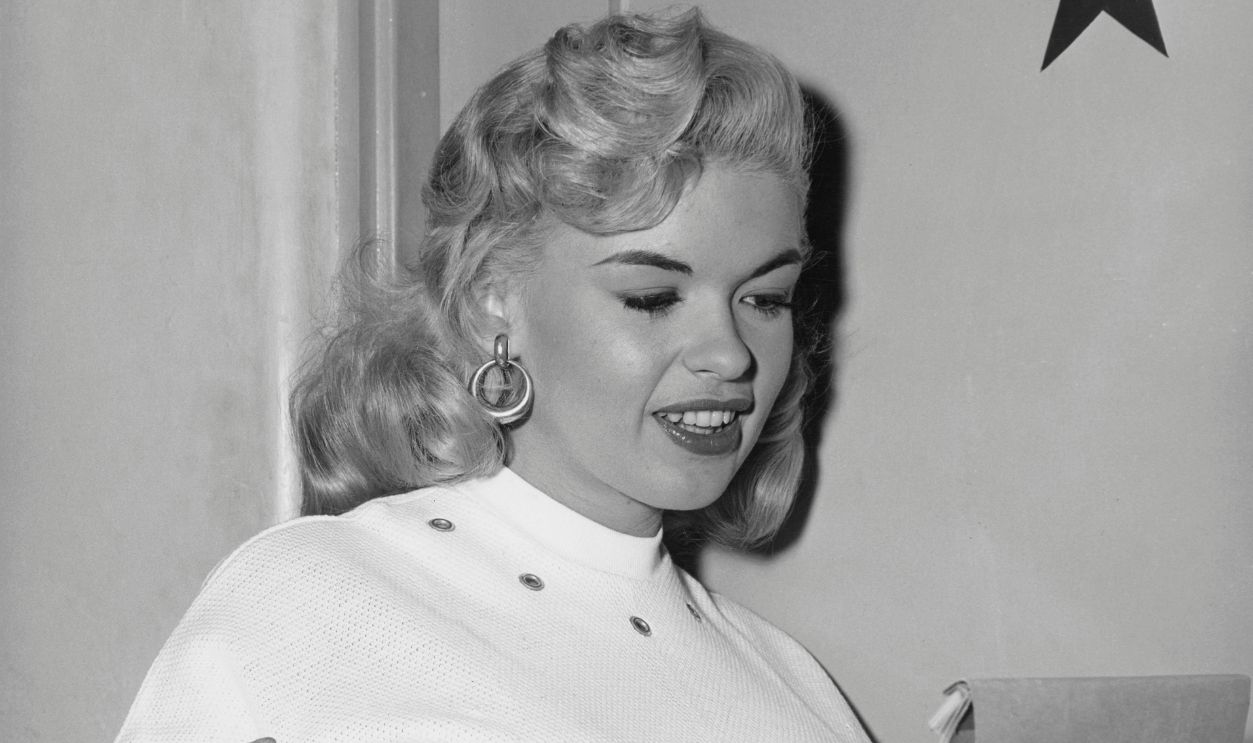
She Appeared In An Explicit Magazine Before It Was Socially Accepted
In the early 1950s, Mansfield posed for explicit photographs that later appeared in a well-known magazine. At the time, this decision carried significant professional risk. The exposure increased her visibility but also reinforced industry stereotypes that complicated her pursuit of more serious acting roles.
 Pictorial Parade, Getty images
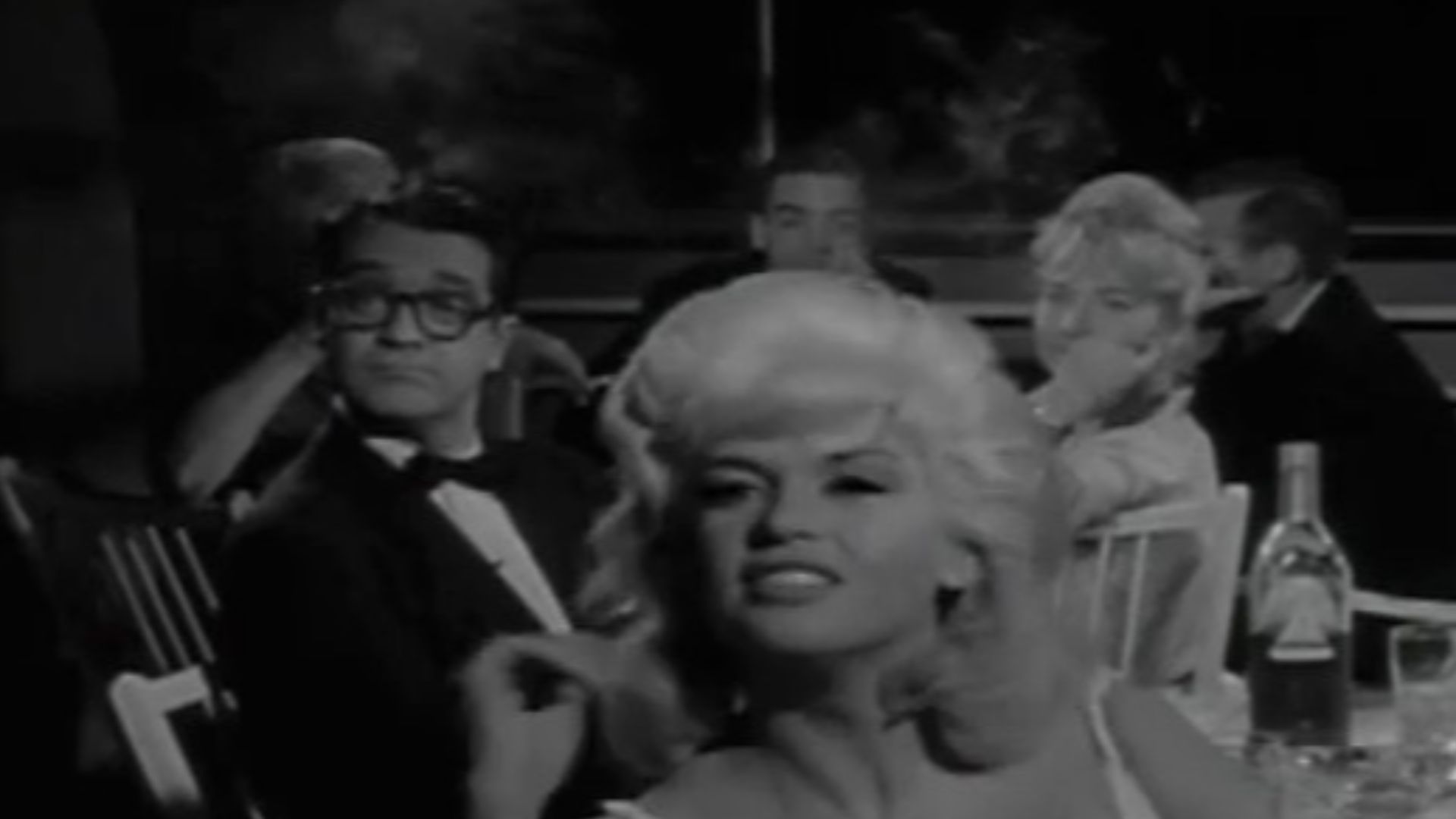
Behind The Scenes, She Was Known For Her Work Ethic
Colleagues frequently described Mansfield as prepared and professional on set. She arrived knowing her lines and respected work schedules. This reputation contrasted sharply with assumptions tied to her persona. It shows how public image often overshadows firsthand accounts from those who worked with her.
 film trailer screenshot (Noonan-Taylor Prod.), Wikimedia Commons
She Was Savvier About Money Than Many Of Her Peers
Mansfield understood the financial instability of fame and sought multiple income streams. She negotiated personal appearances, endorsements, and international engagements independently. This practical approach helped sustain her career longer than film roles alone might have allowed.
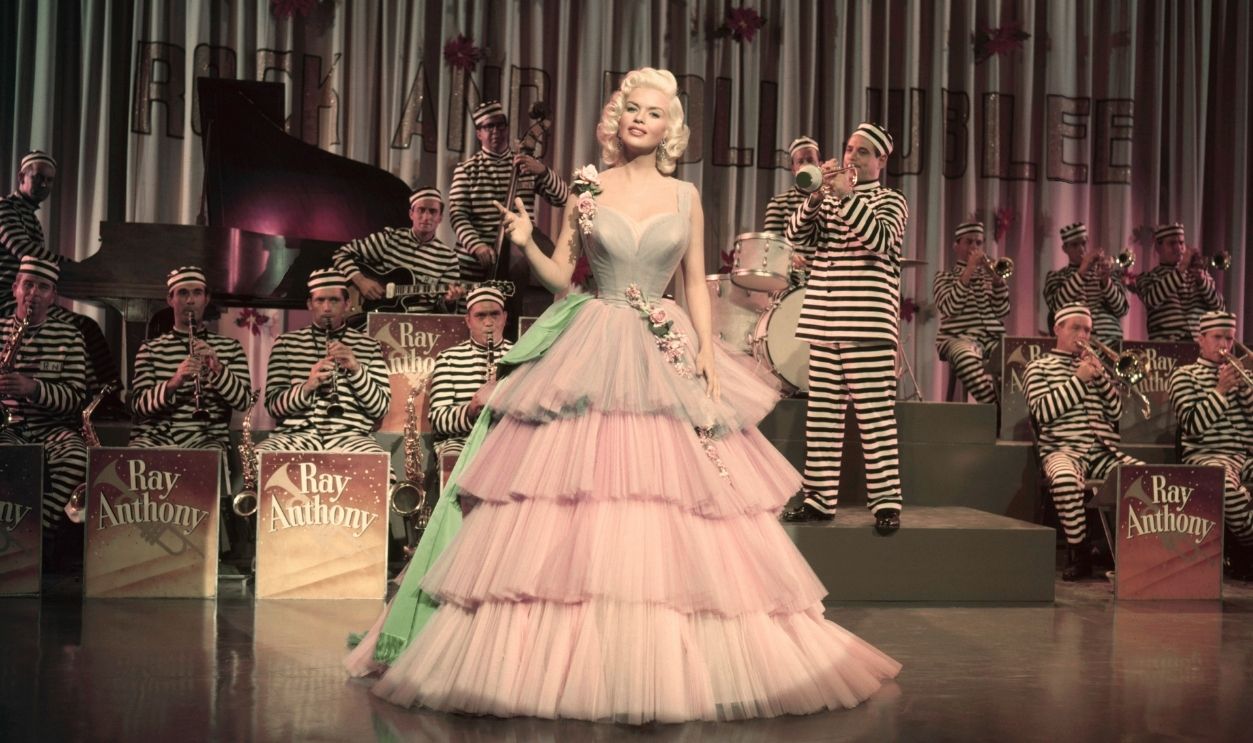
She Didn’t Hide Her Frustration With Hollywood’s Obsessions
In later interviews, Mansfield spoke openly about Hollywood’s fixation on youth and appearance. She questioned why actresses faced shrinking opportunities as they aged. These remarks reflected broader industry issues and showed her growing willingness to challenge norms.
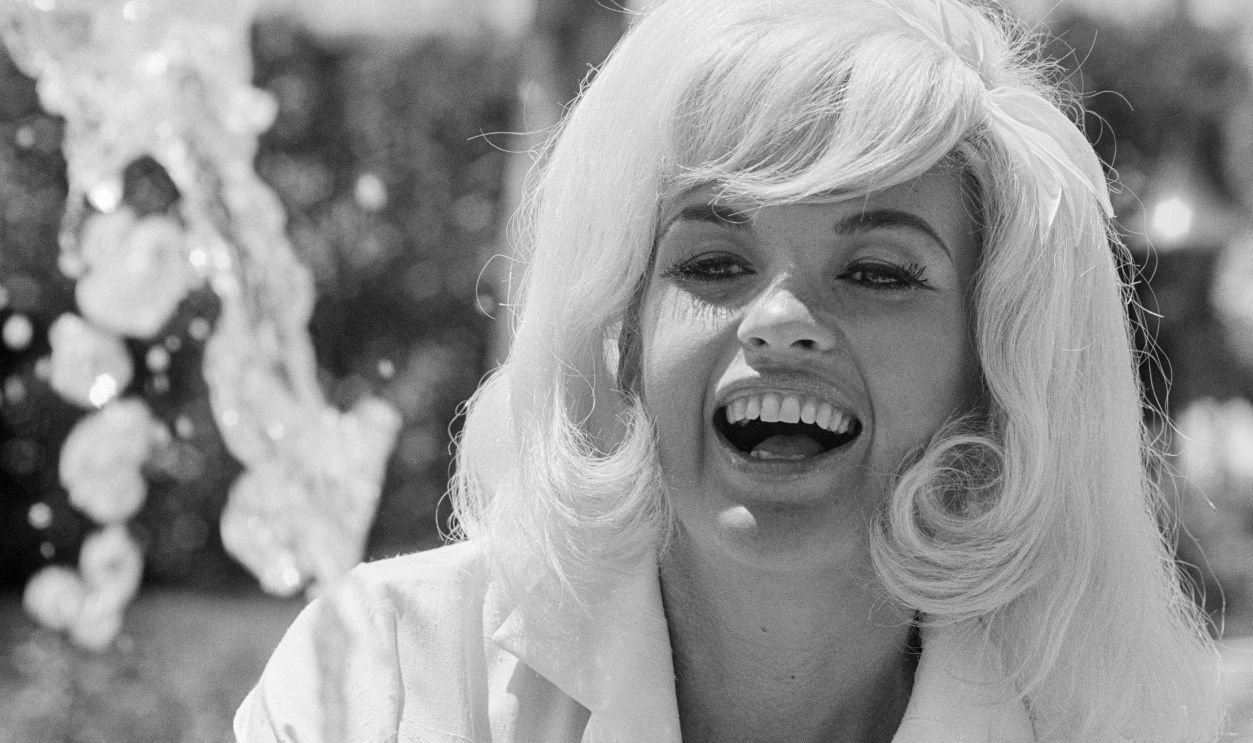
The Myths Surrounding Her Passing Still Cloud The Facts
Mansfield’s fatal car accident in 1967 spawned persistent myths that overshadow verified details. Sensational claims spread despite official reports and eyewitness accounts. This misinformation has distorted public memory, diverting attention from her life and achievements.
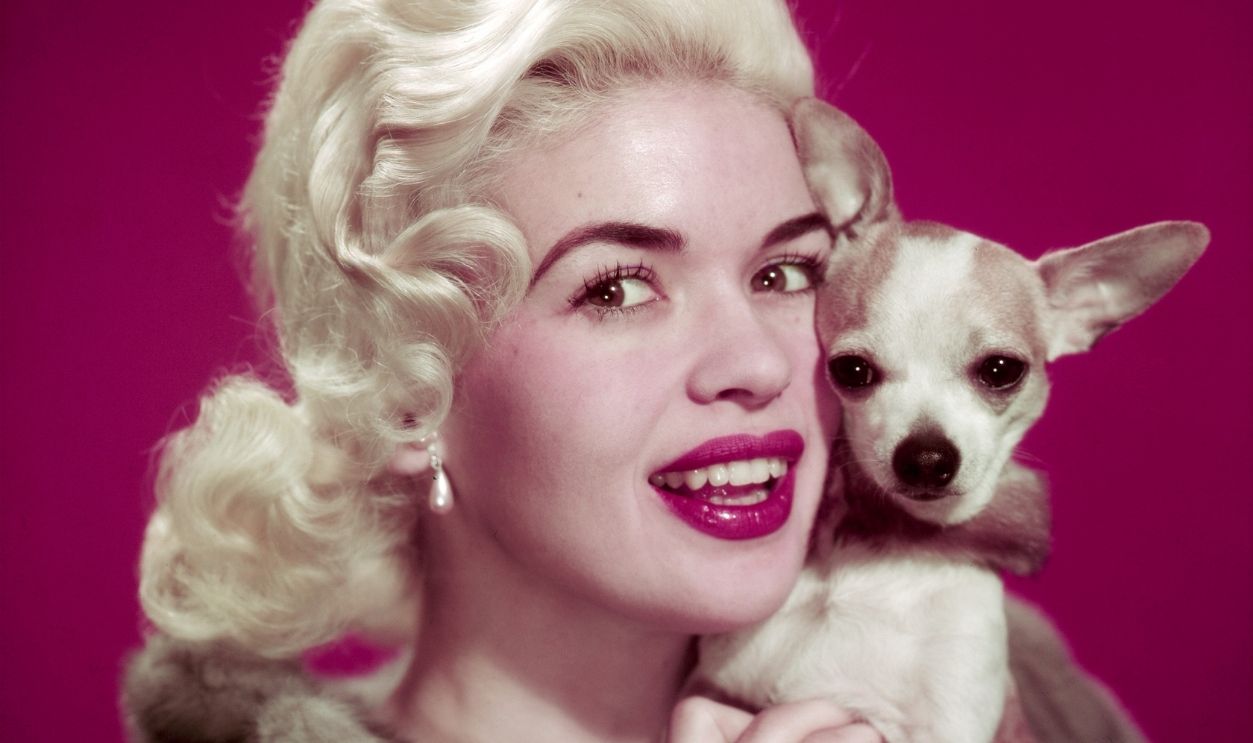 Silver Screen Collection, Getty images
Her Accident Led To A Lasting Highway Safety Requirement
The fatal 1967 car accident directly influenced US transportation safety. After investigators noted the underride impact, federal regulations eventually required rear underride guards on tractor-trailers. Informally called the “Mansfield bar,” the safety feature remains standard on American highways today.
 Lawrence Schiller, Wikimedia Commons
Tragedy Overshadowed A Much Bigger Story
Public attention after Mansfield’s passing focused almost entirely on shock and loss. Coverage rarely revisited her education or industry impact. Over time, this imbalance narrowed how she was remembered by allowing a single moment to eclipse decades of work and cultural influence.
 Silver Screen Collection, Getty images