Laughs In Logic
A quick remark, a sly pause, and the punchline landed. Groucho Marx built a career on this rhythm. His humor wasn’t about noise; it was about timing and words that twisted into something unexpected.

“I Refuse To Join Any Club That Would Have Me As A Member”.
This paradoxical gem encapsulates Groucho's self-deprecating humor. The quote originated from his real-life resignation letter to the Friar's Club of Beverly Hills, where he actually wrote: “PLEASE ACCEPT MY RESIGNATION. I DON'T WANT TO BELONG TO ANY CLUB THAT WILL ACCEPT PEOPLE LIKE ME AS A MEMBER”.
 Los Angeles Daily News, Wikimedia Commons
“Outside Of A Dog, A Book Is A Man's Best Friend. Inside Of A Dog It's Too Dark To Read”.
Born during the golden age of vaudeville in 1890, Marx mastered the art of misdirection that made audiences do double-takes. The first half reads like genuine wisdom about companionship and literature, but the punchline's absurd literalism showcases surreal humor.
 Unknown authorUnknown author, Wikimedia Commons
“One Morning I Shot An Elephant In My Pajamas. How He Got Into My Pajamas I'll Never Know”.
The deliberate misplacement of the prepositional phrase "in my pajamas" creates comedy gold through grammatical ambiguity. He delivered this line a couple of times throughout his career. It has become one of the writer’s most quoted jokes.
 White Studio, Wikimedia Commons
“The Secret Of Life Is Honesty And Fair Dealing. If You Can Fake That, You've Got It Made”.
Marx's cynical worldview shines through this contradiction that sounds like wisdom before revealing itself as calculated deception. While honesty and fairness are ideal principles, the ability to convincingly fake these qualities can be just as effective.
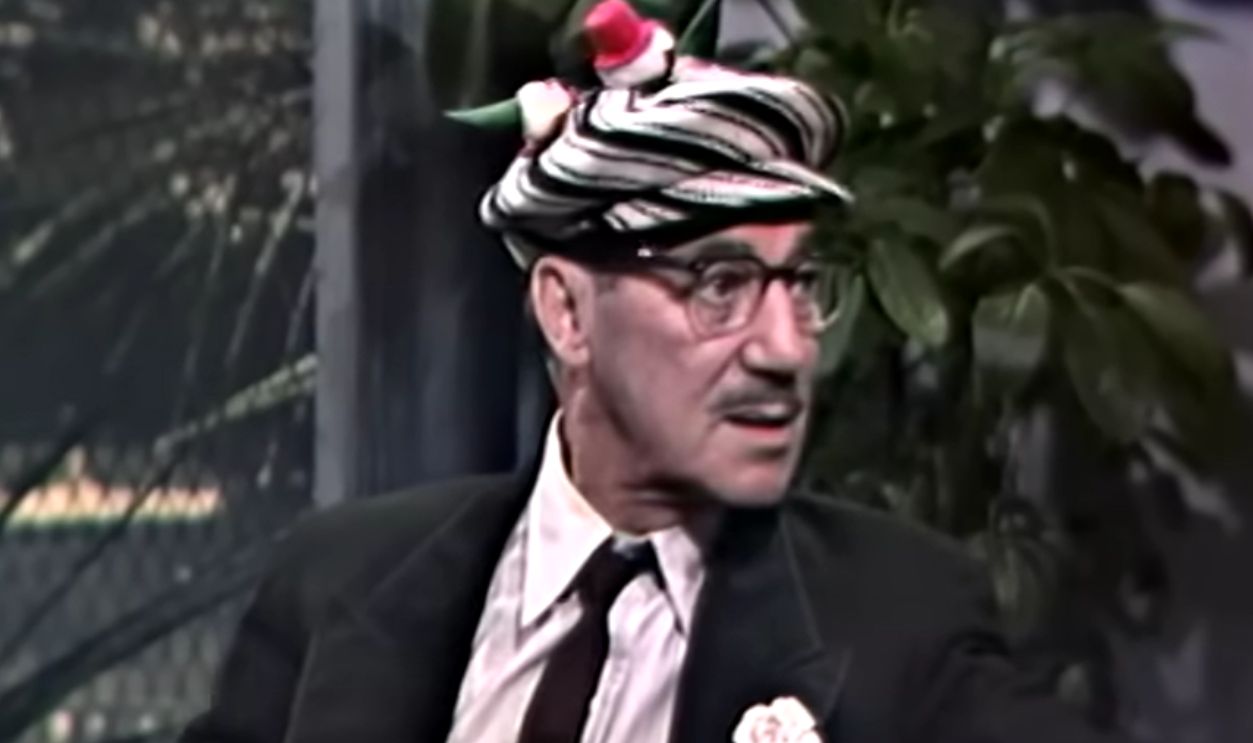 NBC, The Tonight Show Starring Johnny Carson (1962-1992)
“I Find Television Very Educating. Every Time Somebody Turns On The Set, I Go Into The Other Room And Read A Book”.
Television was revolutionizing American entertainment when Marx ironically became one of its biggest stars. The contradiction between his public dismissal of TV and his successful television career adds another layer of humor to this quote.
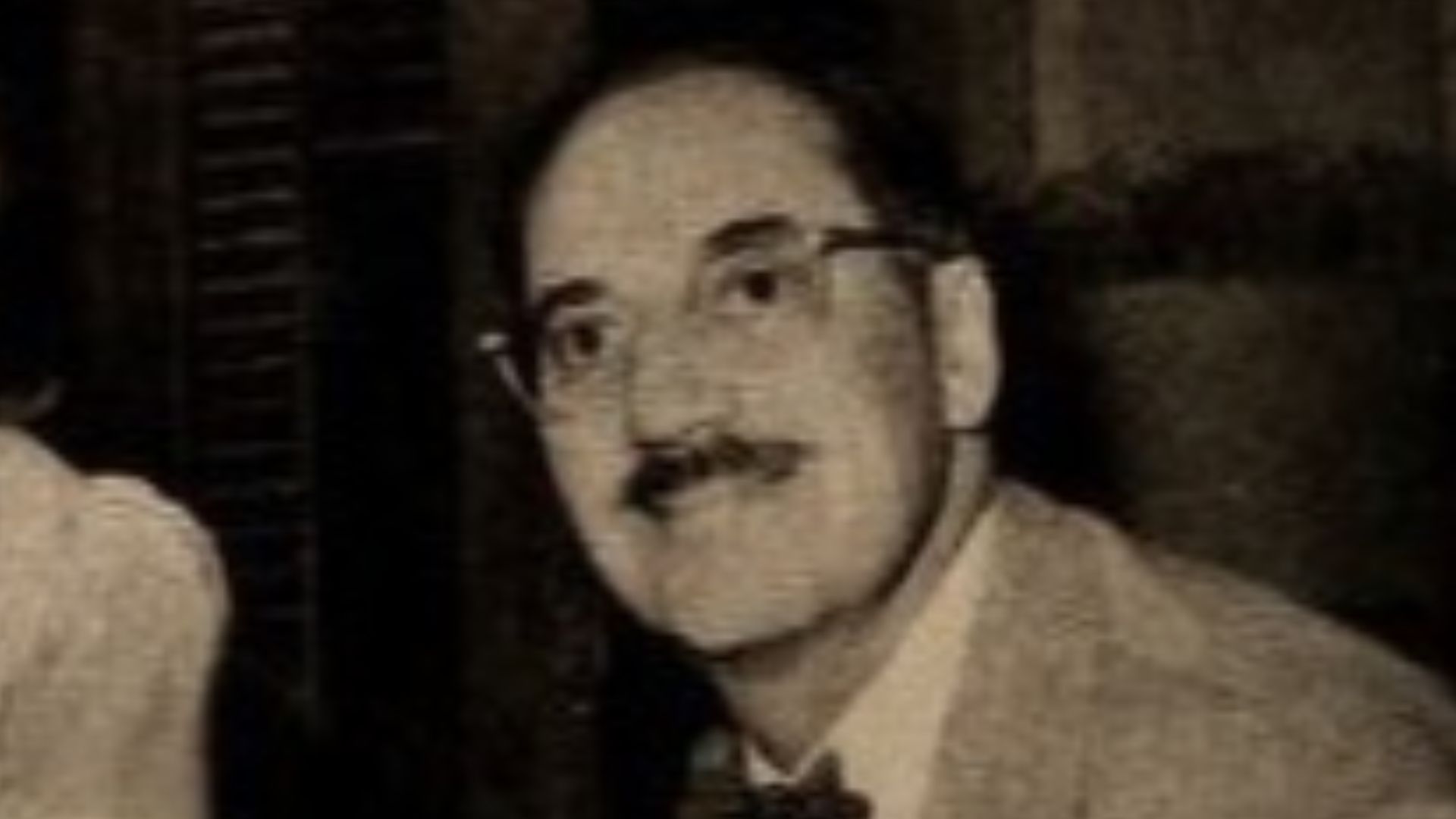 Photographer not credited, Wikimedia Commons
“From The Moment I Picked Up Your Book Until I Put It Down, I Was Convulsed With Laughter. Some Day I Intend Reading It”.
This one was actually written as a testimonial for SJ Perelman's first book, Dawn Ginsberg's Revenge, demonstrating how he could deliver insults disguised as compliments. The joke has since been attributed to other authors in modern retellings.
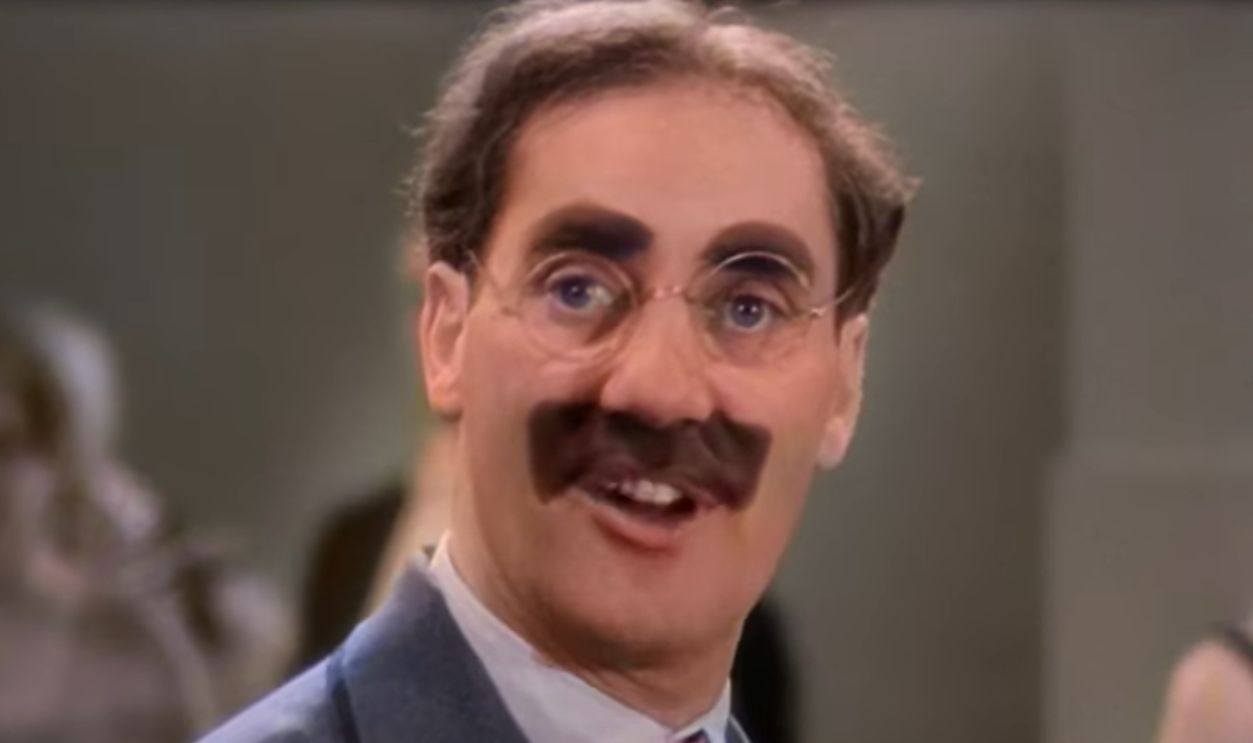 Paramount Pictures, Duck Soup (1933)
“Behind Every Successful Man Is A Woman, Behind Her Is His Wife”.
Marriage was a favorite target for this man’s wit, partly because he experienced it three times himself. The line initially seems to honor the traditional saying about supportive women, then adds a cynical twist about infidelity.
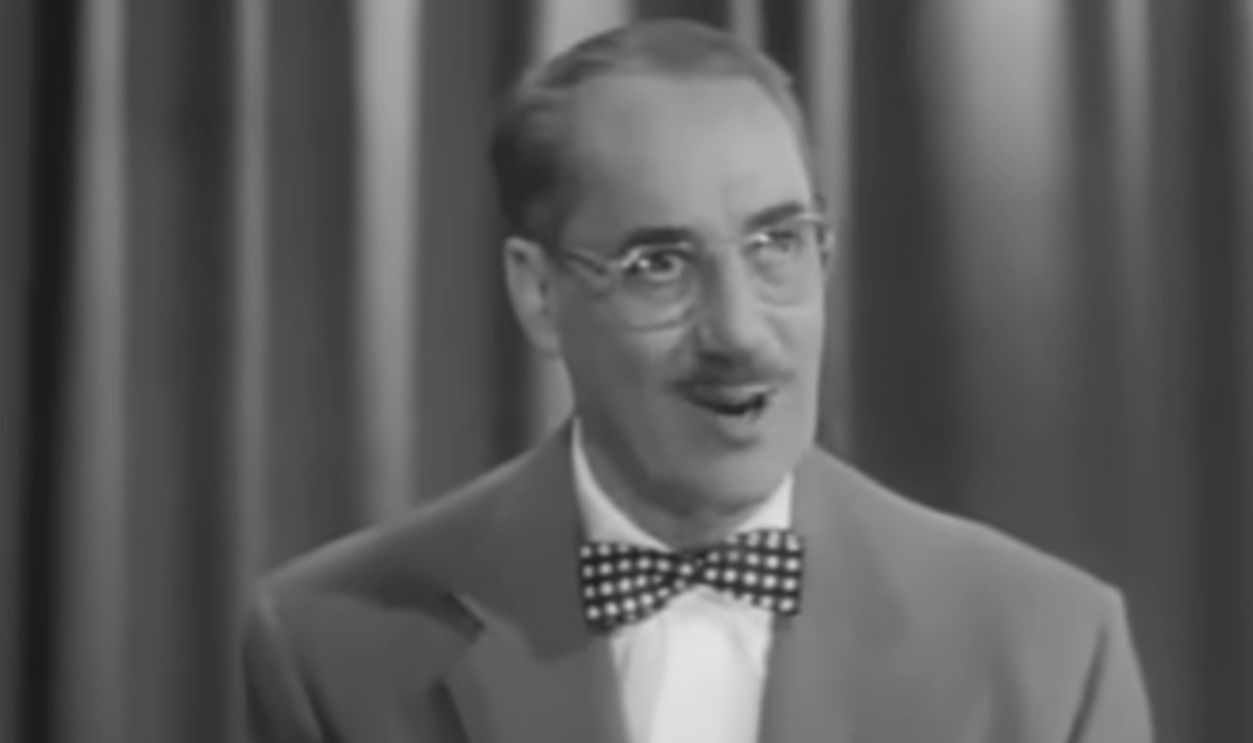 Chrysler Corporation, You Bet Your Life (1947-2023)
"Marriage Is A Wonderful Institution, But Who Wants To Live In An Institution?"
The wordplay between "institution" as a social construct and as a place for the mentally unstable reveals Groucho's view of matrimony with surgical precision. This particular line became so popular that it influenced generations of stand-up comedians who adopted similar structures.
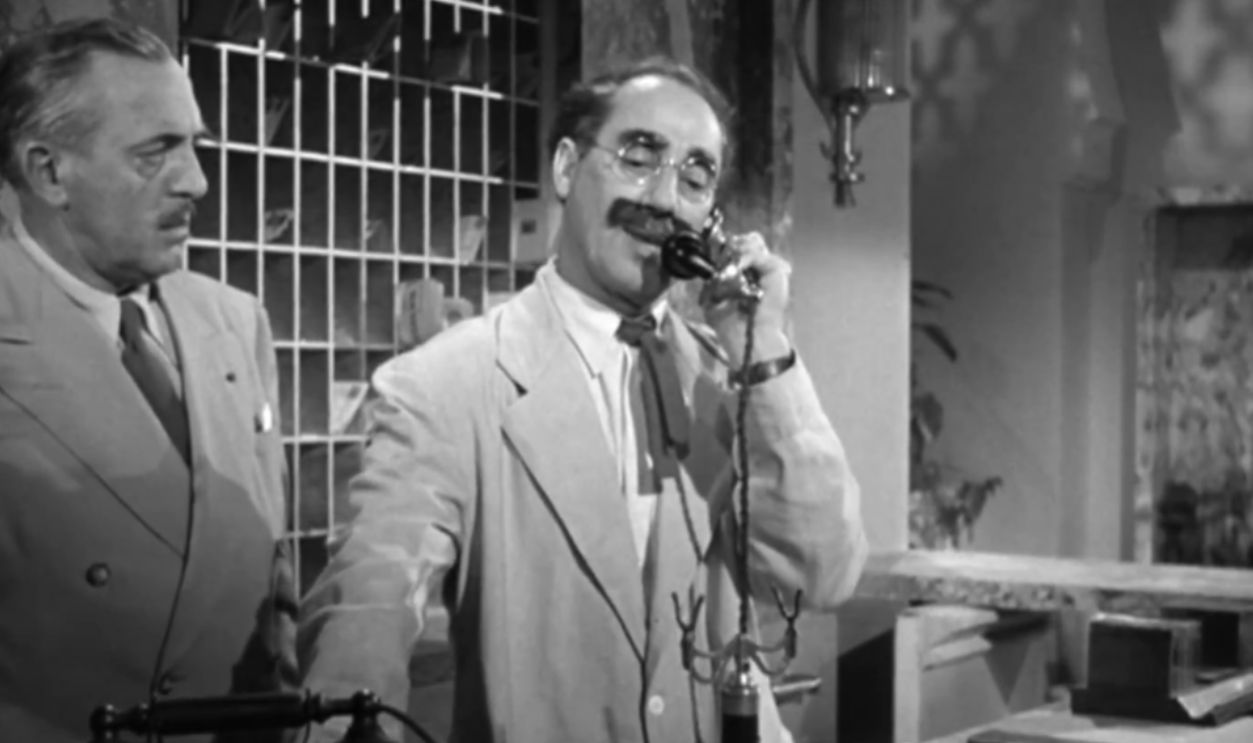 United Artists, You Bet Your Life (1946)
“Military Justice Is To Justice What Military Music Is To Music”.
During times when patriotism ran high and criticizing the military required careful navigation, the comedian managed to deliver this pointed critique through clever analogy rather than direct attack. His observation about institutional justice resonated with audiences.
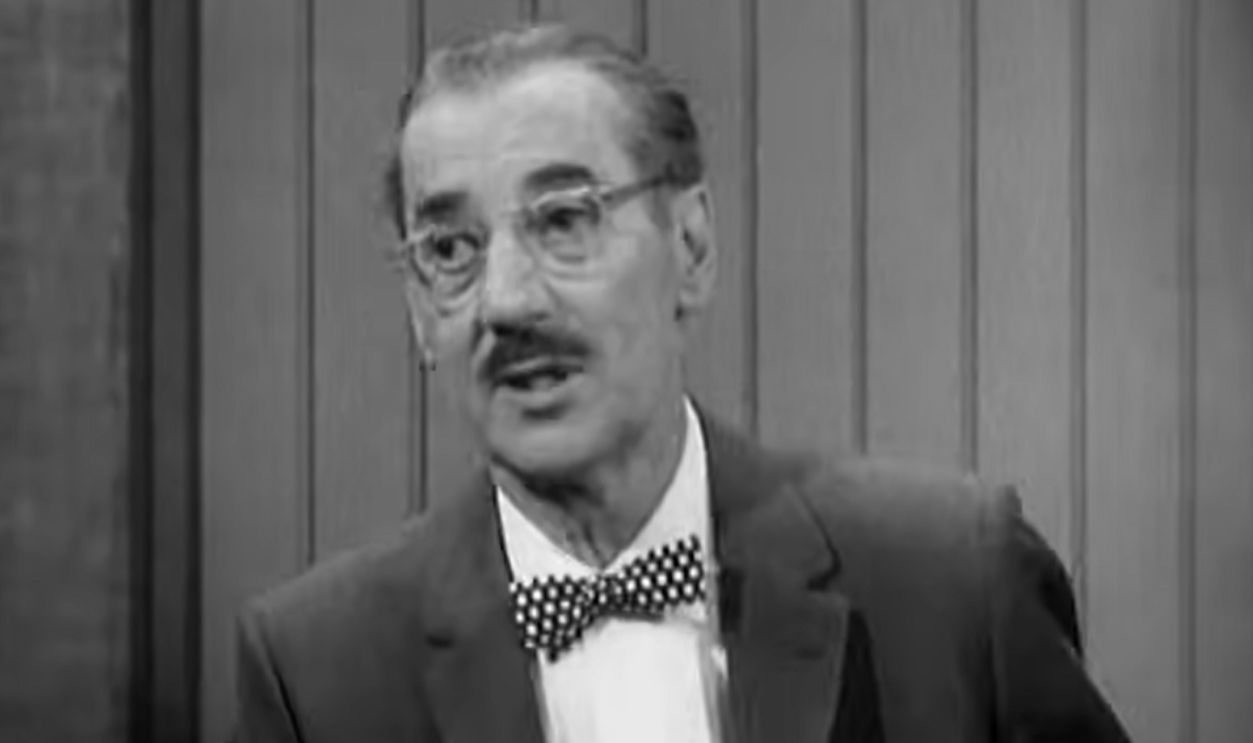 NBC, You Bet Your Life (1947-2023)
“A Child Of Five Would Understand This. Send Someone To Fetch A Child Of Five”.
His exasperation with adult complexity often led to some really memorable zingers, and this quote captures his preference for childlike simplicity over pretentious sophistication. In the 1933 film Duck Soup, Marx delivered a similar line during a convoluted political discussion.
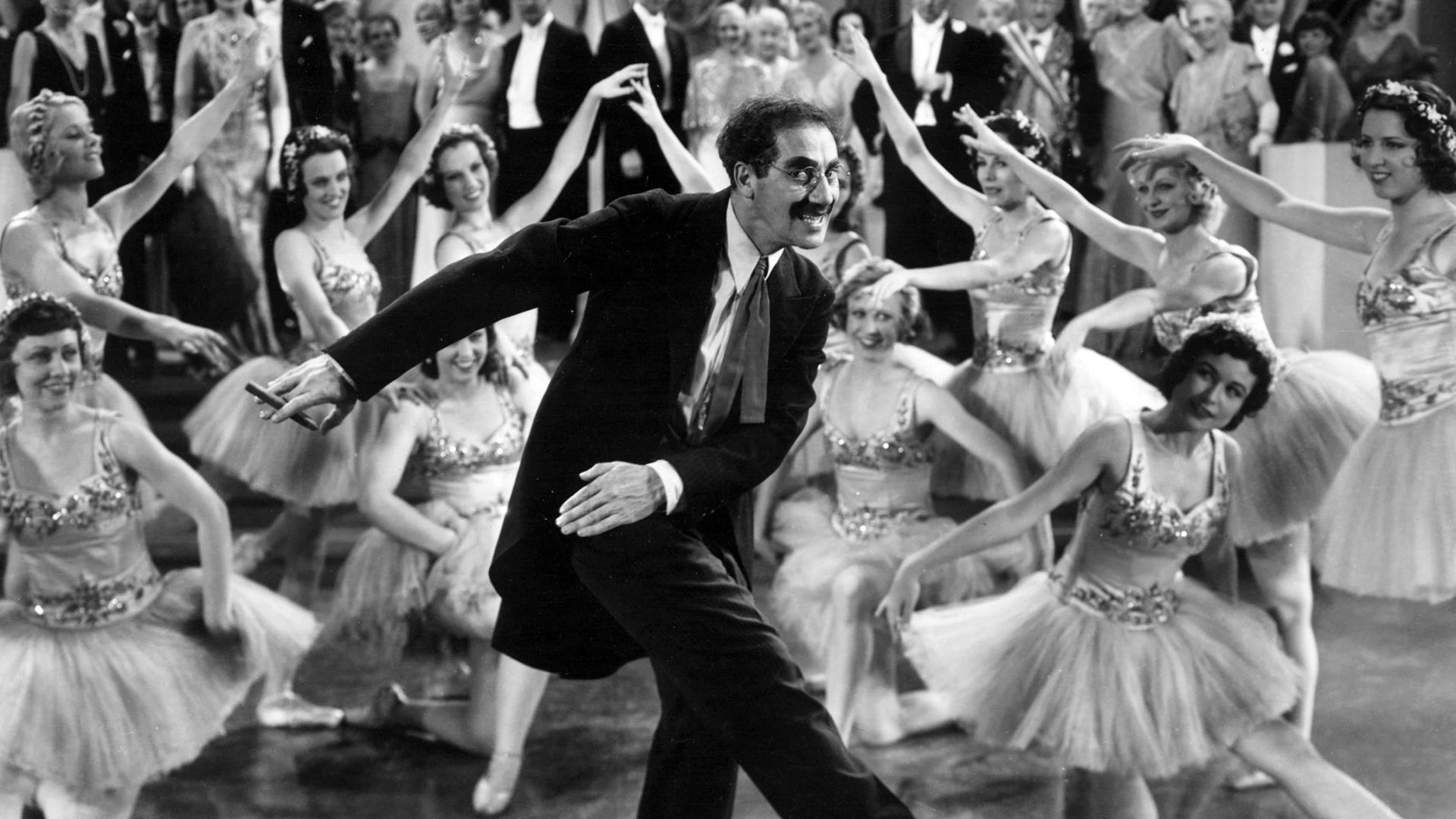 Unknown authorUnknown author, Wikimedia Commons
“He May Look Like An Idiot And Talk Like An Idiot But Don't Let That Fool You. He Really Is An Idiot”.
The three-part structure of this insult builds false hope before delivering a knockout punch that became a template for modern roast comedy. What makes it cruel is how it mimics the cadence of a defense, only to confirm the worst assumptions.
 United Artists Corporation, Wikimedia Commons
“If A Black Cat Crosses Your Path, It Signifies That The Animal Is Going Somewhere”.
Superstition met scientific rationalism in this logical deconstruction of folk beliefs that plagued early 20th-century society. Marx said it as a playful jab at popular beliefs regarding omens and luck, turning a traditionally ominous superstition into a simple observation.
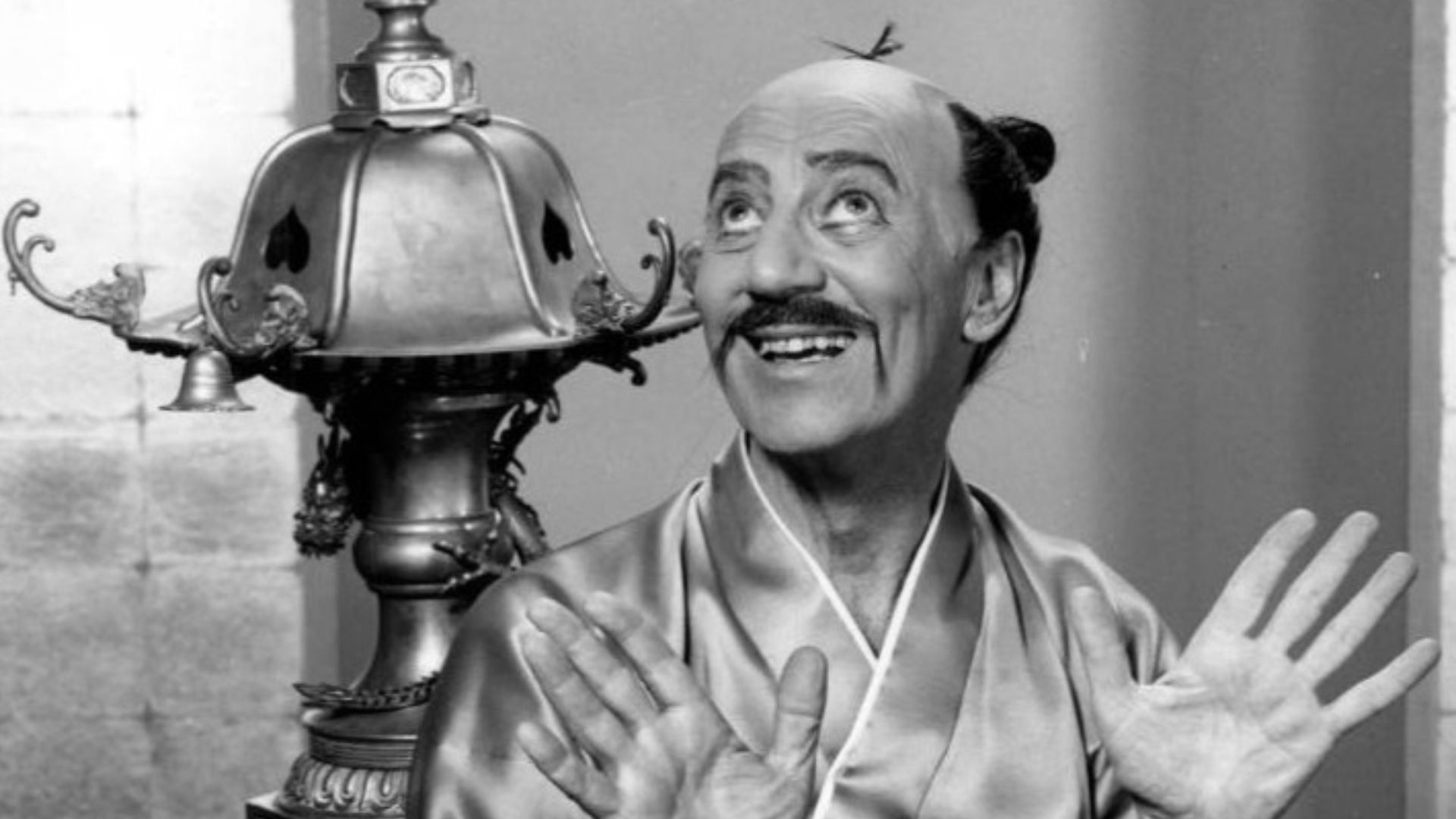
“Learn From The Mistakes Of Others. You Can Never Live Long Enough To Make Them All Yourself”.
Philosophy disguised as practical advice reveals this man’s deeper understanding of human nature and the brevity of life. Born in 1890, Marx lived through two world wars and the Great Depression, giving him ample opportunity to observe humanity's recurring follies.
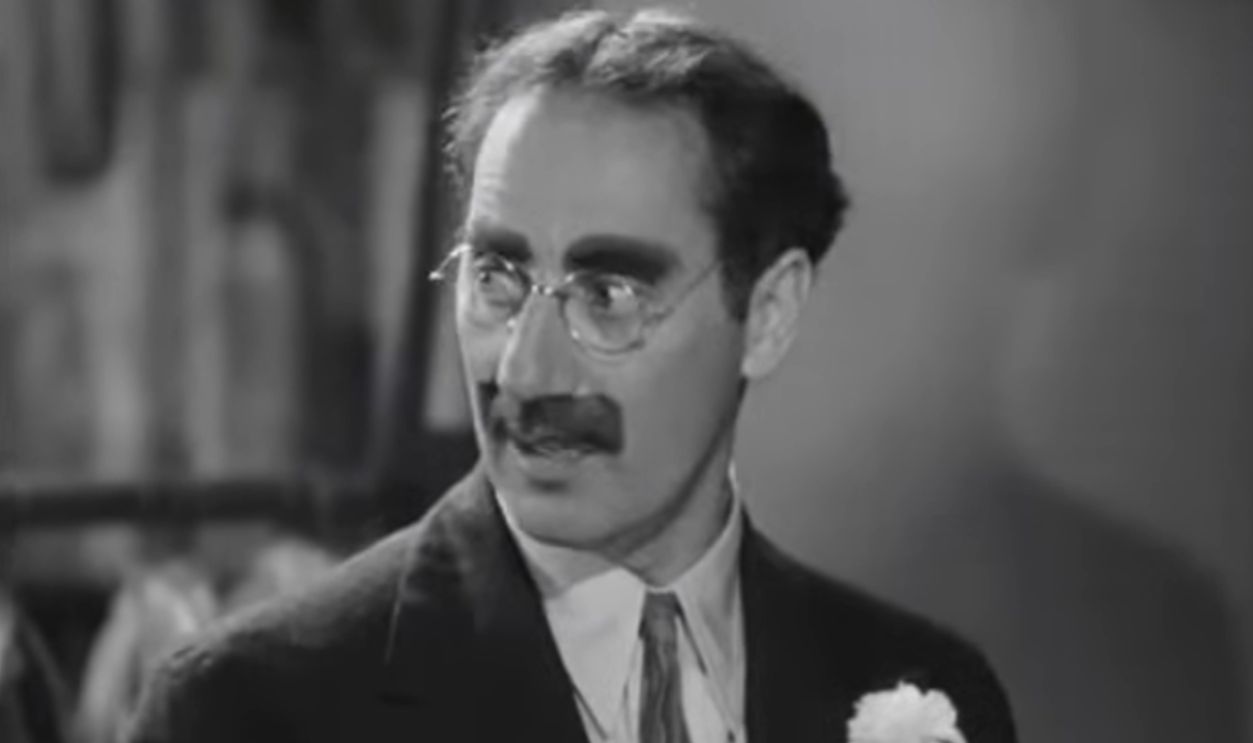 Metro-Goldwyn-Mayer, A Day at the Races (1937)
“Politics Is The Art Of Looking For Trouble, Finding It Everywhere, Diagnosing It Incorrectly, And Applying The Wrong Remedies”.
Contemporary political commentary from the 1940s remains accurate decades later, proving his observational powers transcended his era. This line was said during a period when American politics was tackling post-war complexities, yet its relevance to modern political discourse is uncanny.
 PBS, American Masters (1986- )
“Quote Me As Saying I Was Misquoted”.
Media manipulation became the target of this brilliantly recursive joke, which predates recent concerns about fake news by many years. The self-referential nature creates an infinite loop of doubt—if he's misquoted, saying he was misquoted, which version is accurate?
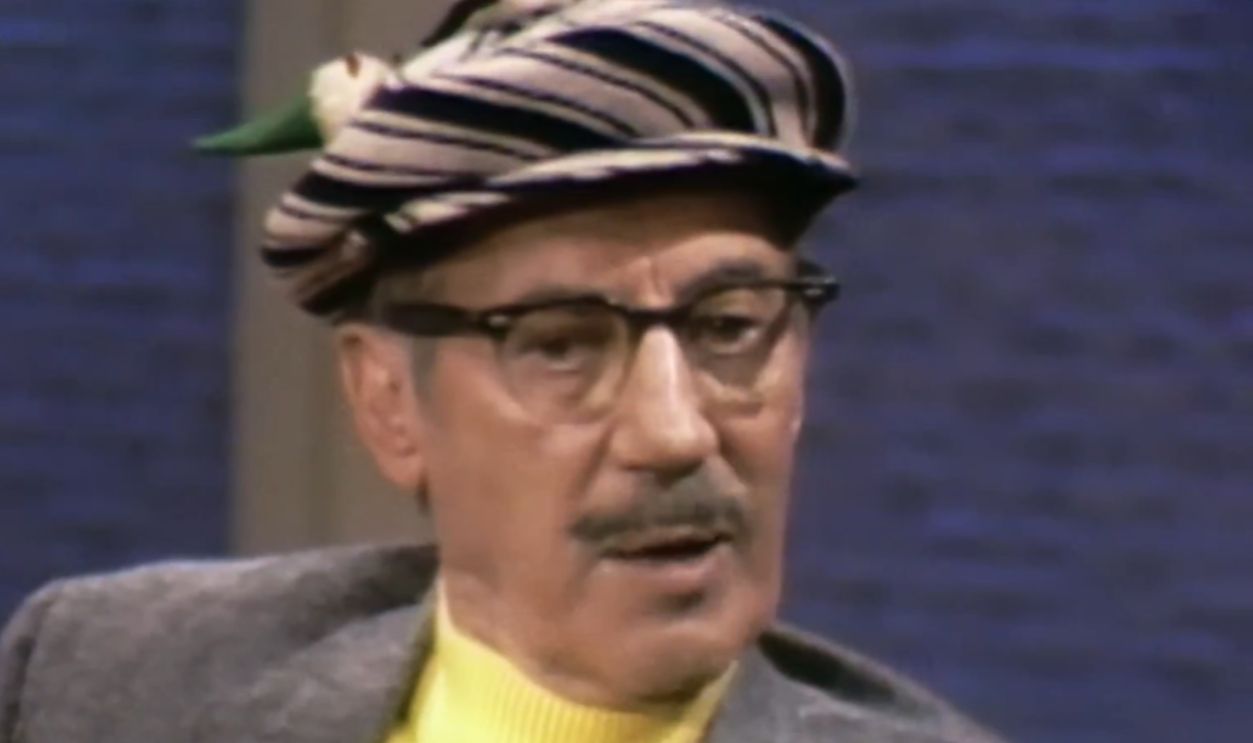 PBS, American Masters (1986- )
“There's One Way To Find Out If A Man Is Honest - Ask Him. If He Says, 'Yes,' You Know He Is A Crook”.
Psychological insight masquerades as simple logic in this exploration of human deception and self-awareness. The trap Groucho sets is perfect. Truly honest people would likely express doubt about their own honesty, while dishonest ones would confidently claim integrity.
 PBS, American Masters (1986- )
“While Money Can't Buy Happiness, It Certainly Lets You Choose Your Own Form Of Misery”.
This individual’s humor often reflected a pragmatic and somewhat skeptical view of money. It doesn't guarantee happiness, but it does provide options and control, even if those options come with their own troubles or “miseries”.

“If You've Heard This Story Before, Don't Stop Me, Because I'd Like To Hear It Again”.
Self-deprecating humor about memory and aging becomes a clever way to continue boring an audience while appearing considerate. The apparent politeness masks selfish intent as he's going to tell the story regardless of whether listeners have heard it before.
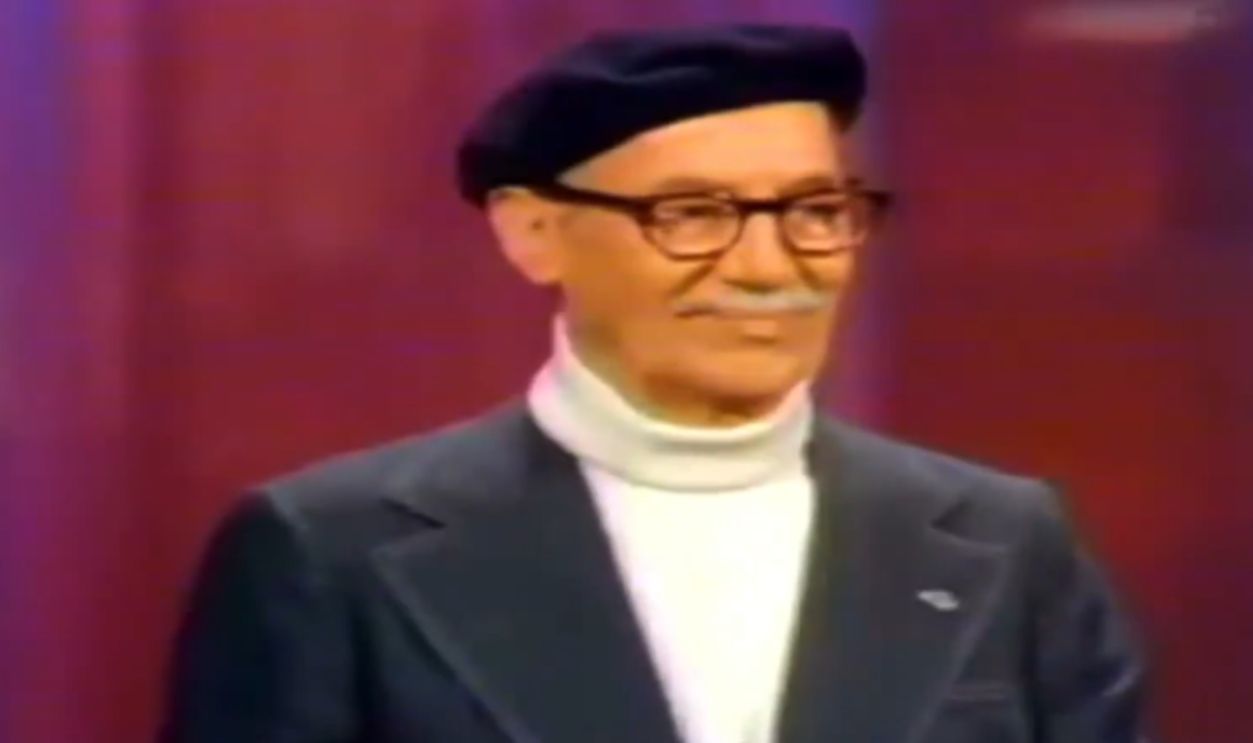 CBS, The Merv Griffin Show (1962-1986)
“Anyone Who Says He Can See Through Women Is Missing A Lot”.
Gender relations and male ego receive gentle mockery through another double entendre that works on multiple levels of interpretation. The quote plays with both the literal visual sense of "seeing through" and the figurative meaning of understanding completely.

“Next Time I See You, Remind Me Not To Talk To You”.
The ultimate dismissal disguised as a polite request showcases Groucho's mastery of passive-aggressive comedy. This type of convoluted rudeness became a Marx Brothers trademark during their vaudeville days when viewers expected increasingly sophisticated verbal jousting.

“I'm Not Crazy About Reality, But It's Still The Only Place To Get A Decent Meal”.
Isn’t this so true? He joked about reality as something less appealing or enjoyable but acknowledged pragmatically that reality remains the unavoidable context for life's necessities. It mirrors the writer’s skeptical view of the world and the human condition.
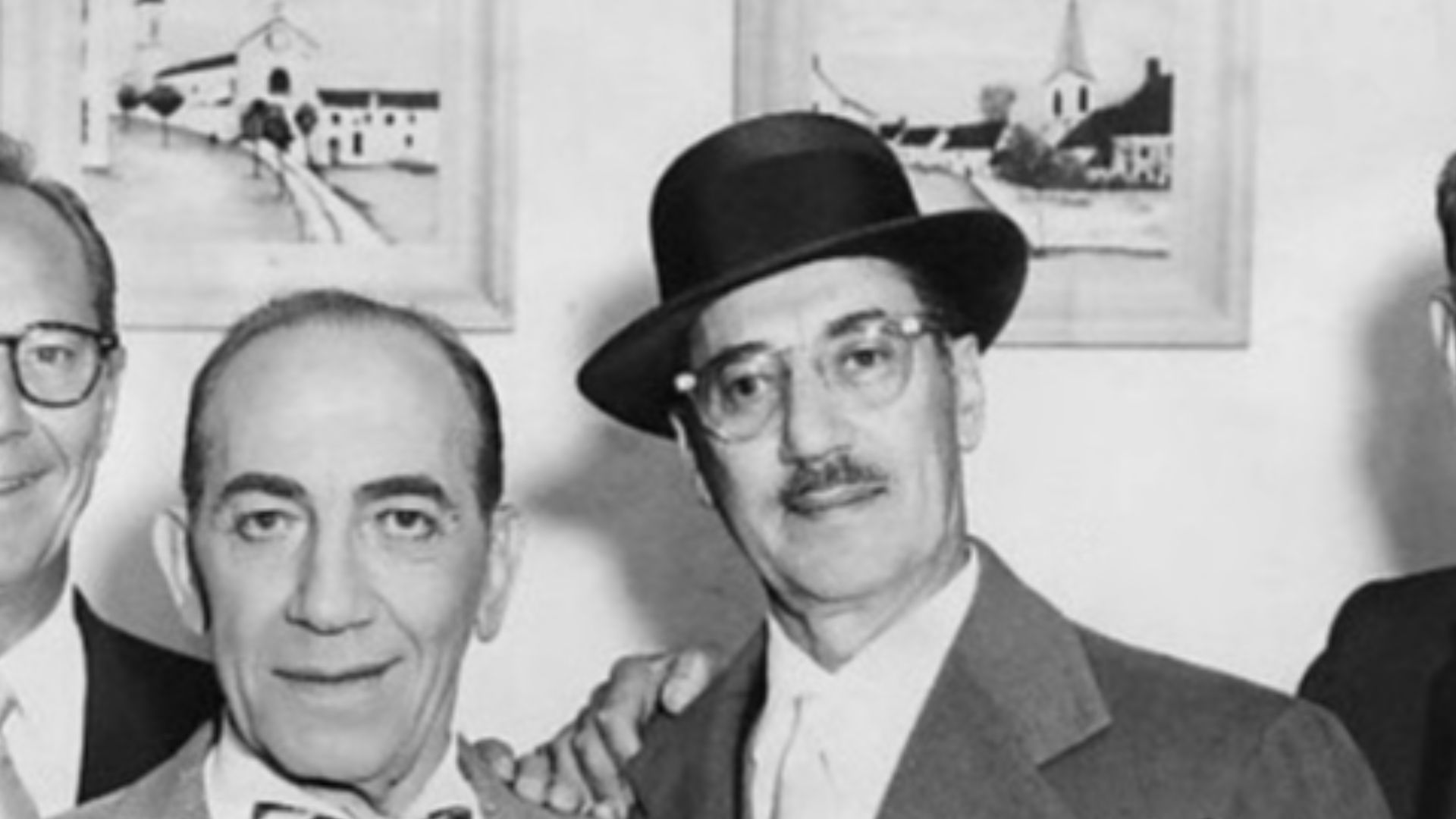 NBC Television-photo by Ethel Kirsner, NBC Press, Wikimedia Commons
“I Intend To Live Forever, Or Die Trying”.
This phrase humorously mirrors the paradox that while nobody can truly live forever, the pursuit of a long life—or at least not accepting death too easily—is a lifelong endeavor. It has been widely shared in books, speeches, and online.
 CBS Television, Wikimedia Commons
“Age Is Not A Particularly Interesting Subject. Anyone Can Get Old. All You Have To Do Is Live Long Enough”.
Dismissive wisdom about aging reveals Groucho's philosophy that longevity requires no special skill, just persistence and luck. Having lived into his 80s, he spoke from experience about society's tendency to celebrate mere survival as an achievement worthy of special recognition.
 Yousuf Karsh, Wikimedia Commons
“I Must Confess, I Was Born At A Very Early Age”.
Autobiography writing becomes an exercise in comic absurdity when the comedian applies his trademark logic to the most basic biographical fact. This line appeared in his actual autobiography, where he used it to mock the pretentious tone of celebrity memoirs.
 Orange County Archives from Orange County, California, United States of America, Wikimedia Commons
“Humor Is Reason Gone Mad”.
Humor often arises when reason or rational thinking is pushed to an extreme or twisted in unexpected ways, producing hilarious or "mad" outcomes. This line is regarded as a succinct summation of how comedy can invert normal expectations.
 Paramount Studios, Wikimedia Commons