
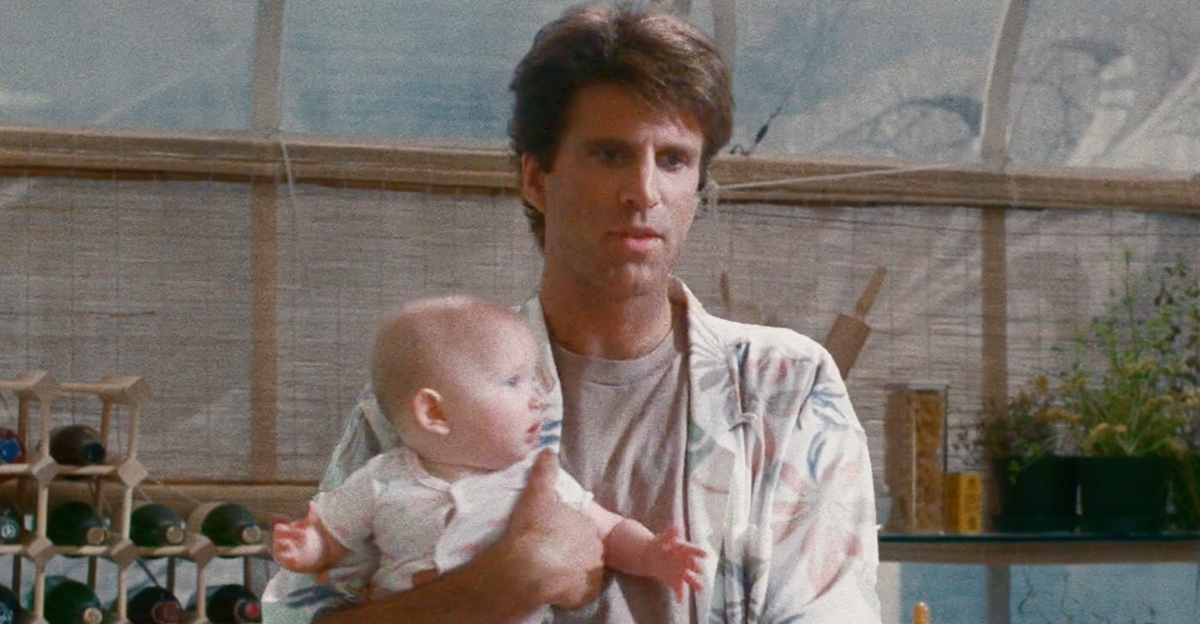
The Movie Dads Had Secrets
The 1980s gave moviegoers an entire generation of dads who were frantic, stubborn, embarrassing, and somehow lovable anyway. They packed station wagons, changed diapers, ruined vacations, and tried desperately to keep their families together. Yet for some of the actors playing these familiar father figures, life away from the camera was considerably more complicated. Public scandals, broken relationships, personal struggles, and spectacular mistakes made the difference between the movie dad and the man playing him almost impossible to believe.
Chevy Chase Became America's Vacation Dad
When National Lampoon's Vacation arrived in 1983, Chevy Chase turned Clark Griswold into one of the decade's most memorable fathers. Clark was selfish and obsessive, but the whole disaster began because he desperately wanted to give his family the perfect vacation. Director Harold Ramis described him as a man struggling to live up to his own image of fatherhood. The character was ridiculous, but Chase somehow made him strangely sincere.
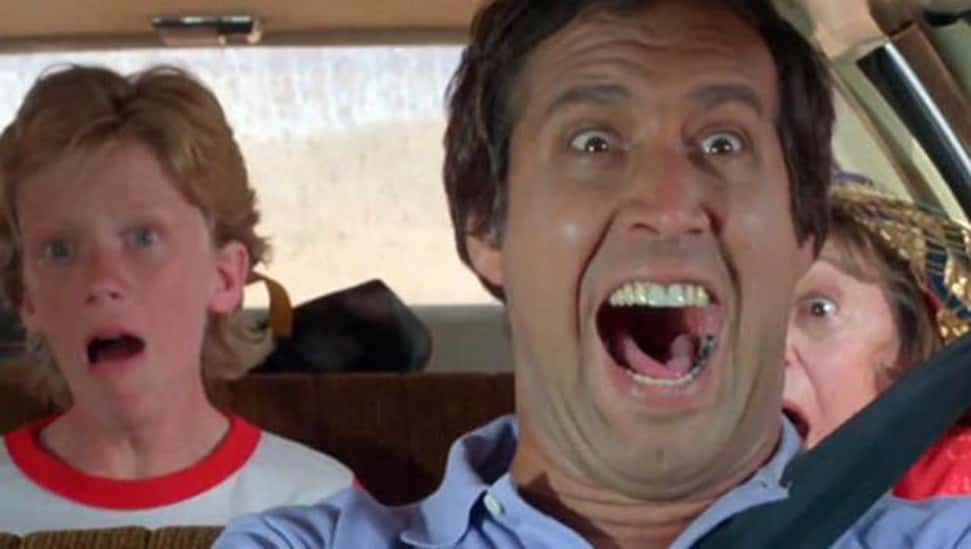
Clark Griswold Refused To Stay Down
Chase returned as Clark in European Vacation and, most famously, 1989's National Lampoon's Christmas Vacation. Clark could destroy his house while hanging Christmas lights and still somehow look like the dad who cared more than anyone else. The character became so inseparable from Chase that generations of viewers came to associate his face with chaotic family holidays. Away from the Griswold house, however, Chase had some chaos of his own.
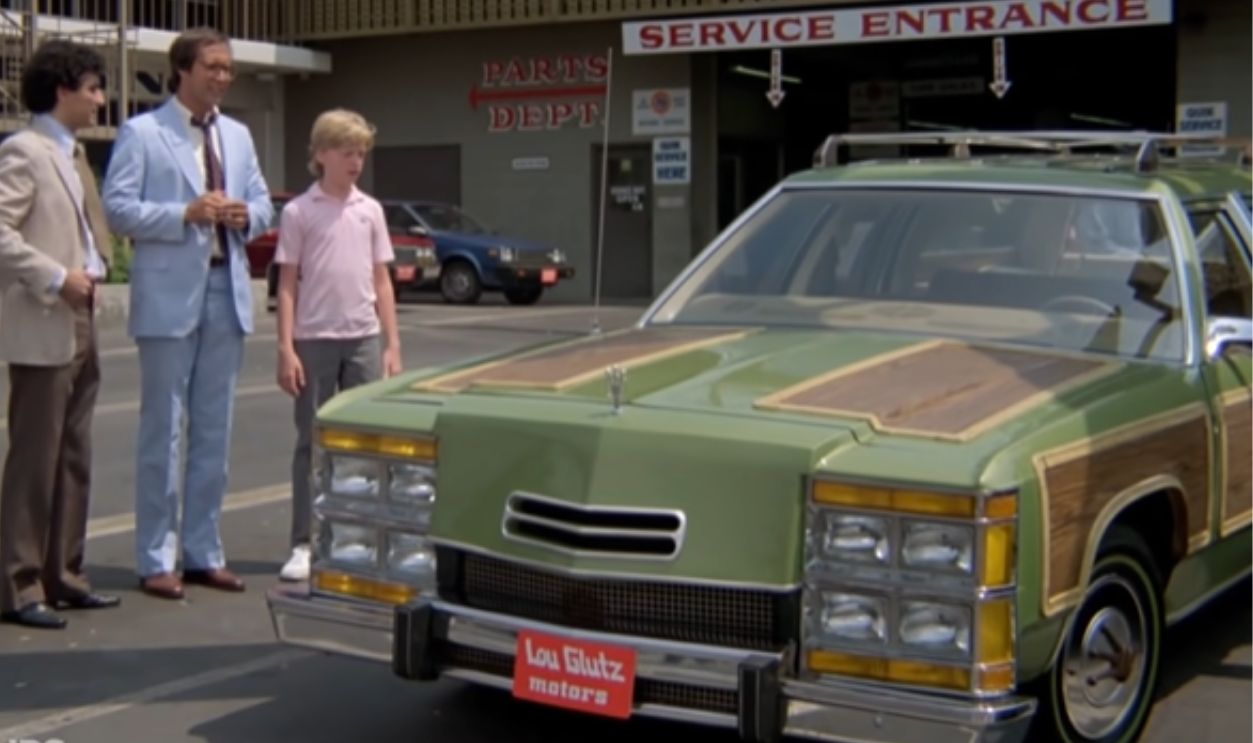 Screenshot from National Lampoon's Vacation, Warner Bros. (1983)
Chase Quietly Sought Help
In October 1986, Chase voluntarily entered the Betty Ford Center because of a dependency on prescription pain medication. His representative said the medication had originally been prescribed for chronic back problems connected to years of physical comedy and pratfalls. Chase left the facility after about two weeks and continued treatment afterward. It was a surprisingly serious struggle for an actor whose biggest problems onscreen usually involved ruined vacations.
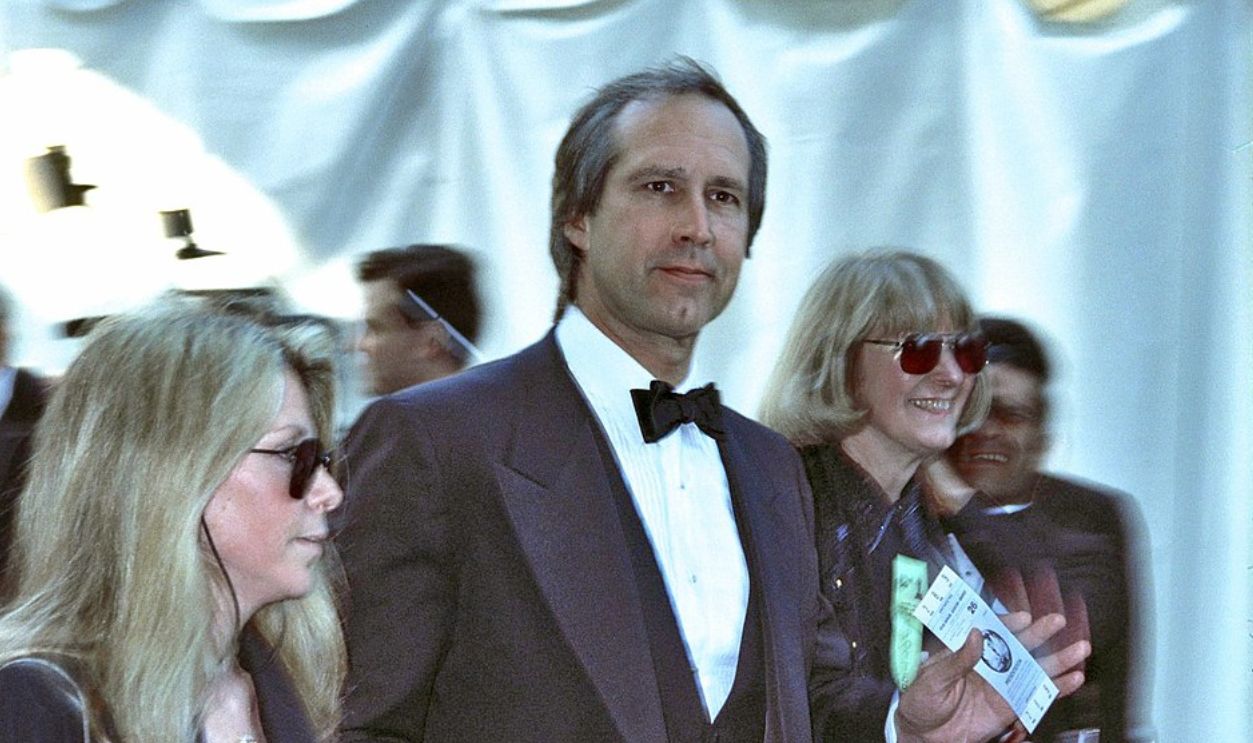 Images Alight, CC BY 2.0, Wikimedia Commons
His Reputation Became Another Problem
Chase's difficulties were not limited to his health. Over the years, numerous colleagues described clashes, cutting remarks, and feuds that contributed to his notoriously difficult reputation. Chase has also spoken about an unhappy childhood and experiences that continued to affect him long after he became famous. Clark Griswold's disasters usually ended with everyone back together, but Chase's own relationships could be considerably harder to repair.
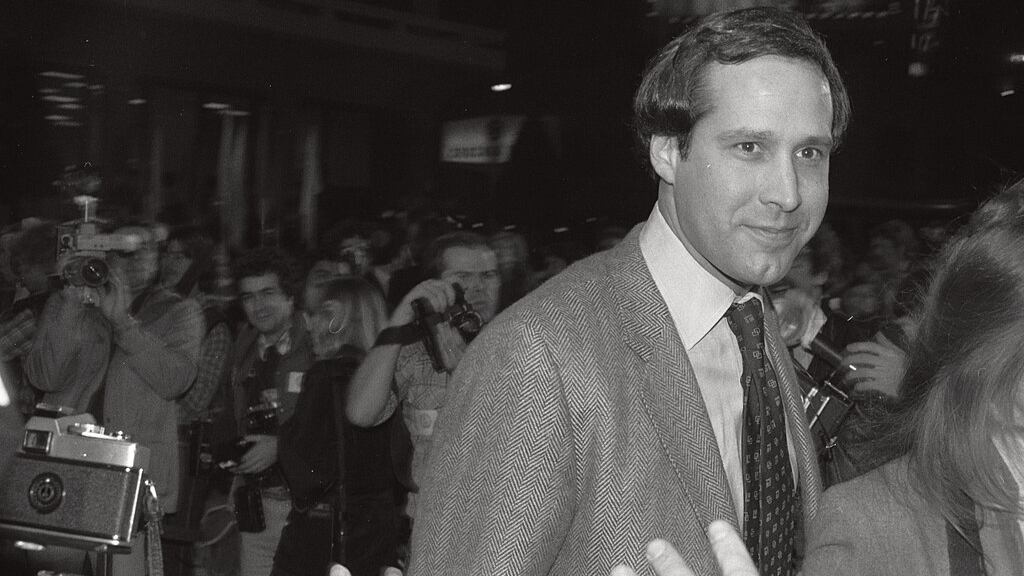 Alan Light, CC BY 2.0, Wikimedia Commons
Richard Pryor Became A Suburban Dad
Richard Pryor may not be the first actor people remember as an '80s movie father, which makes Moving all the more interesting. In the 1988 comedy, he played Arlo Pear, a suburban husband and dad forced to relocate his family after losing his job. The Los Angeles Times described Arlo as an archetypal upper-middle-class suburban father, a deliberately straight-laced role for one of comedy's wildest performers. Pryor suddenly looked almost startlingly conventional.
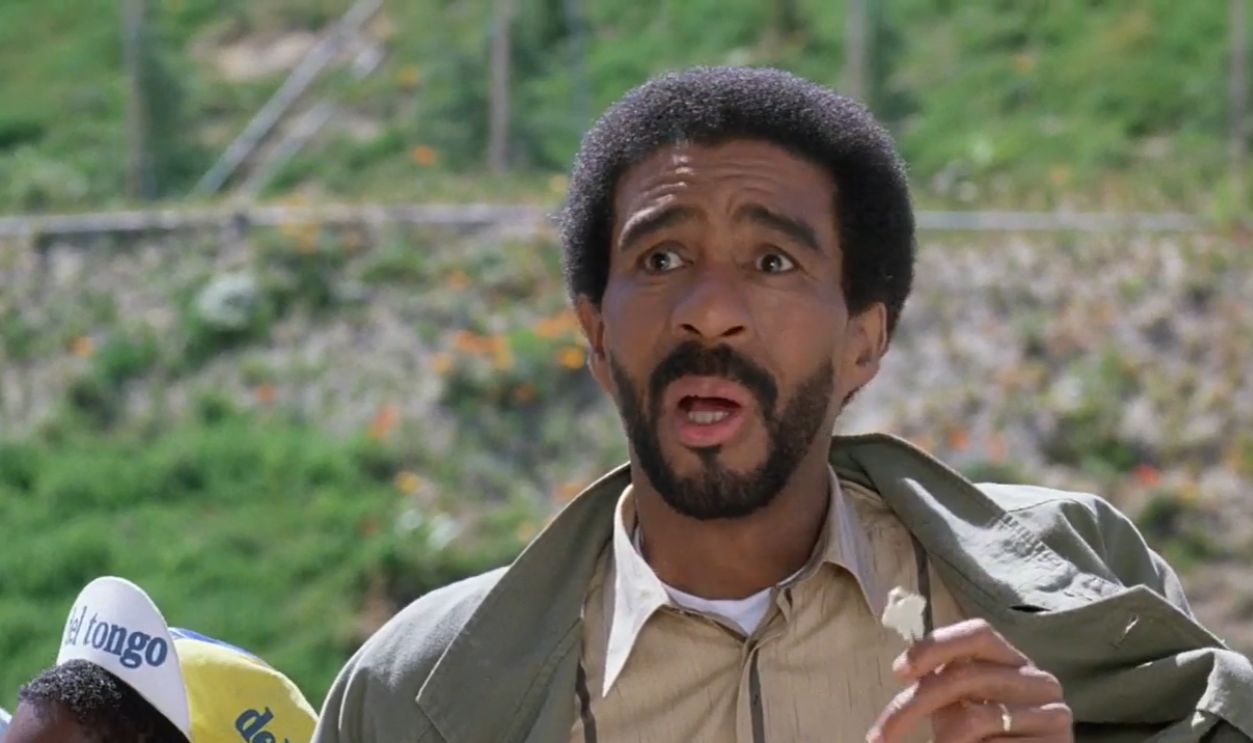 Screenshot from Moving, Warner Bros. (1988)
His Real Life Was Anything But Conventional
By the time Pryor played Arlo, audiences already knew that his personal life had been extraordinarily turbulent. He had endured years of personal problems, unstable relationships, and periods when his behavior threatened both his health and career. Pryor rarely tried to disguise those failures, eventually turning some of his worst experiences into comedy. Behind the jokes, however, were some genuinely difficult years.
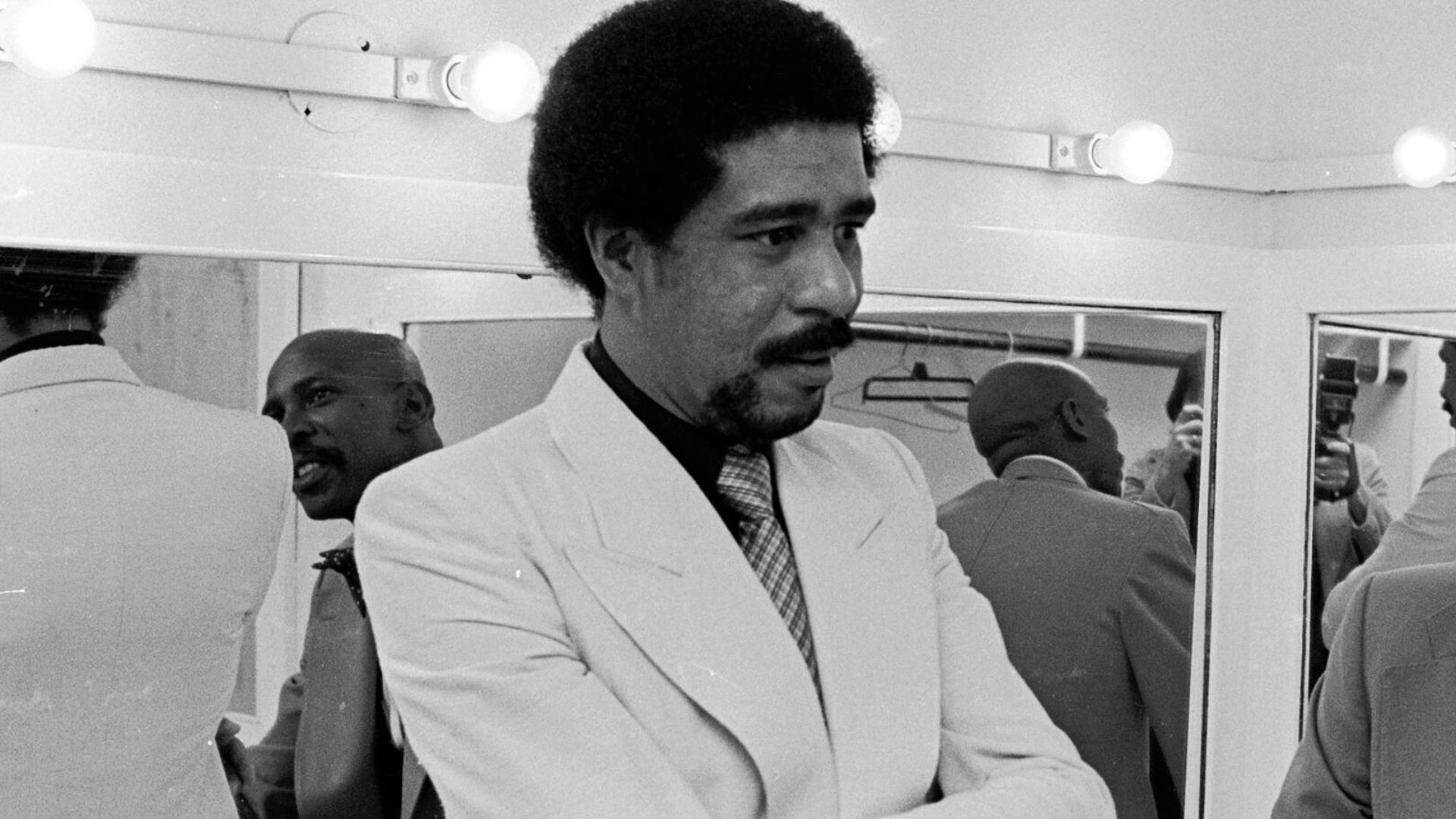 Los Angeles Times, Wikimedia Commons
A Crisis Nearly Changed Everything
In 1980, Pryor survived a devastating personal crisis that left him badly injured and hospitalized. He later acknowledged that he had been in an extremely troubled place at the time. Remarkably, Pryor recovered and eventually found a way to confront even that chapter of his life through his comedy. His willingness to joke about his own worst moments helped make his comeback remarkable, but the reality behind those jokes was anything but funny.
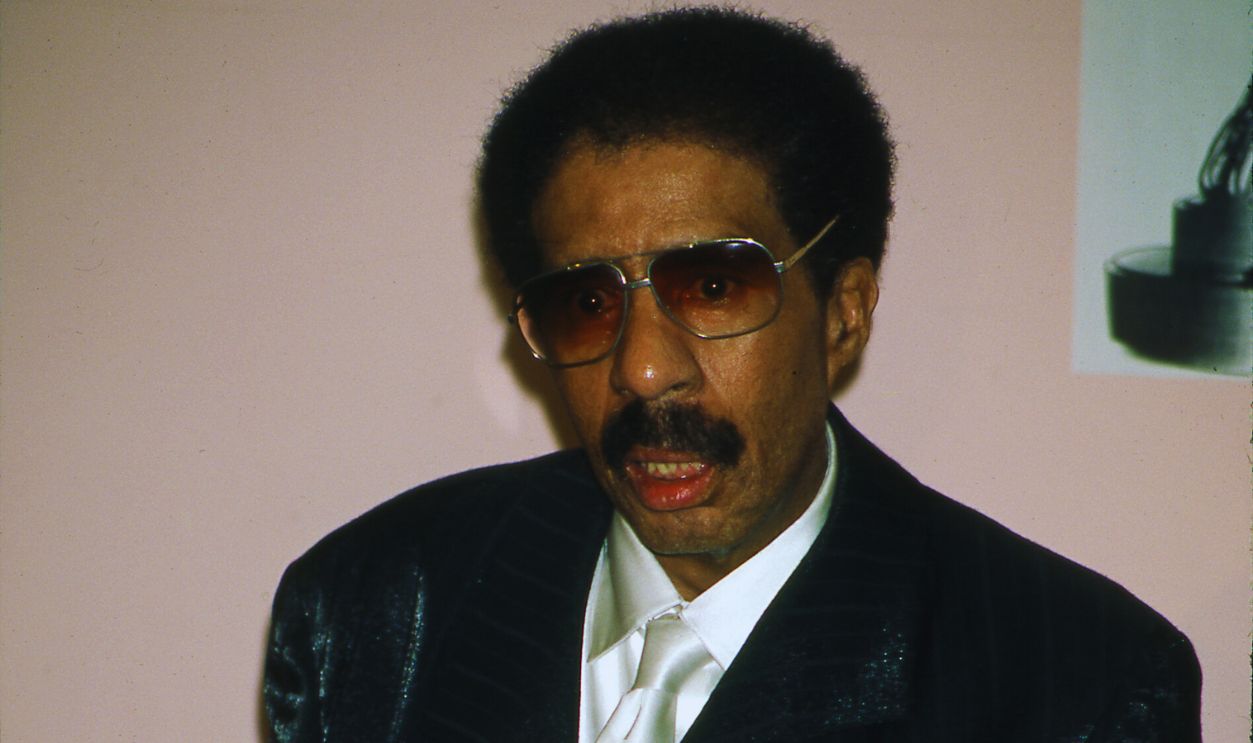
Pryor Kept Moving Forward
Pryor's career continued through films including Superman III, Brewster's Millions, and eventually Moving. He was also diagnosed with multiple sclerosis in 1986, creating another enormous challenge just as he entered the later part of his career. Yet he continued working and performing. The mild suburban father in Moving therefore arrived after Pryor had already survived more upheaval than most fictional characters ever would.
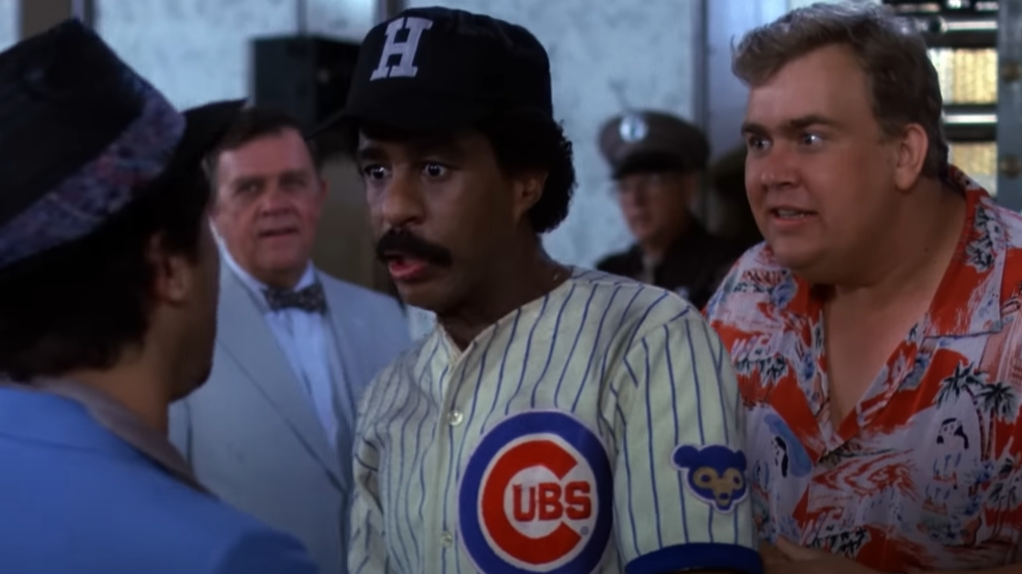 Screenshot from Brewster's Millions, Universal (1985)
Sean Connery Became Indiana Jones' Dad
Sean Connery's appearance in 1989's Indiana Jones and the Last Crusade produced one of the decade's great father-son pairings. Connery played Professor Henry Jones Sr., the brilliant and stubborn father whom Indiana Jones suddenly has to rescue. Their prickly relationship quickly became central to the movie. Henry was hardly warm and cuddly, but by the finale there was no doubt about how much his son meant to him.
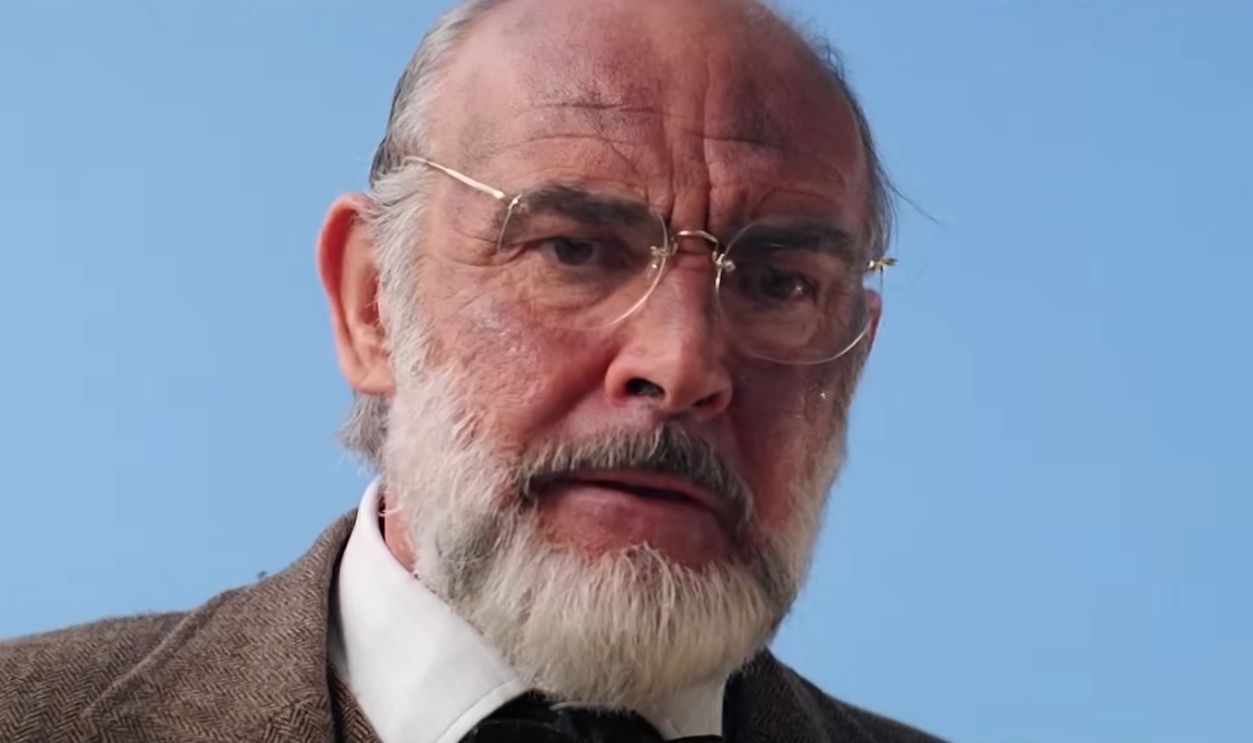 Screenshot from Indiana Jones and the Last Crusade, Paramount Pictures (1989)
The Casting Had A Wonderful Joke Built In
Connery was only 12 years older than Harrison Ford, yet he completely sold the idea that this stern professor was Indiana Jones' formidable father. Their scenes gave the adventure something the earlier films had not possessed: a family relationship at the center of the action. Henry criticized his son constantly and seemed almost constitutionally incapable of offering uncomplicated praise. That difficult but loving screen dad became one of Connery's most beloved later roles.
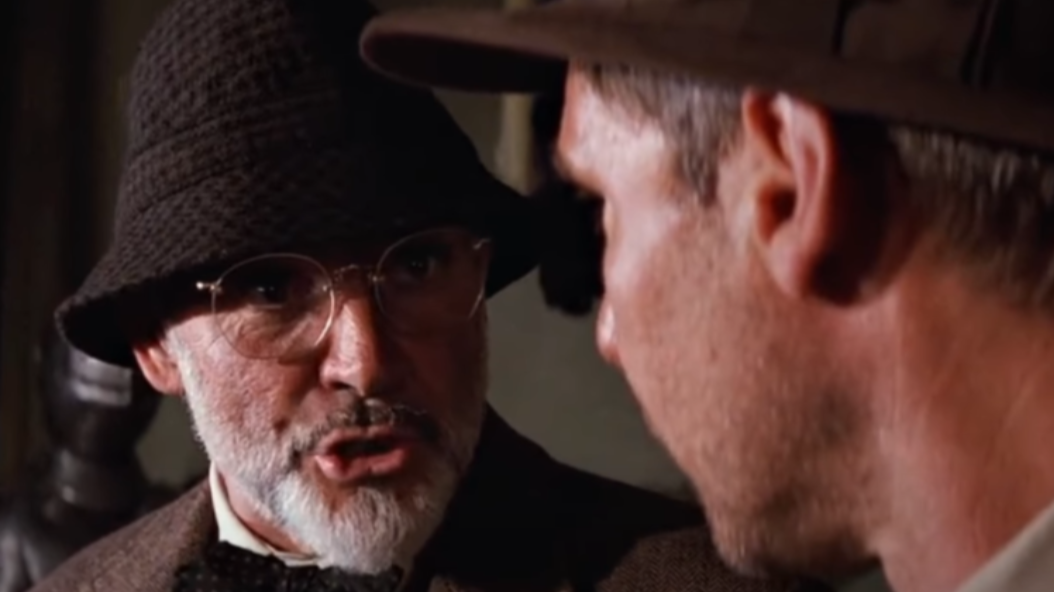 Screenshot from Indiana Jones and the Last Crusade, Paramount Pictures (1989)
Connery's Comments Caused A Storm
Two years before The Last Crusade, Connery sat down with Barbara Walters and was challenged about previous remarks concerning relationships between men and women. During the interview, Connery continued to defend the idea that there were circumstances in which striking a woman could be acceptable. Walters pushed back on him directly. The exchange later became one of the most controversial interviews associated with Connery.
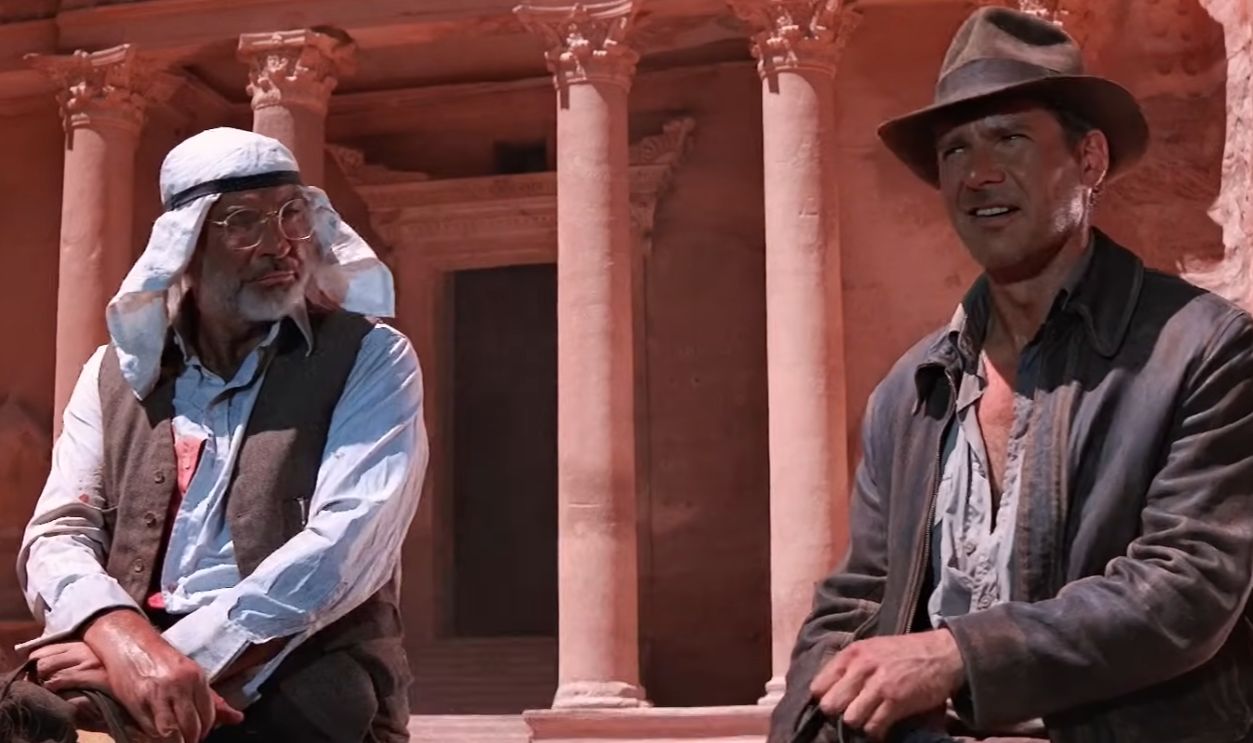 Screenshot from Indiana Jones and the Last Crusade, Paramount Pictures (1989)
His Former Wife Later Spoke Out
Years later, Connery's first wife, actress Diane Cilento, made serious allegations about his behavior during their marriage. Connery strongly denied her account. His own earlier comments, however, ensured that questions about his attitudes toward relationships continued to follow him. It created an uncomfortable contrast with the stern but ultimately loving father he played in The Last Crusade.
![Collectie / Archief : Fotocollectie Anefo
Reportage / Serie : [ onbekend ]
Beschrijving : Acteur Sean Connery geeft persconferentie in Sonesta Cultureel Centrum in Amsterdam, Sean Connery in Amsterdam
Datum : 28 juni 1976
Locatie : Amsterdam, Noord-Hollan](https://www.factinate.com/storage/app/media/theshot/2026/5/22/1779461131969501af02550cfc64476946703718f80e13a9f4.jpg) Rob Mieremet / Anefo, Wikimedia Commons
Rob Mieremet / Anefo, Wikimedia Commons
Ted Danson Suddenly Had A Baby
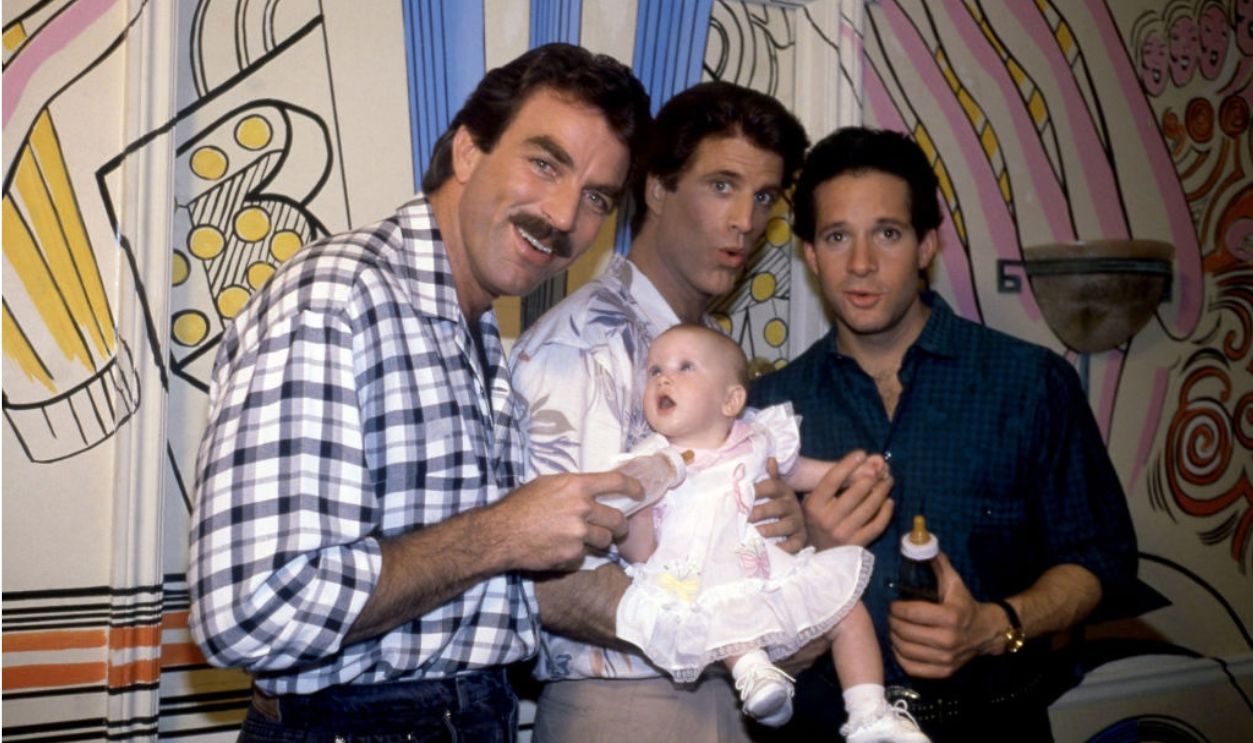
Few 1980s comedies leaned into fatherhood more literally than Three Men and a Baby. The 1987 hit dropped a baby girl into the Manhattan apartment shared by bachelors Peter, Michael, and Jack, played by Tom Selleck, Steve Guttenberg, and Ted Danson. The three men gradually develop protective fatherly instincts, while Danson's Jack discovers that little Mary is actually his daughter. Their transformation helped turn the movie into one of the year's biggest hits.
Audiences Loved The Transformation
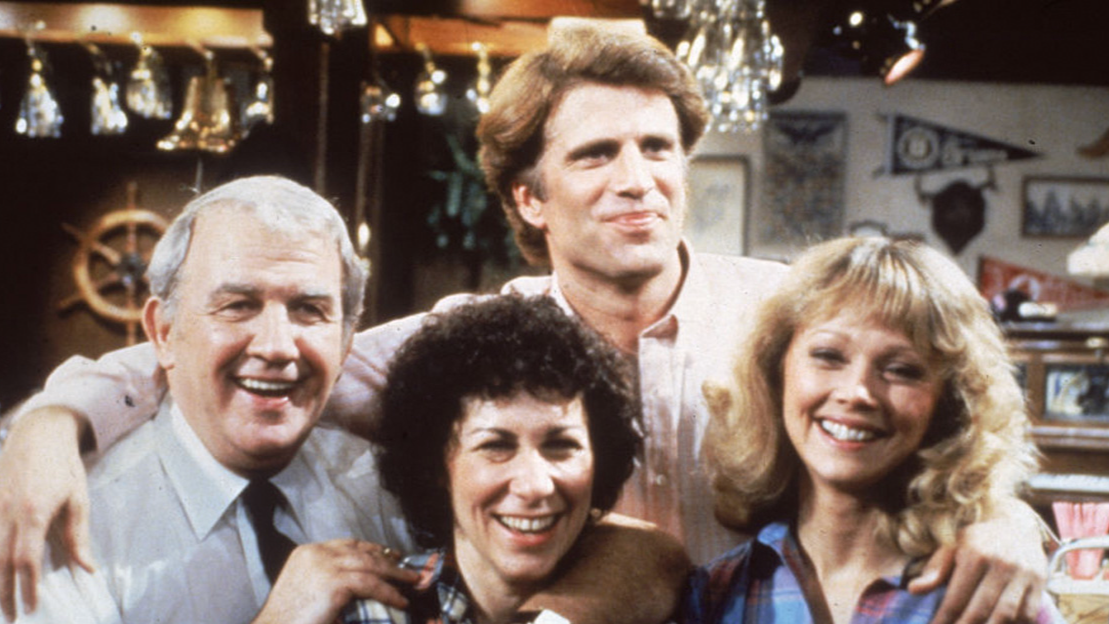
The joke worked because the men began the movie spectacularly unprepared for parenthood. Bottles, diapers, crying, and interrupted dating lives initially seem like an invasion of their carefree existence. Gradually, the bachelors become devoted caregivers, and the film turns into something considerably sweeter than its setup suggests. For Danson, it added movie-dad warmth to an image already familiar to millions of viewers from Cheers.
 Fotos International, Getty Images
Danson's Personal Life Became Headline News
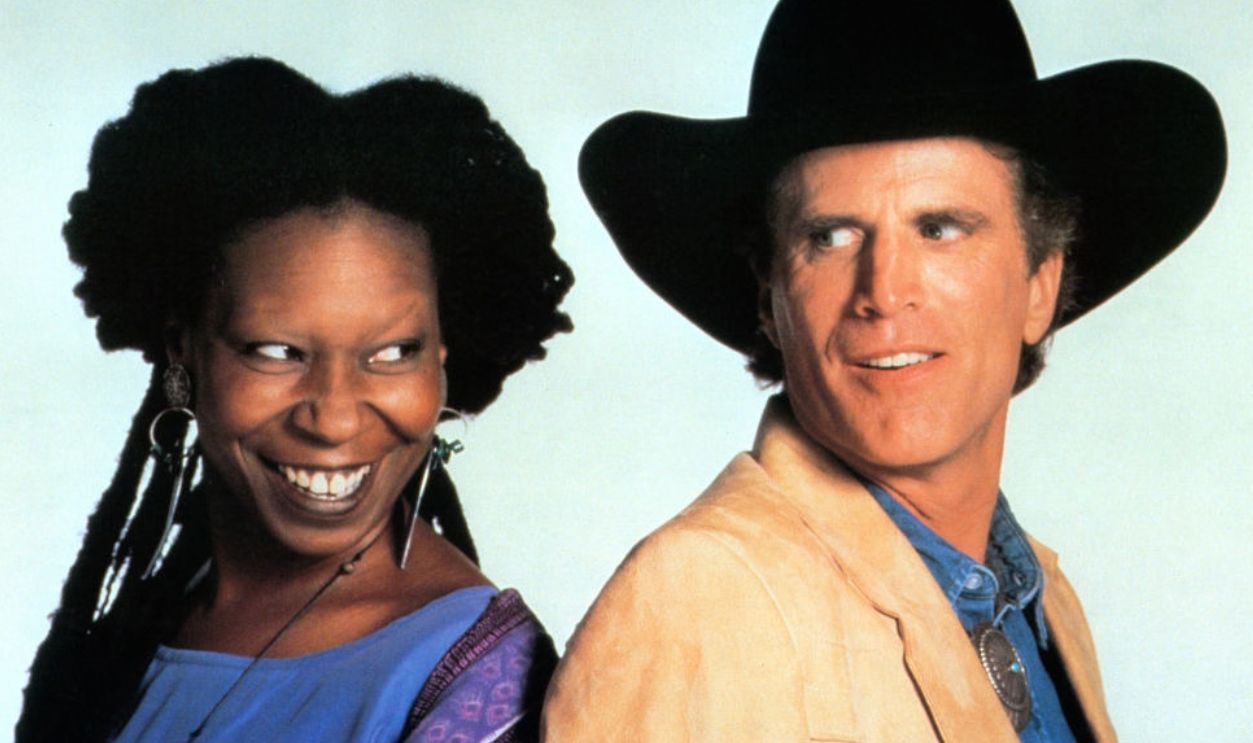
A few years later, Danson's private life became a fixture of entertainment coverage. While his marriage to Cassandra Coates was ending, his relationship with Whoopi Goldberg became public after the two worked together on Made in America. Their romance attracted enormous tabloid attention, and Danson's divorce added to the scrutiny surrounding him. Then one public appearance turned an already messy period into something much bigger.
The Friars Club Roast Backfired Spectacularly
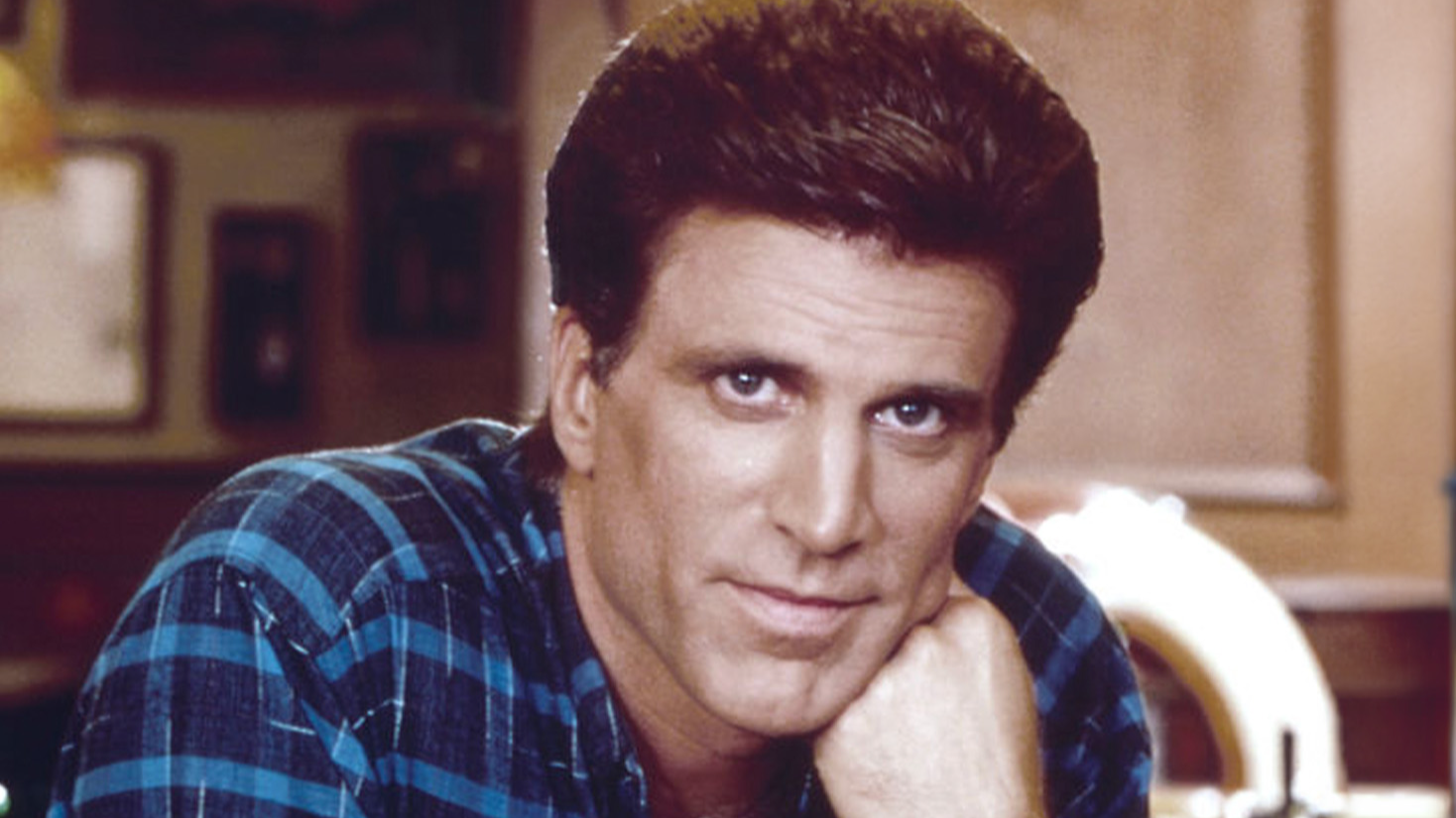
At a 1993 Friars Club roast honoring Goldberg, Danson appeared in blackface and performed racially offensive material that immediately drew condemnation from several people in attendance. Goldberg defended the routine at the time and said she had helped develop the material. Danson has since expressed regret and apologized for participating. It was an extraordinary public-image disaster for an actor who had spent years as one of television and movies' most charming leading men.
Jason Robards Played The Dad Behind The Dad
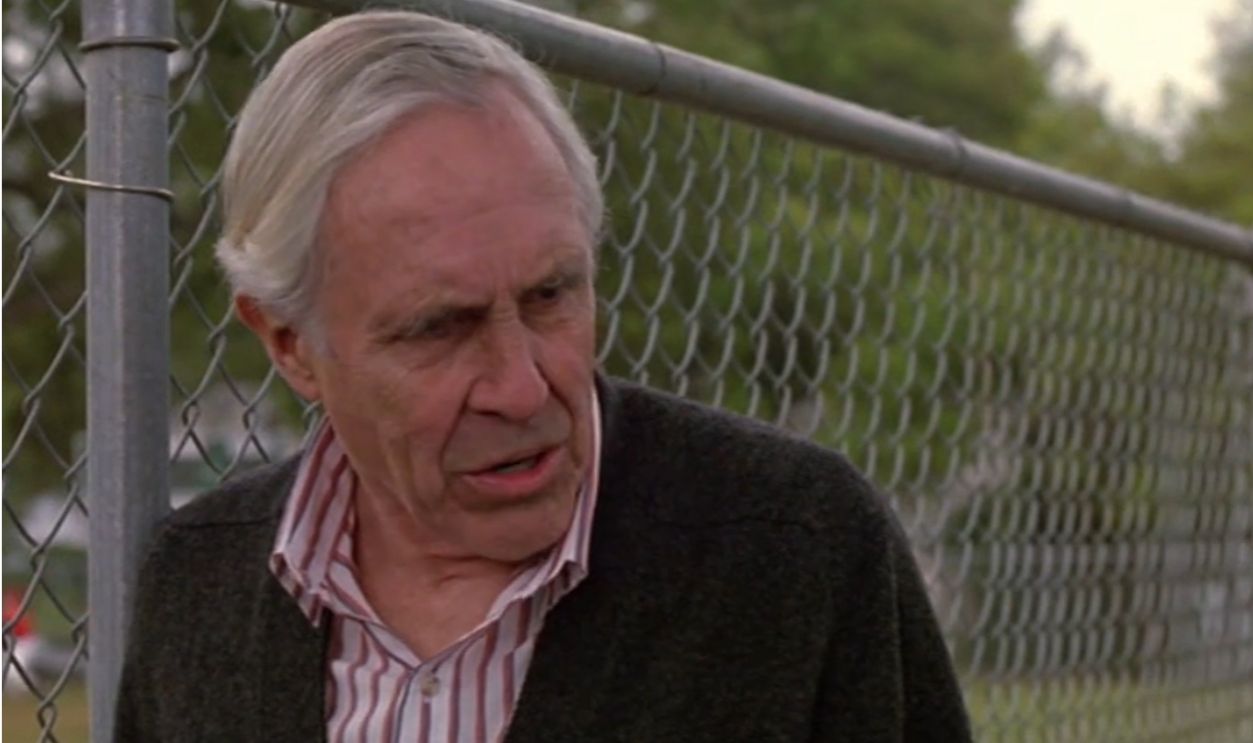
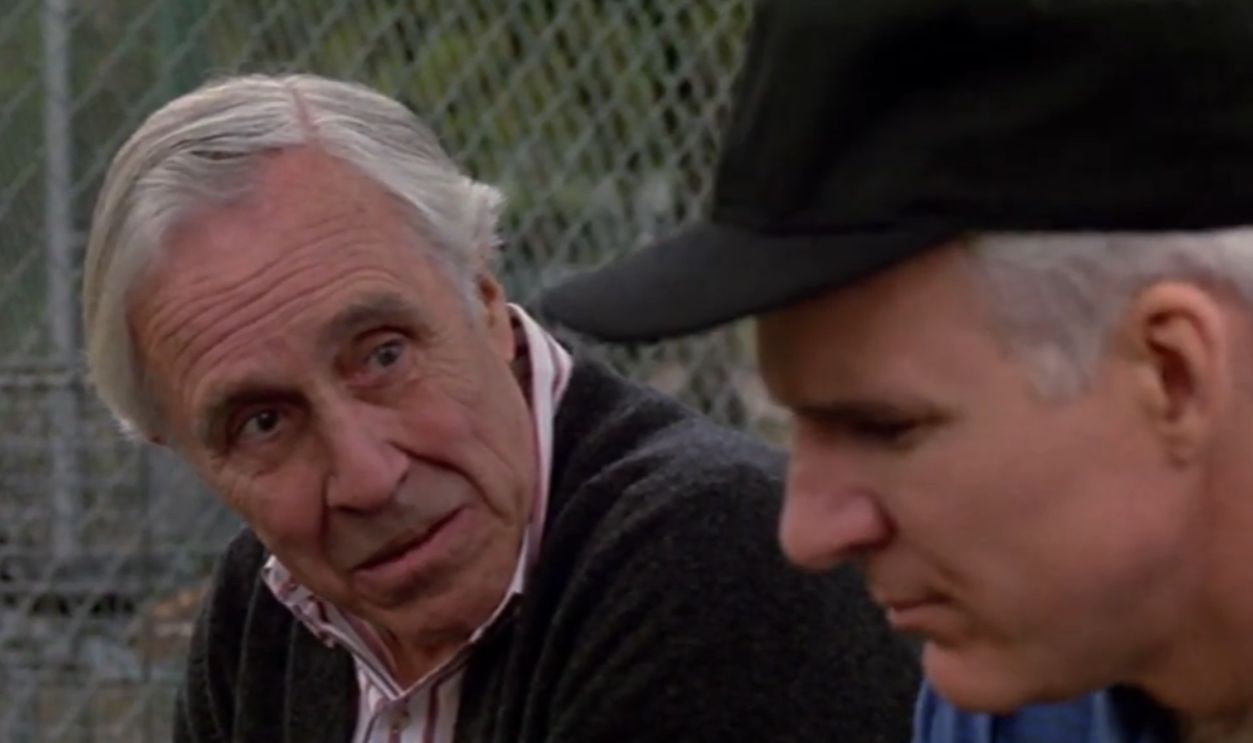
Ron Howard's Parenthood put several different kinds of fathers onscreen in 1989. Steve Martin played anxious dad Gil Buckman, while Jason Robards played Gil's father, Frank, the gruff patriarch whose own parenting failures still haunted his adult children. The movie shows how emotionally neglected Gil felt growing up. Frank's mistakes help explain why Gil becomes so determined to be a different kind of father.
 Screenshot from Parenthood, Universal (1989)
Frank Was Supposed To Be Flawed
Robards' character was never presented as some perfect grandfather. Frank's emotional shortcomings had clearly left marks on his family, and the movie allowed his children to remain frustrated with him. That was exactly what made the performance recognizable to so many parents and adult children. Frank could be selfish and old-fashioned, yet he was also capable of realizing just how badly he had gotten some things wrong.
 Screenshot from Parenthood, Universal (1989)
Robards Had His Own Wake-Up Call
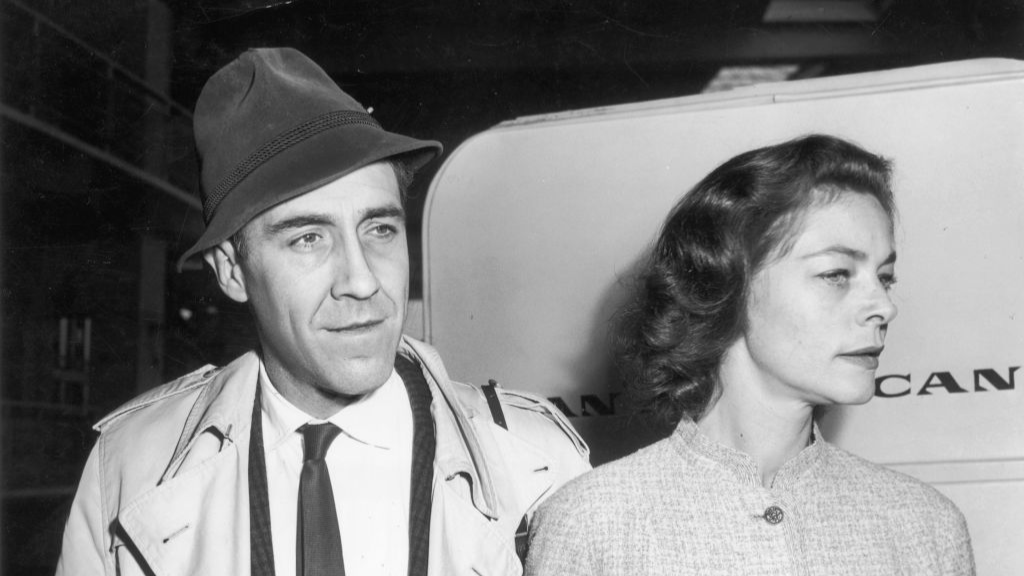
Robards later acknowledged that he had spent years drinking heavily and going through difficult periods in his personal life. In 1972, he survived a near-fatal automobile accident that required extensive reconstructive surgery to his face. Robards eventually gave up drinking and described the experience as part of a major reassessment of his life. Long before Parenthood, he had been forced to confront some of his own mistakes.
He Actually Got His Second Act
Robards' story is different from some others here because his later years became a genuine second act. His career flourished, including back-to-back Academy Awards in the 1970s and decades of acclaimed stage and screen work. By Parenthood, he could bring real weight to a character struggling with age, regret, and imperfect parenting. Frank's realization that parents can fail badly and still try to do better feels especially fitting in Robards' hands.
 Screenshot from Parenthood, Universal (1989)
John Candy Was A Different Kind Of Story
John Candy was almost genetically engineered to play the overwhelmed family man. In 1988's The Great Outdoors, he played Chet Ripley, a father hoping to give his wife and sons a peaceful vacation in Wisconsin. Naturally, everything goes wrong after his obnoxious brother-in-law Roman arrives with his own family. Candy could turn Chet's mounting irritation into comedy without ever losing the character's basic sweetness.
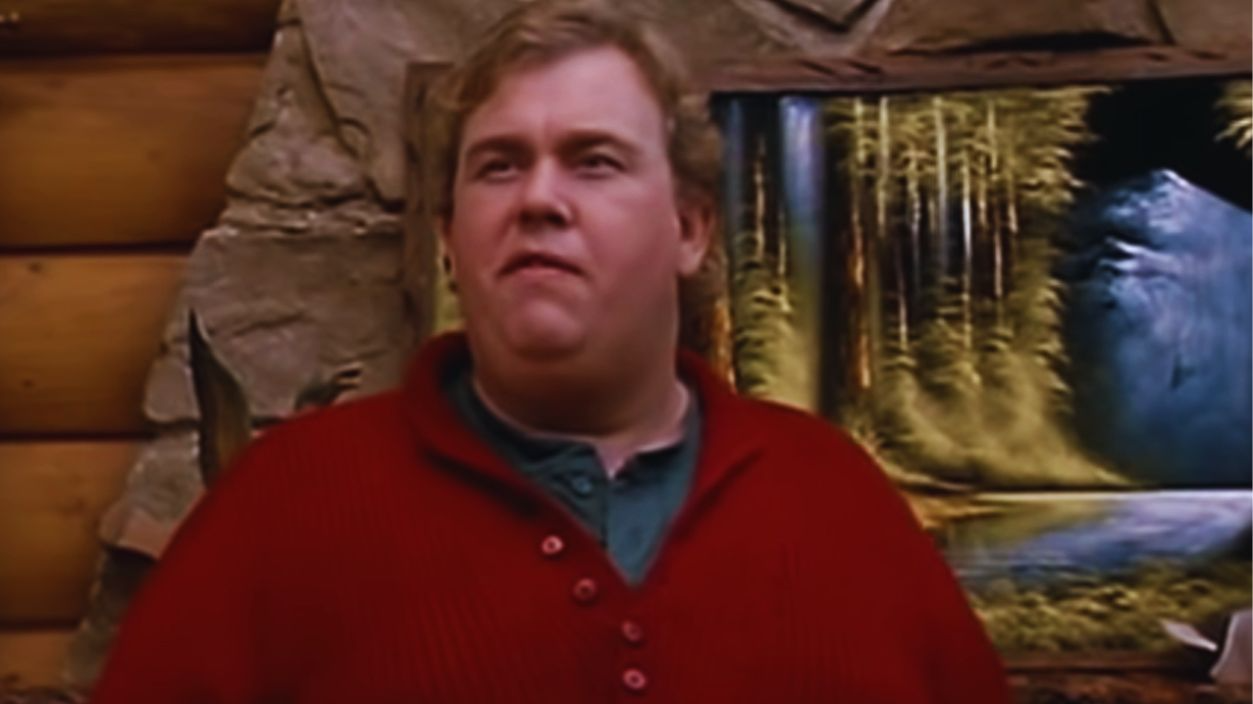 Screenshot from The Great Outdoors, Universal Pictures (1988)
Candy Had A Gift For Warmth
That warmth became central to Candy's appeal in movies such as The Great Outdoors, Uncle Buck, and Planes, Trains and Automobiles. Even when his characters were angry or overwhelmed, there was usually vulnerability underneath. Accounts from friends, colleagues, and family members paint a similarly warm picture of Candy away from the camera. His offscreen struggles were therefore very different from some of the scandals surrounding other stars here.
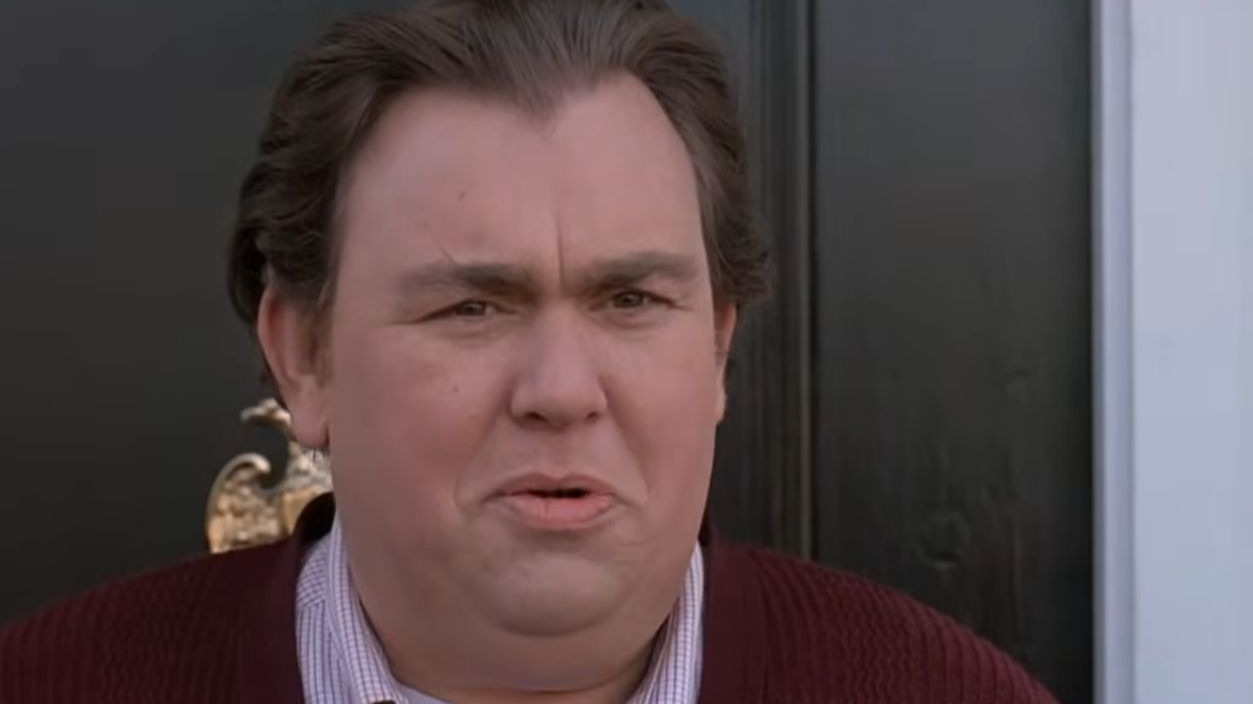 Screenshot from Uncle Buck, Universal Pictures (1989)
Fame Came With A Cruel Side
Candy dealt with anxiety and became painfully aware of the constant public attention paid to his size. His children have since discussed how uncomfortable it is to watch old interviews in which hosts casually confronted their father about his weight. For a performer who projected such effortless warmth, that scrutiny could be deeply uncomfortable. The smiling man audiences saw onscreen was carrying worries that were rarely obvious from his performances.
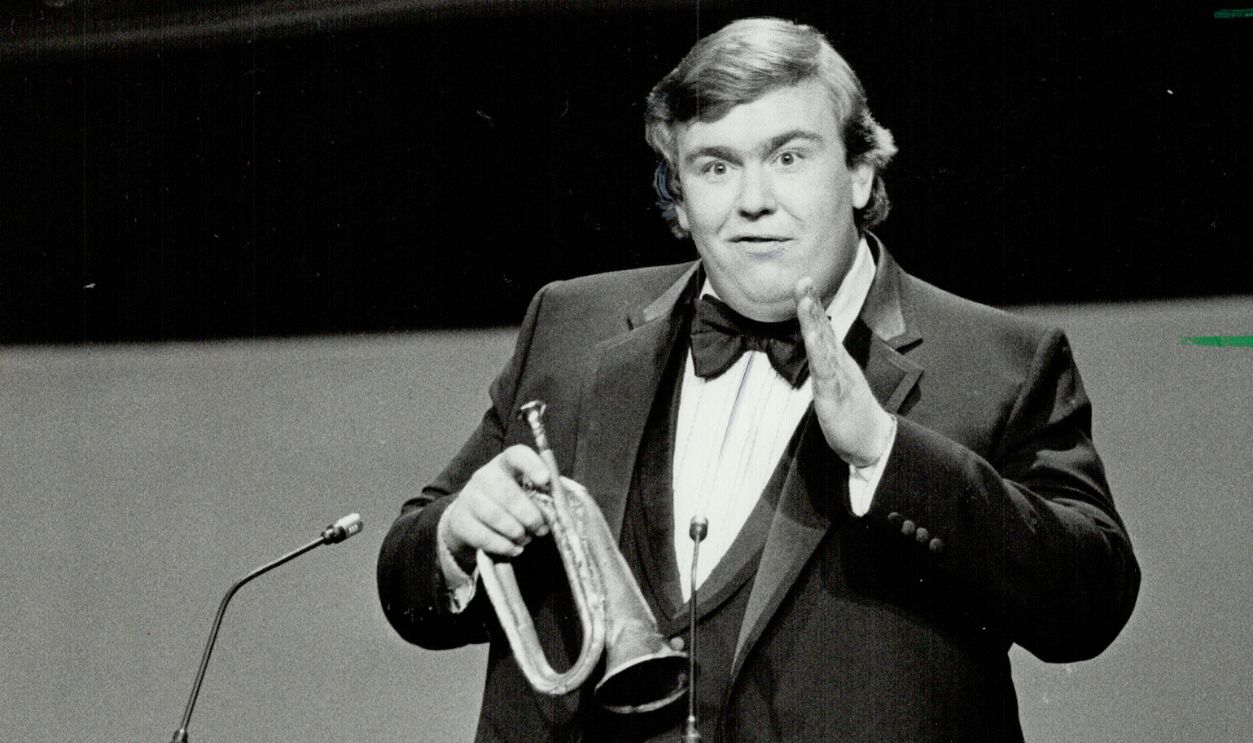
Some Of His Worries Ran Deep
Candy had lost his father when he was still very young, an experience that stayed with him throughout his life. He also worried about his health and repeatedly tried to make changes while navigating the pressures that came with fame. None of that turned him into the kind of scandal-plagued figure some of the other actors became. Instead, Candy's story shows that the gap between a reassuring screen dad and the person underneath could sometimes be quiet rather than explosive.
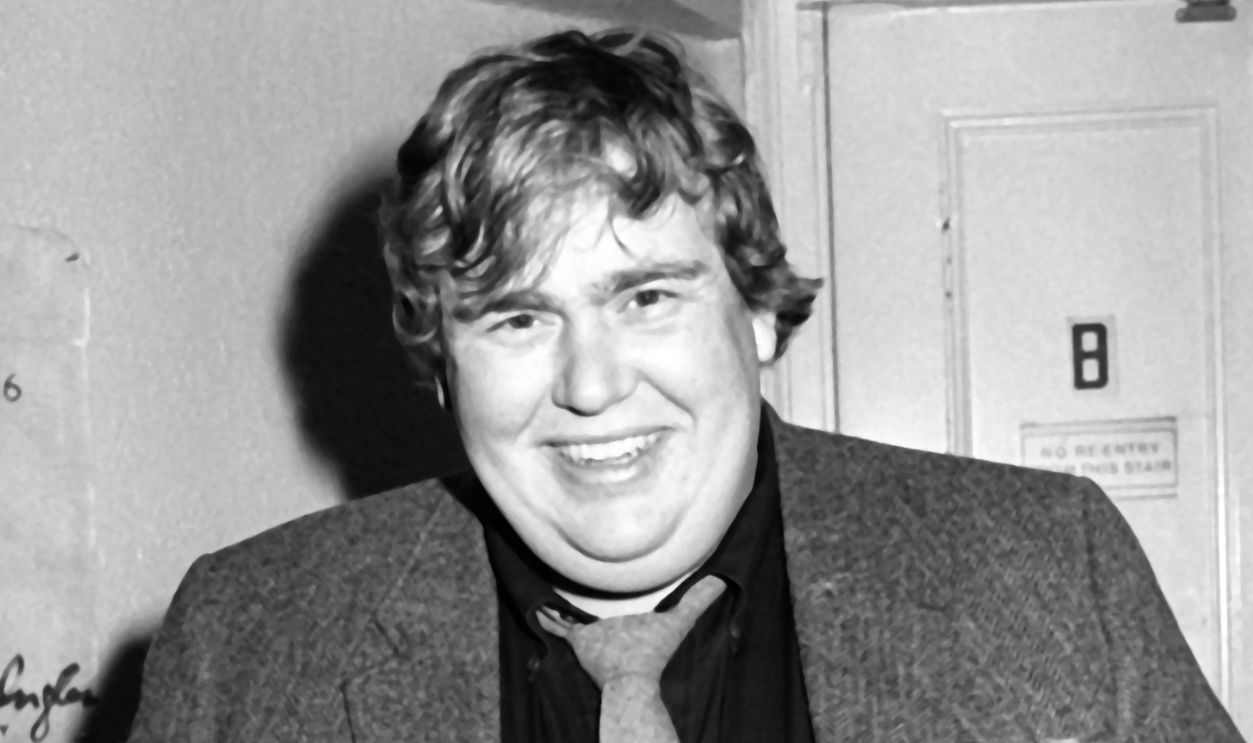
The Screen Dads Were Never The Whole Story
The most memorable movie dads of the 1980s did not need to be perfect. Clark Griswold could lose his mind, Henry Jones could barely compliment his son, and the men of Three Men and a Baby initially had no clue how to change a diaper. Their flaws were part of why audiences connected with them. What viewers couldn't see was that some of the men playing them were navigating problems far bigger than anything written into the script.
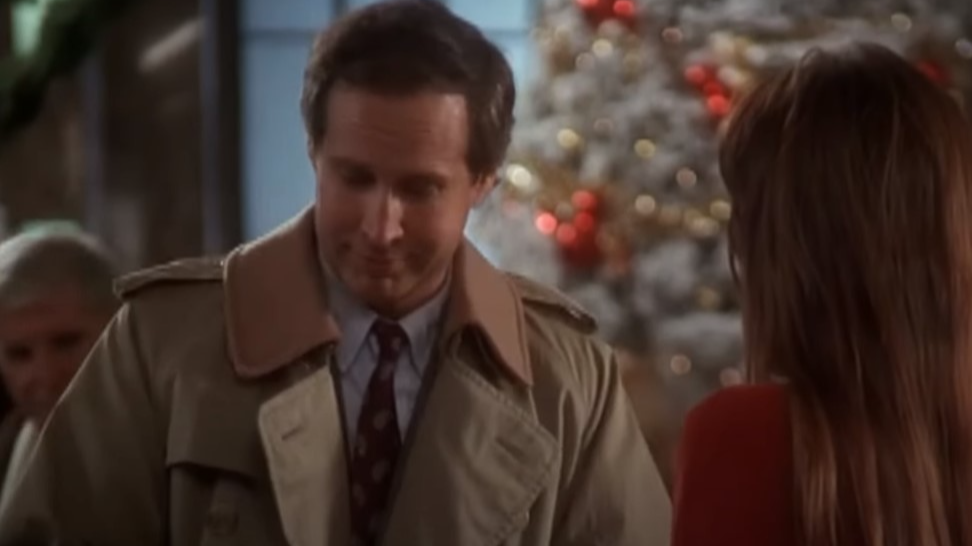 Screenshot from National Lampoon's Christmas Vacation, Hughes Entertainment (1989)
Some Found Their Way Back
There is another side to these stories that is easy to miss. Robards made major changes and enjoyed decades of acclaimed work, Pryor survived extraordinary setbacks and kept performing, and Chase sought professional help when he needed it. Candy's story was never really about scandal at all, but about the private pressures behind an enormously comforting public persona. The messiness didn't always define what came next.
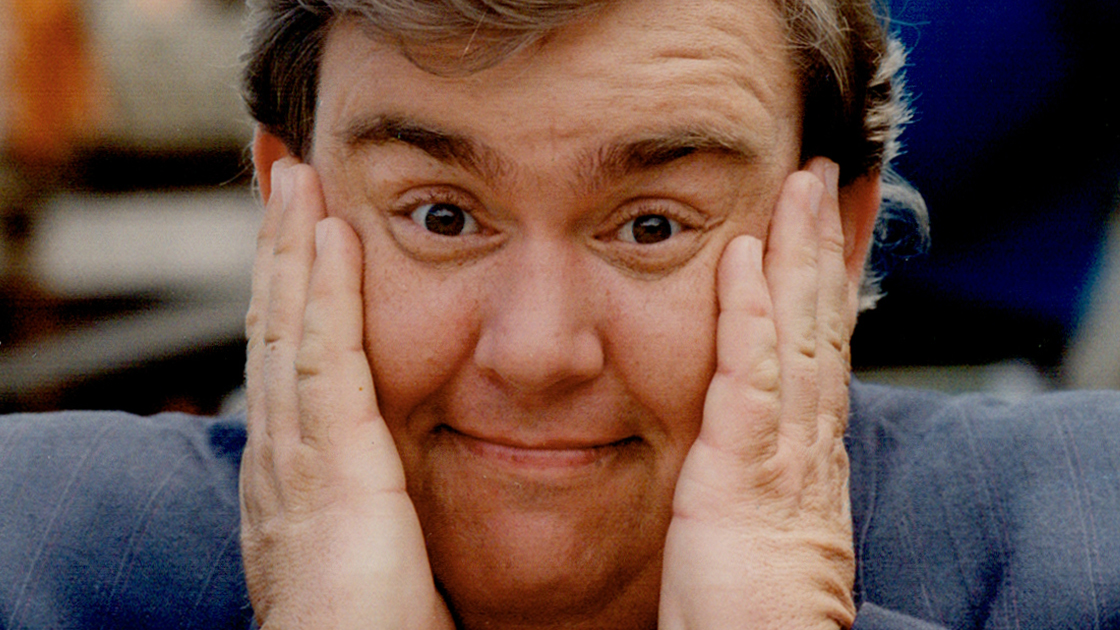
The Movies Froze Them In Time
Put on one of these movies today and nothing has changed. Chevy Chase is still loading the Griswolds into the family car, Sean Connery is still calling Indiana Jones "Junior," and John Candy is still trying to salvage a family vacation. That's the strange power of movie nostalgia. The dads remain exactly as audiences remember them, even when the men who played them had much more complicated stories waiting beyond the frame.
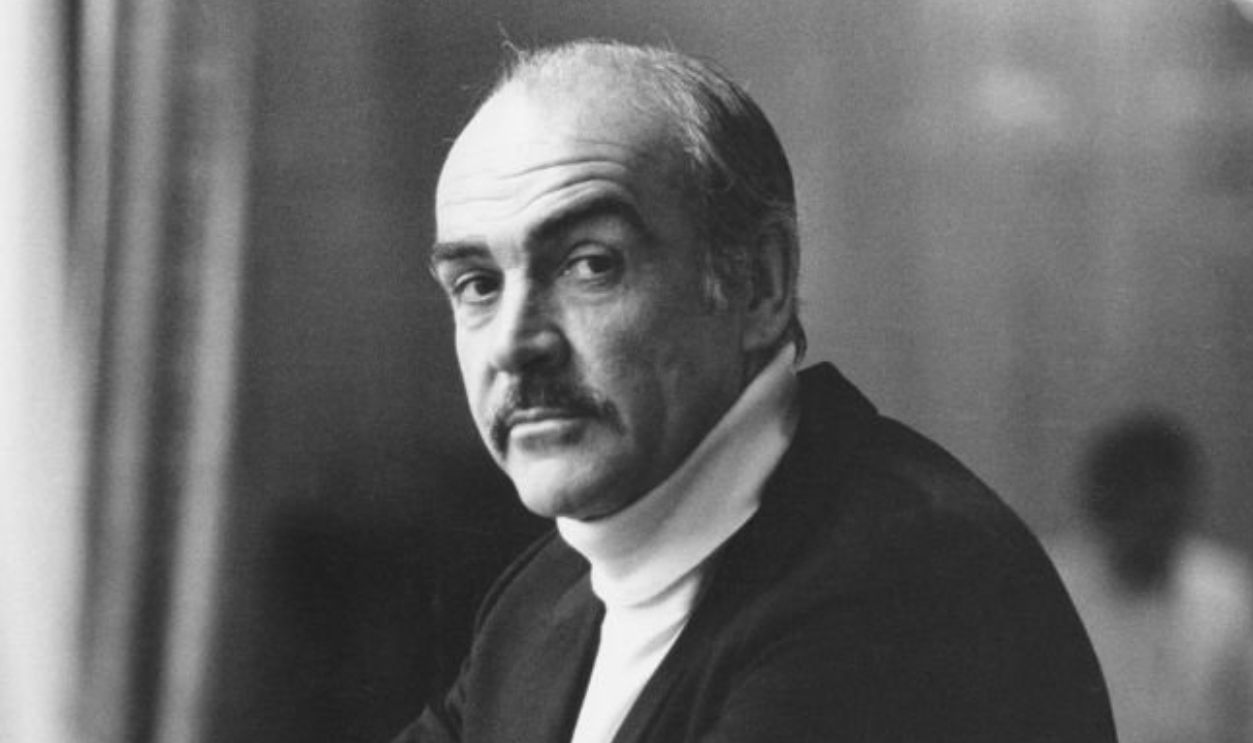
You May Also Like:
Actors Who Came Back After Very Public Controversies
Sources: 1, 2, 3, 4, 5, 6, 7, 8, 9, 10, 11, 12, 13, 14, 15, 16, 17, 18, 19, 20, 21, 22, 23, 24


.jpg)
