Off Camera Tales
Television often remembers the hero, but the real drama happens off-screen. Behind this western’s polished image were surprising choices, clever deals, and even a few accidents that make it even more interesting.
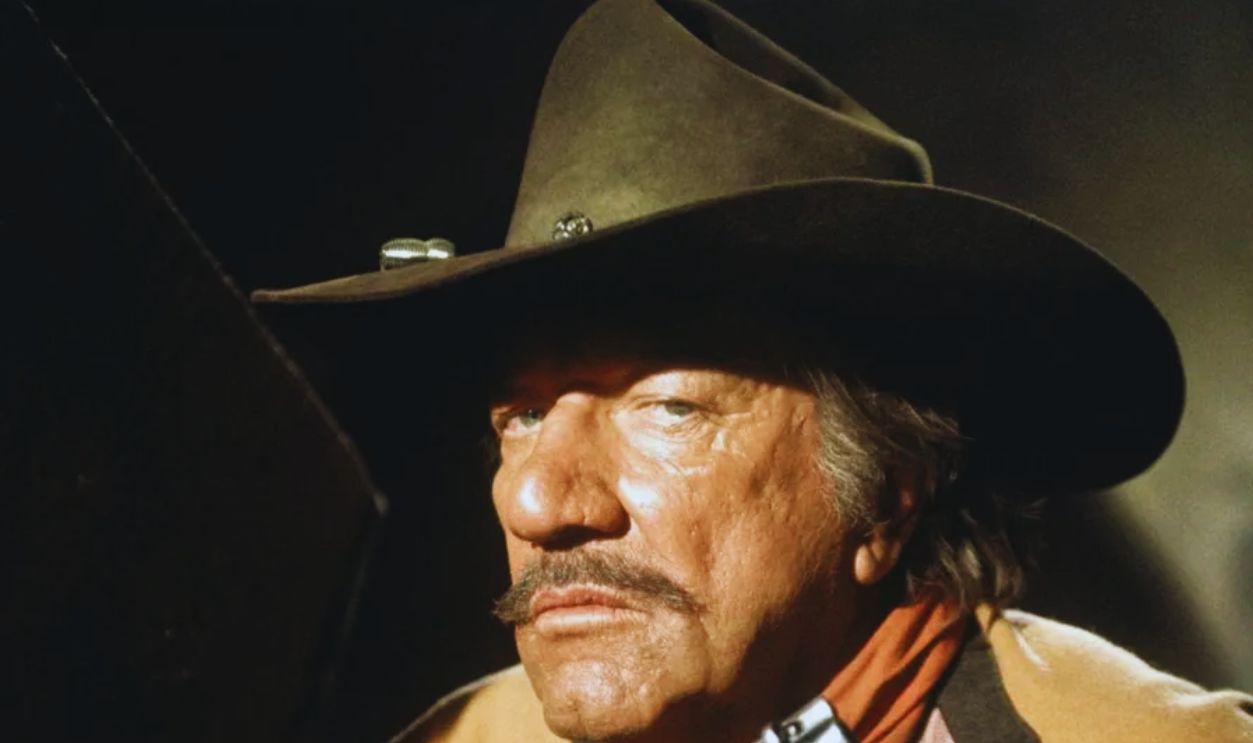
Randolph Scott's Rejection
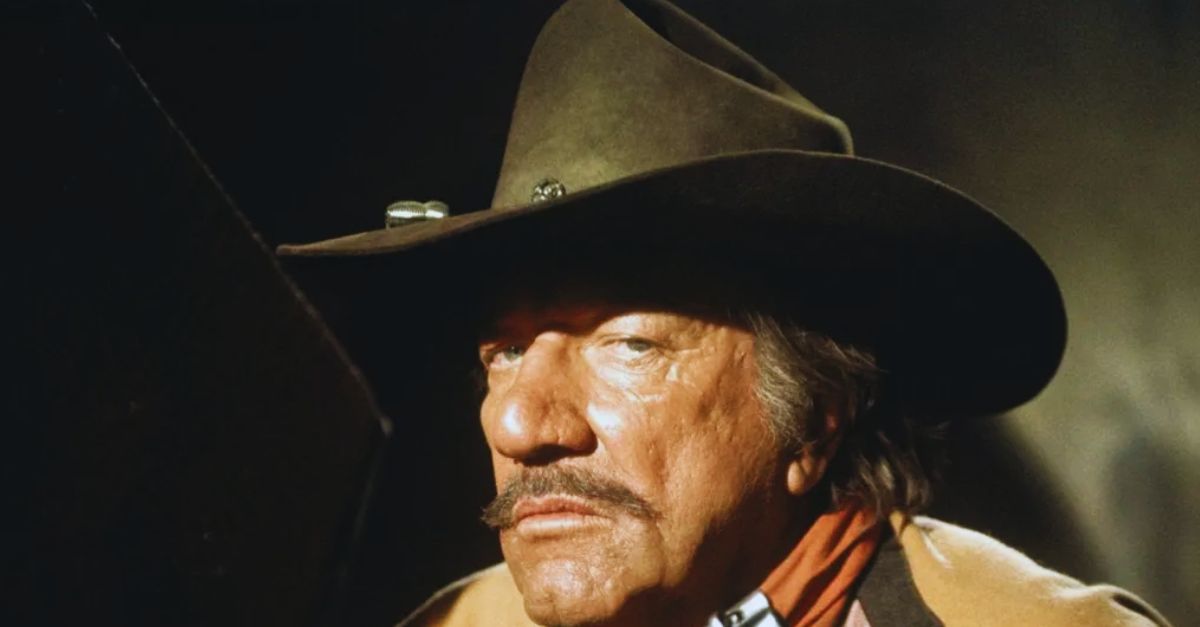
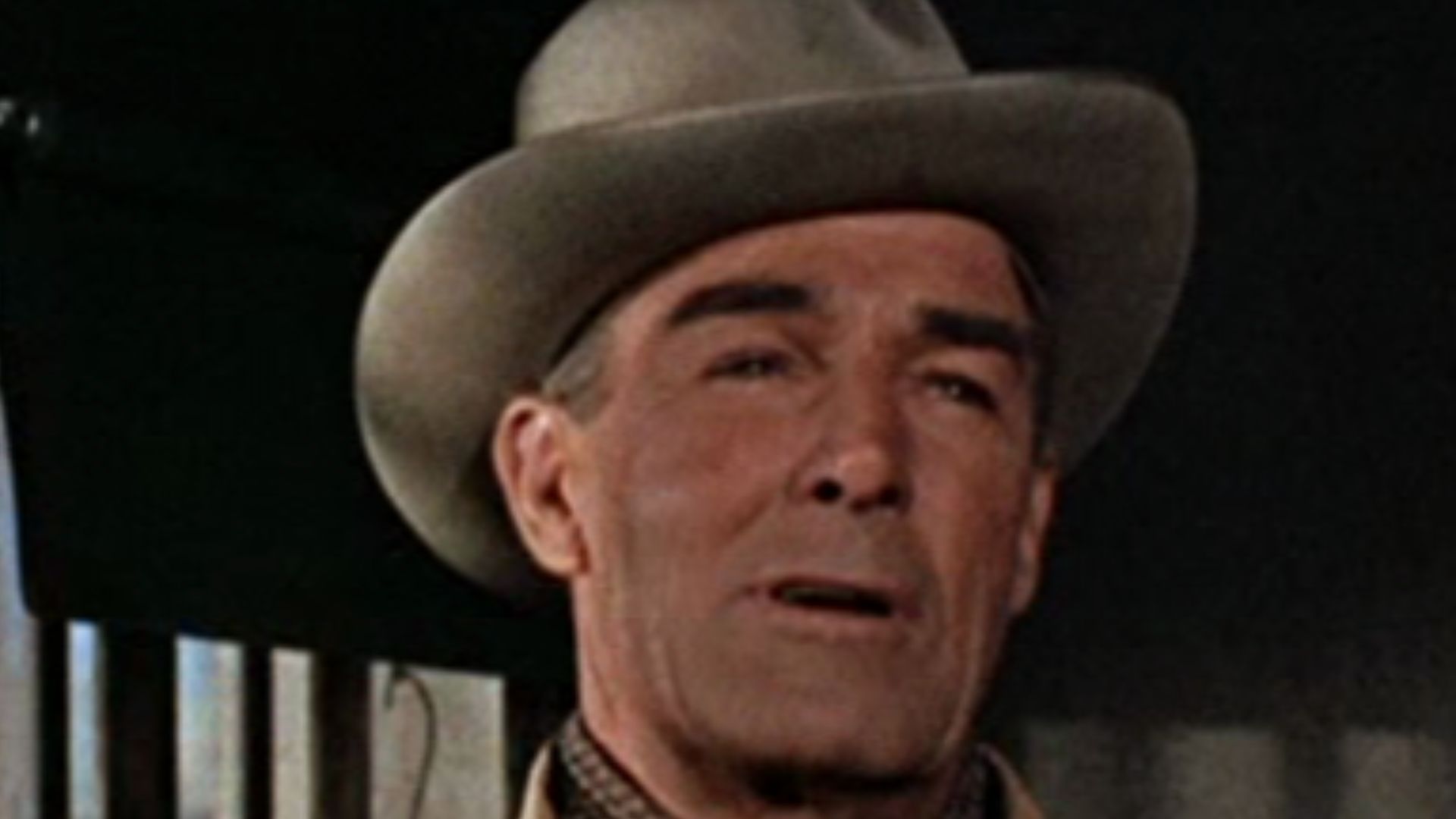
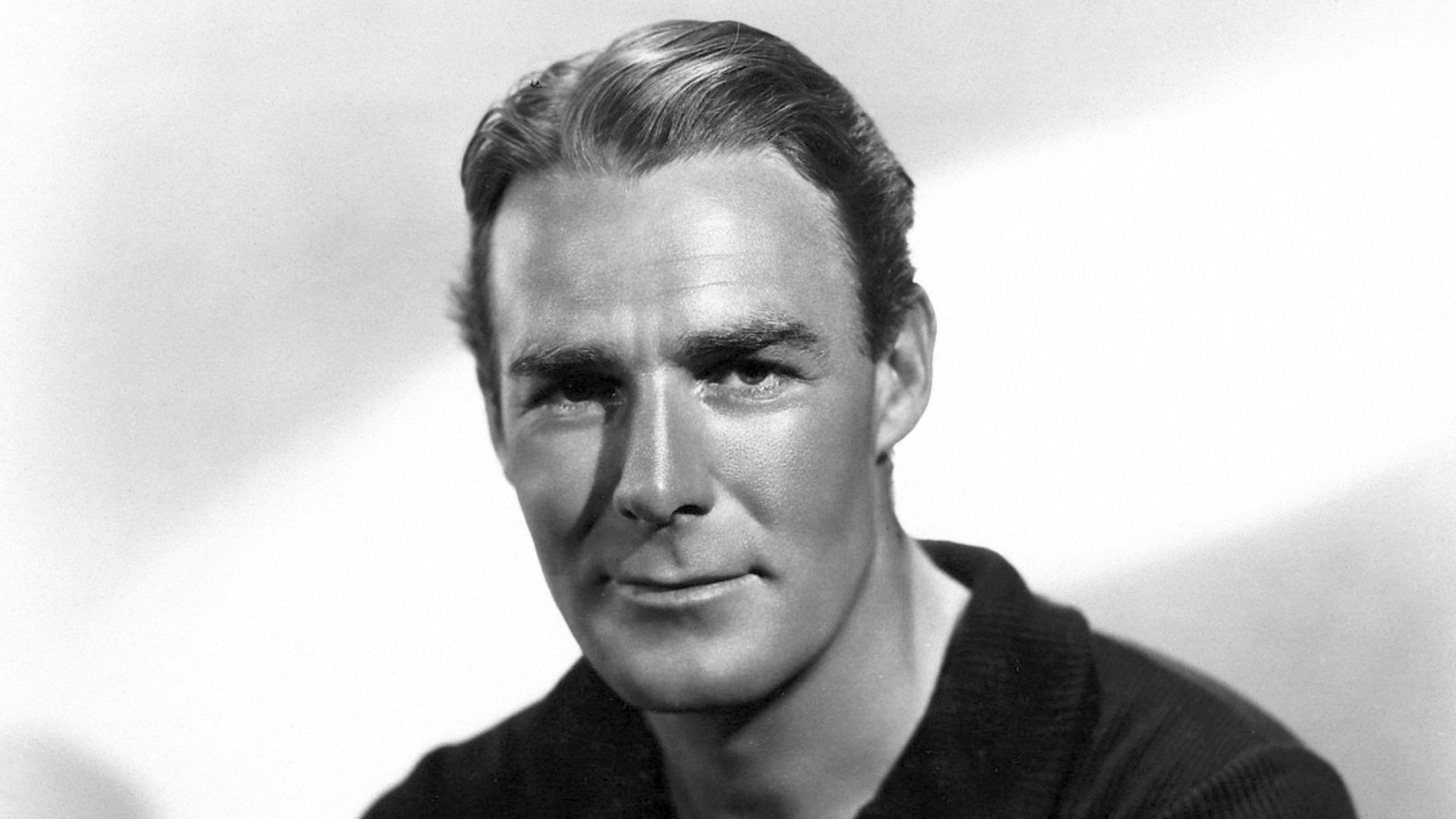
Just imagine Hollywood's most bankable western star gets handed what would become television gold, and he passes it along like yesterday's newspaper. That's exactly what happened when Randolph Scott turned down the lead role that would make Richard Boone a household name.
 Budd Boetticher, Wikimedia Commons
Randolph Scott's Rejection (Cont.)
Scott was already knee-deep in his legendary collaboration with director Budd Boetticher, churning out those gritty, low-budget westerns that critics now worship. Instead of letting the script gather dust, Scott personally handed it to Boone while they were filming Ten Wanted Men together.
Paladin's Million-Dollar Deal
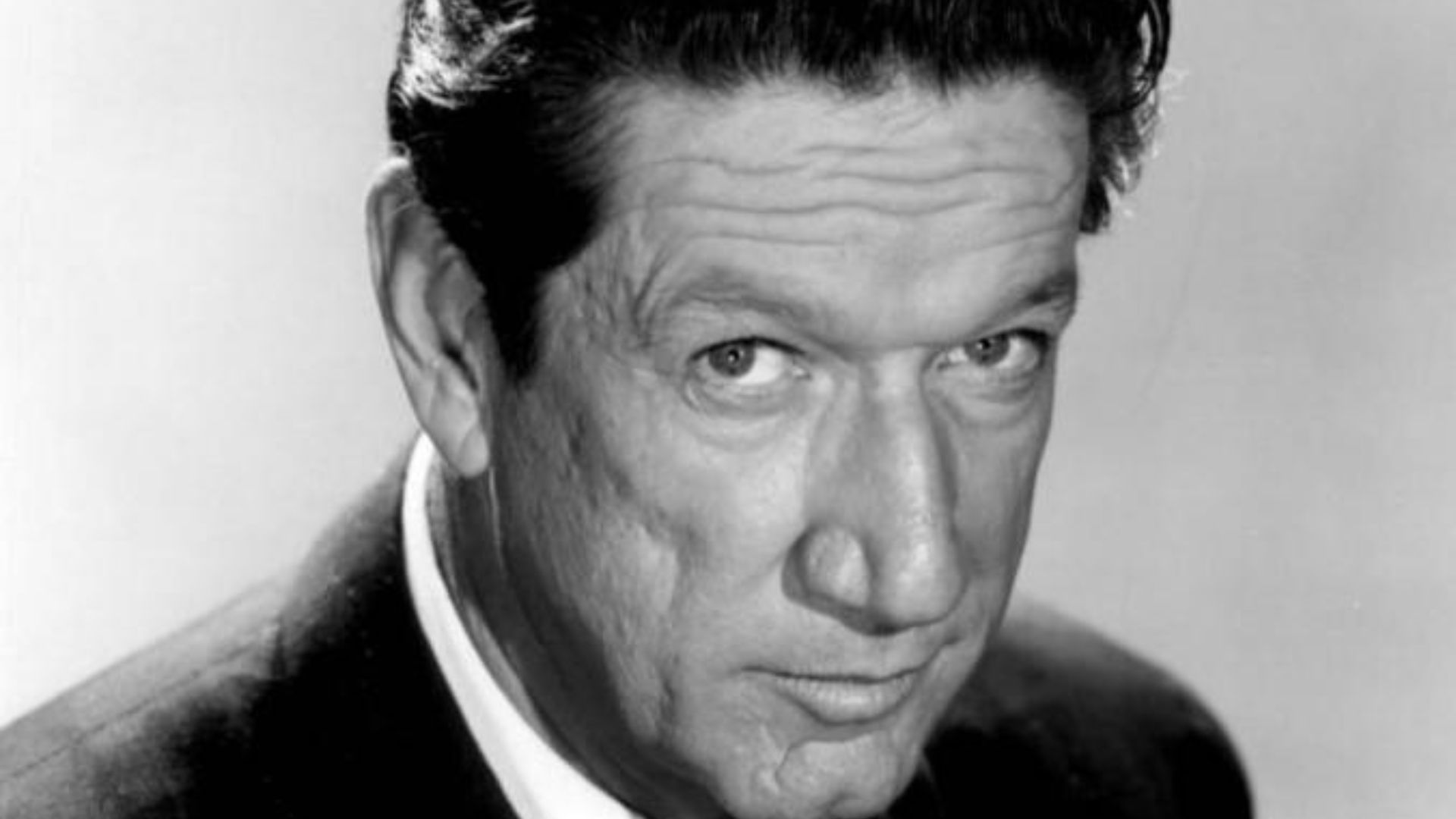
Money talks, but Boone made it sing opera. When contract negotiations rolled around, he pulled off what might be television's first financial masterstroke by structuring a deal that would make modern agents weep with envy. He agreed to spread his massive $1.3 million payday across twenty years.
 NBC Television, Wikimedia Commons
Paladin's Million-Dollar Deal (Cont.)
Boone reportedly sacrificed $400,000 in residuals for long-term financial security and serious tax advantages. He became one of the first actors to demand this kind of payment structure, following the same model that comedy legends Milton Berle and Jackie Gleason had pioneered.
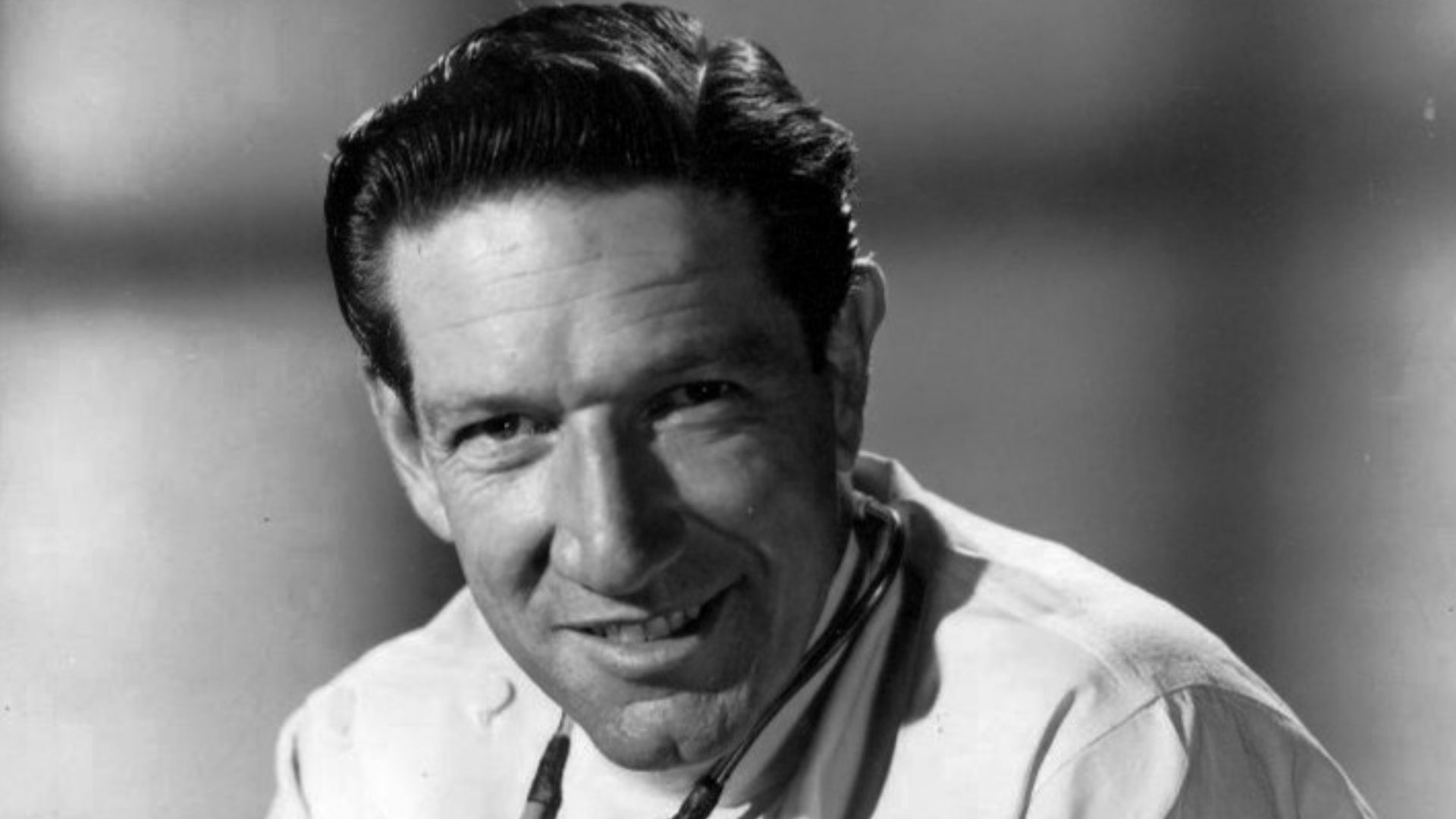
Blue Became Black
Television audiences fell in love with Paladin's mysterious "man in black" persona. Well, they were actually watching a beautiful lie unfold in black and white. The costume department originally dressed Boone in midnight blue riding clothes, chosen specifically to complement his striking blue eyes.
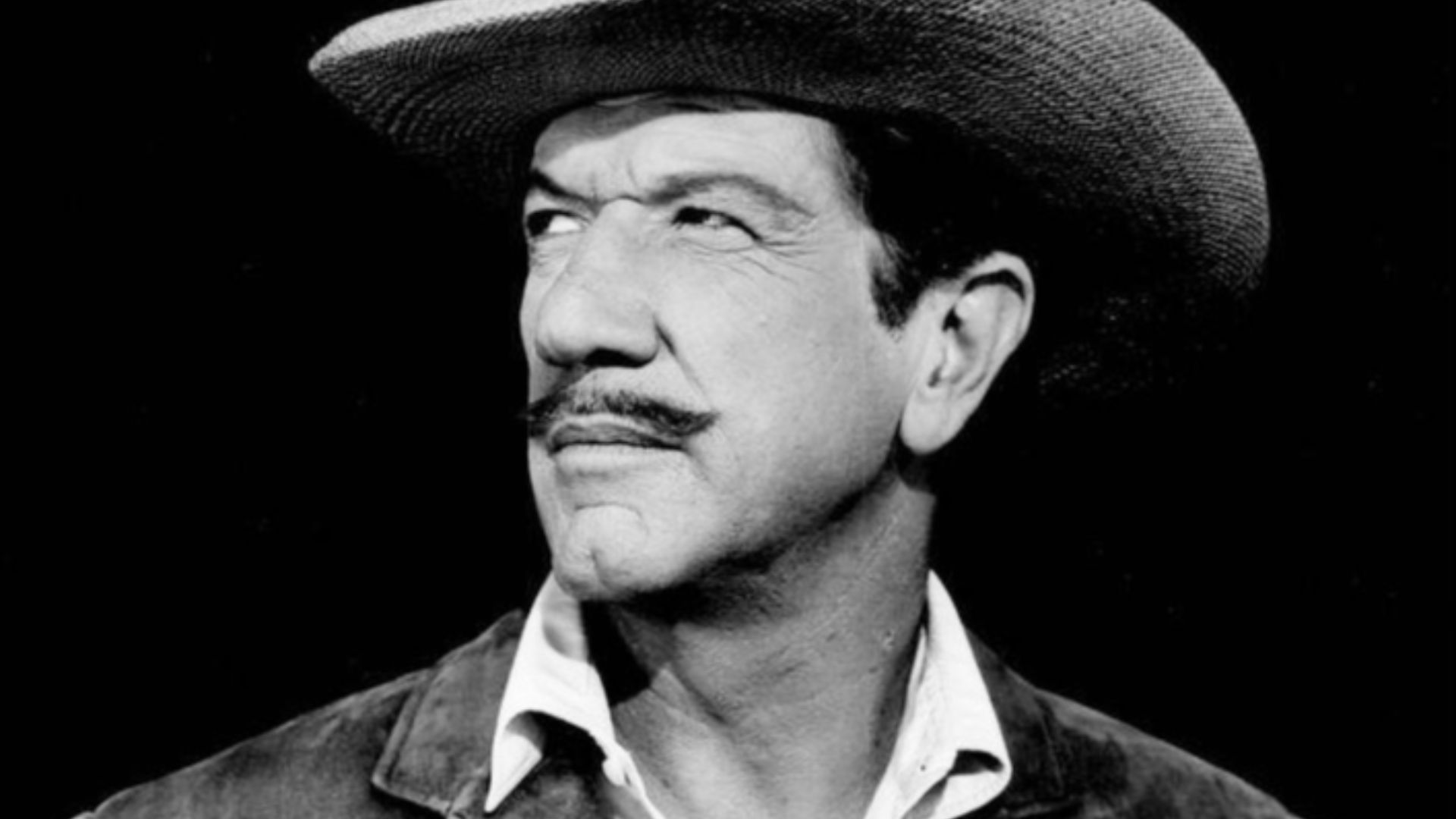 CBS Television, Wikimedia Commons
Blue Became Black (Cont.)
Black and white cameras had entirely different ideas. The rich blue fabric appeared completely black on screen, accidentally creating an iconic visual signature. Rather than fight the medium, the wardrobe team accepted the happy accident, eventually switching to actual black clothing.
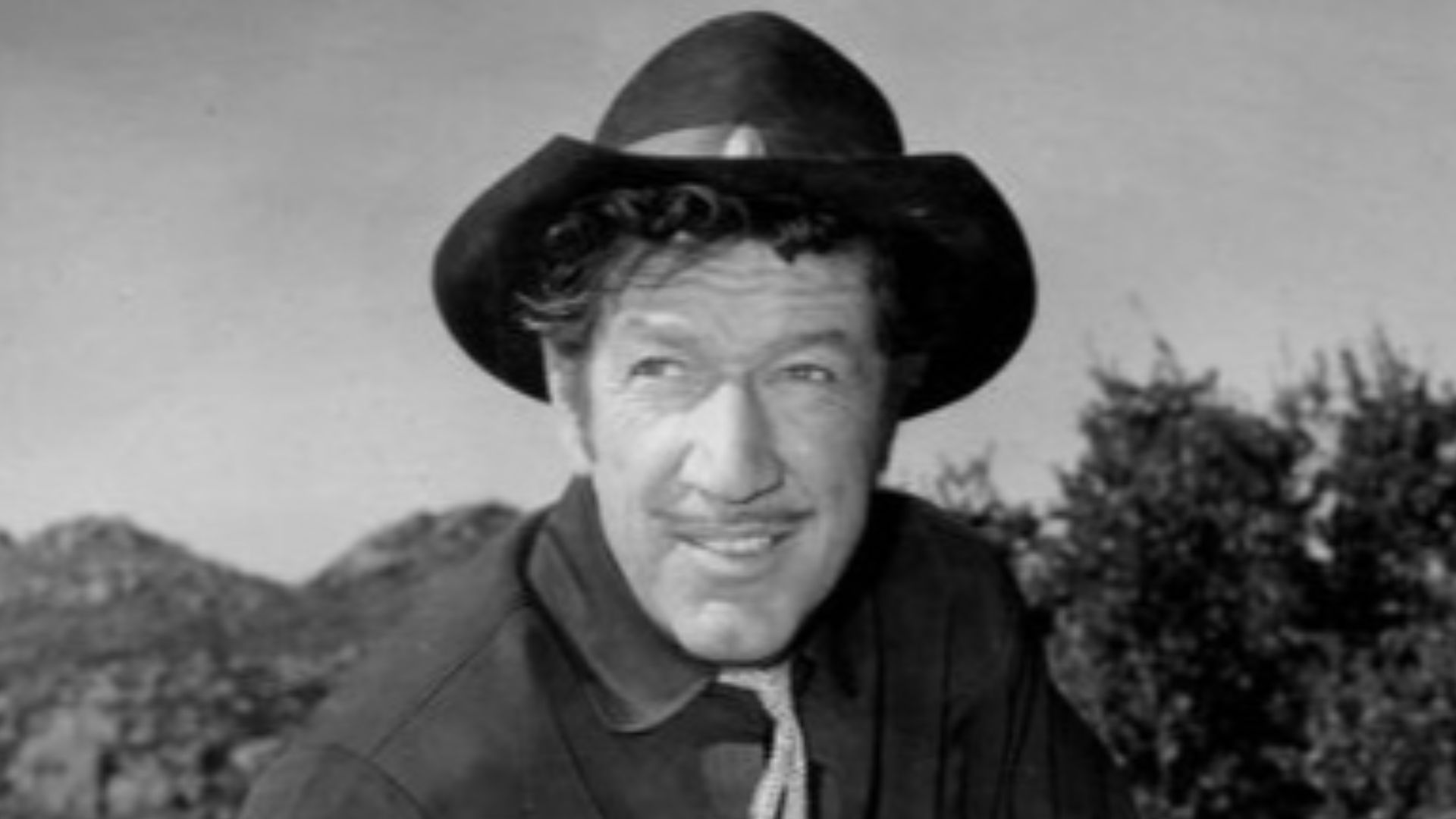 CBS Television, Wikimedia Commons
Roddenberry's Star Trek
Before boldly going where no one had gone before, Gene Roddenberry was crafting morally complex adventures for a gentleman gunslinger in the post-Civil War American West. His twenty-four scripts for Have Gun – Will Travel served as a creative proving ground, exploring themes that would later become Star Trek's foundation.
 Larry D. Moore, Wikimedia Commons
Roddenberry's Star Trek (Cont.)
The western frontier became Roddenberry's laboratory for testing ideas about diversity, diplomacy, and doing the right thing in impossible situations. The episode "Helen of Abajinian" earned him a Writers Guild Award and proved his talent for weaving philosophical depth into popular entertainment.
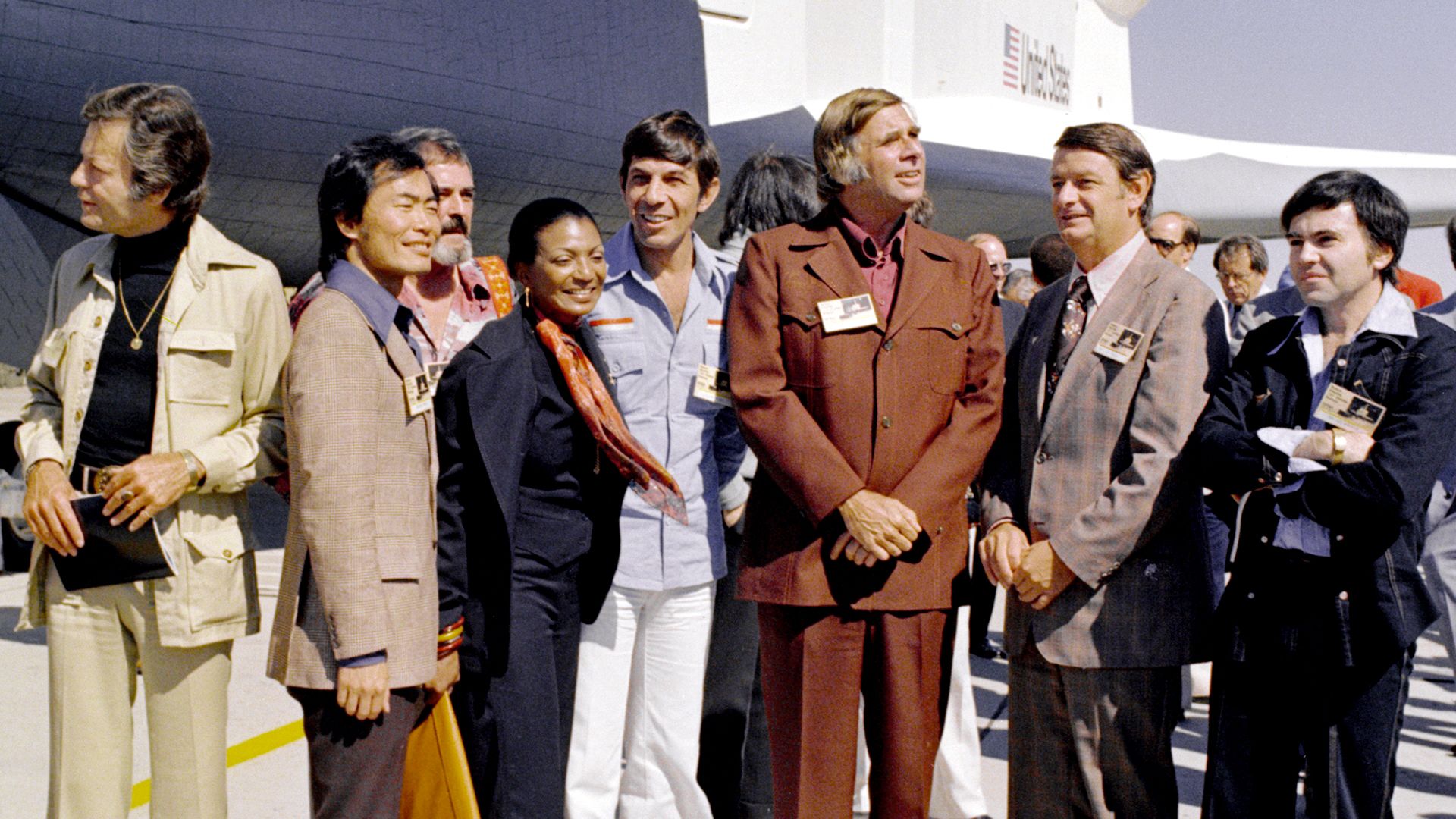 The Shuttle Enterprise - GPN-2000-001363.jpg: NASA derivative work: Nesnad (talk), Wikimedia Commons
Real Paladin Lawsuit
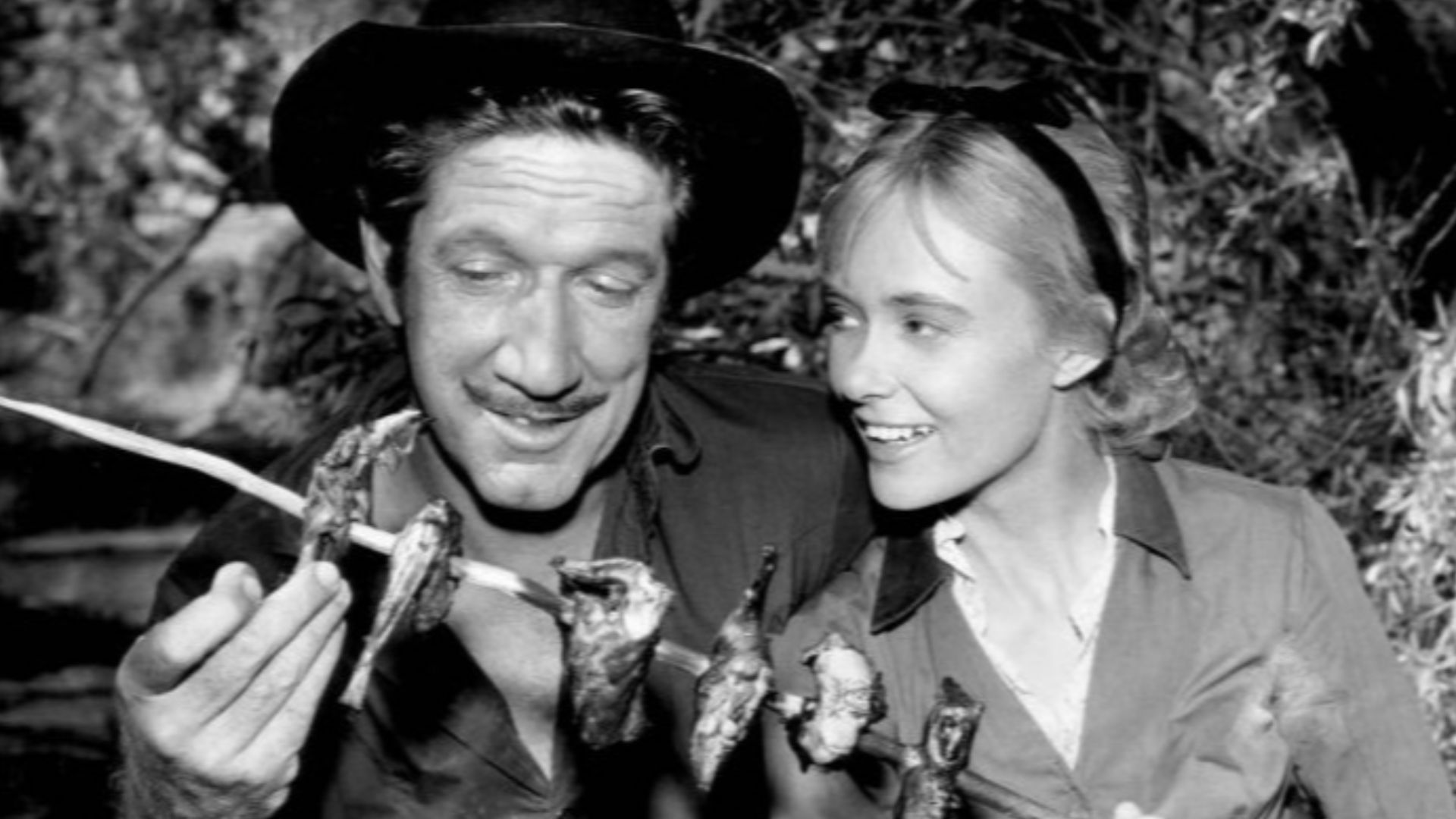
Long before television cameras rolled, this rodeo performer, Victor DeCosta, was already calling himself “Paladin”. He had been distributing business cards with pretty similar phrases and sporting the same all-black outfit that would make Richard Boone famous.
 CBS Television, Wikimedia Commons
Real Paladin Lawsuit (Cont.)
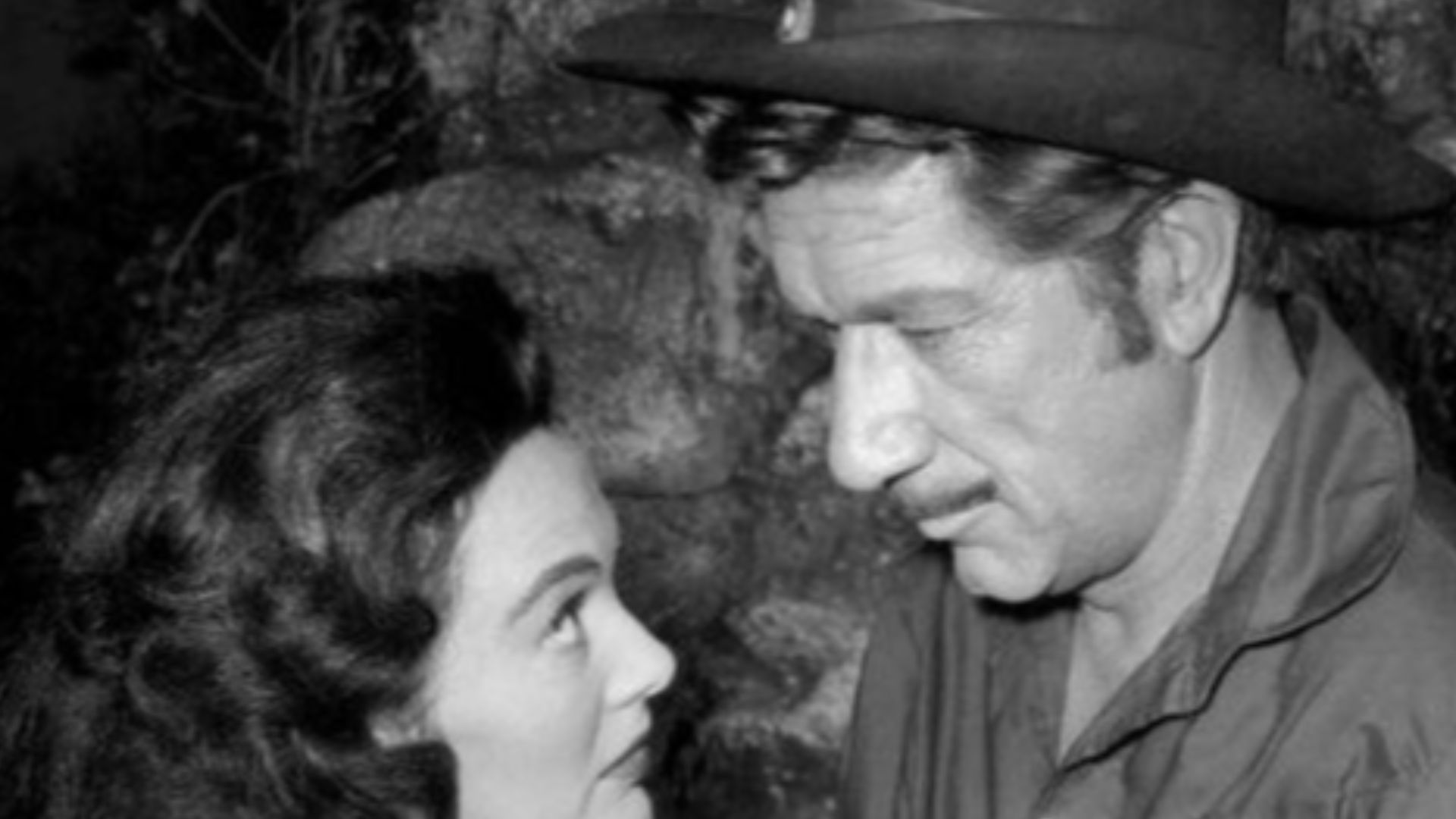
DeCosta's lawsuit against the network dragged on for years, ultimately revealing that the show's creators had indeed borrowed heavily from his real-life persona. The legal battle exposed one of television's most fascinating cases of life imitating art imitating life.
 CBS Television, Wikimedia Commons
Chess Knight Symbol
Paladin's calling card bore more than just his contact information; it carried the weight of medieval legend in a tiny silver chess piece. The series's creators deliberately chose the knight, or "paladin" in chess terminology, to represent their protagonist's role as a noble warrior who moved in unconventional patterns.
 che (production: Nolanus, lighting assistance: Danny B.), Wikimedia Commons
Boone Directed Episodes
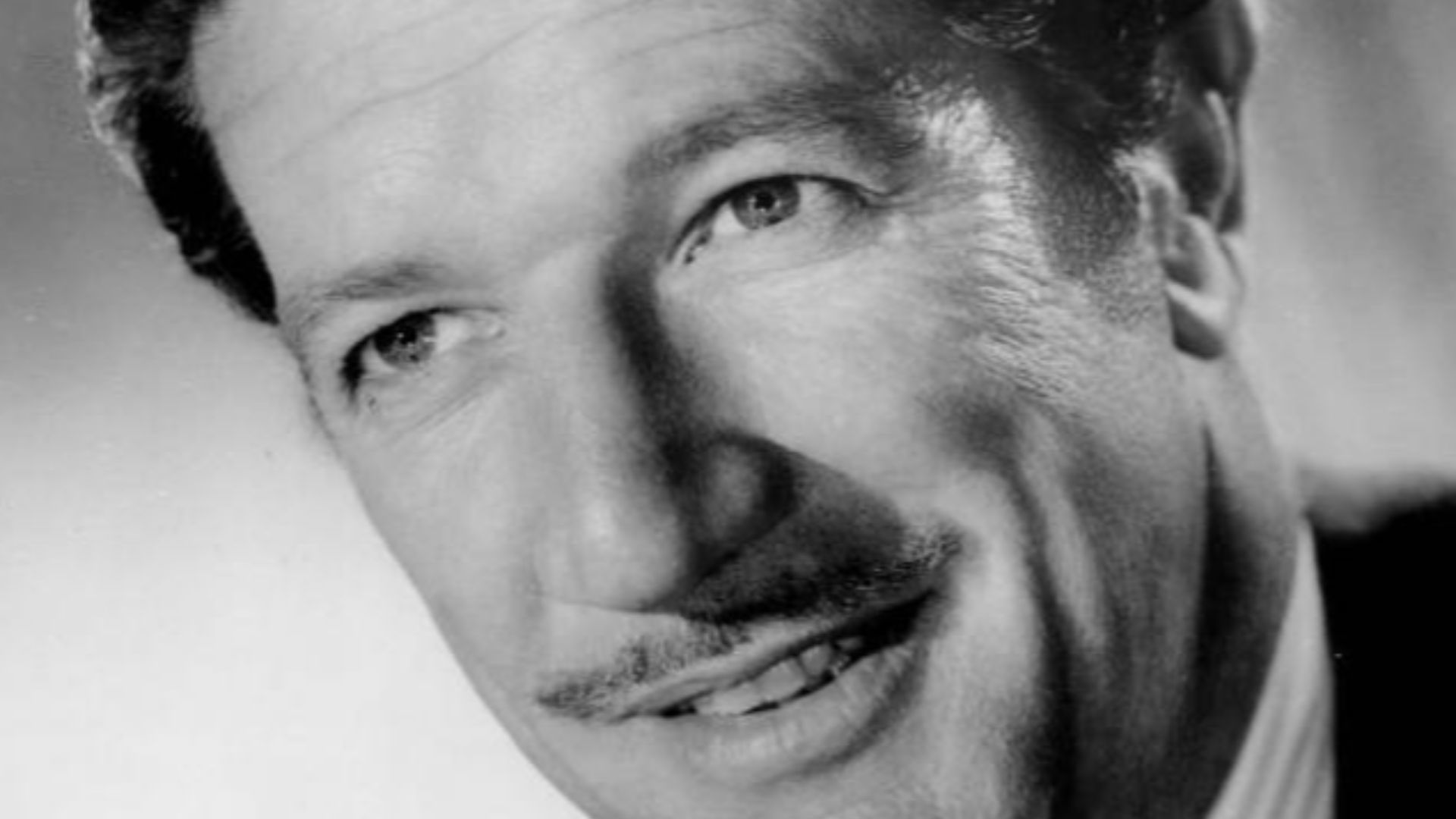
Boone merely demanded and seized creative control with both hands and a director's megaphone. By the show's later seasons, he had personally directed twenty-eight episodes, making him an early actor-director who refused to simply show up, say his lines, and collect a paycheck.
 United States Steel Corporation, the show's sponsor., Wikimedia Commons
Hey Boy's Replacement
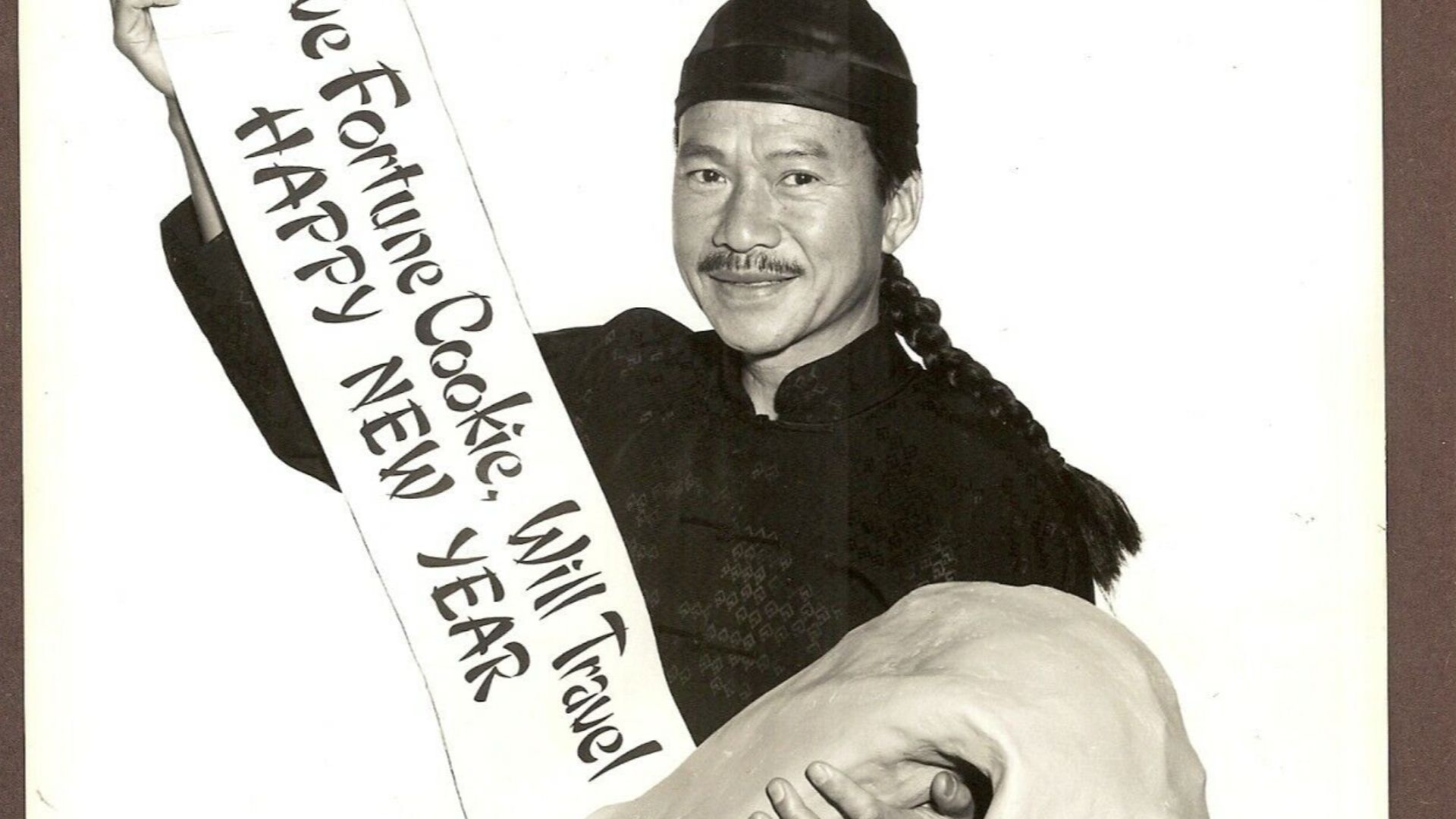
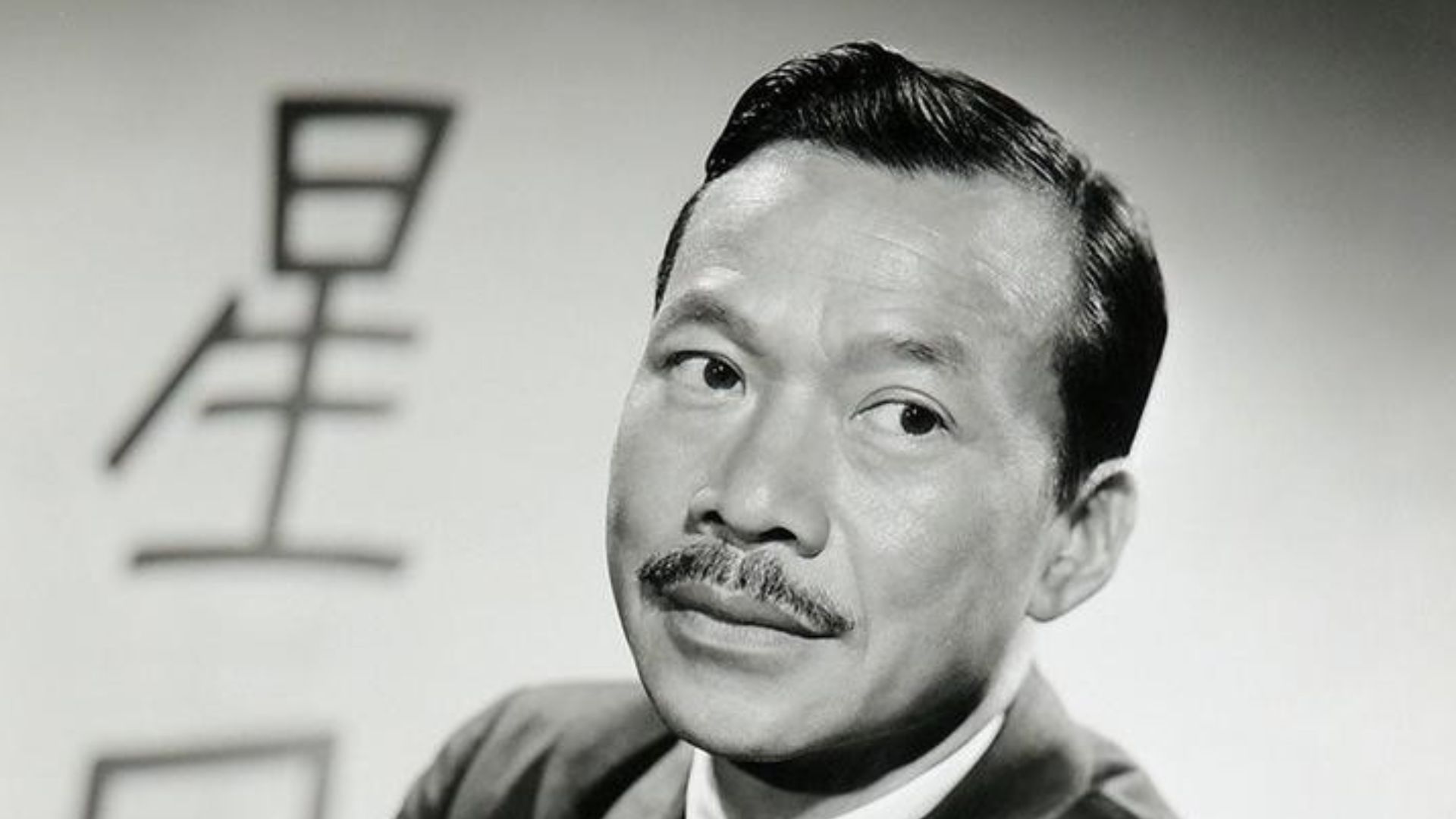
Season four brought an unexpected shake-up when Kam Tong, who played Hey Boy, suddenly vanished from the Carlton Hotel's marble lobby. The actor had been lured away by promises of a starring role in a new series called Mr Garlund, leaving behind his steady gig as Paladin's loyal assistant.
 CBS Television Network, Wikimedia Commons
Hey Boy's Replacement (Cont.)
Lisa Lu stepped in as Hey Girl, bringing her own charm to the role, but Tong's gamble backfired badly when his new show flopped faster than a bad poker hand. He’d left a highly successful western for a series that barely registered a blip in the ratings.
 CBS Portrait by Gabor Rona (indicated on back side), Wikimedia Commons
Location Filming Pioneer
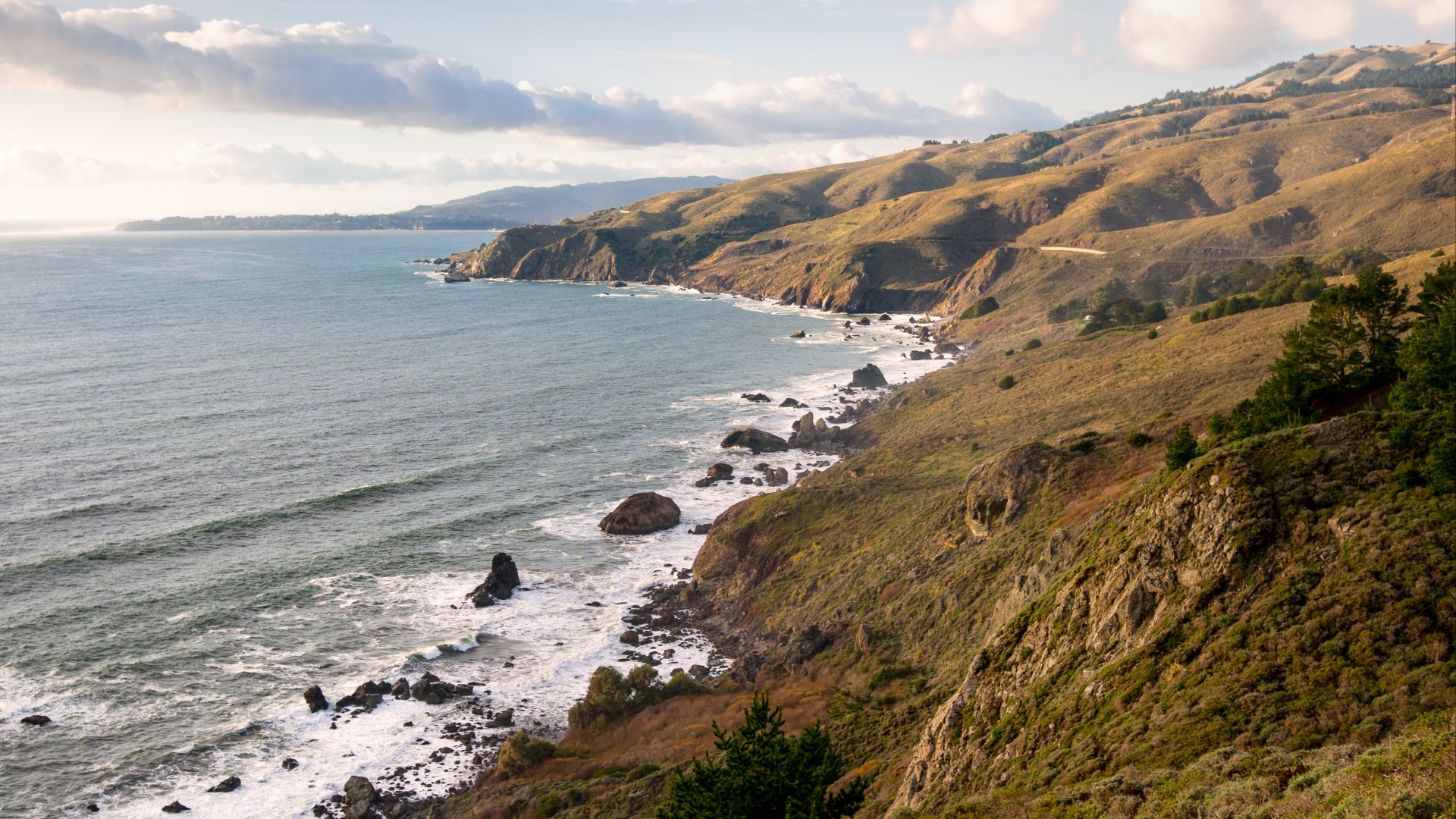
While most westerns were content to shoot everything on dusty studio backlots, Have Gun – Will Travel packed up its cameras and headed for the real American frontier. The production team pioneered location shooting for television westerns, traveling to the breathtaking areas of Northern California, New Mexico, and Oregon.
 Frank Schulenburg, Wikimedia Commons
Son's Acting Cameos
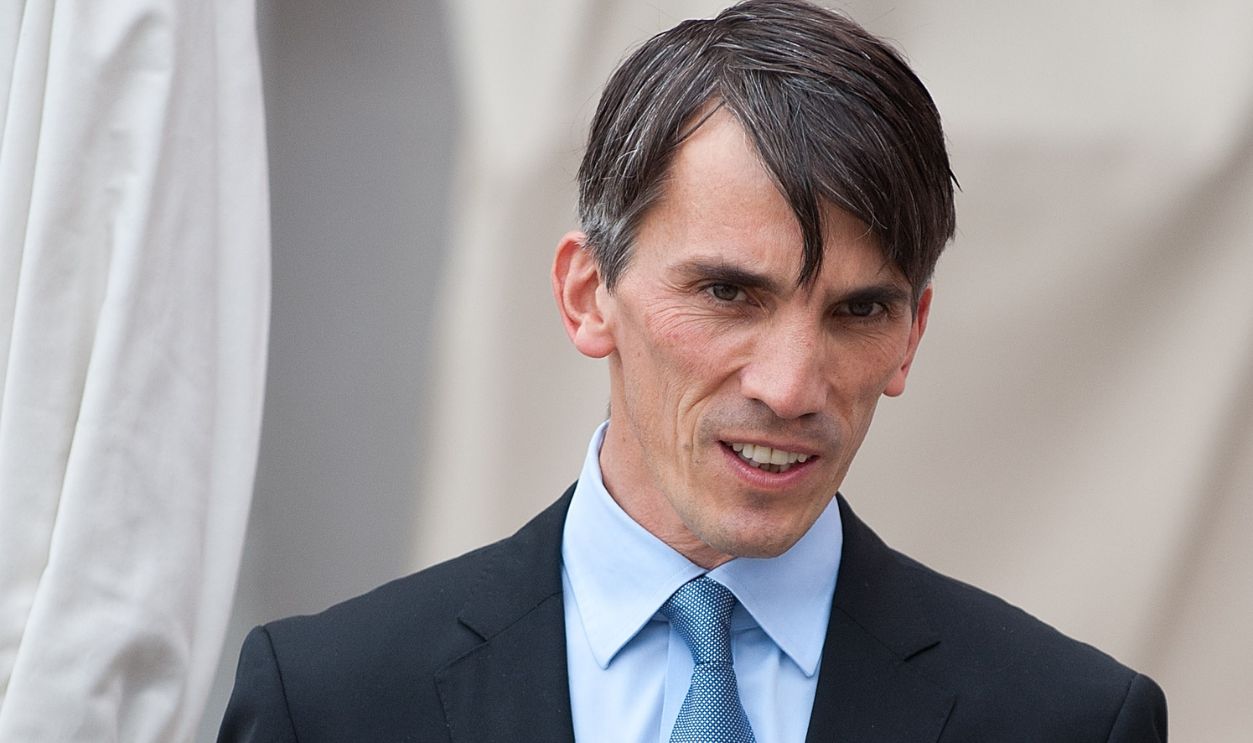
Family dinner conversations must have been interesting in the Boone household, especially when Richard's young son Peter started appearing alongside his father on screen. The boy worked as a child actor in several episodes. He had genuine talent and brought an authentic chemistry to his scenes with Richard.
Bernard Herrmann Score
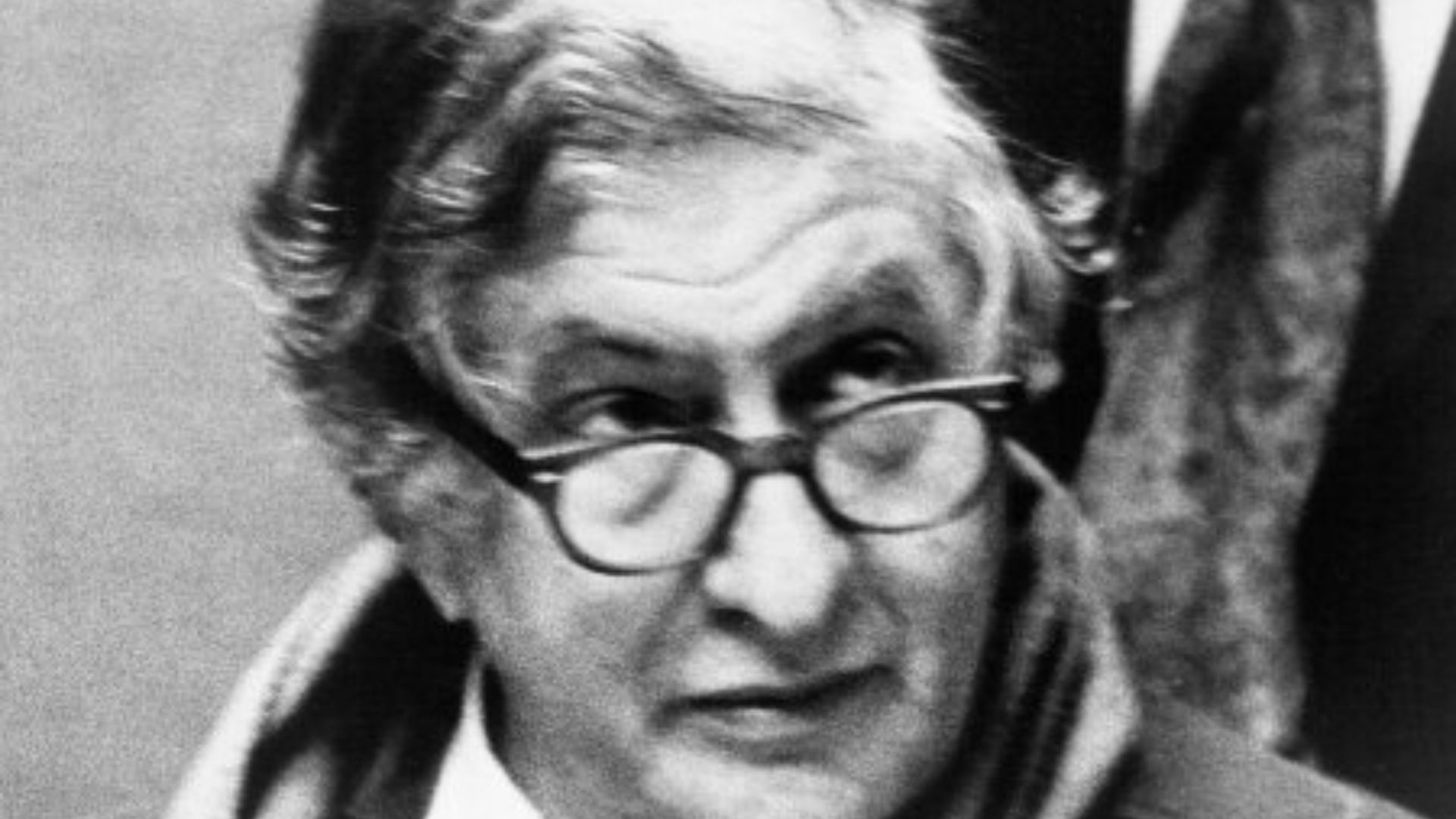
Film noir maestro Bernard Herrmann didn't just compose music for this series, but he recycled his own cinematic genius with shameless brilliance. The show's iconic four-note opening theme was actually lifted directly from his score for the 1951 Robert Ryan film On Dangerous Ground.
 UnknownUnknown photographer, Wikimedia Commons
Bernard Herrmann Score (Cont.)
Herrmann's musical sleight of hand went unnoticed by audiences who heard those haunting notes and immediately thought “Paladin”. The composer simply reorchestrated his existing work. At the 35:25 mark of the original film, eagle-eared viewers can still hear the Have Gun – Will Travel track.
 Acme Telephoto, Wikimedia Commons
Radio Show Success
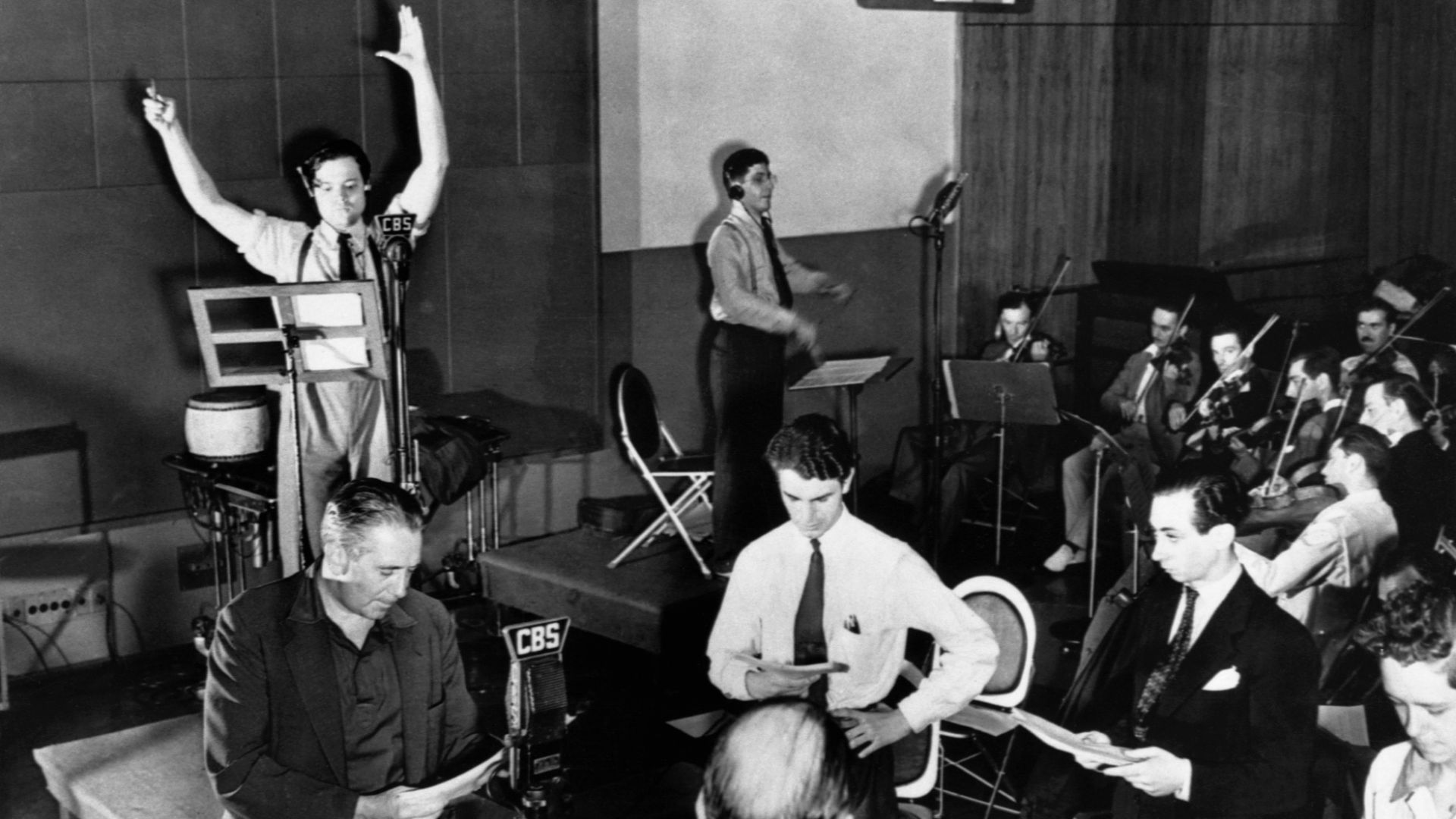
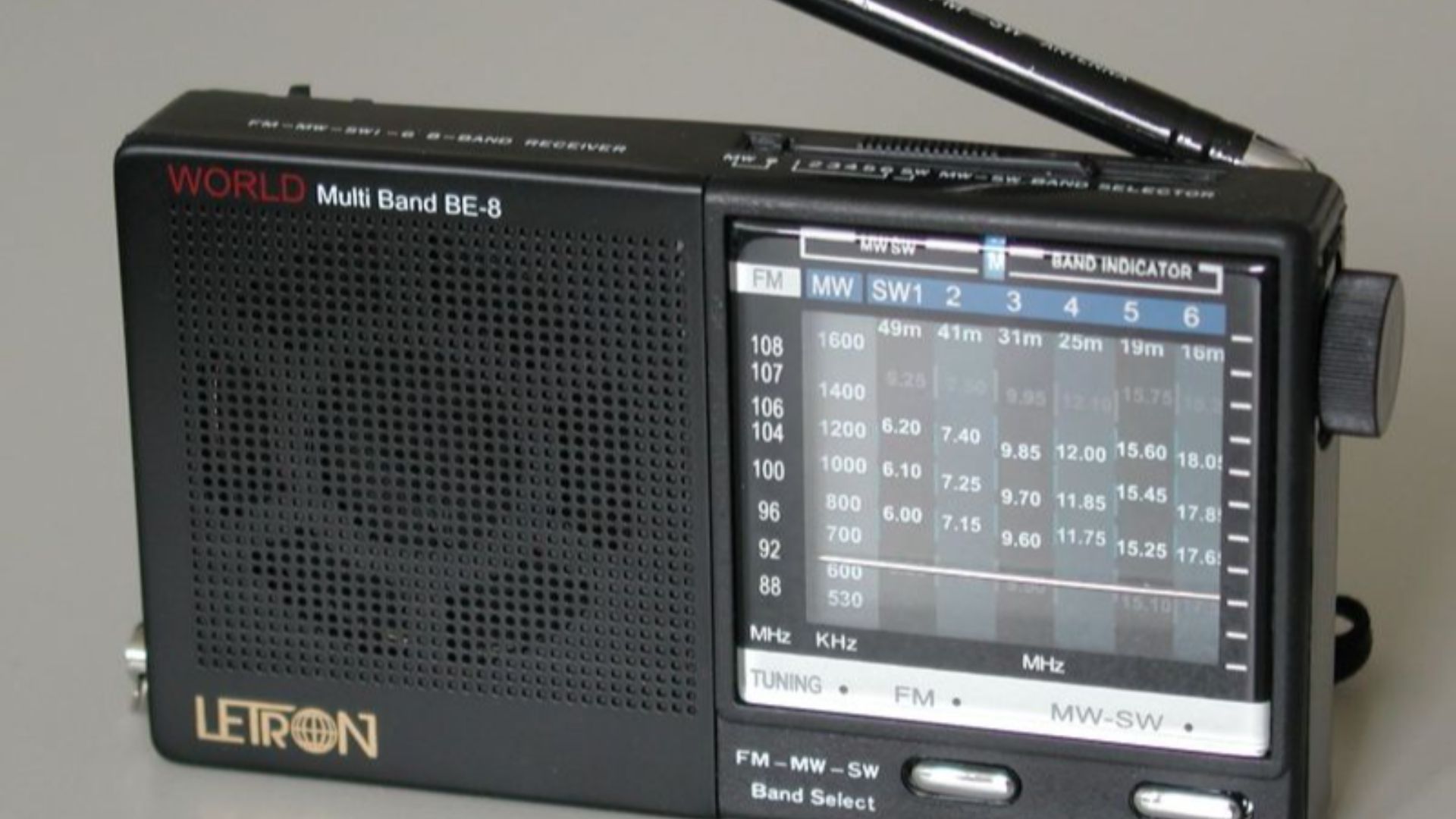
Most television series that attempt radio adaptations crash and burn faster than a stagecoach with broken wheels, but this series defied the odds by becoming one of the few to successfully leap from screen to airwaves. The radio version premiered in November 1958.
 Stefan Kühn, Wikimedia Commons
Hawaii Five-O Offer
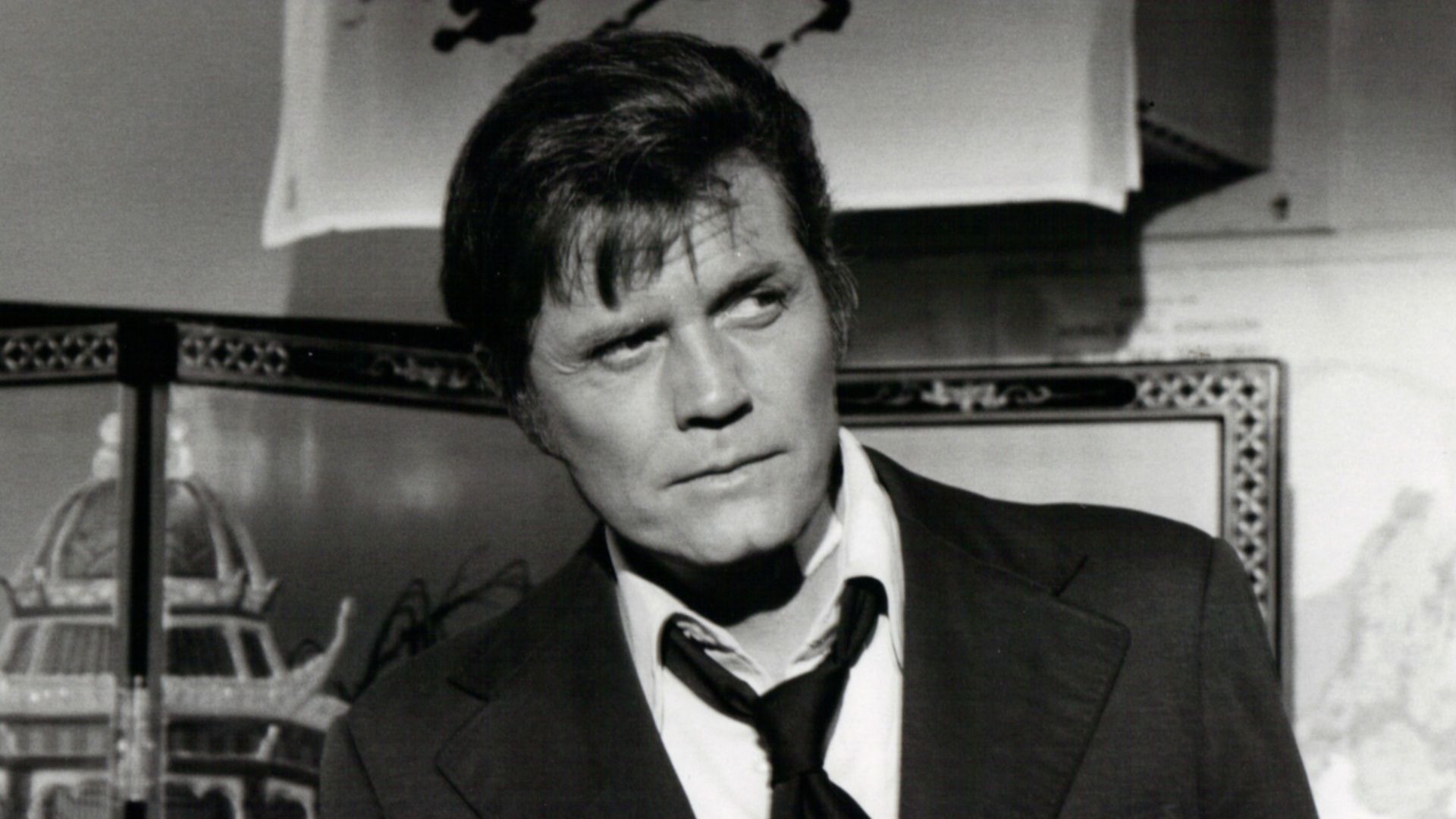
Richard Boone's love affair with Hawaii nearly landed him behind the wheel of a different kind of justice, trading Paladin's horse for Steve McGarrett's Mercury. Producer Freeman, impressed by Boone's passion for the islands, offered him the lead role in Hawaii Five-O before the character was even fully developed.
 CBS Television, Wikimedia Commons
Stand By Me Lawsuit
Nostalgia turned expensive when the creators of Stand by Me discovered that childhood memories come with price tags attached to their soundtracks. The film featured the main characters singing “The Ballad of Paladin” as they walked along railroad tracks.
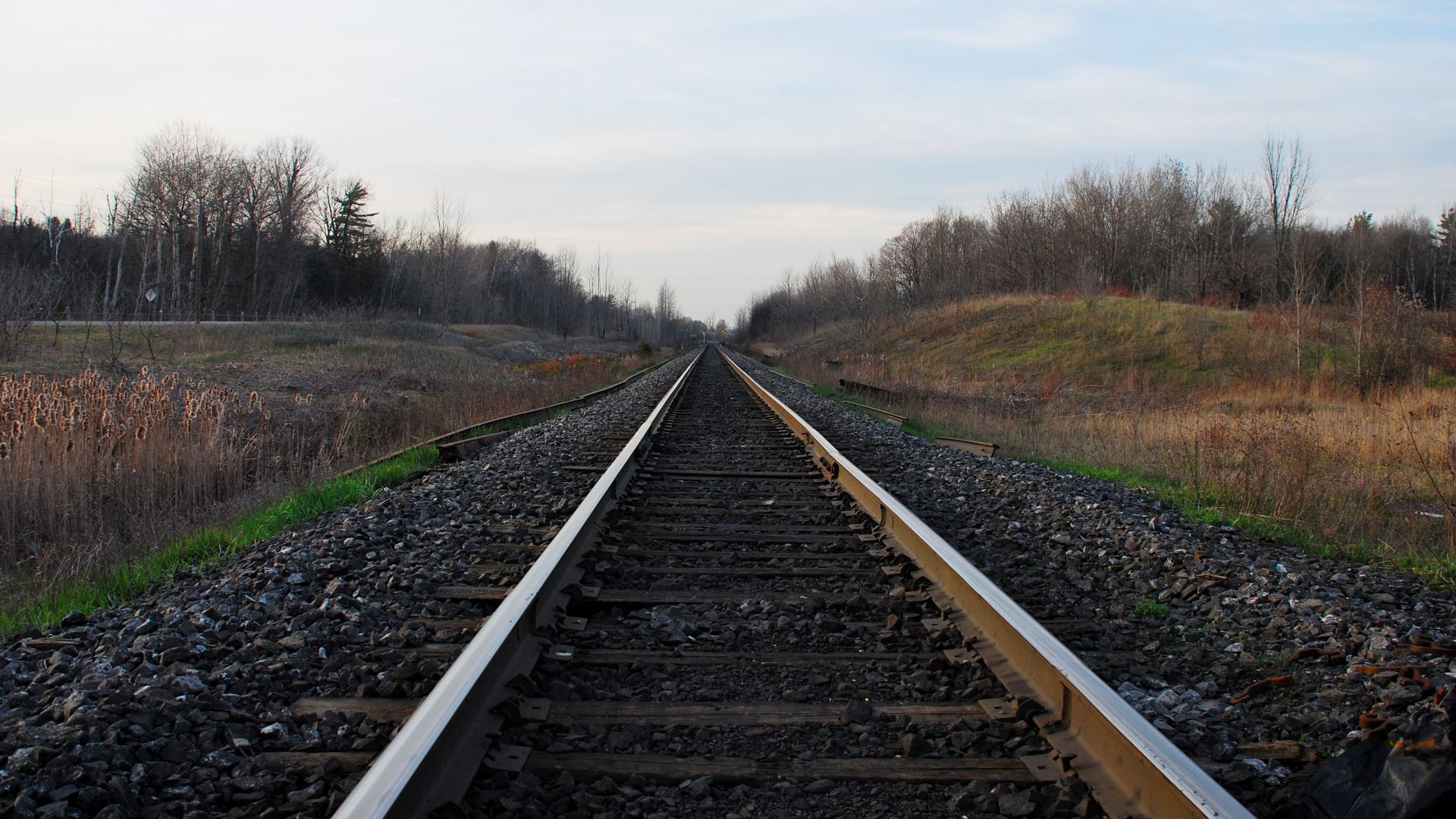
Stand By Me Lawsuit (Cont.)
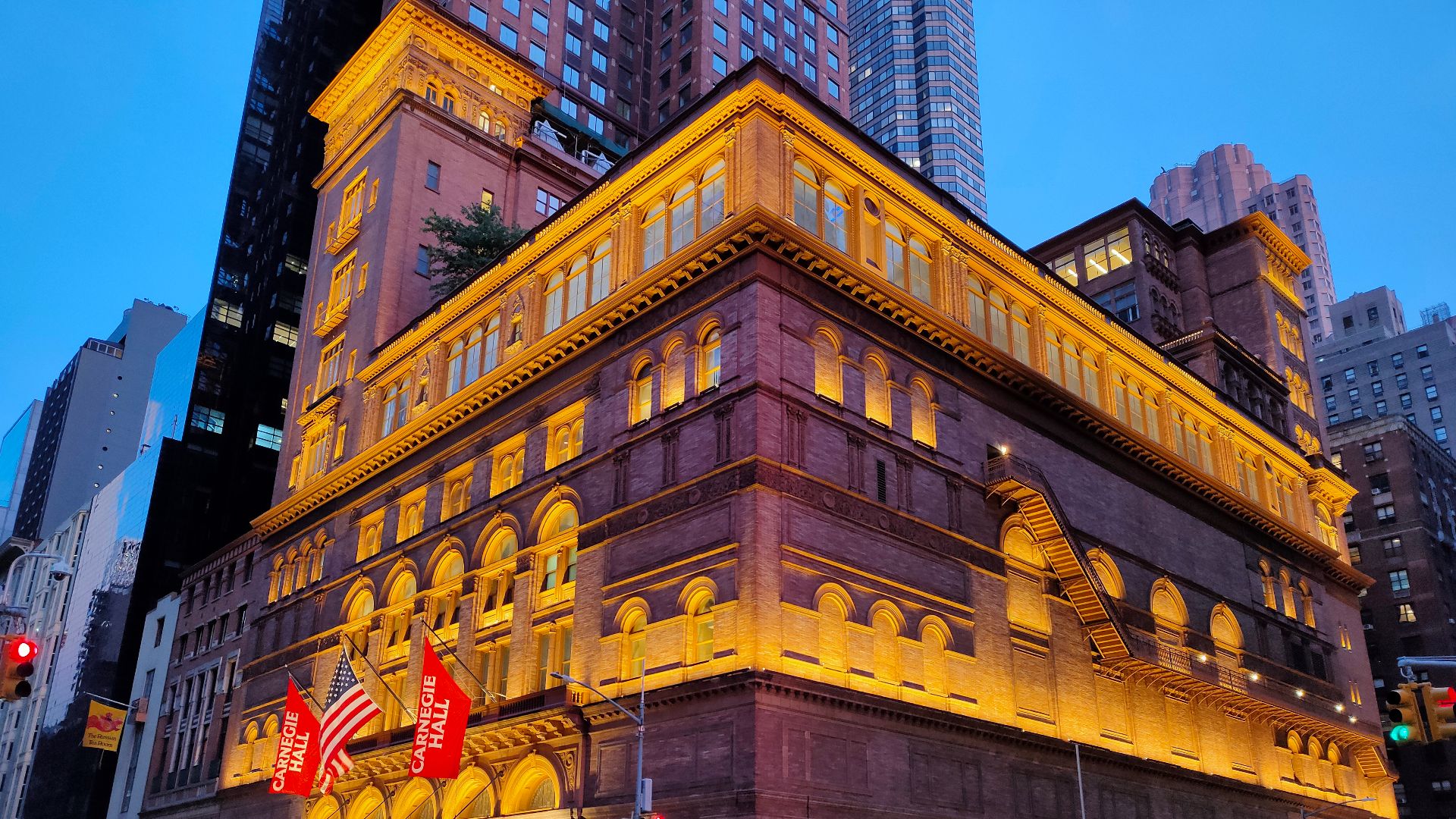
Johnny Western, who had written the ballad as a musical thank-you note to Richard Boone, successfully sued the film's producers for using his copyrighted material without permission. Over his long career, Western had recorded multiple albums and appeared on major stages, including Carnegie Hall.
 StrangeTraveler, Wikimedia Commons
Writers Guild Win
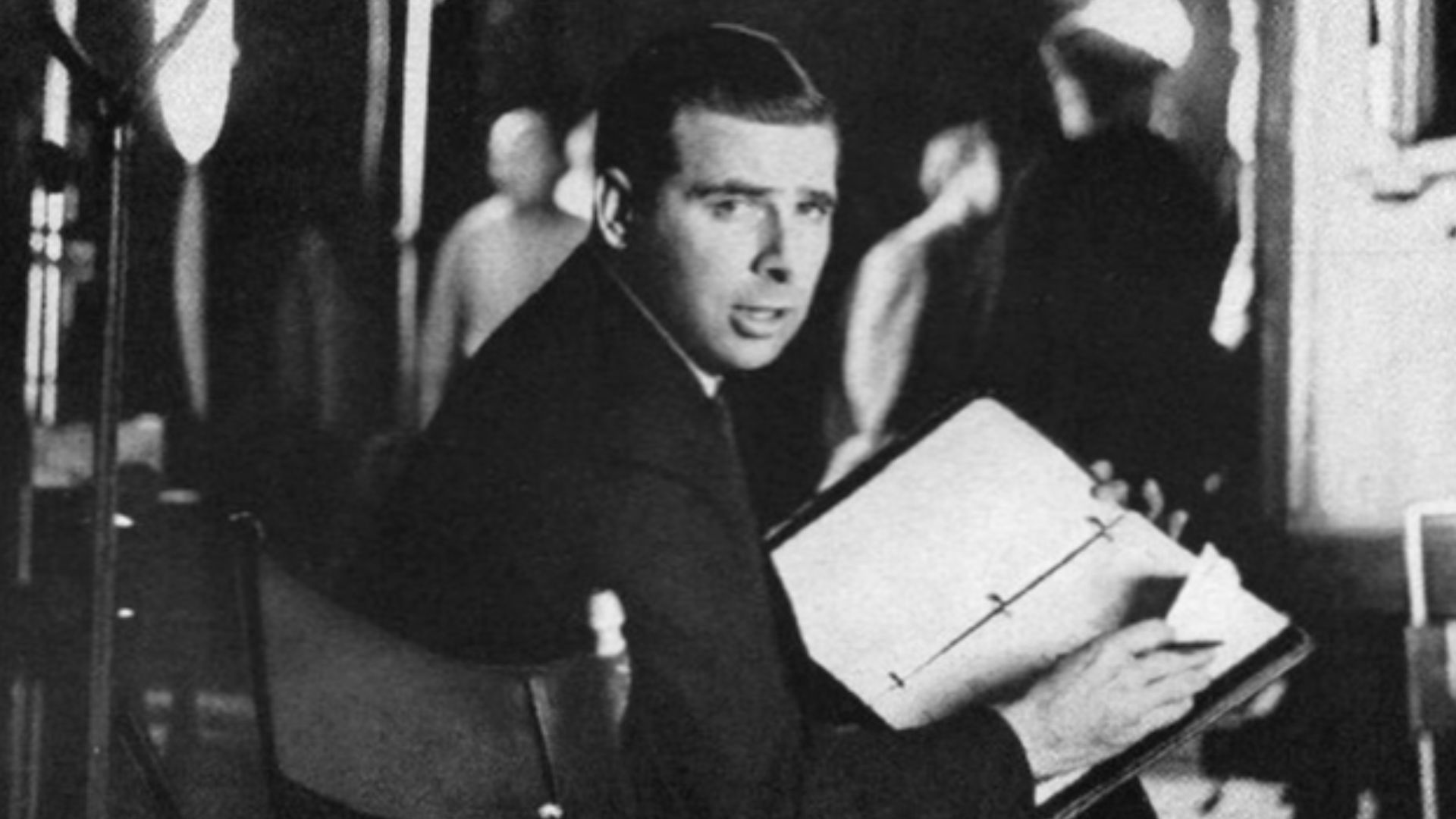
Roddenberry's pen struck gold in the dusty streets of the Old West long before his imagination reached for the stars, earning him the Writers Guild of America Award for Best Original Script in 1958. His winning episode, "Helen of Abajinian," showcased the sophisticated storytelling that would become his trademark.
 Mutual of New York (MONY), Wikimedia Commons
Ida Lupino's Direction
The moment Ida Lupino stepped behind the camera to direct several episodes, Hollywood's glass ceiling met its match. She was one of the few women calling the shots in 1950s television. Lupino's episodes stood out for their psychological depth and nuanced performances.