
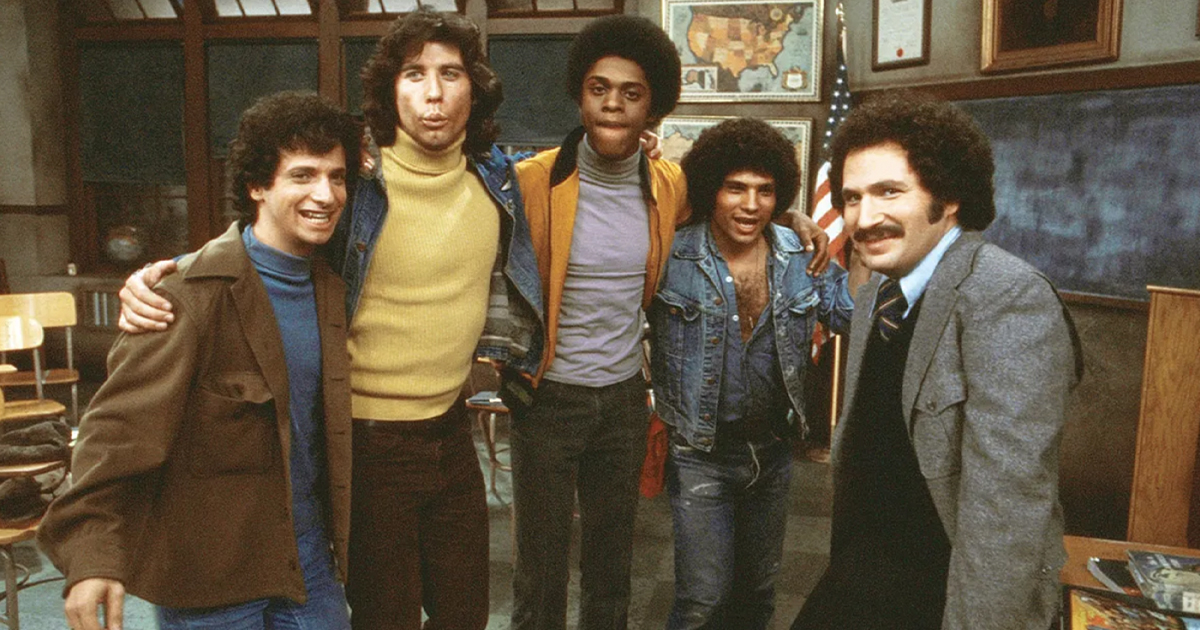
When TV Had A Soundtrack
In the 70s, TV theme songs did more than introduce a show. They explained the characters, established the mood, and stayed in your head until bedtime. These 25 classics are ranked by chart success, cultural impact, and lasting recognition.
How many can you still sing?
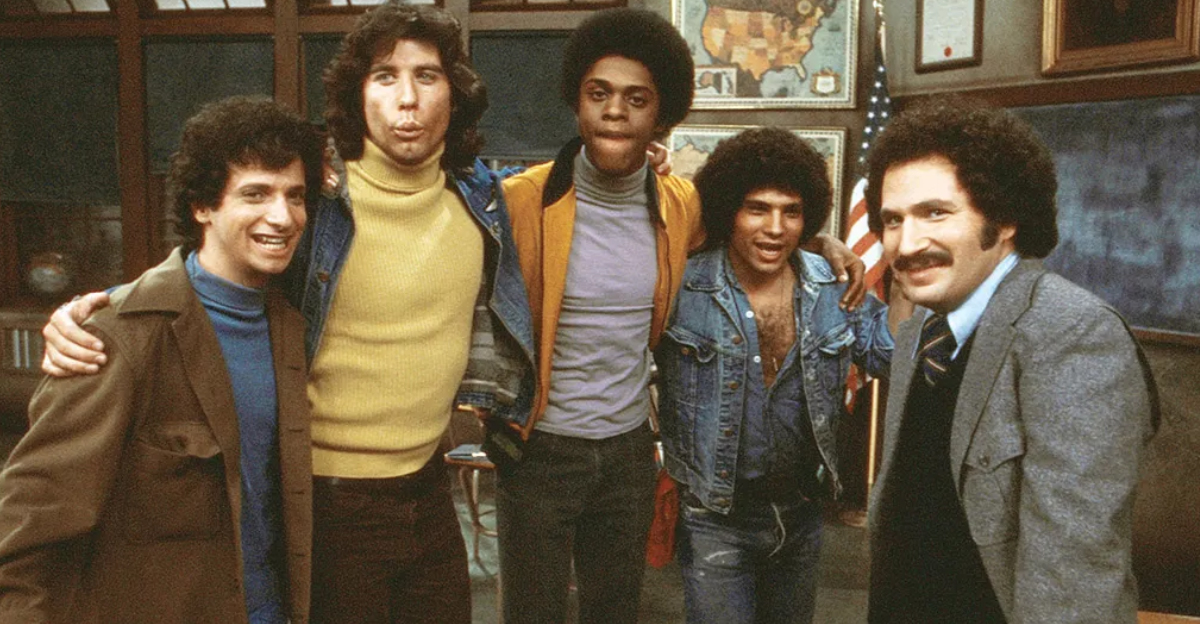 ABC, Welcome Back, Kotter (1975-1979)
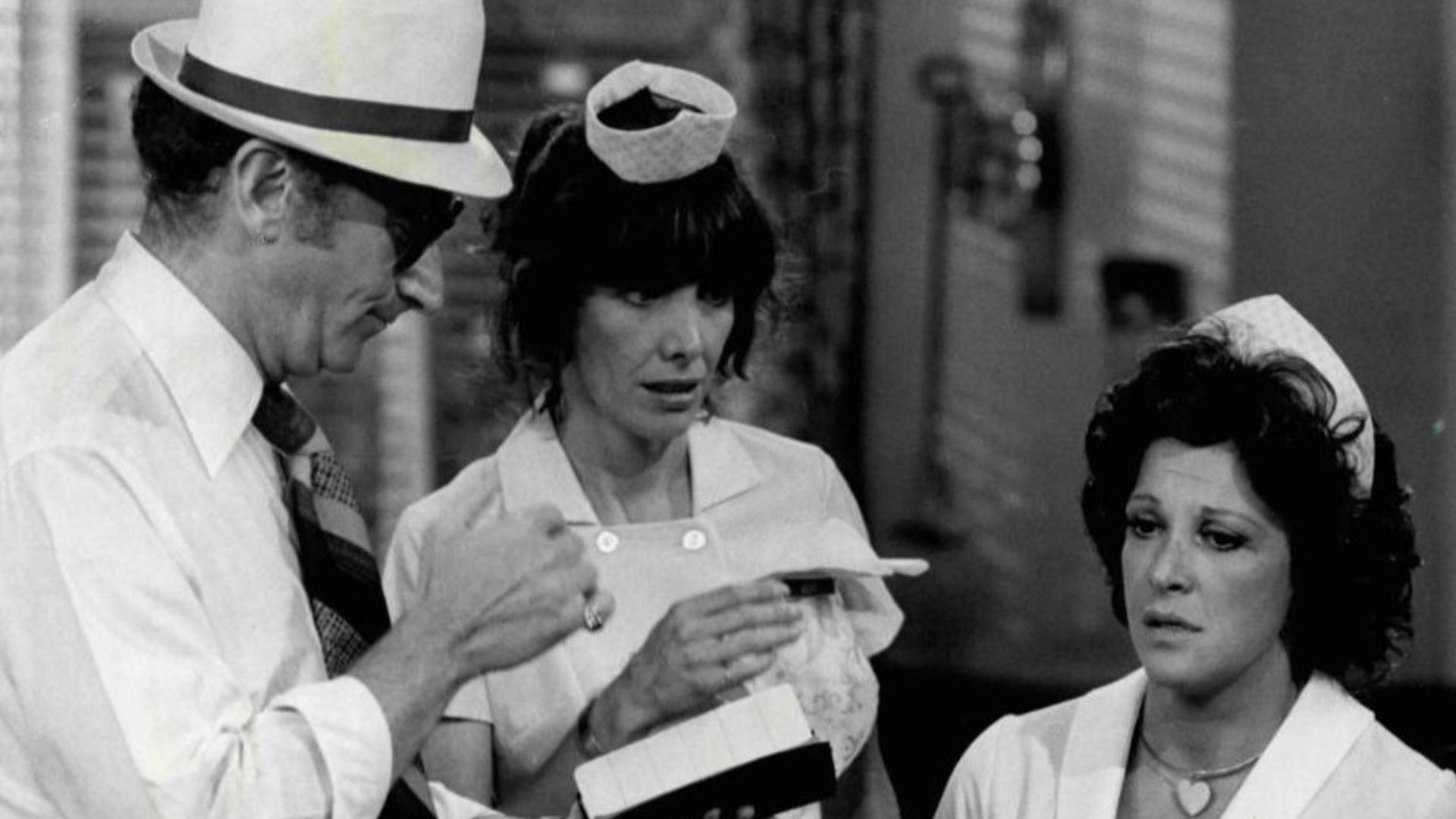
#25: Alice — “There’s a New Girl in Town”
Linda Lavin performed “There’s a New Girl in Town,” the theme introducing her character’s attempt to build a new life in Phoenix. Written by David Shire with Alan and Marilyn Bergman, it was bright, hopeful, and easy to remember. It also made waitressing at Mel’s Diner sound surprisingly promising.
 CBS Television, Wikimedia Commons
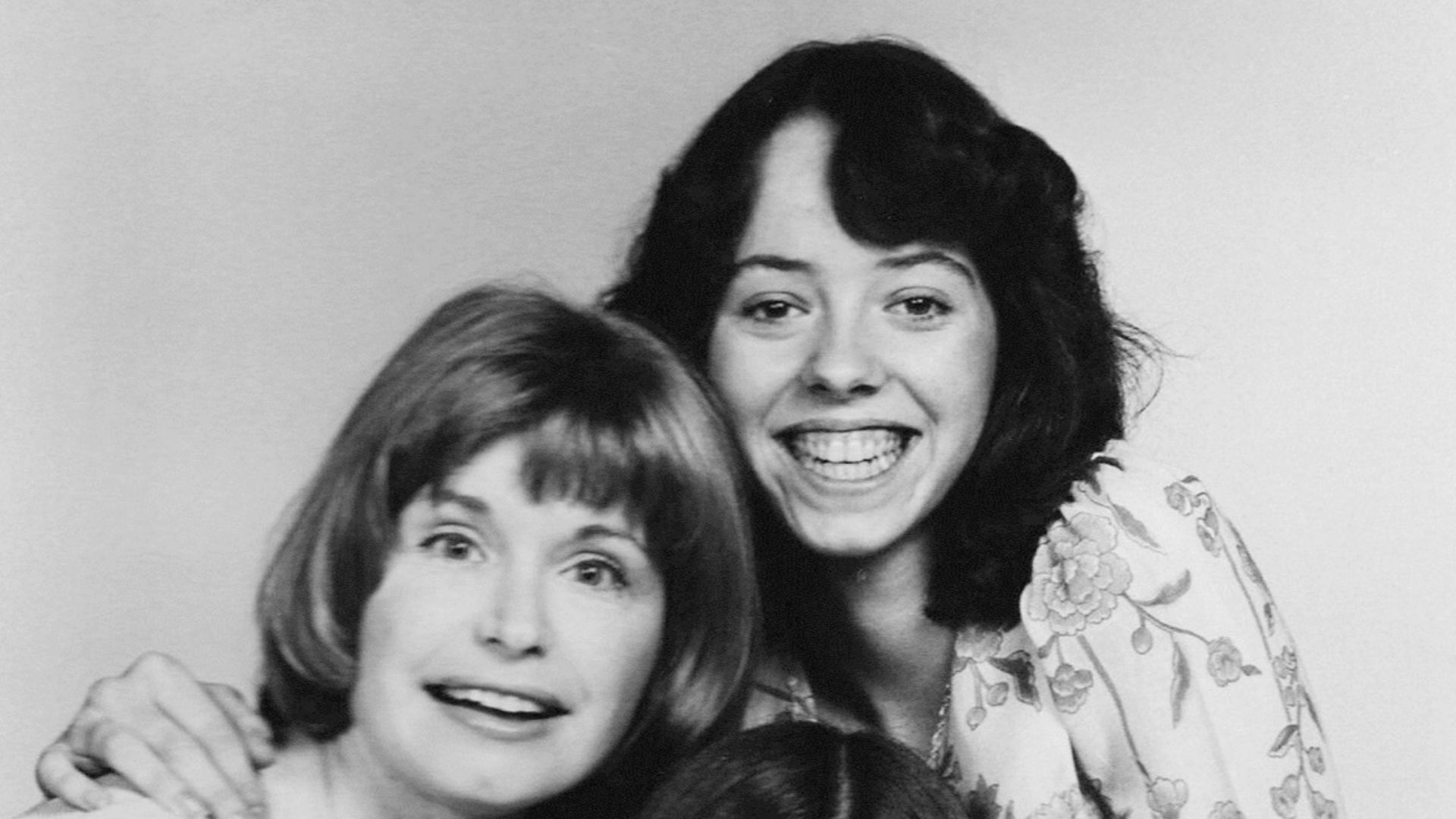
#24: One Day at a Time — “This Is It”
“This Is It” introduced viewers to Ann Romano and her daughters with an upbeat celebration of starting over. Written by Jeff Barry and Nancy Barry and performed by Polly Cutter, the song moved at full speed. Evidently, rebuilding your life required optimism, determination, and several enthusiastic backup singers.
 CBS Television, Wikimedia Commons
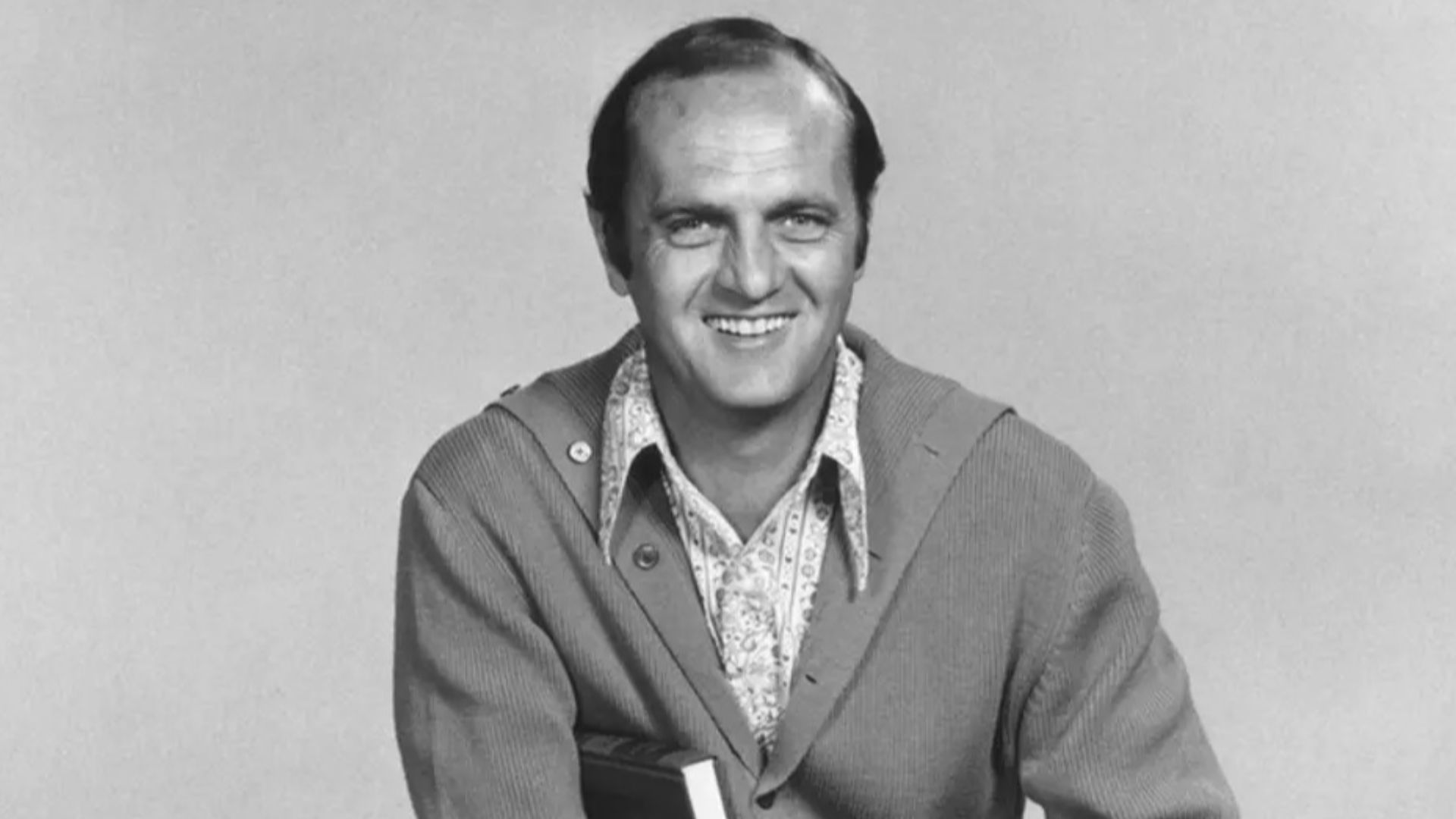
#23: The Bob Newhart Show — “Home to Emily”
Patrick Williams composed the jazzy instrumental theme commonly known as “Home to Emily.” Its energetic brass and breezy rhythm accompanied Bob Hartley’s commute through Chicago, making an ordinary trip home feel unusually exciting. The music was far more animated than Bob Newhart’s wonderfully restrained facial expressions ever needed to be.
 CBS Television, Wikimedia Commons
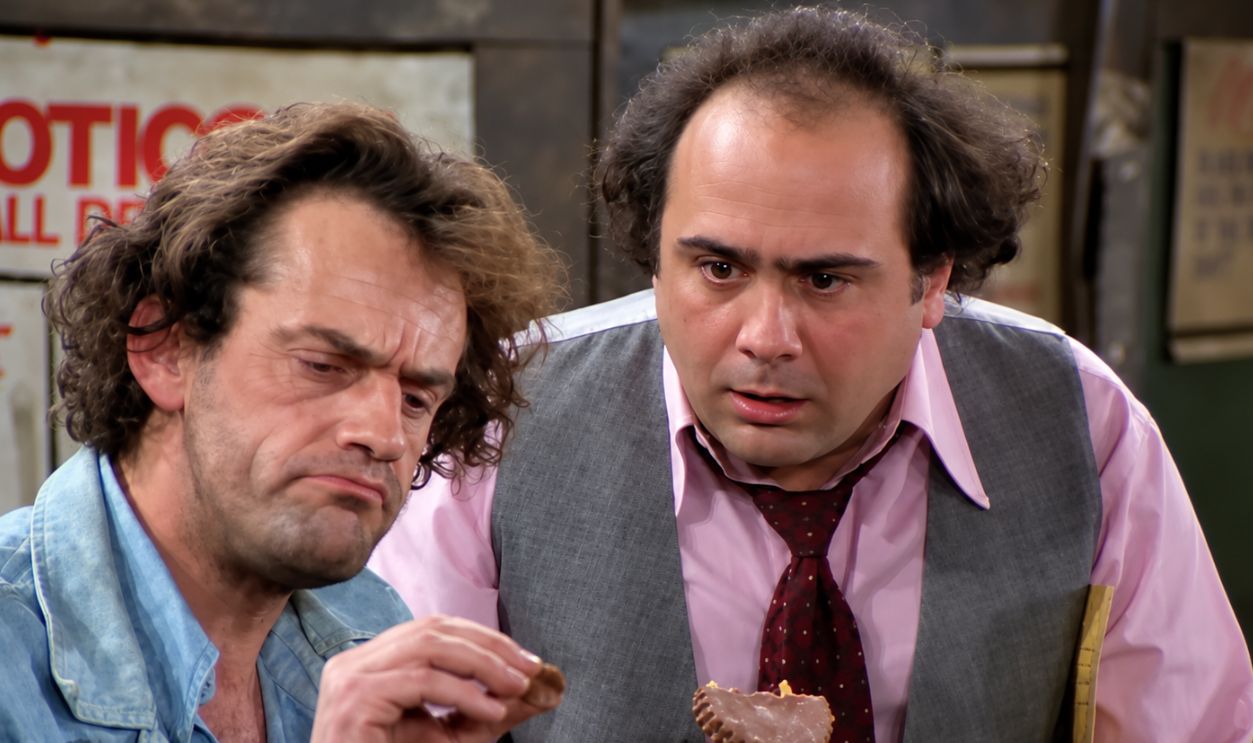
#22: Taxi — “Angela”
Jazz keyboardist Bob James composed “Angela,” the mellow instrumental that played over images of a taxi crossing New York’s Queensboro Bridge. The wistful music captured the drivers’ stalled ambitions without becoming depressing. It somehow made crawling through traffic seem thoughtful, romantic, and almost worth the meter charge.
 Screenshot from Taxi, Paramount Television (1978–1983), Modified
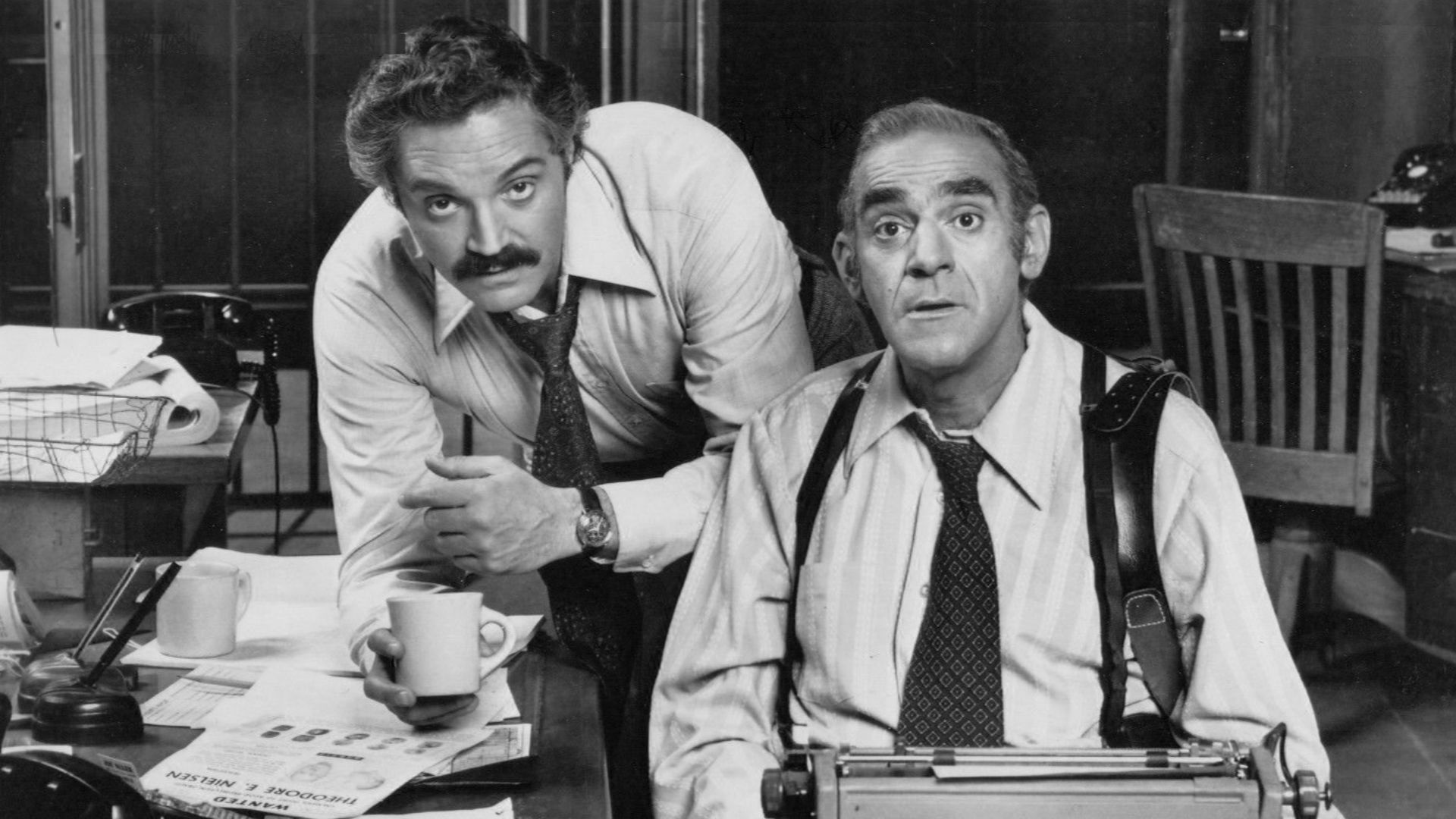
#21: Barney Miller — Instrumental Theme
That slinky opening bass line immediately transported viewers to the detectives’ cramped New York squad room. Jack Elliott and Allyn Ferguson composed the funky instrumental, which sounded cooler than the station actually looked. Before anyone had spoken, the music promised odd criminals, exhausted police officers, and some truly magnificent mustaches.
 ABC Television, Wikimedia Commons
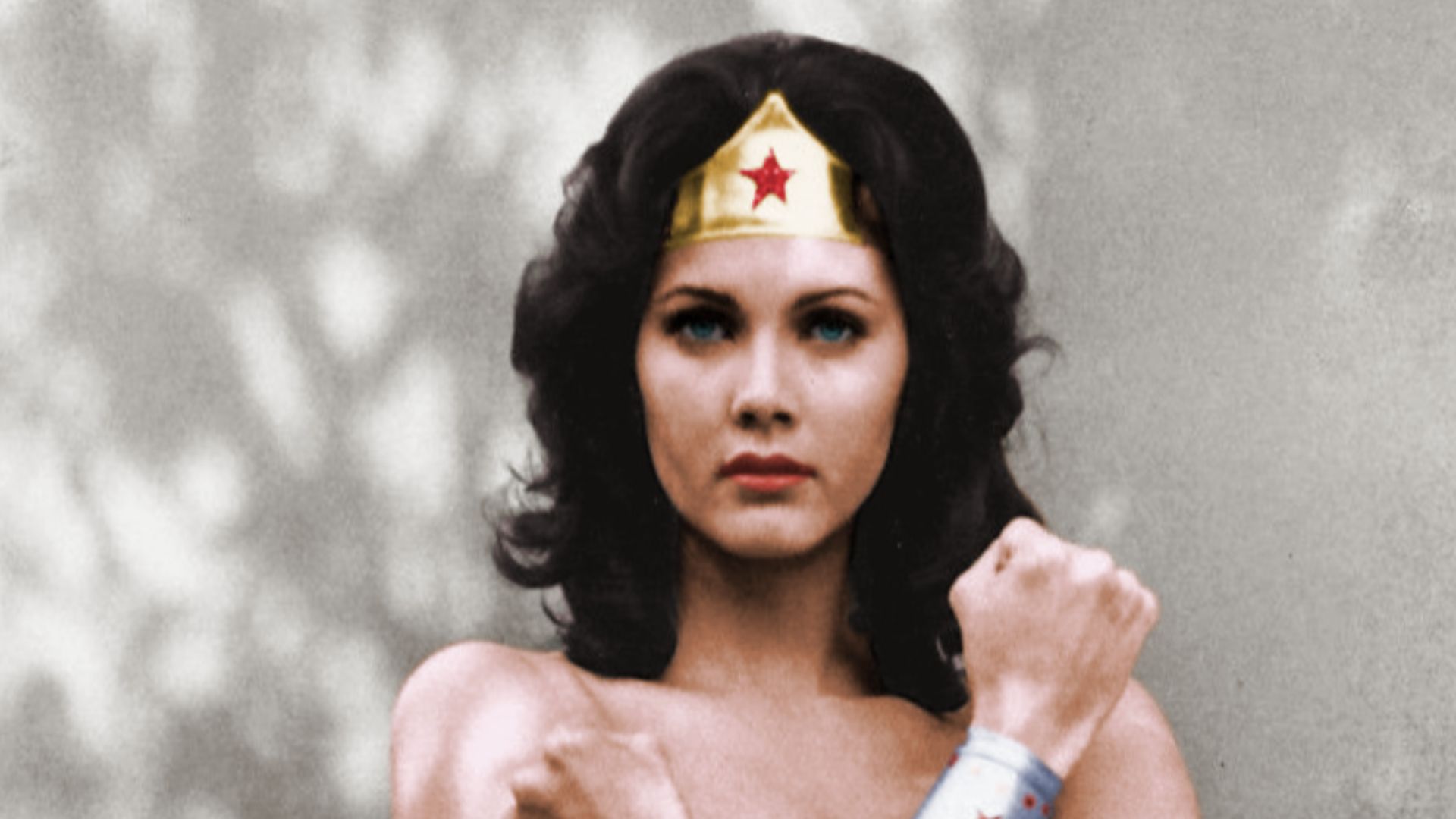
#20: Wonder Woman — “Wonder Woman”
Charles Fox composed the music and Norman Gimbel supplied the lyrics for this gloriously dramatic superhero theme. It celebrated Wonder Woman’s strength while explosions and comic-book graphics filled the screen. Subtle it was not, but subtlety is unnecessary when someone can stop bullets using bracelets and a perfectly timed spin.
 ABC Television, Wikimedia Commons
#19: Dallas — Instrumental Theme
Jerrold Immel’s grand orchestral theme turned aerial views of Texas highways, ranches, and skyscrapers into the opening of a modern Western. The brass-heavy melody promised wealth, power, betrayal, and family arguments conducted in enormous living rooms. Even viewers who never watched knew something expensive and unpleasant was happening at Southfork.
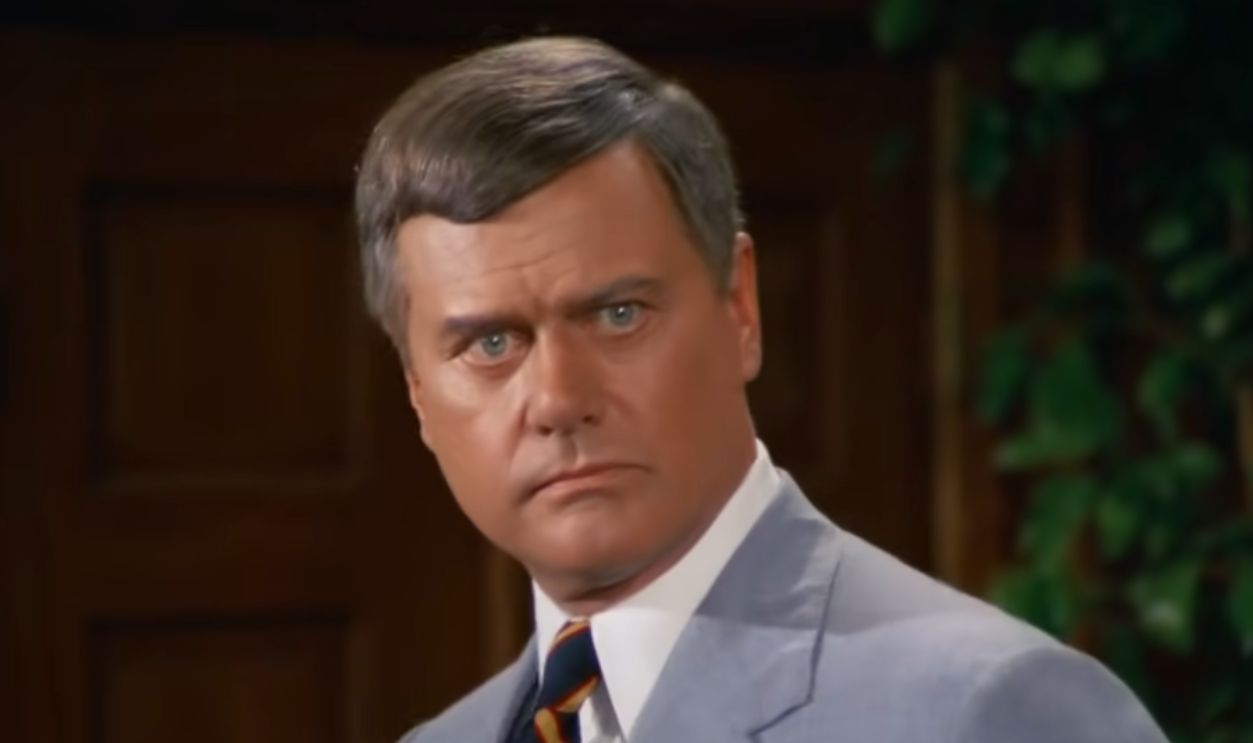 Screenshot from Dallas, CBS (1978–1991)
#18: The Odd Couple — Instrumental Theme
Neal Hefti’s jaunty instrumental perfectly suited Oscar Madison and Felix Unger, two divorced men who could barely share an apartment without starting an argument. The playful horns made their incompatibility sound charming. It remains proof that mismatched roommates can survive almost anything when accompanied by enough cheerful brass.
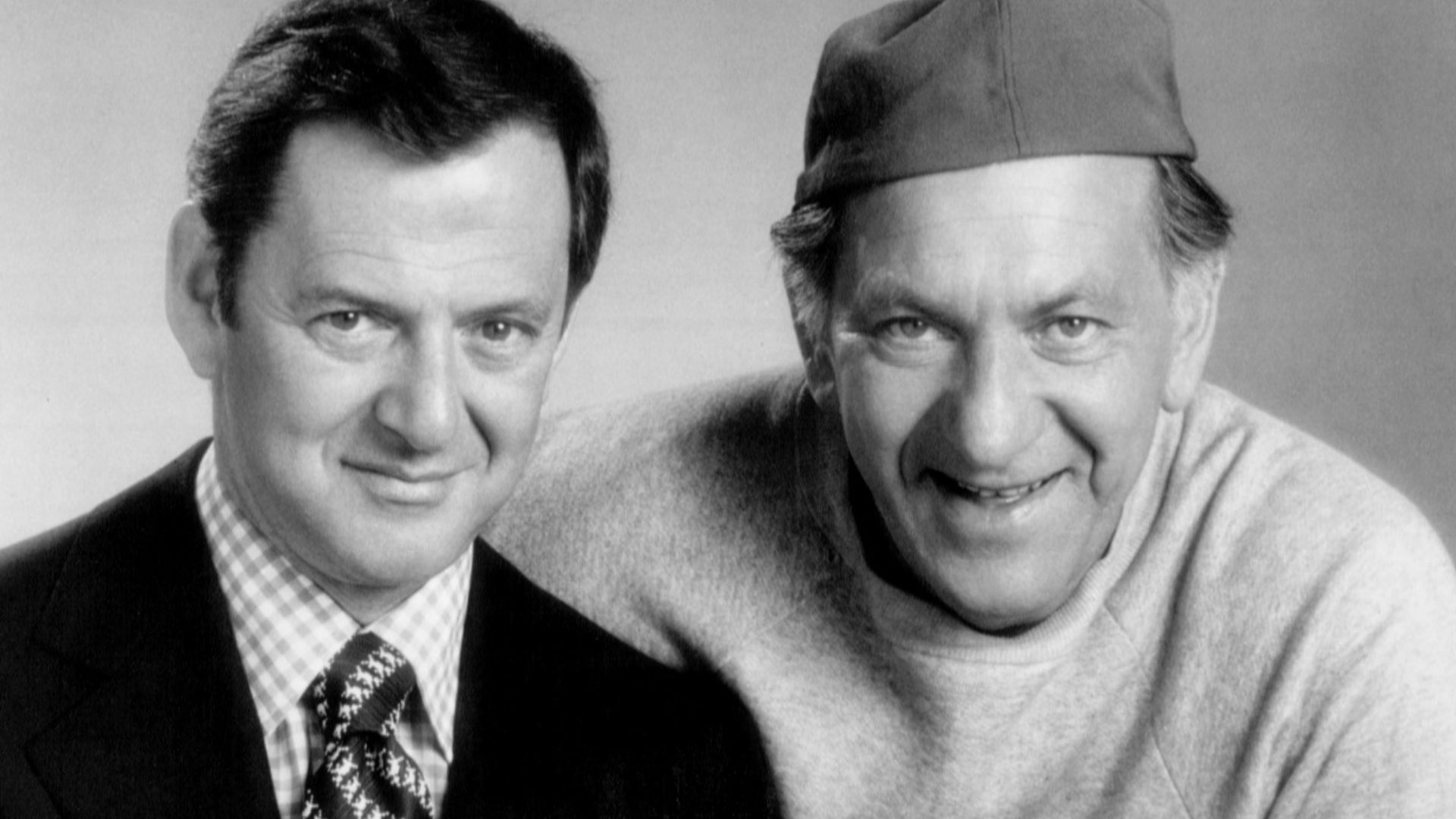 ABC Television, Wikimedia Commons
#17: Three’s Company — “Come and Knock on Our Door”
Joe Raposo and Don Nicholl wrote this welcoming theme, performed by Julia Rinker and arranger Ray Charles, not the legendary soul singer of the same name. Its sunny melody invited viewers into the apartment before the weekly misunderstandings began. Apparently, knocking was optional if you brought a complicated explanation.
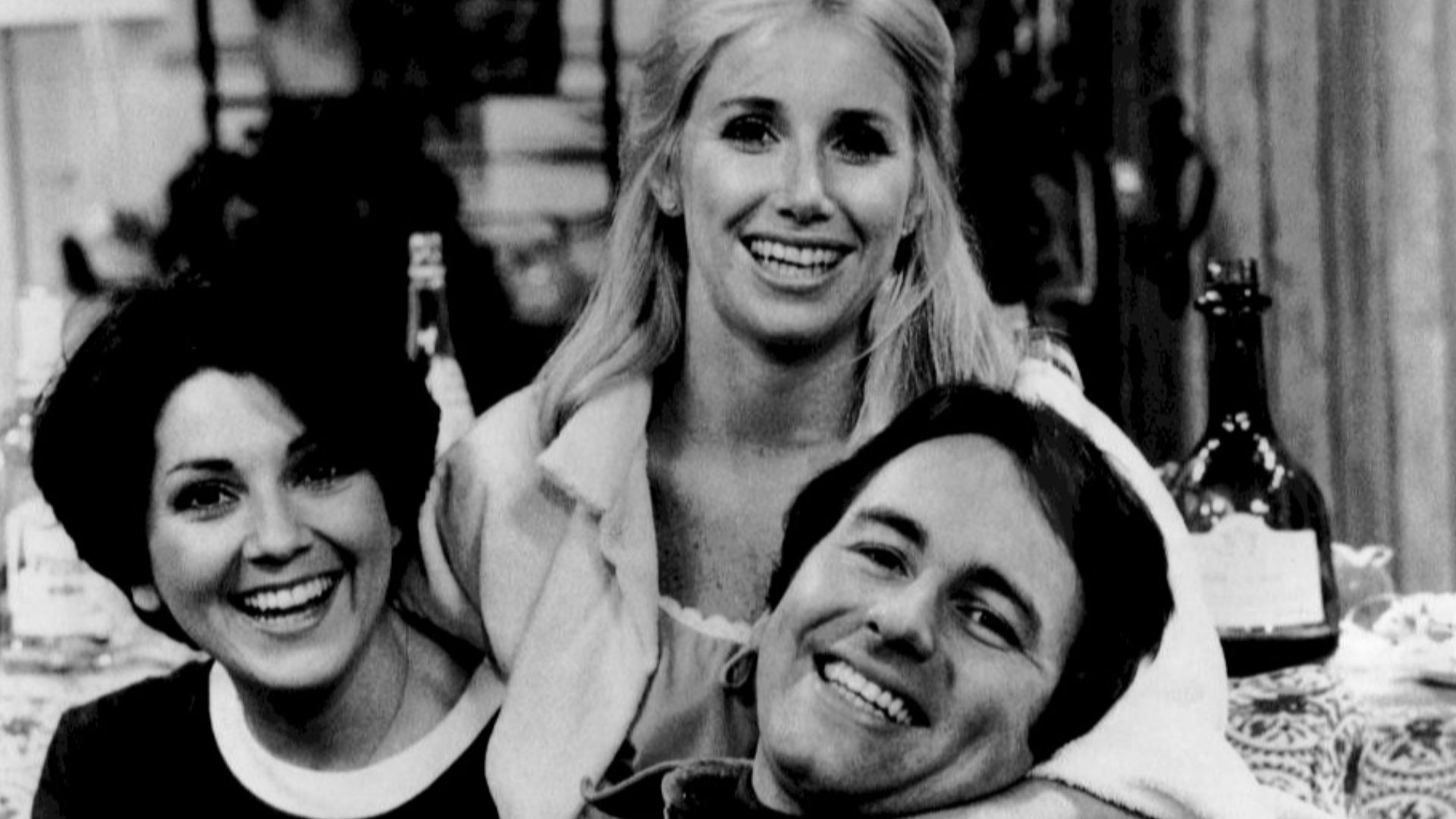 ABC Television, Wikimedia Commons
#16: The Rockford Files — Instrumental Theme
Mike Post and Pete Carpenter composed the distinctive combination of synthesizer, harmonica, guitar, and percussion that introduced private investigator Jim Rockford. Released as a single in 1975, the theme reached the Billboard Top 10. Not bad for music usually accompanied by an answering-machine message about unpaid bills.
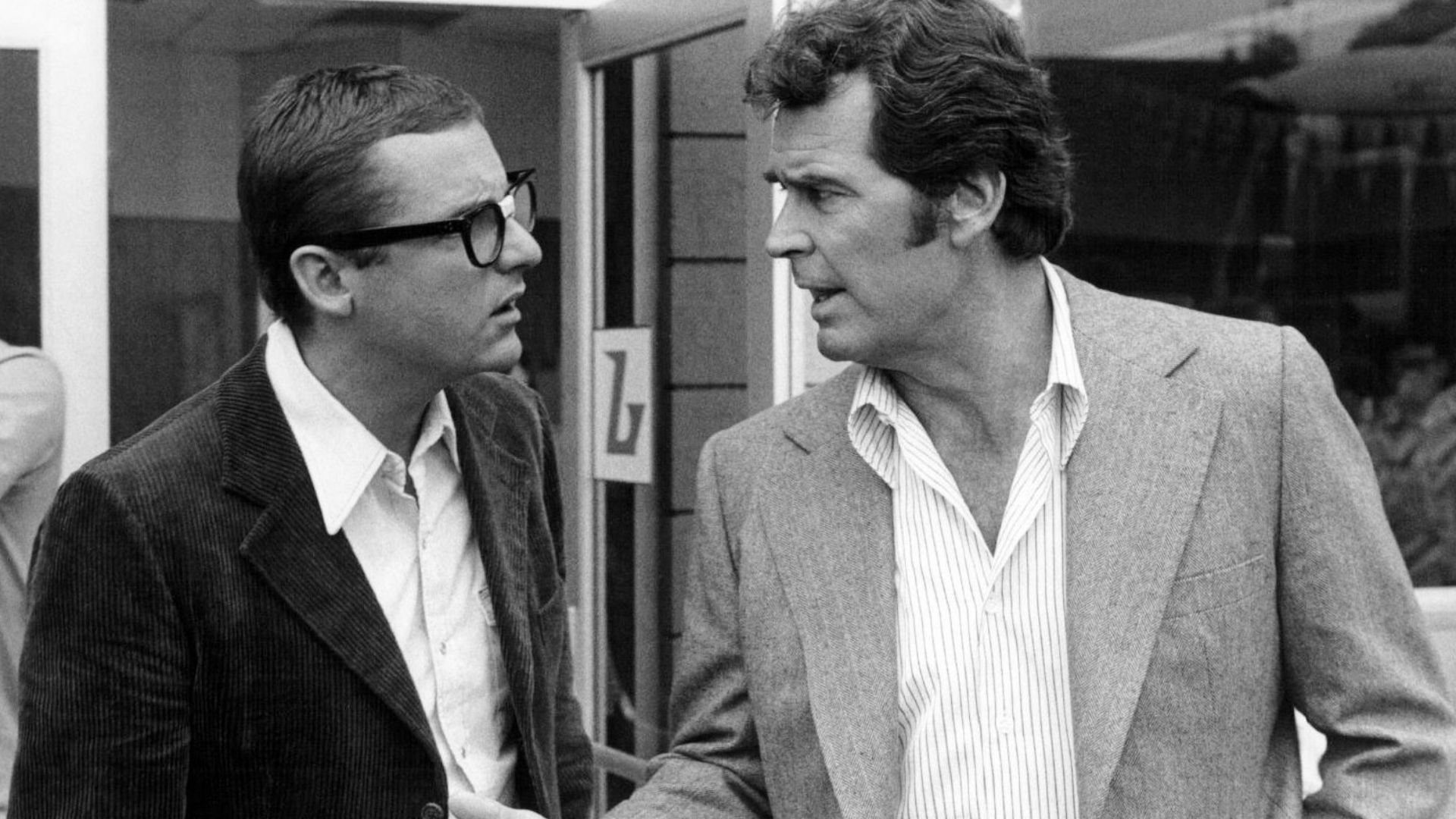 NBC Television, Wikimedia Commons
#15: S.W.A.T. — Instrumental Theme
Barry De Vorzon composed the hard-driving theme for S.W.A.T., and Rhythm Heritage transformed it into a chart-topping single in 1976. Its pounding beat and dramatic horns made every police operation sound enormous. The song was so exciting that simply walking toward a van suddenly required slow motion.
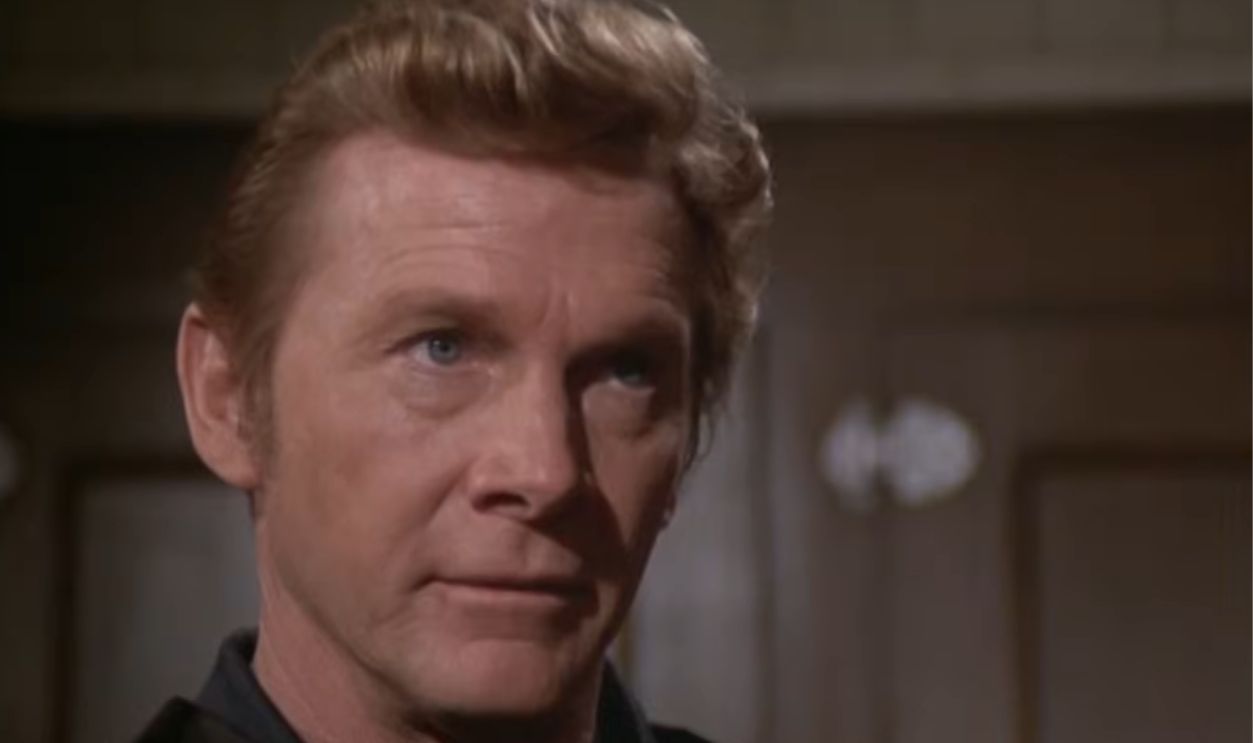 Screenshot from S.W.A.T., Columbia Pictures Television (1975–1976)
#14: The Love Boat — “The Love Boat”
Charles Fox composed the music, Paul Williams wrote the lyrics, and Jack Jones delivered the best-known version of this romantic theme. The song promised adventure, romance, and new love aboard a cruise ship. It carefully omitted the possibility of seasickness, cramped cabins, and awkward buffet encounters.
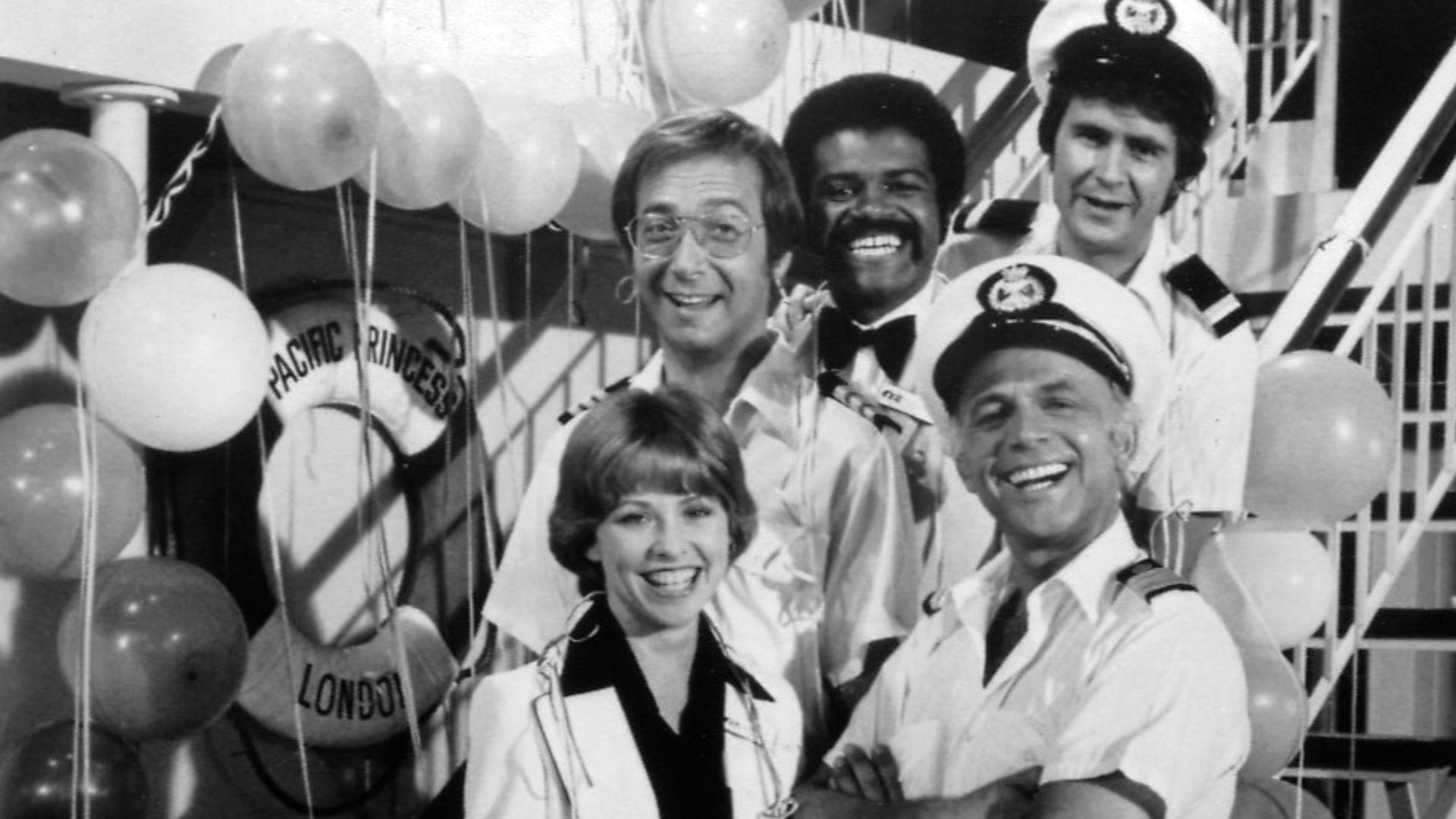 ABC Television
Uploaded by We hope at en.wikipedia, Wikimedia Commons
ABC Television
Uploaded by We hope at en.wikipedia, Wikimedia Commons
#13: WKRP in Cincinnati — “WKRP in Cincinnati”
Steve Carlisle sang the warm opening theme, written by Tom Wells with series creator Hugh Wilson. Its lyrics described a radio professional arriving in Cincinnati after growing tired of constantly moving. The surprisingly sincere song was followed by a closing theme whose words were intentionally difficult to understand.
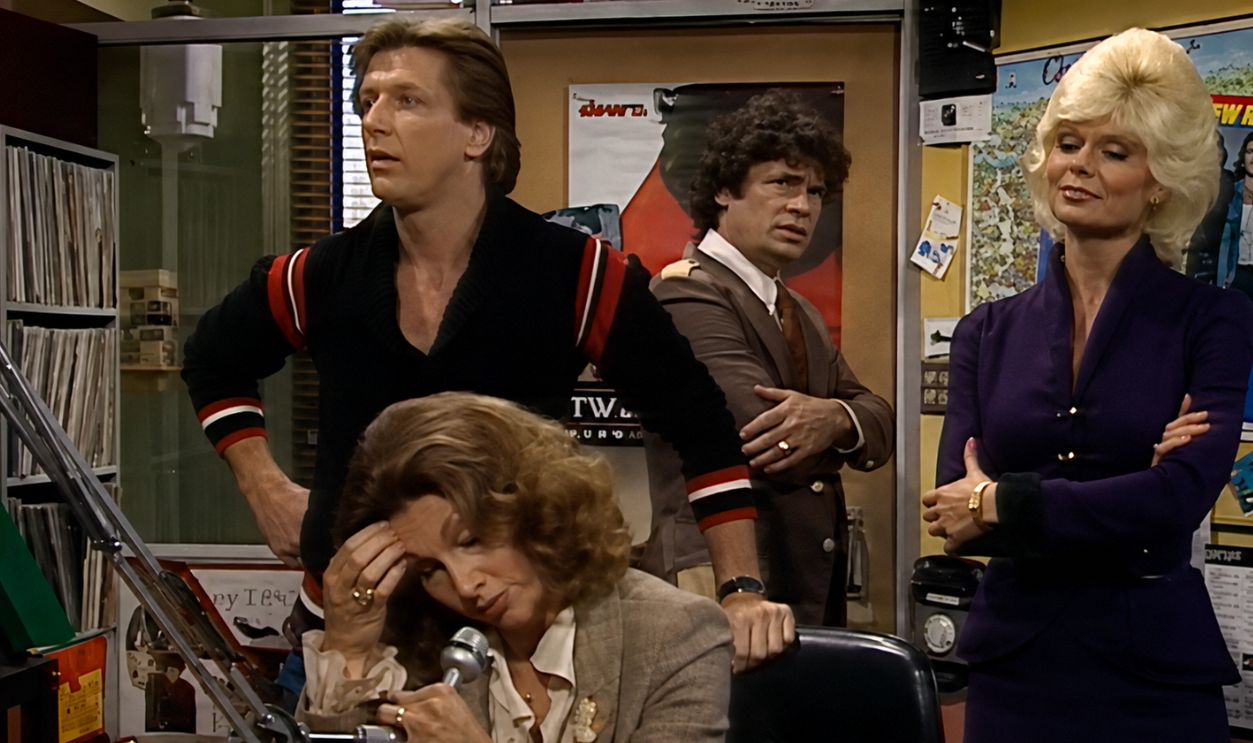 Screenshot from WKRP in Cincinnati, MTM Enterprises (1978–1982), Modified
#12: The Dukes of Hazzard — “Good Ol’ Boys”
Waylon Jennings wrote and performed “Good Ol’ Boys” while also serving as the show’s unseen narrator, the Balladeer. The country theme introduced Bo, Luke, the General Lee, and their ongoing disagreement with local law enforcement. Jennings appeared in the opening, although, as the song joked, viewers saw only his hands.
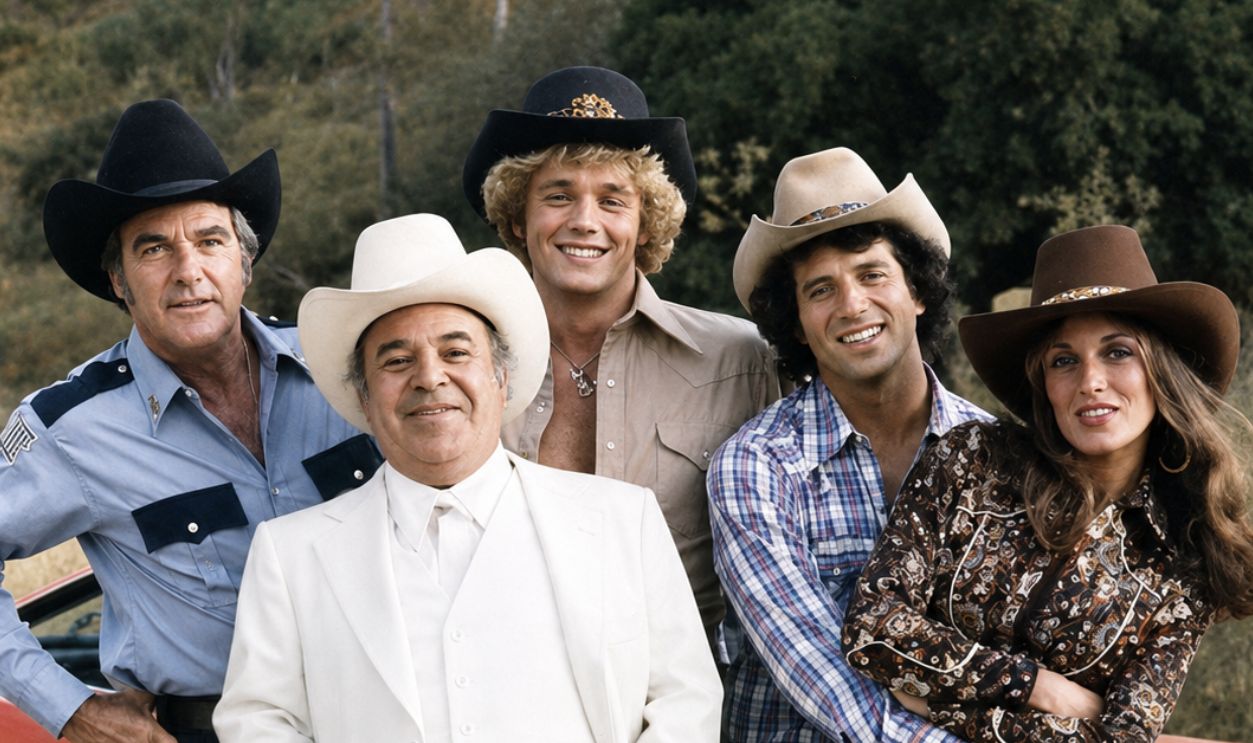 CBS, Wikimedia Commons, modified
#11: Good Times — “Good Times”
Dave Grusin composed the music while Alan and Marilyn Bergman wrote lyrics that balanced hardship with determined optimism. Jim Gilstrap and Blinky Williams delivered the lead vocals. The opening made surviving bills, layoffs, and bad luck sound almost celebratory, particularly when the singers reached that unforgettable final phrase.
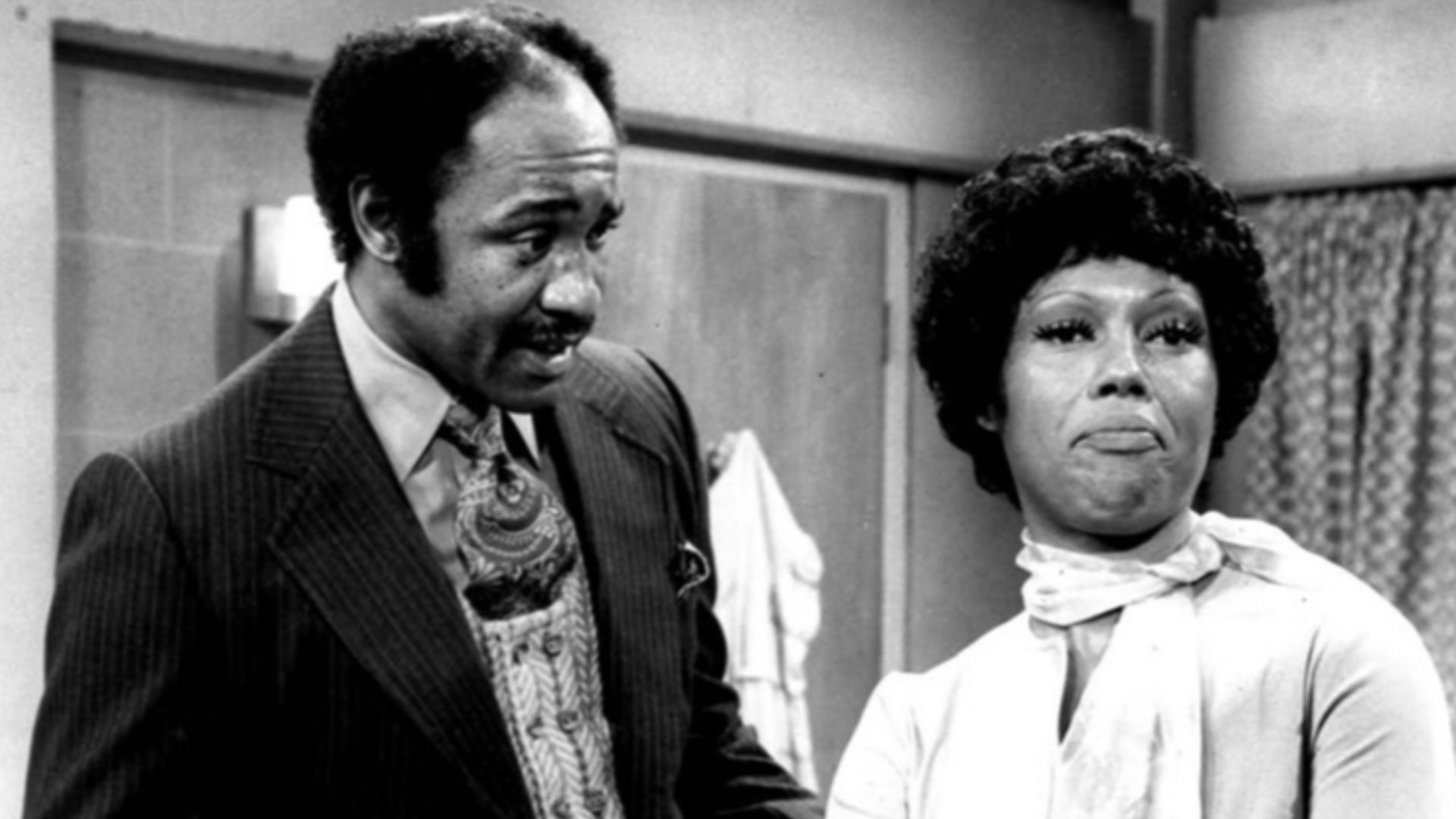 CBS Television, Wikimedia Commons
#10: Laverne & Shirley — “Making Our Dreams Come True”
Cyndi Grecco performed “Making Our Dreams Come True,” written by Charles Fox and Norman Gimbel. The theme reached the Billboard Hot 100 and became inseparable from Laverne and Shirley racing through Milwaukee. Even people who forget the verses usually remember the opening chant involving “Schlemiel” and “Schlimazel.”
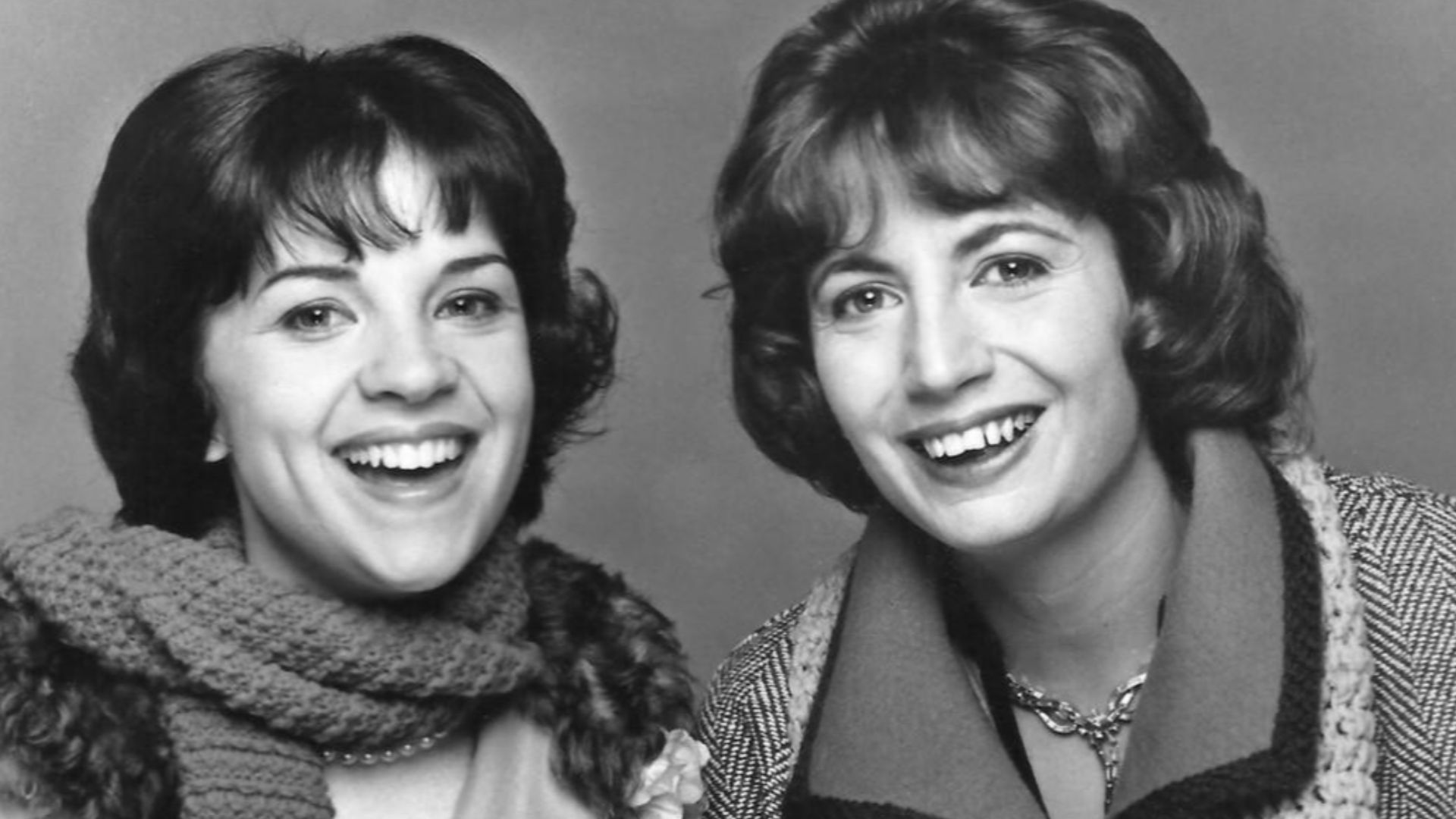 American Broadcasting Company (ABC), Wikimedia Commons
#9: The Partridge Family — “Come On Get Happy”
David Cassidy led the vocals on “Come On Get Happy,” which replaced the show’s original first-season theme. Written by Wes Farrell and Danny Janssen, it invited viewers to join a relentlessly cheerful musical family. Their psychedelic bus looked wonderful, although spending several hours inside it with the entire Partridge family might test anyone’s happiness.
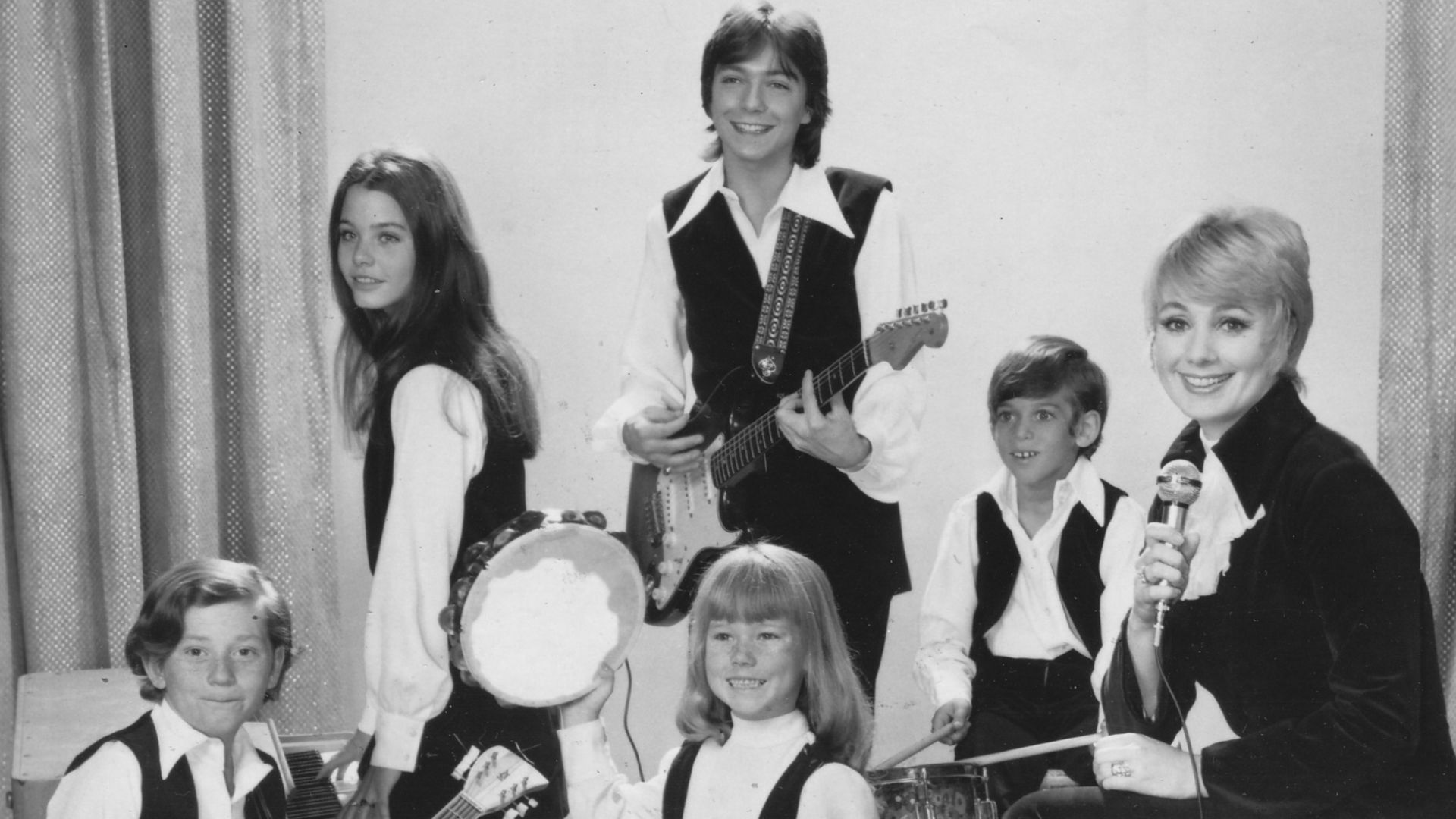 ABC Television Network., Wikimedia Commons
#8: Sanford and Son — “The Streetbeater”
Quincy Jones composed “The Streetbeater,” the funky instrumental that accompanied Fred Sanford wandering around his Los Angeles junkyard. Its brass, percussion, and bass created one of television’s most recognizable grooves. The theme sounded so cool that even a yard filled with broken furniture seemed like the place to be.
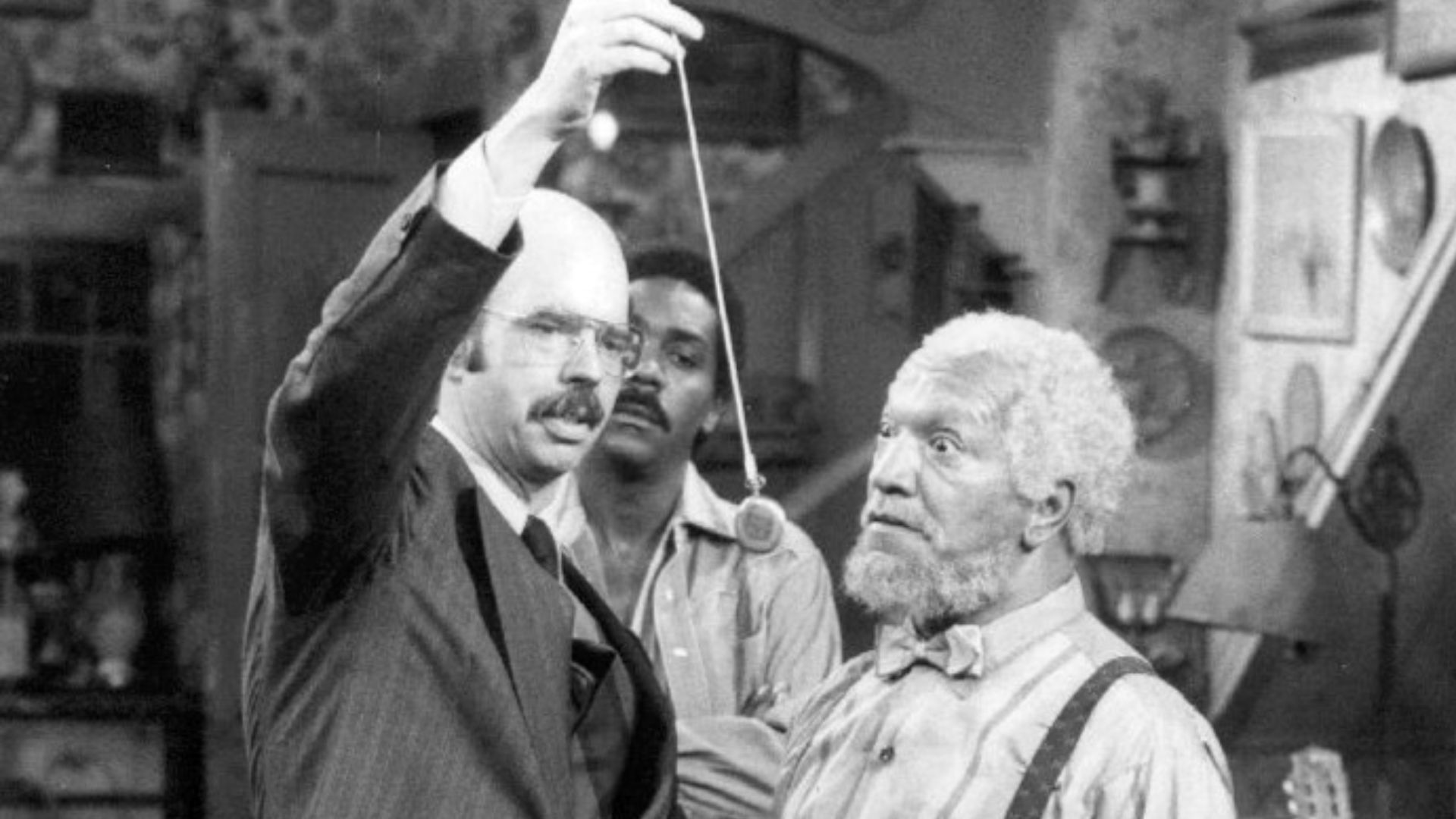 NBC Television, Wikimedia Commons
#7: The Muppet Show — “The Muppet Show Theme”
Written by Jim Henson and Sam Pottle, “The Muppet Show Theme” introduced Kermit, Miss Piggy, Fozzie Bear, and the rest of the chaotic troupe. The vaudeville-style tune changed slightly over the series, but its rapid jokes and explosive finale remained. No television theater ever survived this much backstage confusion.
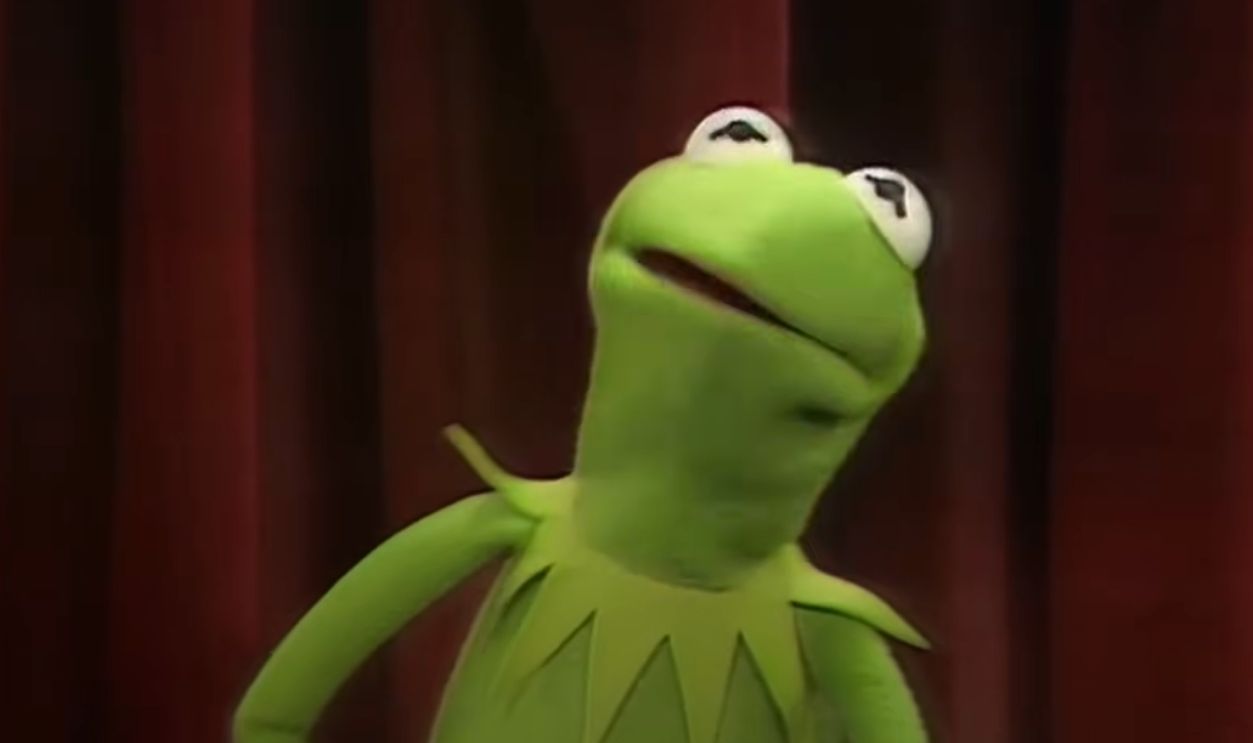 Screenshot from The Muppet Show, ITC Entertainment (1976–1981)
#6: The Mary Tyler Moore Show — “Love Is All Around”
Sonny Curtis wrote and performed “Love Is All Around,” which followed Mary Richards as she began an independent life in Minneapolis. The lyrics changed after the first season to reflect her growing confidence. That joyous hat toss became inseparable from the song, despite reportedly requiring several attempts to film correctly.
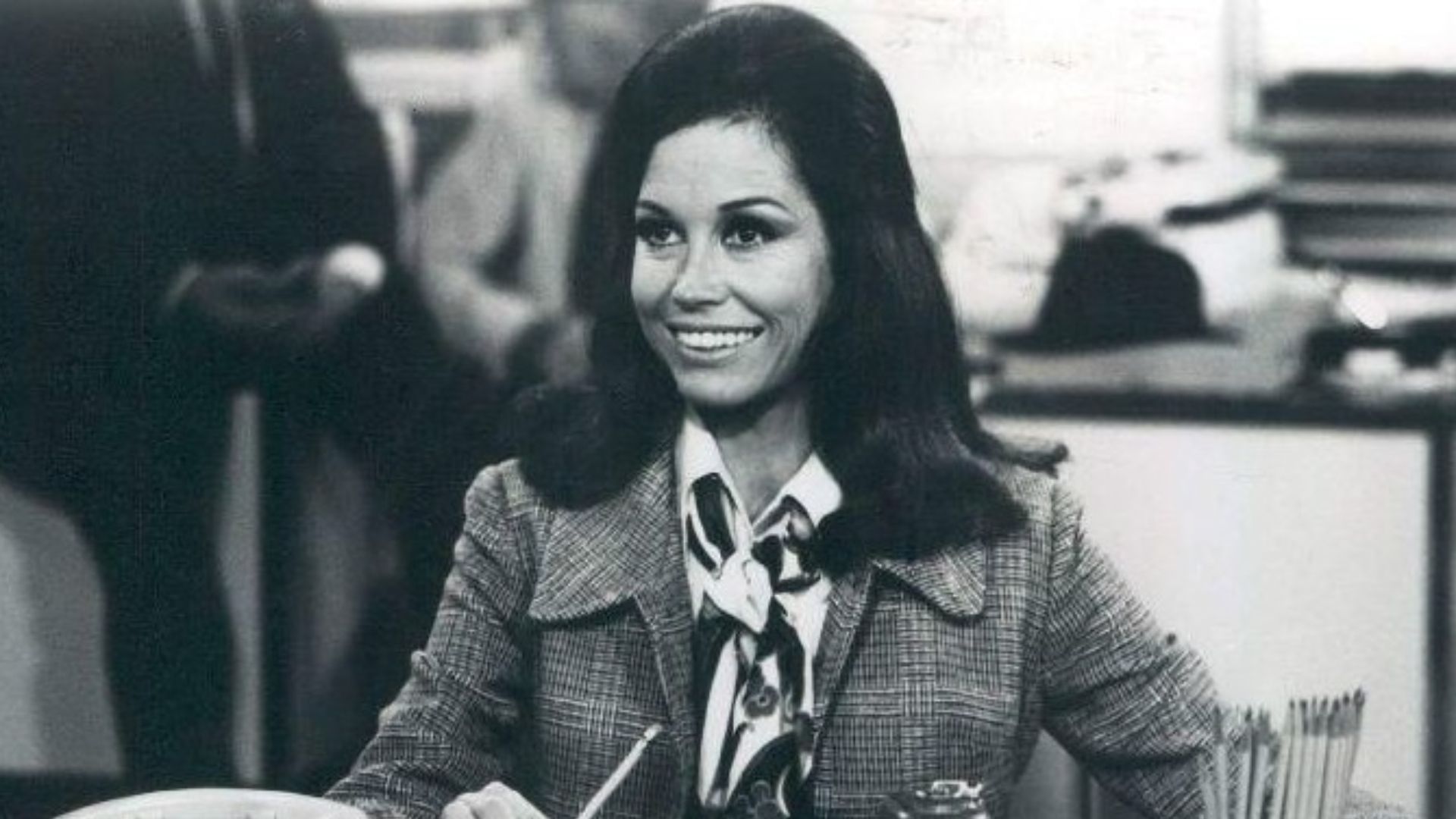 CBS Television, Wikimedia Commons
#5: All in the Family — “Those Were the Days”
Carroll O’Connor and Jean Stapleton sang “Those Were the Days” at a piano before every episode, with intentionally imperfect voices that suited Archie and Edith Bunker. Charles Strouse composed the music and Lee Adams wrote the lyrics. Millions of viewers heard Archie complain before the actual complaining had even started.
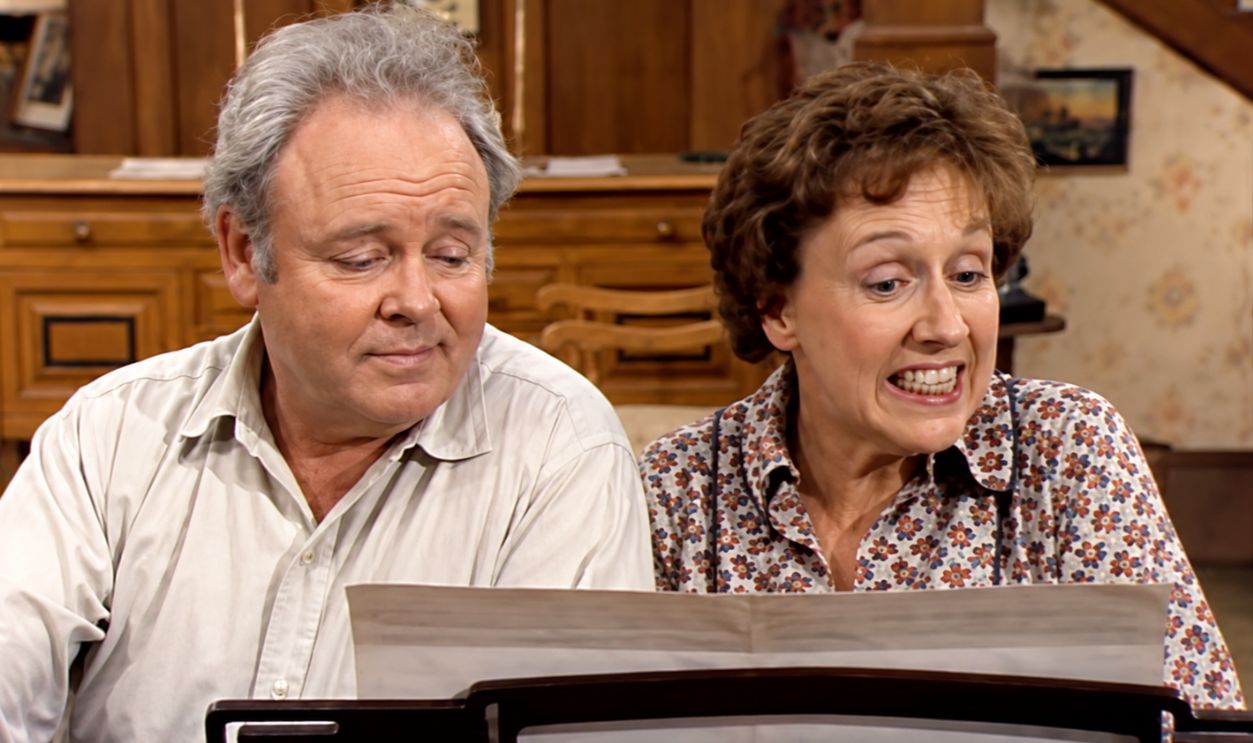 Screenshot from All in the Family, Viacom Enterprises (1971–1979), Modified
#4: Happy Days — “Happy Days”
The series originally opened with a newly recorded version of “Rock Around the Clock,” but the Charles Fox and Norman Gimbel song “Happy Days” took over in the third season. Pratt & McClain’s recording became a Top 5 hit. Handclaps, nostalgia, and the Fonz proved to be an unbeatable combination.
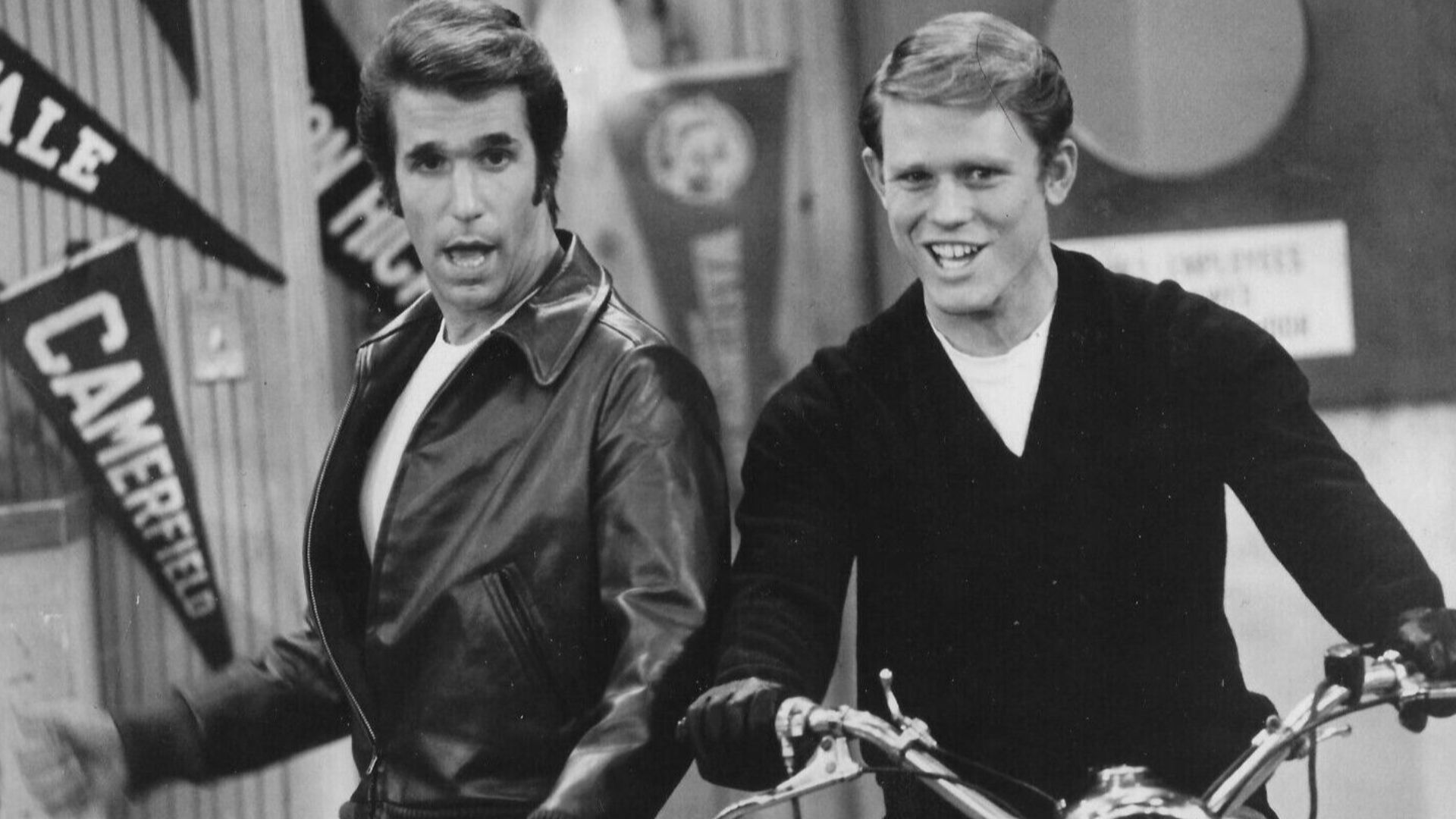 ABC Television. Uploaded by We hope at en.wikipedia, Wikimedia Commons
#3: Hawaii Five-O — Instrumental Theme
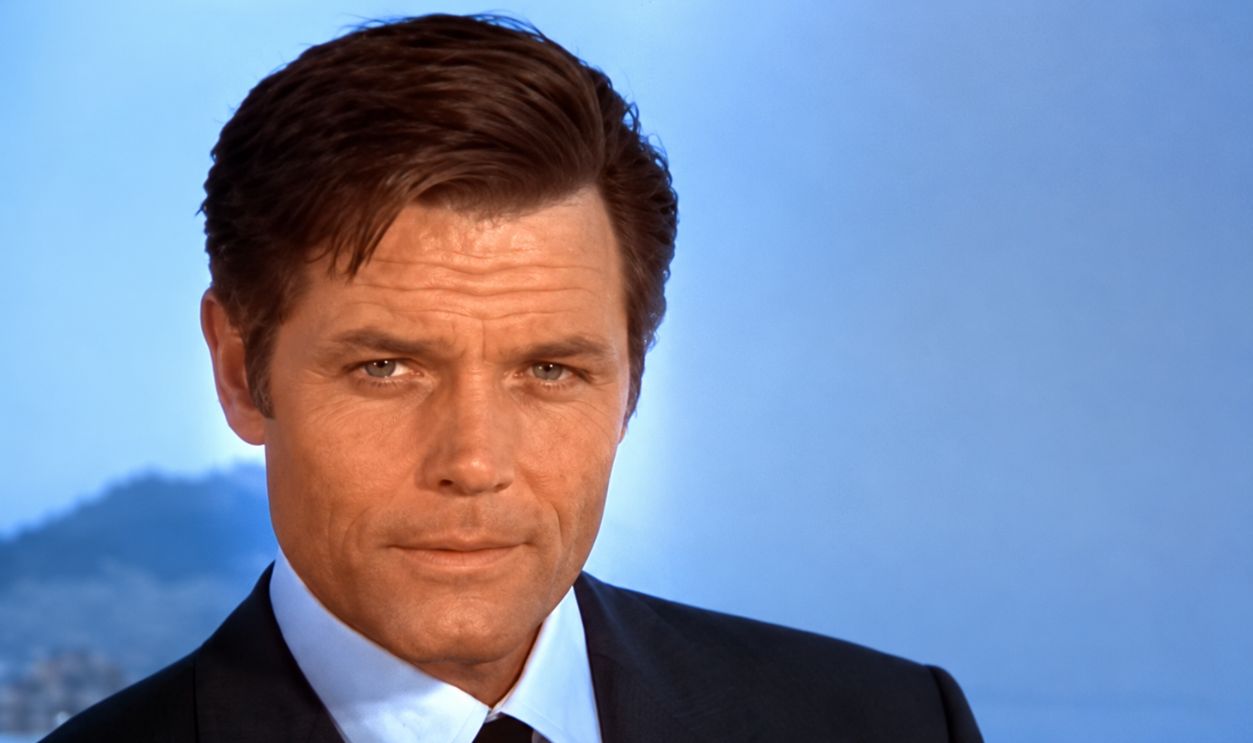
Morton Stevens composed the pounding, brass-driven theme that accompanied crashing waves and Jack Lord’s rooftop turn. Although Hawaii Five-O premiered in 1968, it remained a television fixture throughout the 1970s. The Ventures’ hit recording made the tune famous even among people who never heard “Book ’em, Danno.”
 Screenshot from Hawaii Five-O, CBS Productions (1968–1980), Modified
#2: Welcome Back, Kotter — “Welcome Back”
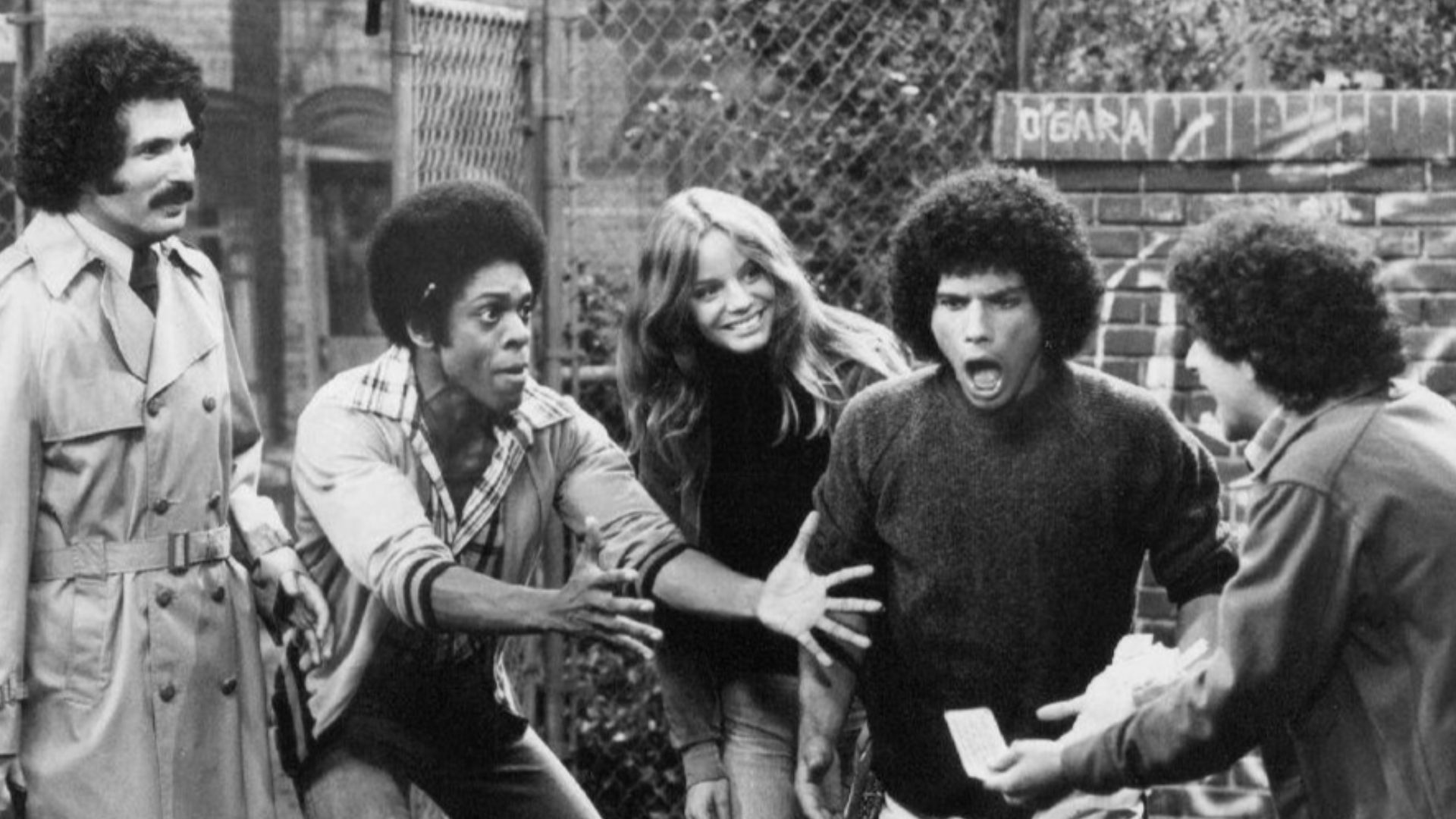
John Sebastian wrote and performed “Welcome Back” after producers struggled to find a title for the sitcom. The song became so appealing that it helped inspire the show’s final name, then reached number one on the Billboard Hot 100. Most television themes merely introduced a program. This one practically named it.
 ABC Television, Wikimedia Commons
#1: The Jeffersons — “Movin’ On Up”
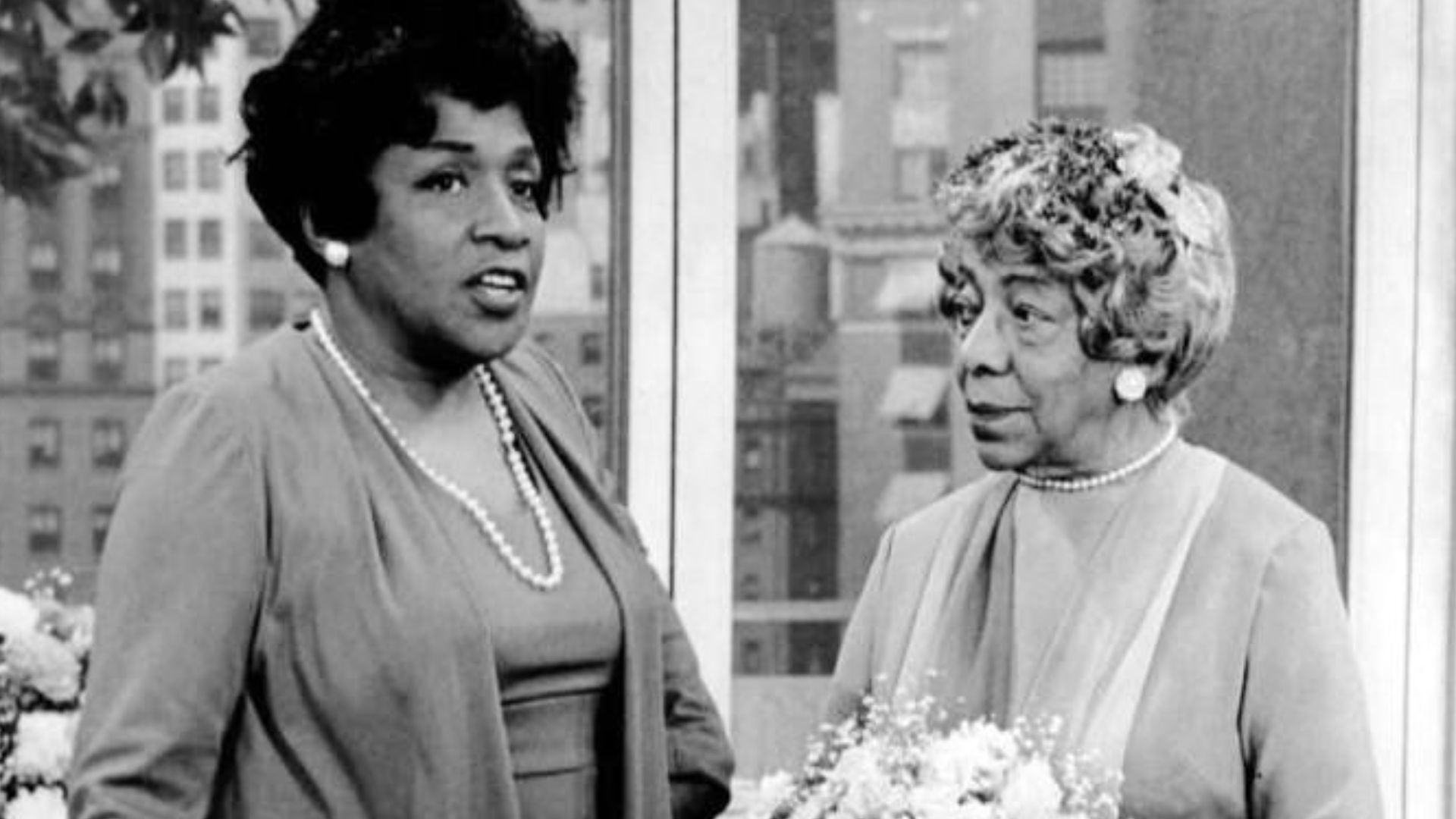
Ja’Net DuBois co-wrote and performed “Movin’ On Up” with a gospel choir, turning the Jefferson family’s success into one of television’s most joyful openings. The clapping rhythm, soaring vocals, and unforgettable lyrics made it impossible to ignore. Decades later, viewers still know exactly where that deluxe apartment was located.
 CBS Television, Wikimedia Commons
You May Also Like:
TV Shows That Were Huge Abroad—But Never Took Off In The U.S.
20 Years Ago, These Controversial Movies Were Hits—Today They’d Spark Outrage
30 of the Longest-Running TV Shows
.jpg)