When Networks Pulled The Plug Way Too Soon
Television history is littered with baffling decisions, but few hurt quite like the moment a truly great show gets cancelled. Sometimes the ratings never matched the ambition. Sometimes the network panicked. Sometimes the audience showed up a little too late. Whatever the reason, these series left behind unfinished arcs, devoted fans, and a lingering sense that something special slipped through the cracks. Below are 21 shows that proved brilliance doesn’t always guarantee survival—and why their cancellations still sting.
Firefly
Firefly didn’t just get cancelled—it became a rallying cry. With its space-western vibe, razor-sharp dialogue, and instantly lovable crew, the show built a cult following almost overnight. Unfortunately, chaotic scheduling and network confusion doomed it before it ever had a real chance to grow.
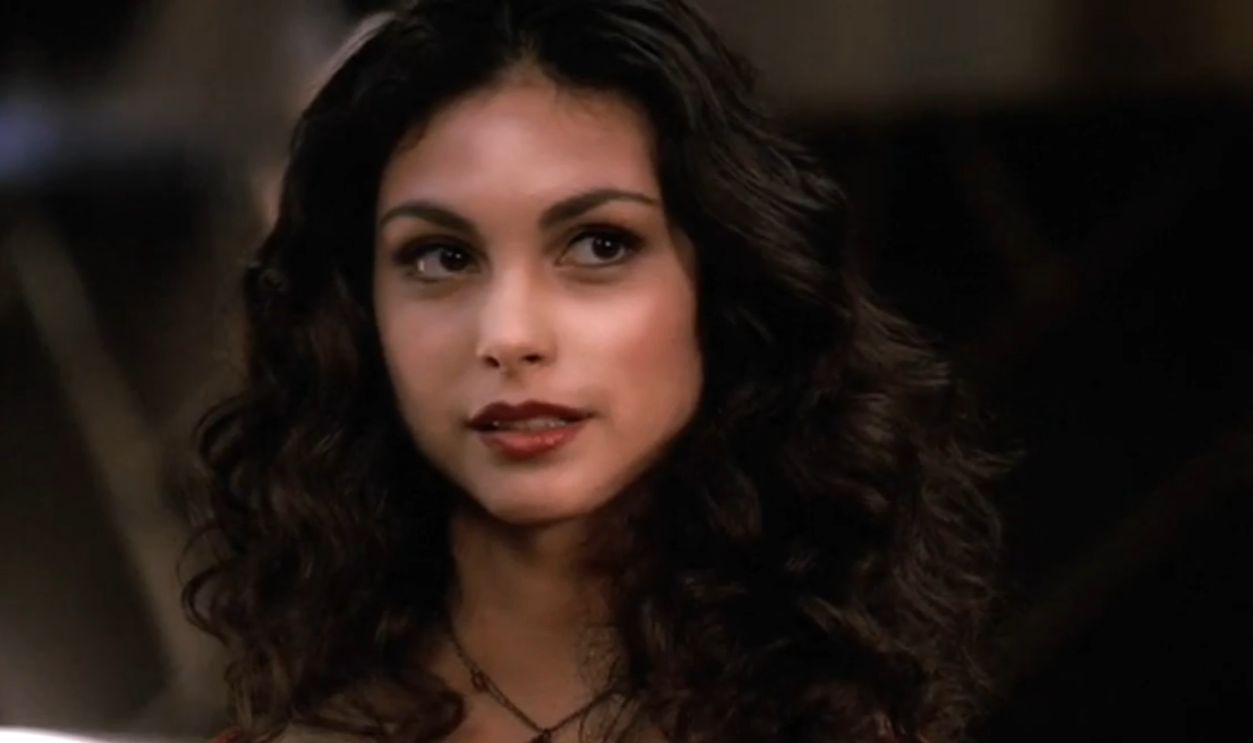 Screenshot from Firefly, Fox (2002)
Freaks And Geeks
One season was all Freaks And Geeks needed to cement its legacy. The show captured teenage awkwardness with painful accuracy, turning quiet moments and social misfires into something profound. It didn’t chase punchlines—it chased truth, and that made its early exit feel especially cruel.
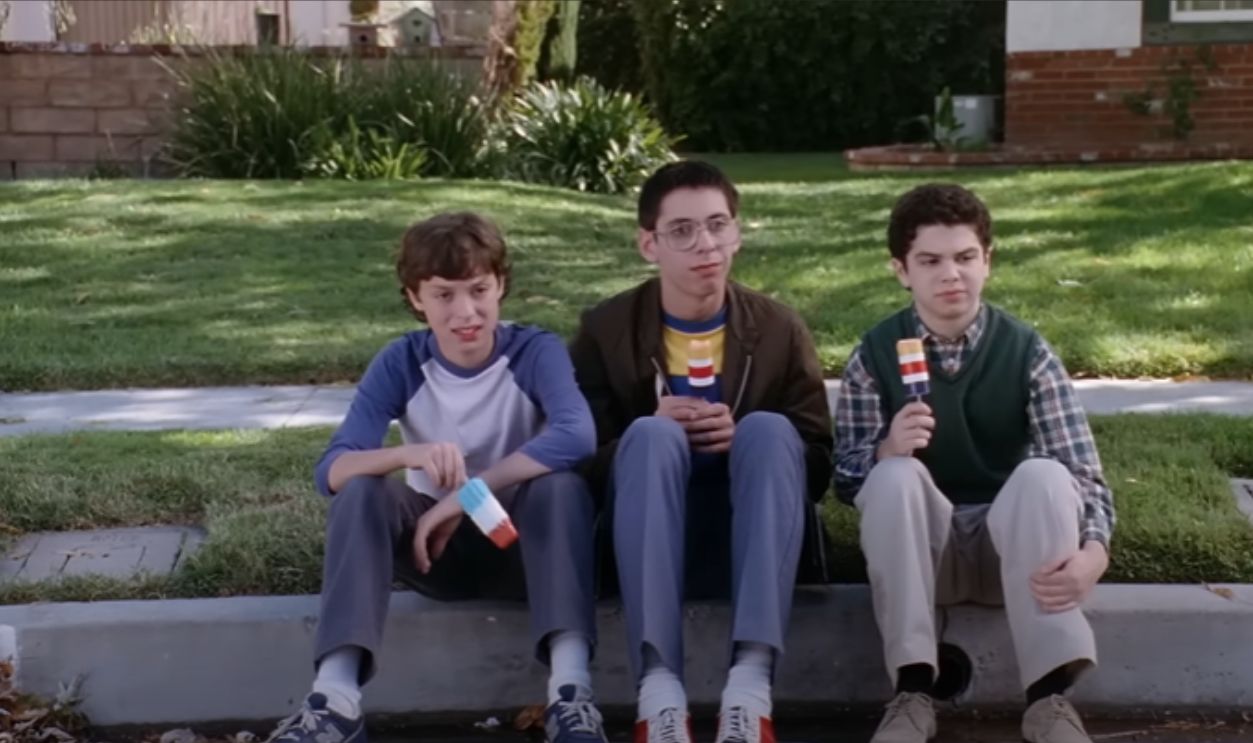 Screenshot from Freaks and Geeks, NBC (1999–2000)
Arrested Development
Arrested Development was too smart for its own good. Its layered jokes, callbacks, and rapid-fire narration rewarded close attention, but network television wasn’t built for that kind of commitment. Even with later revivals, fans still mourn the momentum it lost when it first went dark.
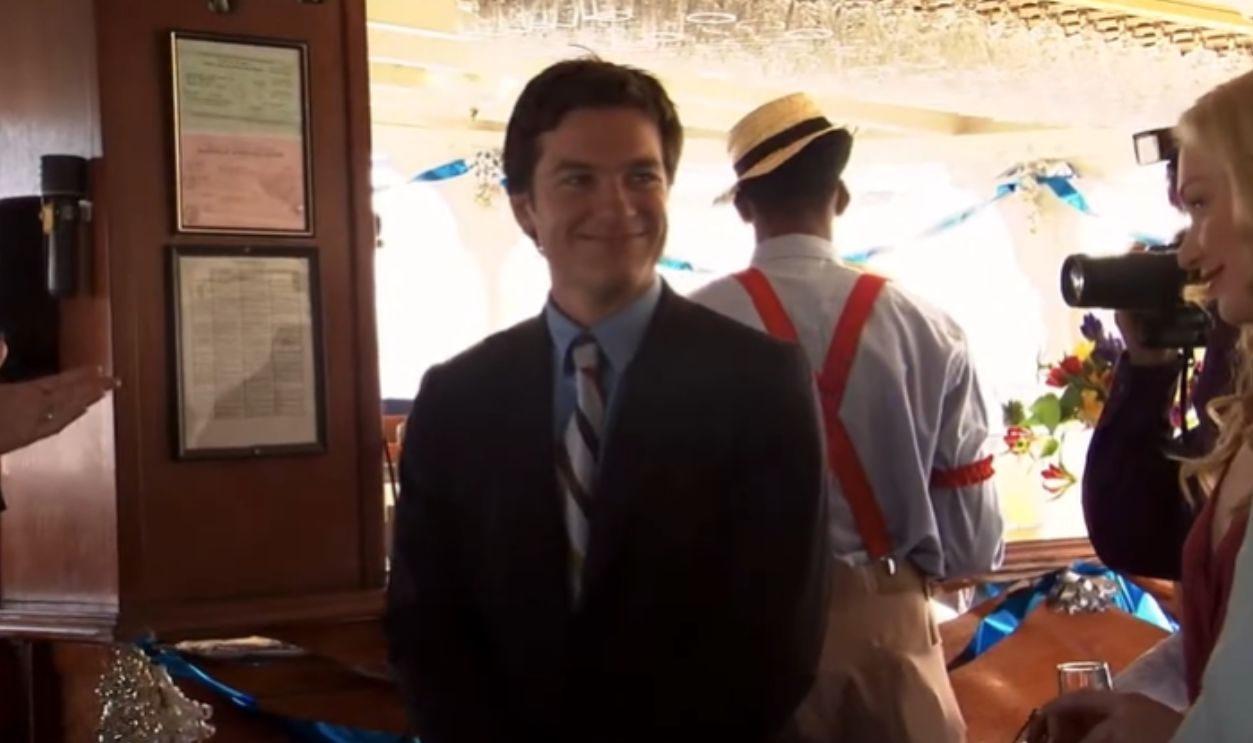 Screenshot from Arrested Development, Netflix (2003-2019)
My So-Called Life
Teen dramas didn’t usually sound like My So-Called Life, which is exactly why it mattered. The show treated adolescence as messy, confusing, and emotionally raw rather than glossy and aspirational. Its cancellation felt like adulthood arriving too soon—unfair and unavoidable.
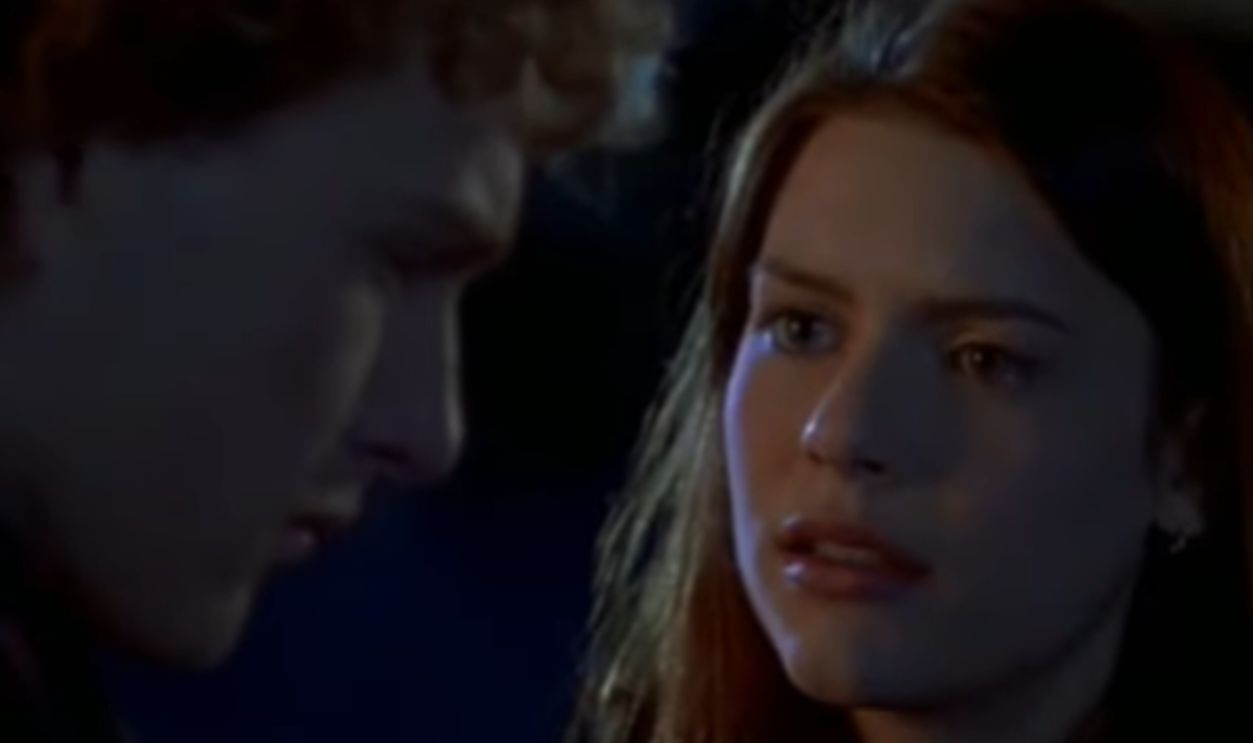 Screenshot from My So-Called Life, ABC (1994-1995)
Pushing Daisies
Pushing Daisies looked like nothing else on television. Its storybook visuals, whimsical narration, and gently dark humor created a world fans wanted to live in forever. The fact that such a distinctive show couldn’t survive made its loss feel even more personal.
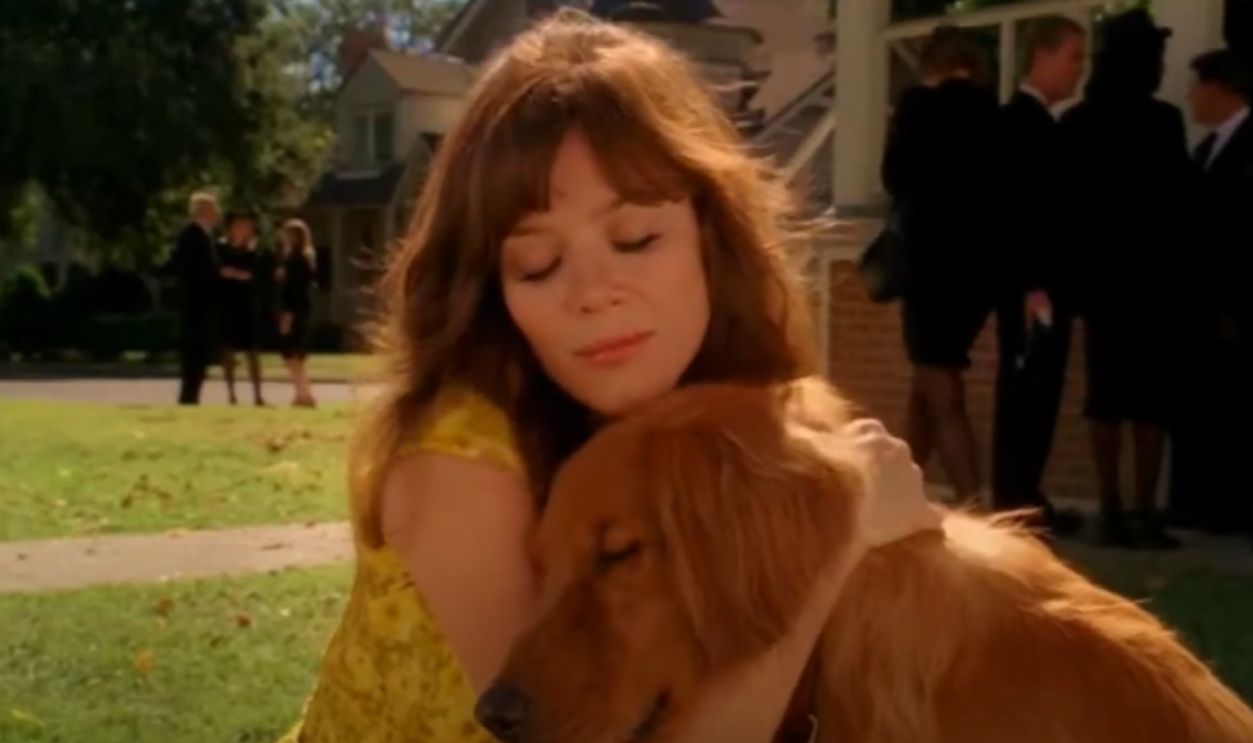 Screenshot from Pushing Daisies, ABC (2007–2009)
Studio 60 On The Sunset Strip
Smart, talky, and unapologetically earnest, Studio 60 On The Sunset Strip aimed high from the start. It explored creativity, ego, and the pressure of live television with intensity and wit. Viewers who loved it never stopped arguing that it deserved more time to find its rhythm.
 Screenshot from Studio 60 on the Sunset Strip, NBC (2006–2007)
Dollhouse
Dollhouse started quietly but had massive ideas simmering underneath. Its exploration of identity, consent, and control grew darker and more complex as it went on. Just as the show truly hit its stride, it was forced to wrap things up far too quickly.
 Screenshot from Dollhouse, Fox (2009–2010)
Party Down
Party Down was proof that comedy doesn’t need a laugh track to land a punch. Its cynical yet affectionate look at Hollywood dreamers felt painfully accurate. Cancellation turned it into a cult favorite, with fans quoting it long after the catering trays were cleared.
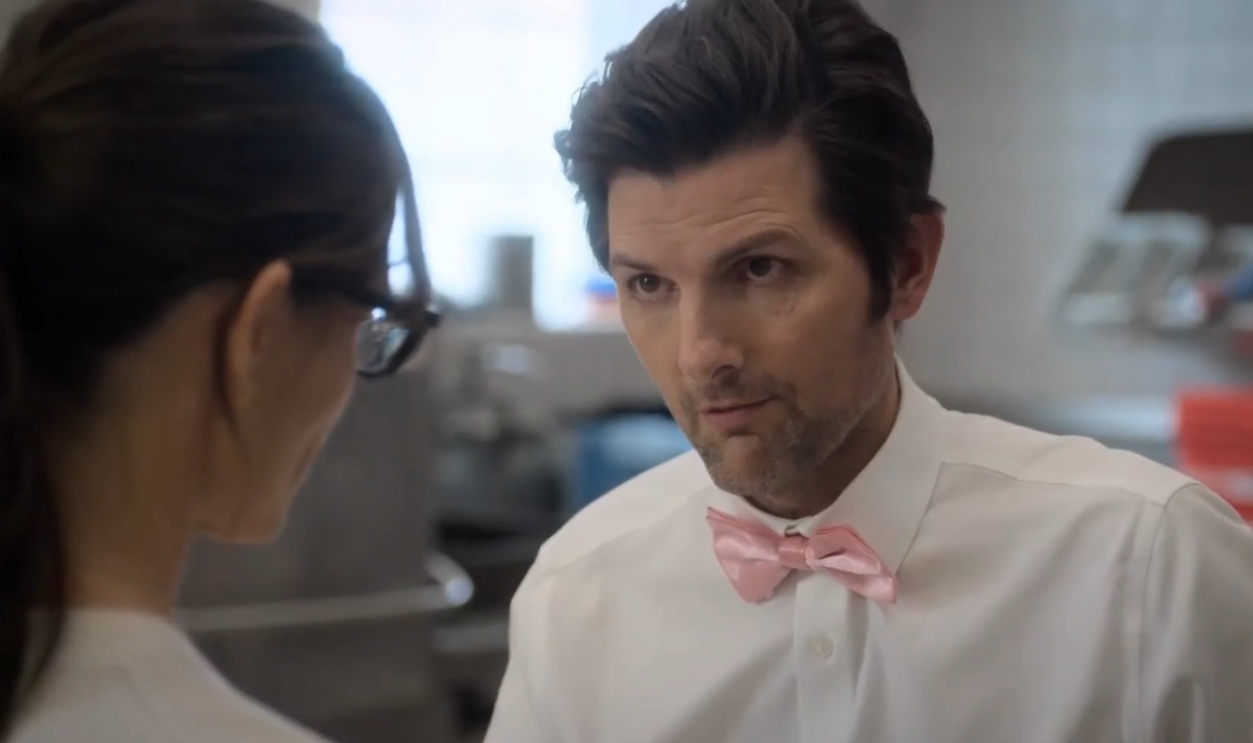 Screenshot from Party Down, Starz (2009–2023)
Undeclared
College is rarely portrayed as awkwardly honest as it was in Undeclared. The show leaned into social anxiety, bad decisions, and emotional growing pains instead of tidy sitcom arcs. Its short run only added to the feeling that we barely scratched the surface.
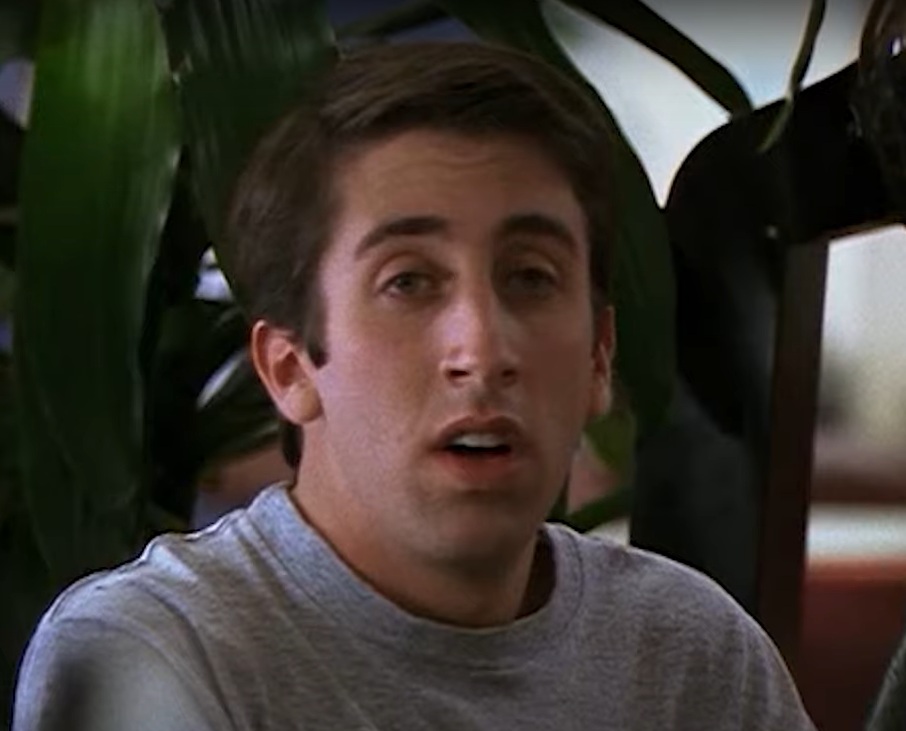 Screenshot from Undeclared, Fox (2001-2002)
The Riches
The Riches blended crime drama with family tension in a way that felt grounded and fresh. Watching a con artist family try—and often fail—to blend into suburban life made for compelling television. Its abrupt ending left emotional threads dangling where something powerful could’ve developed.
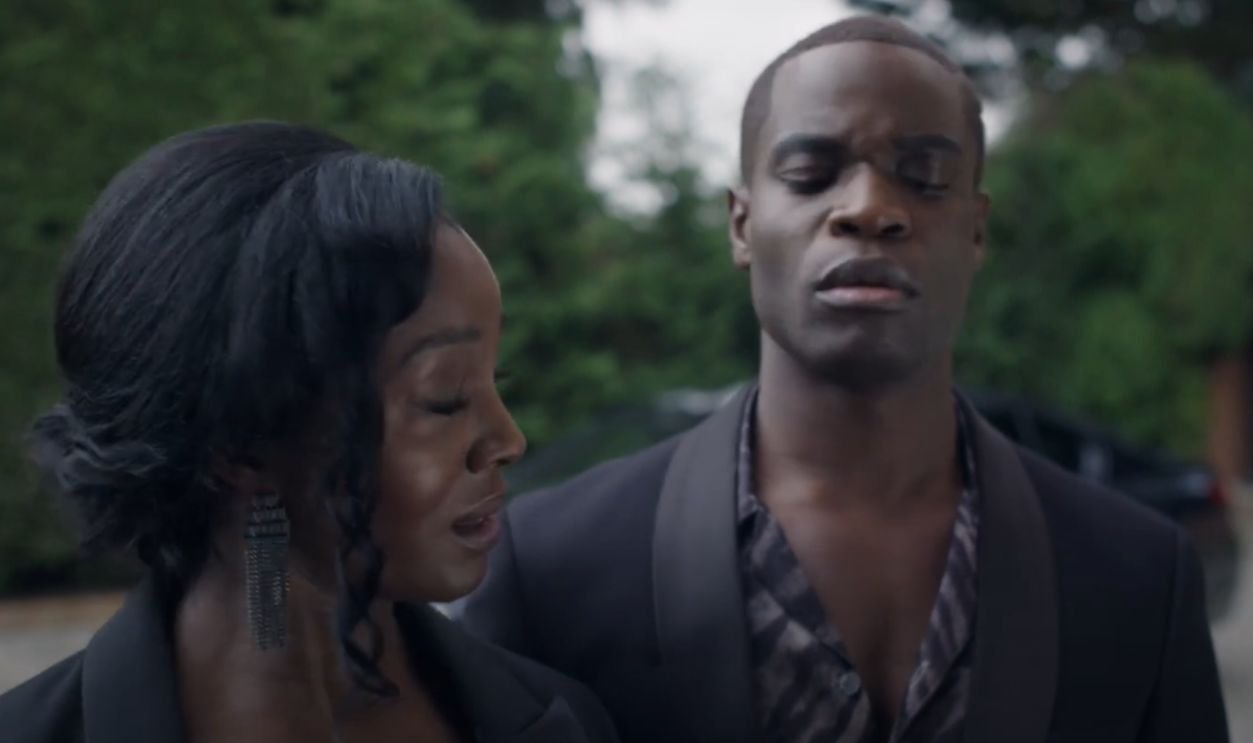 Screenshot from The Riches, FX (2007-2008)
FlashForward
The premise of FlashForward was irresistible: the whole world blacks out and glimpses the future. The mystery invited obsession, theories, and intense speculation. Sadly, the show never got the time it needed to fully cash in on its ambitious setup.
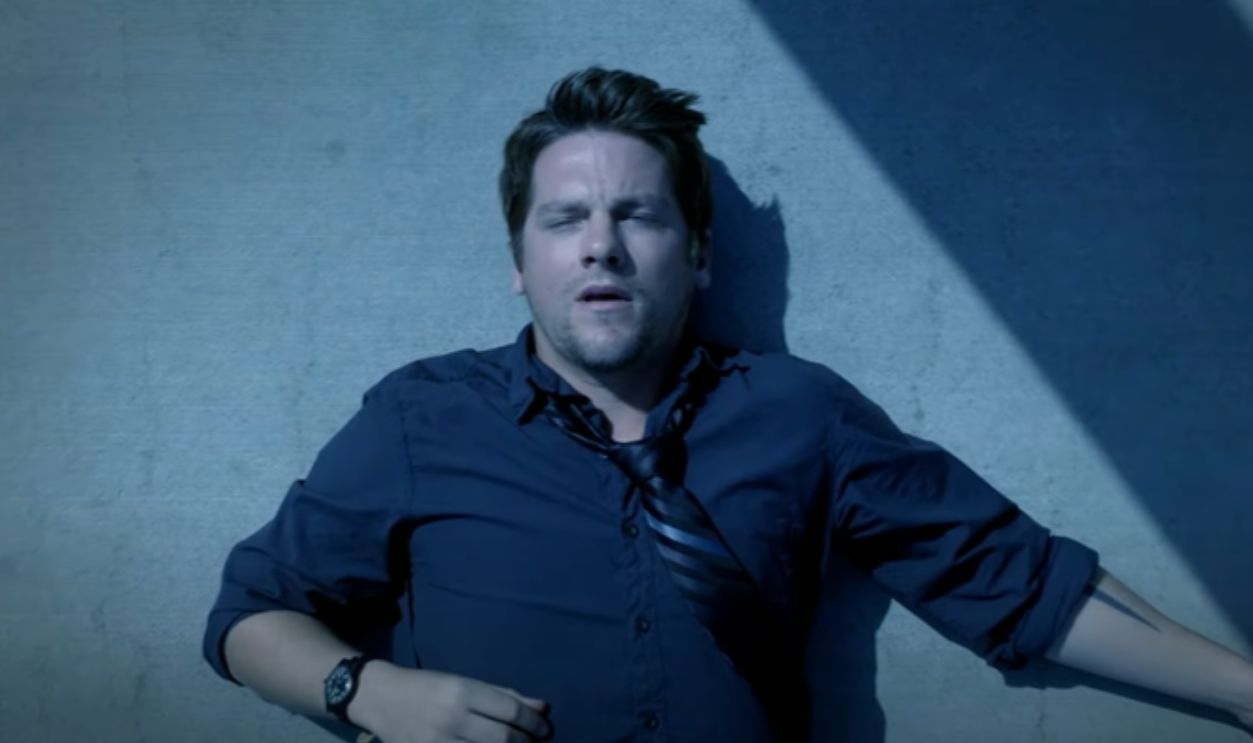 Screenshot from FlashForward, ABC (2009–2010)
Heroes
The first season of Heroes felt like lightning in a bottle. Ordinary people discovering extraordinary abilities captured imaginations everywhere. While later seasons struggled, many fans still argue that cancelling the series entirely robbed it of a chance to course-correct.
 Screenshot from Heroes, NBC (2006–2010)
Kyle XY
Kyle XY thrived on curiosity. Its central mystery—a boy with no past and no belly button—hooked viewers immediately. As answers slowly emerged, the show built emotional stakes that made its unresolved finale especially frustrating.
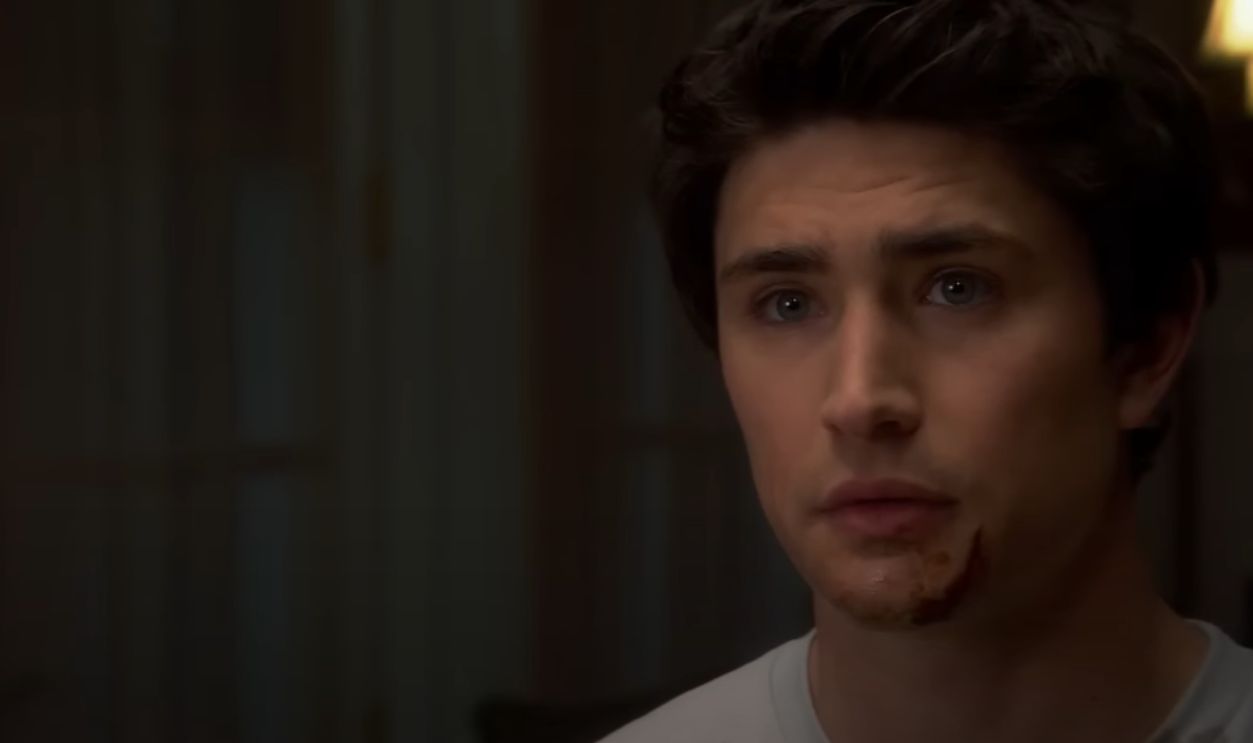 Screenshot from Kyle XY, ABC Family (2006-2009)
Invasion
Slow-burn storytelling defined Invasion. Rather than relying on flashy effects, it focused on atmosphere and creeping dread. That patience didn’t translate to instant ratings, but fans still believe the payoff would’ve been worth the wait.
 Screenshot from Invasion, ABC (2005-2006)
Day Break
Day Break used its time-loop premise to explore guilt, redemption, and obsession. Watching the same day reset while small changes rippled outward kept tension high. Its cancellation froze the story mid-moment, leaving its clever structure unfinished.
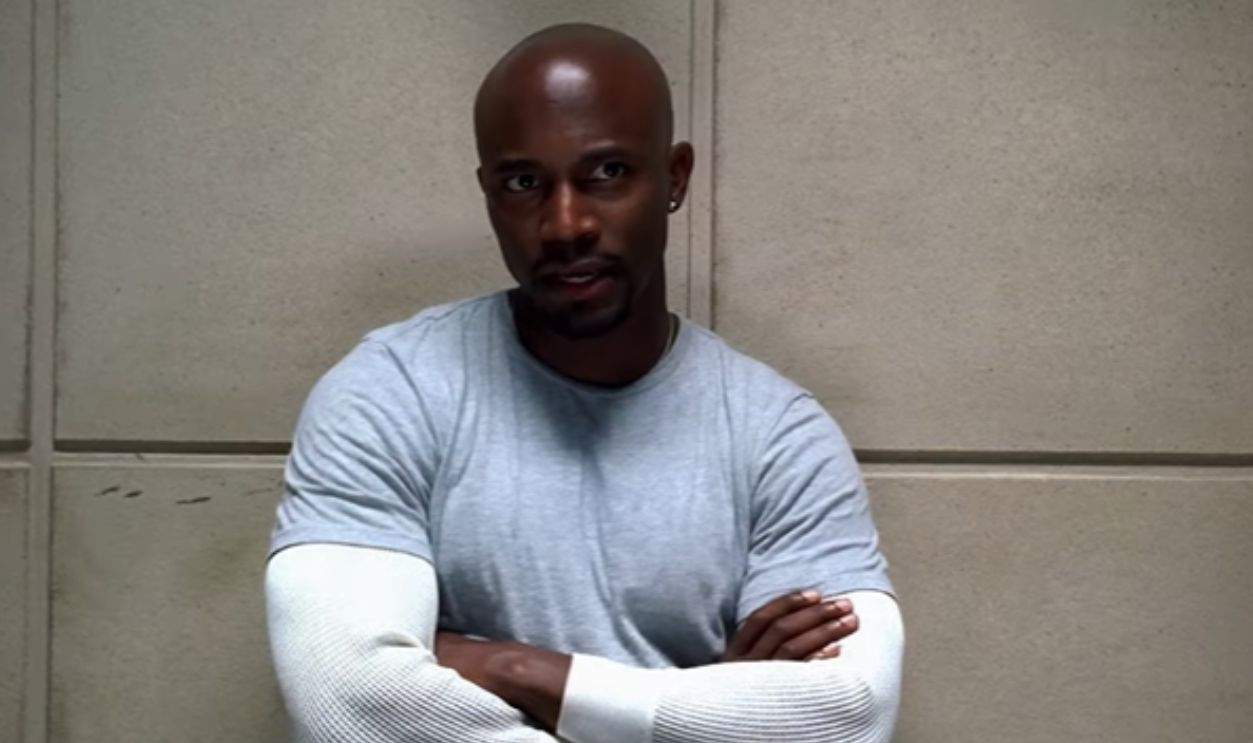 Screenshot from Day Break, ABC (2006)
The Oblongs
Animated shows often survive on absurdity, but The Oblongs paired satire with surprising heart. Its exaggerated characters skewered social privilege in ways that felt uncomfortably relevant. Ending it early only made its commentary seem sharper in hindsight.
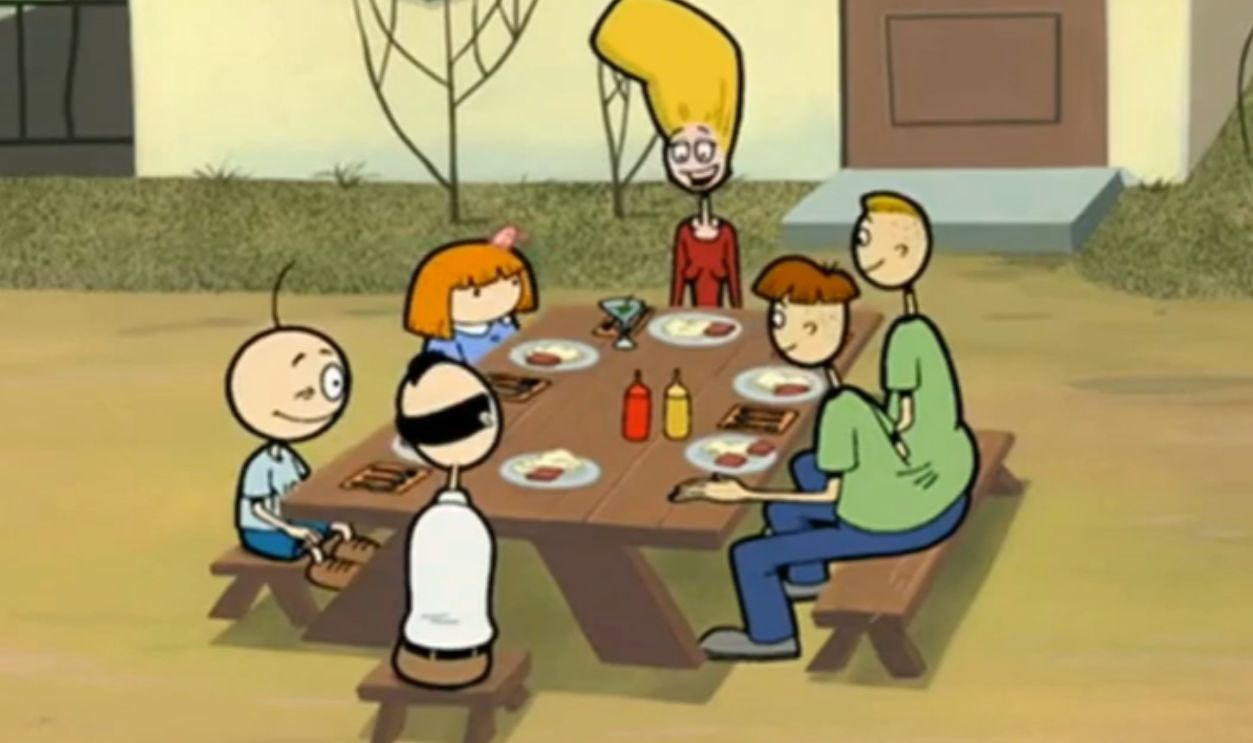 Screenshot from The Oblongs, The WB (2001)
Point Pleasant
Point Pleasant leaned into supernatural unease rather than outright horror. Its slow reveal of darker forces created an unsettling mood that rewarded patience. Unfortunately, that restraint wasn’t enough to save it from a swift cancellation.
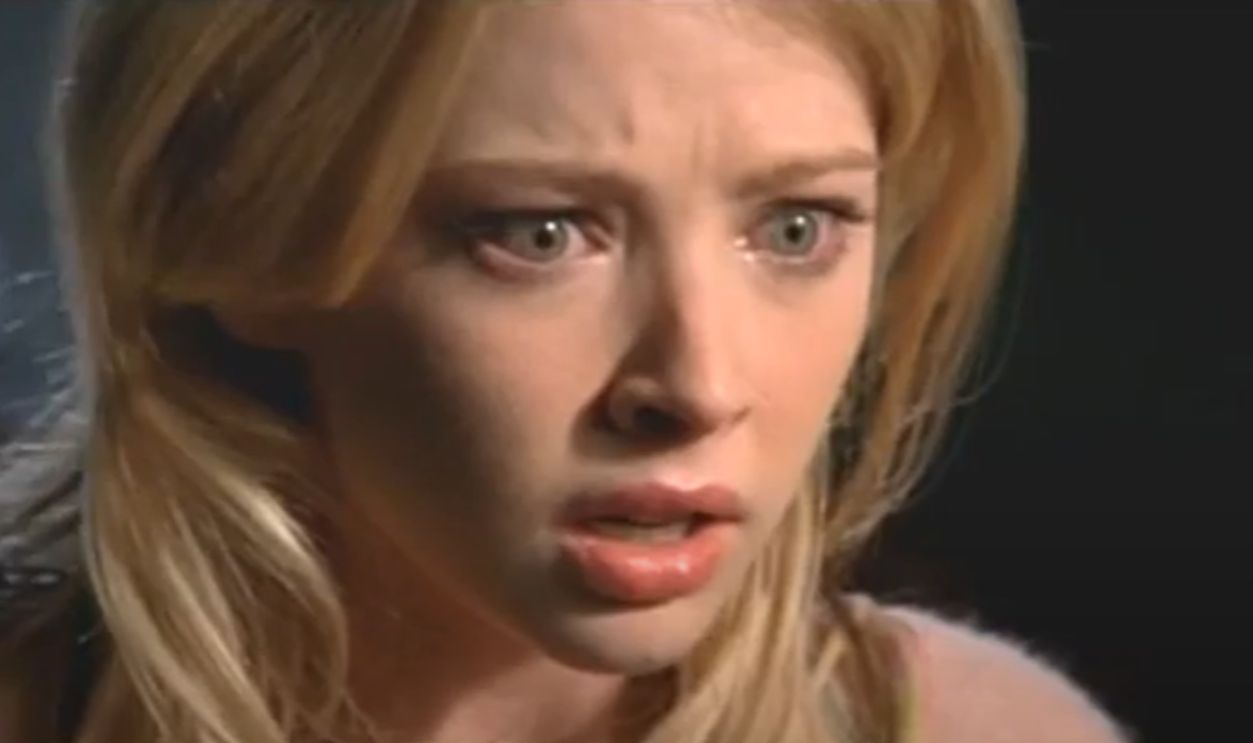 Screenshot from Point Pleasant, Fox (2005)
Space: Above And Beyond
Ambitious sci-fi often struggles on network TV, and Space: Above And Beyond was no exception. The show aimed for serialized storytelling and emotional depth long before it was common. Its premature ending left an entire universe unexplored.
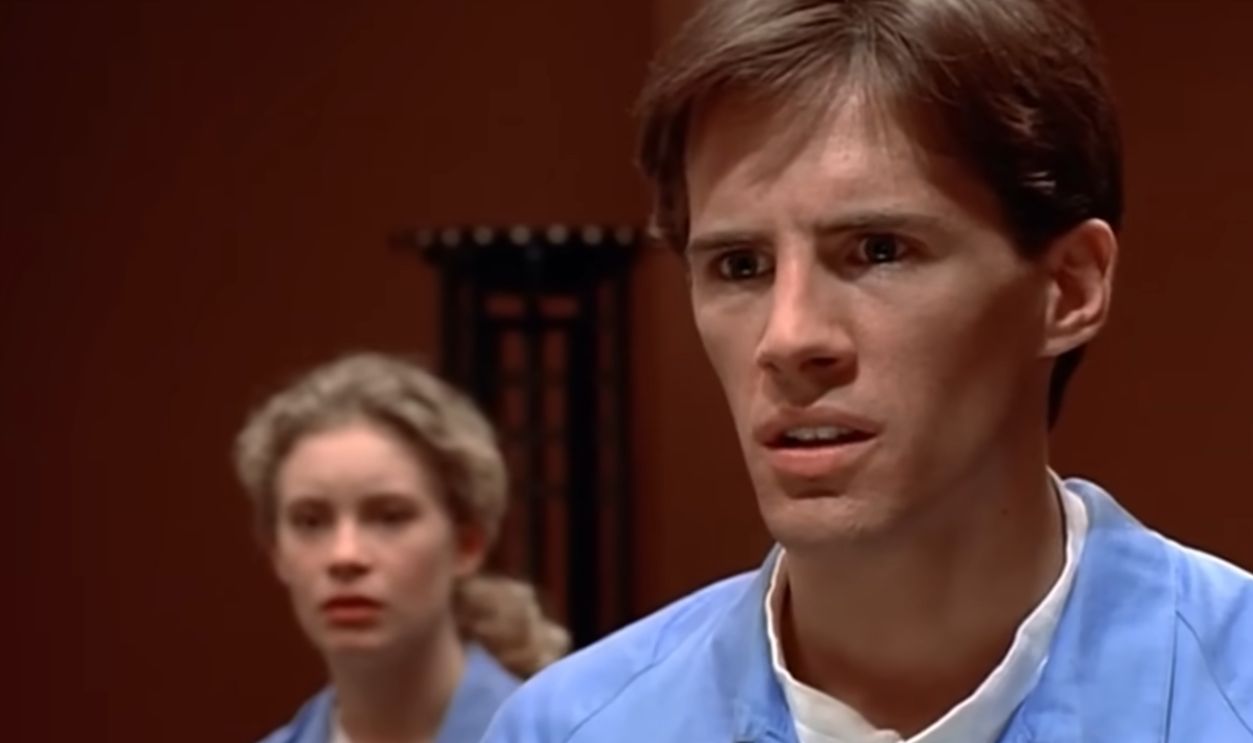 Screenshot from Space: Above and Beyond, Fox (1995–1996)
Brothers And Sisters
While Brothers And Sisters lasted longer than most on this list, many fans felt its ending came too soon. The ensemble cast brought warmth and complexity to family drama, making the show’s conclusion feel rushed rather than resolved.
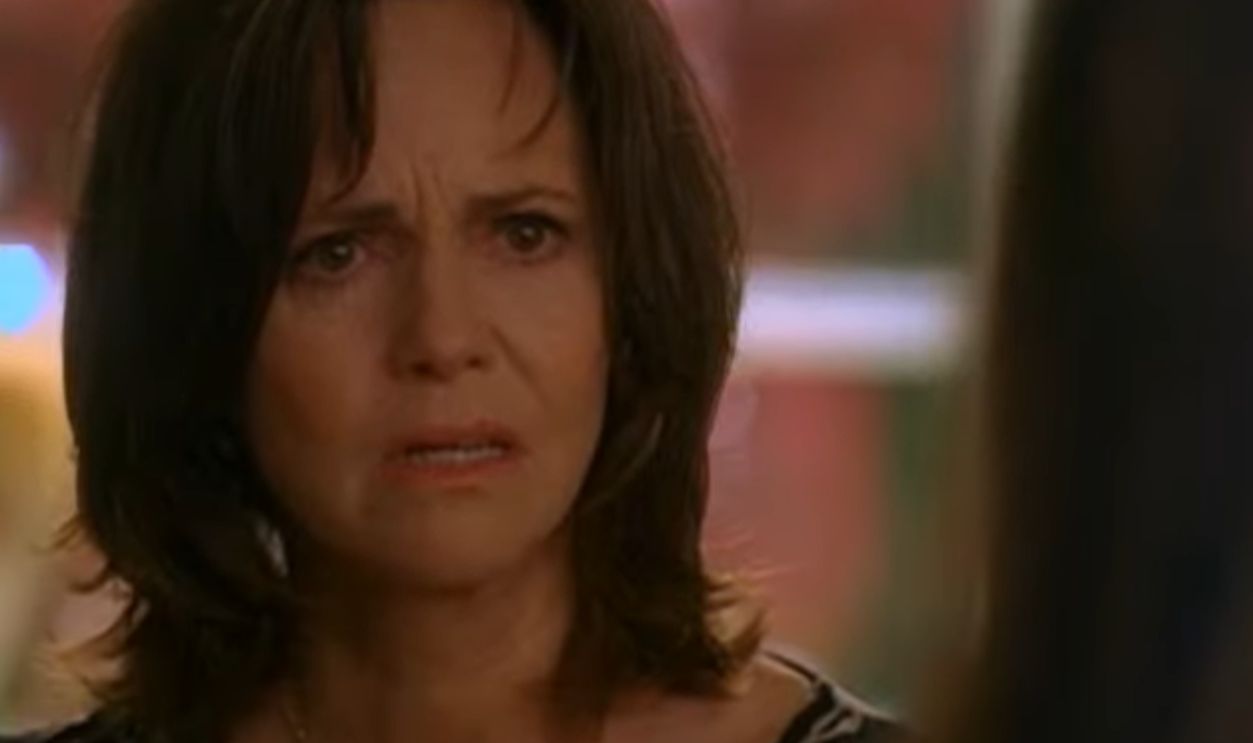 Screenshot from Brothers & Sisters, ABC (2006-2011)
Invader Zim
Dark, weird, and unapologetically chaotic, Invader Zim wasn’t built for mass appeal. That was exactly the point. Its cancellation only strengthened its cult status, proving that originality sometimes scares the very networks that need it most.
 Screenshot from Invader Zim, Nickelodeon (2001–2002)
The Event
The Event promised sprawling conspiracies and shocking twists from its very first episode. Its high-concept storytelling demanded attention and trust from viewers. When it disappeared, fans were left with questions the show never had time to answer.
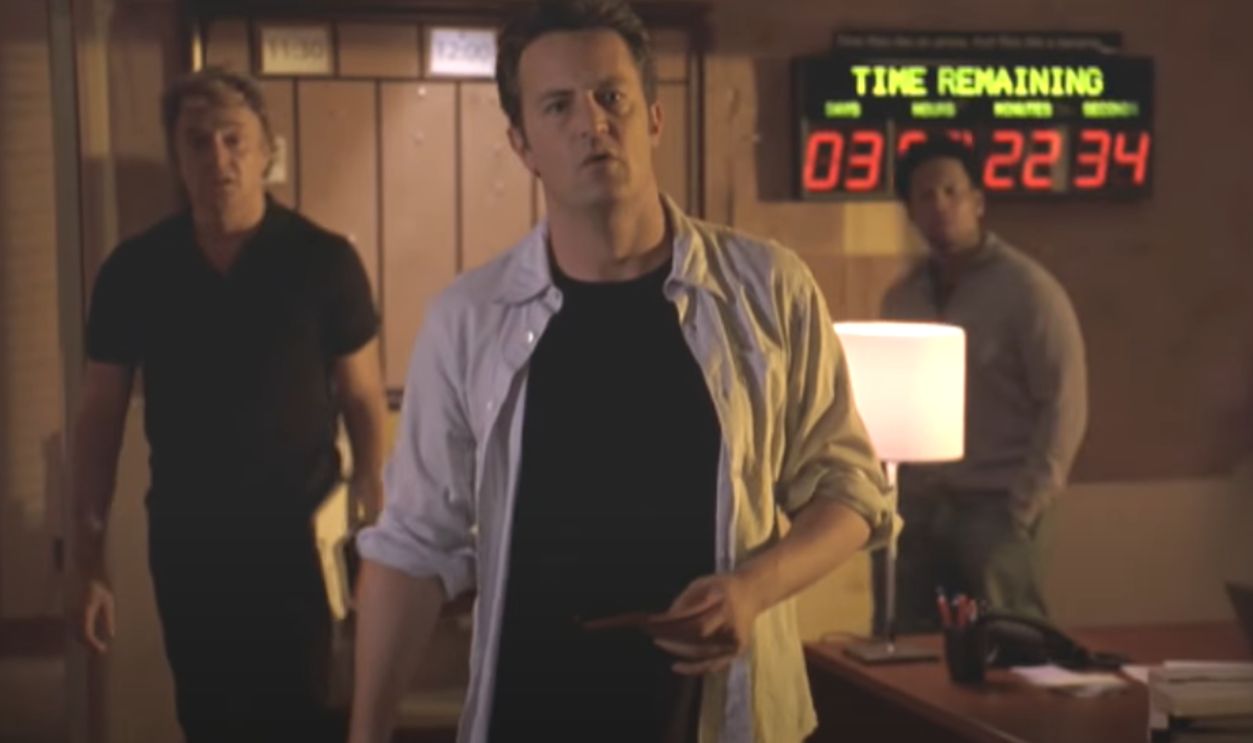 Screenshot from The Event, NBC (2010–2011)
You May Also Like:
Legendary TV Reunions That Hit Us Right In The Feelings
TV Series That Became Synonymous With A Single Location
The Most Iconic Mid-Season Finales of All Time
Source: 1