The Shows We Never Missed (And Now Pretend We Did)
Baby boomers had limited channels and unlimited commitment. If a show came on at 8 p.m., you were on the couch at 7:59. Some of these shows felt edgy. A few even felt important. Others were just there—every single week. These are the shows boomers swore by…and now swear they barely remember watching.
“The Love Boat” (1977–1986)
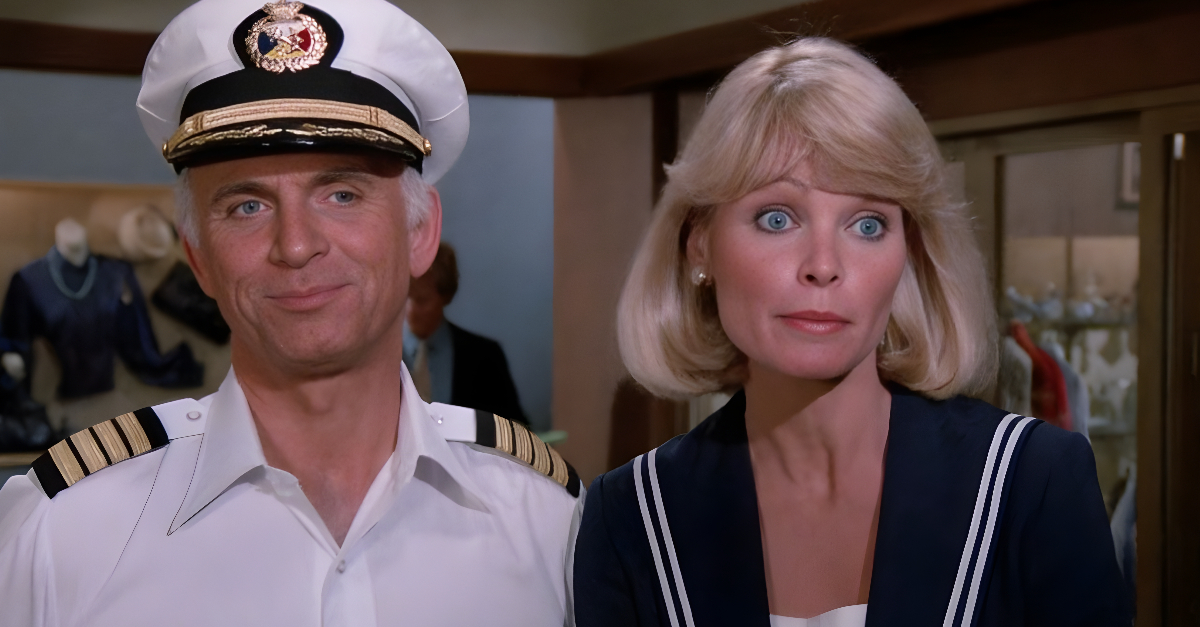
The Love Boat was comfort television before anyone used that phrase. Familiar faces, endless celebrity guest stars, and romances that always wrapped up neatly kept viewers coming back. It was corny even then—and that was part of the charm. Boomers didn’t just watch it; they planned entire Saturday nights around it.
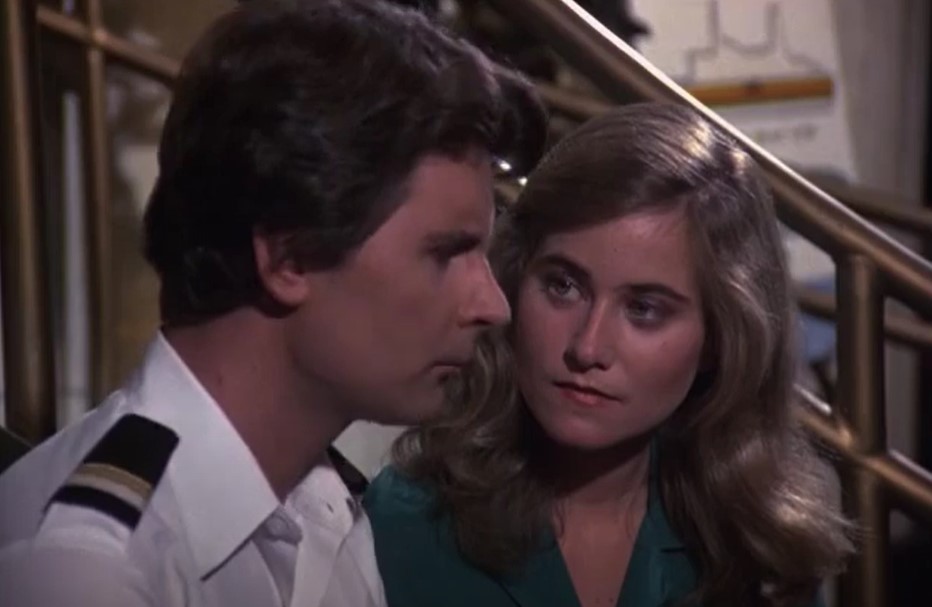 Screenshot from The Love Boat, ABC (1977–1986)
“The Monkees” (1966–1968)
The Monkees felt rebellious, funny, and just different enough to feel cool. Boomers loved the chaos, the jokes, and the illusion that this band was breaking rules. Years later, it became unclear what was more embarrassing—admitting they watched the show, or admitting how much they genuinely loved the songs.
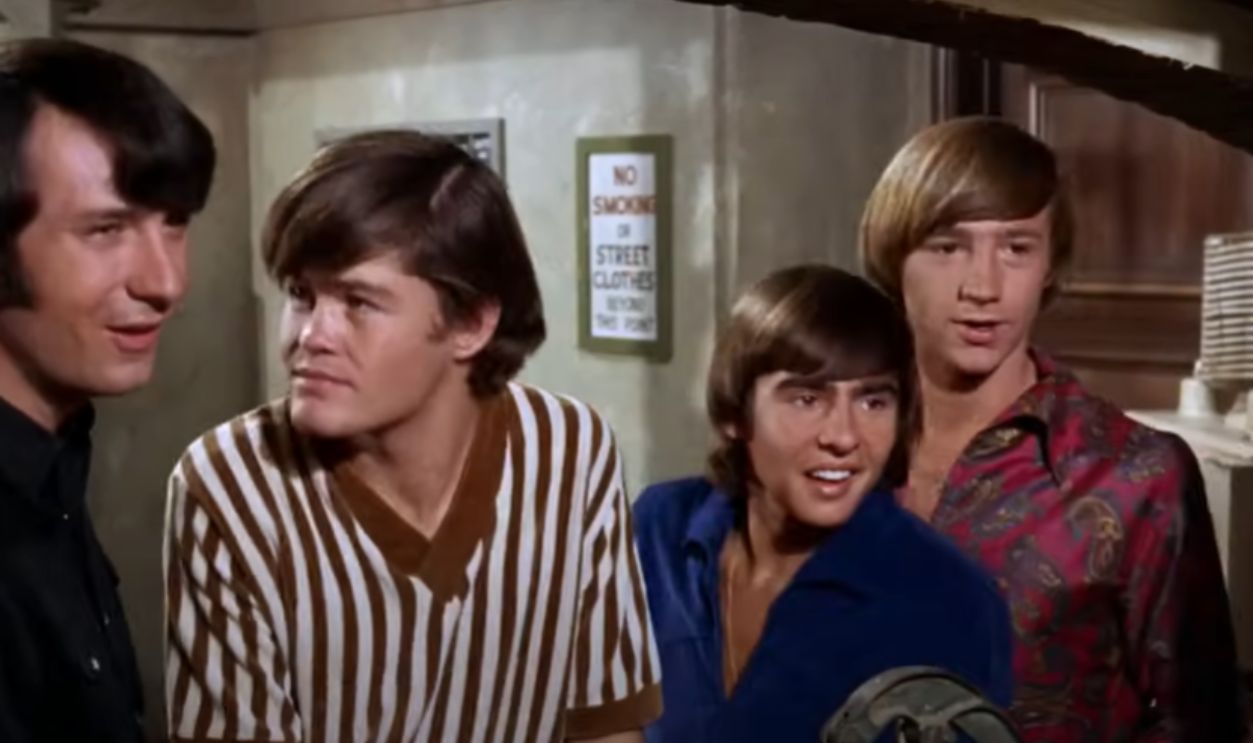 Screenshot from The Monkees, NBC (1966–1968)
“Fantasy Island” (1977–1984)
Fantasy Island once felt mysterious, thoughtful, and strangely profound. Each episode promised a meaningful lesson. Watching it today, though, often feels like sitting through a very serious lecture that never quite gets to the point. At the time, boomers debated those lessons like they actually meant something.
 Screenshot from Fantasy Island, ABC Television (1977–1984)
“CHiPs” (1977–1983)
Motorcycles, mirrored sunglasses, and slow-motion crashes did most of the work on CHiPs. The plots were forgettable, but the vibe was undeniable. Boomers tuned in for the action and stayed loyal—even if admitting how invested they were now feels a little funny.
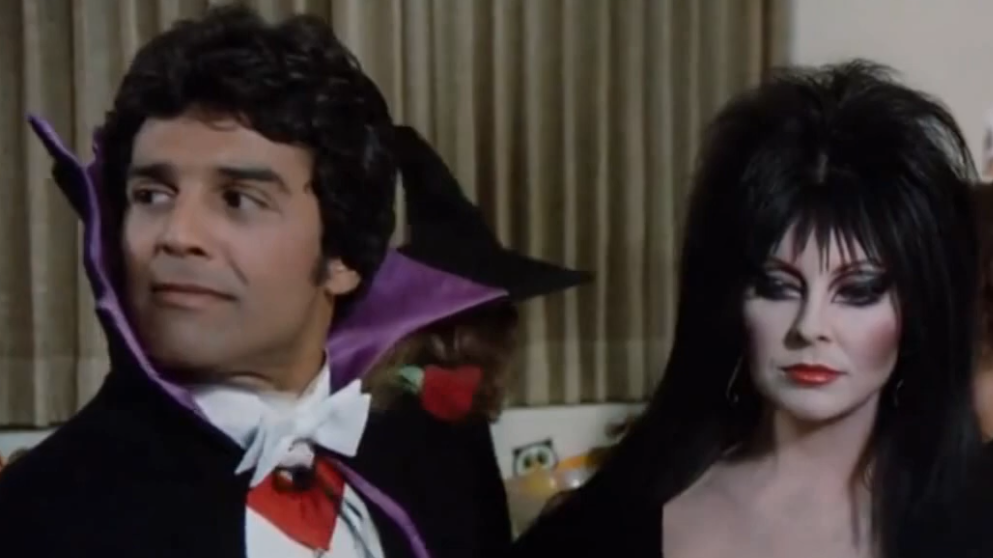 Screenshot from CHiPs, NBC Television (1977–1983)
“Batman” (1966–1968)
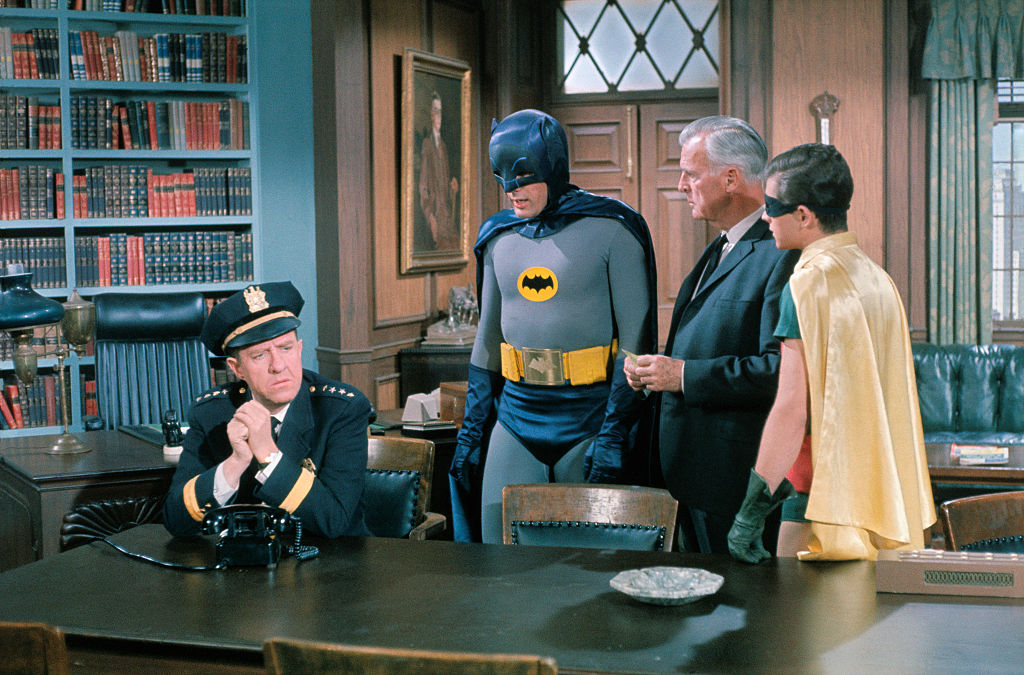
At the time, Batman felt colorful, exciting, and genuinely cool. Boomers watched religiously, never questioning the POW!s, BAM!s, or shark-repellent bat spray. Rewatching now makes it clear the show was camp the entire time—it just took everyone a few decades to realize it.
“Hogan’s Heroes” (1965–1971)
Boomers watched Hogan’s Heroes without hesitation and laughed along enthusiastically. At the time, it felt clever and harmless. Watching it now often starts with nostalgia and ends with a quiet moment of, “Wow… they really did this for six seasons.”
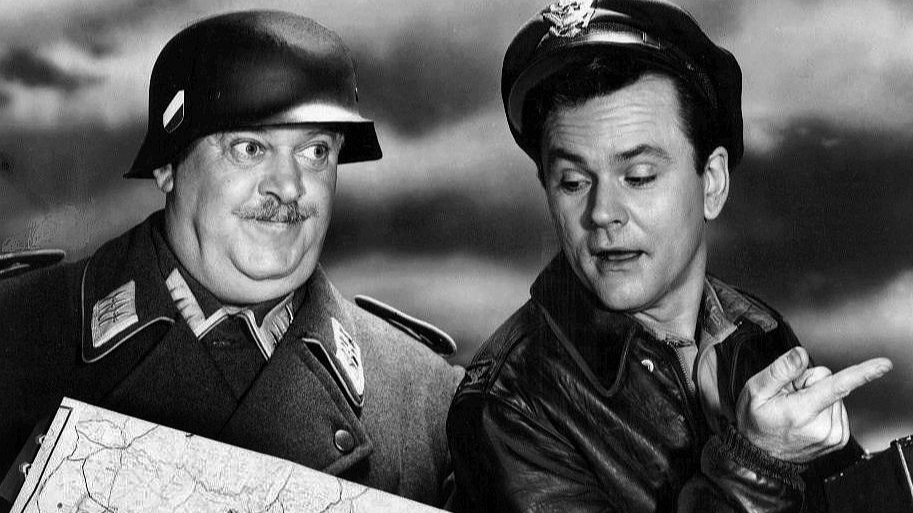 CBS Television, Wikimedia Commons
“My Favorite Martian” (1963–1966)
A friendly alien hiding out on Earth felt charming and hilarious to younger boomers. The jokes were broad, the effects basic, and the premise thin—but it worked. Rewatching today mostly highlights how little it took to completely entertain an audience back then.
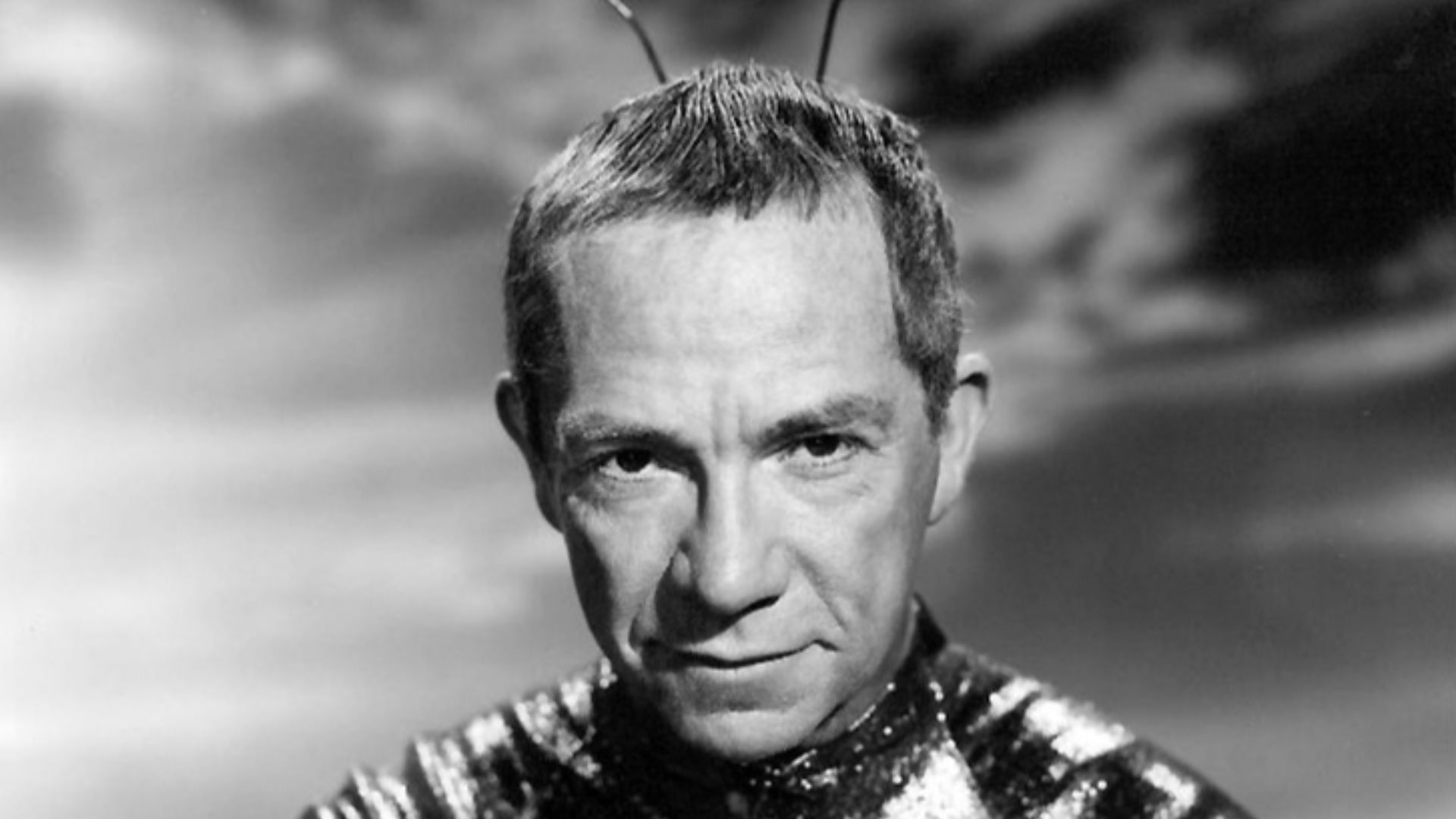 CBS Television, Wikimedia Commons
“Dallas” (1978–1991)
Missing Dallas simply wasn’t an option. The scheming, betrayals, and cliffhangers turned it into weekly must-see TV. It feels wildly dramatic now, but boomers followed every twist with total sincerity—and argued about it like it actually mattered.
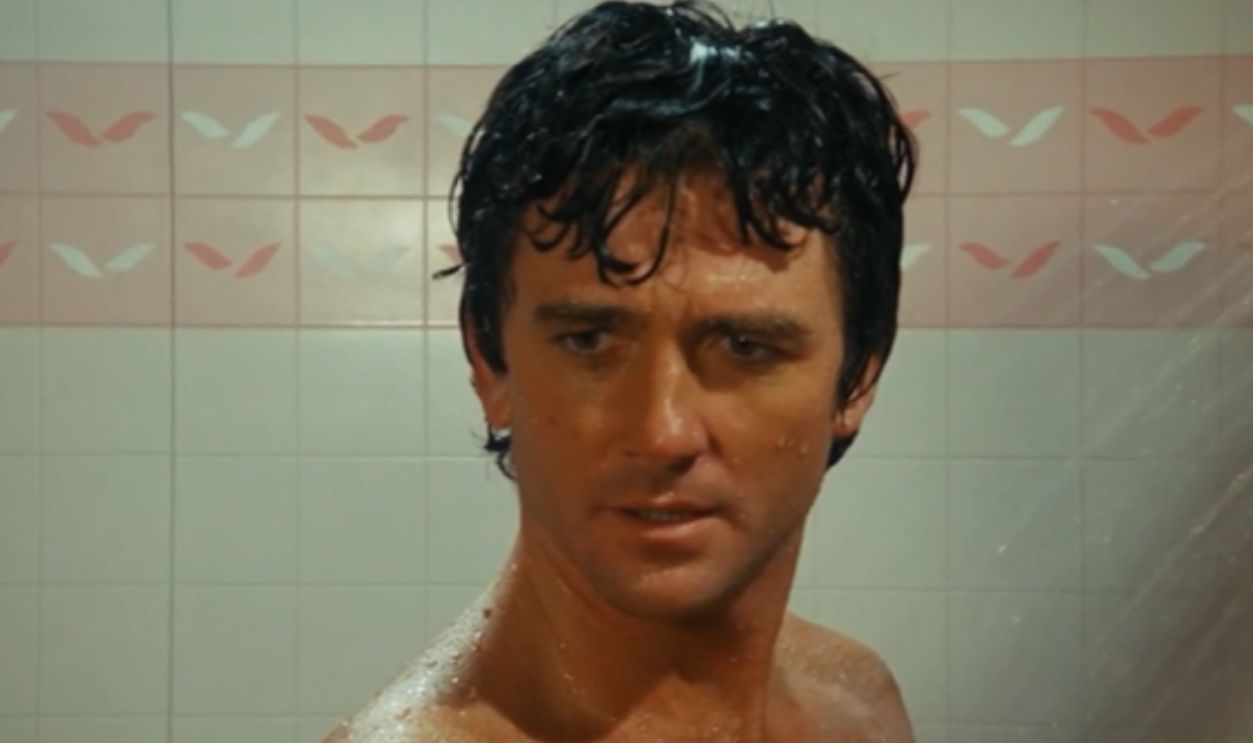 Screenshot from Dallas, CBS (1978-1991)
“Dynasty” (1981–1989)
Dynasty believed bigger was always better. Bigger hair, bigger feuds, bigger mansions. It felt glamorous and exciting at the time. Looking back, it plays like a soap opera on fast-forward—but boomers once treated it like prestige television.
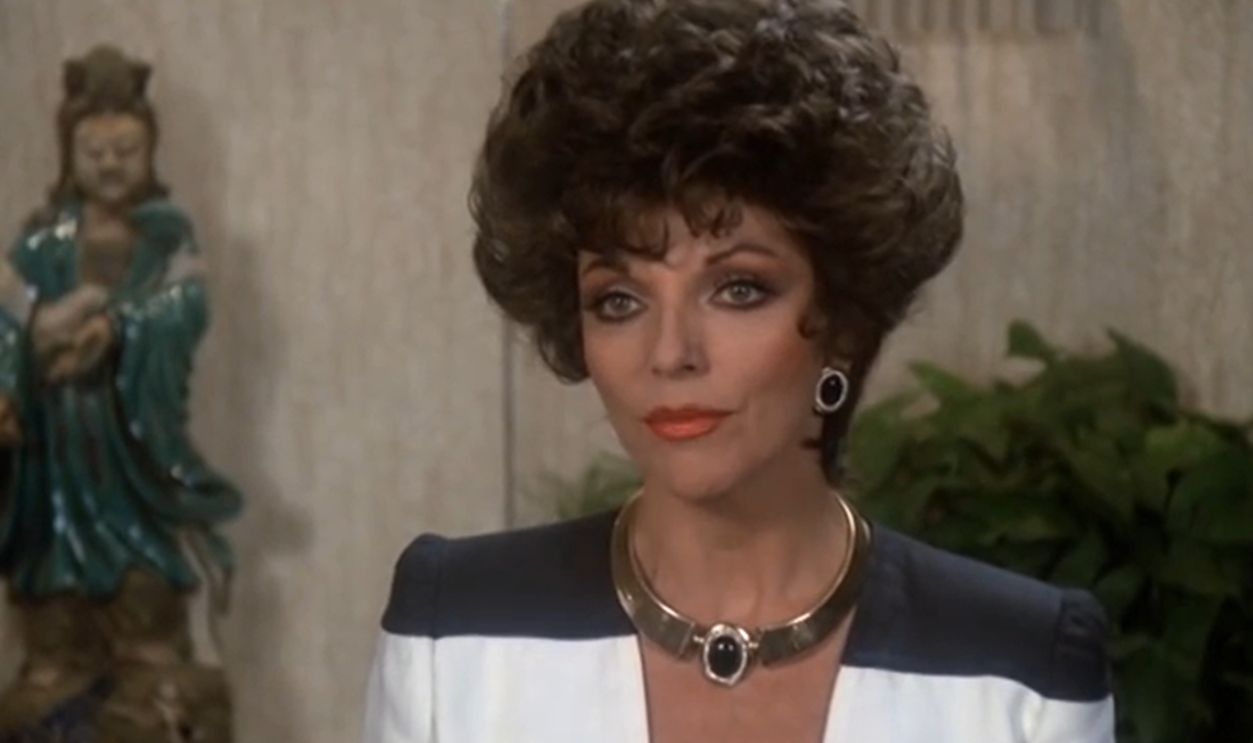 Screenshot from Dynasty, ABC Television (1981–1989)
“The Dukes of Hazzard” (1979–1985)
The Dukes of Hazzard ran on fast cars, slow logic, and the assumption that no jump was too ridiculous. None of it needed to make sense—it just needed to clear the creek. At the time, that was enough. Watching now, it feels like a weekly physics experiment gone wrong.
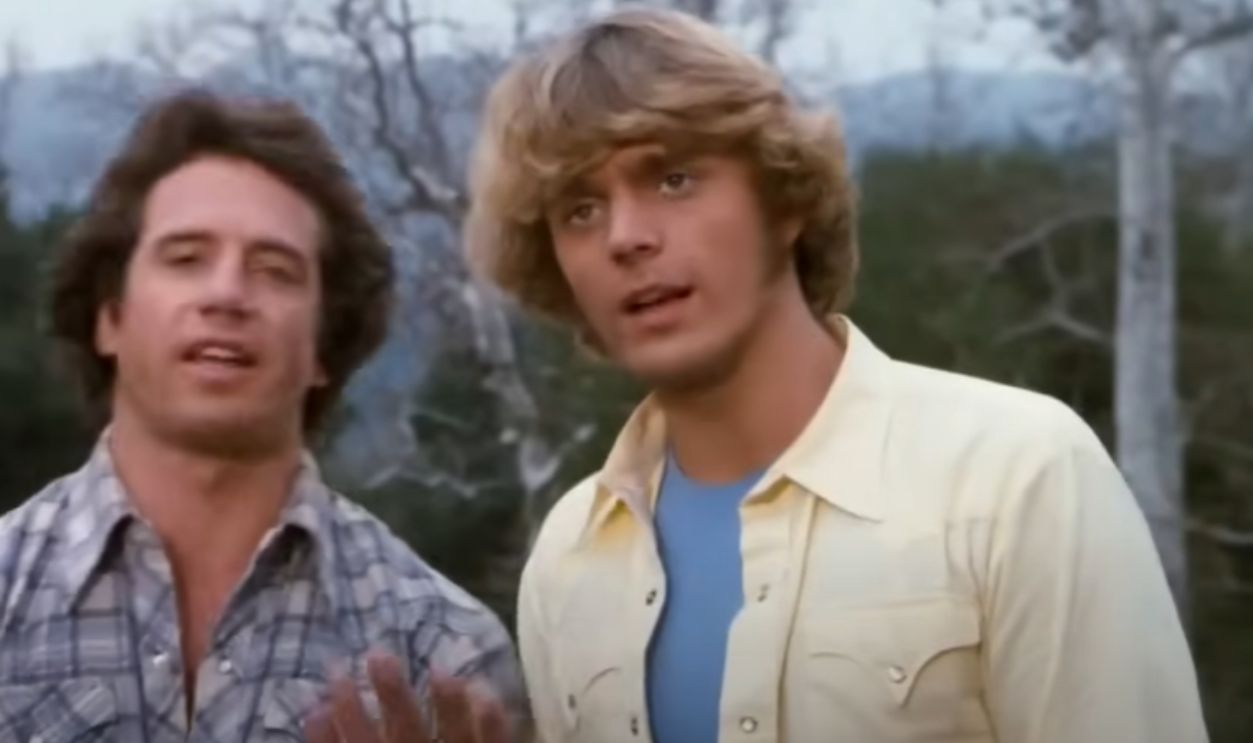 Screenshot from The Dukes of Hazzard, CBS Television (1979–1985)
“Little House on the Prairie” (1974–1983)
Little House on the Prairie was heartfelt, wholesome, and emotionally relentless. Boomers loved its sincerity, even when every episode seemed determined to make viewers cry. Rewatching now often comes with jokes about how exhausting it was—but the affection is still there.
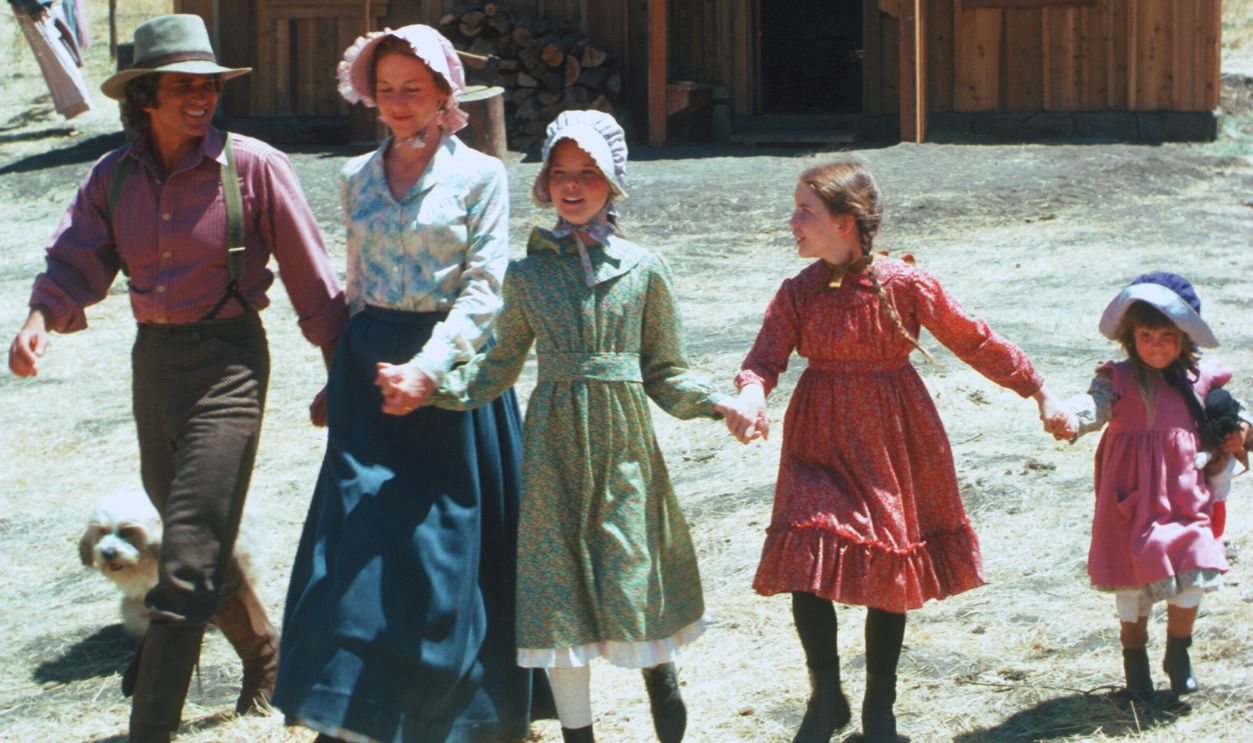 Michael Ochs Archives, Getty Images
“Charlie’s Angels” (1976–1981)
Charlie’s Angels felt stylish, glossy, and modern at the time. The action scenes look rough now, but boomers remember how exciting it felt. Nostalgia does a lot of heavy lifting here—and they’re fine with that.
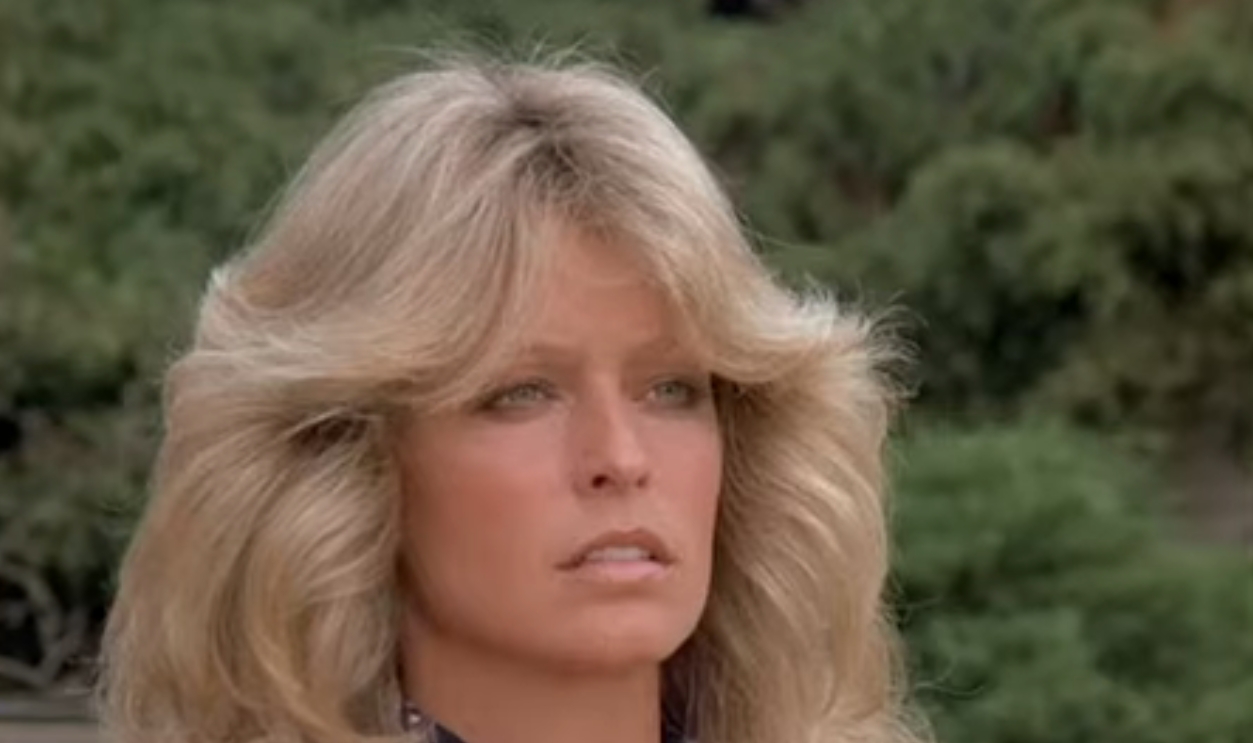 Screenshot from Charlie’s Angels, ABC Television (1976–1981)
“Hart to Hart” (1979–1984)
A wealthy married couple solving crimes sounded effortlessly classy. Hart to Hart offered escapism more than realism, but that was the appeal. It felt sophisticated compared to everything else on TV—right up until you try explaining the plot out loud.
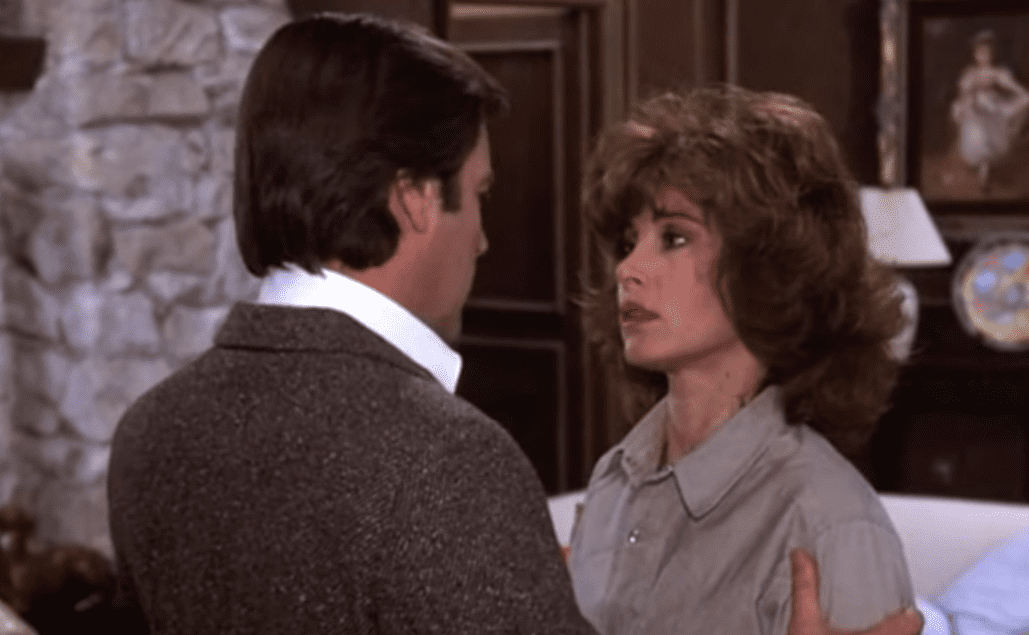 Screenshot from Hart to Hart, ABC (1979–1984)
“The Six Million Dollar Man” (1974–1978)
Slow-motion running, bionic sound effects, and dramatic close-ups made The Six Million Dollar Man feel revolutionary. Boomers genuinely believed they were watching the future. Today, it looks charmingly homemade—but that’s part of the joke.
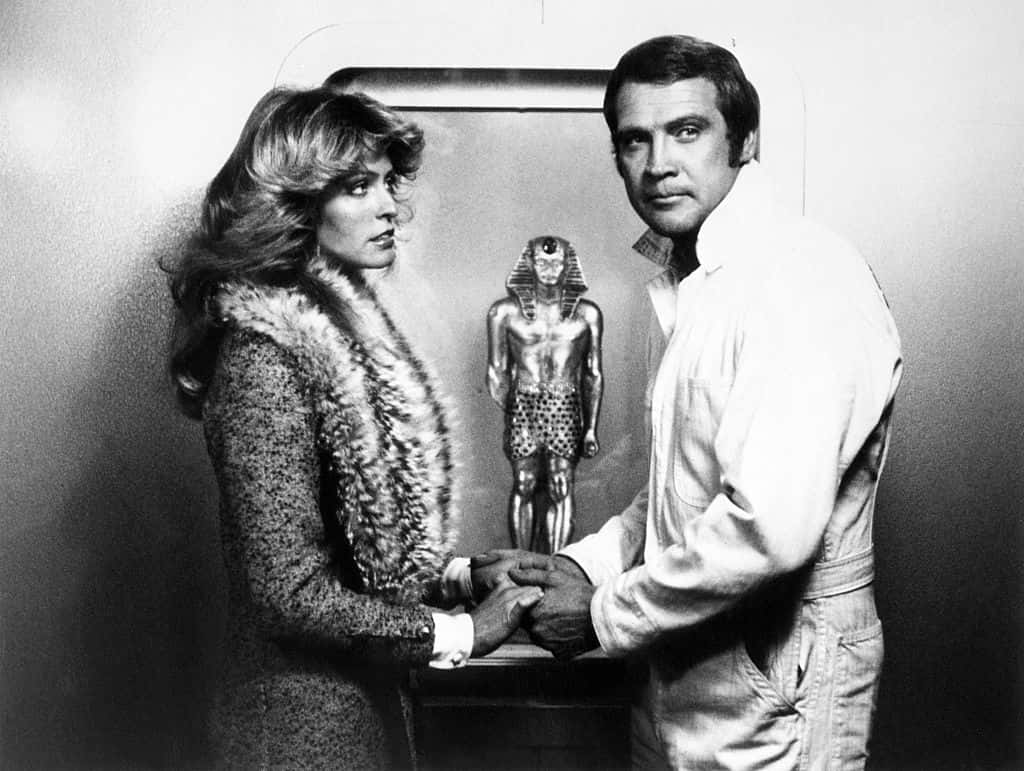
“The Bionic Woman” (1976–1978)
The Bionic Woman felt empowering and exciting when it aired. Boomers admired the character and the idea behind her. Looking back, the effects and pacing feel clunky—but the attachment was real.
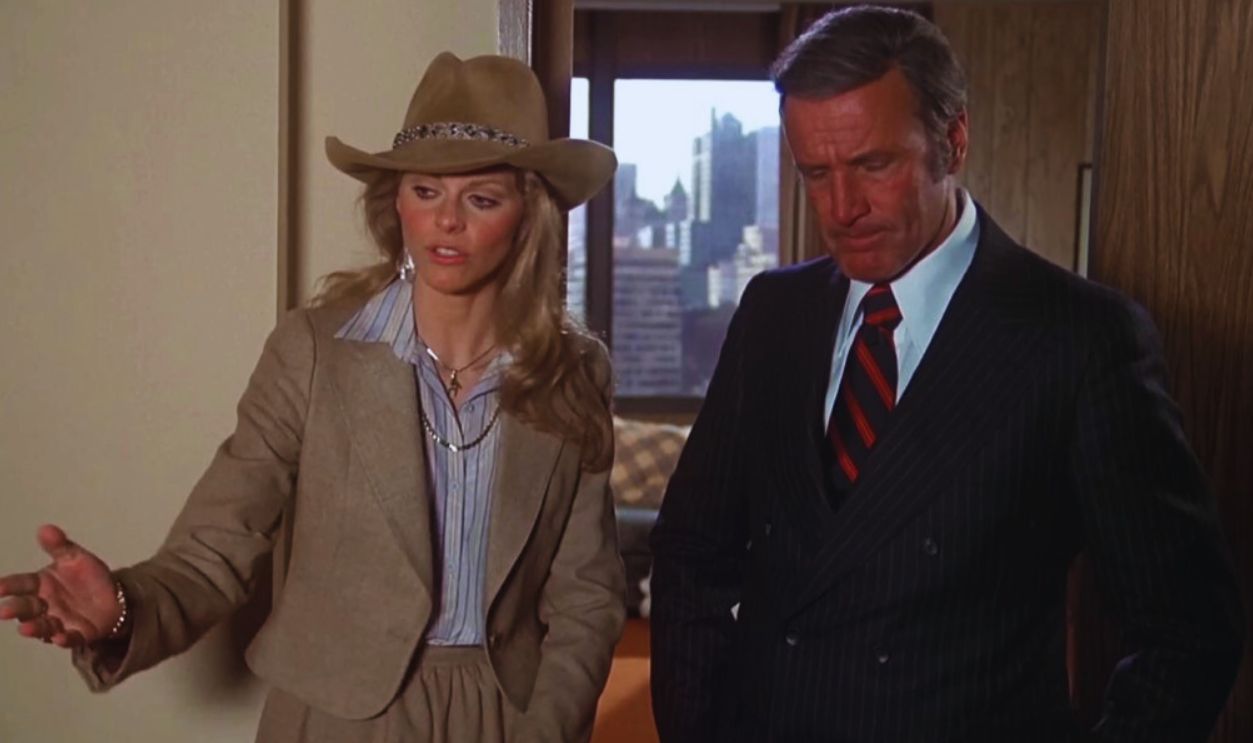 Screenshot from The Bionic Woman, Universal Television (1976–1978)
“Battlestar Galactica” (1978–1979)
This version of Battlestar Galactica took itself very seriously—and boomers followed suit. The ambition was huge, even when the visuals struggled. It felt epic at the time, foam helmets and all.
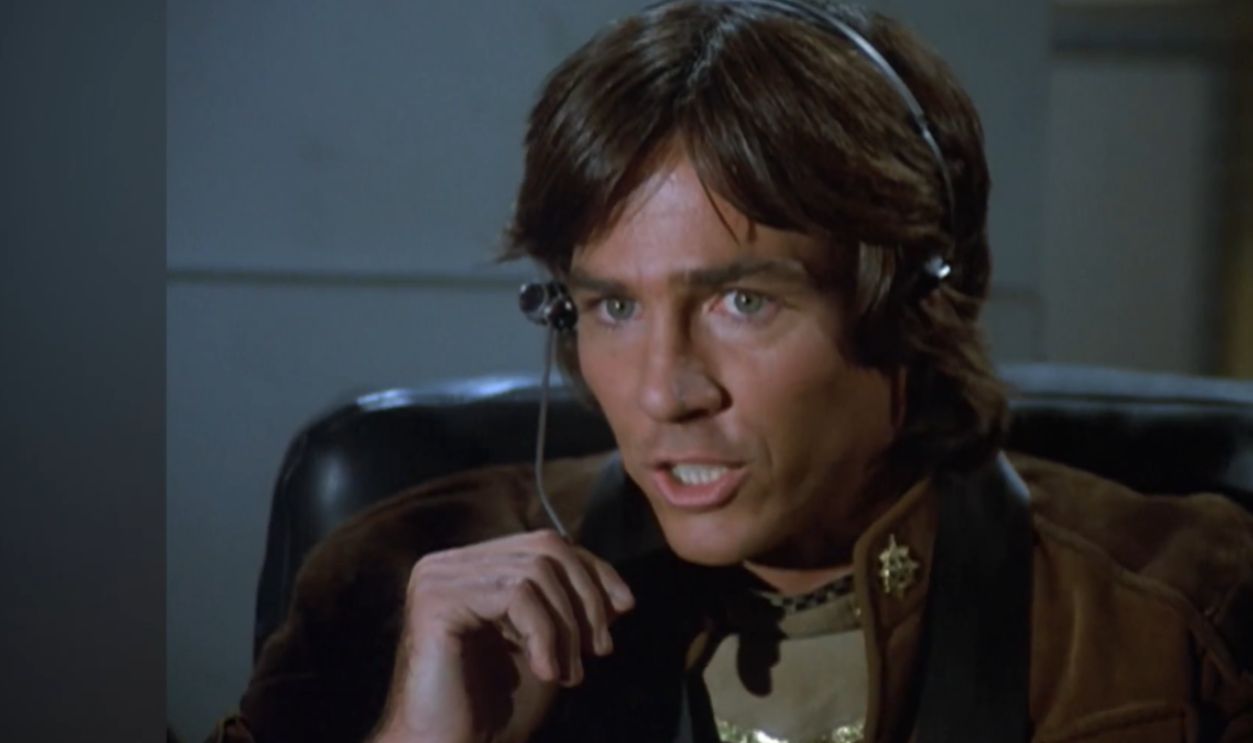 Screenshot from Battlestar Galactica, ABC(1978-1979)
“Buck Rogers in the 25th Century” (1979–1981)
Buck Rogers in the 25th Century leaned fully into disco-era futurism. It felt adventurous and fun when it aired, even if the look hasn’t aged particularly well.
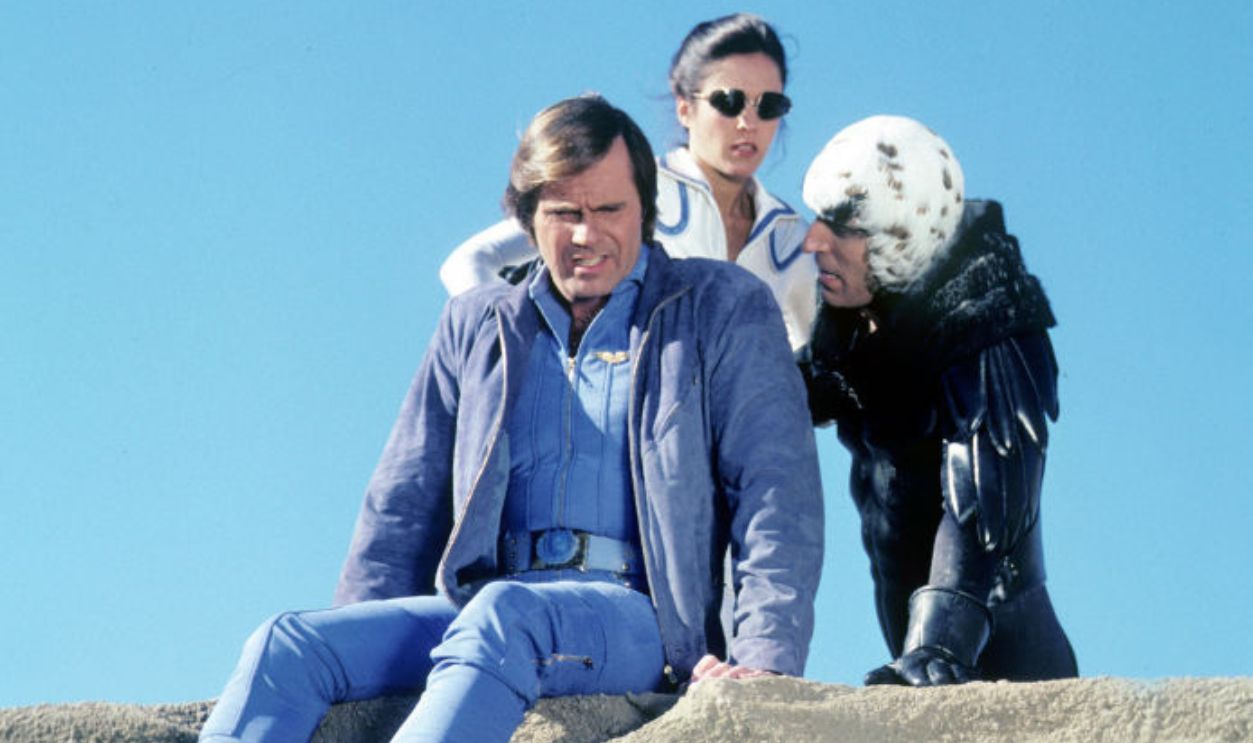 Silver Screen Collection, Getty Images
“Space: 1999” (1975–1977)
Space: 1999 took itself very seriously—and boomers did too. It felt intelligent, philosophical, and important. Rewatching it today often feels like homework assigned by someone who really enjoyed long pauses and bleak lighting.
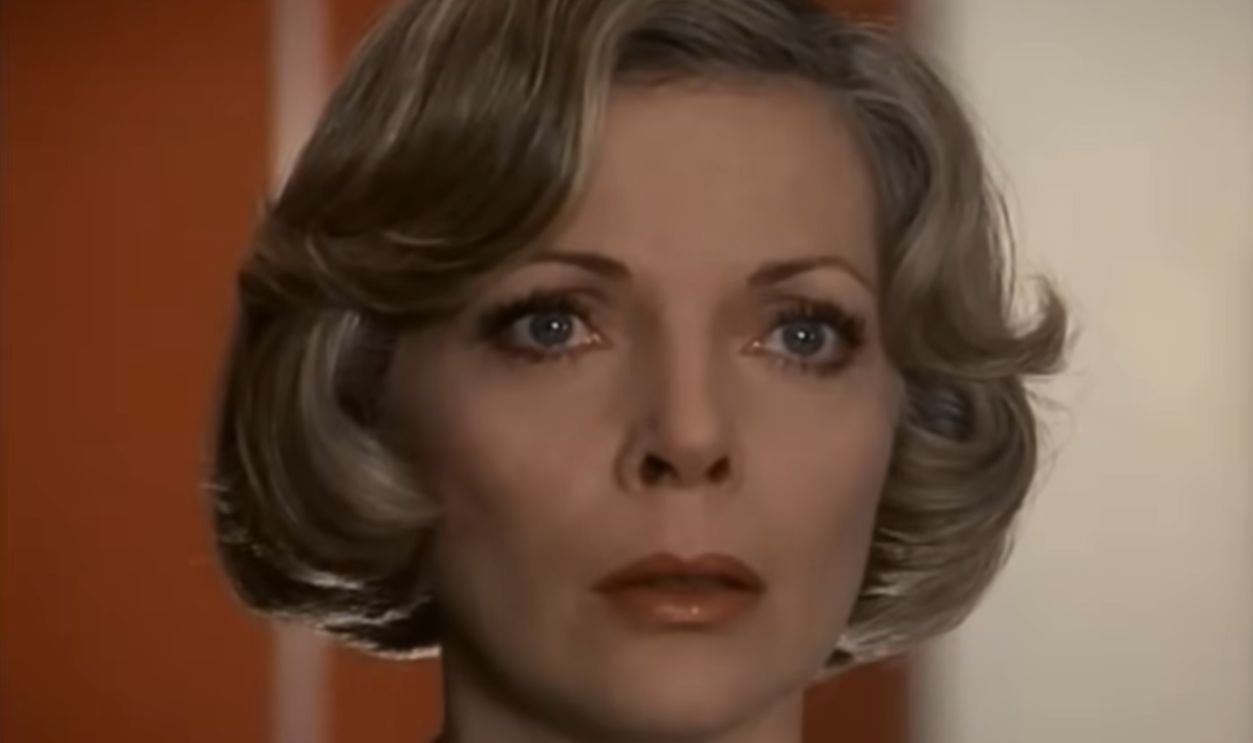 Screenshot from Space: 1999, ITV (1975–1977)
“Logan’s Run” (TV Series) (1977–1978)
The concept was intriguing, even if the execution struggled. Boomers kept tuning in, hoping the show would click. Even when it clearly wasn’t working, loyalty mattered more than admitting it out loud.
 Screenshot from Logan’s Run, MGM Television (1977–1978)
“V” (1983–1985)
Alien invaders disguised as humans made V feel shocking and urgent. Boomers remember how intense it felt when it first aired—even if the effects now scream 1980s television.
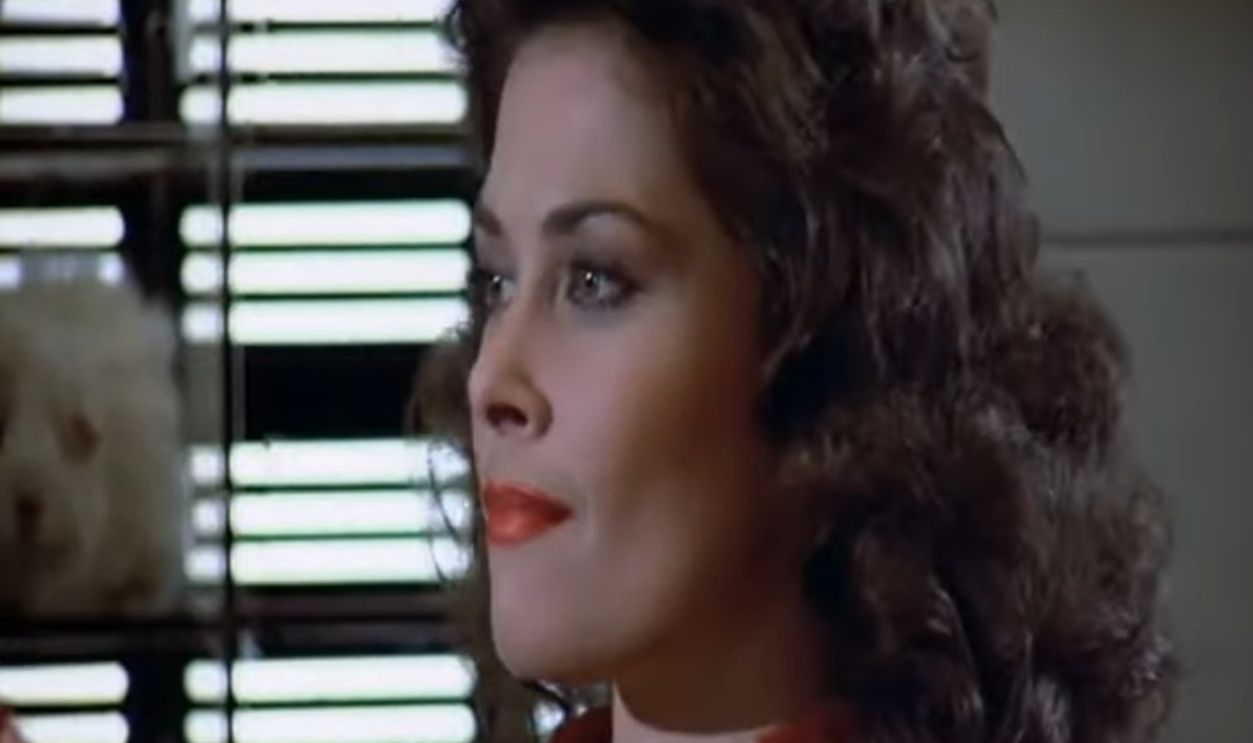 Screenshot from V, Warner Bros. Television (1983–1985)
“Land of the Lost” (1974–1976)
Even at the time, Land of the Lost looked questionable. Foam dinosaurs and shaky effects somehow worked anyway. Boomers who watched it as kids were completely absorbed—and still don’t quite know why.
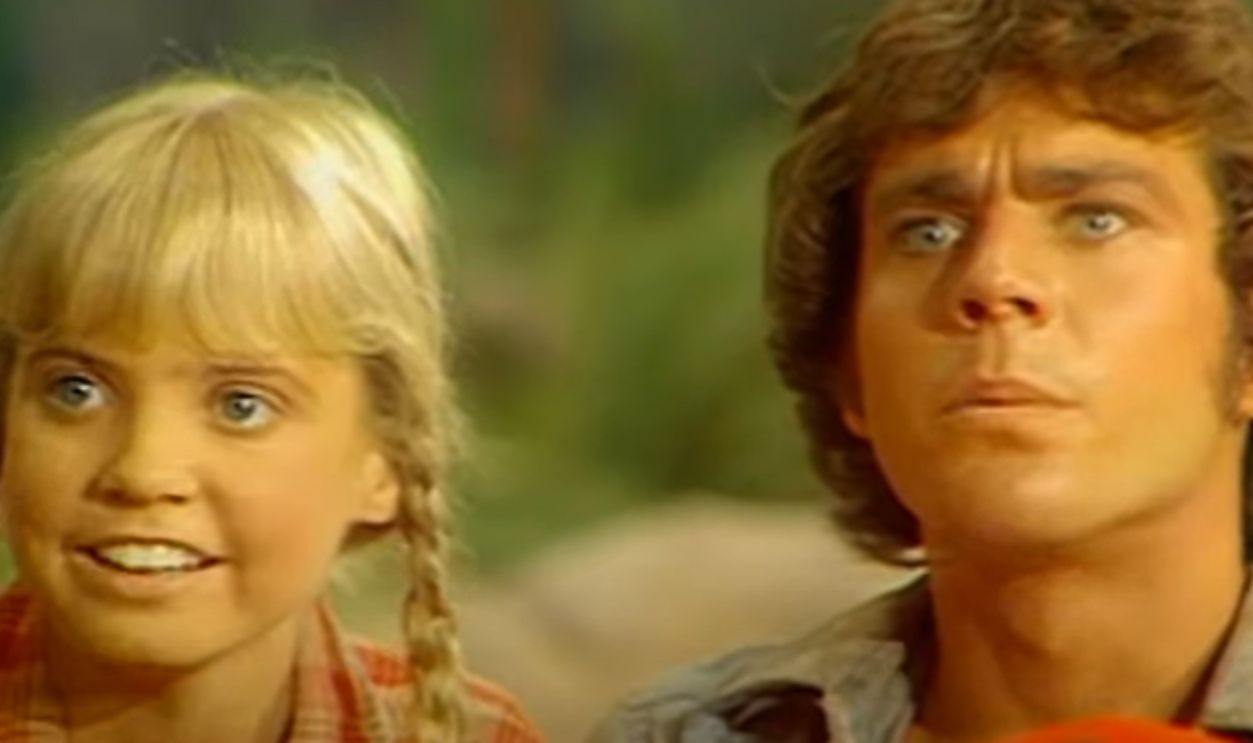 Screenshot from Land of the Lost, NBC(1974–1976)
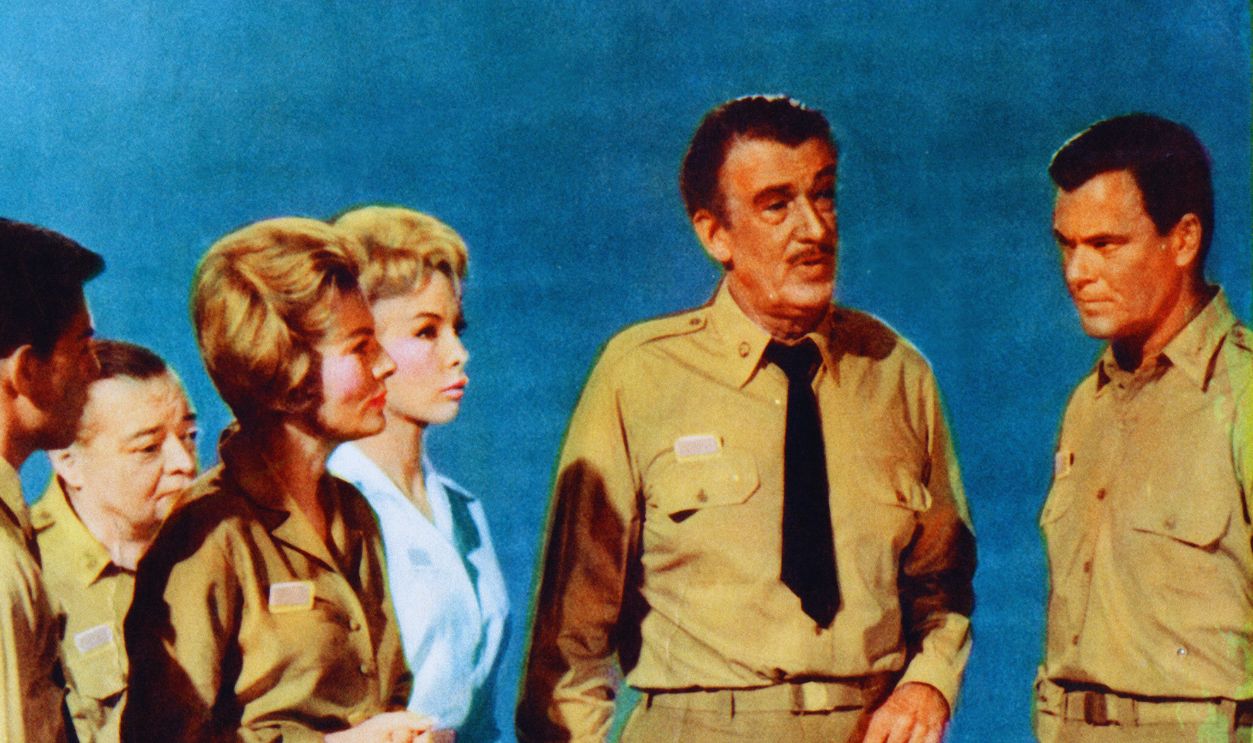
“Voyage to the Bottom of the Sea” (1964–1968)
Voyage to the Bottom of the Sea promised futuristic science and underwater adventure. In reality, it often delivered rubber-suit monsters, recycled footage, and plots that made absolutely no sense. Boomers didn’t care. It was strange, dramatic, and on every week—which was reason enough to watch.
“ALF” (1986–1990)
ALF leaned fully into absurdity. The jokes were obvious, the premise ridiculous, and the catchphrases unavoidable. Boomers laughed sincerely at first. Rewatching it today, though, raises a very uncomfortable question: Was this ever actually funny?
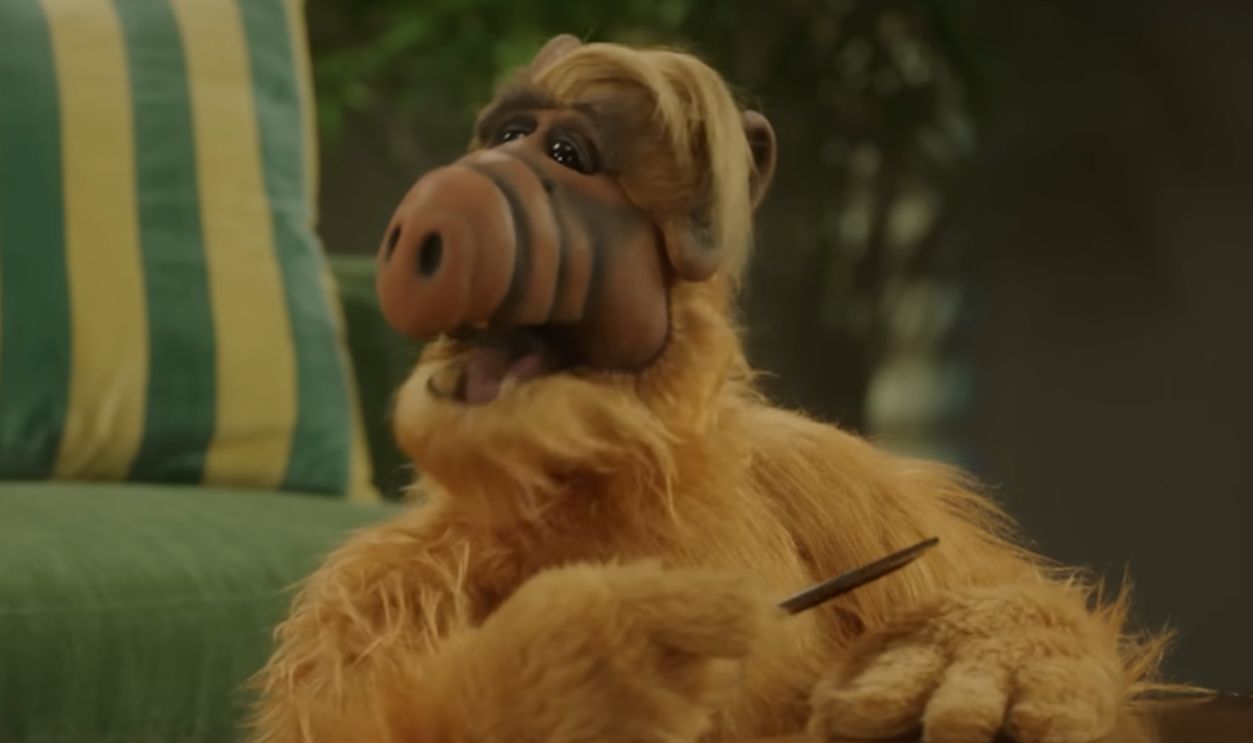 Screenshot from ALF, NBC Television (1986–1990)
“The Incredible Hulk” (1978–1982)
This show was slower and sadder than most superhero series. Boomers connected with its emotional tone and sense of isolation. Lou Ferrigno’s Hulk remains iconic—even if the action feels restrained today.
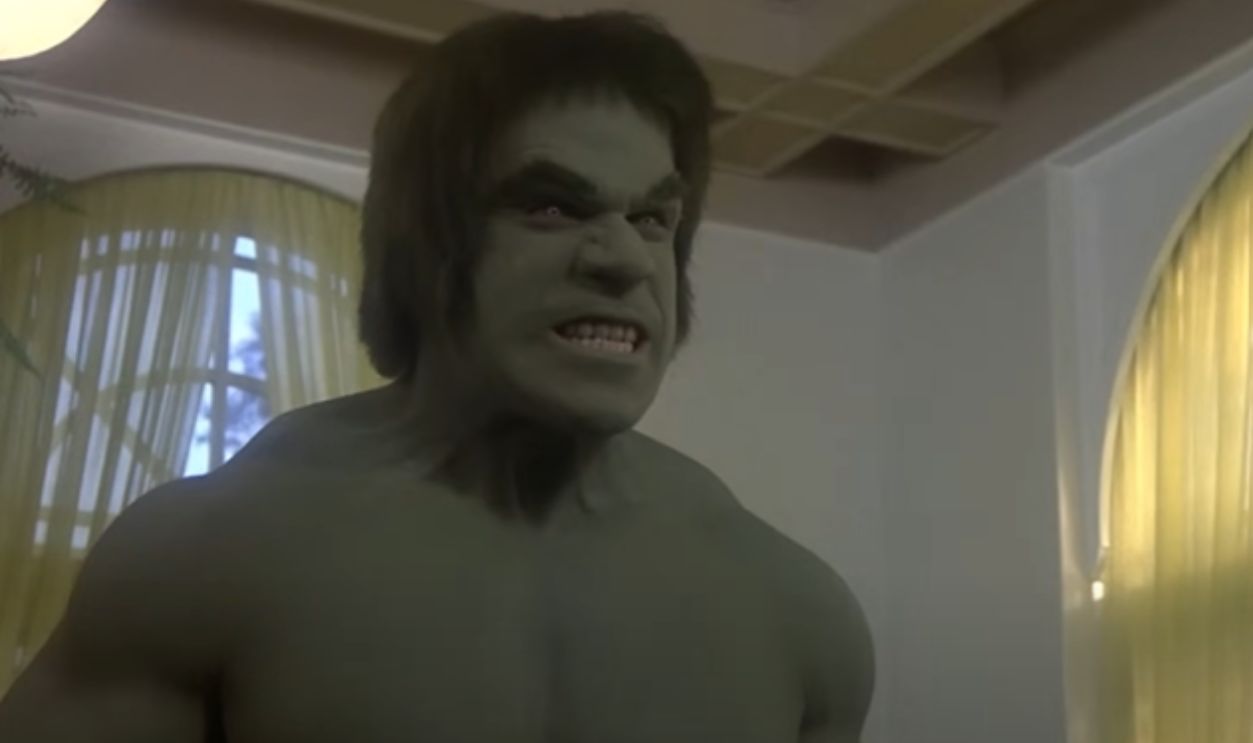 Screenshot from The Incredible Hulk, CBS (1978–1982)
“Knight Rider” (1982–1986)
Knight Rider convinced boomers that the future involved talking cars, advanced artificial intelligence, and crime-fighting dashboards. It all felt thrilling and plausible at the time. Rewatching it now makes that optimism feel extremely generous.
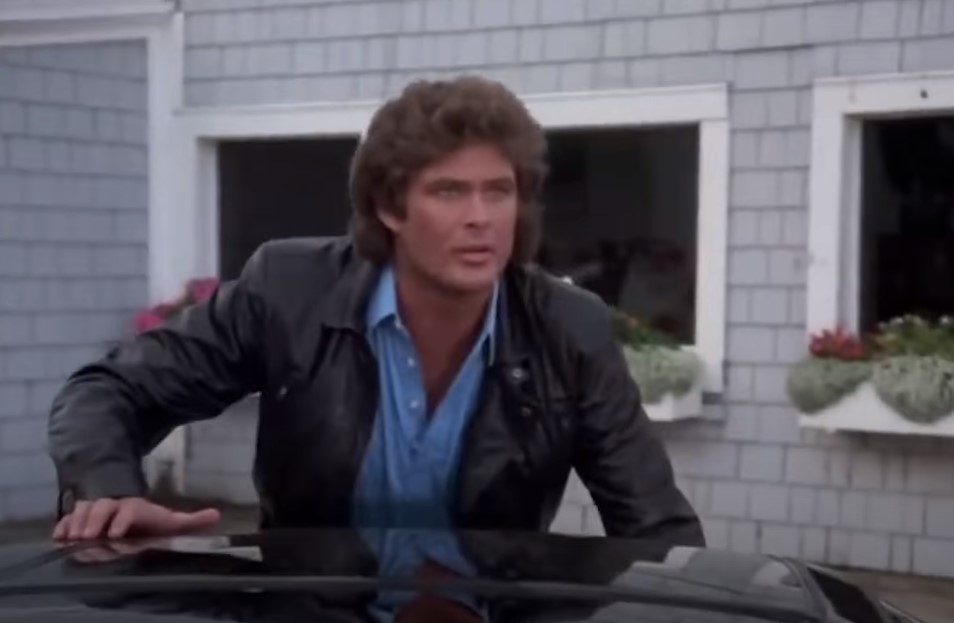 Screenshot from Knight Rider, NBC Television (1982–1986)
“The A-Team” (1983–1987)
Every episode of The A-Team followed the same exact formula, and boomers loved it anyway. Explosions everywhere, no one ever seriously injured, and plans that should’ve failed immediately—but never did. Logic took a back seat, and no one complained as long as something blew up before the hour ended.
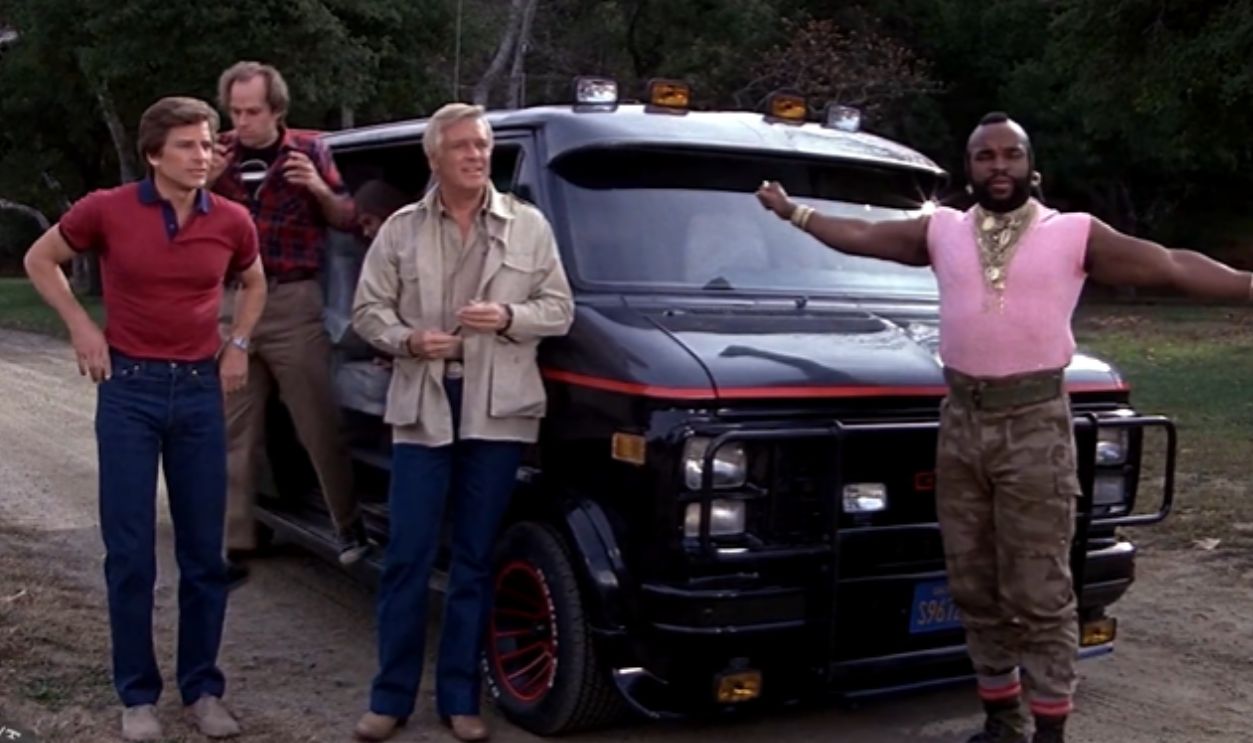 Screenshot from The A-Team, NBC Television (1983–1987)
“Magnum, P.I.” (1980–1988)
Cool cars, loud shirts, and laid-back charm made Magnum, P.I. irresistible. Boomers loved the vibe as much as the stories. It still holds up better than many others—though nostalgia definitely helps.
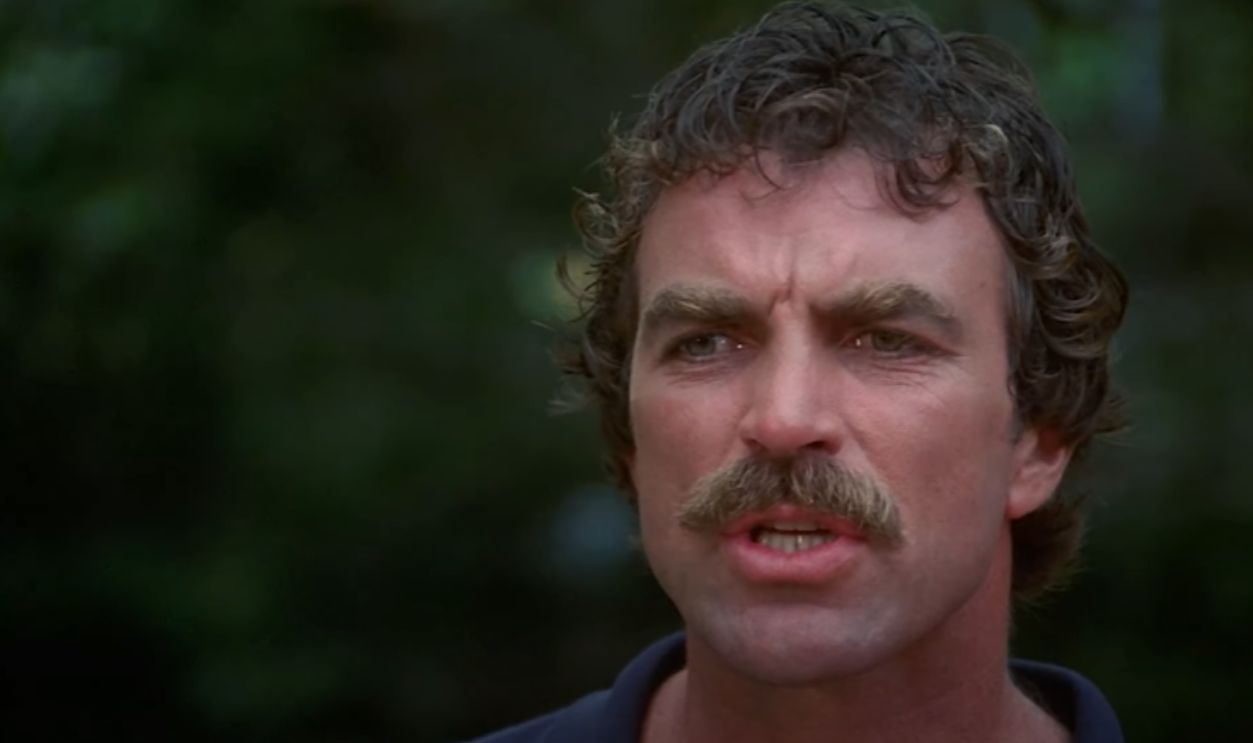 Screenshot from Magnum, P.I., CBS Television (1980–1988)
“The Greatest American Hero” (1981–1983)
A superhero who couldn’t fly properly felt clever and relatable at the time. Boomers loved the humor and the earnest tone. Rewatching now reveals awkward effects, uneven comedy, and one unforgettable theme song doing most of the heavy lifting.
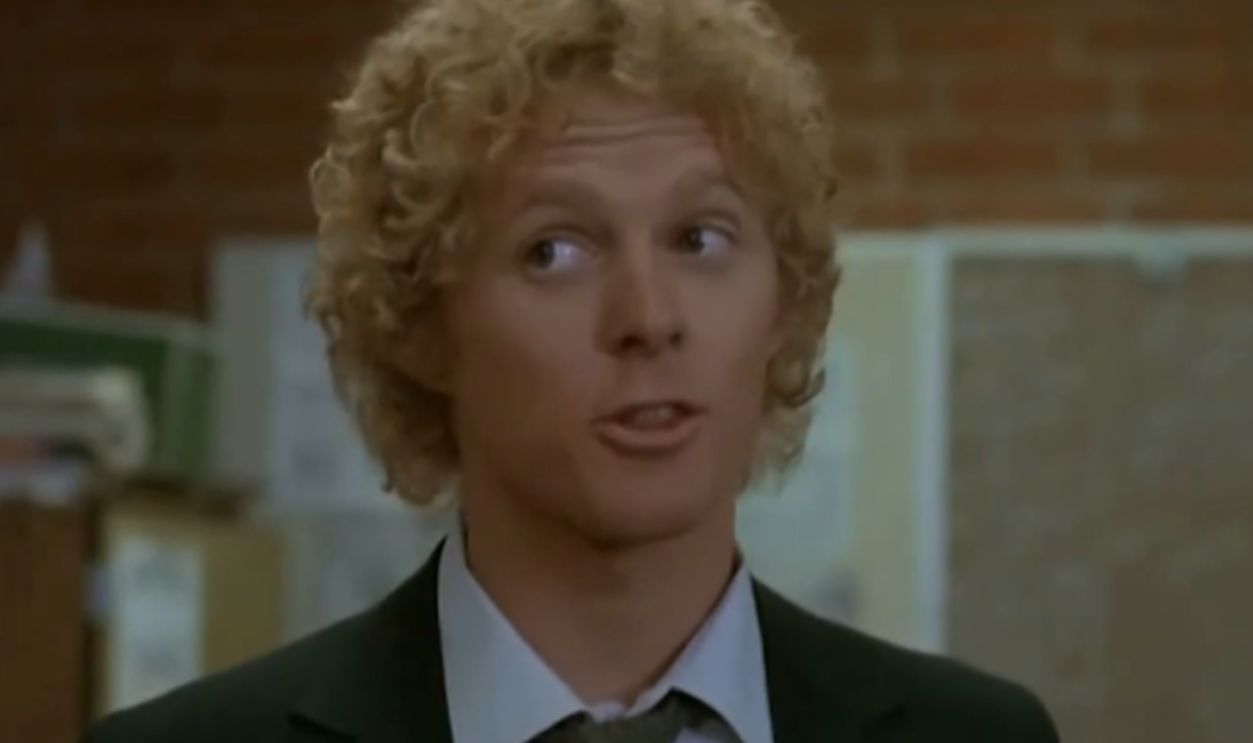 Screenshot from The Greatest American Hero, ABC Television (1981–1983)
“The Fall Guy” (1981–1986)
A TV show about a stuntman solving crimes sounded cooler than it actually was. The Fall Guy mixed action, comedy, and behind-the-scenes Hollywood flair. Boomers watched faithfully—even if rewatching now feels like several genres crashing into each other at once.
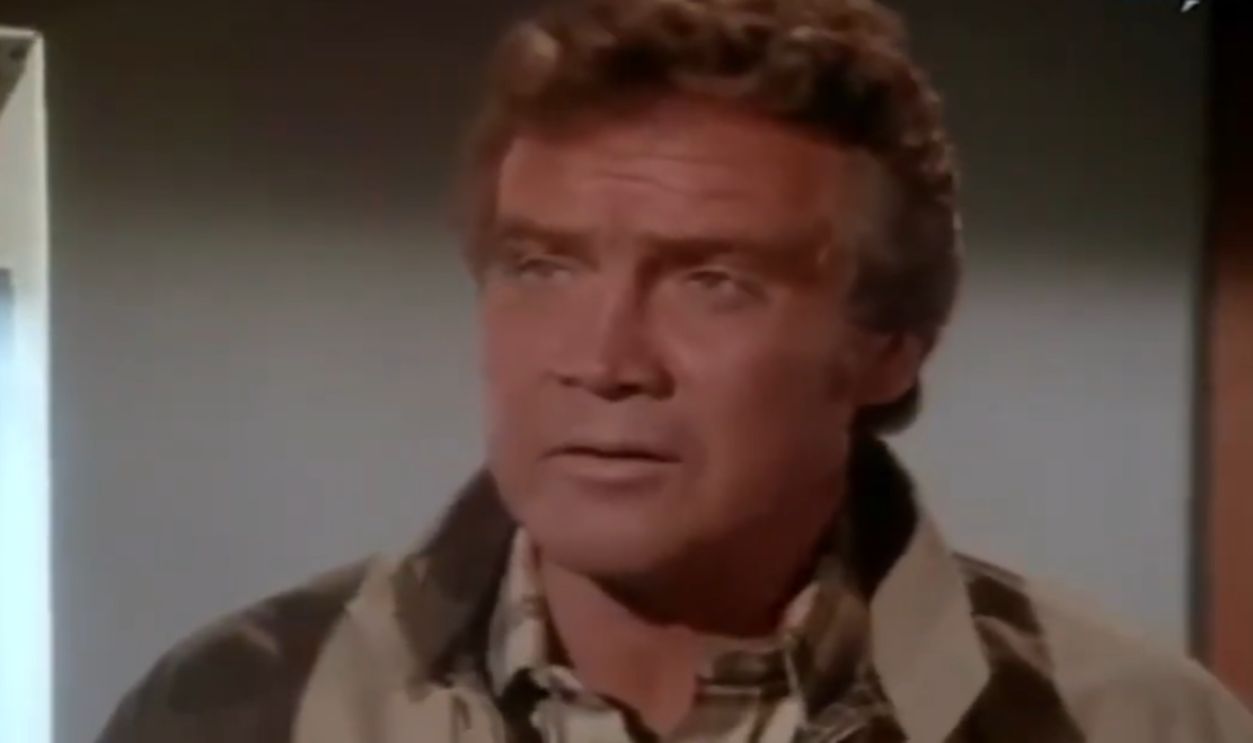 Screenshot from The Fall Guy, ABC Television (1981–1986)
“Land of the Giants” (1968–1970)
The concept felt bold and imaginative. Execution? Less so. Land of the Giants looked ambitious and cheap at the same time. Boomers admired the idea enough to overlook the fact that it never quite knew what to do with itself.
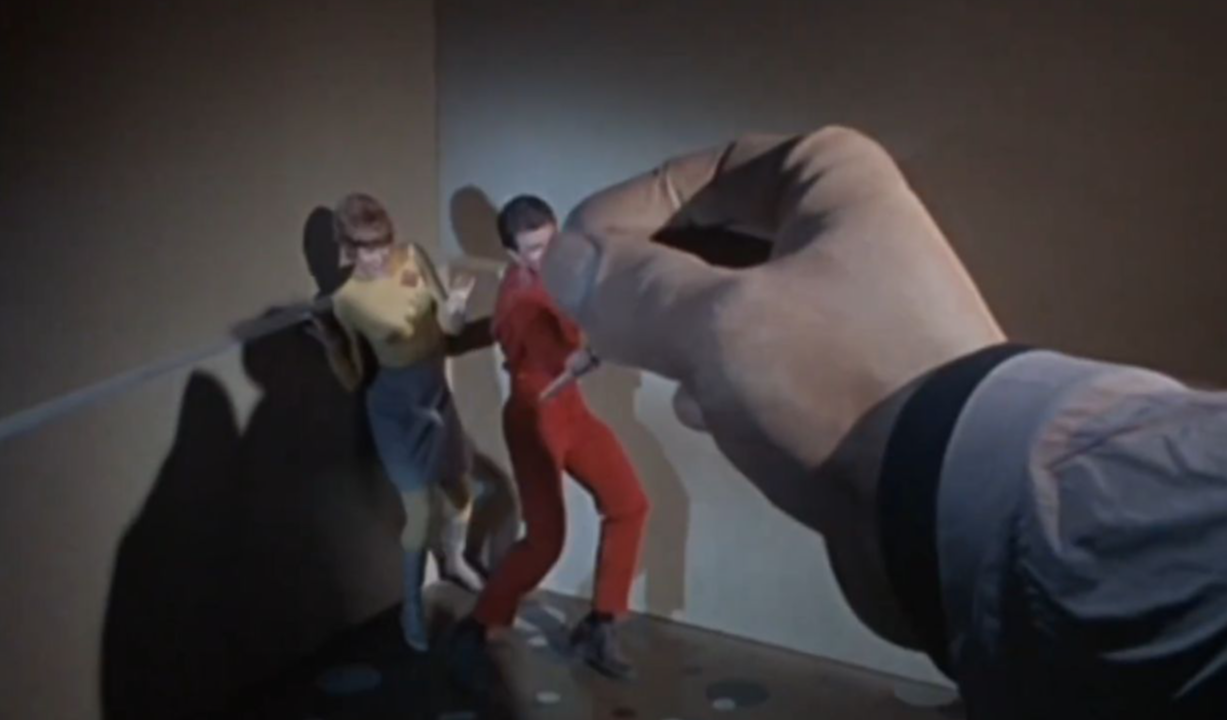 Screenshot from Land of the Giants, 20th Century Fox Television (1968–1970)
“Simon & Simon” (1981–1989)
Two brothers, one detective agency, and nonstop 1980s energy. Simon & Simon was relaxed, sunny, and oddly compelling. Boomers loved it then—and now struggle to remember what actually happened in most episodes.
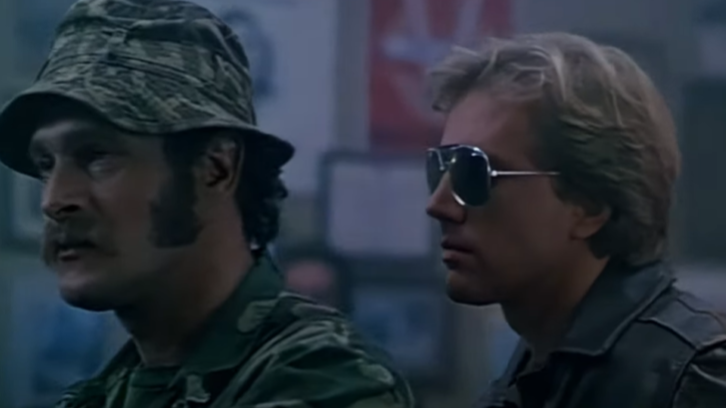 Screenshot from Simon & Simon, CBS (1981-1988)
“The Time Tunnel” (1966–1967)
The Time Tunnel had a great hook and endless ambition. Every week promised historical danger, scientific urgency, and dramatic countdowns. Boomers bought in completely. Rewatching now reveals a lot of running, shouting, and frantic explanations that somehow never actually explain anything.
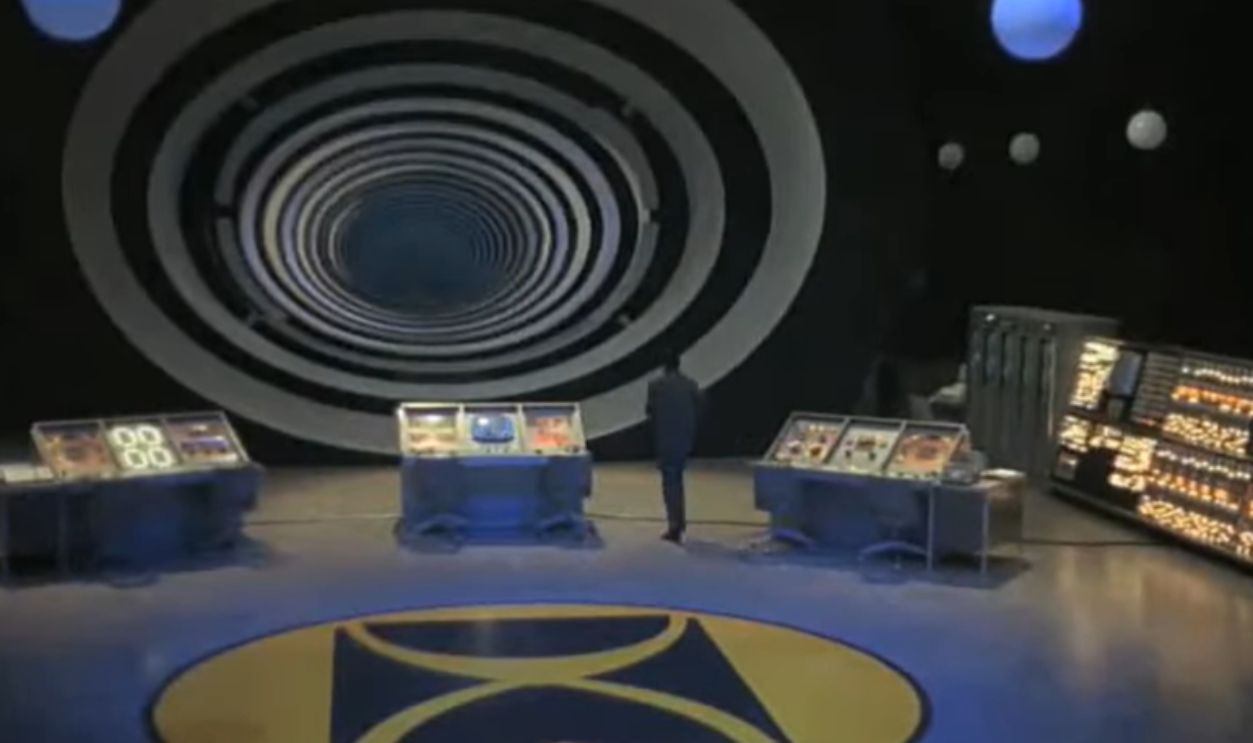 Screenshot from The Time Tunnel, 20th Century Fox Television (1966–1967)
You Might Also Like:
Songs That Defined The Woodstock Generation
Fan Backlash Saved These Shows From Cancellation, But Was It Worth It?