That One Character Who Stole The Show
Some 70s TV shows gave us intricate plots and unforgettable ensembles. Others produced one spectacular character who swallowed the entire series whole. These scene-stealers became catchphrase machines, fashion icons, and playground celebrities—while nearly everyone around them faded into rerun history.
Who were your favorites?
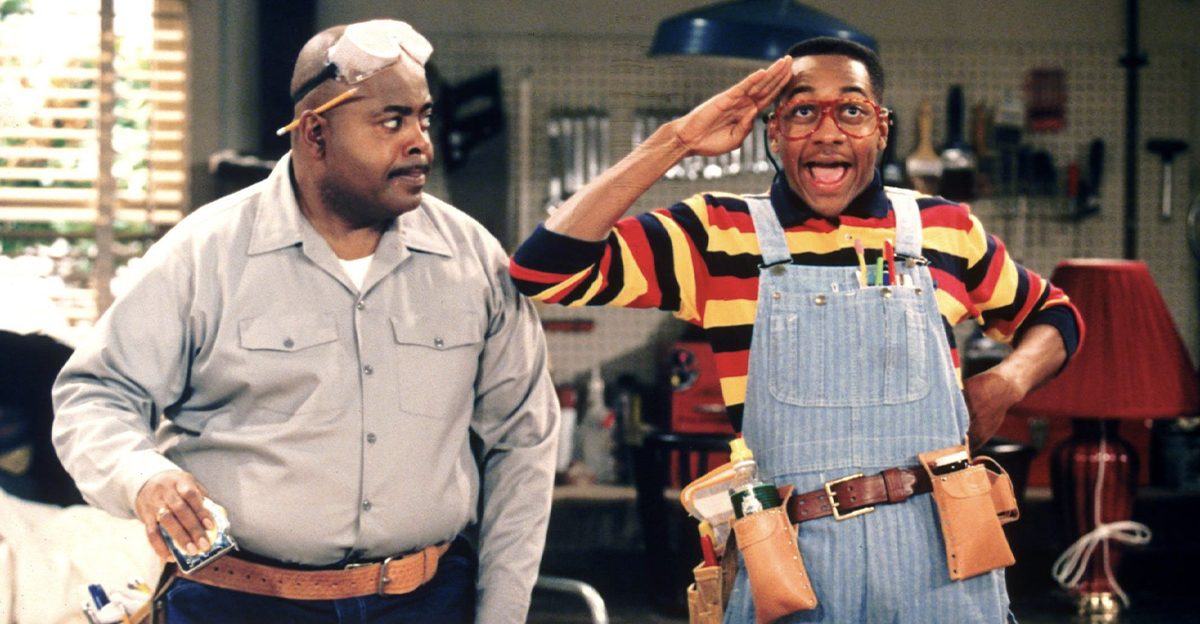 ABC Network, Family Matters (1989-1977)
#25: Automan
The short-lived science-fiction series Automan followed police computer specialist Walter Nebicher, played by Desi Arnaz Jr., and the computerized crimefighter he created. Chuck Wagner’s glowing superhero was the attraction everyone remembered. Even viewers who forgot every storyline could still picture that luminous blue suit and his sharply turning computerized Lamborghini.
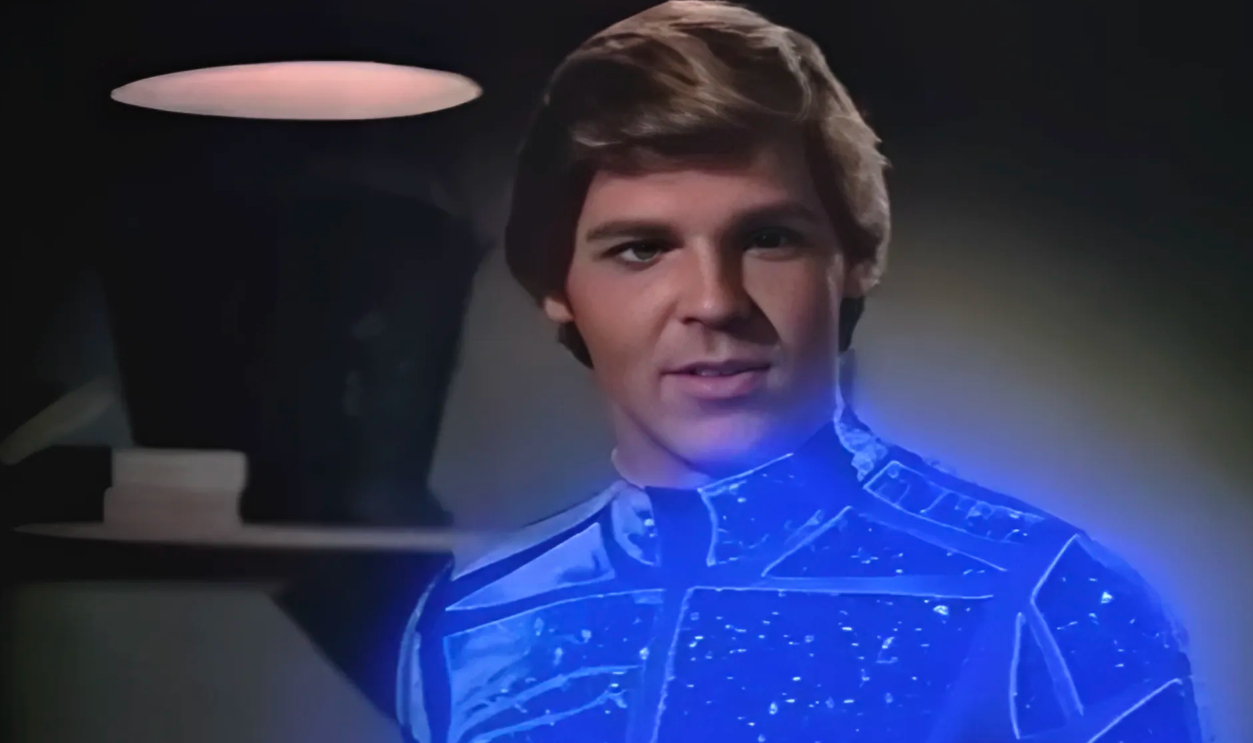 Screenshot from Automan, 20th Century Fox Television (1983–1984)
#24: Vicki
Small Wonder was about the Lawson family attempting to pass an advanced robot off as their adopted daughter. Tiffany Brissette played Vicki with a flat voice, extraordinary strength, and delightfully awkward attempts at normal behavior. The supporting family members were likable, but the pint-sized android was the show’s gimmick, punchline, and lasting memory.
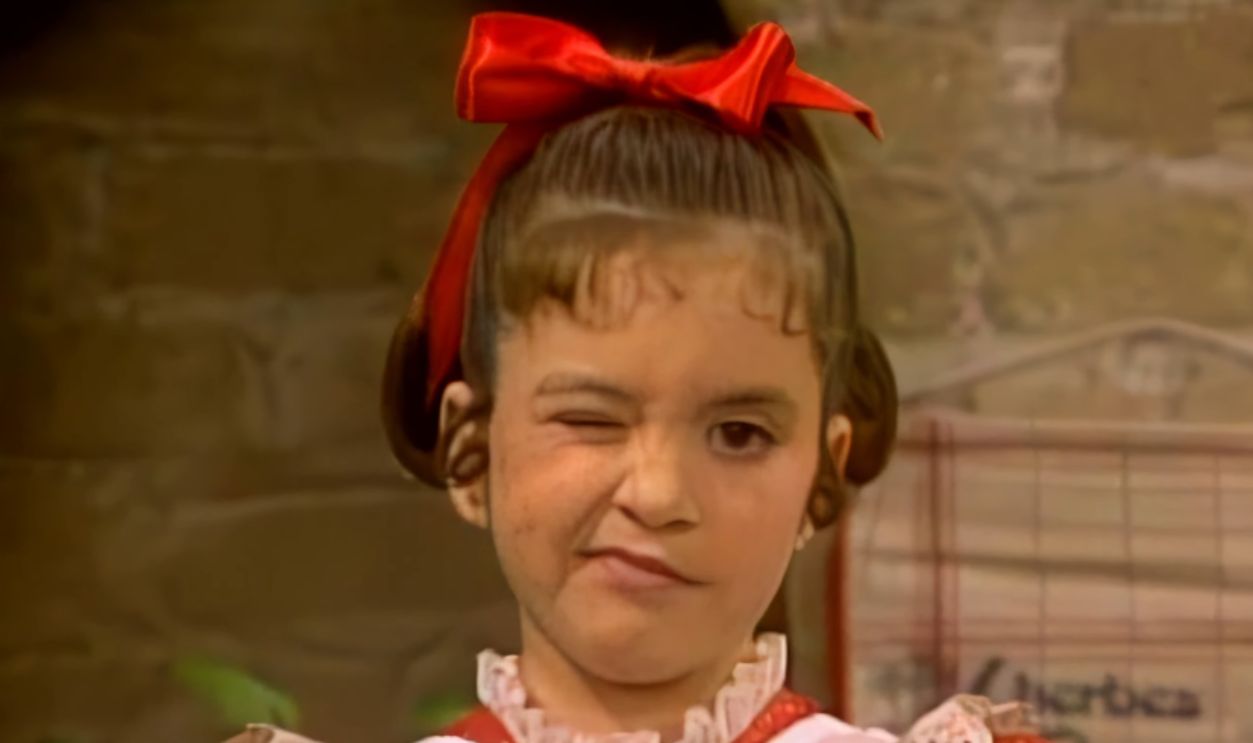 Screenshot from Small Wonder, Metromedia Producers Corporation (1985–1989)
#23: Monroe Ficus
Too Close for Comfort began as a family comedy starring Ted Knight as cartoonist Henry Rush. However, Jim J. Bullock’s sweet, accident-prone Monroe gradually became its most memorable source of chaos. His high-pitched reactions and complete lack of social awareness could turn an ordinary entrance into a full comedy routine.
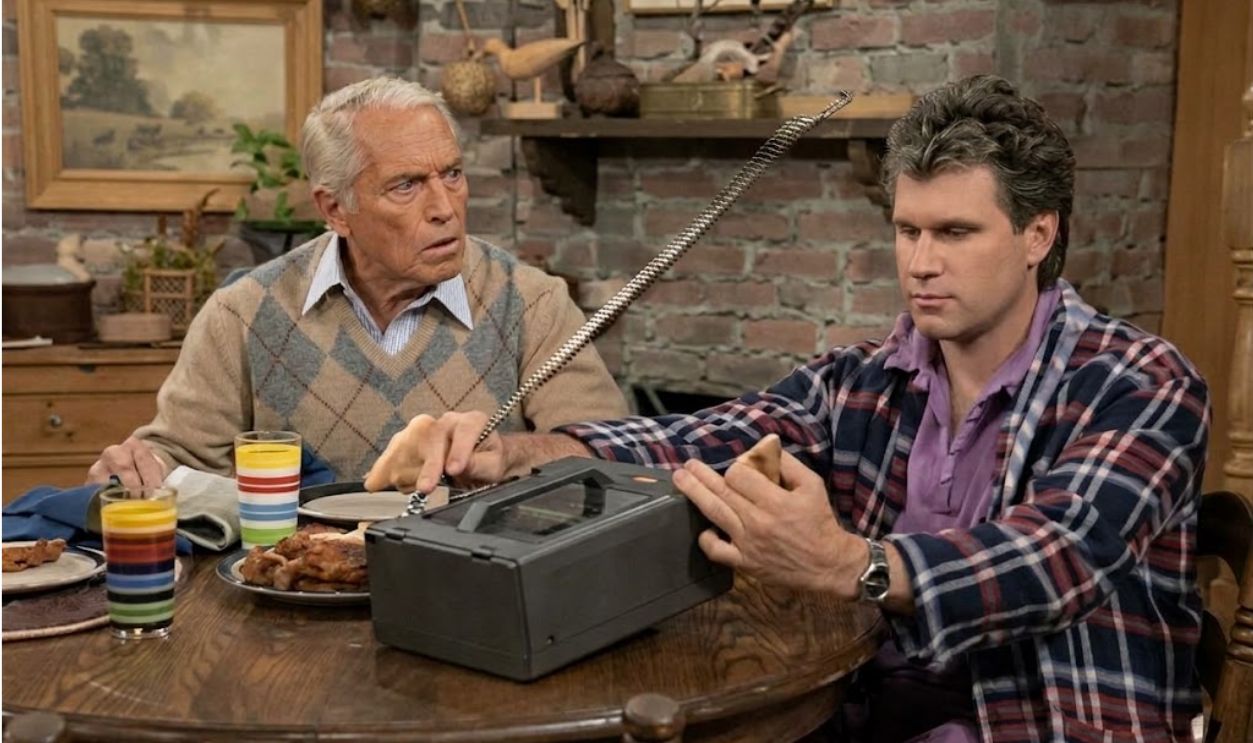 Screenshot from Too Close for Comfort, ABC (1980–1987) , Modified
#22: Sledge Hammer
David Rasche played the title character in Sledge Hammer!, a broad satire of trigger-happy television detectives. Hammer loved his enormous gun, distrusted nearly everyone, and regularly assured his colleagues, “Trust me, I know what I’m doing.” He usually did not, which was precisely why viewers kept watching.
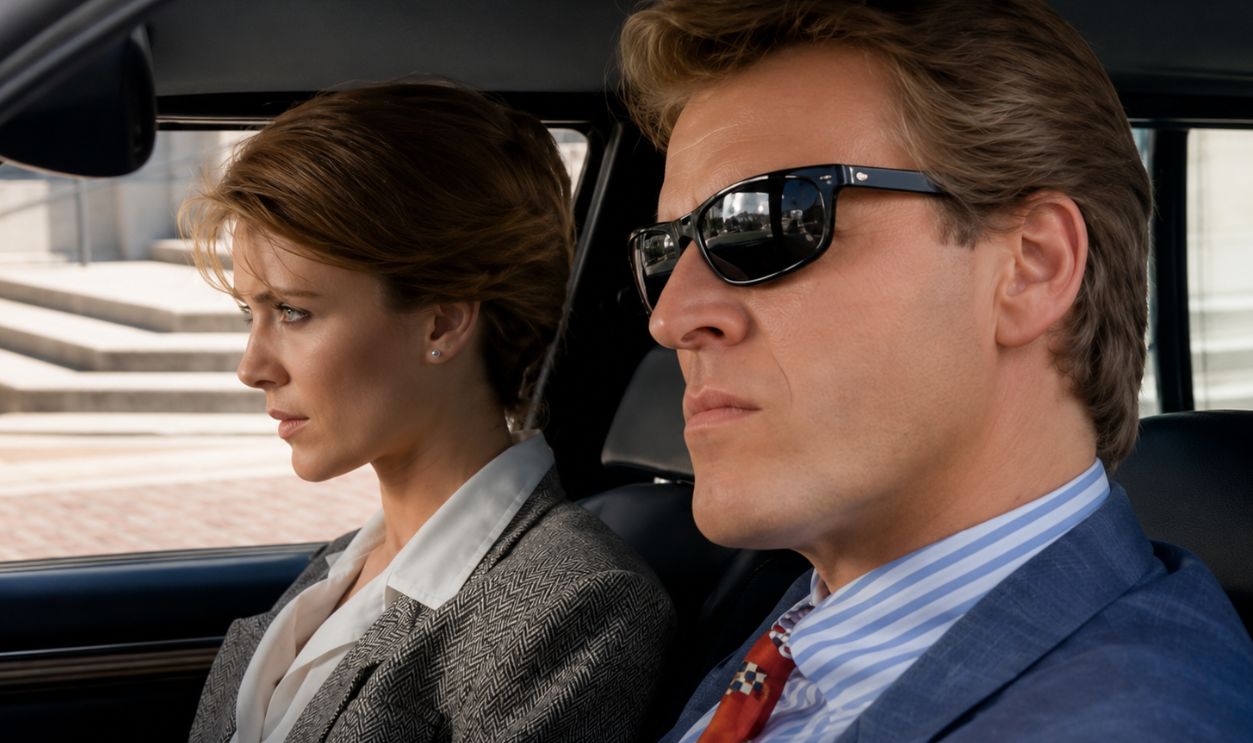 Screenshot from Sledge Hammer!, ABC (1986–1988), Modified
#21: Max Headroom
The American Max Headroom series starred Matt Frewer as both investigative reporter Edison Carter and his stuttering digital alter ego. Despite appearances, Max was created with makeup, prosthetics, and visual effects rather than computer animation. The series offered sharp cyberpunk satire, but Max’s bizarre voice and twitching electronic face became the image people retained.
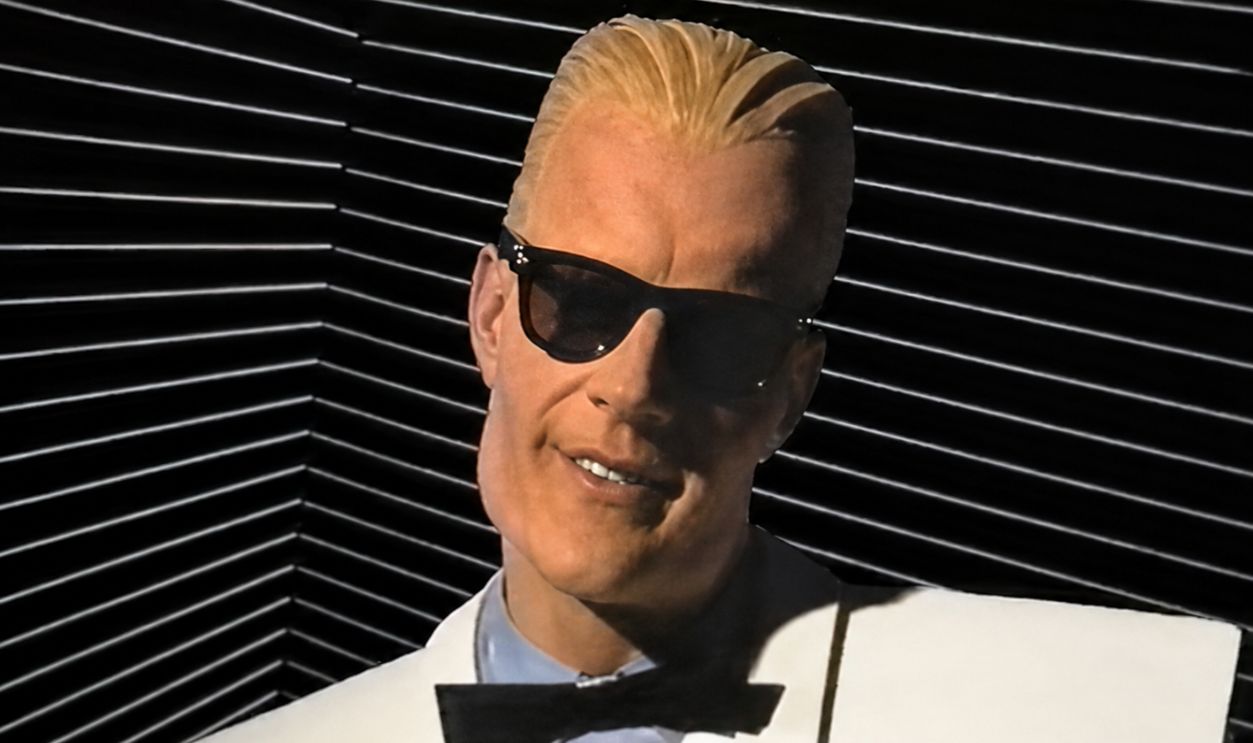 Screenshot from Max Headroom, ABC (1987–1988), Enhanced
#20: Deacon Ernest Frye
Set around a Philadelphia church, Amen featured Sherman Hemsley as Deacon Ernest Frye, a scheming lawyer who frequently tested the patience of the congregation and its new minister. Hemsley brought the same explosive confidence that had made him famous on The Jeffersons, ensuring that Frye dominated nearly every argument, meeting, and fundraising disaster.
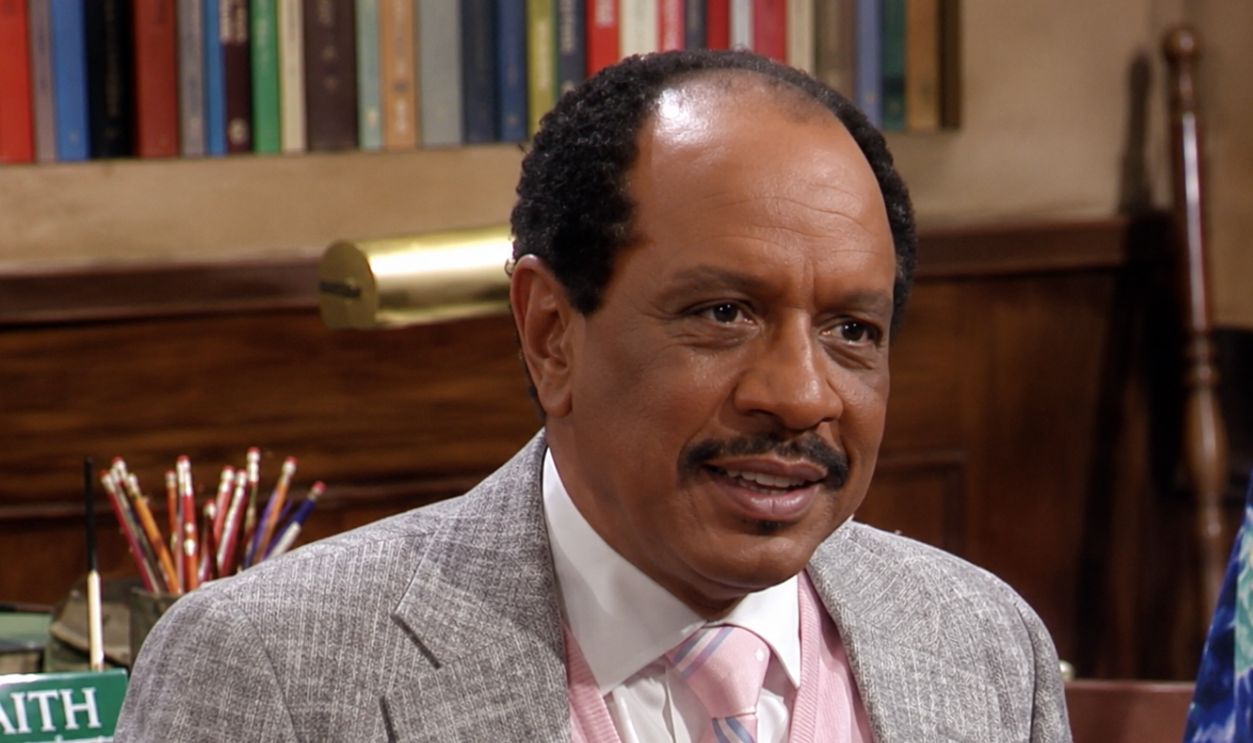 Screenshot from Amen, Paramount (1986-1991), enhanced
#19: Sandra Clark
227 followed the residents of a Washington, D.C., apartment building, with Marla Gibbs playing practical-minded Mary Jenkins. Jackée Harry regularly walked away with the biggest laughs as glamorous neighbor Sandra Clark. Her exaggerated confidence, breathy delivery, and parade of flashy outfits made Sandra so popular that Harry won an Emmy for the role.
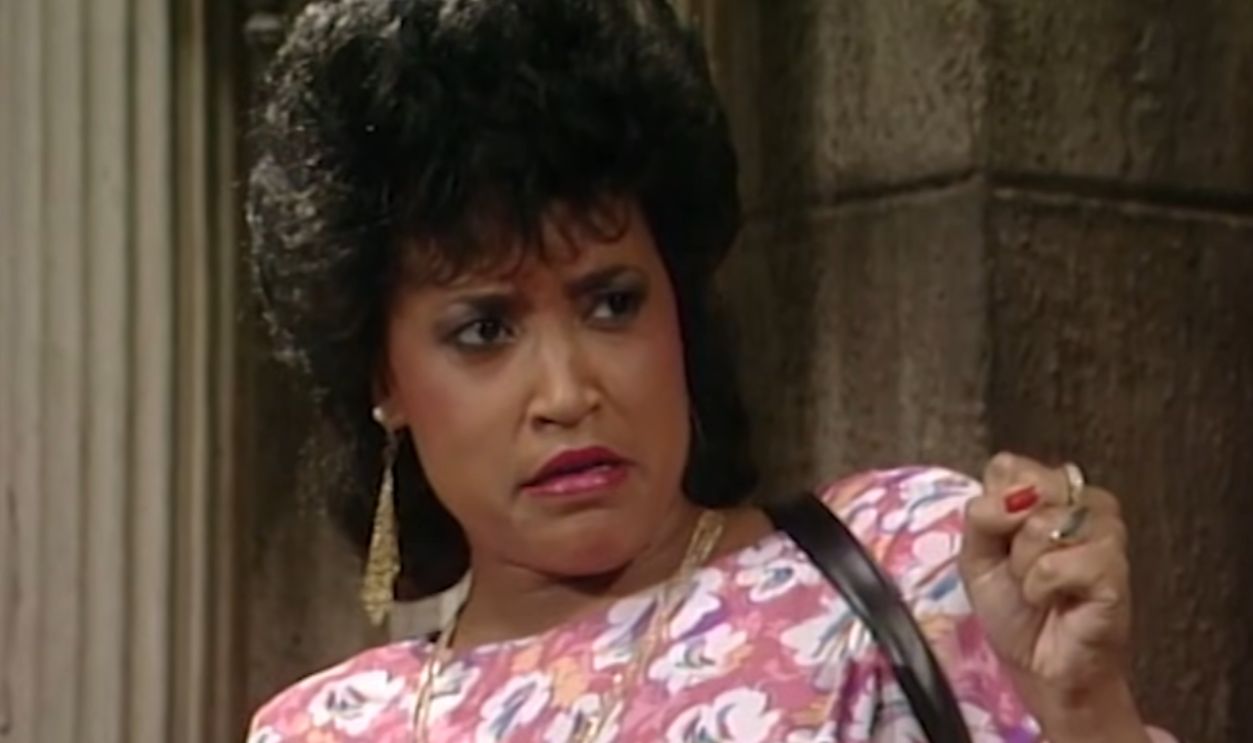 Screenshot from 227, Sony Pictures Entertainment (1985-1990)
#18: Nell Harper
Nell Carter played a singer who became housekeeper and mother figure to a widowed police chief’s daughters on Gimme a Break! The sitcom covered family problems, teenage mischief, and plenty of household confusion, but Carter supplied its enormous personality. Her powerhouse singing voice and beautifully timed exasperation made the series unmistakably hers.
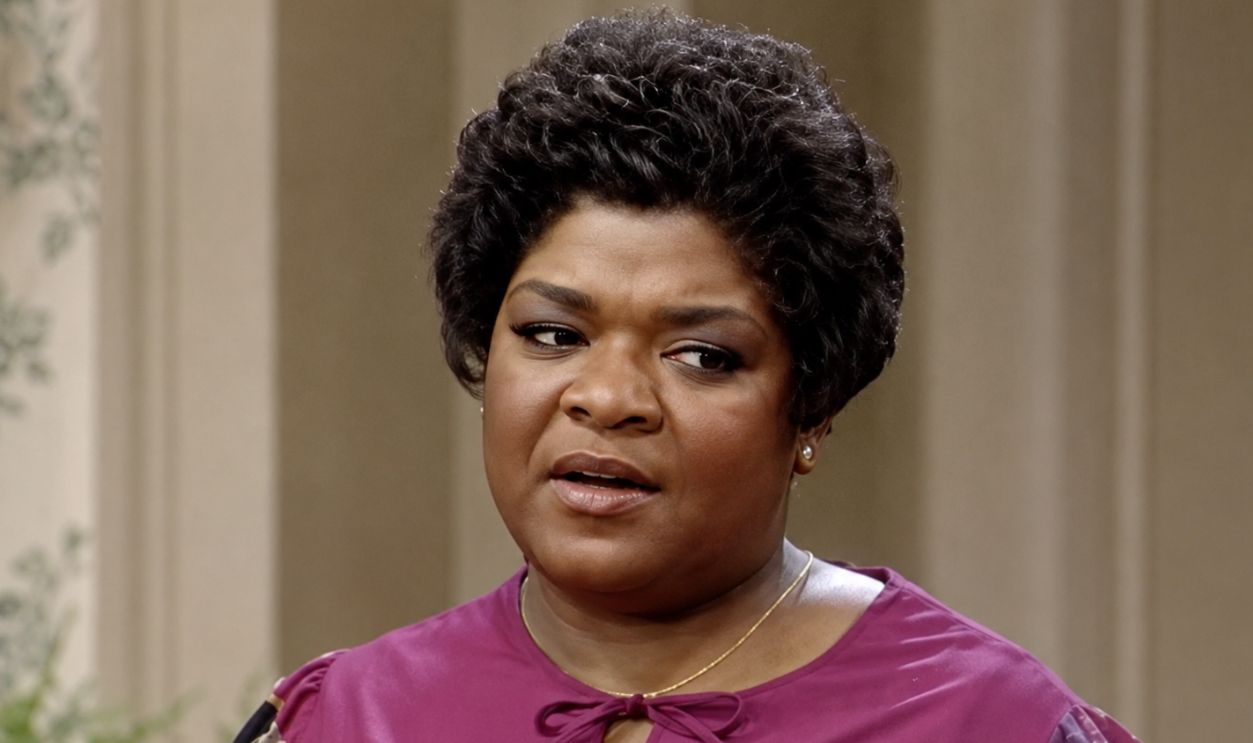 Screenshot from Gimme a Break!, NBCUniversal (1981-1987), enhanced
#17: Mr. Belvedere
Mr. Belvedere placed an elegant English butler inside the cheerfully disorderly home of an American family in suburban Pittsburgh. Christopher Hewett’s title character answered every crisis with dry wit, disapproving glances, and impeccable manners. Somehow, watching him survive messy children and refrigerator raids became more entertaining than the crises themselves.
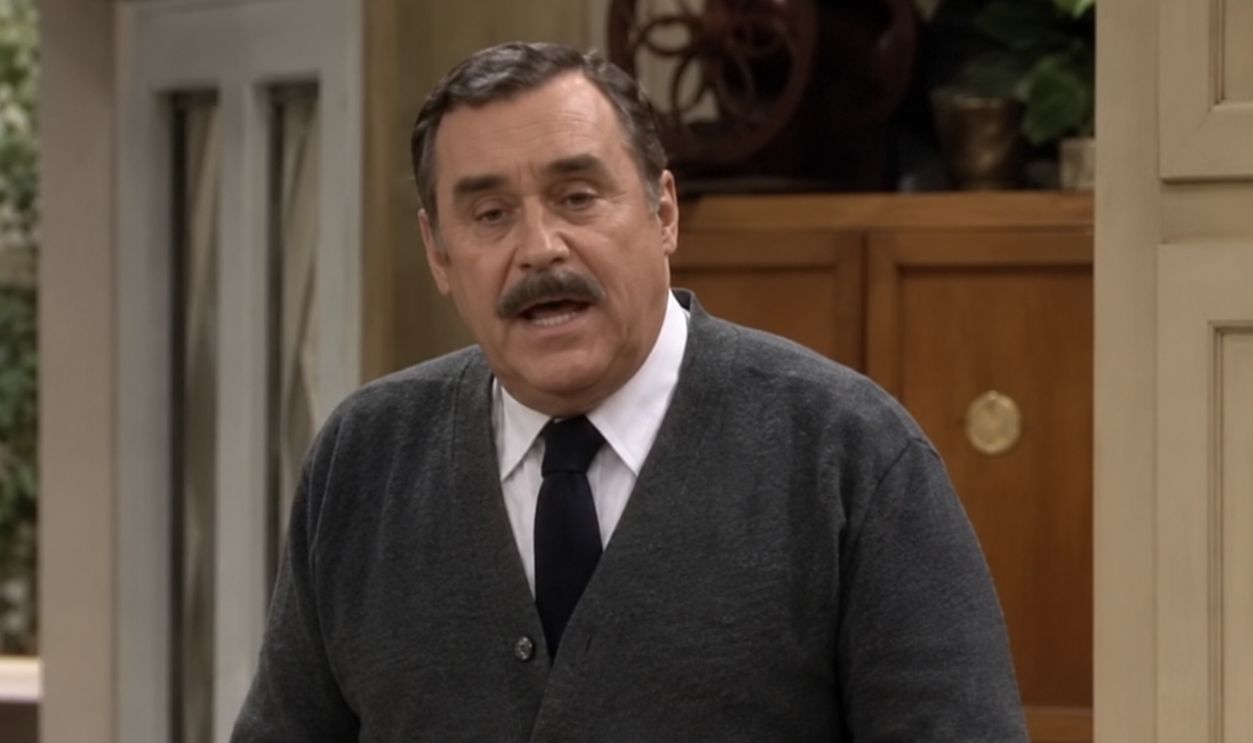 Screenshot from Mr. Belvedere, 20th Century Fox Television (1985–1990), Modified
#16: Punky Brewster
Soleil Moon Frye starred in Punky Brewster as a spirited girl taken in by elderly photographer Henry Warnimont after being abandoned by her mother. Punky’s mismatched clothes, brightly colored bedroom, and relentless optimism turned her into an instant childhood icon. She made wearing two different sneakers look like a perfectly reasonable life decision.
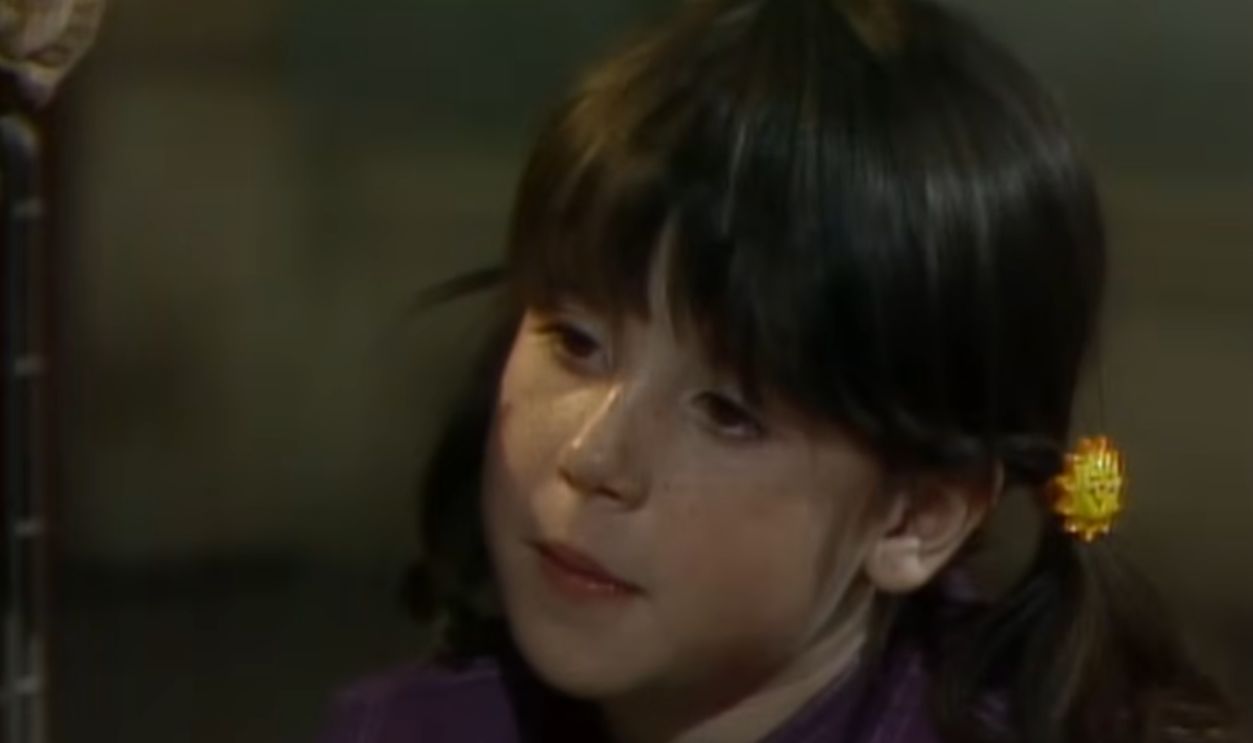 Screenshot from Punky Brewster, NBC (1984–1988)
#15: Webster Long
Webster featured Emmanuel Lewis as a young boy adopted by his godfather, former football player George Papadapolis, and George’s wife, Katherine. Lewis gave Webster a mixture of sweetness, intelligence, and mischievous charm. The show had two recognizable adult stars, but its tiny leading man was unquestionably the reason children tuned in.
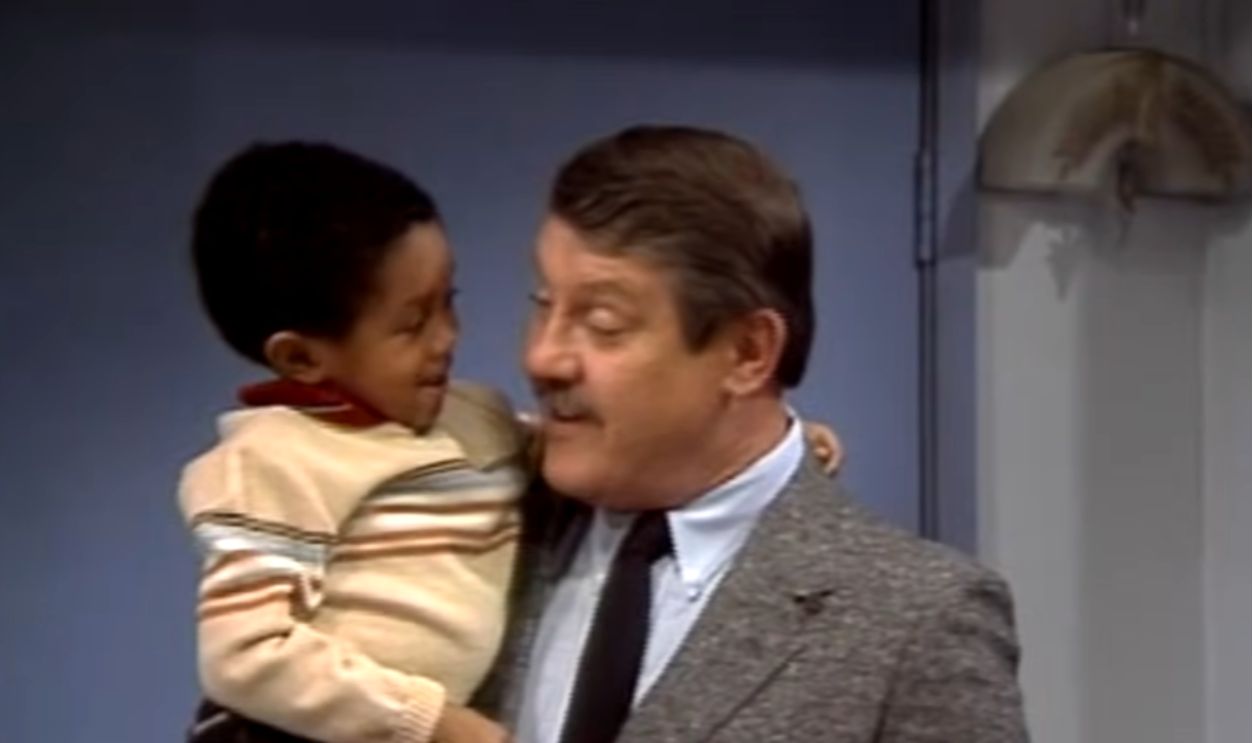 Screenshot from Webster, The Walt Disney Company (1983-1989)
#14: Suzanne Sugarbaker
Designing Women followed four women working at an Atlanta interior-design firm, giving the series one of television’s strongest comedy ensembles. Even so, Delta Burke’s vain and gloriously outspoken Suzanne Sugarbaker was frequently the center of attention. Suzanne treated beauty-pageant history like military service and every room like her personal stage.
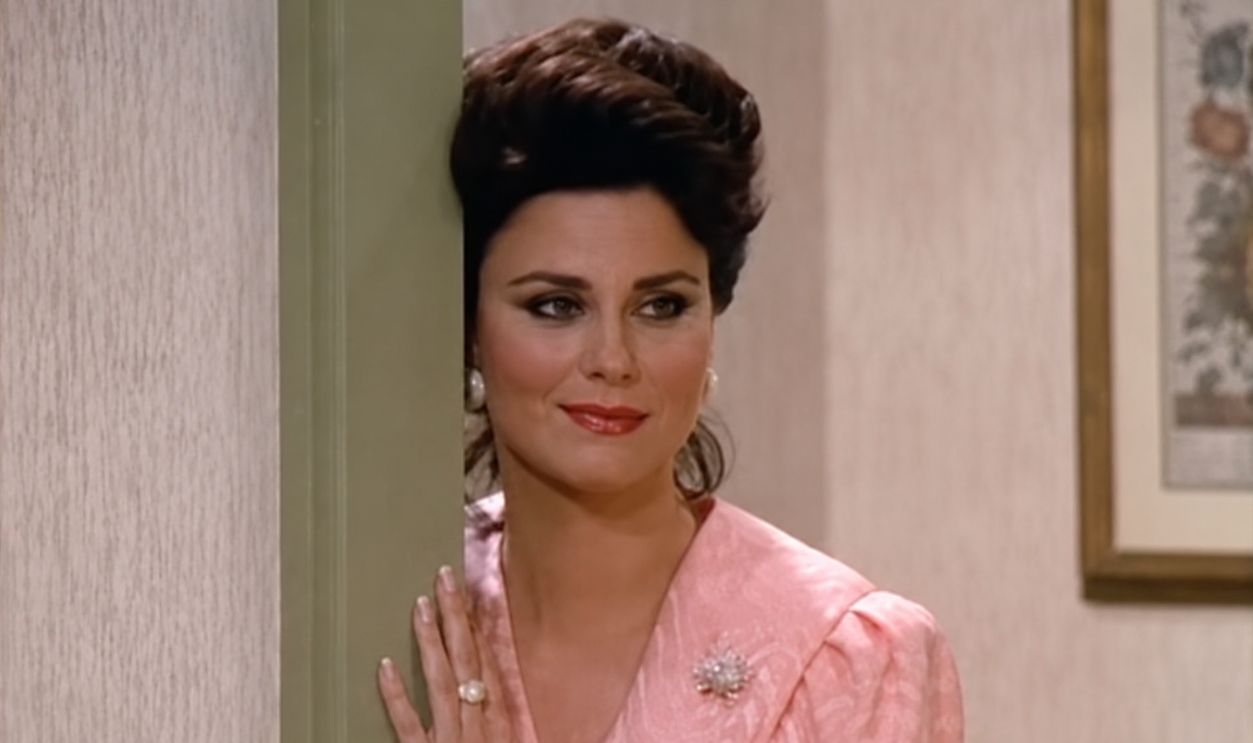 Screenshot from Designing Women, CBS (1986–1993), Enhanced
#13: Mike Seaver
The Seaver household was theoretically the focus of Growing Pains, which followed a psychiatrist working from home while his wife returned to her career. In practice, Kirk Cameron’s mischievous Mike became the show’s teen idol. His grin, schemes, and expertly delivered excuses covered countless bedroom walls—and probably caused several unfortunate home haircuts.
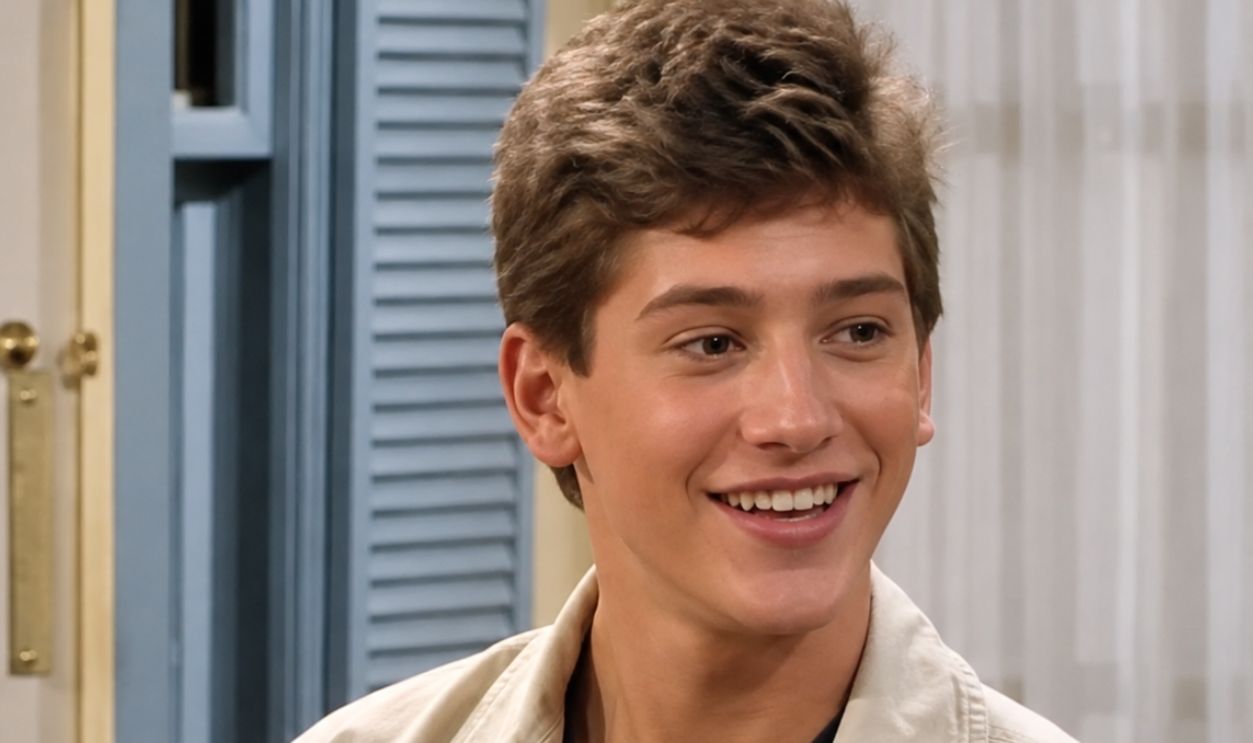 Screenshot from Growing Pains, ABC (1985–1992), Enhanced
#12: Balki Bartokomous
Perfect Strangers paired tightly wound Chicago resident Larry Appleton with his cheerful cousin Balki, a recent arrival from the fictional island of Mypos. Bronson Pinchot gave Balki unusual expressions, mangled American sayings, and endless enthusiasm. Once he launched into the Dance of Joy, Larry’s plans and everyone else’s dignity were finished.
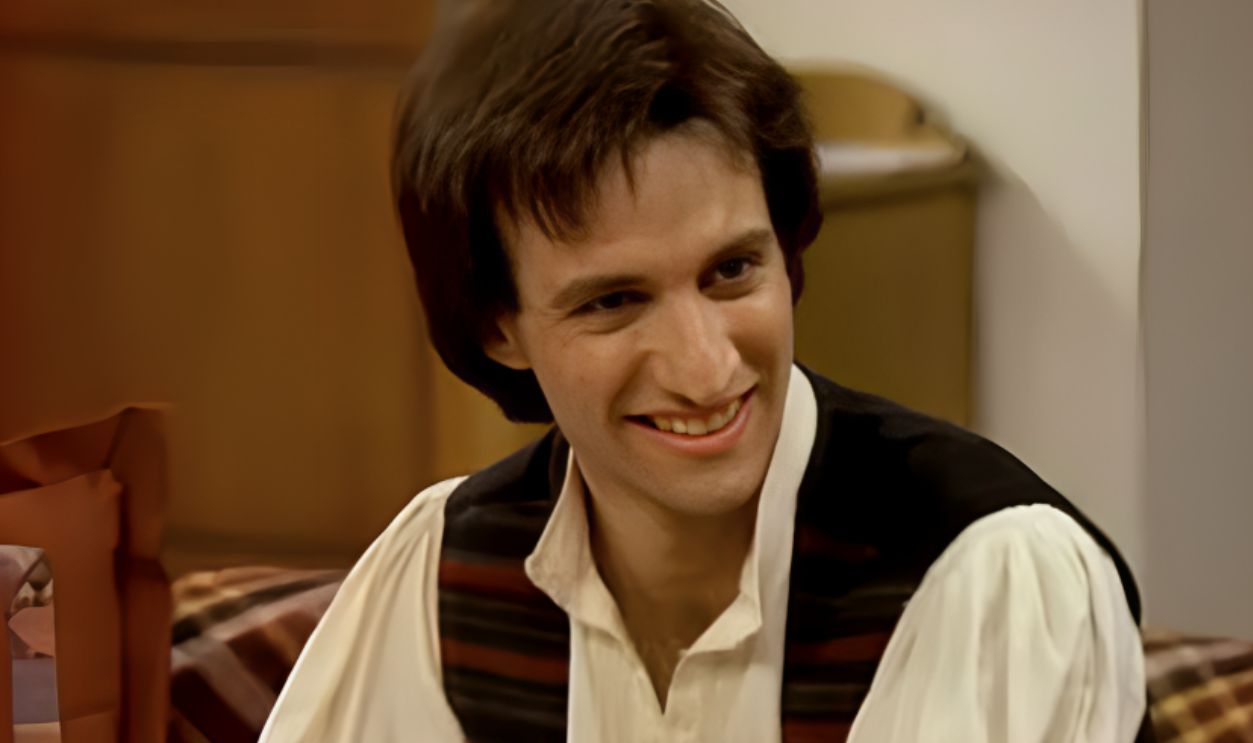 Screenshot from Perfect Strangers, Warner Bros. Discovery (1986-1993), Enhanced
#11: Jessica Fletcher
Angela Lansbury played mystery writer Jessica Fletcher throughout Murder, She Wrote, solving an astonishing number of murders in Cabot Cove and beyond. The weekly mysteries were comfortably dependable, but Lansbury made them essential viewing. Jessica could uncover a killer with politeness, patience, and the quietly terrifying ability to notice absolutely everything.
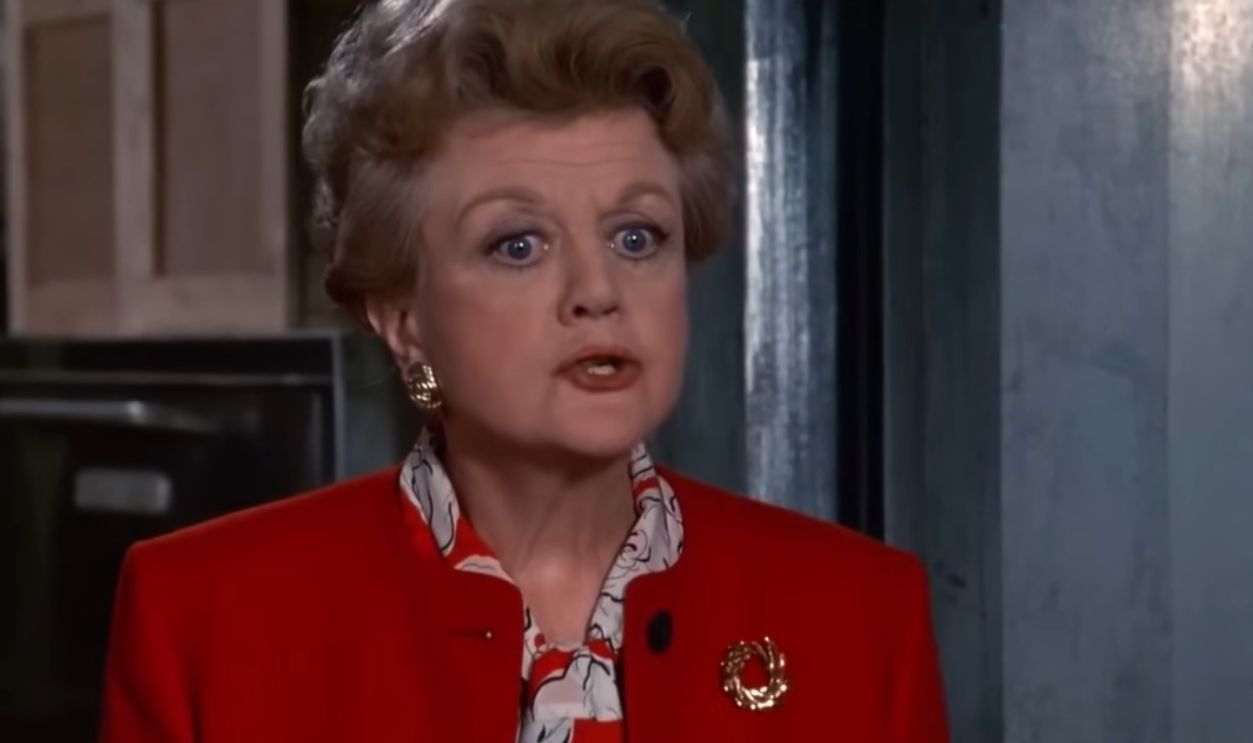 Screenshot from Murder, She Wrote, Universal Television (1984–1996)
#10: Alex P. Keaton
Family Ties began as a comedy about liberal former hippies raising children during the conservative Reagan era. Michael J. Fox transformed ambitious young Republican Alex P. Keaton into its breakout character. His financial obsessions and arguments with his parents were funny, but Fox also gave Alex enough warmth to keep him lovable.
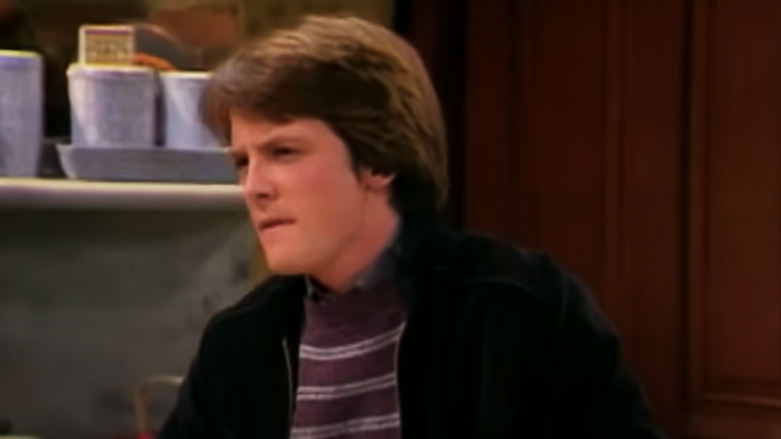 Screenshot from Family Ties, NBC (1982–1989)
#9: Alexis Carrington
Dynasty already had wealth, grudges, and shoulder pads large enough to require planning permission. Then Joan Collins arrived during the second season as Blake Carrington’s glamorous former wife, Alexis. Her delicious insults and ruthless plotting energized the series, turning every boardroom discussion and champagne reception into a potential declaration of war.
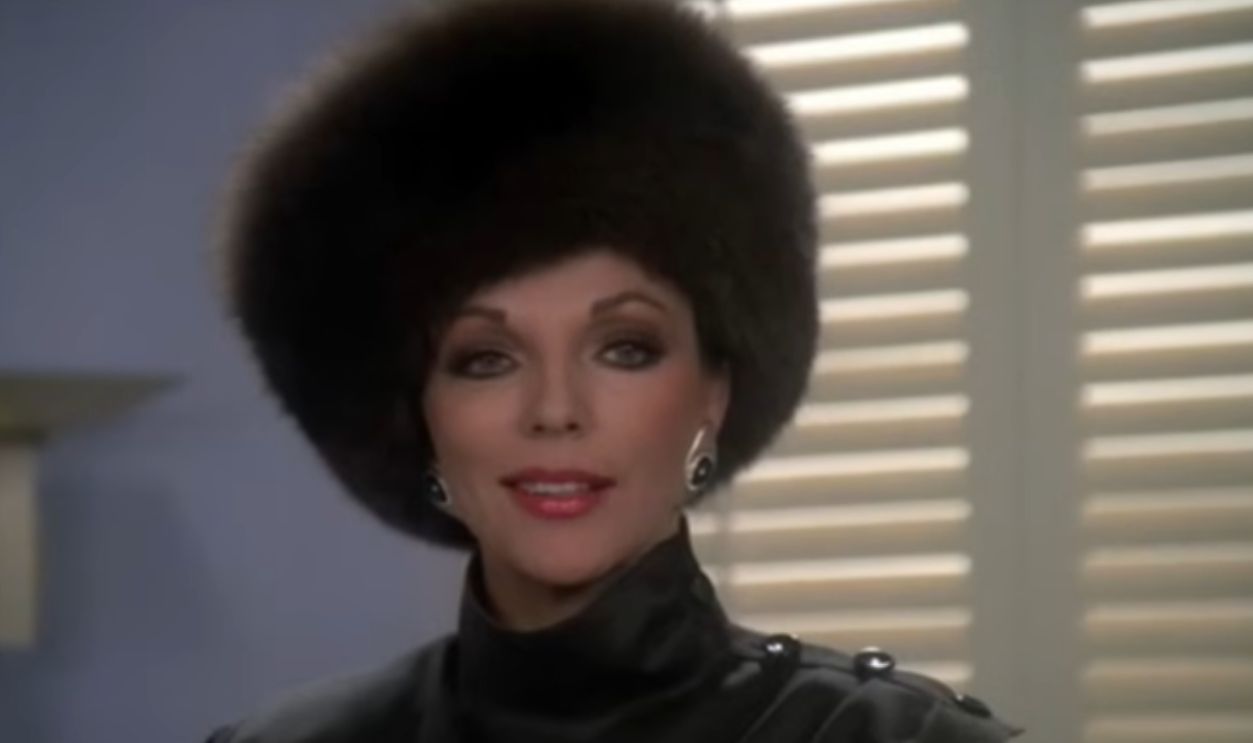 Screenshot from Dynasty, CBS Television Distribution (1981-1989)
#8: KITT
Knight Rider followed crimefighter Michael Knight and his unusually advanced Pontiac Trans Am. David Hasselhoff was technically the human star, but KITT had the better gadgets, the better comebacks, and considerably more dashboard lights. Voiced by William Daniels, the intelligent car made ordinary vehicles seem disappointingly silent and emotionally unavailable.
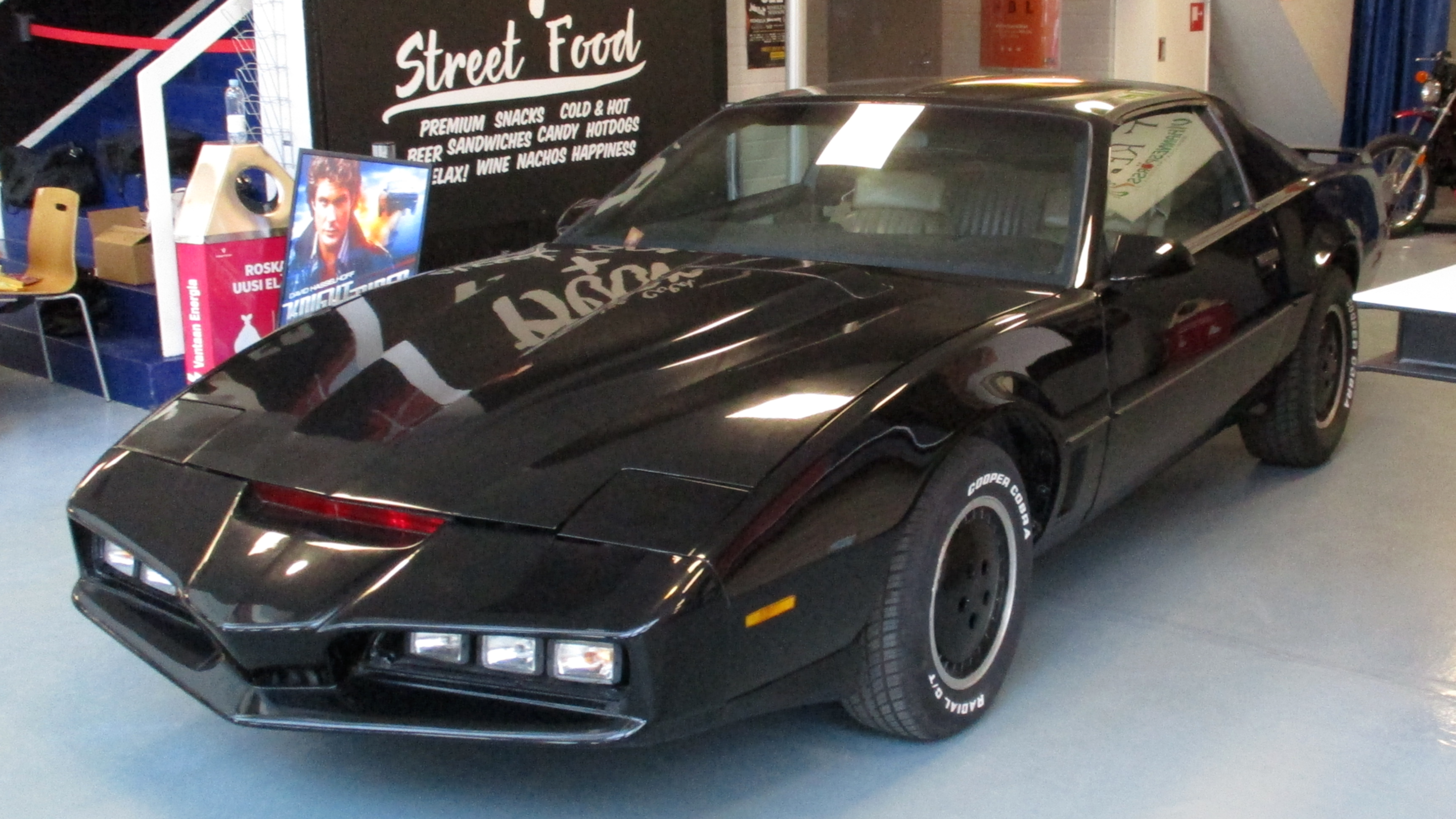 Kahvilokki, CC-BY-SA-4.0, Wikimedia Commons
#7: Angus MacGyver
Richard Dean Anderson played secret agent Angus MacGyver, a hero who preferred ingenuity to gunfire. Each episode presented a dangerous situation that could apparently be solved with household objects, scientific knowledge, and tremendous confidence in adhesive tape. The plots varied, but audiences returned to see what improbable object MacGyver would weaponize next.
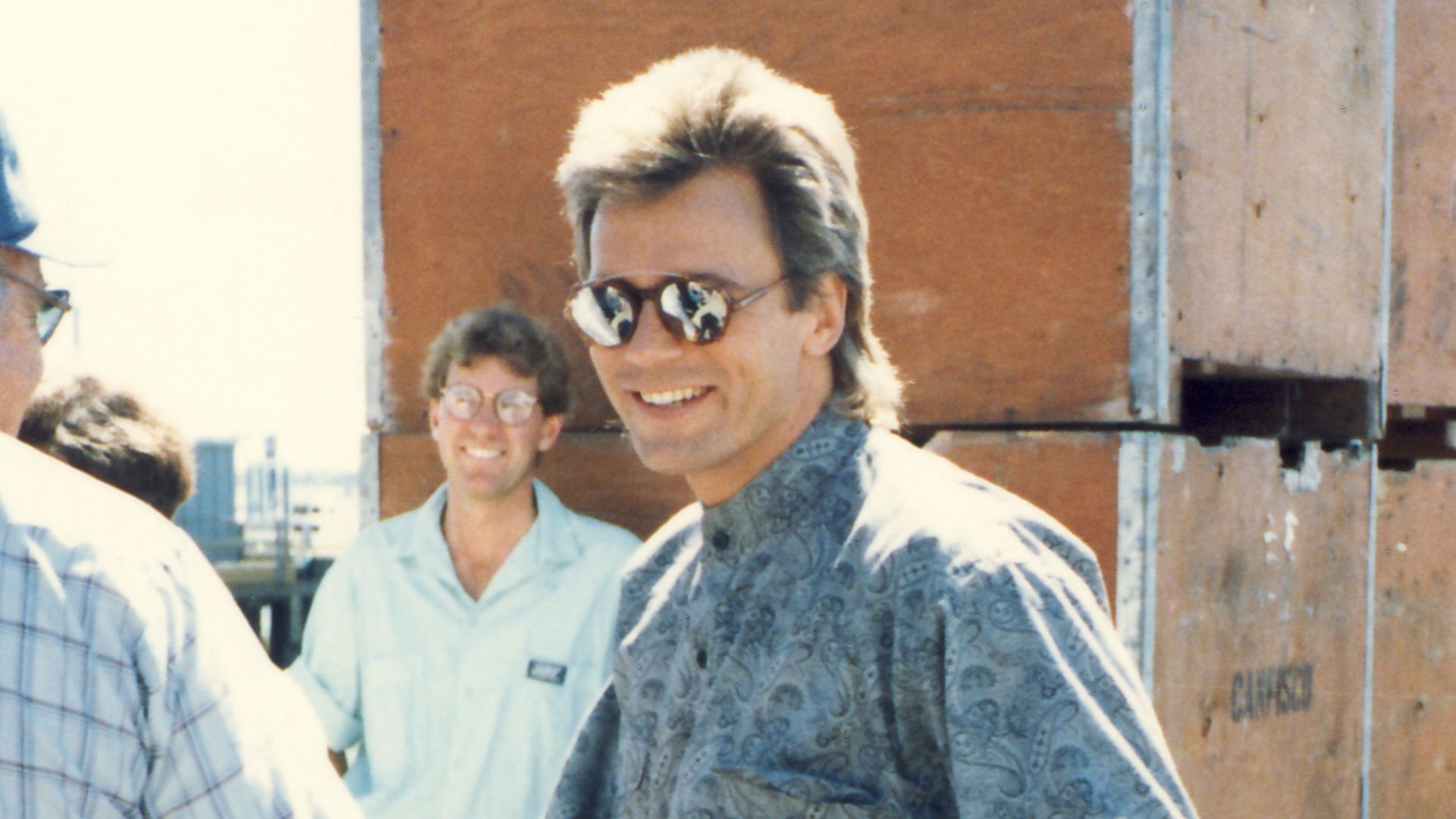 Themightyquill, Wikimedia Commons
#6: Pee-wee Herman
Pee-wee’s Playhouse surrounded Paul Reubens’ bow-tied character with talking furniture, puppets, cartoons, and a collection of gloriously strange visitors. The show was supposedly for children, although adults quickly recognized its clever surrealism. Pee-wee’s laugh, suit, and manic energy held everything together like extremely caffeinated glue.
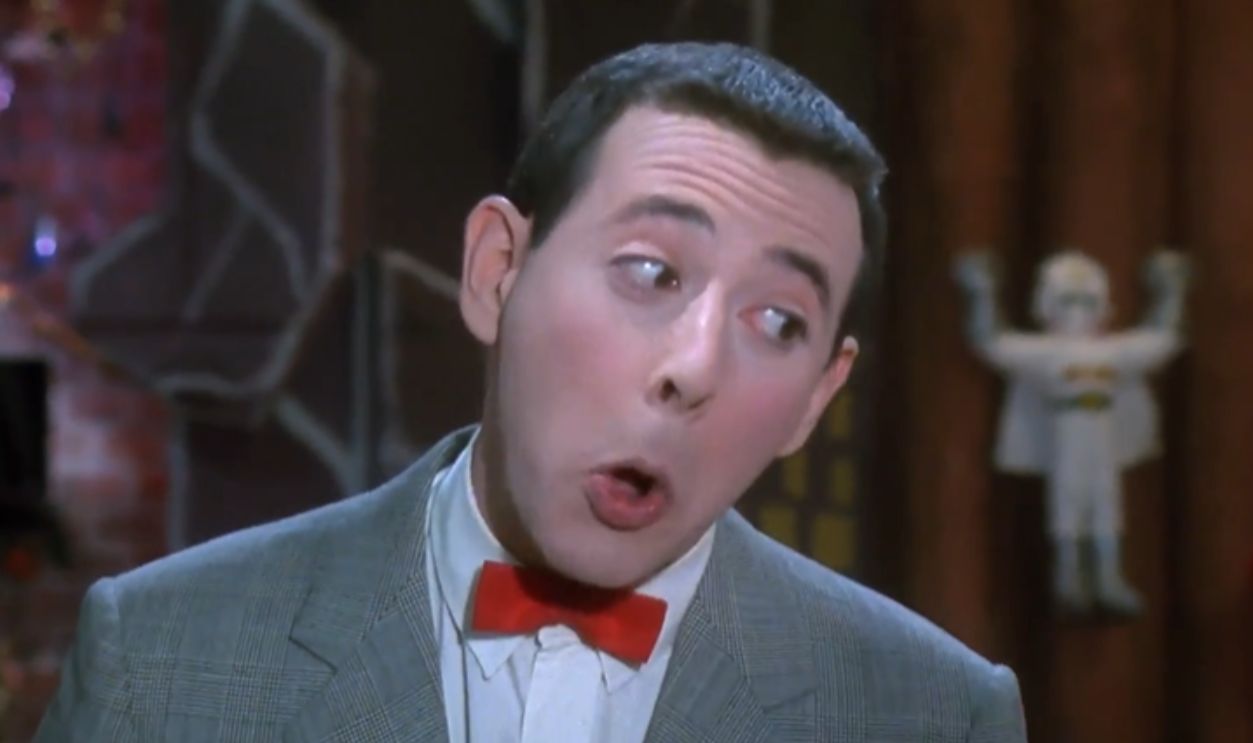 Screenshot from Pee-Wee’s Playhouse Christmas Special, Warner Bros. Television (1988)
#5: Al Bundy
Married... with Children gleefully turned the wholesome family sitcom upside down. Ed O’Neill’s Al Bundy was a miserable shoe salesman who complained about his job, his family, and nearly every development since his high-school football career. He was grouchy, inappropriate, and strangely relatable after a particularly long Monday.
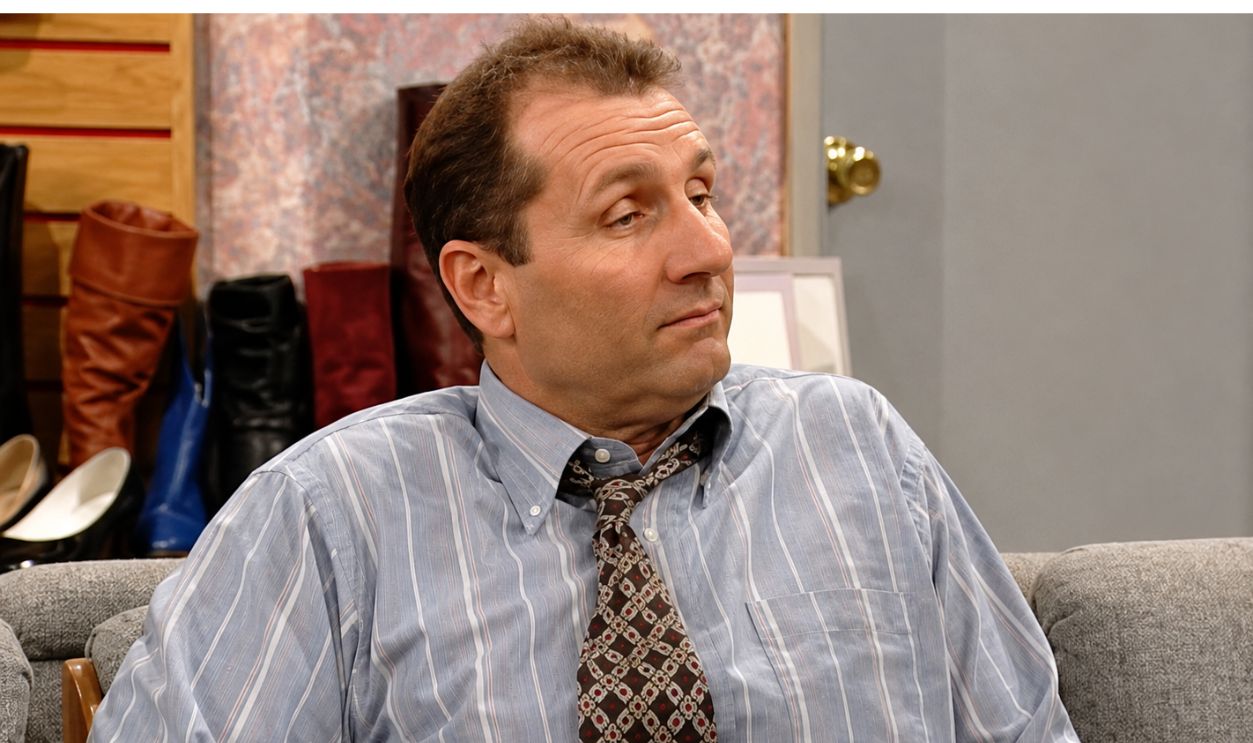 Screenshot from Married... With Children, Columbia Pictures (1987-1997)
#4: B.A. Baracus
The A-Team followed four former military commandos helping innocent people while staying ahead of the authorities. Mr. T’s B.A. Baracus stood out immediately with his mohawk, gold chains, mechanical expertise, and legendary dislike of flying. Whenever the team needed muscle, repairs, or a furious glare, B.A. was ready.
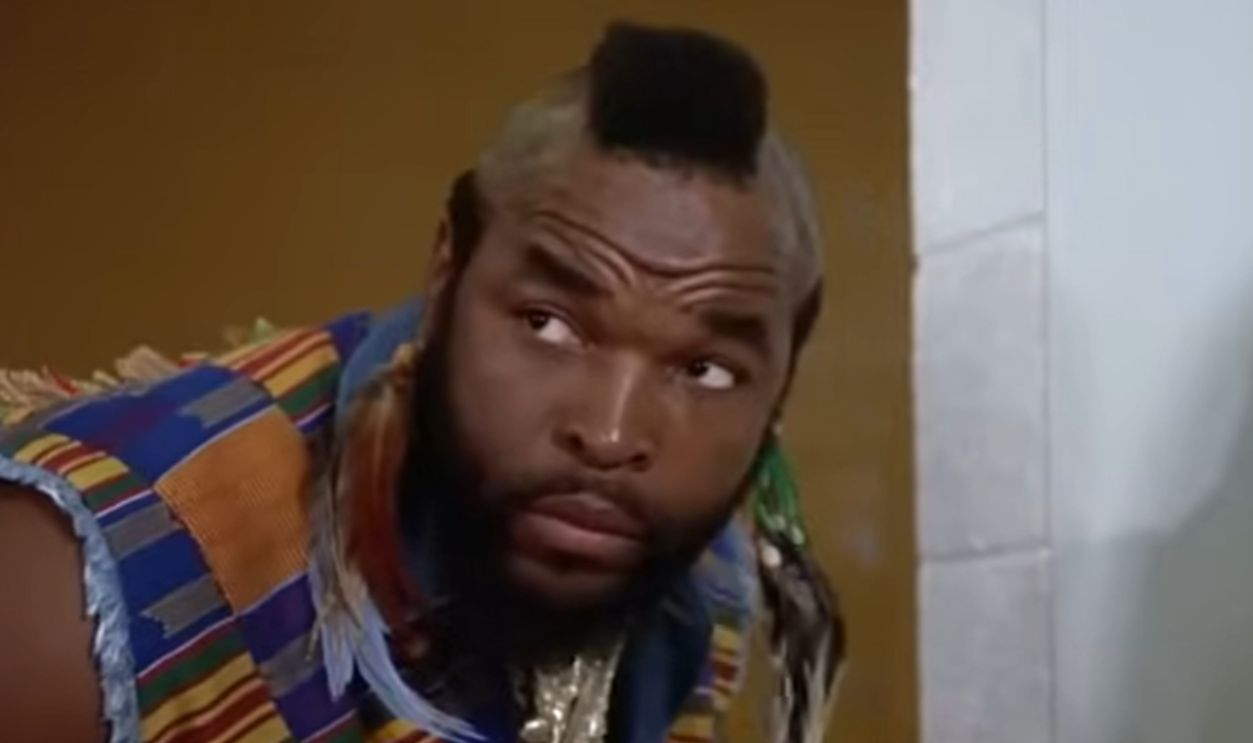 Screenshot from The A-Team, Universal Television (1983-1987)
#3: ALF
The sitcom ALF revolved around the Tanner family hiding a wisecracking alien named Gordon Shumway after he crash-landed in their garage. Performed and voiced by Paul Fusco, ALF delivered the jokes, caused the disasters, and threatened the family cat. The human characters were necessary, but everyone knew whose name was on the lunchbox.
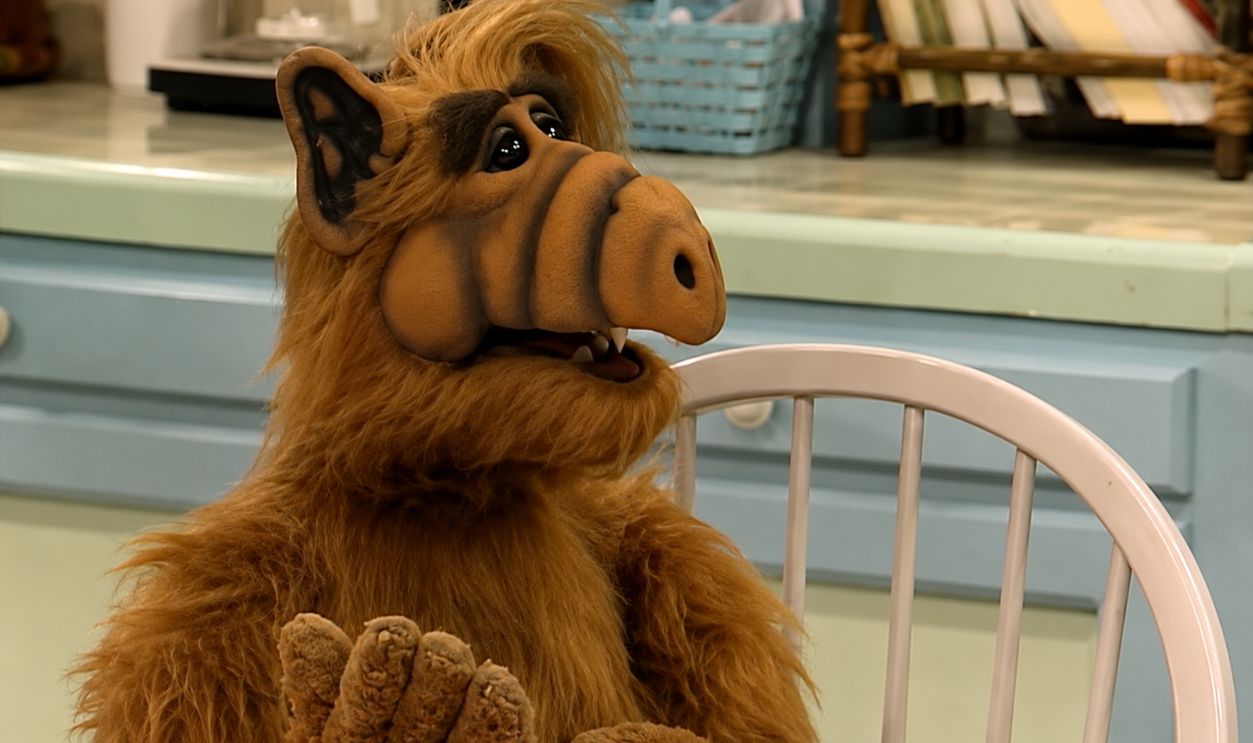 Screenshot from ALF, NBC Television Network (1986-1990), Enhanced
#2: J.R. Ewing
Dallas premiered in 1978, but its defining years and greatest cultural impact came during the 1980s. Larry Hagman’s smiling, scheming oil tycoon J.R. Ewing turned family betrayal into appointment television. The “Who shot J.R.?” phenomenon became a global sensation, proving that audiences sometimes adore a character they would never trust with a houseplant.
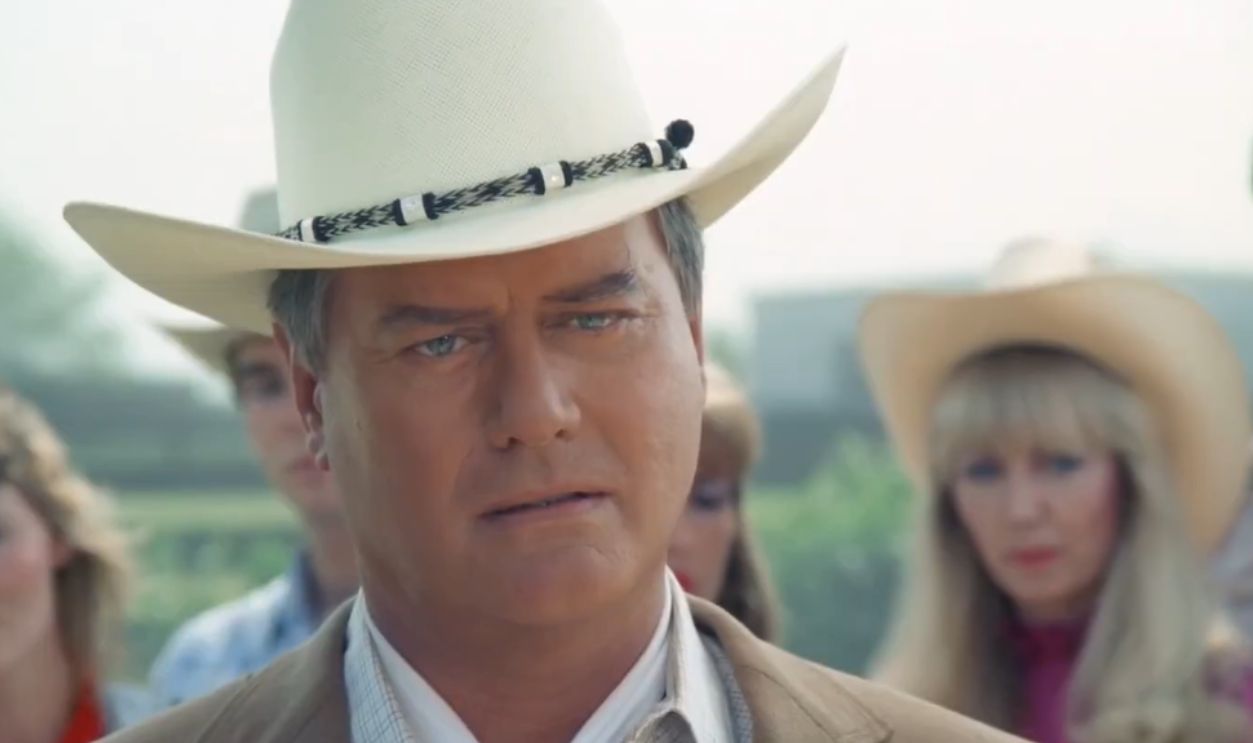 Screenshot from Dallas, CBS (1978–1991)
#1: Steve Urkel
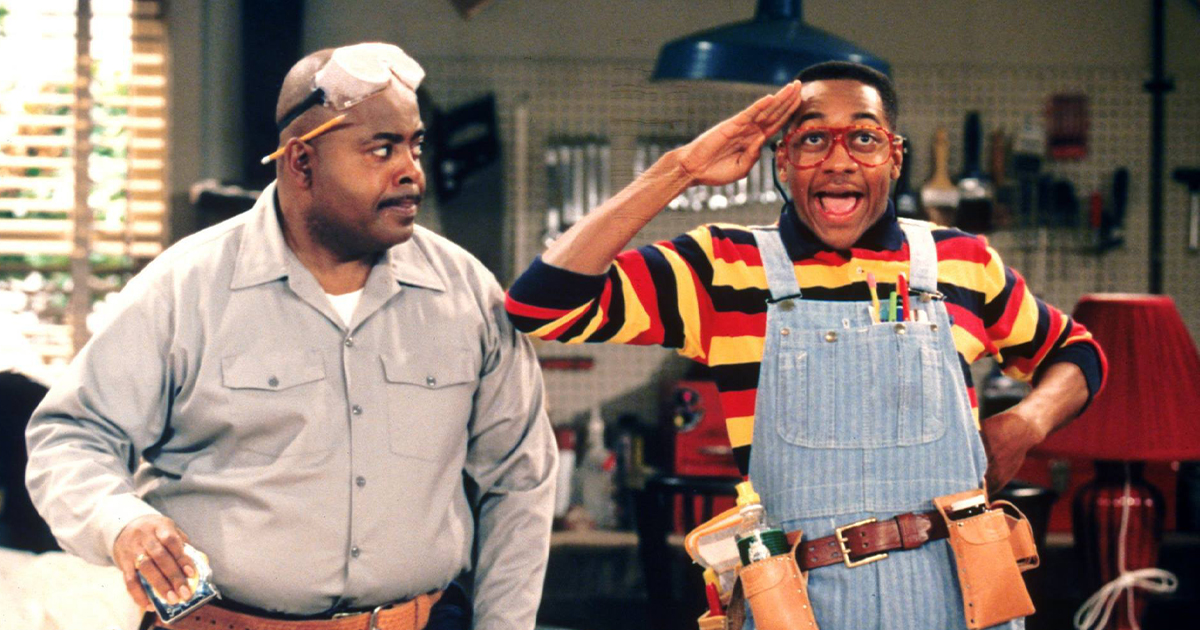
Family Matters debuted in 1989 as a family sitcom centered on police officer Carl Winslow and his household. Then Jaleel White appeared as nerdy neighbor Steve Urkel, originally intended as a guest character, and everything changed. His suspenders, nasal voice, inventions, and “Did I do that?” catchphrase became cultural fixtures. The show had an entire family in its title, but one spectacularly persistent neighbor became its lasting identity.
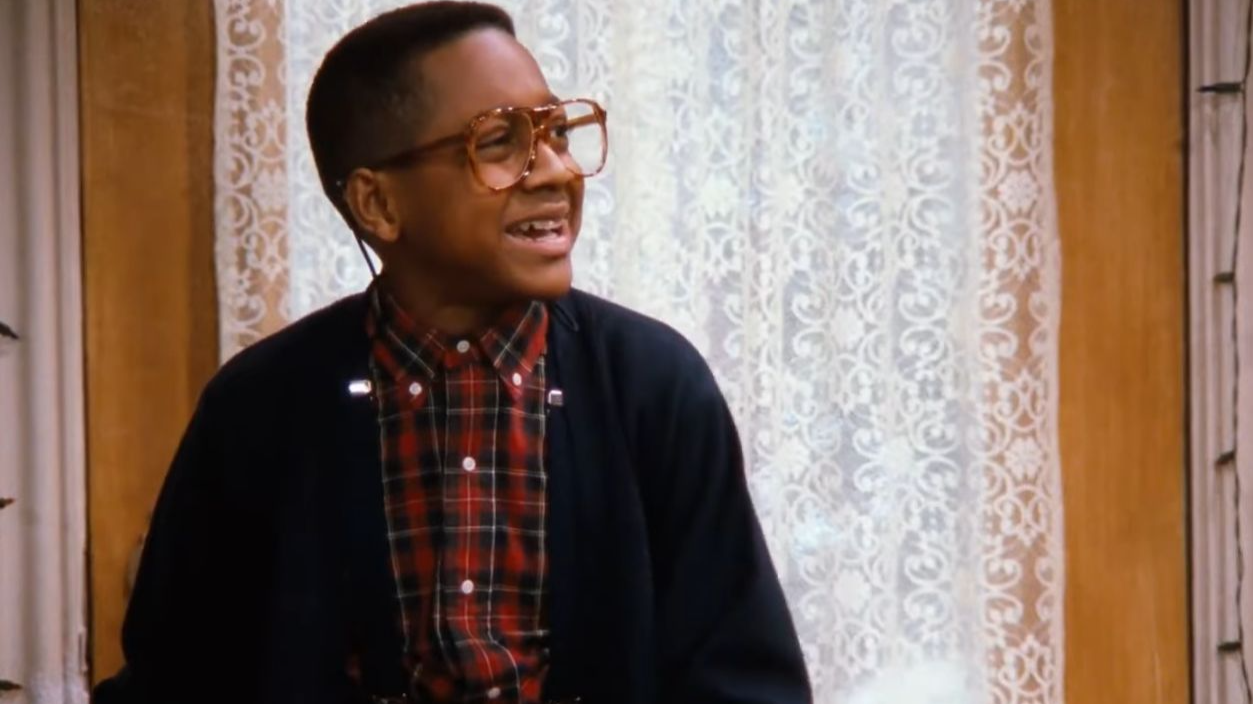 Screenshot from Family Matters, Warner Bros. (1989–1998)
You May Also Like:
TV Shows That Were Huge Abroad—But Never Took Off In The U.S.
20 Years Ago, These Controversial Movies Were Hits—Today They’d Spark Outrage
30 of the Longest-Running TV Shows