Banned For Life
Not all Saturday Night Live hosts are created equal—but even the ones who crash and burn usually get a polite second shot from Lorne Michaels and company. Flopping is forgivable. Being impossible to work with? Not so much.
Over the years, a handful of hosts, guests, and musical acts managed to be so chaotic, controversial, or downright difficult that they earned something far rarer than applause—a ban. It’s an exclusive club, packed with big names, bruised egos, and stories the show definitely hasn’t forgotten.
Frank Zappa
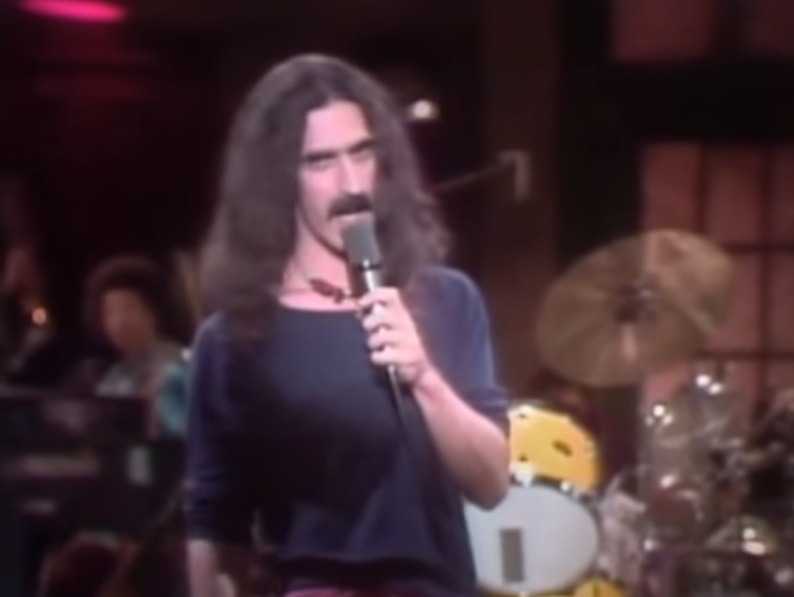
Frank Zappa was one of the most off-the-wall, unconventional musicians of his time. He first appeared on SNL as a musical guest in 1976, and things went off without a hitch. Zappa even invited announcer Don Pardo to help him perform his song “I’m the Slime”.
However, when he returned to the show in 1978, Lorne and the cast got more than they bargained for.
 NBC, Saturday Night Live (1975-)
Frank Zappa (cont’d)
Zappa’s music—and in a sense, the man himself—was remarkably unconventional, experimental, and often improvised. It made for some interesting performances, but on Zappa’s second SNL appearance, it backfired. This time, he was both musical guest and host, and hosting involves a lot of collaboration behind the scenes.
Zappa apparently made things a nightmare for the writers & cast, and on top of that, angered Michaels by “mugging” for the camera. His behavior earned him the first ban in SNL history.
 NBC, Saturday Night Live (1975-)
Milton Berle
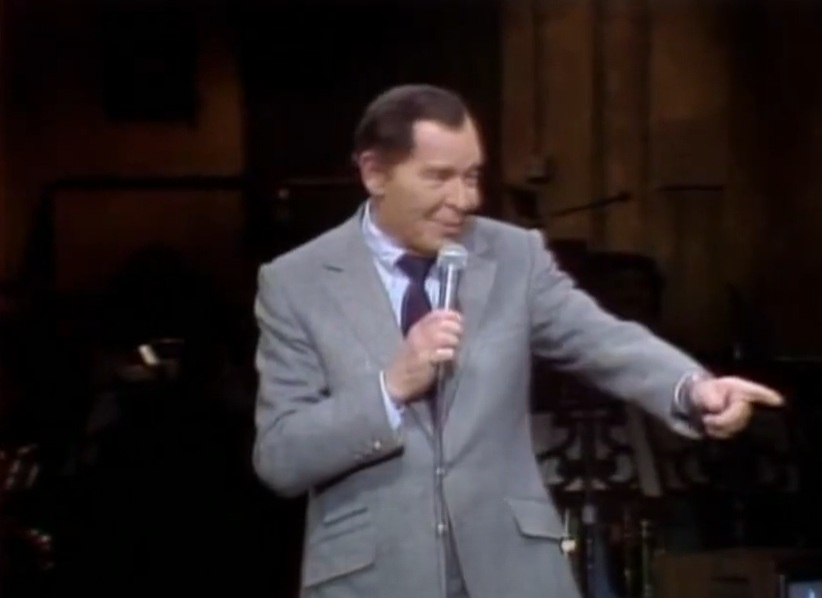
There might not be a Saturday Night Live—or television as we know it—without Milton Berle, whose Texaco Star Theater was so popular in its heyday that it doubled the number of TVs in American homes.
But with great success came a big ego…and when Berle was invited to host SNL in 1979, it reared its ugly head.
 NBC, Saturday Night Live (1975-)
Milton Berle (cont’d)
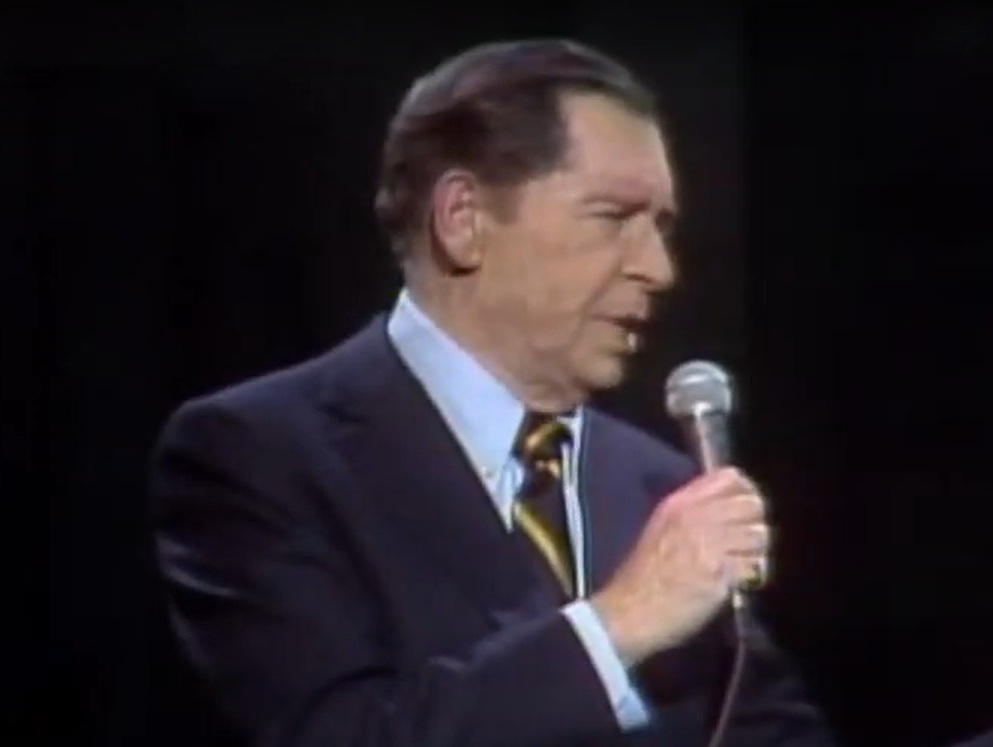
By that time, SNL had established itself, but to someone like the 71-year-old Berle, the staff was made up of nothing but inexperienced kids. As such, he was completely domineering during the writing process, and when he couldn’t get his sketches on the air, he went completely off script on live TV. He finished the gig by singing “September Song” and then forced the audience to give him a stand-up ovation.
And that’s how America’s beloved “Uncle Miltie” not only got banned from SNL, but also infuriated Lorne Michaels so much that he refused to air the episode until 2003.
 NBC, Saturday Night Live (1975-)
Robert Blake
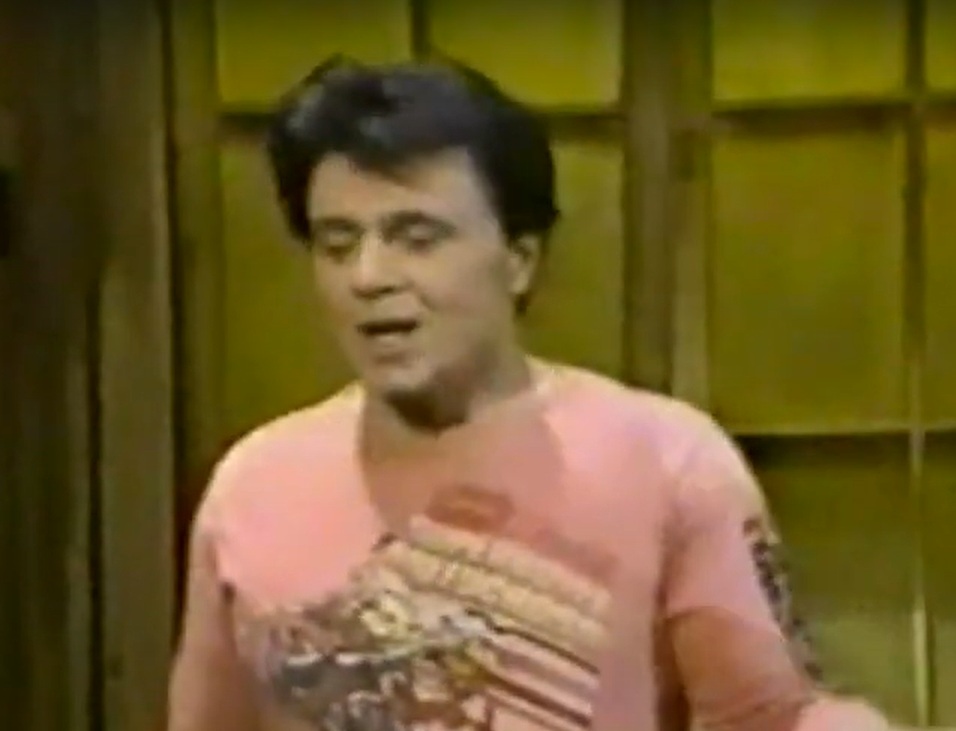
Robert Blake’s career—and life—has been a true roller coaster ride. He survived child stardom and then went on to have success in serious fare like In Cold Blood and Lost Highway, as well as lead his own show, Baretta. And then, of course, there was his alleged involvement in the death of his wife in 2001. But before that mark on his name, there was his infamous SNL stint.
 NBC, Saturday Night Live (1975-)
Robert Blake (cont’d)
In 1982, Robert Blake hosted SNL with musical guest Kenny Loggins. It was his first, and only time hosting the show. During the writing process, he took offense to a sketch called the “Breezy Philosopher”. It seems pretty innocuous—about a biker who reads Kierkegaard—but for some reason, it caused a brutal reaction in Blake. He crumpled up the script, threw it at a writer’s face, and told him to—to put it gently—use it as toilet paper.
Though the show aired without any visible hitches, Blake’s fit got him banned by Michaels.
 NBC, Saturday Night Live (1975-)
Andy Kaufman
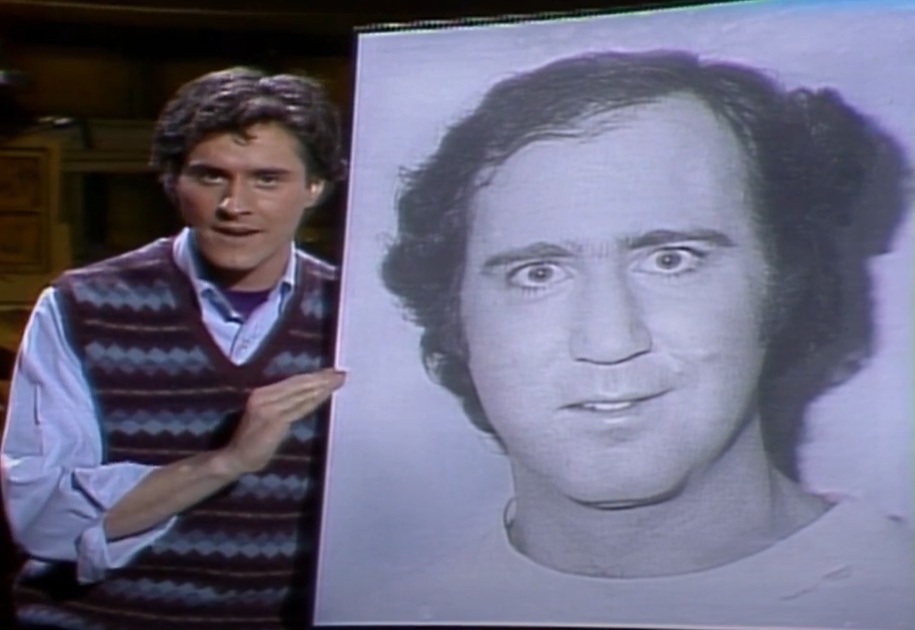
Does it really count as a ban if you orchestrate it yourself? Andy Kaufman, the gloriously off-kilter comic who’d been popping up on SNL since the very first episode in 1975, had long made a sport out of confusing audiences and irritating executives in equal measure. Over time, his bizarre bits managed to wear thin with some viewers—and especially with executive producer Dick Ebersol.
So in true Kaufman fashion, he turned the backlash into performance art and invited the audience to vote on whether he should be allowed to stay. Because if you’re going to get kicked off the show, you might as well make it part of the act.
 NBC, Saturday Night Live (1975-)
Andy Kaufman (cont’d)
In 1983, a taped segment aired on SNL, showing Kaufman asking the audience to call in and vote whether to “Keep Andy” or “Dump Andy”. While the cast did their best to sway the audience to the former—Eddie Murphy threatened to punch anyone who voted for “Dump,” while Mary Gross sped through the number for “Dump” so no one could make it out—the numbers told a different story.
While 169,186 people called in to “Keep Andy,” 195,544 called in to “Dump Andy”. Though not an official ban, Kaufman followed the word of the people and never appeared on SNL again.
 NBC, Saturday Night Live (1975-)
The Replacements
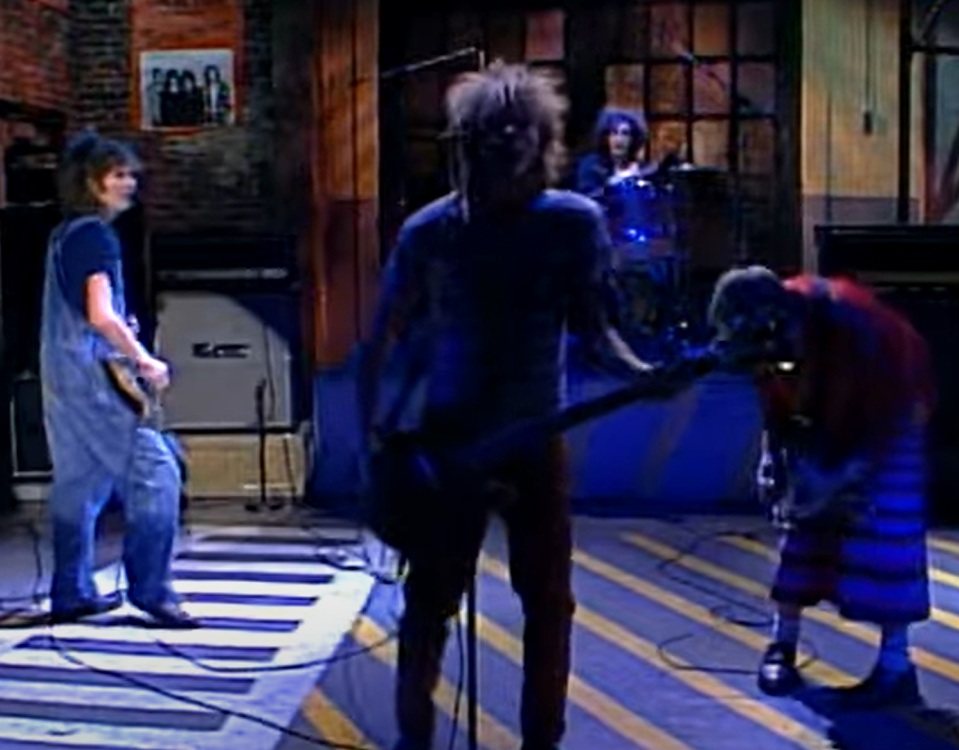
The Replacements were a hardscrabble rock band formed in Minneapolis, Minnesota in 1979. They toiled for every ounce of success they got—but that didn’t stop them from being downright troublemakers at live performances wherever they toured. If anything, SNL should’ve done their research before booking them as musical guests…
 NBC, Saturday Night Live (1975-)
The Replacement (cont’d)
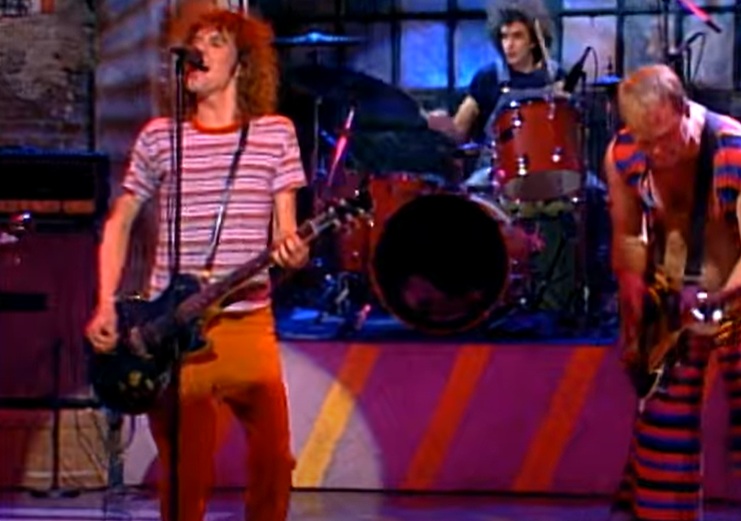
The Replacements were known for having rowdy shows, and their performance on SNL in 1986 was no different. They appeared on stage noticeably inebriated, falling into each other, forgetting lyrics, and messing up song parts. When they came on for their second song, they repeated those antics—but this time, they were all wearing each other’s clothes.
And so, just like one of their hometown venues had once done, Lorne Michaels banned them from the SNL stage.
 NBC, Saturday Night Live (1975-)
Steven Seagal
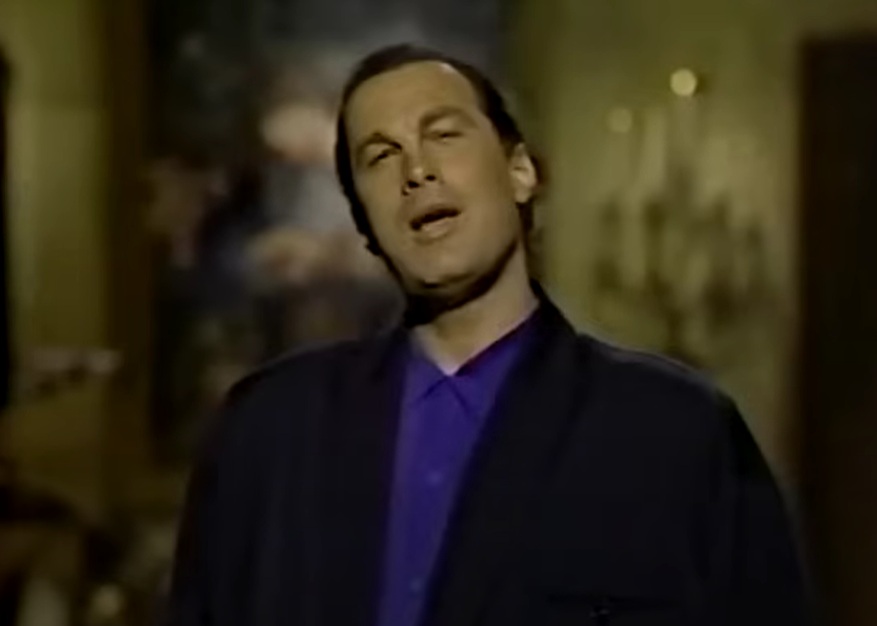
There have been a number of notably bad hosts in SNL’s 50-year tenure: Michael Phelps, Rudy Giuliani, Paris Hilton. But there’s only one who Lorne Michaels called the worst host ever: action star Steven Seagal. Fresh off the success of three very popular action movies, Seagal was one of the genre’s biggest stars—and it clearly got to his head.
 NBC, Saturday Night Live (1975-)
Steven Seagal (cont’d)
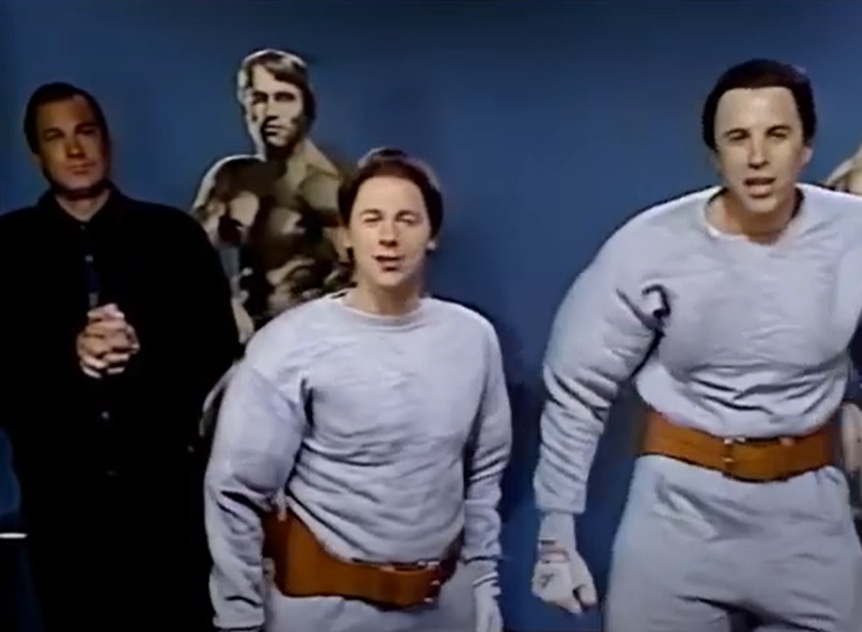
When the writers tried to include Seagal in developing sketches for the show, he vetoed their ideas and came up with his own remarkably unfunny concepts—including one about a therapist who takes advantage of their patient, an assault victim. In many cases like this, the problem comes from the host not being familiar with the show, but Seagal had clearly watched it before, as he objected to doing a “Hans and Franz” sketch, since those characters had previously said they could beat him up.
Ultimately, it was a truly miserable week for the cast and crew of the show, which ultimately led to Michaels not only banning Seagal, but calling him the worst host ever.
 NBC, Saturday Night Live (1975-)
Sinead O’Connor
While Steven Seagal caused trouble for Lorne Michaels and the cast, in 1992, Sinead O’Connor caused trouble for herself and the whole show when she tore up a picture of Pope John Paul II in front of the camera and cried out to “Fight the real enemy”. So, how did it all happen?
 NBC, Saturday Night Live (1975-)
Sinead O’Connor (cont’d)
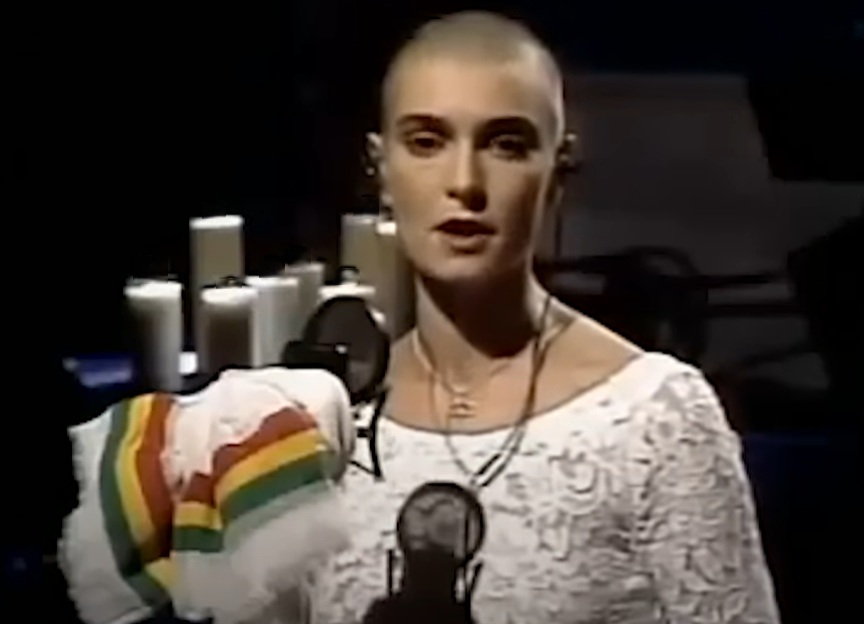
No one at the show had any idea what Sinéad O’Connor was about to do. During rehearsals, she’d held up a photo of a refugee child instead—which explains why the camera was framed so tightly when the live performance began. Then, in one of live television’s most jaw-dropping pivots, she tore up a photo of the Pope instead.
The fallout was instant and ferocious. It didn’t just rattle Studio 8H—it detonated across the country, cementing the moment as one of the most infamous in the show’s history. This time, the consequences didn’t come quietly backstage. NBC stepped in and banned O’Connor for life.
For decades, the segment was quietly snipped from reruns, as if erasing it might dull its impact. It stayed that way until 2025, when the network finally aired the unedited 1992 performance during a 50 Years of SNL Music special—proving that even the most controversial live moments never really stay buried.
 NBC, Saturday Night Live (1975-)
Martin Lawrence
In 1994, when he was invited to host SNL, Martin Lawrence was one of the most popular comedians in the US, and had his own eponymous show on Fox, which was a runaway success. While it can be hard for dramatic actors or musicians to take on hosting duties, for comedians, it’s usually a slam dunk. So, what went wrong when Lawrence took the stage? Well…
 NBC, Saturday Night Live (1975-)
Martin Lawrence (cont’d)
If there’s one segment where comedians truly shine on SNL, it’s the monologue. And Martin Lawrence’s monologue was certainly memorable. Lawrence went off against network censors before talking about Lorena Bobbit, and then spent a few excruciatingly long minutes lecturing women about personal hygiene.
The heartbreaking part? Early in the monologue, Lawrence had mentioned that hosting SNL was a lifelong dream. It was clear that he wanted to leave a lasting impression—he just went about it in the wrong way, and it got him permanently banned.
 NBC, Saturday Night Live (1975-)
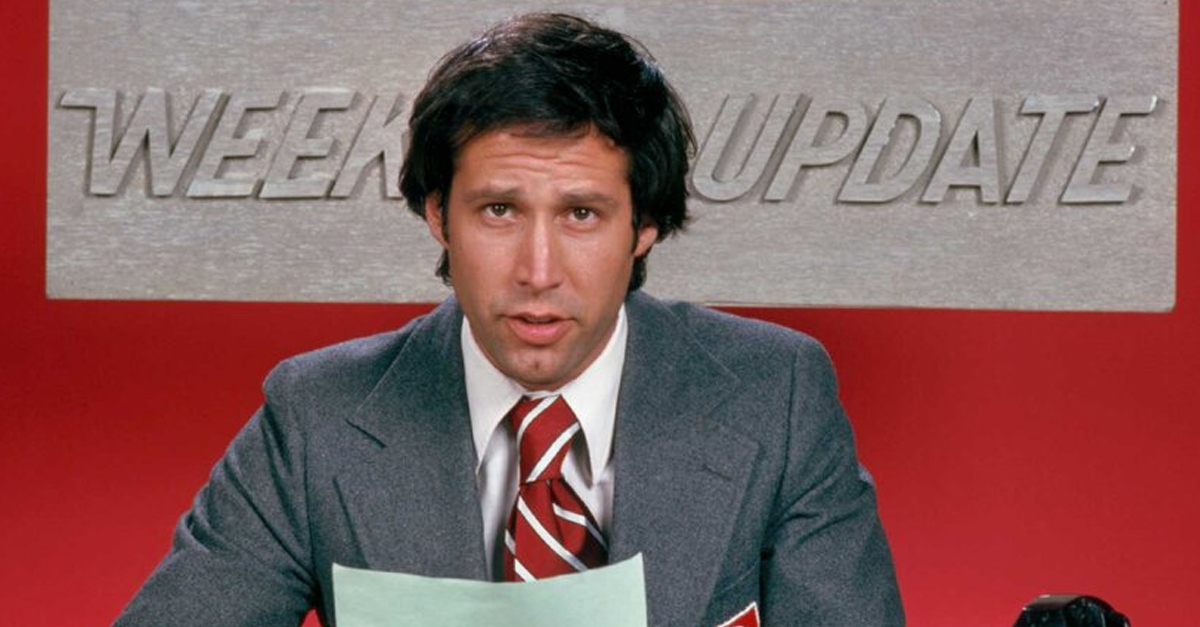
Chevy Chase
On October 11, 1975, the Not Ready for Prime Time Players assembled for the first time in front of a camera to perform for the first episode of Saturday Night Live. Among those original nine cast members was Chevy Chase—who also happened to be the first to really gain success from the show, earning two Emmys. He left during the second season to establish himself as a star in his own right, going on to star in iconic series like National Lampoon and Fletch.
But every time he came back to the SNL stage, his ugly side came out.
 NBC, Saturday Night Live (1975-)
Chevy Chase (cont’d)
Chase ruffled feathers with the cast whenever he returned to Studio 8H—fistfighting with Bill Murray in 1978 and verbally abusing Robert Downey Jr and Terry Sweeney in 1985. But when he came back in 1997, that’s when things really went down. He apparently badgered women during the lead-up to the show, and even smacked cast member Cheri Oteri on the back of the head during rehearsals.
Though Michaels has refuted reports that he’s banned, and Chase has appeared on the show since, he’s never been asked back to host.
 NBC, Saturday Night Live (1975-)
Adrien Brody
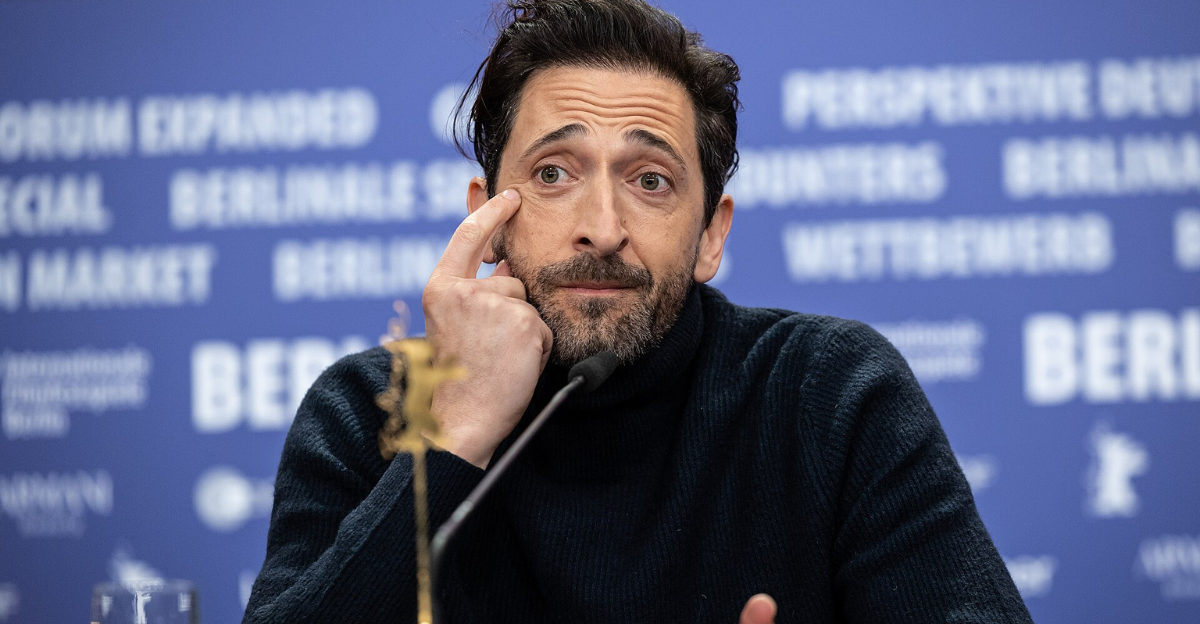
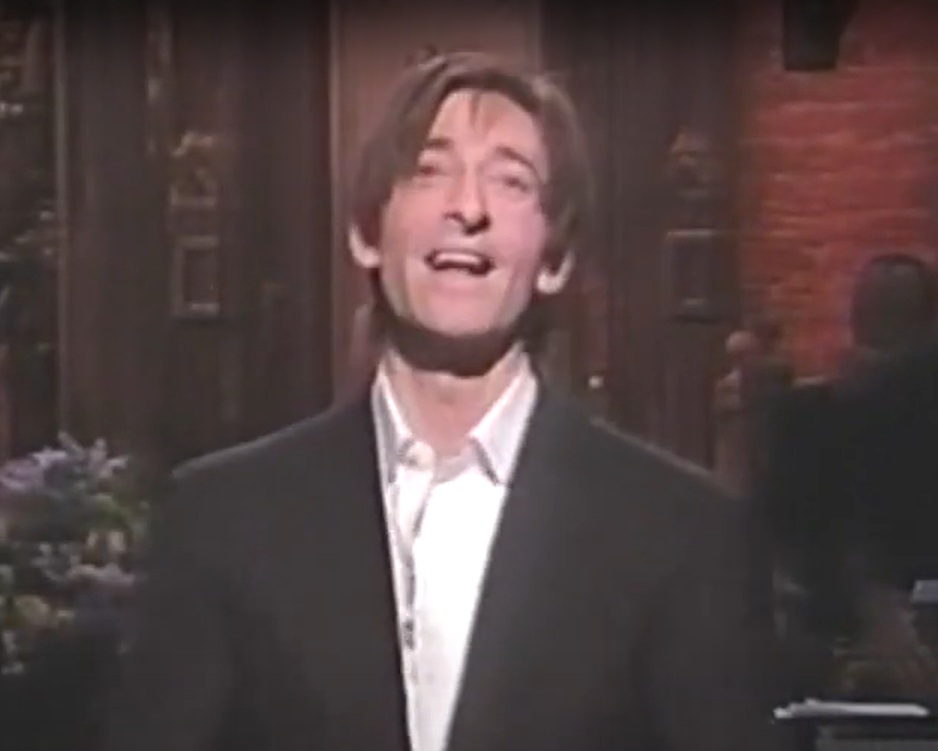
In 2002, Adrien Brody became the youngest actor to win the Best Actor Oscar for his performance in the extremely bleak war drama The Pianist. On his victory tour, he stopped by SNL in 2003. As mentioned, it can be difficult for serious dramatic actors to adapt to the show’s format, but Brody threw himself into it—with mixed results.
 NBC, Saturday Night Live (1975-)
Adrien Brody (cont’d)
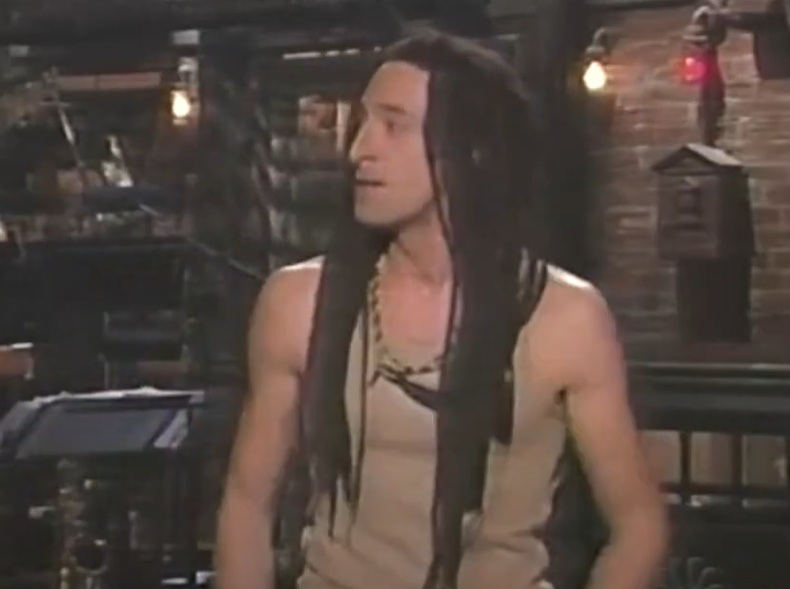
It’s clear Brody was trying his best to be funny on SNL—which is often a surefire way to make sure no one laughs. His performance was already over-the-top, but when he came out to introduce musical guest Sean Paul, he earned himself a ban by dressing up in fake dreadlocks and putting on an “island” accent.
Many believed that the whole thing was Brody’s idea and that he’d done it without telling anyone, leading to the ban—but years later, the actor revealed the truth about the incident. He said that the whole thing had actually been planned, and he didn’t know if he was banned. With another potential Oscar win on the horizon, perhaps he’ll finally be invited back…
 NBC, Saturday Night Live (1975-)