Pilots Are Weird—And TV History Proves It
Every TV fan knows the truth: pilots are awkward. They’re the first dates of television—full of nervous energy, unsure identities, and questionable haircuts. And sometimes, those pilots are so different from what the show eventually becomes that they feel like relics from an alternate universe. Buckle up: some of these glow-ups are legendary.
The Office
The pilot of The Office was almost a shot-for-shot remake of the U.K. version—bleak, dry, and painfully uncomfortable. Once the show found its rhythm, it became warmer, sweeter, and far more character-driven, transforming Michael Scott from a cringey tyrant into an earnest, lovable goof.
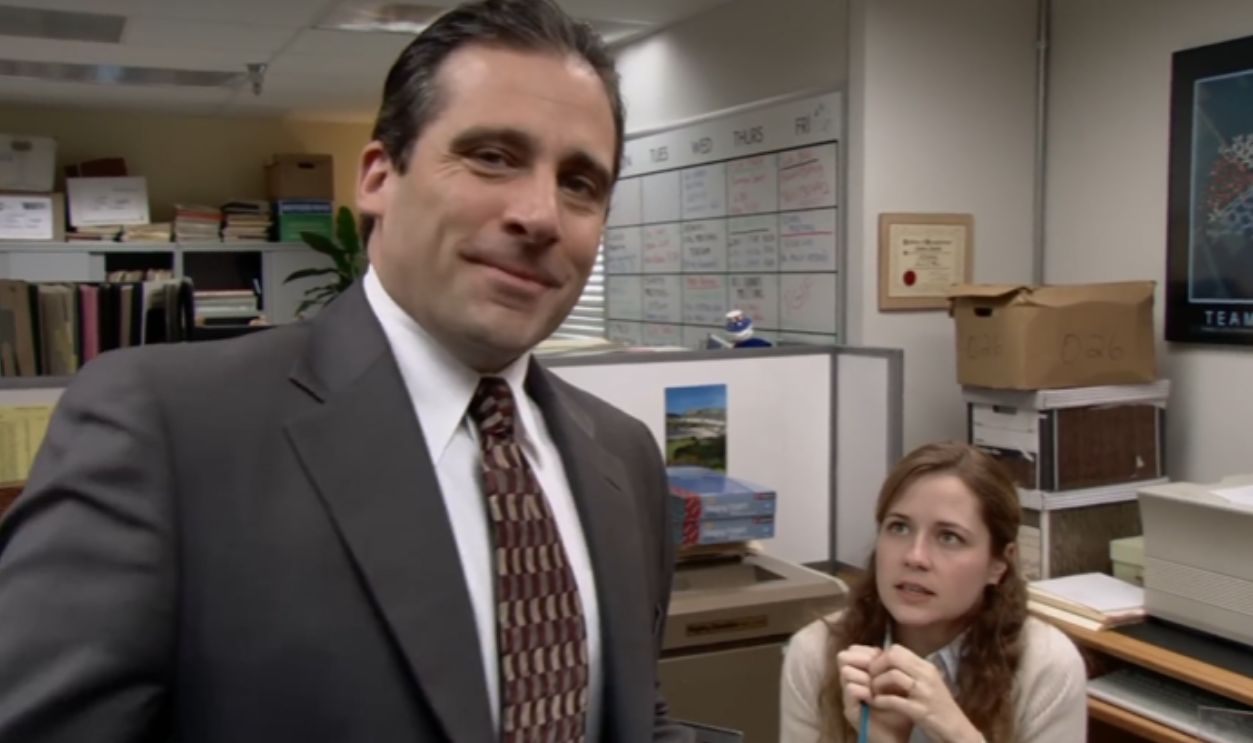 Screenshot from The Office, NBC (2005-2013)
Parks And Recreation
Leslie Knope was originally written as a borderline clueless bureaucrat. After the pilot, the writers softened her edges, turning her into the hyper-competent, endlessly enthusiastic heroine fans adore today.
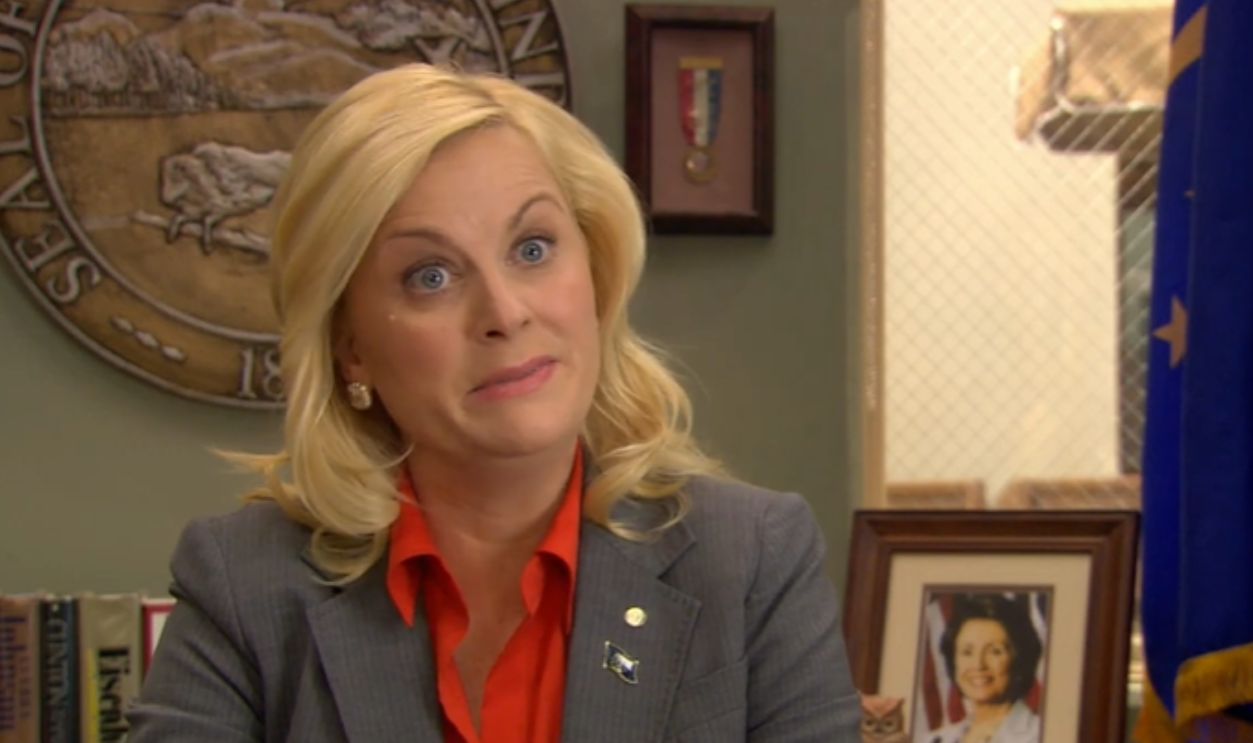 Screenshot from Parks and Recreation, NBC (2009-2015)
Buffy The Vampire Slayer
Yes, the unaired pilot exists—and no, it’s nothing like the final show. The characters feel incomplete, the effects are… let’s say “experimental,” and the tone is not nearly as sharp as the version that became a cult classic.
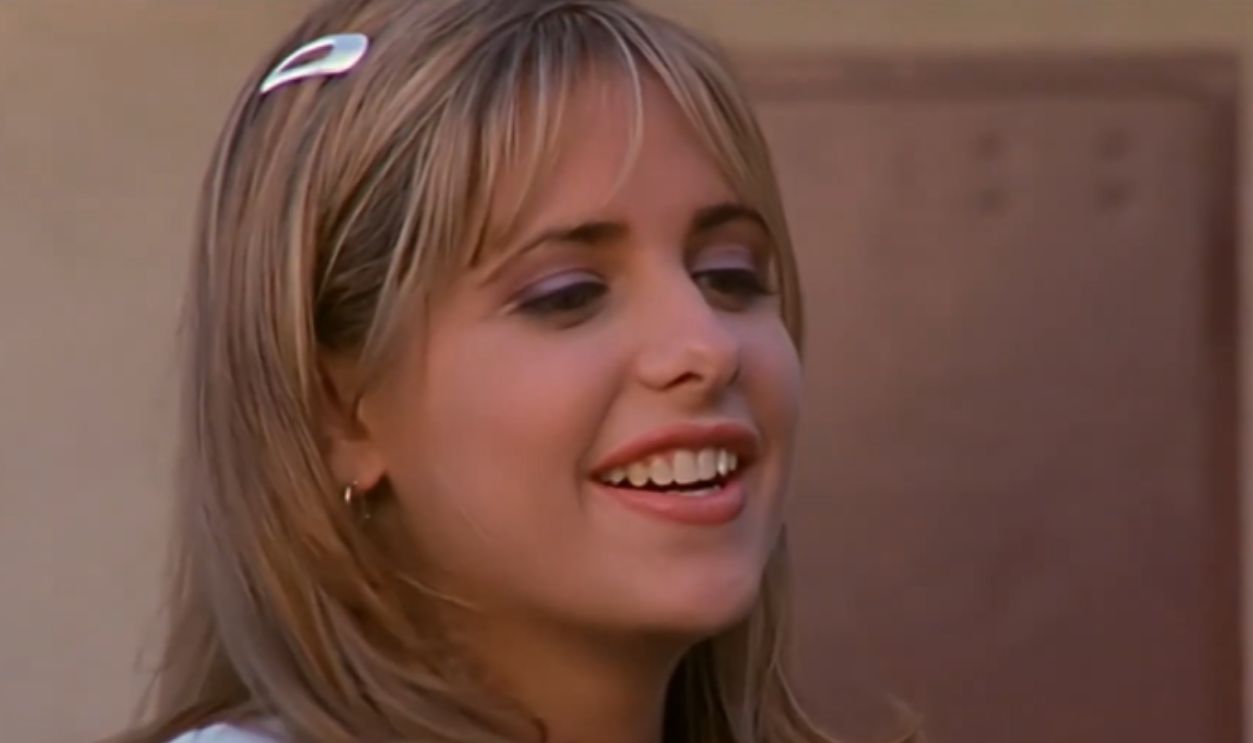 Screenshot from Buffy the Vampire Slayer, The WB (1997-2003)
Game Of Thrones
The original Game of Thrones pilot is infamous for being disastrous. Several roles were recast—most famously Daenerys—and entire scenes were reshot. The version we got was dramatically more polished, intense, and visually stunning.
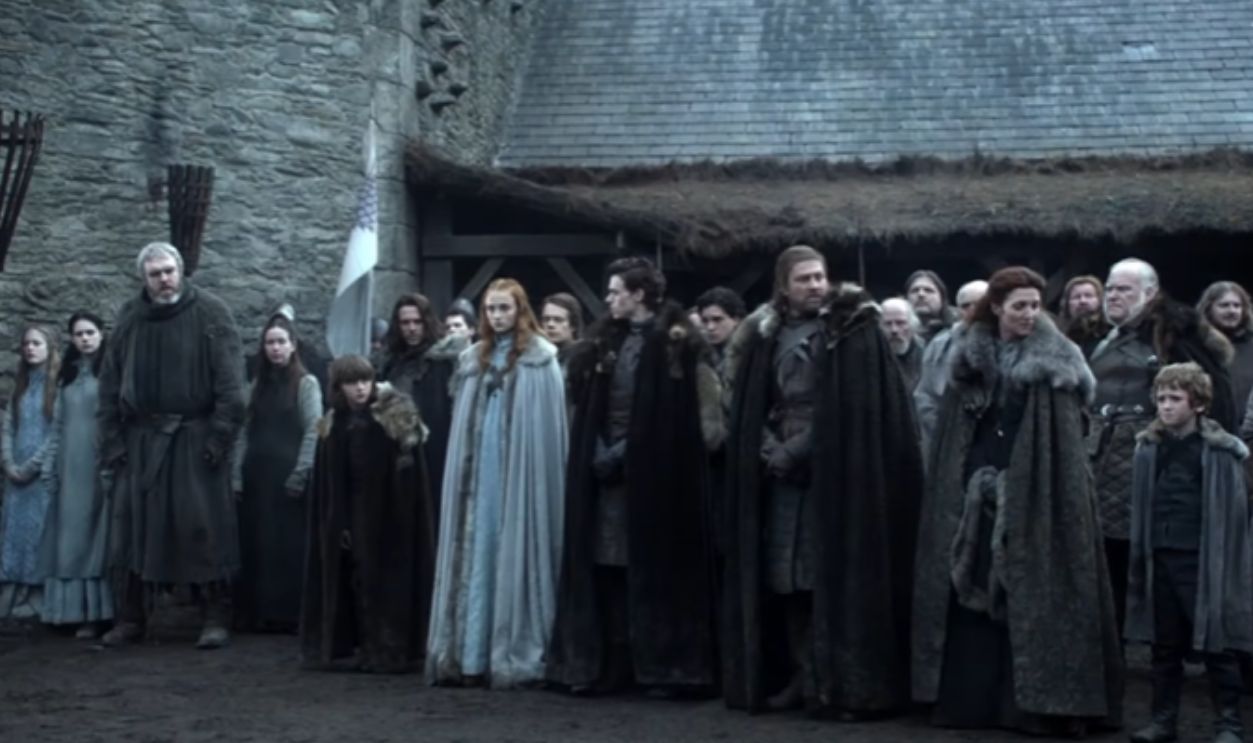 Screenshot from Game of Thrones, HBO (2011-2019)
Seinfeld
Originally titled The Seinfeld Chronicles, the pilot was slow, lacked Elaine entirely, and leaned heavily on observational stand-up cutaways. The revamped show gained the full cast and embraced its “show about nothing” identity.
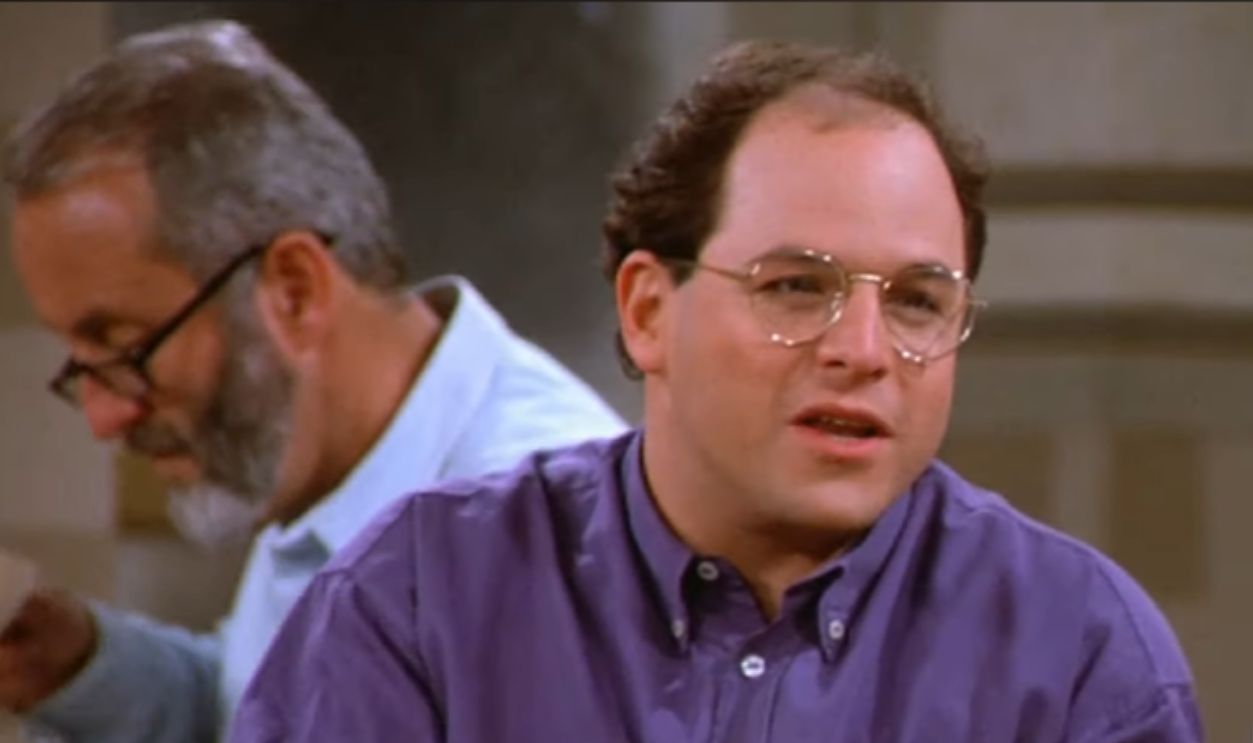 Screenshot from Seinfeld, NBC (1989-1998)
New Girl
The pilot revolved almost entirely around Jess being quirky while the guys reacted. Later episodes balanced the ensemble, deepened Nick and Schmidt, and moved away from making Jess the punchline.
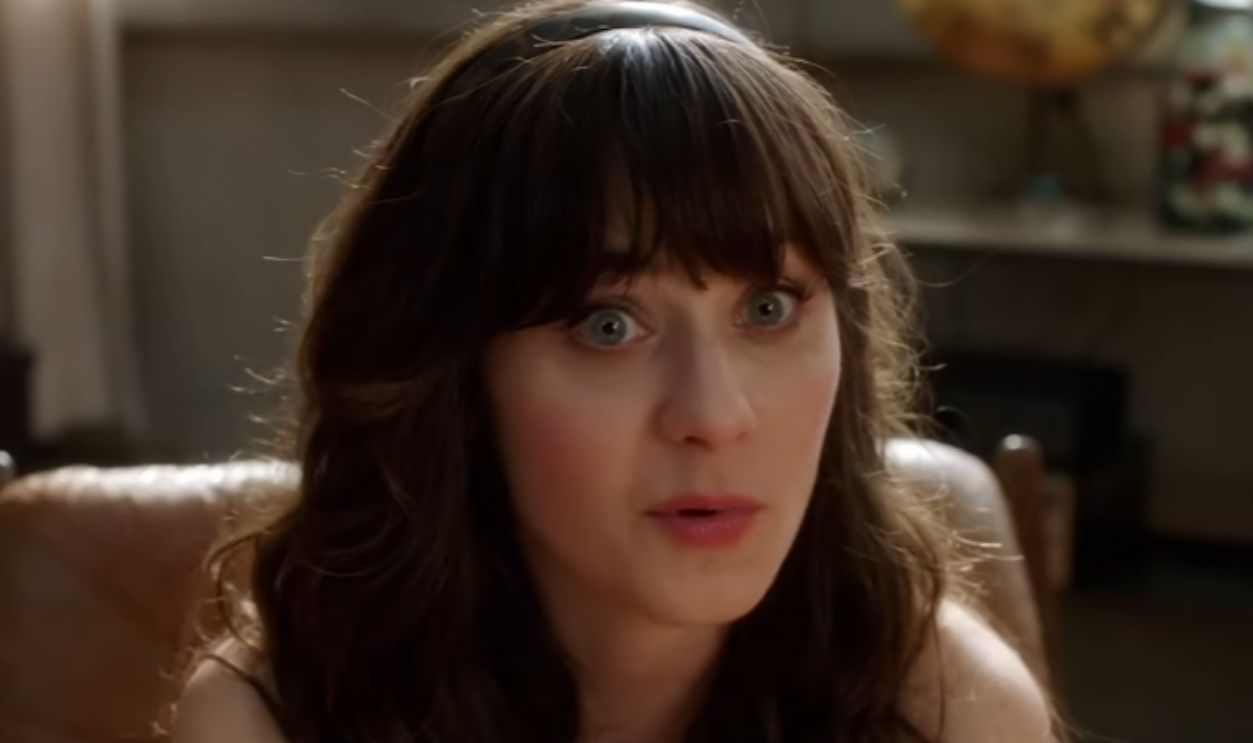 Screenshot from New Girl, Fox (2011-2018)
30 Rock
The original pilot focused more on The Girlie Show and less on the bizarre charm that came later. With tweaks to Jack Donaghy’s character and a heightened absurdism, the series became the sharp, witty satire fans love.
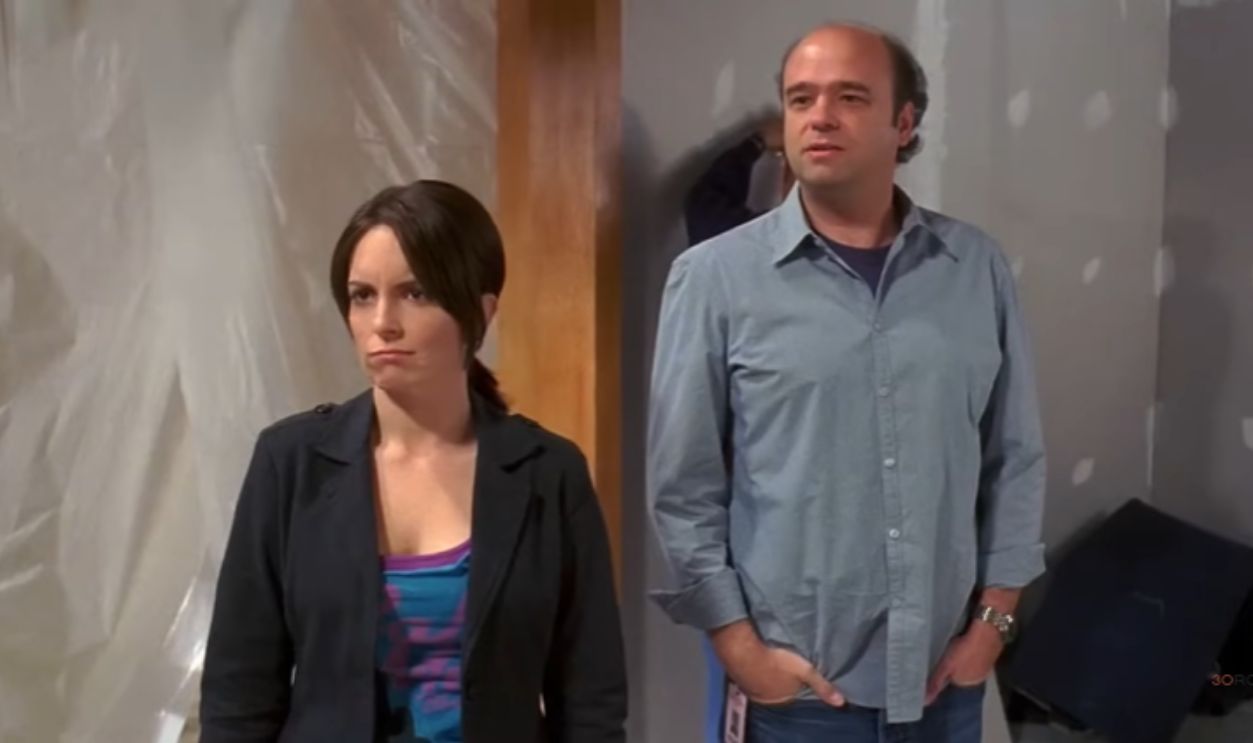 Screenshot from 30 Rock, NBC (2006-2013)
Breaking Bad
Walt was originally written as far more abrasive, while the pilot’s tone leaned heavier into dark comedy. As the series progressed, it embraced a slow-burn, operatic intensity that made TV history.
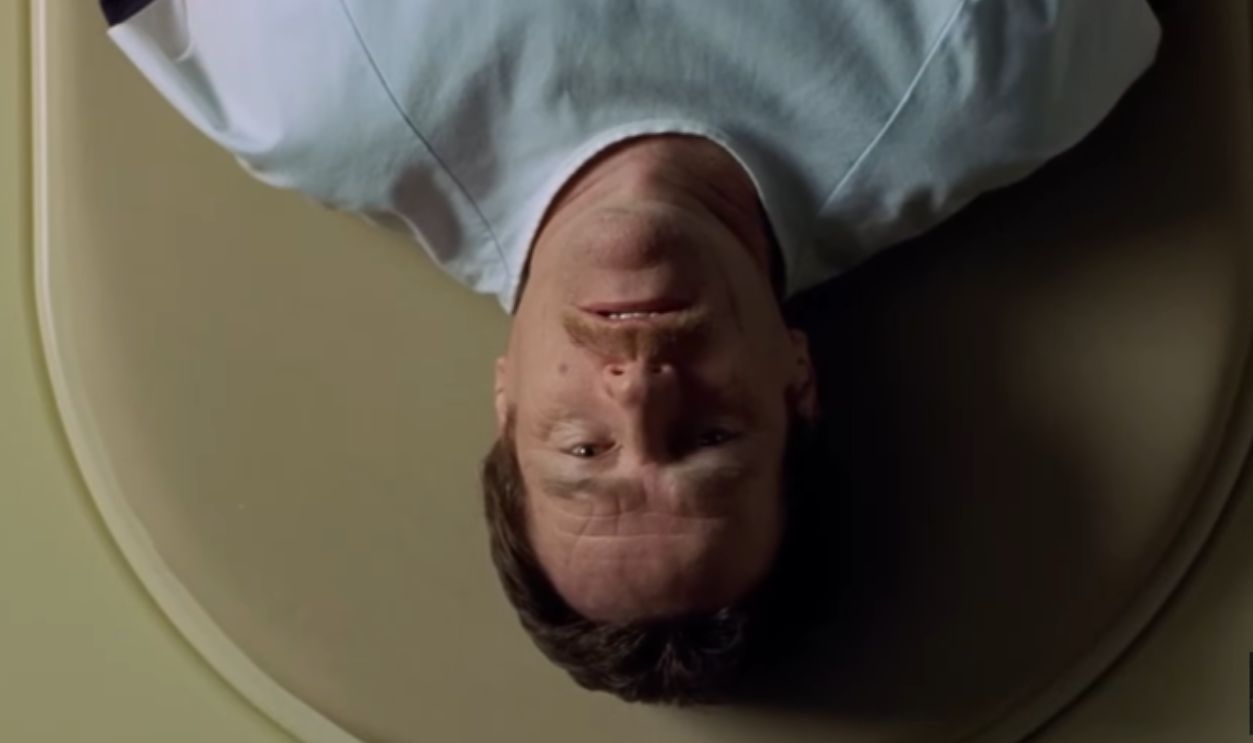 Screenshot from Breaking Bad, Sony Pictures Television (2008-2013)
The Big Bang Theory
The unaired pilot was almost unrecognizable—different cast members, a far darker tone, and no Penny (instead, a character named Katie who was much harsher). The retooled version became much lighter and more sitcom-friendly.
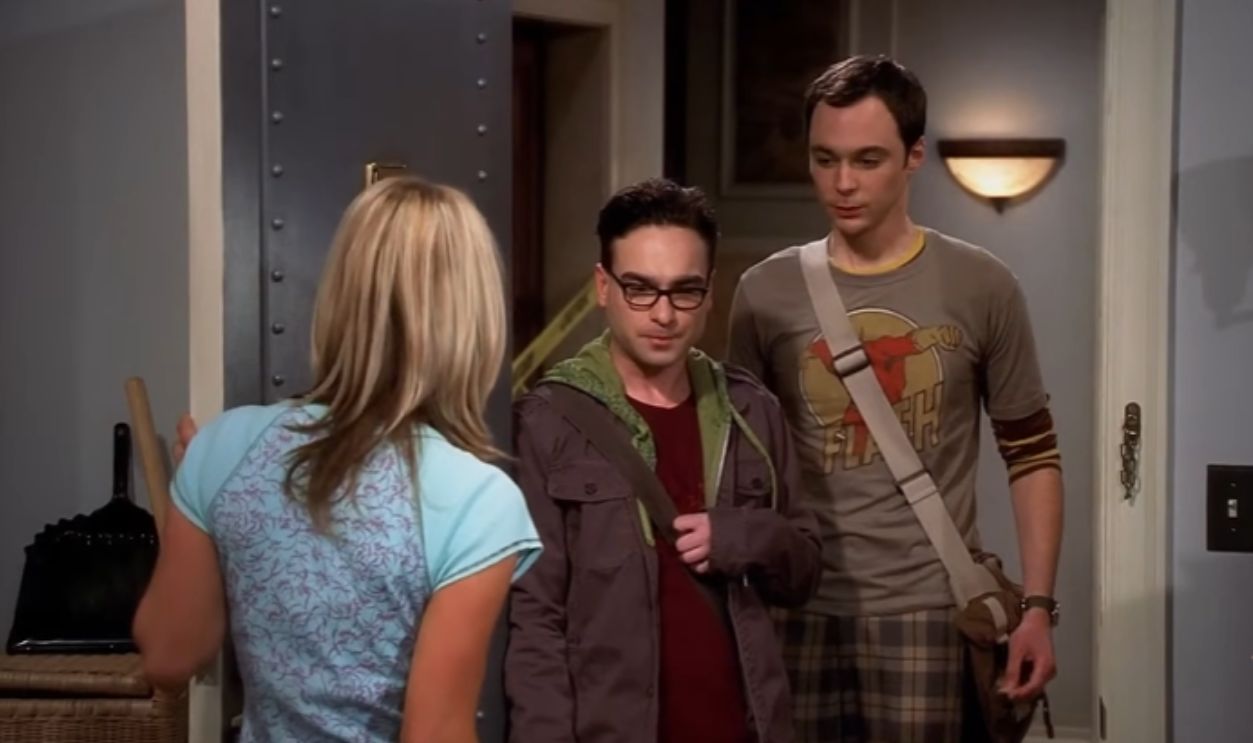 Screenshot from The Big Bang Theory, CBS (2007-2019)
Schitt’s Creek
The pilot is a lot edgier and more cynical than the show ultimately became. Over time, it leaned into warmth, community, and a softer, sweeter brand of humor that became the show’s signature.
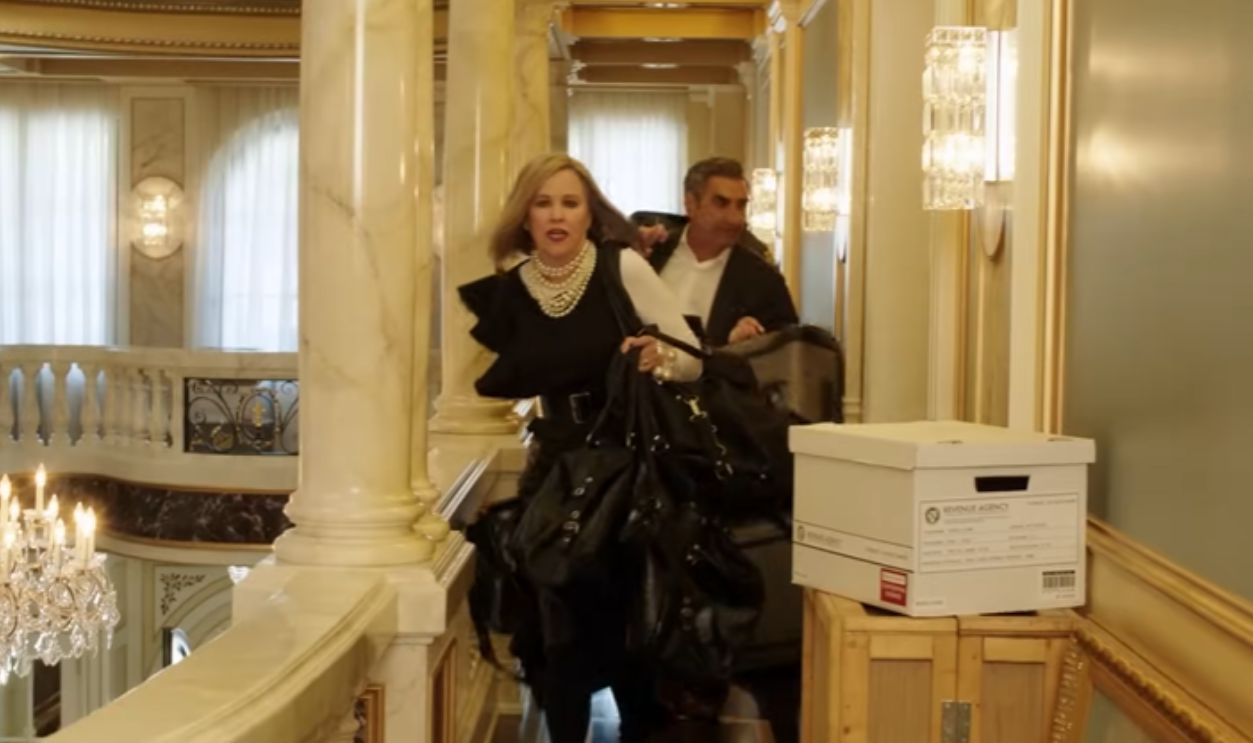 Screenshot from Schitt's Creek, CBC Television (2015-2020)
The Marvelous Mrs. Maisel
The pilot was stylized but less vibrant and confident than later episodes. As the show progressed, Amy Sherman-Palladino dialed everything up—the pacing, the technicolor visuals, the dialogue speed—giving the show its signature spark.
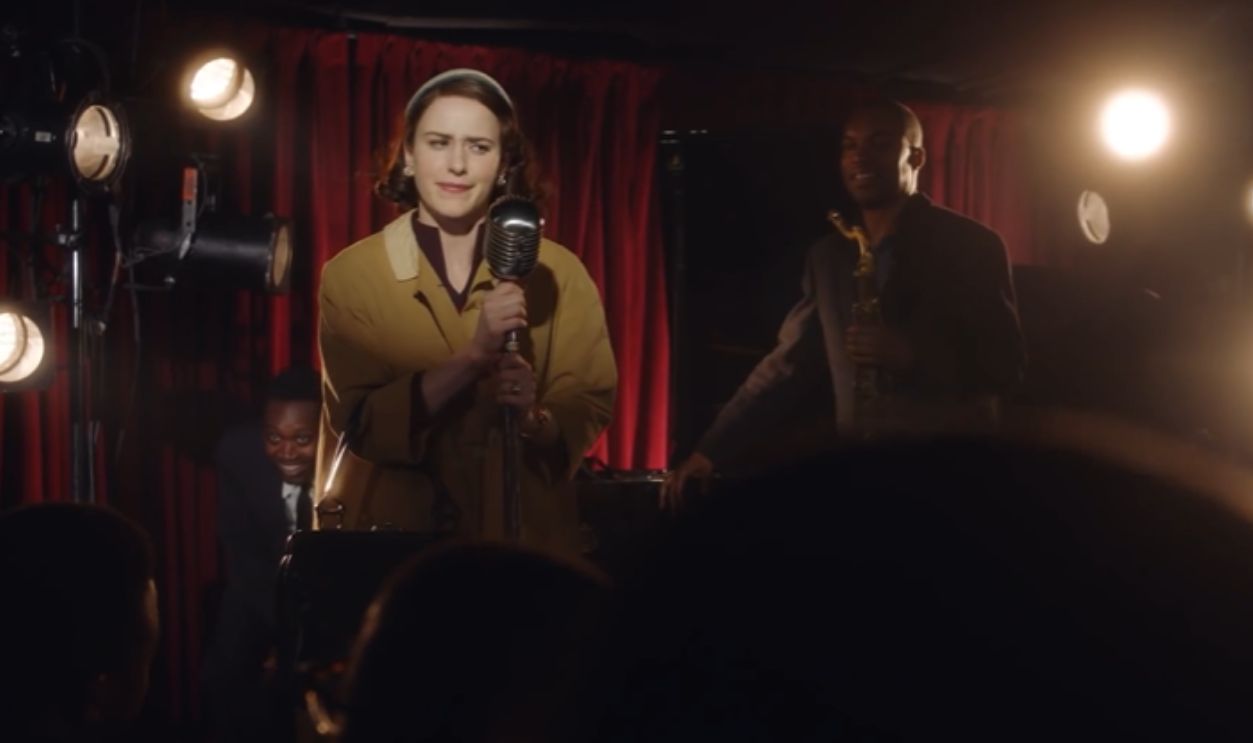 Screenshot from The Marvelous Mrs. Maisel, Amazon Prime Video (2017-2023)
The Flash
The original pilot had a much darker vibe and more grounded action. The show quickly embraced a more colorful, comic-book tone, with bigger emotions and even bigger villains.
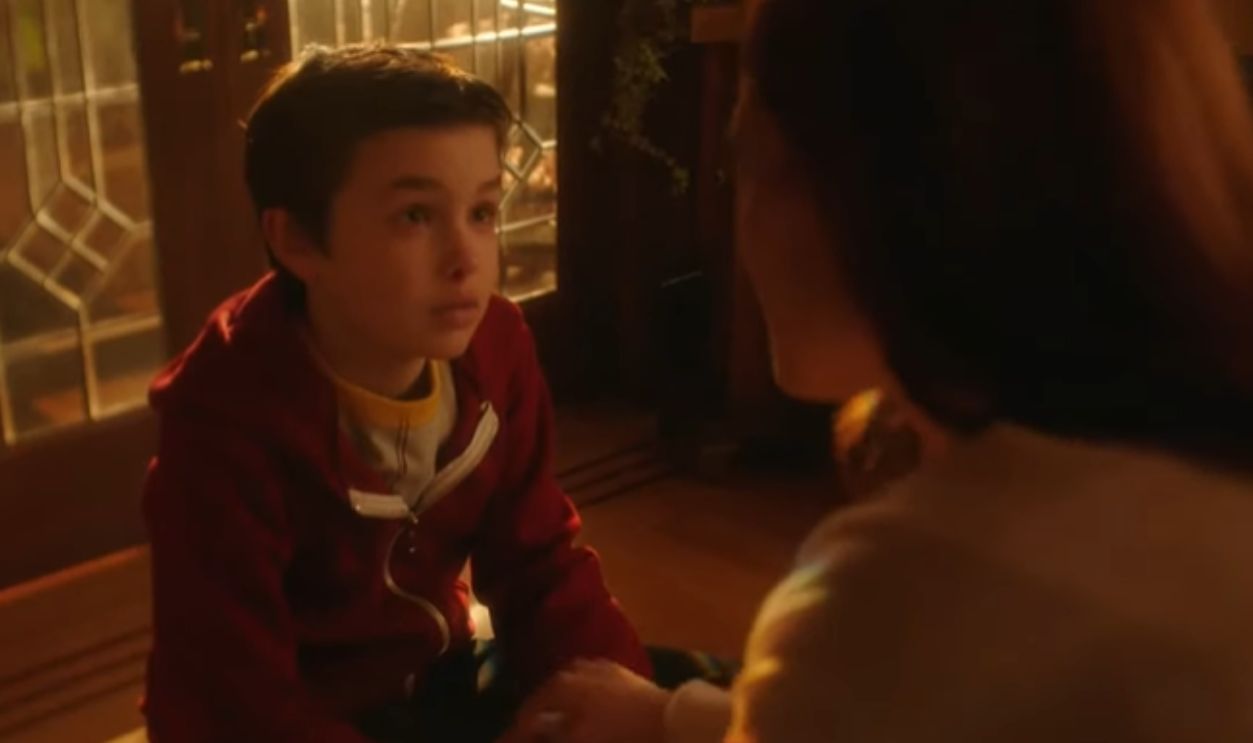 Screenshot from The Flash, Warner Bros. Discovery (2014-2023)
The Vampire Diaries
The pilot was stylish but generic. Once the show established its world, it leaned into high-octane drama, sharp twists, and richer character arcs—especially once the Originals storyline kicked in.
 Screenshot from The Vampire Diaries, Warner Bros. Television(2009-2017)
Gilmore Girls
The unaired pilot didn’t feature Sookie as Melissa McCarthy (a huge later asset), and Stars Hollow wasn’t quite the whimsical town it became. The show’s signature rapid-fire dialogue also found its rhythm after episode one.
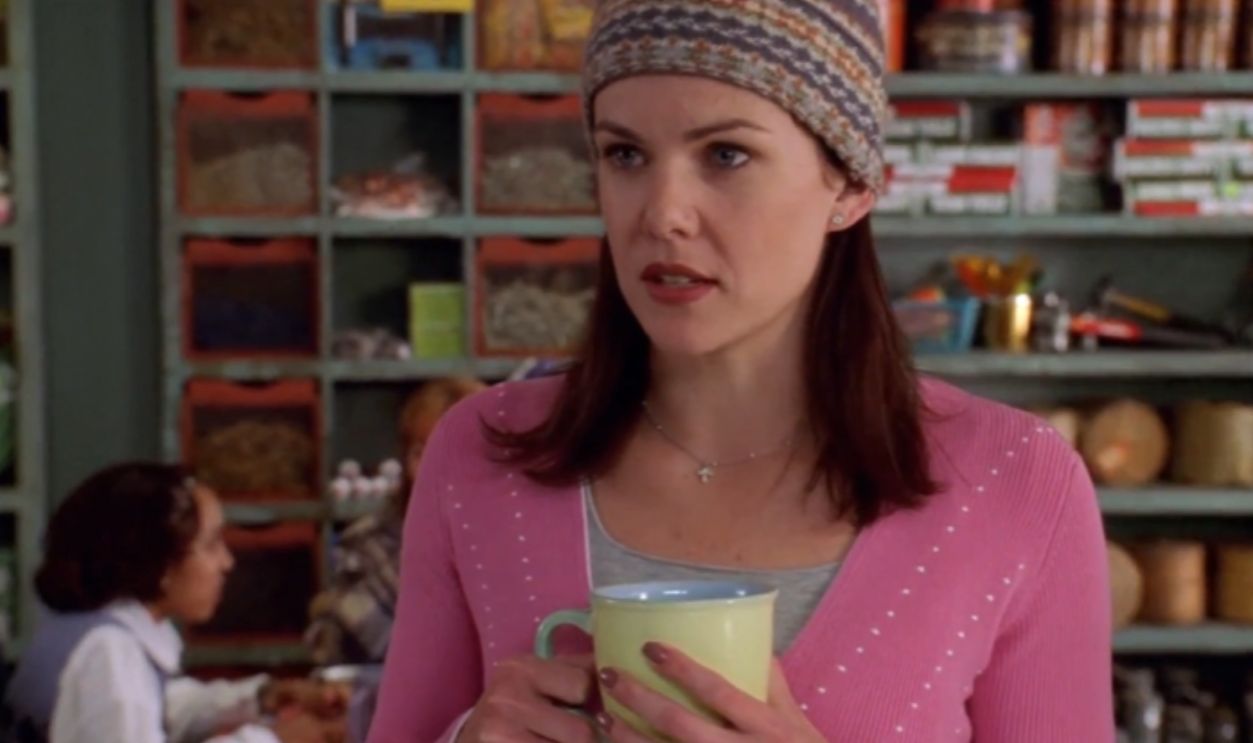 Screenshot from Gilmore Girls, The WB (2000-2007)
Suits
The pilot leaned heavily into the fraud angle and high-stakes drama. But as the show continued, it embraced witty banter, character relationships, and stylish swagger, becoming more of a personality-driven dramedy.
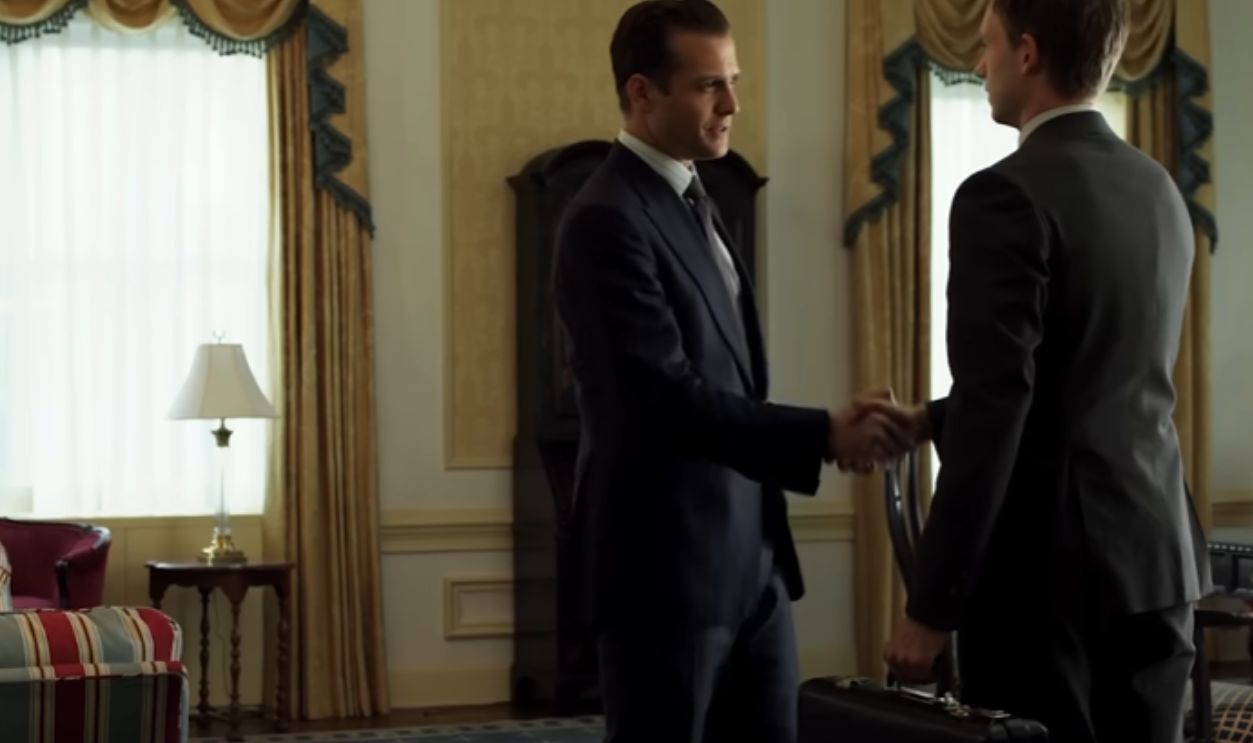 Screenshot from Suits, USA Network (2011-2019)
How I Met Your Mother
The pilot was solid, but early episodes had Ted as a hopeless romantic caricature. Over time, the show became far more meta, adventurous, and ensemble-focused—with Barney taking on a larger comedic role than originally intended.
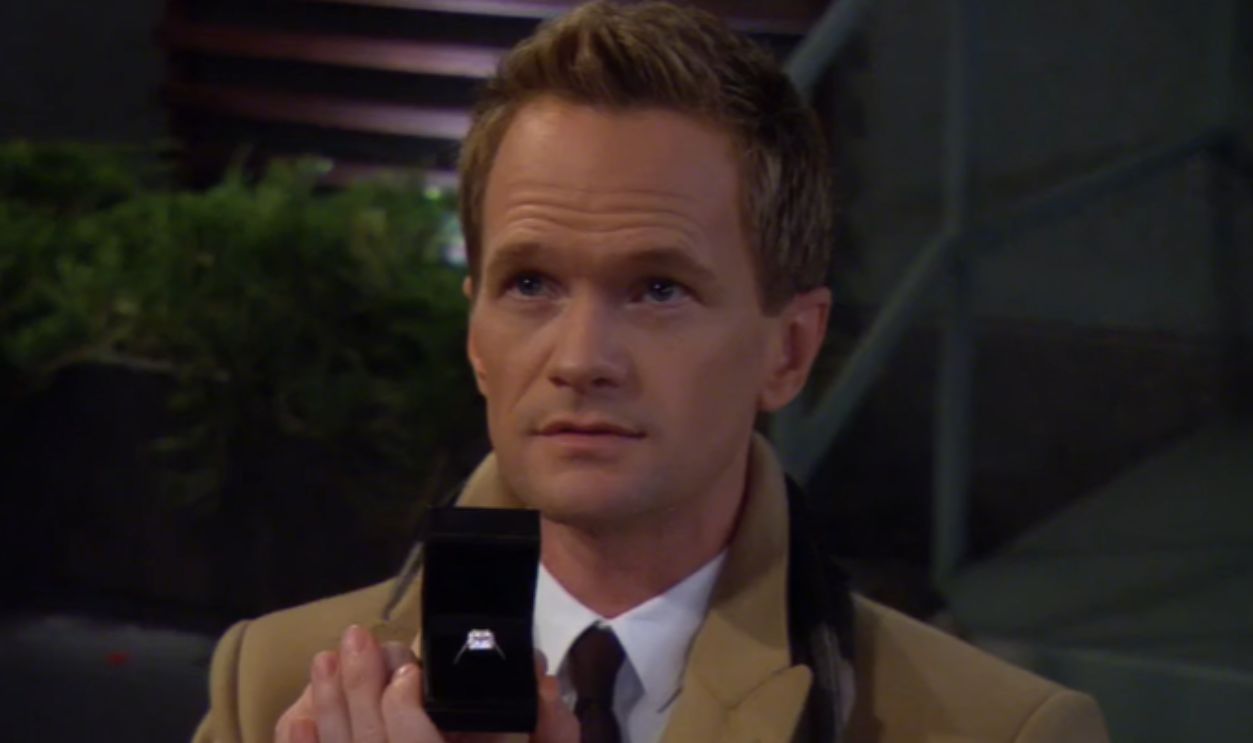 Screenshot from How I Met Your Mother, CBS (2005–2014)
Supernatural
Originally pitched as a horror-drama anthology, the pilot is gritty and serious. The series evolved into a blend of mythology, comedy, meta-episodes, and emotional storytelling that lasted fifteen seasons.
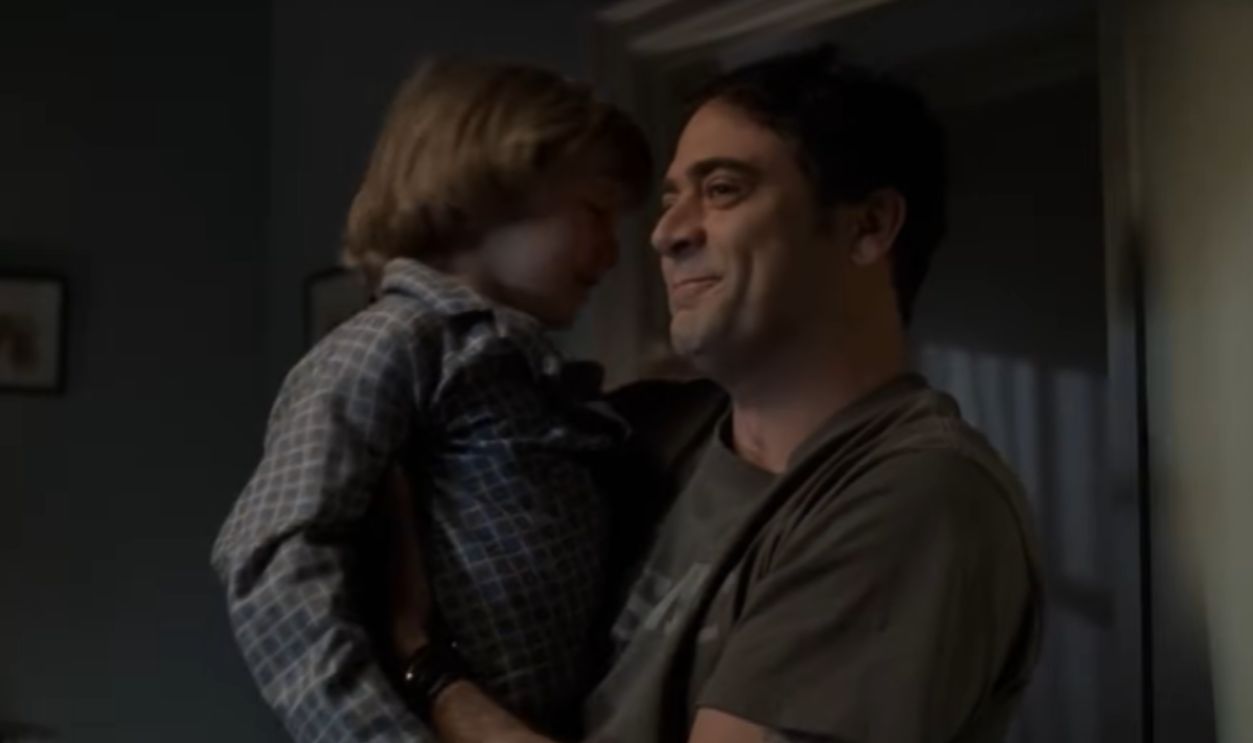 Screenshot from Supernatural, The CW (2005-2020)
Arrested Development
The pilot is more straightforward and grounded, but the show quickly grew into a dense, fast-paced, self-referential comedy loaded with running gags and absurdist humor.
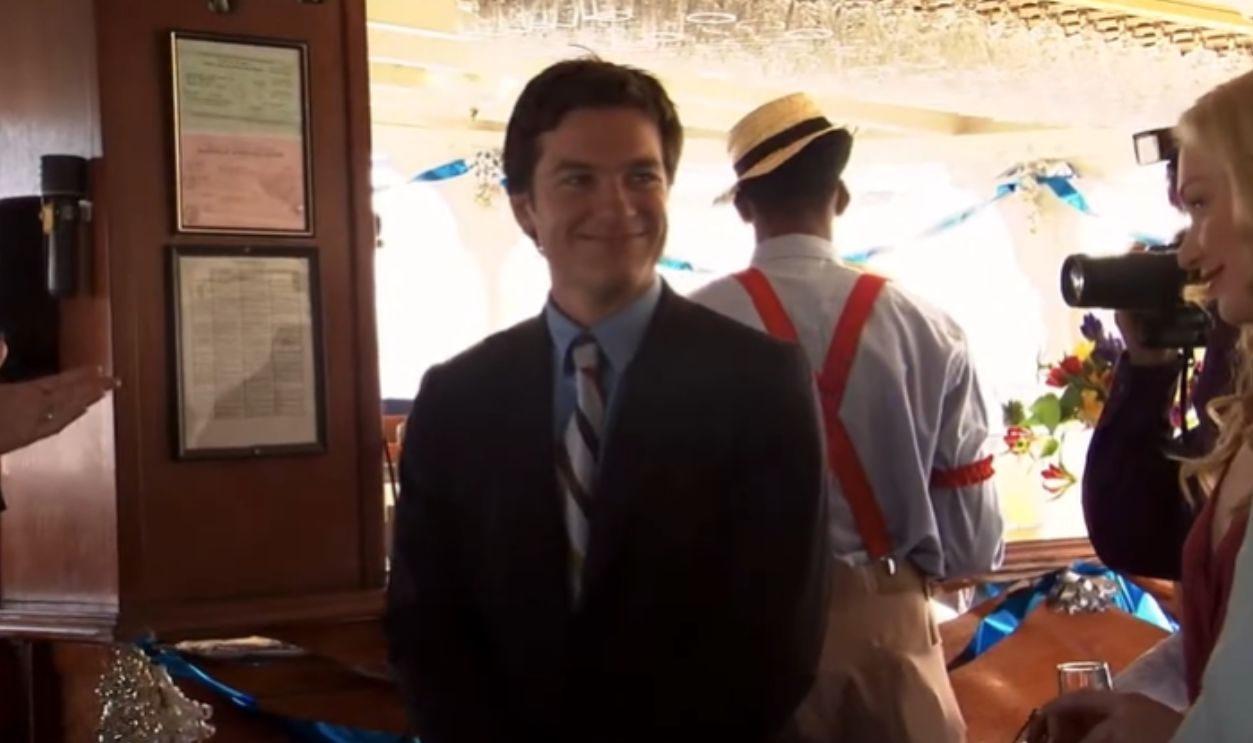 Screenshot from Arrested Development, Netflix (2003-2019)
Fringe
The pilot is very procedural—almost like a spooky CSI. Later seasons became mythology-heavy, emotional, and mind-bending, with parallel universes, time jumps, and major character evolution.
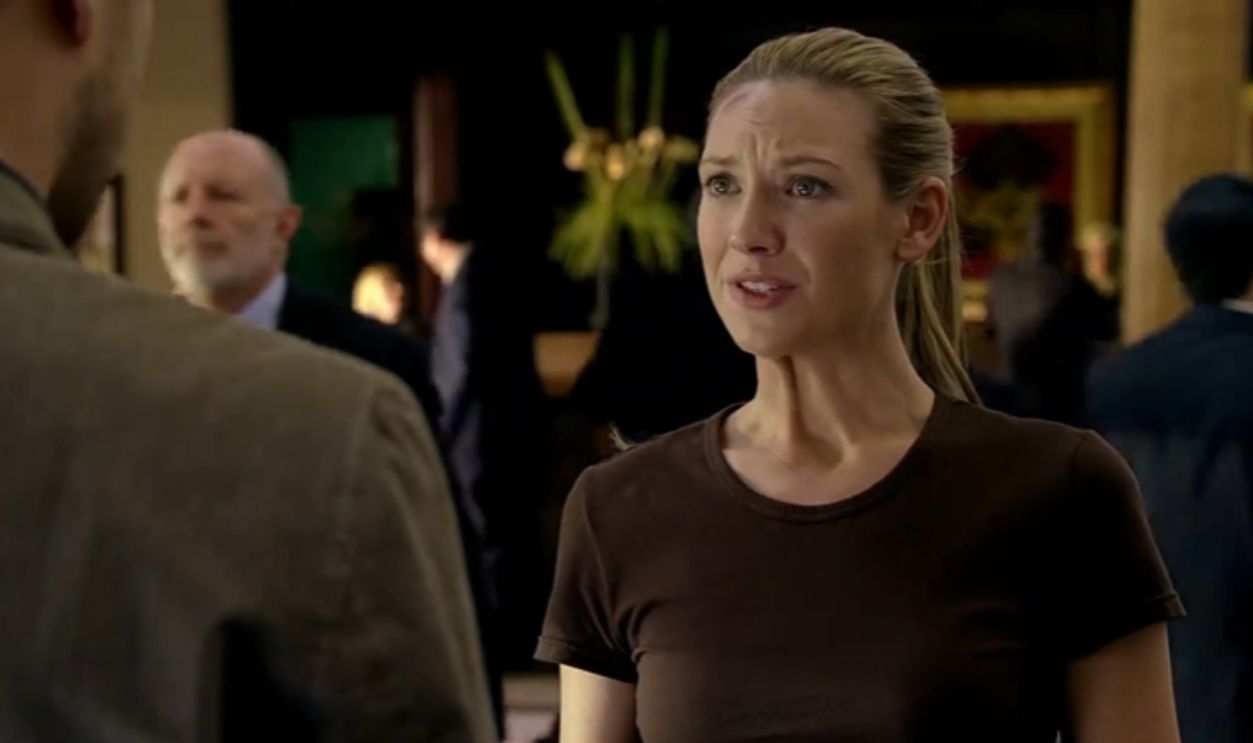 Screenshot from Fringe, Fox (2008-2013)
Glee
The pilot was darker and more cynical, with Quinn and Sue written less comedically. The show soon found a brighter, more optimistic tone—along with musical numbers that leaned much more into full-scale spectacle.
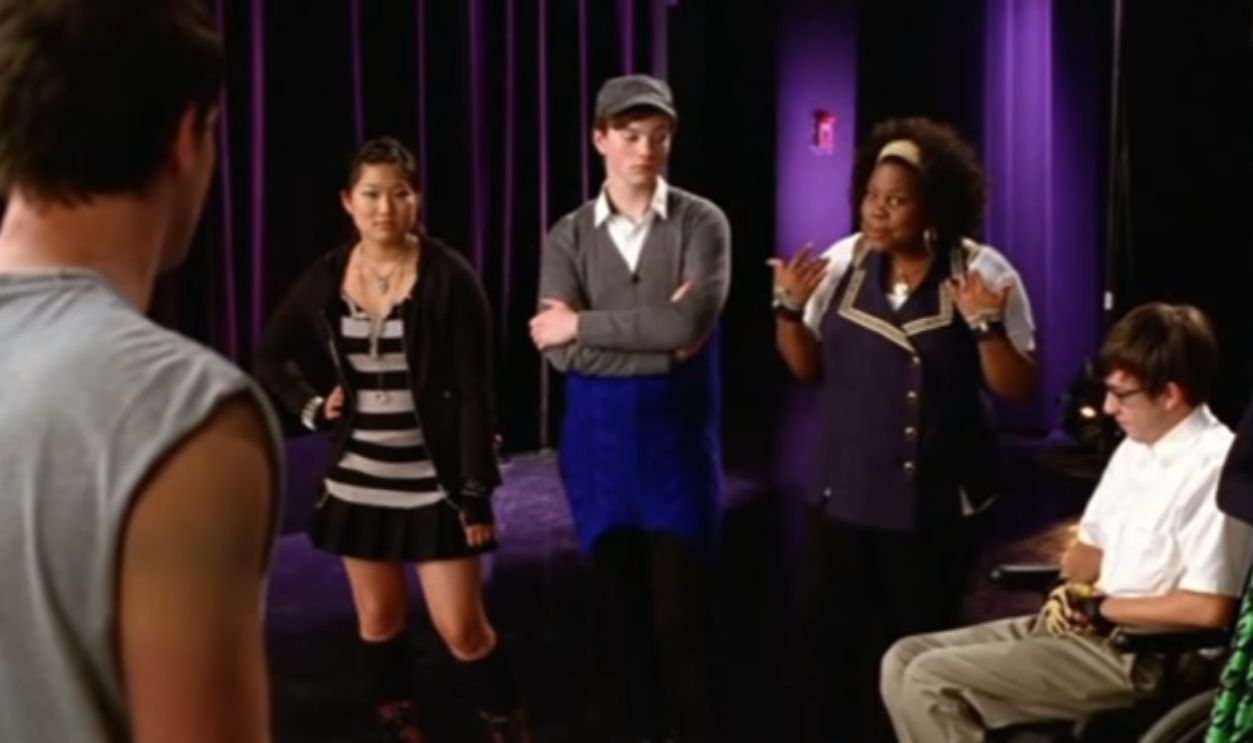 Screenshot from Glee, Fox (2009-2015)
Brooklyn Nine-Nine
The pilot played the police-work angle fairly straight, with Jake Peralta more immature and abrasive. Later episodes highlighted its goofy, found-family charm and let Andy Samberg dial the chaos up to 11.
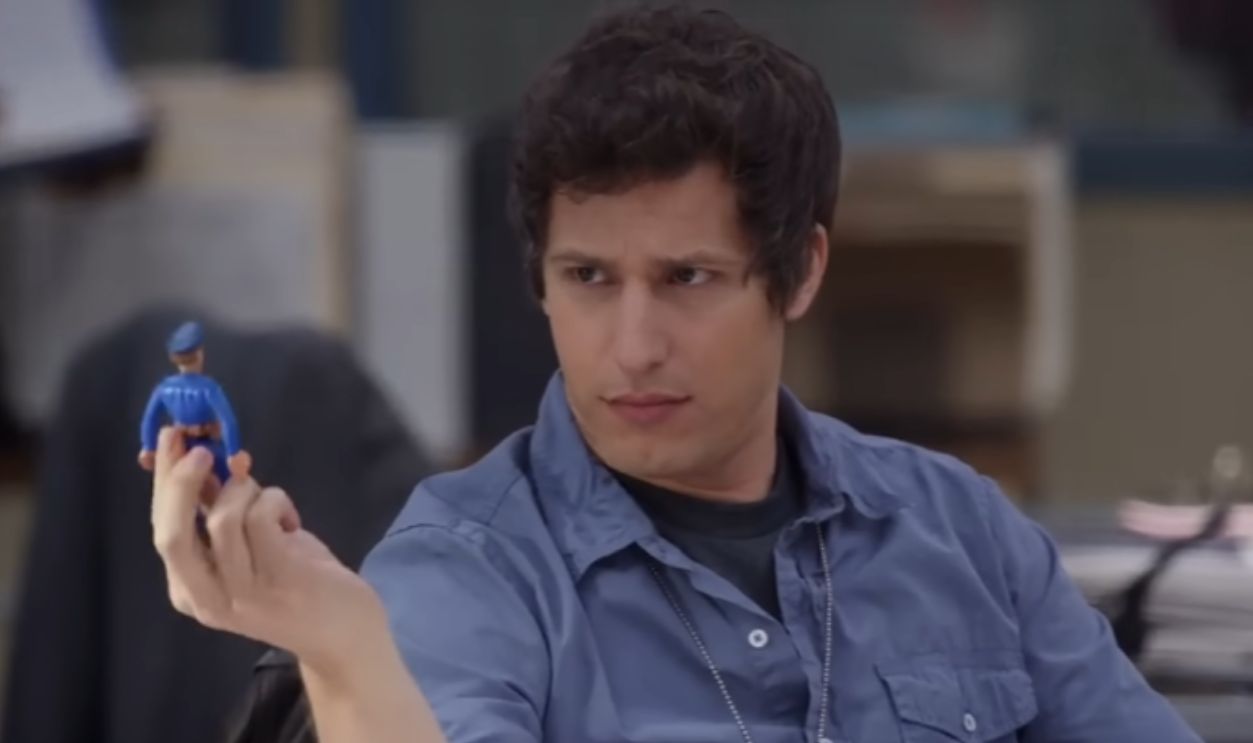 Screenshot from Brooklyn Nine-Nine, NBC (2013-2021)
Lost
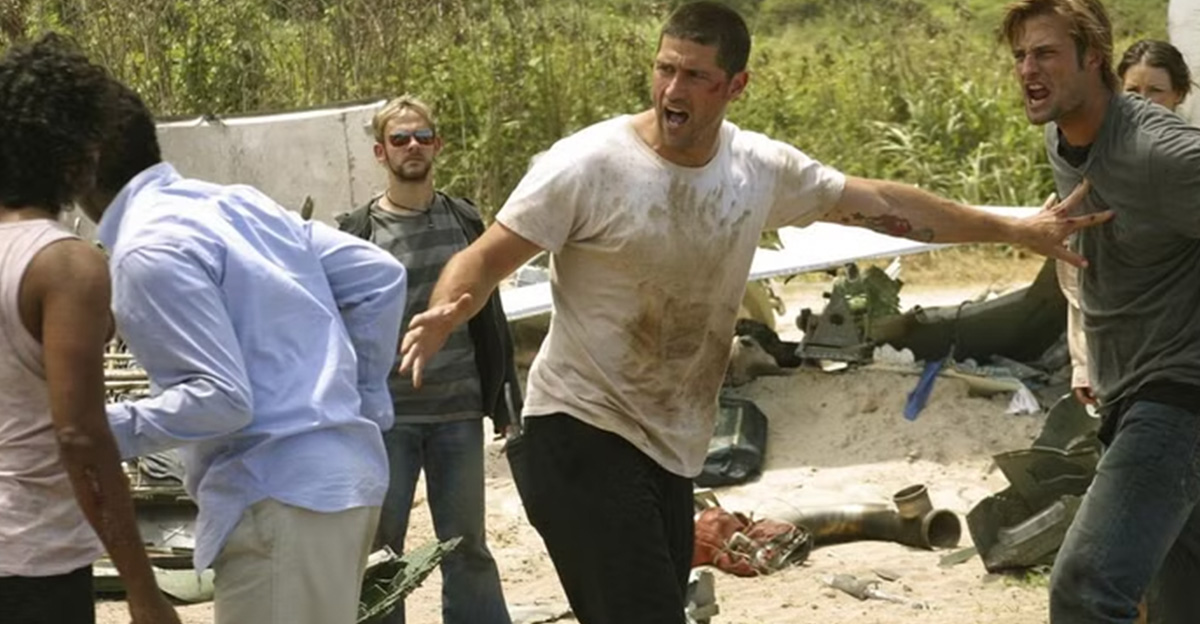
The pilot was action-packed and instantly iconic, but the show afterward shifted into mystery-heavy mythology, flashbacks, and character-driven drama—setting up the genre-defining ride that followed.
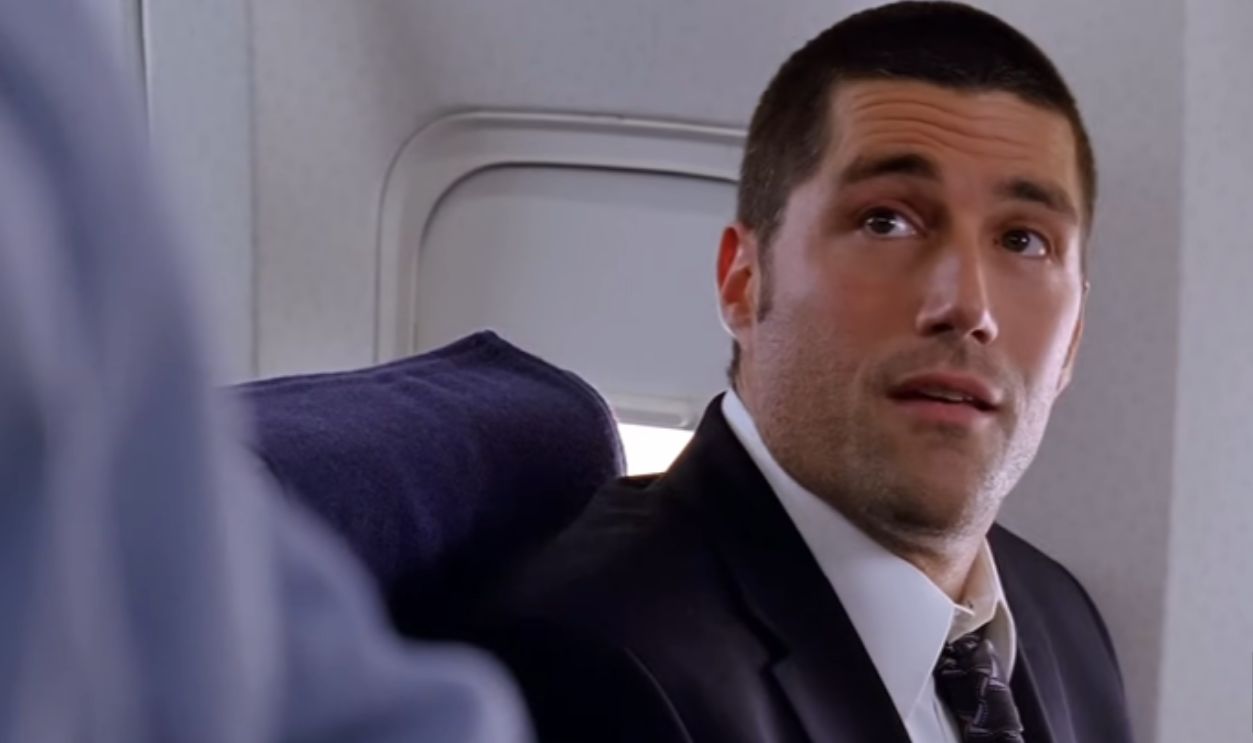 Screenshot from Lost, ABC (2004-2010)
The Walking Dead
The pilot is practically a short film—moody, prestige-level, and cinematic. Later seasons shifted toward character group dynamics, action, and long-form apocalypse politics.
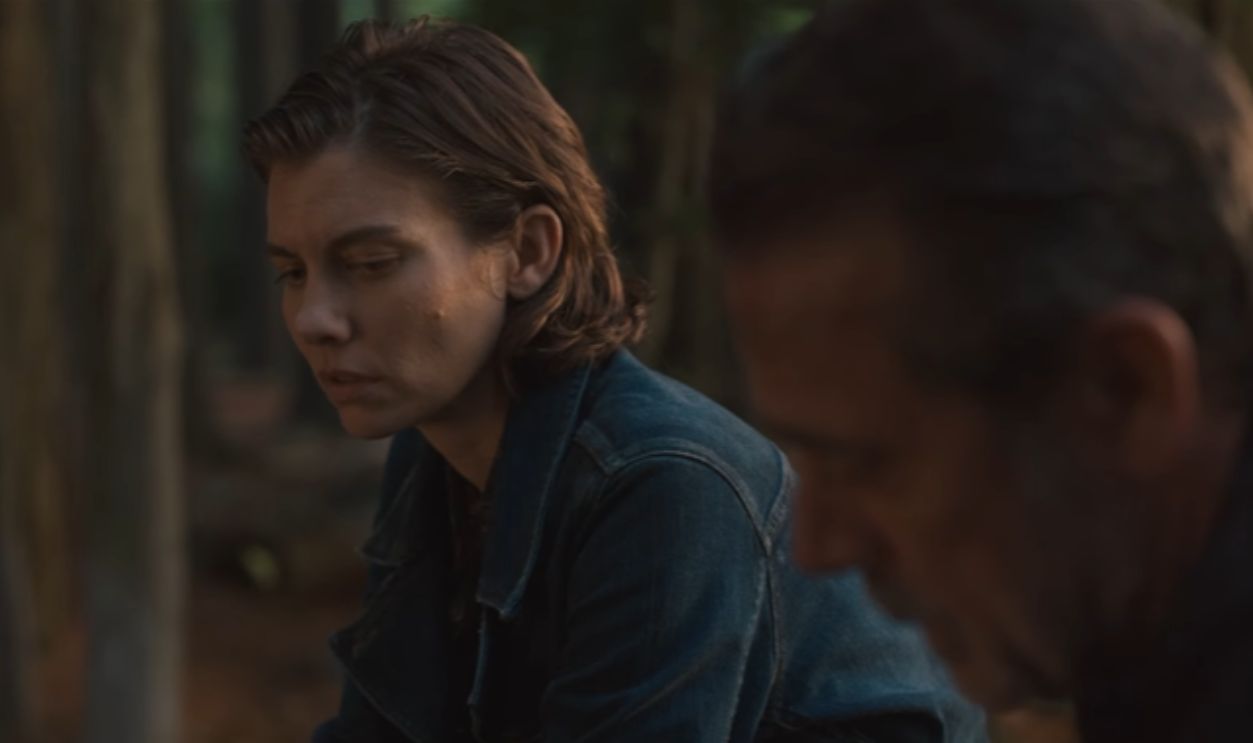 Screenshot from The Walking Dead, AMC (2010-2022)
Smallville
The pilot focused on “meteor freak” villains and teen drama. As the show continued, it leaned more heavily into DC lore, iconic villains, and Clark’s eventual Superman journey.
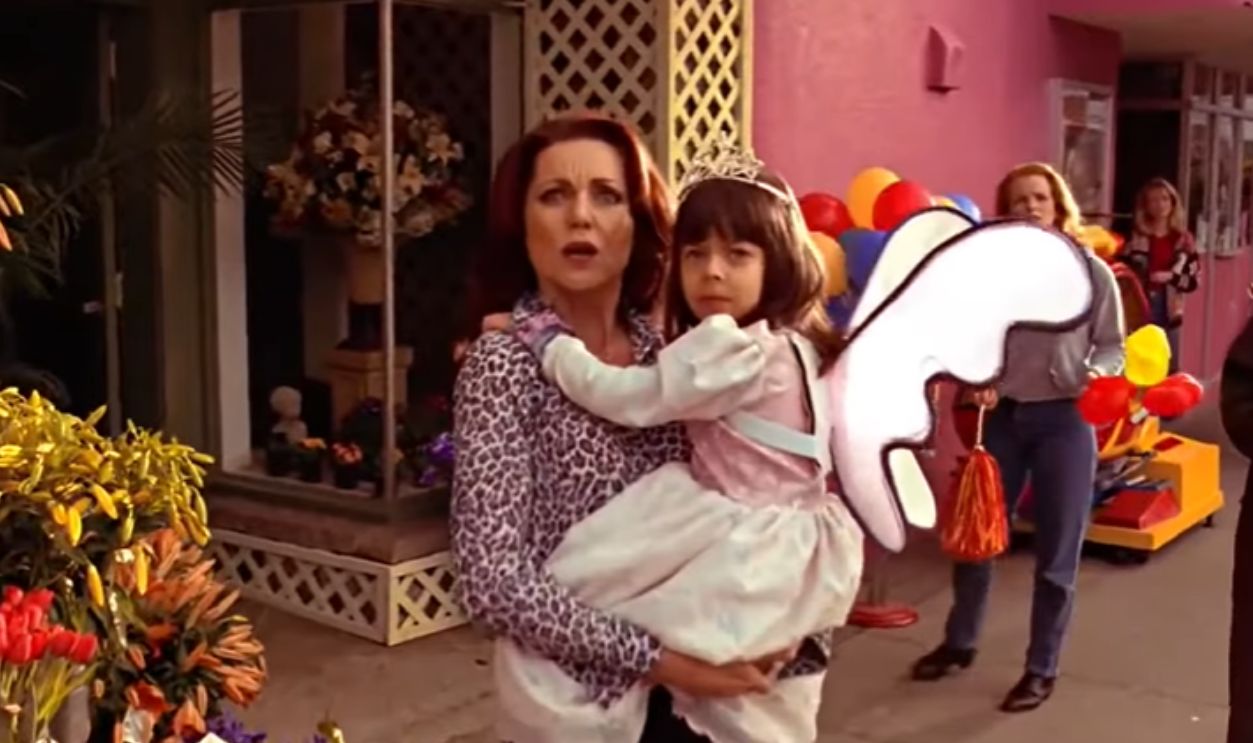 Screenshot from Smallville, The WB (2001-2011)
The Good Wife
The pilot presents a straightforward legal drama, but the show soon became a brilliantly layered political, legal, and character-driven story—particularly once Kalinda and Diane became central forces.
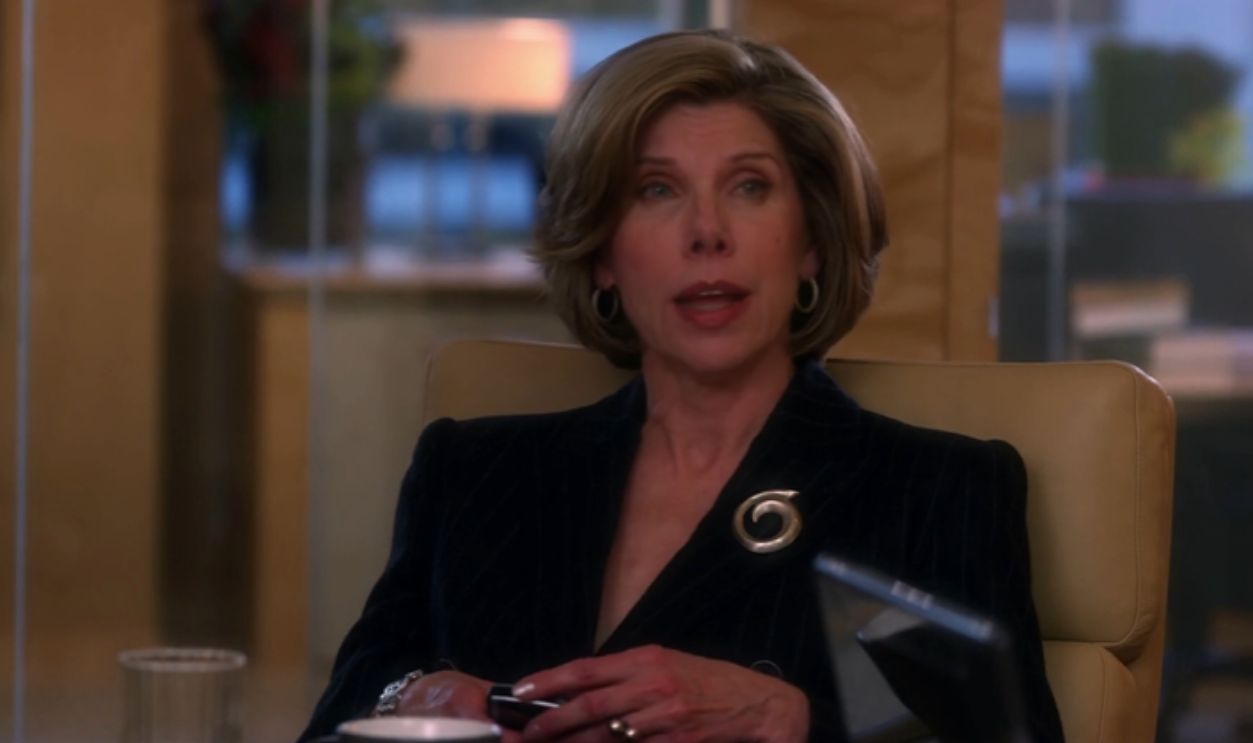 Screenshot from The Good Wife, CBS (2009-2016)
Pilots Are Just the Beginning
If there’s one thing TV history has shown us, it’s that pilots are rarely promises—they’re prototypes. Some are rough drafts, some are tone-tests, and some are completely reinvented before episode two. And honestly? We love it that way. Because watching a show evolve from shaky beginnings into something iconic reminds us why we fell in love with TV in the first place: the magic of possibility, the thrill of reinvention, and the joy of seeing a story fully come into its own.
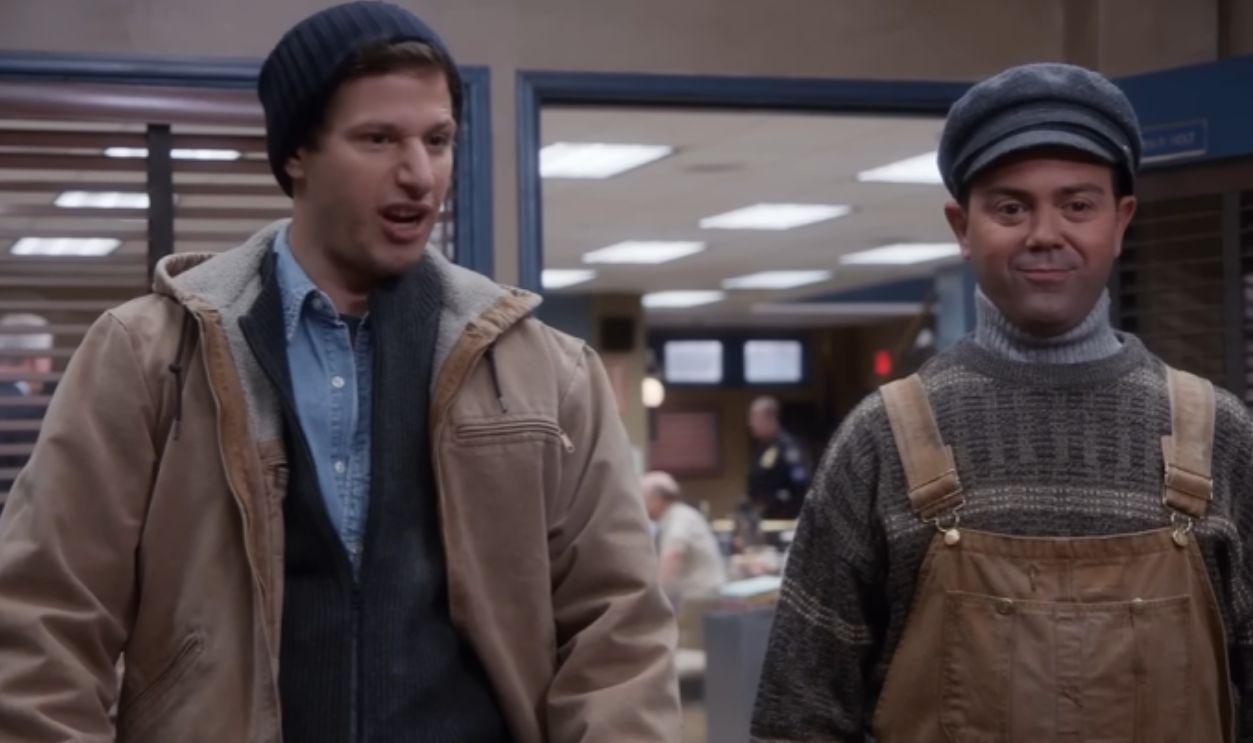 Screenshot from Brooklyn Nine-Nine, NBC (2013-2021)