Wrestling’s Greatest Entertainer
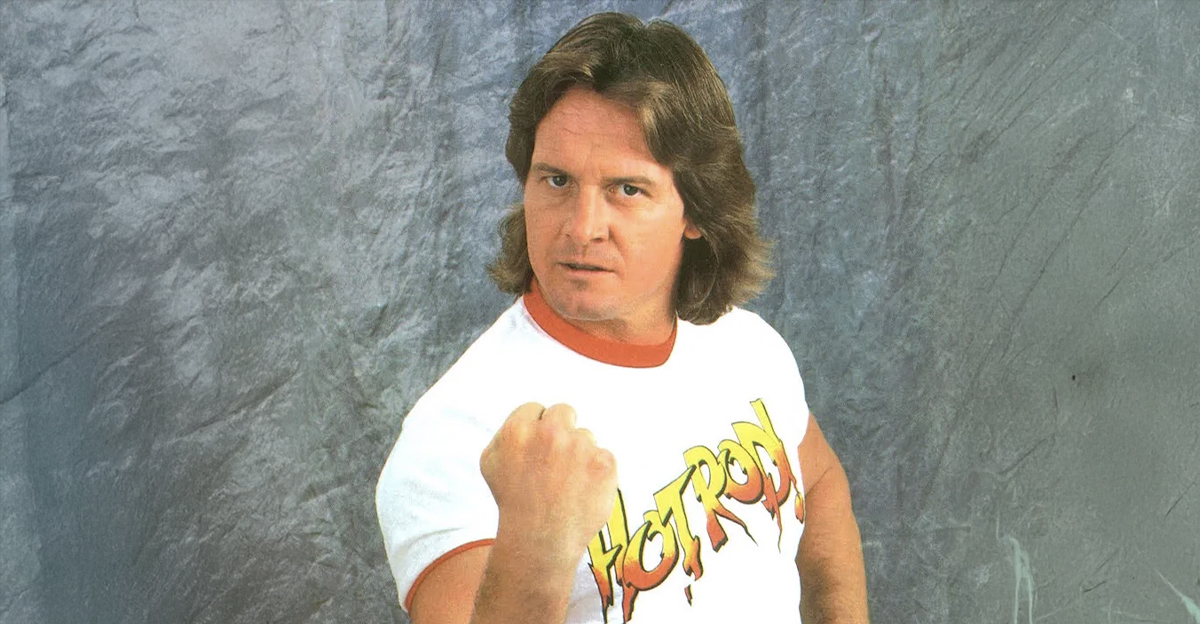
Few performers in wrestling history burned as brightly as “Rowdy” Roddy Piper. From his rough-and-tumble Canadian upbringing to his explosive rise in regional wrestling circuits, he continued on to WWF superstardom and Hollywood acting. Piper spent four decades in the role of villain, showman, and undisputed cultural icon. His life didn't unfold according to any script; he was loud, fearless, and impossible to ignore.
Early Life In Canada
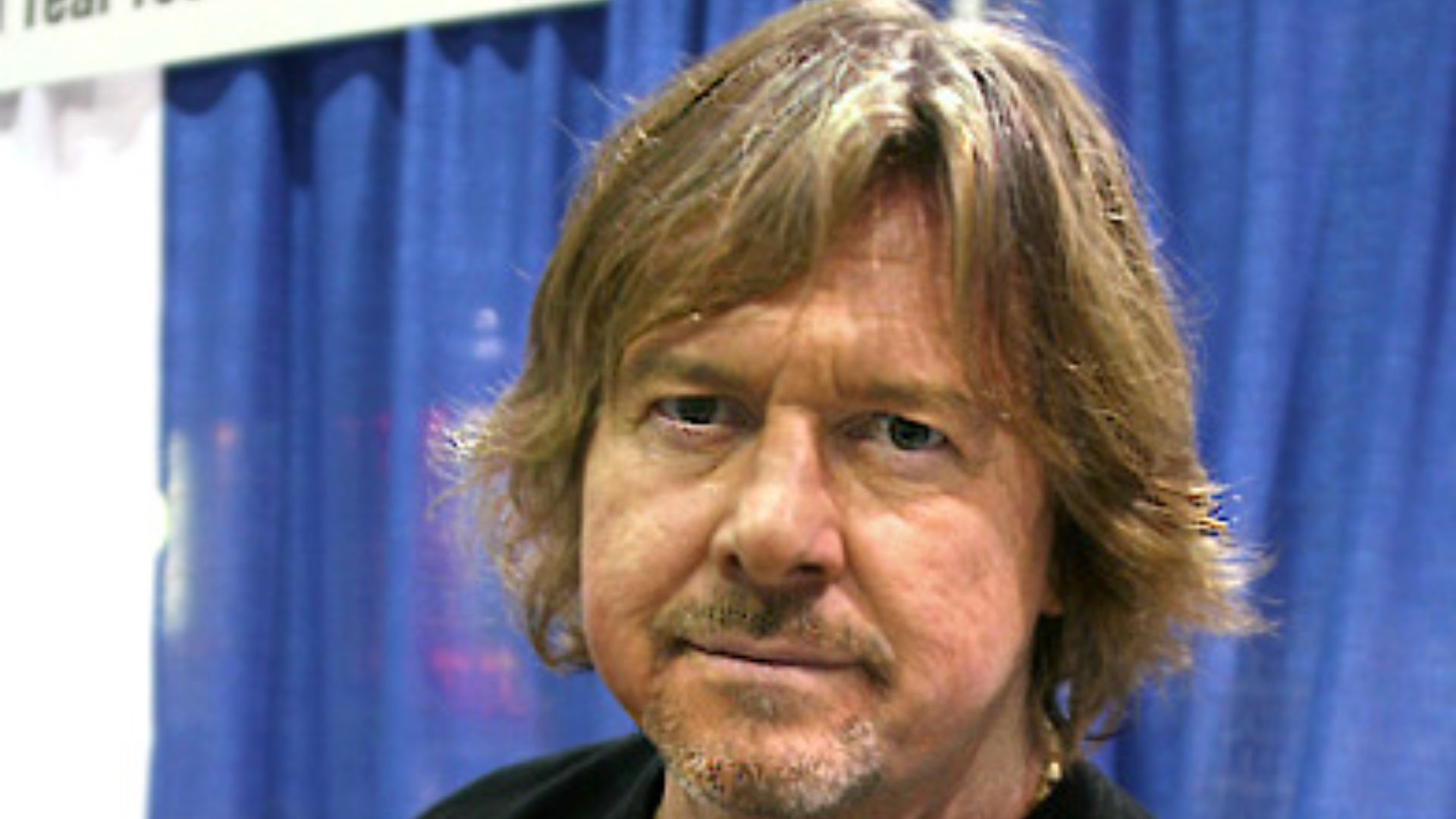
Roddy Piper was born Roderick George Toombs in 1954 in Saskatoon, Saskatchewan, before moving frequently as his father served in the Canadian armed forces. His chaotic childhood toughened him up at an early age, and the instability pushed him to seek his own identity apart from the crowd. In his restless search, he soon felt the twin pull of athletics and performance.
Hardscrabble Childhood
Growing up in tough neighborhoods, Piper dealt with bullying and constant school changes. He rarely stayed anywhere long, but honed a sharp wit, street smarts, and combative nature that later defined his persona. His childhood struggles pushed him toward rigorous physical training, which later brought him into contact him with mentors in combat sports, paving the first steps in his path to wrestling glory.
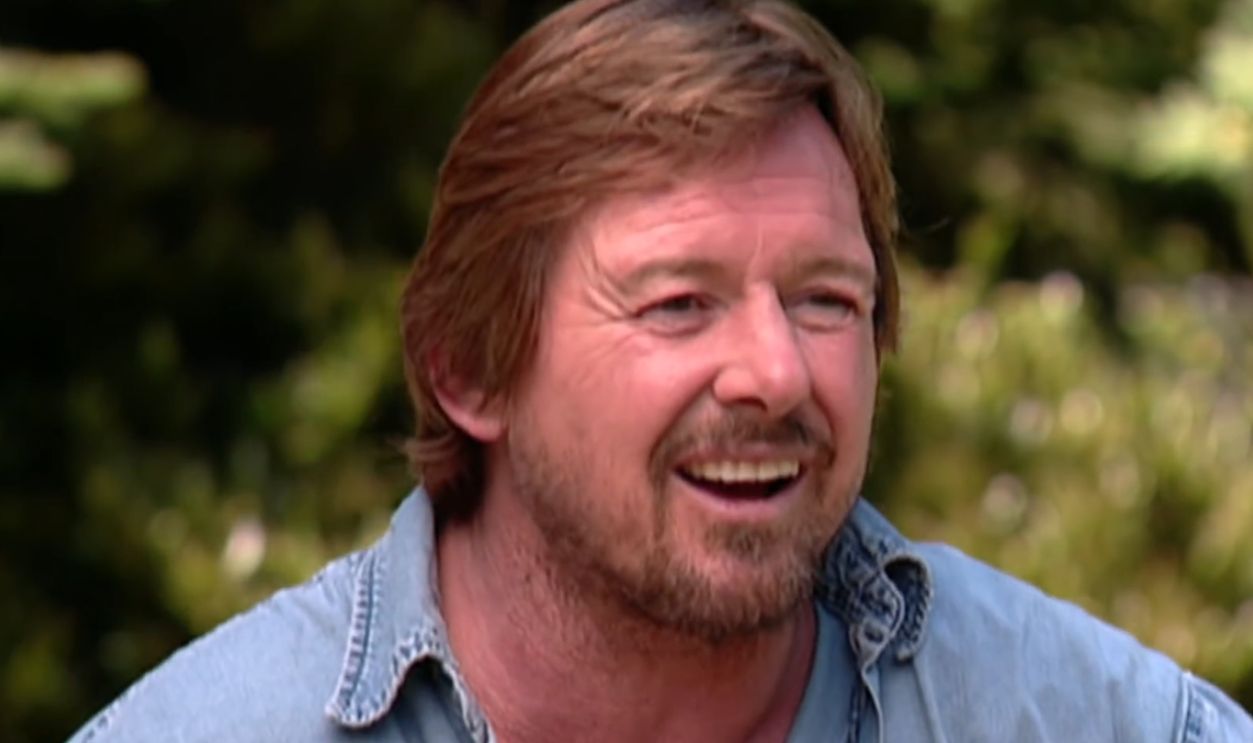 Screenshot from A&E’s Biography: Rowdy Roddy Piper, A&E Network (2021)
He Learned The Bagpipes
Long before his wrestling days, young Roddy learned to play the bagpipes when he was just six years old, in part due to pressure from teachers and partly just to channel his restless energy. Although he always maintained he “never meant to master them,” the bagpipes became an integral part of his public identity, foreshadowing the entrance music that made him an unforgettable ring combatant.
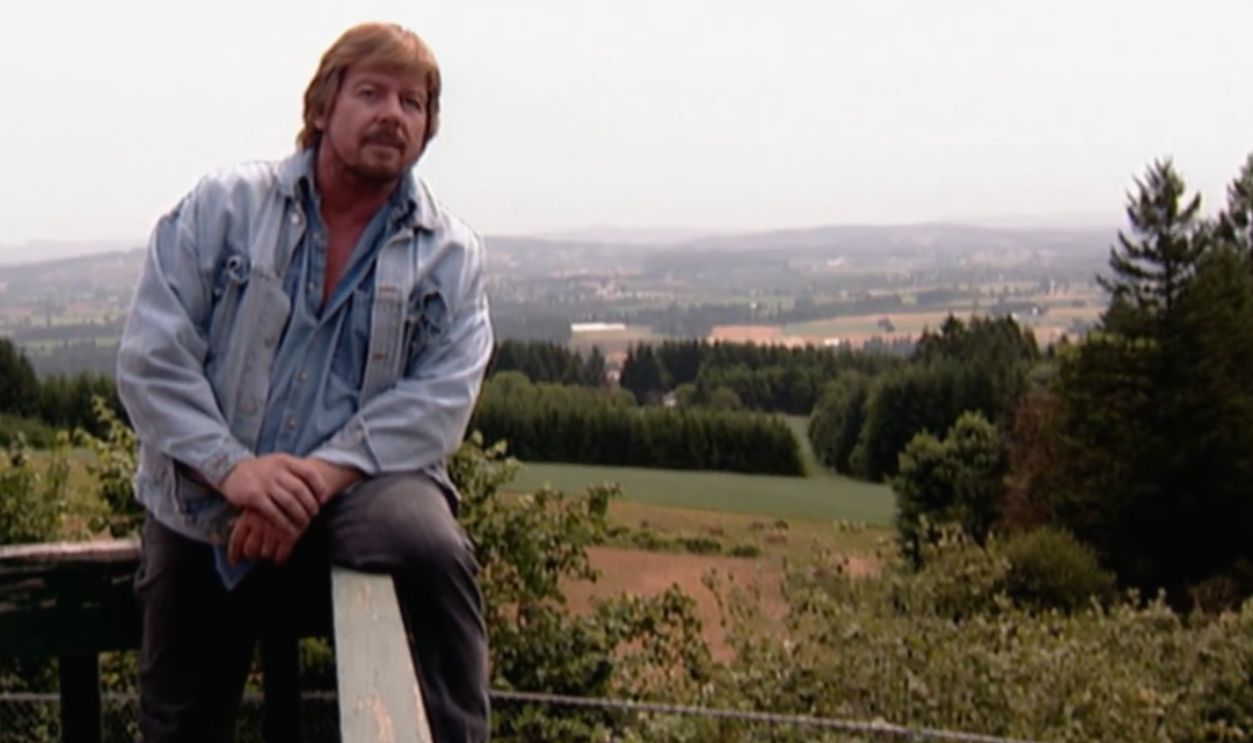 Screenshot from A&E’s Biography: Rowdy Roddy Piper, A&E Network (2021)
Amateur Wrestling And Boxing
As a teenager, Piper took part in amateur wrestling, judo, and boxing; these one-on-one combat sports offered him structure and psychological stability. He won Golden Gloves tournaments and trained with respected martial artists. The discipline he built in these early competitions helped him develop his physical style and swagger, pushing him toward a professional wrestling debut sooner than anyone expected.
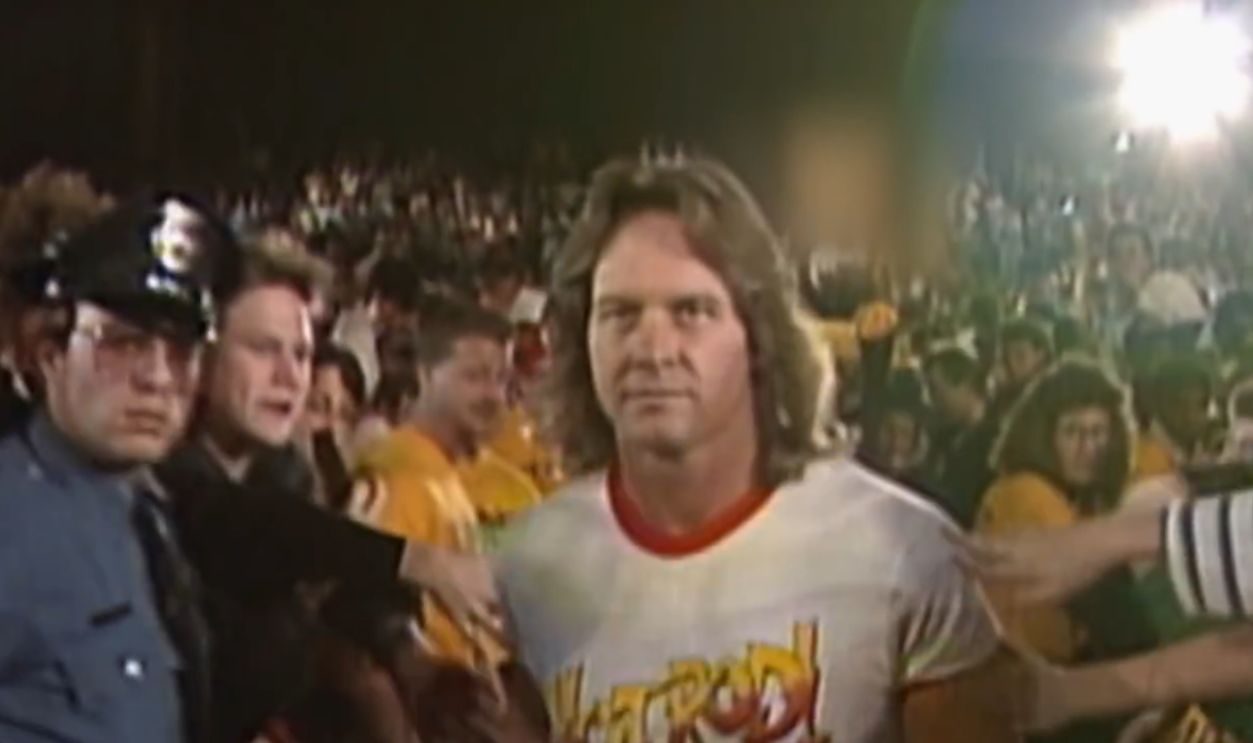 Screenshot from A&E’s Biography: Rowdy Roddy Piper, A&E Network (2021)
The Birth Of Roddy Piper
By the early 70s, the young fighter took on the stage name “Roddy the Piper,” inspired by his bagpipe skills and pugnacious Scottish‑inflected persona. Promoters quickly jumped on the transformation into “Rowdy” Roddy Piper. His outspoken ringside interviews and natural showmanship made everyone around take notice, setting the stage for his growing notoriety on regional wrestling circuits.
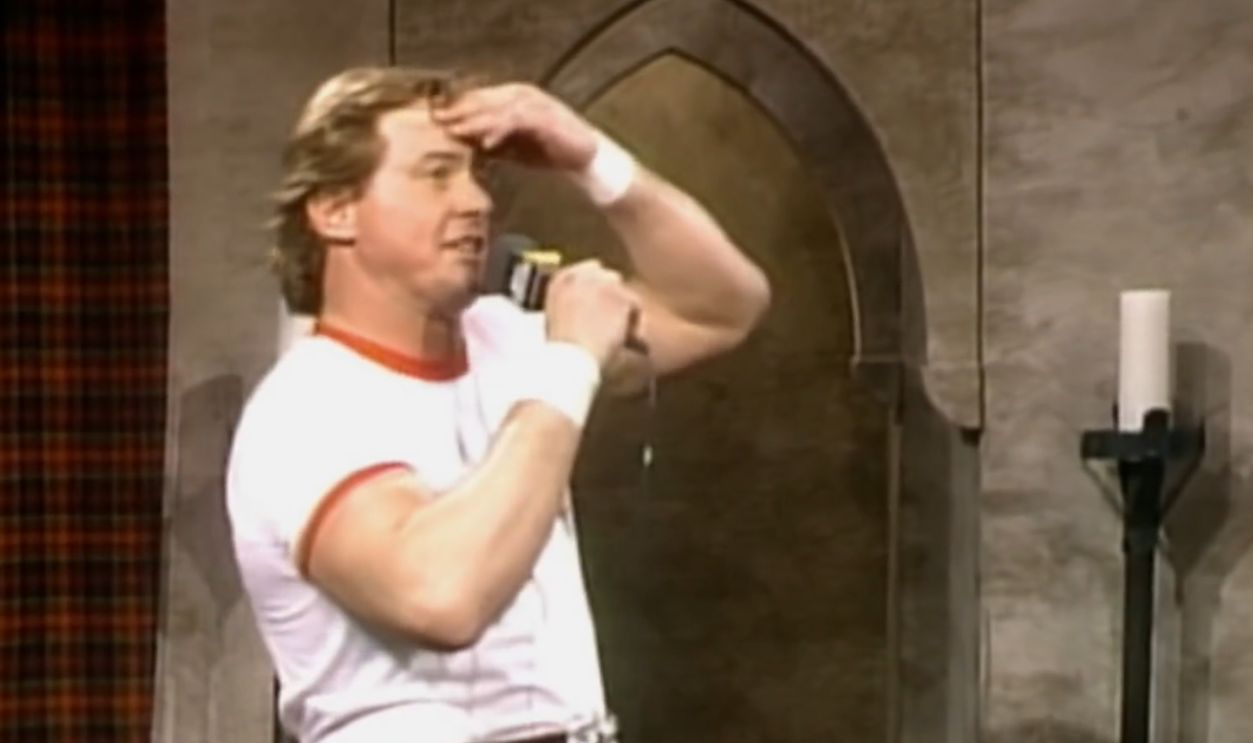 Screenshot from A&E’s Biography: Rowdy Roddy Piper, A&E Network (2021)
Obscure Beginnings In Northern Canada
Roddy had his first matches in remote communities of northern Canada like Churchill, Manitoba. Under the promotion of Winnipeg wrestling promoter Al Tomko, Piper developed his chops on these remote “minor-league” wrestling associations. Then he landed his first match with a more widely-known national organization.
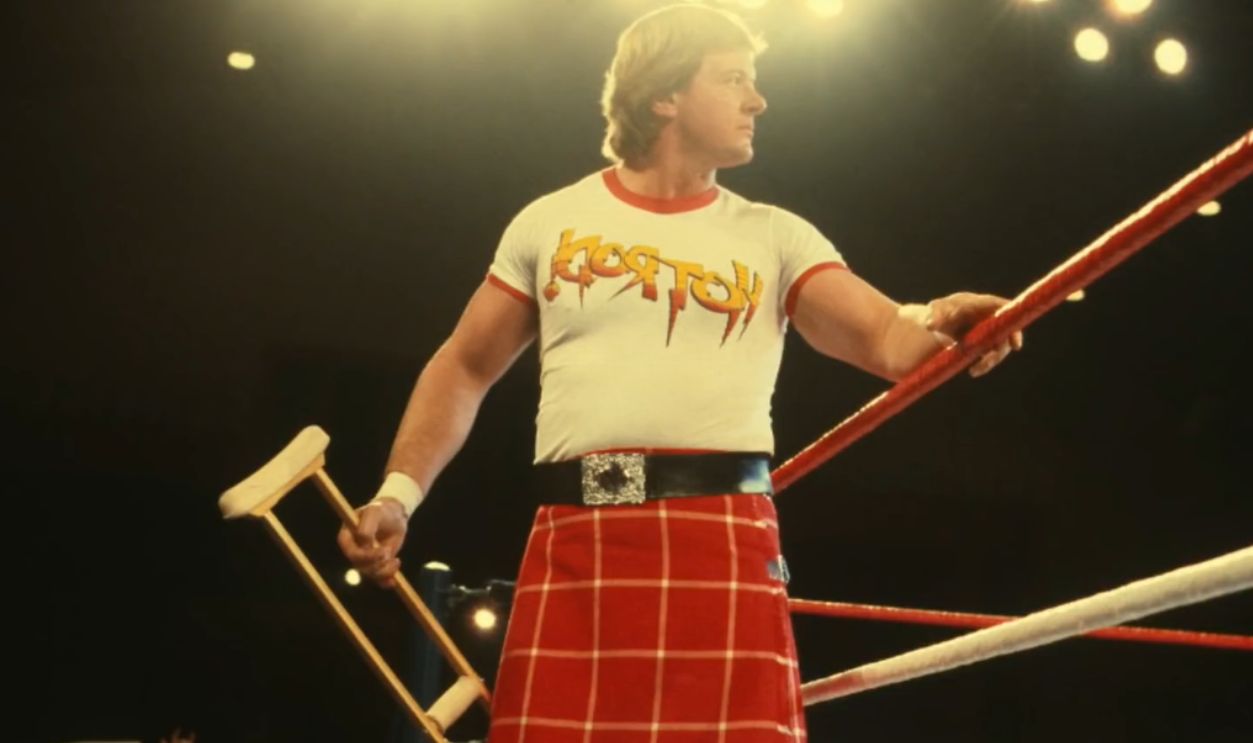 Screenshot from A&E’s Biography: Rowdy Roddy Piper, A&E Network (2021)
First Main Event
Piper signed with the more widely-known American Wrestling Association (AWA) in 1973 and had his first match against a name competitor, Larry Hennig, whose son Curt later gained renown as Mr. Perfect. From there Piper’s profile only grew.
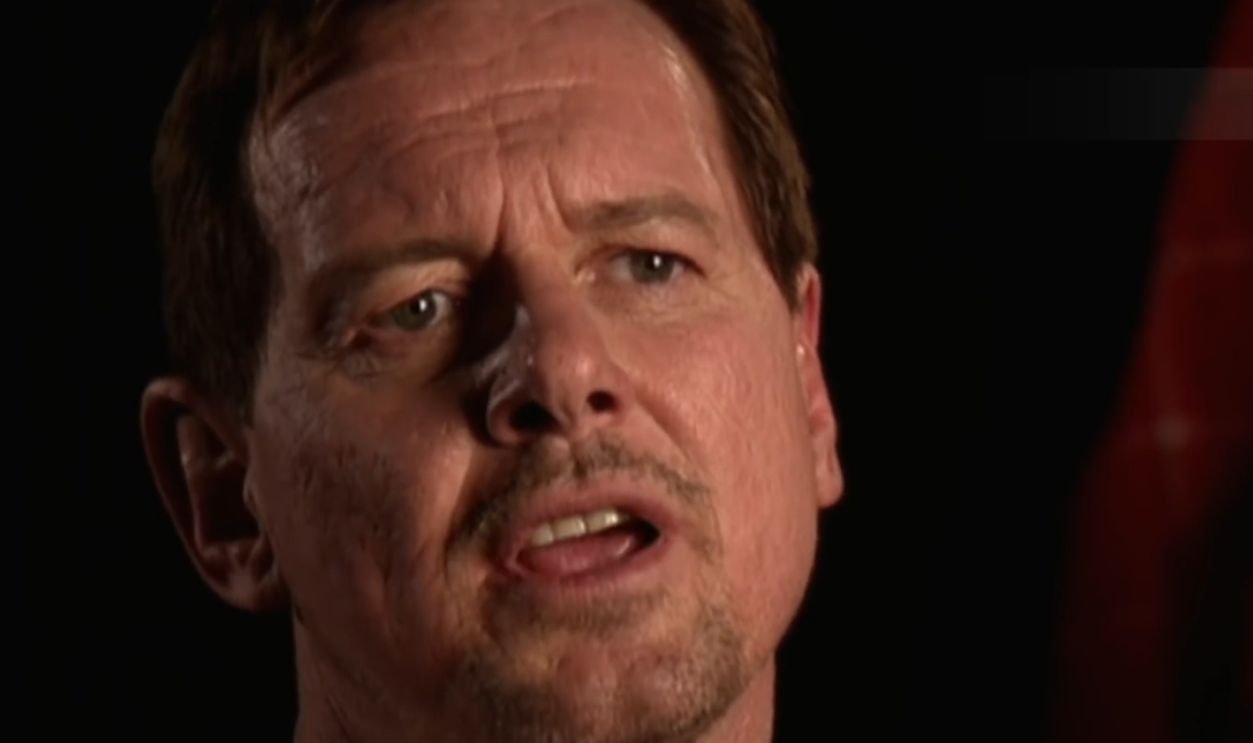 Screenshot from A&E’s Biography: Rowdy Roddy Piper, A&E Network (2021)
Growing Notoriety
Piper wrestled in various organizations and sanctioning bodies across Canada and the United States, where his heel work became a big draw. He feuded constantly with regional stars, sharpened his promos, and gained a reputation as wrestling’s biggest antagonist. His escalating notoriety made him a target for larger-profile organizations that saw his potential for national stardom.
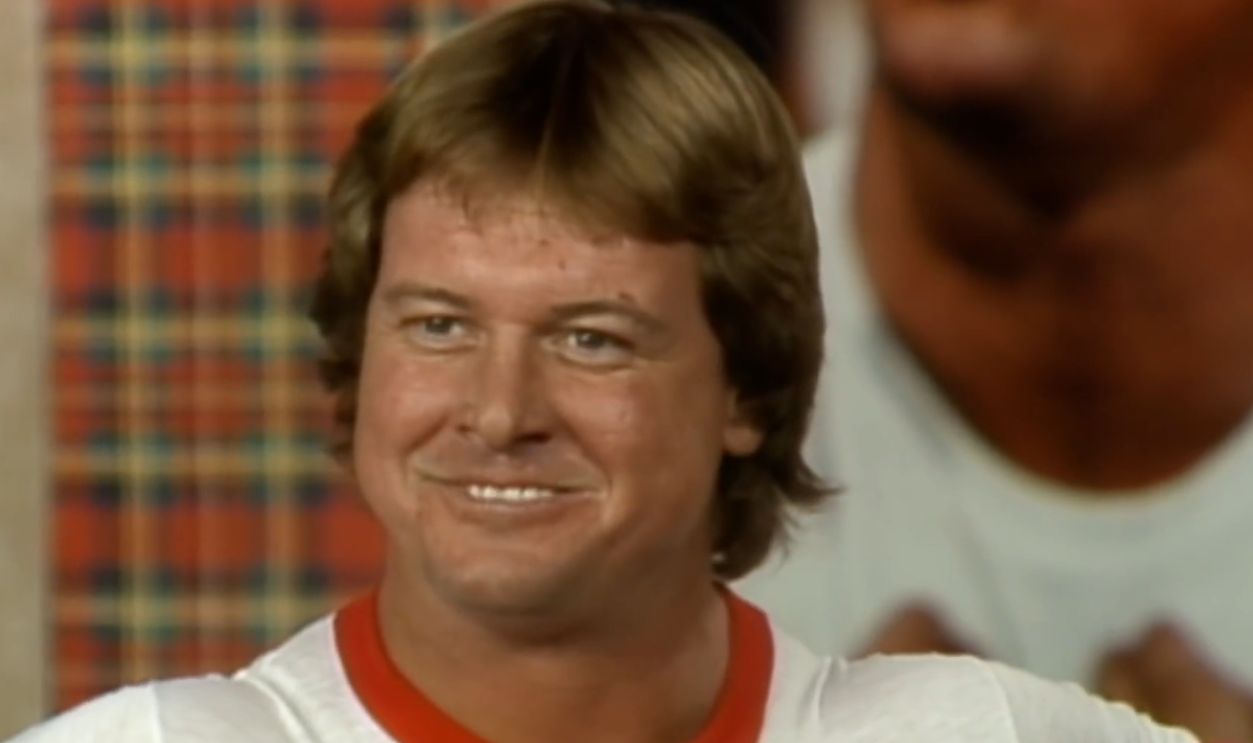 Screenshot from A&E’s Biography: Rowdy Roddy Piper, A&E Network (2021)
Breakthrough In Los Angeles
In the late 70s, Piper found major success with NWA Hollywood Wrestling, where he perfected the “Piper’s Pit” interview style long before it became a staple of WWF telecasts. His ability to get on the nerves of opponents and rile up audiences made him a standout act. This momentum set the stage for his career-defining jump to the WWF.
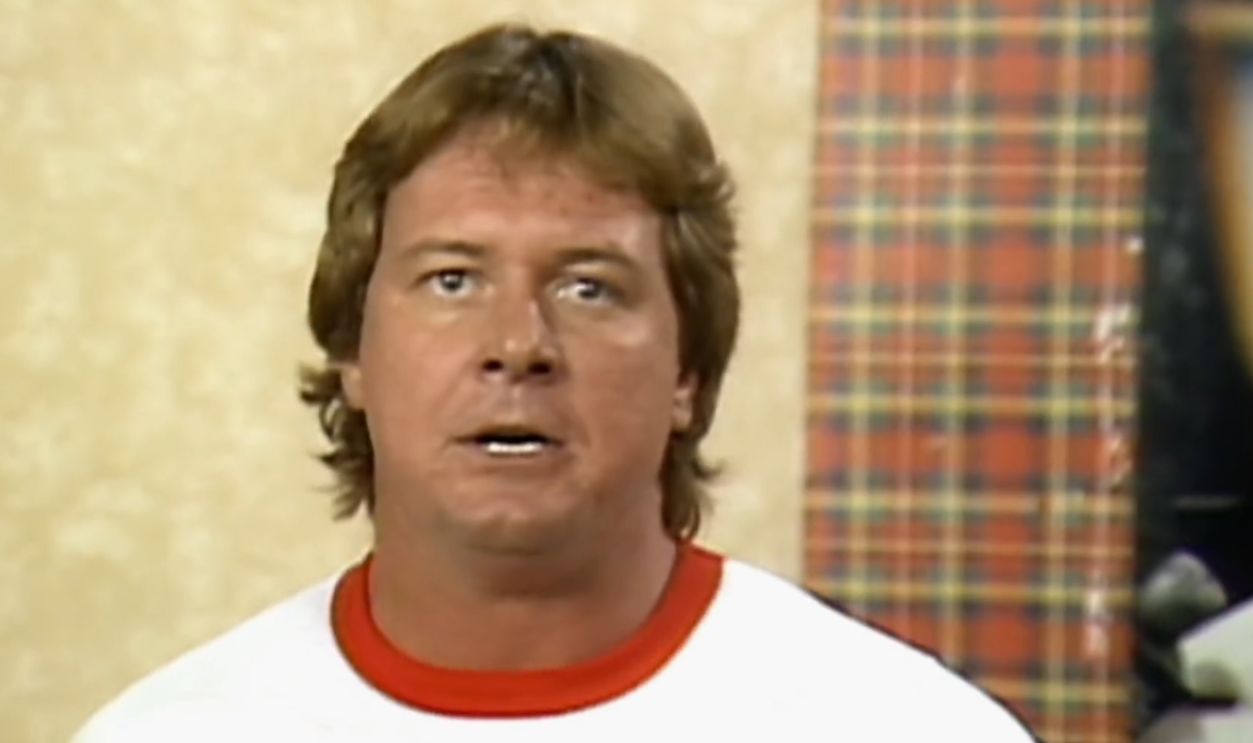 Screenshot from A&E’s Biography: Rowdy Roddy Piper, A&E Network (2021)
Arrival In The WWF
Piper joined the WWF in the early 80s and quickly turned into one of the promotion’s most electrifying villains. His brash promos and refusal to back down to anyone, including Hulk Hogan made him a must-see television entertainment attraction. This entry into the national spotlight put him perfectly in place for the explosive growth of pro wrestling in the 80s.
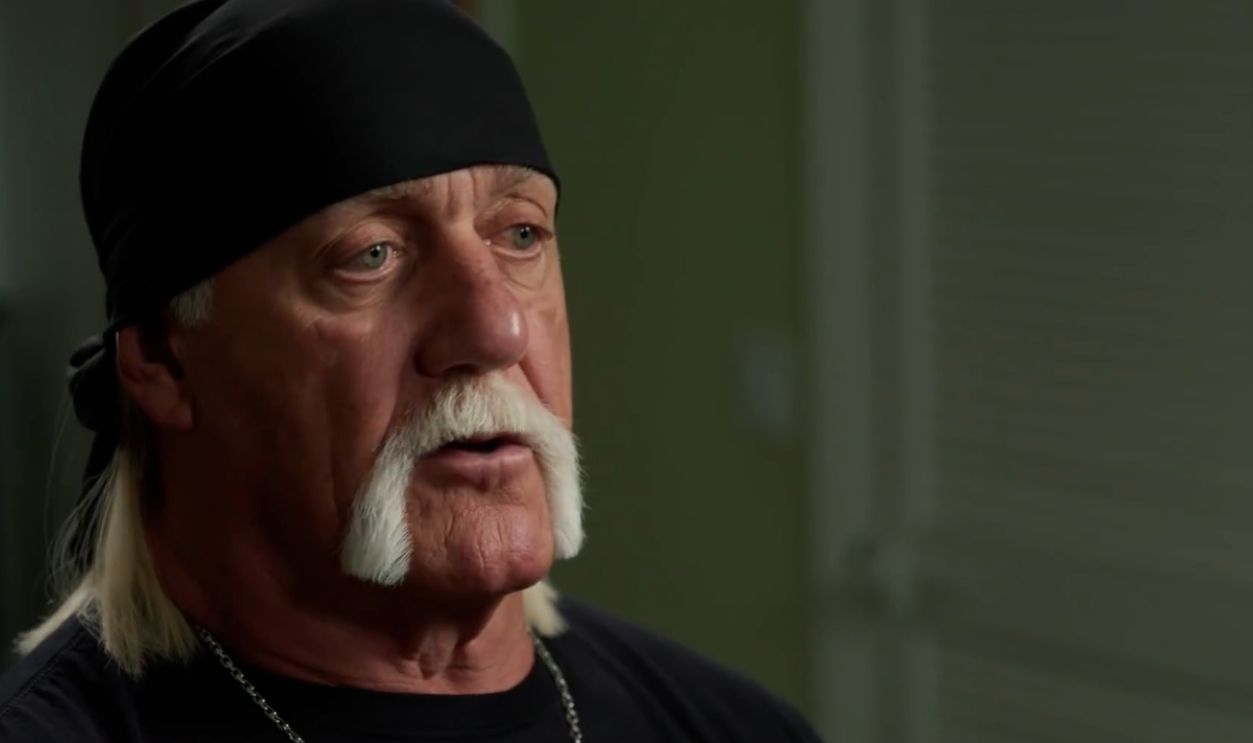 Screenshot from A&E’s Biography: Rowdy Roddy Piper, A&E Network (2021)
Enter Piper’s Pit
The famous “Piper’s Pit” debuted in 1984, and turned wrestling TV on its ear by giving Piper a platform to verbally lambaste opponents. The unscripted feel and escalating tension made every segment a roller-coaster ride. It was here that Piper delivered some of wrestling’s most memorable lines, setting the stage for feuds that carried him straight into the annals of WrestleMania history.
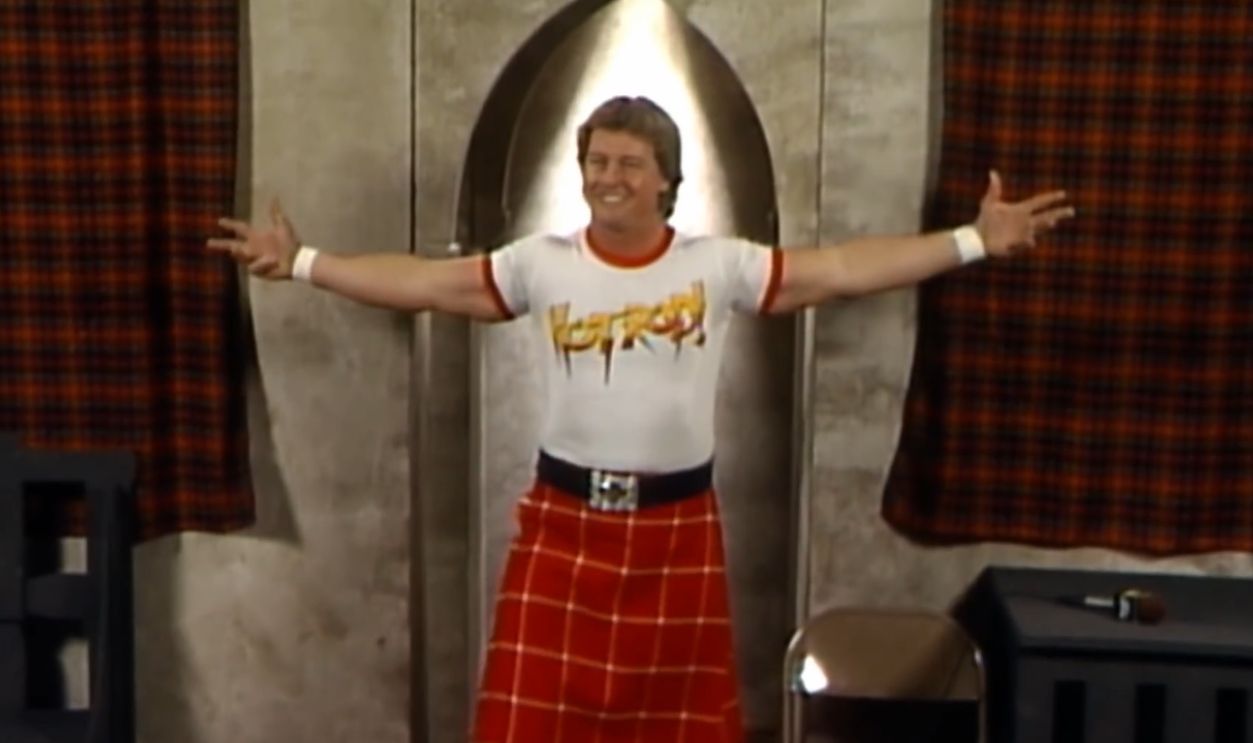 Screenshot from A&E’s Biography: Rowdy Roddy Piper, A&E Network (2021)
WrestleMania I: Feud With Hulk Hogan
Piper’s feud with Hulk Hogan helped propel WrestleMania I in 1985, making wrestling into a mainstream force in the entertainment landscape. Piper’s charisma and antagonism drove the storyline just as much as Hogan’s antics as the “good guy.” Their clash at the inaugural event set up rivalries that would stretch across decades, and allowed both men to transcend wrestling into the larger popular culture.
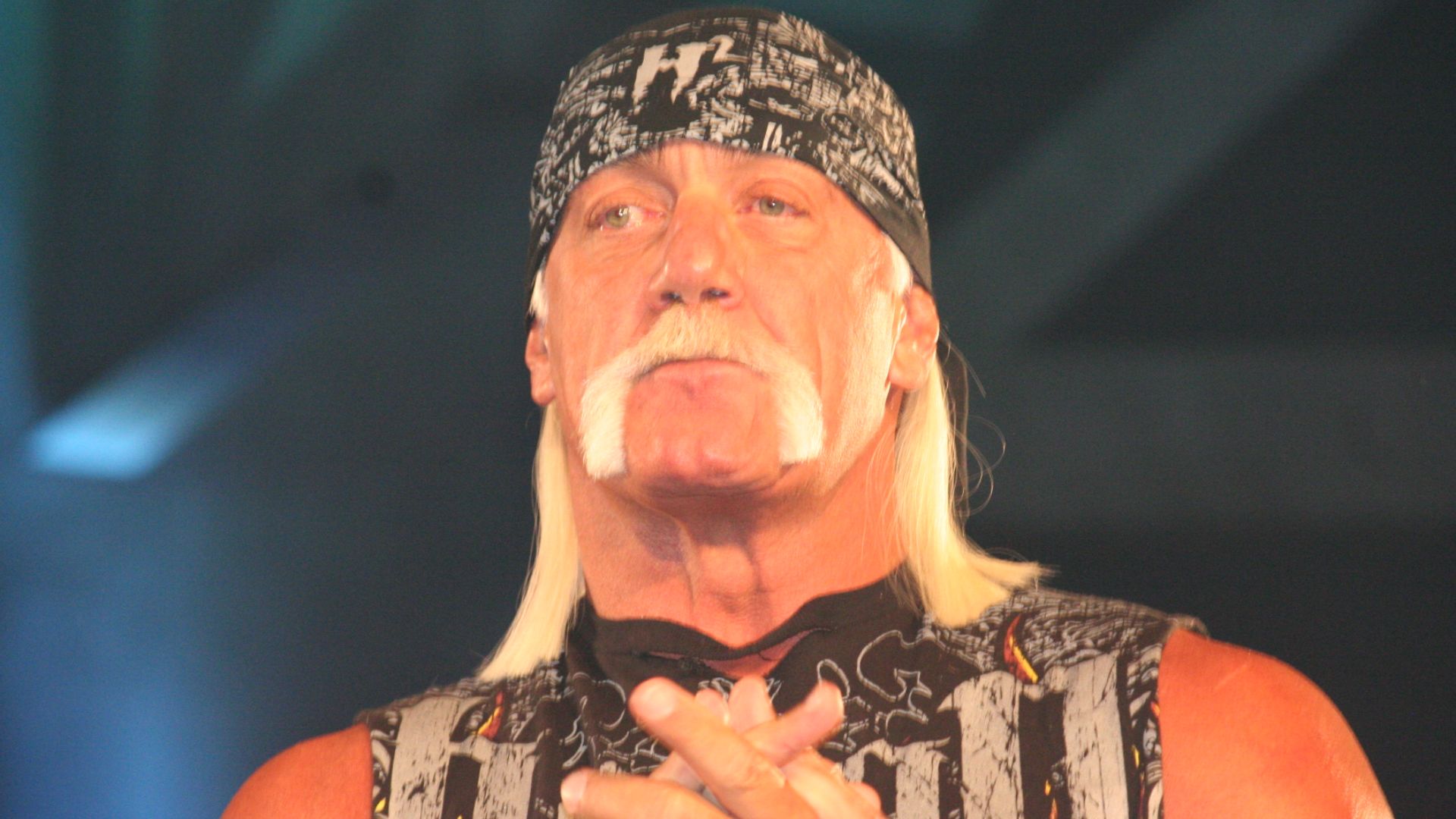 Mike Kalasnik, Wikimedia Commons
Rock ’n’ Wrestling And Media Stardom
Piper was central to the WWF’s Rock ’n’ Wrestling era, working with celebrities like Cyndi Lauper and Mr. T. His chaotic energy made him a crossover hit, and he began to appear everywhere from MTV to national talk shows. This larger media profile and role-playing created an unexpected opportunity to make an entry into Hollywood.
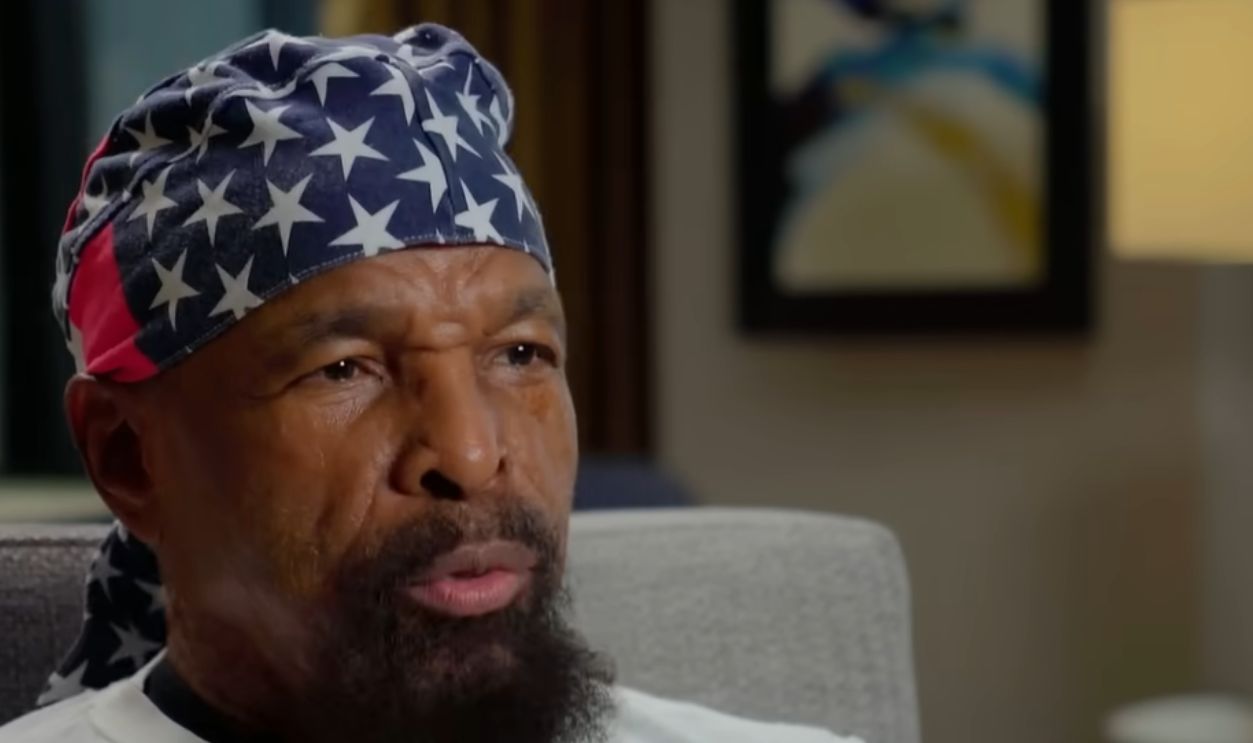 Screenshot from A&E’s Biography: Rowdy Roddy Piper, A&E Network (2021)
Acting Breakthrough: They Live
In 1988, Piper starred in John Carpenter’s cult classic They Live. The role transformed Piper from wrestler to pop-culture icon. The unexpected success and clear acting ability on screen opened doors for even more acting roles, which he followed up on alongside intermittent wrestling stints.
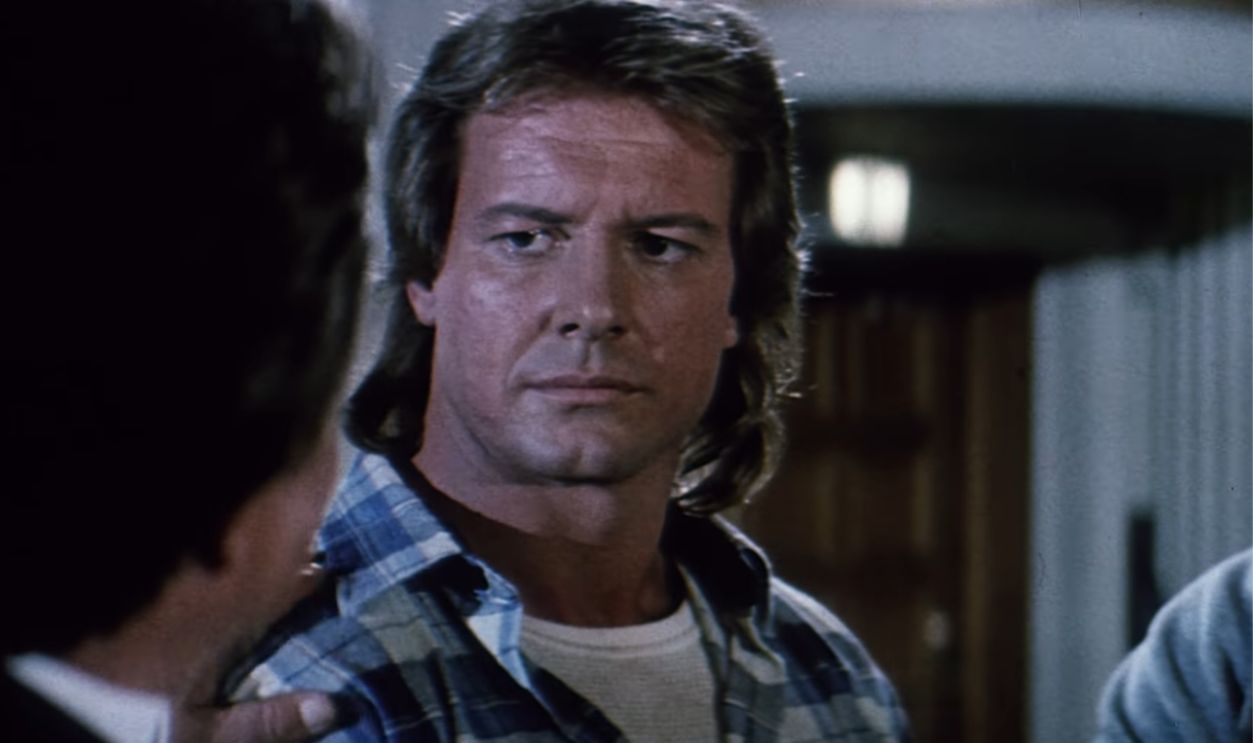 Screenshot from They Live, Universal Pictures (1988)
Major Film And TV Appearances
Over the next decades, Piper appeared in films Hell Comes to Frogtown (1988), guest-starred on series like Walker, Texas Ranger, appeared in music videos and made Saturday Night Live appearances. His versatility surprised the critics who underestimated him, and the steady stream of roles kept him in the public eye long after his full-time wrestling career had begun to slow down.
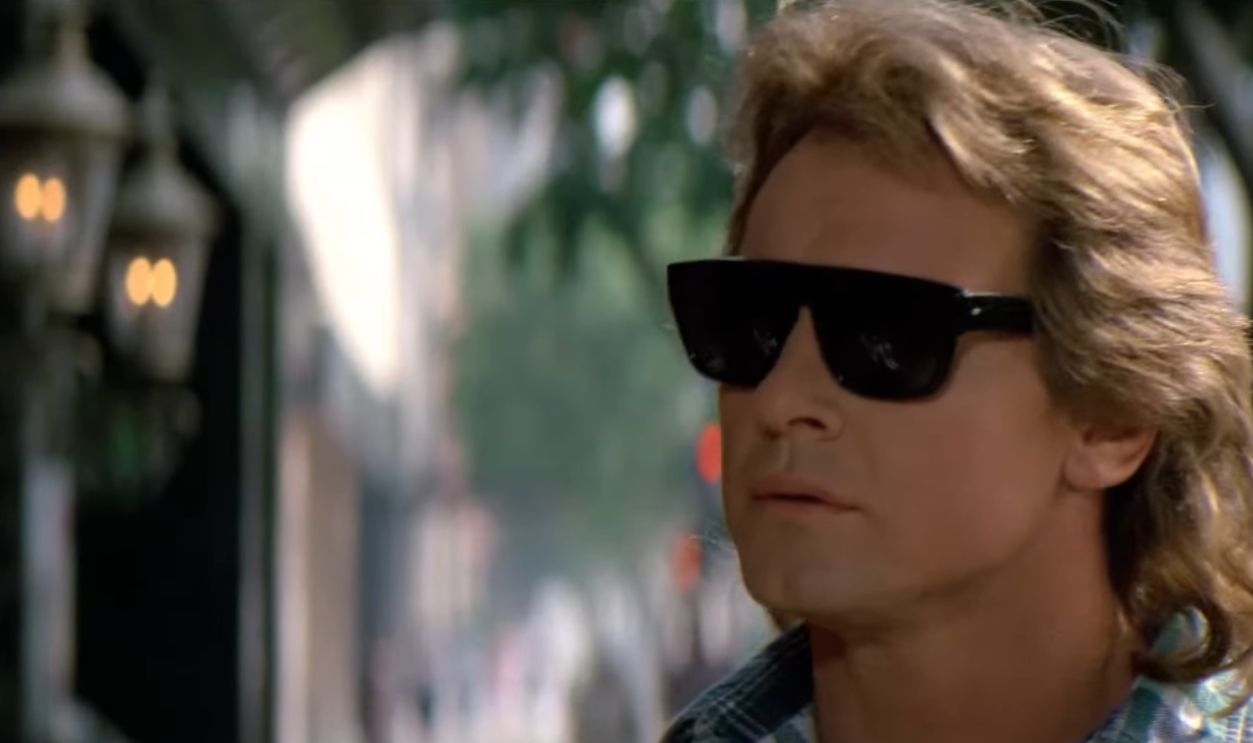 Screenshot from They Live, Universal Pictures (1988)
Wrestling In The 90s
Piper returned to the WWF and WCW throughout the ’90s, resuming feuds with old rivals. He battled Ric Flair, Bret Hart, and others, reveling in his role as an unpredictable wild card. His short temper and veteran status made him the perfect disruptor in storylines, bridging wrestling’s old-school era with the modern generation.
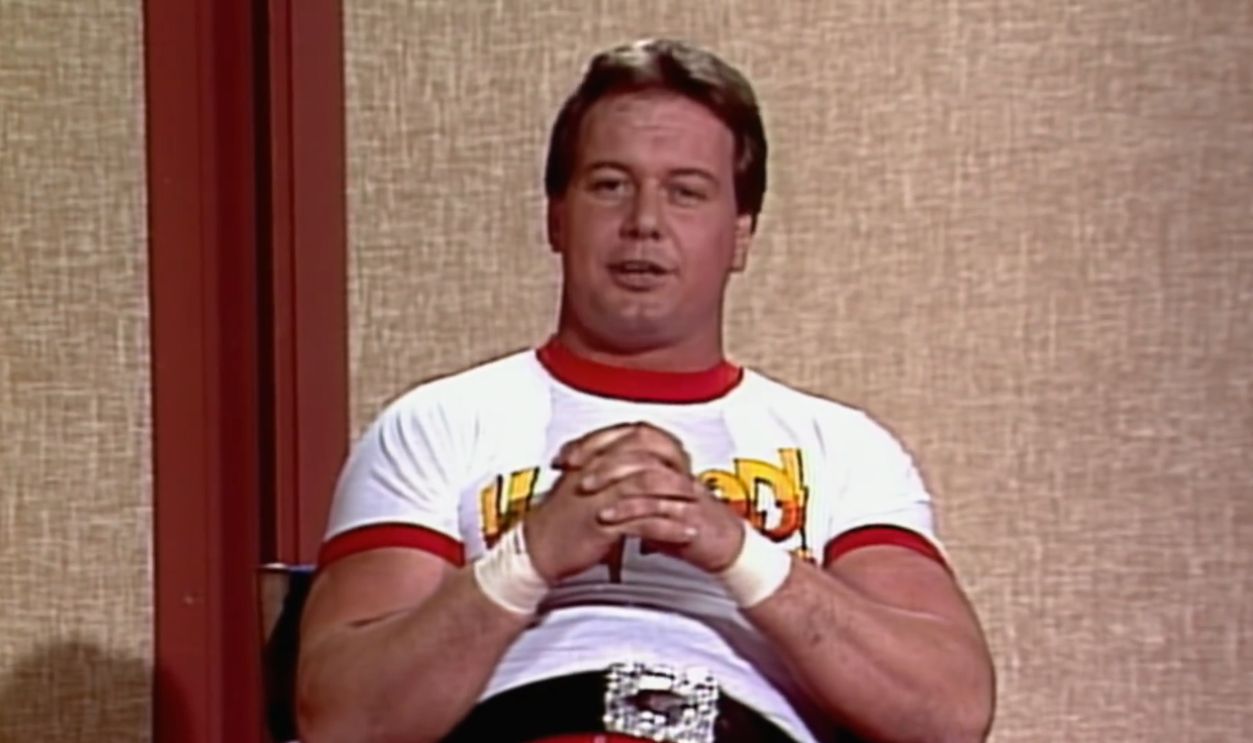 Screenshot from A&E’s Biography: Rowdy Roddy Piper, A&E Network (2021)
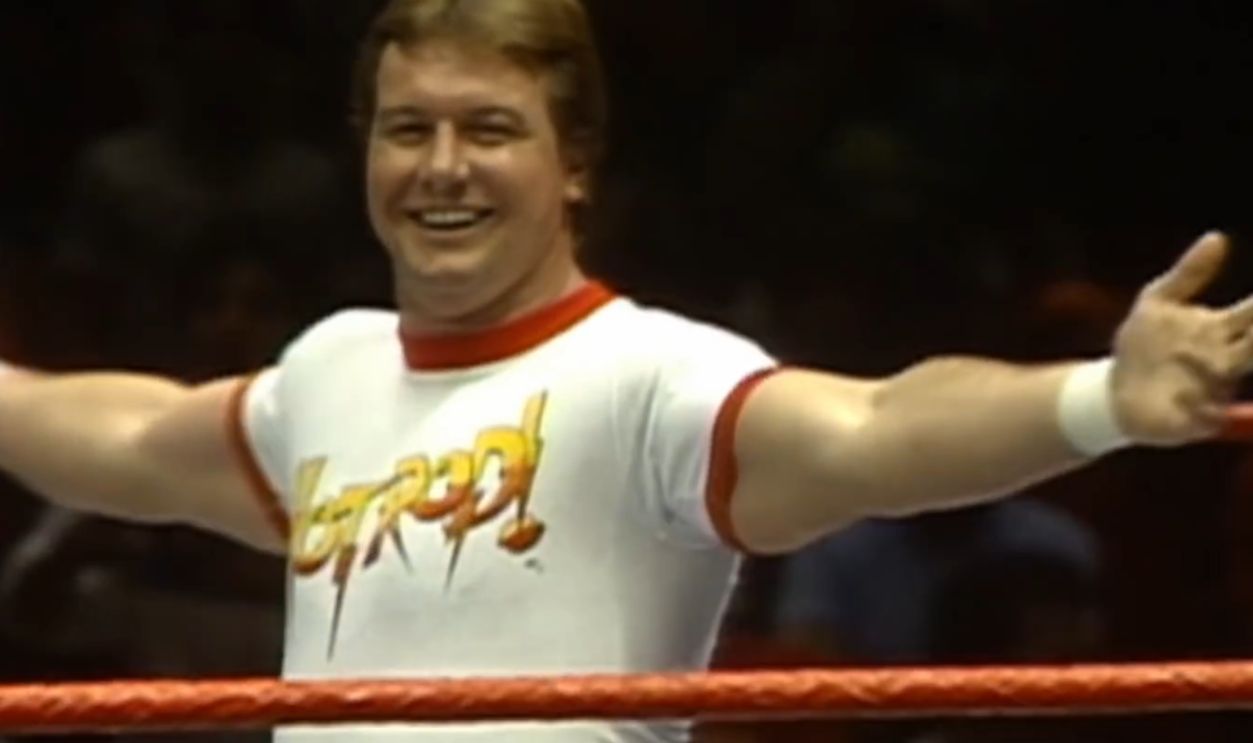
WCW Comeback
In WCW, Piper famously took on Hollywood Hogan in storylines that reflected their longstanding 1980s rivalry. His matches at Starrcade and other events offered nostalgia for older fans while advancing new narratives. Whether fans loved him or hated him, they were never indifferent, and this ensured that Piper remained a central figure in wrestling’s dramatic arc.
 Screenshot from A&E’s Biography: Rowdy Roddy Piper, A&E Network (2021)
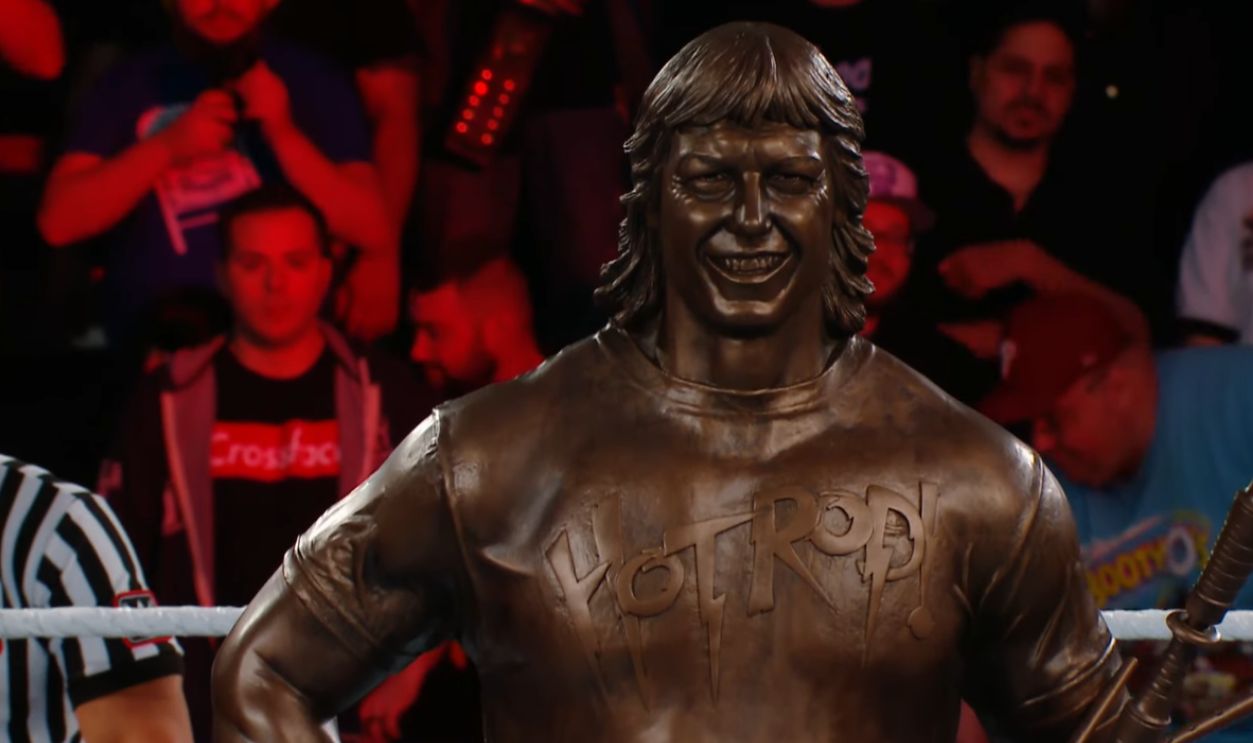
Wrestling Hall Of Fame Induction
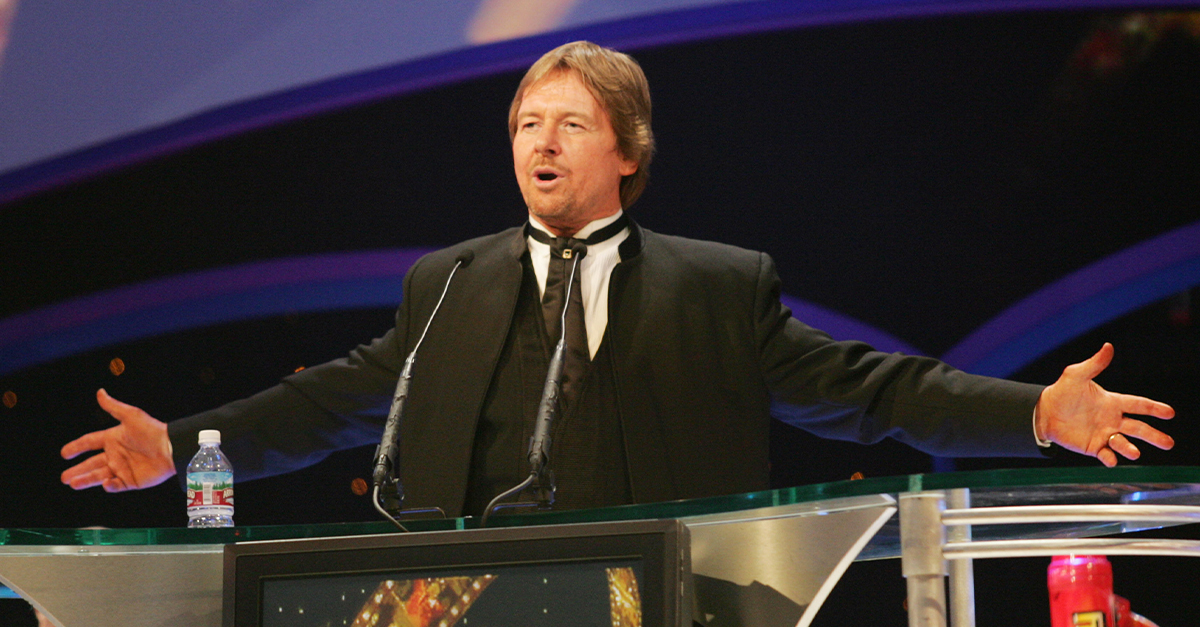
In 2005, Piper was inducted into the WWE Hall of Fame, honored for decades of work as both showman and antagonist. The ceremony acknowledged his creative influence, skills working the crowd, and essential role in shaping televised wrestling. His induction brought closure to a lot of earlier tensions, and opened the door for reconciliations with fellow wrestling competitors later in life.
 Screenshot from A&E’s Biography: Rowdy Roddy Piper, A&E Network (2021)
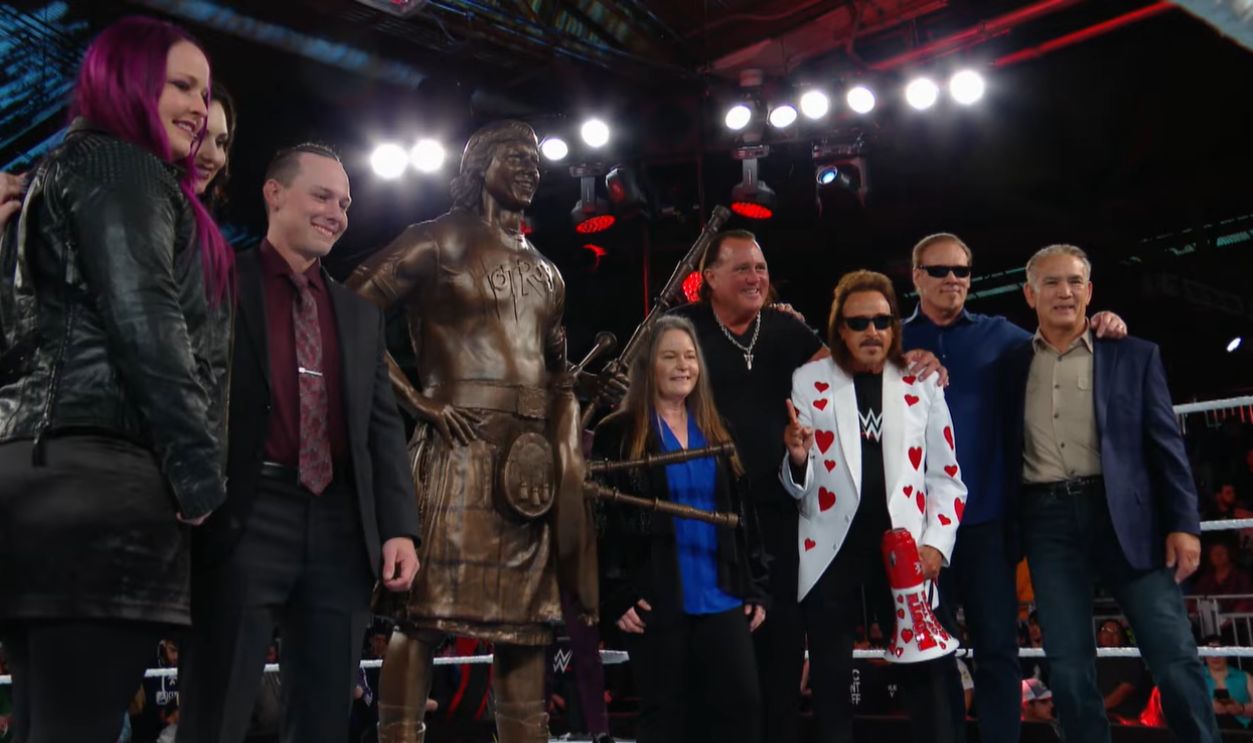
Personal Life And Family
Outside the spotlight, Piper was a devoted husband to Kitty Toombs and father to four children. Despite his wild public persona, his family always kept him grounded. His close bond with the Hart family, especially with Bret Hart, were a valuable connection and kept him in touch with his Canadian wrestling roots. These relationships offered Piper a support system that endured through fame and friction alike.
 Screenshot from A&E’s Biography: Rowdy Roddy Piper, A&E Network (2021)
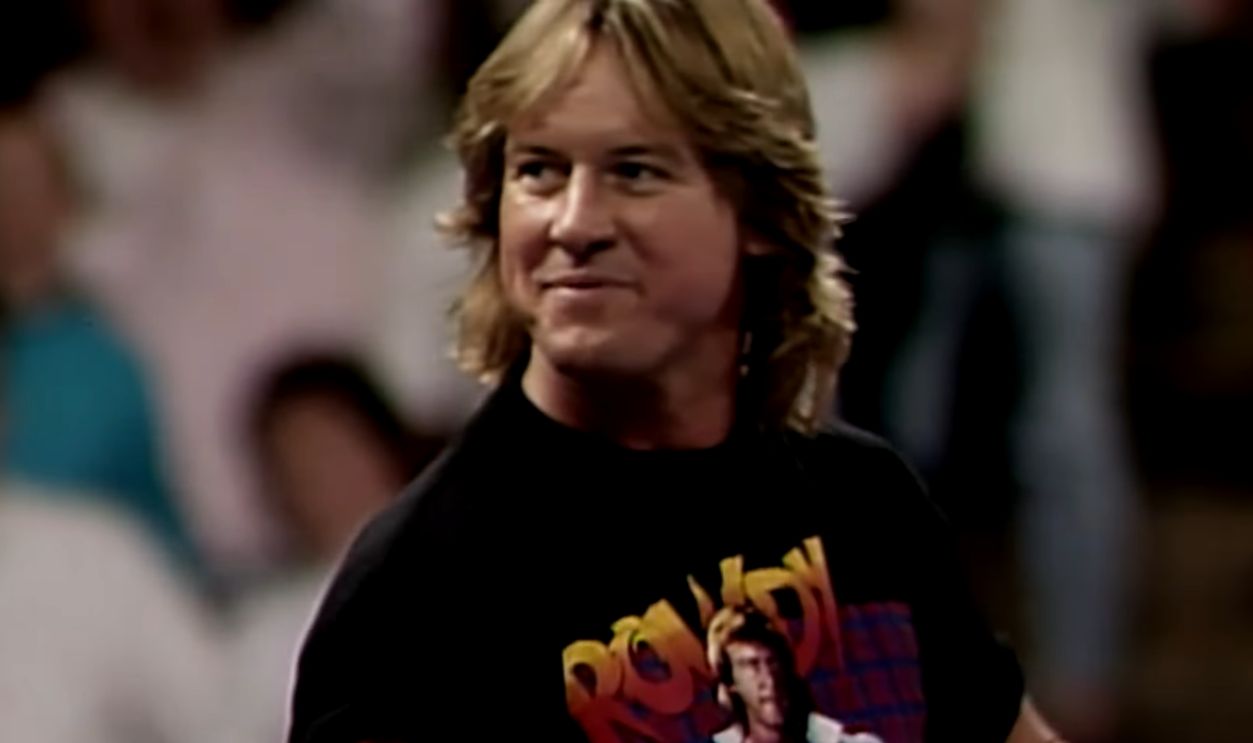
Health Problems And Challenges
The years of physical punishment he endured in the ring caught up to Piper, who went through numerous chronic injuries and surgeries. He also battled Hodgkin’s lymphoma starting in 2006, which forced him to step back periodically from wrestling and acting. These health struggles, though he kept them private, shaped his later life and fueled his longing to reconnect with old friends, and even old rivals like Hulk Hogan.
 Screenshot from A&E’s Biography: Rowdy Roddy Piper, A&E Network (2021)
Reconciliation With Hulk Hogan
Piper and Hogan’s real-life tensions began to dissipate in the 2010s, and the two were now given to warm public exchanges and mutual respect. The burying of the hatchet allowed Piper to get back into wrestling media and leave the bitterness behind. The new friendship also positioned Piper for a late-career wave of interviews and fan appearances that sadly led up to his final days.
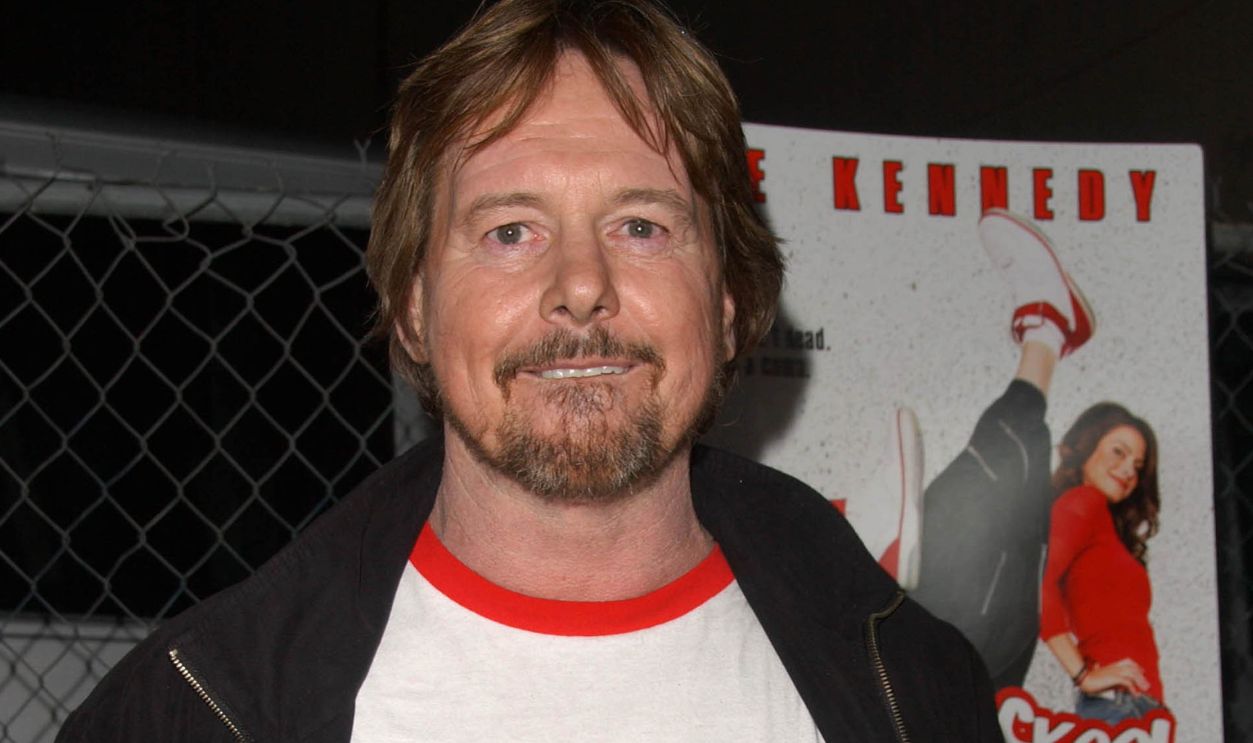
Appearance On The Rich Eisen Show
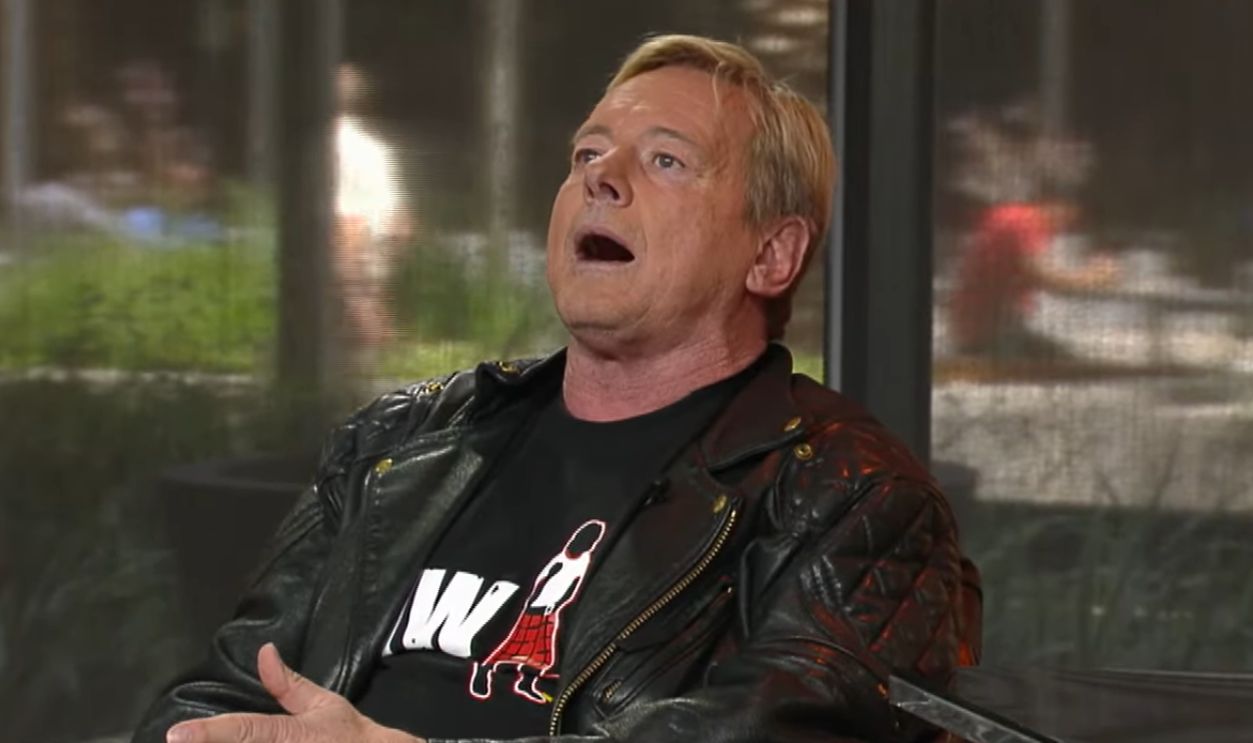
Just days before his death, Piper appeared on The Rich Eisen Show, sounding reflective and grateful. As he discussed family, career highlights, and his complicated history in wrestling, he was the picture of a man who’d weathered life’s stormy seas to arrive at a hard-won wisdom. The appearance now looks like a poignant farewell, providing fans with a final glimpse of Piper’s warmth and humor before tragedy struck. No wrestling fan can fail to be moved upon watching this last visit.
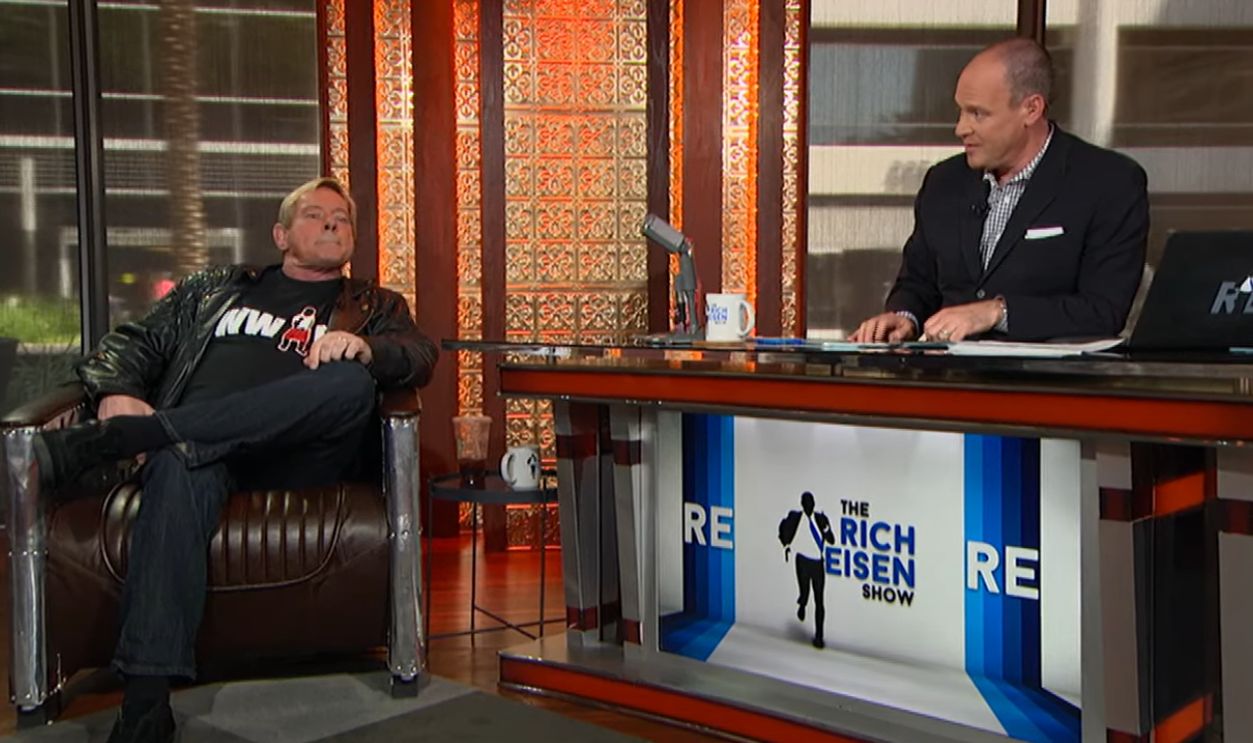
He Entered The Valhalla Of Wrestling
Roddy Piper died suddenly of cardiac arrest on July 31, 2015, at age 61. Fans and wrestlers across generations stopped what they were doing, stood stock still in shock and heartbreak, mourning a beloved performer whose presence formed a decades-long saga. His passing marked the end of one of wrestling’s most unpredictable lives, but his influence is still felt in the wrestling world as a larger-than-life figure in the formative years of generations of fans.
You May Also Like:
The Controversial Life and Death of Hulk Hogan
The Extraordinary Life And Tragic End Of André The Giant