Variety Is The Spice Of Life
Before streaming, before even cable TV, there wasn't as much TV on the airwaves, and for decades, the Variety Show was king. Some music, some comedy, and everything in between, all packed into an hour. Millions of Americans used to tune into these shows every single week—and now millions more Americans will probably never even know they existed. Unless someone brings them back for the modern era?
The Ed Sullivan Show Was The Sunday Night Giant
Long before clips went viral, Ed Sullivan turned Sunday night into a national appointment. His CBS variety show ran from 1948 to 1971 and mixed comedians, Broadway performers, opera singers, pop stars, dancers, and novelty acts. The format now feels old-fashioned, but the basic idea of one stage bringing everyone together still sounds surprisingly fresh.
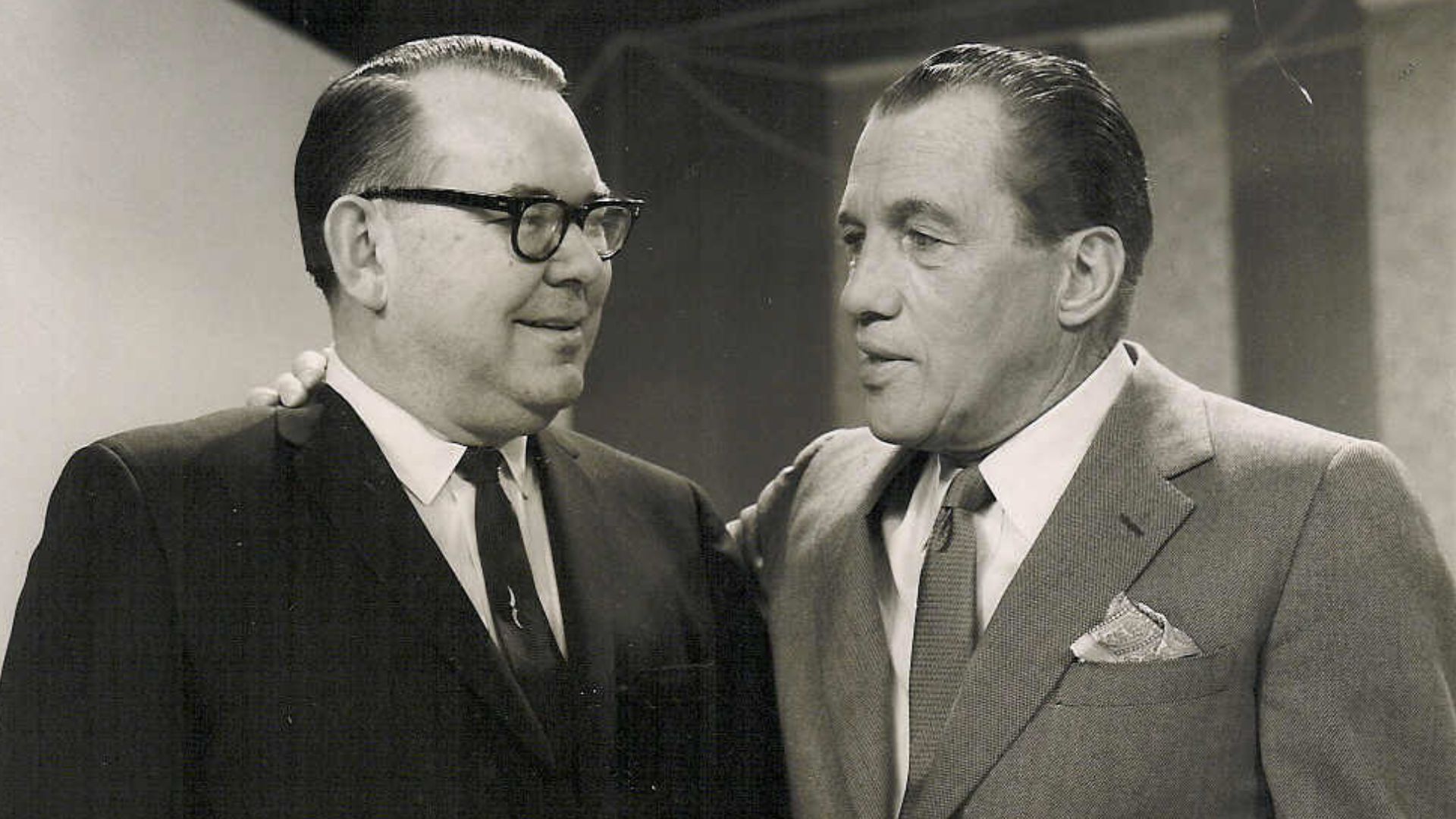 Pragmathetic132134, Wikimedia Commons
Texaco Star Theater Made Milton Berle Mr Television
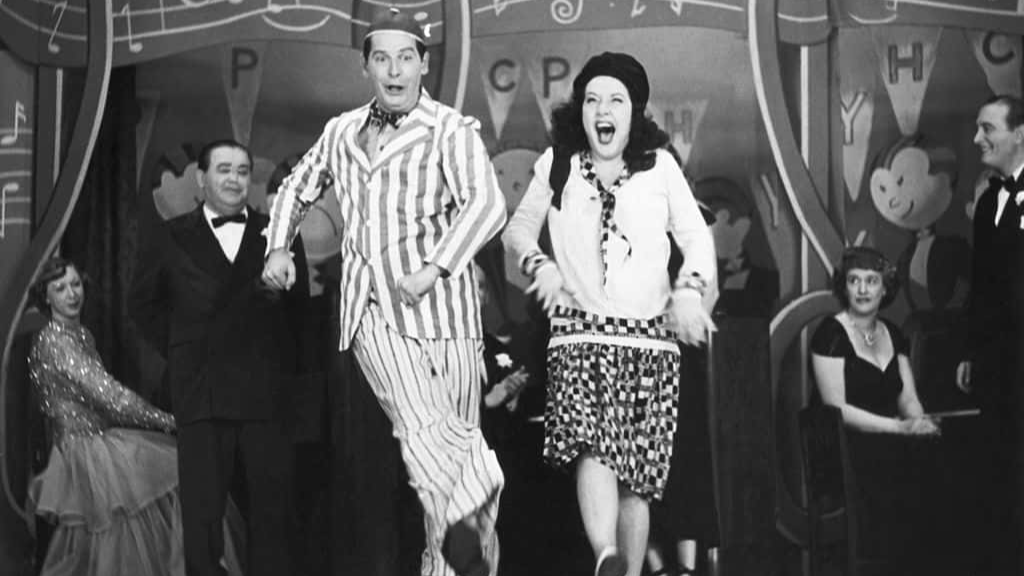
Milton Berle became one of television’s first true superstars through Texaco Star Theater. The show began on television in 1948 and helped make NBC’s Tuesday night lineup a cultural event. A comeback would need a very different pace, but the sheer chaos of Berle’s vaudeville-style comedy could still work with the right host.
Your Show Of Shows Built A Comedy Laboratory
Your Show of Shows aired live on NBC from 1950 to 1954 with Sid Caesar and Imogene Coca at the center. The show became famous for elaborate sketches, movie parodies, and a writers’ room that helped shape modern television comedy. It is easy to imagine a modern version where sharp sketch performers get room to build characters instead of chasing short clips.
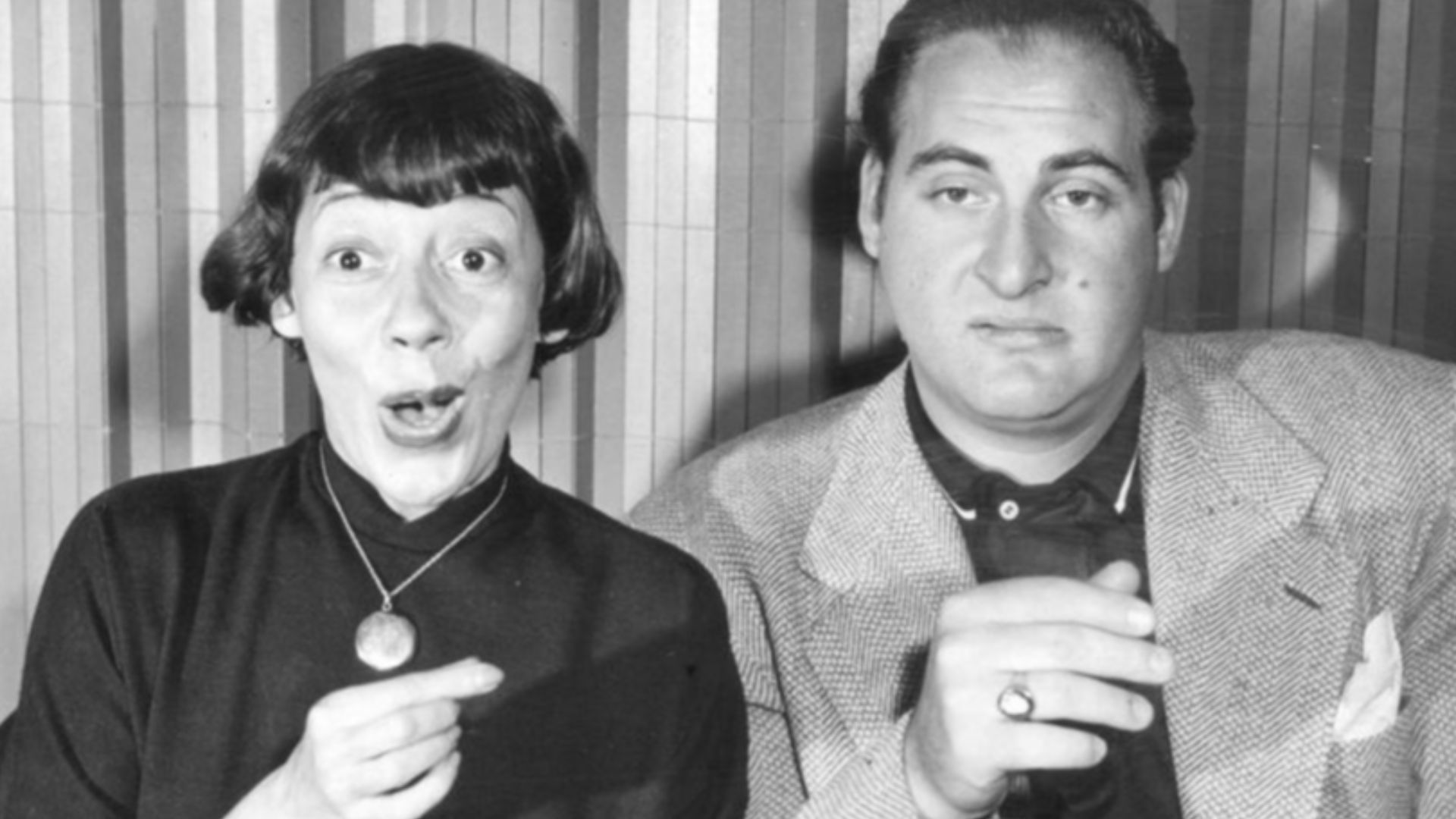 NBC Uploaded by We hope at en.wikipedia, Wikimedia Commons
The Red Skelton Show Kept Visual Comedy Alive
The Red Skelton Show ran from 1951 to 1971 and made Skelton’s physical comedy a weekly fixture. His silent routines and recurring characters gave the program a gentle, theatrical identity. In a TV landscape full of noise, that kind of wordless comic craft might feel almost new again.
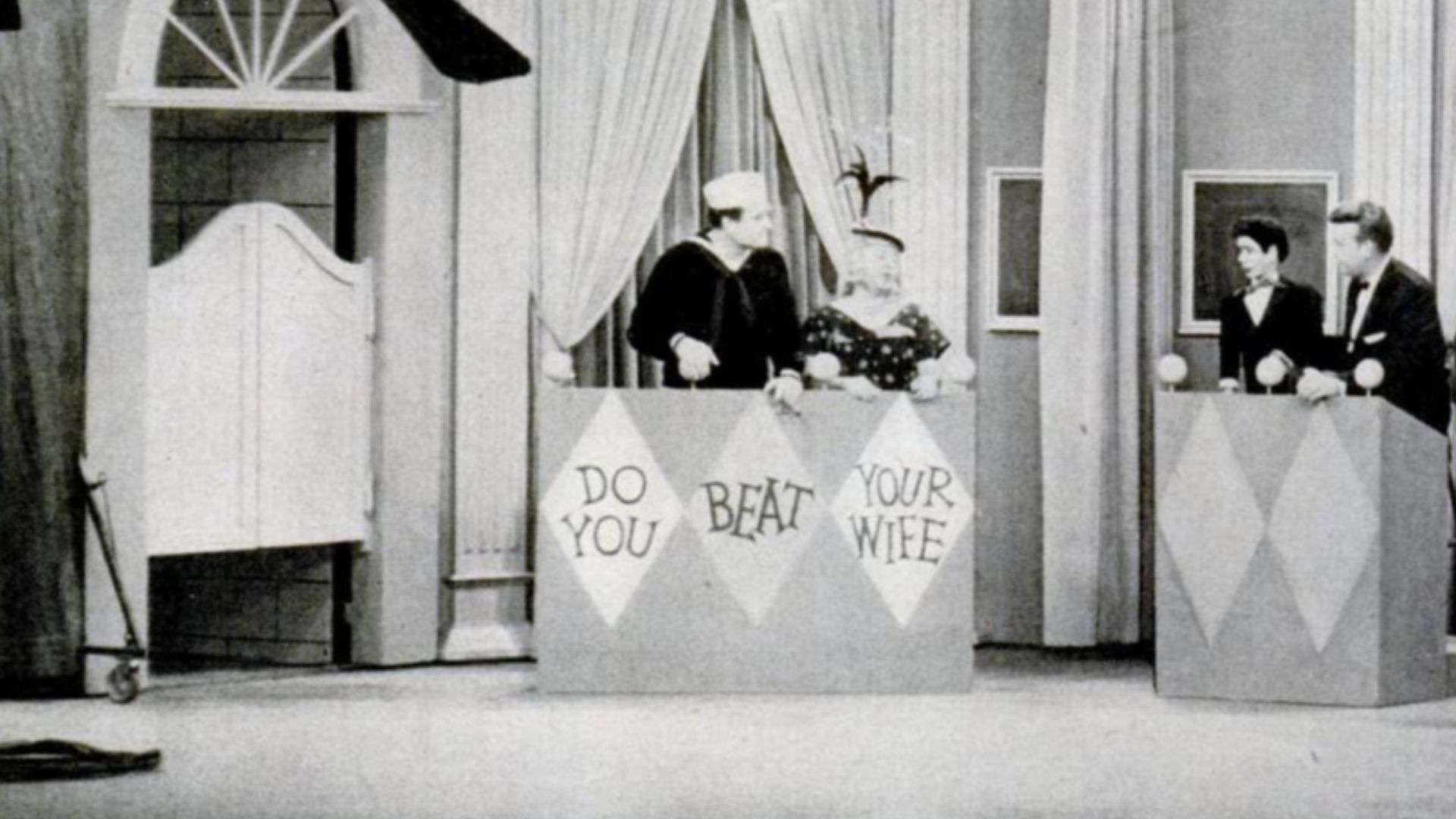 Montsanto/CBS-TV., Wikimedia Commons
The Lawrence Welk Show Had Champagne Bubbles And Loyal Fans
The Lawrence Welk Show began nationally on ABC in 1955 and continued in syndication after leaving the network. Its polished musical numbers, “champagne music” style, and family-friendly tone made it a long-running comfort watch. A comeback would probably need irony-free sincerity, which is exactly why it might stand out today.
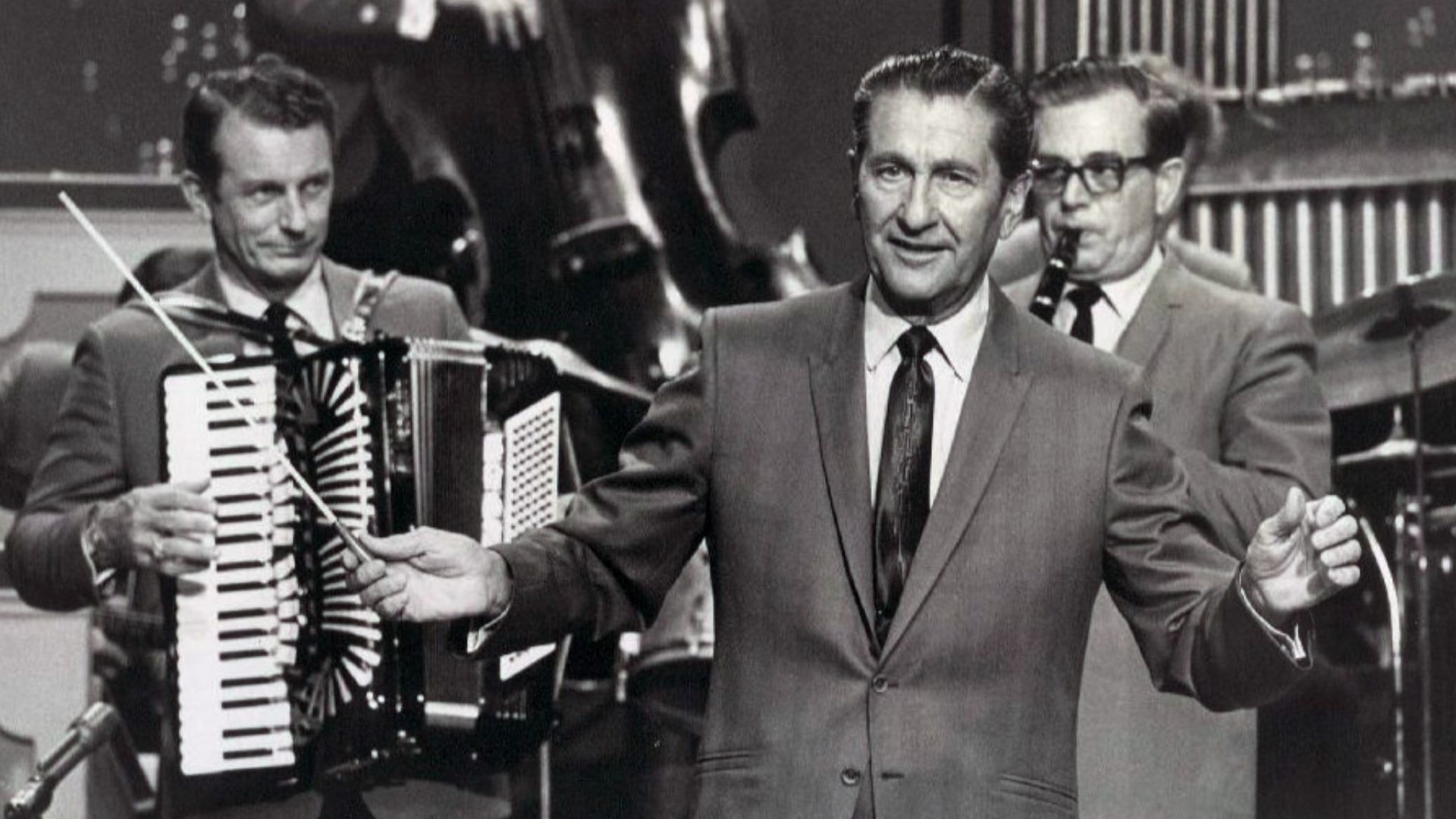 ABC Television, Wikimedia Commons
The Garry Moore Show Helped Launch Comedy Legends
The Garry Moore Show had several CBS runs and became especially important in the late 1950s and early 1960s. It helped showcase performers including Carol Burnett, Don Knotts, Jonathan Winters, and other future favorites. A new version could be a strong vehicle for introducing young comics before they become household names.
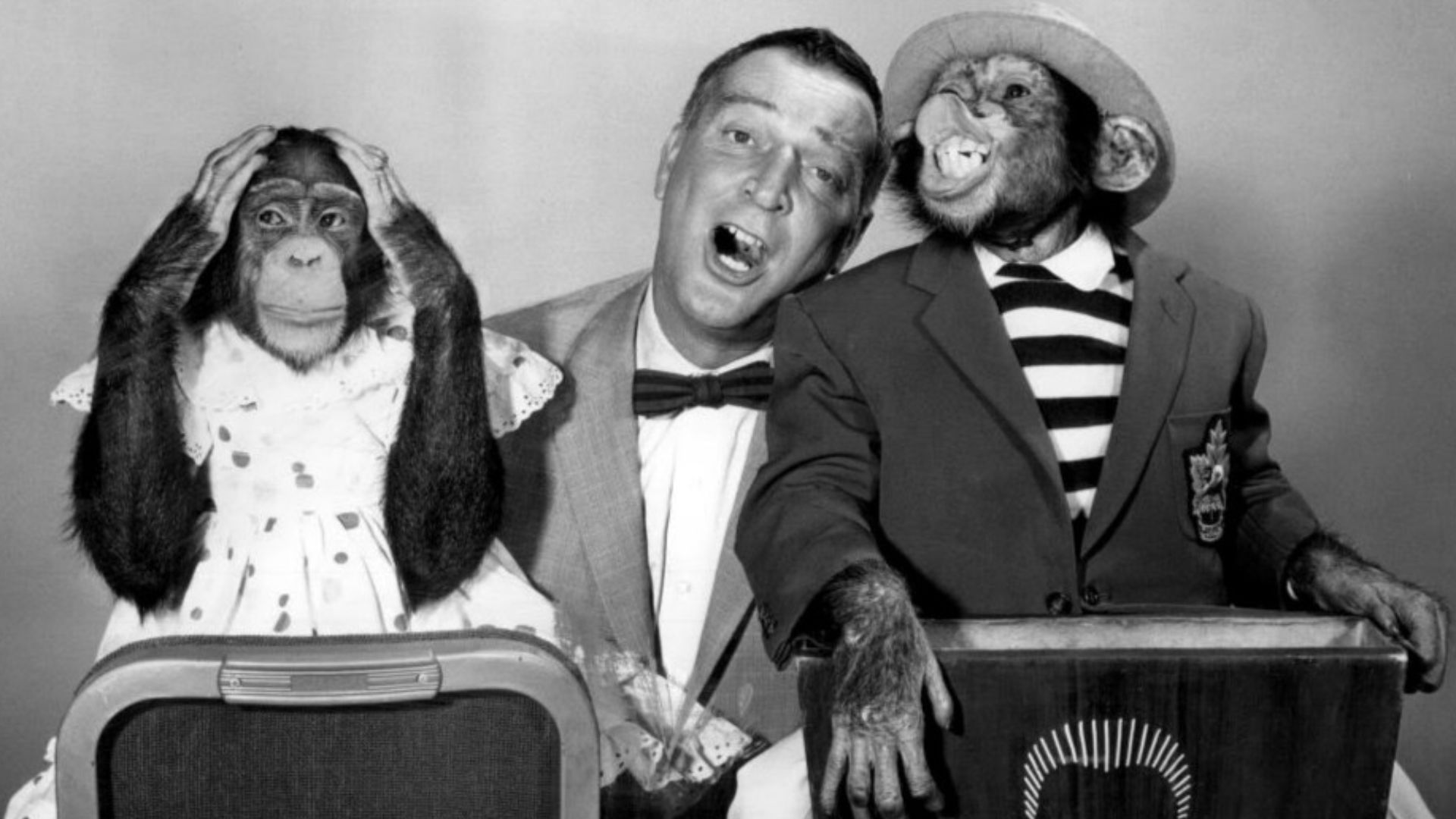 CBS Television, Wikimedia Commons
The Judy Garland Show Became More Loved After It Ended
The Judy Garland Show aired for one season on CBS from 1963 to 1964. It struggled in its original run, but later viewers came to value its musical performances and Garland’s command of the stage. A modern revival would need a star with real vocal power and emotional authority, not just celebrity buzz.
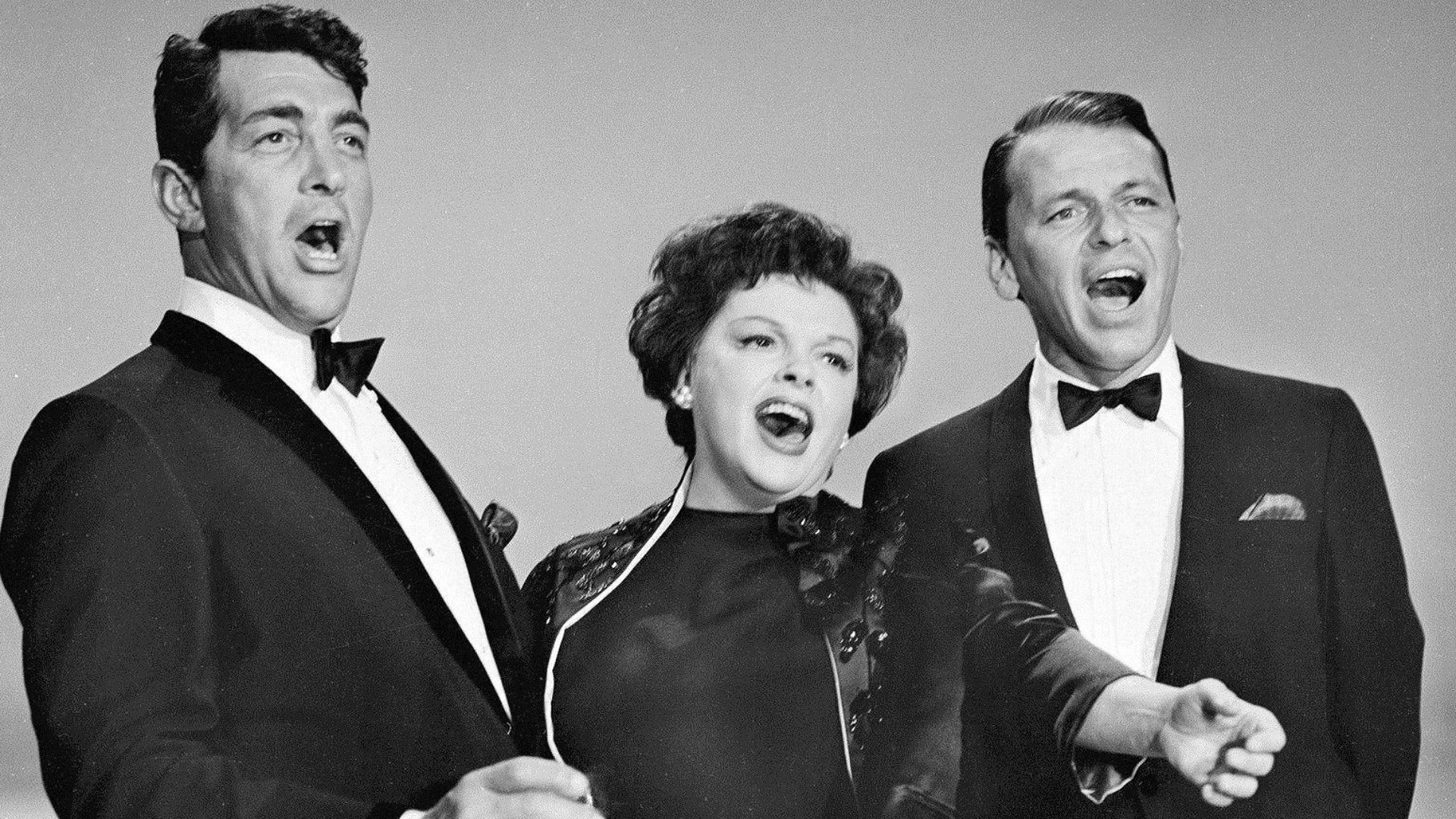 CBS Television, Wikimedia Commons
The Andy Williams Show Made Easygoing Look Effortless
The Andy Williams Show ran on NBC during the 1960s and early 1970s. Williams blended pop standards, guest performers, comedy bits, and holiday warmth into a smooth weekly package. It was not edgy, but that easygoing confidence could make a comeback in a cozy streaming format.
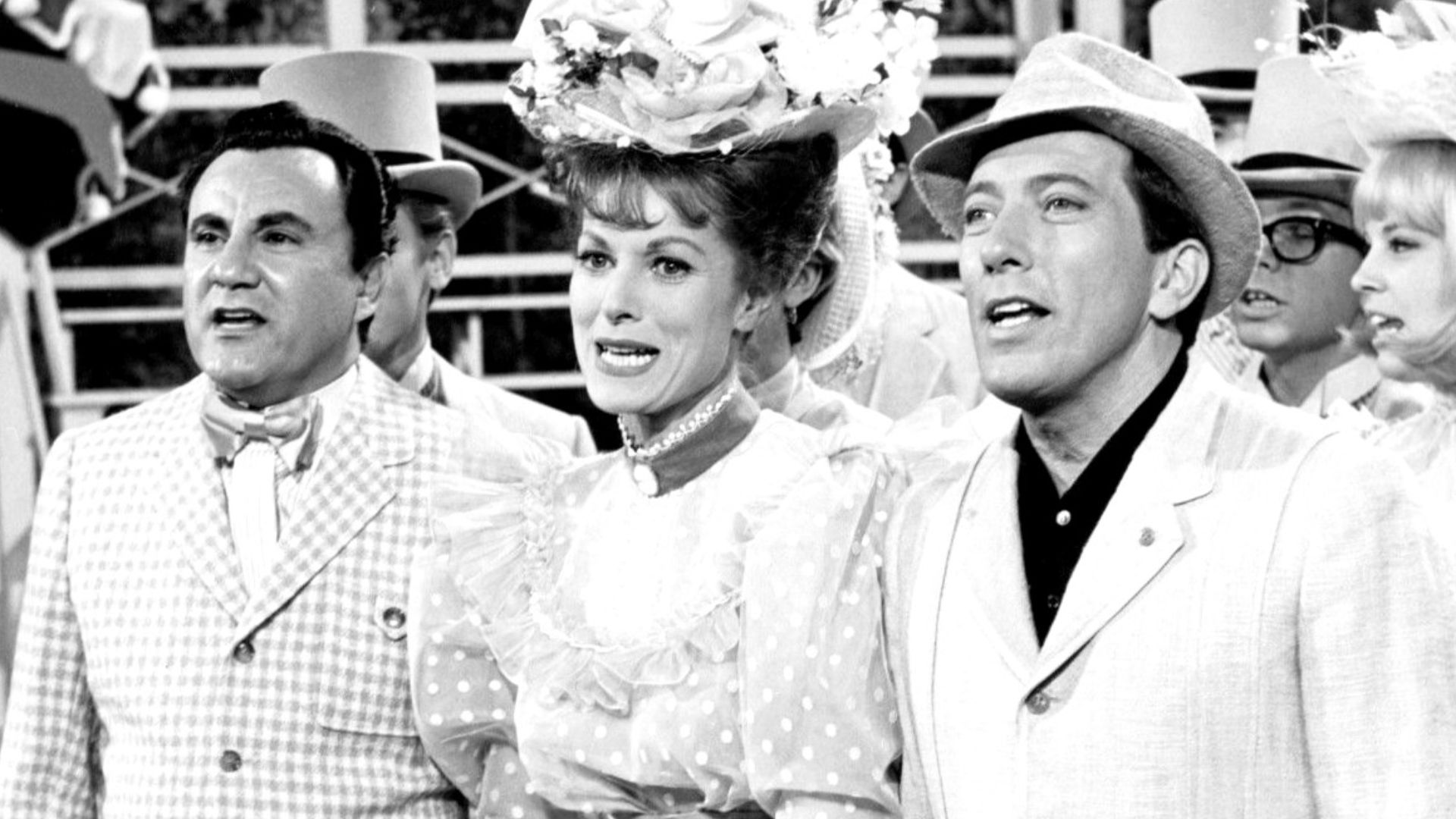 CBS Television, Wikimedia Commons
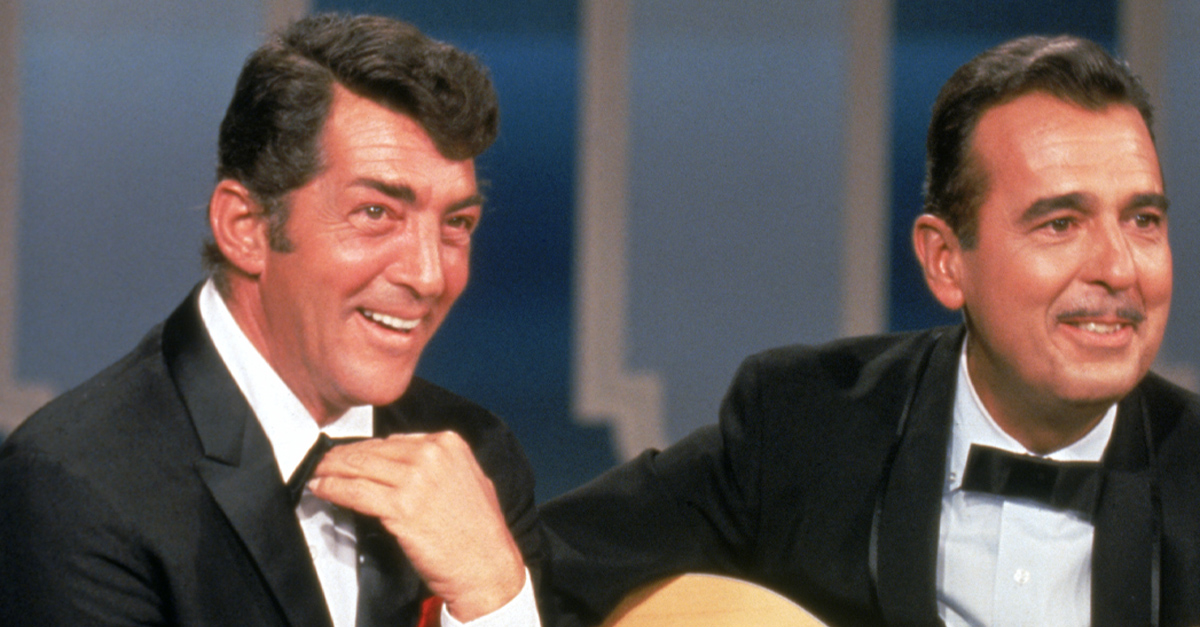
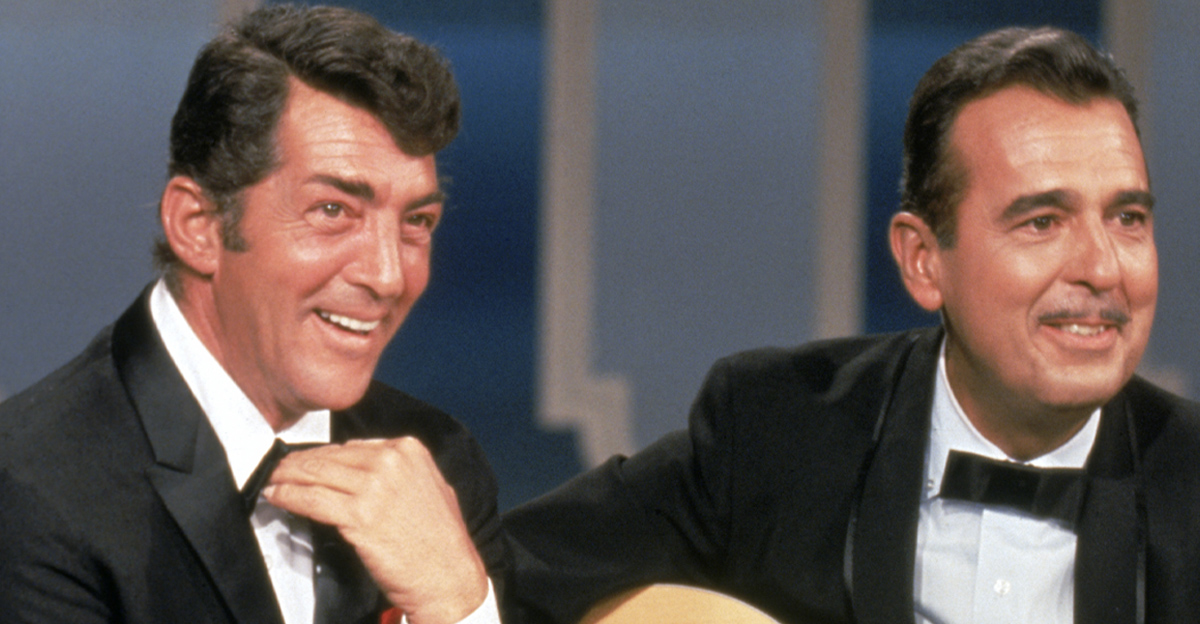
The Dean Martin Show Sold Casual Cool
The Dean Martin Show aired on NBC from 1965 to 1974. Martin’s relaxed persona made the show feel loose even when the production was carefully built around music, comedy, and celebrity guests. A revival would need someone who can make effort look invisible, which is harder than it sounds.
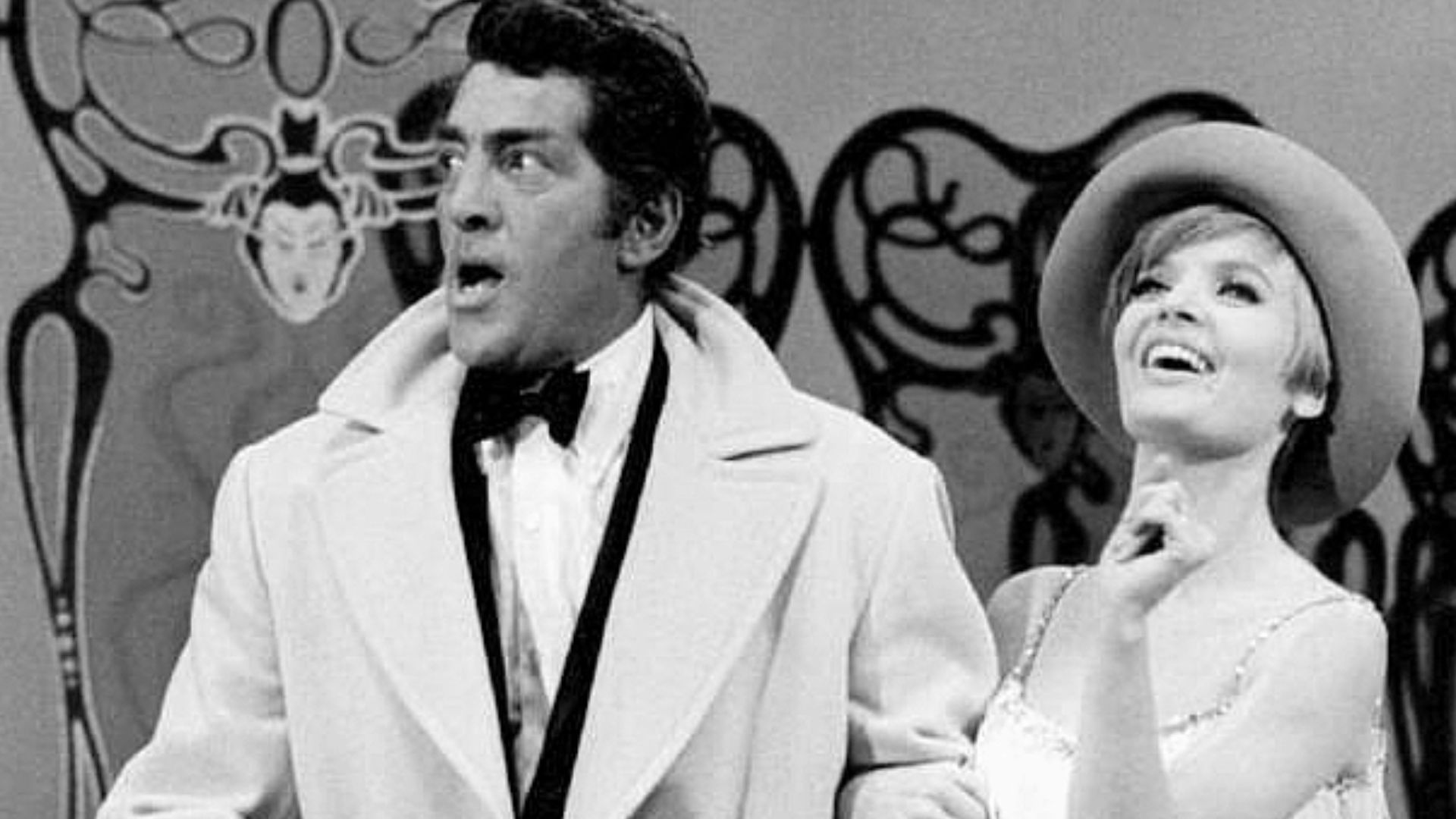 NBC Television, Wikimedia Commons
The Smothers Brothers Comedy Hour Picked A Fight With The Network
The Smothers Brothers Comedy Hour aired on CBS from 1967 to 1969 and became famous for its satire, music, and censorship battles. Tom and Dick Smothers pushed network television toward more topical comedy at a time when that was risky. A comeback could work, but only if it had the nerve to let performers actually say something.
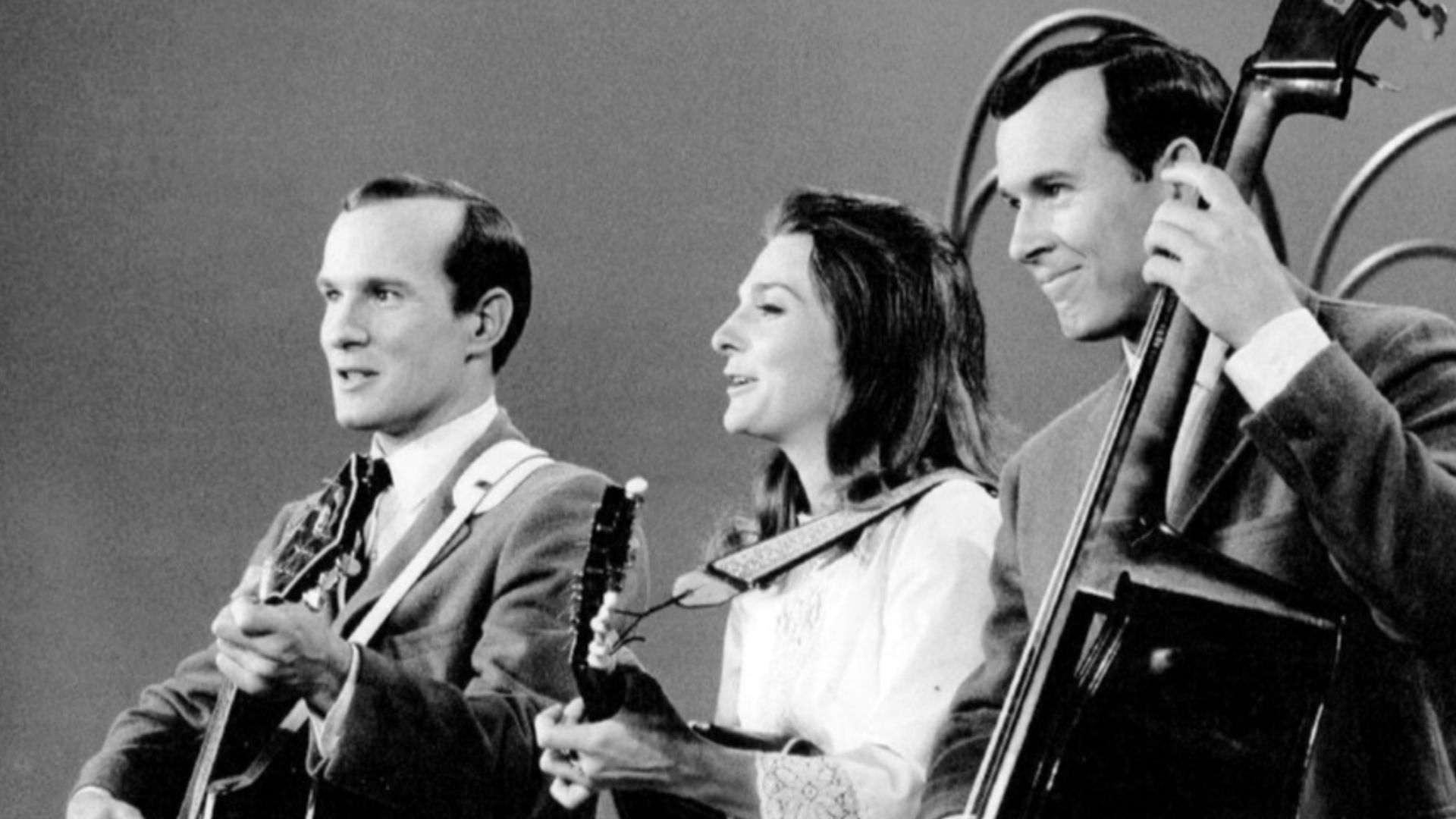 CBS Television, Wikimedia Commons
Rowan And Martin’s Laugh-In Moved At Meme Speed
Rowan & Martin’s Laugh-In aired on NBC from 1968 to 1973 and became known for rapid-fire jokes, catchphrases, blackout sketches, and political humor. Its editing style felt fast and strange for its era. In many ways, Laugh-In already predicted the rhythm of online comedy.
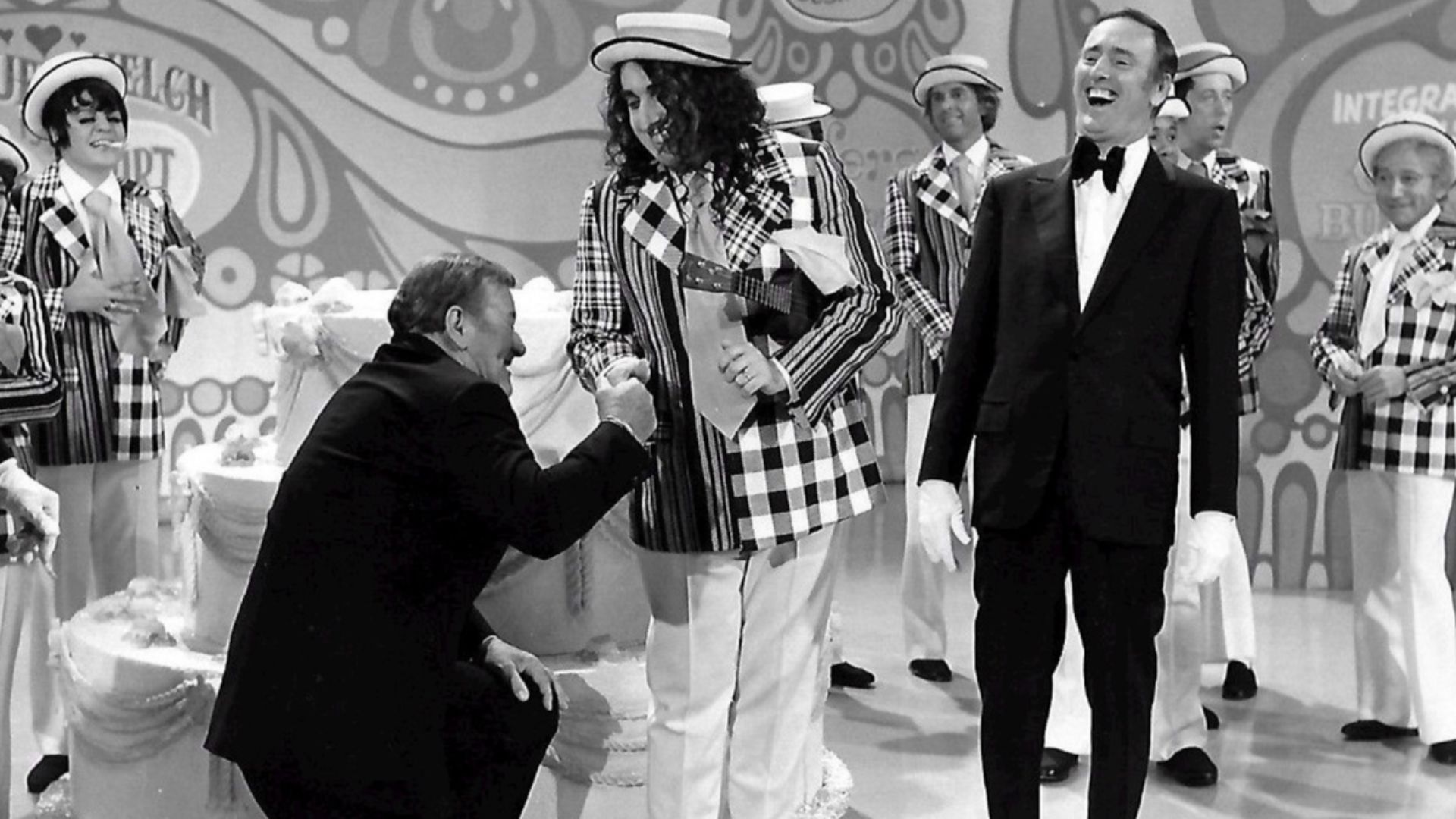 NBC Television, Wikimedia Commons
Hee Haw Turned Country Music Into Weekly Comedy
Hee Haw premiered on CBS in 1969 and later became a long-running syndicated hit. Its mix of country performances, rural jokes, cornfield sketches, and guest stars gave it a very specific identity. A comeback would need to celebrate country culture without turning it into a museum piece.
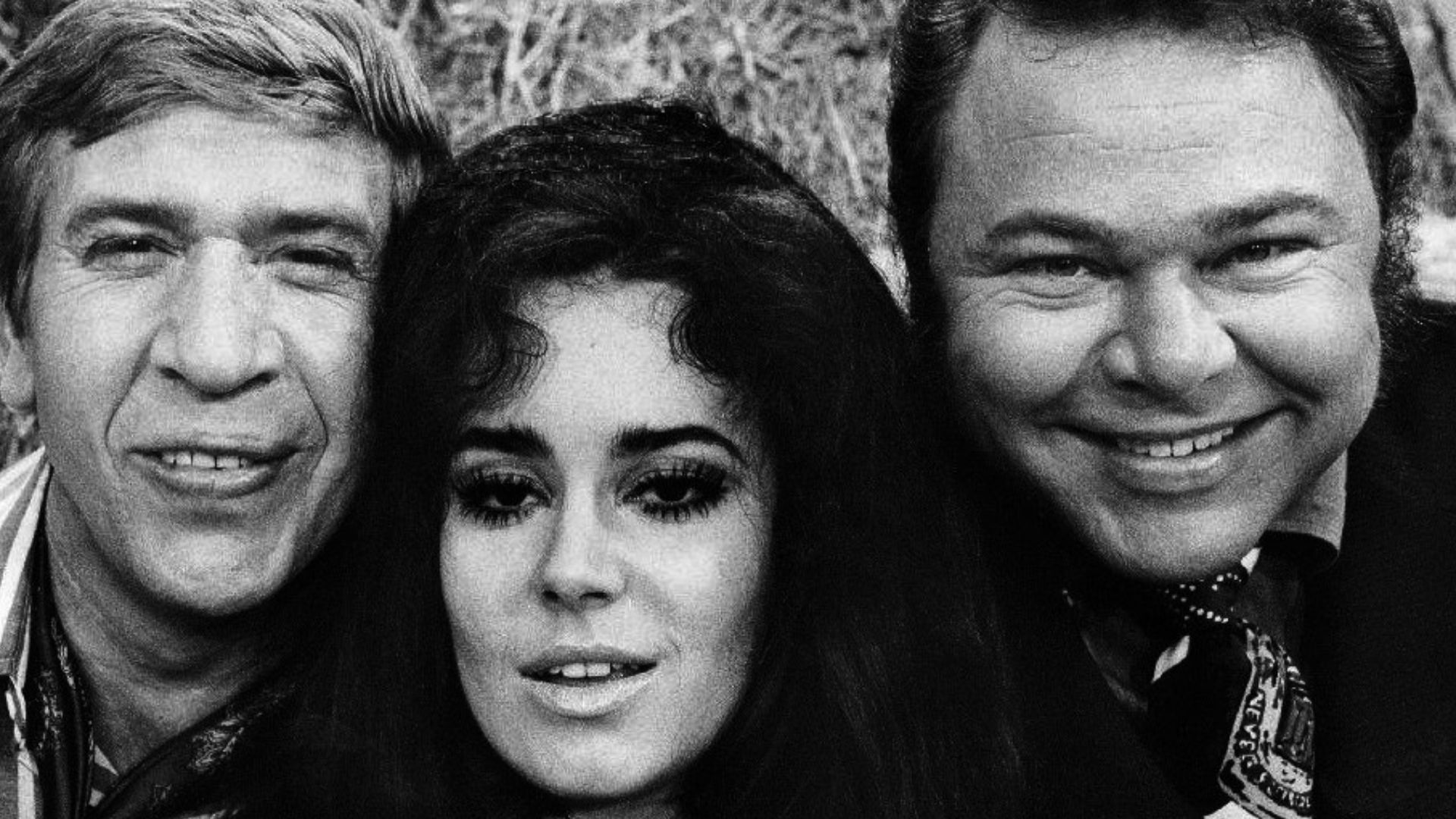 CBS Television, Wikimedia Commons
The Glen Campbell Goodtime Hour Crossed Country And Pop
The Glen Campbell Goodtime Hour aired on CBS from 1969 to 1972. Campbell used his easy charm, musicianship, and crossover appeal to bring country, pop, comedy, and guest performers together. A new version could work beautifully if it treated musicians as full entertainers rather than just people promoting singles.
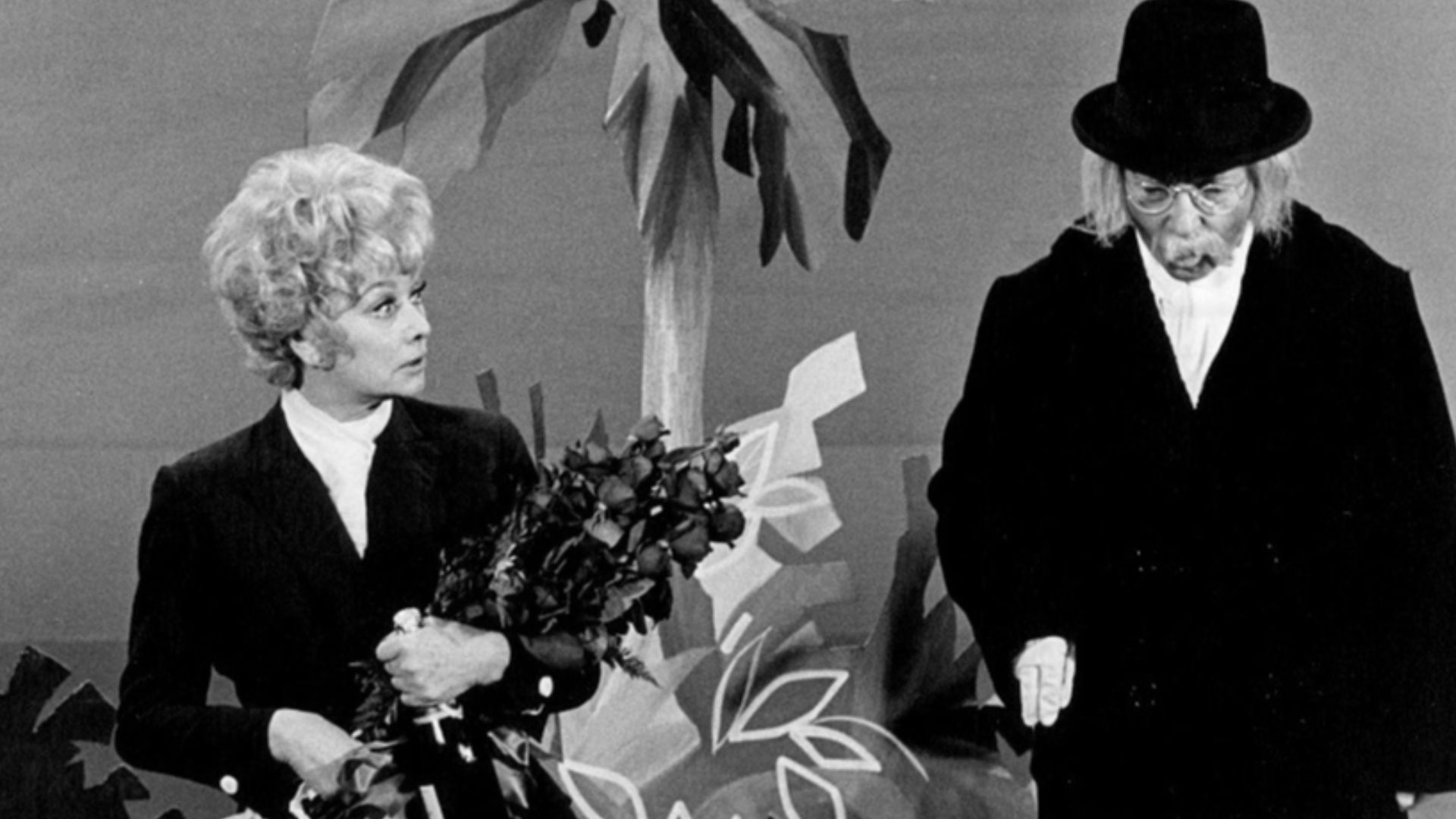 CBS Television, Wikimedia Commons
The Flip Wilson Show Made History In Prime Time
The Flip Wilson Show aired on NBC from 1970 to 1974 and became one of the biggest variety hits of its moment. Wilson won Emmys for the show and made characters like Geraldine part of pop culture. A revival would need a performer with the same rare mix of sketch skill, stand-up timing, and audience warmth.
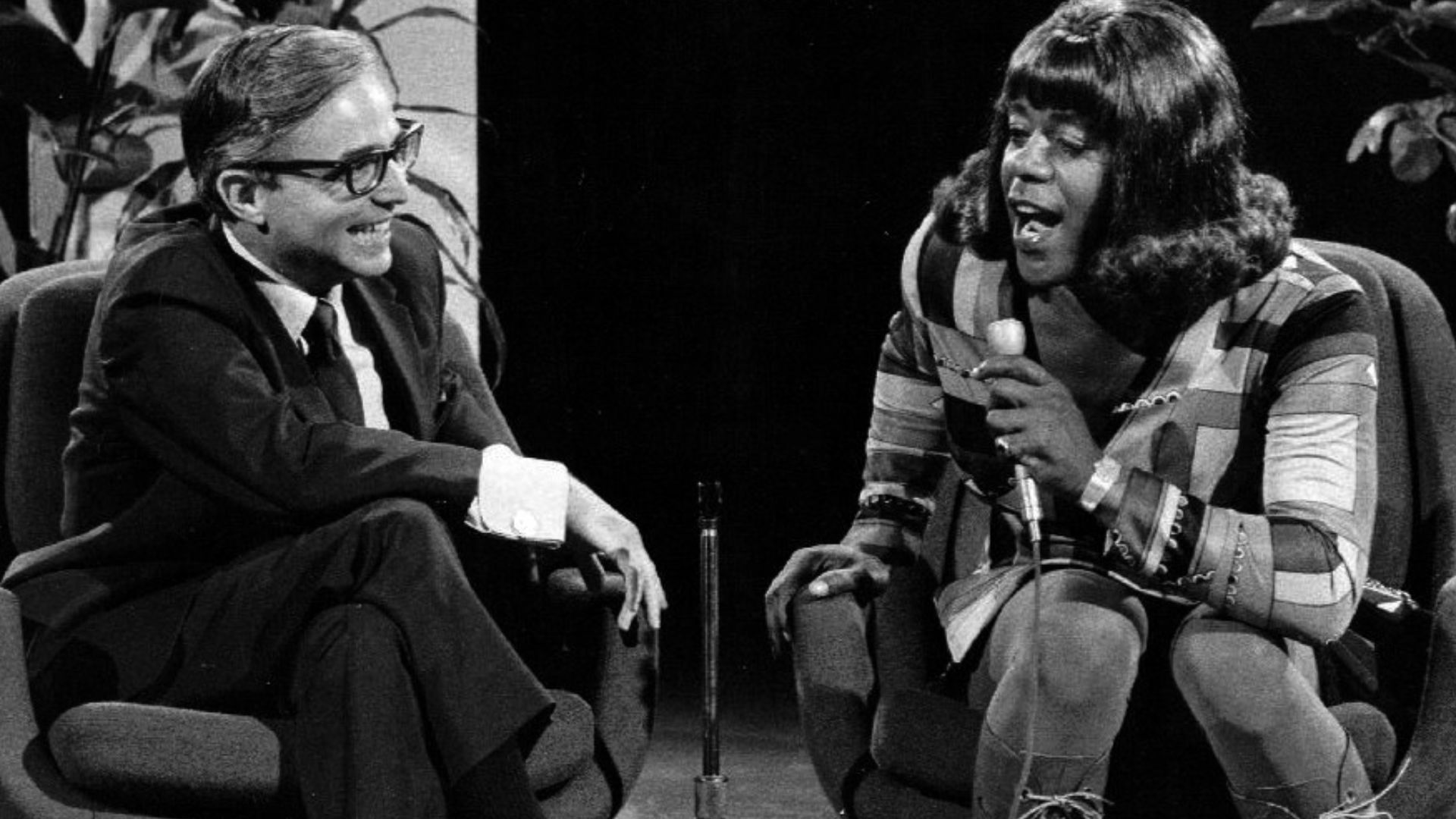 NBC Television., Wikimedia Commons
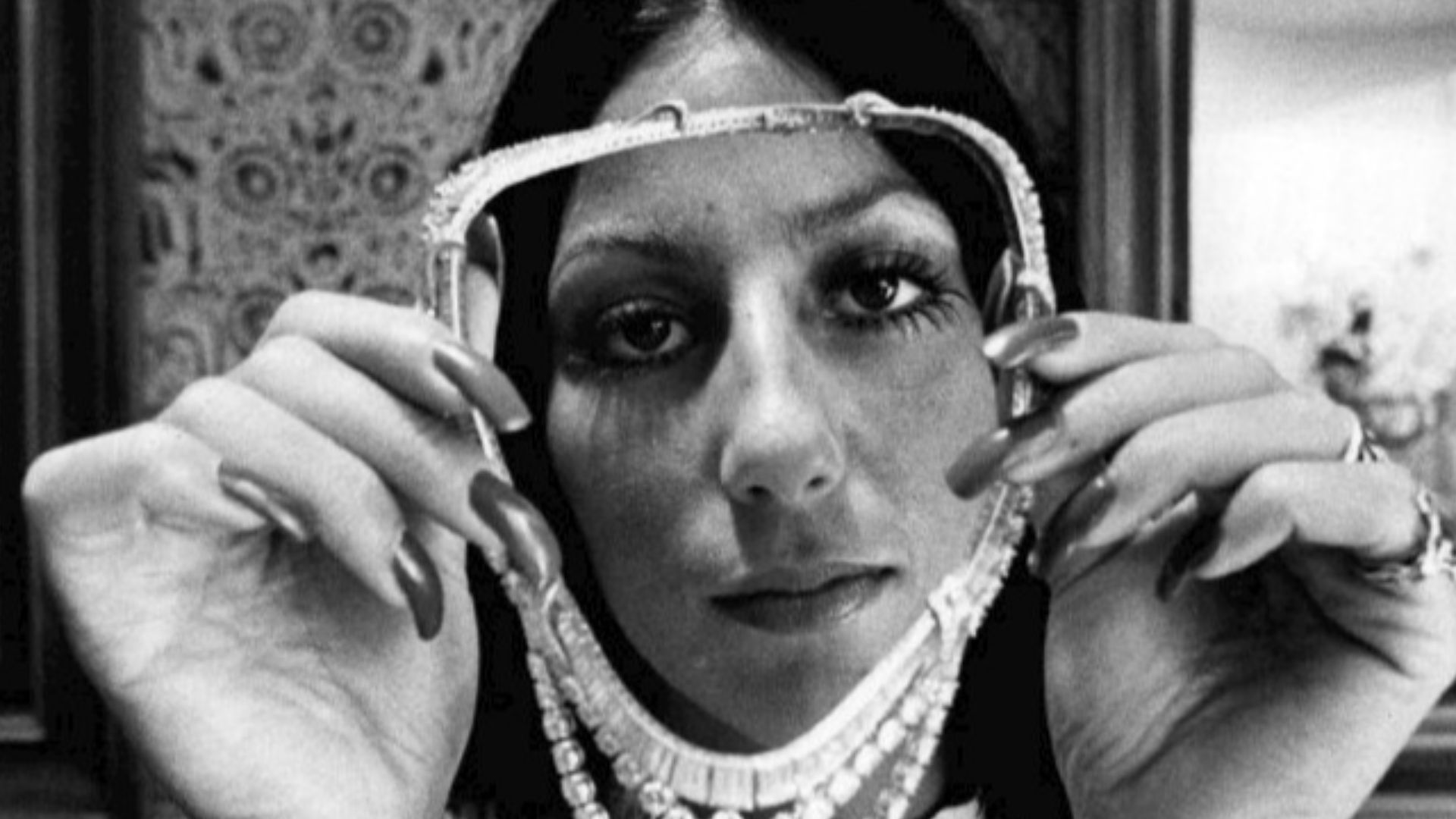
The Sonny And Cher Comedy Hour Was All Chemistry
The Sonny & Cher Comedy Hour premiered on CBS in 1971 and ran until 1974. The show blended songs, guest stars, Bob Mackie costumes, and the couple’s teasing banter. Its comeback potential depends on finding a duo whose chemistry feels natural rather than manufactured.
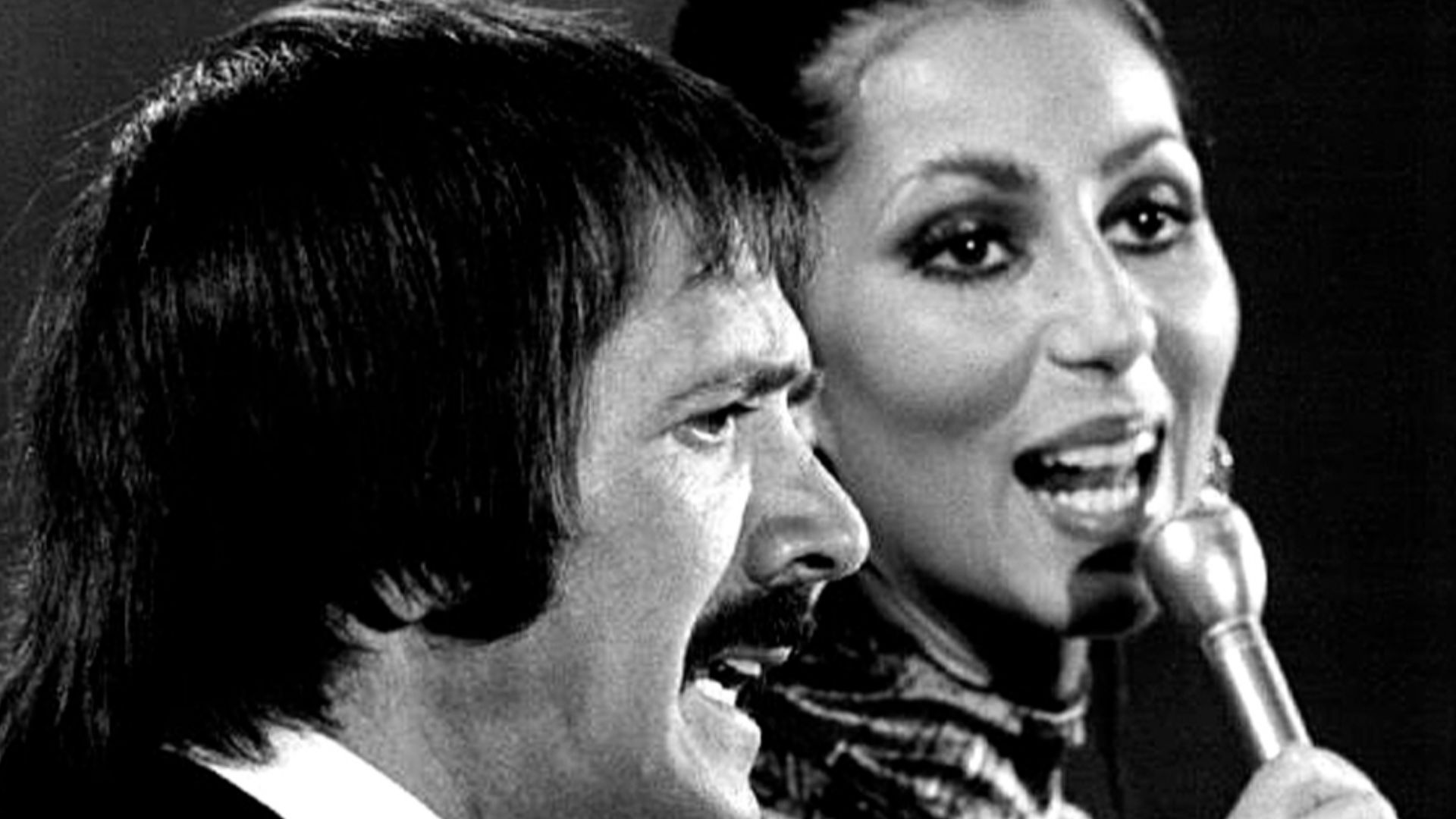
Tony Orlando And Dawn Brought Pop Hits To Prime Time
Tony Orlando and Dawn moved from the charts to CBS variety television in the 1970s. The show leaned on music, guest stars, comedy, and the enormous popularity of “Tie a Yellow Ribbon Round the Ole Oak Tree.” A modern version could work as a throwback music-comedy hour, especially with artists who already have multi-generational fans.
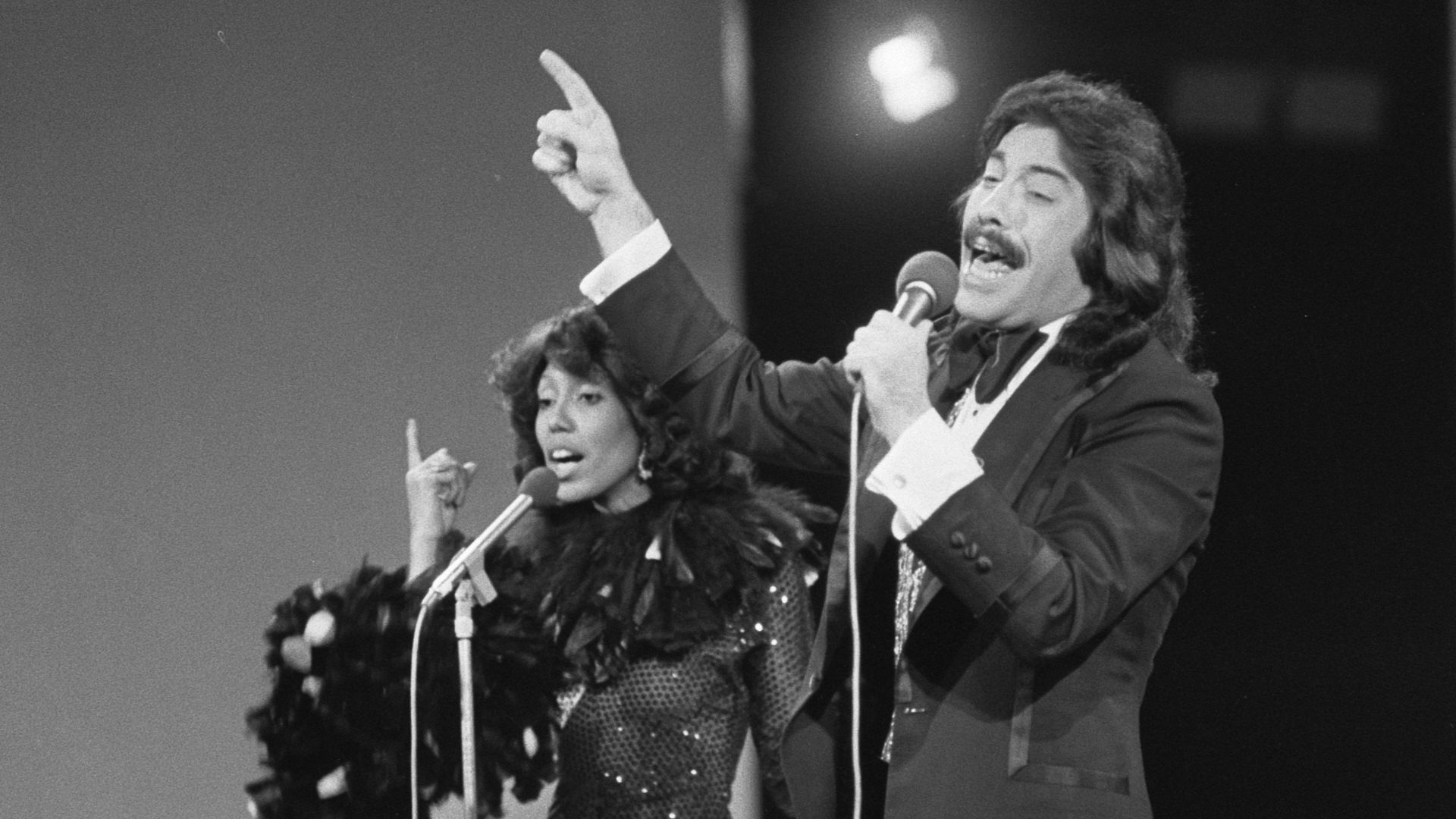 Fotograaf Onbekend / Anefo, Wikimedia Commons
Donny And Marie Made Sibling Variety A Brand
Donny & Marie aired on ABC from 1976 to 1979. Donny Osmond and Marie Osmond mixed songs, sketches, guest stars, and wholesome sibling banter while still in their teens. The format sounds almost impossible now, but a talented family act could make it charming again.
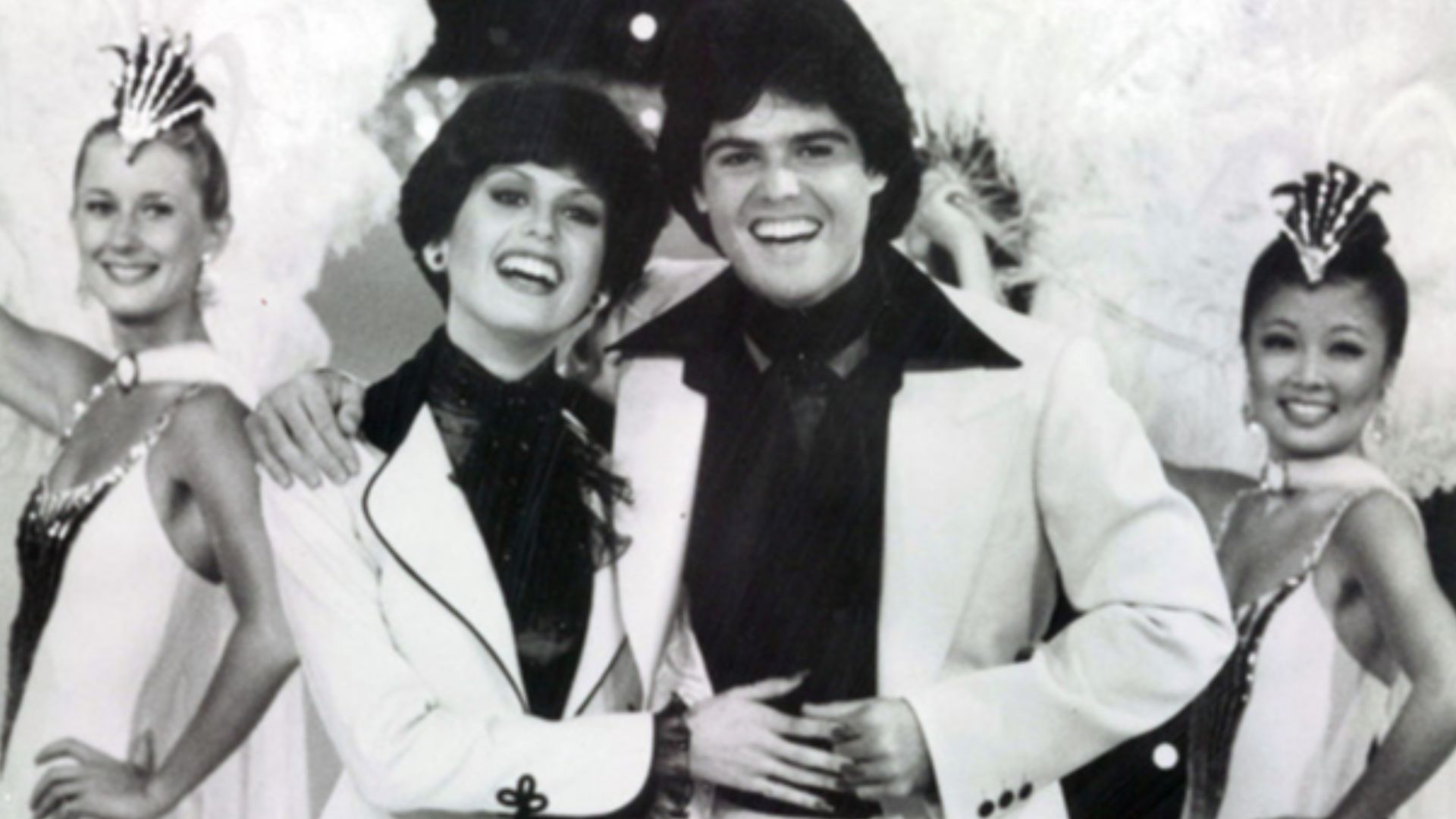 ABC Television, Wikimedia Commons
Dolly Gave Nashville Its Own Variety Spotlight
Dolly Parton hosted Dolly in first-run syndication during the 1976-1977 season. The show featured Nashville and Hollywood guests, but Parton later made clear that the demanding production did not always reflect her natural style. A comeback would only work if Dolly, or any host like her, had full control of the tone.
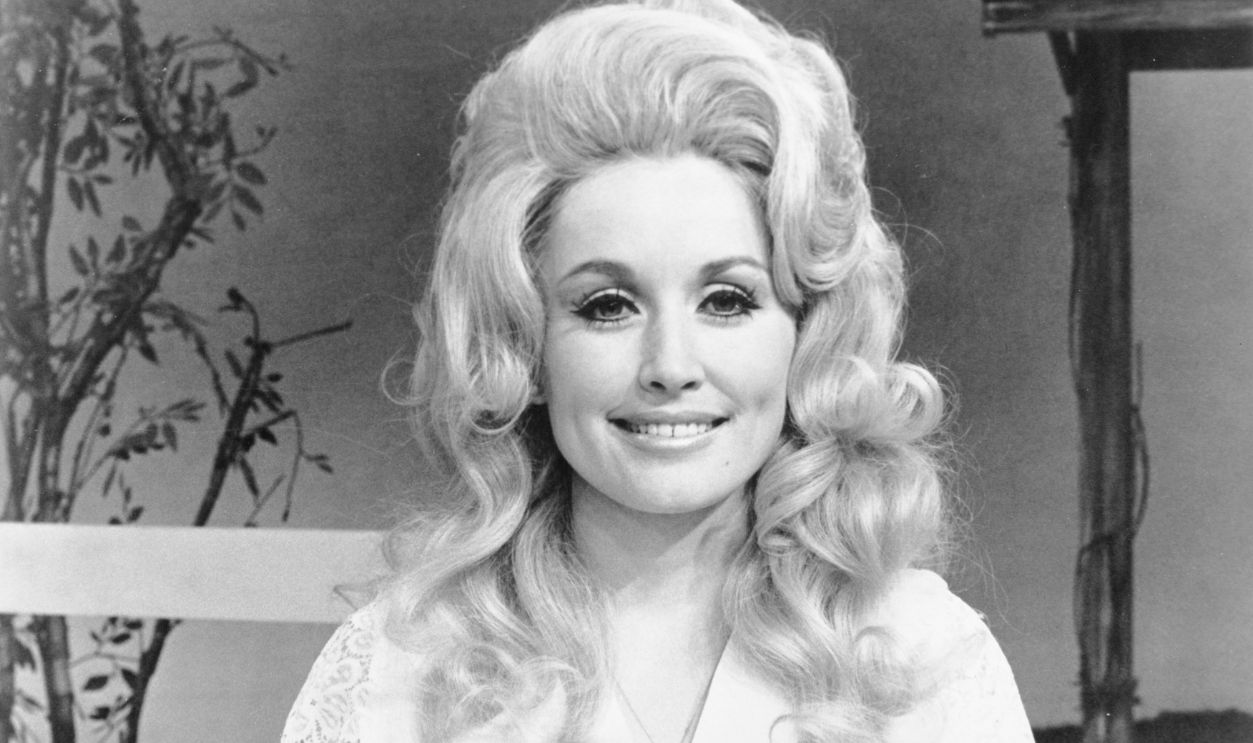 Michael Ochs Archives, Getty Images
The Captain And Tennille Tried To Stretch A Pop Moment
The Captain and Tennille hosted an ABC variety show from 1976 to 1977. It featured music, comedy sketches, and celebrity guests during the duo’s peak mainstream fame. The lesson is clear: a hit song can launch a show, but personality has to keep it alive.
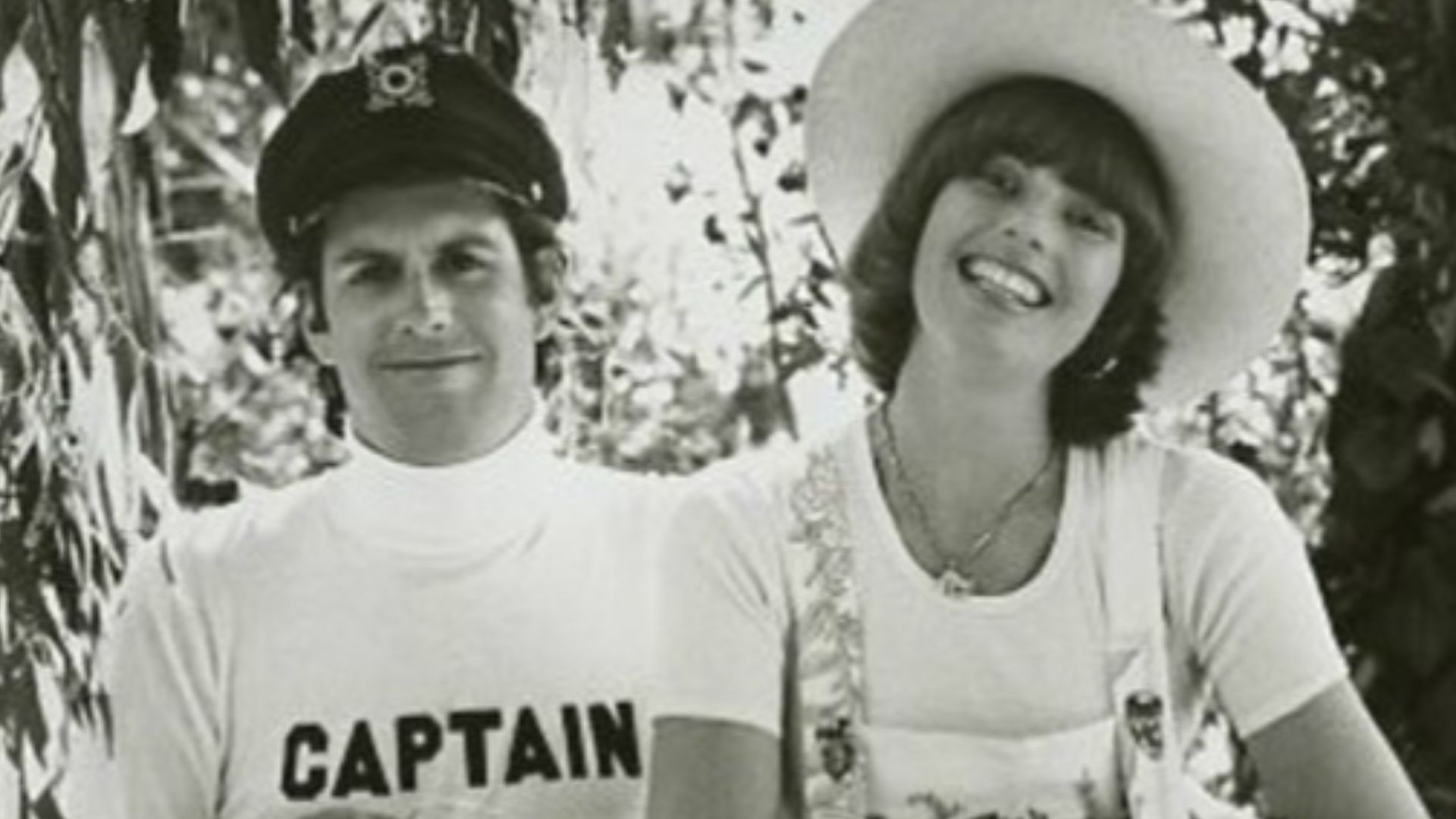 ABC Television, Wikimedia Commons
Sha Na Na Turned Nostalgia Into A Weekly Party
Sha Na Na ran in syndication from 1977 to 1981. The series built a variety format around the group’s retro rock and roll persona, comedy bits, and 1950s-style musical energy. Since nostalgia never really goes out of style, this might be one of the easier concepts to modernize.
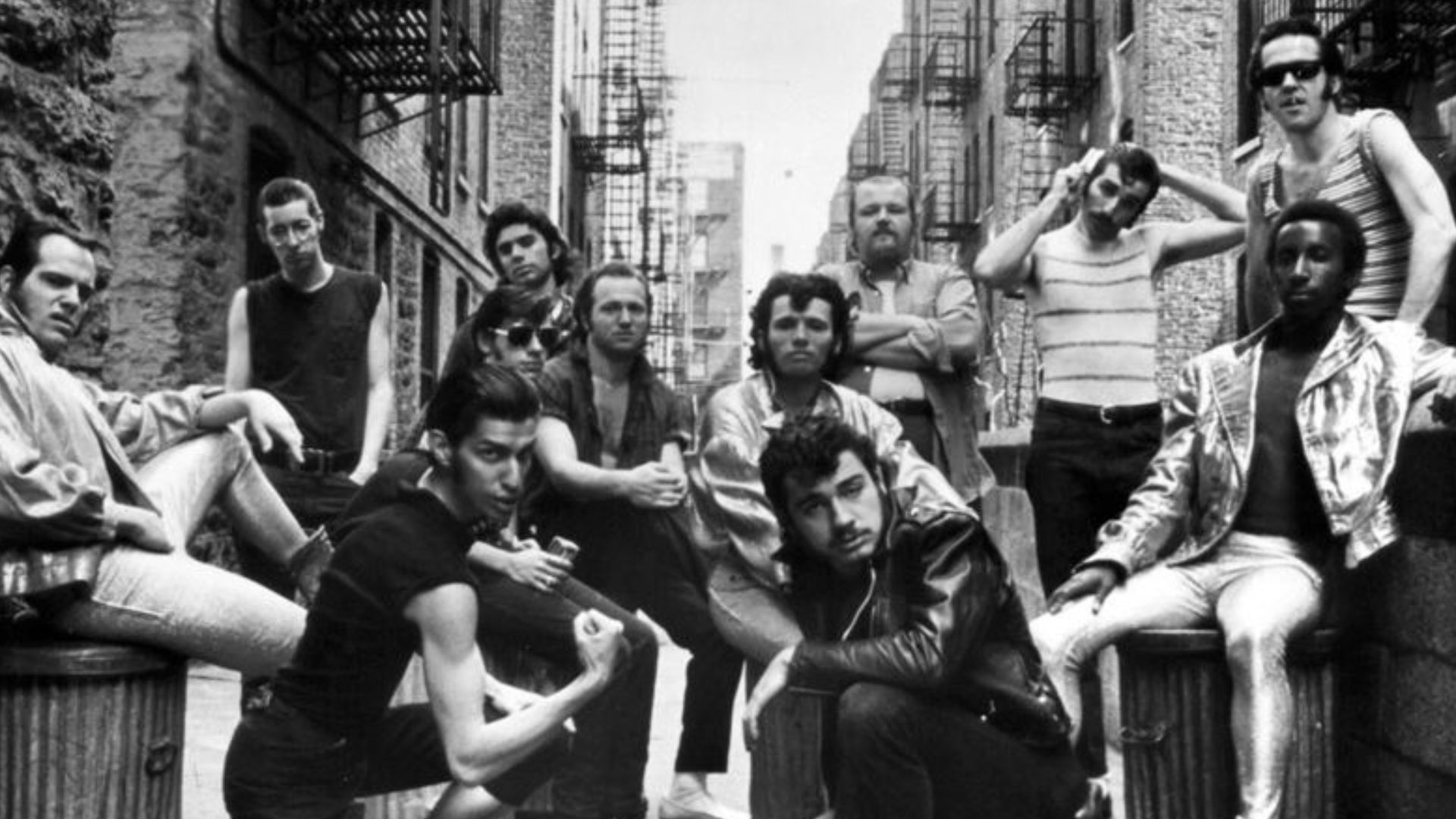 William Morris Agency-management, Wikimedia Commons
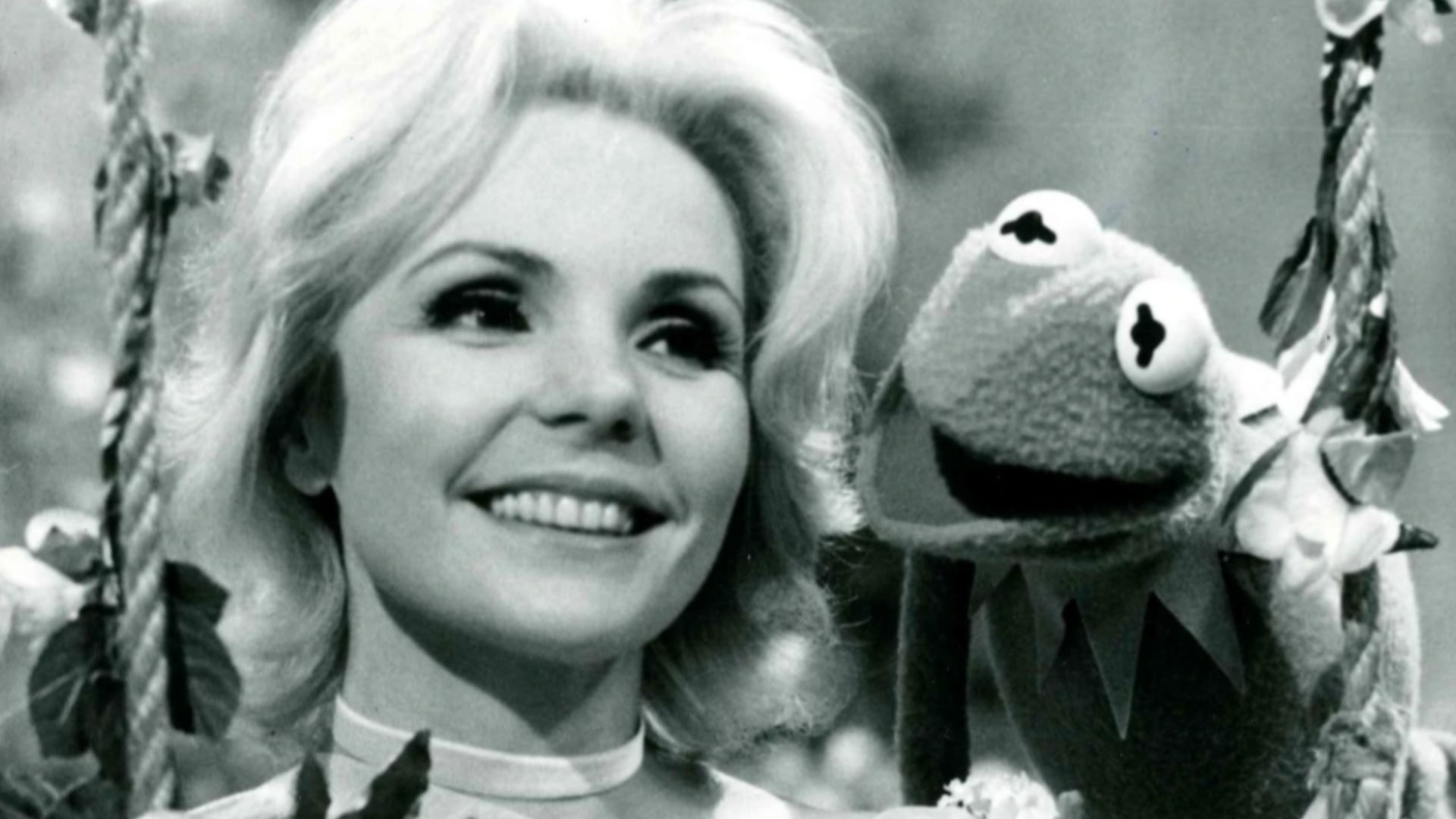
The Muppet Show Was Variety TV In Disguise
The Muppet Show aired from 1976 to 1981 and became a global comedy-variety phenomenon. It used Kermit, Miss Piggy, Fozzie Bear, guest stars, backstage chaos, and musical numbers to make old-school variety feel wildly original. Of all the shows on this list, this one may have the clearest comeback case.
 The Muppet Show, Wikimedia Commons
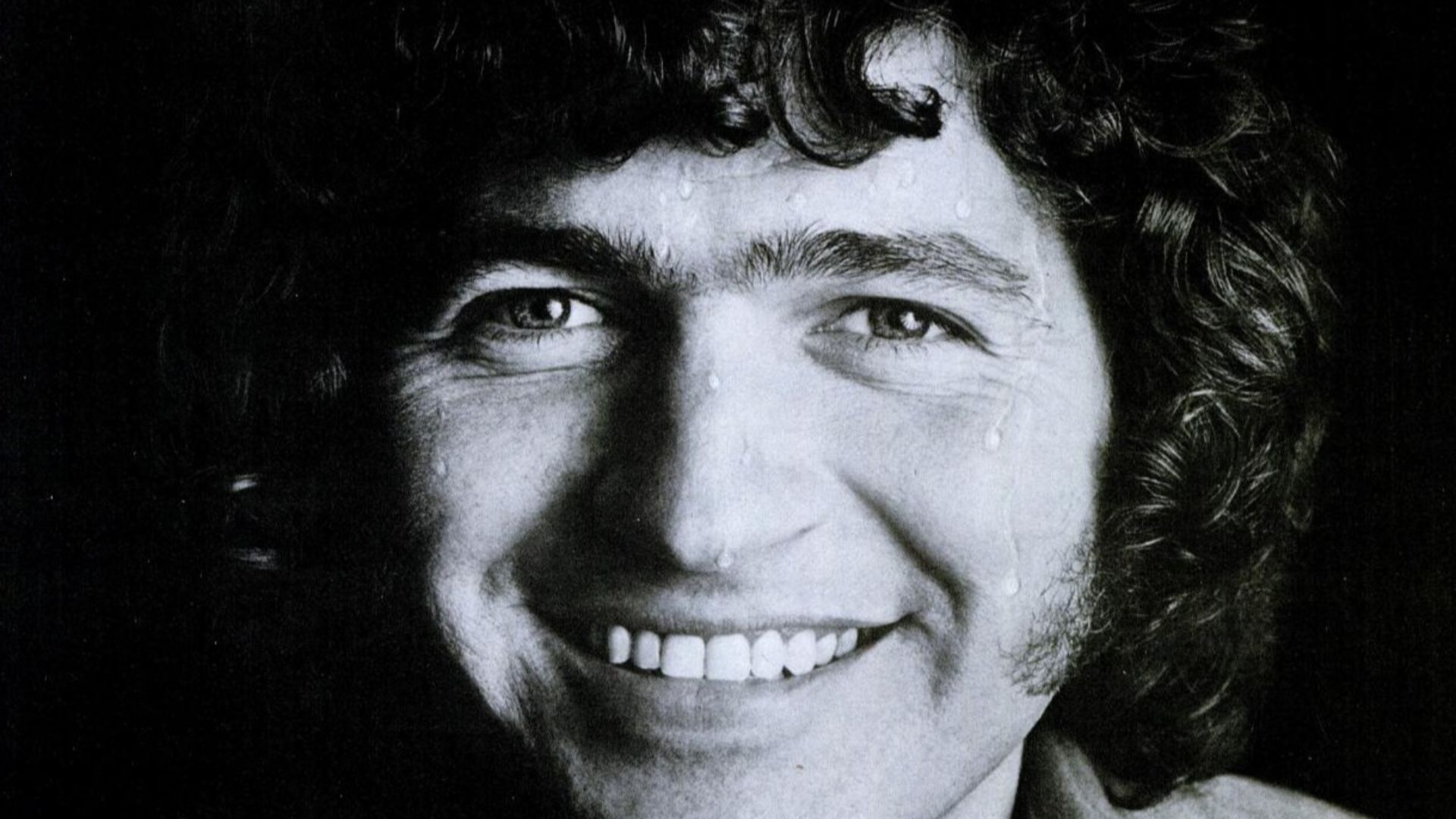
The Mac Davis Show Put Songwriting In The Spotlight
The Mac Davis Show aired on NBC in the mid-1970s and mixed musical guests with comedy sketches. One memorable element involved Davis taking audience suggestions and turning them into songs. That kind of spontaneous songwriting could fit perfectly in today’s live-performance culture.
 Playboy Records, Wikimedia Commons
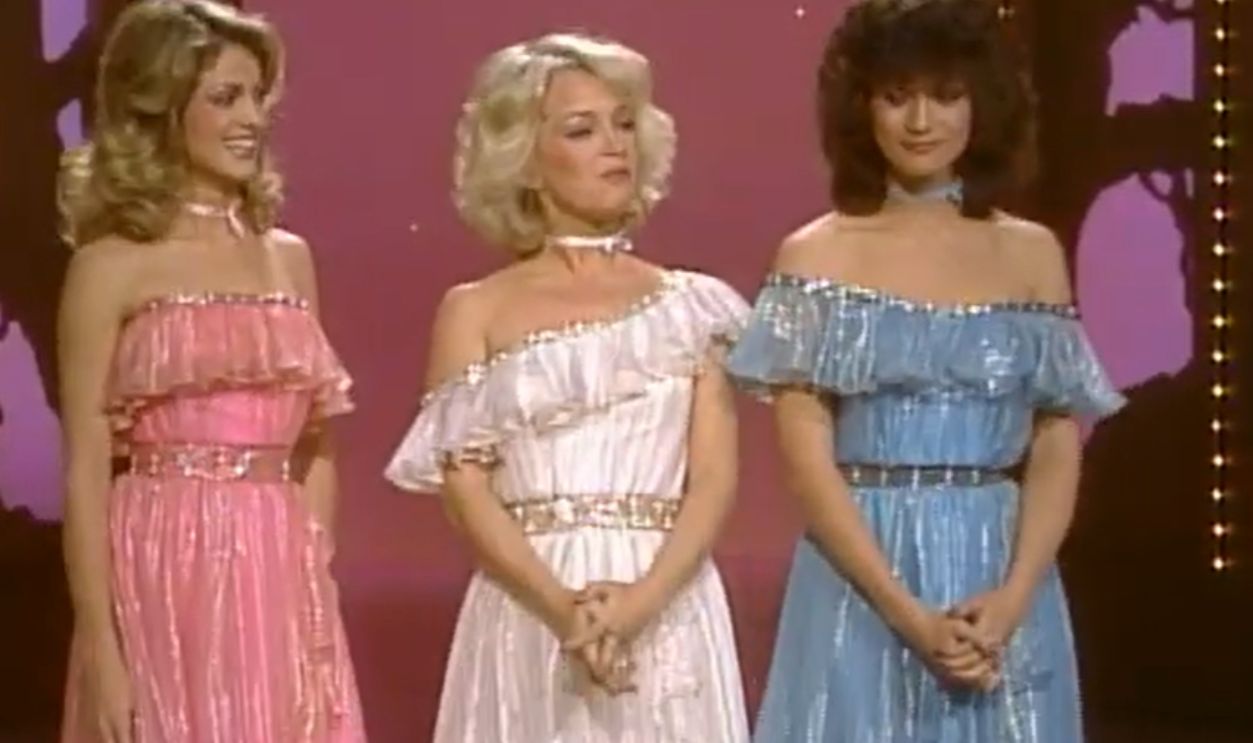
Barbara Mandrell And The Mandrell Sisters Kept Variety Going Into The Eighties
Barbara Mandrell & the Mandrell Sisters aired on NBC from 1980 to 1982. The show combined country music, comedy sketches, family banter, and the sisters’ multi-instrumental performances. It proved that variety television did not disappear all at once, even after the genre’s network glory days faded.
 Screenshot from Barbara Mandrell And The Mandrell Sisters, NBC (1980-1982)
These Shows Worked Because Hosts Felt Personal
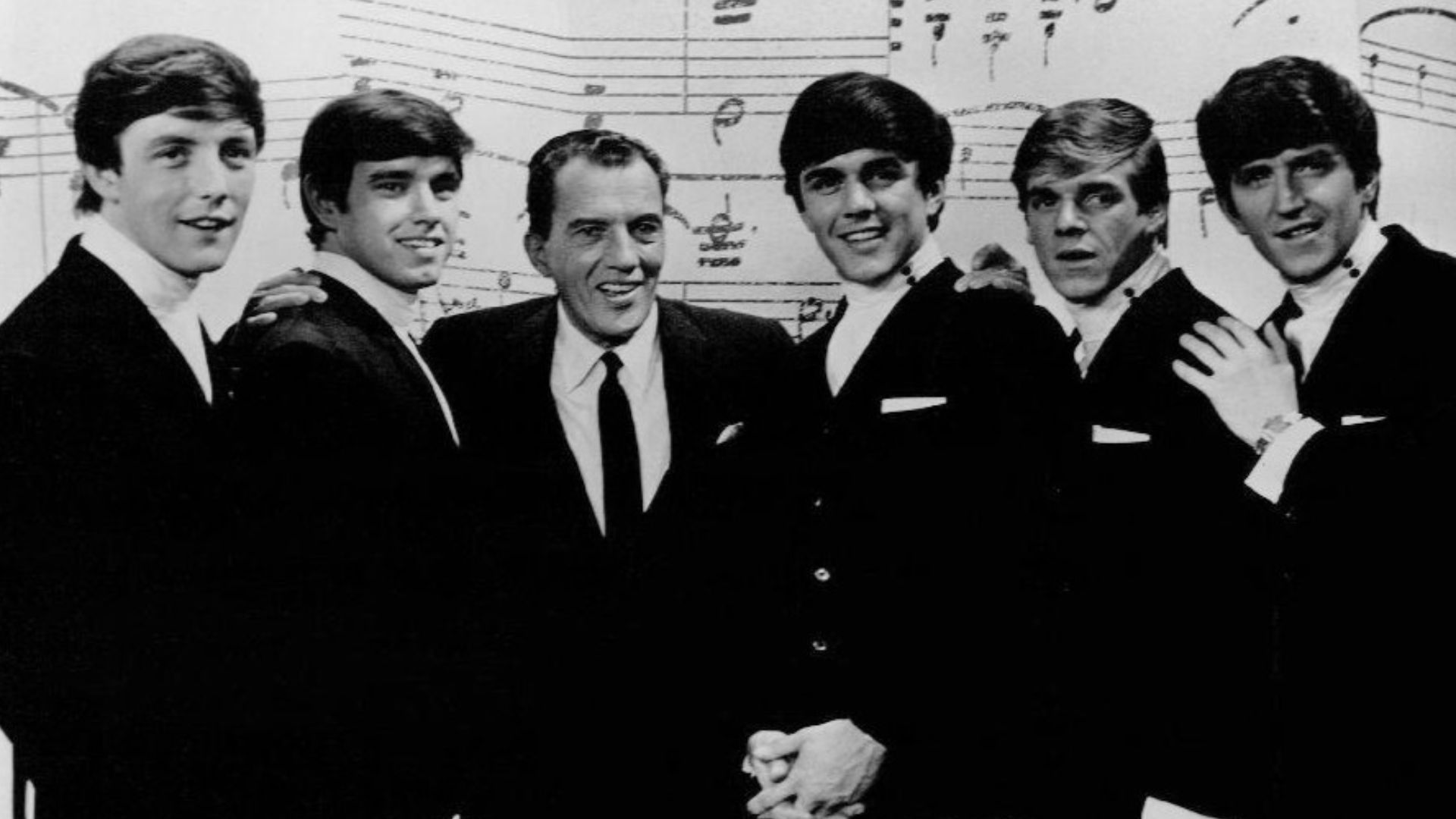
The best variety shows were not just random collections of songs and sketches. They worked because viewers felt like they knew Ed, Carol, Flip, Dolly, Dean, Sonny, Cher, Donny, Marie, and the rest. Any comeback would need that same host-driven intimacy, not just a shiny stage.
 Epic Records-Stamp is not entirely clear, but says
A Comeback Could Work If It Stops Chasing The Past
A modern variety revival should not pretend television is still in 1972. It should borrow the best parts: live energy, musical surprises, comic sketches, guest chemistry, and the feeling that anything might happen. The genre once drew millions because it felt communal, and that may be exactly what audiences miss.
 CBS Television, Wikimedia Commons