Out Of This World Mistakes
Sci-fi TV has always been a beautiful, overreaching mess. It gave us space operas and crazy time loops, but also rubber-suit aliens and episodes that felt like they were written by a sleep-deprived AI. And though we watched it all, it does not mean we can’t call out the moments that made us throw popcorn at the screen.

Cleopatra 2525 (2000–2001)
Three women in leather gear battling robots sounds wild enough, then toss in a stripper accidentally thawed out centuries later. The show fully embraced camp, but not in a self-aware, cult-classic way—and while everyone thought it was satire, the writers clearly didn’t get the memo.
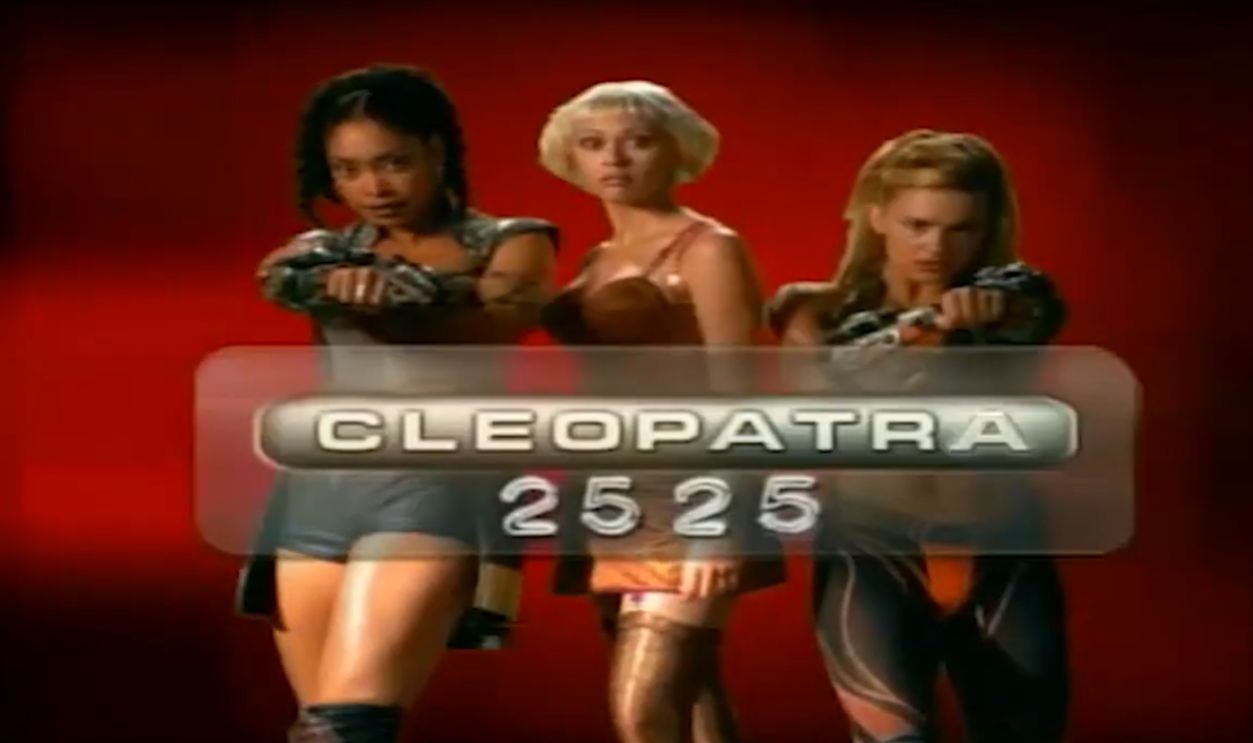 Studios USA Television, Cleopatra 2525 (2000–2001)
Earth: Final Conflict (1997–2002)
Based on leftover Gene Roddenberry notes, this alien-invasion drama began with promise. Viewers tuned in for its mysterious “Taelon” visitors, but shifting storylines and constant cast changes made it confusing. What started as prestige sci-fi ended up collapsing into chaos.
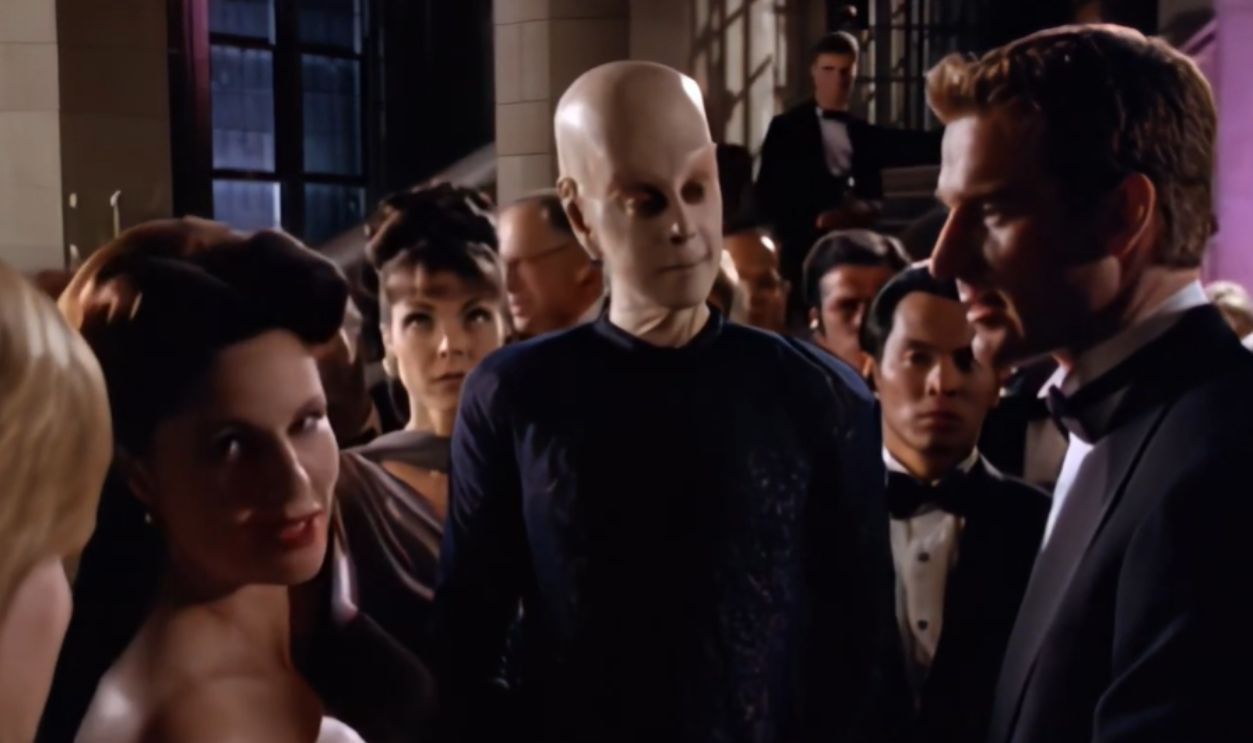 Tribune Entertainment, Earth: Final Conflict (1997–2002)
Outcasts (2010–2011)
Critics hammered this BBC drama for slow pacing and lifeless dialogue. It was set on a distant planet where humans attempted to rebuild civilization after Earth’s collapse. Hopes for gripping survival stories collapsed into planetary politics, and the show vanished after just one season.
 2entertain, Outcasts (2010–2011)
Mutant X (2001–2004)
Just imagine X-Men without the budget, the charm, or the claws. That’s Mutant X. While the premise sounded exciting, repetitive plots and bargain effects kept it from standing out. It felt more like an imitation than genuine science fiction.
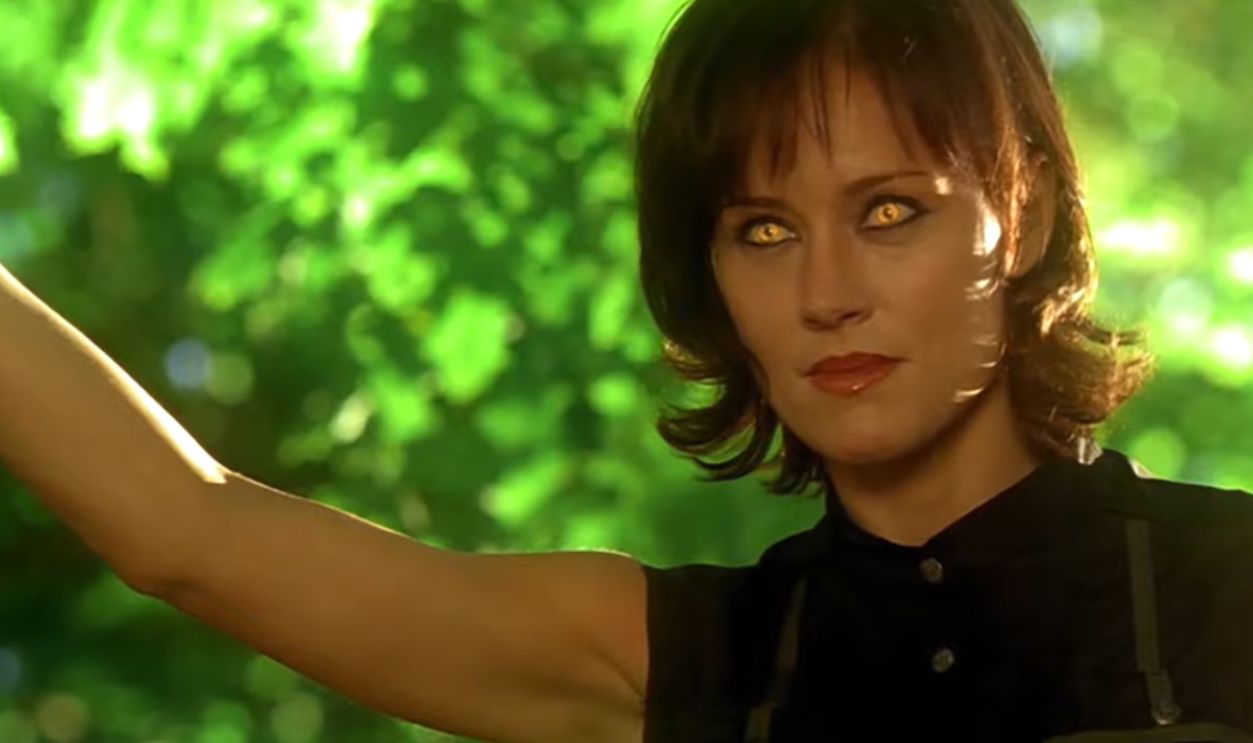 Marvel Entertainment, Mutant X (2001–2004)
Flash Gordon (2007–2008)
Sci-fi fans were excited for a revival of the pulp hero, only to be greeted with ordinary-looking sets and flat storytelling. The adventurous spark of the classic comic was absent, leaving audiences with a lifeless show that never captured attention.
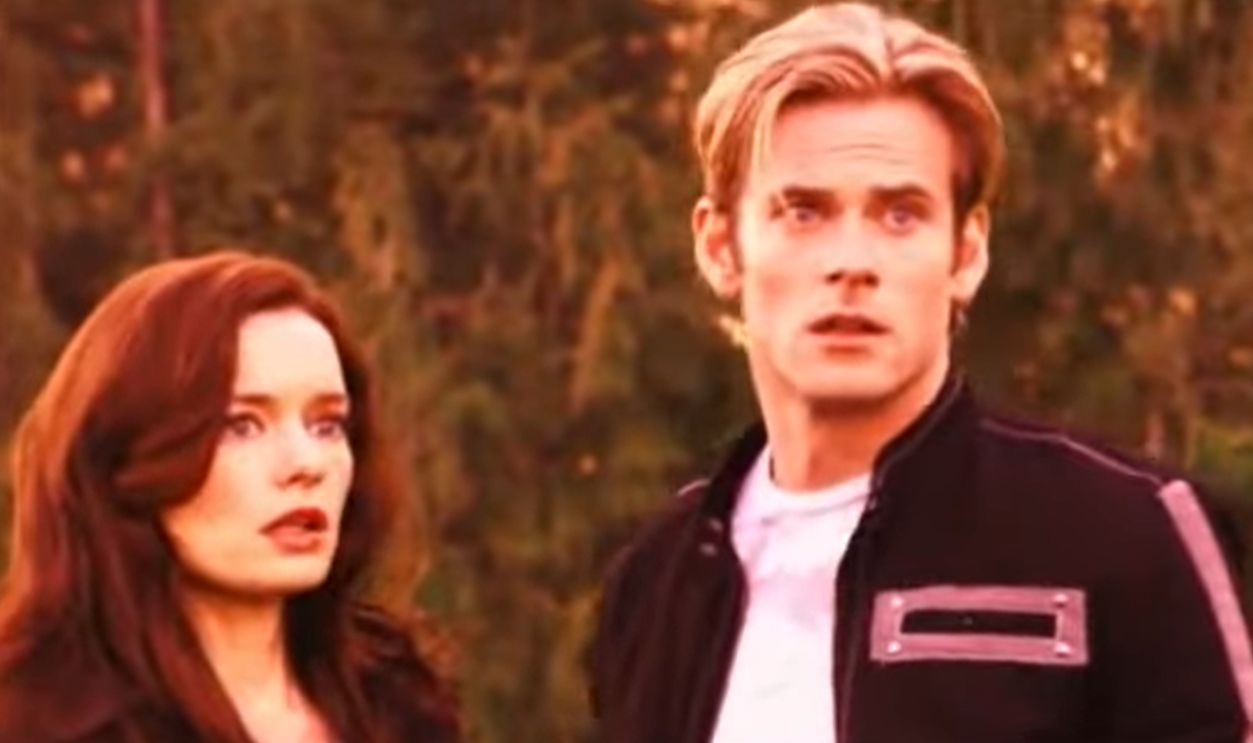 RHI Entertainment, Flash Gordon (2007–2008)
M.A.N.T.I.S. (1994–1995)
This show starred a brilliant scientist, paralyzed by a gunshot, who builds an advanced exoskeleton to fight crime. It was groundbreaking for featuring a Black superhero lead, but clunky effects and weak scripts drowned its potential. Yet another bold idea that ultimately went nowhere.
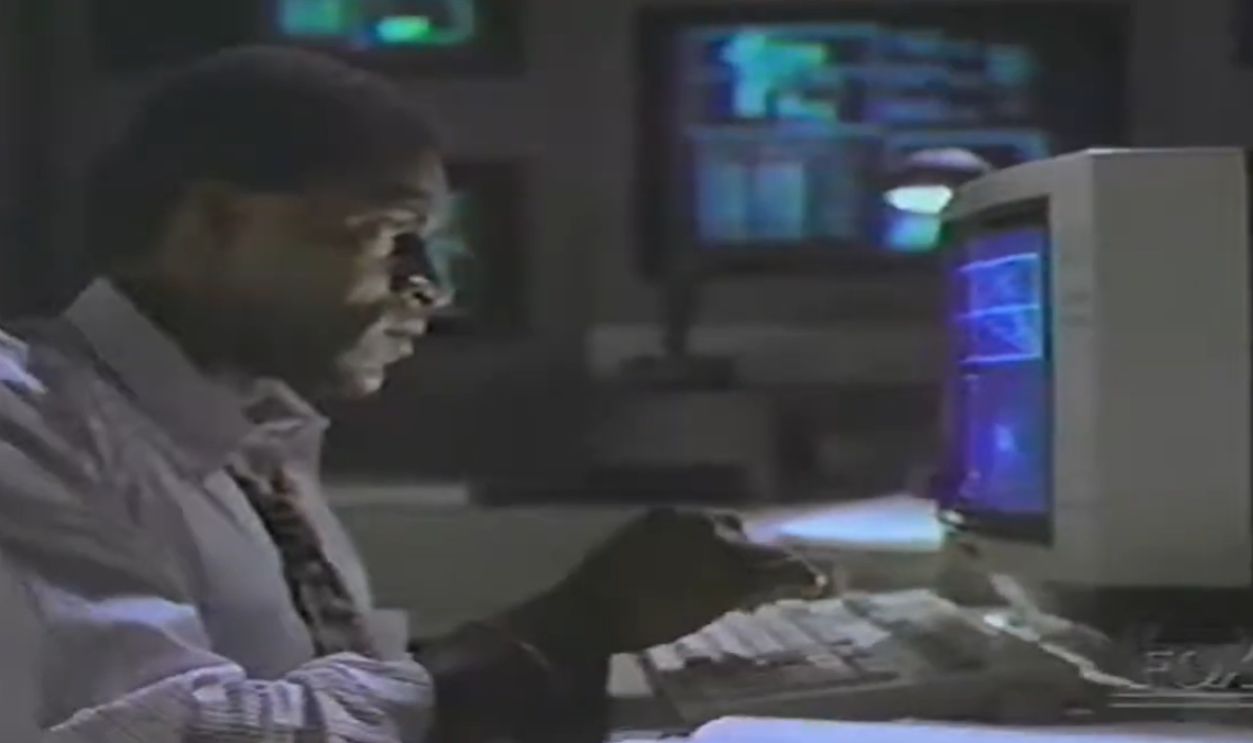 Fox Network, M.A.N.T.I.S. (1994–1995)
Timecop (1997–1998)
Adapted from the Jean-Claude Van Damme film, the TV version had a time-traveling police unit chasing criminals across eras. Unfortunately, low production values and recycled stories stripped away the movie’s energy. Viewers quickly lost interest after its 1st season.
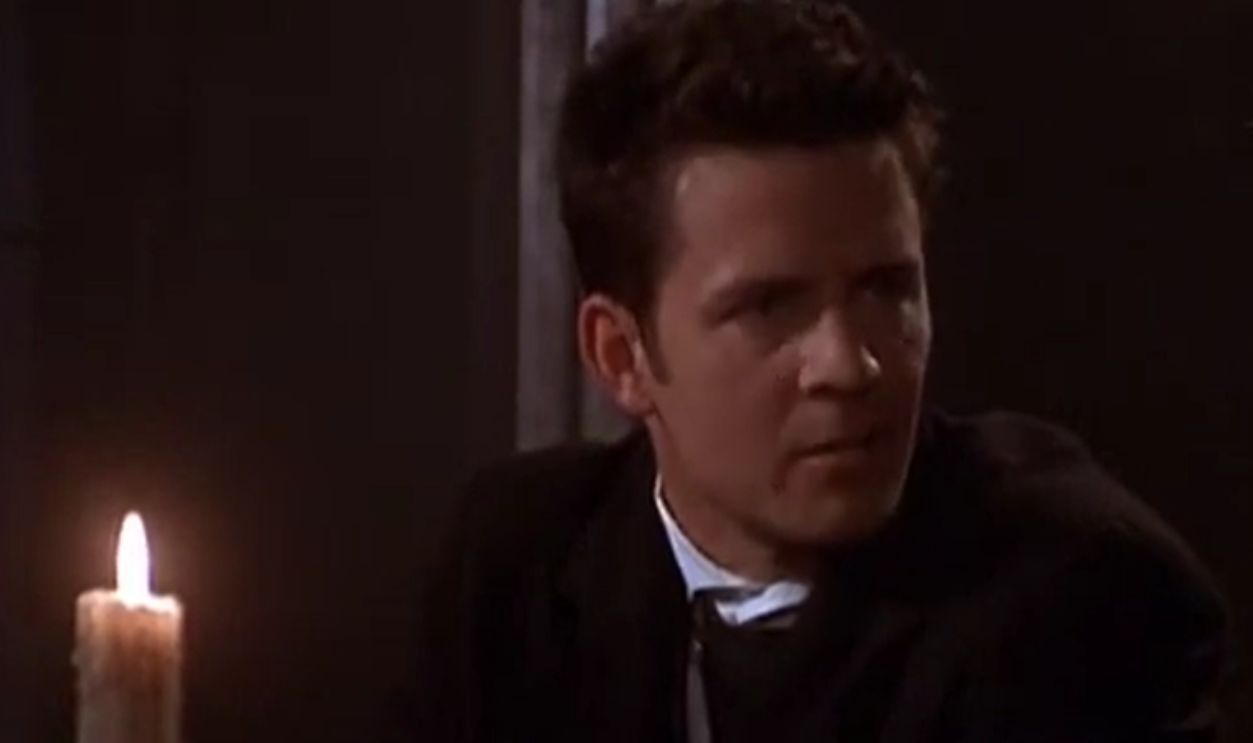 Sci Fi Channel, Timecop (1997–1998)
Alcatraz (2012)
Mysterious prisoners vanishing in the 1960s and popping back up decades later should have been irresistible. Instead, endless unanswered questions and thin character work had people tuning out fast. The series promised high-stakes mystery, delivered half-baked riddles, and closed its cell door after S1.
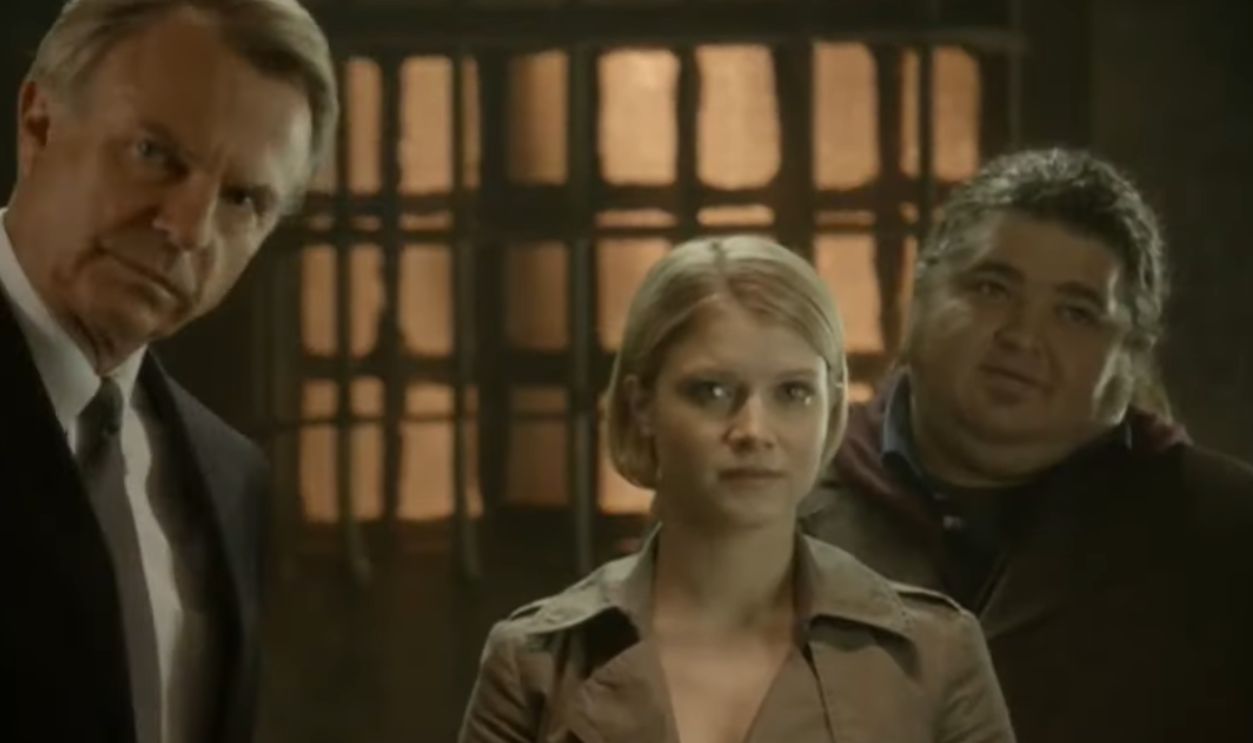
Automan (1983–1984)
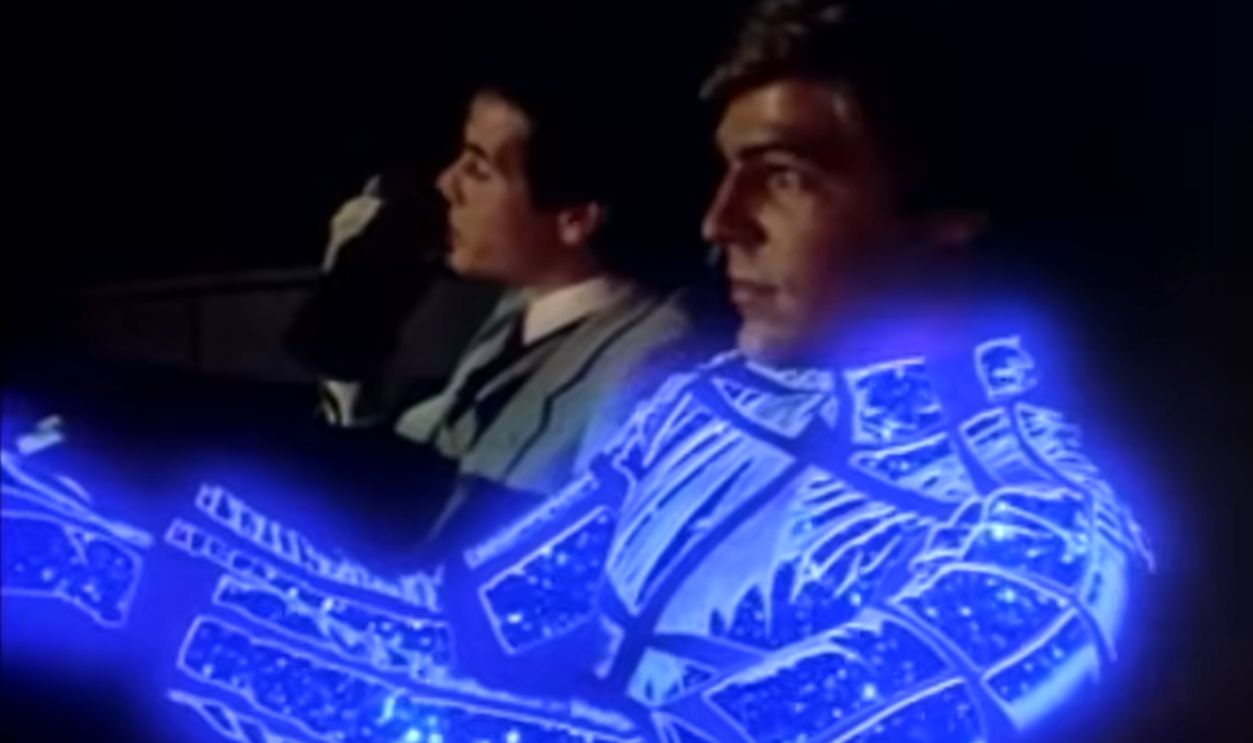
Meet the “hologram cop” who glowed like a walking neon sign. Tech looked flashy for 1983, but the show’s stories were strictly B-movie quality. Fans expected futuristic crime-fighting, and what they got was a glowing sidekick who felt more parody than powerhouse.
Supertrain (1979)
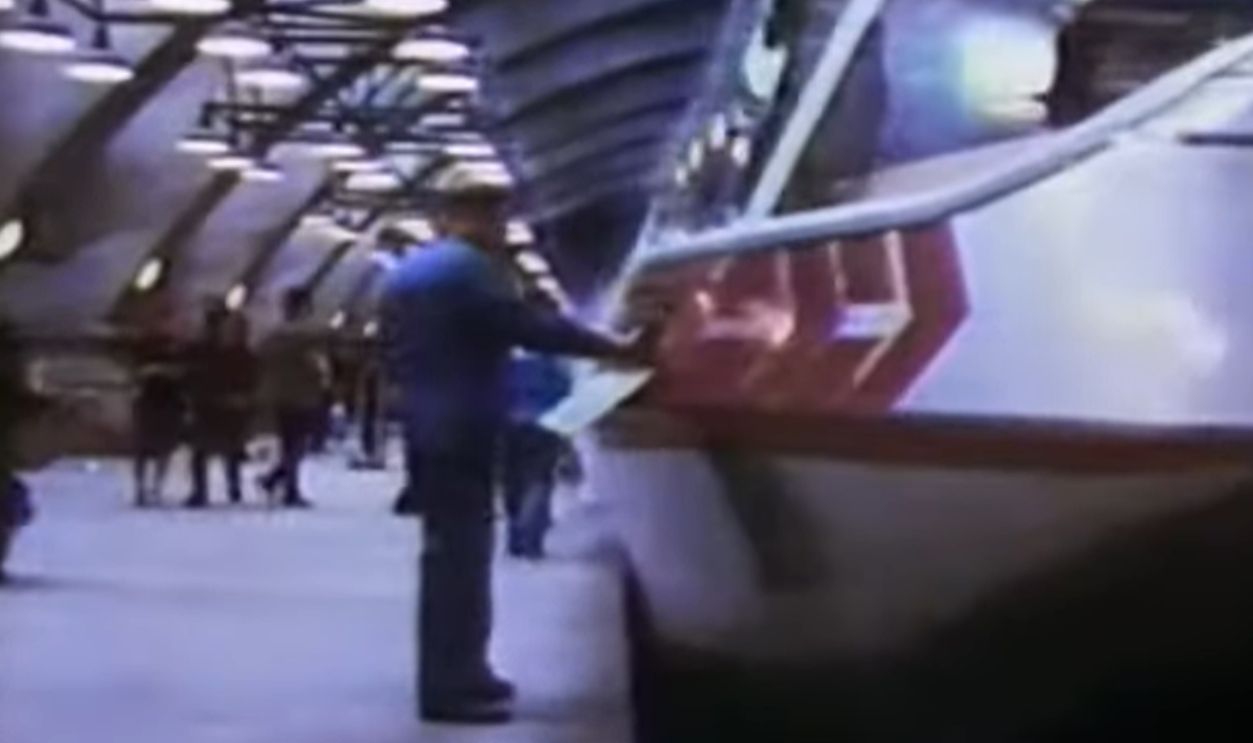
NBC poured enormous money into this futuristic train drama, envisioning it as the network’s flagship. Interiors looked like a moving luxury city, complete with pools and theaters. But expensive sets couldn’t save soap-like storylines. The ratings eventually crushed one of television’s costliest disasters.
Otherworld (1985)
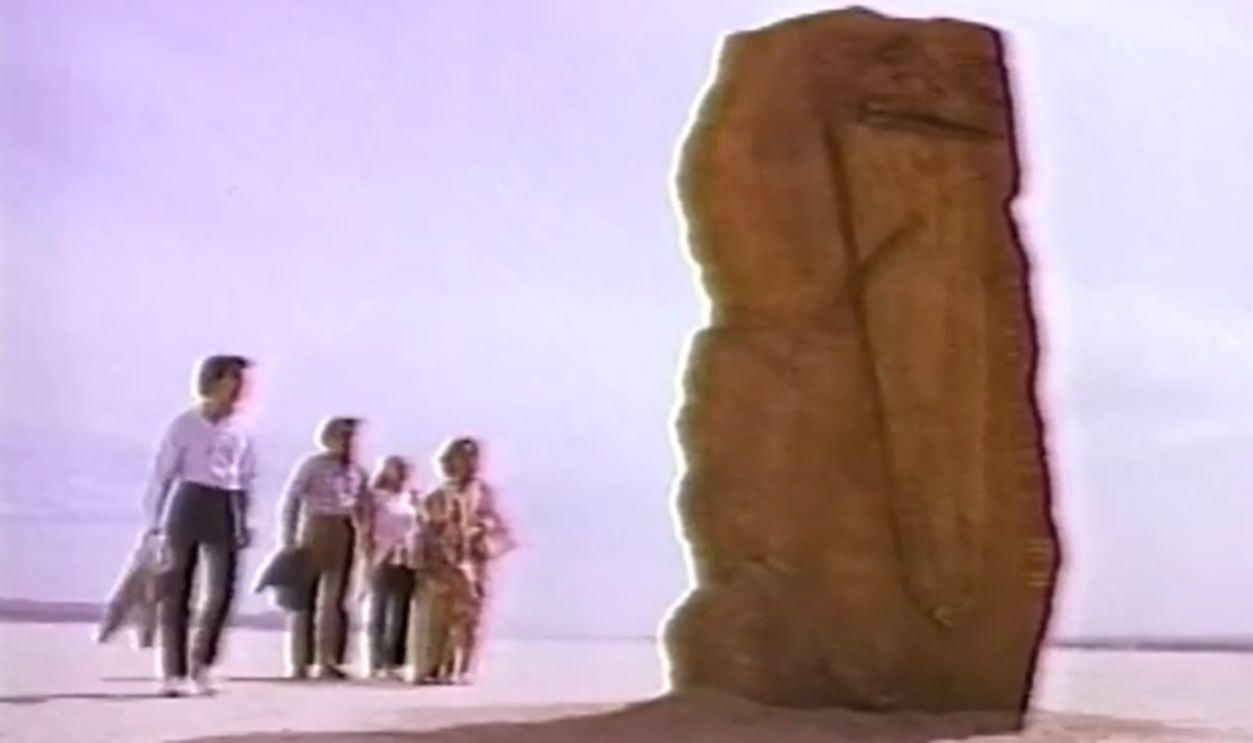
A family touring the Great Pyramid of Giza is suddenly transported into a parallel universe. Each new zone had strange rules and societies. Despite imaginative settings, wooden acting and low production values left audiences cold, which is why it lasted only a single season.
V: The Series (1984–1985)
The original V miniseries thrilled viewers with alien invaders disguised as humans. Then it became a full series that spoiled it all due to budget cuts and weak scripts. One episode even had alien shock troops distracted by human rock music, and it made us go “???????”.
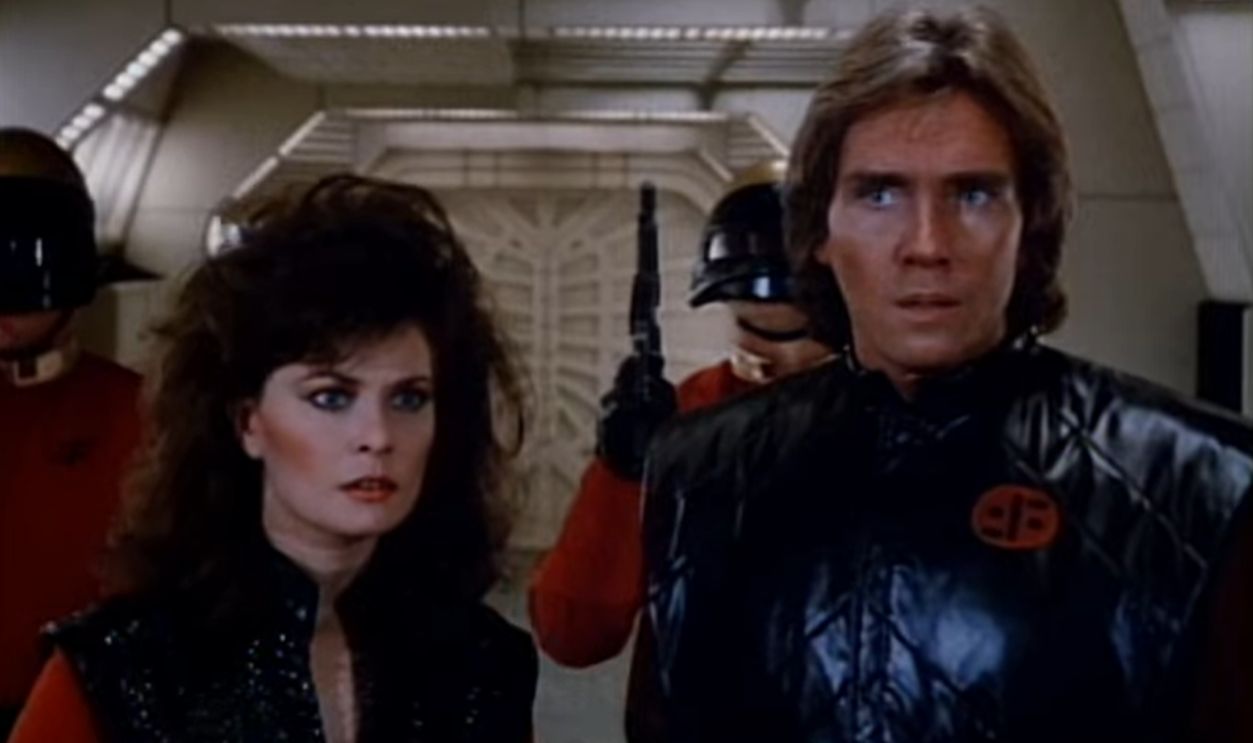 Warner Bros, V: The Series (1984–1985)
The Powers Of Matthew Star (1982–1983)
High school life clashed with alien royalty in this NBC drama. The protagonist was secretly an extraterrestrial prince hiding from enemies. While it mixed superhero action with teen melodrama, sloppy pacing and laughably unconvincing special effects left it stranded.
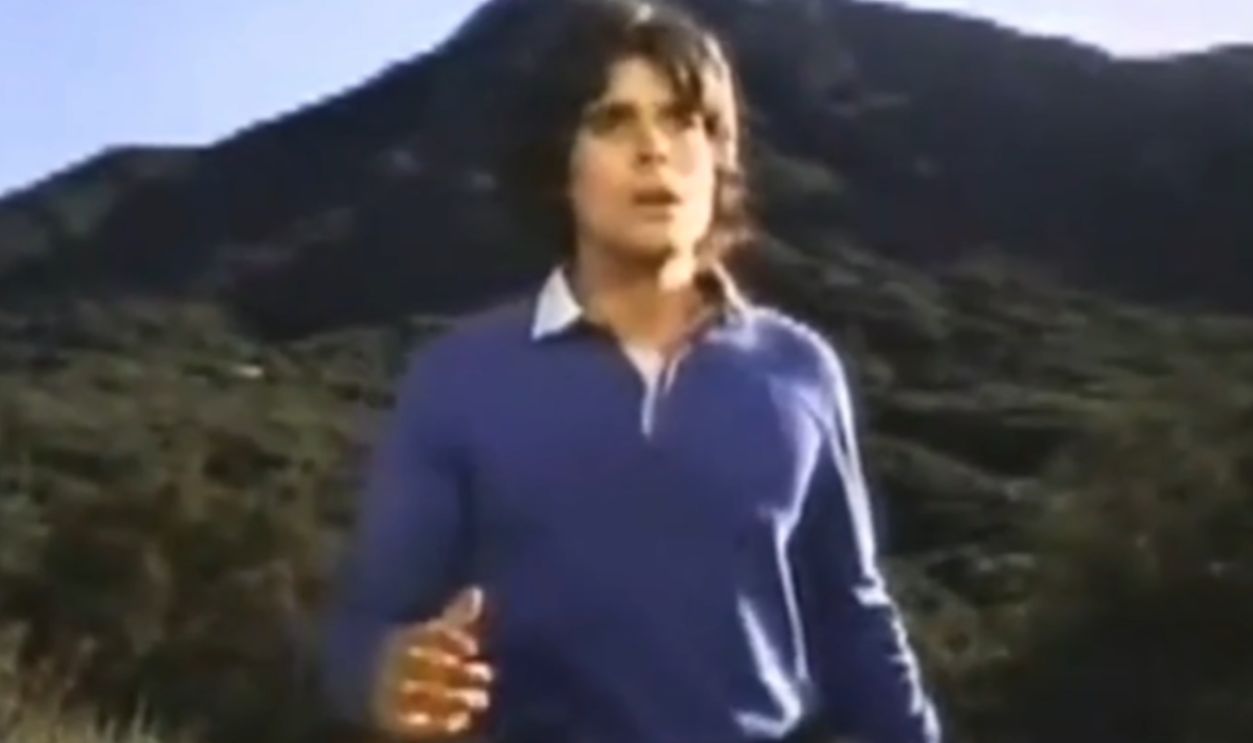 NBC, The Powers Of Matthew Star (1982–1983)
Andromeda (2000–2005)
Frequent tonal shifts and campy writing of the show earned criticism throughout its run. Built on unused Gene Roddenberry notes, it starred Kevin Sorbo as a captain trying to restore galactic order. Despite lasting five seasons, it is remembered more for melodrama than interesting science fiction.
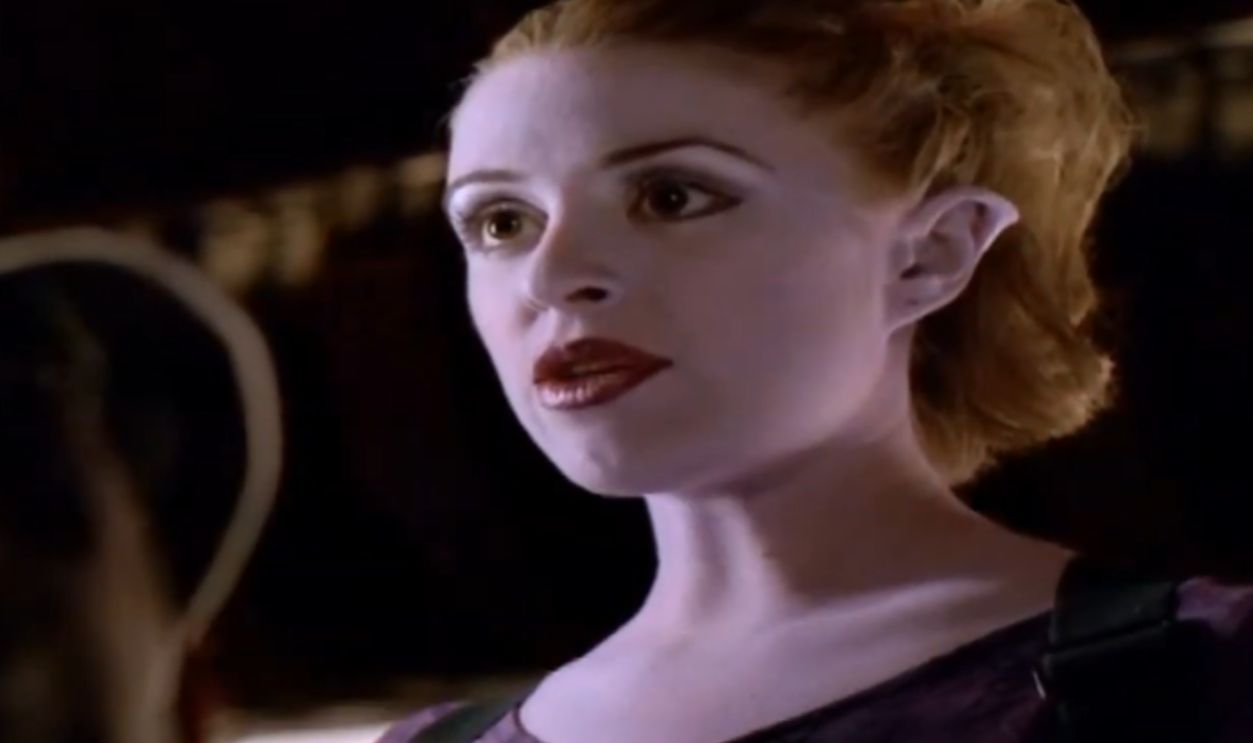 Global Television Network, Andromeda (2000–2005)
The Phoenix (1982)
ABC promoted a story about an ancient astronaut awakened in modern times. He possessed mysterious powers and cryptic knowledge of the universe. Despite a myth-heavy premise, episodes lacked clarity and direction. It vanished after just a handful of confusing installments.
Space Precinct (1994–1995)
Critics slammed it for clunky alien makeup and stiff dialogue. Gerry Anderson’s cops-in-space series paired humans with extraterrestrials in futuristic precincts. Ambition was high, execution low. And, viewers just found it too strange for adults and too dry for kids.
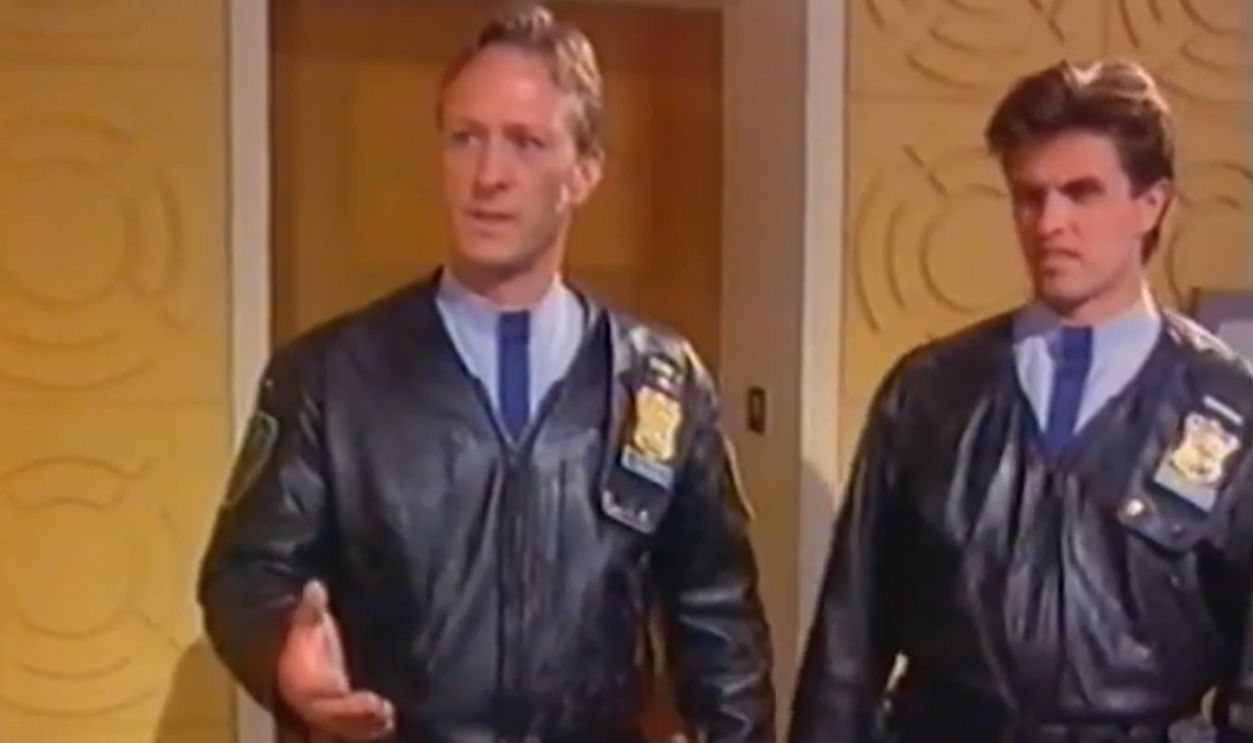 Sky One, Space Precinct (1994–1995)
The Tomorrow People (2013–2014)
The CW rebooted a 1970s British series with psychic teens, glossy effects, and angsty drama. But the romance subplots overran the sci-fi core, frustrating longtime fans. Interestingly, the original British show ran for eight seasons, which shows just how much this modern update misfired.
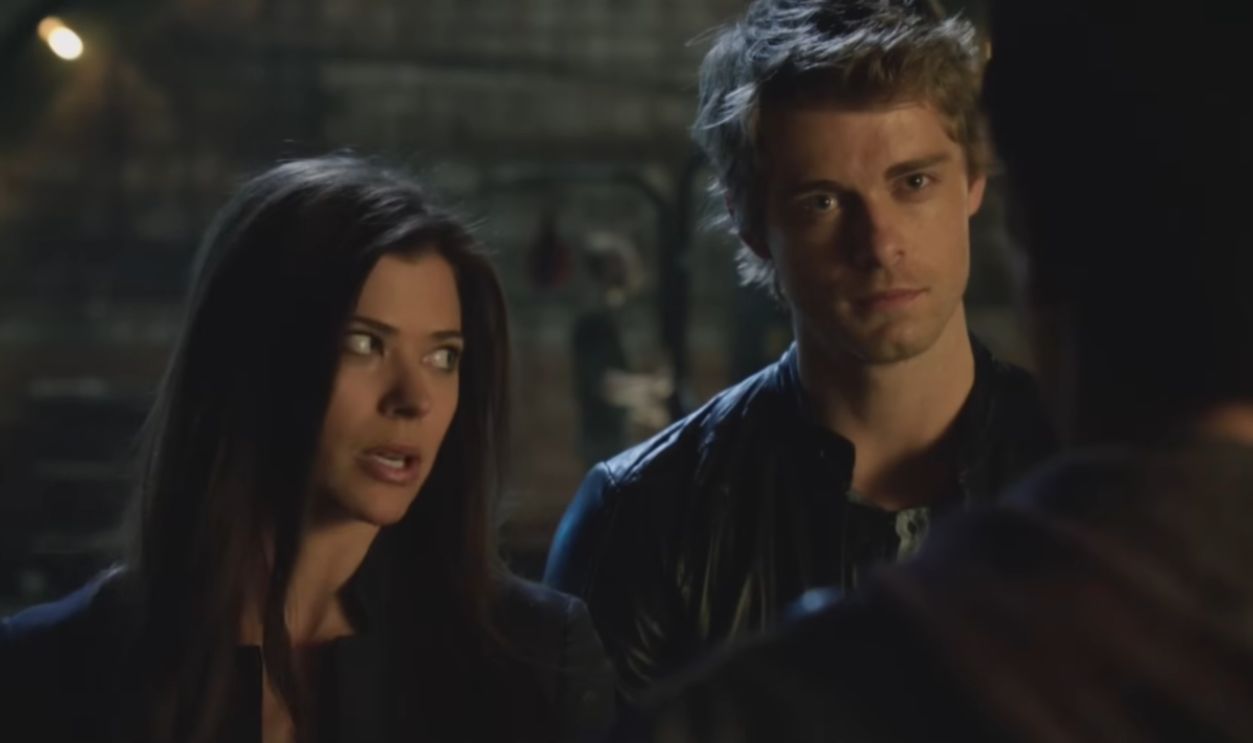 Warner Bros, The Tomorrow People (2013–2014)
Galactica 1980 (1980)
This spinoff tried to continue Battlestar Galactica by landing the fleet on Earth. Instead of epic space battles, viewers got biker gangs and awkward time-travel antics. Fans who loved the original series felt betrayed, and the show fizzled out after only ten episodes.
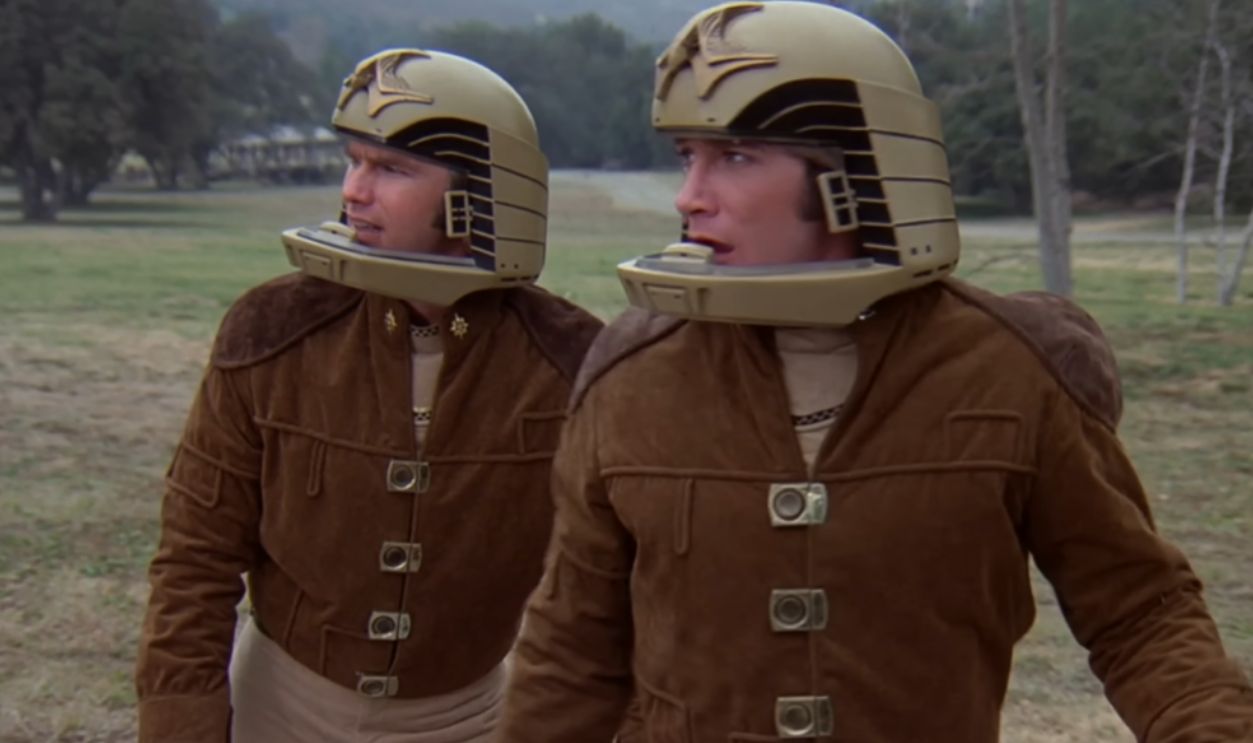 Universal Television, Galactica 1980 (1980)
Starhunter (2000–2004)
This Canadian space opera followed bounty hunters on the fringes of a decaying solar system. On paper, it had grit and scope. On screen, though, performances fell flat and plots seemed recycled. The franchise even tried a relaunch called Starhunter: Redux, which no one really noticed.
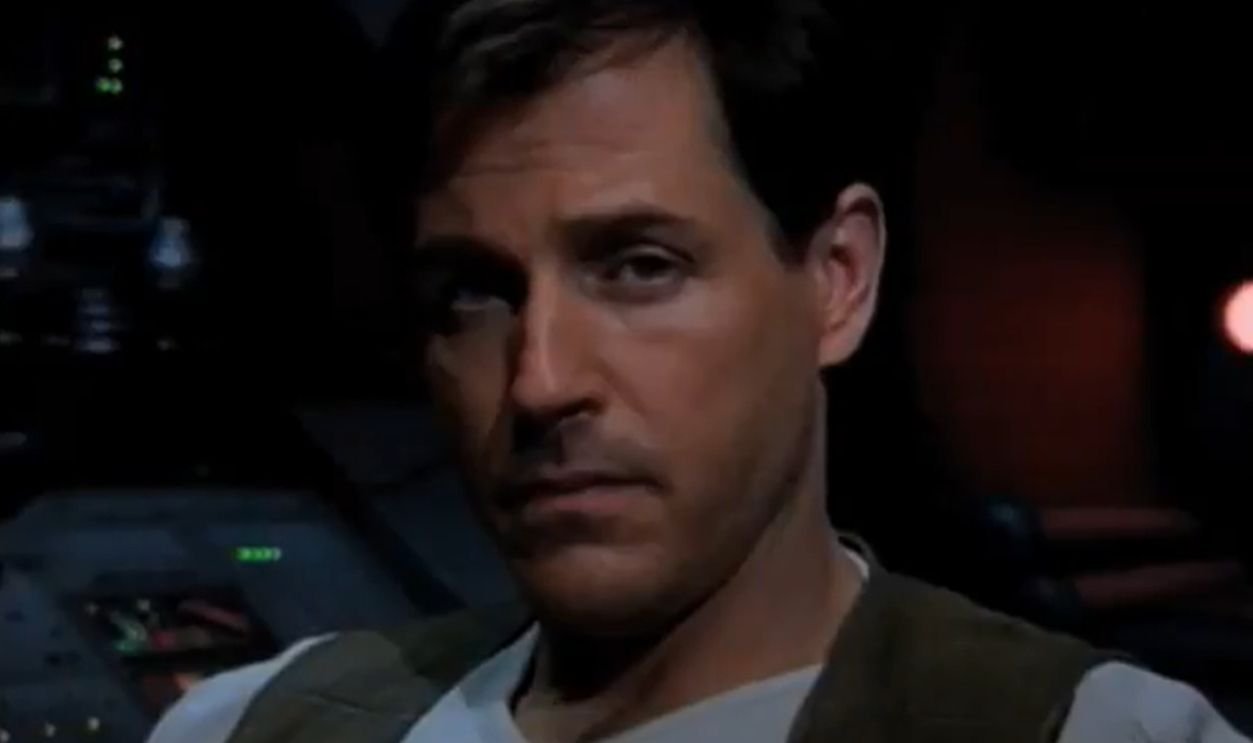 Alliance Atlantis Communications, Starhunter (2000–2004)
Captain Power And The Soldiers Of The Future (1987–1988)
Children could buy toys that interacted with the episodes, firing back at villains on-screen. The gimmick was innovative, yet it overshadowed weak storytelling. Parents objected to violent content aimed at kids, ratings collapsed, and the series faded without a 2nd season.
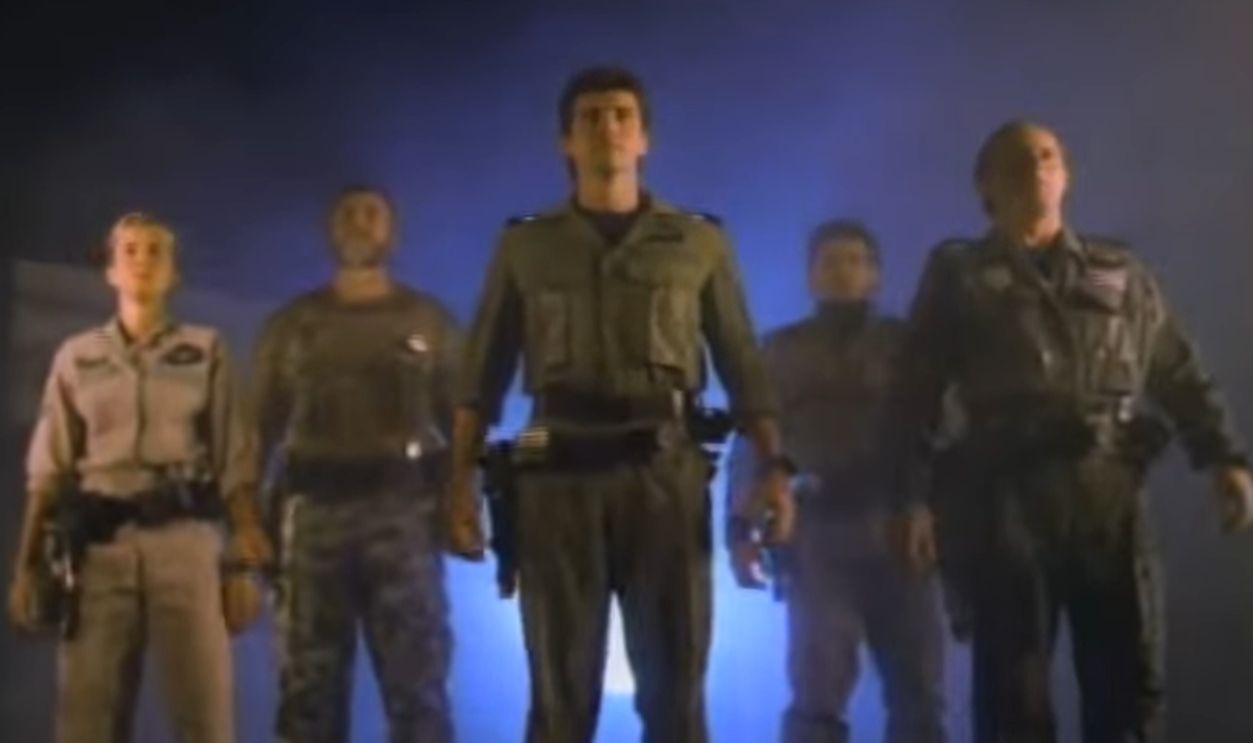 Captain Power And The Soldiers Of The Future (1987–1988)
Logan’s Run (1977–1978)
The popular film inspired a weekly adaptation focused on fugitives escaping a dystopian society. Unfortunately, the TV version stripped away the intensity and moral weight that made the movie memorable. It even recycled costumes from Planet of the Apes, showing us just how thin the adaptation felt.

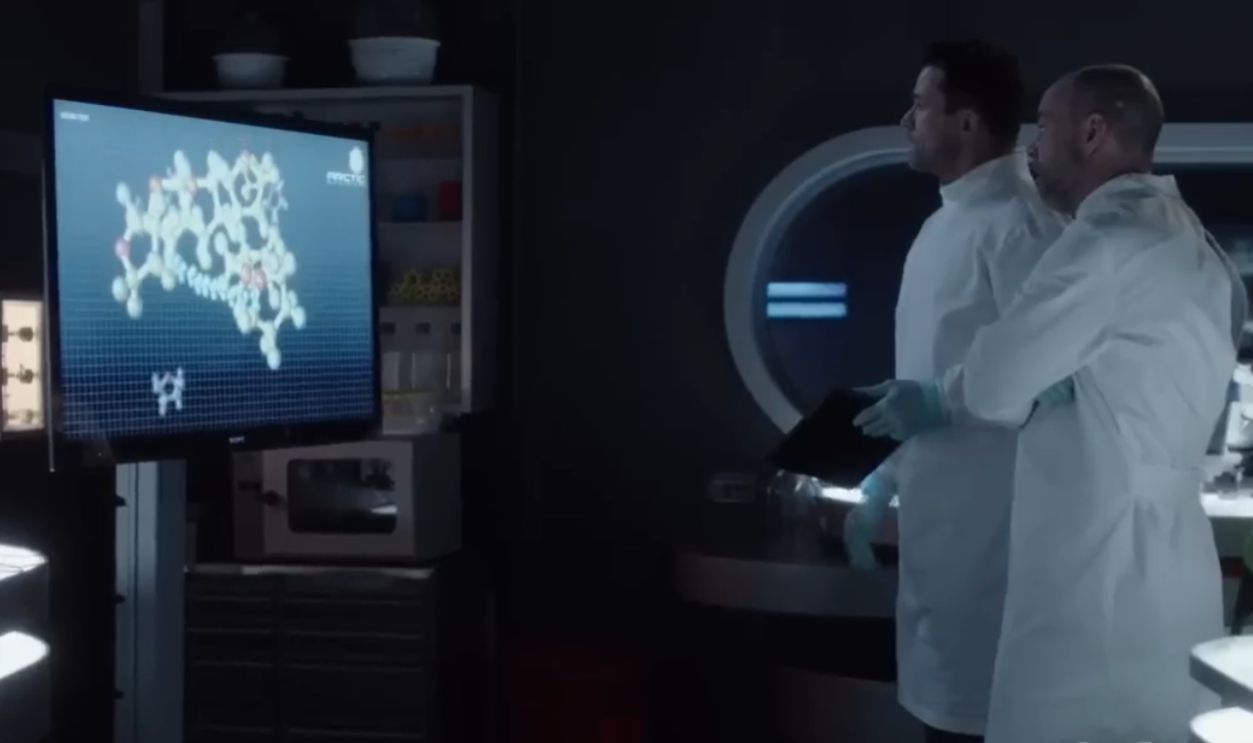
Helix (2014–2015)
Early episodes teased a smart viral-outbreak thriller set in the Arctic. Viewers instead got whiplash from tonal shifts—sudden soap drama, then campy musical montages. Producer Ronald D Moore, who had just found success with Battlestar Galactica, saw this project collapse in under two seasons.
The Invisible Man (2000–2002)
This version turned the classic tale into a quirky spy show. The main character was implanted with a gland producing “Quicksilver”, a chemical that let him vanish. The idea sounded clever, though clumsy scripts left it largely forgotten despite winning a Saturn Award in 2001.
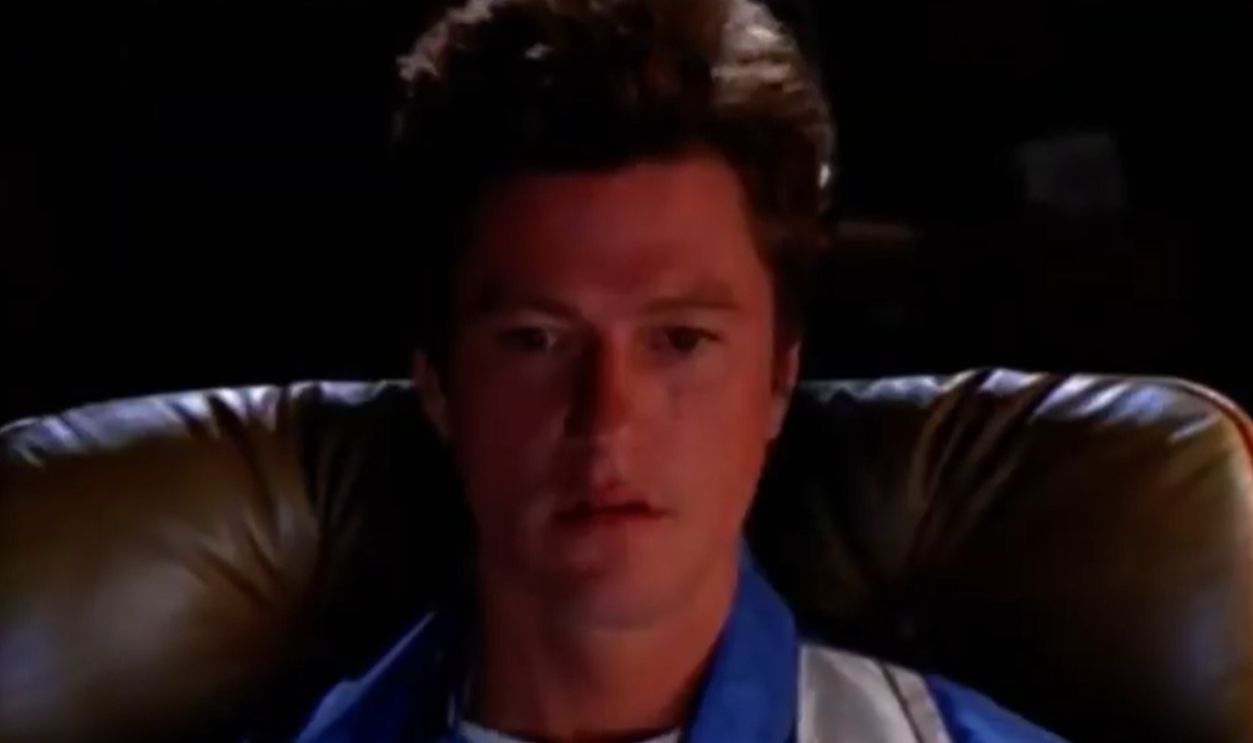 Syfy, The Invisible Man (2000–2002)
Bionic Woman (2007)
Heavily marketed as a gritty reboot, this series followed Jaime Sommers after receiving cybernetic enhancements. Critics were ruthless when pointing out its uneven tone and unlikable characters. Despite flashy fight scenes, it failed to trigger nostalgia or garner new fans.
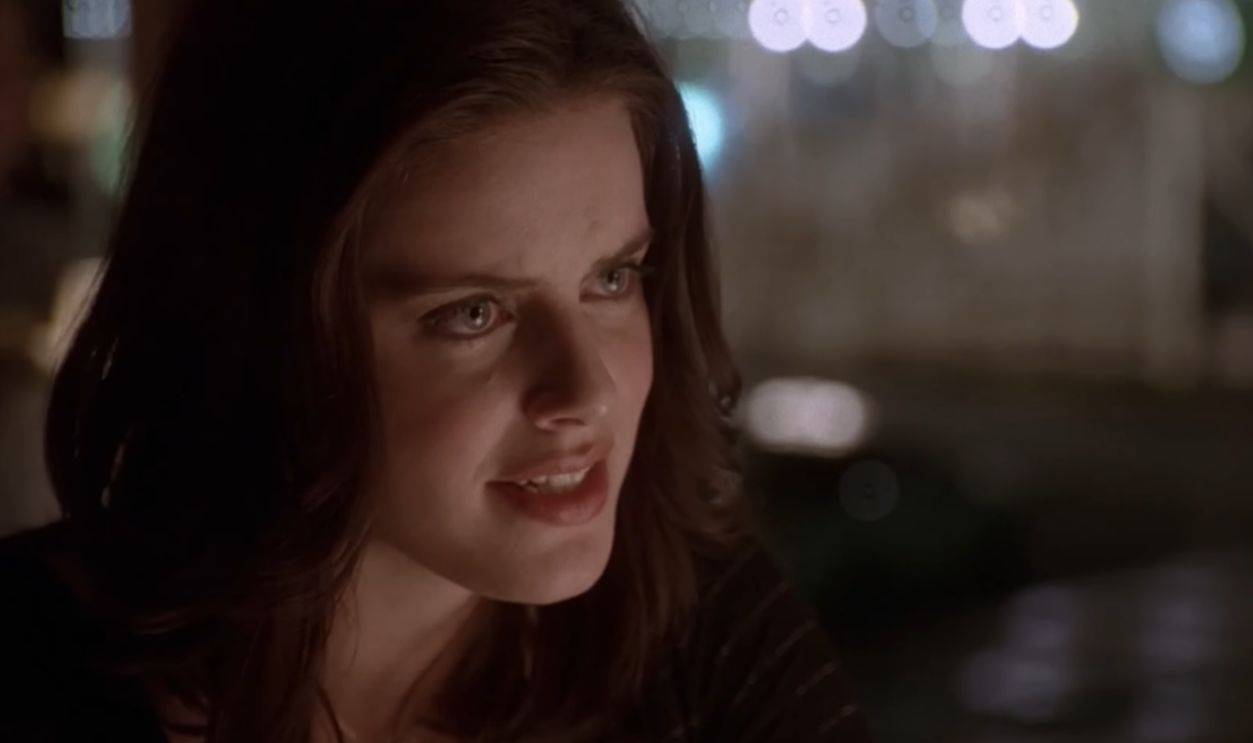 NBC Universal Television Distribution, Bionic Woman (2007)
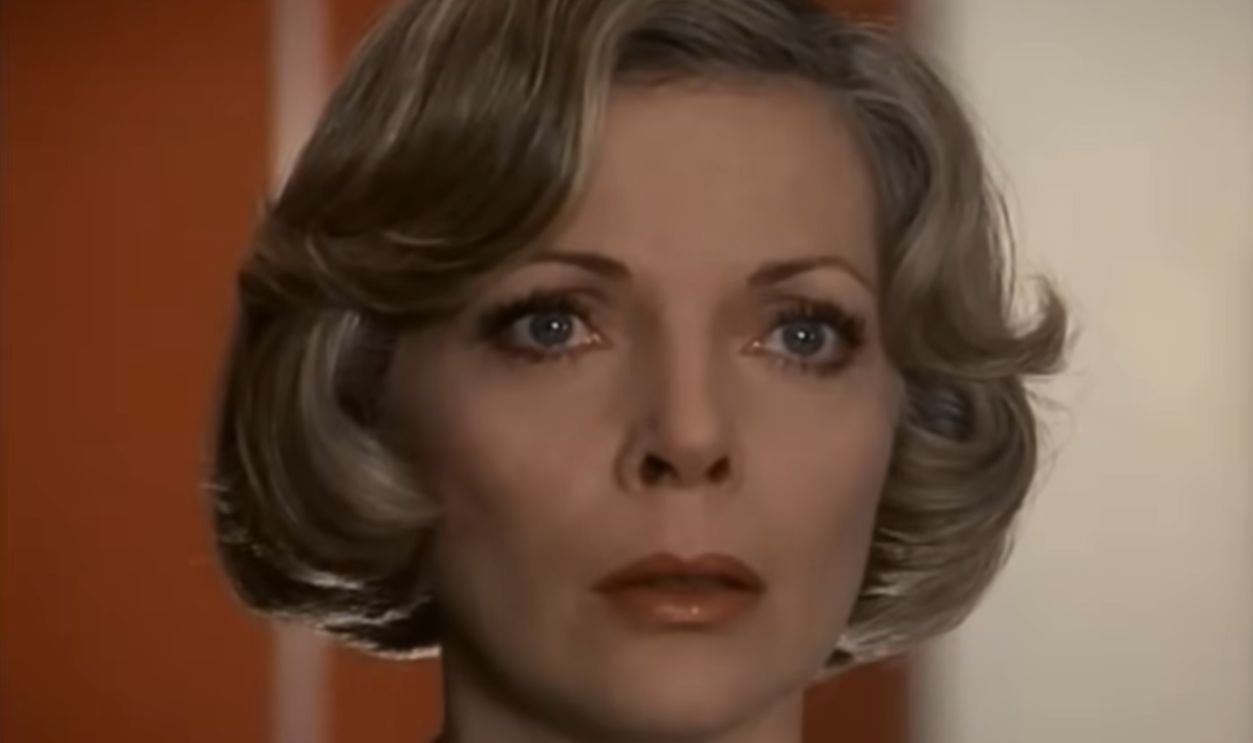
Space: 1999 (1975–1977)
The show had dazzling model work for its time, created by special-effects legend Brian Johnson, who later worked on Star Wars. The visuals couldn’t disguise stiff dialogue and drawn-out plots. Audiences expecting adventure instead got meditations so solemn they drifted into boredom.
The Starlost (1973–1974)
Promoted as Canada’s answer to Star Trek, it was meant to tell a sweeping story on a giant generation ship. But then, severe budget cuts left laughably bare sets and mostly poor writers who churned out poor scripts. The legendary writer Harlan Ellison even distanced himself from the project.
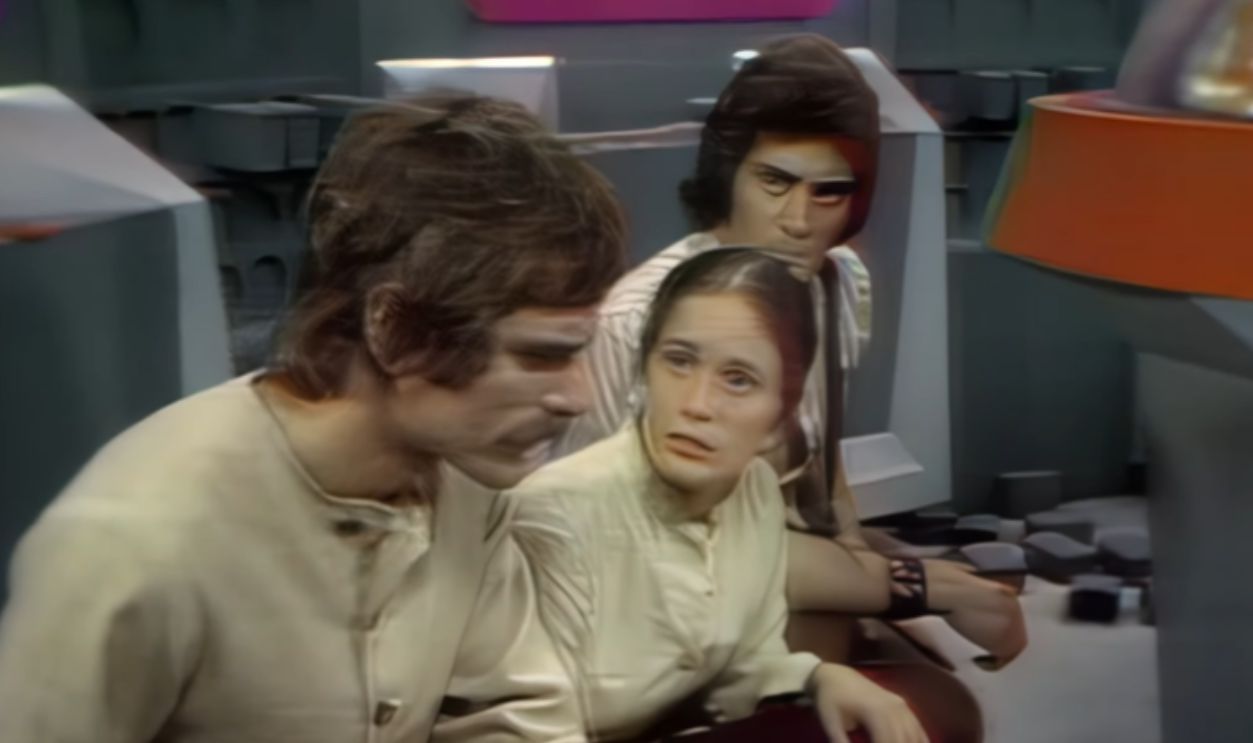
Super Force (1990–1992)
Its over-the-top armored suits and shallow villains made Super Force unintentionally goofy. The show featured a cop who returns from space duty and dons futuristic armor to fight crime. Intended as gritty action, it instead became an oddity remembered for cheap theatrics.
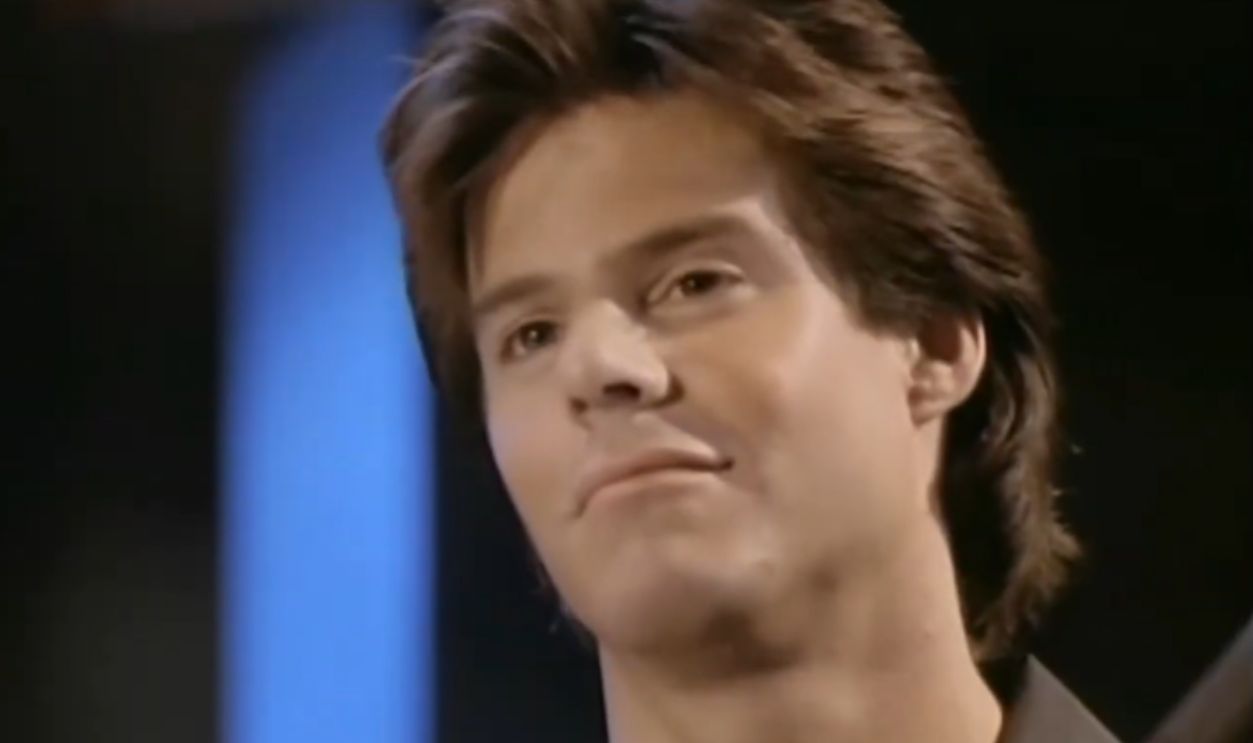 Viacom Enterprises, Super Force (1990–1992)
Hard Time On Planet Earth (1989)
A rebellious alien soldier is sentenced to live on Earth under human form, monitored by a floating robot companion. CBS tried to inject comedy into the premise, yet the jokes rarely landed. People ignored it, and Entertainment Weekly later ranked it among TV’s all-time flops.
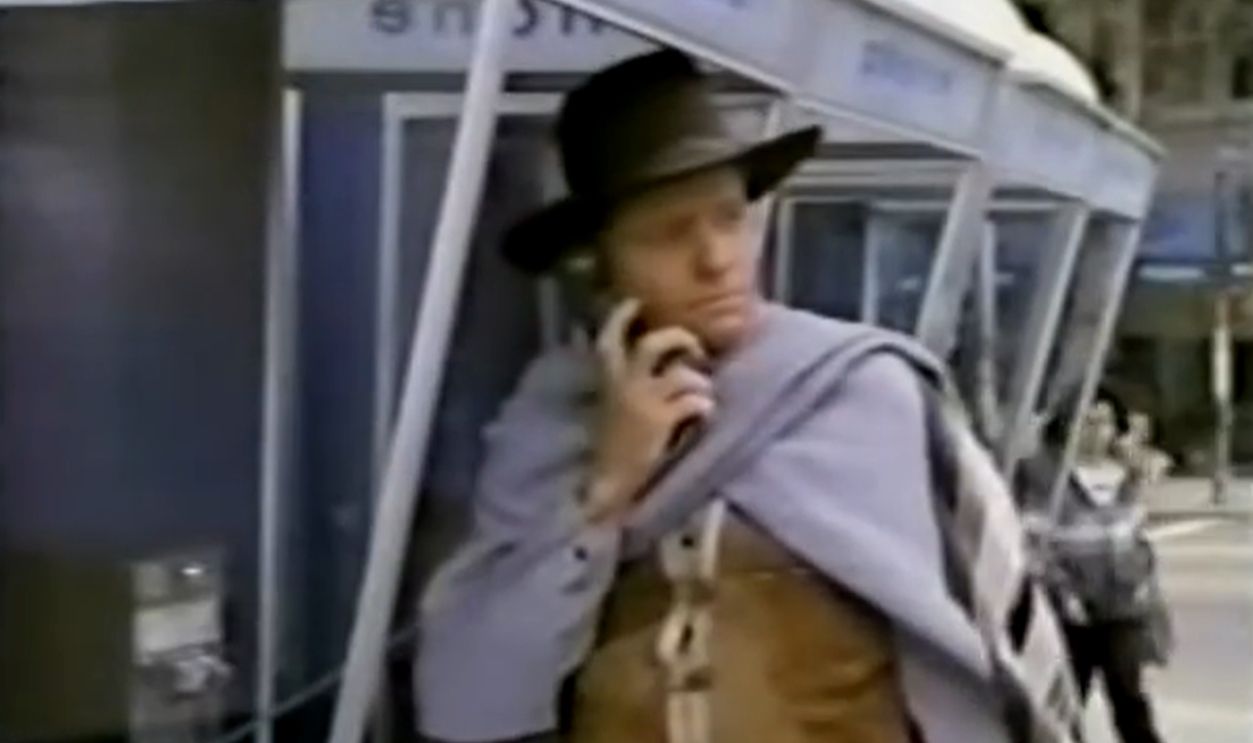 CBS, Hard Time On Planet Earth (1989)
The Highwayman (1987–1988)
This futuristic series gave viewers a lawman driving a massive high-tech truck armed with secret gadgets. The promise of Mad Max-style thrills never materialized. Bland storytelling and wooden performances doomed it quickly, making it another forgotten entry in 1980s sci-fi television.
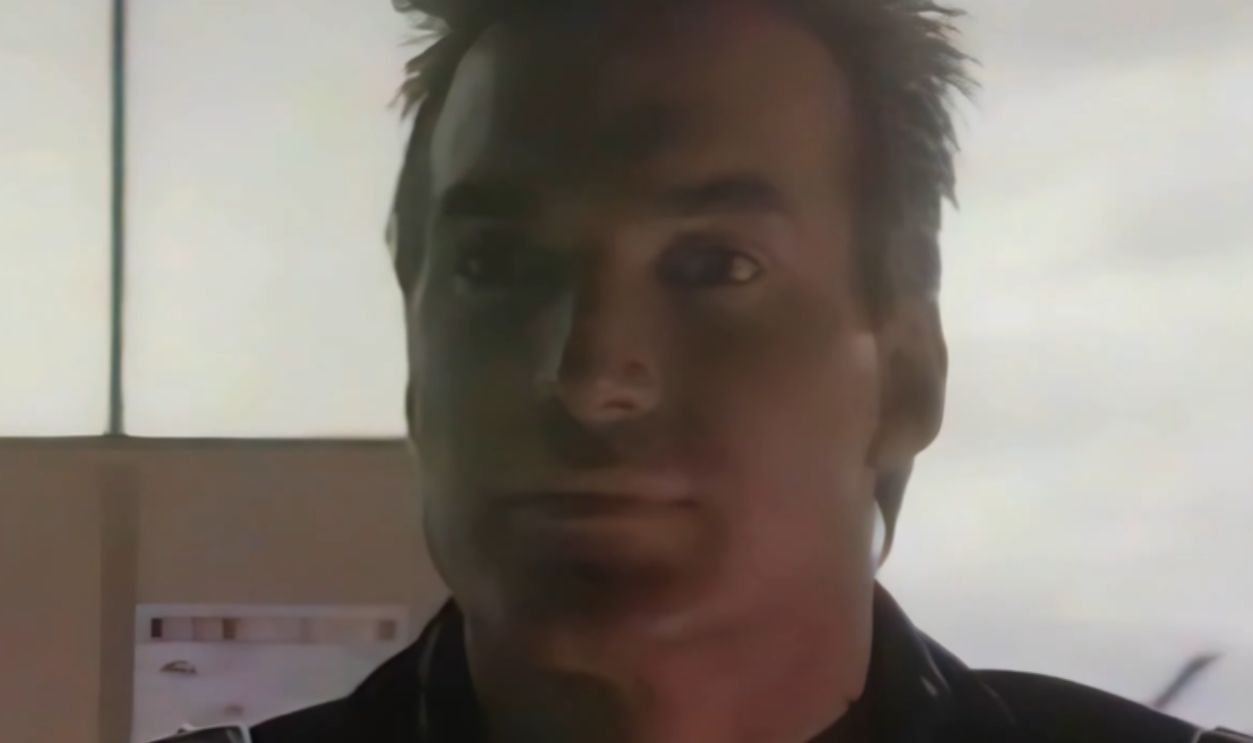 NBC, The Highwayman (1987–1988)
Space Rangers (1993)
Space Rangers introduced viewers to law enforcers patrolling distant colonies. Even though the show had shades of a space western, it lacked memorable characters to anchor the action. Critics quickly dismissed it as generic, and the show vanished before even finishing its initial six-episode order.
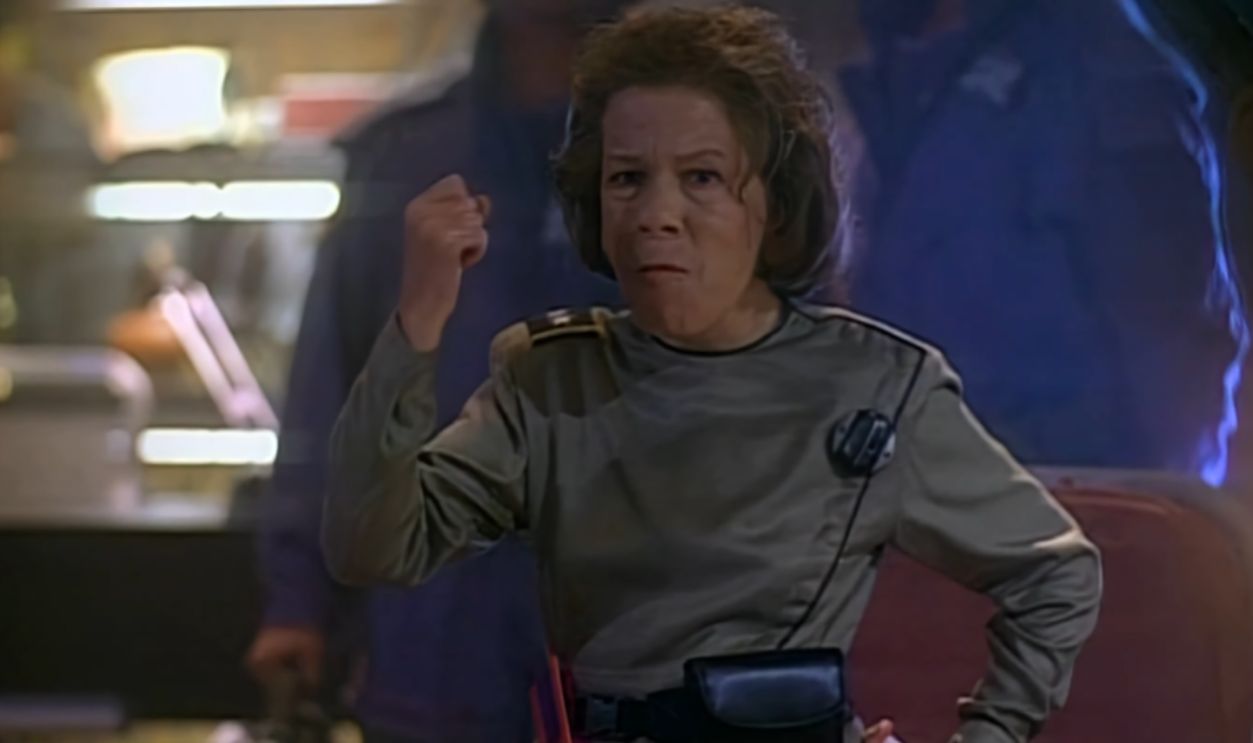
Fantastic Journey (1977)
An odd assortment of characters—including a scientist, a teenager, and a futuristic traveler—found themselves trapped in a strange civilization in the Bermuda Triangle. The blend of fantasy elements felt awkward, and audiences failed to connect to it at all.
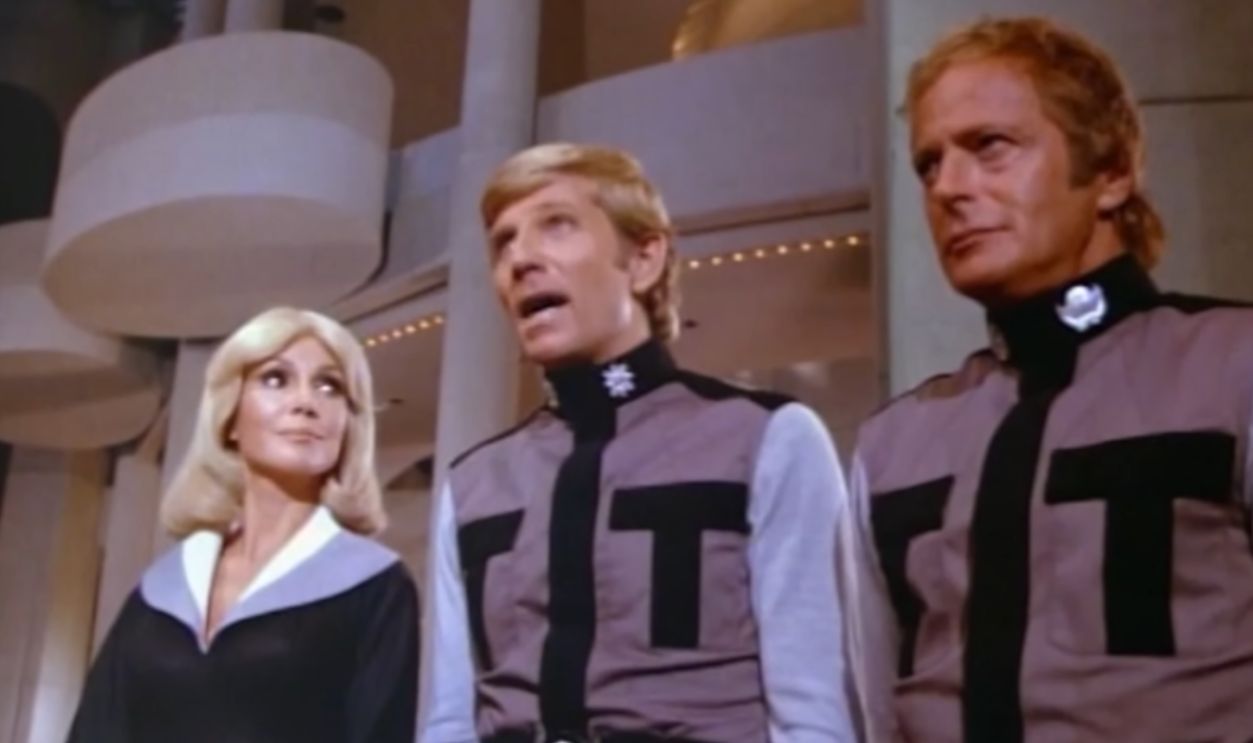
Century City (2004)
Watchers dismissed this one as a gimmick-filled legal drama because the setting jumped ahead to 2030 Los Angeles, where courtrooms wrestled with futuristic disputes over cloning and biotechnology. The premise was intriguing, but the series played like ordinary television with a sci-fi coat of paint.
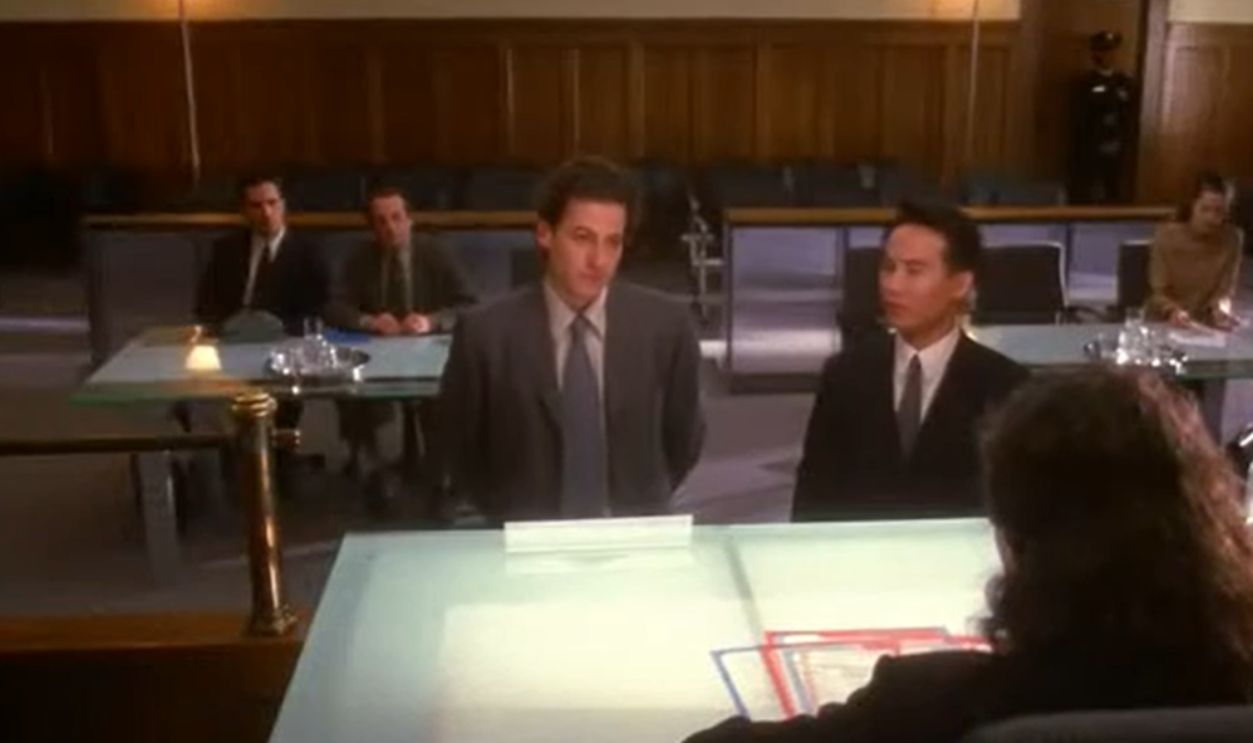 Fox Broadcasting Company, Century City (2004)
VR.5 (1995)
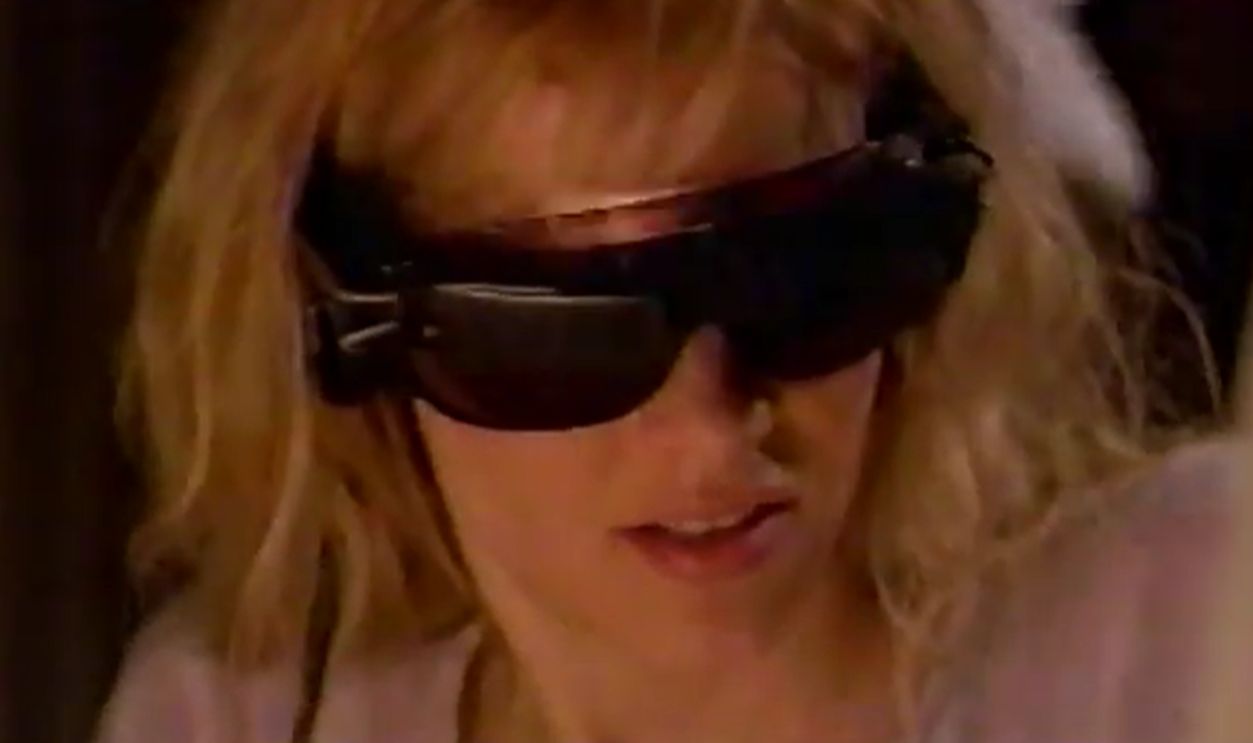
A repair worker who slips into virtual reality every time she logs on? That premise had eerie, surreal potential. Early episodes even built intrigue; however, layer upon layer of vague mysteries left people confused. The story collapsed, unfinished, without any resolution to provide some sort of closure.
The Roller Blade Seven (1991)
Confusion and unwatchable pacing earned it cult infamy. This surreal post-apocalyptic series showcased martial arts warriors battling evil forces on rollerblades. The bizarre visuals overshadowed the narrative structure to create something so incoherent that it became known more as an endurance test than entertainment.
 York Pictures Inc, The Roller Blade Seven (1991)
Quark (1977–1978)
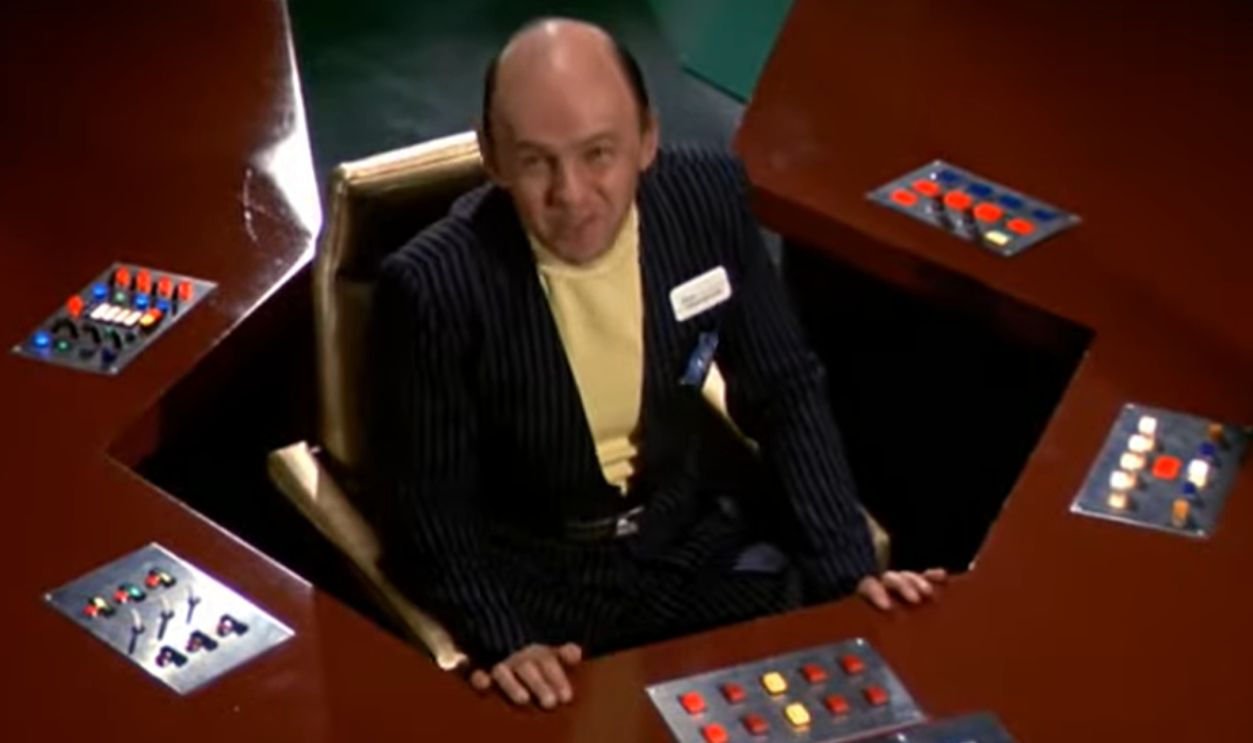
Set aboard a space garbage ship, this parody tried to spoof Star Trek and other sci-fi hits. One-liners replaced storytelling, and audiences quickly got tired of the joke. The series was canceled before a full season, remembered now only for its odd premise.
TekWar (1994–1996)
William Shatner’s name drew interest to this cyberpunk-inspired series about a dangerous digital drug called “tek”. The glossy promise of thrills quickly unraveled into clunky dialogue and cheap effects. What should have felt futuristic ended up resembling recycled cop dramas.
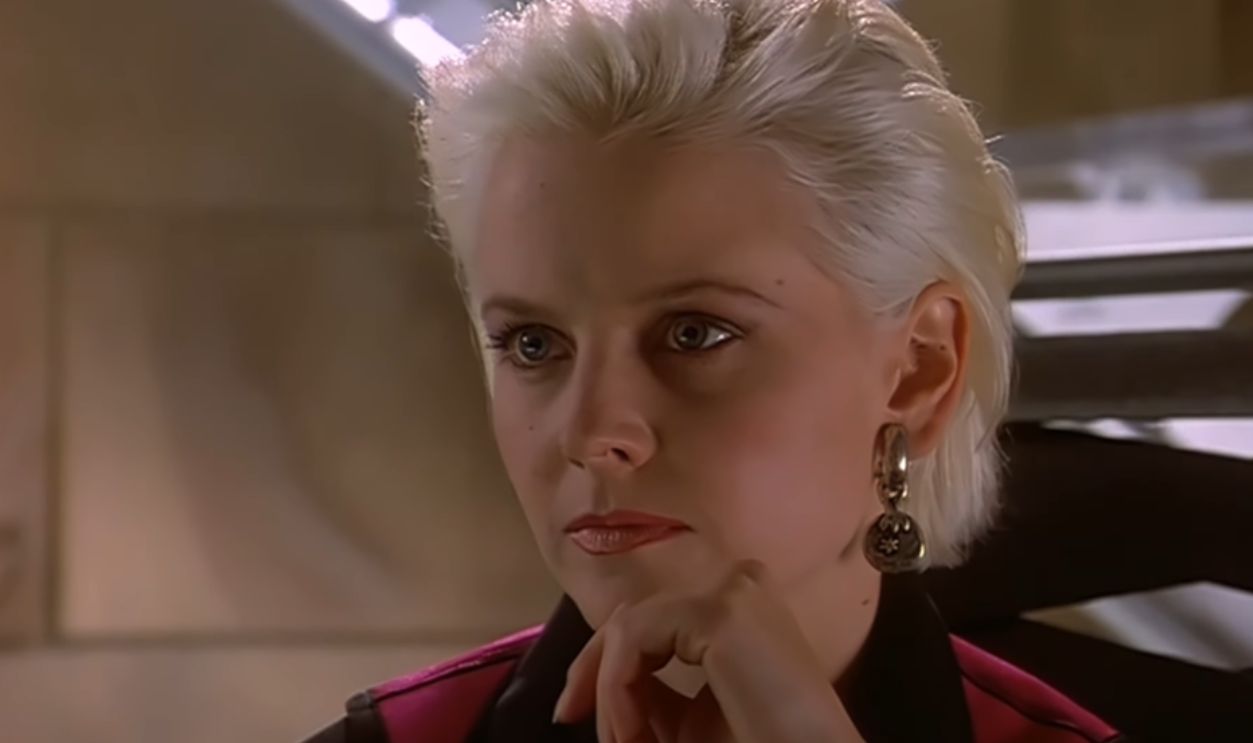 Atlantis Films Limited, TekWar (1994–1996)
Earth 2 (1994–1995)
Frustrated fans complained of slow-moving plots and the show’s uneven tone. A colonist group lands on an alien world in search of a better future. Promised adventure gave way to melodrama, and the show faded quickly, leaving behind unresolved arcs and wasted potential.
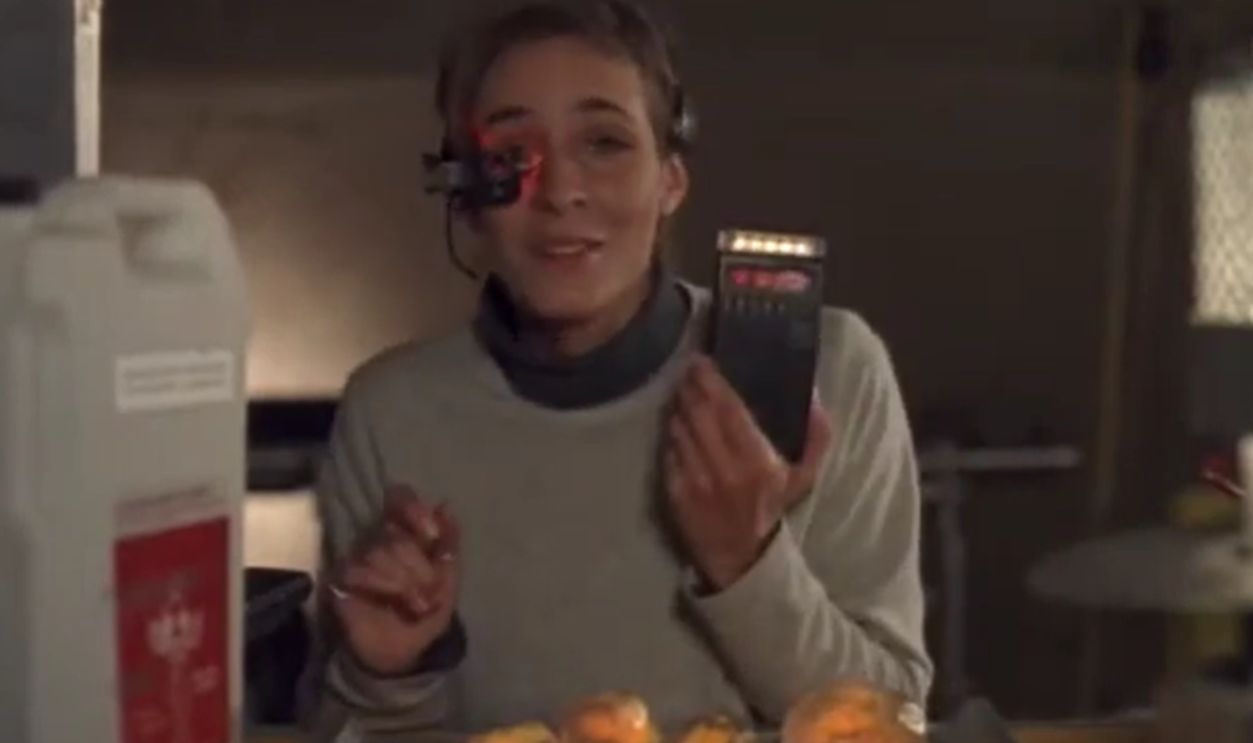 Universal Studios Home Entertainment, Earth 2 (1994–1995)
Revolution (2012–2014)
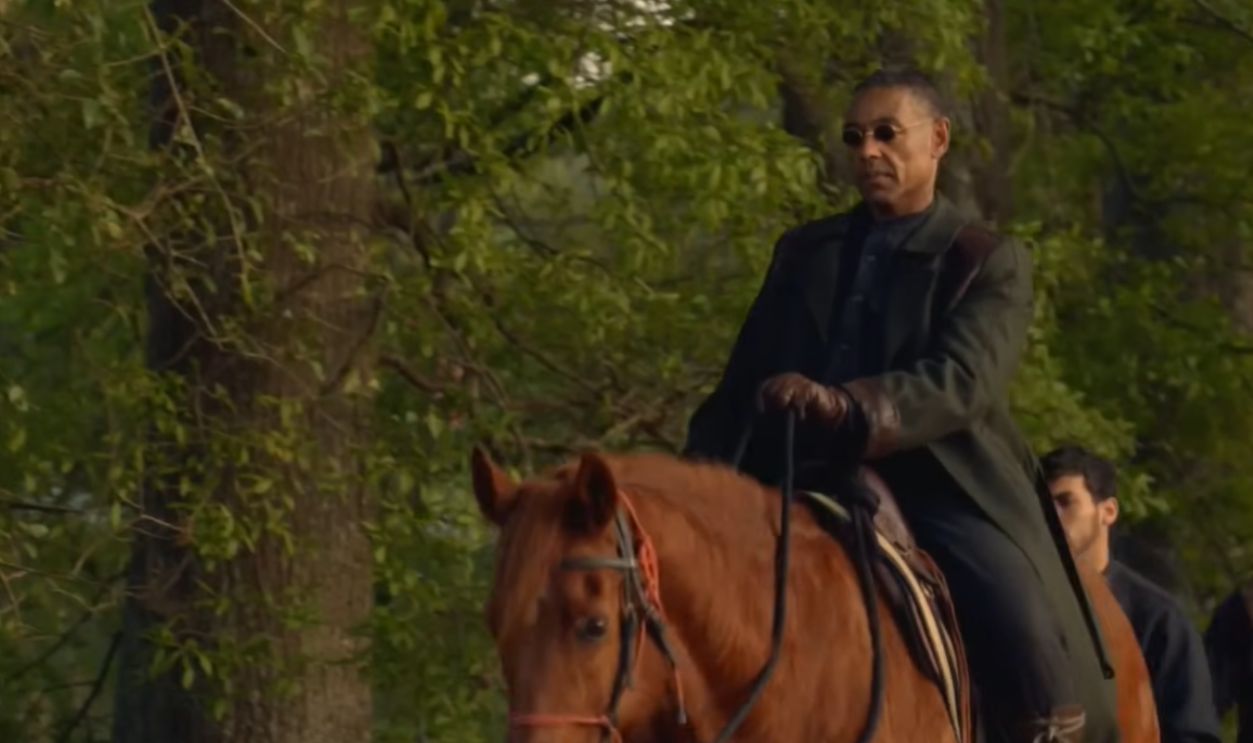
Suddenly, electricity stops working worldwide, collapsing modern civilization. That premise hooked millions, and the first episodes built real intrigue. Yet over time, plot holes widened, dialogue grew stilted, and fans just lost patience. NBC ended up canceling it after two seasons.
Terra Nova (2011)
Steven Spielberg’s name sat in the credits, and Fox spent nearly $4 million per episode to bring dinosaurs back to TV. The creatures looked spectacular, but audiences focused more on awkward family squabbles than prehistoric thrills. In the end, its gigantic budget became its own extinction event.
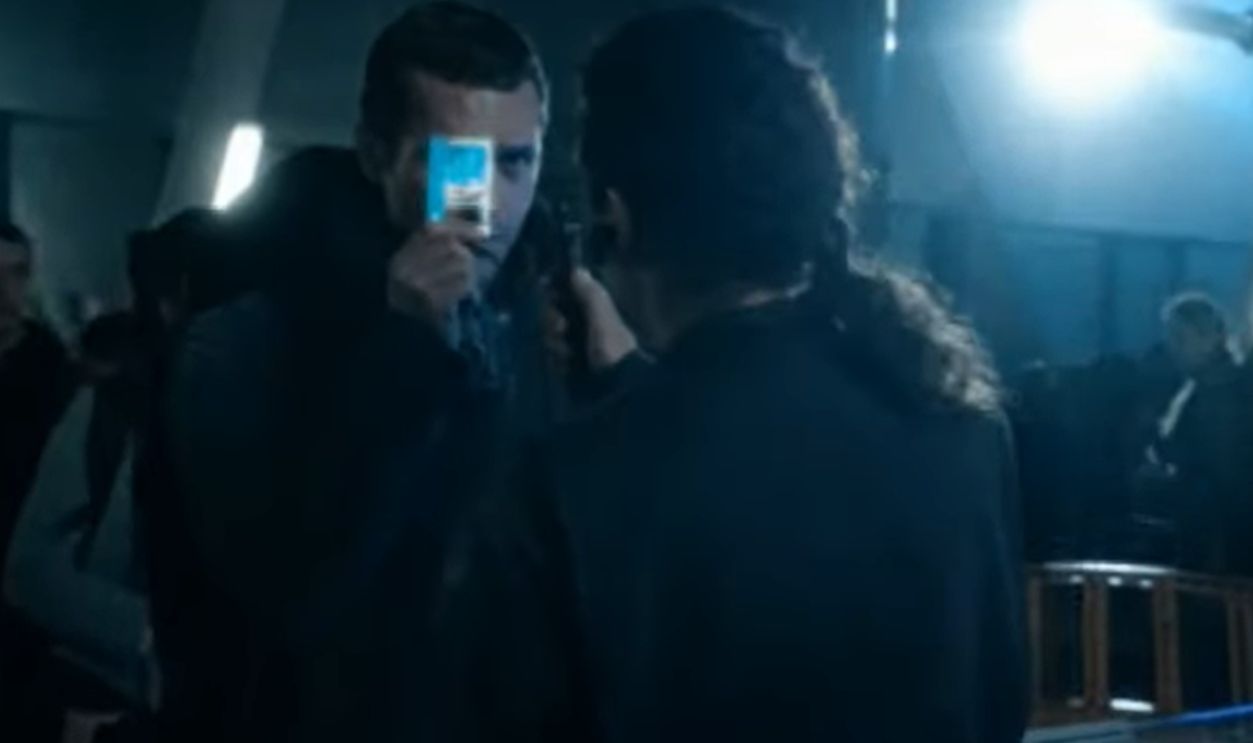 20th Century Fox Television, Terra Nova (2011)
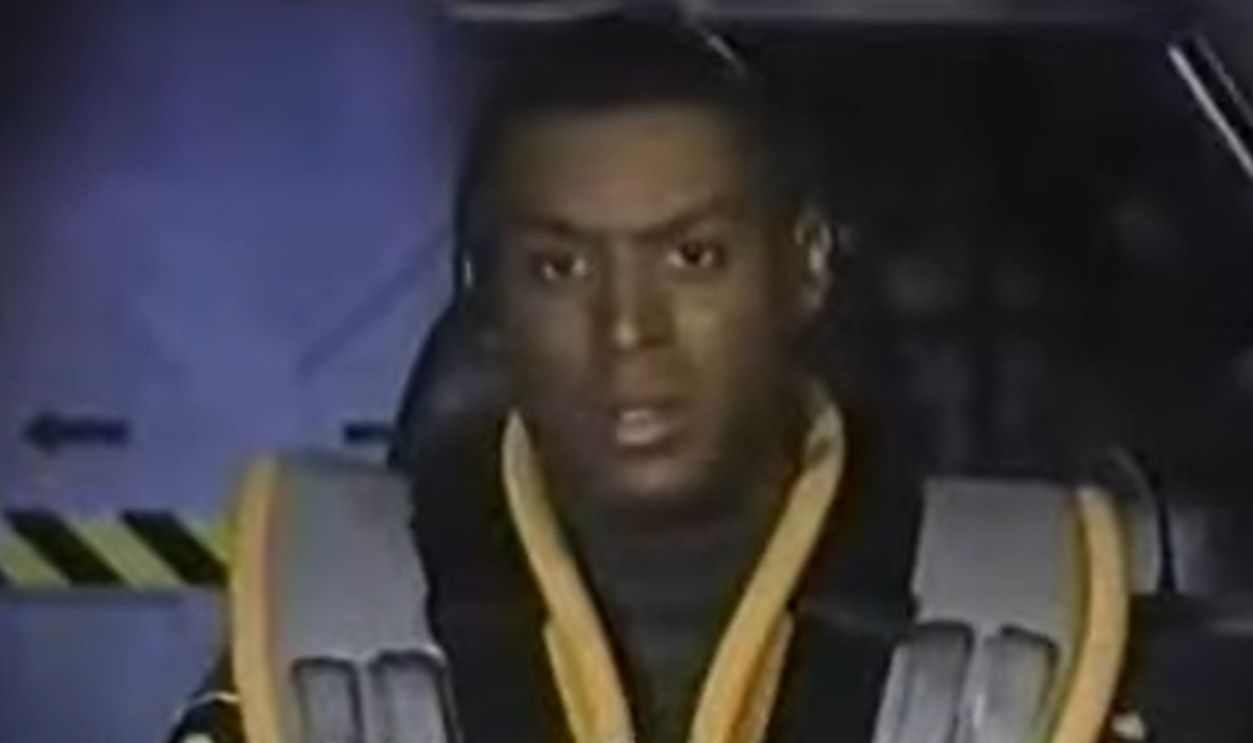
Hypernauts (1996)
Cheap effects and awkward performances sank Disney’s attempt at serious sci-fi for kids. The story involved cadets trapped far from Earth, struggling to survive against alien forces. Ambition was visible, yet weak delivery meant it disappeared from memory almost immediately.
Inhumans (2017)
Marvel promised epic cosmic storytelling, introducing a royal family of superpowered beings living on the Moon. But then, poor costumes, underwhelming sets, and weak acting sparked ridicule almost immediately. Instead of boosting Marvel TV, the show is only known for its rushed production and sloppy execution.
 Disney-ABC Domestic Television, Inhumans (2017)
Salvage 1 (1979)
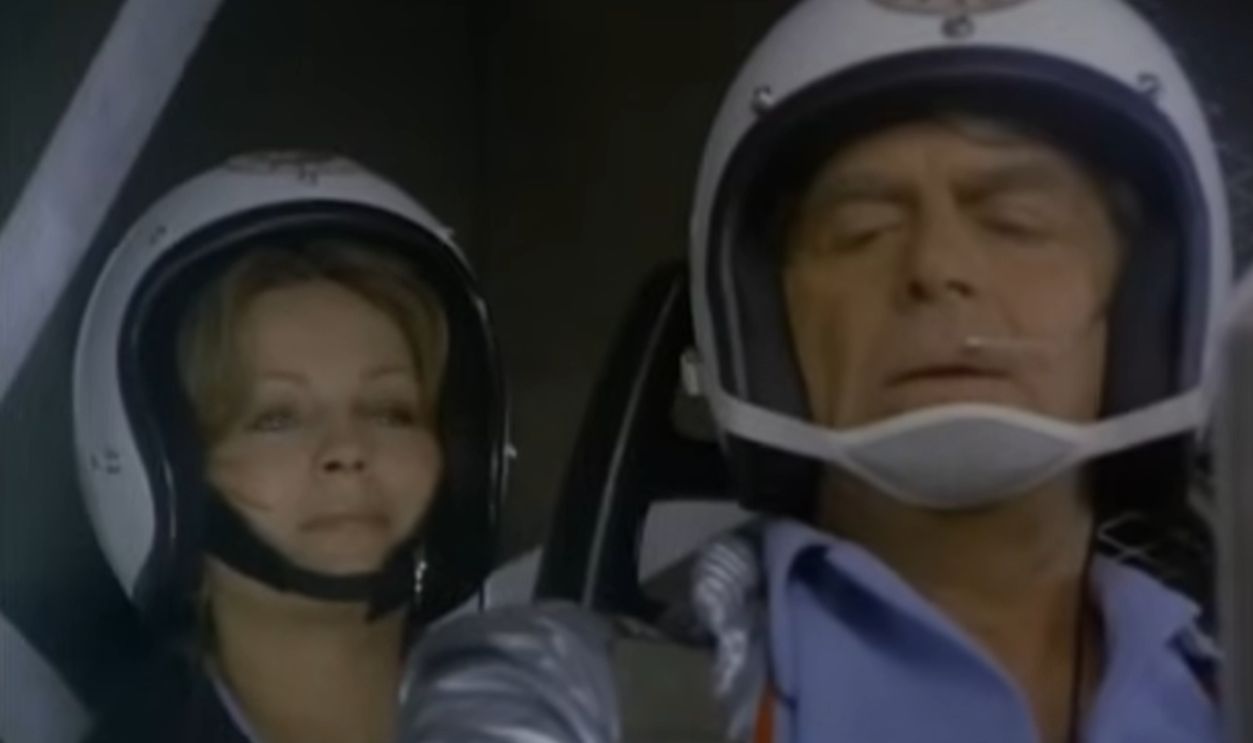
Audiences laughed at this for all the wrong reasons. The premise followed Andy Griffith as a junk dealer who builds a rocket to mine resources from the Moon. Even though the whimsical concept had charm, cardboard sets and clumsy science stretched disbelief. What remains fascinating is that NASA actually consulted on its early technical designs.
SeaQuest DSV (1993–1996)
By the third season, fans mocked psychic dolphins and bizarre storylines. Initially marketed as an underwater Star Trek, it followed a futuristic submarine exploring Earth’s oceans. Despite Spielberg’s backing, declining quality and tone shifts sank what began as a promising network sci-fi.
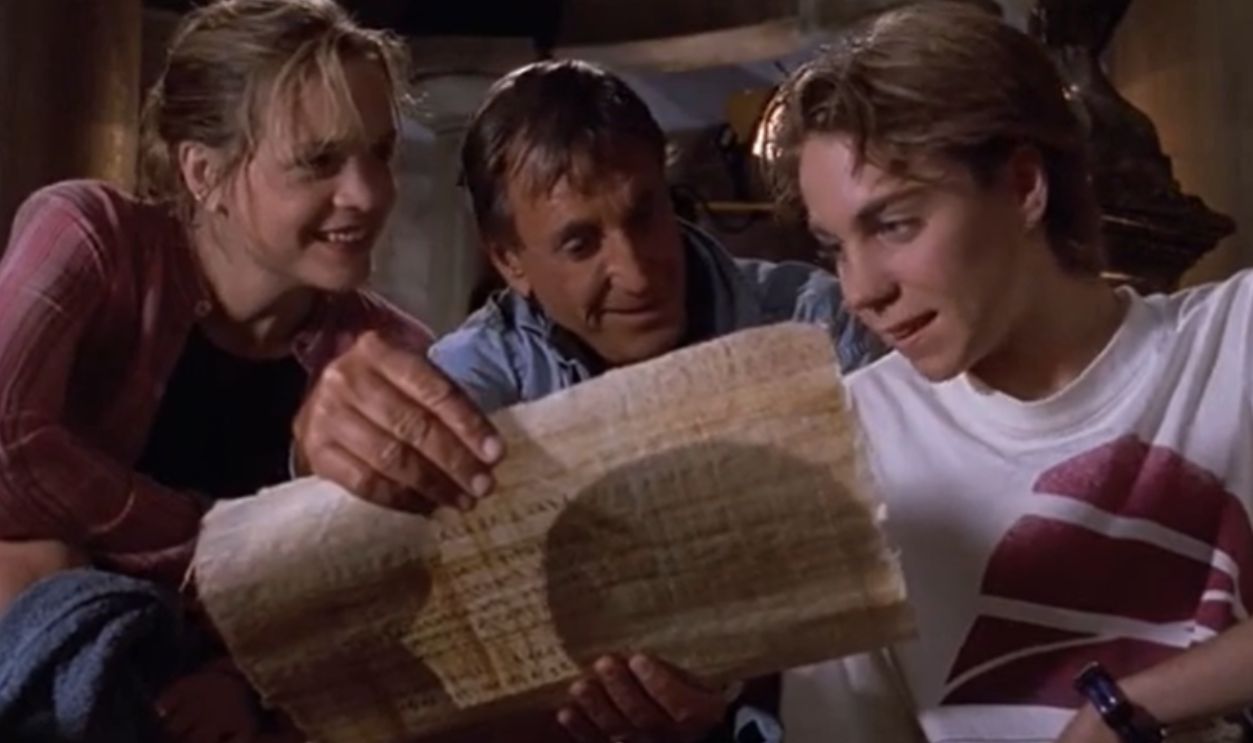 Universal Television, SeaQuest DSV (1993–1996)
Surface (2005–2006)
A mysterious species rising from the ocean seemed destined for water-cooler buzz. The pilot drew attention; however, by midseason, the show shifted toward soap plots and cartoonish monsters. Oddly, one subplot about genetically engineered creatures eerily foreshadowed real debates on synthetic biology.
 NBC-TV network, Surface (2005–2006)