The Spinoff Decade
Television in the 1970s produced an extraordinary number of spinoffs. Whenever audiences embraced a supporting character, networks naturally wondered whether that character could carry another series. Sometimes it produced a classic. Other times, viewers were left scratching their heads and wondering why anyone thought the magic could be duplicated somewhere else.
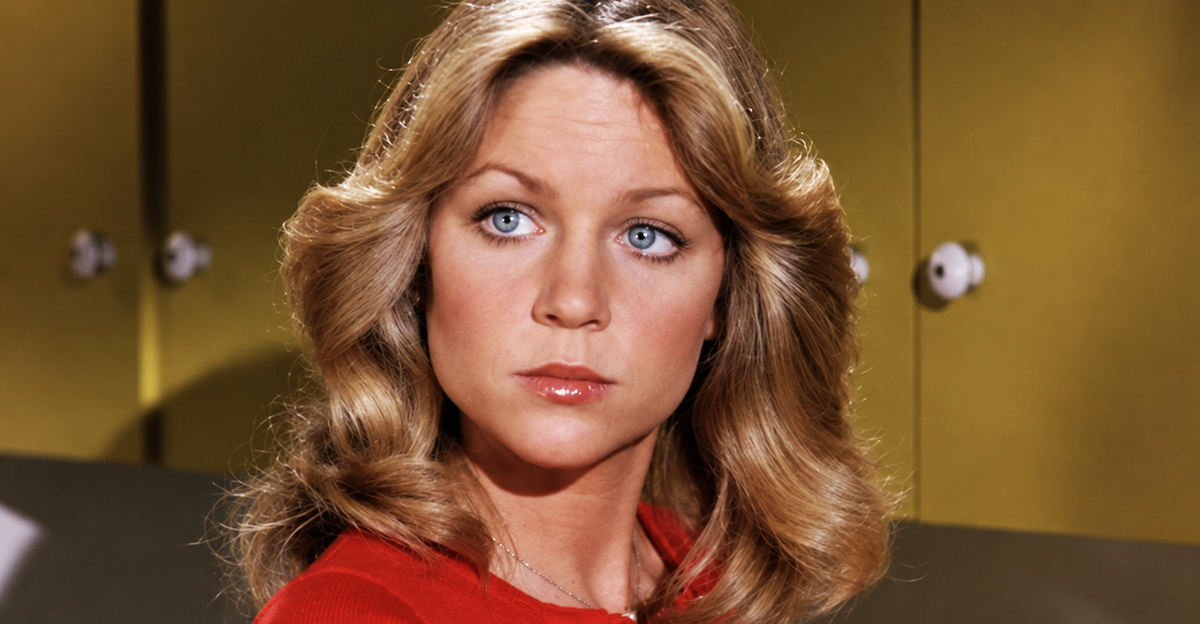
 Screenshot of Lisa Hartman in 'Tabitha' episode
Grady
Whitman Mayo's lovable Grady Wilson became popular enough on Sanford and Son to receive Grady in 1975. Grady moved to Westwood to live with his daughter and her family, with Joe Morton and Haywood Nelson among the supporting cast. NBC canceled the series after only ten episodes.
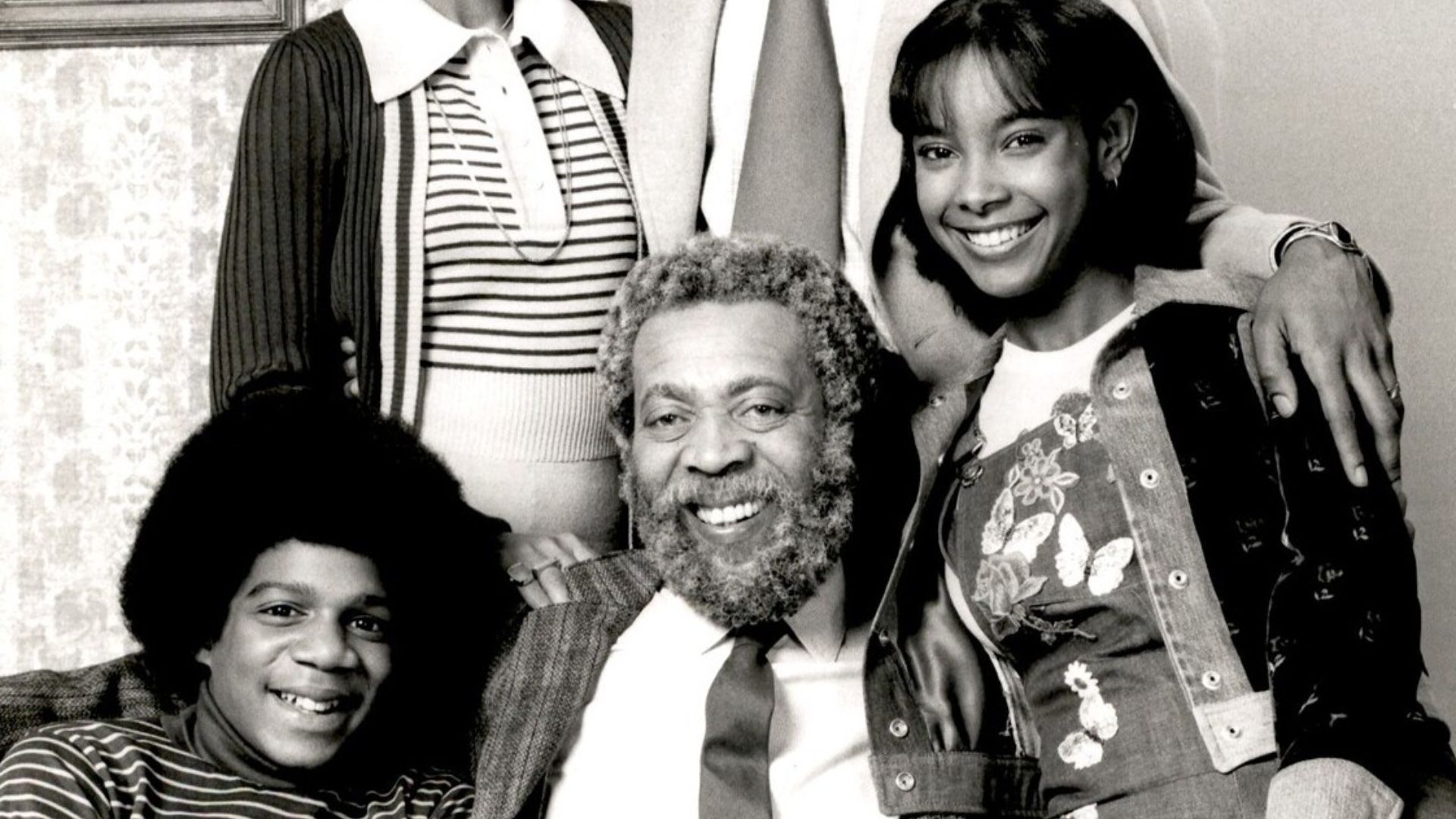 NBC Television, Wikimedia Commons
Fish
Abe Vigoda's perpetually exhausted Detective Phil Fish escaped the 12th Precinct when Barney Miller spawned Fish in 1977. Florence Stanley played his wife Bernice, while their home filled with foster children, including a young Todd Bridges. Unlike many forgotten spinoffs, Fish survived for two seasons and 35 episodes.
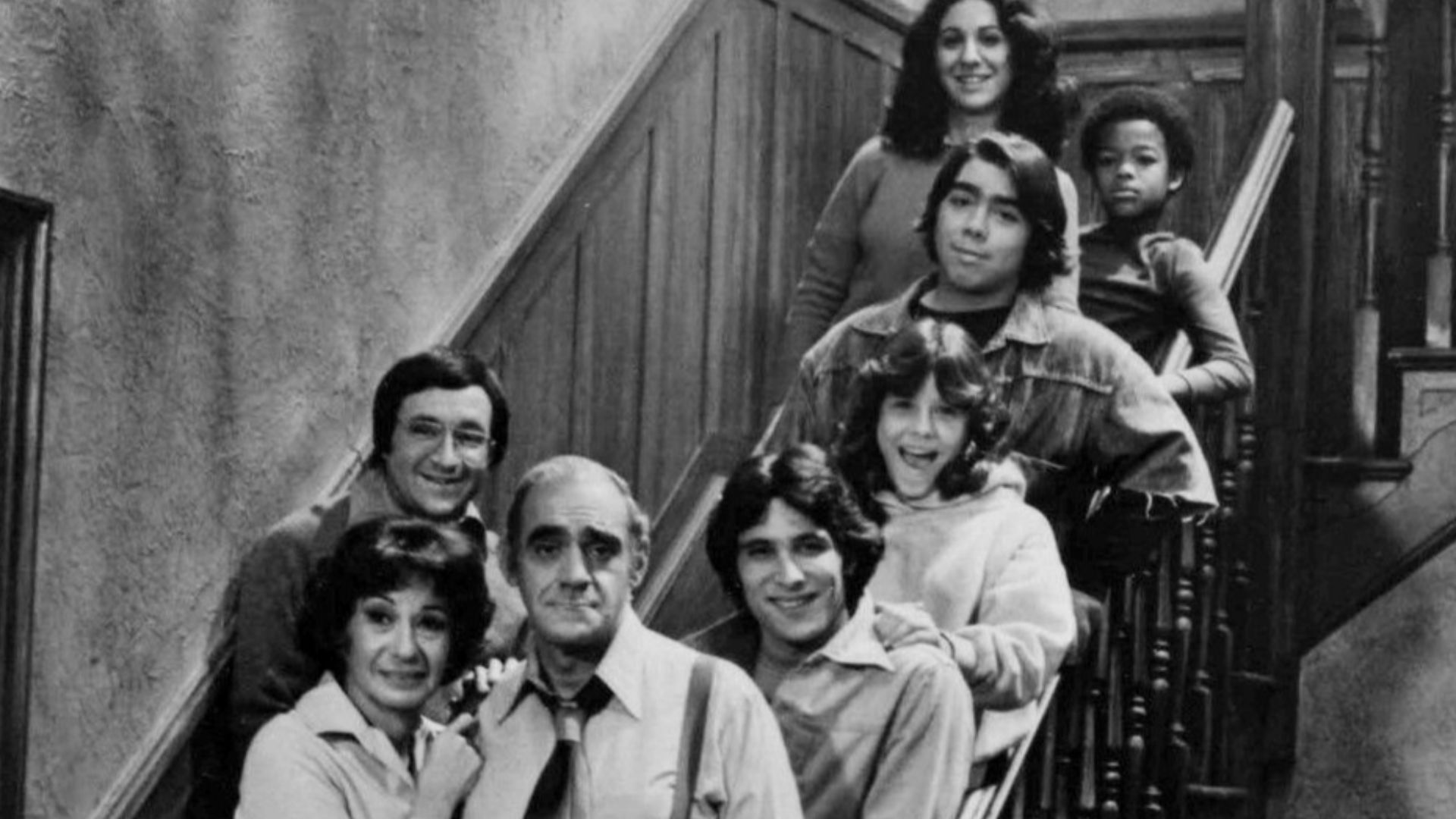 ABC Television, Wikimedia Commons
Blansky's Beauties
This one requires a flowchart. Nancy Walker appeared on Happy Days as Howard Cunningham's cousin Nancy Blansky, then immediately received Blansky's Beauties in 1977. Set in contemporary Las Vegas rather than the early-1960s setting of the Happy Days episode that introduced her, it featured Scott Baio, Pat Morita, Caren Kaye and Eddie Mekka, but lasted 13 episodes.
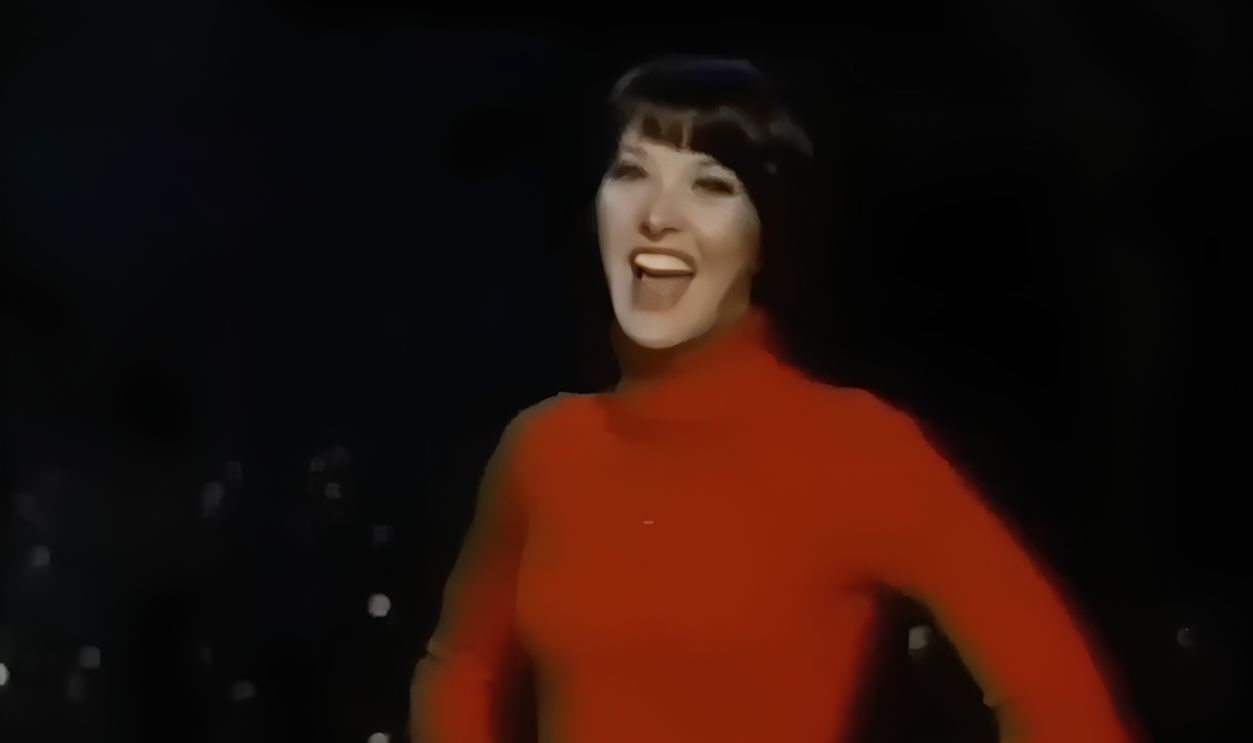 Screenshot from Blansky's Beauties, Paramount Television / ABC (1977)
Tabitha
Remember Samantha and Darrin's daughter from Bewitched? ABC aged her into a working woman for Tabitha in 1977, with Lisa Hartman playing the grown-up witch. Robert Urich co-starred as talk-show host Paul Thurston, while David Ankrum played brother Adam. The attempted second generation of Bewitched lasted only one season.
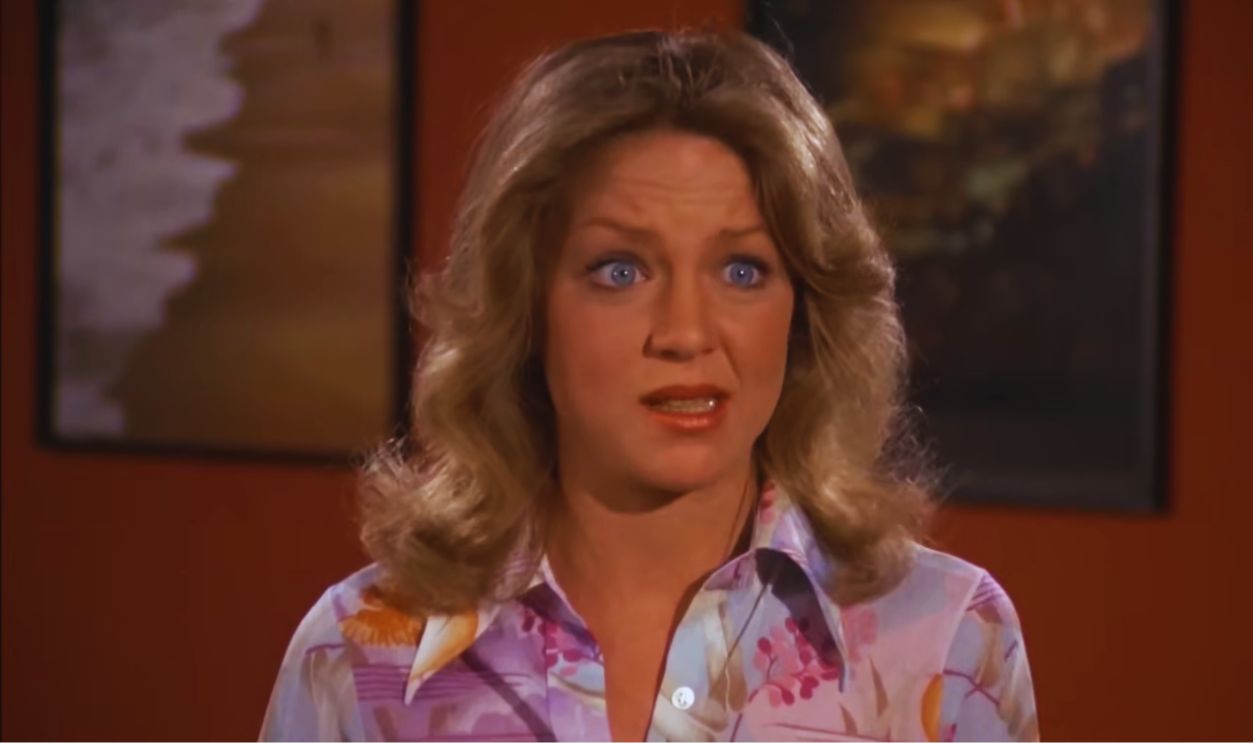 Screenshot from Tabitha, Columbia Pictures Television / ABC (1977–1978)
Sanford Arms
NBC tried salvaging the Sanford and Son universe again with Sanford Arms in 1977 after Redd Foxx and Demond Wilson departed. Teddy Wilson became new lead Phil Wheeler, while familiar faces including LaWanda Page, Whitman Mayo and Don Bexley appeared.
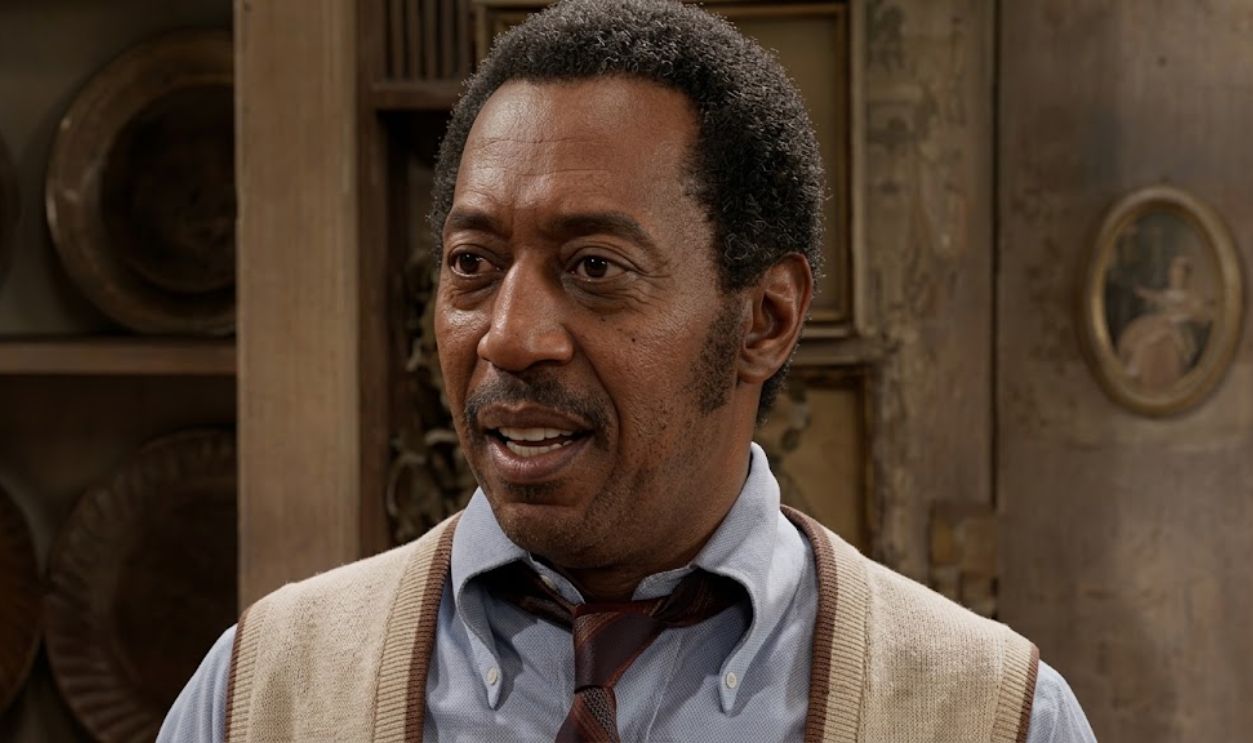 Screenshot from Sanford Arms, NBC (1977), Modified
The Ropers
Norman Fell and Audra Lindley were so funny as Stanley and Helen Roper on Three's Company that ABC gave them The Ropers in 1979. Jeffrey Tambor memorably played their snobbish neighbor Jeffrey Brookes. The show initially performed well, but a move to Saturday nights hurt it badly. Only 28 episodes were produced.
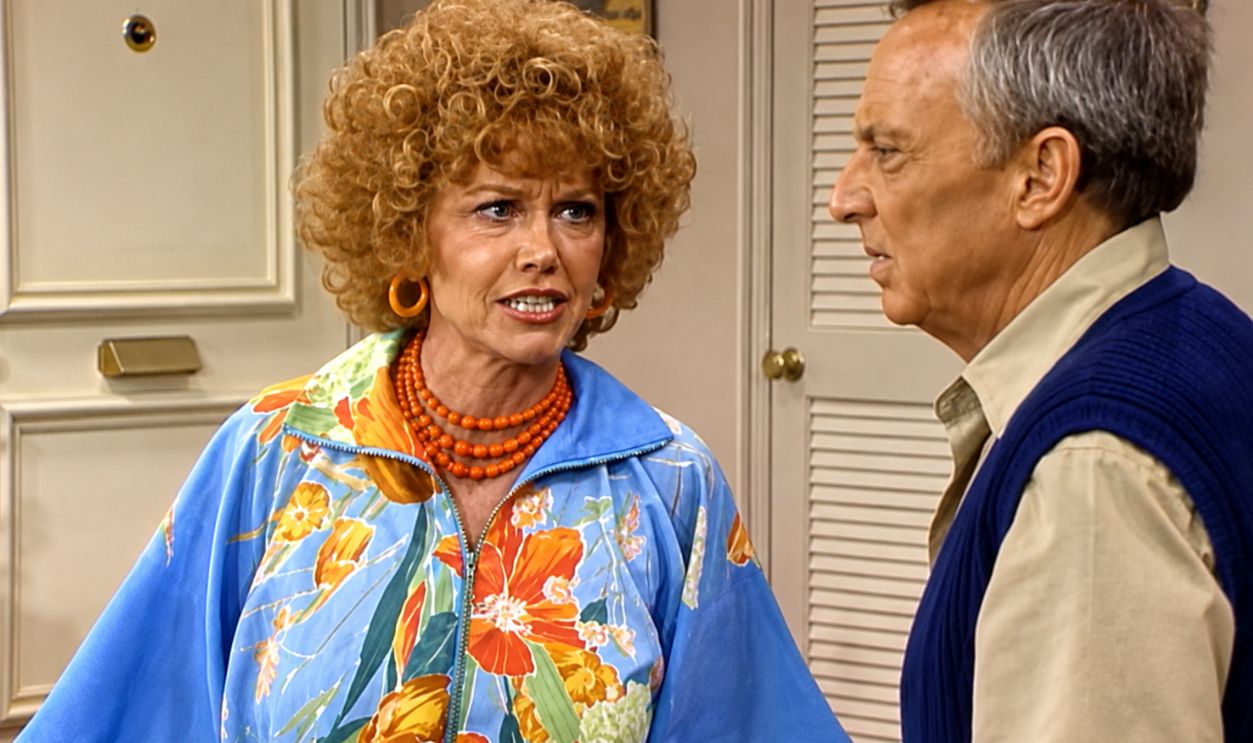 Screenshot from The Ropers, The Walt Disney Company (1979 -1980), enhanced
Phyllis
Cloris Leachman's Phyllis Lindstrom left Minneapolis for San Francisco when The Mary Tyler Moore Show spawned Phyllis in 1975. Barbara Colby initially co-starred as Julie Erskine before her tragic death, with Liz Torres subsequently joining the show. Despite strong initial ratings and Leachman's considerable talents, Phyllis lasted two seasons.
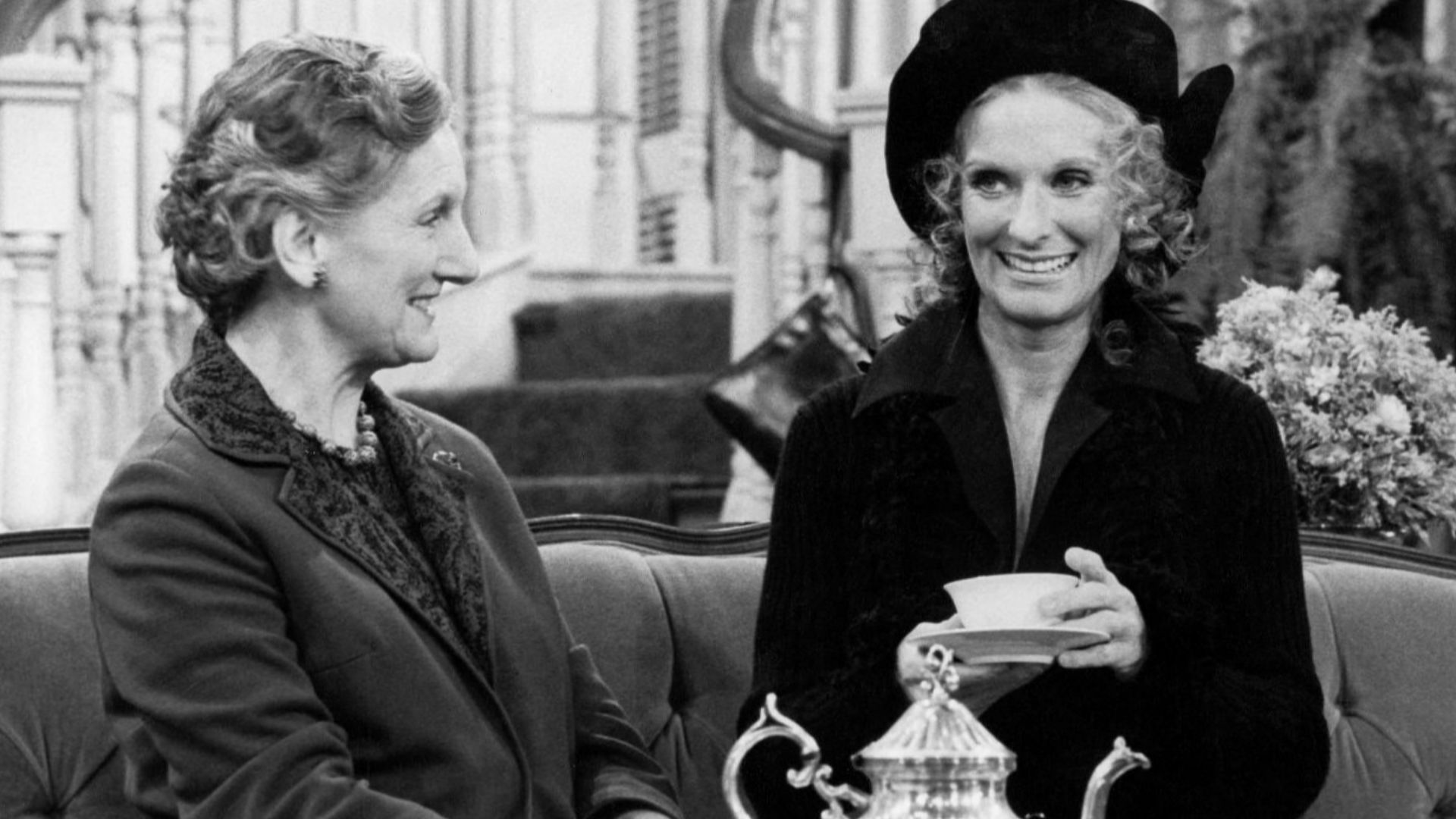 CBS Television, Wikimedia Commons
The Brady Bunch Hour
After The Brady Bunch ended, somebody decided what America needed was the Bradys hosting a variety show. The Brady Bunch Hour began with a 1976 special and became a series in 1977. Most of the original cast returned, although Geri Reischl replaced Eve Plumb as Jan. Only nine installments were made.
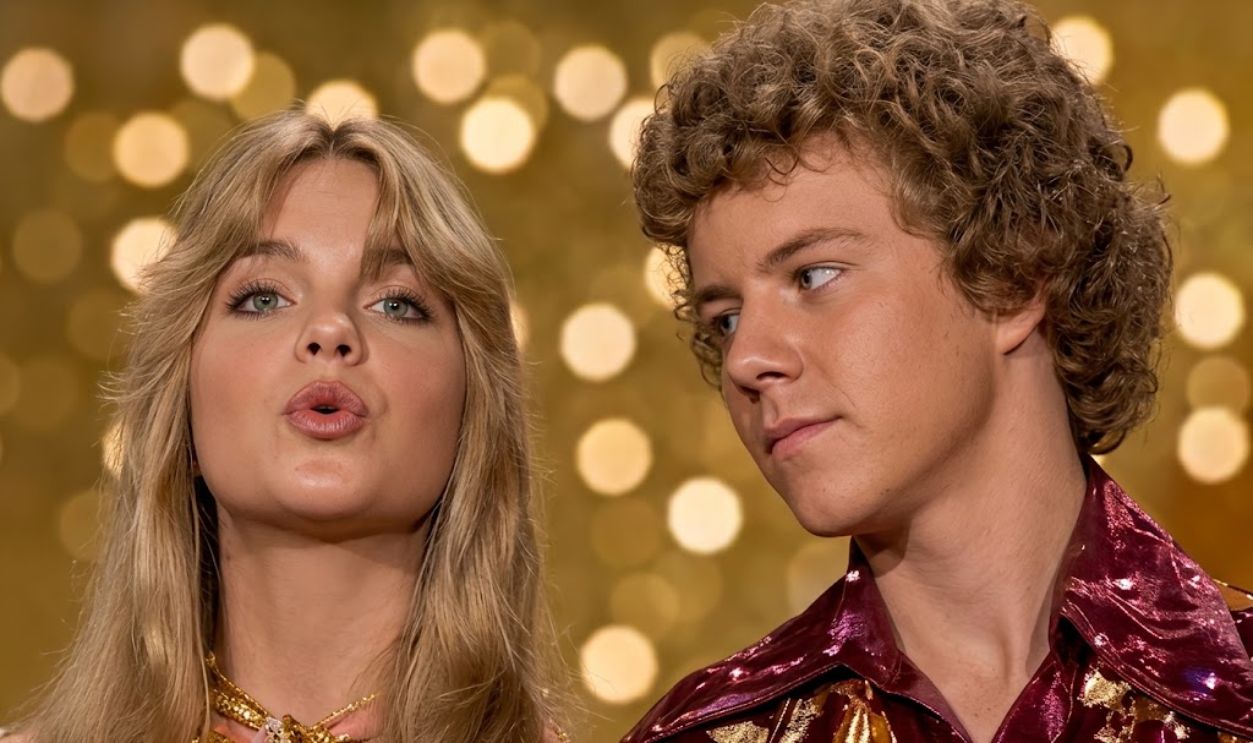 Screenshot from The Brady Bunch Hour, Paramount Television (1976-1977), Modified
Out Of The Blue
Was Out of the Blue really a Happy Days spinoff? Fans have debated that question because the 1979 sitcom actually premiered before the Happy Days episode featuring its central character aired. Jimmy Brogan played angel Random, while Dixie Carter co-starred as Marion. ABC quickly pulled it from the schedule. Twelve episodes were produced, but only eight ultimately aired on the network.
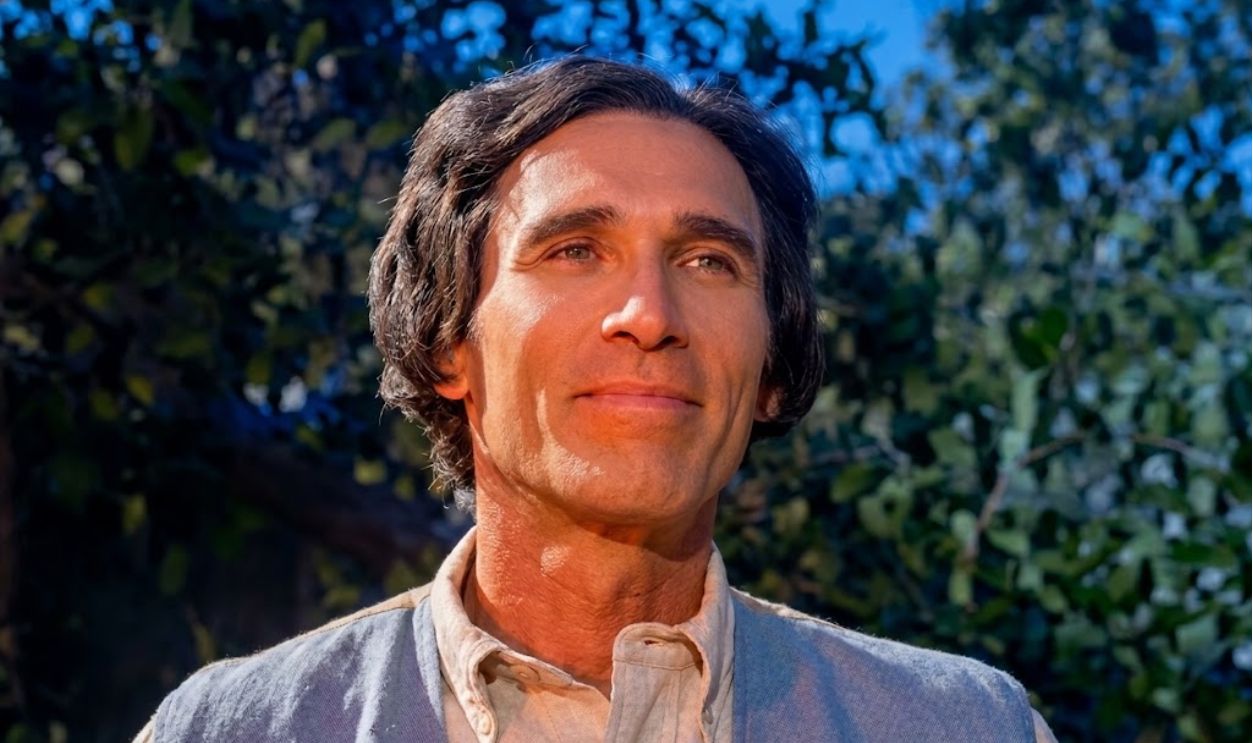 Screenshot from Out of the Blue, Paramount Television (1979), Modified
Mrs. Columbo
NBC took a character viewers had famously never seen and built an entire show around her in 1979. Kate Mulgrew starred in Mrs. Columbo as the detective's wife, Kate, a newspaper reporter solving mysteries herself. Peter Falk never appeared, and repeated title and format changes couldn't save the 13-episode experiment.
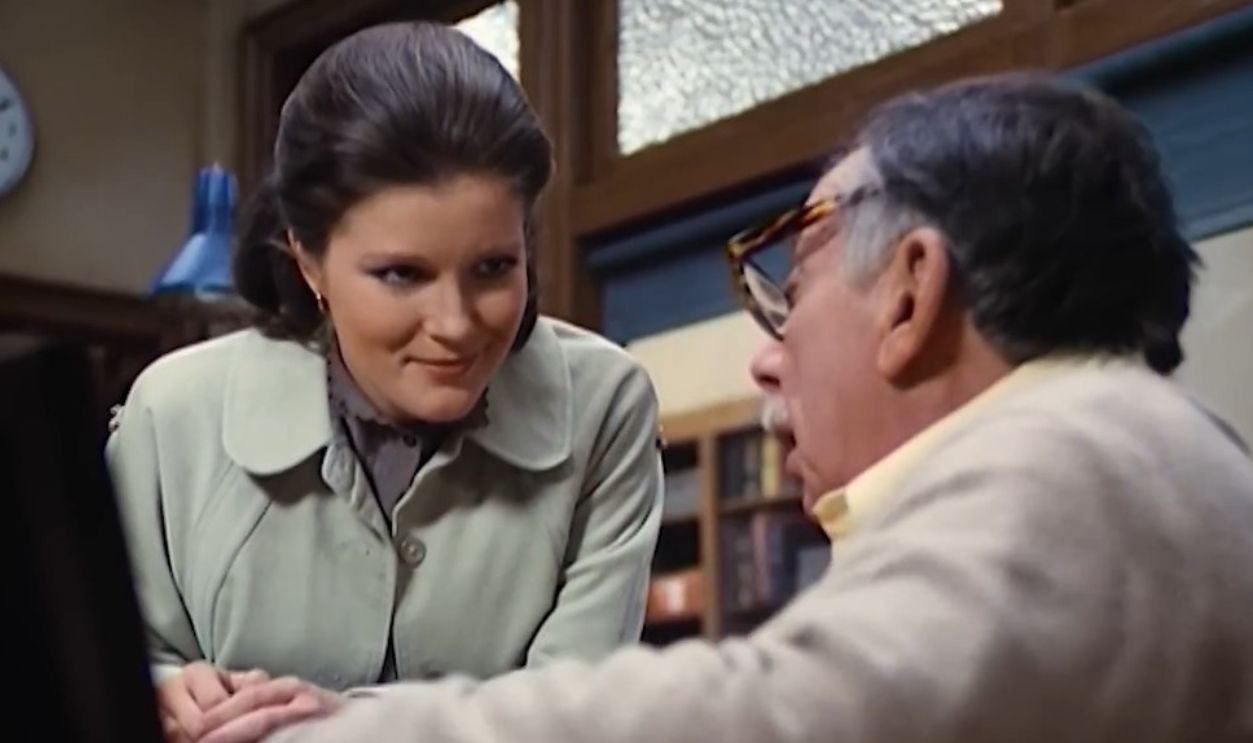 Screenshot from Mrs. Columbo, NBC (1979-1980)
Hello, Larry
McLean Stevenson returned to sitcoms in 1979 as Portland radio host Larry Alder in Hello, Larry. NBC connected it to Diff'rent Strokes by establishing Larry (McLean Stevenson) and Philip Drummond (Conrad Bain) as old Army buddies and staging crossovers between the programs. Technically, however, Hello, Larry began independently rather than as a true Diff'rent Strokes spinoff.
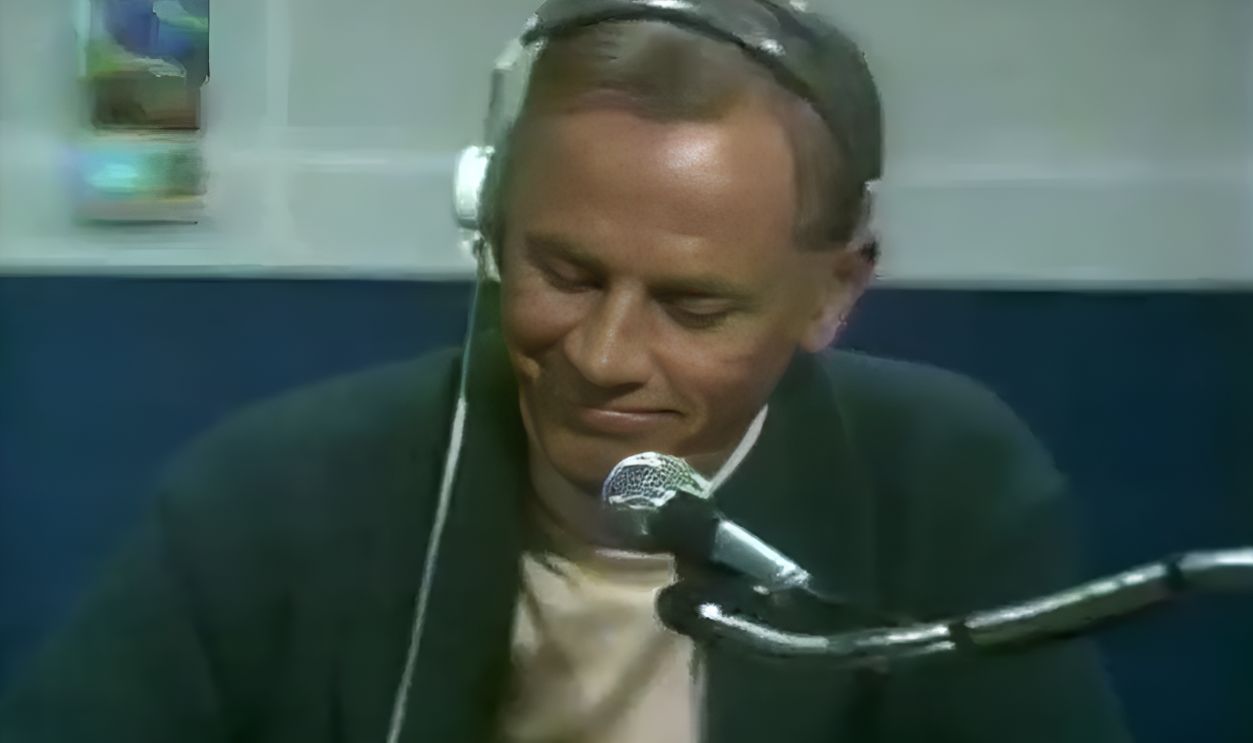 Screenshot from Hello, Larry, NBC (1979–1980), Modified
Logan's Run
MGM tried extending Logan's Run (1976) into television with CBS's Logan's Run in 1977. Gregory Harrison replaced Michael York as Logan 5, Heather Menzies played Jessica 6, and Donald Moffat joined them as android Rem. Their search for Sanctuary lasted just 14 episodes before the futuristic runners stopped running.
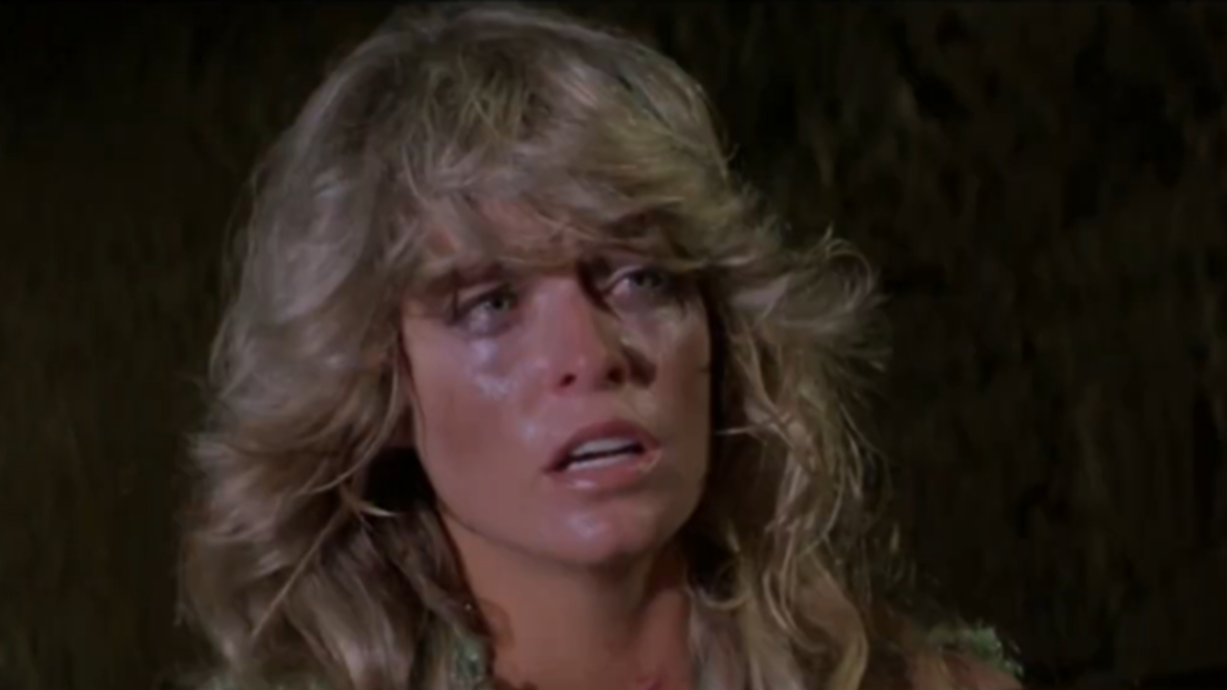 Screenshot from Logan's Run, Metro-Goldwyn-Mayer (1976)
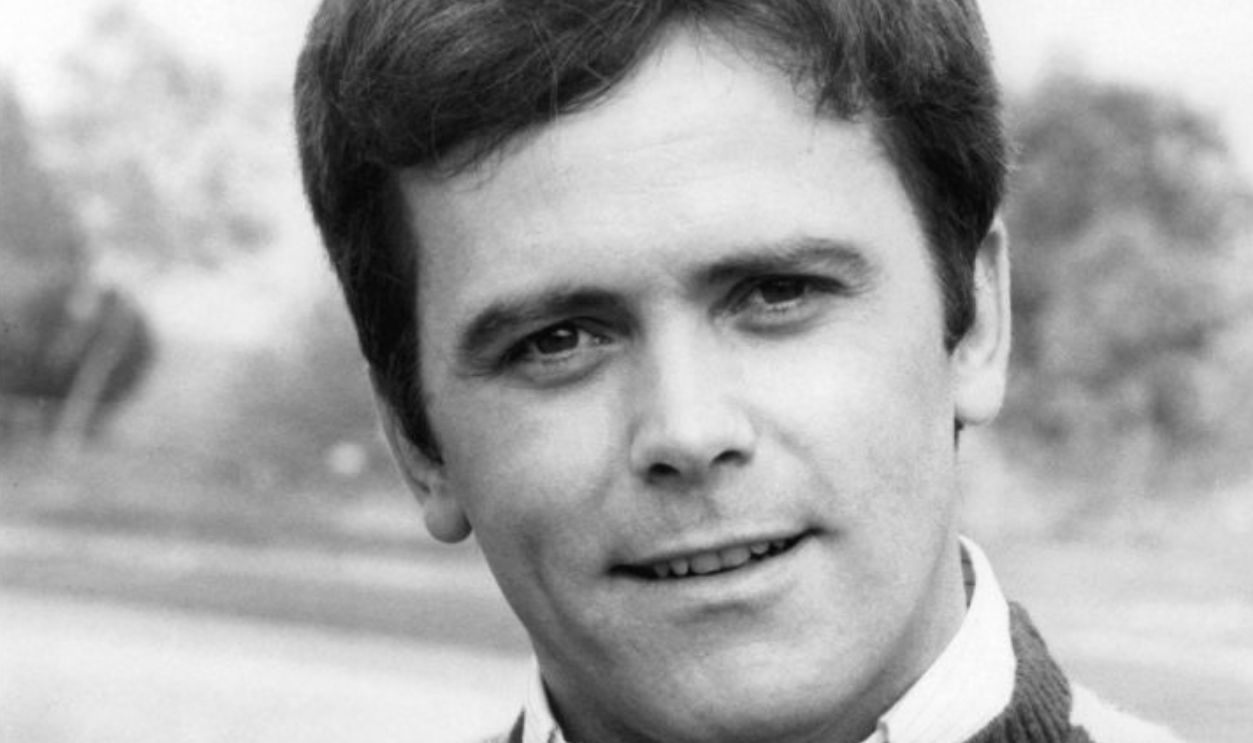
Delta House
The enormous success of National Lampoon's Animal House (1978) inevitably reached television. ABC's Delta House debuted in 1979, with John Vernon, Stephen Furst, Bruce McGill and James Widdoes reprising their movie roles. Despite that unusual continuity and Ivan Reitman's involvement as executive producer, the Faber College sitcom disappeared after only 13 episodes.
 Michael Ochs Archives, Getty Images
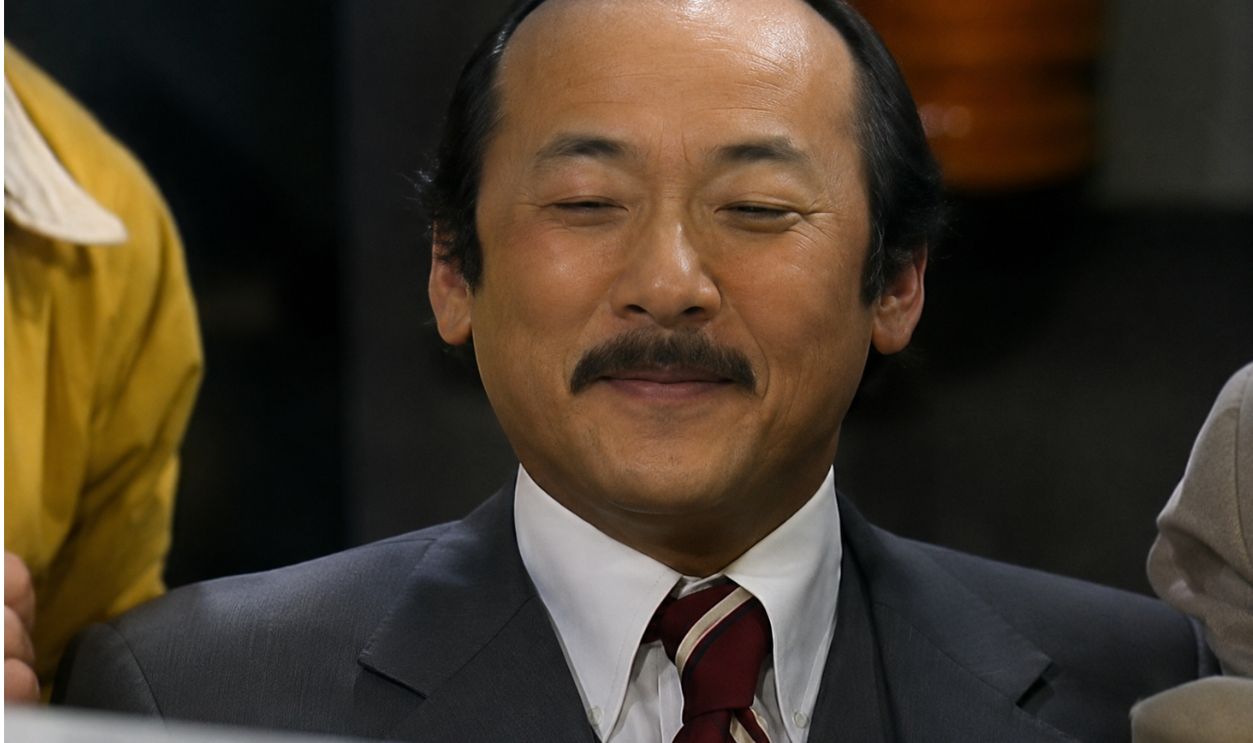
Mr. T And Tina
Before Mr. Miyagi, Pat Morita played inventor Taro Takahashi in a 1976 Welcome Back, Kotter episode designed to introduce Mr. T and Tina. Susan Blanchard co-starred as the American governess caring for his children. Nine episodes were produced, but ABC aired only five before pulling one of television's earliest predominantly Asian-American sitcoms.
 Screenshot from Mr. T and Tina, ABC (1976), Modified
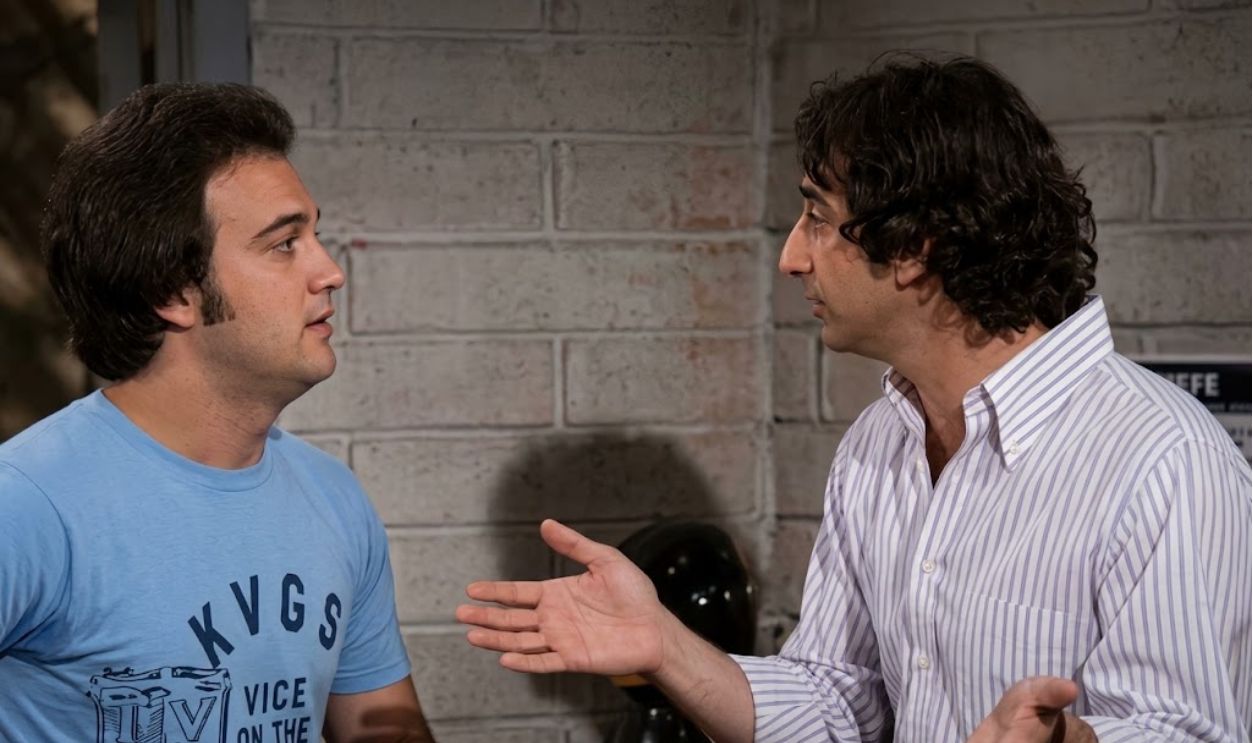
Who's Watching The Kids?
This one's family tree is wonderfully messy. Garry Marshall's Who's Watching the Kids? arrived in 1978 with Scott Baio, Caren Kaye and Lynda Goodfriend, all veterans of the failed Blansky's Beauties, although they played different characters. Baio was simultaneously playing Chachi on Happy Days. Fifteen installments are generally counted, including the earlier pilot, with nine episodes airing during the regular NBC run.
 Screenshot from Who's Watching the Kids, NBC (1978), Modified
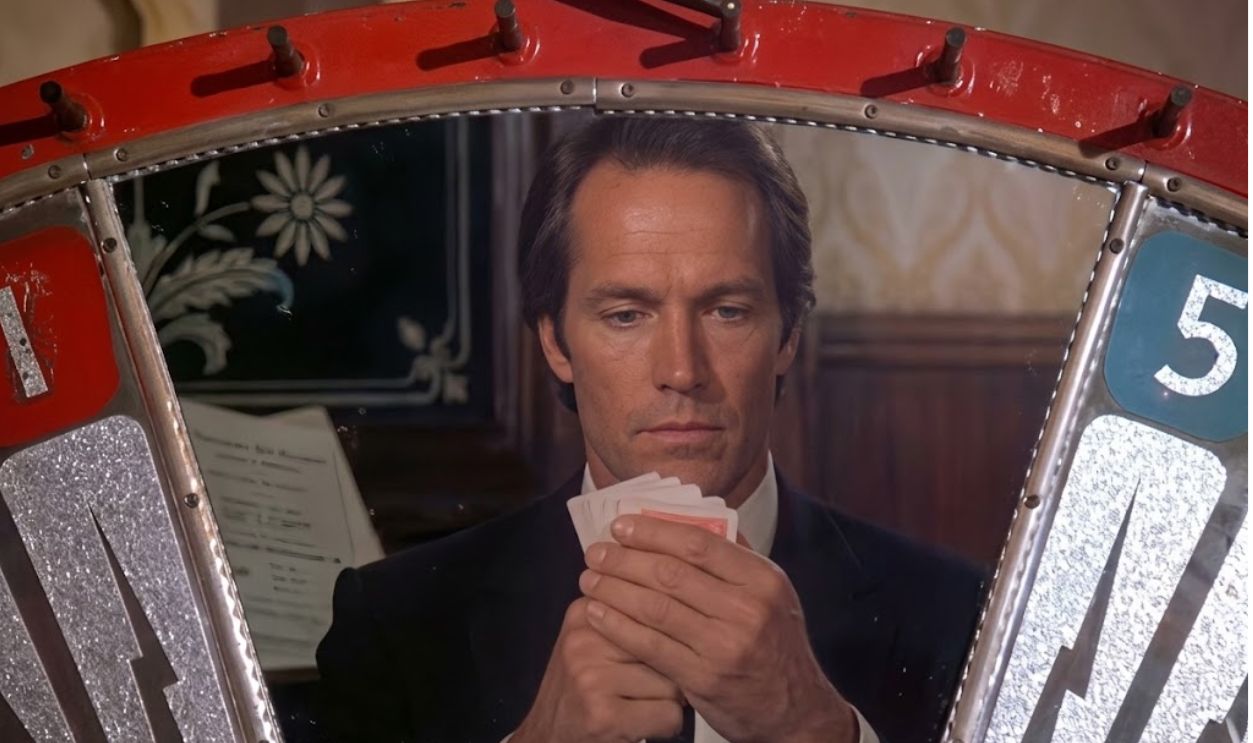
Young Maverick
More sequel than conventional spinoff, Young Maverick attempted to revive the classic Western franchise in 1979. Charles Frank played gambler Ben Maverick, a relative of James Garner's Bret, while Frank's real-life wife Susan Blanchard played Nell. Eight episodes were produced, but CBS canceled the series after a short run in January 1980.
 Screenshot from Young Maverick, Warner Bros. Television (1979), Modified
Galactica 1980
We're cheating by a few weeks here, but it's too strange to leave out. Galactica 1980 arrived in January 1980 as a continuation of 1978's Battlestar Galactica. Lorne Greene returned as Adama, while Kent McCord and Barry Van Dyke became Troy and Dillon. The Galactica finally reached Earth, but ABC canceled the revival after ten episodes.
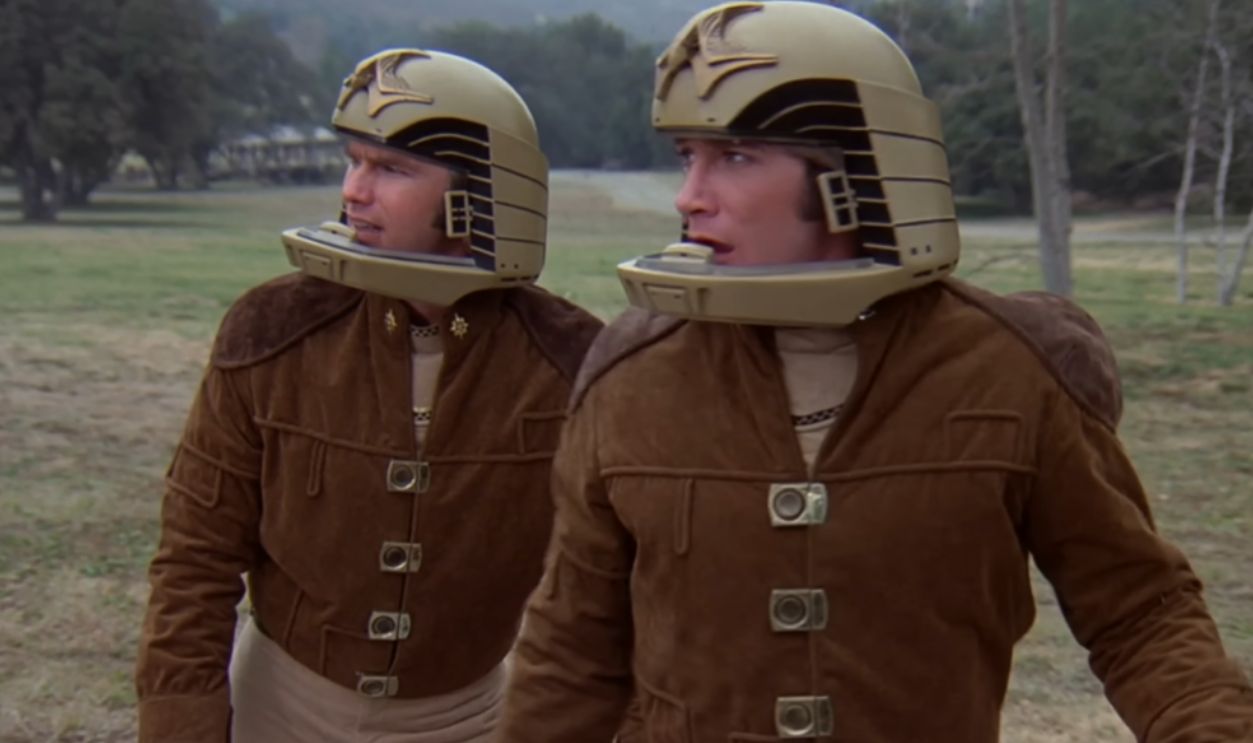 Screenshot from Galactica 1980, Universal Television (1980)
Familiarity Wasn't Enough
So why did so many spinoffs disappear? A popular supporting character doesn't automatically make a compelling lead. Grady Wilson and the Ropers worked wonderfully as characters bouncing off stronger protagonists. Building an entire weekly story around someone originally designed to provide comic relief could expose limitations audiences hadn't noticed before.
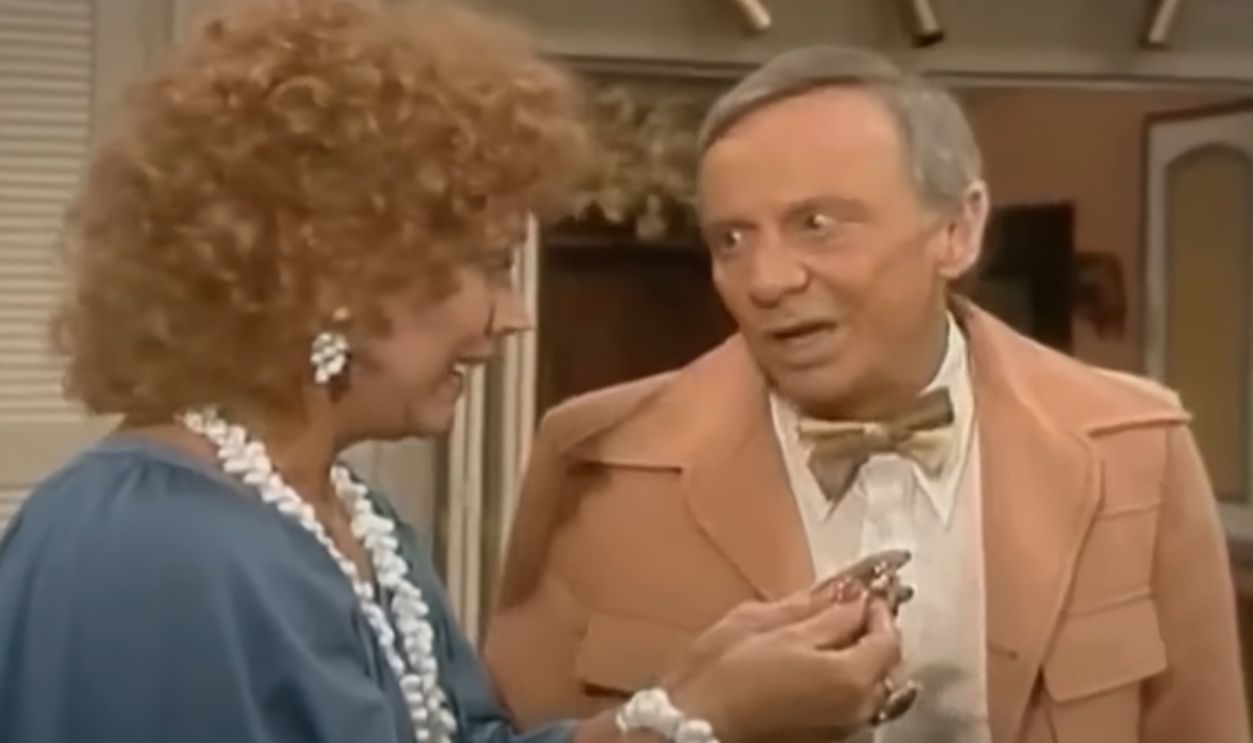 Screenshot from The Ropers, ABC (1979–1980)
The Missing Chemistry
Television audiences often fall in love with combinations rather than individual characters. Remove Fred Sanford from Grady's world or Jack, Janet and Chrissy from the Ropers' orbit and the chemistry changes completely. A spinoff could retain a familiar face while accidentally discarding the relationships that made viewers care about that character.
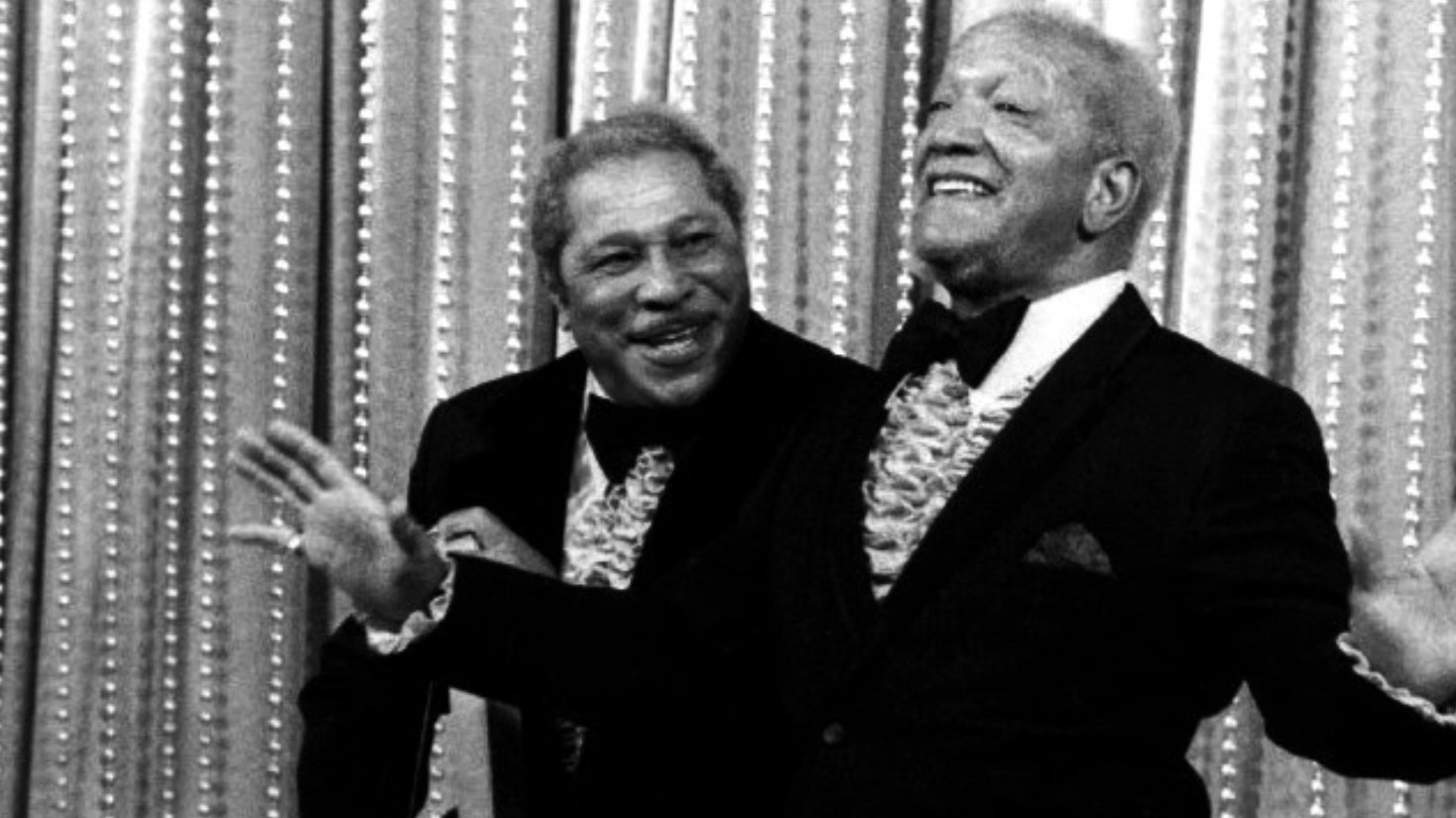 NBC Television, Wikimedia Commons
Timeslots Could Kill
Even a promising show could be damaged by scheduling. The Ropers demonstrates the danger particularly well. After initially performing strongly behind Three's Company in 1979, ABC moved it to Saturday night for its second season. The audience declined, illustrating just how much a successful lead-in could matter.
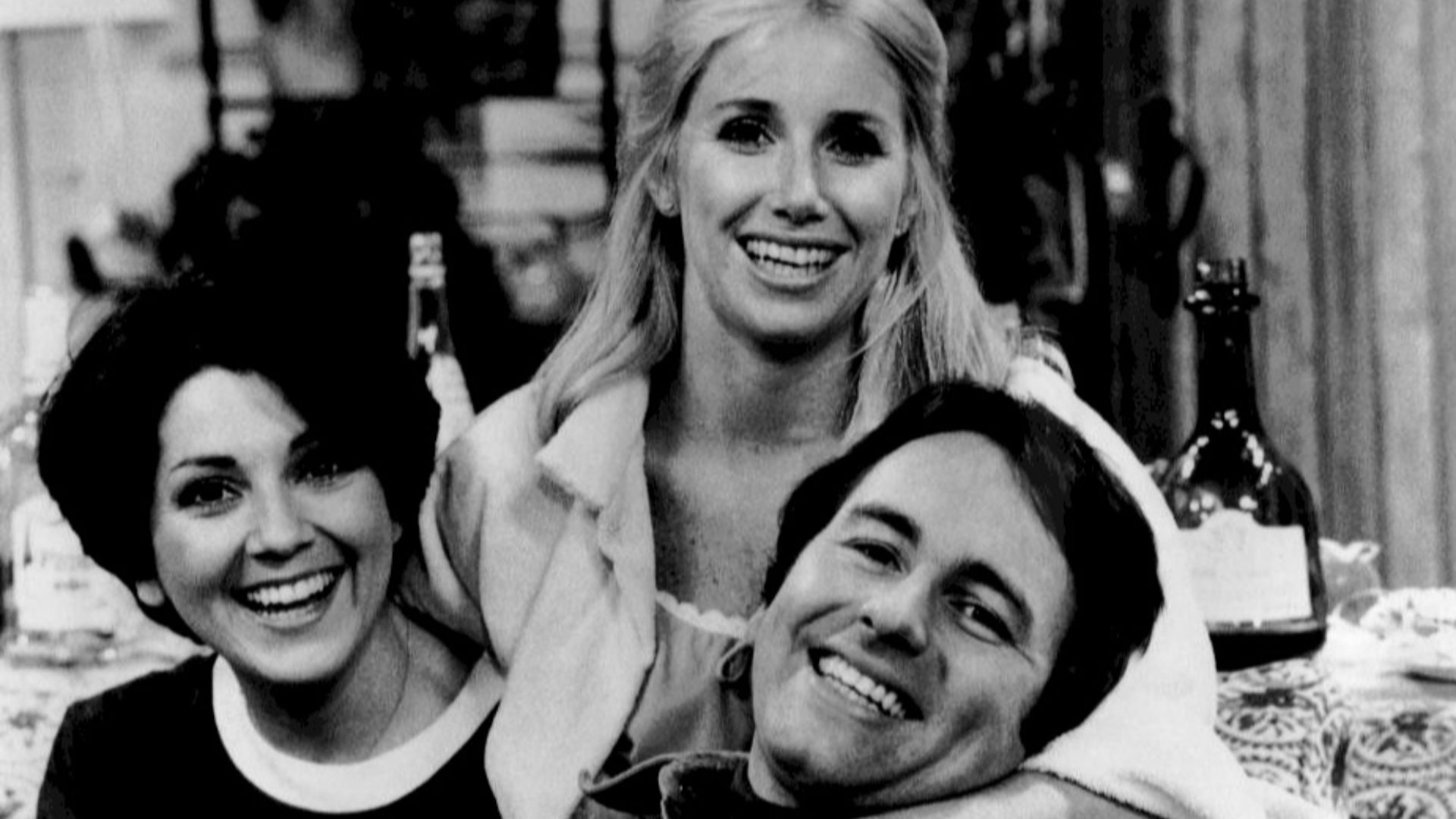 ABC Television, Wikimedia Commons
Too Much Too Soon
Networks sometimes treated a popular character as a franchise before viewers had actually demanded more. Blansky's Beauties premiered just eight days after Nancy Blansky's Happy Days introduction. Rather than allowing audiences to become attached to her gradually, ABC essentially introduced the character and her spinoff almost simultaneously.
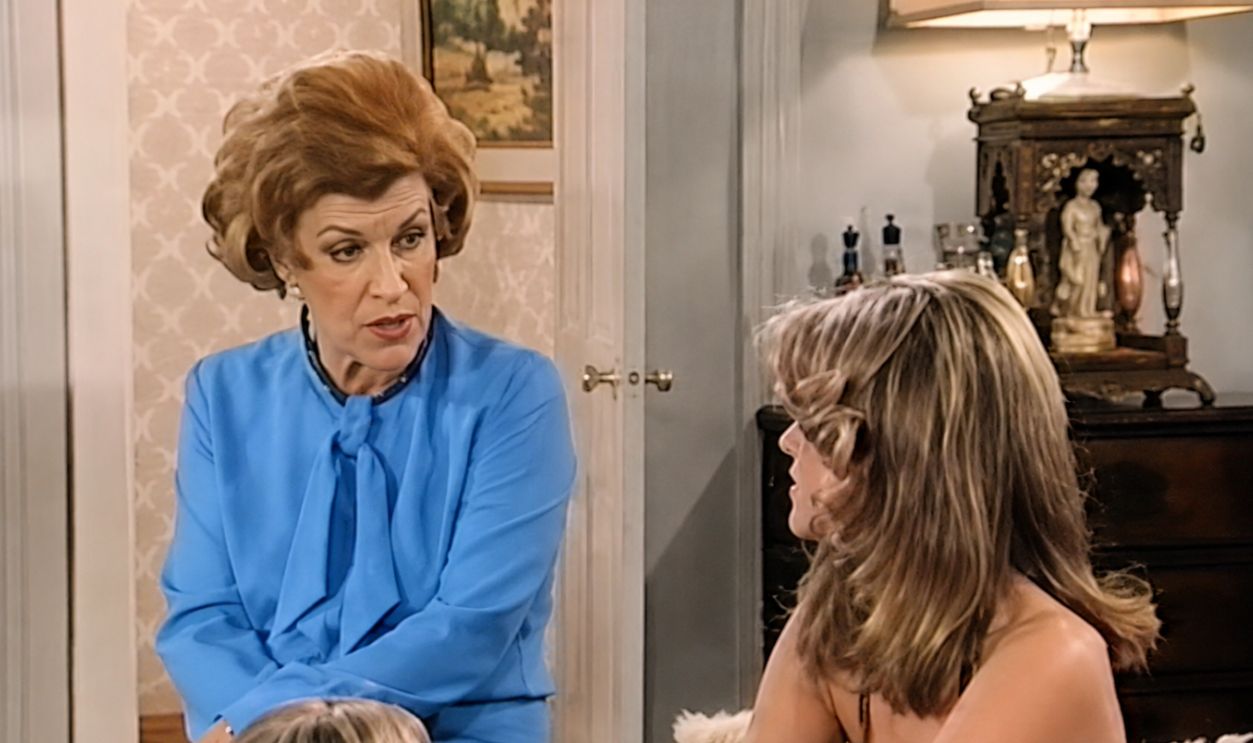 Screenshot from Blansky's Beauties, Paramount Television (1977), Modified
A Confusing Connection
A spinoff should ideally make its relationship to the parent series easy to understand. Blansky's Beauties managed the opposite: Nancy appeared in the early-1960s-set Happy Days looking exactly as she did in a series taking place in 1977. Eddie Mekka even played a different character while simultaneously appearing on Laverne & Shirley.
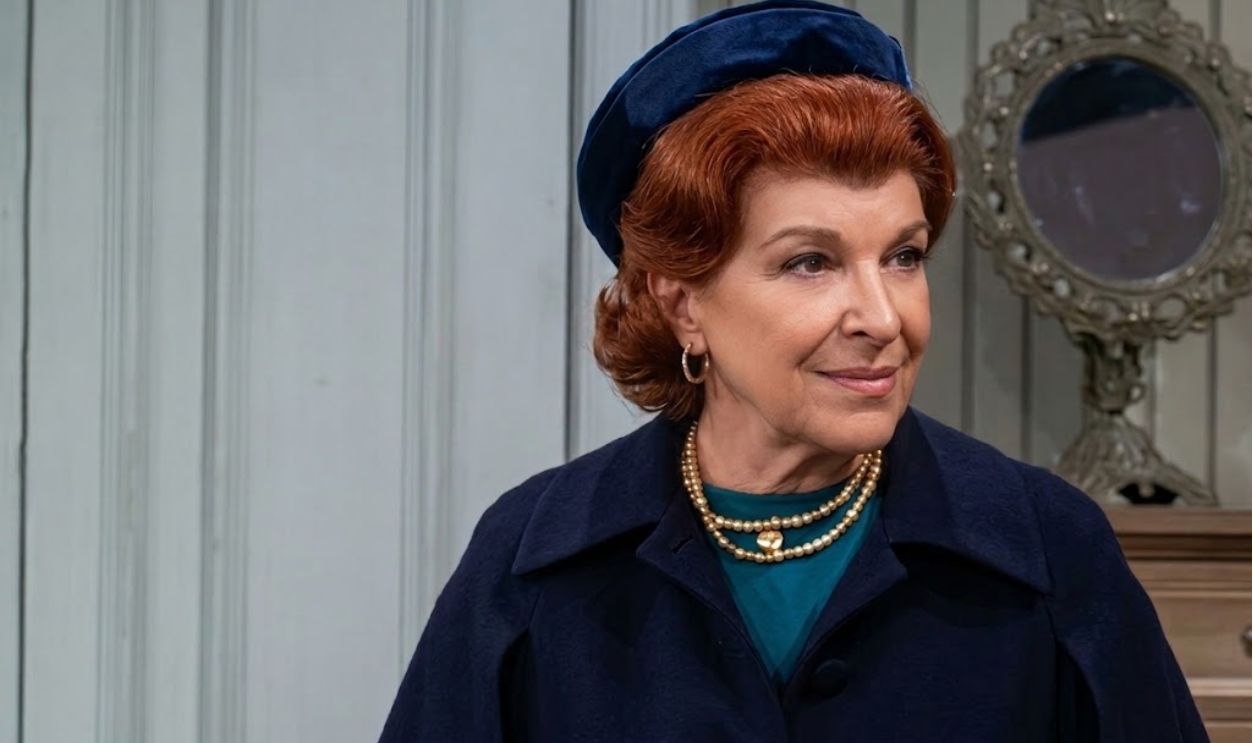 Screenshot from Blansky's Beauties, Paramount Television (1977), Modified
The Name Wasn't Enough
Ultimately, viewers weren't obligated to watch something merely because they recognized a character. Sanford Arms demonstrated the danger dramatically in 1977. NBC retained the Sanford setting and several supporting players but lost Redd Foxx and Demond Wilson. Audiences stayed away, and only four produced episodes reached the air.
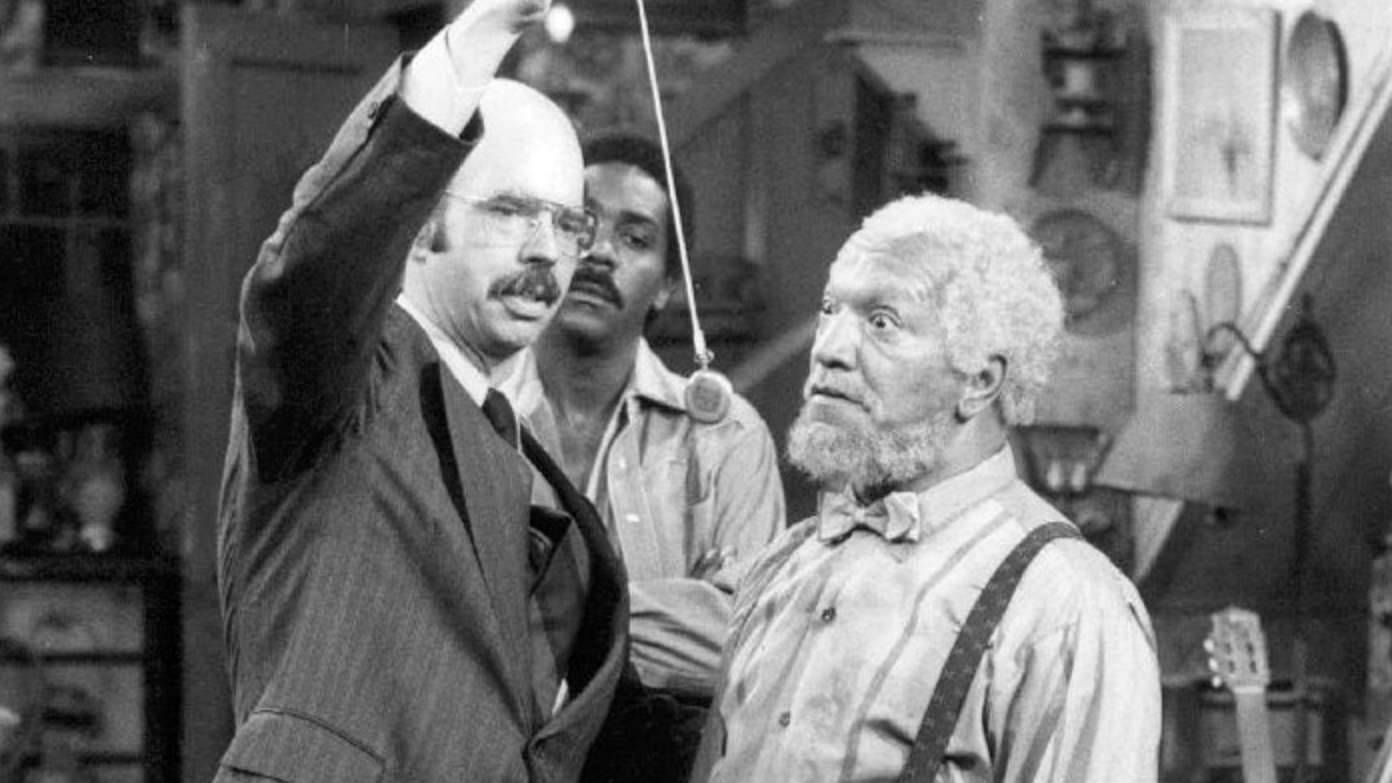 NBC Television, Wikimedia Commons
You May Also Like:
The 30 Worst TV Spin-Offs Of All Time—And 10 Of The Best
TV Western Characters Who Deserved Their Own Spinoffs. How Many Do You Remember?
TV Spinoffs From The 1980s That No One Remembers—Seriously, Do You Remember Even 3?