Catch Them If You Can
Network television in the 70s loved a catchphrase almost as much as it loved a laugh track. Give a character one odd line, repeat it every week, and somebody in a suit probably started planning the lunchbox.
Sure, some of those catchphrases were “Dy-no-mite!” and caught on like wildfire. Others, however, had their fires put out pretty quickly.
“I Still Got It!” (“Happy Days”)
Fonzie got “Ayyy.” Ralph Malph got this. After a joke landed with the force of a damp napkin, Ralph would proudly announce, “I still got it!” Don Most reportedly borrowed it from director Jerry Paris, and the show kept feeding it to him. America did not.
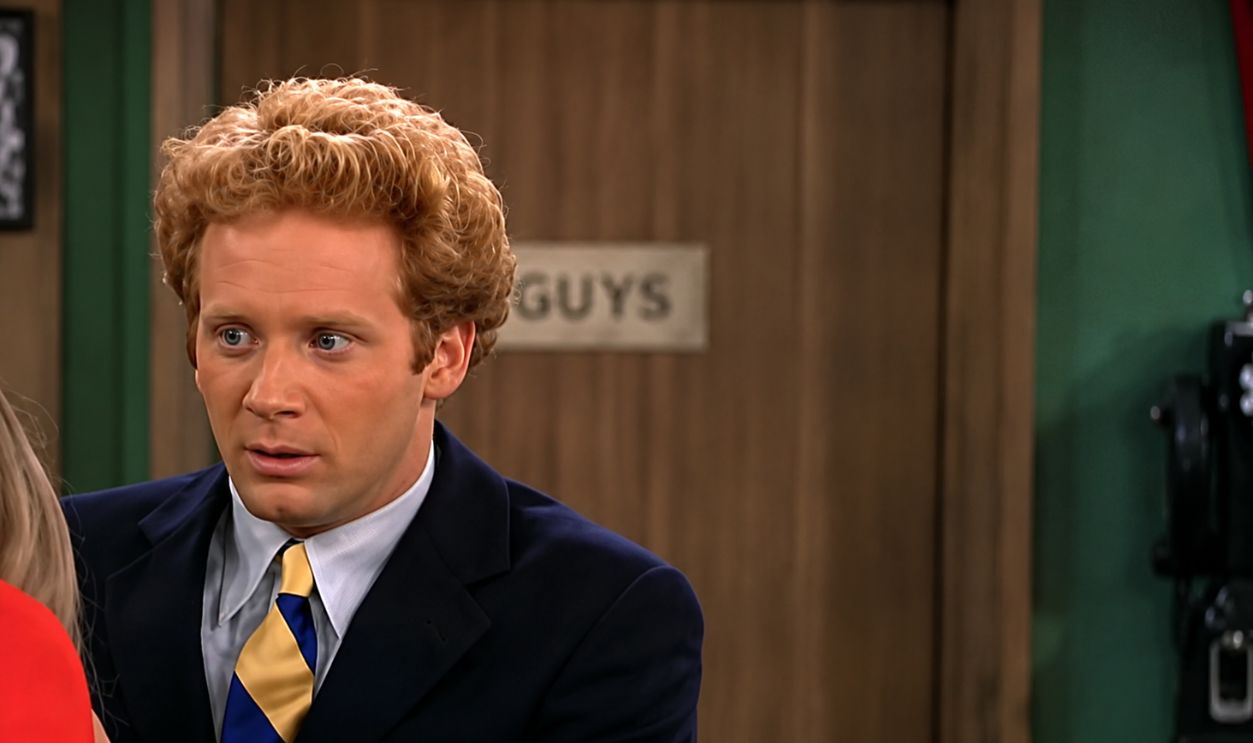 Screenshot from Happy Days, ABC (1974-1984), Modified
“God’ll Get You For That, Walter” (“Maude”)
Bea Arthur could make “God’ll get you for that, Walter” sound like a verdict handed down from the bench. It became Maude’s dependable last word whenever her husband pushed her too far. Viewers knew it immediately. They did not start outsourcing every marital disagreement to divine punishment.
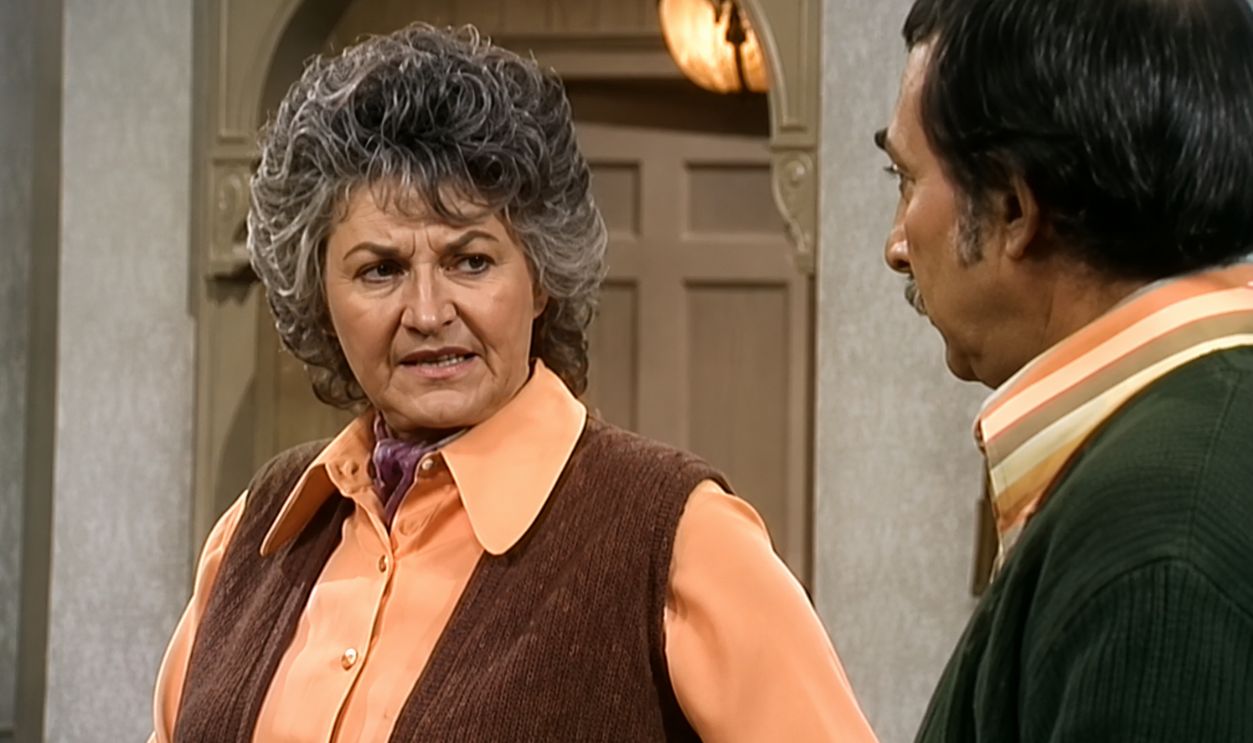 Screenshot from Maude, CBS (1972-1978), Modified
“Ooh! Ooh! Mr. Kotter!” (“Welcome Back, Kotter”)
Arnold Horshack did not merely raise his hand. He launched an emergency broadcast: “Ooh! Ooh! Ooh! Mr. Kotter!” Kids undoubtedly tried it at school. Then the teacher looked at them, the joke ended, and an entire generation quietly returned to raising one hand like civilized people.
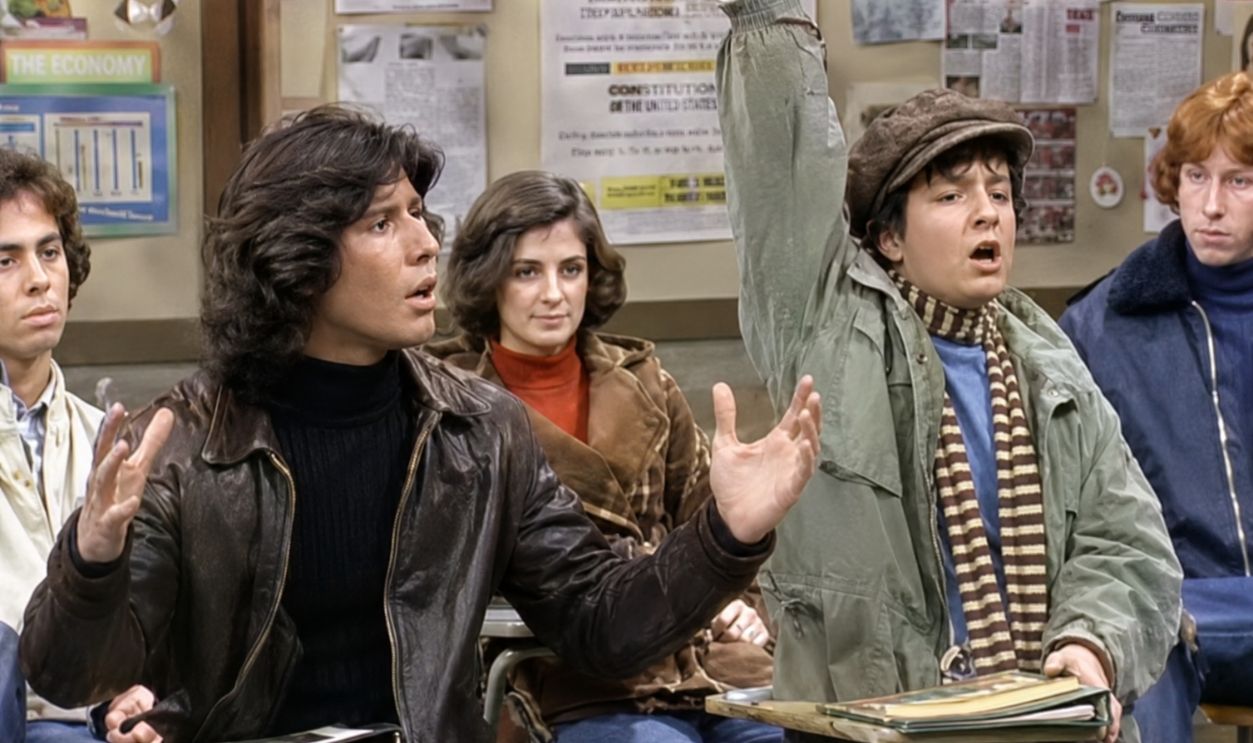 Screenshot from Welcome Back, Kotter, ABC(1975-1979), Modified
“How Would You Like One Across Yo Lip?” (“Sanford And Son”)
Fred Sanford had several lines that seemed designed to follow him beyond the junkyard. “How would you like one across yo lip?” came with the raised fist and all the ceremony of a weekly ritual. Funny from Redd Foxx. Considerably less charming when attempted by your uncle at Thanksgiving.
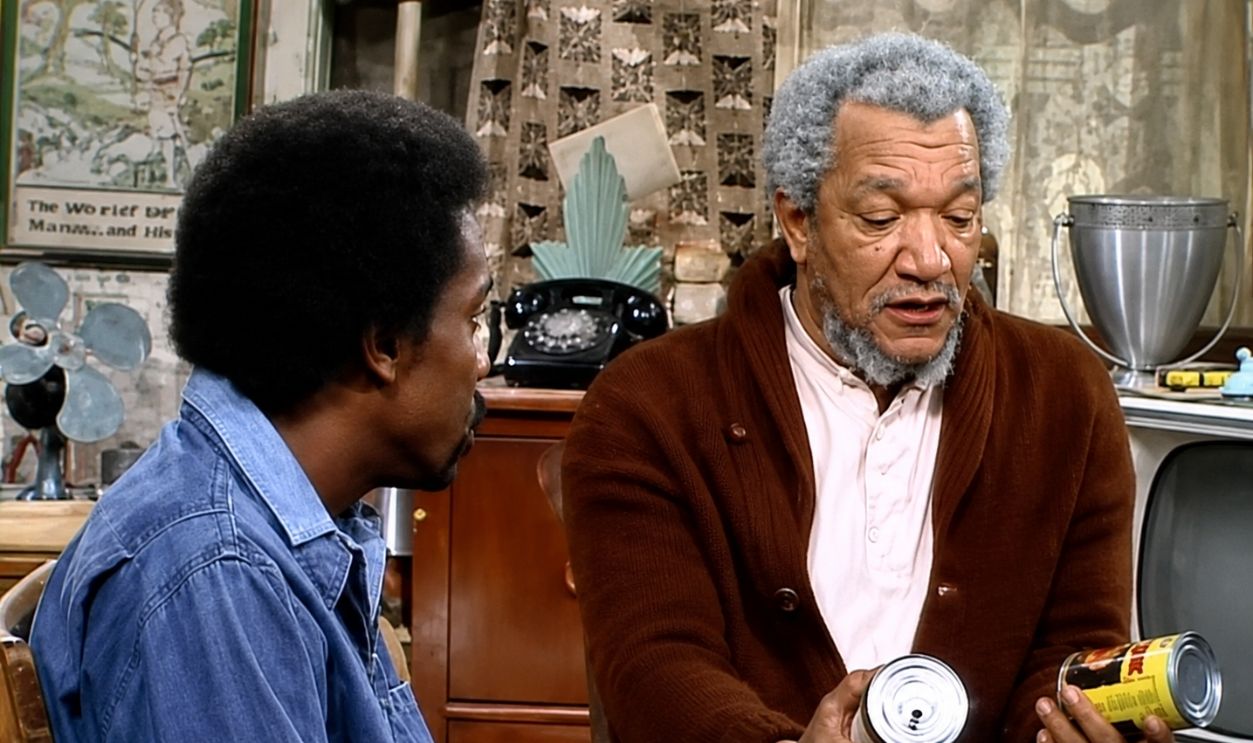 Screenshot from Sanford And Son, NBC (1972-1977), Modified
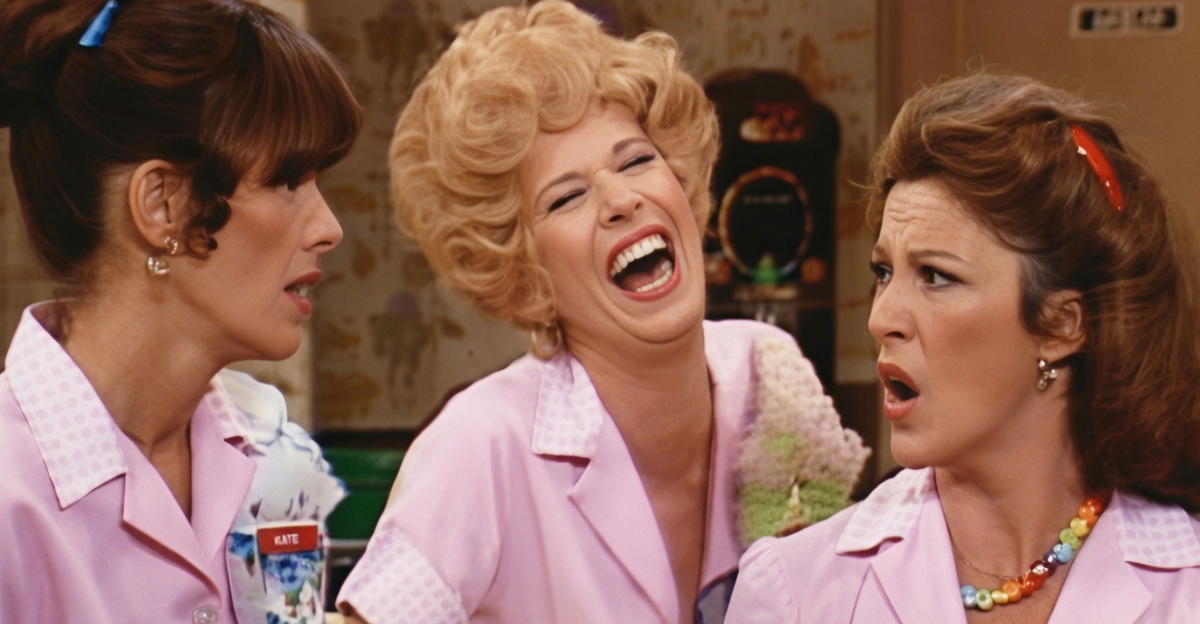
“When Donkeys Fly!” (“Alice”)
Flo had a genuine phenomenon with “Kiss my grits!” She also had “When donkeys fly!”—the catchphrase equivalent of the other single on an album with one enormous hit. Everyone remembered the first one. The follow-up spent the rest of its life hoping someone would flip the record over.
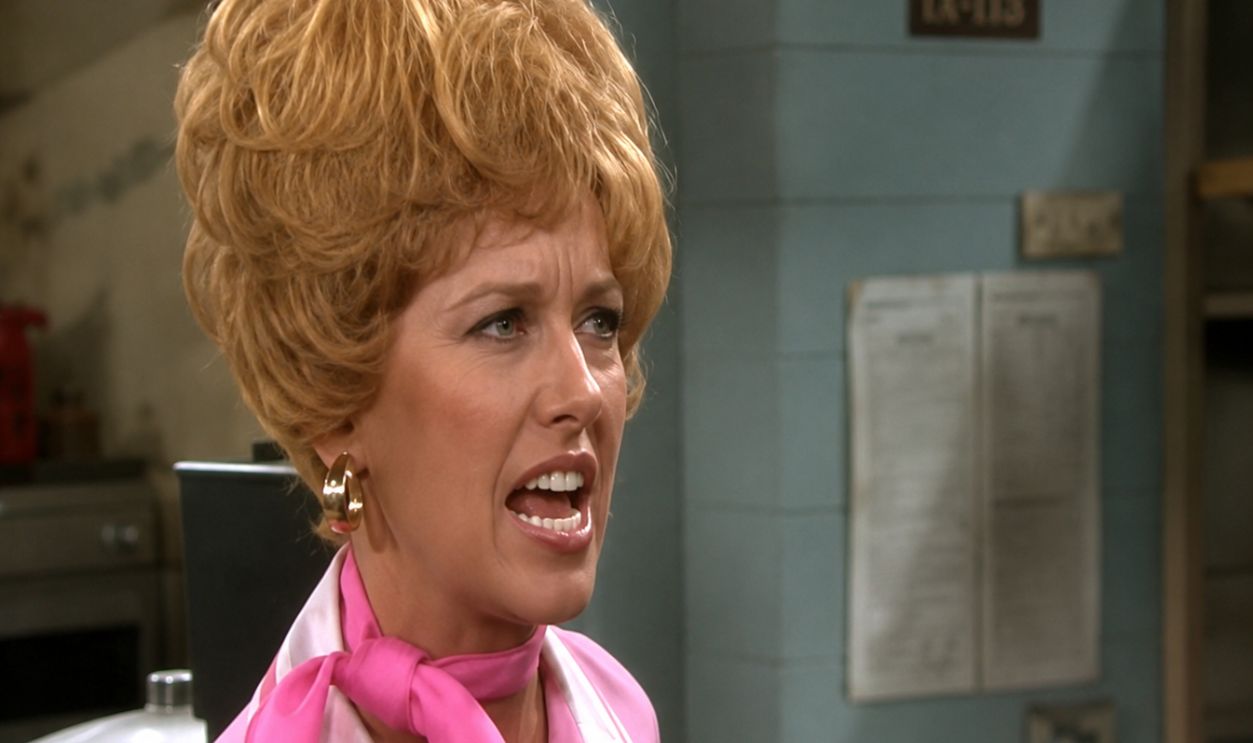 Screenshot from Alice, CBS (1976-1985), Modified
“Yup-Yup-Yup-Yup” (“Happy Days”)
Al Delvecchio’s “Yup-yup-yup-yup” was less a sentence than a man slowly accepting defeat. It fit Al perfectly, especially when Arnold’s became another weekly circus. But unless your family had a very committed Happy Days impressionist, nobody answered normal questions with four increasingly miserable yups.
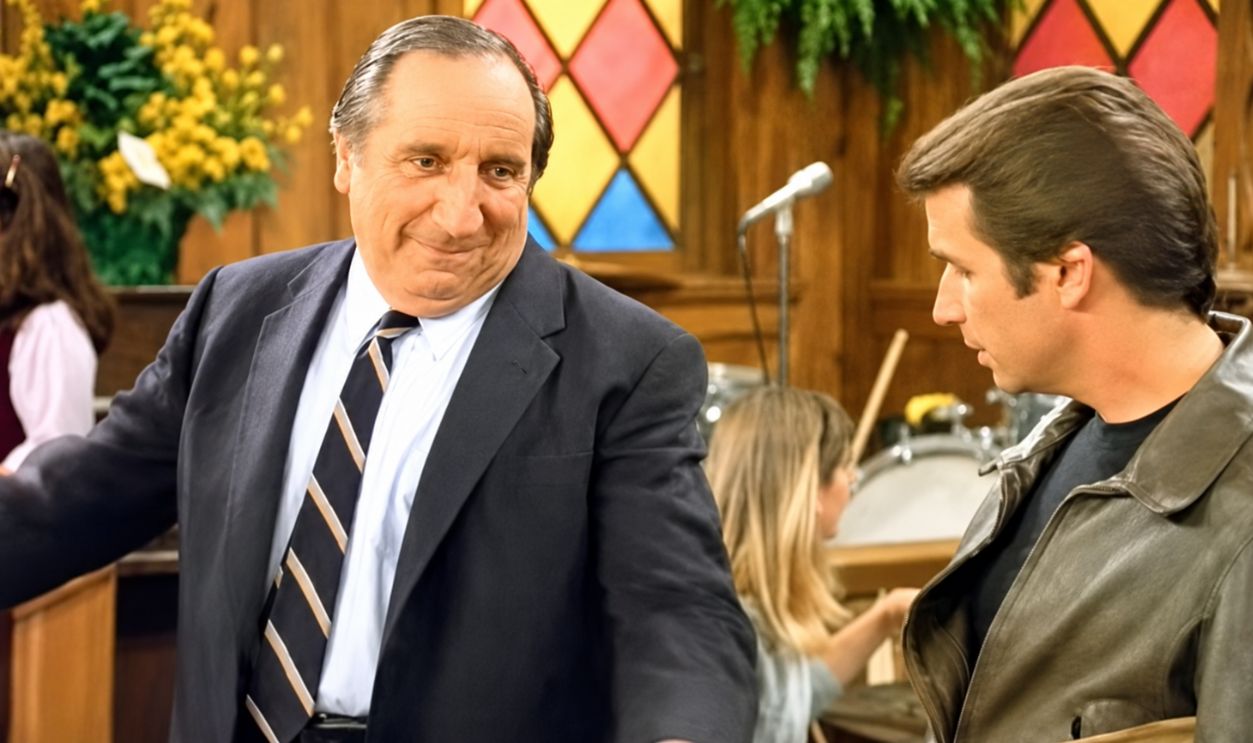 Screenshot from Happy Days, ABC (1974-1984), Modified
“Signed, Epstein’s Mother” (“Welcome Back, Kotter”)
Juan Epstein’s excuse notes were always signed “Epstein’s Mother,” even when the handwriting, wording, and entire situation made the fraud obvious. It was a terrific running gag because it belonged specifically to Epstein. Outside Buchanan High, signing things as someone else’s mother mostly created paperwork.
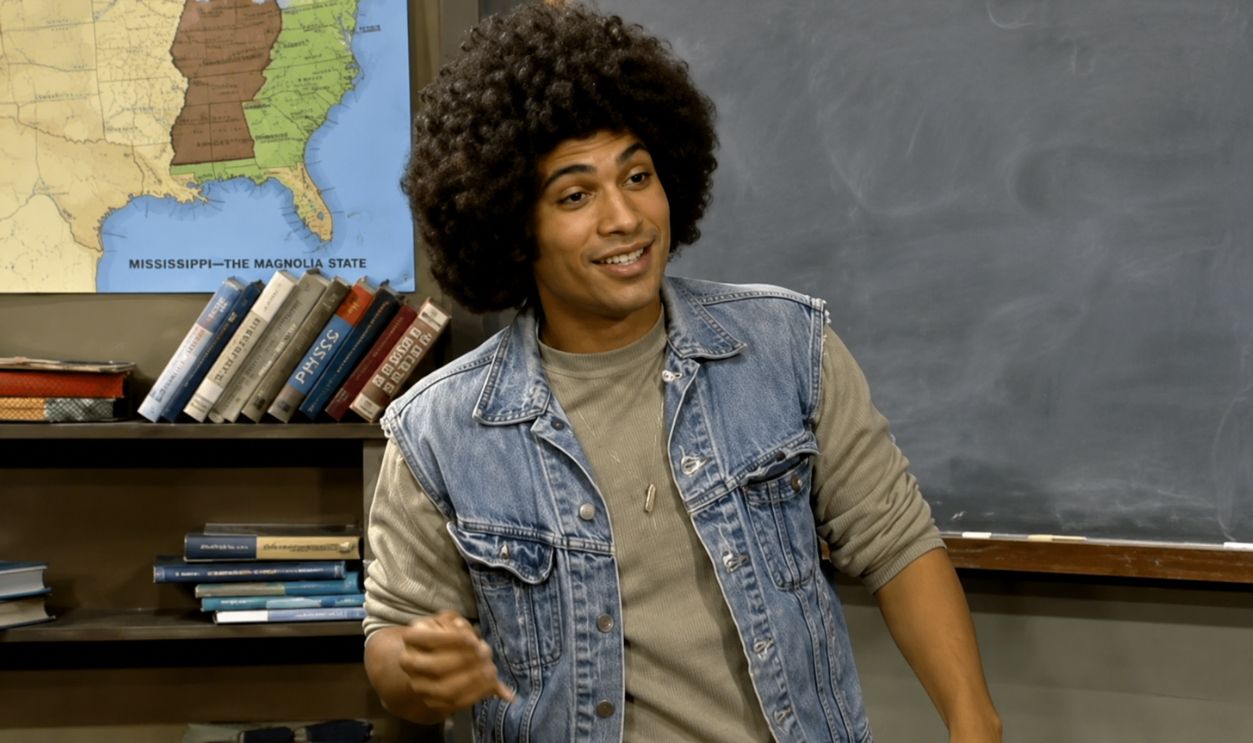 Screenshot from Welcome Back, Kotter, ABC(1975-1979), Modified
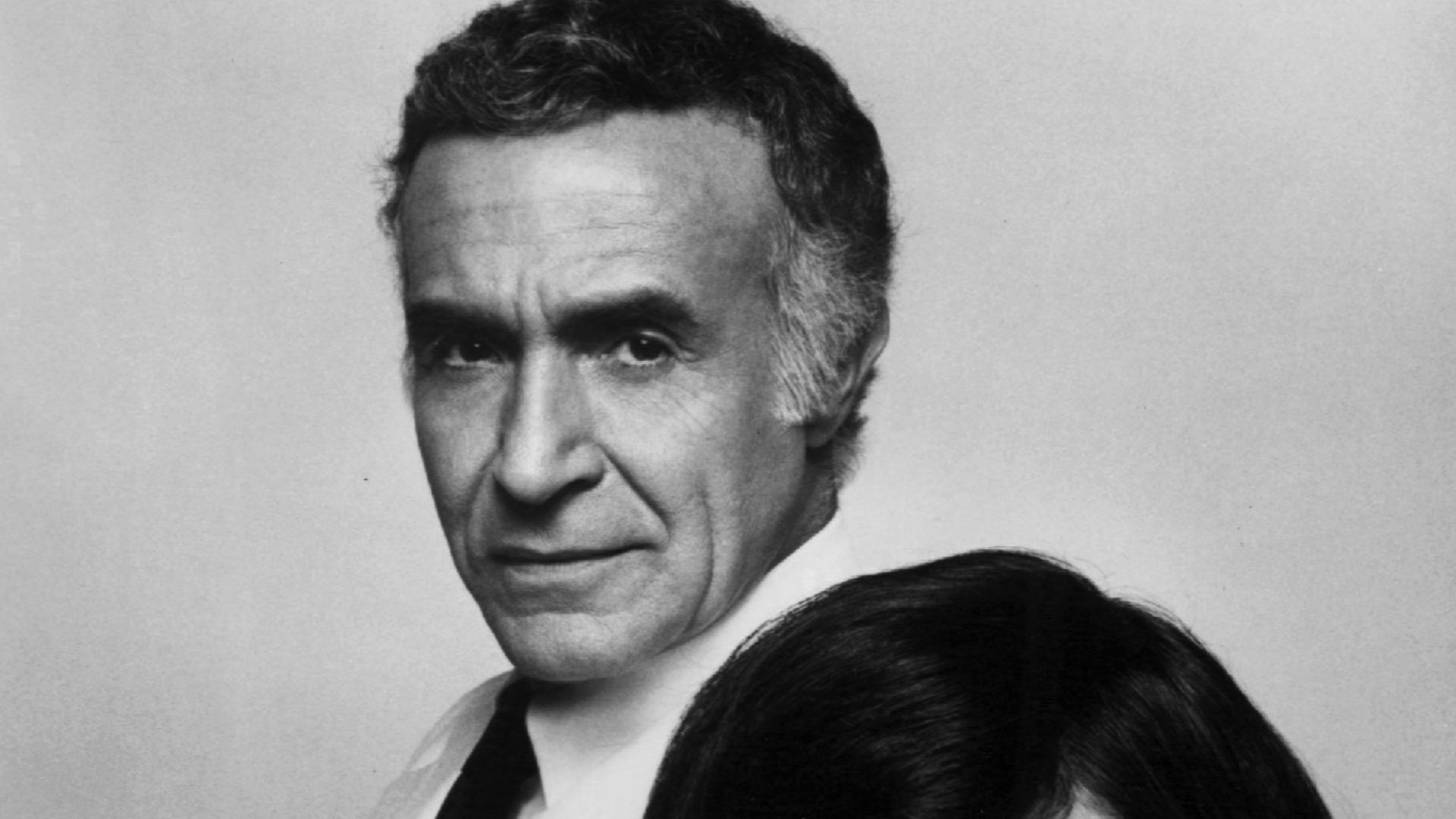
“Smiles, Everyone, Smiles!” (“Fantasy Island”)
Mr. Roarke’s “Smiles, everyone, smiles!” opened another visit to Fantasy Island with the perfect mixture of elegance and vague menace. Ricardo Montalbán could make it work. At home, telling an entire room to smile usually made everyone stop smiling, so the line remained safely on the island.
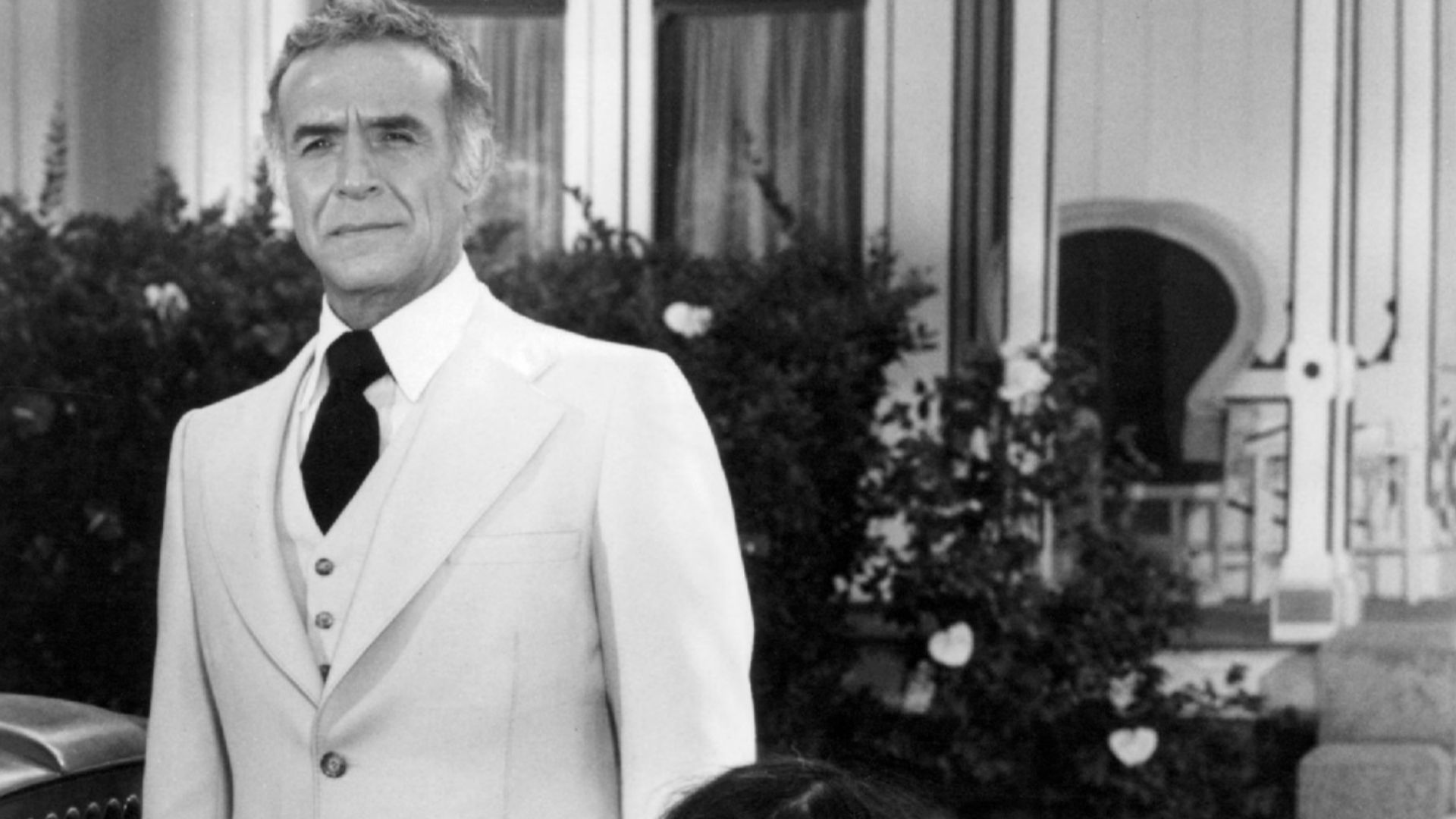 ABC Television, Wikimedia Commons
“Good Goobily Goop!” (“Sanford And Son”)
Grady exclaimed “Good goobily goop!” whenever something surprised or confused him—which happened fairly often. The show already had Fred Sanford producing catchphrases at industrial speed, so Grady’s contribution never had much room to escape. Even in that crowded junkyard, this one got buried.
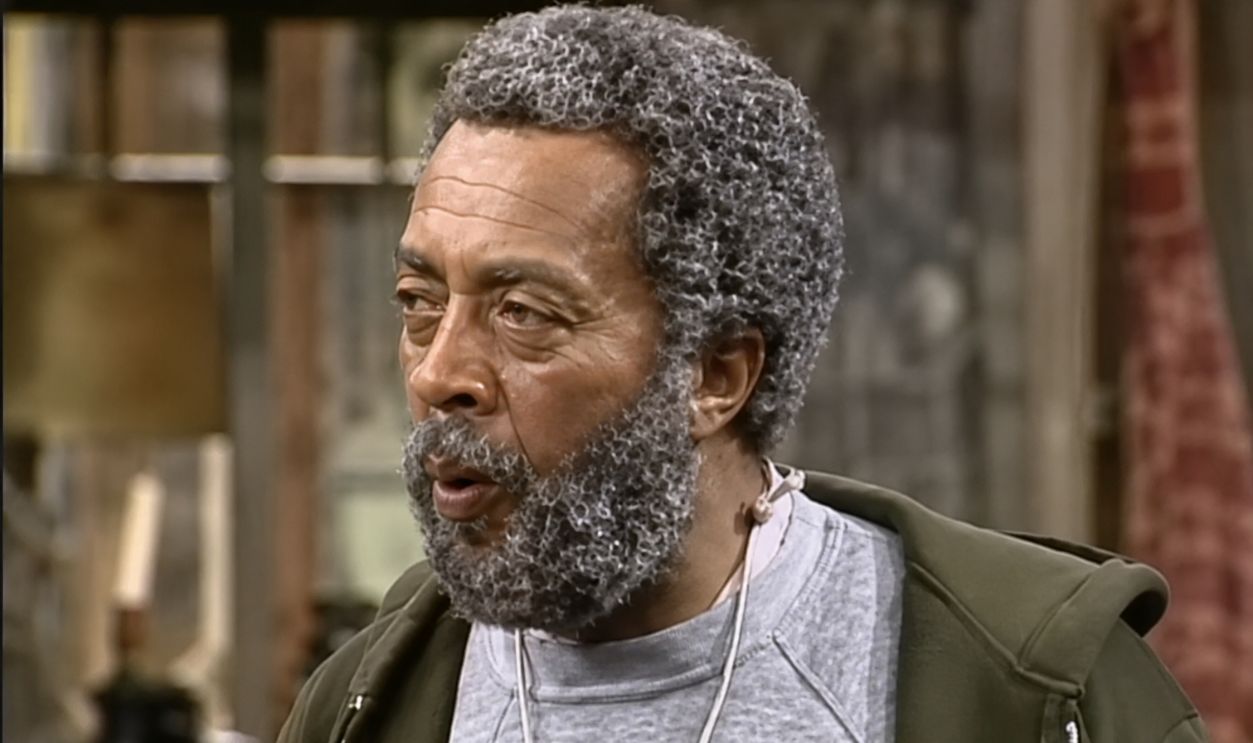 Screenshot from Sanford And Son, NBC (1972-1977), Modified
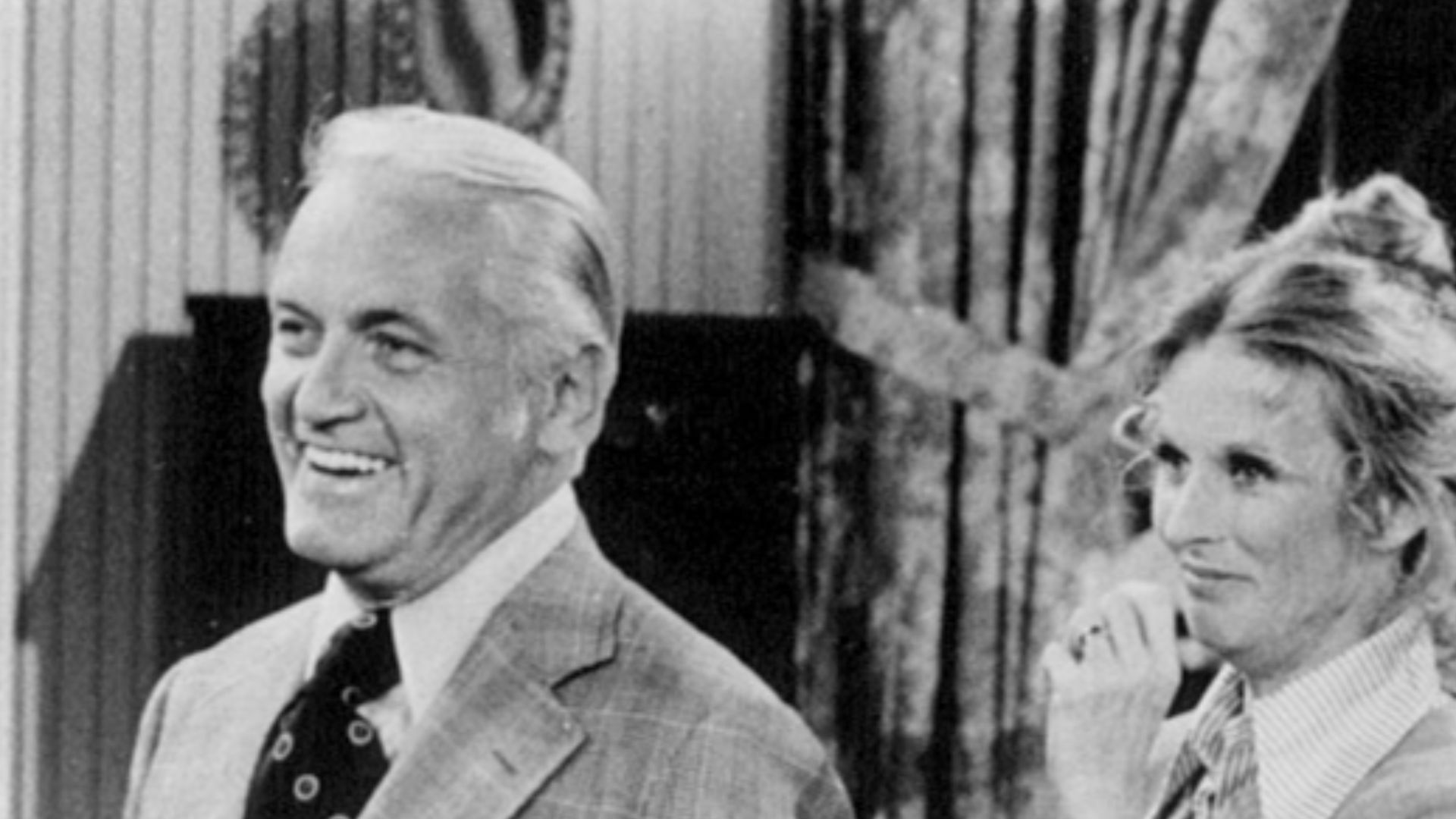
“It All Started At A 5,000-Watt Radio Station…” (“The Mary Tyler Moore Show”)
Ted Baxter could turn a basic career story into the Gettysburg Address. His favorite version began, “It all started at a 5,000-watt radio station in Fresno, California…” It was basically the 70s version of Sophia Petrillo’s later “Picture it, Sicily…” opening—except Sophia’s actually caught on.
 CBS Television Uploaded by We hope at en.wikipedia, Wikimedia Commons
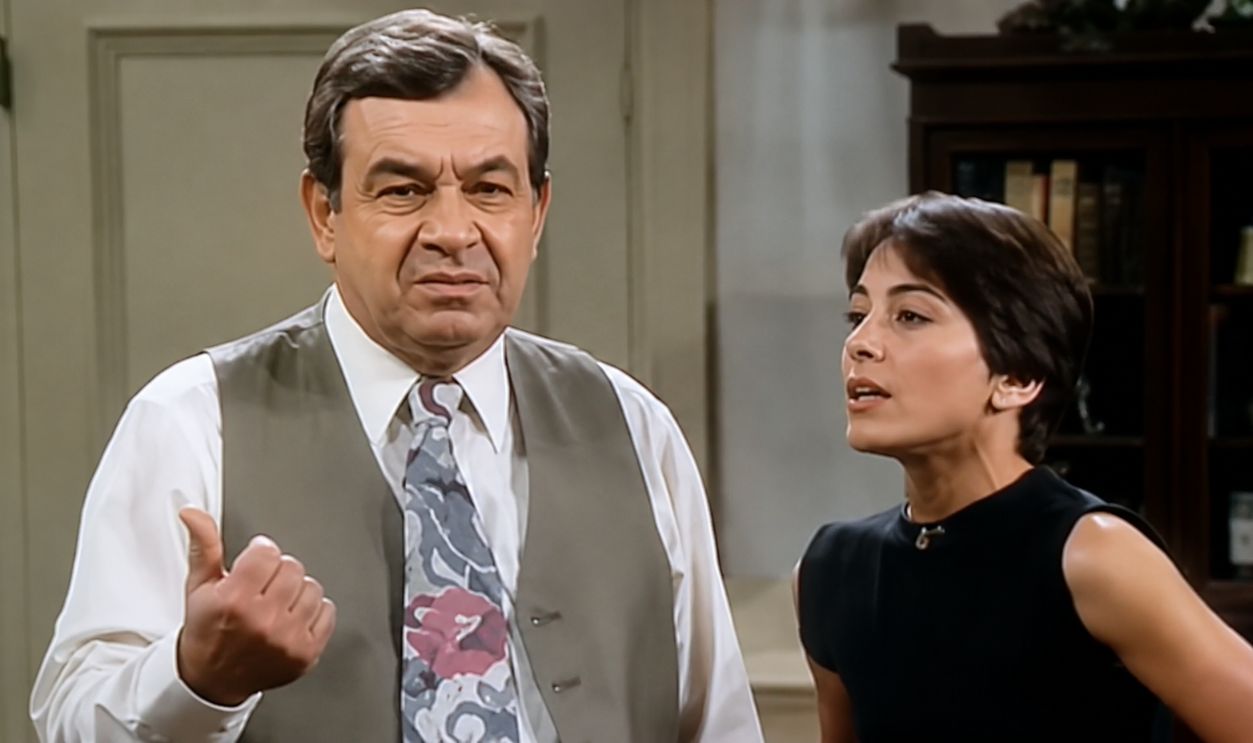
“Wah-Wah-Wah!” (“Happy Days”)
Chachi kept throwing out “Wah-wah-wah!” with enough enthusiasm that the show clearly hoped another Fonzie-sized catchphrase had arrived. It enjoyed its moment, especially with younger viewers, but it never became a lasting part of the language. Lightning had already struck, and this felt more like someone flicking a lamp.
 Screenshot from Happy Days, ABC (1974-1984), Modified
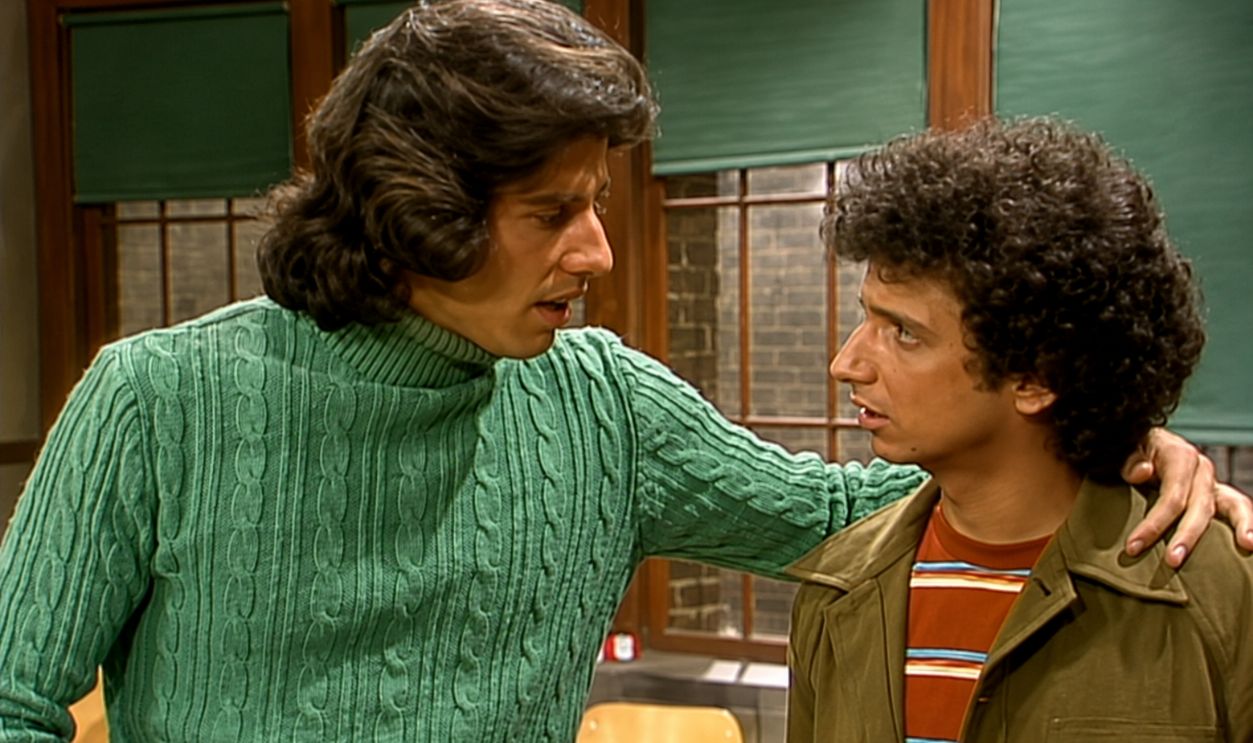
“Hellooohhhh. How Are Ya?” (“Welcome Back, Kotter”)
Horshack could stretch a basic greeting until it sounded like it needed its own commercial break. “Hellooohhhh. How are ya?” was unmistakably his, which was also why nobody else could use it without turning the entire conversation into an Arnold Horshack impression nobody had requested.
 Screenshot from Welcome Back, Kotter, ABC(1975-1979), Modified
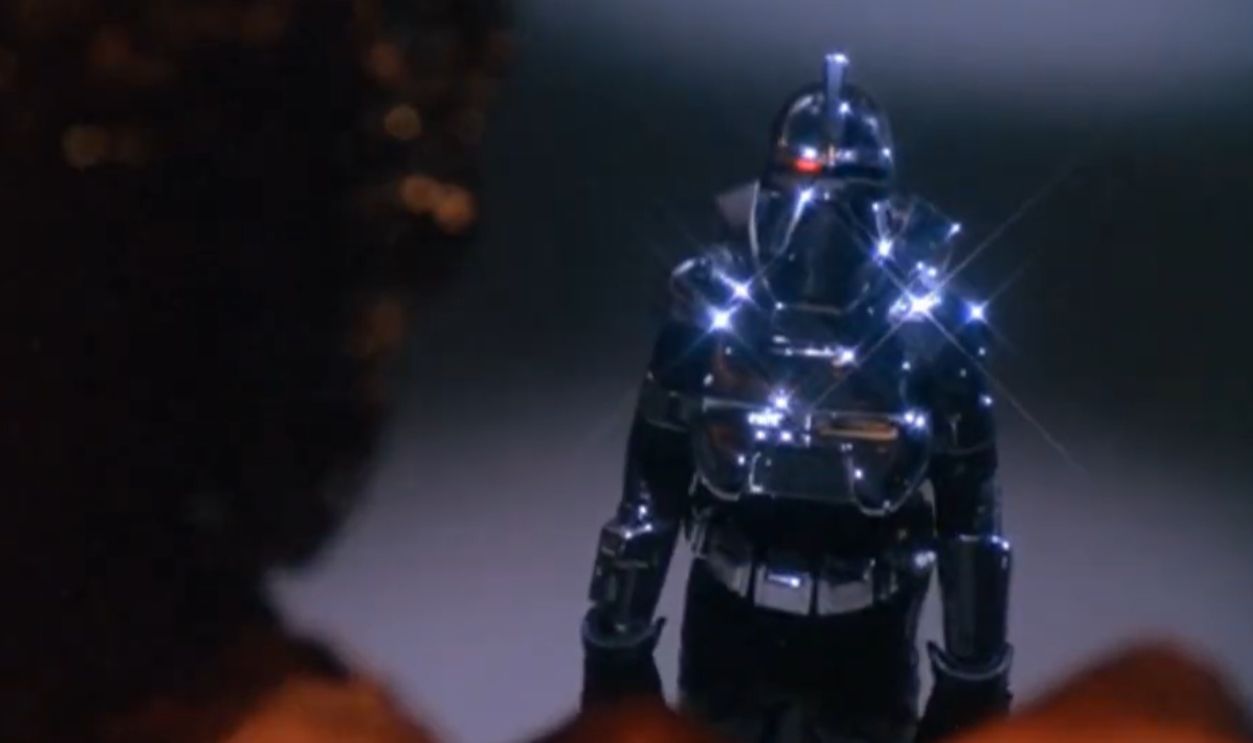
“By Your Command” (“Battlestar Galactica”)
The Cylons answered orders with “By your command,” which sounded appropriately robotic and ominous on Battlestar Galactica. Science-fiction fans certainly knew it, but most people discovered that saying it to a boss, spouse, or parent created exactly the wrong kind of follow-up conversation.
 Screenshot from Battlestar Galactica, NBCUniversal (1978–2012)
“That’s Not My Job” (“Chico And The Man”)
During the first season, Chico regularly used “That’s not my job,” a line Freddie Prinze had already used in his stand-up act. Complaints that it leaned into an unflattering stereotype led the show to replace it with “Looking good.” Nothing says naturally occurring catchphrase quite like sending one back for repairs.
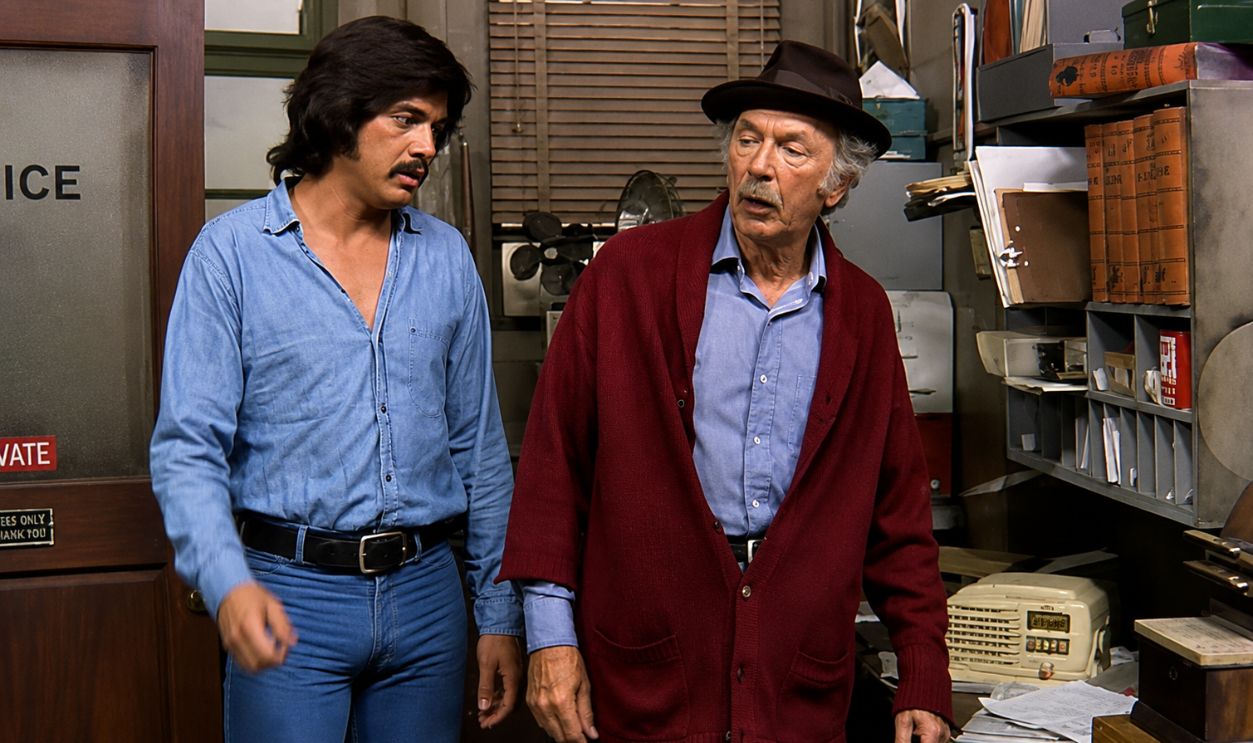 Screenshot from Chico and the Man, NBC (1974-1978), Modified
“Confused? You Won’t Be After This Week’s Episode Of ‘Soap’!” (“Soap”)
After recapping another pile of affairs, secrets, and impossible family connections, Soap’s announcer promised, “Confused? You won’t be after this week’s episode of Soap!” It was funny because the opposite was obviously coming. As a real-life catchphrase, however, it required too much setup and far too much confidence.
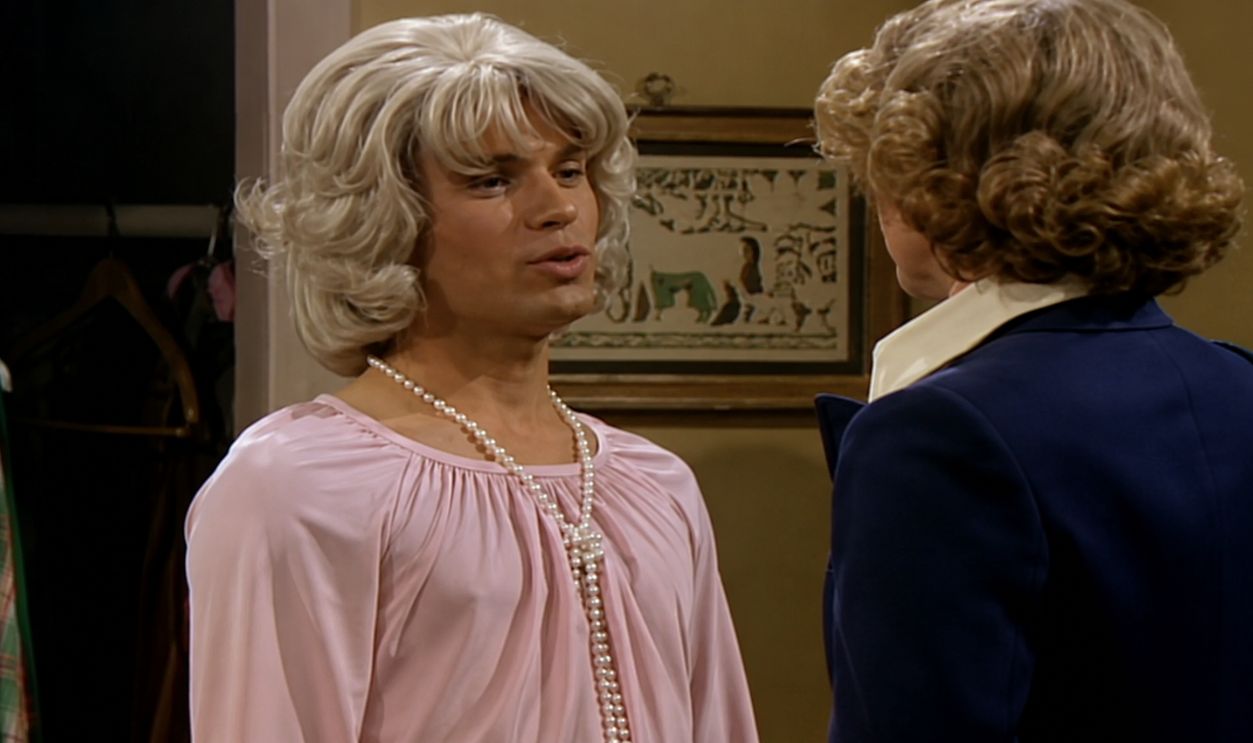 Screenshot from Soap, ABC (1977-1981), Modified
“Handle It, Roy, Handle It!” (“Carter Country”)
Carter Country was so determined to launch “Handle it, Roy, handle it!” that Mayor Teddy Burnside sometimes kept going, just in case the first few had not become merchandise yet. The sitcom lasted two seasons. The phrase lasted mostly among people trying to remember what show it came from.
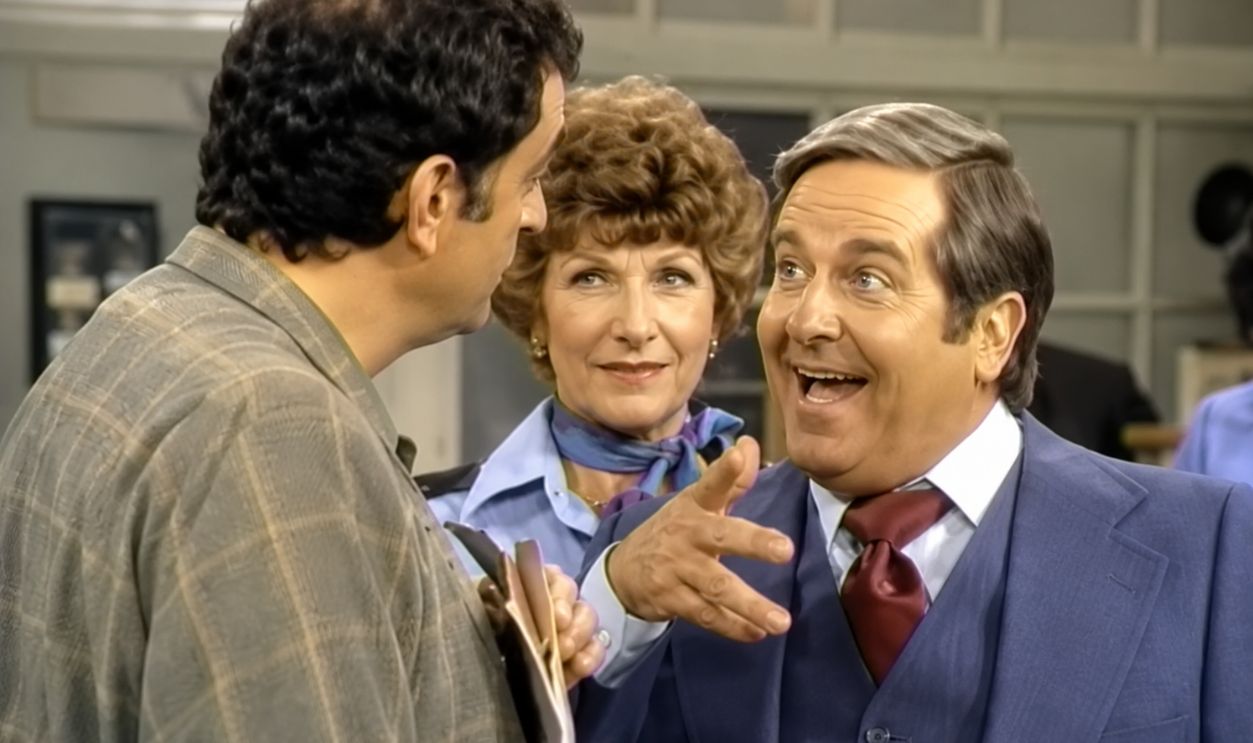 Screenshot from Carter Country, NBC (1977-1979), Modified
“Bidi-Bidi-Bidi, What’s Up, Buck?” (“Buck Rogers In The 25th Century”)
Twiki greeted Buck with “Bidi-bidi-bidi, what’s up, Buck?” often enough that the show clearly wanted it burned into viewers’ brains. Mission accomplished there. But unless someone was doing a full Twiki impression, complete with robot voice, it never became a greeting people actually used.
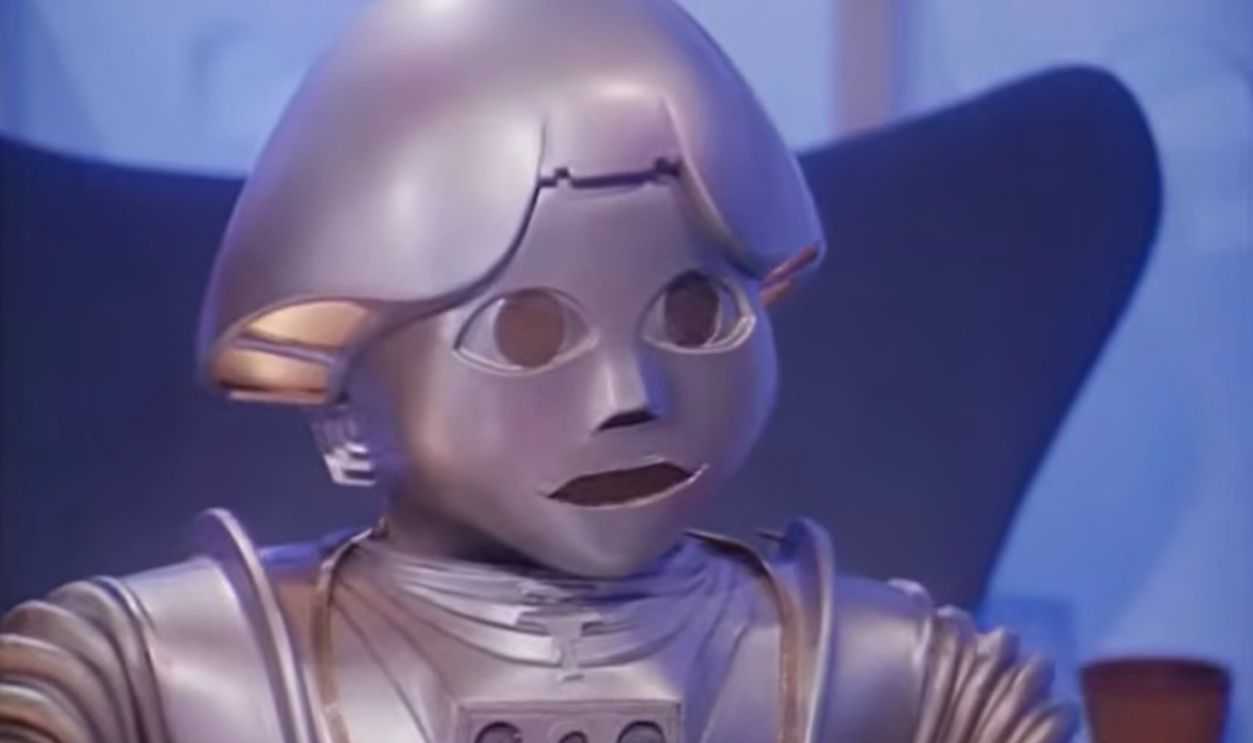 Screenshot from Buck Rogers In The 25th Century, NBC (1979-1981)
“Stifle Yourself!” (“All In The Family”)
Archie Bunker’s “Stifle yourself!” was short, sharp, and perfectly Archie. People certainly repeated it for a while, usually while doing the voice. But it also required the speaker to become the least pleasant person in the room, which probably hurt its chances of becoming a permanent conversational staple.
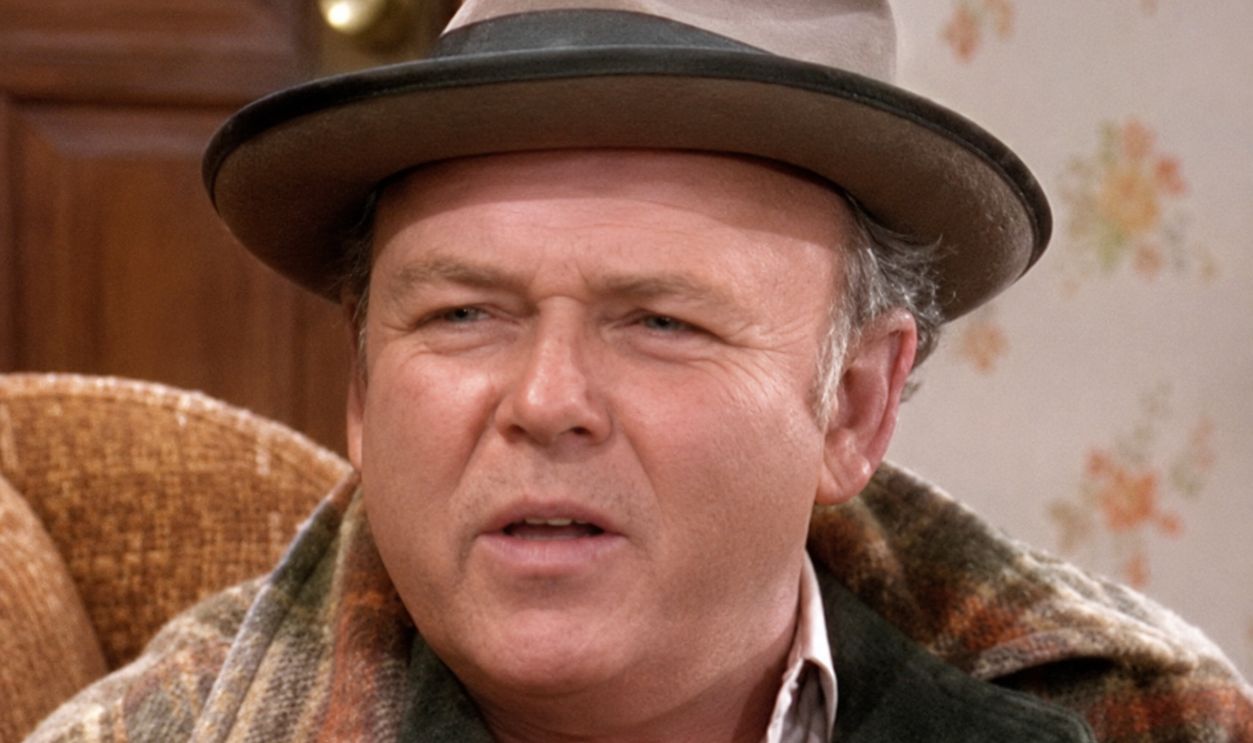 Screenshot from All In The Family, CBS (1971-1979), Modified
“Fellow Babies” (“WKRP In Cincinnati”)
Johnny Fever addressed WKRP’s listeners as “fellow babies,” and it sounded perfect coming from a burned-out rock DJ wearing dark glasses inside. Coming from your accountant, dentist, or father at the dinner table, it sounded less like a catchphrase and more like something that needed immediate investigation.
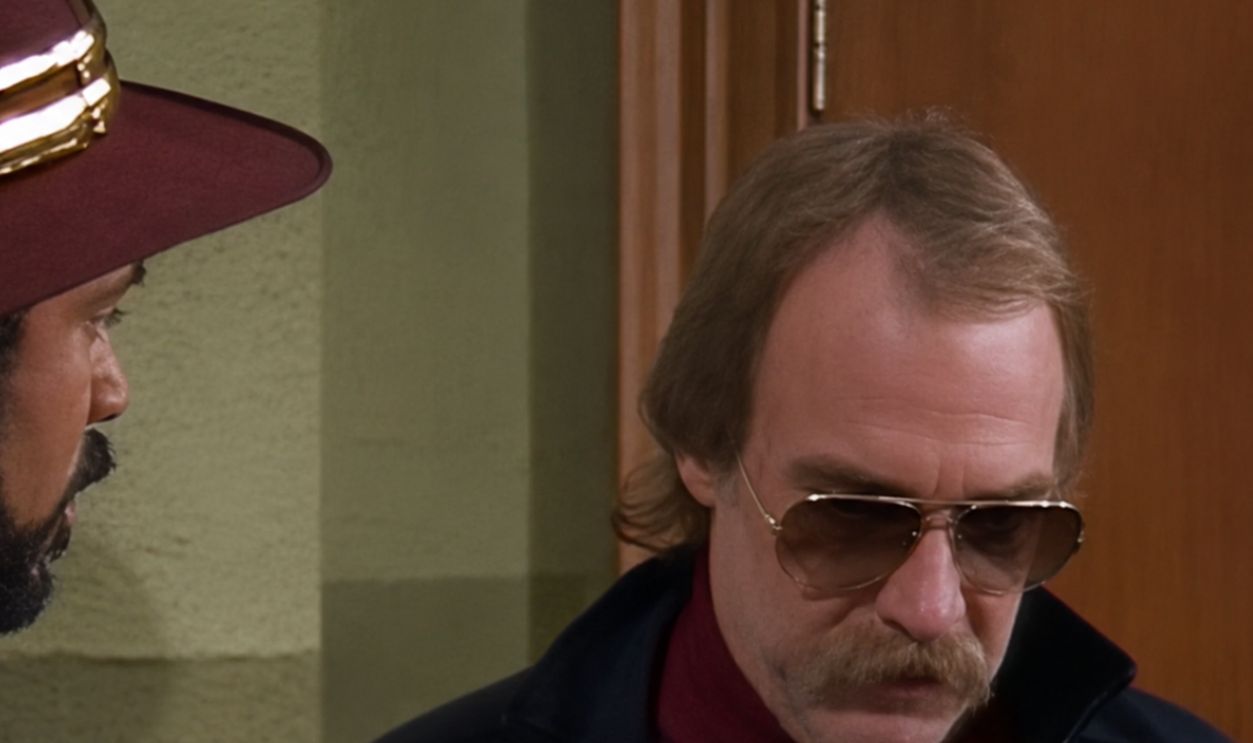 Screenshot from WKRP In Cincinnati, CBS (1978-1982), Modified
“Good Morning, Angels” (“Charlie’s Angels”)
“Good morning, Angels.” “Good morning, Charlie.” It opened assignments with such smooth professionalism that ABC clearly knew viewers would remember it. And they did. But unless three glamorous private investigators happened to be gathered around your speakerphone, using it at work was a fairly aggressive personality choice.
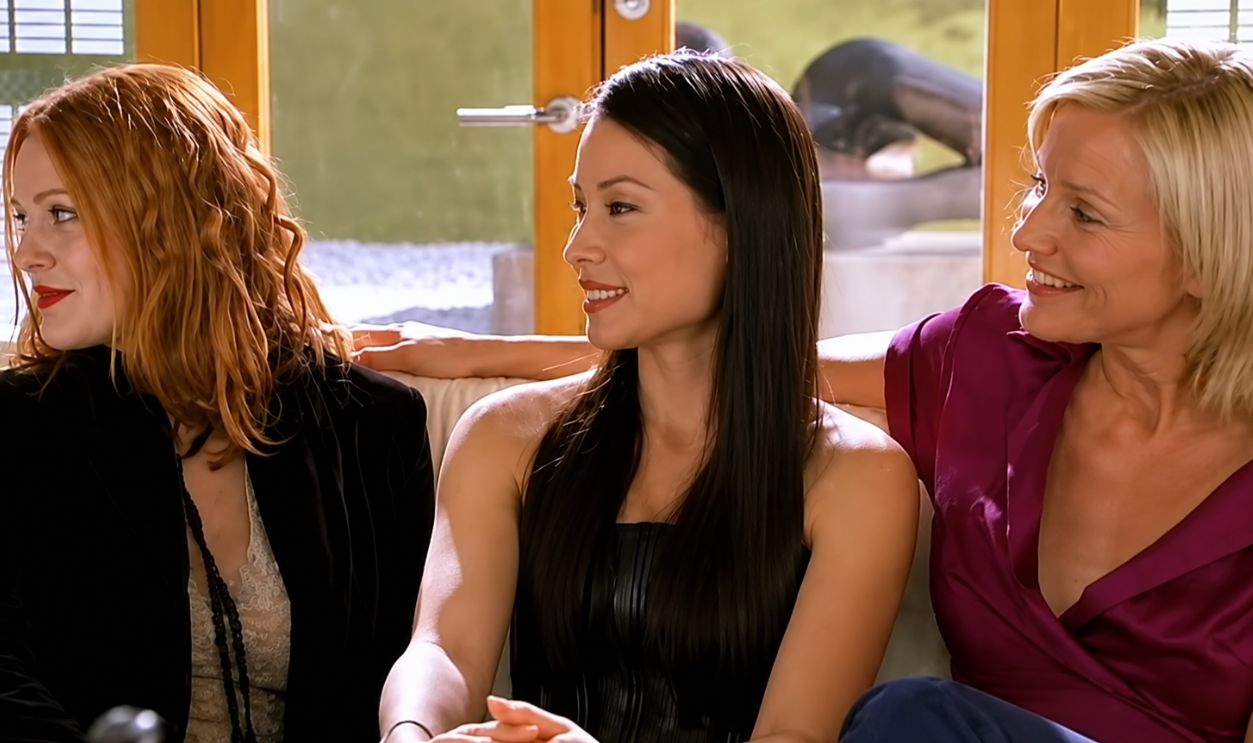 Screenshot from Charlie’s Angels, ABC (1976-1981), Modified
Some Things Were Never Meant To Catch On
Some catchphrases become part of the language. Others, not so much. Sure, Baby Boomers knew them. They might’ve even repeated some for a while. But, in the end they mostly left them where they found them—on television.
 ABC Television, Wikimedia Commons
You Might Also Like:
Sitcom Neighbors Who Became Just As Memorable As The Main Characters
What Happened To The Cast Of WKRP In Cincinnati?
Actors Who Appeared In The Most Classic TV Westerns. How Many Do You Remember?