The Soundtracks That Shaped Cinema
From the unforgettable pop anthems of Guardians of the Galaxy to the haunting melodies of Fargo, film soundtracks have long been more than just background scores. Sometimes, to the point that they actually end up overshadowing the movie itself.
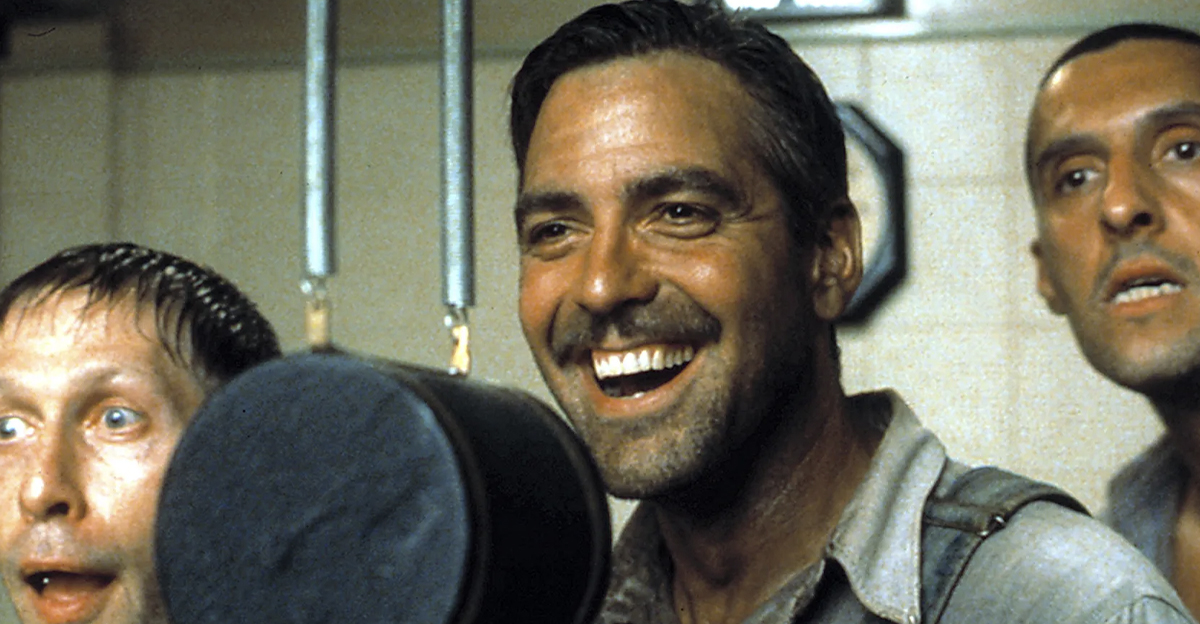
 O Brother Where Art Thou?, Universal Pictures
Guardians Of The Galaxy (2014)
With Awesome Mix Vol. 1, Guardians of the Galaxy didn’t just deliver a sci-fi hit, it reignited global love for 1970s pop. Peter Quill’s mixtape featured timeless tracks like “Hooked on a Feeling” and “Come and Get Your Love,” blending retro vibes with cosmic chaos. Far from being background score, the songs grounded the film emotionally and became part of its identity, sending vintage hits back up the charts.
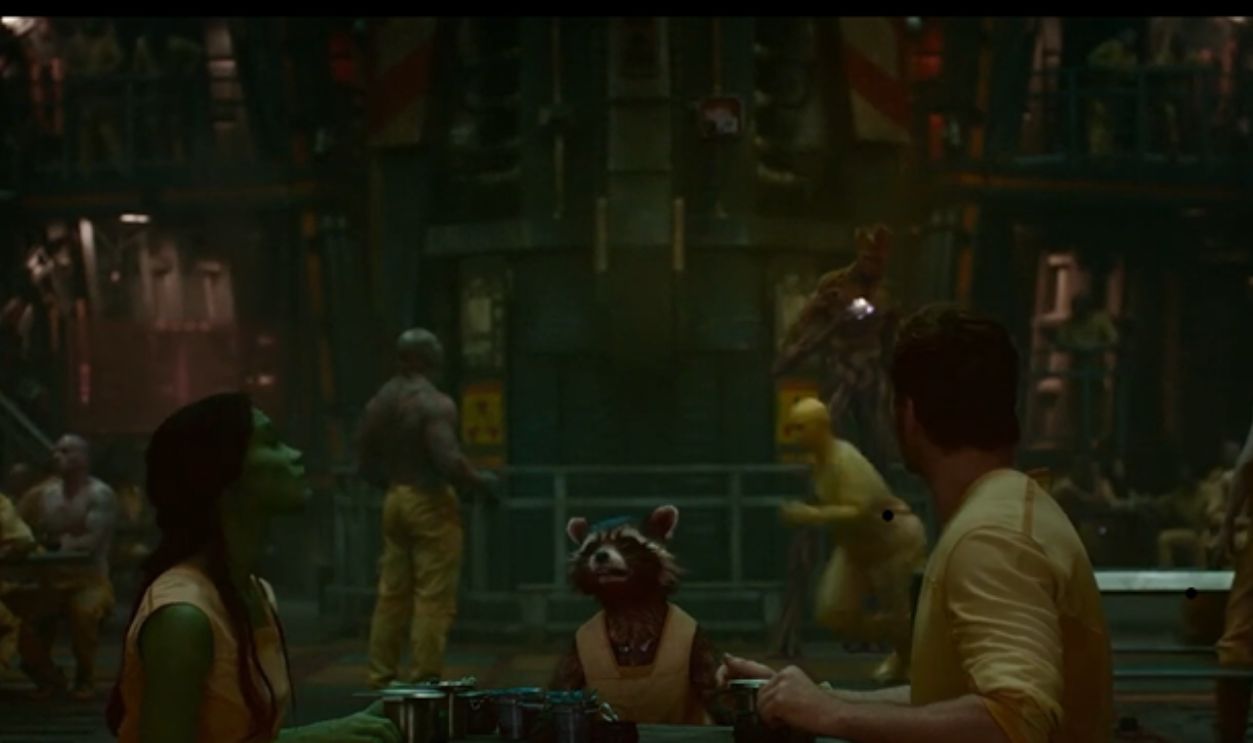 Guardians of The Galaxy 1 | Come and Get Your Love | Official MV, MEC777
Purple Rain (1984)
Prince unleashed Purple Rain, fusing funk, rock, and raw soul into a genre-breaking soundtrack. With no bass line in “When Doves Cry” and the aching buildup of the title track, he defied convention and topped the charts across the board. In 1984, the album, single, and film all hit number one, marking a rare moment when one artist dominated every medium simultaneously.
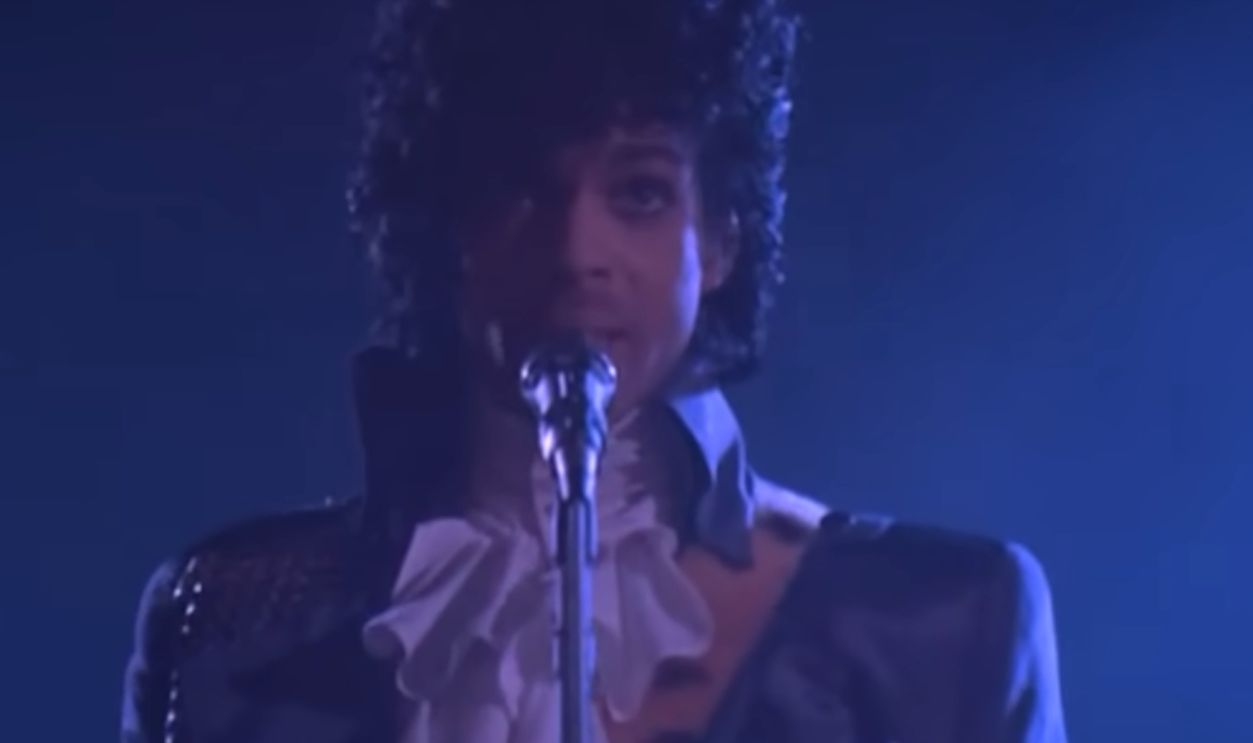 Prince - Purple Rain (Official Video) by The Codfather
24 Hour Party People (2002)
More than a soundtrack, 24 Hour Party People is a musical roller coaster from punk to rave. It captures the defiant edge of the Sex Pistols and the hypnotic rise of acid house, with Joy Division and New Order anchoring its heart. This curated mix turned local legends into cultural icons and preserved the pulse of a scene that rewrote music history.
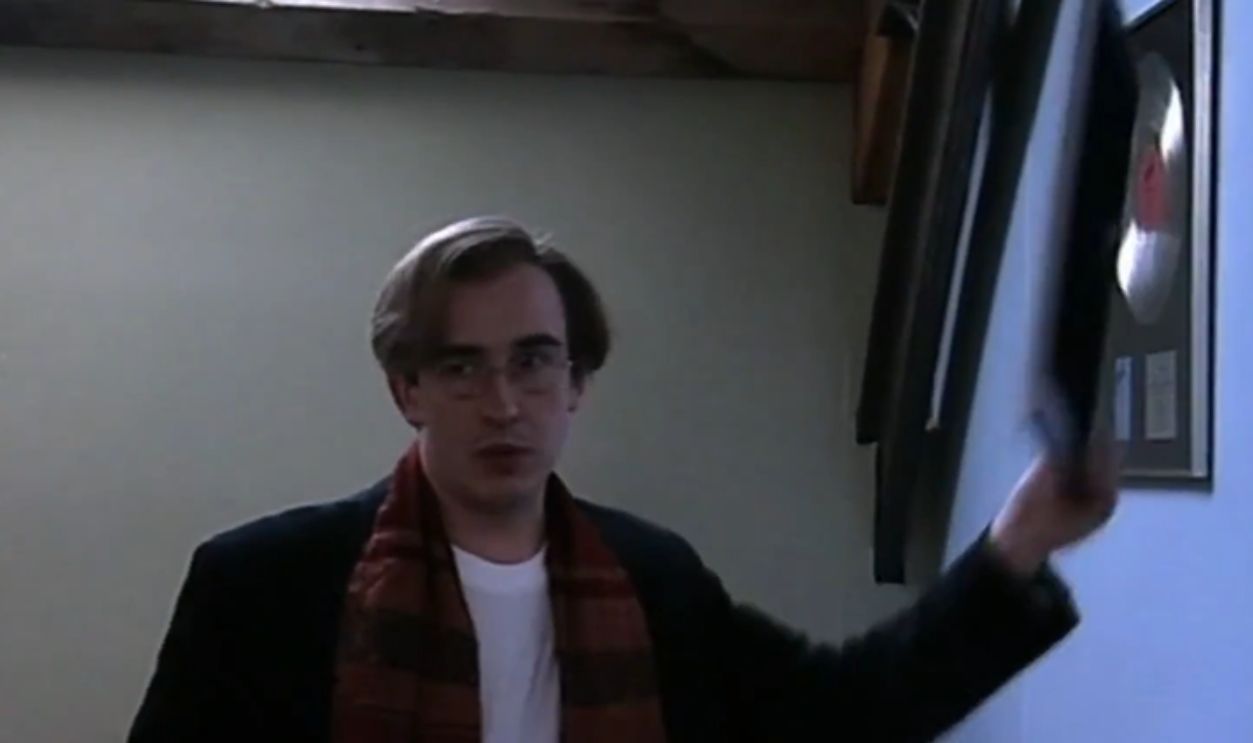 24 Hour Party People (2002) - Tony Doesn't Sell Out Scene (10/12) | Movieclips, Movieclips
The Graduate (1968)
Simon & Garfunkel’s melancholy folk-rock score gave The Graduate its soul. “The Sound of Silence” and “Mrs Robinson” weren’t just a soundtrack; they were emotional narrators, echoing Benjamin Braddock’s alienation and search for meaning. The film essentially pioneered the now-common practice of using existing pop songs as a thematic glue in movies. By pairing soft harmonies with existential crisis, it redefined how music could carry the emotional weight of a story.
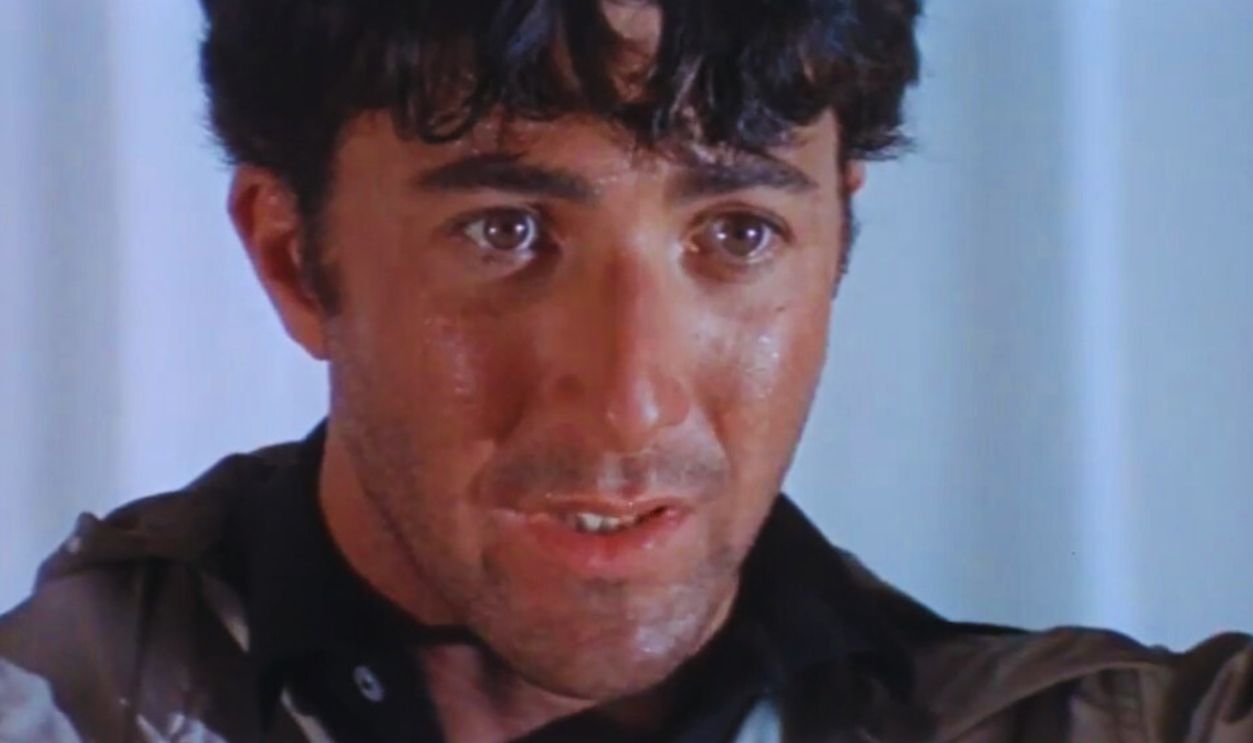 The Graduate (1967) Official Trailer by MovieStation
The Harder They Come (1972)
Jimmy Cliff’s reggae-infused soundtrack didn’t just support The Harder They Come; it launched an entire genre onto the global stage. Featuring hits like “You Can Get It If You Really Want” and “Many Rivers to Cross,” it introduced listeners to the spirit and soul of Jamaican music. The film and its soundtrack became synonymous with reggae’s rise in the early 70s, long before Bob Marley went mainstream. Cliff’s voice became a symbol, turning the soundtrack into a cultural milestone.
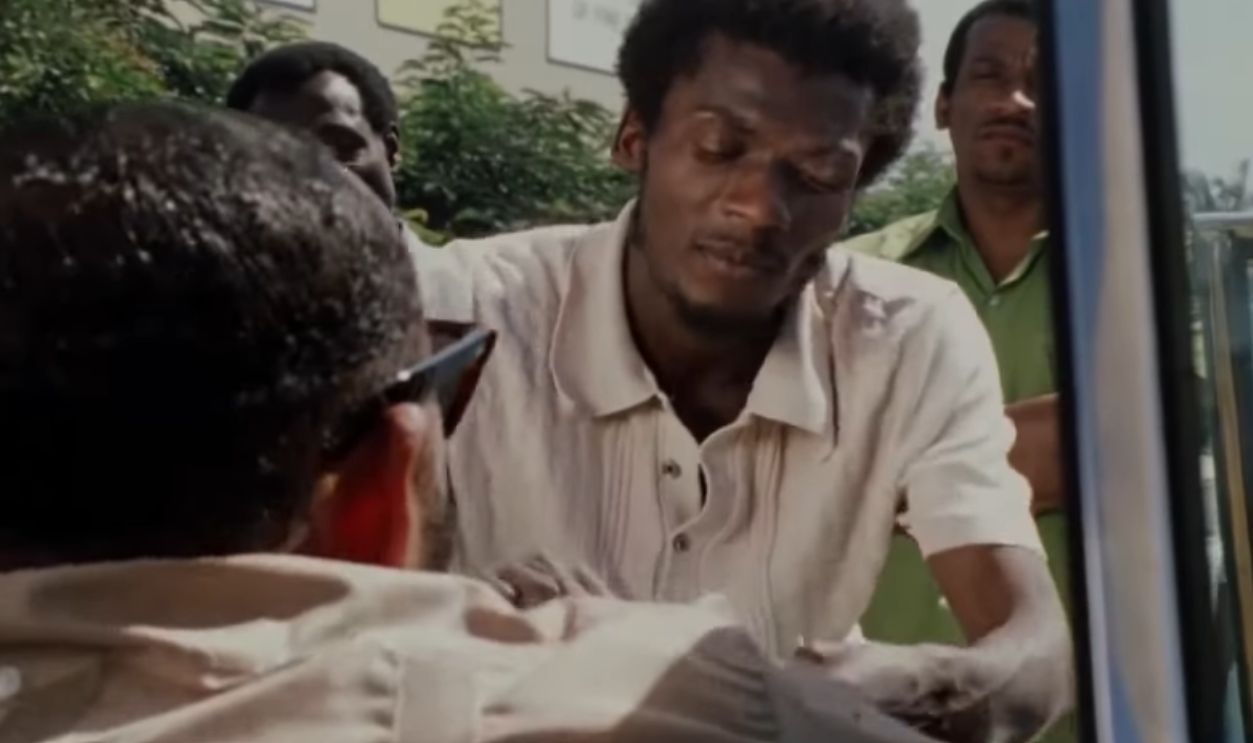 The Harder They Come (1972) Trailer | Jimmy Cliff | Janet Bartley, Film Trailer Channel
Saturday Night Fever (1977)
With Saturday Night Fever, the Bee Gees turned the disco floor into a cinematic powerhouse. Tracks like “Stayin’ Alive” and “Night Fever” transformed polyester suits and dance floors into icons of an era. The soundtrack sold over 16 million copies in the US alone, making it one of the best-selling albums of all time. Beyond the grooves, it proved that music could not only drive a movie, but it could define an entire cultural moment.
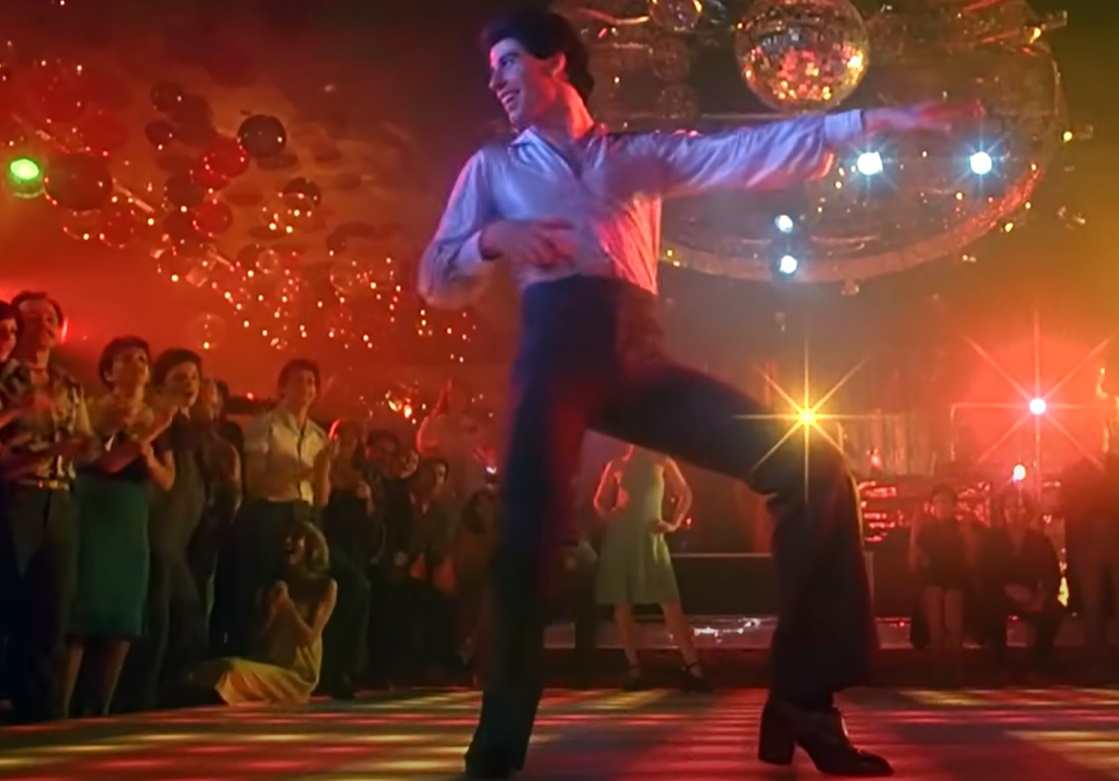 Paramount, Saturday Night Fever (1977)
Black Panther (2018)
Kendrick Lamar curated the Black Panther soundtrack as more than music—it stood as a cultural declaration. He blended Afrobeats, hip-hop, and R&B seamlessly, with songs like “All the Stars” echoing the film’s themes of identity, royalty, and revolution. Lamar’s leadership transformed the album into a cohesive sonic story rather than just a playlist, and it became both a chart-topper and a cultural landmark.
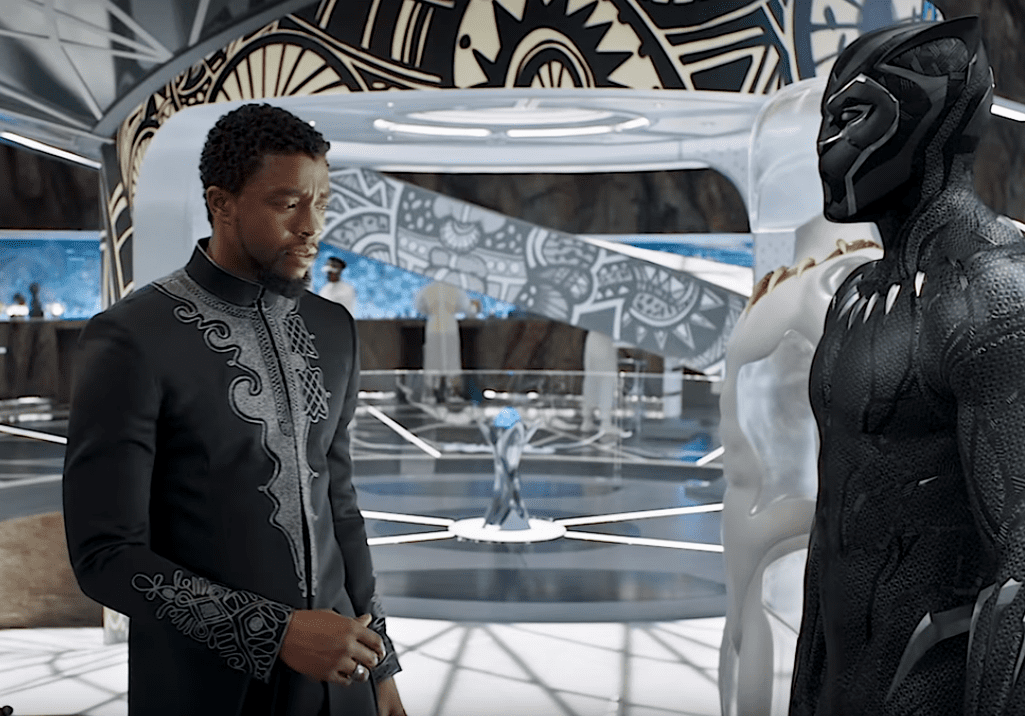 Black Panther (2018), Marvel Studios
Magical Mystery Tour (1967)
The Beatles’ psychedelic road movie flopped, but its soundtrack is a flawless document of the late 1960s. Every song, from the swirling “I Am the Walrus” and John Lennon’s whimsical “Fool on the Hill” to the jaunty title track, features the band’s adventurous production touches. These richly layered recordings (cellos, flutes, tape loops) perfectly evoke the film’s surreal, dreamlike vibe. Decades later, this album remains a testament to the Beatles' pioneering exploration of psychedelic soundscapes, giving each track a life far beyond the film.
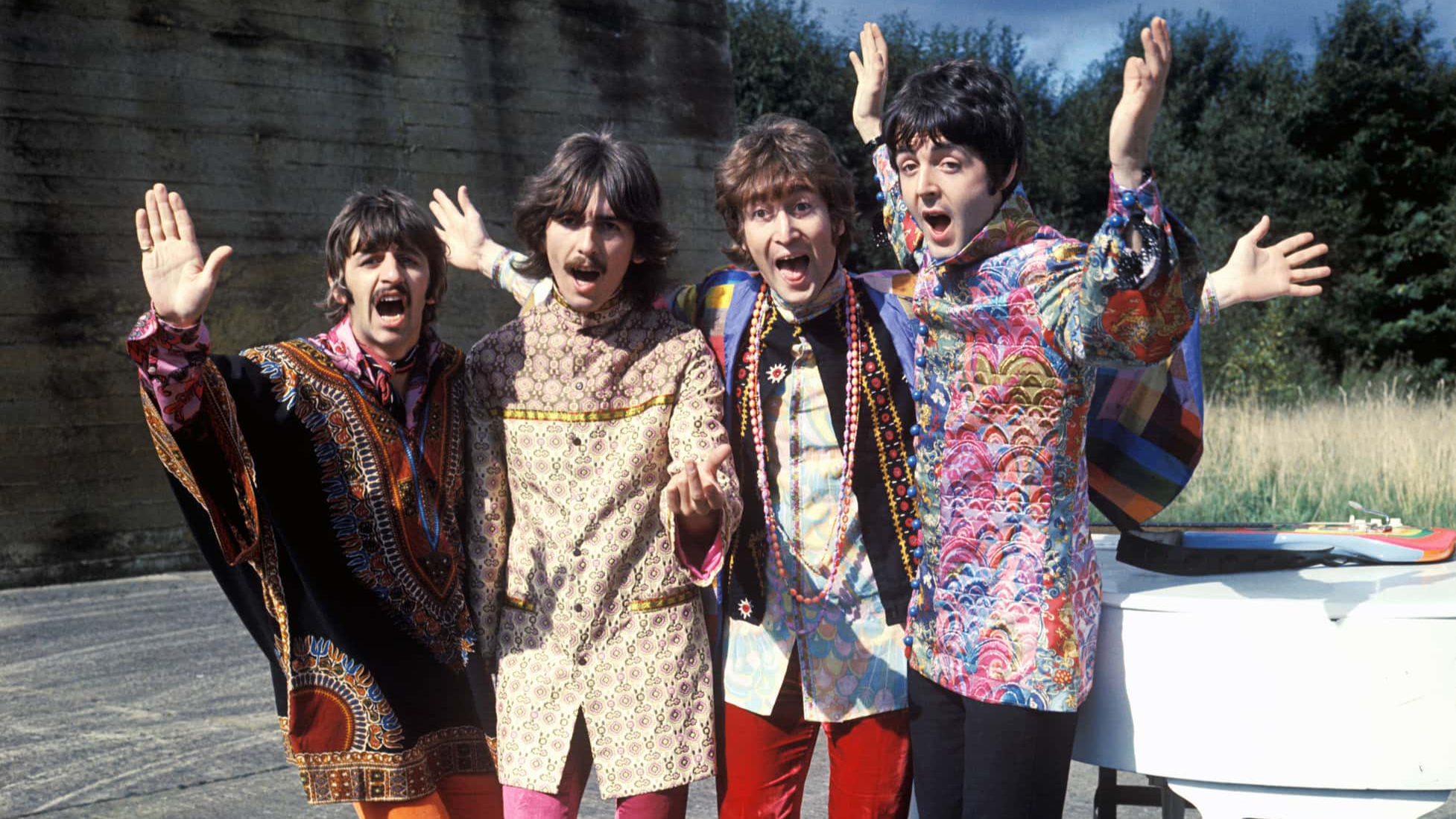
Wild Style (1983)
Often called the first hip-hop movie soundtrack, this collection is a raw showcase of early rap and urban art. Produced by Fab 5 Freddy and Chris Stein, the soundtrack blends the emerging sound of New York street music with electro beats and graffiti culture. Grandmaster Flash & the Furious Five share space with pioneering DJ tracks, setting the template for hip-hop in film. Its lo-fi beats and frantic energy laid out hip-hop’s fearless creativity on vinyl.
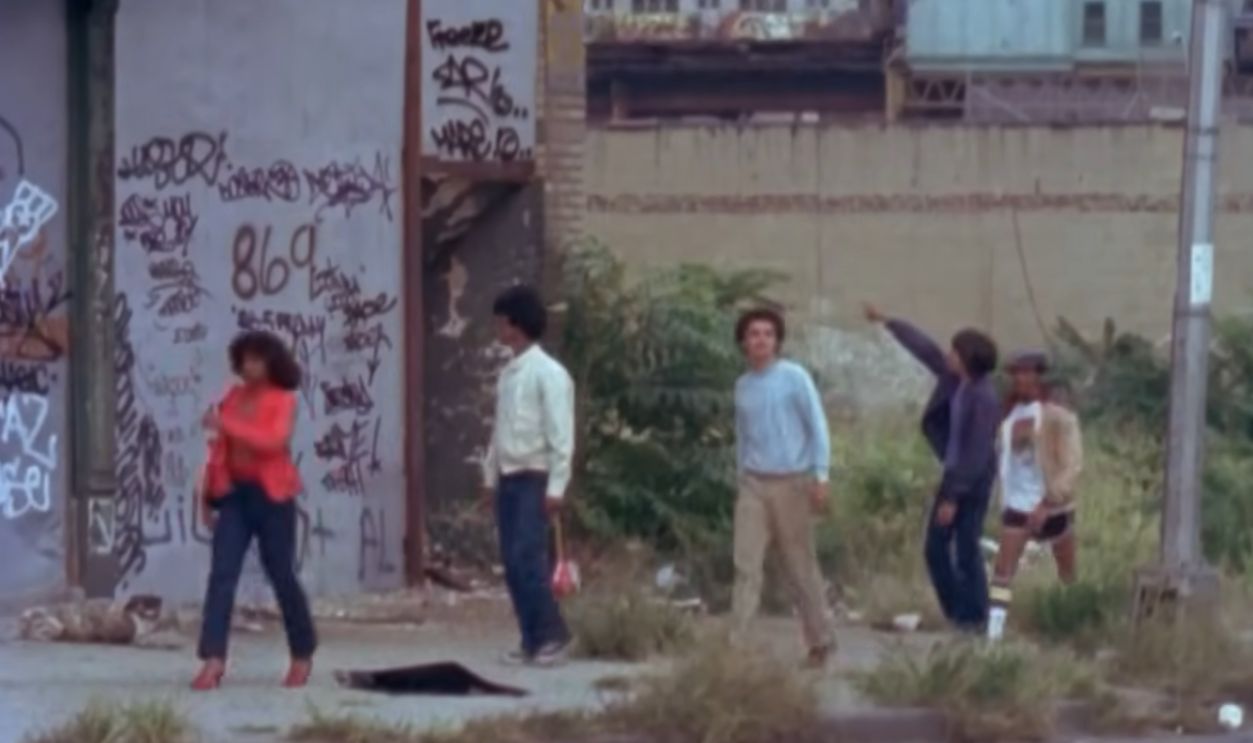 Wild Style (1982) by Charlie Ahearn
Lost In Translation (2003)
Sofia Coppola’s moody love story is anchored by a soundtrack of dream-pop and ambient rock. Kevin Shields of My Bloody Valentine anchors the soundtrack with ethereal soundscapes, while bands like Air and Phoenix bring a glowing Tokyo nightlife to life. The music rarely demands attention but constantly shapes the film’s emotional climate. With each chord, the soundtrack transformed stillness into a story, lending to a lush atmosphere.
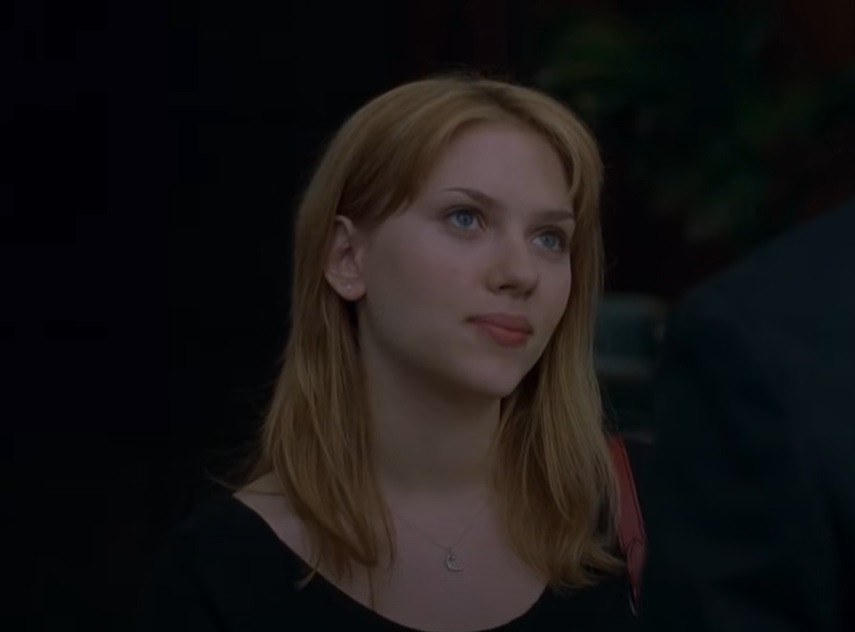 Zoetrope, Lost in Translation (2003)
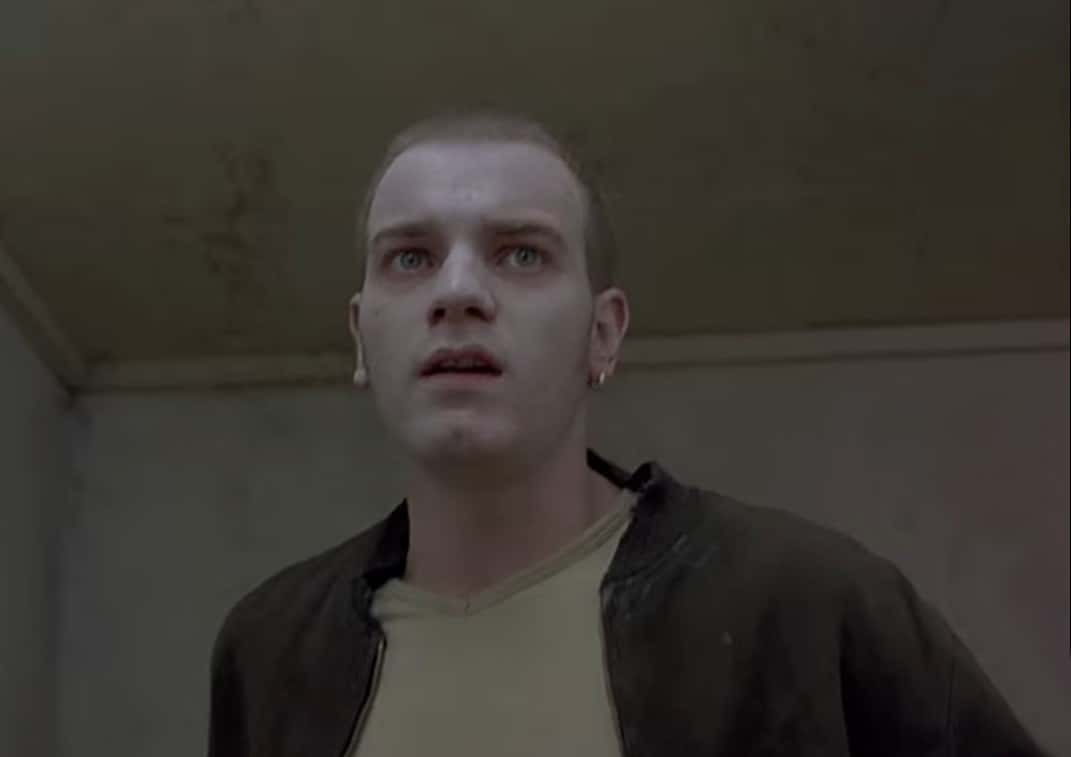
Trainspotting (1996)
Trainspotting became a defining voice for a generation with its restless mix of techno, rock, and trip-hop. The soundtrack pairs edgy club beats, such as Underworld’s “Born Slippy,” with punk and glam classics, including Iggy Pop’s “Lust for Life,” reflecting the film’s chaotic dive into addiction. Familiar songs like Lou Reed’s “Perfect Day” gain new layers as they accompany unexpected scenes, showing how music can twist meaning. This sonic collision captured the raw thrill and despair of youth, turning the album into a 1990s cultural milestone.
Boogie Nights (1997)
Paul Thomas Anderson’s Boogie Nights scores the rise and fall of 1970s film culture with a mixtape of disco and soft rock nostalgia. Tracks like Walter Egan’s smooth “Magnet and Steel” and the Commodores’ funky “Machine Gun” reflect the film’s smoky club vibe. A scene that cuts from steamy passion to Night Ranger’s soaring “Sister Christian” cleverly ties glam-rock excess to the era’s seedy undercurrents. Even the film’s original songs, like Dirk Diggler’s bluesy number, capture the characters’ dreams and disappointments.
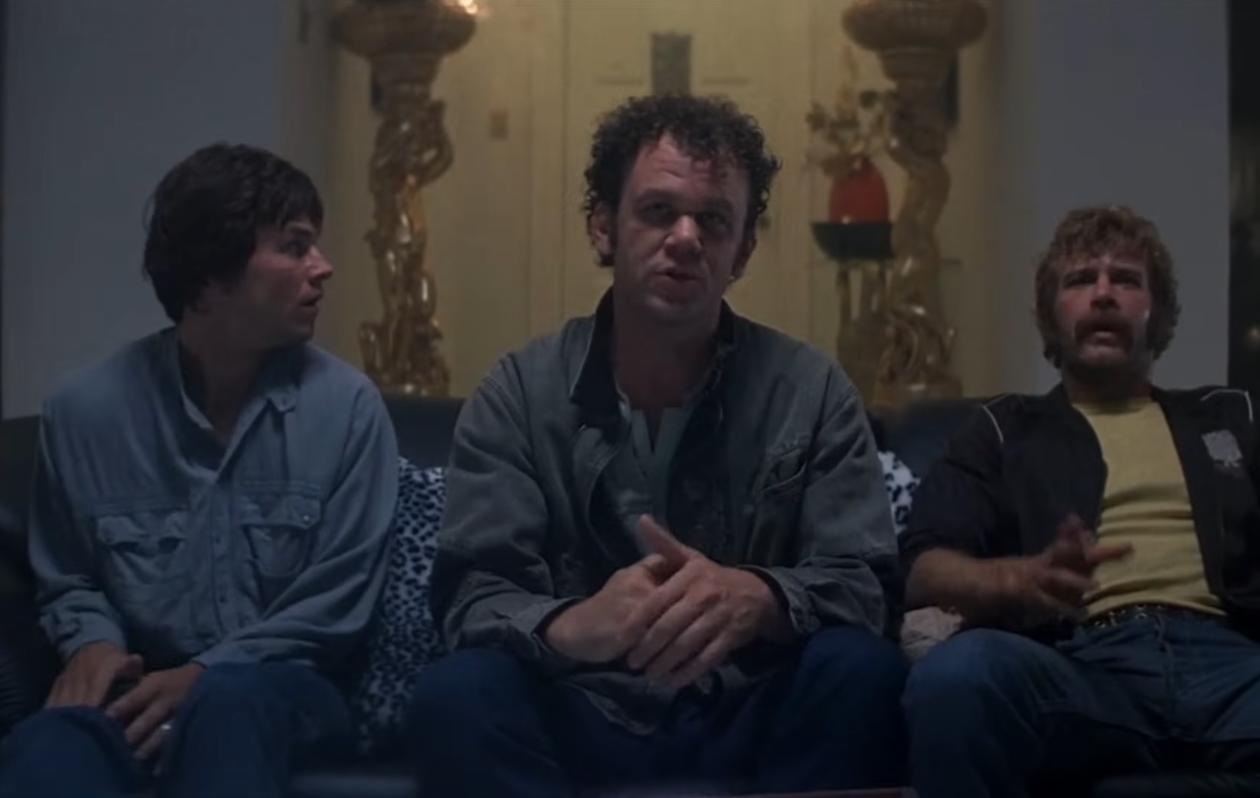 New Line Cinema, Boogie Nights (1997)
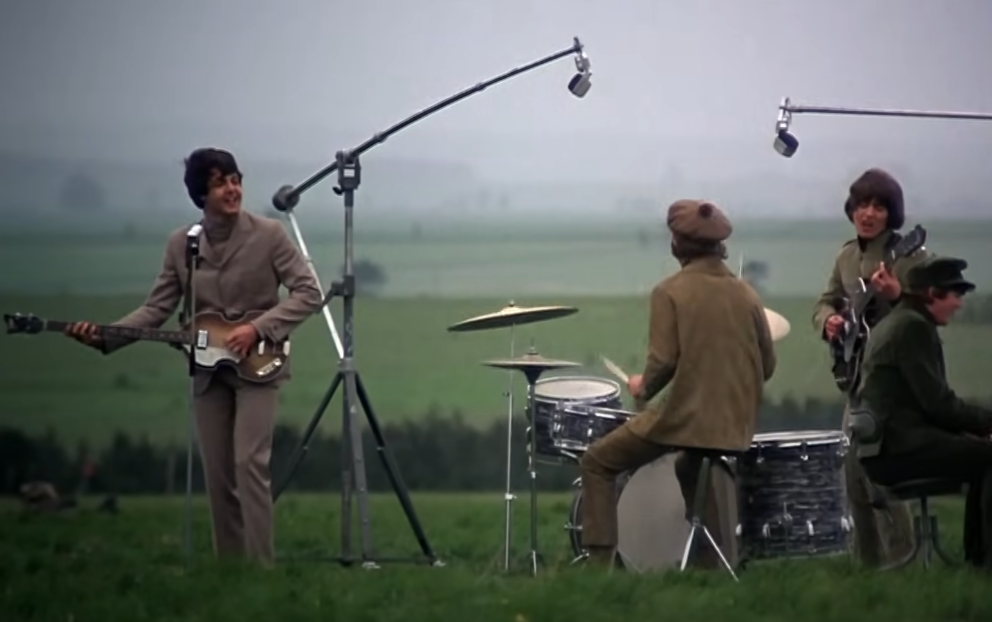
Help! (1965)
The Beatles’ second film, Help!, might be a fun romp, but its soundtrack marks a turning point for the band. Catchy hits like the title track sit alongside introspective gems such as “You’ve Got to Hide Your Love Away” and Paul McCartney’s soulful “The Night Before”. The familiar harmonies and jangly guitars still nod to their pop roots, but tracks like “Yesterday” reveal a newfound depth and maturity. This album bridges the gap between early Beatlemania and the band’s more experimental phase, delivering a flawless mix of pop-rock brilliance.
Rock ‘n’ Roll High School (1979)
Rock ‘n’ Roll High School is fueled by the Ramones’ high-octane punk soundtrack, turning their signature snarl into a rebellious anthem. Classics like “Blitzkrieg Bop,” “Pinhead,” and the title track roar with youthful energy, stripped of irony and full of raw defiance. The music becomes inseparable from the film’s spirit, especially when the title track blasts as the students rebel in full force. The soundtrack turned The Ramones into the ultimate voice of teenage revolt and misfit empowerment.
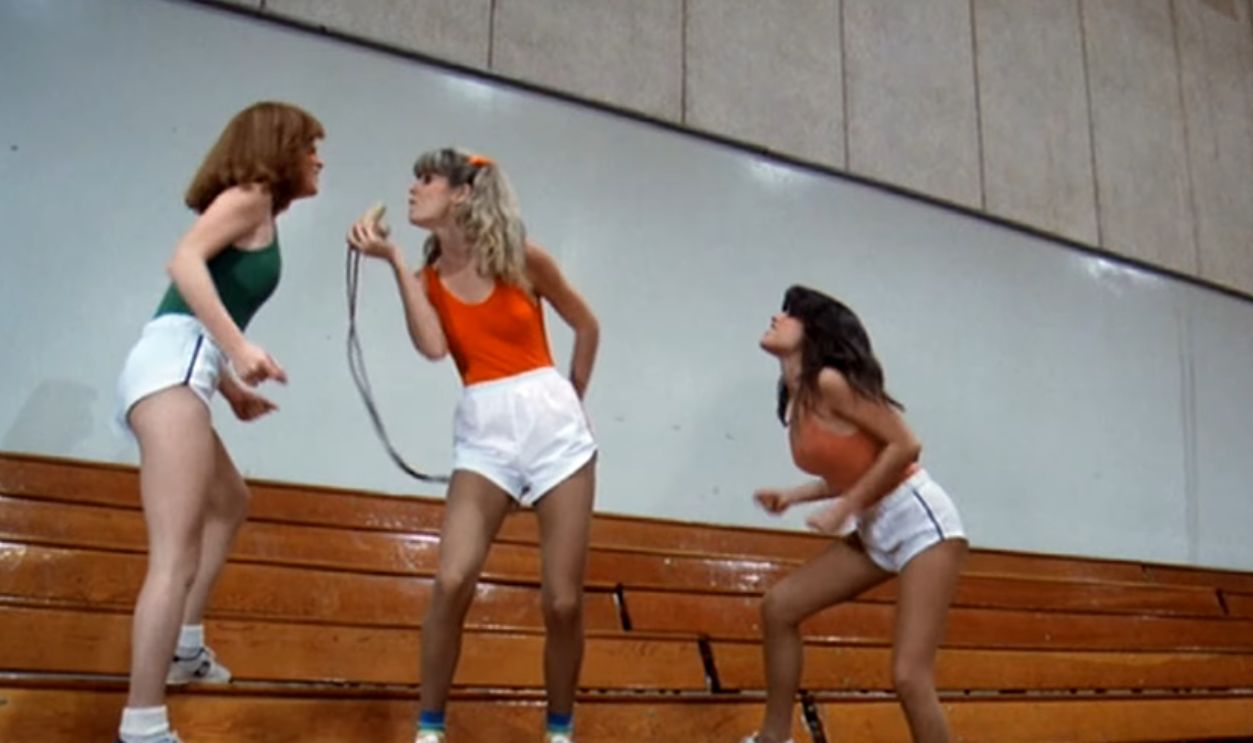 P.J. Soles - Rock 'N' Roll High School [clip], Shout! Studios
American Graffiti (1973)
George Lucas’s American Graffiti spins a nostalgic jukebox of late 50s and early 60s hits that practically drives the film’s story. Classics like Bill Haley’s swaggering “Rock Around the Clock” and Chuck Berry’s sly “Sweet Little Sixteen” perfectly capture the innocent energy of cruising and sock hops at summer’s end. These rockabilly and doo-wop gems blend seamlessly with the narrative, making the soundtrack a ride through bygone youth culture.
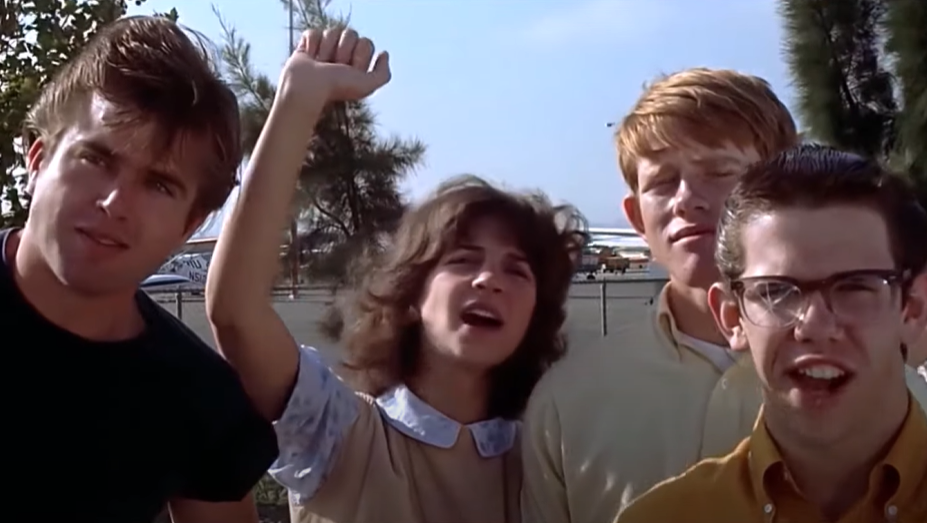 Lucasfilm, American Graffiti (1973)
Easy Rider (1969)
Dennis Hopper’s Easy Rider hit the road with a groundbreaking soundtrack that echoed the rebellious spirit of the late 60s. Featuring biker anthems like Steppenwolf’s roaring “Born to Be Wild” and Jimi Hendrix’s psychedelic “If 6 Was 9,” the music captured freedom and disillusionment on the open highway. This playlist didn’t just complement the film; it redefined how rock and folk could embody a movie’s soul and spirit.
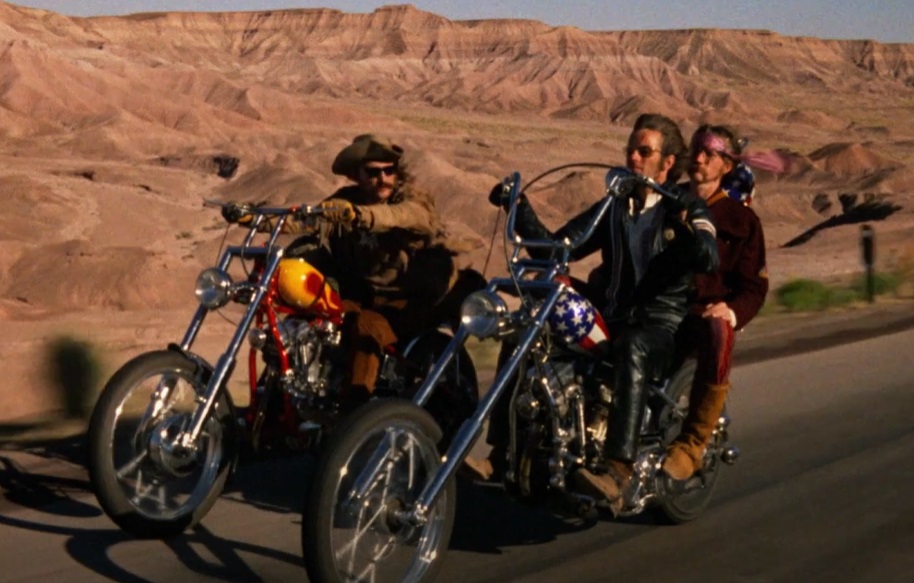
O Brother, Where Art Thou? (2000)
The Coen Brothers’ O Brother, Where Art Thou? surprised everyone with a bluegrass and Delta blues soundtrack that became a chart-topping sensation. Produced by T-Bone Burnett, it features authentic folk, country, and gospel, from Monroe’s mandolin to Emmylou Harris’s haunting vocals. The album revived interest in roots music by making songs like “Man of Constant Sorrow” resonate with modern audiences.
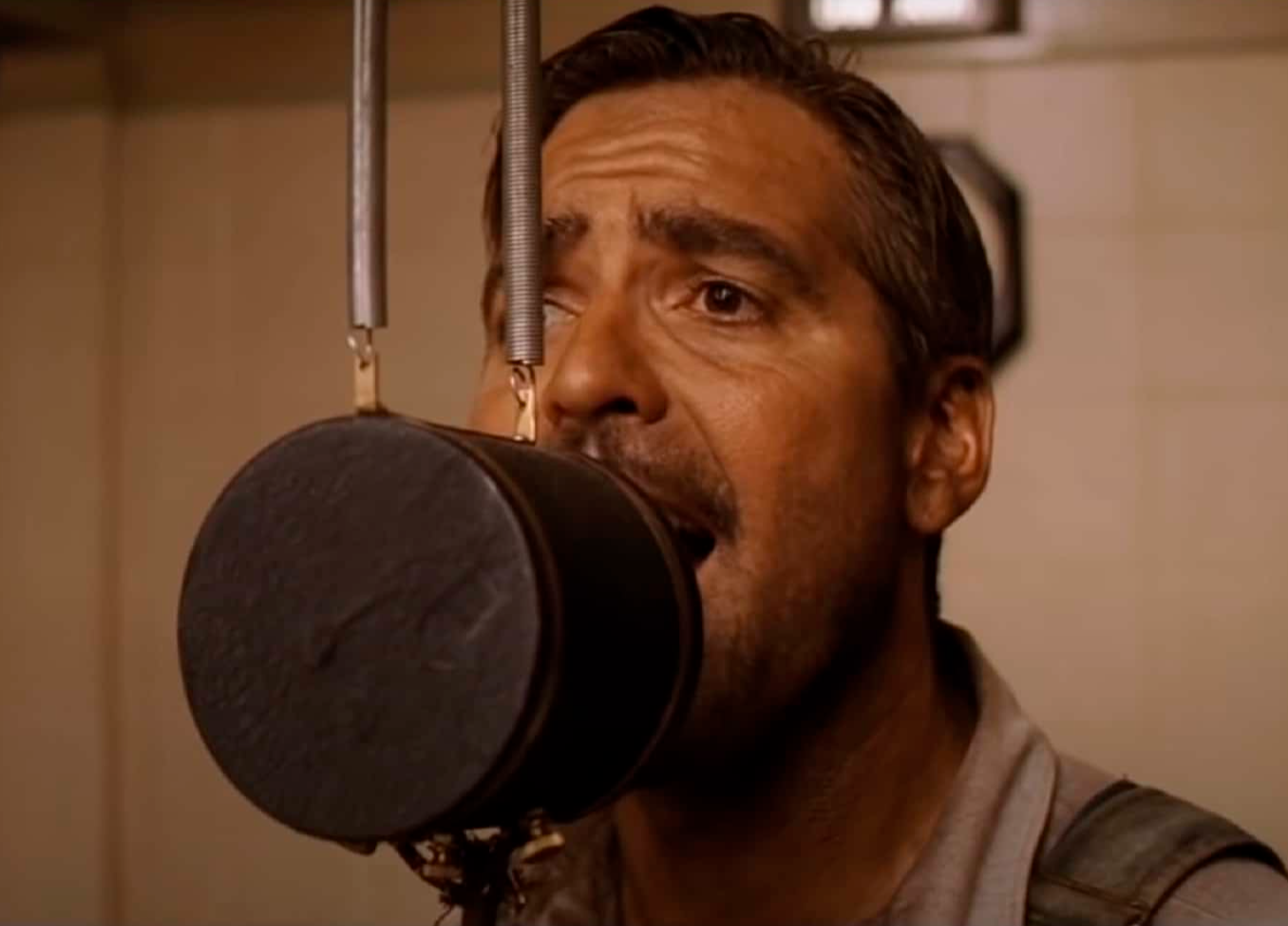 Universal Pictures, O Brother, Where Art Thou? (2000)
Rushmore (1999)
Wes Anderson’s Rushmore offers a carefully curated soundtrack of 60s British rock that perfectly matches the film’s quirky vibe. From Ray Davies’ reflective “Nothing in the World Can Stop Me Worryin’ ’Bout That Girl” to the jangly pop of The Creation, the music infuses Max Fischer’s eccentric world with warmth and wit. This blend of earnest melodies and vintage charm enhances the movie’s offbeat spirit.
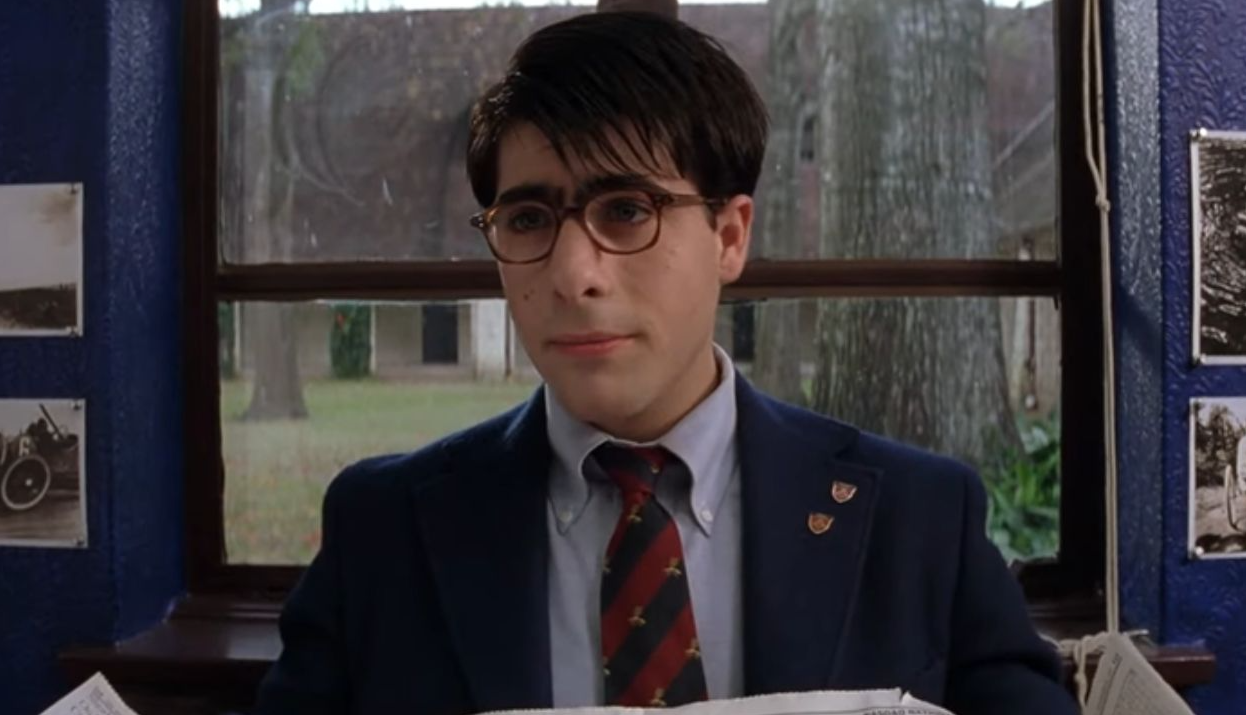 Impossible Math Problem Scene | RUSHMORE (1998) Movie CLIP HD, JoBlo Movie Clips
Juice (1992)
Tupac Shakur’s Juice delivers a soundtrack loaded with raw, streetwise hip-hop, produced by Hank Shocklee of the Bomb Squad. At a time when many films leaned on softer R&B, Juice boldly featured fierce tracks from East Coast legends like EPMD and Big Daddy Kane alongside West Coast heavyweights like Too Short and Cypress Hill. This gritty soundscape brings an authentic edge to the film’s urban story.
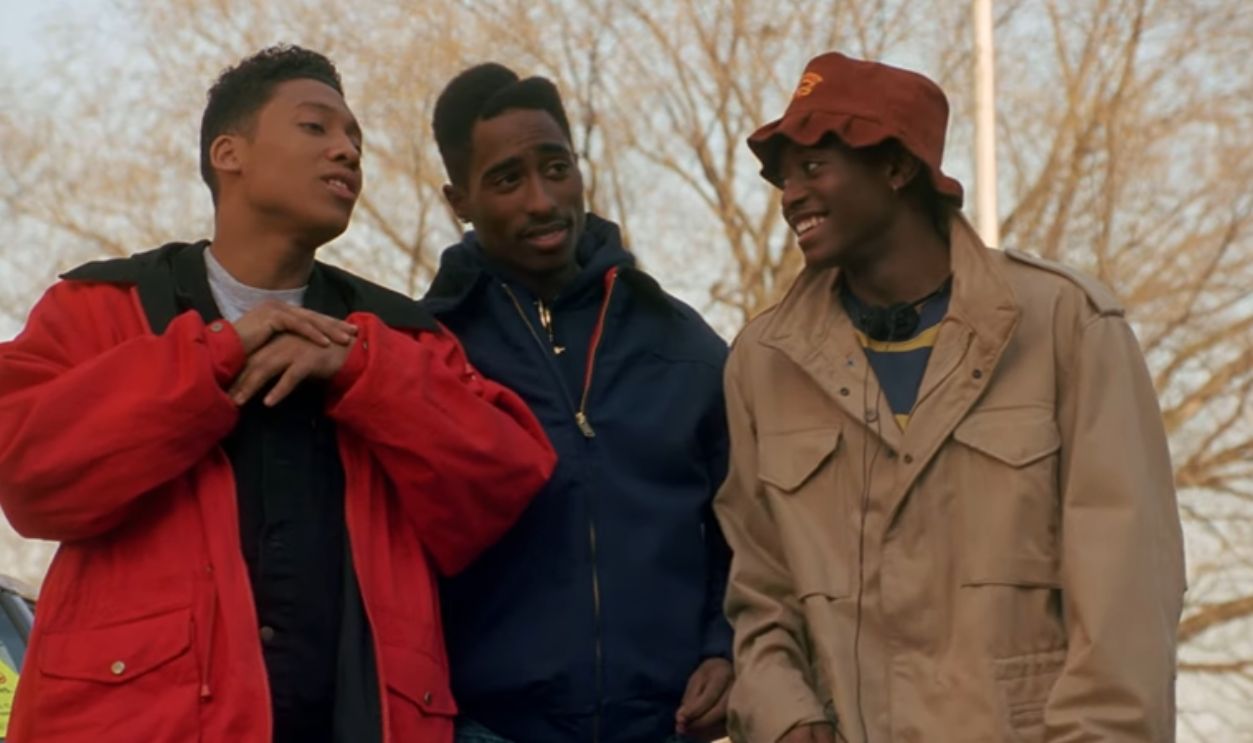 Juice 1992 - Radames Confronts Bishop, Mr1990s
Natural Born Killers (1994)
Trent Reznor transformed the Natural Born Killers’ soundtrack into a frenetic collage that mirrors Oliver Stone’s chaotic filmmaking style. He blended rock, country, industrial, jazz, and even dialogue snippets to mirror Oliver Stone’s hyperactive aesthetic. The soundtrack pulses with manic energy, jumping from Jane’s Addiction to South African guitar riffs, anchored by Nine Inch Nails’ moody ambiance. This mix pushed movie scores into avant-garde territory, perfectly capturing the film’s media-saturated madness.
 Warner Bros., Natural Born Killers (1994)
Head (1968)
The Monkees threw off their bubblegum pop image with Head, unleashing a psychedelic, experimental soundtrack that mirrors the film’s surreal tone. Instead of catchy pop fluff, the band dives into garage-rock (“Circle Stomp”), trippy acid jams (“Can You Dig It?”), and even musique concrète experiments. The centerpiece is “Porpoise Song,” a slow, droning anthem so ambitious that Noel Gallagher of Oasis called it “one of the great psychedelic moments in recorded history.”
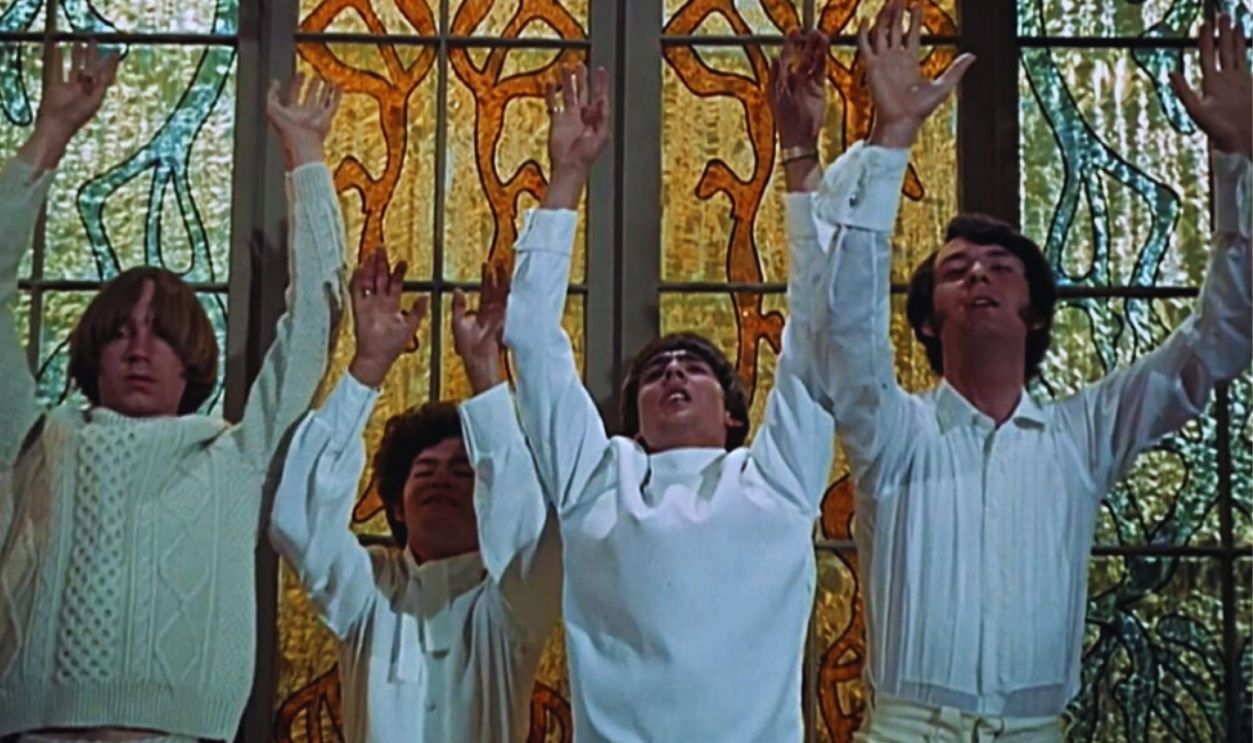 Head (1968) Trailer | Peter Tork, Davy Jones, Micky Dolenz, Michael Nesmith Movie, Movie Trailers
Magnolia (1999)
Paul Thomas Anderson centered Magnolia’s emotional core on Aimee Mann’s soulful songwriting, creating a soundtrack that feels like the film’s heartbeat. Producer Jon Brion helped shape Mann’s wry yet tender pop-folk into leitmotifs that thread through the movie’s intertwining stories. Tracks like “Save Me” and “Wise Up” underscore moments of vulnerability and hope, turning music into narrative glue. The result is a deeply cohesive soundtrack where film and album feel seamlessly intertwined.
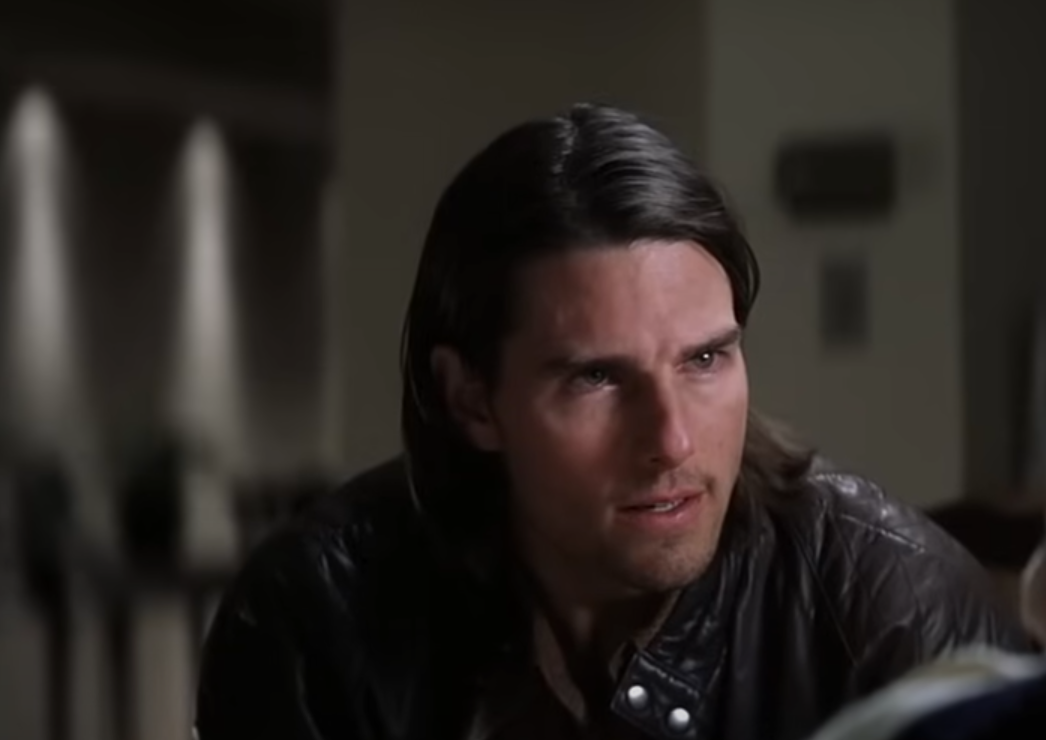 New Line Cinema, Magnolia (1999)
Judgment Night (1993)
Judgment Night’s soundtrack broke new ground by pairing hip-hop and rock artists in bold collaborations long before rap-rock became mainstream. From Slayer and Ice-T’s intense fusion to Sonic Youth joining forces with Cypress Hill, the album smashed musical boundaries. Each track is a surprising blend that mirrors the film’s relentless energy and chaos. Though the movie faded quickly, the soundtrack became a cult classic and blueprint for future rap-rock hybrids.
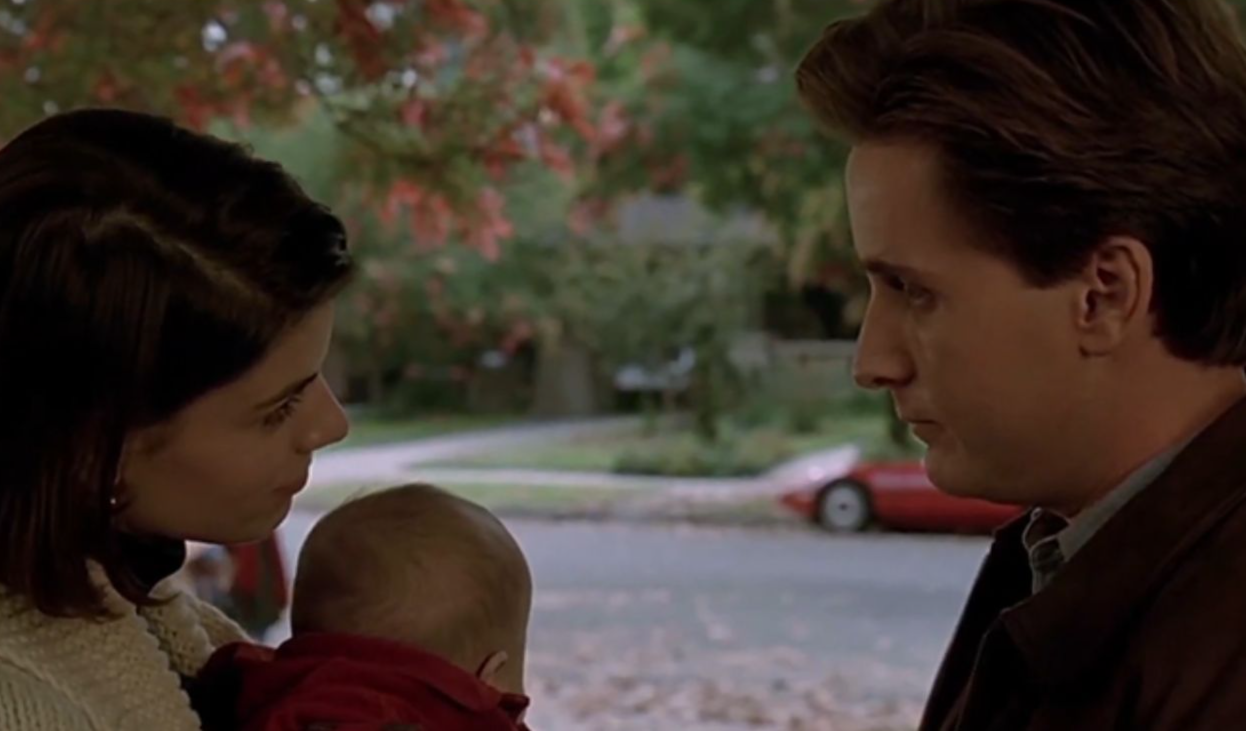 JUDGMENT NIGHT (1993) - The Best Movie You Never Saw, JoBlo Originals
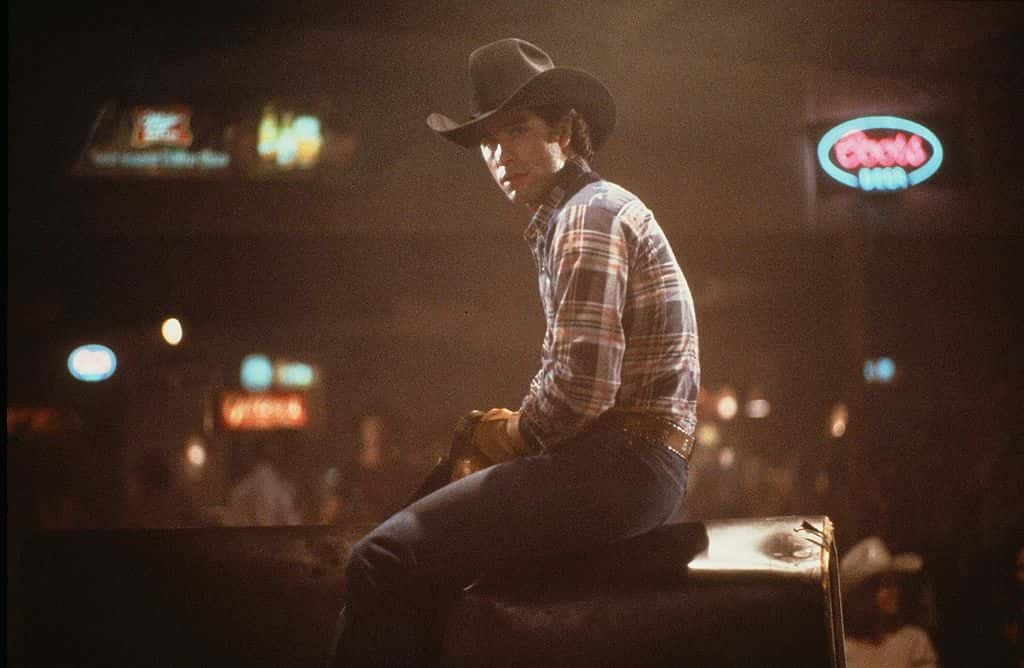
Urban Cowboy (1980)
Urban Cowboy launched the 80s wave of slick, pop-infused country music, replacing outlaw grit with polished romance. The soundtrack mixes crossover hits from the Eagles (“In the City”) and Charlie Daniels Band with glossy country-pop ballads by Kenny Rogers’ “Love the World Away,” Mickey Gilley’s “Stand by Me,” Anne Murray’s “Could I Have This Dance,” and Johnny Lee’s “Looking for Love”. These tracks dominated country charts and brought honky-tonk love songs to a wider audience. Together, they shaped the film’s warm, mainstream sound and helped redefine country music’s image.
A Hard Day’s Night (1964)
The Beatles’ film debut feels like a greatest hits compilation, packed with early gems that defined the 60s. The electrifying title track “A Hard Day’s Night” drives the movie’s energy, while catchy tunes like “Can’t Buy Me Love” and heartfelt ballads such as “And I Love Her” highlight the band’s range. Their signature harmonies and McCartney’s melodic bass weave through every song, capturing the joyous spirit of Beatlemania. The soundtrack plays like a live concert, cementing these tracks as timeless pillars of 1960s pop culture.
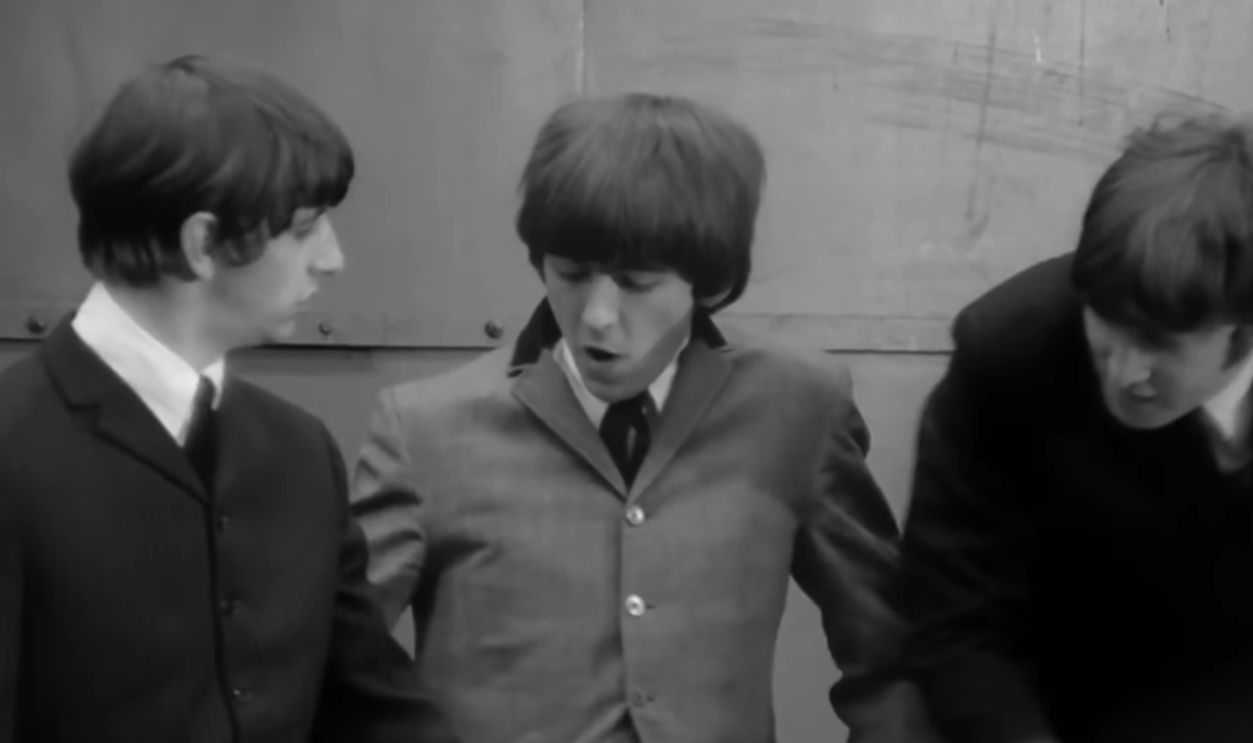 A Hard Day's Night (1964) Trailer #1 | Movieclips Classic Trailers, Rotten Tomatoes Classic Trailers
Singles (1992)
Set against Seattle’s grunge explosion, this soundtrack is a quintessential mixtape of 90s alt-rock. Cameron Crowe curated an authentic roster featuring Alice in Chains’ psychedelic tones, Soundgarden’s raw power, and Pearl Jam’s early emotional intensity. The inclusion of Mother Love Bone nods to the city’s roots, making the album a true snapshot of the era. With fuzzy guitars and moody vocals, these songs immerse listeners in the smoky clubs and restless spirit.
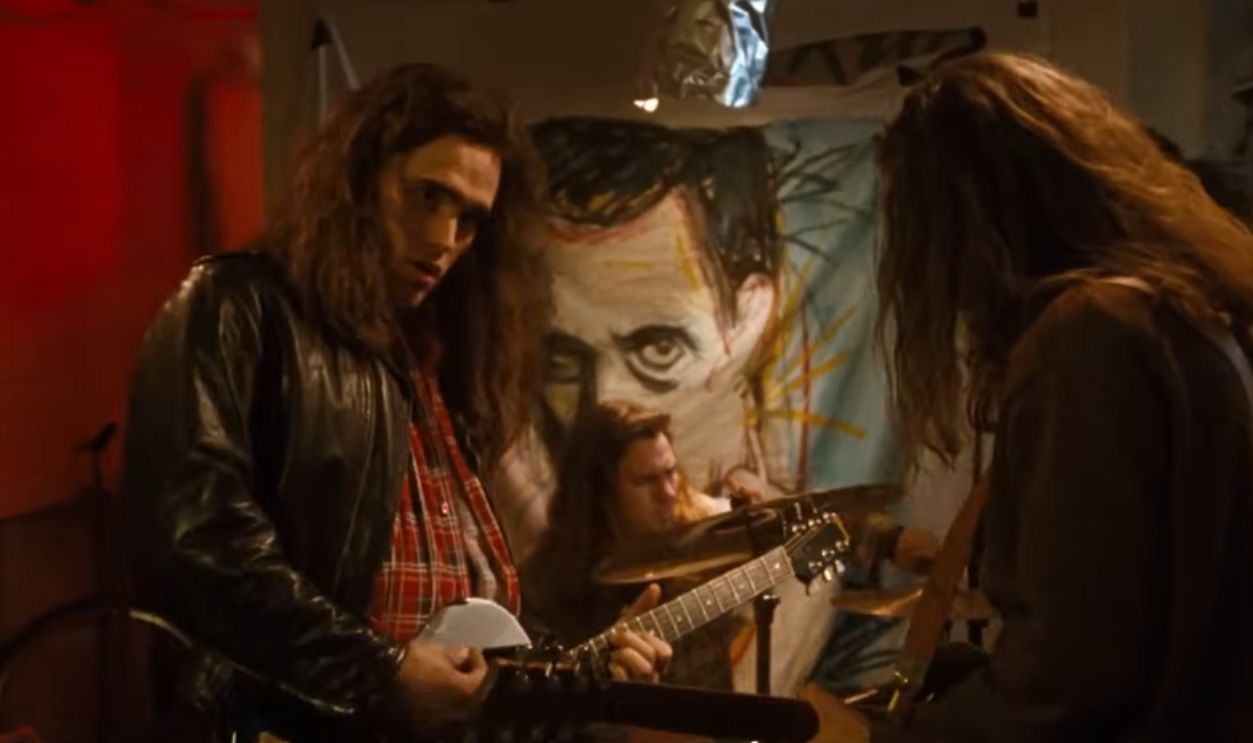 Singles (1992) - All Pearl Jam scenes, lua
Spinal Tap (1984)
This cult mockumentary nailed its rock soundtrack by having cast members craft genuinely compelling melodies. From headbanging metal anthems like “Hell Hole” to hilariously earnest ballads such as “Big Bottom,” the music hits every rock cliche with loving precision. Tracks like “Stonehenge” and the shredding guitars are so well done, they blur the line between parody and reality. The album has become a beloved classic, inspiring fans and real bands alike to celebrate these fictional hits with genuine enthusiasm.
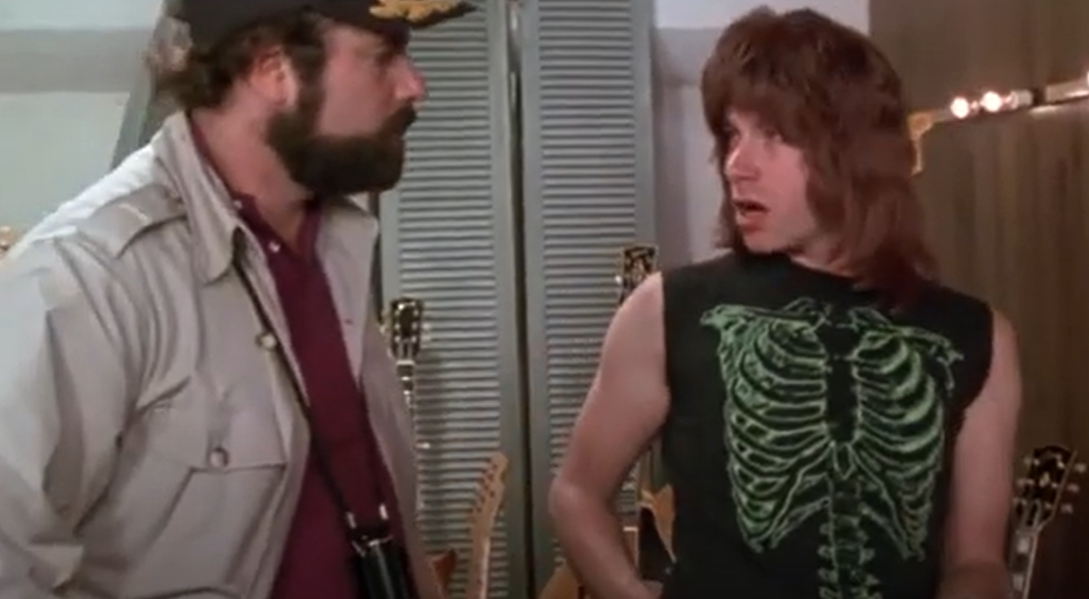 Goldcrest Films International, This Is Spinal Tap (1984)
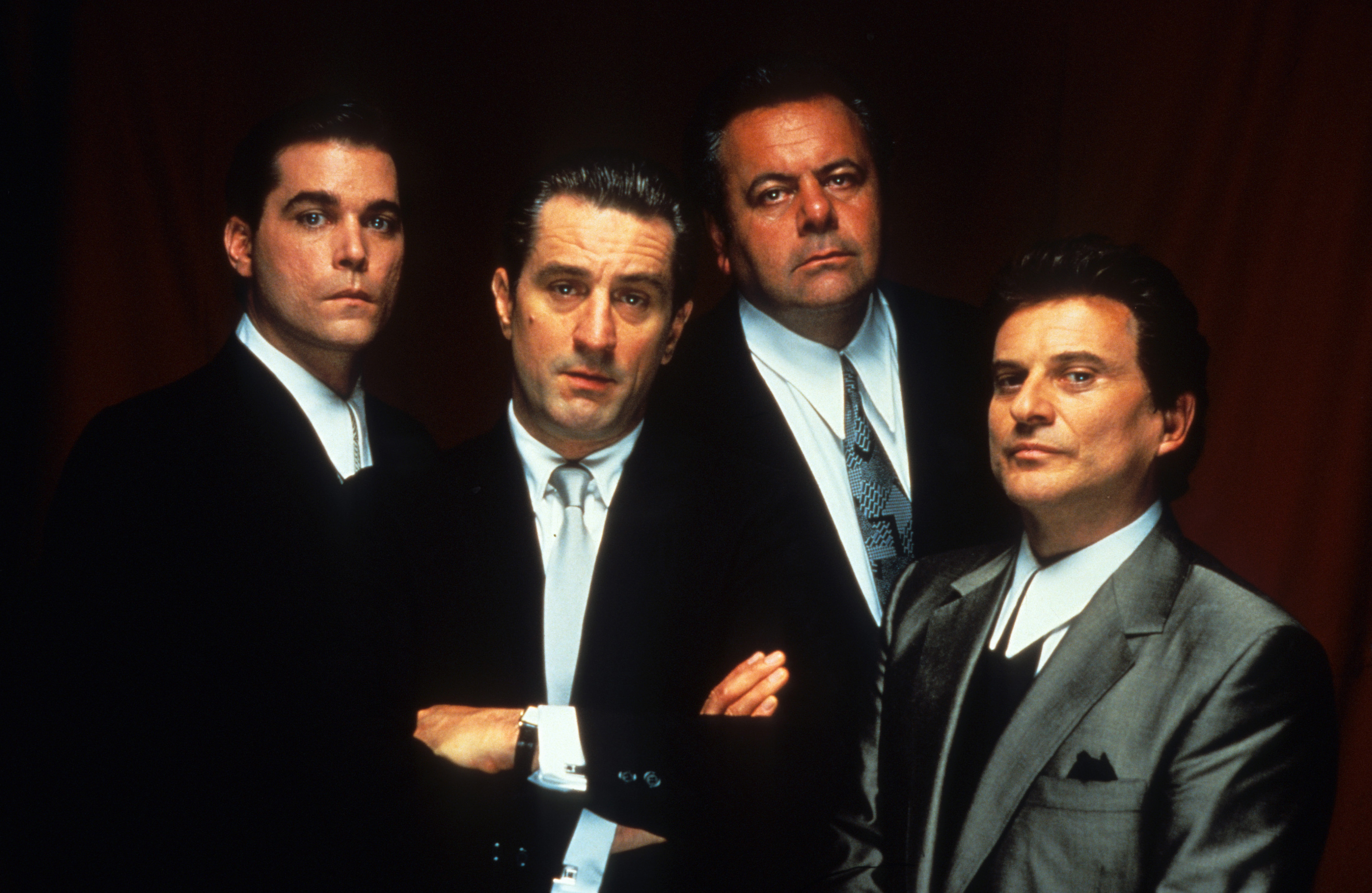
Goodfellas (1990)
Martin Scorsese’s Goodfellas uses its soundtrack to narrate as much as to set the scene, spanning doo-wop, soul, glam rock, and psychedelia. From Hank Ballard’s upbeat tunes to T Rex’s glam crunch and Pink Floyd’s atmospheric sound, each song reflects shifts in mood and narrative tension. The stark transition from Sam Cooke’s “Wonderful World” to the Stones’ “Gimme Shelter” perfectly underscores escalating conflict. Scorsese masterfully turns familiar songs into storytelling tools, making the soundtrack a dynamic character in its own right.
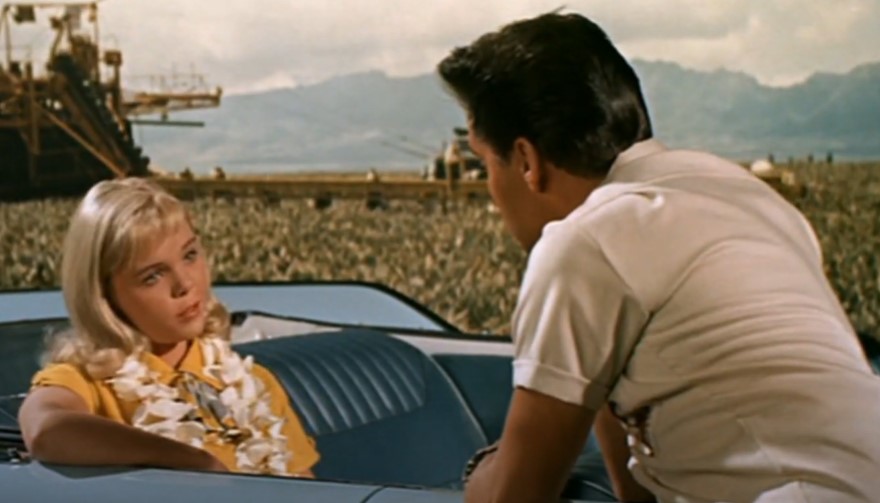
Blue Hawaii (1961)
Elvis Presley’s Blue Hawaii soundtrack blends tropical charm with easygoing pop, anchored by the title track’s breezy ukulele and steel guitar sounds. It topped charts for months, showcasing Elvis’s softer side as he traded rock ’n’ roll’s edge for romantic island vibes. Songs like “Can’t Help Falling in Love” have since become timeless classics. This album proved that a film’s music could be both a commercial juggernaut and an essential part of a star’s cinematic identity.
Pulp Fiction (1994)
Quentin Tarantino’s Pulp Fiction soundtrack became iconic by blending vintage rock, surf, and soul tracks that felt timeless rather than contemporary. Dick Dale’s frenetic surf guitar on “Misirlou” kicks off the film with a punch, while Al Green’s soulful “Let’s Stay Together” and Urge Overkill’s cover of “Girl, You’ll Be a Woman Soon” added texture and mood. The eclectic playlist doesn’t just accompany scenes; it defines the movie’s cool, nonlinear vibe, grounding the soundtrack as a cult classic that reshaped film music.

2001: A Space Odyssey (1969)
Stanley Kubrick’s 2001 famously replaced an original score with majestic classical pieces that transformed the film into a cosmic ballet. Richard Strauss’s “Also sprach Zarathustra” gives the opening scene its monumental grandeur, while Johann Strauss’s “Blue Danube Waltz” gracefully underscores spacecraft gliding through space. Meanwhile, György Ligeti’s eerie vocal compositions add an unsettling layer of mystery, altogether creating a soundtrack that revolutionized how classical music can evoke wonder and infinite space in cinema.
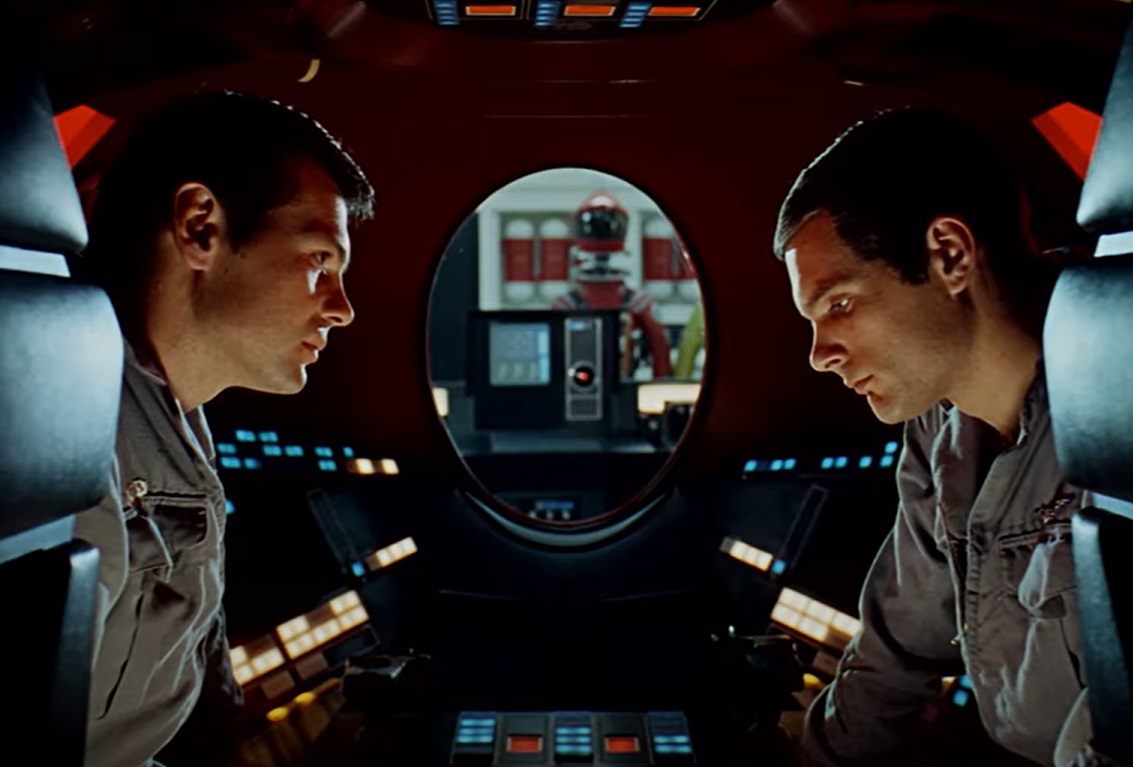 MGM, 2001: A Space Odyssey (1968)
Harold And Maude (1971)
The whimsical yet dark comedy Harold and Maude owes much of its charm to Yusuf/Cat Stevens’ introspective folk-rock. Tracks like “Trouble” and “If You Want to Sing Out, Sing Out”, some alternate takes, perfectly capture the film’s blend of existential reflection and youthful zest. Director Hal Ashby favored Stevens’ demos for their raw intimacy, making the soundtrack a quiet but profound companion to the film’s offbeat narrative. Its soft melodies and thoughtful lyrics remain the soul of this cult classic.
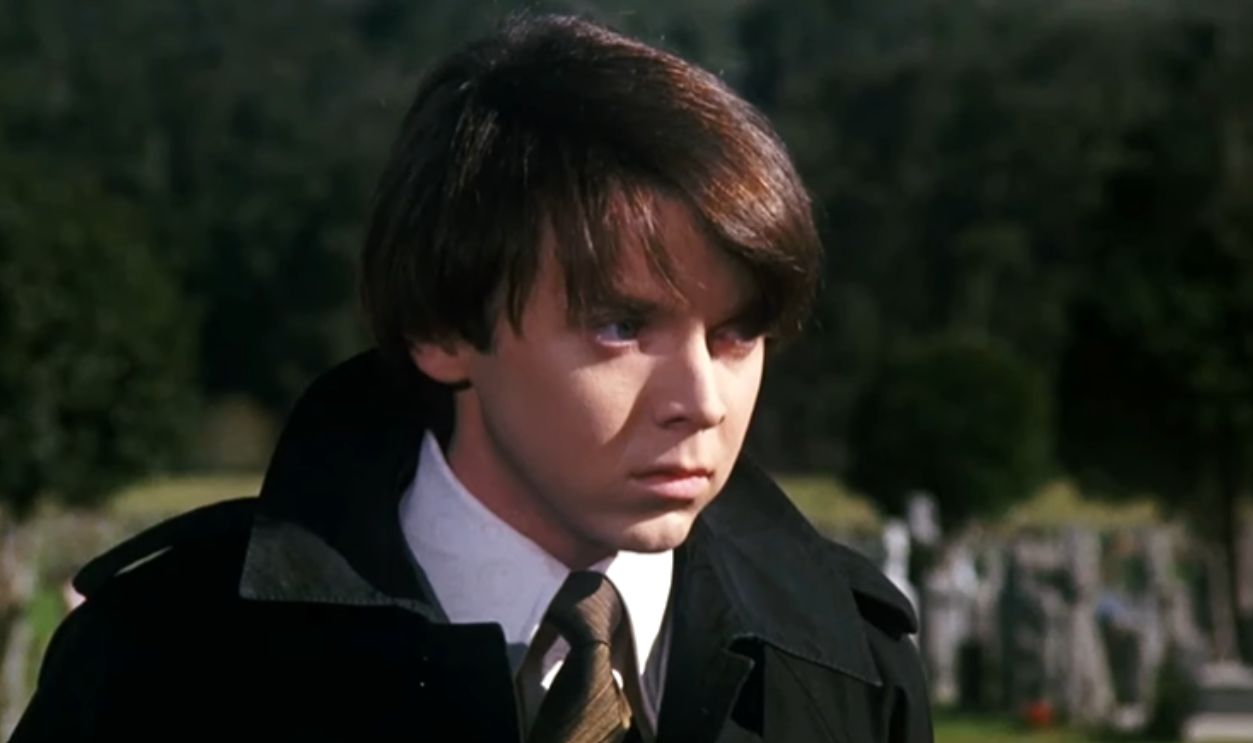 Harold and Maude • If You Want to Sing Out, Sing Out • Cat Stevens, HD Film Tributes
Almost Famous (2000)
Cameron Crowe’s semi-autobiographical film Almost Famous rides on an impeccably curated 1970s rock soundtrack that feels like a nostalgic road trip. From Led Zeppelin’s sprawling “Kashmir” to the gentle folk of Kate & Anna McGarrigle, the music vividly transports viewers to the era’s concert halls and backstage drama. Fictional band Stillwater’s original songs seamlessly blend with the classics, while crowd noises and dialogue snippets create an immersive atmosphere. The soundtrack itself feels like another character, capturing the era’s musical spirit and youthful longing.
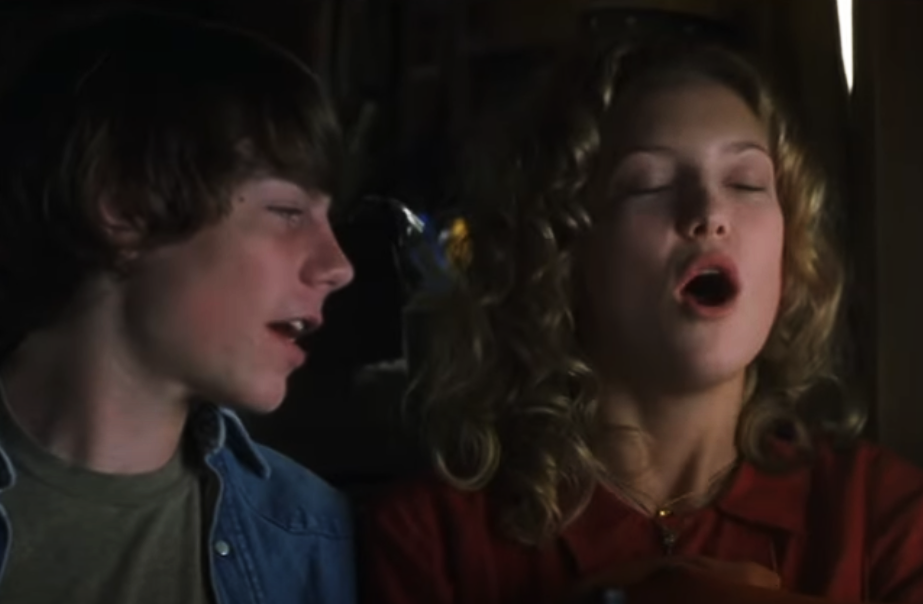 DreamWorks, Almost Famous (2000)
Black Orpheus (1959)
Antônio Carlos Jobim and Luiz Bonfá’s bossa nova melodies anchor the vibrant Black Orpheus soundtrack, turning the film into a samba celebration. “Manhã de Carnaval” became a global jazz standard, with classic guitar lines and Afro-Brazilian percussion driving the rhythms of Rio’s Carnival streets. The blend of samba, jazz, and Latin influences creates a hypnotic musical tapestry, inviting listeners into a world where dance and passion are inseparable. This soundtrack’s sultry grooves still evoke the joyous spirit of Brazil’s cultural heritage.
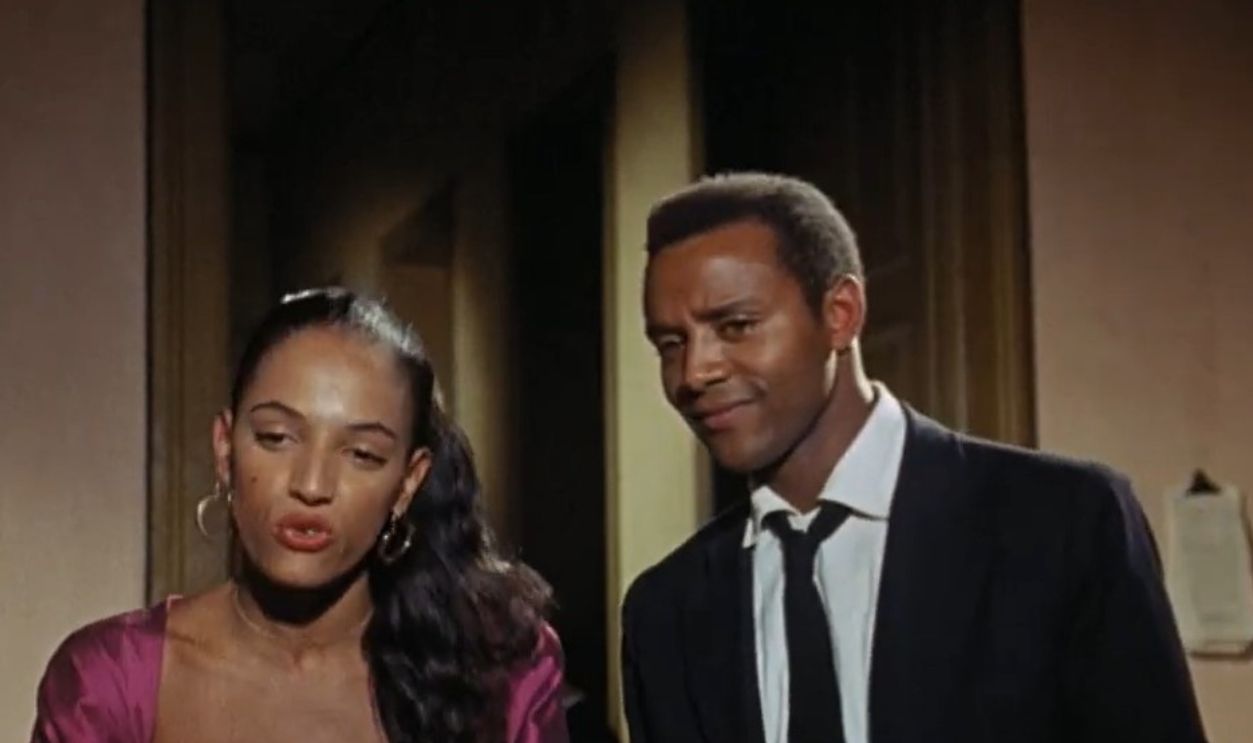
Jurassic Park (1993)
John Williams crafted a monumental orchestral score that became synonymous with Jurassic Park’s theme and adventure. His sweeping themes capture both the grandeur of dinosaurs and the tension of survival, elevating Spielberg’s blockbuster into a timeless cinematic experience. The soundtrack remains one of the most iconic film scores, winning an Academy Award and enchanting audiences worldwide.
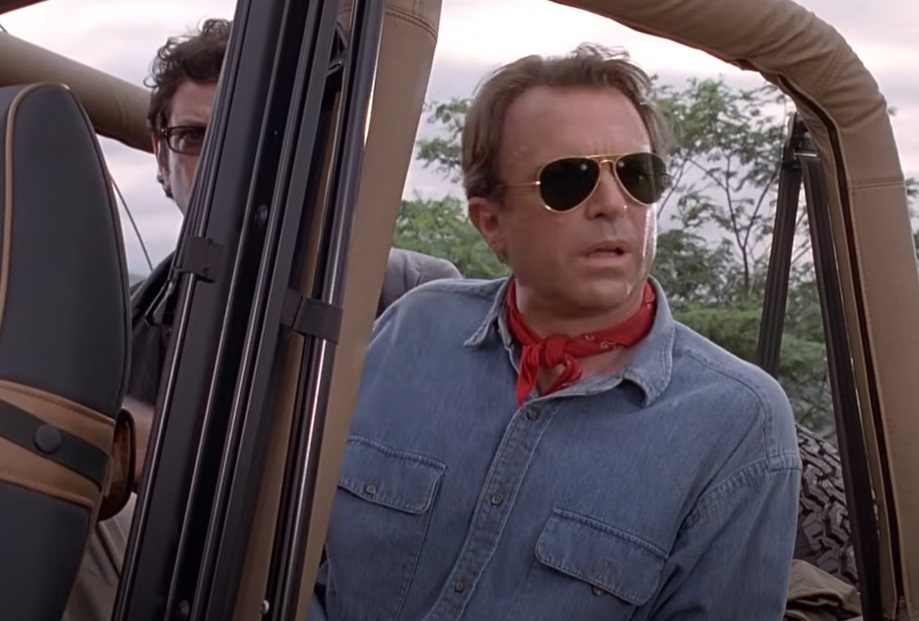 Universal, Jurassic Park (1993)
Once Upon A Time In Hollywood (2019)
Quentin Tarantino meticulously recreated the sonic landscape of 1969 Los Angeles, blending hit singles with authentic radio banter and vintage commercials. The soundtrack includes deep cuts from Deep Purple, Bob Seger, and Neil Diamond, woven with the voices of iconic DJs like Real Don Steele and Charlie Tuna. This auditory collage not only grounds the film in its era but also elevates the soundtrack into an immersive time capsule of late 60s Americana.
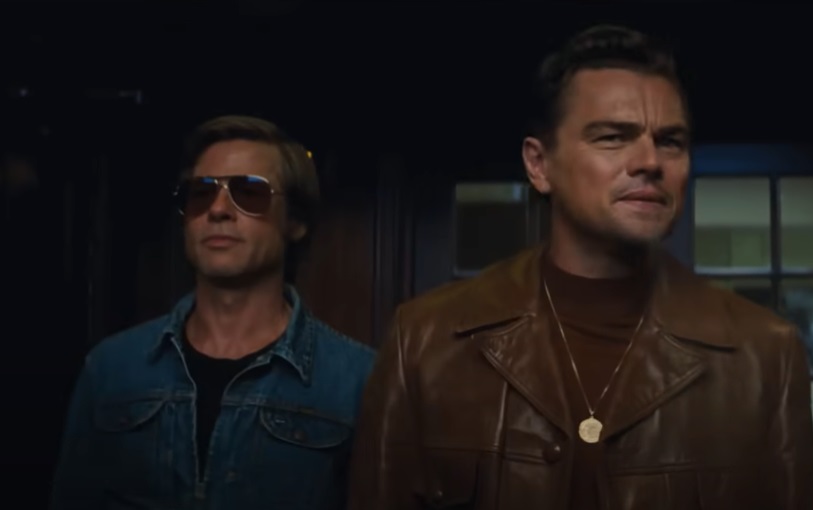 Sony, Once Upon a Time in Hollywood (2019)
The Big Lebowski (1998)
T Bone Burnett curated a soundtrack that mirrors the laid-back yet quirky spirit of the film’s cult hero, The Dude. With a mix of psych-rock gems like Kenny Rogers & The First Edition’s “Just Dropped In” and a heartfelt Captain Beefheart ballad, the music avoids typical character commentary and instead reflects the film’s offbeat, languid mood. This carefully chosen mix has become synonymous with the movie’s enduring cultural mystique.
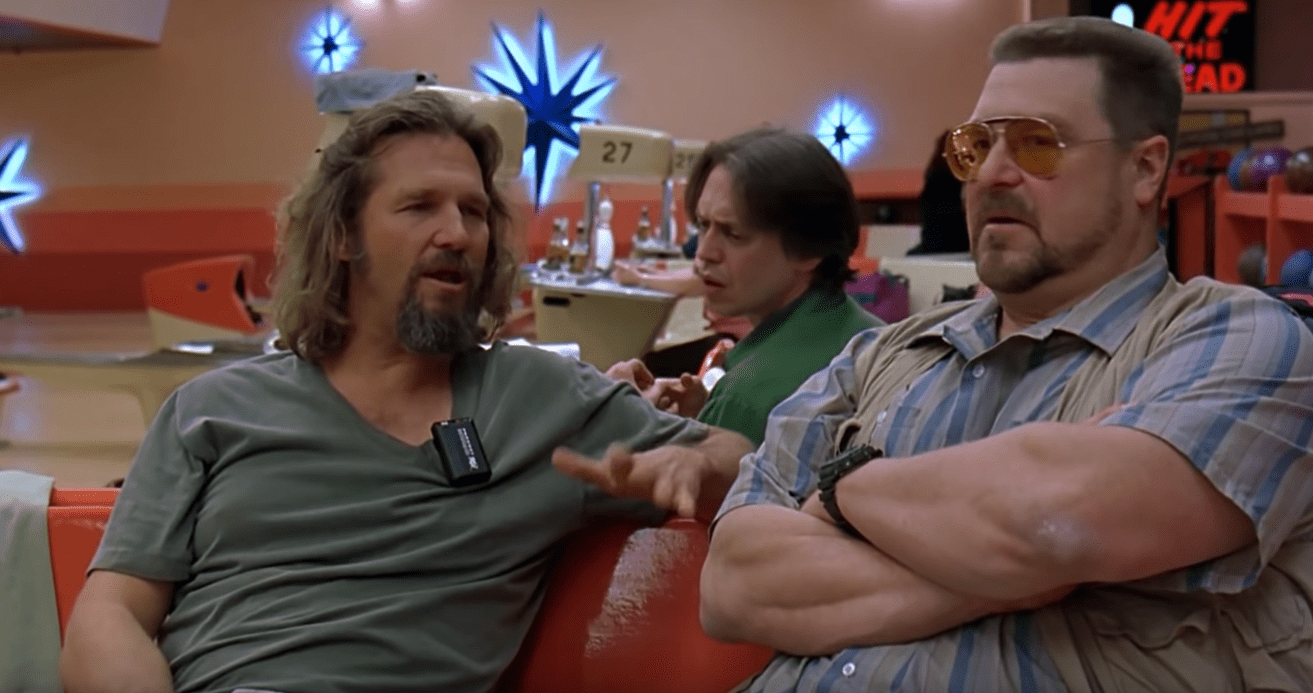 The Big Lebowski,PolyGram Filmed Entertainment
The Mack (1973)
Willie Hutch’s smooth soul and funk soundtrack anchors this definitive pimpsploitation film, crafting a lush musical backdrop for John “Goldie” Mickens’s story. Tracks like the mournful “Brothers Gonna Work It Out” provide anthems of resilience, while “I Choose You” became a foundational sample in Southern rap, notably featuring in OutKast’s “Int’l Player’s Anthem”. Hutch’s music adds depth and swagger, making The Mack’s soundtrack a landmark in blaxploitation and beyond.
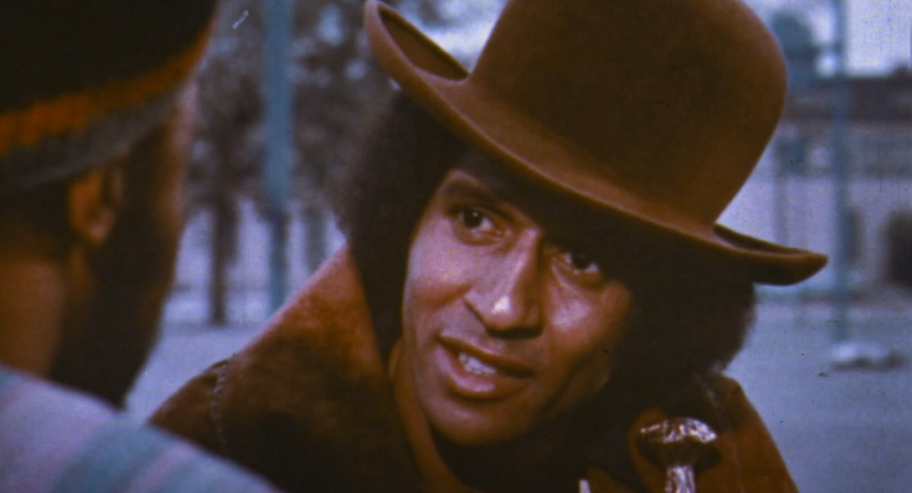 Harbor Productions, The Mack (1973)
Waiting To Exhale (1995)
Kenneth “Babyface” Edmonds assembled a powerhouse of R&B talent to capture the emotional complexity of Black female friendship in this film. Anchored by Whitney Houston’s platinum hit “Exhale (Shoop Shoop),” the soundtrack features soulful contributions from Mary J Blige, Toni Braxton, and Aretha Franklin. It dominated the charts for weeks, becoming a defining soundtrack that blended contemporary hits with heartfelt ballads, solidifying 90s R&B’s mainstream appeal.
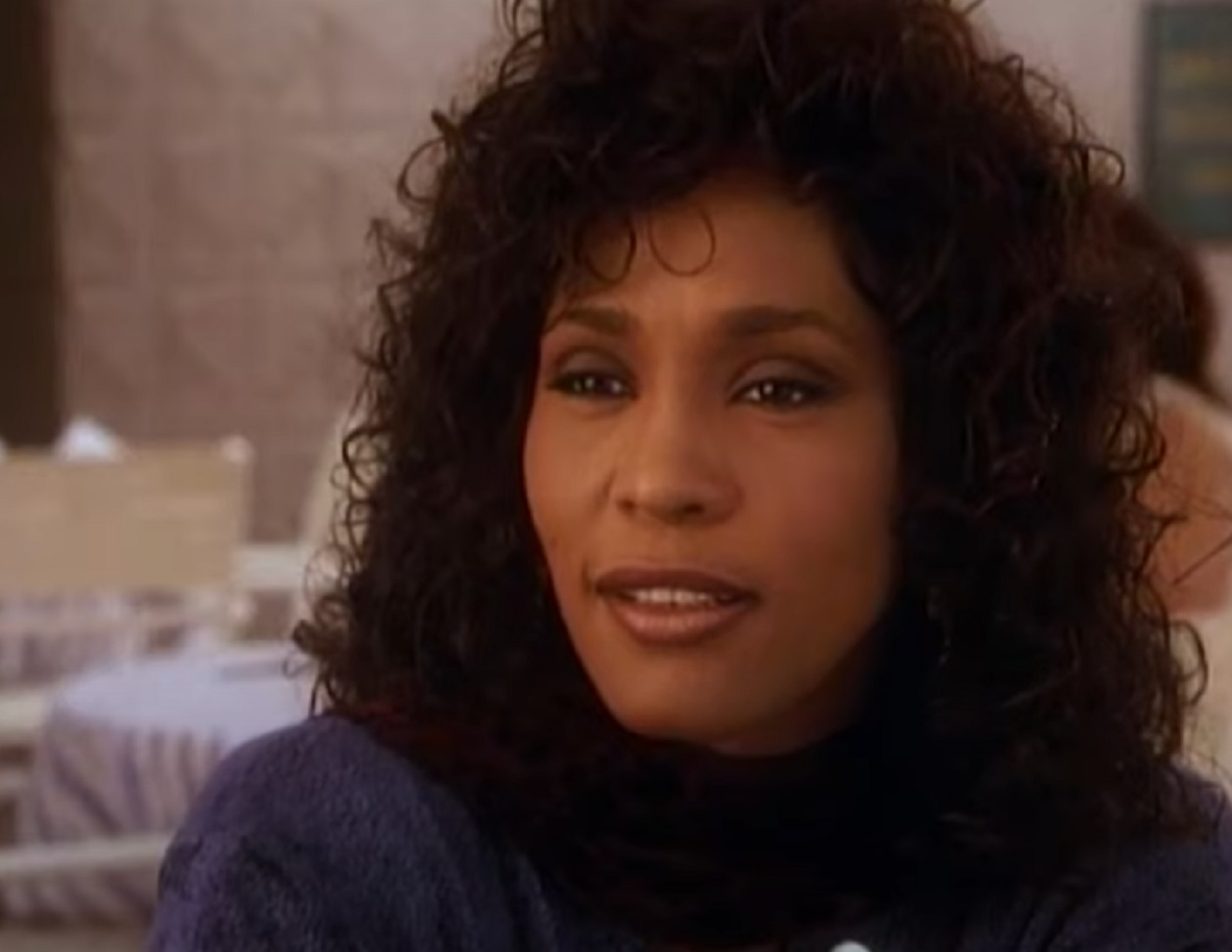 Twentieth Century Fox, Waiting to Exhale (1995)
Source: 1