The Movie Ended, But The Song Never Did
A soundtrack hit can give a singer the kind of audience most musicians spend years chasing. The catch is that once a song becomes inseparable from a movie, every concert, interview, comeback, and greatest-hits package can end up circling back to the same few minutes of music.
Irene Cara Could Never Outrun Flashdance
Irene Cara had already become famous through Fame when Flashdance... What a Feeling arrived in 1983. The song became a No. 1 smash and earned Cara a Grammy for Best Female Pop Vocal Performance, while the composition also won the Academy Award for Best Original Song. Cara recorded other music afterward, but Flashdance remained the achievement most closely attached to her name.
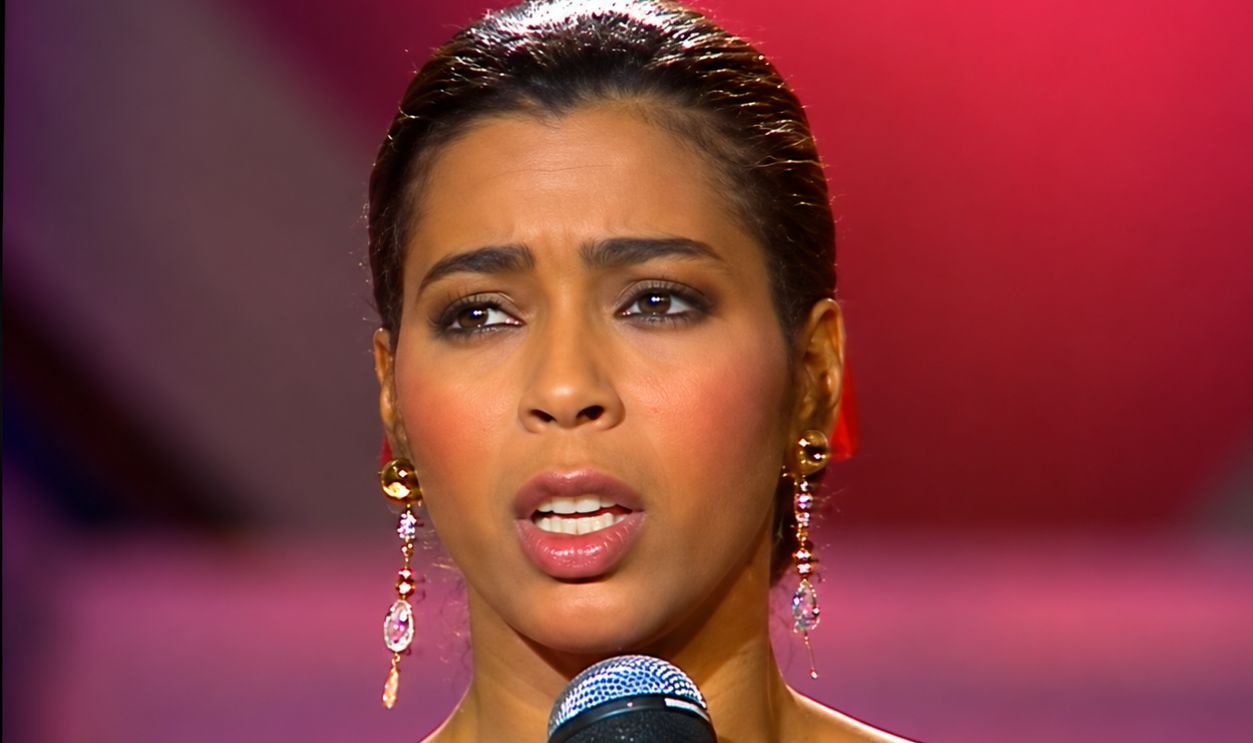 Screenshot from Flashdance... What a Feeling, Casablanca Records (1983), Enhanced
Berlin Became The Band From Top Gun
Berlin had already scored with songs such as "No More Words" before Top Gun changed the scale of everything. "Take My Breath Away" became the band's first and only No. 1 hit in the United States and also topped the British chart. Decades later, it remains the song that can instantly turn Terri Nunn and Berlin into shorthand for 1980s movie romance.
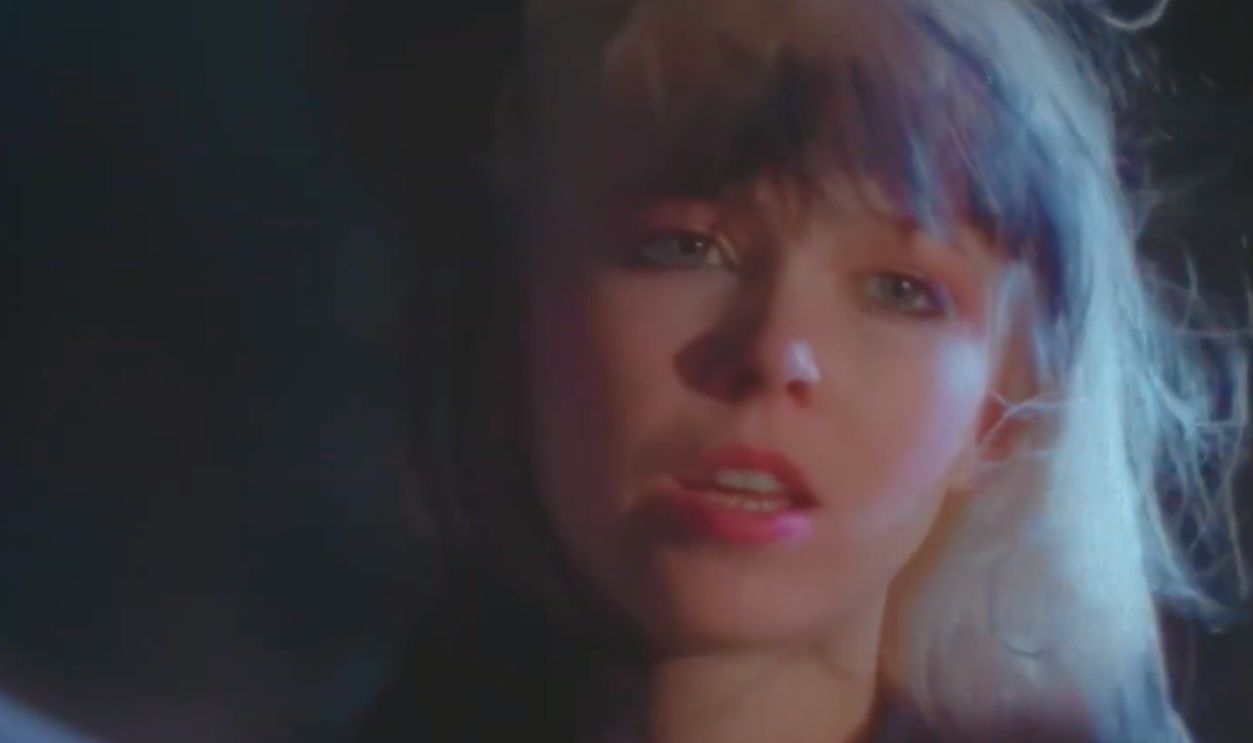 Screenshot from Take My Breath Away, Columbia Records (1986)
Survivor Found A Tiger They Couldn't Shake
Survivor had released two albums before Sylvester Stallone asked for a song for Rocky III. "Eye of the Tiger" raced to No. 1, won the band's only Grammy, and became so strongly associated with determination and sports that it eventually grew far beyond the movie itself. Survivor recorded other hits, but none escaped the enormous cultural footprint of Rocky Balboa's training anthem.
 Screenshot from Eye of the Tiger, Scotti Brothers Records (1982)
Simple Minds Almost Said No To Their Signature Song
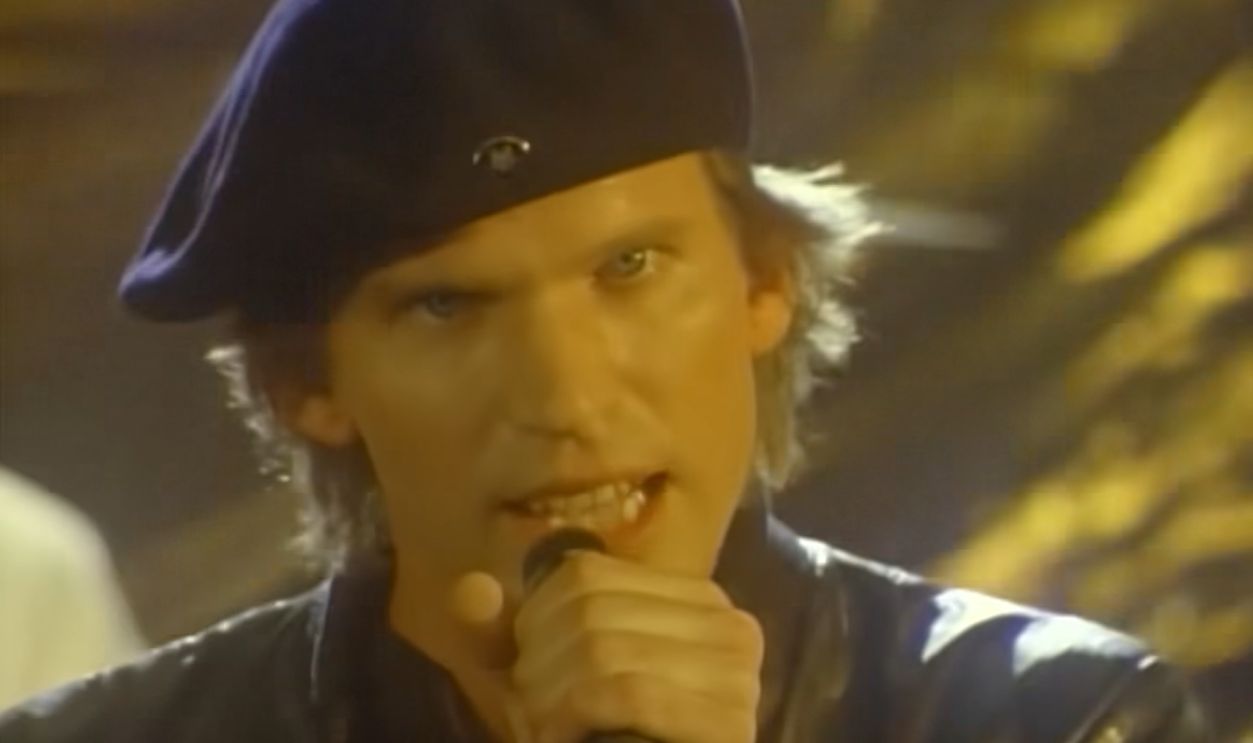
Simple Minds did not write "Don't You (Forget About Me)," and the band initially resisted recording it for The Breakfast Club. The decision to relent produced their only U.S. No. 1 single and one of the most recognizable movie songs of the decade. Jim Kerr and the band went on making ambitious records, yet American nostalgia repeatedly pulled them back into John Hughes's high-school hallway.
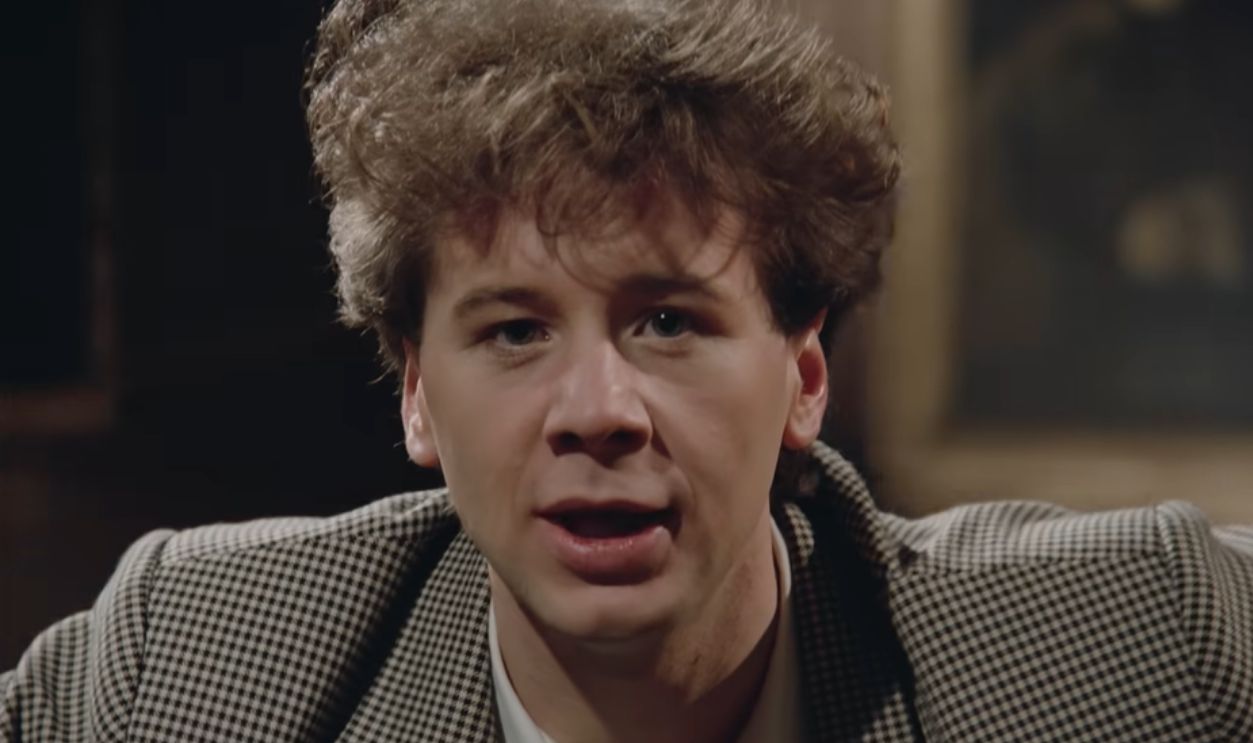 Screenshot from Don’t You (Forget About Me), A&M Records (1985)
Celine Dion Became Permanently Linked To Titanic
Celine Dion was already an international superstar before Titanic. "My Heart Will Go On" nevertheless became what the Recording Academy later called the most recognizable song of her career, winning Record and Song of the Year at the Grammys. The song and film became so intertwined that Dion can barely sing its opening notes without audiences immediately picturing the doomed ocean liner.
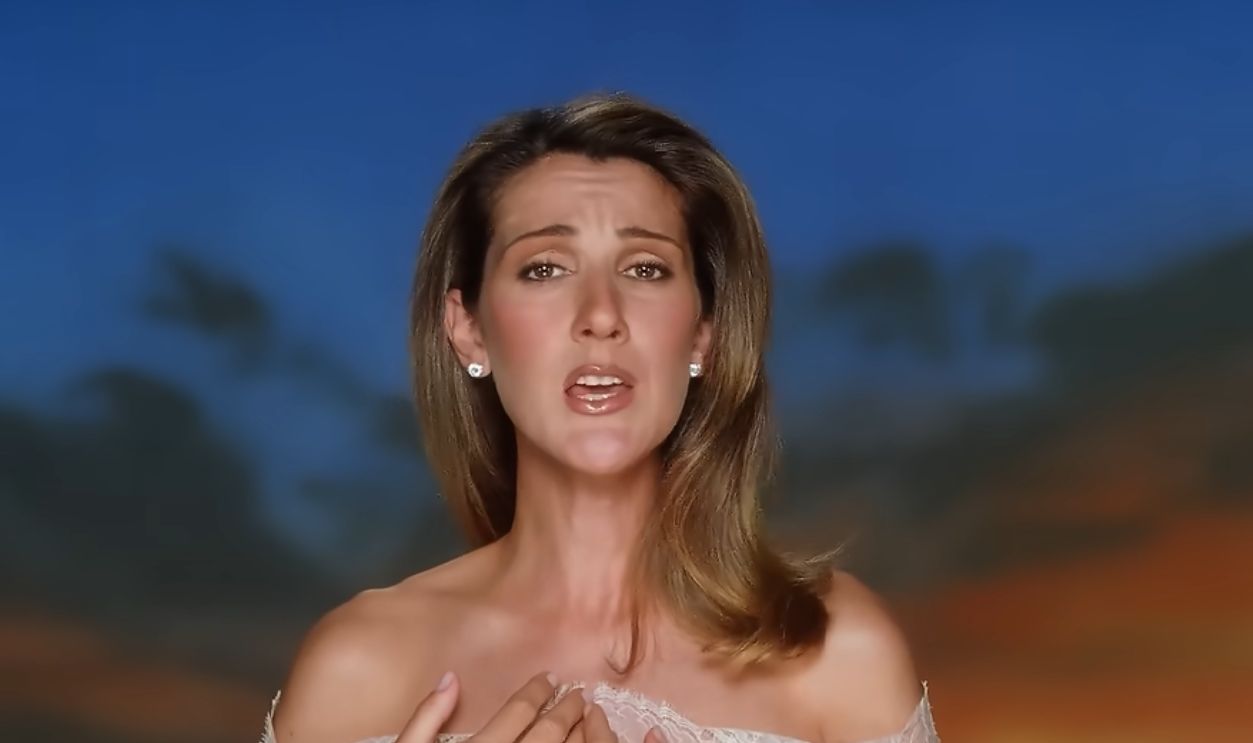 Screenshot from My Heart Will Go On, Columbia Records (1997)
Bryan Adams Found His Longest Reign In Sherwood Forest
Bryan Adams had major hits throughout the 1980s before Robin Hood: Prince of Thieves. "(Everything I Do) I Do It for You" then spent seven weeks at No. 1 in America and became by far his longest-running chart-topper there. Adams has an enormous catalog, but the movie ballad still casts the longest commercial shadow.
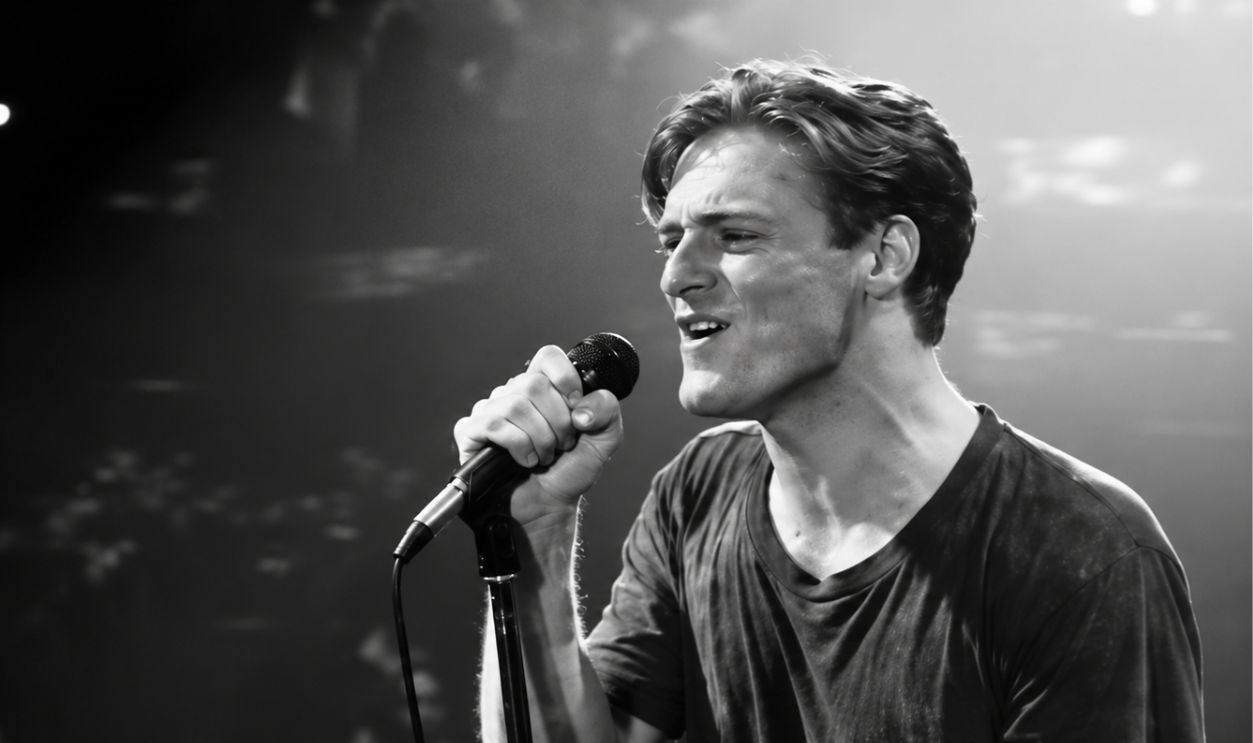 Screenshot from (Everything I Do) I Do It for You, A&M Records (1991), Enhanced
Seal Needed Batman To Rescue His Song
"Kiss from a Rose" had already been released before Batman Forever, but it initially failed to become a major hit. Director Joel Schumacher revived it for the movie, and suddenly Seal had a No. 1 single plus Grammys for Record, Song, and Male Pop Vocal Performance. One superhero soundtrack transformed a nearly forgotten track into the song Seal would be asked about for decades.
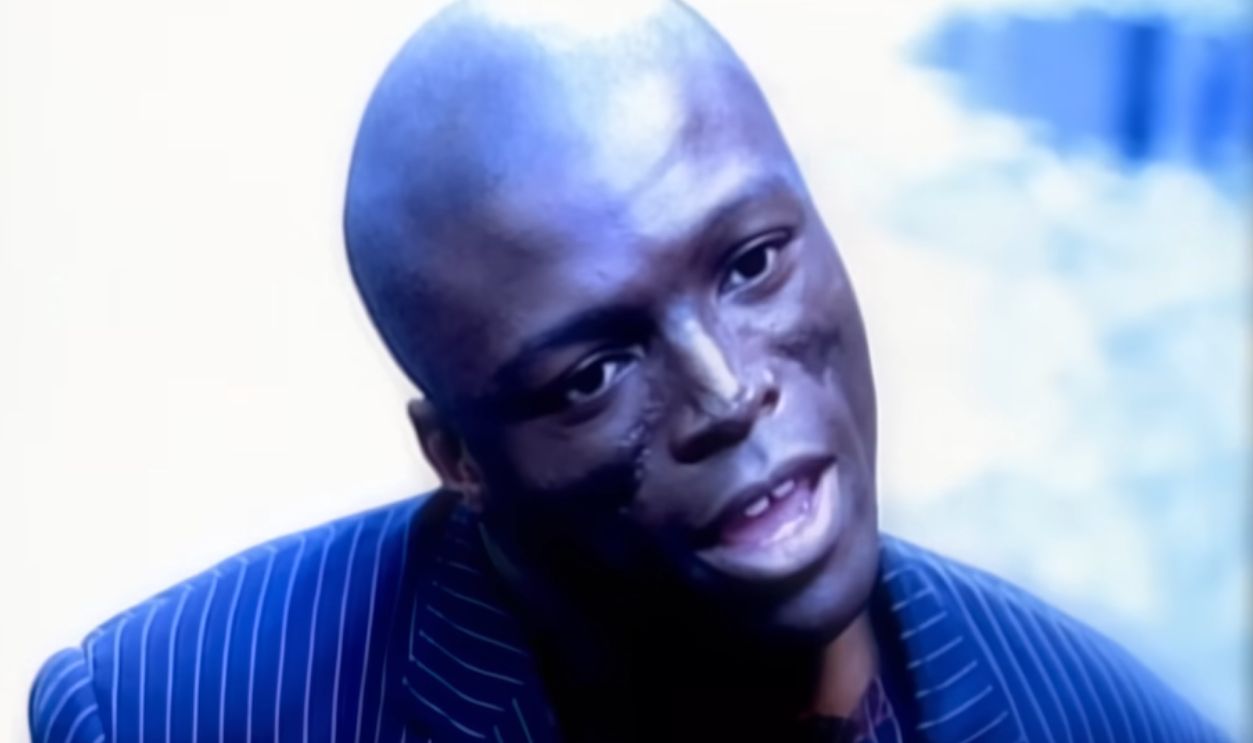 Screenshot from Kiss from a Rose, ZTT Records (1994)
Whitney Houston Took One Song Beyond The Movie
Whitney Houston recorded "I Will Always Love You" for The Bodyguard, her feature-film debut. Her version spent 14 weeks atop the Hot 100 and drove a soundtrack that eventually sold more than 45 million copies worldwide. Houston had many enormous hits, yet the Recording Academy still describes this performance as her signature song.
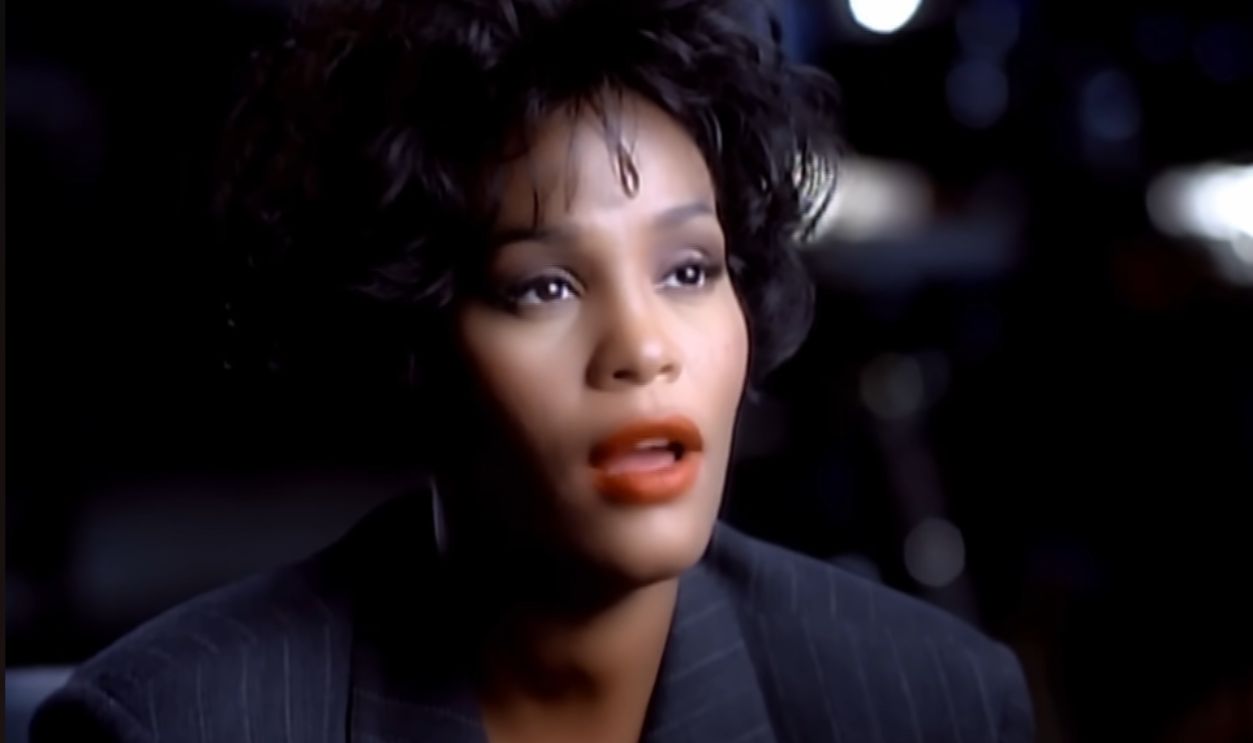 Screenshot from I Will Always Love You, Arista Records (1992)
Huey Lewis Got His First No. 1 From A Time Machine
Huey Lewis and the News were already arena-sized stars when they contributed "The Power of Love" to Back to the Future. The track became the band's first No. 1 single and earned an Academy Award nomination. The movie remained so beloved that the song never stopped sounding like Marty McFly was about to race a DeLorean down a parking lot.
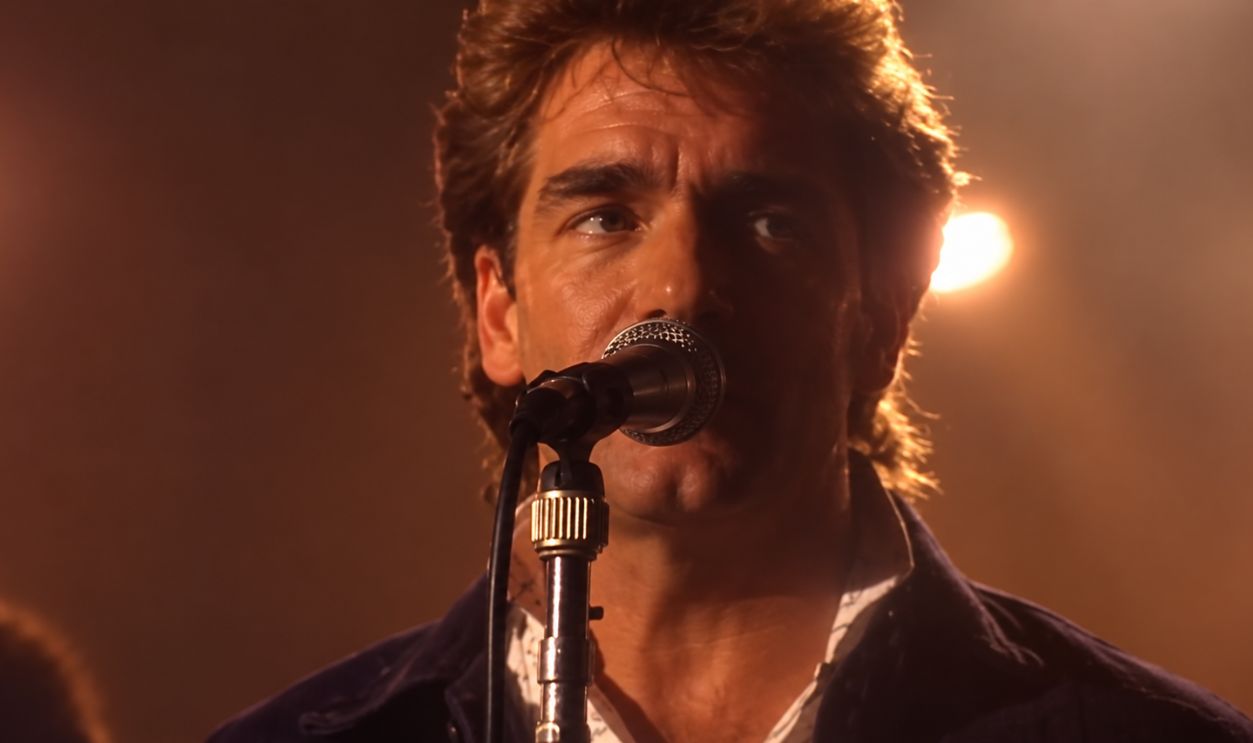 Screenshot from The Power of Love, Chrysalis Records (1985), Enhanced
Kenny Loggins Became Soundtrack Royalty
Kenny Loggins built a remarkable second career as Hollywood's go-to singer for energetic movie themes. "Footloose" reached No. 1 and became one of the defining songs of both the 1984 film and Loggins's solo career. Later soundtrack hits such as "Danger Zone" only strengthened an image that made separating Loggins from 1980s movies nearly impossible.
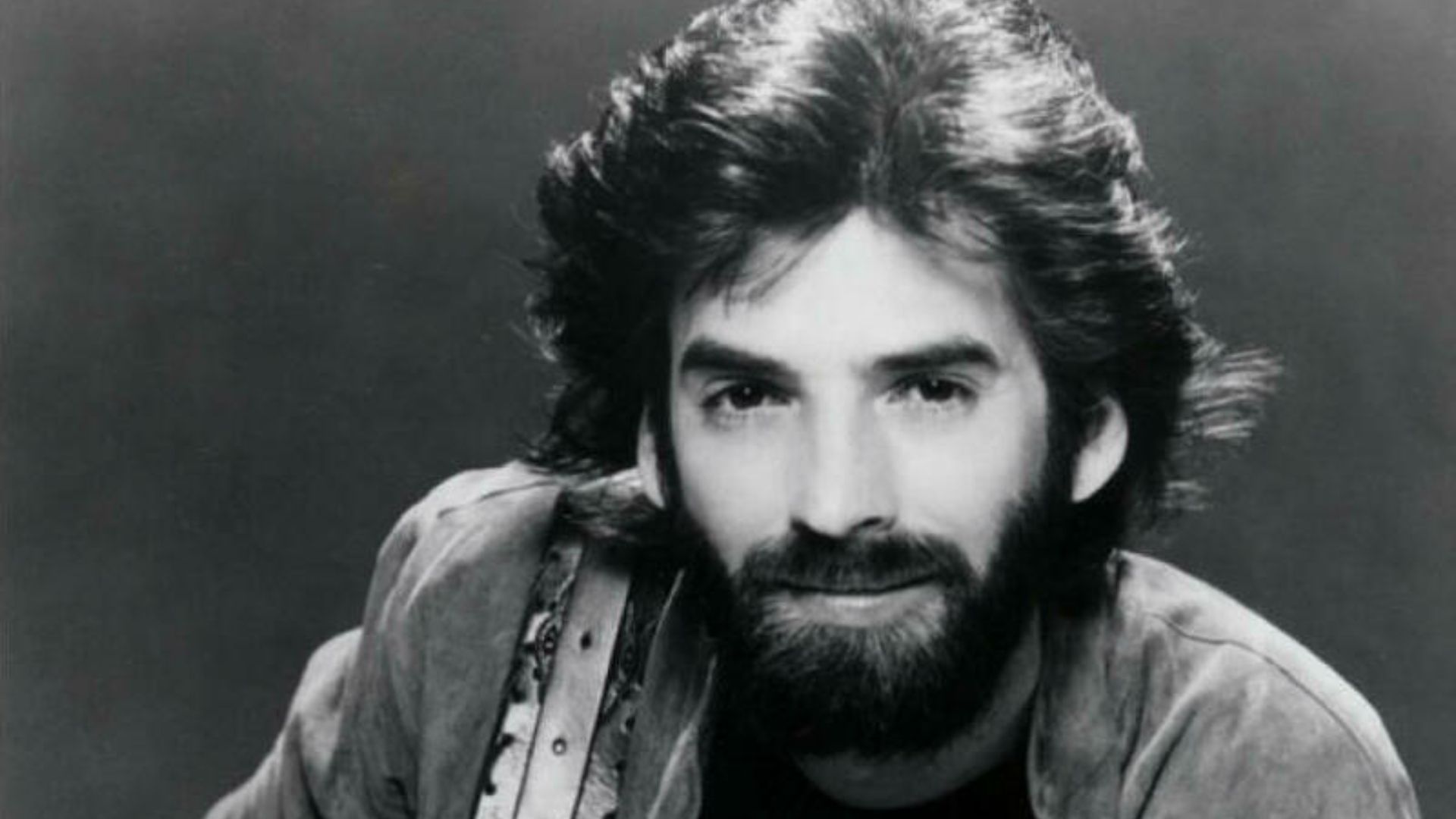 Greg Gorman (photographer). Distributed by Columbia Records., Wikimedia Commons
Joe Cocker Went Where The Movie Took Him
Joe Cocker had a respected career long before An Officer and a Gentleman. His duet with Jennifer Warnes, "Up Where We Belong," became a No. 1 hit and won the Academy Award for Best Original Song for its writers. Cocker remained a distinctive interpreter of many songs, but this sweeping movie duet became one of the recordings general audiences knew him best for.
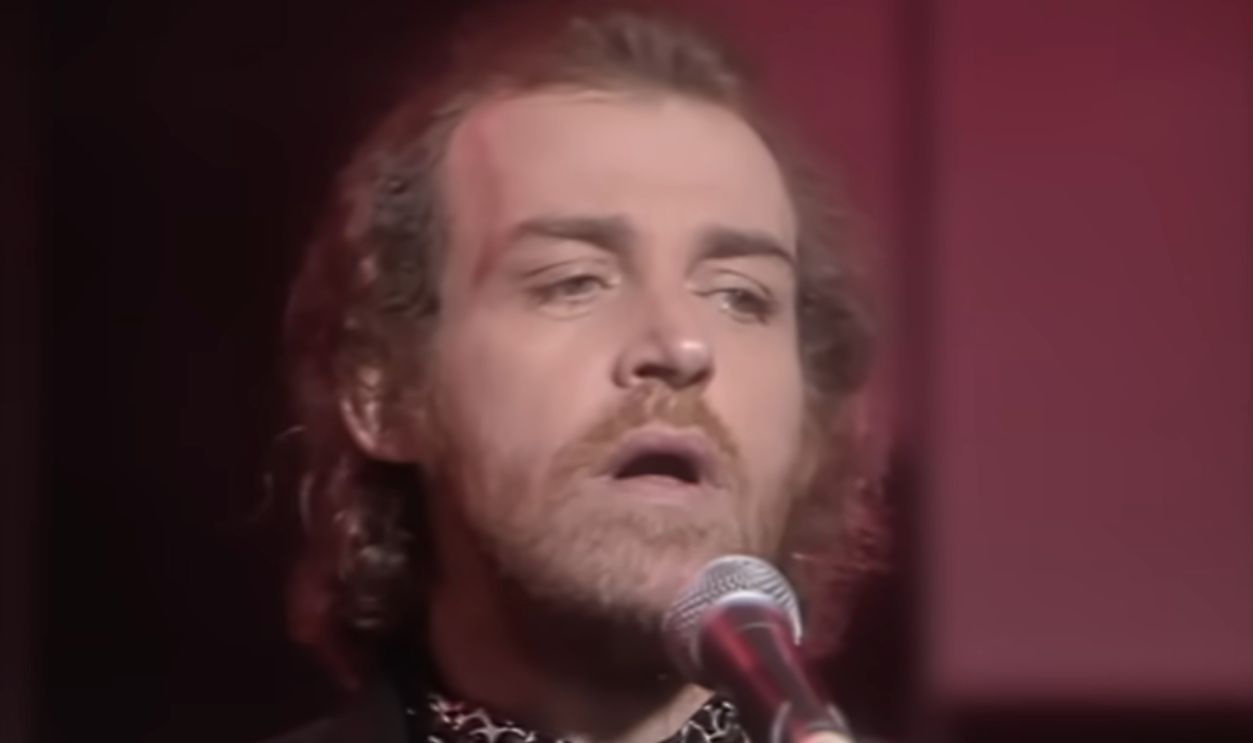 Screenshot from Up Where We Belong, Island Records (1982)
Peter Cetera Found His Solo Identity In The Karate Kid
Leaving Chicago meant Peter Cetera needed to establish himself as a solo star. "Glory of Love," written for The Karate Kid Part II, accomplished that almost immediately and became a major chart hit plus an Oscar nominee. It helped prove Cetera could succeed alone, while also ensuring that his solo image would forever be tied to Daniel LaRusso and Mr. Miyagi.
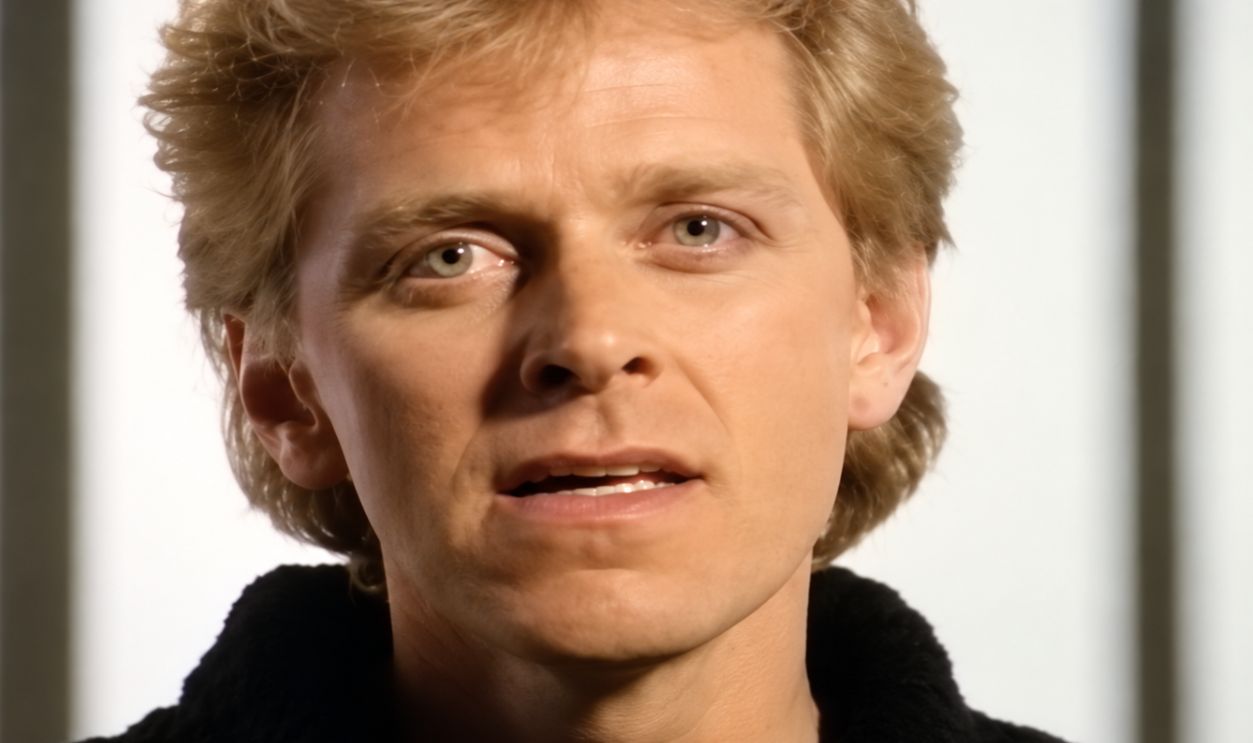 Screenshot from Glory of Love, Warner Bros. Records (1986), Enhanced
Roxette Gave Pretty Woman Its Heartbreak
"It Must Have Been Love" actually began as a different recording before Roxette reworked it for Pretty Woman. The movie version became a U.S. No. 1 and Official Charts later called it the Swedish duo's biggest hit. Roxette had plenty of successful singles, but Vivian and Edward's breakup scene gave this one an emotional association the others could never duplicate.
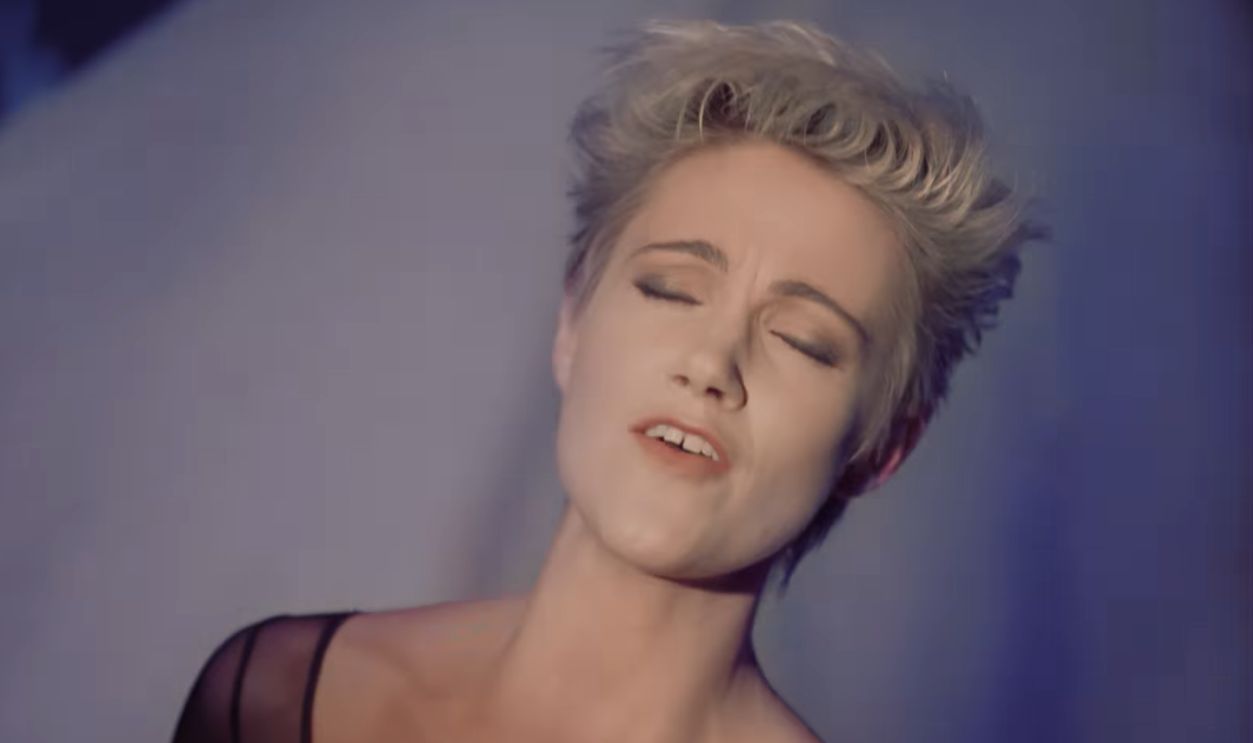 Screenshot from It Must Have Been Love, EMI Records (1987)
Aerosmith Finally Got A No. 1 Because Of Armageddon
Aerosmith had already survived multiple eras of rock stardom before recording "I Don't Want to Miss a Thing." The Armageddon ballad became their first No. 1 single on the Billboard Hot 100 and stayed there for four weeks. For a band with decades of famous songs, it was remarkable that its biggest pop-chart triumph came from a movie starring Steven Tyler's daughter Liv.
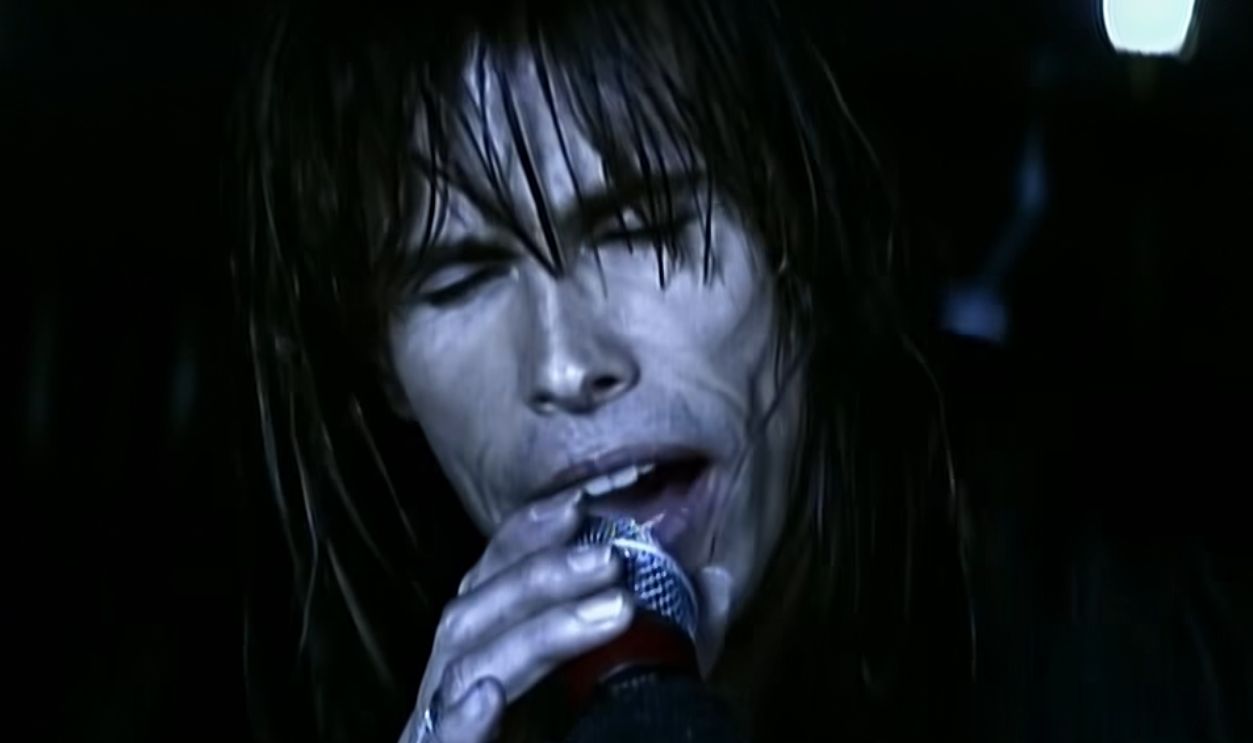 Screenshot from I Don’t Want to Miss a Thing, Columbia Records (1998)
Ray Parker Jr. Became The Man Everyone Called
Ray Parker Jr. had enjoyed success as a musician and songwriter before Ghostbusters. His movie theme spent four weeks at No. 1 and won a Grammy in instrumental form. The refrain became so deeply embedded in popular culture that Parker's entire career could be summoned with one question about whom to call.
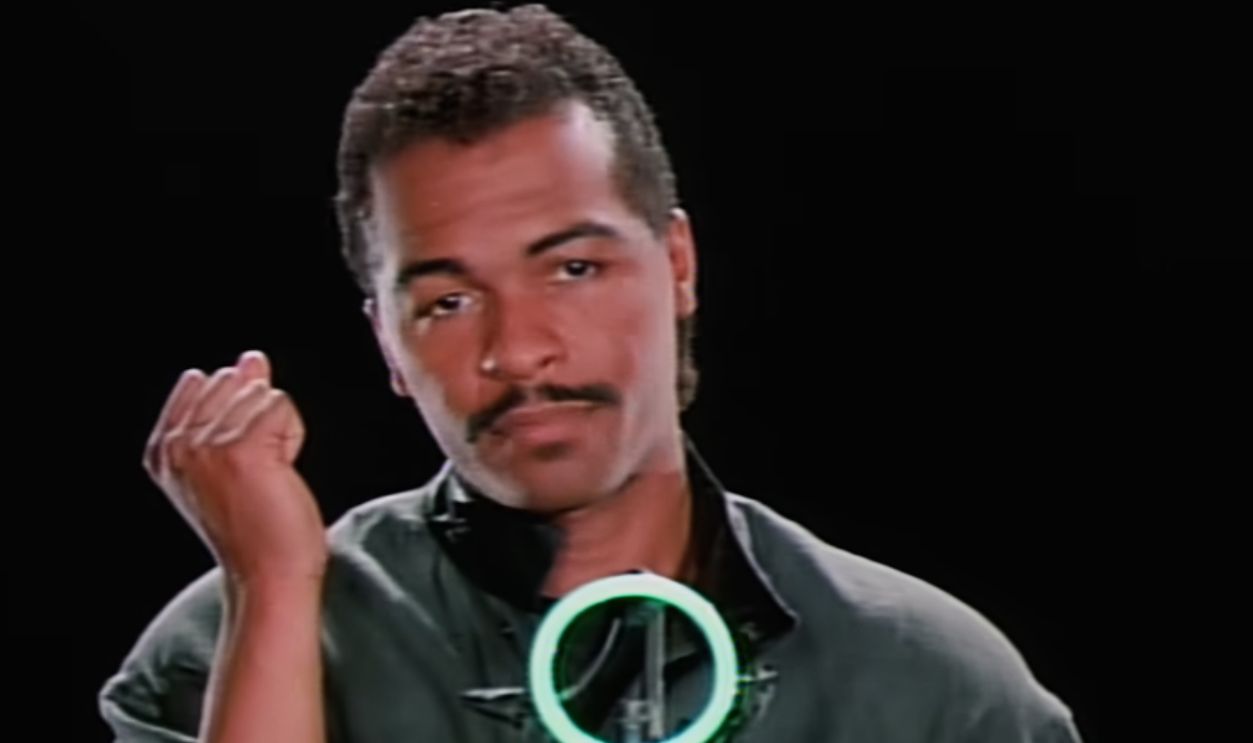 Screenshot from Ghostbusters, Arista Records (1984)
John Parr Reached The Top With St. Elmo's Fire
Producer David Foster asked John Parr to create the theme for St. Elmo's Fire. Parr drew inspiration from athlete Rick Hansen's Man in Motion campaign, and the resulting song spent two weeks at No. 1 in the United States. It became the defining hit of Parr's career even though the song's inspiration ultimately stretched far beyond the film.
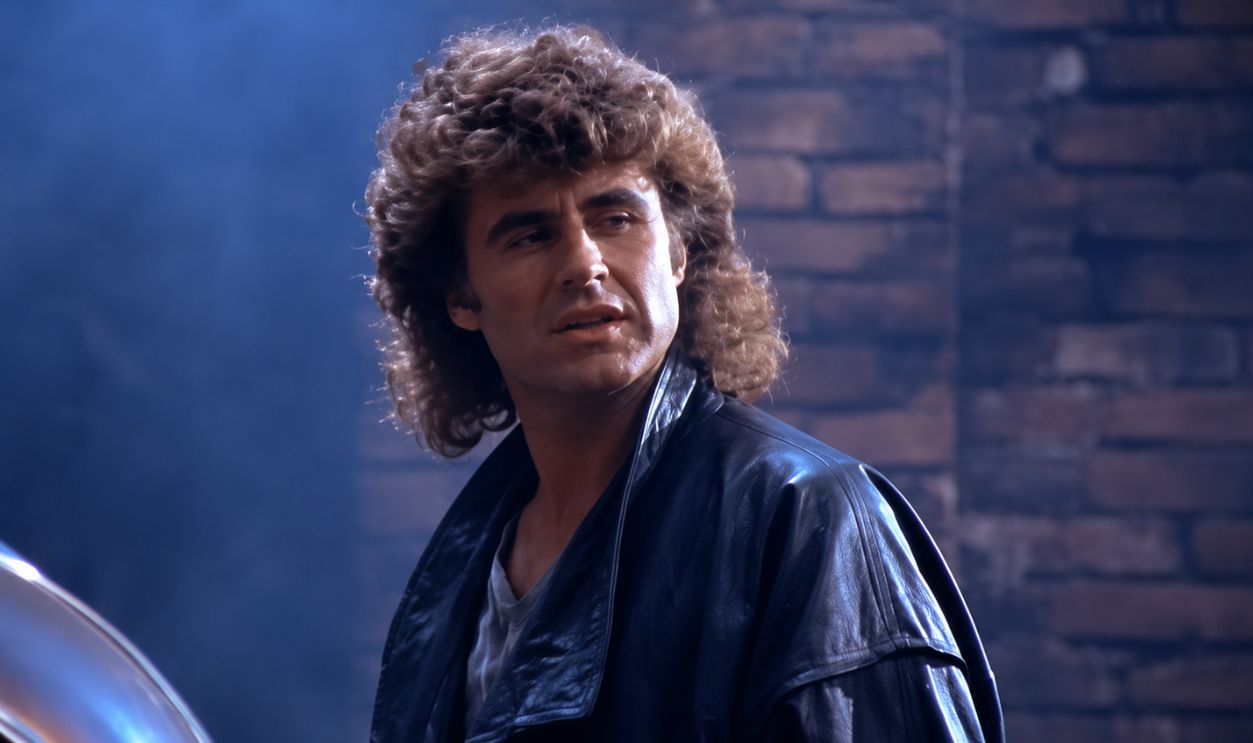 Screenshot from St. Elmo’s Fire (Man in Motion), Atlantic Records (1985), Enhanced
Limahl Found A Story That Really Never Ended
Limahl had already tasted fame as the lead singer of Kajagoogoo before beginning a solo career. "The NeverEnding Story," Giorgio Moroder's theme for the fantasy film, became Limahl's only solo Top 10 hit in Britain and his enduring international calling card. Revival after revival of the movie has brought the song back with it.
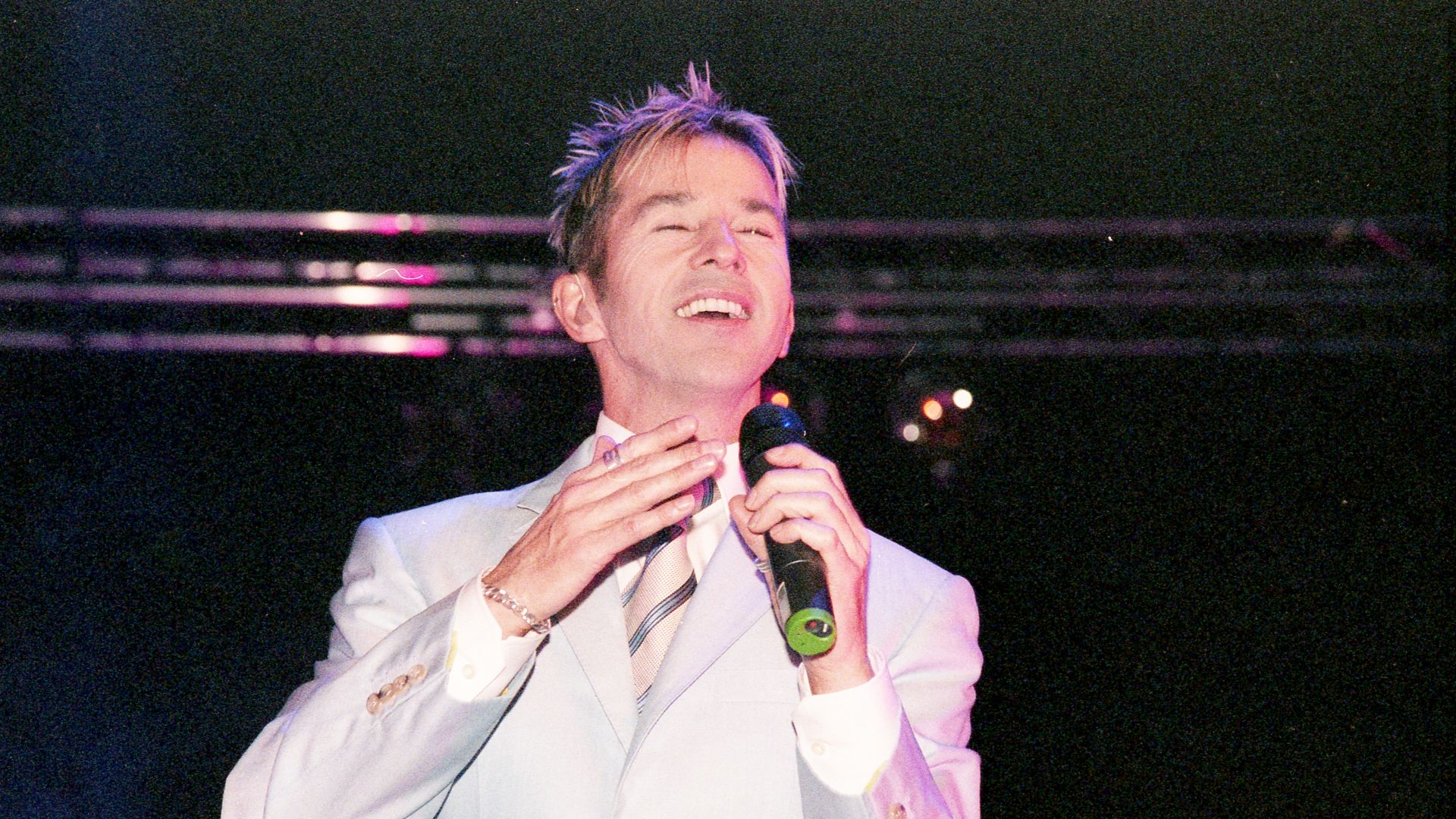 giorgioerriquez, Wikimedia Commons
Deniece Williams Let Footloose Change Her Pop Career
Deniece Williams had already established herself as an acclaimed R&B vocalist before Footloose. "Let's Hear It for the Boy" became a No. 1 pop hit and earned Grammy nominations in both pop and R&B categories. Her catalog remained much broader than the movie song, yet that cheerful soundtrack single introduced Williams to an audience far outside her original lane.
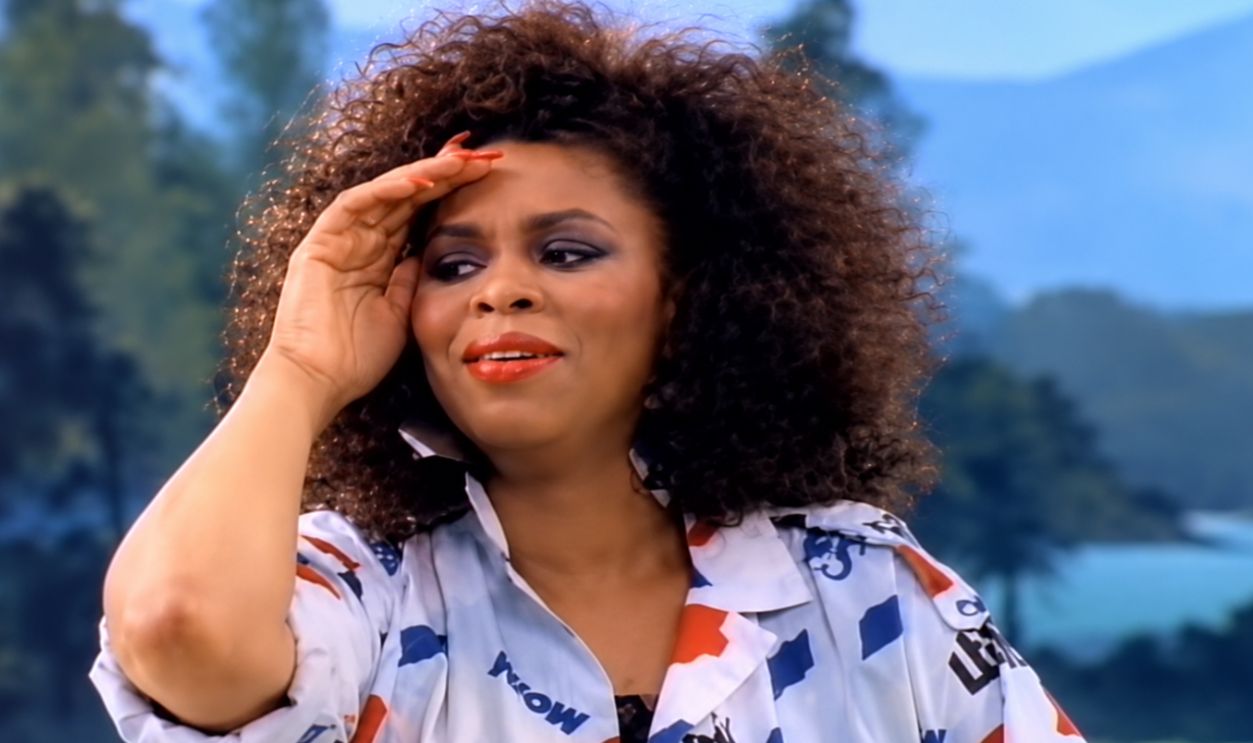 Screenshot from Let’s Hear It for the Boy, Columbia Records (1984), Enhanced
B.J. Thomas Made Sunshine Out Of Butch Cassidy
B.J. Thomas recorded "Raindrops Keep Fallin' on My Head" for Butch Cassidy and the Sundance Kid while recovering from vocal problems. The Bacharach-David song became a huge hit, won the Academy Award for its writers, and later entered the Grammy Hall of Fame. Thomas had other chart successes, but a sunny bicycle sequence in a Western ultimately supplied his most enduring musical identity.
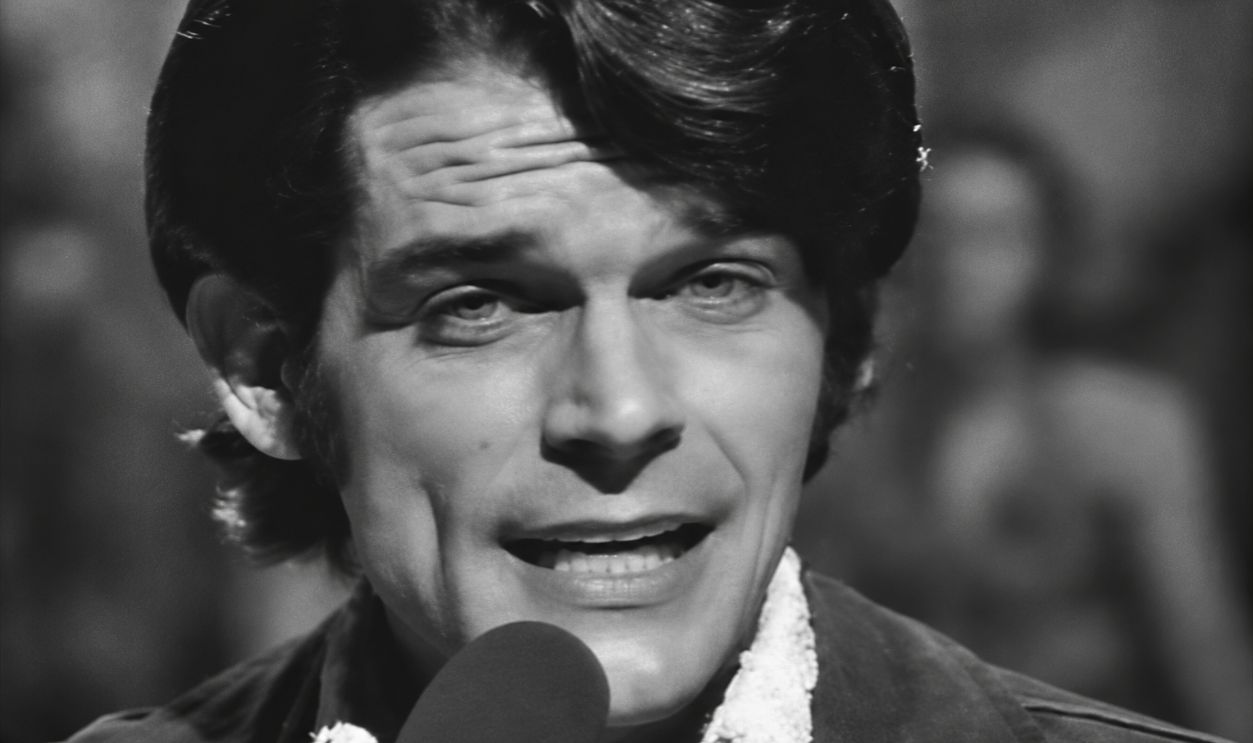 Screenshot from Raindrops Keep Fallin’ on My Head, Scepter Records (1969), Enhanced
Isaac Hayes Made Shaft Sound Cooler Than Anyone Else Could
Isaac Hayes had already become an important songwriter and recording artist when he took his first film-scoring job on Shaft. "Theme from Shaft" became a No. 1 hit, earned Hayes an Oscar, and helped make the soundtrack one of the landmark film albums of its era. Hayes's catalog was vast, but those opening hi-hats and his deep voice followed him everywhere.
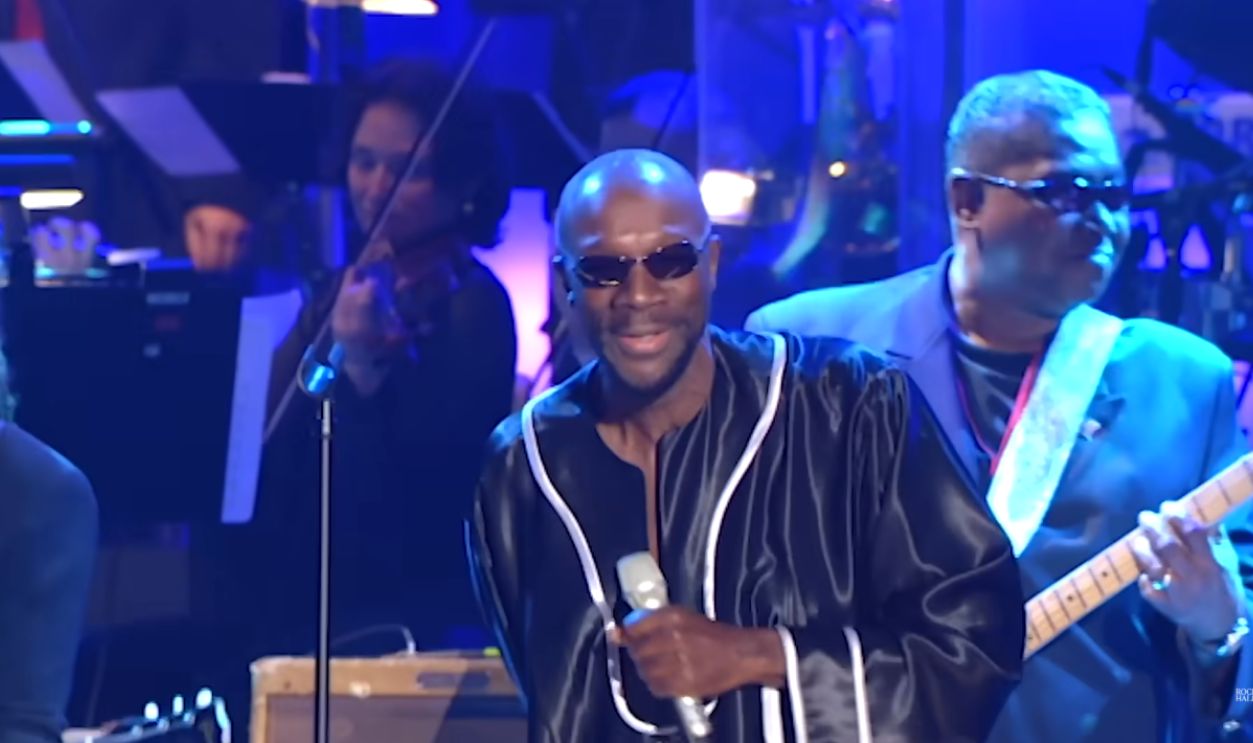 Screenshot from Theme from Shaft, Enterprise Records (1971)
Bette Midler's Biggest Record Came From Beaches
Bette Midler was already a star of stage, records, and movies when Beaches arrived. "Wind Beneath My Wings" became her first No. 1 single and then won both Record and Song of the Year at the Grammys. The emotional weight of the film helped turn a song Midler did not write into one of the recordings most permanently associated with her.
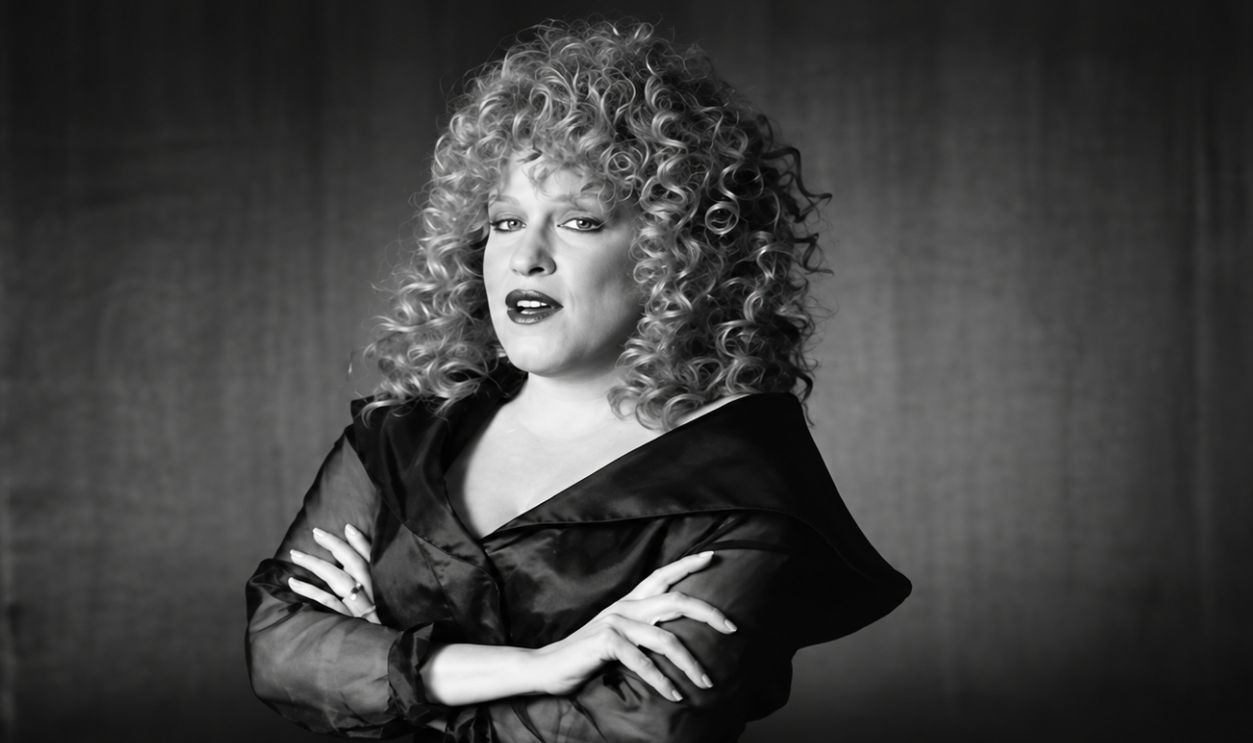 Screenshot from Wind Beneath My Wings, Atlantic Records (1988), Enhanced
Peabo Bryson And Regina Belle Entered A Whole New World
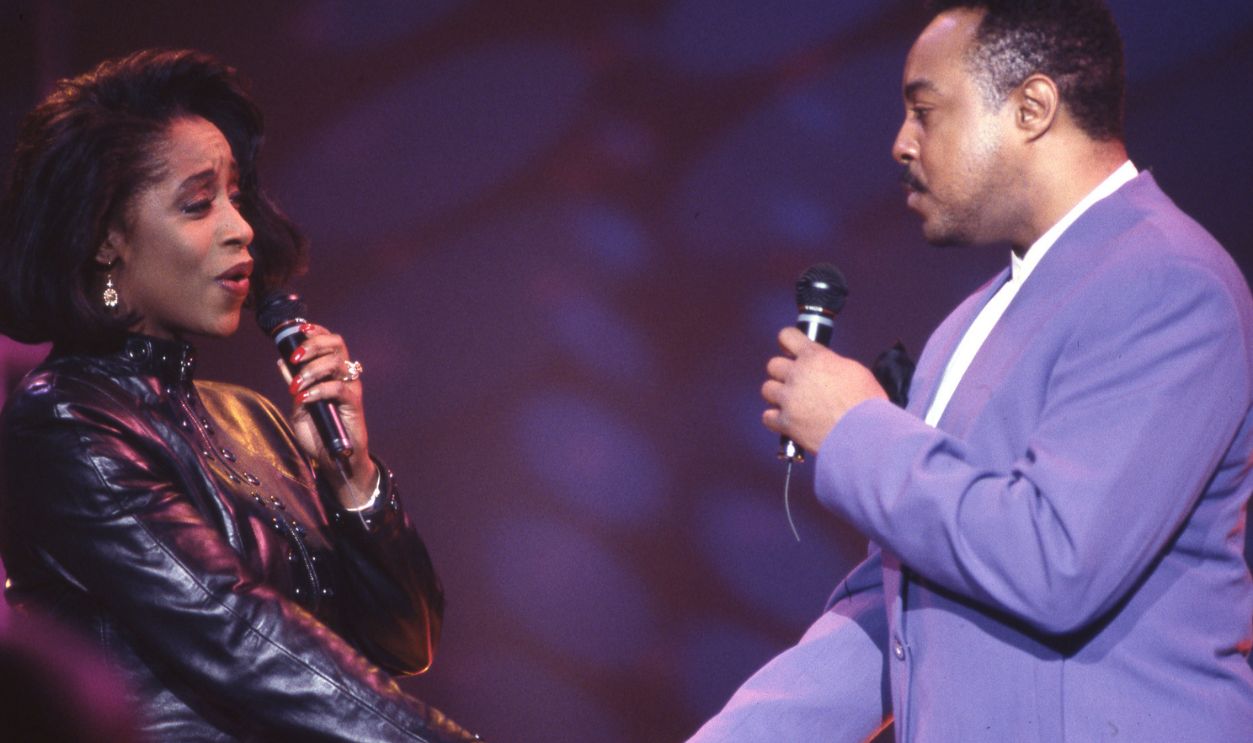
Disney's Aladdin used Brad Kane and Lea Salonga inside the film, but Peabo Bryson and Regina Belle recorded the pop version of "A Whole New World." Their duet reached No. 1, won a Grammy for Pop Performance by a Duo or Group, and was nominated for Record of the Year. Both singers had careers beyond Disney, but generations of listeners still hear their voices the moment Aladdin's magic carpet takes flight.
Coolio Found Paradise In Dangerous Minds
Coolio's "Gangsta's Paradise" was released as the key single from the Dangerous Minds soundtrack. It reached No. 1, became the best-selling U.S. single of 1995, and won Coolio his only Grammy. Coolio later said families spanning several generations told him they discovered his music through the movie, illustrating just how completely one soundtrack hit reshaped his audience.
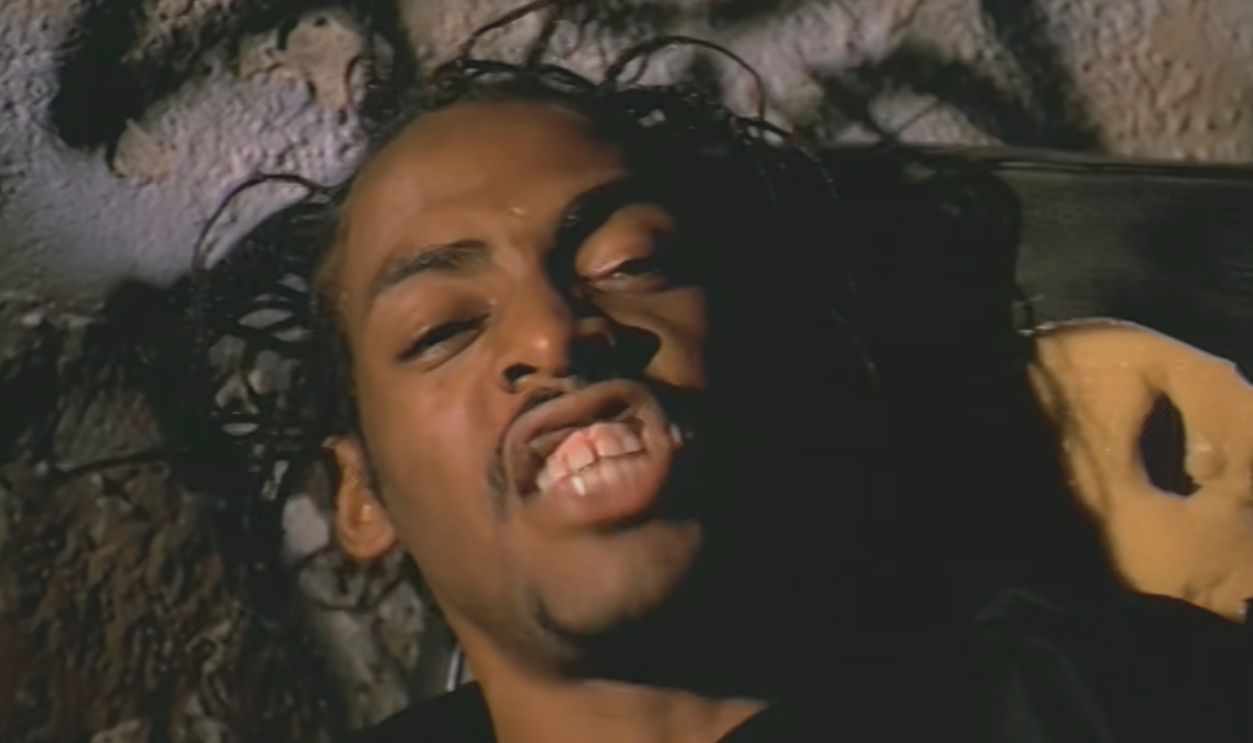 Screenshot from Gangsta’s Paradise, Tommy Boy Records (1995), Enhanced
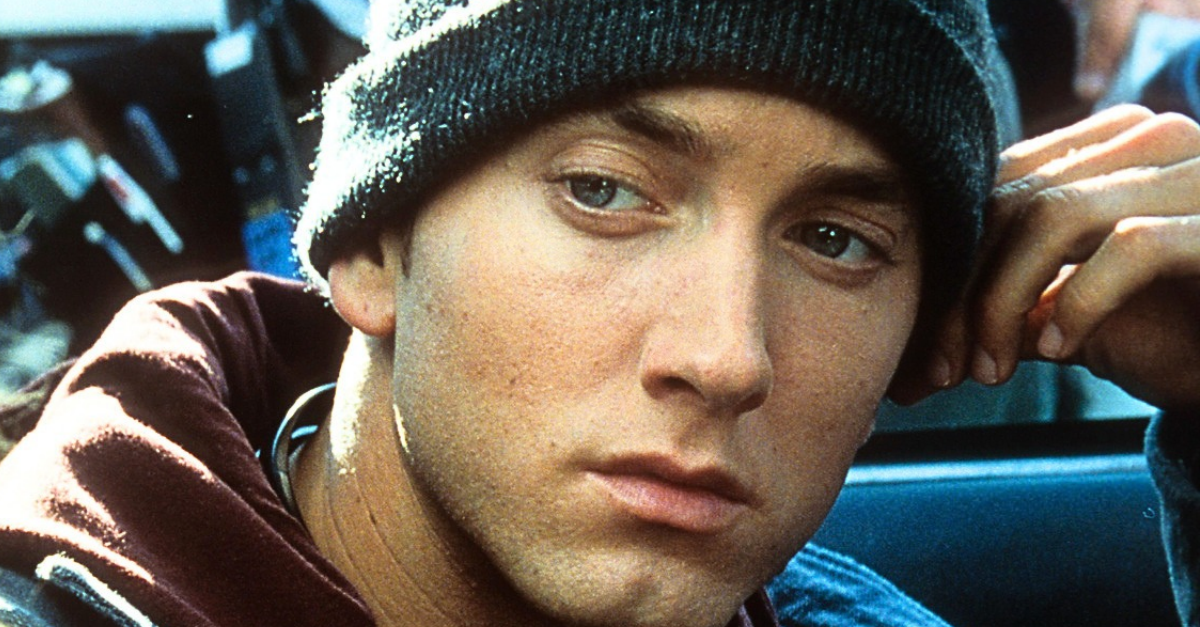
Eminem Turned 8 Mile Into His Career Anthem
Eminem wrote "Lose Yourself" while making 8 Mile, drawing directly from the pressure and ambition surrounding the movie's fictional rapper. It became his first Hot 100 No. 1, won two Grammys, and became the first rap song to win the Academy Award for Best Original Song. Grammy.com has gone so far as to call it the focal point of his career, an extraordinary distinction for an artist with so many major hits.
 Screenshot from Lose Yourself, Shady Records (2002), Enhanced
John Rzeznik Wrote Iris For Someone Else's Character
Goo Goo Dolls frontman John Rzeznik was asked to watch City of Angels and see whether the story inspired a song. He wrote "Iris" from the perspective of Nicolas Cage's character, and the track exploded far beyond Rzeznik's modest hope of simply appearing on a prestigious soundtrack. More than two decades later, it remains the band's defining song and one of the most durable rock ballads of its generation.
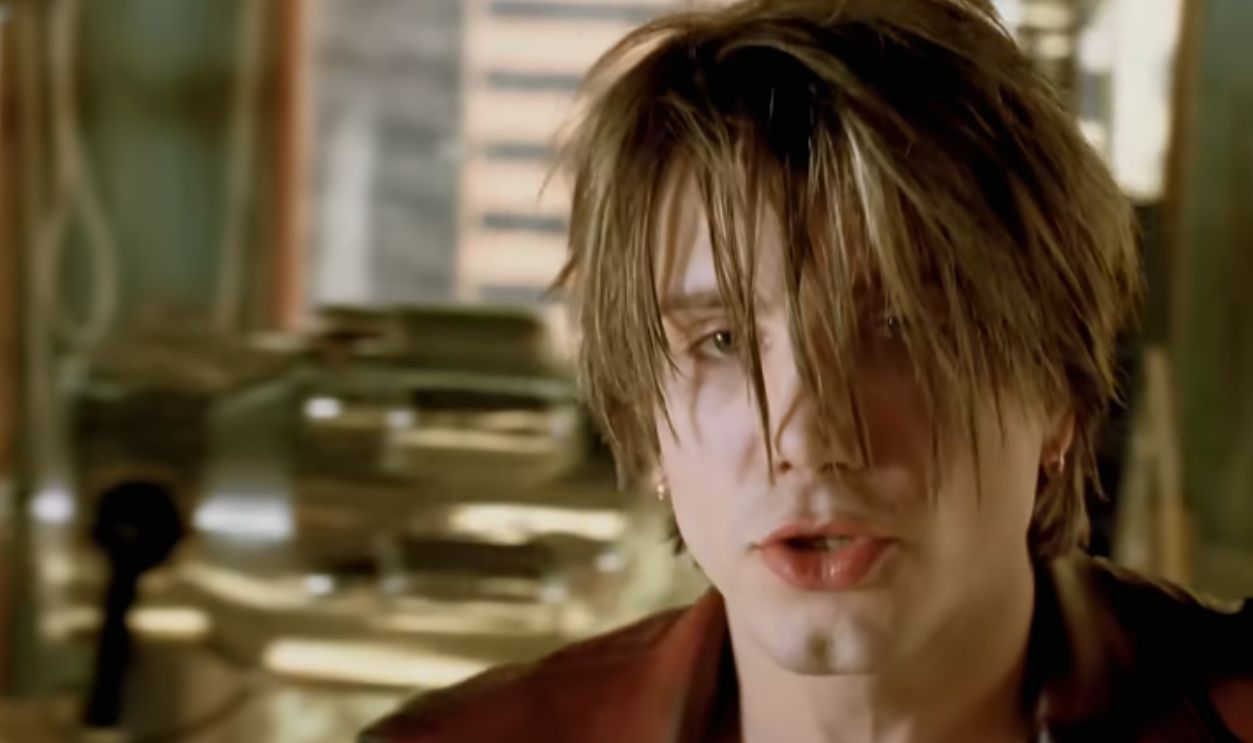 Screenshot from Iris, Warner Bros. Records (1998)
Amy Lee's Breakthrough Came Through Daredevil
Evanescence had been developing its sound for years before "Bring Me to Life" appeared on the Daredevil soundtrack in 2003. The song became the band's major mainstream breakthrough and helped launch Fallen into blockbuster territory. Amy Lee continued evolving as a songwriter and vocalist, but the opening piano and explosive chorus remain the sound most casual listeners immediately associate with Evanescence.
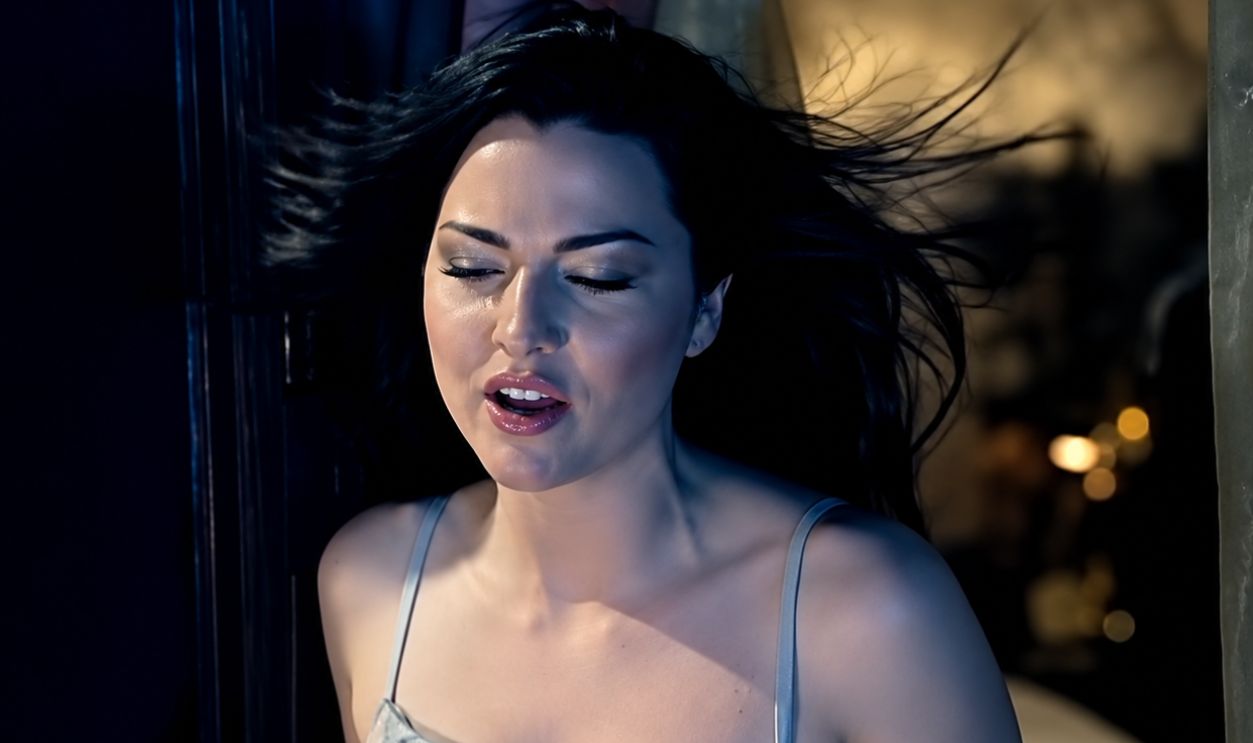 Screenshot from Bring Me to Life, Wind-up Records (2003), Enhanced
Maureen McGovern Became The Disaster-Movie Voice
Maureen McGovern's career took off after she recorded "The Morning After," the theme from The Poseidon Adventure. The song won the Academy Award for its writers and became McGovern's breakthrough No. 1 single in America. Hollywood subsequently returned to her for more film songs, making it difficult for McGovern to separate her public identity from the disaster-movie era that launched her.
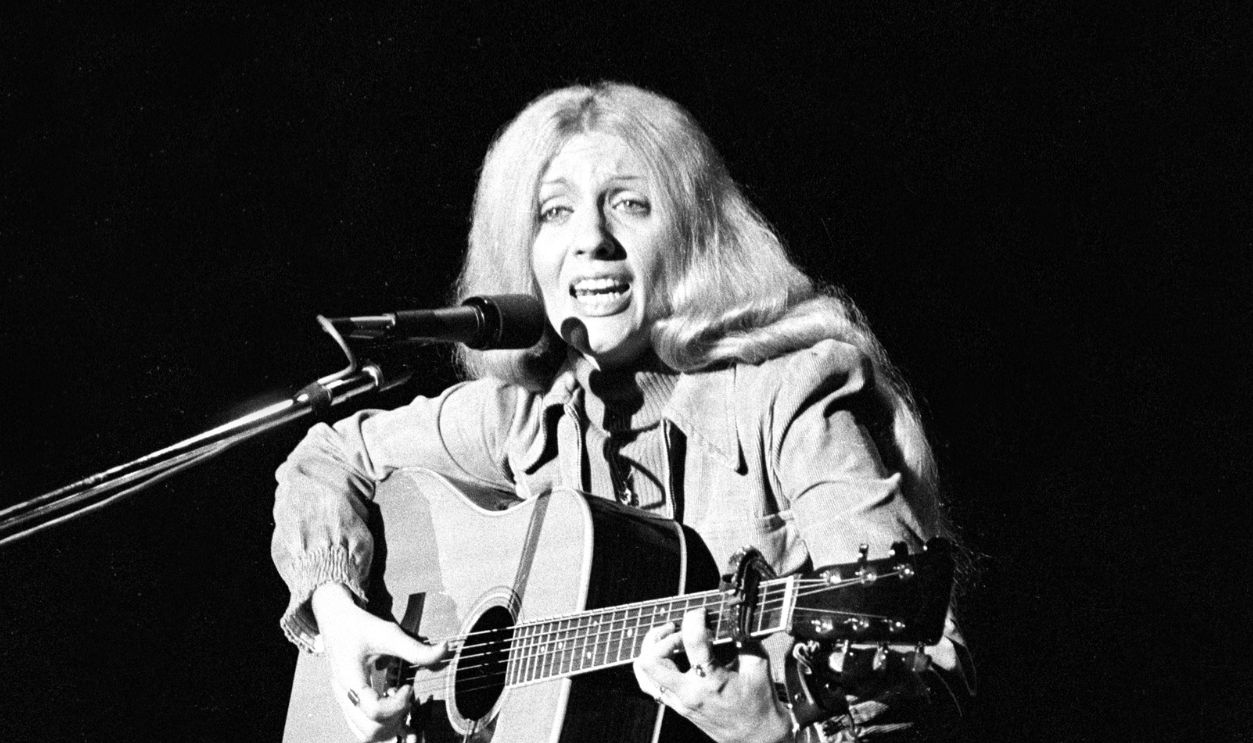 Michael Ochs Archives, Getty Images
Lulu's Movie Role Supplied Her American No. 1
Lulu appeared alongside Sidney Poitier in To Sir, with Love and sang the title song. The record became her defining American breakthrough and topped the U.S. chart even though it performed much more modestly in Britain. Lulu built a long career afterward, but American listeners continued associating her most strongly with the classroom drama that introduced her to them.
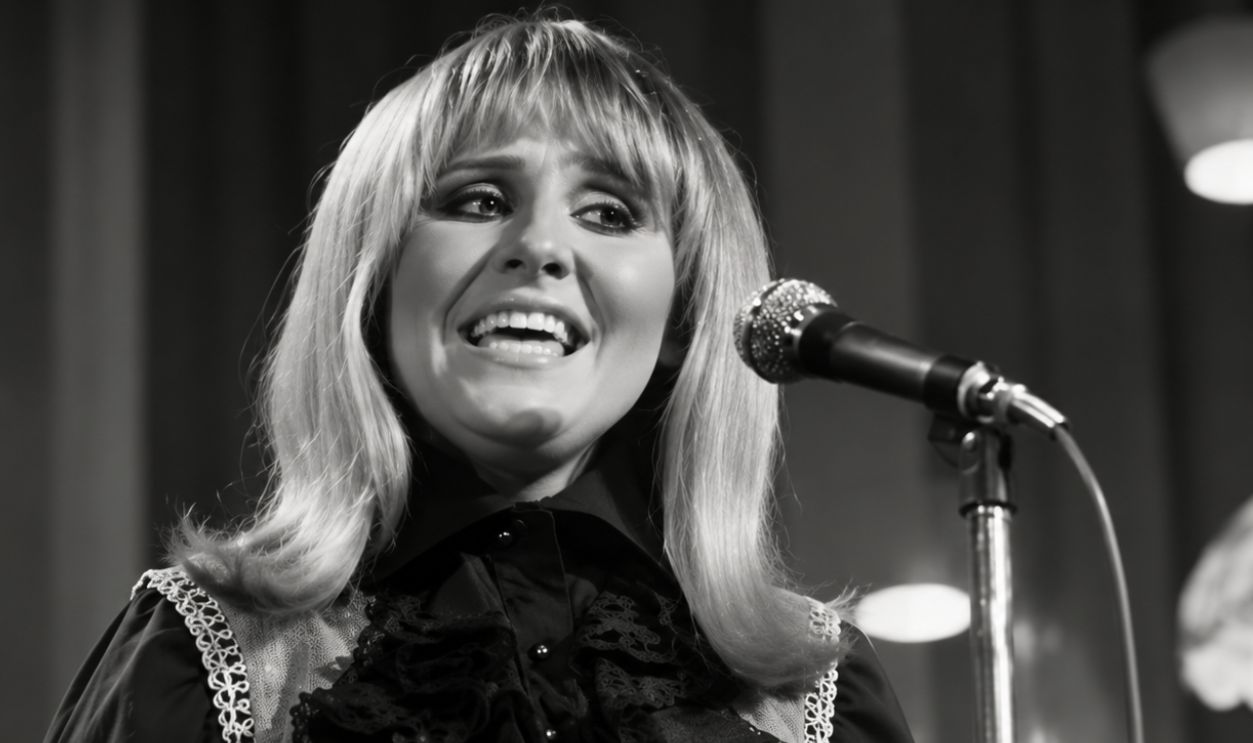 Screenshot from To Sir, with Love, Epic Records (1967), Enhanced
Debby Boone's First Solo Smash Became Her Permanent Label
Debby Boone recorded "You Light Up My Life" after the song had been written for the movie of the same name. Her version spent an extraordinary 10 weeks at No. 1, won her the Best New Artist Grammy, and made her famous almost instantly. Boone later built substantial careers in other musical areas, but nothing could compete commercially with the record that introduced her.
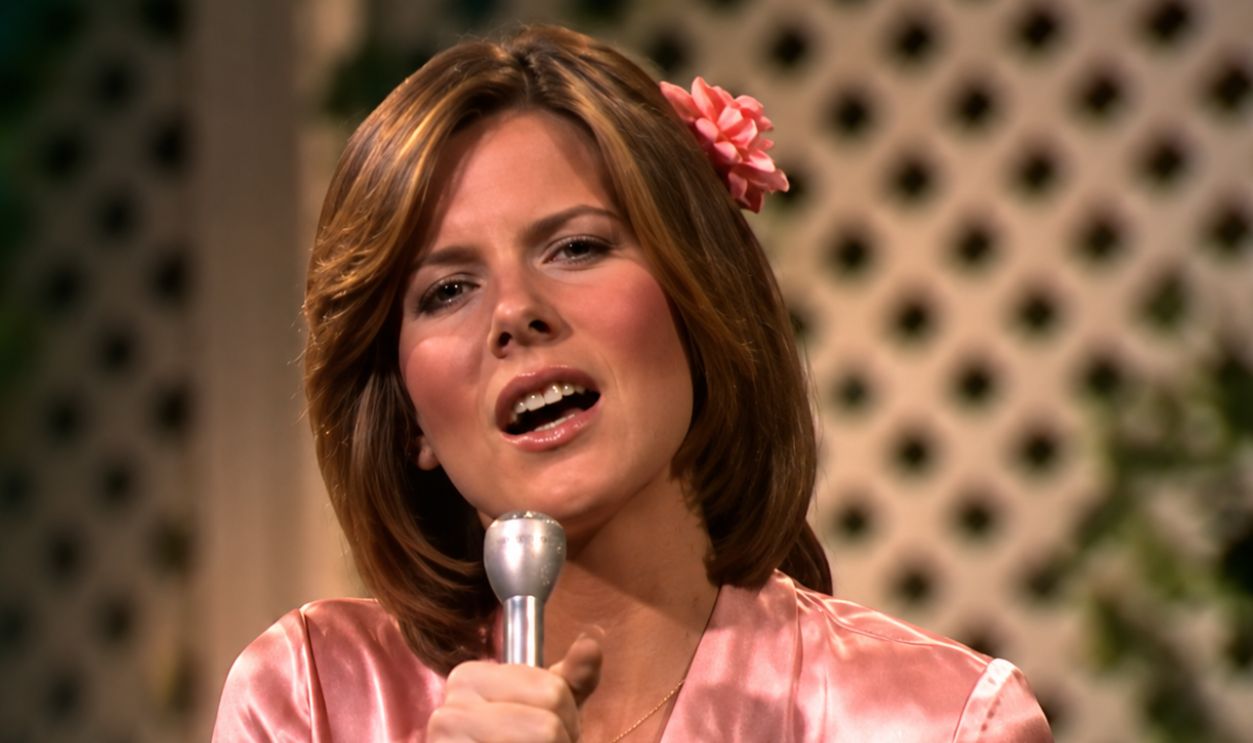 Screenshot from You Light Up My Life, Warner Bros. Records (1977), Enhanced
Michael Sembello Became The Other Voice Of Flashdance
Irene Cara was not the only singer whose career was transformed by Flashdance. Michael Sembello's "Maniac" became a No. 1 U.S. hit and earned nominations for Record, Song, and Male Pop Vocal Performance at the Grammys. Sembello remained active as a musician and songwriter, but the movie's frantic dance montage made "Maniac" the track audiences never stopped requesting.
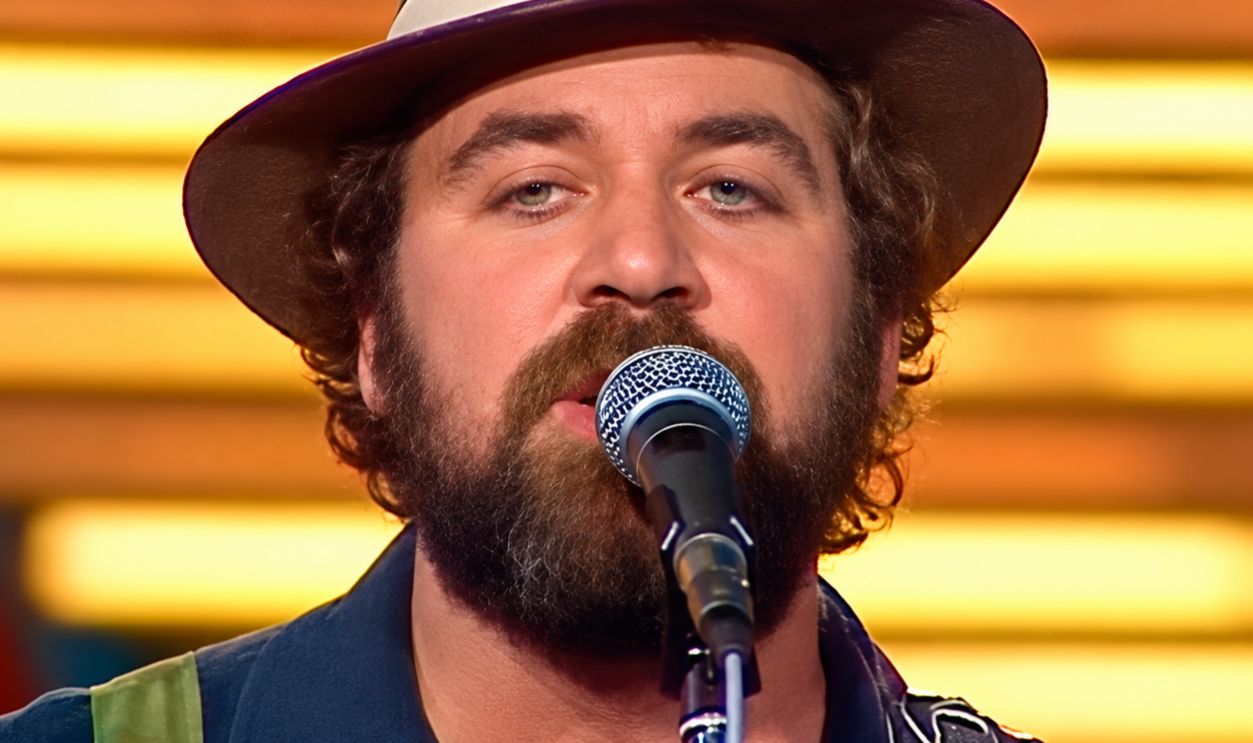 Screenshot from Maniac, Casablanca Records (1983), Enhanced
You May Also Like:
The Most Iconic Soundtrack Songs of the 80s
When The Soundtrack Is Better Than The Movie
These 1980s Movie Soundtracks Defined Gen X
Sources: 1, 2, 3, 4, 5, 6, 7, 8, 9, 10, 11, 12, 13, 14, 15, 16, 17, 18, 19, 20, 21, 22, 23, 24, 25, 26, 27, 28, 29, 30, 31, 32, 33, 34, 35, 36, 37, 38, 39, 40, 41, 42, 43, 44, 45, 46, 47, 48, 49, 50, 51