
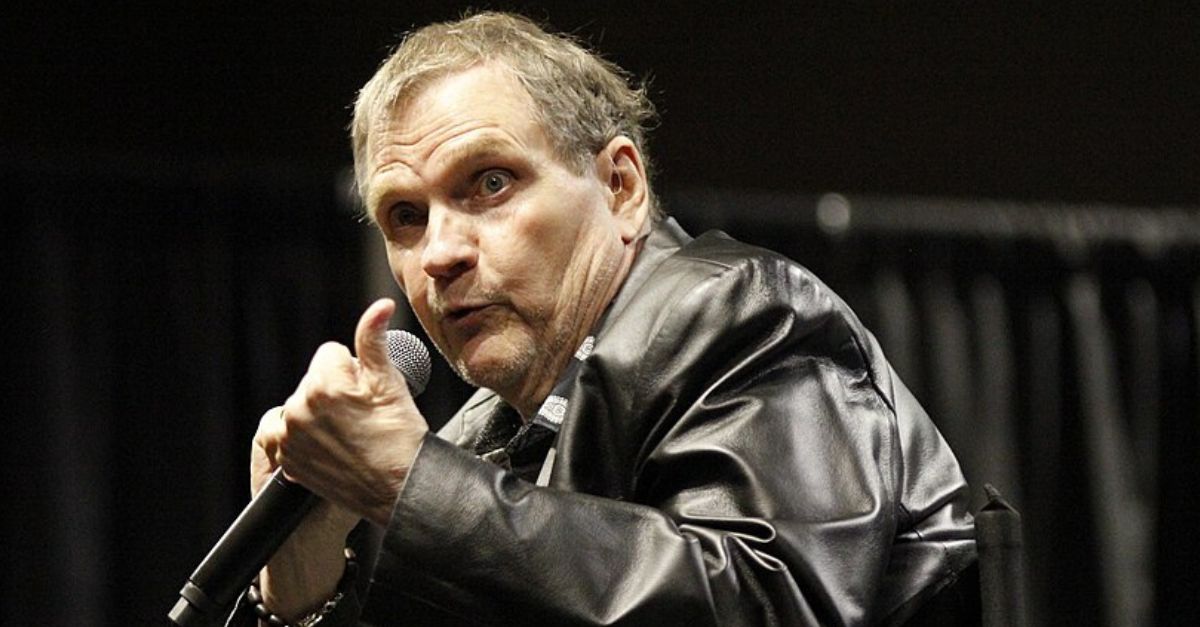
He Refused To Stay Down
He made history by being true to his talent when it was rare. Marvin Lee built a career on giving everything he had, even when his body protested, and that stubborn spirit never really left.
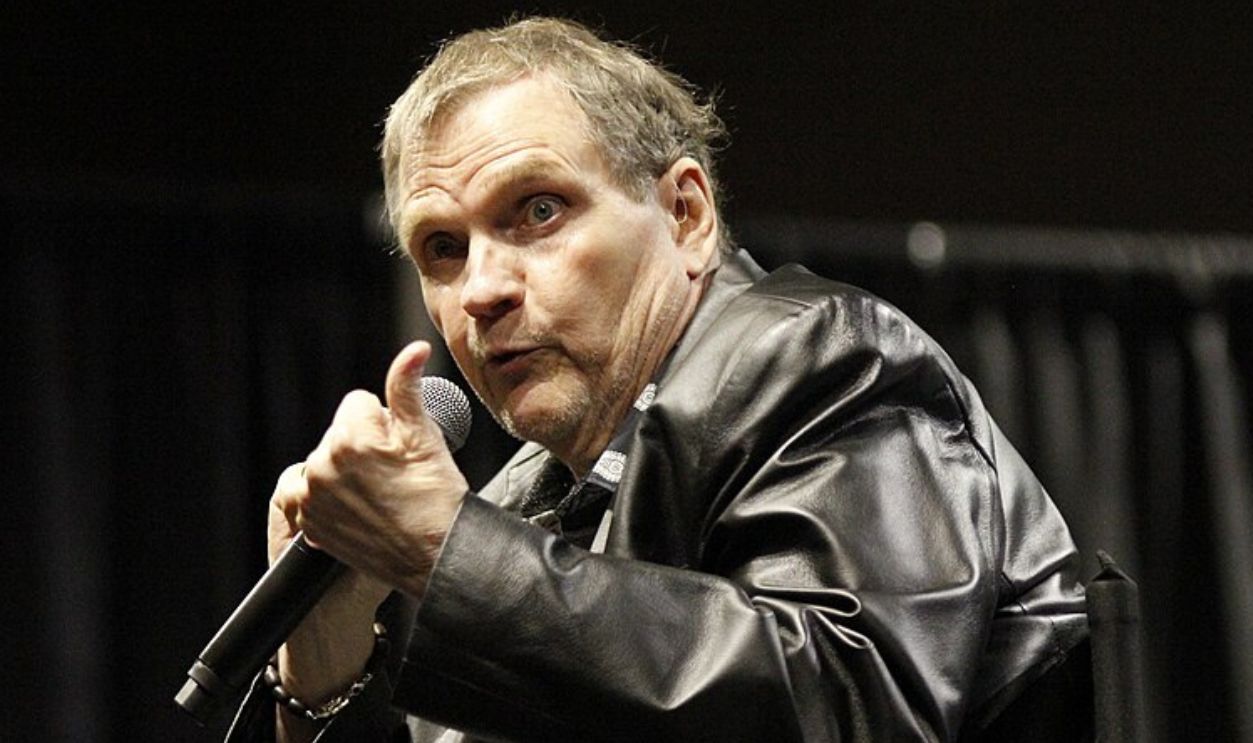 Super Festivals, CC BY 2.0, Wikimedia Commons
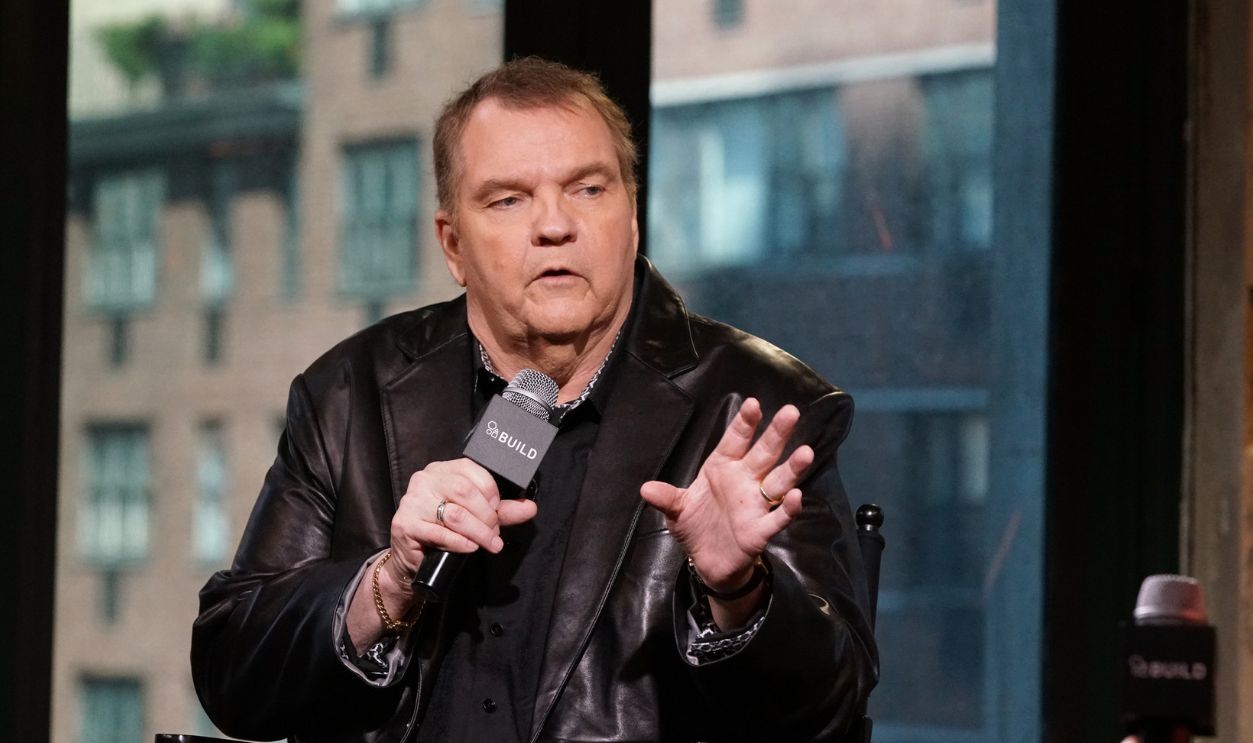
The Legend Of Meat Loaf
Meat Loaf or Marvin Lee commanded stages with theatrical intensity and physical commitment. He performed as if every note mattered, to deliver marathon shows that pushed limits. Audiences watched breathlessly as raw emotion defined his larger-than-life rock identity worldwide.
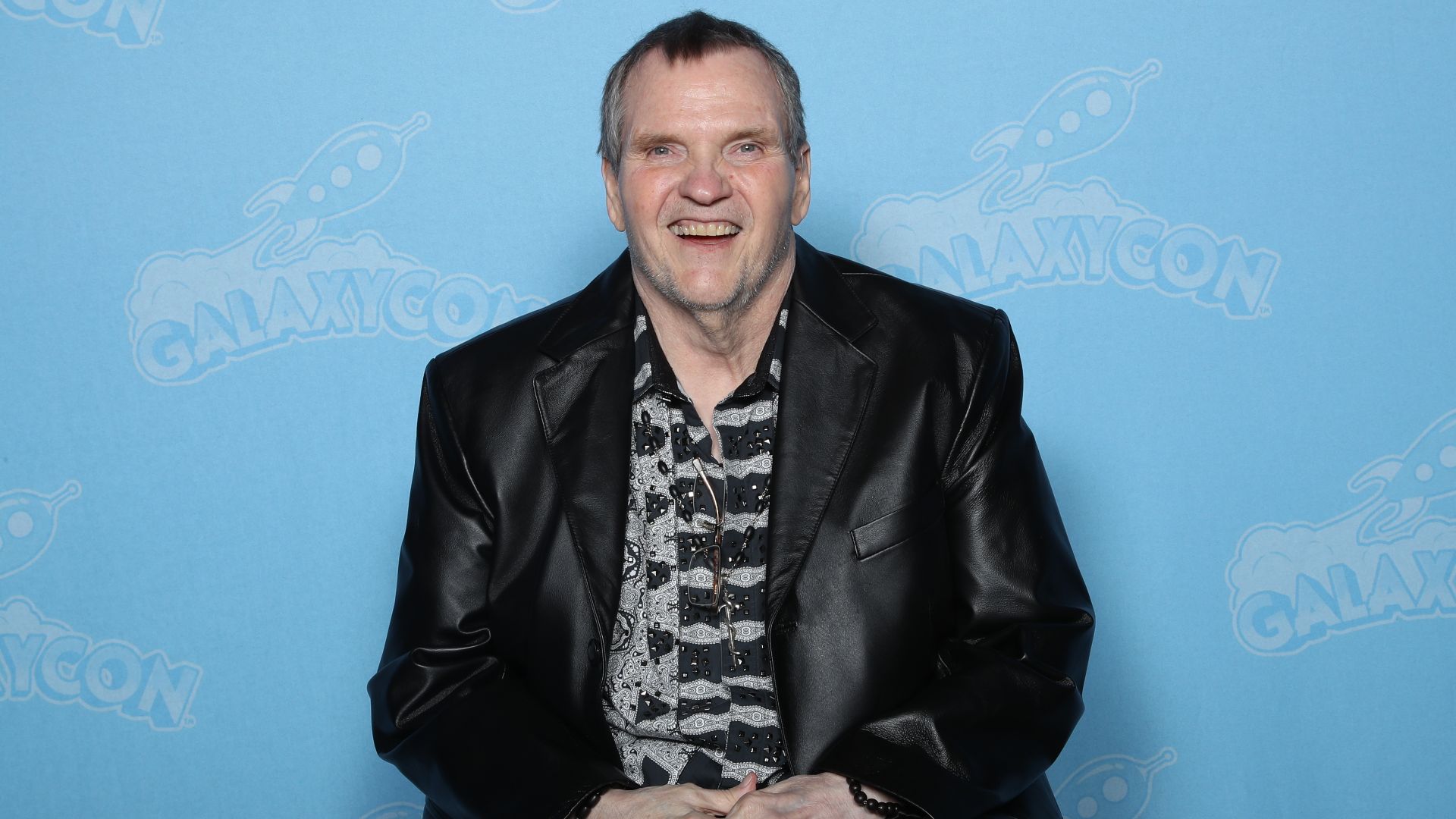 Super Festivals, Wikimedia Commons
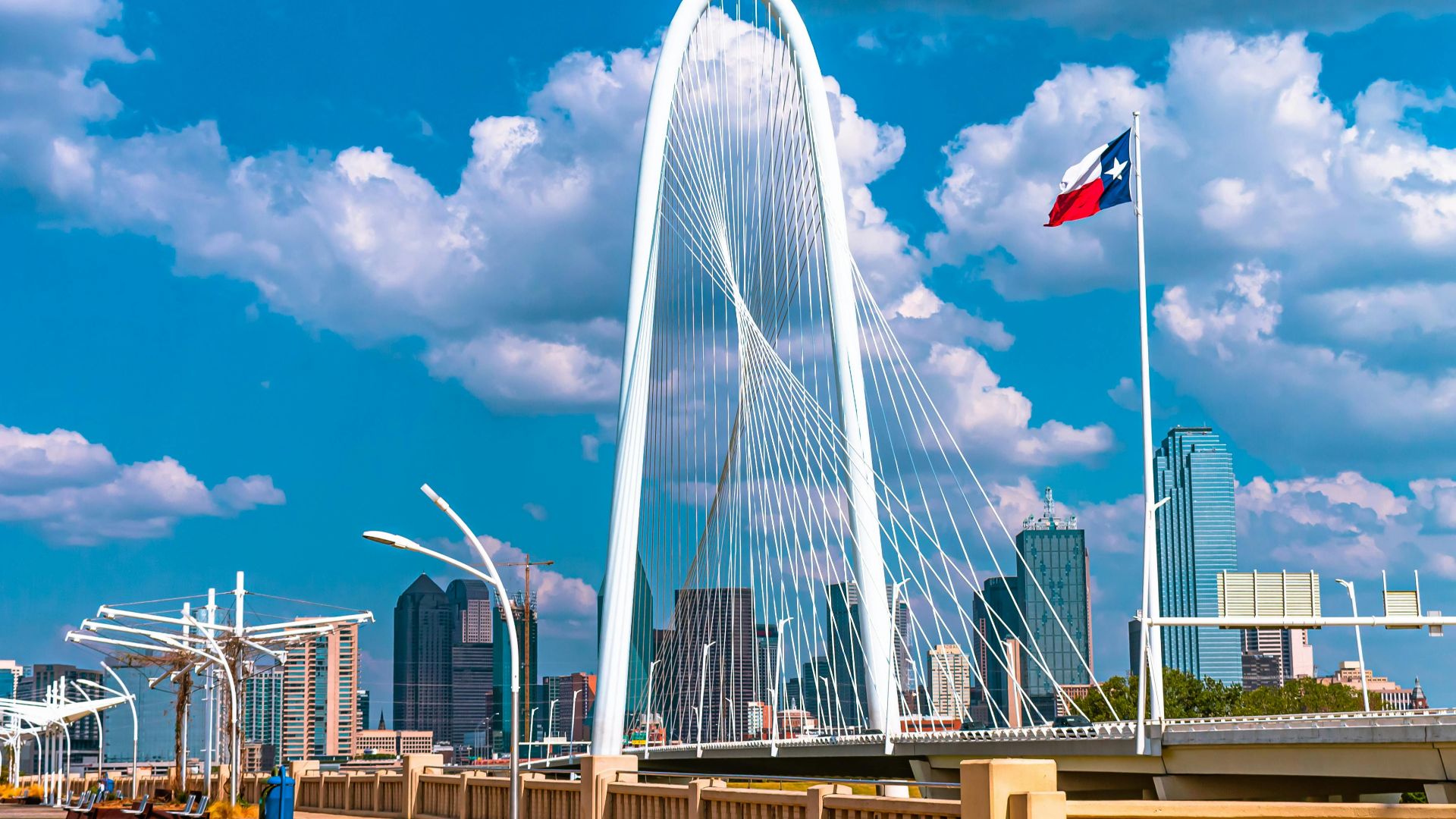
Birth And Roots In Texas
Born in Dallas, Texas, in 1947, Marvin Lee Aday entered a working-class world that shaped his grit. He later became Michael Lee Aday, carrying regional pride with American rock influences into his future career as a performer who was loved by everyone.
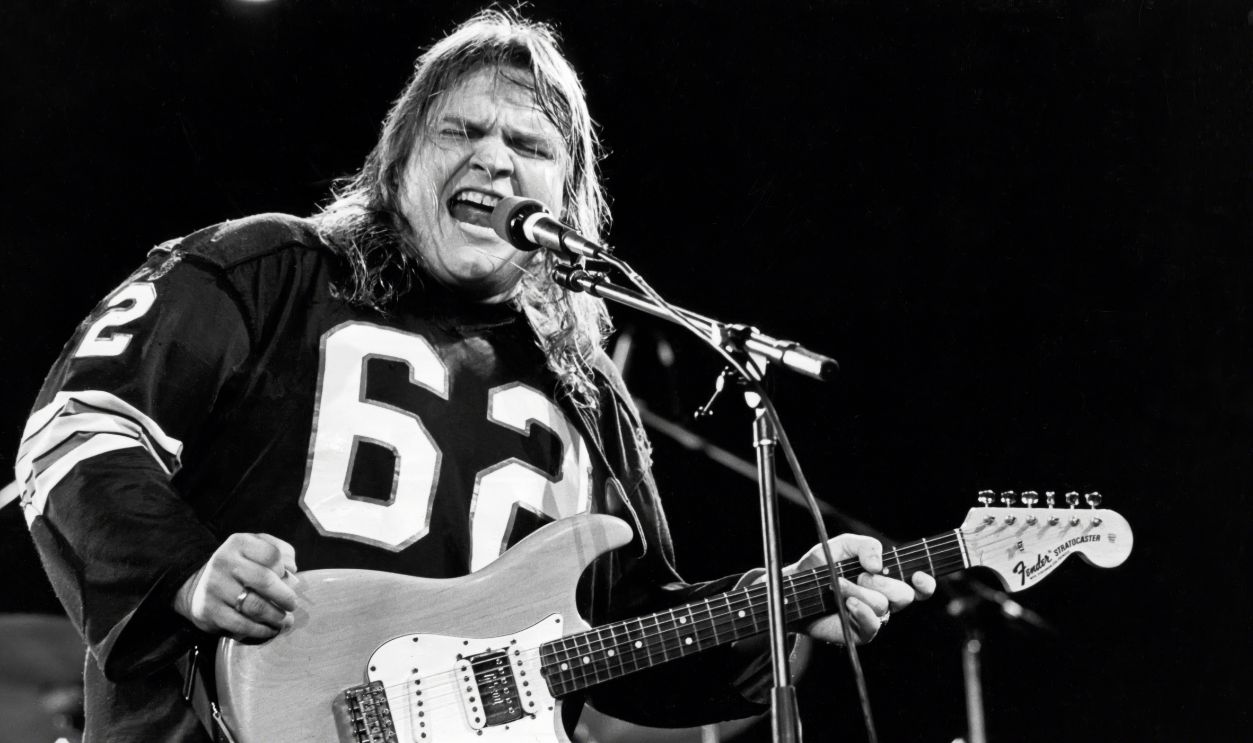
Turbulent Childhood Years
He grew up in Texas. Family instability combined with schoolyard bullying left lasting impressions that deepened his emotional range. Over time, those experiences found expression through performance. His intensity became a natural tool for connecting with audiences across generations.
How The Name Meat Loaf Stuck
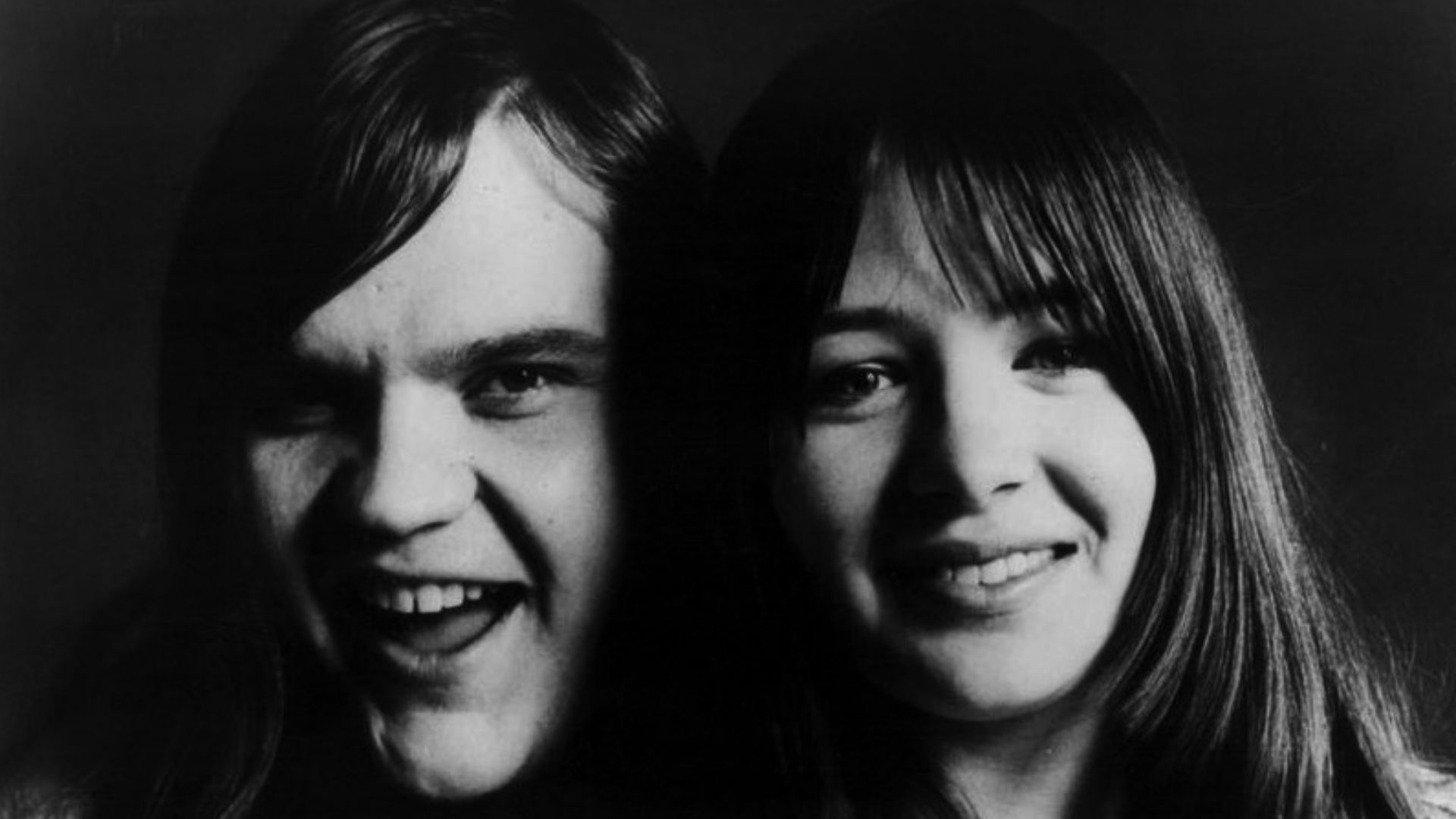
The nickname "Meat Loaf" emerged in childhood. It was linked to his size. Over time, the name followed him everywhere and evolved into a bold stage identity that audiences remembered instantly. They associated it with a theatrical rock spectacle.
 Ronden Talent Management, Wikimedia Commons
College Years And First Performances
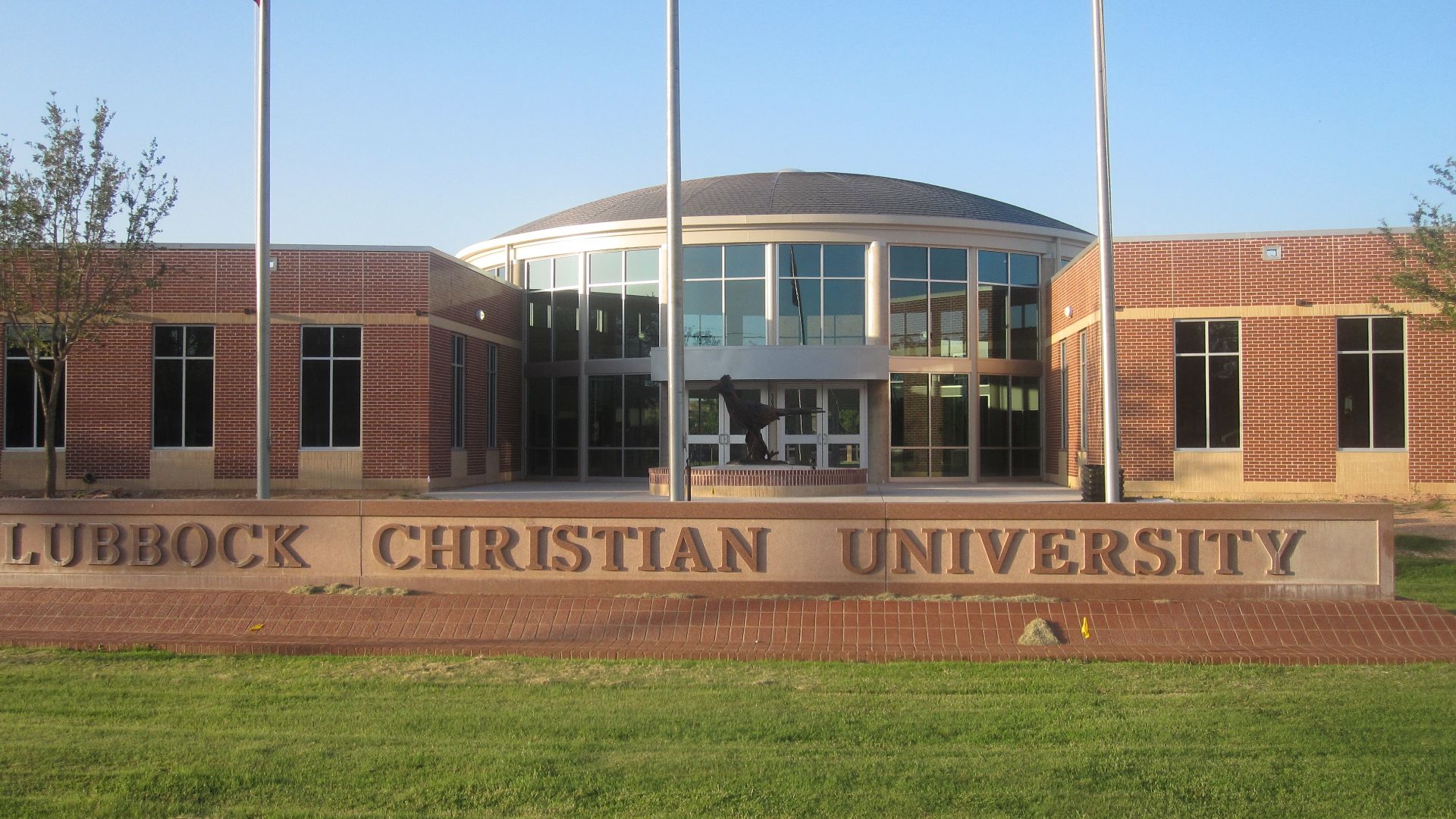
During the 1960s, he attended Lubbock Christian College and later North Texas State University. Singing started to take center stage there. Campus shows helped him grow confident enough to perform in front of crowds while setting the tone for what came next.
 Billy Hathorn, Wikimedia Commons
Moving To Los Angeles
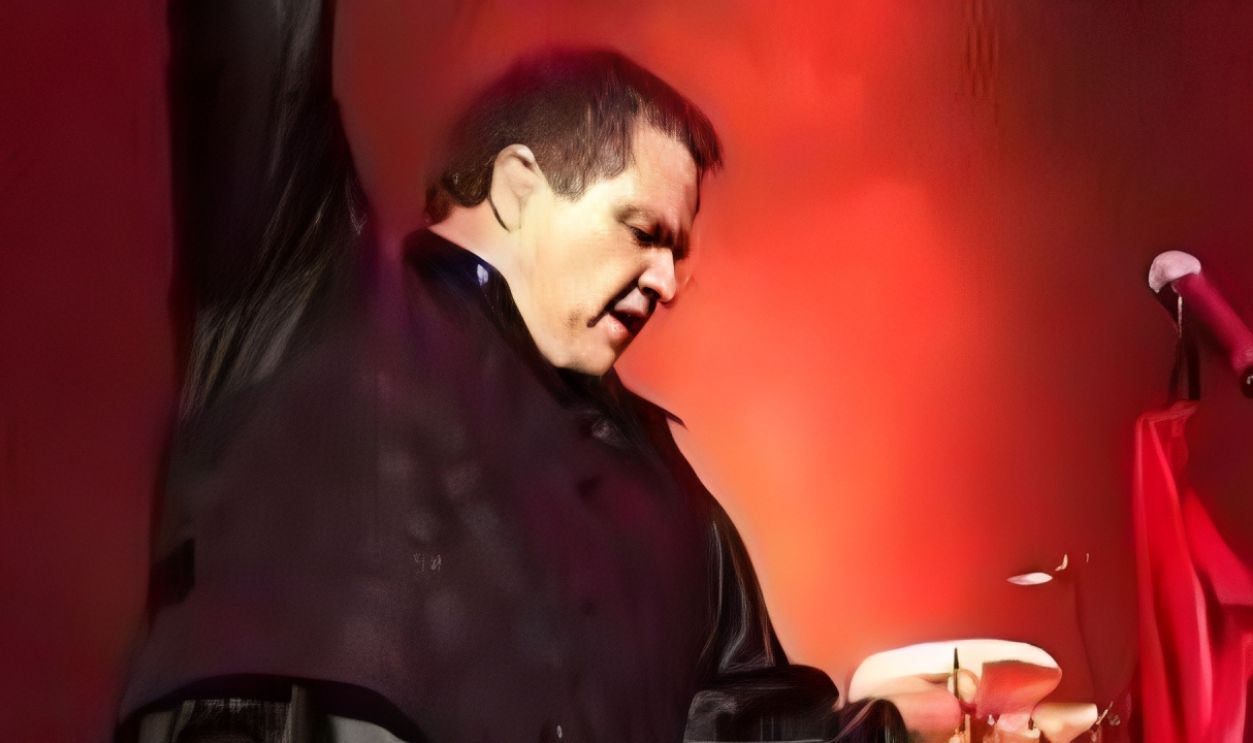
In 1967, he moved to Los Angeles to chase life onstage. The city was competitive to set a strong foot, yet full of possibilities for a budding artist. Every day demanded persistence, and the constant pressure shaped him into a tougher, more committed performer.
 Mr.Mushnik at English Wikipedia, CC BY-SA 3.0, Wikimedia Commons
First Bands And Early Gigs
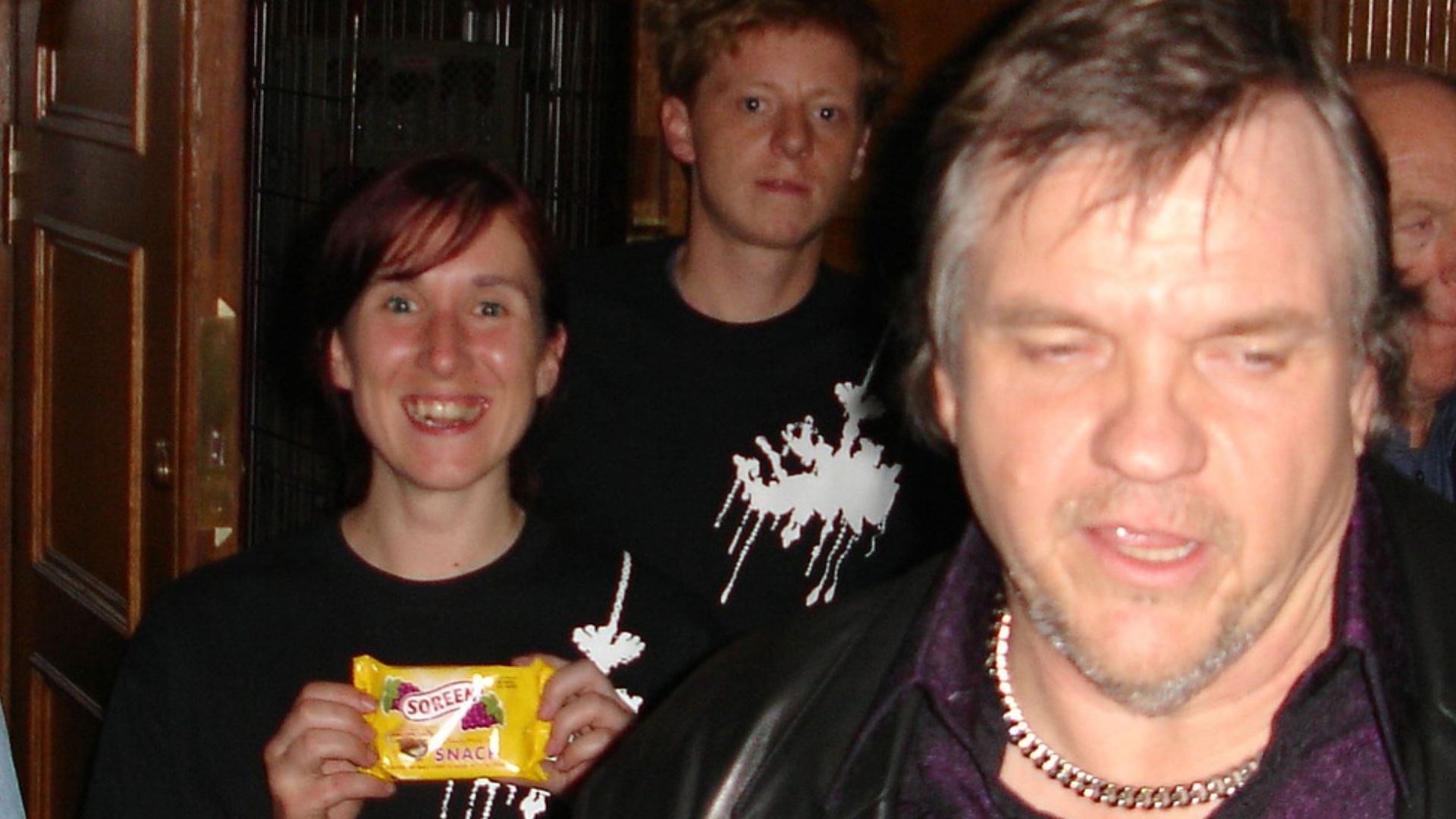
After settling in Los Angeles, he joined local bands including Meat Loaf Soul and later Popcorn Blizzard. Club shows became his training ground. Night after night, he learned how to hold attention, connecting with crowds packed into small rooms.
 Claudia from London, UK, Wikimedia Commons
Discovering His Theatrical Style
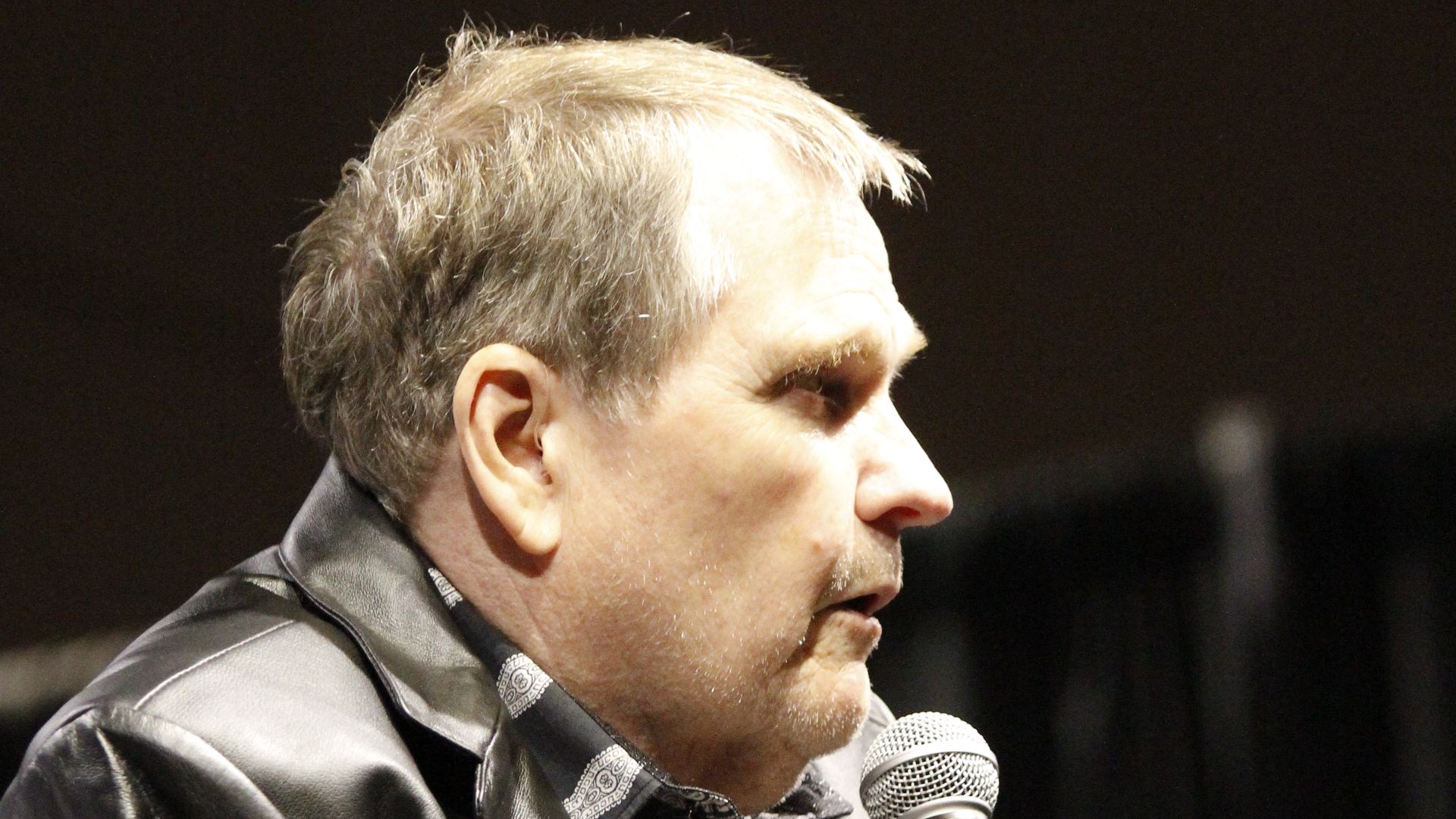
Theater changed everything. Performing in productions like Hair taught him how to bring together singing with movement. He learned to treat each song like a scene. The actor used his whole body to tell a story in an animated style that captured the audience.
 Super Festivals, Wikimedia Commons
Meeting Jim Steinman
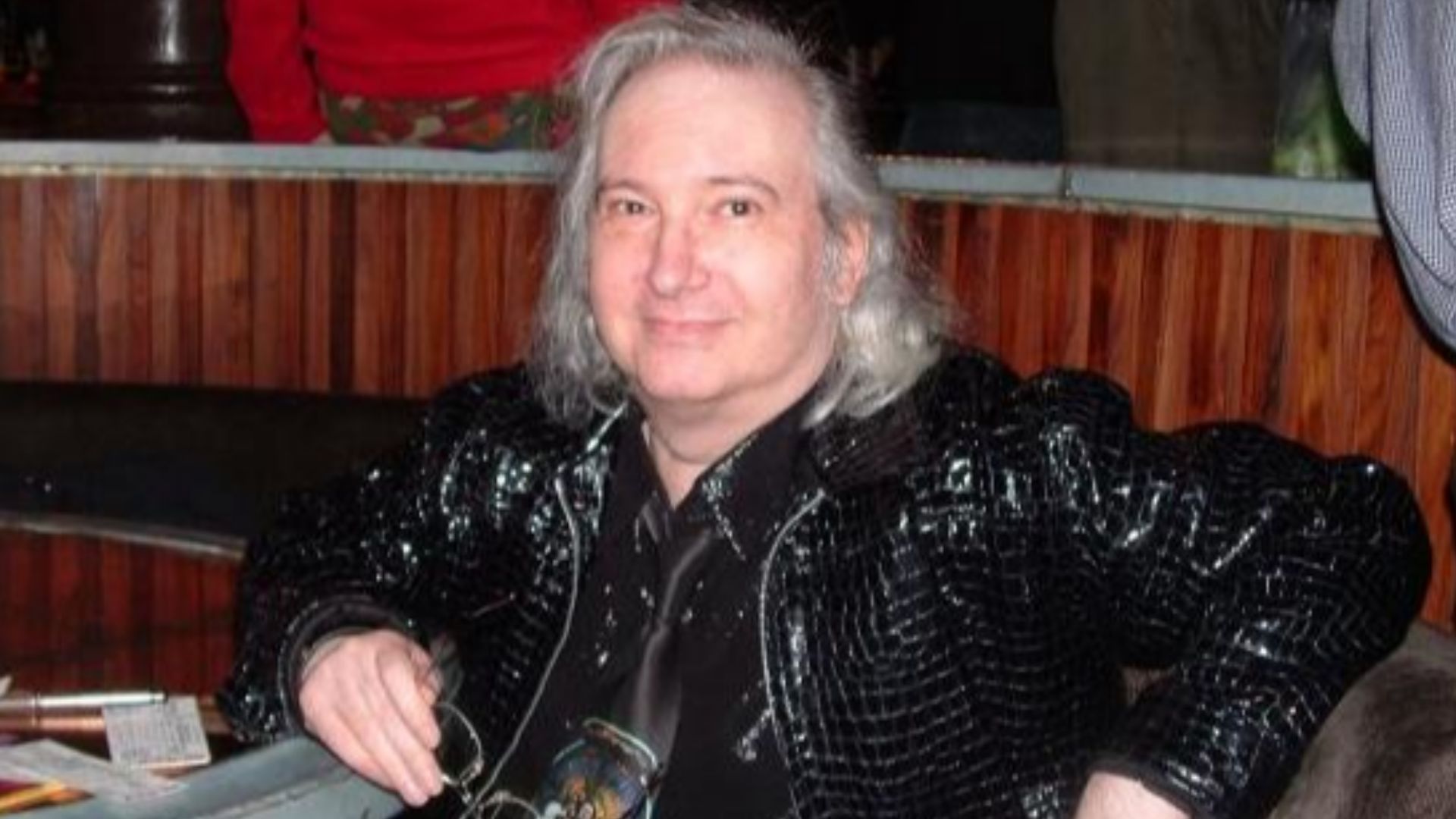
In 1973, he met Jim Steinman, a songwriter drawn to theatrical storytelling. Their partnership clicked instantly. Steinman wrote dramatic songs, and Meat Loaf brought them to life onstage. Together, the duo turned each performance into something hard-hitting.
 Justin (aka Jsteinfan), Wikimedia Commons
Building Bat Out Of Hell
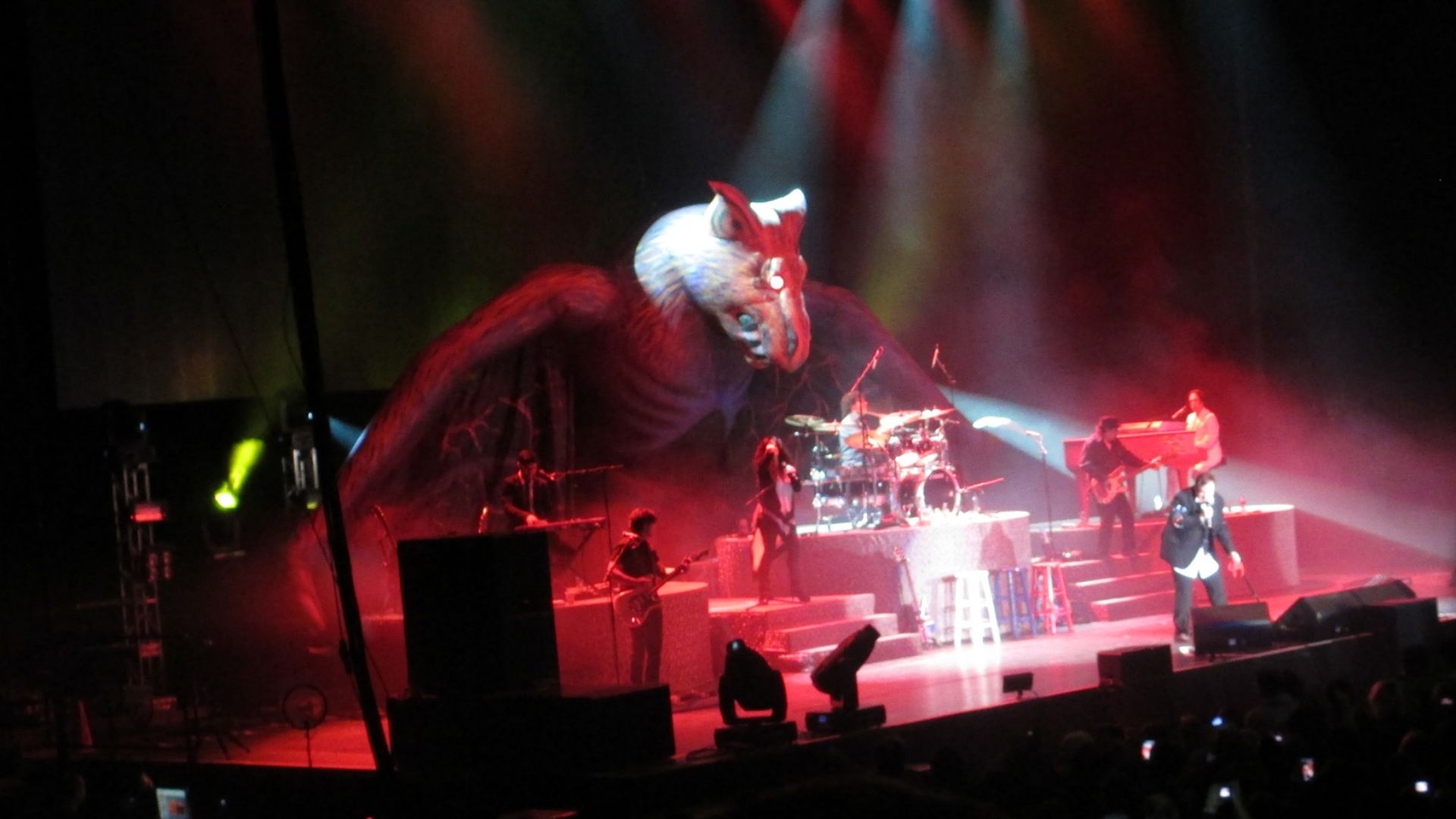
Between 1975 and 1977, they shaped Bat Out of Hell in studios and late nights. The music grew slowly through trial and belief. Over time, it became a bold statement that sounded different from anything else on the radio then.
 TubularWorld, Wikimedia Commons
Release Of Bat Out Of Hell
The rock album, composed and produced by Jim Steinman and Todd Rundgren, was released in 1977 with little initial attention. Slowly, word spread. Fans connected deeply with its emotion. Eventually, it exploded into one of the best-selling albums in music history.
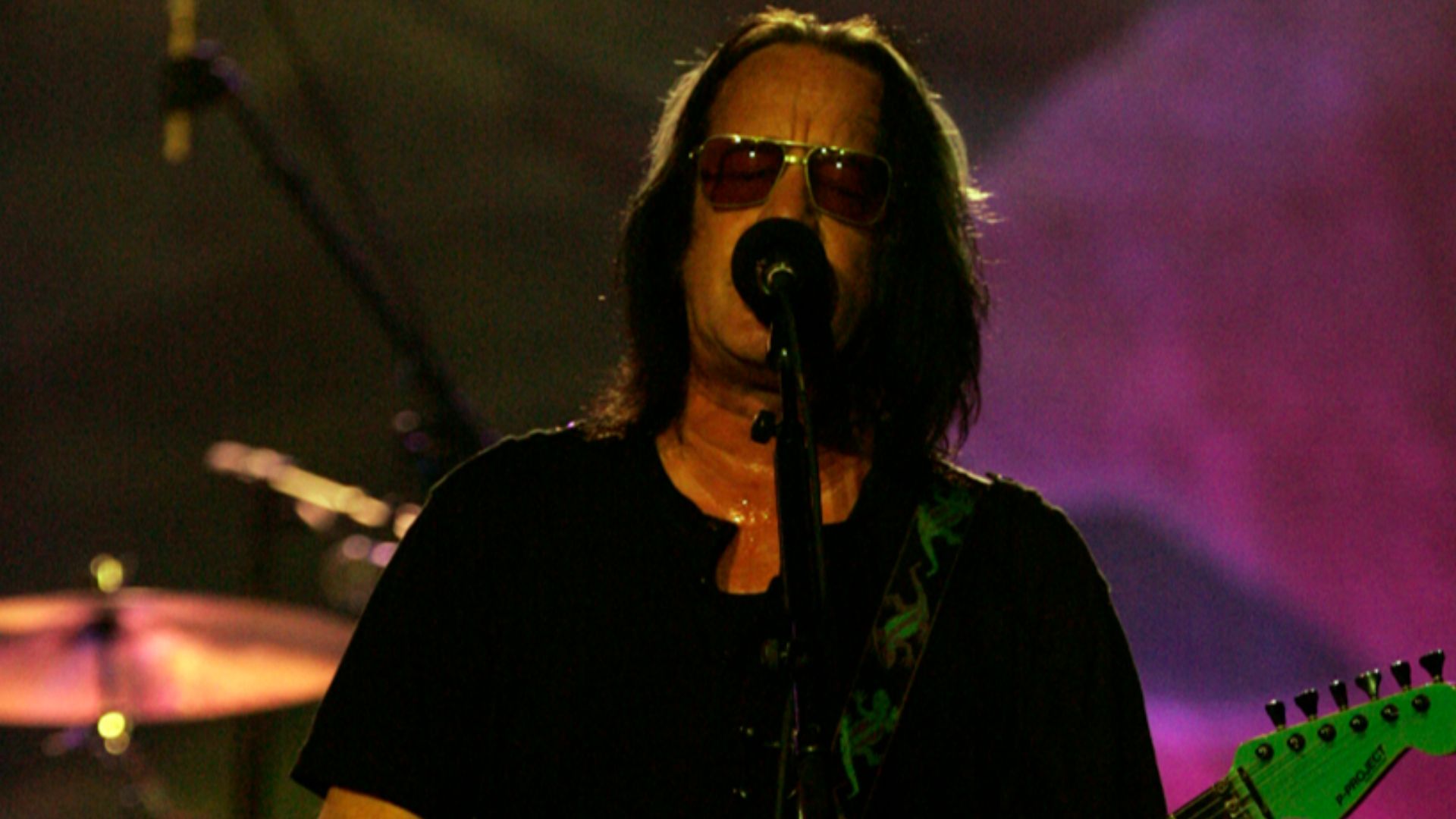 Eva Rinaldi, Wikimedia Commons
Life On Tour
The late 1970s tours became a major career milestone for him. He graduated from small venues to massive arenas. This legend learned to carry an entire show on their own. These tours defined his reputation as an artist built for big stages who gave unforgettable live performances.
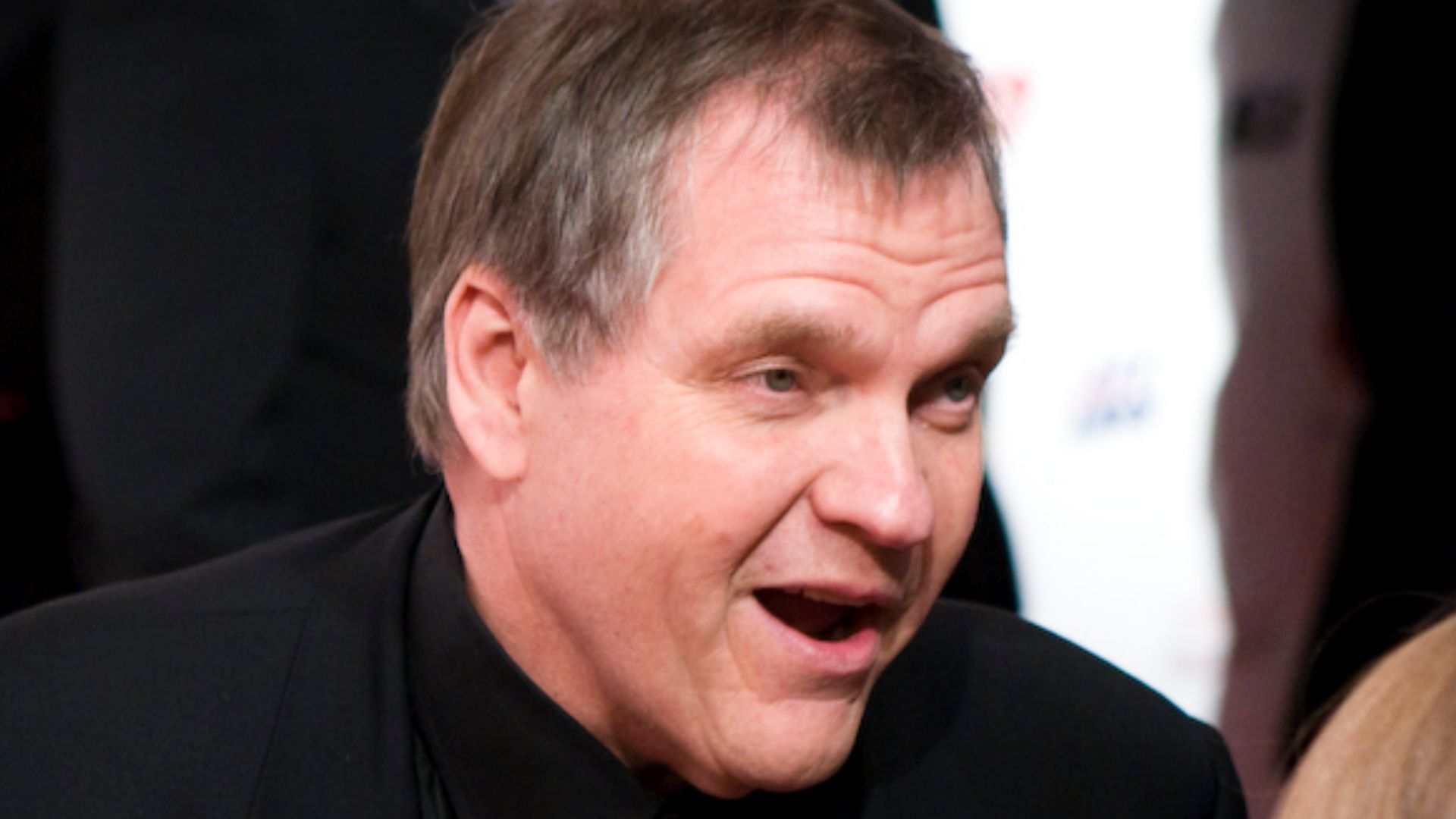 christopher simon, Wikimedia Commons
Collapsing Onstage
During the Bat Out of Hell tour in the late 1970s, Meat Loaf fell off the stage and mangled his knee during live performances. He had to undergo surgery, but he continued the rest of the tour in a wheelchair, which showed his commitment to his art.
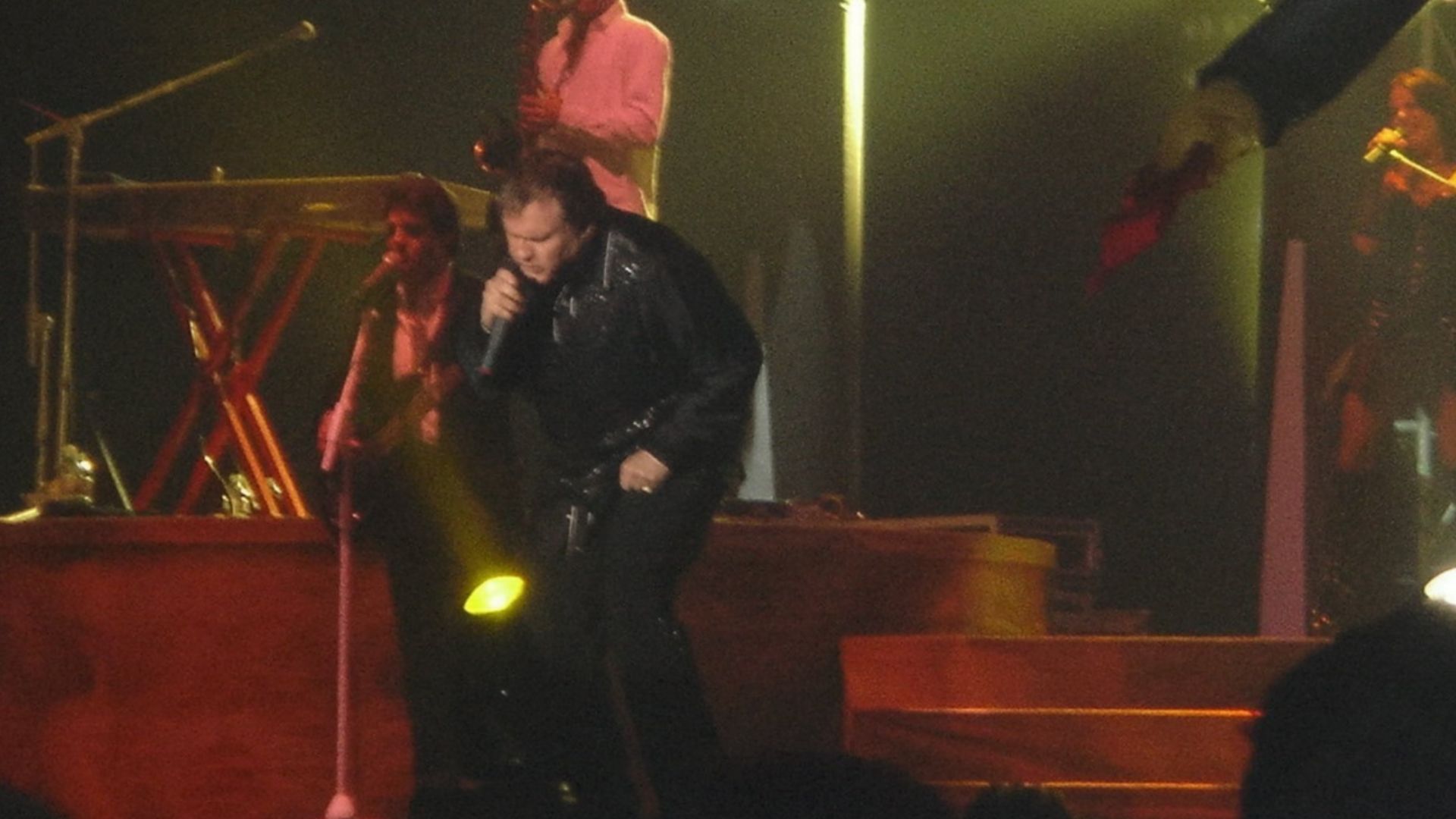
Voice Strain
By the early 1980s, years of forceful singing damaged his vocal cords. Doctors advised rest after severe strain. Because of that, he stepped away from major touring for several years to recover. He had to work his way through financial issues as he retrained his voice.
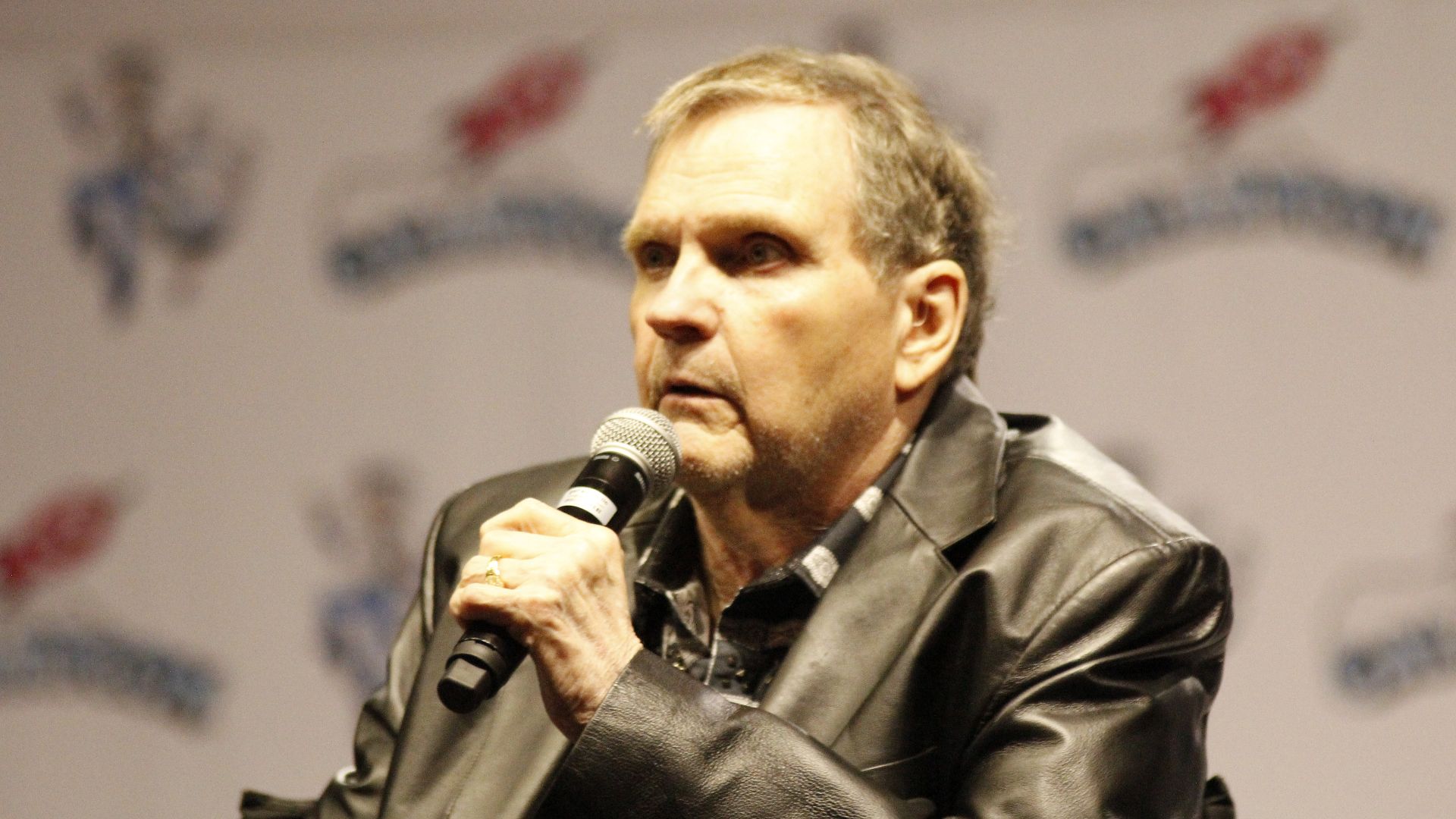 Super Festivals, Wikimedia Commons
Comeback With Bat Out Of Hell II
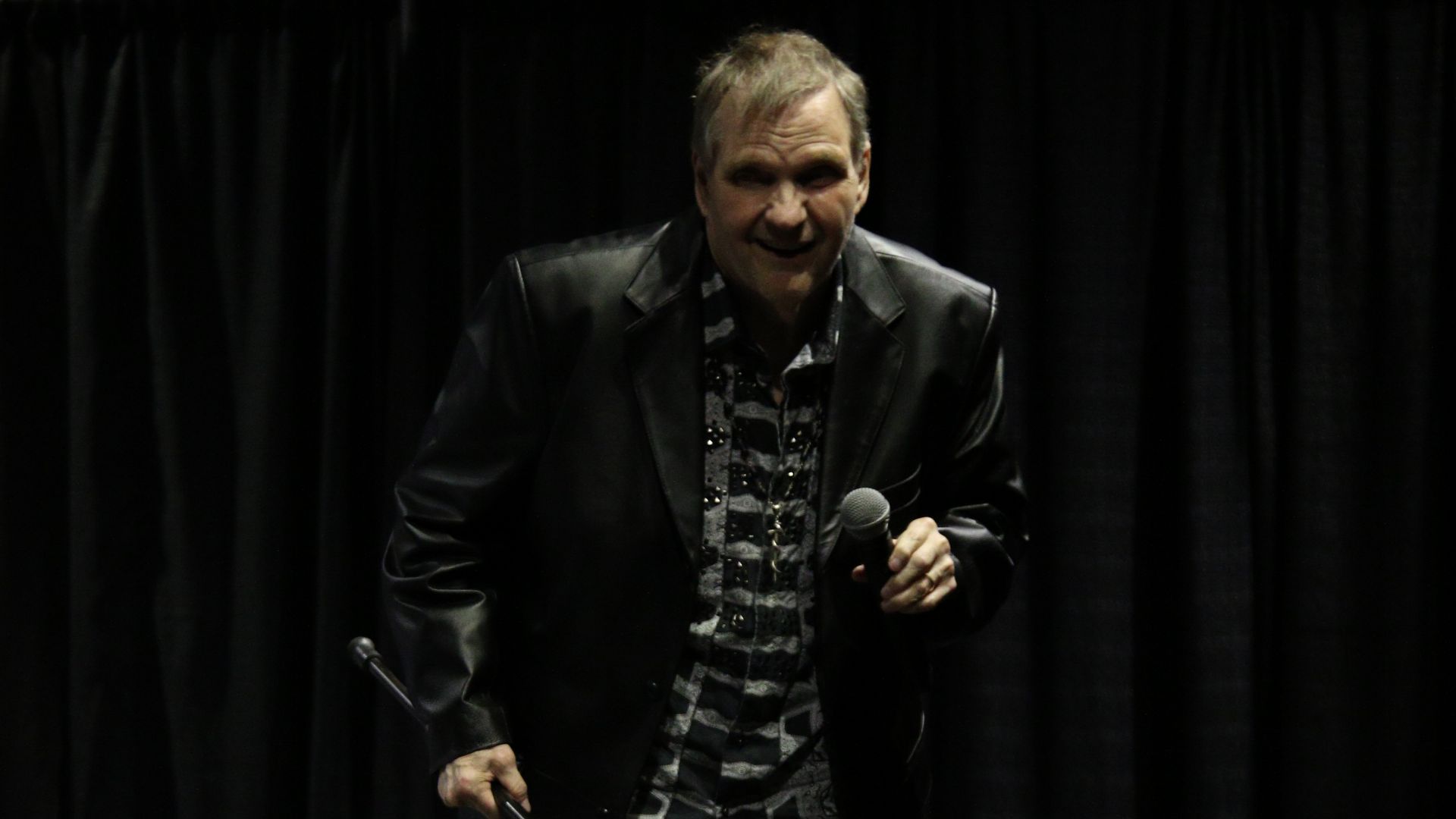
The silence didn’t last forever. In 1993, Bat Out of Hell II roared into the spotlight again to rewrite his story. “I’d Do Anything for Love” dominated global charts by selling millions. This proved that his voice still commanded the world.
 Super Festivals, Wikimedia Commons
Grammy Recognition
Recognition followed his comeback when Meat Loaf won a Grammy Award in 1994. The honor was given for the song “I’d Do Anything for Love (But I Won’t Do That)”. It confirmed his return to the mainstream and marked rare industry validation for his music career.
 TaurusEmerald, Wikimedia Commons
Breaking Out In Rocky Horror
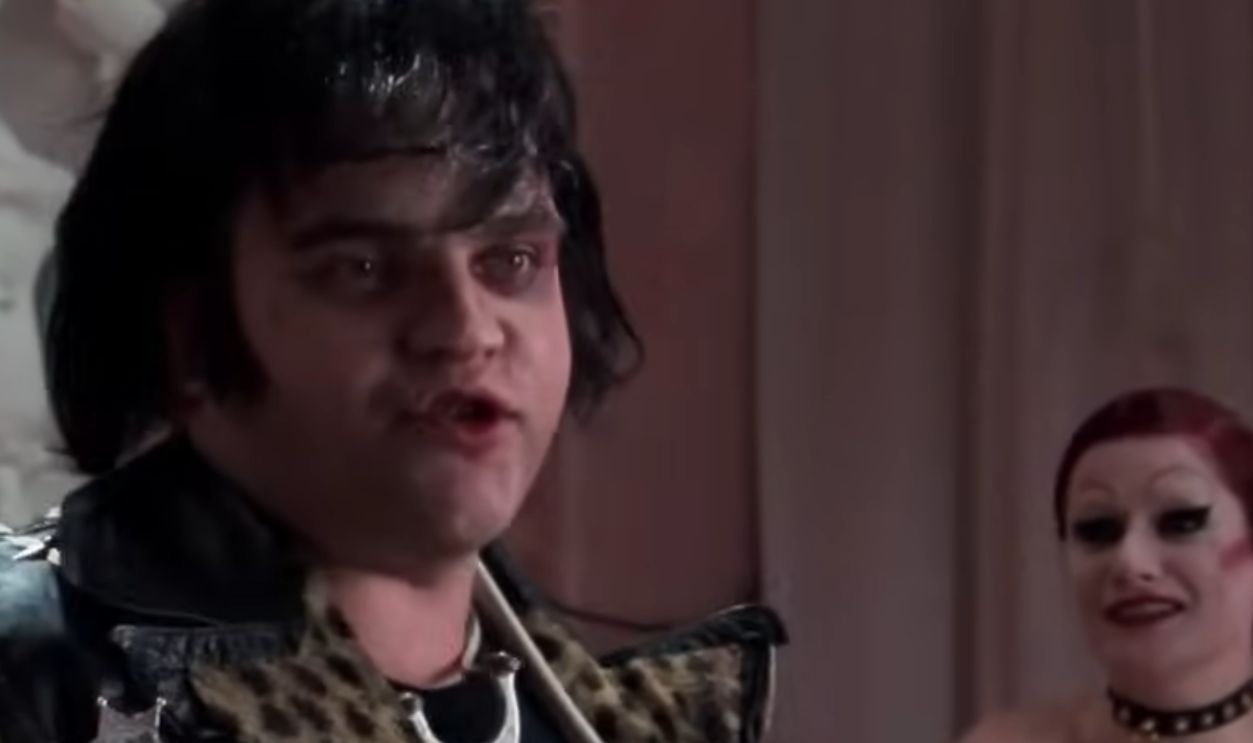
In 1975, he appeared as Eddie in The Rocky Horror Picture Show. The role showed his acting range. His wild performance became a cult favorite. It also expanded his identity beyond music and planted him firmly in pop culture history.
 Screenshot from The Rocky Horror Picture Show, 20th Century Fox (1975)
A Memorable Turn In Fight Club
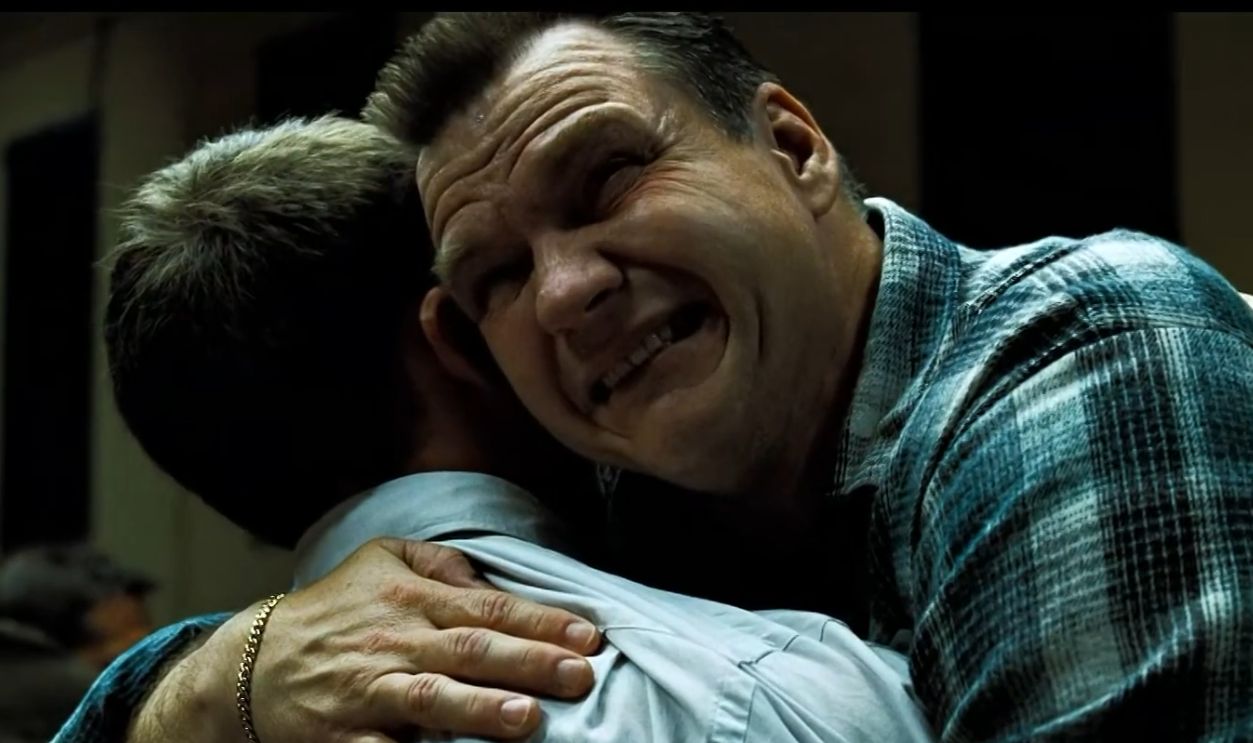
He stunned audiences as Robert “Bob” Paulson in Fight Club, bringing unexpected emotional depth to the role. The acting introduced him to younger viewers. After this, it was clear that his screen presence matched his musical power when the film was released in 1999.
 Screenshot from Fight Club, 20th Century Fox (1999)
Television And Cultural Visibility
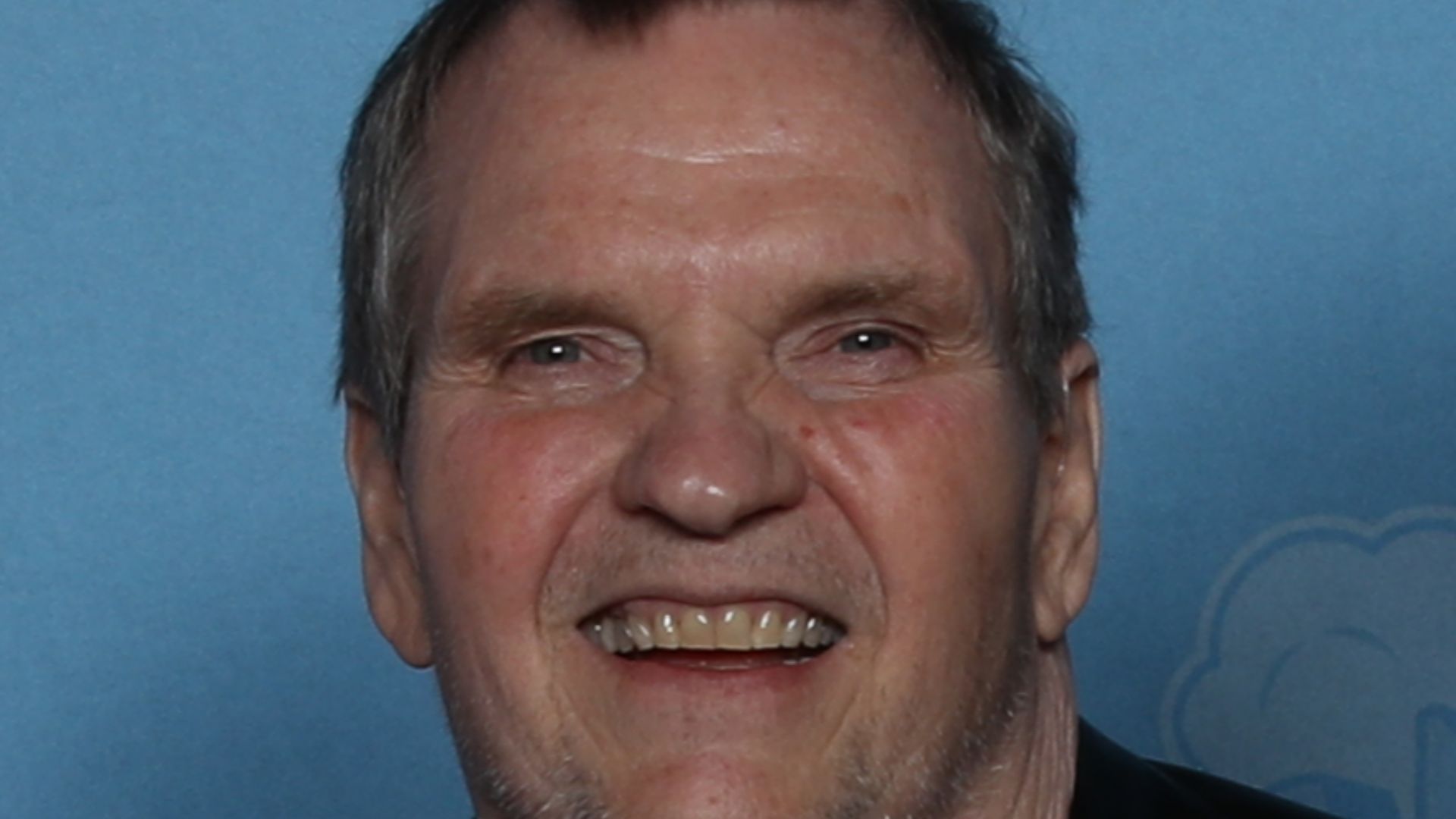
Television kept him visible across decades. He appeared on shows like Saturday Night Live and took guest roles on sitcoms like Glee and Monk. These moments showed his humor to a wider audience. He enjoyed the spotlight by never taking his image too seriously on television.
 Super Festivals from Ft. Lauderdale, USA, Wikimedia Commons
A Larger-Than-Life Persona
Offstage, his personality matched his performances. He mixed humor with intensity and spoke openly about fears. Fans saw honesty instead of polish, which strengthened loyalty. It also made his dramatic onstage presence feel genuine to audiences everywhere over time.
 Super Festivals, Wikimedia Commons
Continuing To Tour
Even into the 2000s, Meat Loaf kept touring regularly. Concerts remained demanding for him. Fans packed arenas knowing each show carried physical risk, yet he treated performing as a responsibility to the people who loved him to deliver with visible effort.
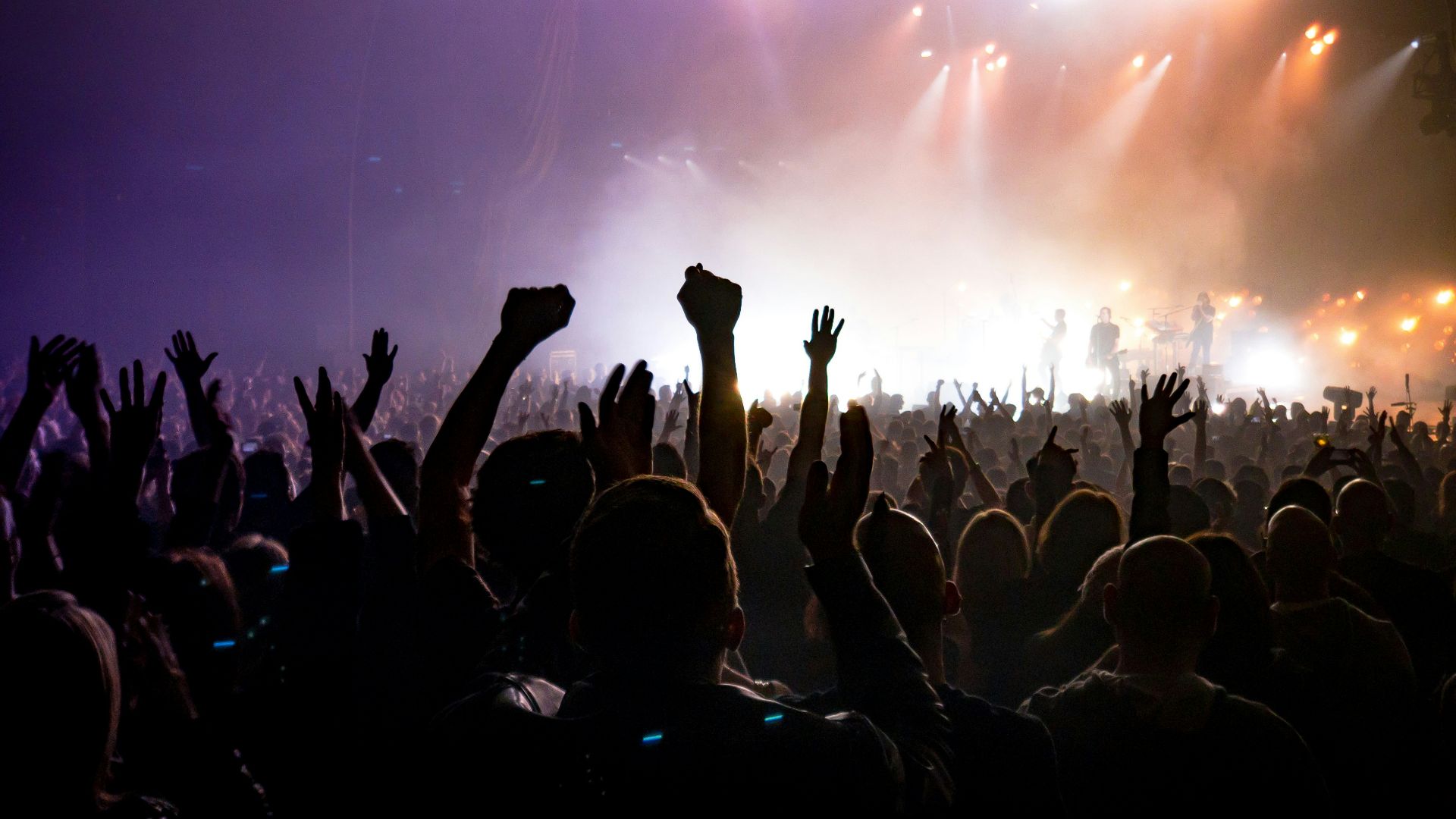
Marriage And Life Offstage
He was first married to Leslie Edmonds (1979–2001). He had a daughter named Pearl from his first marriage. In 2007, he married Deborah Gillespie. Home life gave him a sense of purpose beyond touring and allowed him to slow down between performances.
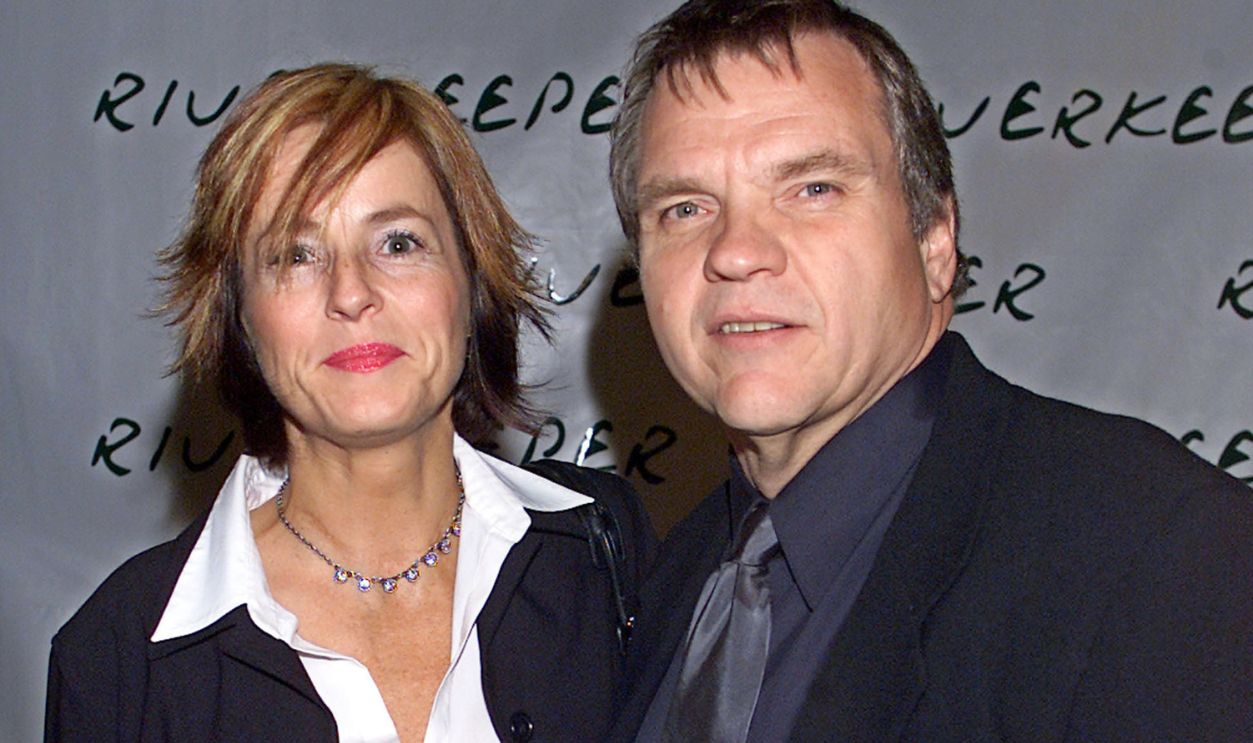
New Albums
He continued studio work alongside touring. Albums like Couldn’t Have Said It Better and Bat Out of Hell III extended his catalog. The releases reaffirmed his dramatic style by showing a veteran artist still committed to the big emotions that they were previously known for.
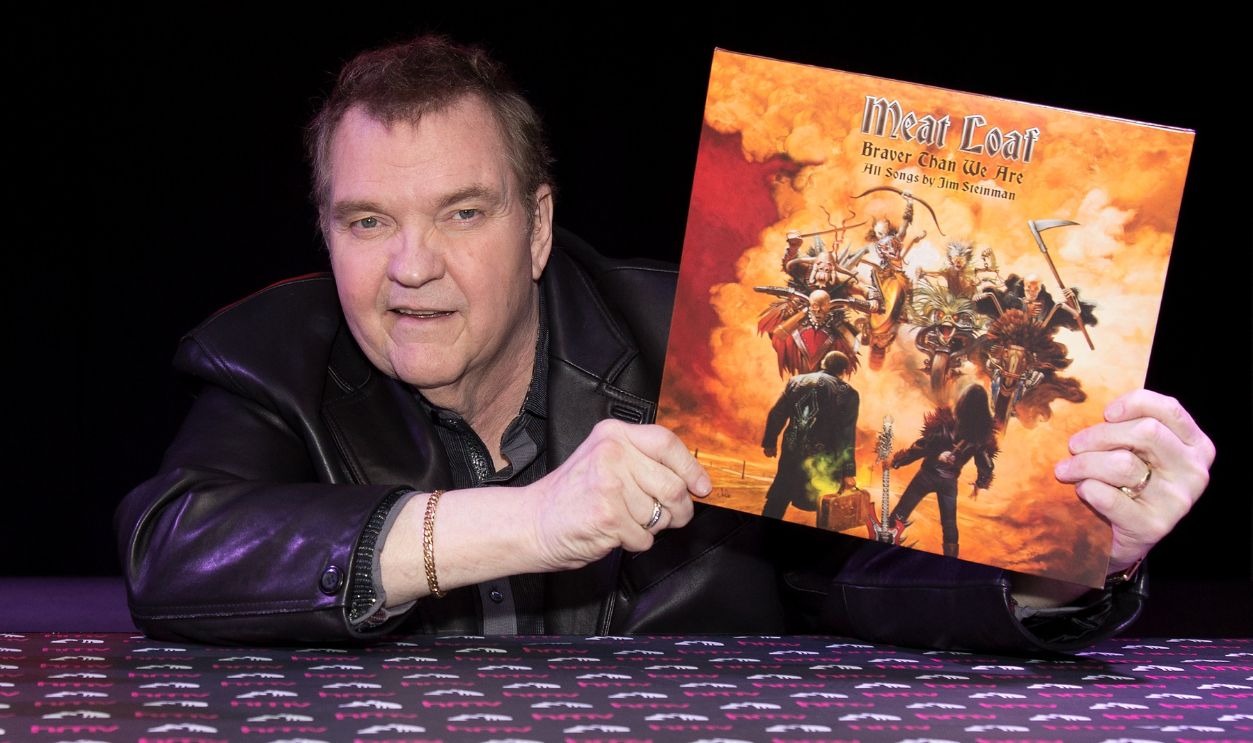
Health Scares Onstage
Live performances again made headlines in the early 2000s and 2010s. He collapsed during shows in London in 2003 and in Edmonton in 2016. Each incident underscored ongoing health challenges, while fans watched a performer still determined to finish what he started.
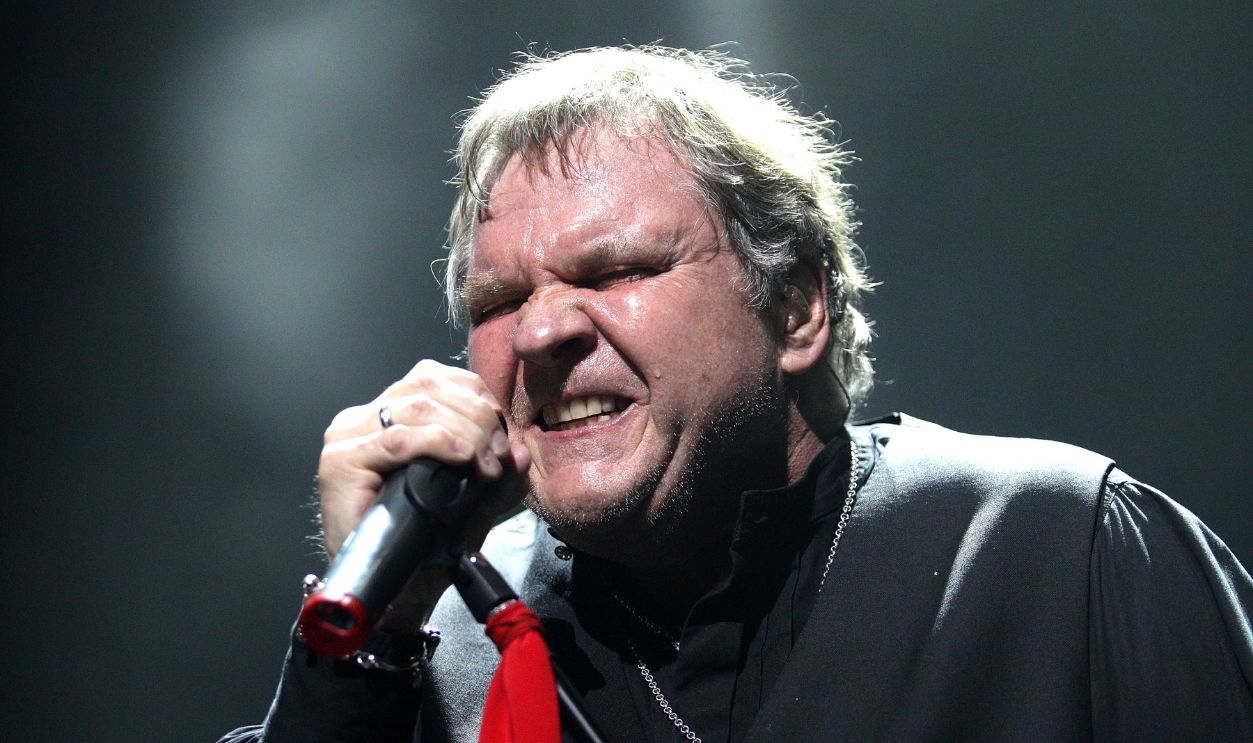
Final Years And Passing
In his later years, touring slowed but never fully stopped. He passed away at the age of 74, on January 20, 2022, in Nashville, Tennessee. News of his death prompted tributes from musicians, fans, and long-time collaborators worldwide. The response made clear that his impact reached far beyond albums.


.jpg)