Let’s Turn It Up To 11 (Or at Least 8)
You said you knew rock & roll. Well, this is where we find out how much. These aren’t surface-level questions or radio hits—they’re deeper cuts, details, and moments real fans will remember. 20 questions. Getting 8 right? That’s actually pretty impressive this time.
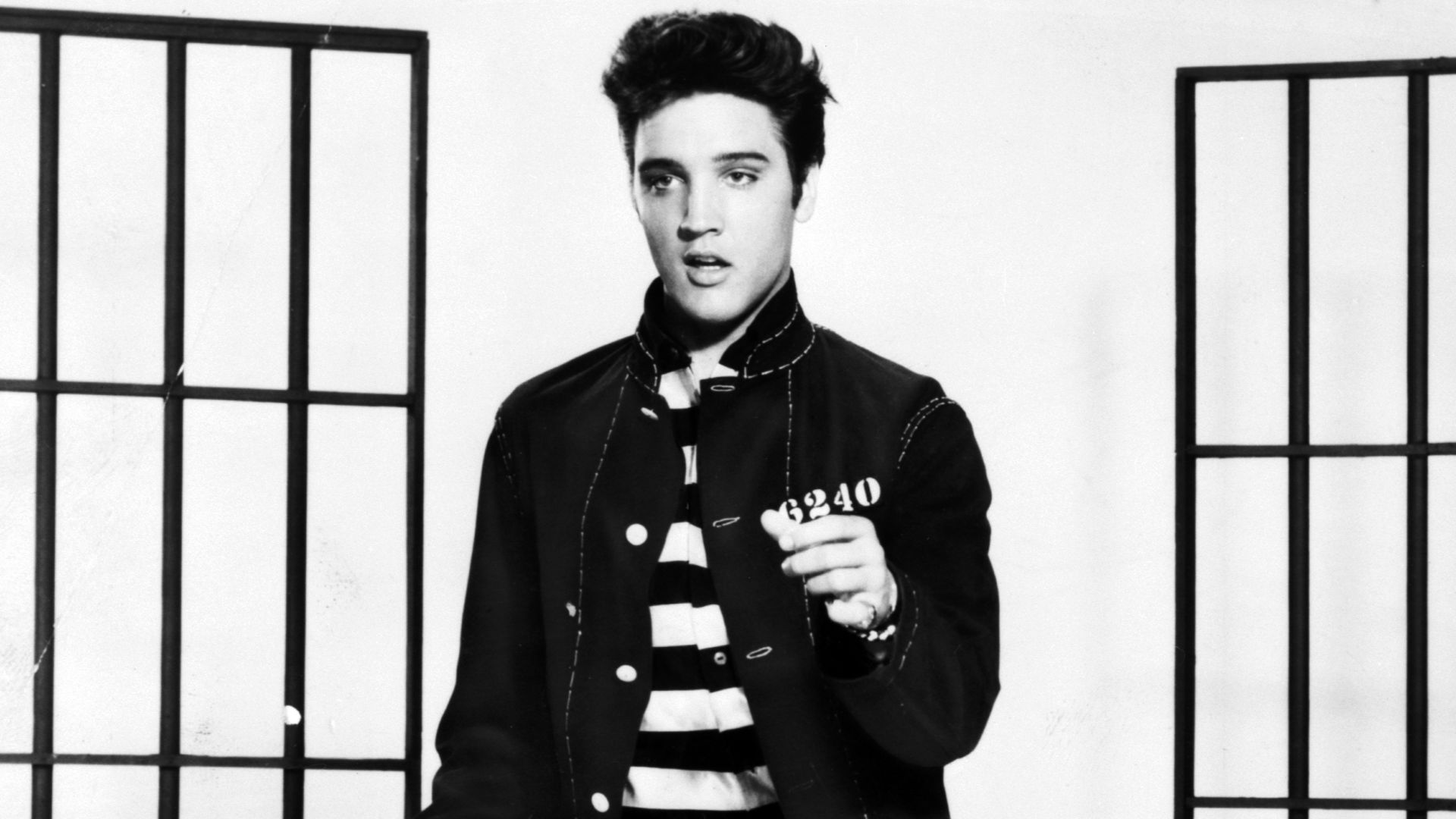
1: Who recorded the original version of Hound Dog before Elvis Presley made it famous?
It’s one of those songs so closely tied to Elvis that most people assume it started with him. But like a lot of early rock & roll, the story actually begins somewhere else entirely—with a different artist and a very different sound and tone.
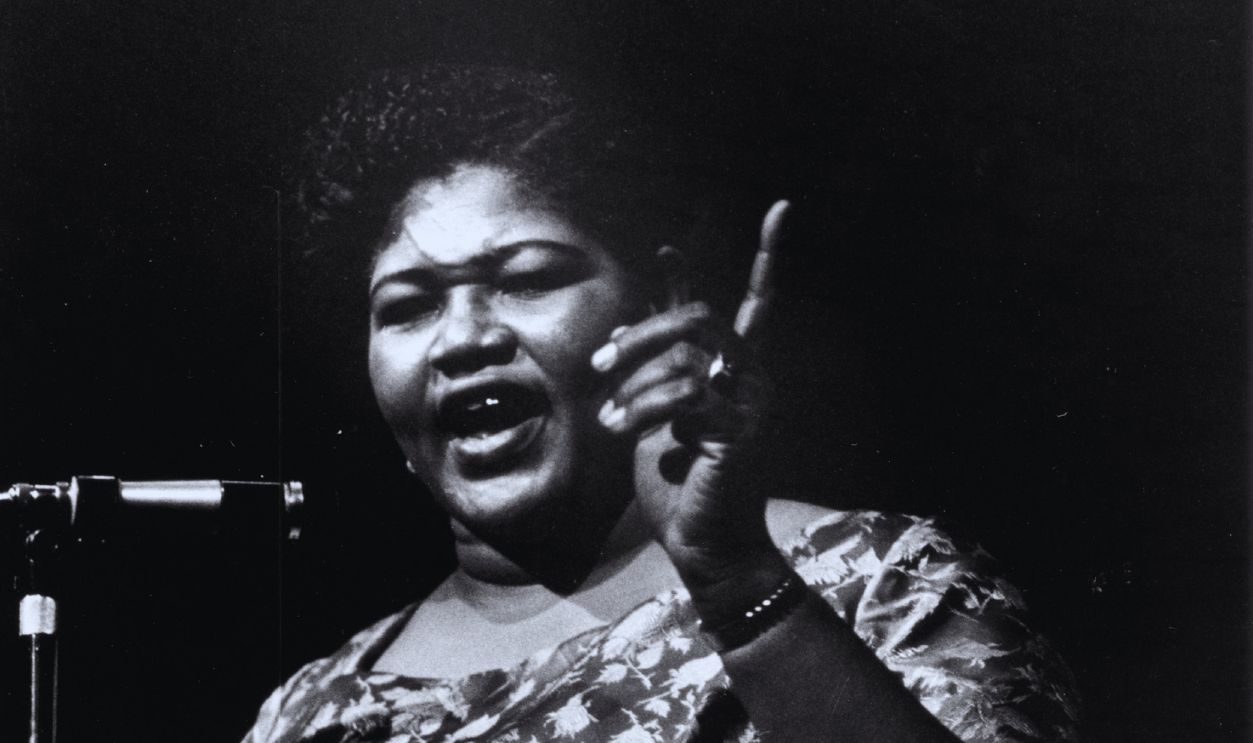
 w:Globo Play Inc. Reproduction Number: LC-USZ6-2067 Location: NYWTS -- BIOG, Wikimedia Commons
Answer: Big Mama Thornton
She recorded it in 1952, and her version leans much more into blues than Elvis’s later rock version. It was already a hit before Elvis touched it—his version just took it to another level commercially and culturally.
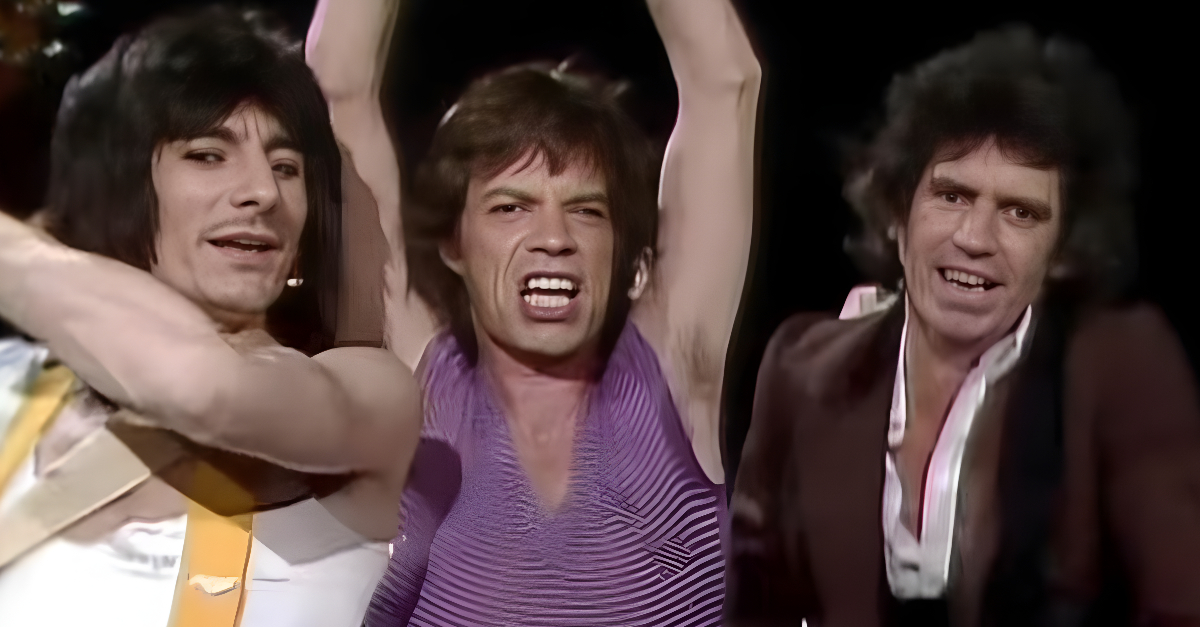
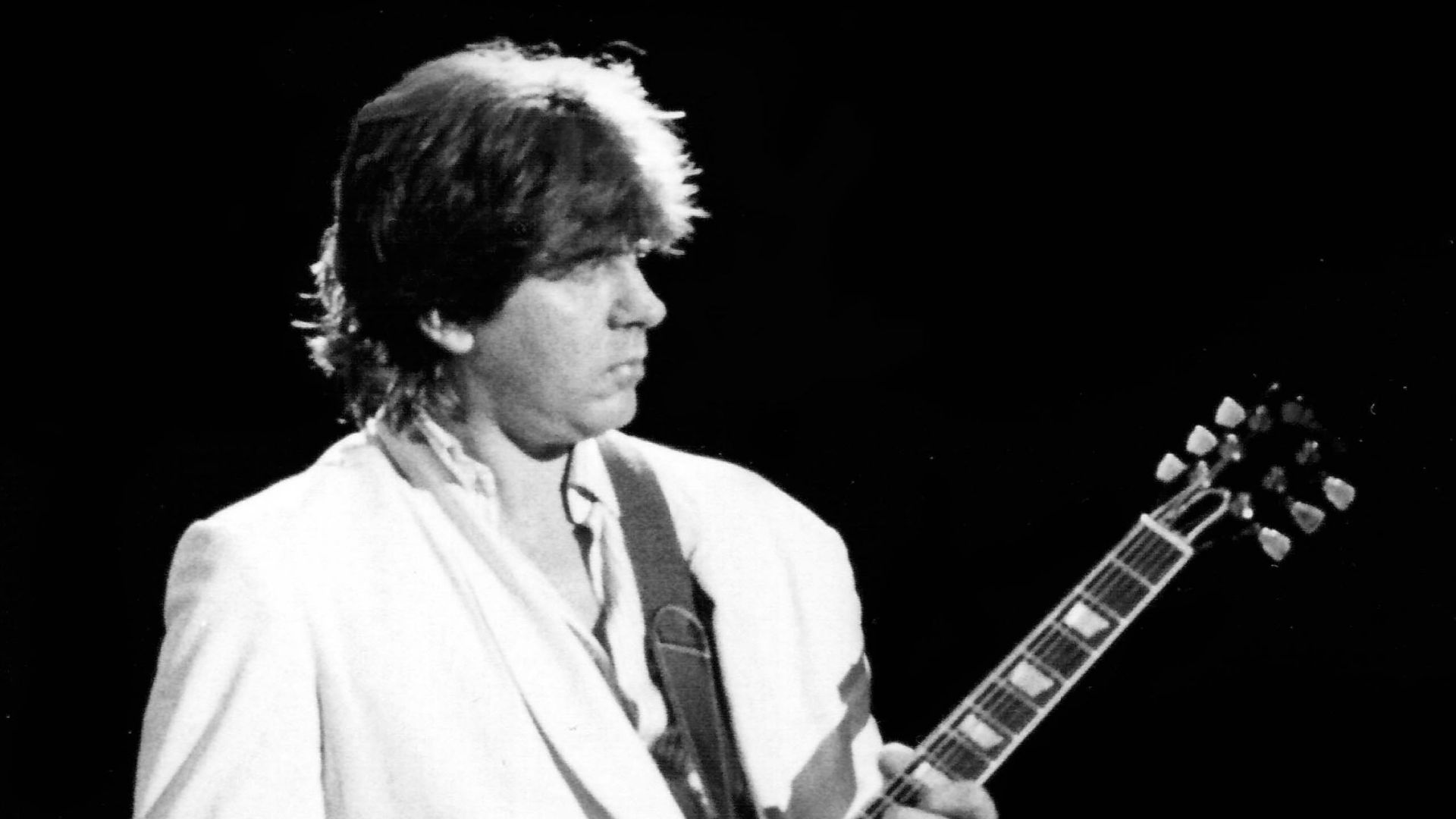
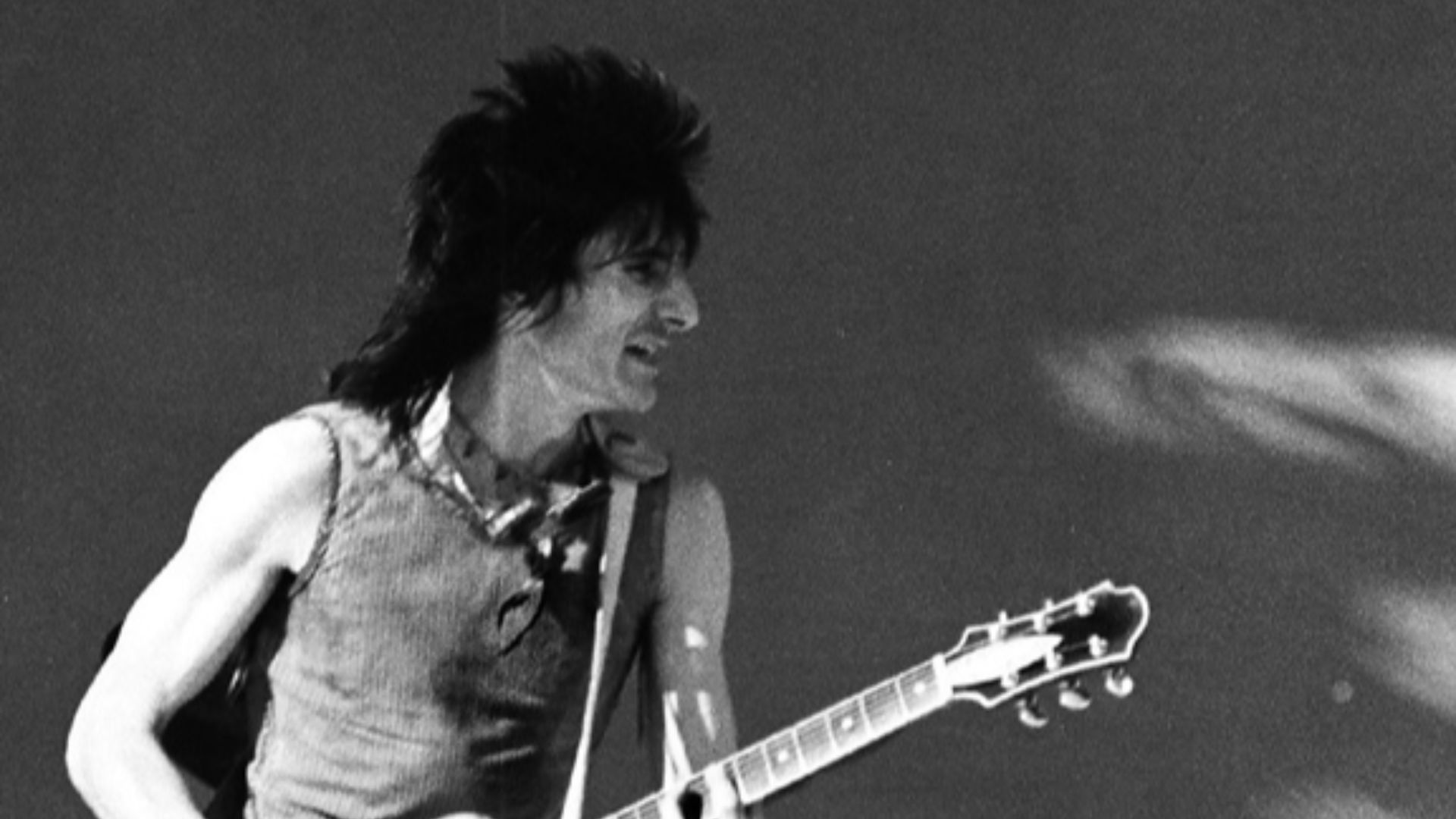
2: Which guitarist replaced Mick Taylor in The Rolling Stones in 1975?
This lineup change didn’t just fill a spot—it subtly reshaped the band’s chemistry and sound going forward. The replacement brought a looser, more chaotic energy that became a defining part of the band’s live shows and later-era identity.
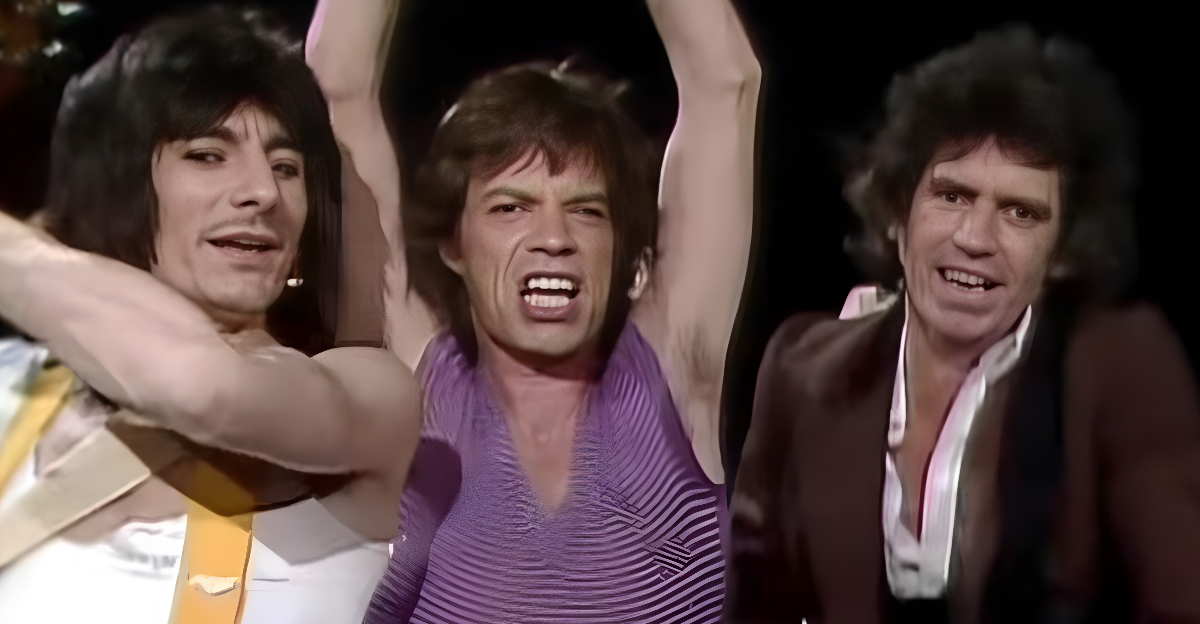
Answer: Ronnie Wood
Ronnie Wood joined in 1975 and quickly became a permanent member. His chemistry with Keith Richards gave the band a rougher, more playful edge that carried them through decades of touring, recording, and evolving.
 Catharine Anderson, Wikimedia Commons
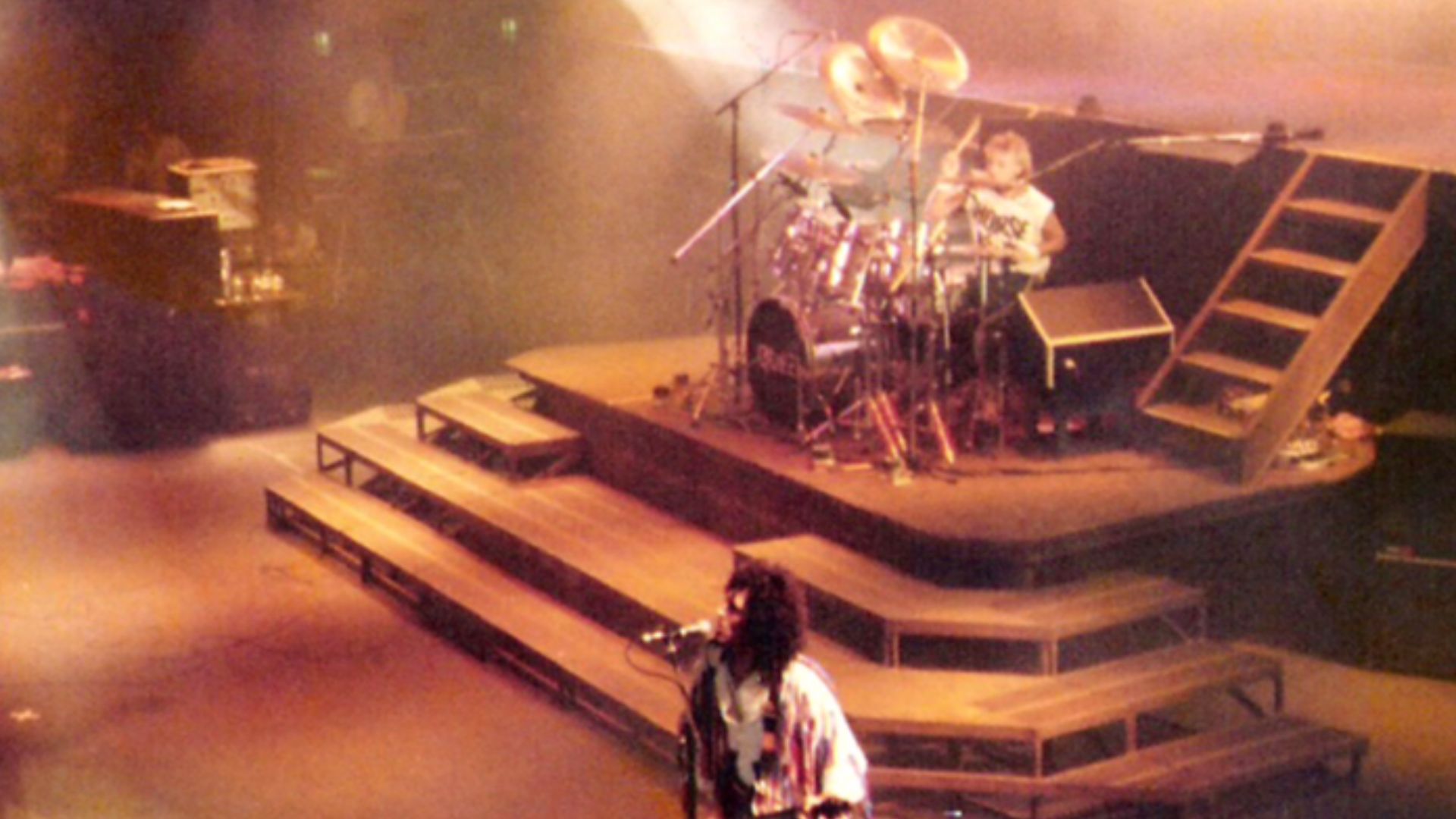
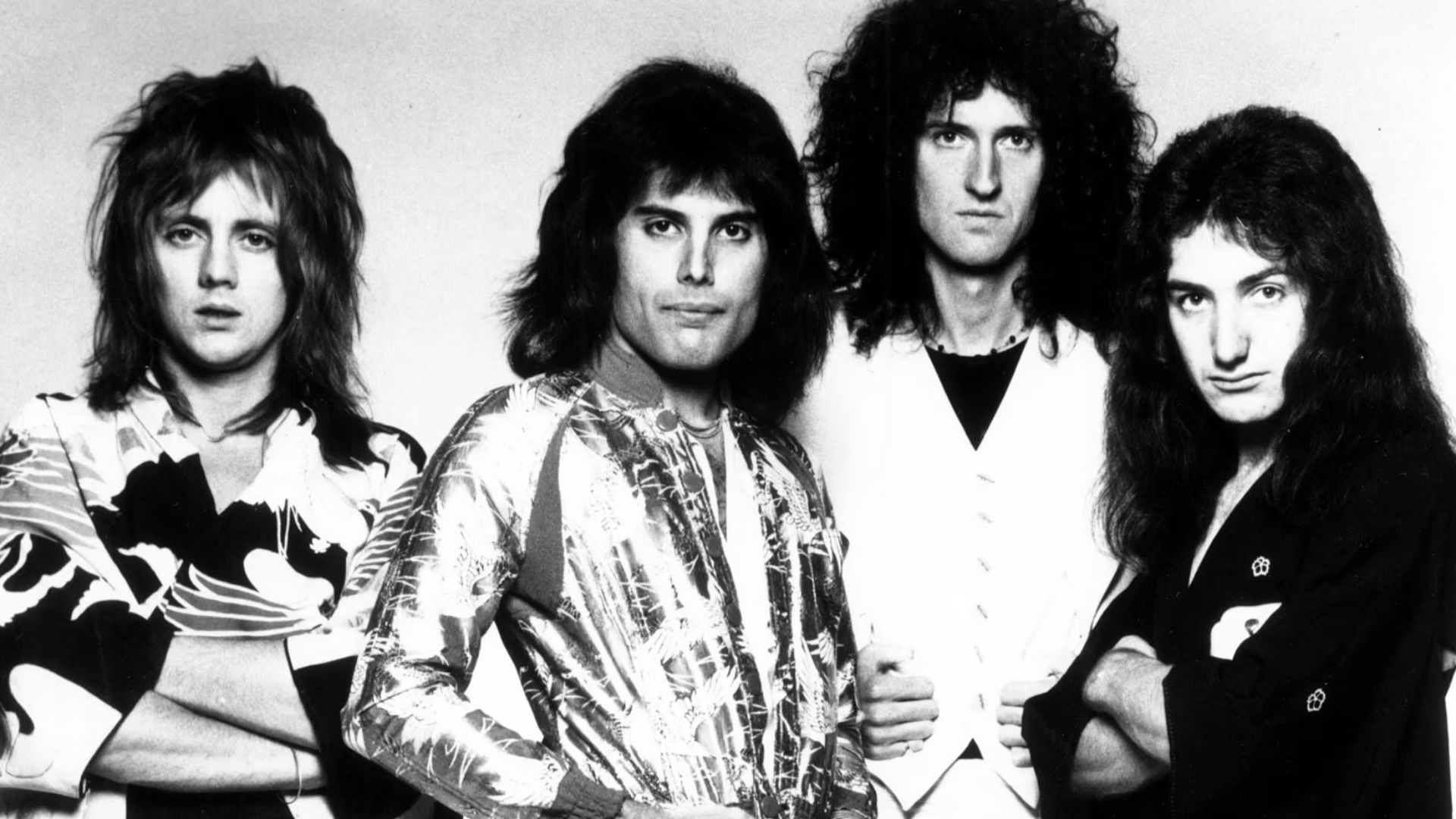
3: Which band was originally called Smile before changing their name?
A) Queen
B) Genesis
C) Yes
D) Deep Purple
 Thomas Steffan, Wikimedia Commons
Answer: Queen
Before Freddie Mercury joined, the band was called Smile and featured Brian May and Roger Taylor. Mercury pushed for the name change—and the rest, obviously, is history.
 Koh Hasebe; Distributed by Elektra Records, Wikimedia Commons
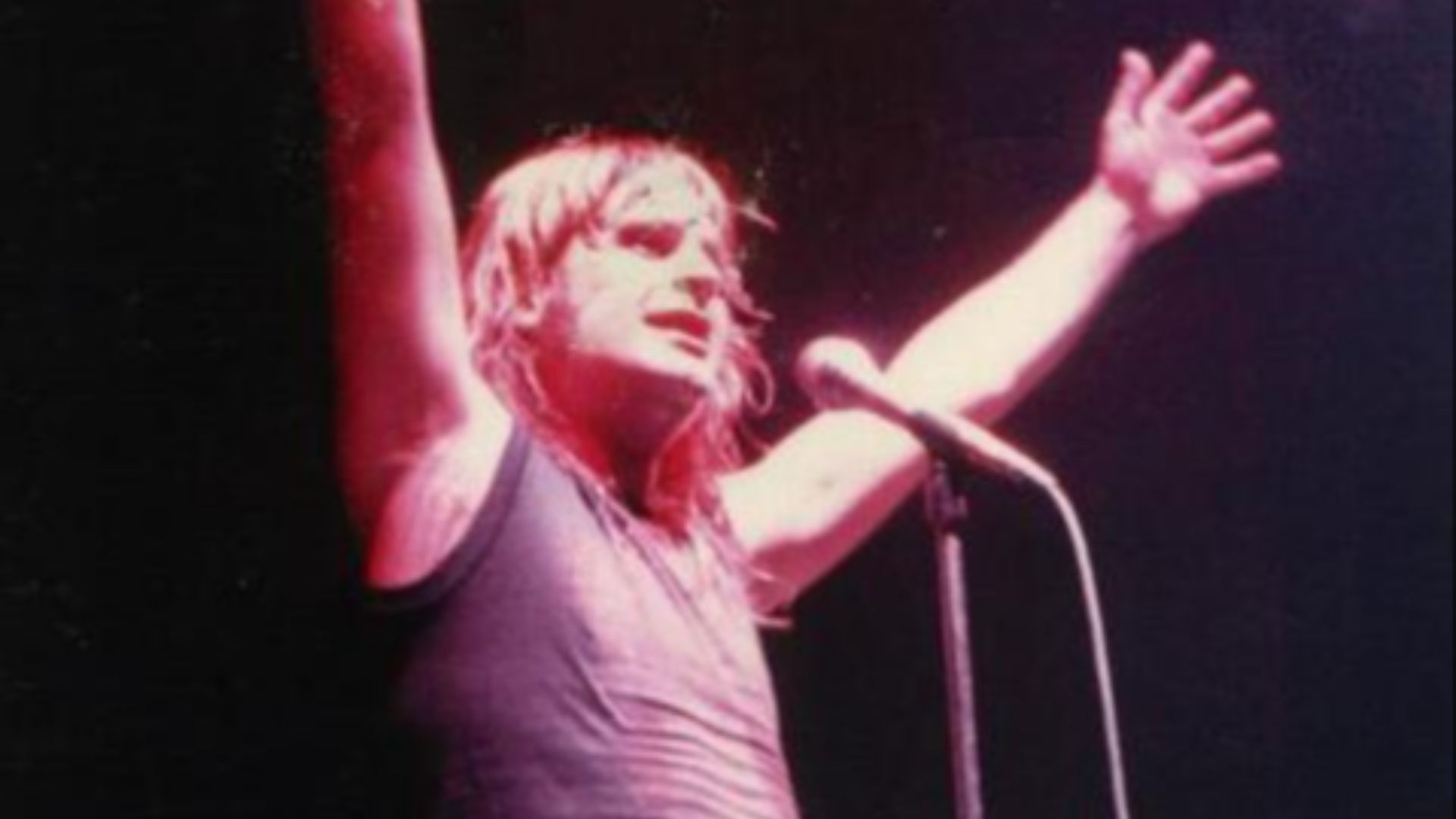
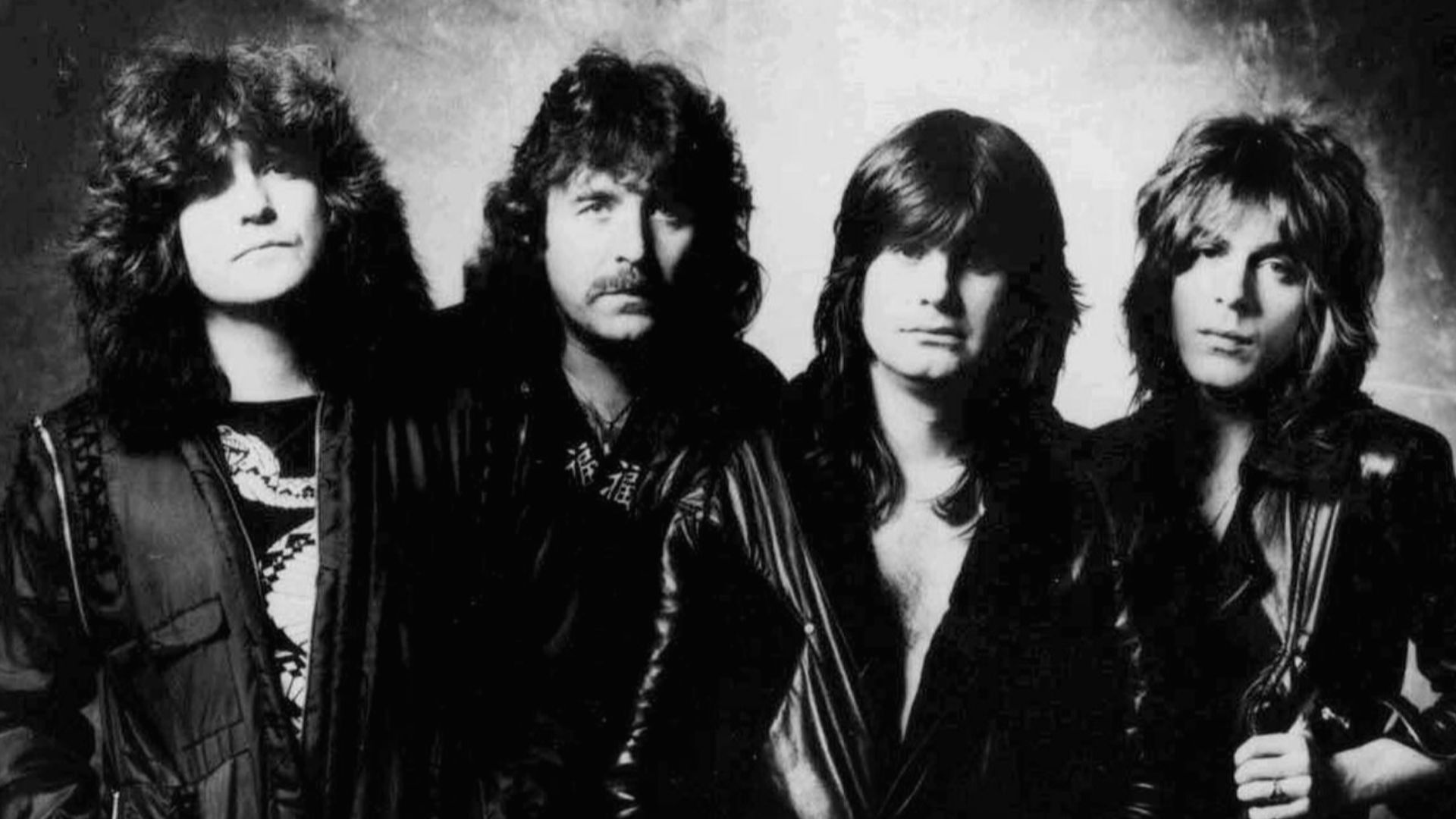
4: Which band did Ozzy Osbourne briefly form after leaving Black Sabbath in 1979 (before going fully solo)?
A) Blizzard of Ozz
B) Rainbow
C) Whitesnake
D) Dio
 Andrew King, Wikimedia Commons
Answer: Blizzard of Ozz
It started as a proper band, not just a solo project. Over time, it became branded under Ozzy’s name, but the early lineup—including Randy Rhoads—was crucial to shaping that sound and direction.
 Jet Records, Wikimedia Commons
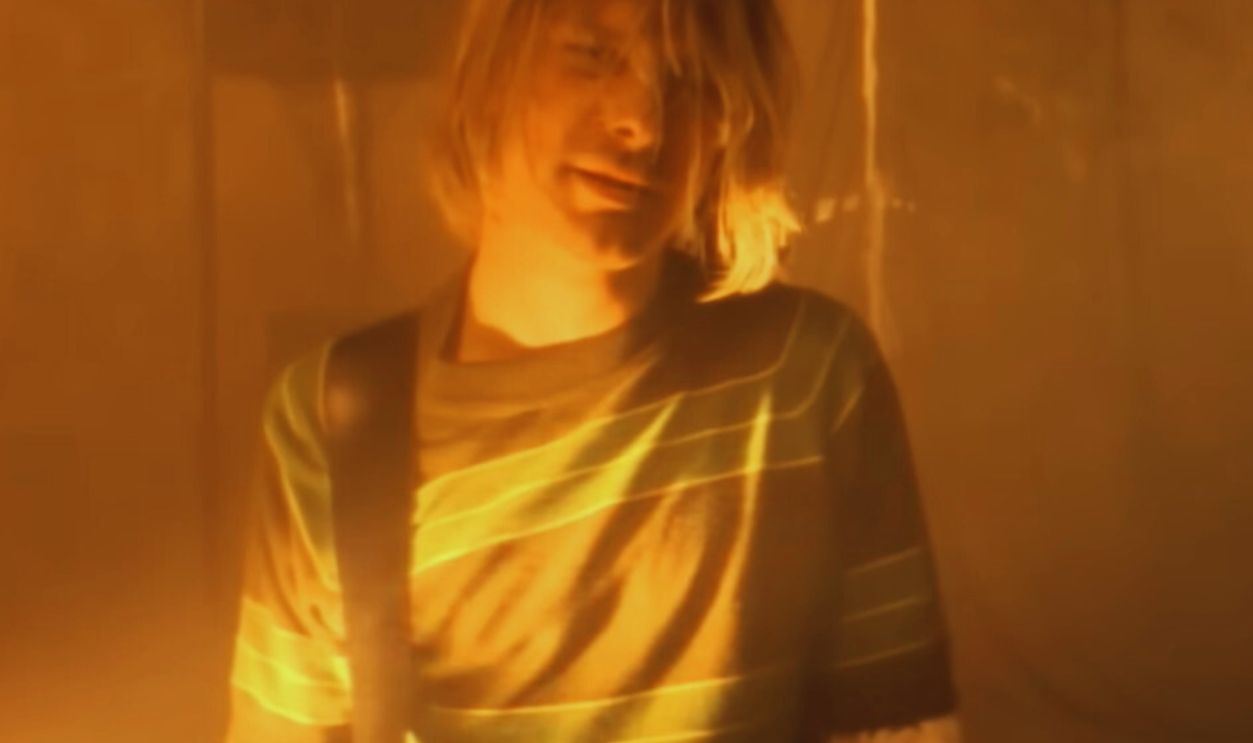
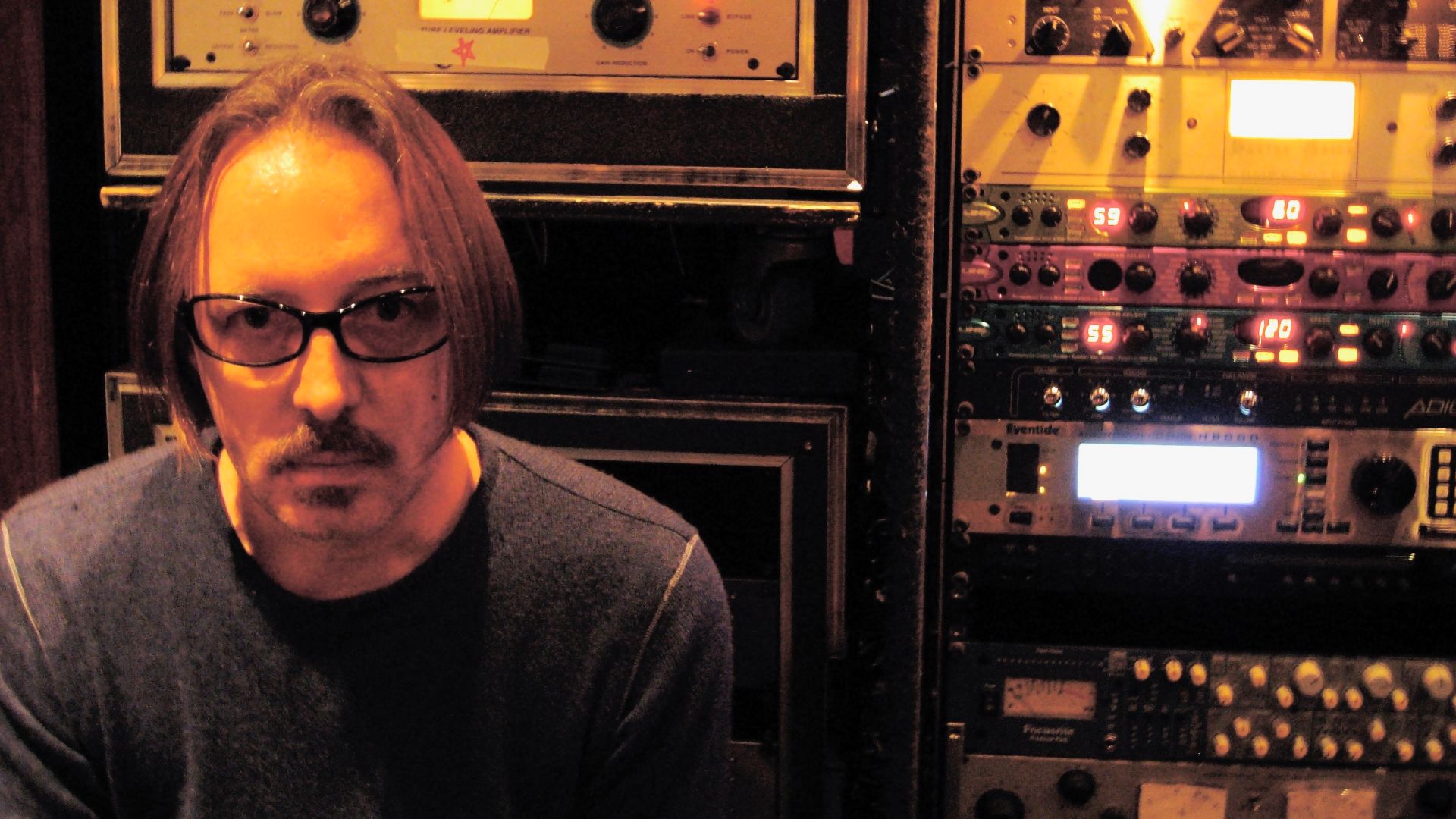
5: Who produced Nevermind by Nirvana?
A) Rick Rubin
B) Butch Vig
C) Steve Albini
D) Brian Eno
 Screenshot from Nirvana – “Smells Like Teen Spirit”, DGC Records (1991)
Answer: Butch Vig
Butch Vig helped shape the album’s polished-but-heavy sound, making it accessible without losing its edge. His production played a major role in turning Nevermind into a massive breakthrough rather than just another underground release.
 Valdo Howell, Wikimedia Commons
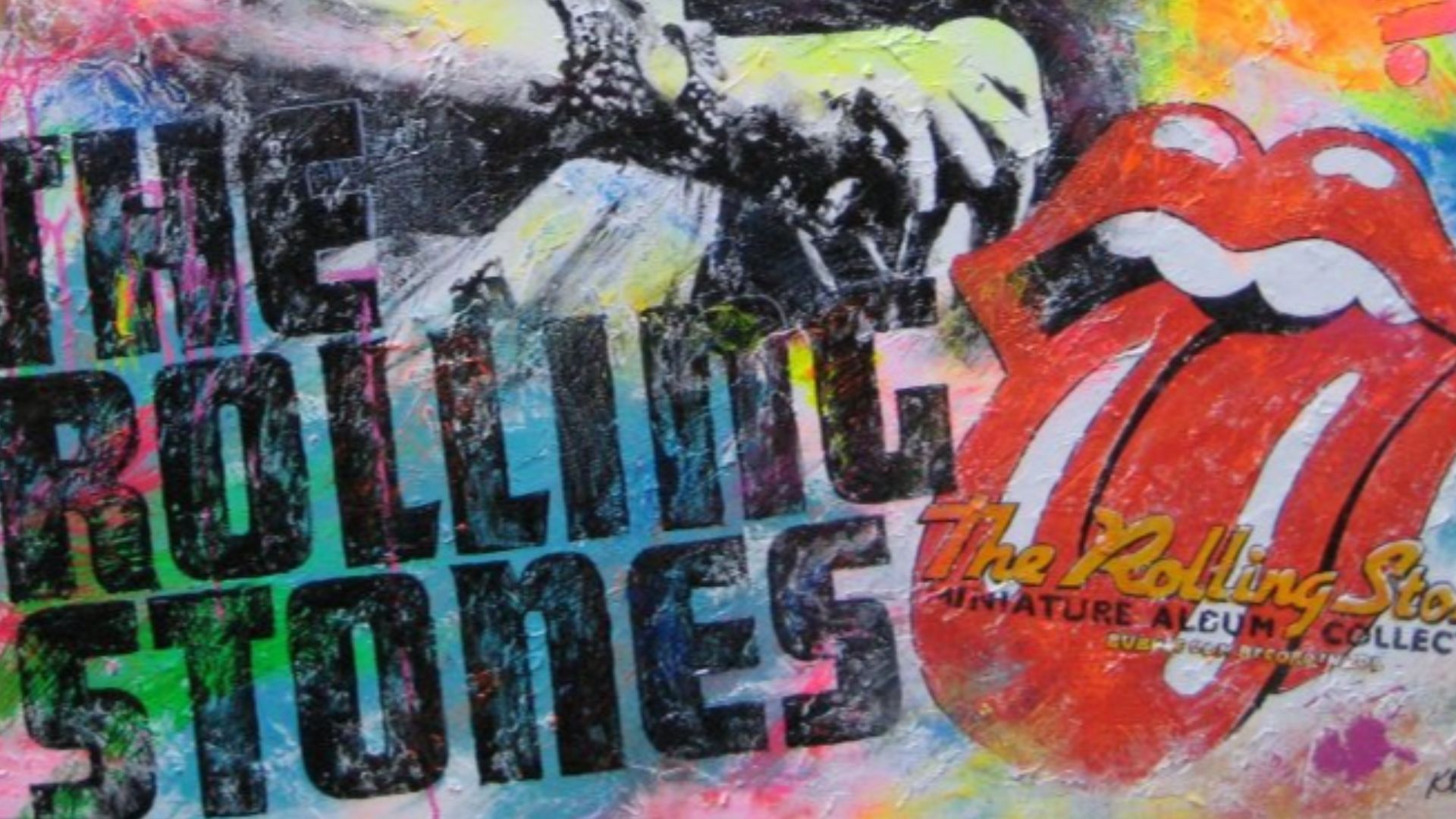
6: Who designed The Rolling Stones’ famous tongue and lips logo?
A) Andy Warhol
B) John Pasche
C) Peter Blake
D) Storm Thorgerson
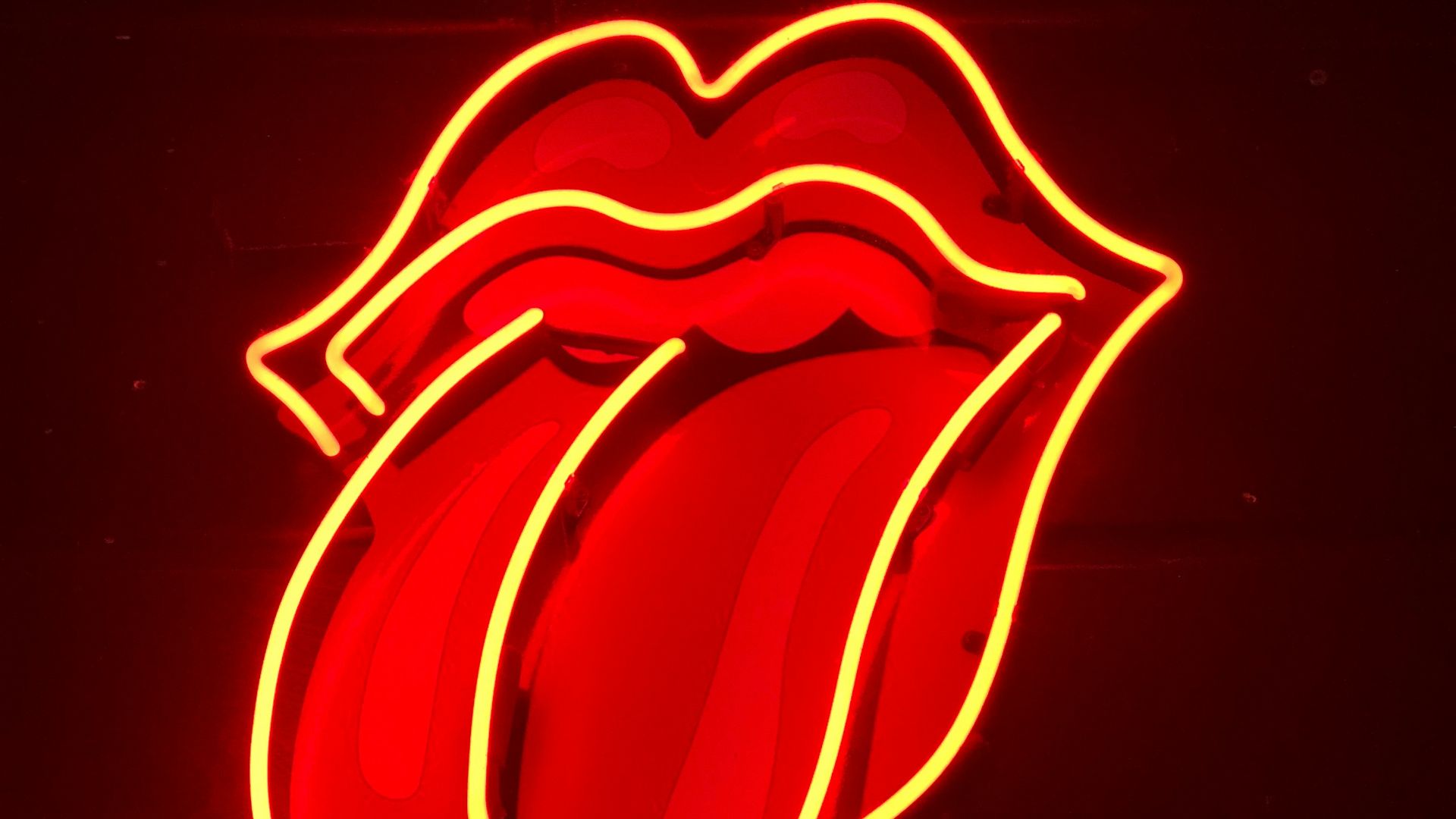
Answer: John Pasche
Pasche designed the logo in 1970, inspired in part by Mick Jagger’s look. Warhol later used the image in his own work, which is why many people still mistakenly credit him.
 Silvia Klippert (painting) / John Klippert (photo), Wikimedia Commons
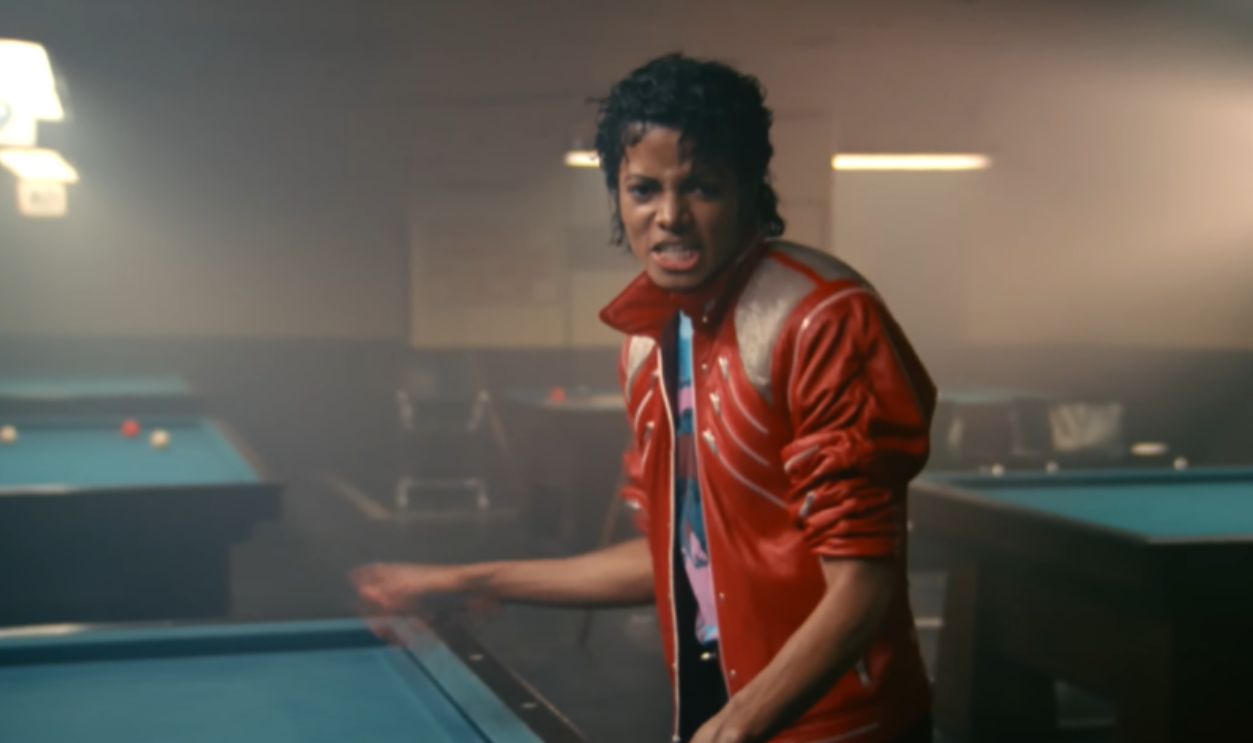
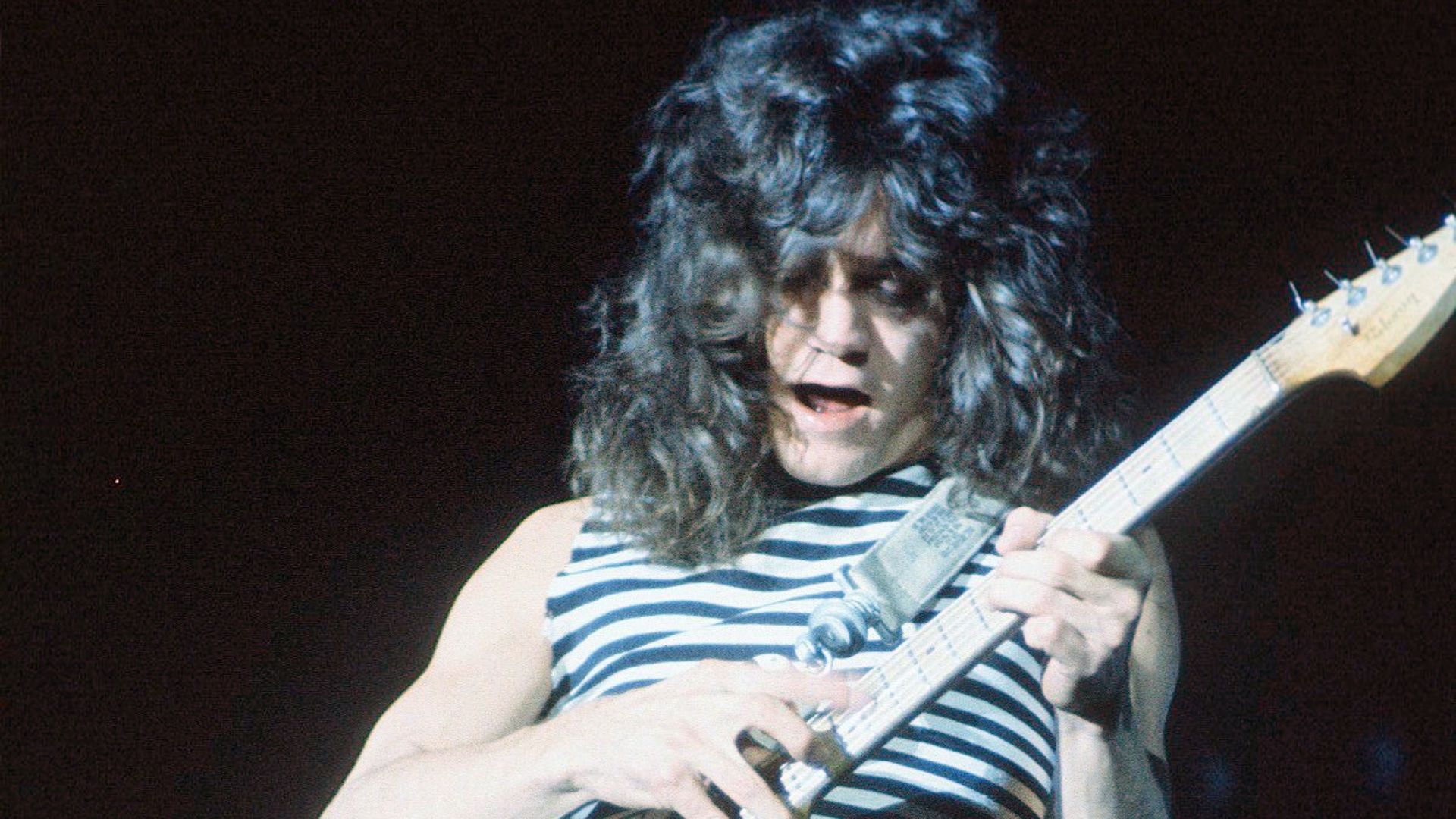
7: Which famous guitarist played the solo on Michael Jackson’s Beat It?
It’s not strictly a rock song—but the guitar solo is unmistakably rock, and it completely changes the feel of the track. It was performed by a guitarist who didn’t normally work in the pop world at all.
 Screenshot from Michael Jackson: Beat It, Epic Records (1983)
Answer: Eddie Van Halen
Van Halen recorded the solo as a favor and wasn’t formally credited at first. His contribution gave the track a crossover appeal that helped it dominate both pop and rock audiences at the same time.
 Carl Lender, Wikimedia Commons
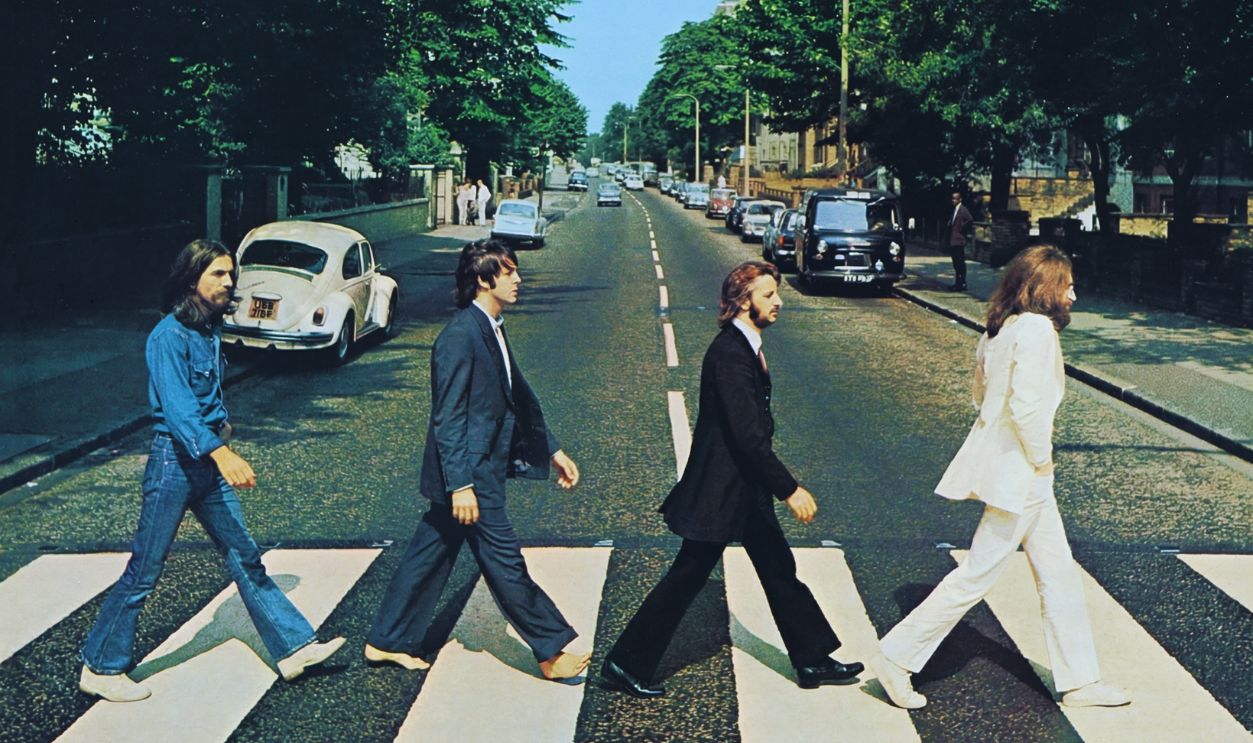
8: Which album features the hidden track Her Majesty?
It’s short, unexpected, and easy to miss if you’re not paying attention closely. But it ended up helping start a trend that would become much more common in later albums—especially as artists began experimenting with sequencing and surprises.
 Museums of History New South Wales, Unsplash
Answer: Abbey Road (The Beatles)
Her Majesty was originally cut from the medley but accidentally left on the master tape. Instead of removing it, they kept it—making it one of the earliest and most famous hidden tracks in rock history.
 John Kosh / Iain Macmillan, Wikimedia Commons, Modified
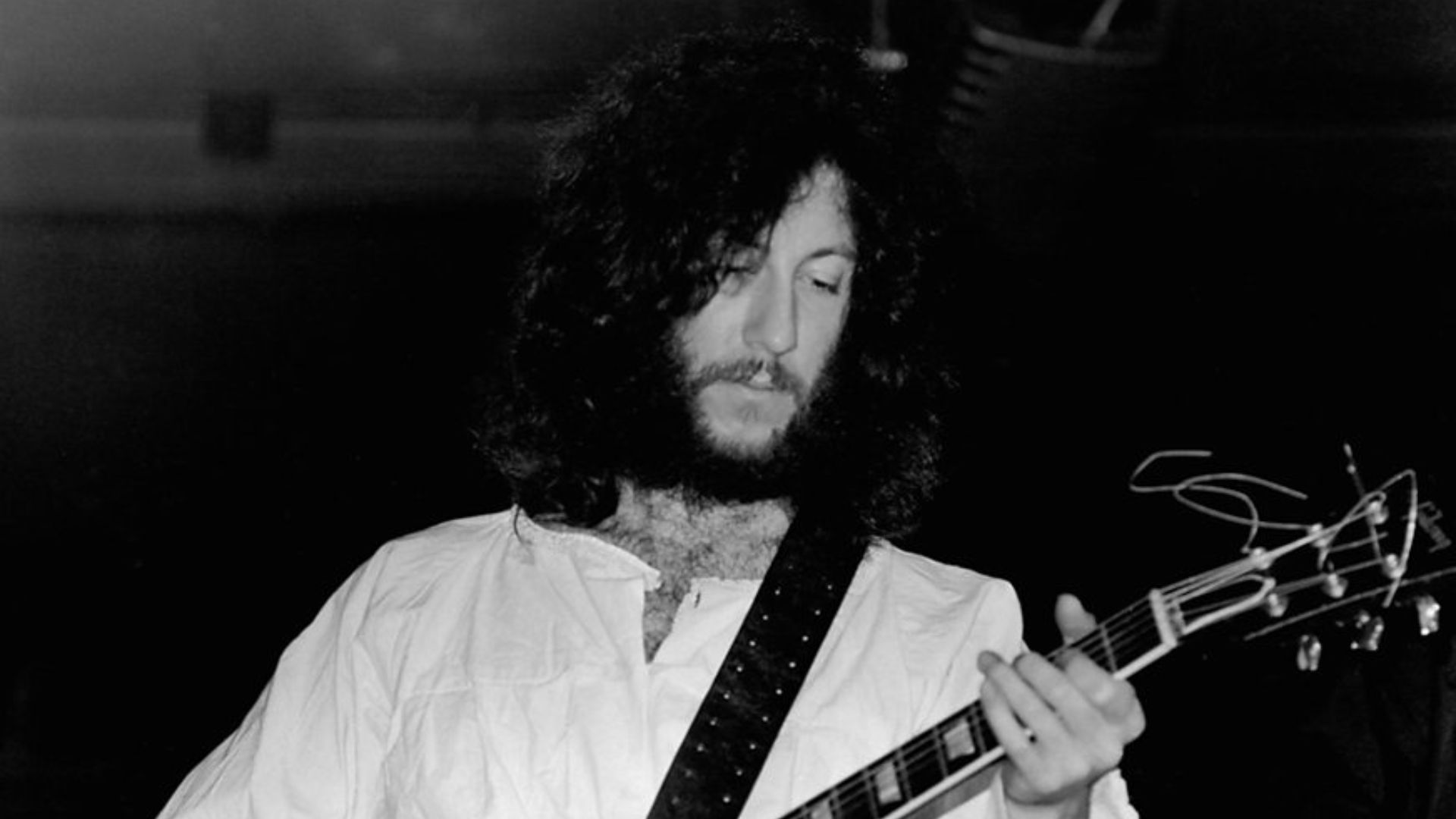
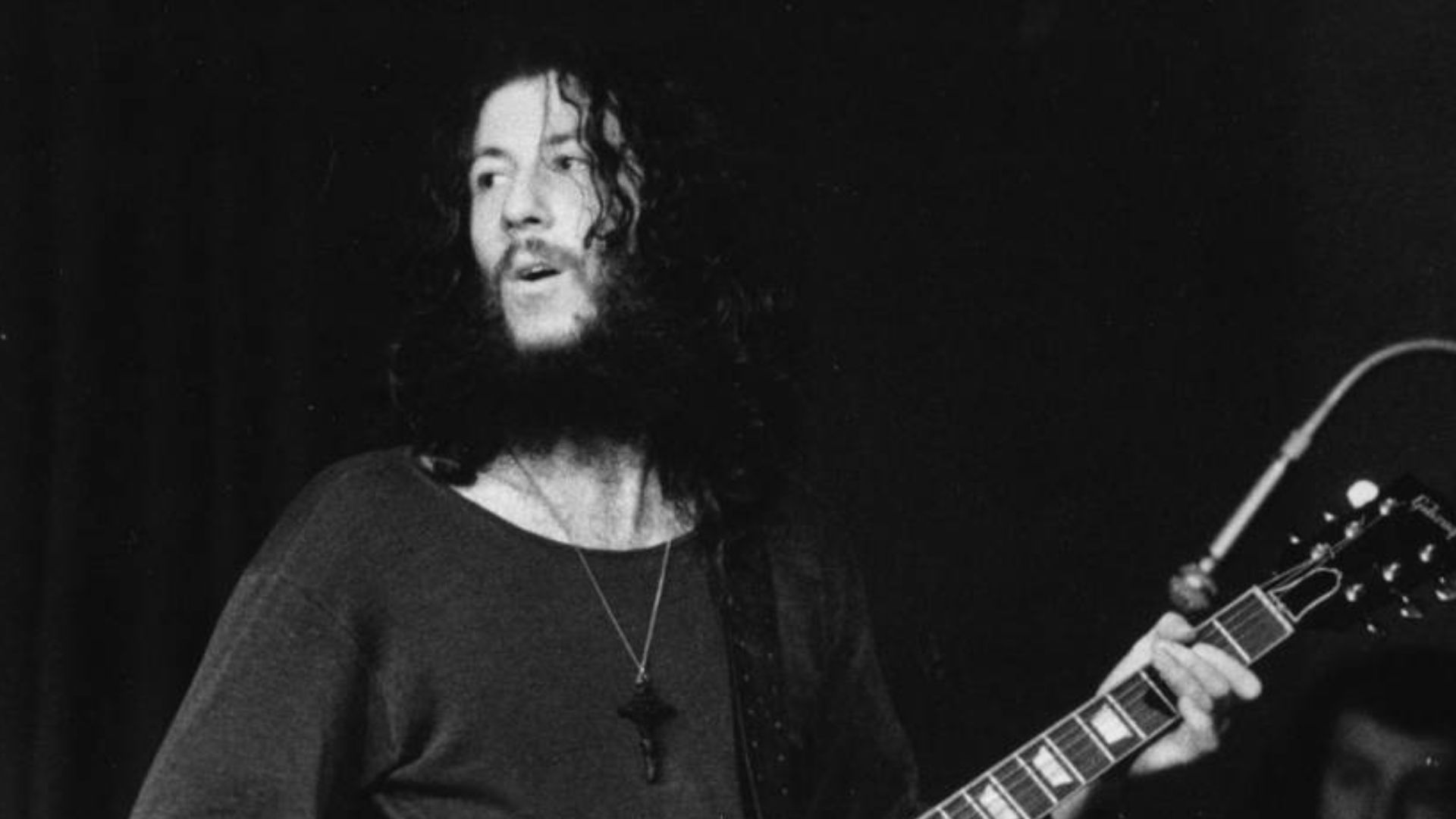
9: Which band did Peter Green found after leaving John Mayall & the Bluesbreakers?
This is one of those origin stories that often gets overshadowed by what the band became later. But in the beginning, it had a very different sound and identity tied closely to its founder.
 Nick contador, Wikimedia Commons
Answer: Fleetwood Mac
Peter Green founded the band in 1967, originally as a blues group. Their later pop success came years after he had already left, which is why his role often gets overlooked today.
 Nick contador, Wikimedia Commons
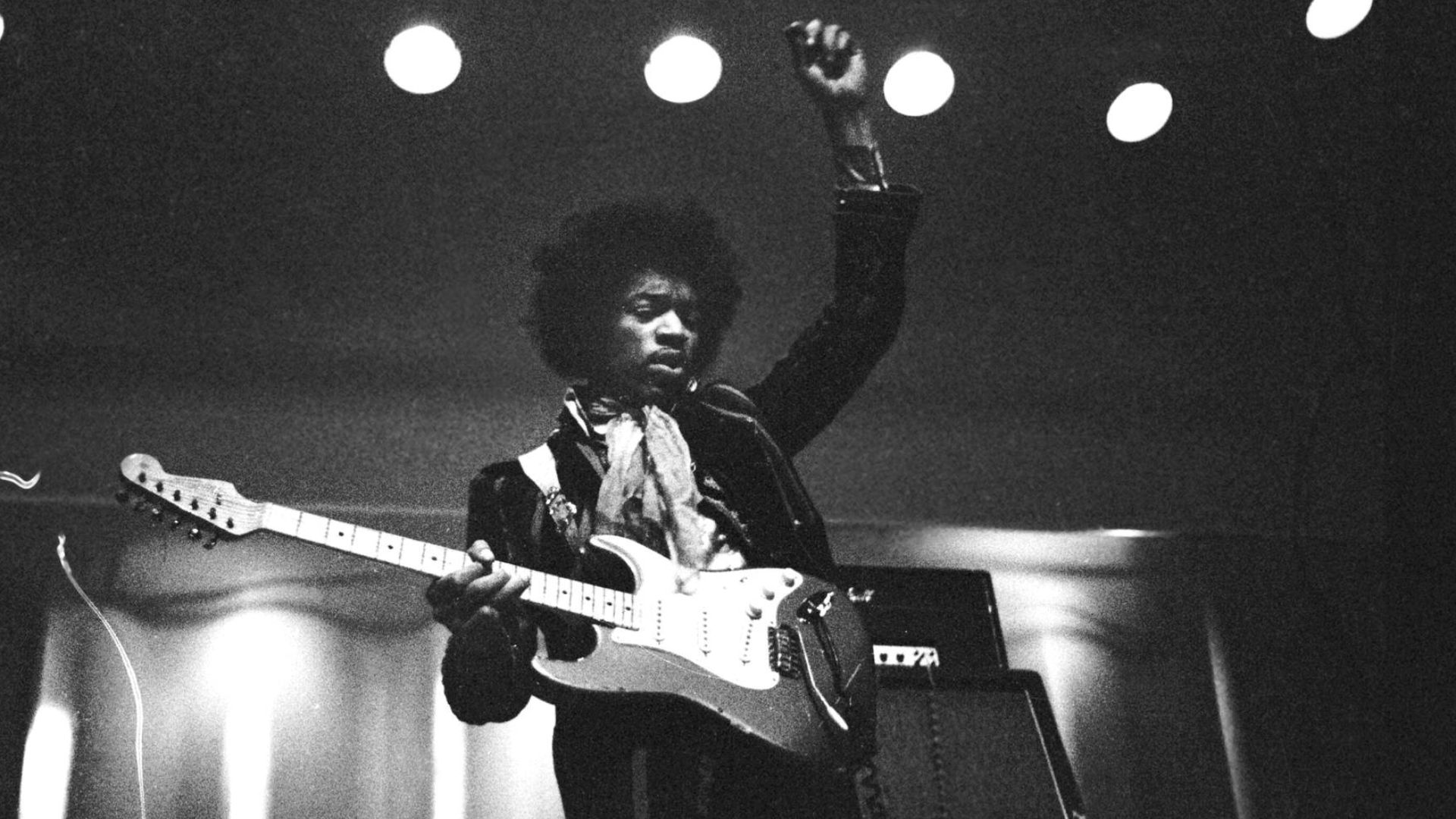
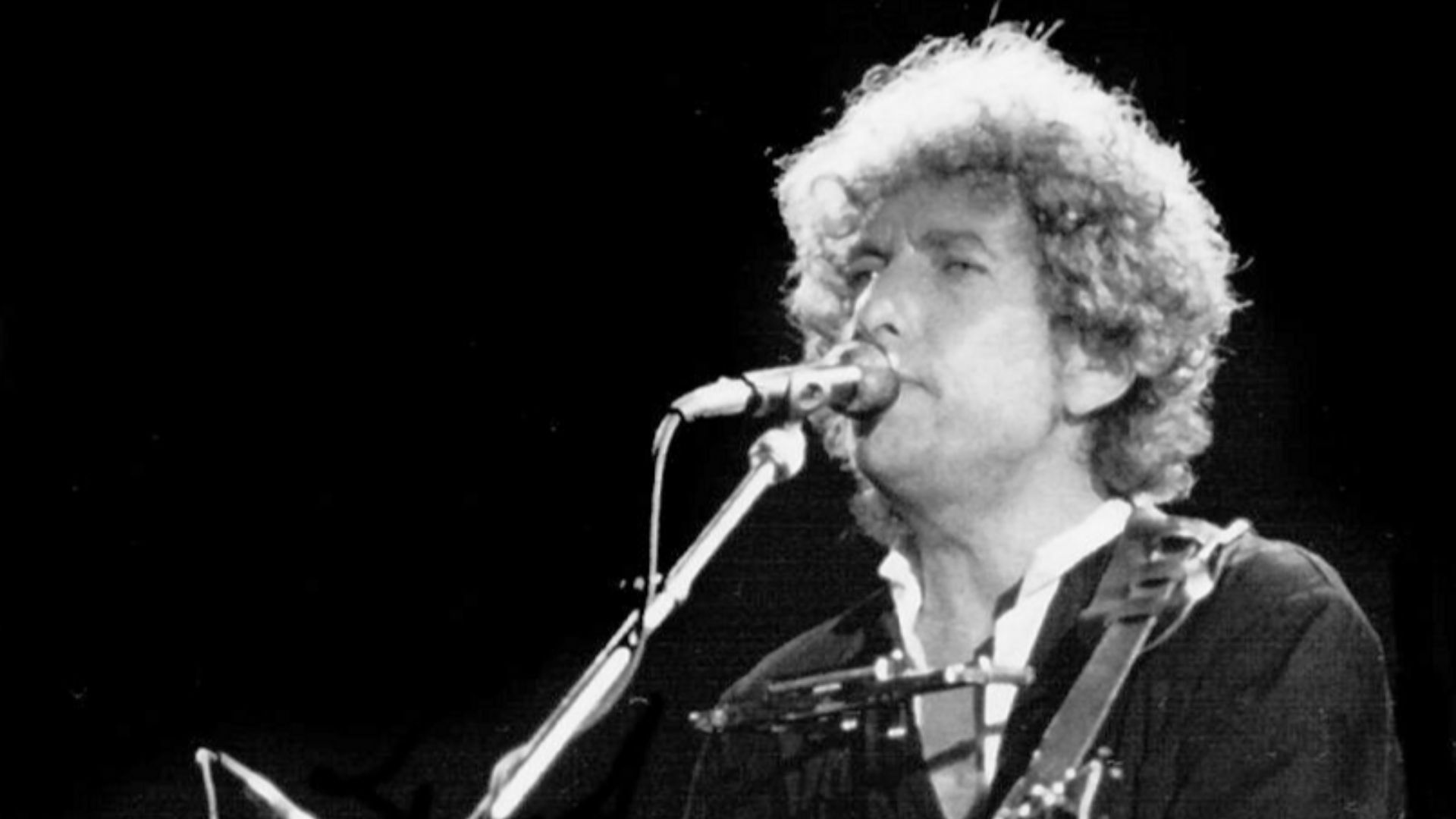
10: Which artist recorded the original version of All Along the Watchtower before Jimi Hendrix made it famous?
Hendrix’s version is so definitive that many listeners assume it’s the original recording. But like several songs from that era, it was actually written and first released by another major artist.
 Hannu Lindroos / Lehtikuva, Wikimedia Commons
Answer: Bob Dylan
Dylan wrote and recorded the song in 1967. Hendrix’s version came a year later and became the more famous—and more widely recognized—version heard on radio and in films.
11: Which artist turned down the role of lead singer in Led Zeppelin before Robert Plant joined?
It’s one of the biggest what-if moments in rock history. The band we know today almost had a completely different voice fronting it—until one decision changed everything.
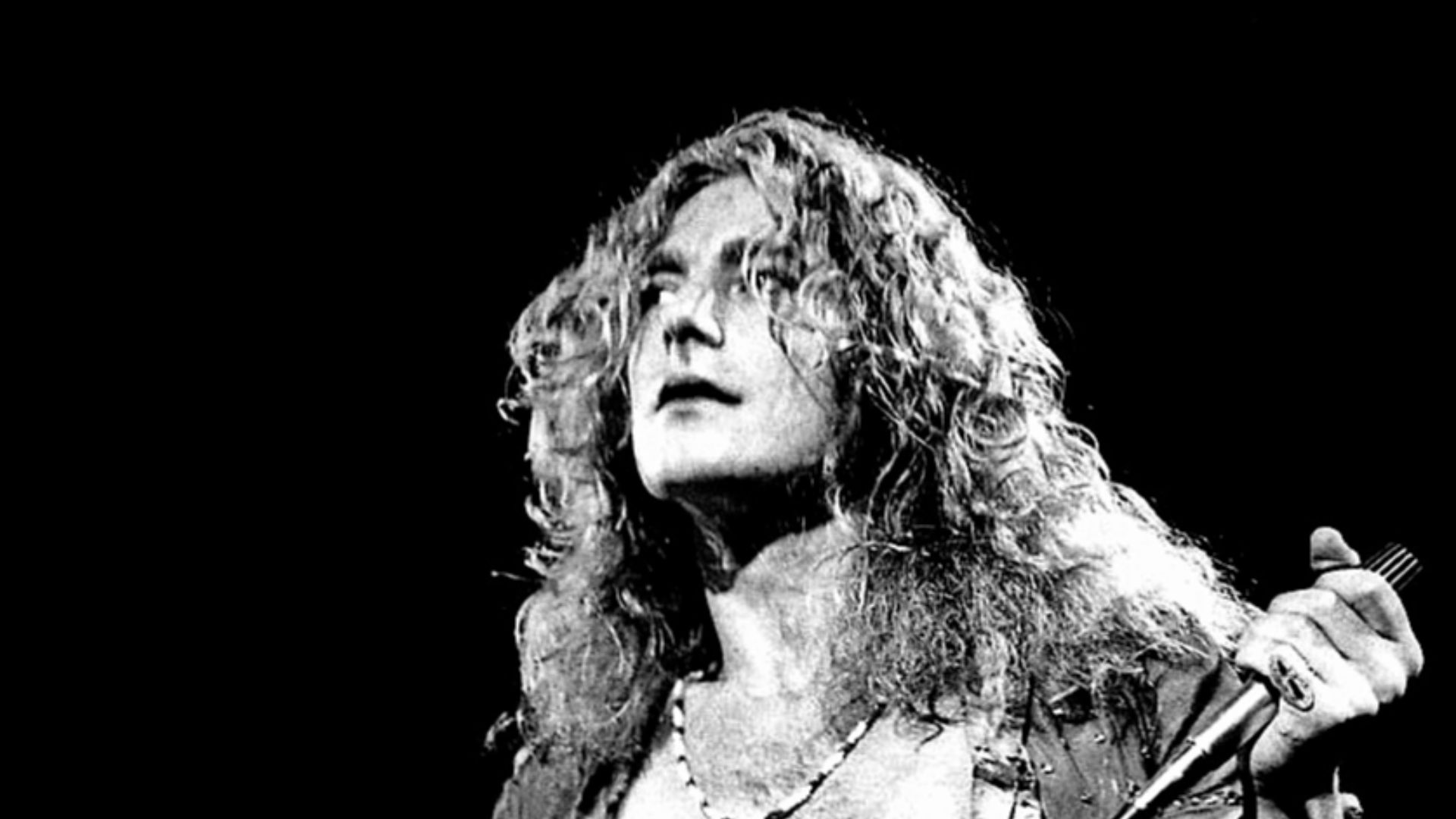 Dina Regine, Wikimedia Commons
Answer: Terry Reid
He declined the offer but recommended Robert Plant instead. That decision ended up shaping the entire future of Led Zeppelin and its eventual global success.
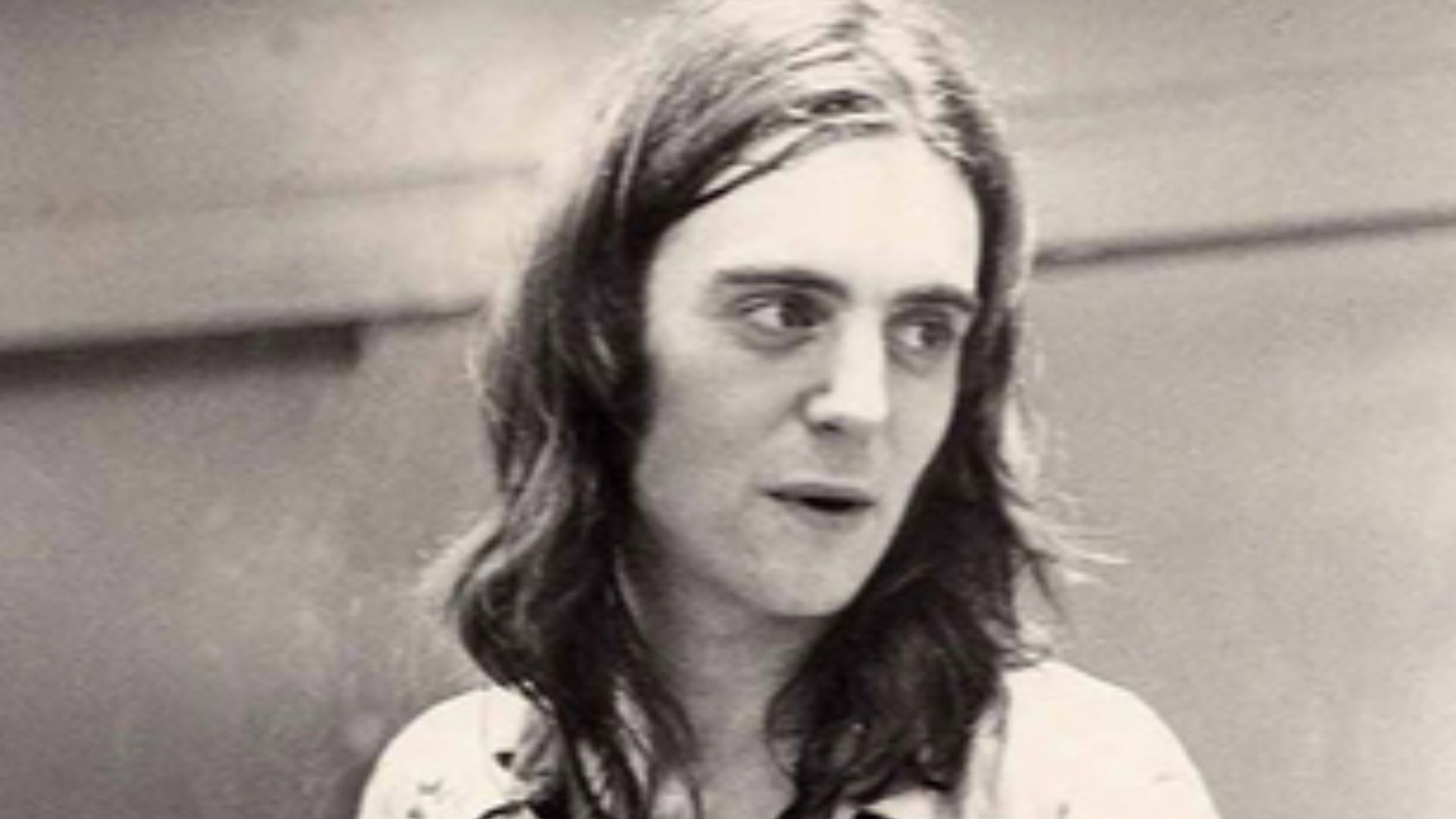 Dina Regine, Wikimedia Commons
12: Which band released the album Marquee Moon?
A) Television
B) Talking Heads
C) The Ramones
D) The Clash
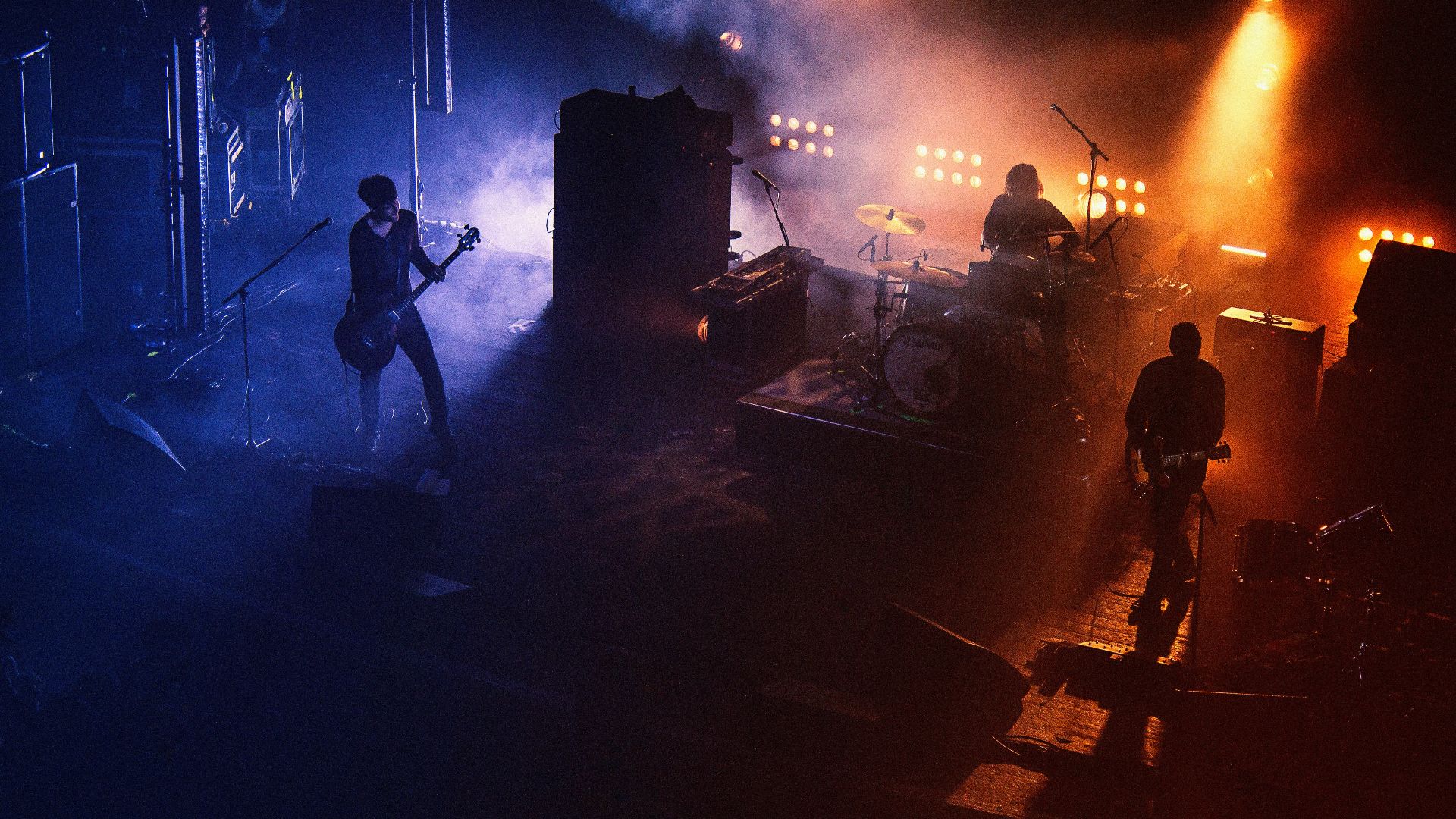
Answer: Television
Released in 1977, it’s widely considered one of the greatest post-punk albums ever, especially for its intricate guitar work and long-form compositions that influenced countless bands.
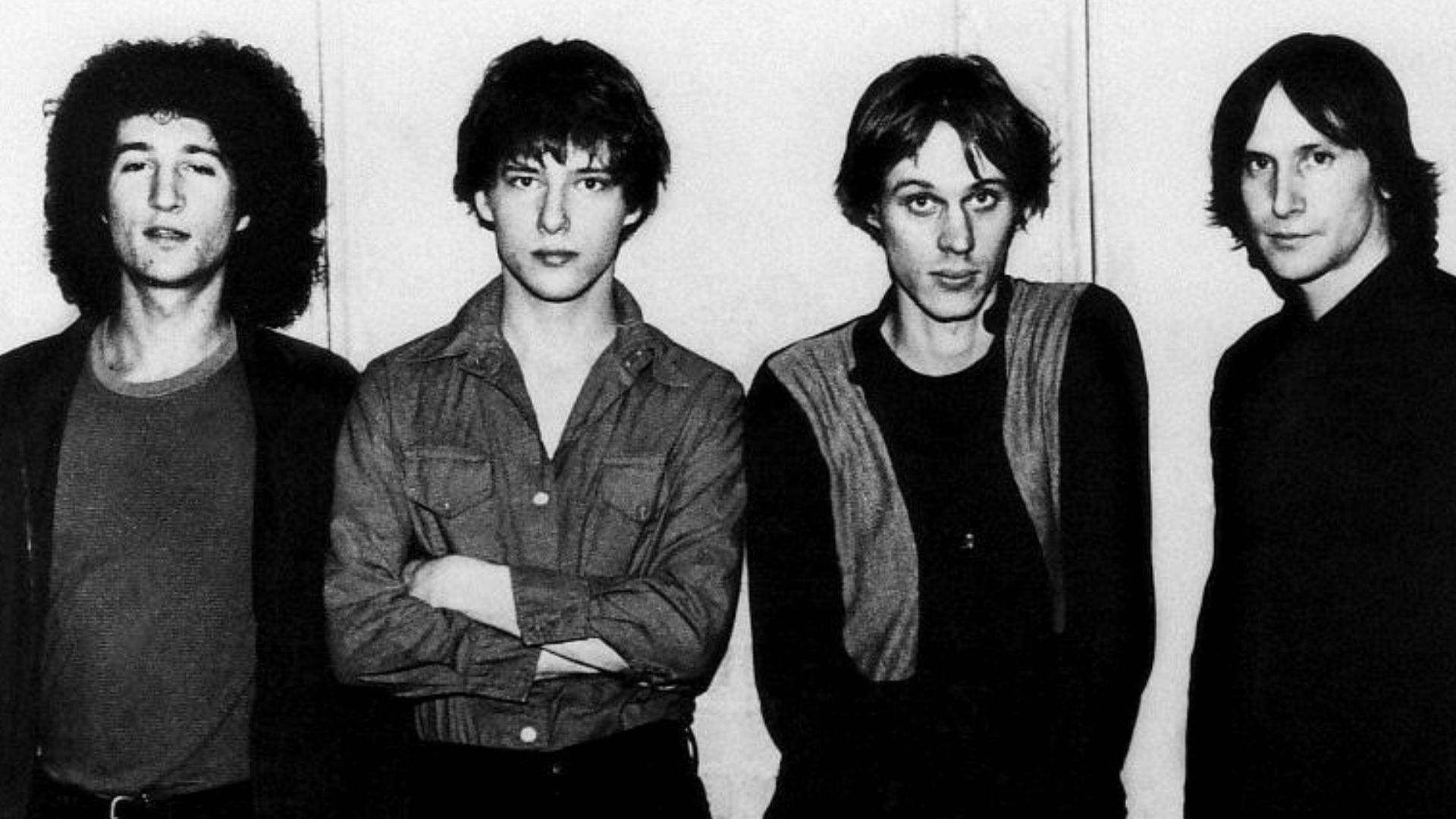 Photograph by Roberta Bayley. Distributed by Elektra Records., Wikimedia Commons
13: Which musician played the famous piano part on Layla (Derek and the Dominos)?
Most people immediately think of the guitar when they hear this song. But the second half shifts dramatically, and that iconic piano section has its own story behind who actually created it.
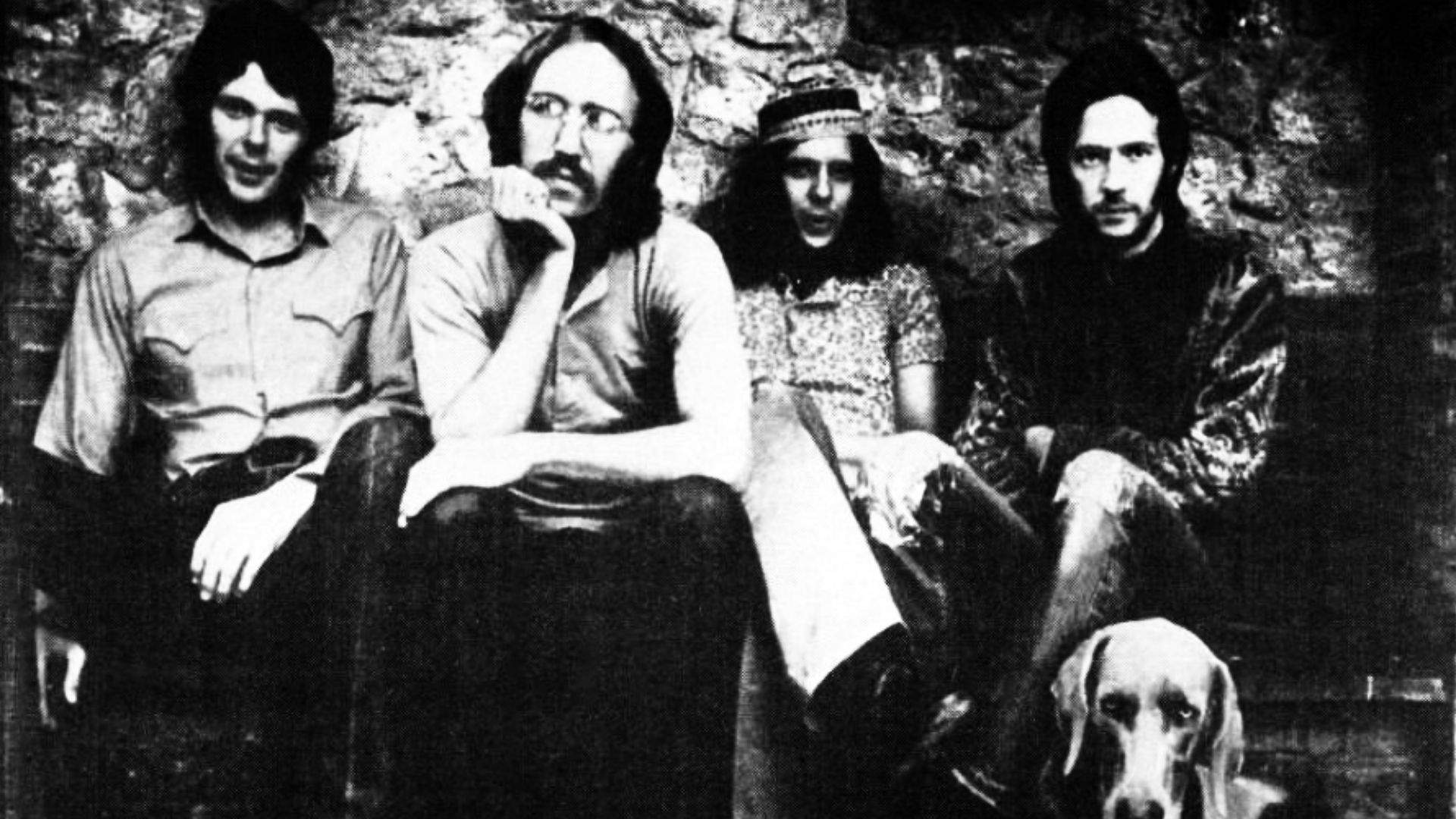 Atco Records, Wikimedia Commons
Answer: Jim Gordon
Gordon, the band’s drummer, actually wrote and played the piano coda. It’s become one of the most recognizable instrumental sections in rock history and a key part of the song’s identity.
 Atco Records, Wikimedia Commons
14: The band name Radiohead got their name from a song by which group?
A) Talking Heads
B) R.E.M.
C) The Smiths
D) Devo
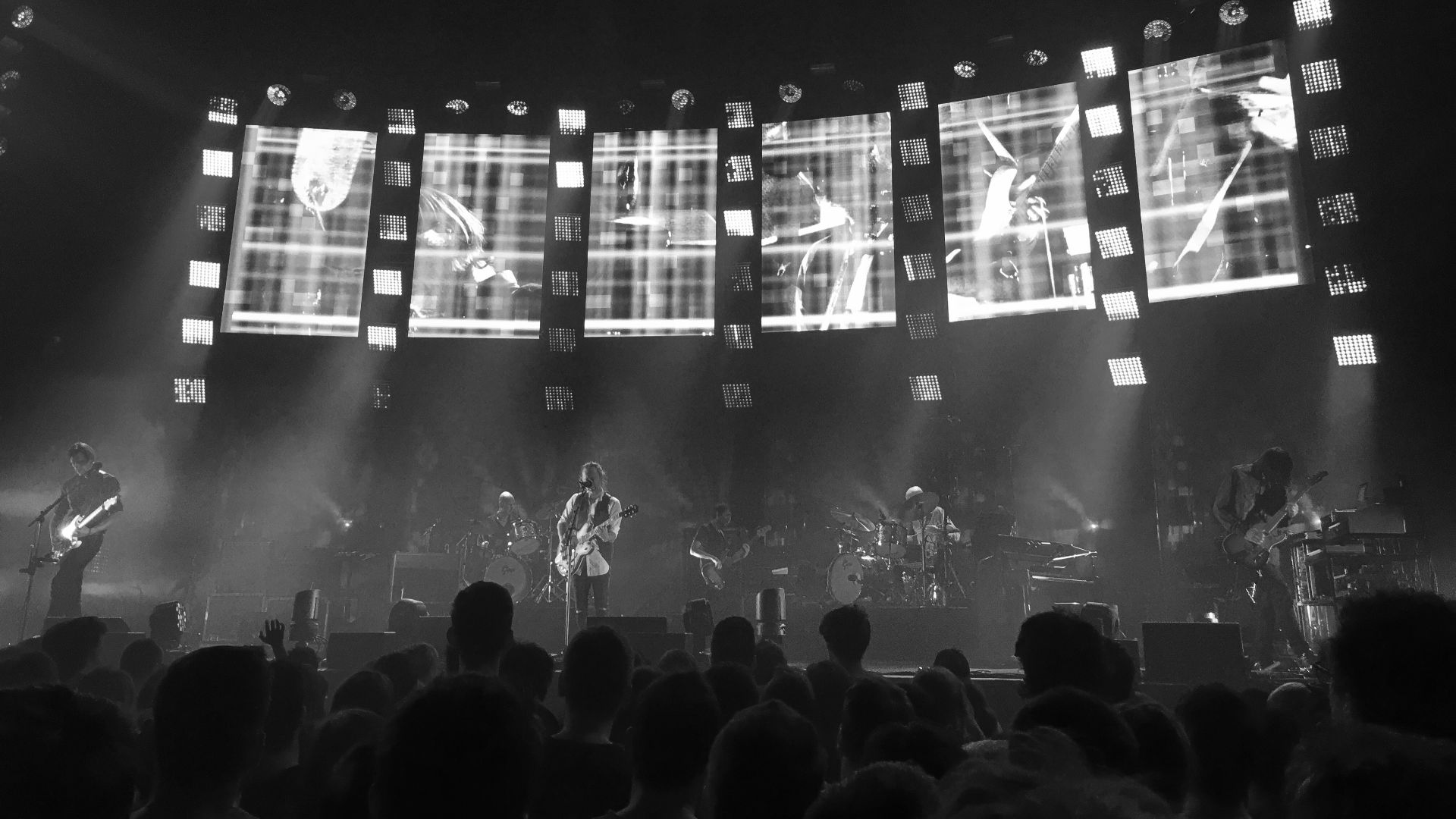 David Urrea, Wikimedia Commons
Answer: Talking Heads
The name comes from the song Radio Head on the album True Stories. It’s a subtle nod that ties one influential band to another across generations of alternative music.
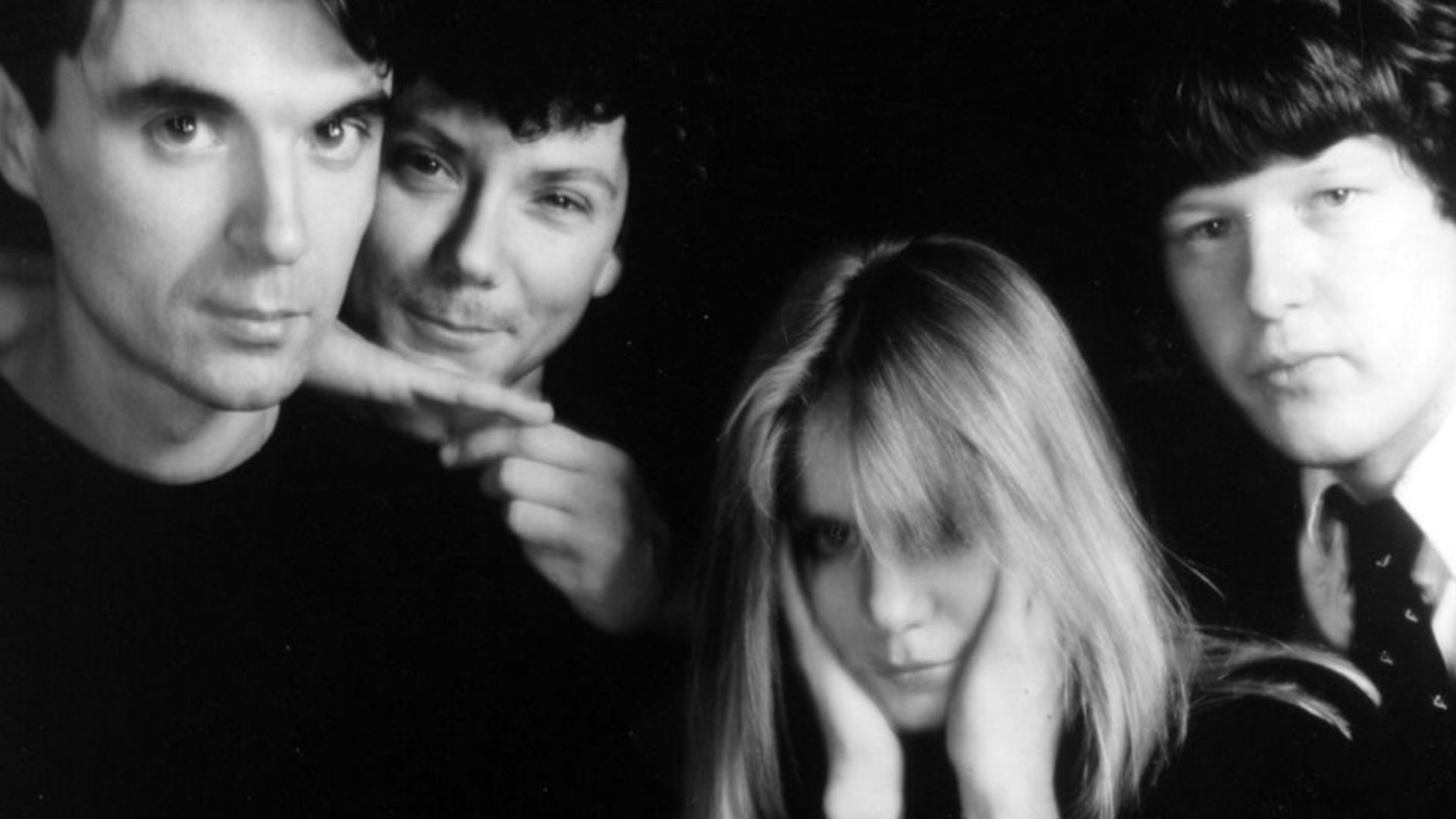 Distributed by Sire Records. Photographer uncredited., Wikimedia Commons
15: Which band released the album Brothers in Arms, one of the first albums recorded entirely digitally?
It wasn’t just a big album—it also marked a major shift in how music was being recorded. The production style helped define the sound of mid-80s rock and the transition into the digital era.
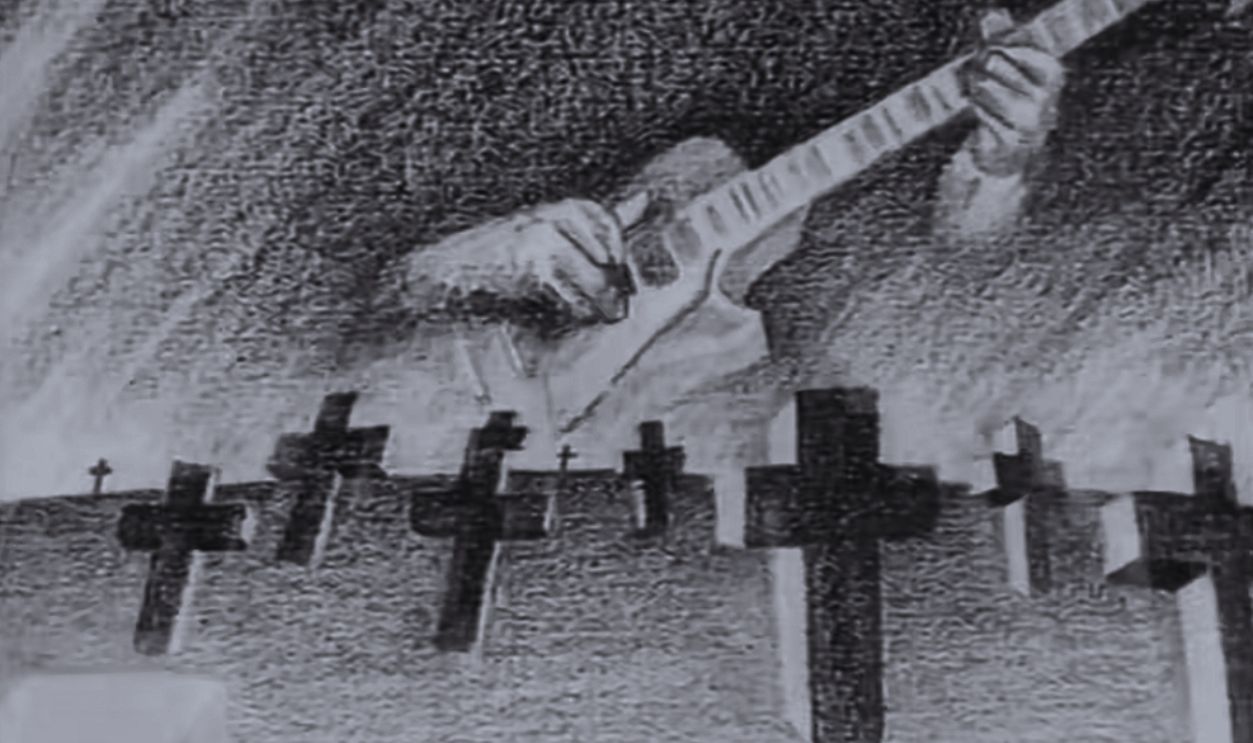 Screenshot from Brothers In Arms, Vertigo Records / Warner Bros. Records (1985)
Answer: Dire Straits
Released in 1985, Brothers in Arms became one of the best-selling albums of all time. Its digital recording process and massive hits helped push both CD sales and modern production forward.
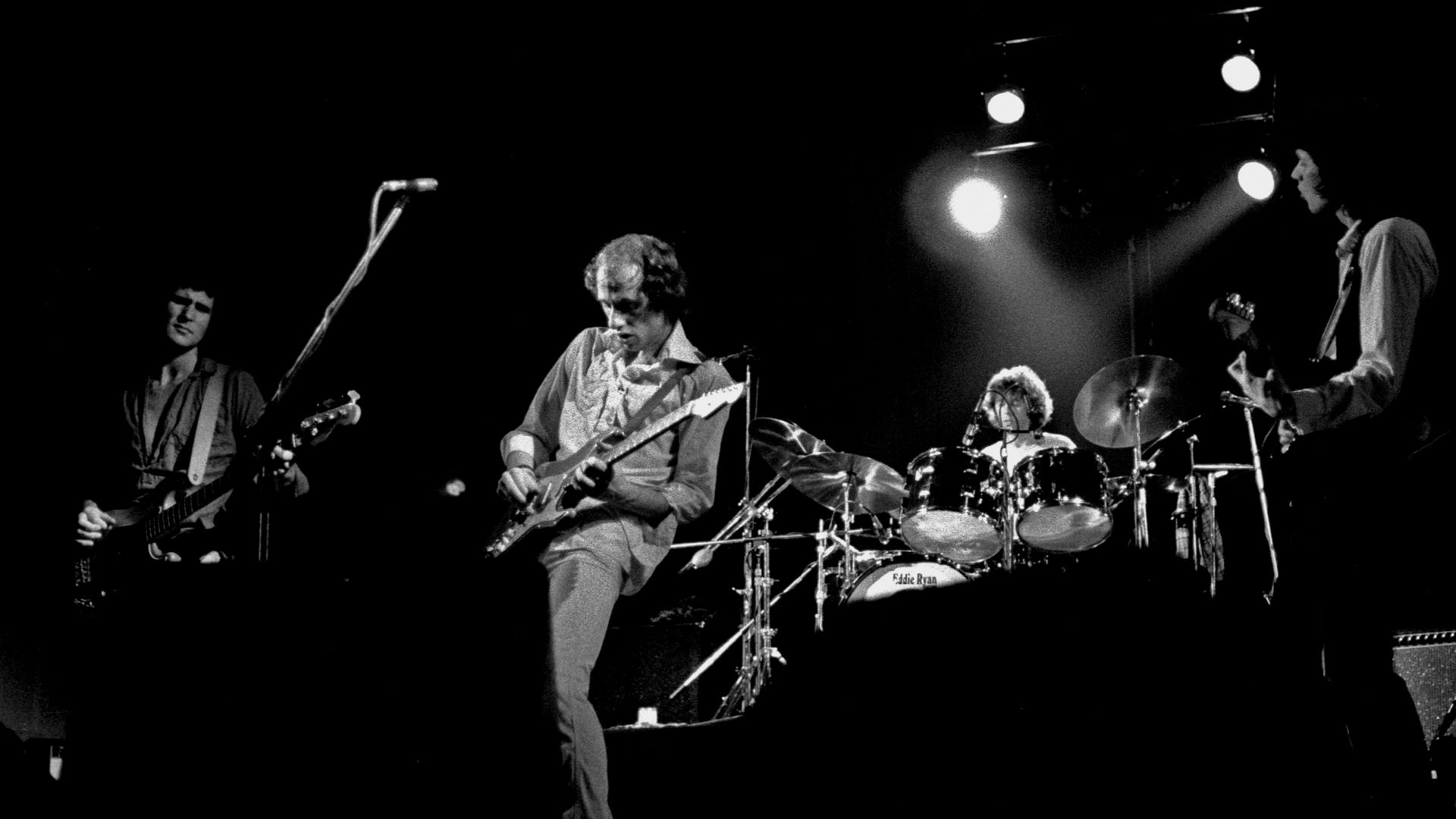 Heinrich Klaffs, Wikimedia Commons
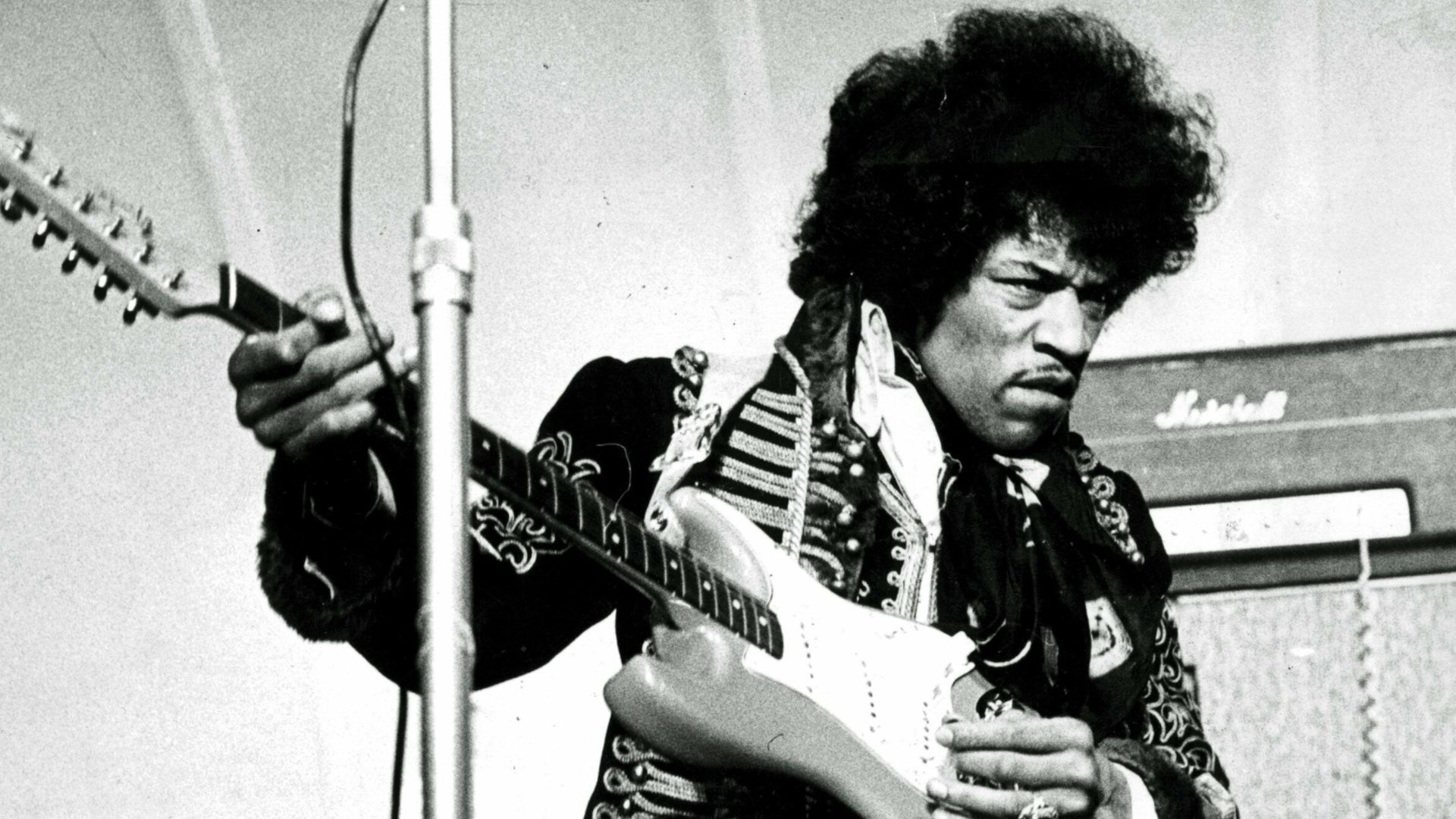
16: Who was the final performer at Woodstock 1969?
By the time this artist took the stage, the crowd had thinned out significantly. But what followed became one of the most iconic performances in rock history—and a defining moment of the entire festival.
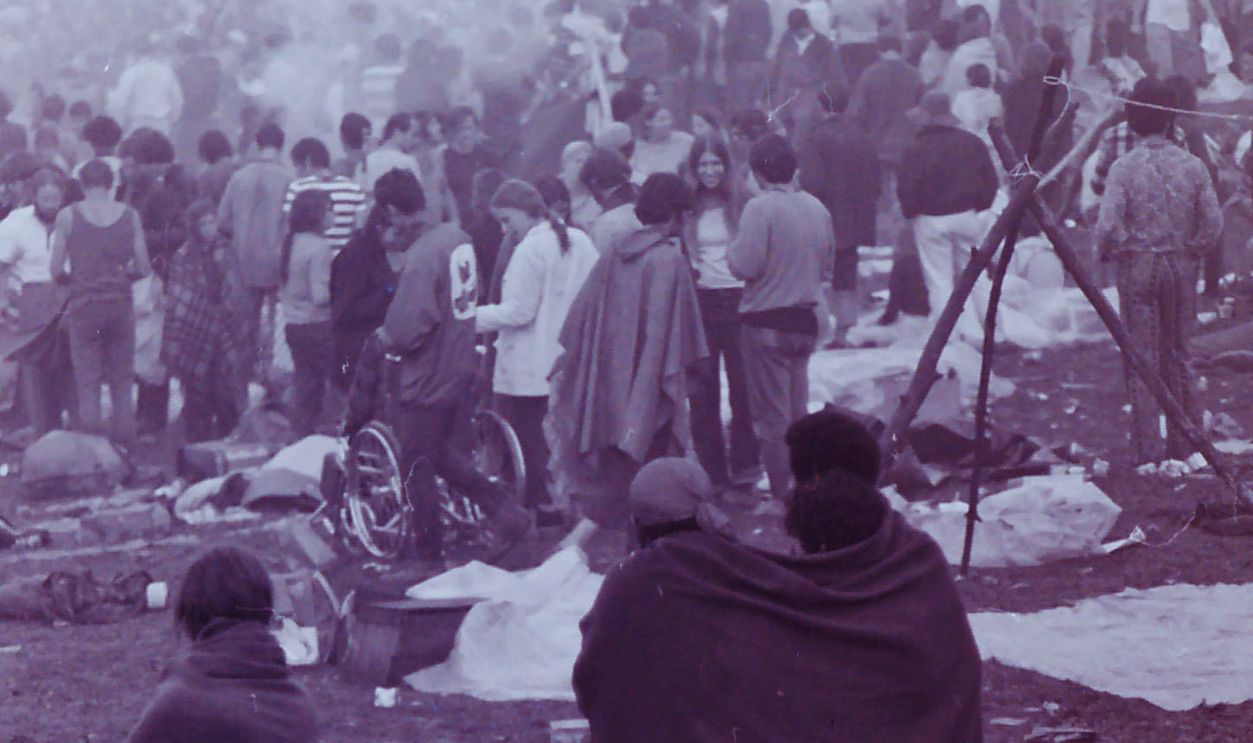
Answer: Jimi Hendrix
Hendrix closed out Woodstock with an early Monday morning set, including his legendary version of The Star-Spangled Banner. Even with a smaller crowd, it became one of the most famous live performances ever.
 Original photographer unknown, Wikimedia Commons
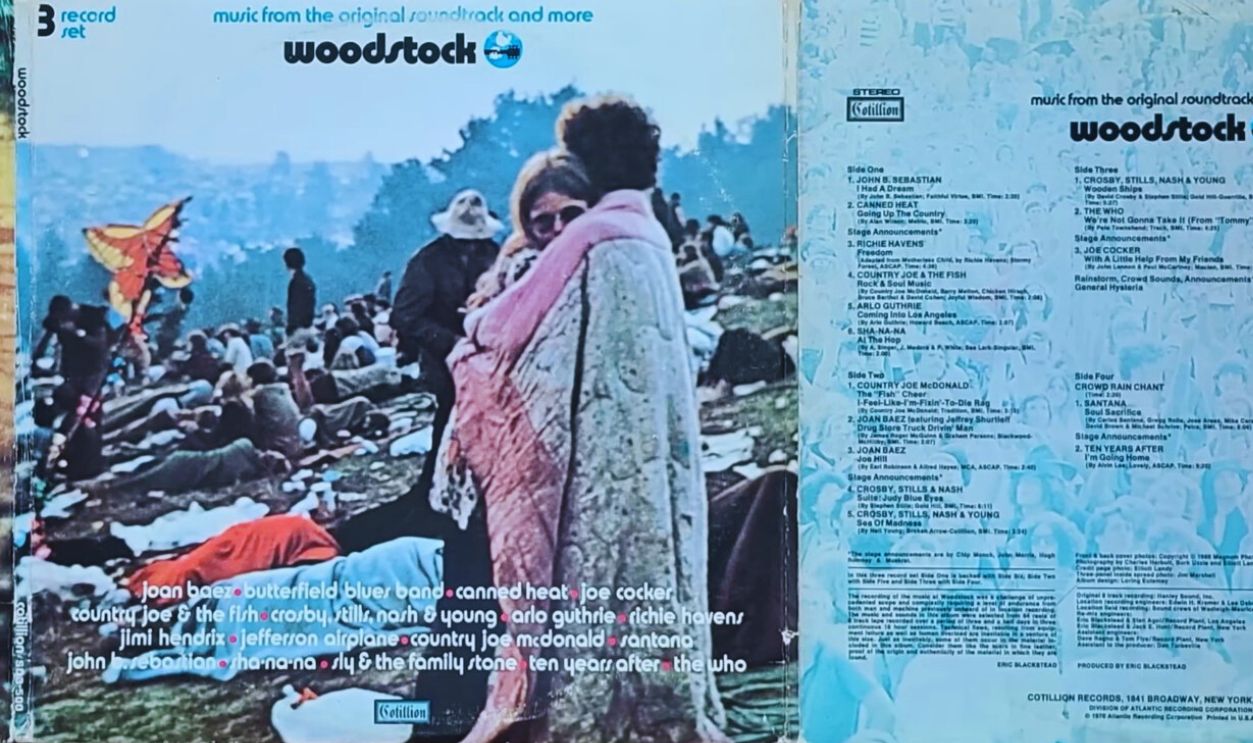
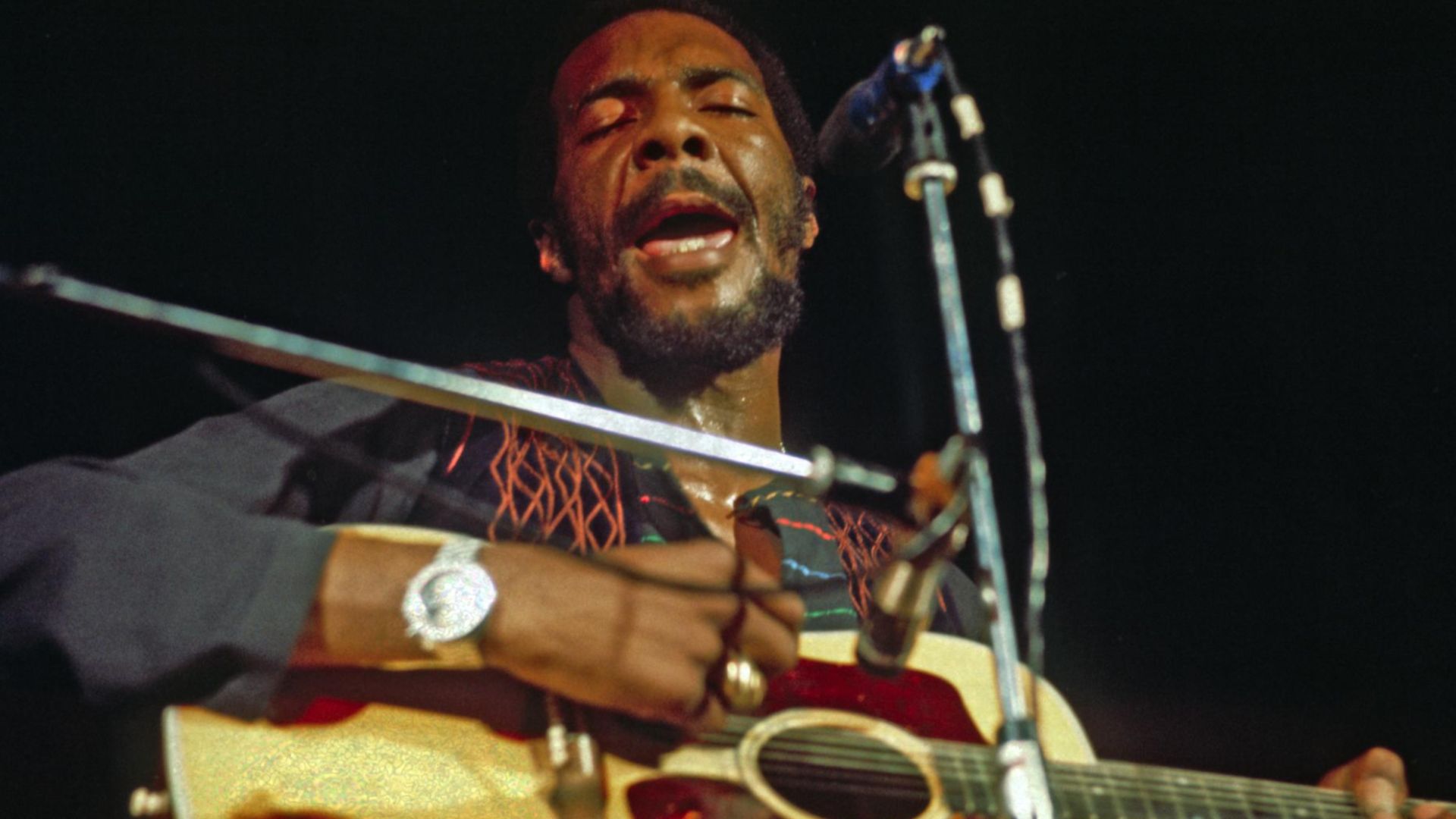
17: Who was the first performer at Woodstock 1969?
The festival didn’t exactly start on time, and the opening act had to stretch things out longer than expected. That improvisation ended up becoming one of the most memorable moments of the entire weekend.
 Screenshot from Woodstock, Warner Bros. (1970)
Answer: Richie Havens
Havens opened Woodstock on August 15, 1969, and famously improvised Freedom to fill time. His performance set the tone for the entire festival and became one of its defining early moments.
 Heinrich Klaffs, Wikimedia Commons
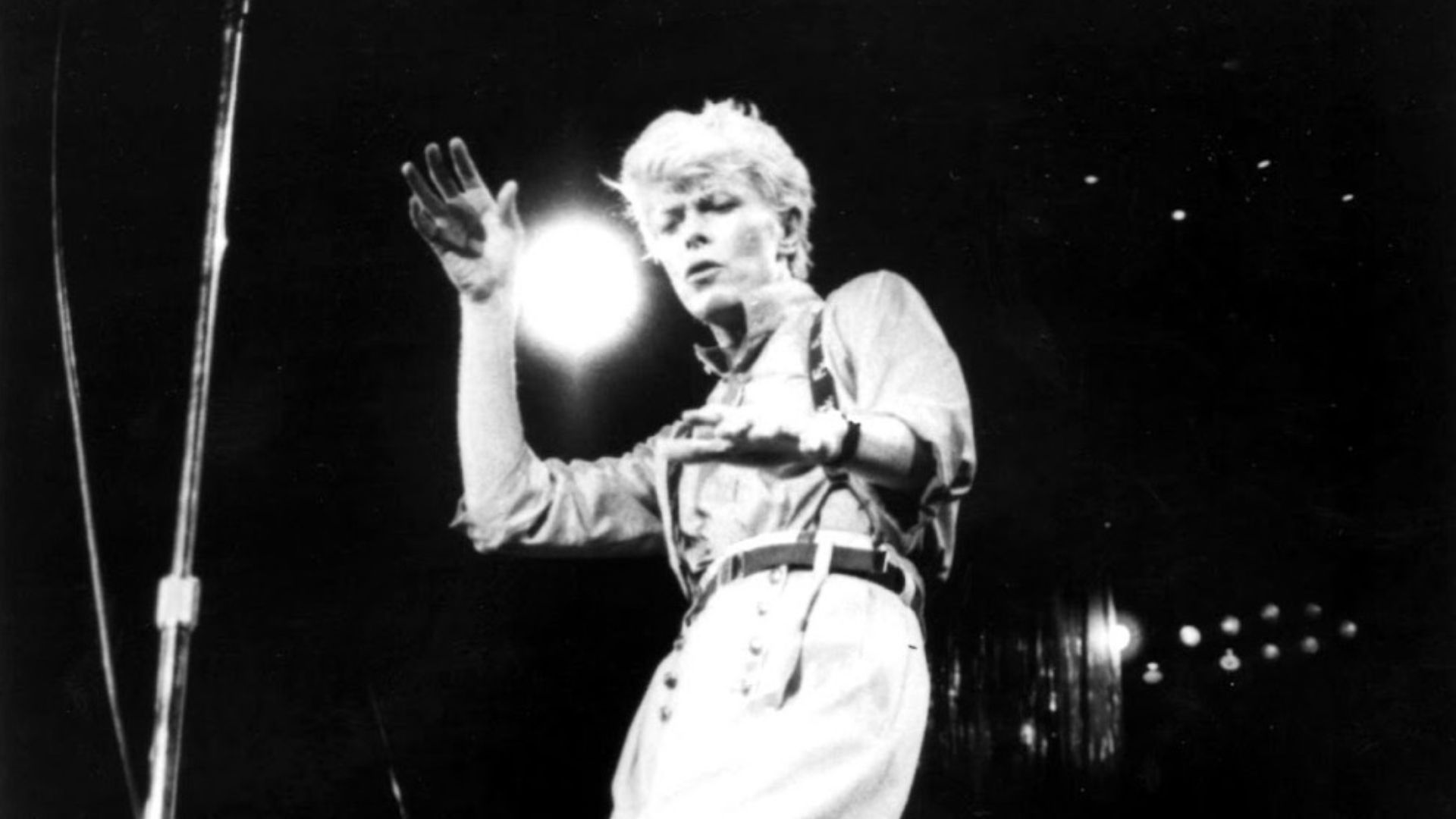
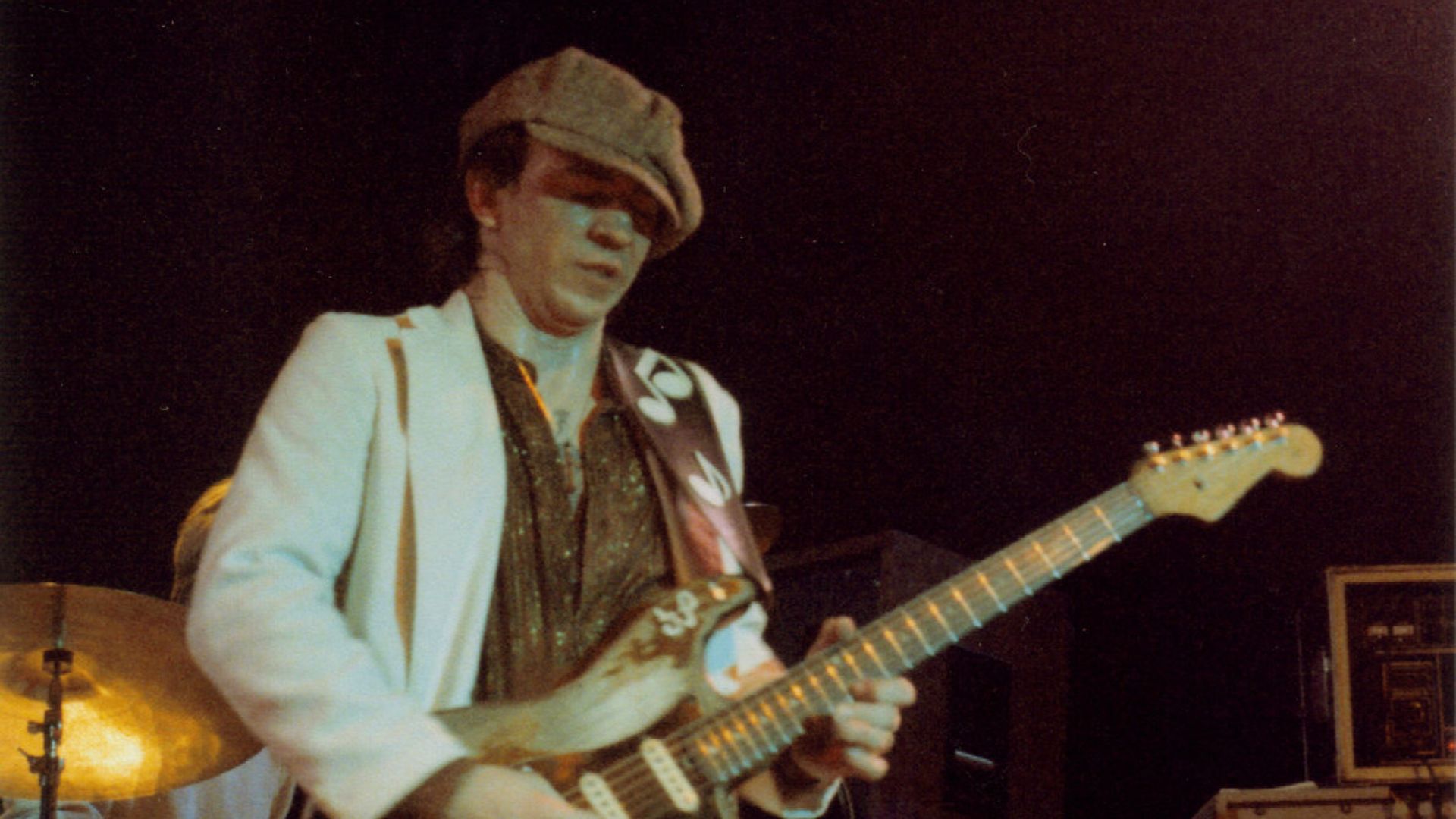
18: Which guitarist played on David Bowie’s Let’s Dance and helped define its sound?
This track leans into pop, but the guitar work brings a distinct bluesy edge that stands out immediately. That sound comes from a guitarist who was already building a reputation of his own.
 Rogers & Cowan Inc.; Distributed by EMI America, Wikimedia Commons
Answer: Stevie Ray Vaughan
Vaughan’s bluesy guitar work gave the track its edge and helped elevate it beyond a standard pop hit, adding a layer of rawness to the polished production.
 Bbadventure, Wikimedia Commons
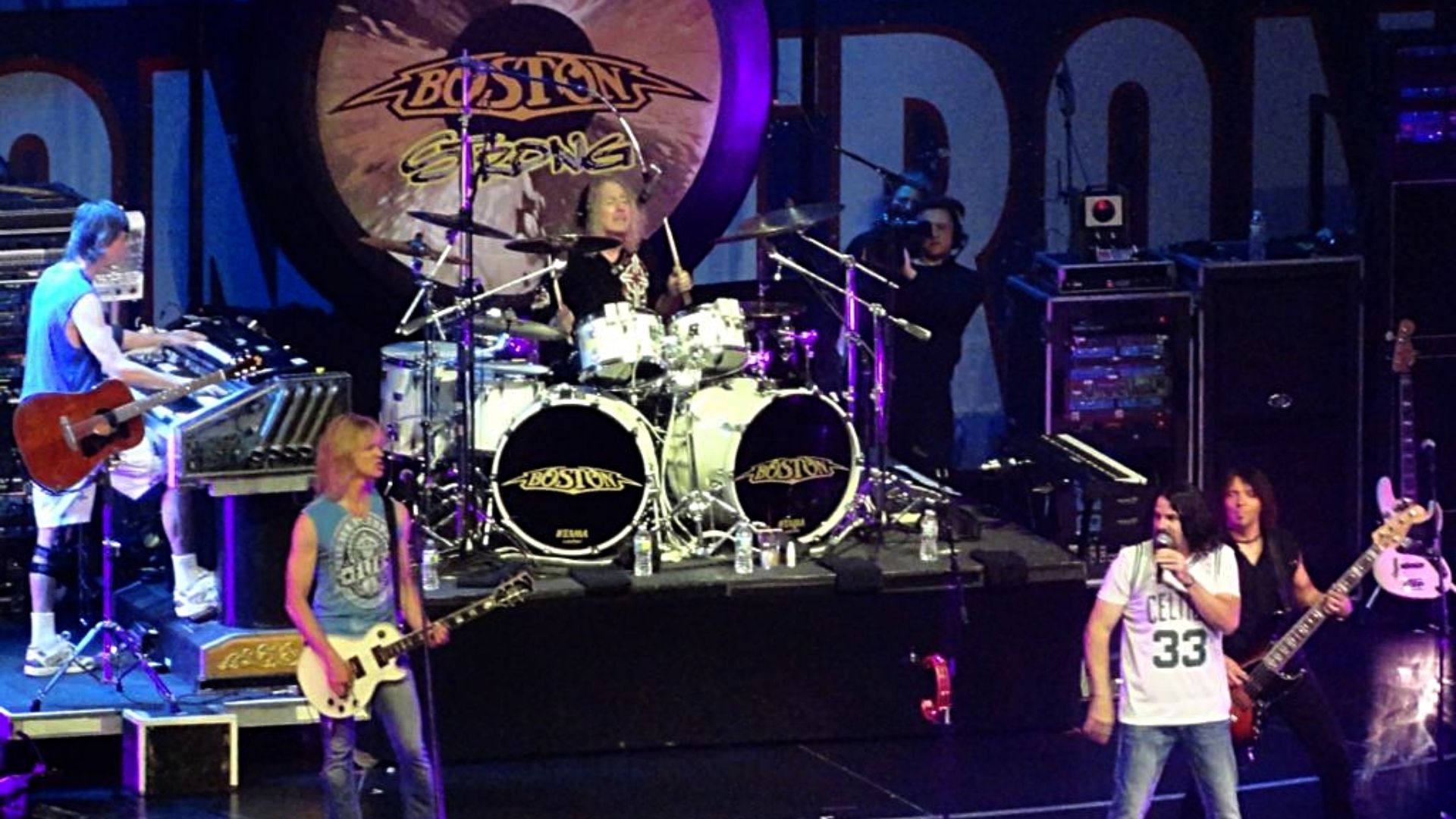
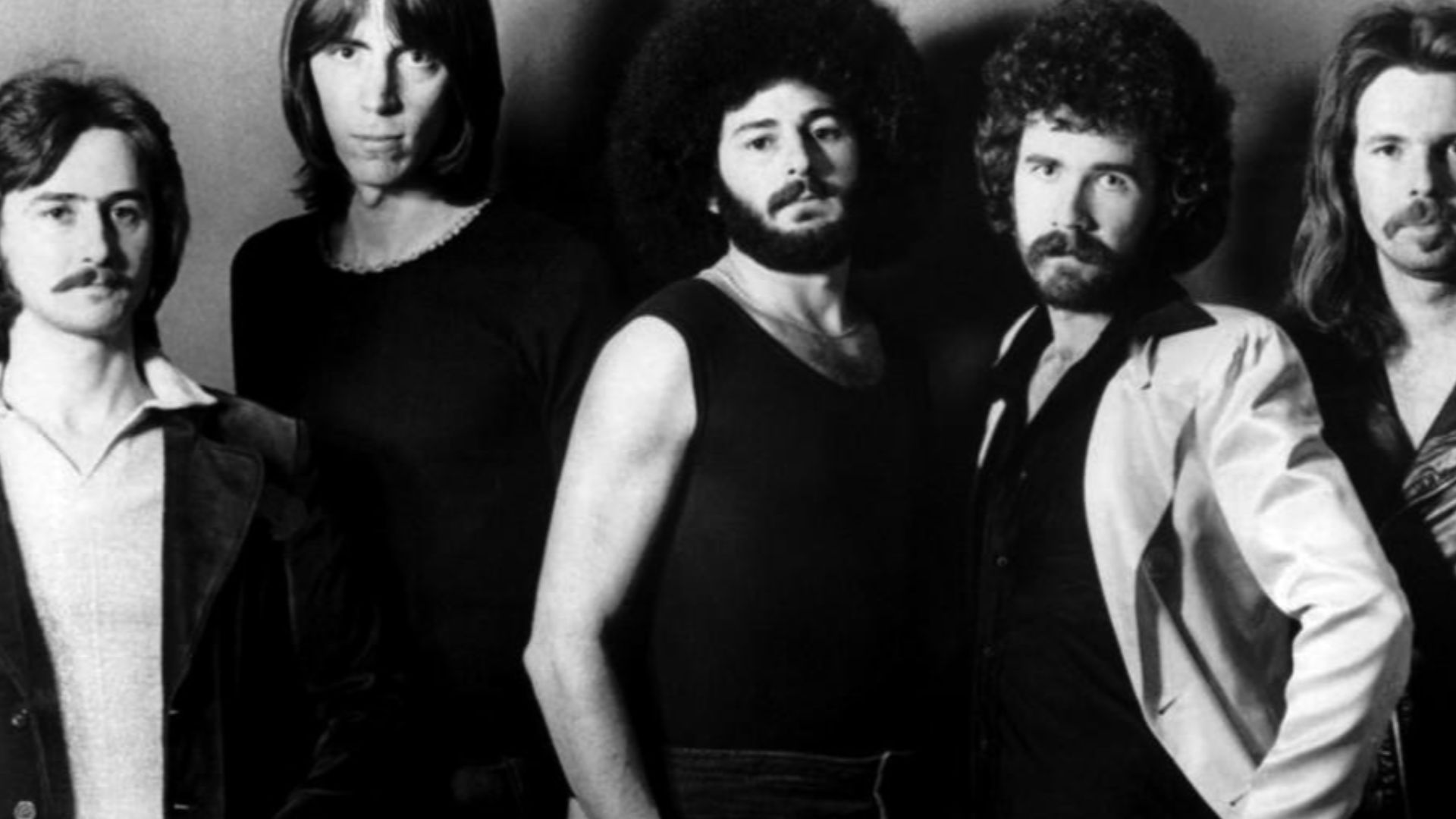
19: How many Billboard Hot 100 number one songs did Boston have?
A) 0
B) 1
C) 2
D) 3
 Michael Borkson, Wikimedia Commons
Answer: 1
Amanda reached number one in 1986, giving Boston their only Billboard Hot 100 chart-topper. Despite their huge popularity, none of their other songs made it all the way to the top—not even More Than a Feeling.
 Premier Talent Associates (management company), Wikimedia Commons
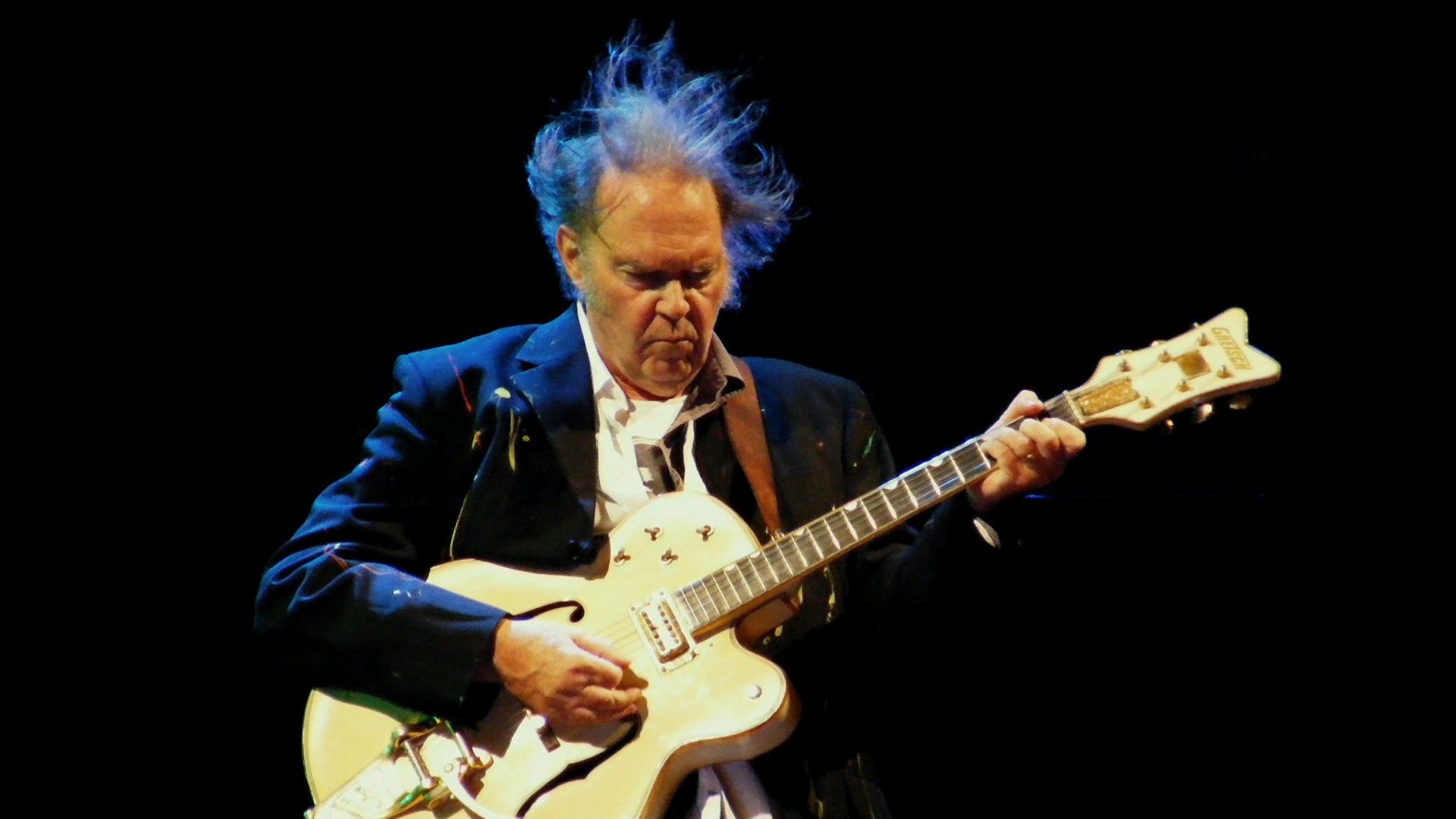
20: Which band did Neil Young play with before Crosby, Stills, Nash & Young?
A) Buffalo Springfield
B) The Byrds
C) The Band
D) Creedence Clearwater Revival
 By Man Alive!, Wikimedia Commons
Answer: Buffalo Springfield
He co-founded the band in the mid-60s, where he began developing the sound and songwriting style that would define his later work and long solo career.
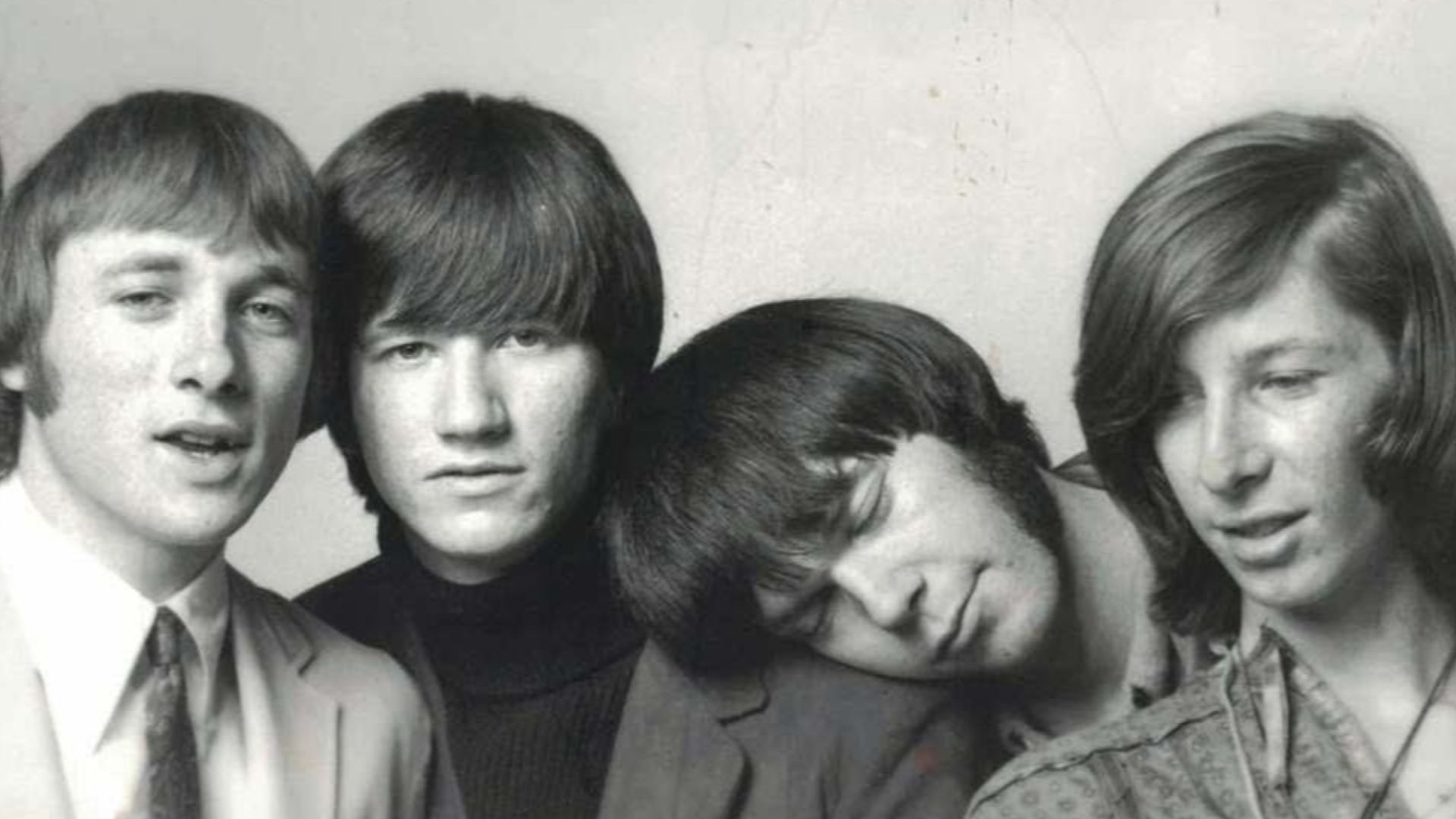 Atlantic Records, Wikimedia Commons
So, how did you do? Was it too easy? Let us know in the comments.
You Might Also Like:
I Just Picked The 30 Greatest Aerosmith Songs. Do You Agree With My List?
Ranking The Best Songs Over 10 Minutes Long Of All Time—Do You Agree?