Immortality Through Legacy
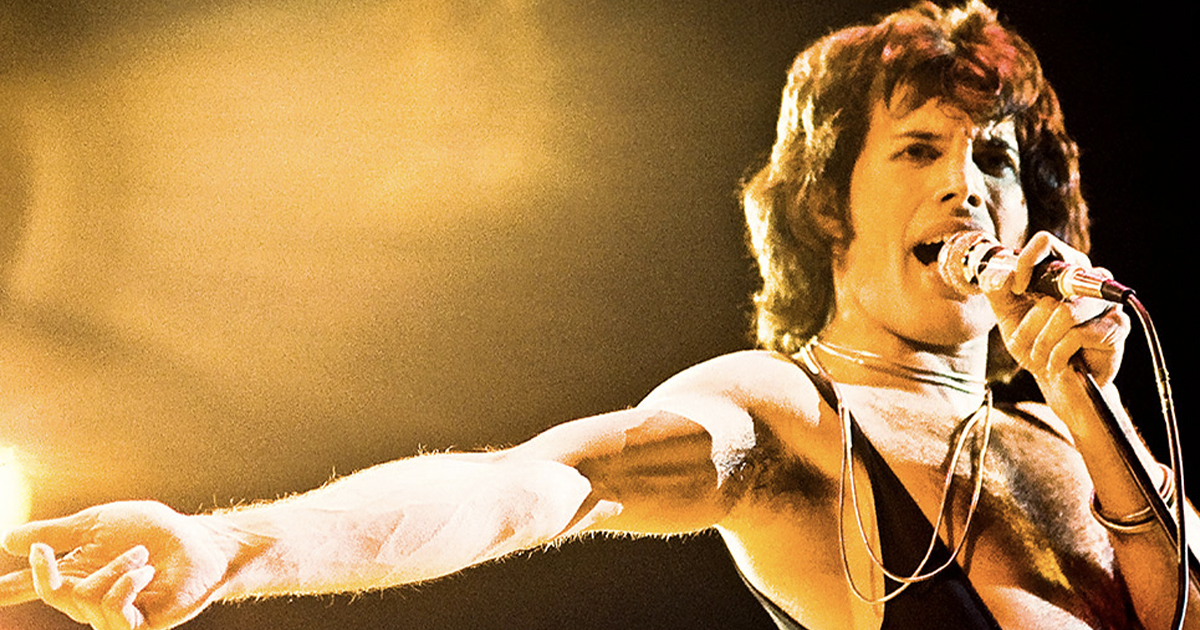
Freddie Mercury was born Farrokh Bulsara in Zanzibar in 1946. From the beginning, he showed an extraordinary sense of individuality. Moving to England as a teenager, he faced challenges as an immigrant but found solace in music — the spark that would define his life.
Finding His Voice With Queen
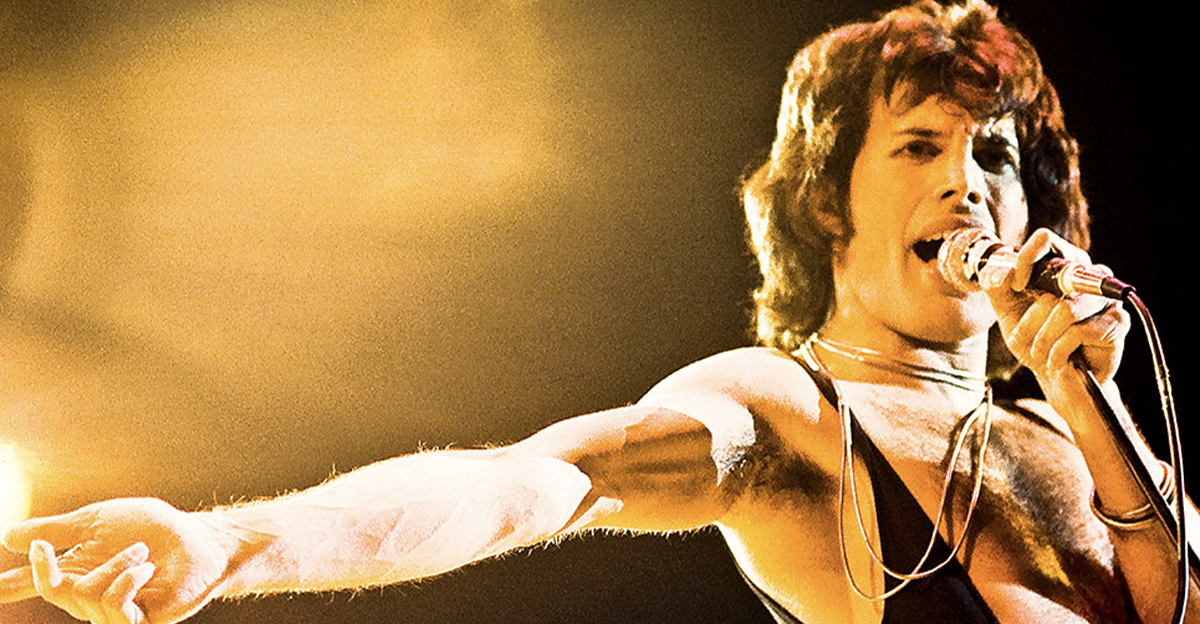
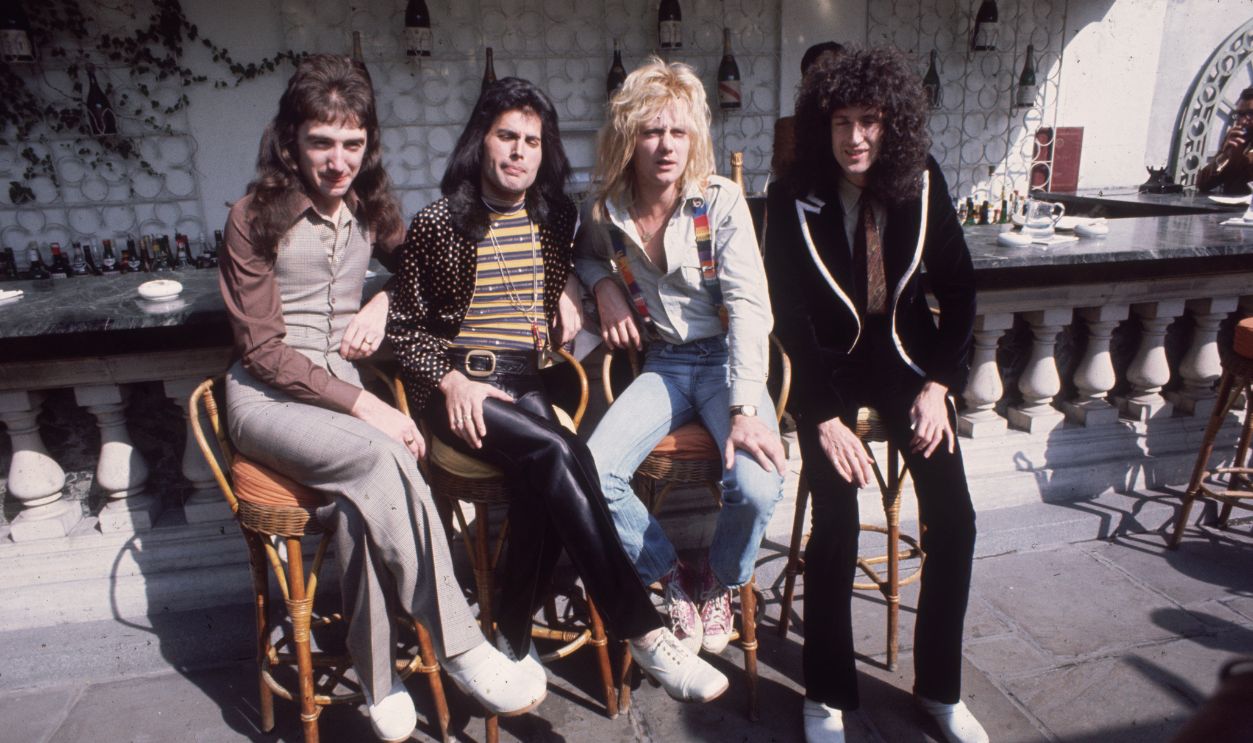
In 1970, Freddie joined Brian May and Roger Taylor to form Queen. His powerful voice, flamboyant stage presence, and songwriting genius transformed the band into one of the greatest rock acts of all time. Hits like Bohemian Rhapsody revealed his daring creativity.
A Performer Without Fear
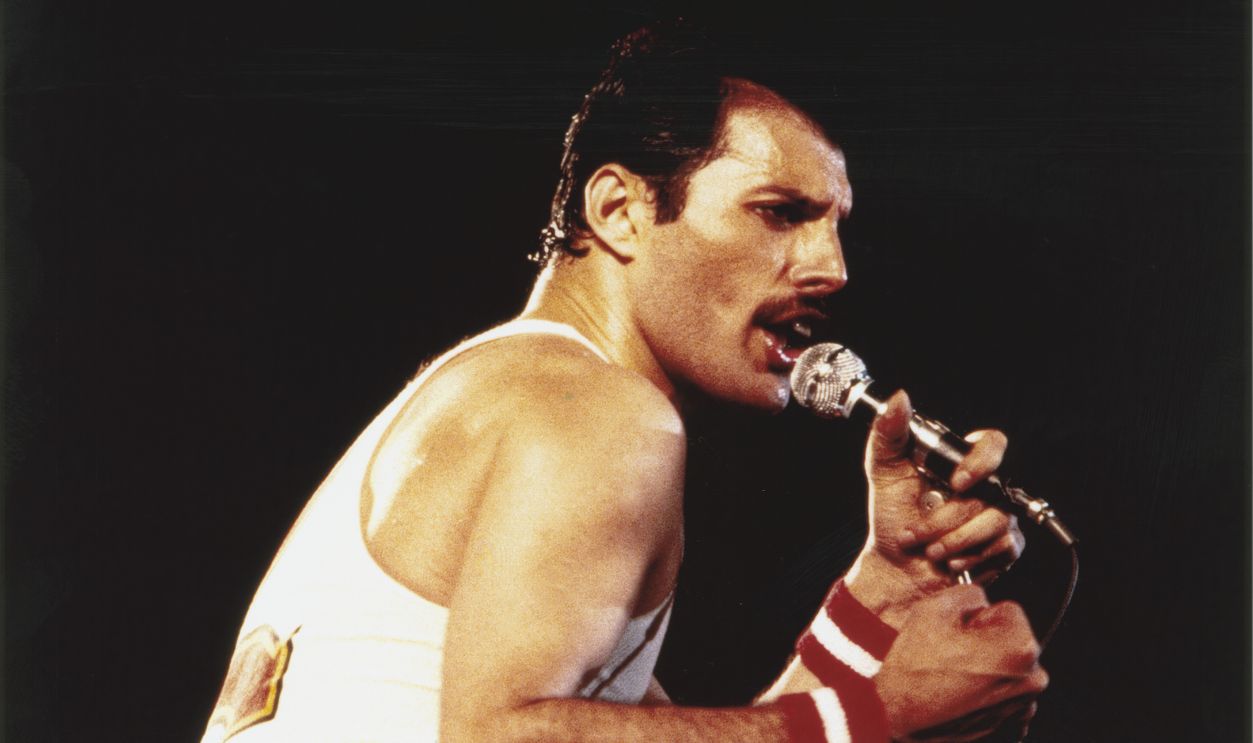
On stage, Freddie was unstoppable. He commanded arenas with confidence and joy. Brian May once said, “He could make the last row feel like they were in the front.” That ability to connect made him immortal long before his passing.
 Graham Wiltshire, Getty Images
A Private Battle
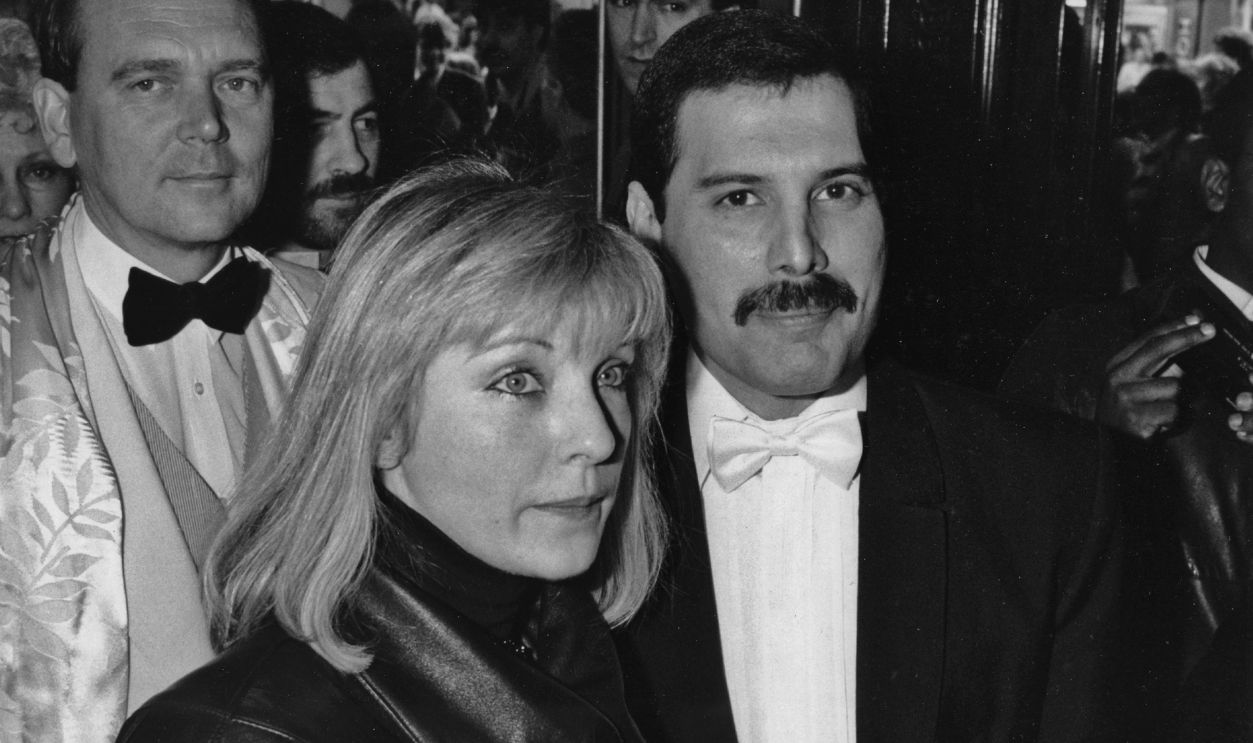
In 1987, Freddie was diagnosed with AIDS, but he kept it private for years. Those close to him, like Mary Austin and Jim Hutton, became his pillars of strength. Despite his illness, Freddie insisted life was for living — and for making music.
Choosing Silence Over Pity
Freddie avoided speaking publicly about his condition until the day before his death in 1991. He refused to let it define him or overshadow Queen’s work. His decision, though controversial, reflected his will to be remembered for music, not illness.
Finding Strength in Love
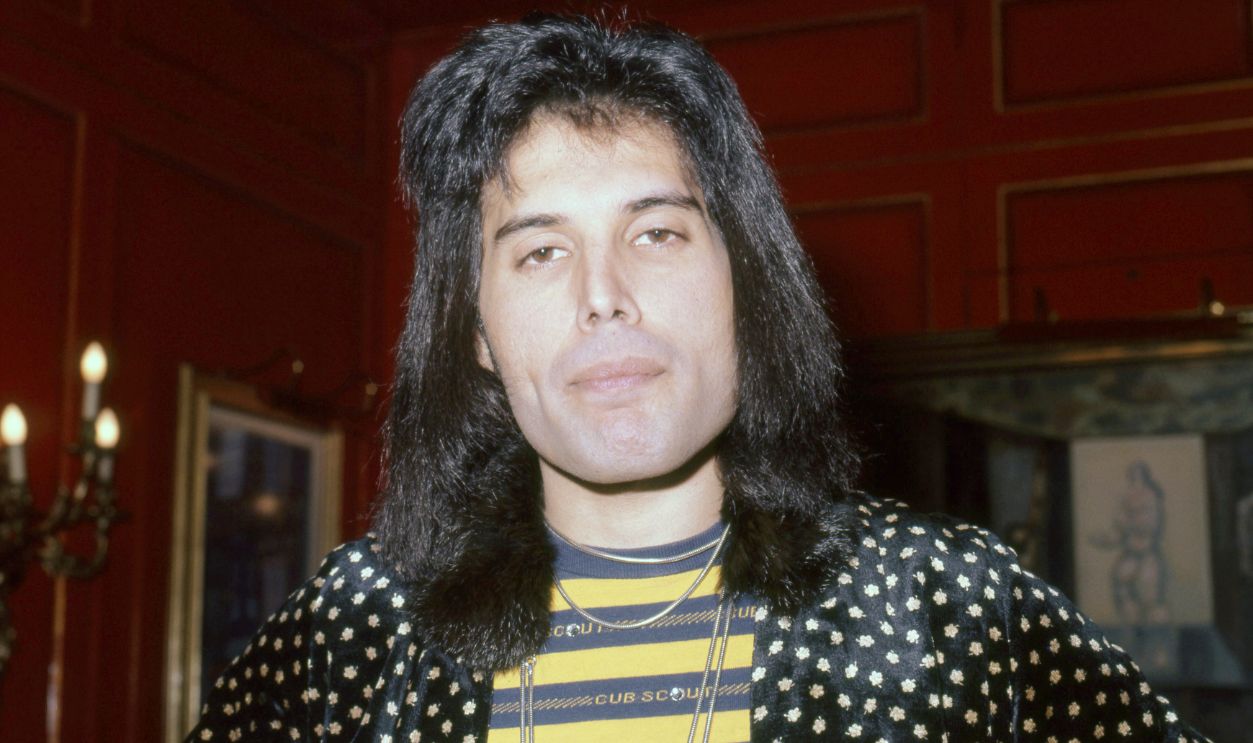
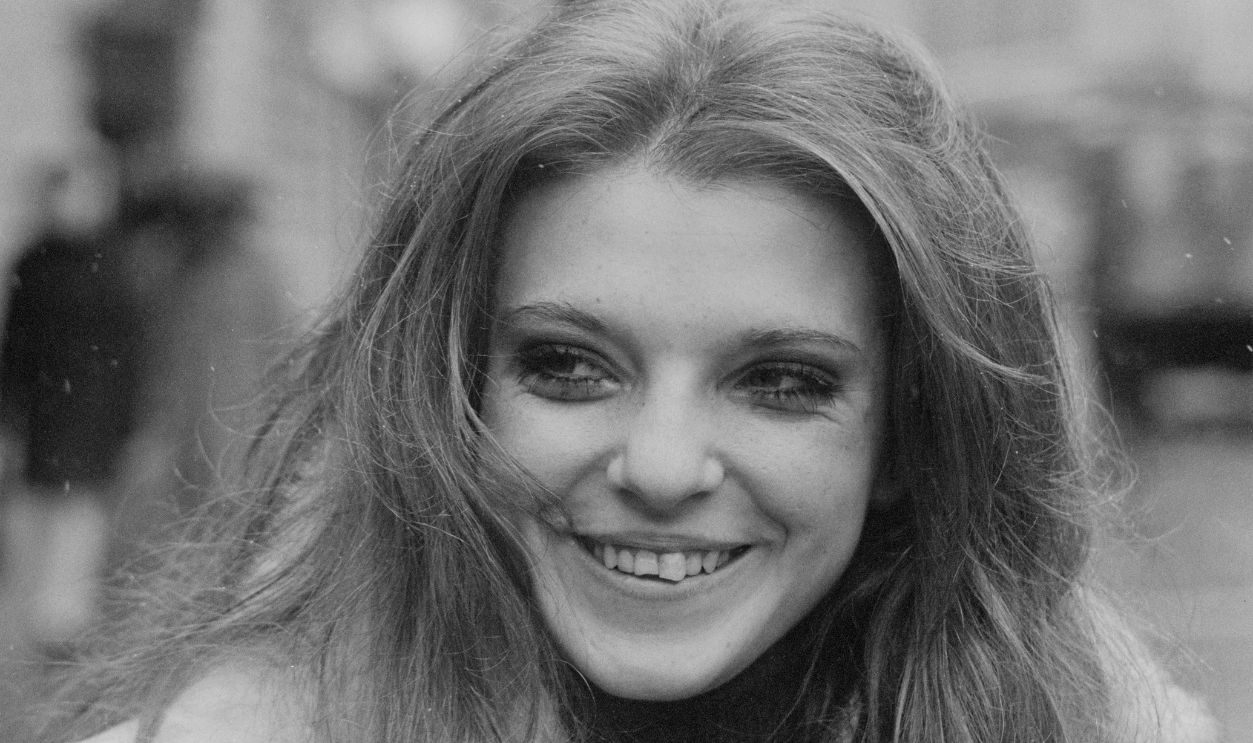
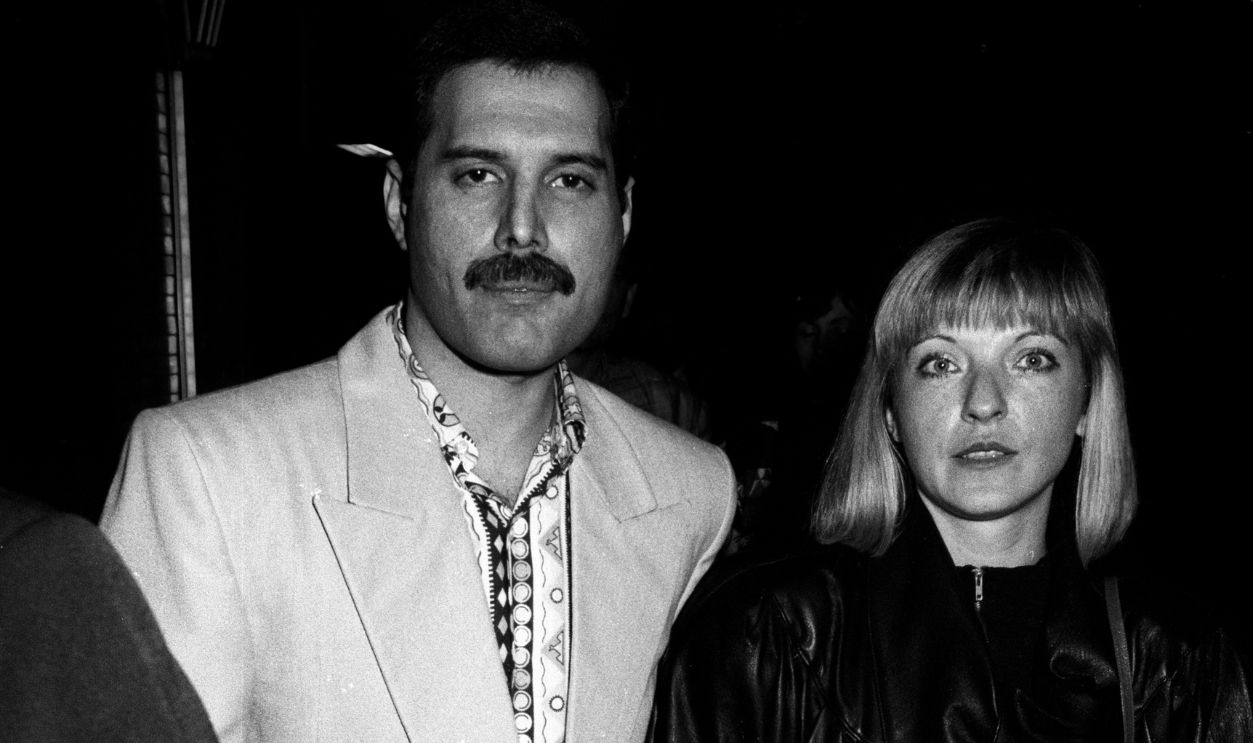
Mary Austin, his closest confidante, remained a central figure in his life. Freddie once said she was his “common-law wife,” despite his romantic relationships with men. Her unconditional love gave him peace and stability, especially during his declining health.
 Evening Standard, Getty Images
Jim Hutton’s Gentle Care
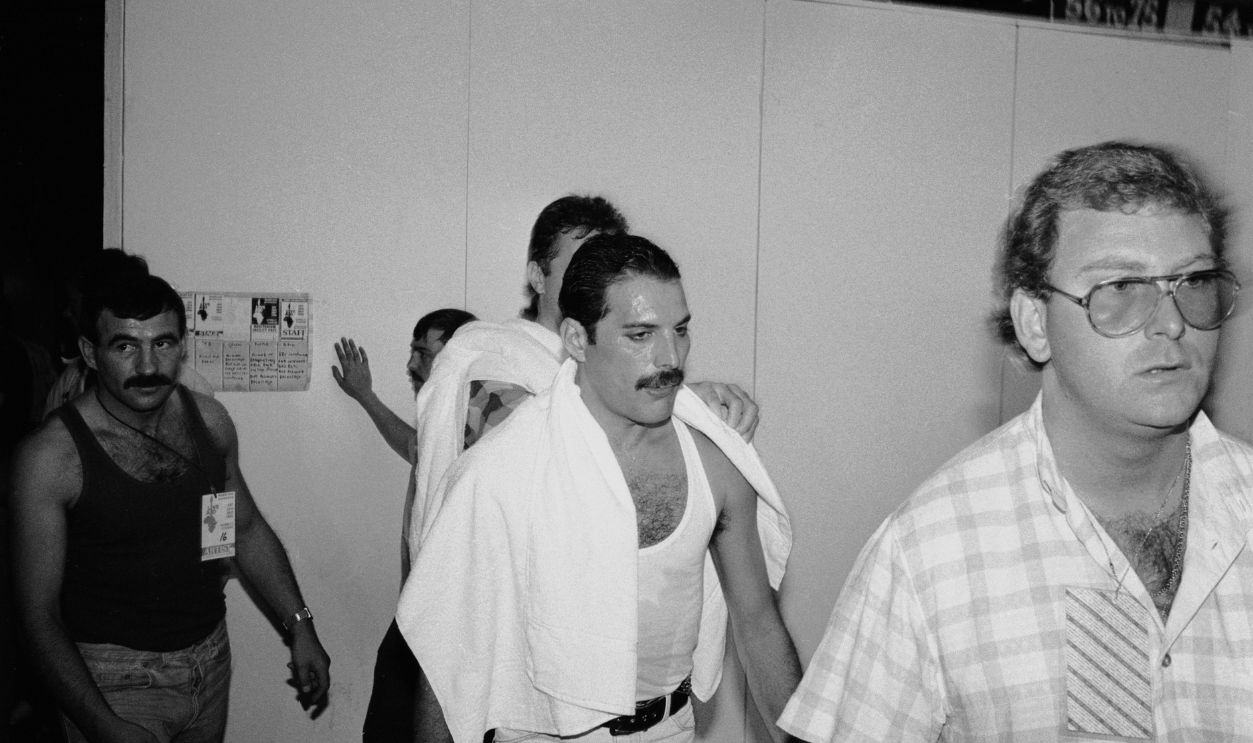
Jim Hutton, Freddie’s partner in his final years, provided tender care. Hutton later recalled how Freddie faced his illness with quiet dignity, saying, “He accepted what was happening. He wasn’t frightened. He prepared himself.” Their love brought comfort in his final chapter.
Surrounded by Friends
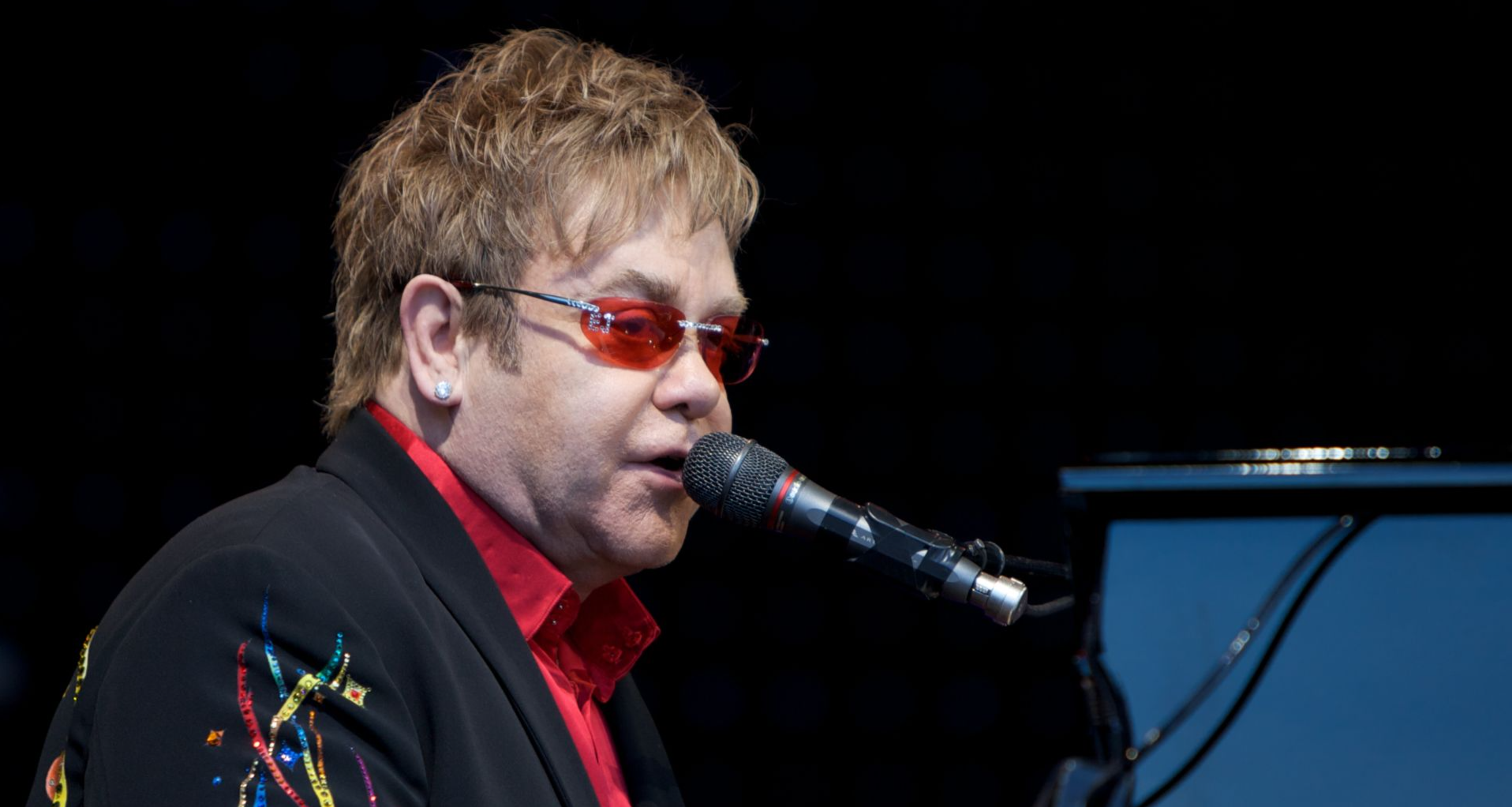
Freddie’s home in Garden Lodge became a sanctuary. Friends like Elton John visited often. Elton later revealed that Freddie gave him one final Christmas gift, delivered after his death — a painting by Henry Scott Tuke. It was a gesture of love that moved Elton to tears.
 Ernst Vikne, Wikimedia Commons
Humor Until the End
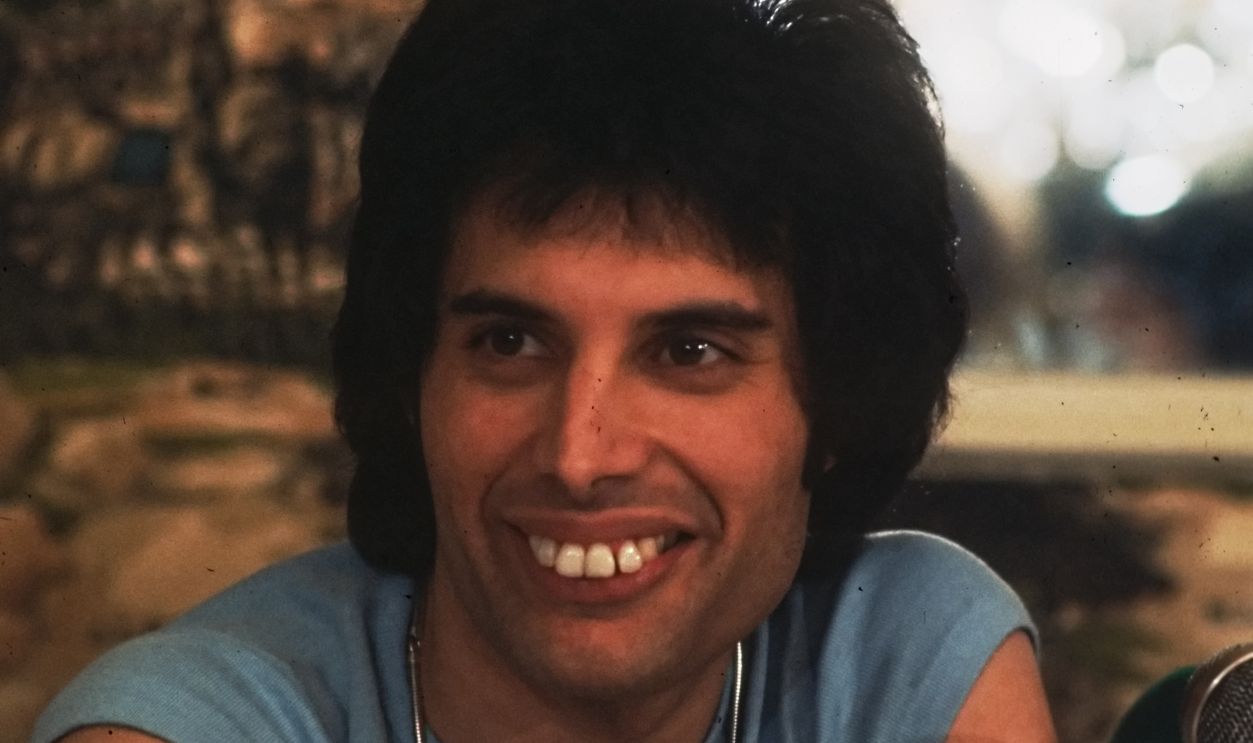
Even as his health declined, Freddie’s sense of humor remained intact. Friends recalled him joking during difficult days, making light of his frailty. His laughter became a shield, proving that joy could endure even in the darkest times.
 Michael Ochs Archives, Getty Images
The Barcelona Album With Montserrat Caballé
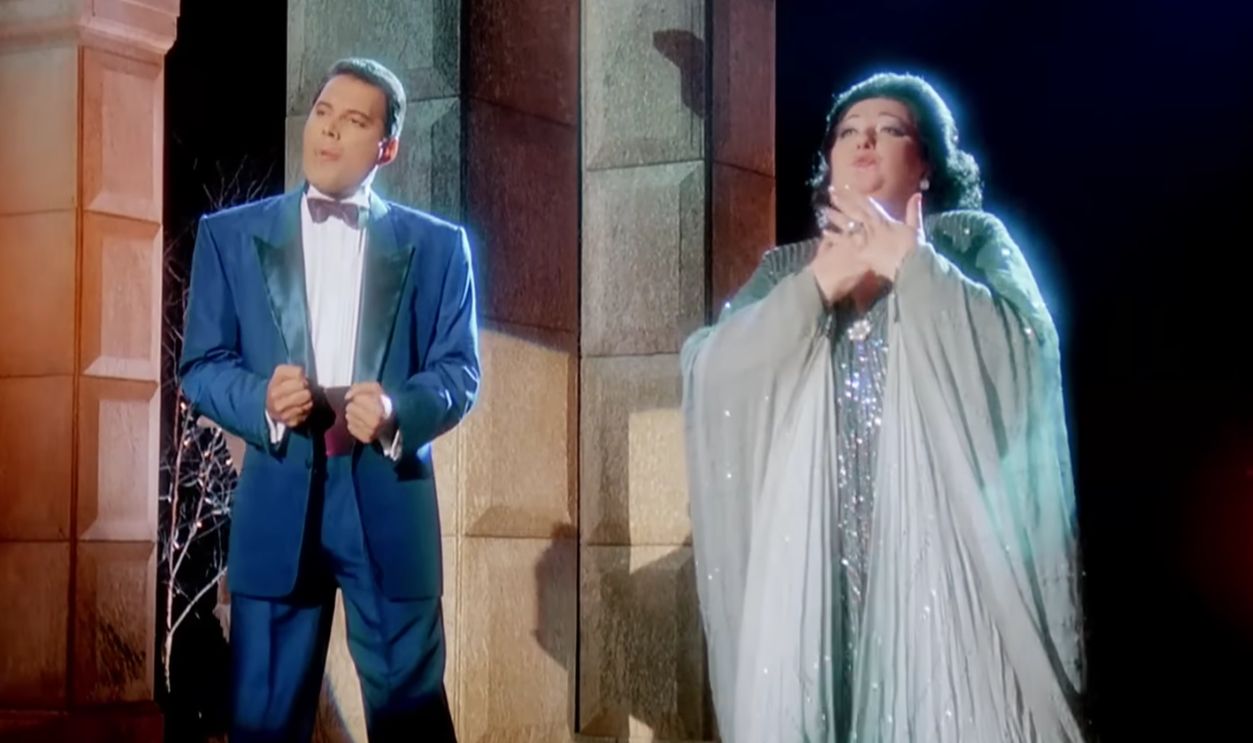
In 1988, Freddie collaborated with Spanish soprano Montserrat Caballé on the album Barcelona. Their partnership defied genres, blending opera with rock. Montserrat called him “a genius and a warm person,” praising how he poured his heart into the project despite his health.
 Freddie Mercury - Barcelona (2012 Version), Queen Official
Refusing to Stop Recording
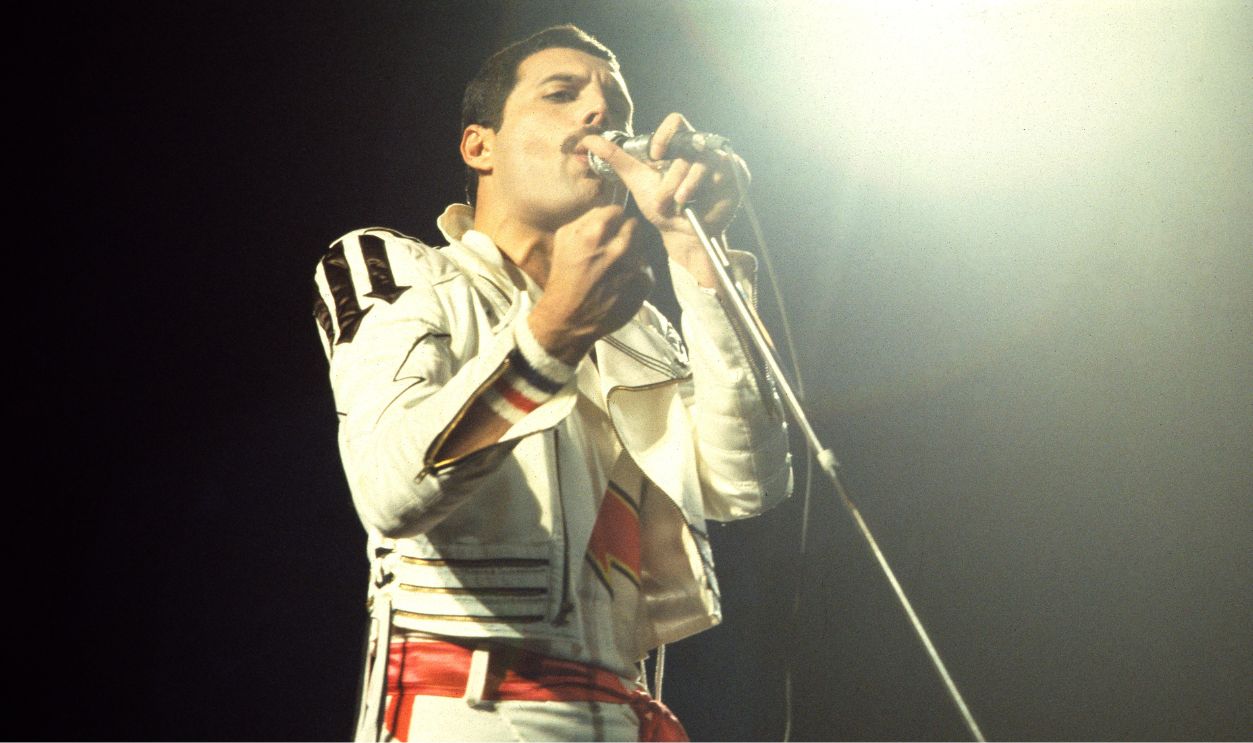
Freddie pushed himself to keep recording with Queen. Brian May remembered Freddie saying, “Write me stuff. I’ll sing, and I’ll keep singing until I can’t sing anymore.” That determination drove the band to create some of their most heartfelt work.
The Miracle of “The Show Must Go On”
One of Queen’s most emotional songs, The Show Must Go On, was recorded in 1990. Freddie was gravely ill, but when Brian May asked if he could handle the demanding vocals, Freddie reportedly downed a shot of vodka and said, “I’ll [flipping] do it, darling.” And he did.
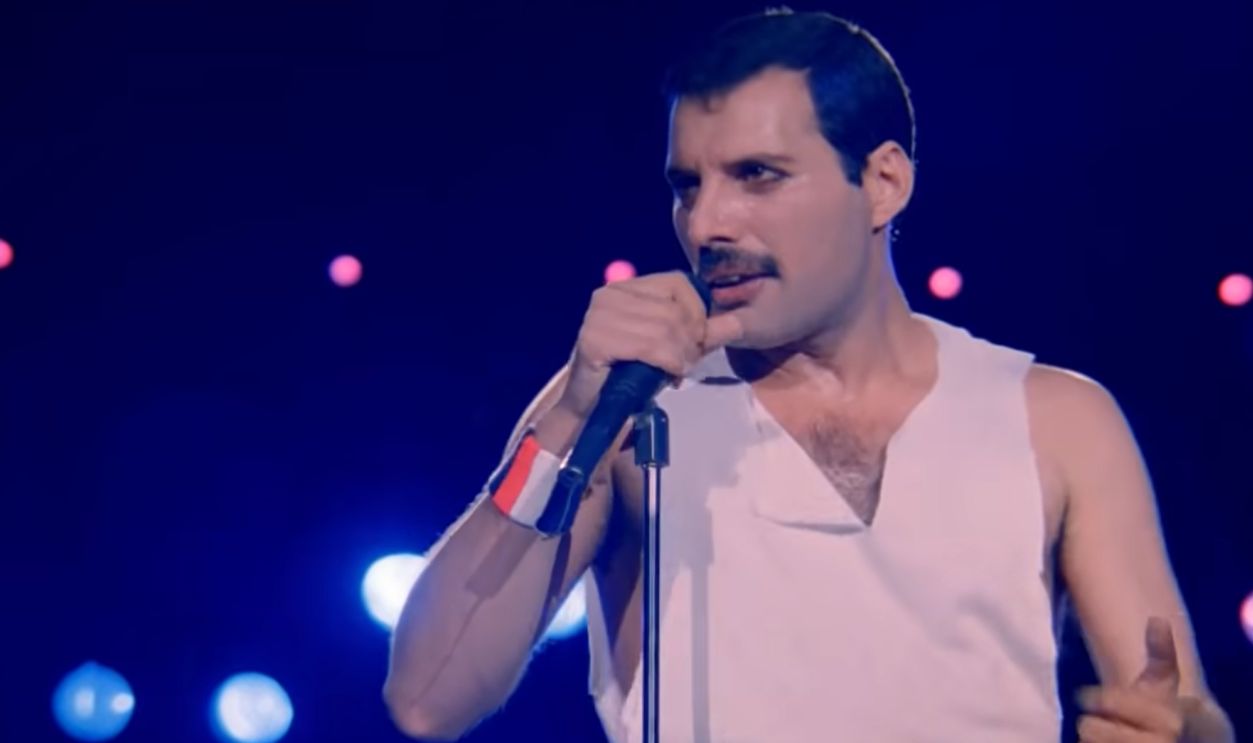 Queen - The Show Must Go On (Live), VinzA
Small Acts of Kindness
Those close to Freddie spoke about his generosity. He gave staff gifts, remembered birthdays, and treated everyone with kindness. His friend Peter Freestone noted, “He always thought of others, even when he was ill.” It was a quiet strength behind his larger-than-life persona.

Living for the Music Videos
In his final year, Freddie appeared in the video for These Are the Days of Our Lives. Visibly frail, he looked into the camera and whispered, “I still love you.” Fans later recognized it as a farewell, filled with vulnerability and love.
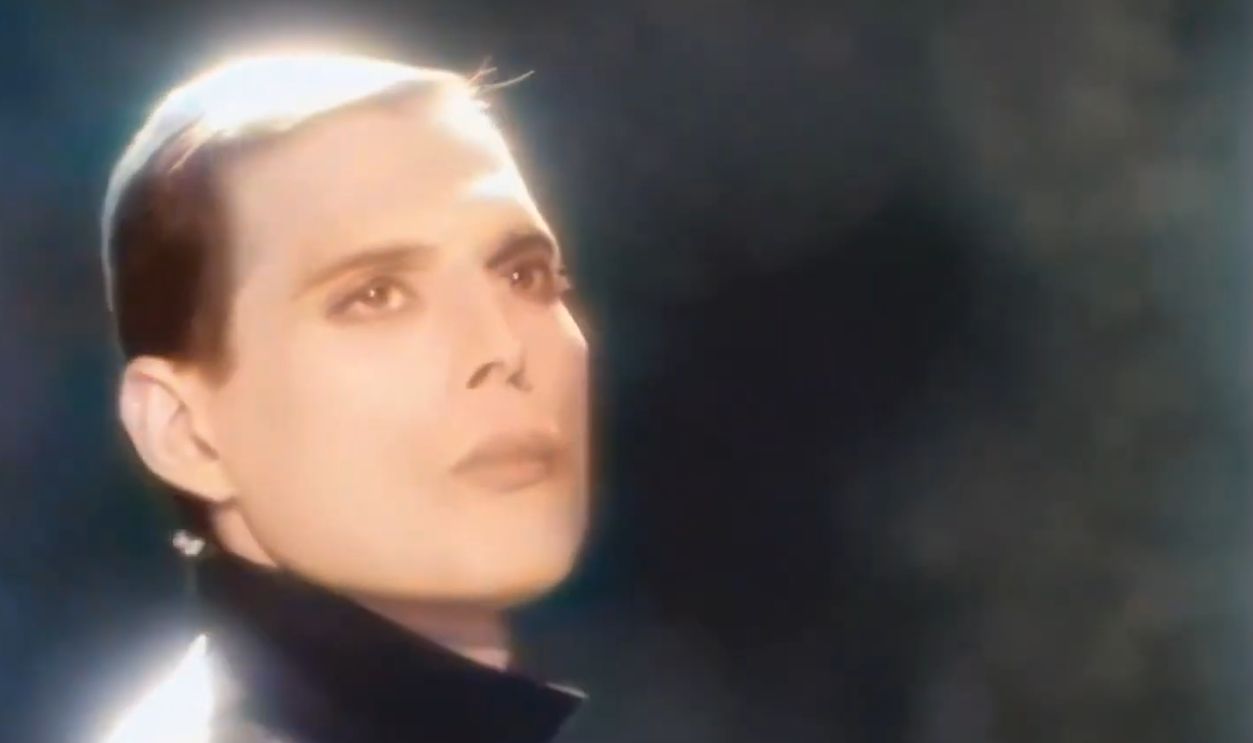 Queen - These Are The Days Of Our Lives - Colour (Remastred 2021), Music Films
Protecting His Privacy
Freddie guarded his privacy fiercely, surrounding himself with trusted friends at Garden Lodge. Journalists and fans often speculated about his condition, but he kept the focus on music. To those around him, his dignity in those final years was remarkable.
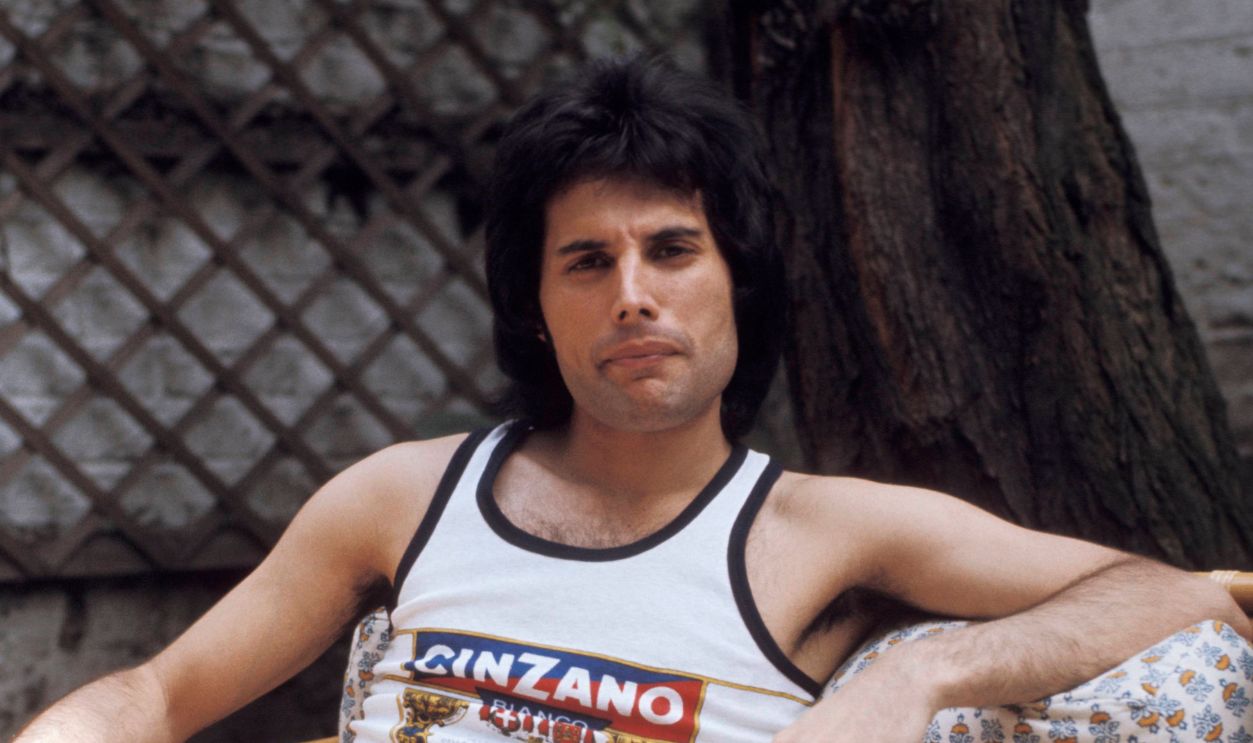
Facing Pain With Courage
Jim Hutton and Mary Austin both described how Freddie refused to wallow in self-pity. Though his illness left him weak, he approached each day with resilience. “Don’t pity me,” he reportedly told friends. “Just help me keep creating.”
Legacy Through Live Aid
Though it happened years before his illness, Freddie’s performance at Live Aid in 1985 became part of his immortality. Voted one of the greatest live performances of all time, it captured his energy, passion, and ability to unify an audience of millions.
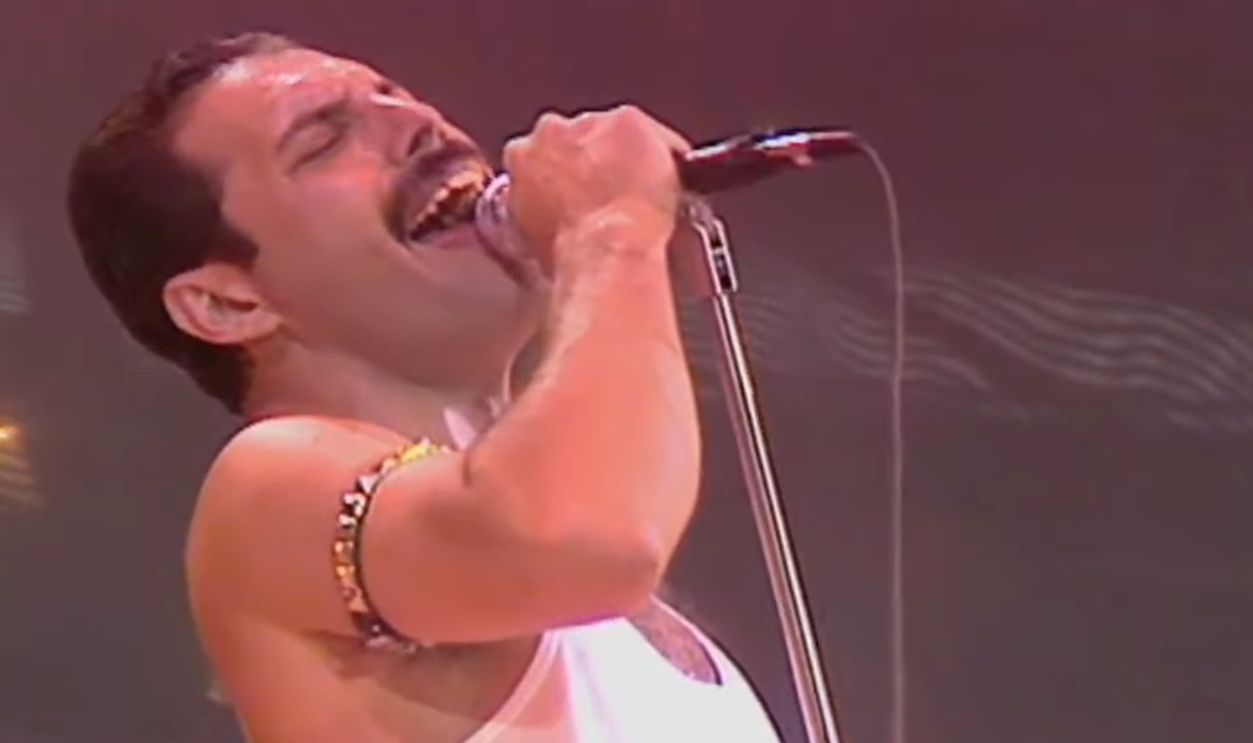 Queen Live Aid 1985 - Hammer to Fall, Queen Forever
A Farewell With Dignity
On November 23, 1991, Freddie publicly announced he had AIDS. Less than 24 hours later, he died peacefully at home, surrounded by love. His quiet departure was consistent with the way he chose to handle his illness: private, dignified, and on his own terms.
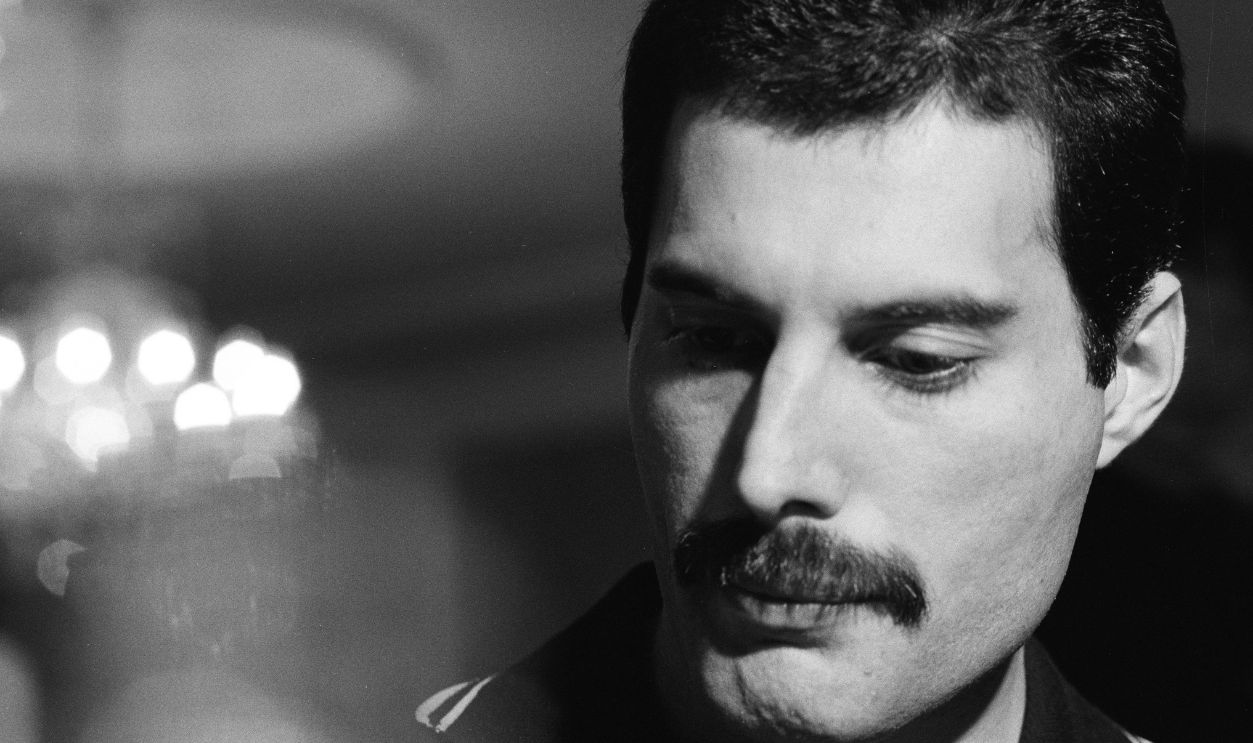 Midori Tsukagoshi/Shinko Music, Getty Images
The Legacy of Immortality
Freddie’s death sparked an outpouring of love worldwide. The 1992 Freddie Mercury Tribute Concert raised millions for AIDS research and featured legends like David Bowie, George Michael, and Elton John. His music, style, and spirit became immortal in the hearts of fans.
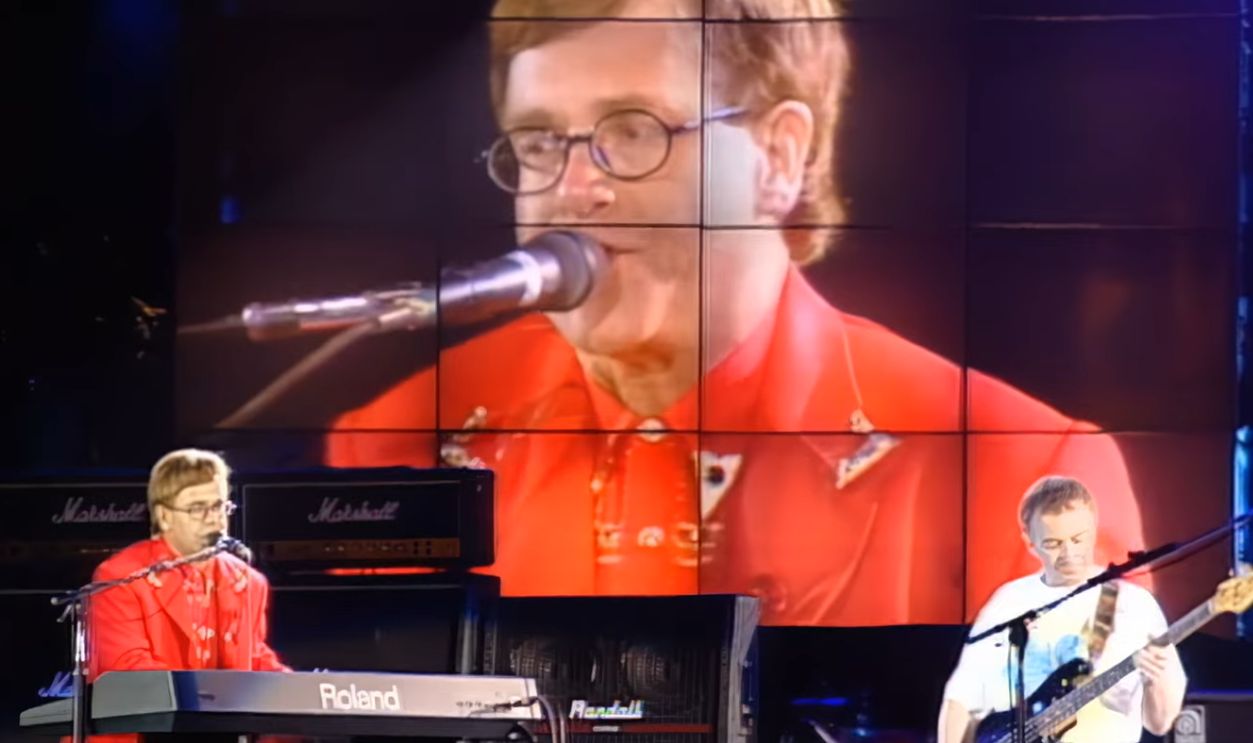 Queen Elton John Axl Rose - Bohemian Rhapsody 4K, RetroMusica
Made in Heaven: His Final Gift
Freddie’s last recordings became the posthumous 1995 album Made in Heaven. Barely able to stand, he insisted on laying down vocals. Brian May recalled, “He just kept singing, saying, ‘I’ll do as much as I can.’” Those tracks remain one of the most powerful testaments to his will to live and create.
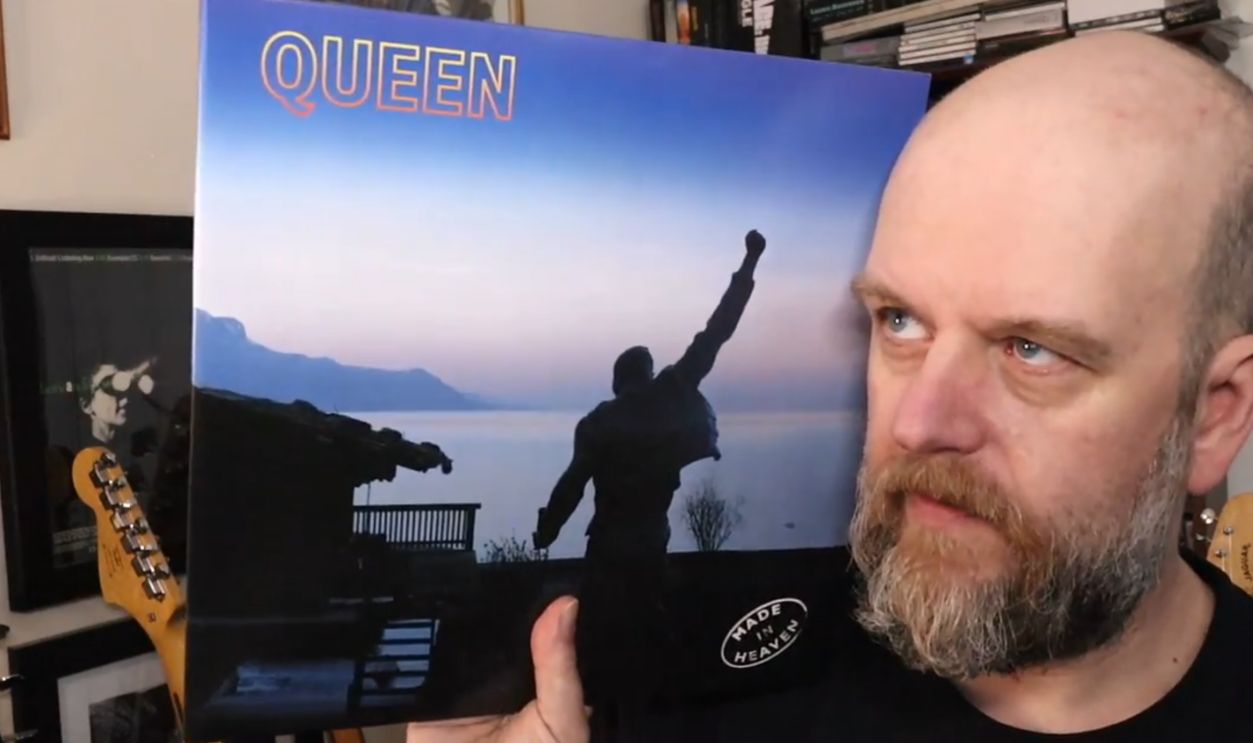 MADE IN HEAVEN - Queen (1995) ALBUM REVIEW, Darren Lock
You May Also Like: