Dreams Turn Dark
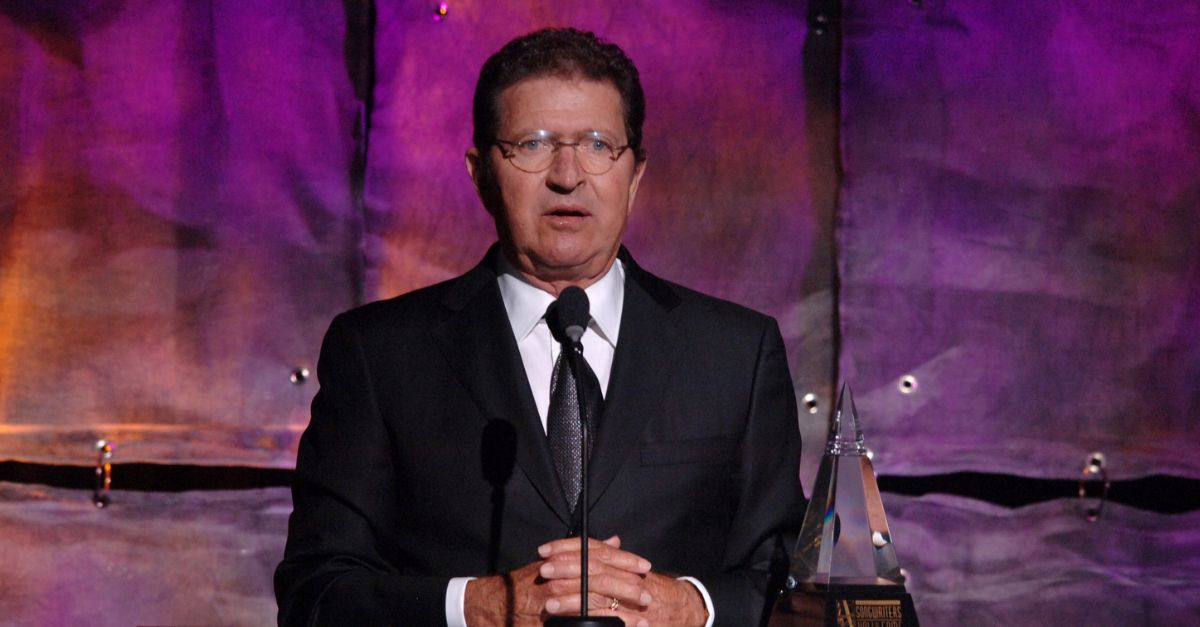
Mac Davis wrote the song that saved Elvis's career. After that, the money poured in fast, and fame followed soon behind. Suddenly, this small-town songwriter had access to everything he ever wanted, and all the dangers that came with them.
Lubbock Roots
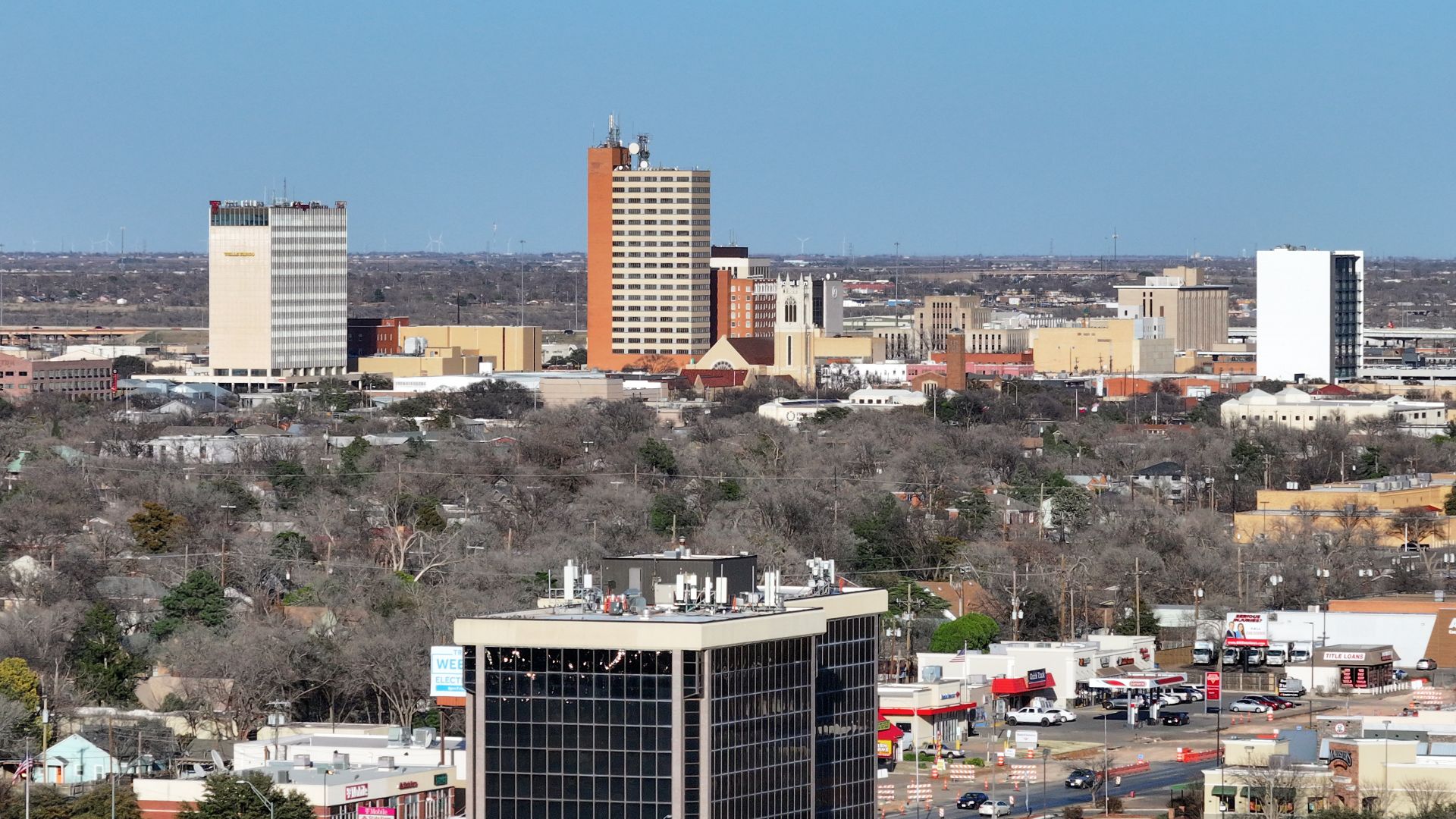
Morris Mac Davis entered the world on January 21, 1942, in Lubbock, Texas, a dusty panhandle town that seemed an unlikely birthplace for hitmakers. His parents, Edith Irene and TJ Davis, a building contractor, split when Mac was young. He stayed with his strict, religious father at College Courts.
 Quintin Soloviev, Wikimedia Commons
Buddy Holly's Shadow
Young Mac's life changed forever when he spotted Buddy Holly cruising down a Lubbock street in a convertible, surrounded by girls. Holly, also a Lubbock native, had already cracked the music world wide open with hits like "That'll Be the Day”.
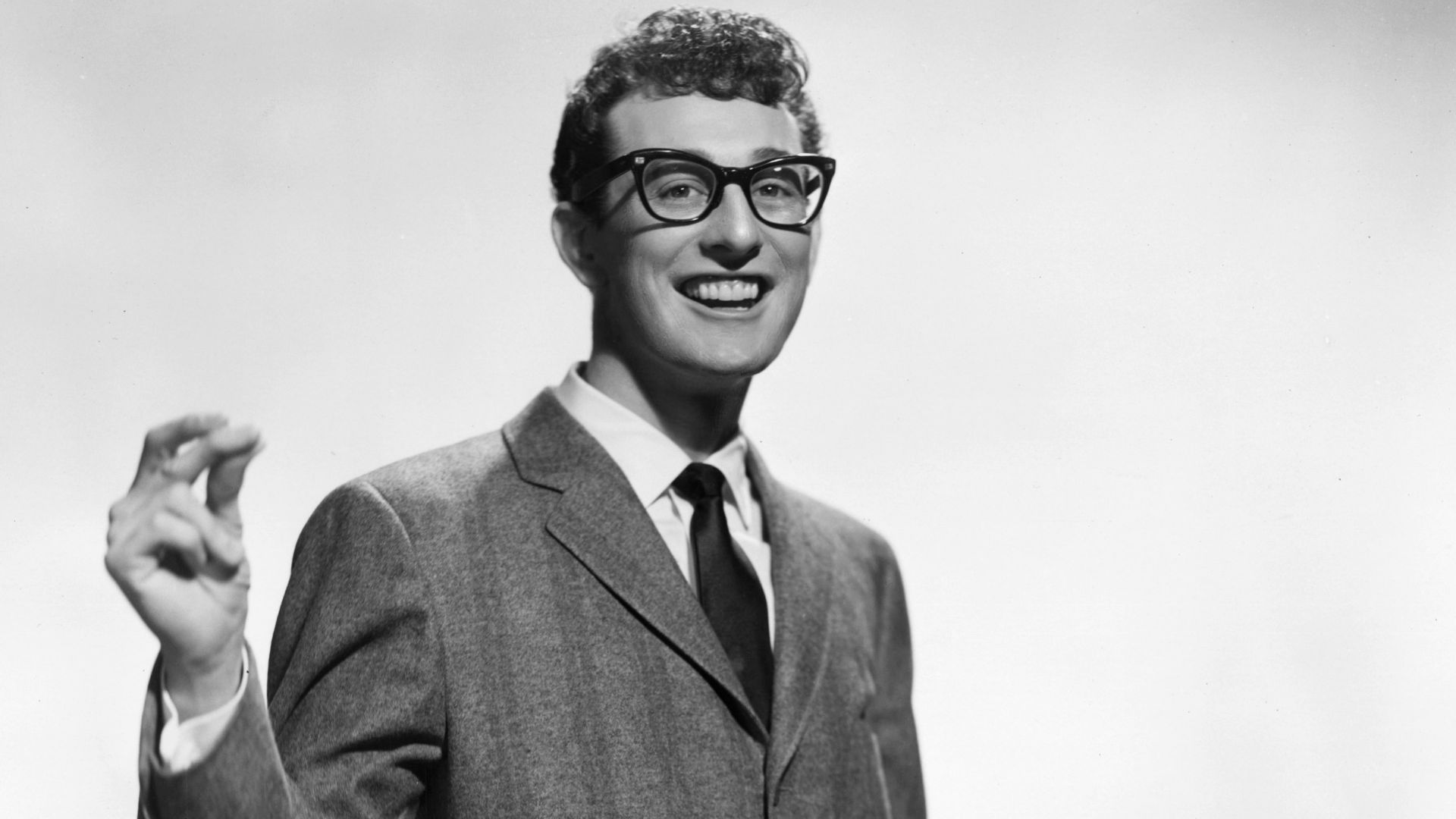 Brunswick Records, Wikimedia Commons
Atlanta Dreams
At sixteen, Mac graduated from Lubbock High School and immediately fled to Atlanta, Georgia, where his mother lived. The move represented a clean break from his father's rigid household. He formed a rock band called the Zots, cutting two singles for OEK Records while moonlighting at fraternity parties and local clubs.
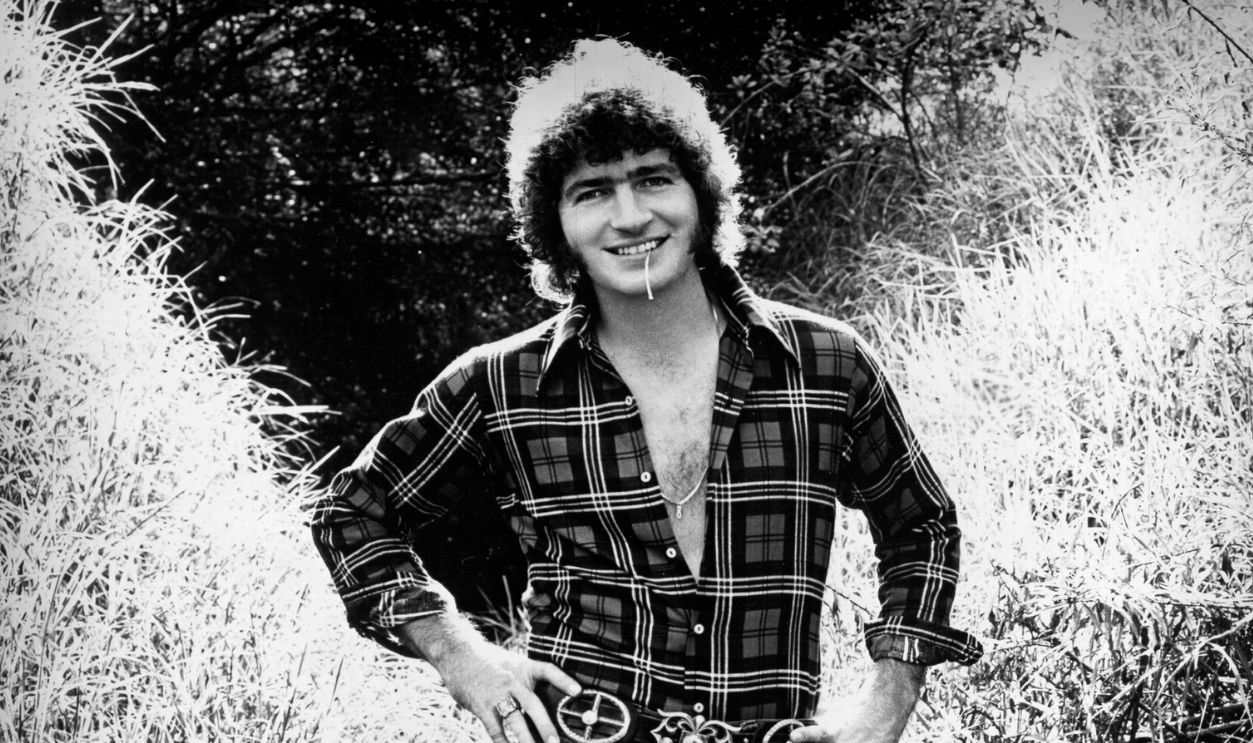 Michael Ochs Archives, Getty Images
Nancy Sinatra's Team
Davis's break came through Liberty Records, which transferred him to Los Angeles in the mid-1960s. There, he joined Boots Enterprises, Nancy Sinatra's music publishing company, where he'd spend several transformative years. Nancy featured him in her stage shows and on her recordings.
 Nancysinatrabe, Wikimedia Commons
Elvis Discovers Mac
Well, Elvis Presley's comeback in 1968 created an opportunity Davis had only dreamed about. Billy Strange, who worked with Nancy Sinatra, had connections to Elvis's camp and recommended Mac's material. The King's management requested songs for the legendary '68 Comeback Special.
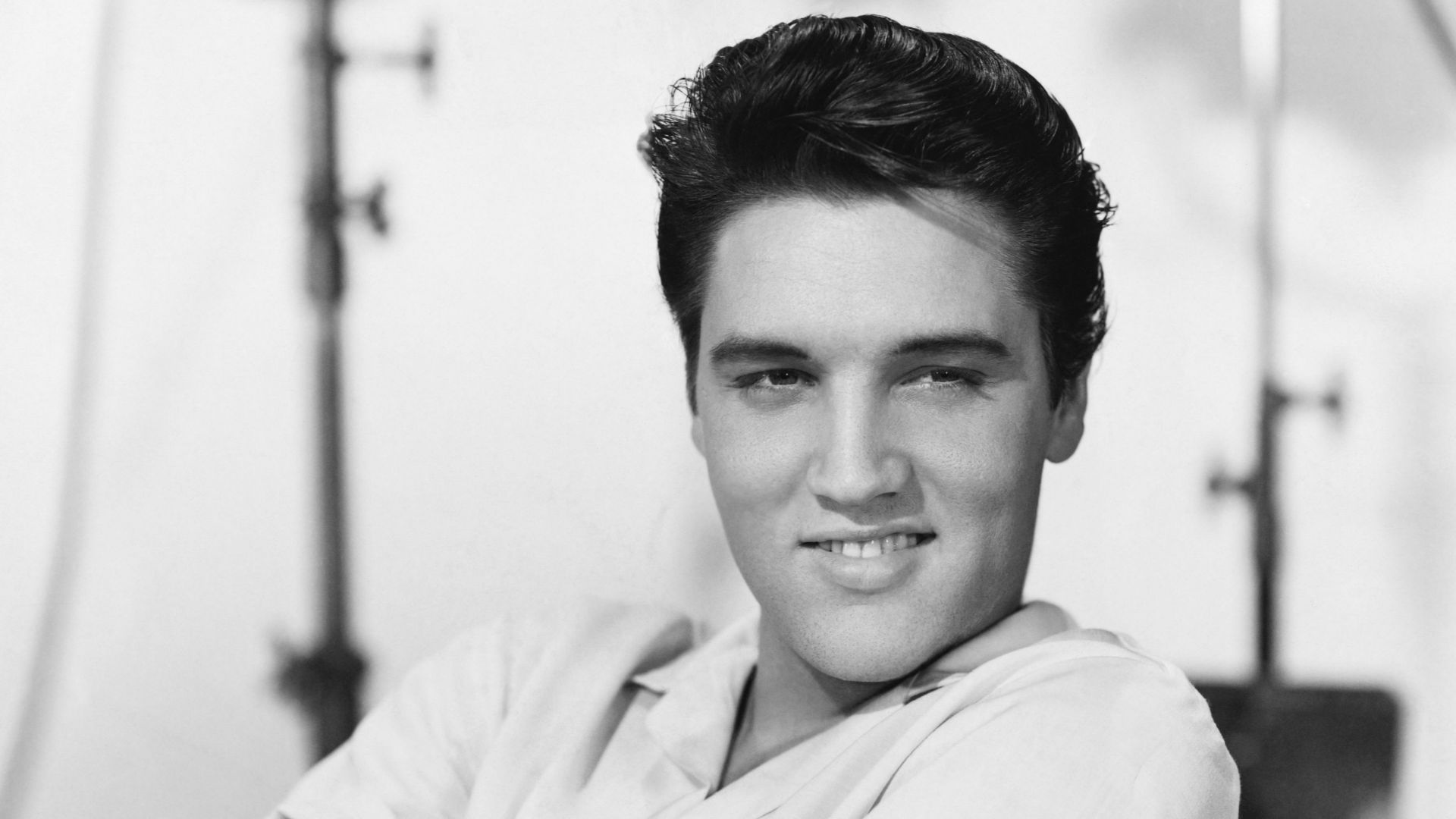 Unknown authorUnknown author, Wikimedia Commons
"In The Ghetto"
Mac had been wrestling with a song called "The Vicious Circle" for years, inspired by his childhood friendship with a Black boy whose father worked with Mac's dad. The friend lived in what Mac called "a really funky dirt street ghetto" in Lubbock.
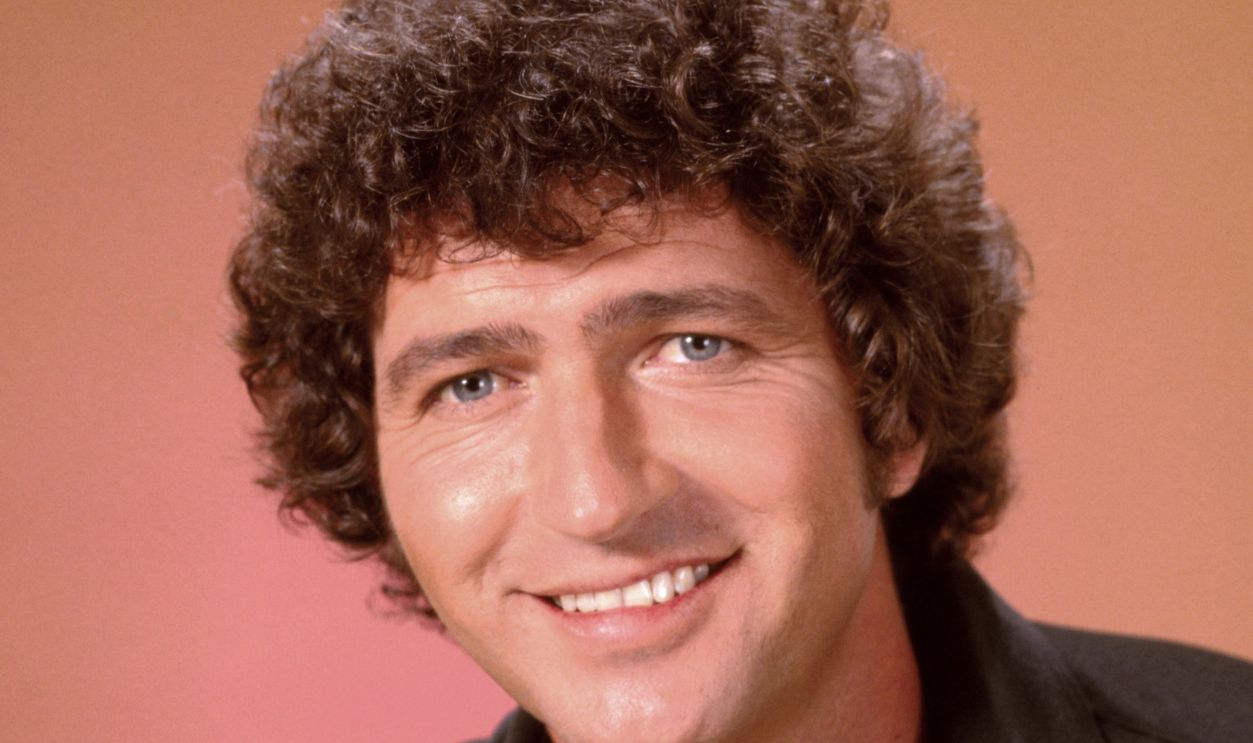
Social Commentary Risk
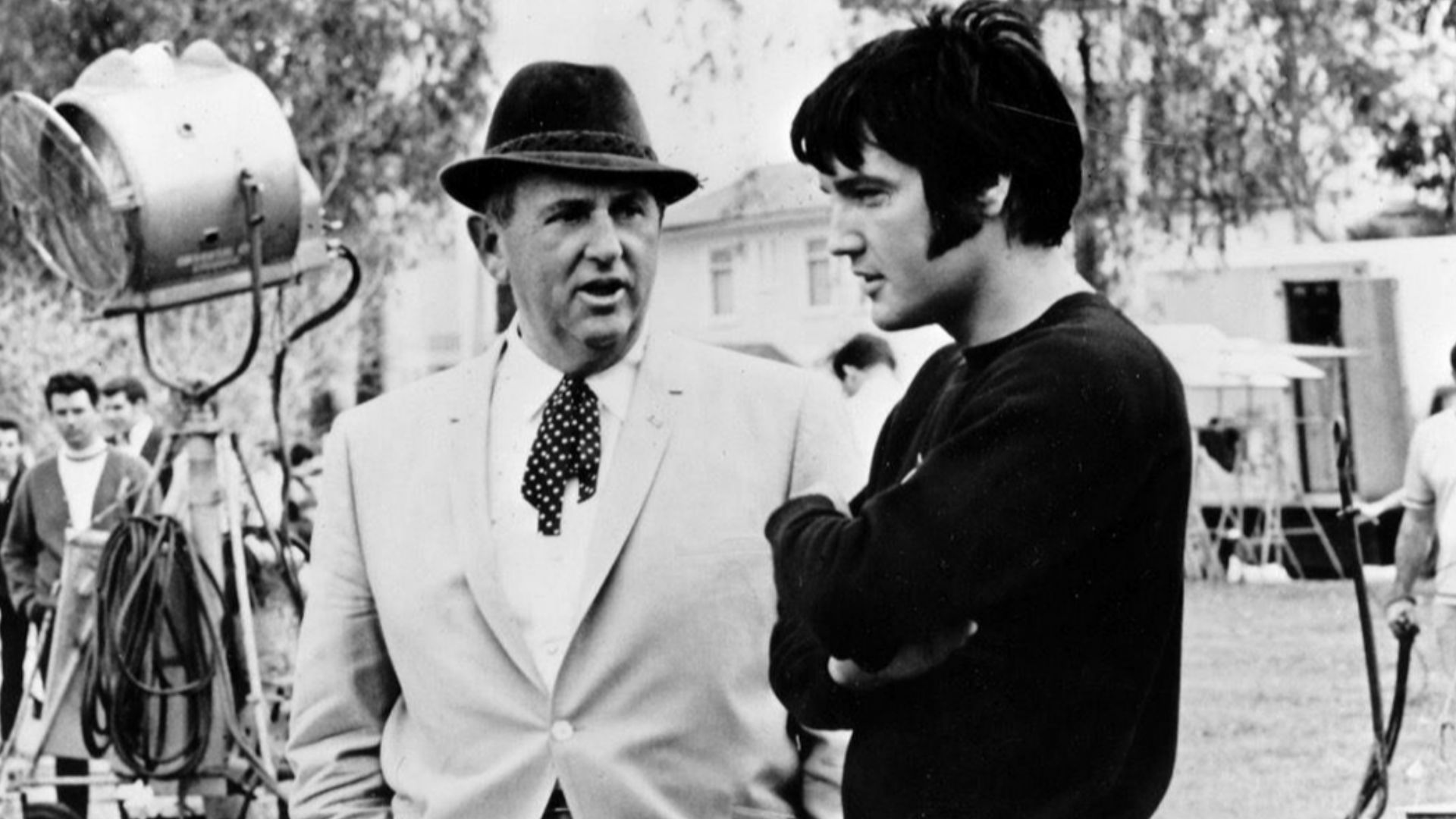
Colonel Tom Parker, Elvis's notoriously controlling manager, had always drilled one rule into his client's head: "Don't make songs with a message”. Parker feared anything controversial would alienate fans and hurt record sales. When "In the Ghetto" arrived, both Parker and RCA Records panicked over its social commentary.
 Unknown authorUnknown author, Wikimedia Commons
Elvis Comeback Catalyst
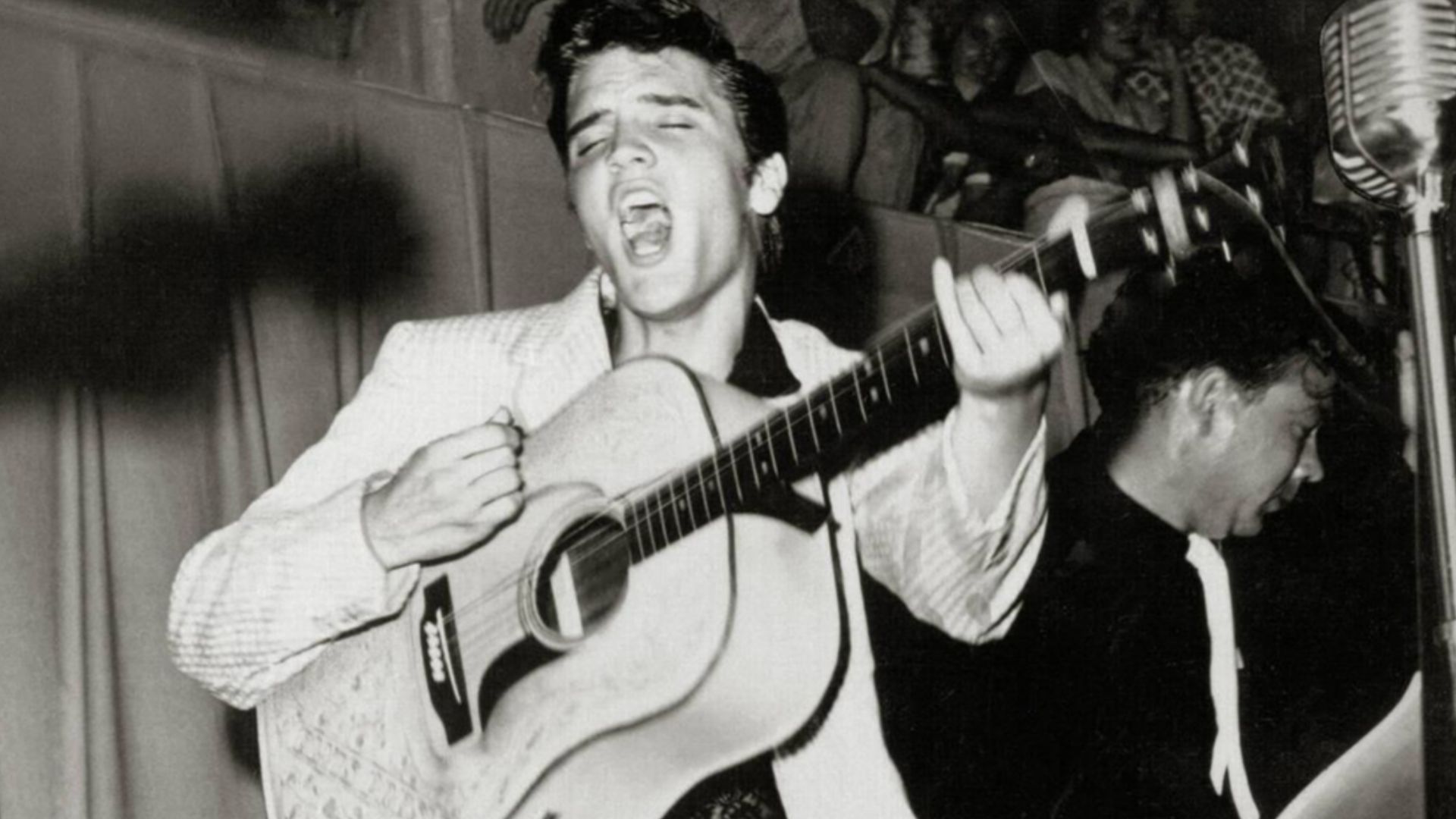
On January 20, 1969, Elvis entered American Sound Studio in Memphis and cut "In the Ghetto" after twenty-three takes. Released in April, the song rocketed to number three on the Billboard Hot 100, becoming Elvis's first Top 10 hit in four years since “Crying in the Chapel”.
 Unknown authorUnknown author, Wikimedia Commons
Songwriting Fortune
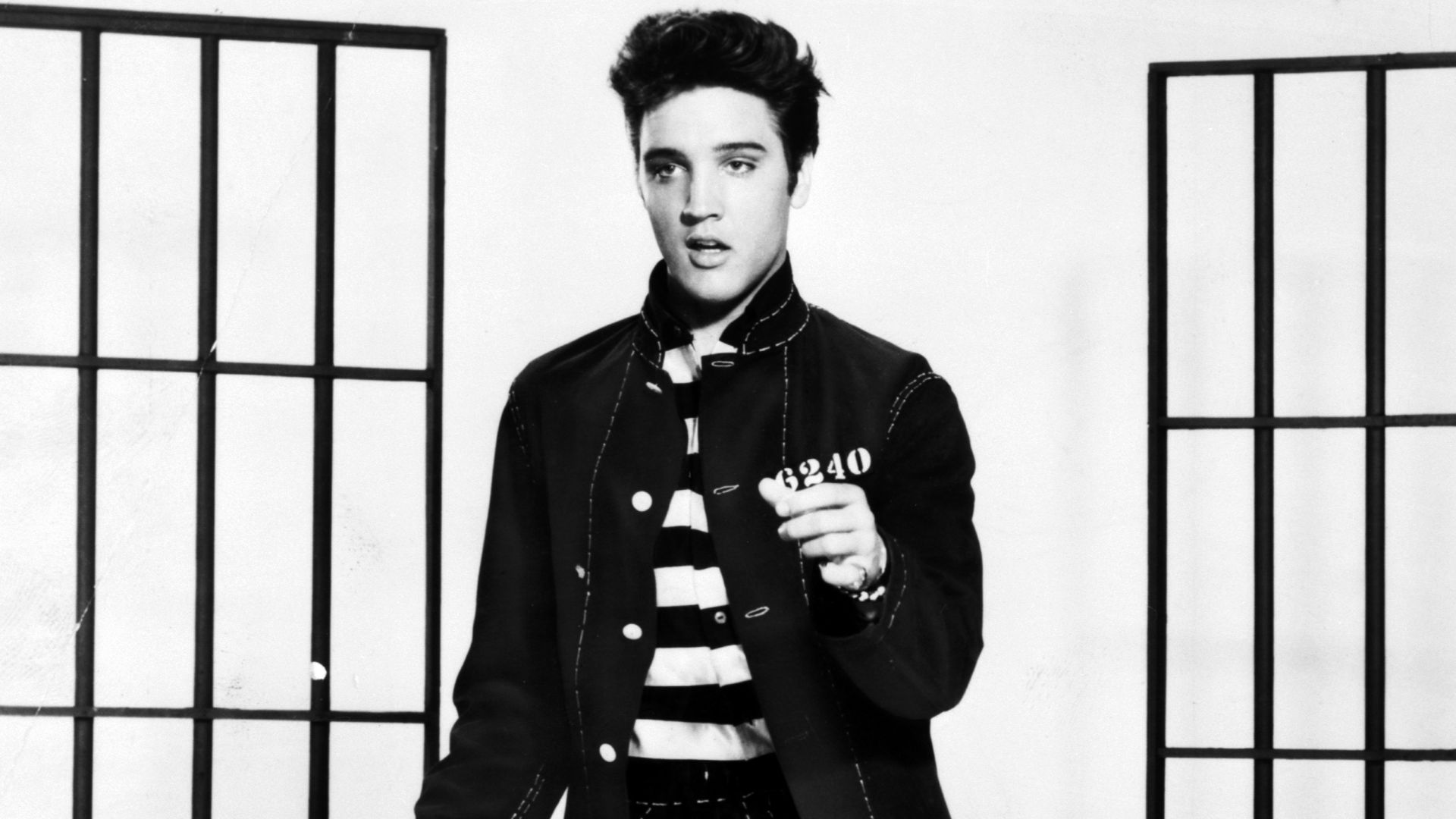
Davis's catalog exploded after "In the Ghetto”. Elvis recorded "Don't Cry Daddy," another Davis composition, which became a staple of his 70s live performances. Bobby Goldsboro took "Watching Scotty Grow"—named after Mac's real-life son—to number one on Adult Contemporary charts in 1971.
Solo Breakthrough
After years of writing for others, Mac wanted his own spotlight. Legendary record executive Clive Davis signed him to Columbia Records in 1970, sensing crossover potential. In 1972, Mac released "Baby Don't Get Hooked on Me," a song pleading with a woman not to fall too hard.
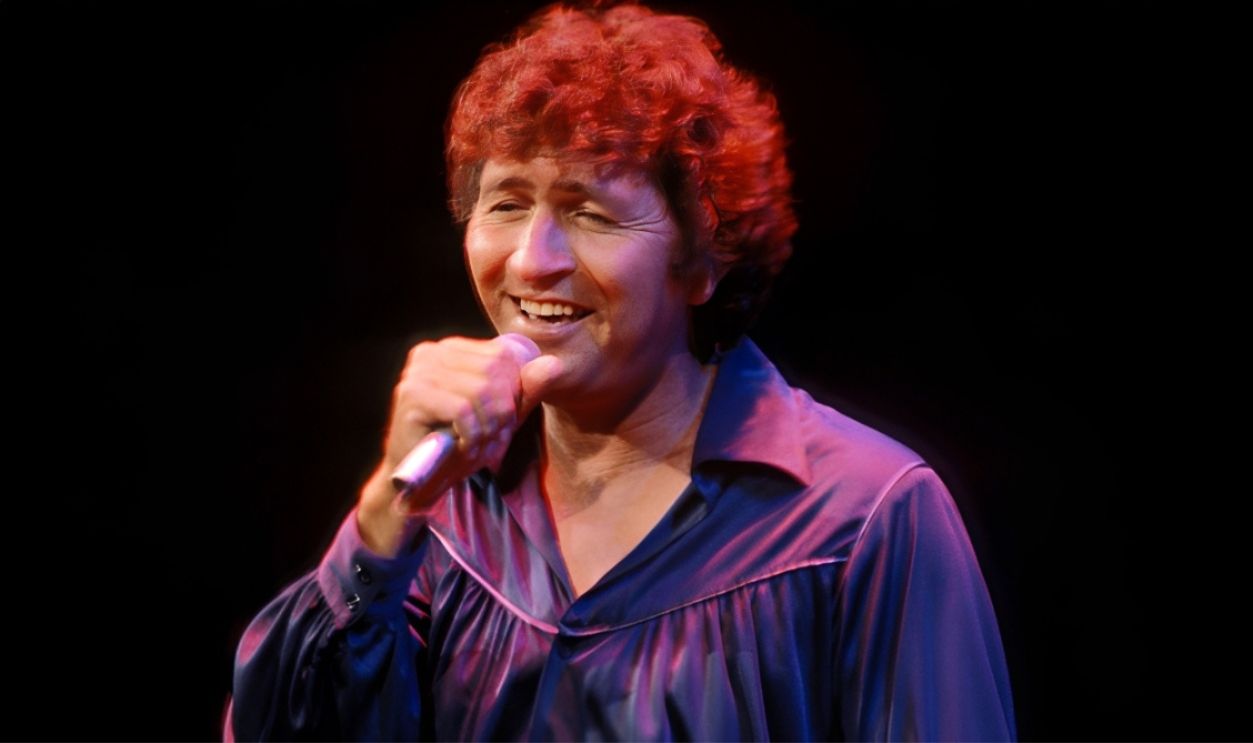
"Baby Don't Get Hooked On Me"
The song's lyrics sparked controversy that only boosted its success. Feminist groups attacked Davis for what they saw as a cavalier attitude toward women's emotions, with lines about casual romance and refusing commitment. Mac later recorded similar tracks like "Naughty Girl" and "Baby Spread Your Love on Me" with comparable themes.
TV Variety Star
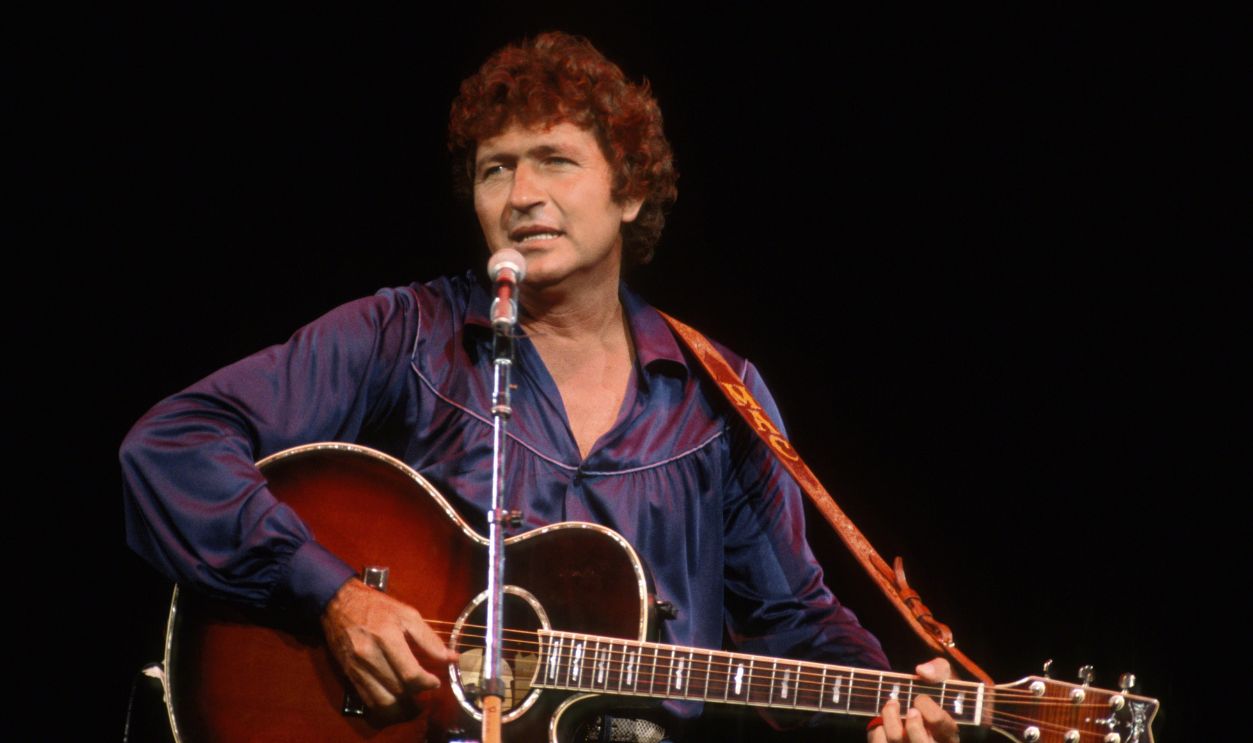
NBC gave Davis his own prime-time show, The Mac Davis Show, which ran from 1974 to 1976. He followed the variety format popularized by Sonny & Cher and Johnny Cash, mixing musical performances with comedy sketches and celebrity guests. Mac regularly shared stories about growing up in Texas.
 Ron Galella, Ltd., Getty Images
Entertainer Of The Year
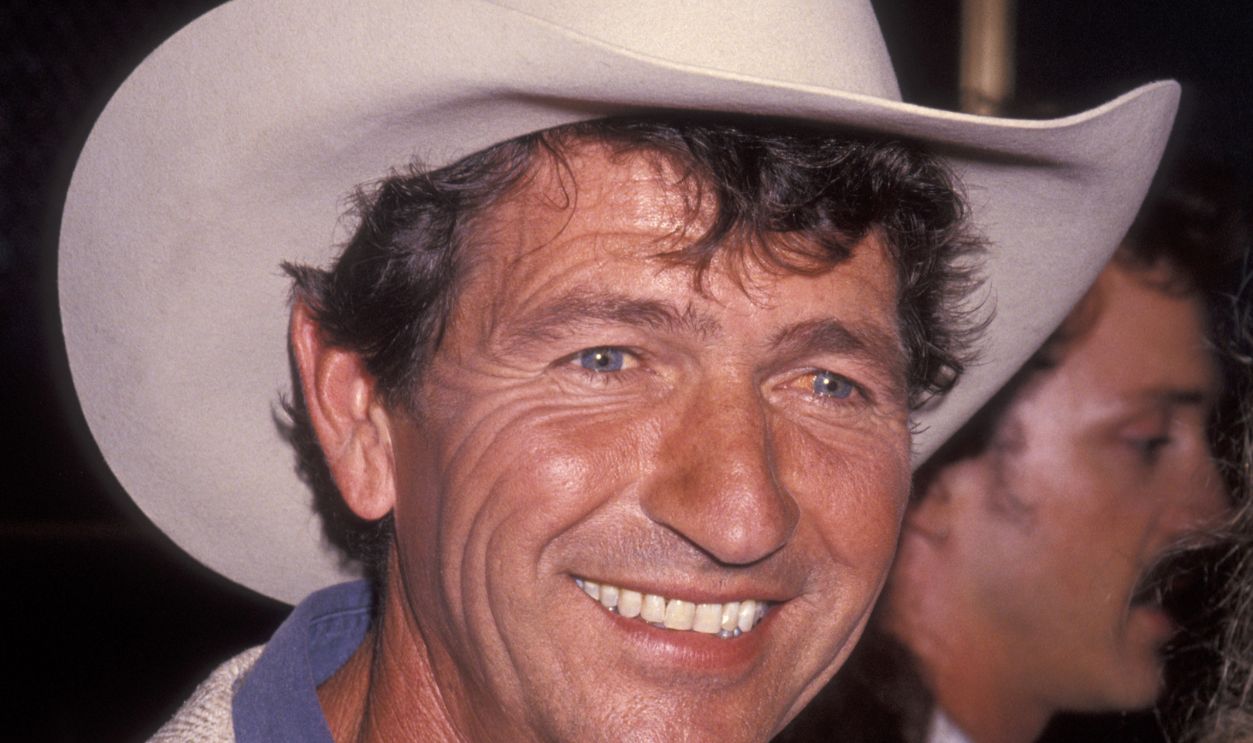
By 1974, the individual had achieved what seemed impossible just five years earlier—total entertainment dominance. "Stop and Smell the Roses" hit number nine on the pop charts and number one on Adult Contemporary. "One Hell of a Woman" reached number eleven.
First Marriage Ends
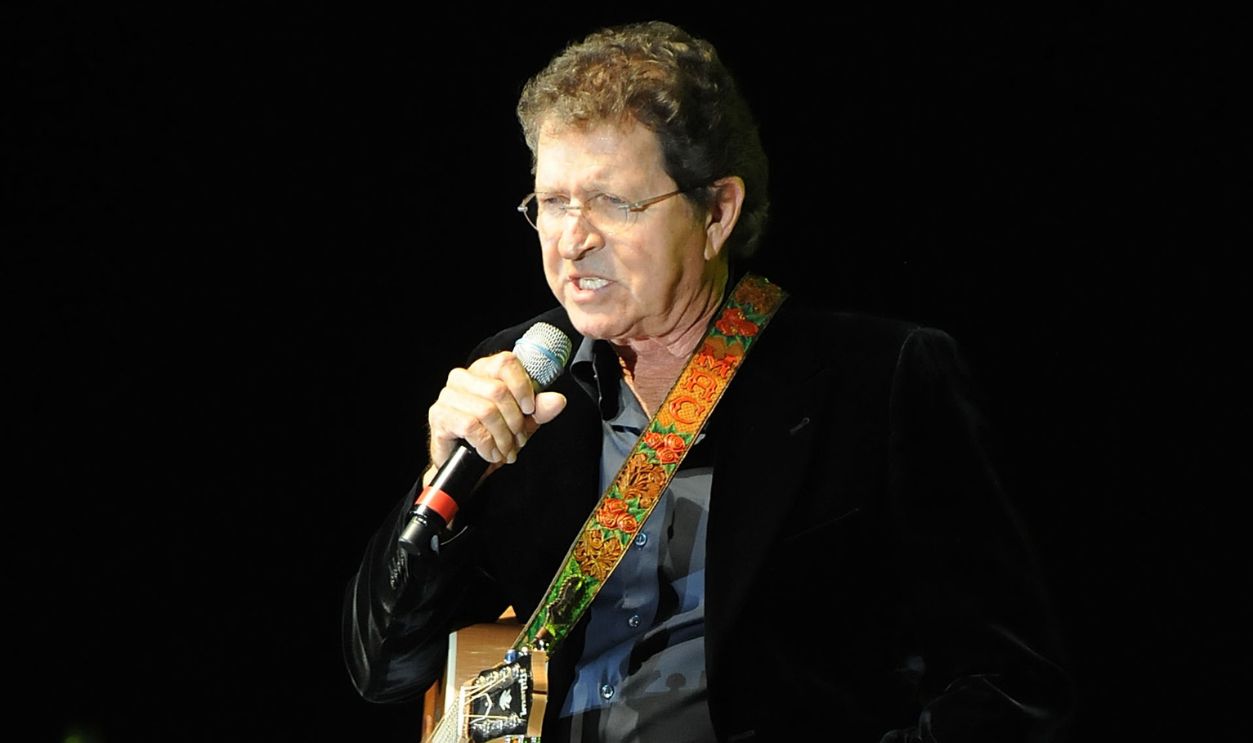
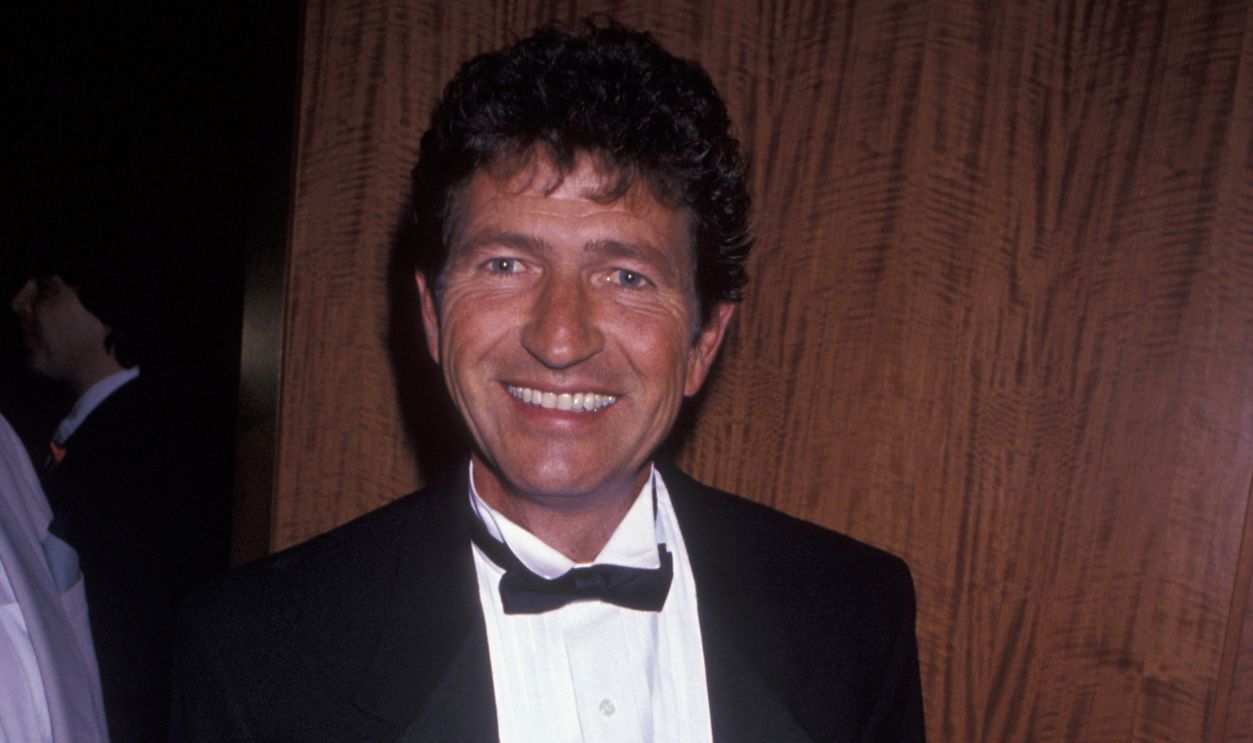
Mac had married Fran Cook in 1963 at age twenty-one when he was still struggling in Atlanta's music scene. They had a son, Joel Scott, a year later. But as Mac's career accelerated and demanded constant travel, the marriage crumbled under the pressure.
 Ron Galella, Ltd., Getty Images
Sarah: Teenage Bride
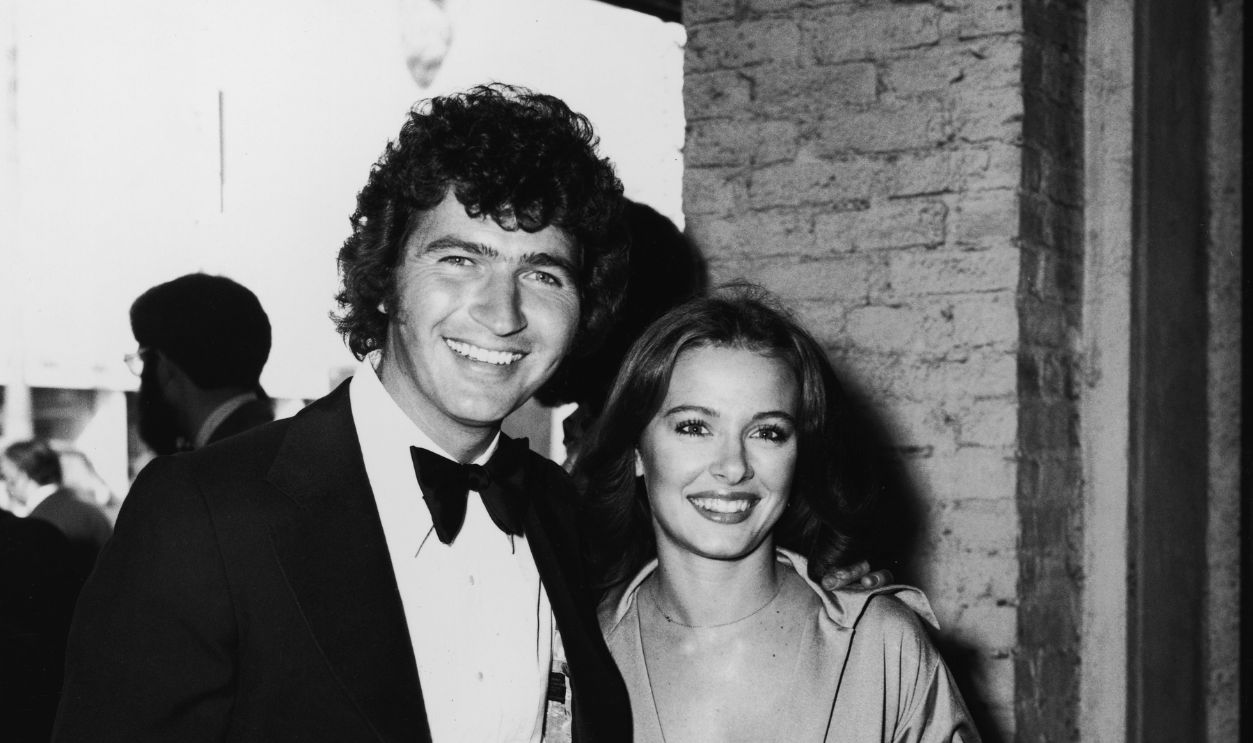
It is said that this man had met Sarah Barg when she was just sixteen years old. He waited two years before they married on February 18, 1970. In interviews, Mac later said they'd talked about starting a family, but he was "waiting for her to grow up”.
 Pictorial Parade, Getty Images
Glen Campbell Scandal
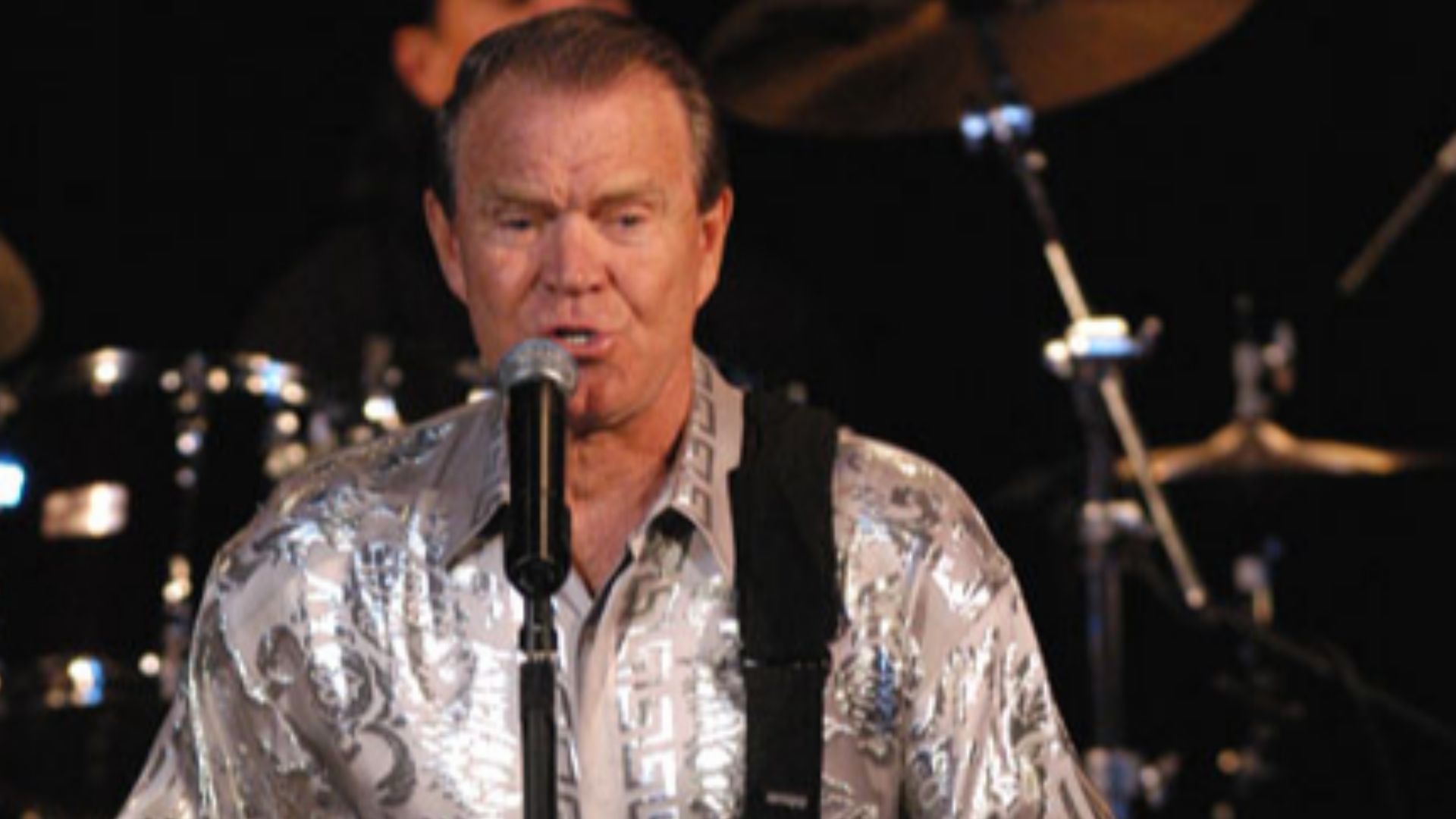
Sarah left Mac in 1976 for his friend Glen Campbell. Glen had come to Mac and Sarah's home for dinner with a date, meeting Sarah for the first time. After Sarah left Mac, Glen learned about it from Mac himself while they played golf together.

Double Betrayal
The public scandal humiliated Mac professionally and personally. Not only had his young wife left him, but she'd done so for another major country star, someone Mac considered a friend and whose career had benefited from recording Mac's songs. The entertainment industry gossiped relentlessly about the love triangle.
Fame's Dark Side
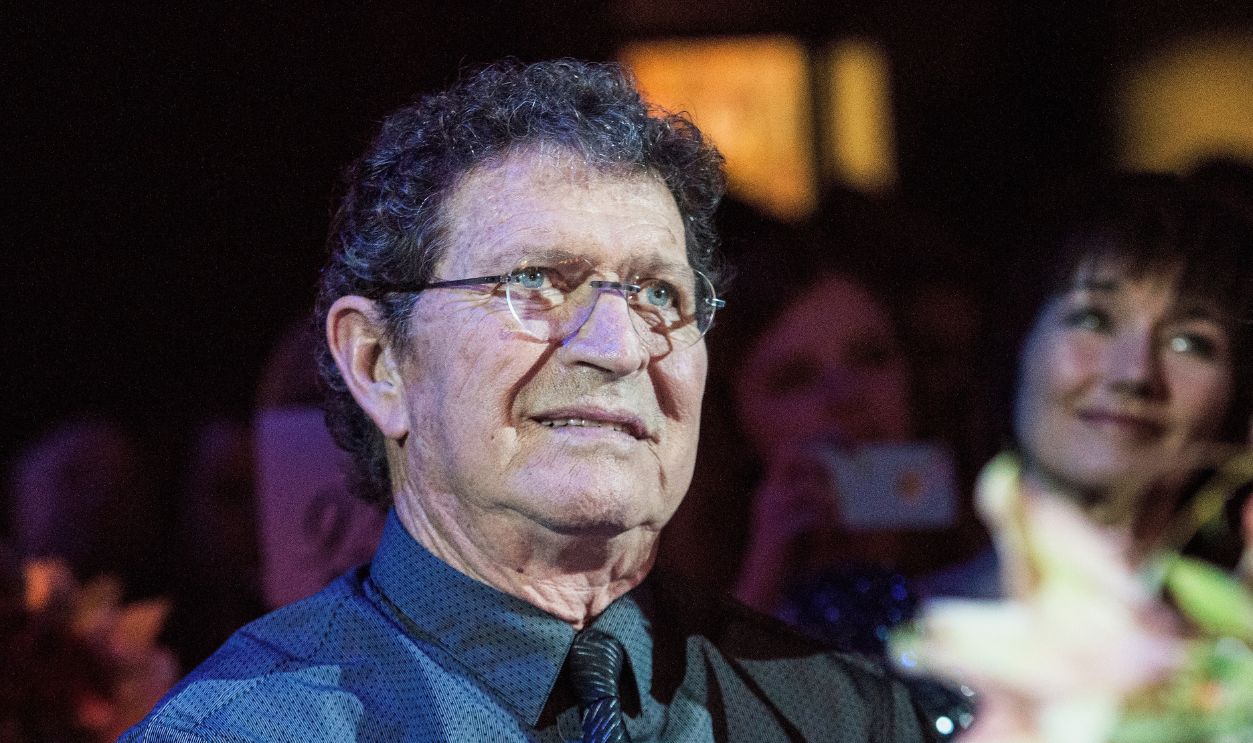
Success brought Mac everything he'd dreamed of in Lubbock—money, recognition, beautiful women, opportunities—but also access to his worst impulses. The constant touring wore him down: one-nighters in different cities, clubs, hotels, and airports, with alcohol always available.
Alcoholism Deepens
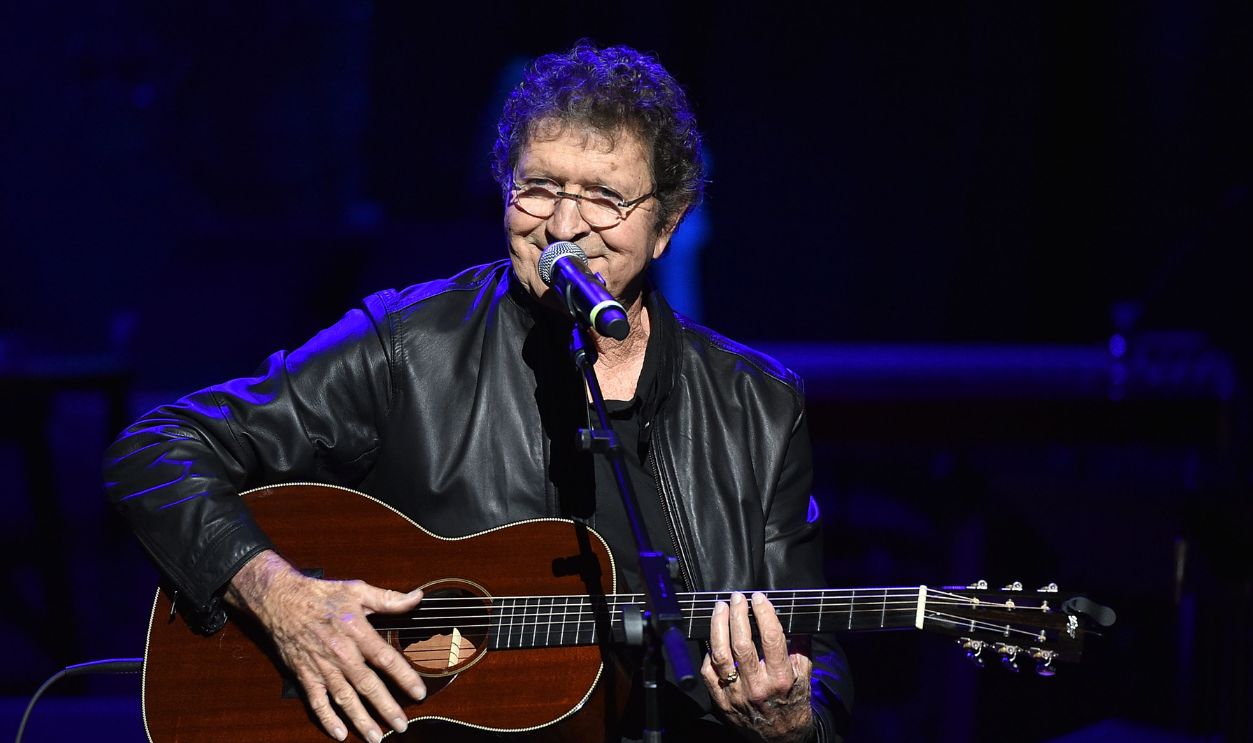
Sadly, Mac's drinking escalated throughout the 1980s as he tried to maintain his career momentum. He moved to Casablanca Records at decade's end, home to Kiss and Donna Summer, continuing to chart with country hits like "Hooked on Music," which reached number two in 1981.
1989 Burnout
The star announced his retirement from show business in 1989, telling the press he was completely burned out after twenty years of exhausting schedules. The one-nighters, the clubs, the constant travel, the pressure to produce hits, it had all become unbearable.

Betty Ford Clinic
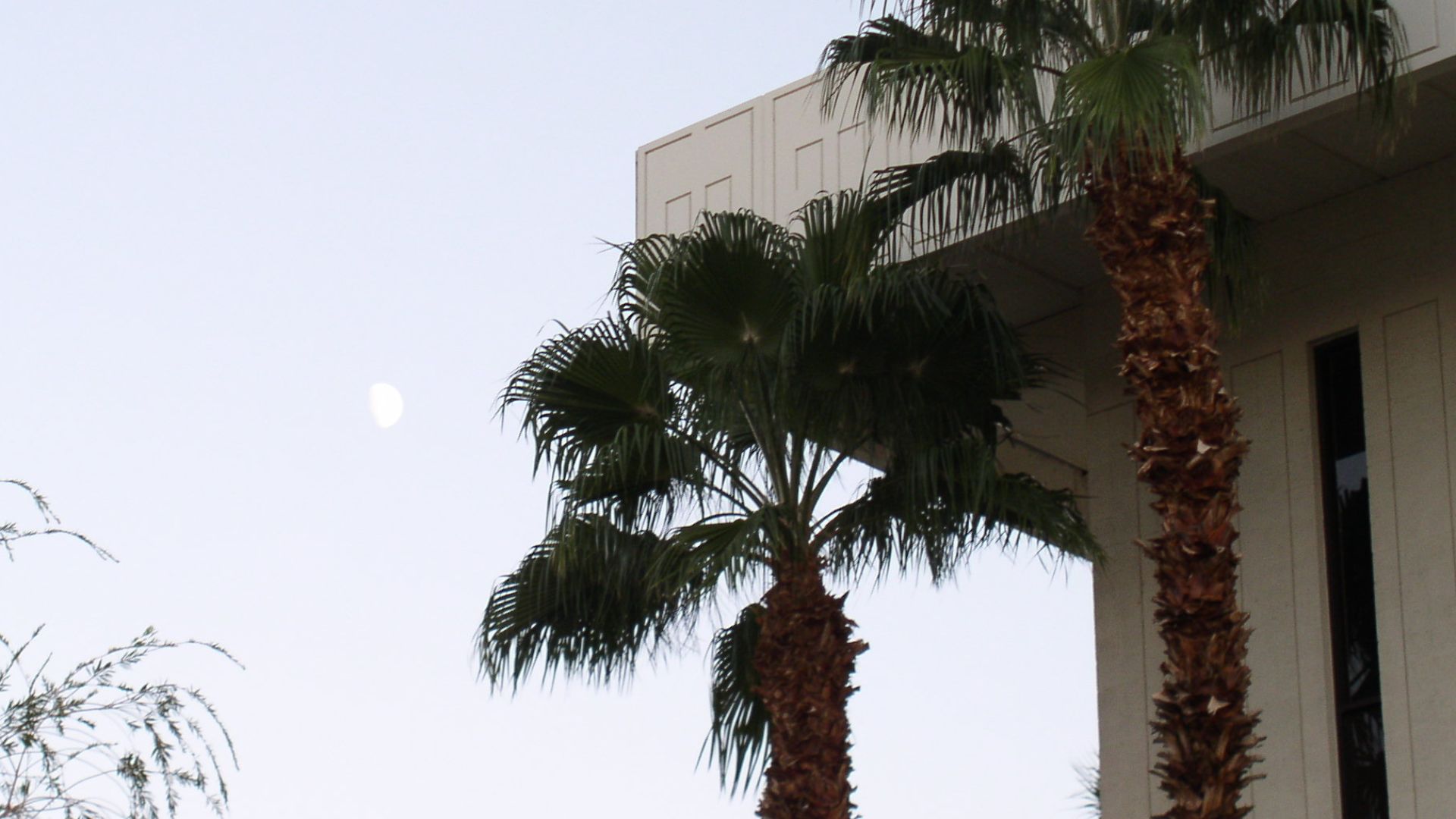
In November 1991, Mac Davis checked himself into the Betty Ford Clinic in California, finally admitting he was an alcoholic. He spent about 4 weeks in treatment, confronting decades of drinking that had become intertwined with his identity as an entertainer.
 debaird™ from So California, Wikimedia Commons
Sober Performance Debut
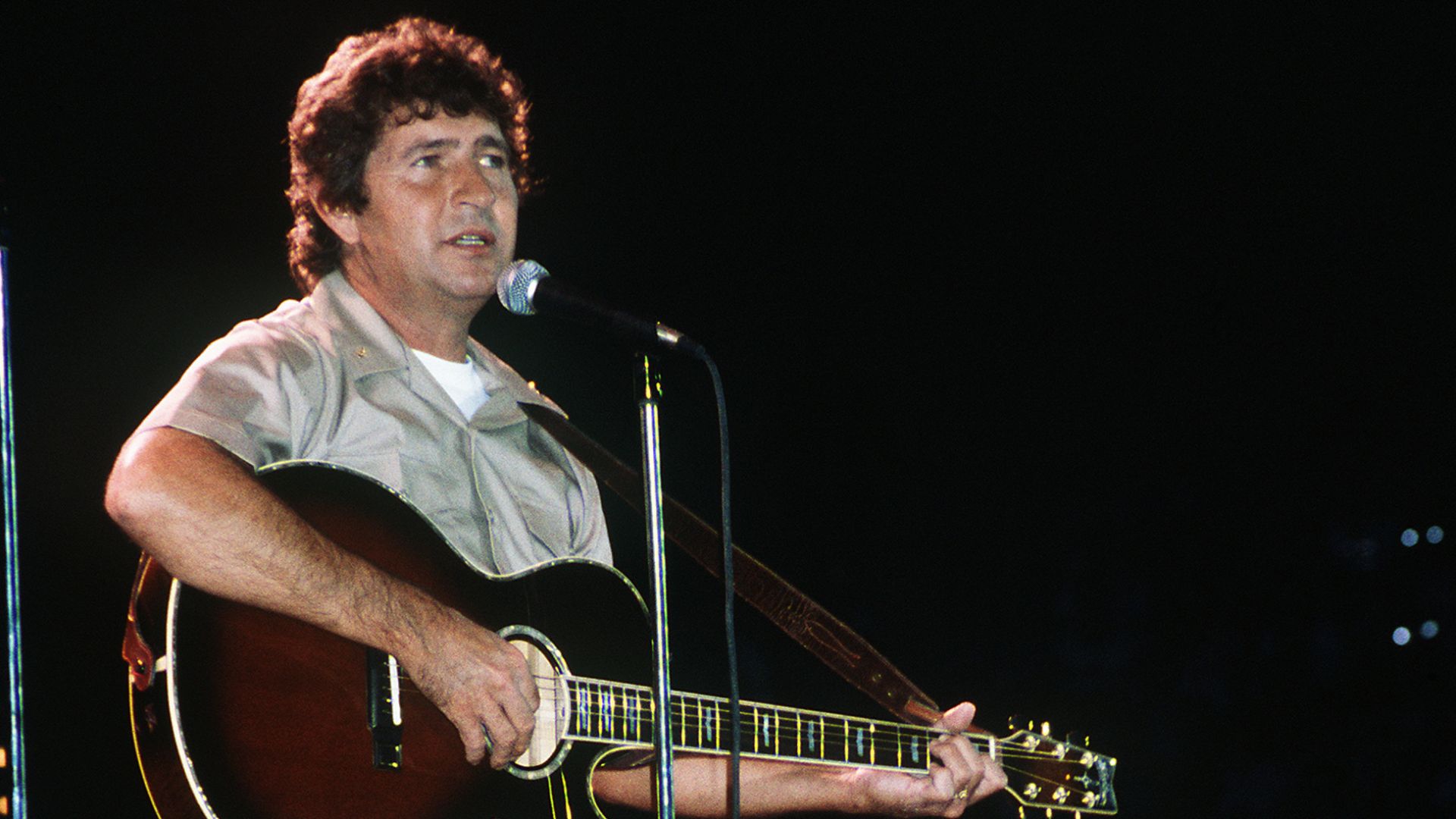
Exactly four months after entering Betty Ford, he stepped onto the stage at Broadway's Palace Theater in March 1992 to play Will Rogers in The Will Rogers Follies. It was the first performance of his entire career done completely sober. After each show, Mac shared his sobriety journey with the audience.
Third Wife Lise
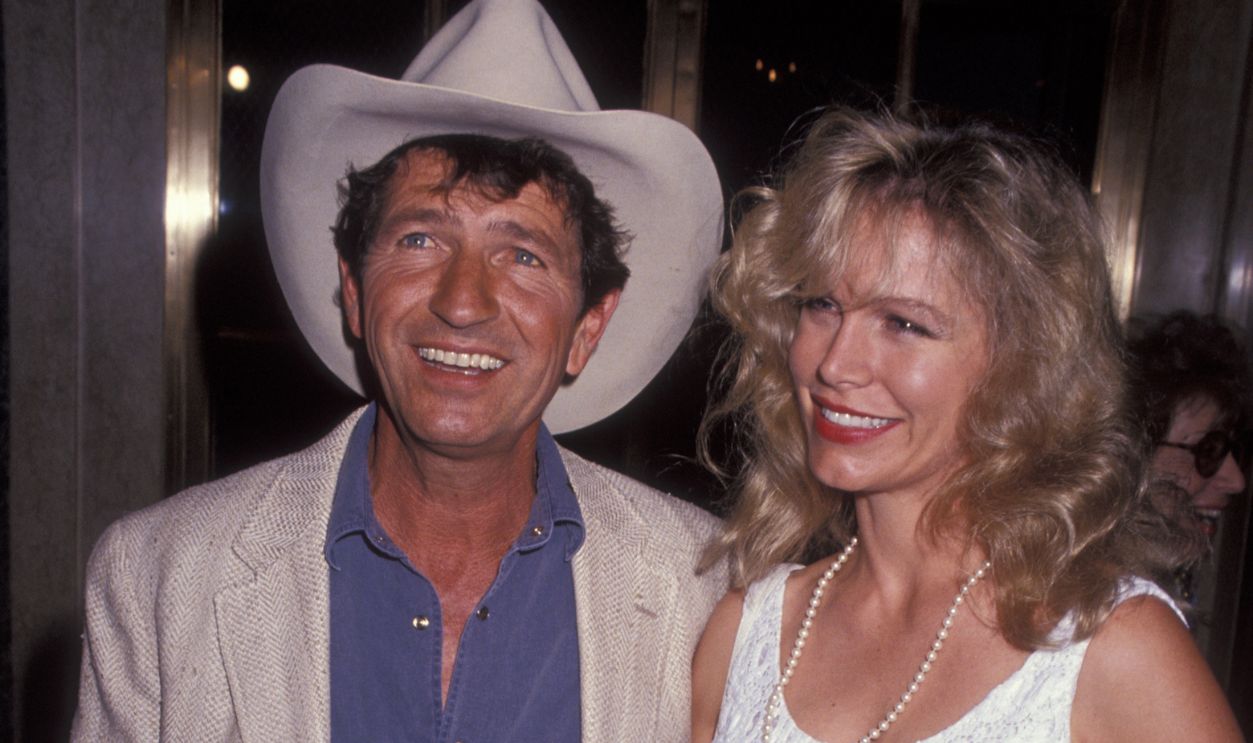
Mac had started dating Lise Gerard in 1979, a young nurse who represented stability and normalcy after the chaos of his previous marriages. They married in 1983 when she was twenty-four or twenty-five, and unlike his earlier relationships, this one lasted.
 Ron Galella, Ltd., Getty Images
Redemption And Legacy
This individual continued writing, collaborating with Avicii on the international hit "Addicted to You" in 2013. He appeared in Dolly Parton's Netflix series Heartstrings in 2019 as a preacher—his last acting role. Mac ultimately died on September 29, 2020, at 78.
 Carol M. Highsmith, Wikimedia Commons