Same Generation, Completely Different Radio
Baby Boomers technically span from 1946 to 1964. Which means the oldest were already paying bills when the youngest were still discovering FM radio with the bedroom door closed. So when younger Boomers start reminiscing about “their bands,” older Boomers sometimes respond with a polite smile that says, ‘I have absolutely no memory of this.’
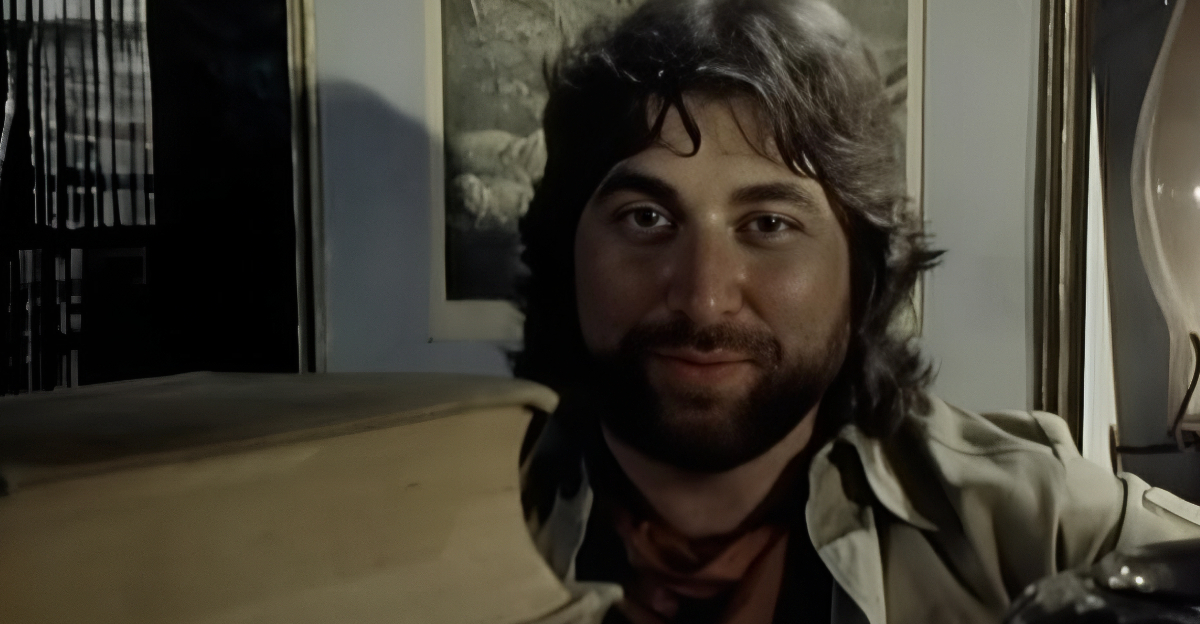
Toto
Ask a younger Boomer about Toto and you’ll get an enthusiastic reaction—and probably an impromptu a cappella rendition of Africa or Rosanna. Ask an older Boomer and you might get a thoughtful pause…followed by a short lecture about Dorothy’s dog in The Wizard of Oz.
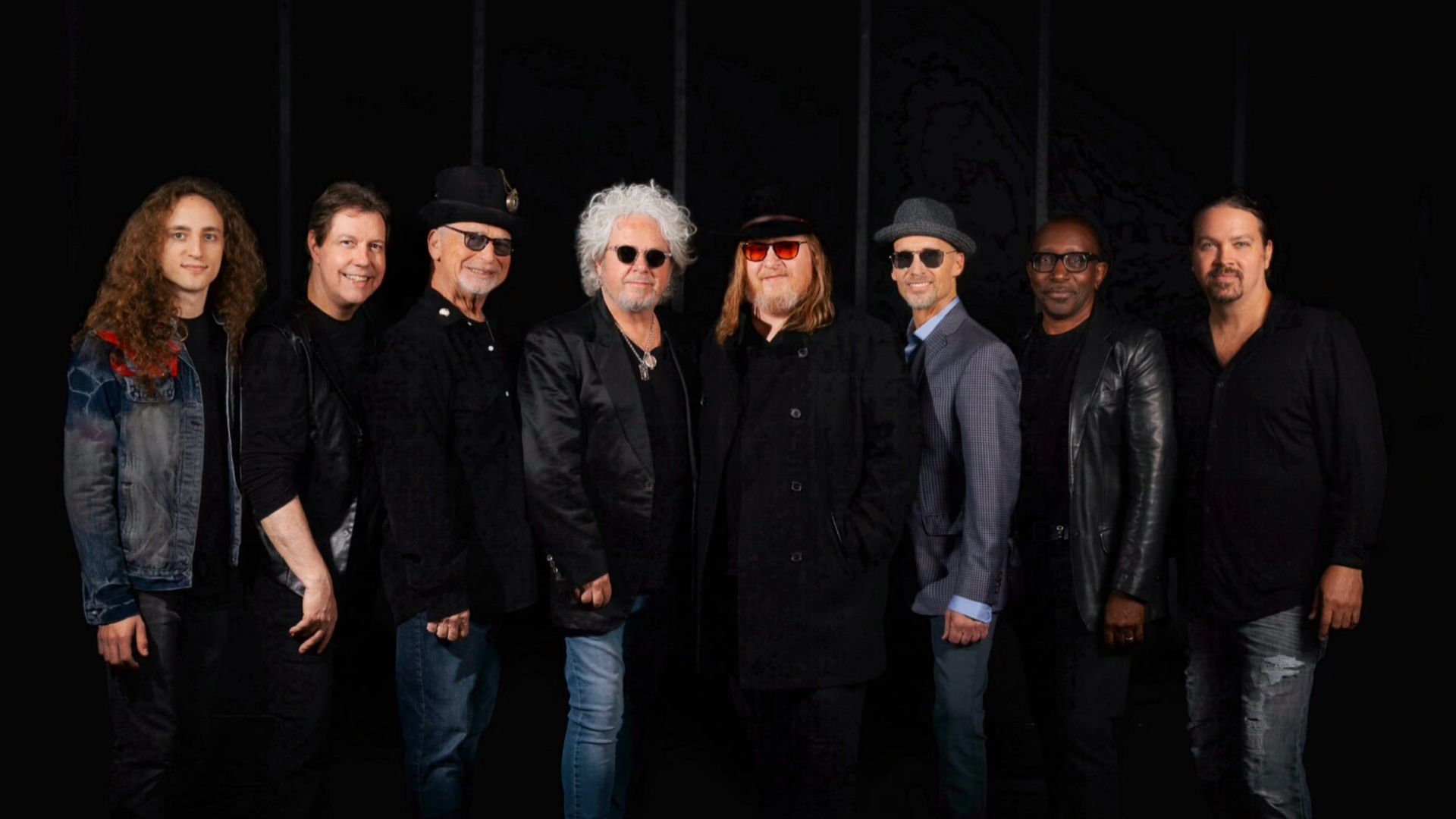 ricardosadiaz05, Wikimedia Commons
Head East
If you were a younger Boomer in the Midwest in the late 70s, Head East felt huge. Local radio spun them constantly. Parking lots echoed with their songs. If you were an older Boomer? There’s a decent chance this name simply never crossed your path. By the time they were rising, your heavy music-discovery years may have already passed.
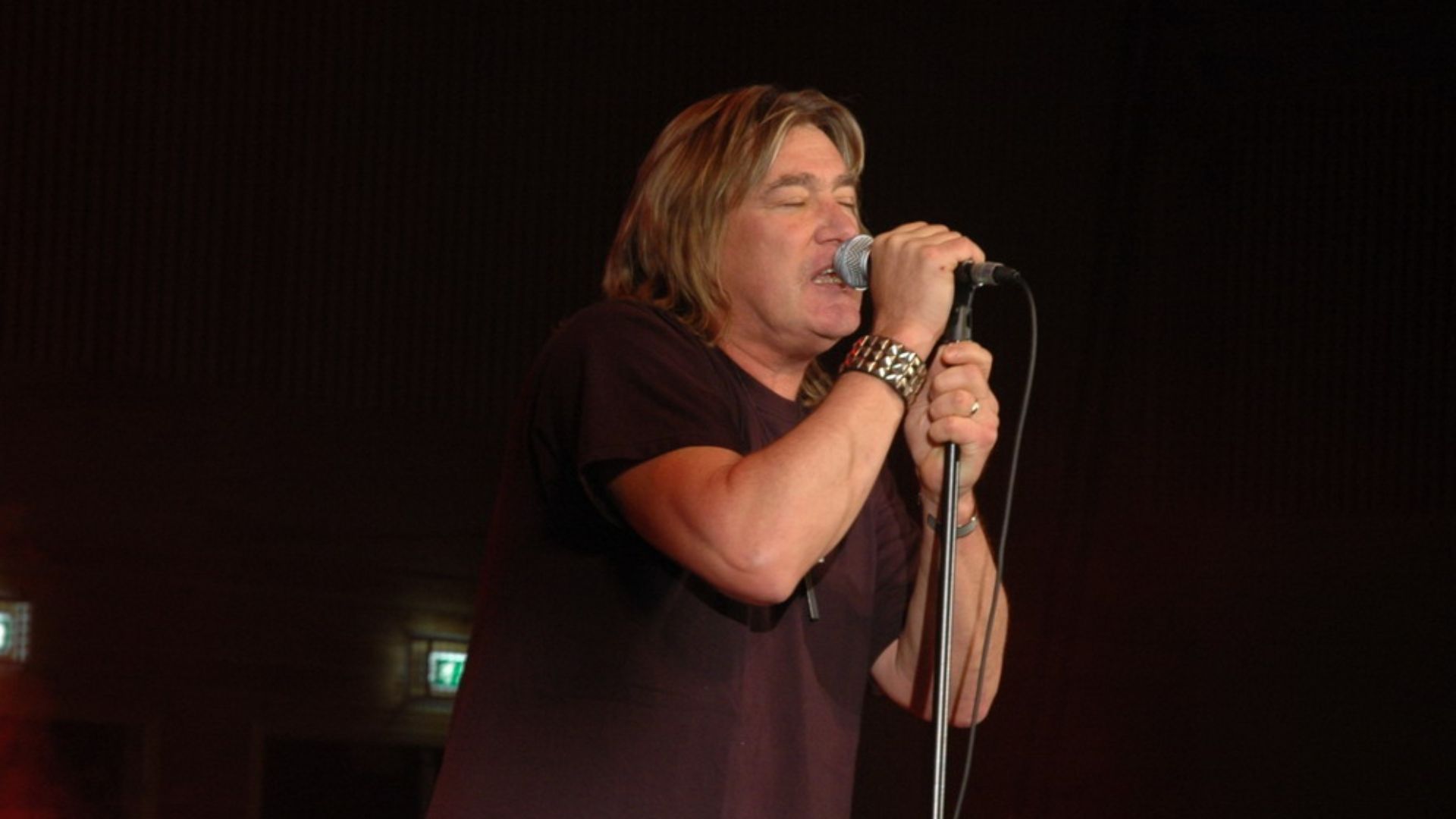 Professional photographer Maltesen at da.wikipedia, Wikimedia Commons
April Wine
Younger Boomers—especially near the Canadian border—remember April Wine as a steady FM presence. Older Boomers often hear the name and respond with, “Is that a festival?” It’s not that the band was small. It’s that they hit during a very specific late-70s radio moment.
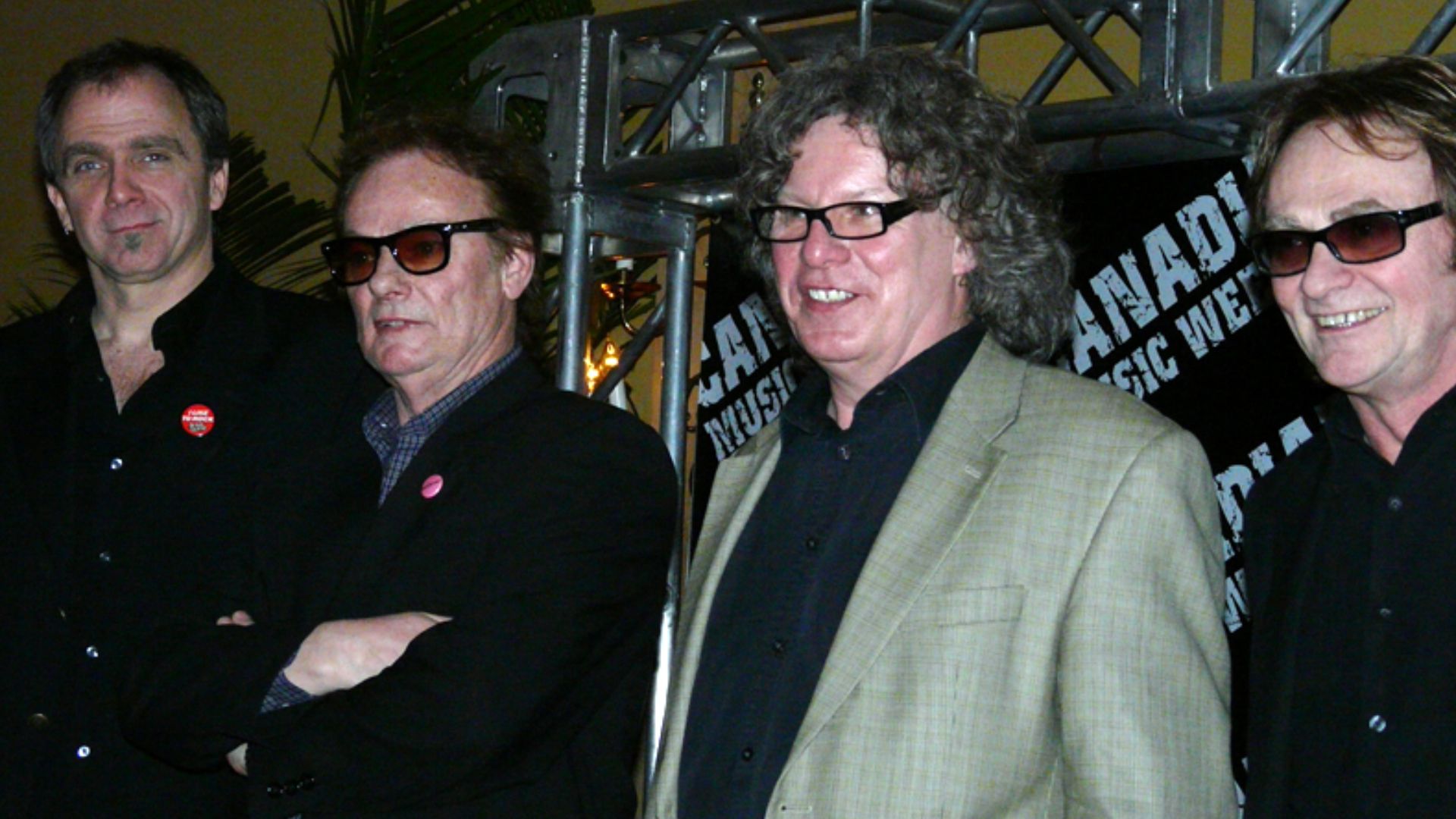 Chris Harte from Toronto, Canada, Wikimedia Commons
38 Special
Younger Boomers heard 38 Special and locked in immediately. Clean, driving Southern rock built perfectly for late-70s car stereos. Older Boomers who’d already bonded with earlier Southern rock sometimes genuinely missed this next wave. The stations had shifted. So had listening habits.
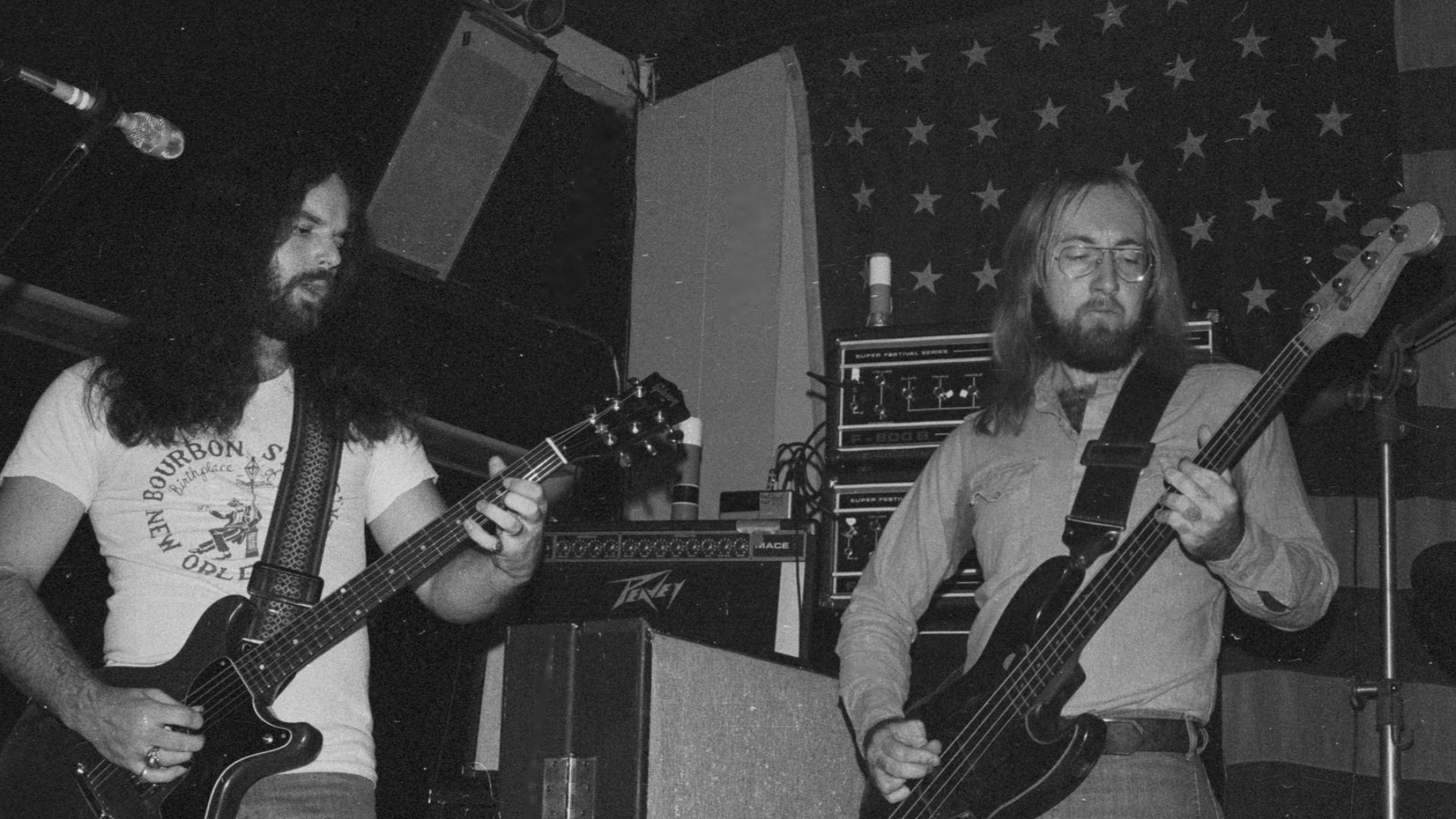 Carl Lender, Wikimedia Commons
REO Speedwagon
Younger Boomers didn’t just hear REO Speedwagon—they lived inside those songs. Breakups, prom nights, dramatic staring out of car windows like you were in a very low-budget episode of General Hospital. Older Boomers sometimes remember the name but not the intensity. By that point, their musical attachments had been formed years earlier.
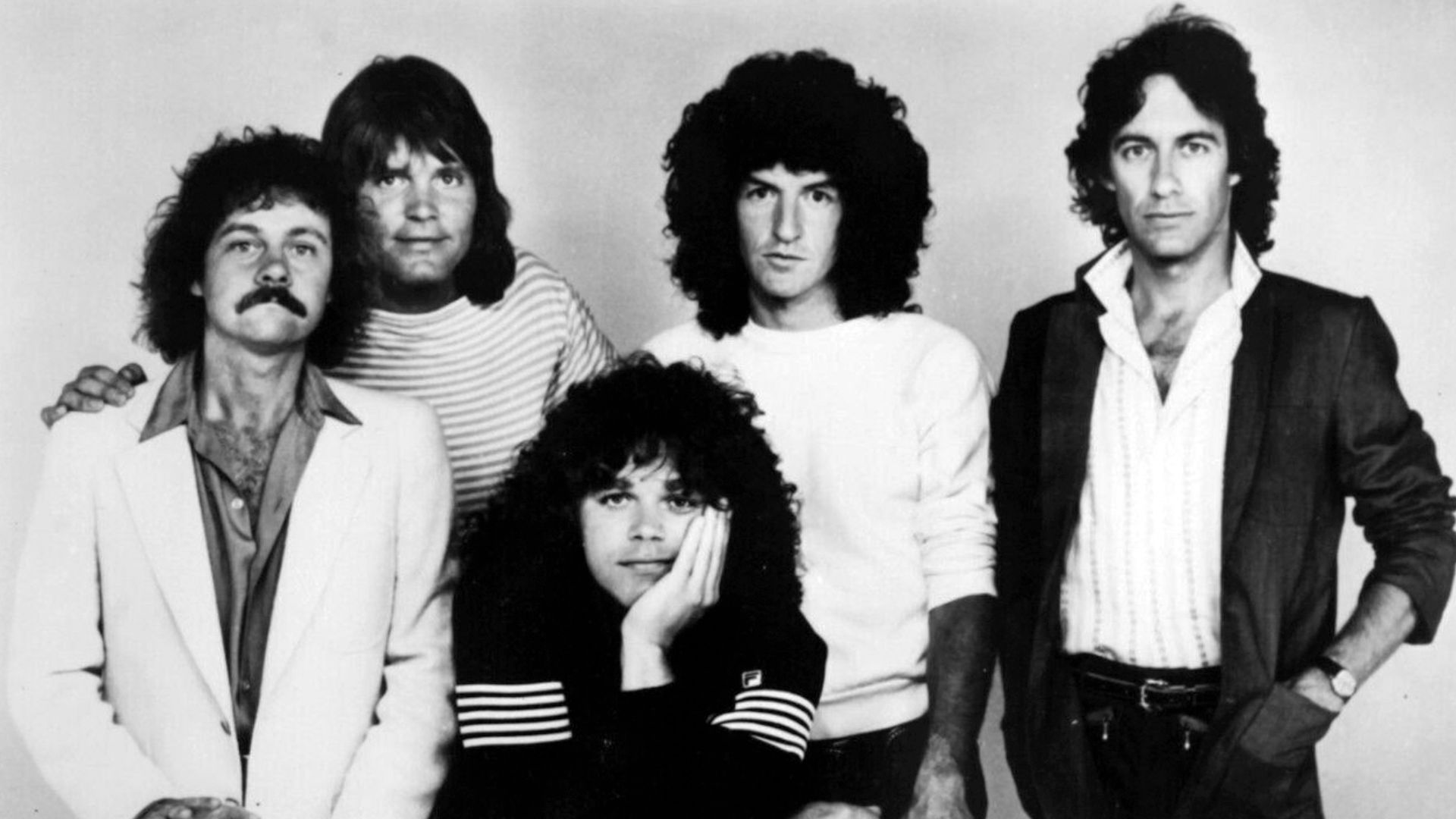 Epic Records, Wikimedia Commons
Kansas
Today, Carry On Wayward Son feels universal. At the time, though, Kansas rose right into the sweet spot for younger Boomers coming of age. To older Boomers, any memory of the band has pretty much flown away…like Dust in the Wind.
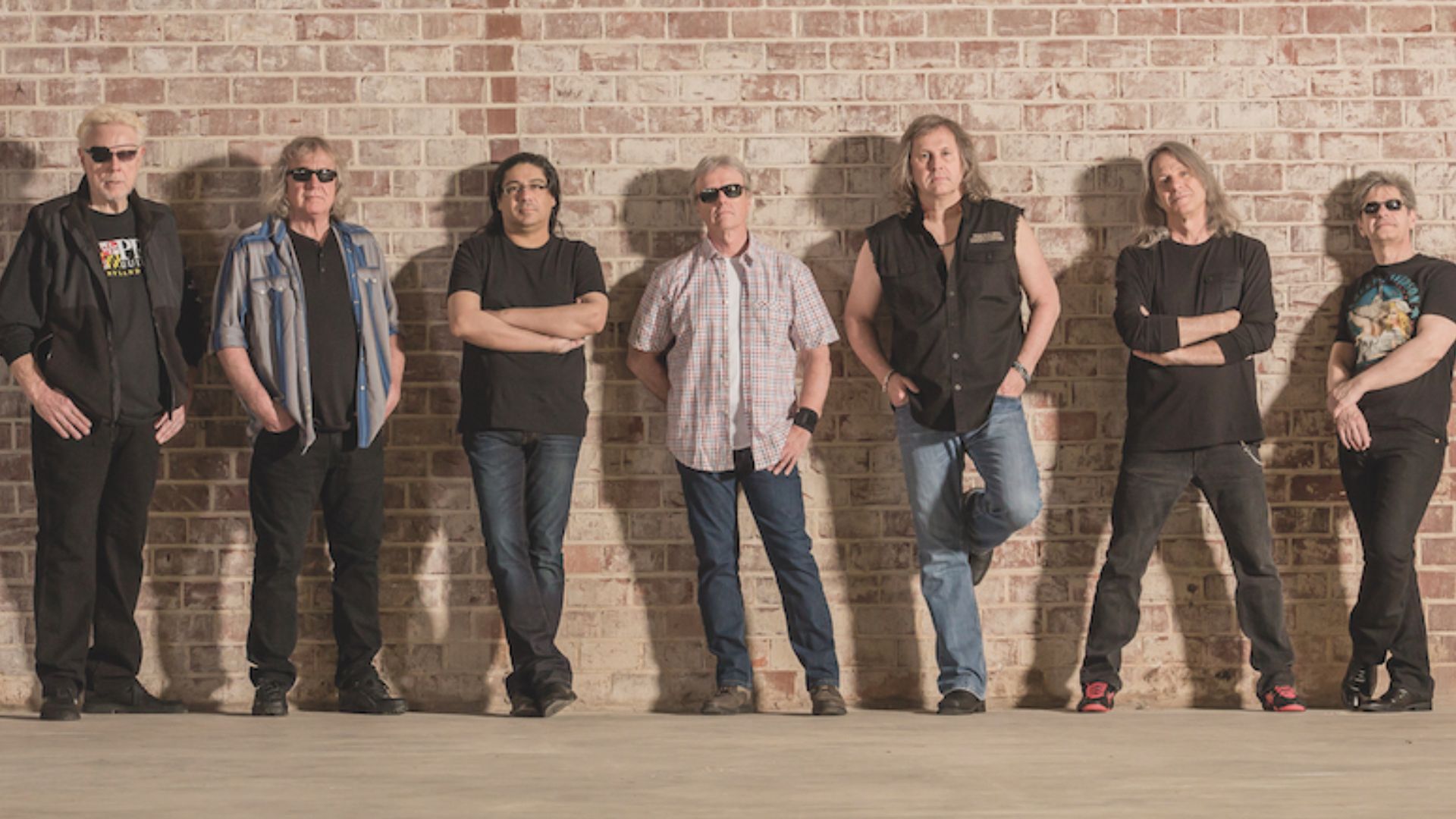 DanielleCannova, Wikimedia Commons
Foreigner
For younger Boomers, Foreigner was massive. For older Boomers, the reaction is often, “Oh right… them.” Not because they weren’t successful—they absolutely were—but because their peak aligned perfectly with the teenage years of late Boomers, not the early wave.
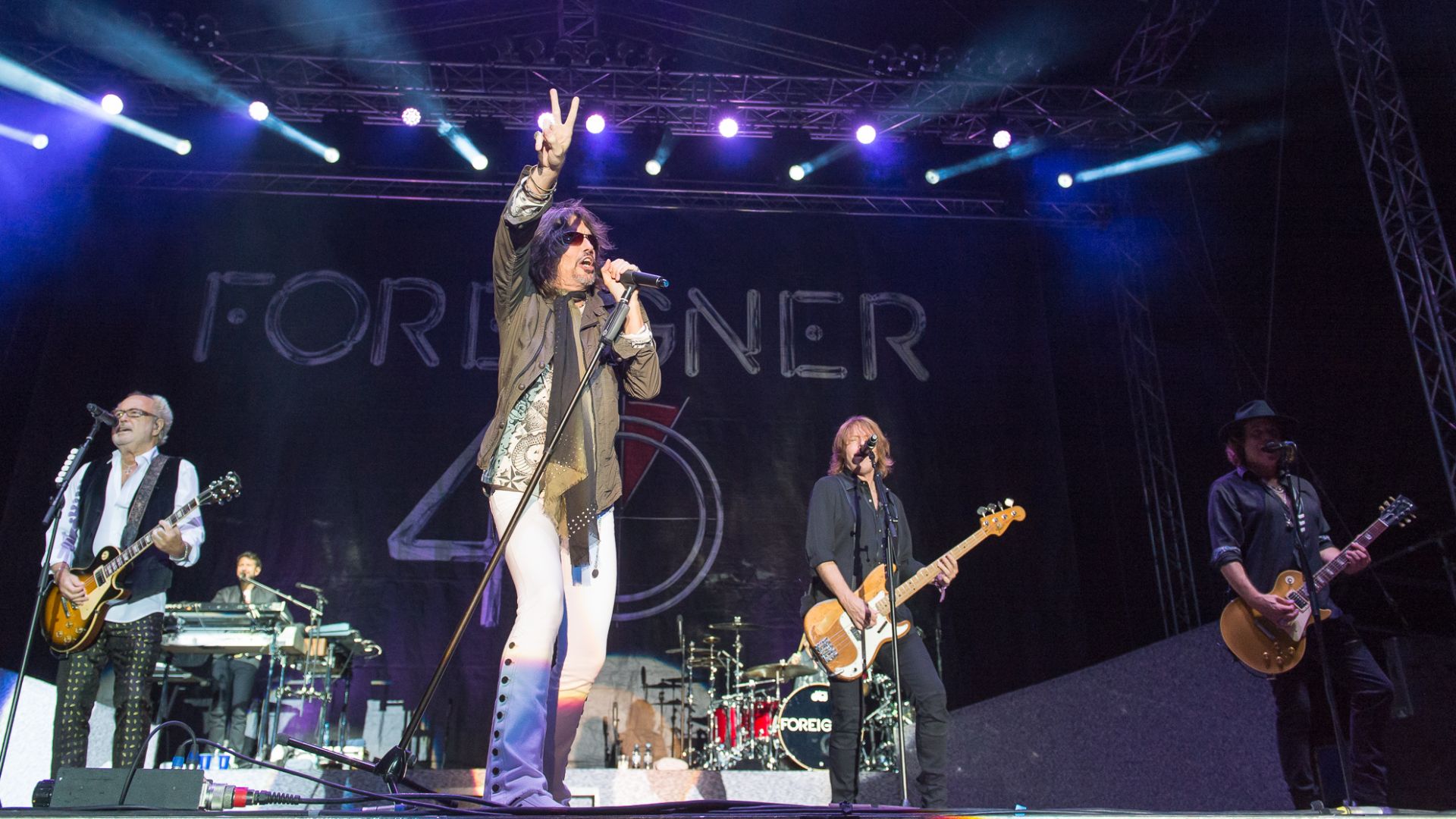 Stefan Brending (2eight), Wikimedia Commons
Cheap Trick (Before They Were Inevitable)
Early Cheap Trick had a very specific window where younger Boomers were all-in. Before the live album made them unavoidable, they were still building momentum. Younger Boomers caught them in that sweet spot between power pop and arena rock. Older Boomers were more likely to remember American Bandstand than late-night FM discovery sessions.
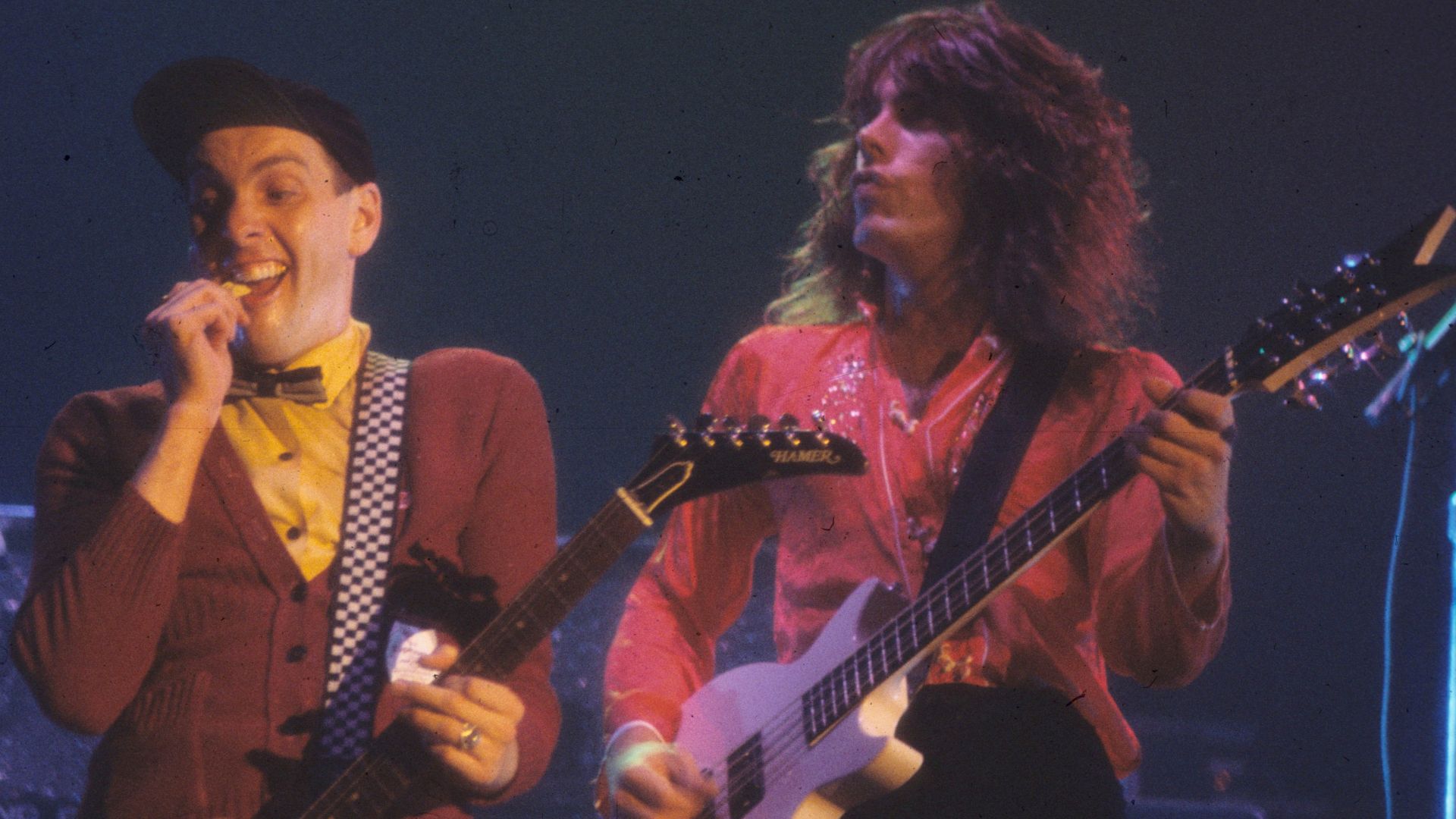 Carl Lender at https://www.flickr.com/photos/clender/, Wikimedia Commons
Boston
Yes, everyone knows More Than a Feeling now. But younger Boomers experienced Boston as an event in 1976. The album was everywhere. If you were in high school at the time, it felt seismic. If you were already settled into adult life, it might have just been another strong radio single.
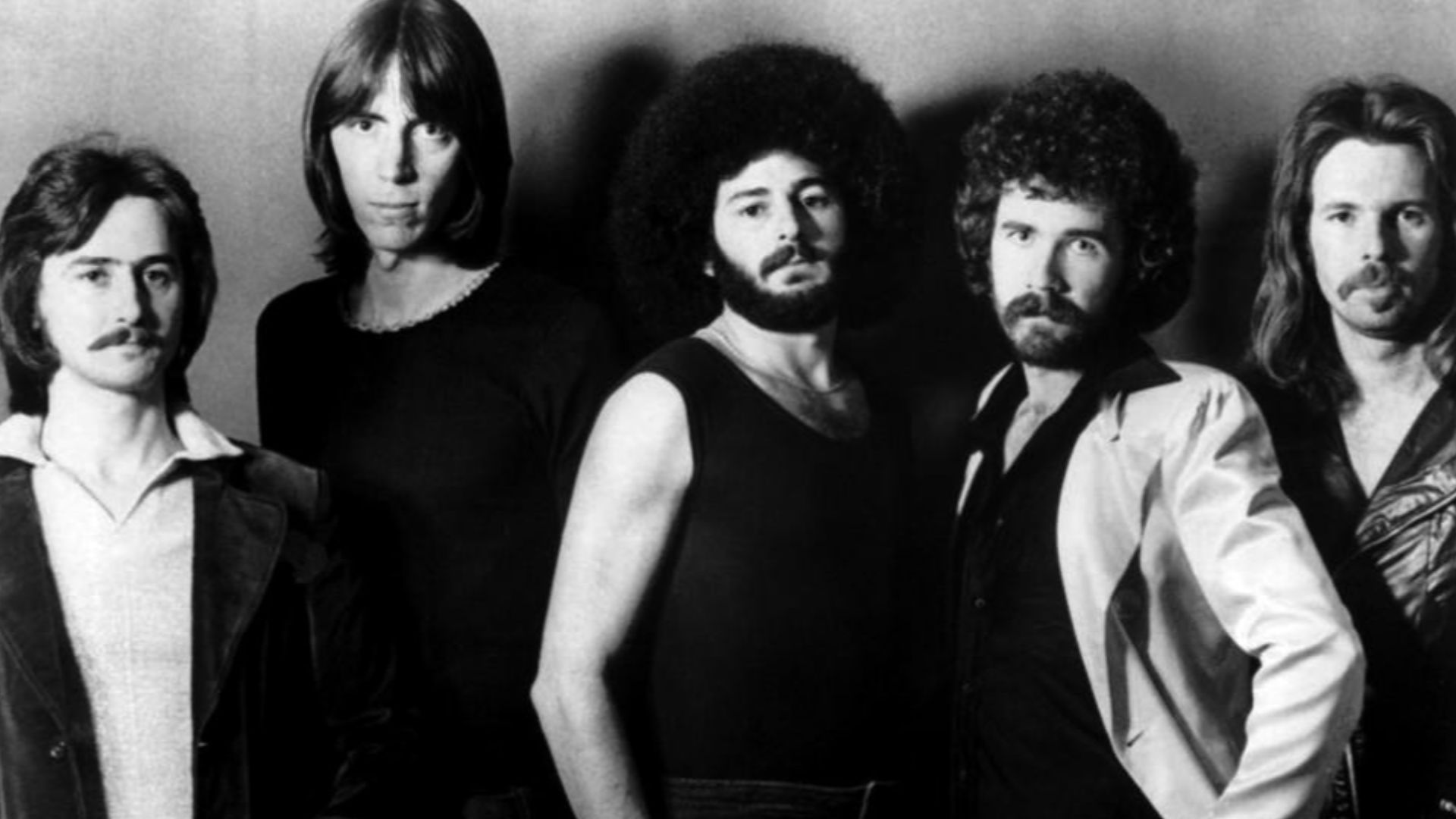 Premier Talent Associates (management company), Wikimedia Commons
Journey (Pre-Superstardom)
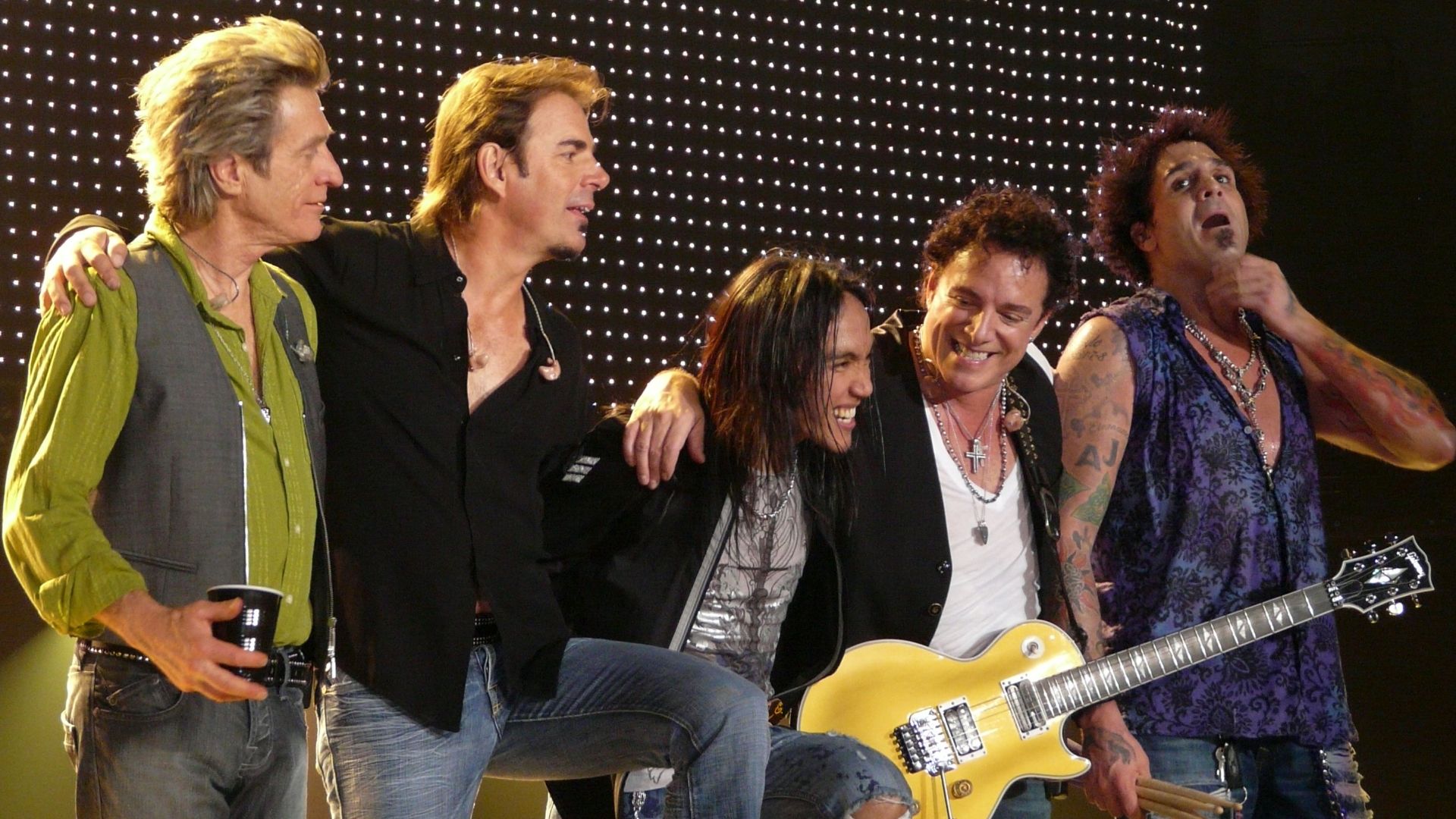
Before power ballads became cultural wallpaper, Journey was steadily building an audience—largely among younger Boomers. If you weren’t scanning FM stations in the late 70s, their rise could’ve slipped past you. Timing is everything.
 Matt Becker, Wikimedia Commons
The Knack
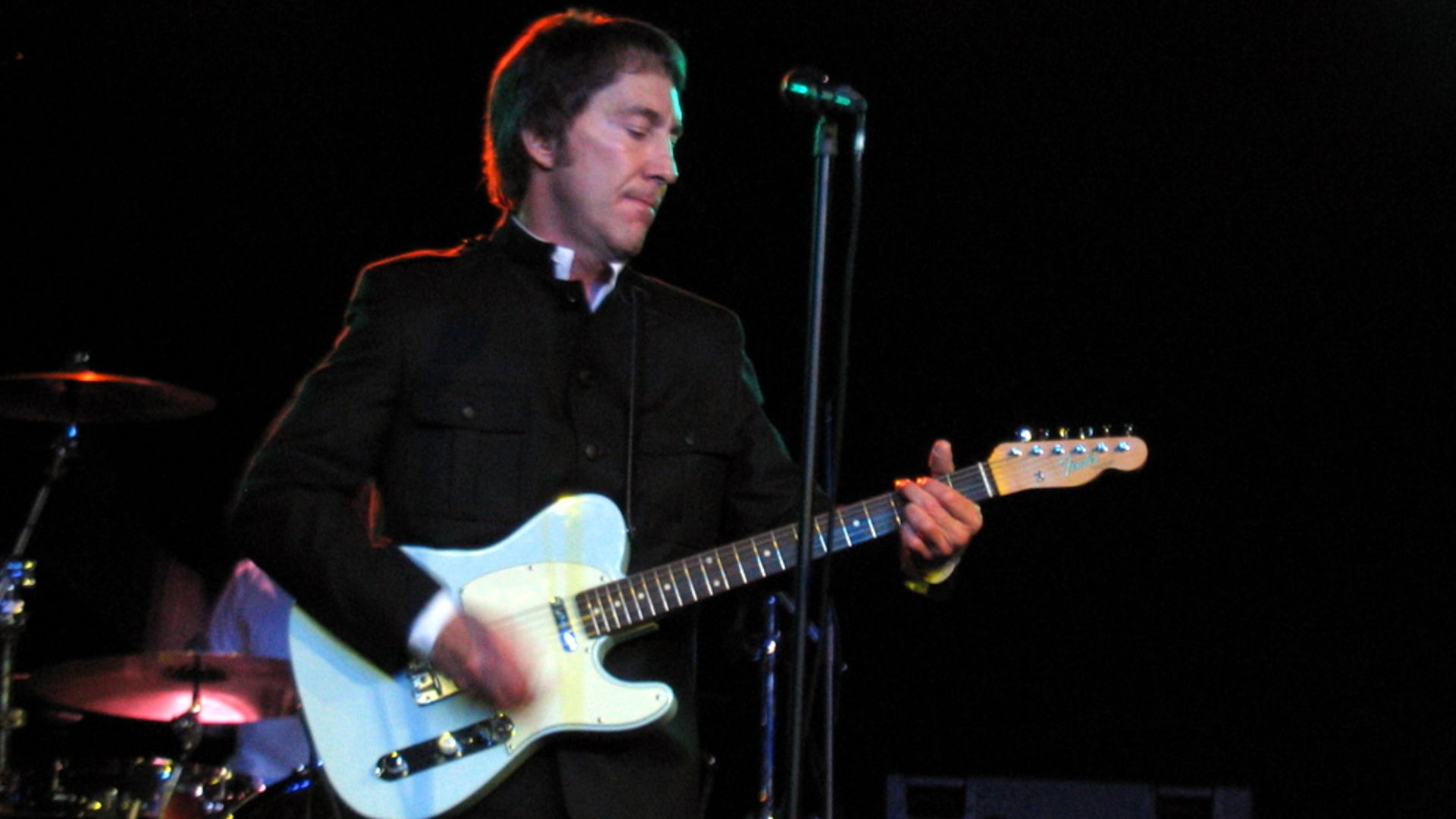
Younger Boomers remember when My Sharona felt unavoidable. It was loud, catchy, and slightly chaotic. Older Boomers often recall 1979 for entirely different musical reasons. The generational overlap is there on paper—but not always in memory.
 James No from Seattle, WA, Wikimedia Commons
Bad Company
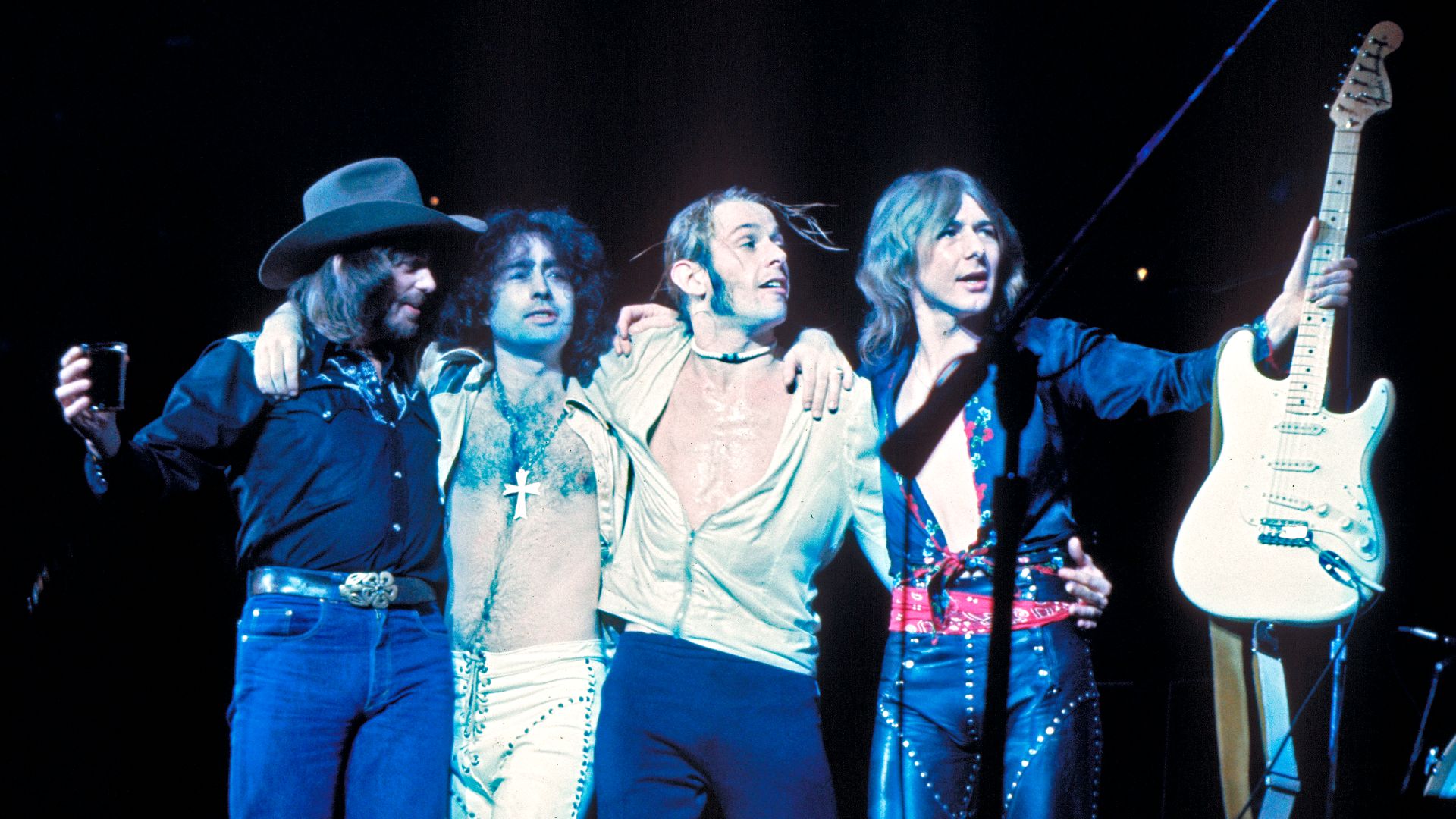
Bad Company landed right when younger Boomers were forming their rock identities. Older Boomers sometimes associate the 70s with earlier bands and movements. Same decade. Different chapters.
 Jim Summaria, Wikimedia Commons
ELO
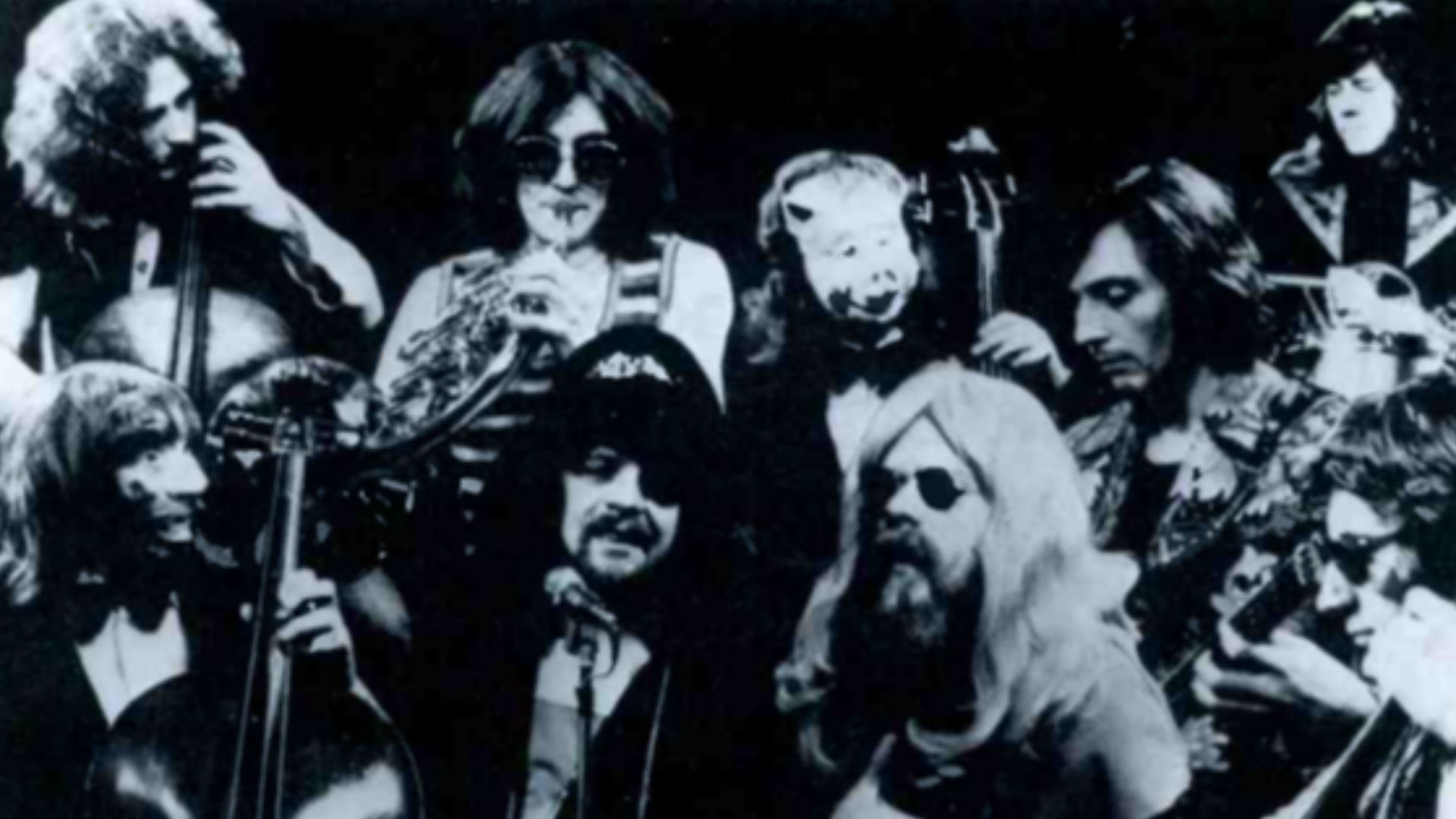
Younger Boomers didn’t just like ELO—they absorbed them. The orchestral sweep, the big hooks, the late-70s sheen—it all hit at exactly the right age. Older Boomers may recognize the name, but the emotional attachment isn’t always the same.
 United Artists Records, Wikimedia Commons
Night Ranger
Younger Boomers remember Night Ranger blasting out of car stereos in the early 80s. Older Boomers? Many were already out of the “new arena rock” phase by then. Although, to be fair—anyone who saw Boogie Nights will always remember Sister Christian (even if they still can’t name the band).
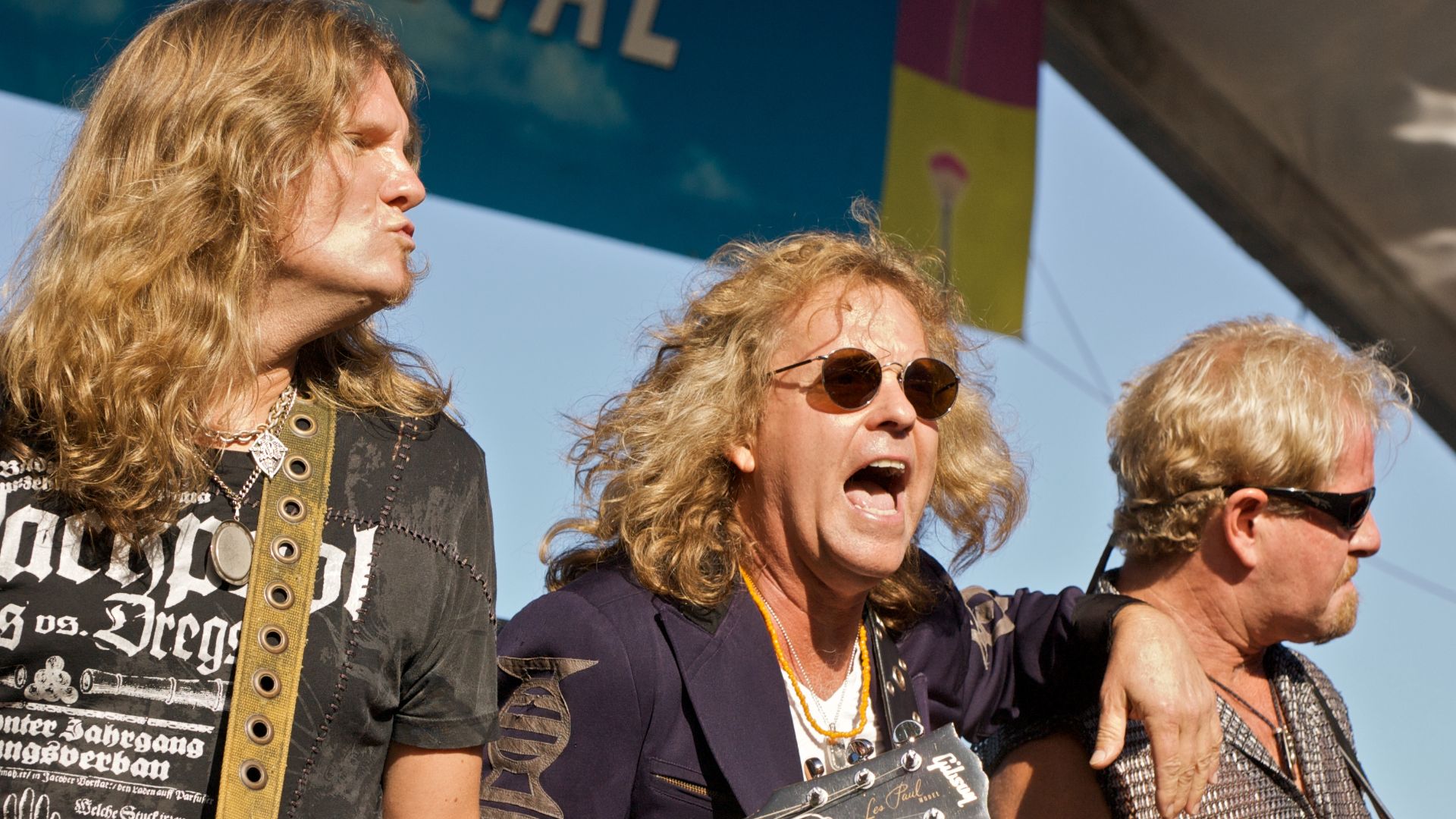 Daryl Really, Wikimedia Commons
Billy Squier
If you were a younger Boomer in 1981, Billy Squier was everywhere. Rock radio loved him. MTV (briefly) loved him. Older Boomers often vaguely recognize the name but can’t place the songs. The timing window matters—early 80s breakout acts hit differently depending on your birth year.
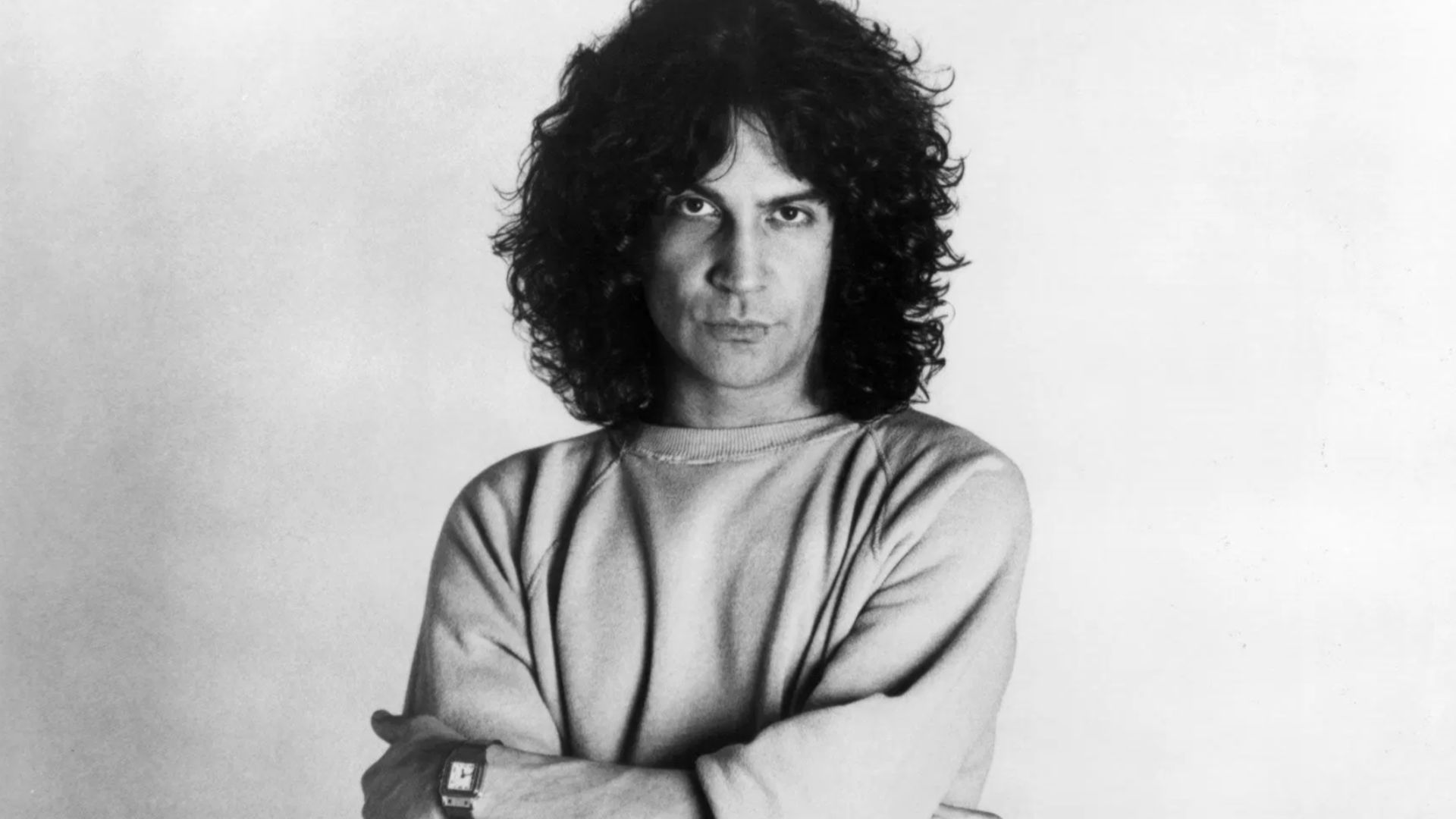 Distributed by Premier Talent Agency, Wikimedia Commons
The Babys
Younger Boomers remember The Babys because they were right there on late-70s radio. Older Boomers sometimes hear the name and assume it’s a joke band. It’s not. It’s just another case of a group peaking during the exact years when younger Boomers were most dialed in.
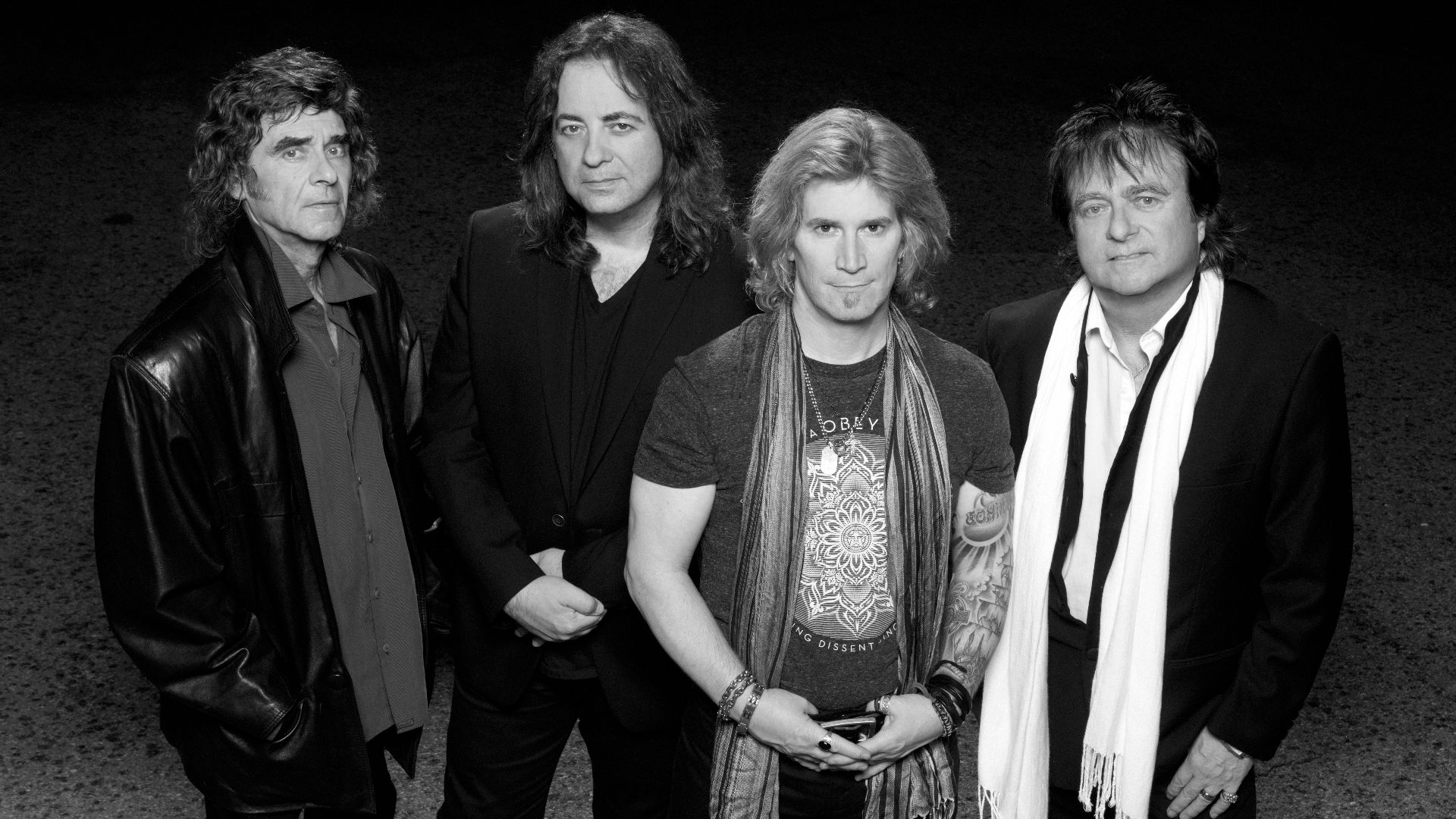
Angel
If you know Angel, you’re probably a younger Boomer with strong late-70s album-rock memories. Glam-adjacent, theatrical, heavily promoted for a minute. Older Boomers often have zero recall. It’s one of those bands that lived intensely—and briefly—inside a very specific moment.
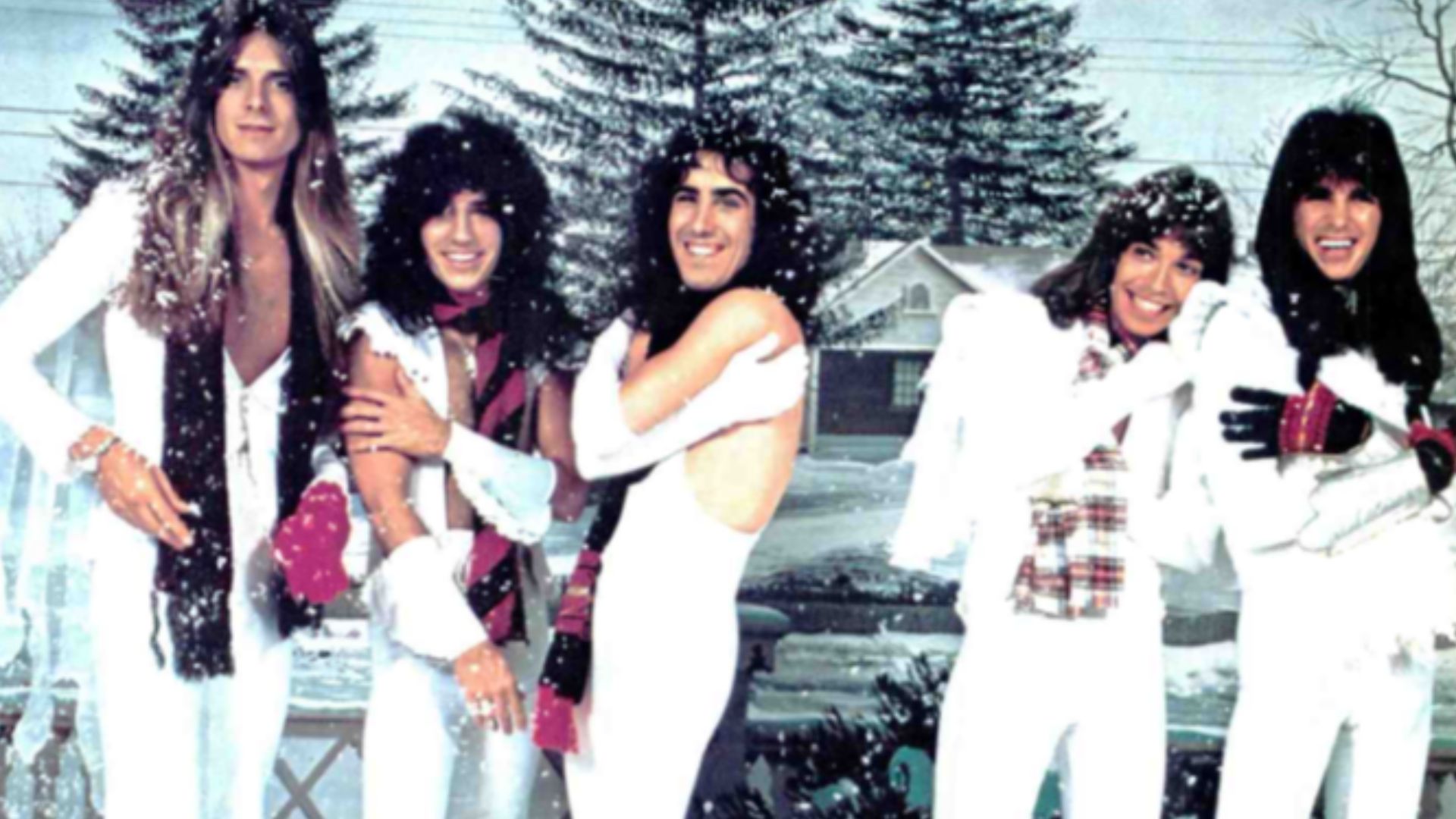 Atlantic Records, Wikimedia Commons
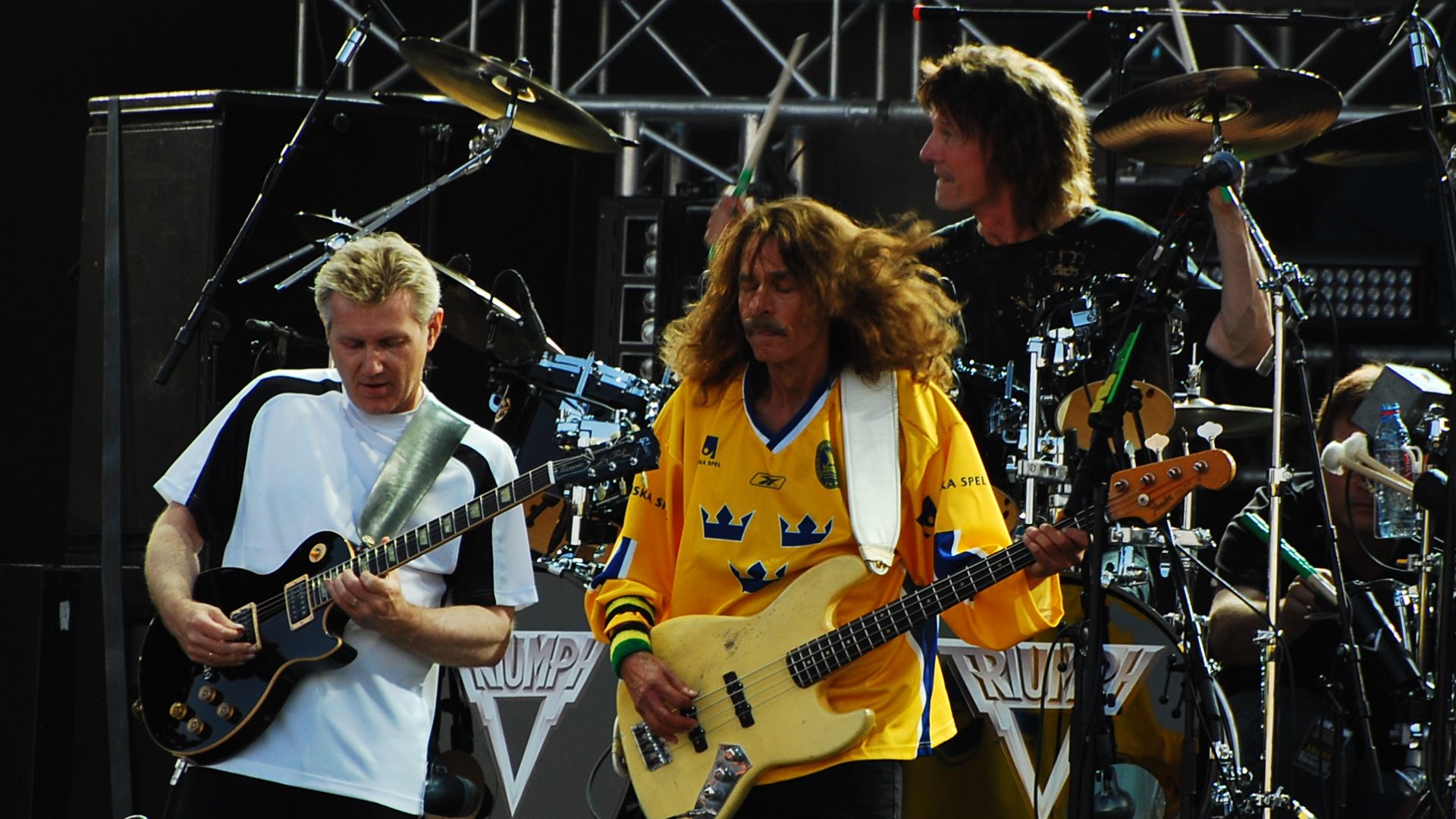
Triumph
Canadian rock fans absolutely remember Triumph. Younger Boomers who were still buying records in the late 70s remember them too. Older Boomers? Many simply never crossed paths with the band at all. Regional radio and timing did a lot of the heavy lifting here.
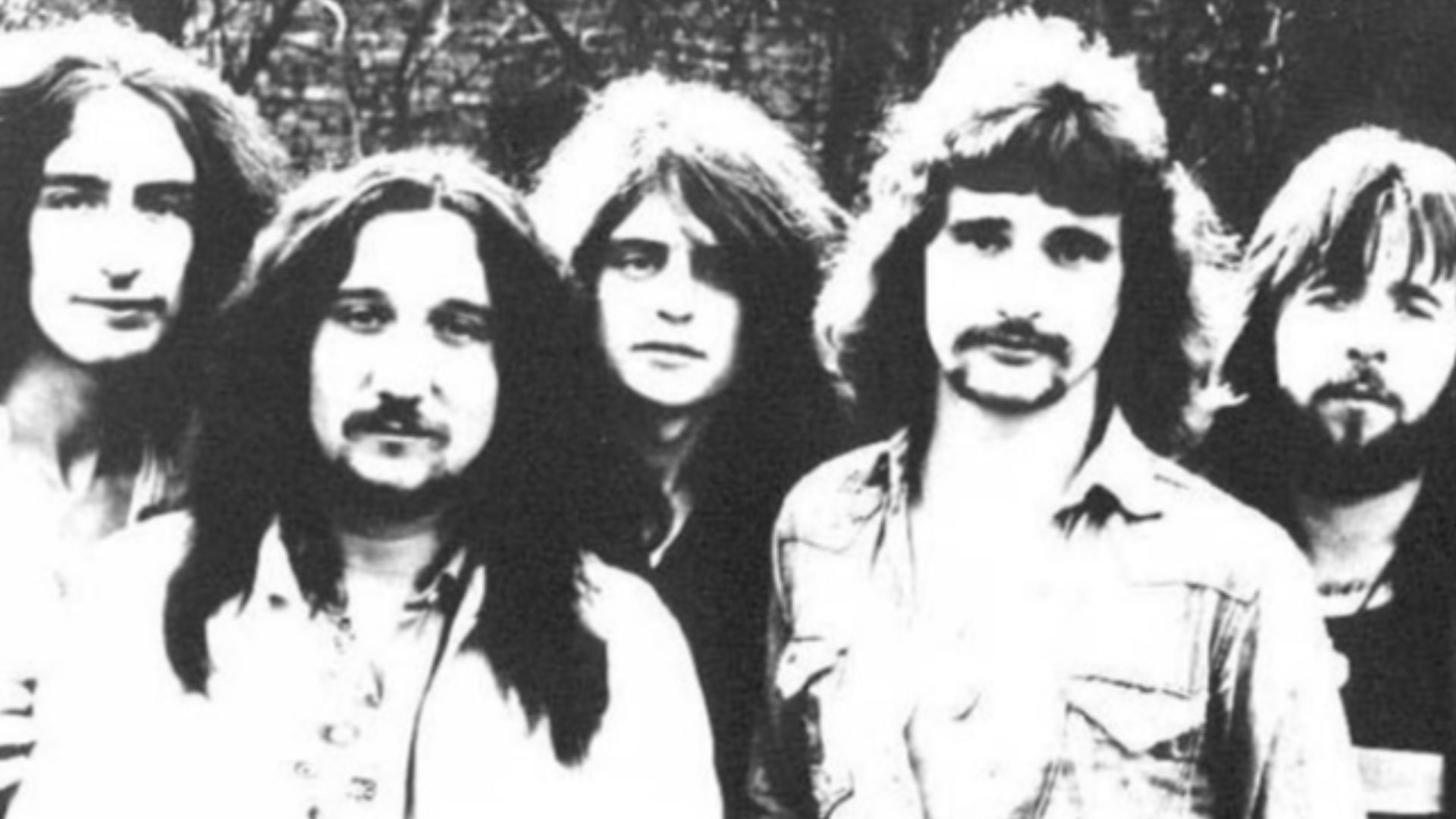
Uriah Heep (Later Era Fans)
Early 70s listeners may recall the name—but the late-70s resurgence connected more strongly with younger Boomers. If you weren’t actively following evolving hard rock at that point, Uriah Heep could easily slip through the cracks of memory.
 Mercury Records, Wikimedia Commons
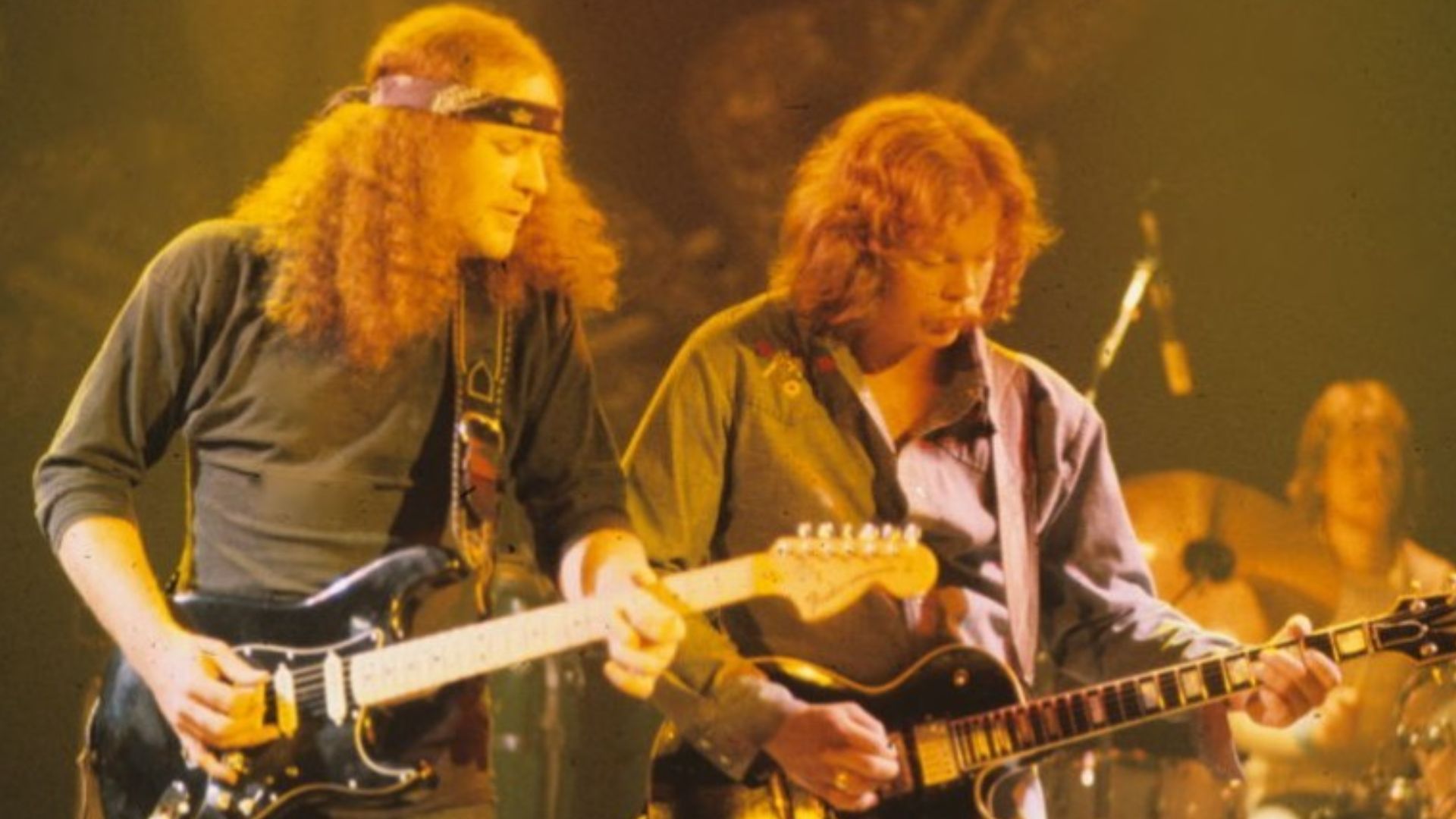
The Outlaws
Southern rock—but arriving at a moment when the original Southern rock explosion had already peaked for older Boomers. Younger Boomers caught The Outlaws in their prime radio window. Older Boomers often mentally file Southern rock under “earlier 70s” and move on.
 Carl Lender, Wikimedia Commons
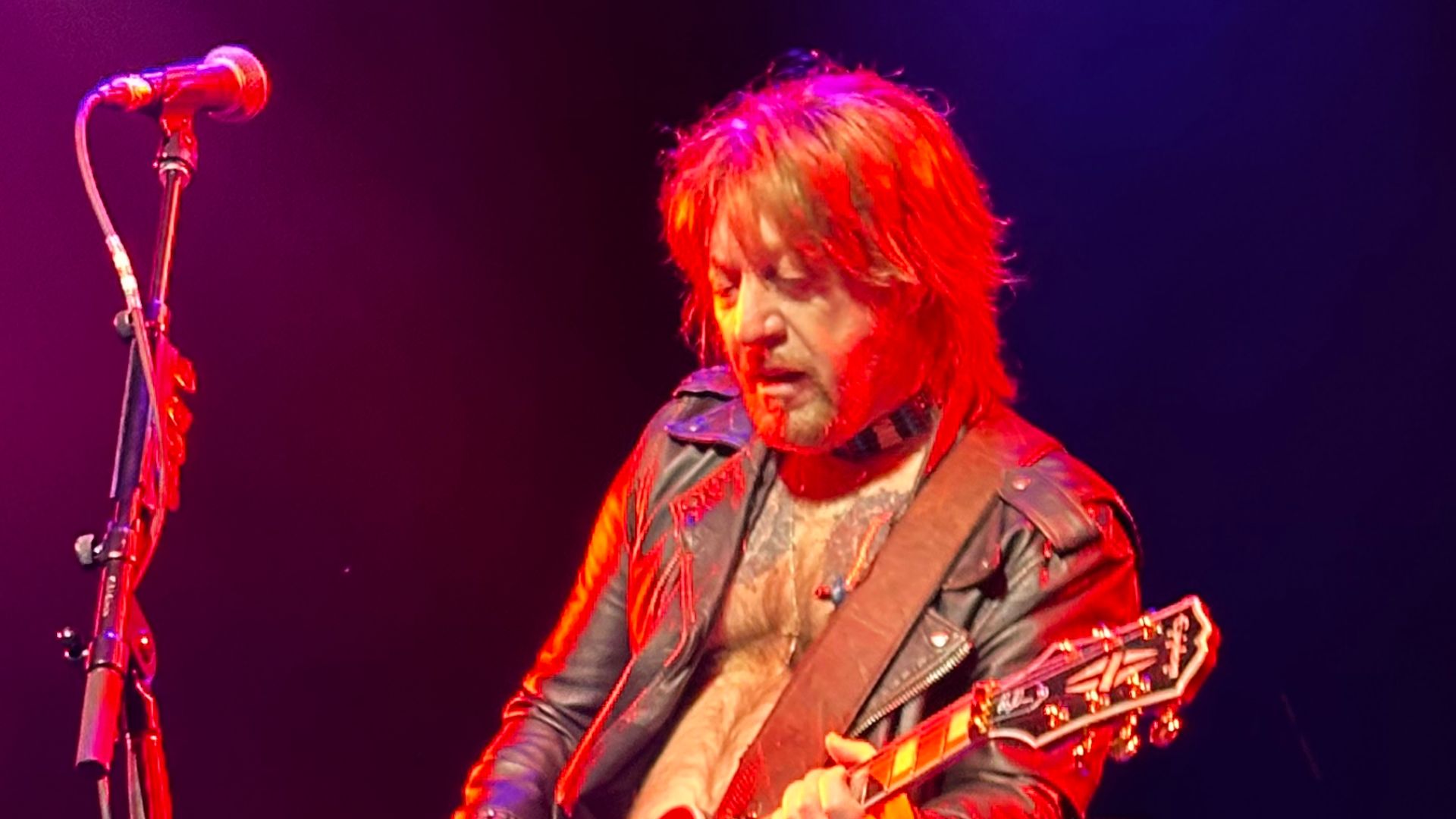
Aldo Nova
If you were the right age in 1982, Aldo Nova absolutely existed in your world. If you were ten years older, maybe not. That’s the generational math at work. He hit right at the tail end of the Boomer window—perfect for younger members, barely visible to the older half.
You Might Also Like:
Bands Millennials Love That Most Baby Boomers Haven’t Even Heard Of
The Best Beatles Songs No One Talks About
Pop Culture References Baby Boomers Love That Most Millennials Wouldn't Understand