The Duo That Should Have Lasted
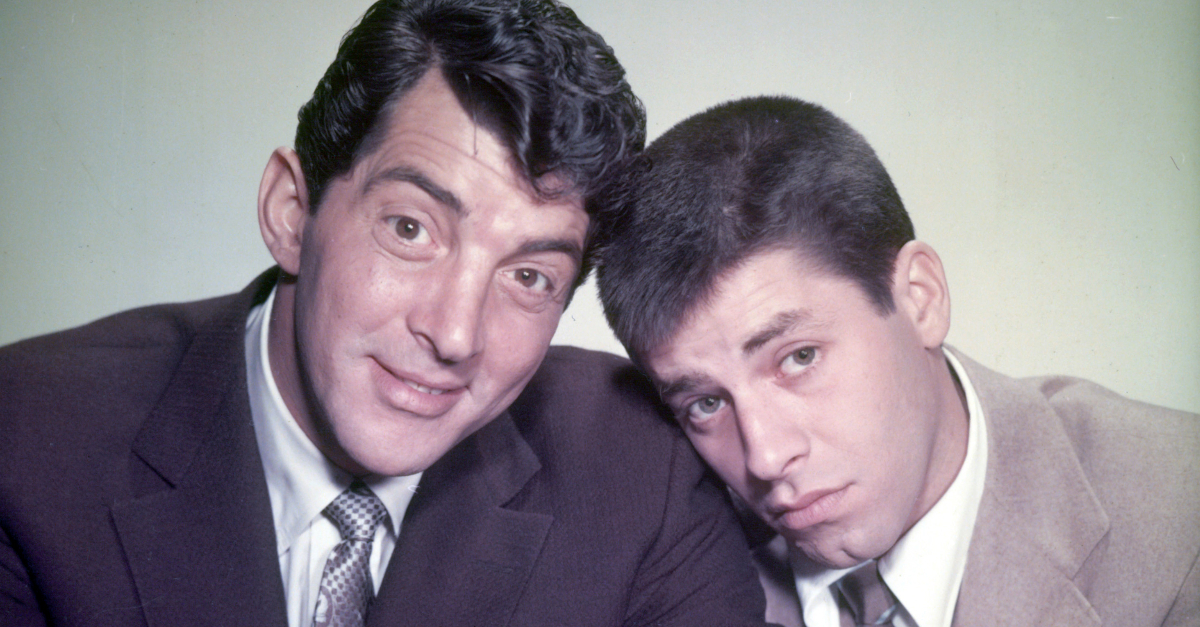
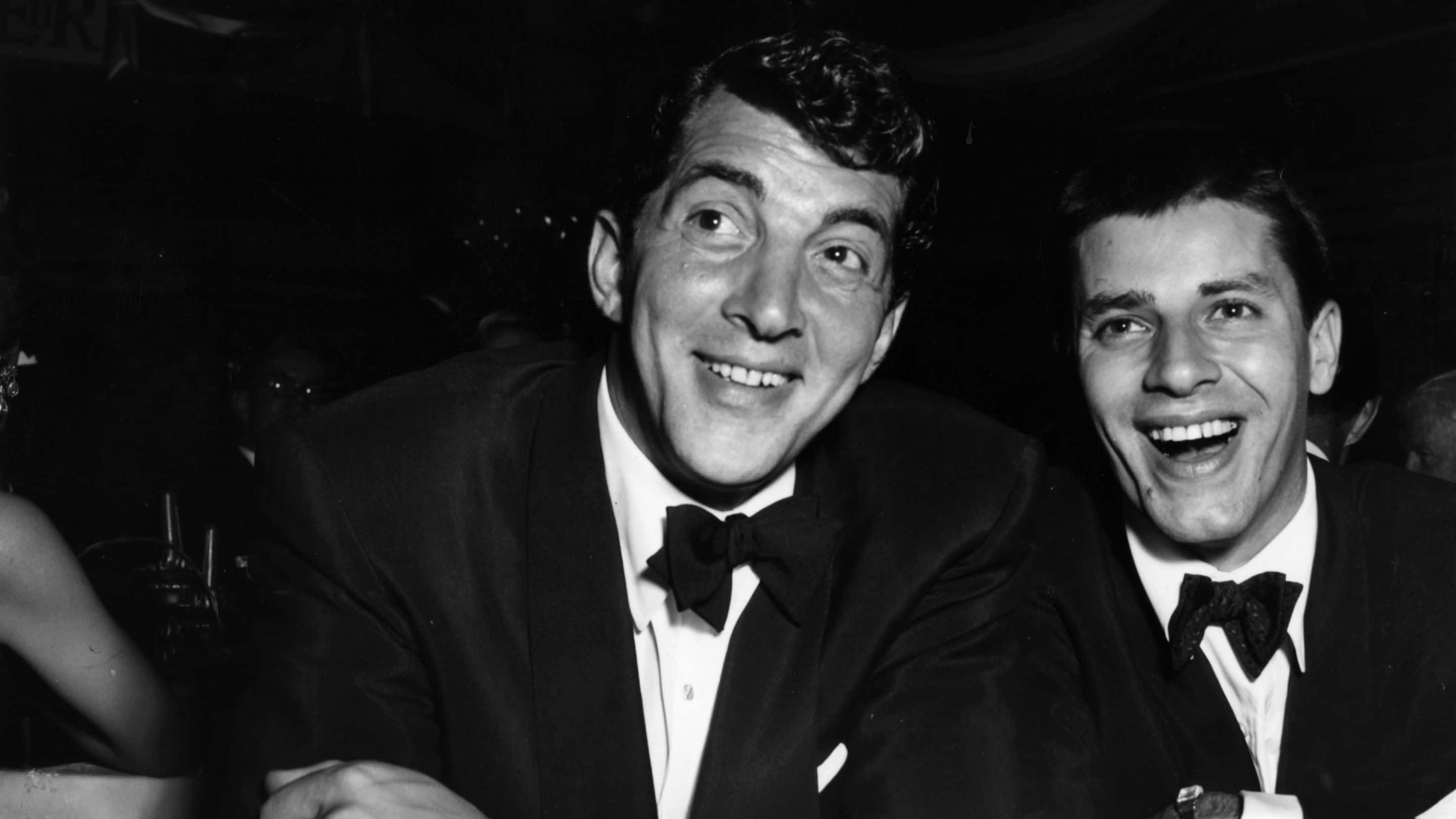
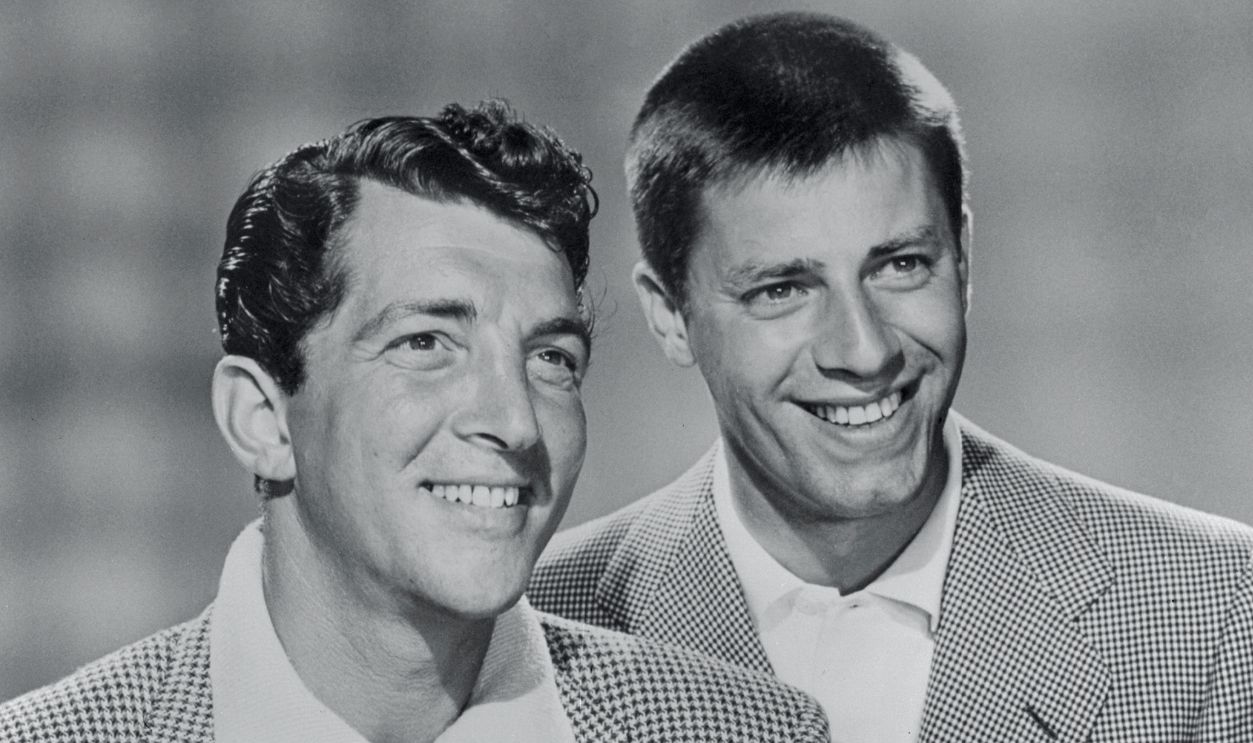
For a few years in the late 40s and early 50s, Jerry Lewis and Dean Martin were the biggest act in America. They made studios millions and filled theaters instantly. Then it ended. Not just the partnership—the friendship. For the next 20 years, they didn’t speak.
Before They Were “Jerry & Dean”
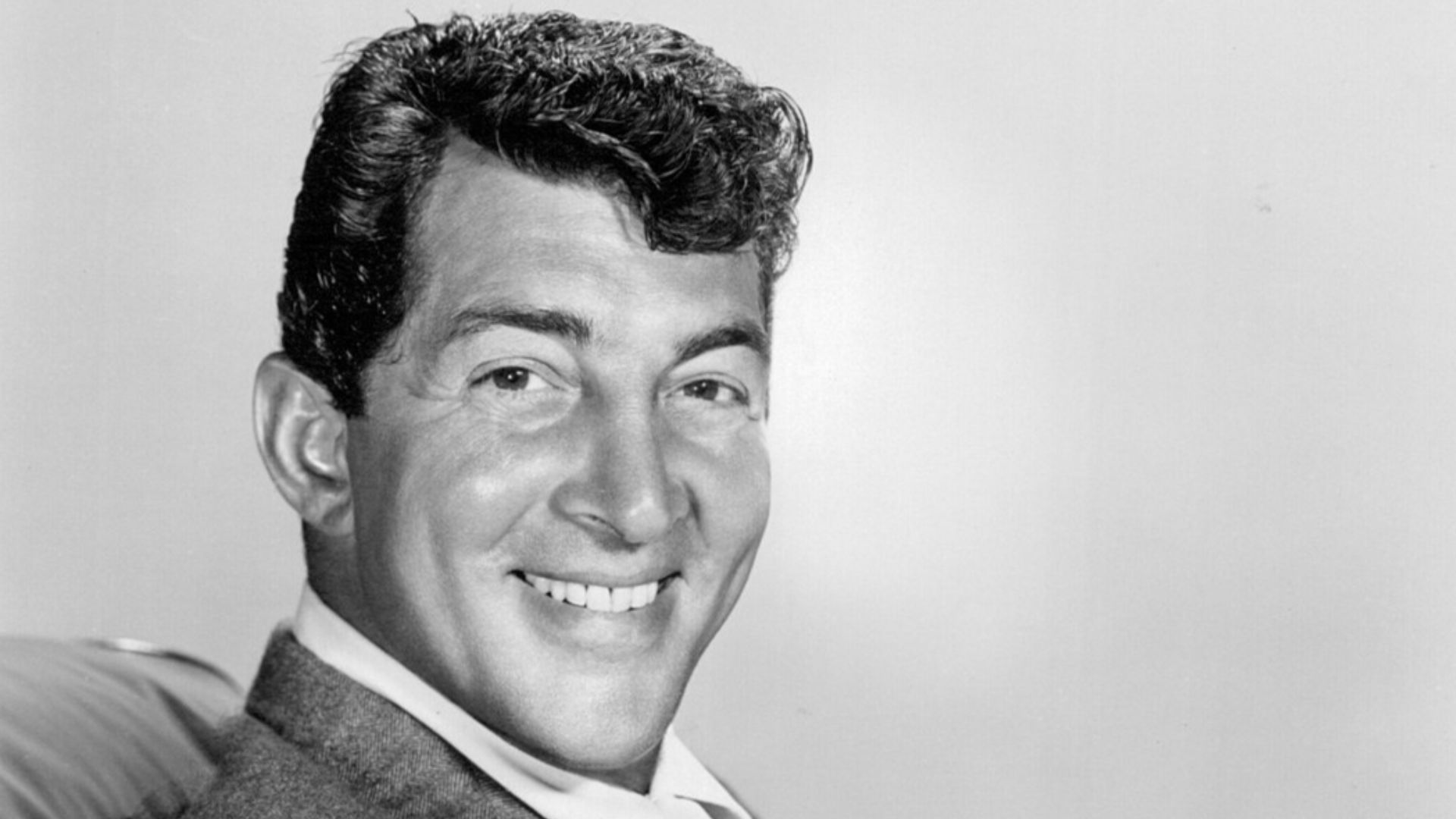
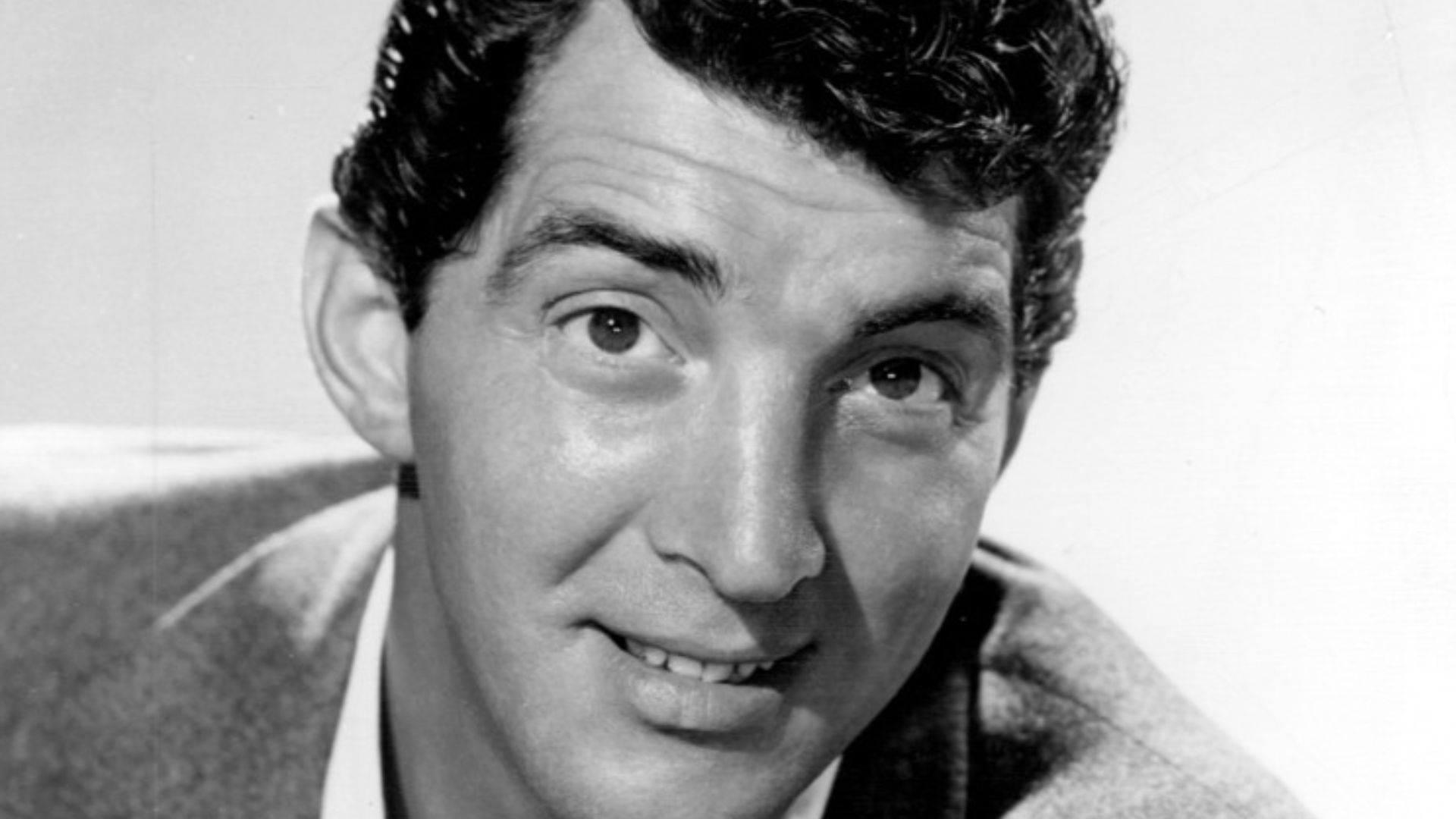
Dean Martin was born Dino Crocetti in Ohio and worked odd jobs before drifting into singing in local clubs. Jerry Lewis grew up in show business—his parents were vaudeville performers. By his teens, Jerry was already doing comedy bits in nightclubs, chasing attention and stage time.
Two Different Paths to the Same Stage
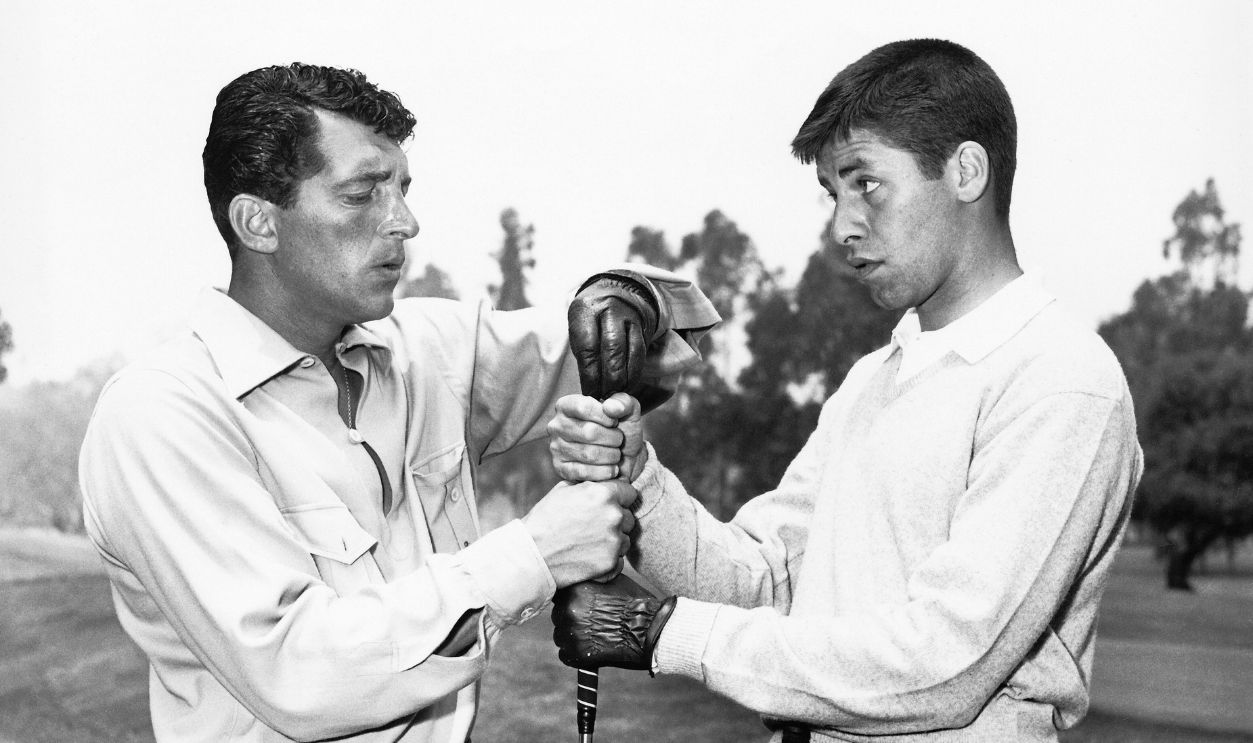
Dean was trying to make it as a smooth nightclub singer. Jerry was performing a chaotic lip-sync comedy act that often bombed. They were both hustling the same circuit in the mid-40s, playing small rooms and trying to get noticed.
 Express Newspapers, Getty Images
The Night Everything Changed
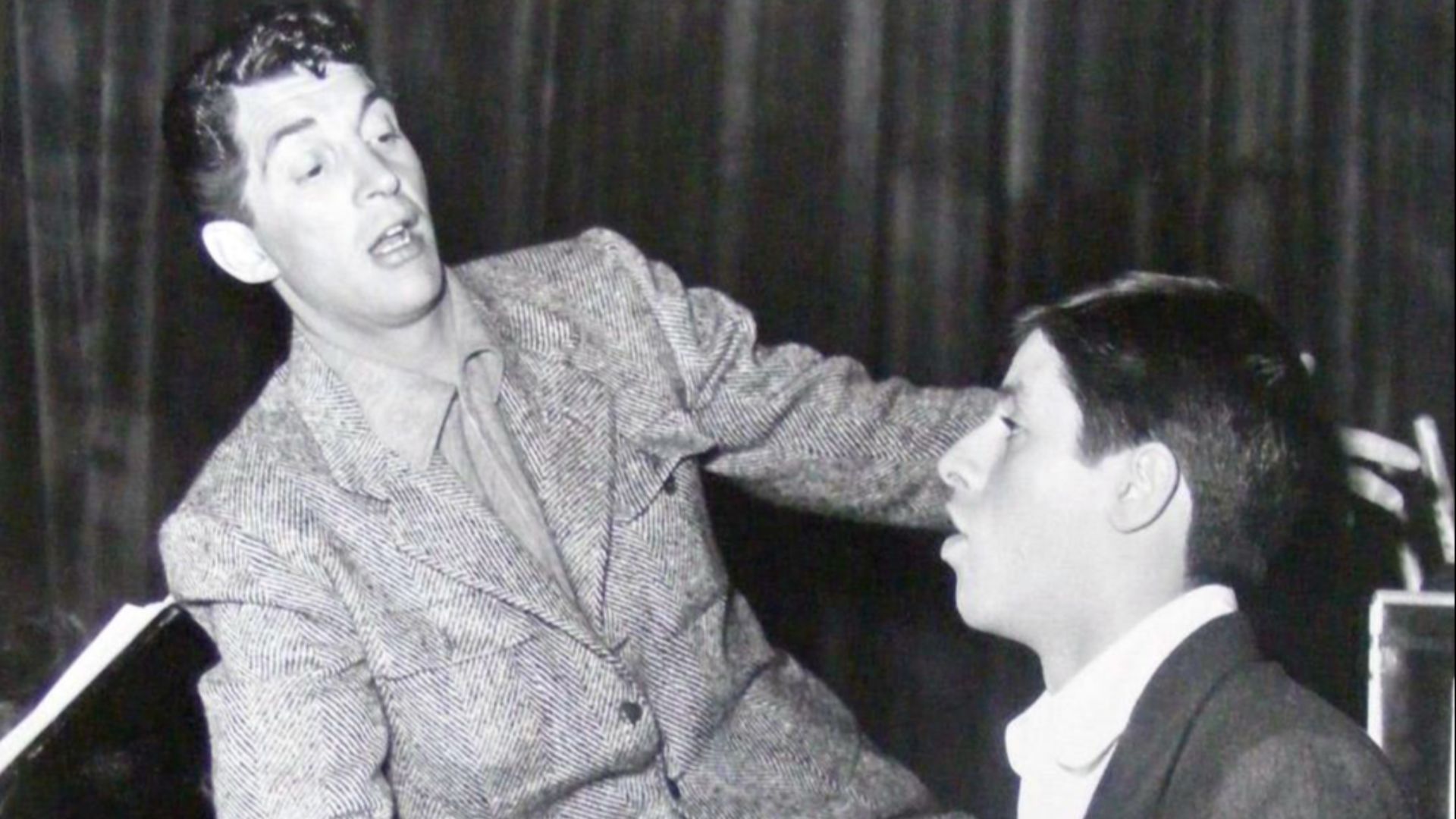
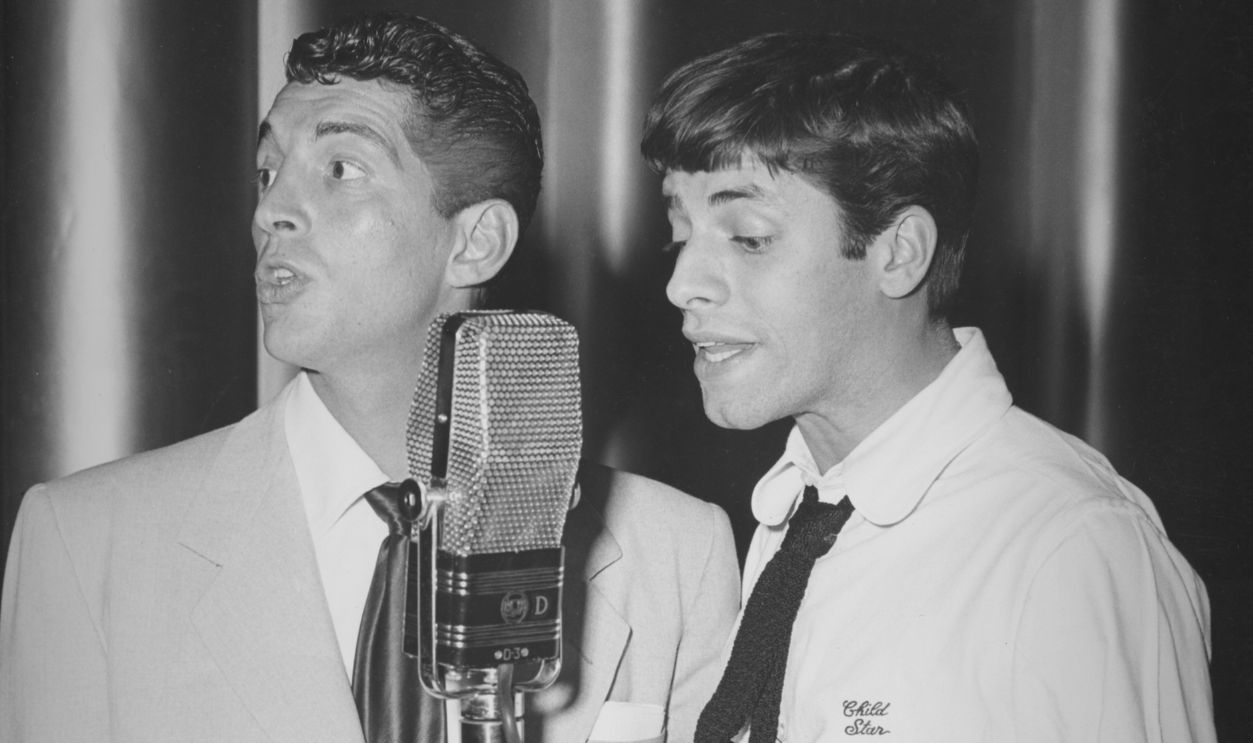
They met in 1946 at the Glass Hat Club in New York. When Dean’s partner didn’t show up one night, Jerry jumped in and began interrupting Dean’s songs with improvised chaos. The crowd loved it. What started as desperation turned into a formula.
 NBC Photo-photographer:Herb Ball, Wikimedia Commons
The Act Takes Off
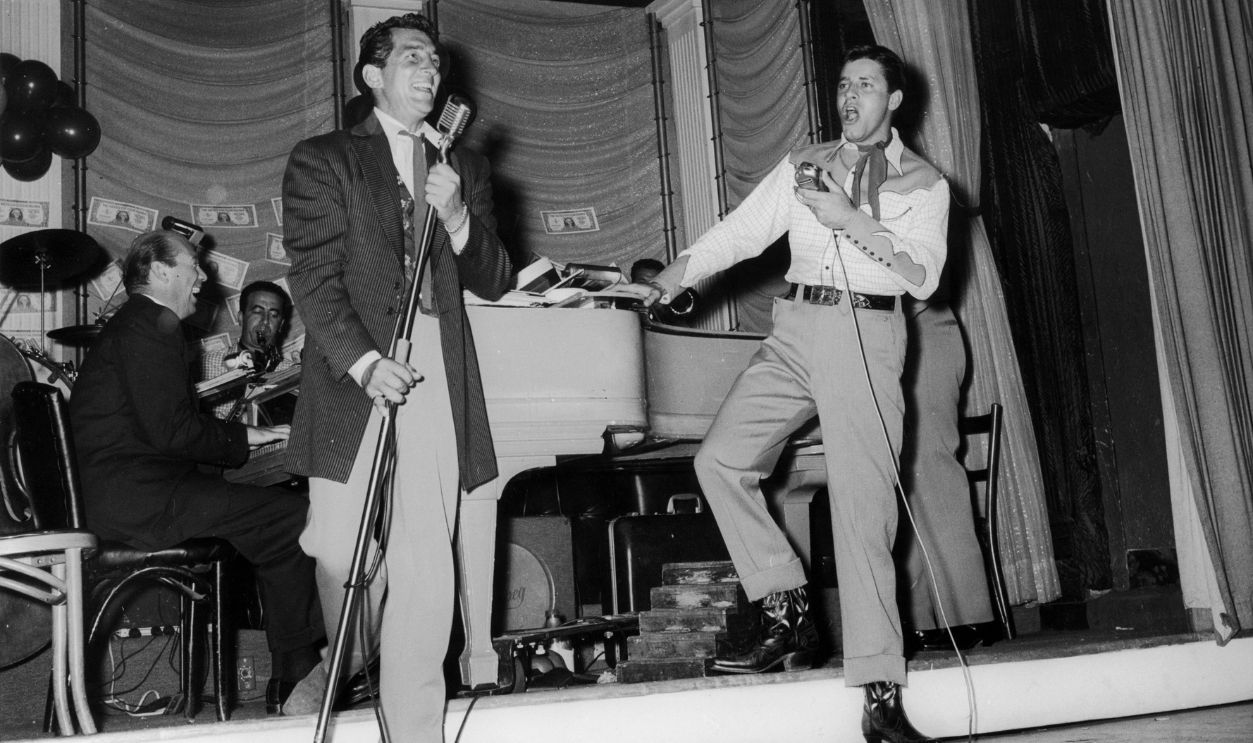
Within months, they refined the routine—Dean played it cool while Jerry spiraled around him. Audiences responded instantly. By 1948 they were national stars on radio. Soon after, Paramount signed them to a film contract. The money escalated fast.
 Jack Albin/Hulton Archive, Getty Images
The Dynamic Everyone Saw
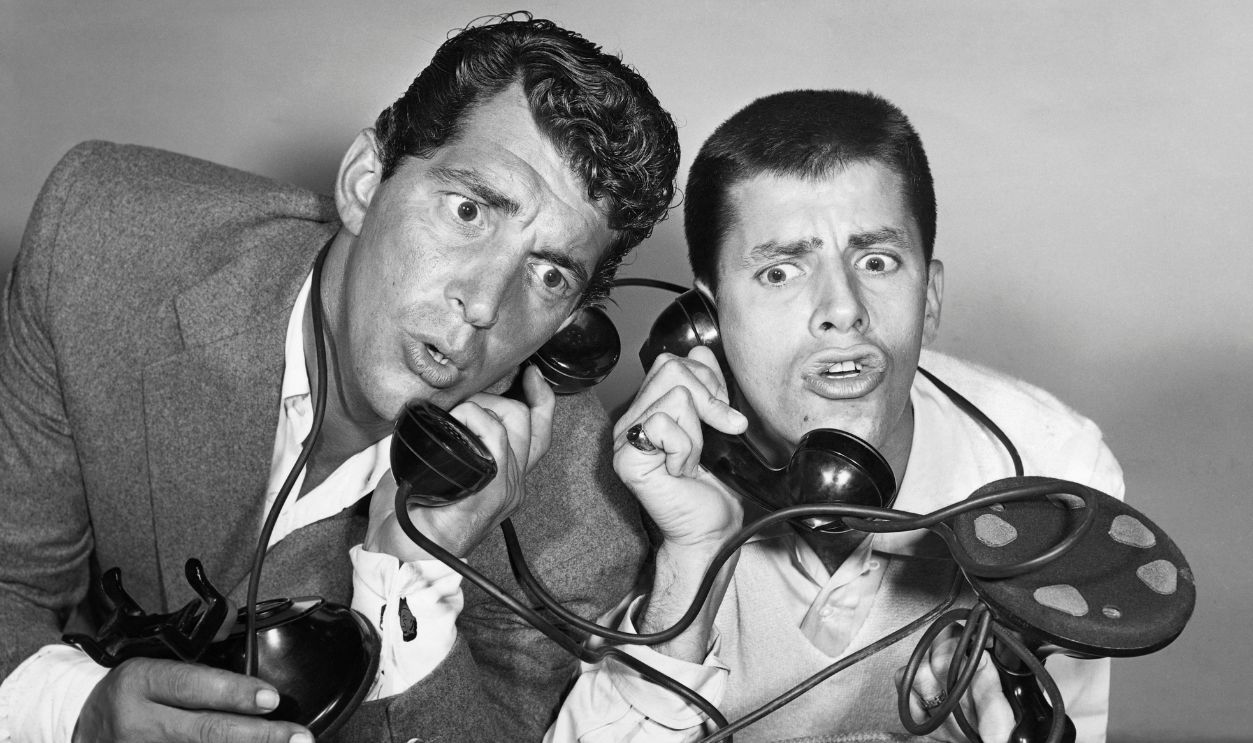
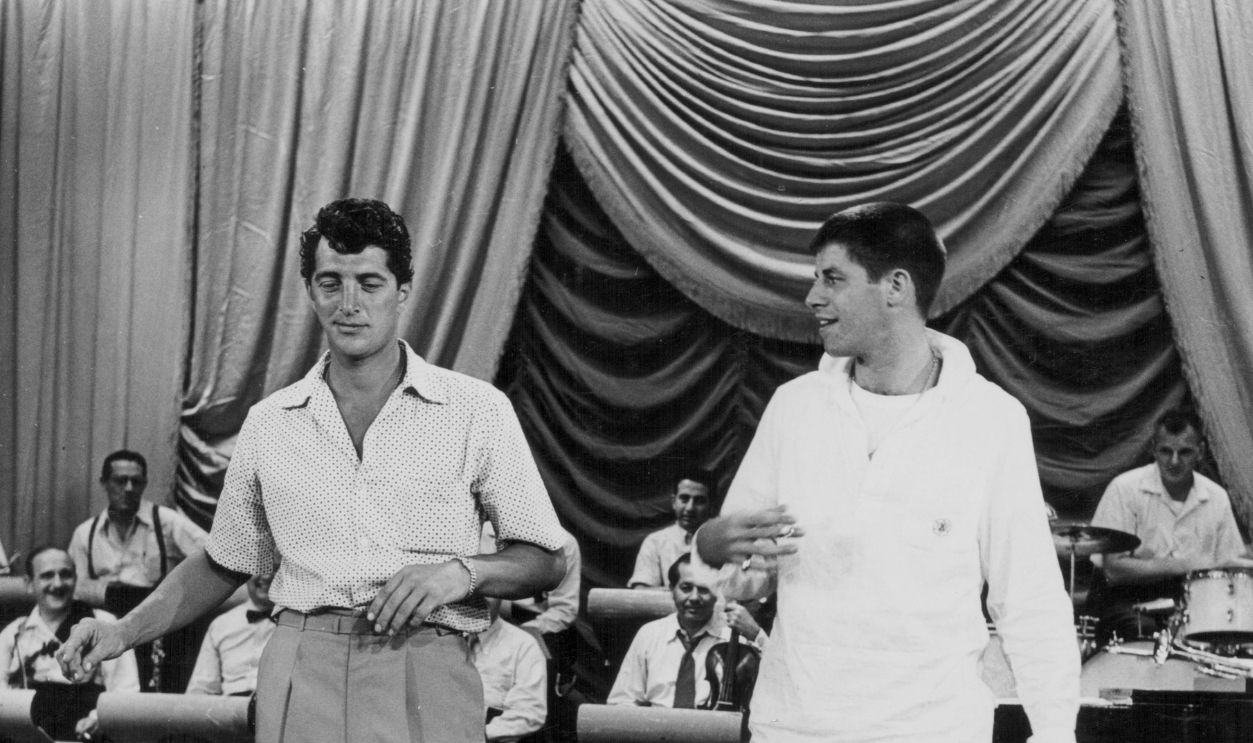
Dean was calm, confident, and handsome. Jerry was loud, physical, and relentless. The contrast worked perfectly. Dean anchored the act. Jerry exploded around him. Onstage, it looked balanced. Offstage, that balance didn’t always feel equal.
 John Springer Collection, CORBIS/Corbis, Getty Images
The Fame Was Immediate
They went from clubs to sold-out theaters almost overnight. Crowds screamed. Women fainted. Studios rushed productions. At their peak, they were among the highest-paid entertainers in America. Success came so fast there wasn’t much time to adjust.
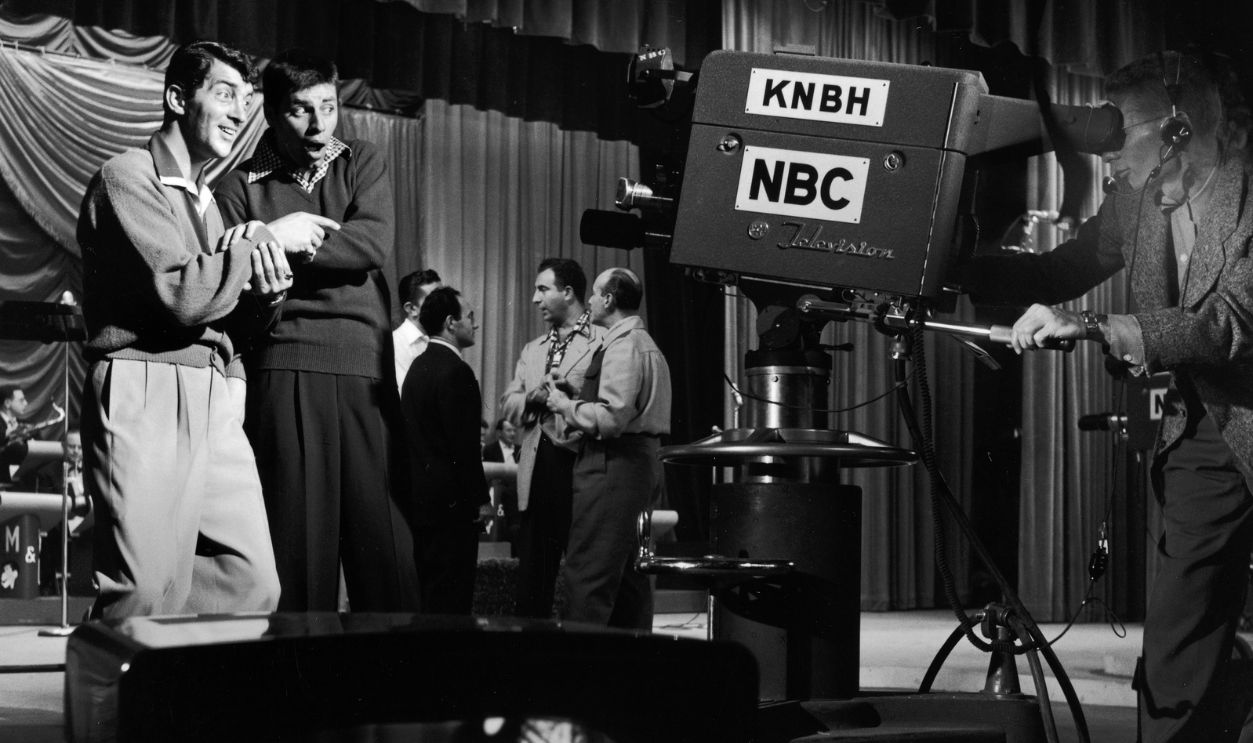
The Credit Question
As interviews piled up, more attention focused on Jerry’s creative control. He shaped routines and pushed film ideas. The press increasingly framed him as the mastermind. Dean began to feel like he was being treated as secondary.
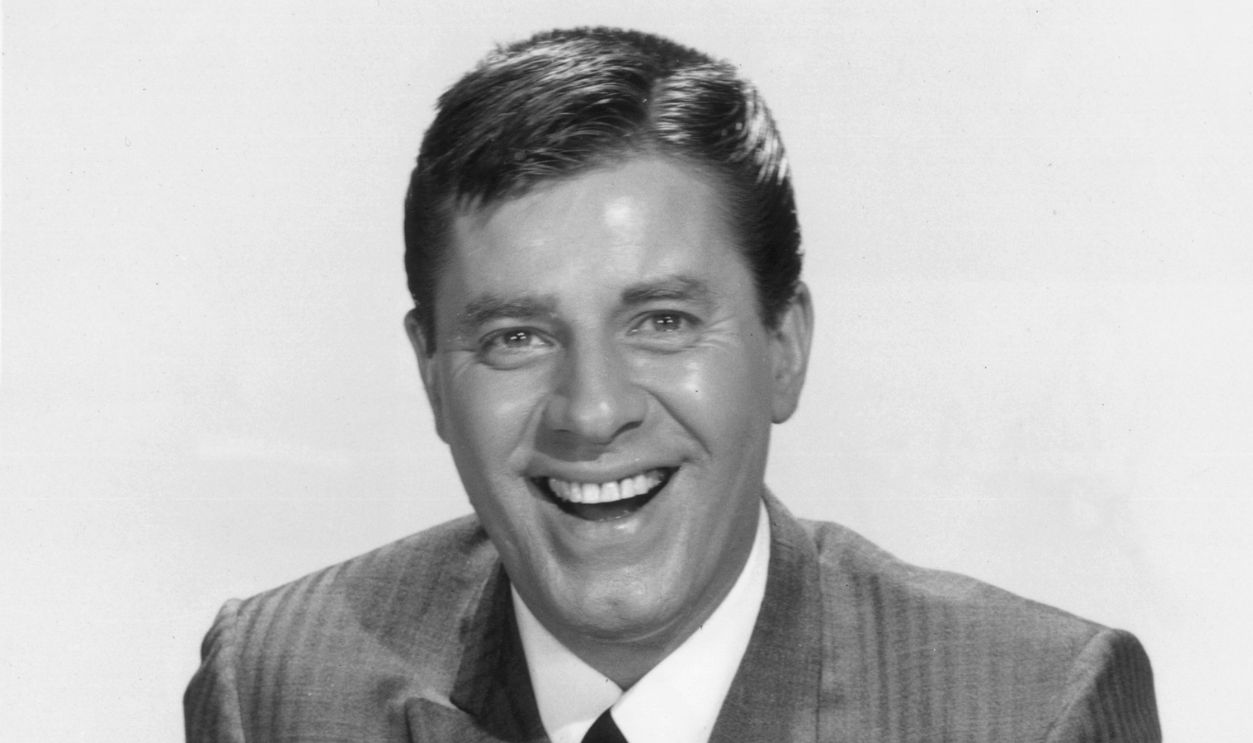
Different Work Styles
Jerry rehearsed obsessively and wanted control over scripts and structure. Dean preferred spontaneity and didn’t want endless creative debates. He showed up prepared but didn’t want to dissect every joke. That difference slowly became a fault line.
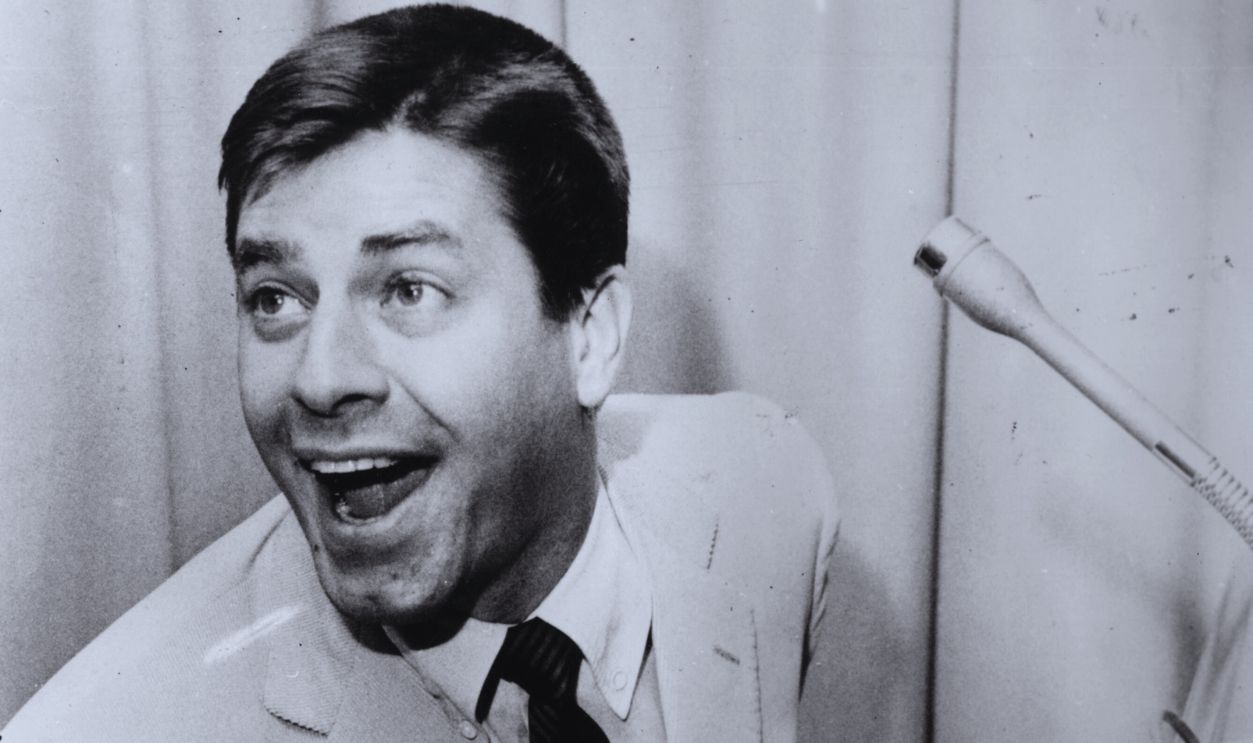 Evening Standard, Getty Images
The Studio Tension
By the mid-50s, Jerry was taking on more authority in their films, influencing direction and editing. Dean reportedly felt boxed in. He later summed up his frustration bluntly: “All I was was a stooge.” What looked like teamwork on screen felt lopsided behind it.
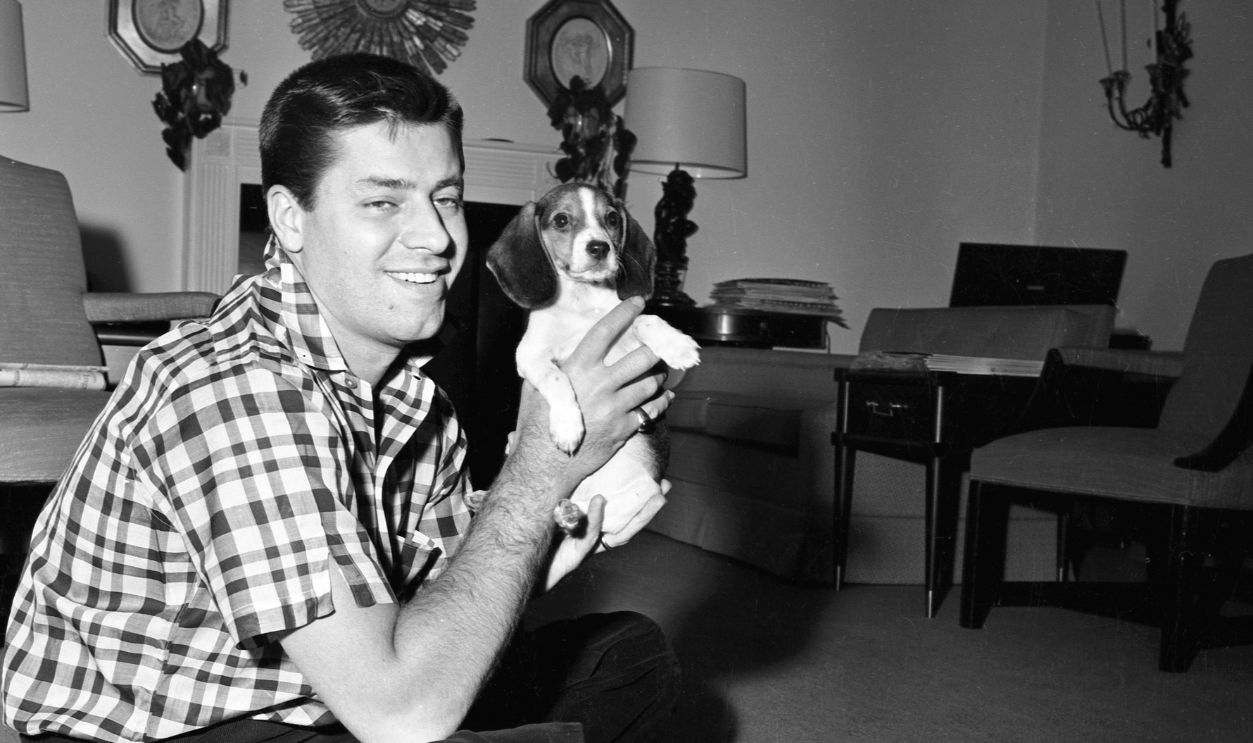 Donaldson Collection, Getty Images
The Ego Factor
Both men were ambitious. Both believed they were essential to the success. As the press narrative shifted toward Jerry as the genius, resentment built. Neither wanted to admit it publicly, but the strain was there.
The Breaking Point
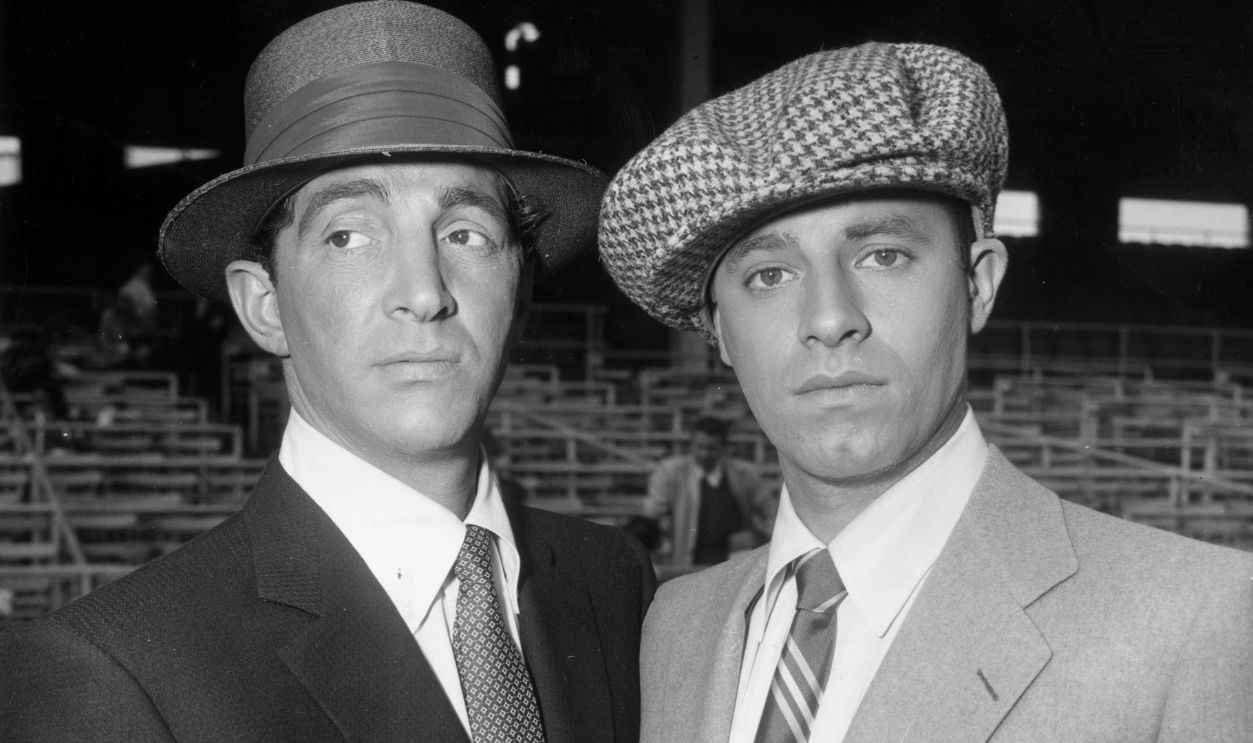
In 1956, after ten films together, they ended the partnership. Their final performance was at the Copacabana in New York on July 24, 1956. There was no dramatic public blowup. As Jerry later put it, “Our split was not a big explosion. It was just an ending.”
After the Split
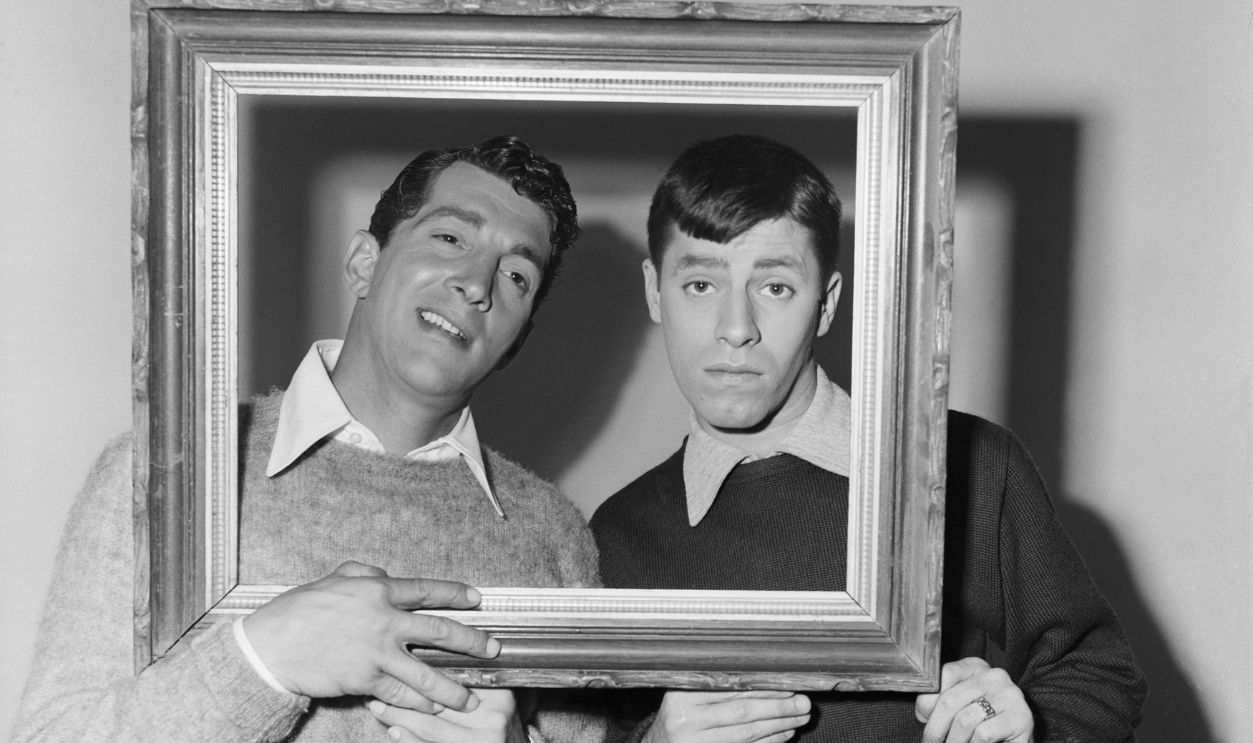
They didn’t just stop working together—they stopped talking. Dean made his position clear at one point when he said, “I don’t know him.” Interviews later confirmed long stretches with no contact. Not friendly distance. Not casual check-ins. Just silence.
 NBC Photo by Elmer Holloway, Wikimedia Commons
Solo Success
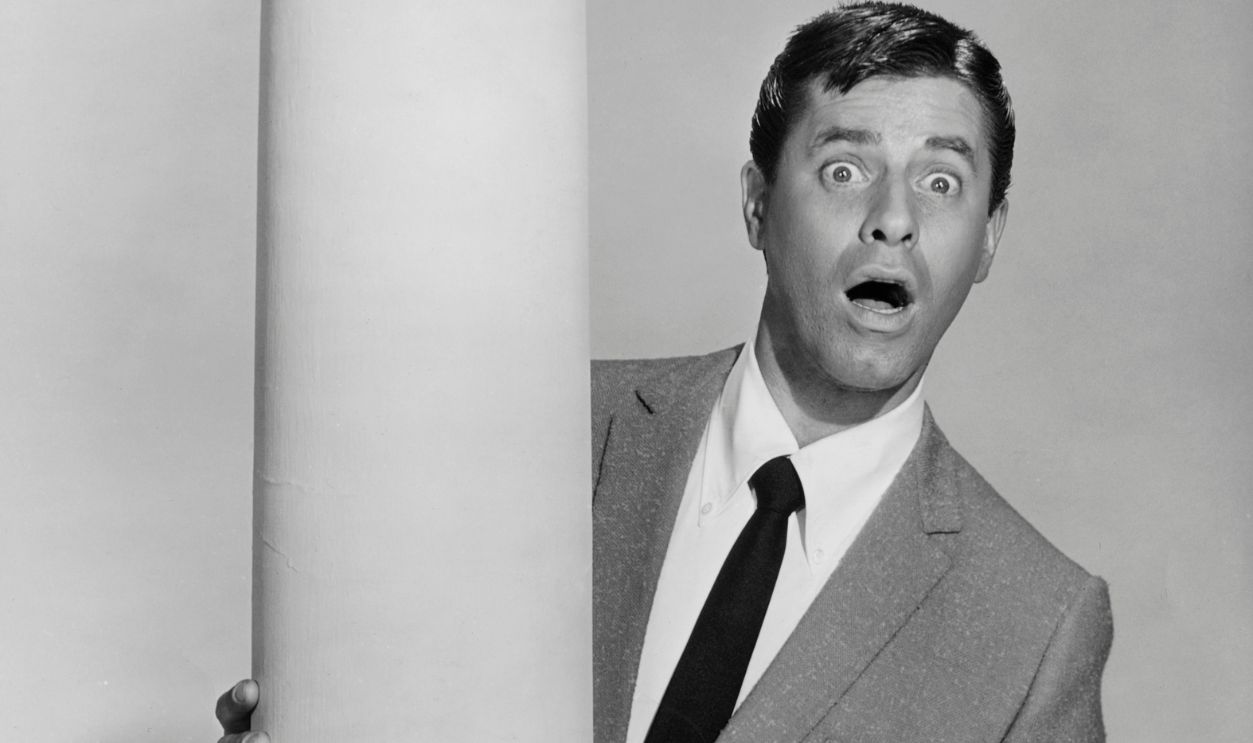
The split didn’t hurt their careers. Jerry became a major box-office star and later directed his own films. Dean reinvented himself as a solo singer and eventually joined the Rat Pack alongside Frank Sinatra.
 John Springer Collection, CORBIS, Corbis, Getty Images
Why They Didn’t Reconnect
Professionally, they didn’t need each other anymore. That made it easier to avoid uncomfortable conversations. Pride hardened. Years passed. The silence became normal.
Was It One Big Fight?
Not exactly. There wasn’t one explosive betrayal. It was accumulated resentment—credit disputes, creative control, personality clashes. The kind of issues that build slowly and then feel impossible to untangle.
Running Into Each Other
They occasionally crossed paths at industry events. They were polite when necessary. But they didn’t rebuild anything. Two men who had once worked side by side now operated in completely separate worlds.
The Sinatra Intervention
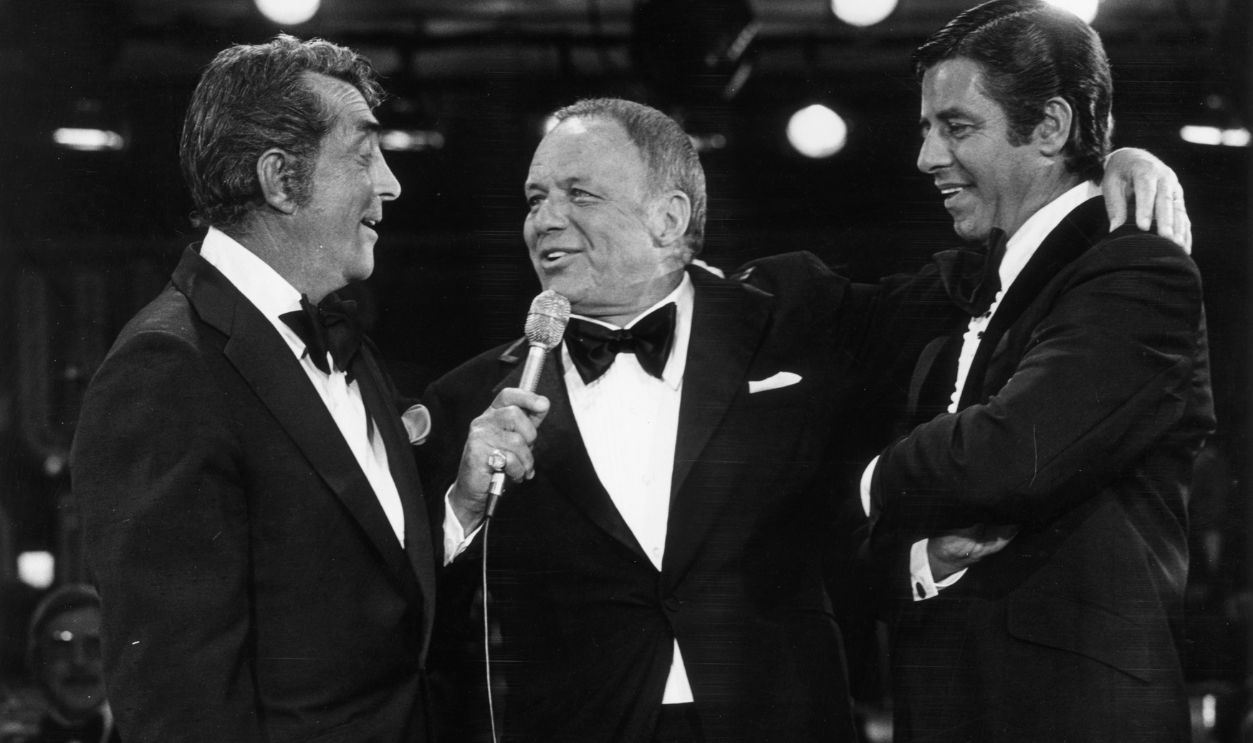
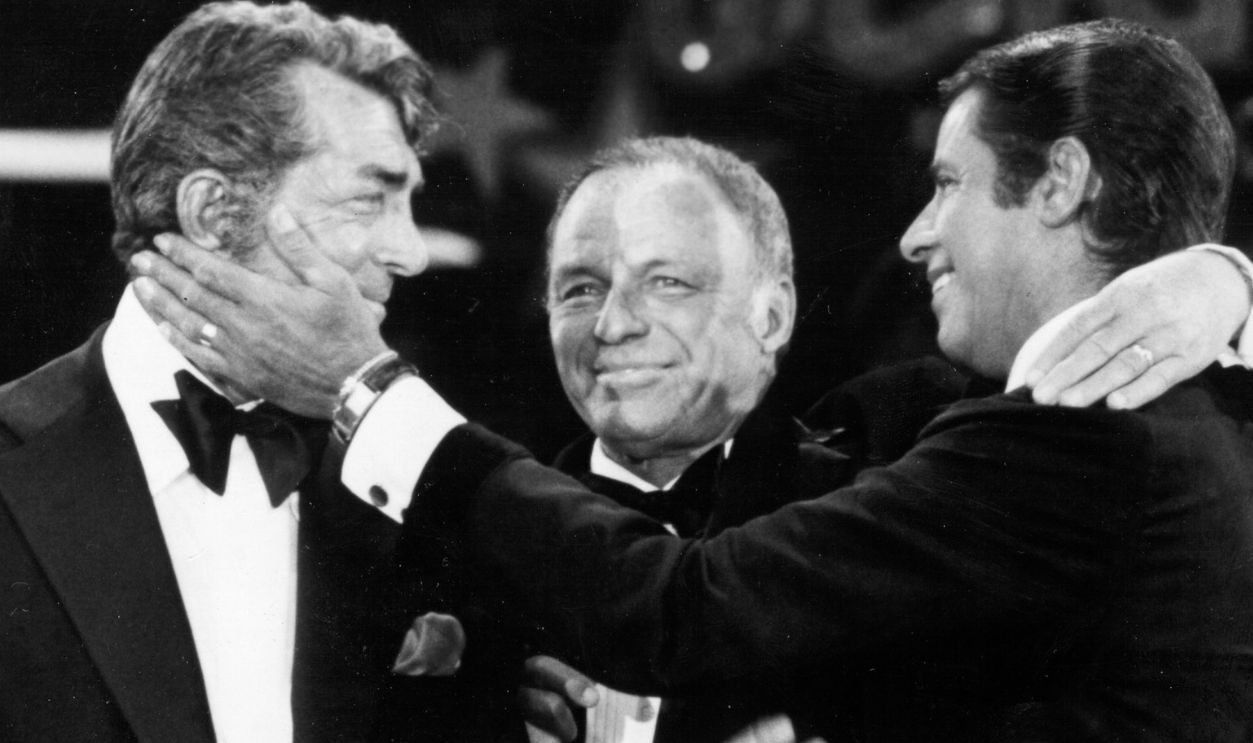
In 1976, during the Jerry Lewis MDA Telethon, Frank Sinatra walked onstage unexpectedly. He brought Dean Martin with him. As he positioned them together, Sinatra said, “I think you two should get together.” The moment was unscripted from Jerry’s perspective.
 Fotos International, Getty Images
Why Sinatra Stepped In
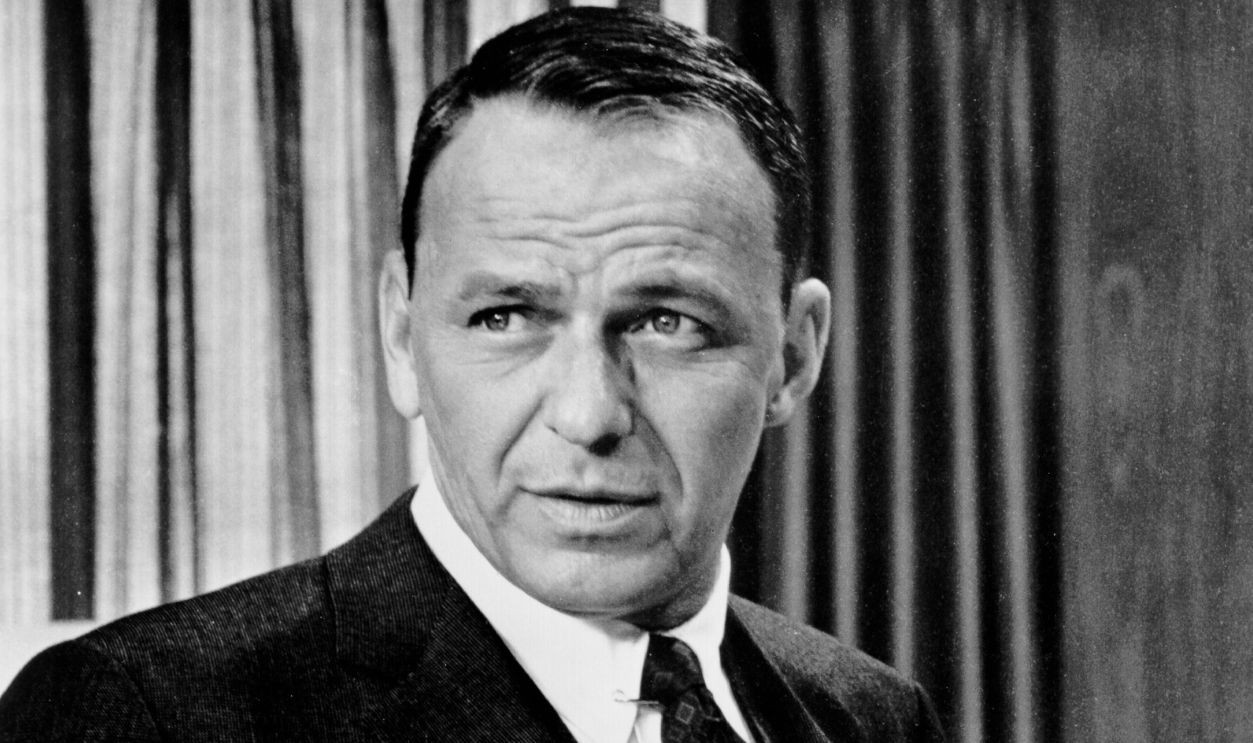
Sinatra was close to Dean during the Rat Pack years and didn’t like long-running feuds inside his circle—even though he was known for holding his own grudges. By 1976, the 20-year silence had become Hollywood legend. The telethon gave him the perfect stage. Making it public meant neither man could avoid the moment—or each other.
 Michael Ochs Archives, Getty Images
The Onstage Reunion
Dean hugged Jerry. The audience roared. Sinatra stood between them, grinning. It wasn’t a long emotional speech. It was brief, public, and impossible to ignore. Twenty years of silence ended in front of millions of viewers.
Why Sinatra Could Do It
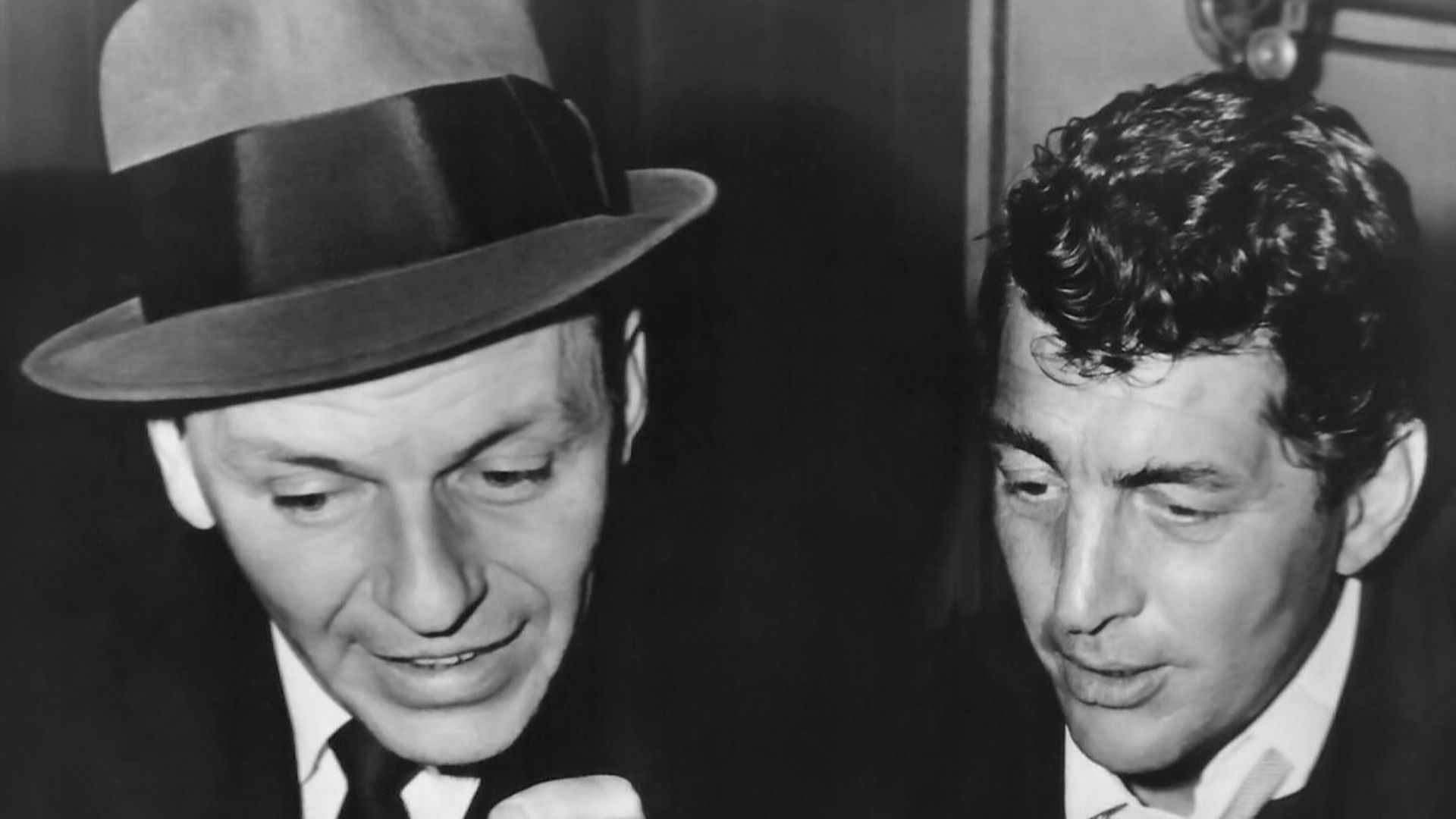
Sinatra had credibility with both men. He was close to Dean and respected by Jerry. If anyone could force them into the same space without warning, it was him. Making it public removed the option to walk away.
 Distributed by Warner Bros., photographer uncredited and unknown., Wikimedia Commons
Did They Become Close Again?
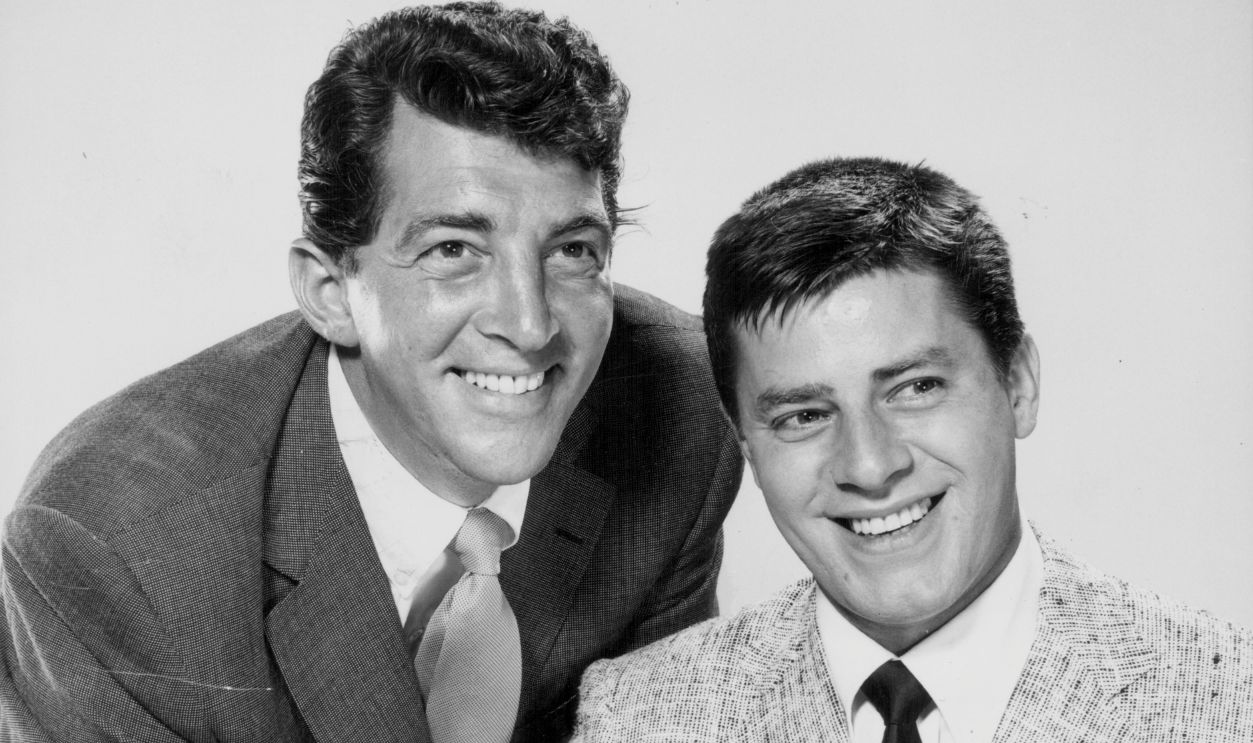
No. They didn’t revive the act. They didn’t tour. The reunion softened the freeze, but it didn’t restore the partnership. The bond they had in the early years wasn’t rebuilt.
 Pictorial Parade, Getty Images
The Tragedy That Shifted Things
When Dean’s son, Dino Jr., died in a 1987 plane crash, Jerry reached out. It was a quiet moment of contact after years of distance. The gesture mattered, but it didn’t rebuild the partnership. By then, what they had was already history.
The Real Reason It Lasted 20 Years
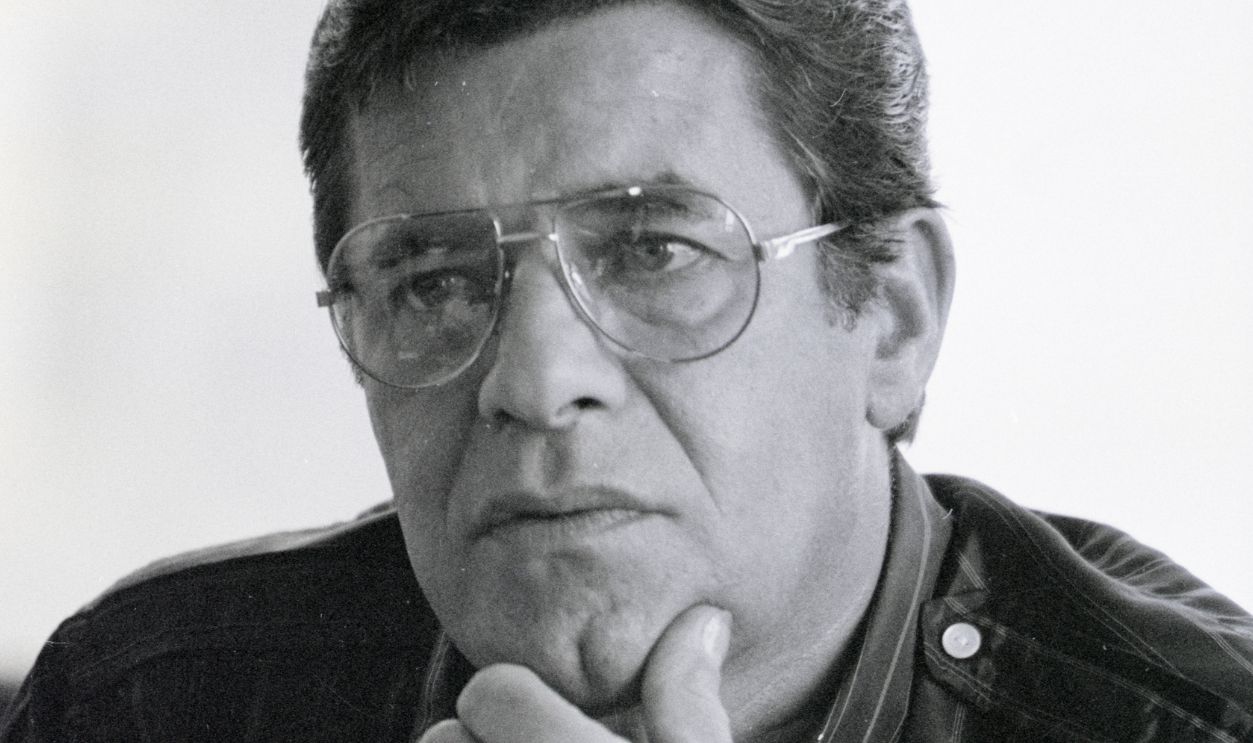
Jerry later admitted, “I never spoke to him for 20 years.” He also acknowledged the hurt, saying, “He walked away from me.” Pride, hurt, unequal credit, and different ambitions hardened into silence.
What Destroyed Them
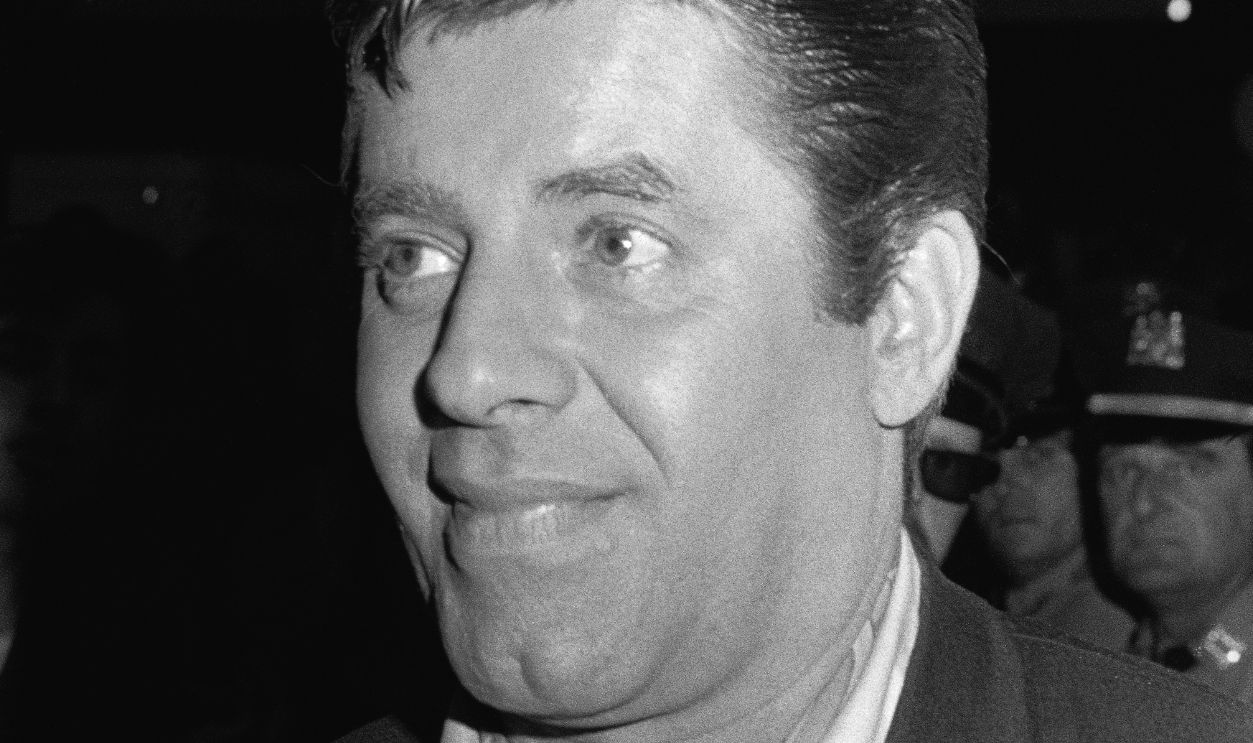
It wasn’t scandal or betrayal. It was ego mixed with imbalance. One partner felt under-credited. The other felt unappreciated. Success amplified everything until the partnership couldn’t hold.
 Underwood Archives, Getty Images
You Might Also Like: