The Worst Sequels In Movie History
Sequels are a gamble. Sometimes they expand beloved stories, but other times… they crash and burn so hard they make you question why they were greenlit at all. Whether it’s cheap cash-ins, embarrassing spin-offs, or soulless retreads, these films prove that lightning rarely strikes twice. Let’s take a cringeworthy stroll through cinema’s hall of shame.
Look Who’s Talking Too (1990)
The first Look Who’s Talking charmed audiences with talking babies voiced by Bruce Willis. The sequel? It doubled down with two babies (including Roseanne Barr’s voice) and quickly wore out the gimmick. Without fresh humor or charm, it came across as lazy, and critics dismissed it as unnecessary. Even John Travolta and Kirstie Alley couldn’t save this one from being more irritating than cute.
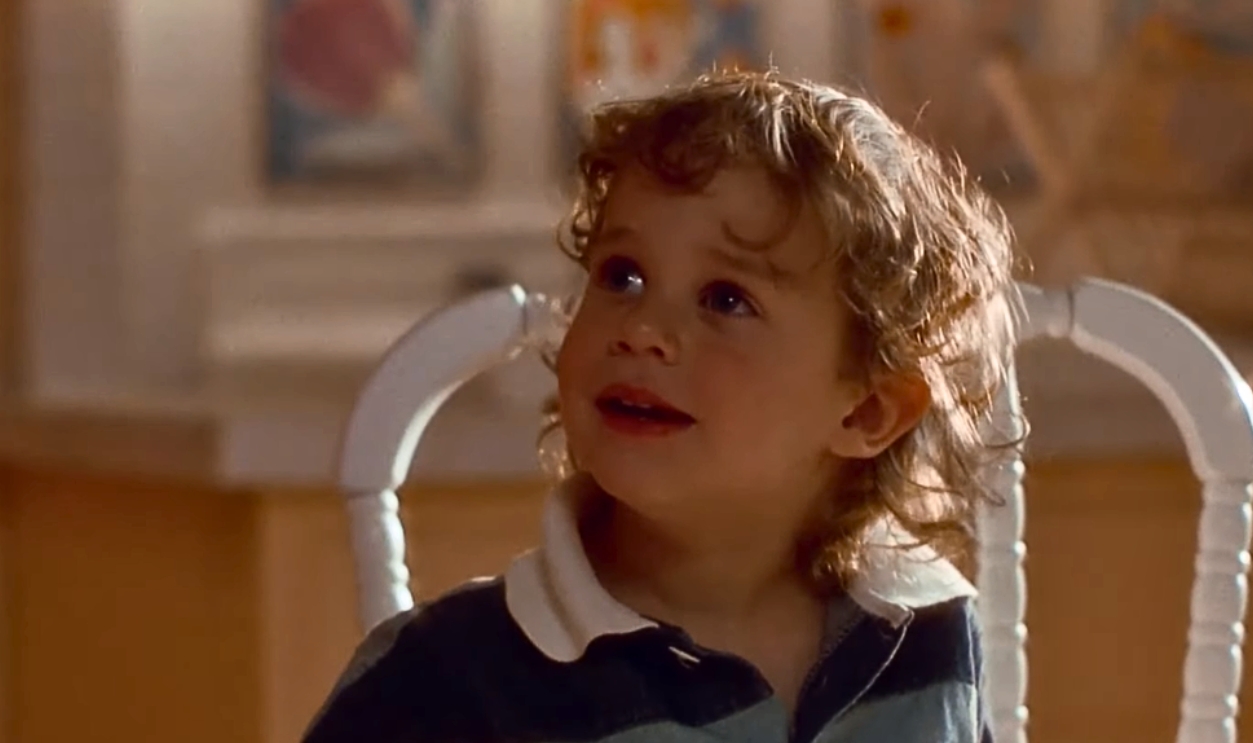 TriStar Pictures, Look Who’s Talking Too (1990)
Staying Alive (1983)
Saturday Night Fever was gritty, raw, and iconic. Its sequel, directed by Sylvester Stallone, stripped away the realism in favor of glossy Broadway dance numbers. John Travolta returns as Tony Manero, but instead of character depth, the film offers aerobics-style choreography and cheesy melodrama. Critics mocked its campy tone, and audiences saw it as a betrayal of the original’s gritty social commentary.
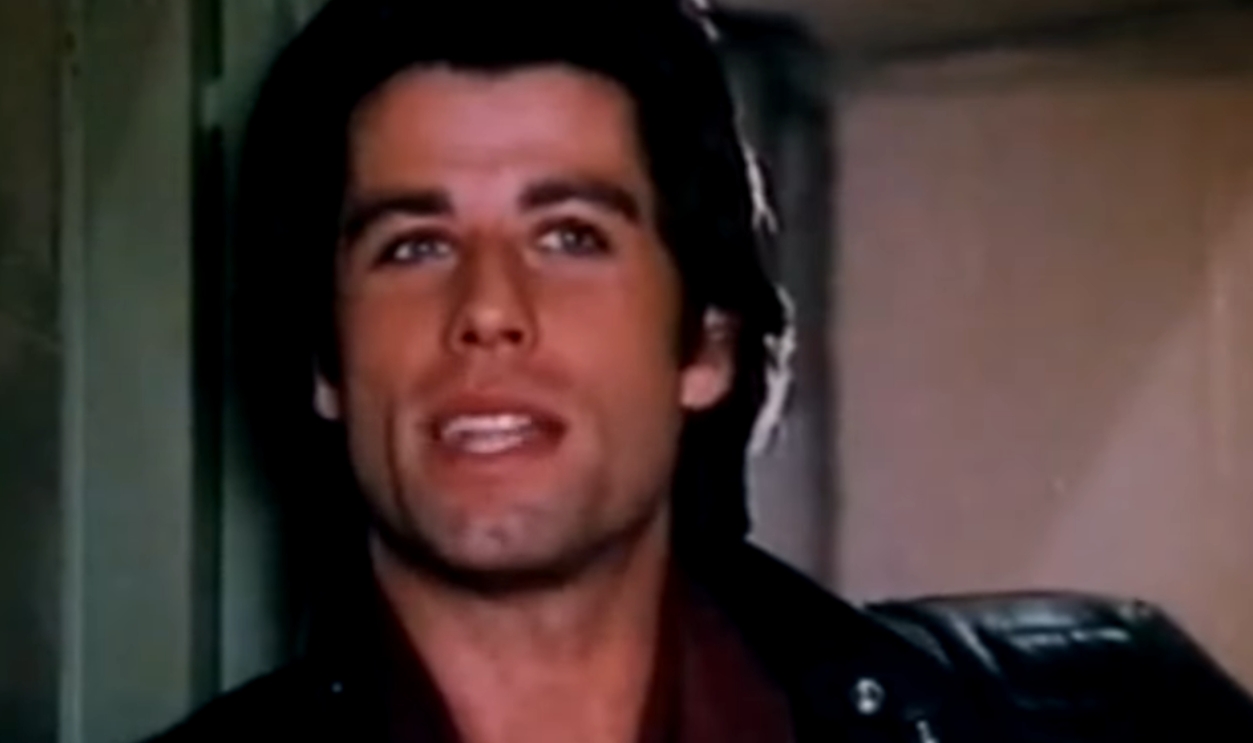 Paramount Pictures, Staying Alive (1983)
Basic Instinct 2: Risk Addiction (2006)
14 years after the provocative thriller Basic Instinct, Sharon Stone reprised her role as Catherine Tramell. Unfortunately, the sequel lacked the edge, suspense, and cultural impact of the original. Critics slammed it for dull plotting and an overblown performance style that bordered on parody. It tried to be sexy and dangerous but ended up as a limp, awkward attempt to recapture past notoriety.
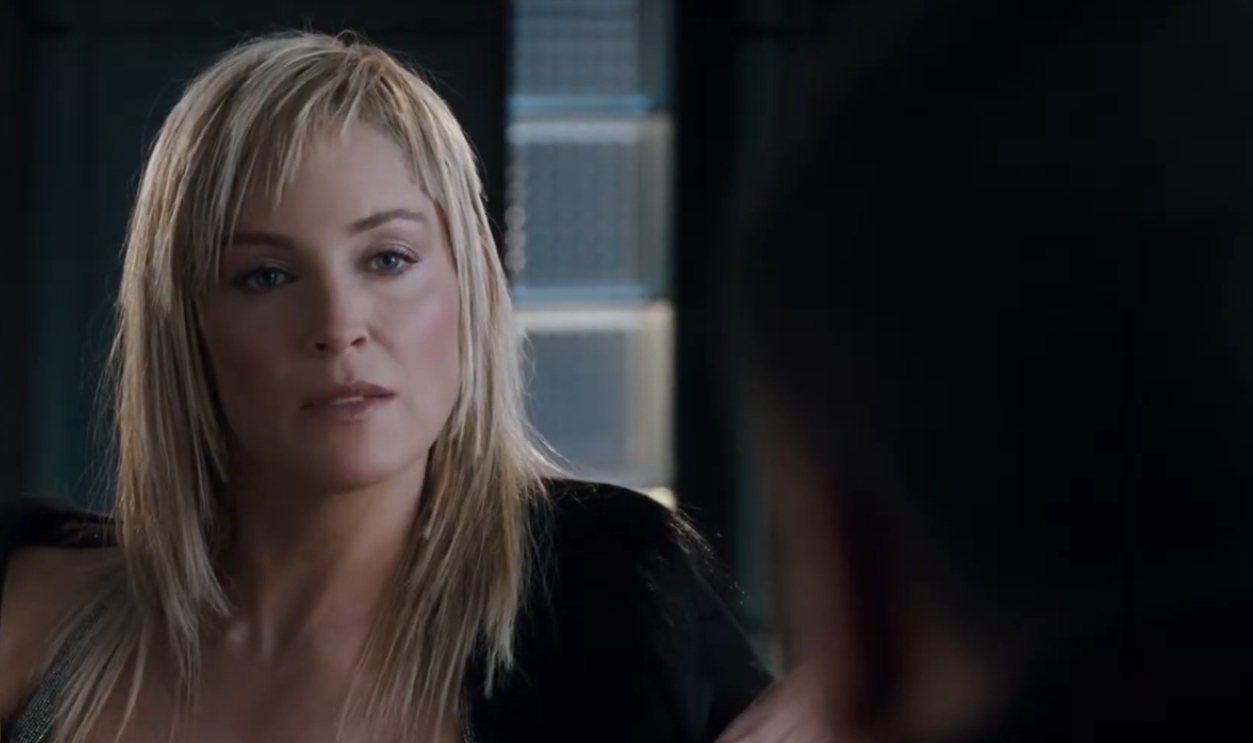 Metro-Goldwyn-Mayer (MGM), Basic Instinct 2: Risk Addiction (2006)
American Psycho 2: All American Girl (2002)
The original American Psycho was a biting satire with Christian Bale’s chilling performance. Its sequel stars Mila Kunis as a college student turned serial killer, shoehorned into a connection with Patrick Bateman. It abandons the original’s satire in favor of a generic slasher story. Kunis has since distanced herself from the project, and fans agree it was a lazy, pointless cash-grab that sullied the original’s legacy.
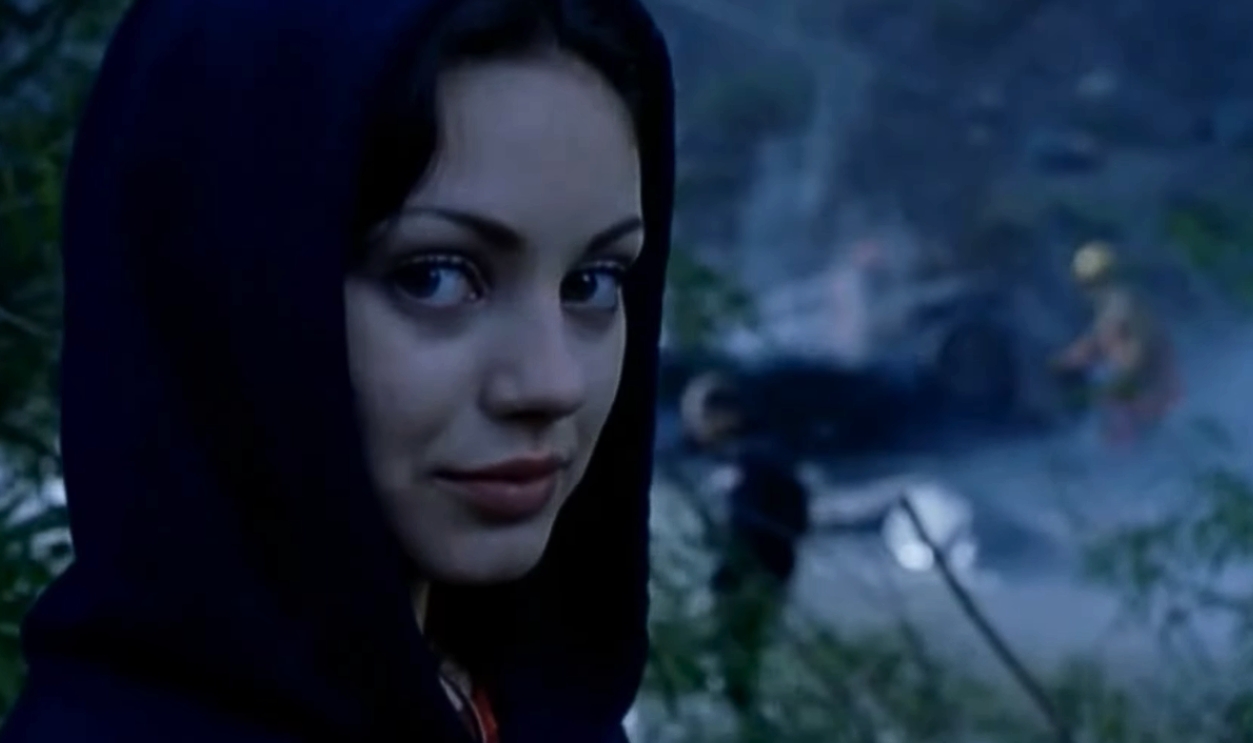 Lionsgate, American Psycho 2: All American Girl (2002)
Addams Family Reunion (1998)
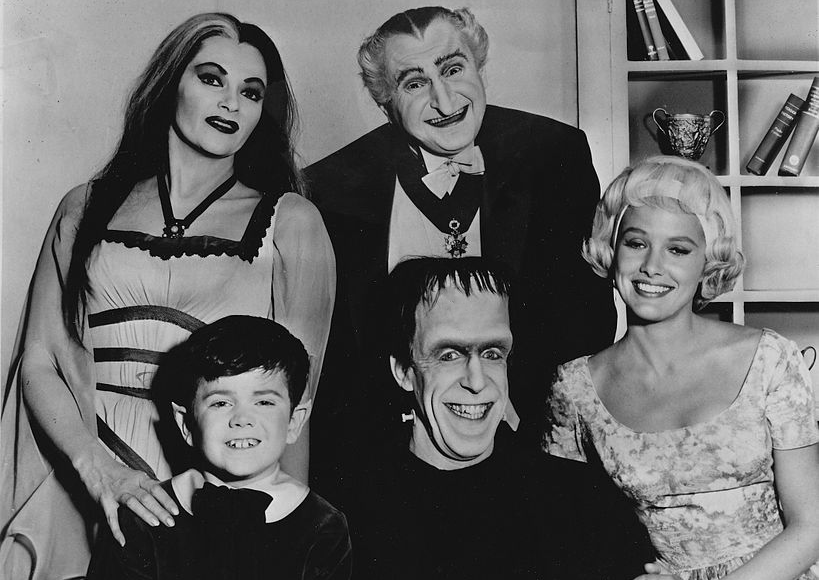
Following the success of The Addams Family films with Raul Julia and Anjelica Huston, this direct-to-video installment attempted to keep the creepy, kooky vibe alive. Sadly, with Tim Curry and Daryl Hannah leading a lower-budget cast, it lacked the wit, charm, and dark humor of its predecessors. Fans dismissed it as a hollow imitation, a weak TV-movie attempt that proved the Addamses deserved better.
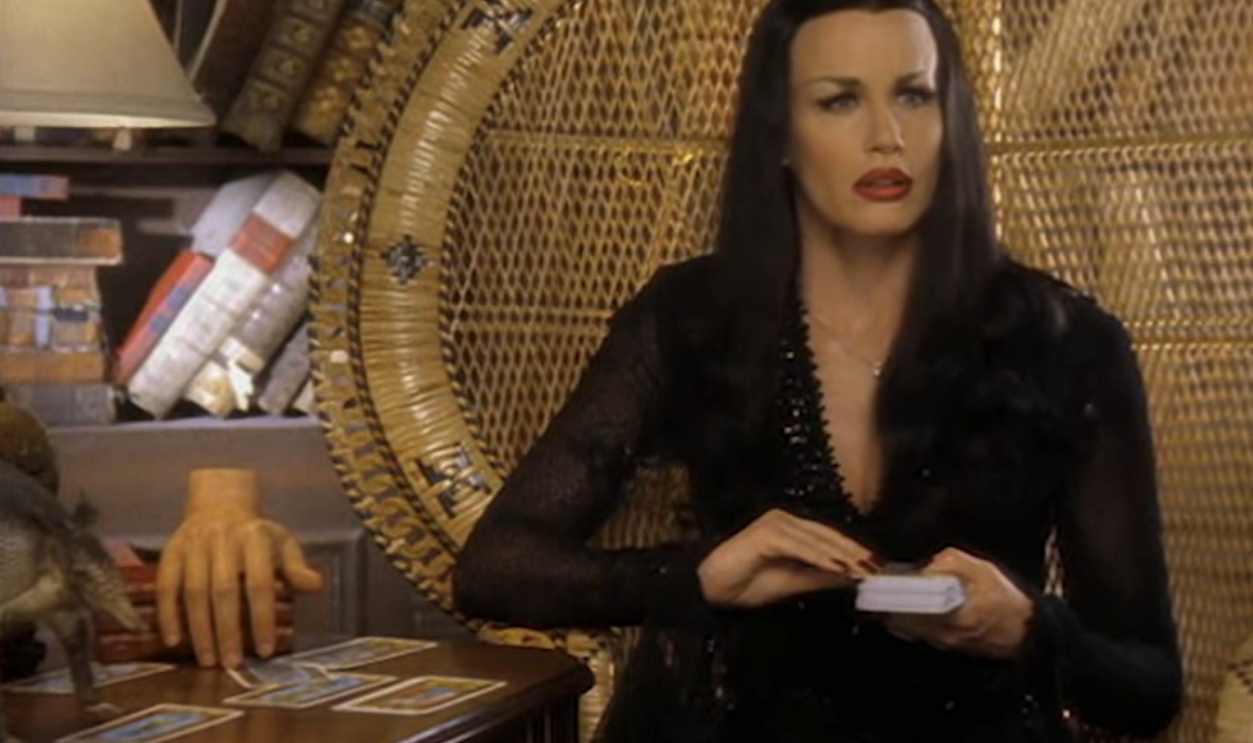 Warner Bros. Television, Addams Family Reunion (1998)
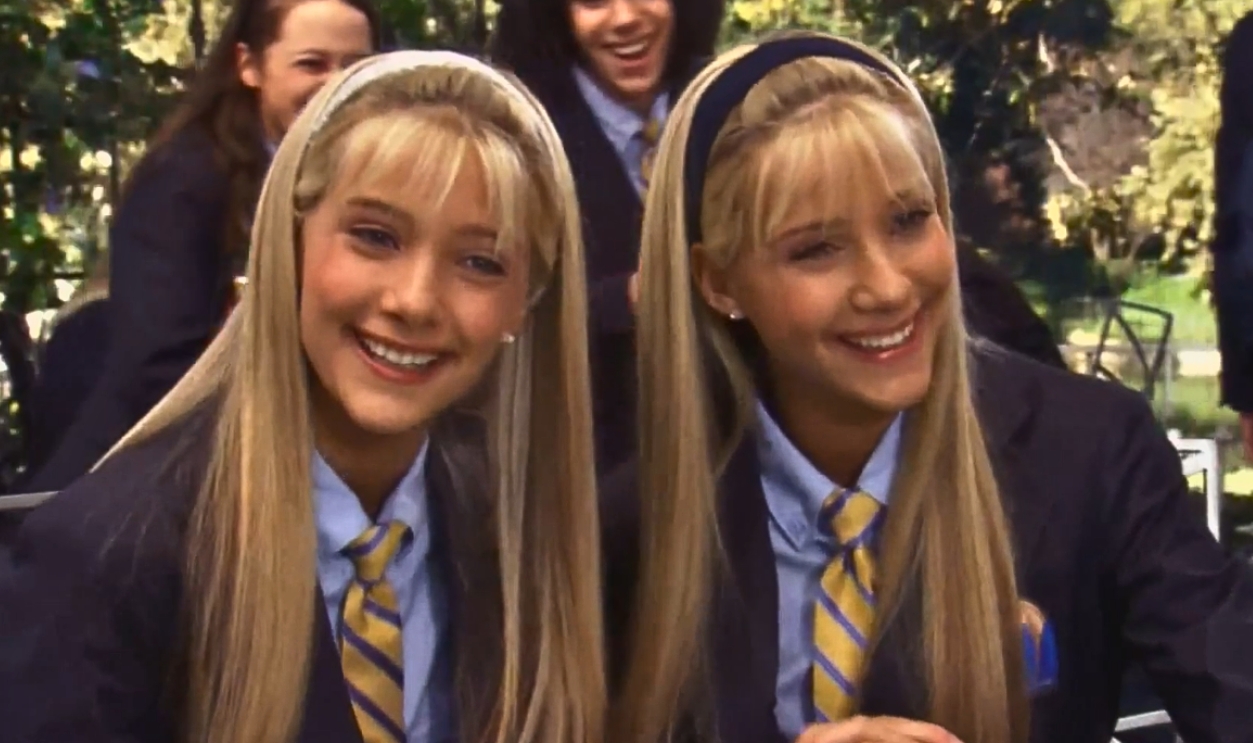
Legally Blondes (2009)
Without Reese Witherspoon’s Elle Woods, this direct-to-video spin-off focused on Elle’s British twin cousins attending an American prep school. The bubbly charm of the originals was replaced by generic teen-comedy tropes and flat performances. Audiences found it painfully unfunny and irrelevant, with none of the empowering spark that made Legally Blonde iconic. It felt like a cynical attempt to milk the brand with no heart behind it.
S. Darko (2009)
Donnie Darko was a cult classic filled with mystery and surrealism. Its sequel, S. Darko, followed Donnie’s sister Samantha but stripped away everything that made the original compelling. Instead of thoughtful ambiguity, it offered a messy, uninspired plot with forced callbacks. Fans of Richard Kelly’s original were outraged, calling it pointless and soulless. It’s remembered only as a sequel that should never have happened.
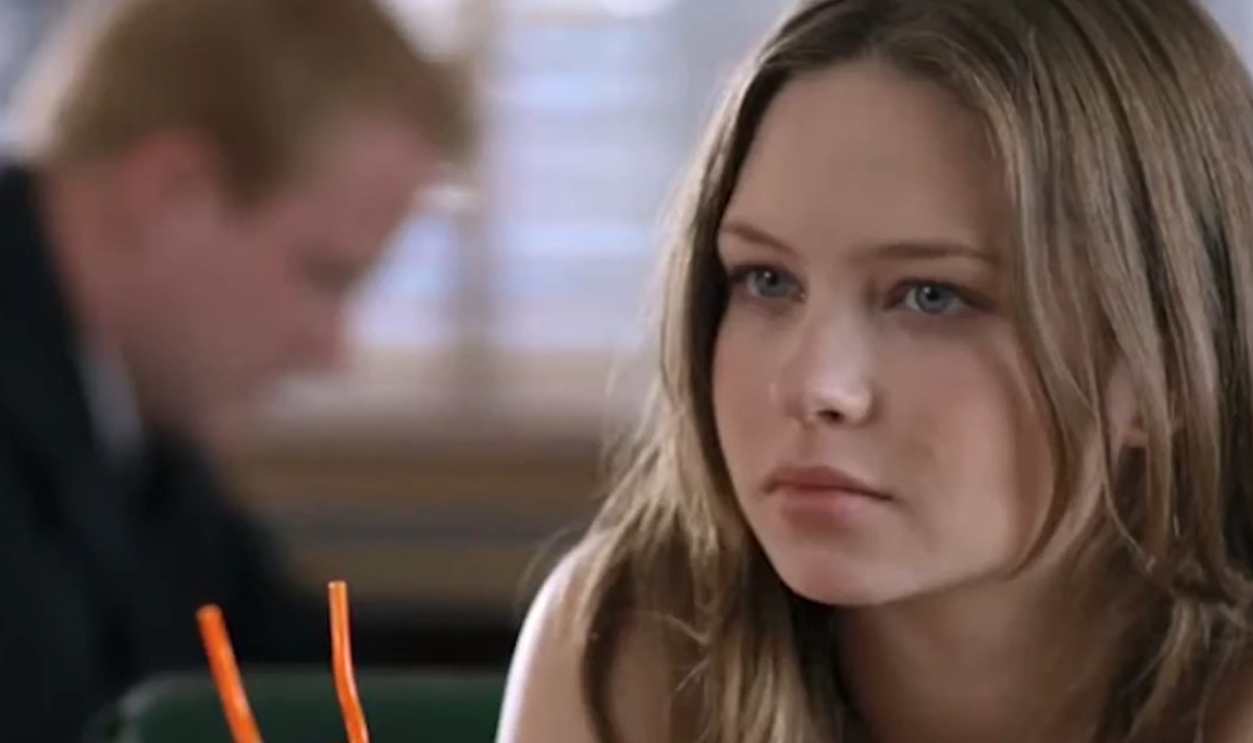 20th Century Fox Home Entertainment, S. Darko (2009)
Splash Too (1988)
The magical romance of Splash, starring Tom Hanks and Daryl Hannah, didn’t translate to this made-for-TV sequel. With none of the original cast, it felt like a bad sitcom episode stretched into a movie. The fantasy element was cheapened by low production values, bland leads, and uninspired storytelling. Audiences and critics alike quickly forgot it, leaving the original as the only Splash worth remembering.
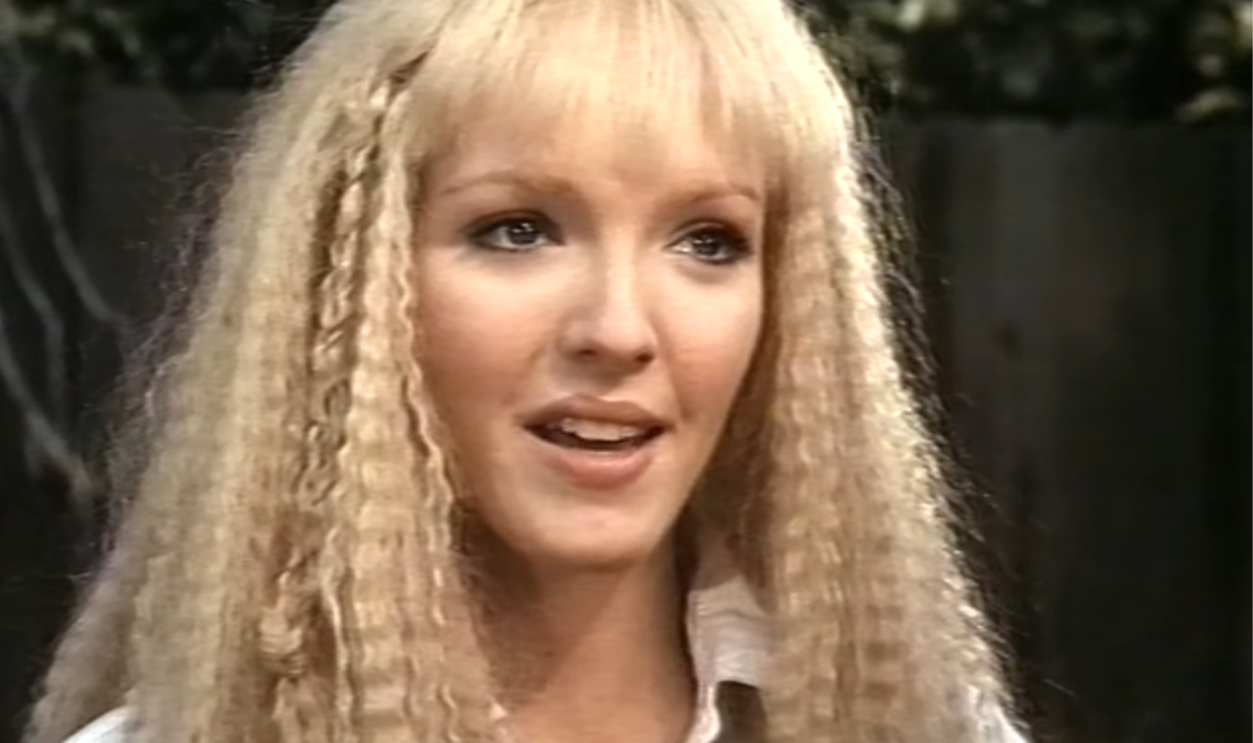 Walt Disney Television, Splash Too (1988)
Dumb And Dumberer: When Harry Met Lloyd (2003)
Instead of reuniting Jim Carrey and Jeff Daniels, this prequel gave us younger versions of the dimwitted duo in high school. The result? A joyless, juvenile mess. Without the comedic chemistry or clever timing of the original, it leaned on toilet humor and forced gags. Fans despised it, calling it one of the most unnecessary prequels ever made, a hollow knockoff that missed the point entirely.
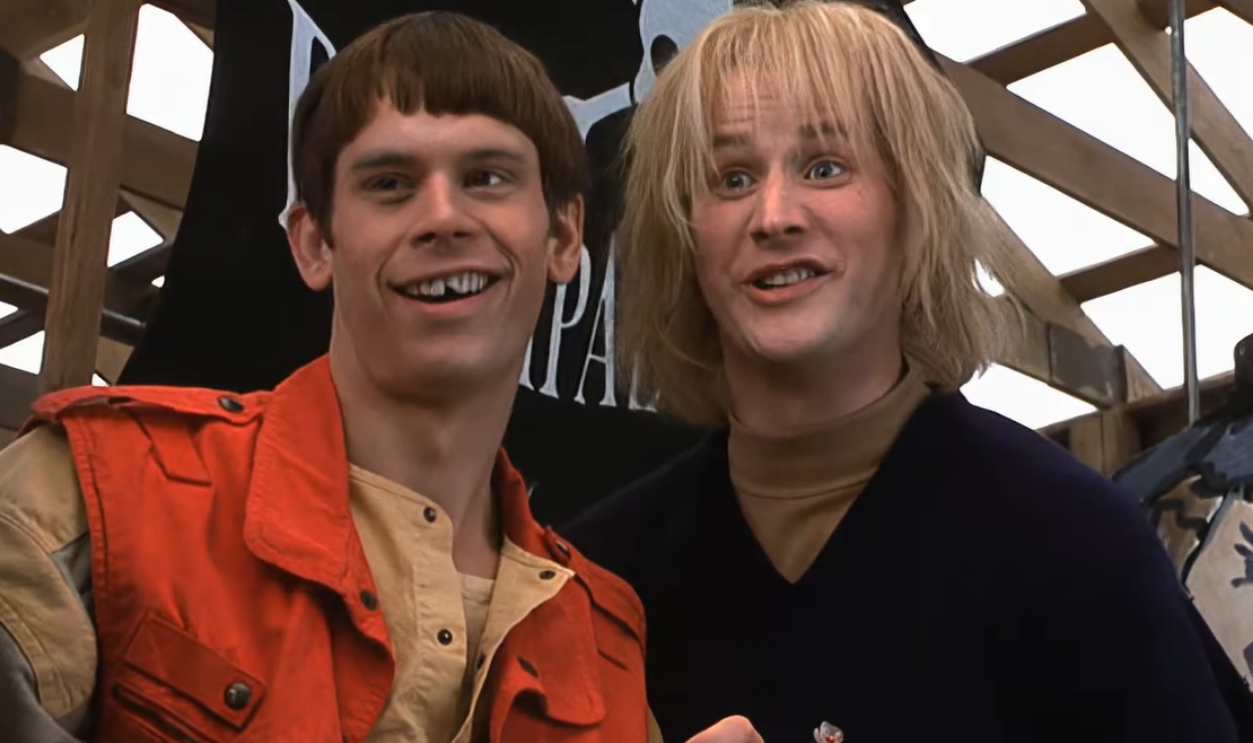 New Line Cinema, Dumb and Dumberer: When Harry Met Lloyd (2003)
The Birds II: Land’s End (1994)
Alfred Hitchcock’s The Birds was a horror masterpiece. Its TV sequel? Not so much. With recycled bird attacks, clumsy direction, and weak writing, Land’s End felt like a bad parody. Even star Tippi Hedren, who returned in a different role, distanced herself from it. Critics trashed it as dull and embarrassing, an insult to Hitchcock’s legacy and one of the most forgettable sequels of the 1990s.
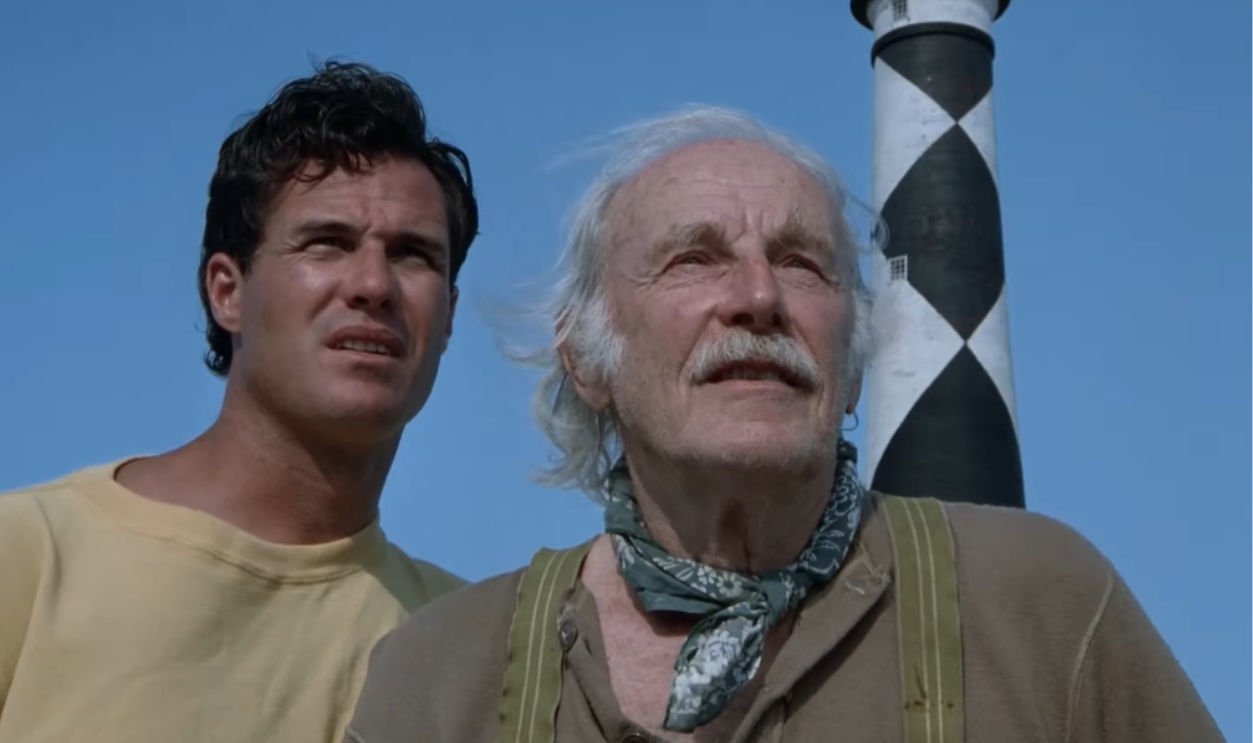 Showtime Networks, The Birds II: Land’s End (1994)
Son Of The Mask (2005)
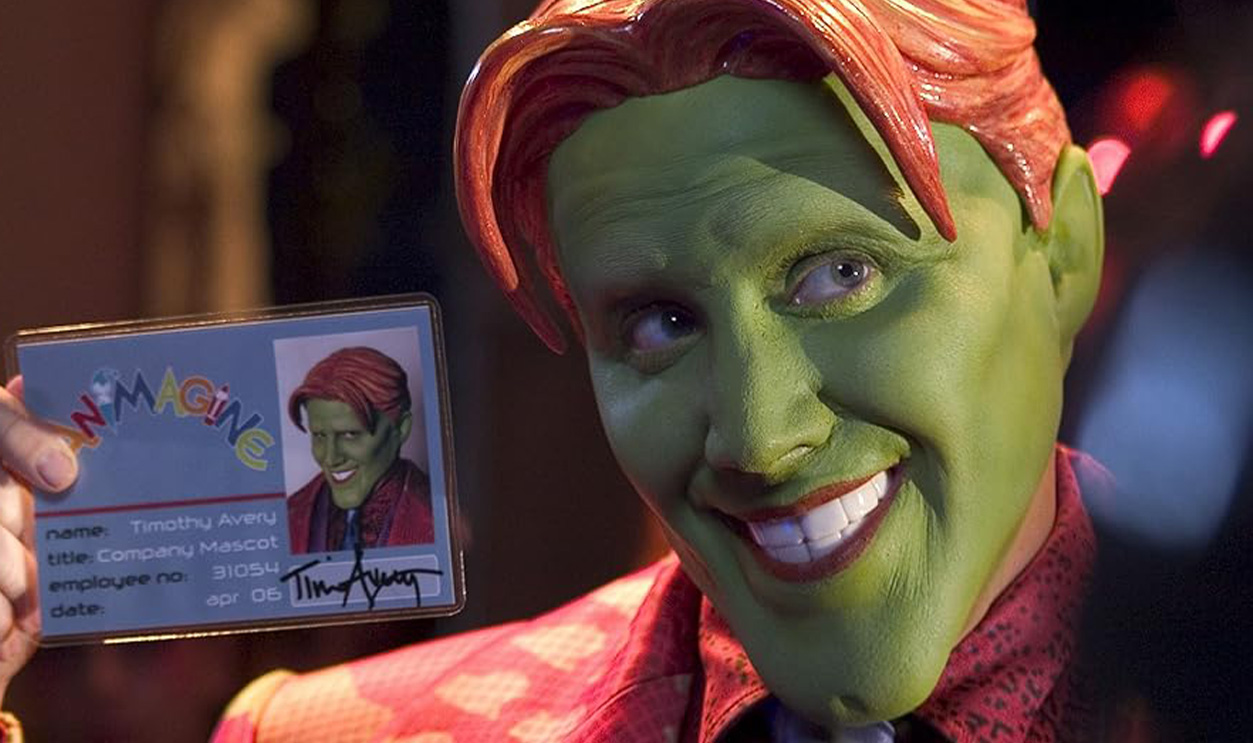
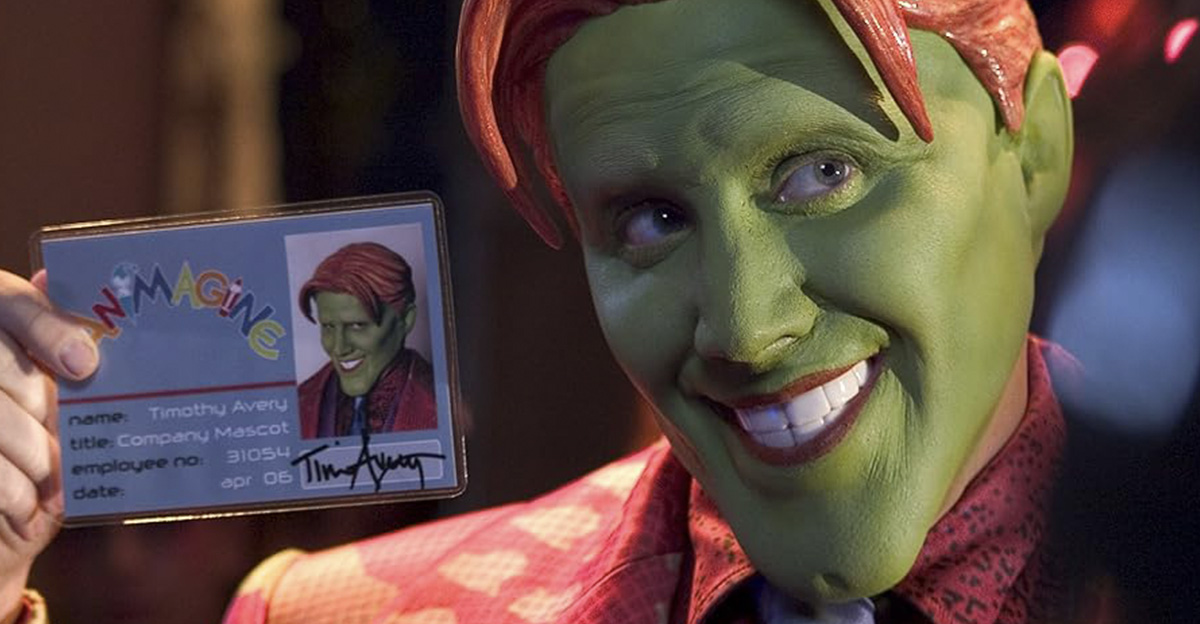
Jim Carrey’s manic energy made The Mask a smash hit. The sequel, starring Jamie Kennedy, lacked every ounce of that charm. Bloated CGI, irritating baby antics, and cringeworthy humor turned it into a critical disaster. Kennedy later admitted it destroyed his career momentum. Fans agreed: it’s one of the worst sequels ever, remembered only for how thoroughly it tarnished the original’s reputation.
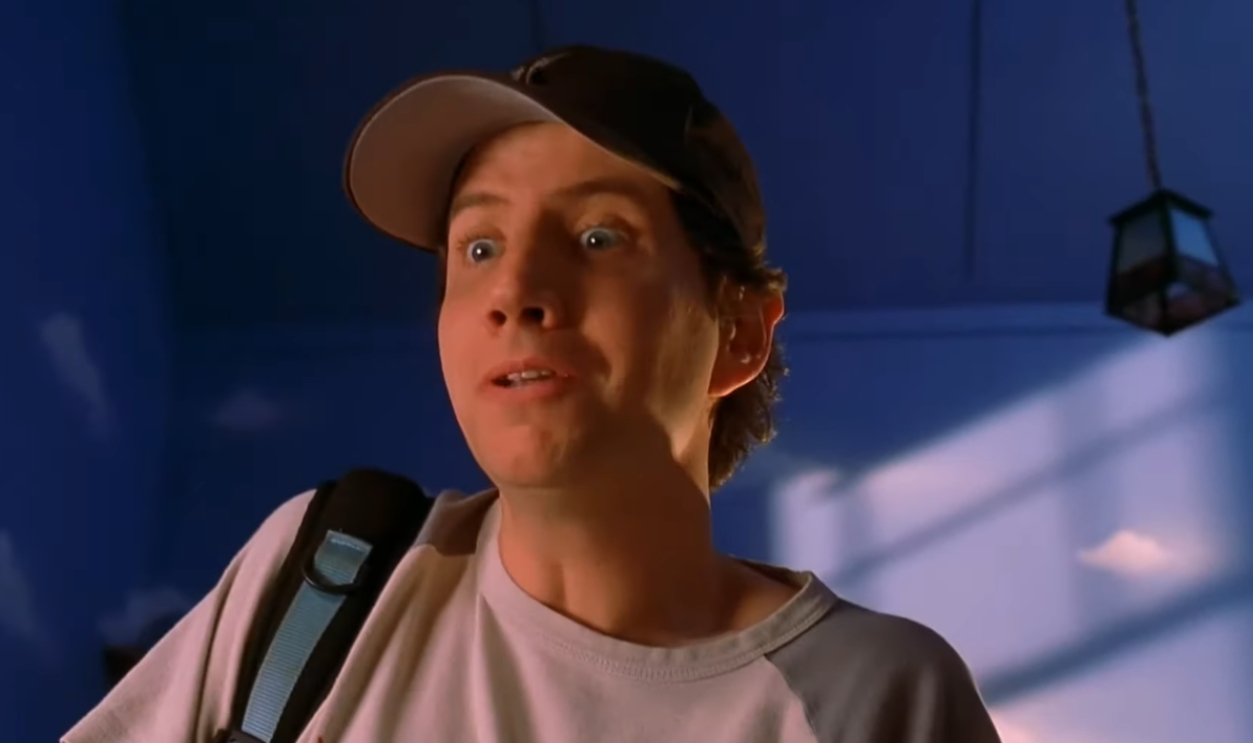 New Line Cinema, Son of the Mask (2005)
Ace Ventura: Pet Detective Jr. (2009)
Without Jim Carrey, there was never much hope for this direct-to-video disaster. Starring a child actor as Ace Ventura’s son, it tries to mimic Carrey’s physical comedy but ends up painfully embarrassing. With cheap production, forced slapstick, and zero laughs, it feels like a parody rather than a continuation. Fans of the original Ace Ventura films universally rejected it, calling it a soulless cash-in.
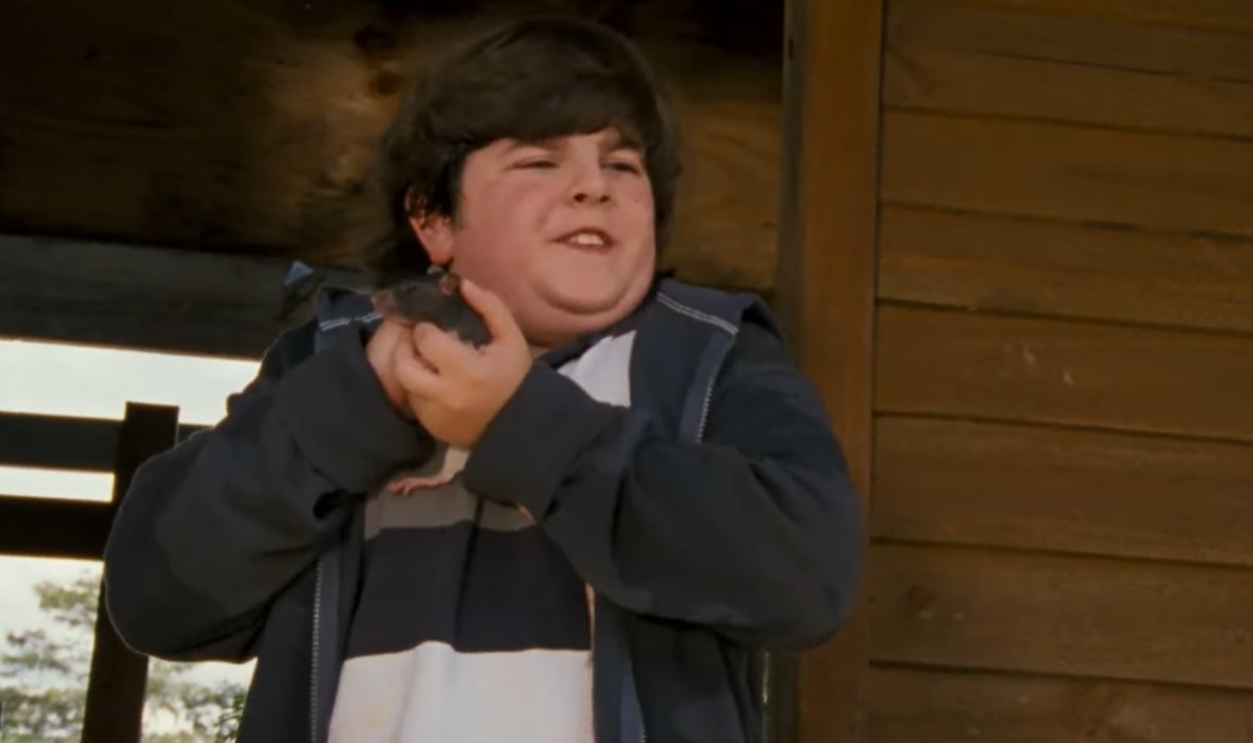 Warner Bros. Home Entertainment, Ace Ventura: Pet Detective Jr. (2009)
Titanic II (2010)
The title alone raised eyebrows. This straight-to-video disaster film imagines a new Titanic ship setting sail, only to face—surprise—another iceberg. With bargain-basement effects, wooden acting, and a hilariously absurd premise, it quickly became a mockery online. Critics didn’t take it seriously, and audiences mostly watched it as unintentional comedy. It’s a sequel in name only, coasting on the original’s notoriety without offering anything worthwhile.
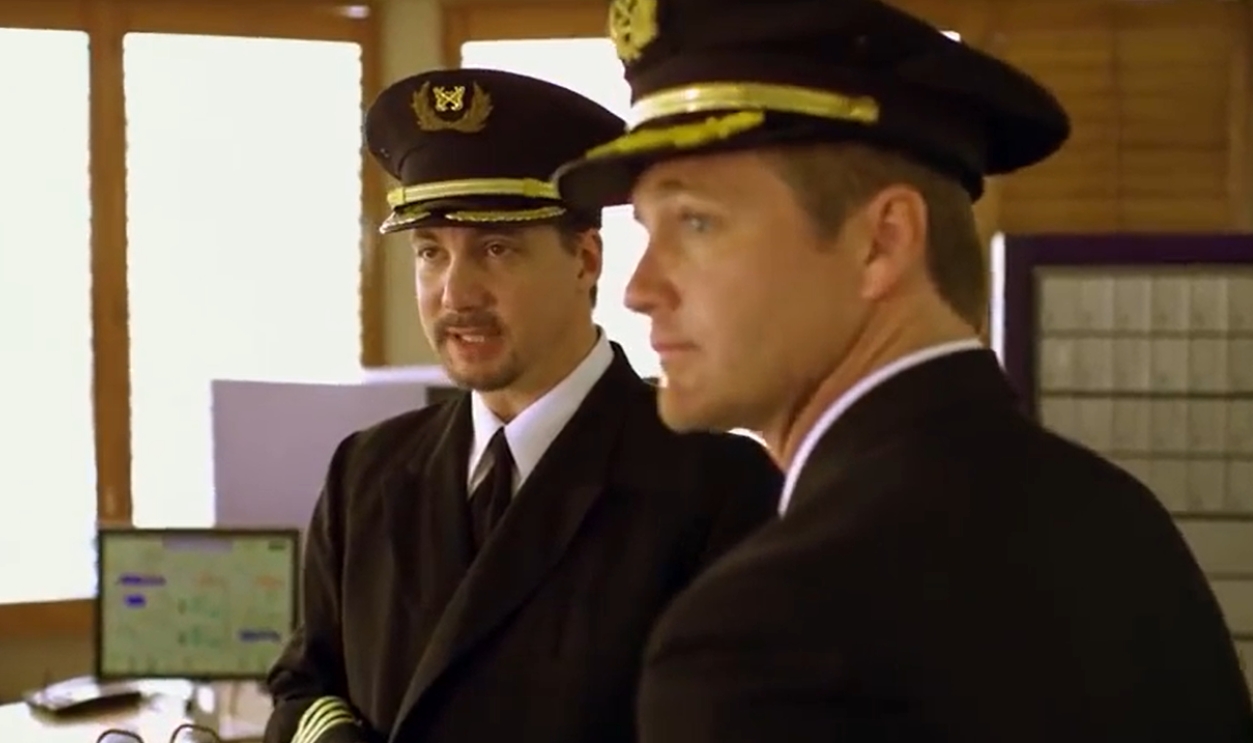
Speed 2: Cruise Control (1997)
Speed was a thrilling ride with Keanu Reeves and Sandra Bullock. The sequel swapped Reeves for Jason Patric and set the action on a slow-moving cruise ship. Audiences found it dull, bloated, and entirely lacking in suspense. Even Bullock later admitted regret for signing on. With little chemistry and absurd plotting, it proved that lightning didn’t strike twice.
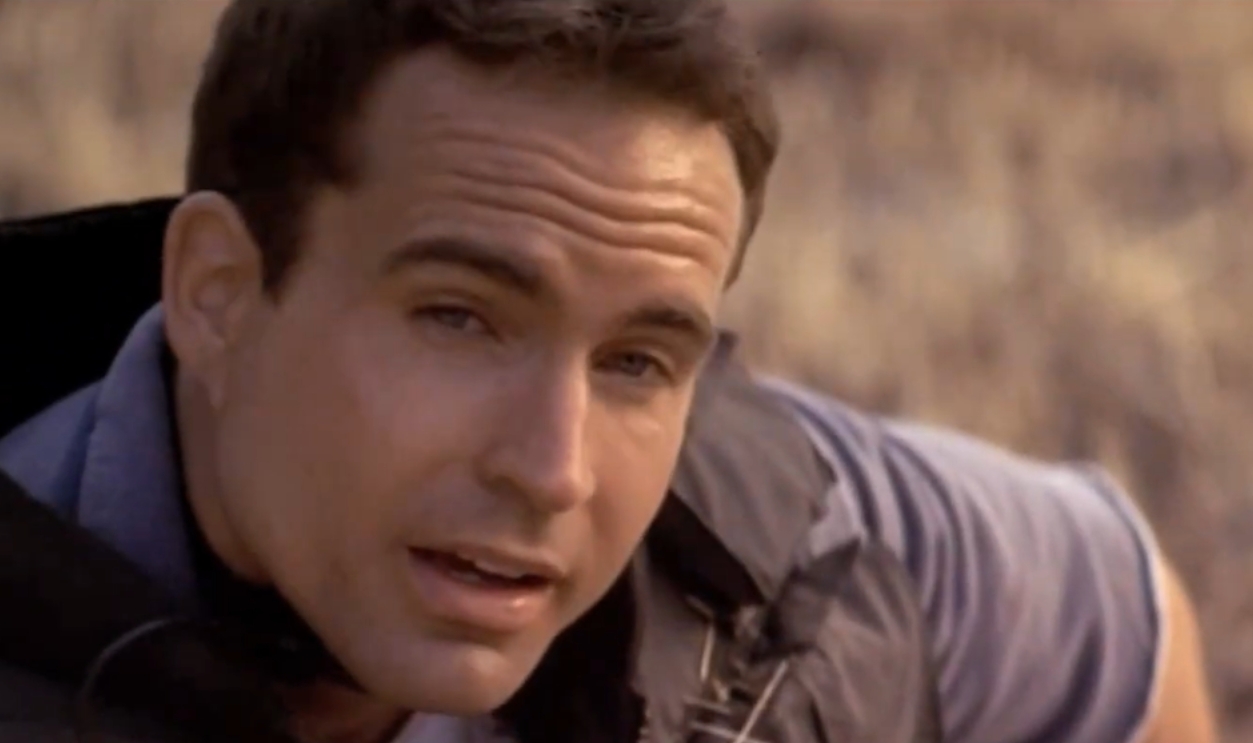 20th Century Fox, Speed 2: Cruise Control (1997)
Daddy Day Camp (2007)
Following Eddie Murphy’s Daddy Day Care, this sequel starred Cuba Gooding Jr in a recast lead role. Unfortunately, it traded Murphy’s charm for fart jokes and uninspired slapstick. Critics called it a joyless mess aimed at kids but painful for parents. Without heart, cleverness, or originality, it quickly landed on “worst sequels” lists. Gooding himself seemed embarrassed, and audiences were even less forgiving.
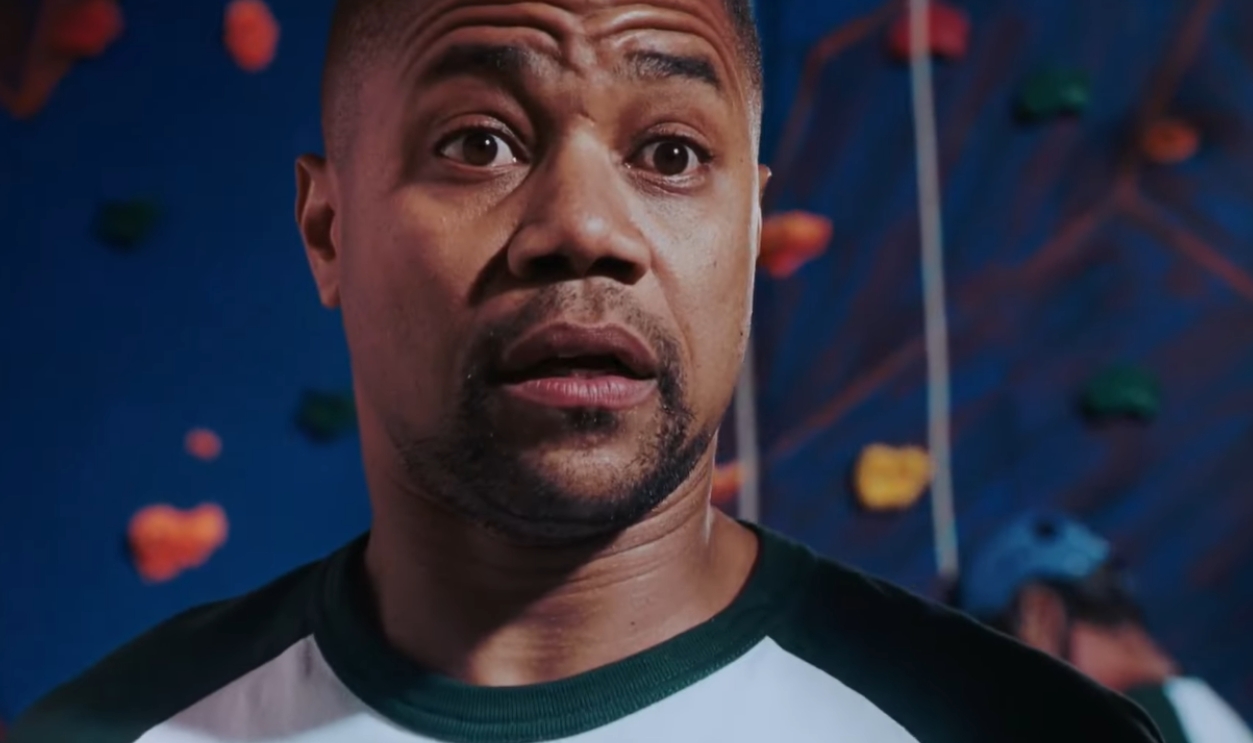 TriStar Pictures, Daddy Day Camp (2007)
Jaws: The Revenge (1987)
Steven Spielberg’s Jaws terrified audiences. By the fourth film, the shark was practically a comedy act. This entry follows the Brody family as a shark “seeks revenge” on them—yes, really. Michael Caine famously admitted he took the role for a paycheck, never seeing the film but enjoying the house it bought him. Audiences laughed at its absurd premise and awful effects, cementing it as a disaster.
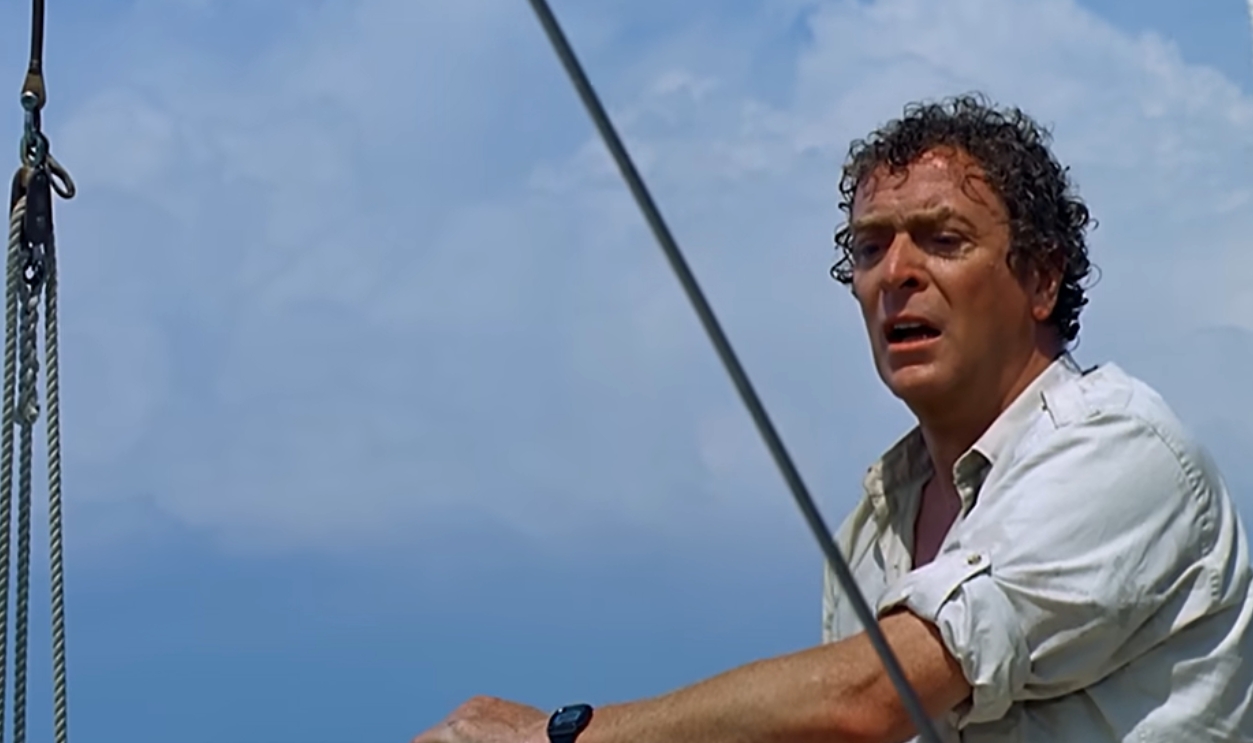 Universal Pictures, Jaws: The Revenge (1987)
The Whole Ten Yards (2004)
The darkly funny The Whole Nine Yards didn’t need a sequel, but Hollywood gave us one anyway. Bruce Willis, Matthew Perry, and Amanda Peet return, but the chemistry is gone, replaced by convoluted plotting and recycled jokes. Critics panned it as tiresome and unnecessary. Audiences largely skipped it, and it quickly faded into obscurity.
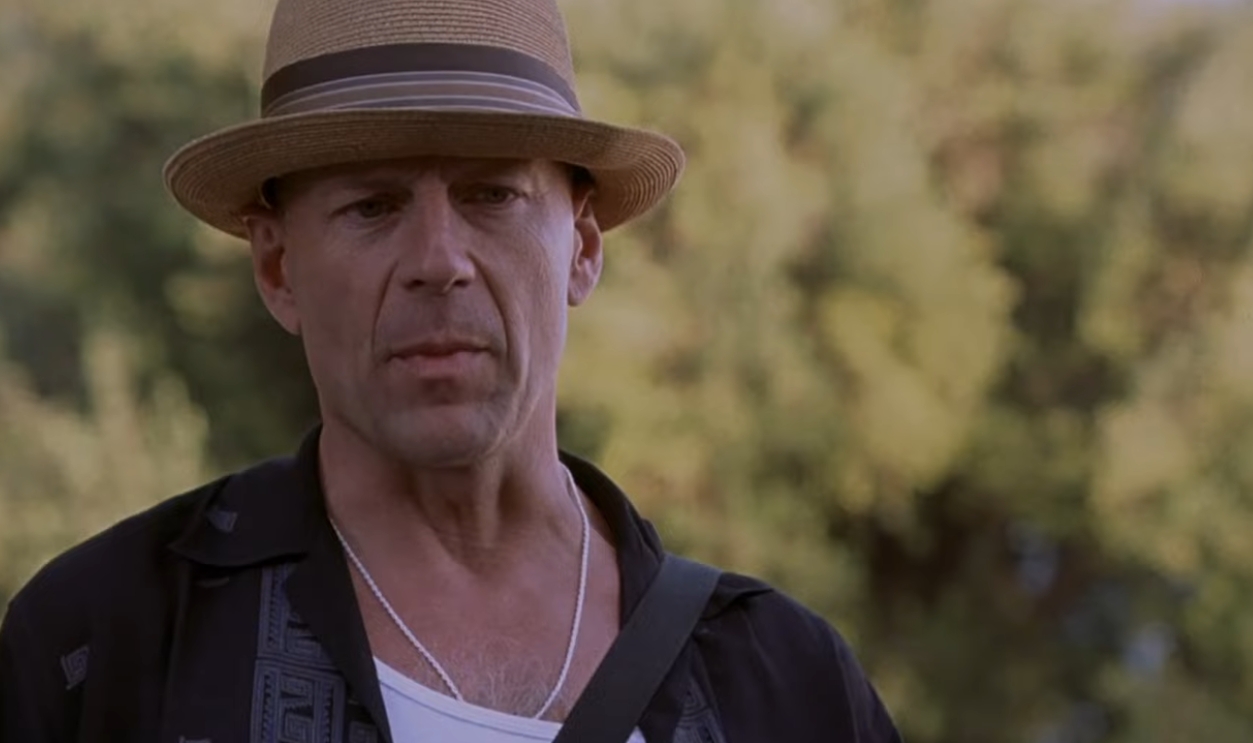 Warner Bros. Pictures, The Whole Ten Yards (2004)
Mortal Kombat: Annihilation (1997)
Fans of the campy but fun first Mortal Kombat movie hoped for bigger fights in the sequel. Instead, they got incomprehensible storylines, cheesy dialogue, and bargain-basement effects. Beloved characters were killed off in seconds, leaving fans furious. Critics called it a cartoonish disaster, and even hardcore gamers couldn’t defend it. It’s remembered today as one of the worst video-game movies ever made.
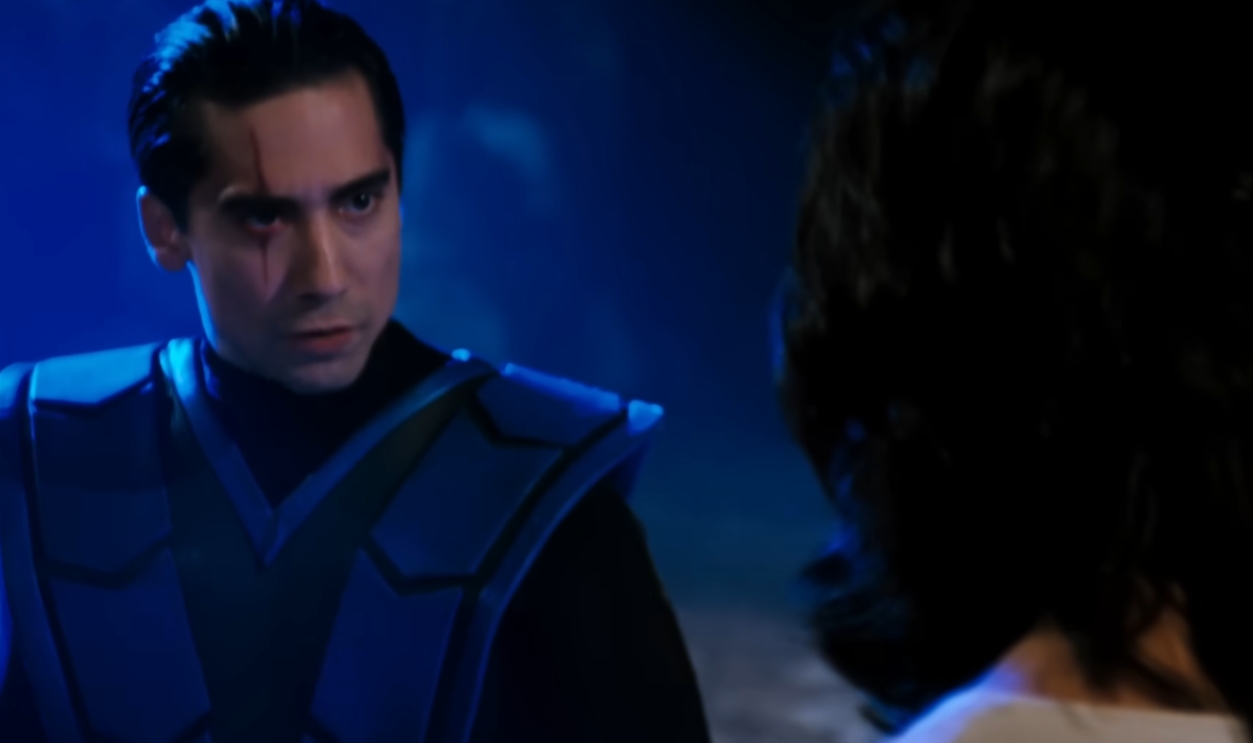 New Line Cinema, Mortal Kombat: Annihilation (1997)
Scary Movie V (2013)
The once-popular Scary Movie franchise was running on fumes by its fifth entry. With Anna Faris gone, the humor turned into a parade of cheap celebrity cameos and tired parody gags. The spoof felt stale and lazy, with jokes that were dated even on release. Audiences rolled their eyes, and critics wrote it off as a sad end to a once-funny series.
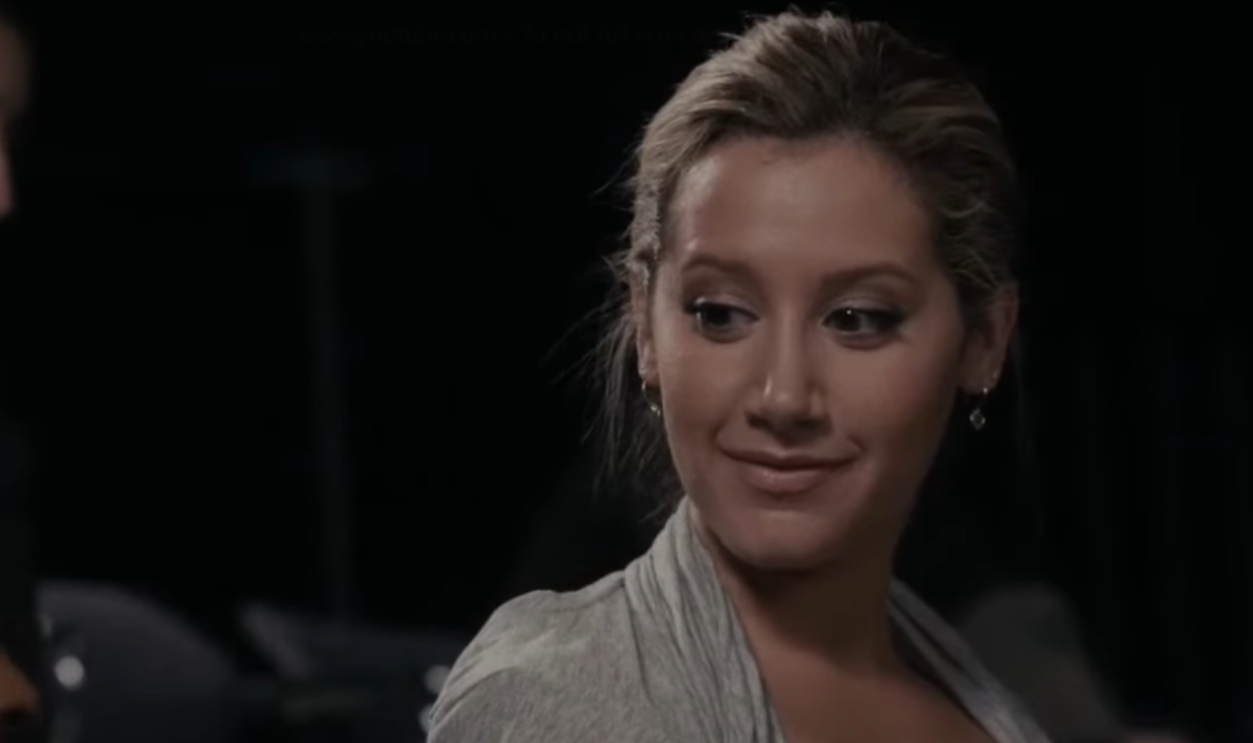 Dimension Films, Scary Movie V (2013)
SuperBabies: Baby Geniuses 2 (2004)
The original Baby Geniuses was no masterpiece, but at least it had a silly premise. Its sequel doubled down with talking toddlers saving the world. The result? One of the most reviled films ever made. Painful jokes, creepy effects, and incoherent storytelling made it unwatchable. It’s frequently cited on “worst movie of all time” lists, a cringe-fest so bad it became infamous.
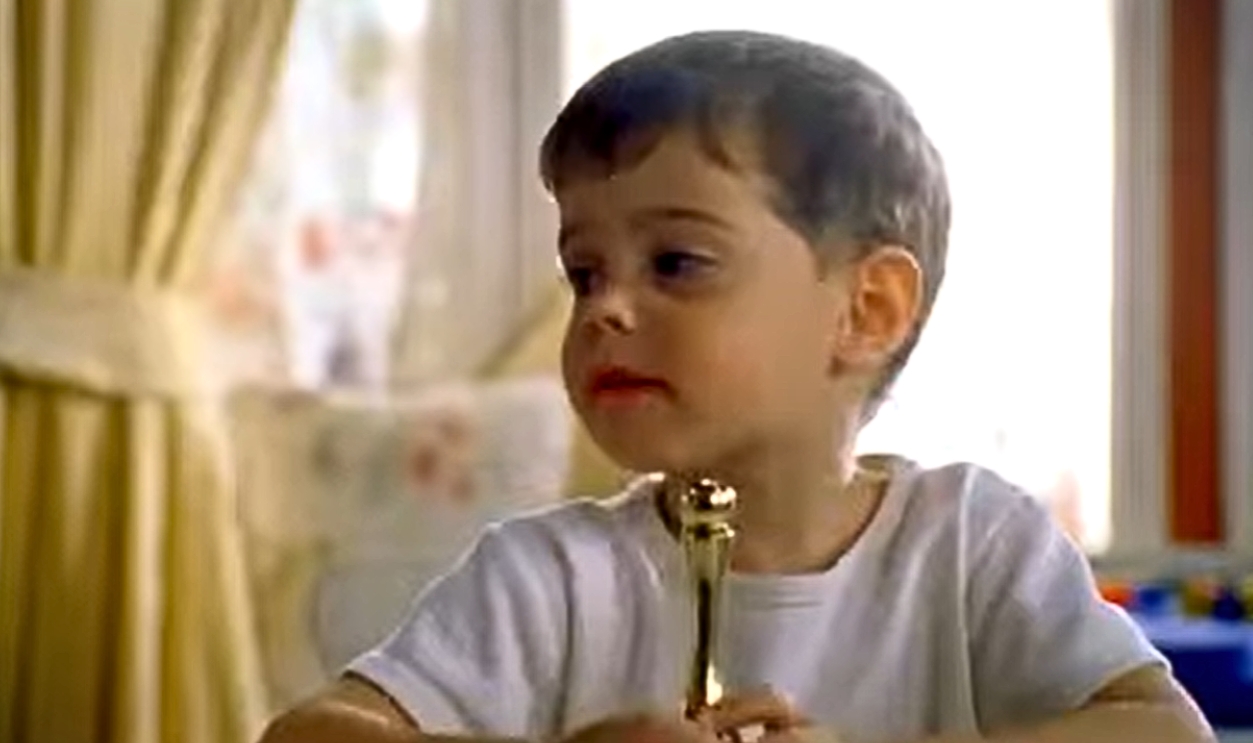 Triumph Films (Sony), SuperBabies: Baby Geniuses 2 (2004)
You May Also Like:
Sci-Fi Sequels Many Fans Missed
Movie Sequels That Never Happened