When The Snow Finally Decides To Leave
By the time spring rolls around, most of us are completely over winter. The novelty of snow wore off months ago, the sidewalks are a mix of slush and mystery puddles, and you’ve probably checked the weather app more times than you’d like to admit.
When you can’t quite escape into nature yet, movies are the next best thing. Some of these films treat nature as a backdrop, while others make the landscape feel like a character all its own. Either way, they’re perfect for when you’re ready to swap winter blues for spring vibes.
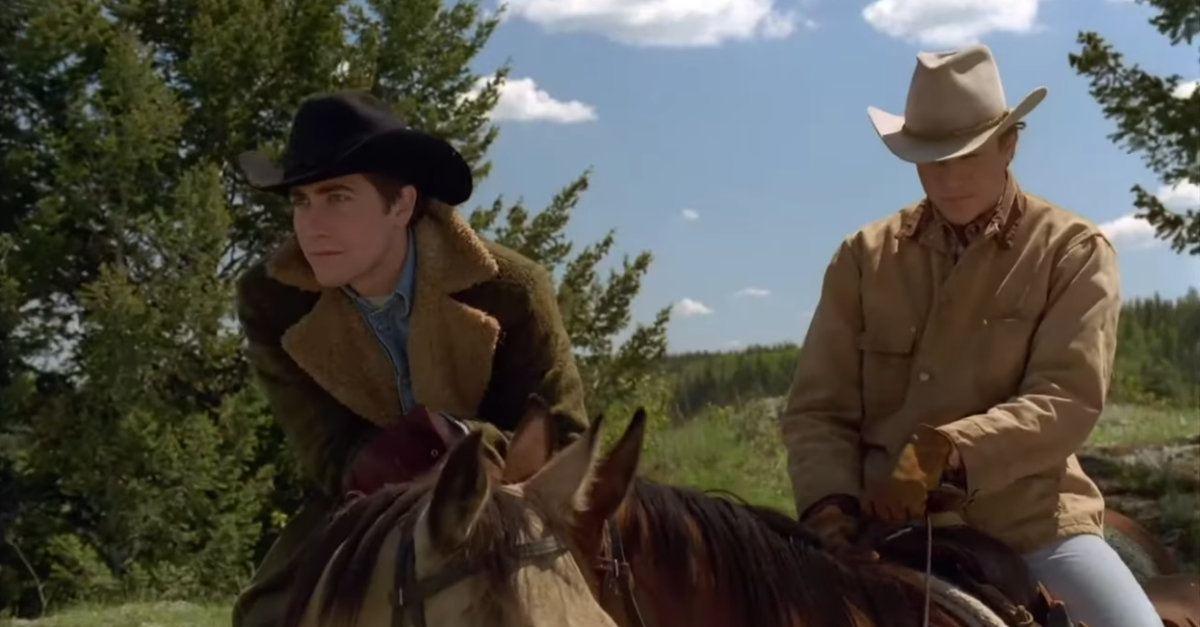
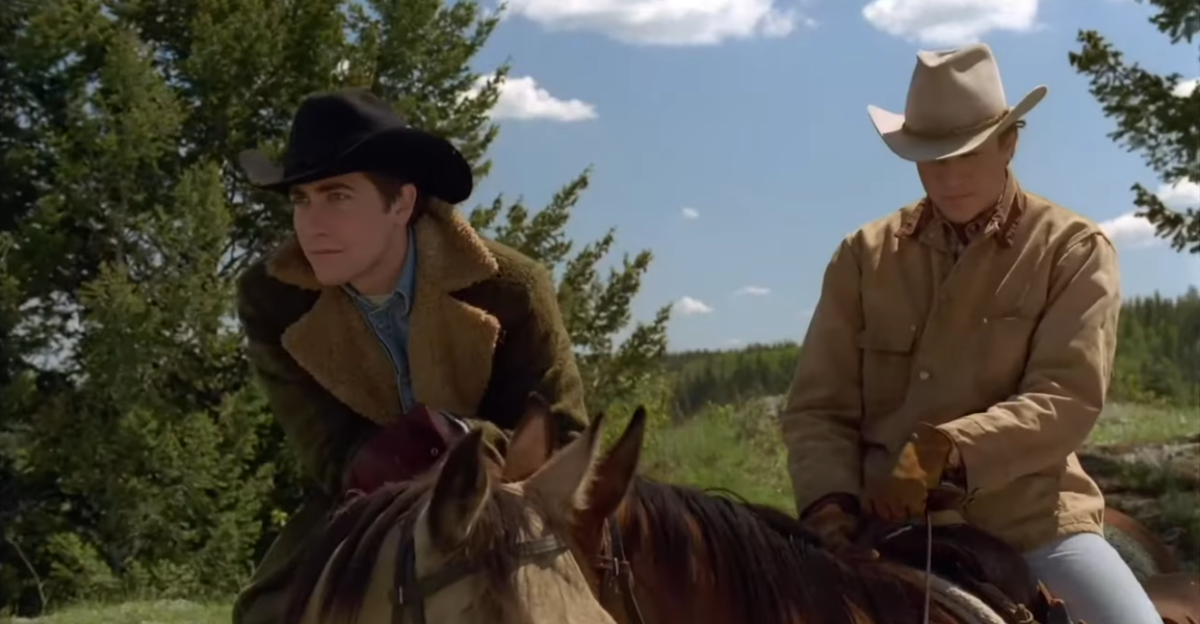 Screenshot from Brokeback Mountain, amazonprime.com
The Englishman Who Went Up a Hill But Came Down a Mountain
This charming story takes place in a tiny Welsh village surrounded by rolling green countryside. When English surveyors arrive and announce that the town’s “mountain” is technically just a hill, the locals decide that simply won’t do. What follows is a stubbornly wholesome mission to fix the problem. The countryside scenery is peaceful and lush enough to make you feel like spring has already arrived.
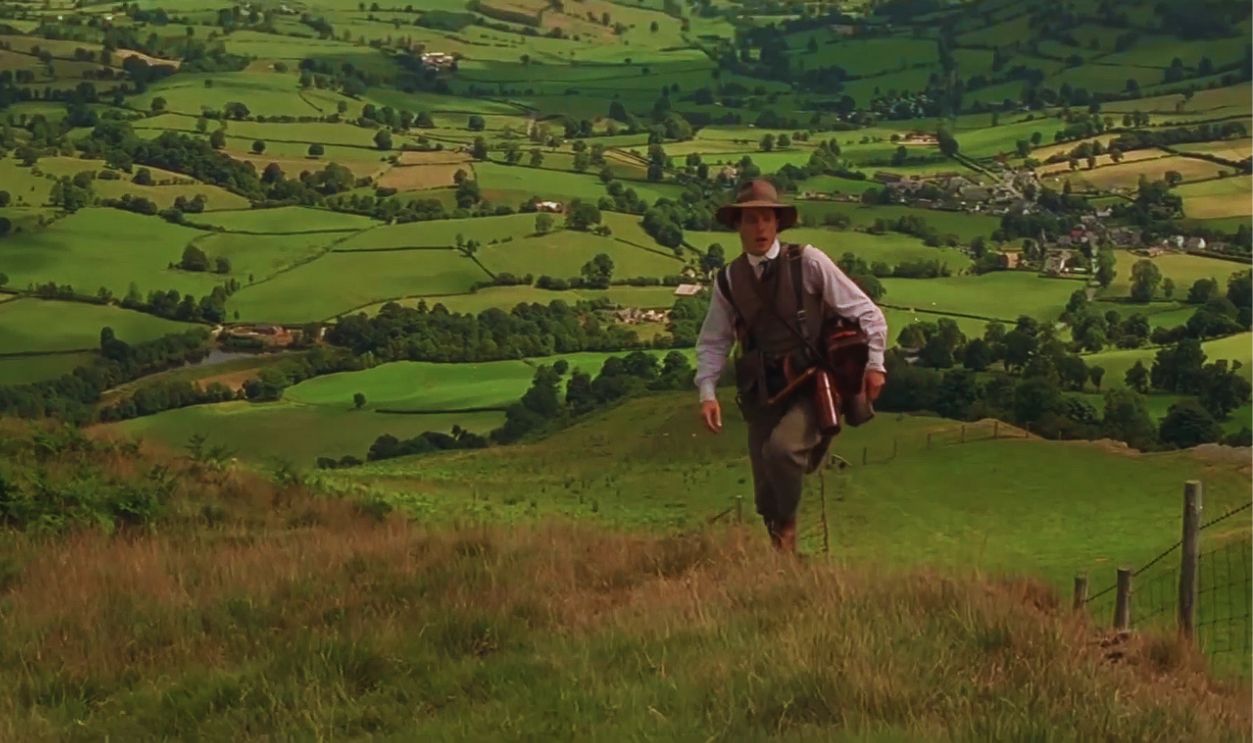 Screenshot from The Englishman Who Went Up a Hill But Came Down a Mountain, Miramax (1995)
Braveheart
Few movies show off the Scottish Highlands quite like Braveheart. The film’s sweeping shots of misty hills, green valleys, and wide battlefields give the story a massive sense of scale. It’s a historical epic about rebellion and freedom, but the scenery is just as memorable as the action. Those wide-open Highland landscapes are so striking they practically become another character in the film.
 Screenshot from Braveheart, Paramount Pictures (1995)
Rob Roy
Another trip into Scotland’s rugged beauty, Rob Roy tells the story of the legendary folk hero Rob Roy MacGregor. The film moves through rolling hills, misty valleys, and remote Highland settlements. The scenery helps create a feeling of independence and wildness that fits the story perfectly. If you’re craving fresh air and green landscapes, this one delivers.
 Screenshot from Rob Roy, United Artists (1995)
Barry Lyndon
Stanley Kubrick’s Barry Lyndon is famous for looking like a moving painting. The film takes place across gorgeous estates and peaceful countryside locations that feel straight out of the 18th century. Kubrick lets the camera linger on landscapes and natural light, which gives everything a calm, almost dreamlike quality. Watching it can feel like wandering through a museum where every painting suddenly comes to life.
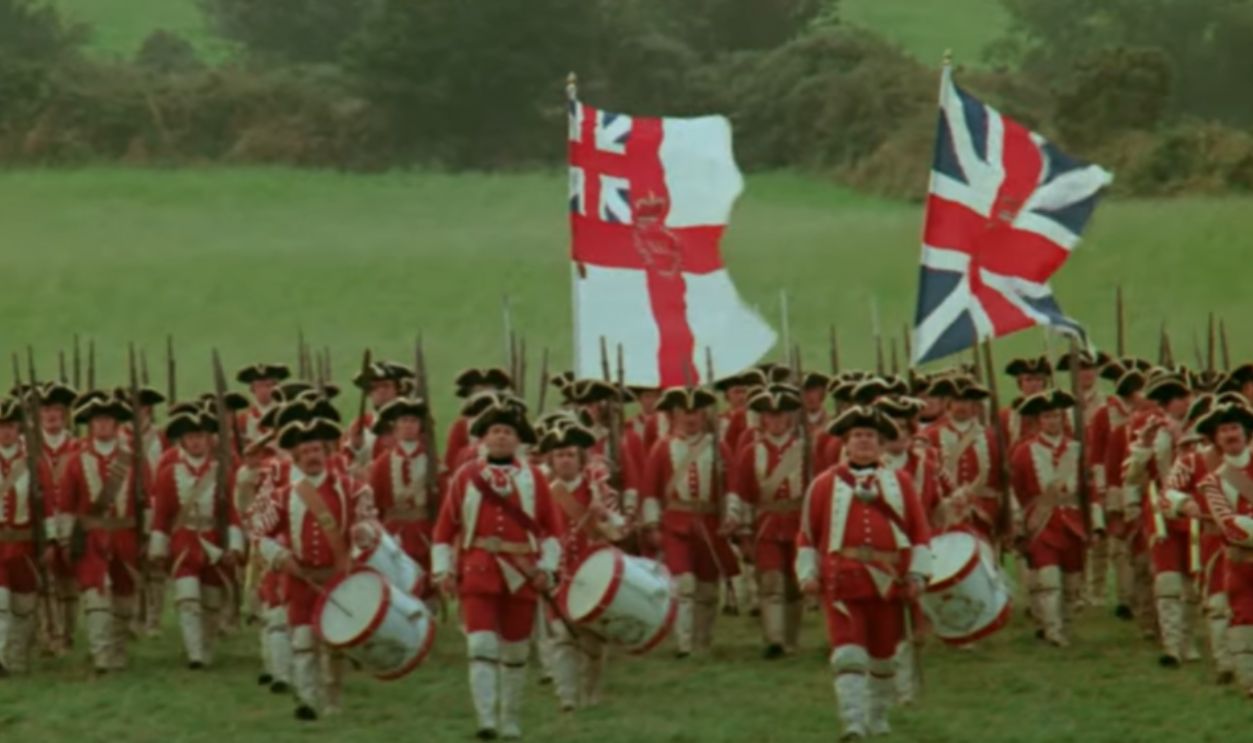 Screenshot from Barry Lyndon, Warner Bros. (1975)
Dances With Wolves
Kevin Costner’s Dances With Wolves is basically a cinematic love letter to the American frontier. The story follows a Union soldier who gradually becomes part of a Lakota Sioux community on the Great Plains. Huge skies, endless grasslands, and roaming wildlife fill the screen. By the time the movie ends, you might feel like you’ve spent the afternoon breathing in prairie air.
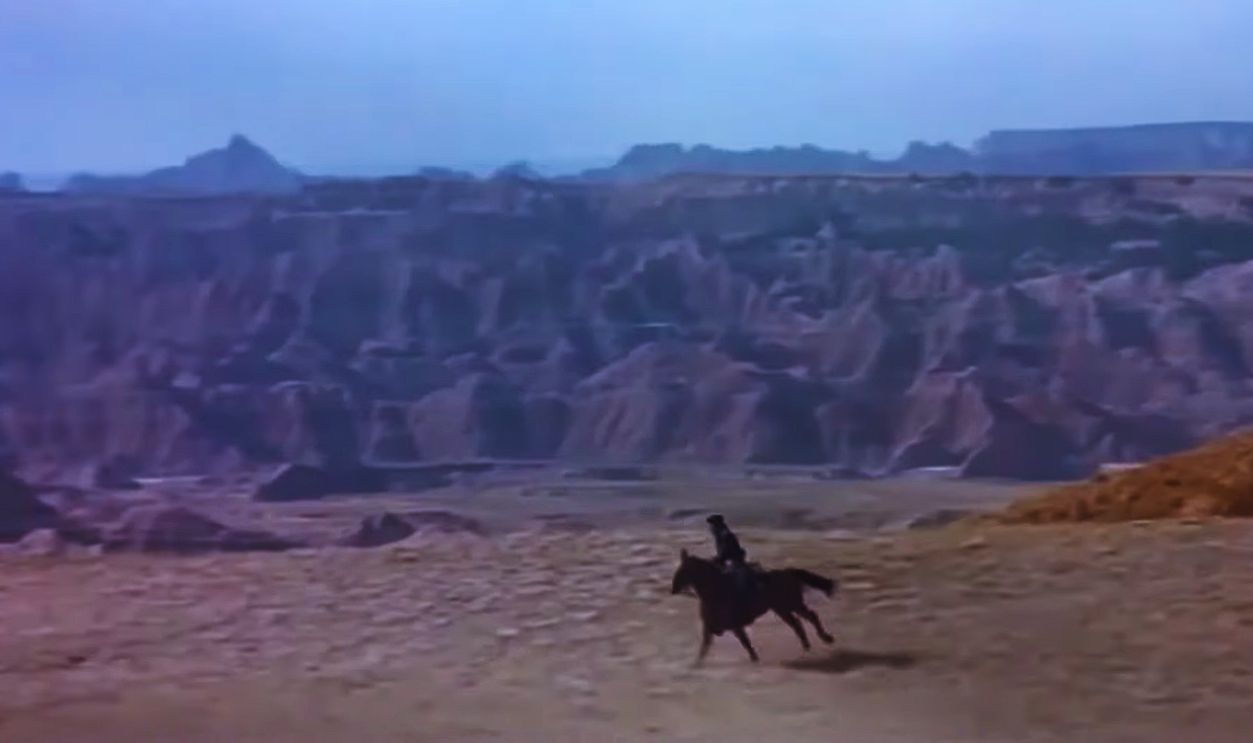 Screenshot from Dances with Wolves, Orion Pictures (1990)
The Last Of The Mohicans
Set during the French and Indian War, The Last of the Mohicans mixes action, romance, and gorgeous wilderness scenery. Forests, rivers, and mountains stretch across nearly every frame of the film. The natural landscape makes the story feel bigger and more adventurous. It’s the kind of movie that makes you want to head outside the second the credits roll.
 Screenshot from The Last of the Mohicans, 20th Century Fox (1992)
Legends Of The Fall
Set in the rugged landscapes of Montana, Legends of the Fall follows three brothers whose lives are shaped by love, danger, and family tragedy. The film moves through sweeping mountain scenery, wide ranch land, and dramatic seasonal changes. Nature isn’t just scenery here—it reflects the emotional highs and lows of the characters. It’s wild, beautiful, and sometimes a little heartbreaking.
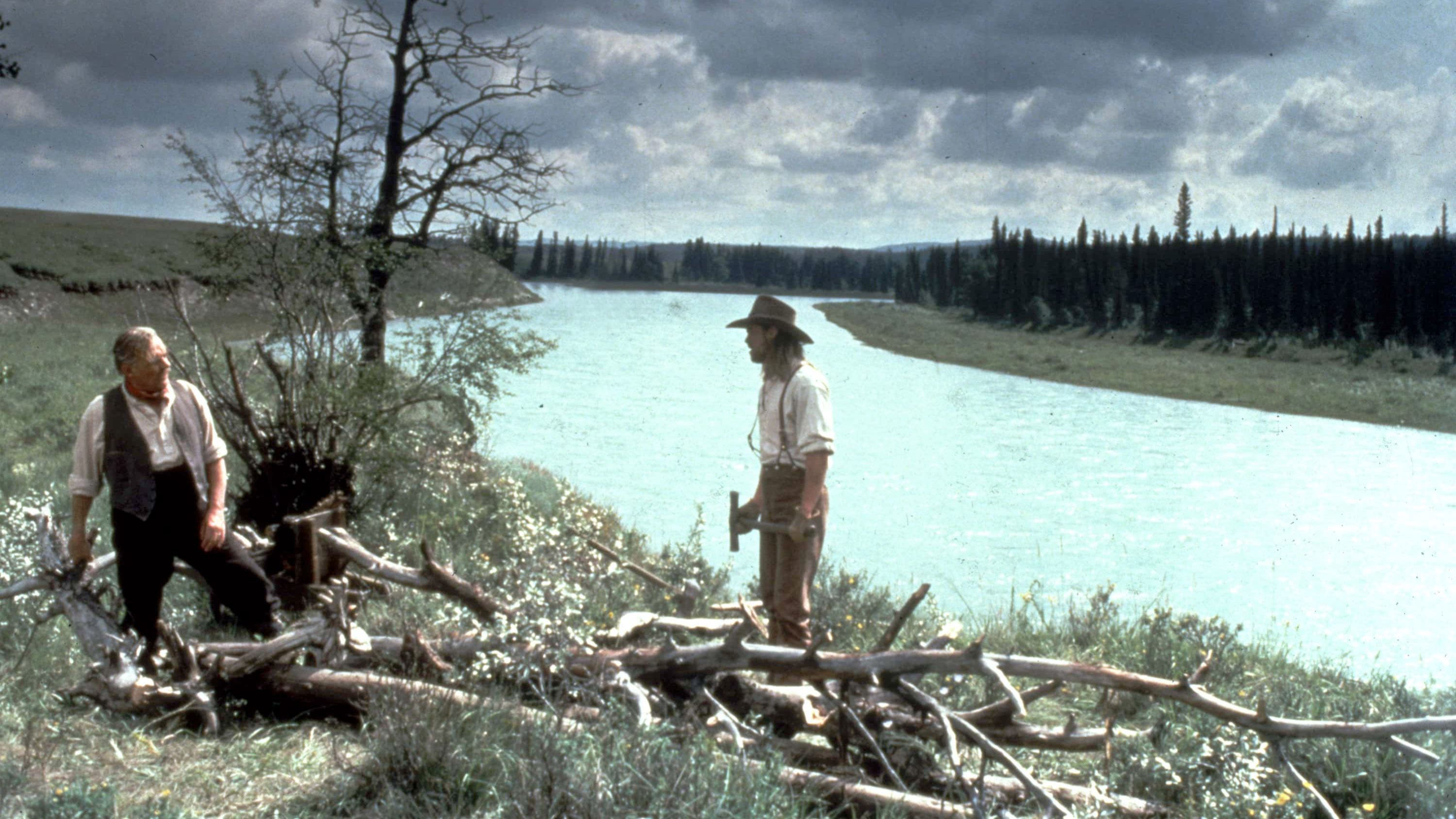
A River Runs Through It
You might not expect fly-fishing to look cinematic, but A River Runs Through It proves otherwise. The film tells the story of two brothers growing up in Montana with a deep connection to the river that runs through their lives. Sunlit valleys, quiet forests, and flowing water give the movie a calm, reflective tone. It’s easily one of the most peaceful nature-heavy films you could watch.
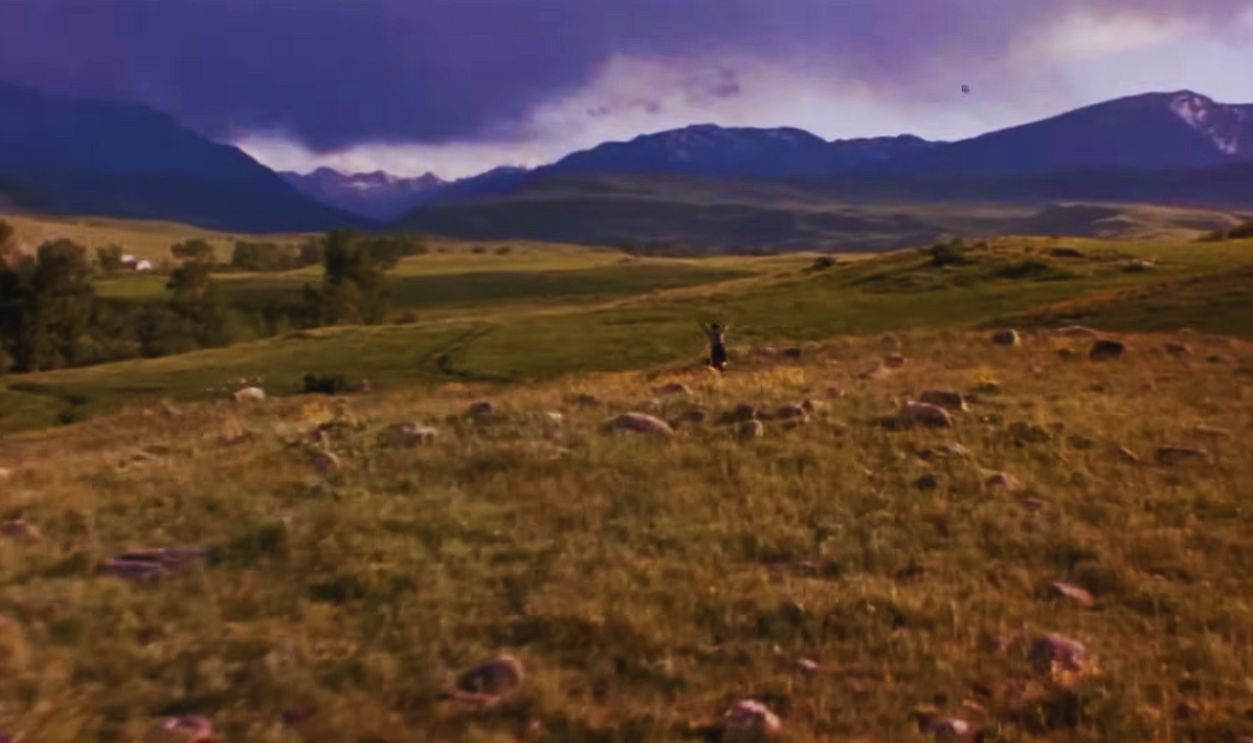 Screenshot from A River Runs Through It, Columbia Pictures (1992)
Out Of Africa
If you’re in the mood for breathtaking scenery, Out of Africa has plenty of it. The film follows a Danish writer running a coffee plantation in colonial Kenya. From sweeping savannas to glowing sunsets, nearly every shot feels postcard-worthy. It’s the kind of movie where you’ll occasionally forget the plot because you’re too busy admiring the horizon.
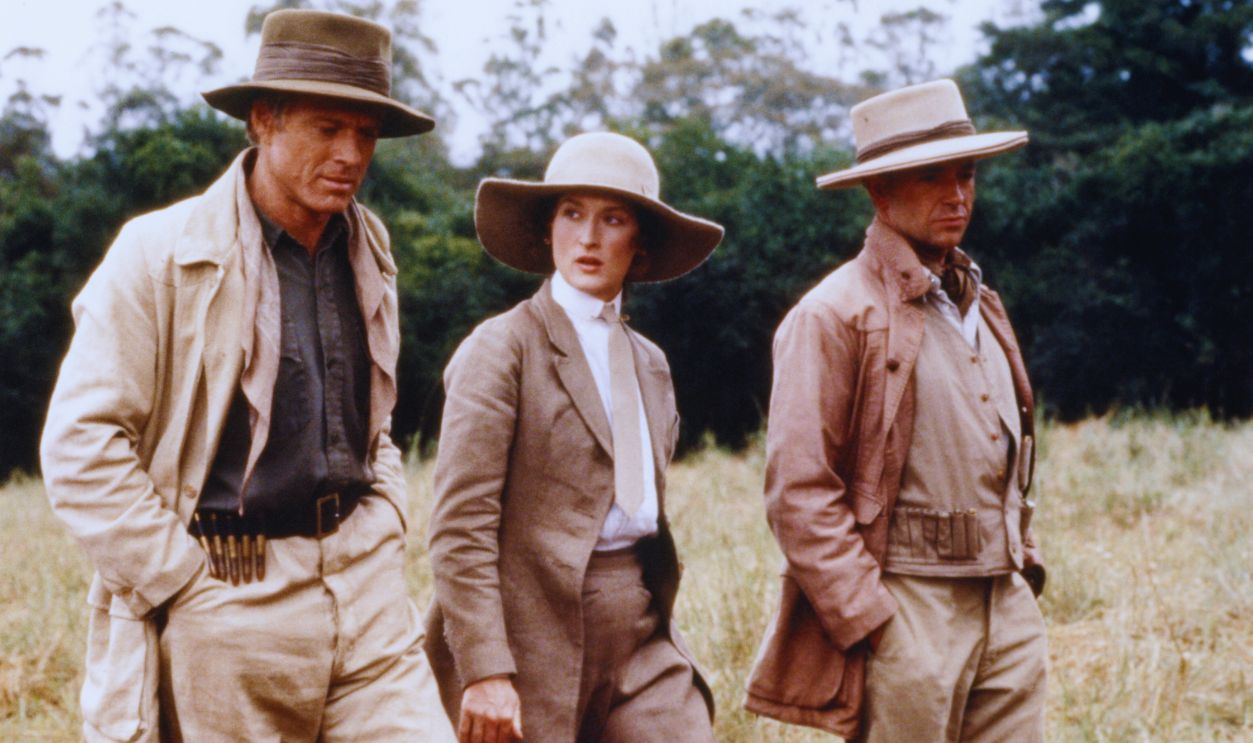 Sunset Boulevard, Getty Images
The New World
Terrence Malick has a gift for making nature feel poetic, and The New World is a perfect example. The film tells the story of Pocahontas and the arrival of English settlers in North America. Lush forests, quiet rivers, and tall grass fields dominate the visuals. Instead of rushing through scenes, the film lets the environment breathe.
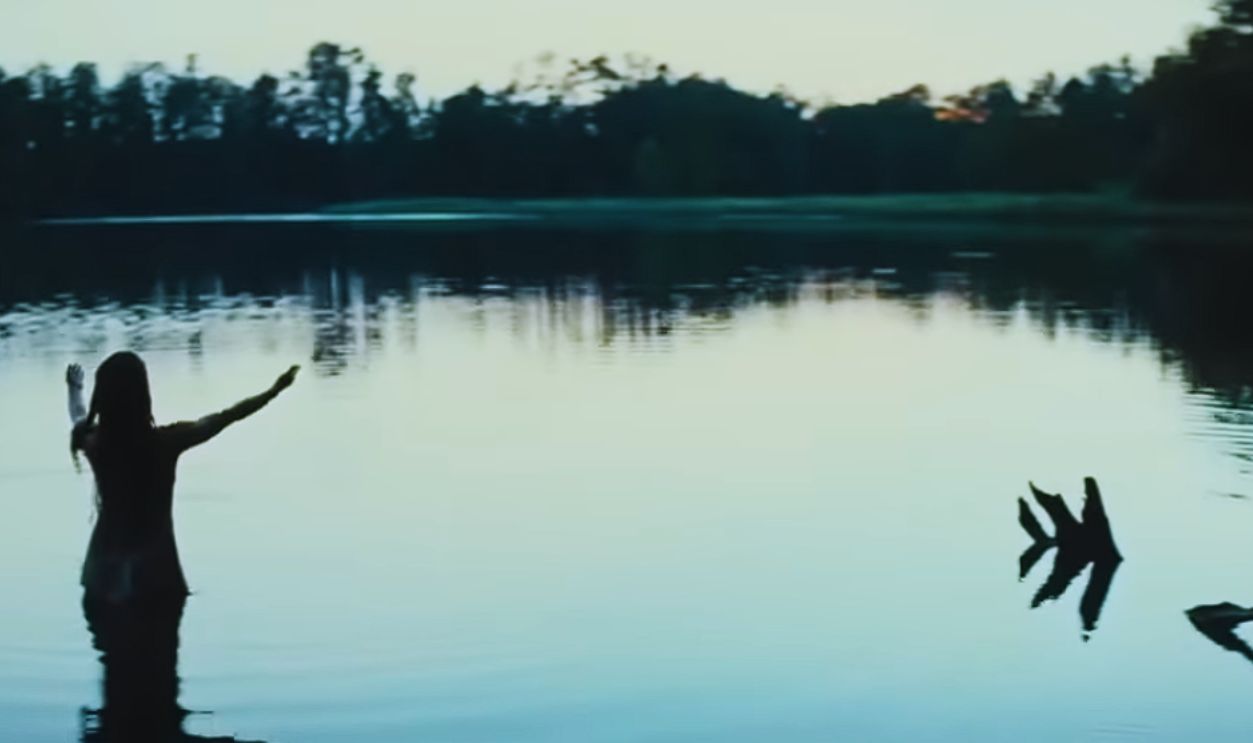 Screenshot from The New World, New Line Cinema (2005)
The Revenant
Nature in The Revenant is stunning—but it’s also brutal. Leonardo DiCaprio plays a frontiersman trying to survive the wilderness after being left to waste away. Snow-covered forests, icy rivers, and towering mountains create an environment that’s both beautiful and terrifying. It’s a reminder that nature can be breathtaking and completely unforgiving at the same time.
 Screenshot from The Revenant, 20th Century Fox (2015)
Into The Wild
Few films capture the urge to escape everyday life quite like Into the Wild. The story follows Christopher McCandless as he leaves behind modern comforts to travel across America and eventually live in the Alaskan wilderness. Along the way, the scenery shifts from deserts to forests to massive mountain ranges. The journey feels as big and unpredictable as the landscapes themselves.
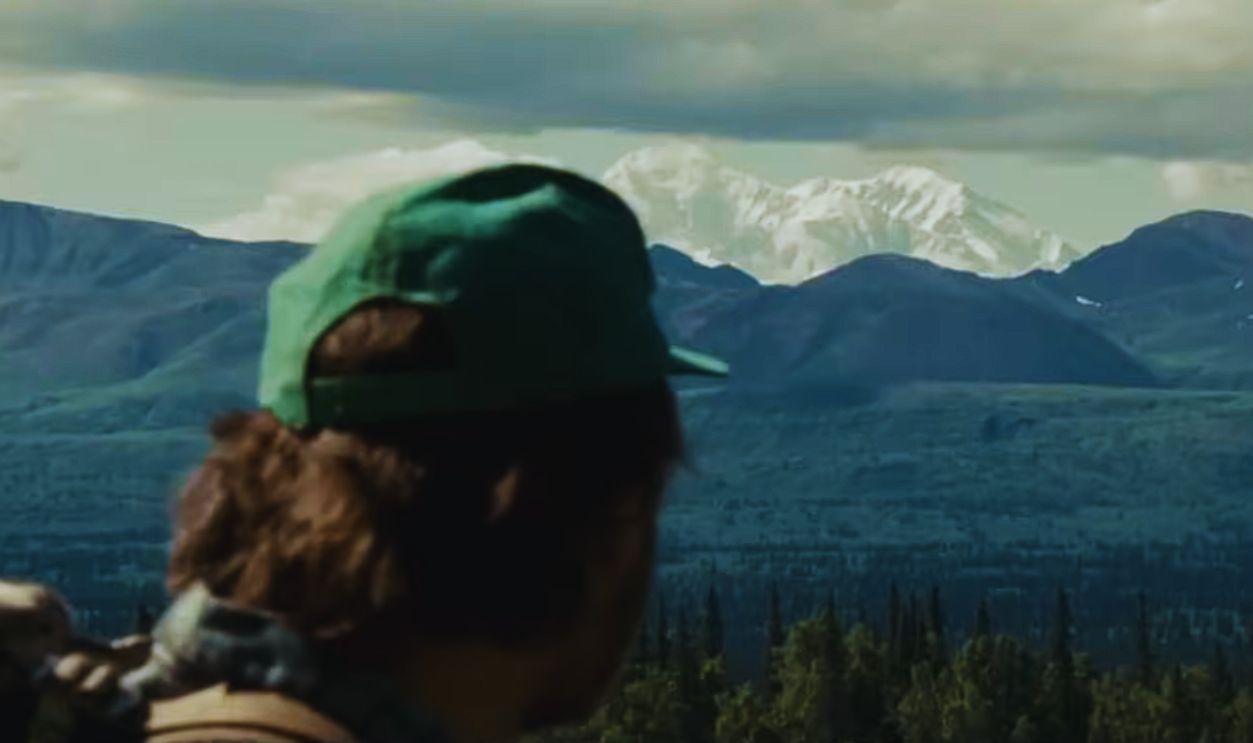 Screenshot from Into the Wild, Paramount Vantage (2007)
The Thin Red Line
Unlike most war movies, The Thin Red Line spends a surprising amount of time observing the natural world. Set during the Battle of Guadalcanal in World War II, the film contrasts human conflict with peaceful jungle landscapes. Tall grass sways in the wind while birds and animals move quietly through the environment.
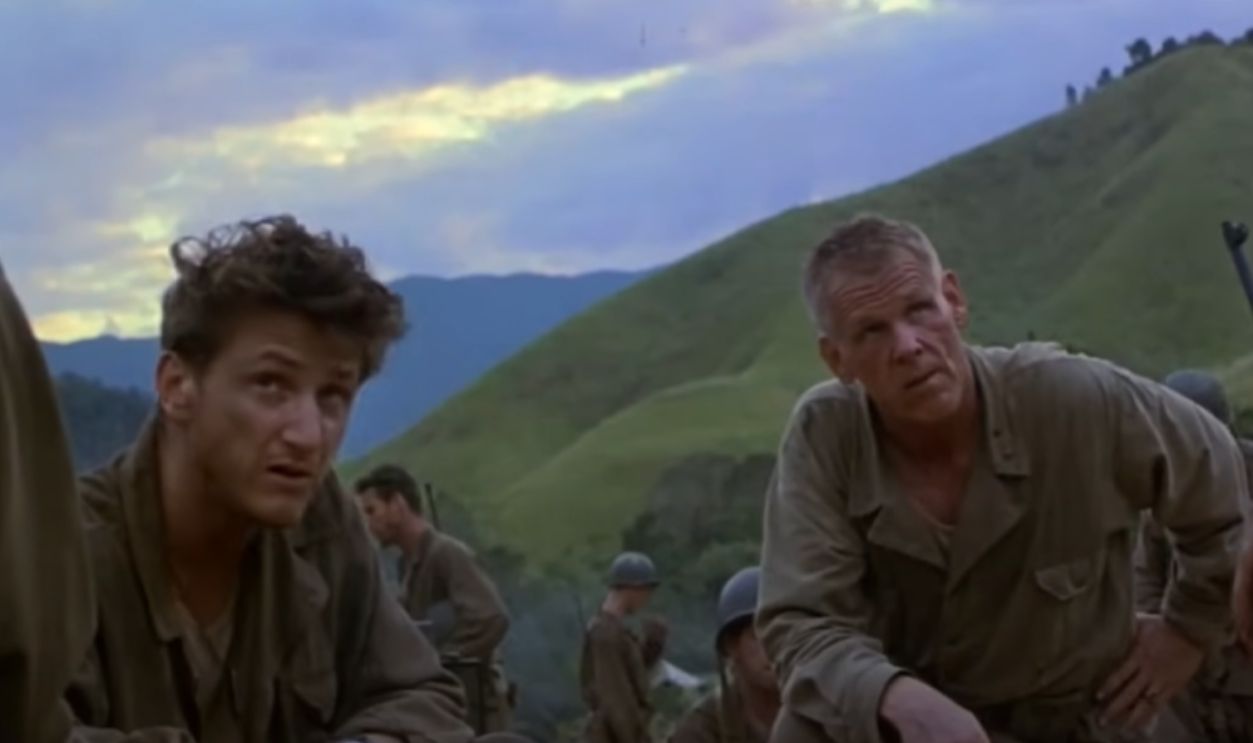 Screenshot from The Thin Red Line, 20th Century Fox (1998)
Lawrence Of Arabia
Deserts rarely look as incredible as they do in Lawrence of Arabia. Massive dunes stretch endlessly into the distance as the story follows TE Lawrence during WWI. The film uses the vast desert landscape to create a feeling of both adventure and isolation. Even decades later, those sweeping desert shots still feel legendary.
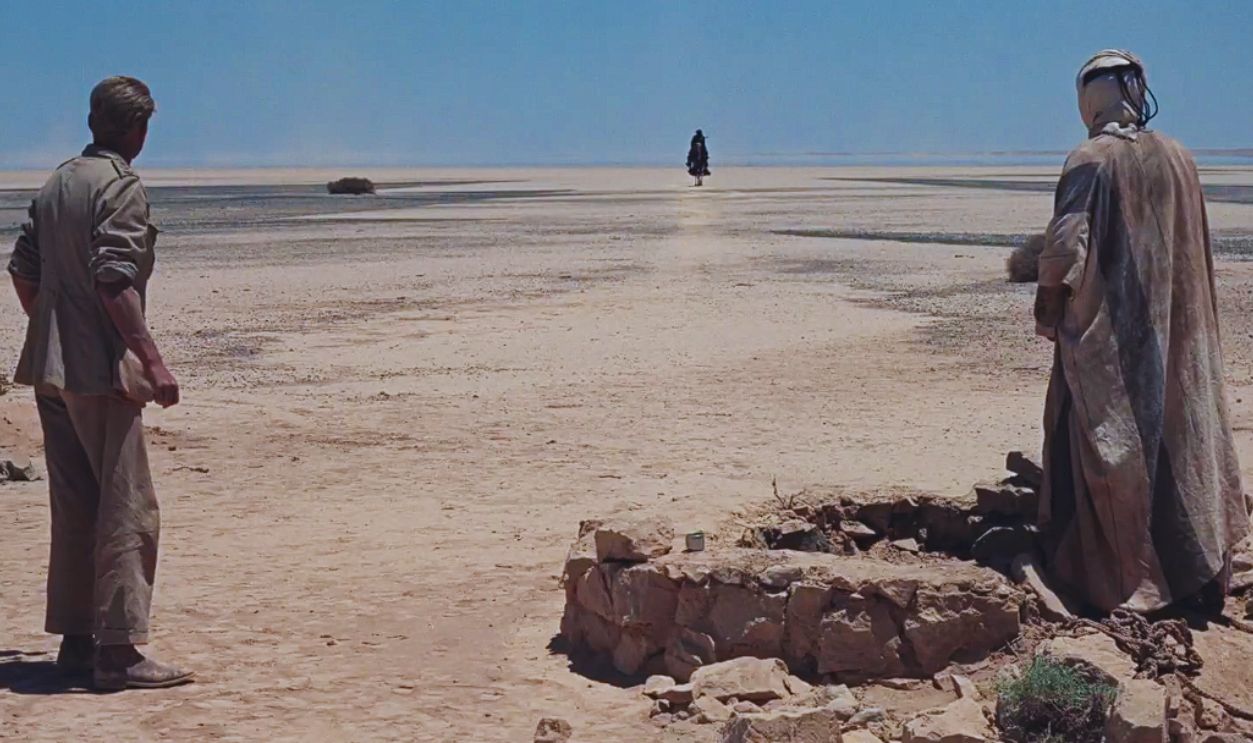 Screenshot from Lawrence of Arabia, Columbia Pictures (1962)
The Mission
Deep in the South American rainforest, The Mission unfolds among towering waterfalls and dense jungle. The story follows missionaries working with Indigenous communities while colonial powers close in. The scenery is both breathtaking and overwhelming at the same time. The famous waterfall sequences alone are worth the watch.
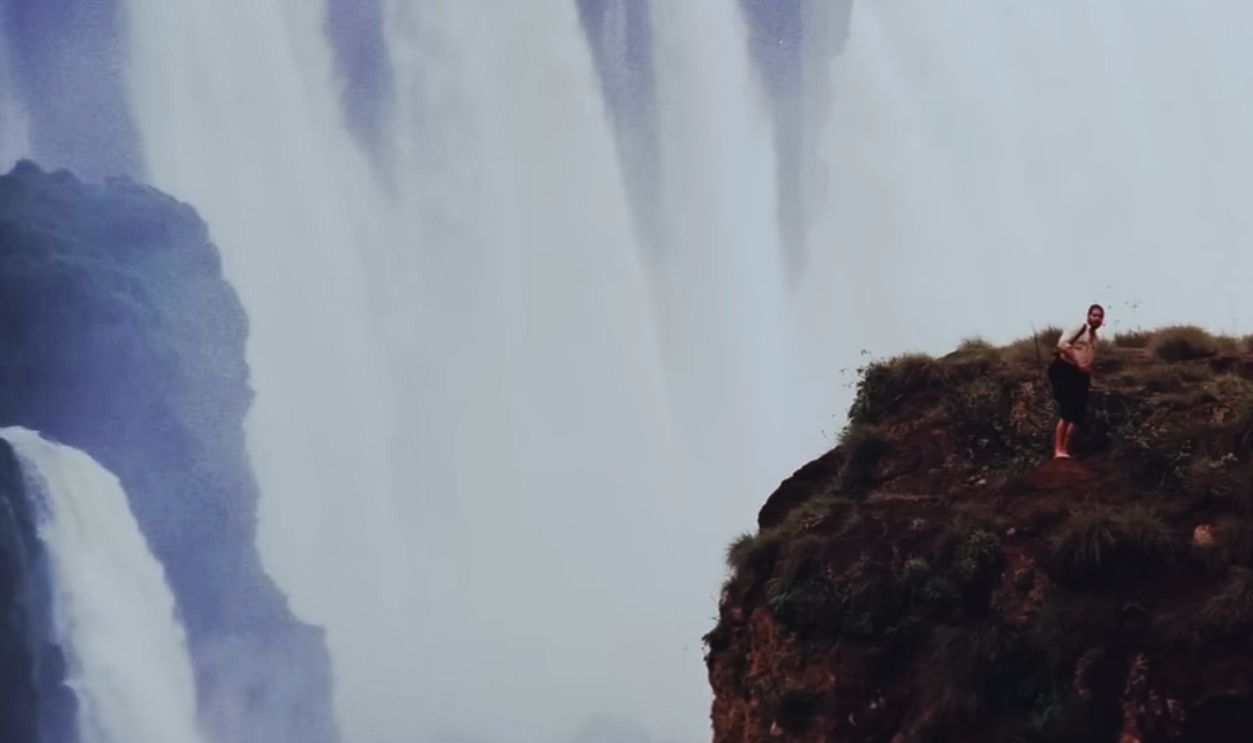 Screenshot from The Mission, Warner Bros. (1986)
Far And Away
Far and Away starts in Ireland and eventually moves to the American frontier, giving viewers two very different but equally beautiful landscapes. The film blends romance and adventure as two immigrants chase their dream of owning land. Rolling Irish hills eventually give way to wide American plains. It’s the kind of story where the scenery feels just as hopeful as the characters’ ambitions.
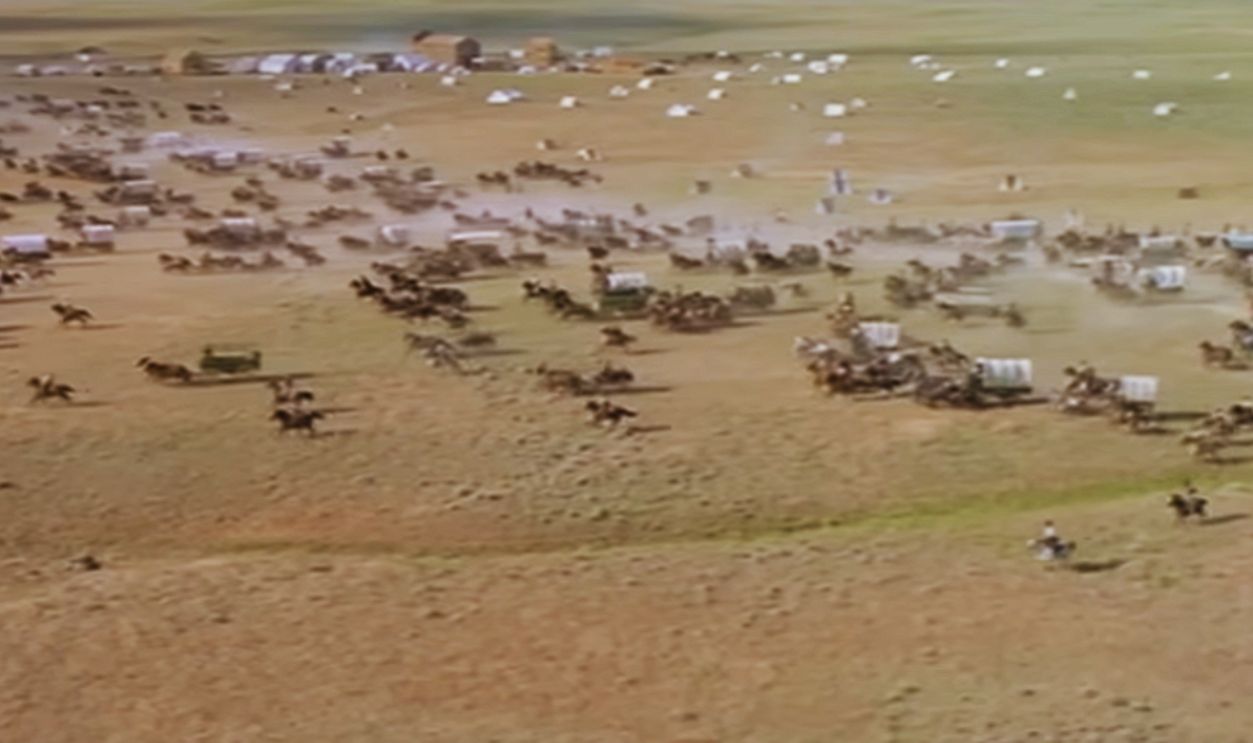 Screenshot from Far and Away, Universal Pictures (1992)
Seven Years In Tibet
Set against the towering Himalayas, Seven Years in Tibet follows an Austrian climber who unexpectedly forms a friendship with the young Dalai Lama. Snow-covered peaks dominate the screen, creating a setting that feels both peaceful and awe-inspiring. The environment gives the story a sense of quiet reflection. It’s the kind of scenery that makes the rest of the world feel very far away.
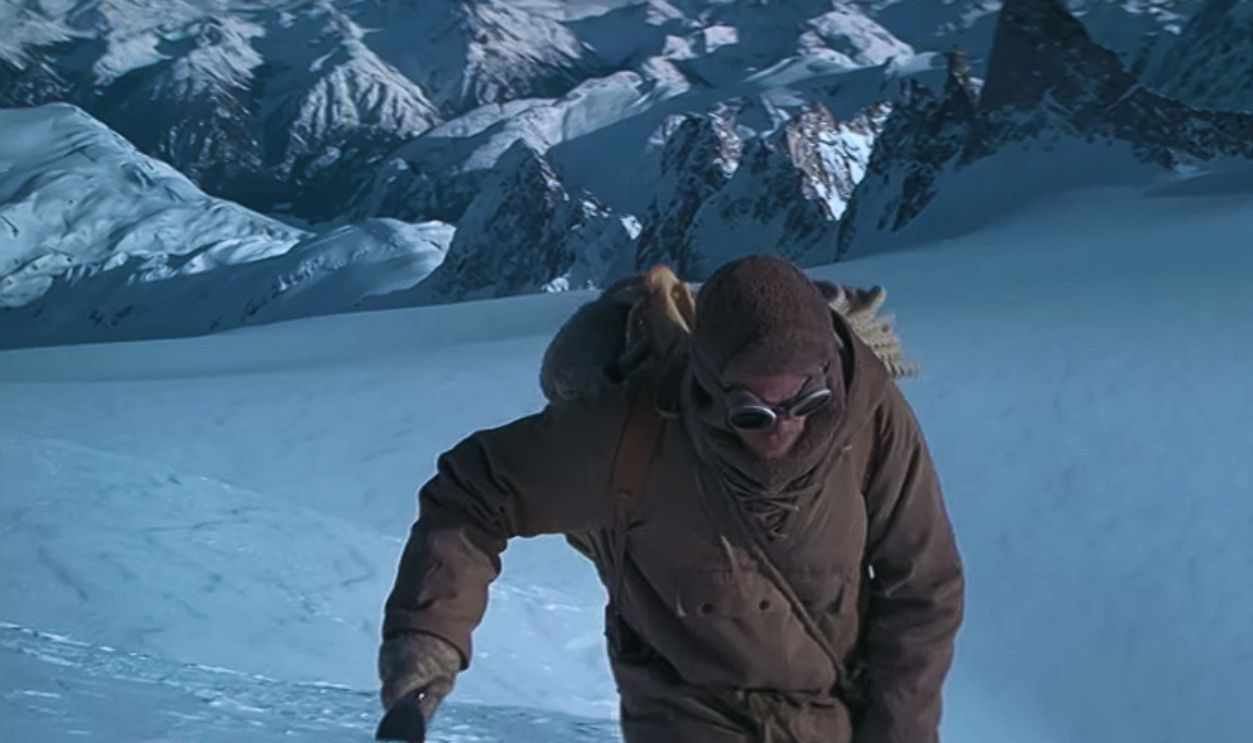 Screenshot from Seven Years in Tibet, TriStar Pictures (1997)
Brokeback Mountain
Ang Lee’s Brokeback Mountain takes place across the vast landscapes of Wyoming. The wide-open skies and quiet mountain ranges give the film its reflective mood. Much of the story unfolds outdoors, surrounded by nature and isolation. Those sweeping mountain views linger in your mind long after the film ends.
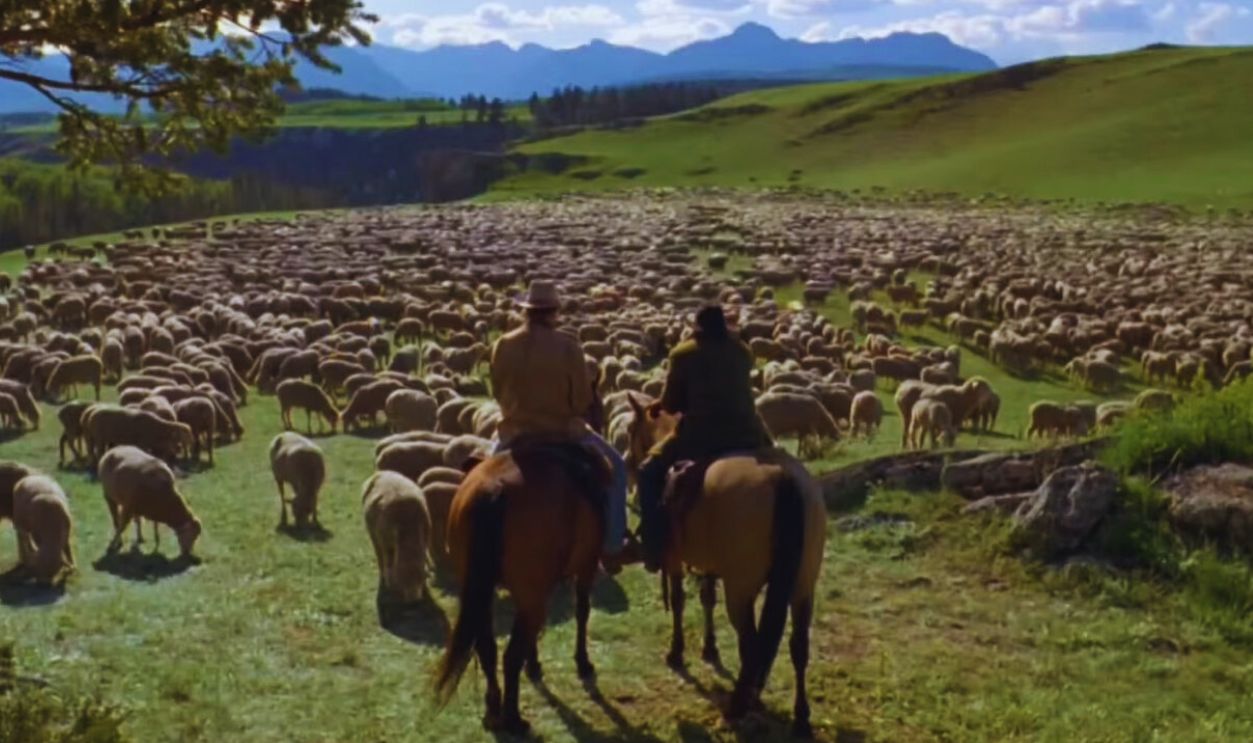 Screenshot from Brokeback Mountain, Focus Features (2005)
The Piano
Set in 19th-century New Zealand, The Piano uses wild coastlines and dense forests to create its haunting atmosphere. The environment often feels mysterious and untamed. Wind, waves, and rain play a huge role in shaping the film’s mood. Nature here feels powerful and unpredictable.
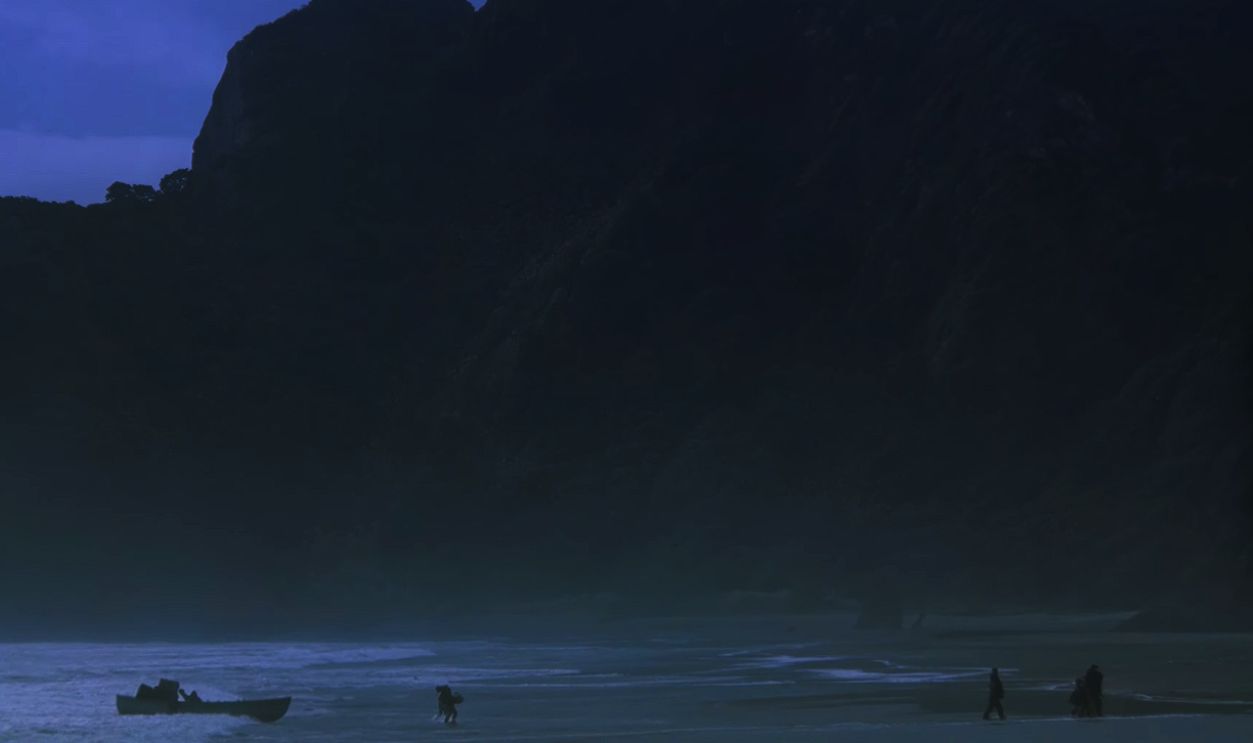 Screenshot from The Piano, Miramax (1993)
Days Of Heaven
Terrence Malick’s Days of Heaven might be one of the most visually beautiful films ever made. The story takes place among endless wheat fields in early 20th-century Texas. Much of the film was shot during golden hour, giving everything a warm, glowing look. Those endless amber fields might be some of the most stunning farmland ever captured on film.
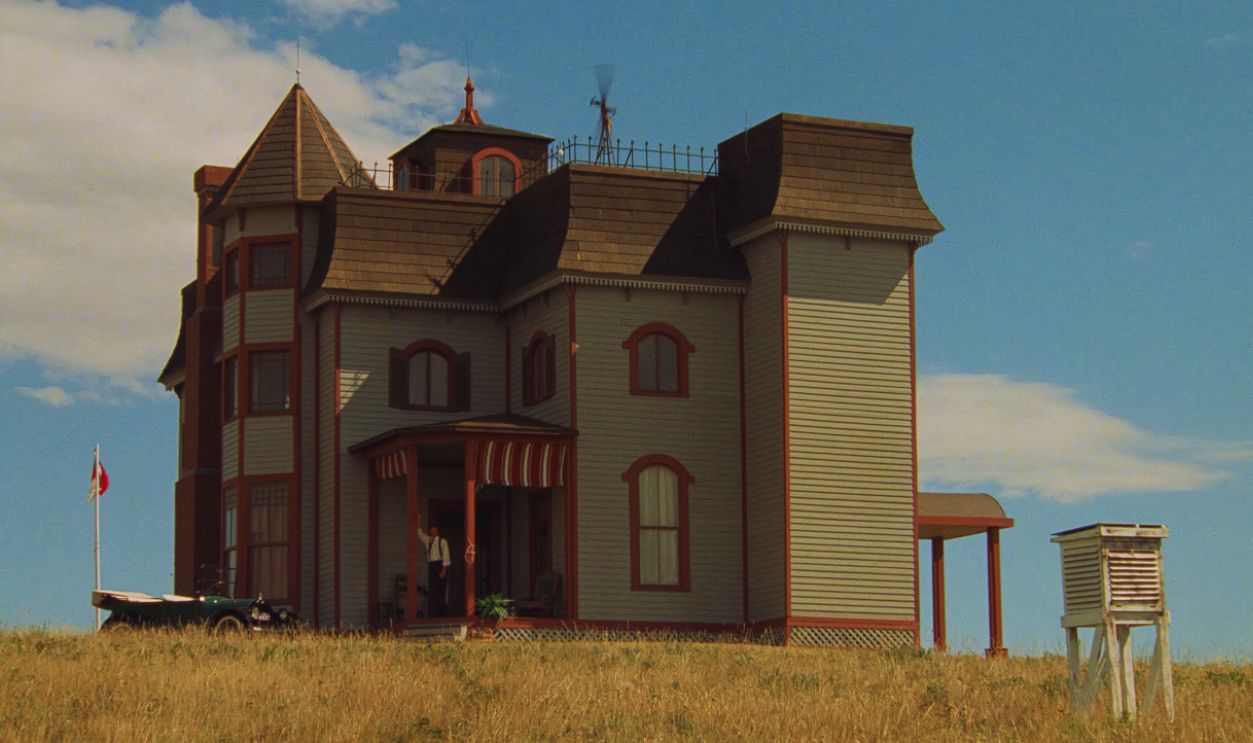 Screenshot from Days of Heaven, Paramount Pictures (1978)
You May Also Like:
27 Movies That Prove The Original Is Always Better Than The Remake
The Behind-The-Scenes Horror Story Of "Apocalypse Now"
Scandalous Facts About The Wizarding Families Of Harry Potter
Source: 1